Protecting the places that make the East Bay special
SPRING 2026
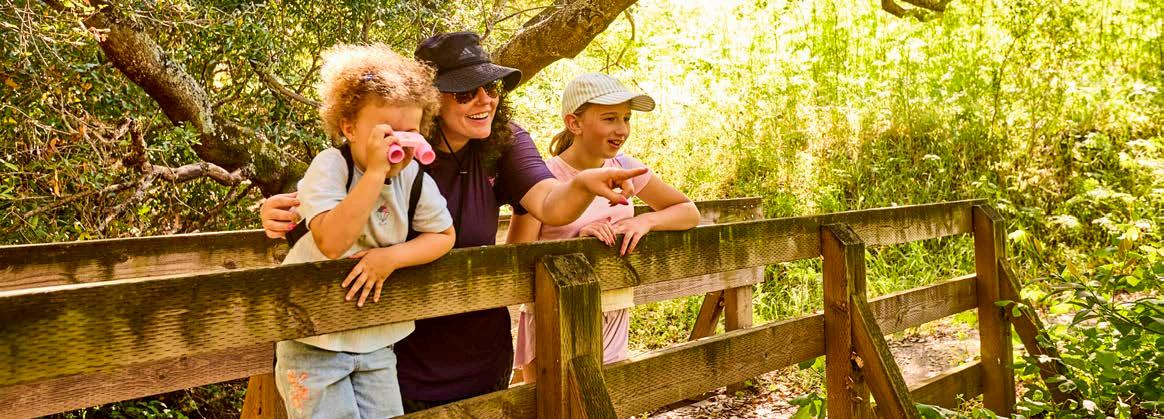
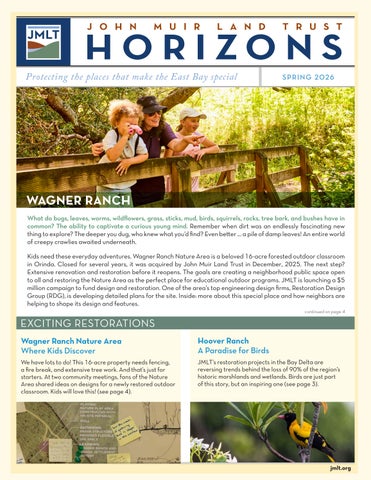
What do bugs, leaves, worms, wildflowers, grass, sticks, mud, birds, squirrels, rocks, tree bark, and bushes have in common? The ability to captivate a curious young mind. Remember when dirt was an endlessly fascinating new thing to explore? The deeper you dug, who knew what you’d find? Even better … a pile of damp leaves! An entire world of creepy crawlies awaited underneath.
Kids need these everyday adventures. Wagner Ranch Nature Area is a beloved 16-acre forested outdoor classroom in Orinda. Closed for several years, it was acquired by John Muir Land Trust in December, 2025. The next step? Extensive renovation and restoration before it reopens. The goals are creating a neighborhood public space open to all and restoring the Nature Area as the perfect place for educational outdoor programs. JMLT is launching a $5 million campaign to fund design and restoration. One of the area’s top engineering design firms, Restoration Design Group (RDG), is developing detailed plans for the site. Inside: more about this special place and how neighbors are helping to shape its design and features.
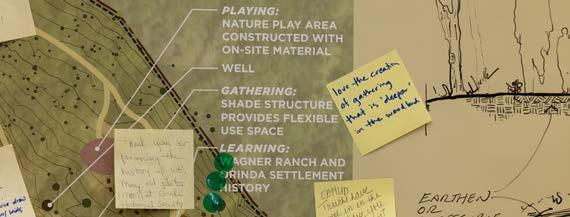
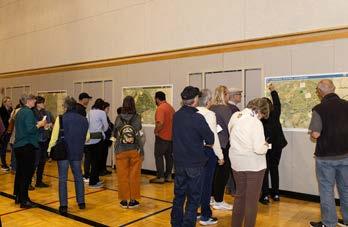
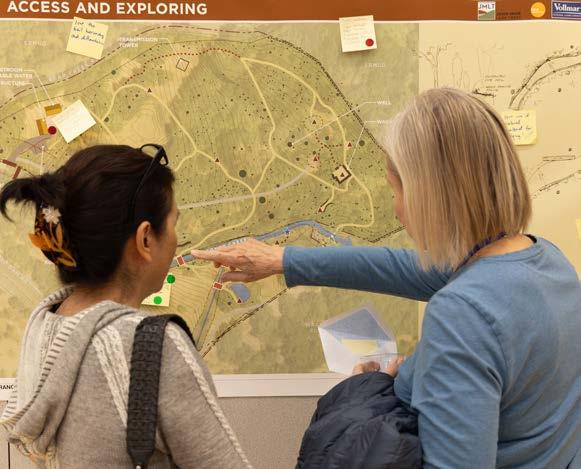
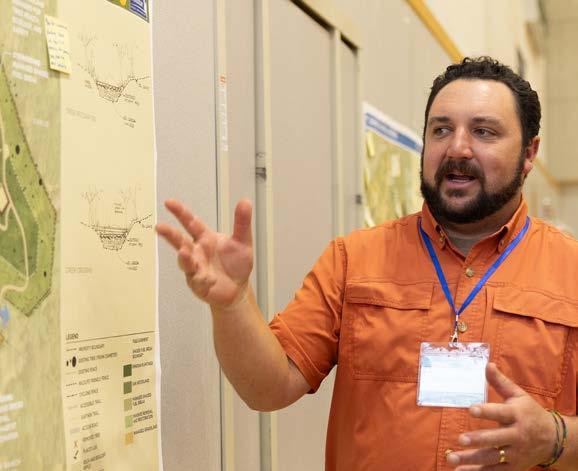
We have lots to do! This 16-acre property needs fencing, a fire break, and extensive tree work. And that’s just for starters. At two community meetings, fans of the Nature Area shared ideas on designs for a newly restored outdoor classroom. Kids will love this! (see page 4).
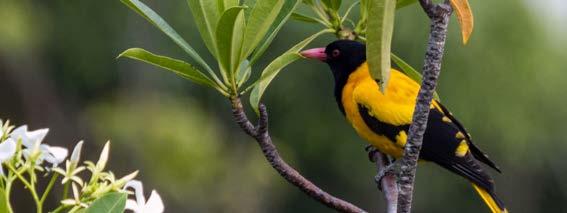
JMLT’s restoration projects in the Bay Delta are reversing trends behind the loss of 90% of the region’s historic marshlands and wetlands. Birds are just part of this story, but an inspiring one (see page 3).
P.O. Box 31, Martinez, CA 94553
925-228-5460 • info@jmlt.org jmlt.org
Linus Eukel
Executive Director
Kristen Anderson Director of Digital Marketing
Ricardo Black
Manager of Stewardship & Public Engagement
Mary Cherry
Senior Farm Manager
Jay Dean
Creative Strategy Director
Susan Engelson Director of Individual Giving
Amelia Flack
Grants & Institutional Giving Manager
Jen Fong
Workforce Development Manager
Brionna Garner
Database and Operations Manager
Lisa Lomba
Chief Advancement Officer
Alex Mokhtari-Fox
Associate Stewardship Director
Tim Rantala
Stewardship Ranger
Neil Roscoe
Chief Financial Officer
James Wilson
Stewardship Director
BOARD OF DIRECTORS
Stephanie Becker Chair
Dan R. Carl Vice Chair
Karen Sakata Secretary
Jerald M. Weintraub Treasurer
Arthur Bart-Williams Immediate Past Chair
Jack Cortis
Stephen Harvey
Katie Hill
Anna Lisa Kronman
Timothy E. Lipman
Ted C. Radosevich
Many thanks to the photographers who contributed to this issue:
Adam Weidenbach, Ana Homonnay, Jodi Foucher, Evan B Dudley, Jeff and Wendy Photography
Dear Friends,
Kids need nature. Yet they are growing up too distant from the natural world.
Headlines warn of the hazards of hours spent daily with screens and on social media. As a counterpoint, I hope you are inspired to read about Wagner Ranch Nature Area and its impact on thousands of youngsters over decades. John Muir Land Trust is the new owner of this beloved outdoor classroom and we’re planning its renovation. Generations of school children will benefit.
For young people, a visit to any of our special places is special. At Pacheco Marsh we’re hosting field trips for elementary school groups and high schoolers. These trips are eye-opening because seeing a thriving tidal marsh up close is so unusual. At Fernandez Ranch we recently welcomed students from local colleges who signed up for the outing because, well, they just don’t get outside much. They simply wanted to walk on something other than concrete or asphalt. Busy academic schedules require way too much time indoors.
Young people today make appointments with nature. JMLT hopes that an initial step outside becomes the first in a lifetime of many. A class at Wagner Ranch Nature Area can be life-changing. That’s why I am so grateful to you and other members of the JMLT community of supporters who are making these experiences possible. Together we’re fostering a passion for nature at a time when it’s needed most.
Thank you!
Linus Eukel, Executive Director

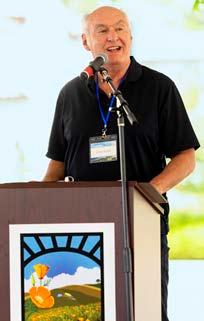
For long-time Bay Area residents, he was the voice of land conservation. As the television host of Bay Area Backroads and Open Road, Doug McConnell introduced us to beautiful places and the passionate nature lovers protecting them. He told inspiring stories and lifted our spirits. He was charming, funny, smart, warm, joyful, and wonderful. He was authentic—he genuinely cared—one of the lucky few who turned his passion into a livelihood. JMLT had a close relationship with Doug. He told our stories and hosted our events. He always asked, “How can I help?” Doug passed away in January. He is dearly missed.

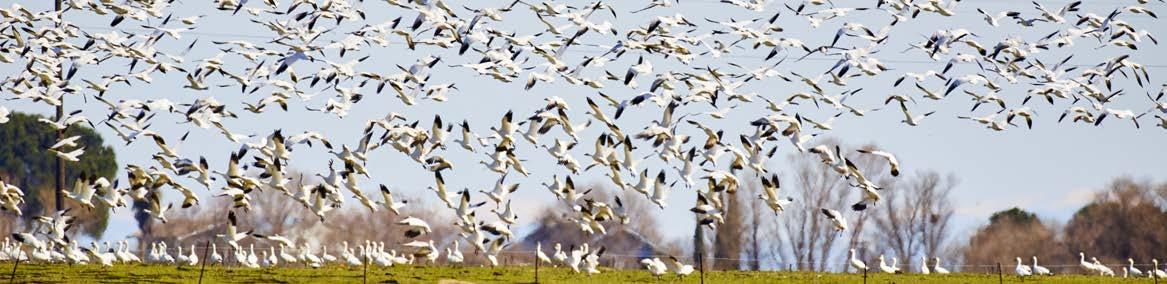
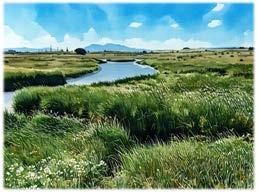
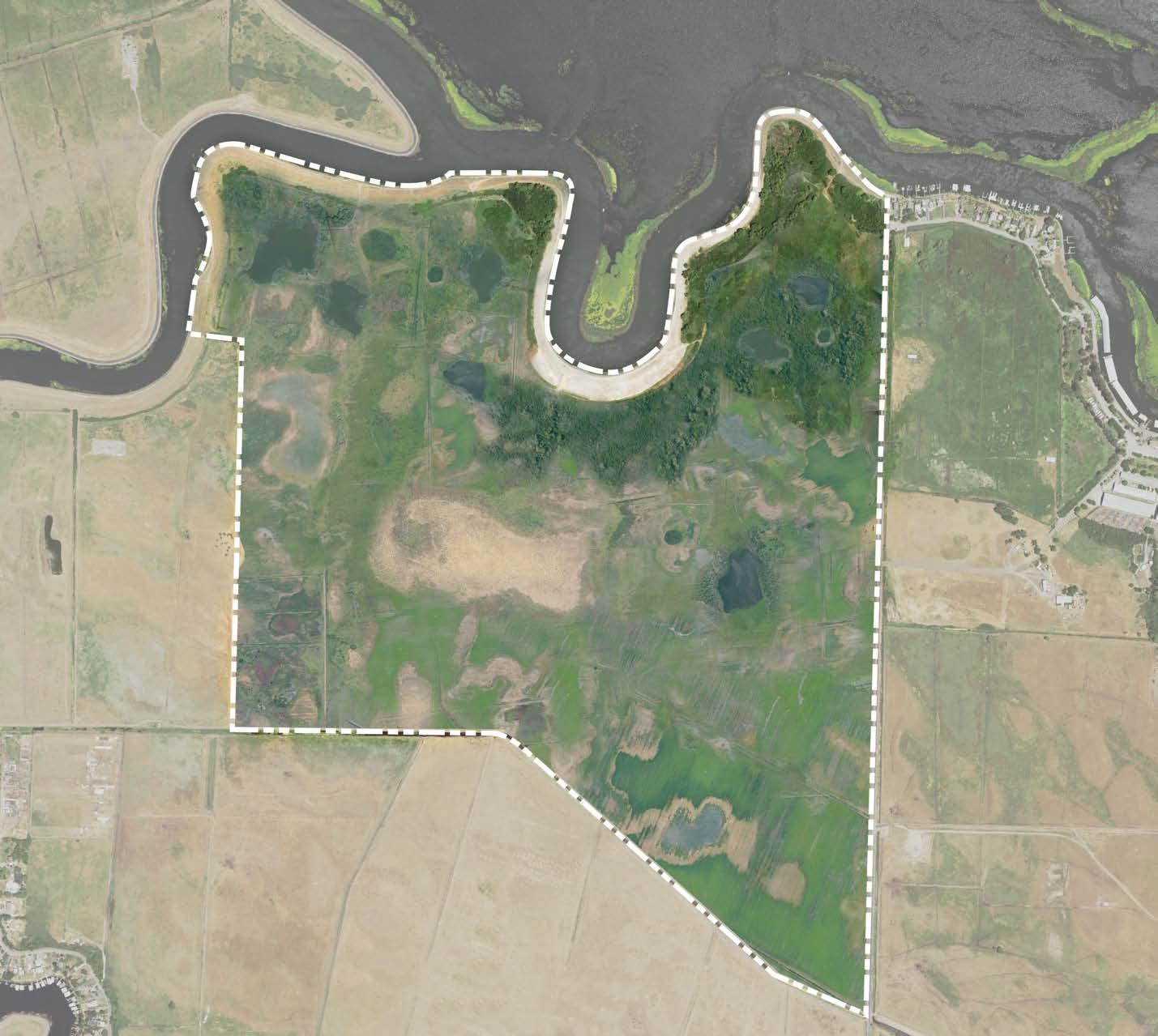
At a 600-acre former ranch on Bethel Island, JMLT is creating muchneeded new freshwater wetlands in the Bay Delta. Hoover Ranch is already well-known in the birding community, but when restoration is completed, visitors will encounter even more stunning sights as migratory birds find a winter home and native species delight all year long.
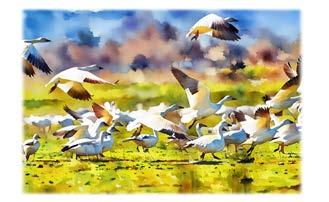
Over 80 species of birds have been documented in biological surveys here. Perhaps the most majestic are snow geese, arriving in flocks that fill the sky like living clouds. Their journey covers thousands of miles from the Arctic to the wetlands of California. Snow geese are remarkable for their sheer scale and presence. An individual bird has a wingspan of 4 to 5 feet. Flocks can number in the tens or hundreds of thousands.
Most of Hoover Ranch is former agricultural land. There is a remnant riparian woodland and a rare Delta sand dune. Only a few acres are freshwater wetlands. JMLT will convert nearly the entire ranch into new wetland habitat that harbors migrating birds, native birds, mammals, and other wildlife. Best of all, Hoover Ranch is an easy visit for nature lovers eager to see its wildlife spectacles and views up and down the Bay Delta.
continued on page 8
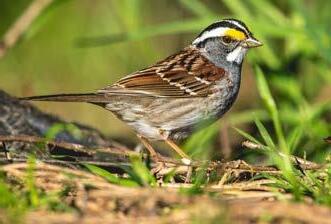
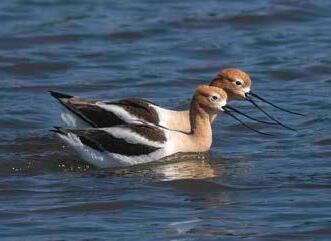
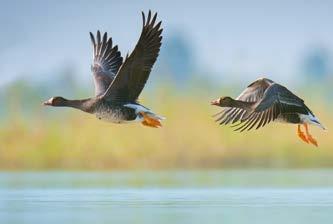
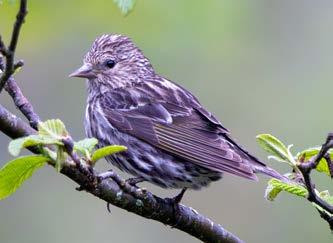
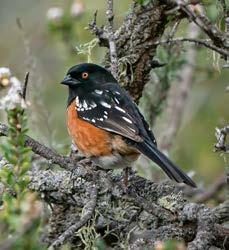
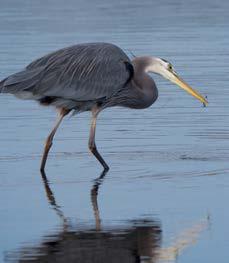
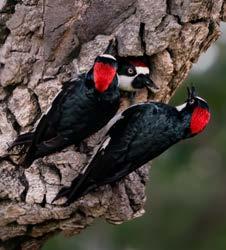
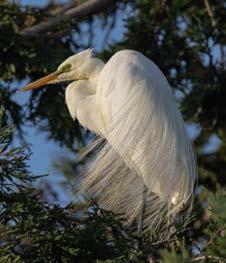
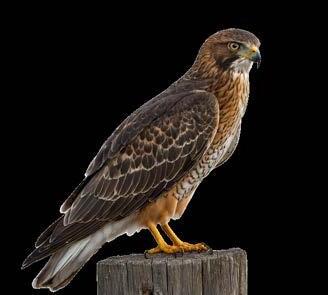
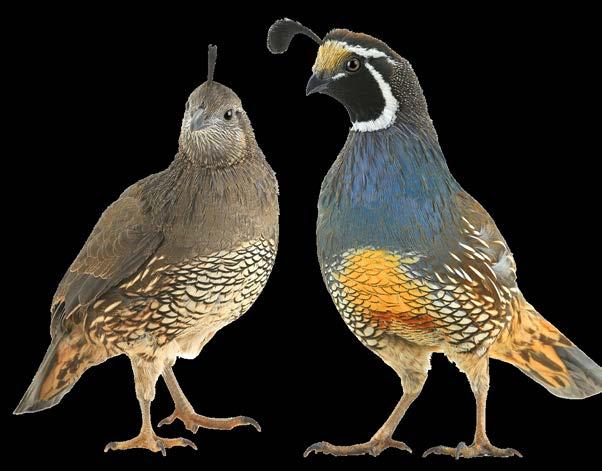
Red-shouldered
Red-tailed
Red-winged
Ring-necked
Ruby-crowned
Ruddy
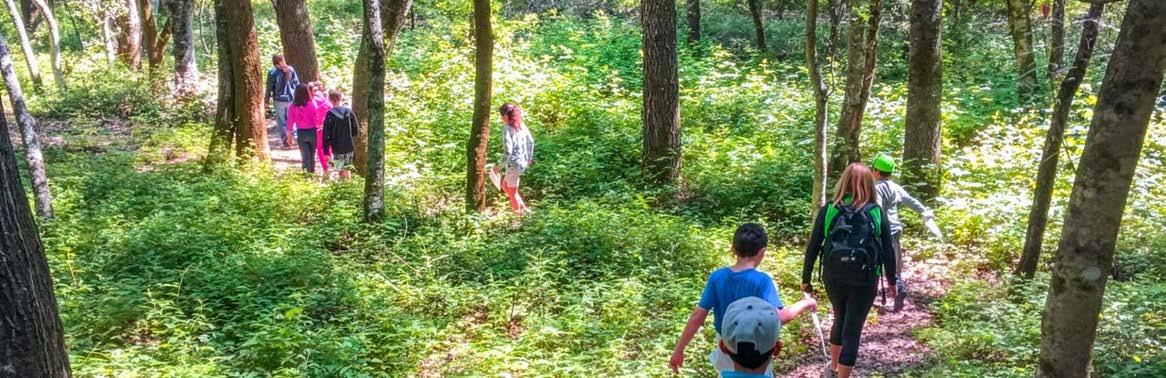
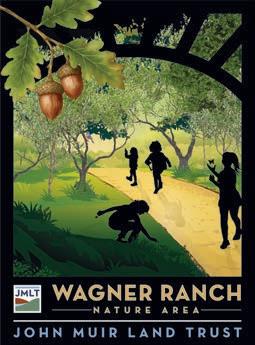
In Orinda, 16-acre Wagner Ranch Nature Area is a former outdoor classroom where thousands of elementary and middle school students learned about the natural world. JMLT is finalizing a comprehensive plan for restoring the site, now closed due to severe storm damage. The plan will mitigate safety hazards, add new amenities, ensure proper maintenance, and engage program partners. Our campaign goal is $5 million.
Time spent in nature is so beneficial to the health and well-being of people of all ages, but especially school-age kids. Today’s digital age has produced alarming spikes in stress and anxiety. When Wagner Ranch Nature Area opens again—as an outdoor classroom and a public open space —the community benefits will be huge. The site is easily accessible for a morning walk or an evening stroll along forested paths. Well-maintained natural areas reduce the risk of dangerous wildfires. They protect clean water. As habitat, they shelter native wildlife from residential neighborhoods. That’s a lot to like.
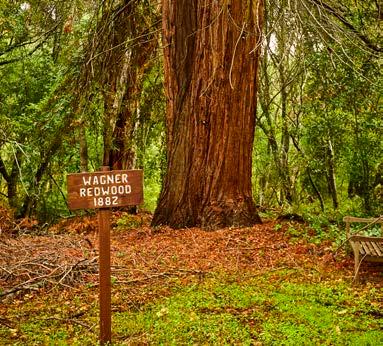
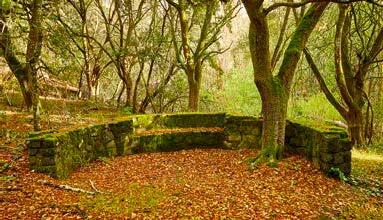
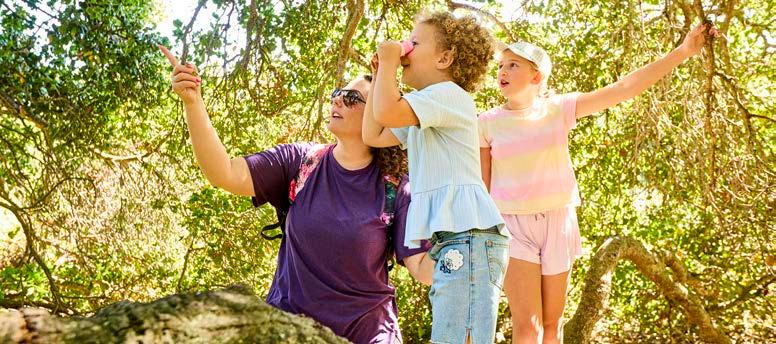
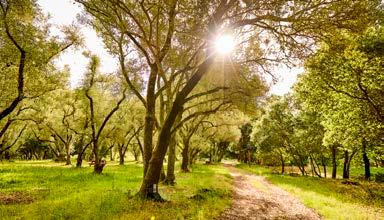
Visit jmlt.org/wr-survey to view design concepts and take our survey
A . Access and Exploring: a welcoming place for people of all ages and abilities.
B. Restoring and Stewarding: healthy, safe, and well-maintained ecosystems.
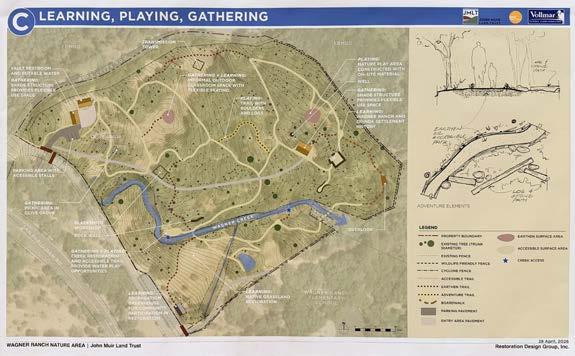
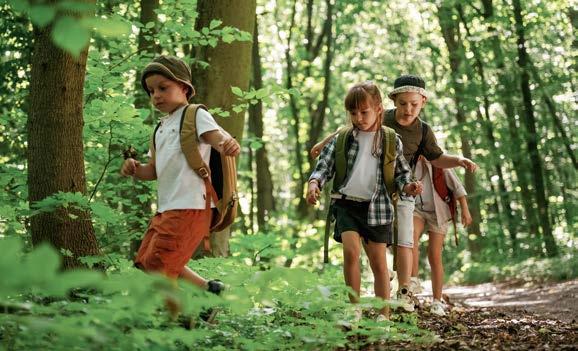
C Learning, Playing, Gathering: an engaging space for visitors. You Can Help.
If we succeed, Wagner Ranch Nature Area will again be where simple discoveries teach life-long lessons. Where watching butterflies and tracing the shapes of leaves reveal wonder everyday.
Donate Today at jmlt.org/wagner
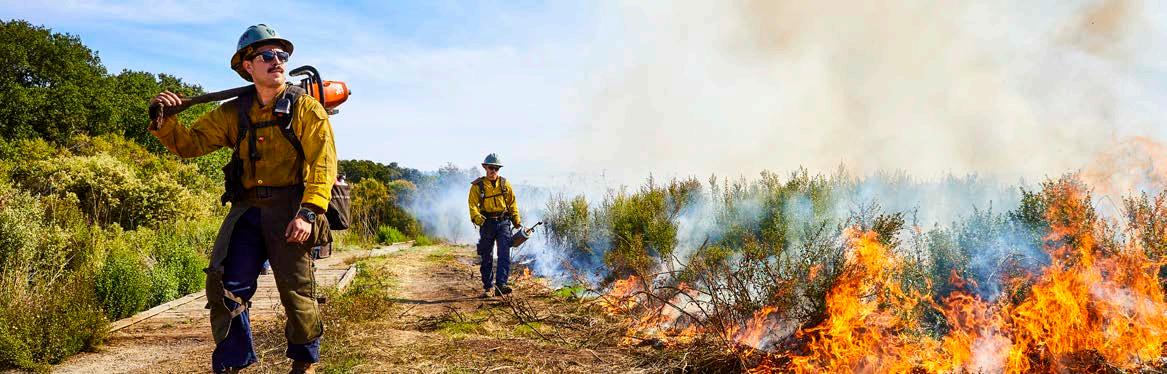
Prescribed burns do many good things. They mitigate invasive species, promote nutrient cycling, encourage native plant germination, and reduce hazardous fuels that otherwise could feed wildfires. In October, JMLT partnered with Contra Costa Resource Conservation District (CCRCD) to burn 20 acres of grassland at Fernandez Ranch. This and prescribed grazing at the site produce a much healthier and safer landscape.
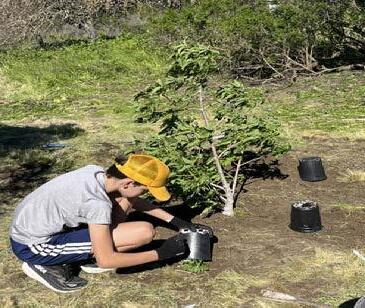
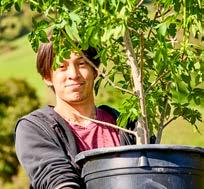
At Fernandez Ranch, Pacific Gas & Electric asked to remove a mature buckeye tree that was too close to a power line. PG&E donated 20 new plants to amend the loss. These are big trees, each one about 6 feet tall in a 15-gallon pot. Planting was made possible by volunteers, including local high schoolers. Buckeyes are drought-tolerant natives with aromatic flowers that attract pollinators. Butterflies love them!
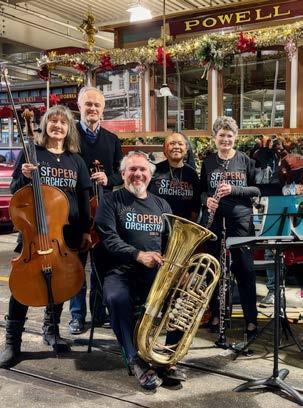
They did it again! The Lowell Ensemble and the Campbell Theater in Martinez donated time and venue for a festive concert benefiting JMLT on April 19th. Most tickets sold in the first 24 hours. JMLT is deeply grateful to:
• Janet Popesco Archibald, oboe and English horn
• Paul Ehrlich, viola
• Victoria Ehrlich, cello
• Karen Hutchinson, keyboard
• Zachariah Spellman, tuba
• Christopher Oglesby, tenor and special guest
These masterful members of the San Francisco Ballet & San Francisco Opera orchestras delighted everyone with an evening of classical, film, and popular music. All proceeds from the concert go to help conserve land throughout the East Bay!
Acres of former ag land will be converted to new wildlife habitat at Hoover Ranch on Bethel Island. Hoover Ranch is one of three active JMLT projects in the Bay Delta.
Black rails observed at Pacheco Marsh this year. They've been waiting patiently nearby for restoration to advance. They’re coming back!

1
Billion. That’s how many birds migrate to the Bay Delta seasonally along the Paci c Flyway. That’s a lot of birds, but not as many as …
Bird species have been documented at Hoover Ranch in biological surveys. New freshwater wetlands will make the former ranch a must-stop for birders.
50
Miles per hour. The speed reached by snow geese ying from the Arctic to the Bay Delta. Their ocks are an amazing sight at Hoover Ranch in the winter months.
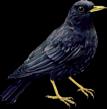
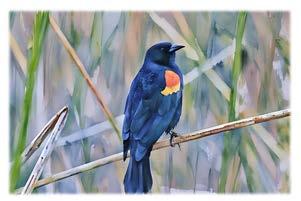
Colors. The tricolored blackbird, a Bay Delta native, has a brilliant red shoulder patch underscored by a white line on midnight black bodies.

The number of smiles and gasps of delight we have as our goal when nature lovers visit our Bay Delta sites in the years ahead. Visit Pacheco Marsh now and see what the future has in store.
Opportunities to create thriving marsh habitat are rare. At Hoover Ranch, our restoration plan aims to convert nearly 600 acres into new freshwater wetlands and associated habitat. The impact? Huge benefits for protecting wildlife, for reducing carbon pollution, and for giving nature lovers a spectacular place to visit. Let’s look at what this means for some of the 80 species of birds that inhabit this area.
Creating new wetlands is critically important to migratory birds such as snow geese and sandhill cranes. Populations of many species of migratory ducks, among them northern shoveler and cinnamon teal, have alarmingly declined in recent years.
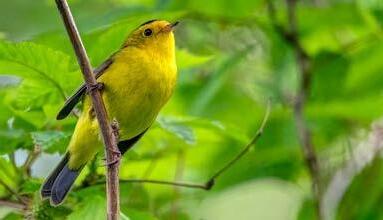
Native bullrush and cattails once flourished in the region. Tricolored blackbirds, a state-threatened species, love these plants. They’ve been observed on a small island nearby. New wetlands will greatly expand their habitat.
The loose soil of a rare historic sand dune is where ground squirrels love to dig burrows. Burrowing owls rely on squirrels for food and take over squirrel burrows as their own. These owls are favorites among birders because they are adorable and well, rather funny-looking.
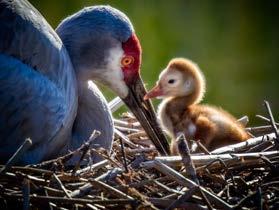
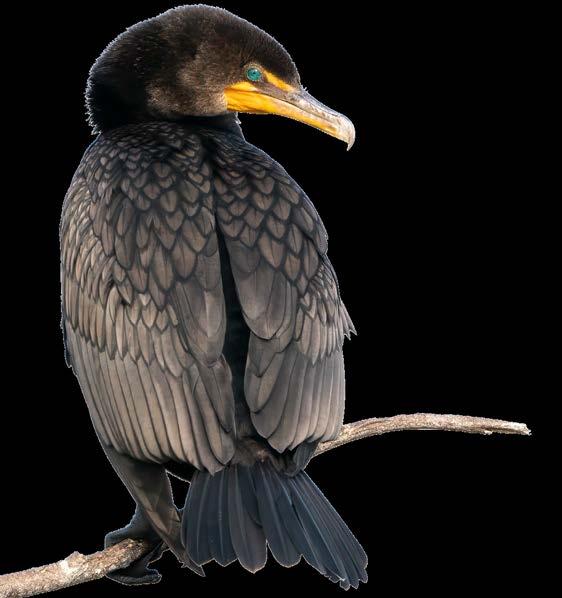
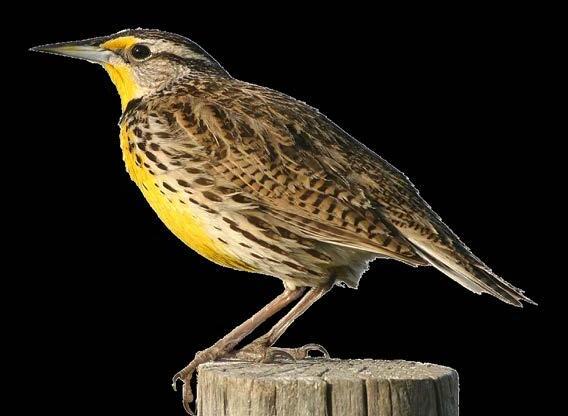
An area in the northern portion is mostly grassland habitat that is also favored by the aforementioned burrowing owls. Sparrow species thrive here as well. Upland refugia supports bird species that need dry places for nesting.
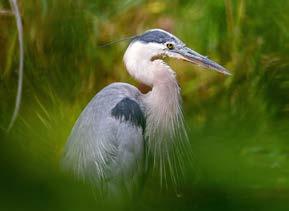
Urbanization in the East Bay has eliminated acres of riparian woodlands near rivers and streams. A number of species of cuckoo are special status and rare in the Delta. These birds need wide strips of riparian woodlands, not the thin strips left after development.
JMLT is restoring fragile marsh lands in the San Francisco Bay and SacramentoSan Joaquin Delta. The Bay Delta supports 750 native species, including two-thirds of the state’s spawning salmon and a billion migratory birds. 25 million Californians depend on the Delta for drinking water. The region supplies water to millions of acres of farmland. Yet, tragically, more than 90% of our historic tidal wetlands have been lost.
You can help bring them back! Donate Today!
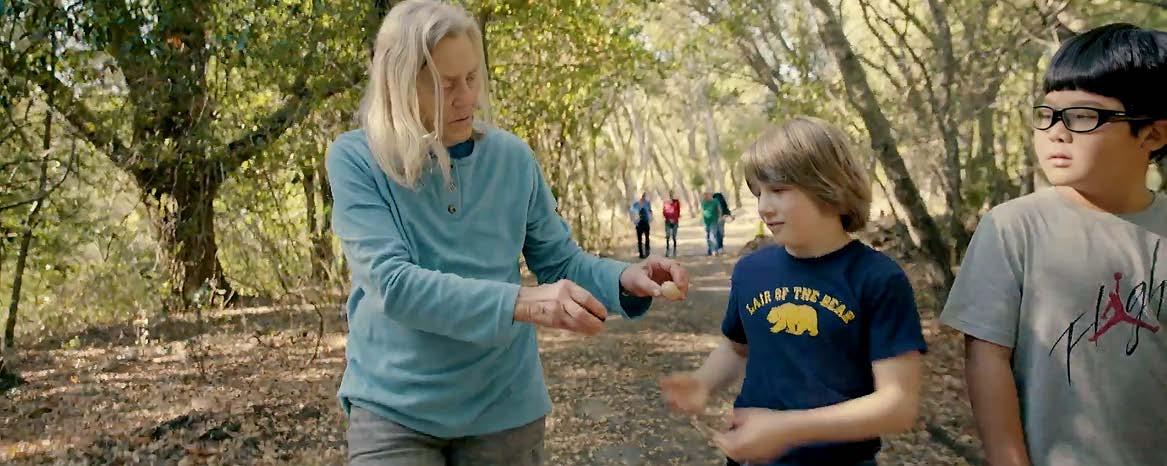
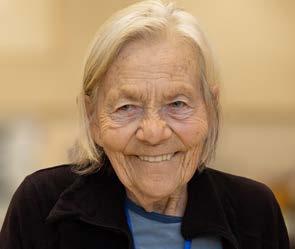
No one knows Wagner Ranch Nature Area better than Toris Jaeger. In 1978, holding a California teaching credential, she was hired as the naturalist to run educational programs for kids. She was the perfect choice. Before the Nature Area closed due to storm damage in 2023, Toris taught 15,000 students over nearly five decades. As the Nature Area itself, Toris is a local treasure. Today, at age 82, she gets stopped in supermarkets by adults who vividly remember one of her lessons taught under an oak canopy and blue skies.
Conversation with her naturally settles into teacher-student-mode. And it’s fun to be the student! Did you know (I did not) that of the defined ecosystems in the East Bay, 6 out of 7 can be observed and explored in this single 16-acre preserve.*
“I'm constantly running into people who tell me, ‘Toris, you have no idea the impact you had on my life or my children's life,” she says. “I’ve always had two goals. One, connect students to real nature. Two, make them feel respected and loved. I tried to focus on the kids, not just the curriculum, but on respect for each other. I'd say, ‘I've decided to live my life in peace and in respect. If you're with me, I'm going to expect that of you.’” This certainly sounds like someone benefiting from a lifetime of lessons learned outdoors.
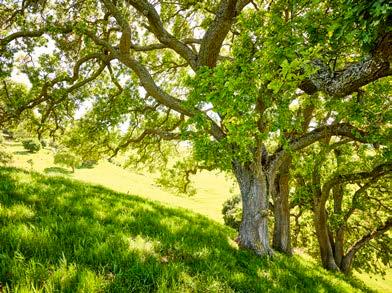
Her classes focused on the ecosystems and the cultures that define our region’s past and present. Toris says, “There is a main plant and a main animal that identifies each ecosystem. For chaparral, the identification plant is the coyote brush, and the animal is the coyote. There's oak woodland,” she continues. “The Nature Area has three: two valley oaks and a live oak that are over 400 years old. Oak woodlands provide the most food for the most species, because of the acorns.” Students learned about the foods consumed by each cultural group. “The kids loved preparing meals by collecting food from the garden, and then in the kitchen preparing it and serving it to everyone. One group would cook and the other group would learn the history, and then the next day they switched.”
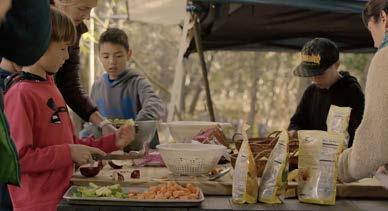
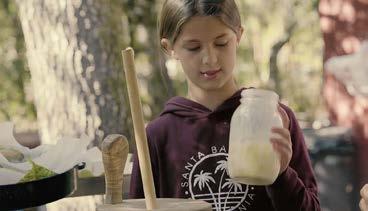
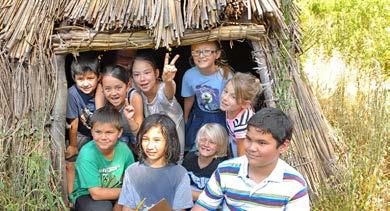
“When they come to the Nature Area kids feel depressurized,” Toris adds. “They love being with their classmates and just talking about life. They've called it a healing place; where if they're upset, they work through it. I believe the educational system is losing touch with the whole person. One day I asked, ‘What is the science of composting?’ And a little fourth grader says, ‘Well, I don't know the science, but I know when I come into the Nature Area, I feel more relaxed, and I can go back to my classroom and sit still for a while.’”
“Some people would think all of this is a waste of time. That kids need to be buckling down and learning the contents of books. But once they've learned with the hands-on method, kids have told me they can supplement learning in nature with learning in the classroom.”
Toris delights in describing a game that demanded stillness. “In native studies the kids loved the ‘quiet food game’. Girls could be hunters too. One person, the deer, goes down the trail and turns their back on everybody.” The hunters then try to sneak up on the deer. “If the deer puts up their hand because they hear noise, then that hunter has to go back.”
That’s an image we can all cherish. Kids interacting with each other and the world with all senses fully engaged. In person. Under trees. On dirt and grass. That’s an experience a swipe on a screen can never match.
And it’s not just the kids. “You take a hike and you allow yourself to just relax, to take in the trees and take in the flowers. You feel healed. We have the opportunity to save the Nature Area. If we don't, it'll be gone, and then we can't get it back. This is our time. It is the community's Nature Area.”

We thank Toris for her decades of engaging kids with nature, and for making the very first donation to the Campaign for Wagner Ranch Nature Area. We’re getting closer to the day when kids will be there again, bustling with excitement and questions.
On December 11, 2025, Orinda Union School District transferred title of the 16 acres to JMLT—a significant step toward the community goal to reopen Wagner Ranch Nature Area. State Assemblymember Rebecca Bauer-Kahan arranged a grant of $1.5 million from California state funds designated for parks and open space that allowed OUSD to receive fair market value compensation.
Kids need nature and nature needs to be preserved. Recent science makes this clear. There is no one better suited for taking this on than John Muir Land Trust. I am delighted to facilitate this acquisition and delighted that this land is preserved in perpetuity and that children in our area will have this outdoor classroom again. These experiences shape lifelong values.
—Assemblymember Rebecca Bauer-Kahan
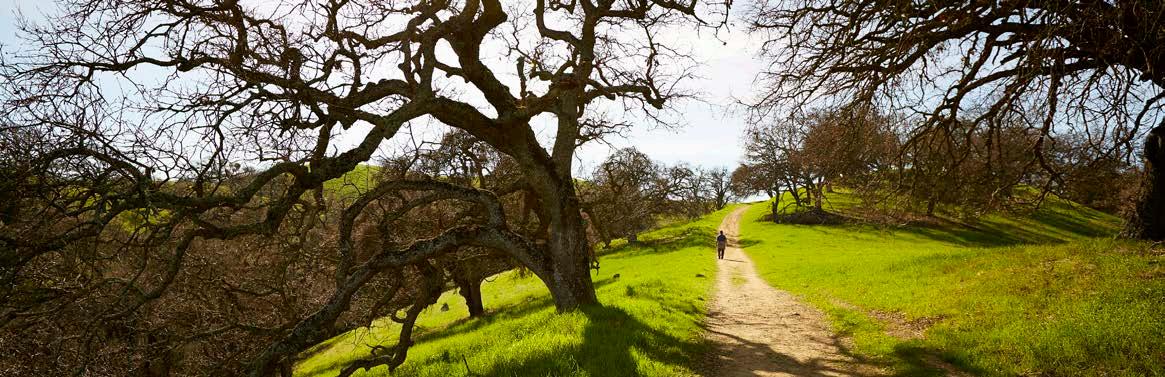
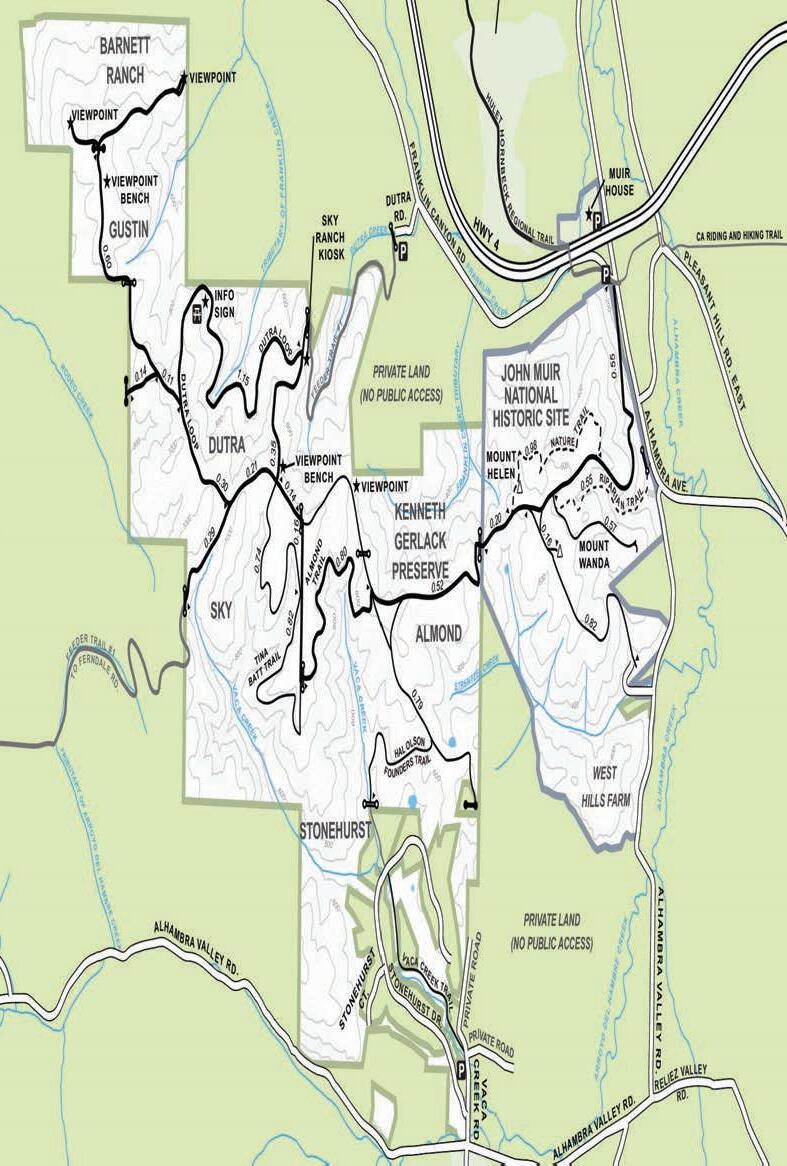
When John Muir’s wife Louie thought he was working too hard on the ranch, she would take baby Wanda to him. He would stop work and stroll with her along the creek or up a hill to see the wild things. He named the closest hill Mount Wanda. Nearby is Mount Helen, named after his younger daughter.
Walked over the hills with Wanda and Helen. How the wind did surge and hiss and rustle and shout in the rocks and trees and grass and how the tall grain waved, billows sweeping onward in endless succession with racing enthusiasm and how the wild oats danced and rippled and clapped their spikelets like happy hands in a passion of [fussy] joy.
—Journal entry, Friday May 8, 1896
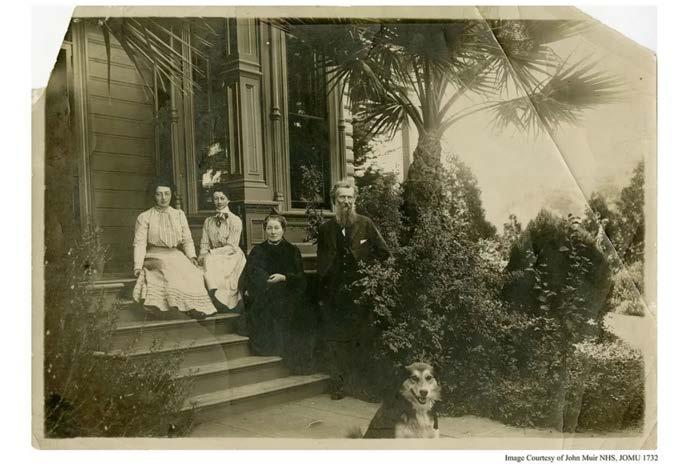
When Wanda and Helen were born, Muir became even more dedicated to preserving natural places. He knew families would enjoy them for generations. He believed in teaching his daughters from the “nature school, the one true university.” It’s safe to say that Muir would have been delighted with Wagner Ranch Nature Area today.
The private 326-acre property that included Mount Wanda was not part of the original John Muir National Historic Site in 1964. The National Park Service planned to buy the land from a local rancher in 1991, but Continues on page 13
the deal teetered on the brink of collapse. JMLT saved the property by pledging the funds required to complete the purchase.
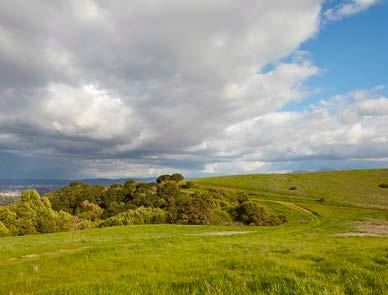
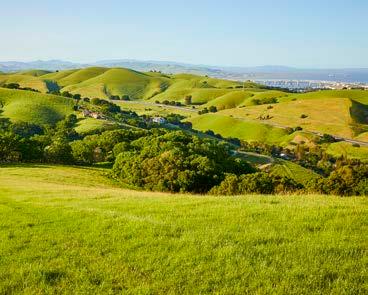
Today you can ascend its trails and enjoy views of Carquinez Strait and the lovely surrounding hills. Coast live oak, blue oak and valley oak line the path. Muir described the view of Mount Diablo from its summit as “one mass of purple in the morning.” Depending on the season, other colors appear, as the landscape is dotted with California buttercup, shooting stars, lupines, fiddlenecks, and many native wildflowers. This beautiful land is a public treasure. And a reminder that nature has many lessons to teach us all.
Our Programs. Spending time in nature has enormous benefits for human health and well-being. Your generous support of JMLT makes possible all sorts of fun programs and events. Check our calendar at jmlt.org/calendar or scan the code to see what's coming.
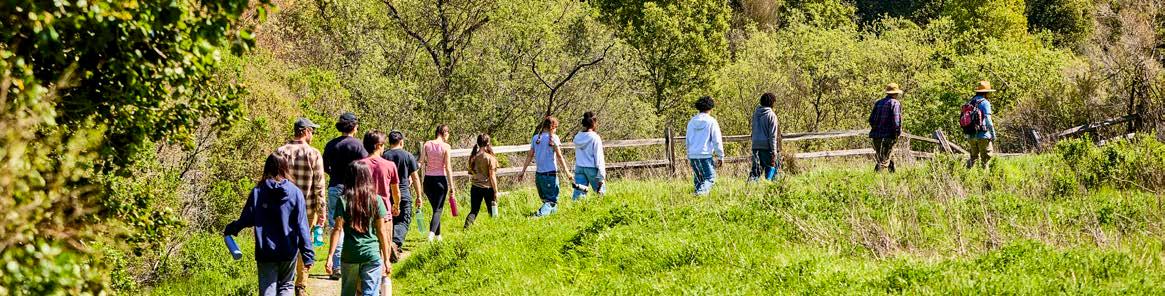
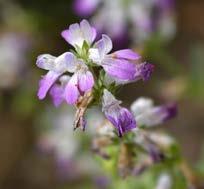
Hikes and Visits. The camaraderie of like-minded companions and expert guides make JMLT excursions really enjoyable. In March, some 18 wildflower enthusiasts atop Franklin Ridge spied blue-eyed grass, purple Chinese houses, common fiddleneck, California poppy, and miniature lupine. Everyone admired but avoided the poison oak flowers. The most memorable sight? A soaring hawk with a snake for lunch.
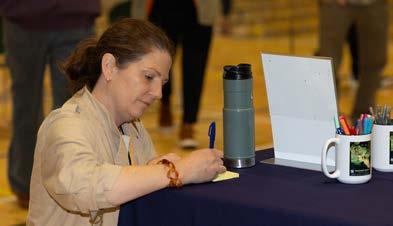
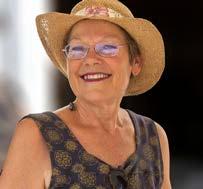
Volunteers. Supporters who donate their time and expertise get so much done. And these are not always sweaty folks with shovels. At right is volunteer extraordinaire Lynette Toney making an event welcoming and fun for attendees.
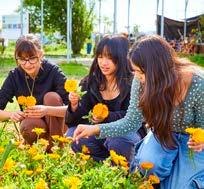
Educating Young People. We get kids out and about to learn about the role nature plays in our lives. About 50 high schoolers from Bishop O’Dowd recently explored tidal wetlands at Pacheco Marsh. We also put them to work! They removed bushels of invasives including wild radishes, thistles, and stubborn grasses.
Family Harvest Farm. At JMLT’s regenerative urban farm in Pittsburg local families receive free organic produce. Students learn about gardening—such as recent field trippers from Antioch Charter Academy, Bishop O’Dowd High School, and nearby homeschool and daycare groups.
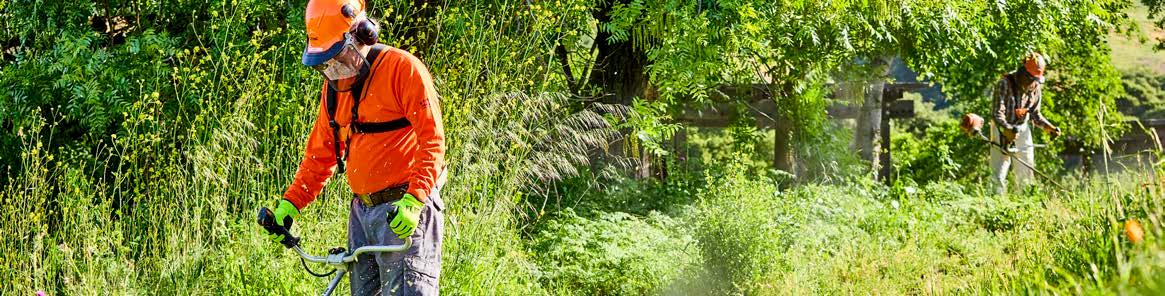
Stewardship. It’s always newsworthy when JMLT acquires a new place for permanent protection. But equally important are the endless ways that our expert stewardship team, volunteers, and partners keep these lands healthy and safe.
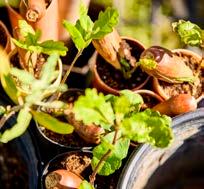
Fostering Healthy Habitat. Perhaps no East Bay habitat is more iconic than our grassy hillsides dotted with majestic oaks. Last spring we harvested acorns and grew seedlings in our greenhouse at Family Harvest Farm. Because these valley oaks were then planted at a more mature stage, they are more likely to survive the resident hungry rodents at Fernandez Ranch.
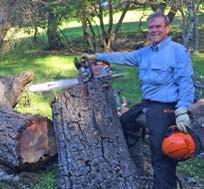
Public Access and Safety. Removing felled trees, adding pedestrian bridges, or maintaining parking areas makes for happy visitors. Extensive tree work is the next phase at Wagner Ranch Nature Area, where winter storms did much damage.
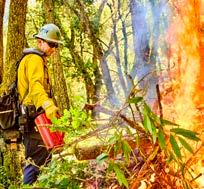
Fire Resilience. JMLT uses both time-tested and state-of-the-art fire abatement technologies to prevent wildfires. Prescribed fire also has many habitat benefits. A rare wildflower, the Oakland mariposa lily, was recently spotted at Wagner Ranch Nature Area most likely due to this practice. This photo shows the controlled pile burn we did last April on the site.
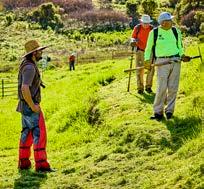
Trails and Roads. Safe trails facilitate low-impact recreation on foot, horseback, or bicycle. Work with chainsaws and shovels keeps them open. Volunteers from JMLTaffiliated Trail Dogs were recently busy on the Checker Bloom trail at Painted Rock. They weed-whacked, patched up degraded areas, and pulled artichoke thistle, one of the area’s most gnarly invasives.