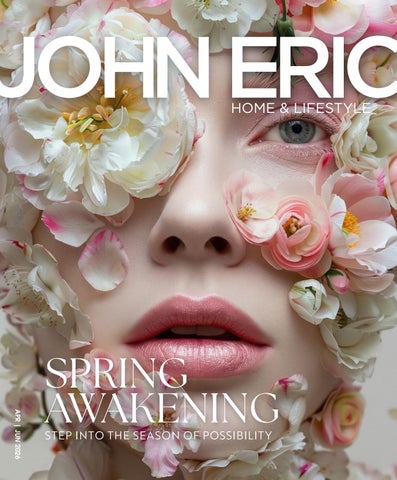
SPRING AWAKENING
STEP INTO THE SEASON OF POSSIBILITY
Departments
7 | Letter from the Publisher 8 | John’s Favorites
12 | Architecture and Design
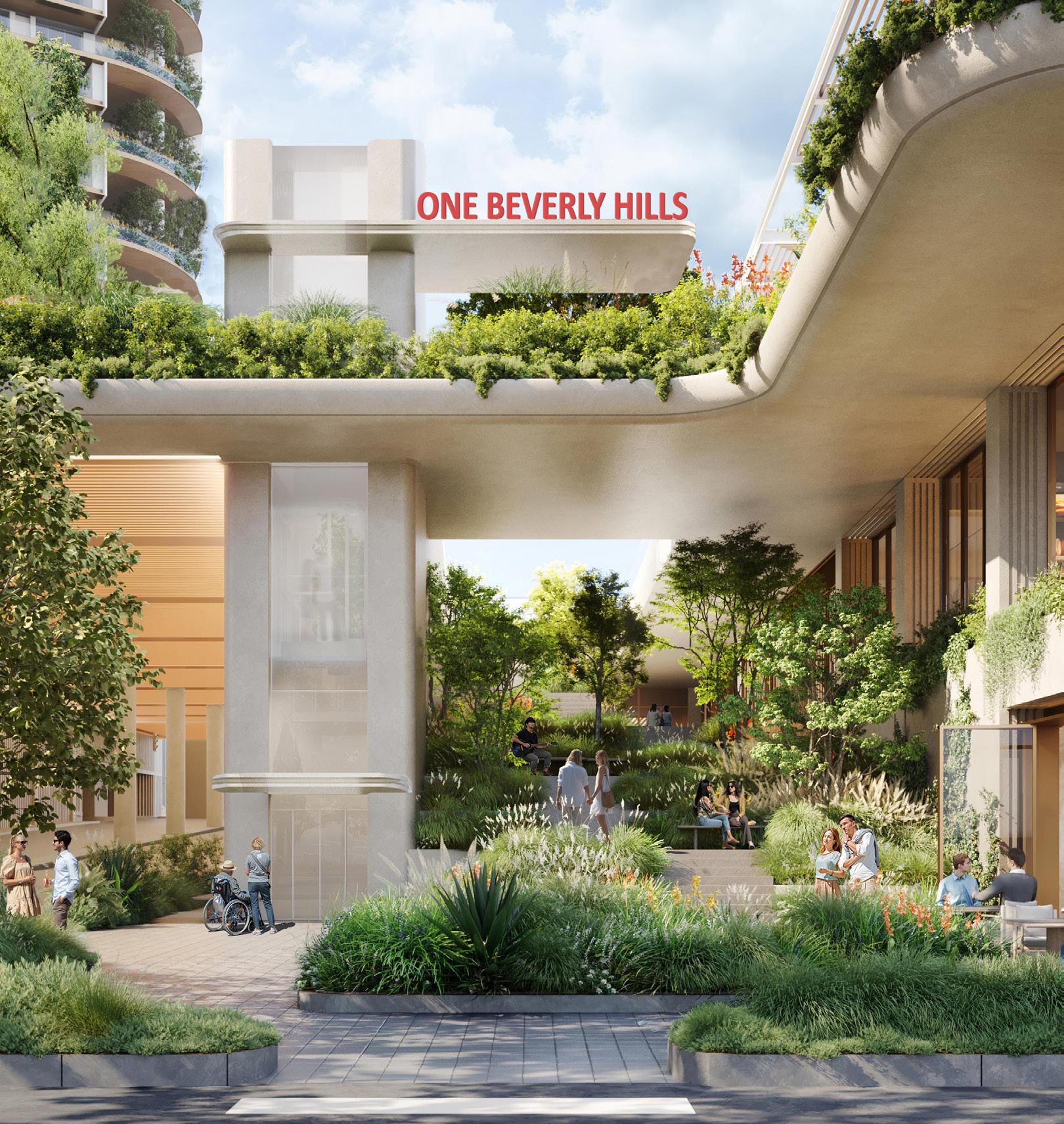
Celebrating the botanical gardens at One Beverly Hills.
18 | Design Feature
How a first-floor renovation created a cohesive floor plan and captured the water views
23 | Details
‘Tis the season of flowers blooming. Here are amazing picks for vases to hold your blooms.
24 | Designer Spotlight
Meet Michael and Deborah Sauri.
28 | Design News
New in bathroom design – think calming neutrals, lighter woods, and just a little color to create a serene and seamless bathroom
30 | Design News Thos. Moser Announces its newest design.
32 | Bookworm
The Infinite Sadness of Small Appliances by Glenn Dixon.
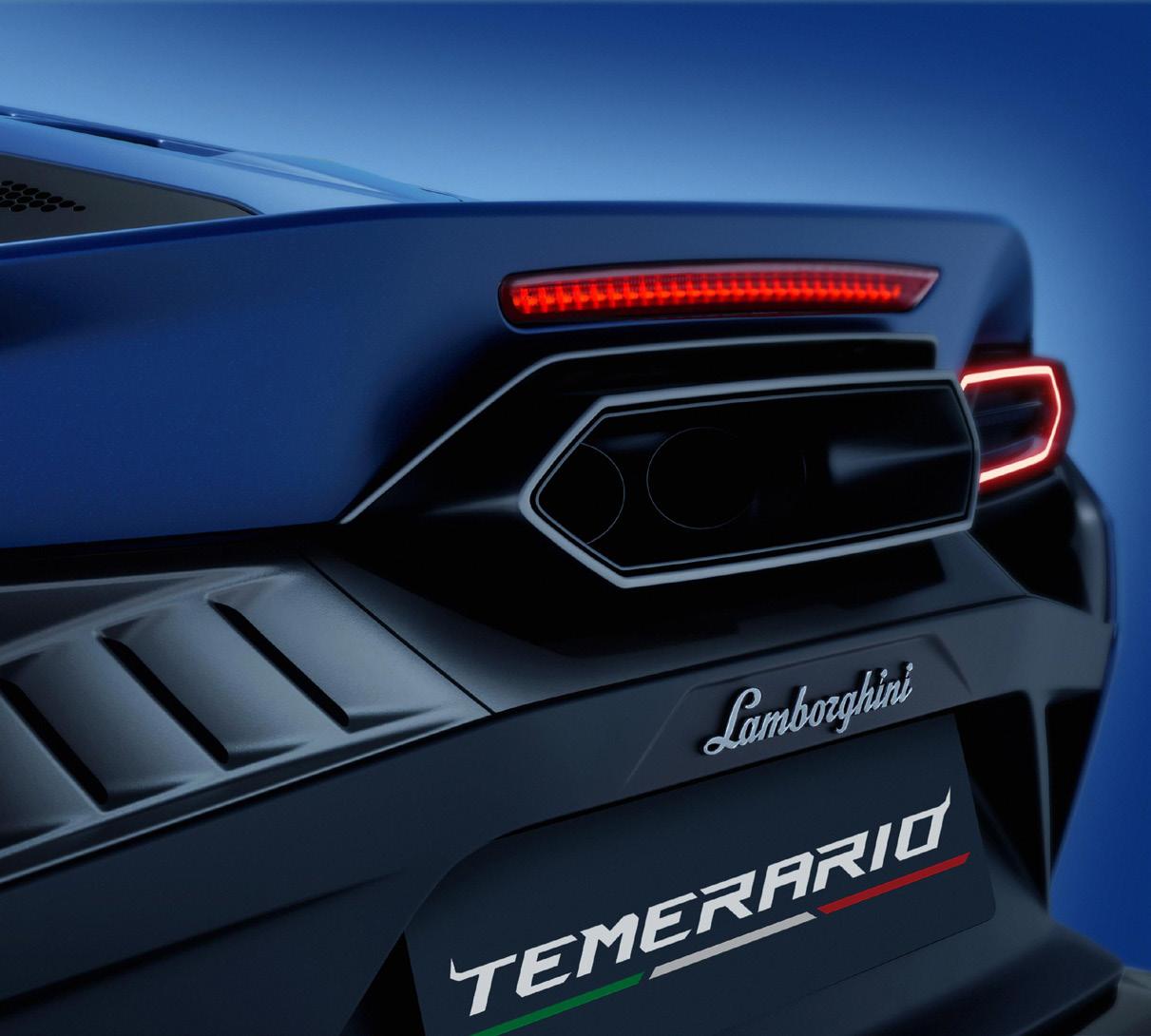
34 | A New Era of Luxury Performance: The 2026 Lamborghini Temerario
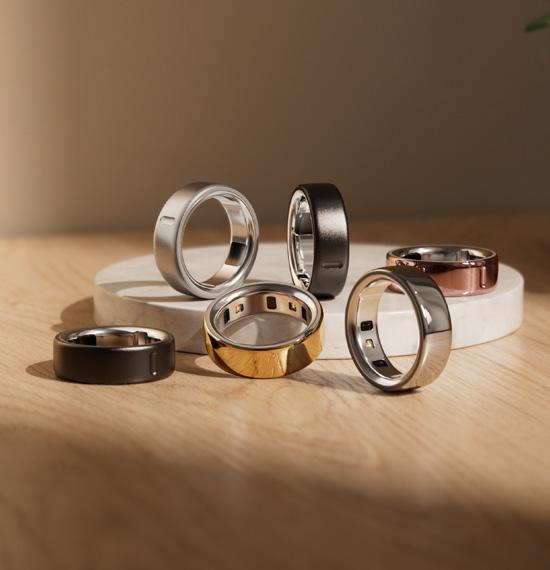
40 | The Oura Ring 4: Redefining wellness luxury.
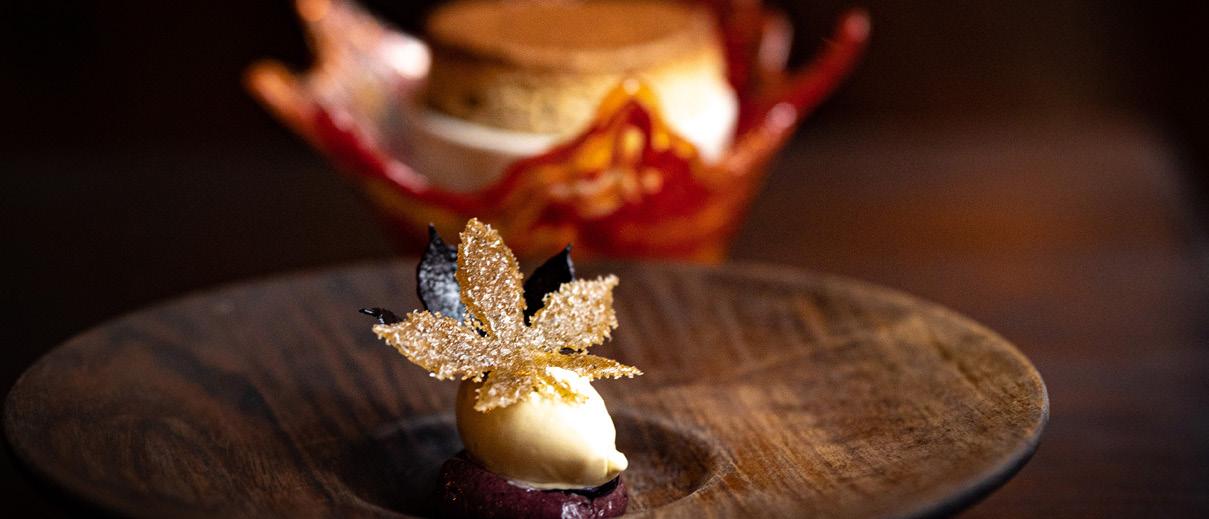
42 | Petals on the Plate: a private kaiseki tasting.
44 | Auction House
The 1896 Olympic Medal That Stunned the Auction World
46 | Profiles
Joey Colby-Begovich, VP of Matchday Operations and Guest Experience for Chicago Fire FC.
52 | Craftsman
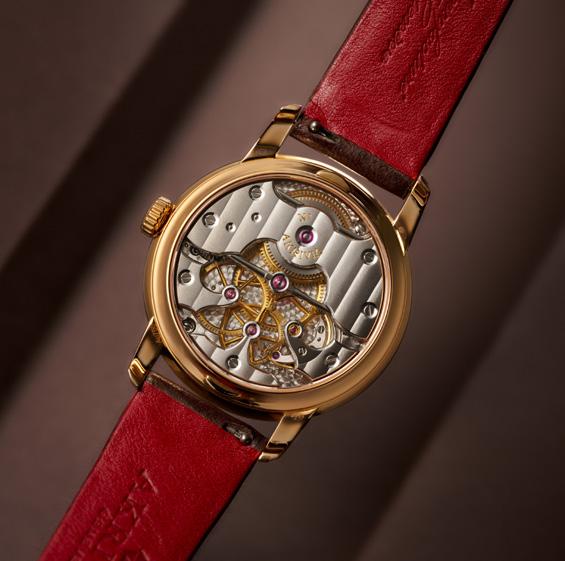
The new movement in independent watch makers.
58 | Black Book
The best places to grab world class sushi in the world.
60 | Destinations
Searching for the Big Five on luxury safari excursions.
66 | Epicure Luxe
Stockholm’s Haute Cuisine: Inside three of the city’s finest restaurants.
68 | Mixology
Our mixologist has mixed amazing cocktails to keep your spring light and bright.
70 | Le Watch Party: The runway for everyone.
74 | Stylist
It’s all about cobalt blue this season.
76 | Arts
An Exclusive Symphony and Gala of Prestige – The Vienna Philharmonic.
78 | Buzz
The news that people are buzzing over.
79 | Culture
Art Basel in Switzerland, New Orleans Jazz & Heritage Festival in the U.S., and the Palma International Boat Show in Spain.
80 | Diplomacy
News and events from the diplomatic community.
82 | Property Spotlight
Dive into a ranch on California’s coveted coast.
86 | Real Estate
John Eric brings you the best in luxury real estate from all across the metropolitan region and the country.
Senior
Creative Director Hillary Broadwater
Design Contributor Sherry Moeller
Master Mixologist Charles Tappan
Fashion Contributor Chloe Soderberg EDITORIAL
| angela@johnerichome.com


Welcome
"Spring: a lovely reminder of how beautiful change can truly be."
— Unknown

There’s something about spring and the return to life. Not just in nature, but in how we move, how we gather, and how we experience the world around us.
In Washington, DC, the cherry blossoms arrive as they always do, quietly and then all at once. For a brief moment, the city softens. The pace shifts. Streets that carried the weight of winter suddenly feel lighter, more hopeful. It is one of my favorite traditions, and one I never take for granted.
London, in its own way, follows with a different kind of spectacle. The parks come alive in layers of green, punctuated by bursts of florals that feel both curated and entirely natural. There’s a romance to it, a quiet elegance that reminds me why I am so drawn to the city and its rhythm.
New York reawakens with unmistakable energy. Sidewalks fill, reservations become coveted again, and the city hums with possibility. It’s a reminder that nowhere does momentum quite like New York in the spring.
And then there is Los Angeles. Effortless, sun-drenched, and alive in its own distinct way. Spring in LA is less about awakening and more about continuation. It offers warmth, vitality, and that unmistakable sense of ease that makes you want to stay just a little longer.
My life is, by design, multi-city. It’s a privilege to move between these places, each offering its own perspective, its own beauty, its own way of living well. Together, they shape how I see the world and, in many ways, how this magazine comes to life.
If you’re anything like me, spring is an invitation. To step outside. To take longer walks. To linger over meals. To entertain. To reconnect. It’s a season that encourages us to live a bit more fully, a bit more intentionally.
In the pages of John Eric Home & Lifestyle, we celebrate exactly that. From inspired interiors and exceptional properties to travel, design, dining, and the people shaping how we live today, this issue is a reflection of the season and the spirit that comes with it.
Wherever you find yourself this spring, I hope you take a moment to enjoy it.
John Eric Publisher John Eric Home & Lifestyle Magazine
JOHN’S FAVORITES
MY PERSONAL BEST

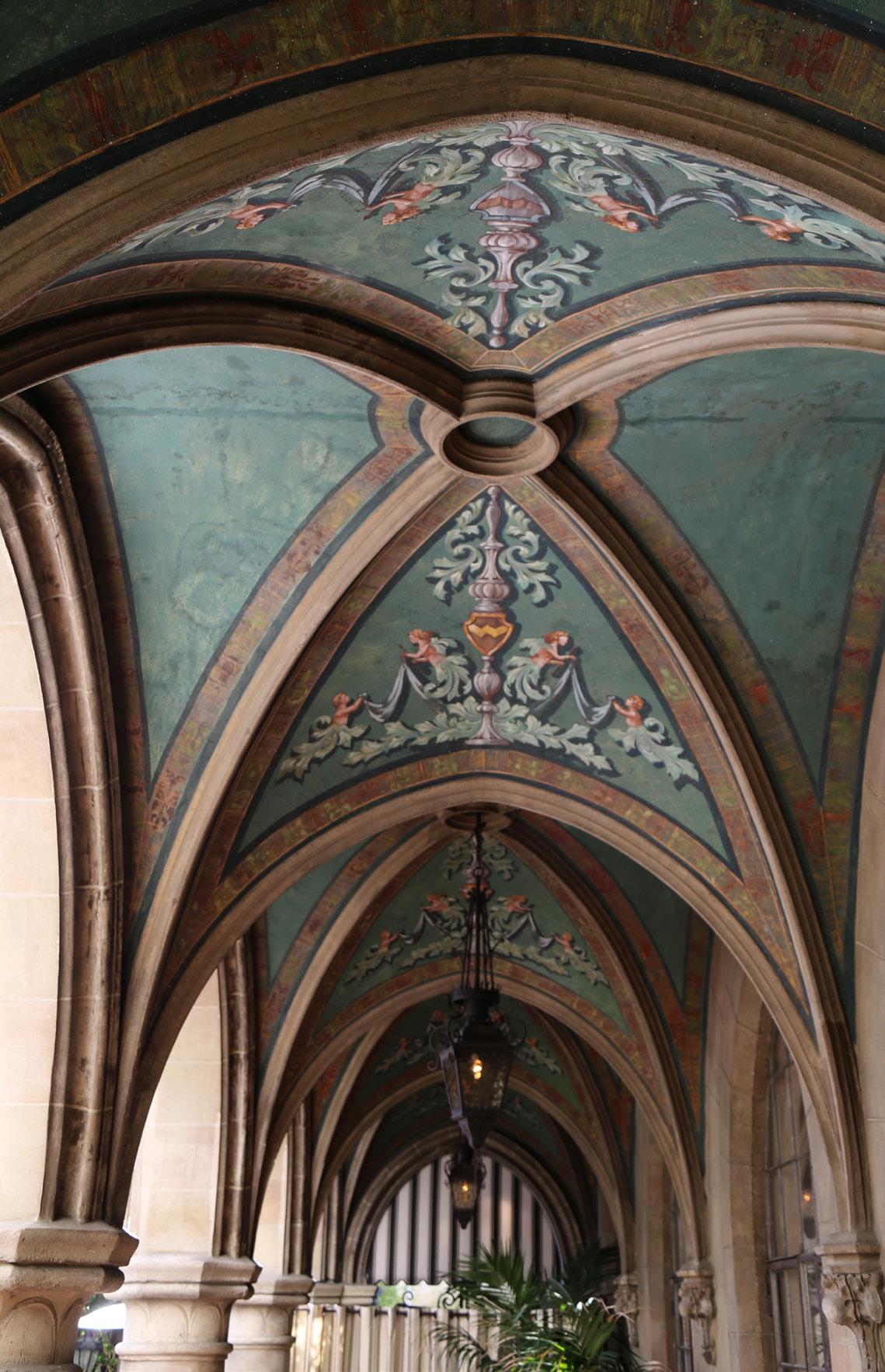
Chateau Marmont
LOS ANGELES
There are hotels where you stay, and then there are places you enter. Chateau Marmont has always been the latter for me. It is not about perfection. It’s about presence.
From the moment I arrive, I feel it. The quiet choreography at the driveway. The ease of check-in. The subtle confidence of a team that understands exactly what this property is and, more importantly, what it is not. The service is warm, intuitive, and deeply professional without ever feeling rehearsed. That balance is rare, and here, it is effortless.
The rooms themselves tell a different story. They are not the reason you come. There is a patina to them, and yes, parts of the property would benefit from a thoughtful refresh. But that is almost beside the point. Chateau Marmont has never traded on polish. It trades on atmosphere, history, and discretion.
This is a hotel where the walls feel like they have witnessed everything. Where privacy is not a promise, it is a culture. Where you find yourself people watching without ever being seen. It is, quite simply, one of the last true only in Los Angeles experiences.
During my most recent stay, I had a massage and facial arranged in my room. It was exceptional. Seamless to coordinate, delivered by outstanding therapists, and executed with the same quiet excellence that defines the entire property. It reinforced what I value most here. Not the finishes, but the feeling.
I will always come back to Chateau Marmont. Because while many hotels evolve, very few remain singular. And this one is.
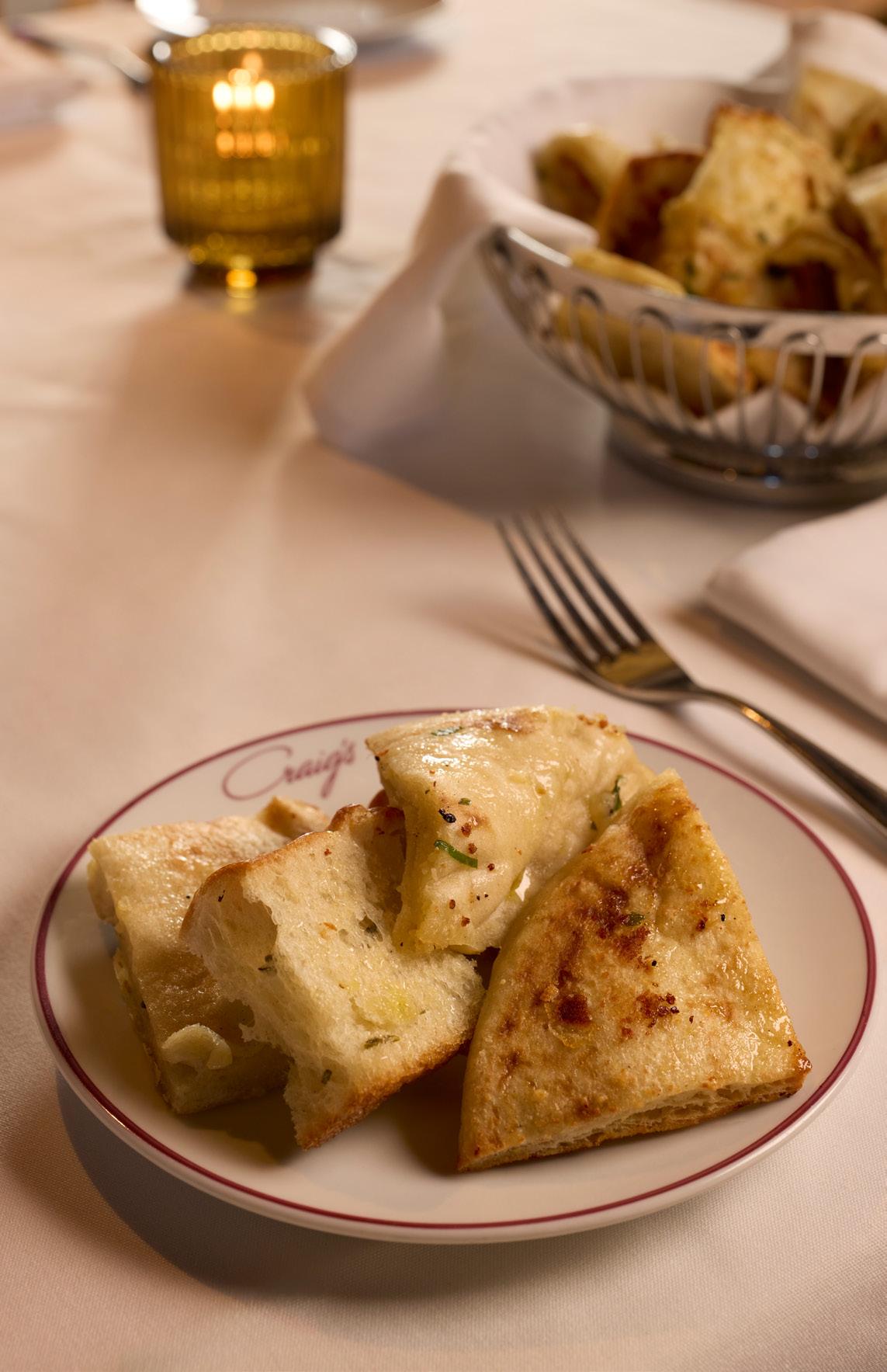
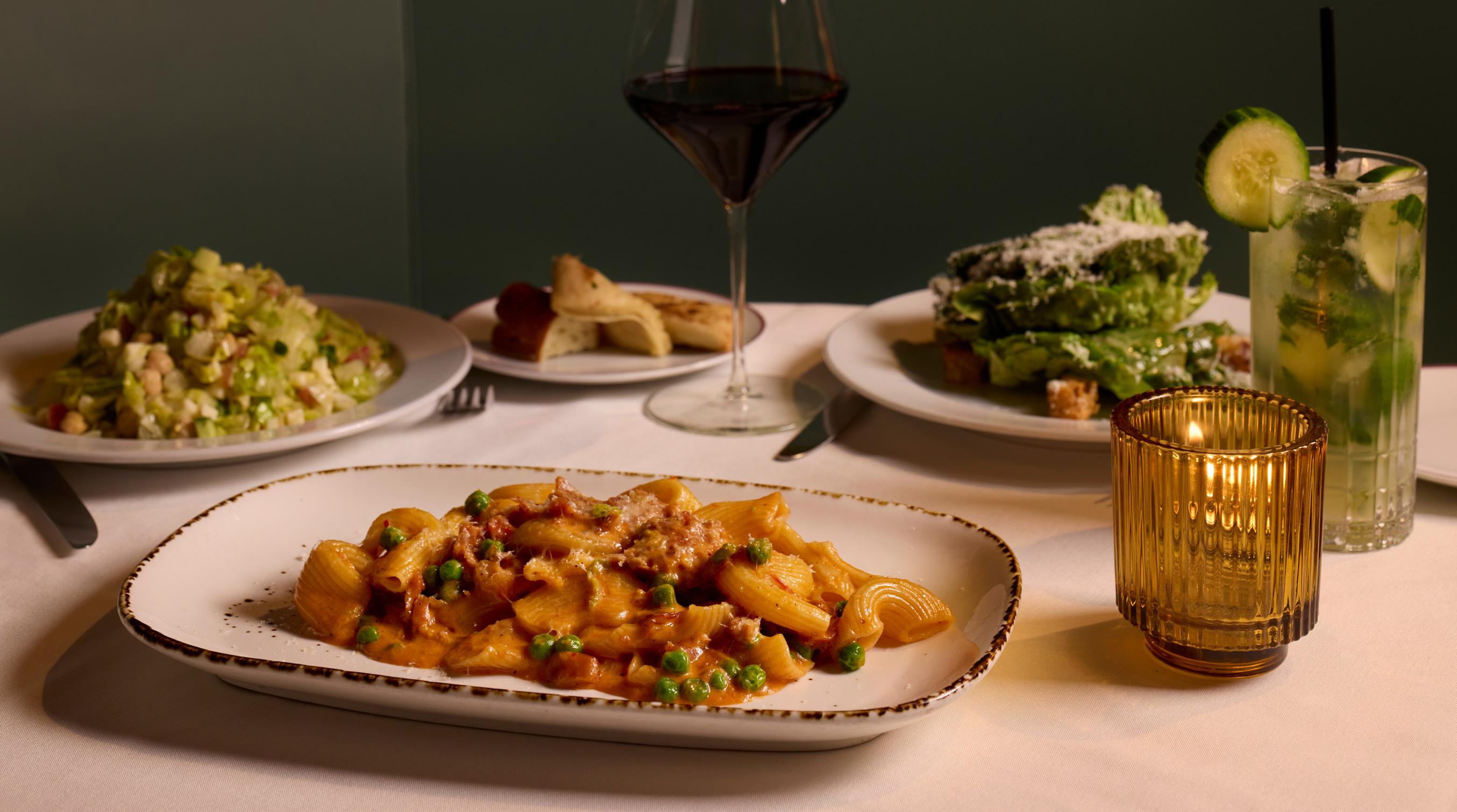
Craig’s LA
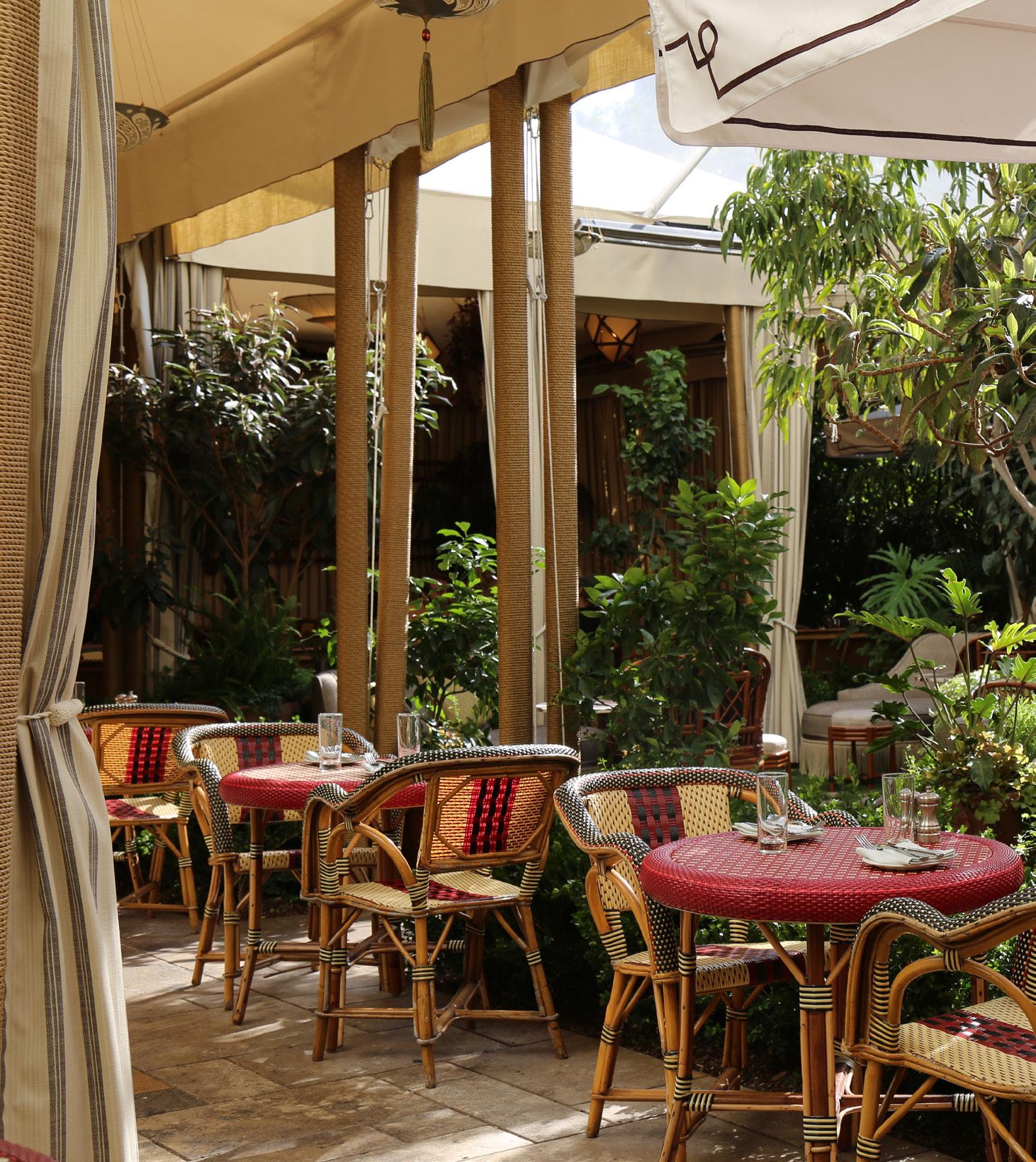
My reservation at Craig's was made by a friend, and I was very happy to join him. It was one of those reminders that some places do not just endure, they continue to deliver.
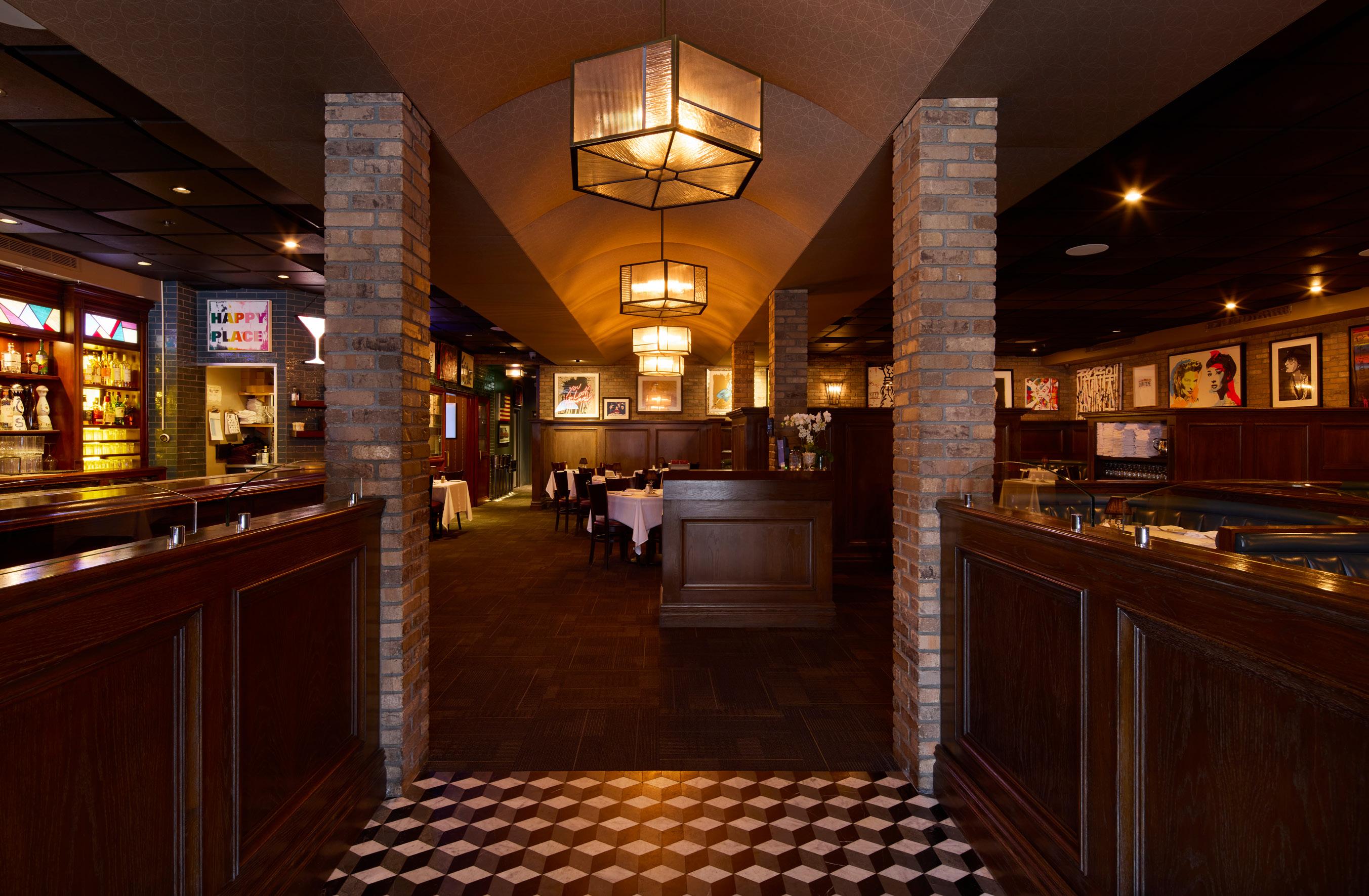
Craig’s is, without question, one of those rare rooms where Hollywood’s A-list still chooses to dine. And here, where you sit, matters. Your booth is not just a table; it is a positioning. Strategic, seen, but not exposed. Part of the room, but still yours, all very intentional and very Los Angeles.
The energy is present the moment you walk in. A sense that something is always happening, even when nothing is. It’s a place to go, to dine well, and yes, to be seen doing it.
I started with the pigs in a blanket, something I had not had in quite a while, and they were absolutely worth the splurge. Perfectly executed, indulgent in all the right ways,
and exactly what you want them to be. Elevated comfort food done right.
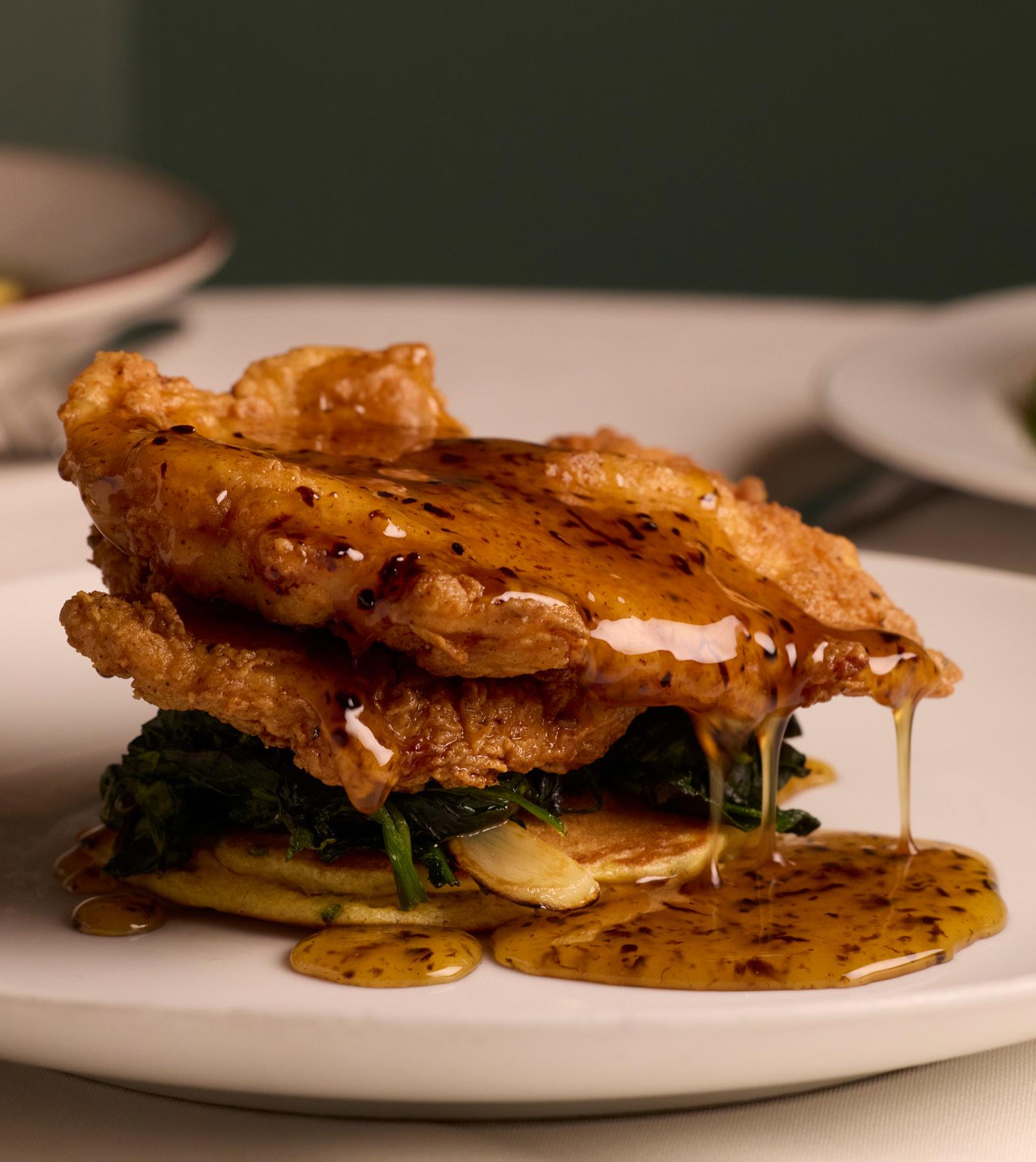
And then, the Belvedere martini. They pour a great one. Clean, crisp, and properly balanced. It’s the kind of detail that speaks to the bar's craftsmanship and the room's overall standards.
The food, the service, and the overall execution are what keep Craig’s firmly in its place. It’s not just about who is there; it’s about how well everything is done. The service is polished, attentive, and seamless, allowing the room to feel effortless.
Craig’s understands exactly what it is. A place where people come to dine exceptionally well, to connect, and to be part of the scene without ever feeling like they are chasing it. And that is precisely why it continues to matter.
WEST HOLLYWOOD
A Garden That Leads, Not Follows
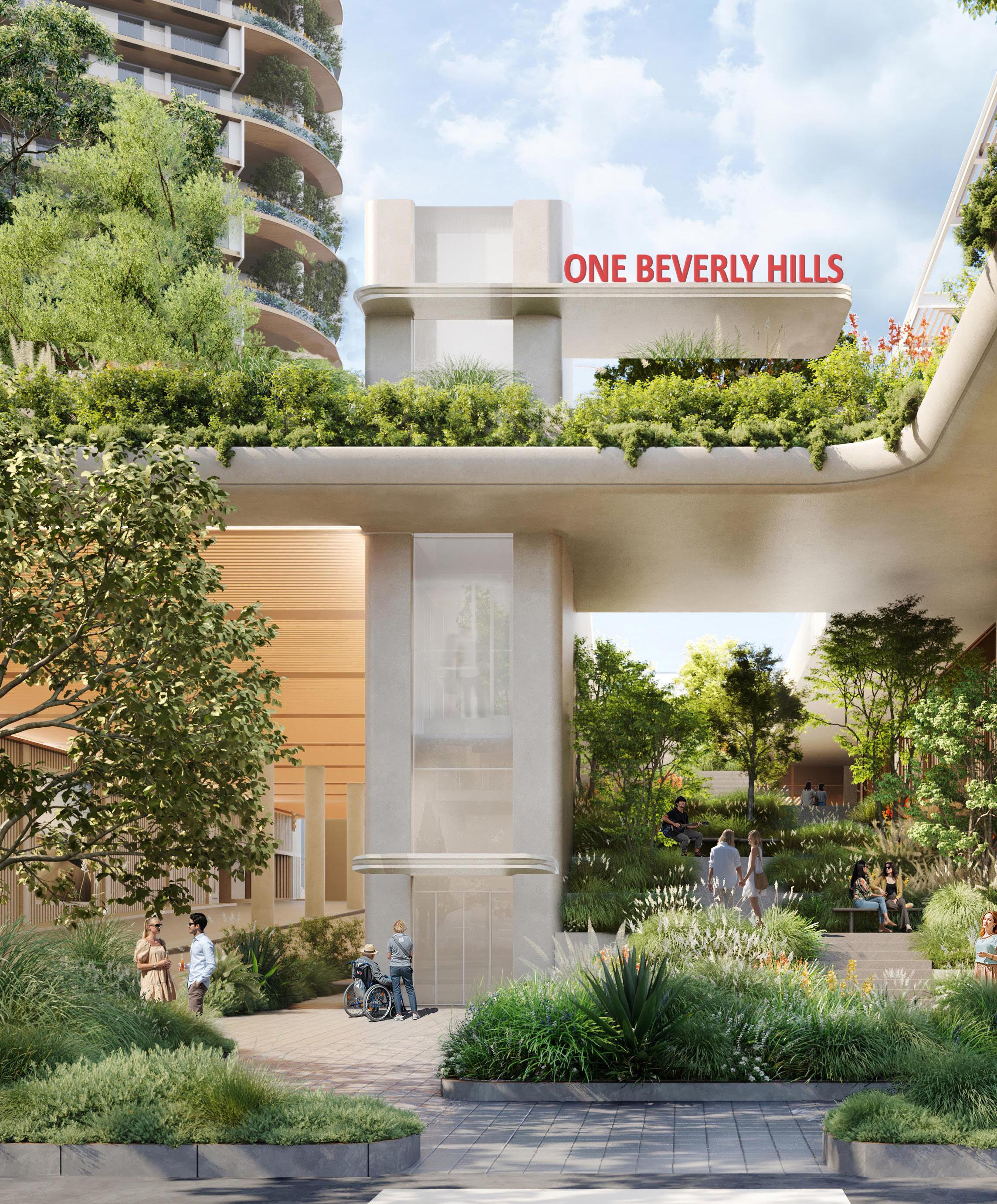
In most luxury developments, landscaping plays a supporting yet crucial role. It’s meant to soften the edges of architecture. Stay in the background and complement, not be the focus. But there is a new development in Los Angeles where that relationship has been completely flipped around.
A collaboration of global and local real estate powerhouses spearheads the ambitious One Beverly Hills development. Led by Cain International, a London -based investment and development firm, renowned for high-profile luxury projects across Europe and the United States, and joined by the OKO Group, a Miami-based developer with a portfolio of iconic mixed-use and residential properties worldwide, something incredibly special has been created. A unique vision has been brought to Beverly Hills, merging ultra-luxury design, sustainability, and innovation.
These developers have created one of the most ambitious private projects in the United States. It is a $10 billion mixed-use campus that combines high-end residences, the first West Coast Aman hotel, world-class retail, and an expansive public botanical garden forming the centerpiece of the entire development. Partnering with them is Alagem Capital Group, a Beverly Hills-based investor with deep local roots and ownership stakes in landmark properties like the Beverly Hilton. Together, all have ensured that the project remains true to the city’s historic fabric.
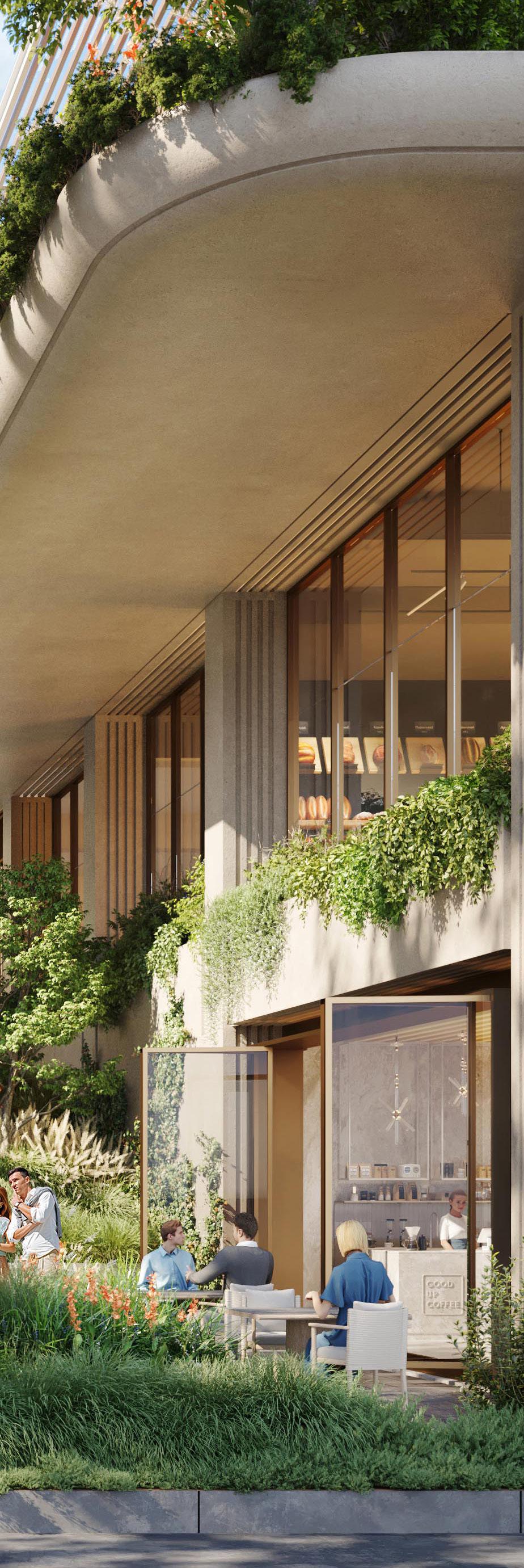
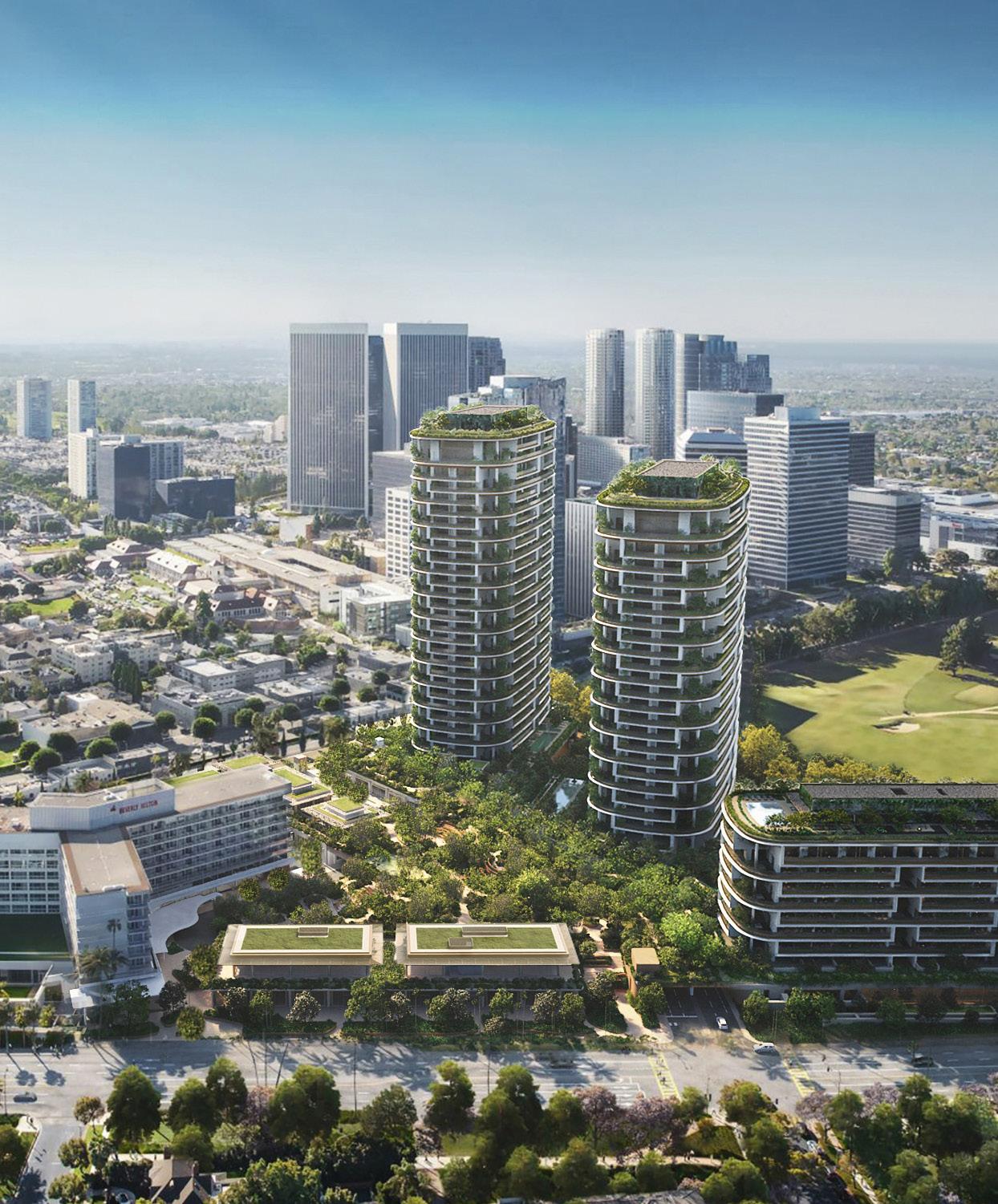
The entire One Beverly Hills complex is stunning, but the true heart of the development is its botanical garden. Ten acres have
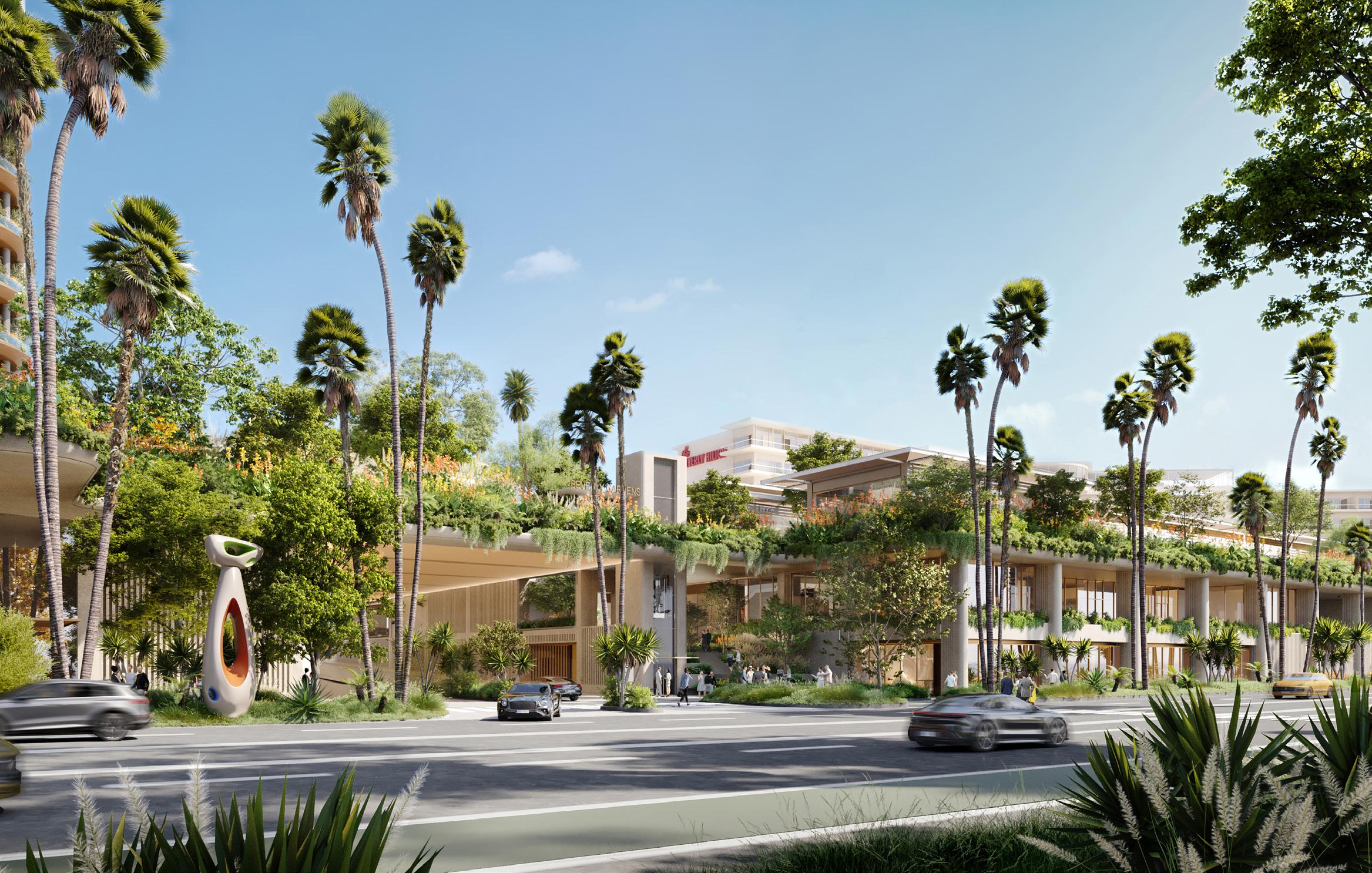
been devoted to a layered, immersive garden, several of which have been open to the public. Hotels, residences, and retail spaces orbit this space, designed to shape how people move, gather, and experience the development.
RIOS, an award -winning global design collective that combines architecture, landscape architecture, and urban planning, in collaboration with Foster + Partners and KHA, two legends in architecture, shared a design vision for unifying the garden space. They drew on the past and the future to accomplish their goal.
A Garden Not by Any Other Name
In the early 20th century, residents of Beverly Hills recreated gardens they admired from abroad. The result was an eclectic, globally influenced landscape that became distinctly
Californian. RIOS and partners created a landscape that draws from history, where plants from around the world have taken root, not as nostalgia, but rather as a living system. The foliage also represents the history of the area itself. At its core, the garden is a contemporary reimagining of Southern California’s horticultural identity. Each tree, shrub, and flower has been chosen for a reason.
The Mexican Fan Palm is the symbol of Los Angeles. 25,000 of these trees were planted in 1931 as part of a citywide beautification effort for the 1932 Olympics. They, of course, have a wide presence in this botanical garden. So do the Canary Island Date Palms, which were used as the typical landscape tree in southern California before the Palms. The Coral Tree, Los Angeles’ official city tree, and Birds of Paradise, the city’s official flower, showcase their bold red blooms, while the red-berried shrub, the Toyon, which may have inspired the name
“Hollywood,” is found here too. There are also nods to the film industry found throughout the garden. Yucca, the namesake of the Cahuenga Pass, is a dramatic reminder of California’s rugged terrain. While the Century Plant, a Hollywood staple, is grown to evoke Western and desert landscapes on early film sets. Also used in old films was wood from the Cork Oak – it was a material source for knife props – and, yes, they are here too.
To experience the botanical garden is to take a journey. Open meadows transition into oak-shaded groves. Chaparral-inspired plantings soften into coastal expressions. Palm-lined corridors give way to quieter spaces where light and scent shift subtly. Pollinator gardens hum with hummingbirds, while grasses and understory plantings ripple with movement. The effect is an ecological story told through Southern California terrain and seasonality.
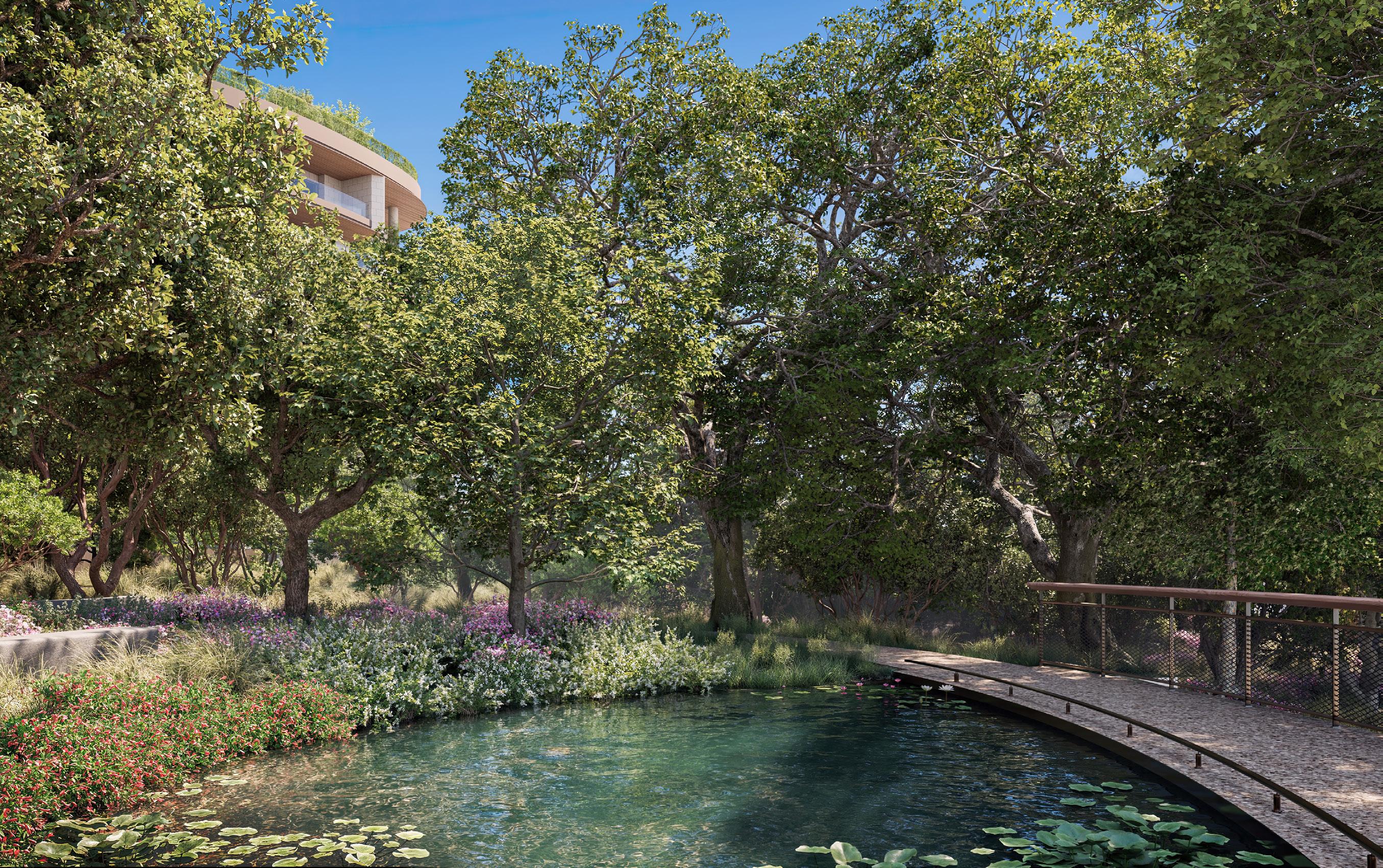
Its scale is striking. Roughly 2,100 trees from 45 species and more than 43,000 shrubs spanning 355 varieties are rooted in this garden. And with over 200 plant species in total, the garden ranks among the most biodiverse urban landscapes in California.
One very special element of this garden is that embedded within is a much deeper, connective layer. Many plant species found here trace back to the historic Beverly Hills Nurseries, which once occupied the site of the new development and helped to define the region’s early landscapes. The nursery itself was instrumental in shaping estates and landmarks throughout Los Angeles, including the Virginia Robinson Gardens and the Los Angeles Public Library, and even private homes for figures like Buster Keaton. Within the garden, the influence of the Nurseries carry on into the future.
More Than Green Space
Southern California is no stranger to drought conditions. The garden’s most ambitious feature may be the one that its visitors never see. Every inch of it is sustained without potable water, relying instead on a closed-loop system of
captured rainwater and recycled greywater.
The planting strategy embraces resilience. It’s filled with drought-tolerant species, climate-adapted trees, and deep-rooted grasses that stabilize soil and store carbon below ground. The result is a landscape that feels abundant without excess. This is not simply a park. It’s an environmental infrastructure.
More than 500 trees will eventually form a growing urban forest, casting shade, reducing temperatures, and softening the urban heat island effect. At the same time, the garden operates as a habitat corridor, supporting pollinators, birds, and migratory species along the Pacific Flyway. It invites life back into the city, demonstrating how density and ecology can coexist.
Long before One Beverly Hills became the site of a luxury development, it was a place of horticulture. The legacy of the Beverly Hills Nurseries lingers in the soil, in the plant selections, and in the very idea that gardens can define a place. Today, that legacy has been scaled up. Reimagined. The garden reconnects Beverly Hills to its horticultural past while pointing toward a more resilient future.

REACHING ITS Potential
HOW A FIRST FLOOR RENOVATION CREATED A COHESIVE FLOOR PLAN AND CAPTURED THE WATER VIEWS
BY SHERRY MOELLER
PHOTOS BY STACY ZARIN GOLDBERG
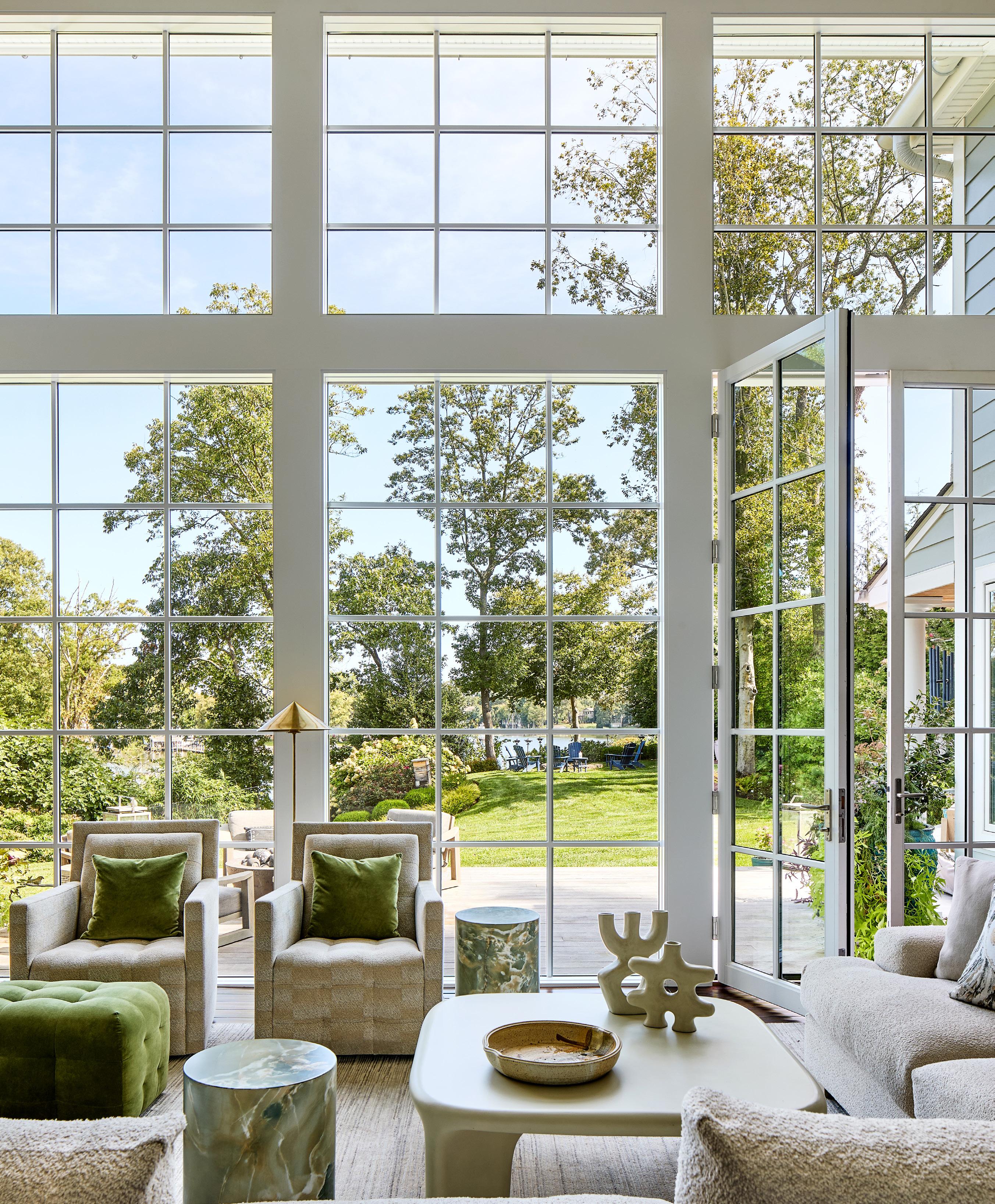
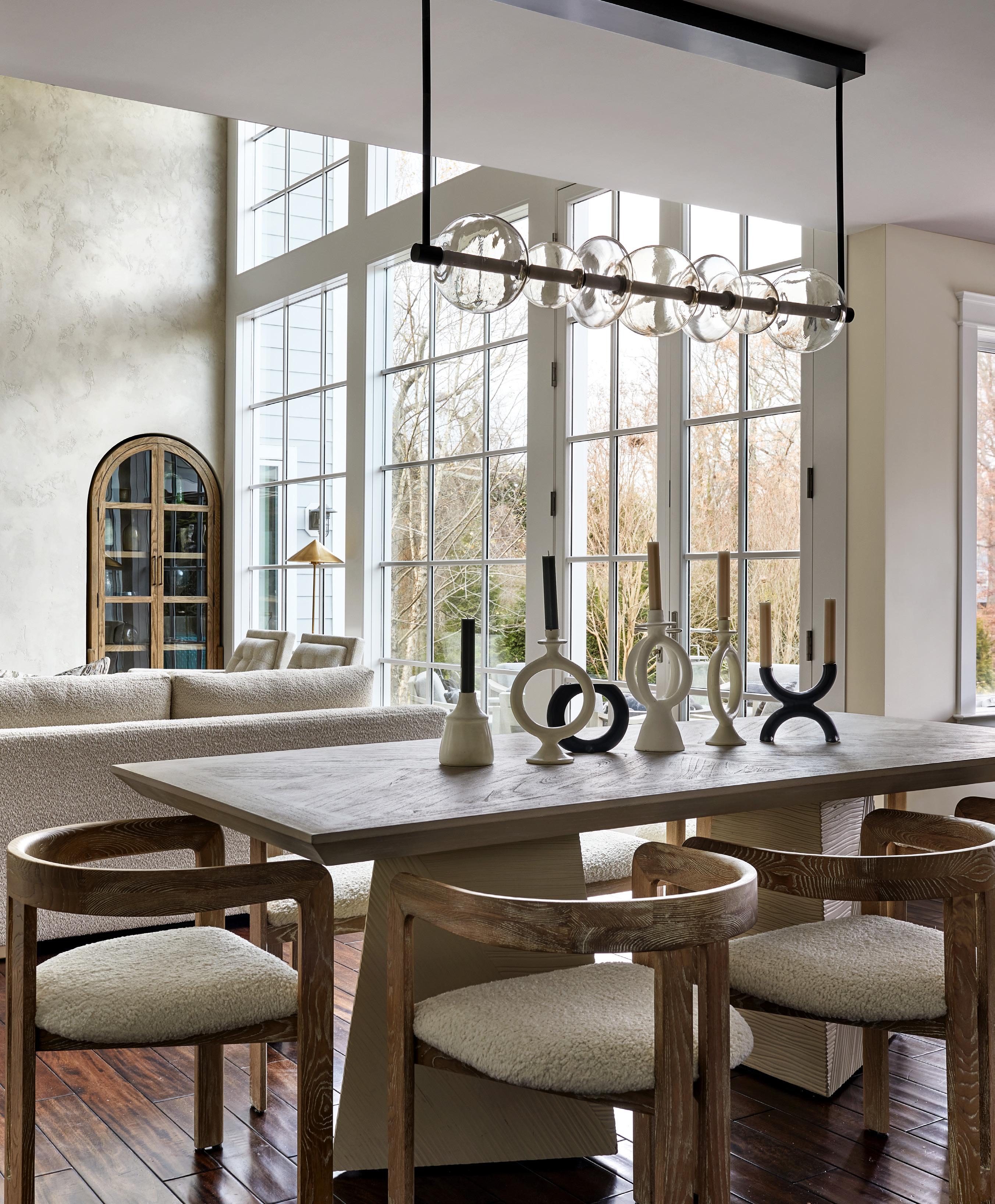
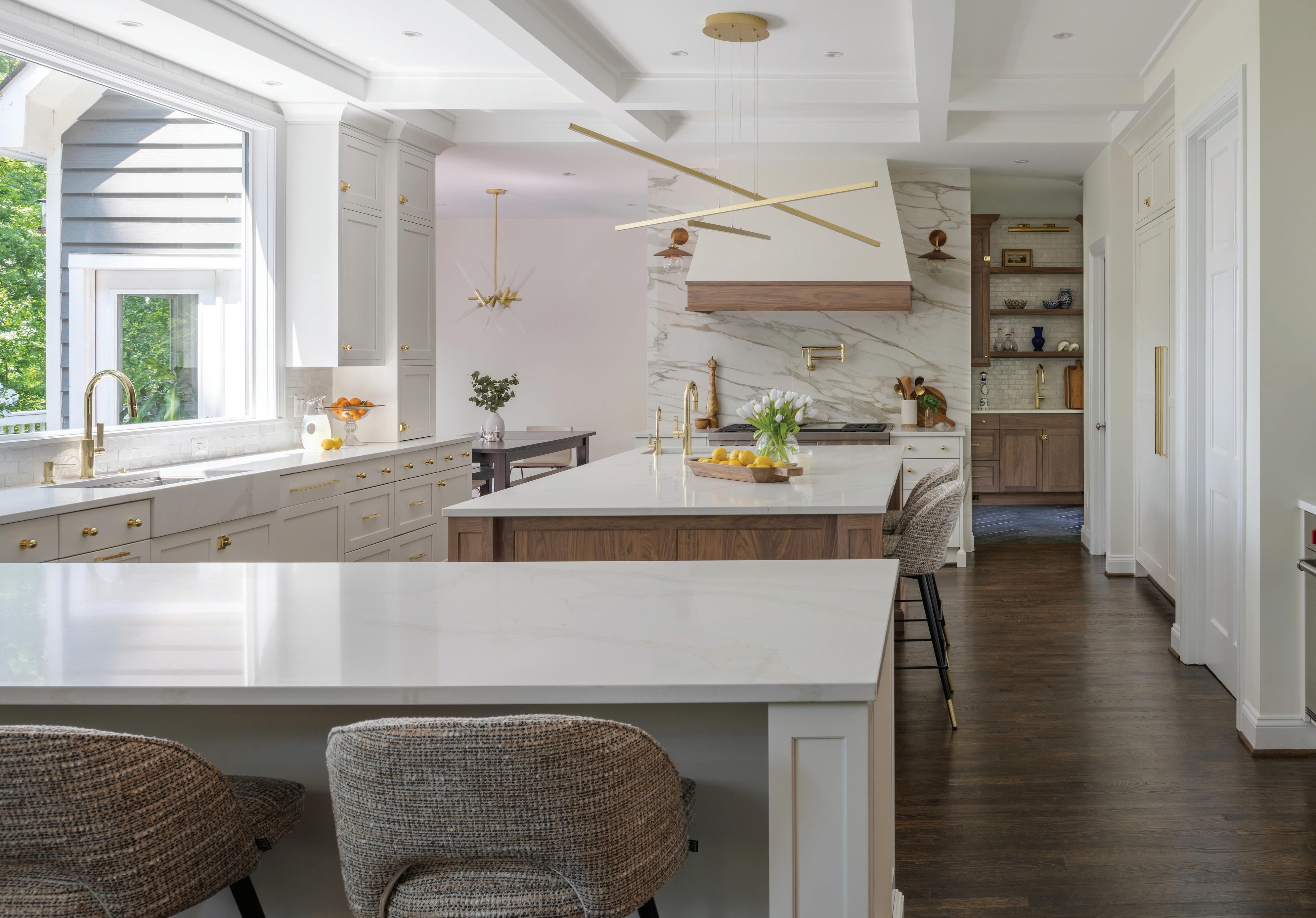
With an existing first floor that was disconnected and difficult to navigate in this Annapolis, Maryland home, Katalin Farnady, owner and interior designer of Farnady Interiors, www.farnadyinteriors.com, was hired to address the inefficient circulation and awkward columns that hindered the flow and appropriate furniture layouts. Low ceiling heights also reduced the water views, as well as made other spaces uncomfortable.
To alleviate the poor flow on the main floor and to realize the home’s full potential, Farnady brought in architect Peter Miles, principal, The Drawing Board, Inc., www.thedrawingboardinc.com, to work with her to correct previous renovation mistakes. One of many goals was to open the walls and add large windows to capture the views. To bring order to the spaces, the team first reengineered the existing structure with large steel beams to minimize the number of columns and then evened out the ceiling heights to better define the spaces. In the living room, they installed new 10-foot-tall doors that extend beyond the adjacent ceiling, drawing the eye up and out to elongate the grand scale of the space.
“The spaces were greatly underachieving their potential,” adds Miles, who, along with Farnady, devised a plan to connect the foyer, living room, kitchen, and music room by removing several columns, archways, and low walls. “We then slightly reconfigured the floor plan to create defined spaces so the rooms flowed,” he says. “Height and scale in architecture are relative, from one space to another, and from a space to the human body. By carefully managing changes in scale, one can create the illusion of more height.”
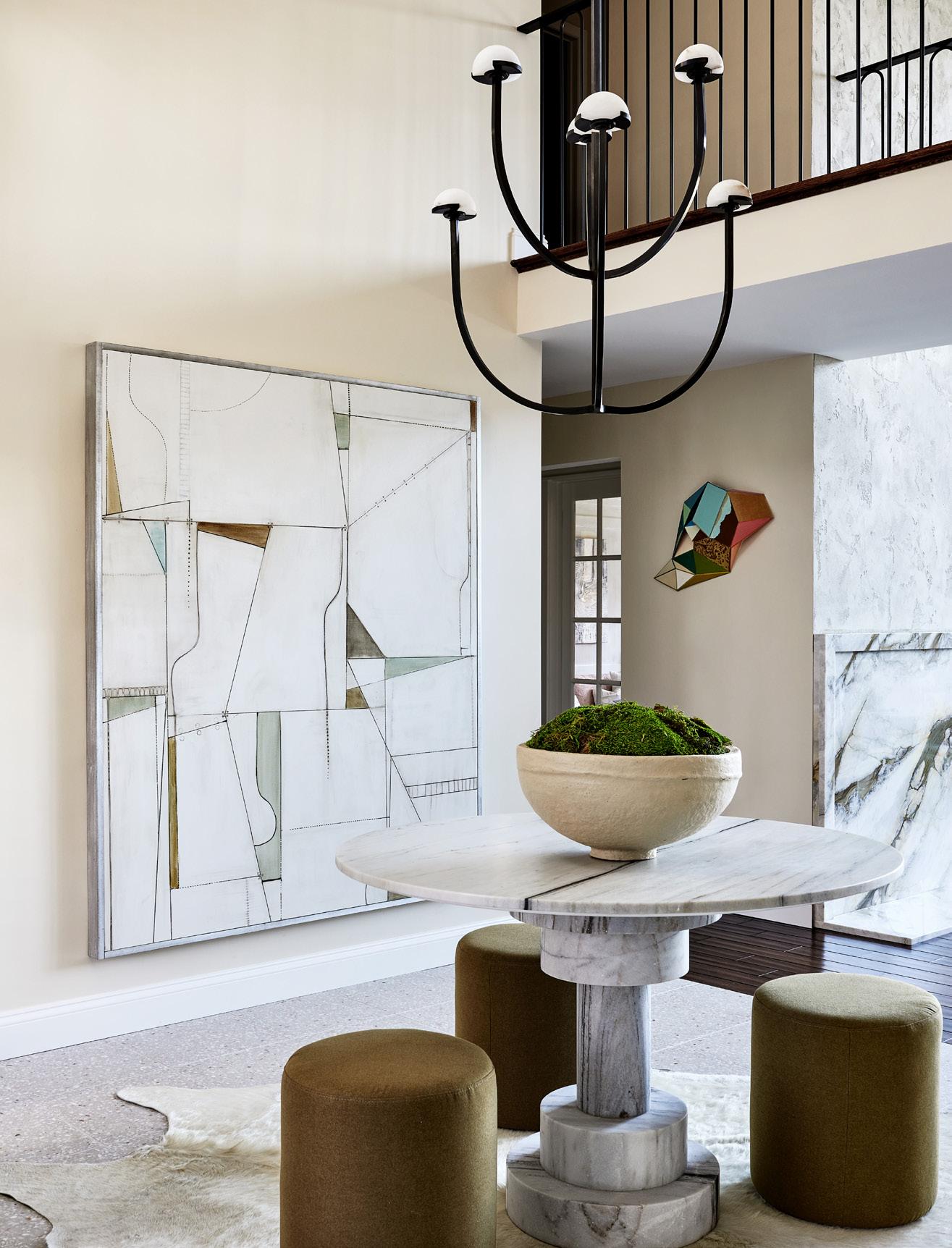
“The owners had full trust in me when it came to architectural changes, floor planning, furniture, lighting, and finishing selection,” says Farnady. Lighting was a critical part of the design, not just for establishing well-lit spaces for every setting, but also to create hanging sculptures, such as the foyer chandelier by Kelly Wearstler for Visual Comfort. Also in the foyer is a treasured piece of art that Farnady found in North Carolina years ago. “I bought it because I fell in love with it and could not leave it behind. I knew one day I would have the right project for this piece of art by Brad Huntzinger,” Farnady adds.
To provide adequate seating in the living room, Farnady added a custom sectional by Bernhardt, accompanied by Donghia swivel chairs. A concrete coffee table and a white oak curio cabinet, with the wall opening custom-cut to fit the cabinet, are among the other pieces. The marble fireplace surround, slightly offset to balance the undersized firebox, and a touch of green to bring nature into the room complete the overall space.
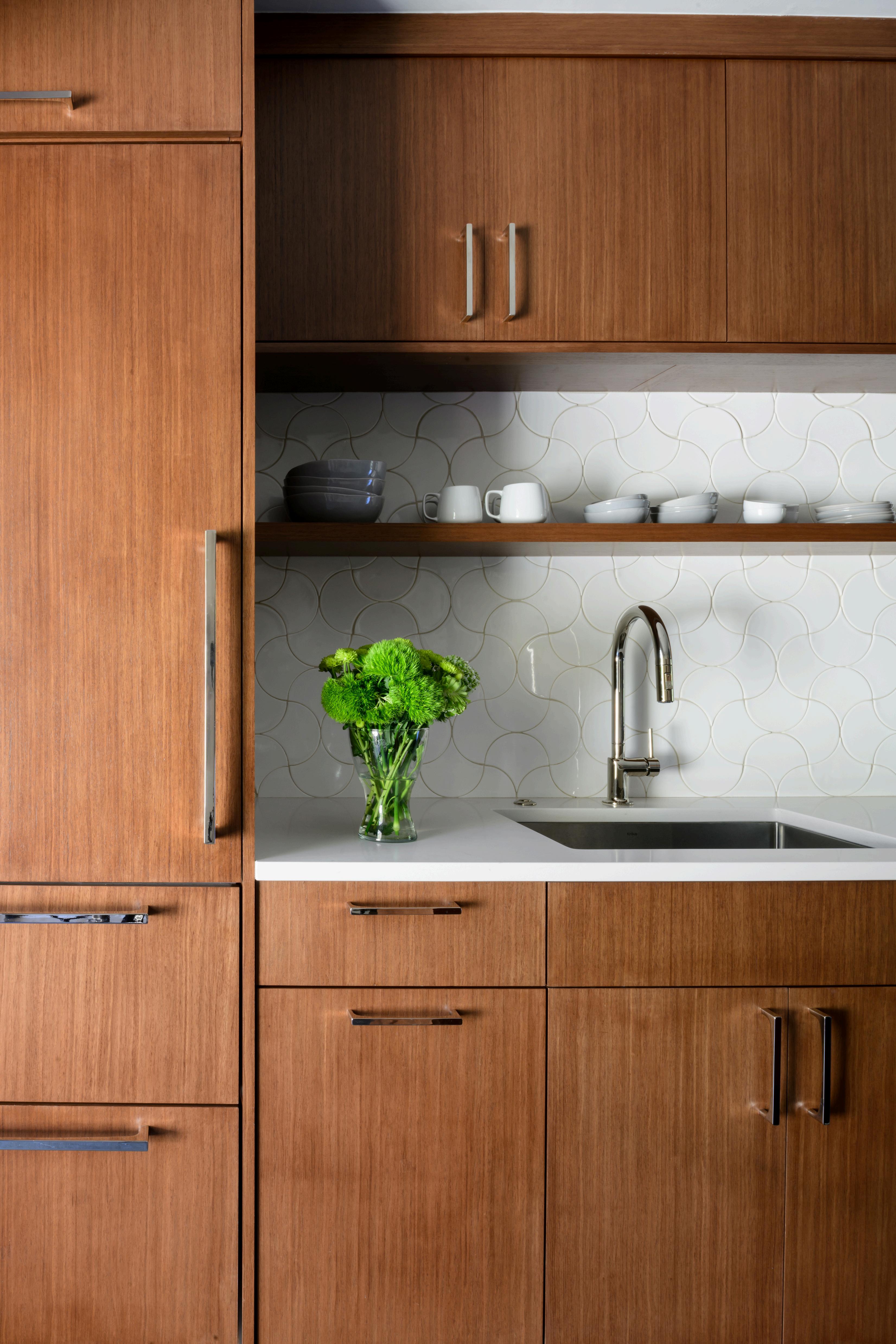
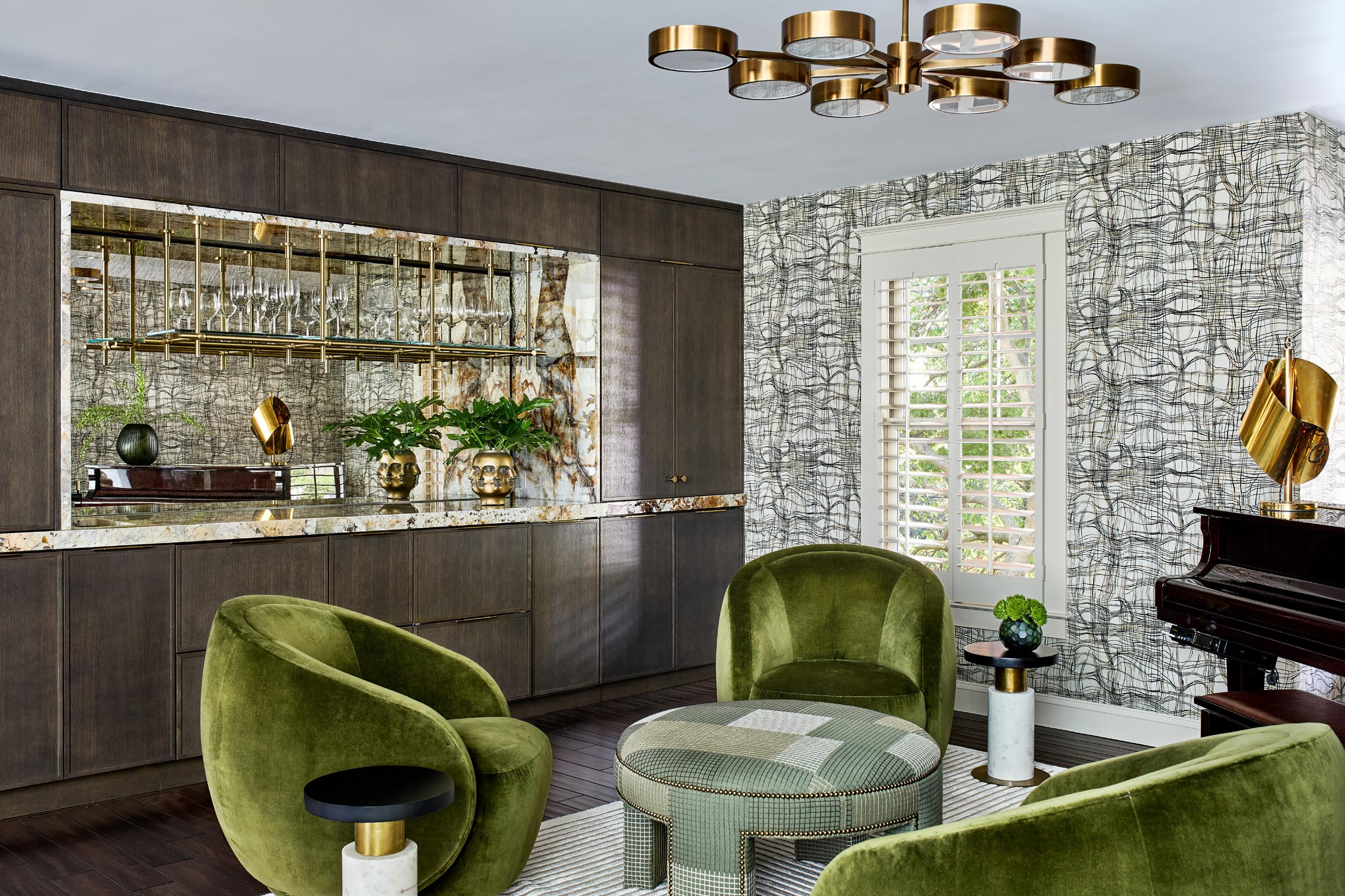
The kitchen was given a facelift by repurposing what they could, including the solid wood cabinetry, and adding some new elements, such as hardware, paint, counters, fixtures, and appliances. The refresh allowed the design team to add a coffee station and storage cabinets. Farnady also created a music room with a backlit stone bar as a dedicated space for the husband to write music.
The team’s renovation goal to establish an overall cohesiveness in the house was achieved. While they love all the spaces, the living room is a standout. “It’s a great example of how small changes can really elevate an underperforming space,” Miles says.
Come home to
extraordinary.
At ANTHONY WILDER, we design and build spaces you can’t wait to come home to. Our in-house architects, interior designers, project managers and craftsmen work together to create custom design solutions just for you. We mind every detail, so you can simply live—and love—the life you’ve built.
DETAILS
IT’S
ALL IN THE DETAILS
Blooms
Spring signals the arrival of fresh flowers. Whether your blooms are from the flower garden or the florist, here are several wonderful choices of vases to display them in.
MEISSEN Meissen, one of Europe’s oldest and most esteemed porcelain makers, is known for exceptional craftsmanship and artistic complexity. With the exquisite vase "Ornamentica," they present a unique work of art that unites historical design language with contemporary porcelain painting. The vase stands 10.2 inches tall. ($12,280) BOUTIQUE DE SÈVRES Since 1740, the Boutique de Sèvres has been known for its excellent craftsmanship and collaborations with the greatest designers of all time. This vase, made of fine porcelain, 24-carat gold, and painted in the traditional Sèvres Blue, is emblematic within the Manufacture de Sèvres catalogue. The vase stands 12.59 inches tall. ($2,950) TIFFANY & CO. The Bamboo collection was first introduced in 1961 as a pattern for coffee spoons. The simplicity and thematic reference to 19th-century chinoiserie textural decorations add depth to any space. This vase, made of sterling silver, stands 8.3 inches tall. ($8,400). LLADRO Lladro’s Cockatoo Vase exemplifies the grandeur of nature as a source of art inspiration. The central feature of this vase is a cockatoo, a beautiful bird originally from Australia, which is rightly famous for its colorful crest. The sculptor of the piece is José Santaeulalia. The vase stands 20.07 inches tall. ($2,130)
DESIGNER SPOTLIGHT
THE BEST OF THE BEST
MICHAEL & DEBORAH SAURI
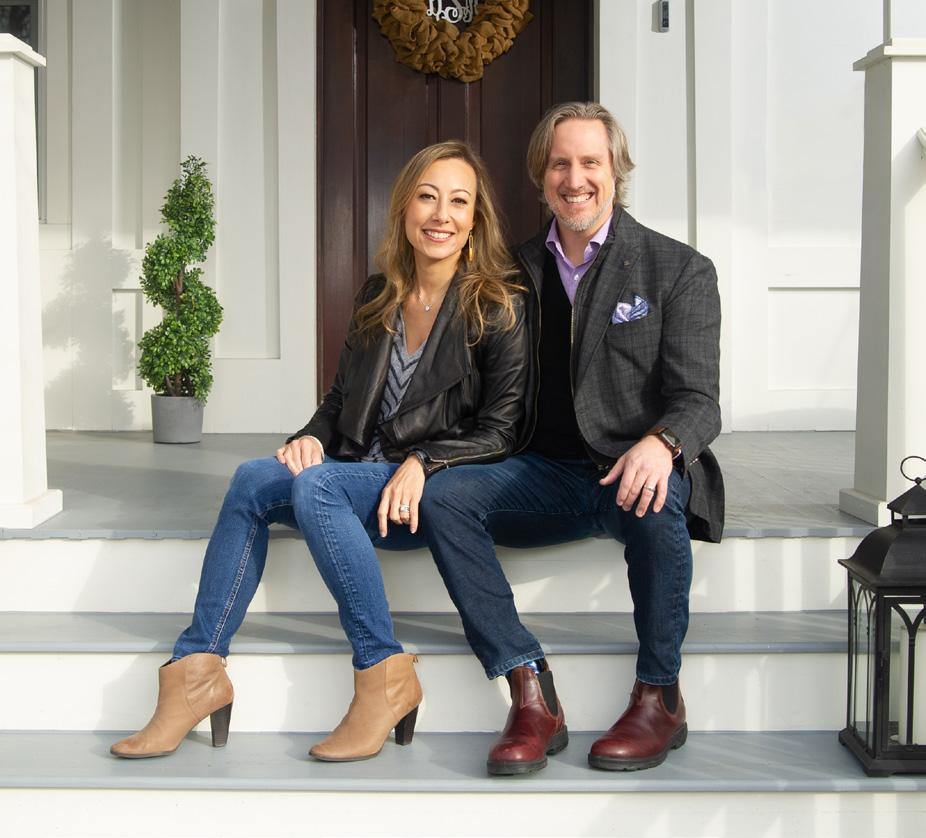
Co-Founders, TriVistaUSA Design + Build www.trivistausa.com
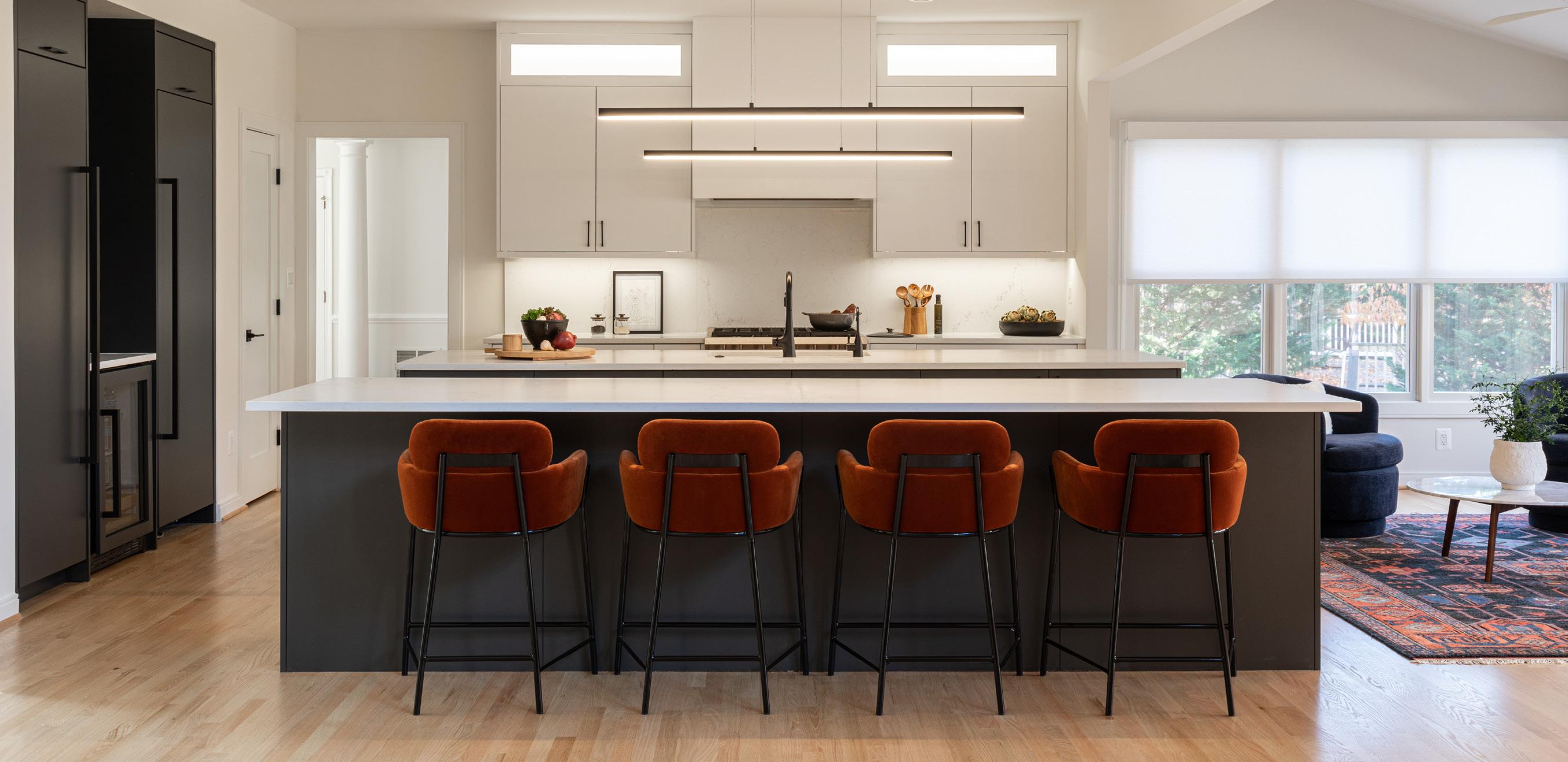
Founded in 2005 and based in Arlington, Virginia, TriVistaUSA Design + Build is an award-winning, family-owned remodeling firm specializing in high-end residential renovations. Co-Founders Michael and Deborah Sauri built the company as a team, with one central mission: To provide quality designs with an aesthetically pleasing yet practical flair to complement their clients’ lifestyle needs. TriVistaUSA Design + Build utilizes green building practices with the promise that their thoughtful designs build fine living solutions. They are a member of Remodelers Advantage, and Michael Sauri serves as President of the Professional Remodeling Organization (PRO), as well as Chairman of the Board of the PRO Metro DC chapter.
Q: What are your backgrounds and how do your backgrounds influence your work at TriVistaUSA Design + Build?
MS: We took a somewhat unconventional path to get here. I'm a musician and Deborah is a graphic artist; both of us are creative with vision and a passion that shapes how we lead the company. From music, I learned that even the most talented players fall flat if they’re not in sync. You’ve got to feel the rhythm, listen for changes, and build on good ideas no matter the source. That same collaboration drives how we work with clients—blending their deep understanding of their lifestyle with our design-build expertise to create something truly unique to them.
Michael and Deborah Sauri
Project photos by Nova Soul Imagery
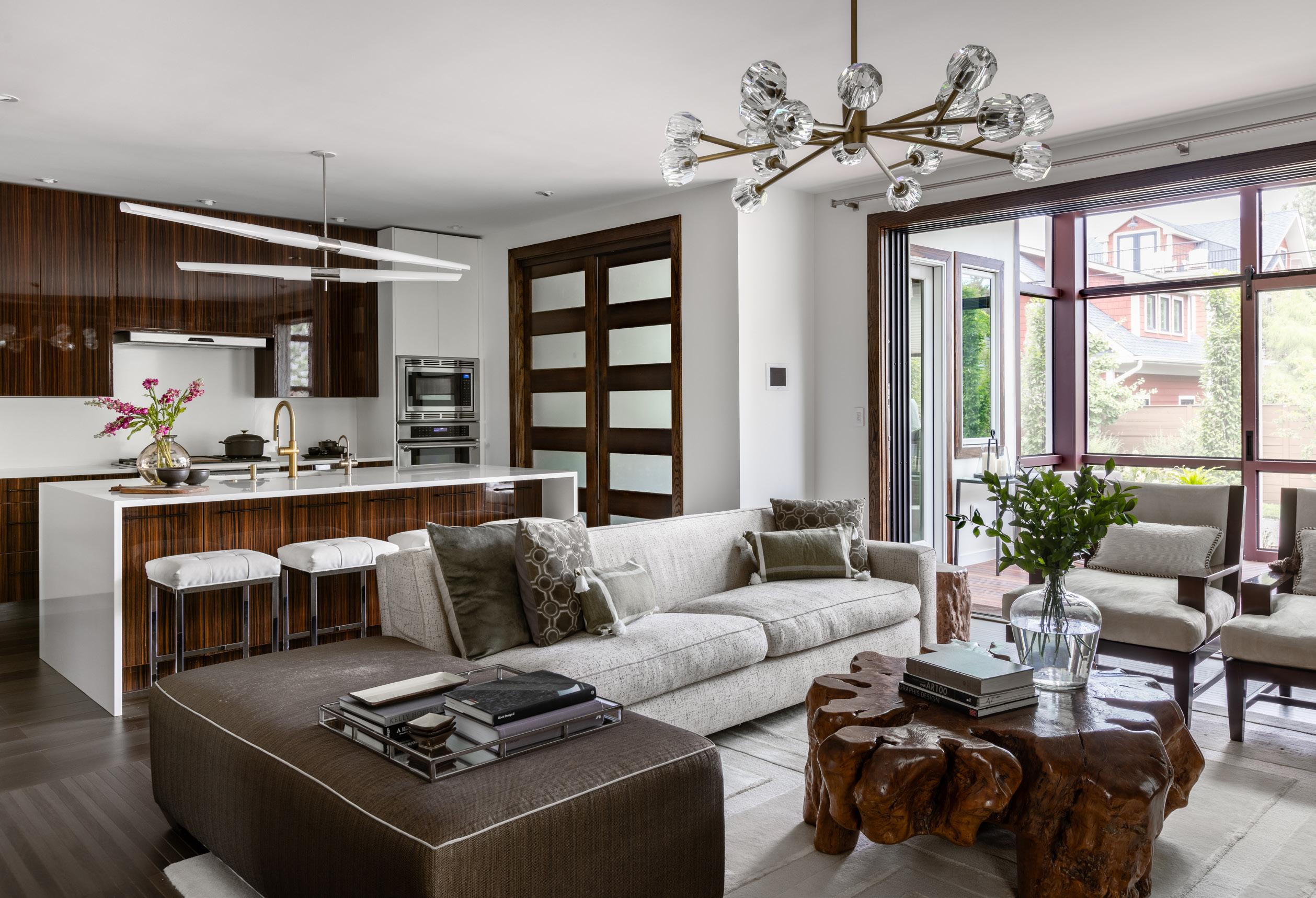
Deborah’s design background brought a level of creative rigor and polish not often seen in residential remodeling. She initiated collaborative brainstorming processes that engage our full team to explore multiple design directions, and her designer’s eye has raised the bar for detail across our company. Listening, experimenting, and refining are at the heart of what we do: crafting spaces that resonate with the people who live in them.
Q: How have your roles at the company evolved over the years?
MS: Like a lot of businesses, the pandemic changed everything within a matter of a couple of weeks. Suddenly, demand for renovations skyrocketed, and we went from being hands-on practitioners to also becoming leaders responsible for building systems and supporting a growing team. We’ve always been motivated by connecting with our customers to really understand their challenges and vision for the future and to help them achieve it. Now we realize we can do the same for our employees by creating opportunities to bring young talent into the industry and systematize what
clients love about the company. We embrace our roles as educators and coaches for our team and empower them to lead with the same care, creativity, and responsiveness that built our reputation.
Q: What other leadership roles have you taken on?
MS: Outside of TriVistaUSA, I’ve had the chance to get involved in shaping the remodeling industry as a whole. I’ve taken on a leadership role with the Professional Remodeling Organization (PRO), which focuses on education, certification, and raising the bar with best practices. I also serve as a strategic advisor for Harvard University’s Joint Center for Housing Studies, where I share insights about what’s happening in the U.S. remodeling world. It’s exciting to contribute to the bigger picture while still staying rooted in the work we love.
Q: What are the types of projects you’ve worked on over the years?
DS: We’ve designed and built an array of projects over the years, from new custom homes to additions to kitchens,
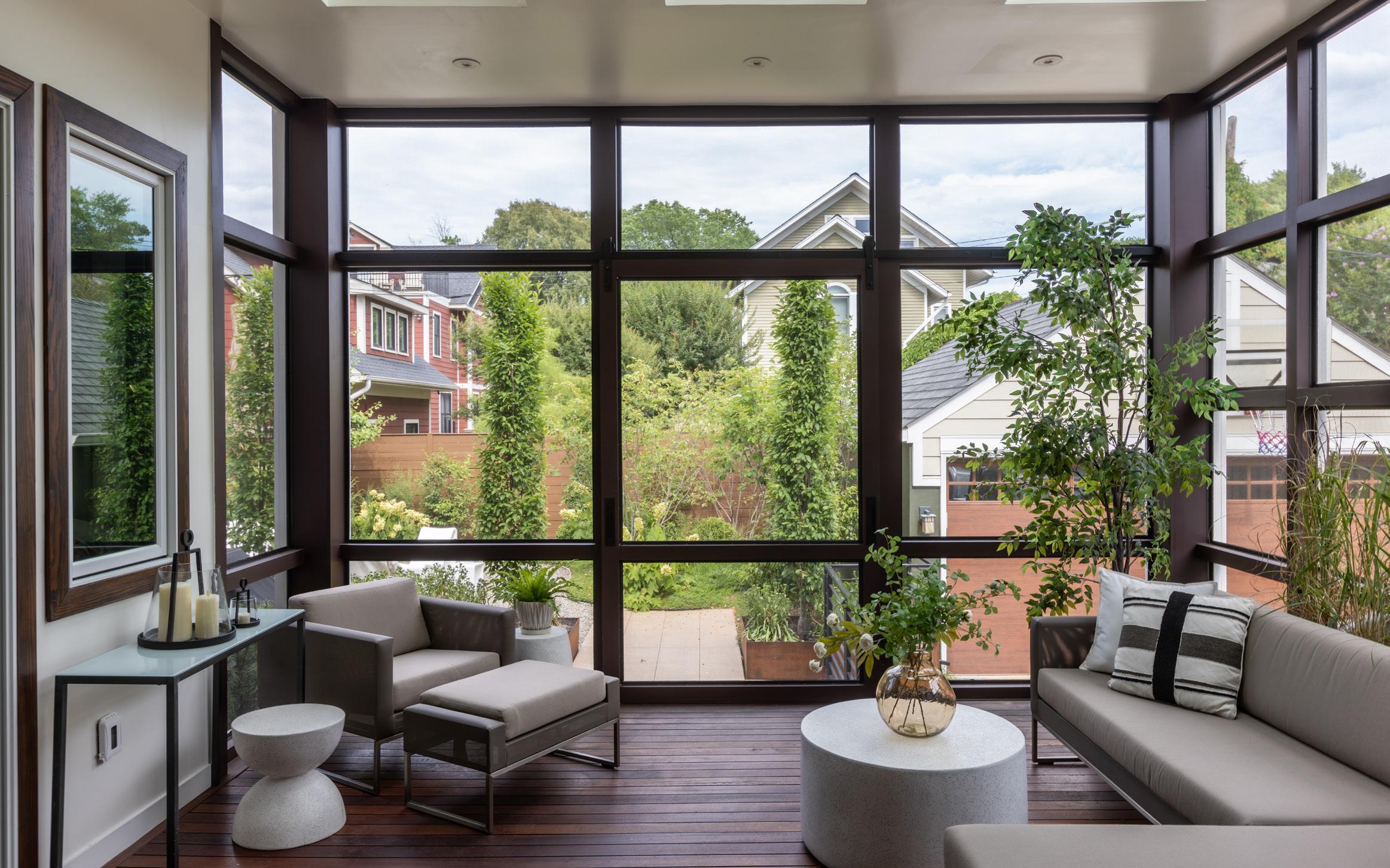
bathrooms, and outdoor spaces. We, along with our clients, are deeply invested in making their homes a true reflection of how they live. We take the time to really get to know the homeowners so the end design fits them perfectly. Every renovation is custom in the truest sense because it’s not just about architecture or finishes, it’s about helping people fall back in love with where they live.
Q: Being in business for more than 20 years is something to celebrate. What’s on the horizon for TriVistaUSA Design + Build?
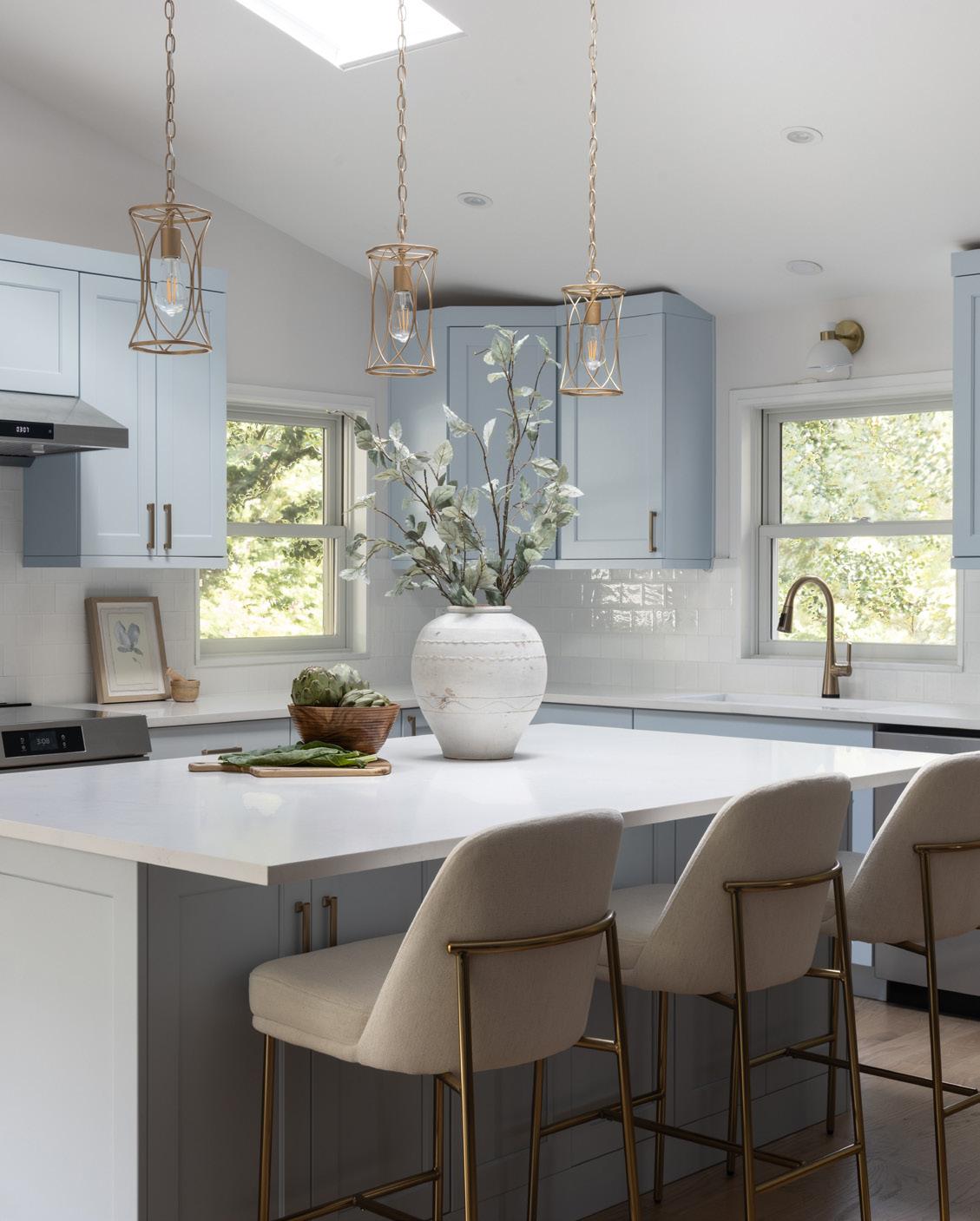
DS: Twenty years is a huge milestone for us and we are celebrating with the opening of our new experience center, which we hope will make the selection process run smoother. We're constantly looking for ways we can help clients to immerse themselves in their new project before it's built. The experience center, which is located on the first floor of our headquarters, will be a collaborative studio space built to facilitate the creative design and materials selection process for homeowners. In addition, and keeping homeowners top of mind, TriVistaUSA also launched a client VIP program called The Fan Club, which provides our clients with unique opportunities within our organization, such as visits to recently completed projects.


















DESIGN NEWS
CURRENT DESIGN NEWS
WHAT’S NEW IN BATHROOM DESIGN
Think calming neutrals, lighter woods, and just a little color to create a serene and seamless bathroom
BY SHERRY MOELLER PHOTOS BY NOVA SOUL IMAGERY
Mary Gordon, co-founder of InSite Builders & Remodeling, www.insiteremodeling.com, shares the latest trends in bathroom design, as well as how the InSite team tackled a recent bathroom renovation.
Q: What are you currently seeing as far as frequently requested finishes in bathroom design, such as cabinet colors, types of tile, counters, and accessories?
MG: There is a clear shift toward calm, timeless palettes accented by a few intentional statement elements. Soft whites, warm neutrals, and light woods are frequently selected for cabinetry, with muted greens and blue grays introduced through a secondary or contrasting vanity, tile accents, or painted walls to provide subtle supporting color. Tile selections are leaning toward natural materials and softly textured surfaces, with larger format tiles chosen for their fewer grout lines and broader surface coverage, creating a clean, seamless look. Quartz remains a preferred countertop material for its durability and stone-like appearance, while warm metal finishes such as brushed brass and champagne bronze continue to define accessories and fixtures.
Q: How can a homeowner incorporate some of the latest finishes in their own bathroom without a total renovation of the space?
MG: A refreshed, updated look can be achieved without a full renovation by focusing on elements that offer high impact with minimal disruption. Replacing hardware, faucets, lighting, or mirrors can quickly modernize a bathroom, while a new vanity top or the addition of a small amount of new tile, such as a backsplash behind the vanity or a reimagined shower niche, allows texture and pattern to be introduced in a controlled, cost-effective way. These updates elevate the space while preserving the existing layout.
Q: Powder rooms are often seen as spaces to take some risks, such as adding wallpaper. Do you agree, and if so, what are some of the ways to make a powder room stand out?
MG: Absolutely! Powder rooms are ideal spaces for taking design risks because they are compact and contained. This makes them an excellent setting for bold wallpaper or dramatic materials such as richly veined stone, patterned tile, high gloss finishes, or dark, moody wall treatments that might feel overwhelming in a larger space. Attention to detail, including thoughtfully layered lighting and distinctive hardware, along with a consistent and well-coordinated selection of materials and colors, ensures the powder room feels intentional, elevated, and memorable.
Q: Tell us about the bathroom you just completed, shown here. What was it before and what did it become? What did the owners ask for?
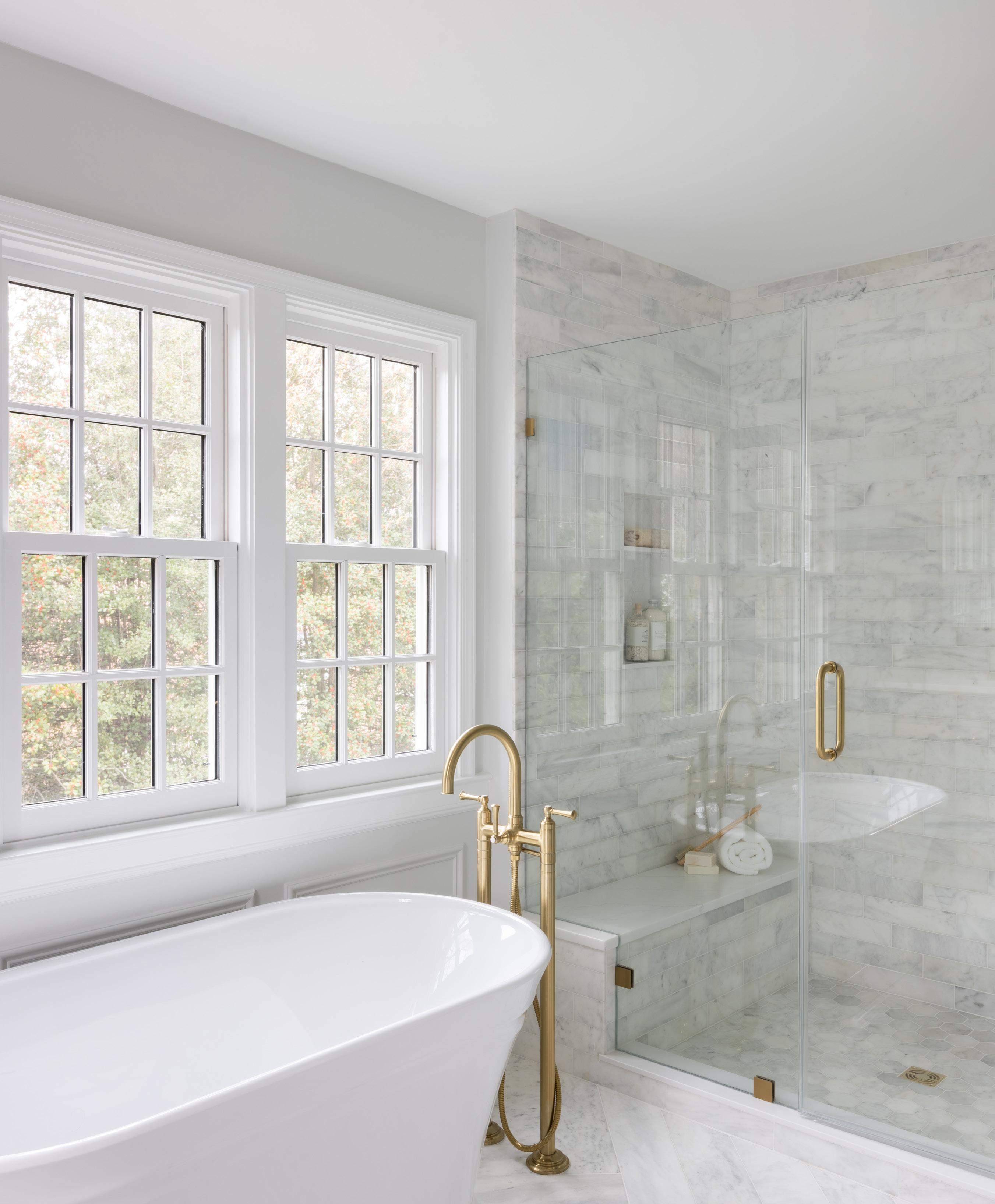
MG: The homeowners’ original primary bathroom was approximately 25 square feet, with a compartmentalized layout that felt tight and dated. Adjacent to it was an exterior flat roof over a first-floor sunroom, which presented an opportunity to rethink how this portion of the home functioned. A three-sided addition was constructed on top of the existing sunroom, using the original primary bedroom wall as the fourth side. The former bathroom was converted into a walk-in closet, while the new 10-by-16-foot addition expanded the bathroom to approximately 150 square feet.
The homeowners asked for a simple, serene retreat. Their wish list included a soaking tub positioned to take advantage of views of the backyard and surrounding trees, a generously sized shower with a bench and handheld shower, separate his and her vanities, and a private water closet. The finished space is calm and light-filled, resulting in a primary bathroom that feels open, restorative, and thoughtfully connected to the outdoors.
DESIGN NEWS
CURRENT DESIGN NEWS
THOS. MOSER ANNOUNCES ITS NEWEST DESIGN
The Made in America furniture company based in Maine presents the versatile Freeport Bench
BY SHERRY MOELLER PHOTOS BY PHOTOS BY THOS. MOSER AND SEAN LITCHFIELD
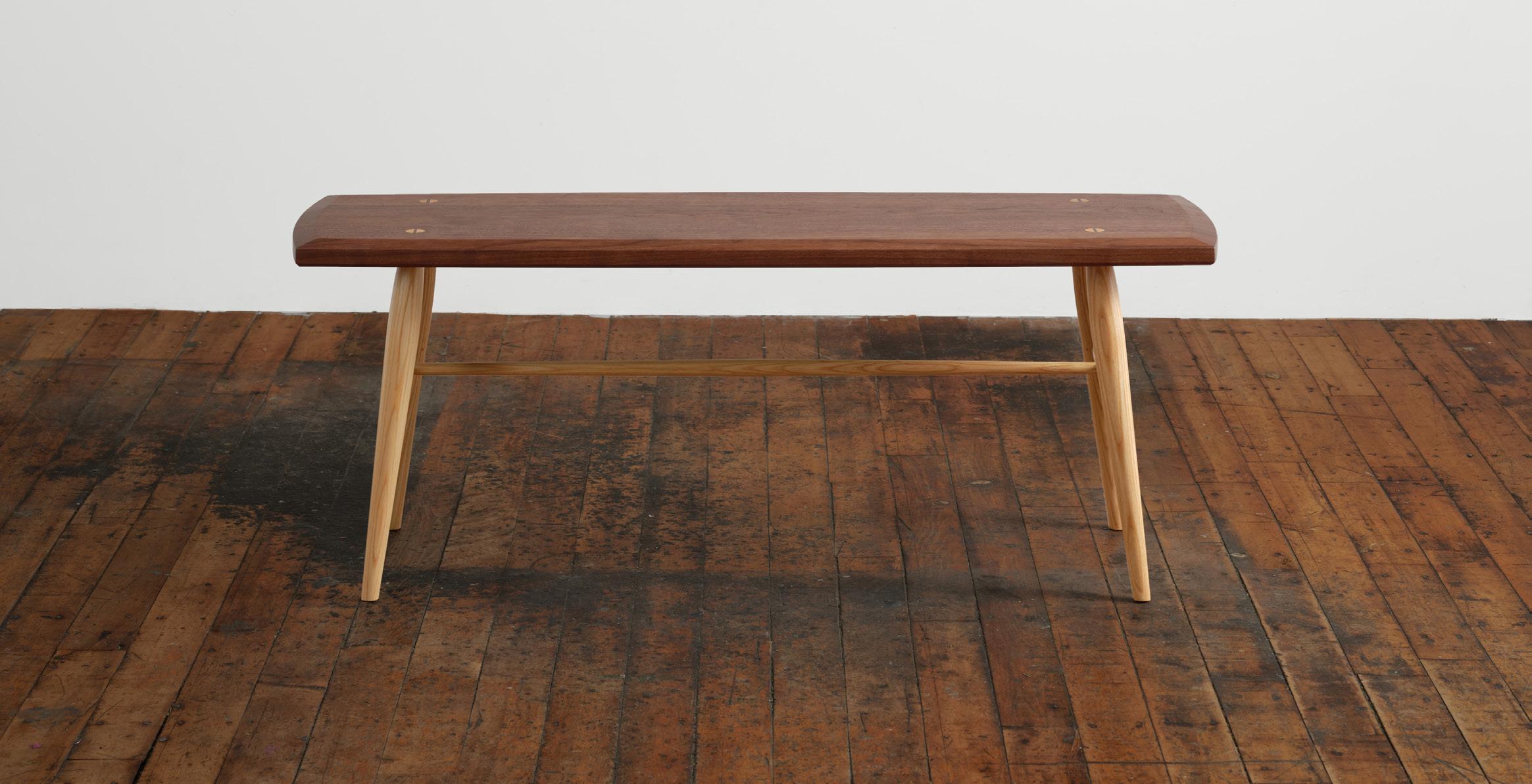
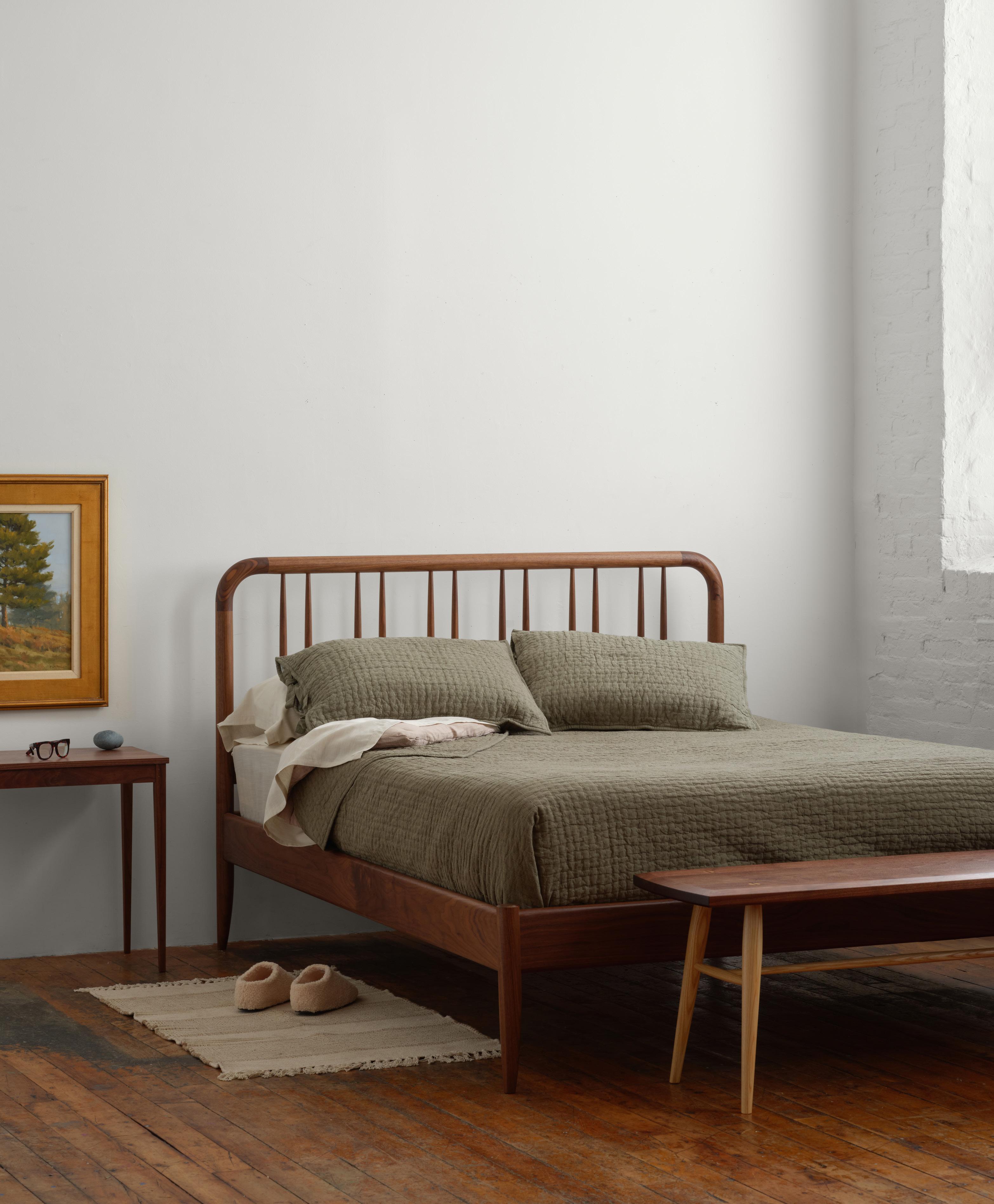
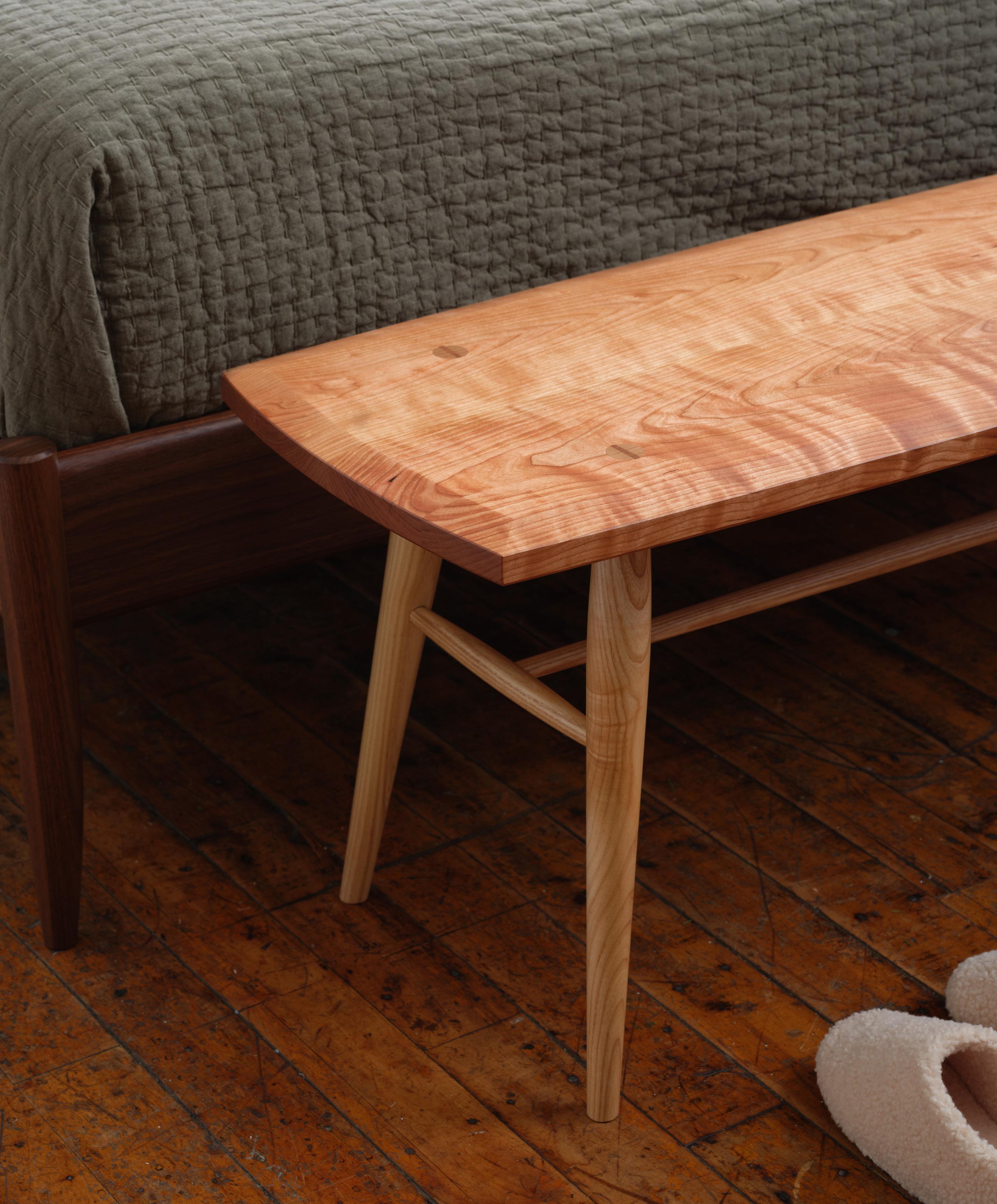
With elegance and everyday utility in mind, Thos. Moser presents its latest design – the Freeport Bench available in sustainably-harvested solid cherry and walnut. The handmade American furniture company with more than 50 years of experience, offers this versatile bench for use in just about every room in the house. As a welcome addition to the foyer, the Freeport Bench can also serve as a seating bench at a dining room table or as a place to sit at the foot of a bed. This newest design reflects the company’s belief that simplicity holds beauty.
Made by hand of North American hardwoods, the bench features contrasting turned ash legs and visible mortise-and-tenon joinery, paying homage to traditional woodworking techniques. Each bench is signed by a single cabinetmaker, an enduring mark of Thos. Moser’s individuality and craftsmanship.
"The Freeport Bench is a distillation of values that have guided our work for over five decades," says Philip Hussey, CEO of Thos. Moser. "It carries forward a tradition of utility and restraint while inviting contemporary use, a piece made not for a single room, but for a lifetime of rooms and rhythms.”
Made to order and backed by a lifetime guarantee, the Freeport Bench is available online or at one of the four Thos. Moser showrooms across the country, including Freeport, Maine, Boston, Massachusetts, Washington, DC, and San Francisco, California. For more info, visit www. thosmoser.com.
The Infinite Sadness of Small Appliances: A Novel
BY GLENN DIXON
PUB
DATE:
APRIL 07, 2026
Following in the tradition of Orwell, Dixon has stepped outside of the box in his imaginations describing what a future world may look like when tech controls the lives of humans.
In a self-running, smart house, a young and sentient Roomba listens as her owner, Harold, reads aloud to his dying wife, Edie. Mesmerized by To Kill a Mockingbird and craving the human connection she witnesses in Harold’s stories, the little vacuum renames herself Scout and embarks on a journey of self-discovery.
But when Edie passes away, Scout and her fellow sentient appliances discover that there are sinister forces in their midst. The omnipresent Grid, which monitors every household in the City, seeks to remove Harold from his home, a place he’s lived in for fifty years. The appliances, joined by their ‘humans,’ cleverly combat those forces to help Harold keep his home.
This book considers human connections, sentient technology, and a world where human choices diminish, both through automation and personal freedoms. It tackles what could happen when ‘The Grid’ controls the daily lives of humans. It’s a deceptively easy read that explores the complex world of technology.

A NEW ERA OF LUXURY PERFORMANCE
THE 2026 LAMBORGHINI TEMERARIO

The supercar world has entered its electrified era, and in 2026, the battle lines have been drawn between three of the most storied names in performance. Those are, of course, Lamborghini, Ferrari, and McLaren.
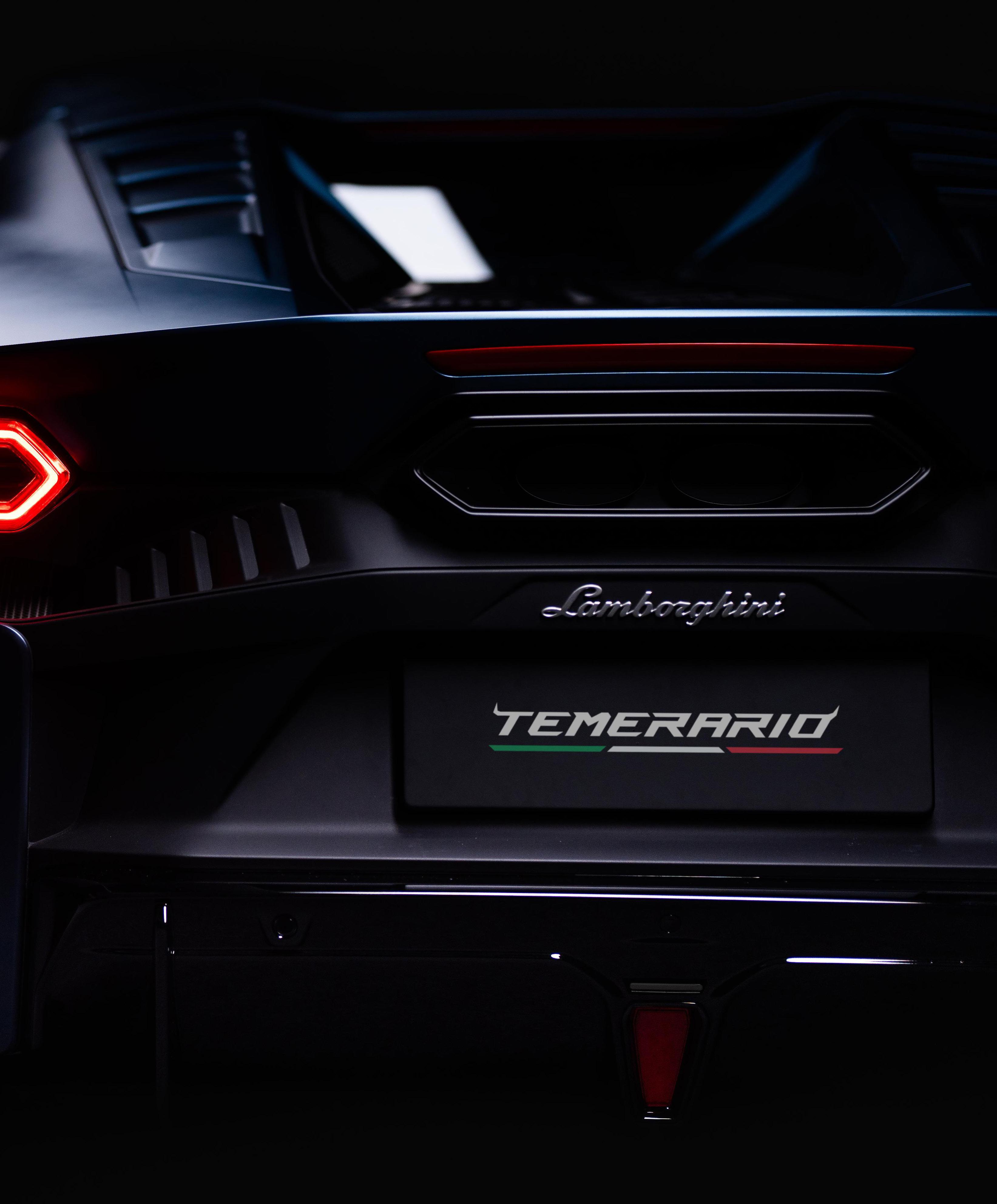

The supercar world has entered its electrified era, and in 2026, the battle lines have been drawn between three of the most storied names in performance. Those are, of course, Lamborghini, Ferrari, and McLaren. But when Lamborghini unveiled the Temerario, the automotive world took notice. Not just for its jaw-dropping speed and hybrid powertrain, but because it marks a pivotal moment in the brand’s evolution. The 2026 Temerario isn’t merely another Italian supercar. It’s a statement that performance, luxury, and hybrid technology can coexist without compromise.
The model replaces the long-running Huracán as Lamborghini’s mid-engine sports car. It starts a new chapter in the Italian marque’s electrification strategy. Unlike its predecessors, this car is a plug-in hybrid, which marries massive power with modern performance efficiency. It’s a first step toward Lamborghini’s future where hybrid powertrains dominate the lineup. And, although it is a hybrid, it’s still unmistakably a Lamborghini: fierce, visceral, and engineered to thrill.
Its design pushes Lamborghini’s signature style into a sharp and aggressive realm. It’s a balance of aerodynamic efficiency and dramatic visual impact. Its sculpted
bodywork, daring lines, and purposeful stance make it a presence that stops traffic even at idle.
At the heart of the Temerario is a twin-turbo 4.0-liter V8 engine that revs to an astonishing 10,000 rpm, which is a level of power usually reserved for pure racing engines. The engine is augmented by three electric motors, resulting in a combined power output of around 907 hp and torque in the high-hundreds of pound-feet territory. Together, its power is daunting.
One area in which this hybrid differs from others in the market is that it isn’t built for fuel economy – even though Lamborghini states the car’s emissions are significantly reduced over its predecessor. No, the hybrid feature on this automobile is all about instant torque delivery, superfast response, and the ability to make every drive feel electrifying. The estimates on performance make that clear. It goes from 0–60 miles per hour in 2.4–2.7 seconds and its top speed tops at around 213 miles per hour. However, the electric-only range is short at about 5 miles, even though it’s crafted for performance and usability.
Inside, the cockpit blends luxury and technology. Advanced driver displays and premium materials create an environment that’s as focused on the driving experience as
Photography courtesy of Automobili Lamborghini
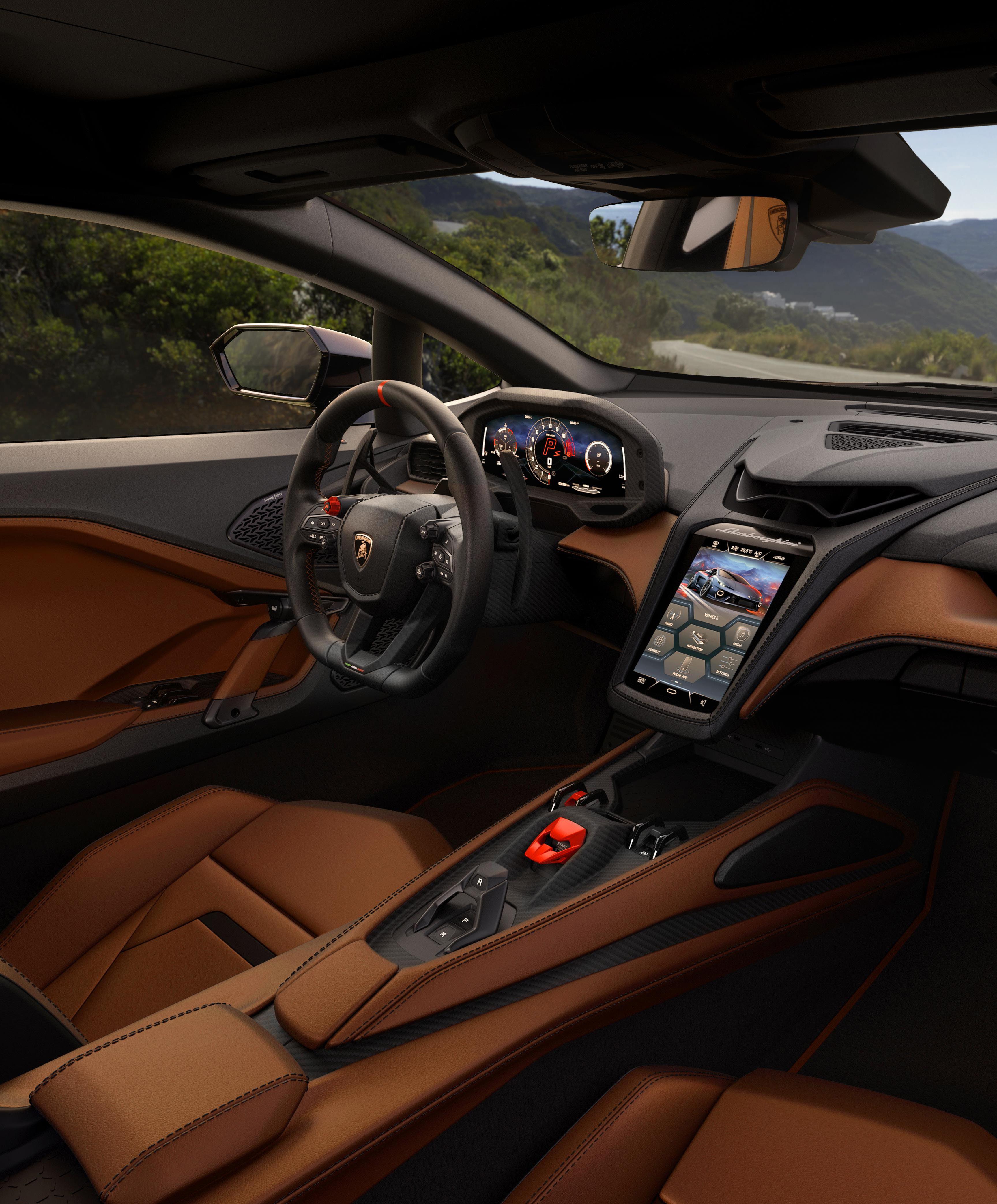
it is on comfort and exclusivity. The optional Ad Personam customization studio lets owners tailor virtually every aesthetic detail – from bespoke paints to custom interior trims – ensuring that each Temerario is as unique as its owner.
While this car is designed to perform like a racer, Lamborghini hasn’t forgotten that supercar buyers also want style, presence, and refinement. The hybrid system improves low-end drivability, making launches and city driving smoother than pure combustion engines. Yet the car still delivers the drama Lamborghini is known for – a sentiment reinforced by the brand’s recent decision to scrap plans for a fully electric supercar in favor of hybrid models, citing that customers still crave that emotional connection to internal combustion sound and feel.

The 2026 Lamborghini Temerario isn’t just another exotic car; it’s a statement of purpose. It tells the world that even as supercars evolve toward electrification, luxury and performance will still be measured in heartpounding acceleration, sculptural design, and emotional impact. In a landscape shifting toward efficiency and technology, Lamborghini has managed to keep its soul intact.
THE SMART RING

THAT’S REDEFINING WELLNESS LUXURY
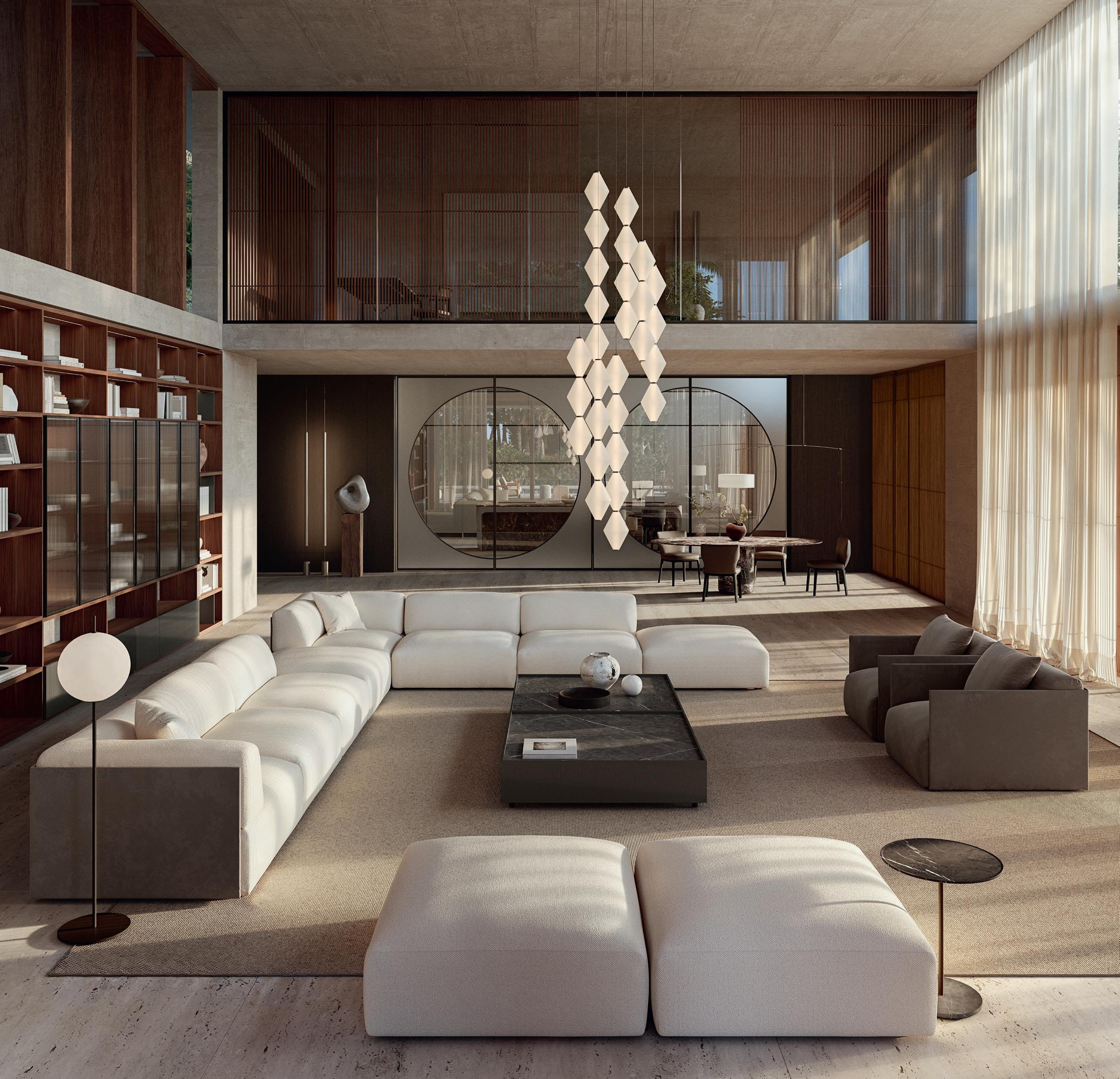
In a world where wearable tech is everywhere, one device has quietly and profoundly transformed the meaning of personal health tracking. The Oura Ring 4 is a sleek, jewelry-like band that isn’t just about statistics; it’s about insights, balance, and living better. In 2026, it’s become one of the most coveted pieces of consumer luxury tech.
Whether it’s an elite athlete chasing peak performance or a professional seeking smarter recovery and focus, the ring has found a place on the fingers of executives, celebrities, and wellnessconscious thinkers alike.
But why is everyone wearing this tech?
Simply put, it’s a wellness companion, worn quietly on the finger that shapes habits, inspires better choices, and redefines what luxury tech means in the modern age. What sets the Oura Ring apart from most wearables isn’t just what it tracks but how it integrates into one’s lifestyle. It doesn’t buzz incessantly with notifications and it doesn’t demand attention every minute. Instead, it offers a quiet, elegant, and the most important kind of luxury – that of self-knowledge.
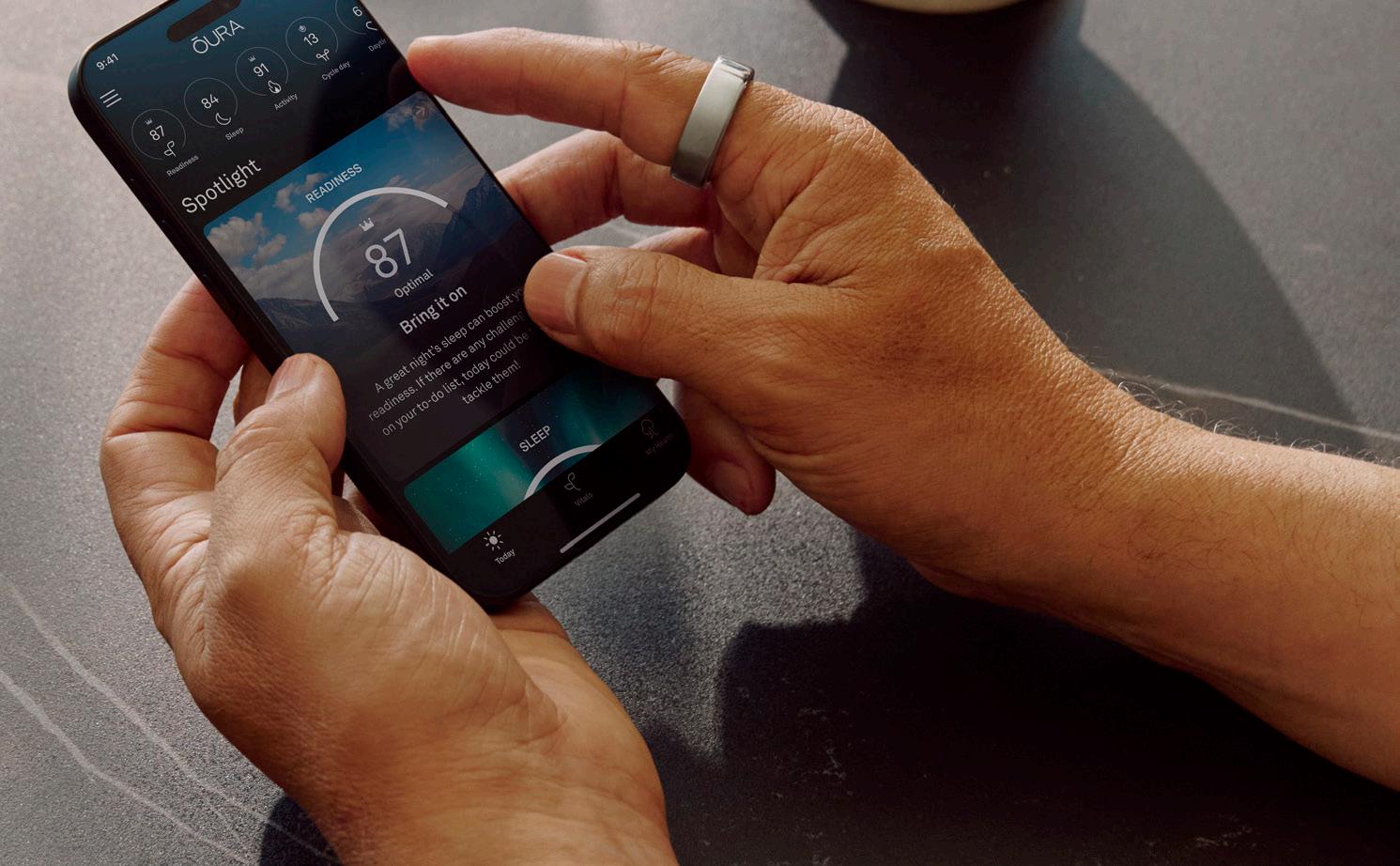
We all know how important sleep is to good health. With this tech, sleep is the centerpiece of the experience. It measures the time spent in each sleep stage, overnight heart rate dips, restfulness and disturbances, and sleep timing consistency. It marks REM cycles, heart rate and variability. The ring’s app translates data into insights – how caffeine influenced your rest, why a late workout helped recovery, or how stress impacted your sleep cycle. For many users, these revelations spark behavior changes that improve health in tangible ways.
But it goes beyond sleep. It reports temperature shifts which are subtle cues to illness or hormonal changes. It provides activity and readiness scores, which give the user a snapshot of how prepared their body is to perform. All of this feeds into a single daily Readiness score, which is the number that can help the wearer determine whether to push hard for the day or rest and reset. It’s the kind of insight that used to require lab tests and pro-grade wearables. Only now, anyone can wear one on his or her finger.
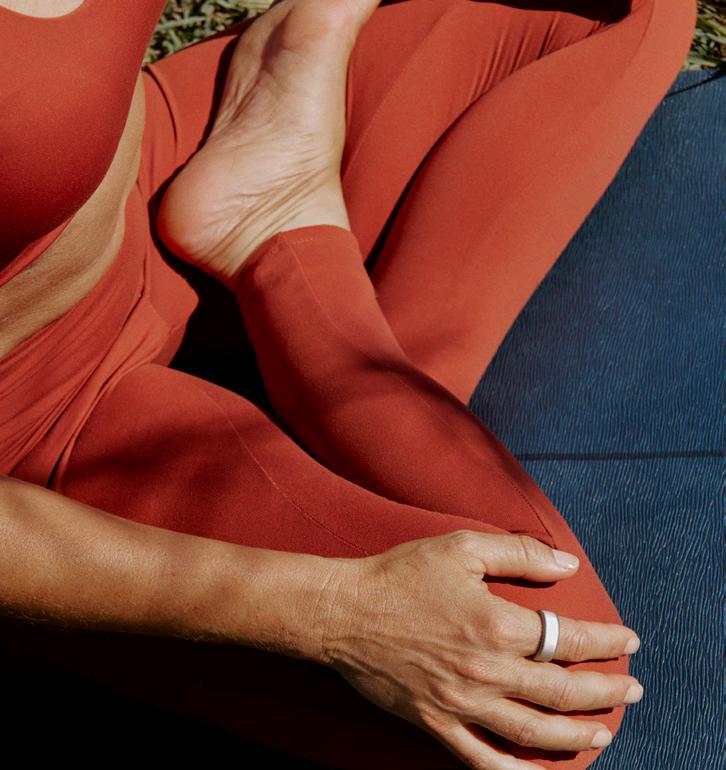
The ring looks like a minimalist piece of fine jewelry. It’s crafted from lightweight, polished materials that slide onto your finger like a classic wedding band. But don’t let its understated look fool you – inside lies a suite of powerful sensors that continuously monitor your body in real time. It discreetly blends wellness tracking with aesthetics. A combination that has turned it into a new symbol among wellness-forward professionals.


Photography courtesy of Oura
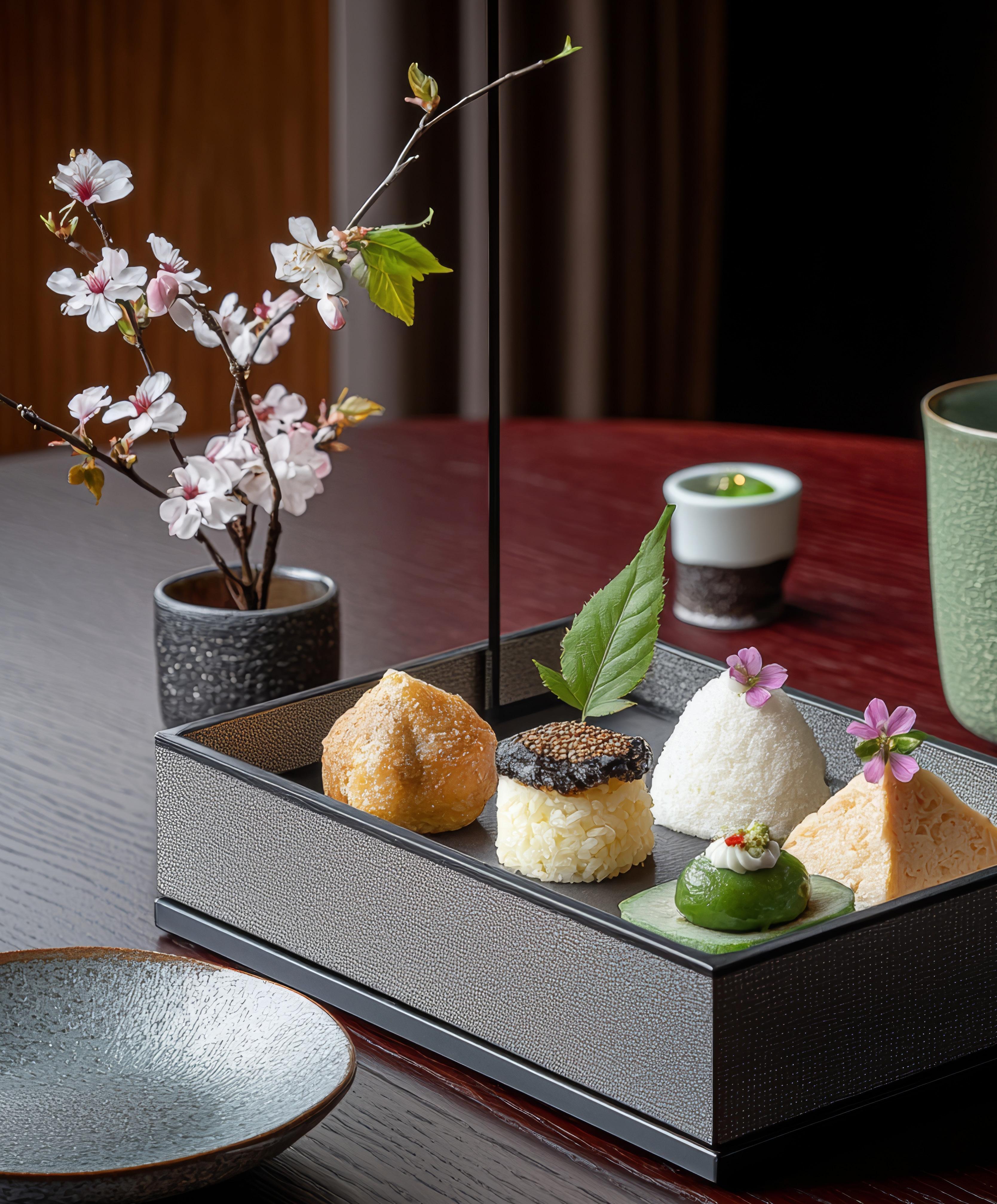
BLOOM KAISEKI IN
JAPAN’S MOST EXCLUSIVE SPRING DINING EXPERIENCE
Spring in Japan is a season like no other. As the country shrugs off winter, delicate cherry blossoms – Sakura –bloom in a breathtaking spectacle of pink and white. The petals paint gardens, riversides, and temples with ephemeral beauty. For a foodie, this visual feast is a type of green light. It signals the ultimate spring dining experience – a private kaiseki tasting where every dish mirrors the season.
Kaiseki is Japan’s pinnacle of haute cuisine. It’s a multicourse journey of flavor, texture, and presentation that is rooted in seasonal expression. Imagine walking along a path lined with flowering cherry trees and entering a private teahouse or garden setting. Only a handful of guests are seated. The scents you encounter are the fragrances of blossoms that mingle with the aromas of fresh bamboo shoots, river fish, and Sakura leaves. The meal is more than food. It’s an immersive story of spring, unfolding course by course.
Chefs often prepare elements tableside, inviting diners into the artistry of the process and making the Kaiseki meal both interactive and intimate. And the menu they create is a feast for both the eyes and tastebuds. It features tiny bites – called Amuse Bouche – that introduce the flavors of the season and are often garnished with edible blossoms. Lightly steamed or pickled Sakura leaves, delicate sauces, and subtle blossoms are incorporated into the flavoring of freshly caught fish or shellfish prepared tableside. Bamboo shoots, spring greens, and herbs are also prepared with delicate Sakura sauces that enhance their natural flavor. Even dessert provides diners with a final Sakura finale. Petal-inspired sweets are often paired with Sakura tea or local sake, completing the sensory journey. Every element – from the choice of plate to the sequence of courses – is crafted to reflect the ephemeral beauty of spring.
This experience is not only luxe but reaches the realms of once-in-a-lifetime. Cherry blossoms bloom for only one to two weeks each year, which creates a narrow window for this dining experience. Peak bloom dates vary by region, so booking months – if not one year – in advance is essential. These exclusive events are held in private gardens, and
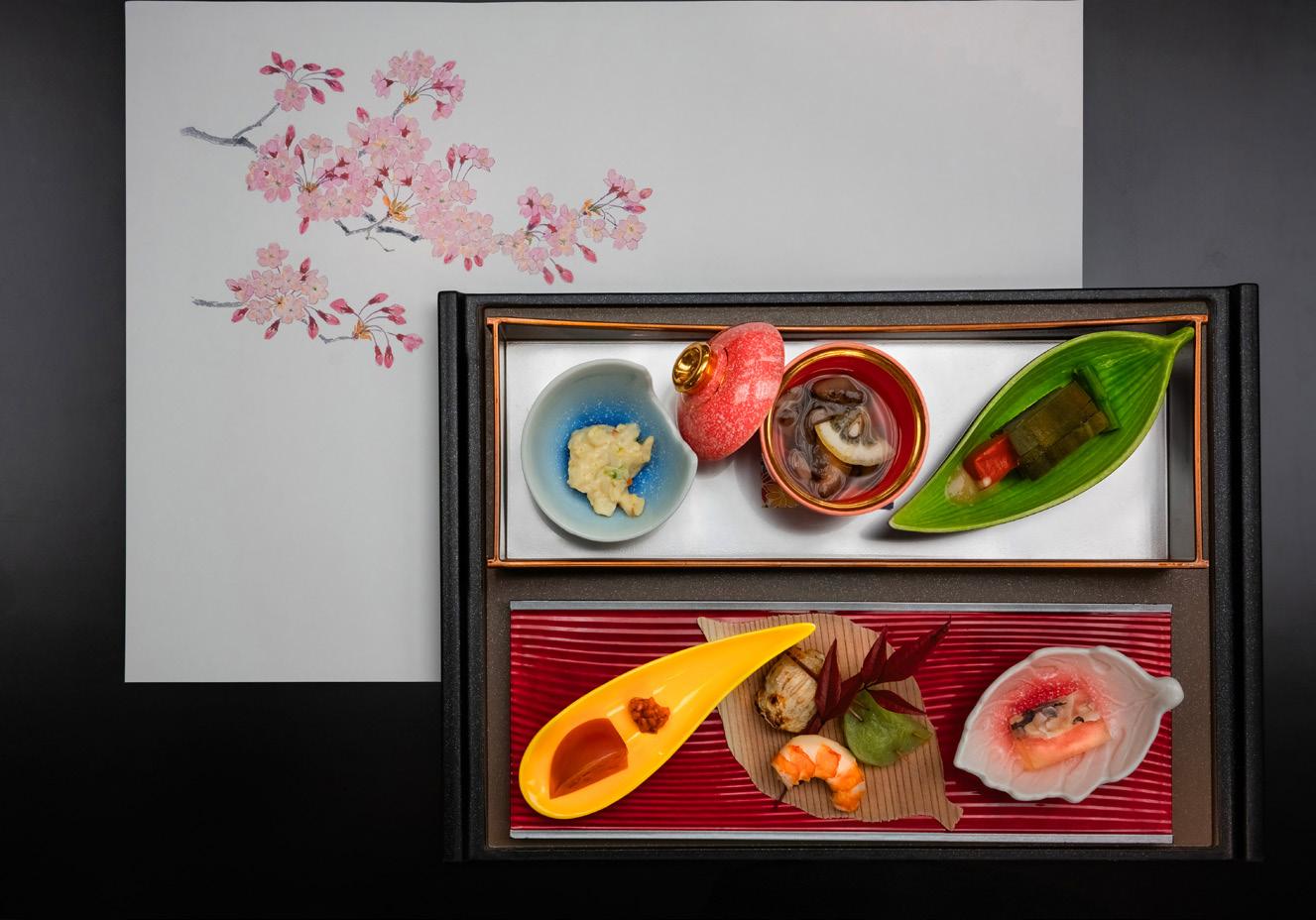
TOP DESTINATIONS FOR 2026 SPRING KAISEKI
KIKUNOI – Overlooking Kyoto gardens, the experience offers spring-exclusive tasting menus paired with delicate sake selections.
HYOTEI – This 400-year-old institution blends heritage and seasonal innovation in serene garden settings.
GION SASAKI – This chef-led experience is tailored to the blossoms in bloom.
Sakura kaiseki is not just a meal, it’s a living meditation on seasonality and artistry. Each course, each bite, and each blossom reminds diners that true luxury is about experiencing life’s moments fully.
teahouse seating ensures a personal, curated journey, often accessible to only a few guests per season.

AUCTION HOUSE
The 1896 Olympic Medal That Stunned the Auction World
History, sports, and collection met together when a medal from the very first modern Olympic Games, held in Athens in 1896, made headlines around the globe. It was auctioned by Bruun Rasmussen Arts Auctioneers in Denmark in February of this year. With 42 international bidders vying for the piece, the hammer fell at DKK 900,000 ($142,000), and after buyer’s premiums, the final price reached $178,500. This was three to four times the pre-sale estimate. Though its precise recipient remains unconfirmed, the medal may have belonged to Viggo Jensen, Denmark’s pioneering Olympic champion, or another of the era’s trailblazers.
The small silver disc carries with it the weight of centuries and the spirit of the Olympic movement’s rebirth. Unlike today’s gold-standard podiums, first-place winners in 1896 received silver medals, second-place competitors earned bronze, and there was no award for third. The medal itself was engraved by the renowned French medalist Jules-Clément Chaplain and features Zeus holding a globe topped with Nike, the goddess of victory, with the Parthenon depicted on the reverse. Each intricate detail speaks to the classical inspiration that defined the inaugural Games.
Beyond the monetary figure, the significance of this medal lies in its story. It is one of the few surviving artifacts from a time when the modern Olympic ideals were just being shaped. In a world before broadcast rights, sponsorship deals, and record-breaking ceremonies. It’s a link to a moment when the international sporting community first gathered to celebrate excellence, fair play, and global unity. Collectors agree that such items transcend the usual auction categories.
Whether it now resides in a private collection or will eventually make its way to a museum, the 1896 Athens silver medal is proof that sometimes history itself is the ultimate collectible.

CHICAGO FIRE FC VICE PRESIDENT OF MATCHDAY OPERATIONS AND GUEST EXPERIENCE
When Joey Colby-Begovich looks back on the path that led him to become the Vice President of Matchday Operations and Guest Experience for Chicago Fire FC, even he admits it sounds improbable. His career began not in a stadium or corporate boardroom, but on the deck of a cruise ship somewhere in the Caribbean, microphone in hand, calling bingo numbers to vacationers.
“I always tell people I thought I was going on a cruise for six months. I never left.”
Today Colby-Begovich oversees the fan and stadium experience for one of Major League Soccer’s most ambitious franchises as the sport surges in popularity ahead of the 2026 FIFA World Cup. His career has taken him through luxury travel, professional football, and a decade living at sea. Yet the philosophy that guides his work today was forged long before he ever set foot in a stadium.
“It hit me one day on the ship,” he says. “Some of these guests had saved for years for this trip. They were spending five or six days with us, and that might be their one big vacation for the entire year. That’s when it really clicked for me that you are accountable for their experience. Not just part of it – the whole thing.”
Choosing a Different Road
PROFILES
BEST READS
family dynamic.”
But even as a teenager he felt drawn toward something different. Theater, music, and performance had always been part of his life, and he wanted to explore a wider world.
“I knew I wanted something else. I didn’t know exactly what that looked like, but I knew it wasn’t staying on the same path.”
Colby-Begovich became the first in his family to both attend
people are right after college.”
Then, on a whim, he applied for a job on a cruise ship.
The Six-Month Experiment That Lasted for Ten Years
The position with Carnival Cruise Line that Colby-Begovich took was officially called a “social host,” and part of the onboard entertainment team responsible for engaging guests with games, events, and activities.

“It was a six-month contract. I thought, ‘This will be fun. I’ll travel around the Caribbean, meet people, have an adventure, and when I get back, I’ll figure out what I want to do with my life.’”
His earliest responsibilities were simple. He hosted trivia contests, organized activities, and called bingo games. “I was literally calling bingo and dancing on the Lido deck.”
But the work energized him in a way he hadn’t expected.
Colby-Begovich grew up in Minnesota in a large, blended family with eight siblings. His family ran a business selling lawn care and snow-removal equipment, and most of his siblings eventually joined it. College wasn’t part of the family tradition.
“Nobody in my family had ever gone to college before, including my parents. That just wasn’t part of our
and graduate from college, earning degrees in theater and corporate communications. At first, he imagined combining those interests in nonprofit arts administration. After graduation, he tried exactly that – he worked at a non-profit opera company, then at an arts camp. But life’s reality didn’t match his dream.
“I realized very quickly the nonprofit sector wasn’t for me. I loved the arts, but the career side of it didn’t feel like the right fit.” Suddenly he was back home in Minnesota with a degree, a sense of restlessness, and no clear direction. “I was a little directionless, which I think a lot of
“I completely fell in love with the cruise industry and the hospitality industry. It’s this incredible mix of entertainment, operations, and service, all happening at once.”
His energy and natural stage presence quickly caught the attention of leadership. Within a year he was promoted to Assistant Cruise Director. Soon after, he became Cruise Director, overseeing entertainment operations across an entire ship and managing large teams responsible for everything from shows to daily programming.
The promotions kept coming. Colby-Begovich helped launch new ships and worked with the corporate office to evaluate what experiences were resonating with guests.
“I was running entertainment operations on an entire ship, which
led to opportunities for me to brand new ships that were being built. To be an advisor to the corporate office on what was working on board and what wasn't. And so, I stayed on board. For ten years, I lived at sea. Which is wild. When I look at it now, it feels like a blink.”
The important and key development during this time was that this experience gave him his perspective on hospitality. Working on a mass-market cruise line meant meeting people from every walk of life, many of whom had spent years saving for the trip.
“One day it really dawned on me that the entire crew was responsible for something incredibly personal. These guests weren’t just customers. They were people who had invested time, money, and anticipation into this experience.”
From that moment on, he viewed his role differently.
“You’re not just running activities. You’re creating memories.”
Turning Experience into Expertise
After a decade at sea, Colby-Begovich realized he wanted to develop his hospitality experience into something more formal. He took a leave of absence and enrolled in a master’s program in hospitality administration at the University of Nevada, Las Vegas, widely considered one of the premier hospitality schools in the world.
Afterwards, when returning to Carnival Cruise Line, he moved into the corporate office and tackled new challenges.
“I translated that degree and my experience at sea into a job in the corporate office at Carnival Cruise Line, which was the cruise line that I had previously worked for. I basically started from the bottom again and worked my way up to the Director of Guest Experience and Entertainment. And it was wonderful – really tightening our operations and service perspective for a fleet of 25 ships that serviced over 5 million people a year.”
But the experience also brought to light one aspect of cruising. It was like the Wild West.
“You could go on one ship and have one experience, and then you’d go on another ship, and it would feel completely different.”
For a global brand, that inconsistency posed a risk.
“Our brand is our service. So how do you take that experience and scale it across 25 ships serving millions of guests every year?”
As Director of Guest Experience and Entertainment, Colby-Begovich worked on operational systems and service strategies designed to standardize the guest journey across the fleet. The work was complex but successful. Eventually, however, he reached a crossroads.
“ My vice president said something to me that really stuck. She told me that she wished my role could expand, but unless somebody died, there really wasn’t another step
up for me.”
It was a blunt but honest assessment.
“And honestly, it was the kick in the butt I needed.”
Luxury Travel—and a Gateway into Sports
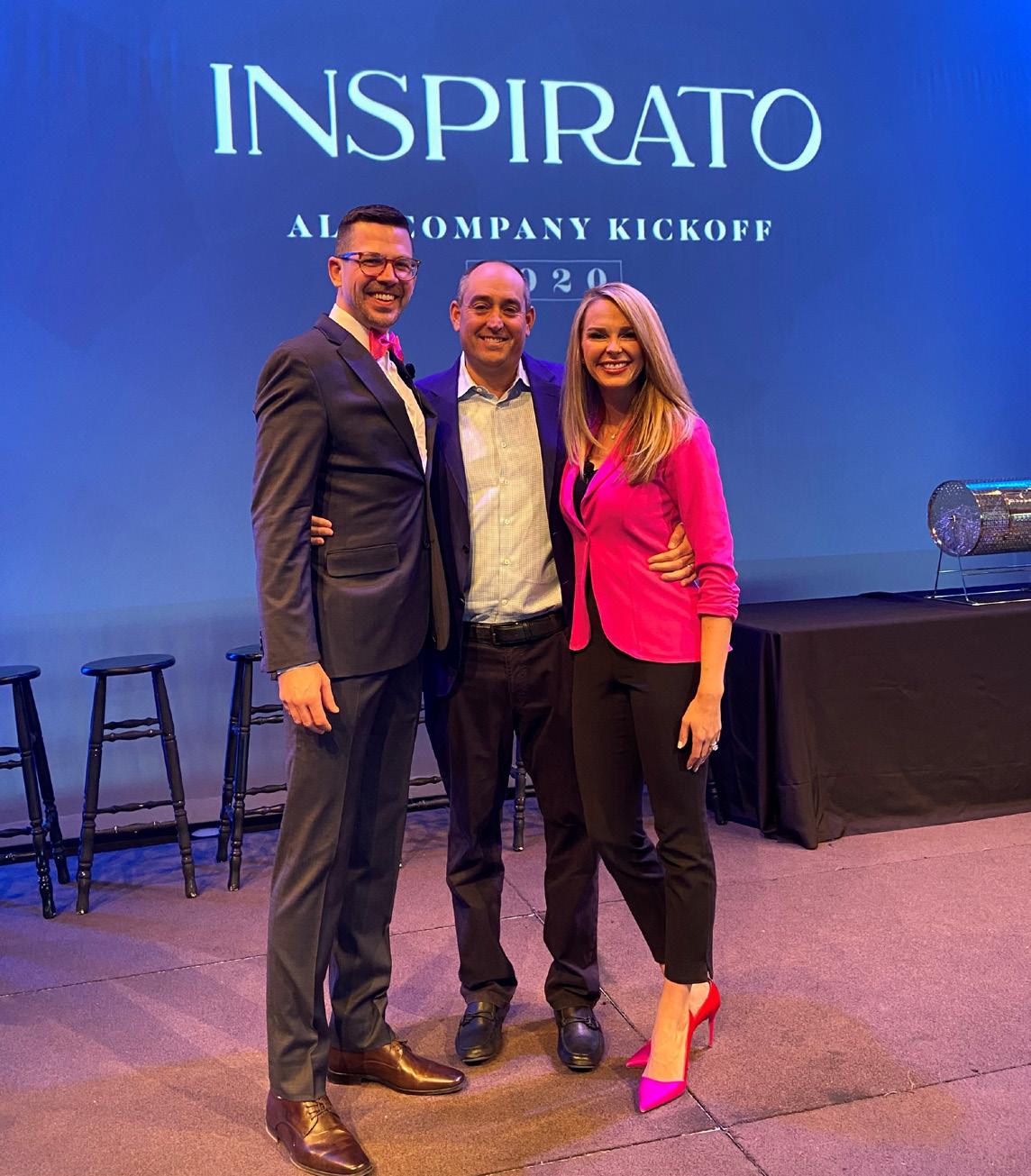
Soon after that conversation, Colby-Begovich was recruited by the luxury travel company Inspirato based in Denver. The company offered high-end vacation homes and curated travel experiences for affluent clients around the world. His job was to bring structure and consistency to an expanding portfolio that included private homes, boutique hotels, and exclusive experiences.
“I became their Vice President of Guest Experiences. The company was coming out of the startup period, and they were trying to grow the portfolio, they wanted to make everything consistent. I succeeded in that role, and while I was there, we ended up taking on a whole portfolio of hotel partners that I then managed.”
Eventually he was asked to create an entirely new category – curated global experiences.
“They asked if I would stand up an experiential portfolio. That is how, for the first time, I dipped my toes into sports. The experiential portfolio chartered yachts and small luxury cruises. It offered luxury safari organization along with food and wine experiences around the world, Michelin star weekends. But we also offered access to some

of the world's most premier sporting events – Formula 1, the Millionaire's Row at Kentucky Derby and a private hospitality and experience at the Masters Tournament. The U.S. Open, Wimbledon… And so, I had built a team, and we were developing these experiences with partners around the world in sports, and then the pandemic hit. You know, I think everybody's career story now has the pandemic moment. For me at the time, my business was travel, and travel basically stopped overnight.”
Like many companies in the travel sector, Inspirato faced layoffs and pay cuts. But amid the uncertainty, ColbyBegovich received an unexpected call from a recruiter.
The job opportunity? Professional football.
Scoring in the NFL
The Washington D.C. NFL franchise was undergoing a dramatic transformation. A full rebrand, which was controversial and complex and required the balancing fan sentiment with business realities. The team’s name changed from the Washington Redskins to the Washington Football Team, until it finally settled on the Washington Commanders.
The organization cleaned house through its executive ranks and was rebuilding its leadership team. Its new
president, Jason Wright, wanted someone from outside sports to lead stadium guest services and entertainment. Colby-Begovich got a call from the organization. He initially declined the job – twice. He and his husband had just adopted their first child and built their dream home in Colorado. “It just didn’t feel like we could pick up and move across the country during the pandemic.”
Then Wright called him personally.
“He said, ‘Joey, what would it take to get you here?’”
That conversation changed everything. Within weeks he and his family were relocating, and Colby-Begovich was stepping into the world of the NFL.
Running a Stadium Like a Cruise Ship
Despite the different setting, the job felt familiar.
“This had never crossed my mind, right? I worked on experiences at sporting events but sporting operations? Then I realized – a stadium is basically a cruise ship vacation compressed into five hours. Instead of five or six days, you have this one window to deliver an incredible experience. I went from calling bingo games on a cruise ship to you know, vice president of one of the most valuable franchises in professional sports.”
His responsibilities touched nearly every aspect of
game day: parking, gate entry, concessions, stadium entertainment, and fan services.
“To be able to bring my breadth of knowledge from the hospitality industry into the food and beverage, parking, and arrival experiences at a stadium – along with the communications that folks received before arriving at the stadium and the entertainment during the breaks on the field – that was a fun experience.”
It was also fast-paced and relentless. And not just at home base in Washington.
“I also ran all event functions, and we did events in away cities. I traveled with the team in season. I was never home. It was football all the time. I worked with some brilliant people there in all areas of the business, marketing, and revenue functions. Even though it was controversial, I got to participate in things that people might not participate in their career. Like a giant rebrand of a historic franchise.”
Finding Balance in Chicago
After four seasons in the NFL, and the adoption of a second child, Colby-Begovich and his husband faced a difficult reality – his schedule left little time for family life.
“I hadn’t been home since July except to sleep and eat. My husband finally said, ‘We get you six months of the year, and the other six months we barely see you.’”
That conversation changed things. The couple decided that Colby-Begovich would start exploring new opportunities after the season.
Then the phone rang. Again.
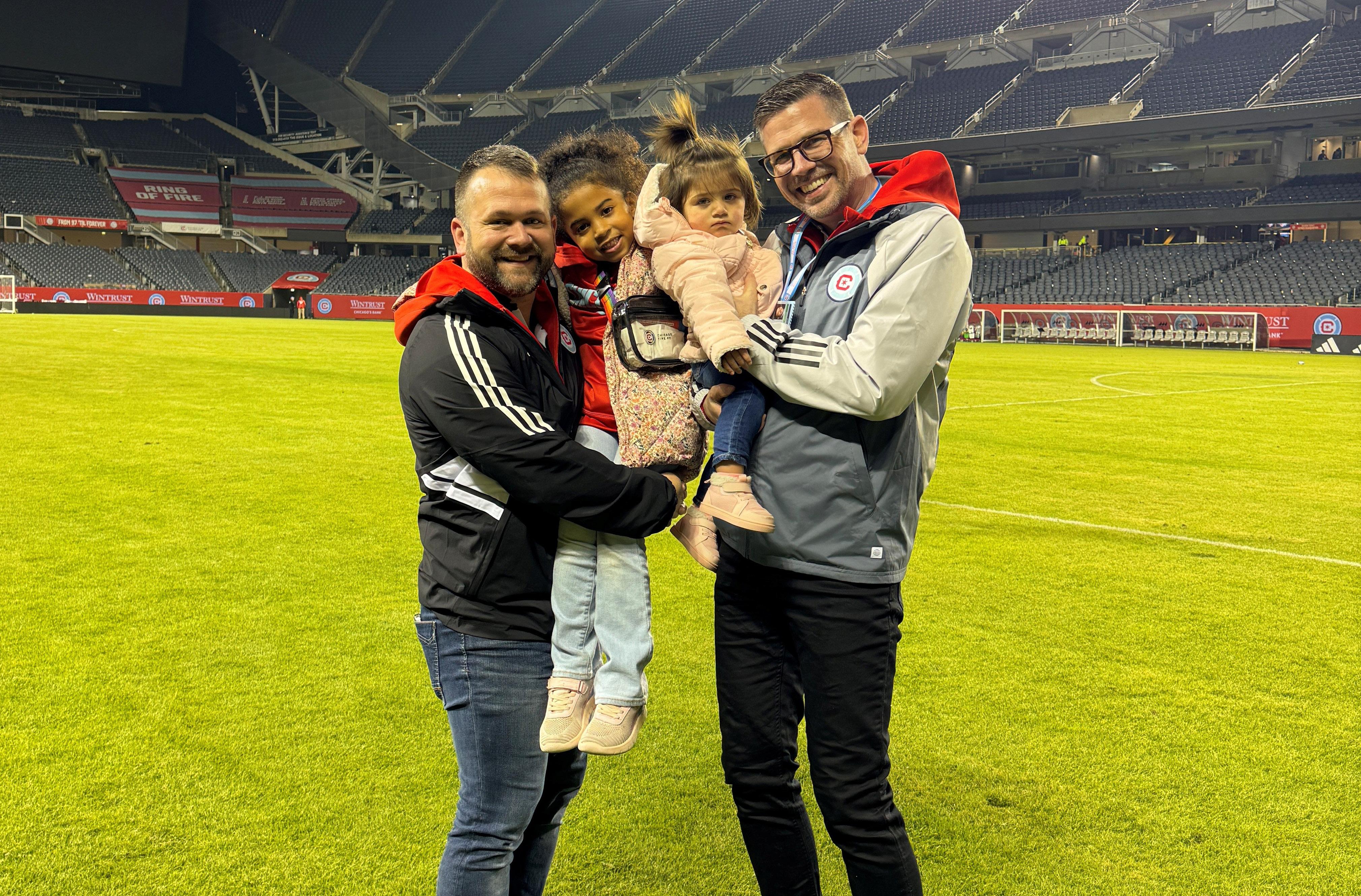
It was Colby-Begovich’s former Washington colleague Dave Baldwin, now president of the Chicago Fire FC, the city’s MLS team.
“He told me that they were going through a lot of staffing changes. The owner of the franchise was amazing and wanted to build a new stadium. He also told me that he needed to assemble a team that could help me bring his vision to life. The first person that he thought of was me. But I didn't know. I was trying to get out of sports.”
Colby-Begovich did accept the offer. That offer afforded him the balance he had been seeking. “The way that soccer operates, I don't have to travel with the team. If I do, it’s rarely. There aren’t training camps and drafts. It's basically just game day.”
Building the Future of Soccer in Chicago
Now in Chicago, Colby-Begovich is helping shape the next chapter of the club’s growth as the team prepares to break ground on a new soccer-specific stadium in the city’s South Loop.
“We’re very focused on building something that looks like it belongs in Chicago. Not some modern monstrosity dropped into the skyline. I think about stadiums like neighborhoods. Different spaces for different fans –different food, different entertainment, different energy – so everyone can find the experience that fits them.”
The design philosophy reflects the city itself.
It’s an important time for soccer in the United States. The World Cup is coming, which is putting a lot of eyes on soccer. More Americans, from professionals to children, are enjoying the game. In Chicago, there is a lot of excitement. Not just due to a new stadium but also the club’s training facility.
“We have a fantastic owner who's invested a lot of money in the team. We just opened the most expensive and largest training facility in all of MLS.”
The fire is rising in Chicago.
Challenges of the Work
There have been challenges in Colby-Begovich’s work.
“There are so many outside factors in sporting events just like in cruising. Regardless of how the team performs on the field you have to control the controllables. Everything else is just noise. Especially when things go wrong. In the cruise industry, it can be something like the weather is bad and the ship can’t enter port. At a sporting event, the weather can also affect the game. But it's all in the way that you show up. For the guests. The tone that you use, the empathy and the understanding, the taking a step back and listening to how frustrated people might be.”
There is also the challenge of security.
“In order for guests to have a truly great fan experience, they need to feel safe. And so, we always prioritize security first. The gate experience is really twofold. One, it’s about making sure that things that aren’t supposed to be in the stadium – like weapons – aren’t coming in. That the people who are scanning their tickets and paid for the event are getting into the stadium. But two, it’s also a little bit about reminding people that this is a secured venue. That once you cross through the gates and magnetometers you can take a breath.”
A final element, with the potential to bring greater challenges, but which shapes and modernizes the games, is technology.
“It's hard to find a venue right now, unless you're in Minor League Baseball, that accepts cash. So that means user experience on transactions for concessions, for
merchandise, or any sort of in-stadium upsells has to be a really great, experience being cashless. A lot of people don't even carry credit cards anymore, it's all on their phone, so we need to be able to integrate that too.”
But the role of technology in the fan experience is far greater than that.
“The user experience for tickets, coming out of the pandemic was so clunky, but now there are so many systems and emerging technologies for ticket scanning, self-service ticketing, that people can access to make things easier.
“I mentioned the gate experience before. One thing taking over stadiums across America are cutting edge weapons detection systems. Instead of walking through traditional magnetometers, guests are now walking through a seamless experience that they might not even know is there.
“I also think that the next big thing in sports entertainment stadium experiences is going to be facial recognition. It's really emerging right now. It's a way to not only capture data for the teams, but from a fan experience it gives you the ability to travel and transact seamlessly through areas of the stadium, whether that be through food and beverage, merchandise, or other experiences just by facial recognition. What’s holding this technology back right is the debate whether it’s a good or a bad thing, I think it's a good thing. I know that those who like it appreciate the seamless, almost magical, Disney sort of experience. But I think that in order for this technology to actually take off, there needs to be trust built around it. That means real transparency. Especially when it comes to people’s data. That's sort of the piece that hasn't quite emerged yet.”
At its core, Colby-Begovich’s mission hasn’t changed since those early days on the Lido deck.
“It’s about creating moments. Experiences are fleeting. You have this one window to make something unforgettable.”
And if he does his job right, fans won’t just remember the game.
They’ll remember how it felt to be there.
MASTERS OF MODERN TRADITIONS
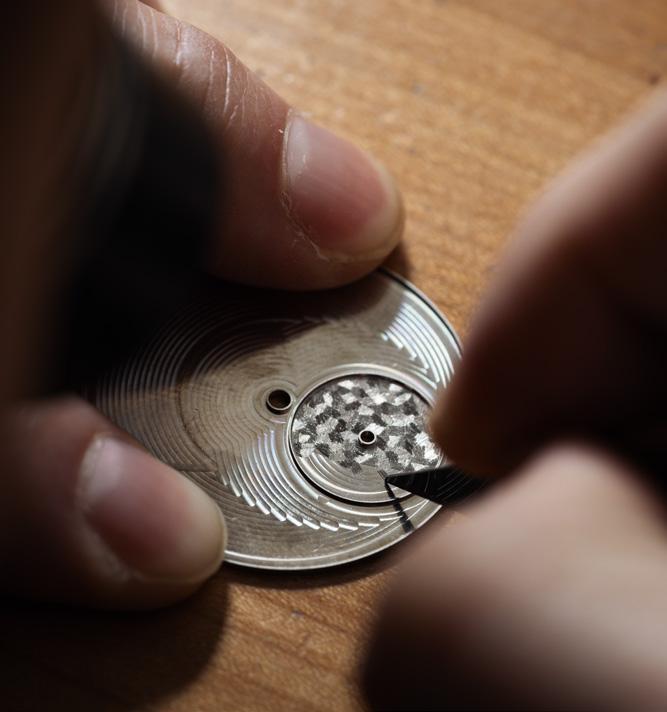
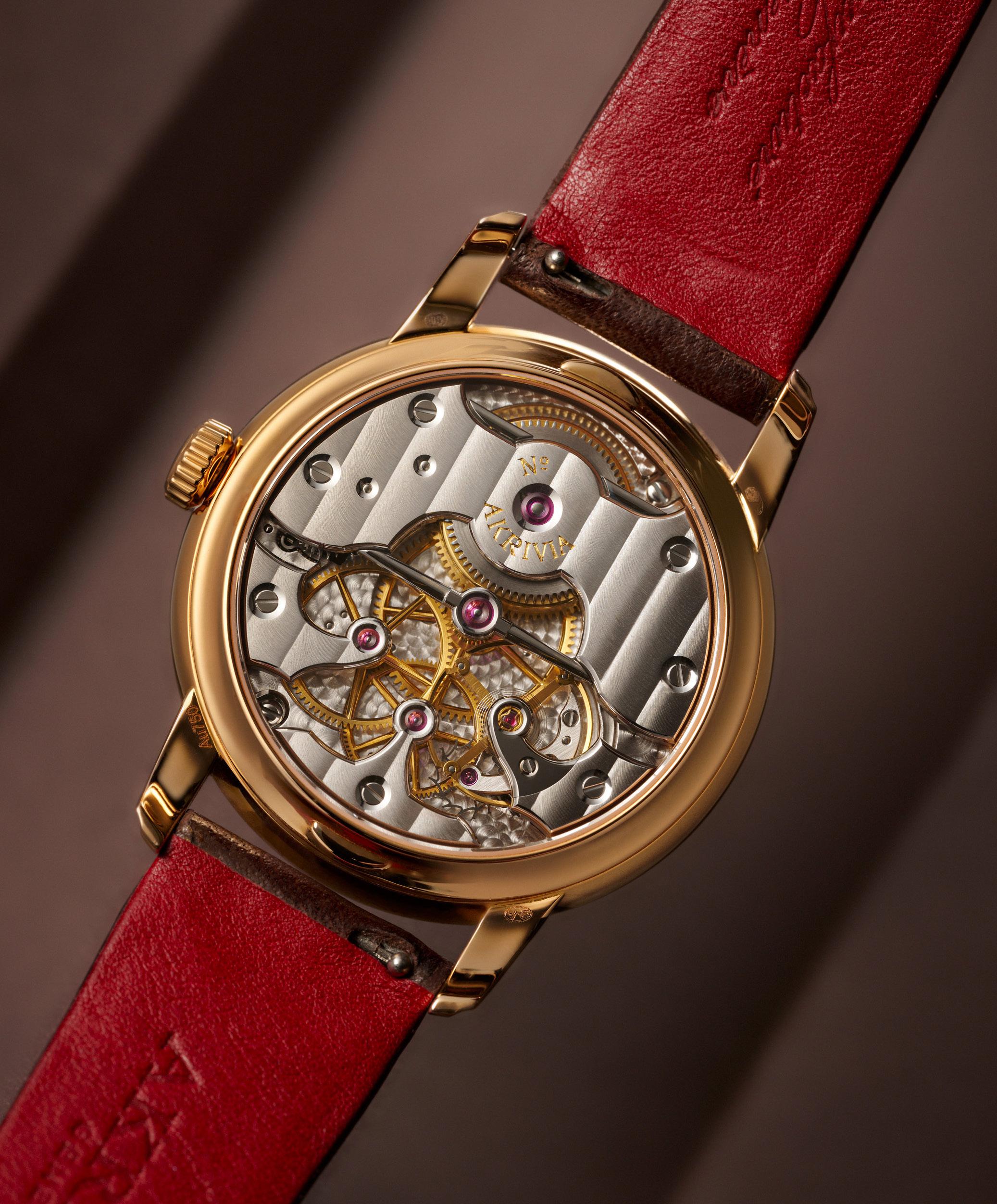
In the rarefied air of luxury timepieces, six-figures no longer guarantees exclusivity. For a growing class of collectors, true distinction lies not in mass-recognizable logos, but in the craftsmanship of independent watchmakers. Those ateliers that produce a few dozen pieces a year, by hand, many of them found tucked away in Switzerland’s Jura Mountains. These watches can retail well into the high six figures.
However, there is one atelier that is more accessible. Based in the heart of Geneva’s Old Town, the Atelier Akrivia – and its famed watchmaker Rexhep Rexhepi – creates beautiful, timeless masterpieces. Less than a decade after it was made, a watch crafted by him, originally retailing for roughly $60,000, sold at auction for nearly $900,000. This result sent a clear message through the collector community. Independence is as powerful as heritage.
For much of the modern luxury era, titans like Rolex have dominated the landscape. Their steel sport models remain the backbone of the global secondary market. Household names still carry weight, liquidity, and international recognition. But at the highest end of collecting, tastes are shifting.
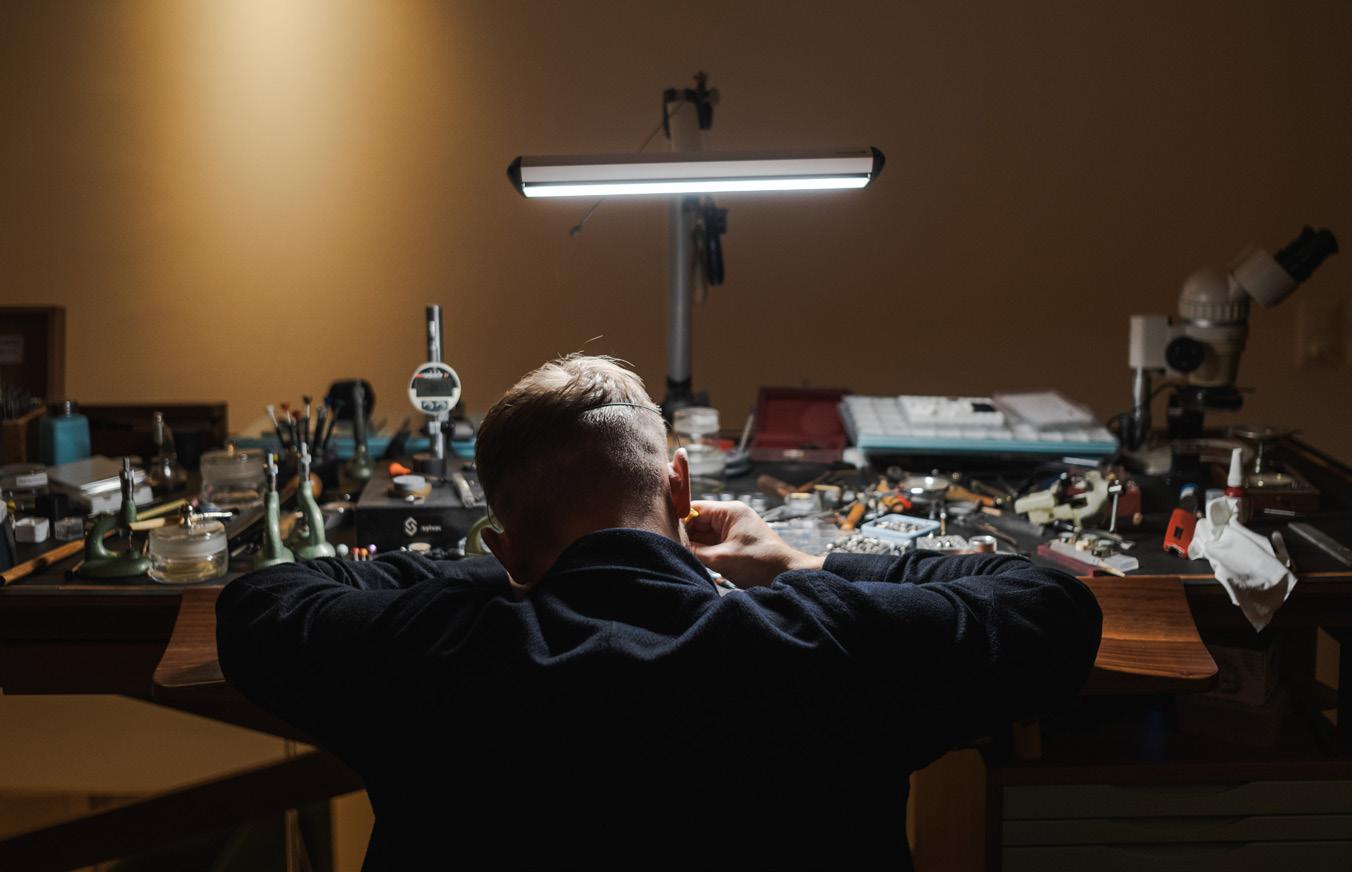
Unlike industrial powerhouses, many independent watchmakers produce fewer than 100 watches per year.
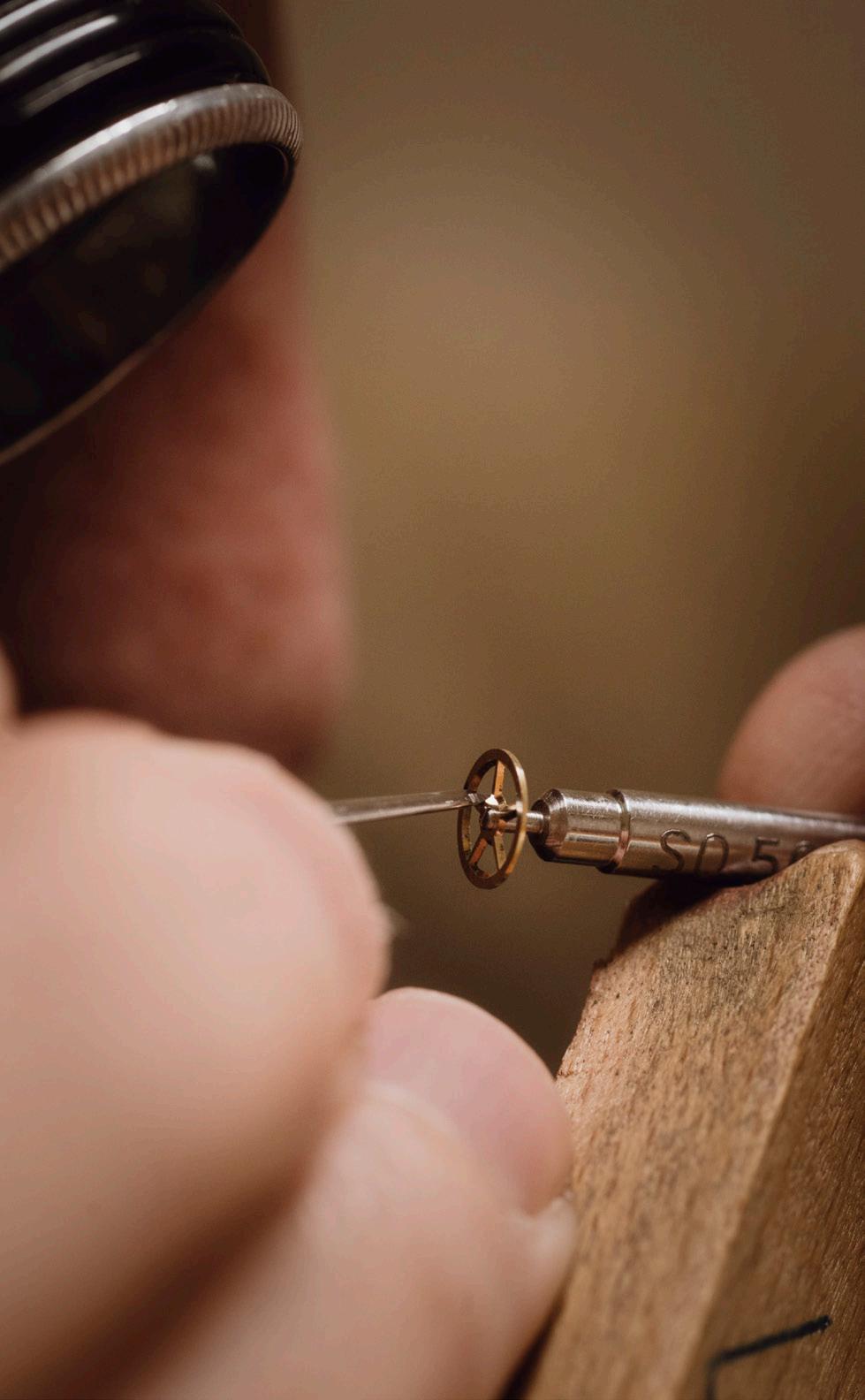
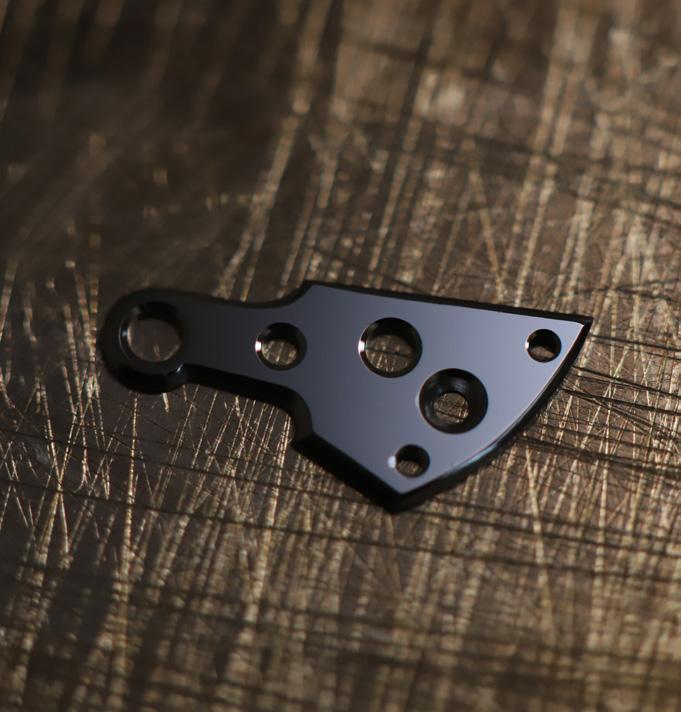
Some produce fewer than 50. Each piece can involve hundreds of hours of hand finishing. Anglage, the meticulous hand-finishing technique of beveling and polishing the edges of watch components, enhances aesthetics, leading to a polished, mirror-like sheen. Blackpolished steel components, hand-engraved bridges, and in-house complications are built from scratch. Owning one is less like buying a luxury product and more like acquiring a mechanical artwork.
Part of what drives soaring resale values is narrative. Independent watchmakers are often founders, designers, and master craftsmen all in one. They are deeply embedded in every stage of production.
In the case of Rexhep Rexhepi, founder of Akrivia, collectors gravitate toward his classical aesthetic and uncompromising finishing standards. When auction houses spotlight a watch tied to a living artisan with a cult following, bidding can quickly become emotional. This emotional premium is critical. In traditional finance terms, independent watches are illiquid and speculative. But in the cultural economy of collecting, scarcity and reputation can outweigh conventional metrics.
A watch that retails for $60,000 is already expensive. When fewer than a few dozen examples exist – and demand

among global collectors multiplies – price ceilings can simply disappear.
But there is also a philosophical shift at play. For decades, luxury watch ownership functioned as an outward symbol of success. A Rolex Daytona or Patek Philippe Nautilus signaled entry into an elite club recognizable worldwide. Independent watches, by contrast, signal insider knowledge: a special club to belong to.
Spotting one across a dinner table often prompts a different kind of conversation. The wearer is likely not just wealthy but also informed. The wearer is someone who understands finishing techniques, movement architecture, and the nuances of small-batch production. In that sense, independent watchmaking aligns with broader luxury trends – quiet prestige, artisan authenticity, and connoisseurship over conspicuous branding.
Of course, the independent boom is not without volatility. Prices at auction can surge dramatically, but they can also cool as collector tastes evolve. Unlike established brands with decades, at times centuries, of institutional resilience, independents are closely tied to the reputations and longevity of their founders.
High-net-worth collectors are diversifying beyond the established Swiss giants, seeking watches that feel personal, rare, and intellectually engaging. The irony is that while industry leaders like Rolex continue to dominate global sales volume, the most feverish bidding wars may be reserved for watches made in workshops small enough to fit inside a single room.


Where Global Influence Meets Unrivaled Advocacy
A Transatlantic Fiduciary Partner for the Global Elite
In a world where property is no longer just an asset, but a strategic component of global wealth, the conventional real estate model is obsolete. For the ultra-high-net-worth individual whose life and investments span the Atlantic, success requires more than a broker—it requires a fiduciary partner. Operating as a single advisory platform across London, Washington DC, Los Angeles, and New York, we translate American expectations of transparency and advocacy into the UK property system.
Your next chapter starts here.
+44 204614 1927
office@theluxurycollectiveuk.co.uk
10 Queen Street Place, London, EC4R 1AG, United Kingdom www.theluxurycollectiveuk.co.uk

BLACKBOOK
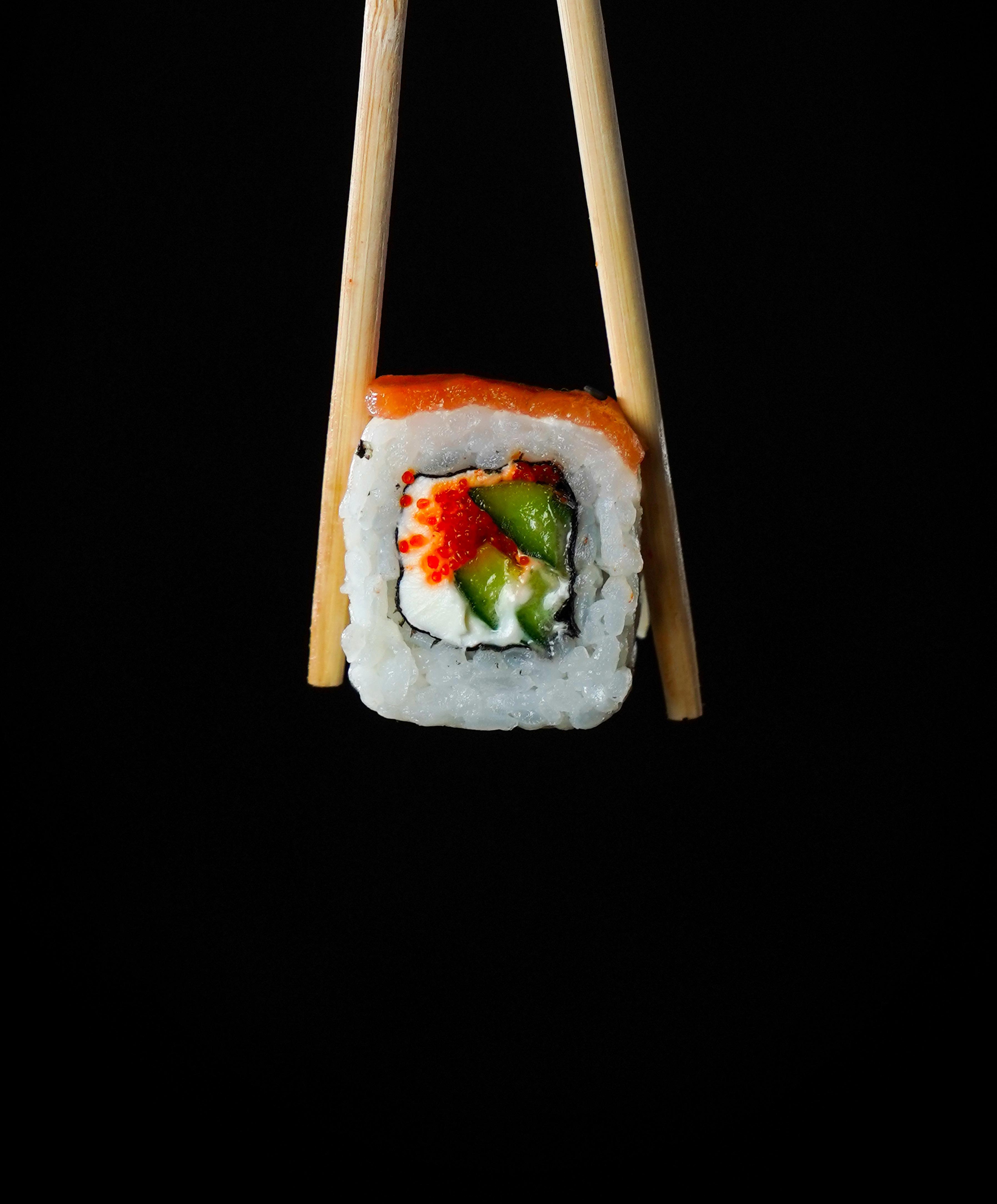
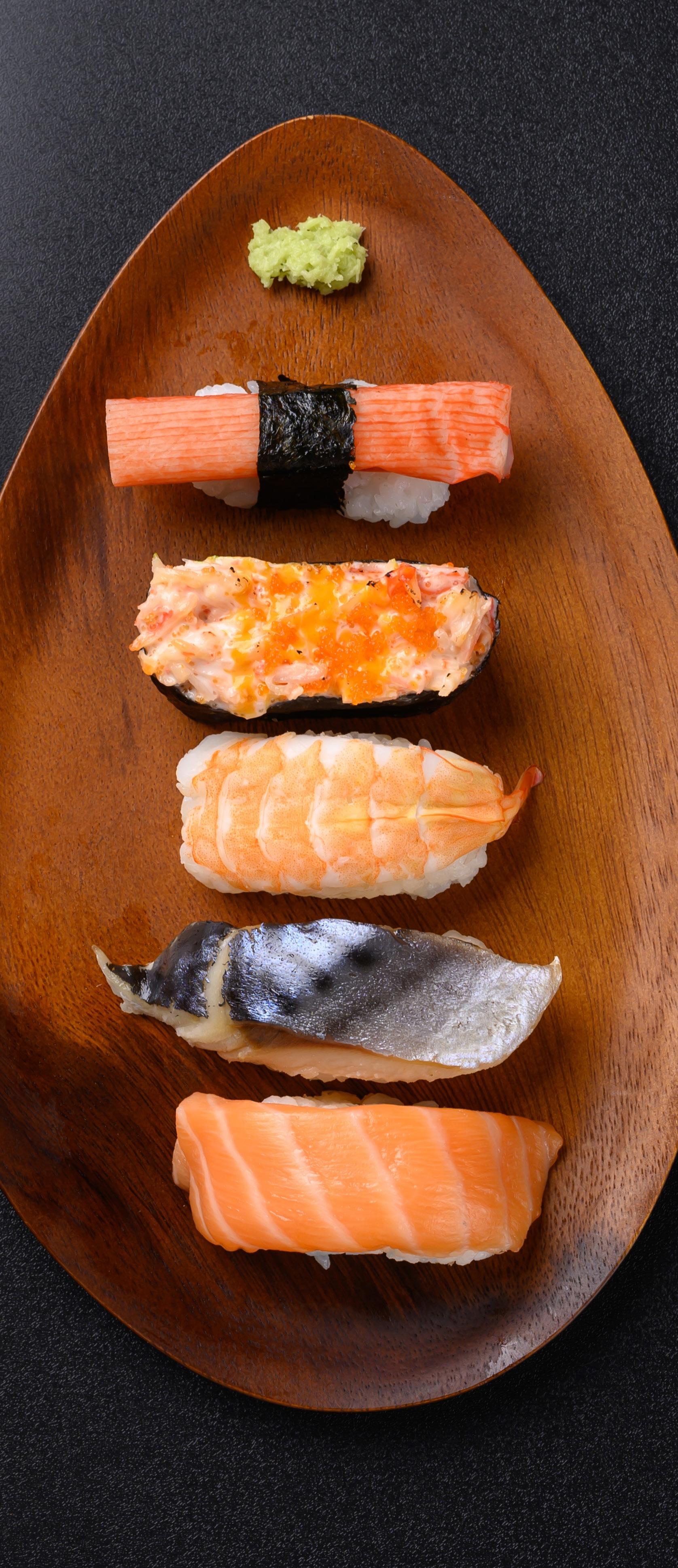
IF YOU ARE CRAVING SUSHI AND HAPPEN TO BE IN ONE OF THESE GLOBAL CITIES, MAKE SURE TO STOP BY ONE PICK UP A ROLL (OR TWO). THEY ARE RATED TOP OF CLASS AND WON’T DISAPPOINT.
SUSHI KANESAKA | TOKYO, JAPAN
In a city renowned for the world’s best sushi, Sushi Kanesaka is one of Tokyo’s most respected Edomae sushi restaurants. Led by master chef Shinji Kanesaka, the restaurant emphasizes traditional techniques that highlight the natural flavor of seasonal seafood. With its intimate counter setting and unwavering dedication to precision, Sushi Kanesaka offers a classic and elegant sushi experience that reflects the highest standards of Tokyo’s elite sushi culture.
OSAKA PARDO Y ALIAGA | LIMA, PERU
Located in Lima’s upscale San Isidro district, Osaka Pardo y Aliaga blends Peruvian and Japanese culinary traditions into elegantly executed sushi and sashimi offerings. With rave reviews from thousands of diners, this restaurant is widely regarded as one of the best places in Peru to enjoy fresh fish, inventive rolls, and refined flavor profiles.
SUSHI KANEYOSHI | LOS ANGELES, USA
Located in Little Tokyo, Sushi Kaneyoshi is one of L.A.’s most refined sushi counters, offering an intimate omakase that blends traditional Edomae techniques with contemporary precision. Helmed by chef Yoshiyuki Inoue, the Michelin-starred restaurant emphasizes seasonal seafood, meticulous preparation, and carefully balanced rice. Guests sit at a minimalist counter where each piece is served individually, showcasing techniques such as aging, curing, and subtle searing to enhance flavor.
BESUTO – OMAKASE SYDNEY | SYDNEY, AUSTRALIA
Besuto stands out in Sydney for its premium omakase sushi experience, offering seasonal fish and delicate nigiri prepared with precision. Praised for its intimate setting and exceptional service, it has quickly become one of the city’s top destinations for sushi aficionados.
DESTINATIONS
LUXURY Safaris
FROM SUN DRENCHED PLAINS TO STARRY NIGHTS
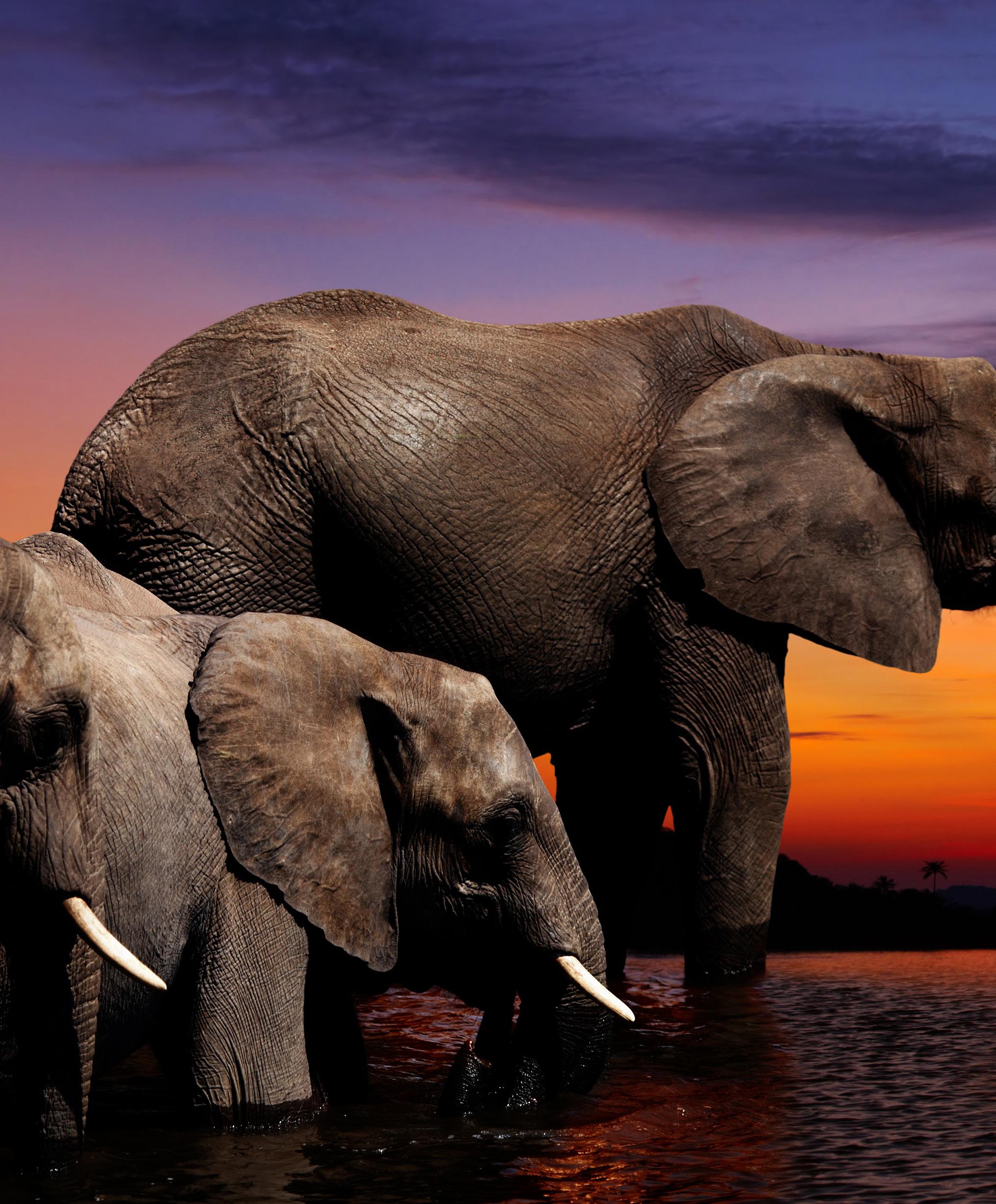
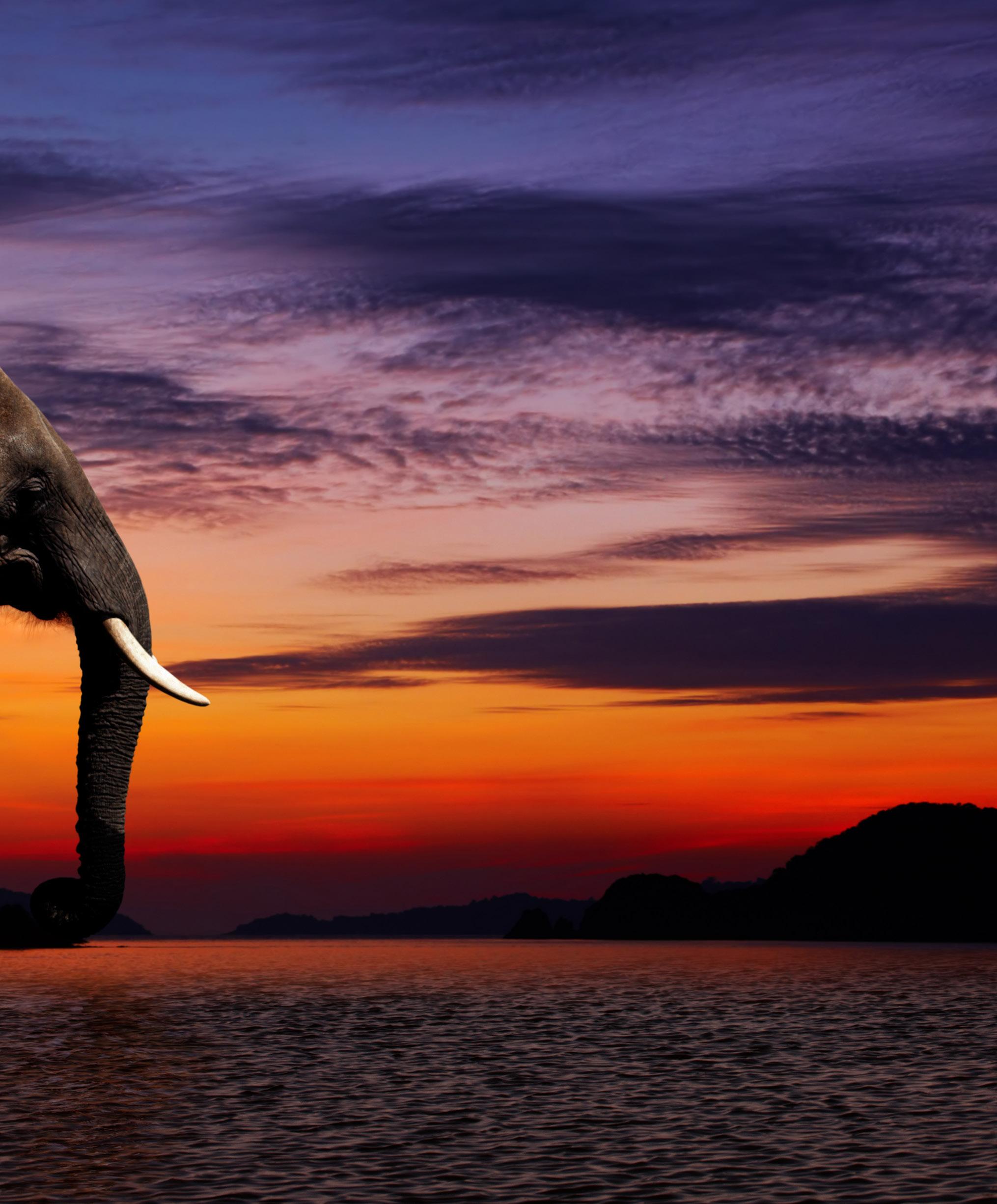
Imagine waking up to the gentle sound of a roaring lion, the rustling of an elephant herd, or the soft chorus of exotic birds.
Luxury safaris are no longer just about tours to spot wildlife. They’ve become immersive journeys where elegance meets adventure and offer experiences both by day and under the canvas of night.
Daytime Safaris
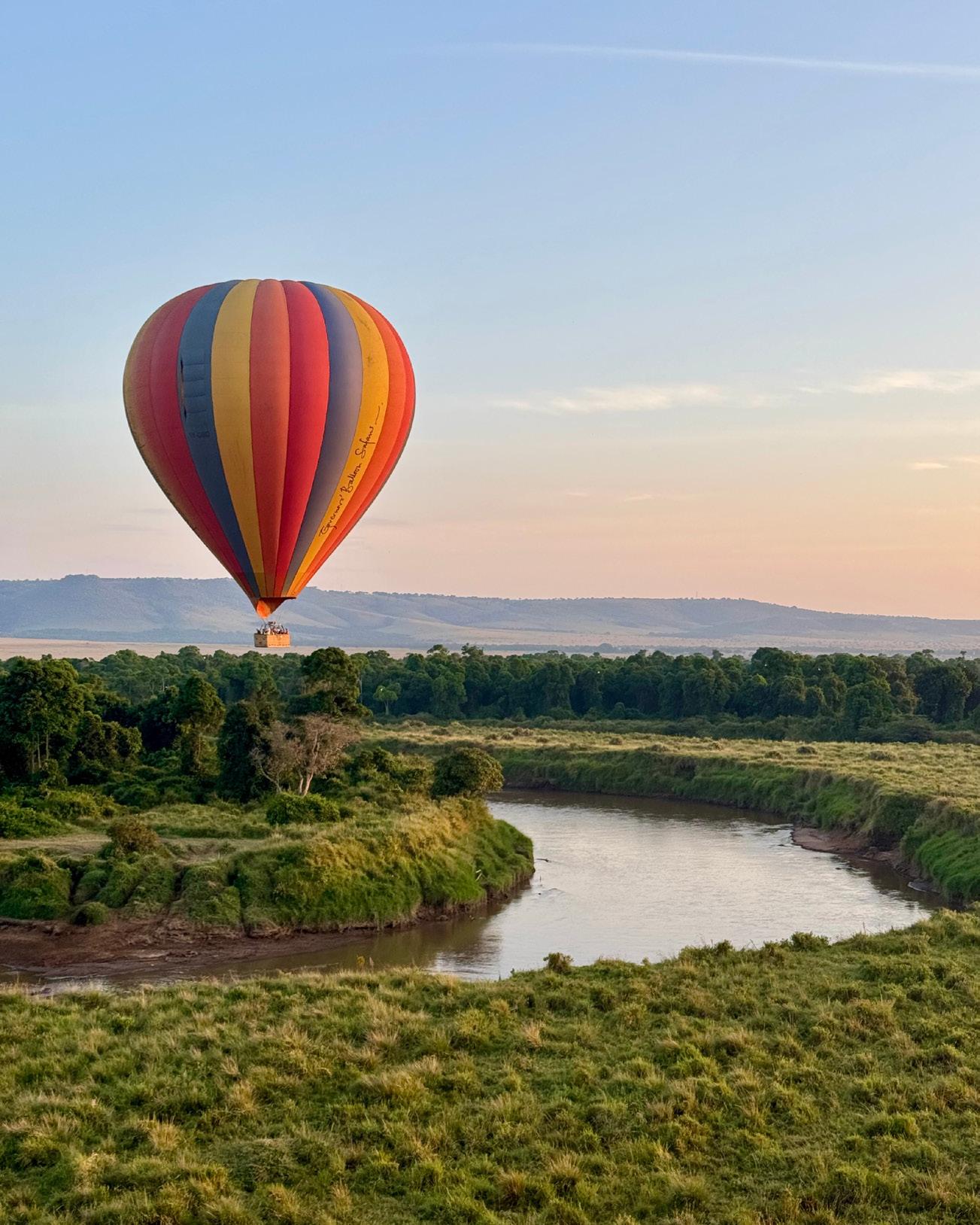
There’s a unique magic in the early morning bush. The crisp air, the sky painted with soft hues. But the real magic happens when, somewhere in the distance, the deep rumble of a lion rolls across the savanna. That is the moment when a safari truly comes alive.
Taking a luxury, daytime safari is a feast for the eyes. Set in some of Africa’s most iconic reserves – from the sweeping savannas of the Maasai Mara to the lush landscapes of Sabi Sands Game Reserve – guests explore the wild in bespoke vehicles designed for comfort and unobstructed views. Knowledgeable guides narrate stories of the bush, from the stealthy hunt of a leopard to the social dynamics of elephant families.
These safaris are more than sightseeing. They are choreographed encounters with nature. Guests are taken from the comfort of elegant lodges in opensided vehicles, each carefully outfitted for panoramic views and unobstructed photography. As the sun rises and the landscape awakens, intricate dances are observed on the African plains. Elephants amble toward waterholes, giraffes nibble tender shoots, and zebras graze beneath the morning sunlight.
Guides, with decades of experience, act as both storytellers and navigators. Their experienced eyes catch the subtle movements of a hidden leopard, a flurry of birds, and their words transform every sighting into a lesson in survival, behavior, and conservation. The bush is alive with stories, and every stop offers a moment to absorb.
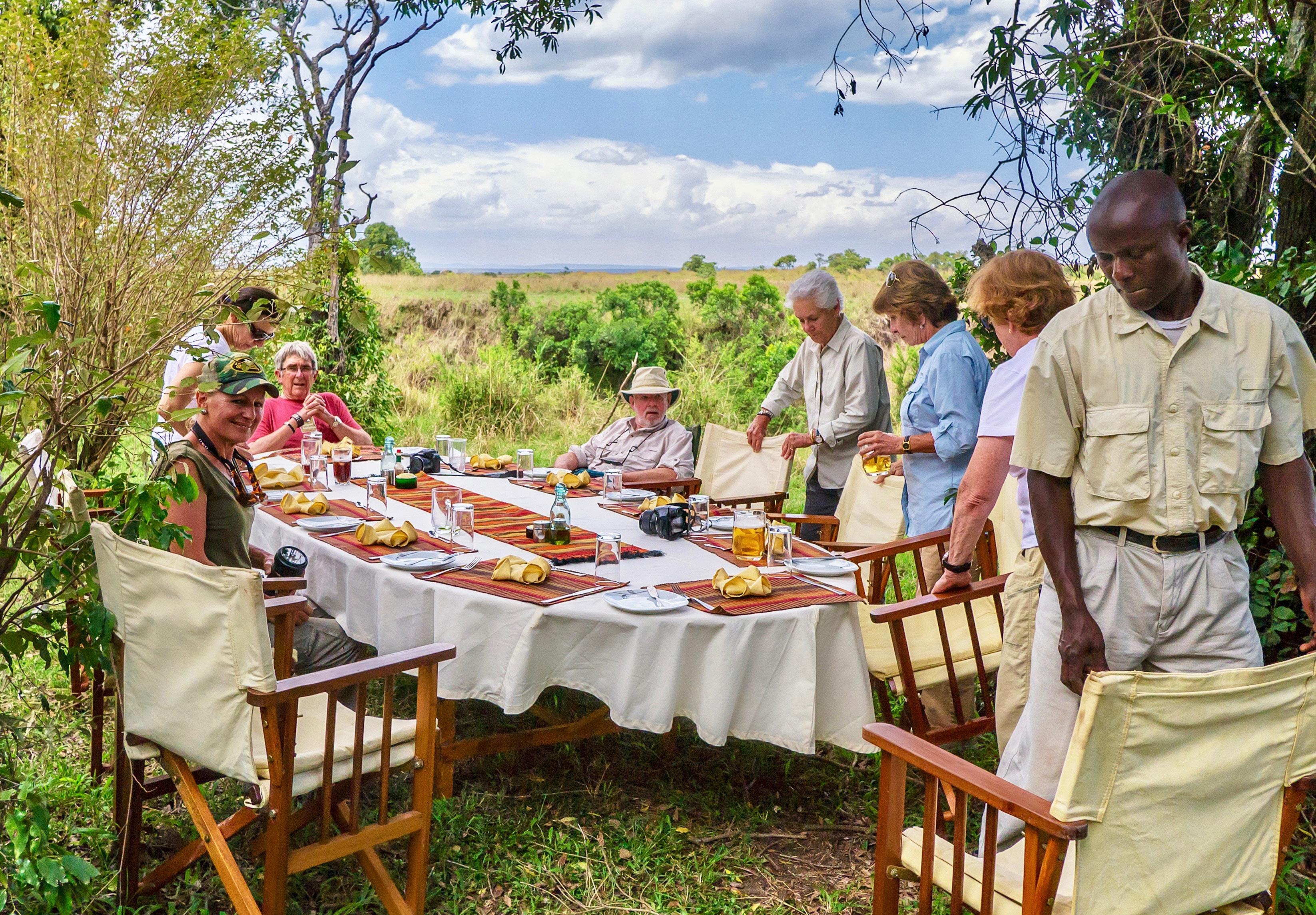
Mid-morning brings a pause. Beneath the shade of an acacia or beside a sparkling waterhole, guests savor a bush breakfast – freshly brewed coffee, warm pastries, a platter of exotic fruits. All are served with an incredible view that feels like it was painted just for the viewer.
The pace of a day safari is deliberate, designed to highlight the rhythms of nature. Optional cultural excursions, such as brief visits to local villages or conservation projects, offer glimpses into the human side of the wilderness. Every moment is curated, yet it never feels staged. After all, the wild writes its own story.
By mid-afternoon, the sun casts long shadows over the plains. Guests sip iced refreshments at a scenic overlook as they watch predators begin their stealthy hunt. Or they simply let the vastness of the African landscape sink in. When the bush vehicle turns back toward the lodge, visitors carry both memories and a lingering sense of wonder.
A day safari is a delicate balance. It’s the thrill of discovery, the comfort of luxury, and the subtle education of every encounter. It leaves guests not just with photos, but with an intimate understanding of a new world that is both ancient and natural.


Nighttime Safaris
When the sun dips below the horizon, the bush transforms into a nocturnal wonderland. Nighttime safaris reveal the secret lives of creatures rarely seen during daylight. Armed with powerful yet discreet lighting, guides track nocturnal predators, listen for the calls of owls, and watch the flights of insects and fireflies.
A night safari is a journey into a different realm featuring curiosity, caution, and awe. Luxury night safaris are not just about spotting animals. They are about experiencing the wildness as it truly is after dark. Guided by expert trackers, guests venture into the bush in specially equipped vehicles. Powerful but discreet lighting reveals the nocturnal actors of the savanna. The glints of hyena eyes, the soft padding of a leopard stalking prey, and the flutter of nightjars are not just heard or seen but rather felt by their visitors.
Some luxury lodges elevate the night experience with open-air lounges and starlit dinners, letting guests dine while immersed in the wild’s ambient symphony. Others offer private night drives or sleep-outs on elevated platforms, where the vast sky and animal calls become part of the
accommodation itself. These experiences create memories that last a lifetime.
While daytime safaris focus on what is seen in the bush, night safaris showcase what is heard. The distant roars of lions, the subtle rustles and stepping of nocturnal creatures. Night safaris reveal the bush’s rhythm in a way that daylight cannot. It features the Circle of Life – the predator’s stealth, the prey’s caution, and the subtle interplay of life in darkness. Where day safaris celebrate discovery and movement, night safaris celebrate the hidden, the elusive, and the magical.
Perks on the Plains
Modern luxury safaris go beyond simply spotting the Big Five. They also combine relaxation, cultural excursions, and culinary journeys on the plains.
Spas nestled in the bush combine tranquility with nature, offering massages and treatments using local botanicals like marula oil or baobab extracts. These wellness experiences are often paired with panoramic views of the savannah, making relaxation an immersive sensory journey.
Additionally, cultural excursions introduce visitors to indigenous communities such as the Maasai or San Bushmen,

where guests can learn traditional crafts, stories, and survival skills, deepening their connection to the region. Travelers often participate in hands-on activities, such as beadwork, fire-making, or traditional dances, gaining a deeper appreciation for the daily lives and rituals of these communities.
Unlike in the past, safari dining has evolved into a gourmet affair, where local ingredients are celebrated with elegance. Chefs craft menus that highlight regional flavors, like game meats, fresh herbs, and tropical fruits, often paired with fine wines or bespoke cocktails. Guests may dine under starlit skies, at private bush tables, or in luxurious lodges, creating a perfect blend of adventure and indulgence.
Choosing Your Experience
Luxury safari operators cater to personalized tastes. Some travelers prefer the classic lodge with elegant suites and infinity pools, while others seek the intimacy of mobile tented camps that move with the wildlife. Regardless of preference, both day and night activities are carefully curated to balance adventure, comfort, and conservation ethics.
Two of the Top Luxury Safari Operators That Offer Both Day and Night Safaris
&Beyond
&Beyond is a leader in high-end safaris with a strong focus on conservation and responsible tourism. They operate luxury lodges and private concessions across East and Southern Africa, offering bespoke itineraries including private game drives and fly-in options.
Renowned for its network of luxury lodges throughout East and Southern Africa, &Beyond’s safari experiences usually include morning and afternoon game drives, and in many locations, night drives or bush walks led by expert guides. Itineraries are highly customizable, so day and night activities are often woven together into a seamless experience.
Abercrombie & Kent
Abercrombie & Kent is one of the oldest and most respected luxury travel specialists in the world. A&K is known for seamless logistics, private guides, exclusive accommodations, and multi-country safari journeys tailored to discerning travelers. The company offers comprehensive safari programs across East and Southern Africa that include traditional morning and evening drives. While not every reserve legally permits night game driving, A&K works with lodges and concessions that do offer after-dark experiences where allowed, especially in private reserves and concessions. Their itineraries can also be tailored to include cultural evenings or stargazing excursions.
Micato Safaris
Micato Safaris is a family-run operator repeatedly honored as one of the world’s best safari outfitters. Known for impeccable service, personal concierges, expert guides, and thoughtfully crafted itineraries, Micato blends luxury with deep local insight. The tour company includes day and night game drives in many of its offerings, with guides experienced in both daylight and nocturnal tracking, particularly in East African destinations like Kenya. Some classic packages list night drives alongside morning and afternoon game viewing, making it one of the operators most associated with both safari rhythms.
With so many luxury operators vying for attention, how do you choose one that will deliver both adventure and comfort?
Epicurean Luxe – Stockholm, Sweden
Inside Three of the City’s Finest Restaurants
EKSTEDT
HUMLEGÅRDSGATAN 17, 114 46 STOCKHOLM
Ekstedt is a Michelin -recognized restaurant led by Chef Niklas Ekstedt and his team, celebrated for its New Nordic cuisine with dishes driven entirely by fire and wood smoke. Every dish is cooked using traditional methods – open flames, embers, smoke, ash, and hearth. The interior reflects this philosophy with a warm, wood -accented dining room and an open kitchen where diners can witness the team working with logs, coals, and flame.
Sample Tasting Menu:
Cold -Smoked Blue Mussels with cucumber and seaweed. A delicate, smoked seafood starter where clean brine interacts with crisp cucumber and marine umami, gently awakening the palate.
Hay- Flamed lamb neck with pickled wild garlic and buckwheat. Earthy yet bright, the lamb is slow-cooked over an open flame and accented by the wild garlic’s brightness and the nutty buckwheat’s texture and depth.
Blackened leek with caviar and charcoal cream. This dish is vegetal richness elevated. Charred leek is paired with pearl-like caviar and a whisper of charcoal- cream that ties together water and fire.
ERGO
ARTILLERIGATAN 14, 114 51 STOCKHOLM
Ergo is a modern fine - dining gem in Stockholm’s elegant Östermalm district where classic French technique meets seasonal Nordic ingredients in an intimate, refined setting. The restaurant offers a seasonal five - course tasting menu with two choices per course.
Sample Tasting Menu:
Turbot with spring vegetables and seaweed emulsion. Delicate fish meets earthy, umami-rich accompaniments, showcasing precise technique and seasonal Nordic ingredients.
King crab with avocado, vanilla, and grapefruit. This dish balances the sweetness of the crab with subtle citrus brightness and creamy avocado for a fresh, harmonious start.
Tarte Tatin with pineapple and jasmine rice. A refined dessert where caramelized pineapple and floral jasmine notes provide a sweet, aromatic conclusion to the tasting journey.
EKSTEDT ERGO
FRANTZÉN
FRANTZÉN
KLARA NORRA KYRKOGATA
26, 111 22
STOCKHOLM
This fine - dining temple from Chef Björn Frantzén is Stockholm’s only three -star Michelin restaurant, known for its highly creative Nordic tasting menus that blend technical precision with elegant flavors. It’s one of the most sought-after reservations in all of Scandinavia and consistently earns acclaim from international critics and diners alike. The experience is immersive and meticulous, often hailed as Sweden’s most exceptional culinary journey.
Sample Tasting Menu:
Deep -fried langoustine served on crispy Koshihikari rice with a subtle clarified butter emulsion. It’s a dish praised for its perfect balance of texture and delicate sweetness.
Barbecued Brittany quail lacquered with sauce and paired with crisp endive salad. This dish showcases a smoky richness and contrasting bitterness that elevates the flavor profile.
Swedish and Japanese wagyu beef served with Bordelaise jus and aromatic Alba truffles, followed by a grilled beef “tea” with fermented mushrooms and truffled tofu. This rich, expressive centerpiece highlights Frantzén’s blend of local and international ingredients.
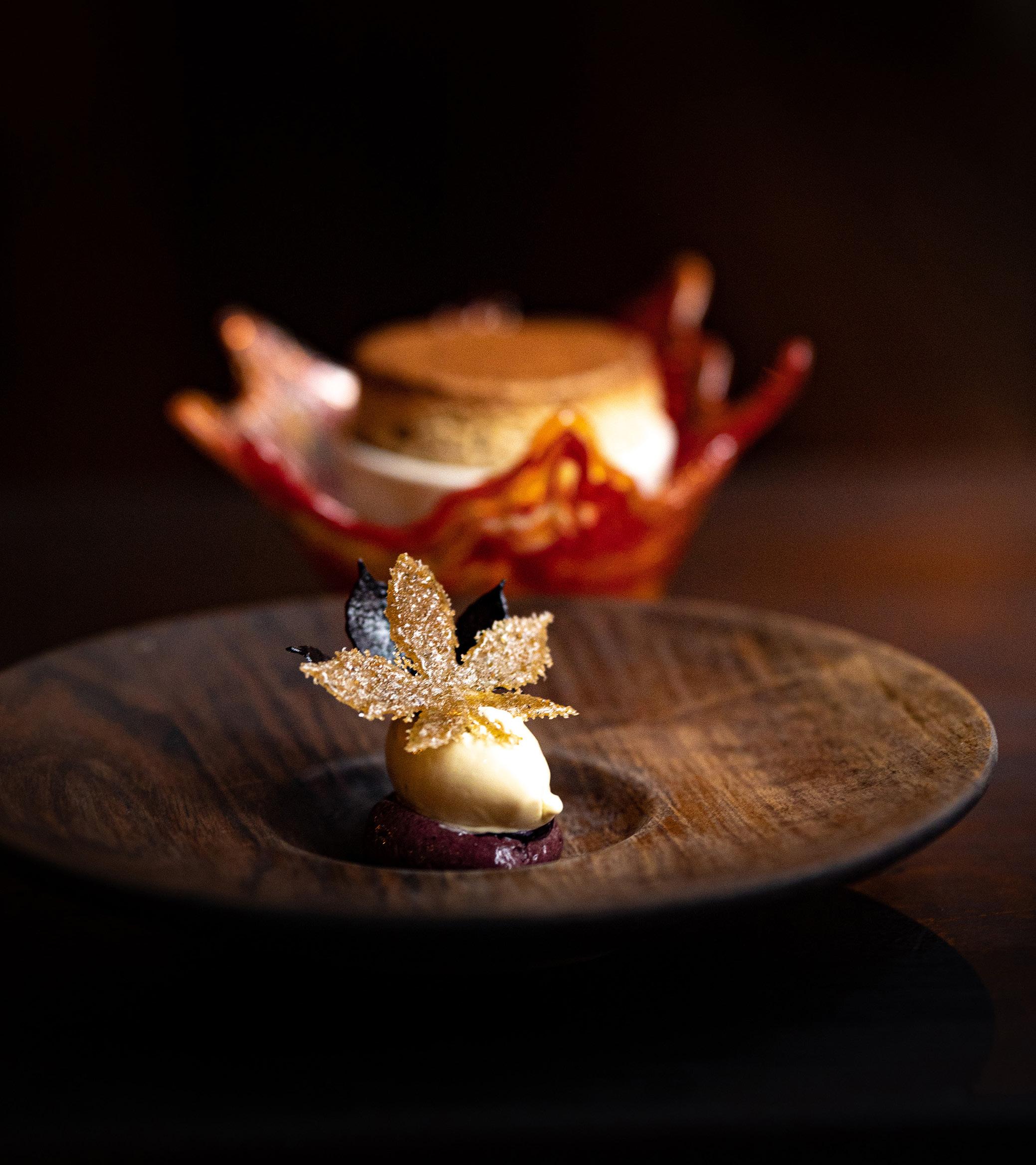
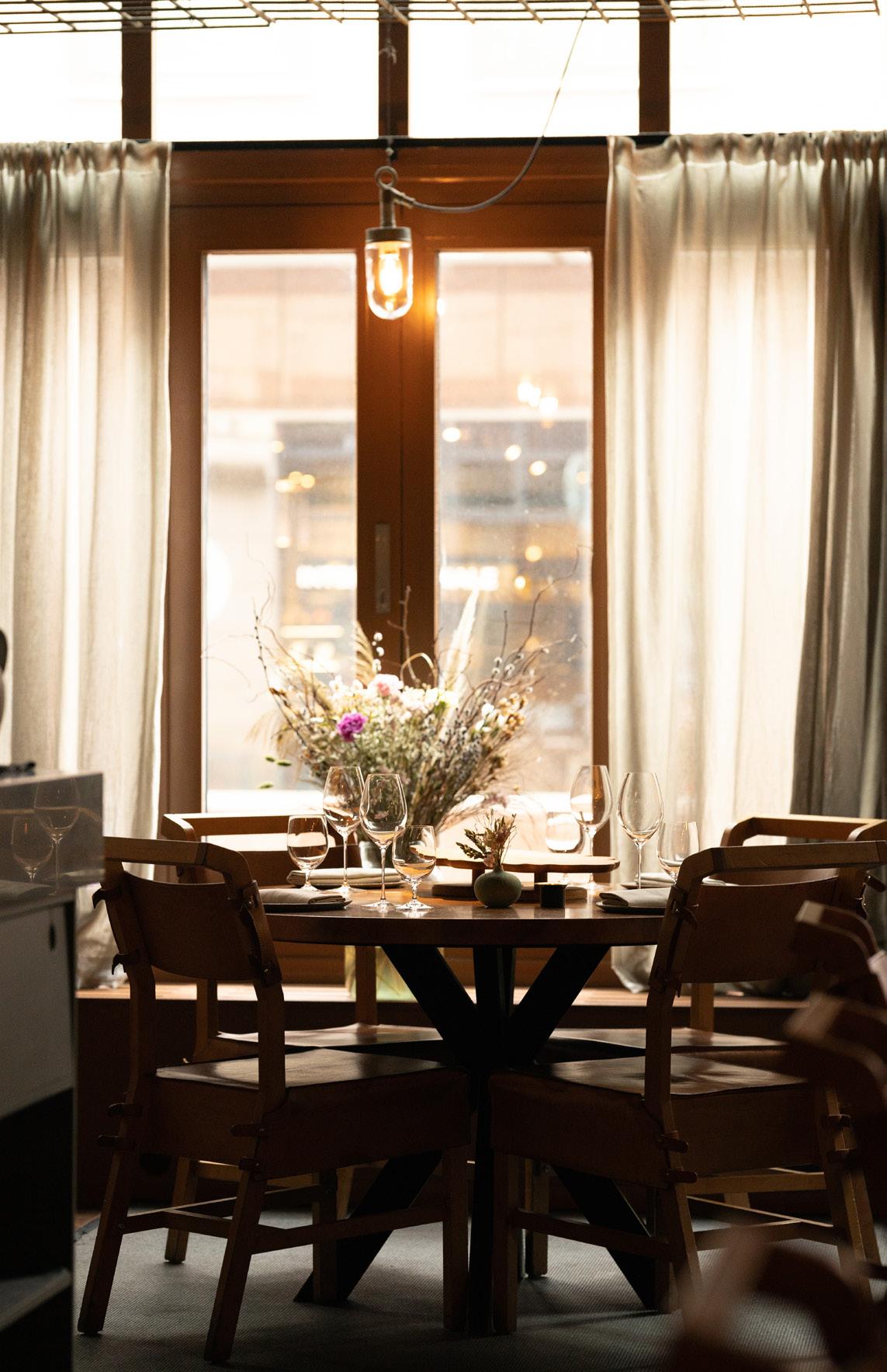
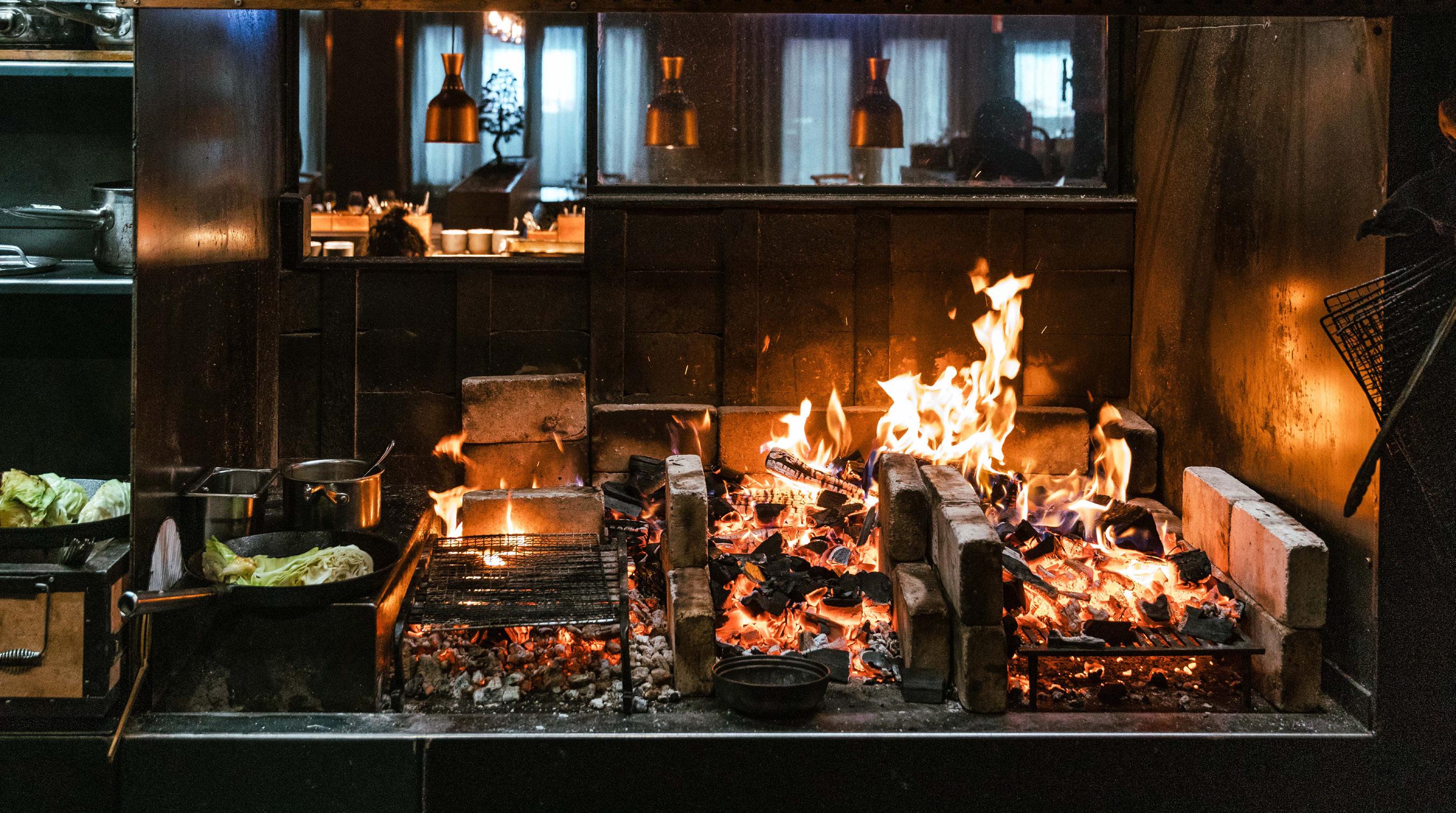
Photos courtesy of Ekstedt
MIXOLOGY
TIPSY TEMPTATIONS
by Charles M. Tappan, Jr.
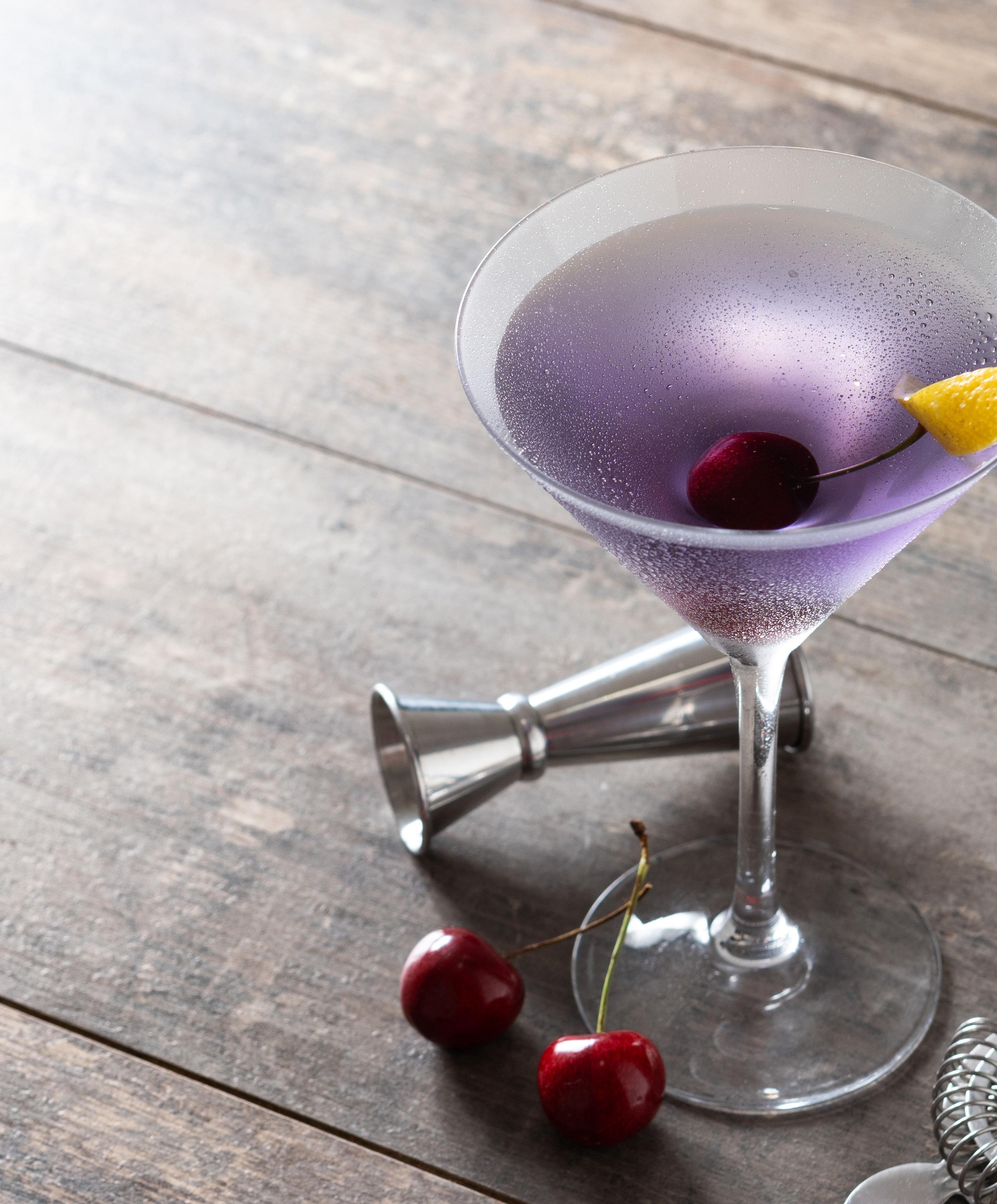
Where craft meets curiosity. This section is an invitation to those who appreciate the alchemy behind a perfectly balanced pour—the subtle dialogue between spirit, spice, and season. Each custom creation in these pages is thoughtfully mixed to be savored slowly, celebrating both technique and imagination. Raise a glass, and let the artistry unfold.
Aviation (Classic)
Glassware – Chilled Cocktail Glass
2 oz. Gin
.75 oz. Lemon Juice
.5 oz. Maraschino Liqueur
.25 oz. Giffard Crème Violette
Garnish: Cherry
Directions: Combine ingredients over ice into a cocktail shaker, shake to a count of 13, and strain into a chilled cocktail glass. Garnish, serve and enjoy!

Springtime Sippin’
Glassware – Rocksl Glass
1.5 oz. Vodka
.75 oz. Giffard Triple Sec
.75 oz. Lemon Juice
1 dash (about ¼ barspoon) Agave
5-6 Basil Leaves
Garnish: Basil Sprig
Directions: Combine ingredients over ice into a cocktail shaker, shake to a count of 13. Double strain through a kitchen fine mesh strainer over ice into a rocks glass. Garnish, serve and enjoy!
Simple and Refreshing
Glassware – Highball Glass
1.5 oz. Silver Tequila
1 oz. Passion Fruit Juice
.5 oz. Giffard Abricot (apricot)
3 oz. Lemonade
Garnish: Lemon Wheel
Directions: Combine ingredients over ice into a cocktail shaker, shake to a count of 13. Strain over fresh ice into a highball glass, garnish, serve and enjoy!
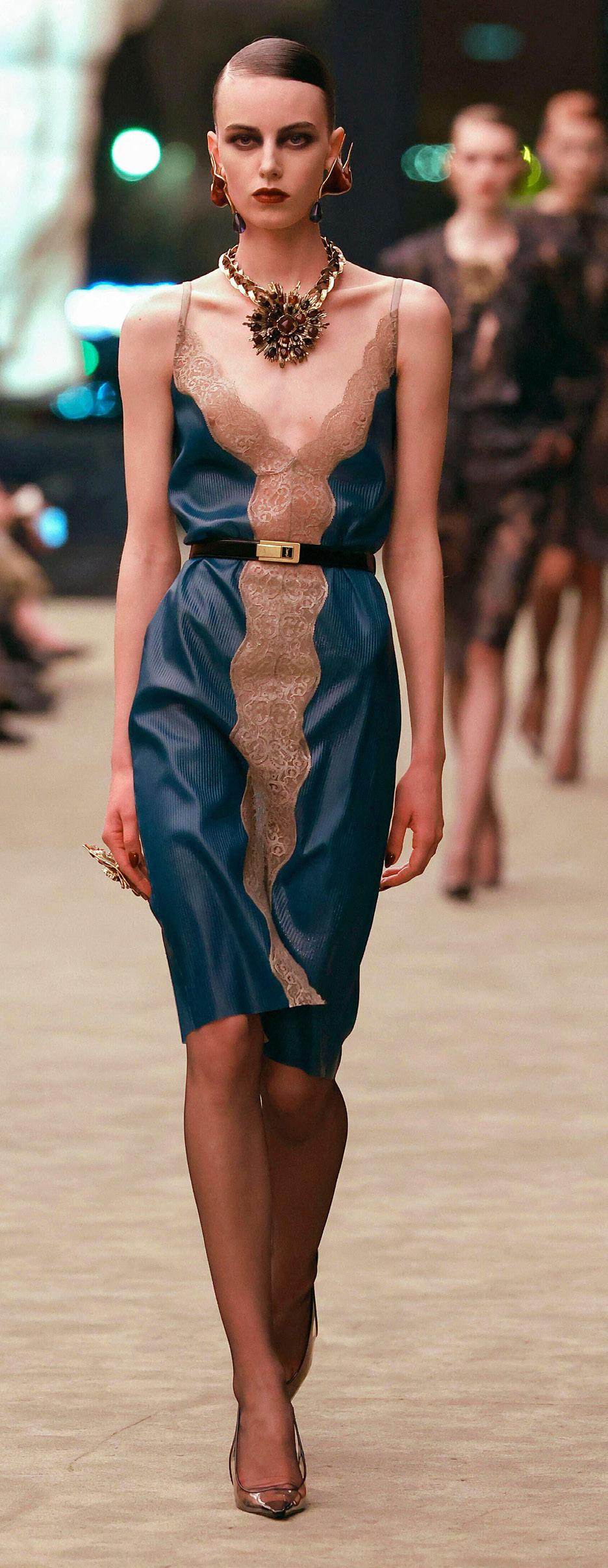
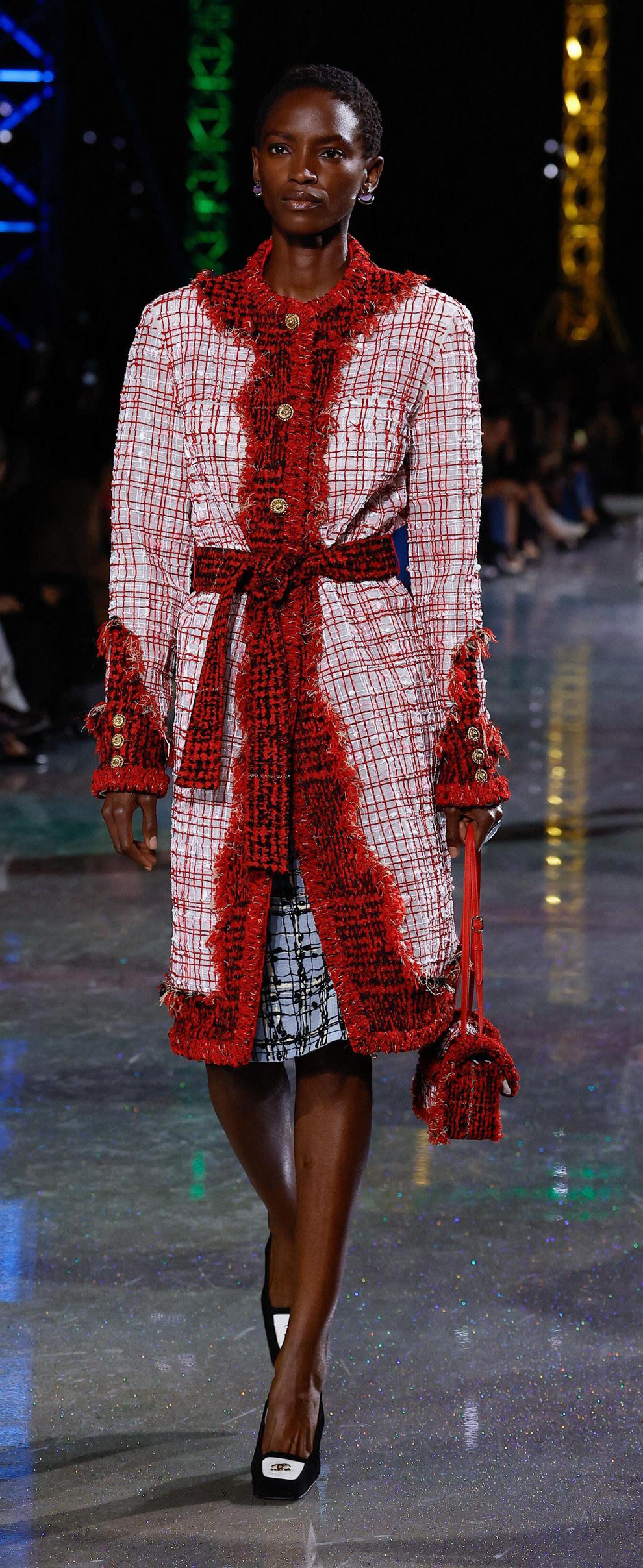
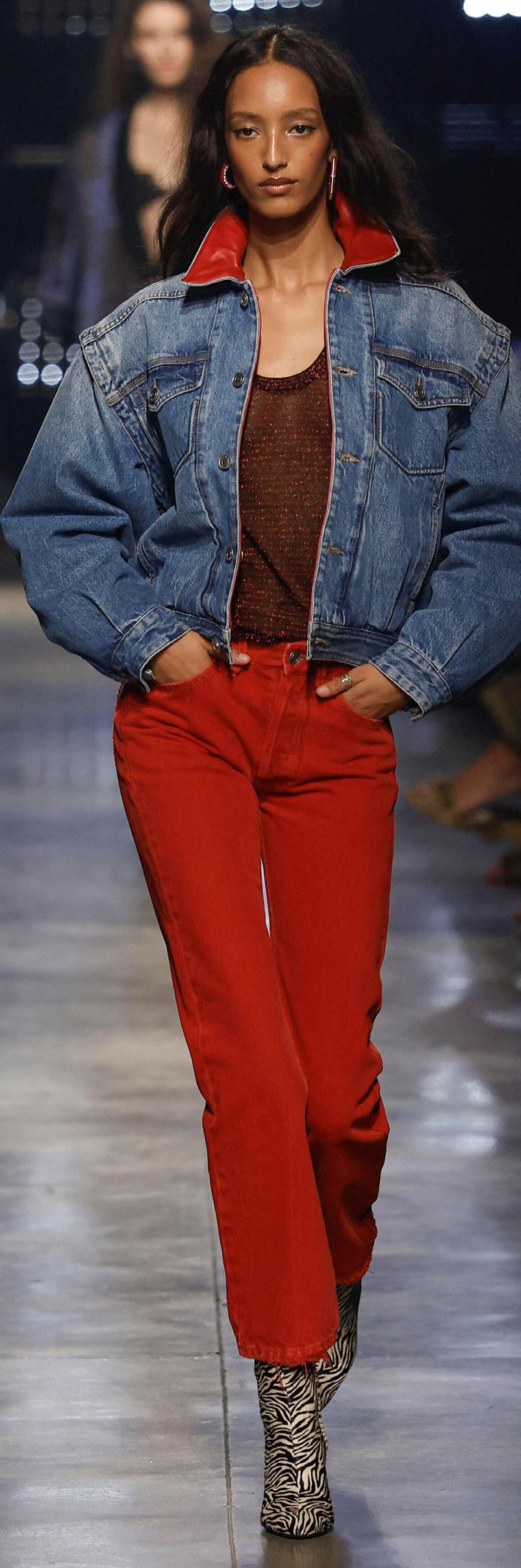
CHANEL
ISABEL MARANT
The Hottest Ticket of Paris Fashion Week
THE RUNWAY FOR EVERYONE
By Chloe Soderberg
On a brisk early March evening in Paris, a line wrapped around the entire block of the Theatre du Chatelet during Fashion Week. At first glance, it might have looked like people waiting to enter a film or concert. But looking closer, you noticed that groups of young people – in carefully curated outfits featuring oversized coats, vintage leather, knee-high boots, and statement pieces of all sorts – were all anxiously there to get a seat for the La Watch Party.
Everyone here clearly loved fashion, but few had tickets to the exclusive shows reserved for celebrities, brand ambassadors, and influencers. Instead, these fashion enthusiasts congregated for La Watch Party, a free public event where some of the most anticipated Fall/Winter 2026 designer collections would be livestreamed at the historic theater. Almost every night of Fashion Week, people gathered to analyze, celebrate, and experience the runway together as the shows unfolded in real time.
Fashion Week has long been a symbol of exclusivity: limited invitations, tightly controlled guest lists, and the front row reserved for celebrities, editors, and insiders. For those not invited, the runway remains at a distance. Even for those deeply invested in the fashion world, shows could only be viewed through Instagram posts or the media’s next day's coverage. The La Watch Party offers a way to bring the excitement of the runway to everyone while the shows are happening.
This event was the vision of influencer Elias Mendini, known online as Lyas.
Starting in a Parisian bar and now filling all the seats in one of the world’s most famous theaters, La Watch Party’s iconic designer shows are livestreamed on a massive viewing screen. The party has become a community where the fashion industry and new collections are broken down and explained in a way that is accessible to anyone, especially young viewers. This season, when the doors of the theater opened, the crowd flowed in, filling up every red velvet seat.
The atmosphere in the theater wasn't the controlled and serious environment of a traditional runway; it was livelier and more personal. There was food and drinks, with people excitedly discussing their predictions for the upcoming show. People from all walks of life gathered for one reason: to experience the runway. The lights dimmed, and the room fell silent as the show began.
At a runway venue, the audience sits silently, watching models pass by. But at La Watch Party, the crowd has a different approach. Gasps and applause erupt after exceptional looks as people participate and experience this moment together.
As the opening model stepped on the runway at the Saint Laurent show – held at Palace du Trocadero, with a stunning view of the Eiffel Tower – the La Watch Party congregants leaned forward instinctively. They noticed that Anthony Vaccarello, the creative director for Saint Laurent, honored the iconic tradition of the house but added a modern edge and a reinterpretation of classic silhouettes. The collection reinforced identity and confident sensuality, which Saint Laurent is known for. A modern take on Le Smoking – one of the first tuxedo suits for women introduced in 1966 – huge furs, delicate lace tops, skirts, and dresses were some of the standout looks that brought cheers from the audience. The black and dark neutral color palette allowed structure and silhouette to be the main points of focus.
Isabel Marant brought a different kind of energy to the grand theater. Marant’s designs have been a symbol of the effortless and confident Parisian style. This collection featured looks that felt relaxed and wearable rather than theatrical. On the massive viewing screen, the audience watched models step out in sheer tops, micro shorts, and bomber jackets, clearly tapping into the ongoing revival of the 1990s style. The collection offered several chic yet practical looks designed to be worn with draped, slouched, and relaxed silhouettes. The crowd was wearing their own Marant-inspired looks, sporting straight-legged pants, vintage leather jackets, and denim, allowing the theater to seem not so far away from the live show.
In between shows, people discussed their favorite collections, predicted trends, and analyzed the looks: the most fascinating part of a La Watch Party. The audience wasn't just observing, they were participating. Aspiring designers, students, or fashion enthusiasts were all able to contribute to the conversation. Members of the audience were allowed on stage and shared their interpretations or opinions that would normally be limited to industry insiders.
Later in the week, the Theater du Chatelet once again filled. This time for the Alexander McQueen show. Founded by Alexander McQueen, the house has been known for run -
way presentations that combine performance with fashion. Each look seemed like its own character.
The eerie music, models with porcelain masks, sheer pale fabric hanging from the ceiling and spiraling in the middle of the runway, and the clean silhouettes pinched at the waist gave a provocative doll-like vibe. Each piece designed by Sean McGirr was a work of art. The audience couldn’t help but stare in awe as each model paraded the runway. Lightweight lace dresses, heavy coats, and flowing florals made for a complete collection, offering an outfit for any occasion. Watching the show in this community environment amplified the emotional impact of this collection.
Chanel remains one of the most influential houses in fashion. And for the final night of an extraordinary Fashion Week, the Théâtre du Châtelet was fully packed with over 2,000 La Watch Party attendees, anxiously anticipating the iconic house’s show. Once it began, the runway was filled with the signature looks that define Chanel: tweed jackets, tailored pant suits, soft pastels, and meticulously detailed designs. The intricate fabrics and carefully constructed silhouettes made it clear why Chanel is timeless.
On the viewing screen, models weaved through colorful construction cranes placed throughout the Grand Palais, one of Paris’ most famous museums. At La Watch Party, the audience viewed the new collection as a remix of Lady Gaga’s “Just Dance” played. The final evening was a party that celebrated not only the iconic new collections but also the unique community that came together for La Watch Party. With the runways now open, luxury brands have expanded their reach, increasing both brand visibility and accessibility.
Leaving at the end of the night was tough for everyone. It was hard not to think about what La Watch Party represented and the community it built. For decades, Paris Fashion Week has been known for its prestige and exclusivity. A seat at a show shows status, access, and power. La Watch Party challenges this idea by creating a space where thousands can experience the new collections at the same time as those in the front row seats. The shows haven’t changed. But inside the Théâtre du Châtelet, for a few hours, the runway belonged to everyone.
Styling Tips to Build a Spring Wardrobe with the Blues
• Swap soft pastels for a cobalt blazer. It elevates everything from jeans to linen trousers.
• Mix tonal blues. Pair cerulean tops with sapphire skirts or electric-blue accessories for a curated, layered look.
• Play with texture. Linen, satin, lightweight wool, and knits in bright blues add dimension and versatility.
• Pair with crisp neutrals. Whites, creams, and sandy beige allow these vivid blues to sing without overpowering.
• Add accents. A bright-blue bag, belt, or sneaker can instantly refresh a neutral outfit for spring.
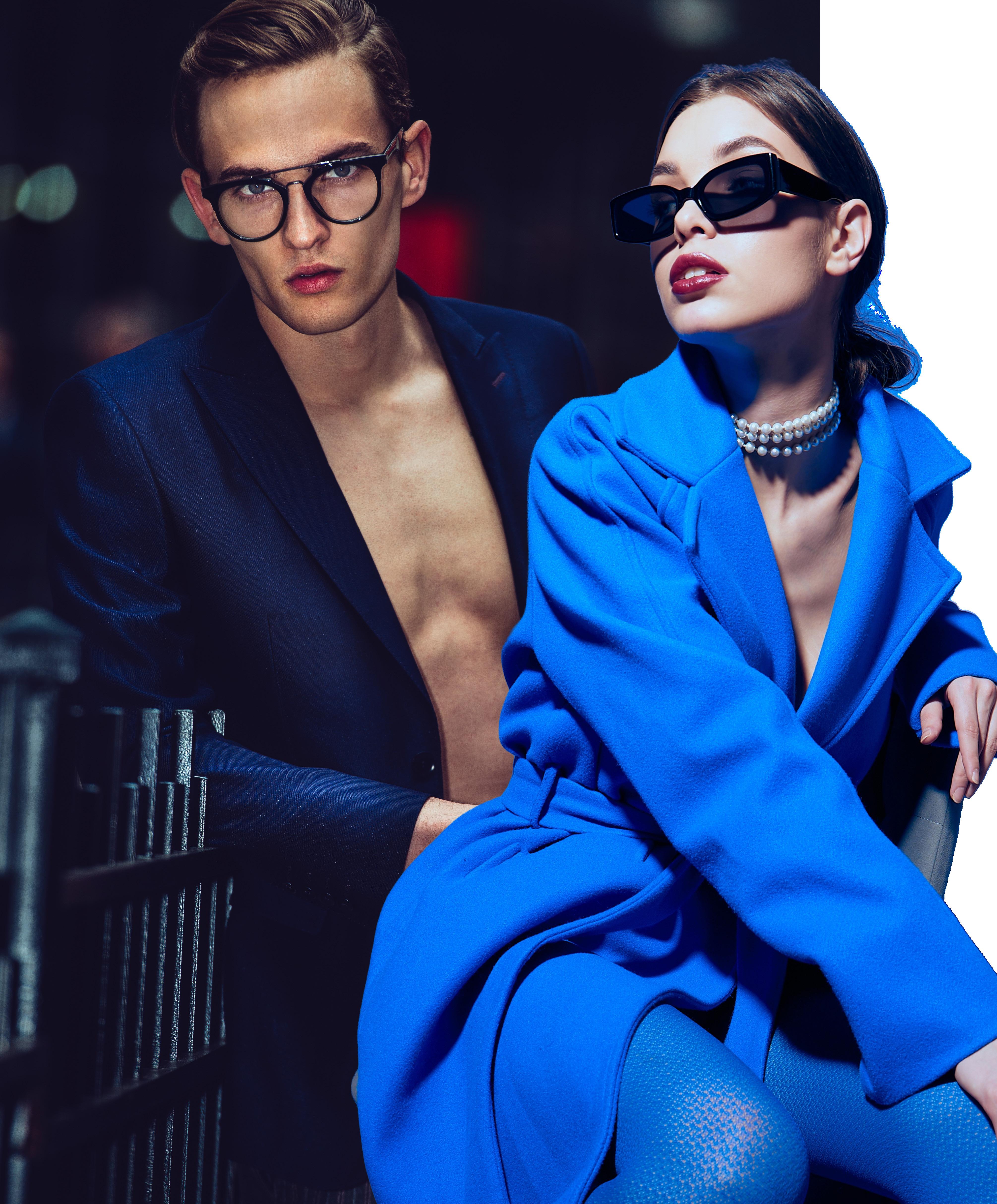


SHAPING SPRING 2026 Cobalt
and Bright Blues
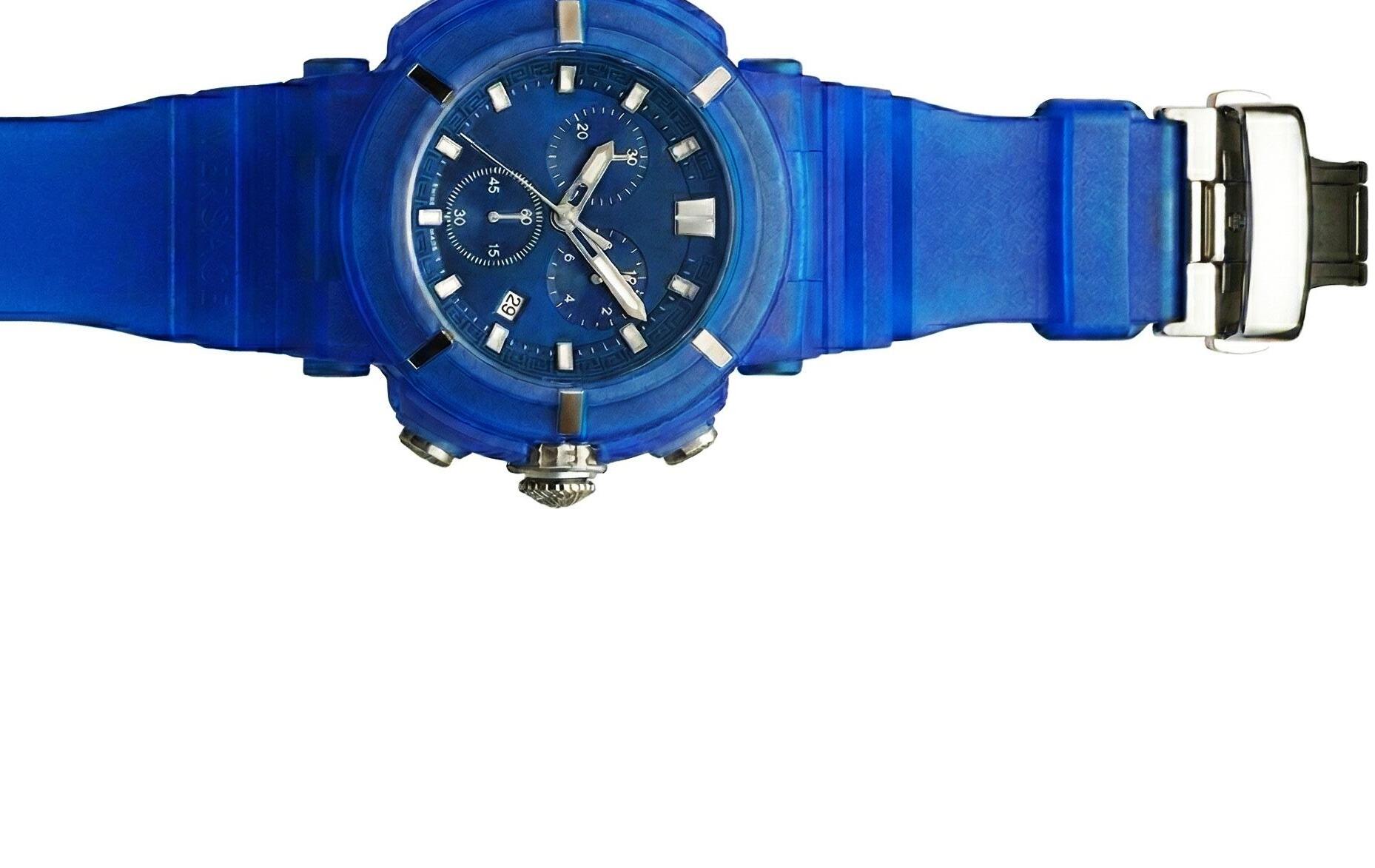
This spring, designers are looking beyond the predictable pastels of the season and embracing a palette with greater depth. Ocean-inspired tones, from radiant cobalt to vivid cerulean and electric blue, are emerging as some of the defining shades of Spring 2026. According to recent runway analyses and seasonal color-trend reports, these blues are being hailed as “the new spring power hues,” striking a balance between refreshing vibrancy and timeless sophistication.
Blues are being reimagined and transforming what was once a bold accent into a foundational color for the season. From breezy outer layers to tailored suiting, sculptural knitwear, and bold accessories, it’s all about being blue.
For women, bright blues are no longer relegated to decorative accessories; they’re now central to the spring wardrobe. Cobalt blazers, electric blue trousers, and head-to-toe monochrome outfits are replacing soft pastels and muted neutrals. Lightweight trench coats in sapphire tones, fluid midi dresses in cerulean, and knitted sets in radiant blue are dominating street style and editorial shoots alike.
On the men’s side, brands are weaving cobalt into everything from tailored suits and lightweight outerwear to casual knitwear and relaxed shirting. The houses have declared that blue is a “power neutral” for spring.
Gucci has been one of the consistent houses championing blue this season. Often dubbed by insiders as “Gucci Blue,” the shade appeared extensively on its Spring 2026 runways throughout womenswear and menswear. Rich blue pieces, from streamlined blazers to sleek leather items, allowed the house to revisit classic tailoring through a crisp lens rather than relying on traditional spring pastels.
And Gucci isn’t alone in its blue devotion. Designers across the spectrum, from Prada to emerging creatives, tapped into cobalt and bright blues as key seasonal anchors.
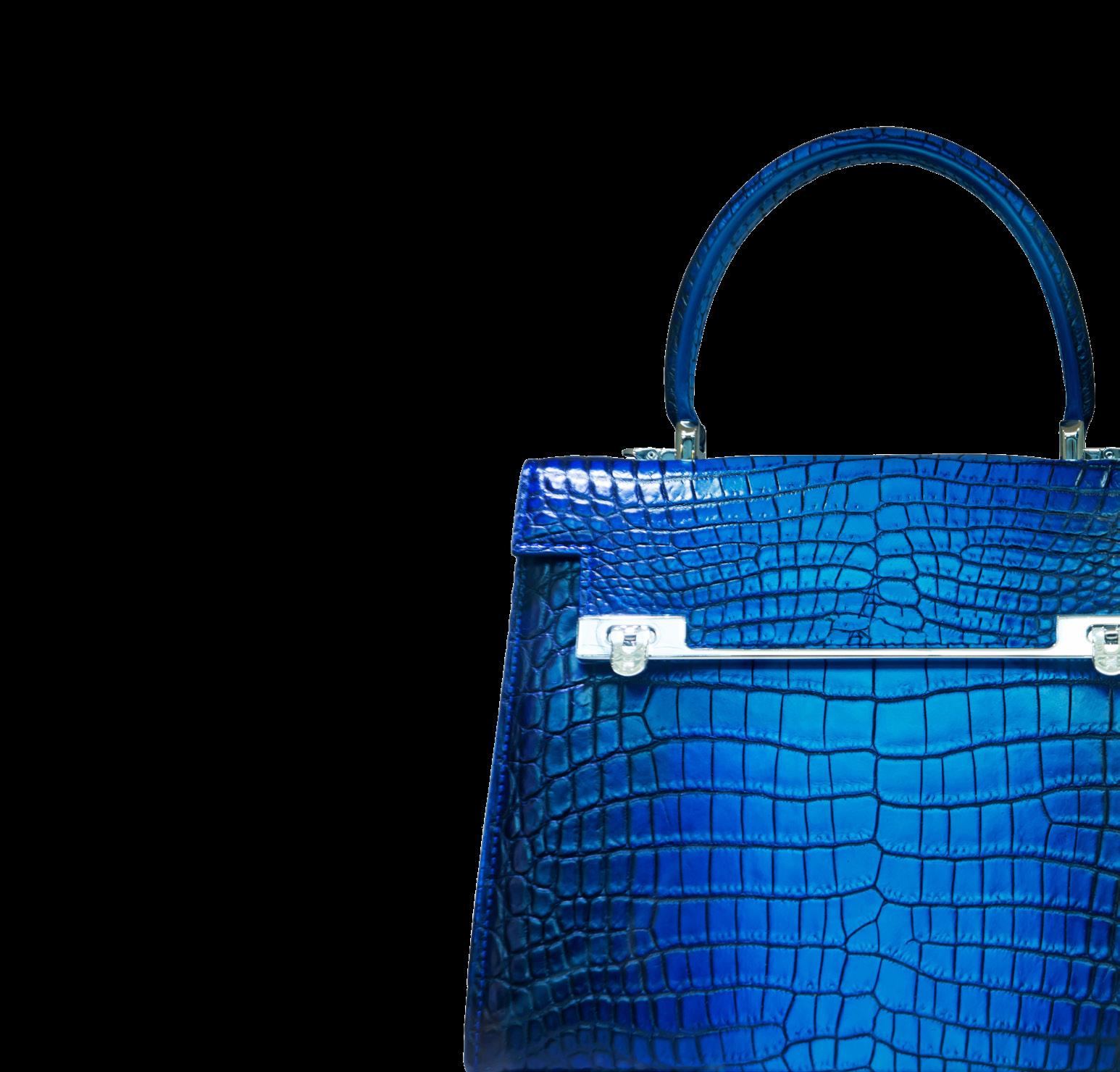
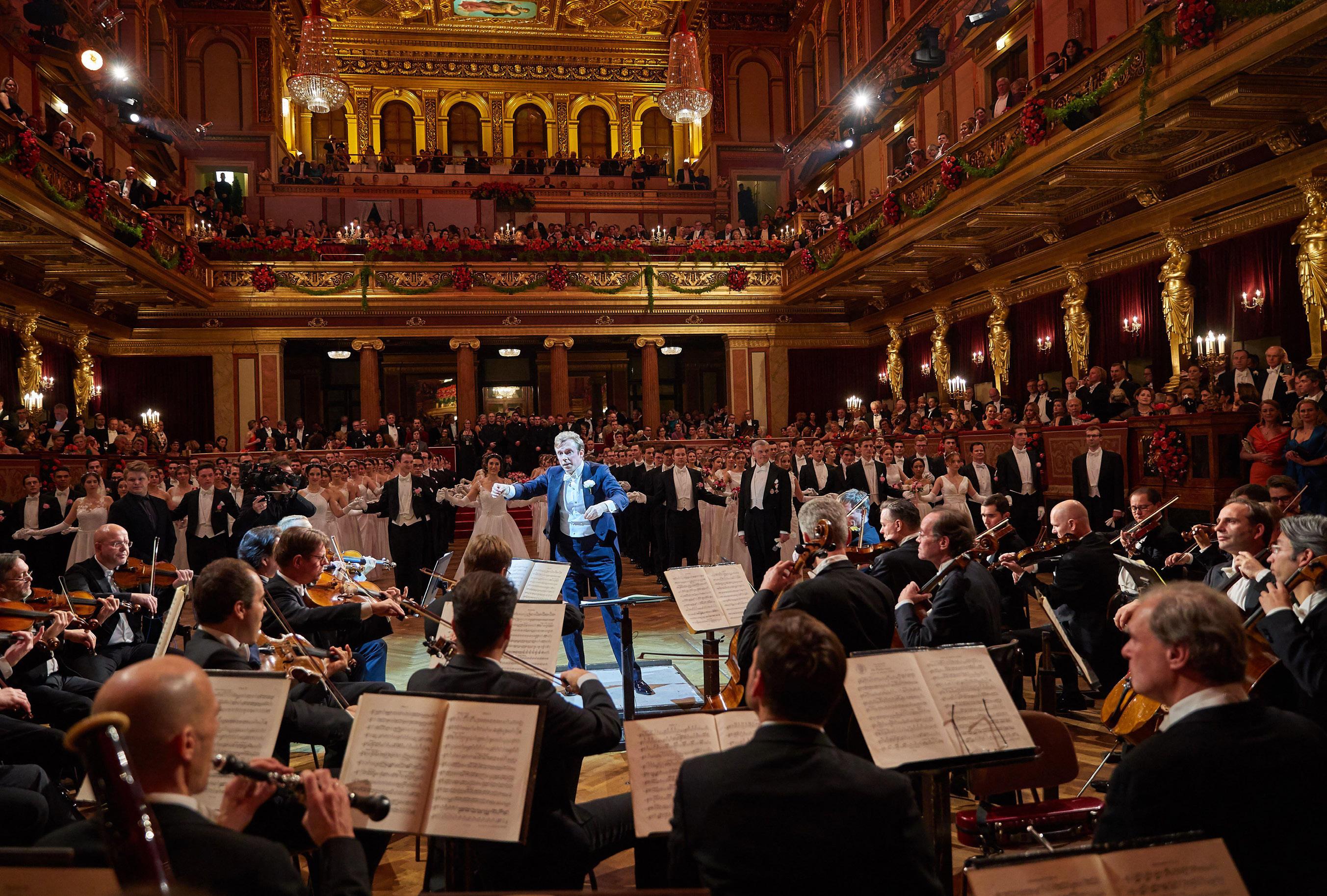
PROVOKING THE IMAGINATION
An Exclusive Symphony and Gala of Prestige
In the world of classical music, few experiences rival the sheer prestige and exclusivity of attending a premium concert by the Vienna Philharmonic, especially in Vienna’s famed Musikverein’s Golden Hall. This spring, for discerning travelers and cultural connoisseurs, a ticket isn’t just admission to a performance. It’s an entry into one of the most sought-after traditions in Western art.
The Vienna Philharmonic stands unrivaled among symphony orchestras. With a legacy stretching back to 1842, it has defined the highest standards of orchestral excellence. The orchestra’s performances are cultural events that command global attention, deep respect, and extraordinary demand from audiences worldwide.
The Golden Hall of the Musikverein, where the philharmonic performs, is lauded as one of the finest concert spaces in the world. It’s celebrated for its acoustics, opulent interior, and symbolic status as the heart of Viennese musical tradition. The Vienna Philharmonic’s most sought-after performances are ticketed subscription concerts at the venue. These subscription series, which include Saturday, Sunday, and soirée programs, have waiting lists measured in years, not months or days, reinforcing the exclusivity of these concerts.
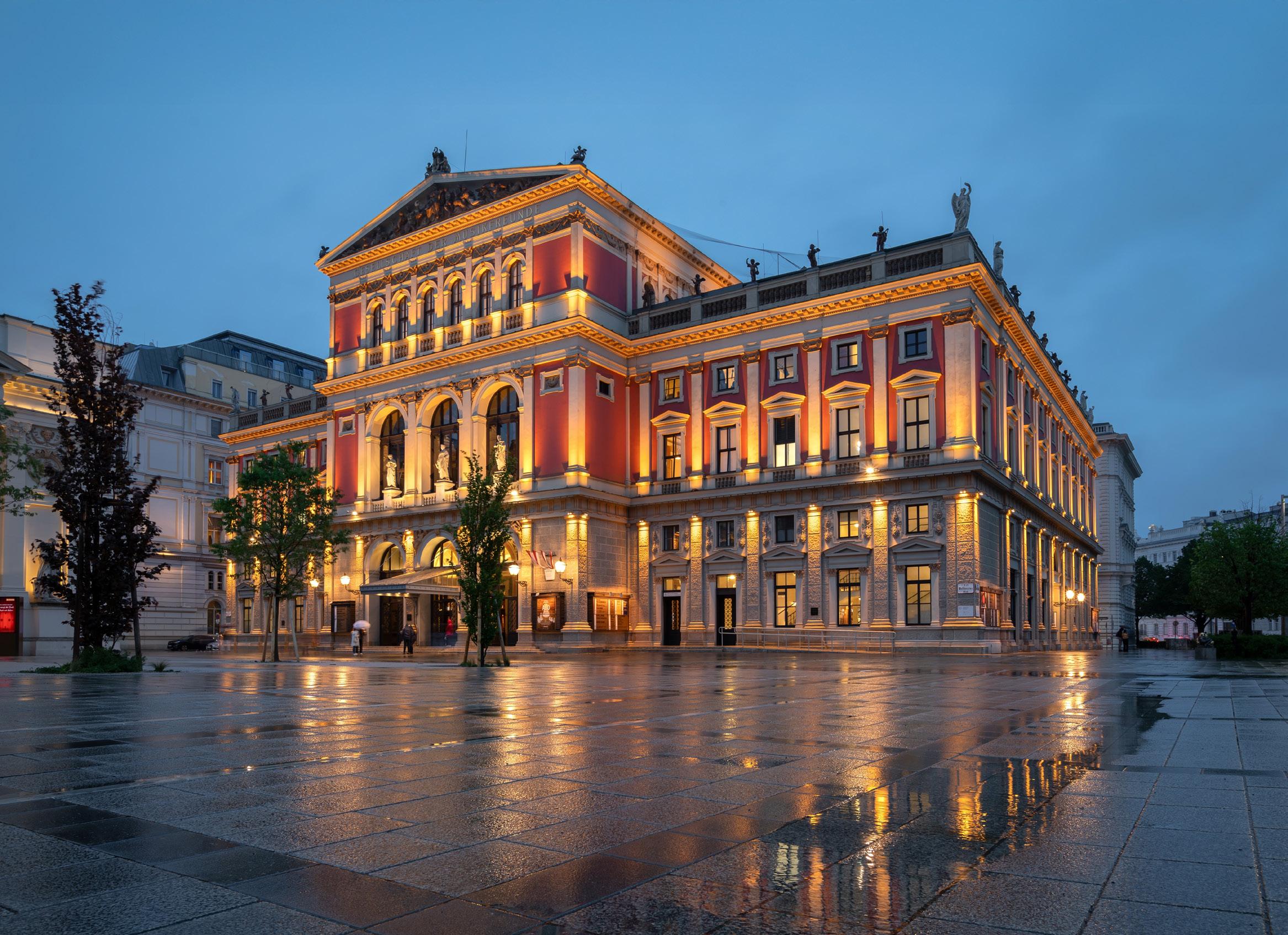
For this spring, the concert subscription features a strong showing of masterworks. A notable example includes the 10th Subscription Concert, which will be conducted by Lorenzo Viotti, featuring works by Poulenc, Debussy, and Zemlinsky. Tickets often require membership or longstanding affiliations with the Musikverein. Demand consistently outstrips availability. But a small number of prime seats occasionally become available shortly before a concert and are released at the Philharmonic’s ticket office.
If you happen to be one of the fortunate few who have already obtained a subscription ticket, and you want to turn the evening into a luxury gala adventure, some experiences can be added. Many luxury hotels offer pre-concert VIP receptions with sommeliers, classical music specialists, and chauffeured transfers to the Musikverein. These are usually available by reservation only from the top Viennese hotels.
If you haven’t been able to secure a ticket, you can also book an experience through a specialized classical tour company. The operator will organize a black-tie dinner package that includes a gourmet dinner at a Michelin-starred restaurant, chauffeured transfer to the Musikverein, and premium seating or standing room with private concierge support.
A premium Vienna Philharmonic concert experience isn’t just a ticket; it’s a testament to commitment, artistry, and privilege. Whether secured through strategic planning, rare last-minute availability, or dedicated music patronage, it represents one of the most coveted cultural achievements in the world of classical performance.
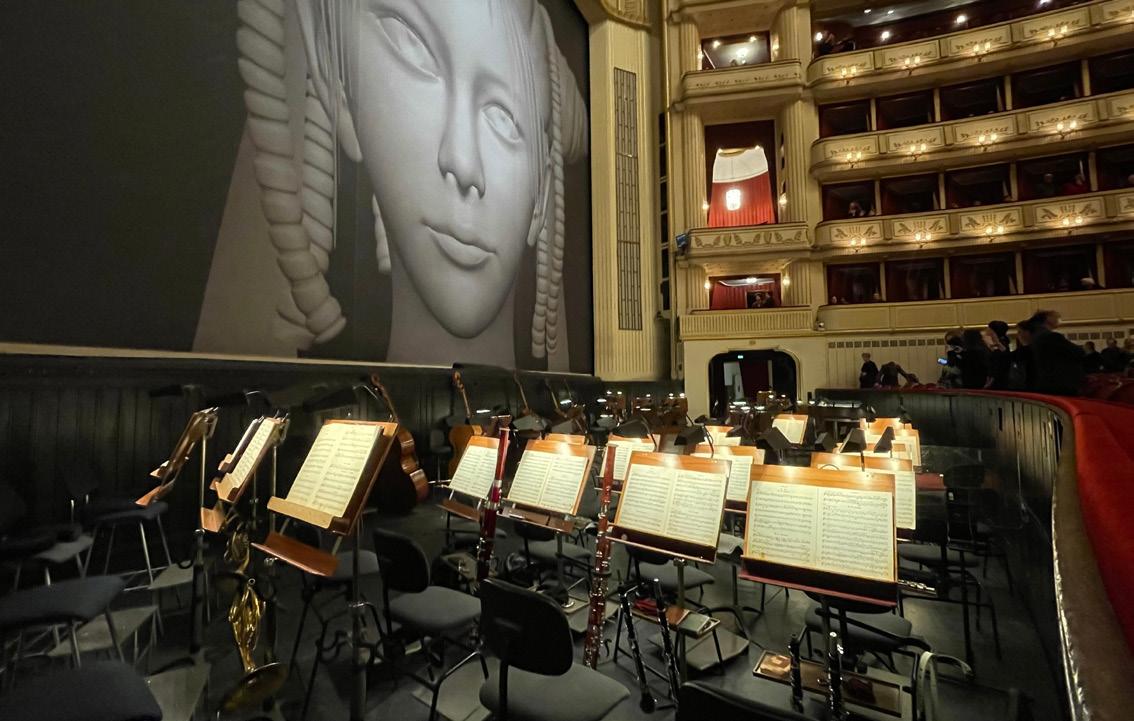
AUDI
Audi of America will appoint Vito Paladino as president effective April 1, 2026, as the German premium brand works to reverse a 16 % drop in U.S. sales in 2025. This move highlights mounting pressure on Audi to regain traction in its largest market amid stiff competition from rivals BMW and Mercedes-Benz. (Autoblog)

BUZZ

AC LUXE
Luxury travel firm AC Luxe has launched “Journeys Beyond Ordinary,” a collection of tailor-made experiences across the UK, Ireland, and France designed for discerning travelers — from bespoke Savile Row tailoring to artisan gin-making and Scottish weaving traditions. (Travel and Tourism)
CUSTOMER ENGAGEMENT
In key markets like New York City, luxury retail is being redefined by Agentic AI assistants, AR/VR digital try-ons, and a “wellness-luxury” convergence where fashion boutiques also offer health-oriented services, driving deeper customer engagement. (NY Financial News)
GUCCI
Gucci’s newly appointed creative director, Demna (of Balenciaga fame), just presented his first major collection at Milan Fashion Week FW26, marking a stylistic reset focused on wearable silhouettes that blend heritage with modern minimalism. (Business World)
LUXURY SPENDING
Global luxury markets proved resilient in 2025, with overall luxury spending stabilizing at similar levels to 2024, despite headwinds from economic and geopolitical uncertainties, as well as disruption from critical shifts in consumers’ preferences.
Consumers’ worldwide spending across the luxury industry’s segments reached €1.44 trillion in 2025, with a sequentially improving trajectory expected to extend into 2026. (Bain-Altagamma Luxury Goods Worldwide Market Study.)
CULTURE
WHERE ART AND LIFE MEET
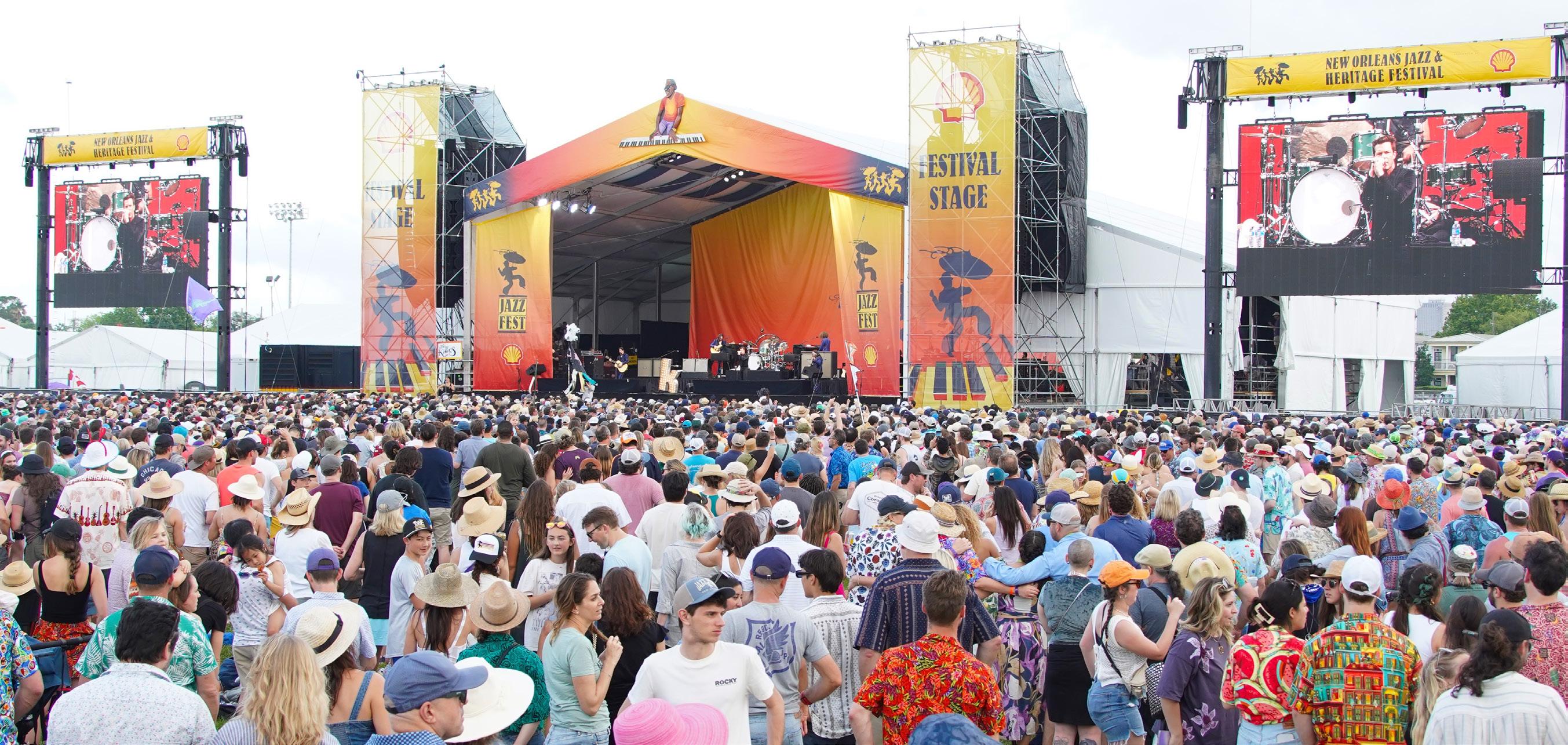
NEW ORLEANS JAZZ & HERITAGE FESTIVAL 2026
NEW ORLEANS, USA
APRIL 23–26 AND APRIL 30–MAY 3
The iconic New Orleans Jazz & Heritage Festival runs across two weekends at the Fair Grounds Race Course in New Orleans. Celebrated for its eclectic mix of jazz, blues, R&B, rock, and roots music, the festival features hundreds of performers on multiple stages and celebrates Louisiana’s deep musical, cultural, and culinary traditions.
PALMA INTERNATIONAL BOAT SHOW 2026
PALMA DE MALLORCA, SPAIN
APRIL 29 – MAY 2
This event officially launches the Mediterranean yachting season with hundreds of exhibitors showcasing a wide range of boats, nautical equipment, and marine technology in the picturesque Moll Vell marina. The show features expansive areas, including the Superyacht Village (with luxury yachts over 24 m and services for owners and captains), the Shipyards & Equipment zone with new builds and marine innovations, and networking opportunities that draw industry professionals and enthusiasts alike.
ART BASEL 2026
BASEL, SWITZERLAND
JUNE 18–21
Art Basel, widely regarded as the world’s leading fair for modern and contemporary art, will once again bring together hundreds of galleries and thousands of artists from across the globe. The fair features curated presentations of painting, sculpture, photography, large-scale installations, and performance art. The city of Basel will be transformed into a central hub for collectors, curators, and cultural conversations around the global art market.
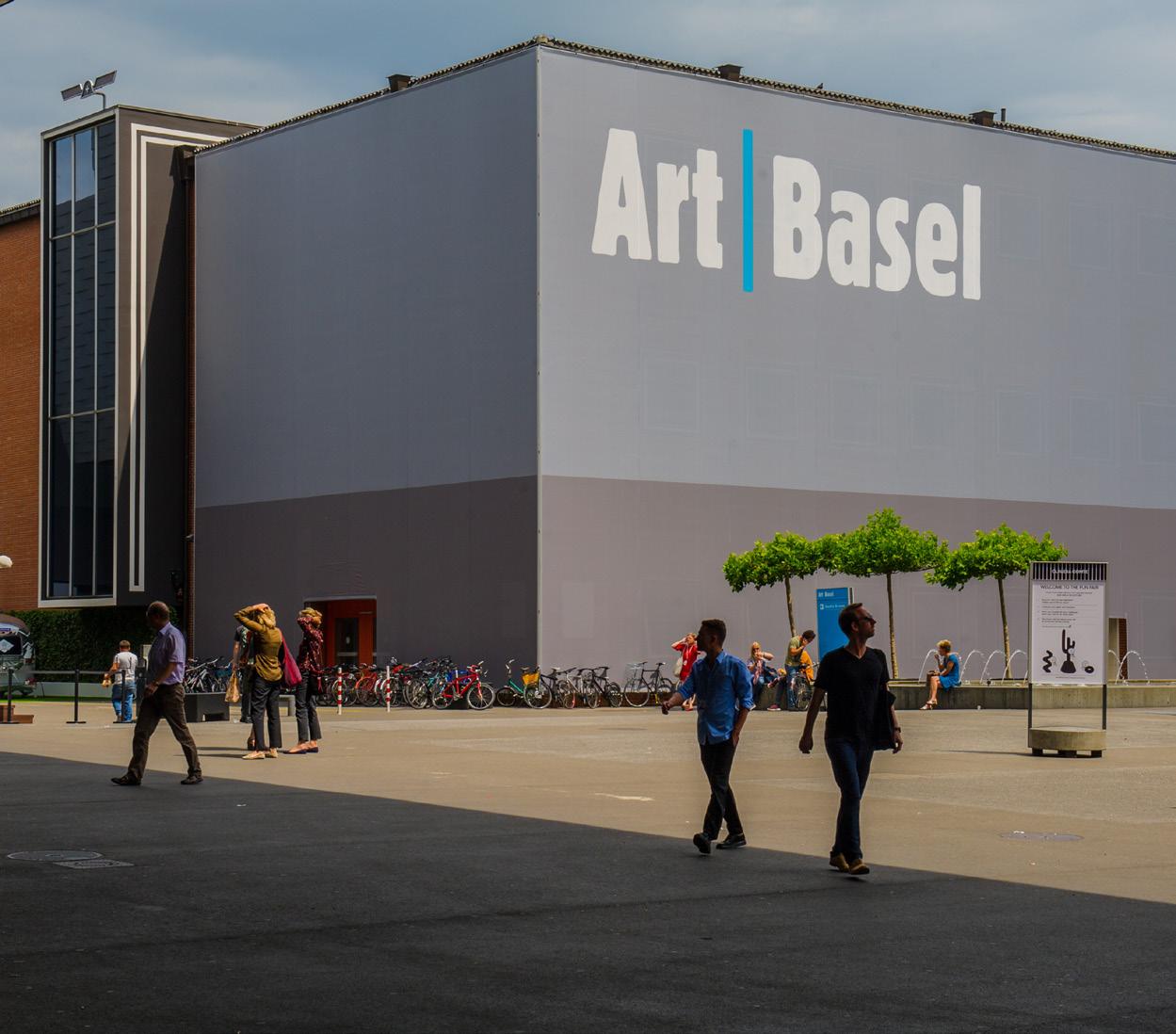
DIPLOMACY
DC INTERNATIONAL


Canadian Prime Minister Mark Carney is expected to visit Canberra and address the Australian Parliament, part of a trip aimed at expanding trade, defense, and intelligence cooperation between Canada and Australia. The visit reflects growing alignment among Indo-Pacific and Western partners on economic and security issues. (City News Toronto)
The U.S. Embassy in Singapore hosted the 2026 Critical Minerals Ministerial, where the United States and other partners signed critical mineral frameworks and memoranda of understanding aimed at supply chain resilience, clean energy transitions, and strategic resource cooperation — a diplomatic initiative tied to economic and industrial strategy beyond military issues. (U.S. Embassy)
The Festival de la Cultura Argentina, a cultural celebration highlighting the traditions of Argentina and often supported by Argentine cultural organizations and diplomatic missions abroad, will take place on May 23rd at the Embassy of Argentina in Paris. The festival showcases Argentine music, tango performances, traditional cuisine, and cultural workshops designed to introduce audiences to Argentine heritage. (FB)
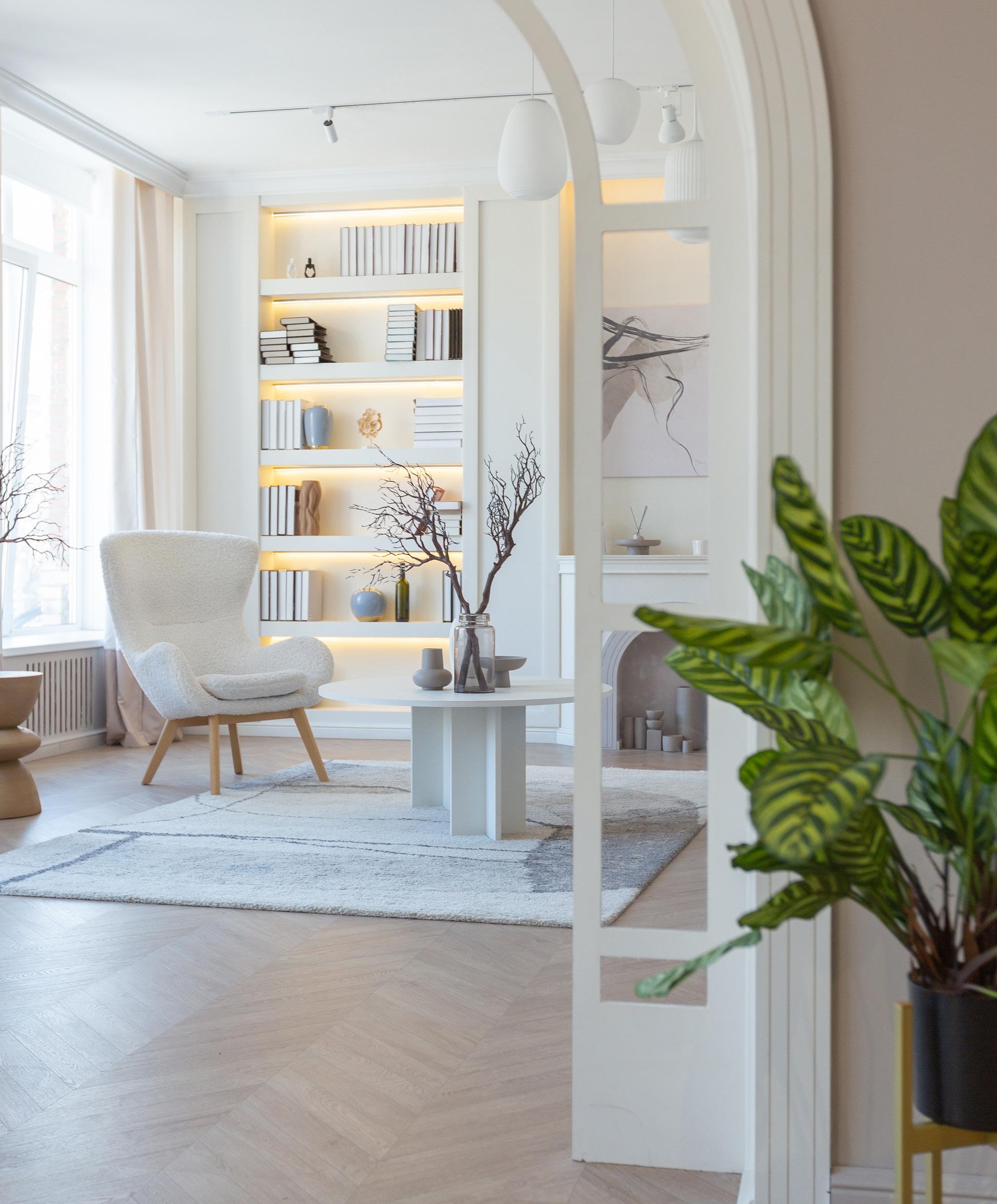
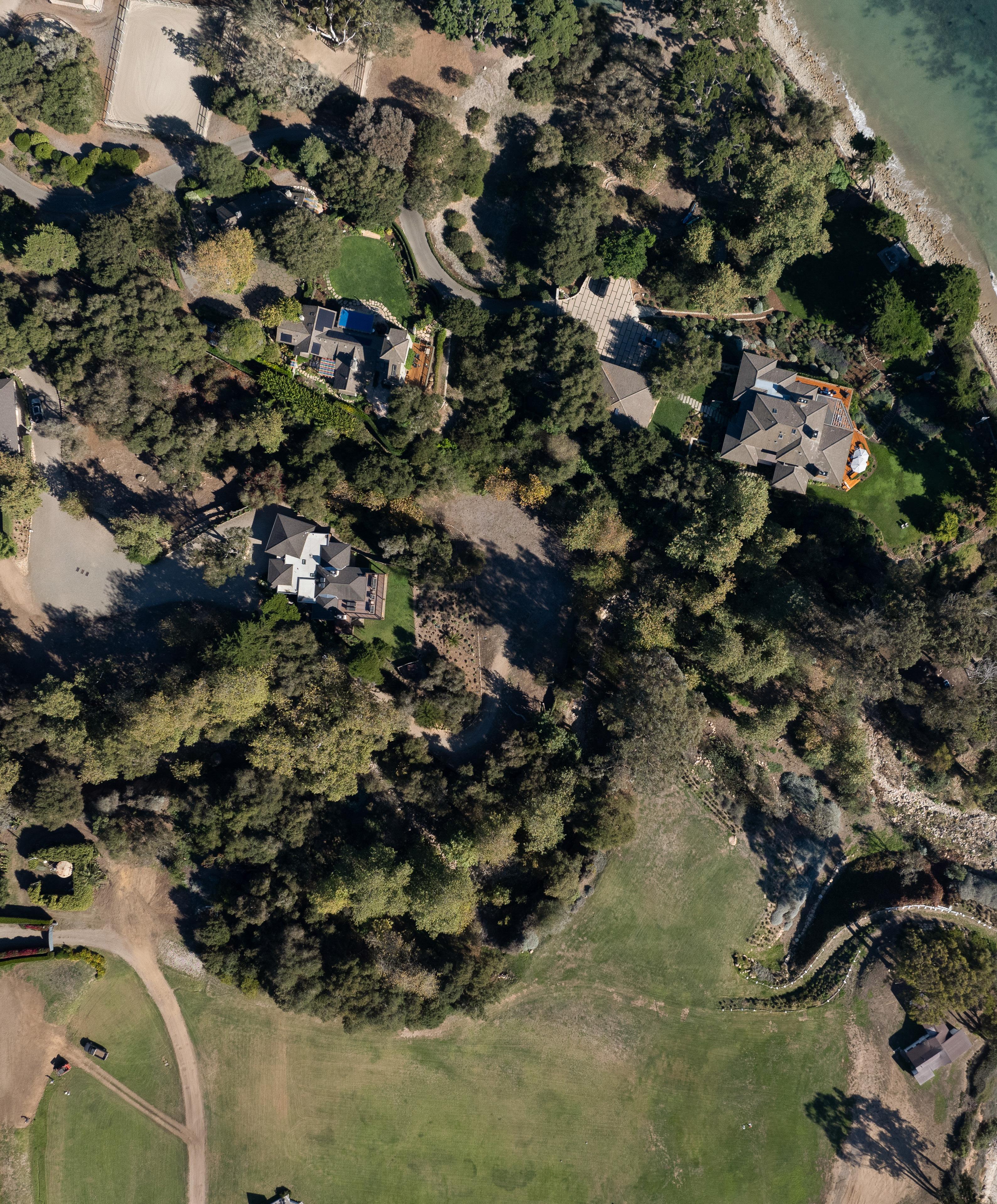
The Last Great Coastal Ranch on the Pacific Rancho Cariñoso:
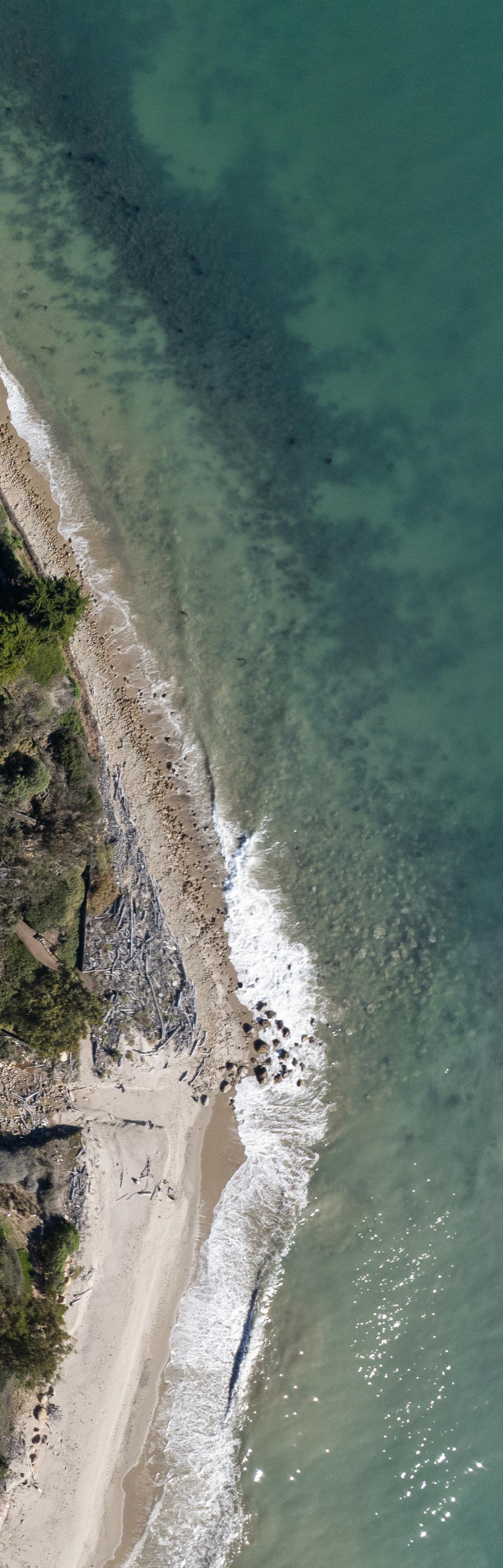
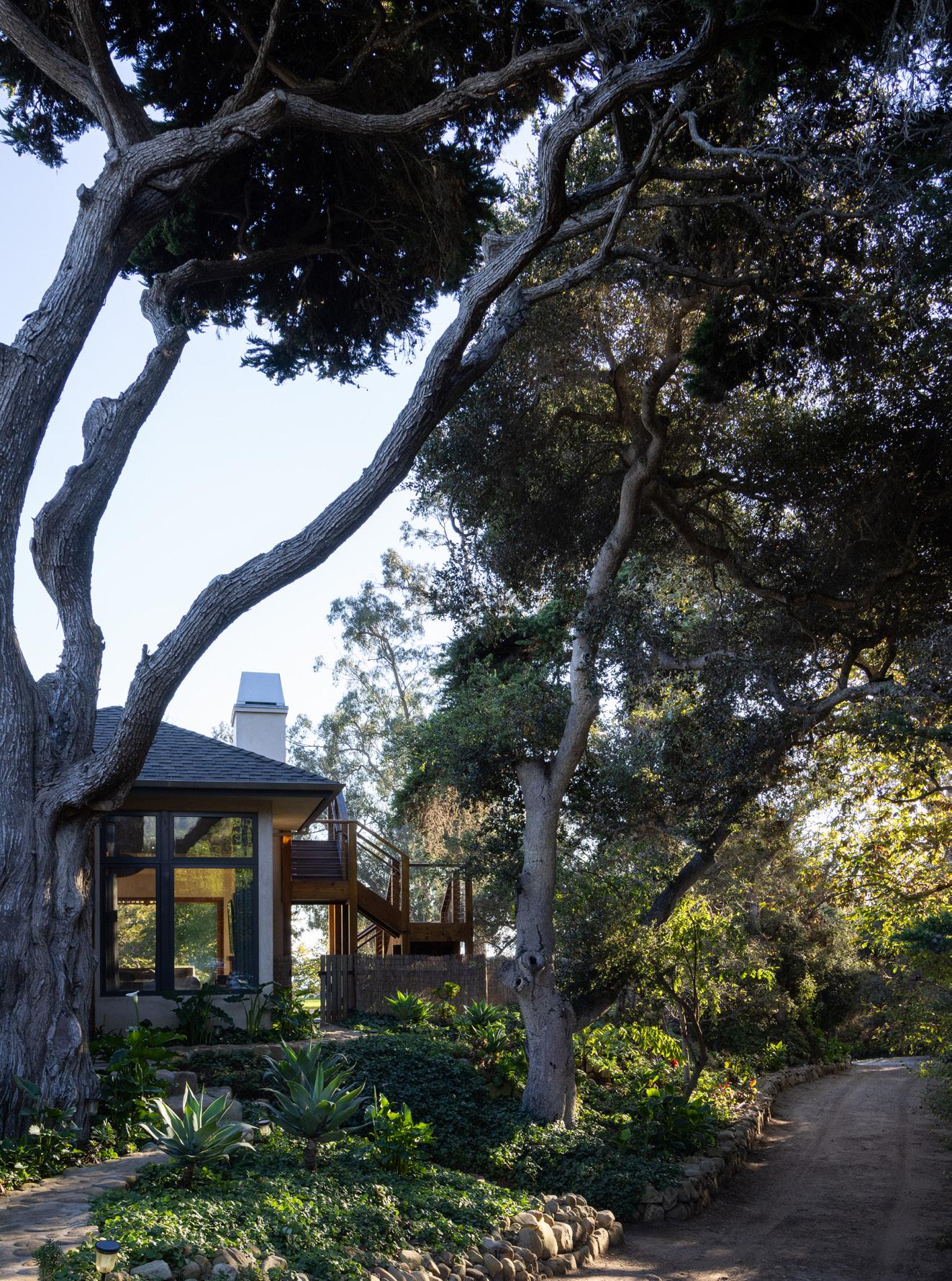
Along the legendary oceanfront corridor of Padaro Lane, where California’s most private estates line the coast between farmland and sea, a rare property stretches with a scale that feels almost forgotten. It’s a 4.2-acre oceanfront ranch estate, a self-contained sanctuary, where manicured lawns flow seamlessly into nearly an acre of private beach before dissolving into the open Pacific.
In a state where most oceanfront properties occupy narrow parcels or cliffside terraces, Rancho Cariñoso stands apart for one defining reason – its land. Standing on the property’s expansive lawn, the magnitude of the estate becomes immediately clear. Over four acres of flat, usable oceanfront land extend outward, culminating in nearly an acre of private beachfront. No staircases are descending from bluffs, no shared access paths, and no crowded shoreline beyond a fence. Instead, you walk directly from the grass onto your own sand.
What makes Rancho Cariñoso truly extraordinary is the lifestyle it supports. It’s one that blends luxury with equestrian freedom with oceanfront recreation.
Zoned for nine horses, the estate features a private riding trail that leads directly to the beach, making it one of the only coastal
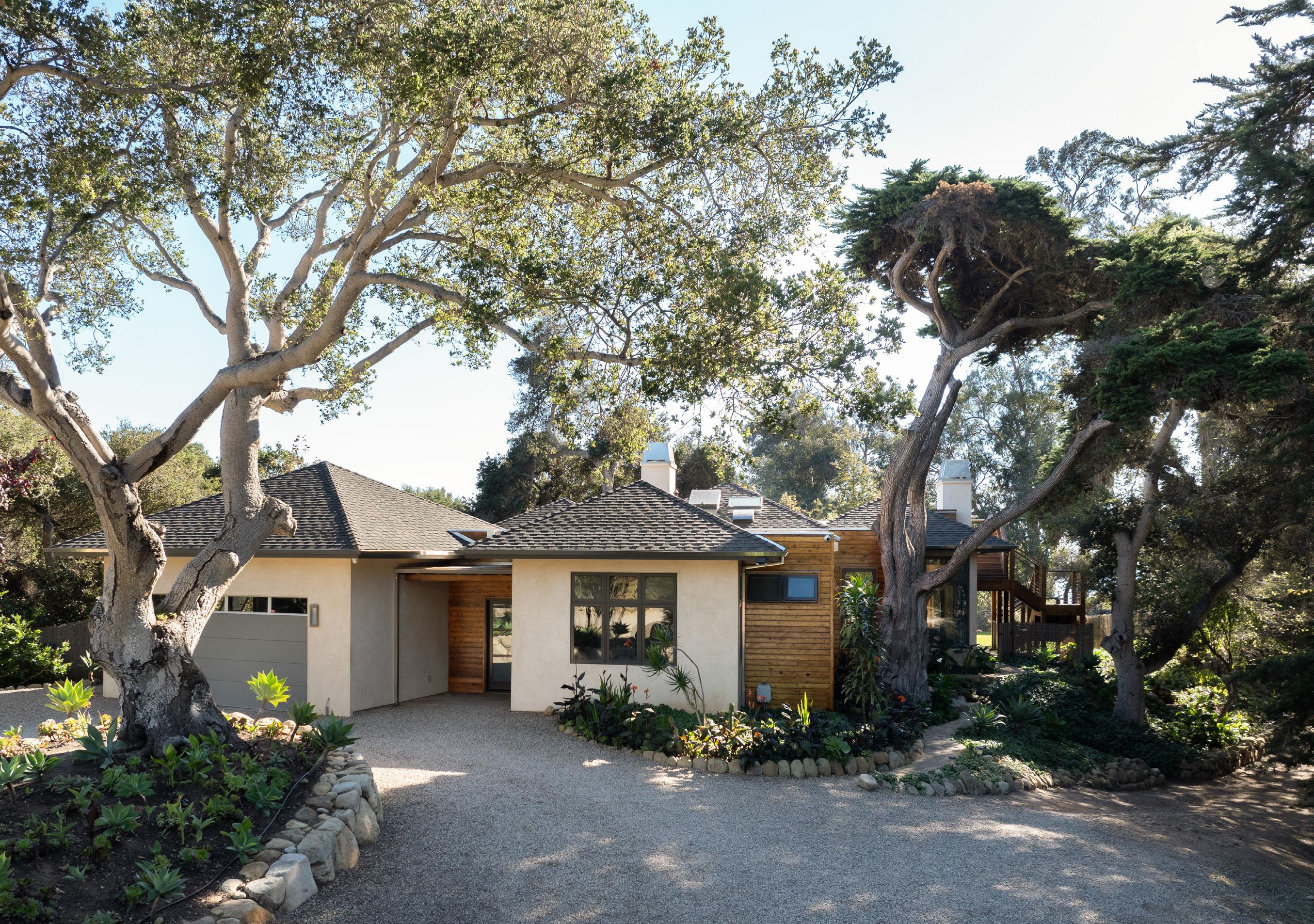
properties in California where owners can saddle a horse and ride straight onto their own beach. And just beyond the shoreline lies direct access to the legendary Loon Point surf break. This break is long regarded as one of the most celebrated waves on the Central Coast.
Living on this ranch allows residents to ride horses along the sand at sunrise and paddle into Loon Point by mid-morning. Midday might include entertaining on the expansive lawn, launching watercraft from your beachfront, fishing or diving directly offshore, or even hosting guests arriving by boat. Evenings are equally self-contained: bonfires on your private beach or outdoor dining on the terrace as the sun sets over the Pacific. There are no time restrictions on riding along
your stretch of sand, and no need to coordinate shared access.
While the current residence anchors the estate, the real story of Rancho Cariñoso lies in its potential. The acreage allows for the thoughtful creation of a true oceanfront compound. To develop additional amenities such as a pool pavilion, guest residences, or wellness structures, all while maintaining privacy and uninterrupted views. In short, it’s a property designed not just for living but for creating an amazing compound.
Beyond the beachfront, Rancho Cariñoso unfolds as a working coastal landscape. Mature avocado and citrus orchards dot the property, while full drip irrigation supports both the agricultural areas and the carefully
landscaped grounds.
A private hiking path winds through the estate, offering elevated vantage points across the Pacific and glimpses of the Channel Islands beyond. The terrain feels cultivated and natural, refined yet rooted in California’s historic coastal ranch tradition.
Rancho Cariñoso’s location along Padaro Lane places it within one of the most prestigious oceanfront enclaves in California. Located in Carpinteria just south of Montecito, the area offers proximity to some of the Central Coast’s most coveted destinations, including:
• Rosewood Miramar Beach
• Santa Barbara Polo & Racquet Club
• Montecito’s renowned dining and
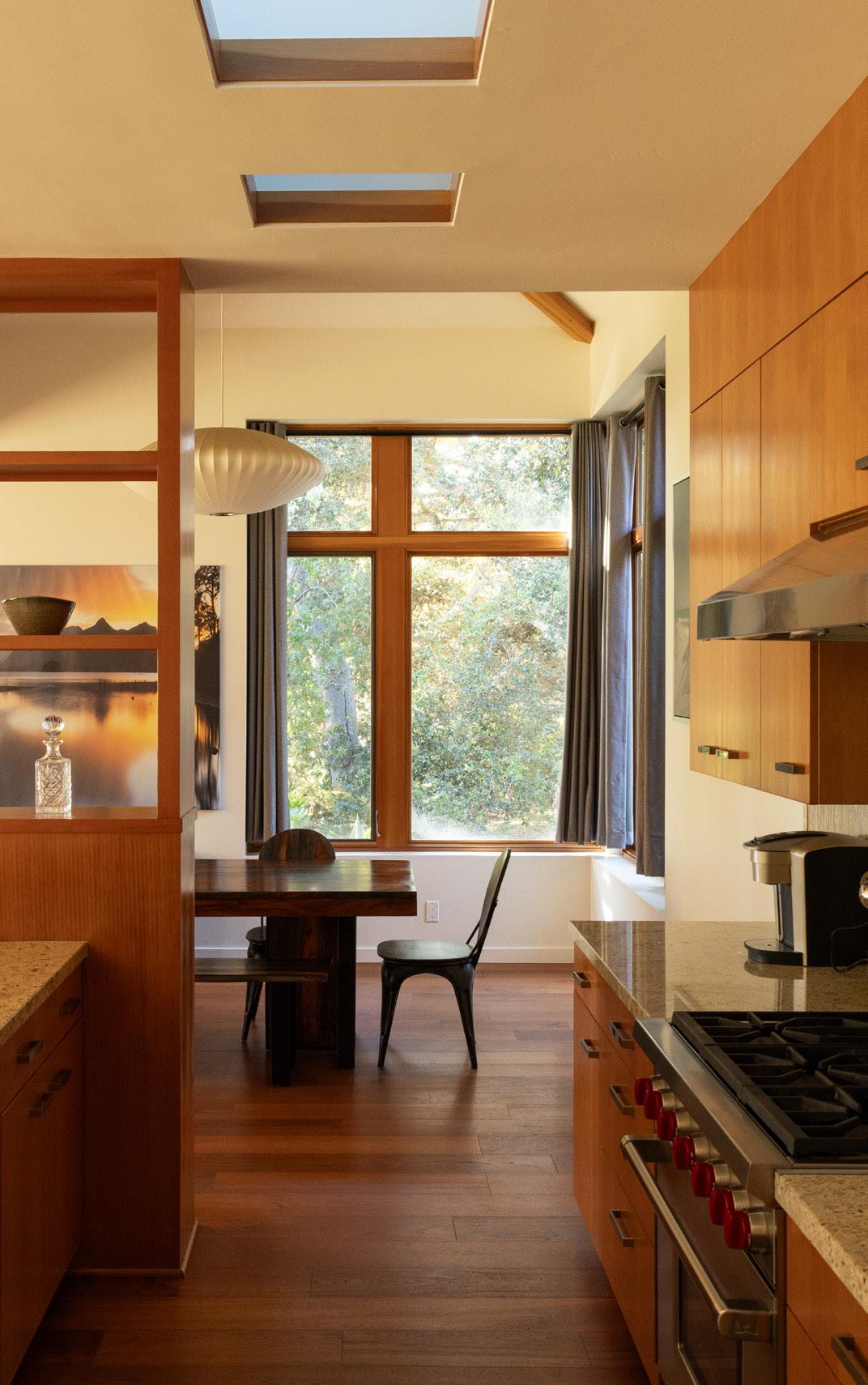
boutiques
• Santa Barbara Airport for private aviation
Historically, the large parcels along this stretch of coastline were assembled decades ago and have remained within families for generations. Opportunities to acquire properties of this magnitude rarely appear. Where many beachfront homes provide views, Rancho Cariñoso offers something far more powerful – control of the land.
Luxury real estate at the highest level is rarely about square footage. It is about emotion. Unlike most coastal living, nothing here requires coordination, reservations, or shared access. The estate is entirely self-contained.
Properties like this are not simply purchased. They are claimed. When it comes to California’s coastline, one truth remains – oceanfront land of this scale is no longer being created. Rancho Cariñoso may be one of the last places where it still exists.
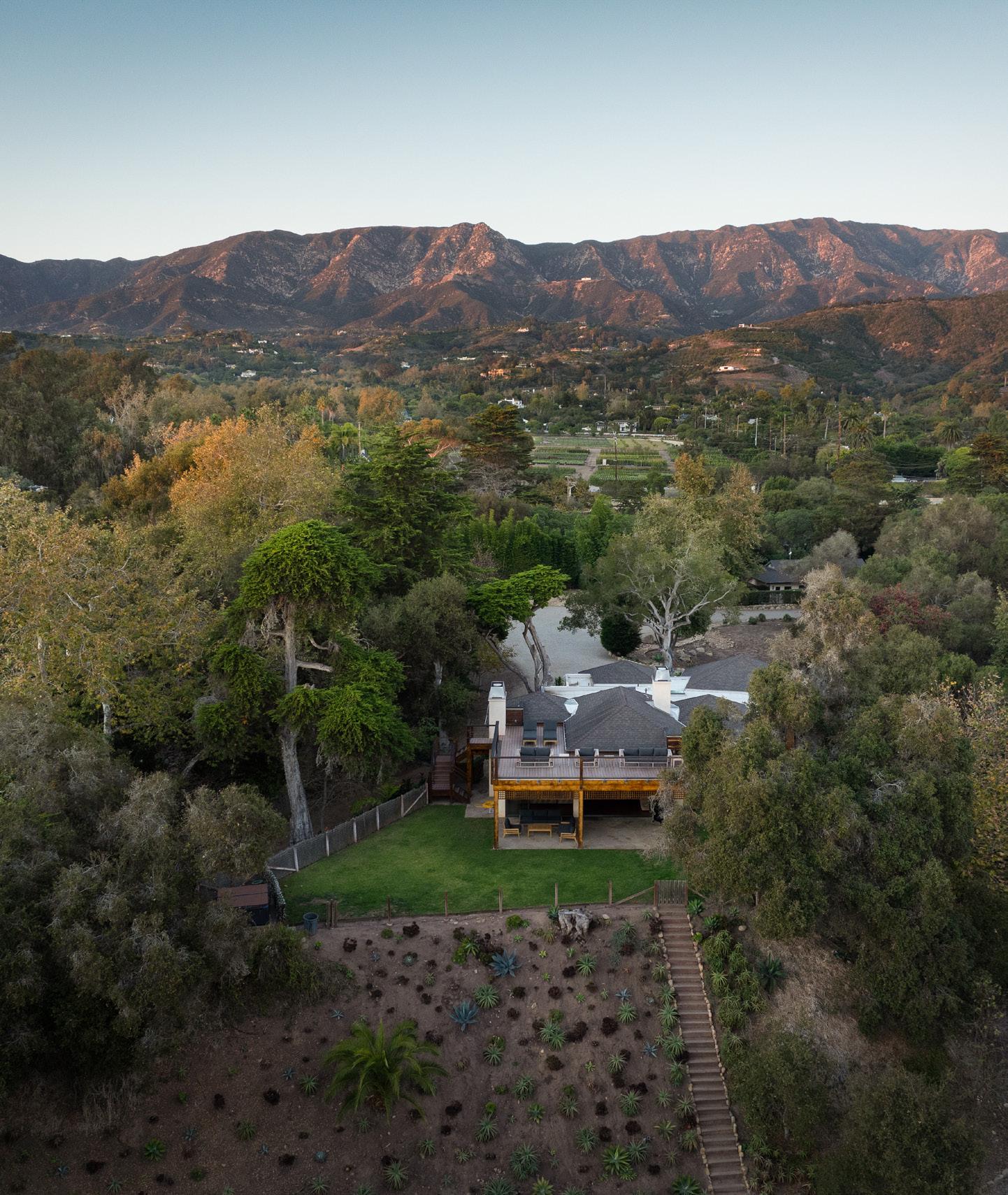
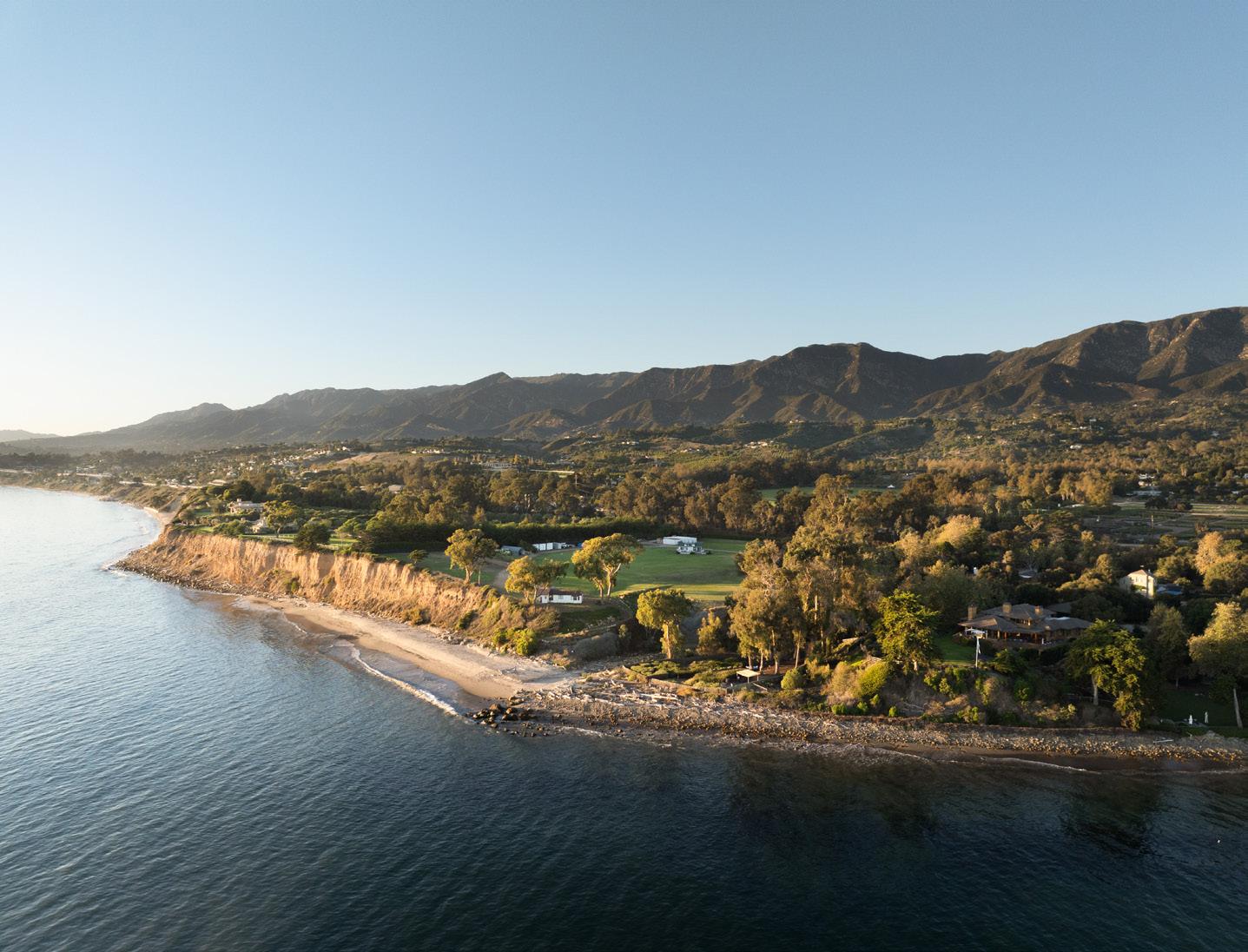
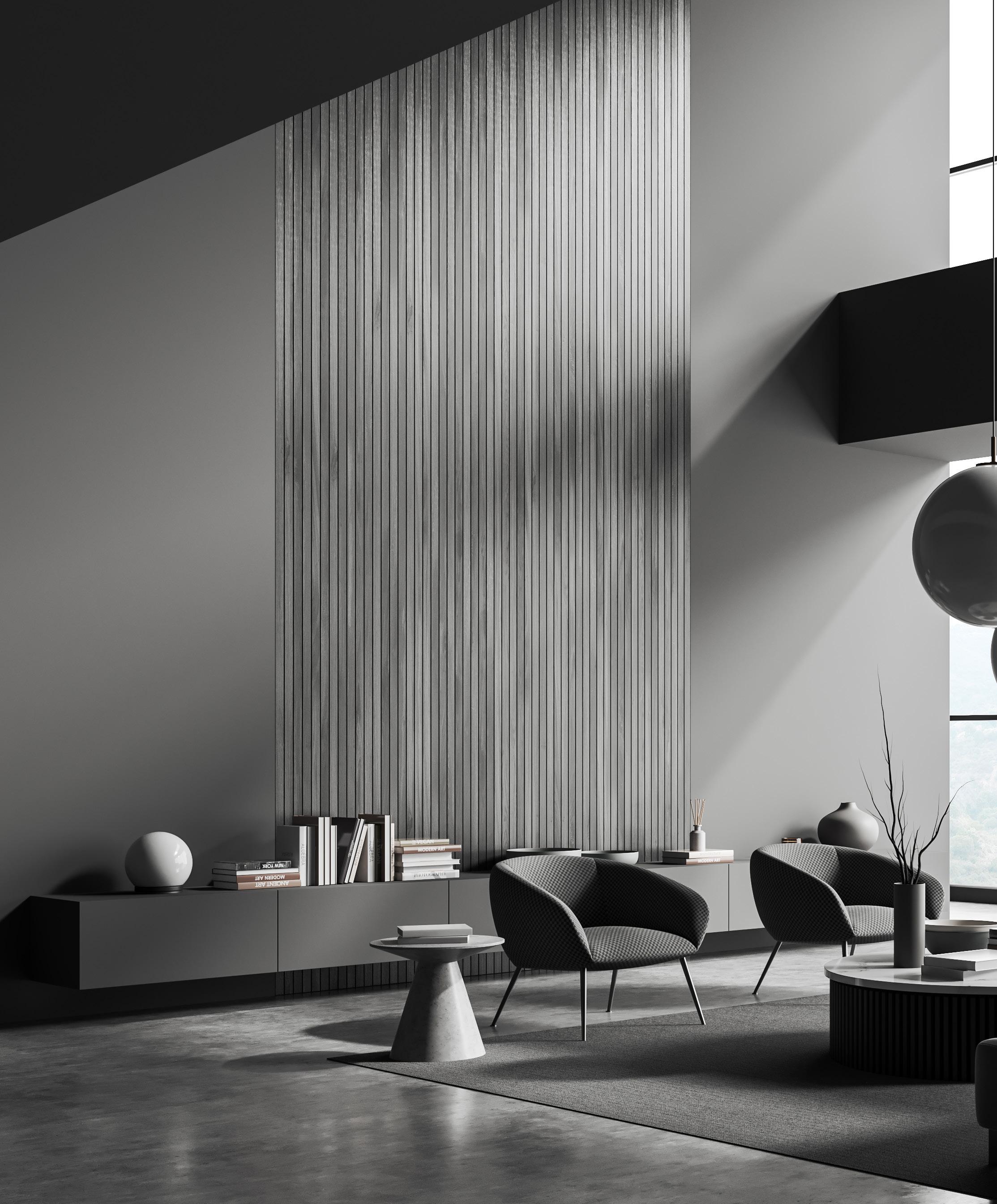
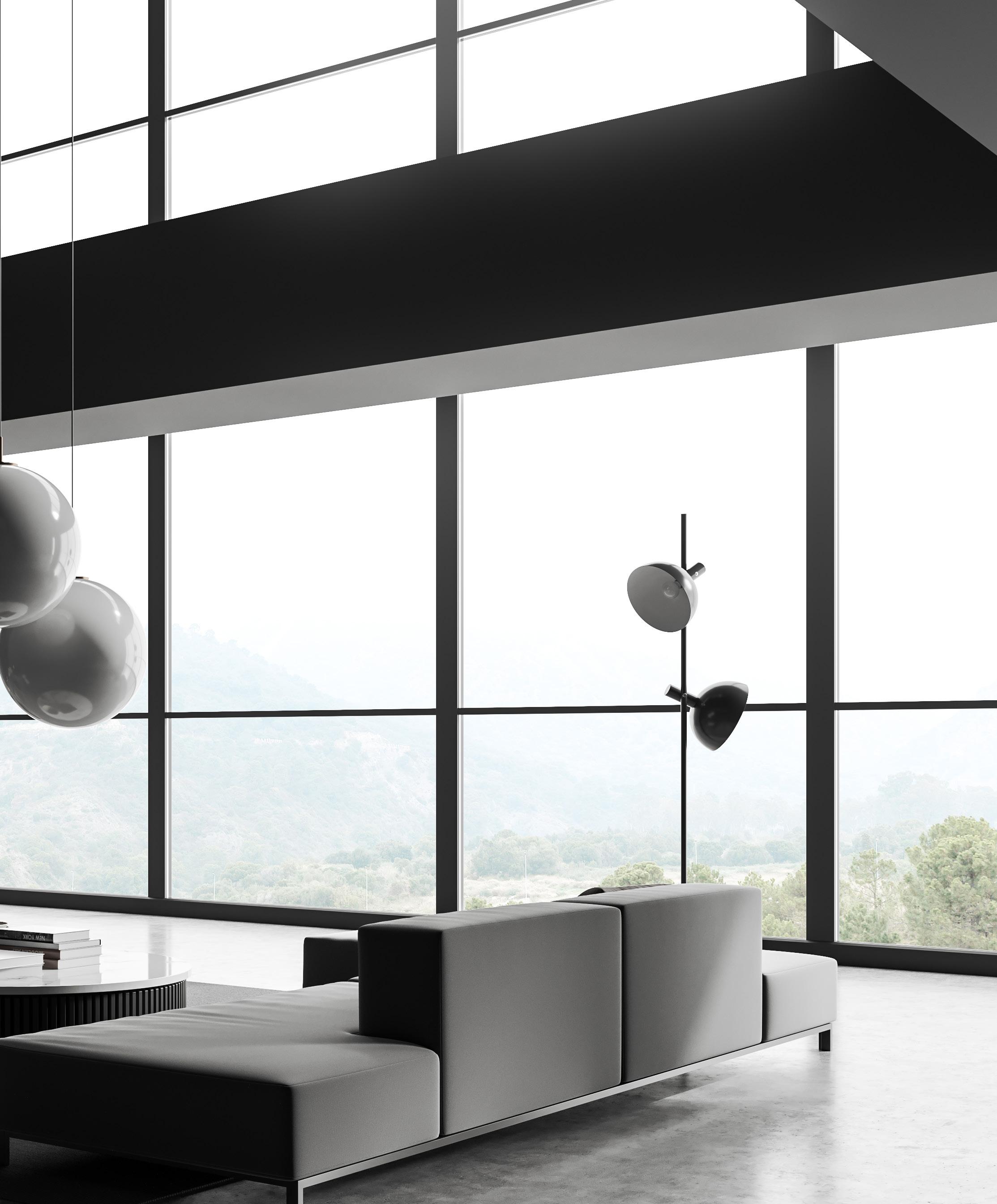
COMPASS SPORTS & ENTERTAINMENT
Compass Sports & Entertainment provides a national network of accomplished specialists dedicated to delivering a tailored, white-glove real estate experience for exclusive clientele.
S&E is deeply committed to building meaningful connections, learning from one another, and advising clients with the highest standard of excellence in ever y real estate transaction.
THE S&E ADVANTAGE
Global Reach, Local Expertise - a network of 170 top agents in 75+ markets
Luxur y Concierge Ser vices - tailoered solutions and turn key experiences in private, gated locations
Seamless Relocation - a strong network of vetted agents, ready to provide expert market knowledge in ever y major cit y for any moving occasion
Exclusive Access - exclusive access to private exclusives, luxur y rentals and premier properties
Discrete Marketing Strategies - targeted advertising to a sphere of elite, qualified buyers
Trusted Results - a proven track record of working with industr y gatekeepers, advisors and agents
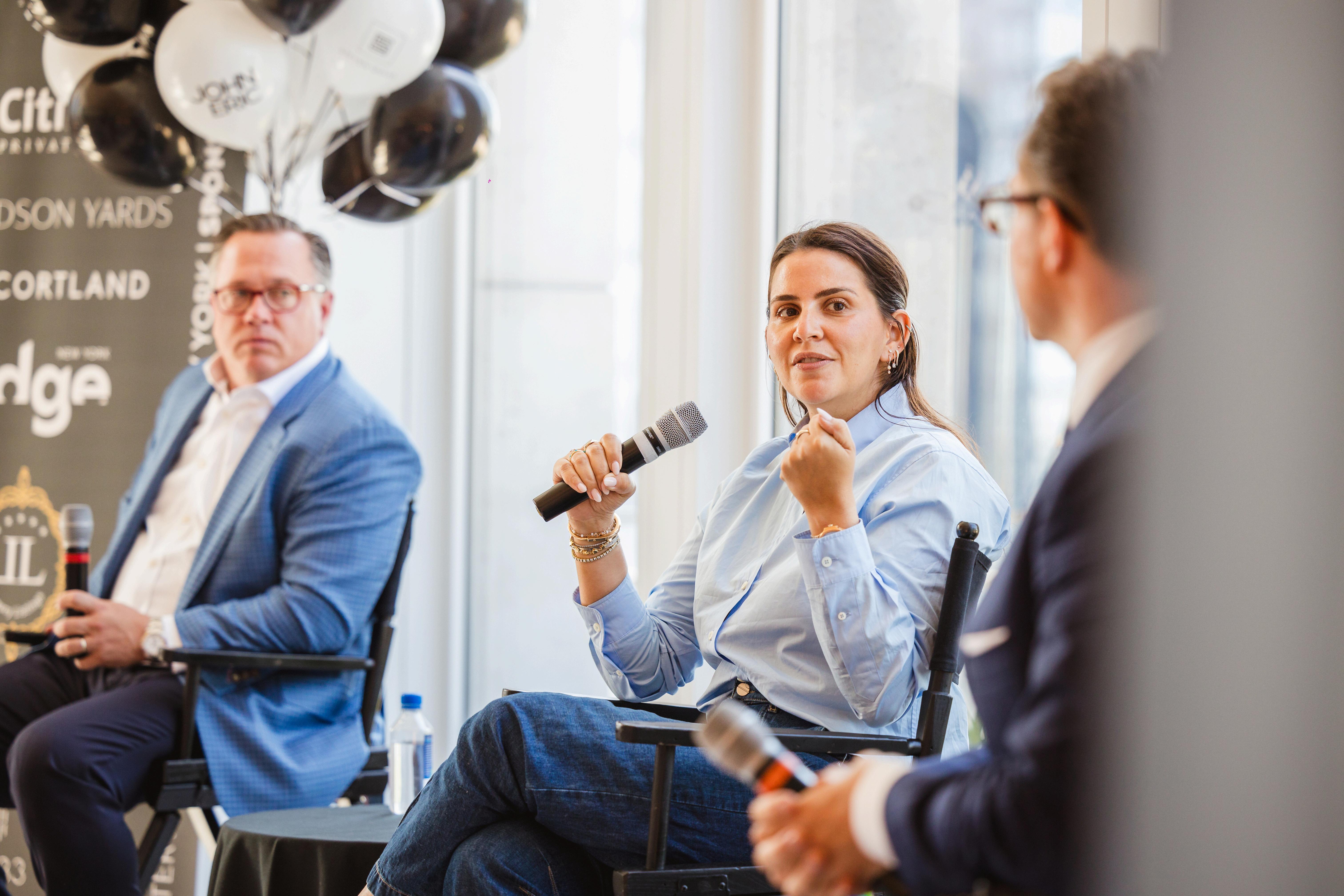

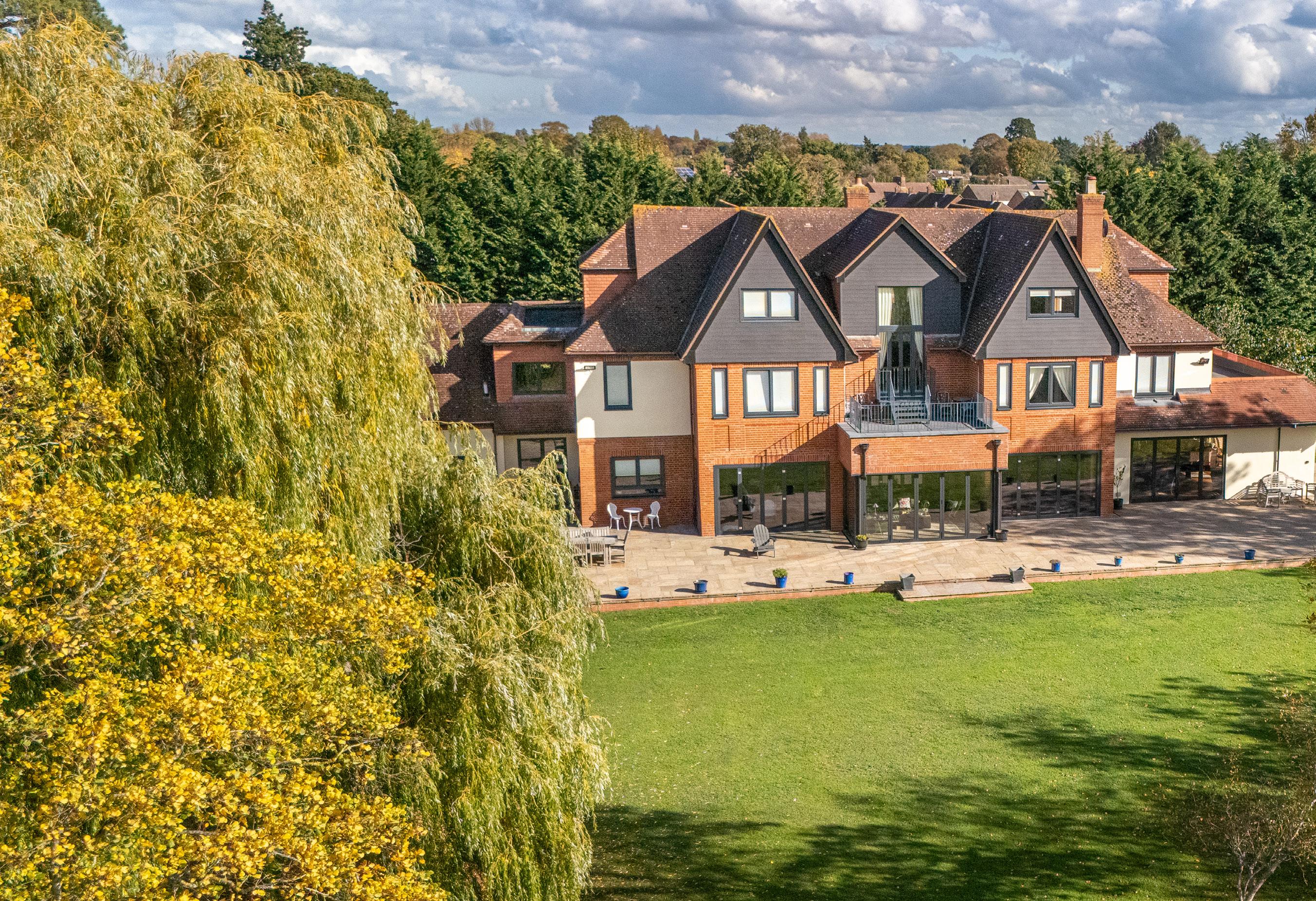
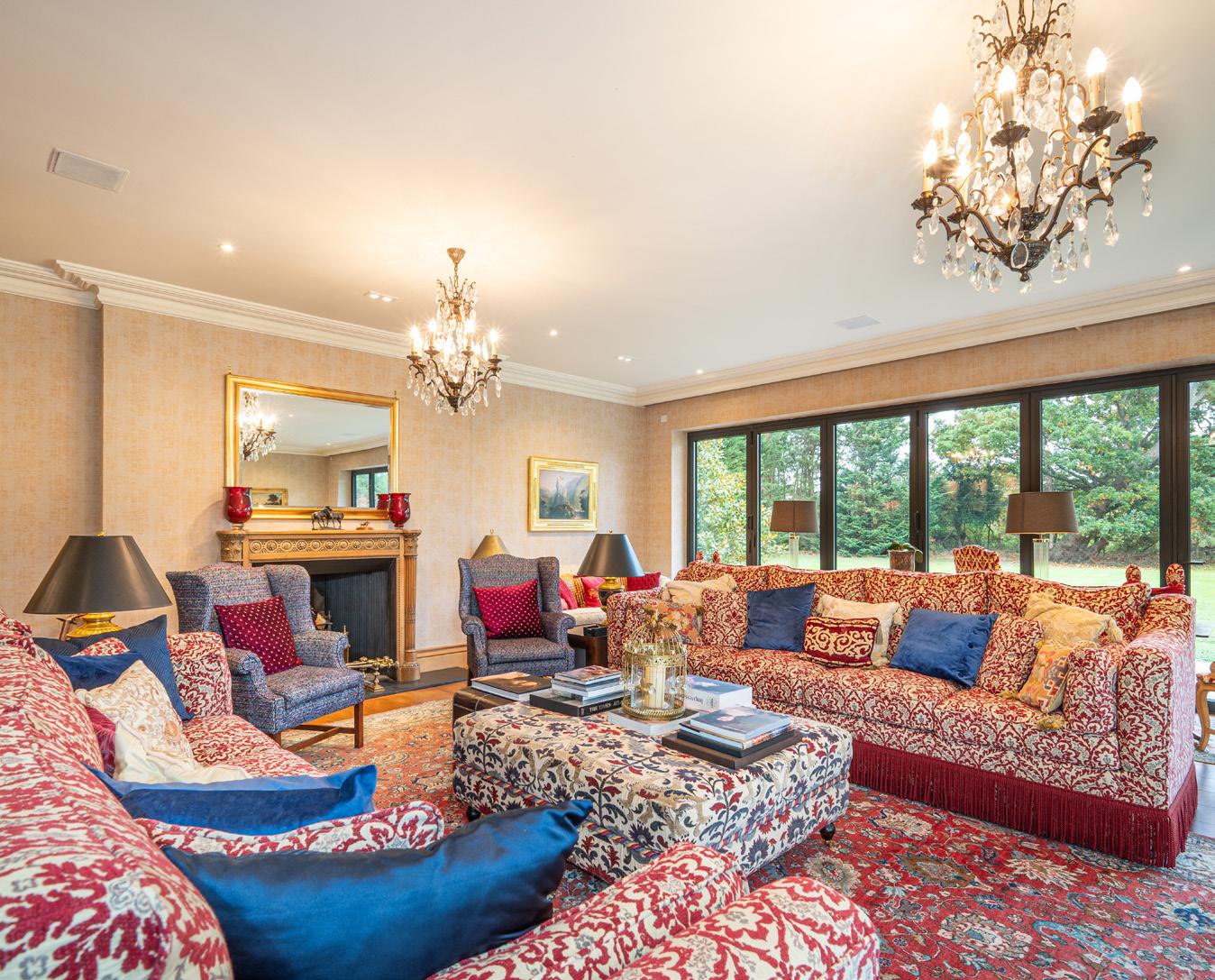
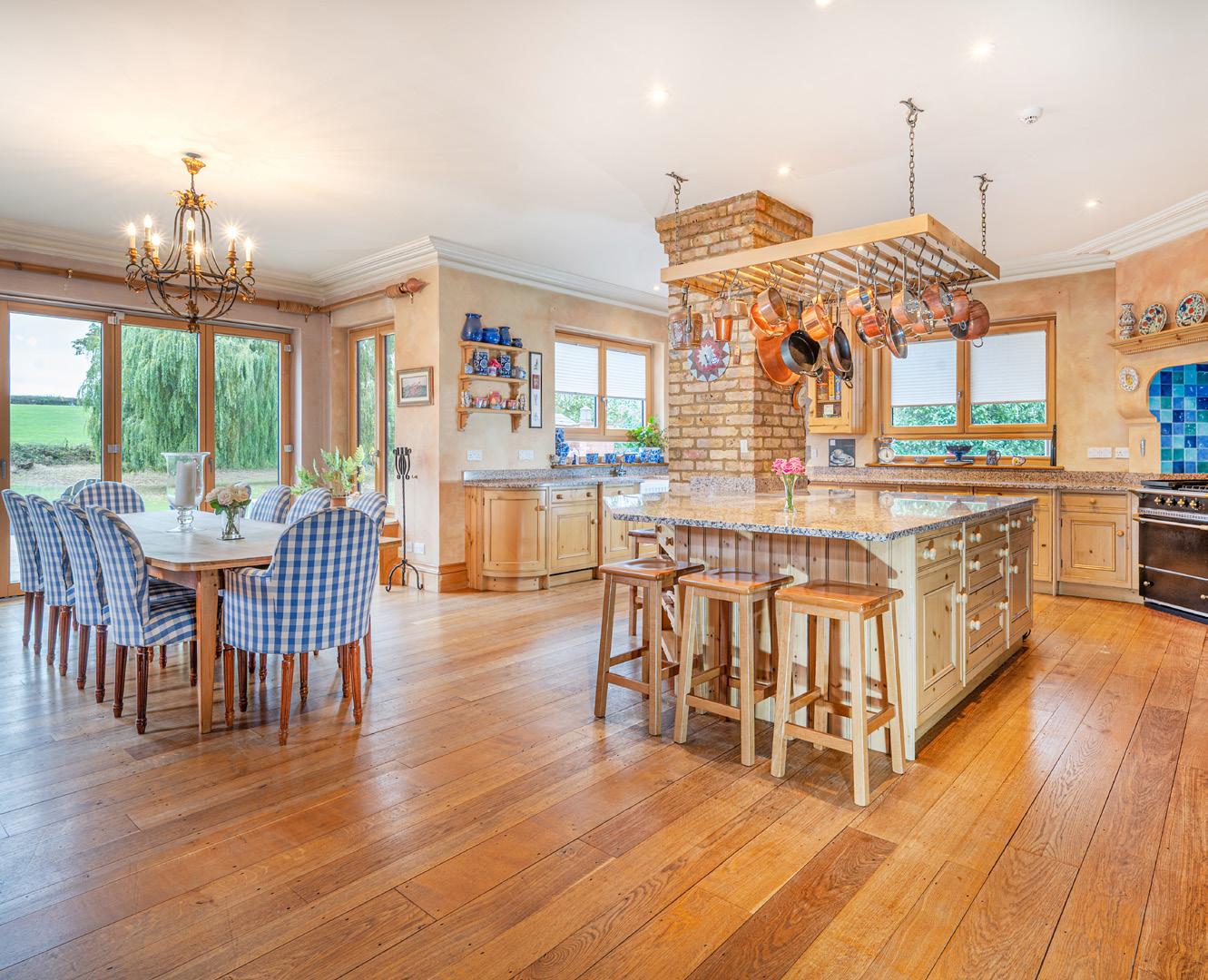
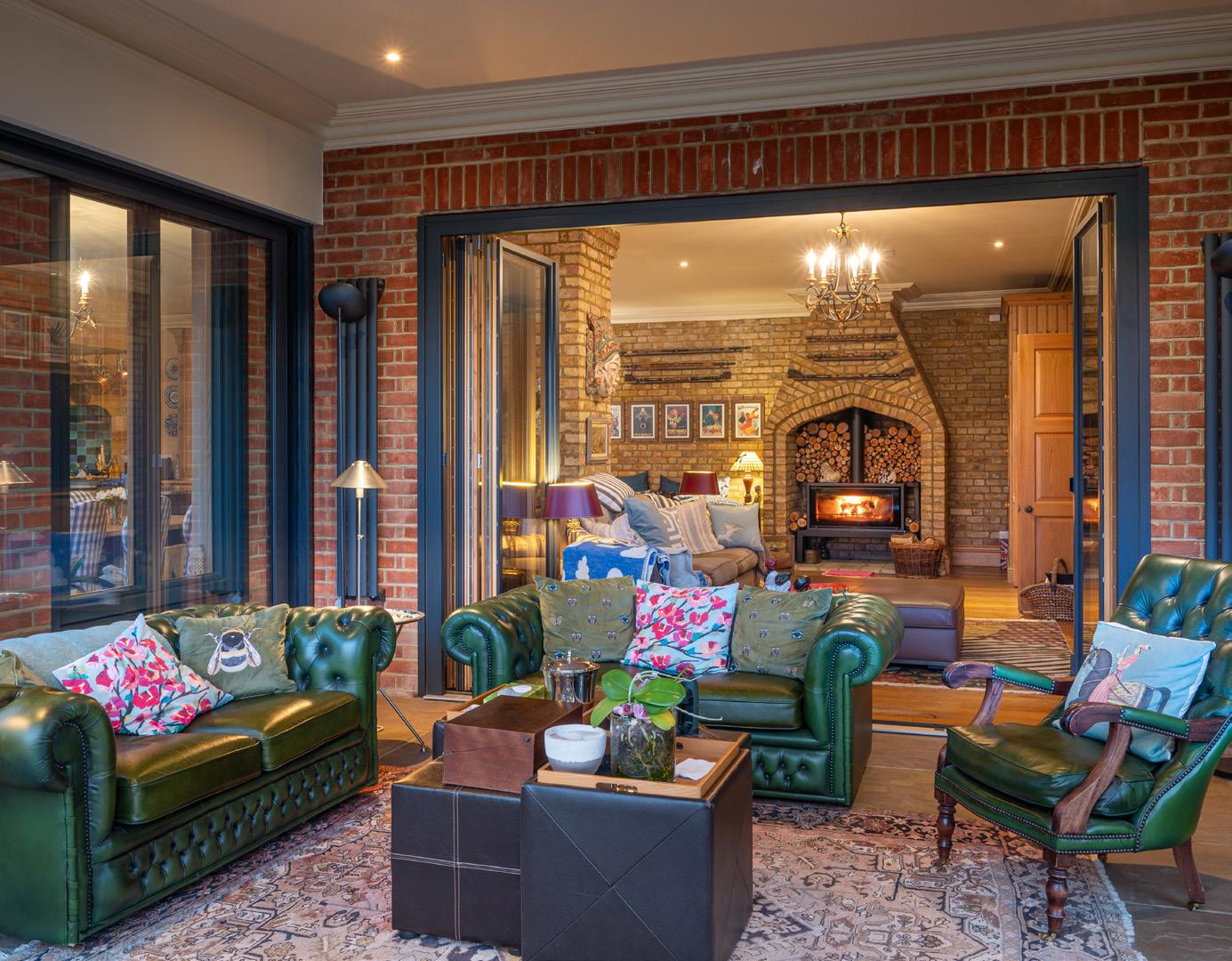

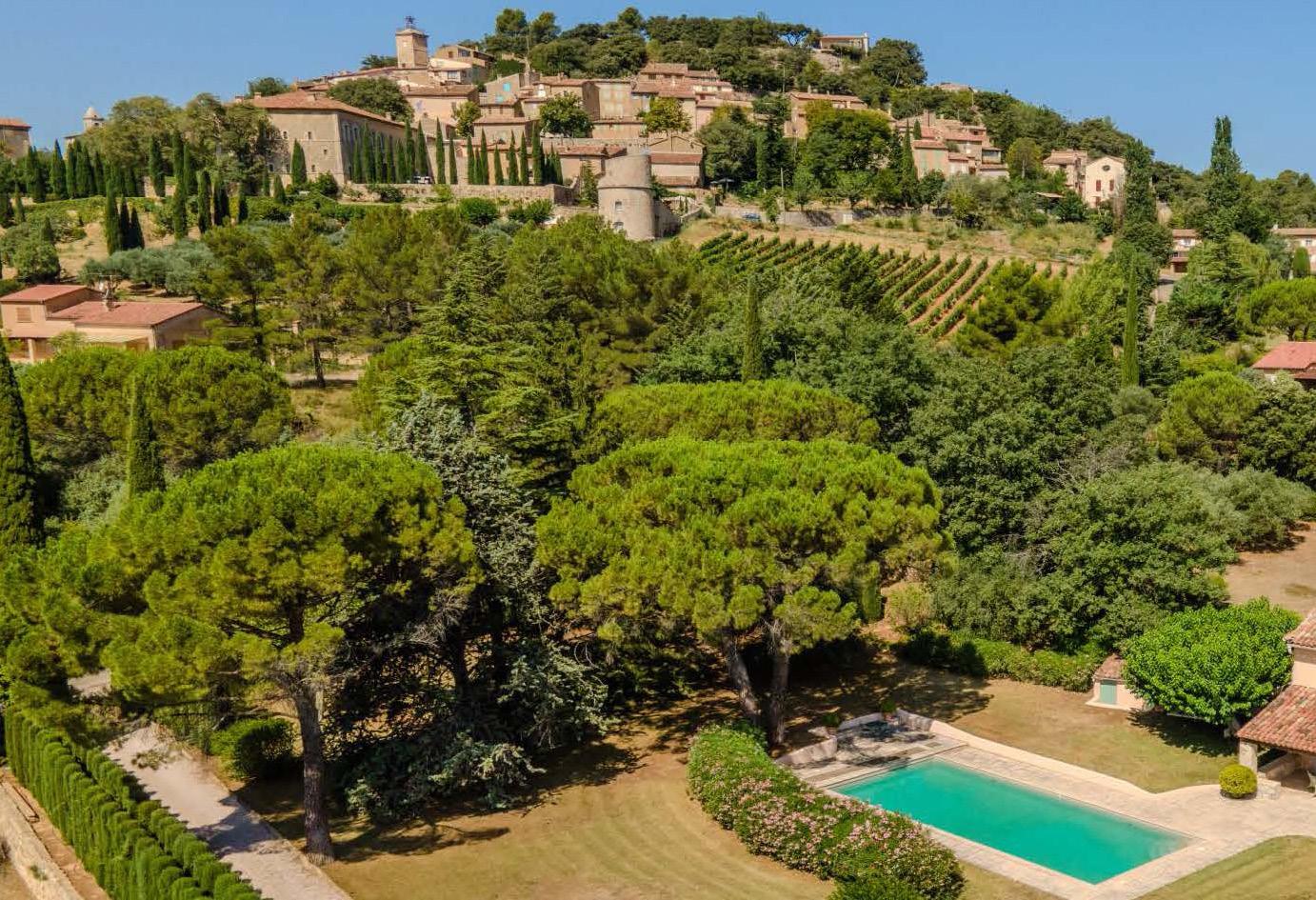
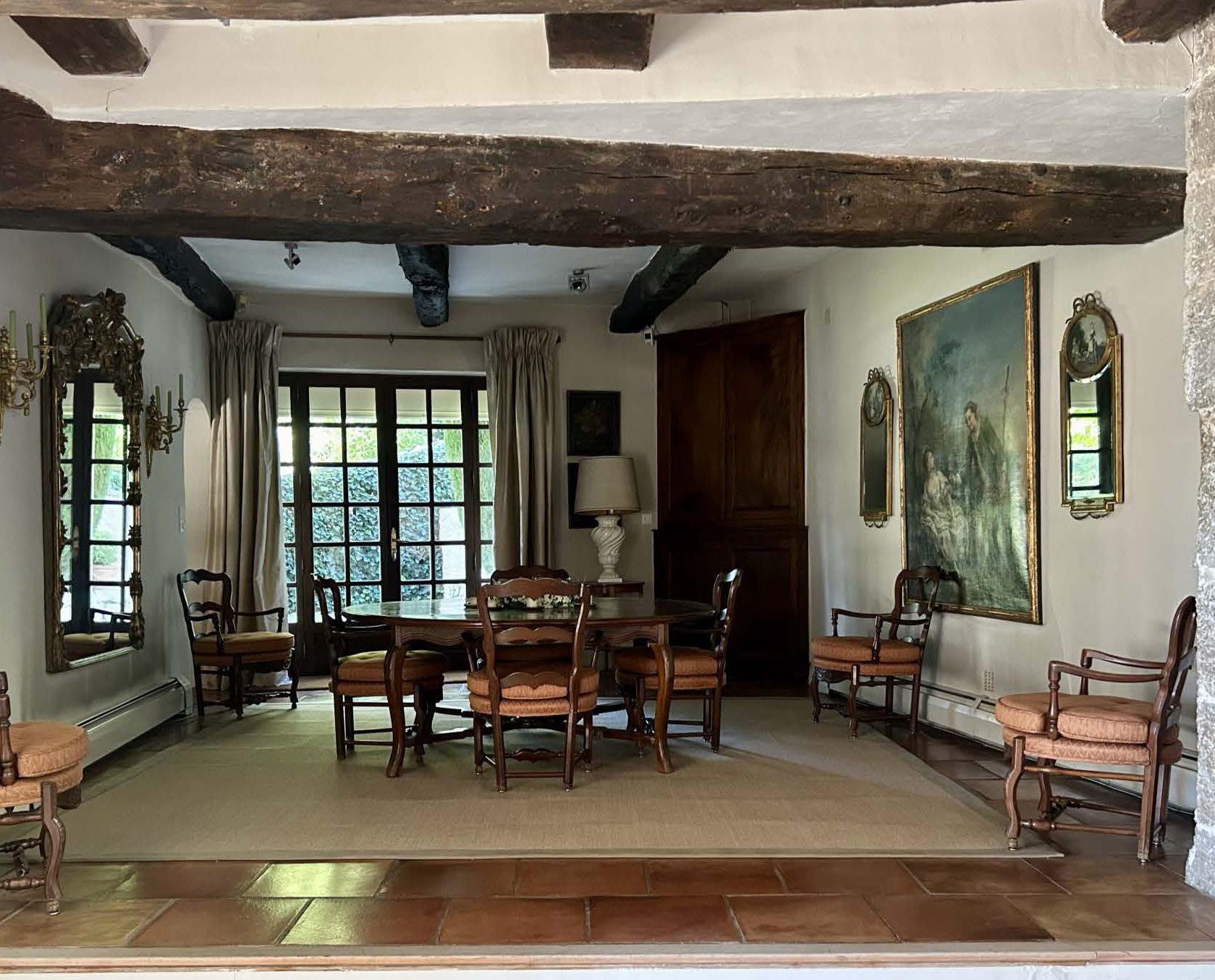
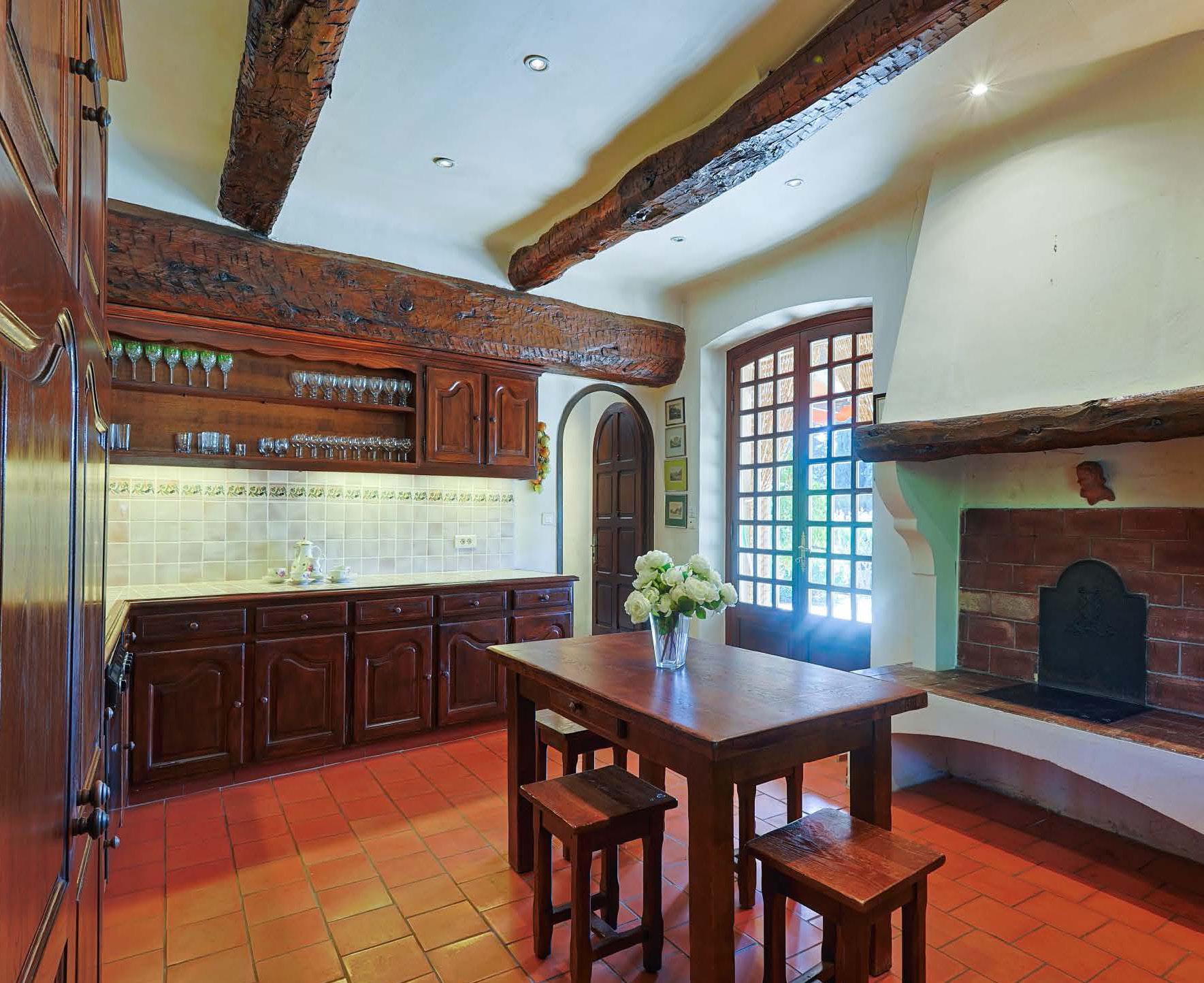
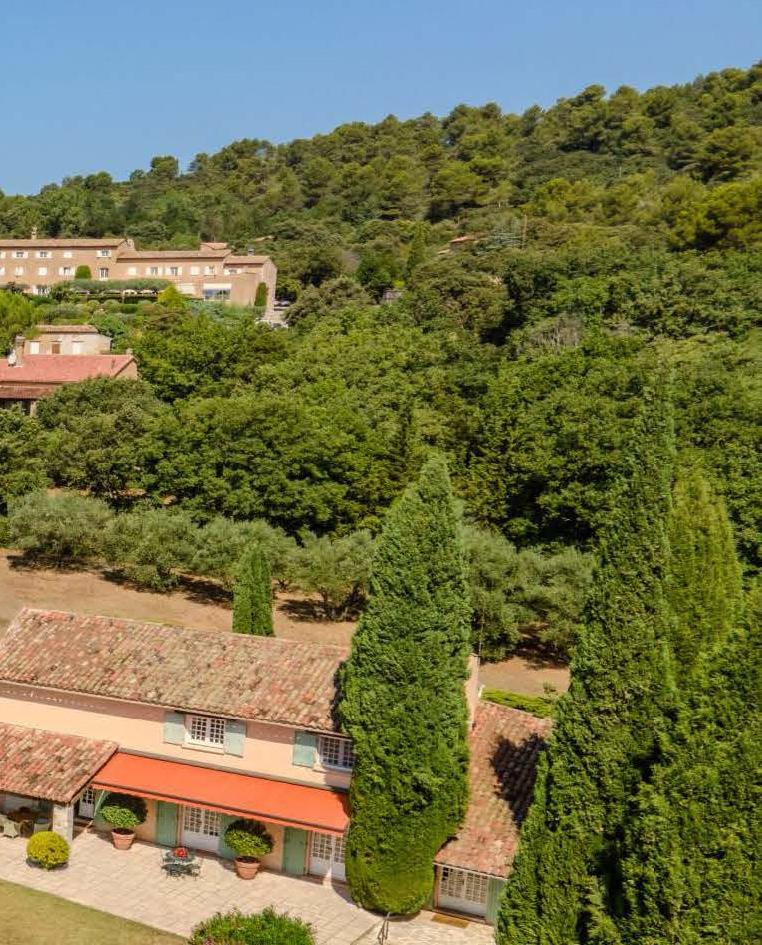
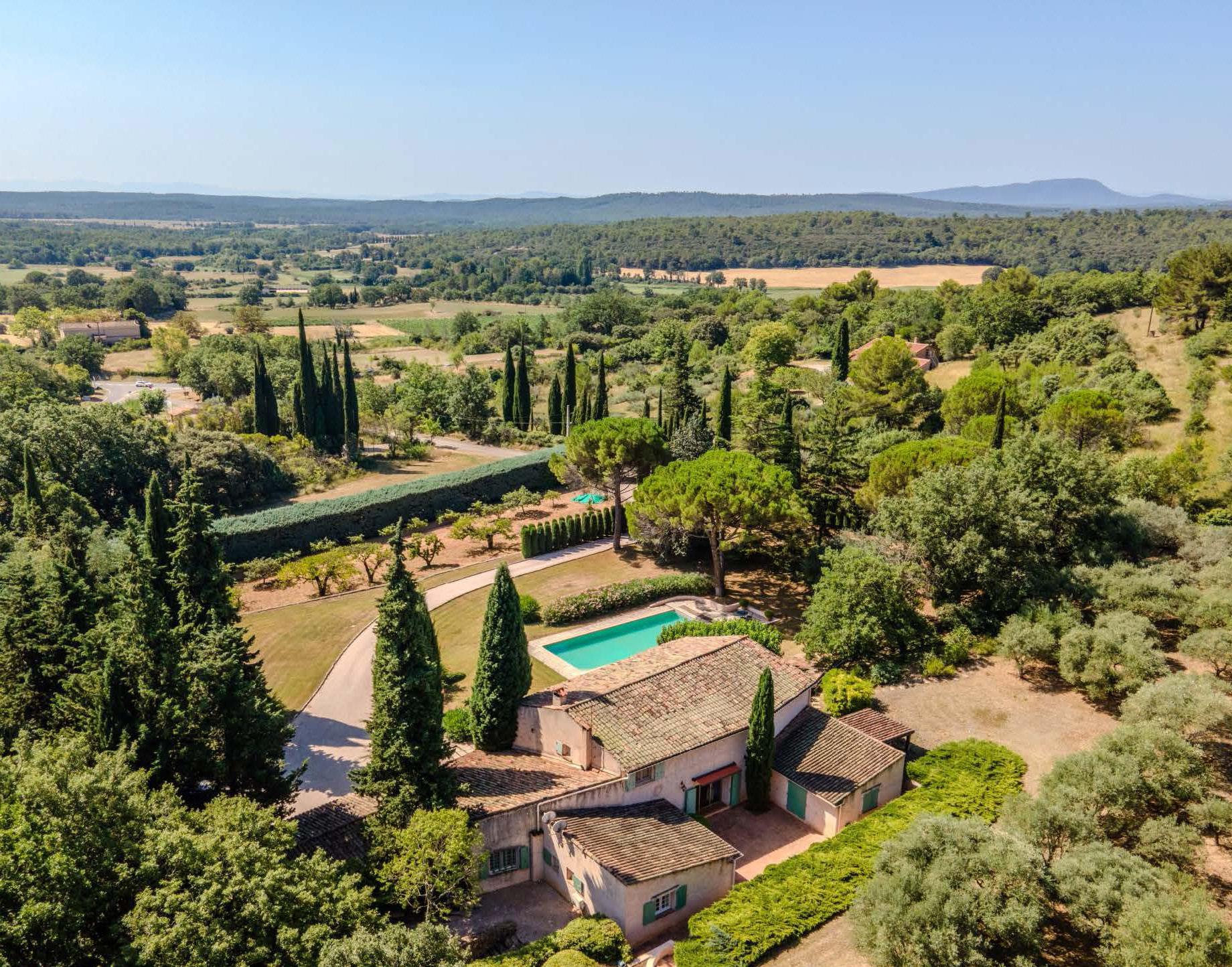
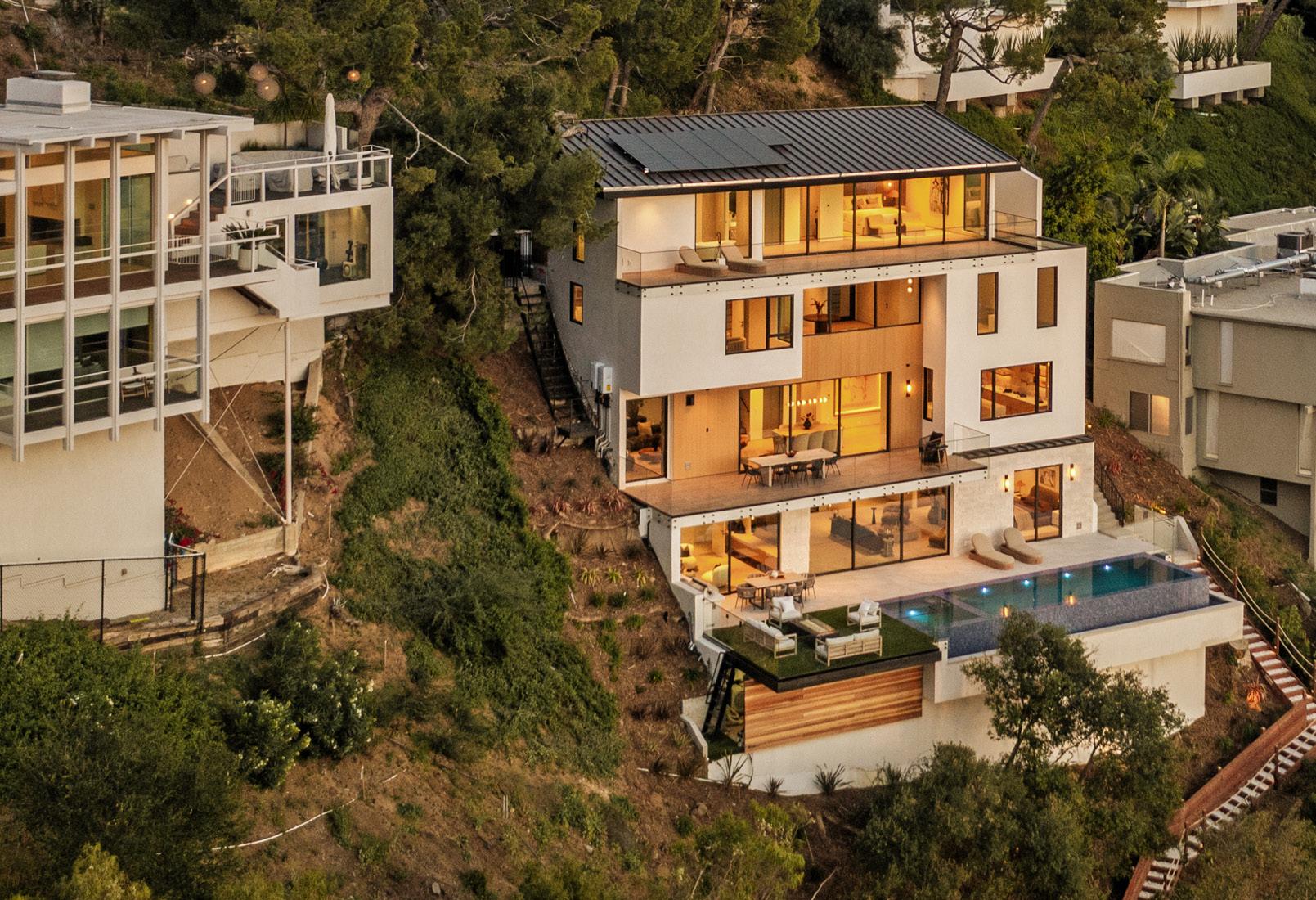
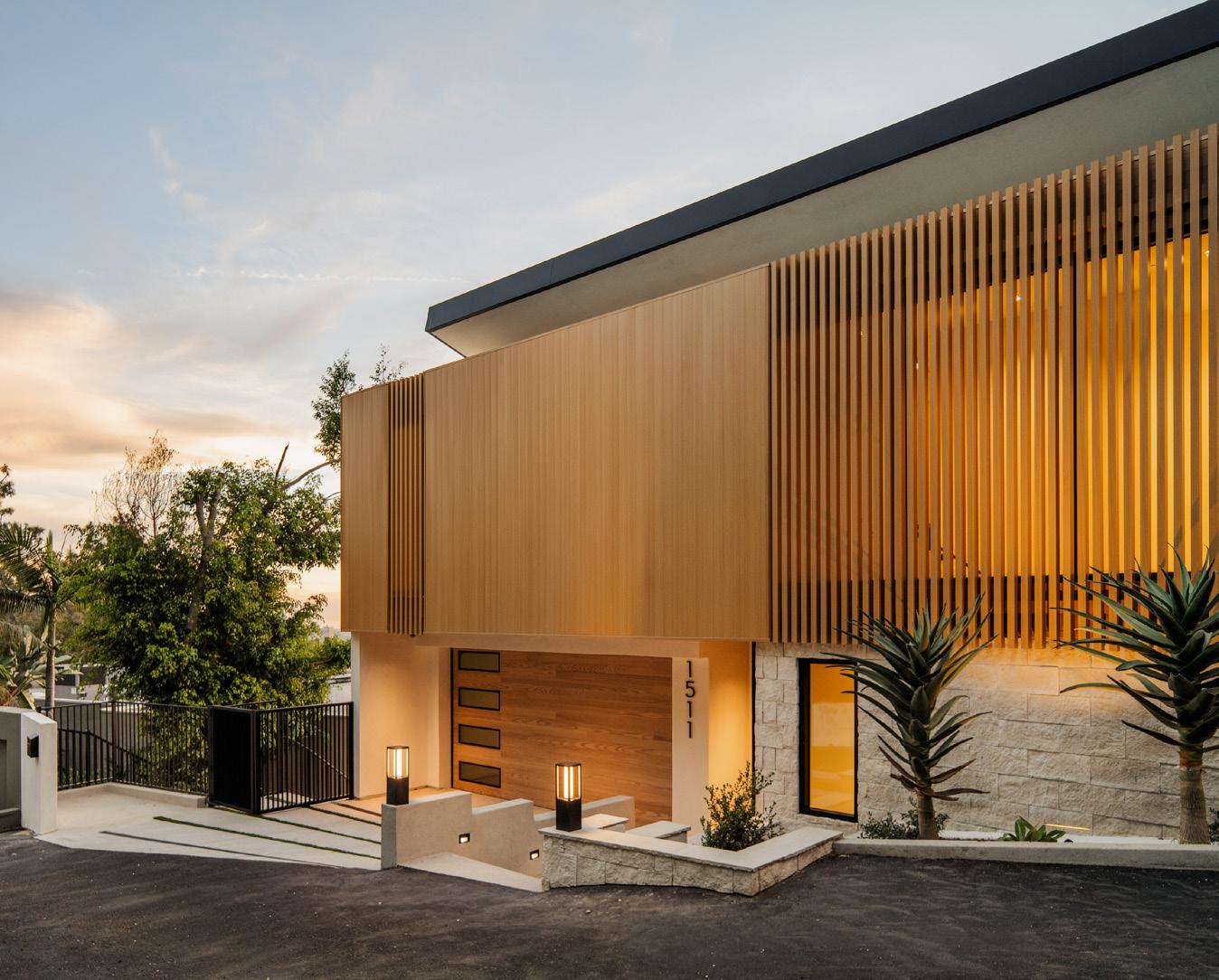
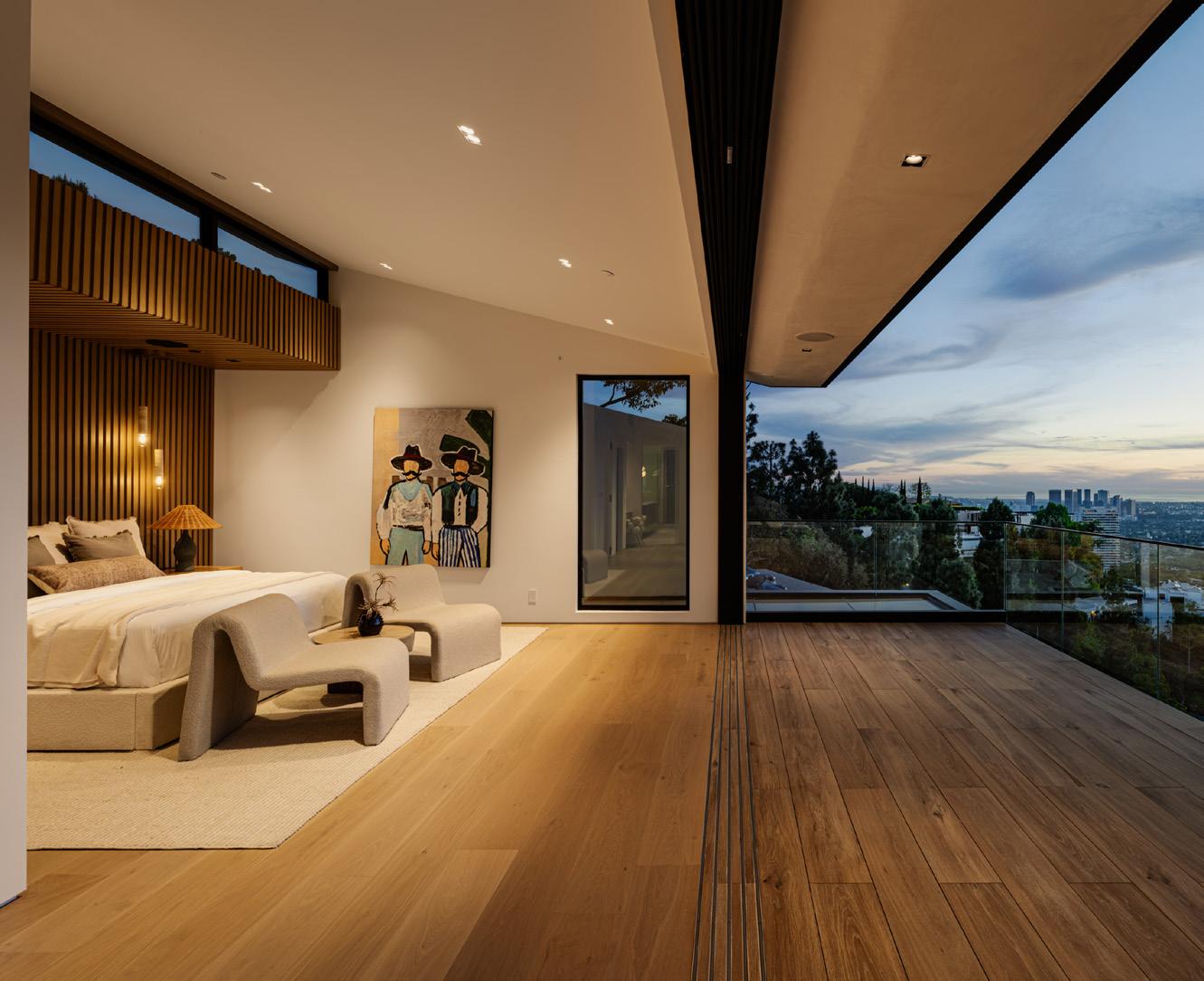
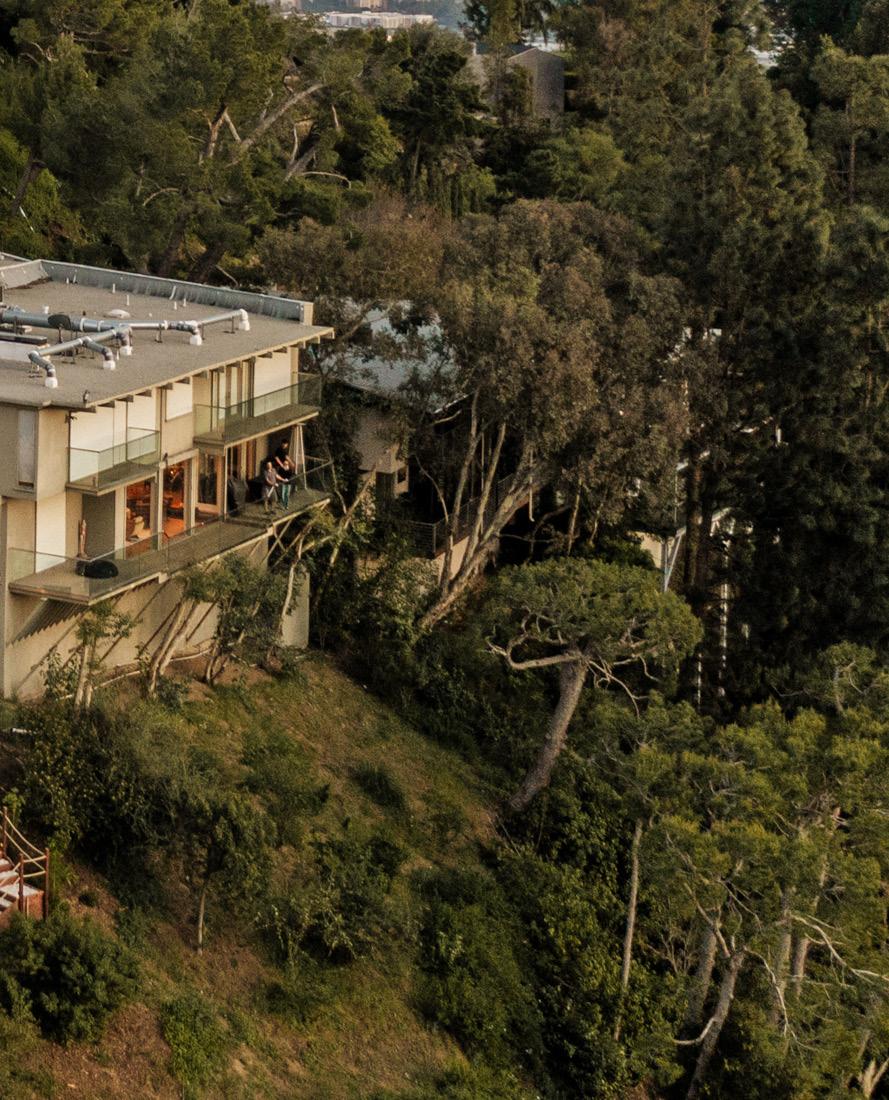
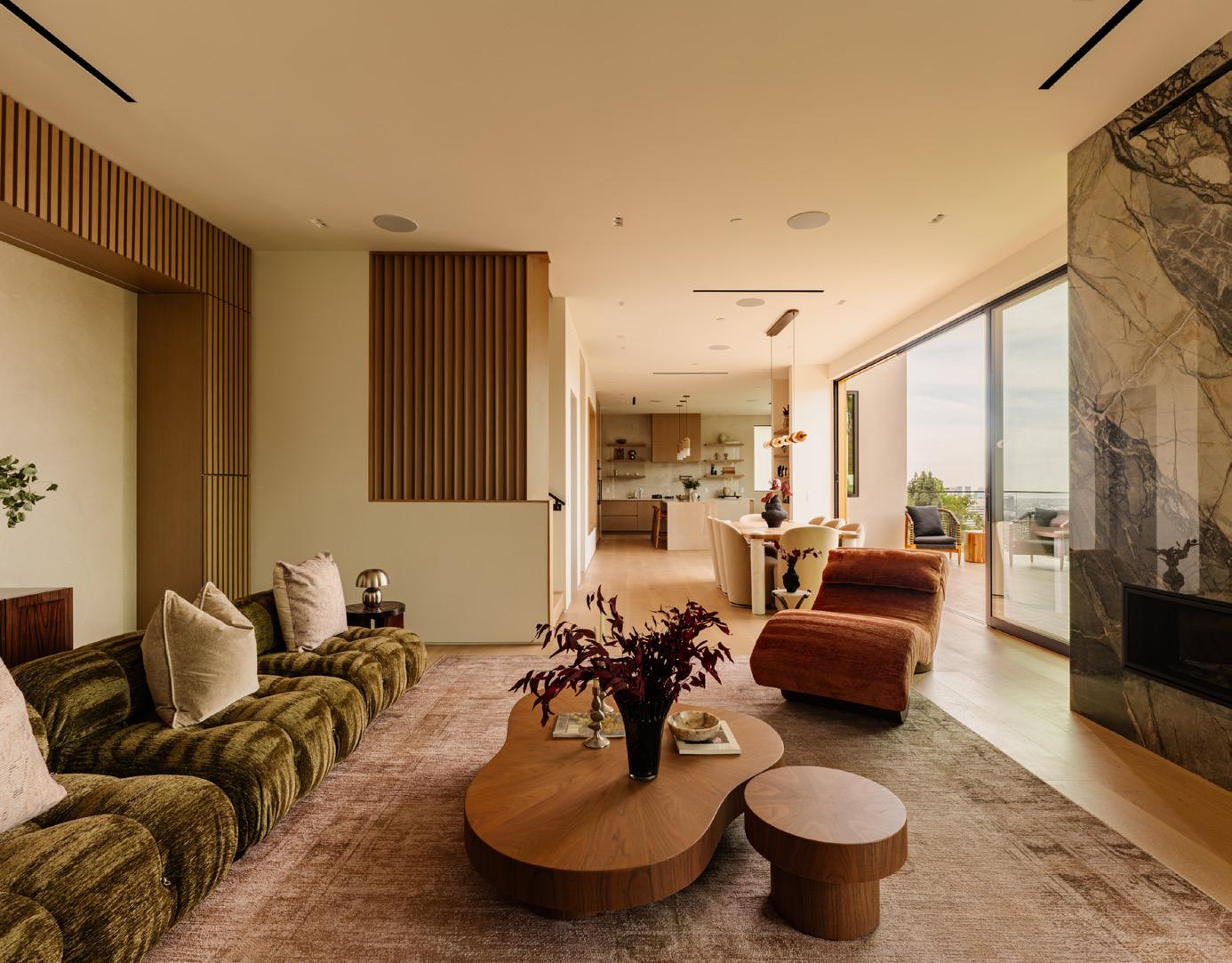
1511 SKYLARK LANE
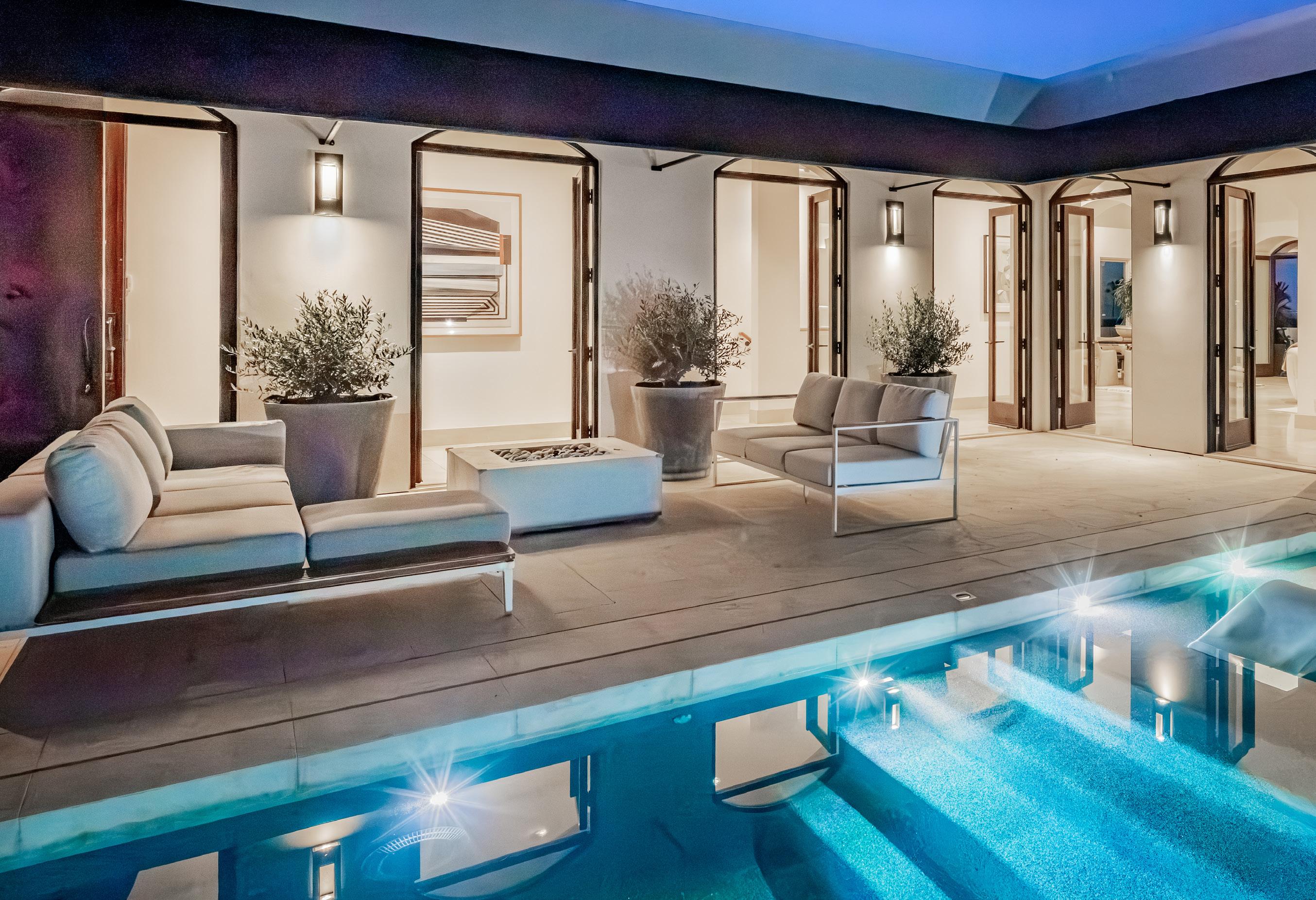
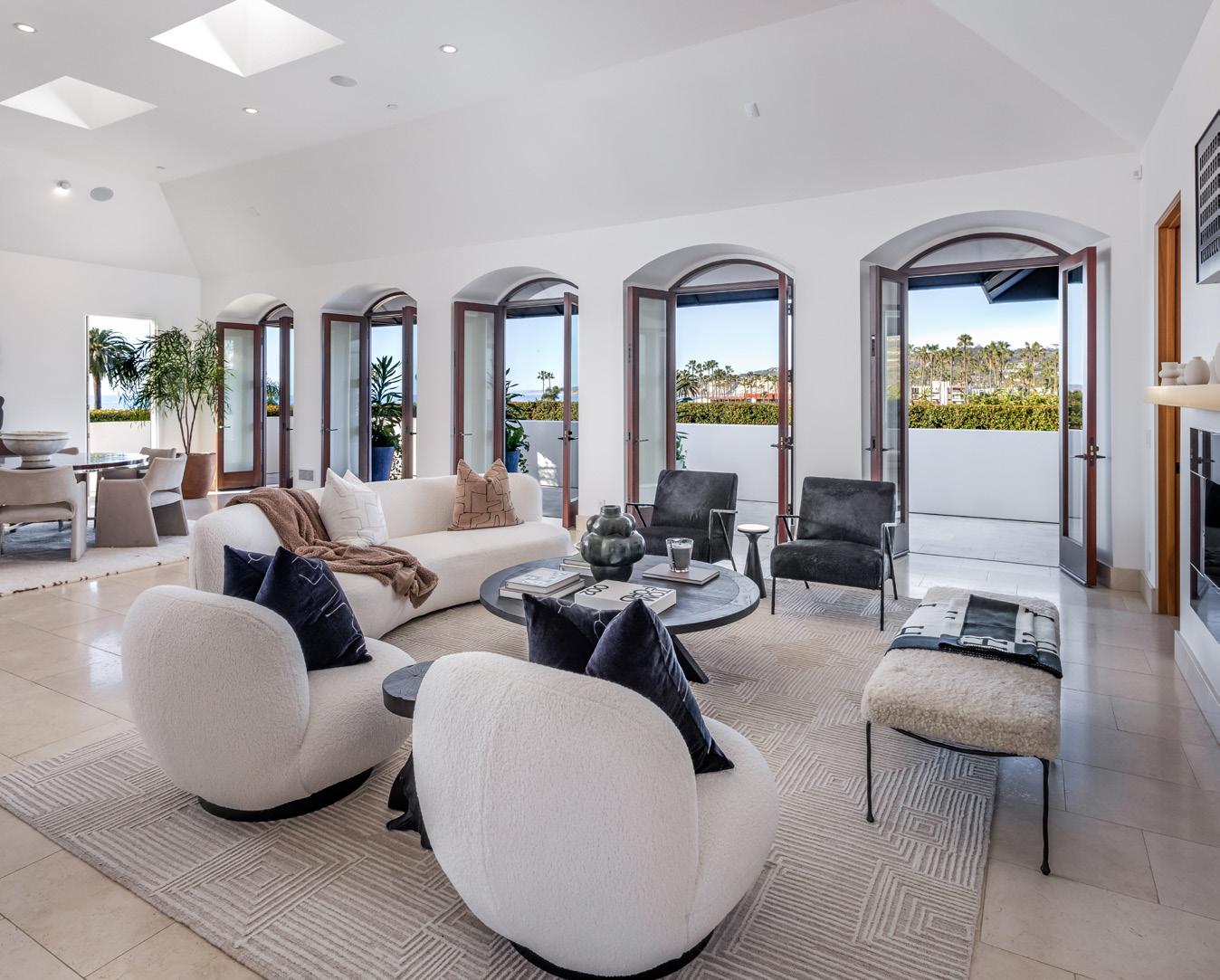
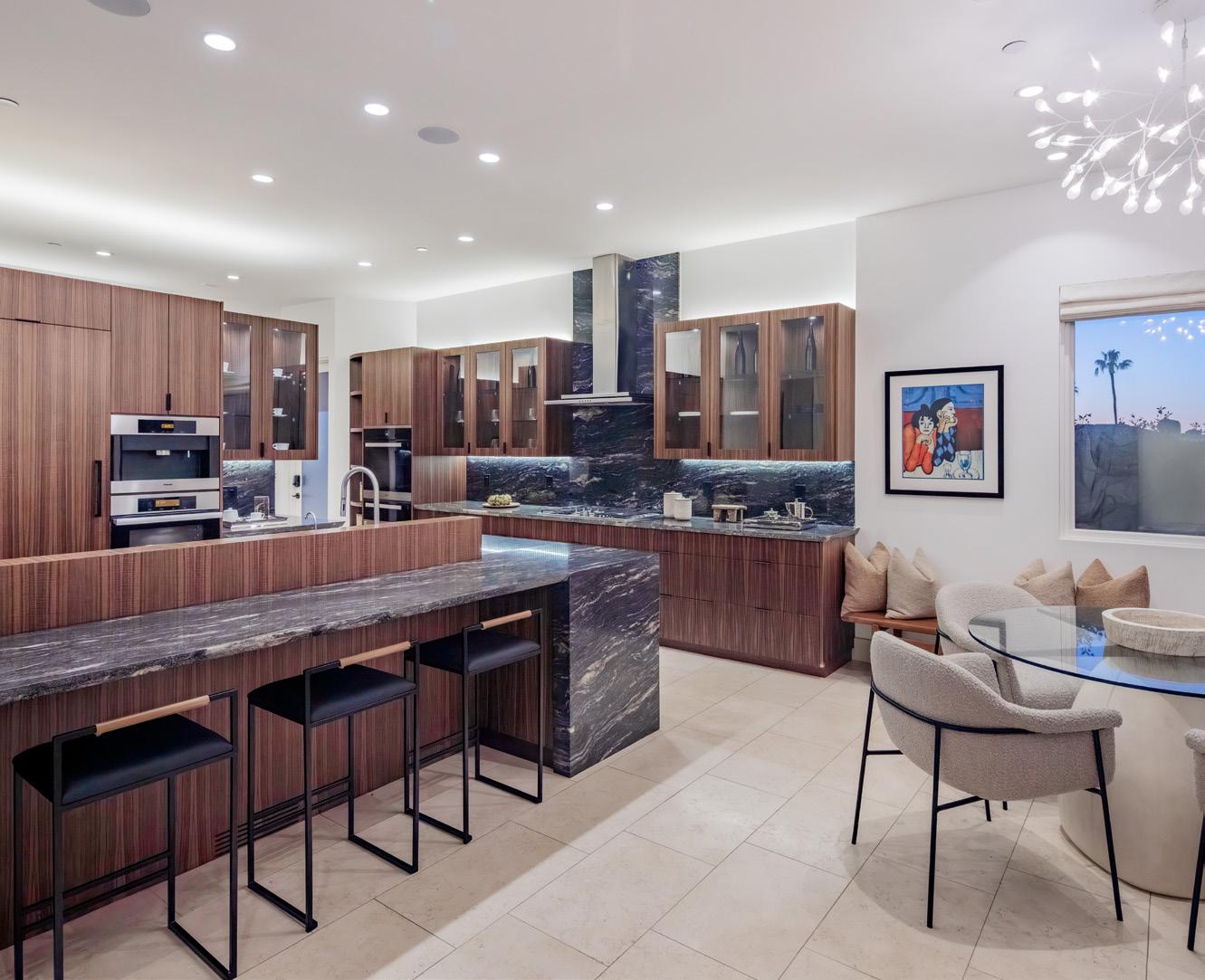
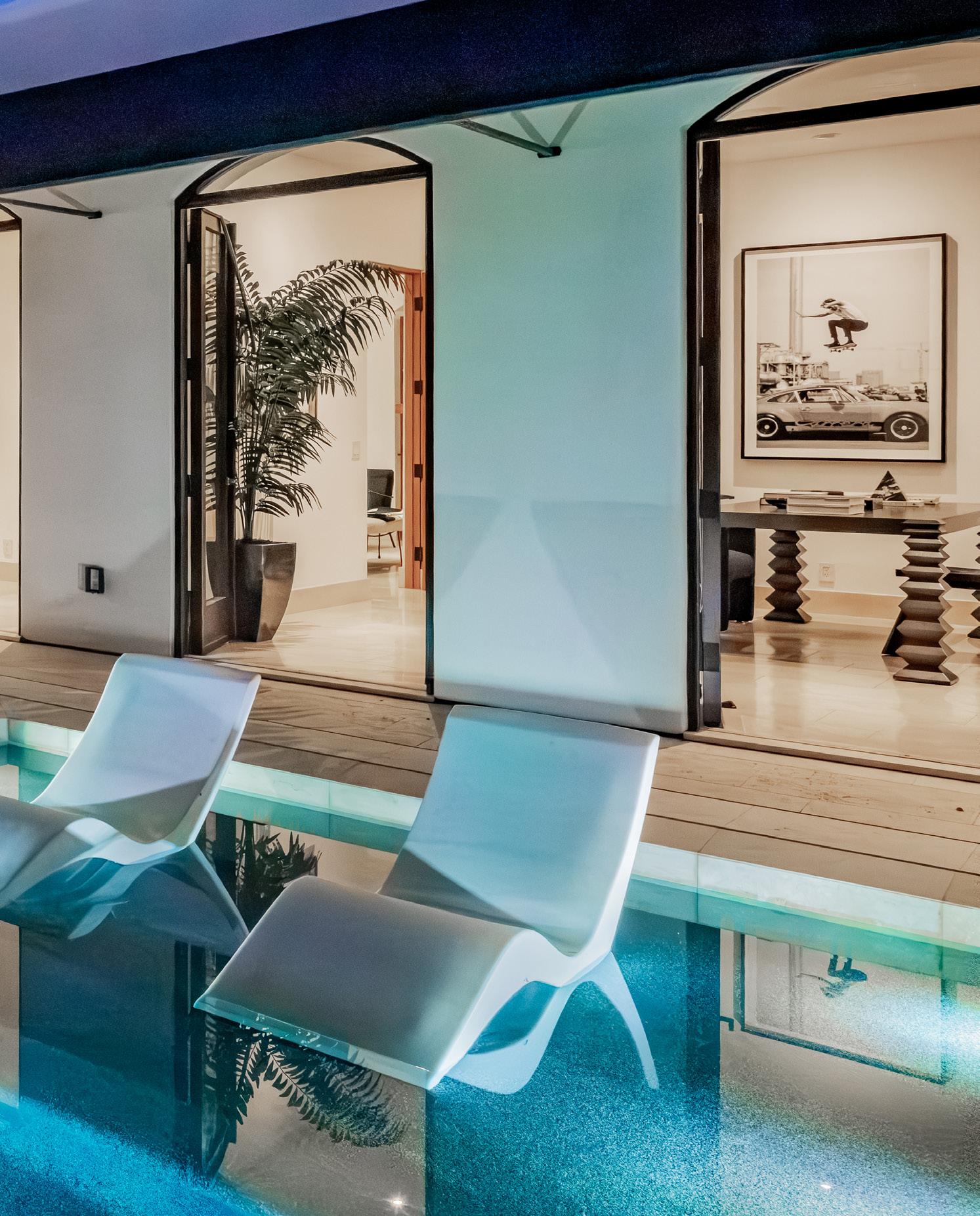
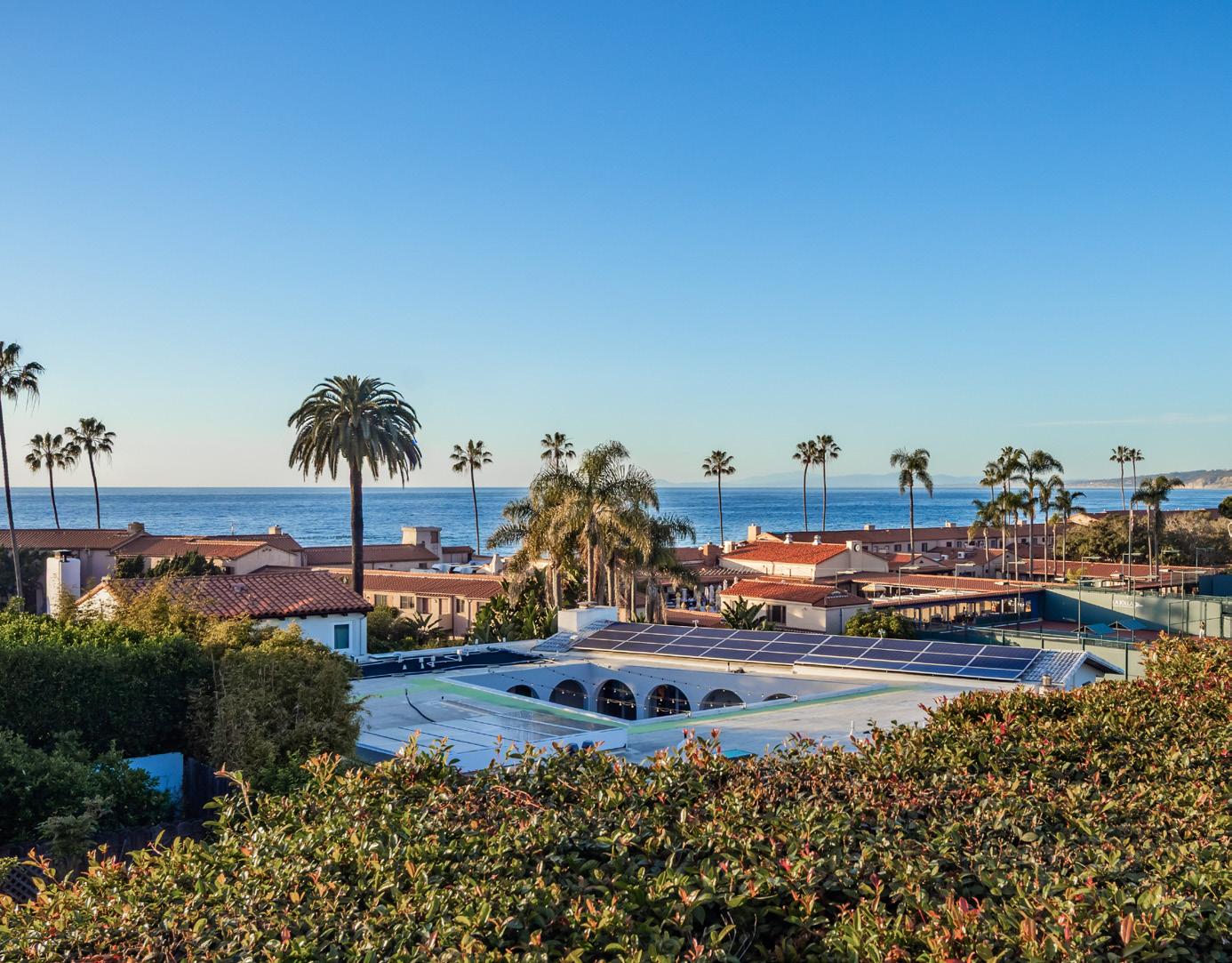
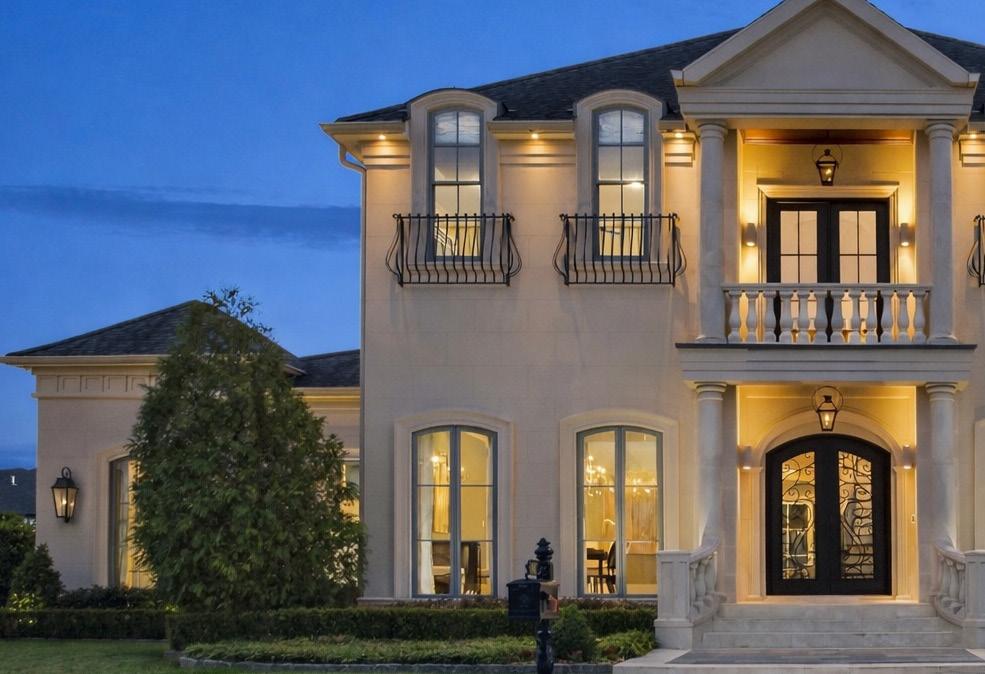
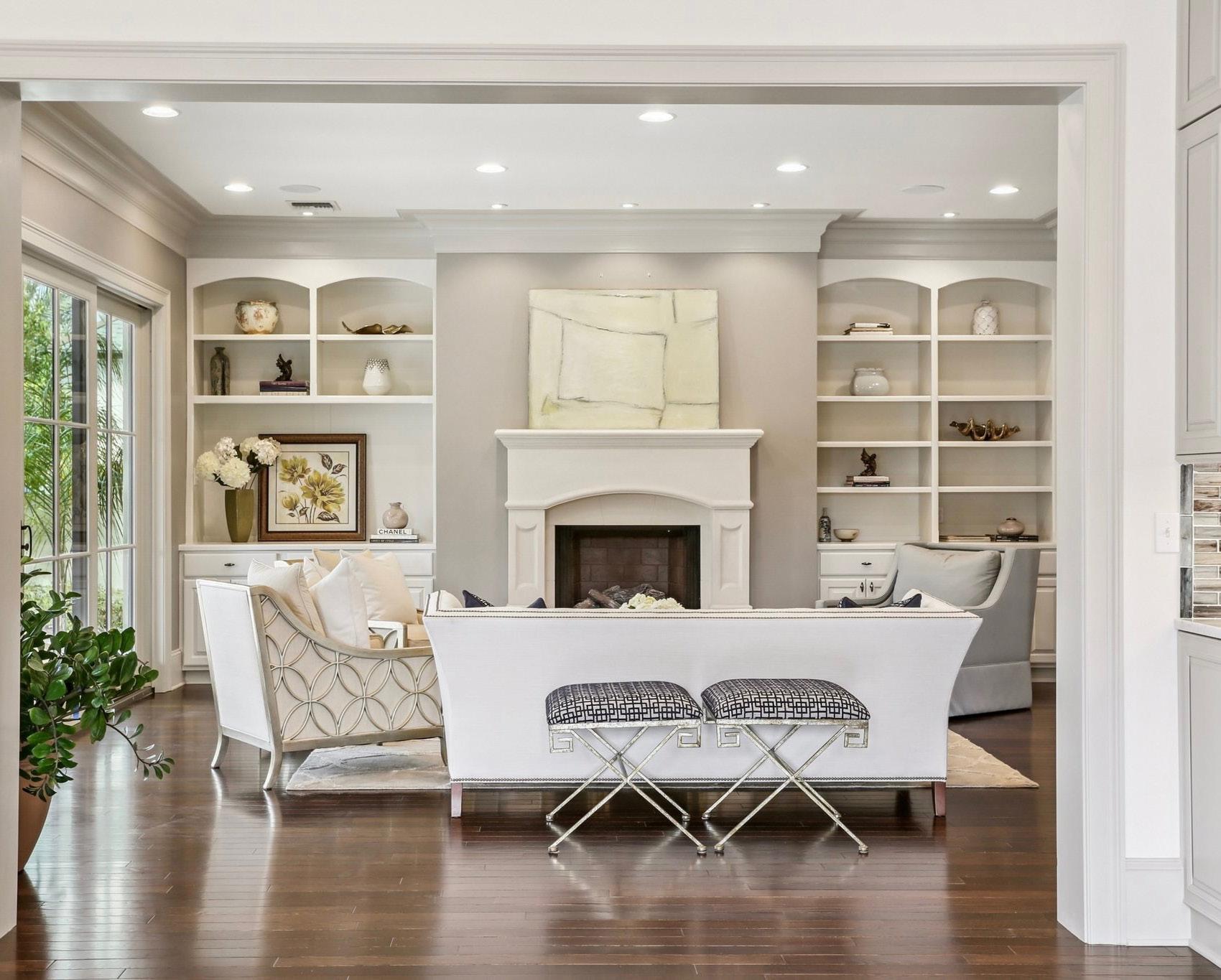
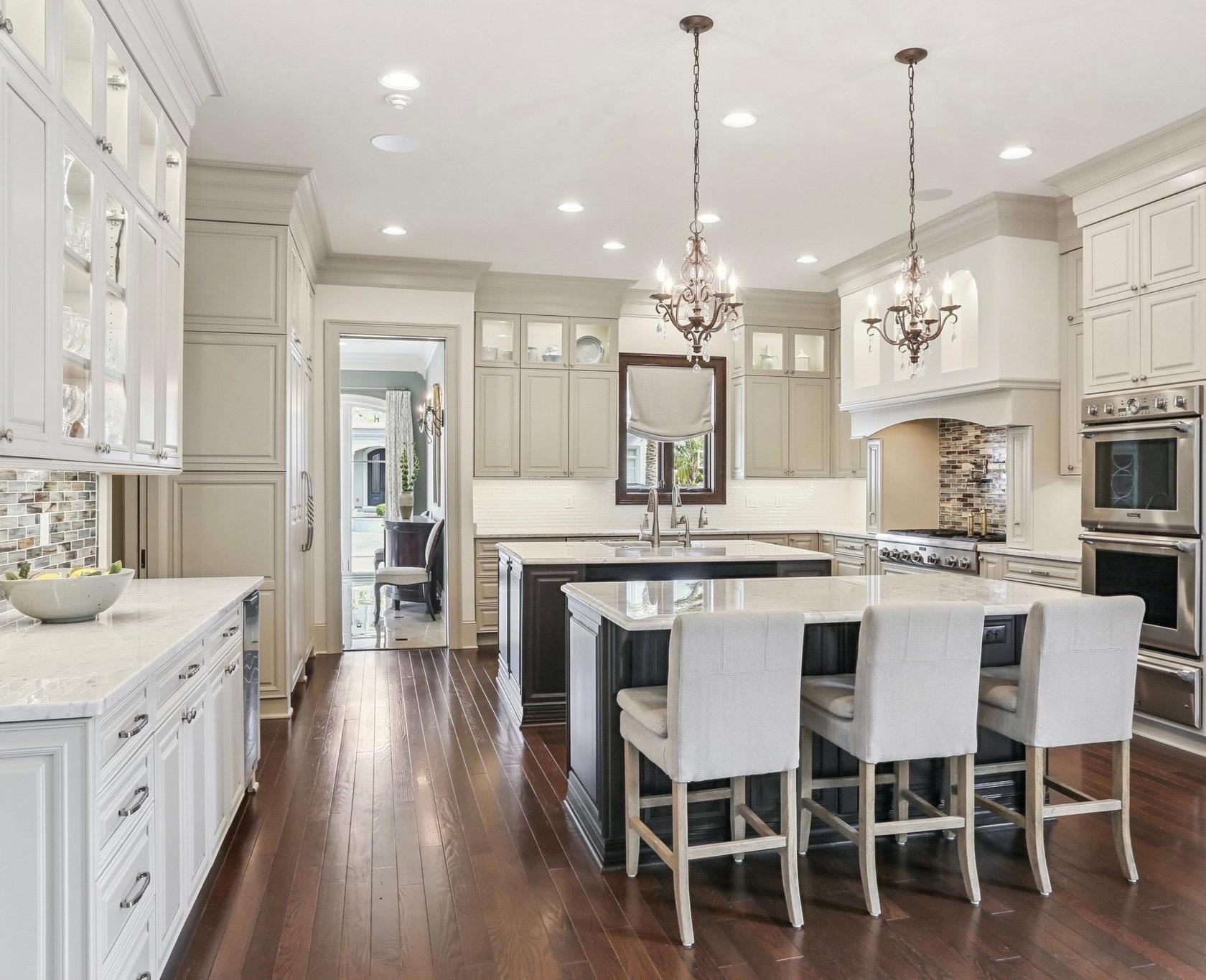
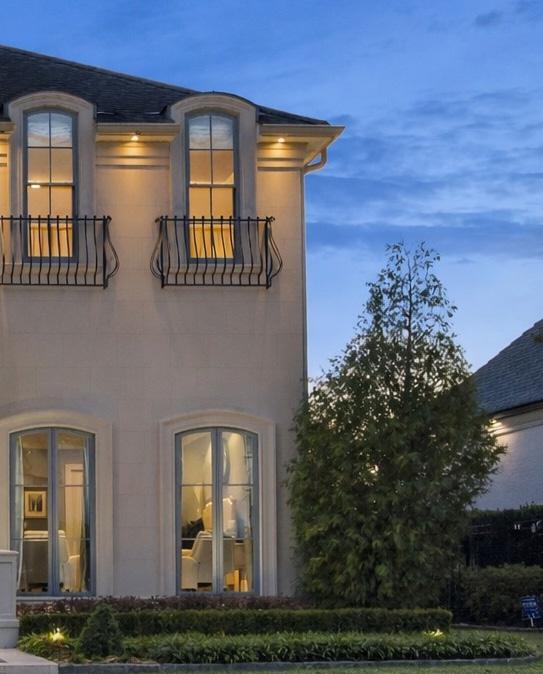
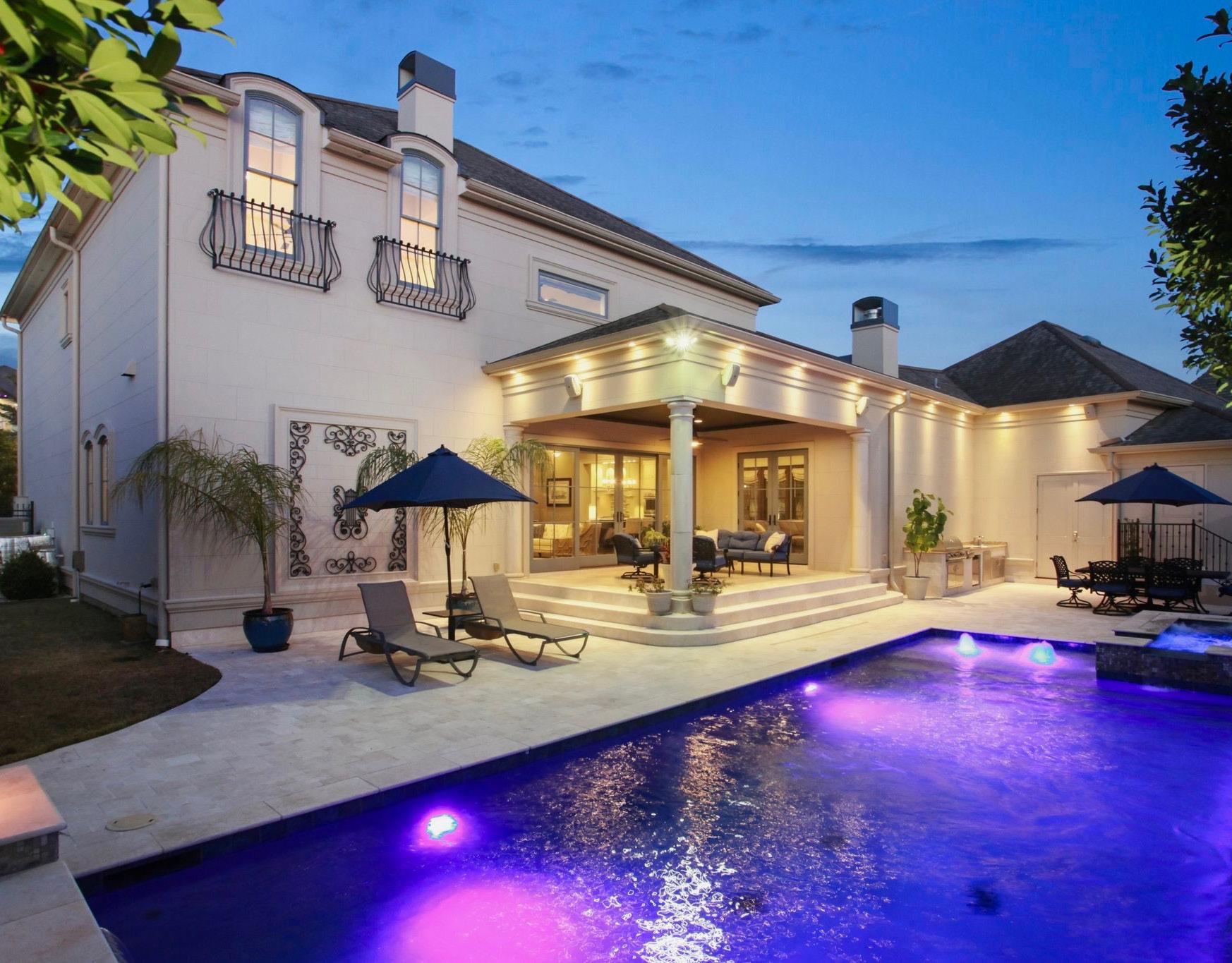
21 ROYAL PALM DRIVE KENNER LOUISIANA
PROPERTY FEATURES
5 Bedrooms
6 Full Bath
5,048 Square Feet
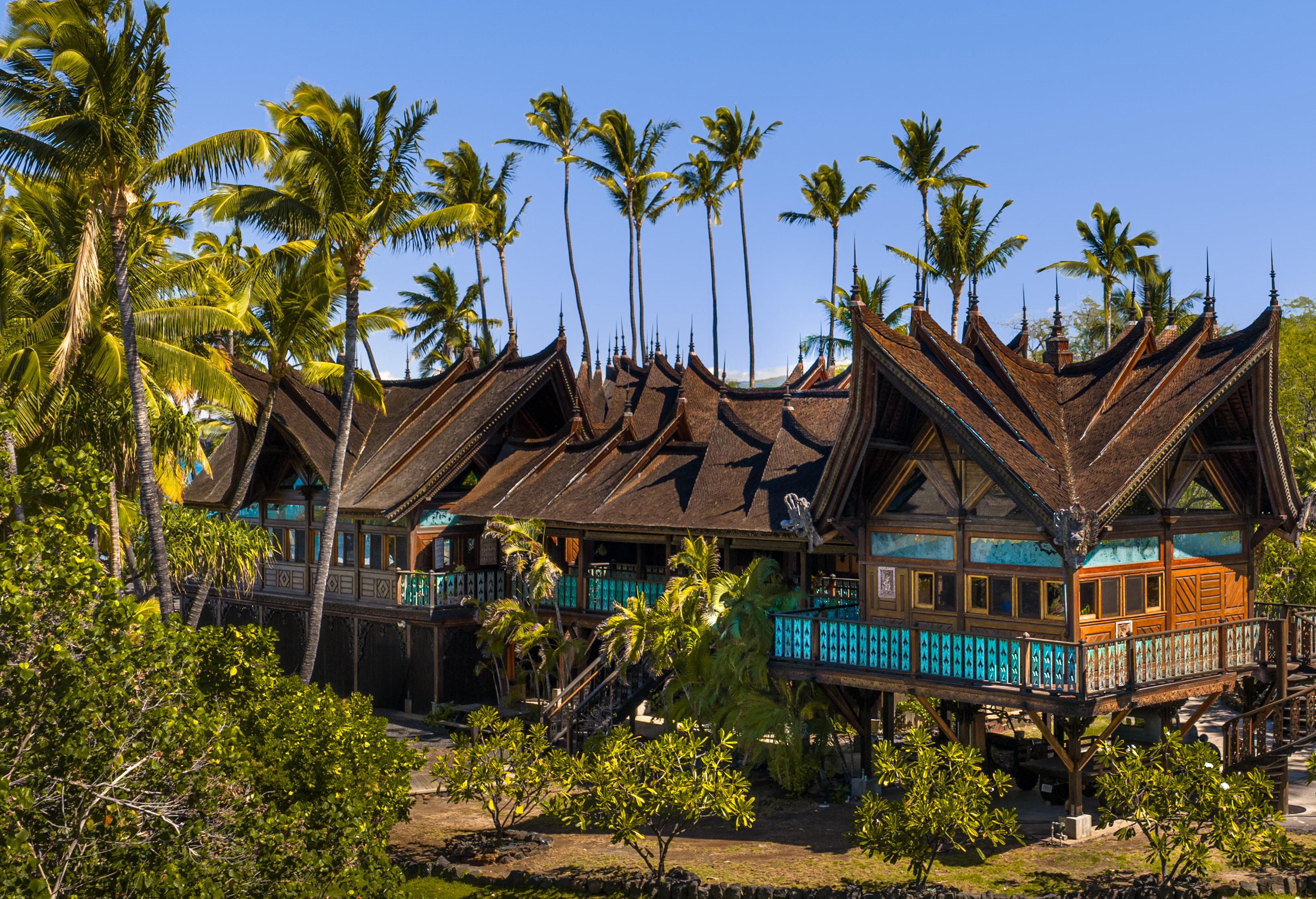
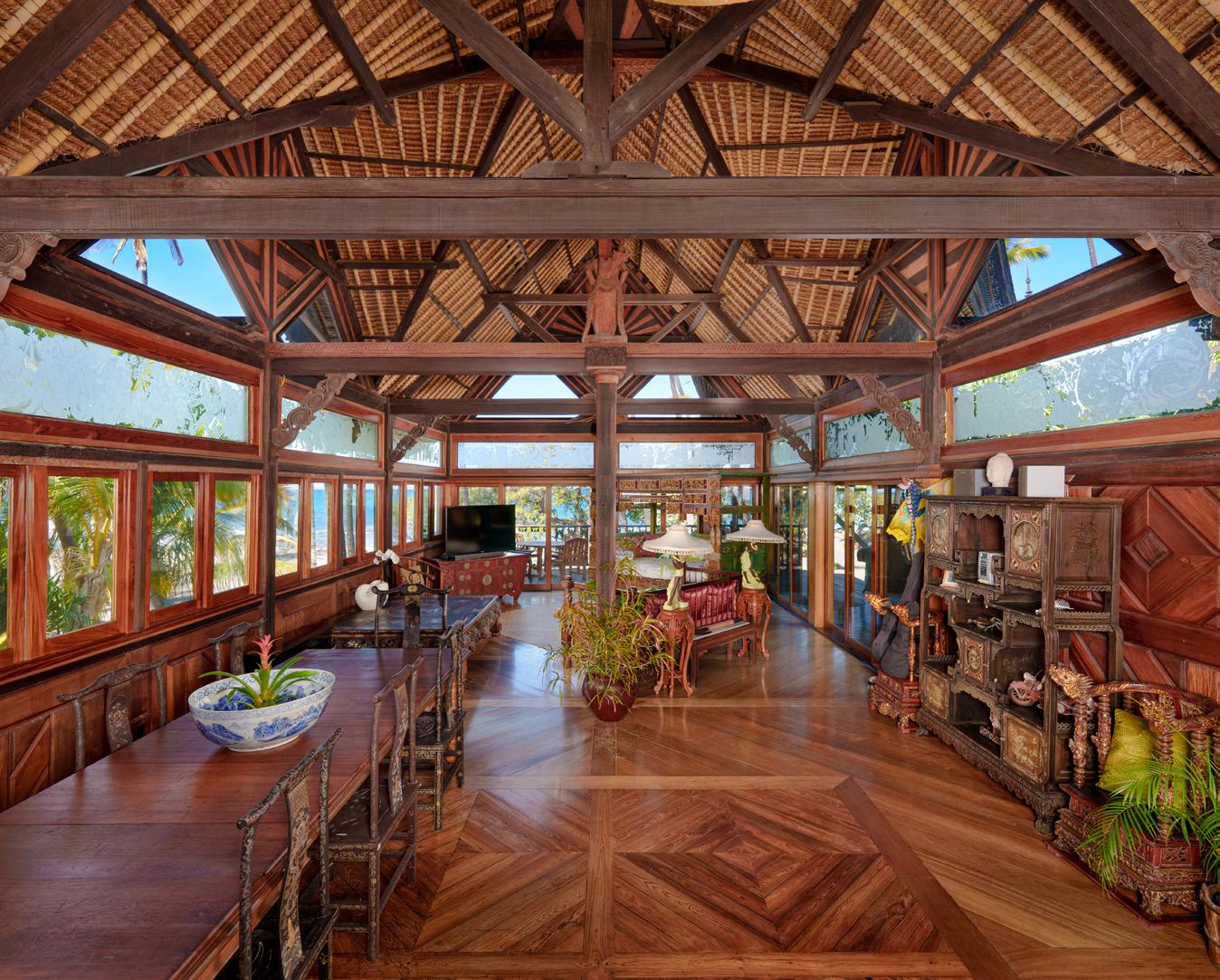
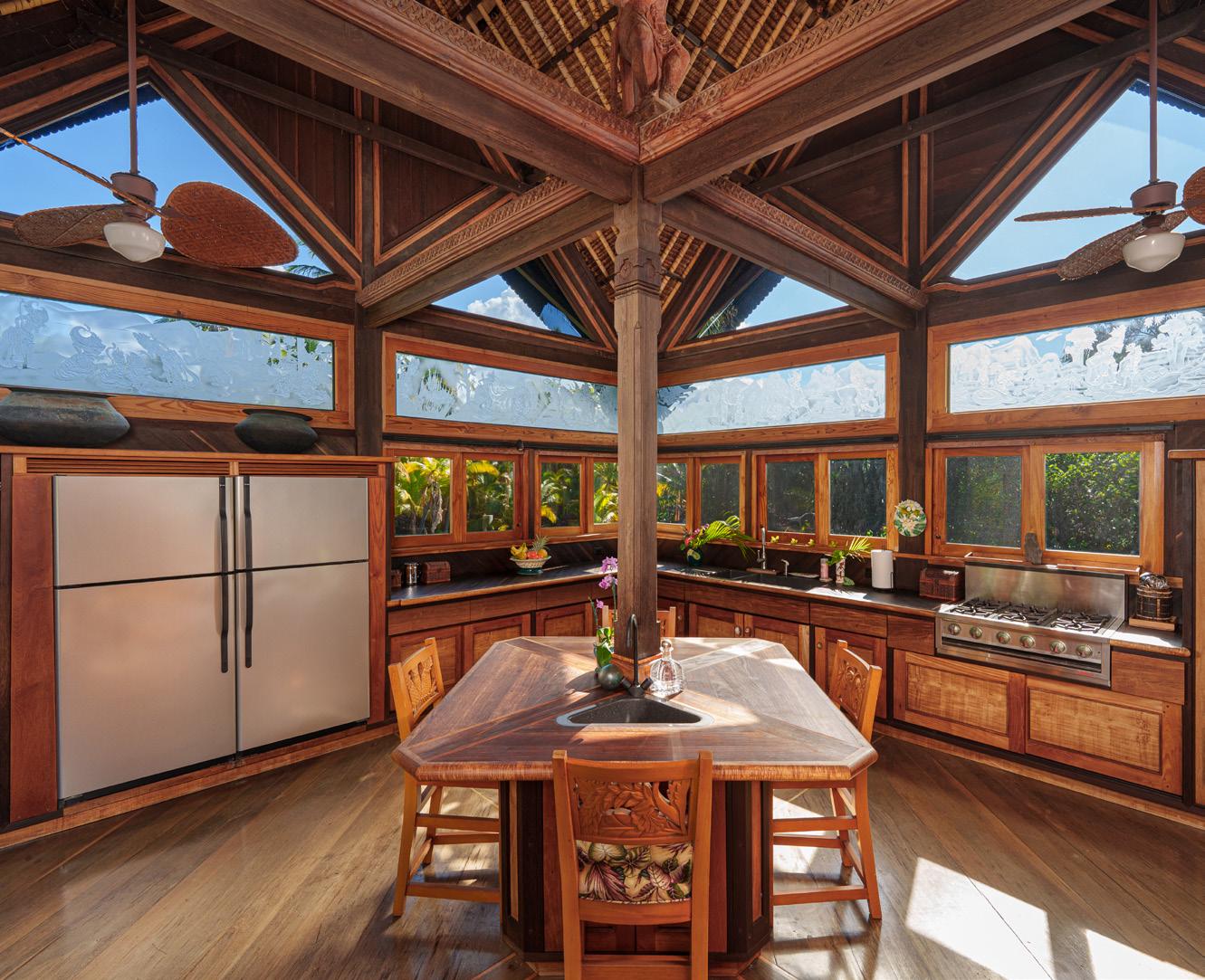
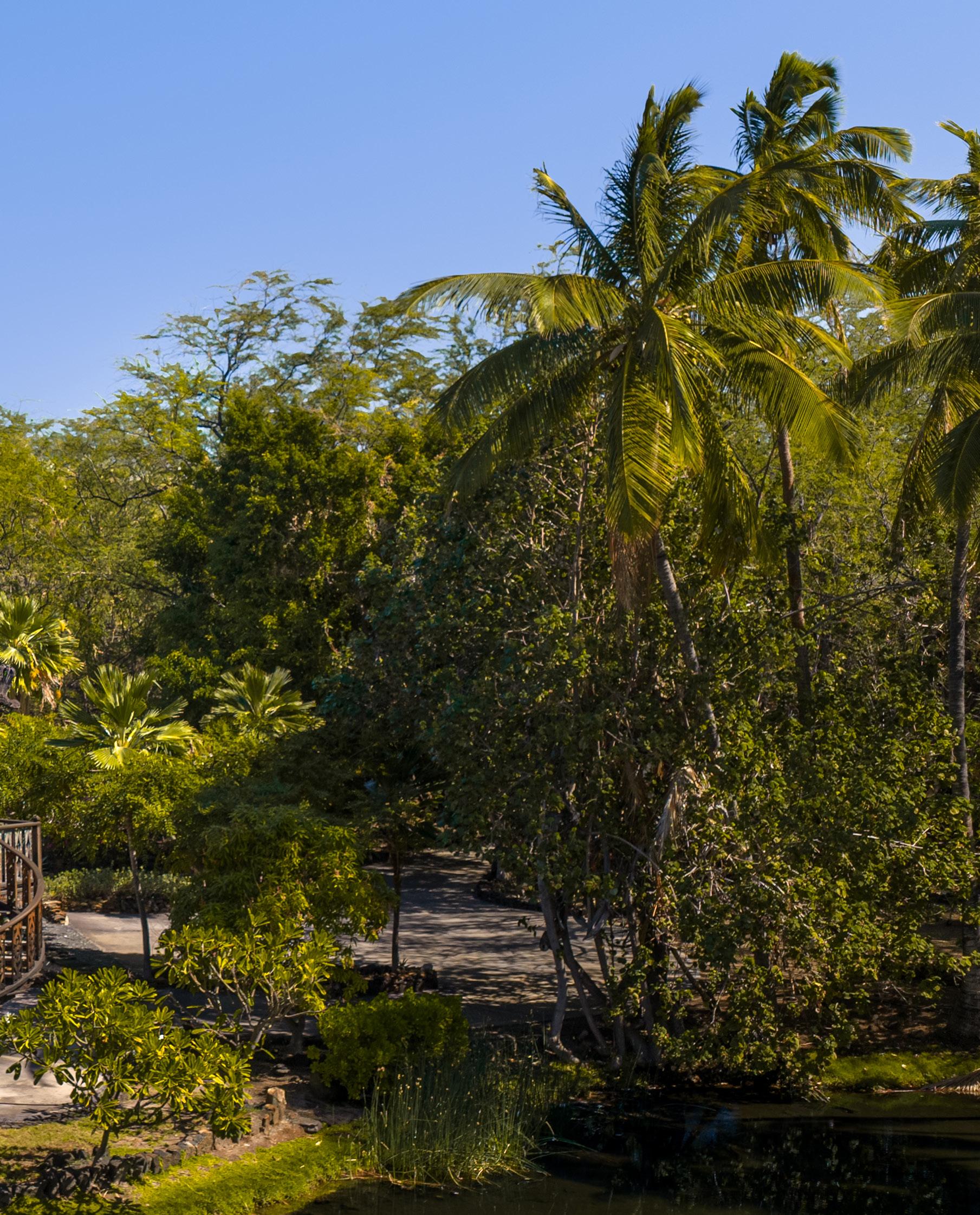
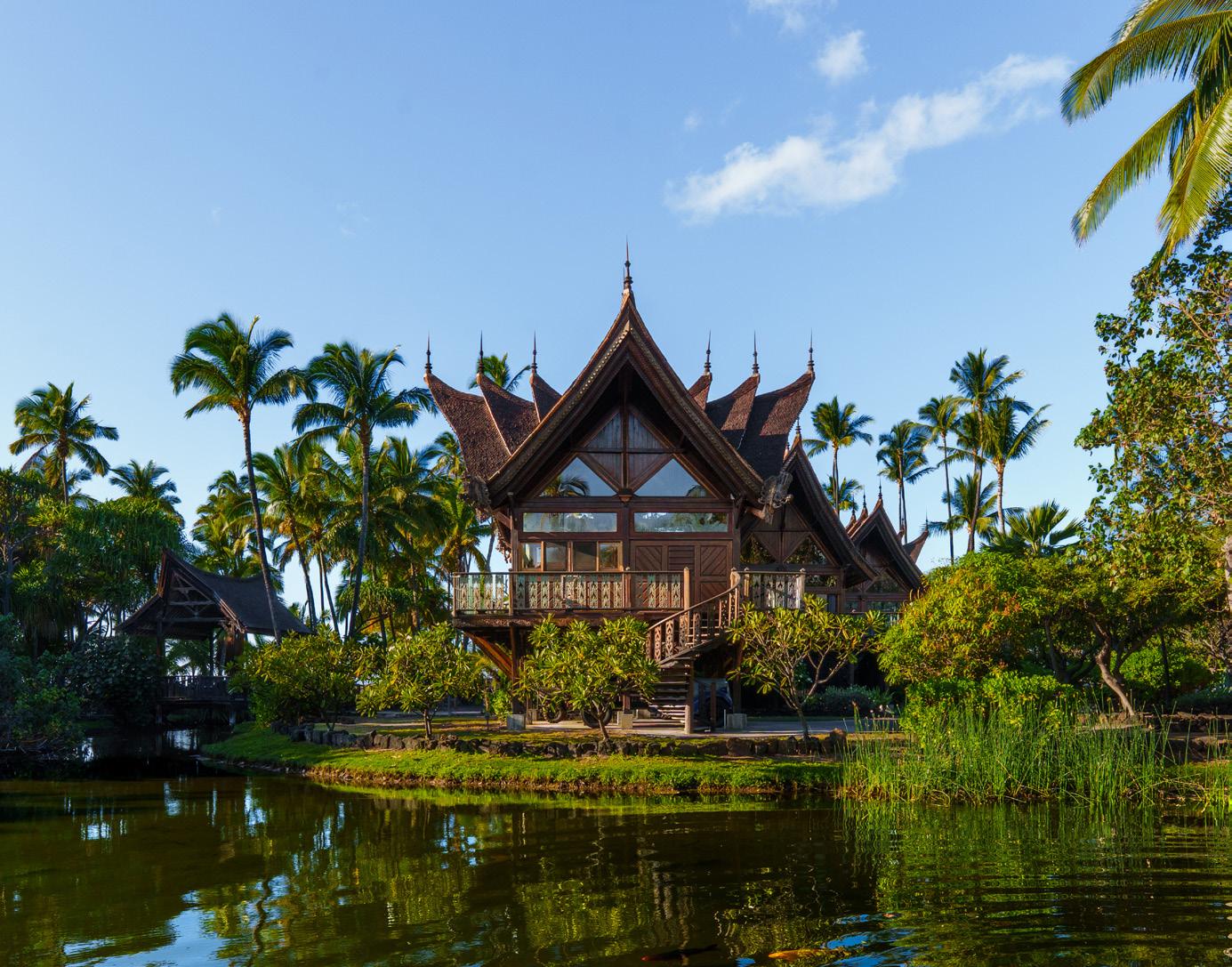
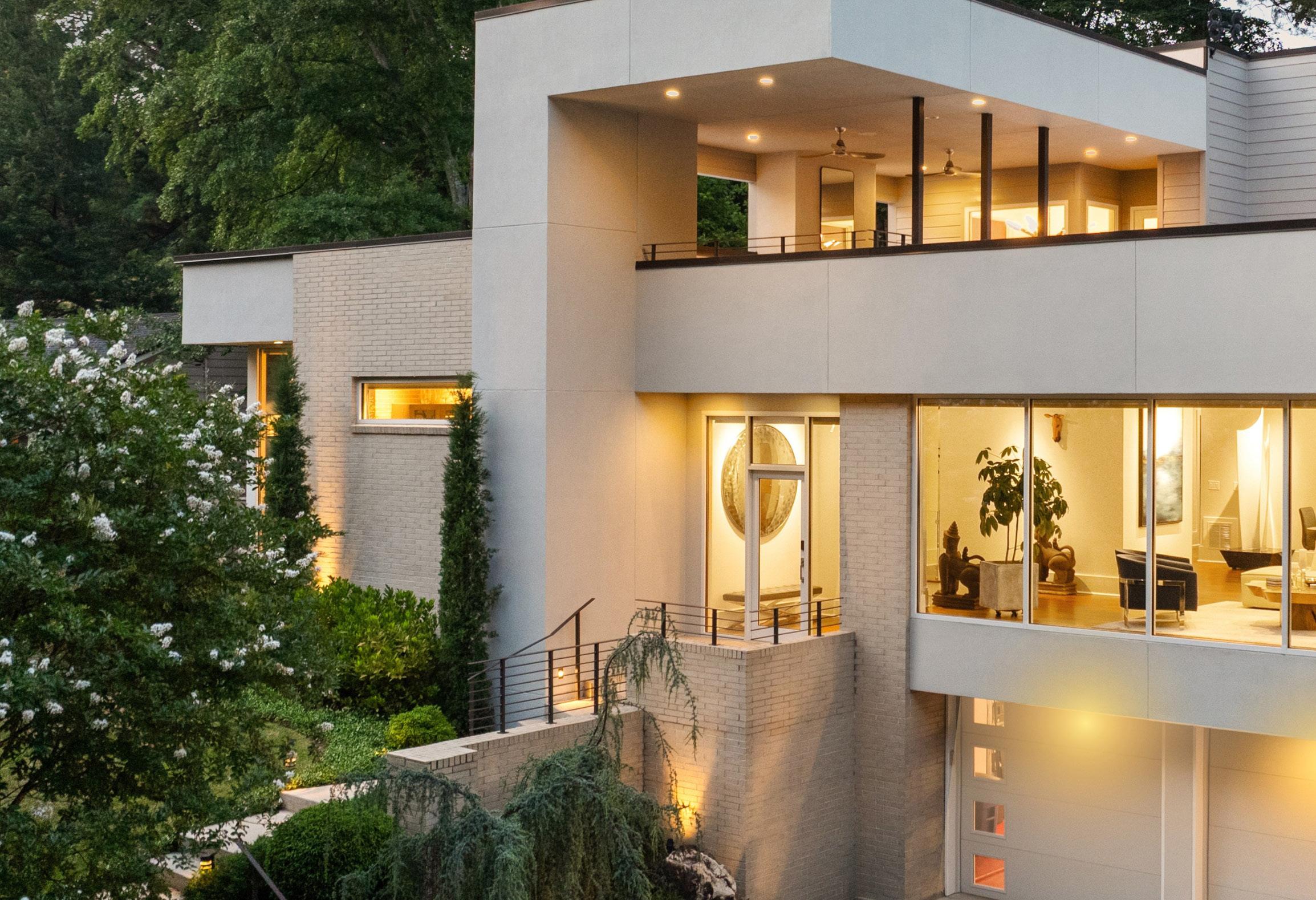
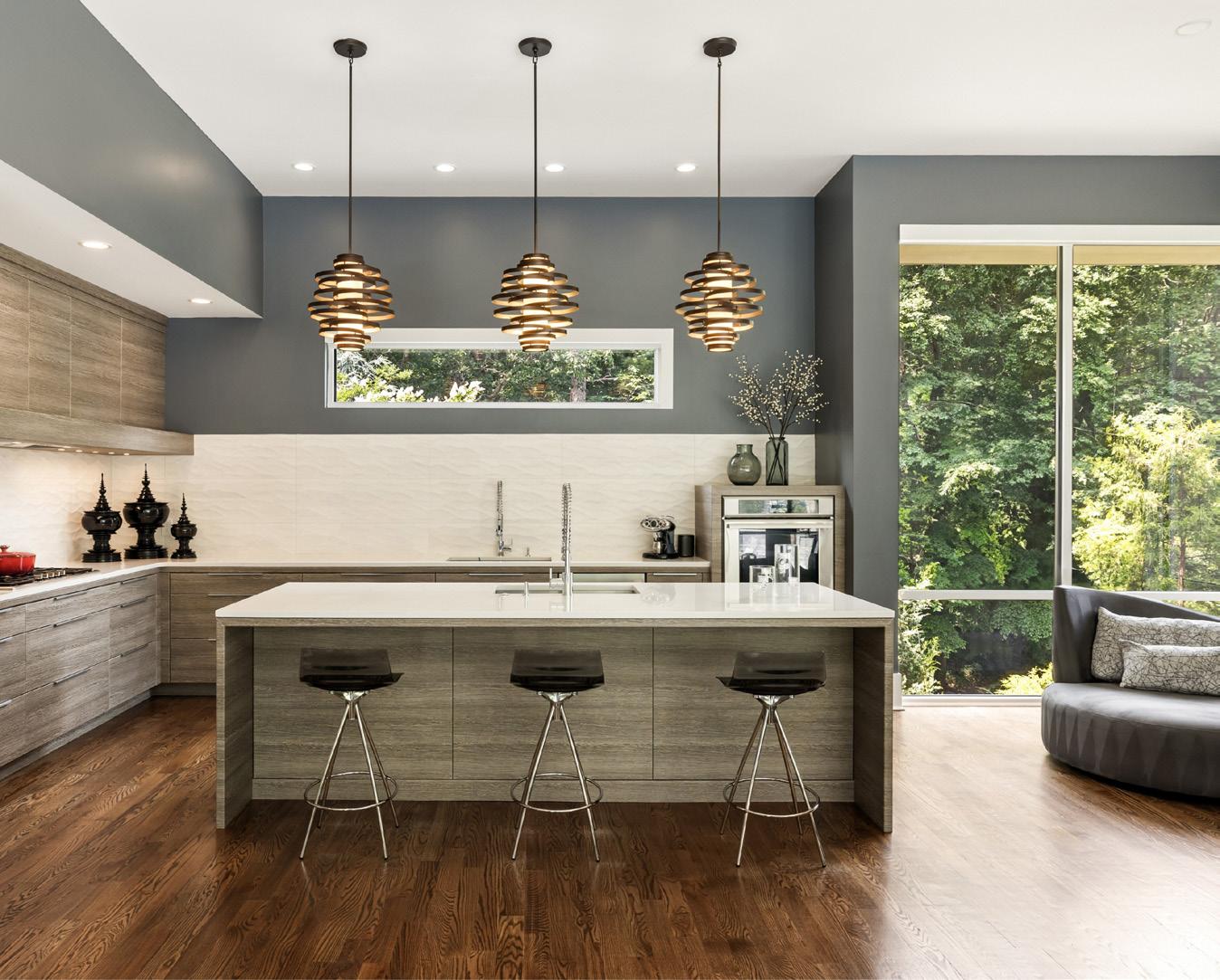
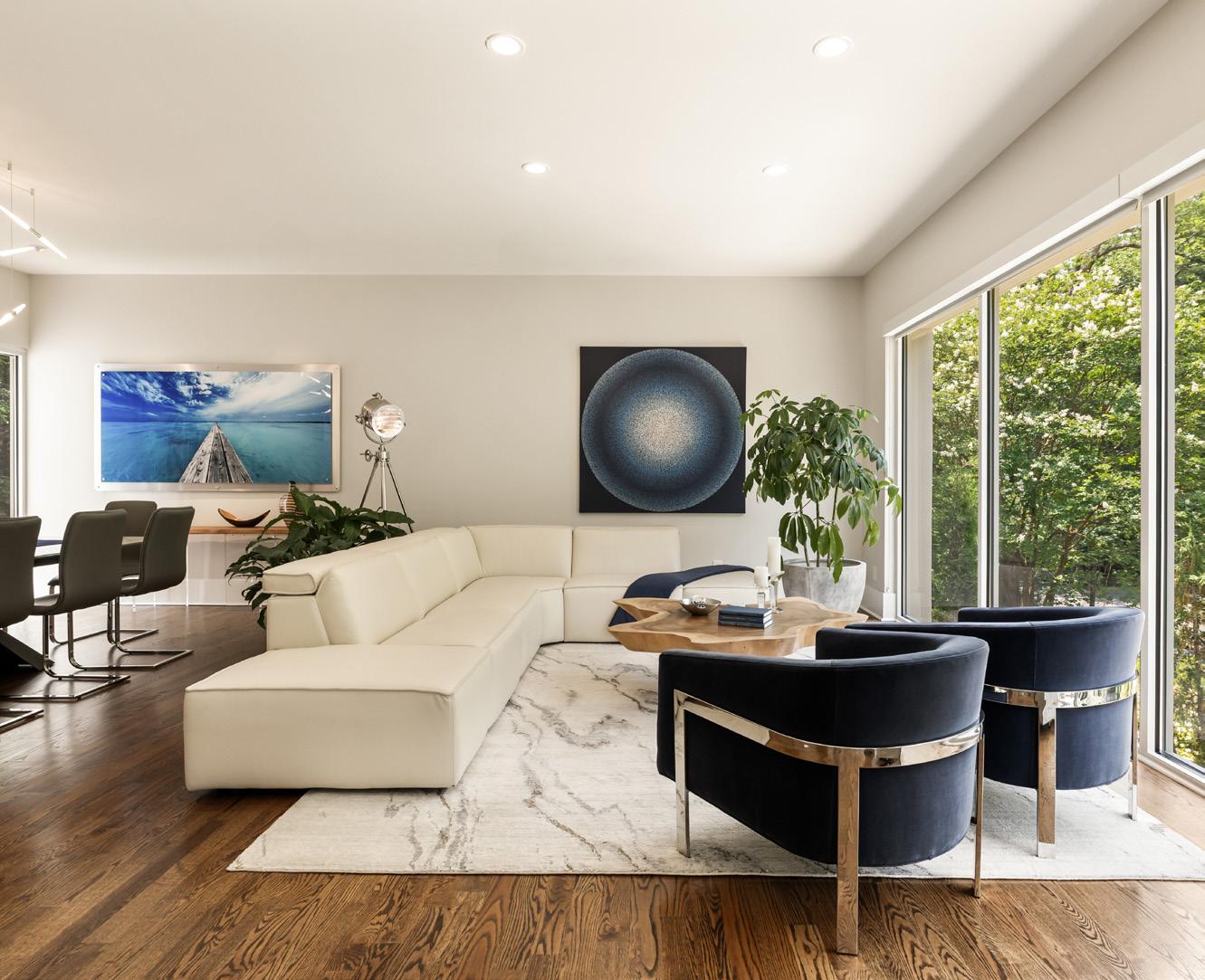
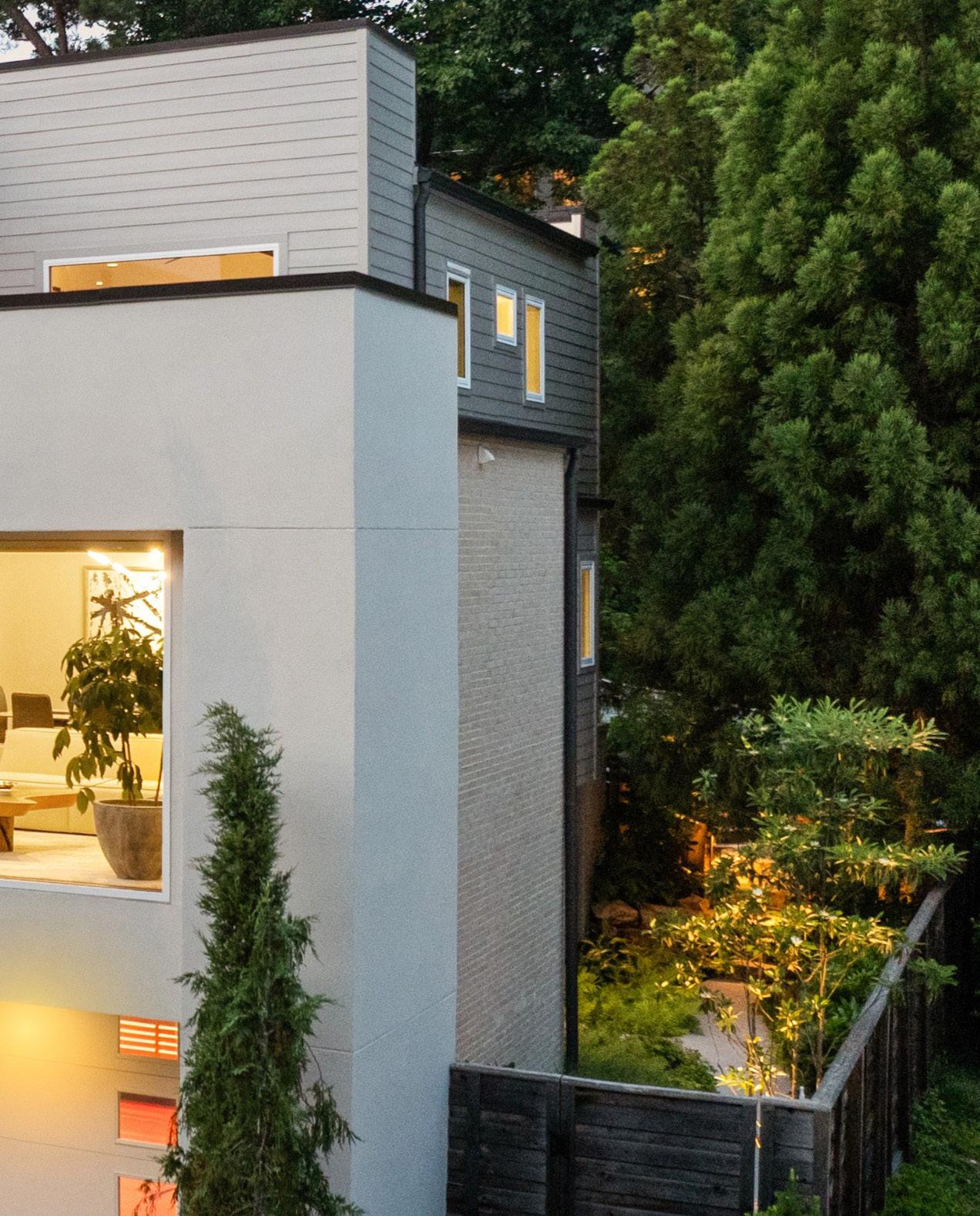
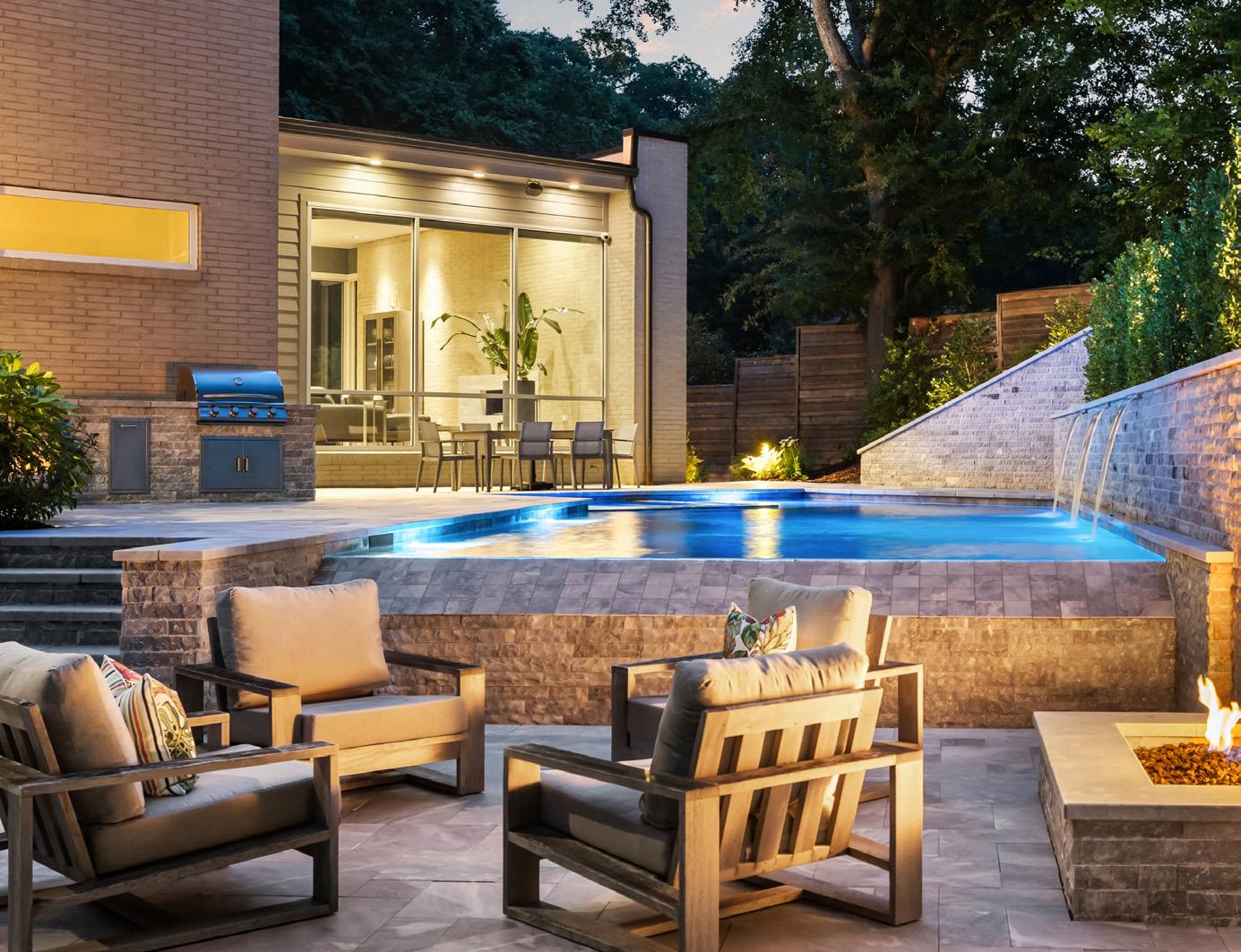
FEATURES 4 Bedrooms 5 Full Bath 4,850 Square Feet
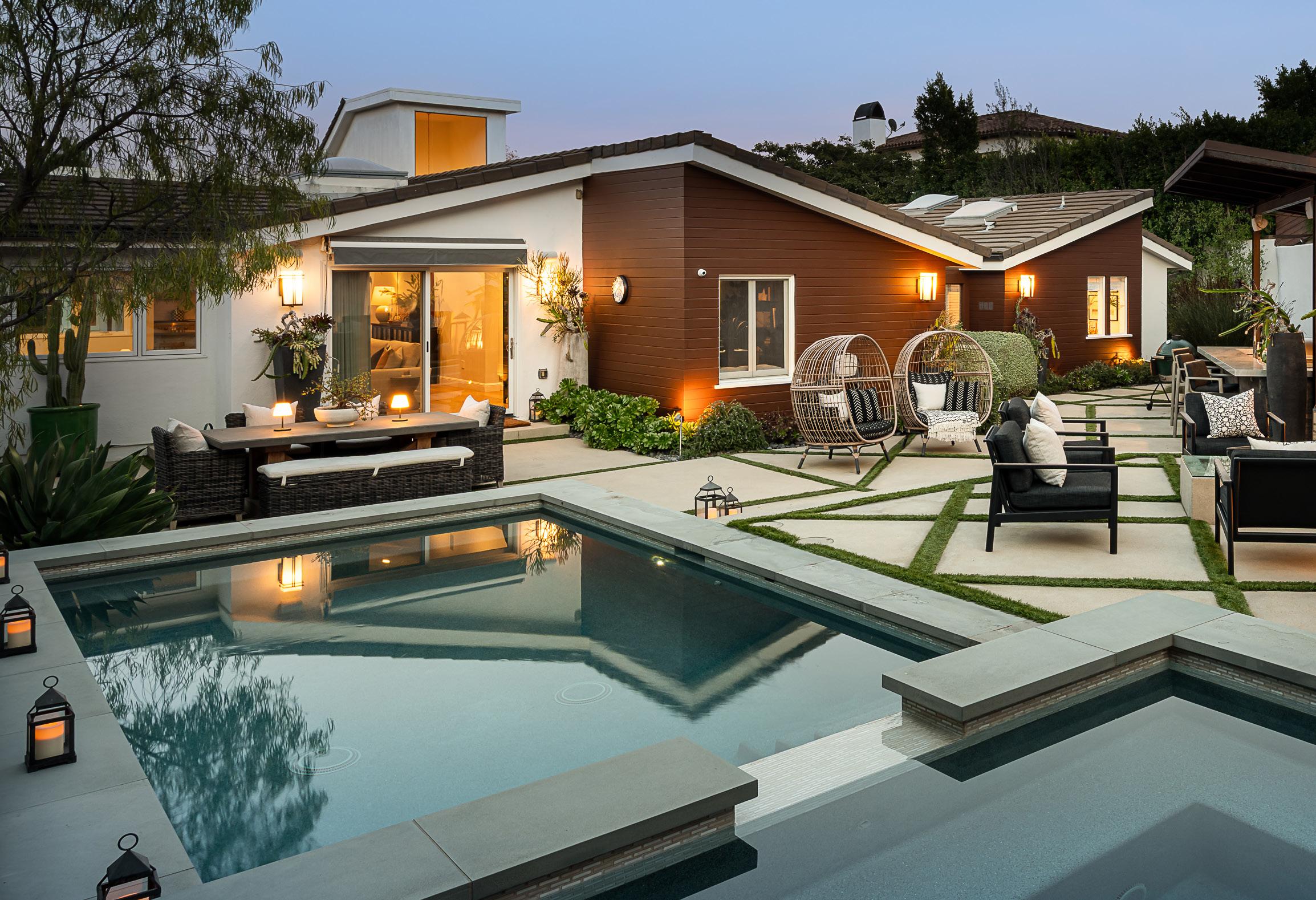
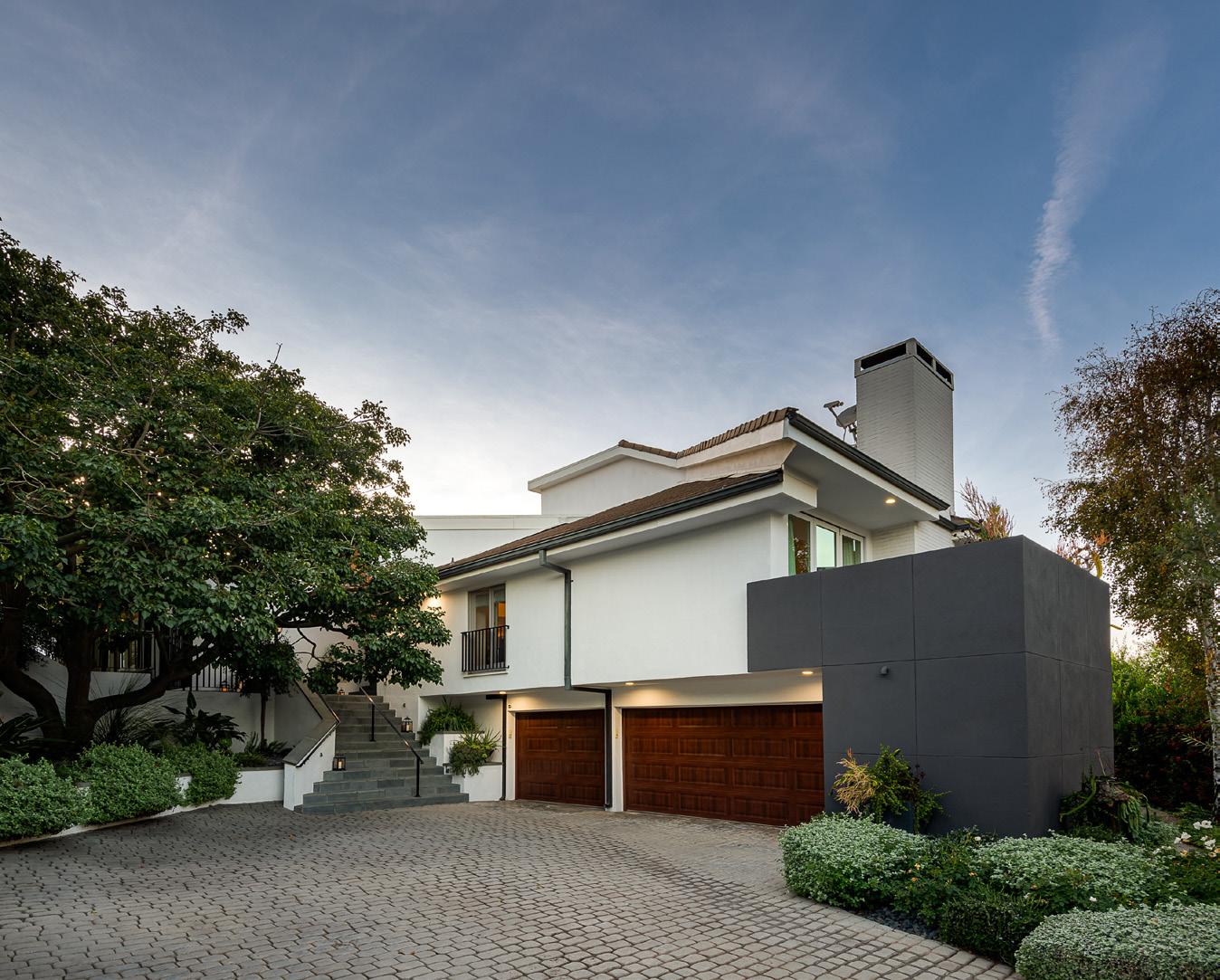
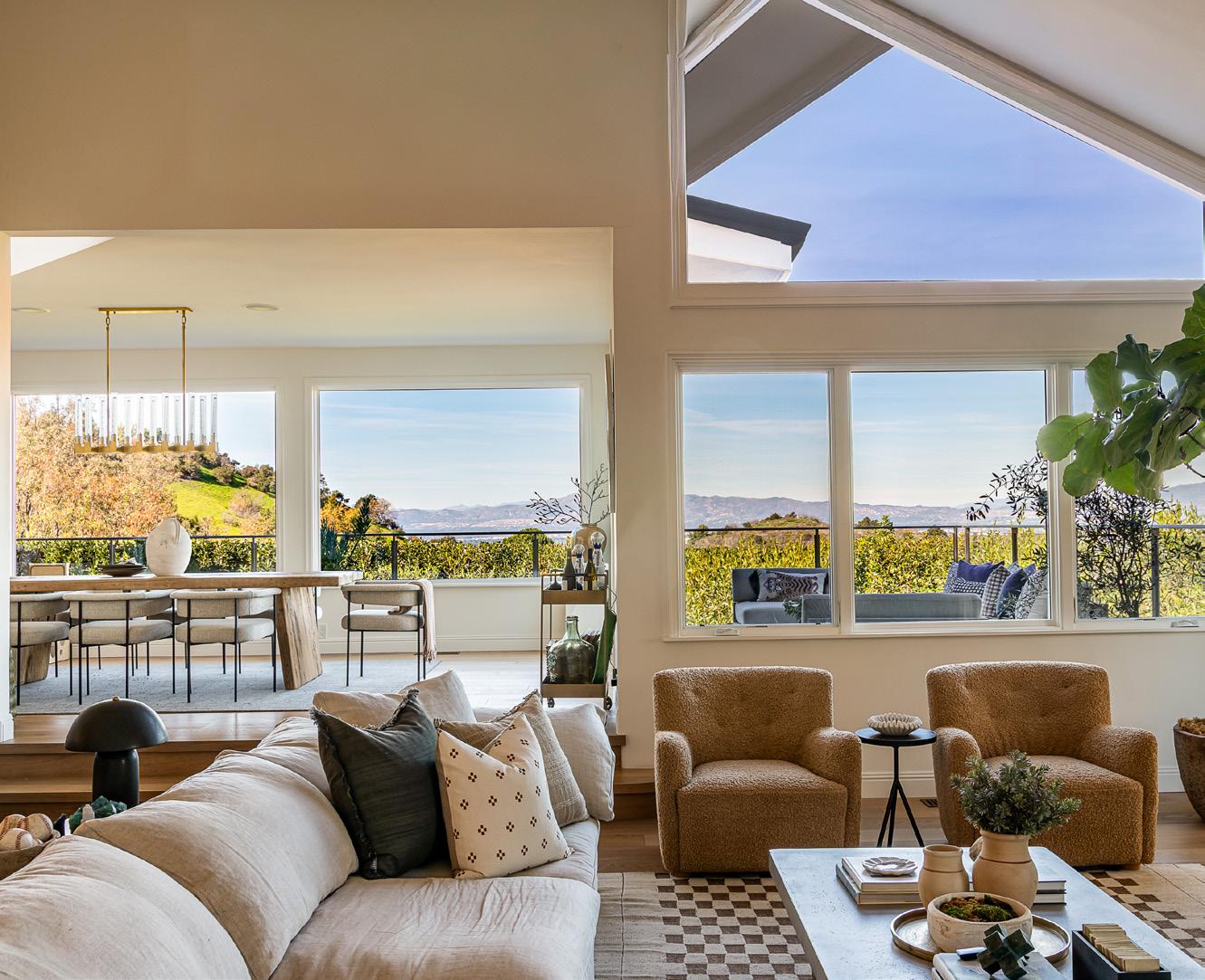
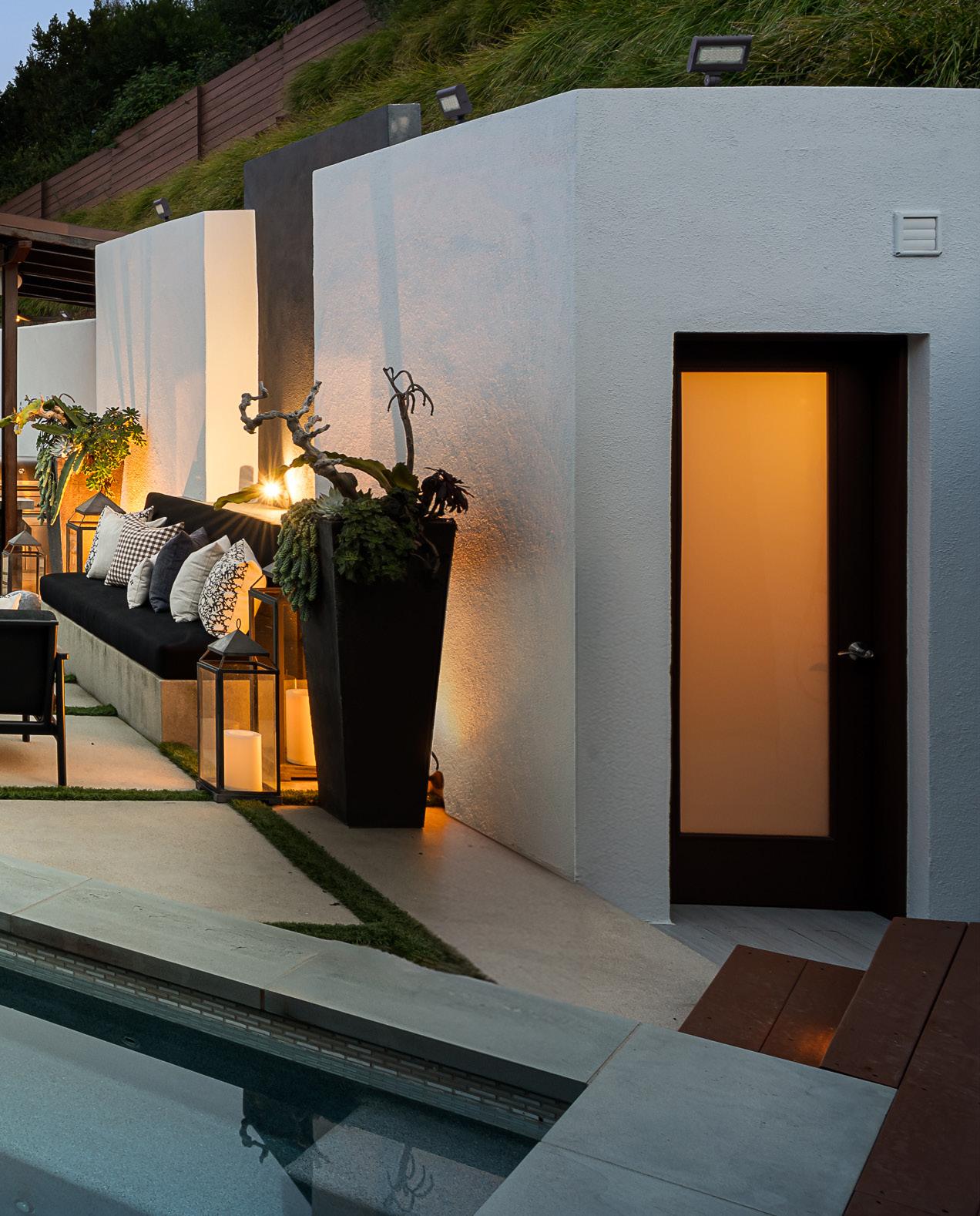
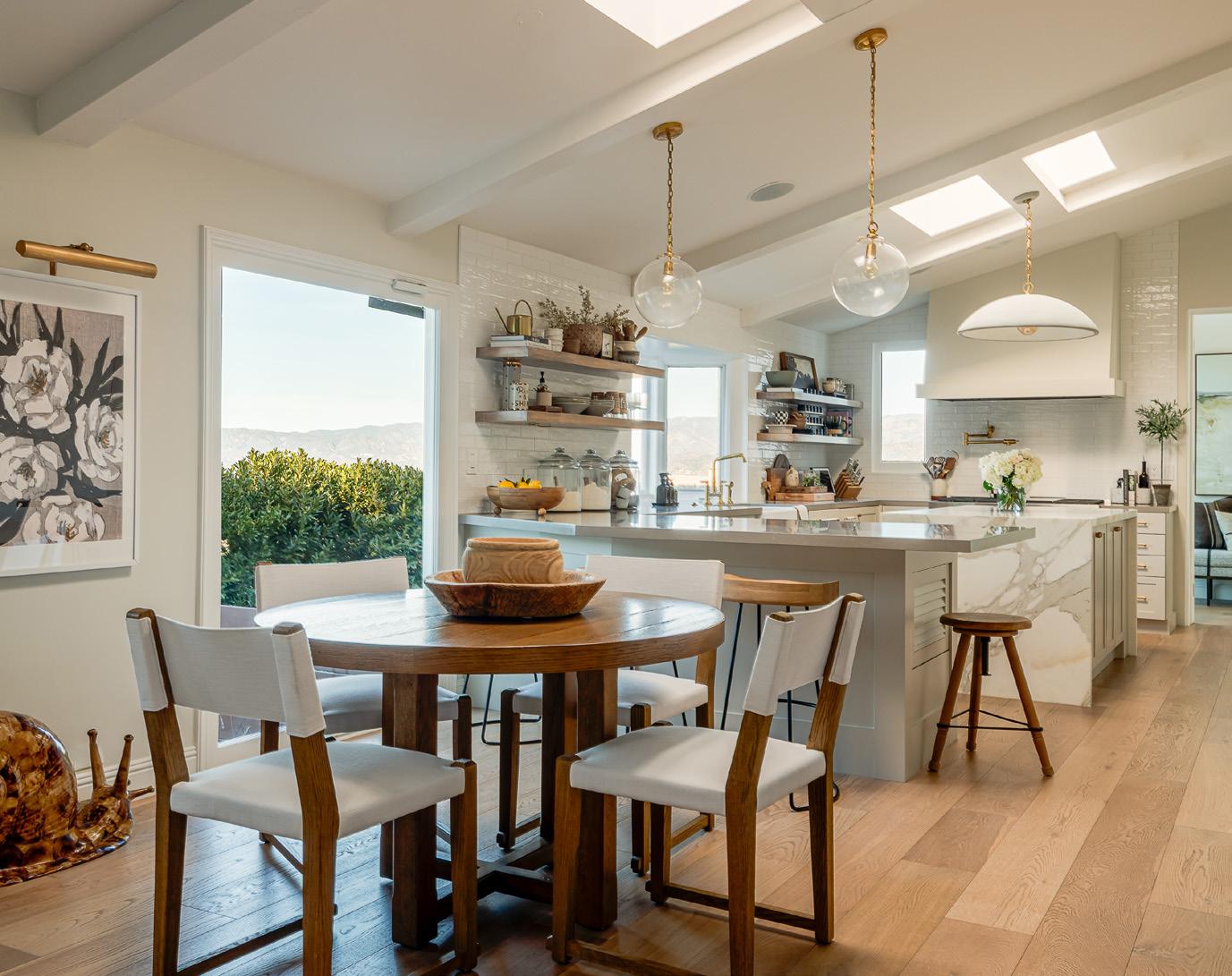
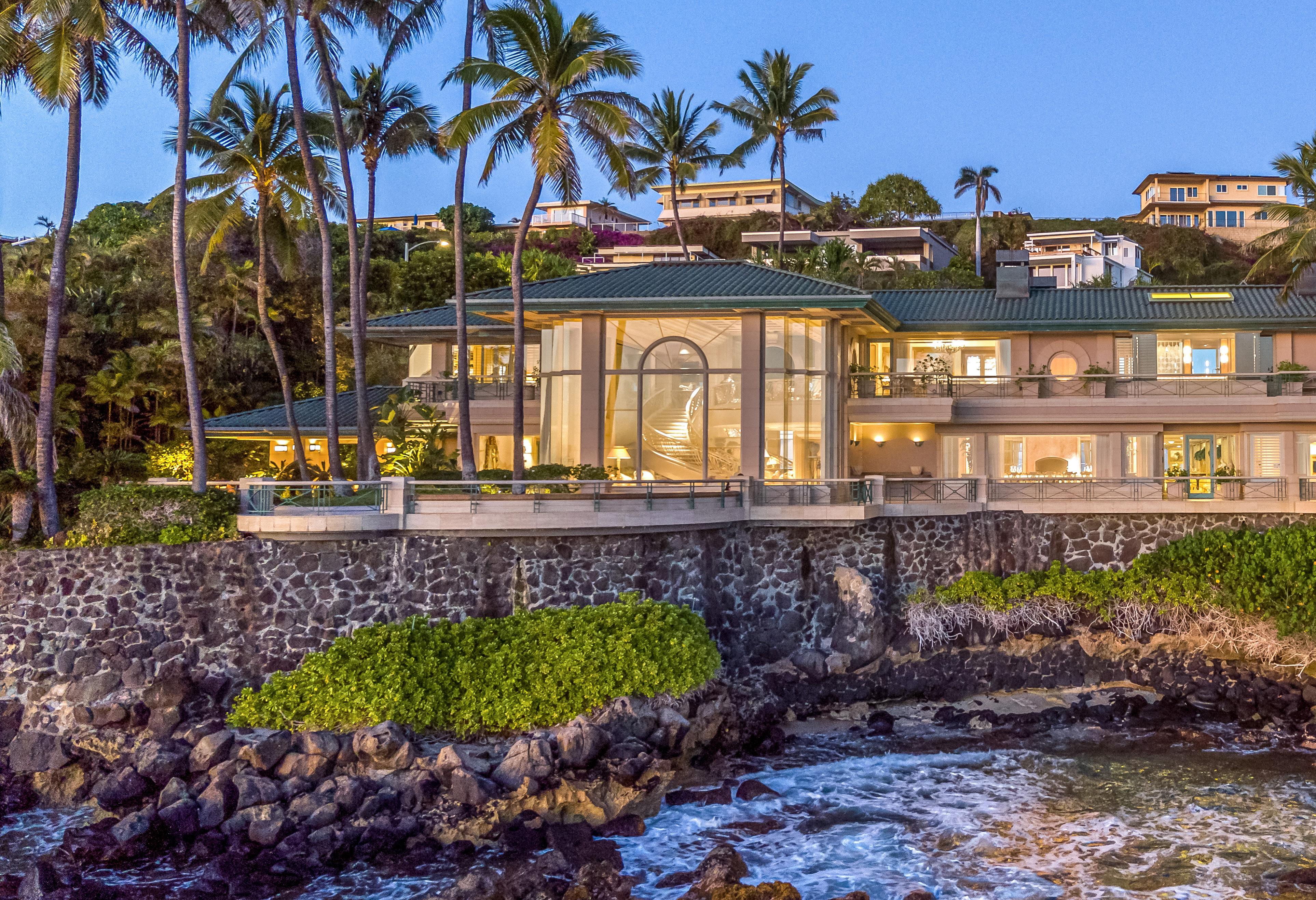
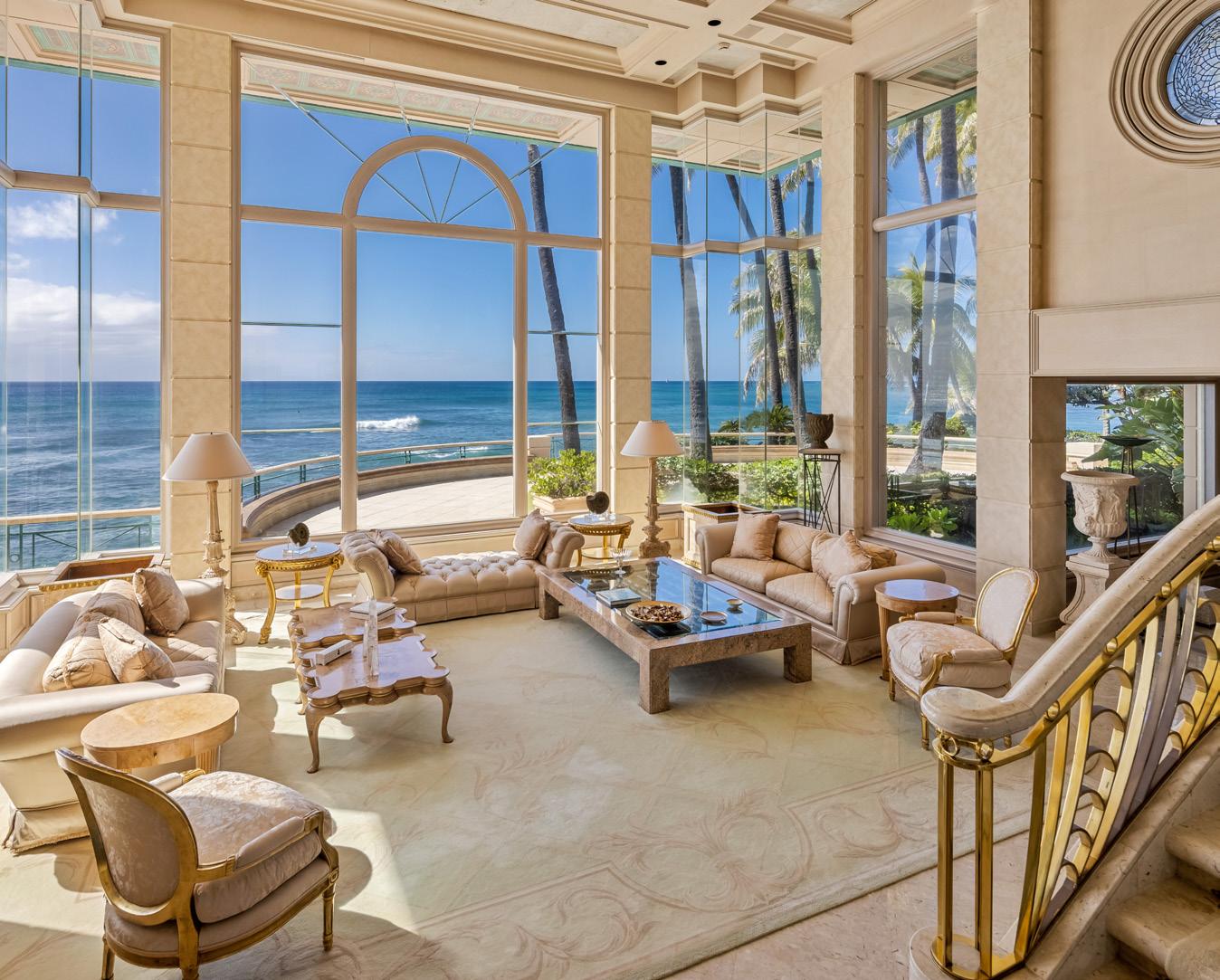
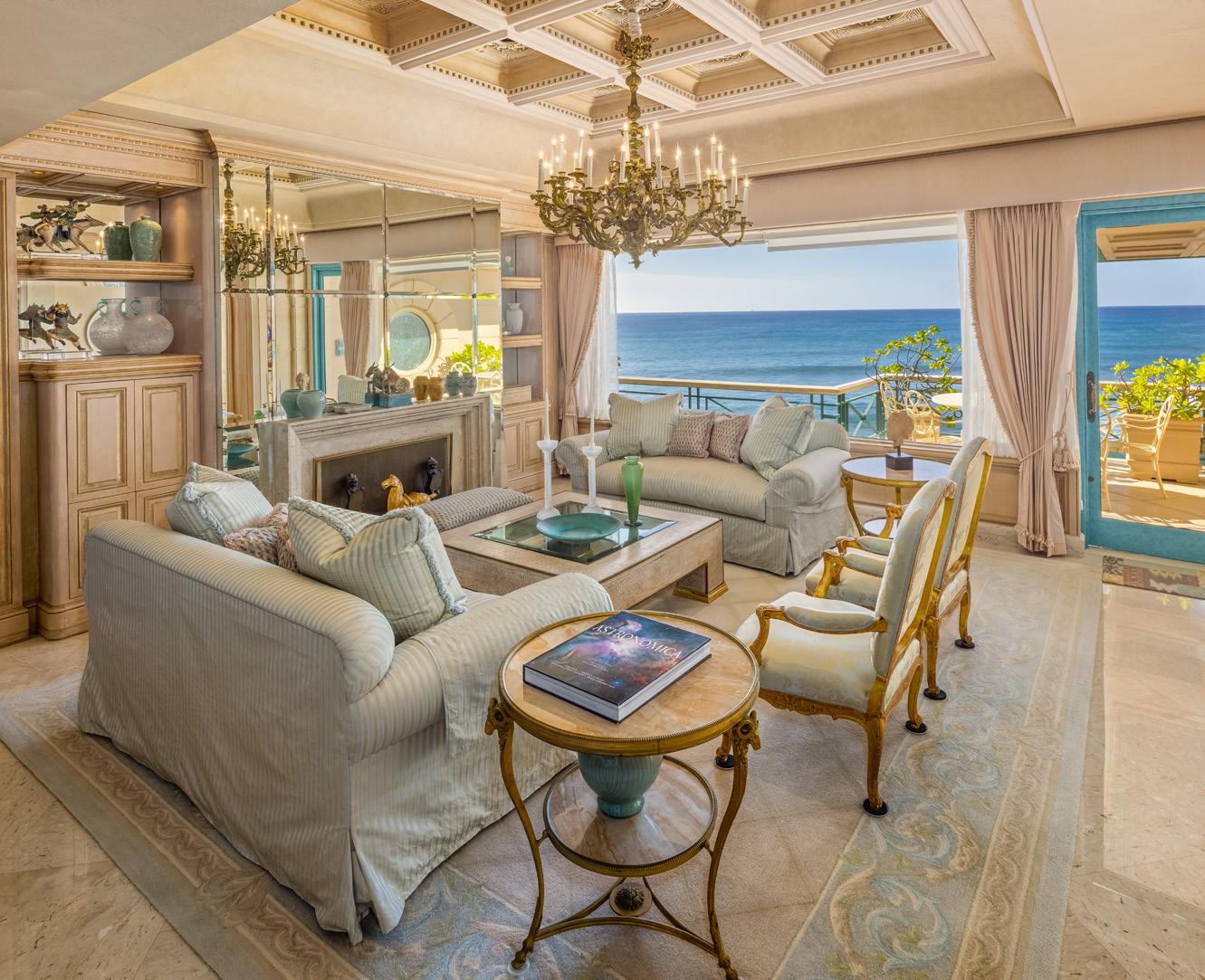
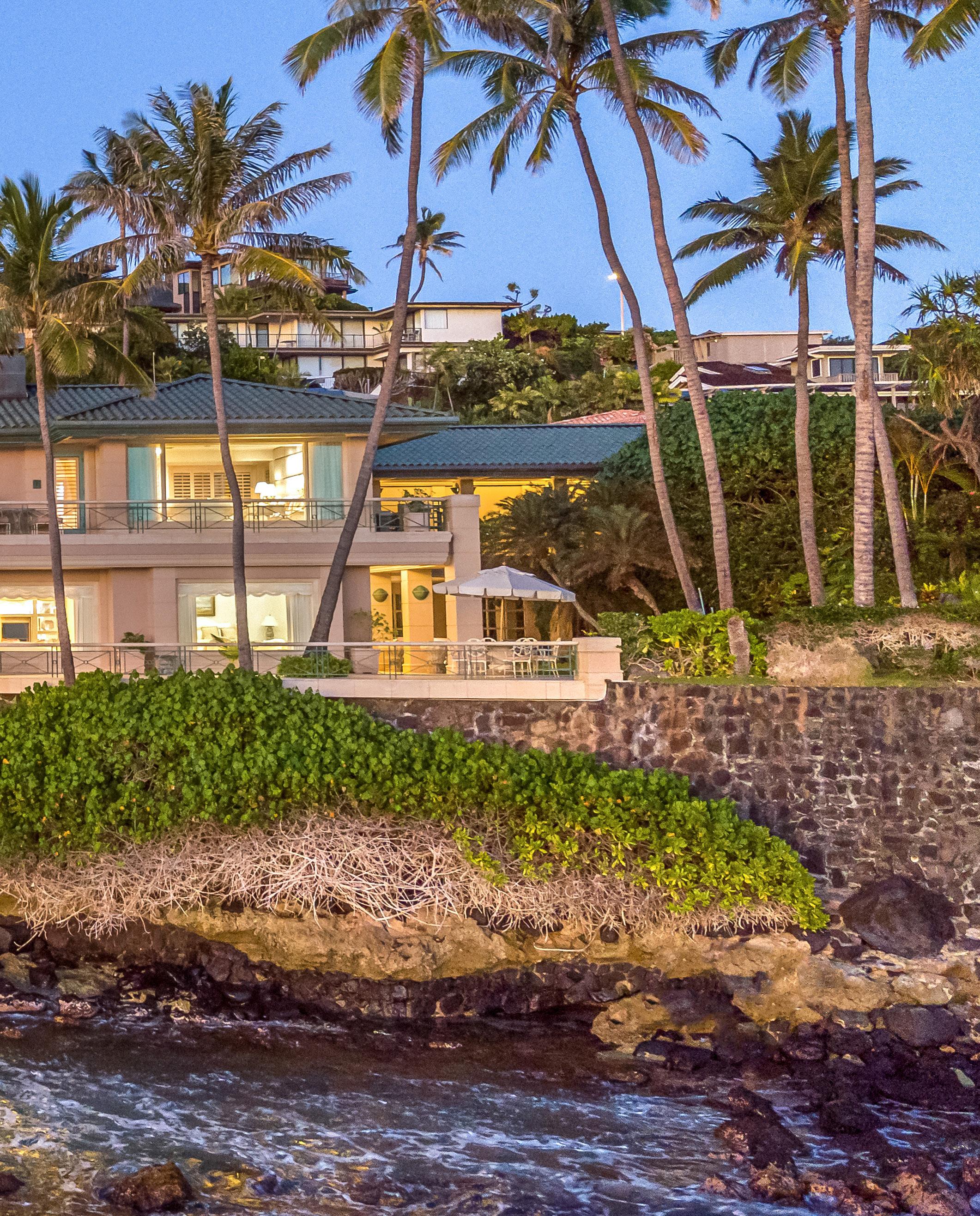
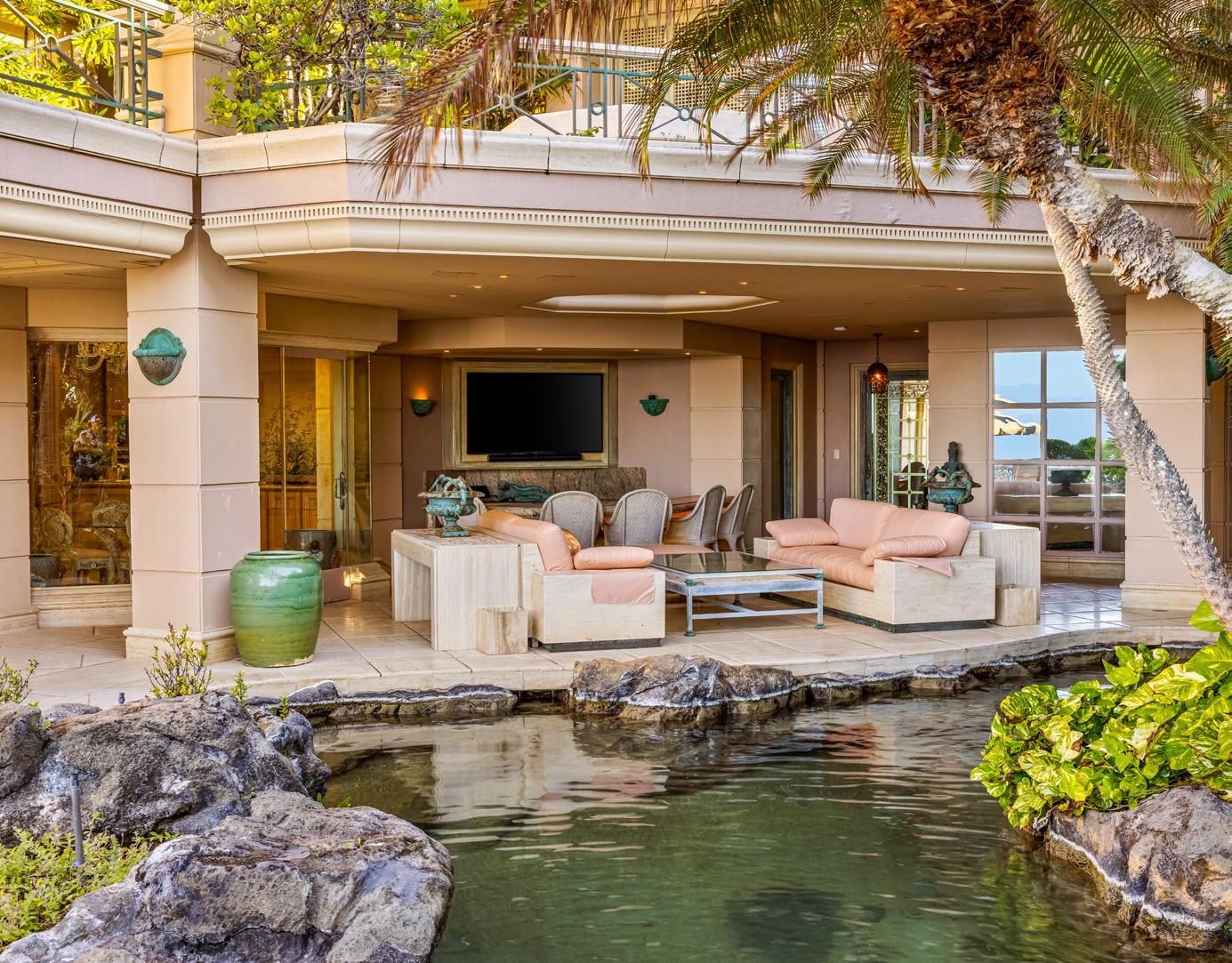
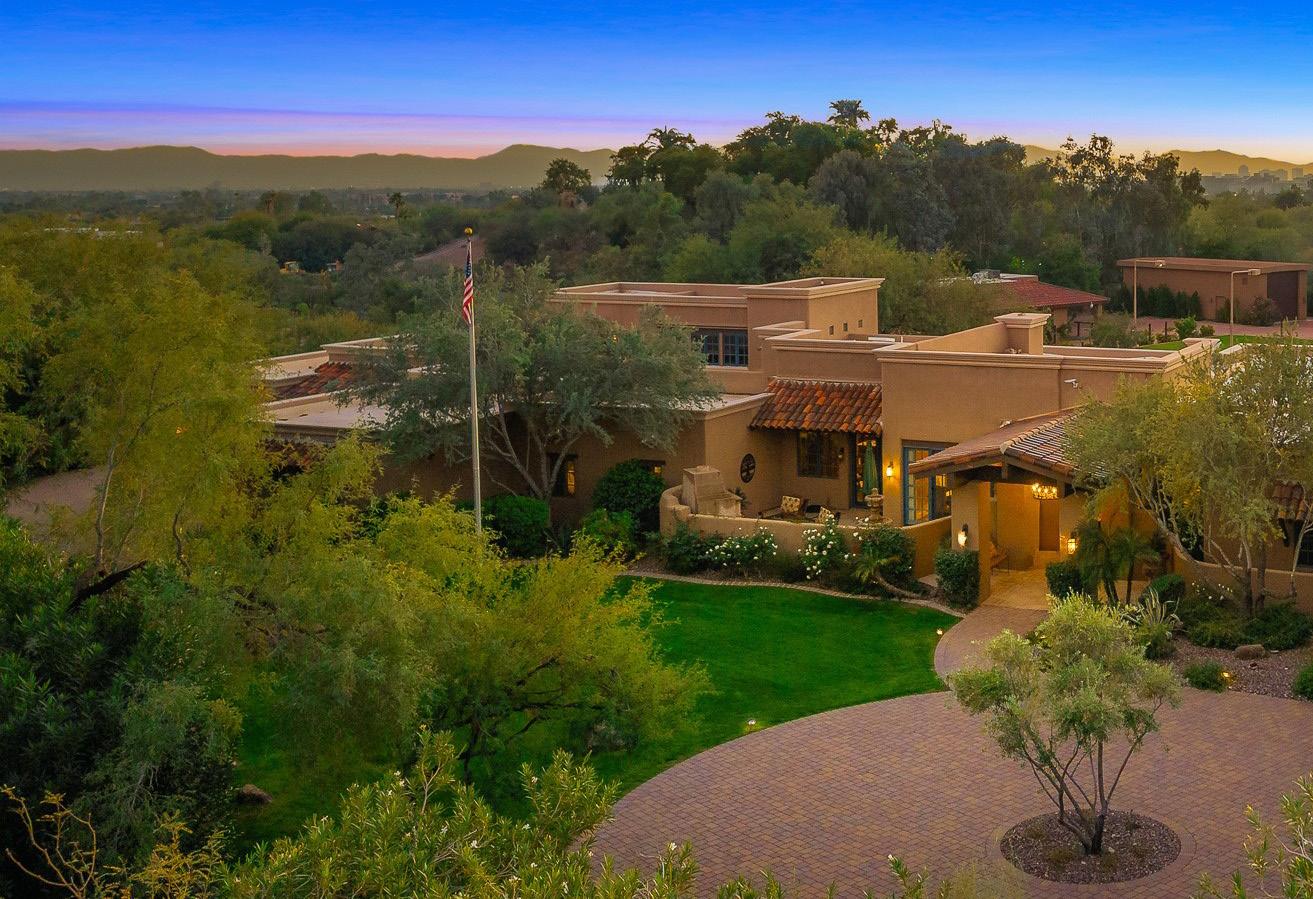
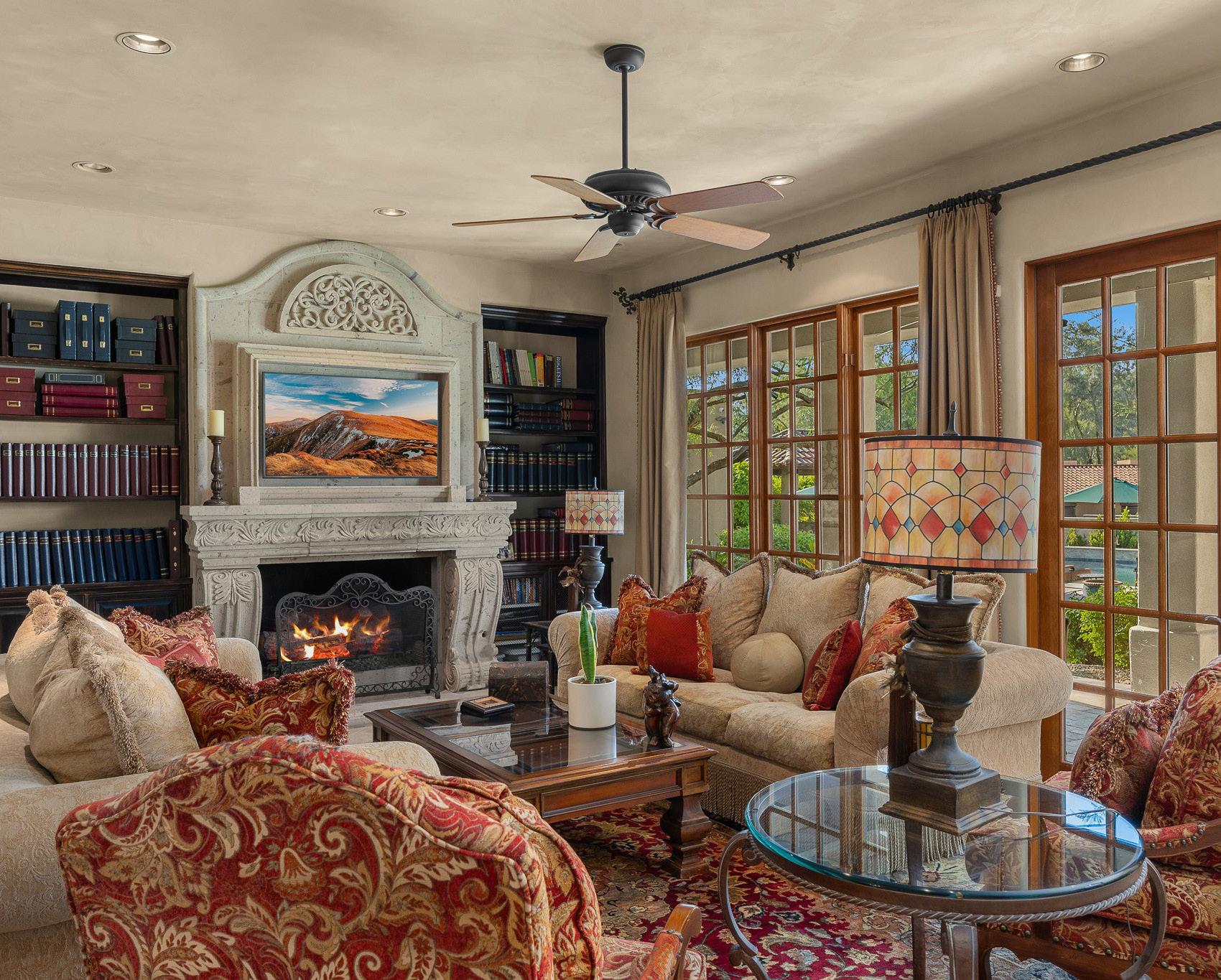
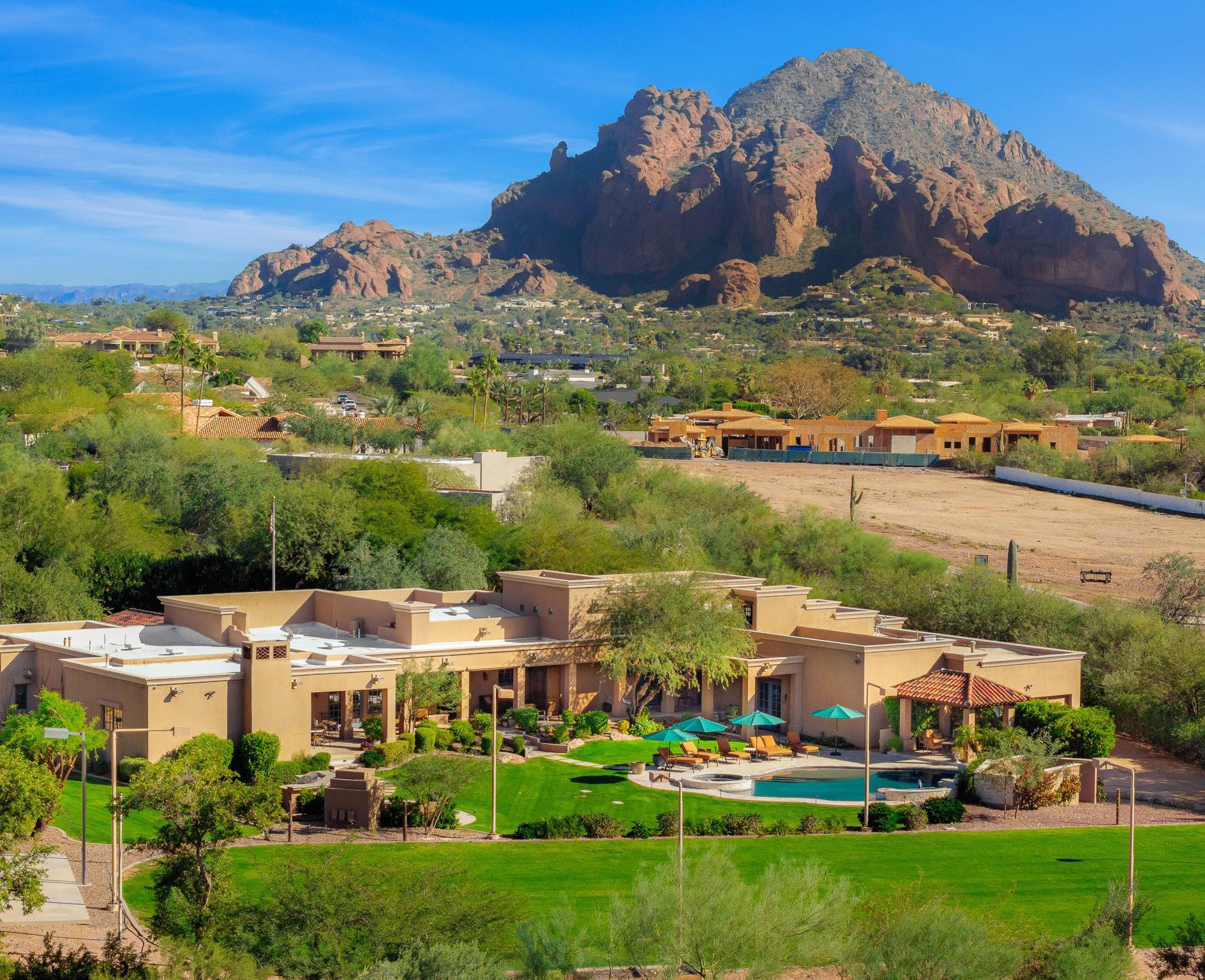
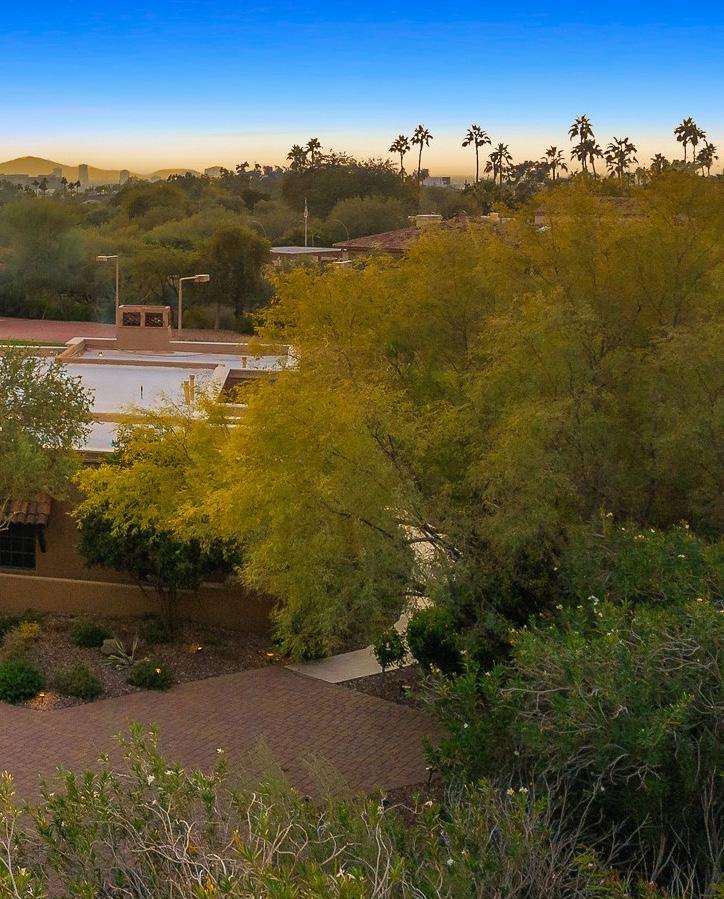
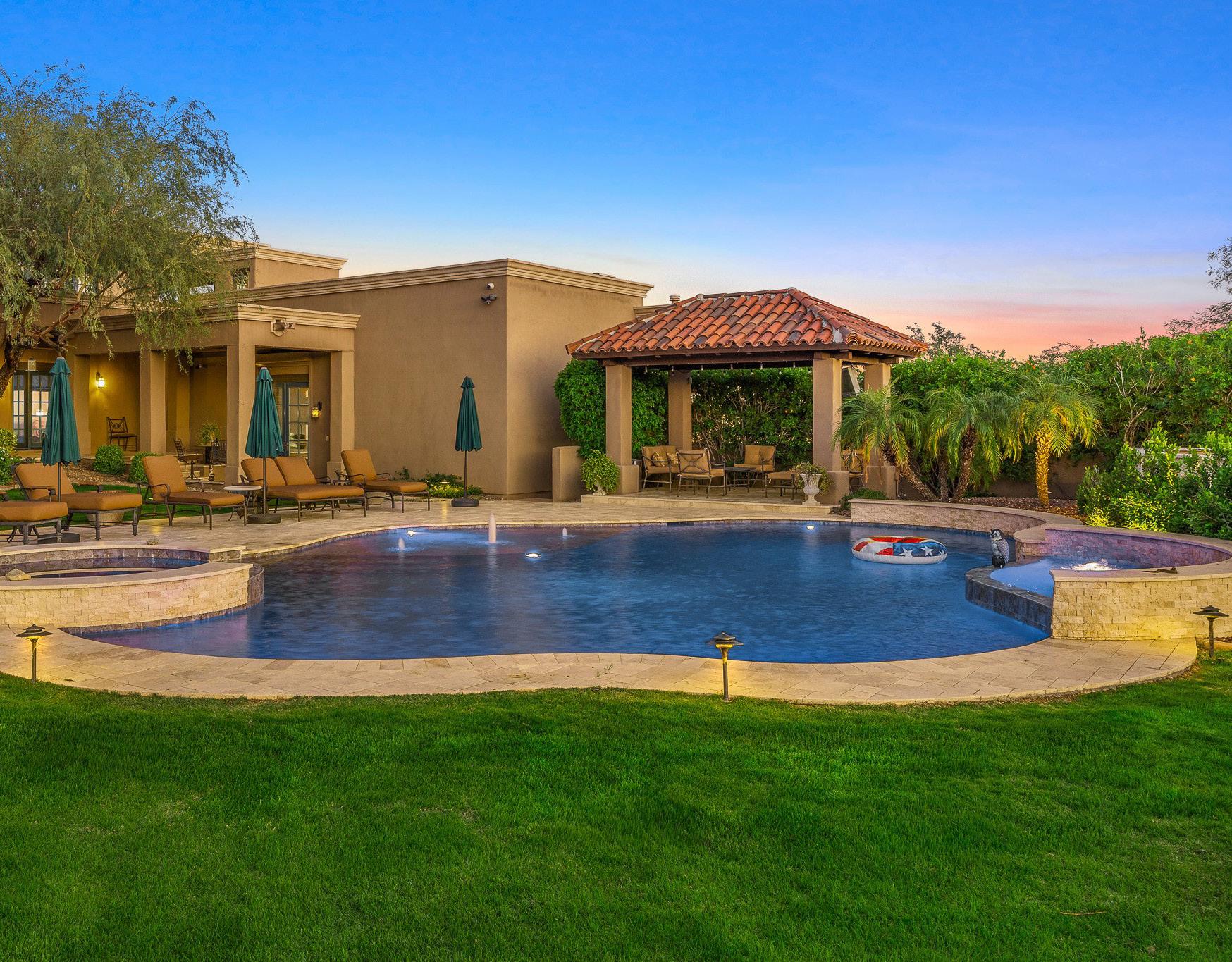
6000 N PALO CRISTI ROAD
PARADISE VALLEY ARIZONA
PROPERTY FEATURES
5 Bedrooms
9 Full Bath
8,725 Square Feet
CHRIS KARAS chris.karas@compass.com
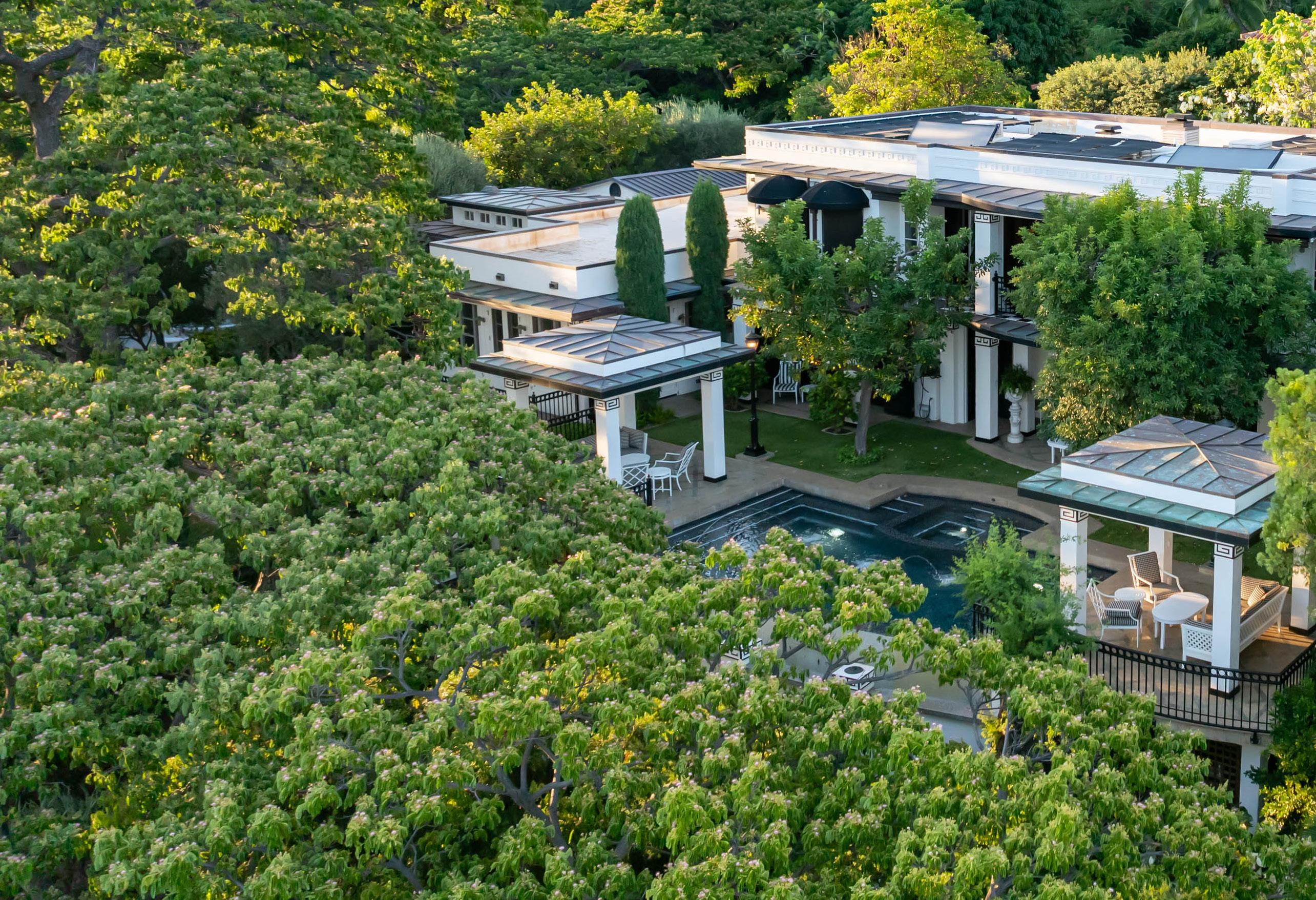
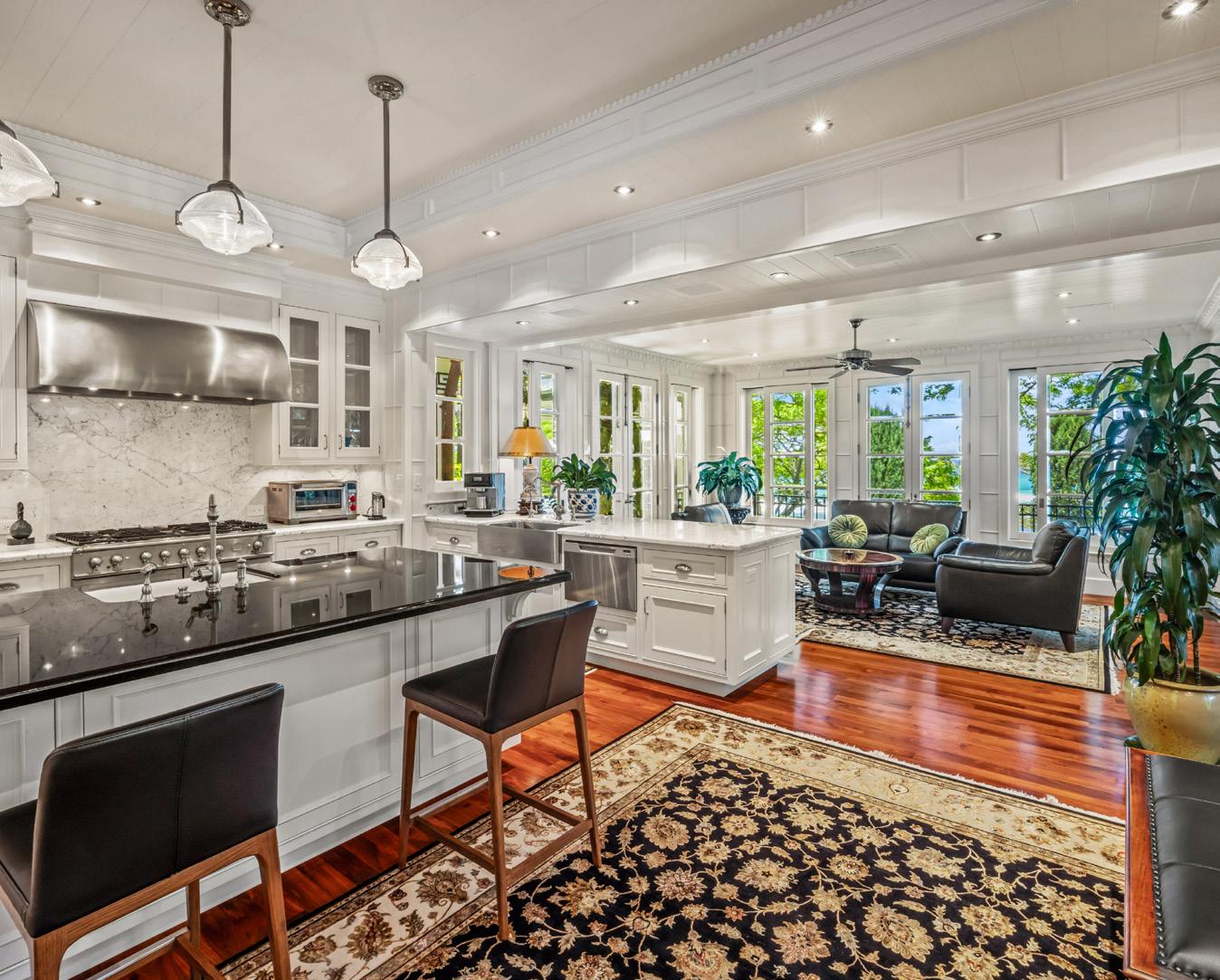
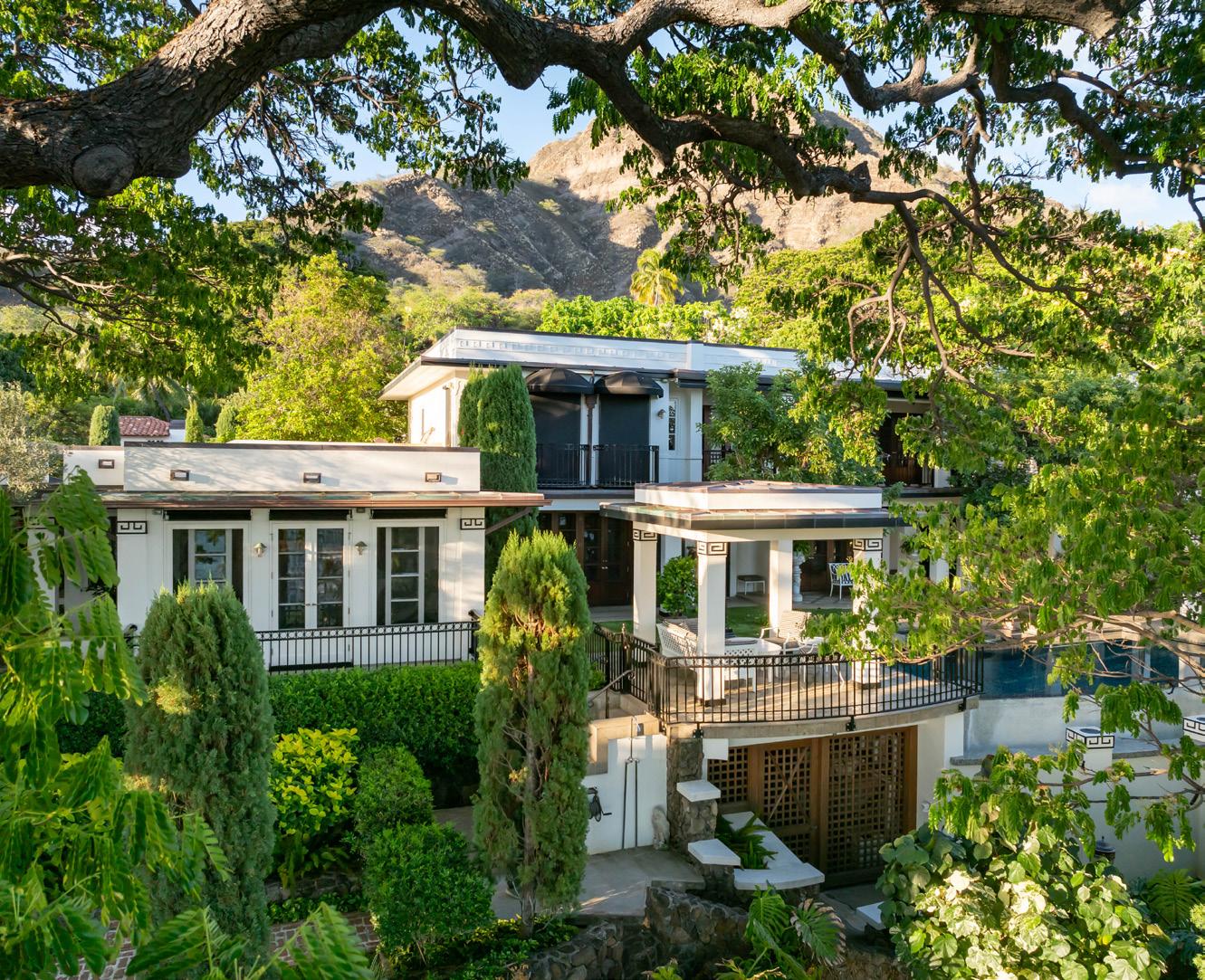
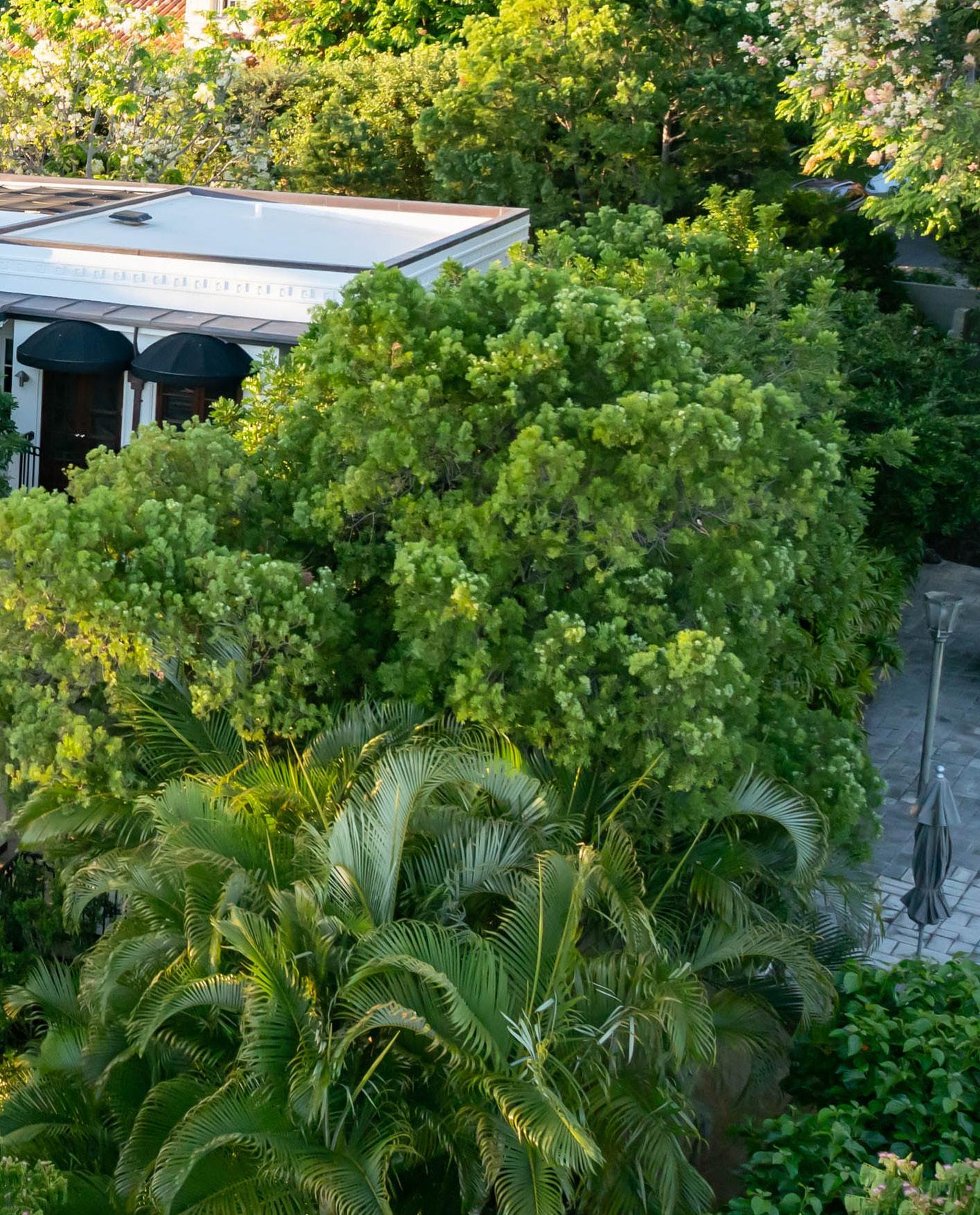
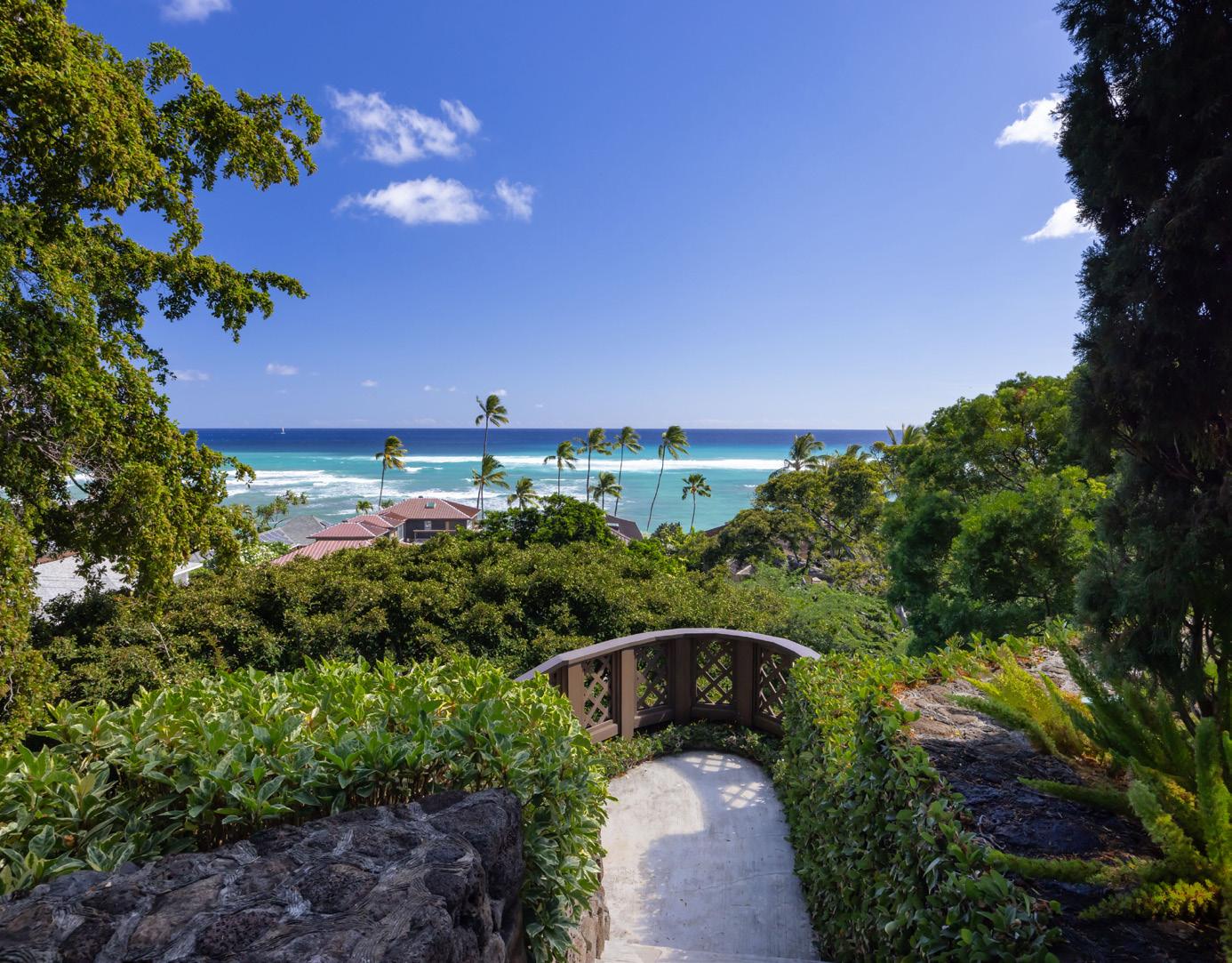
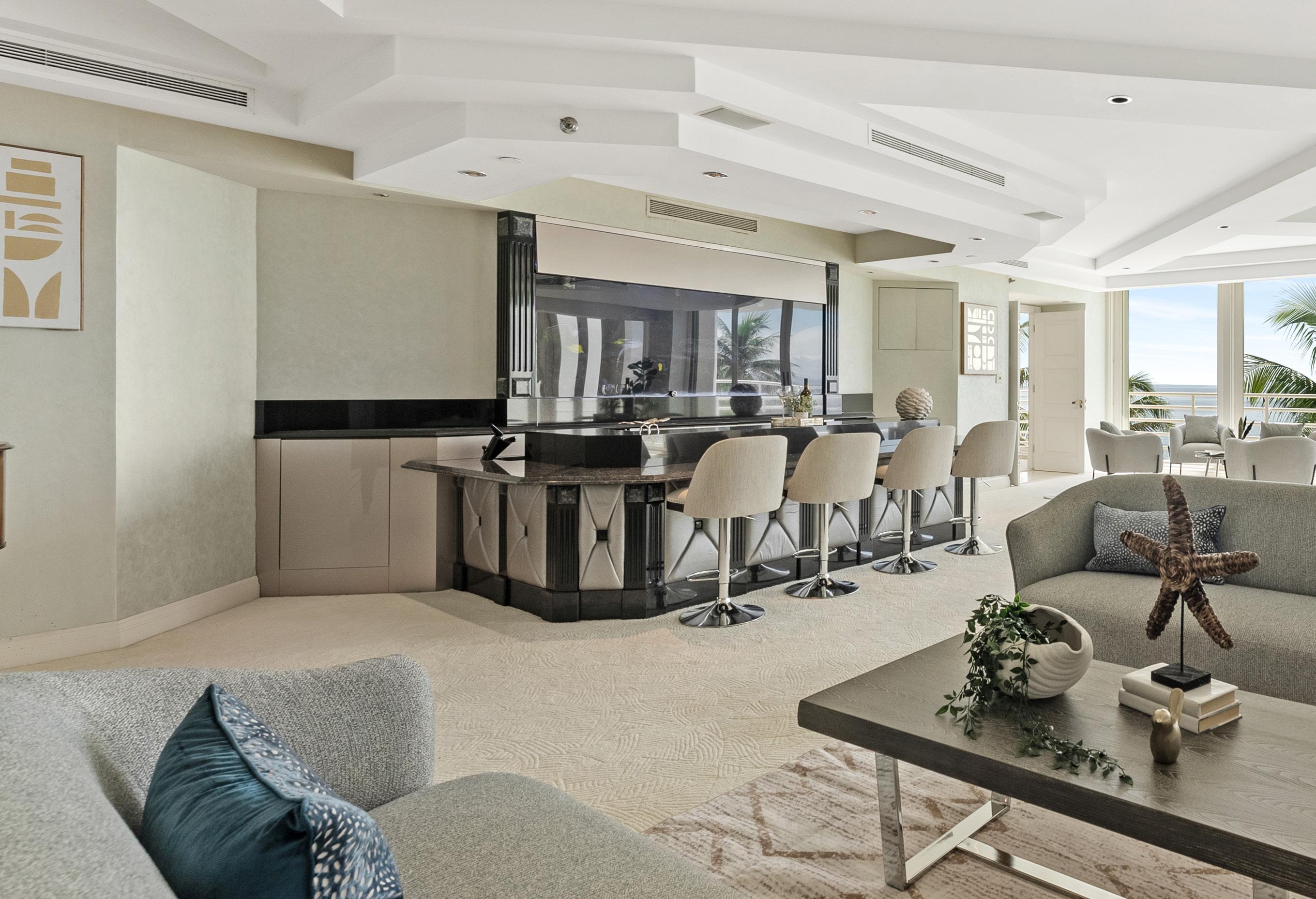
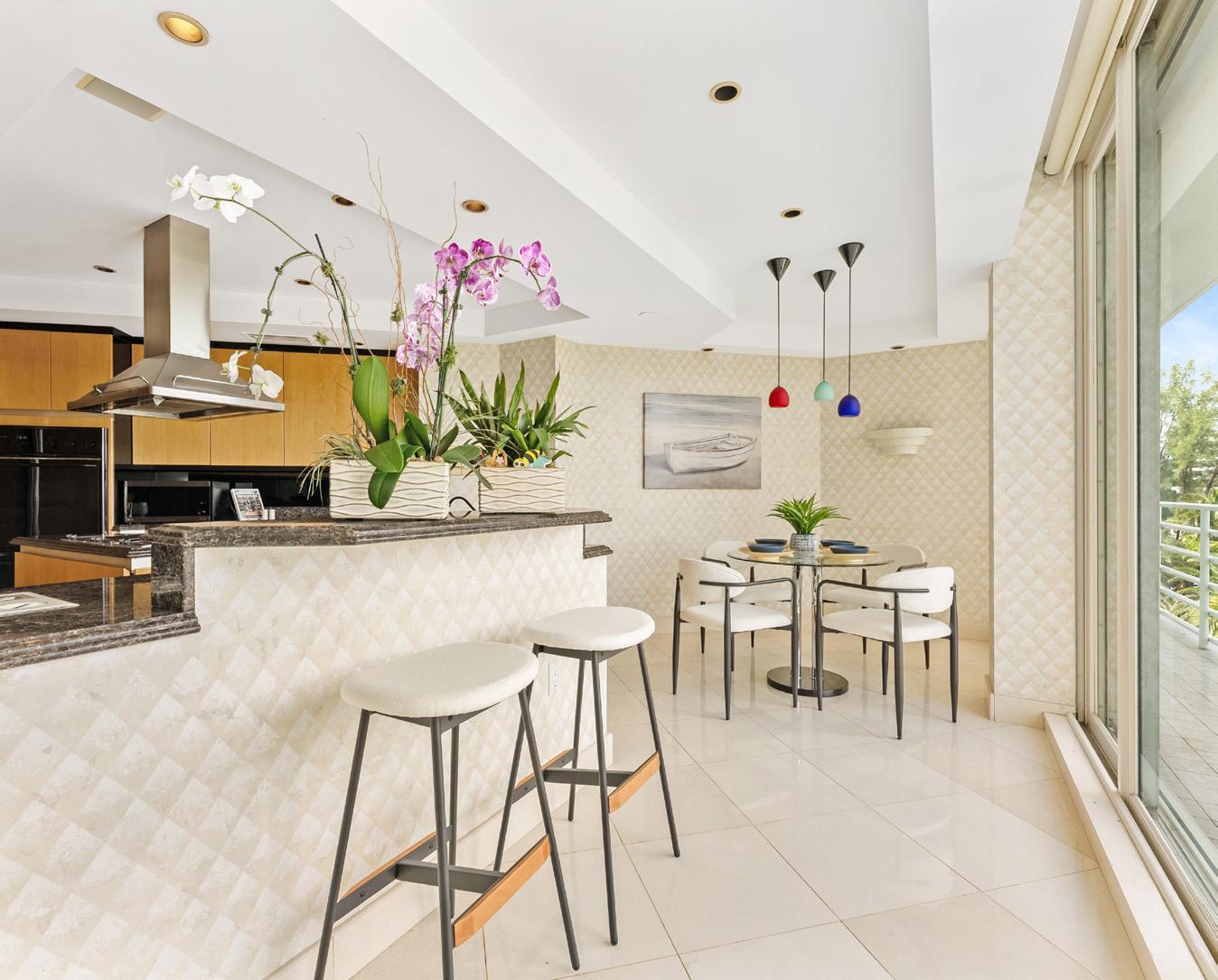
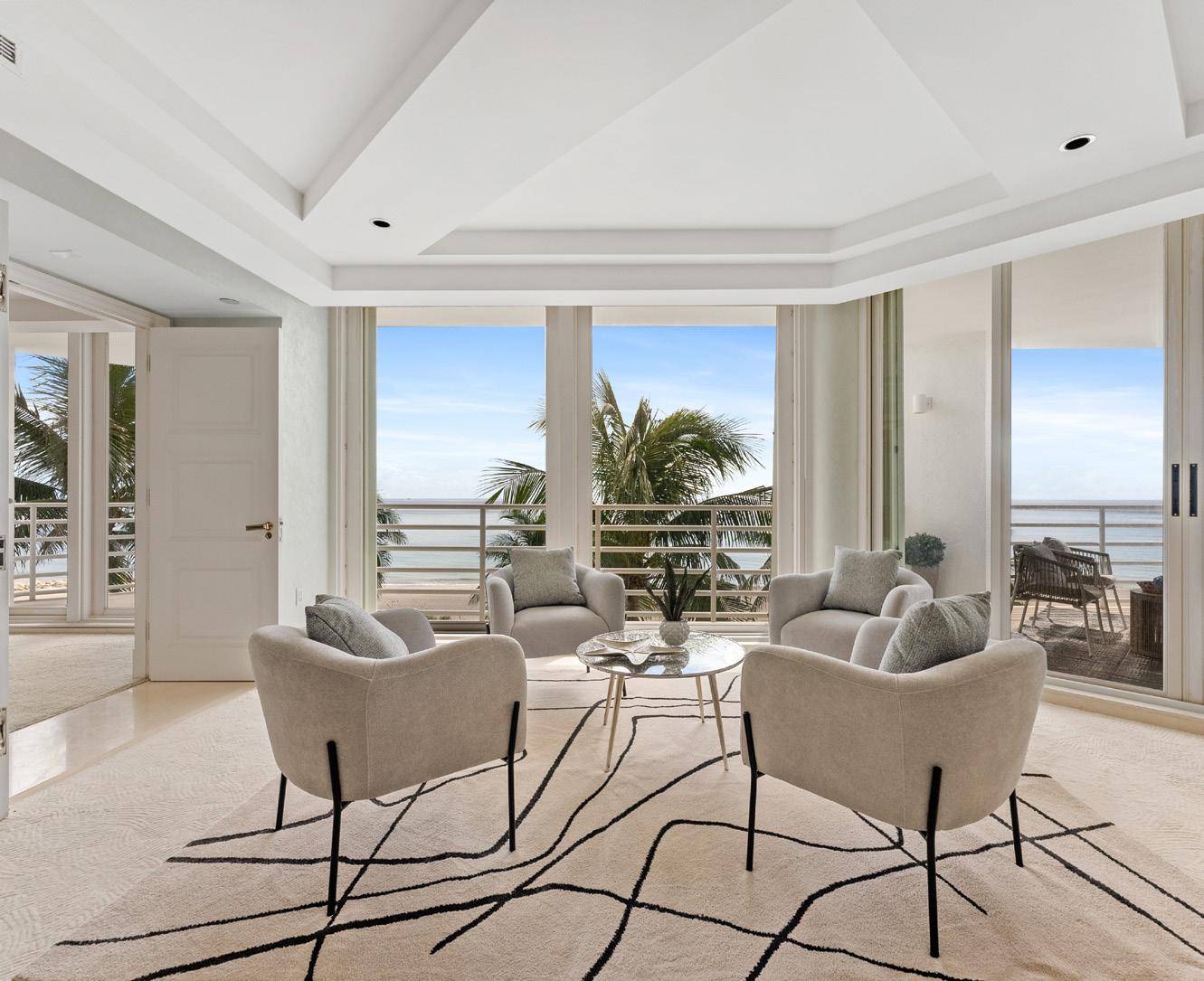
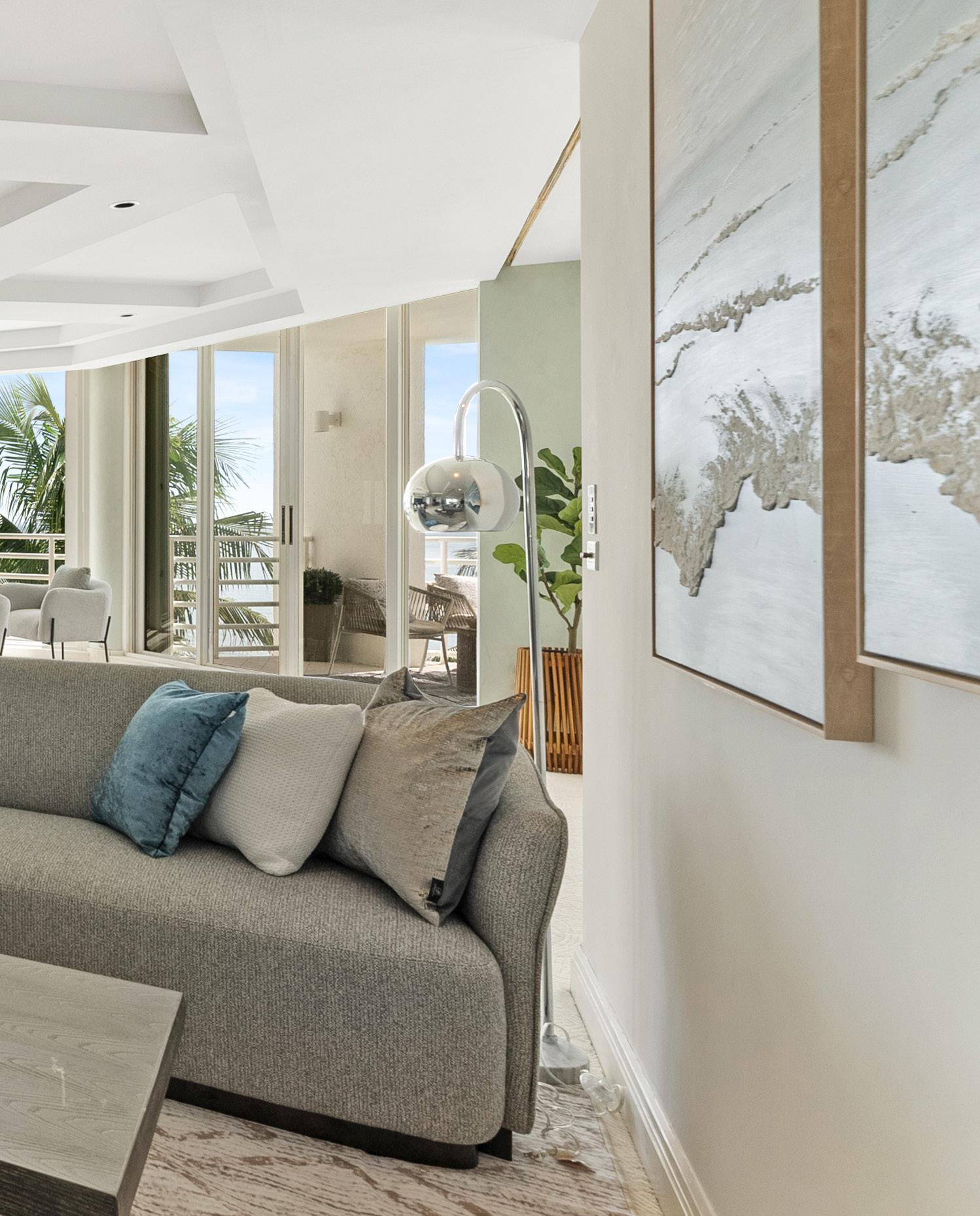
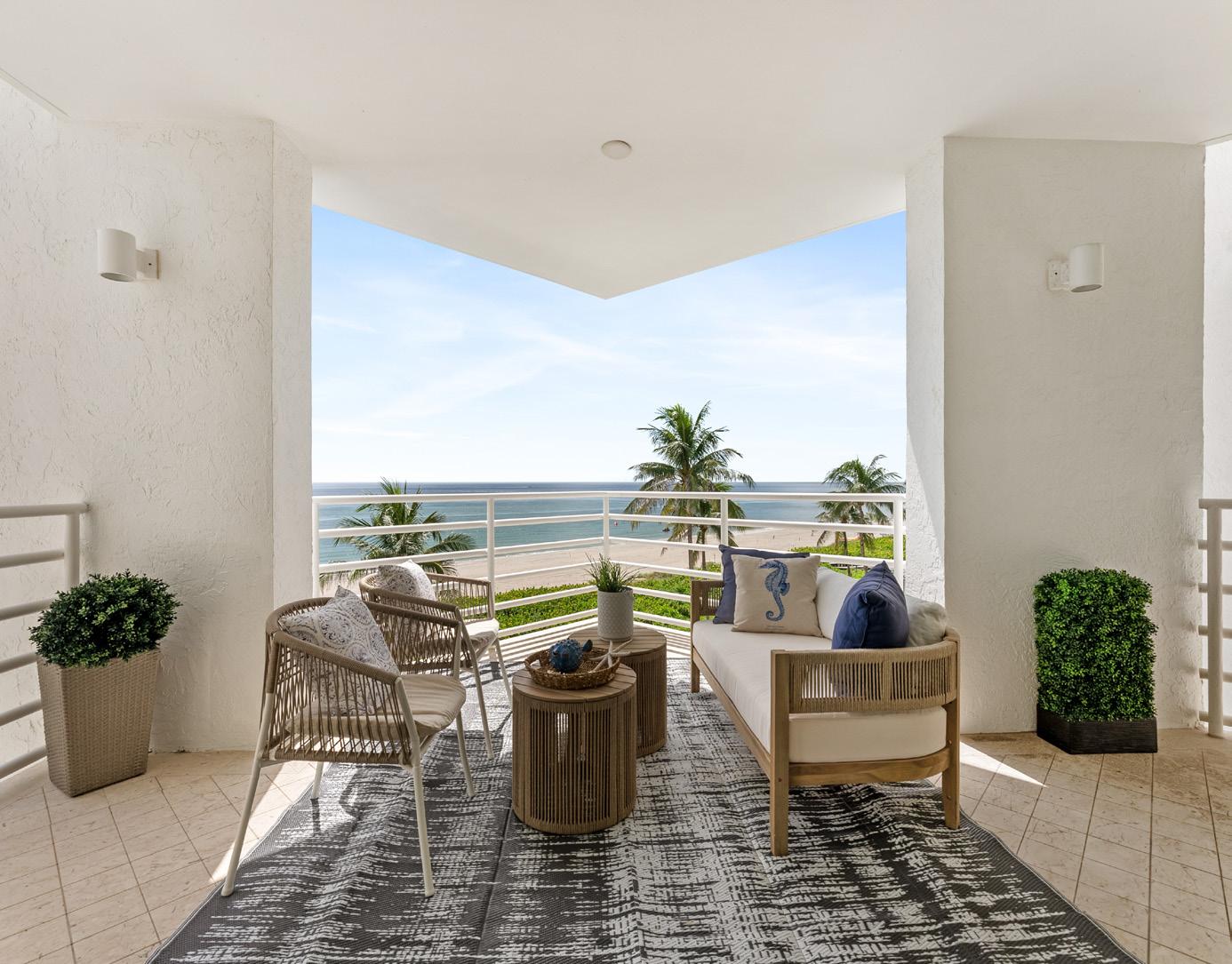
PROPERTY FEATURES 4 Bedrooms 6 Full Bath 4,747 Square Feet
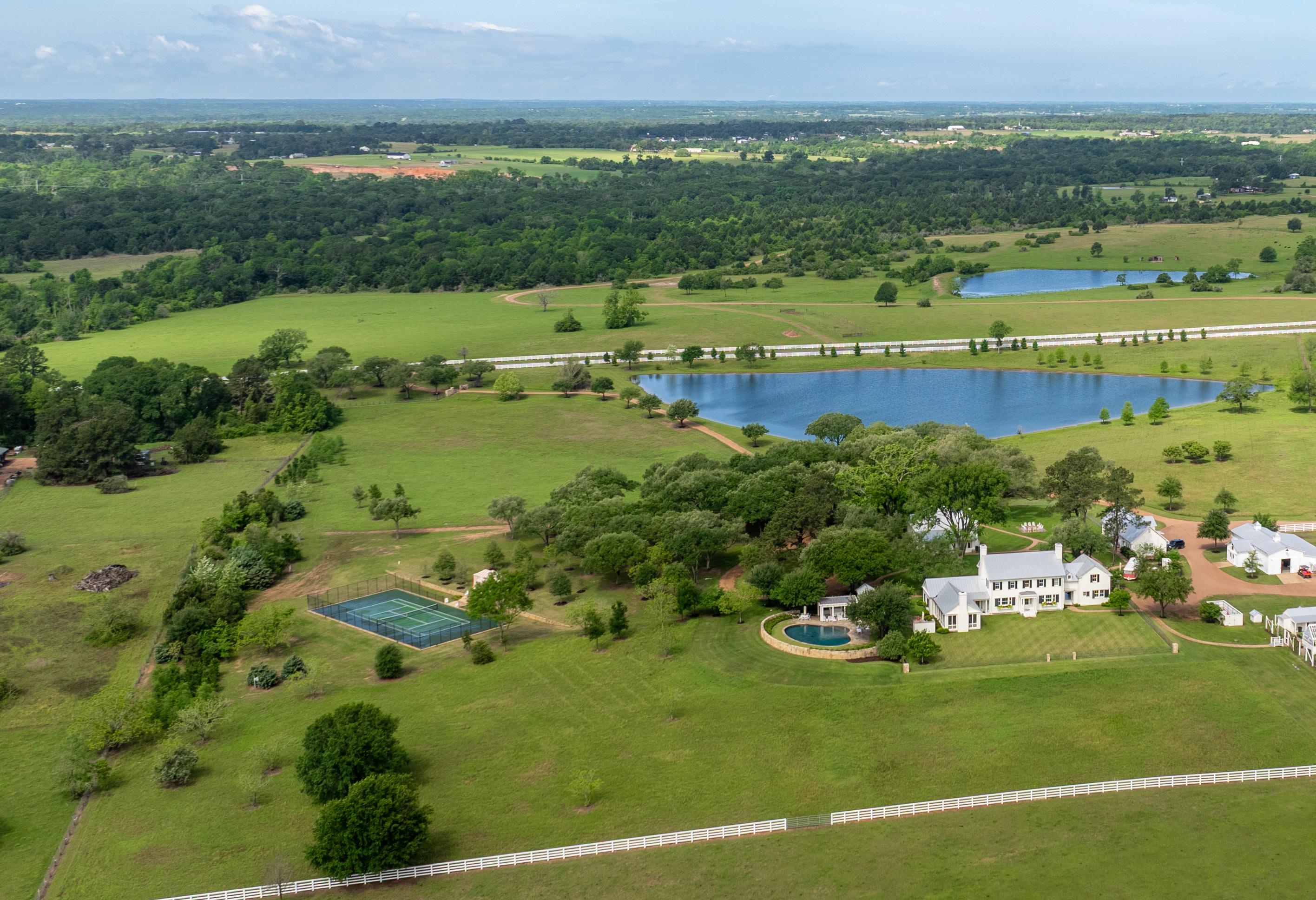
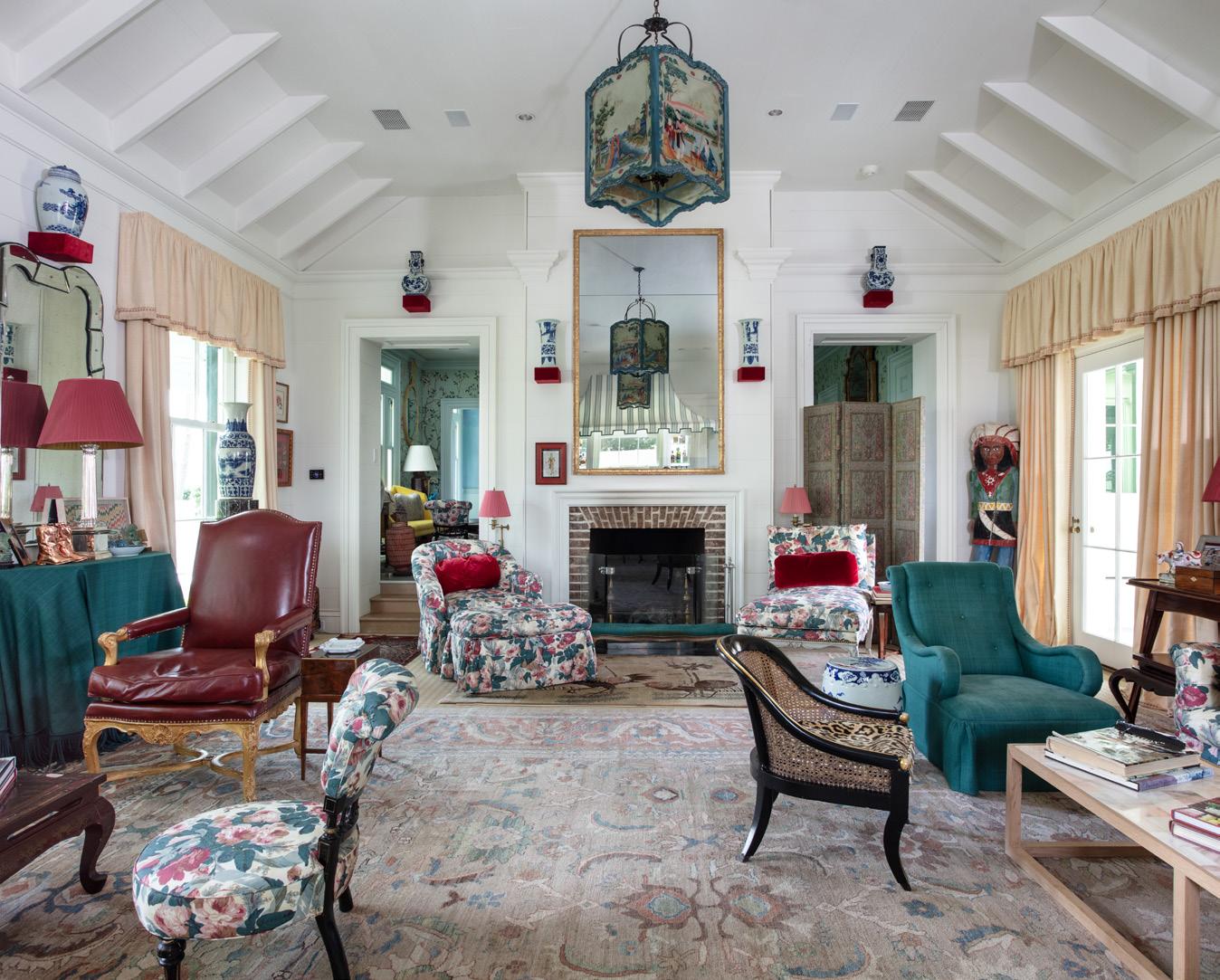
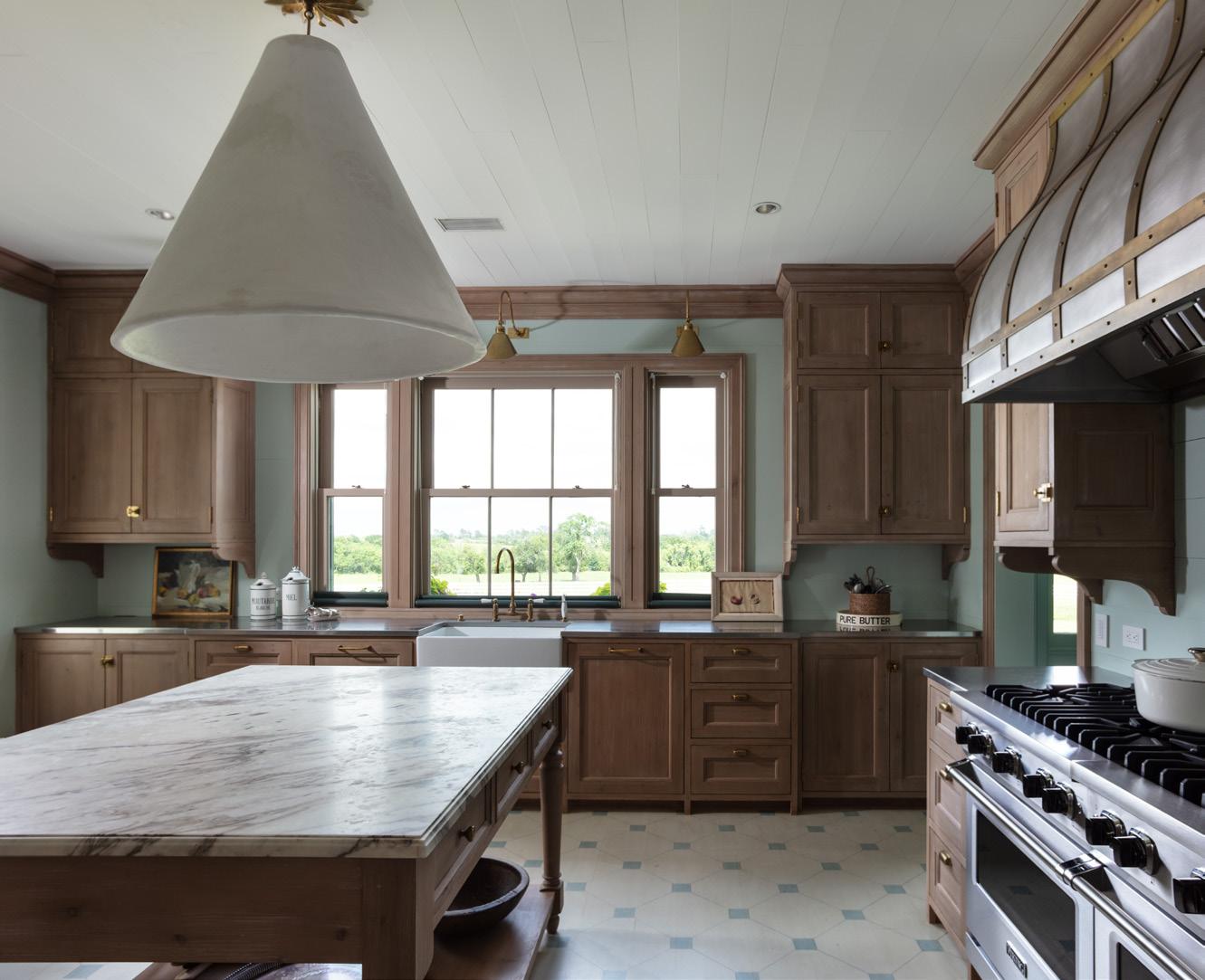
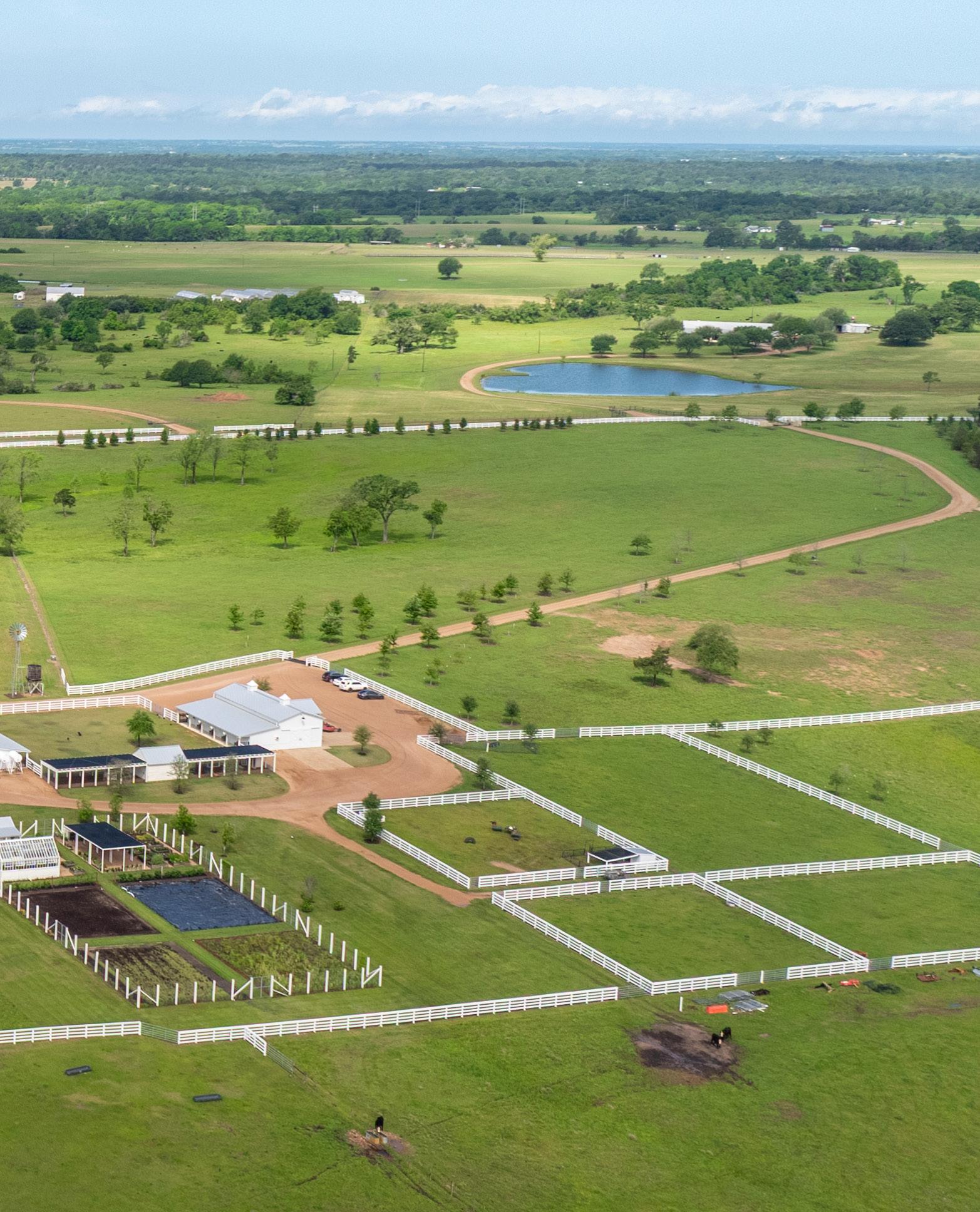
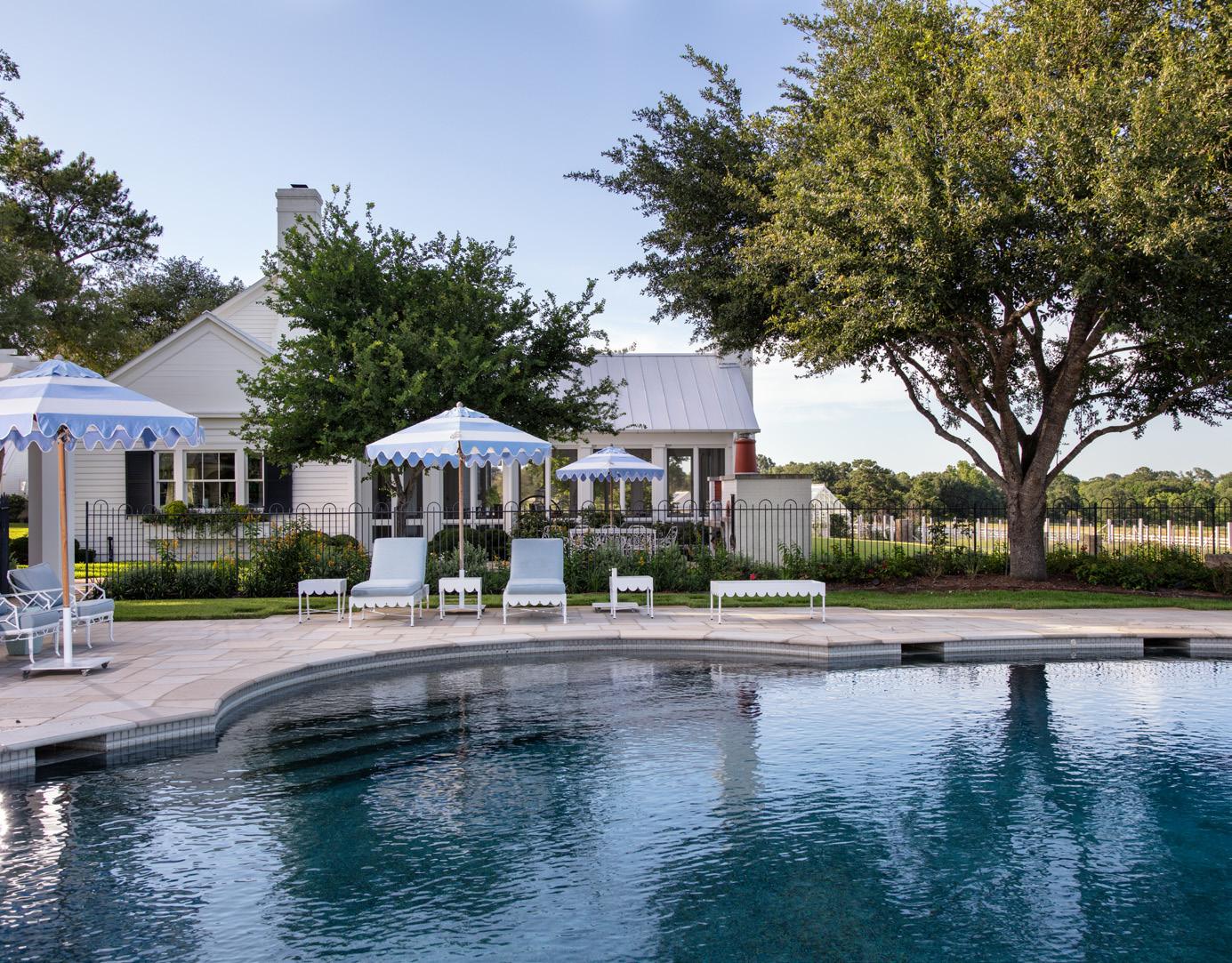
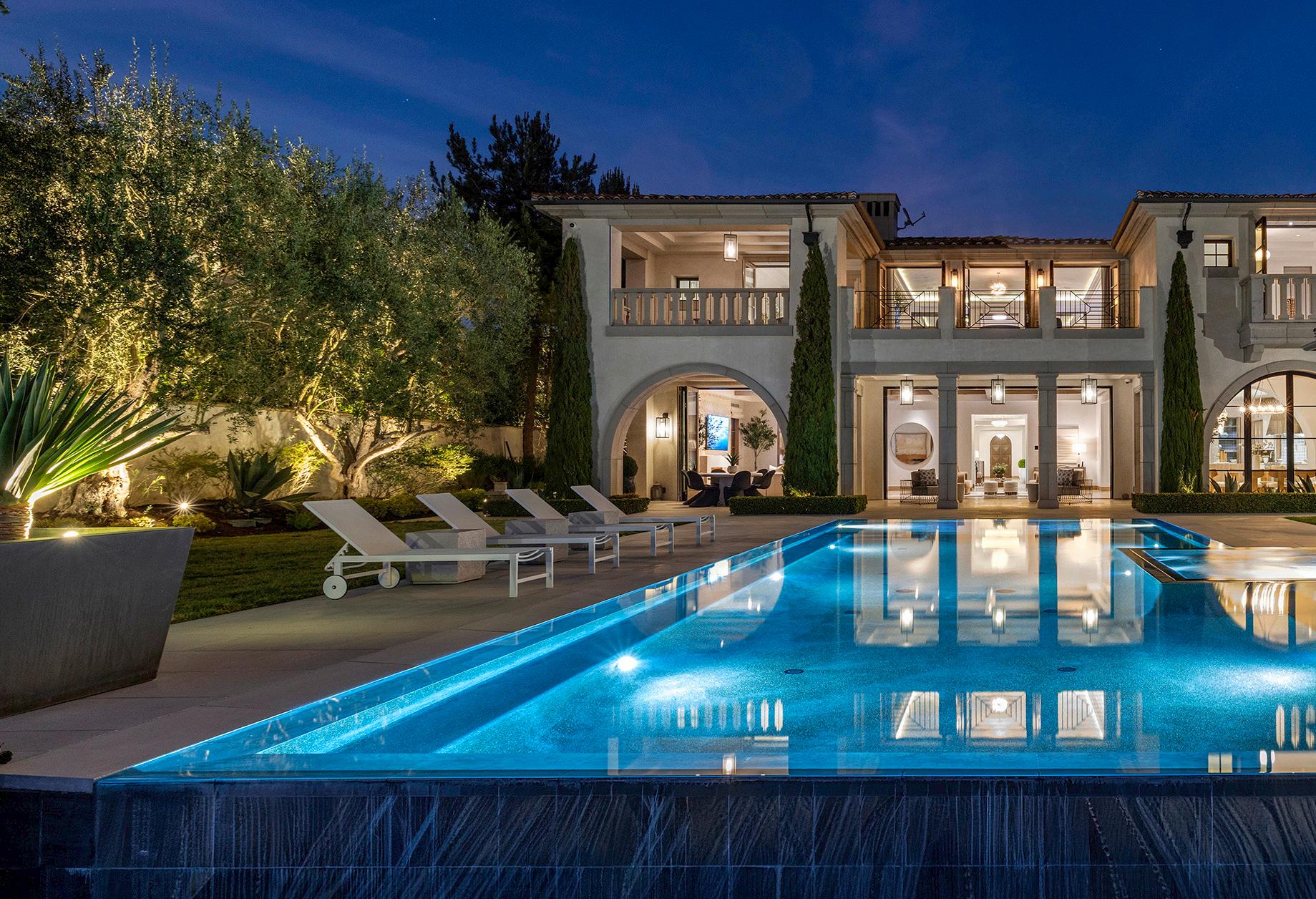
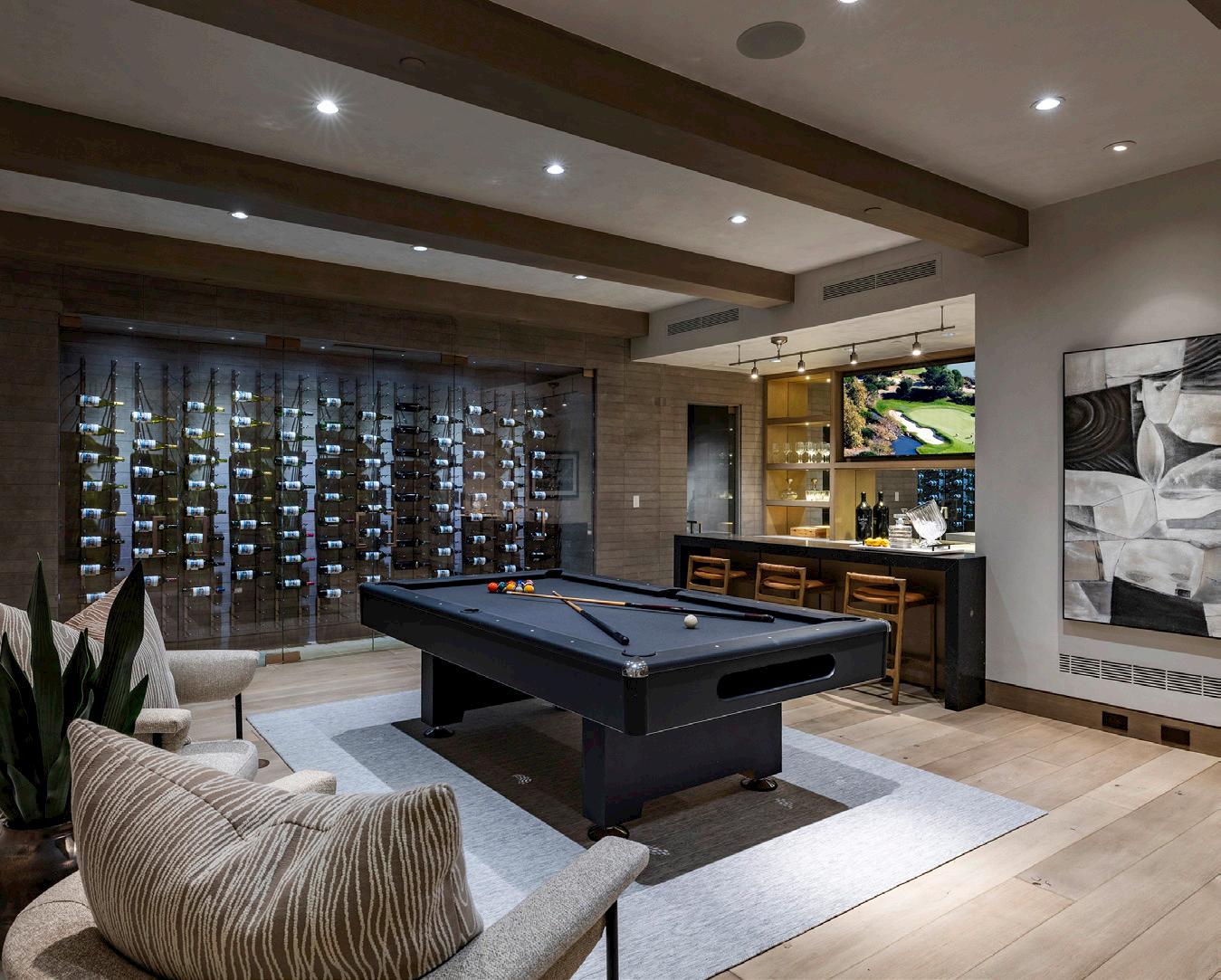
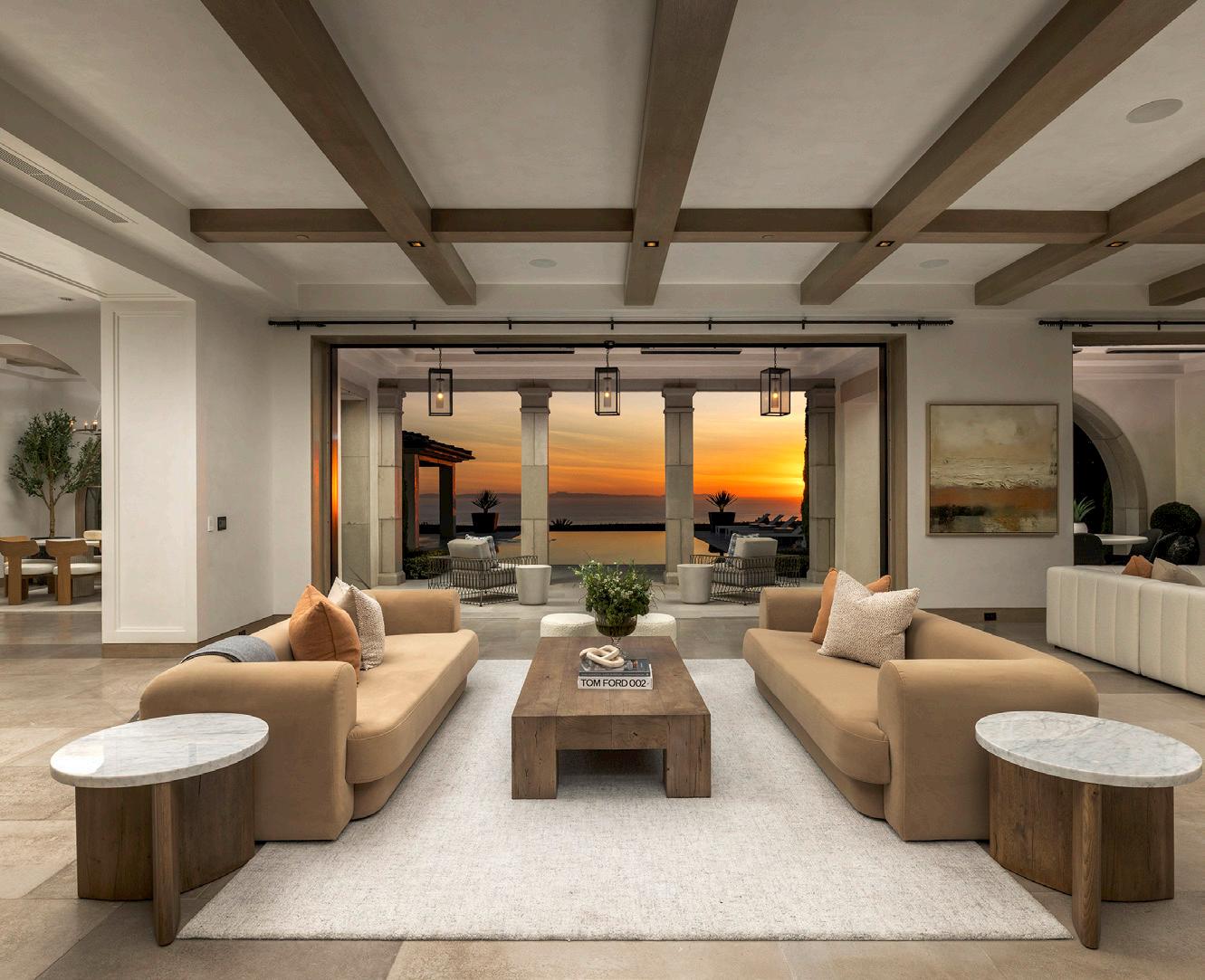
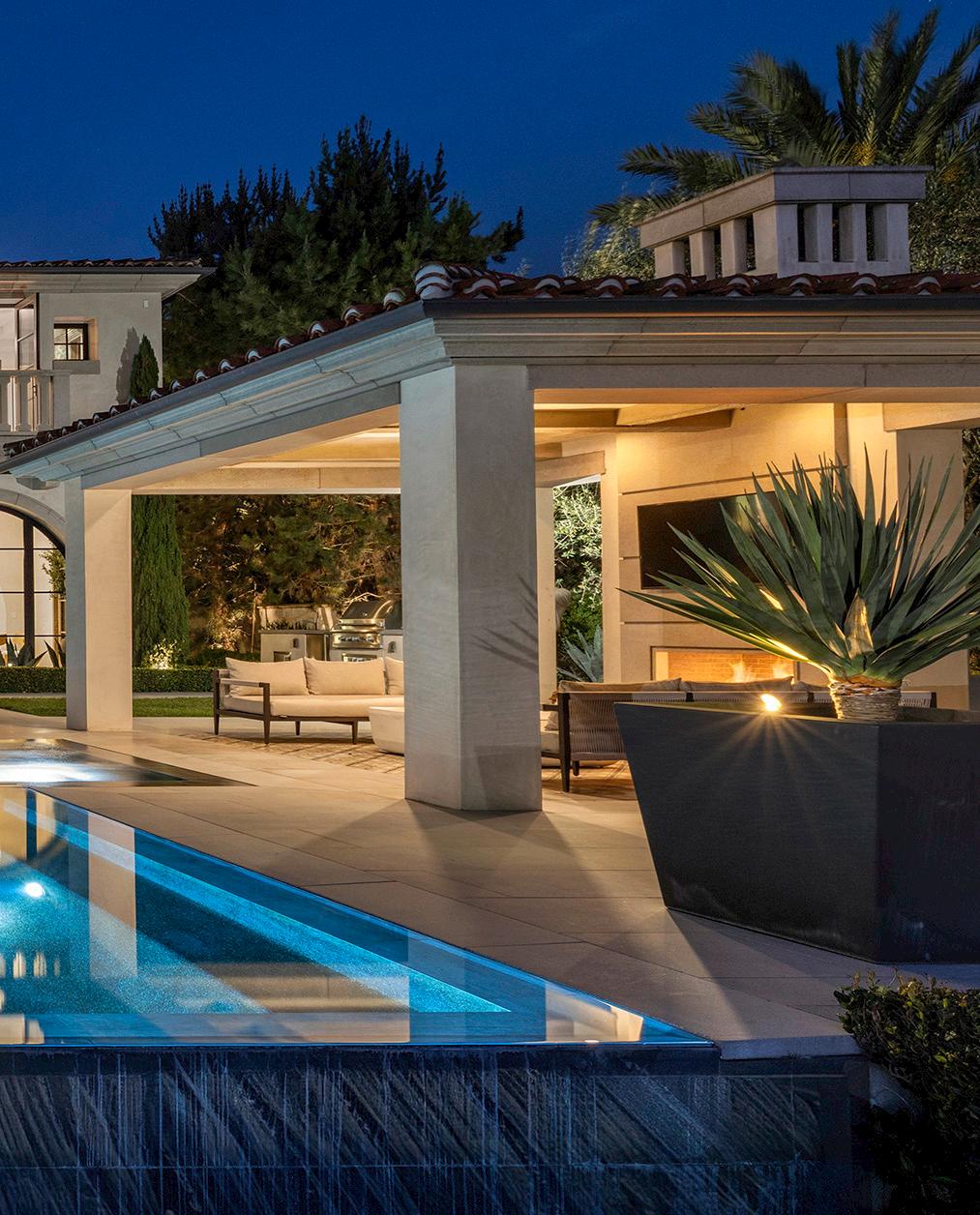
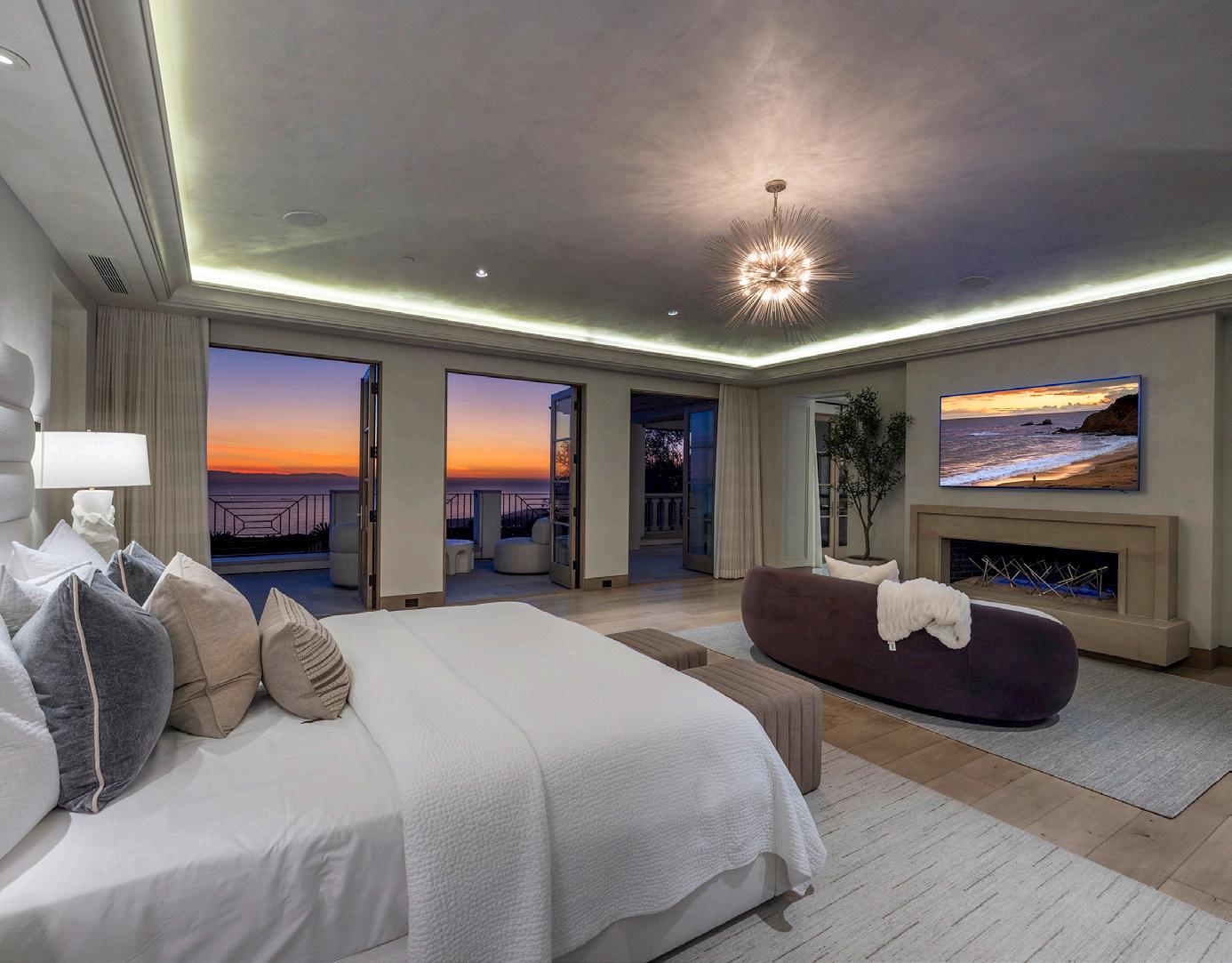
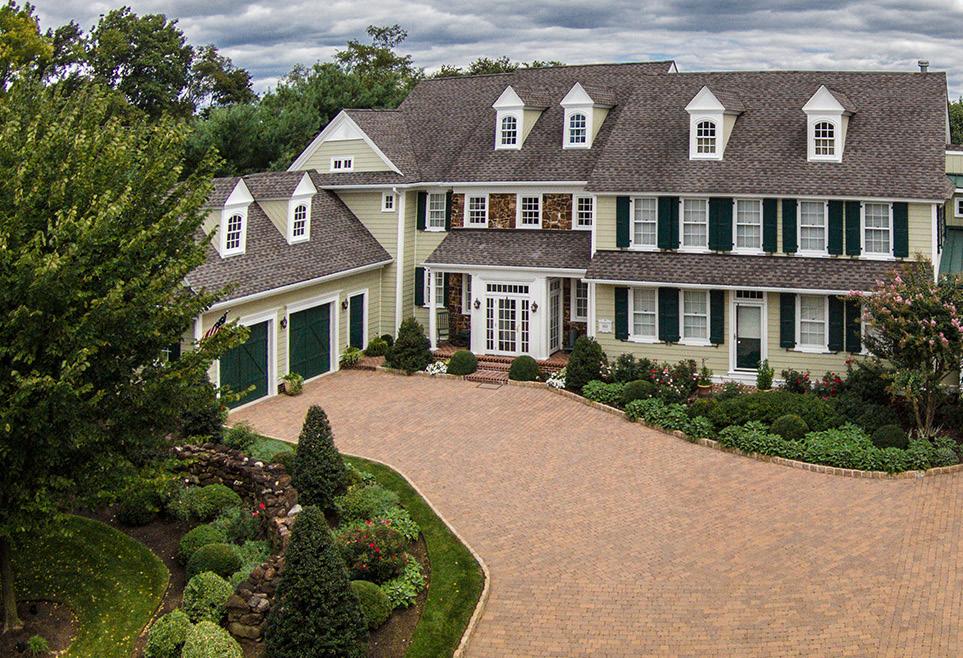
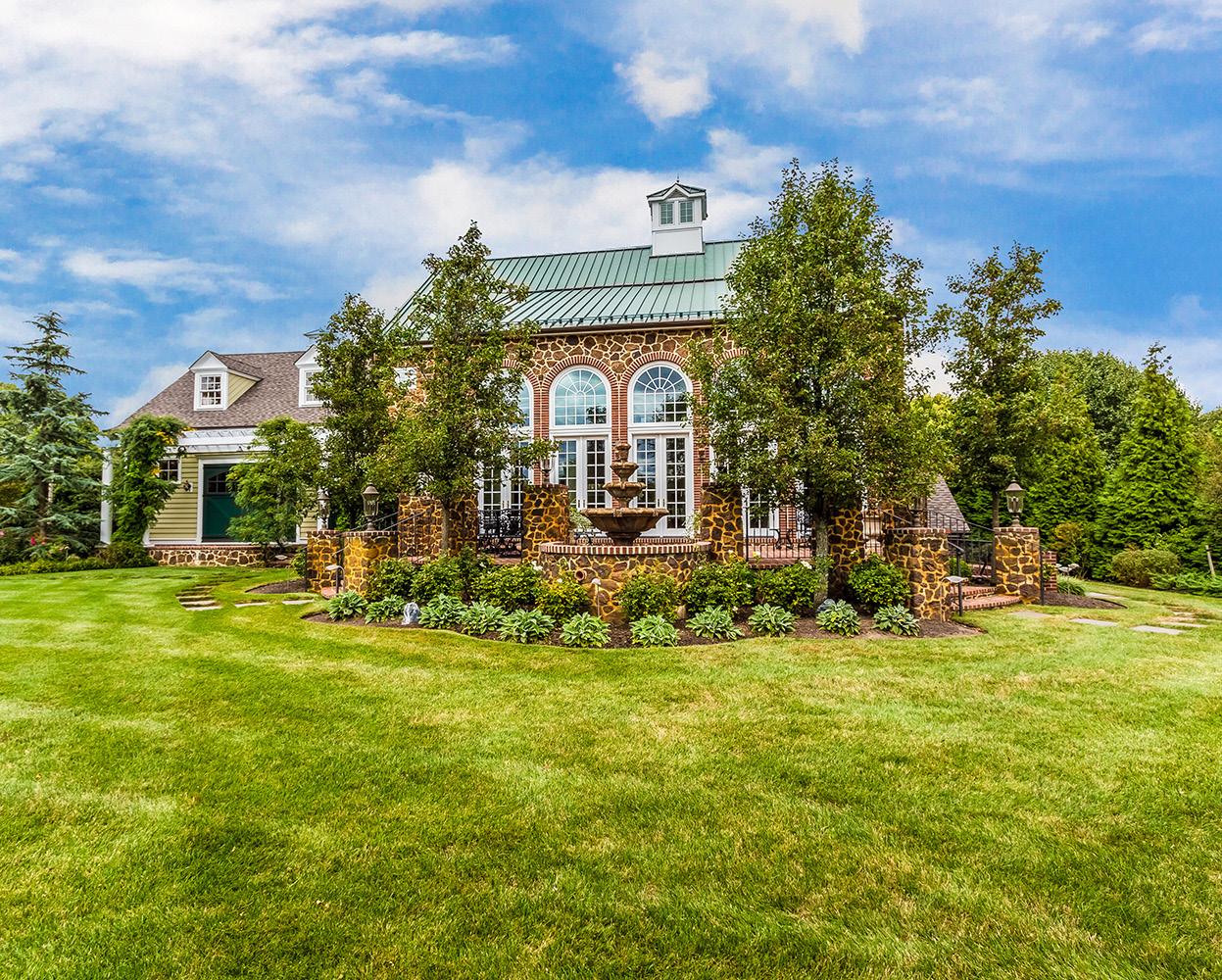
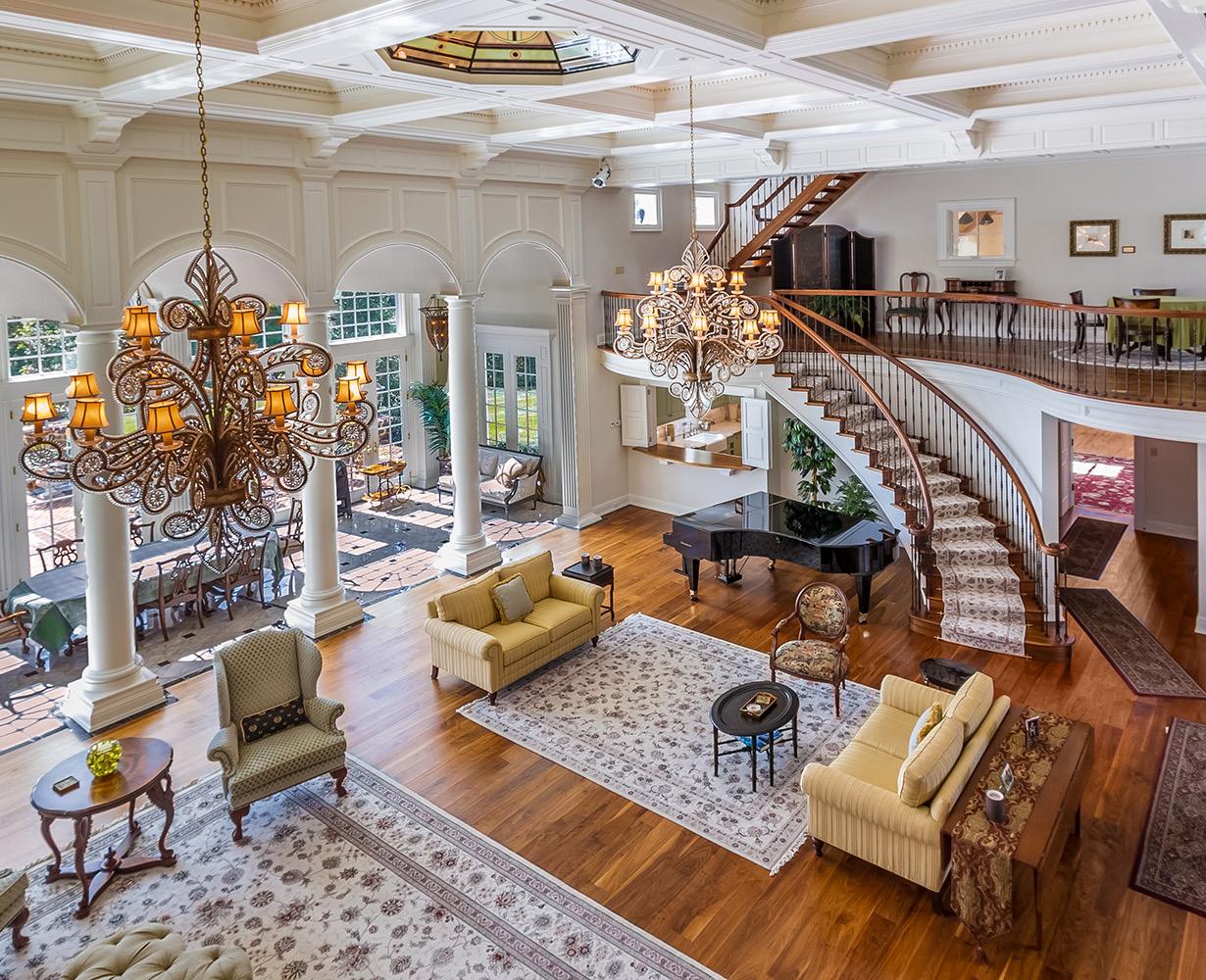
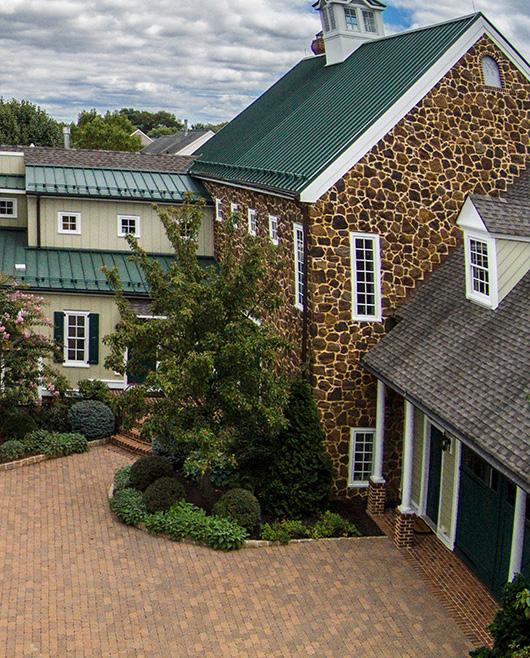
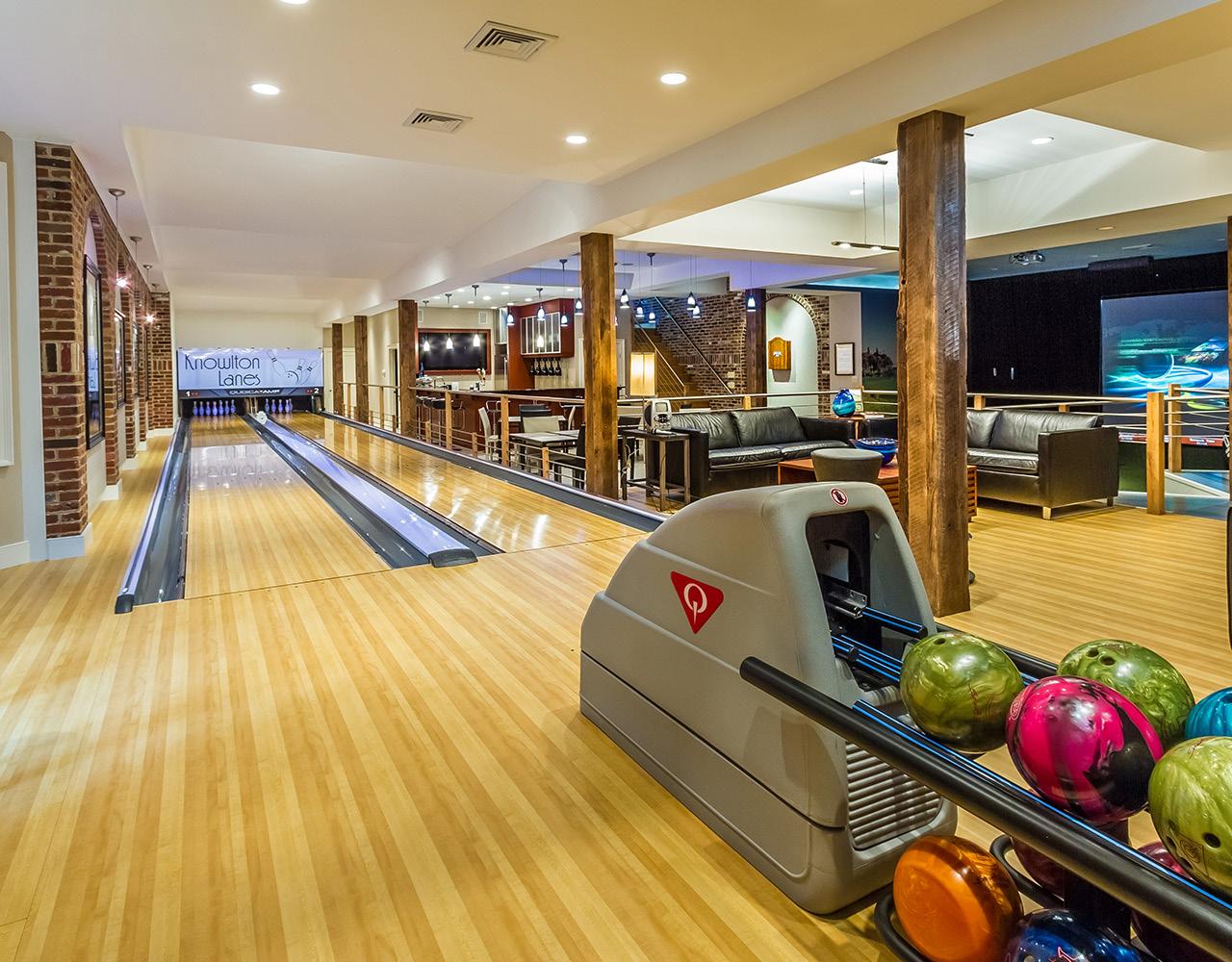
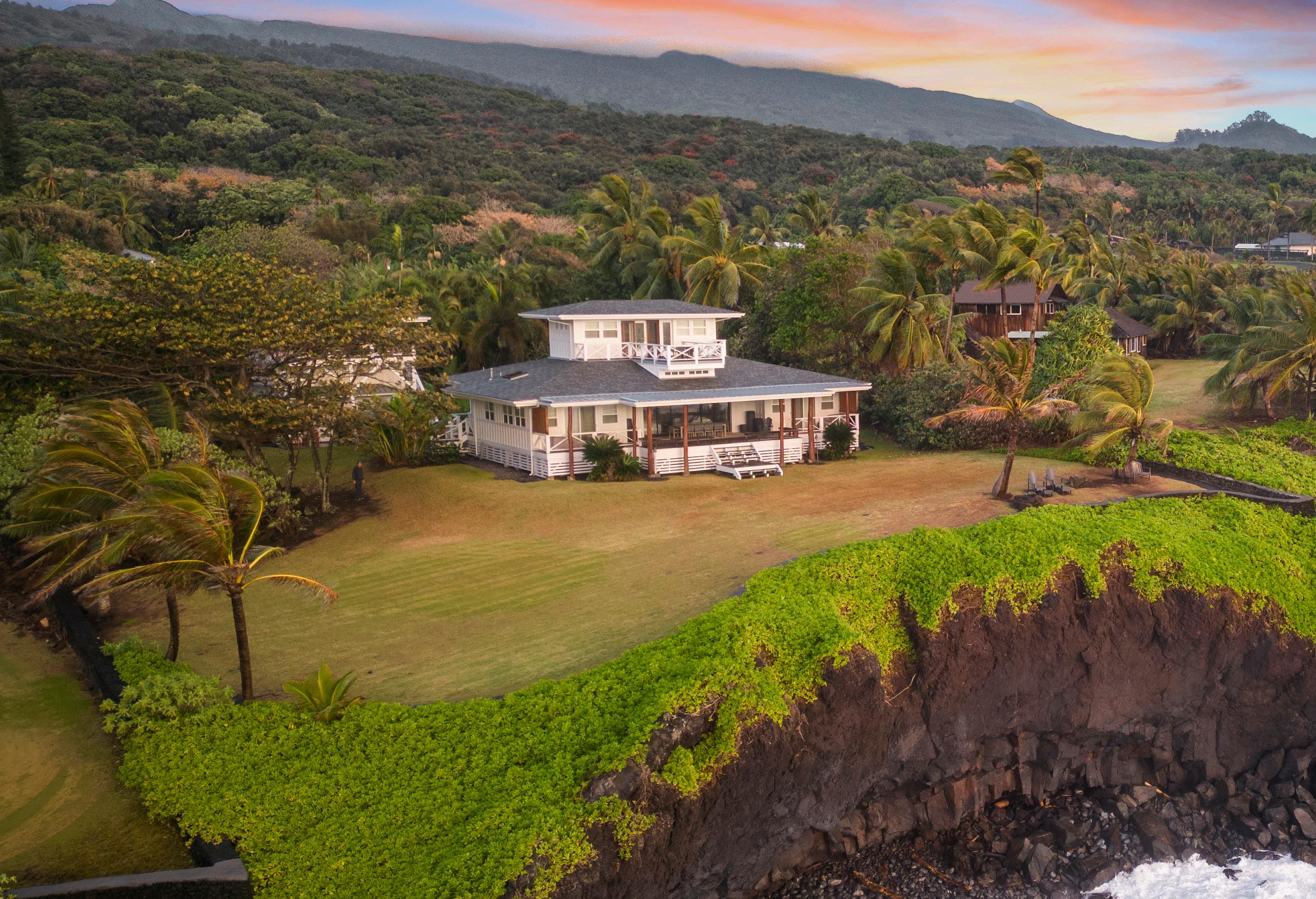
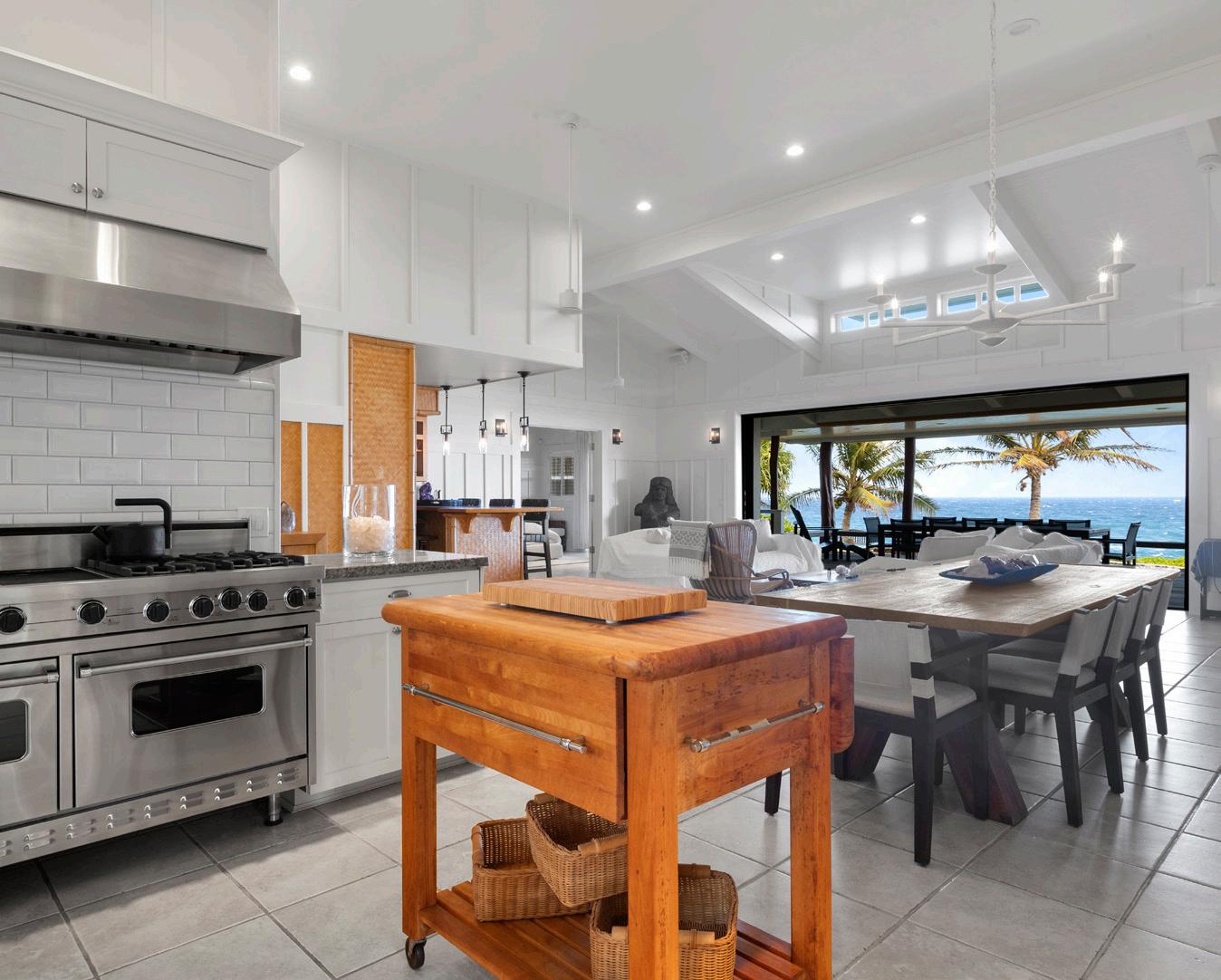
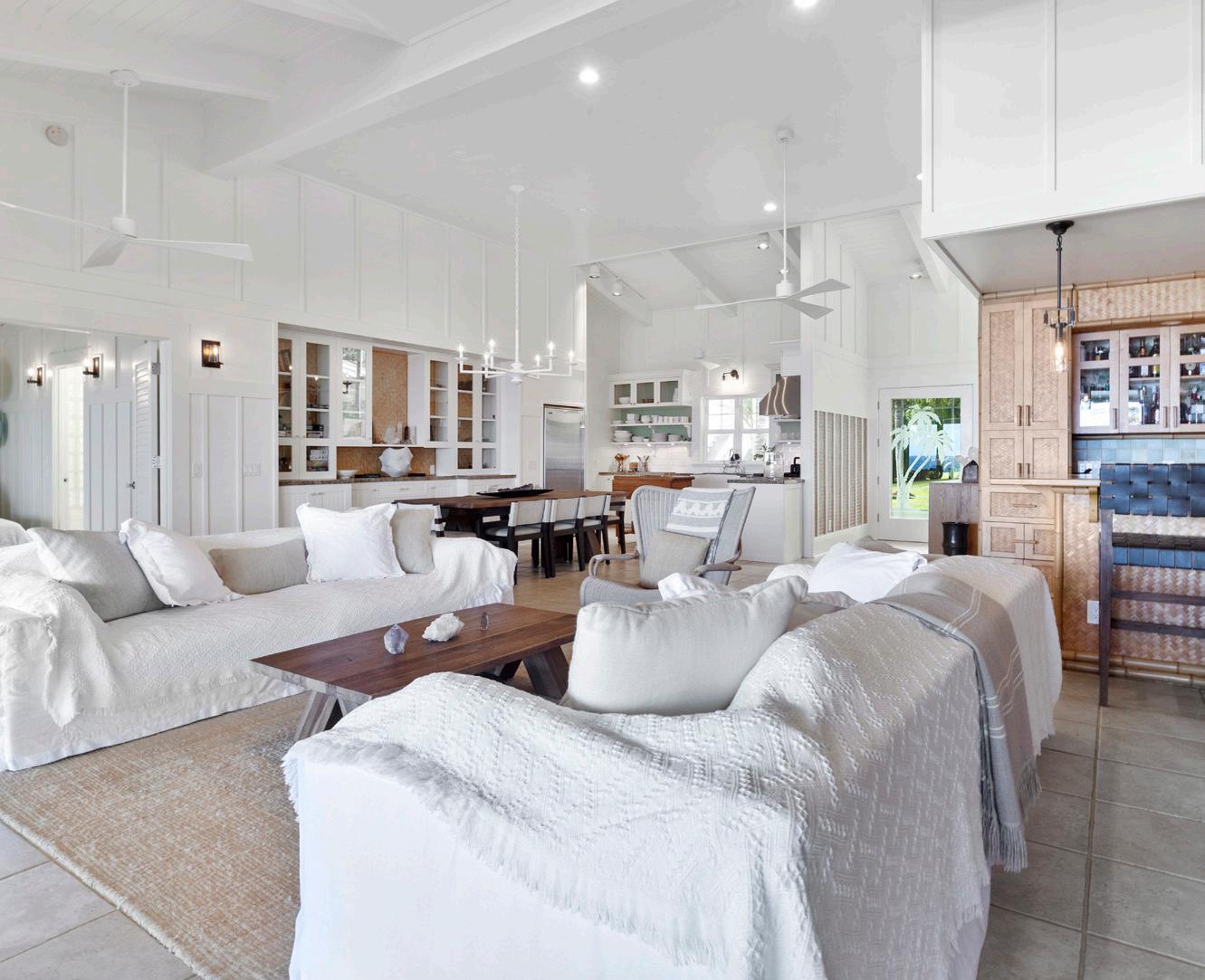

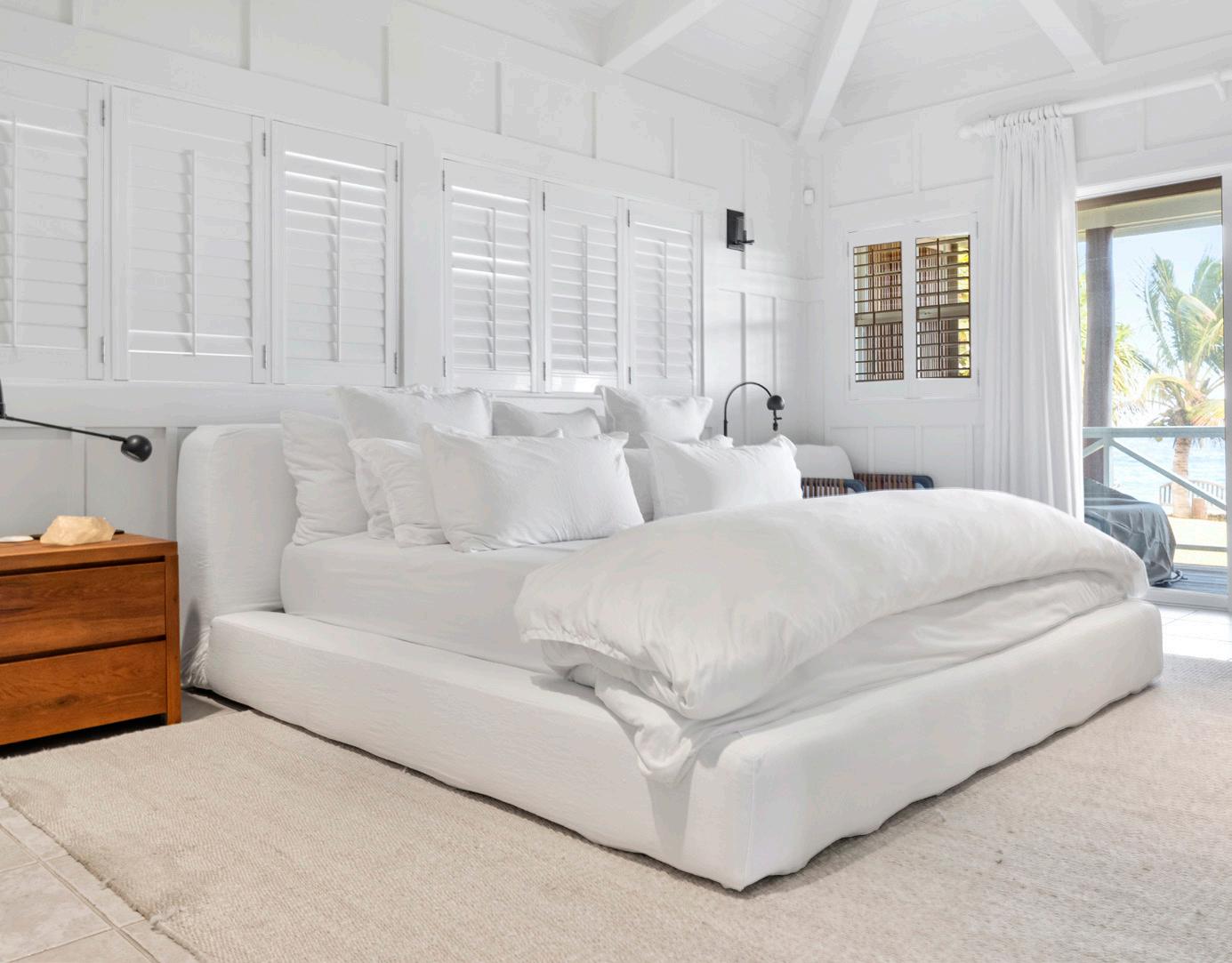
51 KAPOHUE ROAD HANA
HAWAII
PROPERTY FEATURES
3 Bedrooms
3.5 Full Bath
3,295 Square Feet
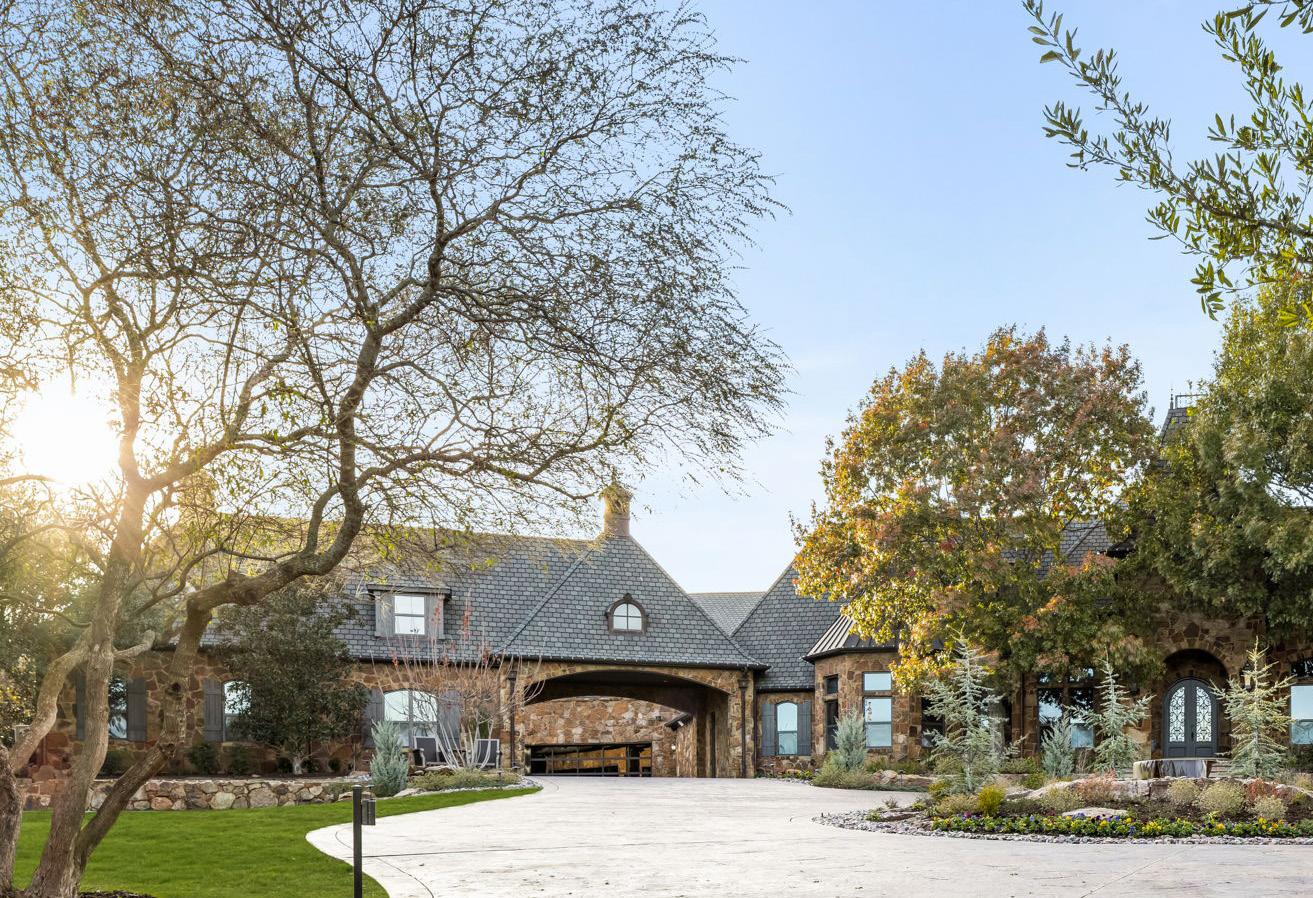
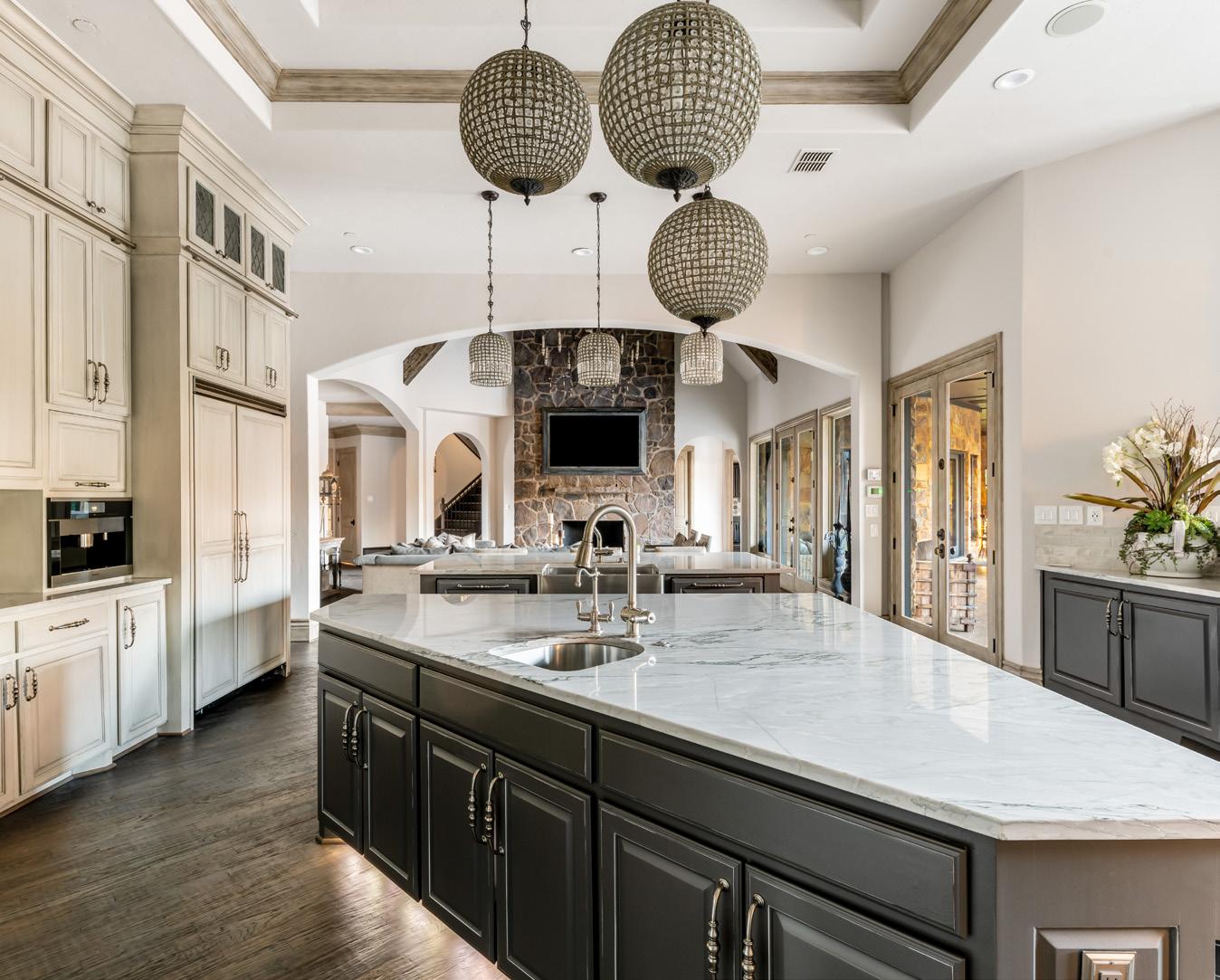
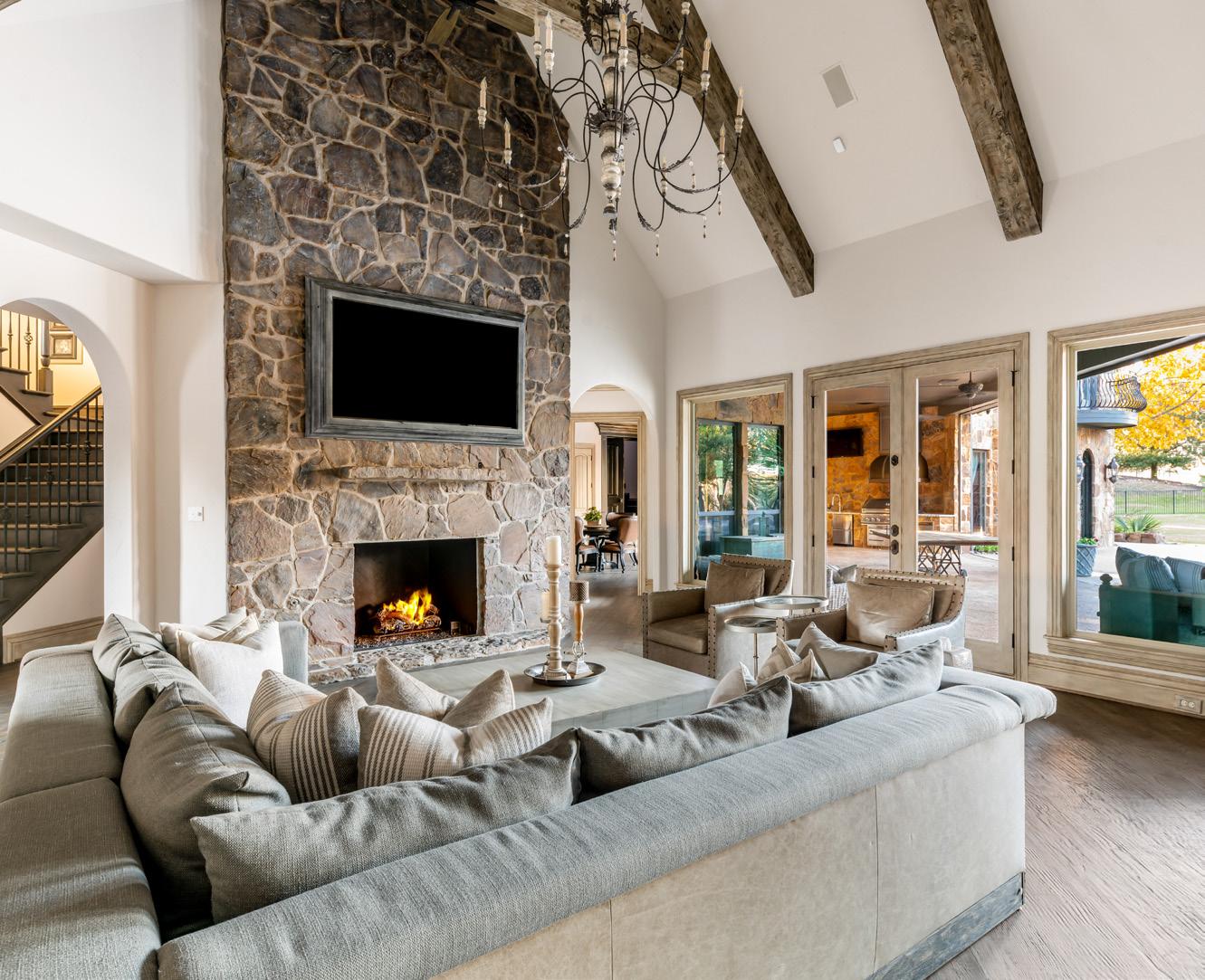
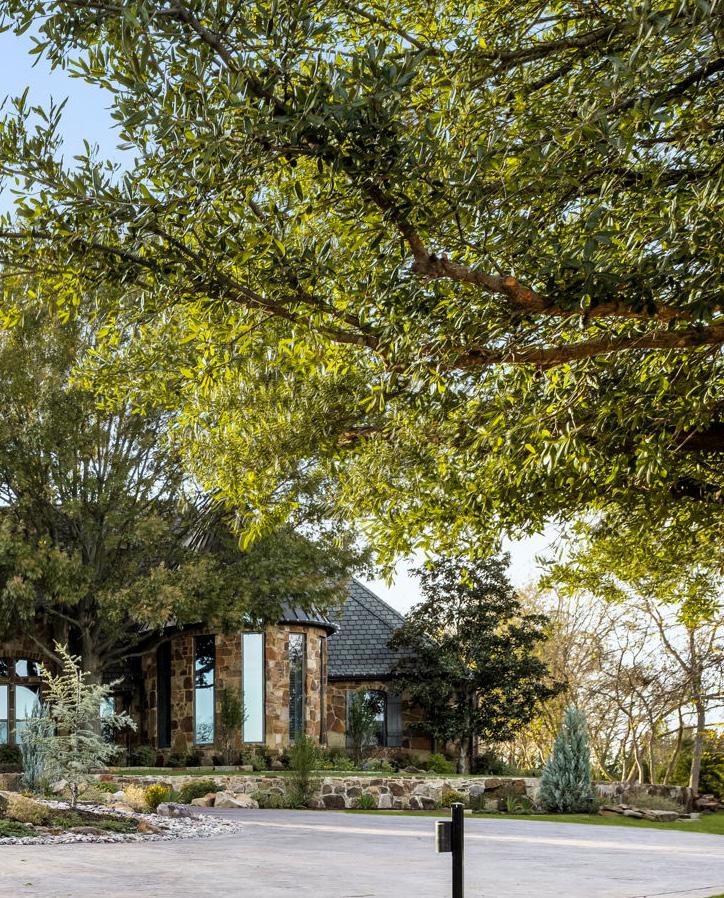
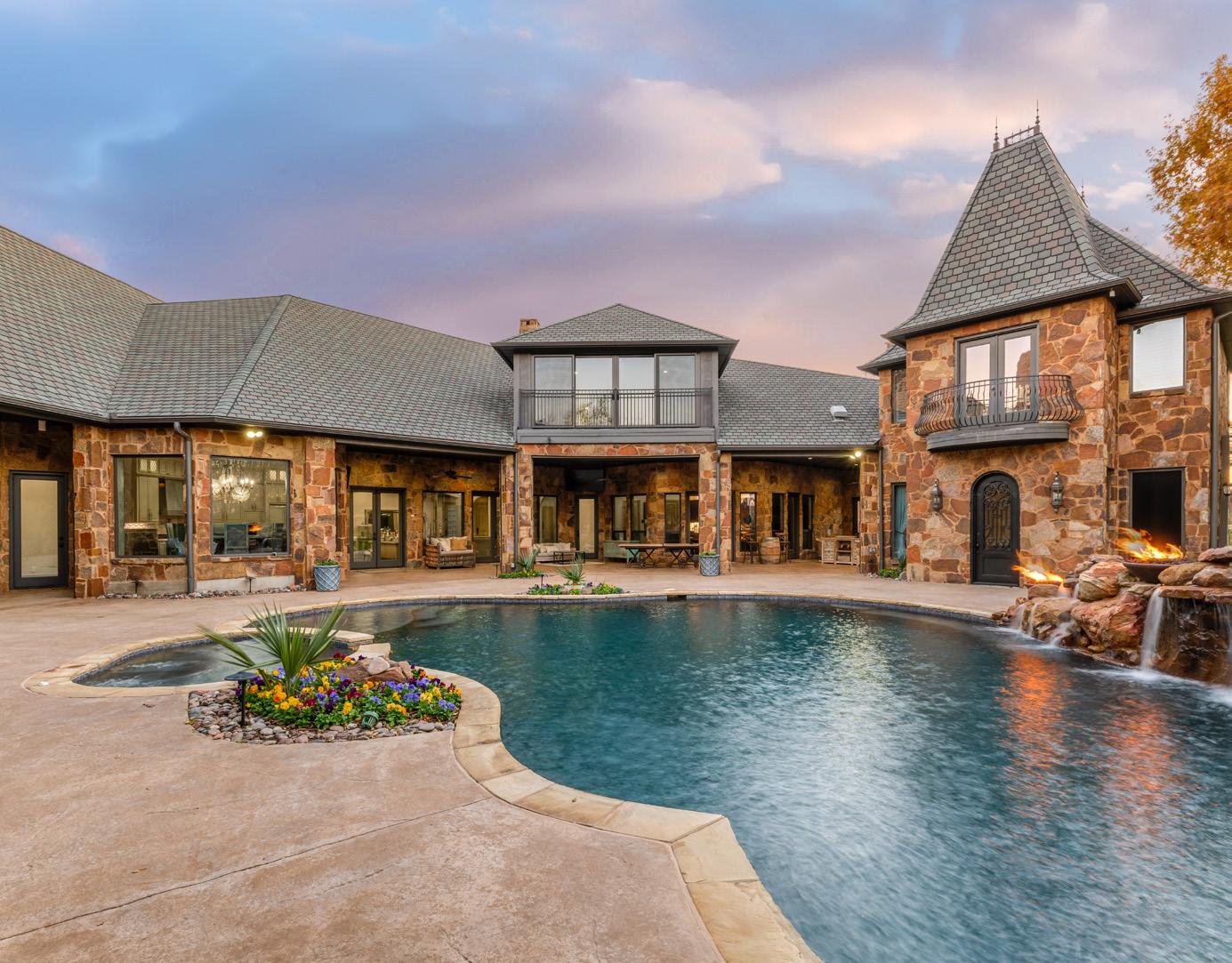
Square Feet

A Private Network for Exceptional Places— and the Advisors Who Represent Them
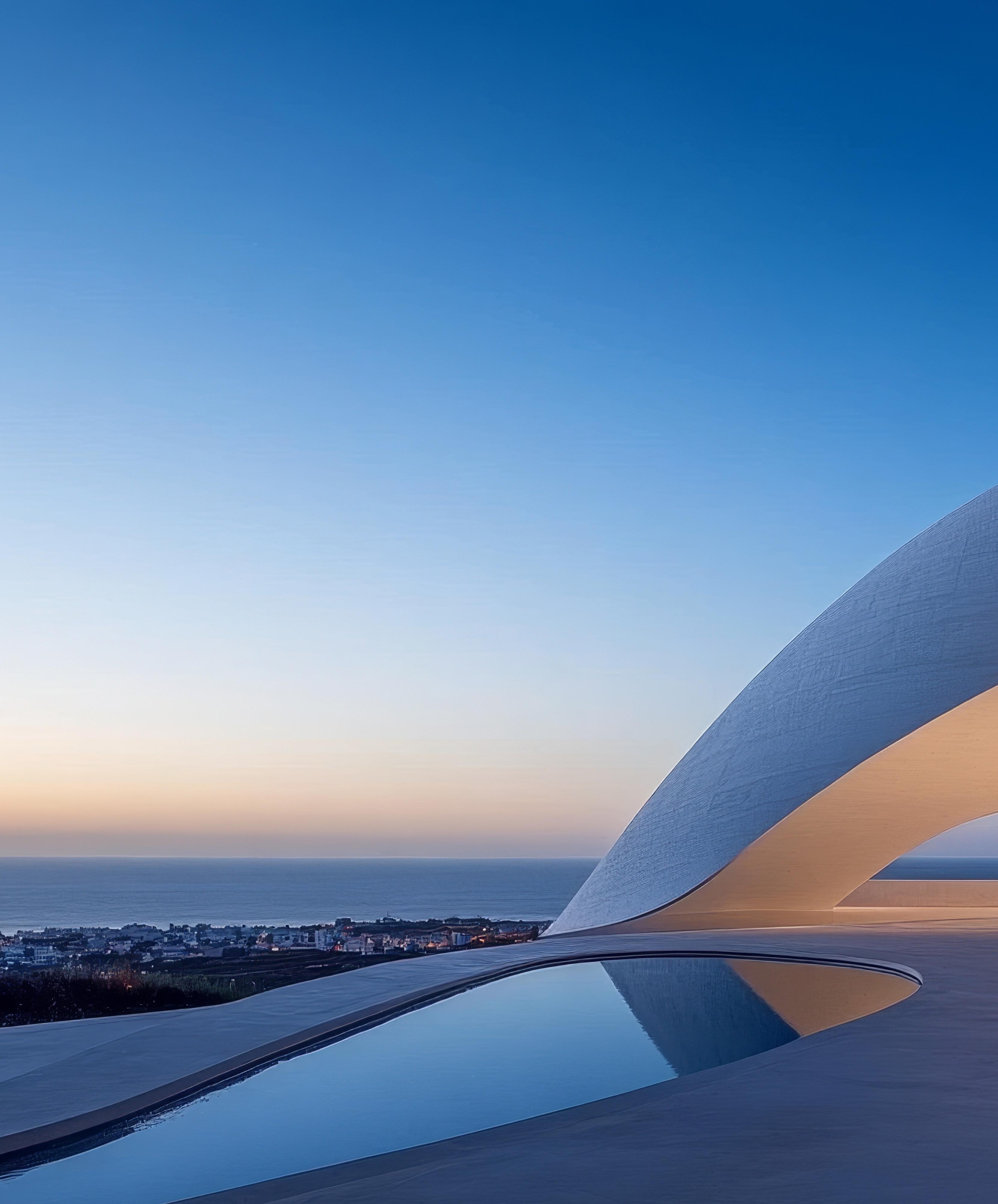
Some homes are found. Others are curated. REALM is where the world’s most discerning real estate advisors connect exceptional homes with the lives designed to inhabit them.
REALM® is a private global network of the top 1% luxury real estate advisors across the U.S. and 18 countries—quietly curating exceptional homes, luxury residences, and opportunities for their clients through trusted relationships and elevated advisory services.
For those who value discretion, craftsmanship, and thoughtful curation, REALM is where the right homes—and the right advisors— find one another.
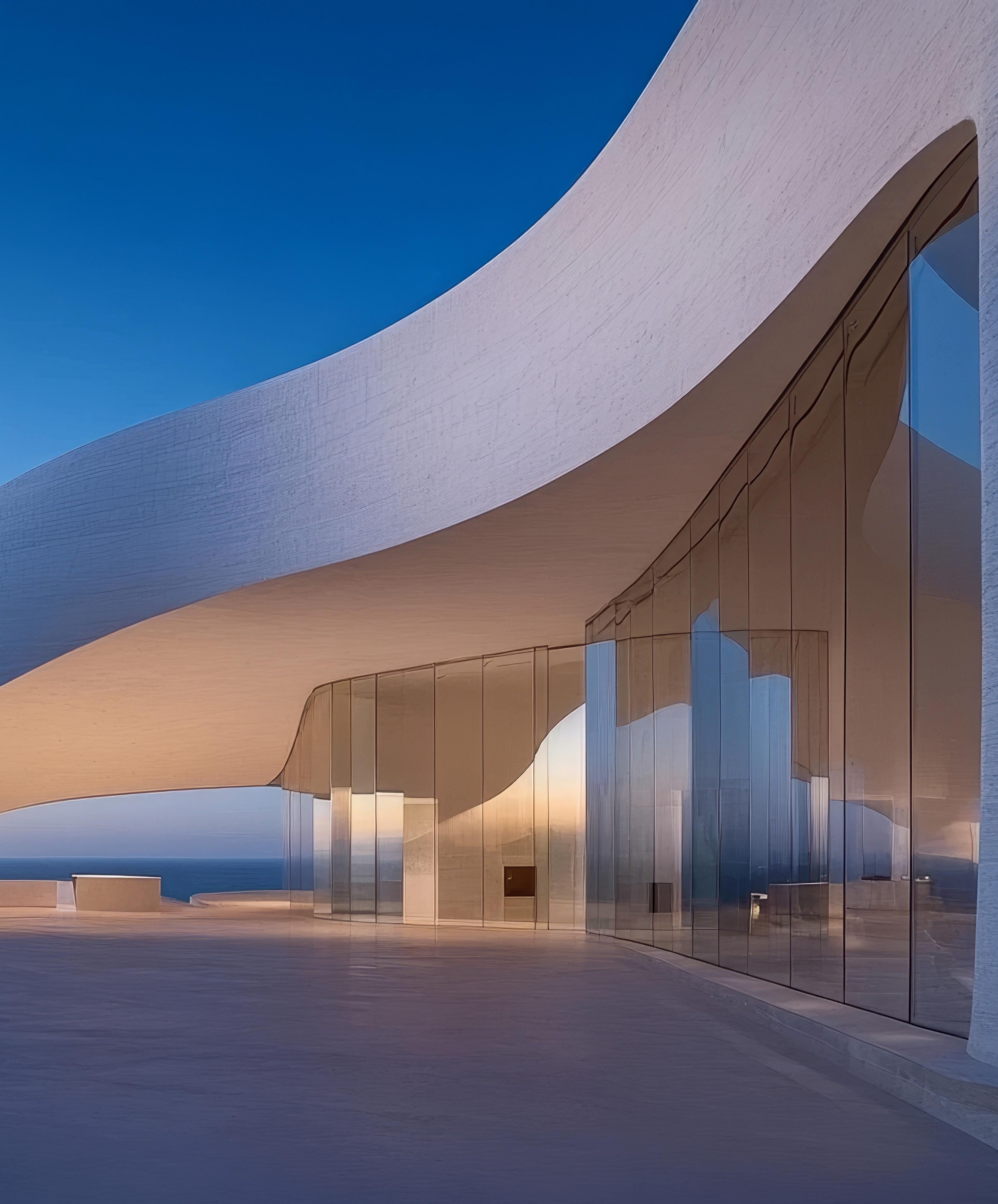
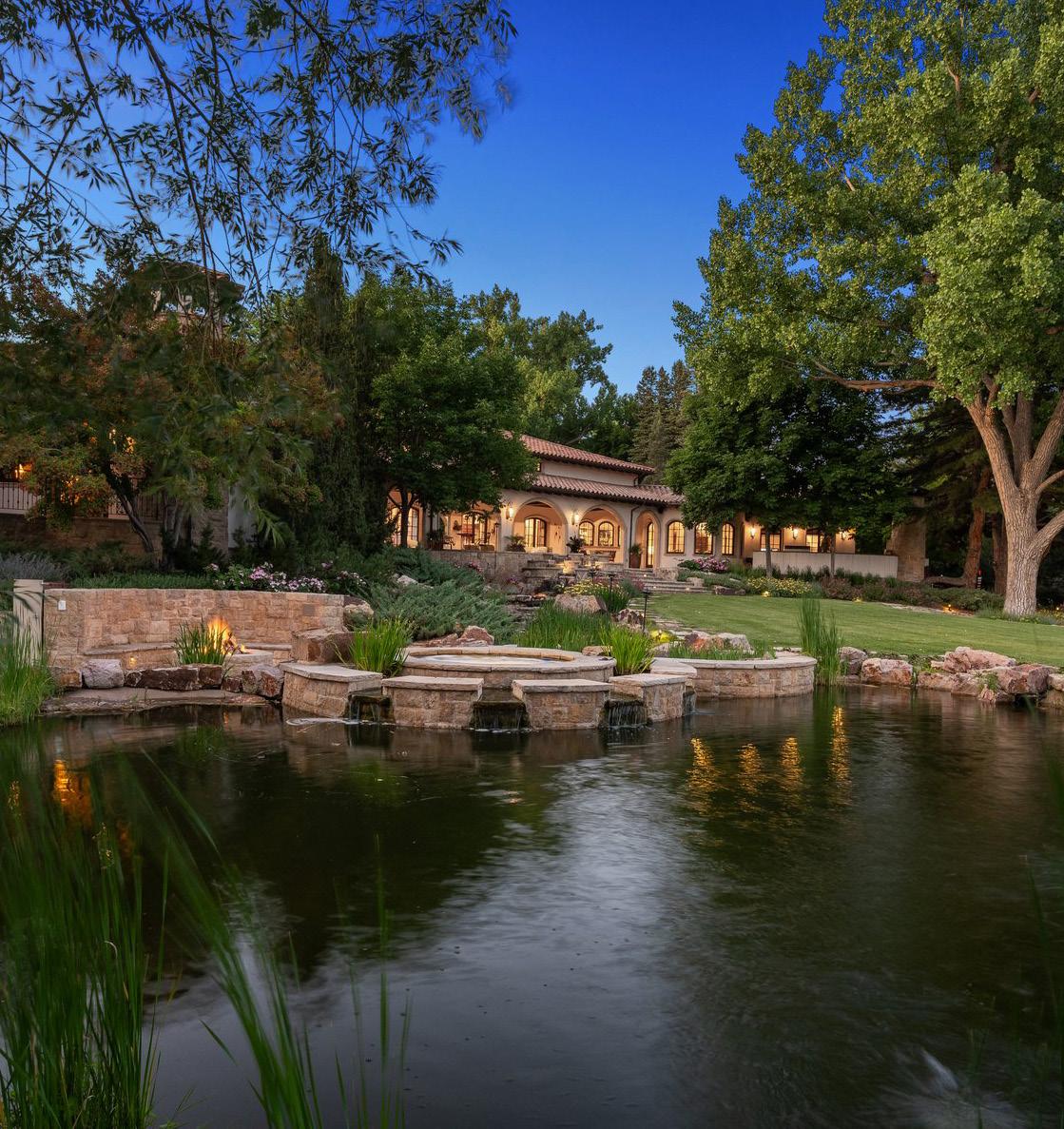
12 LYNN ROAD, CHERRY HILLS VILLAGE, CO
7 Bedrooms | 7 Bathrooms | 5 Half Bath | 23,060 SqFt
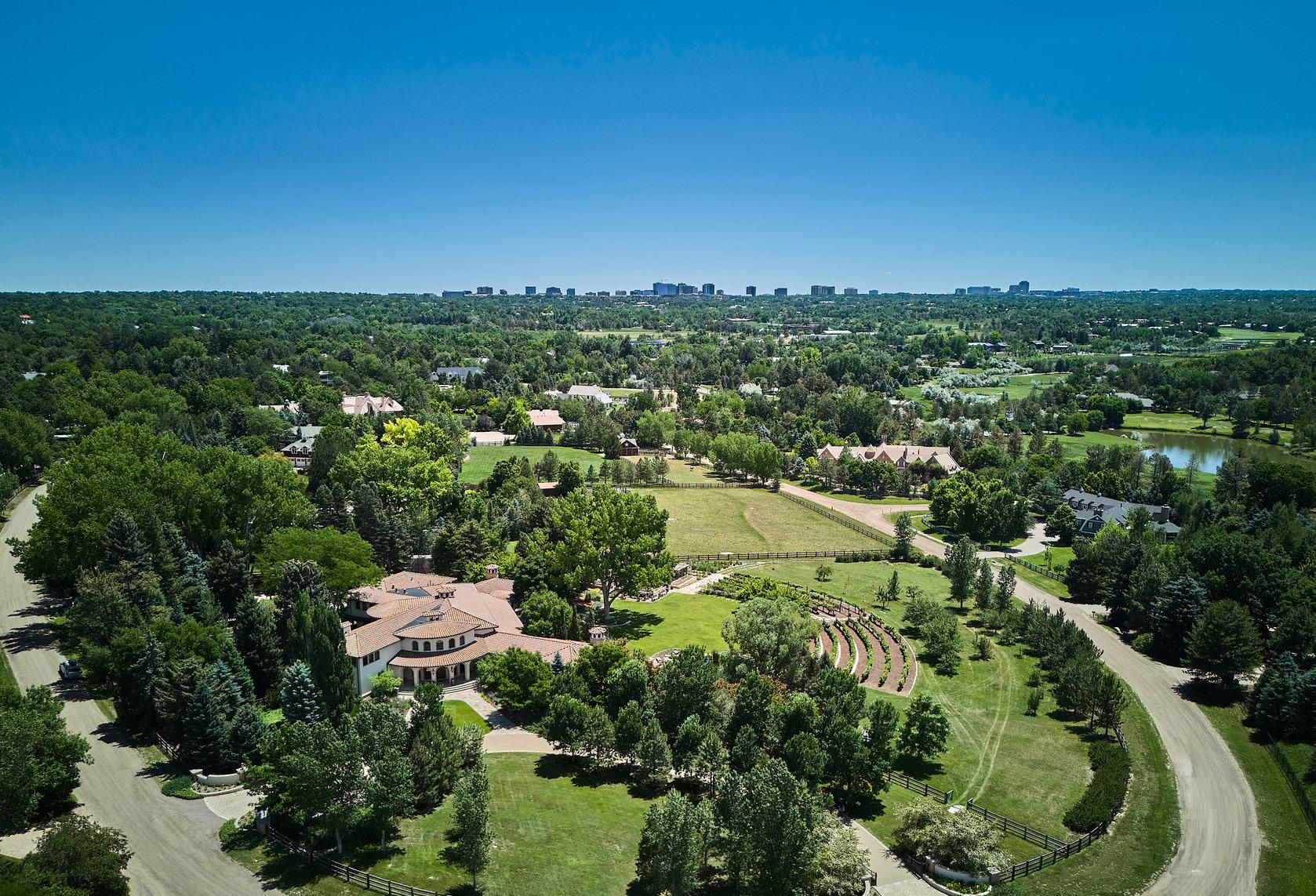
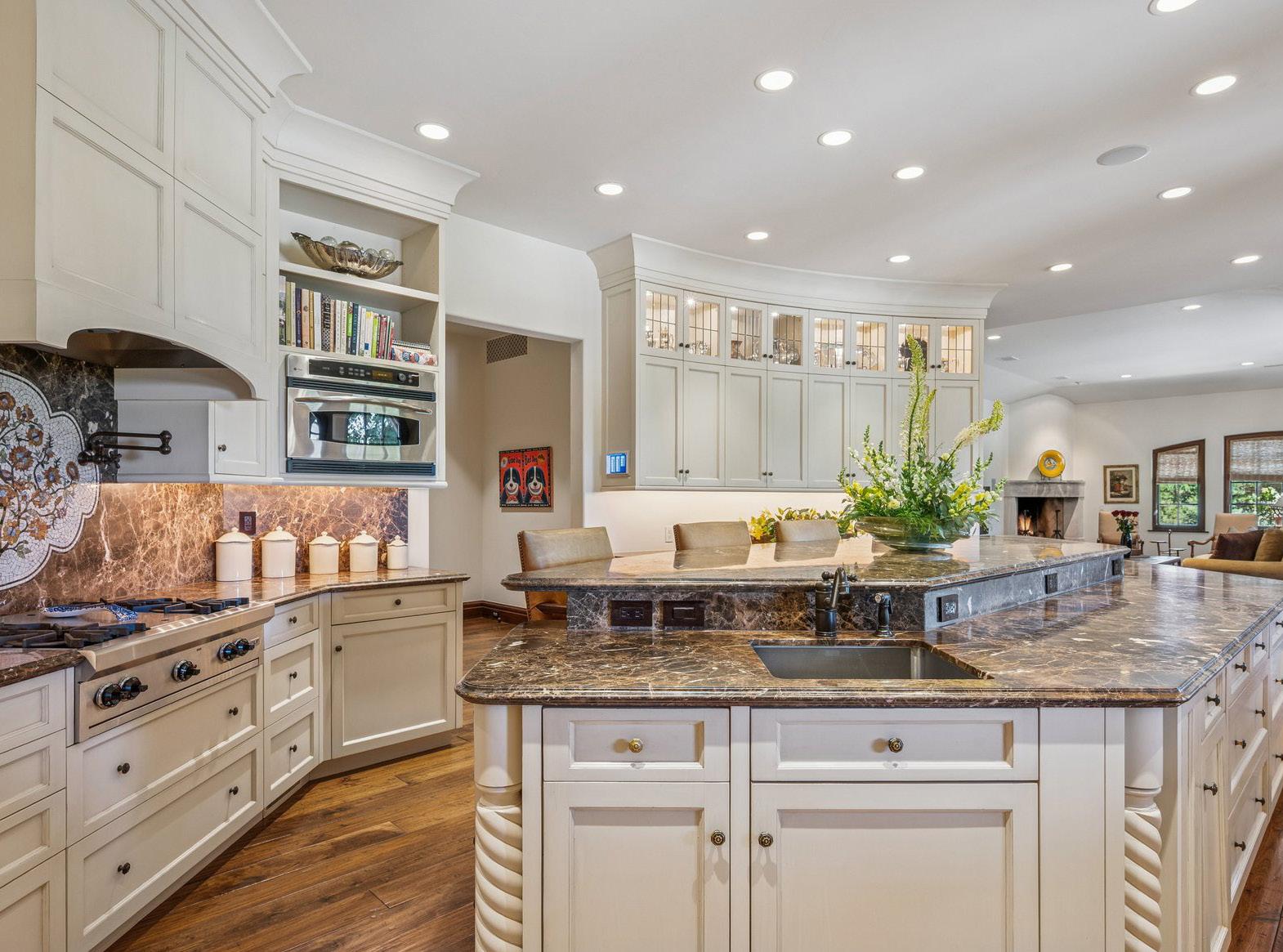
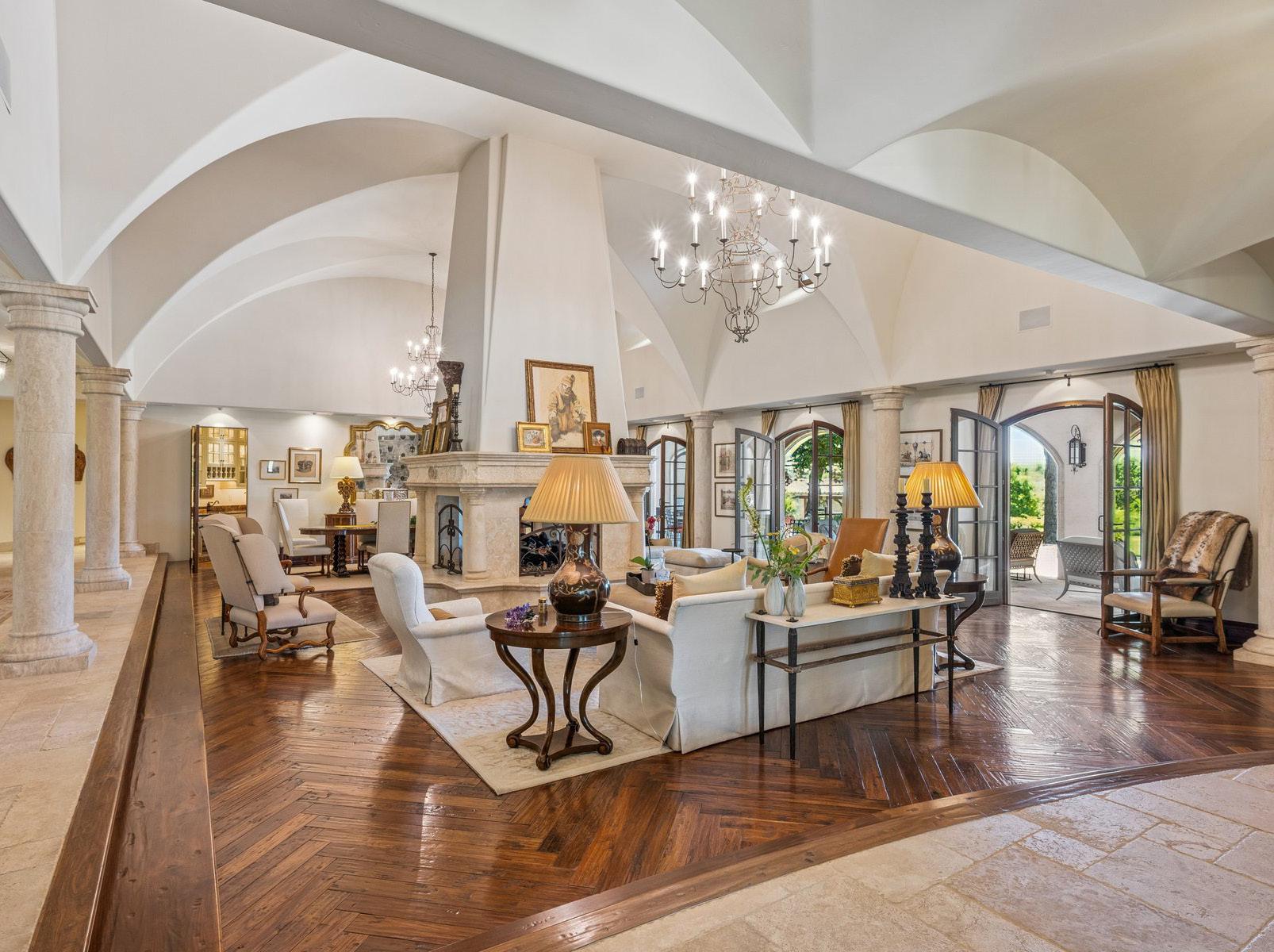

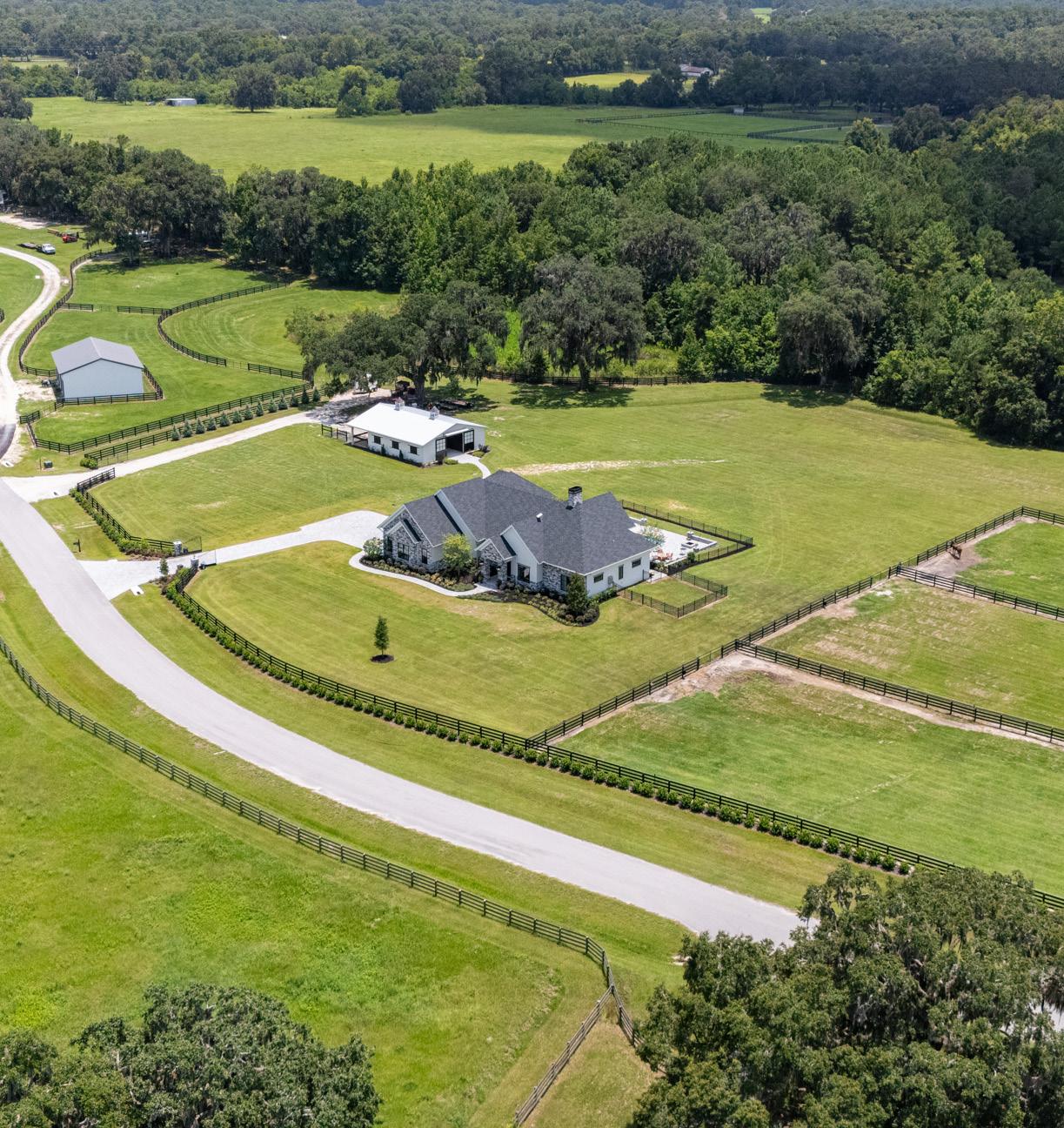
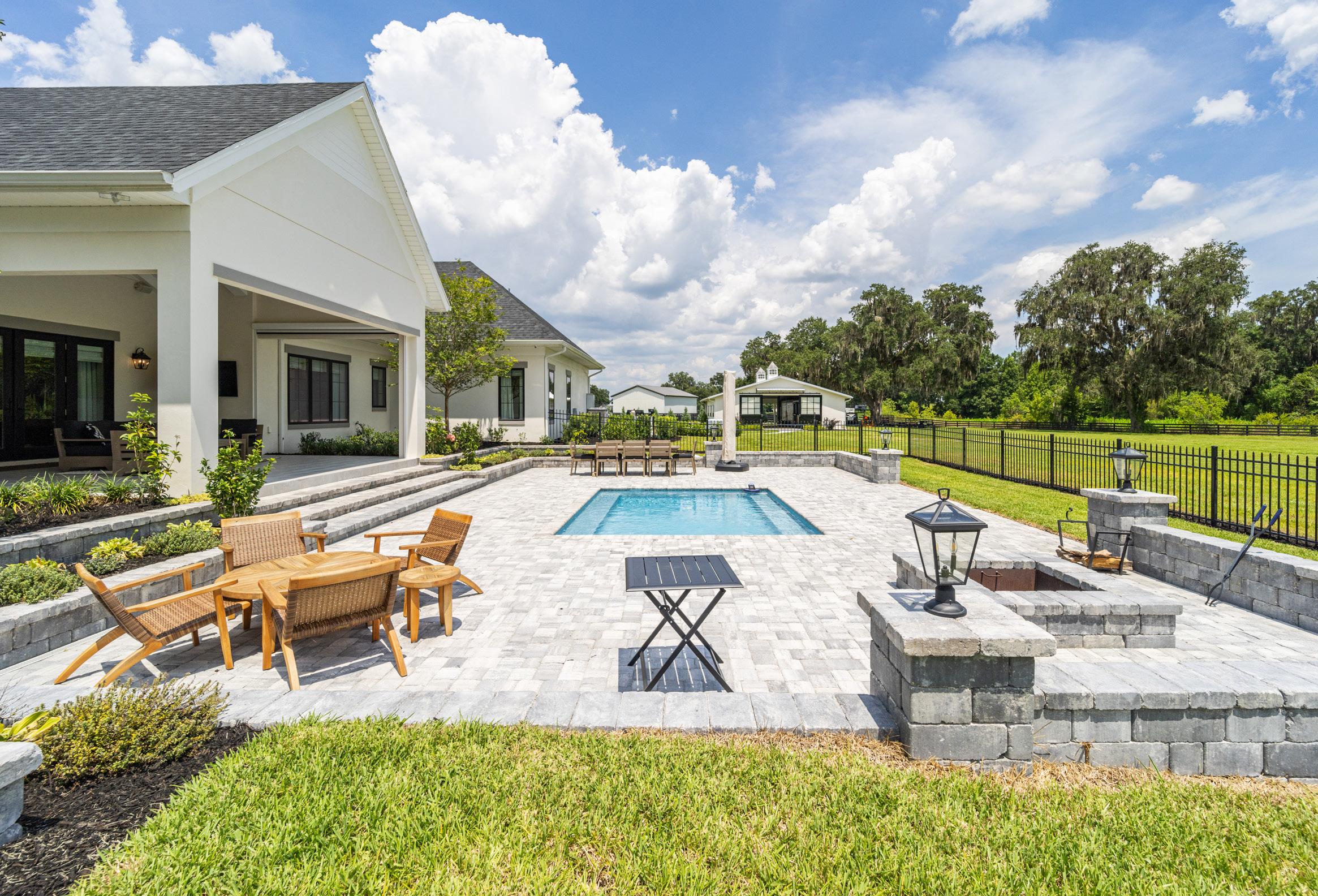
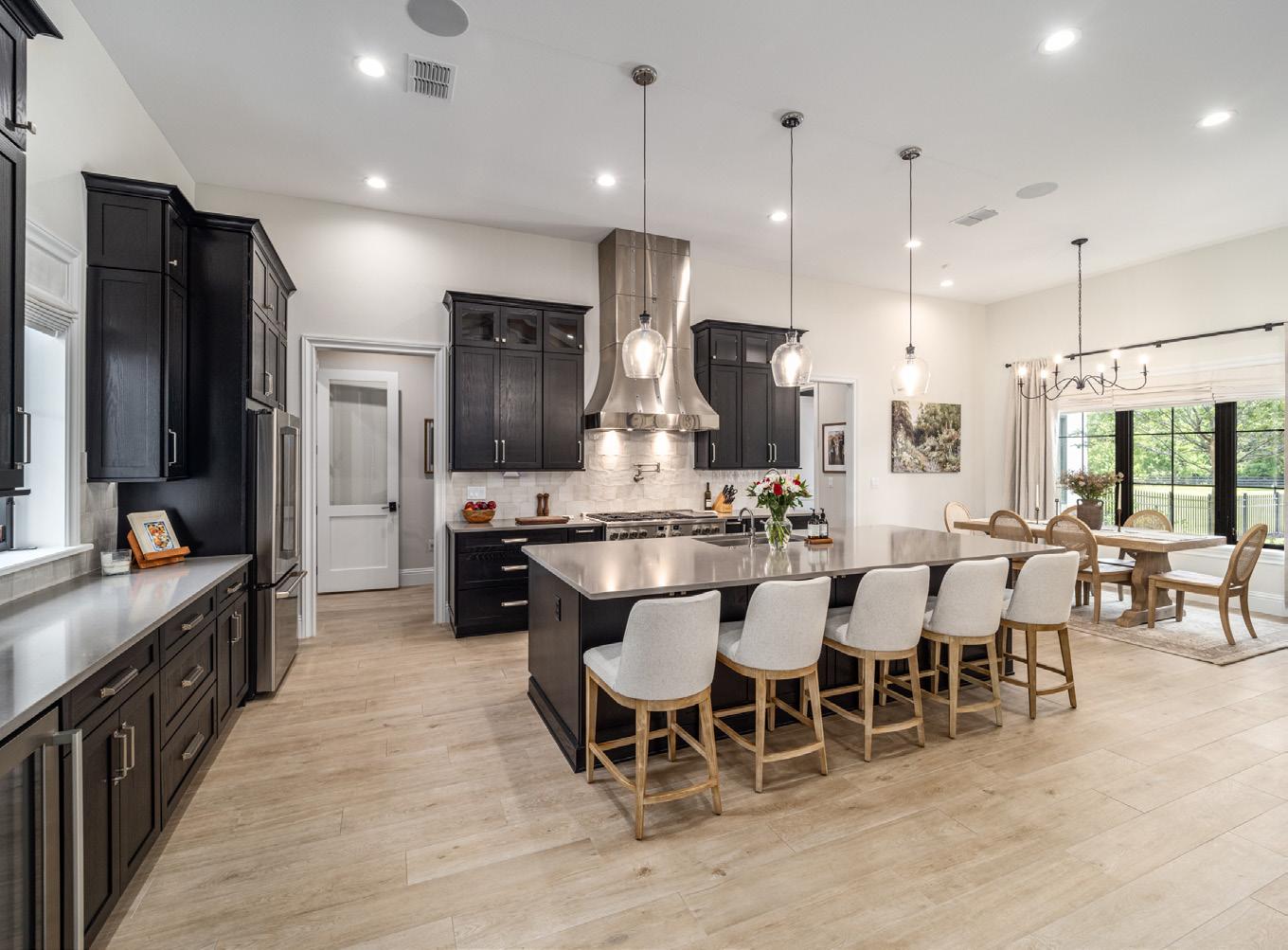
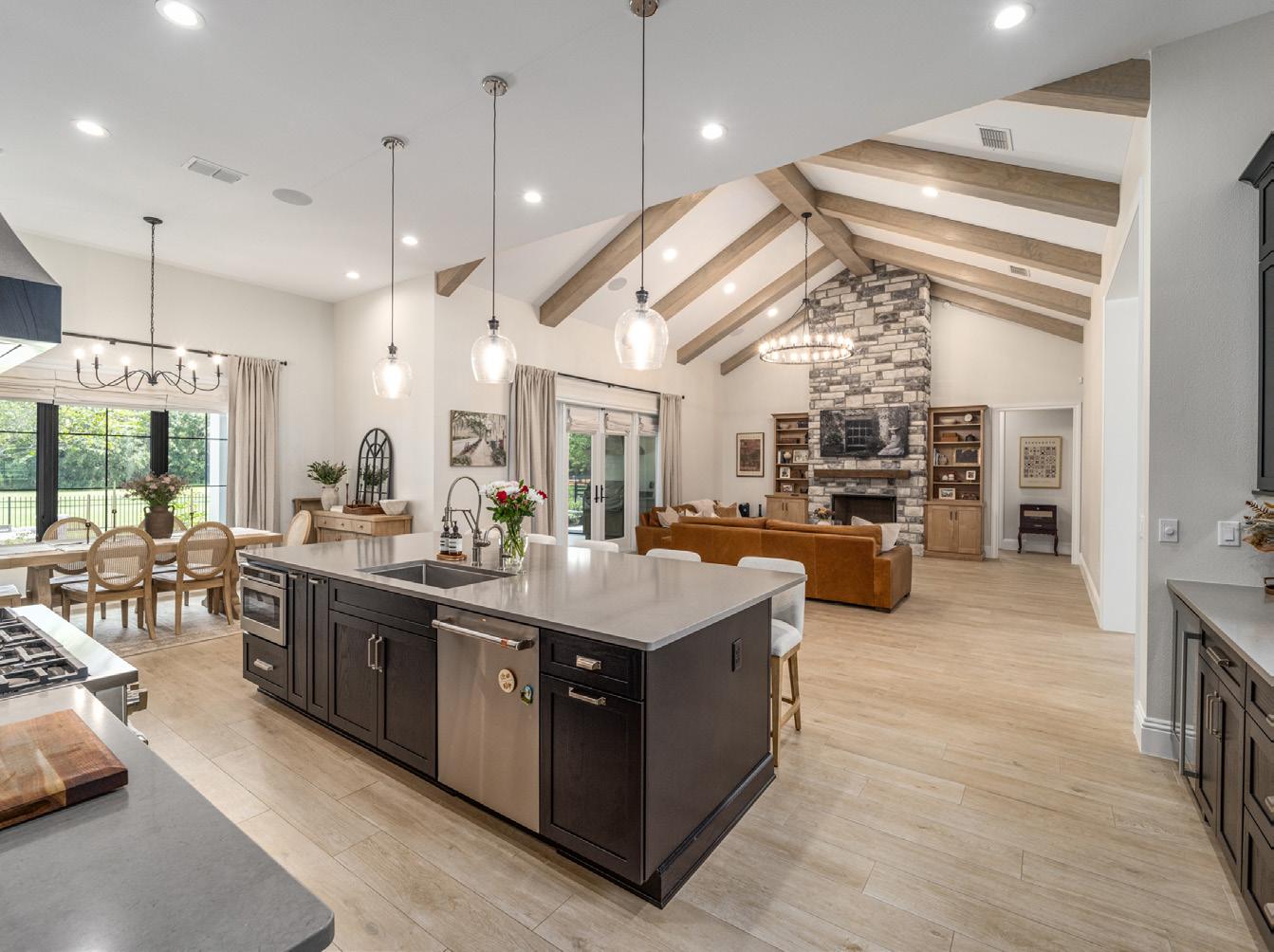
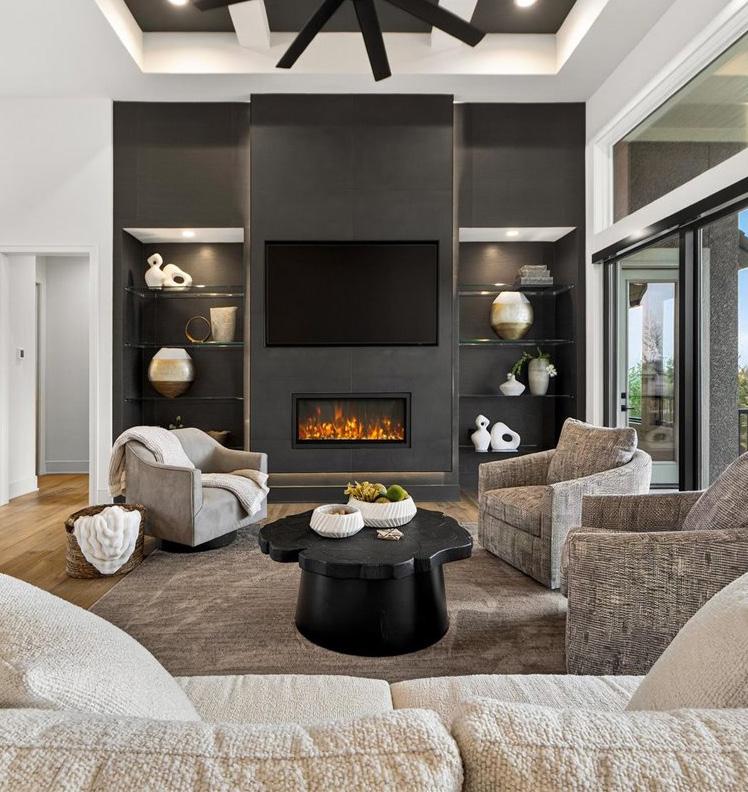
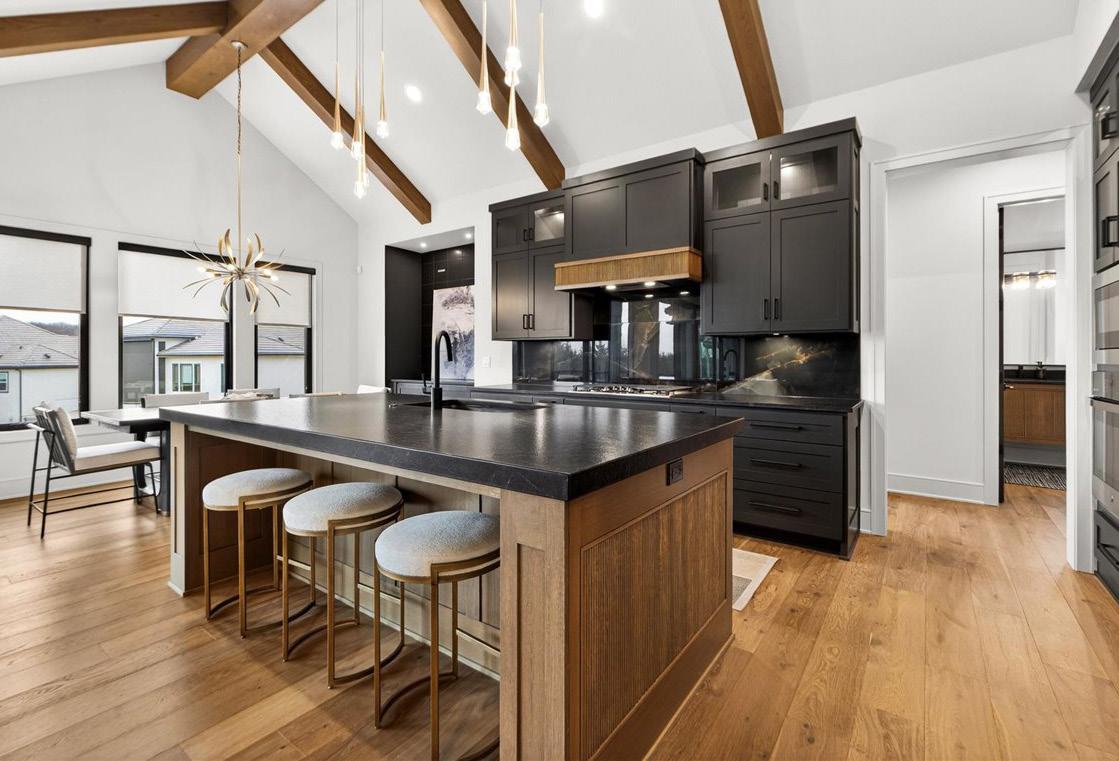
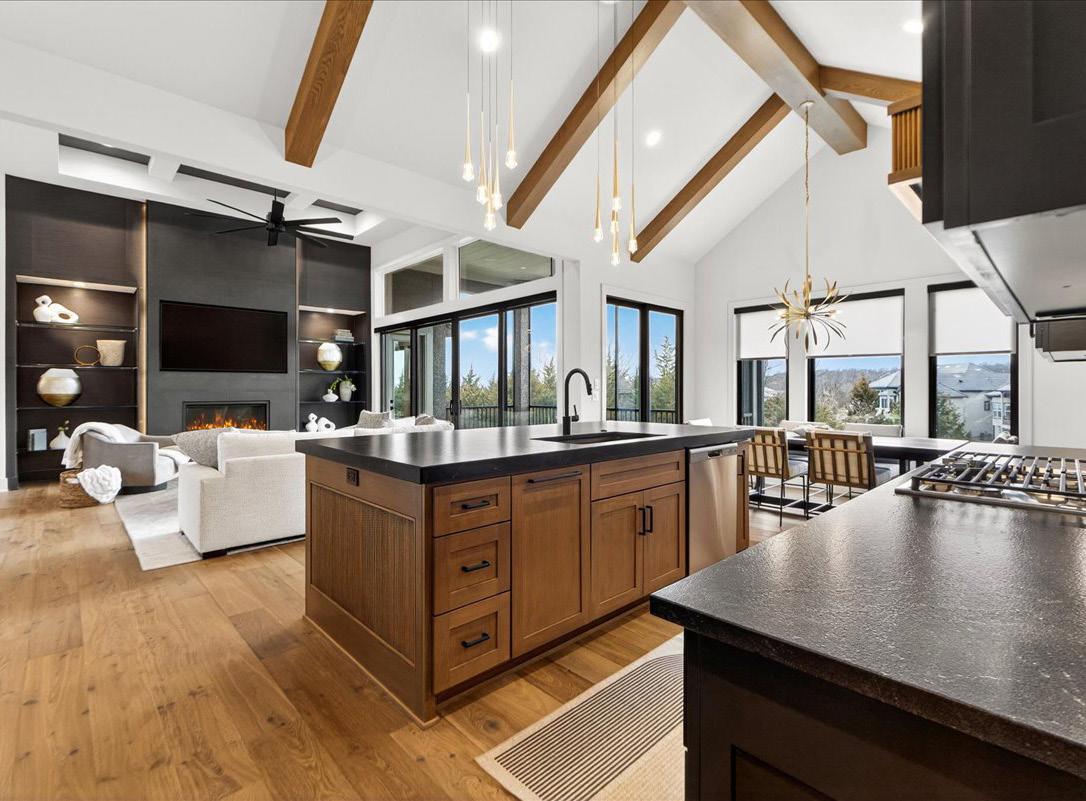
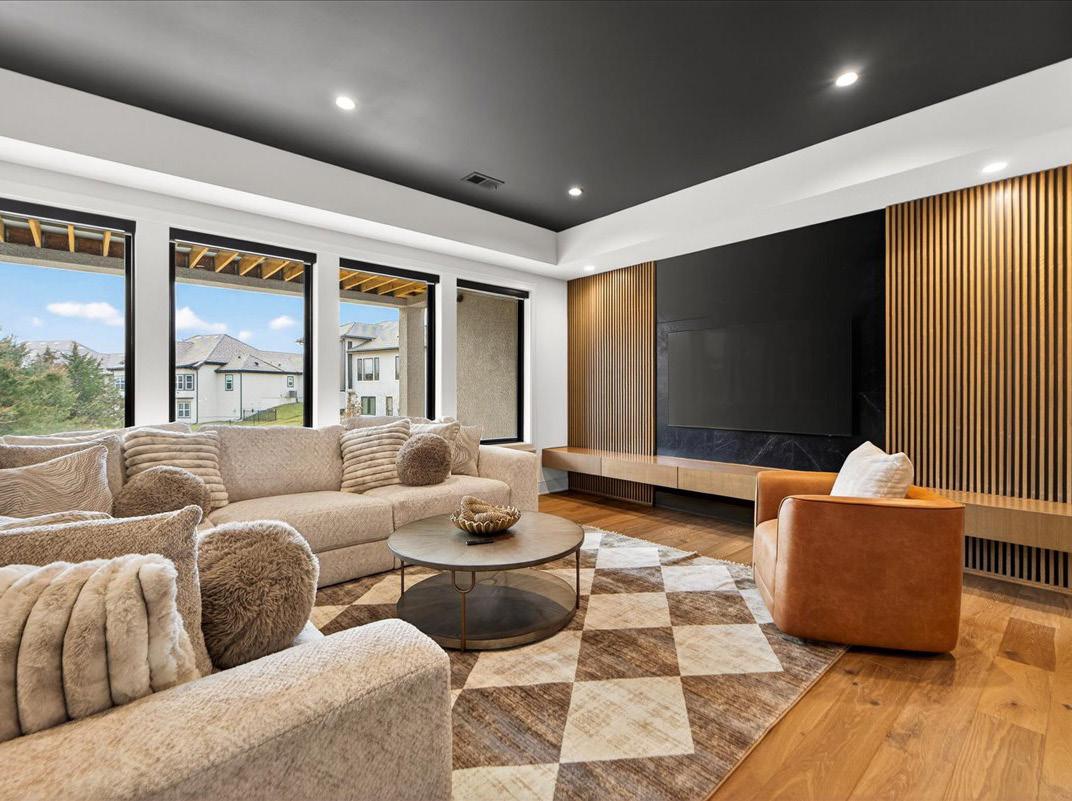
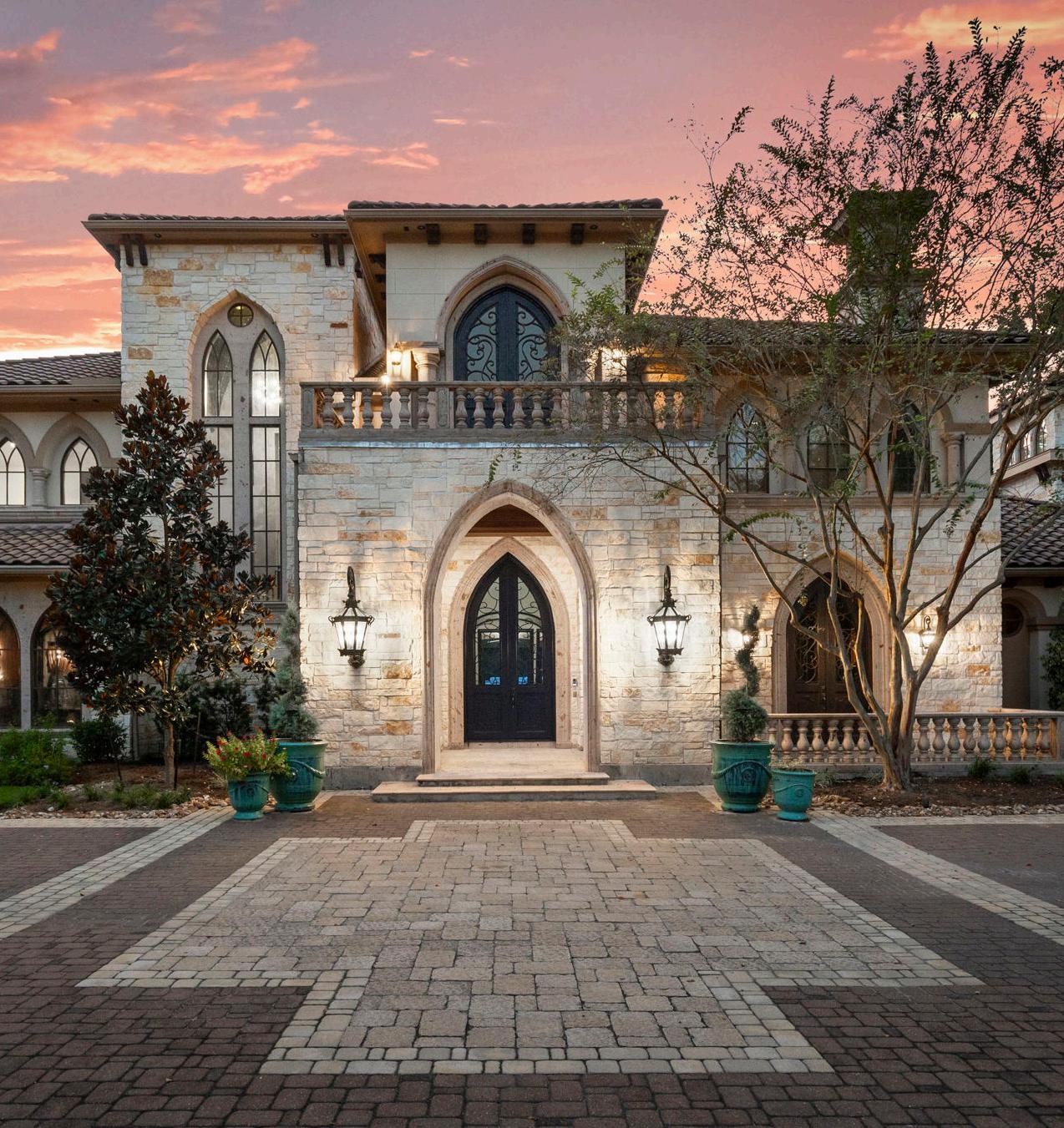
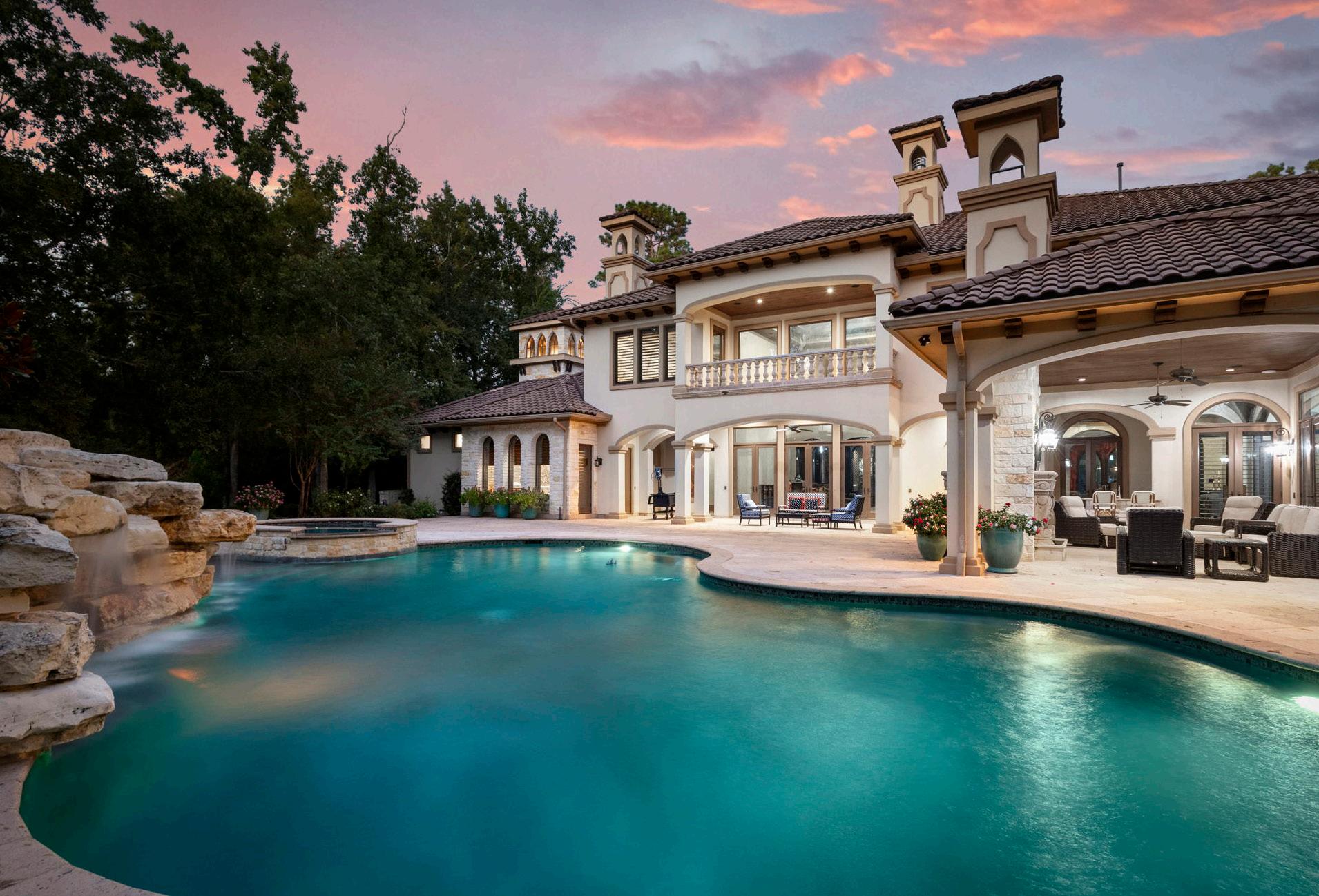
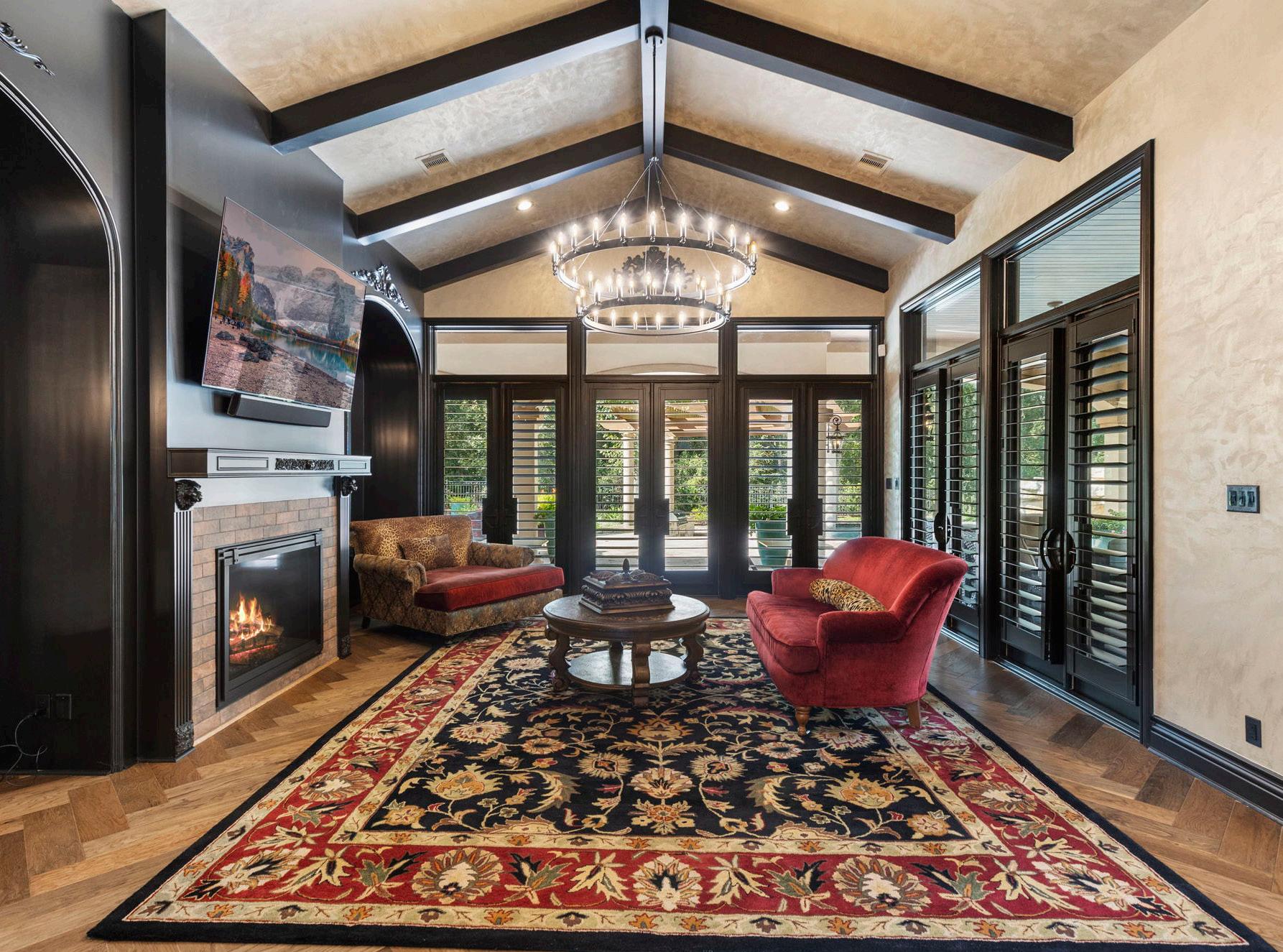
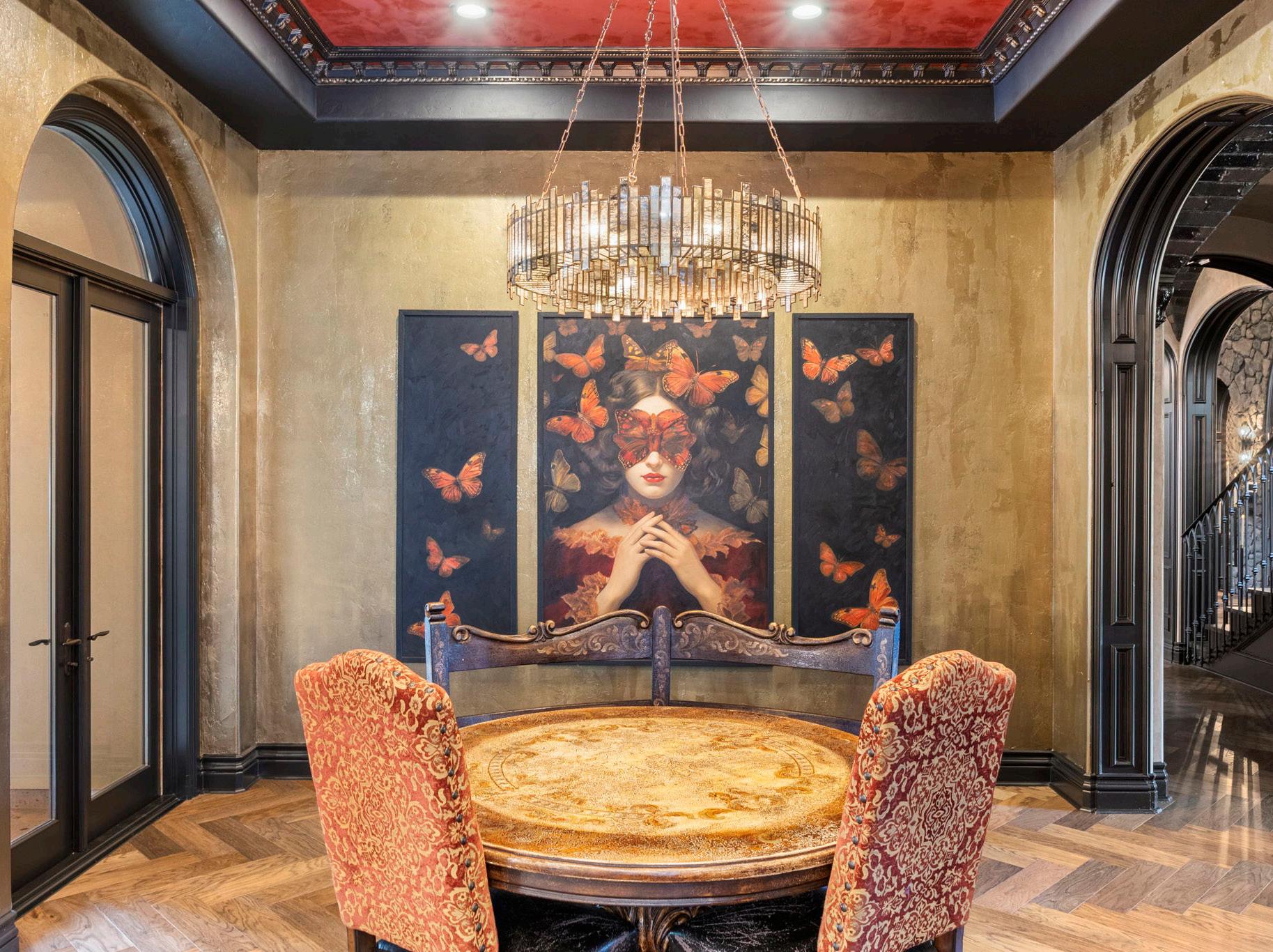
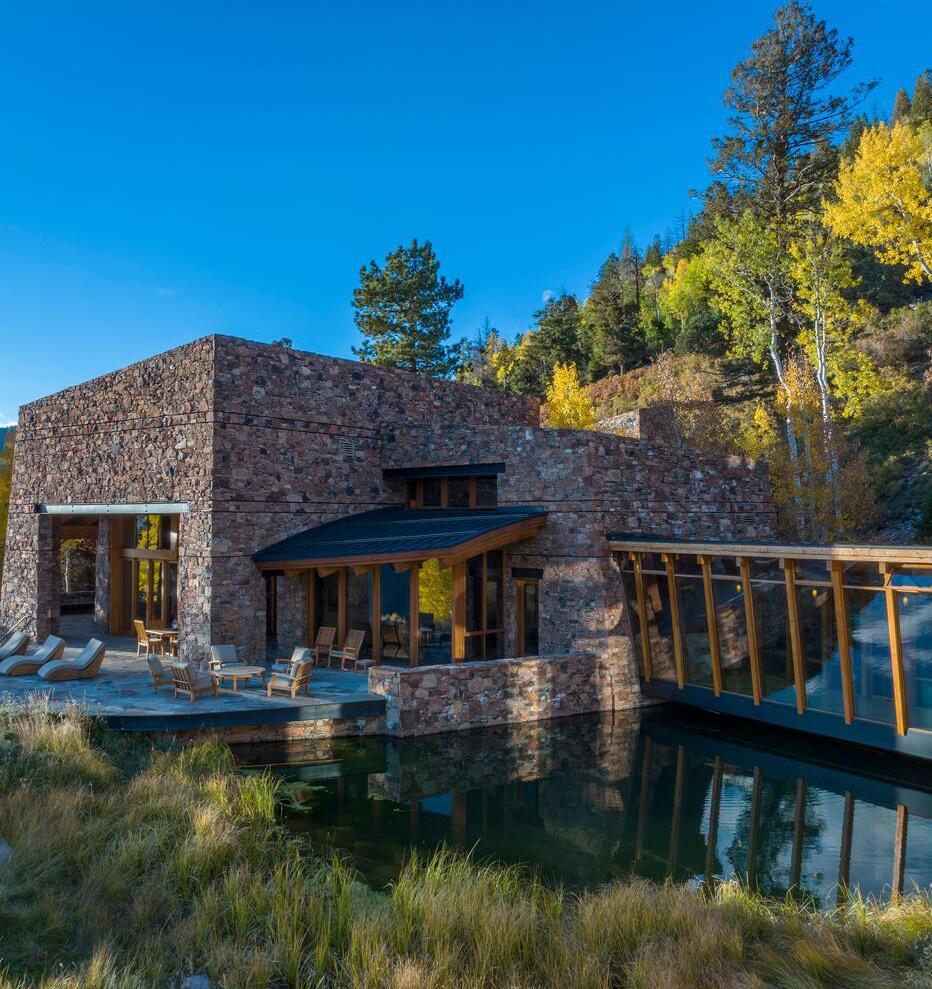
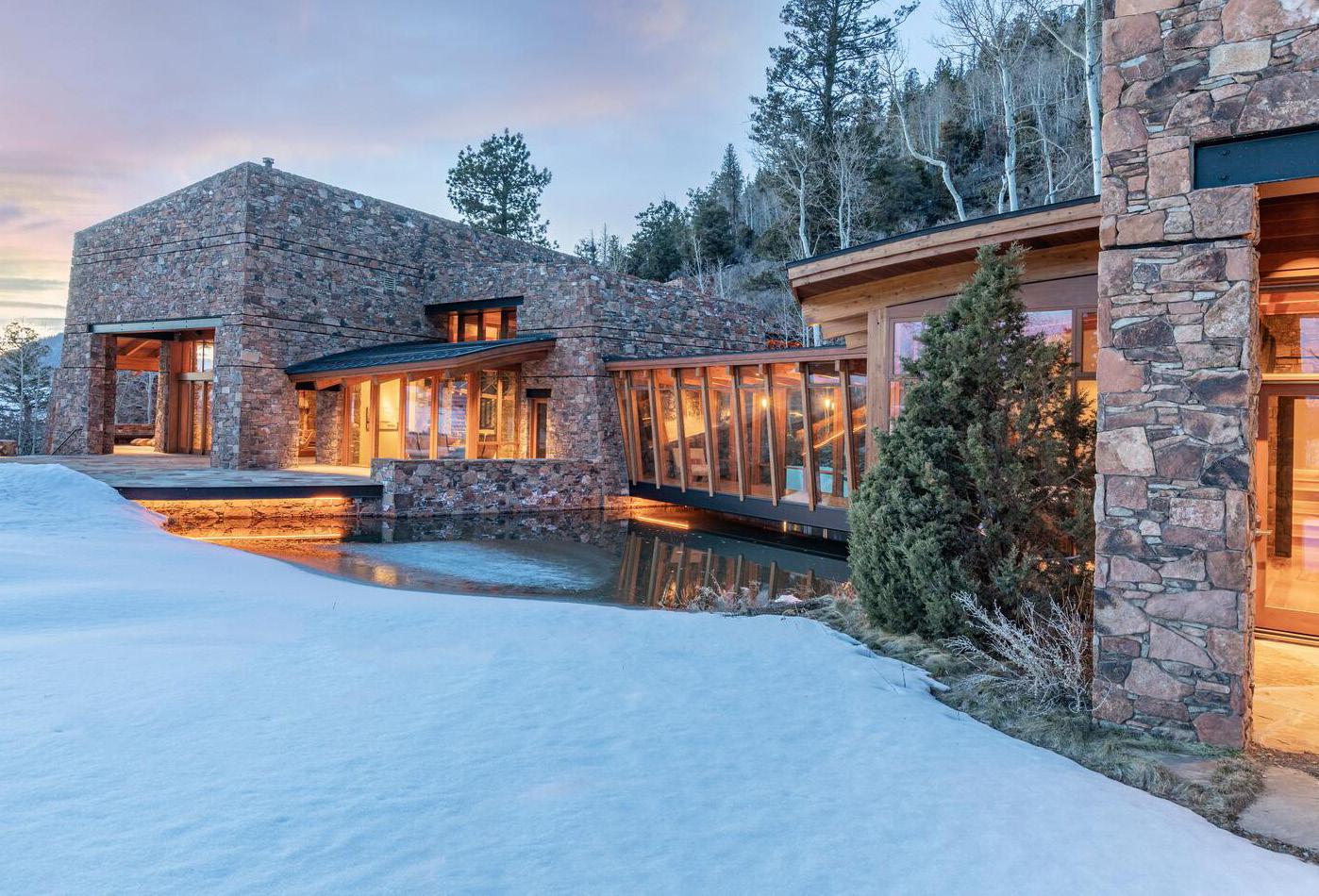
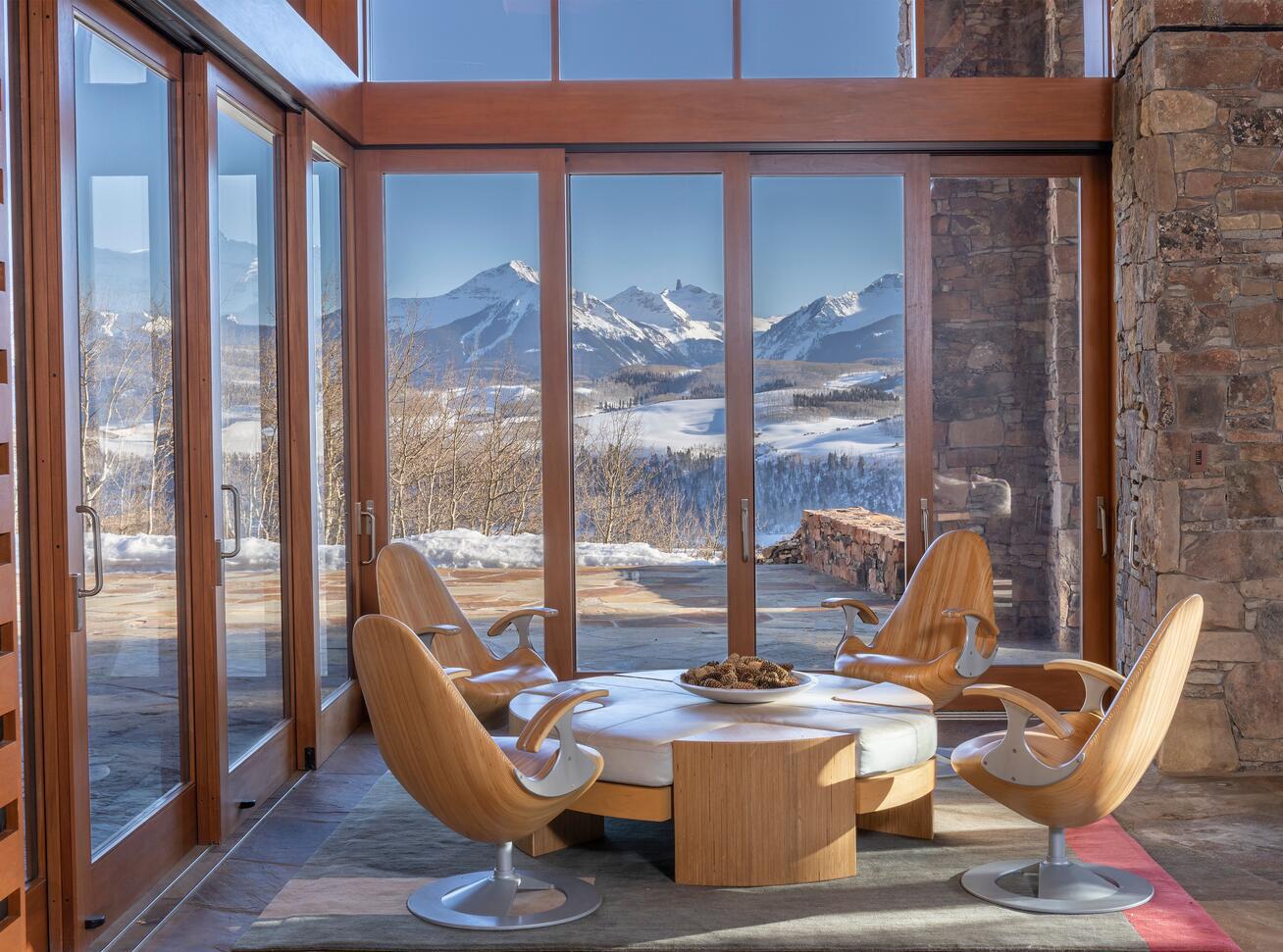
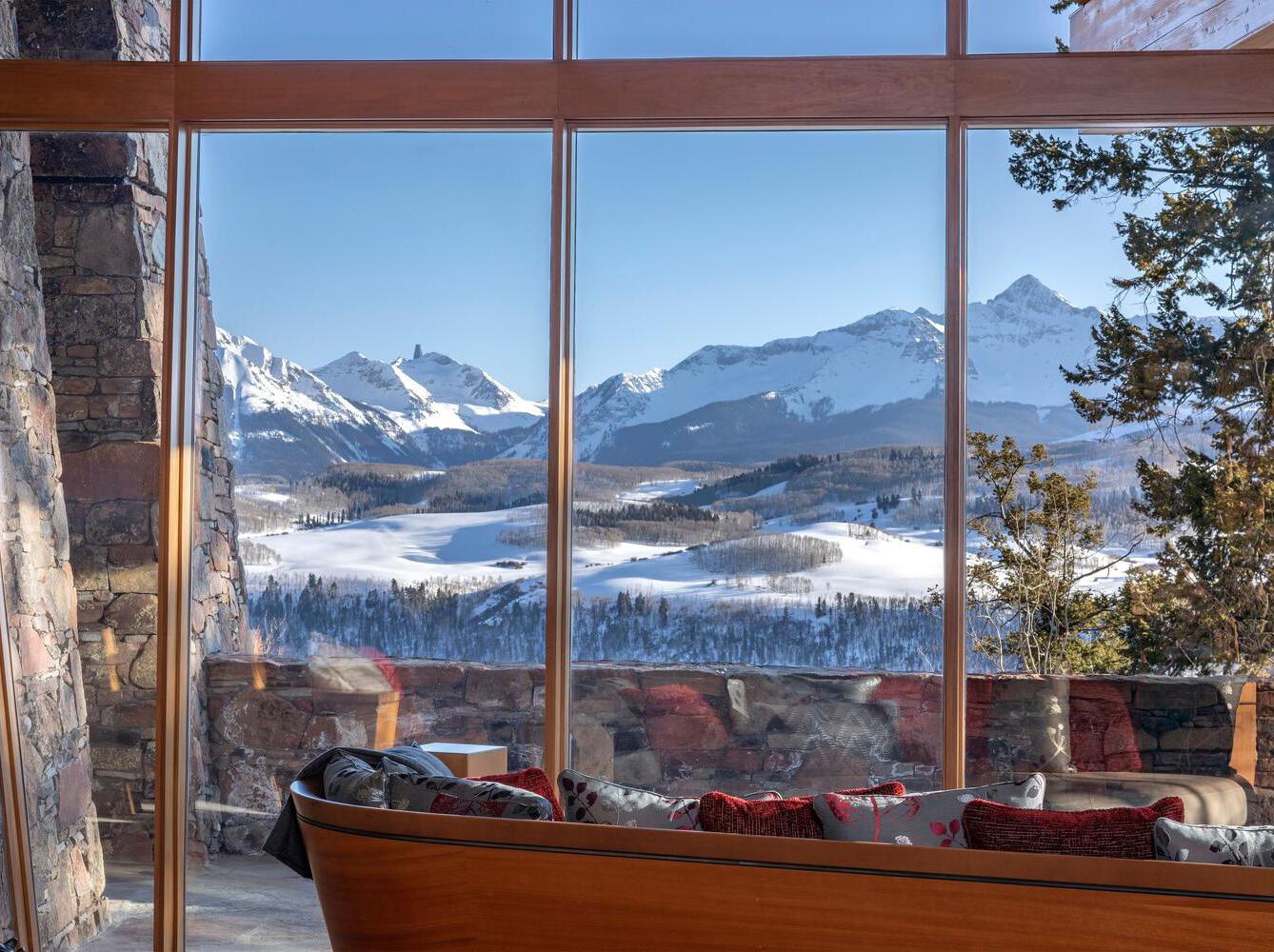
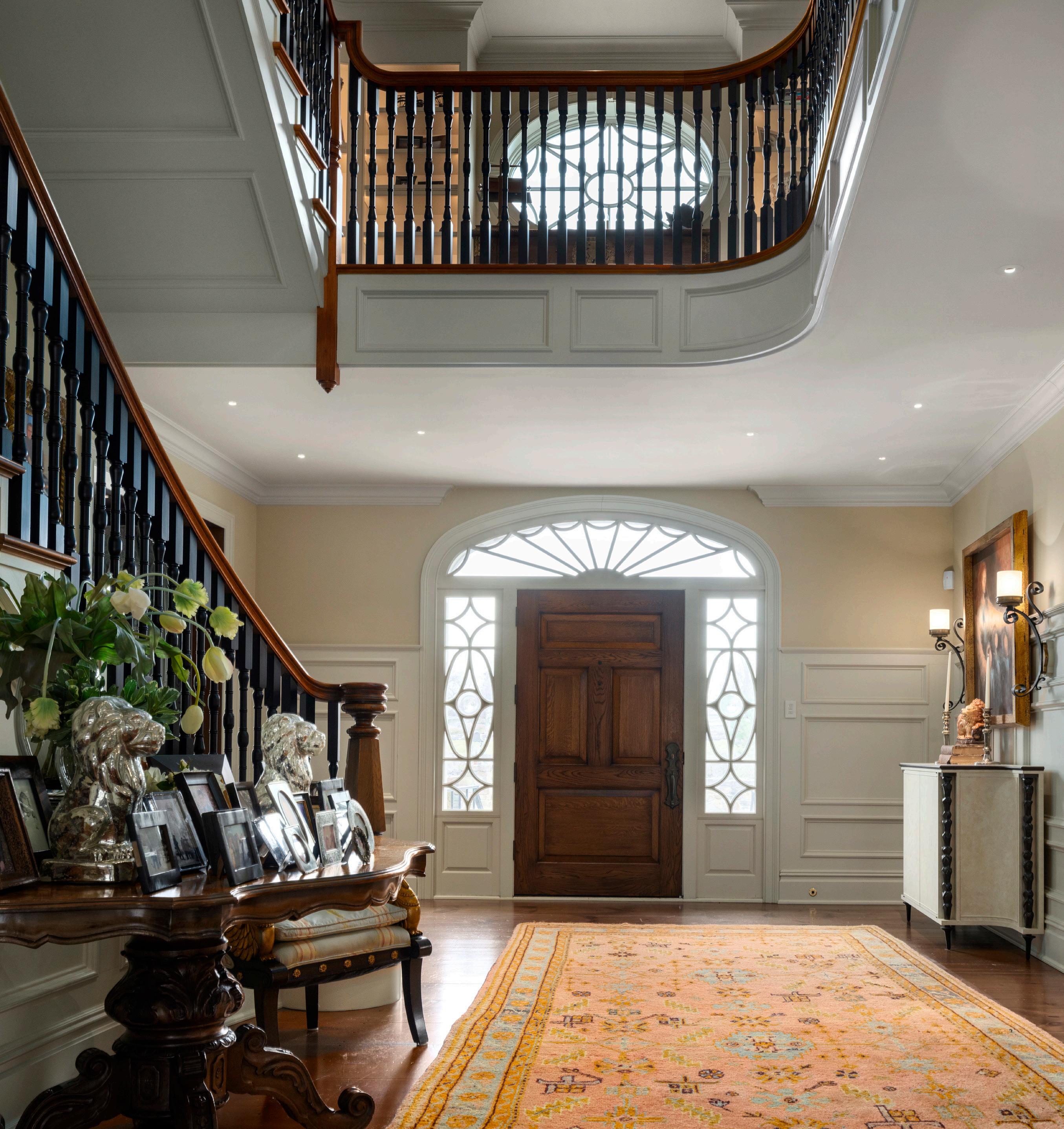
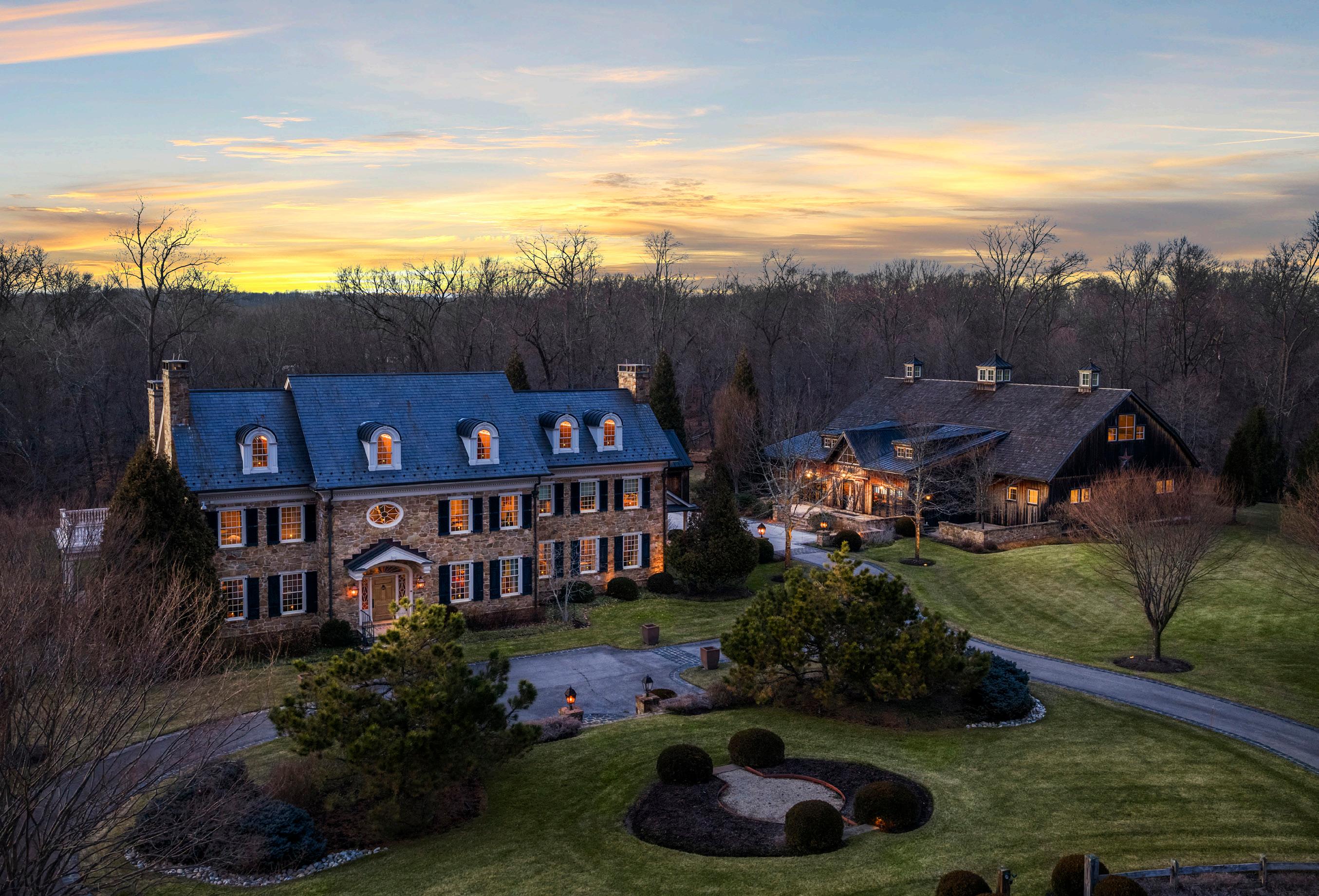
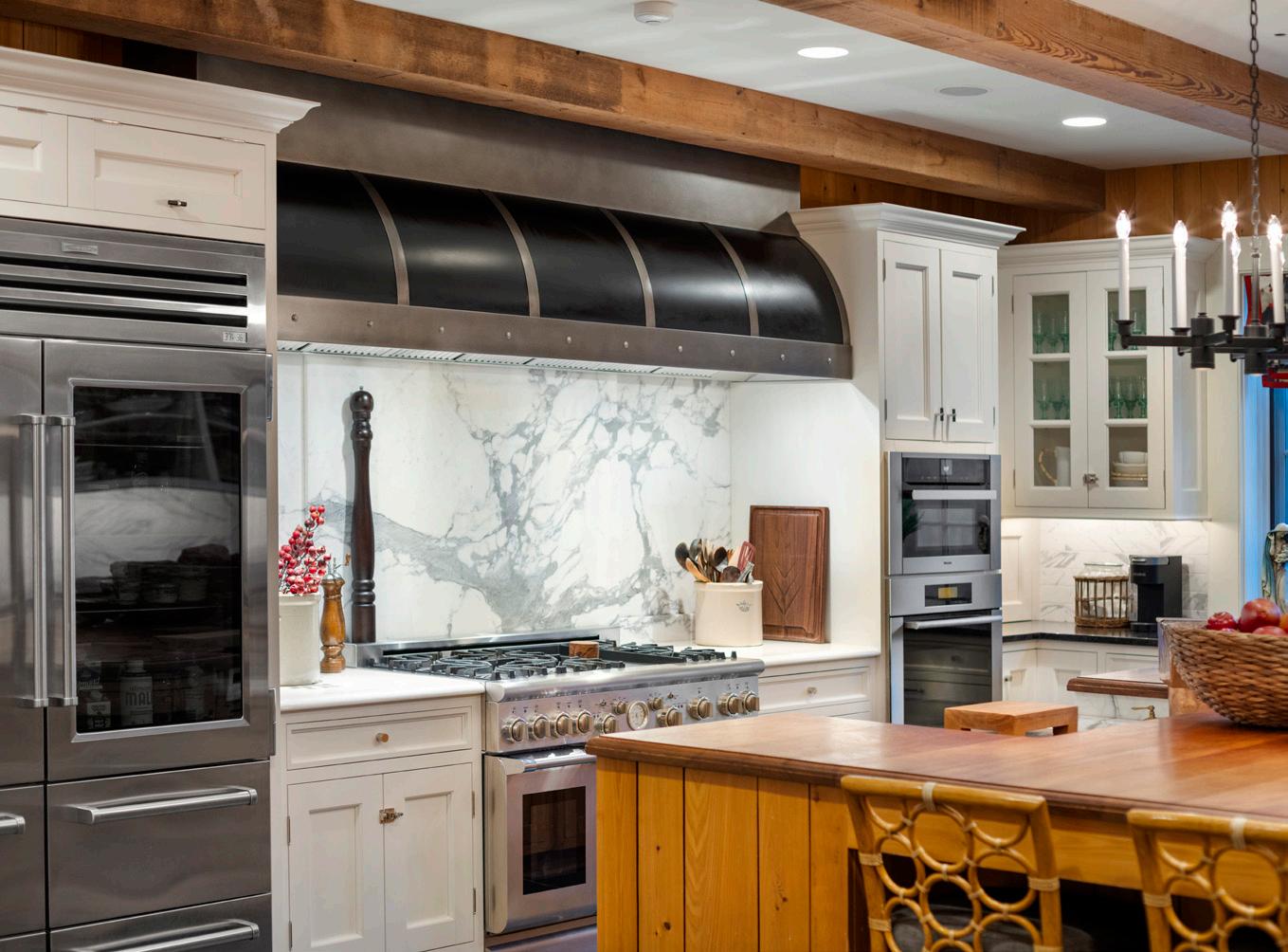
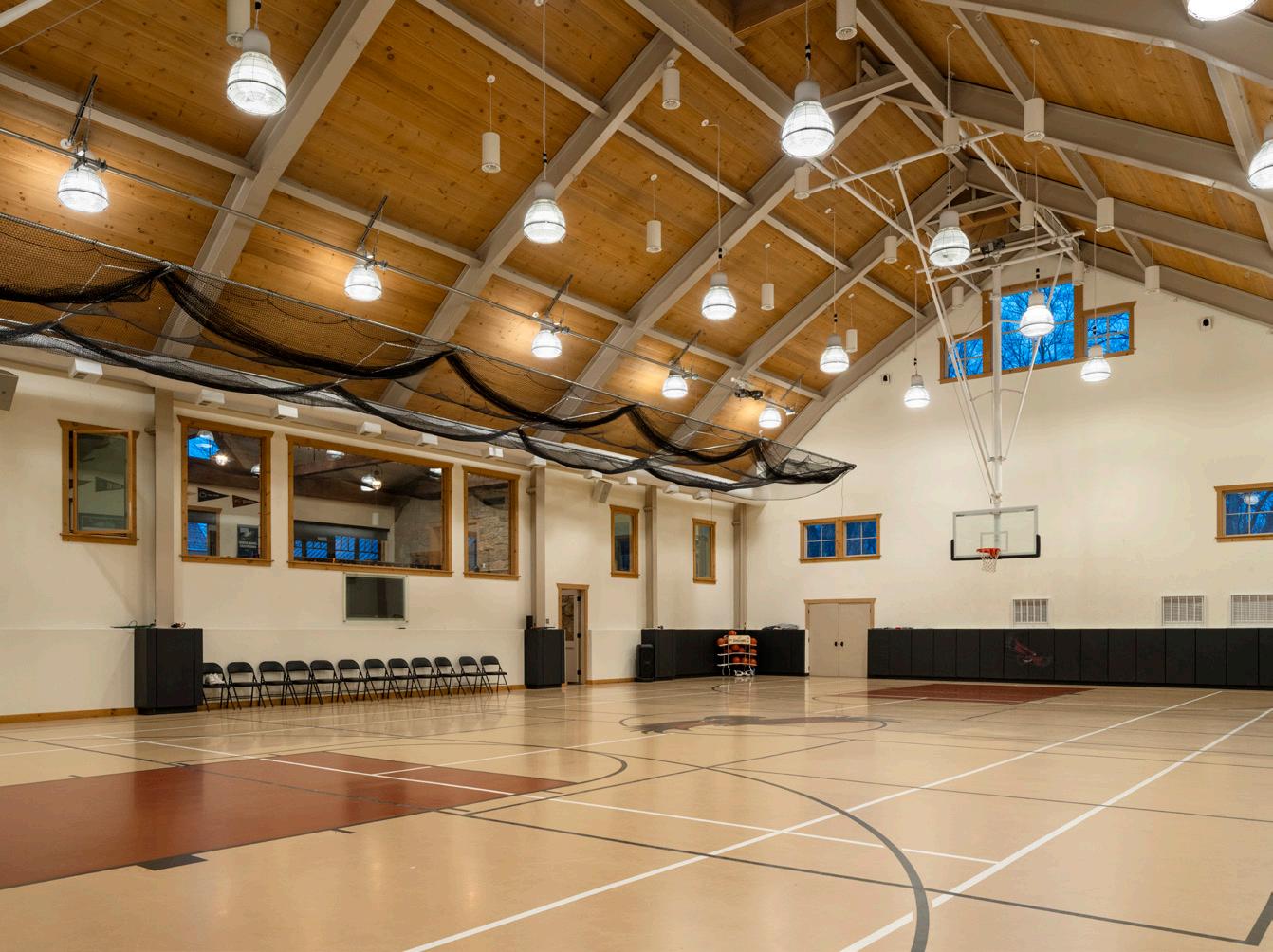
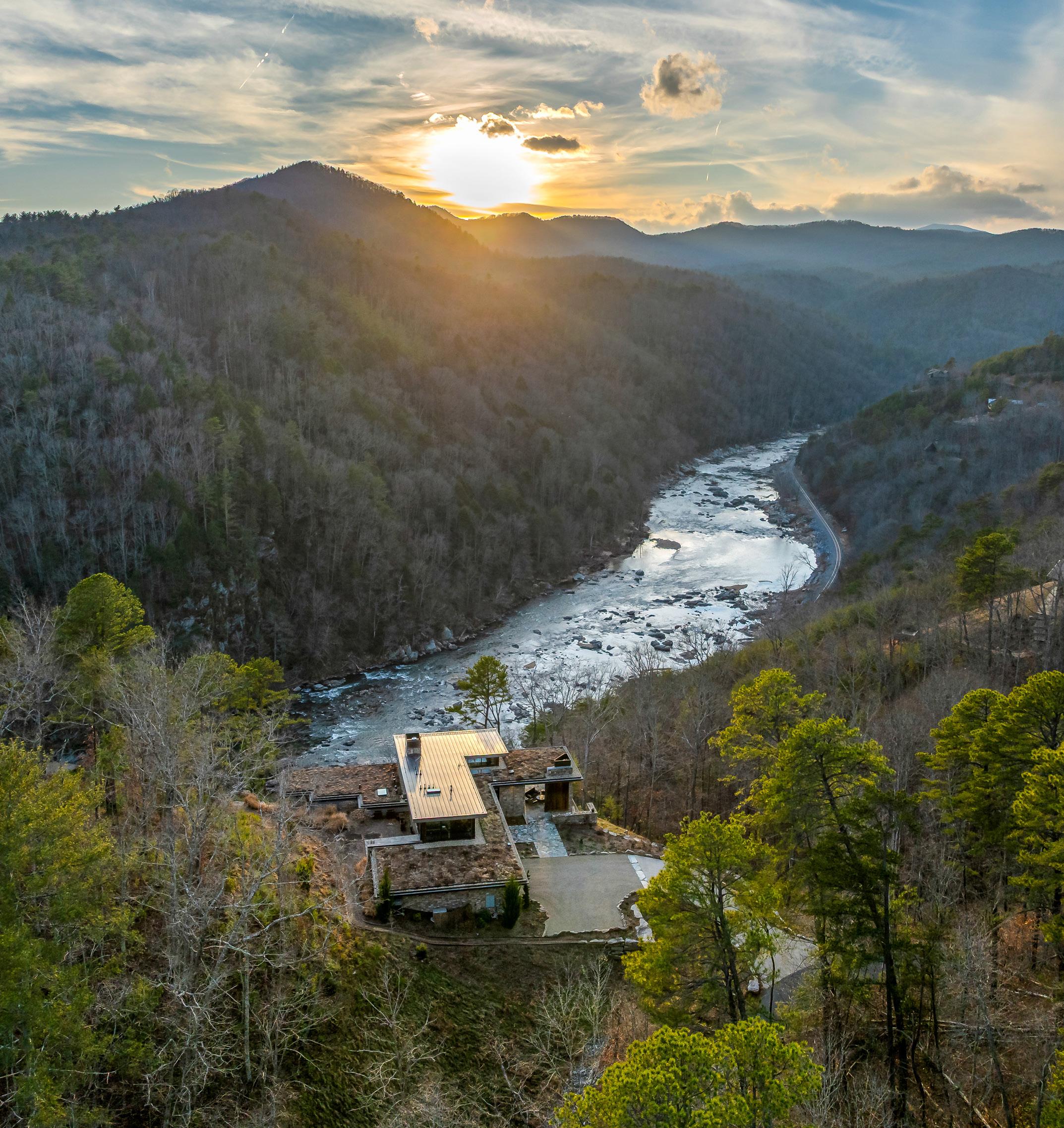
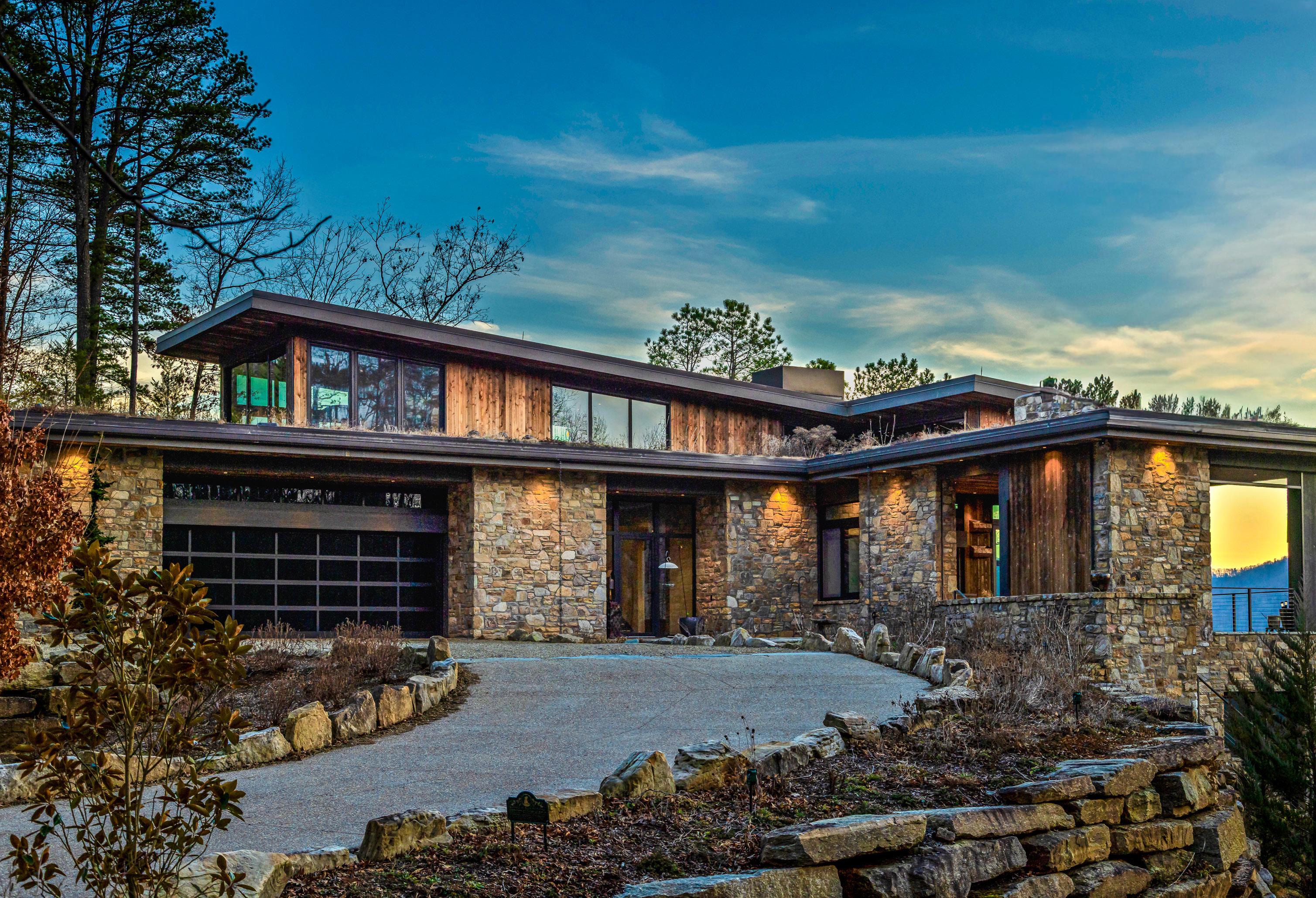
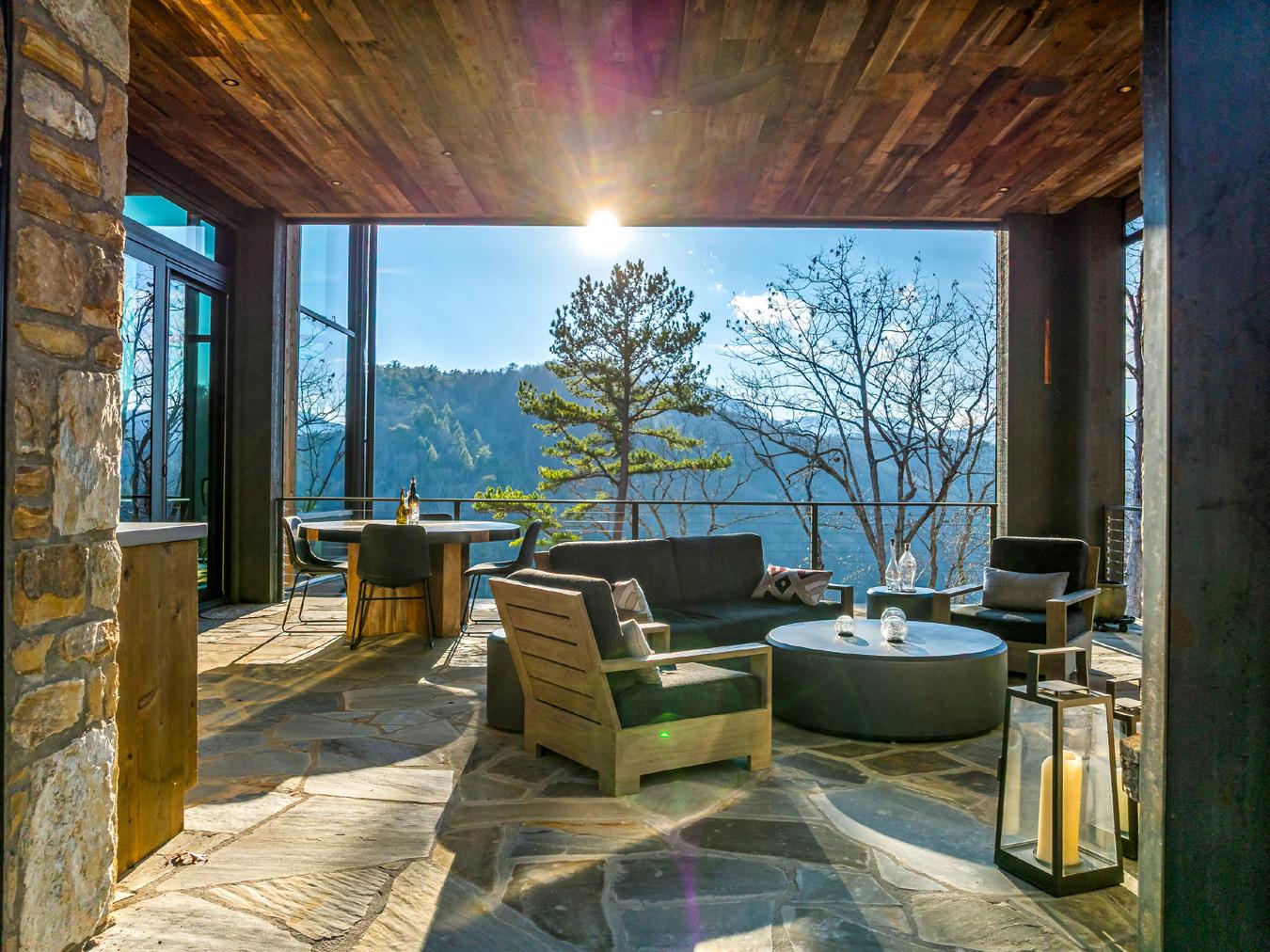
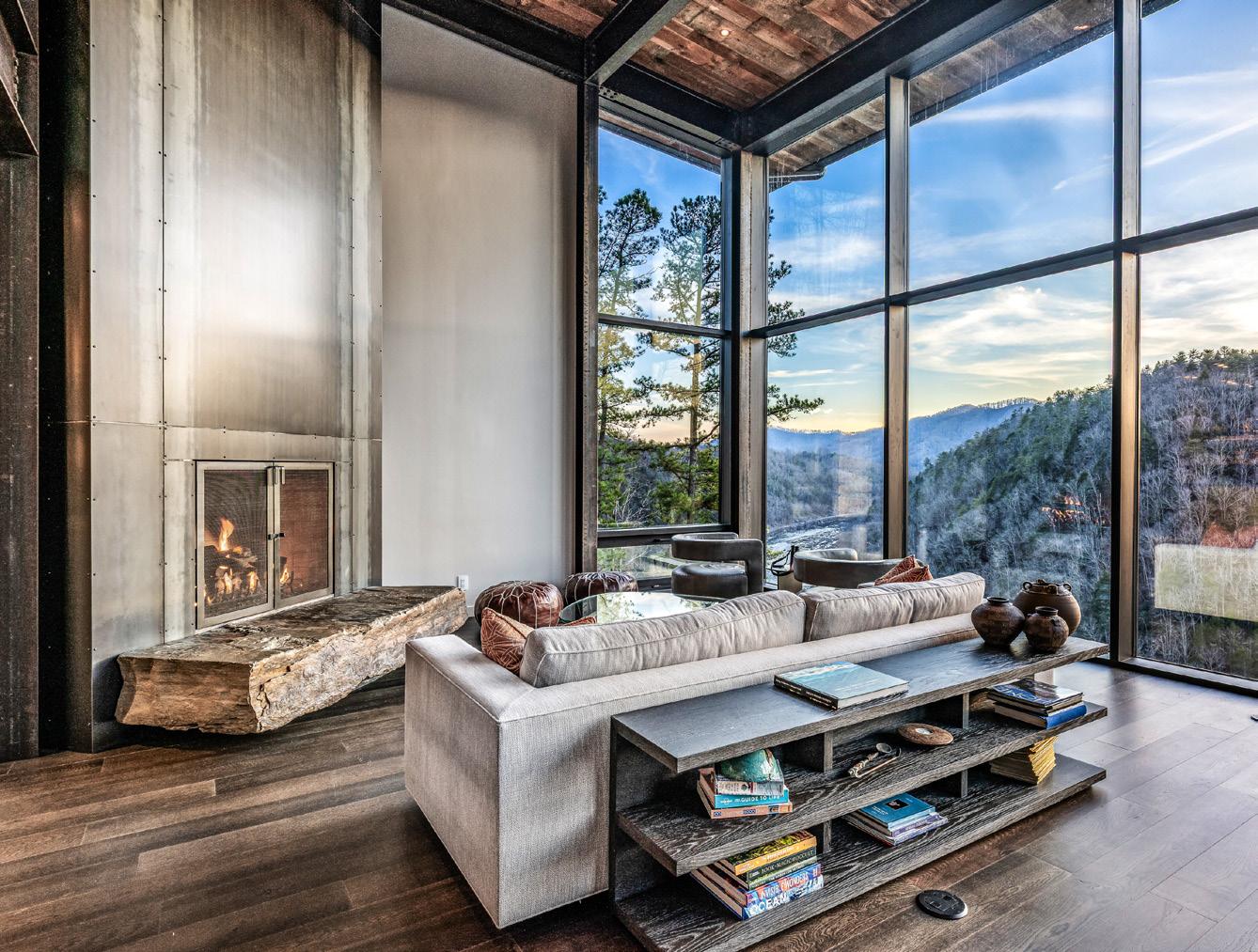
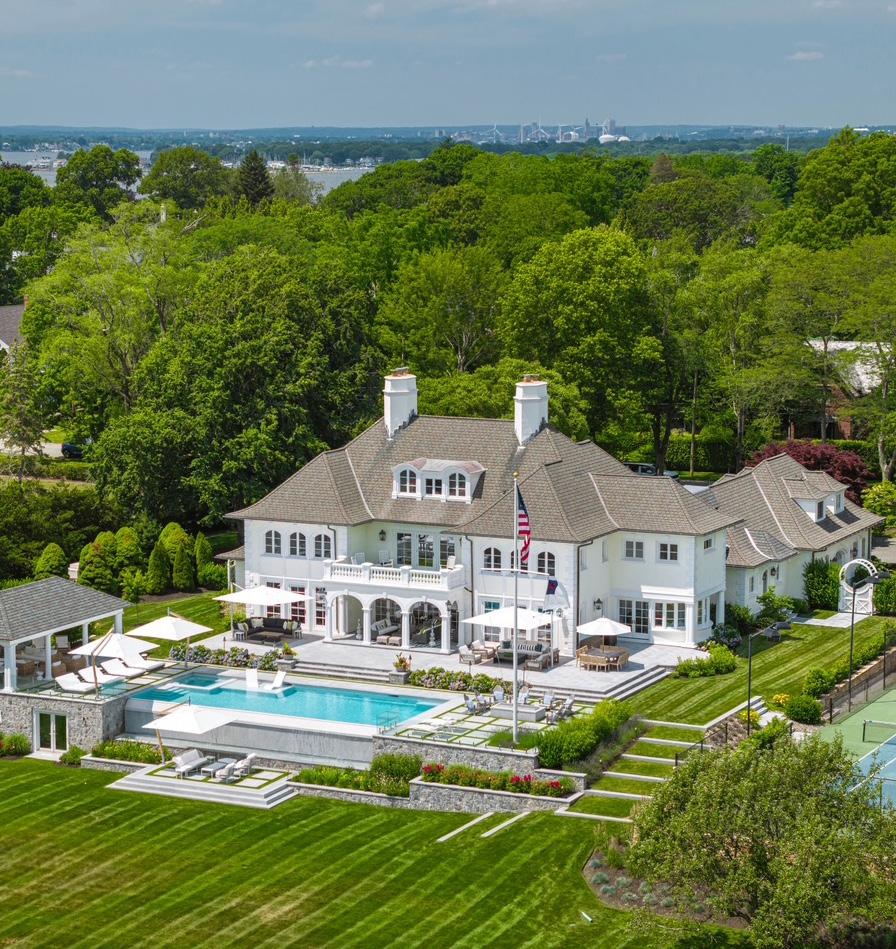
NAYATT
7 Bedrooms | 10 Bathrooms | 2 Half Bath | 13,589 SqFt
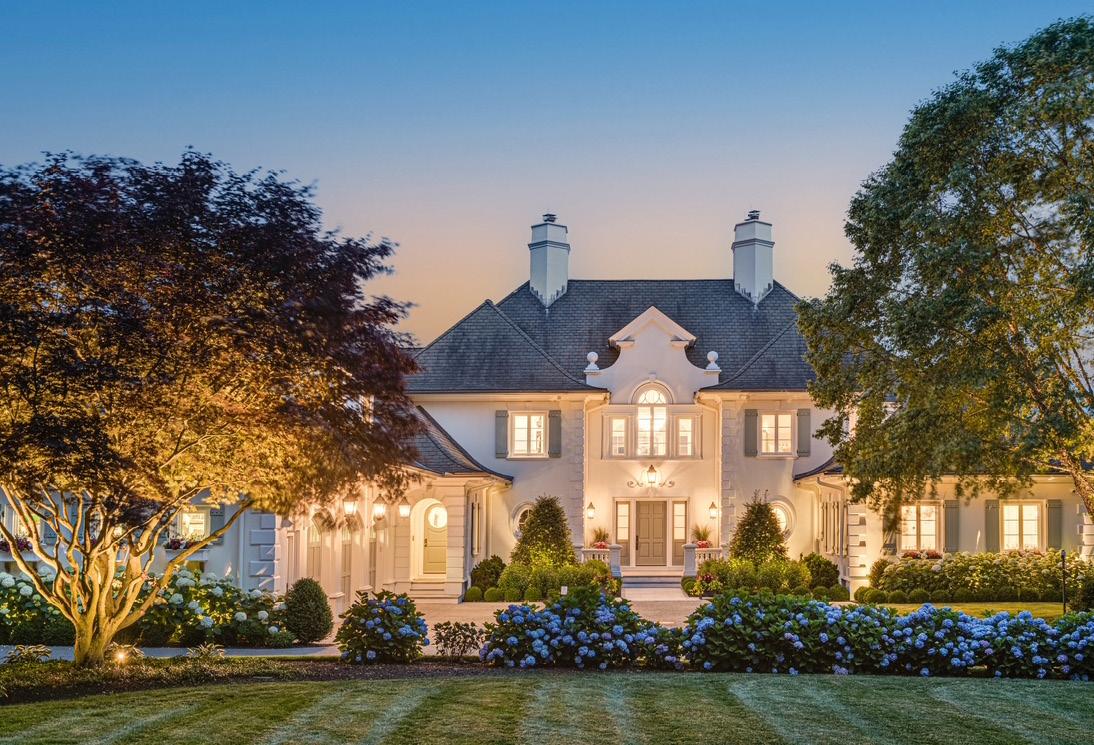
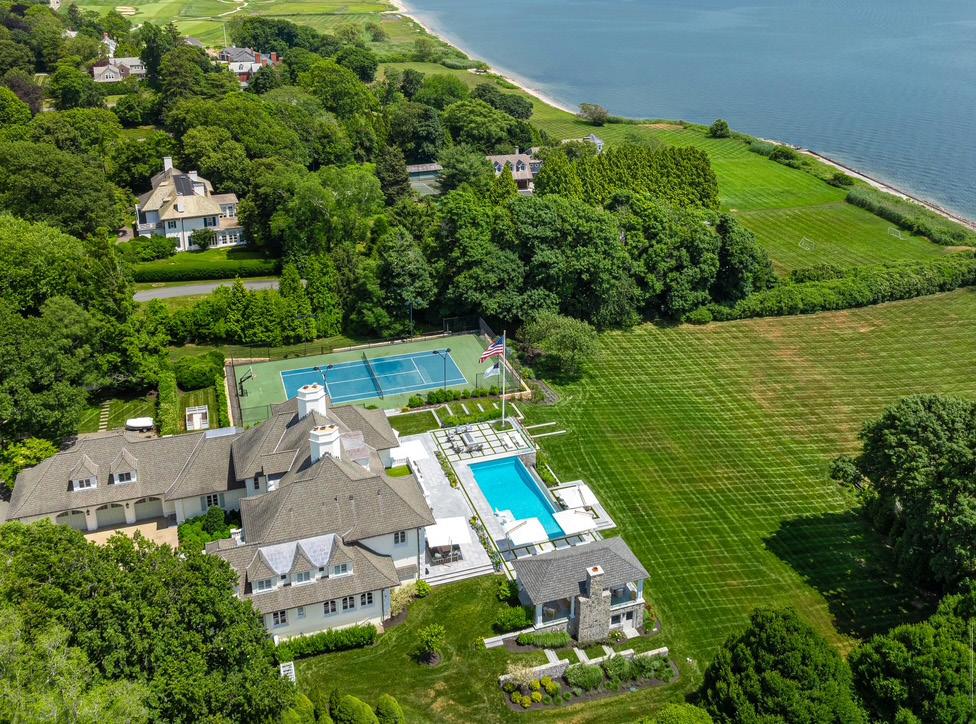
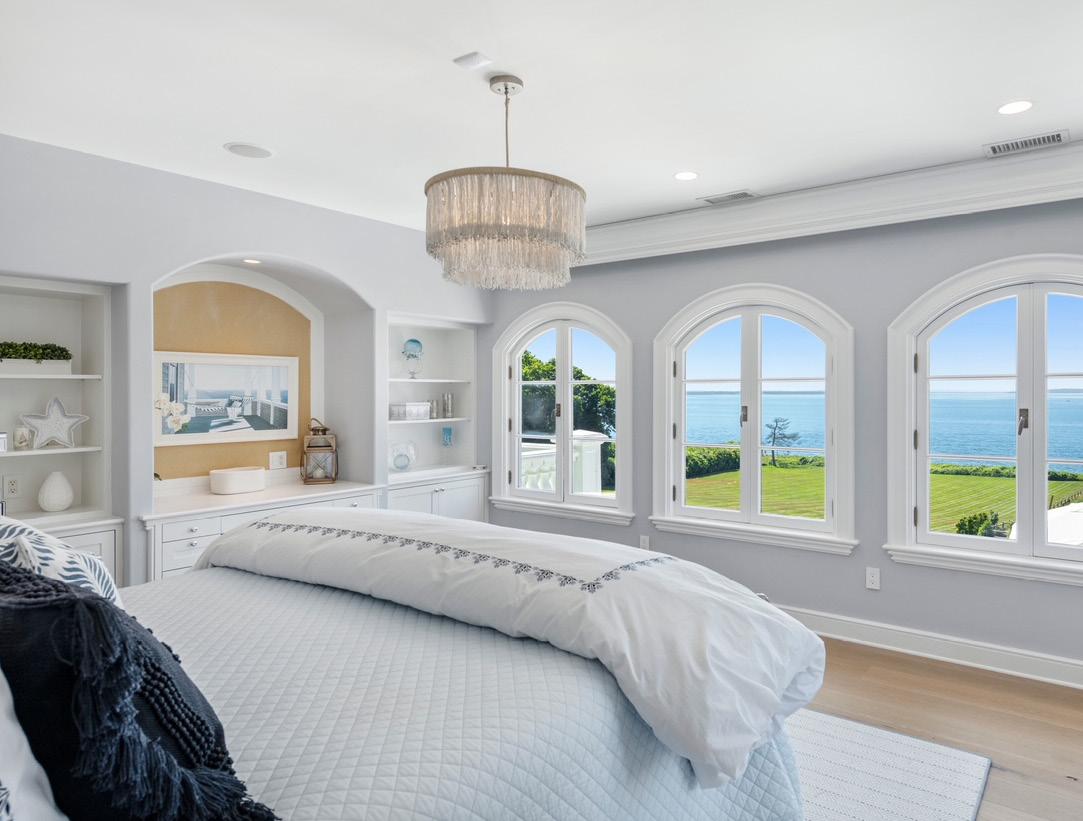
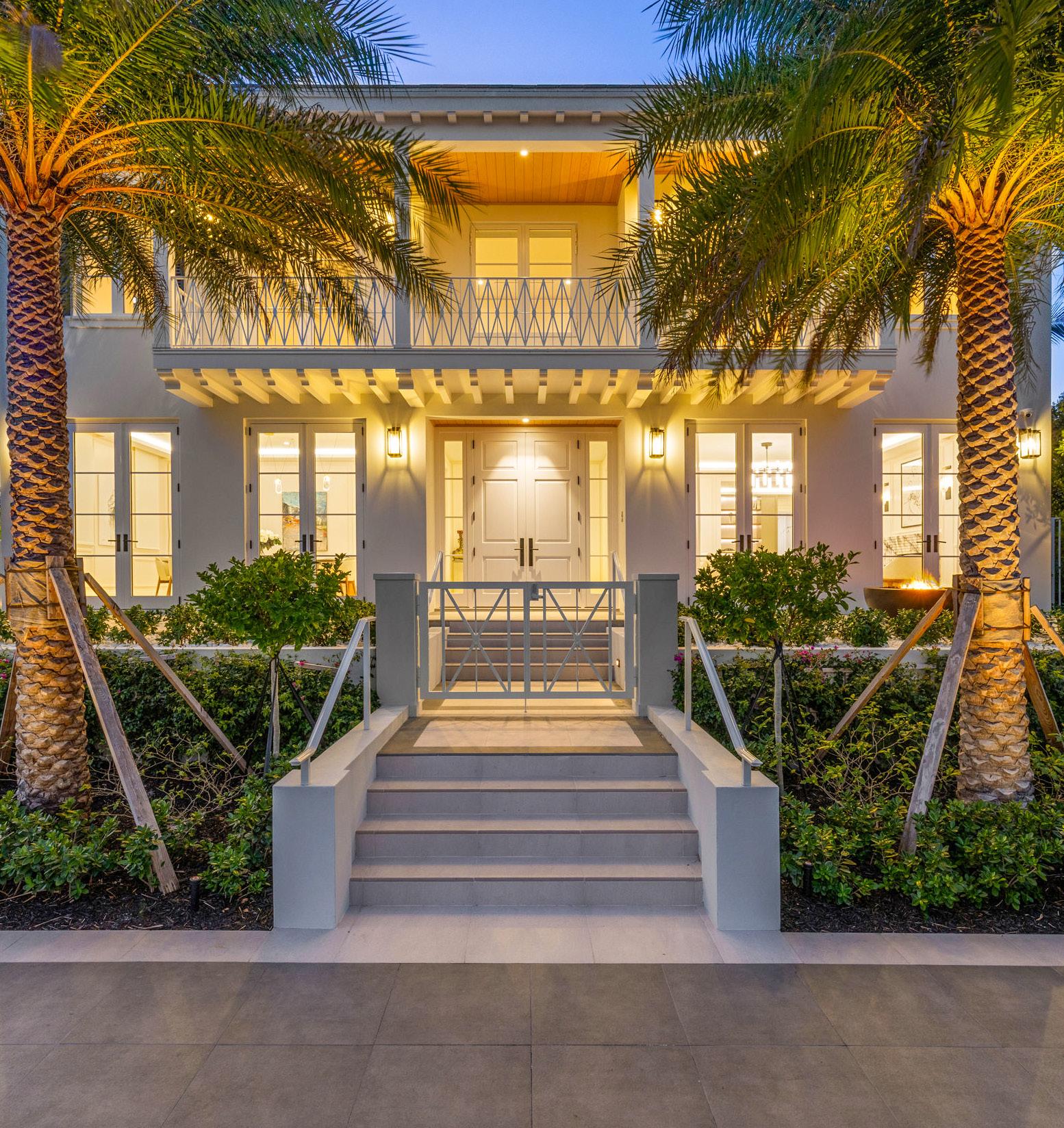
2415 S FLAGLER DR, WEST PALM BEACH, FL 5 Bedrooms | 7 Bathrooms | 1 Half Bath | 5,825 SqFt
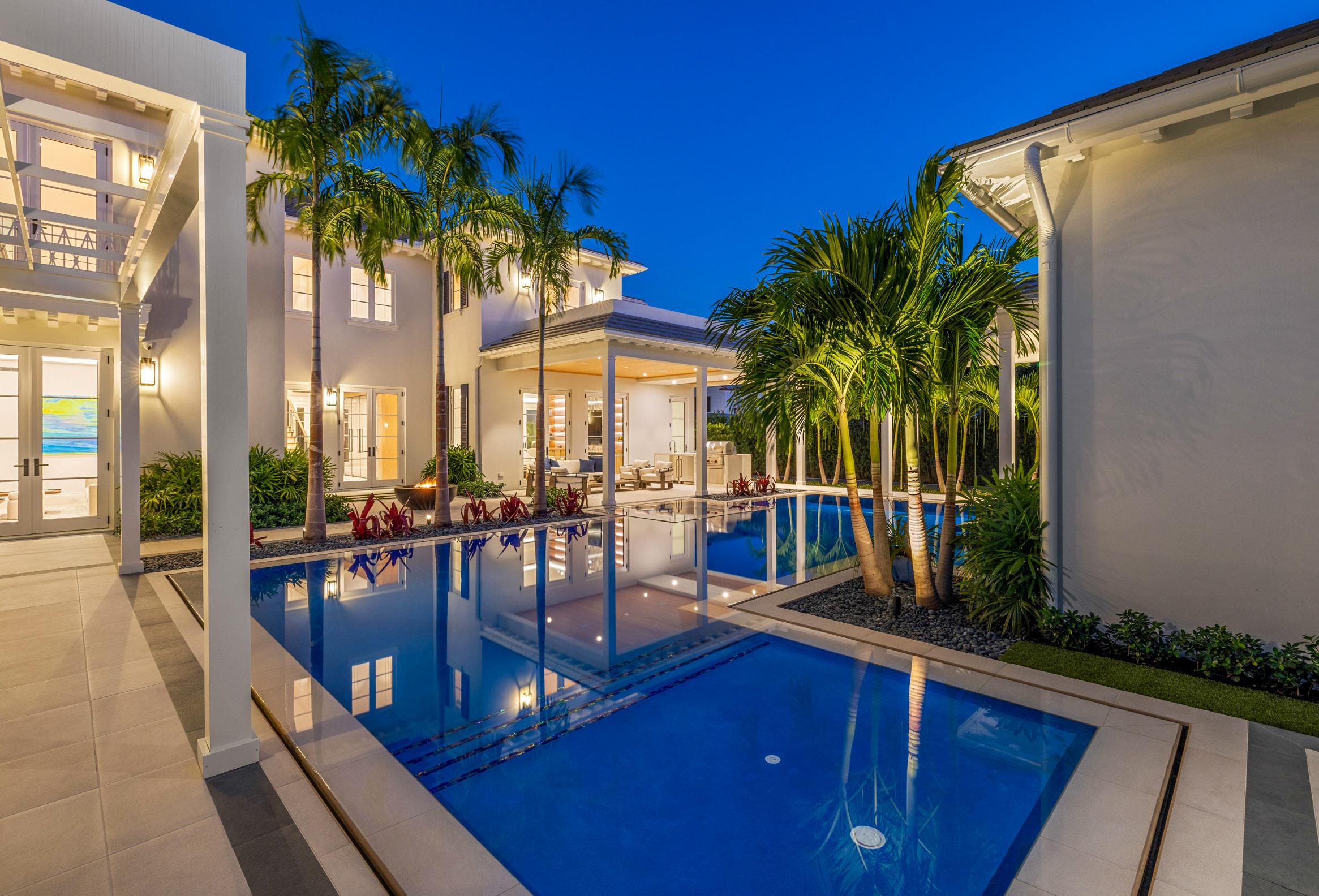
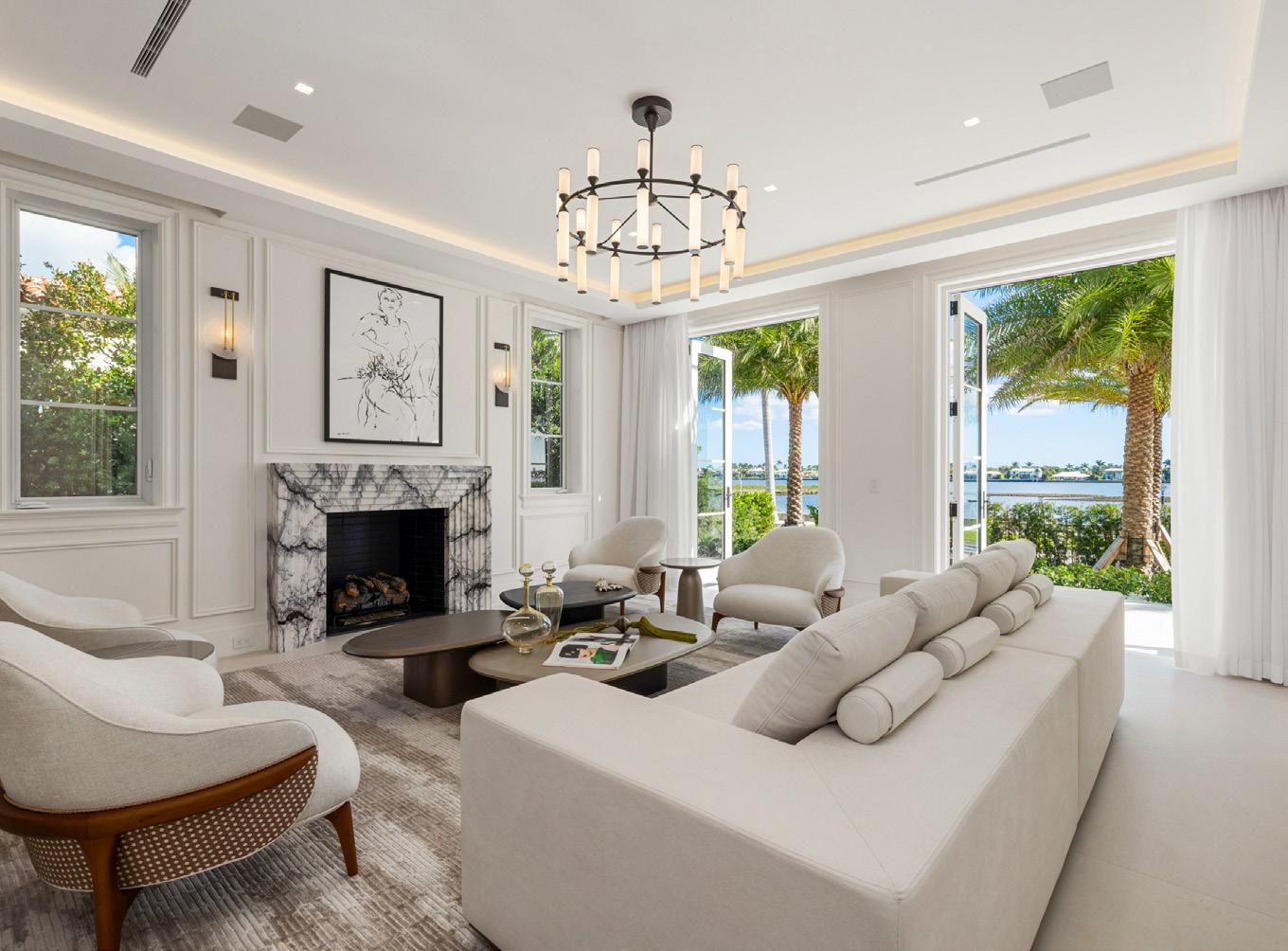
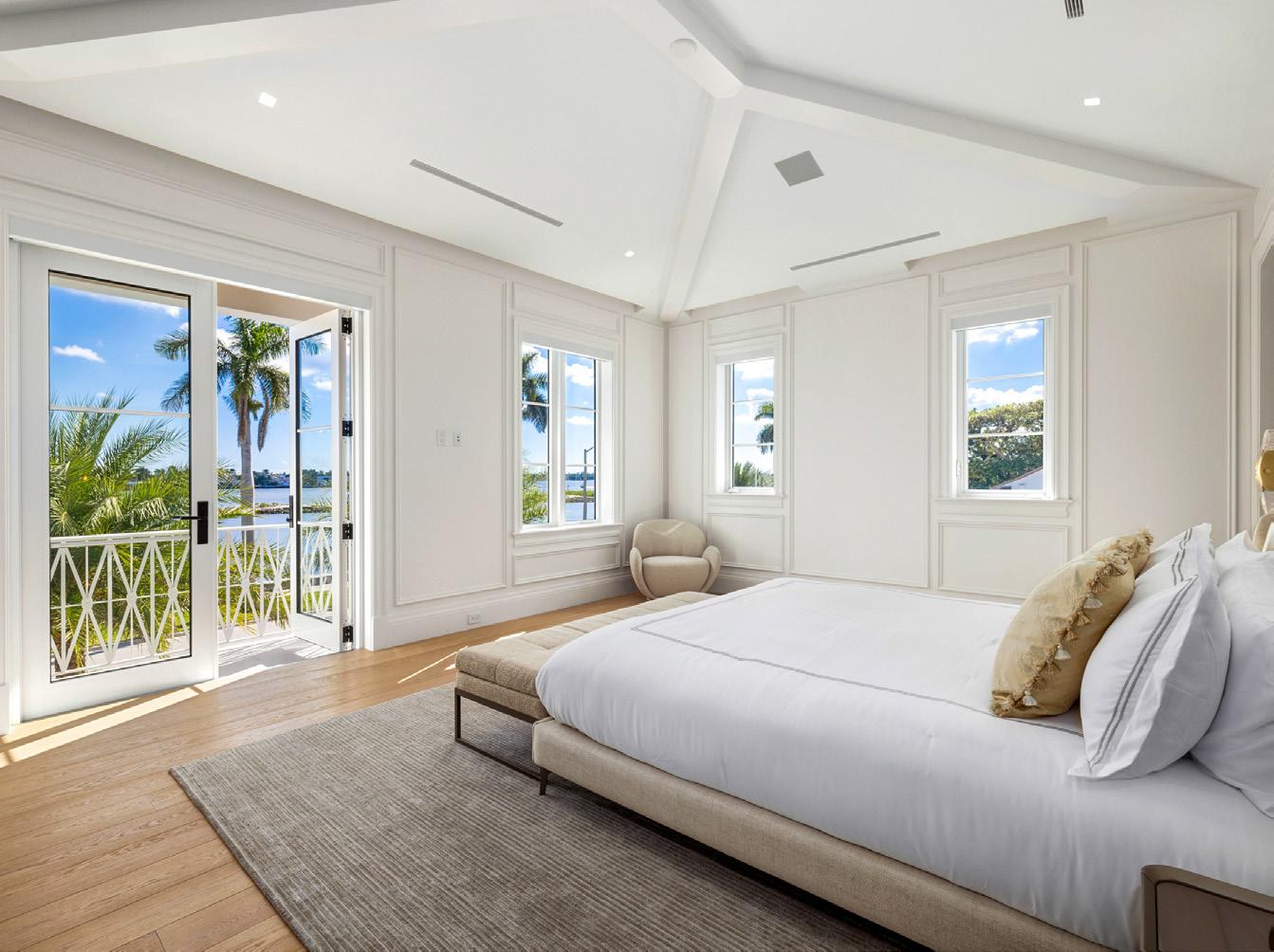
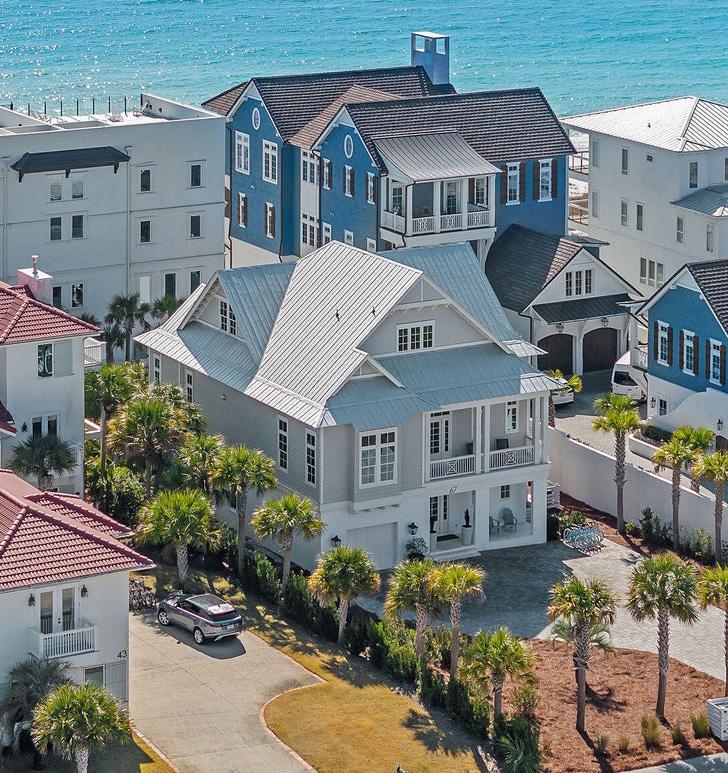
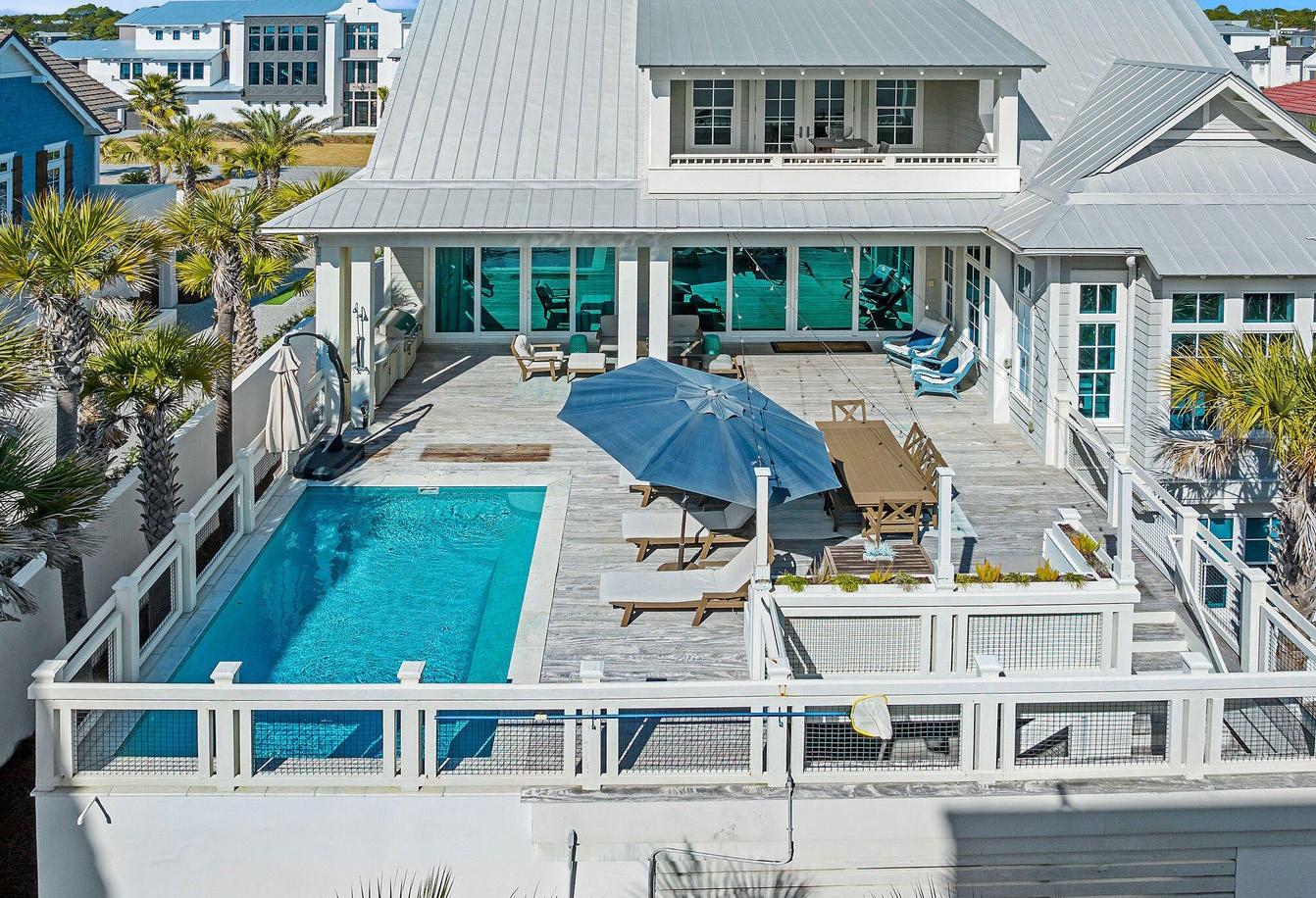
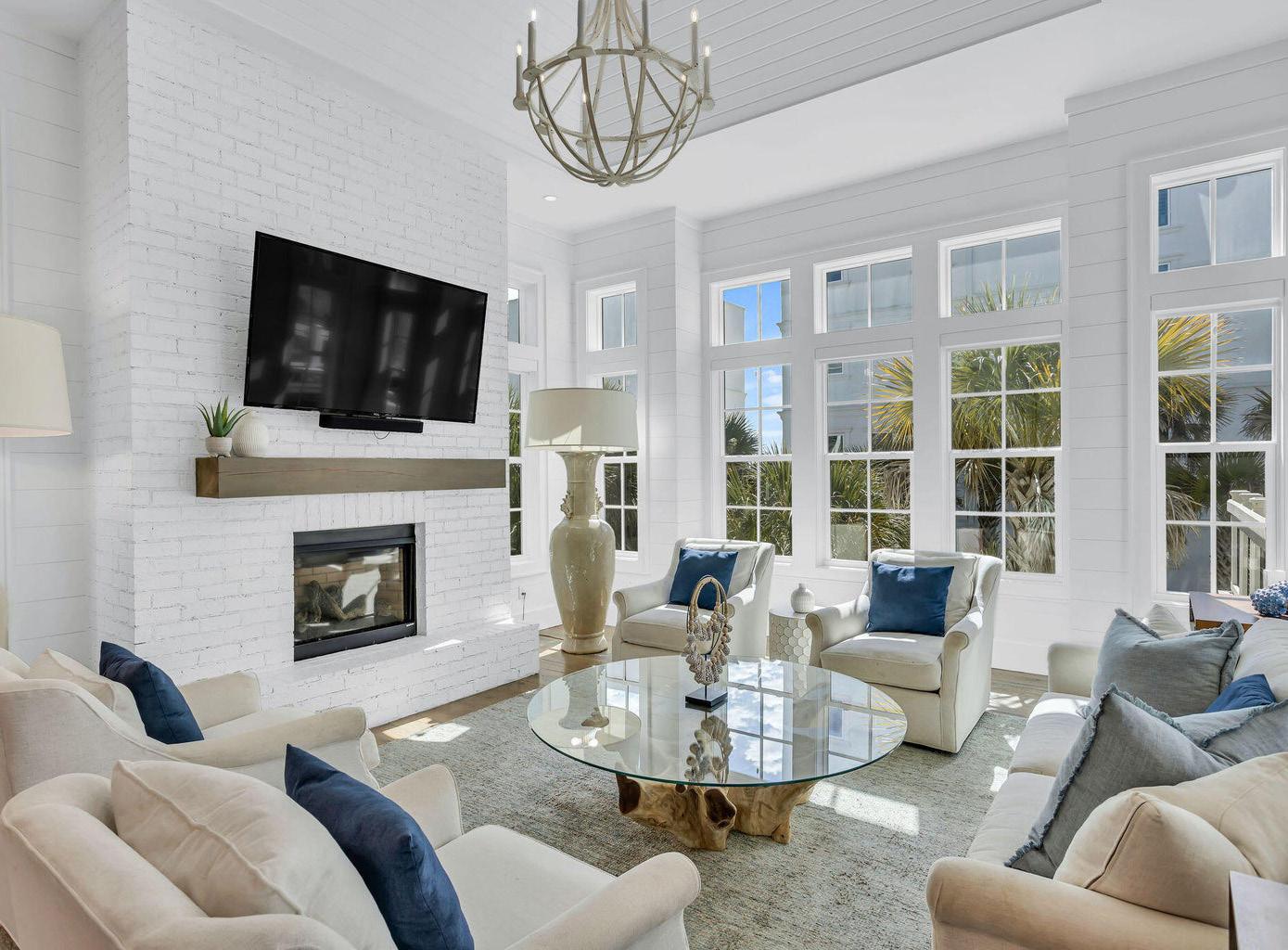
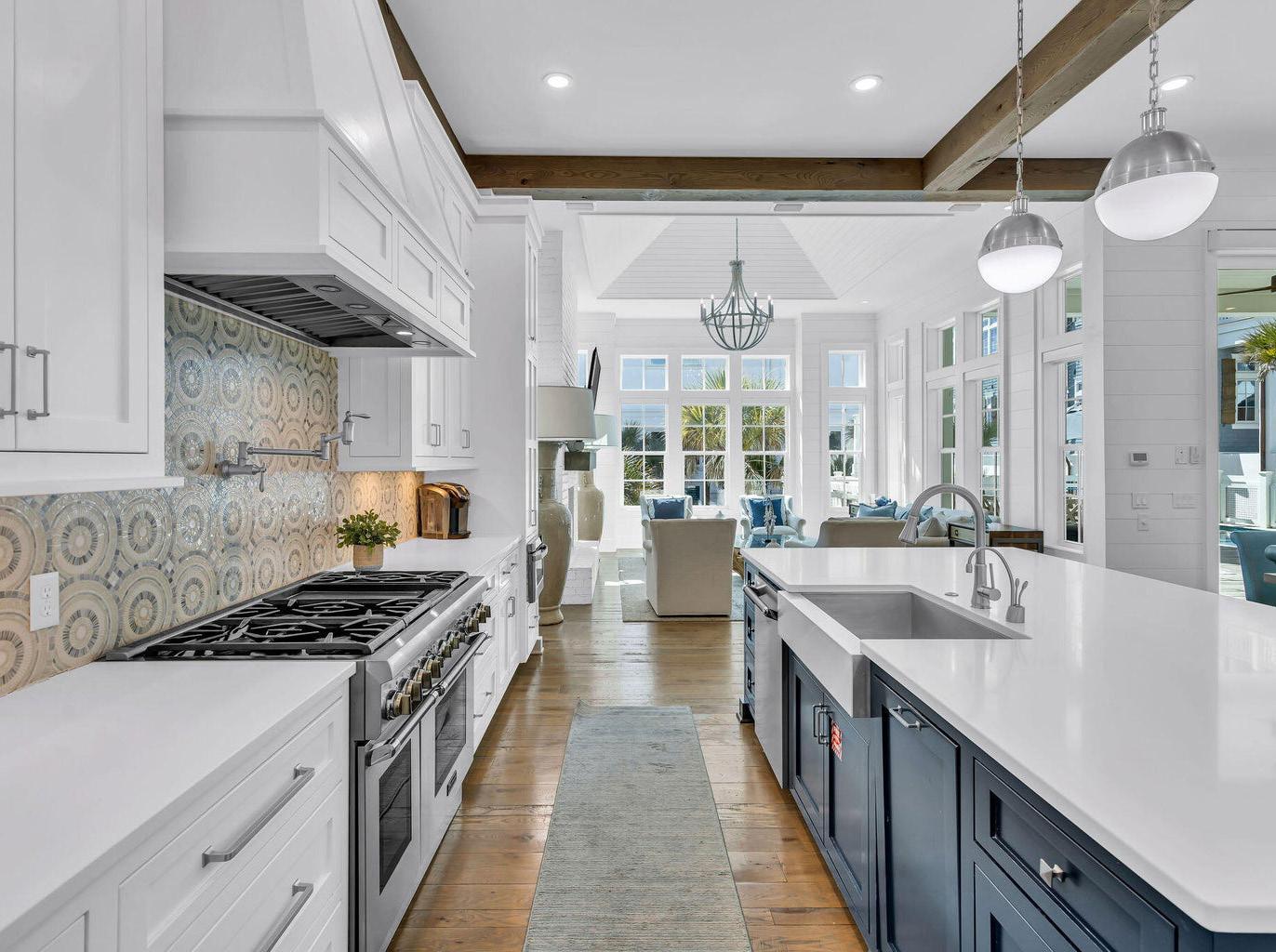
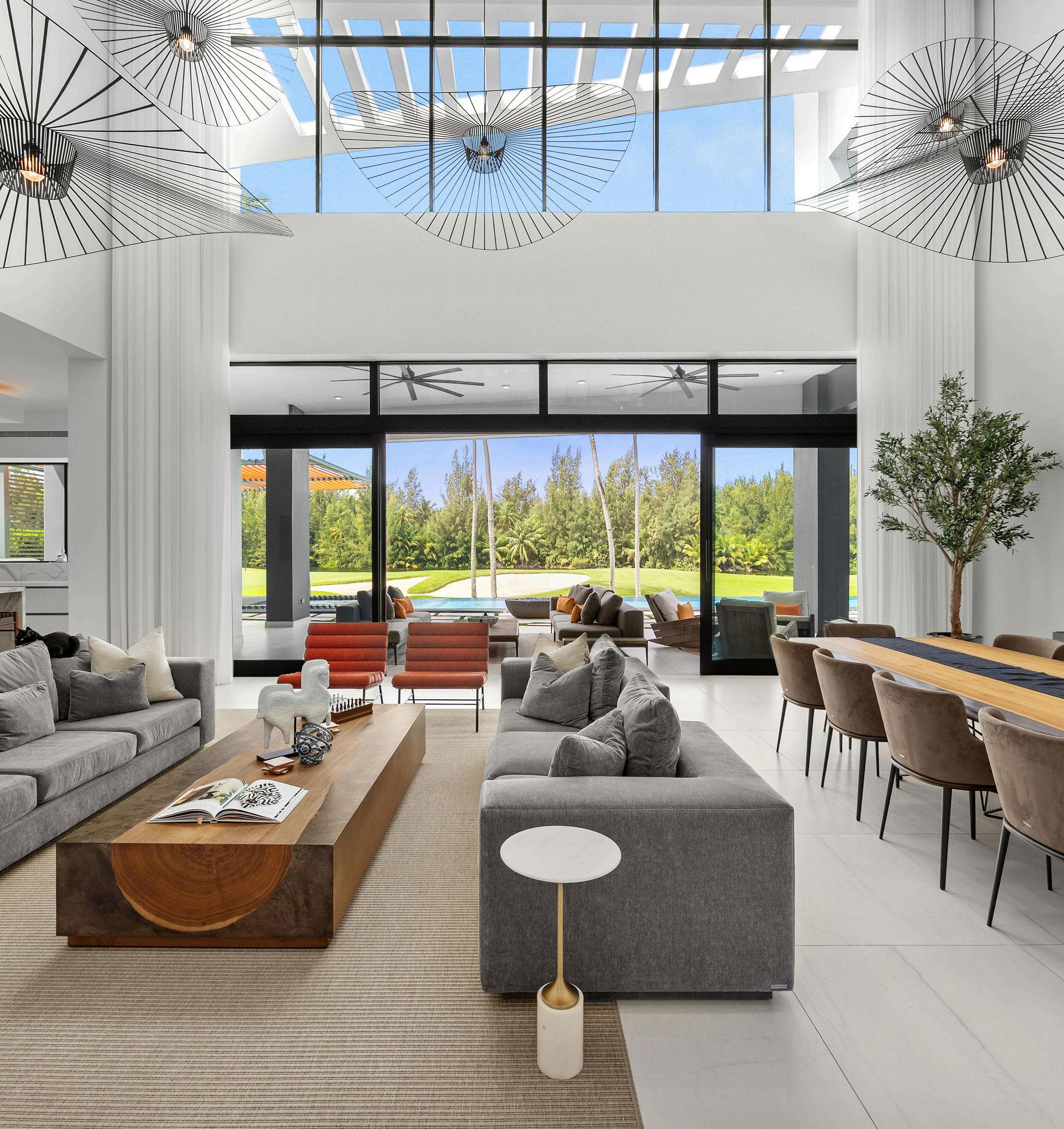
FOUR
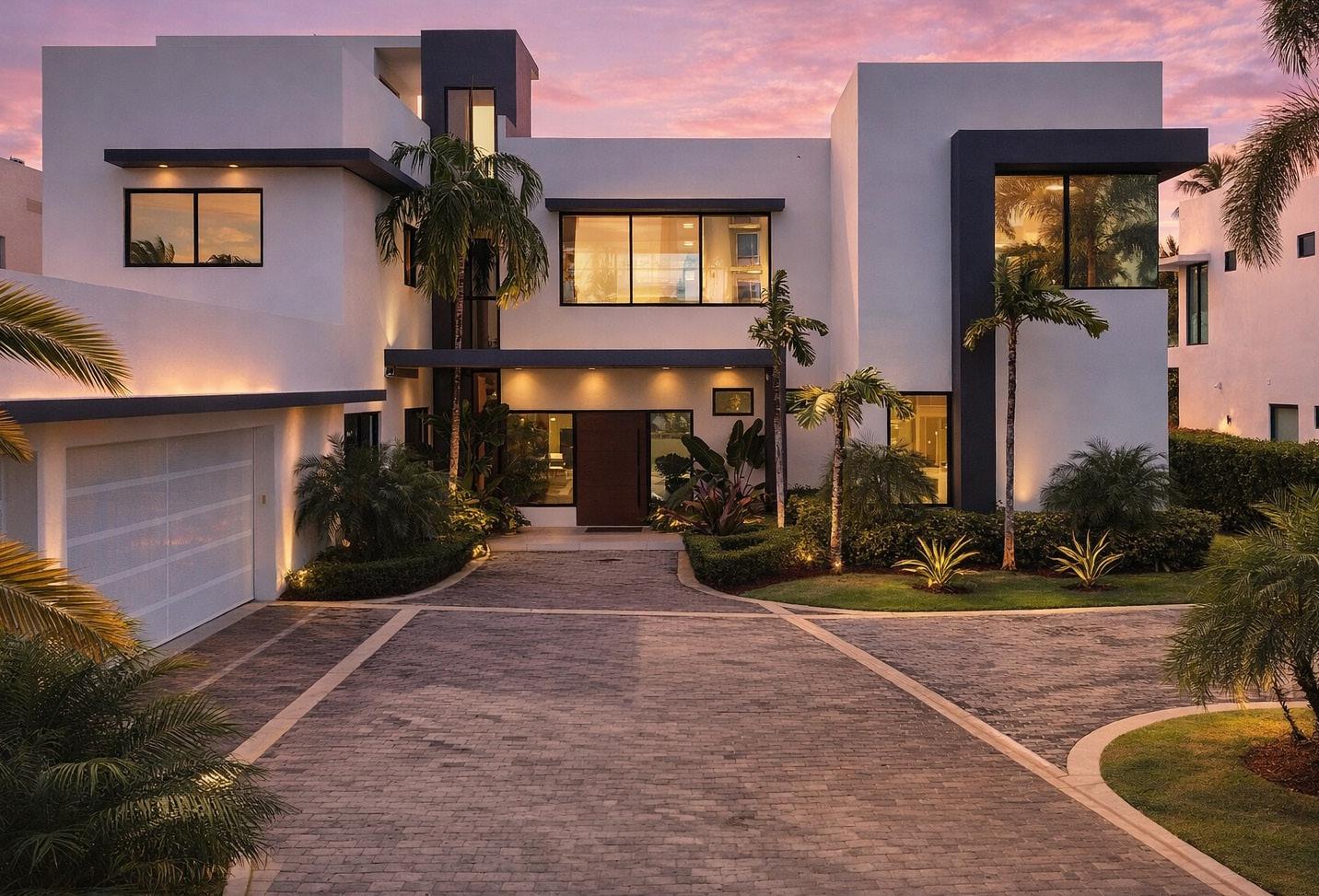
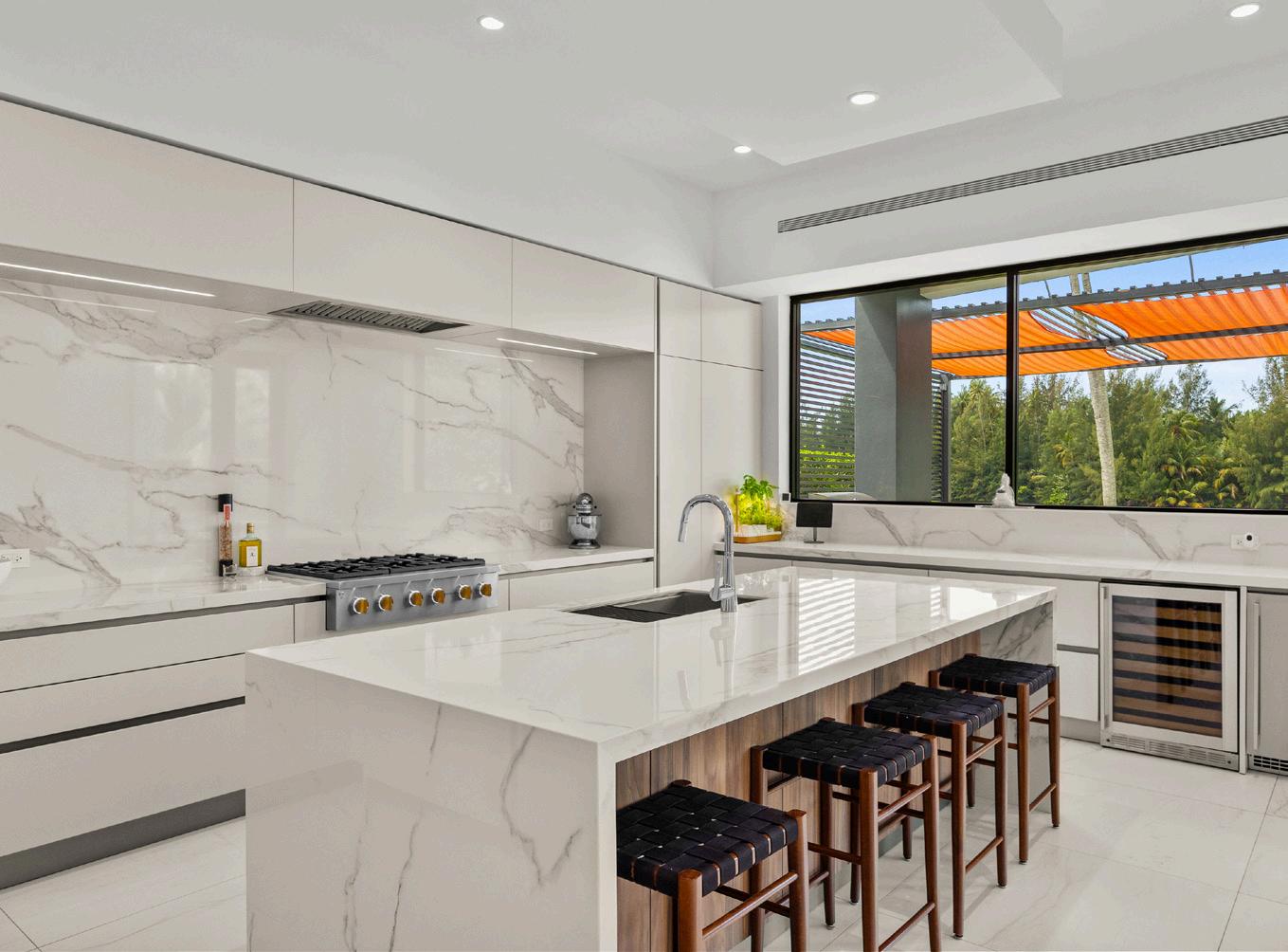
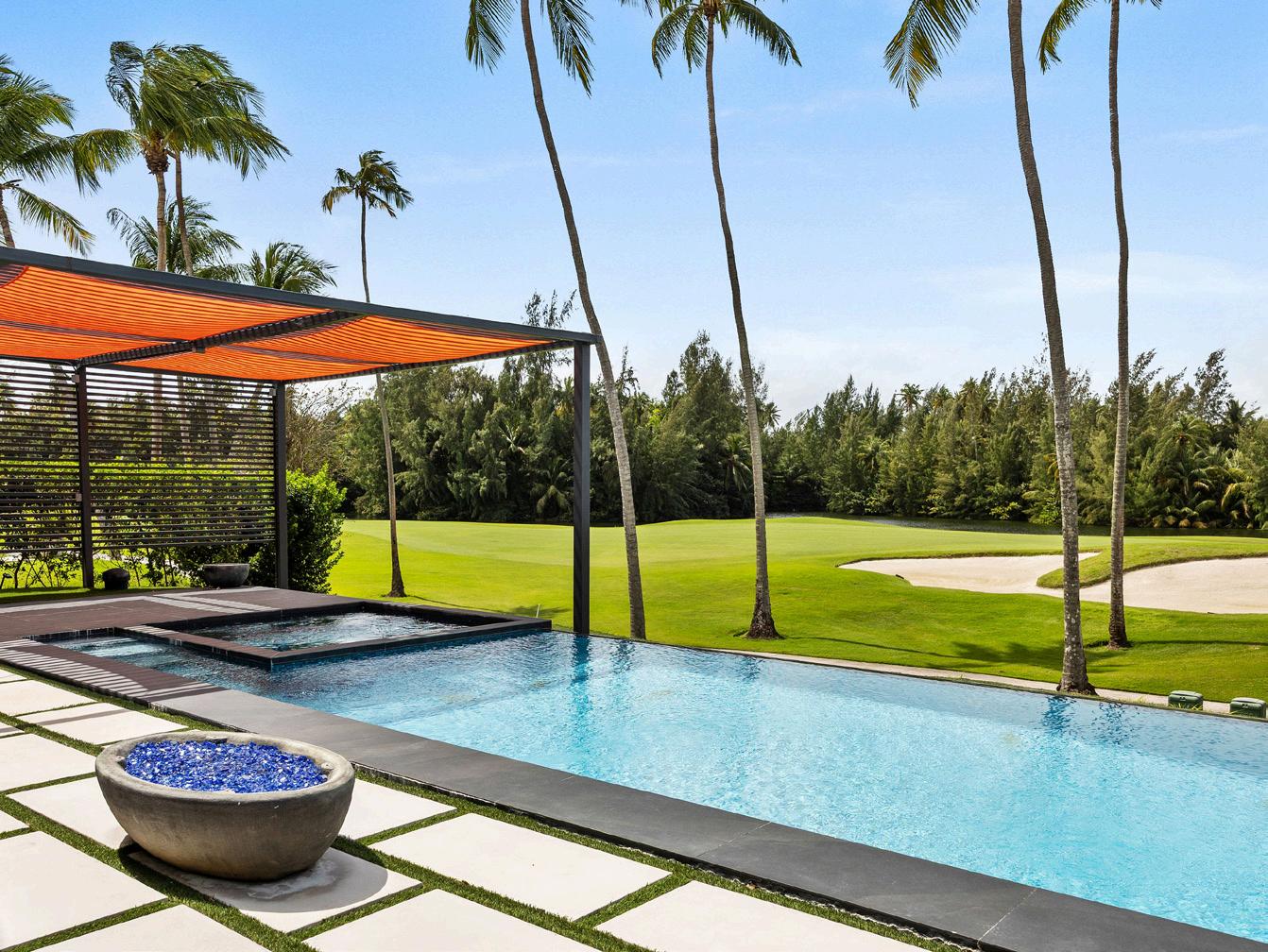
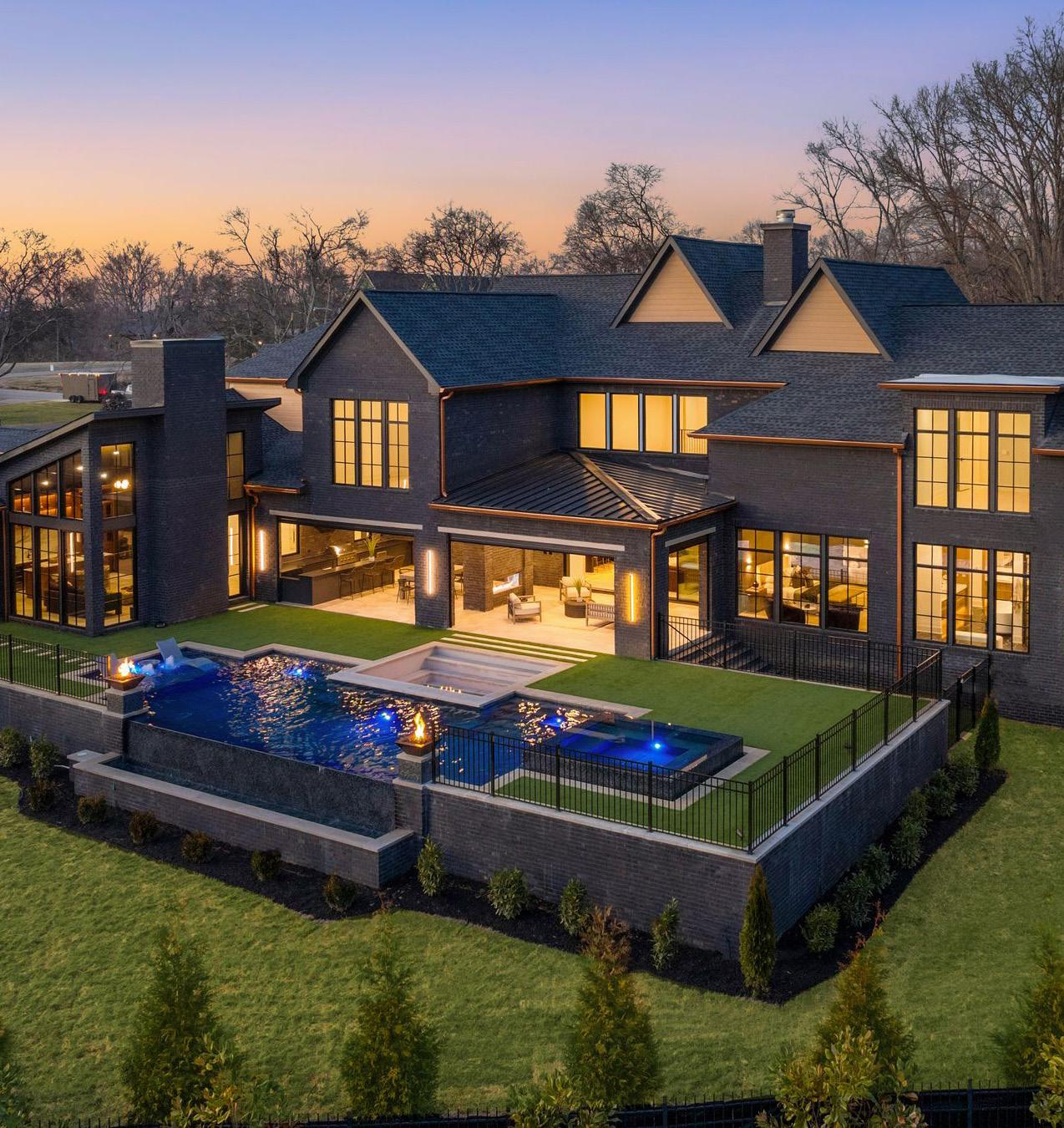
325 GUN CLUB ROAD, NASHVILLE, TN
5 Bedrooms | 5 Bathrooms | 2 Half Bath | 8,608 SqFt
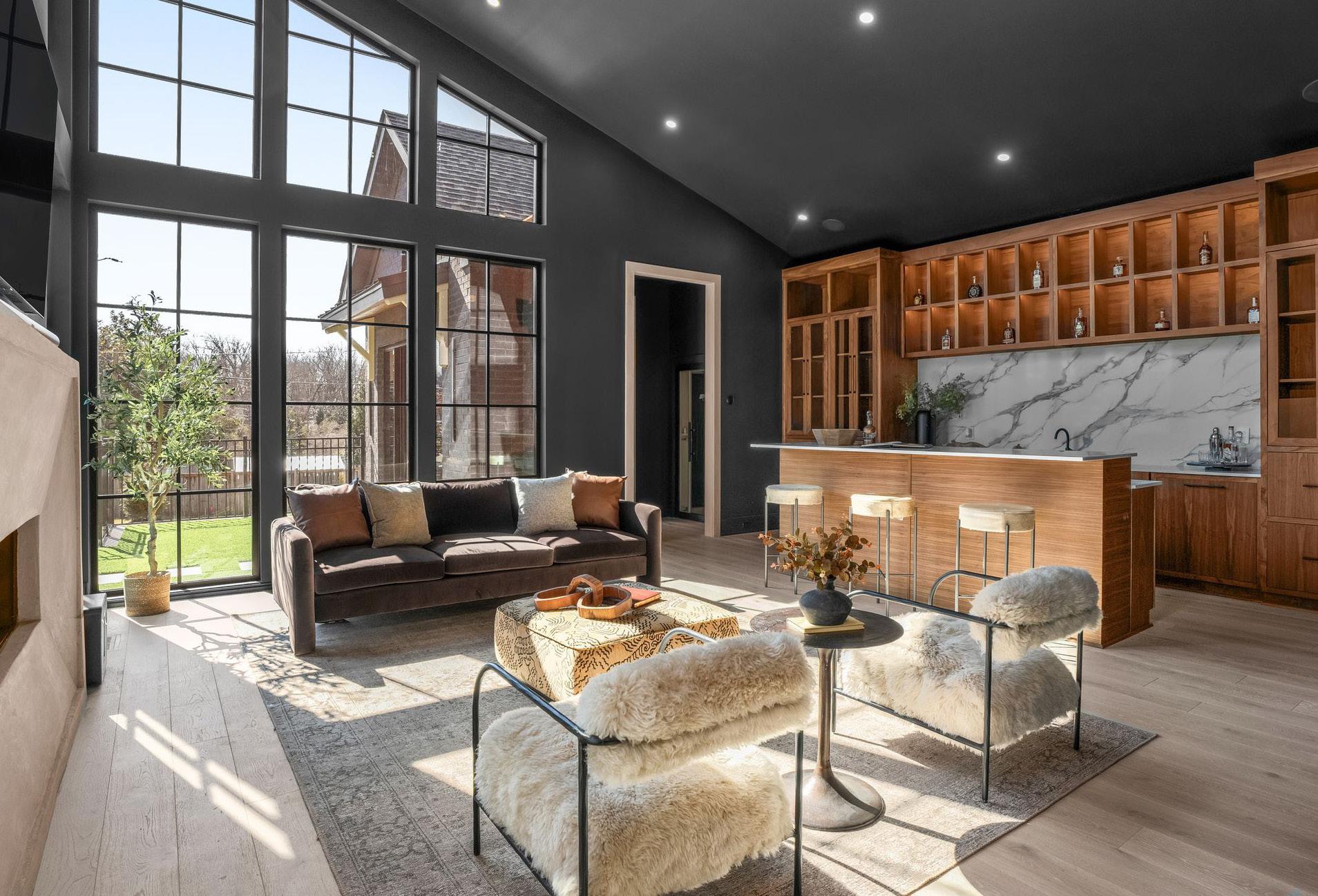
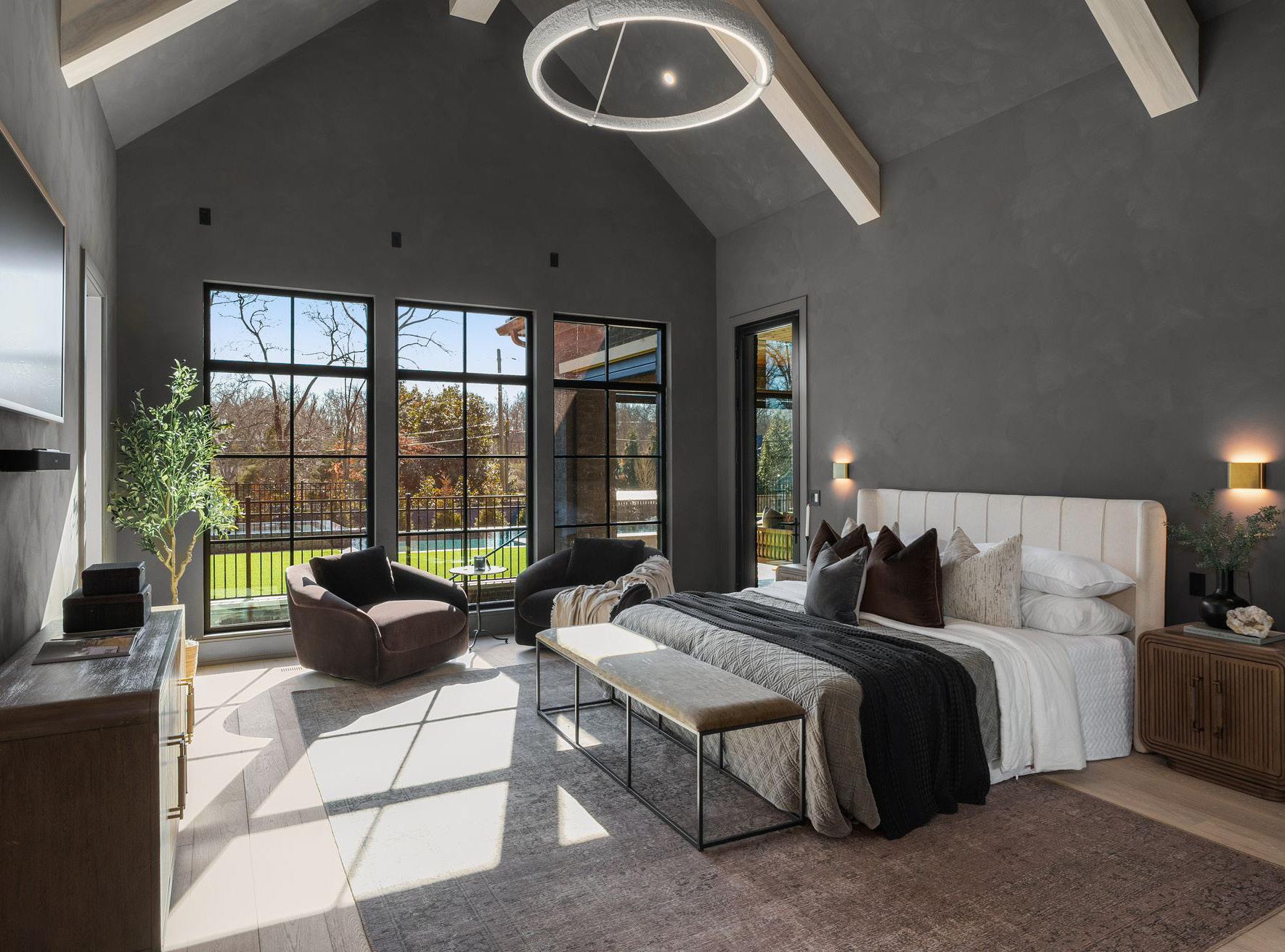
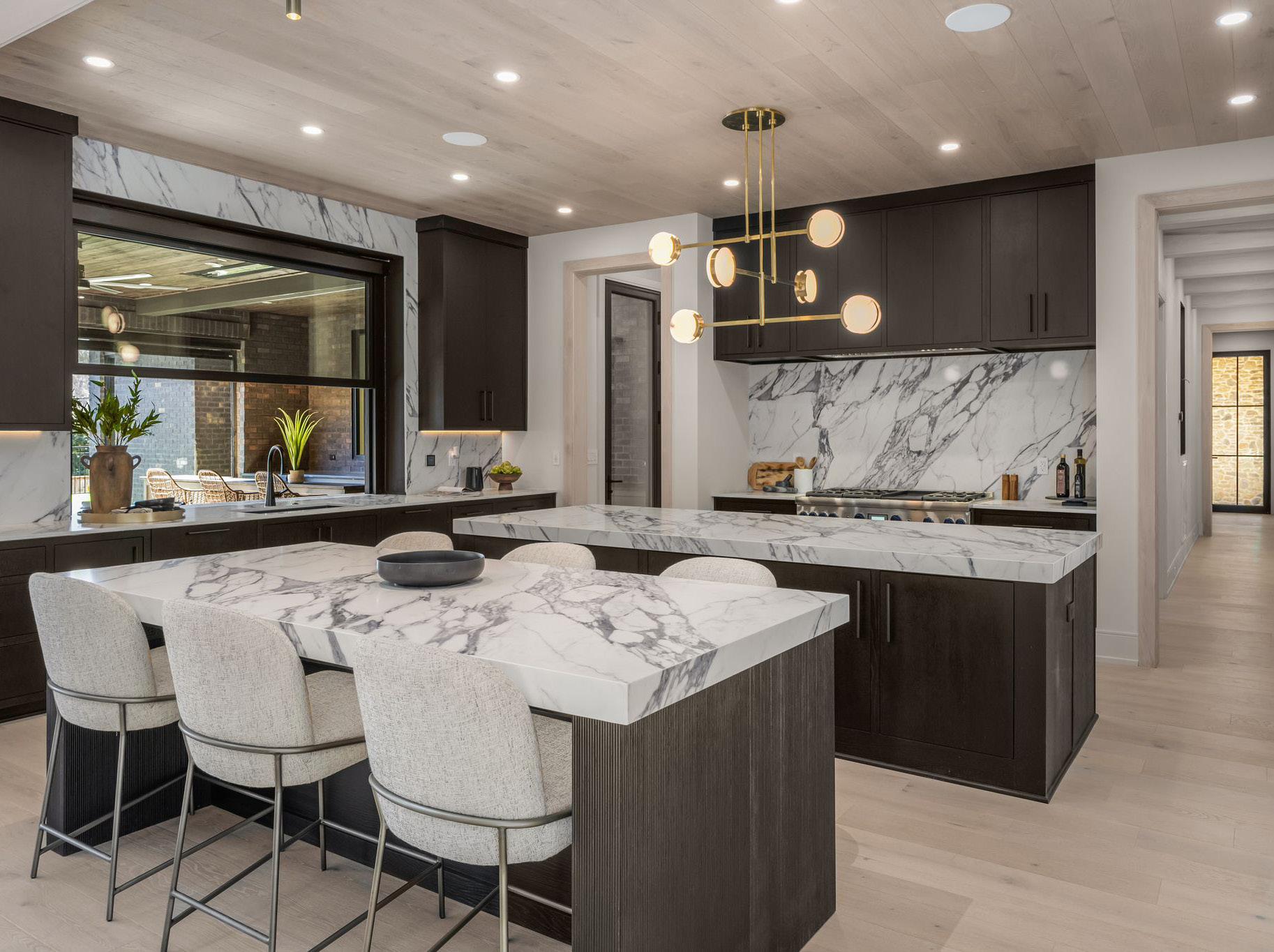
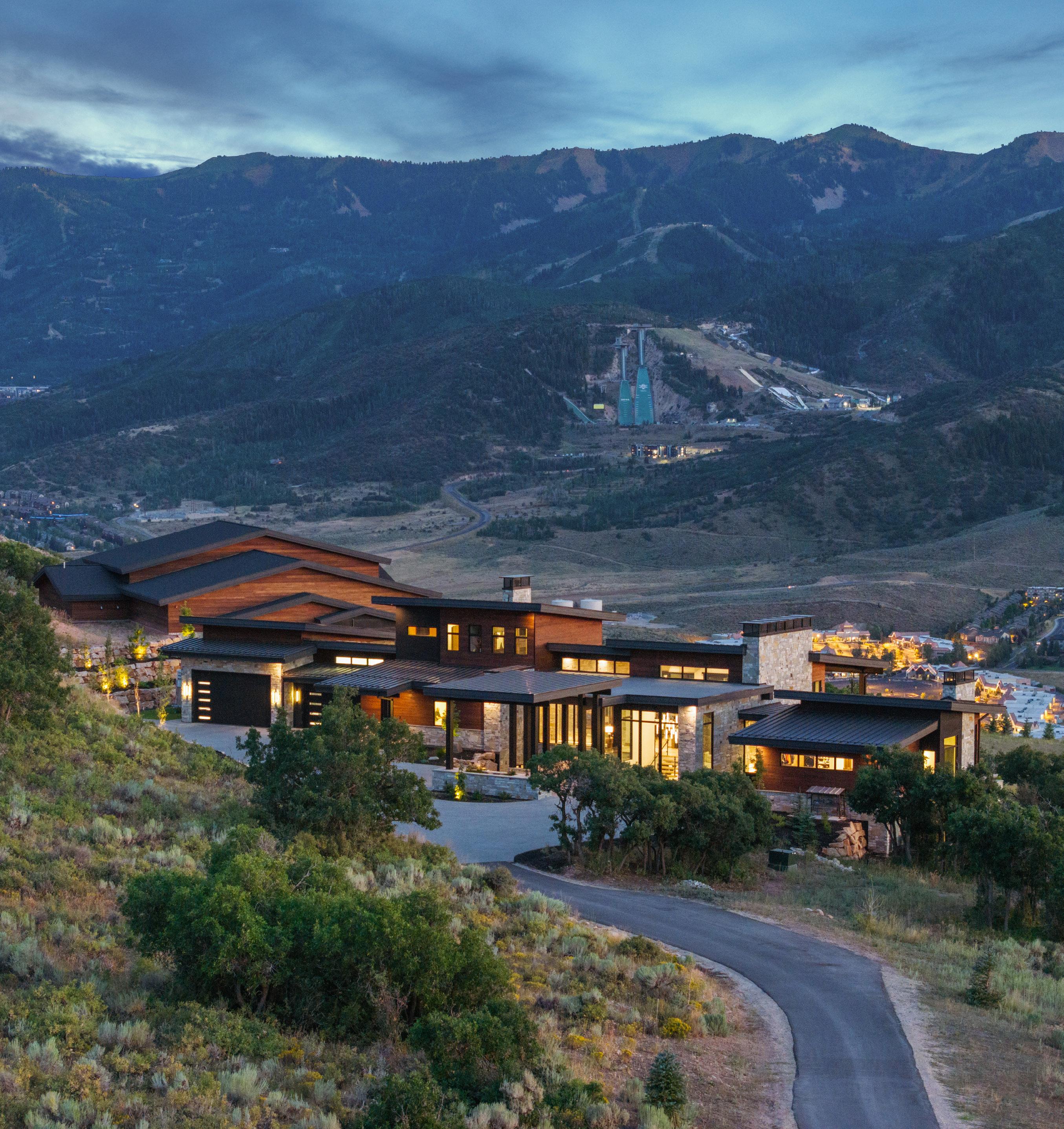
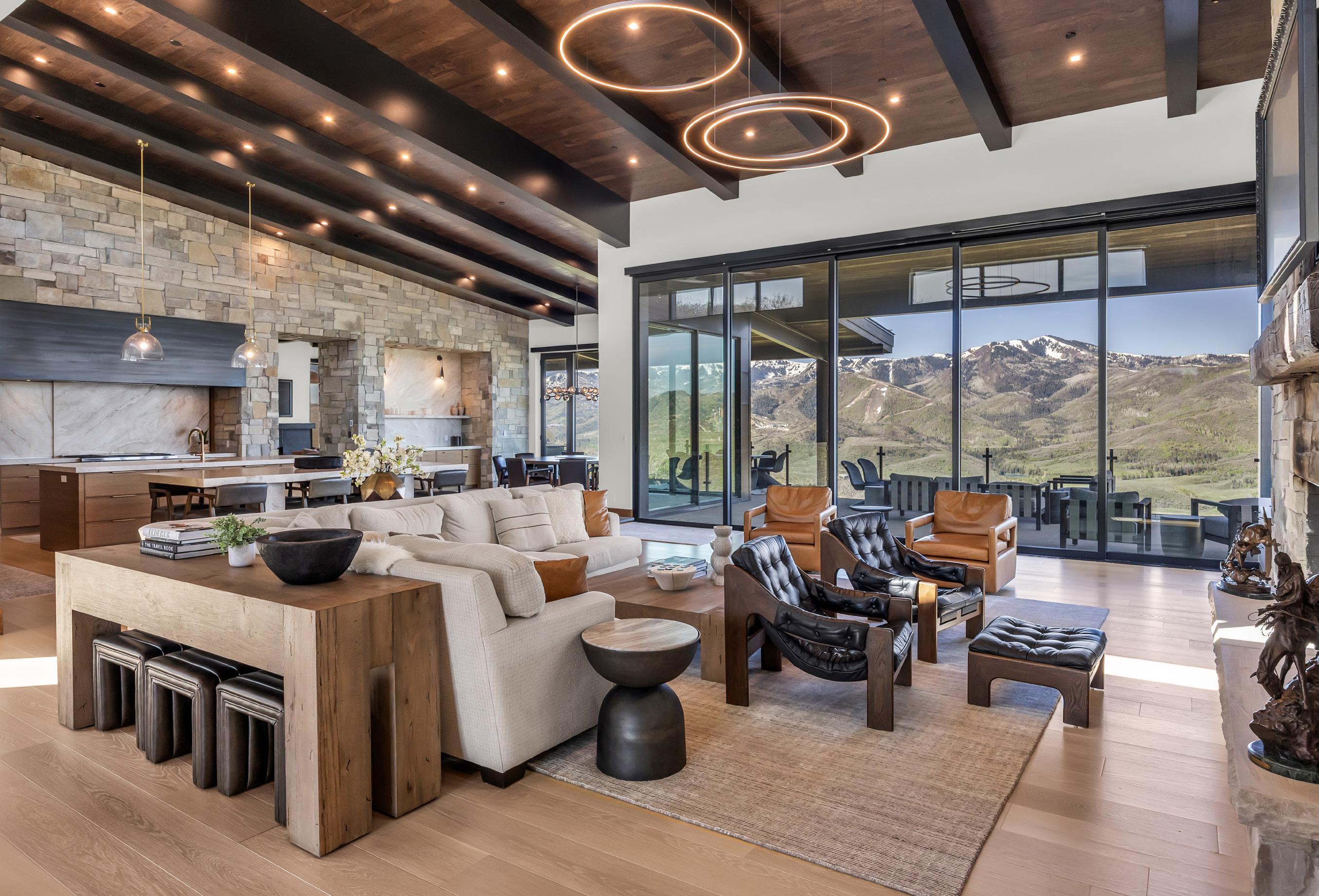
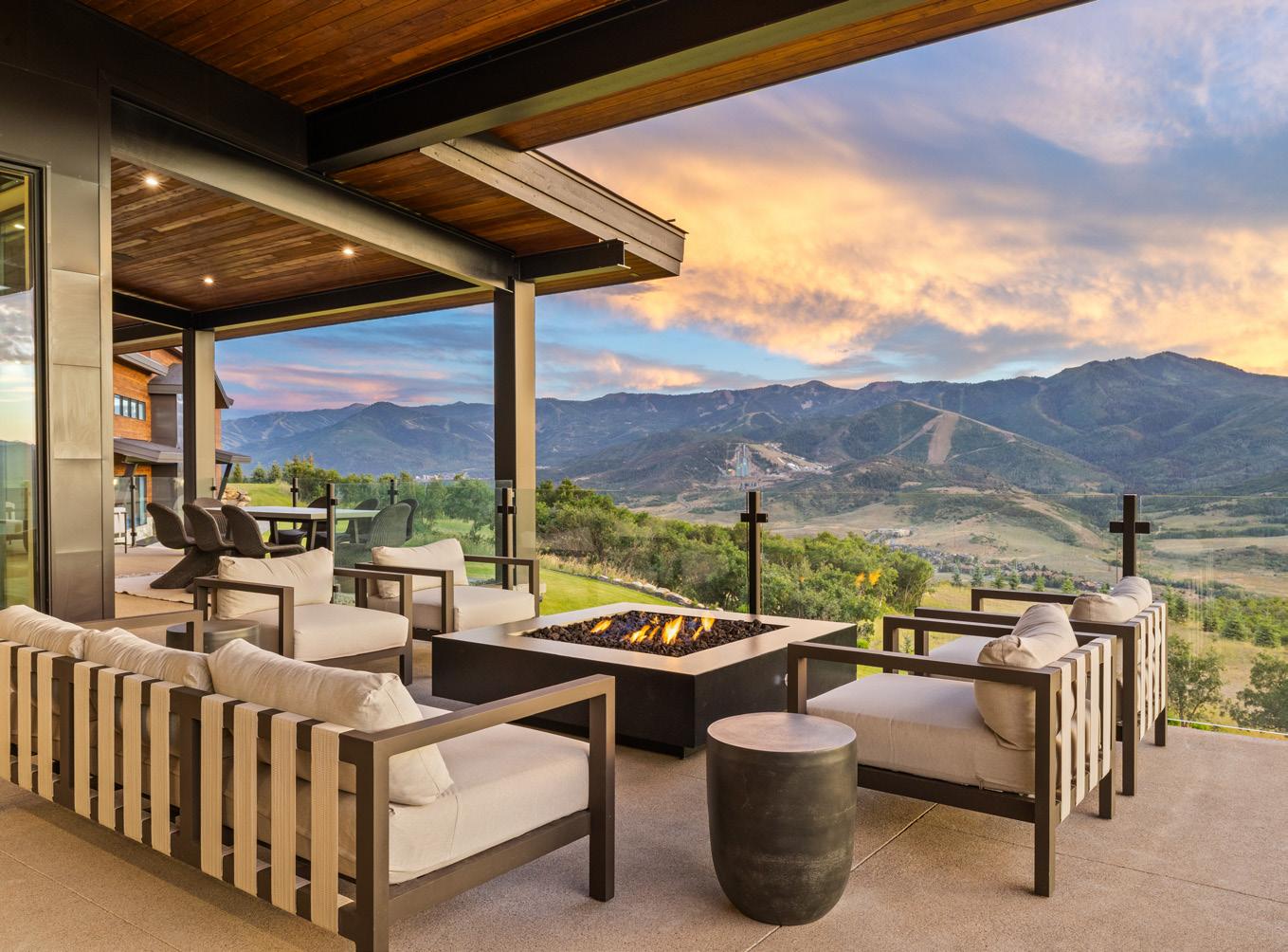
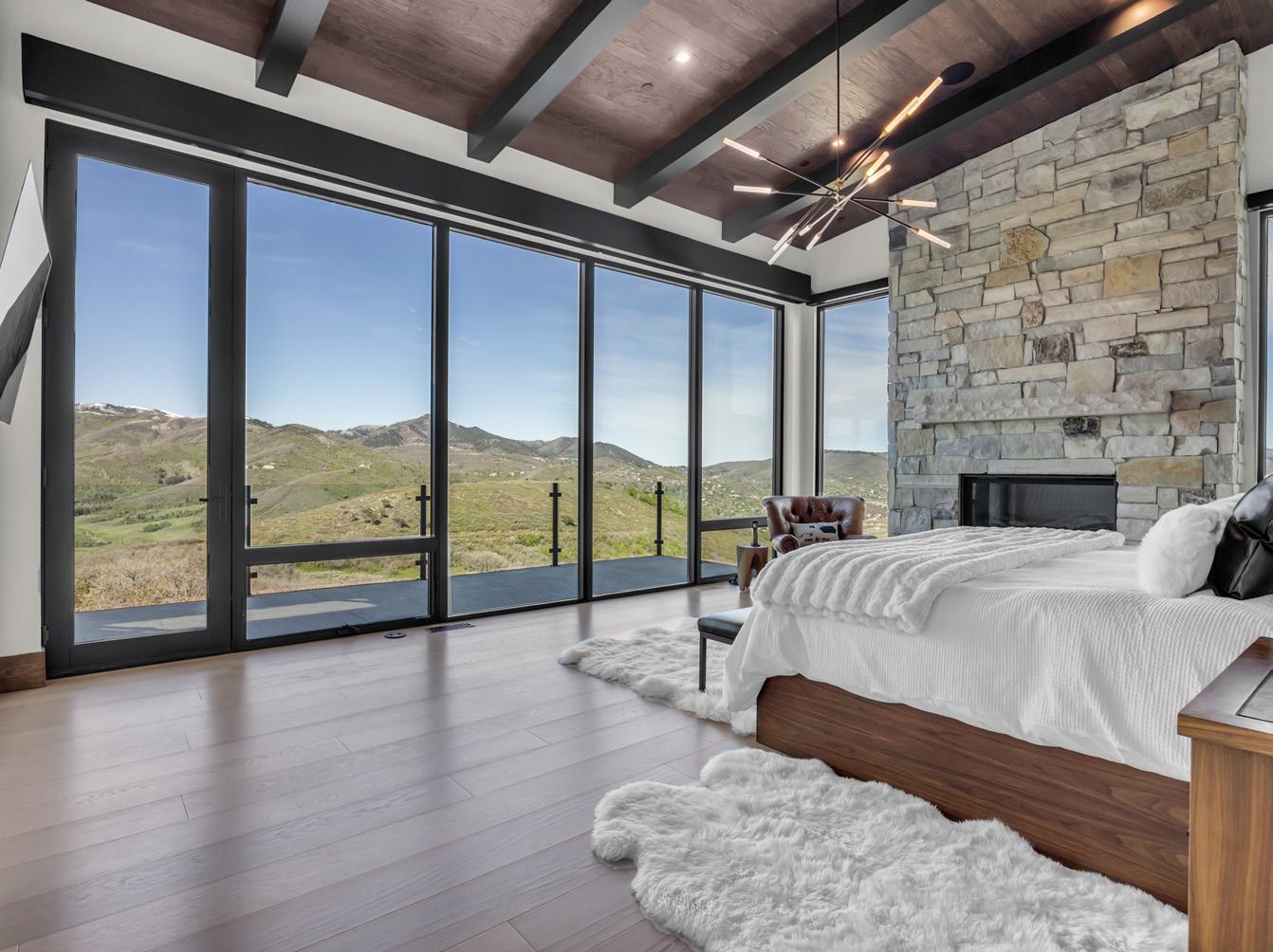
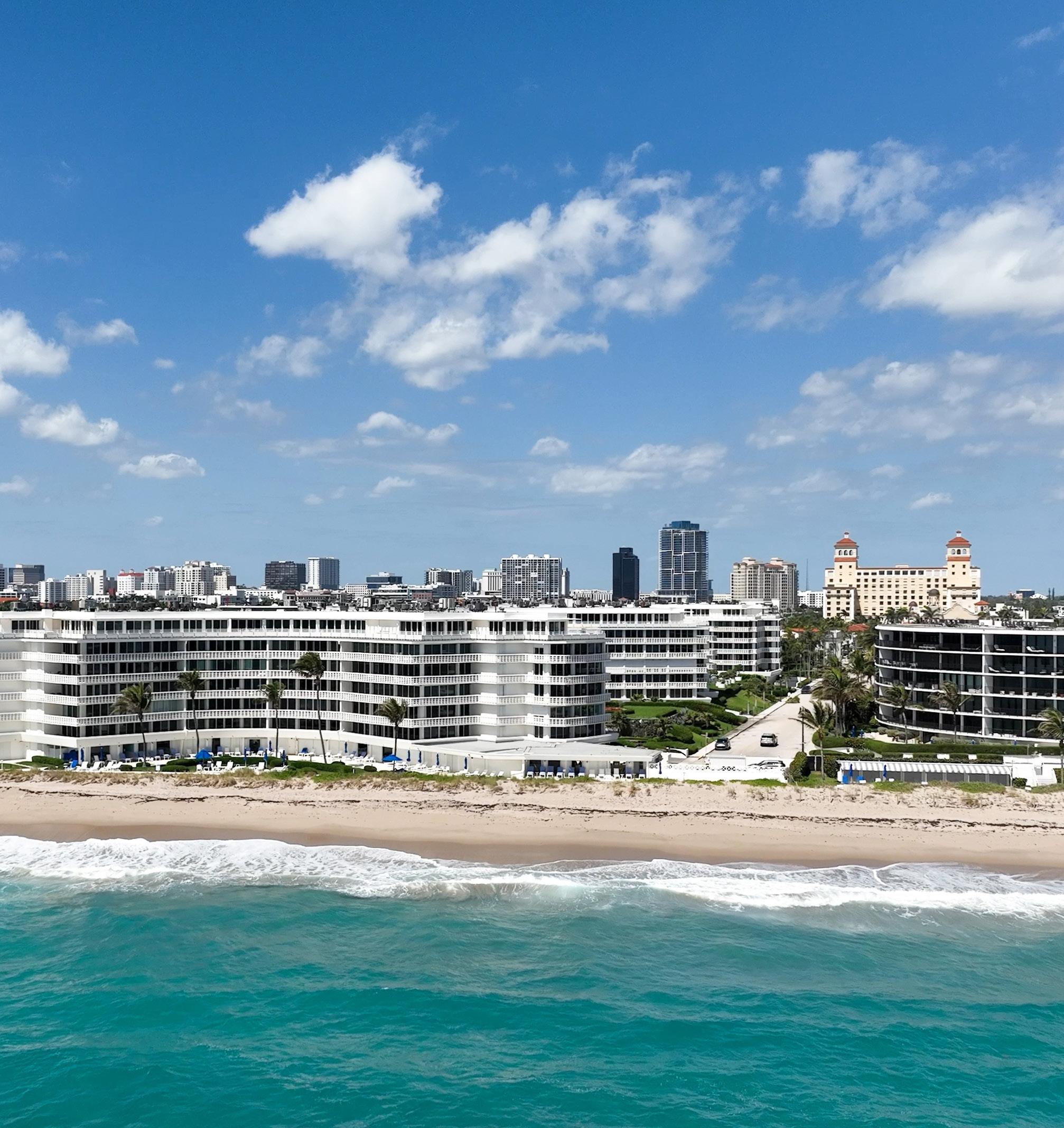
100 SUNRISE AVE, UNIT 223, PALM BEACH, FL 4 Bedrooms | 4 Bathrooms | 3,300 SqFt