

Managing Editor
Jason D Pavorattikaran
Editor
John Antony Director (Finance)
Ceena
Associate Editor
Carl Jaison
Senior Editorial Coordinator
Jacob Deva
Senior Correspondent
Bina Menon
Creative Visualizer
Bijohns Varghese
Photographer
Anish Aloysious Office Assistant
Alby CG Correspondents
Bombay: Rashmi Prakash
Delhi: Anurag Dixit Director (Technical)
John Antony
Publisher
Jason D Pavorattikaran
Editorial & Business Office
Cochin: 36/1924 E, Kaloor-Kadavanthra Road, Near IGNOU, Kaloor, Cochin-17. Ph:0484- 2345876, 2534377, 2340080 Mob. 09947141362
Delhi: H.No: P-108, Uppal Southend, Sector 48, Sohna Road, Gurgaon, Haryana – 122018 Ph: 9891771857|099471 41362
Mumbai: 202, Woodland Heights Building, St. Martins Road, Bandra West, Mumbai400 050 Mob: 919947141362
Bangalore: House No: 493, Block 3 3 rd Main, HBR Layout, Bangalore-4209731984836, Email:skmagazine@gmail.com www.seasonalmagazine.com
UK Office: “CRONAN”, Boundaries Road Feltham, Middlesex, UK TW13 5DR Ph: 020 8890 0045, Mob: 00447947181950 Email: petecarlsons@gmail.com
Reg No: KERENG/2002/6803
Printed & Published by Jaison D on behalf of PeteCarlson Solutions Pvt. Ltd. at Cochin. Printed at Rathna Offset Printers, Chennai-14. All Rights Reserved by PeteCarlson Solutions Pvt. Ltd. No part of this publication may be reproduced by any means, including electronic, without the prior written permission of the publisher.


The world is ravaged by wars. But stock markets are booming. Lives and habitats are getting destroyed forever. But AI driven innovation is thriving. Will this facade come crashing down soon? Or is it the new normal that is being deftly engineered? At the cost of billions of people - across nations - already suffering from gross income inequalities?
The geopolitical landscape of 2026 presents a sobering reality: neverending wars are rapidly becoming the new normal. For decades, the global consensus held that major conflicts were anomalies, temporary disruptions in the steady march toward globalized peace and prosperity. Today, however, entrenched conflicts in RussiaUkraine, the Middle East, and volatile standoffs in Asia suggest a fundamental shift in the world order.
We are witnessing an era where perpetual states of low-to-medium intensity warfare, punctuated by sudden escalations, define international relations. This paradigm shift is not merely a political phenomenon; it is fundamentally rewiring the architecture of global trade and development forever. The long-held economic philosophy of prioritizing cost-efficiency and justin-time supply chains is being aggressively dismantled, replaced by a frantic scramble for resilience, nearshoring, and secure supply lines.
The impact of this constant volatility on global trade and development is profound and irreversible. Global trade routes that were once considered the undisputed arteries of global commerce are now viewed as

vulnerable chokepoints. Ships are being rerouted thousands of miles to avoid contested waters, adding immense costs to everyday consumer goods, industrial raw materials, and agricultural staples.
Development, which relies heavily on predictable foreign direct investment and stable infrastructure, is taking a massive hit in conflictadjacent regions. Funds that would typically be allocated for education, healthcare, and climate mitigation are being frantically redirected toward national defense and border security. The permanent militarization of the global economy means that the dividends of peace, which fueled the rapid economic expansion of the late 20th and early 21st centuries, are evaporating, leaving a more fragmented and economically defensive world in their wake.
Ironically, while these conflicts induce structural economic anxiety, major global markets are exhibiting a
bewildering resilience, increasingly shrugging off wars as just another factored-in risk. Wall Street and major European and Asian bourses have learned to compartmentalize geopolitical bloodshed. Following initial shocks, markets tend to rebound with astonishing speed, treating missile strikes and blockade announcements as mere data points rather than existential threats.
This booming market phenomenon is largely driven by a massive infusion of defense spending, technological innovation, and a collective psychological desensitization among investors. Corporations are posting record profits by adapting to the chaos, leveraging artificial intelligence and automated logistics to navigate disrupted supply chains. The normalization of war has paradoxically created a stable instability, where the financial world thrives on the predictable unpredictability of global conflict.
Yet, beneath this robust market facade, the global economy continues to experience violent ups and downs, particularly in commodities and energy sectors. Every time a drone strikes an oil facility or a trade route is threatened, the ripple effects cause immediate spikes in global inflation. These market gyrations hit the most vulnerable nations the hardest, leading to a profound cost-of-living crisis across the developing world.
Central banks are caught in a continuous loop of trying to manage inflation imported from conflict zones while attempting to prevent domestic economies from stalling. The result is a global market that, while technically booming at the top, is hollowed out at the bottom, creating a volatile two-tiered economic system where the wealthy nations and corporations hedge their risks while the rest of the world absorbs the shockwaves of endless war.
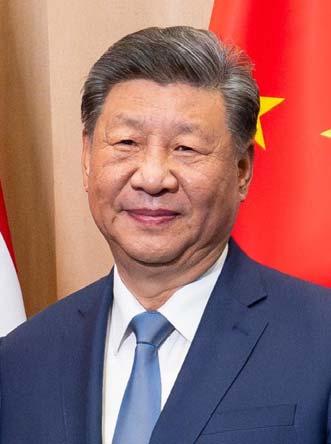
One cannot ignore the uncomfortable question of whether the global arms industry is silently prodding these scenarios. The defense sector is experiencing an unprecedented golden age, with global military expenditure reaching a record $2.88 trillion in 2025. Stock prices for major defense contractors have soared as order books fill up for the next decade. While it is overly simplistic to claim that defense corporations outright start wars, the immense lobbying power of the militaryindustrial complex undoubtedly shapes foreign policy.
The continuous production and sale of weaponry require active markets, and prolonged conflicts provide the
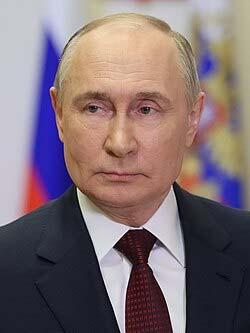

ultimate proving ground and consumption mechanism for these products. The systemic reliance of certain economies on the export of arms creates a moral hazard, where the financial incentive for peace is vastly outweighed by the sheer profitability of prolonged and contained conflicts.
The major arms-exporting nations, including the United States, Russia, China, France, and Germany, play a highly complex and often contradictory role in this new normal. On one hand, these nations act as the primary diplomatic arbiters of global peace, regularly convening summits to broker ceasefires. On the other, their domestic economies and geopolitical leverage are deeply intertwined with their ability to supply weapons to warring factions.
The United States and European nations are rapidly expanding their defense-industrial bases, funneling billions into venture capital for defense startups. Russia has essentially transformed into a wartime economy, while China expands its influence by supplying dual-use technologies and advanced weaponry to emerging powers. France and Germany are seeing historic surges in their defense
exports, capitalizing on the collective anxiety of nations desperate to modernize their arsenals in an increasingly hostile world.
Conversely, for the arms-importing nations, this new normal threatens to cripple national budgets with escalating defense bills. Developing countries and mid-sized powers are being forced into a debilitating arms race, allocating double-digit percentages of their GDP to procure modern defense systems. This massive capital outflow diverts crucial resources away from infrastructure, public health, and sustainable development.
A nation spending billions on stealth fighters and missile defense systems cannot simultaneously invest adequately in its universities or green energy grids. Over time, these crippling arms import bills will hollow out the domestic economies of importing nations, trapping them in a cycle of debt and dependency on foreign powers, and ultimately stifling their long-term economic potential and social progress.
A defining characteristic of these modern conflicts is the explosive rise of low-cost, asymmetric technology, most notably drones. Unmanned aerial and naval vehicles have democratized warfare, allowing smaller actors to challenge traditional military superpowers. This is vividly illustrated by how Ukraine has utilized cheap, commercially available drones adapted for combat to successfully hold off the vastly superior conventional forces of Russia.
Similarly, Iran and its regional proxies have leveraged massive swarms of low-cost drones and ballistic missiles to create a formidable deterrent against the sophisticated militaries of the United States and Israel. This technological shift means that multi-million-dollar fighter jets and air defense missiles
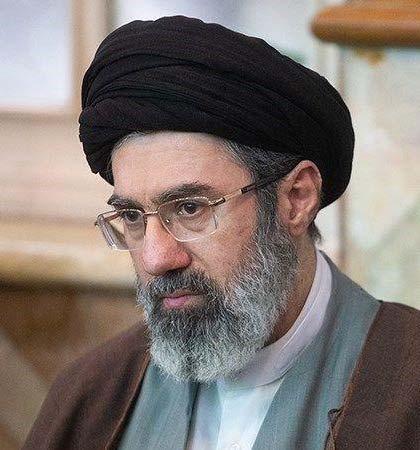
are being forced to engage drones that cost a mere fraction of the price, imposing an unsustainable economic calculus on traditional military doctrines.
The proliferation of these cheap offensive capabilities is subsequently spurring the rapid creation of new anti-drone and anti-missile technologies. The defense industry is racing to develop cost-effective countermeasures to the drone swarm threat. We are witnessing the accelerated deployment of directedenergy weapons, such as highpowered lasers and microwave emitters, designed to literally fry the electronics of incoming threats at a cost of pennies per shot.
Additionally, artificial intelligence is being heavily integrated into automated defense grids, capable of identifying, tracking, and neutralizing hundreds of simultaneous targets faster than any human operator could manage. This relentless cycle of innovation and counter-innovation ensures that the technological arms race will continue to accelerate, drawing in massive investments from both public and private sectors worldwide.
For India, navigating this perilous emerging scenario requires a masterful display of strategic autonomy and rapid internal adaptation. As the fifth-largest military spender globally, India sits at the crossroads of major
geopolitical fault lines. To adapt, India must urgently accelerate its indigenization of defense manufacturing, transitioning from the world’s largest arms importer to a self-reliant producer capable of exporting to the Global South.
Furthermore, India must leverage its massive technological talent pool to dominate the emerging fields of artificial intelligence, cyber warfare, and drone technologies.
Diplomatically, New Delhi must continue to play a balancing act, maintaining vital energy and defense ties with a multipolar array of nations while positioning itself as a leader of the Global South, advocating for reformed multilateral institutions that reflect the realities of the 21st century rather than the post-World War II order.
The necessity to survive in this era of constant conflict is also driving massive, innovative infrastructure projects globally. A prime example is the aggressive push by the United Arab Emirates to bypass the volatile Strait of Hormuz. With the waterway constantly threatened by blockades due to ongoing regional conflicts, the UAE has fast-tracked a massive expansion of pipelines that transport crude oil directly to the port of Fujairah on the Gulf of Oman.

To be operational by 2027, this project will double the UAE’s export capacity outside the chokepoint. Similarly, sweeping trans-regional infrastructure projects, integrating rail and road networks across the Arabian Peninsula to the Mediterranean, are being envisioned not just for economic integration, but as vital security measures to ensure that global trade can bypass active war zones entirely.
Interestingly, this geopolitical instability is also acting as an unexpected accelerator for the global move to clean energy. In previous decades, the transition away from fossil fuels was primarily driven by environmental concerns and climate change mandates. Today, the transition is fundamentally a matter of national security. Nations heavily reliant on imported oil and gas have realized that their economic survival is held hostage by the whims of hostile state actors and the vulnerability of global shipping lanes.
Consequently, massive investments are pouring into domestic renewable energy sources, next-generation nuclear power, and advanced battery storage. The desire for energy independence is proving to be a far more potent catalyst for the green transition than any climate treaty, suggesting that the ultimate death knell for fossil fuel dominance will be driven by the geopolitical necessity to escape the gravitational pull of petro-state conflicts.
This chaotic environment is also forging new, highly pragmatic global alliances that would have been unthinkable a decade ago. The shifting sands of the Middle East provide the most striking example, where mutual security concerns are overriding historical enmities. We are seeing the tacit, and increasingly explicit, forging of alliances between Israel and key Arab states like the United Arab Emirates and Saudi Arabia.
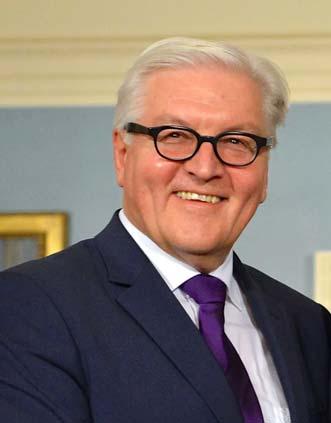
Driven by a shared apprehension of regional ambitions and the unpredictable nature of traditional Western engagement, these nations are quietly cooperating on intelligence sharing, integrated air defense networks, and regional economic stability. These new alliances are transactional, unsentimental, and focused entirely on mutual survival, indicating a broader global trend where nations are abandoning ideological blocs in favor of flexible, issue-based coalitions.
Addressing the lasting solutions for ending these never-ending wars and achieving peaceful prosperity requires a fundamental reimagining of global governance. The current

multilateral institutions, paralyzed by veto powers and outdated mandates, have proven woefully inadequate at preventing or halting modern conflicts. A lasting solution must begin with the economic uncoupling of prosperity from the military-industrial complex.
We need global treaties that heavily regulate and tax the international arms trade, redirecting those funds into global development banks. Furthermore, achieving true peace requires addressing the root causes of these conflicts, which are often tied to resource scarcity, climate degradation, and gross economic inequality. Real security will not come from building higher walls or more advanced lasers, but from creating a global economic system where cooperation is demonstrably more profitable than conflict.
Ultimately, the new normal of perpetual warfare represents the greatest test of human adaptability in the modern era. While the challenges are profound, from crippled national budgets to disrupted supply chains, the human capacity for innovation continues to shine through. Whether it is the development of clean energy technologies born from a desire for independence, or the creation of resilient infrastructure that bypasses global chokepoints, the response to this crisis is laying the groundwork for a more robust future.
If the global community can harness this innovative spirit and redirect it away from the tools of destruction and toward the mechanisms of equitable development, there remains a path out of this era of endless war. The choice is before all nations: to accept the profitability of perpetual conflict, or to bravely forge a new consensus where peaceful prosperity is the ultimate benchmark of human progress.
John Antony

As the first point of contact in designing a travel itinerary and the go-to phone call in case of emergencies, travel agents or travel advisors are responsible for a holiday gone right (or

For the past couple of years, Gartner research has suggested that organizations have a management problem. For example, in an April 2024 Gartner survey of 162 HR

NBCC has achieved a landmark third quarter with net profit surging to Rs 197 crore, and order book swelling to a massive Rs 1.26 lakh crore. Under the inspiring leadership of Chairman & Managing Director KP Mahadevaswamy, the company is successfully pivoting toward highmargin redevelopment and distressed asset management such as the Supreme Court-mandated Supertech projects. With revenue projected to double by 2028 and analysts setting ambitious targets, NBCC is positioning itself as a debt-free powerhouse at the center of India’s infrastructure boom.
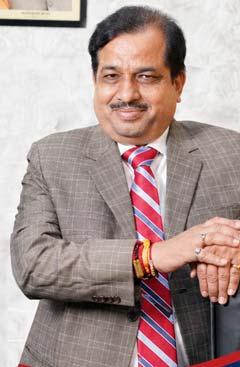
One deemed university is doing more than its part in redefining the landscape of global health education by successfully bridging modern medicine and artificial intelligence. JSS Academy of Higher Education and Research (JSSAHER), Mysuru, stands as a testimony to the visionary leadership of its Chancellor, His Holiness Jagadguru Sri Shivarathri Deshikendra Mahaswamiji, whose spiritual guidance provides the moral compass for this massive academic enterprise. This forward-looking trajectory is meticulously managed by Dr. CG Betsurmath, the Executive Secretary of JSS Mahavidyapeetha, who provides the structural stability required for international growth. At the heart of this expansion is Pro Chancellor Dr. B Suresh, whose
One deemed university is doing more than its part in redefining the landscape of global health education by successfully bridging modern medicine and artificial intelligence. JSS Academy of Higher Education and Research (JSSAHER), Mysuru, stands as a testimony to the visionary leadership of its Chancellor, His Holiness Jagadguru Sri Shivarathri Deshikendra Mahaswamiji, whose spiritual guidance
People who have obesity have a significantly increased risk for hospitalization or death from severe infection spanning a wide range of infections, with

A new study published in The Lancet Regional Health has raised concerns over the widespread reliance on glycated haemoglobin (HbA1c)

From its hallowed colonial roots to the ultramoder fairways of the corporate titan, India’s golf courses have evolved into premiere highstakes arenas where the timeless purity of the game meets the strategic ambition of milliondollar dealmaking

Many would love to award Nita Ambani, the Chairperson of Reliance Foundation for her humanitarian work, but she wouldn’t accept it from many. It takes a real humanitarian to award her, and that is why she
Here’s a roundup of research and predictions for tech workers amid the AI revolution.

The landscape of Indian higher education, especially in humanities, underwent a notable shift in 2009 with the establishment of OP Jindal Global University (JGU) in Sonipat, Haryana. Founded as a non-profit, multidisciplinary,
On June 11, 1997, Michael Jordan stepped onto the court for Game 5 of the NBA Finals between his Chicago Bulls and the Utah Jazz.

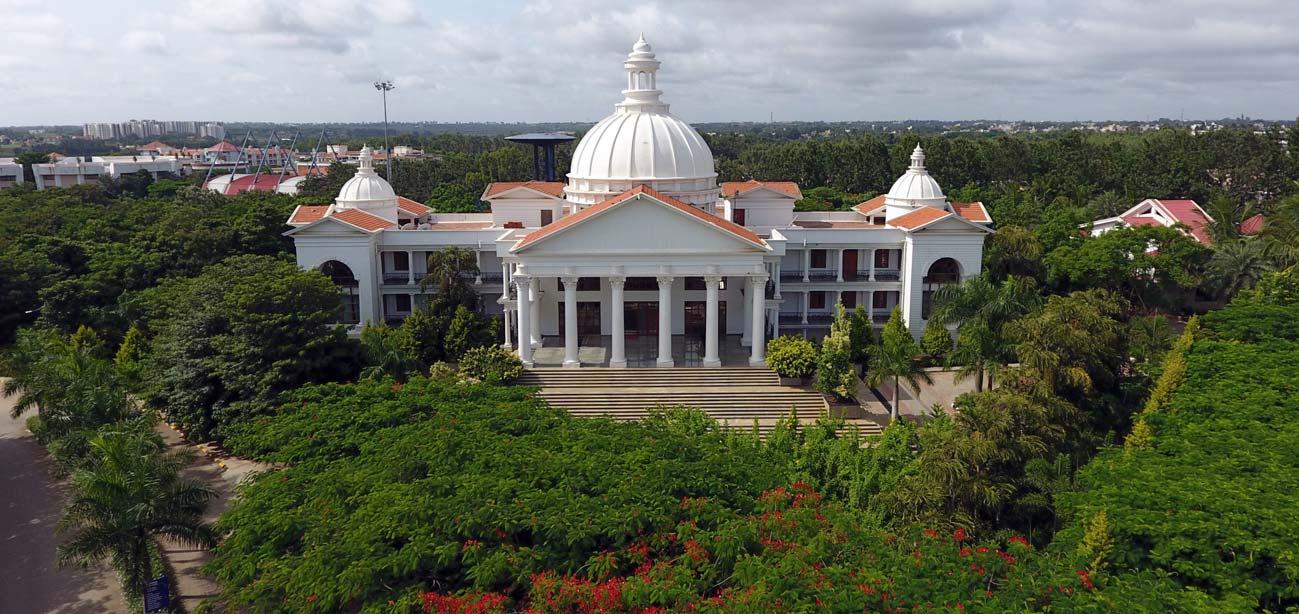
Nestled in Bengaluru’s tech heart, Alliance University’s multidisciplinary campus is dedicated to shaping the next generation of global leaders. Boasting NAAC A+

Our ancestors faced relatively few choices in their daily lives, especially when it comes to entertainment options. Today, we have access to an endless buffet of content and social events.

Early in your career, you’ll probably hear this piece of advice: “If something goes wrong, go to HR.” It sounds practical and reassuring, but that advice is missing some critical nuance.

In the glittering world of highvalue retail, few narratives are as compelling as the rise of the Joyalukkas Group, a brand that has evolved from a single shop in Kerala into a multi-billiondollar global empire. At the center of this transformation is


Jordan was reportedly very sick, but chose to play given the critical importance of the game to the series, which was tied 2-2 at the time.
Throughout the game, he looked visibly unwell, with a fever over 100 degrees, he experienced extreme fatigue, dehydration, and body aches.
But despite his condition, he played 44 of the 48 total minutes, scored 38 points, and had 7 rebounds, 5 assists, 3 steals, and 1 block. With under one minute left, he hit a 3-pointer to seal the win for the Bulls.
The game—now commonly known as Michael Jordan’s “Flu Game”—has gone down in NBA lore as one of the most impressive, clutch performances in history.
While I do vividly recall watching this game with my dad (I was 6-years-old at the time!), I’m not just sharing this as a fun trip down memory lane…
Last week, I flew to South Africa to give two talks in front of a few thousand people at a big corporate event.
When I landed in Johannesburg on Tuesday evening local time, my body was utterly wrecked. I had co-hosted a retreat the week before and rolled that straight into a 15 hour flight across the world to get there in time for my event.
I woke up the morning of my talk with a bad headache and congestion. I had a choice to make: Tell the organizers I couldn’t do my talk that day, or, lock in, show up, and do my best to execute.
In moments like this, I always remember my 6-year-old self watching in awe as Michael Jordan showed up in Game 5 with the season on the line.
So, I made my choice: I took some Advil, ordered a big pot of tea with honey, did some breathing exercises, and walked onto the stage.
One hour later, I was done. I was exhausted, but it had gone as well as I could have imagined. I’d be willing to bet no one in the audience even realized I wasn’t feeling my best.
As I was sitting in my hotel room later that day reflecting on the experience, I had a thought:
Wait until they see me on a good day. You see, there’s a mental shift that happens when you prove to yourself that you can feel terrible and still find a way to win. When you show up on a bad day and still execute.
There’s a magic in showing up on your bad days.
You build an unbreakable confidence in yourself. That Wait Until They See Me on a Good Day Energy that’s

hard to put into words. But you know it when you feel it.
You will find yourself in your own version of Jordan’s Flu Game from time to time. A big moment. Something you’ve been preparing for. And you feel less than perfect.
On those days, you have a choice to make:
How do you show up when you feel like sh*t?
You can shy away from it. Wait for perfect conditions. For the stars to align. Or, you can lean in. You can step up. You can prove to yourself that you are the creator of your own future.
The choice is yours. Choose wisely.
(Sahil Bloom)

Each year, over 50,000 concerts take place in the United States. More than 140 artists performed at Coachella alone. Netflix offers more than 5,000 films and 2,500 series. Meanwhile, U.S. publishers release approximately 275,000 new titles annually.
This explosion of choice has created a new form of psychological overwhelm that our brains weren’t designed to handle.
So when I saw a tweet from someone at Vibecamp about a new term— YAMA, or “You’re Always Missing Out”—something clicked. Here’s how they described it: “since you’re always already missing out on something, there’s no use in worrying about that which you may be missing. do as you like with no regrets!”
(and no I don’t know why the person who coined it didn’t go with YAMO)
When faced with too many options, we experience what psychologists call “choice overload”, a phenomenon where having more choices actually decreases our satisfaction and increases anxiety. The prefrontal cortex, responsible for decision-making, becomes overtaxed when processing numerous alternatives, leading to heightened stress responses.
Some evolutionary psychologists believe that this heightened stress response might have been adaptive. In small hunter-gatherer communities, failing to participate in social activities could have serious consequences for survival and reproductive success.
But in today’s world, these same mechanisms are constantly triggered by an overwhelming array of experiences we could pursue, from Netflix’s thousands of titles to countless travel destinations, learning opportunities, and social events.
The result is time anxiety: the fear that we’re not making the most of our limited time. This creates a cycle where every choice feels urgent, yet no single

choice can satisfy our sense that we should be doing more.
YAMA (You’re Always Missing Out) differs from JOMO (the Joy of Missing Out) in important ways. JOMO helps when you’re deciding whether to attend a specific event. But YAMA is more universal, applying whether you’re choosing between TV shows, deciding which artist to see at a festival, or browsing books to choose your next read.
JOMO is based on active choice. YAMA can be about going with the flow: since you’re always missing something anyway, there’s no point in being anxious about it. YAMA may also be more sustainable because it doesn’t require manufacturing
positive emotions. While JOMO asks you to find joy in missing out, YAMA simply asks you to accept that experiencing everything is impossible.
I think that’s what I like the most about this concept: YAMA recognizes that missing out is a fundamental part of the human condition. Rather than fighting this reality or trying to optimize around it, YAMA suggests simply accepting that we’re finite creatures in an infinite world.
YAMA works across many situations, whether you’re choosing what to watch, which event to attend, or what to learn next. Here’s how to apply it:
1.Before the activity: Acknowledge that by choosing one option, you’re

necessarily not choosing countless others, and that’s okay. Take a moment to remind yourself that in your current reality with our known laws of physics, you simply don’t have access to all possible experiences. This simple recognition takes the pressure off optimizing for the absolute best use of your time.
2. During the activity: When you notice your mind wandering to other possibilities or comparing your current experience to what you might be missing, gently redirect your attention to the current activity. The idea isn’t to force joy, but simply to stay present with your actual experience instead of worrying about alternative ones you’re missing.
3. After the activity: Resist the urge to evaluate whether you made the “right” choice or to immediately seek validation through social media or even planning the next activity. Instead, acknowledge that you had one specific experience out of many possible ones, and that this limitation is inherent to life as a human being.
Pay attention to how different ways of choosing actually make you feel. Experiment with various approaches: sometimes research your options thoroughly, other times pick randomly, and occasionally let friends choose or simply go with whatever’s right in front of you.
When done intentionally, these different approaches can teach you that how you choose often matters less than you think, and that releasing control can be surprisingly freeing.
What’s most liberating about YAMA is its honesty about the human condition. We have limited time, attention, and capacity for experience. No amount of productivity hacking or careful planning will change that.
By accepting our constraints rather than fighting them, we can choose from curiosity instead of anxiety, and perhaps discover that missing out isn’t the problem we thought it was.
(Anne-Laure Le Cunff)
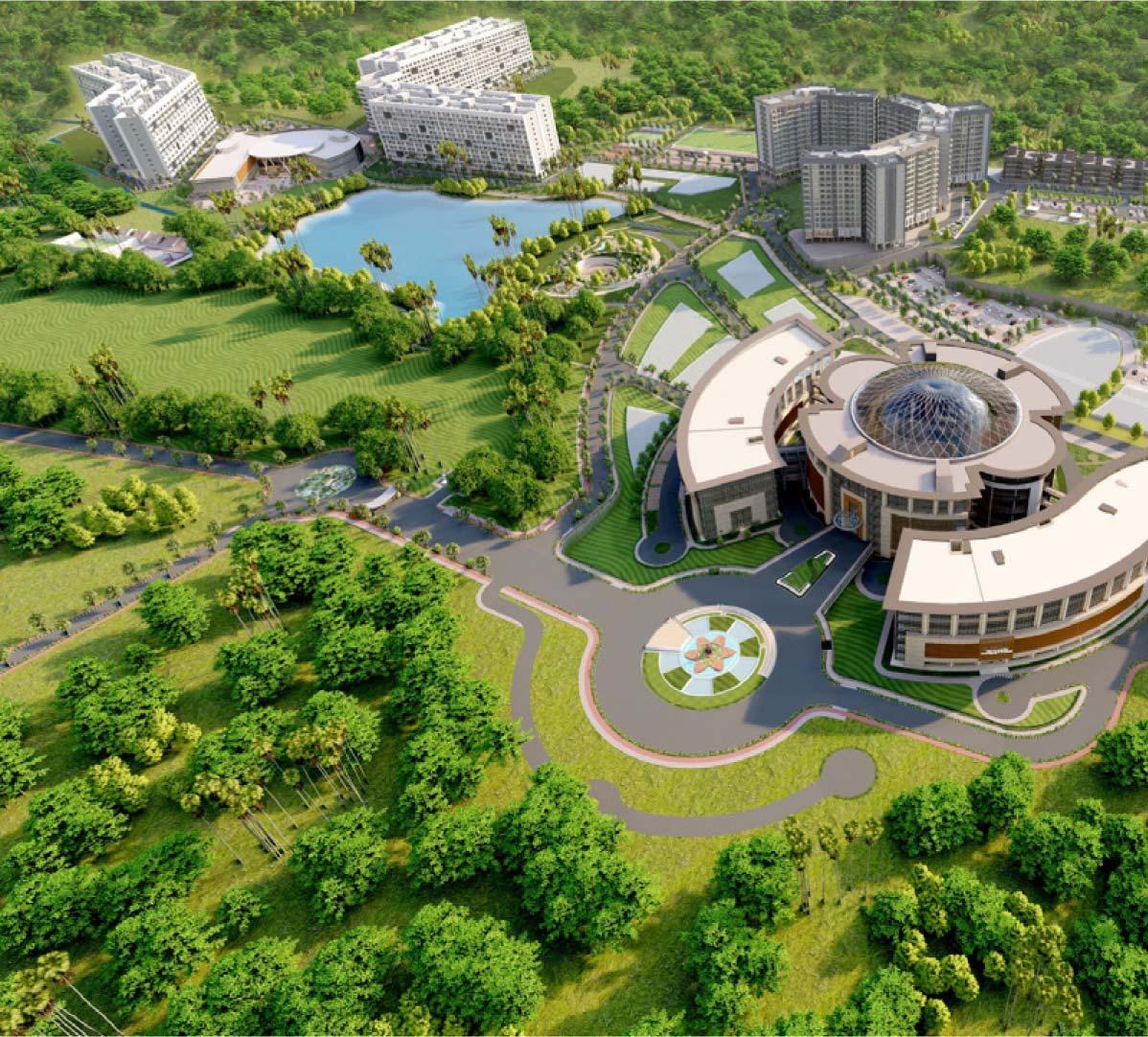
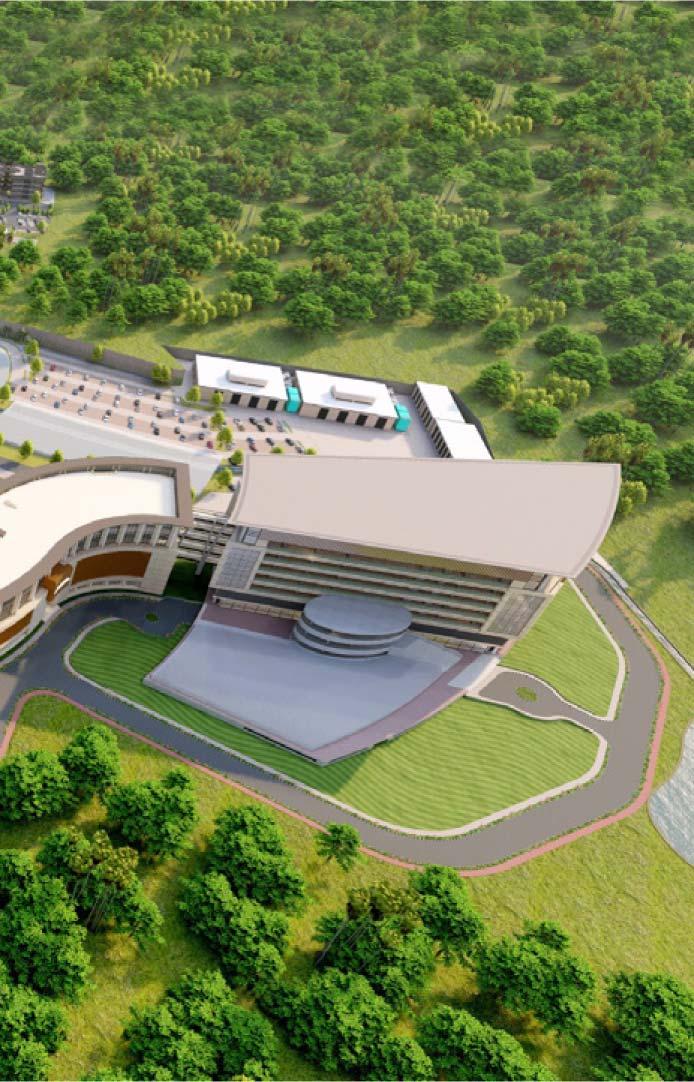
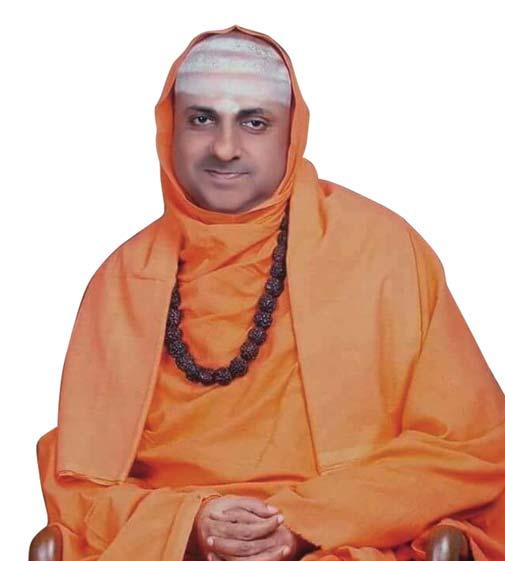
One deemed university is doing more than its part in redefining the landscape of global health education by successfully bridging modern medicine and artificial intelligence. JSS Academy of Higher Education and Research (JSSAHER), Mysuru, stands as a testimony to the visionary leadership of its Chancellor, His Holiness Jagadguru Sri Shivarathri Deshikendra Mahaswamiji, whose spiritual guidance provides the moral compass for this massive academic enterprise. This forward-looking trajectory is meticulously managed by Dr. CG Betsurmath, the Executive Secretary of JSS Mahavidyapeetha, who provides the structural stability required for international growth. At the heart of this expansion is Pro Chancellor Dr. B Suresh, whose strategic foresight has propelled the university into the top tier of global rankings and across continental borders. Complementing this team is Vice Chancellor Dr. H Basavana Gowdappa, who ensures that academic excellence remains rooted in clinical precision and research integrity. Together, they have transformed the Mysuru-based institution into a living laboratory for the future.

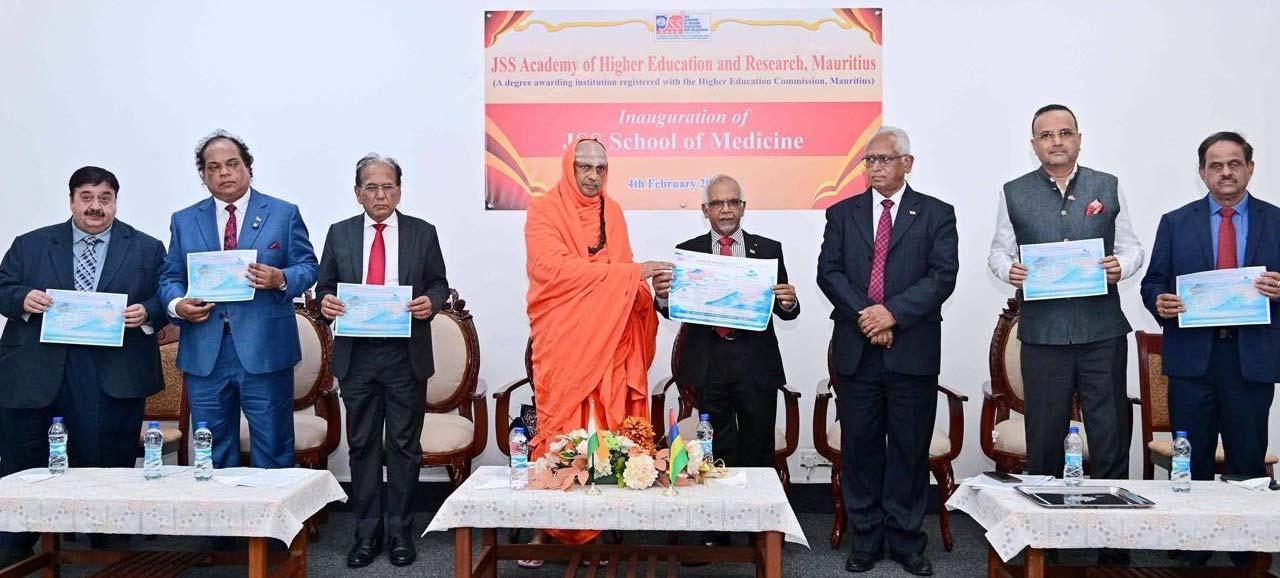
The most significant milestone of the first half of 2026 occurred on April 4, when the university officially inaugurated the JSS School of Medicine in Vacoas, Mauritius. This event marked the final transition of a longheld vision into a tangible reality. The inauguration was held in the presence of global dignitaries and marked a new chapter in the diplomatic and educational ties between India and the Indian Ocean region.
For Pro Chancellor Dr. B Suresh, this was more than just a new campus; it was a demonstration of how Indian healthcare standards can be exported to create a global workforce. The school began its first academic session with a curriculum designed to meet the rigorous benchmarks of both the Mauritius Higher Education Commission and the National Medical Commission of India, offering students in the region access to world-class clinical training without the need for transcontinental travel.
Earlier in February 2026, the academic community celebrated as Pro Chancellor Dr. B Suresh was conferred the Lifetime Achievement Award for Academic Excellence by the Indian Pharmaceutical Alliance in Mumbai. This recognition highlighted his four decades of contribution to pharmaceutical education and his role in modernizing regulatory policies.
During his acceptance speech, Dr. Suresh emphasized that the vision of a developed India by 2047 depends heavily on pharmacists and doctors
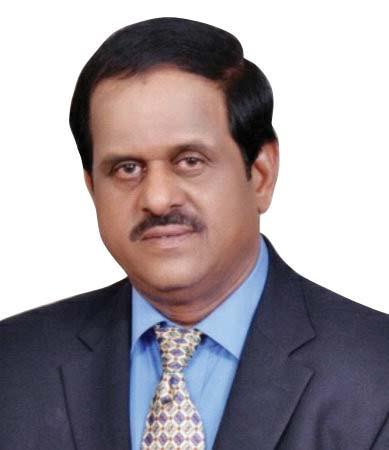
band for Medicine, while its overall standing in the NIRF 2026 rankings continued to reflect its status as one of India’s premier private universities, holding the 21st position in the university category. These data points provide a clear picture of an institution that is not just competing but leading on the international stage.
Innovation at JSSAHER is currently being driven by the deep integration of artificial intelligence across all faculties. For the 2026-27 academic session, the university has introduced specialized programs such as the Bachelor of Science Honors in Artificial Intelligence and Data Science. This Dr. CG Betsurmath, Executive Secretary, JSS MVP
who are competent in AI-driven manufacturing and global quality systems. His leadership has been a primary catalyst in ensuring that JSS AHER remains ahead of the curve, particularly in the integration of emerging technologies into the health sciences.
The university’s global standing was further validated by the release of the QS World University Rankings by Subject 2026. In a historic achievement, the Pharmacy and Pharmacology department at JSSAHER secured the 91st rank globally. This placement in the top 100 worldwide is a direct result of the institution’s relentless focus on research impact and industry reputation.
Furthermore, the university maintained a strong presence in the 551 to 600
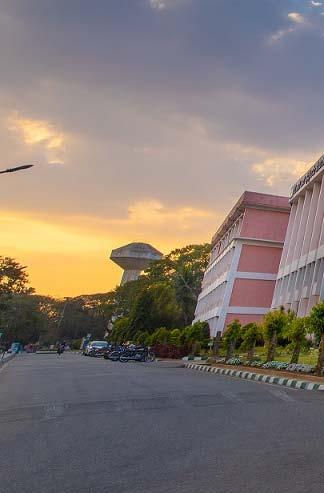
program is not a mere addition to the curriculum but a foundational shift in how health scientists are trained.
Under the guidance of academic staff who are active in AI research, other students too are now mastering neural networks, natural language processing, and big data analytics as applied to genomics and clinical diagnostics. This initiative ensures that the next generation of graduates will be as comfortable with coding and intelligent systems as they are with stethoscopes and surgical tools.
The placement season of 2026 has mirrored this academic success with
robust employment figures. According to the latest data, the median salary for postgraduate pharmacy students has risen to over Rs 10 lakh, with top recruiters including global giants like Biocon, Dr. Reddys Laboratories, and Cipla.
The medical graduates have seen similar success, with placement reports indicating a median salary of approximately Rs 13.25 lakh. This high employability index is proof to the industry-aligned training provided by the university and the strong professional networks fostered by its leadership, particularly through the efforts of Vice Chancellor Dr. H
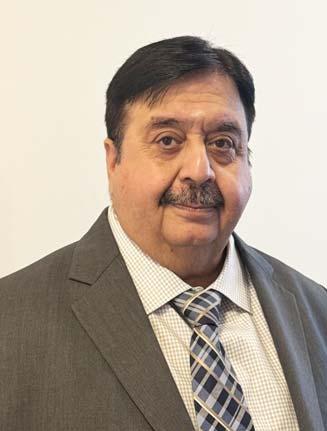
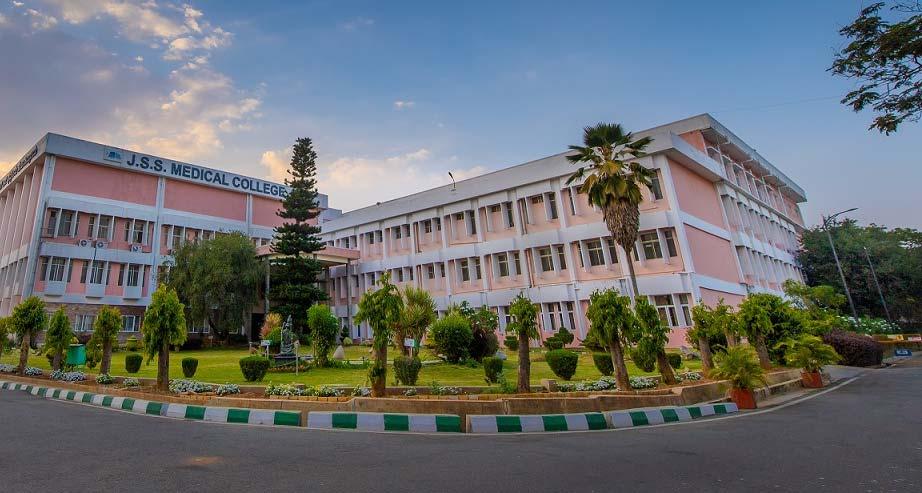
Basavana Gowdappa in aligning clinical practice with market demands.
While the university looks toward the future, it continues to build upon the groundbreaking work established in late 2025. The research ethos of Science for Society remains the backbone of the institution. A notable example is the work led by Professor Prasanna K Santhekadur in the Department of Biochemistry, which explored the therapeutic potential of Sodium Butyrate against liver cancer.
This study, published in prestigious international journals, successfully connected Nobel-winning concepts with accessible dietary solutions. Such research projects provide students with a sandbox where they can see the tangible impact of their academic pursuits on public health crises.
The clinical excellence of the university is anchored by the JSS Hospital, which continues to be a hub for high-tech medical interventions. One of the major highlights from the recent past was the successful performance of a Reverse Total Shoulder Arthroplasty using Virtual Implant Positioning technology.
This surgery, which involved the active participation of the senior academic leadership including the Vice Chancellor, demonstrated the hospital’s capability to handle complex robotic-assisted procedures. This level of clinical exposure is invaluable for students, who witness the practical application of the very technologies they study in their AI and
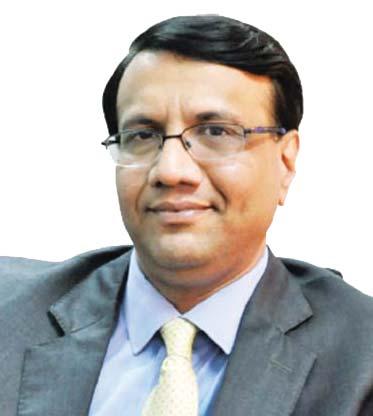
health-tech modules.
The university has also been a pioneer in addressing the modern challenges of the digital age. The Special Clinic for Digital Wellbeing, which addresses behavioral addictions like gaming and mobile phone dependency, has expanded its reach in 2026.
By integrating clinical psychology with pediatrics and psychiatry, JSSAHER is acknowledging that health in the 21st century is as much about digital hygiene as it is about physical fitness. This forward-thinking approach was further supported by the launch of psychological first aid programs in local languages, ensuring that the benefits of the university’s research reach the surrounding community in a meaningful way.
The administrative stability provided by Dr. CG Betsurmath has allowed the university to maintain its extensive calendar of scientific conclaves. The campus has earned the reputation of being a perpetual convention of minds. Events such as the International Conference on Sustainable Brain Health and the National Meet on BioImaging have brought together experts from the University of Nebraska, Cambridge, and the NIH in the USA.
These conferences are not just for senior faculty; they are designed to give students direct access to global networks, allowing them to witness scientific consensus being formed in real-time. The installation of a HighResolution Cryo-EM system has further positioned the university as a leader in structural biology research.
The campus culture at JSSAHER is also defined by a strong emphasis on student-led innovation and entrepreneurship. The SPARKLE CINE startup incubation hub is currently supporting over fifteen health-tech ventures that focus on affordable medical devices and AI-driven diagnostics.
Events like the Sports Nutrition Innovation Exhibit, titled The Athletes Cycle, highlight a culture that values the practical application of science in

nutrition and fitness. This holistic approach to education ensures that students graduate with not only a degree but also a vision for how they can contribute to the development of the nation.
The spiritual benevolence of the Chancellor, His Holiness Jagadguru Sri Shivarathri Deshikendra Mahaswamiji, ensures that this rapid technological advancement is balanced with compassion and service. His Holiness frequently emphasizes that while AI and robotics are tools of the future, the human touch remains the heart of medicine.
This philosophy is evident in the university’s response to public health challenges and its commitment to providing affordable, high-quality care to all sections of society. The 16th Convocation, graced by the VicePresident of India, served as a reminder that the university is central to the country’s growth story toward 2047.
Looking ahead, the Varuna Global Campus project, a hundred-acre initiative championed by Pro Chancellor Dr. B Suresh, is set to become a futuristic node for biomedical engineering and digital health. This campus will serve as the headquarters for the university’s AI initiatives, providing a dedicated space for collaborative research between industry and academia.
The proactive stance taken by Dr. Suresh in securing international

accreditations, such as the ACPE certification for the Pharm D program, ensures that a degree from JSSAHER is recognized as a mark of quality in boardrooms and hospitals worldwide.
The academic governance under Vice Chancellor Dr. H Basavana Gowdappa has been characterized by resilience and agility. From the university’s structured progress during the unprecedented AI revolution to its leadership in interdisciplinary learning, the Vice Chancellor has ensured that the institution remains a template for development and innovation.
His focus on creating Kannadalanguage mental health programs and local community outreach ensures that the university remains rooted in its social responsibilities even as it expands its global footprint into regions like Mauritius and beyond.
Registrar Dr. B Manjunatha and the rest of the administrative team ensure that the day-to-day operations and examinations meet the rigorous standards required by national and international agencies. This level of professional management is what allows the university to maintain its high standings.
The deemed university had come out in flying colours in the Times Higher Education (THE) Impact Rankings, particularly its top rank for the Sustainable Development Goal focused on good health and wellbeing. The institution’s ability to
balance research output with student satisfaction and societal impact is a rare feat in the modern education landscape.
As JSSAHER moves through an emerging landscape of challenges, it stands as a model for how a modern university should function. It is a place where Nobel-winning concepts meet the practicalities of the clinical ward, and where ancient spiritual values provide the foundation for the most advanced artificial intelligence.
The expansion into Mauritius, the top 100 global ranking in Pharmacy, and the constant push for AI inclusion across all courses are all symptoms of a larger phenomenon. It is a phenomenon driven by a leadership team that understands that the future of healthcare is being written today.
Prospective students who choose JSSAHER are not just enrolling in a course; they are joining a culture of innovation. They are becoming part of a system that treats innovation as a daily routine and research as a tool for social good.
Whether it is through the spiritual guidance of His Holiness Jagadguru Sri Shivarathri Deshikendra Mahaswamiji, the clinical excellence of the JSS Hospital, the strategic vision of Pro Chancellor Dr. B Suresh, and any aspect of the universityeverything is geared toward creating a better future. In the heart of Mysuru, the JSS Academy of Higher Education and Research is not just teaching the future of healthcare; it is actively doing its part in creating it.
The history of this deemed university is one of constant evolution. From its beginnings as a local medical college to its current status as a global research-intensive conglomerate, the trajectory has always been upward.
The data-driven approach to rankings, the strategic tie-ups with other noted universities like VIT Chennai and organizations like the Bangalore Bioinnovation Centre, and the focus on digital wellbeing all point to a university that is fully engaged with the complexities of the 21st century.
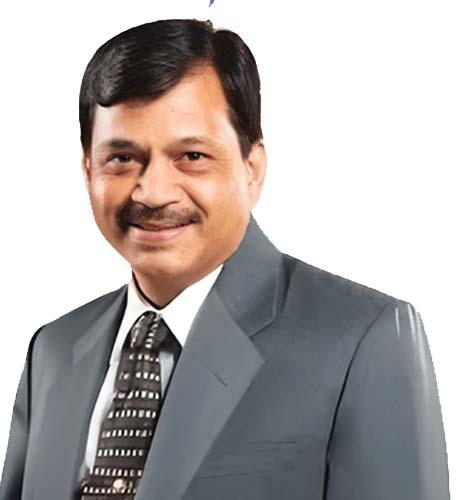
As the institution prepares for the challenges of the next decade, its foundations remain solid, and its vision remains clear.
The executive leadership of Dr. CG Betsurmath and the academic soul provided by Dr. H Basavana Gowdappa ensure that every milestone, whether it is a successful complex surgery or a new international campus, is achieved with a focus on quality and integrity.
The multiple awards and global recognitions received by Pro Chancellor Dr. B Suresh serve as a validation of this collective effort. As the graduates of 2026 step out into the world, they carry with them the legacy of an institution that has taught them to look beyond the horizon and to always strive for excellence in the service of humanity.
In conclusion, the JSS Academy of Higher Education and Research has redefined what it means to be a global university in 2026. By weaving together international expansion, cutting-edge AI research, and a deeprooted commitment to social values, it has created a unique ecosystem for nurturing the next generation of scientists and healthcare professionals.
Under the guiding light of its Chancellor His Holiness Jagadguru Sri Shivarathri Deshikendra Mahaswamiji and the strategic leadership of its academicians and executives, JSSAHER continues to be a masterclass of healthcare education and health-tech innovation for the world.
SEASONAL MAGAZINE
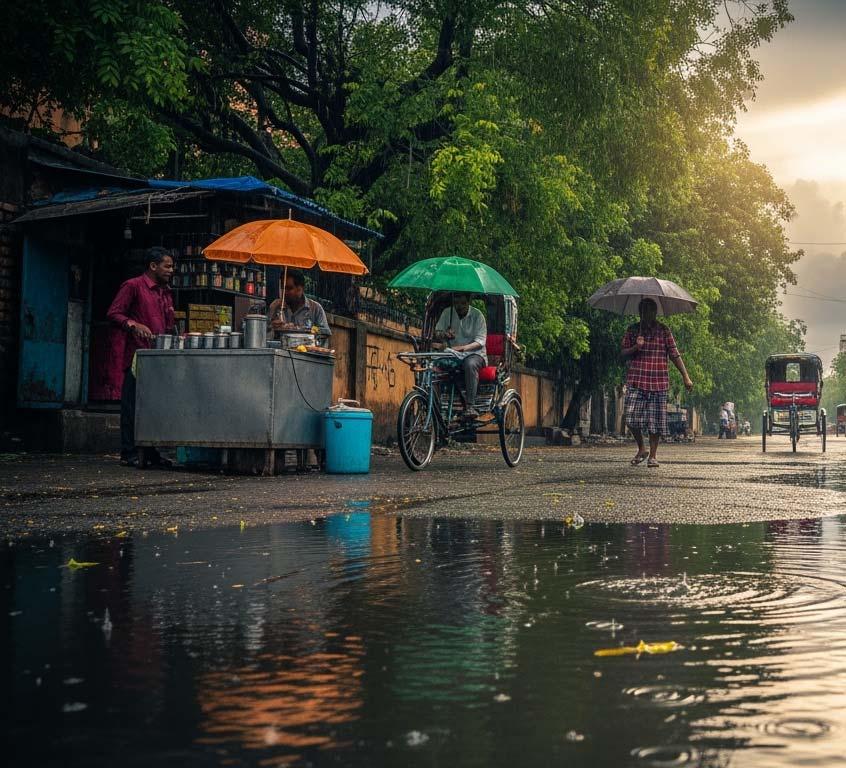
As India prepares to enter its highly anticipated monsoon season from June to September, the arriving rains promise a welcome relief from soaring summer temperatures and a revitalization of landscapes across the country. Yet, alongside the refreshing coolness of the season comes a familiar public health challenge. The transition brings a sharp increase in seasonal infections and fevers that sweep through communities year after year. Recognizing this recurring crisis, pharmaceutical major Micro Labs is spearheading a massive awareness campaign. Through its dedicated Fever Foundation, the company observes the final week of May as Fever Week. Guided by the strategic vision of Chairman and Managing Director Dilip Surana and Director Anand Surana, this initiative is designed to educate the public on early detection and timely medical intervention just before the seasonal fever months truly begin.
Health experts have long observed that the monsoon months create a perfect storm of environmental factors that support viral transmission and disease spread. Damp weather, stagnant water pools, rapidly changing temperatures, and increased exposure to mosquitoes contribute to a sudden rise in illnesses, including severe flu-like infections, dengue, and chikungunya. The transition from dry heat to high humidity creates an ideal breeding

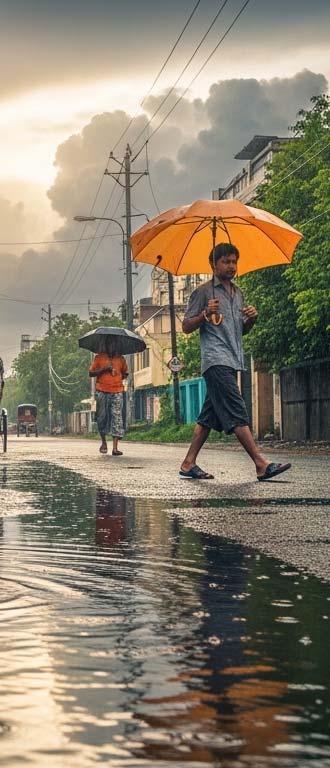
ground for these vectors, making entire neighborhoods susceptible to sudden outbreaks.
While a fever itself is not a disease, it serves as one of the human body’s earliest and most reliable warning signs that something is wrong. A sudden rise in core body temperature, often accompanied by severe fatigue, debilitating body aches, chills, a throbbing headache, or general weakness, is typically the first
indication that the immune system is actively responding to an invading infection. As Dr. Rajesh Kumar, a senior consulting physician, notes, seasonal changes significantly increase our exposure to these infections, making simple preventive habits particularly crucial. Maintaining strict hand hygiene, avoiding close contact with unwell individuals, and taking precautions in crowded environments can dramatically help reduce the risk of common seasonal illnesses.
Many mild symptoms can initially be managed safely at home if the right protocols are followed. Medical professionals recommend adequate hydration, sufficient rest, light and nutritious meals, and regular monitoring of body temperature using reliable thermometers. Maintaining a high fluid intake is especially important during periods of elevated body temperature to prevent dehydration, flush out toxins, and actively support the body’s natural recovery process. However, healthcare professionals strongly caution the public against the dangers of self-diagnosis and self-
medication. Not every fever is just a passing viral infection, and such casual assumptions can dangerously delay timely and appropriate care. The unique challenge with monsoon illnesses is that several entirely different conditions may present with virtually identical early symptoms. Viral fever, dengue, malaria, and other serious infections can all begin with the exact same signs of headache, body pain, and fatigue, making professional clinical assessment absolutely vital.
Because so many illnesses overlap in their initial presentation, attempting a diagnosis based solely on early symptoms can be highly misleading. Dr. Sunita Rao, an internal medicine specialist, emphasizes this critical point. She explains that since many seasonal infections initially present with similar symptoms, making assumptions is difficult and dangerous. She advises that recognizing specific warning signs such as a prolonged fever that refuses to break, unusual physical weakness, sudden breathing difficulty, or a rapid worsening of existing symptoms can help ensure patients

receive the timely medical attention they need to avoid complications.
In recent weeks, digital conversations and social media channels have also generated considerable concern around newer or lesser-known infections, such as the Hantavirus. While raising public health awareness is undeniably

important, medical experts emphasize that widespread panic is completely unwarranted. Hantaviruses are relatively rare infections associated primarily with exposure to infected rodents and their droppings, and they are not known for widespread humanto-human transmission in the way respiratory viruses are.
As Dr. Amit Sharma, an infectious disease expert, points out, in an age of rapid information sharing, awareness is valuable only when it is paired with highly accurate information. Understanding how specific infections actually spread and relying on trusted, verified health guidance helps communities respond appropriately and safely, rather than reacting out of blind fear and spreading misinformation.
Reinforcing this educational approach, Dr. Manjula, Vice President of Medical and Regulatory Affairs at
Micro Labs Ltd, shares that building greater awareness around fever and encouraging timely, informed action can play an essential role in supporting much better health outcomes during these seasonal transitions. The overarching goal of the Fever Foundation and its dedicated Fever Week is to promote a calm, educated, and proactive approach to health management when the monsoon arrives.
This focus on proactive health awareness aligns perfectly with the broader evolution currently taking place within Micro Labs through its rapidly growing over-the-counter division, Micro Wellness. For decades, the parent company has been synonymous with the ubiquitous strip of Dolo-650, a pill that became a household staple for fever management. Now, Micro Wellness is actively bridging the gap between clinical medicine and proactive daily health management, moving far beyond the emergency medicine cabinet to become a consumer-centric lifestyle brand.

The modern pivot of this division is increasingly steered by the next generation of leadership, with Diya Surana, Head of Strategy, Digital Transformation and OTC Wellness, emerging as the driving force. Under her tenure, the division has aggressively expanded its focus to capitalize on the growing demand for lifestyle health solutions. The brand has moved beyond the traditional pharmacy counter to become a prominent fixture in digital e-commerce marketplaces, fast-delivery platforms like Zepto, and modern retail stores.
To cater to a more health-conscious demographic, Micro Wellness has diversified its product portfolio significantly. The offerings now include pain relief sprays, specialized throat lozenges, cough syrups, and premium multivitamin blends. Furthermore, the division has recently expanded into comprehensive healthcare devices, launching products like at-home pregnancy test kits and piston compressor nebulizers for effective respiratory therapy. This strategic move perfectly complements their existing focus on acute fever therapies, shifting


the consumer relationship from purely sick-care to everyday active-care.
What truly sets this division apart in an increasingly crowded consumer market is its distinct prescription-toproactive pipeline. Unlike pure-play consumer startups, these new wellness products benefit from the deep-seated trust that physicians have placed in the
parent company for decades. By combining pharmaceutical-grade reliability with massive in-house manufacturing capabilities and an unparalleled national distribution network, Micro Labs ensures that whether a consumer needs a rapid intervention for a monsoon fever or a daily health solution, a trusted product is always within reach.

HERE’S A ROUNDUP OF RESEARCH AND PREDICTIONS FOR TECH WORKERS AMID THE AI REVOLUTION.
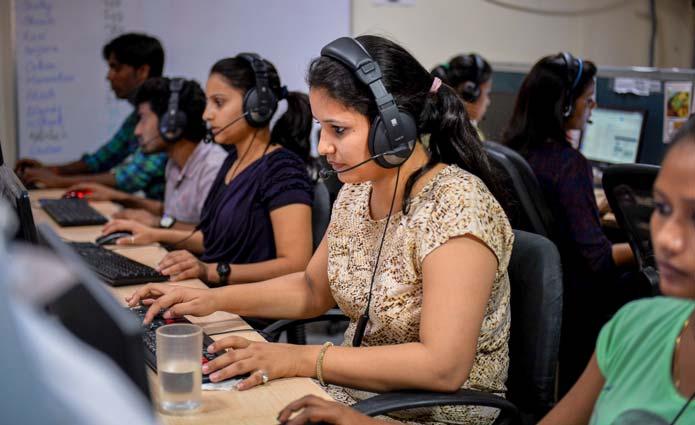
The tech job market in 2026 is being built on contradictions. Companies are laying off staff, insisting artificial intelligence will “do more with less” — yet they haven’t found ways to deploy AI at scale. Recruiters say entry-level pathways are narrowing, but critical roles remain hard to fill.
Even as headlines scream “automation,” the day-to-day reality is messier: Hybrid work is still a dealbreaker, job titles are splintering into new specialties, and workers are being asked to produce more output with fewer resources.
‘Rest of World’ reviewed recent research on tech job trends in 2026.
Deloitte’s 2025 Emerging Technology Trends study noted that while 30% of surveyed organizations are exploring agentic options and 38% are piloting solutions, only 14% have solutions that are ready to be deployed. A mere 11% are actively using these systems in production. Furthermore, 42% of organizations report they are still developing their agentic strategy road
map, with 35% having no formal strategy at all.
While most human workers are generally comfortable with predictable, rule-based robots, physical AI systems that learn and adapt introduce new uncertainties, especially worries about job displacement. Experts predict, however, that most roles will evolve toward collaboration rather than replacement.
The goal is to create environments where robots handle repetitive or dangerous tasks while humans focus on creative problem-solving and complex decision-making.
DELOITTE’S 2025 EMERGING TECHNOLOGY TRENDS STUDY NOTED THAT WHILE 30% OF SURVEYED ORGANIZATIONS ARE EXPLORING AGENTIC OPTIONS AND 38% ARE PILOTING SOLUTIONS, ONLY 14% HAVE SOLUTIONS THAT ARE READY TO BE DEPLOYED.
The best workers want hybrid or remote roles. Yet more companies are demanding full-time in-office attendance. It’s not making hiring any easier.
The battle lines have been drawn. Companies are demanding people return to the office full-time while workers dig in their heels, insisting they want remote or hybrid work options.
According to the Korn Ferry report, 52% of talent acquisition leaders say office mandates hinder recruitment, while 72% find remote roles easier to fill.
Business leaders might think this is fine right now, but in roles with chronic skills shortages, it’ll rapidly be clear that it’s not fine at all. If your employer brand isn’t strong enough to overcome the office requirement, you’ll end up paying premium salaries to attract people who would otherwise work elsewhere. Or worse, you’ll just be filling seats — settling for whoever is willing to show up, not the talent who will move your business forward.
As companies seek specialists, the emergence of new roles with novel job titles and nuanced skill requirements will be a feature of 2026. As the economy picks up steam, companies will narrow their focus and drift away from broad-spectrum roles with catchall titles like “software engineer” and “data scientist” toward more tailored, task-specific job titles.
Navigating the future of work in tech this year will involve companies focused more at the intersection of AIworkflow integration, governance, and impact.
(Itika Sharma Punit for Rest of World)

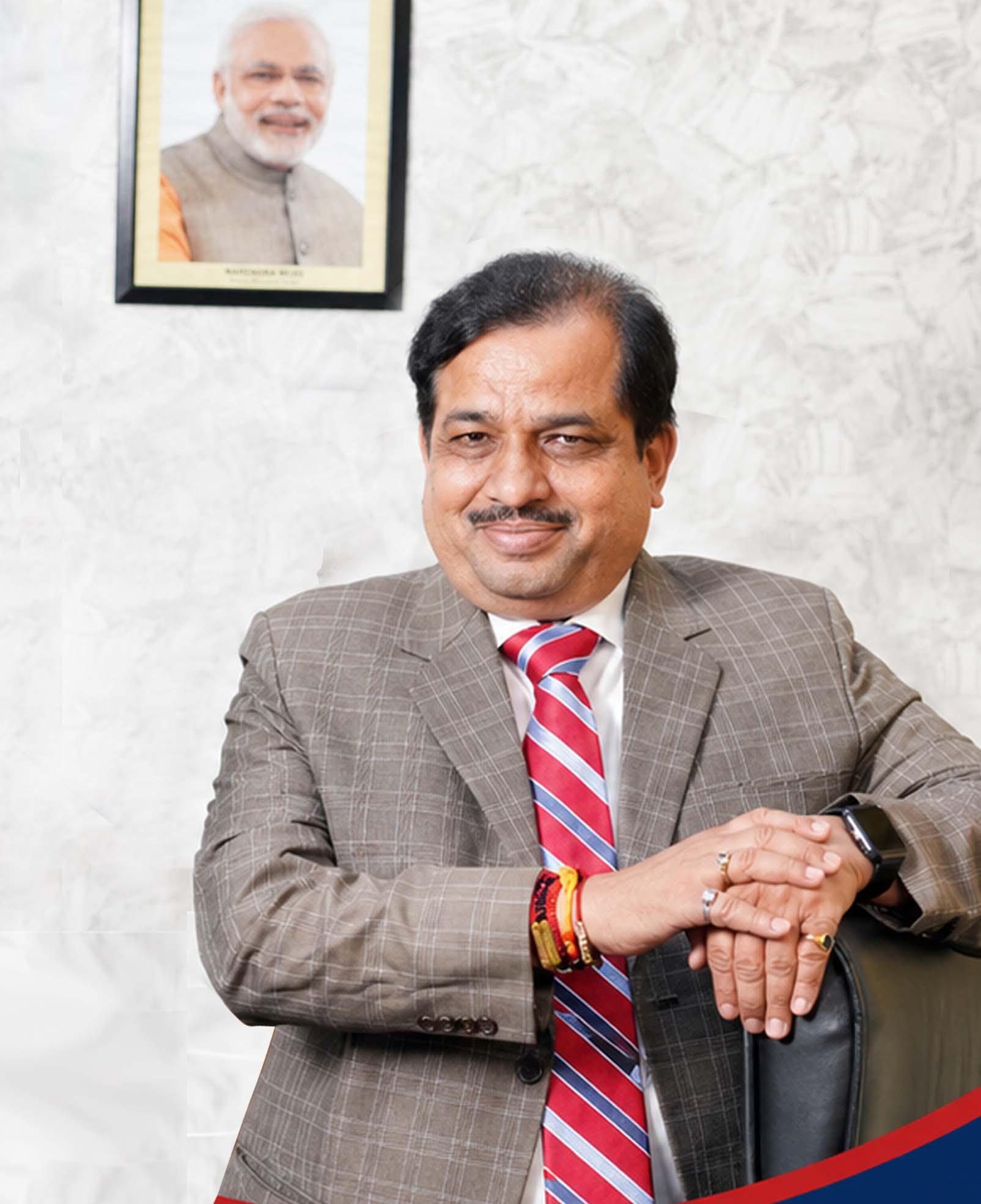
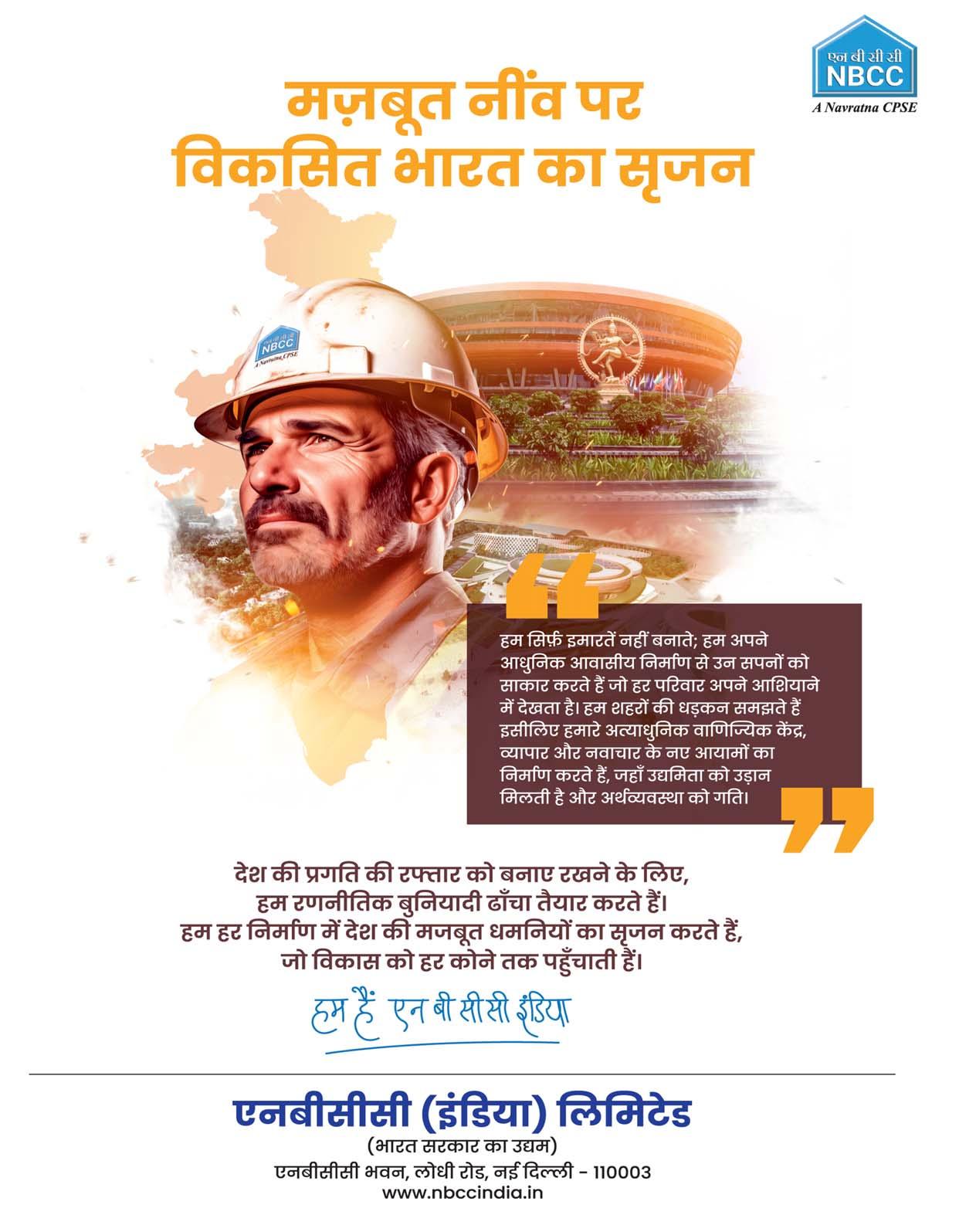
NBCC (India) Limited has accelerated its evolution from a public sector construction entity into a highvelocity urban asset manager, recently achieving a monumental Rs 5,779 crore sale of commercial space at Bharat Business Park in New Delhi. This blockbuster monetization, alongside strategic alliances with HUDCO and the DDA, underscores a pivot toward self-sustaining, high-margin revenue models.
Under the stewardship of Chairman and Managing Director KP Mahadevaswamy, who has set an ambitious target of Rs 18,000 crore in revenue for the coming year, the company is also expanding its role as a national savior for stalled real estate.
With the near-completion of the Amrapali portfolio and a deepening mandate to resolve 50,000 Supertech homes, NBCC is proving that public enterprise can match private-sector agility. Backed by a gargantuan order book and a debt-free balance sheet, the company is effectively rewriting the blueprint for sustainable urban
development and investor value in India’s booming infrastructure sector.
NBCC’s recent momentum is headlined by the massive e-auction at Bharat Business Park, where international and domestic institutional buyers snapped up approximately 14 lakh square feet of premium space.
This success has been further bolstered by new partnerships, including a memorandum of understanding with HUDCO for the redevelopment of August Kranti Bhawan and another agreement with the Delhi Development Authority for a Rs 775 crore project to modernize staff colonies. These moves signify a transition where NBCC is no longer just building for others but is actively managing and unlocking the value of prime land banks.
In tandem with these large-scale monetization efforts, the company has secured a steady stream of domestic orders in March and April. Significant wins include a Rs 227 crore executive
housing complex for Oil India in Assam and strategic bridge projects for the Ministry of Home Affairs along the Indo-Bangladesh border.
The company’s footprint in Rajasthan is also expanding, with the revised approval for the Rajasthan Mandapam project now valued at Rs 5,800 crore. These developments ensure that the revenue pipeline remains diversified across geography and sector, ranging from healthcare and border security to high-end convention centers.
One of the most impactful developments this spring is NBCC’s progress in the distressed assets space. The company has now completed 23 out of 24 stalled Amrapali projects, delivering over 38,000 homes to buyers who had been waiting for years.
Building on this trust, the Supreme Court has recently looked toward NBCC to take over the monitoring of all 30 stalled projects of the Supertech Group. This role as a court mandated

developer has created a unique, lowrisk vertical for the company, where it earns management fees while solving some of the most complex residential crises in the national capital region.
This recent surge in activity builds upon a landmark third quarter where net profits jumped to Rs 197 crore and the overall order book swelled to a massive Rs 1.26 lakh crore. The company’s performance earlier this year solidified its reputation as a resilient public sector powerhouse.
Despite a modest revenue growth in the prior months, the robust consolidated net profit growth of 39% highlighted a strategic shift toward high-margin projects and superior operational efficiency. For the first nine months of the fiscal year, revenues exceeded Rs 8,300 crore, signaling a robust trajectory as the full year drew to a close.
The architect behind this sustained momentum remains KP Mahadevaswamy, whose tenure has been characterized by an aggressive pursuit of order book diversification and a renewed focus on execution. Beyond the balance sheet, he has championed a vision of nationbuilding, steering the company toward socially impactful projects and sustainable, net-zero infrastructure.
His leadership has not only boosted investor confidence but has also streamlined internal productivity metrics. Notably, revenue and profit per employee have seen a steady uptick, reflecting a leaner, more motivated workforce capable of handling a portfolio of this immense scale.
NBCC’s business model remains uniquely structured across three primary segments consisting of Project Management Consultancy, Engineering Procurement and Construction, and Real Estate Development. The consultancy segment remains the undisputed engine of growth, contributing roughly 90% of the total revenue.
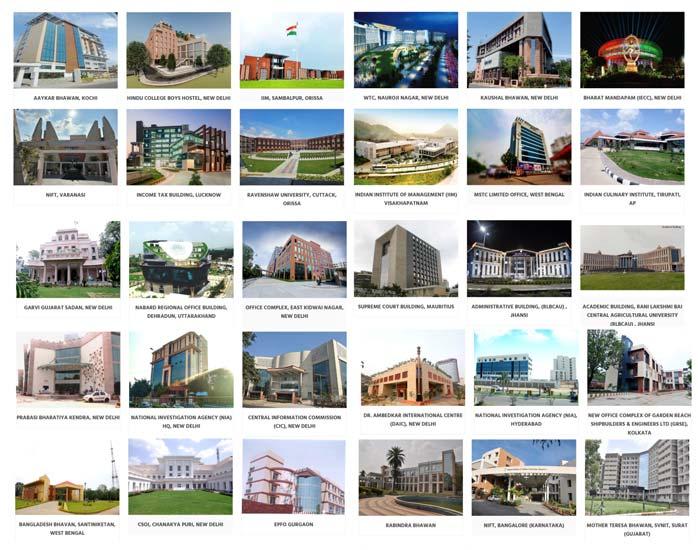
This asset-light model shields the company from the volatility of raw material prices, allowing it to maintain a debt-free balance sheet and a high return on equity, which currently hovers around 25 percent. While the consultancy arm secures government mandates, the real estate segment has recently shown flashes of brilliance by monetizing land banks at record rates.
In addition to its domestic triumphs, NBCC is making its mark on the international stage with projects in the Maldives, Mauritius, and Seychelles. High-level discussions were recently held regarding a massive 139-acre island infrastructure development in Seychelles, and the company is actively exploring new geographies like Australia and Dubai.
These initiatives represent a strategic push into self-revenue generating projects globally, ensuring that NBCC is a primary beneficiary of not just India’s infrastructure boom but a growing international demand for Indian technical expertise and project management reliability.
Looking ahead, the stock market continues to monitor NBCC with a sense of high expectation. Analysts from top brokerages have maintained positive ratings, though they remain
focused on the pace of execution for the large-scale real estate projects.
The stock currently trades at a premium compared to its peers, a reflection of its monopoly-like status in government redevelopment and its zero-debt status. Most market watchers agree that the company’s massive order book, offering nearly four years of revenue visibility, provides a significant safety net that remains unmatched in the construction and consultancy sector today.
As the fiscal year enters its final evaluation period, NBCC stands at a pivotal junction. It has successfully transitioned from a traditional staterun contractor to a sophisticated urban planner and distressed asset specialist. For investors and stakeholders, the focus will remain on the upcoming annual audited results in May and how quickly the leadership can continue to convert its massive order book into tangible earnings.
If the recent monetization records and project deliveries are any indication, NBCC is well on its way to cementing its position as a central pillar of India’s long-term infrastructure and urban transformation story.


From the oxygen-thin fairways of Sikkim’s Yak Golf Course - the world’s highest - to luxury estates featuring private airstrips, India’s golfing landscape is a vast, hidden frontier. It is undergoing a profound transformation, evolving from a colonial relic into a multi-billion-dollar luxury ecosystem. The country is home to approximately 230 golf courses, a figure that highlights both the growing appetite for the sport and the significant infrastructural challenges it faces. Nearly half of these are nestled within secure defense campuses. The nation’s golf courses are split almost equally between the historical 9-hole layouts and the expansive 18-hole championship courses that draw international acclaim. India is also home to 27 hole (9-9-9) courses that provide superb convenience for players as well as maintenance.
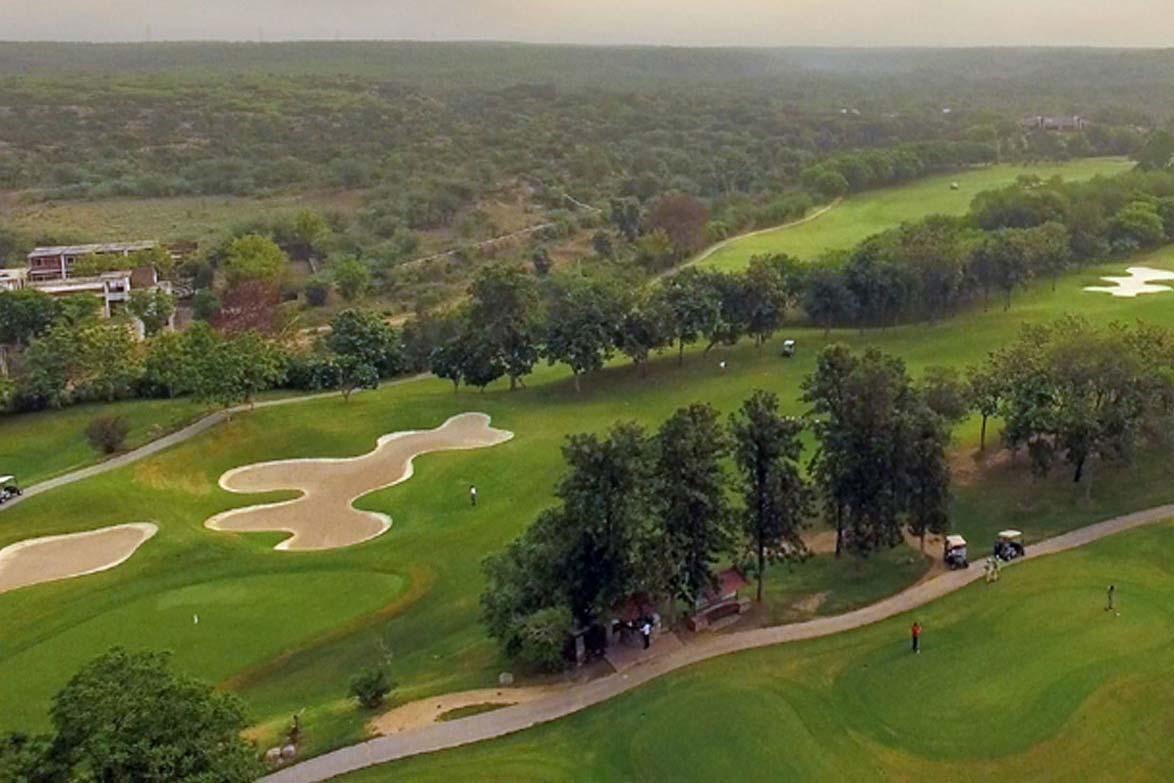
The backbone of India’s golfing infrastructure remains tied to the nation’s history, with nearly half of these courses situated within defense campuses and military cantonments. These verdant patches of land, often located in the heart of congested urban centers, provide a sanctuary for the game, though they are largely restricted to service personnel and their families.
But beyond the fortified gates of the military, a new era of private and high-end golf development has taken flight. India currently boasts some of the most unique geographical specialities in the world of golf, including the Yak Golf Course in Sikkim, which stands as the highest in the world at over 13,000 feet. For those who prefer a different kind of altitude, the luxury segment has integrated aviation into the golfing experience.
Aamby Valley City near Lonavala and the Cochin
International Airport Limited (CIAL) Golf Club in Kochi have successfully bridged the gap between the fairway and the runway. These facilities feature dedicated airstrips or direct proximity to major aviation hubs, allowing high-networth individuals and international business leaders to charter private flights directly to the clubhouse, effectively turning a weekend round into a seamless transition from the boardroom to the tee.
The DLF Golf and Country Club in Gurugram stands as arguably




the most prestigious private facility in the country. It is a sprawling masterpiece that features both an 18-hole Gary Player signature course and a 9hole Arnold Palmer course. This multi-loop configuration allows for a varied 27-hole experience, catering to the grueling demands of professionals while offering a slightly more forgiving path for the weekend amateur.
Its night-golfing facilities, illuminated by world-class stadium lighting, have become a staple for the Delhi-NCR corporate elite, who often find the daytime heat too oppressive for a full round. Here, the business value of the sport is most evident, with memberships serving as a silent passport into the inner circles of Indian industry.
Moving toward the hills of Maharashtra, the Oxford Golf Resort in Pune, featuring its own helipad, offers a different flavor of excellence. This 18-hole championship course is frequently cited as one of the best-maintained in Asia. Its standout feature is the Leadbetter Golf Academy, a world-class coaching facility that uses advanced biometric technology and swing analysis to train both aspiring juniors and seasoned pros.
For a businessman looking to refine his game or introduce his children to the sport, the resort
offers a comprehensive coaching package that includes residential stays. The academy’s focus on kids’ coaching is particularly significant, as it addresses the need to build a pipeline of talent that can represent India on the global stage.
In the southern tech hub of Bengaluru, Prestige Golfshire has redefined the concept of a golf-centric lifestyle. This 18hole course is nestled against the scenic Nandi Hills and is seamlessly integrated with a luxury Marriott resort. Managed by the world’s largest golf course operator, the US based Troon Golf, it thus shares a pedigree of over 200 world class golf courses.
The course is designed to be a championship-level challenge, yet the presence of high-end spa facilities, fine dining, and luxury villas makes it a family-friendly destination. This resort-style approach is a key trend now, where the golf course is no longer just a sporting venue but the centerpiece of a comprehensive real estate and hospitality development.
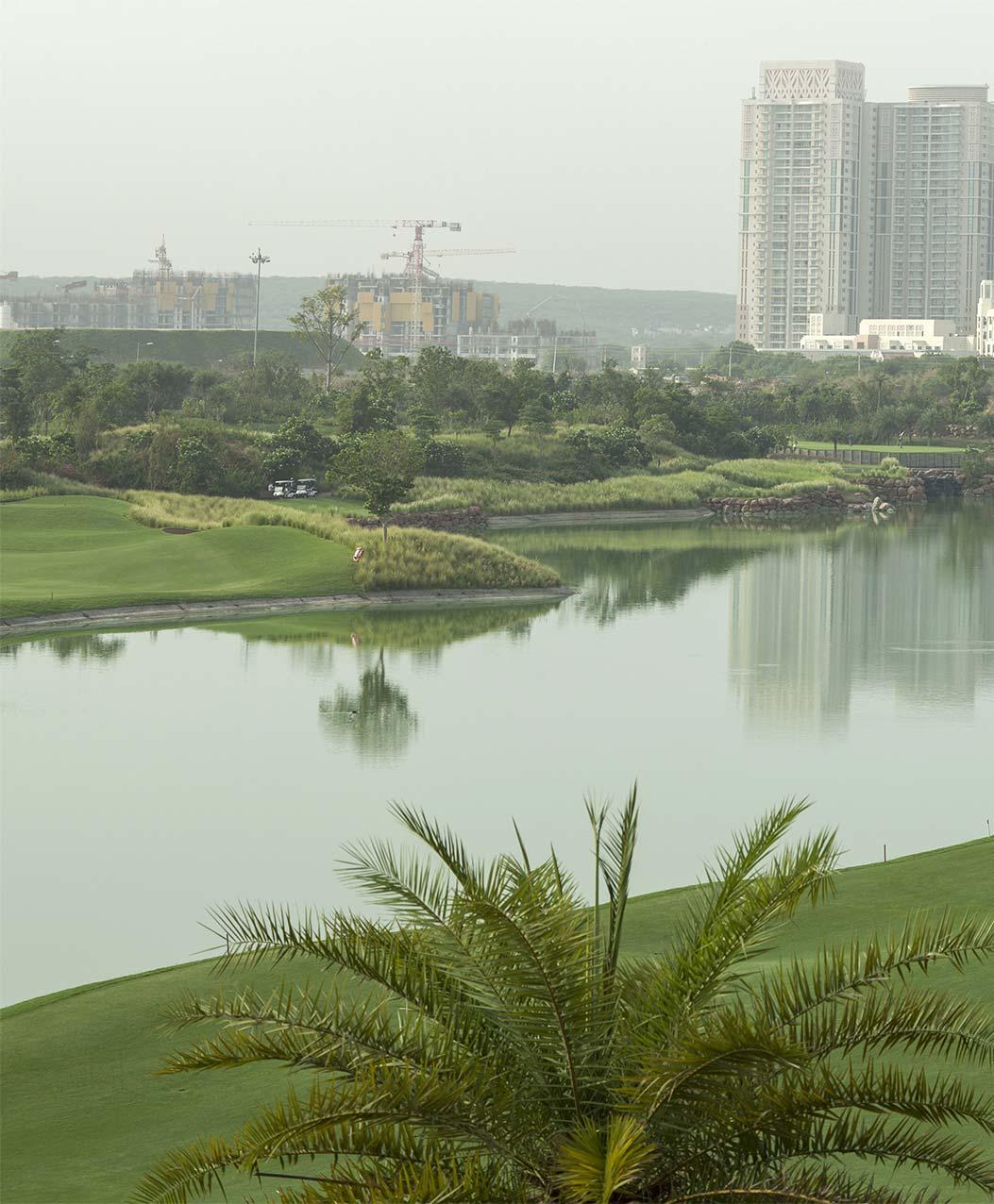
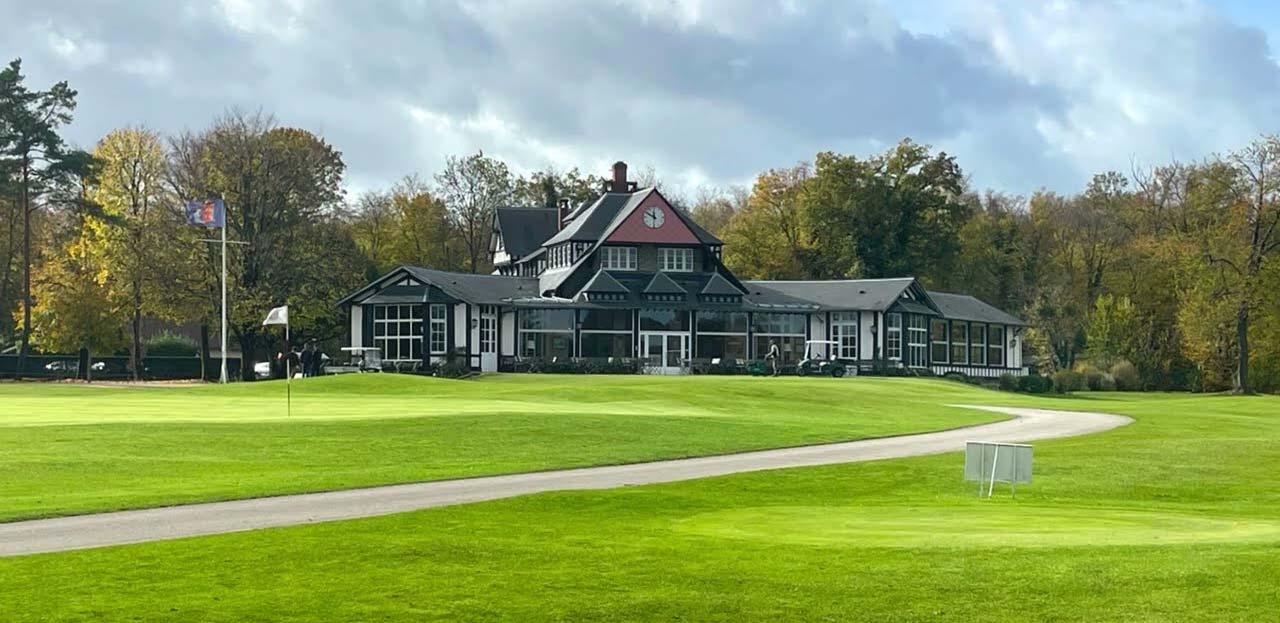
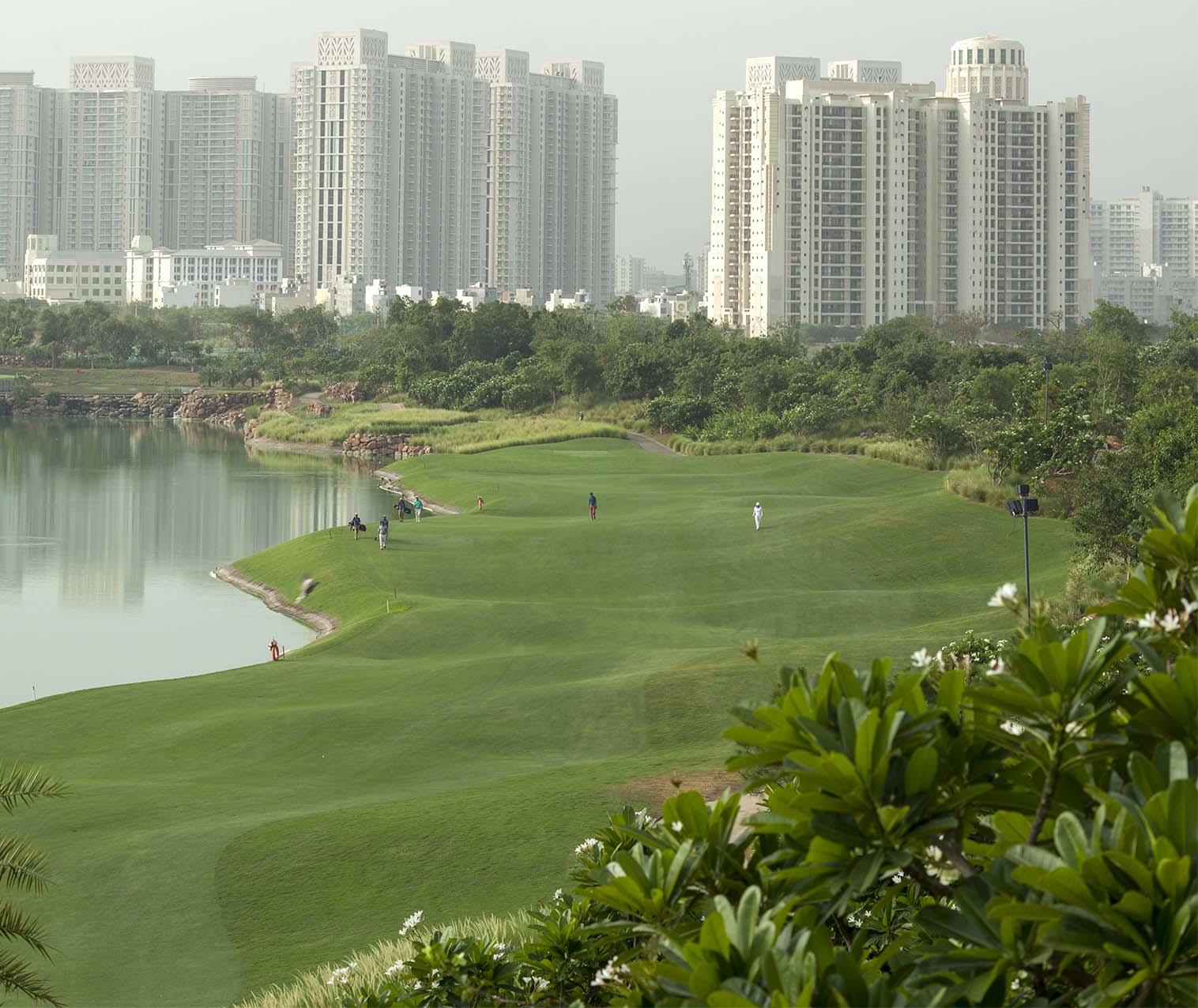
Further north in Gujarat, Kalhaar Blues and Greens in Ahmedabad serves as a testament to technical design. Designed by Nicklaus Design, this 18-hole course is famous for its intricate water hazards and challenging greens.
It is widely considered a professional’s course, hosting several PGTI events and demanding a level of precision that humbles many amateurs. The club’s focus remains strictly on the purity of the game, though its membership tiers reflect its elite status, often requiring corporate

sponsorships or substantial entrance fees that can reach into the tens of lakhs.
The Classic Golf and Country Club in Manesar was the first signature course in India and continues to be a major player with its 27-hole layout. Much like DLF, it offers an 18-hole championship loop and a 9-hole canyon course. Its proximity to the industrial hubs of North India makes it a favorite for expatriates and multi-national executives.
The facilities here are designed with the business traveler in mind, featuring extensive meeting rooms and corporate hospitality suites that allow for “golf and growth” sessions where multi-million-dollar deals are often brokered between the ninth and tenth holes.
In the heart of the national capital, the Delhi Golf Club remains the most exclusive and

historic of the non-defense sector options. With its 18-hole Lodhi Course and 9-hole Peacock Course, it is a sanctuary of heritage. However, the waitlist for membership here is legendary, often spanning decades, which has driven younger professionals toward newer, more accessible private clubs.
The entrance fees for regular resident members can hover around fifteen lakhs, while corporate and tenure-based memberships are even more substantial, reflecting the high premium placed on its central location and historical prestige.
Zion Hills Golf County in Kolar, on the outskirts of Bengaluru, offers a more rugged, terrainfocused experience. This 18-hole course is known for its rocky outcrops and unique landscaping, providing a visual contrast to the manicured lawns of Gurugram or Pune. It positions itself as an approachable destination for the serious amateur who wants to escape the city.
Similarly, Karma Lakelands in Gurugram offers a 9-hole experience that is deeply rooted in eco-sustainability. By utilizing recycled water and organic maintenance practices, it


addresses one of the primary criticisms of the sport: its environmental footprint.
Finally, the CIAL Golf Club in Kochi provides a unique case study in public-private partnership. As an 18-hole course adjacent to a major international airport, it caters specifically to the “fly-in, flyout” golfer. For a freelance professional or a corporate leader visiting Kerala, the club offers institutional memberships and life memberships at relatively accessible rates compared to the Delhi or Mumbai circuits.
An ordinary membership might require an entrance fee of a few lakhs with a modest annual maintenance charge, while a life membership can be secured for double that amount. This accessibility, combined with the novelty of playing while aircraft descend in the background, makes it a vital part of the regional golf landscape.
Despite these pockets of excellence, the golf scene in India faces significant hurdles that prevent it from scaling to a truly national pastime. The primary challenge is the sheer cost and scarcity of land in a country where residential and industrial needs are paramount.
A standard 18-hole course requires roughly 150 acres of land, a luxury that few developers can afford without high-end real estate integration. Furthermore, water consumption remains a point of contention; a typical course can
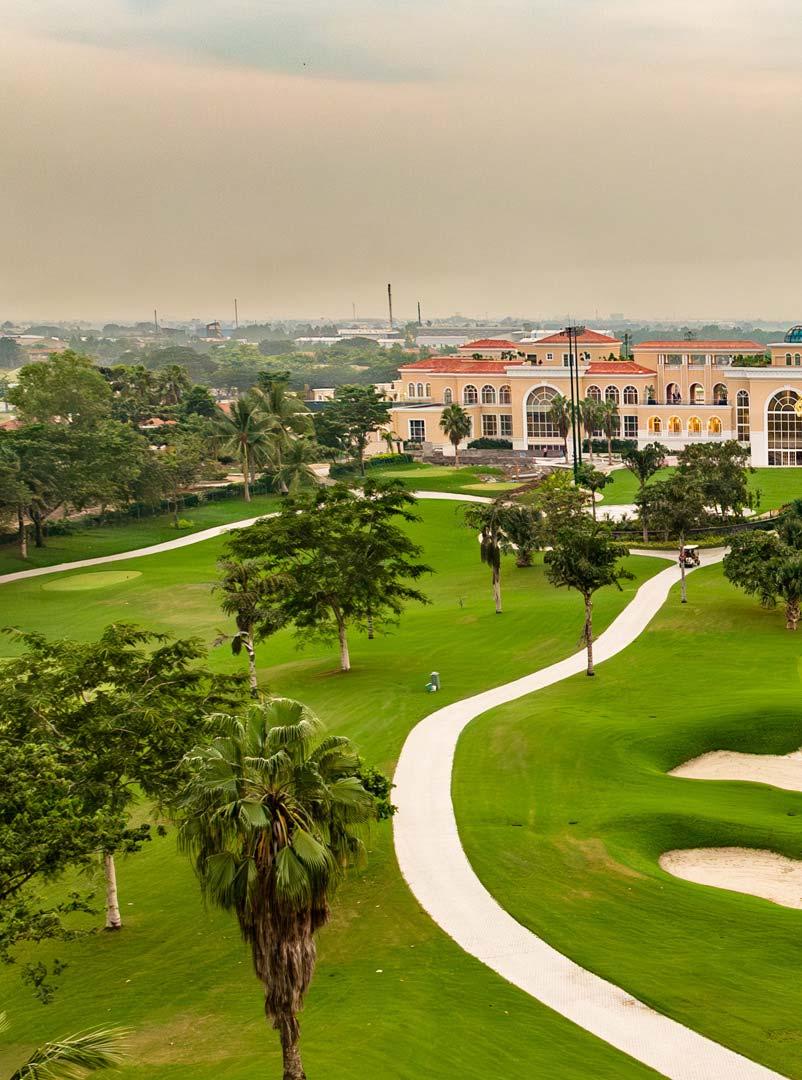
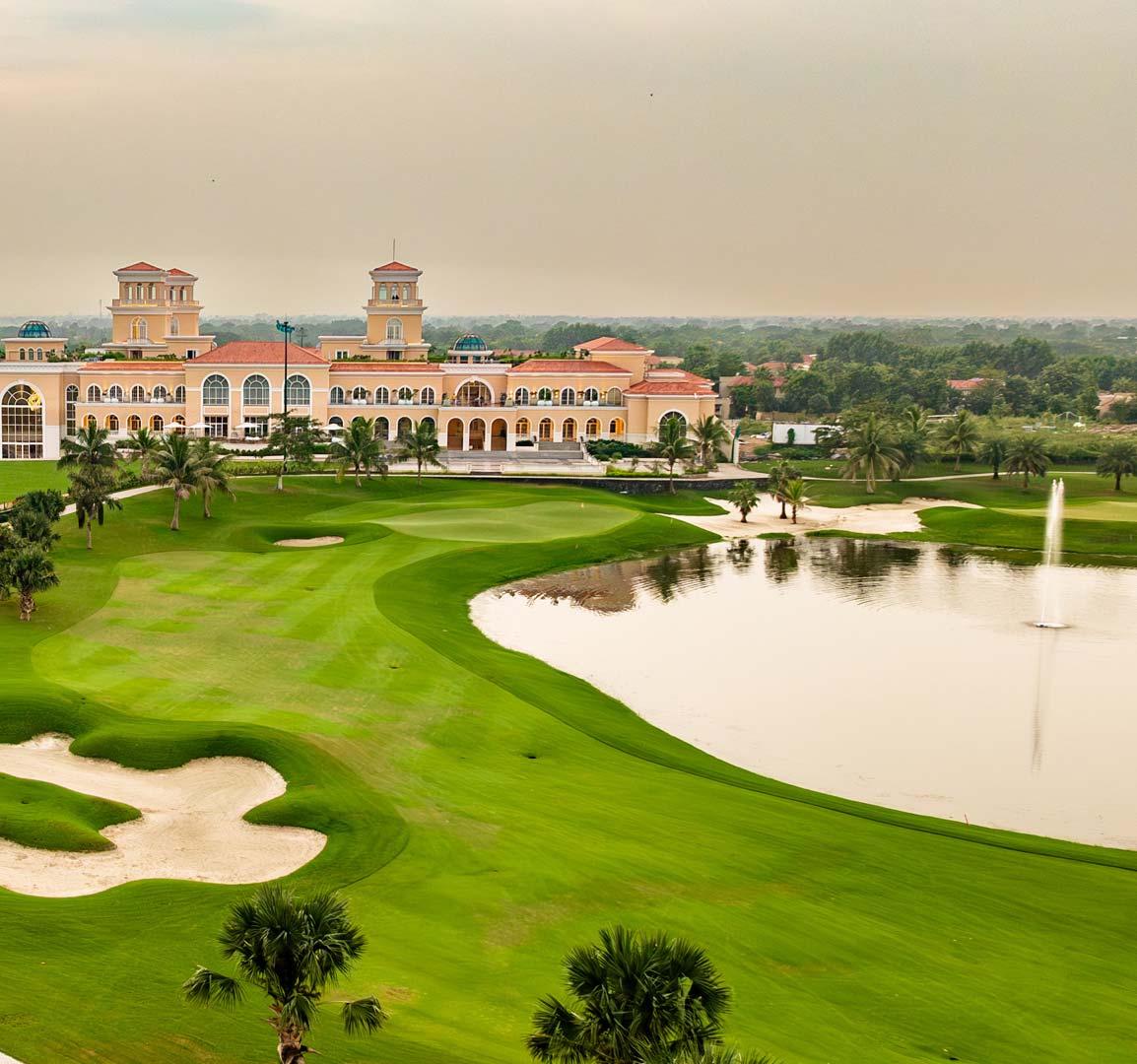
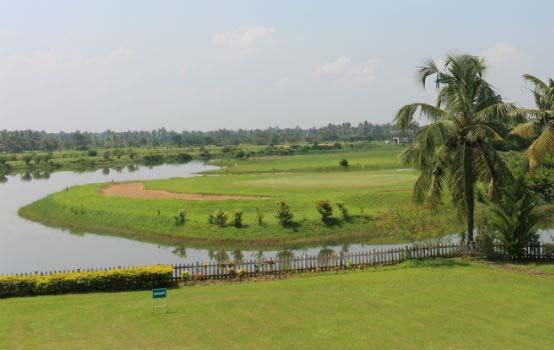
consume over two million liters of water daily, necessitating expensive desalination or recycled water systems that add to the operational costs.
The financial barrier to entry remains the most significant deterrent for the middle class. While hourly memberships or green fees for walk-ins can range from two thousand to ten thousand rupees depending on the day and the course, the equipment, caddie fees, and coaching costs quickly add up.
To truly scale, the industry must look toward more 9-hole municipal courses and driving ranges that can democratize access. Until then, the story of Indian golf will remain one of high stakes and high luxury, played out on the infinite greens of the country’s most exclusive estates.
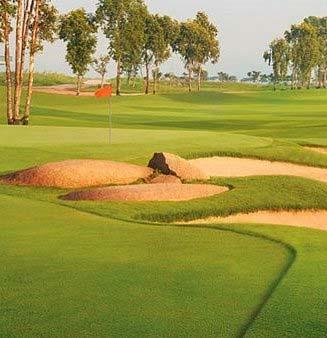

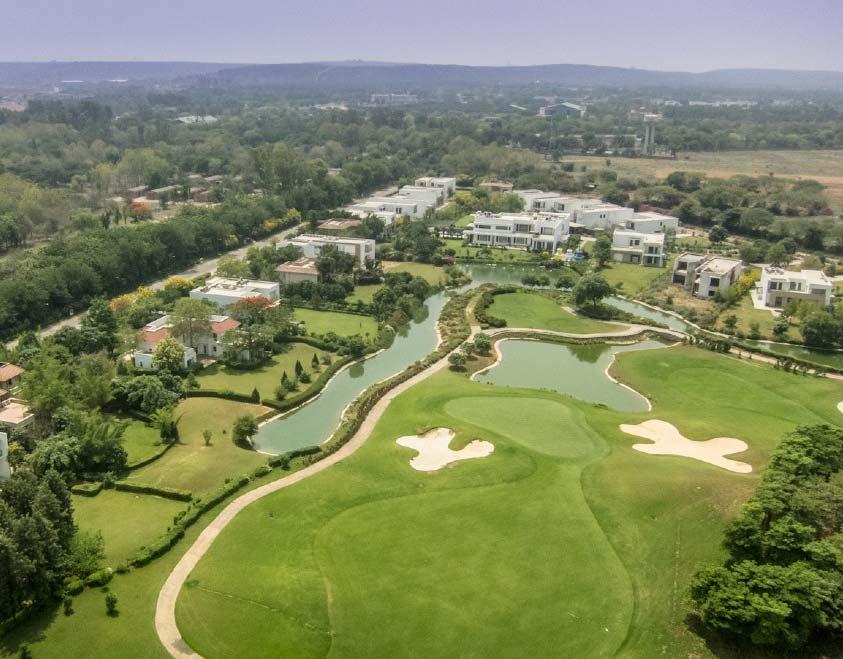


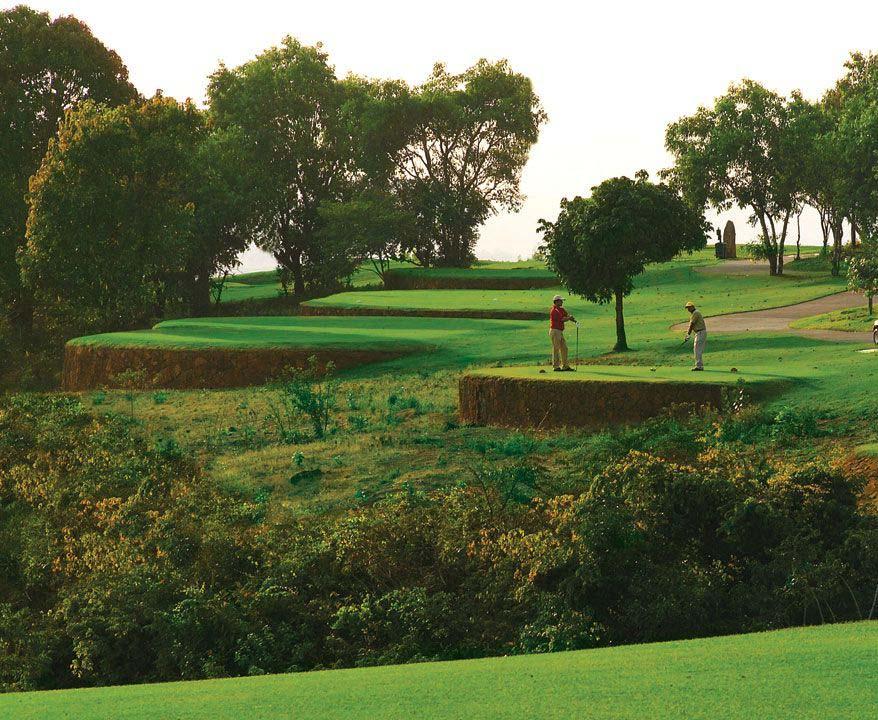
In today’s corporate world, experiences drive influence. Leaders no longer seek venues, they seek destinations that inspire conversation, build relationships, and create lasting recall. Aamby Valley Golf Course delivers exactly that, championship golf paired with refined luxury and seamless corporate execution.
Set against the dramatic Sahyadri ranges of Maharashtra, Aamby Valley Golf Course is not simply a sporting venue. It is a high impact corporate engagement destination where strategy unfolds naturally between fairways and greens.
“At Aamby Valley, golf is more than a sport, it is a discipline that reveals character. Every round demands vision off the tee, precision in approach, and composure on the green. It tests patience,
rewards strategy, and reminds us that success is rarely about one powerful stroke, but about consistency over eighteen holes,” says Romie Dutt, Executive Director, Aamby Valley City & Hotel Sahara Star.
He continues, “The rhythm of the game mirrors leadership itself. It requires foresight, calculated risk, and the ability to adapt to changing terrain. In that shared journey across fairways and greens, conversations unfold naturally, trust develops quietly, and partnerships are strengthened with every round. Here, golf is not just played, it is experienced. And in that experience, meaningful relationships are built to endure.”
Situated within Aamby Valley City, India’s first planned, self contained aspirational city, the course

offers an ecosystem tailored for CXOs, leadership teams, associations, and premium event companies.
What distinguishes Aamby Valley is its depth of experience. While executives engage on the course, families and accompanying guests enjoy the wider destination. The result is a multidimensional corporate retreat rather than a single day event.
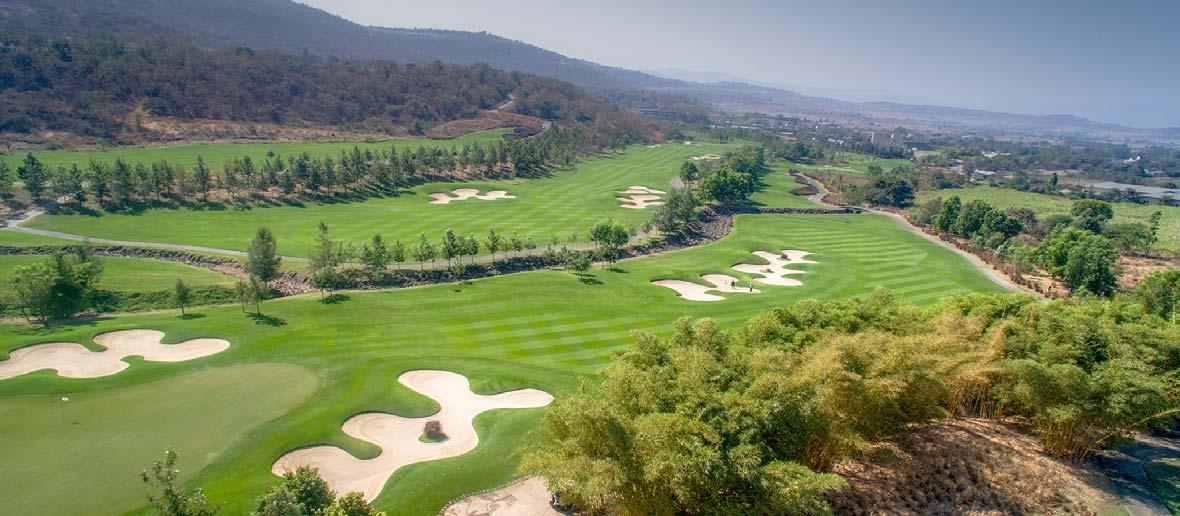
The 18 hole, par 72 championship course spans over 256 acres and is built to international specifications. Designed by David Hemstock & Associates, UK, and upgraded by PGA DC of Great Britain & Ireland, it stands among India’s most strategically crafted layouts.
Stretching 7,087 yards across the natural contours of the Western Ghats, the course blends river
valleys, lakes, elevation changes, and strategic doglegs to create both challenge and visual magnificence. It rewards intelligent play and delivers an engaging experience for seasoned golfers and amateurs alike. “The course challenges players mentally as much as physically. Every hole rewards strategy,” says Shyam Patel, Head of Operations, Aamby Valley Golf.
Aamby Valley Golf Course has established itself as a preferred venue for corporate tournaments, leadership retreats, and association events. The setting encourages meaningful interaction, where business discussions flow naturally between rounds.
From executive clinics to large invitational tournaments, the in house team manages every detail, including tournament operations, course setup, scoring, hospitality, and on ground execution. Organisers focus on relationships, while we ensure flawless delivery.
The dedicated Tournament Village enhances each event with structured zones for networking, brand visibility, and partner engagement. “What defines events here is consistency. Professionally managed tournaments combined with impeccable hospitality create experiences corporates return to year after year,” says Bhupinder Singh, Corporate Events and Tournaments.

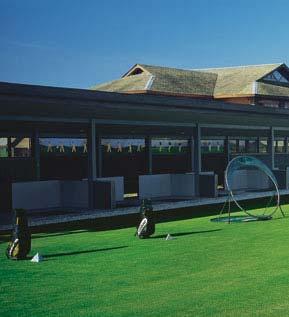
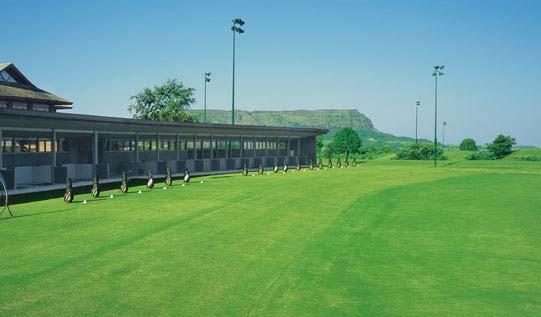
Extensive putting greens, short game zones, a fully equipped driving range, and dedicated practice tees ensure players are thoroughly prepared before stepping onto the course. These facilities reinforce Aamby Valley’s ability to host high calibre tournaments and serious corporate engagements.
Beyond the course, Aamby Valley City offers distinctive accommodation, curated dining, award winning restaurants, and premium leisure experiences. The seamless integration of golf and hospitality transforms every corporate event into a complete destination experience.
Recognised as the Best Golf Facility of India by the Professional Golfers Association, Aamby Valley Golf Course represents excellence, credibility, and enduring brand value.
For organisations seeking more than a venue, Aamby Valley offers a powerful statement of ambition and distinction. Here, every round strengthens relationships. Every tournament builds recall. Every visit leaves an impression. At Aamby Valley Golf Course, championship golf, business, and lifestyle converge, like nowhere else.
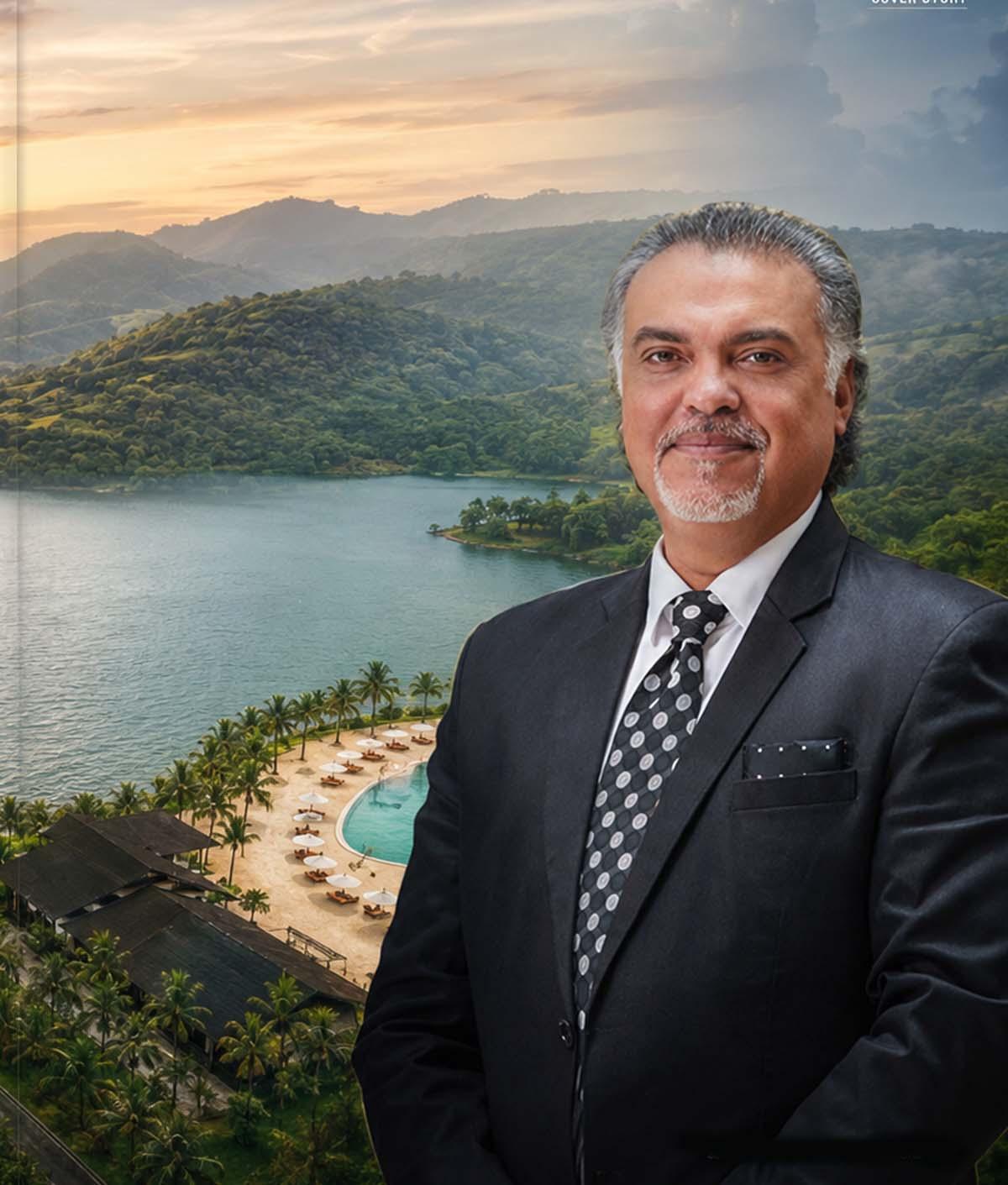
Seasonal Magazine in conversation with Romie Dutt, Executive Director, Aamby Valley City & Hotel Sahara Star:
Can you tell us about the specific features of
Can tell us about the specific Aamby Valley Golf Course that helps it cater Aamby Valley Golf Course that helps it cater Aamby Valley Golf Course that helps it cater Aamby Valley Golf Course that helps it cater that cater to both professionals and beginners? to professionals and to both professionals and beginners? to professionals and
This course is not only for professionals, but for amateurs & beginners too. Apart from the relaxing environment and the beautiful landscape which excites them to play, it’s also a little forgiving for beginners because the fairways are very large. Even if they hit left or right, they can still play on the course. This is also very endearing for the professional golfer. To put it in perspective, a professional golfer plays a par-game, meaning they might finish 18 holes in 72, 70, or 69 shots, whereas an amateur might take 24 or more additional shots. The course really gives you the best of both worlds - for the professional as well as the beginner or amateur golfer alike.
What specific infrastructural features allow What specific infrastructural allow allow Aamby Valley to host high-caliber Aamby Valley host high-caliber Aamby international standard tournaments? international tournaments? international standard tournaments? international tournaments?
The infrastructure features are twofold. First is the
18-hole golf course itself, which was professionally designed by a championship architect specifically to host competitions and top events. The whole layout and the fairways were created as a championship course. We have hosted the Asian Masters Aamby Valley event in the past, and more recently, we have hosted ladies’ events. At the end of May, we are hosting a CEO’s championship contest for executives of major companies, which will be a two-and-a-half-day event.
Secondly, Aamby Valley is not just a golf course with a restaurant; it is a self-contained city. While the golf course covers 260 acres, the entire township is spread over 10,000 acres. It is a township for high-net-worth Indians, where many super HNIs live. We have about 300 different categories of rooms, then restaurants, bars, and on the landscape side valleys and lakes. It provides a wholesome experience for the golfer and their travel partner - like a family member - who may not be a golfer. No other golf course can really claim about this kind of city infrastructure.
Can you explain the concept of the Can you the concept the concept the Tournament Village and how it enhances the Village how it enhances the Tournament Village and how it enhances the Village how it enhances the enhances networking experience? networking networking experience? networking
Golf is a very interesting gentleman’s game. It is an expensive sport due to green fees and memberships, and it requires a great deal of patience and time. When you play a four-ball, that is four people playing together - you spend about four-and-a-half hours sitting in the same buggy. This leads to a lot of interactions.
The game is beautiful because it brings out the best and worst in a person. You are playing with a ball at rest or inertia, and hence playing against yourself – as nobody else hits your ball. At the same time, you are competing on scores, and if someone has a tendency to cheat, it will show up during those four-and-a-half hours. This reveals their actual personality. Networking happens during the game and afterward over a beer. Deals are made on the golf course because you connect with the best people. For the upcoming CEO’s Cup, we expect about 140 CXO level participants, including Founders, CEOs, CTOs, CMOs, and CIOs. As a residential event, it offers networking opportunities that other events & venues simply do not allow.
How do the on-site practice facilities, like How do the on-site practice like How the short game zone and driving range, help the zone range, help the short game zone and driving range, help the zone range, help the prepare executives before they step onto the prepare before they onto prepare executives before they step onto the prepare before they onto onto course? course? course? course? course?
Practice is essential for anyone, whether they are a top executive or a professional who has played since age eight. We have a driving range to practice the swing and focus, which is vital for warming up the body and finding the right mental sync. This is a game where you hit a small ball with a long club, and if you are an amateur, you may never hit it straight without that initial focus.
The short-game is also critical. You can reach the green, but if your game in and around the hole isn’t good, you won’t score well. We provide putting greens and a practice sand pit or bunker area with different contours so that players can practice every aspect, including bunker shots, before they begin.
In what ways does being part of a self- what ways does being part of a self- part selfcontained aspirational city benefit corporate contained city benefit corporate groups traveling for multi-day retreats? traveling for groups traveling for multi-day retreats? traveling for
Because we offer luxury facilities, groups have many out-of-golf experiences. We have a pristine one-kilometer lake for water sports like jet skis and pontoon boats, as well as an 85-acre adventure park with go-karting and a glider.
Our in-house events team manages the logistics for

large groups, including the 300 rooms and our 25,000-square-foot convention hall. They handle everything from accommodation and transportation to the technical precision of the golf event itself. This makes it a great outing for families as well; while a golfer is on the course for four-and-a-half hours, their family has plenty of other activities to enjoy.
How do the strategic elements of the course - How do the of the the like the elevation changes - encourage the like the elevation changes - encourage kind of discipline needed for business kind of discipline needed for for leadership? leadership? leadership? leadership? leadership?
In business leadership, you must navigate internal and external challenges to remain sustainable, profitable, and ethical. A golf course is very similar; it isn’t just a flat ground. It has contours, gradients, valleys, forests, bunkers, and water bodies. If your ball doesn’t land on the straight fairway, you have to use your brain to navigate a shot from under a tree or a bush.
Just as a leader must use innovation, creativity, and strategic decision-making when the business environment changes, a golfer must do the same when the game challenges them. Our course specifically utilizes the natural gradient of the Sahyadri range, featuring natural gorges and ditches that are beautiful for trekkers but a nightmare for golfers.
What does the recognition as a top golf
What does the recognition as a top a facility mean for the club’s credibility? facility for the credibility? facility mean for the club’s credibility? facility for the credibility? facility credibility?
We have been recognized among the top 50 golf and country clubs of Asia Pacific by the Platinum Clubs of the World. This recognition validates the beautiful design and maintenance of the course and certainly helps with our marketability and reputation among other clubs.
How the golfing supported by Aamby
How is the golfing vision supported by Aamby Valley itself? Valley itself?
Aamby Valley owns the golf course, so it is an inherent part of the city. The course benefits from the city’s massive infrastructure. While a golf game might only host 50 or 60 people at a time, the city can host thousands, which naturally brings a lot of footfall to the driving range and course from recreational visitors who just want to see the facility.
Could you share some insights into your own
Could you insights own
Could you share some insights into your own
Could you insights own Could insights professional background? professional
I have about 35 years of experience, 32 of which have been with Sahara India Pariwar. I started in aviation as a 25-year-old and moved into leadership roles in 2003, covering tourism, concierge services, international PR, and real estate marketing. I also headed a large FMCG retail business called the Q Shop, which we unfortunately had to foreclose in 2014. I then took over running Sahara Star and Aamby Valley. I have headed various businesses for about 15 years now, which gives me a very holistic approach in my current role.
And do you play the game yourself?
And do you play the game yourself?
And do you play the game yourself?
And do you play the game yourself? And game yourself?
Yes, I do. I’ll be playing in the upcoming CEO’s Masters Cup. I find it to be an addictive and endearing game. It depends on your physical posture and technical understanding, but also on how your day has gone - if you’ve had a bad day, you might not hit the ball straight regardless of your technique.
One last thing - is there any ownership transfer
One last thing - is any ownership transfer transfer ongoing? ongoing? ongoing?
No, not yet. It is still with Sahara India Pariwar. There is an ongoing case that has been moving for a while, but Aamby Valley is still being run by Sahara India Pariwar.


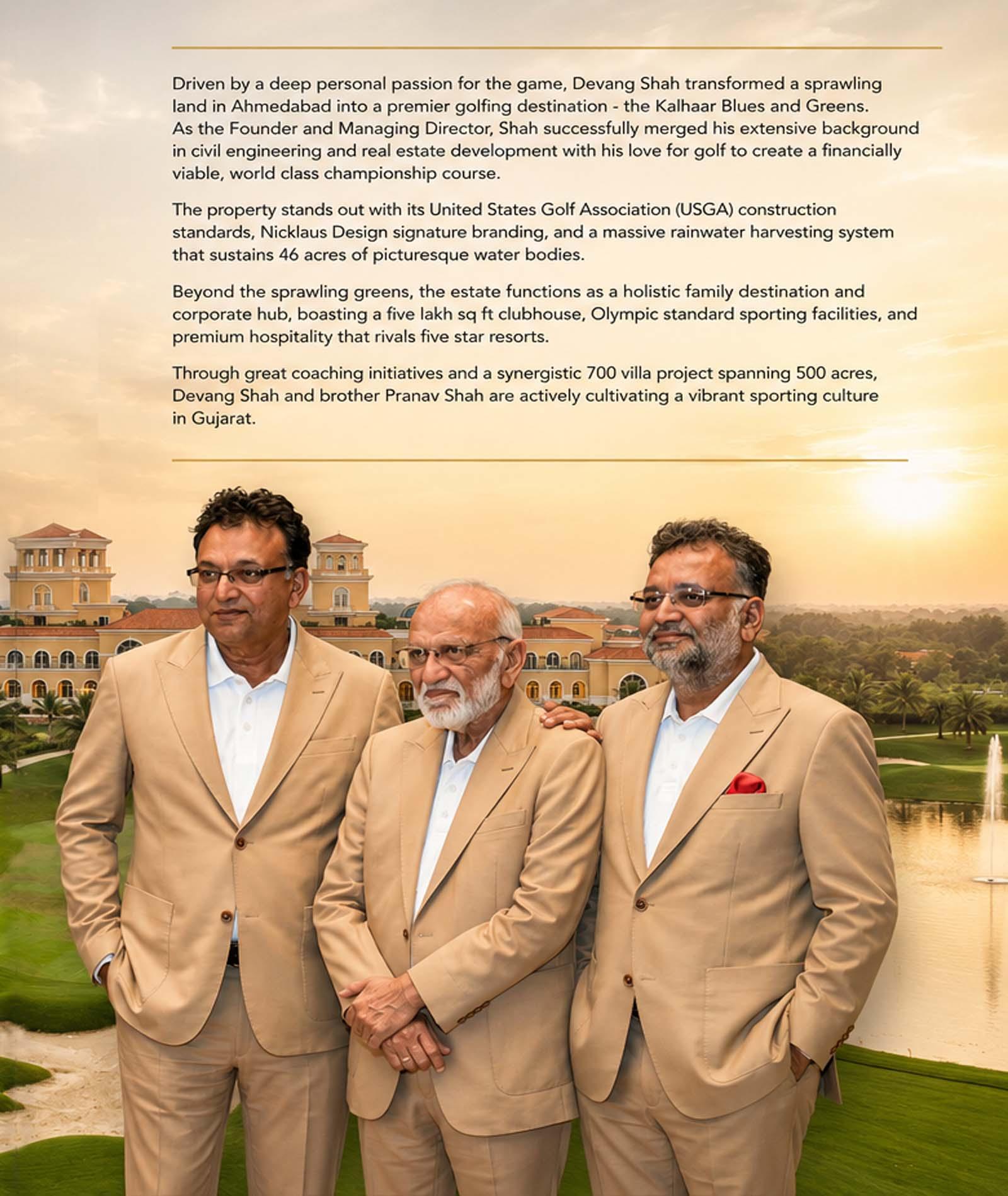
Returning from the United States with a postgraduate degree in construction management and a newfound passion for golf, Devang Shah harbored a unique dream. He envisioned a spectacular, international standard golf course in his home state of Gujarat. Building a golf course of this magnitude is a notoriously capital intensive venture with challenging financial returns. However, leveraging over two decades of real estate expertise alongside his brother, Devang Shah engineered a masterstroke. He integrated the golfing greens within a massive five hundred acre luxury residential project, ensuring both the financial viability of the course and an unmatched aesthetic appeal for the seven hundred residential villas surrounding it.
The result of this ambitious vision is Kalhaar Blues and Greens, a breathtaking oasis that has redefined sports tourism and luxury living in Ahmedabad. Guided by the prestigious Nicklaus Design, the course meticulously adheres to rigorous United States Golf Association standards, featuring sand capped greens for flawless drainage and expertly curated turf maintained by an American agronomist team. Perhaps its most striking triumph is its environmental ingenuity. Recognizing the logistical challenges of maintaining lush turf, the course integrates fifteen expansive manmade lakes. These bodies of water not only inspire the ‘Blues’ in the club’s name

alongside the boundless sky, but also serve as a colossal rainwater harvesting system capable of storing over one hundred and fifty crore liters of water, far exceeding their annual operational needs.

Yet, Kalhaar Blues and Greens is much more than a haven for serious golfers playing at a zero handicap like Shah himself. Acknowledging that golf remains a niche sport in India, the founders meticulously designed a five lakh square foot clubhouse to serve as an all encompassing family and corporate retreat. The facility offers Olympic standard amenities across various sports, extensive dining options, and sophisticated banqueting venues that attract multinational corporations for their high profile events. With elite coaching programs led by industry veterans to nurture local talent and a hospitality wing recognized with a five star rating from the Government of India, the club ensures that every visitor experiences warmth and excellence. In the following conversation, Devang Shah reflects on his journey of building this magnificent sporting sanctuary from the ground up.
Seasonal Magazine in conversation with Devang Shah, Founder & Managing Director, Kalhaar Blues & Greens Golf Course
1) What was the initial vision that led to the 1) was the initial vision that led to the 1) What was the initial vision that led to the 1) was the initial vision that led to the 1) that development of Kalhaar Blues & Greens as a development of Kalhaar Blues Greens a development of Kalhaar Blues & Greens as a development of Kalhaar Blues Greens a Blues a flagship golf destination in Gujarat? flagship golf destination in Gujarat?
We wanted to create a truly world-class championship level golf course in Ahmedabad. But a golf course is very expensive to build and equally expensive to maintain too. There is no big money to be made from golf courses too. So, as real estate developers, we matched our expertise in realty development with the creation of this golf course, making this a huge realty project, which made it financially viable.
2) How does the unique infrastructure of the course 2) the unique infrastructure of 2) How does the unique infrastructure of the course 2) the unique infrastructure of infrastructure distinguish it from other championship facilities distinguish it from other championship facilities distinguish it from other championship facilities distinguish it from other championship facilities championship across India? across India? across India? across India? across India?
I can’t compare with other golf courses, like I am not sure what all they have done, but as far KBG is concerned we have followed the United States Golf Association (USGA) standards for golf construction. For instance, we have sand capped the greens so that water drainage is perfect, and this is not something that many courses do. We have used very good grass and there are also 15 water bodies or manmade lakes ranging from 2.5 acres to 7.5 acres.
3) That is amazing. Does the ‘Blues’ in the Kalhar 3) amazing. the ‘Blues’ in Kalhar amazing. Blues & Greens refer to this water dominance? Blues & Greens this water dominance? Blues
Yes, it is amazing. Altogether 46 acres of the golf course is made up of water bodies and we do extensive rainwater harvesting. This gives us great operational flexibility as our requirement is 100 crore litres while our storage capacity is 150 crore litres. Regarding the name Blues, it refers to

not only the water bodies but also the blue sky that appears limitless above the expansive greens.
4) What impact has the Nicklaus Design signature 4) What impact has Nicklaus Design signature 4) What impact has the Nicklaus Design signature
4) What impact has Nicklaus Design signature 4) What impact has the Nicklaus Design signature branding had on the way international and branding on and branding had on the way international and branding on and on professional golfers perceive the club perceive the

It is not just a matter of superior perception, which of course is there. Nicklaus Design really educated us on how a world-class championship level golf course should be built. They were the right consultant and they helped us pick the 5 to 7 other consultants needed for their specialized expertise with various facets of building a golf course and allied infrastructure. When it came to maintenance too, their help was there, but local knowledge was also very essential, and we assembled a very good local team for it, and we all learnt it together, and this maintenance team grew with us.
5) Could you describe some of the high-end 5) Could you describe some of high-end 5) Could you describe some of the high-end 5) Could you describe some of high-end you lifestyle amenities that make the club attractive that the club attractive lifestyle amenities that make the club attractive that the club attractive to members and their families? members and their families? to members and their families? members and their families? members their
We have a massive clubhouse of 5 lakh sq ft which works like a family centre. When it comes to golf, it is still not a popular game anywhere in India, let alone in Ahmedabad. So we put in great efforts to ensure that not only the golfer comes, but his whole family comes, and gets enthusiastic about it. We went to great lengths to ensure

it, like, you name any indoor or outdoor sport, we have it here in KBG. We have tennis, pools, bowling alleys, everything. Then we have extensive F&B facilities, great restaurants, and around 18 function halls or party areas.
6) What are your initiatives for popularizing golf?
6) What are initiatives for popularizing golf?
6) What are your initiatives for popularizing golf?
6) What are initiatives for popularizing golf? popularizing
Well, mainly we offer free golf lessons to KBG members and their families. But golf is a very challenging game, and only 5% of people who try to learn golf really pick up the game. Our experience in KBG too is not different. Among KBG members, around only 5% actually play golf, the rest are here for other sports and the overall clubhouse facilities. Still, we continue to do our part in popularizing golf with free lessons, world class coaches etc.
7) How do you handle the logistical and 7) How do you handle 7) How do you handle the logistical and 7) How do you handle you environmental challenges of maintaining environmental of of international standards for turf and landscaping international for and landscaping international standards for turf and landscaping international for and landscaping in this region? in region? in this region? in region? in
It is indeed a great challenge that many golf clubs take lightly first, but end up learning the hard way. Our golf course maintenance is led by an agronomist team from the US, with deep experience in maintaining golf courses. They decide scientifically on the various inputs like fertilizers, pesticides etc. And as I told you earlier, since we have massive water bodies with rainwater harvesting, we are able to address that crucial challenge too.
8) What specific facilities do you provide for 8) What specific facilities do you provide for 8) What specific facilities do you provide for 8) What specific facilities do you provide for 8) facilities do corporate organizations to conduct business corporate organizations conduct business organizations meetings and networking alongside golf sessions? meetings golf meetings and networking alongside golf sessions? meetings golf golf
The club has 7 different sized banquet halls with all the
audio-video facilities. Some of them are like fully equipped theaters that can handle any scale of corporate requirements. Even giant US companies like Micron Technology, which has its major semiconductor facility at Sanand, conducts many of their corporate events here. We have complete outdoor and indoor infrastructure needed for such events and networking.
9) How does the club encourage local talent and does the talent and 9) How does the club encourage local talent and does the talent and and provide professional-grade coaching for the provide professional-grade coaching for provide professional-grade coaching for the provide professional-grade coaching for provide professional-grade coaching for the younger generation of golfers? younger of golfers? younger generation of golfers? younger of golfers?
We have varied programs for this. As I told you earlier, we offer free coaching for golf. But that is not all. We also offer free access to our golfing facilities for those who are truly interested and advancing in the game, and we don’t charge a single penny for it. And most importantly, at any time, we have 8 to 10 professional golfers playing here, and this is a big boon for beginners and amateurs to advance their game. Then we offer two different levels of coaching - the broad-based track and the excellence track. The first is for business leaders wanting to learn the game, and the other for serious players. For the serious golfers, we have the services of Coach Vijay Divecha, regarded as one of India’s finest golf coaches, known for coaching elite pros like Anirban Lahiri.
10) In what ways has the integration of a luxury 10) In what ways the integration of a luxury housing project around the course influenced the housing around the course influenced housing project around the course influenced the housing around the course influenced the course growth and popularity of the club? of the club? growth and popularity of the club? of the club? growth and popularity of the club?
As I mentioned in the beginning, we could do this golf course only because of the massive realty project around it. This is a massive 500 acres of land, which houses the golf
course as well as 700 residential villas. The synergies between the golf course and the villas are bidirectionalwhile the realty development helps finance the golf course, the golf course helps market the villas as we offer 25-years of free golf club membership to the villa owners.
11) What role do you believe Kalhaar Blues and 11) role do you believe and 11) What role do you believe Kalhaar Blues and 11) role do you believe and Greens plays in promoting your state as a hub Greens plays in promoting state as a Greens plays in promoting your state as a hub Greens plays in promoting state as a Greens for premium sports tourism? for premium sports tourism?
I am glad you asked this question. I already mentioned our extensive sporting facilities, but I should also add that almost all of these are built as per Olympic standards. So, while golf remains the marquee game here, we are able to do justice to all sports, and in advancing such an all encompassing sporting culture in our state of Gujarat. IPL cricketers frequent KBG facilities, especially the foreign players for whom this is a home away from home. NRIs from the world over are also frequent visitors, especially in the winter months as they can play day long then.
12) What is your core philosophy when it comes 12) is your it 12) What is your core philosophy when it comes 12) is your it to the level of service and hospitality provided to the level service hospitality provided service to your members and guests? to your guests? to your members and guests? to your guests? your
We were not natively into the hospitality business, but we have learned steadily and mastered the hospitality side of it. We brought in good and experienced people to lead this, and today we not only have a 5-star rating from the Tourism Department, Government of India, but I can confidently say that we are at par with any 5-star facility in India. And apart from all these, we assure visitors of goodness, warmth and helpfulness.
13) How has the leadership and support of the 13) has the leadership and support 13) How has the leadership and support of the 13) has the leadership and support Navratna Group shaped the overall vision for Navratna shaped the vision Navratna shaped golf within your corporate portfolio? golf your corporate golf within your corporate portfolio? golf your corporate golf
There are two Navratna Groups, the original one founded by my father Dinesh Shah and his brother. It was a
construction firm, and when I returned from the US and started off in real estate development as a separate company with my younger brother Pranav, we used the Navratna name for its goodwill. Today, in our company, golf is an important part of our portfolio. This golf course is my favorite project, as unlike in realty development, there is high creativity involved - there is a unique sense of creating something natural, seamless and magnificent, out of nothing.
14) Could you share some details about your 14) Could you some details about your 14) Could you share some details about your 14) Could you some details about your professional background and the personal background and professional background and the personal background and experiences that led you to lead such a led you to lead such a experiences that led you to lead such a led you to lead such a lead significant project?
I did my graduation in civil engineering in India, then went to the US where I completed my postgraduate degree in construction management from the University of Michigan, then worked for a while there, and returned to India and joined my father’s & uncle’s construction business briefly. By that time my brother Pranav Shah had completed his civil engineering degree, and we joined forces to start this new Navratna firm. It was in 1992. We have completed 33 years in business now, and done around 25 real estate projects. Now we are pursuing fewer projects at a timearound 3 to 4 only - as the project size has steadily become bigger and bigger with current projects at around 1.3 million sq ft.
15) Do you play golf yourself, and did that 15) you play yourself, and did that play experience help you in designing KBG? experience help designing KBG? experience help you in designing KBG? experience help designing KBG? KBG?
Absolutely. I fell in love with golf from the very first time I tried it in the US, and my game has improved dramatically over the years, and now I play at zero handicap. But I don’t play professional golf, and am still an amateur player who plays for leisure. KBG was born out of my passion for golf, and you can even say it was a kind of selfishness on my part to create a cool golf course for myself, the kind of which I had experienced firsthand in the US.

In the glittering world of high-value retail, few narratives are as compelling as the rise of the Joyalukkas Group, a brand that has evolved from a single shop in Kerala into a multi-billion-dollar global empire. At the center of this transformation is the visionary leadership of Dr. Joy Alukkas, a man who has successfully balanced the cold logistics of a 21,000-kilogram gold stockpile with the warm, humancentric philosophy of rewarding those who built the brand alongside him. From recently honoring 222 long-serving employees with international vacations to securing a massive AED 500 million credit line last year for global expansion, the group is currently navigating its most ambitious chapter yet. As it targets a staggering Rs 41,000 crore revenue by 2027, Joyalukkas is proving that true luxury is not just found in the weight of a diamond or the purity of gold, but in the enduring legacy of trust and the unwavering loyalty of a 11,500-strong global workforce.
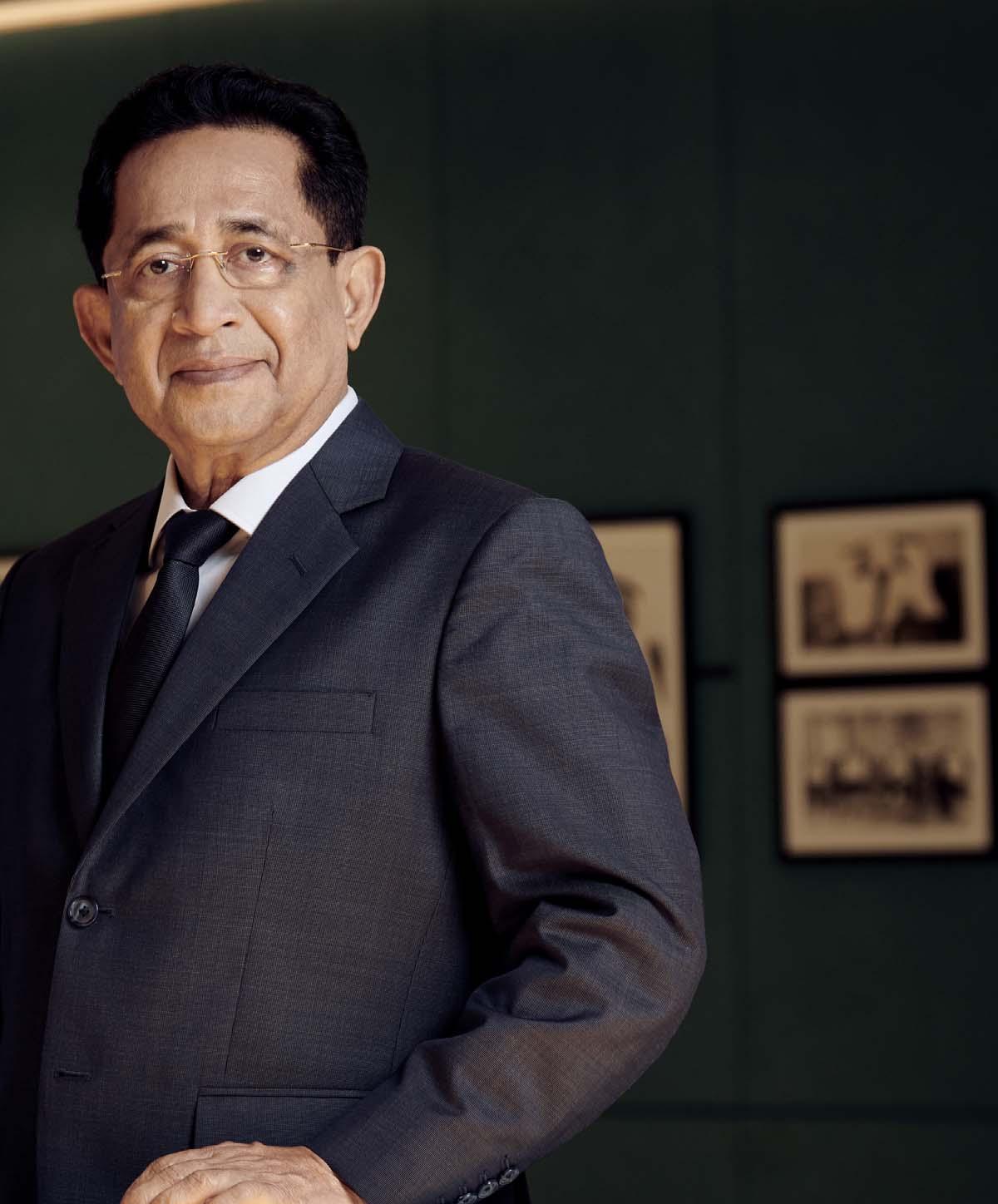
The air in Thrissur was thick with emotion and celebration recently as the Joyalukkas Group hosted its ‘Jewels of Joy’ ceremony, a unique event that stood as a proof to the brand’s core values. In an industry often characterized by high attrition and aggressive competition, Dr. Joy Alukkas chose to pause and look inward, honoring 222 employees who have dedicated over two decades of their lives to the enterprise.
This was not a mere corporate formality; it was a deeply personal recognition of the people who Chairman Dr. Joy Alukkas describes as the heart and soul of his organization. The rewards were as substantial as the dedication they exemplified, with each veteran receiving a five-month salary bonus and an all-expenses-paid international trip with their spouse, ensuring that the joy of their professional success was shared with their families.
This celebration of loyalty is only the beginning of a larger initiative, as the group prepares to honor another 135 long-serving overseas employees in the coming months. For Dr. Joy Alukkas, these individuals are more than staff; they are the ‘Golden Pillars’ upon which the brand’s Rs 36,000 crore annual turnover stands.
He firmly believes that the brand’s meteoric rise from a local storefront to a global powerhouse across 12 countries is a direct result of this human-centric vision. By fostering a culture where a shop floor executive can envision a twenty-year career, this Chairman has built a stable, experienced foundation that provides the brand with a distinct competitive advantage in service and craftsmanship.
Beyond the human element, the sheer scale of the Joyalukkas empire is enough to dazzle even the most seasoned financial analysts. In recent insights shared by the Chairman, it was revealed that the group currently maintains a massive stockpile of 21,000 kilograms of gold in the form of ornaments and bars. This is not just a display of wealth, but a strategic masterstroke built for resilience.
Holding such a significant inventory across nearly 200 global showrooms allows the brand to act as its own shock absorber, providing a unique cushion against the volatile price swings that often plague the precious metals market. It gives the group unparalleled market intelligence and the ability to maintain price stability for its customers even during

times of global economic uncertainty.
Dr. Joy Alukkas remains remarkably bullish on the future of gold, despite the healthy price corrections seen in the market. With a combined net worth of over Rs 15,000 crore for its India and global operations, the group is positioning itself to capitalize on the upward trajectory of gold prices.
The business model is strategically de-risked through

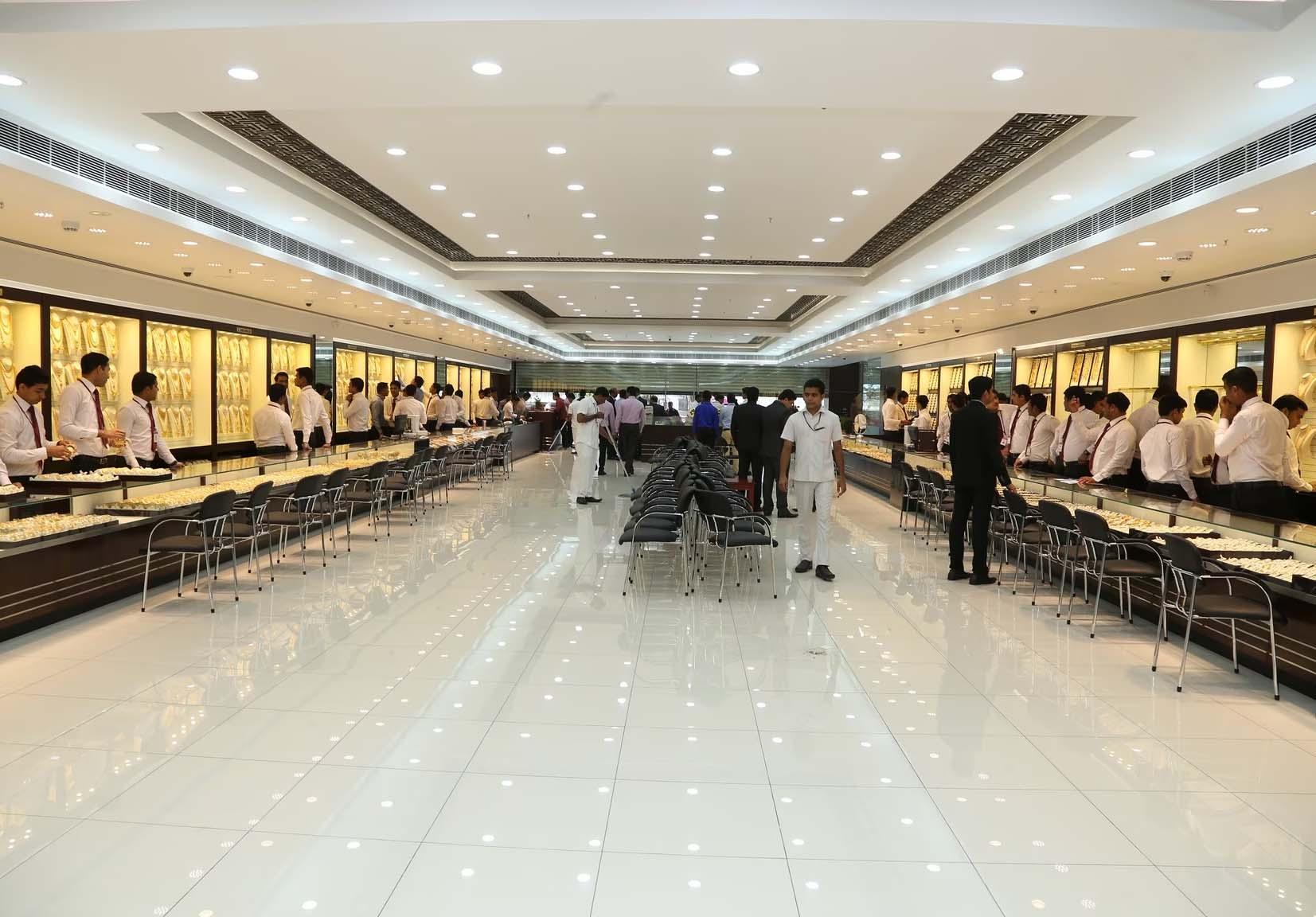
geographic diversification; while the Indian showrooms generate approximately Rs 24,500 crore in revenue, the international arm contributes a solid Rs 11,500 crore. This balance ensures that the group is never overly reliant on a single economy, a philosophy that has allowed it to thrive from the bustling streets of Chennai to the highend retail hubs of Dubai.

The 70-year legacy started by Dr. Joy’s father has now reached a point of unprecedented global dominance. The brand is currently gearing up for a massive expansion phase, backed by a Rs 3,600 crore investment plan to add 40 new stores by the end of this new fiscal. This roadmap, which aims to take the total showroom count to 230 by the next financial year, includes entering new markets like Canada, New Zealand, Hong Kong, and Bangkok.
To fuel this expansion, the group had last year secured an AED 500 million working capital facility through Emirates NBD. This bespoke financial deal provides the liquidity needed to support peak trading periods and ensure that as the brand grows,
its supply chain and inventory management remain seamless and efficient.
The brand’s evolution is also visible in its marketing and product innovation. Last year, Joyalukkas made headlines by appointing actress Samantha Ruth Prabhu as its global brand ambassador. Samantha joined the legendary Kajol to represent the brand’s heritage, bridging the gap between traditional craftsmanship and the modern, confident woman.
This shift is reflected in their product lines as well; as gold prices rise, Joyalukkas has innovated with lightweight, investment-grade designs. These pieces are specifically crafted for a new generation of priceconscious buyers who view jewellery as both a fashion statement and a savvy financial asset, ensuring that the brand remains relevant to Gen Z and Millennial consumers.
Recent events on the ground continue to showcase this blend of luxury and accessibility. In April 2026, the Punjagutta showroom in Hyderabad became a focal point for diamond lovers with the ‘Brilliance Diamond Jewellery Show.’ Inaugurated by local celebrities and senior group management, the show SEASONAL MAGAZINE
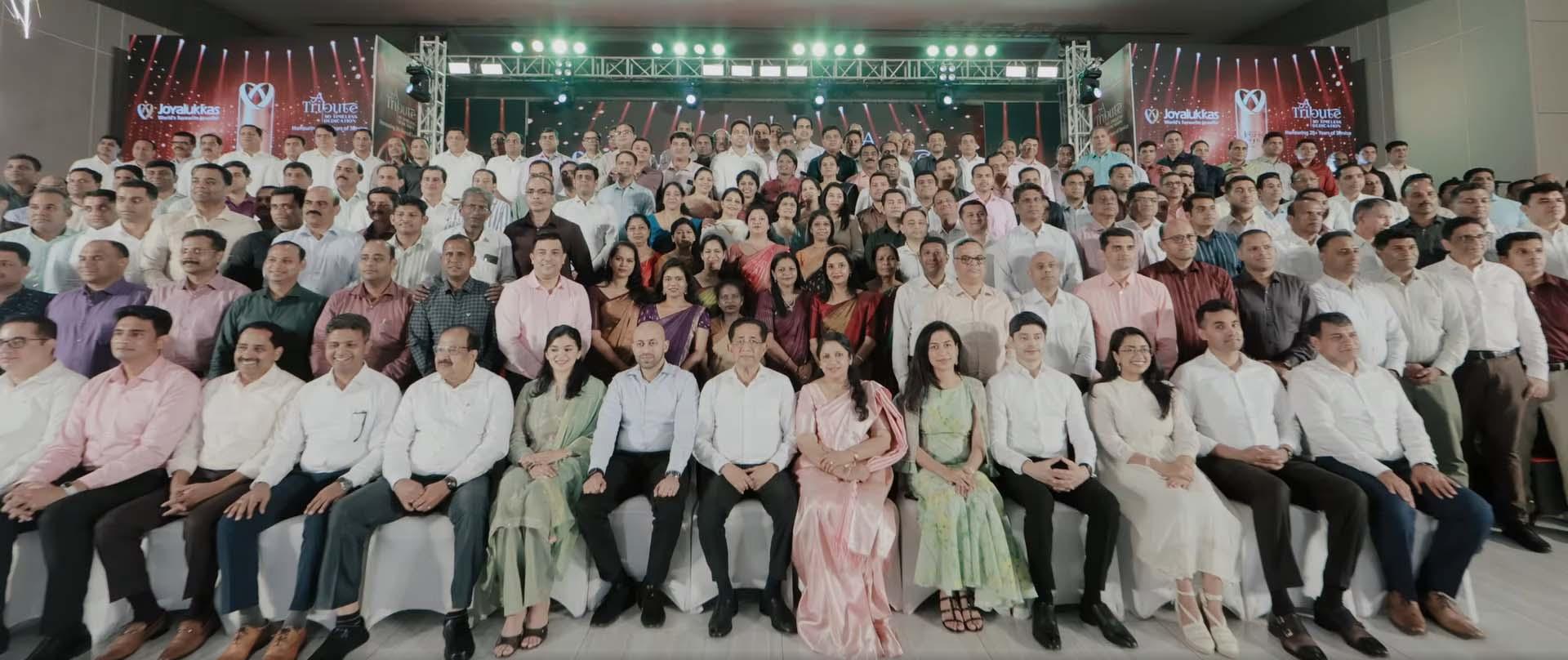
highlighted the brand’s commitment to perfection in design.
By offering incentives like free gold coins with diamond purchases, Dr. Joy Alukkas continues to find ways to make luxury rewarding for his patrons. For him, every exhibition is a tribute to the enduring allure of diamonds and a chance to offer exclusive designs that reflect the individuality of the wearer.
However, the Joyalukkas story is incomplete without mentioning its deep-rooted commitment to social responsibility through the Joyalukkas Foundation. Established in 2009, the foundation is the philanthropic arm that ensures the group’s success reaches the most marginalized members of society. In March 2026, the foundation distributed medical assistance to 1,500 cancer patients across Kerala, helping them access essential medicines.
This initiative is part of a larger CSR framework that has seen the construction of over 550 Joy Homes for disaster victims and the provision of scholarships, dialyzers, and heart pacemakers for those in need. Whether it is disaster relief during floods or Covid relief or environmental initiatives under Joy for Earth, the foundation reflects the Chairman’s belief that a business must give back to the soil from which it grew.
Today, the Joyalukkas Group stands as a diversified titan with interests in currency exchange, real estate, and textiles through Joyalukkas Exchange, Joyalukkas Lifestyle Developers, and Jolly Silks. Yet,

at its core, it remains the world’s most trusted neighborhood jeweler.
By blending the wisdom of a 70-year heritage with the boldness of a modern multinational, Dr. Joy Alukkas has created a golden standard in retail. As the group marches toward its Rs 41,000 crore revenue goal for FY27, it does so with the knowledge that its greatest assets aren’t just stored in a vault - they are the people who walk through its doors every day, both as employees and as cherished customers.
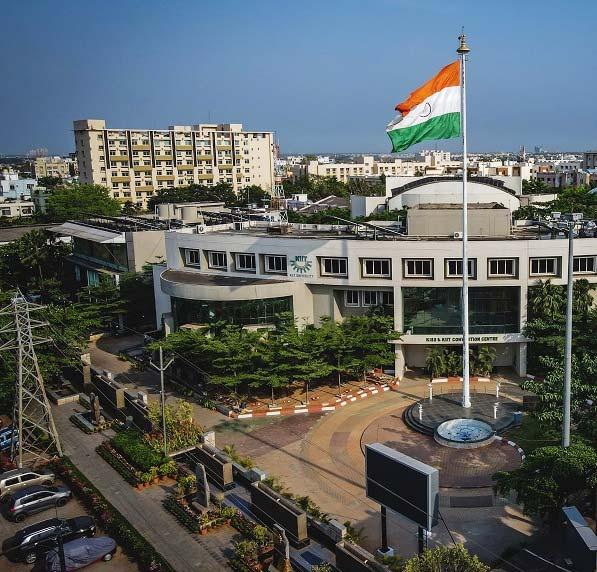
MANY WOULD LOVE TO AWARD NITA AMBANI, THE CHAIRPERSON OF RELIANCE FOUNDATION FOR HER HUMANITARIAN WORK, BUT SHE WOULDN’T ACCEPT IT FROM MANY. IT TAKES A REAL HUMANITARIAN TO AWARD HER, AND THAT IS WHY SHE ACCEPTED THE PRESTIGIOUS 2025 KISS HUMANITARIAN AWARD ON CAMPUS IN THE PRESENCE OF KIIT & KISS FOUNDER DR. ACHYUTA SAMANTA. BACKED BY NAAC A++ AND NBA ACCREDITATIONS, KIIT’S STELLAR ASCENT IS HIGHLIGHTED BY ITS IMPRESSIVE 27TH RANK IN 2025 NIRF RANKINGS, AND 9TH RANK AMONG INDIAN PRIVATE UNIVERSITIES IN THE QS RANKING. BACKED BY OVER 350 GLOBAL ACADEMIC PARTNERSHIPS AND CUTTING-EDGE INDUSTRIAL TIE-UPS, KIIT ENSURES STELLAR PLACEMENTS FOR ITS STUDENTS TOO. MOST UNIQUELY, KIIT AND ITS SISTER INSTITUTION, KISS, CHAMPION COMPLETELY FREE EDUCATION FOR TRIBAL YOUTH, UNDER DR. ACHYUTA SAMANTA’S PIONEERING VISION.
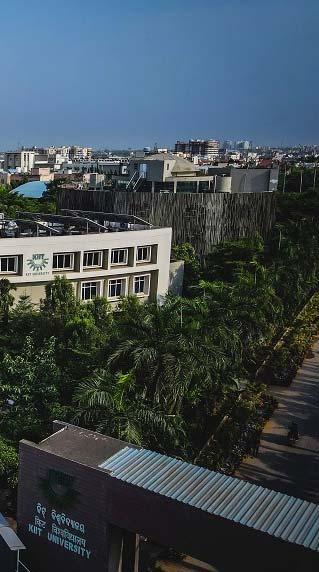
The arrival of Nita Ambani at the sprawling Bhubaneswar campus in March 2026 to receive the KISS Humanitarian Award was more than a ceremonial exchange; it was a meeting of two philanthropic giants. Addressing a sea of nearly 40,000 tribal students, she remarked that while she often receives accolades, accepting this particular honor from Dr. Achyuta Samanta felt like a homecoming of shared values.
The event, marked by traditional tribal performances, underscored KIIT’s unique position as an institution that commands respect from global leaders while remaining deeply rooted in the soil of social upliftment. This recognition is a testament to how KIIT and KISS have moved beyond traditional education to become a global model for sustainable development and inclusive growth.
This spirit of excellence is mirrored in the university’s rapid climb through national and international academic rankings. In the 2025 NIRF rankings, KIIT solidified its status as a premier Indian institution by securing the 27th rank overall, while the QS World University Rankings placed it 9th among all private universities in India.
These numbers are backed by rigorous standards, as evidenced by the institution’s NAAC A++ accreditation and the specialized NBA certifications for its technical programs. For students, these rankings translate into tangible quality, ensuring that a degree from KIIT carries weight whether in a local boardroom or a global research lab.
The university’s academic machinery is powered by a network of over 350 global partnerships that span continents from North America to East Asia. These collaborations are not merely signatures on paper but active pipelines for semester exchanges, dual-degree programs, and joint research initiatives with institutions like the University of

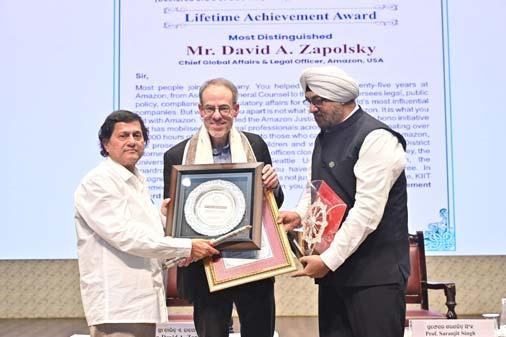
Cambridge and various IITs.
By integrating international perspectives into its curriculum, KIIT prepares its graduates for a borderless job market, ensuring they are as comfortable in a multinational tech hub as they are in a local startup ecosystem. On the placement front, the 2025-2026 cycle has seen unprecedented success despite a fluctuating global economy.
Leading the charge, the KIIT School of Technology recently reported a conversion rate exceeding 90 percent for the graduating batch, with tech titans like Microsoft and NVIDIA offering packages touching even Rs 50 LPA. The current 2026 placement season is already off to a flying start, with over 3,000 offers already on the table from 175 companies, including Dream Offers from firms like Cisco and PayPal.
This industrial synergy is further strengthened by on-campus centers of excellence established in collaboration with giants like SAP and IBM, providing students with hands-on training in artificial intelligence and data science.
Perhaps the most defining characteristic of the KIIT ecosystem is its symbiotic relationship with the Kalinga Institute of Social Sciences. Under Dr. Samanta’s pioneering vision, the surplus generated by the university is funneled into providing completely free, residential education to tens of thousands of indigenous children.
This self-sustaining model ensures that while one arm of the institution produces world-class engineers and lawyers, the other is methodically dismantling the barriers of poverty and illiteracy for the most marginalized communities. As the KIITEE 2026 entrance examinations begin this April, the university continues to prove that academic brilliance and social equity are not mutually exclusive, but are rather the two pillars upon which its legacy is built.
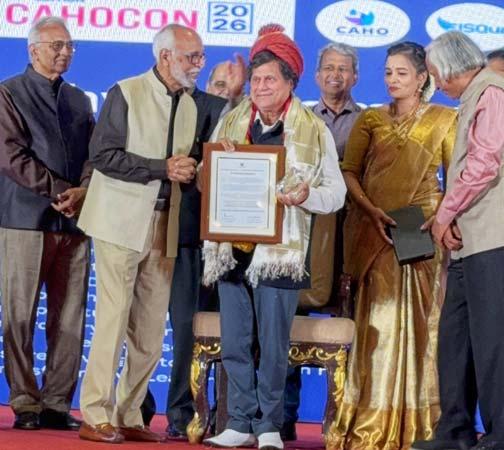
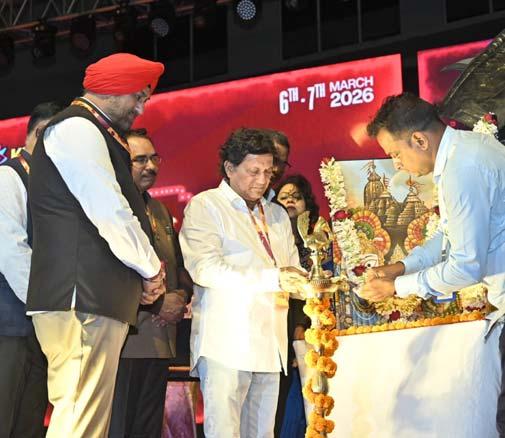
Nestled in Bengaluru’s tech heart, Alliance University’s multidisciplinary campus is dedicated to shaping the next generation of global leaders. Boasting NAAC A+ accreditation and prestigious NIRF & QS rankings, the university offers a vast portfolio of undergraduate, postgraduate & PhD programs. Setting a new benchmark for deep-tech, its Quantum AI School for Advanced Research (AU-QUASAR) - home to India’s first 8-qubit superconducting quantum computing systempropels students into the future of AI & robotics. Guided by world-class faculty, students also benefit from a Rs 3 crore scholarship pool and stellar placement performance, with its alumni leading global industries. Through cutting-edge research and industry-aligned curricula, Alliance University is empowering its students to conquer the challenges of an AI-first world.