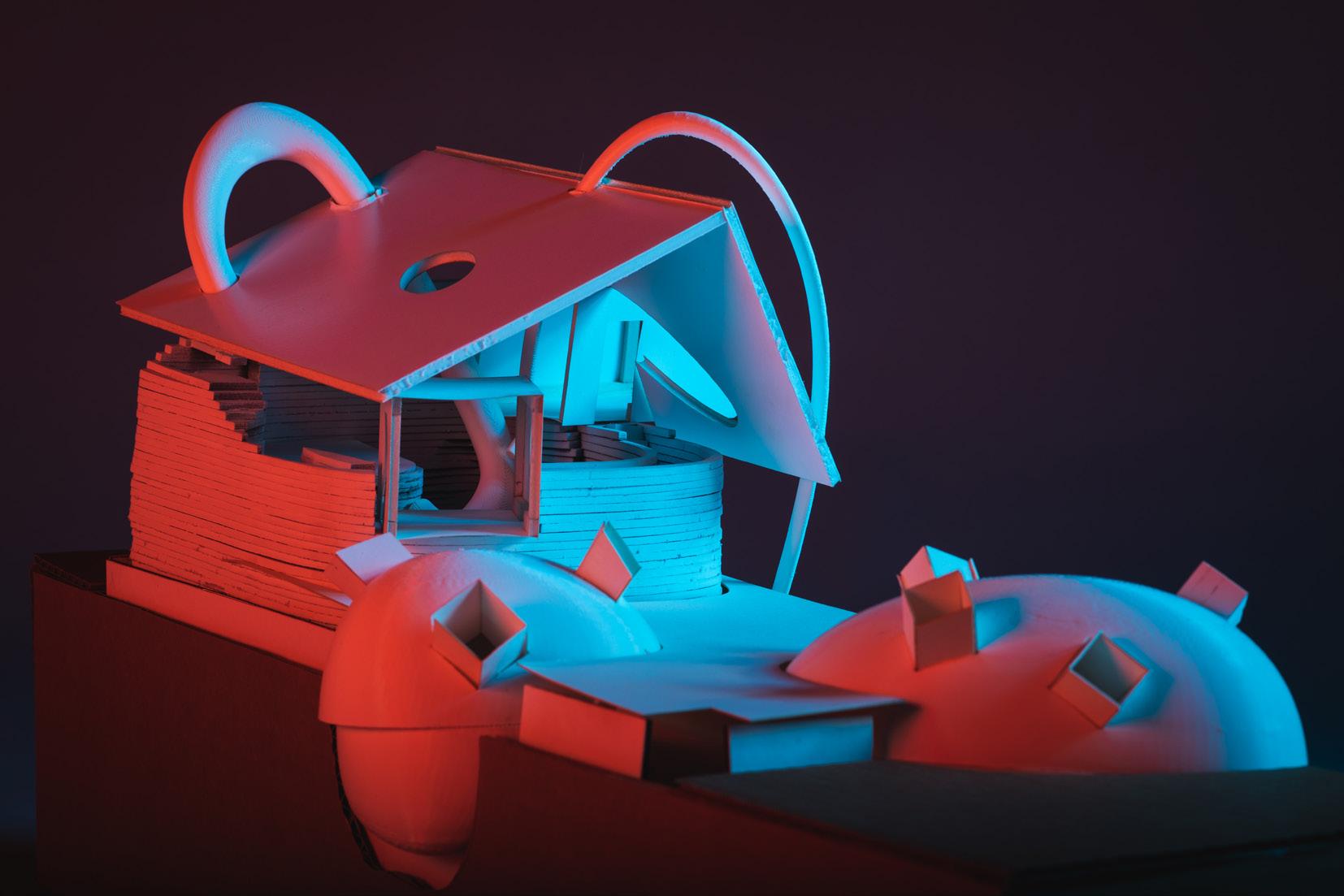
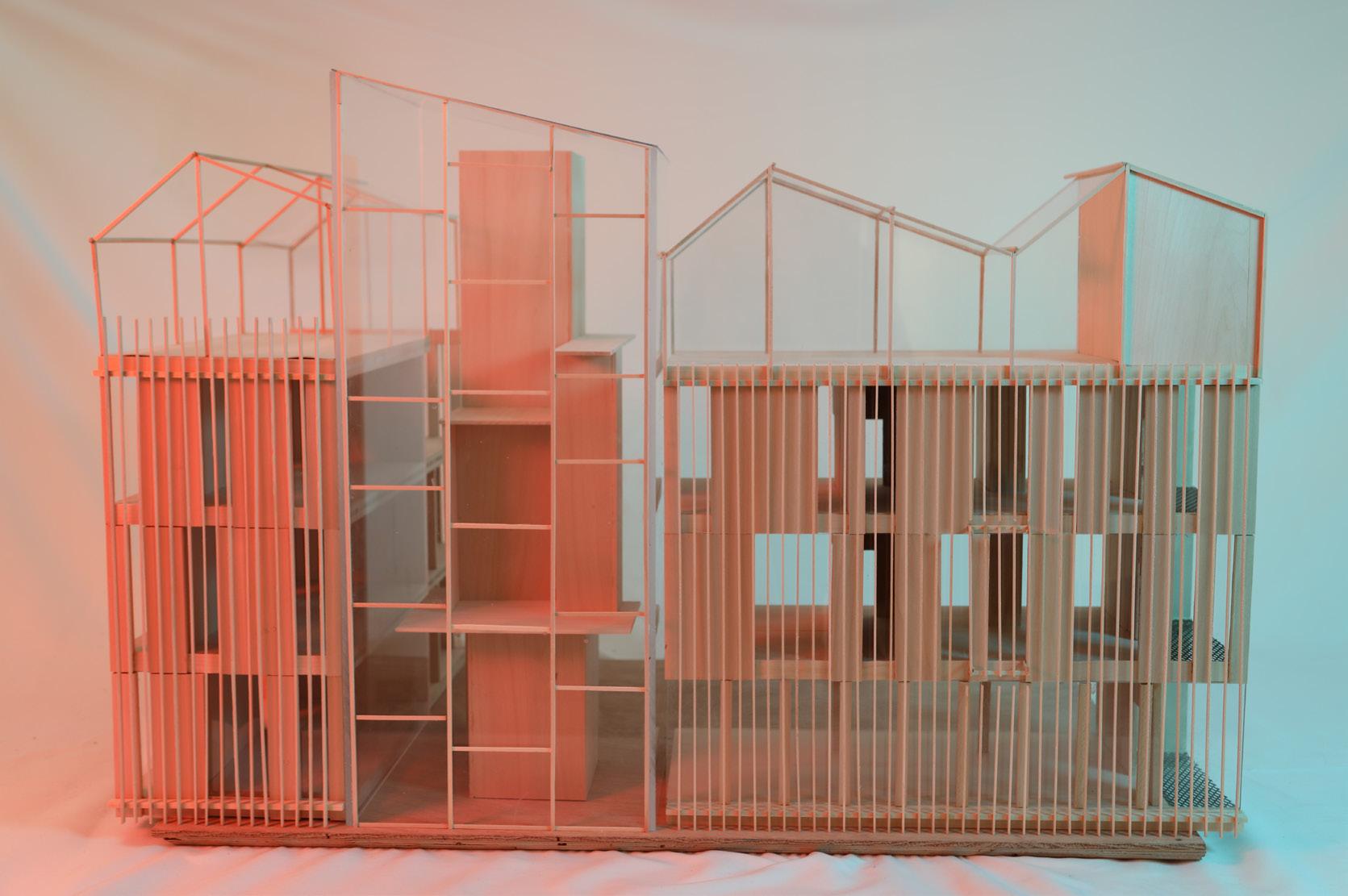
M.Arch - Taubman College of Architecture and Urban Planning
OTTRA Furniture Design and Fabrication
2 5 7 9
After Auto SkyCap
SunLeaf Systems
Oyster Shellters
12
Metal Works
13 15
Misc. Fabrication
OTTRA
Post Rock Research Initiative
Research Specialist
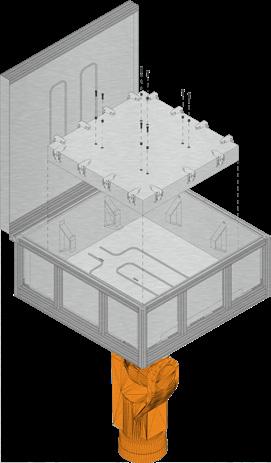
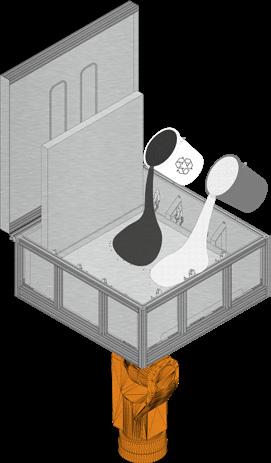
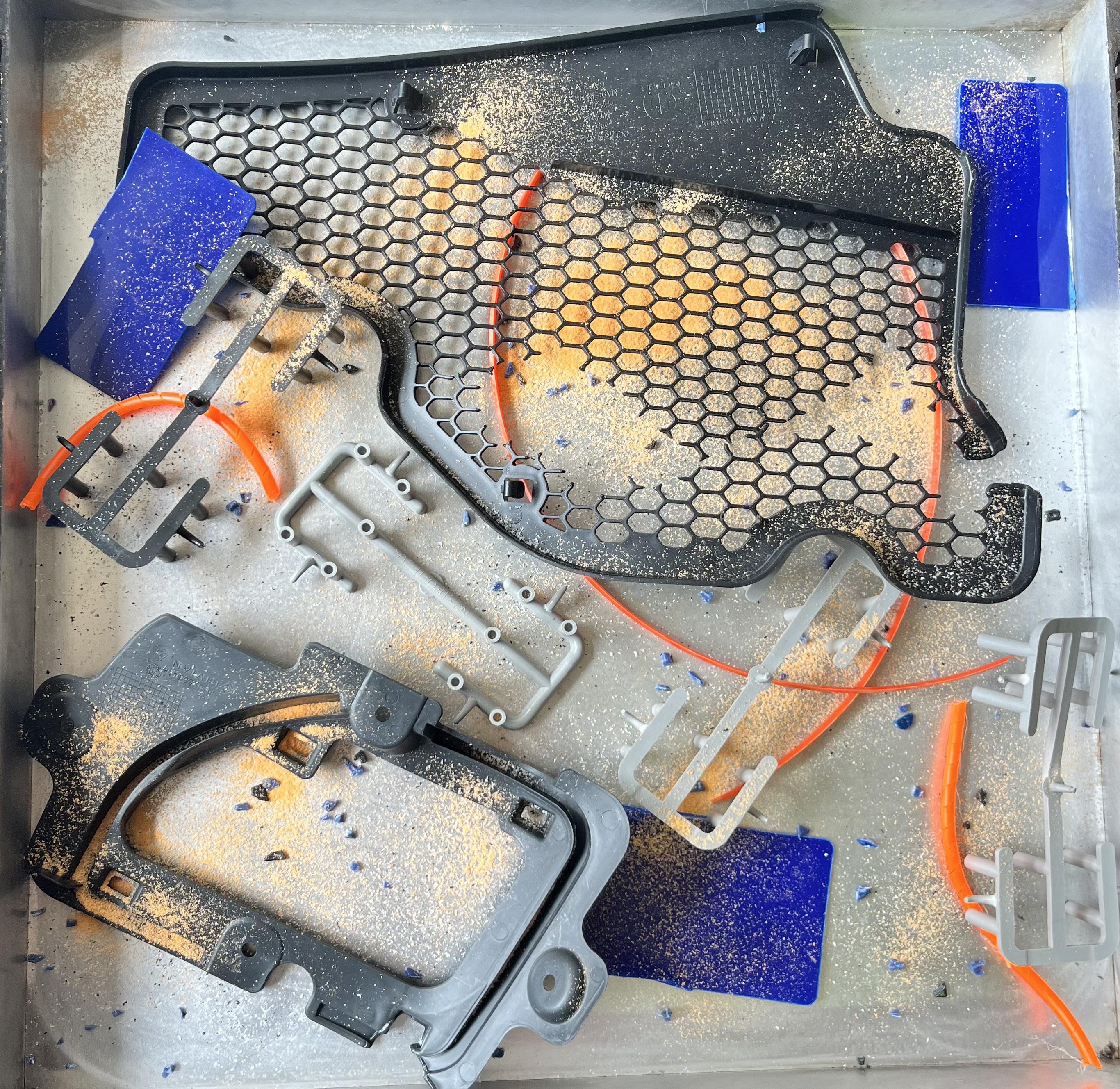
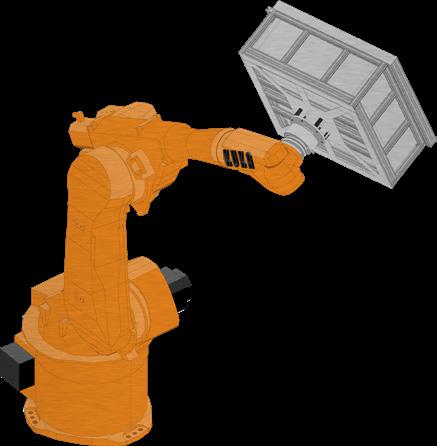
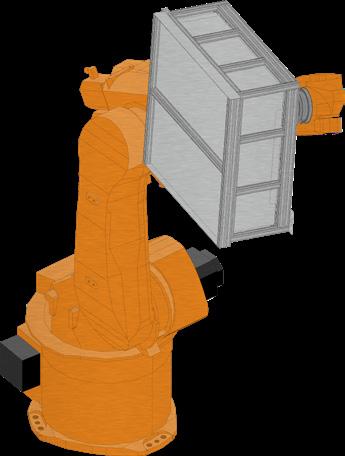
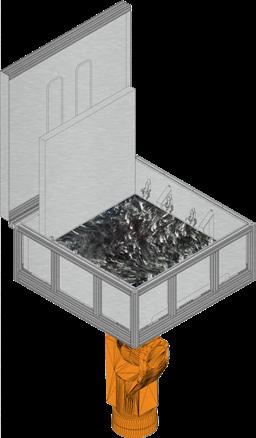
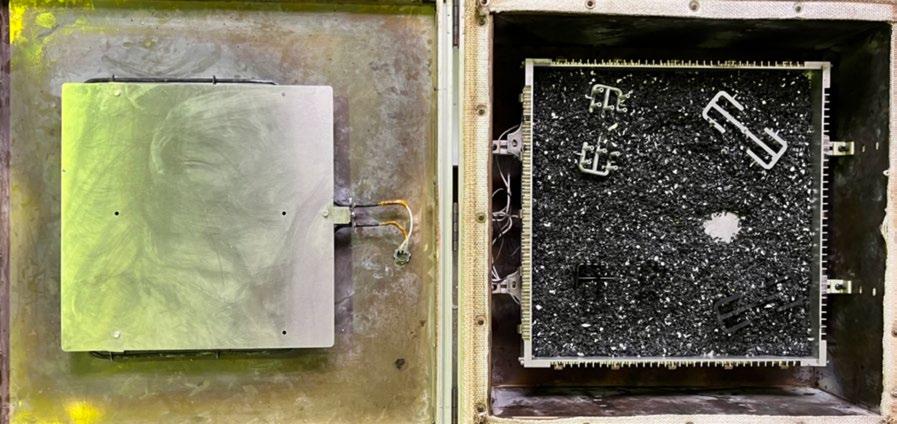
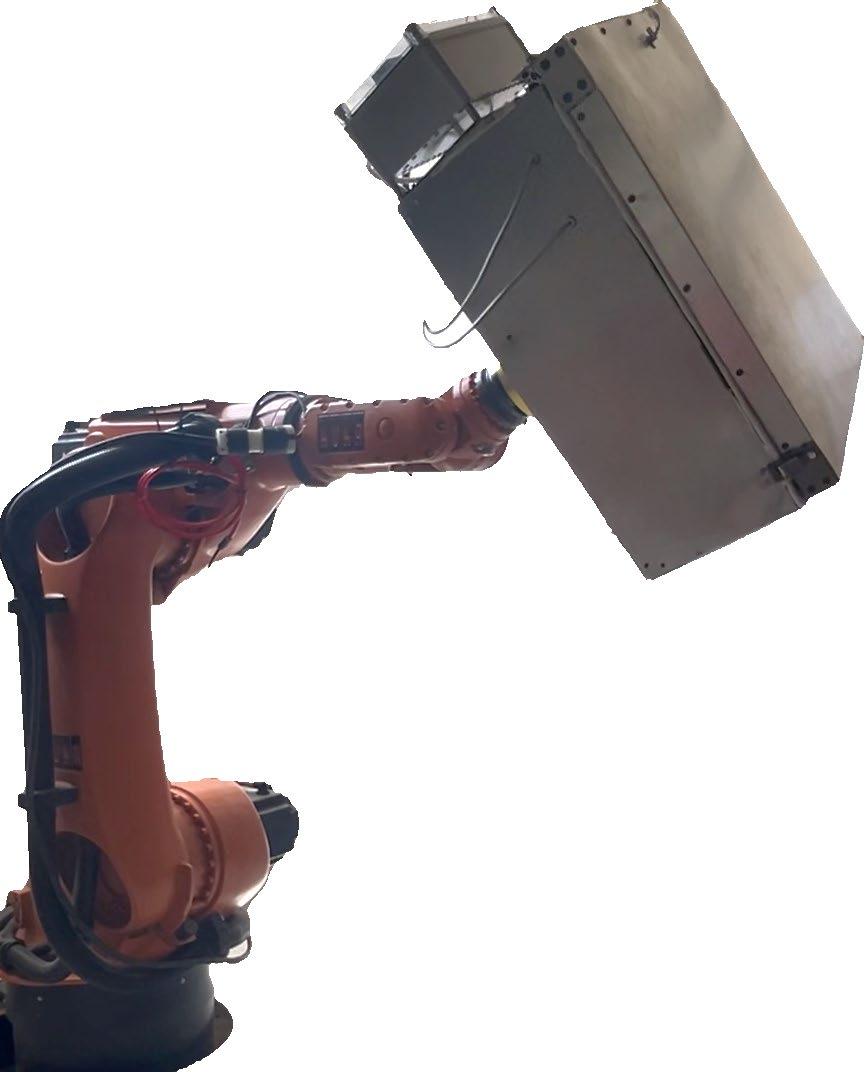
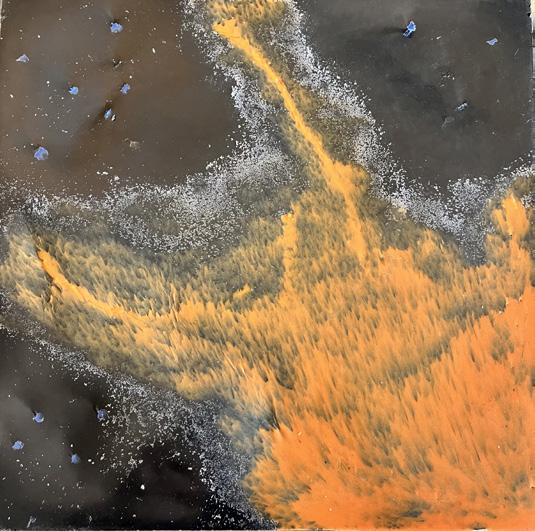
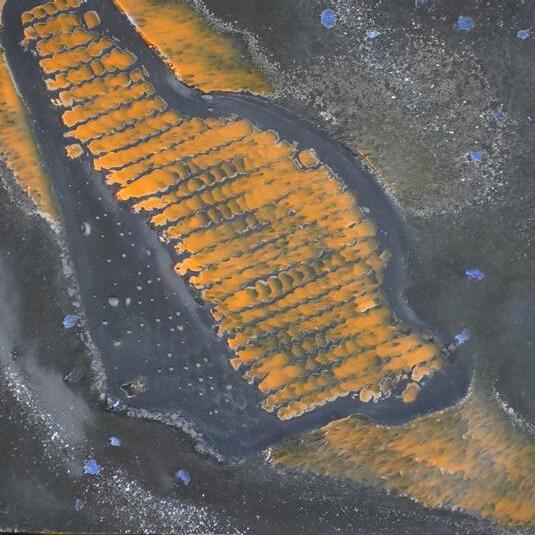
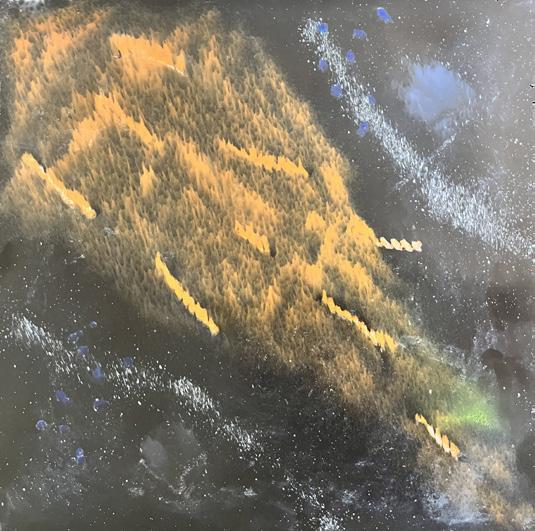
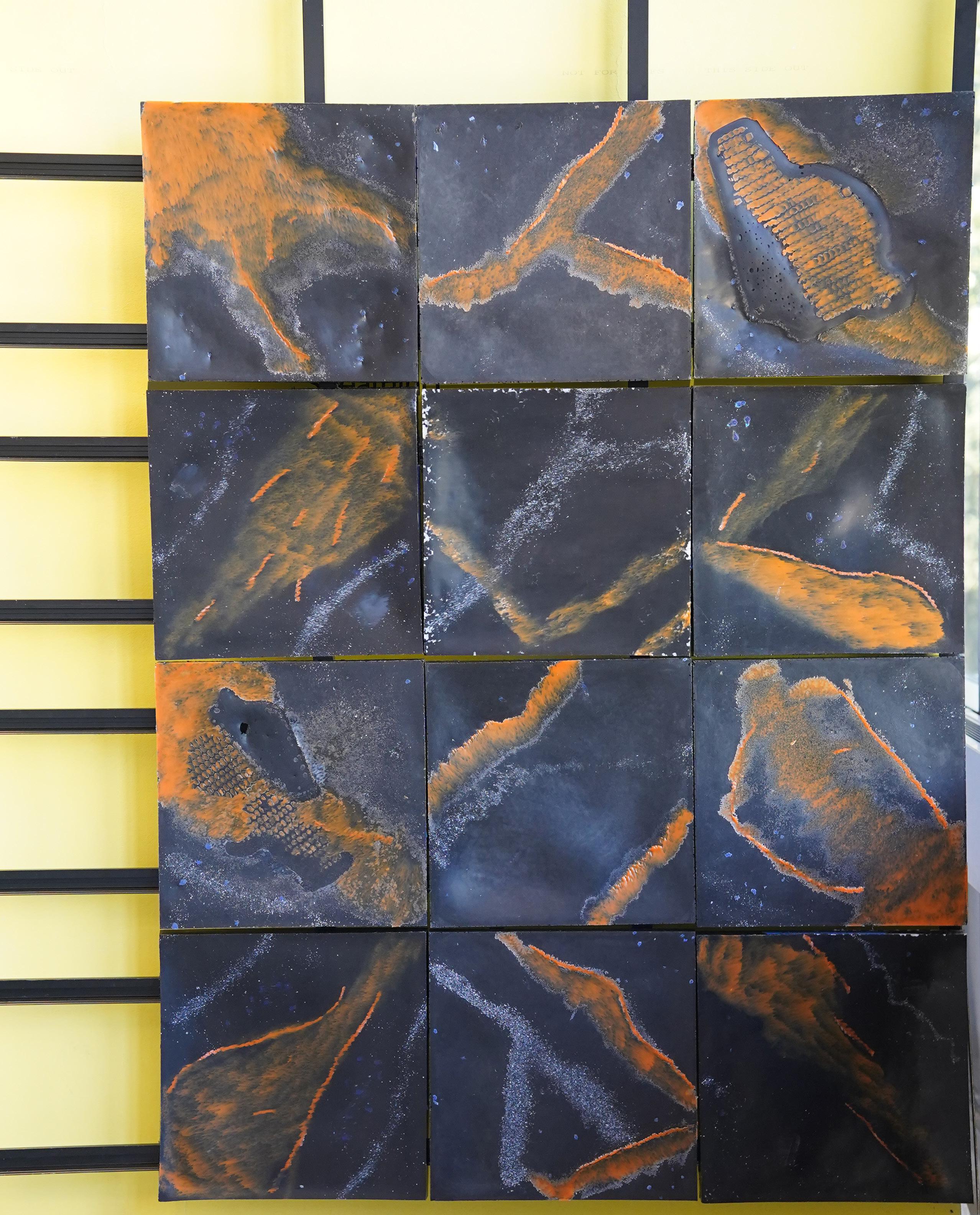
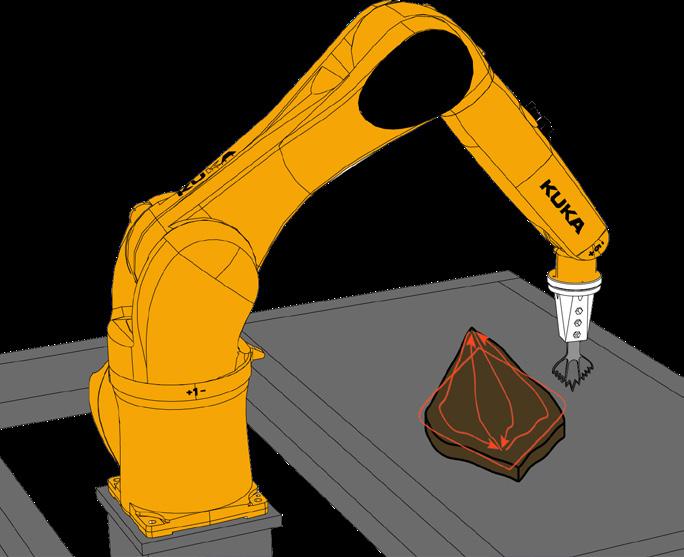
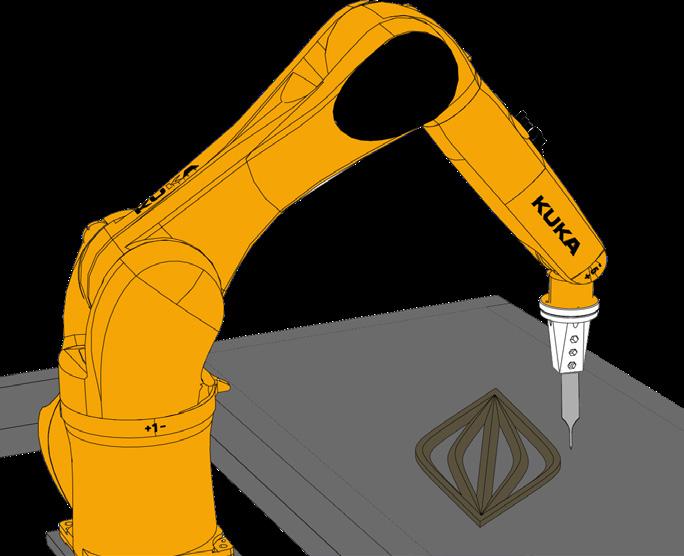
With Post Rock, I gained experience with the prototyping process, from grant writing to fabricating a novel rain-screen facade system. I was responsible for fabricating an end effector oven mounted on a Kuka KR-120 robot arm for rotational molding recycled plastic into facade panels which involved testing various polymers that react differently to different mixtures, temperatures, cycle times, and grinding methods, resulting in advantages and disadvantages in surface pattern control, panel warping, homogeneity, durability, and fire resistance. I developed a toolpath using Kuka PRC for the Grasshopper Rhino plug-in, troubleshot errors while operating the robot arm during the rotational molding process.
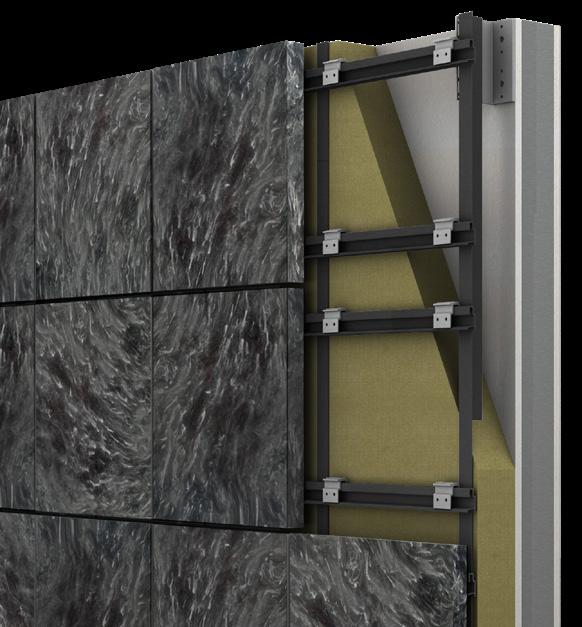
Once the panels were created, I designed and built a full-scale rain-screen facade prototype wall system using the recycled plastic panels that is currently exhibited at Craft Contemporary Museum in Los Angeles before it will undergo NFPA-285 testing in January 2025.
Project Leads: Meredith Miller, Thom Moran, Chris Humphrey
Post Rock Oven Fabrication +
Robotic Rotational Molding Video
Post Rock Mock Up Wall
panel id: 240822-1
Polymer type: PP/PE Mixture
Date: 08/22/2024
Temp: 400 degrees
Volume: 6.5 L
Runtime: 3 hrs 25 min
panel id: 240821-1
Polymer type: PP/PE Mixture
Date: 08/21/2024
Temp: 400 degrees
Volume: 6.5 L
Runtime: 3 hrs 25 min
panel id: 240724-2
Polymer type: PE
Date: 07/24/2024
Temp: 400 degrees
Volume: 6 L
Runtime: 2 hrs 40 min
SkyCap Passive Direct Air Capture
Research Paper
Project Partner: Katie Bailey
Abstract:
According to the IPCC, at least 100 billion tons of CO2 needs to be removed from the atmosphere via carbon capture technologies by 2100. The Orca, pioneered by Climeworks in 2021, is the first large-scale DAC plant, capturing 4,000 tons of CO2 per year. To reach their goal of removing 1% of the 33 billion tons of CO2 emitted annually, Climeworks would have to construct 82,500 Orcas. DAC companies aren’t yet positioned to reach these scalability goals, partially due to the site preference of remote areas near renewable energy sources.
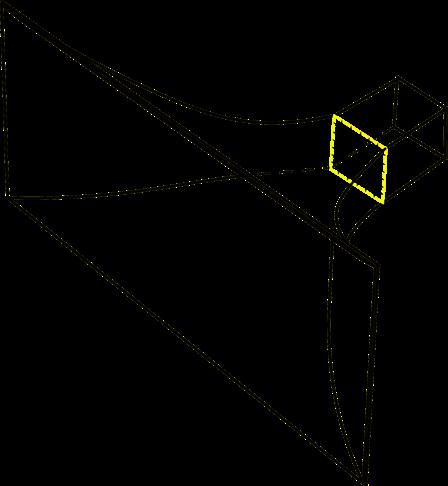
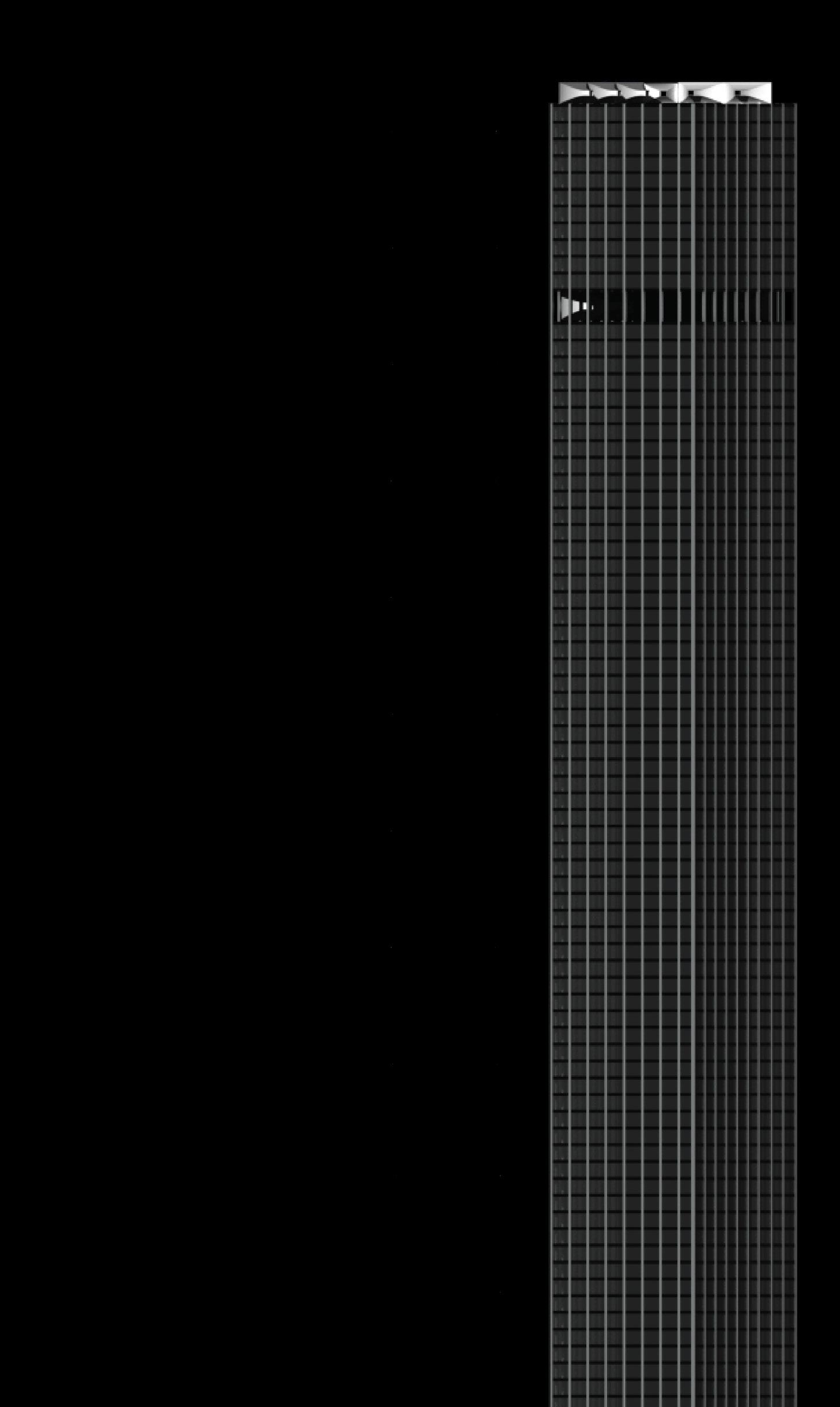
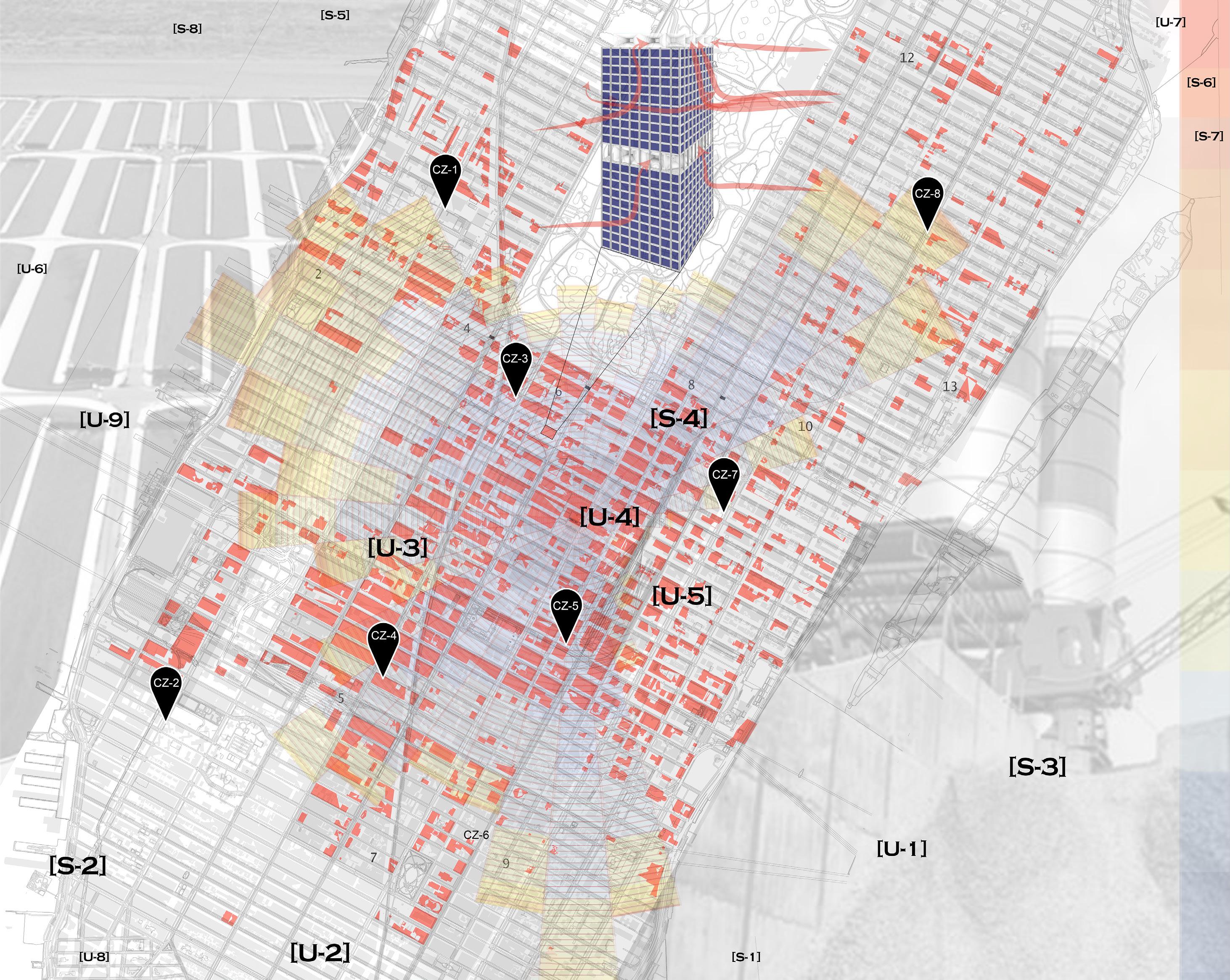
To address these challenges of scaling up, our design research project takes the current filter and applies it within the urban context, calculating the potential of funneling high-speed passive wind in skyscraper blow throughs and at the top of tall buildings into these DAC filters. Our analysis examines the efficacy of replacing an active fan system, which reduces cost and CO2 emissions from the operational energy, creating a higher ease of scalability and efficiency. By mapping out various methods of how the CO2 can be sequestered locally in each region of the US, it reveals how this technology can be scaled to make a significant impact. We believe our proposal can contribute to the culture of sustainability that cities are striving to create and influence the way buildings are designed and utilized. A cityscape retrofitted to breathe in CO2 through this decentralized, passive approach embraces this technology in an alternative way, changing how people relate to it.
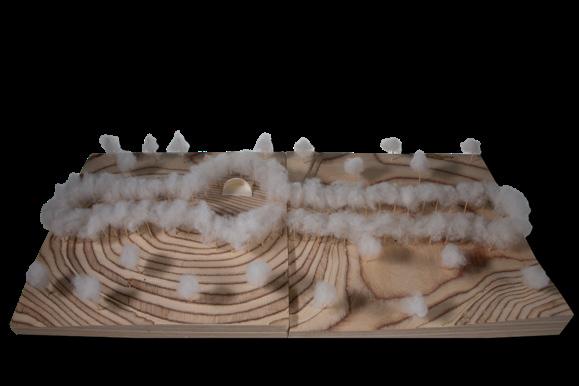
Red highlights show buildings tall enough to capture a significant amount of CO2
Collection zones are based on clusters of tall buildings and underground networks These mark potential carbon storage and utilization opportunities in Manhattan.
SunLeaf Systems +
Fabricated Ceramic Assemblies
Professor: Chris Humphrey
Project Partners: Olaf Sunleaf and Jutang Gao
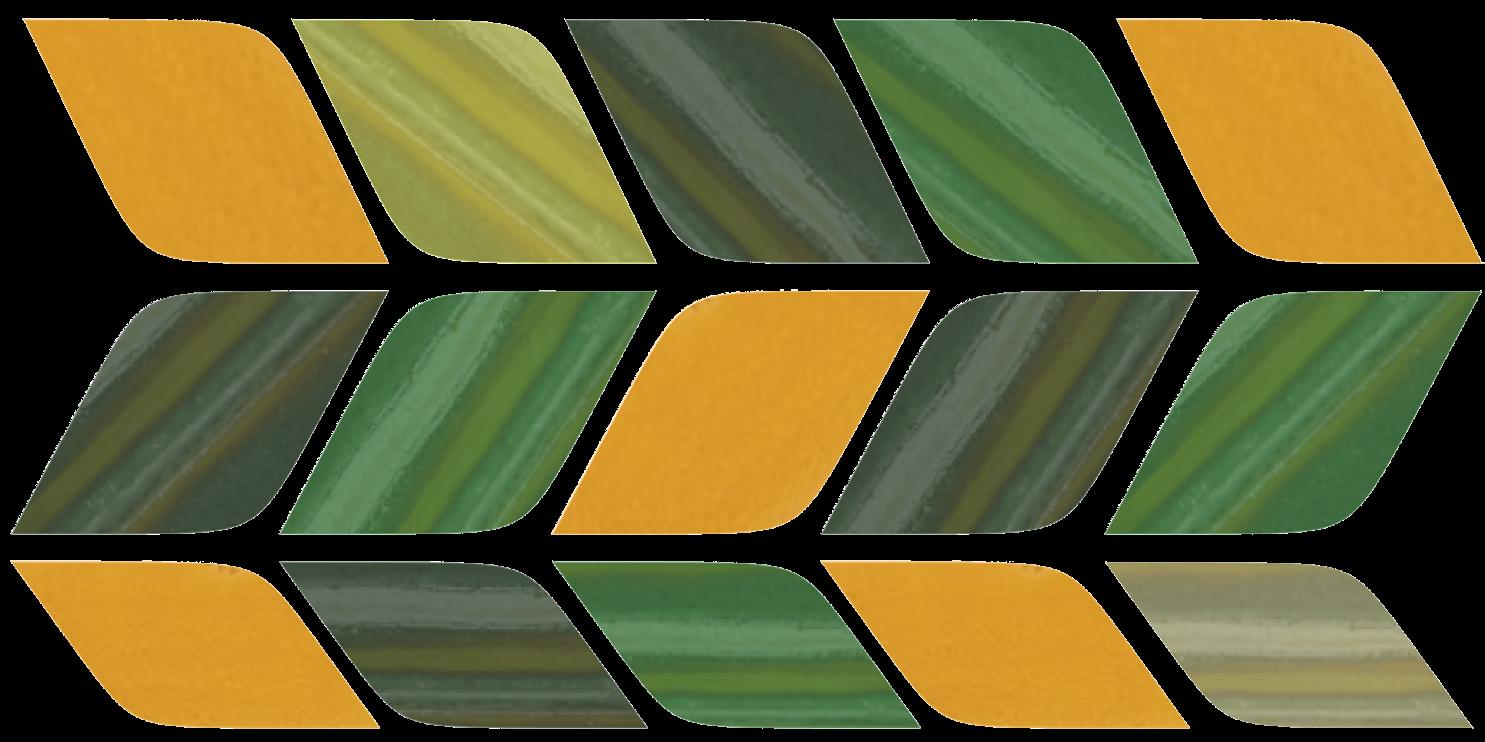
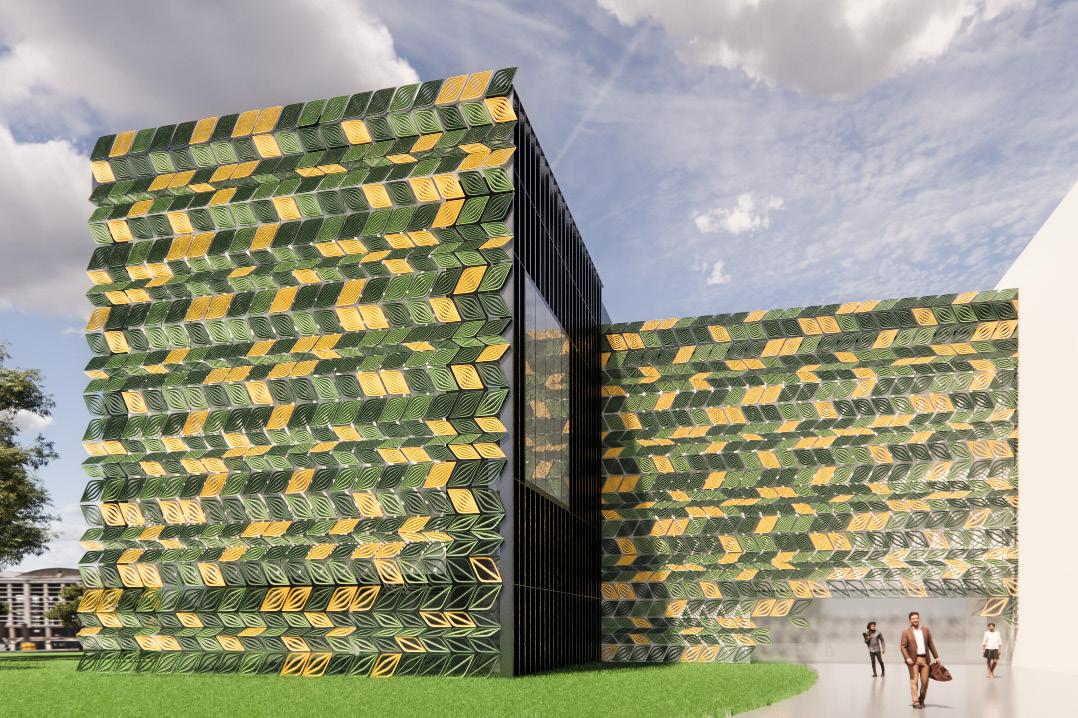
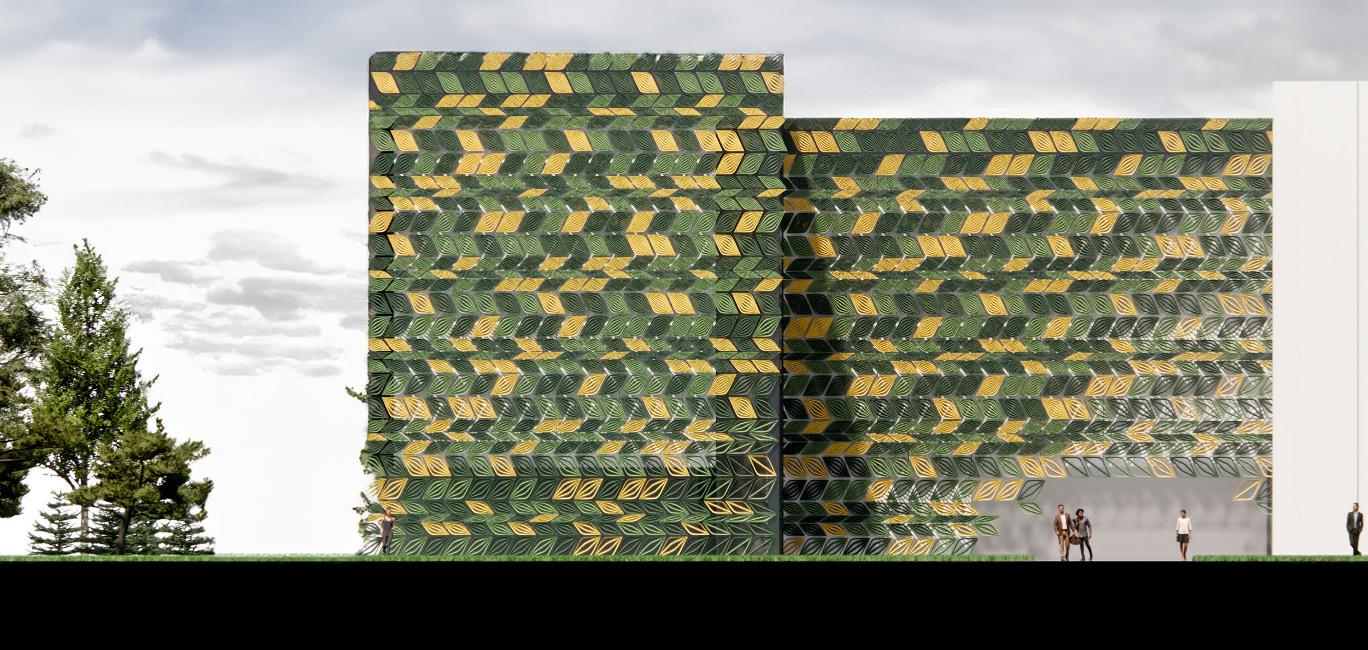
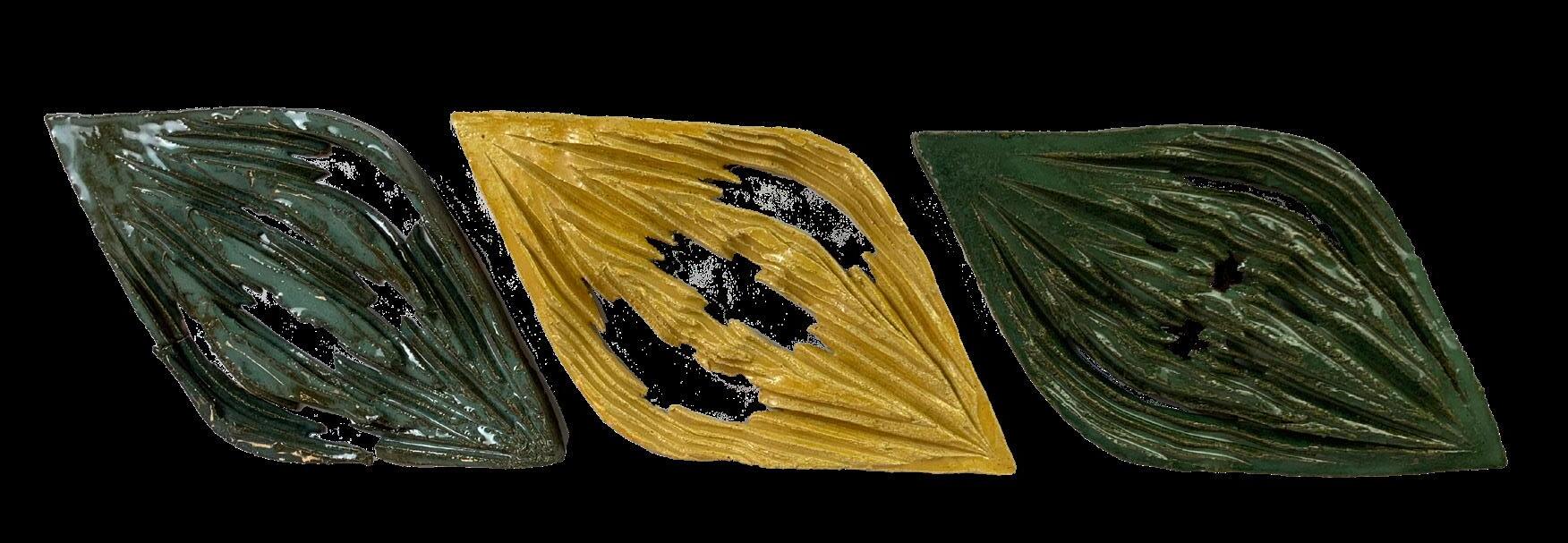
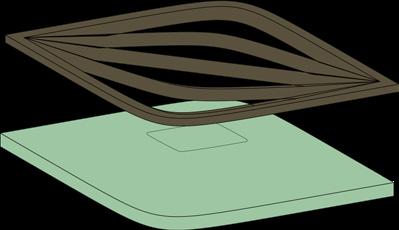
This project aims to simultaneously accomplish performance and aesthetic goals for a ceramic rainscreen facade system. A leaf-like design was created with grasshopper that has different aperture levels that can increase and reduce the amount of shading on a building.
The system works as a gradient and will have larger apertures in window areas to let in natural light in the building and smaller or no apertures in other areas of the building in order to cool the building depending on the location of the building.
3-D Printing
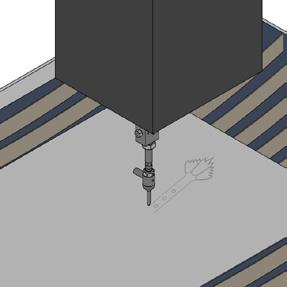
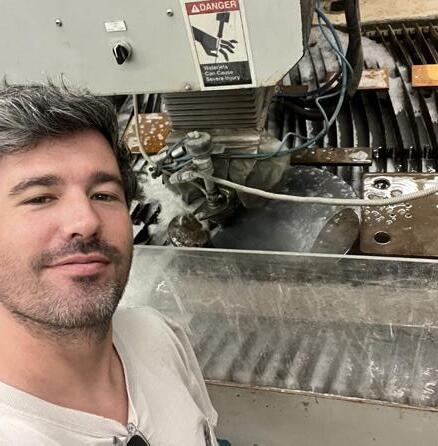
CNC Waterjet
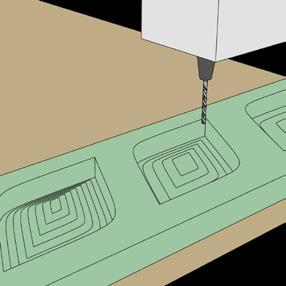
CNC routing
clay tile slumping
carving clay tile video
Profiling clay tile video
Oyster Shellters: Biophilic Seawalls
Project Partner: Yunyang Ma
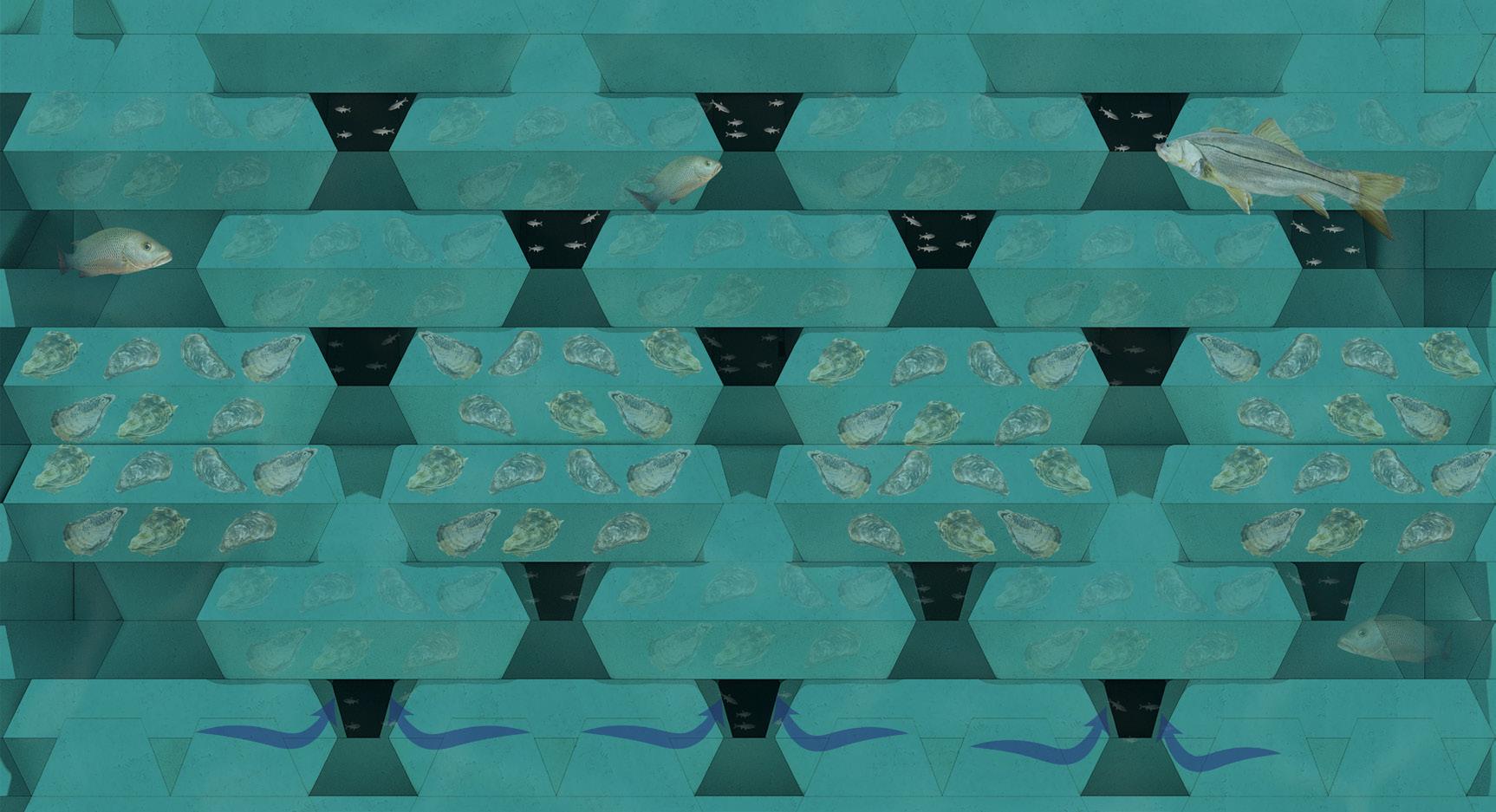
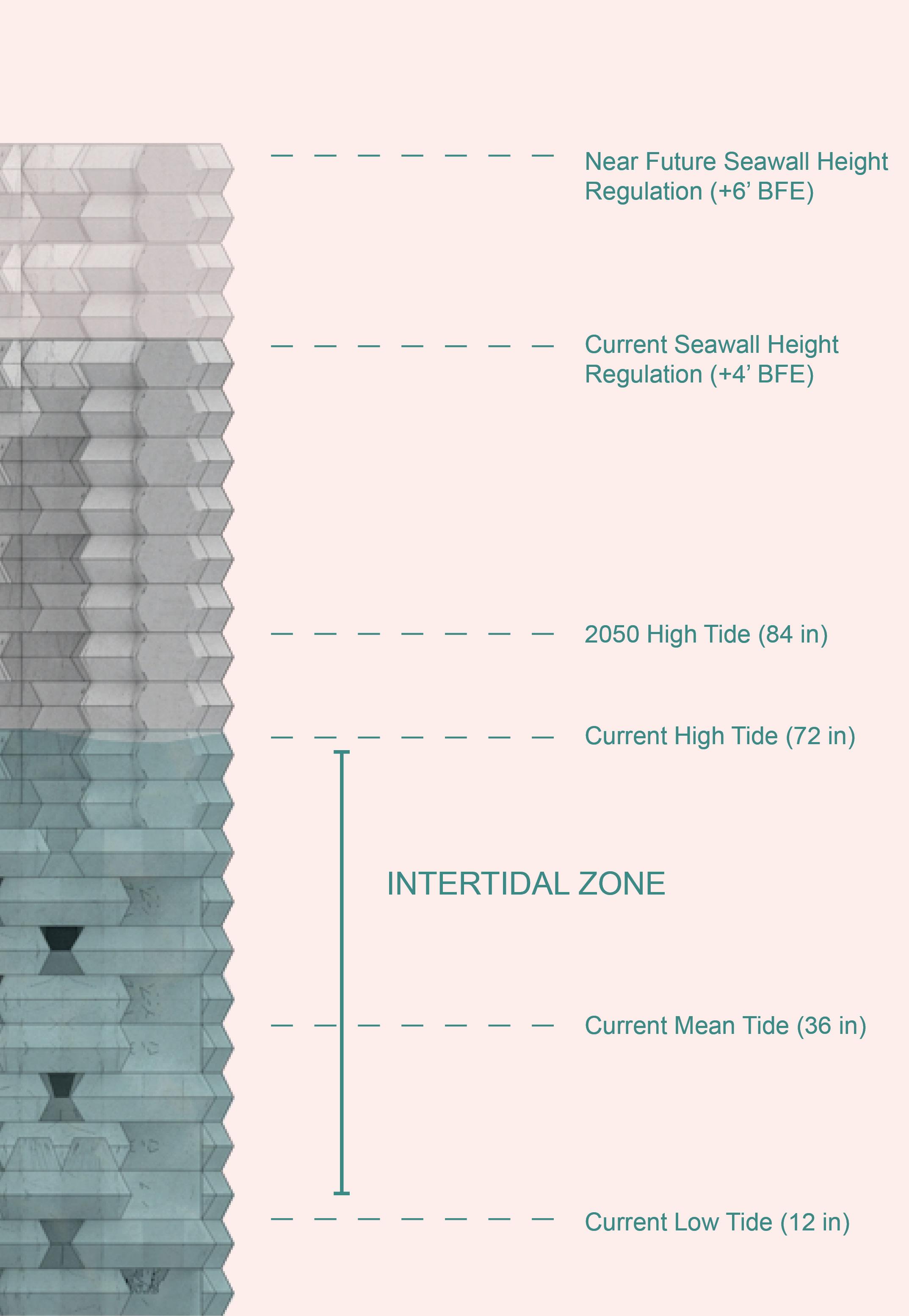
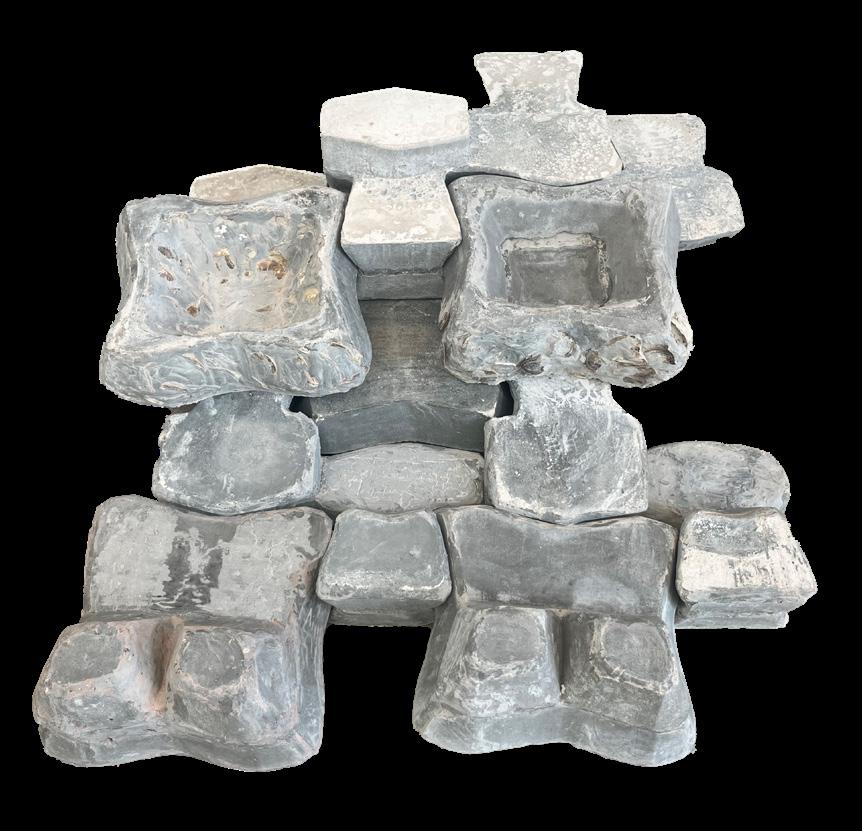
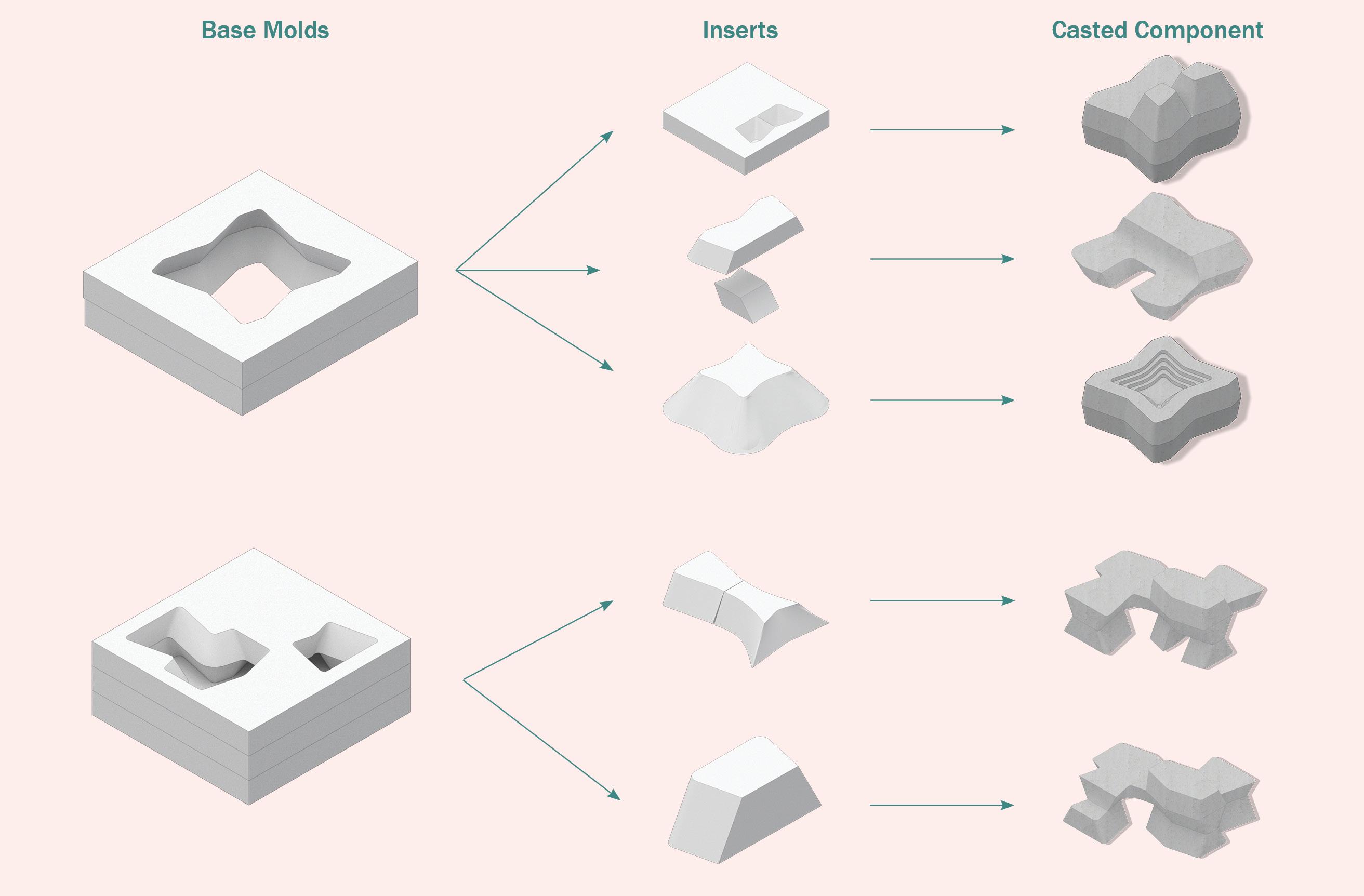
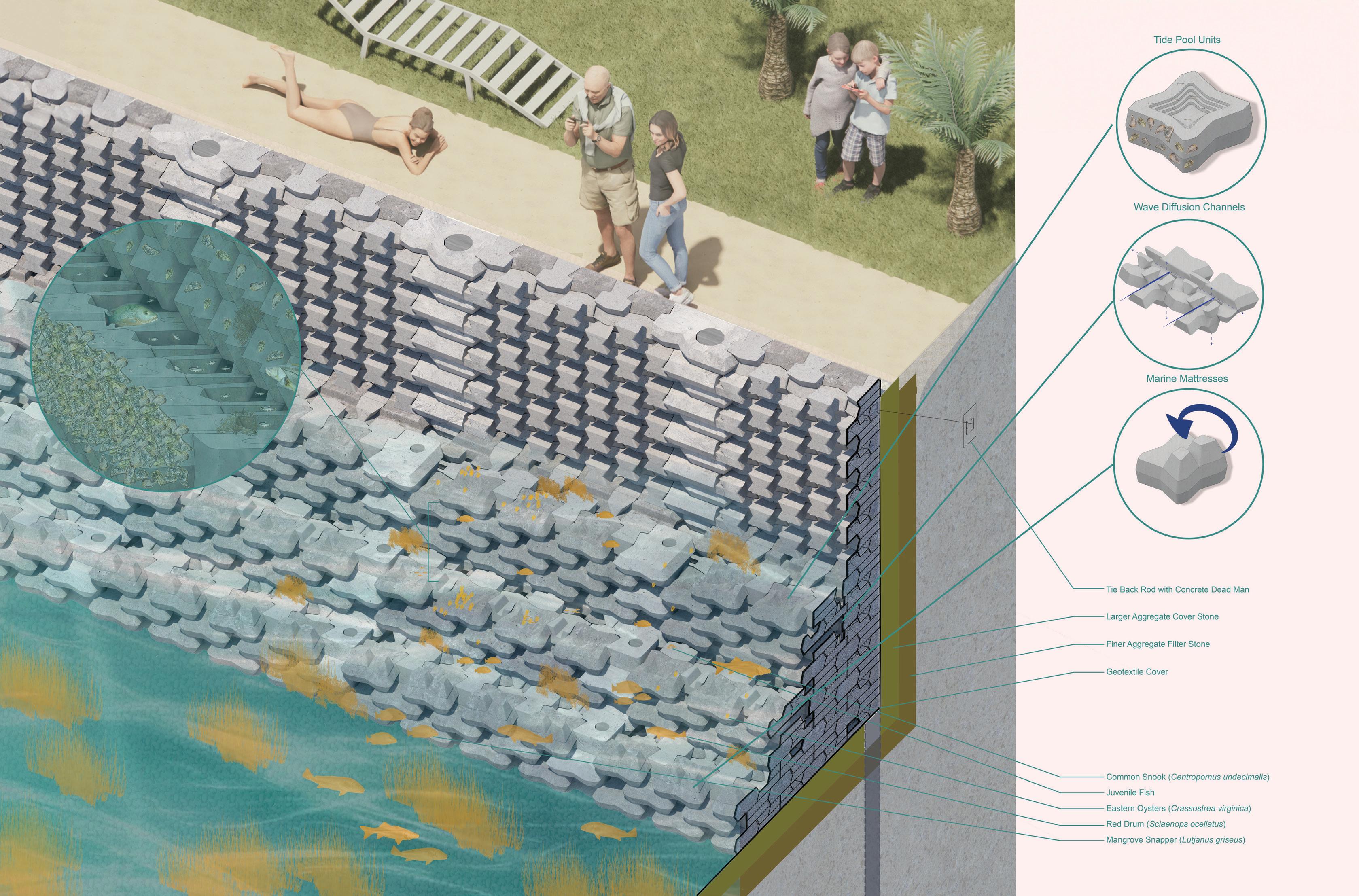
Our proposal looks to design a modular, interlocking seawall that can reduce some of the negative environmental impacts that seawalls have on marine ecosystems. The lifespan of concrete is typically 40-50 years. The need for replacement typically stems from the corrosion of the steel reinforcements from within the concrete. The modular units of the wall geometrically interlock to be easily assembled and disassembled and to eliminate the need for steel reinforcements and grout. The modularity allows for future additions to be made to accommodate rising sea levels and provides biophilic design opportunities to enable the increase of biodiversity at the hard coastline.
The seawall is designed in two main parts: the main structural back wall, and the biophillic units stepped wall. The stepped wall is designed according to the intertidal zone of the area. The modularity of this seawall design allows it to be added on to meet sealevel rise demands without having to tear down and rebuild the seawall.
Reusable Mold Making +
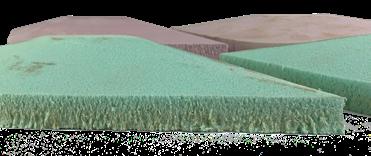
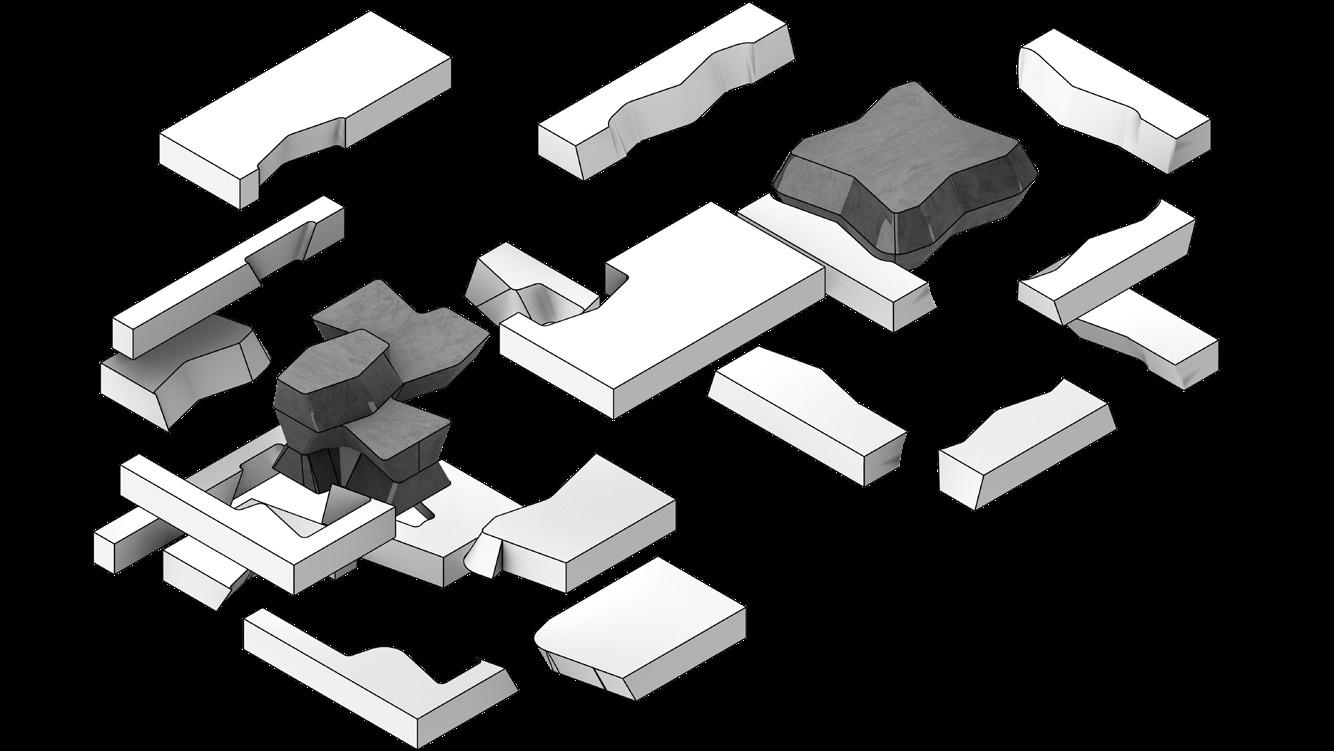
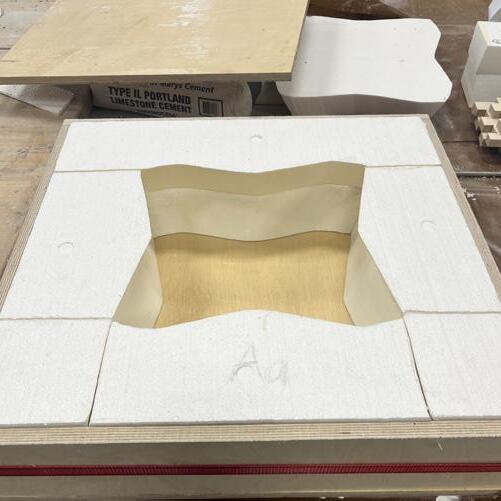
Exploded Mold Pieces
Robotic Hot Wire Cutting
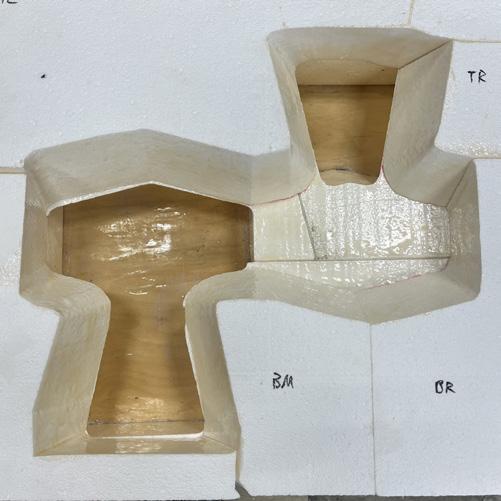
Unit 1 Mold Assembly`
Unit 2 Mold Assembly`
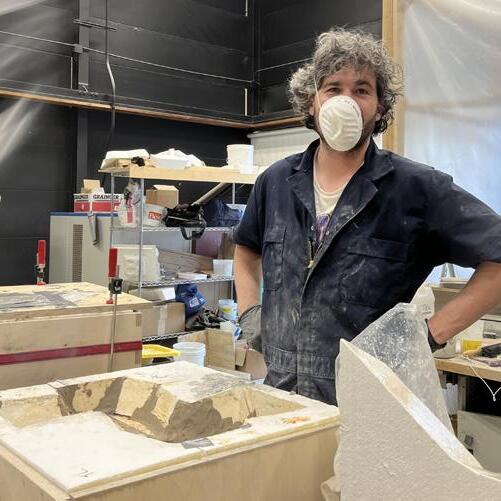
Getting Messy
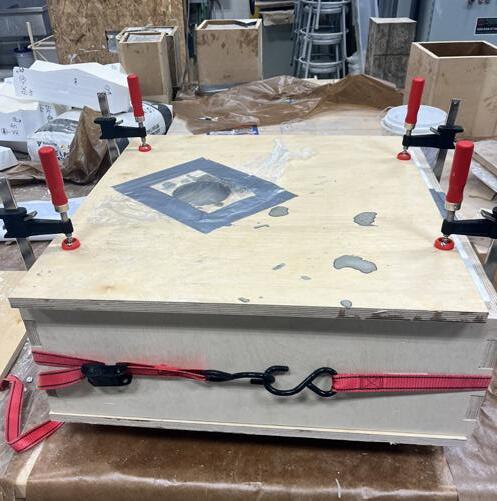
Complete Mold for Casting Concrete
Metal Works
Metal Fabrication
Metals Lab Director: Mick Kennedy
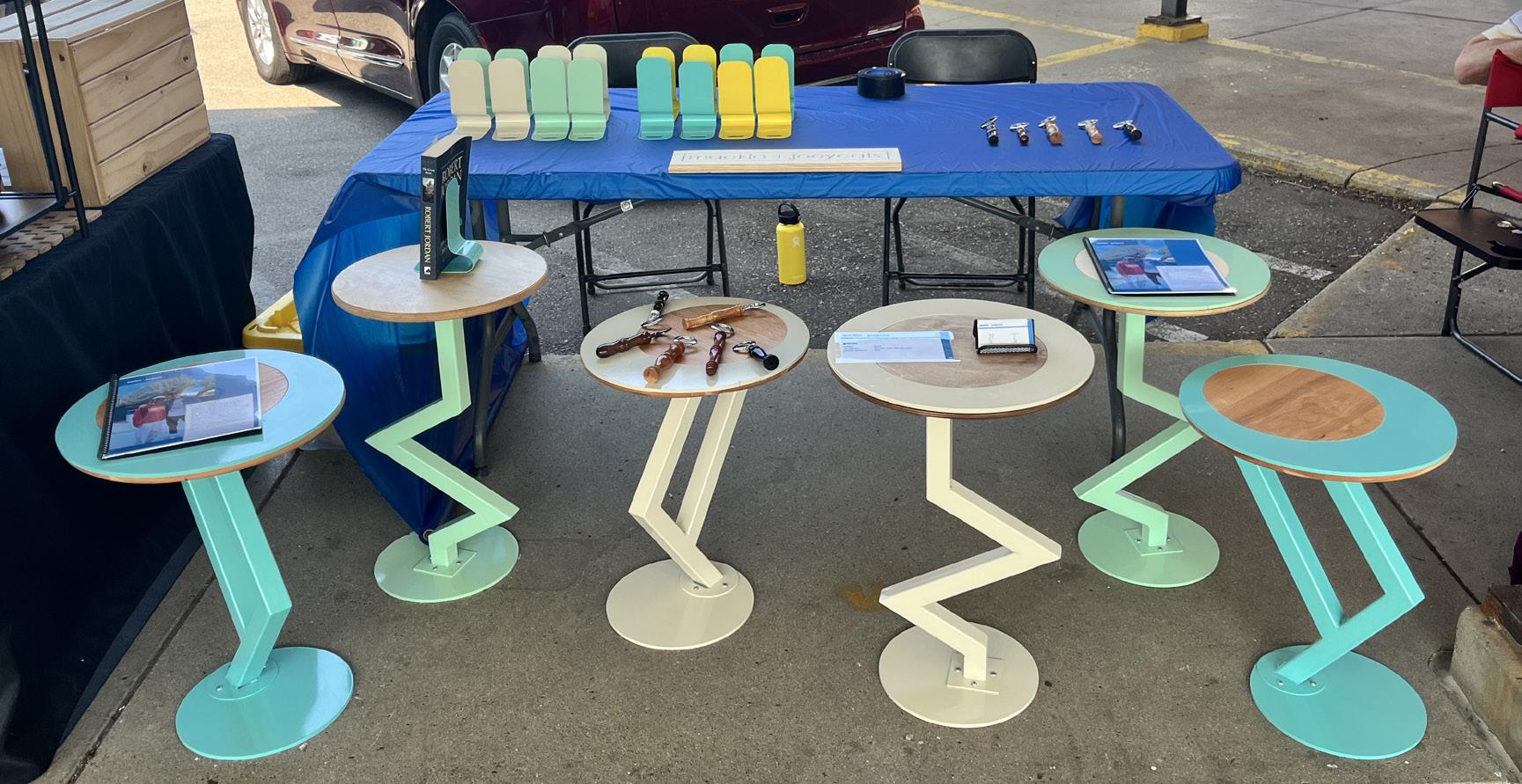
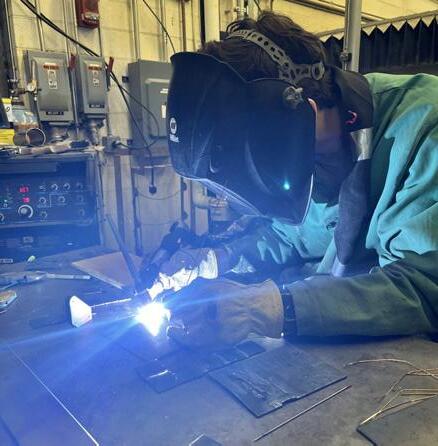
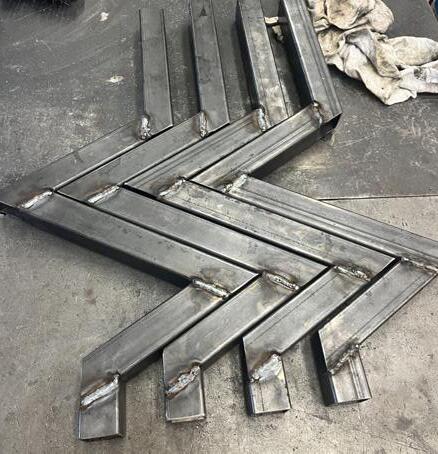
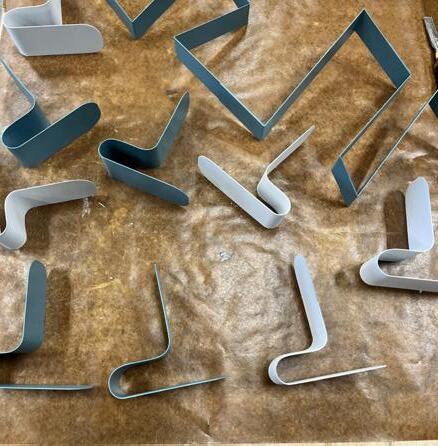
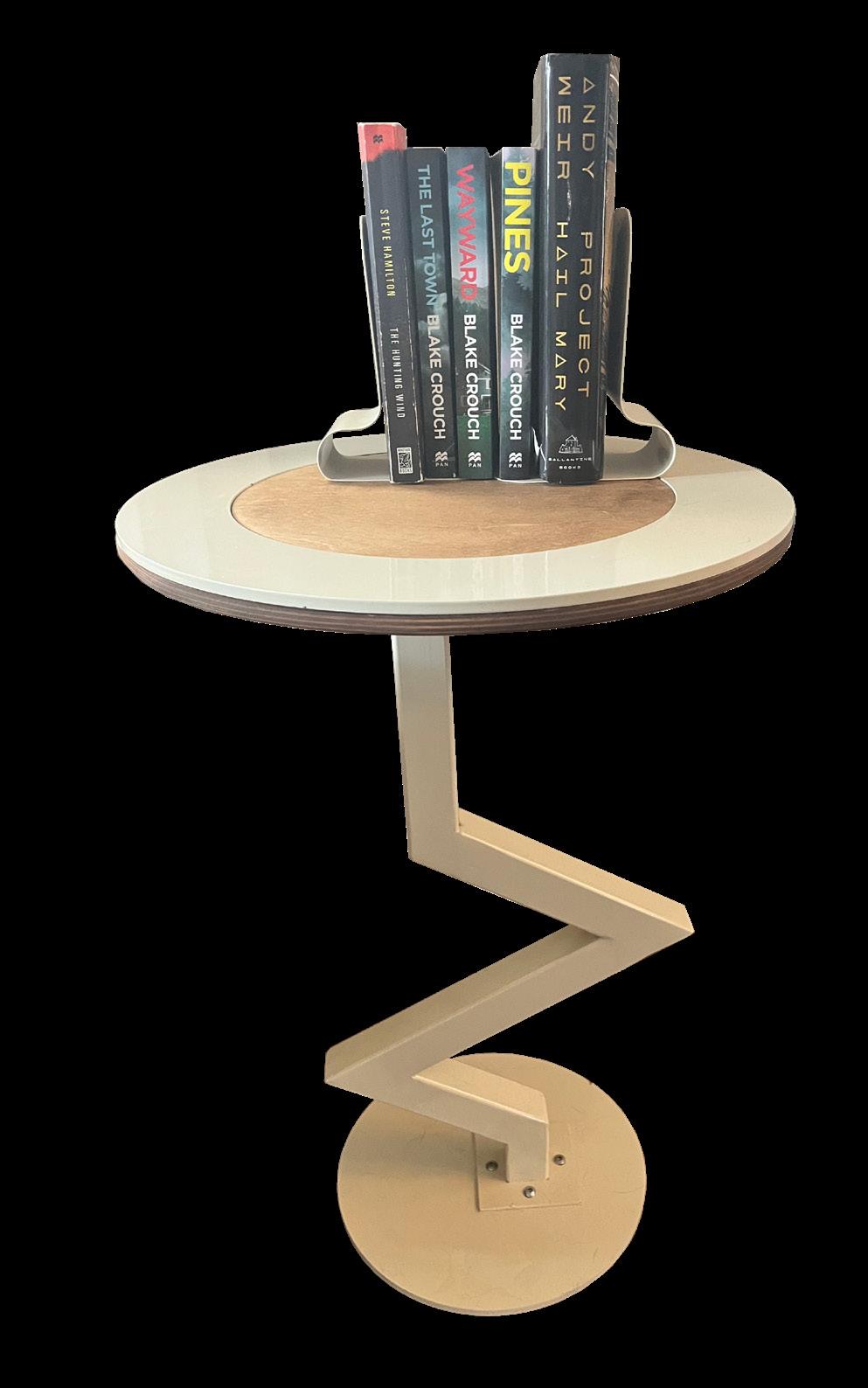
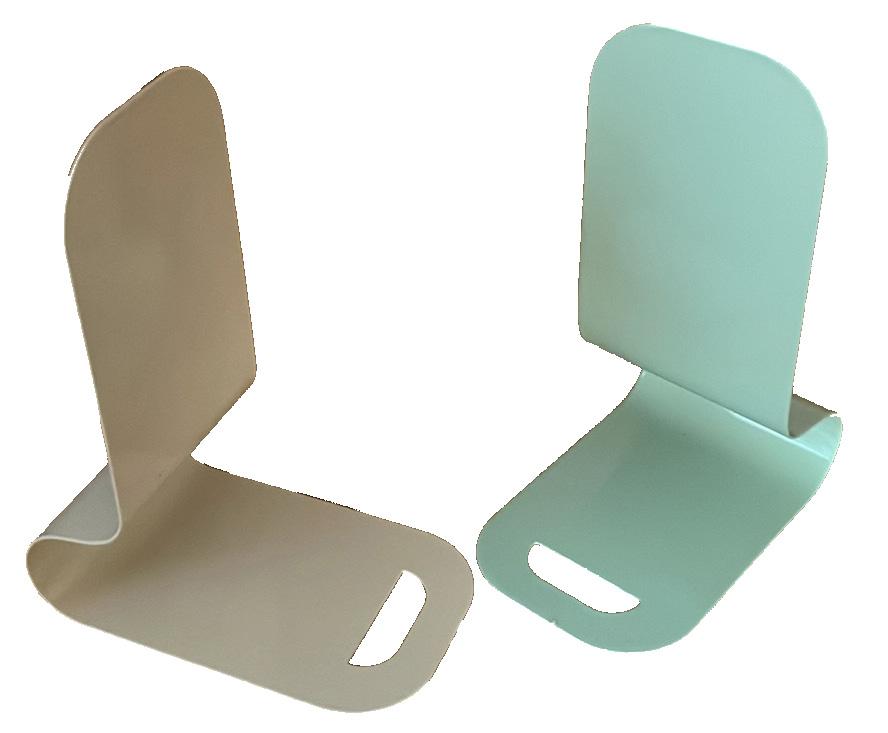
Beginning in a metalworking class led by Mick Kennedy, I started working with metals for the first time. In the course, we learned the basics of MIG and TIG welding, brazing, grinding, cutting, sandblasting, and powdercoating metals. The course had us build a few objects for a final review. My friend Mack and I decided after the course to take what we have learned and create some tables, bookends, and bottle openers to sell at the Ann Arbor Artisan Market, shown below. We named our “business”: Mackio + Joeycats.
Miscellaneous Fabrication
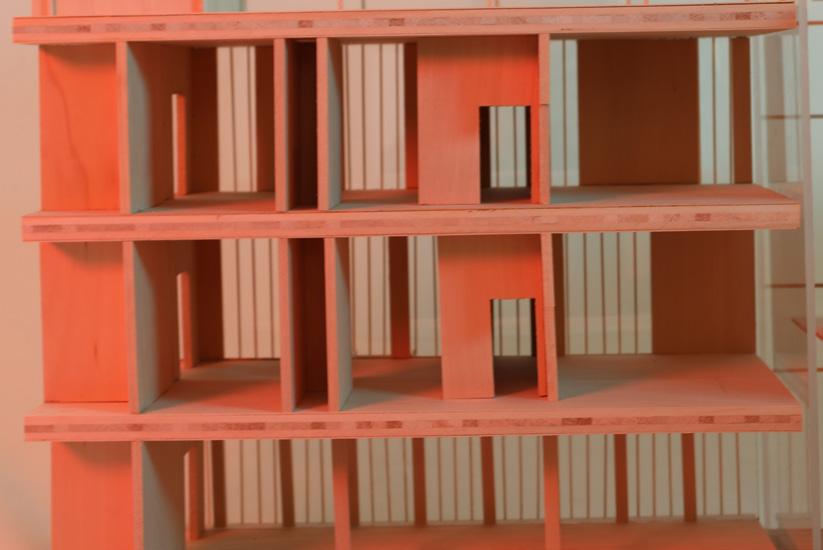
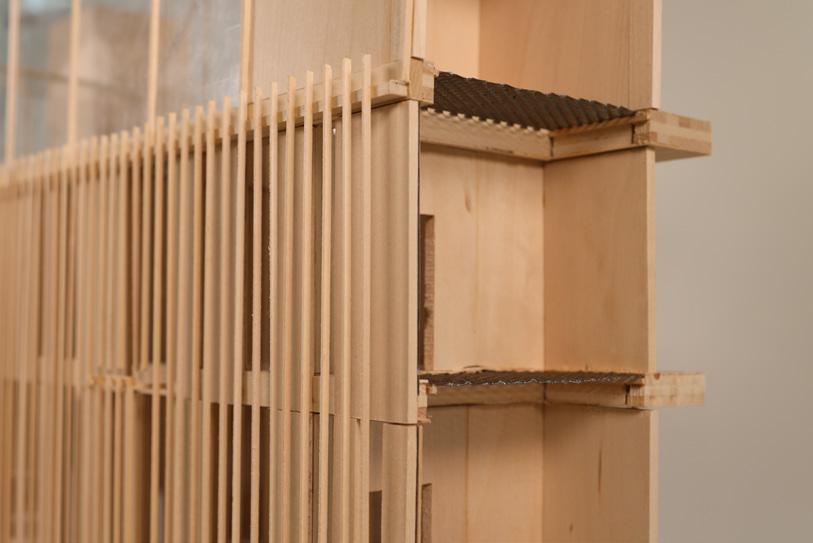
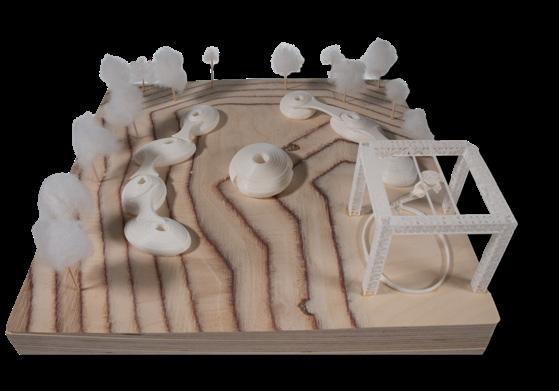
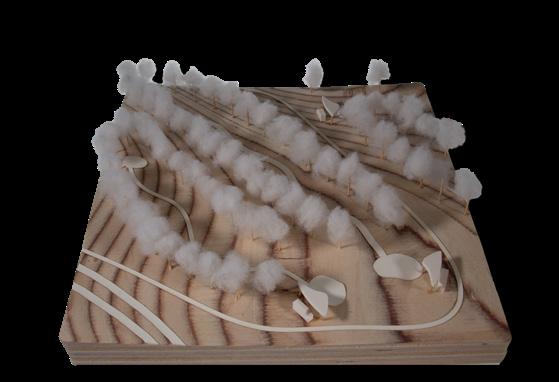
Model Making
Associated
Professors: Jonathan Rule, Kathy Velikov, El Hadi Jazairy, and Adam Miller
Miscellaneous Fabrication
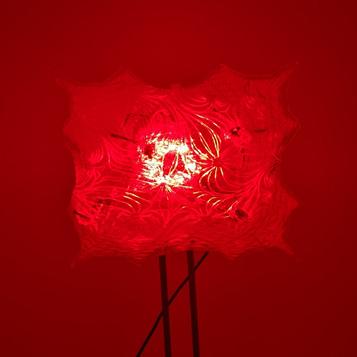
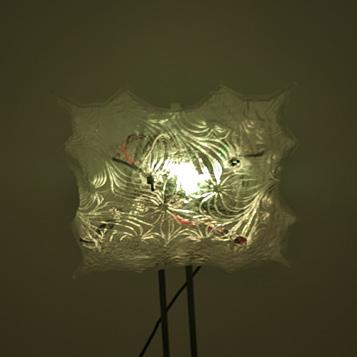
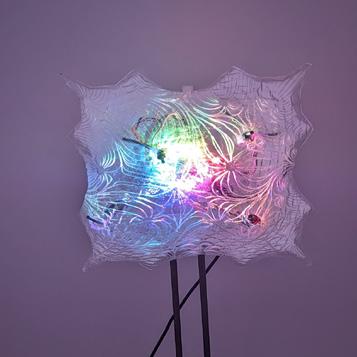
LiO (Lighting Object)
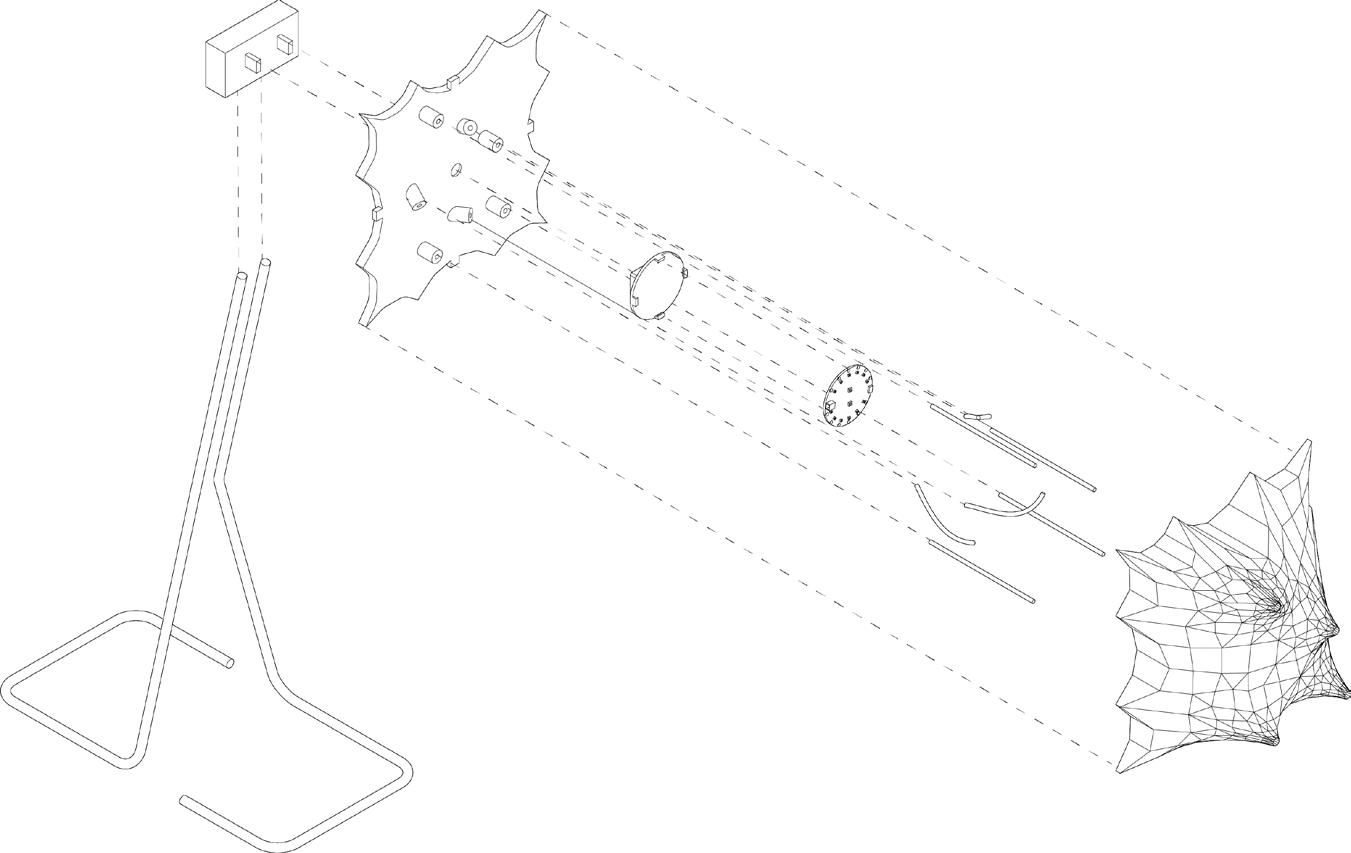
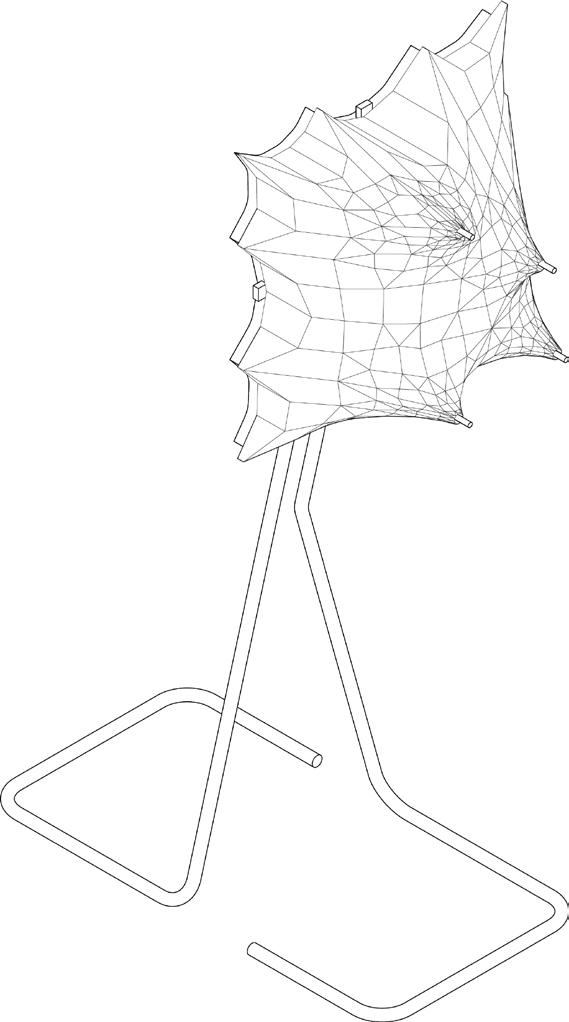
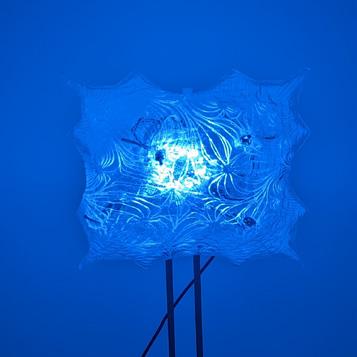
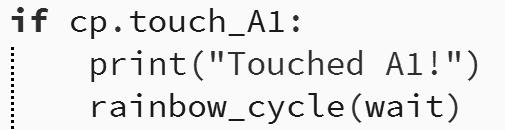
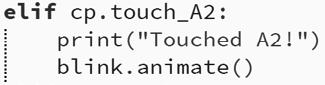
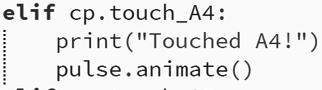
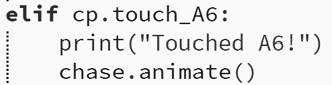
This lighting object is designed in the theme of electromagnetism using a point charge design scored into the PETG shade. The shade was crated using a 3D printed mold that was created with a tensile stength Kangaroo script so that the nodes of the point charge script jut out towards the user. The metal rods poke through the nodes of the PETG shade and are wired to the CPB and coded with a capacitive touch code to respond with different lighting effects to human touch. Each of the four rods are coded to have different lighting effects when touched.
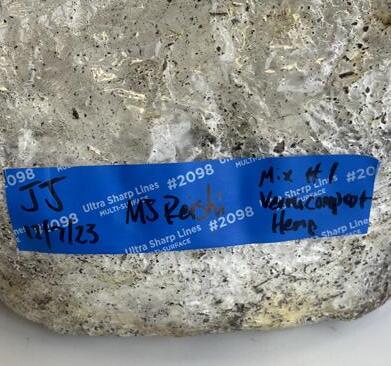
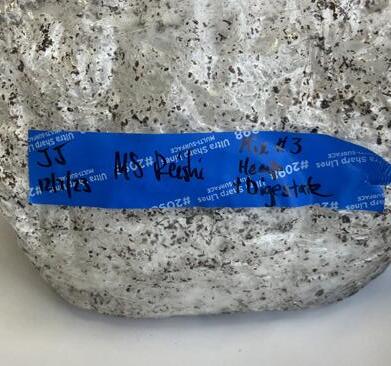
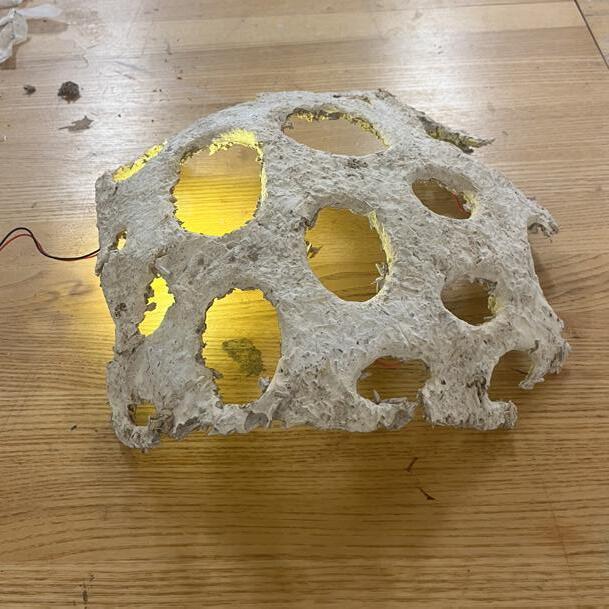
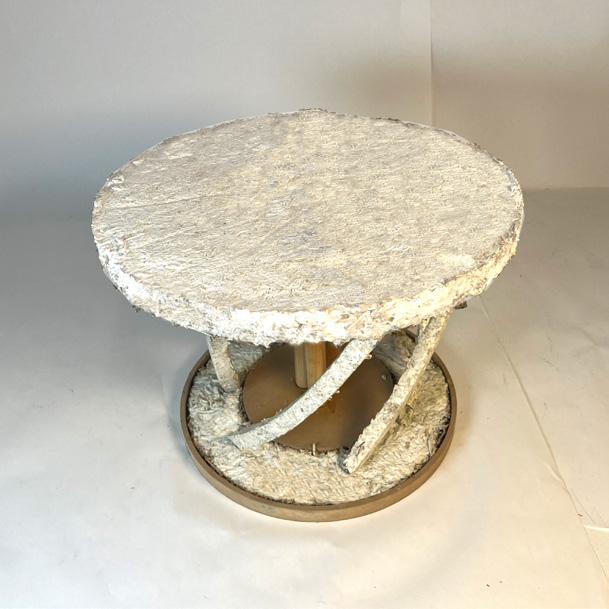
Working with mycelium involves some work growing and propagating the mushrooms, and a lot more work building a sufficient mold for them to thrive and give the potential of a strong bond. `
I was interested in the potential mycelium has to grow using a substrate of organic waste. After acquiring some Vermicompost and some biodigestate from Michigan State University, I successfully grew mycelium in under a week using these waste substrates. I then made a lamp and a table using CNC routing foam and wood for complex moldwork.
Mycelium
Myco Lamp
Myco Table
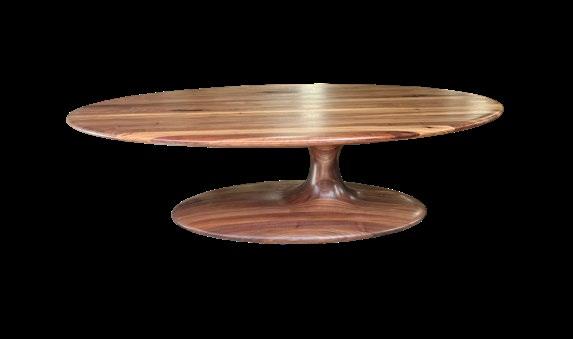
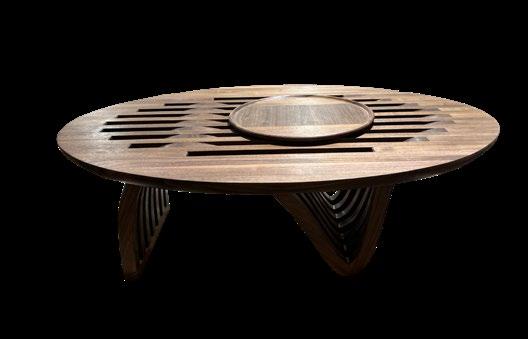
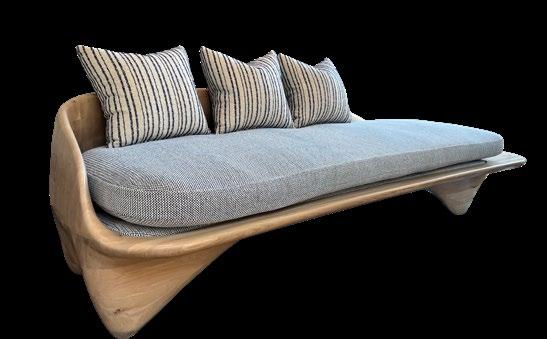
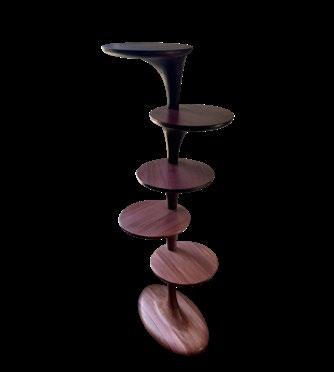
OTTRA Furniture Fabrication
Digital Fabricator/ Designer
Supervisor: Adam Zimmerman
At OTTRA, I was assigned to projects to lead from design concept to finished product. I was in charge of 3D designing the projects in Rhino, creating technical drawings, programming the ShopBot CNC routers and leading the team in milling lumber, building blanks, assembling and gluing pieces from the CNC, and all finishing until the final product. I was also in charge of ordering tools and materials needed to accomplish each project.
Ellipitical coffee table
catenary collection
material: walnut dimensions: 50” L x 32” W x 15” H
cursive collection material: white oak dimensions: 116” L x 30” W x 32” H