CRACKING THE CODE FOR HEALTHY AGING WITH JOHN MARSHALL MULLINS, MD
Marshall’s Proactive Executive Health Program
A Note from our Founder
I found my purpose. I understand how the quest for arbitrary finish lines defined by money, influence, and professional achievement can come at great cost to health, mental resilience, relationships, and self-care. I experienced, first-hand, the feeling of emptiness that can come from achieving a milestone that had been arbitrarily set as a benchmark for “I will be happy when” while neglecting the other areas of my life.
I was fortunate to have discovered a new way forward – one unbound by the need to reach a finish line. I became aware that happiness and finish lines are fleeting events, but having a sense of purpose lasts forever. I came to understand that the journey is the finish line. A sense of purpose drives me through life’s peaks and valleys. It adds clarity to difficult decisions about my career, my relationships, and my life. I now see my vision for my life as clearly as you can see your hands. This sense of purpose and a vision for the journey act as a beacon for me during times of uncertainty.
I started Marshall Lifestyle Medicine and the Longevity Blueprint because I know there are countless men and women just like me who are struggling to find the path to living their best lives. I chose Executive Men and Women because I believe I understand the unique pressures they are under to perform.
The Longevity Blueprint is my give-back. It is why I decided to become a doctor. I hoped to help as many people as possible who are sick, struggling, scared, uncertain, and looking for hope. This program will give you the tools to achieve true success. A Blueprint to face the world’s challenges and aging’s relentless attack with a strategy that works. In the end, success in life is not accidental. It is a purposeful, planned event.
Longevity the Project
Knowledge Is Power
“A longevity-based executive physical goes far beyond traditional checkups, offering a proactive, personalized assessment designed to optimize your long-term health, performance, and vitality. By integrating advanced diagnostic testing, early detection strategies, lifestyle modification, and precision medicine, this comprehensive evaluation identifies hidden risk factors before they become problematic and provides actionable insights tailored to your unique lifestyle, standards, and genetics. Ideal for high-performing individuals who value their time and are accustomed to operating at a high level and wish to maintain their edge as they traverse the aging paradigm, the Marshall approach empowers you to take control of your destiny with an actionable, metric-driven approach – Longevity Blueprint.
Unlock advanced Personalized insights and Invest in a purposeful plan to prolong your Health Span while boosting resilience, maximizing metabolic function, and maintaining peak performance.
In the end, whatever is not measured is not managed.”
“Success rarely comes by accident. It is a planned and purposeful series of choices and actions. I believe patients deserve a roadmap to leading their best lives — by design.”
OUR ETHOS
Success Stories
Under the expert guidance of Dr. John Marshall Mullins, countless patients have transformed their lives through our science-backed, personalized longevity program. By unlocking deep health insights through comprehensive diagnostics and tailored therapeutic strategies, Dr. Mullins and his dedicated team have empowered individuals to not only extend their lifespan but also maximize their healthspan—the vibrant years lived free from disease and disability. These success stories reflect the powerful potential of personalized medicine to rewrite the future of health and vitality.
BM & RM (48, 60)
Married, Business Owners
“Working with Dr. Mullins and the Marshall longevity program has truly transformed our lives. As a couple in our mid-50s, we were looking for more than just routine, reactive medical care— we wanted a proactive, personalized approach to aging well. From the very first consultation, we felt heard, understood, and supported.” “What a breath of fresh air to not feel rushed, to feel special in a medical office. We were not expecting how inviting and comfortable the practice and staff to made us feel.
“The concierge model has given us direct access to our physician, allowing for more in-depth conversations and ongoing adjustments to our health plan. We have seen improvements in our energy levels, sleep quality, and overall vitality. Our individualized programs—tailored nutrition, advanced diagnostics, hormone optimization, and lifestyle coaching— have not only helped us feel younger but empowered us to take control of our longterm health.
“We’re grateful for the genuine partnership we’ve found here. It’s more than just medicine—it’s a pathway to thriving together for years to come.”
CH
(55) MD - Gastroenterology
“As a practicing physician, I spent years prioritizing my patients’ health while quietly neglecting my own. I knew the science, I understood the risks— but between long hours and constant demands, I slowly let my well-being slip. By the time I joined Dr. Mullins’ concierge longevity program, I was overweight, fatigued, and frankly, heading down a dangerous path.
“What I found was not just a medical practice, but a results-driven partnership that used precision diagnostics and evidence-based therapeutics to completely shift the trajectory of my health. Through advanced metabolic testing, hormone evaluation, and a highly personalized plan, I have lost over 45 pounds, dramatically improved my cardiovascular markers, and adopted a sustainable lifestyle that actually works with my schedule.” “It was a bonus that his practice has a 24/7 boutique medical fitness facility with coaches and trainers.
“What truly sets this program apart is the accountability and follow-through. This is not guesswork—it is strategic, data-informed medicine that delivers measurable results. As both a physician and a patient, I can say without hesitation: this is the future of healthcare, and it’s given me my life back.”
Dr. LJ (63)
Cosemetic Dentist
“I’ve spent my entire career helping others feel confident about how they look—but I never expected that, at 62, people would regularly tell me I look 40. That is not just good genes—it’s the result of ten years of working closely with Dr. Mullins and fully committing to a proactive, longevityfocused approach to health.
“As a cosmetic dentist, I’ve always believed that how we feel on the inside should reflect how we look on the outside. This practice has aligned perfectly with that philosophy. From cutting-edge diagnostics to personalized nutrition, hormone optimization, and ongoing wellness strategies, every piece of my care plan has been designed with intention— and it shows.
“I’ve never felt sharper, stronger, or more energized. More importantly, I feel empowered knowing that I am not just extending my lifespan, but enhancing my health span—those vibrant, active years we all hope to enjoy. This is not reactive medicine. It’s a roadmap for thriving, and I’m incredibly grateful to be on it.”
Utility of
CT Cardiac Calcium Score Testing
A48 year old man with a family history of heart disease presented to our practice to establish care and undergo an executive physical. His previous primary care provider had this patient on statin therapy which was causing a great deal of side effects – fatigue and muscle pain. This man had normal blood pressure and a body fat of 14% and VO2 max of 45 (excellent). We elected to undergo noninvasive CT Cardiac Calcium Screening to better delineate his risk. The results of his test revealed a score of zero – extremely low risk. As a result, we recommended stopping the Statin and provided him with affirmation that his lifestyle and resulting epigenetic expression was negating his family history. While much is made of abnormal results, normal results can provide clarity to an already purposeful life. This gentleman had his low testosterone levels addressed with sciencebacked precision. He was started on several supplements and was encouraged to continue his current lifestyle. We will provide early detection screening regularly to ensure a long health span.
“You can’t optimize what you don’t measure, so you can’t treat what you don’t track.”
Utility of
Galleri Early Cancer Detection Test
A63-year-old man presented to our practice to establish care. He was interested in Concierge Care due to his busy work and travel schedule. This gentleman was an entrepreneur with several ongoing business ventures. He had previously been treated by a Family Physician who had seen him yearly for “Checkups.” The patient took no medications or supplements, had no previous health problems, and was very physically active – participating in multiple 5k races yearly. He had low body fat, a strong VO2 max, and exceptional biomarkers consistent with longevity.
The patient had a routine colonoscopy performed 3 years earlier that was normal. He was instructed to have repeat testing in 10 years.
Due to this patient’s excellent health and strong likelihood of Longevity, the decision was made to perform a Galleri Early Cancer Detection Test for peace of mind.
The test results revealed “Cancer Signal Detected – Colon.” Patient was scheduled for a diagnostic colonoscopy despite a normal study 3 years earlier. The Colonoscopy identified a Stage 1 Colon Cancer that was treated with Polypectomy and removal of a small amount of local tissue. This procedure was curative. This test likely saved this man’s life, as he was not due to have a routine colonoscopy for 7 years.
“Longevity isn’t just about adding years to your life—it’s about adding life to your years.”
Utility of
Full Body MRI
A48-year-old male presented to our practice for an Executive Evaluation. The patient was a local financial advisor, married with 2 children. The patient took no medications or supplements, had no previous medical diagnosis, and had no specific complaints other than feeling tired due to poor sleep quality and excessive work hours. Several Advanced Diagnostic Studies were conducted on this gentleman, one of which was a full-body and brain MRI. The MRI identified an abnormality with his left kidney. The scan revealed an asymptomatic renal cell carcinoma. Within 1 week, the patient had a successful surgery to remove his diseased kidney.
Note - Overall diagnostic yield for asymptomatic people undergoing a Full-Body and Brain MRI is shockingly high. As many as 20%-40% of people undergoing fullbody MRI screenings have some abnormality detected and 1%-5% involve serious findings such as early cancers, aneurysms, or significant organ disease.
“In the pursuit of longevity, time is everything. Most life-threatening conditions begin in silence, so what you catch early, you can often cure. Early detection makes the invisible visible, giving you the power to intervene before symptoms ever appear.”
Utility of
Epigenetic Testing
A47-year-old woman recently presented to our office for evaluation. She had not been seen by a physician for many years and was interested in a comprehensive executive physical. During the initial consultation, it became apparent that this patient had numerous lifestyle patterns that would ultimately result in disease. This woman was aware that she had not been eating properly, exercising, sleeping adequately, or managing her stress and mental resilience. She admittedly had been drinking more alcohol than usual and was working long hours, void of self-care or vacation time.
She was ready to make changes and asked for a roadmap to becoming a healthier, more balanced version of herself. In addition to many other diagnostic tests, we elected to perform epigenetic testing to determine the objective impact her lifestyle had on her DNA expression. Her testing revealed a TruAge of 54 years old. In other words, her body was aging more quickly than her chronological age might suggest. Lifestyle Behaviors and other environmental factors result in methylation patterns in our DNA that turn our good genes on or off. Additionally, our behaviors, life decisions, and environmental factors turn our “Bad” genes on or off.
The good news for this woman is that these epigenetic markers can be followed while making purposeful precision-based changes to existing lifestyle patterns –eating better, exercise, stress management, prioritizing sleep, and reducing alcohol intake – as an objective measure of success. Results matter. Metric tracking is effective. In 1 year, this woman had lost 40 pounds. She was no longer drinking alcohol. She was exercising daily and had adopted a new sleep routine. Repeat testing revealed a Biologic Age of 44, reinforcing the fact that Lifestyle Changes must be a component of Disease Prevention and Age Management.
The Marshall Longevity Strategy
Our comprehensive approach delivers personalized insights into your health and longevity. Through this in-depth evaluation, you’ll gain a clear understanding of your unique health profile— the “cards” you’re holding—and the strategies to maintain your advantage. Both our CORE and APEX programs are carefully tailored to equip you with the knowledge and clarity you need to optimize your health.
Member Programs
Marshall CORE
Advanced Diagnostics
Advanced Imaging Studies
Genetics
Critical Biomarkers
Function & Performance
Concierge Member Services
Review of Results with a Marshall Physician
Take Home - Results & Treatment Plan Overview
M Club Fit - Boutique Medical Fitness Facility Access
On-Going Lifestyle & Longevity Care
Award Winning 24/7 Concierge Primary Care
ER Avoidance & Emergency Management
Hormone Management
Advanced Therapeutics Access (Peptides, Sexual Health, Weight)
Personalized Nutraceutical Program
Structured Biomarker Testing
Advanced Tracking of Longevity-Based Metrics
Management of all Preventative Studies
Next Level Surveillance Program
Access to Marshall Social & Educational Events
Referrals to the Regions Best Specialists
Health Coaching & Personal Training
Hospitality Customer Service
Marshall APEX
CORE
Foundational Assessment
Mulit-Modal Precision Diagnostic Testing Assessment and Consultation
Marshall has designed the first of its kind Executive Physical. The multi-modal approach is designed to detect all early signs of disease, accurately determine an individual’s metabolic status, establish a baseline medical fitness level, and present the data in a metric-driven manner. Upon completion of the Diagnostic and Fitness phase, individuals will spend 90 minutes with a longevity physician who will review all the information succinctly and collaboratively discuss a path forward that is proactive and purposeful. Patients will receive the results of their foundational assessment in an easy-to-understand overview report with an accompanying wellness strategy to guide future decision making. Understanding a True Baseline is the single most powerful step in longevity - You cannot manage what is not measured!
APEX
Longevity-Based Solution
Structured Longevity Concierge Program
Building upon the Marshall Core Foundational Assessment: The Apex Membership Program is the ultimate Healthcare Solution for busy, health-minded executives. Marshall Apex allows for a fluid, structured relationship with a 24 / 7 Longevity Physician. Additionally, it unleashes the power of a full Health Team approach. Concierge members enjoy on-going advanced diagnostics, 24/7 primary care, resultsoriented care, and access to all Marshall has to offer – Hormonal Management, Advanced Therapeutics, Men’s and Women’s Aesthetics, personalized Medical Fitness, Regenerative (Stem Cell and PRP) Procedures, Sexual Health Therapies in one of our Bricks and Mortar Offices or by Utilizing Marshall Connect –Marshall Nationwide Virtual Office. Marshall’s Apex Membership is for Individuals, Couples, Families & Company Groups.
Imaging
Full Body & Brain MRI Testing
CT Angiography Testing
Bone Density Testing
CT Cardiac Calcium Score Testing
Low Dose Lung CT Scan Testing
Function & Performance
Fitness Assessment Testing
Lifestyle Behavior Testing
Neurocognitive Function Testing
Sleep Apnea Assessment & Testing
Echocardiogram Testing
Electrocardiogram Testing
CORE
Genetics & BioMarkers
Early Cancer Detection Testing
Genetic Methylation Testing
Genetic & Fitness Testing
Gut Biome Testing
Epigenetic TruAge & TruHealth Test
Advanced Biomarker Testing for:
Hormone Balance
Critical Nutrients
Metabolic Status
Organ Health
Key Rick Factors
Advance Lipid Analysis
Regenerative Therapies
Adult Stem Cell Banking
PRP & Exosome Therapy
Joint Pain Relief
Sports Injuries
Hair Rejuvenation
Sexual Health Treatment
Aesthetic Enhancement
Longevity Care
Medical Fitness Program
Health Coaching
Personal Training
24/7 State-of-the-art Fitness Facility
Metric Driven Fitness
Medicial Grade Nutraceuticals
IV Therapy
Peptides
Longevity & Performance Therapeutics
Advanced Aesthetic
Treatments
Injectable Fillers
Neurotoxins
Sculptra
CoolSculpting & CoolTone
Laser - Skin Rejuvenation
Laser - Hair Removal
Vantage Monthly Skin Care Program
Professional Grade Skin Care Products
Explanation of Foundational and Ultimate Assesments for Significance and Impact on Longevity Outcomes
Imaging: Full Body & Brain MRI Testing
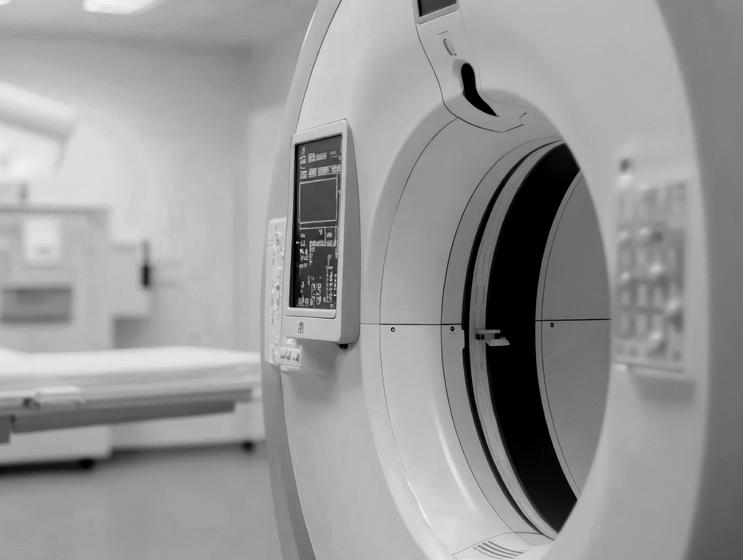
A whole-body and brain MRI is a non-invasive, radiationfree imaging test that captures detailed pictures of nearly all major organs, tissues, and structures in the body from head to toe. It uses powerful magnets and radio waves to identify abnormalities or early signs of disease—even before symptoms appear. This scan is often used as part of preventive health evaluations for individuals who want to be proactive about their long-term wellness. Elective brain MRI in asymptomatic adults has an incidental finding rate of approximately 2% to 20%, depending on the definitions used and the resolution of the imaging. Most of these findings are benign, such as small arachnoid cysts, benign tumors like meningiomas, or nonspecific white matter lesions. Clinically significant findings, such as aneurysms, masses, or demyelination suggestive of multiple sclerosis (MS), occur in about 1–2% of cases. For example, in a meta-analysis of over 19,000 asymptomatic subjects by Morris et al. (Brain, 2009), incidental findings were present in 2.7% of individuals, with clinically significant abnormalities in 0.7%. For elective whole-body MRI in asymptomatic adults, the yield for actionable findings is roughly 2–16%. These often include renal cysts, hepatic hemangiomas, thyroid nodules, or vertebral hemangiomas. Around 1–2% of individuals may discover something potentially lifesaving, such as early renal cancer or an aortic aneurysm. However, false positives are common, sometimes leading to further testing or even unnecessary procedures. To summarize diagnostic yield: brain MRI has an incidental finding rate of 2–20%, with about 1–2% being clinically significant, while whole-body MRI has a higher incidental finding rate of 16–30% but a similar 1–2% yield of clinically significant findings. The benefits of these imaging tests include early detection of asymptomatic disease, the potential to reveal actionable findings such as aneurysms or early neoplasms, and the peace of mind they can provide to high-risk individuals.
CT Angiography Testing
CT Coronary Angiography (CCTA) is a non-invasive imaging test that uses contrast dye and a CT scanner to visualize the coronary arteries. With its high sensitivity
and negative predictive value, CCTA is excellent at ruling out significant coronary artery disease (CAD) by detecting blockages or narrowing that could lead to heart attacks. It is commonly used for patients with chest pain of unclear cause, those with intermediate risk of CAD, or as part of a preventive or advanced cardiovascular assessment.
If your CCTA result is normal, your risk of experiencing a cardiac event in the next five years is extremely low— less than 1%. CCTA can be especially helpful if you have an intermediate coronary artery calcium (CAC) score (100–399) and want to determine whether significant blockages or high-risk soft plaque are present or to decide whether to intensify therapy beyond statins. For individuals with a high CAC score (400+) but no symptoms who want to avoid invasive testing while gaining anatomical clarity for guiding preventive or procedural decisions, CCTA offers substantial value. It is also useful when symptoms such as chest discomfort or exertional pain coincides with an abnormal CAC score, helping to determine if obstructive disease is present. In cases of discrepant findings or clinical uncertainty, CCTA can clarify the functional significance of calcium scores.
Bone Density Testing (DEXA)
DEXA scanning (also written DXA, for Dual-Energy X-ray Absorptiometry) is considered the gold standard for measuring bone mineral density (BMD). Bone density testing is an important component of proactive, personalized, and preventive care, helping people stay strong as they age or monitor the impact of hormonal changes. A DEXA scan is valuable for diagnosing osteopenia or osteoporosis, monitoring changes while on bone-modifying treatments, and evaluating individuals with risk factors such as low BMI, low testosterone, early (including surgical) menopause, smoking, heavy alcohol use, previous unexplained fractures, or corticosteroid use. It can also help assess sarcopenia, the loss of skeletal muscle mass. The test is quick, typically taking 10–20 minutes, painless, and involves very low radiation. Results are often reported using the Z-score and FRAX score to assess fracture risk.
CT Cardiac Calcium Score Testing
Heart disease is the leading cause of death in both men and women, and for about half of the people affected, their first symptom is sudden death. This underscores the silent nature of heart disease, which often develops without symptoms until a heart attack or other serious event occurs. A cardiac calcium score test helps answer the vital question: “Do you have early signs of heart disease—even if you feel perfectly well?” This makes it a powerful tool for preventive care and longevity planning. The scan itself is quick and painless, taking about 5–10 minutes. During the test, you lie on a table that slides into a CT scanner, without the need for needles, contrast dye, or special preparation (though you may be asked to avoid caffeine beforehand). You’ll hold your breath briefly while images of your heart are taken. The cardiac calcium score is particularly useful for individuals who want to proactively manage their heart health. Results are typically categorized as mild plaque (1–99), moderate plaque (100–399), or extensive plaque (400+), with the latter indicating high cardiovascular risk.
Low-Dose Lung CT Scan Testing
A low-dose CT (LDCT) scan of the lungs is a specialized imaging test that uses low levels of radiation to capture detailed pictures of the lungs. It is currently the most effective method for detecting lung cancer early, when treatment is most effective. Unlike standard chest X-rays, LDCT scans can identify small nodules or tumors that may not yet be causing symptoms.
Lung cancer is the seventh leading cause of cancer death in non-smokers, and while LDCT screening has the highest value in high-risk populations, studies suggest that in never-smokers, the detection rate for lung cancer is between 0.2% and 0.5%. In other words, roughly 1 to 5 out of every 1,000 non-smokers screened—or about 1 in 200—will have an early lung cancer detected with LDCT.
Cardiac Echocardiogram
A cardiac echocardiogram, or simply an “echo,” is a safe, painless, and non-invasive test that uses ultrasound waves to create live images of the heart. It allows healthcare providers to observe the heart’s structure and function in real time, assessing how well it is beating and pumping blood. An echocardiogram is useful for people experiencing symptoms such as shortness of breath,
fatigue, or chest discomfort, or for those with a heart murmur, high blood pressure, or irregular heartbeat. It is also valuable for individuals with a history of heart disease or valve problems, those undergoing a preventive or longevity-focused heart assessment, or anyone who wants to establish a baseline understanding of their heart health.
Galleri® – Early Cancer Detection Testing
Galleri® is a proactive, multi-cancer early detection test that uses a single blood draw to screen for many of the deadliest cancers—even before they become symptomatic. It can detect cancers that currently have no recommended screening tests, helping to close a major gap in early cancer detection. While doctors today can routinely screen for only about five specific cancers, more than 70% of cancer deaths are caused by cancers without recommended screening tests. Galleri offers a revolutionary approach by enabling earlier diagnosis, when treatment is far more effective. This makes it a valuable tool for people who want to take a proactive role in safeguarding their long-term health.
Gut Biome Testing
Gut biome testing, also called gut microbiome testing, analyzes the trillions of microorganisms—including bacteria, viruses, fungi, and other microbes—living in your digestive tract, primarily the large intestine. This testing can provide valuable insights for people with chronic digestive issues such as bloating, irritable bowel syndrome (IBS), constipation, or diarrhea. It is also useful for identifying food sensitivities or intolerances, investigating skin conditions like eczema or acne, exploring the gut-brain connection in mood and anxiety concerns, managing autoimmune conditions, or simply optimizing general health. By understanding the composition and function of your gut microbiome, you can tailor dietary and lifestyle choices to improve overall well-being.
Epigenetic TruAge and TruHealth Testing
TruDiagnostic has developed a revolutionary diagnostic approach that leverages epigenetic biomarkers to deliver precision medicine insights that far exceed traditional lab results. Their advanced testing captures up to 20 times more health data than a typical annual physical— at a fraction of the cost—using just a single drop of blood. This transformative method analyzes biological function at the epigenetic level to reveal critical, personalized information about your health. Aging is the single greatest risk factor for disease, making it essential to understand how your body’s biological age differs from your chronological age. TruAge measures hundreds of thousands of CpG sites on your DNA to determine your aging speed and provide actionable, personalized recommendations to slow it down. Because approximately 90% of aging is shaped by lifestyle, diet, and exercise choices, TruAge gives you custom guidance on what works best for your body’s cellular health and what areas can be improved. TruHealth complements this by revealing insights into your organ health and showing how your epigenetic expression is influenced by your lifestyle behaviors. Together, these tests represent the future of diagnostics and personalized health optimization.
Advanced Biomarker Testing
Our Advanced Biomarker Panel goes beyond “normal” lab ranges to identify what is truly “optimal” for your health. By measuring over 40 biomarkers that influence mental and physical performance, this comprehensive panel offers a deep dive into your current health status, reveals early warning signs of future disease, and provides the insight needed to adjust lifestyle behaviors to reduce future risk. It also helps you capitalize on your genetic potential for longevity. Areas of focus include hormone balance, critical nutrients, metabolic status, organ health, key risk factors, and advanced lipid testing. This data-driven approach ensures you have the actionable knowledge you need to make informed decisions about your long-term health and well-being.
Genetic and Fitness Testing
Genetic and fitness testing offers personalized insights to help you understand how your unique genetic makeup influences your physical performance, exercise response,
nutritional needs, and overall health. By analyzing your DNA, these tests can guide you in developing tailored fitness and nutrition plans that align with your genetic strengths and address any vulnerabilities. This proactive approach empowers you to optimize your training, recovery, and health strategies to achieve your personal goals more effectively and sustainably.
Fitness Assessment Testing
Including a fitness assessment in an executive physical is essential because it offers actionable insights into a patient’s functional health, disease risk, and longevity potential—elements that cannot be fully captured by laboratory tests or imaging alone. For highperforming individuals, it also aligns with their focus on optimization, performance, and prevention rather than mere disease detection.
Marshall’s Medical Fitness Program delivers a goldstandard assessment, conducted by integrated personal trainers and health coaches in a state-of-the-art medical fitness facility.
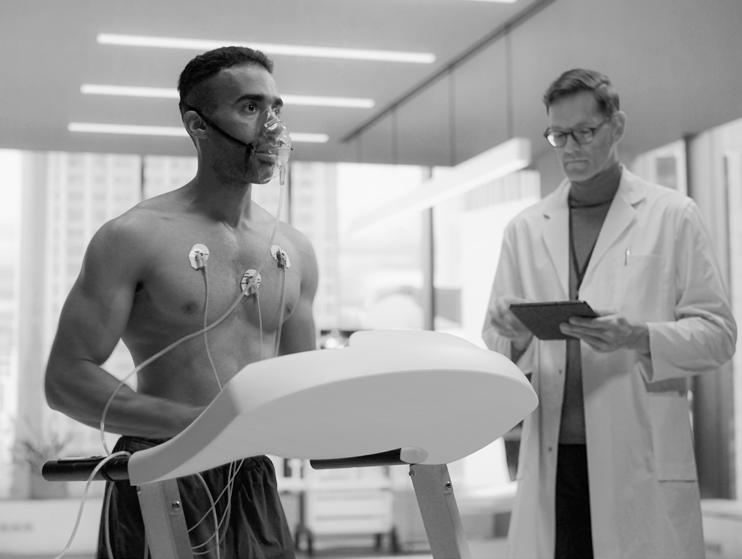
Cardiorespiratory fitness (CRF) is one of the strongest predictors of all-cause mortality—even surpassing smoking, hypertension, or diabetes in its predictive value. VO₂ max and submaximal fitness testing provide direct estimates of CRF. Additionally, measures of muscular strength, such as grip strength, and mobility indicators like balance, gait speed, and sit-to-stand time are tightly linked to frailty and cognitive decline—even in the absence of a diagnosed chronic disease. These assessments can detect early signs of sarcopenia, musculoskeletal imbalances, deconditioning, and cardiopulmonary inefficiency. The comprehensive evaluation typically includes strength, agility, VO₂ max, flexibility, and endurance testing—providing a detailed, actionable picture of overall fitness.
Lifestyle Behavior Testing
Lifestyle Behavior Testing, such as the Lifestyle Inventory 12 Pillars Assessment, offers a structured approach to evaluating the key lifestyle factors that influence long-term health, disease risk, and performance. This assessment supports personalized planning to address modifiable behaviors and promote sustainable, healthoptimizing change.
Neurocognitive Function Testing
Neurocognitive testing within an executive physical is a structured, evidence-based assessment of brain function that evaluates performance in critical areas such as memory, attention, processing speed, executive function, and emotional regulation. Unlike traditional physical exams that focus on organ systems, neurocognitive testing focuses on the health, performance, and resilience of the brain—a vital consideration for high-functioning executives.
Cognitive decline can begin years before clinical symptoms appear. Subtle changes in executive function, working memory, or attention may signal early Alzheimer’s disease, other dementias, cerebrovascular disease, chronic stress, or sleep disorders. Early detection allows for timely intervention while neuroplasticity remains high.
Beyond screening for disease, many executives pursue neurocognitive testing to optimize focus, memory, creativity, and decision-making. Such testing establishes a performance baseline, identifies individual strengths and weaknesses, and guides customized strategies for brain fitness, including options such as nootropics, neurofeedback, or cognitive training.
Mental fitness is mission-critical for high-level leaders, who must excel at multitasking, emotional regulation, and strategic thinking. Neurocognitive fatigue can precede burnout, errors, and impaired leadership. By proactively assessing and supporting mental stamina and resilience, this testing empowers sustained high performance.
Sleep Apnea Assessment & Testing
Obstructive Sleep Apnea (OSA) is a major, independent risk factor for cardiovascular disease and increases all-cause mortality. Diagnosing and treating OSA is essential not only for improving sleep quality but also for reducing serious, systemic health risks that are often silent, progressive, and easily overlooked.
OSA is a chronic, underdiagnosed condition that affects cardiovascular, metabolic, cognitive, and hormonal health. This is especially important for high-functioning individuals who may fail to recognize subtle symptoms. Approximately 25% of U.S. adults are estimated to have some degree of obstructive sleep apnea, yet 70% to 80% of those affected remain undiagnosed. Including sleep screening in executive physicals can reveal a major modifiable risk factor in over one in five adults.
OSA contributes to daytime fatigue, memory impairment, reduced executive function, increased dementia risk, and elevated rates of depression and anxiety. It also disrupts normal hormonal secretion, including testosterone (particularly nocturnal production in men), growth hormone, and appetite-regulating hormones such as leptin and ghrelin. Untreated OSA can blunt the effectiveness of hormone replacement therapy in both men and women. Treatment restores normal sleep architecture and oxygenation, improving mood, mental clarity, resilience, and overall health span.
InBody Body Composition Metrics
InBody Body Composition Testing is a critical tool for optimization-focused medicine, particularly within concierge, longevity, or performance-oriented care. Unlike weight or BMI, which provide limited insights, InBody testing offers granular, actionable data about the body’s composition—measuring muscle, fat, water, and cellular health.
This level of precision allows patients and clinicians to establish a clear baseline, track progress over time, and validate the effectiveness of interventions. Components measured include skeletal muscle mass, body fat percentage, visceral fat, and segmental muscle distribution. By offering concrete, personalized data, InBody testing supports sustained patient motivation and retention while enabling truly individualized health planning.
Electrocardiogram Testing
Including a baseline electrocardiogram (ECG or EKG) in an executive physical is a simple but highly valuable step for identifying hidden cardiac risk and supporting long-term health optimization. For high-functioning, often asymptomatic individuals, an ECG offers early detection of silent arrhythmias or structural changes such as hypertrophy.
A baseline ECG provides a crucial point of comparison in the event of future chest pain or cardiac symptoms, supports risk stratification, and guides decisions about additional testing (such as echocardiography, stress testing, or coronary CT angiography). It also offers a safety check before initiating hormone therapy, peptide therapy, or high-intensity exercise programs—making it an essential component of comprehensive preventive care.
Monetizing the Benefits of a Proactive Executive Health Program
At Marshall, we believe that investing in executive health isn’t just a matter of corporate responsibility— it’s a strategic business decision. A proactive approach to executive well-being translates into measurable financial returns, improved performance, and longterm value creation.
By supporting the health and resilience of your leadership team, we’re not only enhancing individual well-being, but also strengthening organizational performance. This investment drives tangible ROI through increased productivity, reduced healthcare costs, lower absenteeism, and stronger leadership continuity—all of which contribute directly to profitability and sustained success.
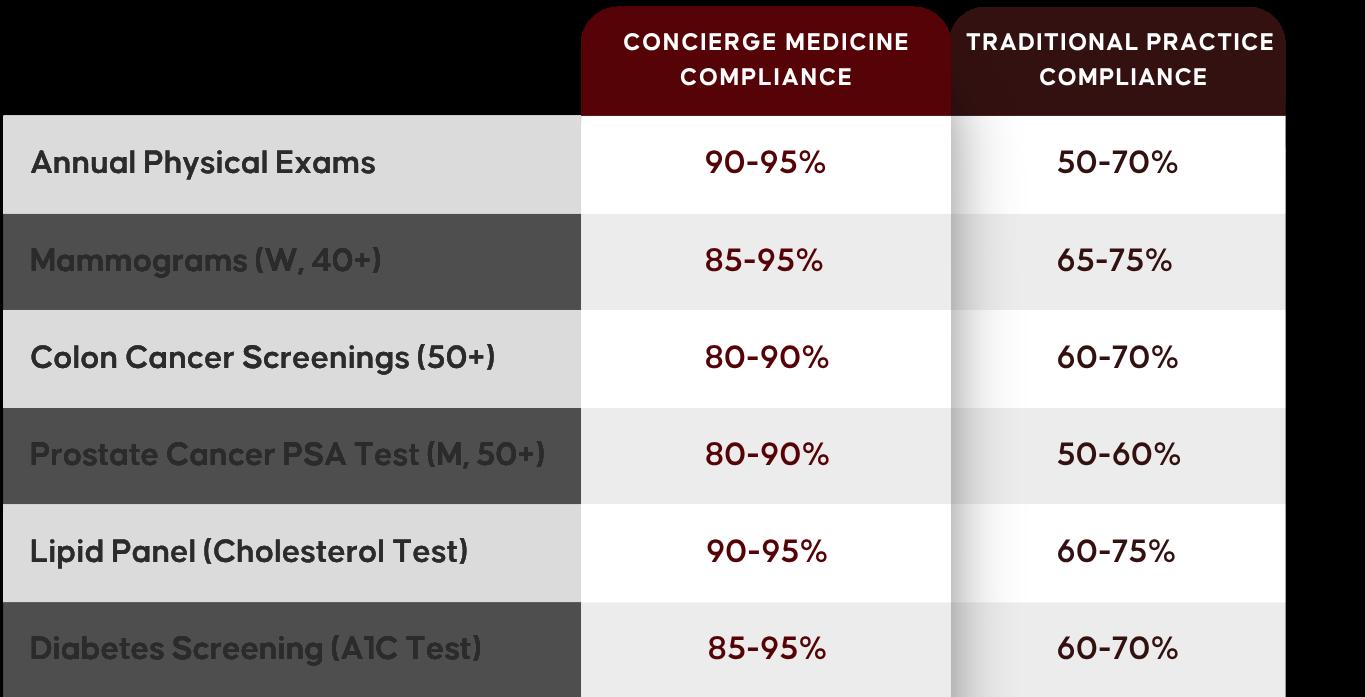
Preventative Screenings in Concierge Medicine vs. Traditional Practice
Patients in concierge medicine generally receive more timely and comprehensive preventative screenings compared to those in traditional primary care practice, leading to earlier disease detection, lower healthcare costs, and better long-term health outcomes.
Long-term Health Outcomes
Effective Leadership: Healthy leaders are better equipped to handle stress, manage challenges, and make sound decisions, which directly impacts the company’s success.
Improved Crisis Management: Executives who prioritize their physical and mental health are better prepared to guide their companies through difficult periods.
Lower Healthcare Costs
Reduced Cost of Late-Stage Treatment: Detecting conditions like cancer, cardiovascular disease, or diabetes in early stages significantly lowers treatment costs.
Reduced Absenteeism: Healthier executives are less likely to need extended time off due to illness, minimizing lost productivity and the costs associated with missed work days.
Lower Insurance Claims: Companies may see a decrease in insurance claims due to fewer serious health issues and improved overall health outcomes.
Preventative Screening Compliance Rates
Earlier Disease Detection
Preventive Care: Executive health programs focus on early detection and prevention of potential health problems, minimizing the likelihood of costly acute or chronic illnesses down the line.
Reduced Presenteeism: By addressing health concerns early, executives can avoid working while sick or not feeling their best, which significantly impacts productivity.
Improved Creativity and Innovation: Wellness and well-being are linked to enhanced cognitive function and creativity, which can translate into more innovative solutions and better business outcomes.
Screening Type
Estimated Additional Lifetime Costs of Preventable, Reversible, and Detectable Conditions
As compared to individuals without these conditions
Early Stage Cancer
$10K-$75K
Late Stage Cancer $200,000
$300,000+
$500,000+
* All 3 conditions result in lost years of income due to disability and inability to work.
* Late-Stage Cancer often exceeds insurance coverage, leading to significant out-ofpocket expenses.
* Family Members often incur tens of thousands of lost wages while providing care for those with any of the three conditions.
Early Disease Detection and Cost Savings of Preventable or Reversible Conditions
For individuals utilizing Convierge Medicine
$100K-250K
$150K-$350K * Concierge care increases early disease detection rates by 20–30%, leading to fewer emergency interventions and hospitalizations.
Appointment & Accessibility Differences
Concierge medicine patients are far more likely to schedule and complete screenings because of shorter waiting times, longer doctor visits, and direct physician access.
Wait Time for Appointments
Length of Doctor Visit
Direct Access to Physician
Proactive Health Monitoring
Concierge Medicine
Same or Next Day
30-60+ Minutes
24/7 calls/texts/emails
Personal Tracking & Reminders
Traditional Practice
Weeks to Months 10-15 Minutes
Office Hours Only
Patient-Driven Follow-ups
Concierge Medicine vs. Traditional Care: Cost, Savings,
and Value
While concierge medicine has an upfront cost, it can lead to significant long-term savings by preventing costly late-stage illnesses. Patients who participate in concierge medicine often experience significant cost savings in ER visits, primarily due to better access to primary care, preventive services, and 24/7 physician availability. While concierge medicine typically involves an annual membership fee, it can reduce overall healthcare costs by decreasing unnecessary emergency room (ER) visits and hospitalizations. Concierge medicine reduces hospital admissions by 20%–50%, potentially saving $10,000–$30,000 per avoided hospital stay.
Cost Considerations
APEX Concierge
Annual Membership Fee
Preventative Screenings
ER & Hospitalization Savings
$3,600
Often Included or Facilitated Saves $5K-$50K/year
Estimated ER Cost Savings
1. Average ER Visit Cost (U.S.)
• Without insurance: $1,500–$3,000 per visit
• With insurance: $500–$1,500 per visit (depending on copays/deductibles)
2. Reduction in ER Visits with Concierge Medicine
• Studies show 40%–70% fewer ER visits among concierge medicine patients.
Traditional Practice
None
Insurance Dependent
Higher Risk of ER Visits
• If a typical patient has 1–2 ER visits per year, this could mean an annual savings of $1,000–$3,000 or more.
How Concierge Medicine Lowers ER Costs and Hospitalizations
• 24/7 Access to a Marshall Longevity Physician: Patients can call or text their doctor anytime, often avoiding unnecessary ER trips.
• Same-Day Appointments: Reduces the need for urgent care or emergency visits for non-life-threatening conditions.
• Proactive & Preventive Care: Early diagnosis and chronic disease management help prevent severe complications requiring ER care.
• Telemedicine & Home Visits: Marshall offers virtual consultations or house calls, reducing the need for ER services.
Cost vs. Saving Analysis
• Apex Concierge Medicine Fees: $3,600 per year
• Potential Savings in ER Visits & Hospital Stays: $1,000–$10,000+ annually
• Break-Even Point: Patients who avoid just 1–2 ER visits or a single hospitalization often recoup their membership cost.