The Effects of Lifestyle, Environment, Processed Food and Big Pharma of the Catastrophic Health Decline in America
The U.S. Healthcare System is Broken and will get Worse.
The U.S. has the lowest life expectancy at birth, the highest death rates for avoidable or treatable conditions, the highest maternal and infant mortality, and among the highest suicide rates.
The U.S. has the highest rate of people with multiple chronic conditions and an obesity rate nearly twice the OECD average.
Physicians are getting out! 74% plan on retiring early due to burnout. The US is projected to have a shortage of 68,020 full full-time equivalent primary care physicians by 2036, which will be especially severe in non non-metro areas.
A recent systematic review on lifestyle medicine curricula in undergraduate medical education identified 23 curricular examples, averaging less than 14 hours in total. As a result, lifestyle medicine is not yet standard of care for most physicians.
The average wait for an appointment with a physician for new patients is 26 days.
The average of number of medications taken daily and forever in the US to treat chronic disease is 6
Our Lifestyles and Environment make us sick. It does not always kill us, but it makes us sick enough to rely on the pharmaceutical industry forever!
Longevity Medicine inspired by John Marshall Mullins, MD
Obesity and Diabetes
71.6%
The percentage of US citizens that are overweight or obese in 2024
50%
Percent of children in the US that are overweight or obese
30%
Percent of children with Prediabetes. In the 1950’s 1% of Americans had Diabetes
18%
Teenagers that have fatty liver disease
136 Million
The number of people in the United States with Diabetes or Pre-Diabetes in 2020
50%
The percentage of people in the US with Diabetes or Prediabetes
300%
The percent increase in patients with Diabetes from 1994-2024
Brain Function
25%
Percent of women are on antidepressants
We have the highest infant mortality rate in the developed world despite spending 2x any other country on prenatal care
141%
The increase in Deaths due to Alzheimer’s Disease doubled between 2000 and 2021
1 in 36
Percentage of infants with Autism. In 2000, Autism rates were 1 in 1500 newborns
Longevity Medicine inspired by John Marshall Mullins, MD
Fertility
Sperm Counts in men have declined 1% a year since 1970
11% of women and 9% of men childbearing age who has infertility issues
10 million couples
The number of couples expected to encounter problems when attempting to have a baby by 2025
Economic Impact
$790,000,000
Economic, Workforce and Kentucky State Budget Implications of Excess Weight in 2023
$2,700,000,000
Money spent on Healthcare in 2023 to treat obesity and obesity related disease in Kentucky
48.8% The percentage of Kentuckians that are obese – The 6th highest in the United States. The age group most affected by obesity in Kentucky is 45-64 (38.2%), followed by those 25 to 44 (42.5%)Kentucky ranks seventh in adults with Type 2 Diabetes (12.9%).
4.85%
The rate of increase for medical costs each year since 2000, significantly outpacing the 2.85% annual increase in GDP
Longevity Medicine inspired by John Marshall Mullins, MD 70%
A
New Way Forward
The amount of reduction in all-cause mortality is associated with basic lifestyle behaviors such as maintaining an ideal body weight, exercise, proper sleep, reduced alcohol intake and stress management
Nearly 90% of all Disease Is caused by everyday lifestyle behaviors
14 years
The number of years men and women live longer on average by adopting all five healthy lifestyle habits by age 50
The Marshall Approach – A New Way Forward Our Mission is to: PREVENT All that is Preventable DETECT All Serious Conditions Early
“The Future of Healthcare must be different – We have no choice! I imagine a new model where results matter. I imagine a model that has new metrics to determine success. I have a vision for healthcare that promotes improved access to your physician, a focus on prevention over reaction, an emphasis on metabolic health over chronic disease management, a prolonged health span free of disease and disability over a model that focuses on a reliance on chronic medications promoted by the pharmaceutical industry and an attempt to extend life that is filled with suffering, disability, and dependence.”
“I want to break down the barriers that prevent people from receiving life optimizing care and dispel the myths perpetuated by traditional healthcare organizations and providers. We (society) are at an inflexion point. We can no longer afford to put our heads in the sand and pretend that our system of reactive care is effective. Patients have never been sicker, more frustrated, and more lost. I imagine a model that puts a premium on the patient’s experience and allows patients to feel comfortable in a collaborative environment. My model allows for a more fluid relationship between patients and providers by improving accessibility and making well care the norm for interaction. Society is ready for something new, something fresh, something that works. I imagine an approach to primary care that is different – Lifestyle based care that empowers patients to feel in control of their health. I imagine a model less dependent upon expensive insurance, expensive testing, expensive treatment with no obvious metrics for success. Change is hard. Medicine is a big business. The Healthcare Industrial Complex thrives on chronic disease management. I, for one, have had enough of watching from the sidelines. Now, more than ever, patients need the principles concierge lifestyle medicine.”
- John Marshall Mullins, MD
Longevity Medicine inspired by John Marshall Mullins, MD
Marshall Lifestyle Physician Consultation 60 to 120 - minute
Consultation with a Marshall Physician.
All Physicians have received specialized post-graduate training and education in the fields of Lifestyle Medicine, Longevity Medicine, Medical Fitness, Regenerative Medicine, Aesthetic Medicine and are dedicated to reimagining how healthcare is delivered.
◊ Welcome Video
◊ Tour of our Facility
◊ Meeting Key Team Members
◊ Triage Process
◊ Development of Rapport and Understanding your Unique Story
◊ Understanding What your motivation for Seeking Solutions
◊ Understanding your family dynamics and social pressures
◊ Baseline Lifestyle Behavior Inventory
◊ Past Medical History
◊ Past Surgical History
◊ Sexual and Intimacy Inventory
◊ Cultural History
◊ Family History & Genetics & Epigenetic Factors
◊ Medical Risk Assessment
◊ Mental Health Assessment
◊ Neurocognitive Risk Assessment
◊ Biomarker Review
◊ Body Composition Review
◊ Problem List Development
◊ Specific, Measurable, Achievable, Relevant, and Time-Bound Goal Setting
◊ Health Team Involvement Schedule
◊ Lab Schedule
◊ Testing Schedule
◊ Communication Tree Understanding
The plan puts great emphasis on metabolic function, achieving optimal body composition, hormone optimization, lifestyle micro habit changes for sleep, nutrition, fitness, mental resilience, self-care, work/home balance, seeking positive interpersonal relationships, eliminating unhealthy habits, spirituality, and cognitive resilience.
n v ento r y Sleep
Nutrition
Exercise
Mental Resilience
Connectedness
Self-Care
Fun & Enter tainment
Cognitive Health
Goals & Spiritualit y
Intimacy
Home & Work
Environment
Healthy Habits
L I F E S T Y L E BEHAVIOR INVENTORY
SLEEP
GOALS AND SPIRITUALIT Y
INTIMACY
Sleep is the single most e ective thing we can do to reset our body and brain health every day. Matthew states that the leading cause of disease and death in developed nations have links to lack of sleep. He refers to this as, “the shorter your sleep, the shorter your life”.
CONNECTEDNESS
INTIMACY
INTIMACY
NUTRITION
Many patients self-soothe with food. Once you accept that food is the basis for your health, the source of energy and vitality and develop patterns that are purposeful, you will view food di erently. You truly are what you eat.
Humans were created to move. Although being active helps, proper exercise is a carved-out period of purposeful time, performed >120 mins/weekly. As we age, the types of exercise we perform should evolve to overcome plateasus.
GOALS AND SPIRITUALIT Y INTIMACY
SELF-CARE
Dozens of studies have shown that people who have satisfying relationships with family, friends, and their community are happier, have fewer health problems, and live longer. Conversely, a relative lack of social ties is associated with depression and later-life cognitive decline, as well as with increased mortality.
GOALS & SPIRITUALITY
INTIMACY
GOALS AND SPIRITUALIT Y
A life without goals, is a life without purpose and a life that could become rambling. Having spirituality as the cornerstone of your life encourages people to have better relationships with themselves, others, and the unknown. Spirituality can help you deal with stress by giving you a sense of peace, purpose, and forgiveness. It often becomes more crucial in times of emotional stress or illness.
It is well established that self-care can improve your health, reduce stress and anxiety, boost your self-esteem, protect your mental health, and lead to better and stronger relationships.
FUN & ENTERTAINMENT
We live in a stressful time. How you deal with stress, anxiety, the cumulative nature of life, and the peaks and valleys of life. Developing strategies to constructively manage these emotional states builds resilience and reduces the tendency to self-medicate with food, alcohol, and other short-term blunting mediums.
COGNITIVE HEALTH
Life is a roller coaster lled with stress, peaks and valleys, repetitive patterns. Some people need to make fun and entertainment a purposeful act as it certainly improves health and results in better, more balanced living.
Humans have powerful brains. But like our bodies, our brains require exercise and intentional, purposeful activity. e number one way to stay cognitively sharp as you age, is to make the health of your brain a priority by continuing to challenge its capabilities.
INTIMACY
INTIMACY
HOME & WORK ENVIRONMENT
HEALTHY HABITS
Intimacy in a relationship is a feeling of being close, and emotionally connected and supported. It means being able to share a whole range of thoughts, feelings, and experiences that we have as human beings. For many, intimacy takes practice but the reward for achievement is great and leads longer, happier, lives.
People spend most of their lives in their homes and at work. Both places should be stress minimal, comfortable, and full of warm memories and emotions. If your work life evokes a feeling of dread, you are in the wrong place.
Lifestyle Medicine is about the development of healthy living habits and strategies and overcoming the tendency to resort to unhealthy habits involving excessive alcohol, drug use, gambling, lust, and egaging in negative self-talk or becoming preoccupied with thoughts that are both negative and destructive.
Longevity Medicine inspired by John Marshall Mullins, MD
The Marshall Lifestyle Medicine Comprehensive Consultation
Critical Biomarker Analysis - Discover why “Normal” is not “Optimal”
Most physicians measure 3-6 biomarkers. Marshall Measures over 40 essential biomarkers for a complete picture of your health. We include advanced biomarker testing rarely offered by mainstream medicine. When reviewed by a properly educated physician a TRUE picture of your current and future health emerges. High performing men and women are successful when armed with goal of being extraordinary, the information needed to assess their current situation,and a plan for achievement. Only then can a person proceed down the path to living their best life.
Longevity Medicine inspired by John Marshall Mullins, MD
Organ Health
Kidney Function, Liver Function, Bone Marrow/Blood Counts, Urinalysis
Key Risk Factors
hs-CRP, LDL, Apolipoprotein B, Lipoprotein a, Homocysteine, LDL-P, PSA (males)
Understanding Your Biomarker
Biomarker Testing
Longevity Medicine inspired by John Marshall Mullins, MD
Hormone Balance
Testosterone– Total
The primary male sex hormone produced in the testes in men, and in smaller doses in the ovaries of women, testosterone regula tes everything from bone and muscle mass to fat distribution, to libido, energy levels, and mood. Managing testosterone levels is e specially important for men after age 35, when levels begin to steadily decline.
Testosterone– Free
Unbound testosterone is called free testosterone and is the active and accessible form of the hormone.
Testosterone– Bioavailable
Testosterone that is co mplexed to albumin is weakly bound and has androgenic potential. Testosterone bound to sex hormone binding globulin (SHBG) is tightly bound and is essentially inactive.
Thyroid Stimulating Hormone (TSH)
Thyroid controls or supports many functions in the b ody, including your weight, skin and hair health, energy levels, mood, and much more. Thyroid Stimulating Hormone (TSH) is the signal the brain sends to your thyroid gland to make thyroid hormone.
Free T3
Luteinizing Hormone (LH)
Luteinizing hormone (LH) is FSH’s partner in reproductive health. In women, LH causes your ovaries to release eggs. In men, it prompts the testicles t o make testosterone and supports sperm production.
Follicle Stimulating Hormone (FSH)
FollicleFollicle-stimulating hormone (FSH) is a vital reproductive hormone. It helps women to release their eggs and men to make sperm.
Estradiol
Estradiol is the main form of estrogen in both women and men. Levels naturally increase in men with age and decrease in women as they reach menopause.
Insulin-Lik e Growth Factor 1 (IGF IGF-1)
Insulin like Growth Factor (IGF 1) is a hormone made by the liver that tells your bones and muscles to grow.
Marshall Medical Group
Longevity Medicine inspired by John Marshall Mullins, MD
Sex Hormone Binding Globulin (SHBG)
SHBG is a protein made by the liver. There are several medical conditions that raise your SHBG. When your SHBG is high, it binds to Testosterone and Dihydrotestosterone making them bio unavailable. It is possible to have normal total testosterone and still have the symptoms of low testosteron e if you have high SHBG.
DHEA
DHEA S is a ho rmone that works behind the scenes to help produce other sex hormones, including testosterone and estrogen. Additionally, it aids in lean muscle mass production and increases bone density.
Prolactin Level
Prolactin Level is used to guide the treatment of men who present with low testosterone levels
Marshall Medical Group
Longevity Medicine inspired by John Marshall Mullins, MD
Critical Nutrients
Vitamin D
Vitamin D is an essential nutrient your body needs to support healthy bones, immune system, and neurological function.
Folate
Folate (vitamin B 9) is important in red blood cell formation and for healthy cell growth and function.
Magnesium
Activating more than 300 enzymatic processes in the body, there’s almost no bodily system that doesn’t rely on magnesium to run properly. Lower levels might be due to malabsorption from gut issues, nutritional deficiencies, or medications such as those that treat heartburn or diuretics.
Marshall Medical Group
Longevity Medicine inspired by John Marshall Mullins, MD
B12
People with vit amin B12 deficiency can have neurological symptoms and/or damage without anemia (lack of red blood cells). General physical s ymptoms of vitamin B12 deficiency can include Feeling very tired or weak. Experiencing nausea, vomiting or diarrhea.
Iron
Iron is a mineral that the body needs for growth and development . Your body uses iron to make hemoglobin, a protein in red blood cells that carries oxygen from the lungs to all parts of the body, and myoglobin, a protein that provides oxygen to muscles. Your body a lso needs iron to make some hormones.
Total Iron Binding Capacity (TIBC)
Total iron binding capacity (TIBC) is a blood test to see if you have too much or too little iron in your blood . Iron moves through the blood attached to a protein called This test helps your health care provider know how well that protein can carry iron in your blood. If you have iron deficiency a n emia (a lack of iron in your blood), your iron level will be low, but your TIBC will be high.
Vitamin C
A major vitamin C deficiency (consuming less than 7mg per day, which equates to around one segment of orange, for more than 4 weeks) can result in scurvy . This condition involves bone and blood vessel disease, bleeding in the hands and feet, and in extreme cases, death. Su boptimal levels can contribute to a variety of avoidable conditions.
Marshall Medical Group
Longevity Medicine inspired by John Marshall Mullins, MD
Metabolic Status
HbA1c
HbA1c The glycosylated hemoglobin (A1c) test gives us a look at your sugar levels over a 90 90-day period to help spot pre pre-diabetes. A range of 5.7 to 6.4% indicates an increased risk, and 6.5% or over may indicate diabetes.
Glucose
The fasting glucose test gives us a snapshot in time of the sugar level in your blood, one of the markers for diabetes, metab olic imbalance and insulin resistance. Eating less sugar and incorp orating high high-intensity interval training (HIIT) can reverse insulin resistance, even in older adults.
HDL Cholesterol
High -density lipoprotein (HDL) is known as good cholesterol because it helps lower your risk for heart disease and ischemic stroke . Regula r exercise and a healthy diet — the same lifestyle choices that keep your cholesterol in check — naturally increase your HDL. Levels between 55 55–65 mg/dL are healthy and have antioxidant and anti anti-inflammatory effects.
Insulin Level
High insulin levels mean the amount of insulin in the blood is higher than what’s considered healthy . On its own, hyperinsulinemia isn’t diabetes. But hyperinsulinemia often is associated with type 2 diabete s or insulin resistance.
C Peptide Level
People with type 2 diabetes, ob esity, or insulin resistance may have a high C C-peptide level. This means their body is producing a lot of insulin to keep (or try to keep) their blood sugar normal normal.
Insulin Resistance Score
The score helps the doctor see whether you have insulin resistance, and if you have it, how severe it is. It takes about two weeks to get your test results. A score less than 4.0 indicates that you have insulin resistance resistance.
Marshall Medical Group
Longevity Medicine inspired by John Marshall Mullins, MD
Organ Health
Kidney Function
Kidney function test results can tell you whether your kidne ys are functioning properly or not. Most function tests look for two measurements: eGFR and Albumin : Creatinine Ratio.
Liver Function
Think of Alanine aminotransferase (ALT) and aspartate aminotransferase (AST) as the bat signal your liver sends out when it’s under fire. The liver normally houses these enzymes but releases them into the bloodstream when it’s injured or inflamed. Looking at ALT and AST levels side by side can help us find the cause of the distress.
Bone Marrow / Blood Counts
Evaluates each type of cell in your blood and helps to detect a wide range of disorders, including anemia, infection and leukemia.
Urinalysis
Urinalysis is used to find the cause of – or monitor – urinary tract infections (UTIs) like cystitis, bleeding in the urinary sy stem, or kidney or liver disease . It can also be used for diabetes, some diseases of the blood, and urinary stones. It can also show early signs of Renal Cell Cancer. Insulin like Growth Factor (IGF 1) is a hormone made by the liver that tells your bones and muscles to grow.
Marshall Medical Group
Longevity Medicine inspired by John Marshall Mullins, MD
Key Risk Factors
Total Cholesterol
Total cholesterol is the total amount of cholestero l in your blood, which includes both low low-density lipoprotein (LDL) cholesterol and high high-density lipoprotein (HDL) cholesterol. It’s essential for many of your body’s metabolic processes, including the production of vitamin D, testosterone, estrogen, and co rtisol, however levels higher than 199 mg/dL can increase your risk for heart disease, ischemic strokes, and liver disease.
Hs-CRP
Inflammation markers, such as high high-sensitivity c c-reactive protein (hs hs-CRP), are like a crystal ball for your body. Not only does hs hs-CRP give us insights into how your body is handling stress, reacting to your diet, and recovering from workouts, it also helps us predict your future risk of cardiovasc ular disease.
Triglycerides
Extra calories are converted into a type of fat call ed triglycerides that get stored in your blood as fuel for later. If you’re sedentary, triglycerides will hang around, usuall y in the form of belly fat, and put you at risk for heart disease, stroke, and pancreatitis. Balancing your carbs and caloric intak e with exercise can help lower your triglycerides.
LDL Cholesterol
LDL is known as bad cholesterol because too much of it can clog and harden the arteries, which leads to high blood pressure a nd heart disease. Less than 100mg/dL is an optimal level for most people, though depending on your personal health history, slightly higher or lower levels may be right for you.
Longevity Medicine inspired by John Marshall Mullins, MD
Apolipoprotein B
Apolipoprotein B (ApoB) is a risk stratification marker used in conjunction with all the other cholesterol readings. ApoB are proteins found in all the “bad” versions of cholesterol that contribute to cardiovascular disease. Optimal Range should be less than 90 mg/dl. Apolipoprotein B takes lipids where they’re going. But it only gives rides to the kind of lipids that have a bad reputation: LDL and others. HDL, the good cholesterol does not bind to ApoB. When you see Apo B, you can be sure LDL is there, too. If elevated, the first line of therapy is lifestyle behavior changes and reaching and maintaining an ideal body weight and body fat percentage and visceral fat. Apolipoprotein B (ApoB) is a protein found in lipoproteins that are responsible for carrying cholesterol and other lipids in the bloodstream. An elevated level of ApoB is significant because it is associated with an increased risk of cardiovascular diseases. Here are some key points about the significance of elevated ApoB:
◊ Indicator of Atherogenic Lipoproteins: ApoB is a major component of atherogenic lipoproteins, including low-density lipoprotein (LDL), very-low-density lipoprotein (VLDL), and intermediate-density lipoprotein (IDL). These lipoproteins contribute to the buildup of plaque in the arteries (atherosclerosis), which can lead to heart attacks and strokes.
◊ Better Predictor of Cardiovascular Risk: Studies have shown that ApoB levels may be a better predictor of cardiovascular risk than LDL cholesterol levels alone. This is because each atherogenic particle contains one ApoB molecule, so the ApoB level reflects the total number of atherogenic particles in the blood.
◊ More Comprehensive Risk Assessment: Measuring ApoB provides a more comprehensive assessment of lipid-related cardiovascular risk, particularly in individuals with metabolic syndrome, diabetes, or those with normal LDL cholesterol but high levels of small, dense LDL particles.
◊ Guidance for Treatment: Elevated ApoB levels can influence treatment decisions. For example, individuals with high ApoB may benefit from more aggressive lipid-lowering therapy, even if their LDL cholesterol levels are not particularly high.
◊ Impact on Lipid Management: Monitoring ApoB levels can help in the management and adjustment of lipidlowering therapy. Reducing ApoB levels is a target in treating hyperlipidemia and reducing cardiovascular risk.
In summary, elevated ApoB is significant because it indicates a higher number of atherogenic particles, correlates more strongly with cardiovascular risk than traditional lipid measurements, and can guide more effective prevention and treatment strategies for cardiovascular diseases
Lipoprotein a
Lipoprotein (a) is considered a type of LDL, the bad cholesterol, and testing your levels helps screen for risk of stroke and heart disease. Since it’s driven by genetics and not lifestyle, knowing if you have increased risk helps determine how tightly the rest of your cholesterol and heart-health markers should be monitored and controlled. A low-test level is a positive indicator of longevity. Elevated lipoprotein(a) is significant because it is an independent risk factor for cardiovascular diseases. Here are some key points about the significance of elevated Lp(a):
◊ Genetic Risk Factor: Lp(a) levels are largely genetically determined and are less influenced by lifestyle factors compared to other lipoproteins. Elevated Lp(a) levels can run in families, indicating a hereditary risk for cardiovascular diseases.
◊ Atherogenic Properties: Lp(a) is structurally similar to low-density lipoprotein (LDL) but with an additional protein called apolipoprotein(a). This makes Lp(a) particularly atherogenic (promoting the formation of fatty plaques in the arteries). Elevated Lp(a) contributes to the development of atherosclerosis, which can lead to coronary artery disease, stroke, and peripheral artery disease.
◊ Prothrombotic Effects:Lp(a) has prothrombotic (blood clot-promoting) properties due to its structural similarity to plasminogen, an important protein in the blood clotting system. This increases the risk of thrombosis, which can further exacerbate cardiovascular conditions.
◊ Predictor of Cardiovascular Events: Elevated Lp(a) levels are associated with an increased risk of various cardiovascular events, including myocardial infarction (heart attack), aortic stenosis, and ischemic stroke. High Lp(a) levels are particularly concerning in individuals with other cardiovascular risk factors.
◊ Limited Response to ConventionalTherapies: Unlike LDL cholesterol,Lp(a) levels do not respond significantly to lifestyle changes or standard lipid-lowering therapies such as statins. This makes managing elevated Lp(a) more challenging. However, certain treatments, such as PCSK9 inhibitors and niacin, can reduce Lp(a) levels to some extent.
◊ Clinical Guidelines: Recognizing the role of Lp(a) in cardiovascular risk, some clinical guidelines now recommend measuring Lp(a) levels in individuals with a family history of premature cardiovascular disease or those with unexplained high LDL cholesterol levels.
In summary, elevated Lp(a) is significant because it is a strong genetic and independent risk factor for cardiovascular diseases, contributing to both atherosclerosis and thrombosis. Its elevation necessitates careful cardiovascular risk assessment and consideration of specific therapeutic strategies to mitigate its impact.
Pattern A vs Pattern B LDL cholesterol
Pattern A and Pattern B refer to specific patterns of low-density lipoprotein (LDL) particles observed in lipid testing, particularly when analyzing the size and density of these particles. These patterns are associated with different risks for cardiovascular disease. Here’s a detailed comparison:
Pattern A
◊ Description: Characterized by predominantly large, buoyant LDL particles.
◊ Risk Profile: Generally considered less atherogenic (less likely to promote the formation of plaques in the arteries) compared to Pattern B.
◊ Associated Conditions: Often seen in individuals with lower cardiovascular risk and is commonly associated with higher HDL (good cholesterol) levels and lower triglycerides.
◊ Health Implications: Pattern A is associated with a lower risk of developing cardiovascular disease compared to Pattern B.
Pattern B
◊ Description: Characterized by predominantly small, dense LDL particles.
◊ Risk Profile: Considered more atherogenic (more likely to promote the formation of plaques in the arteries) compared to Pattern A.
◊ Associated Conditions: More commonly seen in individuals with higher cardiovascular risk. It is often associated with higher triglycerides, lower HDL levels, insulin resistance, and metabolic syndrome.
◊ Health Implications: Pattern B is linked to a higher risk of cardiovascular disease, including coronary artery disease and stroke. Small, dense LDL particles are more prone to oxidation and more likely to penetrate the arterial wall, leading to plaque formation.
Importance of LDL Particle Size
◊ Atherogenicity: Small, dense LDL particles (Pattern B) are more easily oxidized, which makes them more likely to contribute to the development of atherosclerosis. Large, buoyant LDL particles (Pattern A) are less likely to be involved in plaque formation.
◊ Measurement: LDL particle size and pattern can be assessed through advanced lipid testing techniques such as nuclear magnetic resonance (NMR) spectroscopy, gradient gel electrophoresis, or ion mobility analysis.
◊ Clinical Implications: Identifying whether a person has Pattern A or Pattern B LDL can help tailor treatment strategies. For example, individuals with Pattern B might benefit from more aggressive lipid-lowering therapy, lifestyle modifications, and possibly treatments targeting insulin resistance and metabolic syndrome.
Management Strategies
◊ Lifestyle Changes: Weight loss, increased physical activity, dietary changes (such as reducing simple carbohydrates and increasing healthy fats), and quitting smoking can help shift LDL particle distribution from Pattern B to Pattern A.
◊ Medications: Statins, fibrates, and other lipid-lowering agents can help reduce overall LDL levels and may also influence LDL particle size distribution.
In summary, Pattern A (large, buoyant LDL particles) is associated with a lower risk of cardiovascular disease, while Pattern B (small, dense LDL particles) is associated with a higher risk. Understanding these patterns can provide more detailed insights into cardiovascular risk and help guide personalized treatment strategies.
Marshall Medical Group
Longevity Medicine inspired by John Marshall Mullins, MD
Homocysteine
Homocysteine is an amino acid in the blood that causes inflammation, and elevated levels have been linked to an increased ris k for heart disease, dementia, blood clots, and stroke.
LDL– P
Studies have shown tha that smaller LDL particles carry greater potential health risks , as they are better able to penetrate the arterial wall. They have a longer circulation time to form more fatty masses. For LDL LDL-P, we categorized patients as optimal when they have a lower number of particles. Remember, high LDL – P is not good.
Marshall Medical Group
Longevity Medicine inspired by John Marshall Mullins, MD
PSA (males)
The prostate prostate-specific antigen (PSA) is the primary marker used to screen for prostate cancer, which usually has no symptoms in the early stages.
Longevity Medicine inspired by John Marshall Mullins, MD
Understanding Your Problem List
“Too often these disease states are managed in isolation by subspecialists. The interplay of these conditions is undeniable and deserving of more comprehensive approaches that use measurable metrics of true success. The presentation of patients that are: overweight, depressed, experiencing sleep apnea, fatigue, experiencing low libido, insulin resistance, joint pain, osteoporosis, sarcopenia, low testosterone, elevated estradiol, elevated hs-CRP, abnormal lipid studies, fatty liver, hypertension, and lifestyle deficiencies is commonplace. Patients deserve better than chronic medication management, fragmented care involving multiple specialists who are not interested in root cause solutions, kicking the can down the street mentalities. Patients deserve empathy, real information to make real decisions about their health. Patients deserve to know the truth regarding current research and the risk / benefit of their treatment options. Patients can make informed decisions about their lives when provided with the information. We are in the midst of an epidemic that is crippling our citizens and our society. It is time to consider new results-oriented approaches.”
Obstructive Sleep Apnea (OSA)
Obstructive sleep apnea (OSA) is characterized by episodes of complete collapse of the airway or partial collapse with an associated decrease in oxygen saturation or arousal from sleep. This disturbance results in fragmented, nonrestorative sleep. It is an extremely dangerous condition that is often overlooked and underdiagnosed. Signs and Symptoms of OSA include daytime sleepiness, fatigue, weight gain, low libido, fluid retention in legs, brain fog, low metabolism, personality changes, and living a suboptimal life. It is also associated with many health-related issues such as heart arrhythmias, heart failure, sudden cardiac death, leg edema, hypertension, weight gain and diabetes. It is important to aggressively evaluate for and treat OSA. The interplay between OSA, Obesity, Endocrine Disorders, Lifestyle and Behaviors, and Metabolic Syndrome are undeniable.
Excess Weight
Excess weight is a condition associated with carrying excess fat than optimal or desirable. Thirtytwo percent of all adults in the US are overweight. While slightly less severe than obesity, patients with excessive weight have a higher incidence of disease development and decreased lifespan. The Goal of any medical plan should be to assist patients get to and maintain an optimal body weight, body fat and visceral fat percentage. Excess weight is the principal cause of most chronic disease states – hypertension, diabetes, heart disease, many cancers, strokes, sleep apnea, joint pain, and many others. Additionally, it is indirectly responsible for many more subtle but equally devastating conditions – depression, insomnia, low productivity, malaise, apathy, absenteeism, and many more.
Longevity Medicine inspired by John Marshall Mullins, MD
Obesity
An obesity diagnosis is the extreme state of being overweight. In the US, 40% of adults are clinically obese and an additional 32% are overweight. Obesity is so rampant that it represents a true national emergency. Obesity and Chronic Disease Management represent the biggest area of healthcare dollars spent in the US in 2023.
Testicular Hypofunction
Low testosterone (male hypogonadism) is a condition in which your testicles do not produce enough testosterone. It has several plausible causes, including conditions or injuries affecting your testicles, pituitary gland or hypothalamus. It can be safely treated with testosterone replacement therapy. Patients that are treated with a multidisciplinary approach have the highest subjective and objective improvements. Many symptoms often attributed to Testosterone Deficiency are in actuality part of a Syndrome of sorts and respond best to a multidisciplinary approach.
Hypertension
Medical professionals call high blood pressure, also known as hypertension, the silent killer because it can go undetected for an extended period and leads to death. Most people who have high blood pressure do not have any symptoms; testing is the only way to determine if someone has it. Hypertension can be managed (in many cases) through lifestyle behavior modification. Many patients can eliminate the need for medications once they achieve and maintain an ideal body weight. That is our goal – eliminate unnecessary medications.
Sarcopenia
Sarcopenia is an age-related progressive decline in skeletal muscle mass and function in the absence of other diseases. A progressive decline in muscle mass begins around the age of 40, and muscle mass declines by approximately 8% every decade. Avoidance of muscle loss and promoting the growth of lean skeletal muscle mass is of paramount importance for men and women interested in aging optimally. Skeletal muscle mass is important for strength, agility, preventing falls, recovering from acute illness, more successfully managing chronic disease, and for maintenance of optimal lifestyles that promote life satisfaction, happiness, and independence.
Marshall Medical Group
Longevity Medicine inspired by John Marshall Mullins, MD
Factors that accelerate muscle loss include:
◊ Aging – The metabolic effects of aging begin as early as the mid to late 30’s. These metabolic changes result in both subjective and objective changes to our bodies. A vicious cycle ensues where adults will attempt to manage their weight with calorie restriction, which will lower basal metabolic rates and result in muscle loss that further lowers their metabolism and increases insulin resistance, resulting in increased fat accumulation. Hormone signaling changes result in muscle loss and fat accumulation.
◊ Sedentary Lifestyle – Marshall Lifestyle Medicine promotes the principle that physical activity is essential for living optimally. Even short periods of decreased activity will result in muscle strength and fatigue that will make returning to normal activity difficult.
◊ Unbalanced Diet – A diet that provides insufficient calories and protein will result in weight loss with diminished muscle mass. Marshall Lifestyle Medicine promotes a macro specific plan with 50% of calories coming from lean protein sources.
◊ Inflammation – Chronic inflammation related to poor health results in a disruption to the normal balance of tearing down and replacing of normal muscle.
◊ Stress – Chronic low-level stress results in a cascade of biochemical changes that result in muscle loss and fat accumulation as well as fatigue, insomnia, and susceptibility to illness.
◊ Perimenopause / Andropause / Growth Hormone Deficiency – Healthy Hormone levels maintain the balance between catabolism and anabolism resulting in skeletal muscle and bone density maintenance.
◊ Lifestyle Behavior Modification – 12 Pillars of Lifestyle Medicine a. Sleep b. Nutrition – Macro specific and c. Activity – Resistance Training d. Mental Resilience – Stress management e. Healthy Habits related with alcohol and tobacco
◊ Hormone Deficiency Management – aligning hormone levels with goals for overall health improvements significantly enhances the success rates. Both Testosterone and Growth Hormone Releasing Peptides have been shown to increase lean muscle mass.
◊ Body Composition Analysis Testing as a “Vital Sign”– Objective Measurements utilized to guide personalized plans.
◊ Nutritional Supplements – Protein Supplementation, DHEA, Creatine, Vitamin D, Fish Oil, B Complex all play a role in muscle maintenance.
◊ Health Coaching – A guide to living a more purposeful life with accountability, structure, nutritional support, and improved engagement.
Marshall Medical Group
Longevity Medicine inspired by John Marshall Mullins, MD
Insulin resistance is a condition where the body’s cells do not respond effectively to insulin, a hormone that regulates blood sugar levels. It can lead to elevated blood sugar and insulin levels, even if a person is not yet diagnosed with diabetes. Understanding insulin resistance is crucial for preventing the progression to type 2 diabetes and managing overall health. Here are some key points about insulin resistance: The main risk factor for insulin resistance is excess fat and obesity. Lifestyle behaviors such as poor diet, inactivity, muscle loss, and sleep disturbances (sleep apnea, fragmented) all contribute to the condition. It can be managed or reversed by following lifestyle principles that promote wellness. There is also a role for newer GLP-1 medications in its treatment.
Longevity and Unique Challenges and Approach to Care
Identifying those patients with the highest likelihood of longevity is as important as identifying those patients who are of greatest risk of developing disease. Longevity calls for enhanced strategies to enhance mobility, strength, resilience, cognitive maintenance, and independence. Longevity medicine and healthy aging go hand in hand. The action plan for this subset should be as robust as someone who is chronically ill.
Elevated Inflammatory Markers – hs-CRP
High-sensitivity C-reactive protein (HS-CRP) is a marker of inflammation that predicts incident myocardial infarction, stroke, peripheral arterial disease, and sudden cardiac death among healthy individuals with no history of cardiovascular disease, and recurrent events and death in patients. It is an important indicator of inflammation, cardiovascular risk, disease risk and disease activity. It is a marker that can be followed much like vital signs as a predictor of treatment success.
Erectile Dysfunction
Erectile dysfunction (ED) is a condition characterized by the consistent inability to achieve or maintain an erection sufficient for satisfactory sexual performance. This condition can be occasional or persistent and may result from numerous factors, including physical issues like reduced blood flow to the penis, nerve damage, hormonal imbalances, or psychological factors such as stress, anxiety, or relationship problems.
Longevity Medicine inspired by John Marshall Mullins, MD
Low Libido
Low libido, also known as hypoactive sexual desire disorder (HSDD), refers to a diminished interest or desire for sexual activity. It can manifest as a lack of interest in initiating or participating in sexual activities, including thoughts, fantasies, and desires related to sex. Low libido can be influenced by numerous factors, including psychological, emotional, hormonal, and physical issues, and it can affect individuals of any gender. It becomes a concern when it causes distress or difficulty in relationships.
Malaise and Fatigue
Malaise refers to a general feeling of discomfort, illness, or unease, often without specific symptoms. It is a sense of not feeling well, often accompanied by a lack of energy or motivation. It can manifest as a vague feeling of being “off” or “not quite right”. “Fatigue, on the other hand, is a state of extreme tiredness or exhaustion, both physically and mentally. It can result from physical exertion, lack of sleep, or a variety of medical conditions. Fatigue can significantly impair one’s ability to function effectively in daily activities and can range from mild to severe.
Marshall Medical Group
Longevity Medicine inspired by John Marshall Mullins, MD
Depression and Anxiety
Depression and anxiety are both mental health disorders that can significantly impact a person’s thoughts, emotions, and behaviors.
Depression, clinically known as major depressive disorder (MDD), is characterized by persistent feelings of sadness, hopelessness, and a loss of interest or pleasure in activities that one used to enjoy. Other symptoms may include changes in appetite or weight, sleep disturbances, fatigue, feelings of worthlessness or guilt, difficulty concentrating, and thoughts of death or suicide. Depression can vary in severity and duration, and it can interfere with daily functioning and quality of life.
Anxiety disorders, on the other hand, encompass a range of conditions characterized by excessive worry, fear, or nervousness that is often disproportionate to the situation and may occur without any identifiable trigger. Common types of anxiety disorders include generalized anxiety disorder (GAD), panic disorder, social anxiety disorder, and specific phobias. Symptoms can manifest as persistent worrying, restlessness, irritability, muscle tension, difficulty concentrating, and physical symptoms such as sweating, trembling, or rapid heartbeat. Anxiety disorders can also significantly impair daily functioning and lead to avoidance behaviors to manage distress.
While depression and anxiety are distinct conditions, they often co-occur, and many individuals experience symptoms of both simultaneously. Both disorders can have significant impacts on various aspects of life, including relationships, work or school performance, and physical health. Treatment for depression and anxiety typically involves a combination of psychotherapy, medication, lifestyle changes, and support from healthcare professionals.
Longevity Medicine inspired by John Marshall Mullins, MD
Sleep Disturbances
Sleep disturbance refers to any condition that disrupts the normal pattern of sleep.It encompasses a wide range of issues, from difficulty falling asleep and staying asleep to excessive sleepiness during the day. Sleep disturbances can be caused by various factors, including medical conditions, mental health disorders, stress, environmental factors, lifestyle choices, and medications. Some common types of sleep disturbances include insomnia, sleep apnea, restless legs syndrome, narcolepsy, and circadian rhythm disorders. These disturbances can have significant impacts on overall health and quality of life if left untreated.
Sleep Cycle Disorders and the unique Challenges faced by Shift Workers
The biggest challenge facing shift workers is the interruption of circadian rhythm. The more time spent in this work schedule, the greater the health risk of chronic health issues. Shift workers have higher incidence of:
◊ Cancer
◊ Cardiovascular Disease
◊ Hypertension
◊ Chronic Stress
◊ GI disorders
◊ Depression and Anxiety
◊ Insomnia
◊ Alcohol Abuse
◊ Higher BMI
◊ Sleep Apnea
◊ Low Testosterone
◊ Smoking
◊ Unhealthy Lifestyle Patterns
Shift workers do not seek treatment as frequently as non-shift workers leading to a perfect storm of neglect, disease, and dysfunction.
Marshall Medical Group
Longevity Medicine inspired by John Marshall Mullins, MD
Hypoactive Sexual Desire Disorder
Attention Deficit Disorder
ADD stands for Attention Deficit Disorder. It’s a neurodevelopmental disorder characterized by difficulties with attention, hyperactivity, and impulsivity. People with ADD may have trouble focusing on tasks, following instructions, organizing tasks and activities, and may often seem forgetful or easily distracted. It can impact various aspects of life, including school, work, and relationships.
Hypoactive Sexual Desire Disorder — also called HSDD — is when you’re not interested in sex (have no sex drive or a low sex drive), and it bothers you. It’s one of the most common sexual problems that people have. This could be a lifelong concern, or it can happen over time. It may be a problem all the time, or only happen in certain situations. People who have HSDD have little or no thoughts or fantasies about sex, don’t respond to their partner’s sexual signals or suggestions, lose desire for sex while having it, or avoid sex all together. Hypoactive Sexual Desire Disorder may be caused by:
◊ Anxiety or depression
◊ Relationship problems
◊ Issues with your body image
◊ Stress
◊ Tiredness
◊ Sexual abuse or trauma in your past
◊ Low sex hormone levels
◊ Medical problems like cancer, diabetes, heart problems, multiple sclerosis, or bladder problems
◊ Medicines like antidepressants; blood pressure medicines; chemotherapy; and estrogen-based, gender-affirming hormone therapy
◊ Menopause
◊ Recently being pregnant, giving birth, or breastfeeding
This stage in your life does not have to “Pause” you, from living the rest of your life, optimally.
Perimenopause
Perimenopause refers to the transitional phase leading up to menopause, which is when a person’s menstrual periods cease permanently. It typically begins several years before menopause, often in a person’s 40s, but can start earlier. During perimenopause, hormone levels, particularly estrogen and progesterone, fluctuate, leading to various physical and emotional changes. These changes can include irregular periods, weight gain, inability to maintain muscle mass, brain fog, hot flashes, night sweats, mood swings, depression, irritability, malaise and apathy, difficulty sleeping, vaginal dryness, and changes in libido.
Menopause
Menopause refers to the natural biological process that marks the end of a woman’s menstrual cycles and fertility. It typically occurs in women in their late forties to early fifties, although the exact age can vary. Menopause is diagnosed after 12 consecutive months without a menstrual period. During menopause, the ovaries gradually produce fewer reproductive hormones (estrogen and progesterone), leading to various physical and emotional changes such as hot flashes, mood swings, and vaginal dryness. The transition into menopause, known as perimenopause, can last several years and may involve irregular menstrual cycles and other symptoms. After menopause, women enter post menopause, where the symptoms typically lessen but may persist, and there is an increased risk of certain health conditions like osteoporosis and heart disease due to hormonal changes.
Marshall Medical Group
Longevity Medicine inspired by John Marshall Mullins, MD
Hypothyroidism
Hypothyroidism is a condition where the thyroid gland does not produce enough thyroid hormones to meet the body’s needs.The thyroid gland, located in the front of the neck, produces hormones that regulate metabolism, heart rate, and other bodily functions. When there is a deficiency in these hormones, it can lead to a variety of symptoms such as fatigue, weight gain, sensitivity to cold, dry skin, constipation, and even depression. There are several potential causes of hypothyroidism, including autoimmune diseases like Hashimoto’s thyroiditis, where the immune system attacks the thyroid gland, thyroid surgery, radiation therapy, certain medications, and iodine deficiency. Treatment typically involves hormone replacement therapy. Proper management of hypothyroidism can help alleviate symptoms and prevent complications.
Adrenal Fatigue
“Adrenal fatigue” is a term used in alternative medicine to describe a collection of symptoms such as fatigue, body aches, nervousness, sleep disturbances, and digestive problems. Proponents of the concept believe it occurs when the adrenal glands, located above the kidneys, become overworked and cannot keep up with the body’s demands for cortisol, a hormone involved in managing stress. This condition is not recognized by traditional medicine as a distinct illness despite the myriads of evidences for its existence.
Marshall Medical Group
Longevity Medicine inspired by John Marshall Mullins, MD
Suboptimal Bone Density
“Suboptimal bone density disorder” is a condition where bone density is lower than optimal but does not meet the criteria for osteoporosis, a condition characterized by significant bone loss and increased risk of fractures. Low bone density can be caused by several factors, including genetics, hormonal changes, inadequate nutrition (especially calcium and vitamin D deficiency), lack of exercise, smoking, excessive alcohol consumption, and certain medications. While suboptimal bone density may not present an immediate risk of fractures, it could indicate a predisposition to osteoporosis if left untreated. Hormone Replacement Therapy provides protection from this devastating condition. To manage suboptimal bone density and prevent further bone loss, lifestyle modifications such as regular weight-bearing exercise, ensuring adequate calcium and vitamin D intake, avoiding smoking and excessive alcohol consumption, and maintaining a healthy body weight are often recommended.
Marshall Medical Group
Longevity Medicine inspired by John Marshall Mullins, MD
Preventative Studies Deficiency
Preventive medicine focuses on strategies aimed at preventing diseases or conditions from occurring or progressing. This can include measures such as vaccinations, lifestyle modifications, screenings, and early interventions. Research in preventive medicine is essential for identifying effective strategies, understanding risk factors, and improving health outcomes. Detection of treatable conditions is critical to longevity.
Marshall Medical Group
Longevity Medicine inspired by John Marshall Mullins, MD
Marshall Medical Group
Longevity Medicine inspired by John Marshall Mullins, MD
Alcohol Relationship Disorder
Alcohol misuse or addiction can certainly have a significant impact on relationships, leading to various interpersonal problems, conflicts, and breakdowns in communication. These issues may range from neglecting responsibilities and causing harm to loved ones to contributing to domestic violence or family instability. Patients that have a relationship with alcohol that results in problems with their health, relationships, work, mental state, or the law have crossed the line into a realm where alcohol cannot be a part of their lives. Continuation of the relationship will result in ongoing issues in their lives.
Cognitive Health Concerns
A cognitive health concern refers to any condition or issue that affects the mental processes and abilities of an individual. This can include memory, attention, reasoning, problem-solving, language skills, and other cognitive functions. Cognitive health concerns can range from mild cognitive impairment to more severe conditions like Alzheimer’s disease, dementia, or other neurological disorders. These concerns can impact a person’s quality of life, independence, and ability to perform daily tasks. Early detection and management of cognitive health concerns are crucial for maintaining overall well-being.
Lifestyle Behavior Deficiency
Patients that are not living a purposeful life will note deficiencies in one or more areas of their day to day lives. Patients who focus on decision making and the development of healthy habits and behaviors live much more balanced lives free of disease and disability. Performing a lifestyle inventory is critical to any medical plan.
Marshall Medical Group
Longevity Medicine inspired by John Marshall Mullins, MD
Hair Loss
Hair loss, also known as alopecia, is a condition characterized by the gradual or sudden loss of hair from the scalp or other parts of the body. While the basic mechanism of hair loss is similar in both men and women, there are some differences in patterns, causes, and treatments between the two genders.
Men’s Hair Loss (Male Pattern Baldness or Androgenetic Alopecia):
Male pattern baldness is the most common type of hair loss in men, typically characterized by a receding hairline and thinning of hair on the crown of the scalp. It is primarily caused by genetic factors and the hormone dihydrotestosterone (DHT), which is derived from testosterone.
Male pattern baldness usually follows a predictable pattern, starting with a receding hairline and thinning at the crown, eventually leading to partial or complete baldness.
Marshall Medical Group
Longevity Medicine inspired by John Marshall Mullins, MD
Women’s Hair Loss:
Women can also experience hair loss, although the pattern and causes may differ from men.
Female pattern hair loss typically involves diffuse thinning of hair across the scalp rather than a receding hairline or bald spots.
Hormonal changes, such as those occurring during pregnancy, menopause, or due to conditions like polycystic ovary syndrome (PCOS), can contribute to hair loss in women.
Other factors such as stress, nutritional deficiencies, certain medications, and underlying health conditions can also play a role in women’s hair loss.
High Triglyceride / HDL Ratio
An elevated triglyceride to HDL cholesterol (TG/HDL) ratio is an important marker for cardiovascular health and can indicate an increased risk for various metabolic and cardiovascular conditions. Here’s why this ratio matters:
Indicator of Cardiovascular Risk
Atherogenic Dyslipidemia: A high TG/HDL ratio is often associated with atherogenic dyslipidemia, a condition characterized by high triglycerides, low HDL cholesterol, and often small, dense LDL particles. This lipid profile is particularly atherogenic, meaning it promotes the formation of atherosclerotic plaques in arteries.
Predictive Value: Studies have shown that a high TG/HDL ratio is a strong predictor of cardiovascular events, including heart attacks and strokes, even more so than traditional markers like total cholesterol or LDL cholesterol alone.
Marker of Insulin Resistance
Insulin Resistance and Metabolic Syndrome: An elevated TG/HDL ratio is a surrogate marker for insulin resistance, a key component of metabolic syndrome. Metabolic syndrome includes a cluster of conditions (high blood pressure, high blood sugar, excess abdominal fat, and abnormal cholesterol or triglyceride levels) that together increase the risk of heart disease, stroke, and type 2 diabetes.
Early Detection: Identifying an elevated TG/HDL ratio can help in the early detection of insulin resistance and metabolic syndrome, allowing for earlier intervention and management.
Marshall Medical Group
Longevity Medicine inspired by John Marshall Mullins, MD
Association with Other Health Conditions
Non-Alcoholic Fatty Liver Disease (NAFLD): Elevated triglycerides and an unfavorable TG/ HDL ratio are often associated with NAFLD, which can progress to more serious liver conditions if not managed properly.
Obesity and Type 2 Diabetes: A high TG/HDL ratio is commonly seen in individuals with obesity and type 2 diabetes, both of which are risk factors for cardiovascular disease.
Guiding Treatment and Lifestyle Changes
Lifestyle Interventions: Knowing that an elevated TG/HDL ratio indicates higher cardiovascular risk can motivate individuals to adopt healthier lifestyle changes, such as improved diet, increased physical activity, and weight management.
Pharmacological Interventions: In some cases, medications may be needed to manage high triglycerides and improve HDL levels. These might include fibrates, omega-3 fatty acids, or niacin, in addition to statins.
Monitoring and Management
Ongoing Assessment: The TG/HDL ratio can be used to monitor the effectiveness of lifestyle and pharmacological interventions over time. Improvement in this ratio often correlates with a reduction in overall cardiovascular risk.
Monitoring and Management
Ideal Ratios:
◊ Desirable Levels: An optimal TG/HDL ratio is generally considered to be less than 2.0 (using mg/dL units). Ratios above this level indicate an increased risk of cardiovascular and metabolic disorders.
◊ Population Variations: It’s important to consider that these values might vary slightly depending on the population and specific guidelines being referenced.
Conclusion
The TG/HDL ratio is a valuable tool in assessing cardiovascular risk, identifying metabolic abnormalities, and guiding treatment strate
Marshall Medical Group
Longevity Medicine inspired by John Marshall Mullins, MD
Metabolic Syndrome / Dysfunction
A multidisciplinary approach is essential for treating metabolic syndrome due to the complex and multifaceted nature of the condition. Metabolic syndrome is characterized by a cluster of interrelated risk factors, including abdominal obesity, hypertension, dyslipidemia (elevated triglycerides and low HDL cholesterol), and insulin resistance, often coupled with Sleep Apnea, Erectile Dysfunction, Depression, Insomnia, Perimenopause and Menopause and Male Testosterone Deficiency. The syndrome is associated with an increase in the risk of cardiovascular disease, type 2 diabetes, cancer, all-cause mortality, shortened “health span,” and an overall reduced quality of life. Here’s why a comprehensive, multidisciplinary approach is necessary:
Complexity of Metabolic Syndrome
◊ Multiple Risk Factors: Metabolic syndrome involves a range of metabolic abnormalities that require different types of expertise to manage effectively.
◊ Interrelated Conditions: The components of metabolic syndrome are interrelated, meaning that addressing one factor (like obesity) can have beneficial effects on others (such as insulin resistance and hypertension).
◊ Physicians who are successful in incorporating a more comprehensive approach will yield improved results.
Diverse Expertise Required
◊ Primary Care Physicians: For initial diagnosis, overall management, and coordination of care.
◊ Endocrinologists: For specialized management of insulin resistance, diabetes, and hormonal imbalances.
◊ Cardiologists: For managing cardiovascular risk factors, such as hypertension and dyslipidemia.
◊ Marshall Health Coaches: trained to assist patients incorporate better decision making, fill knowledge gaps, provide structure and support, and work within a system of accountability through metrics. Successful coaches will have the skills to deal with the complex psychology associated with overeating and apathy. Coaches trained in the practice activation measure (PAM) can reduce disease, costs or care, and improve autonomy for patients.
◊ Medical Fitness Professionals: For creating personalized physical activity programs to improve cardiovascular health, aid weight loss, and enhance metabolic function.
Integrated Treatment Strategies
◊ Lifestyle Modifications: Combining dietary changes, increased physical activity, and behavioral therapy requires coordinated efforts from various specialists.
◊ Medical Management: Pharmacological treatments may be needed for hypertension, dyslipidemia, and diabetes, requiring careful monitoring and adjustment by medical professionals.
◊ Preventive Care: Regular monitoring and preventive measures to reduce the risk of cardiovascular events and other complications.
Patient-Centered Fluid Care
◊ Individualized Treatment Plans: A multidisciplinary team can tailor treatment plans to meet the specific
needs and preferences of each patient, improving adherence and outcomes.
◊ Marshall provides 24 / 7 support and care to its patients.
◊ Comprehensive Support: Patients benefit from a support system that addresses all aspects of their health, including physical, psychological, and social factors.
Improved Outcomes
◊ Enhanced Coordination: Coordinated care ensures that all aspects of the syndrome are addressed simultaneously, leading to better overall management and outcomes.
◊ Holistic Approach: Treating metabolic syndrome holistically helps address root causes and reduces the risk of complications more effectively than focusing on individual symptoms in isolation.
Key Components of a Multidisciplinary Approach
Assessment and Diagnosis: (Marshall Approach)
◊ Comprehensive evaluation of risk factors and underlying conditions.
◊ Regular monitoring of blood pressure, lipid levels, blood glucose, and body weight.
◊ Nutrition Counseling: Tailored dietary advice to reduce calorie intake, improve nutrient balance, and manage blood glucose levels.
◊ Physical Activity: Structured exercise programs to increase physical activity, improve cardiovascular health, and promote weight loss.
◊ Behavioral Therapy: Techniques to enhance motivation, adherence to lifestyle changes, and manage stress or emotional factors.
Medical Interventions: (Marshall Surveillance and 24/7 physician and health team care)
◊ Pharmacotherapy: Medications to manage blood pressure, lipid levels, and blood glucose, as well as weight loss medications if necessary.
◊ Monitoring and Follow-up: Regular follow-up appointments to track progress, adjust treatment plans, and manage any side effects.
Education and Support:
◊ Providing patients with information about metabolic syndrome, its risks, and the benefits of treatment.
◊ Support groups or counseling services to help patients cope with the challenges of managing a chronic condition.
Conclusion
A multidisciplinary approach is crucial for effectively treating metabolic syndrome due to the complexity and interrelated nature of its components. By leveraging the expertise of various healthcare professionals, patients can receive comprehensive, coordinated care that addresses all aspects of the syndrome, leading to better health outcomes and a reduced risk of complications.
Marshall Medical Group
Longevity Medicine inspired by John Marshall Mullins, MD
Elevated Homocysteine Levels
Homocysteine is an amino acid in the blood that causes inflammation Treating high homocysteine levels is important because elevated homocysteine (hyperhomocysteinemia) is associated with an increased risk of several health conditions, particularly cardiovascular diseases and certain neurological disorders. Here is why managing high homocysteine levels matters.
Cardiovascular Health
Atherosclerosis: Elevated homocysteine levels can damage the endothelium (inner lining) of blood vessels, promoting atherosclerosis (the buildup of plaques in arteries). This increases the risk of coronary artery disease, heart attacks, and strokes.
Thrombosis: High homocysteine levels can make the blood more prone to clotting, raising the risk of thrombosis (formation of blood clots), which can lead to heart attacks, strokes, and venous thromboembolism (deep vein thrombosis and pulmonary embolism).
Neurological Health
Cognitive Decline and Dementia: Elevated homocysteine levels have been linked to an increased risk of cognitive decline, Alzheimer’s disease, and other forms of dementia.
Stroke: As mentioned, high homocysteine levels increase the risk of stroke, which can lead to significant neurological damage and long-term disability.
Bone Health
Osteoporosis: Some studies suggest that high homocysteine levels may be associated with decreased bone mineral density and an increased risk of fractures, possibly due to its effect on collagen cross-linking and bone matrix quality.
Causes of Elevated Homocysteine Levels
◊ Genetic Factors: Mutations in genes involved in homocysteine metabolism, such as MTHFR (methylenetetrahydrofolate reductase) mutations.
◊ Vitamin Deficiencies: Deficiencies in vitamins B6, B12, and folate, which are crucial for homocysteine metabolism.
◊ Chronic Conditions: Certain medical conditions, such as kidney disease, hypothyroidism, and certain cancers.
◊ Lifestyle Factors: Poor diet, excessive alcohol consumption, smoking, and lack of physical activity.
Treatment and Management
Vitamin Supplementation:
◊ Folic Acid: Supplementing with folic acid (vitamin B9) can help lower homocysteine levels by enhancing its conversion to methionine.
◊ Vitamin B6 and B12: These vitamins are also essential for homocysteine metabolism. Supplementing with these vitamins can help reduce elevated levels.
Dietary Changes:
◊ Balanced Diet: Consuming a diet rich in fruits, vegetables, whole grains, and lean proteins provides essential nutrients for homocysteine metabolism.
◊ Limit Processed Foods: Reducing intake of processed foods and those high in unhealthy fats and sugars.
Lifestyle Modifications:
◊ Regular Exercise: Engaging in regular physical activity can help lower homocysteine levels.
◊ Avoid Smoking and Excessive Alcohol: Both smoking and heavy alcohol consumption can raise homocysteine levels.
Medications:
◊ In some cases, medications may be prescribed to manage underlying conditions that contribute to high homocysteine levels, such as hypothyroidism or chronic kidney disease.
Monitoring and Follow-up:
◊ Regular monitoring of homocysteine levels, especially in individuals with risk factors or a history of cardiovascular disease, to ensure that levels remain within a normal range.
Testosterone / Estradiol Ratio
A Low T / E ratio is an independent risk factor for heart disease
Triglyceride / HDL Ratio
◊ Ideal is < 2
◊ Medium is 2 – 6
◊ Bad is > 6
Marshall Medical Group
Longevity Medicine inspired by John Marshall Mullins, MD
Did you know?
Early-stage pancreatic cancer is unlikely to cause any signs or symptoms, which is why it is often only diagnosed after it has reached an advanced state.
Longevity Medicine inspired by John Marshall Mullins, MD
Marshall Diagnostics and Preventative CareEarly Detection is Key!
The Body is amazing at hiding disease!
70%
People who have a significant disease without showing symptoms
14%
Marshall Members who present with at least one life altering finding that is discovered during the initial evaluation and consultation
2%
Have an asymptomatic cancer finding discovered by Marshall
Longevity Medicine inspired by John Marshall Mullins, MD
Breast Cancer Screening
Marshall recommends that all women have their first mammogram at age 40 and it should be repeated yearly.
Cervical Cancer Screening
Marshall recommends all women be screened every 2 years between 20 and 30 and every 3 years thereafter.
Colon Cancer Screening
Marshall recommends first screening at age 45 for all patients.
Longevity Medicine inspired by John Marshall Mullins, MD
Cologuard Colon Cancer Screening
Marshall only recommends Cologuard for extremely low risk patients or as an adjunct to routing colonoscopies.
DEXA Bone Density and Body Composition Scan
Marshall recommends a much more aggressive approach to bone density screening. We recommend all women have their first DEXA scan at age 40 and follow up screening will be determined based upon those results, lifestyle, hormone status and other factors.
Body Composition Scanning
Far too much emphasis is placed on “Weight.” Markers that are more important to your health include:
◊ Body Fat Percentage
◊ Visceral Fat
◊ Skeletal Muscle Mass
◊ VO2 max
A personalized plan for nutrition and exercise can only be established with an accurate baseline and metric driven goals. Understanding the interplay between body fat, visceral fat, lean muscle mass and metabolic status is critical to achieving optimal health. A plan that emphasizes weight only is flawed.
Longevity Medicine inspired by John Marshall Mullins, MD
Marshall Diagnostics and Preventative Care
Prostate Cancer Screening - Prostate Specific Antigen (PSA)
Marshall has an individualized approach to screening, monitoring, surveying men. At the minimum, all men older than forty should receive a yearly PSA screen. Follow up and frequency of repeat testing will be personalized to the patient. Marshall has an algorithmic approach to PSA management that was developed in collaboration with a Board-Certified Urologist.
Sleep Apnea Screening
A medical consultation is not complete without a thorough screening for Obstructive Sleep Apnea (OSA). It is impossible for patients to achieve optimal health without addressing this devastating condition. Although society has turned snoring into something comedic. Make no mistake, sleep apnea can kill you. When a patient has this disorder and it is not treated, the body has only two choices nightly: Die! Low oxygen is not compatible with Life. Or dramatically alter the body chemistry, hormonal rhythms and metabolism to survive.
Facts:
◊ Twenty-six percent of people in the US have Sleep Apnea – thirty million people
◊ Eighty percent of patients are undiagnosed – twenty-four million people
◊ 1 in 6 people have moderate to severe sleep apnea
◊ Many patients drop their oxygen levels below the level that would necessitate artificial ventilation every night.
◊ The most common cause Sleep Apnea is being overweight or Obese.
◊ Patients with untreated Sleep Apnea have a much lower life expectancy.
◊ It is impossible to lose weight if you have untreated OSA, yet it is rarely addressed by so-called weight loss clinics or diabetes experts.
Longevity Medicine inspired by John Marshall Mullins, MD
Untreated Sleep Apnea leads to a myriad of health problems:
Hypertension – Diabetes – Sudden Death – Heart Disease and Strokes – Lower Life Expectancy –
Common symptoms of Sleep Apnea are often vague and often not investigated by Healthcare providers:
Interrupted Sleep – Weight Gain – Daytime Fatigue and Somnolence – Depression – Mood Swings
– Car
Accidents
– Falling Asleep in Class or at Work
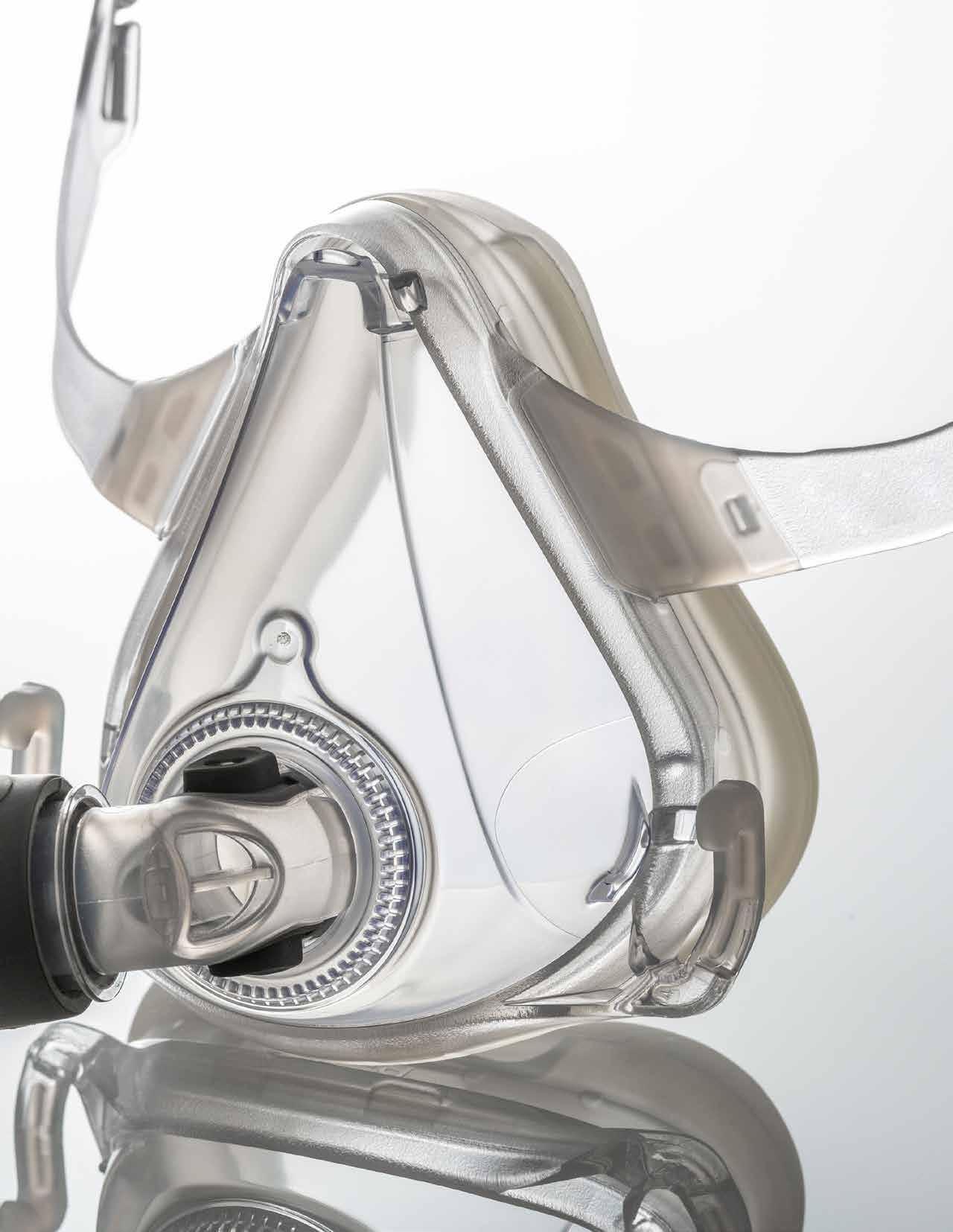
Because of Sleep Apnea’s prevalence and poor recognition by most healthcare professionals, Marshall Lifestyle Medicine frequently screens for the condition with a convenient Home Sleep Study. It is paramount to diagnose this condition when patients are seeking options for Weight Management, Diabetes Management, Heart Disease Management, Depression Management, Low Testosterone, and every other chronic health condition. In 2023 alone, Marshall Lifestyle Medicine screened more patients for sleep apnea with convenient home testing than any other medical practice in Kentucky.
Benefits of a Home Sleep Study vs In-hospital Testing
Marshall Medical Group
Longevity Medicine inspired by John Marshall Mullins, MD
Fitness Screening
A Fitness Assessment plays a crucial role in promoting optimal health & well-being. The detailed evaluation by Marshall Medical Fitness Personnel – Performance Health Coaches and Personal Trainer helps to identify individual strengths and weaknesses, tailor exercise, nutrition, and lifestyle programs to meet specific needs, and enhance overall health and quality of life. ◊ Strength
Agility
Flexibility ◊ VO2 max screening
Balance
Marshall Medical Group
Longevity Medicine inspired by John Marshall Mullins, MD
Electrocardiogram (EKG)
This non-invasive test records the electrical activity of your heart. It can reveal silent conditions as well as life-threatening arrhythmias and provide clues to future treatable conditions.
Longevity Medicine inspired by John Marshall Mullins, MD
Advanced Diagnostics
Cardiac CT Calcium Score
Cardiac calcium scoring tests can be used to determine the risk of cardiovascular disease and heart disease.The tests use a multi-slice CT scanner for the detection of small amounts of calcium or plaque in the coronary arteries. Images can show whether the coronary arteries are narrowed or blocked by any calcium or plaque build-up, which can be an indicator of heart disease. CT Cardiac Calcium scoring has been shown to be superior to standard treadmill stress testing for the diagnosis of Coronary Artery Disease (CAD).
◊ Highly accurate
◊ Painless
◊ Medically proven to detect heart disease without symptoms
Longevity Medicine inspired by John Marshall Mullins, MD
Low Dose CT Lung Screening
Low-Dose CT lung screenings have proved to be an effective tool for early detection of lung cancer, the leading cause of cancer-related death in the United States. Routine chest X-rays are often unable to detect lung cancers until they are of advanced stage.
Low-dose CT can greatly improve the likelihood of detection of early lung cancers, enabling treatment at a more curable stage.
◊ It is painless and non-invasive
◊ Low-dose CT uses up to 90% less radiation than conventional CT chest scan
◊ Proven to reduce the number of deaths from lung cancer patients at elevated risk
◊ Often found in preliminary stages.
Marshall Medical Group
Longevity Medicine inspired by John Marshall Mullins, MD
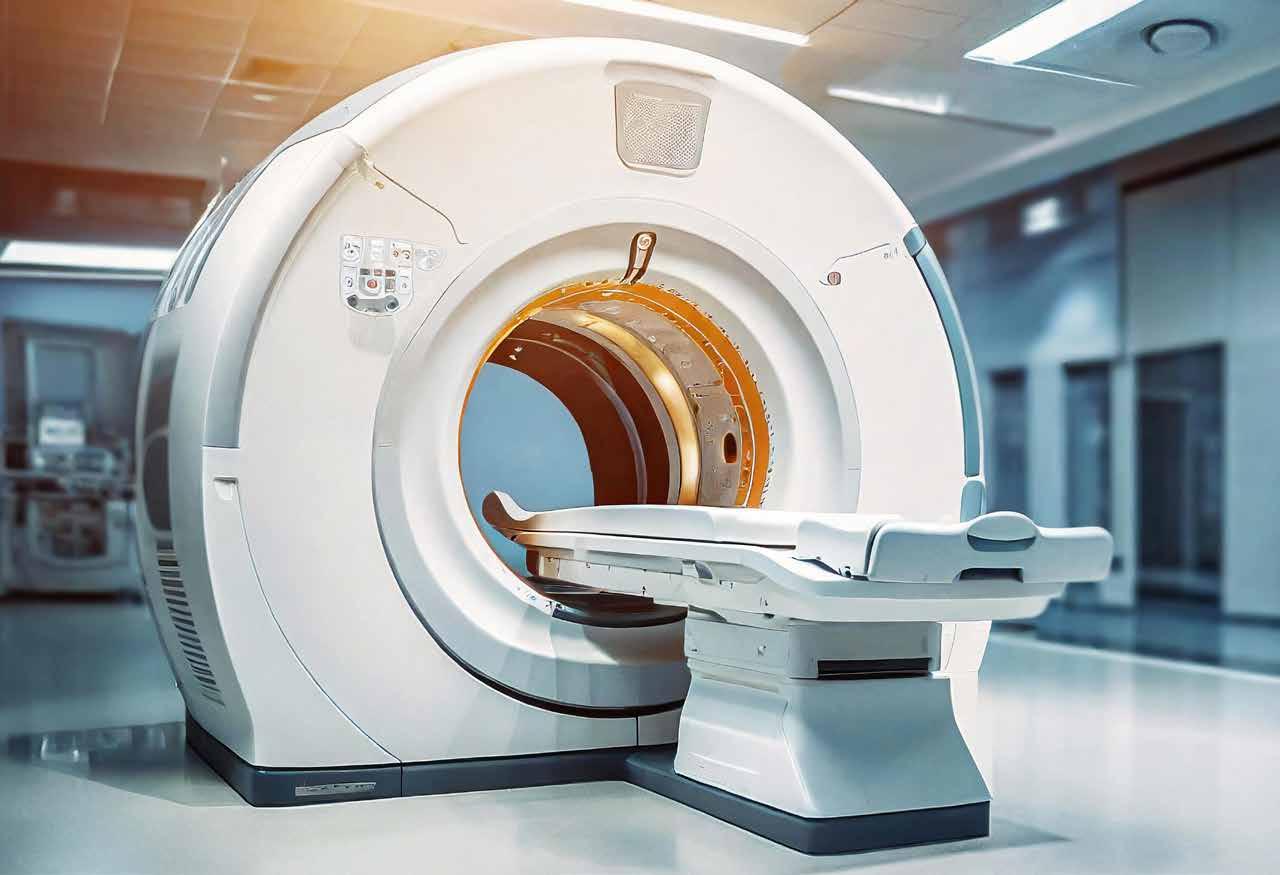
Whole Body and Brain MRI
A whole-body MRI scan looks at the body from head to toe to find cancers, inflammation, or obstructive processes in the body. In the head, the exam can show brain masses, shrinkage, old strokes, the sinuses, and nasal cavities. In the neck, abnormalities in the lymph nodes, thyroid masses or arthritis in the cervical spine can be identified. In the chest, we check the heart for enlargement and the aorta for aneurysms. Moving to the abdomen and pelvis, we can evaluate the kidneys, liver, spleen, adrenal glands, gallbladder (gallstones), pancreas, bladder, uterus, and ovaries. We look at the spine to check for disc herniation and spinal stenosis, and in the extremities, arthritis in the joints. An additional exam of a specific area may be required if an abnormality is identified to obtain more detailed information.
◊ Safe
◊ Highly Accurate
◊ Able to detect tumors, infections, musculoskeletal abnormalities, old strokes and much more
◊ Quick with no radiation
Neurocognitive Function Testing
This is a specialized evaluation designed to assess cognitive capabilities and neurologic health.
Longevity Medicine inspired by John
Marshall Mullins, MD
Galleri Early Cancer Detection Lab Test
Today, most cancers are found too late and are often deadly. The earlier cancer is identified, the greater the chance of successful treatment and survival.
Galleri can detect many of the unscreened cancers that cause: 71% of cancer deaths every year.
It can detect cancer signals across more than 50 types of cancer with a low-false positive rate of 0.5%.
A simple blood draw and results within 10 days.
“Treating Cancer starts with knowing you have it.”
Longevity Medicine inspired by John Marshall Mullins, MD
Learn More:
Did you know?
Firefighters are more at risk for developing cancer due to their job. They qualify for a discounted rate on Galleri tests.
“Cancer needs a quick response time, too.”
Marshall Medical Group
Longevity Medicine inspired by John Marshall Mullins, MD
Genetic Fitness and Nutrition Lab Testing
Food Sensitivity Lab Testing
This at-home lab test measures your body’s immune response to ninetysix foods to help guide you on what types of food to prioritize in a twopart elimination diet.
The body’s unique genetic makeup determines how it best reacts to specific diet and exercise strategies for weight management. The science of genetic testing can help identify the genes that dictate how the body processes carbohydrates, fats, proteins, and micro-nutrients and how patients respond to several types of exercise. Weight loss programs tailored to an individual’s DNA has been proven to be much more effective than one-size-fits-all programs because it takes the guesswork out of health management.
Marshall Medical Group
Longevity Medicine inspired by John Marshall Mullins, MD
Antioxidant and Micronutrient Lab Panel
Antioxidants fight free radicals and can stop free radical reactions. Antioxidants work to prevent damage and can, at times, reverse damage. Antioxidants can boost your immune system. A balanced diet of fruits, vegetables, nuts and seeds provides all the antioxidants your body needs.
Vitamin B Nutrient Lab Panel
All the B vitamins together are called the “B vitamin complex.” The B vitamins are: B1, thiamine. B2 riboflavin. B3 niacin (also called nicotinic acid and nicotinamide)
Treatment
Treatment Options
Marshall Medical Group
Longevity Medicine inspired by John Marshall Mullins, MD
Anastrozole
Anastrozole is a third-generation nonsteroidal aromatase inhibitor that blocks the conversion of testosterone into Estrogen. Men with excessive amounts of Estrogen may develop erectile dysfunction, emotional lability, or gynecomastia (breast tissue). In contrast, too little Estrogen can initiate erectile dysfunction, hot flashes, nausea, fatigue, depression, or irritability. More importantly, Low Estrogen levels in men CAN be associated with excessive bone resorption. The goal is to maintain a man’s Estrogen in a “happy zone.” Not all men will need an aromatase inhibitor as some do not aromatize testosterone as readily. Anastrozole has been studies alone as a treatment for men with hypogonadism as it does tend to stimulate LH / FSH production and thereby resulting in a rise in serum testosterone levels. We will monitor your Estradiol levels every 3-4 months and, when necessary, screen for bone density baseline and interval changes.
Enclomiphene
Enclomiphene is an isomer of Clomid. It is a strong Estrogen Receptor Blocker. It’s administration, in the context of Testosterone Replacement Therapy (TRT), increases Testosterone production, maintains a healthy sperm count, prevents testicular atrophy, and maintains Erectile Function (ED). The medication is titrated to the desired effect.
Progesterone
Progesterone can reduce hot flashes, help with brain fog, promote restful sleep, and helps to balance the effects of Estrogen. Progesterone is generally administered orally but can also be given trans dermally in a cream.
Marshall Medical Group
Longevity Medicine inspired by John Marshall Mullins, MD
Estradiol
Estradiol is used to reduce hot flashes, help with brain fog, decrease vaginal dryness, improve bone density, and protect the brain and heart. When combined with Progesterone in the proper proportions, menopausal women feel more balanced. Estradiol should not be taken orally and is generally given in the form of pellets or trans dermally in a cream.
Testosterone Cypionate
Testosterone has many beneficial properties for men and women. In addition to reducing the incidence of diabetes and heart disease, Testosterone promotes lean muscle mass at the expense of fat, reduces mid-section fat accumulation, increases bone density, libido, mood, sleep quality, energy, and well-being.
HCG (Pregnyl)
Utilizing HCG either in combination with Testosterone Replacement Therapy (TRT) or alone has many benefits. As an analog to Luteinizing Hormone, it stimulates male testicles to increase Testosterone Production. Localized testosterone production is required for proper erectile function. It also will prevent the aesthetically unpleasing aspect of TRT which is testicular atrophy. Some men can increase their serum levels of testosterone sufficiently with HCG as to negate the use of TRT. Exogenous use of testosterone will suppress natural pituitary LH production and can precipitate symptoms of erectile function and low libido.
Finasteride
Finasteride blocks an enzyme that naturally converts Testosterone to Dihydrotestosterone (DHT). DHT tends to cause hair loss and Prostatic Enlargement in some men and women. The medication can be taken orally or applied directly to the scalp for the purpose of preventing hair loss.
Sildenafil
Sildenafil increases blood flow to the penis, resulting in more pronounced erectile function. The medication begins to work within 30 minutes of ingestion with peak plasma levels at one hour post ingestion. The medication has a half-life of approximately 4 hours.
Tadalafil
Tadalafil increases blood flow to the penis. The onset of the medications effects is more delayed and less pronounced but offer the advantages of having a half-life of 17.5 hours, making it a more desired medication option for some men. Many men prefer the enhanced duration of action of Tadalafil. Additionally, Tadalafil improves urinary flow in men with BPH.
Vardenafil
Vandenafil increases blood flow to the penis. The half-life is 6 hours.
Sildenafil / Tadalafil / Vardenafil Blends
Combining the three medications in various percentages can provide the perfect combination of quick onset and prolonged duration of action.
Phentermine
Phentermine is a stimulant medication that works in the brain to release norepinephrine, a potent flight or fight neurotransmitter. As a short-term adjunct to treat obesity, it is quite effective at reducing the appetite in most individuals. It also stimulates metabolism, thereby burning more calories and promoting more rigorous exercise sessions.
TriMix
Trimix is a mixture of three separate medications that are selfinjected into the penis to achieve an erection. The effect starts within 15 min. of administration and can last for hours. In studies, the best results were achieved with the combination of TriMix and Sildenafil. The injections are nearly painless, and the procedure is easy to learn. Injections should not be used more than once in a 24-hour period.
QuadMix
QuadMix combines the ingredients in TriMix with a separate medication, Atropine.
Oxytocin
Oxytocin has several positive effects on men and women. Coined the “cuddle hormone,” men who take oxytocin have a more positive outlook, intensified bonding during intercourse, increased sexual arousal, intensified erectile function and orgasms. Women also notice a more intense bonding experience with their partner.
Arousal Cream (Scream Cream)
Arousal Creams consists of 4 vasodilators. The cream is applied to the external genitalia of women. The application results in increased blood flow to the tissues, thereby increasing lubrication, nerve stimulation, and pleasure.
Marshall Medical Group
Longevity Medicine inspired by John Marshall Mullins, MD
Semaglutide
Developed to treat patients with Type II Diabetes, practitioners soon noticed that a high percentage of patients were losing weight! The medication delays gastric emptying, thereby giving patients a sense of “fullness.” It also blocks the receptor in our brains responsible for hunger. Additionally, it causes metabolic alterations that result in improved insulin sensitivity and less carb to fat transformation. The medication is administered subcutaneously once weekly. It is approved for long-term use and can even be used for maintenance or on a short-term basis for quick, life specific weight loss purposes. It has been my experience that patients tend to lose 1-3 pounds weekly.
Tirzepatide
Tirzepatide is peptide molecule which acts as a dual agonist at GLP-1 and GIP receptors. It enhances the insulin response, suppresses glucagon secretion, promotes satiety, and improves insulin sensitivity. Gastrointestinal upset is the most common side effect. It is a dual receptor medication and has been shown to be slightly more effective in promoting weight loss than Semaglutide. This medication has a similar side effect profile. Most adverse effects were related to nausea and diarrhea.
Semaglutide Plus+
Semaglutide Plus combines weight loss and improved insulin sensitivity of Semaglutide with the nausea reduction of B12 (nausea is a common adverse effect of Semaglutide).
Marshall Medical Group
Longevity Medicine inspired by John Marshall Mullins, MD
MicUltraBurn Lipotropic / “LipoLean”
Lipolean is a very interesting weight loss / maintenance adjunct. Not only does it boost energy and increase metabolism, it also is a potent, natural appetite suppressant that also aids in insulin sensitivity. Most patients receive a once weekly injection, either in our office or at home. When combined with other lifestyle measures, LipoLean can help lose weight or maintain a healthy weight. Dr. Mullins highly recommend this lipotropic injection to all of his patients.
Metformin
The use of metformin by non-diabetics stems from some evidence that metformin can decrease inflammation, protect against cardiovascular disease and cognitive impairment, minimize cancer risk and progression, and Slow aging, prevent age-related disease, and increase lifespan. Preliminary studies suggest that metformin may slow aging and increase life expectancy by improving the body’s responsiveness to insulin, antioxidant effects, and improving blood vessel health. Its utilization in this context is currently theoretical but many studies indicate it may have utility in the future. Telomere lengthening was noticed anecdotally in diabetic patients receiving the medication. Its utility in non-diabetic patients remains theoretical.
NAD+ - The Brain Reboot
NAD+
NAD+ is a coenzyme present in all living cells. It can be characterized as an anti-aging molecule because of the many important roles it plays in promoting health and prolonging lifespan. NAD+ binds to other enzymes in the body, effectively activating them. NAD+ levels naturally fall as we age. The process, like many other age-related cellular functions, results in accelerated aging. Increasing this important modulator of aging results in rapid increases in serum and cellular NAD+ levels.
All the Benefits of NAD+ at a fraction of the cost of infusions and the ease and convenience of home use!
Benefits of Subcutaneous administration:
◊ Energy - NAD+ promotes the conversion of nutrients to ATP – The body’s primary energy source!
◊ Brain function - Slows Cognitive Decline
◊ Anti-aging properties
◊ Anti-inflammatory
◊ Improves concentration and memory while reducing anxiety and mood disorders.
◊ Athletic Performance – Post workout recovery
◊ Pain Relief
Marshall Medical Group
Longevity Medicine inspired by John Marshall Mullins, MD
Gonadorelin Injections
Gonadorelin does more than increase your fertility. In fact, it can affect your entire well-being. For this reason, gonadorelin acetate for men can be more effective in physical benefits than HCG. Gonadorelin treatment can:
◊ Prevent testicular shrinkage: Gonadorelin stimulates the anterior pituitary gland to release the LH hormones. With this stimulation, the body can continue producing testosterone, reducing the risk of testicular atrophy.
◊ Treats lack of testicular development: In some instances, the male reproductive organ may not be developed entirely post-puberty. Gonadorelin helps stimulate this growth to full maturity.
◊ Boost your libido: This supplement can increase your sexual health and performance.
◊ Improves mood: Supporting your body with gonadorelin may cause you to have a clearer mind, focus and improved mood. Gonadorelin can work with testosterone levels to reduce depressive symptoms including apathy and lethargy.
◊ Higher sleep quality: As gonadorelin works, you will notice your sleep quality improving as your hormones begin to balance. You can feel less restless at night and more alert throughout the day.
◊ Regulate and normalize testosterone levels: These benefits occur as gonadorelin regulates testosterone, which offers another set of health improvements.
Longevity Medicine inspired by John Marshall Mullins, MD
Glutathione Injections
Glutathione is another anti-aging peptide. It is involved in several important functions in the body – reduction in inflammation, enhanced immune function, and protection from age-related disease. As we age, glutathione production falters resulting in increased oxidative stress, accelerated aging, and the onset of many disease states.
Benefits of Glutathione taken subcutaneously:
◊ Repair - Repair of oxidative cell damage by “capturing free radicals”
◊ Anti-Inflammatory - Reduced inflammation
◊ Skin Repair - Improvement if age related skin damage – wrinkles, improved elasticity, and reduced melanin.
◊ Brain Health - Improved brain health
◊ Immune System Stimulation - Enhanced immune system
◊ Athletic Performance - Enhanced athletic performance and exercise output
Cobalamin (B12) Injections
B 12 (Cobalamin) is an essential vitamin that your body needs but cannot make. It plays a critical role in many bodily functions and its deficiency is linked to many age-related disorders and conditions. B 12 can be taken orally but higher serum and intracellular levels are achieved through intravenous or intramuscular injections.
Benefits of B 12 (Cobalamin) taken intramuscularly:
◊ Red blood cell production
◊ Improved bone density
◊ Reduction in macular degeneration
◊ Mental Resilience
◊ Cognitive Health - Memory
◊ Athletic Performance
Marshall Medical Group
Longevity Medicine inspired by John Marshall Mullins, MD
Vitamin C
Vitamin C, also known as ascorbic acid, offers numerous benefits when taken orally:
◊ Boosts Immune System: Vitamin C is renowned for its immune-boosting properties. It supports the production of white blood cells, which help fight infections and enhance the body’s defense mechanisms.
◊ Powerful Antioxidant: As an antioxidant, vitamin C helps combat oxidative stress by neutralizing free radicals. This can potentially reduce the risk of chronic diseases like heart disease, certain cancers, and aging-related conditions.
◊ Collagen Synthesis: Vitamin C plays a crucial role in collagen synthesis, which is essential for maintaining skin health, wound healing, and overall tissue repair.
◊ Enhances Iron Absorption: Consuming vitamin C along with iron-rich foods or supplements can improve iron absorption, making it particularly beneficial for individuals prone to iron deficiency or anemia.
◊ May Lower Risk of Chronic Diseases: Adequate intake of vitamin C has been associated with a reduced risk of chronic diseases such as cardiovascular disease, certain cancers, and eye diseases like cataracts.
◊ Supports Brain Health: Some research suggests that Vitamin C may have neuroprotective effects, potentially reducing the risk of cognitive decline and supporting overall brain health.
◊ Reduces Risk of Gout: Vitamin C may help lower uric acid levels in the blood, reducing the risk of gout attacks or alleviating symptoms in individuals already affected by the condition.
◊ May Alleviate Asthma Symptoms: Studies have shown that vitamin C may help reduce the severity and duration of asthma attacks by acting as a natural antihistamine and anti-inflammatory agent.
◊ Promotes Cardiovascular Health: Vitamin C may improve endothelial function, which helps maintain healthy blood vessels and blood pressure levels, thereby reducing the risk of cardiovascular diseases.
◊ Supports Eye Health: As an antioxidant, vitamin C may help protect the eyes from age-related macular degeneration (AMD) and cataracts by combating oxidative stress in the eye tissues.
Longevity Medicine inspired by John Marshall Mullins, MD
B Complex
B vitamins are a group of water-soluble vitamins that play essential roles in various physiological functions within the body. B complex supplements typically contain a combination of several B vitamins, including B1 (thiamine), B2 (riboflavin), B3 (niacin), B5 (pantothenic acid), B6 (pyridoxine), B7 (biotin), B9 (folate), and B12 (cobalamin). Here are some of the benefits of B complex supplementation:
◊ Energy Production: B vitamins are crucial for converting carbohydrates, fats, and proteins into energy. They participate in metabolic processes that produce ATP, the primary energy currency of cells. Supplementing with B complex can help support energy metabolism and alleviate symptoms of fatigue and low energy levels.
◊ Nervous System Function: Several B vitamins, including B1, B6, B9, and B12, play vital roles in maintaining a healthy nervous system. They support the synthesis of neurotransmitters involved in mood regulation, memory, and cognitive function. B complex supplementation may help improve mood, reduce stress, and support overall brain health.
◊ Cardiovascular Health: B vitamins like B6, B9, and B12 are involved in homocysteine metabolism. Elevated levels of homocysteine are associated with an increased risk of cardiovascular disease. Supplementing with B complex can help lower homocysteine levels, reduce inflammation, and support heart health.
◊ Red Blood Cell Formation: B vitamins, particularly B6, B9, and B12, are essential for the synthesis of red blood cells (erythropoiesis). Adequate levels of these vitamins are necessary to prevent anemia and maintain optimal oxygen transport throughout the body.
◊ Skin and Hair Health: Biotin (B7) is well-known for its role in promoting healthy skin, hair, and nails. It supports the production of keratin, a protein that forms the structural basis of hair and nails. B complex supplementation may help improve the appearance and strength of hair and nails.
◊ Digestive Health: B vitamins are involved in the metabolism of carbohydrates, fats, and proteins, as well as the synthesis of digestive enzymes. They support healthy digestion and nutrient absorption in the gastrointestinal tract. B complex supplementation may help alleviate symptoms of indigestion and improve gut health.
◊ Stress Management: B vitamins, particularly B5 (pantothenic acid) and B6 (pyridoxine), are involved in the synthesis of stress hormones like cortisol and adrenaline. Adequate intake of B complex vitamins may help regulate the body’s stress response and promote resilience to stress.
◊ Eye Health: B vitamins like B2 (riboflavin) and B3 (niacin) play roles in maintaining vision and eye health.They help protect the eyes from oxidative damage and support the function of the retina. B complex supplementation may help reduce the risk of age-related eye conditions like cataracts and macular degeneration.
◊ Supports Pregnancy and Fetal Development: Folate (B9) is crucial for fetal development, especially during the early stages of pregnancy. It plays a vital role in neural tube formation and prevents neural tube defects in the developing fetus. Pregnant women are often advised to take supplemental folic acid, the synthetic form of folate, to ensure adequate intake.
◊ Immune Function: B vitamins, particularly B6, B9, and B12, support immune system function by promoting the production and activity of immune cells. Adequate intake of B complex vitamins may help enhance immune response and reduce the risk of infections.
Marshall Medical Group
Longevity Medicine inspired by John Marshall Mullins, MD
Vitamin D
Vitamin D, often referred to as the “sunshine vitamin,” provides a multitude of benefits when taken orally:
◊ Bone Health: Vitamin D plays a crucial role in calcium absorption and bone metabolism. It helps maintain adequate calcium and phosphorus levels in the blood, promoting bone mineralization and reducing the risk of fractures, osteoporosis, and other bone-related disorders.
◊ Muscle Function: Adequate vitamin D levels are associated with improved muscle strength and function, which can help reduce the risk of falls and fractures, especially in older adults.
◊ Immune System Support: Vitamin D is involved in modulating the immune system, enhancing innate immune responses, and regulating inflammation. Adequate vitamin D levels may help reduce the risk of infections and autoimmune diseases.
◊ Mood Regulation: Vitamin D receptors are found in areas of the brain associated with mood regulation. Some research suggests that maintaining optimal vitamin D levels may help improve mood and reduce the risk of depression and seasonal affective disorder (SAD).
◊ Cardiovascular Health: Vitamin D may have beneficial effects on cardiovascular health by reducing inflammation, improving endothelial function, and regulating blood pressure. Adequate vitamin D levels are associated with a lower risk of hypertension, heart disease, and stroke.
◊ Cancer Prevention: Some studies suggest that vitamin D may play a role in reducing the risk of certain cancers, including colorectal, breast, prostate, and pancreatic cancer. Vitamin D may inhibit cell proliferation, promote apoptosis (cell death), and modulate immune responses against cancer cells.
◊ Supports Pregnancy and Infant Health: Adequate vitamin D levels during pregnancy are essential for fetal skeletal development and may reduce the risk of complications such as pre-eclampsia, gestational diabetes, and preterm birth. Infants born to mothers with sufficient vitamin D levels are also less likely to develop rickets and other bone disorders.
◊ Brain Health: Vitamin D receptors are found throughout the brain, suggesting its importance for cognitive function and neurological health. Some research indicates that maintaining optimal vitamin D levels may help reduce the risk of cognitive decline and neurodegenerative diseases like Alzheimer’s disease.
◊ Regulates Insulin Sensitivity: Vitamin D may play a role in improving insulin sensitivity and reducing the risk of type 2 diabetes. Adequate vitamin D levels are associated with better glucose metabolism and lower insulin resistance.
◊ Skin Health: Vitamin D may help maintain healthy skin by promoting wound healing, reducing inflammation, and protecting against certain skin conditions like psoriasis and eczema.
Marshall Medical Group
Longevity Medicine inspired by John Marshall Mullins, MD
CoQ10
Coenzyme Q10 (CoQ10) is a compound found naturally in the body, particularly in the mitochondria of cells. It serves several essential functions and offers numerous health benefits:
◊ Energy Production: CoQ10 plays a crucial role in the production of adenosine triphosphate (ATP), which is the primary energy source for cellular functions. It helps convert the energy from nutrients into a form that cells can use for various biological processes.
◊ Antioxidant Properties: CoQ10 acts as a powerful antioxidant, neutralizing free radicals and protecting cells from oxidative damage caused by reactive oxygen species (ROS). This antioxidant activity helps reduce the risk of chronic diseases and supports overall cellular health.
◊ Heart Health: CoQ10 is concentrated in the heart muscle, where it supports cardiovascular function. It helps maintain normal heart rhythm, supports healthy blood pressure levels, and improves energy production in heart cells. CoQ10 supplementation may benefit individuals with heart failure, angina, or other cardiovascular conditions.
◊ Improves Exercise Performance: CoQ10 supplementation has been shown to enhance exercise performance by improving mitochondrial function, increasing ATP production, and reducing oxidative stress and muscle damage during physical activity. Athletes and physically active individuals may experience improved endurance and recovery with CoQ10 supplementation.
◊ Supports Brain Health: CoQ10 has neuroprotective properties and may help reduce the risk of neurodegenerative diseases such as Alzheimer’s and Parkinson’s disease. It supports mitochondrial function in brain cells, enhances cellular energy production, and protects against oxidative stress and inflammation.
◊ Migraine Prevention: Some studies suggest that CoQ10 supplementation may reduce the frequency, severity, and duration of migraine headaches. CoQ10’s antioxidant and anti-inflammatory properties may help stabilize mitochondrial function and improve energy metabolism in the brain.
◊ Anti-Aging Effects: CoQ10 levels decline with age, leading to decreased cellular energy production and increased oxidative stress. Supplementing with damage and helping slow the aging process by supporting mitochondrial function, reducing oxidative damage, and promoting overall cellular health.
◊ Supports Fertility: CoQ10 plays a role in sperm motility and energy production in the male reproductive system. Supplementation with CoQ10 may improve sperm quality, increase sperm count, and enhance fertility in men. It may also benefit women undergoing fertility treatments by improving egg quality and reproductive outcomes.
◊ Reduces Statin Side Effects: Statin medications used to lower cholesterol levels can deplete CoQ10 levels in the body, leading to muscle pain, weakness, and fatigue. Supplementing with CoQ10 may help alleviate these side effects and improve muscle function in individuals taking statins.
◊ Skin Health: CoQ10 has been used in skincare products for its antioxidant properties and ability to protect against UV-induced skin damage. It helps reduce the appearance of wrinkles, improve skin hydration, and promote a more youthful complexion.
Fish Oil Oral Supplement
Fish oil, which is rich in omega-3 fatty acids, particularly eicosatetraenoic acid (EPA) and docosahexaenoic acid (DHA), offers a wide array of health benefits when consumed regularly:
◊ Heart Health: Omega-3 fatty acids found in fish oil can help reduce triglyceride levels, lower blood pressure, and decrease the risk of developing heart disease. They also have anti-inflammatory properties that may help prevent the formation of blood clots and plaque buildup in the arteries.
◊ Brain Function: DHA, one of the main components of fish oil, is crucial for brain development and function. Consuming omega-3 fatty acids may support cognitive function, improve memory, and reduce the risk of agerelated cognitive decline and neurodegenerative diseases like Alzheimer’s.
◊ Eye Health: DHA is a major structural component of the retina in the eye, and adequate intake of omega-3 fatty acids is associated with a reduced risk of age-related macular degeneration (AMD) and dry eye syndrome. It may also support overall eye health and vision.
◊ Inflammation Reduction: Omega-3 fatty acids have anti-inflammatory properties that can help reduce inflammation throughout the body. This may be beneficial for individuals with inflammatory conditions such as rheumatoid arthritis, inflammatory bowel disease (IBD), and asthma.
◊ Joint Health: Fish oil supplements have been shown to alleviate joint pain and stiffness associated with conditions like rheumatoid arthritis and osteoarthritis. Omega-3 fatty acids help reduce inflammation in the joints, potentially improving mobility and reducing the need for pain medication.
◊ Skin Health: Omega-3 fatty acids support healthy skin by maintaining cell membranes, promoting moisture retention, and reducing inflammation. Consuming fish oil supplements may help alleviate symptoms of skin conditions like eczema, psoriasis, and acne.
◊ Mood Regulation: Omega-3 fatty acids are involved in neurotransmitter function and can influence mood regulation. Some studies suggest that fish oil supplementation may help reduce symptoms of depression, anxiety, and bipolar disorder, although more research is needed in this area.
◊ Pregnancy and Infant Development: DHA is essential for fetal brain and eye development during pregnancy. Consuming adequate omega-3 fatty acids, either through fish oil supplements or dietary sources, may support healthy pregnancy outcomes and optimal infant development.
◊ Bone Health: Omega-3 fatty acids may help improve calcium absorption and promote bone density, reducing the risk of osteoporosis and fractures, particularly in postmenopausal women.
◊ Exercise Performance:Some research suggests that fish oil supplementation may enhance exercise performance and recovery by reducing inflammation, supporting muscle repair, and improving oxygen delivery to muscles.
How You Do Anything, Is How You Do Everything.
Longevity Medicine inspired by John Marshall Mullins, MD
Why a Health Team Approach Works
Marshall Healthcare Team Model - Improving the Patient Experience and Outcome through Effective Teamwork
Team-based care acknowledges that there are multiple key players treating a patient and that each of them must collaborate with one another to drive optimal care outcomes.
Marshall Health Team Approach involves aligning multiple team member’s actions towards common goals:
◊ Collaboration and Synergies drive Exceptional Care Outcomes
◊ Efficiency and Hospitality drive Satisfaction and participation
◊ Prevention, Early Detection, & Optimization, and
◊ Hospitality Principles replace frustration with warmth and comfort
Defined Team Roles and Responsibilities as well as effective communication and infrastructure support creates an environment for patients to feel confident that their needs are best met.
Team-based care has been shown to be superior to fragmented, siloed, disconnected coordination as it minimizes errors, enhances safety, reduces unnecessary delays, and reduces frustrations that are all too common in traditional healthcare.
Marshall Lifestyle Medicines Healthcare Team Model has shown to reduce Emergency Room and UTC visits by up to 70% while also reducing hospitalizations by 75%. 95% of Marshall patients renew their medical membership yearly.
Marshall Medical Group
Longevity Medicine inspired by John Marshall Mullins, MD
Marshall Health Team Members:
◊ Physician – An effective Physician is the Leader of the Team
◊ Physician Assistant / Nurse Practitioner – Extenders allow for the delivery of a more personalized level of care.
◊ Medical Membership Coordinator – The role of the Member coordinator is to expose patients to all Marshall has to offer and to be a point of contact for effective, efficient, hospitality-based care.
◊ Fitness Coordinator * Lifestyle Coach * Personalized Training – Lifestyle Medicine focuses on the decisions and behaviors that contribute to living an optimized, balanced life, free of disease or age-related decline.
◊ Nurse Quality Assurance, Surveillance, and Clinical Excellence – Marshall is committed to being the gold standard in Quality, Prevention, and continuous incremental improvement of all processes and delivery of services.
◊ Life Coach / Therapist
◊ Prescription Concierge – Available 24/7 for all your medication management issues.
◊ Aesthetics Coordinator – Marshall Provides gender neutral, comprehensive aesthetic services to assist our patients in looking as good as they feel.
◊ Patient Hospitality Concierge – We have a singular goal – Deliver 5-star customer service and exceed our patients’ expectations in everything we do. We have a team dedicated to that goal.
◊ Physician Network of Specialists - Sleep Psychologists, Cardiologists, Urologists, Endocrinologists, Psychiatrists, Bariatric Providers, Women’s Health Experts, Diagnostics Centers, Counselors
Longevity Medicine inspired by John Marshall Mullins, MD
Prevention through Purposeful Lifestyle Behaviors
70%
90%
The amount of reduction in all cause mortality associated with basic lifestyle behaviors such as maintaining an ideal body weight, exercise, proper sleep, reduced alcohol intake and smoking cessation.
The percentage of chronic health conditions that are adversely affected by lifestyle behaviors
14 years.
The number of years men and women live longer on average by adopting all twelve healthy lifestyle habits by age 50
Marshall Medical Group
Longevity Medicine inspired by John Marshall Mullins, MD
Closing statement from John Marshall Mullins MD
“My life changed for the better the day I found my “Why.” I grew up poor. I grew up with a less-than-ideal family structure that lacked nurturing and parental involvement. I formed a belief system that focused on arbitrary finish (success) lines at the expense of the rest of my life. When you grow up poor and without mentoring, you often search for validation wherever you can find it. I found great success in athletics, academics, and as a physician and business owner. I started an ER group out of a second bedroom of an apartment and grew it to be the largest provider of ER and Hospitalist Care in this area of the country. I did this without any formal ER training. None of those successes provided the feeling of accomplishment I was expecting. In fact, those successes came, unfortunately, at great cost. Lost in the pursuit of individual accomplishment, I neglected my relationships, my spirituality, my health – physical and mental, my need for self-care and the satisfaction that comes from simply living.
I found my “Why” when I became a Father and felt the love that can only come from being bound by birth. I found my “Why” when I realized that I had a story to tell, an epiphany to discuss loudly and often. I found my “Why” when I came to realize that the journey IS the success and sometimes the hardest journeys, yield the most satisfaction. I am proud to be a Father. I am proud to be the Founder of this medical practice. I hope to continue to provide the highest quality of healthcare delivered with my own unique flair.
Thank you for entrusting your care in me and my team.
Marshall Medical Group @2024
Inspired by John Marshall Mullins, MD
Designed by Haley Hoskins
Images by stock.adobe.com contributors & generation with Ai
Haley Hoskins
From the designer,
I have been a design team member for Marhall Medical Group for over two years. A Kentuckian graduate of Morehead State University with a BFA in Design & Film. I and Marshall Medical Group appreciate you for taking the time for viewing this magazine and learning about Gold Standard Patient Experience. Marshall Medical Group is revolutionary, and tailored to you. I hope you are inspired to assess the componets of your lifestyle and experience the Marshall Difference. After all, you are the true artist for your life. A Marshall saying: “It’s your Life, By Design!”