

CLINICAL GUIDELINES
in CONCIERGE LIFESTYLE MEDICINE
The Marshall Medical Group
John Marshall Mullins, MD

Marshall Clinical Guidlines
The Evaluation and Management of Testosterone Deficiency inspired by John Marshall Mullins, MD
The Evaluation and Management of Testosterone Deficiency inspired by John Marshall Mullins, MD
Marshall Clinical Guidelines
The Evaluation and Management of Testosterone Deficiency
The Evaluation and Management of Testosterone Deficiency AUA Guideline provides guidance to the practicing clinician on how to diagnose, treat and monitor the adult male with testosterone deficiency. The care of testosterone deficient patients should focus on accurate assessment of testosterone levels, symptoms and signs as well as proper on-treatment monitoring to ensure therapeutic testosterone levels are reached and symptoms are ameliorated. Guidance is also given on the management of patients with cardiovascular disease, men who are interested in preserving their fertility and men who are at risk for or have prostate cancer.
Background
Testosterone testing and prescriptions have nearly tripled in recent years; however, it is clear from clinical practice that there are many men using testosterone without a clear indication.1-3
Some studies estimate that up to 25% of men who receive testosterone therapy do not have their testosterone tested prior to initiation of treatment.2, 3 Of men who are treated with testosterone, nearly half do not have their testosterone levels checked after therapy commences.2, 3 While up to a third of men who are placed on testosterone therapy do not meet the criteria to be diagnosed as testosterone deficient,2, 3
There are a large percentage of men in need of testosterone therapy who fail to receive it due to clinician concerns, mainly surrounding prostate cancer development and cardiovascular events, although current evidence fails to definitively support these concerns. Furthermore, many otherwise qualified physicians are reluctant to prescribe testosterone due to fears that they will be unfairly criticized by other colleagues or regulatory boards.
Given the clinical and commercial testosterone landscape, the American Urological Association (AUA) identified a need to produce an evidence-based document that informs clinicians on the proper assessment and management of patients with testosterone deficiency. The AUA and the Testosterone Panel were committed to creating a Guideline that ensures that men in need of testosterone therapy are treated effectively and safely.
A systematic review utilized research from the Mayo Clinic Evidence Based Practice Center and additional supplementation by the authors. Literature searches included Ovid Medline In-Process & Other Non-Indexed Citations, Ovid MEDLINE, Ovid EMBASE, Ovid Cochrane Central Register of Controlled Trials, Ovid Cochrane Database of Systematic Reviews, and Scopus. Controlled vocabulary supplemented with keywords was used to search for studies according to each defined question. This search included articles published between January 1, 1980 – February 6, 2017, and yielded 15,217 references, 546 (enrolling approximately 350,000 men) of which were used to support guideline statements.
An updated evidence search was subsequently performed in 2022. The original guideline search strategy was updated and used to systematically search PubMed for new evidence published between the previous search end date and February 2022. This search covered the topic areas of all Key Questions listed previously. The literature search returned 11,537 citations after deduplication. During the title first pass review, 11,060 citations were excluded. In the second pass, an additional 419 studies were excluded.
When sufficient evidence existed, the body of evidence for a particular treatment was assigned a strength rating of A (high), B (moderate) or C (low) for support of Strong, Moderate, or Conditional Recommendations. In the absence of sufficient evidence, additional information is provided such as Clinical Principles and Expert Opinions.
The Evaluation and Management of Testosterone Deficiency inspired by John Marshall Mullins, MD
Diagnosis of Testosterone Deficiency
Clinicians should use a total testosterone level below 300 ng/dL as a reasonable cut-off in support of the diagnosis of low testosterone. (Moderate Recommendation; Evidence Level: Grade B)
The diagnosis of low testosterone should be made only after two total testosterone measurements are taken on separate occasions with both conducted in an early morning fashion. (Strong Recommendation; Evidence Level: Grade A)
The clinical diagnosis of testosterone deficiency is only made when patients have low total testosterone levels combined with symptoms and/or signs.(Moderate Recommendation; Evidence Level: Grade B)
Clinicians should consider measuring total testosterone in patients with a history of unexplained anemia, bone density loss, diabetes, exposure to chemotherapy, exposure to testicular radiation, HIV/AIDS, chronic narcotic use, male infertility, pituitary dysfunction, and chronic corticosteroid use even in the absence of symptoms or signs associated with testosterone deficiency. (Moderate Recommendation; Evidence Level: Grade B)
The use of validated questionnaires is not currently recommended to either define which patients are candidates for testosterone therapy or to monitor symptom response in patients on testosterone therapy. (Conditional Recommendation; Evidence Level: Grade C)
Adjunctive Testing (See Attached)
In patients with low testosterone, clinicians should measure serum luteinizing hormone levels. (Strong Recommendation; Evidence Level: Grade A)
Serum prolactin levels should be measured in patients with low testosterone levels combined with low or low/normal luteinizing hormone levels. (Strong Recommendation; Evidence Level: Grade A)
Patients with persistently high prolactin levels of unknown etiology should undergo evaluation for endocrine disorders. (Strong Recommendation; Evidence Level: Grade A)
Serum estradiol should be measured in testosterone deficient patients who present with breast symptoms or gynecomastia prior to the commencement of testosterone therapy. (Expert Opinion)
Men with testosterone deficiency who are interested in fertility should have a reproductive health evaluation performed prior to treatment. (Moderate Recommendation; Evidence Level: Grade B)
Prior to offering testosterone therapy, clinicians should measure hemoglobin and hematocrit and inform patients regarding the increased risk of polycythemia. (Strong Recommendation; Evidence Level: Grade A) See Protocol for treatment for secondary polycythemia
PSA should be measured in men over 40 years of age prior to commencement of testosterone therapy to exclude a prostate cancer diagnosis. (Clinical Principle) See Protocol and Referral Pattern
The Evaluation and Management of Testosterone Deficiency inspired by John Marshall Mullins, MD
Counseling Regarding Treatment of Testosterone Deficiency
Clinicians should inform testosterone deficient patients that low testosterone is a risk factor for cardiovascular disease. (Strong Recommendation; Evidence Level: Grade B)
Patients should be informed that testosterone therapy may result in improvements in erectile function, low sex drive, anemia, bone mineral density, lean body mass, and/or depressive symptoms. (Moderate Recommendation; Evidence Level: Grade B)
Patients should be informed that the evidence is inconclusive whether testosterone therapy improves cognitive function, measures of diabetes, energy, fatigue, lipid profiles, and quality of life measures. (Moderate Recommendation; Evidence Level: Grade B)
The long-term impact of exogenous testosterone on spermatogenesis should be discussed with patients who are interested in future fertility. (Strong Recommendation; Evidence Level: Grade A) We will discuss your fertility desires prior to initiation of treatment and as circumstances evolve.
Clinicians should inform patients of the absence of evidence linking testosterone therapy to the development of prostate cancer. (Strong Recommendation; Evidence Level: Grade B). In fact, recent studies show no correlation between testosterone and the development of prostate cancer and TRT may result in earlier diagnosis of the condition and lead to earlier treatment and better outcomes.
Patients with testosterone deficiency and a history of prostate cancer should be informed that there is inadequate evidence to quantify the risk-benefit ratio of testosterone therapy. (Expert Opinion)
Patients should be informed that there is no definitive evidence linking testosterone therapy to a higher incidence of thromboembolic events. (Moderate Recommendation; Evidence Level: Grade C)
Prior to initiating treatment, clinicians should counsel patients that, at this time, it cannot be stated definitively whether testosterone therapy increases or decreases the risk of cardiovascular events (e.g., myocardial infarction, stroke, cardiovascularrelated death, all-cause mortality). (Moderate Recommendation; Evidence Level: Grade B)
All men with testosterone deficiency should be counseled regarding lifestyle modifications as a treatment strategy.(Conditional Recommendation; Evidence Level: Grade B) It must be emphasized that thru the lens of anecdotal observation, best results in overall well-being are achieved ONLY through the combination of lifestyle modifications along with the treatment for testosterone deficiency.
Clinicians should adjust testosterone therapy dosing to achieve a total testosterone level in the middle tertile of the normal reference range. (Conditional Recommendation; Evidence Level: Grade C)
Exogenous testosterone therapy should not be prescribed to men who are currently trying to conceive. (Strong Recommendation; Evidence Level: Grade A)
Testosterone therapy should not commence for a period of three to six months in patients with a history of cardiovascular events. (Expert Opinion)
The Evaluation and Management of Testosterone Deficiency inspired by John Marshall Mullins, MD
Clinicians should not prescribe alkylated oral testosterone. (Moderate Recommendation; Evidence Level: Grade B)
Clinicians should discuss the risk of transference with patients using testosterone gels/creams. (Strong Recommendation; Evidence Level: Grade A)
Clinicians may use aromatase inhibitors, human chorionic gonadotropin, selective estrogen receptor modulators, or a combination thereof in men with testosterone deficiency desiring to maintain fertility. (Conditional Recommendation; Evidence Level: Grade C)
Commercially manufactured testosterone products should be prescribed rather than compounded testosterone, when possible. (Conditional Recommendation; Evidence Level: Grade C)
Follow-up of Men on Testosterone Therapy (See attached)
Clinicians should measure an initial follow-up total testosterone level after an appropriate interval to ensure that target testosterone levels have been achieved. (Expert Opinion)
Testosterone levels should be measured every 6-12 months while on testosterone therapy. (Expert Opinion). We take a more conservative approach and prefer to check trough levels every 4 months. This also allows an opportunity to monitor other unrelated biomarkers pertinent to your overall treatment program.
Clinicians should discuss the cessation of testosterone therapy three to six months after commencement of treatment in patients who experience normalization of total testosterone levels but fail to achieve symptom or sign improvement. (Clinical Principle)
To cite this guideline: Mulhall JP, Trost LW, Brannigan RE et al: Evaluation and management of testosterone deficiency: AUA guideline. J Urol 2018; 200: 423.
Marshall Initial Comprehensive Adjunctive Evaluation (90mins)
(See Attached)
◊ Complete Lifestyle Behavior Inventory (See Attached)
Lifestyle Behavior Assessment (Scale 1-4): Lifestyle Medicine is the therapeutic use of evidence-based lifestyle interventions to treat and prevent lifestyle related diseases in a clinical setting. It empowers individuals with the knowledge and life skills to make effective behavior changes that address the underlying causes of disease.
Sleep - Sleep is the single most effective thing we can do to reset our body and brain health every day. The leading cause of disease and death in developed nations have links to a lack of sleep - ``the shorter you sleep, the shorter your life´´. Adults need 8.5-9 hours of uninterrupted sleep every night.
Nutrition - Many patients self-soothe with food. Once you accept that food is the basis for your health, the source of energy and vitality and develop patterns that are purposeful, you will view food differently. You truly are what you eat. When focusing on nutrition stick to basic principles - Plan, Macros matter, nothing to eat after 7, if you want to cheat - CHEAT GOOD! Cheating `average´´ is what gets people in trouble.
The Evaluation and Management of Testosterone Deficiency inspired by John Marshall Mullins, MD
Exercise - Humans were created to move. Although being active helps, proper exercise is a carved-out period of purposeful time, performed >120 min/weekly. As we age, the types of exercise we perform should evolve to overcome plateaus.
Mental Resilience - We live in a stressful time. How you deal with stress, anxiety, the cumulative nature of life, and the peaks and valleys of life. Developing strategies to constructively manage these emotional states builds resilience and reduces the tendency to self-medicate with food, alcohol, and other short-term blunting mediums.
Connectedness - Dozens of studies have shown that people who have satisfying relationships with family, friends, and their community are happier, have fewer health problems, and live longer. Conversely, a relative lack of social ties is associated with depression and later-life cognitive decline, as well as with increased mortality. Reach out to a friend or loved one and rekindle your relationship with them.
Self-Care - It is well established that self-care can improve your health, reduce stress and anxiety, boost your self-esteem, protect your mental health, and lead to better and stronger relationships. Self-care should be done without regret, without explanation. Withdraw from life´s hamster wheel, and reward yourself with a massage, facial, pedicure, haircut, workout, a day of reading and relaxing. Treat yourself the way you treat your work, your home, your family. You deserve it.
Fun and Entertainment - Life is a roller coaster filled with stress, peaks and valleys, and repetitive patterns. Some people need to make fun and entertainment a purposeful act as it certainly improves health and results in better, more balanced living. Amazingly, many people struggle with allowing themselves to have fun.
Cognitive Health - Humans have powerful brains. But like our bodies, our brains require exercise and intentional, purposeful activity. The number one way to stay cognitively sharp as you age is to make the health of your brain a priority by continuing to challenge its capabilities.
Goals and Spirituality - A life without goals is a life without purpose and a life of meandering. Placing spirituality as the cornerstone of your life will encourage you to have better relationships with yourself, others, and the unknown. Spirituality can help you deal with stress by giving you a sense of peace, purpose, and forgiveness. It often becomes more important in times of emotional stress or illness.
Intimacy - Intimacy in a relationship is a feeling of being close, and emotionally connected and supported. It means being able to share a whole range of thoughts, feelings, and experiences that we have as human beings. For many, intimacy takes practice but the reward for achievement is great and leads to longer, happier lives.
Home and Work Environment - People spend most of their lives in their homes and at work. Both places should be stress minimized, comfortable, and full of warm memories and emotions. If your work life evokes a feeling of dread, you are in the wrong place. If your home does not feel like your safe / happy zone, focus on inexpensive methods to improve the look, and feel. Shift work (night shifts) place an incredible burden on health and wellness.
Health Habits - Lifestyle Medicine is about the development of healthy living habits and strategies and overcoming the tendency to resort to unhealthy habits involving excessive alcohol, drug use, gambling, lust, and engaging in negative selftalk or becoming preoccupied with thoughts that are both negative and destructive.
Lifes t y l e
Behavio r I n v ento r y
Sleep Nutrition
Exercise
Mental Resilience
Connectedness
Self-Care
Fun & Enter tainment
Cognitive Health
Goals & Spiritualit y
Intimacy
Home & Work
Environment
Healthy Habits
L I F E S T Y L E BEHAVIOR
SLEEP
GOALS AND SPIRITUALIT Y
INTIMACY
Sleep is the single most e ective thing we can do to reset our body and brain health every day. Matthew states that the leading cause of disease and death in developed nations have links to lack of sleep. He refers to this as, “the shorter your sleep, the shorter your life”.
INTIMACY
NUTRITION
MENTAL RESILIENCE EXERCISE
Many patients self-soothe with food. Once you accept that food is the basis for your health, the source of energy and vitality and develop patterns that are purposeful, you will view food di erently. You truly are what you eat.
Humans were created to move. Although being active helps, proper exercise is a carved-out period of purposeful time, performed >120 mins/weekly. As we age, the types of exercise we perform should evolve to overcome plateasus.
We live in a stressful time. How you deal with stress, anxiety, the cumulative nature of life, and the peaks and valleys of life. Developing strategies to constructively manage these emotional states builds resilience and reduces the tendency to self-medicate with food, alcohol, and other short-term blunting mediums.
CONNECTEDNESS
INTIMACY
GOALS AND SPIRITUALIT Y
Dozens of studies have shown that people who have satisfying relationships with family, friends, and their community are happier, have fewer health problems, and live longer. Conversely, a relative lack of social ties is associated with depression and later-life cognitive decline, as well as with increased mortality.
GOALS & SPIRITUALITY
INTIMACY
GOALS AND SPIRITUALIT Y
A life without goals, is a life without purpose and a life that could become rambling. Having spirituality as the cornerstone of your life encourages people to have better relationships with themselves, others, and the unknown. Spirituality can help you deal with stress by giving you a sense of peace, purpose, and forgiveness. It often becomes more crucial in times of emotional stress or illness.
INTIMACY
SELF-CARE
FUN & ENTERTAINMENT
COGNITIVE HEALTH
It is well established that self-care can improve your health, reduce stress and anxiety, boost your self-esteem, protect your mental health, and lead to better and stronger relationships.
Life is a roller coaster lled with stress, peaks and valleys, repetitive patterns. Some people need to make fun and entertainment a purposeful act as it certainly improves health and results in better, more balanced living.
Humans have powerful brains. But like our bodies, our brains require exercise and intentional, purposeful activity. e number one way to stay cognitively sharp as you age, is to make the health of your brain a priority by continuing to challenge its capabilities.
INTIMACY
INTIMACY
HOME & WORK ENVIRONMENT
Intimacy in a relationship is a feeling of being close, and emotionally connected and supported. It means being able to share a whole range of thoughts, feelings, and experiences that we have as human beings. For many, intimacy takes practice but the reward for achievement is great and leads longer, happier, lives.
People spend most of their lives in their homes and at work. Both places should be stress minimal, comfortable, and full of warm memories and emotions. If your work life evokes a feeling of dread, you are in the wrong place.
HEALTHY HABITS
Lifestyle Medicine is about the development of healthy living habits and strategies and overcoming the tendency to resort to unhealthy habits involving excessive alcohol, drug use, gambling, lust, and egaging in negative self-talk or becoming preoccupied with thoughts that are both negative and destructive.
The Evaluation and Management of Testosterone Deficiency inspired by John Marshall Mullins, MD
◊ Additional Important Biomarkers to consider (See Attached)
◊ Fitness Assessment – Strength, Agility, Flexibility, VO2 Max, and Endurance (See Attached M Club Fit – Medical Fitness Facility)
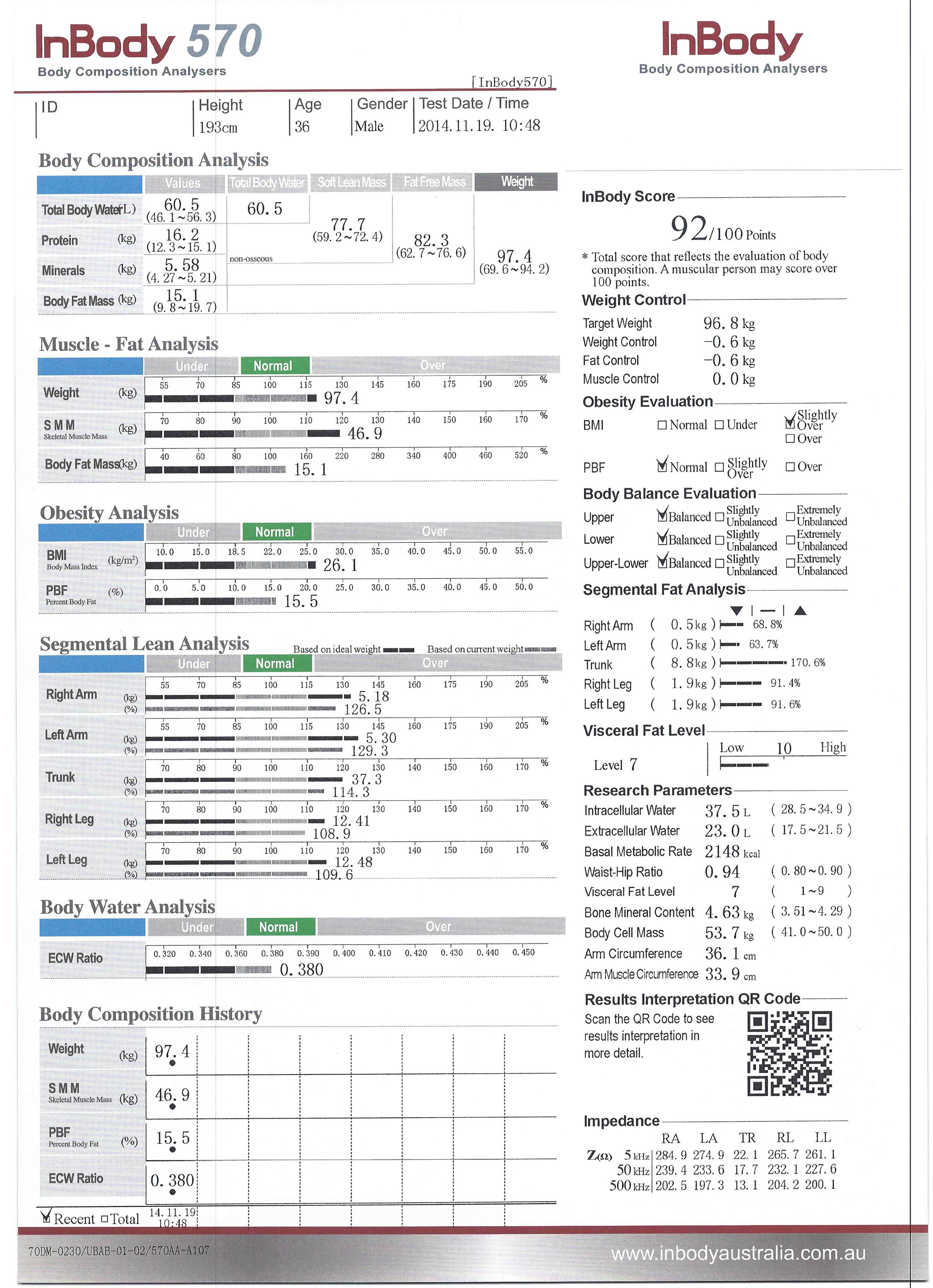
◊ Body Composition Analysis to evaluate skeletal muscle mass, % body fat, visceral fat, and symmetry (See attached)
◊ DEXA Bone Density Evaluation – Age 45 women – Age 50 men
◊ Family History and the role Genetics and Cultural Behaviors and Norms that may affect your health
◊ Role of Epigenetics
◊ Your Unique Life Goals and how they play a role in a Personalized Health Program
◊ Previous Health History / Athletics Background / Fitness Goals
◊ Thorough review of Family Neurocognitive Disorders, including age onset and prevalence
◊ Joint and Mobility Inventory
◊ Preventative Studies Inventory (See Attached) and the need to Aggressively Monitor
◊ Role of more Advanced Diagnostics in your care (See Attached)
◊ Barriers to Healthcare
◊ Screening for Obstructive Sleep Apnea
◊ Weight Management and its role in disease prevention or reversal
◊ Sarcopenia Avoidance (See Attached)
◊ Osteoporosis / Osteopenia Avoidance or Reversal
◊ Likelihood of Longevity and the Unique Challenges to this subset of society
Additional Therapy Considerations Before and During Treatment
◊ Testicular Health and Fertility Maintenance
◊ Estrogen Management
◊ Prostate Health Management
◊ Other Health Factors that may contribute to Polycythemia – Obstructive Sleep Apnea, COPD or other lung disease, Obesity,
◊ Bone Density
◊ Sarcopenia
◊ Cardiovascular Risk
◊ Lifestyle Behaviors
◊ Fertility
◊ Mood Management
Staff Member:
Patient Name:
Date of Birth:
MLM Patient? Yes / No
Referral Source:
New Clients will bring the following Information
_____ Medical Intake Questionnaire
_____ InBody – Body Composition Analysis
_____ Completed 1-Week Food Log
_____ Completed Lifestyle Inventory
Complaints / Concerns / Goals / Barriers
Medical Fitness Assessment
Baseline Objective Measurement of a person’s:
➢ Strength->
➢ Agility->
➢ Endurance->
➢ Flexibility->
➢ Cardiorespiratory Endurance - Vo2 Max->
➢ Balance->
Personalized Plan:
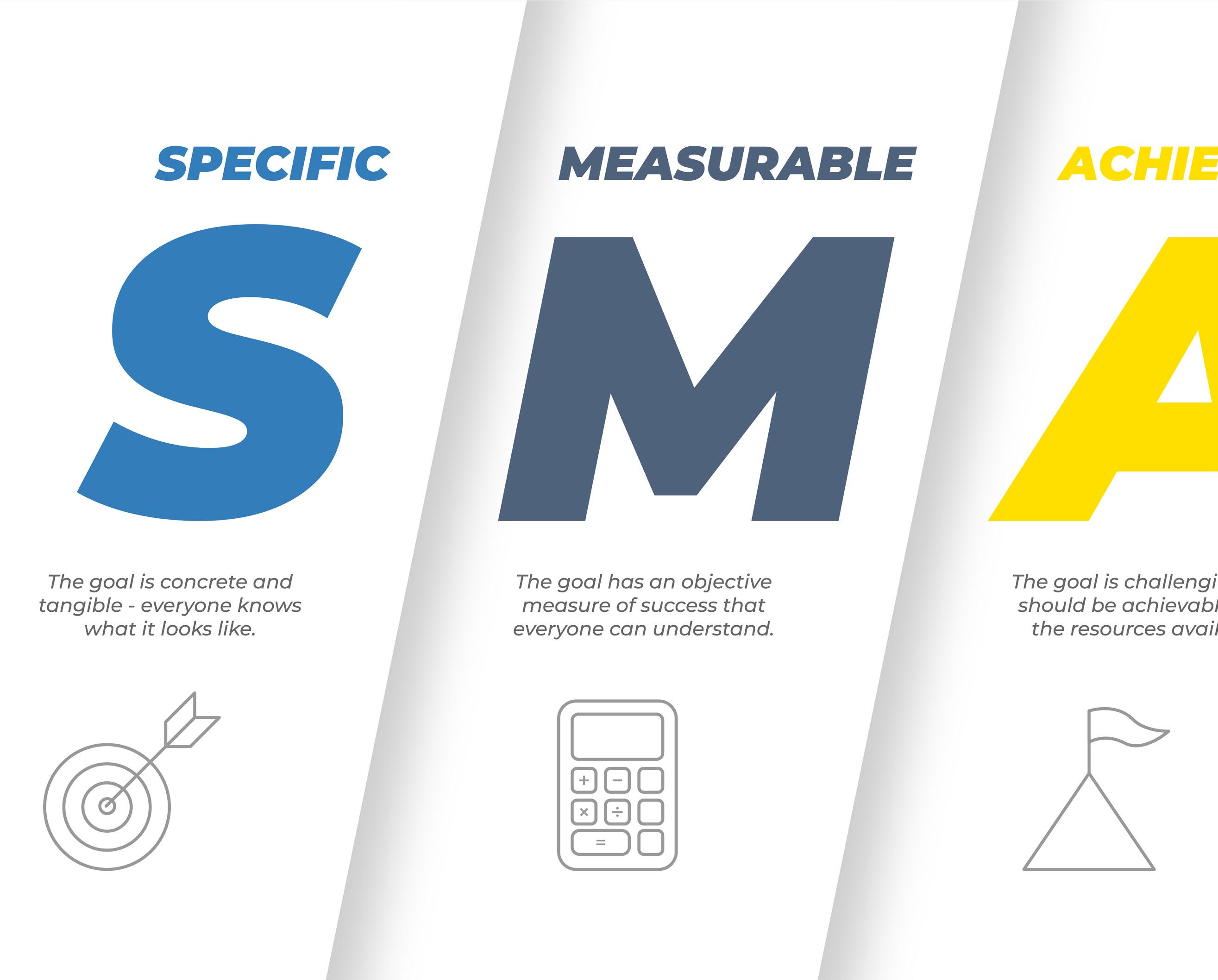
➢ SMART Goals - Specific – Measurable – Attainable – Relevant – Time-Bound
➢ Health Coaching Plan
➢ Personal Training Schedule
➢ Homework Assignments
➢ Physician Input

Breakthroughs that can save your life!
Safe, painless, affordable testing to help individuals detect diseases faster & sooner
CARDIAC CT CALCIUM SCORE
Cardiac calcium scoring tests can be used to determine the risk of cardiovascular disease and heart disease. The tests use a multi-slice CT scanner for the detection of small amounts of calcium or plaque in the coronary arteries. Images can show whether the coronary arteries are narrowed or blocked by any calcium or plaque build-up, which can be an indicator of heart disease. CT Cardiac Calcium scoring has been shown to be superior to standard treadmill stress testing for the diagnosis of Coronary Artery Disease (CAD).
y Highly accurate
y Painless
y Medically proven to detect heart disease without symptoms
LOW DOSE CT LUNG SCREENING
Low-Dose CT lung screenings have proved to be an effective tool for early detection of lung cancer, the leading cause of cancer-related death in the United States. Routine chest X-rays are often unable to detect lung cancers until they are of advanced stage. Low-dose CT can greatly improve the likelihood of detection of early lung cancers, enabling treatment at a more curable stage.
y It is painless and non-invasive
y Low-dose CT uses up to 90% less radiation than conventional CT chest scan
WHOLE BODY MRI
y Proven to reduce the number of deaths from lung cancer patients at high risk
y Often found in early stages.
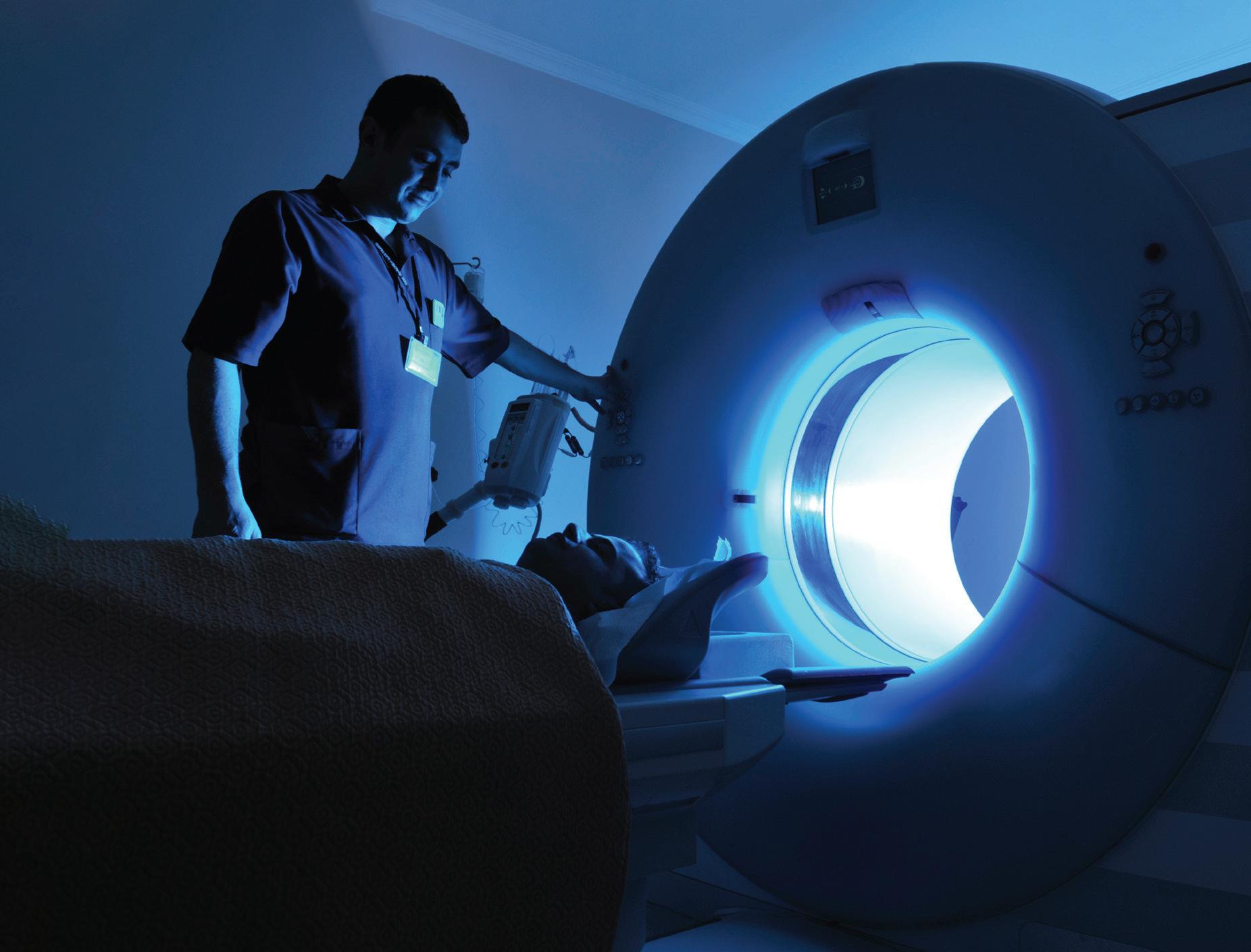
A whole-body MRI scan looks at the body from head to toe to find cancers, inflammation, or obstructive processes in the body. In the head, the exam can show brain masses, shrinkage, old strokes, the sinuses, and nasal cavities. In the neck, abnormalities in the lymph nodes, thyroid masses or arthritis in the cervical spine can be identified. In the chest, we check the heart for enlargement and the aorta for aneurysms. Moving to the abdomen and pelvis, we can evaluate the kidneys, liver, spleen, adrenal glands, gallbladder (gallstones), pancreas, bladder, uterus, and ovaries. We look at the spine to check for disc herniation and spinal stenosis, and in the extremities, arthritis in the joints. An additional exam of a specific area may be required if an abnormality is identified to obtain more detailed information.
y Safe
y Highly Accurate
y Quick with no radiation
y Able to detect tumors, infections, musculoskeletal abnormalities, old strokes and much more
GALLERI EARLY CANCER DETECTION TEST
Today, most cancers are found too late and are often deadly. The earlier cancer is identified, the greater the chance of successful treatment and survival. Galleri can detect many of the unscreened cancers that cause 71% of cancer deaths every year. It can detect cancer signals across more than 50 types of cancer with a low-false positive rate of 0.5%. A simple blood draw and results within 10 days.
ADVANCED LABORATORY DIAGNOSTICS
Stop guessing. Start addressing. Most tests measure only 3-6 biomarkers. Marshall measures 40+ for a complete picture of your health, including advanced biomarkers rarely available in mainstream medicine. When reviewed with proper context, a true picture of your health emerges and a plan for optimization can be created.
Hormone Balance Testosterone (Free + Total), Thyroid (TSH + Free T3), Estradiol, IGF-1, SHBG
Critical Nutrients Vitamin D, Folate, Magnesium, B12, Iron, TIBC, Vitamin C
Metabolic Status Hba1c, Glucose, HDL Cholesterol
Organ Health Kidney Function, Liver Function, Bone Marrow/ Blood Counts
Key Risk Factors hs-CRP, LDL, Apo B, Lipo a, Homocysteine
FOOD SENSITIVITY TESTING
This at-home lab test measures your body’s immune response to 96 foods to help guide you on what types of food to prioritize in a two-part elimination diet.
GENETIC FITNESS AND NUTRITION TESTING
The body’s unique genetic makeup determines how it best reacts to specific diet and exercise strategies for weight management. The science of genetic testing can help identify the genes that dictate how the body processes carbohydrates, fats, proteins, and micro-nutrients and how patients respond to different types of exercise. Weight loss programs tailored to an individual’s DNA has been proven to be much more effective than one-size-fits-all programs because it takes the guesswork out of health management.

PREVENTIVE HEALTH SCREENINGS, BY AGE
CERVICAL CANCER SCREENING
LIPID PANEL DIABETES SCREENING
BREAST CANCER SCREENING
LUNG CANCER SCREENING
OSTEOPOROSIS SCREENING
ABDOMINAL AORTIC ANEURISM SCREENING
Everyone age 6 months and older should receive one dose annually
Two doses are recommended for people 11 to 15 years old and three doses for people 15 to 26.
One or two doses depending on the vaccine type
Adults age 18 to 79 should have a one-time blood test
Regular testing for sexually transmitted infections, including HIV, is based on sexual activity and other risk factors
Women should be screened every 3 years from 21 to 30 years old, and every 5 years from 30 to 65.
Lipid levels should be checked regularly with a blood test
Hemoglobin A1c, which measures blood sugar control over three months, should be checked regularly
Women should have their first mammogram between age 40 and 50, repeated every 1 to 2 years until 75
Normal colonoscopies should be repeated every 10 years; normal stool screenings should be repeated annually
Screening includes a physical exam and PSA blood test Frequency determined by physician based on personal risk.
Shingrix should be given in two doses, 2 to 6 months apart, even if the patient already received Zostavax.
Anyone who has smoked the equivalent of one pack a day for 20 years should have an annual chest CT scan.
Women should have their first DEXA bone scan at 65, repeated as determined by their physician.
Men between 65 and 75 years old who have ever smoked should have a one-time screening.
The Evaluation and Management of Testosterone Deficiency inspired by John Marshall Mullins, MD
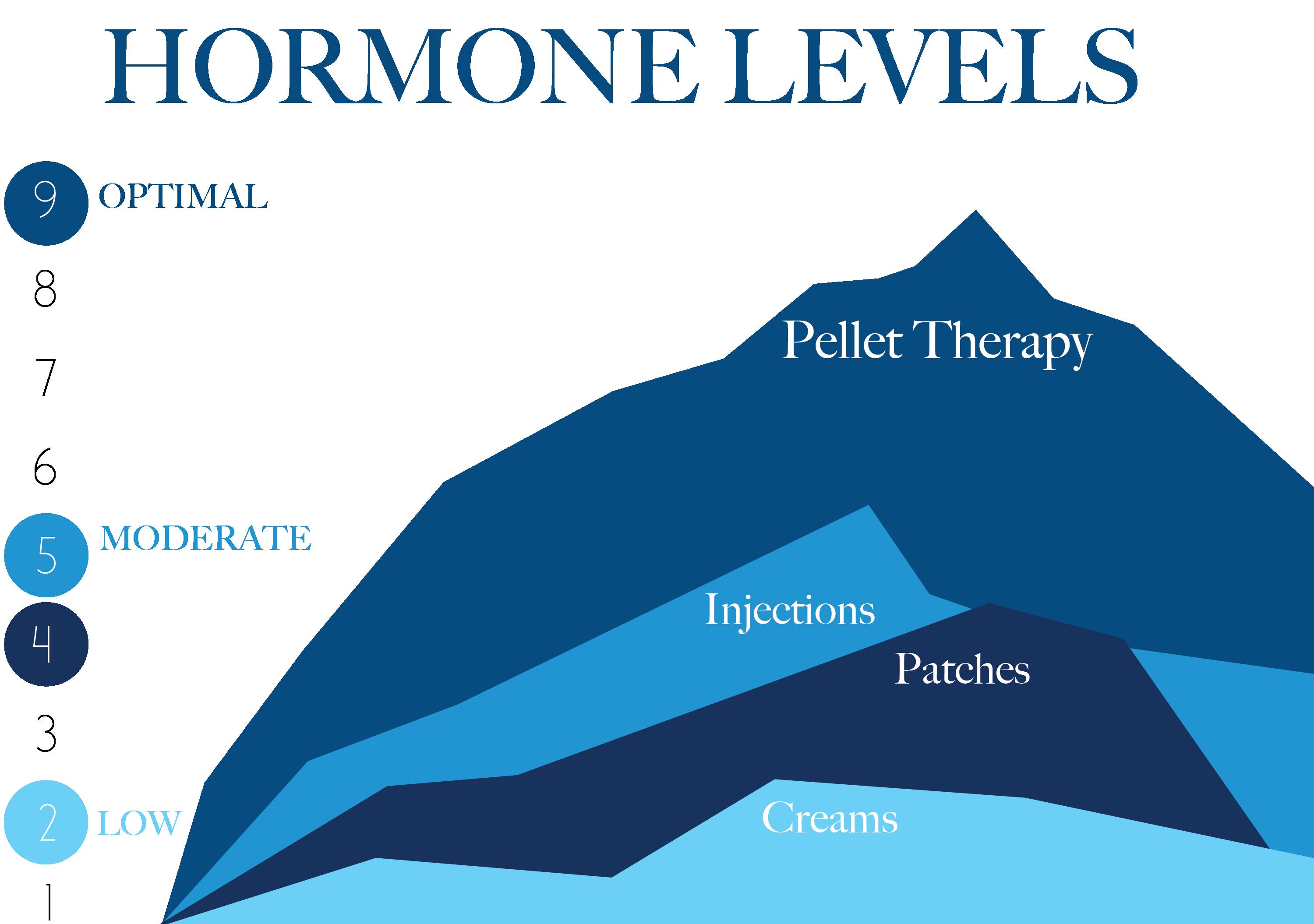
Transdermal Agents - Gels and Solutions Treatment Options (Personalized Approach)
Pharmacokinetics and Pharmacodynamics. The unique pharmacokinetic profiles of transdermal testosterone preparations relate to several factors, including the delivery system (alcohols or other penetration enhancers), concentration, surface area applied, and location of application.228, 412 Transdermal drug solubility has been variably estimated, with most studies reporting systemic absorption rates ranging from 13-20%.413-415 Repeated application to the same site (after washing) does not reduce uptake, and the use of an occlusive dressing has been shown to increase absorption by approximately 2.5 fold.415, 416
Topical gels and liquids generally demonstrate less variability in absorption uptake when compared to other therapies.417 After application, steady state levels are achieved within 24-72 hours, with testosterone levels returning to baseline within 4 days of discontinuation.418, 419
Dosing Strategies. Liquids and gels should be applied to clean, dry skin, and the treatment site should not be washed until the time of next application to optimize delivery. If insufficient testosterone levels are achieved with one topical agent, including with dose adjustments, substitution with another topical agent is a viable treatment strategy.420
Efficacy. Topical liquid and gel formulations can achieve testosterone levels in the normal range in 74-87% of men and are relatively similar among the various preparations.421-423 Given the variable absorption profiles among patients, dose adjustments may be required to achieve appropriate therapeutic delivery. There is no consistent data currently that demonstrates that one agent achieves higher serum levels than others.
Adverse Effects. Adverse effects specific to topical preparations include application site reactions (3-16% erythema or rash), and risk of transference. Patients should be particularly cautioned against contact with women and children after application of the gel to limit the possibility of inadvertent transmission. Transference may be mitigated by washing hands, covering the application site with clothing, and washing the region prior to anticipated direct contact with others.

The Evaluation and Management of Testosterone Deficiency inspired by John Marshall Mullins, MD
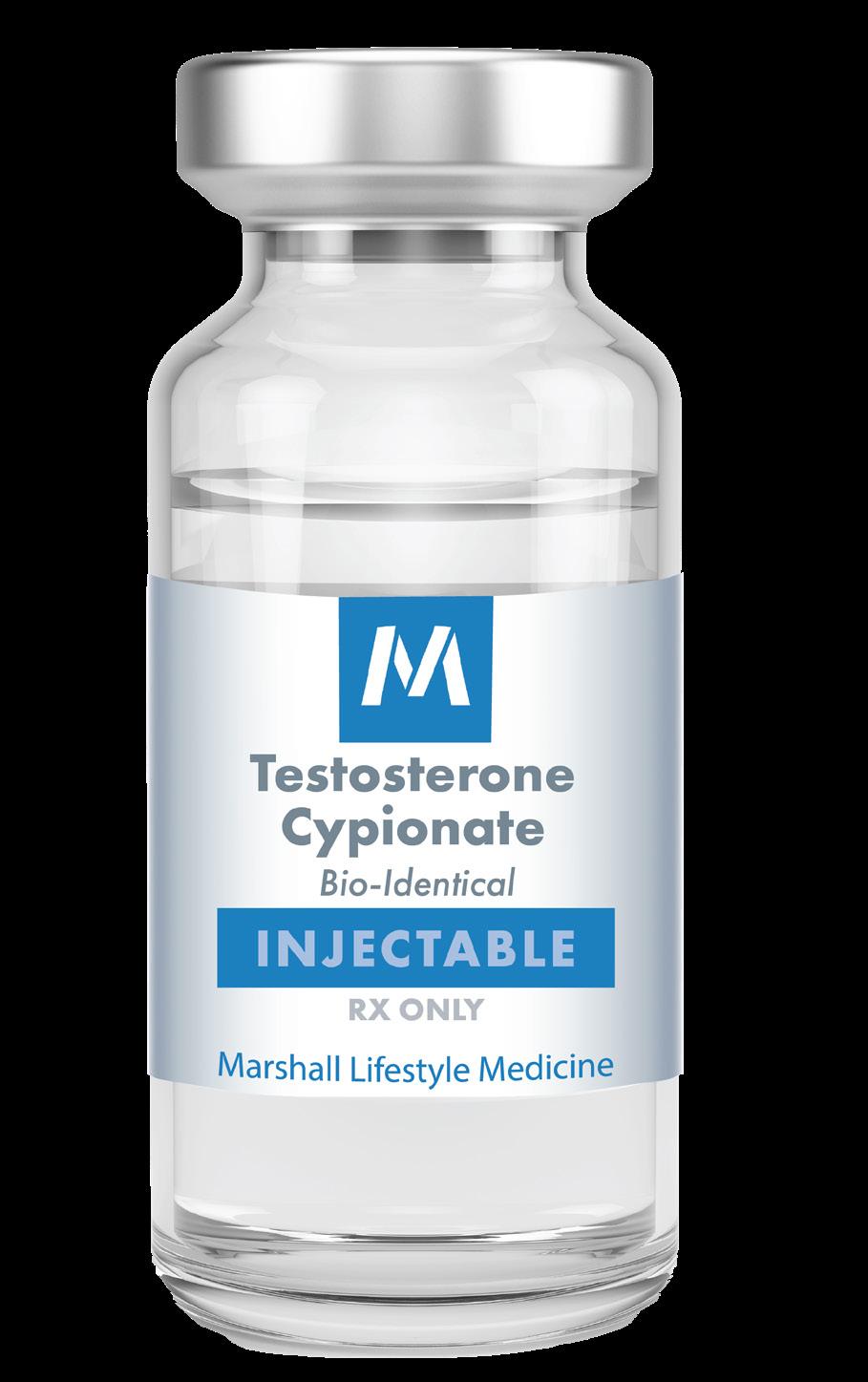
Injectable Agents (Short Acting)
Injectable testosterone is available in several forms, including short acting and long-acting preparations. Although IM injections are the traditional route for injectable agents, the SQ route has also been described with short-acting agents.437
Pharmacokinetics and Pharmacodynamics. The pharmacokinetics of short-acting testosterone therapy depends on the dose, interval, and method of delivery (SQ versus IM). In a study directly comparing the pharmacokinetics of 2 doses of SQ testosterone enanthate injected weekly (50 or 100 mg) and 1 concentration of IM testosterone enanthate injected once (200 mg), the IM testosterone achieved the highest peak testosterone (mean 2,261 ng/dL) followed by SQ 100 mg (1,345 ng/dL) and SQ 50 mg (622 ng/dL).437 The time-to-peak level was slightly faster with IM testosterone (33 hours) compared to SQ 100 mg (36 hours) and SQ 50 mg (45 hours). The half-life for IM testosterone was also shorter at 173 hours versus 240 hours for SQ testosterone. Mean testosterone values over a 7-day period were 1,659, 896, and 422 ng/ dL for IM testosterone SQ 100, and SQ 50, respectively.
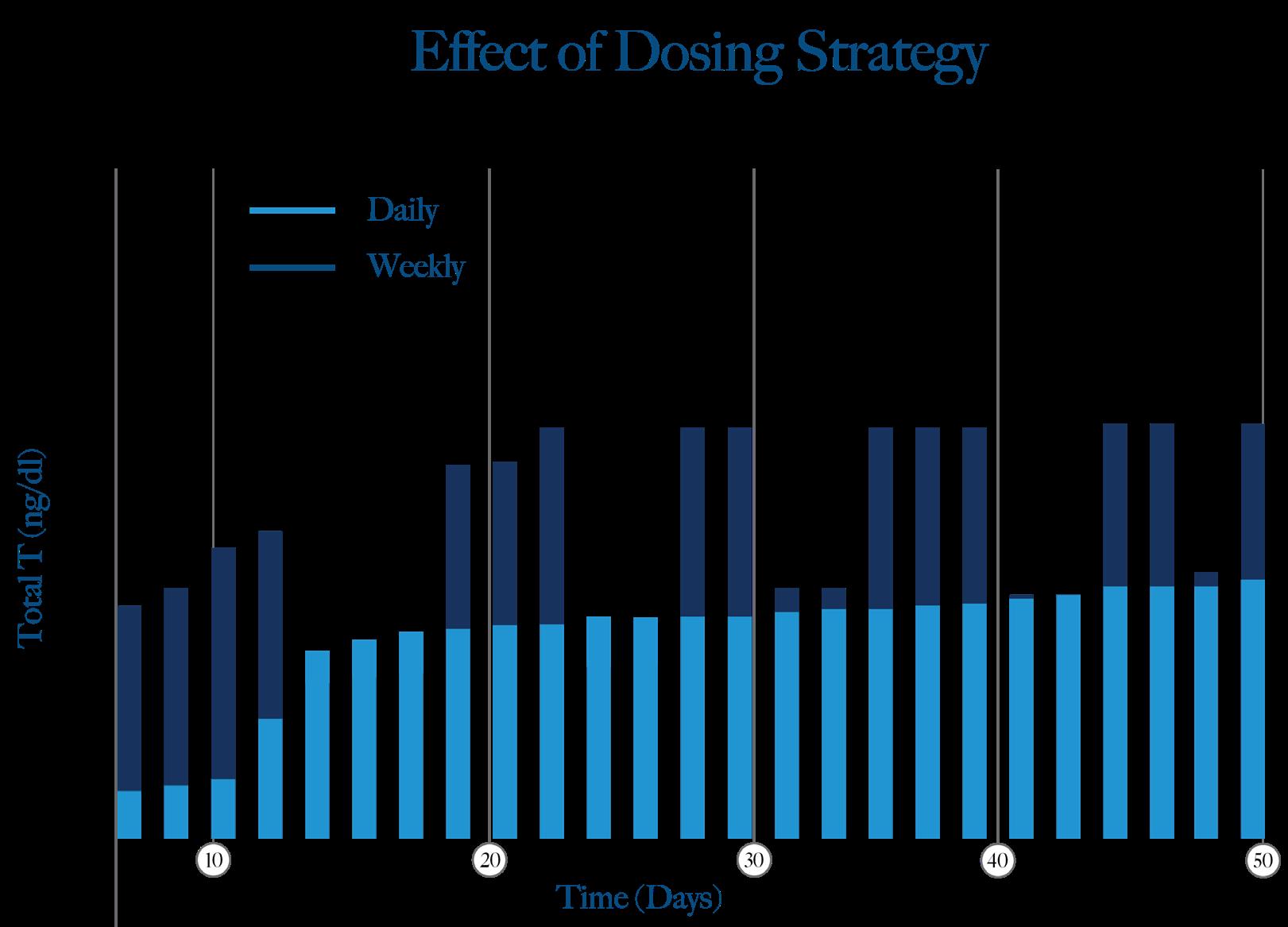
Dosing Strategies. The optimal dosing strategy has not been defined for short-acting IM testosterone preparations. In general, smaller dosages at more frequent intervals are preferred over high, less frequent administrations to limit the duration of time spent outside (above or below) the normal reference range. As an example, a starting dose of 100 mg weekly is preferred to 200 mg every 2 weeks or 300-400 mg monthly. The best time to obtain monitoring blood tests for IM testosterone has not been definitively established. Given the half-life of approximately seven days, it is reasonable to obtain testosterone levels four weeks after starting therapy. Historically, testosterone levels have been measured midcycle (day three to four); however, such a measurement protocol misses the ability to define peak and trough levels. We currently recommend trough level testing when convenient. While mid-cycle testing is convenient for patients, there may be value in assessing peak level (18-36 hours after injection) as the adverse events (e.g., polycythemia, hyperestrogenism) are likely at least partially related to the peak level. Likewise, there might be value in defining the trough level (measured prior to injection on day one) to ensure patients remain therapeutic throughout the entire cycle. Furthermore, the concept of testosterone ‘crash’ is well recognized by clinicians, with large differences between peak and trough levels potentially leading patients to become symptomatic towards the end of the cycle despite having therapeutic trough testosterone levels.
Efficacy. In contrast to topical agents where a percentage of men have difficulty achieving therapeutic levels within standard dosing ranges, injectable testosterone preparations can achieve therapeutic levels in almost any clinical scenario. However, compared to other agents, short-acting injections can result in longer times in the supra-therapeutic and subtherapeutic ranges, which may impact overall efficacy and rates of adverse events. This may be overcome by altering injection dose and frequency.
Adverse Effects. Adverse effects that are more common with short acting injectable agents include local site reactions (733%) and abnormally elevated Hb/Hct (19-44%; mean 1.6 mg/dL in the current meta-analysis of RCTs).181, 182, 191, 194, 195, 201, 203-214, 216-218, 220, 299-301, 310
Marshall Clinical Guidlines
The Evaluation and Management of Testosterone Deficiency inspired by John Marshall Mullins, MD
The Evaluation and Management of Testosterone Deficiency inspired by John Marshall Mullins, MD
Injectable Agents (Long Acting)
Testosterone undecanoate is the only currently available long-acting injection therapy available as a 750 mg (3 mL) preparation and must be administered in the office under supervision.
Pharmacokinetics and Pharmacodynamics. The pharmacokinetic profile of long-acting IM testosterone therapy has been detailed in several studies.438-440 Morgentaler et al. reported outcomes of the currently available preparation (750 mg in 3 mL oil) administered at weeks 0, 4, and every 10 weeks thereafter.438 Peak concentrations were achieved at a mean 7 days after injection (range 4-42 days). Results after the third injection demonstrated median peak and trough T levels of 813 ng/dL and 317 ng/dL, respectively, with overall median values of 476 ng/dL during the 10-week period. These data are notable as they demonstrate far less variability between peak and trough levels compared to shorter-acting preparations.441, 442
No RCTs have compared the current formulation of IM testosterone undecanoate available in the United States to other therapies. One study reported comparative pharmacokinetics between IM testosterone enanthate (250 mg every 3 weeks) and IM testosterone undecanoate (1,000 mg every 9 weeks, a dosage that is only available outside the United States).440 Results demonstrated that IM testosterone enanthate achieved trough levels of 239 ng/dL compared to 470 ng/dL with IM testosterone undecanoate at the end of the 10-week cycle.
Dosing Strategies. The manufacturer-recommended dosing of IM testosterone undecanoate is 750 mg administered at weeks 0, 4, and every 10 weeks thereafter. The dosing at 0 and 4 weeks represents the loading period followed by regular dosing every 10 weeks. Further individualization may be considered based on trough testosterone levels at the end of a 10-week injection cycle. For trough total testosterone values <300 ng/dL, the interval may be decreased by 1 week (9 weeks) until values >300 ng/dL are achieved at the end of an injection period. For trough total testosterone values >600 ng/dL, the interval may be prolonged by 1 week (11 weeks) until total testosterone levels <600 ng/dL are noted at the end of an injection period.
Efficacy. Administration of 750 mg of IM testosterone undecanoate at weeks 0, 4, and every 10 weeks thereafter maintained total testosterone levels between 300-1,000 ng/dL for 94% of men.438 No men experienced maximal values <300 ng/dL, and only 5% had mean concentrations <300 ng/dL during the 10 weeks. Mean peak levels were 890 ng/dL, with 92% of men remaining below 1,500 ng/dL.
Adverse Effects. The most common adverse effects associated with IM testosterone undecanoate 750 mg administered every 10 weeks include injection site pain, acne, and fatigue (all ≤5%).438, 439 Coughing related to the oil-based preparation has been reported secondary to pulmonary micro emboli (POME) and reactions to the benzyl benzoate component.438, 443, 444 Due to these risks, the FDA has issued a boxed warning and requires that providers be risk evaluation and mitigation strategy certified to administer the therapy. Patients should be monitored for 30 minutes in a healthcare setting after injection to monitor for POME or anaphylactic-type symptoms.
Although the absolute risks of POME and anaphylaxis require ongoing study, data from 342 patients undergoing 3,022 injections (1,000 mg in 4 mL) over a period of 3.5 years demonstrated that POME occurred after 1.9% of injections (12% of patients experienced at least one POME), with coughing episodes lasting 1-10 minutes in duration.443 All episodes were managed conservatively in the clinic, with no supplemental oxygen required. No episodes of anaphylaxis occurred. Findings are like the previously cited pharmacokinetic study (750 mg in 3 mL) in which one patient in 130 (<1%) experienced coughing lasting 10 minutes.438 It is notable that similar findings have also been observed with other oil-based testosterone preparations that are currently most often self-administered at home (typically with lower volumes
Marshall Clinical Guidlines
The Evaluation and Management of Testosterone Deficiency inspired by John Marshall Mullins, MD of injection).445
Long-acting IM testosterone injection may also result in higher rates of polycythemia when compared to topical therapies, which is consistent with other short-acting IM testosterone therapies. In the current meta-analysis of RCTs, long-acting IM testosterone resulted in a mean increase in Hb levels of 1.4 mg/dL compared to 1.6 mg/dL with shortacting IM testosterone, 0.9 mg/dL with transdermal preparations, and 0.7 mg/dL with topical patches.182, 194, 195, 201, 203-214, 216-218, 299-301, 310

The Evaluation and Management of Testosterone Deficiency inspired by John Marshall Mullins, MD
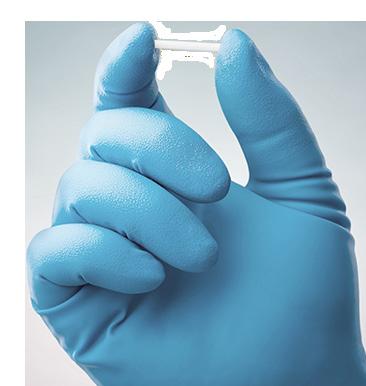
Subcutaneous Pellets
SQ testosterone pellets were initially developed, and FDA approved in 1972 and were reformulated in the USA in 2008.
Our practice has performed over 8,000 pellet placement procedures and has accumulated a great deal of anecdotal data related to dosing strategies, efficacy, and adverse effects.
Pharmacokinetics and Pharmacodynamics. The unique pharmacokinetic profile of testosterone pellets is due to their crystalline structure, which dissolves slowly in SQ spaces. Individual pellets consist of 75 mg of testosterone and may be combined to deliver variable doses of testosterone therapy.
Initial pharmacokinetic data were provided by Kaminetsky et al.446 who selected the number of pellets inserted based on testosterone levels and BMI: six pellets for baseline total testosterone level <315 ng/dL and BMI <18.5, eight pellets for BMI 18.5-24.9, 10 pellets for BMI 25-30, and 12 pellets for BMI >30. Men with total testosterone level <225 ng/ dL received 10 pellets for BMI <25 and 12 pellets for BMI ≥25. Of the 30 patients enrolled, none met the criteria for 6 pellets, and a median of 10 pellets were implanted. Peak total testosterone levels were achieved 1 week after implantation (845 ng/dL) and were conserved until at least week 4 (838 ng/dL), with LH suppressed by week 4. The percentage of men with total testosterone values >315 ng/dL declined from 100% at 4 weeks to 86%, 75%, and 14% by 12, 20, and 24 weeks, respectively.
Mean peak total testosterone levels are dose-dependent, with a mean of 746, 866, and 913 ng/dL noted with 8, 10, and 12 pellets administered (not BMI adjusted).446 The duration of effect is similar, however, and is relatively independent of dosing. These findings are supported by a multi-institutional study that reported that with variable dosing and clinical protocols, most men required re-implantation after four months, with all men returning to sub therapeutic levels by six months.447
Based on these initial data, Kaminetsky and colleagues performed a follow-up re-dosing study with 2 fewer pellets administered if peak testosterone levels were >1,000 ng/dL and 2 additional pellets given for testosterone levels <500 ng/ dL. With new dosing, mean testosterone levels declined to 275 ng/dL by week 16, with only 32% having levels >315 ng/ dL at that time point.
Dosing Strategies. Currently, the FDA recommends placement of two to six pellets every three to six months, which has been the recommendation since the approval of pellets in 1972. These recommendations, however, are not based on current testosterone pellet formulations and contrast with pharmacokinetic data available. Definitive dosing protocols have not been described.446,447, 448
Testosterone levels should be obtained at one to four weeks after insertion.446 These ‘peak’ levels facilitate adjustment of future pellet number: peak level >1,000 ng/dL, reduce by 2 pellets at next insertion; <500 ng/dL, increase by 2 pellets. Subsequent testosterone levels should be assessed around three months after implantation and re-checked every two to four weeks thereafter if persistently therapeutic levels are found. Although no consensus exists, it is reasonable to perform re-implantation when total testosterone levels are <400 ng/dL. Due to variations within the same individual, it is recommended to obtain end-of-cycle testosterone measurements prior to implantation to ensure that levels are subtherapeutic.446
Efficacy. Data from a large, multi-institutional series using varied protocols (inserted pellet number ranged from 6 to >10 pellets), demonstrated therapeutic levels in 100% of men at 4 weeks and maintained levels >300 ng/dL at 4 months. It is
Marshall Clinical Guidlines
The Evaluation and Management of Testosterone Deficiency inspired by John Marshall Mullins, MD notable that most providers elected to utilize ≥10 pellets (63%), with 27% of cases including 8-9 pellets, and only 10% of cases using 6-7 pellets. No providers utilized five or fewer pellets, which contrasts with the FDA recommended dosing.221
Adverse Effects. Mild level adverse events specific to SQ pellet insertion includes polycythemia (48-50%), ecchymosis (32-36%), tenderness (20-32%), pain (28-29%), and swelling (16-18%), all of which resolve by 4 months postinsertion.446 Moderate level adverse events were less common (e.g., pain 3%, erythema 3%, ecchymoses 7%) and improved within 1 week. Pellet extrusions are also possible and may be reduced by the use of a V technique whereby 2 channels are created for pellet insertion, thus keeping the most superficial pellet >1cm away from the skin.449 Results of the modified technique resulted in reduced extrusion (7.5% down to 0.8%), infection (5% down to 1.2%), pain (5% down to 1.2%), but an increase in hematoma occurrence (0% up to 1.2%). Of note, hematoma rates were not impacted using anti-coagulants (1.7%), although many practitioners are cautious about pellet use in this population. In one retrospective comparative series, the rate of polycythemia (Hct >52%) with pellets was also higher (13%) than topical gels (5%) but lower than IM testosterone agents (19%) (p=0.03).22

The Evaluation and Management of Testosterone Deficiency inspired by John Marshall Mullins, MD
Testosterone Therapy and the Risk of Major Adverse
Cardiac Events
Given the conflicting nature of the evidence, the Panel cannot definitively state that there is an association between testosterone therapy and subsequent MACE events, nor can it be stated that testosterone therapy is associated with reduced incidence of MACE. However, the FDA added a warning to testosterone product labeling after reviewing five observational studies and two meta-analyses of RCTs that examined the effects of testosterone therapy on MACE.
Two of the trials and one meta-analysis pointed to an increased risk of cardiovascular events,363, 364, 366 two revealed no cardiovascular risk,233, 367 and one was neutral with respect to risk.373 The Corona meta-analysis,372 which showed that there was no increased risk of cardiovascular events, was not officially reviewed but was taken into consideration in the final analysis. Although the committee reviewing the evidence concluded that there was not enough data to definitively state that testosterone therapy posed a significant cardiovascular risk, the FDA nonetheless required testosterone product manufacturers to add information to the labeling about a possible increased risk of myocardial infarction and cerebrovascular accidents in patients using testosterone therapy.
Two of the retrospective studies included in the FDA review pointed to an increased risk of cardiovascular events in men on testosterone therapy. Vigen et al. (2013)363 conducted a retrospective analysis of patients who received a prescription for testosterone therapy after coronary angiography. The endpoints included all-cause mortality as well as cardiovascular events. Patients were excluded if they had previously been on testosterone therapy, had a total testosterone >300 ng/dL, had a baseline Hct >50%, a PSA ≥4 ng/mL, or had commenced testosterone therapy after a myocardial infarction. Over a mean duration of 27.5 months, 1,223 men received testosterone therapy, and 7,486 were placed on placebo. In the testosterone therapy group, the raw data revealed a 2% myocardial infarction rate, and a 3% cerebrovascular accident rate compared to 6% and 6%, respectively, in those patients not receiving testosterone. Complex statistical analysis using a methodology known as a stabilized inverse propensity treatment weighting was utilized to adjust for 50 potentially confounding variables. Following inverse propensity treatment weighting, the cumulative percentage of patients who met the primary outcome 3 years post-angiography was 25.7% on treatment and 19.9% in the placebo group. This resulted in a calculated OR for developing a cardiovascular event in the testosterone therapy group of 1.29 (CI: 1.04 - 1.58; p=0.02), after adjusting for the presence of CVD. Two errata were published because of significant data errors in the original dataset. It is also unclear if everyone receiving a testosterone prescription used the medication, considering that 17.6% of patients in the treatment group filled only a single prescription. There was also inadequate documentation of on-treatment testosterone levels with 40% of men having no documented laboratory testing performed after the prescribing of testosterone therapy.
Finkle et al. (2014)364 conducted a retrospective analysis of the Truven healthcare database (n=55,593) and compared nonfatal myocardial infarction events in men who were on testosterone therapy to those on PDE5 inhibitors. The authors compared the relative risk ratio (RRR) of developing a myocardial infarction within 90 days of receiving a testosterone or PDE5 inhibitor prescription compared to the year prior when patients were not using any medication. For men without a history of CVD, the RRR for having a myocardial infarction in those aged <65 years was 0.91 (CI: 0.60, 1.37) and for men ≥ 65 years of age 2.41 (CI: 1.12, 5.17). For men with a history of CVD, the RRR were more striking: <65 years of age 2.07 (CI: 1.05, 4.11) and ≥65 years 1.91 (CI: 0.66, 5.5). This analysis was limited in that it used an insurance claims database, had an abbreviated follow-up, and compared testosterone therapy to a class of medications (PDE5 inhibitors) known to be endothelial stabilizers and potentially cardio protectants.
The Xu meta-analysis of 27 randomized placebo-controlled trials pointed to an increase in cardiovascular risk in men using testosterone therapy, although the results were statistically insignificant.366 A total of 2,994 men were randomized to
The Evaluation and Management of Testosterone Deficiency inspired by John Marshall Mullins, MD either testosterone (n=1,773) or placebo (n=1,261) for 12 weeks to 3 years. There was a total of 115 cardiac events in men on treatment and 65 in the placebo arm (OR=1.54; CI 1.09, 2.18). Included in these events were 33 deaths, 22 of which were in men who were on testosterone therapy, and 11 in the placebo groups. A stratification of trials according to funding showed that those supported by pharmaceutical companies (n=13) showed decreased odds of having a cardiovascular event in testosterone patients (OR=0.89; CI: 0.50, 1.60), while those not funded by industry showed that the risk of a cardiovascular related event on testosterone therapy was greater (OR=2.06; CI: 1.34, 3.17). Despite the homogenous nature of the trials included, it was noted that there was a risk of publication bias since it is possible that trials favoring testosterone therapy might remain unpublished. Other limitations included the possible subjective nature in reporting some adverse events.
Conversely, the Shores, 367 Muraleedharan,233 and Baillargeon373 studies determined that there was no increased risk of MACE in men who were on testosterone therapy. The Shores study was an observational study of 1,031 men (mean age 62.1 years) with total testosterone level <250 ng/dL (mean 181 ng/dL). Over a mean period of 41 months, 398 were reported to be on testosterone therapy, while 631 were not. Mortality in testosterone treated men was 10.3% (mortality rate of 3.4 deaths/1,000 person-years) compared with 20.7% (5.7 deaths/1,000 person-years) in men who were not on treatment (p<0.0001). After adjustment for confounding factors, testosterone therapy remained associated with a decreased risk of death (HR: 0.61; CI 0.42, 0.88).
The Muraleedharan study looked at men with type 2 diabetes and stratified the population (n=581; mean age 59 years) into those who had normal testosterone levels (>300 ng/dL, n=343) and low testosterone levels (<300 ng/dL, n=238). Of the men with low testosterone, 64 received treatment via gel or IM injections for 42 months and were followed for nearly 6 years. At the 6-month time point, there were 34 deaths from CVD (17 in each group) and an overall death rate of 17.2% and 9% in the in the low and normal testosterone groups, respectively. When comparing the likelihood of survival, there was a significant decrease in survival in the low testosterone group compared to those with normal testosterone (adjusted HR=2.02; CI: 1.2, 3.4; p<0.01). Furthermore, a comparison of patients on treatment compared to those who were not showed that the HR for decreased survival was 2.3 (CI: 1.3, 3.9; p<0.01). The increases in mortality were found to be independent of age, BMI, pre-existing CVD, current smoking status, and statin therapy. The authors conceded that those patients treated had more severe testosterone deficiency, which may have resulted in treatment bias.
Finally, the Baillargeon study showed that testosterone therapy was not associated with an increased risk of myocardial infarction (HR=0.84; CI: 0.69 -1.02). The authors conducted a retrospective analysis of 6,355 Medicare beneficiaries who had at least 1 testosterone injection (mean number of injections over the entire study period 8.2) and matched them to 19,065 men who were testosterone therapy naïve for the preceding 12 months. Although confounders were accounted for in the analysis, concurrent medications that may have reduced the risk for myocardial infarction or other testosterone therapies used outside of the study protocol were not controlled or assessed.
Since the FDA warning in 2015, other studies have failed to demonstrate a risk of cardiovascular events in patients on testosterone therapy. The T-Trials (2017)229 randomized 790 men (mean age 72 years) to either testosterone gel (n=395) or placebo (n=395) for 1 year to measure the effect of testosterone on physical and sexual function and patient vitality. Over half of the men were obese (BMI >30), and 70% had documented hypertension at baseline. At the end of the year-long treatment period, two men from the treatment arm had a definite myocardial infarction, and none were recorded in the placebo arm. During the subsequent year of follow-up, eight men from the placebo group and one man who had been on treatment were adjudicated to have had a definite myocardial infarction. Although the study was not powered to detect cardiovascular events as a primary endpoint, the authors did not detect increased risk in the testosterone group.
The Evaluation and Management of Testosterone Deficiency inspired by John Marshall Mullins, MD
Disclaimer
This document was written by the Evaluation and Management of Testosterone Deficiency Guideline Panel of the American Urological Association Education and Research, Inc., which was created in 2016. The Practice Guidelines Committee (PGC) of the AUA selected the committee chair. Panel members were selected by the chair. Membership of the Panel included specialists in urology, cardiology, family medicine, and psychology with specific expertise on this disorder. The mission of the Panel was to develop recommendations that are analysis-based or consensus-based, depending on Panel processes and available data, for optimal clinical practices in the treatment of muscle-invasive bladder cancer. Funding of the Panel was provided by the AUA. Panel members received no remuneration for their work. Each member of the Panel provides an ongoing conflict of interest disclosure to the AUA. While these guidelines do not necessarily establish the standard of care, AUA seeks to recommend and to encourage compliance by practitioners with current best practices related to the condition being treated. As medical knowledge expands and technology advances, the guidelines will change. Today these evidence-based guidelines statements represent not absolute mandates but provisional proposals for treatment under the specific conditions described in each document. For all these reasons, the guidelines do not pre-empt physician judgment in individual cases. Treating physicians must take into account variations in resources, and patient tolerances, needs, and preferences. Conformance with any clinical guideline does not guarantee a successful outcome. The guideline text may include information or recommendations about certain drug uses (‘off label’) that are not approved by the Food and Drug Administration (FDA), or about medications or substances not subject to the FDA approval process. AUA urges strict compliance with all government regulations and protocols for prescription and use of these substances. The physician is encouraged to carefully follow all available prescribing information about indications, contraindications, precautions and warnings. These guidelines and best practice statements are not intended to provide legal advice about use and misuse of these substances. Although guidelines are intended to encourage best practices and potentially encompass available technologies with sufficient data as of close of the literature review, they are necessarily time limited. Guidelines cannot include evaluation of all data on emerging technologies or management, including those that are FDA-approved, which may immediately come to represent accepted clinical practices. For this reason, the AUA does not regard technologies or management which are too new to be addressed by this guideline as necessarily experimental or investigational.
Hemoglobin/Hematocrit
Prior to initiation of testosterone therapy, all patients should undergo baseline assessment of Hb/Hct.
If baseline Hct >50%, the clinician should with-hold testosterone therapy until the etiology of the high Hct is explained (polycythemia vera, living at altitude, obstructive sleep apnea, tobacco use). While on testosterone therapy, a Hct ≥54% warrants intervention. In men with high on-treatment testosterone levels, dose adjustment should be attempted as firstline management. In men with low-normal on-treatment testosterone levels, measuring a SHBG level and a free testosterone level using a reliable assay such as equilibrium dialysis is suggested. If SHBG levels are low/free testosterone levels are high, dose adjustment of the testosterone therapy should be considered.
The Evaluation and Management of Testosterone Deficiency inspired by John Marshall Mullins, MD
Bone Densitometry
Serum Estradiol
Serum Prolactin
Serum HbA1C
Serum Luteinizing Hormone
Men with testosterone deficiency are at increased risk of bone density loss. Consideration of a baseline dual energy X-ray absorptiometry (DEXA) scan is warranted, particularly in middle-aged or older men with severe testosterone deficiency or in men with a history low trauma bone fracture.
Serum E2 levels should be measured in a patient with baseline gynecomastia or breast symptoms. For those men who develop gynecomastia or breast symptoms while on testosterone therapy, measuring a E2 level is optional.
If E2 is persistently elevated (>40 pg./mL) at baseline, referral to an endocrinologist should be made. For gynecomastia/ breast symptoms that develop while on testosterone therapy, a period of monitoring should be considered, as breast symptoms sometimes abate. If gynecomastia/breast symptoms persist on testosterone therapy and the E2 level is elevated, reduction may be accomplished through dose adjustment of the testosterone therapy if the ontreatment testosterone levels are in the upper range of normal. If the on-treatment testosterone levels are low/normal, E2 level reduction can be accomplished using Aromatase Inhibitors (AI’s).
Men with low testosterone level accompanied by a low/ low-normal LH level warrant measurement of serum prolactin to investigate for hyperprolactinemia. If prolactin is mildly elevated (≤1.5 times the upper limit of normal) a repeat prolactin should be drawn to rule out a spurious elevation.
If the prolactin level is mildly elevated, a repeat prolactin level should be measured to rule out a spurious elevation. For persistently elevated prolactin levels referral to an endocrinologist should be considered.
While data supporting the link between testosterone deficiency and diabetes is mixed, in the middle-aged or older testosterone deficient man with obesity, metabolic syndrome, or chronic exposure to corticosteroids, measuring a HbA1C level should be considered.
LH is an appropriate first-line test in conjunction with a repeat testosterone level to determine the etiology of the testosterone deficiency. A low or low/ normal LH level points to a secondary, or central hypothalamic-pituitary defect, (hypogonadotropic hypogonadism); while an elevated LH indicates a primary testicular defect (hypergonadotropic hypogonadism). The location of the defect may be an important factor in deciding upon further evaluation of such a patient.
The Evaluation and Management of Testosterone Deficiency inspired by John Marshall Mullins, MD
Marshall Lifestyle Medicine Co-Management Specialists
(Lexington) (See attached)
Tommy Slabaugh, MD – Urology
Hal Skinner, MD – Cardiology
Clay Hall, DO – Psychiatry
Baptist Health OB/GYN - Women’s Health
Pete Hester, MD – Orthopedics and Sports Medicine
Eric Smith, DO – Bariatric Medicine
Jonathan Cole, PhD – Sleep Disorders
Baptist Health and UK – Endocrinology
Stephen Schantz, MD – Plastic Surgery
Laura Justice, DMD – Cosmetic Dentistry
M.R. Bishop, DMD – Oral Devices for OSA
Hematology / Oncology – UK Markey Cancer Center
Best Practices Management Guidelines:
◊ Management of Polycythemia
Polycythemia is a very common side effect of TRT in men. Prevalence rates as high as 66% have been reported, particularly during the first year of treatment and in those patients receiving IM injections as their treatment modality. With understanding of the phenomena and with proper monitoring and treatment, this condition can be managed.
Factors that increase the likelihood of developing polycythemia:
◊ The method of delivery of Testosterone
◊ The dosage of Testosterone used – The Peak level dictates the degree of polycythemia reaction
◊ Co-morbid conditions – undiagnosed, untreated, sub optimally treated obstructive sleep apnea is the most common predictor of polycythemia in my practice. Patients commonly present to my practice overweight and undiagnosed with OSA. It is a screening test I perform on any patient with risk factors for OSA – daytime somnolence, BMI>30, History of snoring or witnessed apnea, narcolepsy.
◊ Lifestyle – smoking or sedentary lifestyle
◊ Age - Older individuals have an increased prevalence
◊ Gender - men have an increased prevalence
◊ Body Composition - high BMI individuals have an increased prevalence
◊ Baseline levels of H and H - initially elevated H and H levels are a risk factor for the development of polycythemia
The Evaluation and Management of Testosterone Deficiency inspired by John Marshall Mullins, MD
The management of this condition involves several considerations:
◊ A personalized approach is necessary – what works for one patient will not work for others.
◊ Identification of co-morbid conditions that contribute – OSA
◊ The mode of delivery – changing to creams or pellets
◊ Lowering the peak level of Testosterone by lowering the dose or injecting smaller amounts more frequently. This will narrow the peak / trough amplitude.
◊ Monitoring for symptoms of hyper viscosity
◊ Monitoring for individual risks of polycythemia and acting accordingly
◊ Interpretation of the numbers within the context of the broader picture is paramount for proper management decisions.
◊ Managing risks and benefits of treatment
◊ Lifestyle Changes – Our team of coaches, providers and trainers work tirelessly to enforce new behaviors and provide structure and metric results than increase engagement.
◊ The role of Therapeutic Phlebotomy –
◊ Role of frequent monitoring of H and H – Marshall checks these numbers every 4 months and sooner if necessary.
(Please see the extensive data related to the prevalence of and management of this common adverse side effect.)
◊ PSA monitoring
Marshall Lifestyle Medicine has a strong relationship with local Urologists who assist with co-management of PSA levels in men. Patients have PSA levels checked every 12 months, and we use an algorithmic approach to manage their levels. PSA screening is part of the Marshall Surveillance Program
◊ Response to Treatment Monitoring
Marshall monitors response to treatment during all visits.There are patients, on occasion, that receive little to no benefit from treatment with Testosterone. In those instances, we recommend discontinuing treatment and we utilize our discontinuation protocol. Fortunately, most patients report positive results. These positive treatment responses are most common in individuals that also incorporate lifestyle changes that improve overall health.
◊ Fertility Management
During each initial consultation, the topic of current and future fertility is discussed. We have a protocol for those men interested in maintaining their fertility and for men who subsequently decide later that they are wishing to pursue having children. This is a common conversation, and our providers are well trained in how to develop a personalized plan for each patient.
Marshall Clinical Guidlines
The Evaluation and Management of Testosterone Deficiency inspired by John Marshall Mullins, MD
◊ Management of Common Side Effects
Fortunately, we see very few side effects. Our average dose of testosterone injectables is 169 mg / week, which is well within accepted practice guidelines.
◊ Estradiol Management
A low Testosterone / Estradiol Ration T/E is an independent risk factor for CAD. Additionally, elevated Estradiol levels are associated with erectile dysfunction, low libido, depression and fatigue in Men. Men with higher body fat % tend to aromatize for frequently and may require management, especially if their initial estrogen levels are high and their T / E is low. The utilization of low dose Arimidex is safe. A recent audit revealed that 29/500 men were taking an average dose of 1 mg of Anastrozole weekly as adjunctive therapy.
◊ Prolactin Testing
Checking Prolactin Levels is performed on all new patients in preparation for their initial consultation. I am aware of the symptoms associated with elevated prolactin levels. I am familiar with the workup for elevated prolactin levels. I have referred patients to endocrinology for elevations in prolactin levels on several occasions. (See attachment Comprehensive Lab Panel). Initially, many patients’ insurance was denying this as a screening test.
◊ Hemochromatosis Testing
We are fully aware of how to screen for, evaluate, and test for hemochromatosis. I currently have 2 patients set to have liver biopsies for the condition. Clues - elevated iron, ferritin, AST, ALT, Transferrin Saturation, H and H. Clinical presentations can be vague - fatigue or low libido. Many patients, early in the disease process, have no symptoms. This is an example of how personalized medicine is better equipped to diagnose these rarer diseases. Since Marshall provides comprehensive primary care, individual presentations and changes over time dictate treatment plans and specific monitoring and testing schedules.
◊ Monitoring Guidelines
Many Marshall Patients come to our offices weekly for routine injections of Semaglutide, B12, or Testosterone. Those same patients have lab testing every 4 months to monitor levels of their Testosterone, check their estradiol levels and their H and H, and, when necessary, their thyroid levels. Comprehensive lab testing is performed yearly. There is an individualized approach to monitoring that falls outside of routine monitoring of all patients. Since Marshall provides comprehensive primary care, individual presentations and changes over time dictate treatment plans and specific monitoring schedules.
The Evaluation and Management of Testosterone Deficiency inspired by John Marshall Mullins, MD
◊ Lifestyle and Behavior Monitoring
Marshall utilizes its 12-pillar approach as a Vital Sign. Much the way we use our body composition machine to monitor for weight, Body Fat, Sarcopenia avoidance. Marshall Patients are routinely asked to fill out self-inventory assessments of their lifestyle behaviors and improvement they have made on an incremental basis.
◊ Referral Guidelines and List
Marshall has developed relationships with many specialists in the area and are able to provide expedited referrals to Cardiology, Psychiatry, Women’s Health, Endocrinology, Neurosurgery, Dermatology, Orthopedics, Gastroenterology, and many imaging centers for DEXA scanning, Mammography, CT Cardiac Calcium Scoring, Routine X-rays, MRIs, and Ultrasounds. Marshall has a relationship with a Hospitalist Group for expedited admissions for in-patient treatment when necessary (see attachment)

Marshall Clinical Guidlines
The Evaluation and Management of Testosterone Deficiency inspired by John Marshall Mullins, MD
The Evaluation and Management of Testosterone Deficiency inspired by John Marshall Mullins, MD
“Kentucky allows nurse practitioners to manage patients with hormone concerns provided they are clinically competent.”
APRN Hormone Replacement Therapy with Testosterone Containing Pellets
APRNs may be authorized to perform additional acts due to training and experience, such as prescribing treatment, devices, and order diagnostic tests pursuant to KRS 314. 011(8). Hormone pellets are compounded implantable pellets for slow release of hormones that lasts four to six months, as such APRN’s are unable to prescribe hormone pellets containing testosterone as it is a schedule III-controlled substance and, prescribing of schedule III substances is limited to a 30-day supply without refill. See KRS 314.011(8)(b). Upon review and discussion at the June 19, 2023, meeting it was the decision of the Board that: The performance of the subcutaneous administration/insertion of hormone replacement therapy with pellet implants is within the scope of advanced practice registered nursing practice for the APRN who is educationally prepared and clinically competent.
Any testosterone supply provided in quantities or duration that are greater than 30 days requires an APRN to obtain a physician’s order pursuant to KRS 314.011 (8)(b) for the administration of the hormone replacement therapy pellet implants and the performance of the procedure.
◊ Nurse Practitioners and Physician Assistants
In addition to your doctor, your Care Team will include a Nurse Practitioner and/or Physician Assistant. These professionals, also all women, provide a full range of health care services and play an integral role in your care at Women First.
Your Nurse Practitioner or Physician Assistant gets to know you well and is often the provider you’ll turn to for routine care or if you ever need a same same-day appointment. Partnering with our physicians, our Nurse Practitioners and Physician Assistants see their own patients for annual exams and fo llowllow-up, as well as problem visits. Some of them have special interests in clinical areas such as vulvovaginal problems and lactation counseling, offering invaluable services that help us achieve the full circle of care for our patients. All of them take t he time to learn about you, your family, and your needs needs—making them an important part of your personal Care Team.
Nurse Practitioners are registered nurses who have also obtained a master’s or doctorate degree in a specialty area of nursing. Physician Assi stants are health care professionals with a master’s or doctorate degree trained under the medical model who are nationally certified to practice medicine as part of a physician physician-led team.

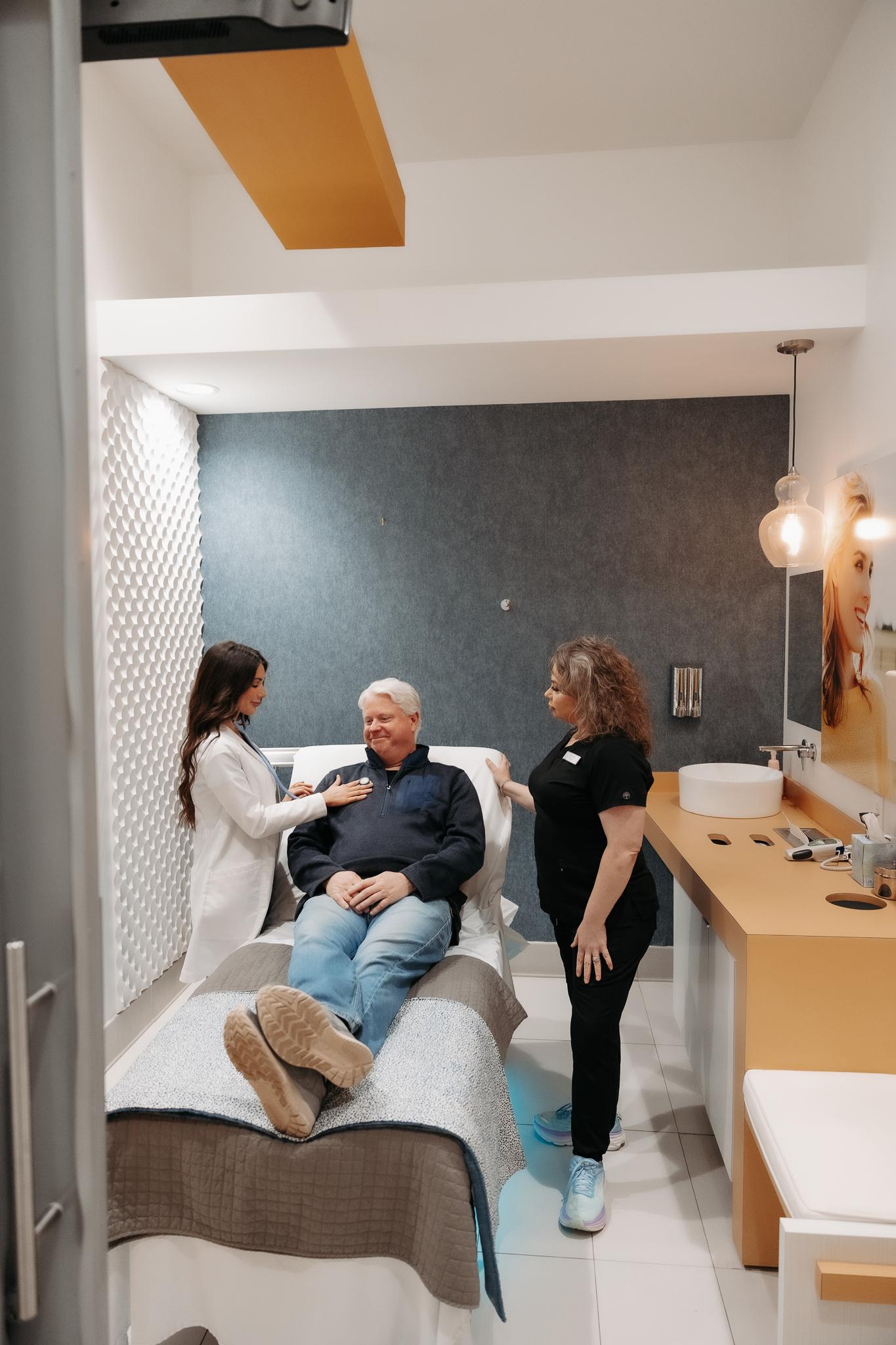
Marshall Concierge Medicine provides a Gold Standard Patient Experience.




Dr. John Marshall Mullins
Marshall Medical Group
Longevity Medicine inspired by John Marshall Mullins, MD
Closing statement from John Marshall Mullins MD
“My life changed for the better the day I found my “Why.” I grew up poor. I grew up with a less-than-ideal family structure that lacked nurturing and parental involvement. I formed a belief system that focused on arbitrary finish (success) lines at the expense of the rest of my life. When you grow up poor and without mentoring, you often search for validation wherever you can find it. I found great success in athletics, academics, and as a physician and business owner. I started an ER group out of a second bedroom of an apartment and grew it to be the largest provider of ER and Hospitalist Care in this area of the country. I did this without any formal ER training. None of those successes provided the feeling of accomplishment I was expecting. In fact, those successes came, unfortunately, at great cost. Lost in the pursuit of individual accomplishment, I neglected my relationships, my spirituality, my health – physical and mental, my need for self-care and the satisfaction that comes from simply living.
I found my “Why” when I became a Father and felt the love that can only come from being bound by birth. I found my “Why” when I realized that I had a story to tell, an epiphany to discuss loudly and often. I found my “Why” when I came to realize that the journey IS the success and sometimes the hardest journeys, yield the most satisfaction. I am proud to be a Father. I am proud to be the Founder of this medical practice. I hope to continue to provide the highest quality of healthcare delivered with my own unique flair.
Thank you for entrusting your care in me and my team.

Haley Hoskins
From the designer, I have been a design team member for Marhall Medical Group for over two years. A Kentuckian graduate of Morehead State University with a BFA in Design & Film. I and Marshall Medical Group appreciate you for taking the time for viewing this magazine and learning about Gold Standard Patient Experience. Marshall Medical Group is revolutionary, and tailored to you. I hope you are inspired to assess the componets of your lifestyle and experience the Marshall Difference. After all, you are the true artist for your life. A Marshall saying: “It’s your Life, By Design!”
Thank you,
H. Hoskins