Through investments in the Soy Transportation Coalition, county engineers can repair bridges more affordably, keeping soy routes reliable and efficient.
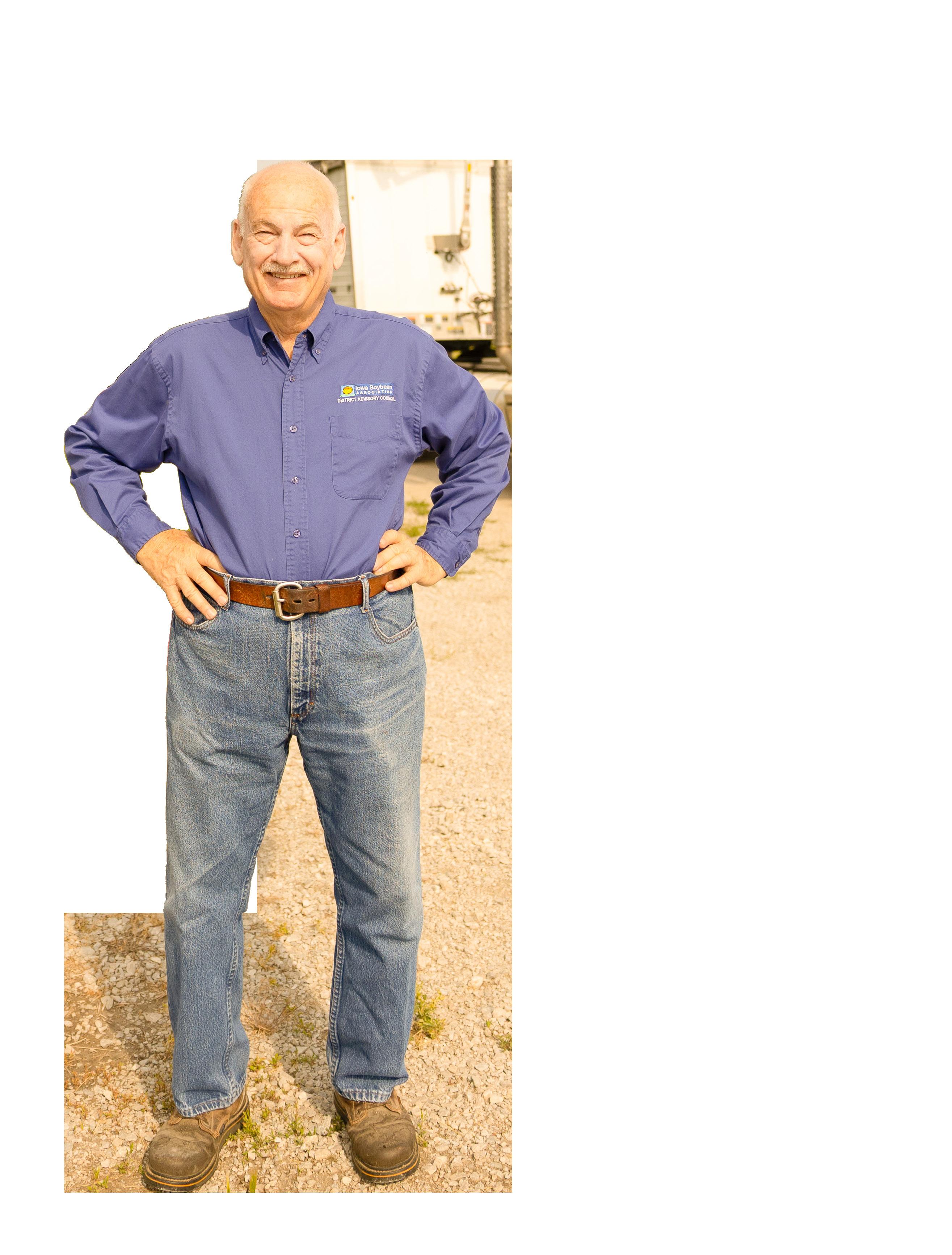
Ron Heck, farmer from Perry
Executive Committee
President
Tom Adam, Harper | D9
President-elect
Lee Brooke, Clarinda | D7
Secretary
Aimee Bissell, Bedford | At-Large
Treasurer
Sam Showalter, Hampton | D2
At-Large Director
Jeff Ellis, Donnellson | D9
Board of Directors
Brent Swart, Spencer | D1
Paul Kassel, Spencer | D1
Mike Yegge, Lake Mills | D2
Amanda Tupper, Ionia | D3
Josh Schoulte, Farmersburg | D3
Jeff Frank, Lake View | D4
Marty Danzer, Carroll | D4
Corey Goodhue, Carlisle | D5
Dave Struthers, Collins | D5
Joe Sperfslage, Coggon | D6
Brian Strasser, Homestead | D6
Scot Bailey, Anita | D7
Brian Fuller, Osceola | D8
Summer Ory, Earlham | D8
Jack Boyer, Reinbeck | At-Large
Neil Krummen, Linn Grove | At-Large
Sharon Chism, Huxley | At-Large
American Soybean Association Board of Directors
Tom Adam, Harper
Corey Goodhue, Carlisle
Randy Miller, Lacona
Summer Ory, Earlham
Brent Swart, Spencer
Dave Walton, Wilton
United Soybean Board of Directors
Tim Bardole, Rippey
Robb Ewoldt, Davenport
Brent Renner, Klemme
Suzanne Shirbroun, Farmersburg
Staff Credits
Bethany Baratta | Editor
Aaron Putze, APR | CO Brand Mgmt and Engagement
Susan Langman | Creative Design Coordinator
Joclyn Kuboushek | Multimedia Specialist
Kriss Nelson | Senior Writer
Brock Johnston | Public Relations Manager
FARMER FOCUSED | DRIVEN TO DELIVER
ISA VISION
We advance the long-term competitiveness of Iowa soybean farmers.
ISA MISSION
Driven to deliver opportunities for Iowa soybean farmers to thrive.
For advertising information contact Bethany Baratta at (515) 334-1020 or bbaratta@iasoybeans.com
4 What Farmers are Telling Us
Farmers reflect on pressures and opportunities on the road ahead.
8 Soy Demand Rising
New markets expand sales for U.S. soy.
22
Growth in the Americas
What a trade mission told farmers about Mexico’s demand for soy.
27
Soy Strategy
Brazil’s meteoric growth in soybean production — where do we go from here?
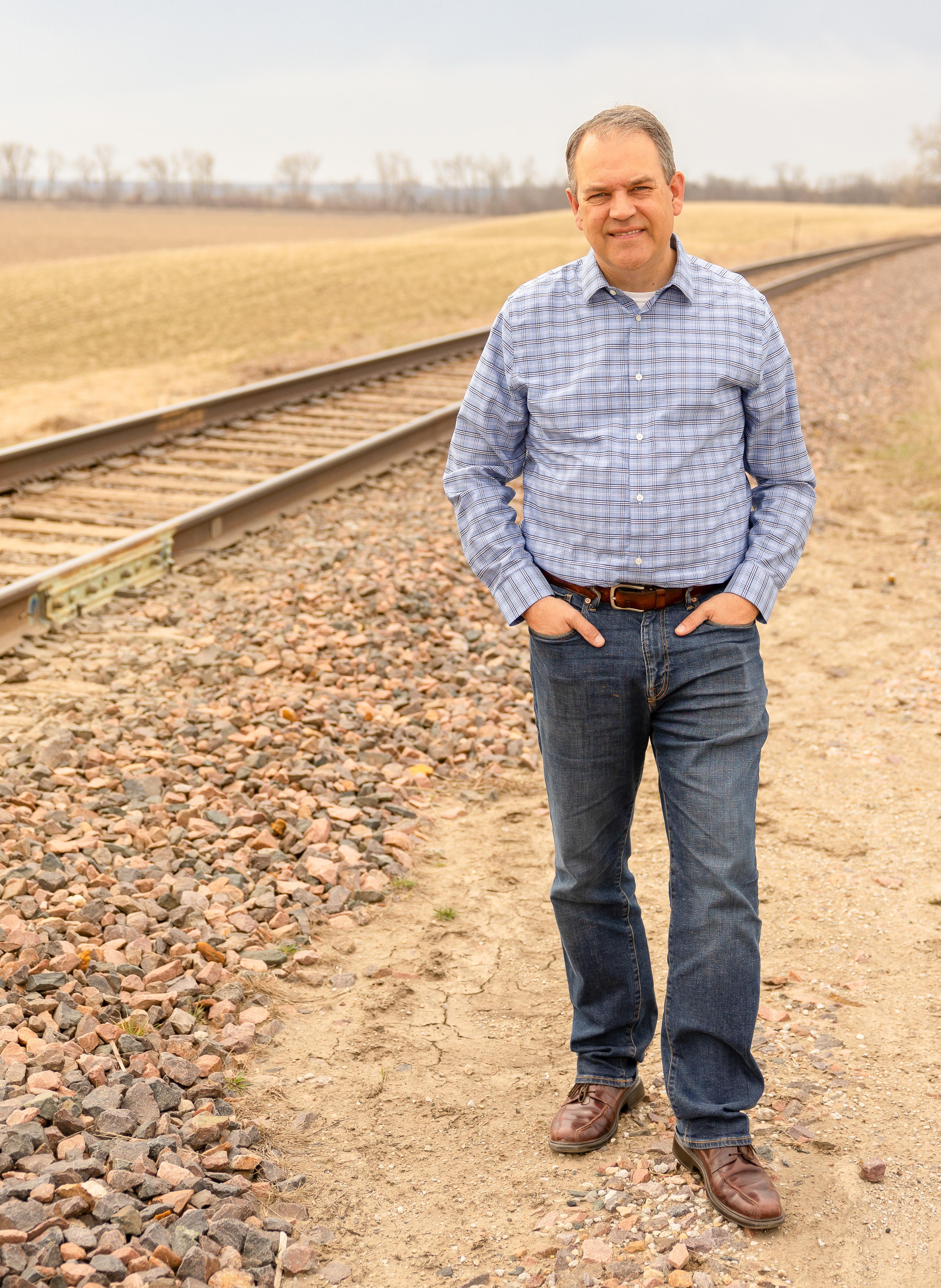
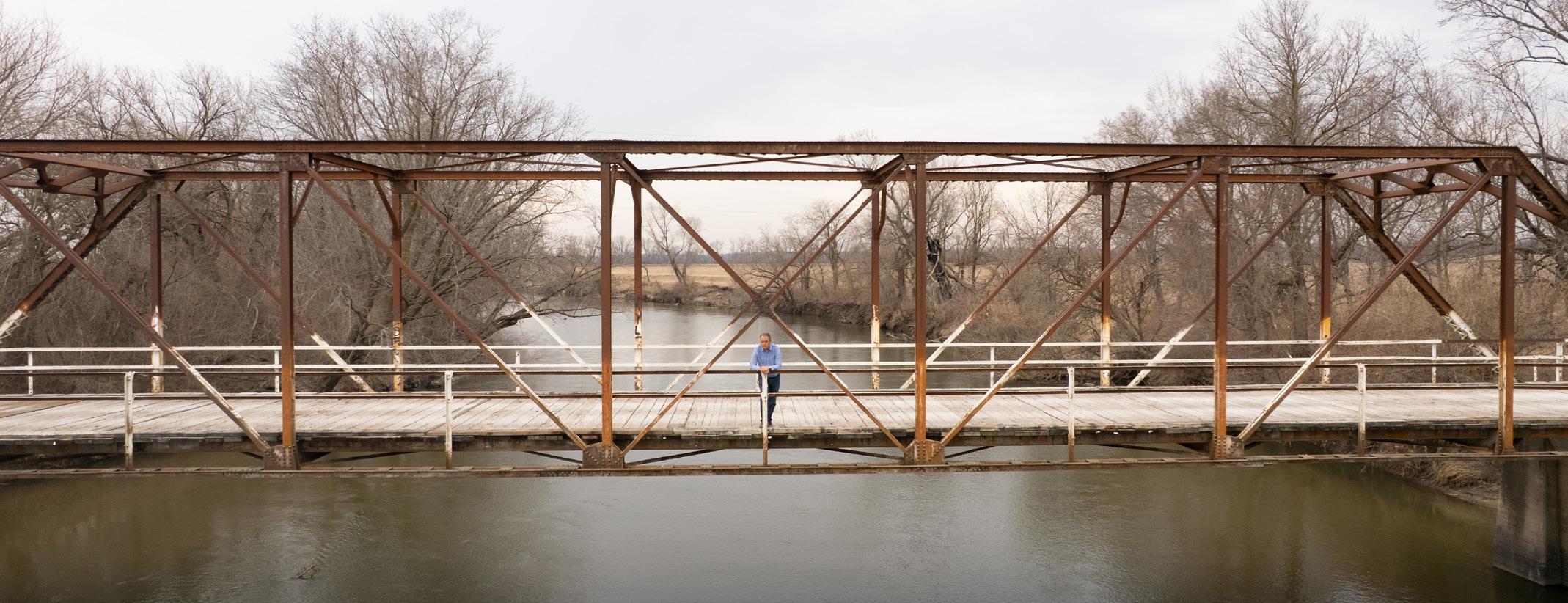
On the Cover: “Infrastructure can either be an impediment to farmer success, or it can be a facilitator of farmer success,” says Soy Transportation Coalition Executive Director Mike Steenhoek, seen on the cover on a bridge near Cambridge. “It all depends upon the degree to which we invest and maintain these links in our supply chain.”
In this issue, experts highlight the expanding markets for U.S. soy, the challenges that persist, and how checkoff investments are facilitating the movement of soybeans from Iowa to customers domestically and around the world. Photo by Joclyn Kuboushek.
Comments and statewide news articles should be sent to the address to the left. Advertising space reservations must be made two months preceding publication. In consideration of the acceptance of the advertisement, the agency and the advertiser must, in respect of the contents of the advertisement, indemnify and save the publisher harmless against any expense arising from claims or actions against the publisher because of the publication of the content of the advertisement.
Executive Insights
Kirk Leeds, ISA Chief Executive Officer kleeds@iasoybeans.com
What Iowa soybean farmers are telling us
(and where we go from here)
The Iowa Soybean Association asks its farmer leaders annually to reflect on pressures, opportunities, and long‑term trends shaping soybean production. Insights shared during our most recent exercise were clear and candid and point us toward several essential priorities for the months and years ahead.
The challenge of maintaining adequate margins amid high input costs and uncertain markets leads the way. Rising cost structures, volatile energy markets, and persistent inflationary pressures are squeezing profitability. Global uncertainty driven by geopolitical tensions, shifting trade alliances, and changing demand signals add complexity to marketing decisions. Directors noted how rapid production growth in South America is reshaping global supply dynamics. As a result, farmers are scrutinizing every line item and investment to ensure they improve efficiency and the bottom line.
A second priority surfaced by directors is deepening two‑way engagement between ISA and the farmers we serve. Too many farmers lack a clear understanding of the full breadth of ISA’s work, the services available to them, and how ISA’s research, policy and market development projects impact their bottom line. Iowa soybean farmers are incredibly busy, and the environment they operate in is changing rapidly. Therefore, ISA must meet farmers where they are, provide tools and insights that are meaningful and easy to access, understand, and apply and communicate the value proposition of engaging with ISA more effectively.
Directors also affirmed three key areas where ISA can deliver the greatest impact.
1. Expand demand domestically and abroad. From biodiesel and renewable diesel to feed, exports, and new uses, farmers are clear that demand growth must remain at the center of ISA’s strategy.
2. Strengthen trade relationships and secure market access. We must maintain strong relationships with our existing partners, open doors in new regions, and ensure Iowa soybeans are recognized globally for their quality and consistency.
3. Be aggressive and effective advocates for policy that advances biofuels, improves transportation, infrastructure, soil and water quality, and competition throughout the input supply chain. In short, ISA must step up, show up, speak up, and fight harder for farmer interests.
Iowa soybean farmers are operating in an increasingly complex and competitive world. This offers ISA a tremendous opportunity. We must engage more farmers more often, communicate more directly and transparently, and share insights that help farmers become more profitable. We must relentlessly focus on demand, ROI, and Iowa’s competitive edge. We must live our mission more boldly. With strong farmer leadership guiding our work, we are well‑positioned to deliver.
If you have a plan to farm or ranch, we have a plan to help.
The future of agriculture is our future, too. That’s why we’re working with nearly 9,000 young and beginning producers — providing special financing and guidance, plus scholarships, youth programs and more. If agriculture is where you want to be, start with the lender uniquely built for you.
Learn more at 800-884-FARM.
Agriculture Works Here.® youngandbeginning.com
Rural Route 2
Editor’s Note by Bethany Baratta bbaratta@iasoybeans.com
Watching the Skies
My husband thinks I’m obsessed with the weather. And maybe he’s right. I check the weather forecast on two apps on my phone and turn the TV to the local news just to see if the meteorologist’s map agrees with the digital version. If there’s a slight discrepancy, I’m looking for a third opinion.
I’m the first to tell the family the expected high and low temperatures of the week. I know if we’ll be shoveling snow on Sunday and grilling dinner by Wednesday. I’ve got a specific spot in the closet for the erratic weeks where all the seasons are represented in a span of seven days (remember that spring break week in March?). My car is a wardrobe on wheels of “just in case” gear — layers of clothing, umbrellas, swimsuits, and winter hats — because in the Midwest, you never know. It likely has everything to do with where I grew up. On the farm, our family didn’t
necessarily have a “must watch” sitcom or TV show we all watched together. But when the weather report came on, everyone was hushed.
The weather would guide our weeks — and our prayers. Will the growing crops catch a rain? “God, please send the rain.” Would the end of the week be fit for cutting hay? “God, thanks for the rain, but please make it stop.” Is there a window that we can plant the garden without getting stuck in mud?
I’m sure you can relate. For most people, rainy days mean an extra umbrella, naptime instead of tee time and an extra hot coffee. But for those of us in agriculture, those tiny droplets of water seem heavy. Rainy days on the farm didn’t necessarily mean rest — only faster runs between the house and barn to feed livestock and close the Dutch doors. Sometimes it meant passing time in the barn to wait out the rain, listening to
the rain rebound off the tin roof. It meant splashing in puddles and getting our pants soaked (but at least our boots were rinsed off!).
As a farm kid at heart, I don’t fear how the rain affects my shoes or my hair. In fact, sometimes I walk slower just to breathe in the smell of the fresh rain. There’s something soulful and nurturing about the precipitation, even if it does slow down my commute.
As the growing season continues, my radar app is ready (much to my husband’s chagrin). Whether you’re praying for a window of dry weather to inch your way across the field or a gentle inch of rain to give your soybeans a good start, I hope the forecast treats you well this season.
See you in the field (or the shop),
From poultry feed overseas to renewable fuels at home, new markets are expanding opportunities for U.S. soy
From export markets to uses here at home, demand for U.S. soybeans continues to grow in both familiar and emerging markets. Industry leaders say understanding those trends is key as soybean farmers look for the next sources of demand.
Global
demand
Rising global demand for protein and vegetable oils is creating new opportunities for U.S. soybeans in markets many farmers may not be watching closely.
Kevin Roepke, executive director for Middle East, North Africa and South Asia (MENASA) for the U.S. Soybean Export Council (USSEC), says much of that demand is driven by rapid expansion in livestock production worldwide, particularly in emerging markets.
KEVIN ROEPKE
USSEC executive director for Middle East, North Africa and South Asia
“Global protein demand, especially poultry, is on fire,” Roepke says.
Lower commodity prices in recent years have spurred major investments across the livestock sector, driving up feed demand. But Roepke says protein demand isn’t the only factor shaping soybean markets.
“One often overlooked aspect is that vegetable oil demand is also strong,” he says.
At the same time, supplies of competing oils such as palm oil, are becoming more constrained. Environmental pressures, labor shortages and capital limitations are tightening production in palm oil regions, even as global demand continues to rise.
“Palm oil was once seen as a much cheaper alternative to soy oil,” Roepke says. “Now it’s often priced at parity or even a premium.”
That shift is positive for soybeans, which serve as a dual source of both protein and oil.
“You can think of a soybean simply as a vehicle for protein and oil,” he says.
The 4Ds of Solar Dried U.S. Soy
To capture more value in global markets, USSEC is focusing on what it calls the “4Ds of Solar Dried U.S. Soy.” These are key traits the organization says help differentiate U.S. soybeans from competitors, particularly the rapidly expanding production in South America.
Roepke says the 4Ds: naturally sundried, lower damage, higher digestibility and zero deforestation are central to elevating a preference for U.S.-origin soybeans in international markets.
• Naturally sun-dried and lower damage:
Because U.S. soybeans typically dry naturally in the field, importers often receive beans with more stable moisture
STORY BY PHOTOGRAPHY BY
KRISS NELSON JOCLYN KUBOUSHEK
levels and less damage compared with some competing origins, where soybeans may be harvested at 18% to 20% moisture and mechanically dried.
“In some cases, damaged beans can be six times higher in soybeans coming from other origins,” Roepke says.
• Higher digestibility
The natural drying process helps maintain soybean quality and contributes to higher digestibility in soybean meal, which can improve feed performance for livestock and poultry.
• Zero deforestation
Roepke says sustainability is another major differentiating factor, noting that U.S. soy production is widely recognized as deforestation-free, even as soybean output continues to grow.
Sustainability is also becoming a major differentiator in international markets. While deforestation concerns have emerged in some soybeanproducing regions globally, Roepke says the United States is positioned to lead.
“As the U.S. is actually increasing its forest land, we look to lead the world in providing deforestation-free soy,” he says.
New export markets
New export markets are emerging in places farmers might not expect.
Pakistan, for example, has quickly become a significant buyer of U.S.
soybeans after recently reopening its market to genetically modified imports.
In 2022, Pakistan abruptly halted imports of genetically modified soybeans, forcing crushers and feed manufacturers to source expensive nonGMO supplies from alternative origins.
The impact rippled through the country’s poultry industry, cutting production roughly in half while driving sharp increases in food prices.
Yet the country’s 255 million people still need protein.
Pakistan reopened its market to U.S. soybeans in early 2025. Soon after, a delegation from the All-Pakistan Solvent Extraction Association visited Washington, D.C., where they agreed to purchase roughly $500 million worth of U.S. soybeans.
So far this marketing year, Roepke reports Pakistan has already imported more than 40 million bushels, placing it among the top 10 buyers of U.S. soybeans.
Beyond Pakistan, demand is expanding in a range of global markets.
Strong soybean meal exports are emerging across Europe, Latin America and Asia following recent growth in U.S. crushing capacity. Total U.S. soymeal exports are up 14% year over year, led by the Philippines, the world’s largest soybean meal importer.
TIM BARDOLE USB director and Iowa farmer
Philippine purchases of U.S. soymeal alone have jumped roughly 50% compared with the previous year. Other markets are also strengthening. Bangladesh recently signed a letter of intent to purchase $1.25 billion in U.S. soybeans and soybean meal, while Egypt remains one of the most consistent buyers of U.S. soybeans worldwide.
Farmer engagement
Farmer engagement has helped build relationships with new customers.
Earlier this year, a delegation of U.S. soybean farmers, including Iowa grower Tim Bardole, traveled to Pakistan to meet with feed and processing leaders. Bardole says visiting overseas buyers helps reinforce trust in U.S. soy and reminds customers that real farmers stand behind the product they purchase. It’s meaningful to customers in Pakistan, a market that’s faced trade disruptions in recent years.
“The world already knows the U.S. has the best quality soybeans, both in appearance and nutritional value,” Bardole says. “But when a farmer from central Iowa takes the time to go to their operation, whether it’s a feed mill, a processor or even a farm, it really means a lot to them. That face to face relationship matters.”
Bardole, Iowa Soybean Association past president and United Soybean Board director from Rippey, says work by USSEC and its partners helped rebuild that relationship, though much of the effort ultimately came from Pakistani buyers advocating within their own government.
“USSEC worked very closely with the buyers in Pakistan, providing information and answering questions,” Bardole says. “But the heavy lift was really done by the customers there, going to their government and explaining why they needed U.S. soy and how it benefits them.”
Now imports are growing again, including from major poultry producers that rely specifically on U.S. soy.
“The largest poultry producer in Pakistan will only feed U.S. soy,” Bardole says. “That’s a big deal.”
Roepke says those global relationships will only grow more important as population and income growth drive demand for protein and vegetable oils.
“These farmer to farmer connections are critical to establishing trust and confidence in the product behind U.S. Soy,” Roepke says.
By 2050, some of the world’s largest cities — including Dhaka, Jakarta, Shanghai, Delhi, Karachi and Cairo — are projected to have populations exceeding 32 million people.
“Urbanization and rising incomes are two of the biggest drivers of protein and vegetable oil demand,” Roepke says.
For soybean farmers, exports will remain essential to long term market growth.
“Everything starts at the farm,” Roepke says. “Your checkoff investments and your time engaging with customers help build those relationships and strengthen demand for U.S. soy around the world.”
For farmers facing tight margins at home, seeing those efforts firsthand can provide reassurance that demand building work continues.
“As a soybean farmer here in central Iowa, it’s easy to feel some doom and gloom when you’re looking at your books,” Bardole says. “But when you see what’s happening around the world, there are a lot of good things going on.”
“It helps me sleep at night knowing the work that’s being done around the world to build demand for U.S. soy,” he says.
Soy’s Strength at Home
While exports often dominate the conversation around soybean markets, nearly 45% of U.S. soybeans are used domestically. Domestic demand plays an important role in maintaining soybean prices and future market growth.
Building and maintaining domestic demand for soybeans takes more than markets alone.
“The Iowa Soybean Association (ISA) invests considerable effort behind the scenes to support that demand — including regulatory engagement, market access, feed research, renewable fuel policies and infrastructure upgrades that help sustain and grow usage,” says Grant Kimberley, ISA’s senior director of market development.
Livestock demand
Animal agriculture accounts for the majority of soybean meal consumption, while biofuels now use more than half of the oil produced from soybeans. Feed inclusion rates in the United States are based on complex ration formulas used by the feed industry. While there may be some room to increase soybean meal
GRANT KIMBERLEY
ISA
senior director of market development
inclusion in certain rations, Kimberley notes those levels are already near their practical limits in many cases.
Industry estimates suggest roughly 97% of all soybean meal produced domestically and internationally ultimately end up in livestock feed. Through the soybean checkoff, research has supported work with swine, dairy, aquaculture and poultry nutritionists to better understand where higher soybean meal inclusion makes sense.
in Iowa. The organization was a founding member of the Coalition to Support Iowa’s Farmers (CSIF), which works with farmers to advocate for and implement best management practices that help farm families raise livestock responsibly and successfully.
“ISA continues to be one of the largest supporters to this day,” Kimberley says. “That initiative has helped the livestock industry grow dramatically over the last 22 years.”
Soy based foams, adhesives, lubricants and even soy derived asphalt products are examples of how soy is increasingly being used outside traditional markets.
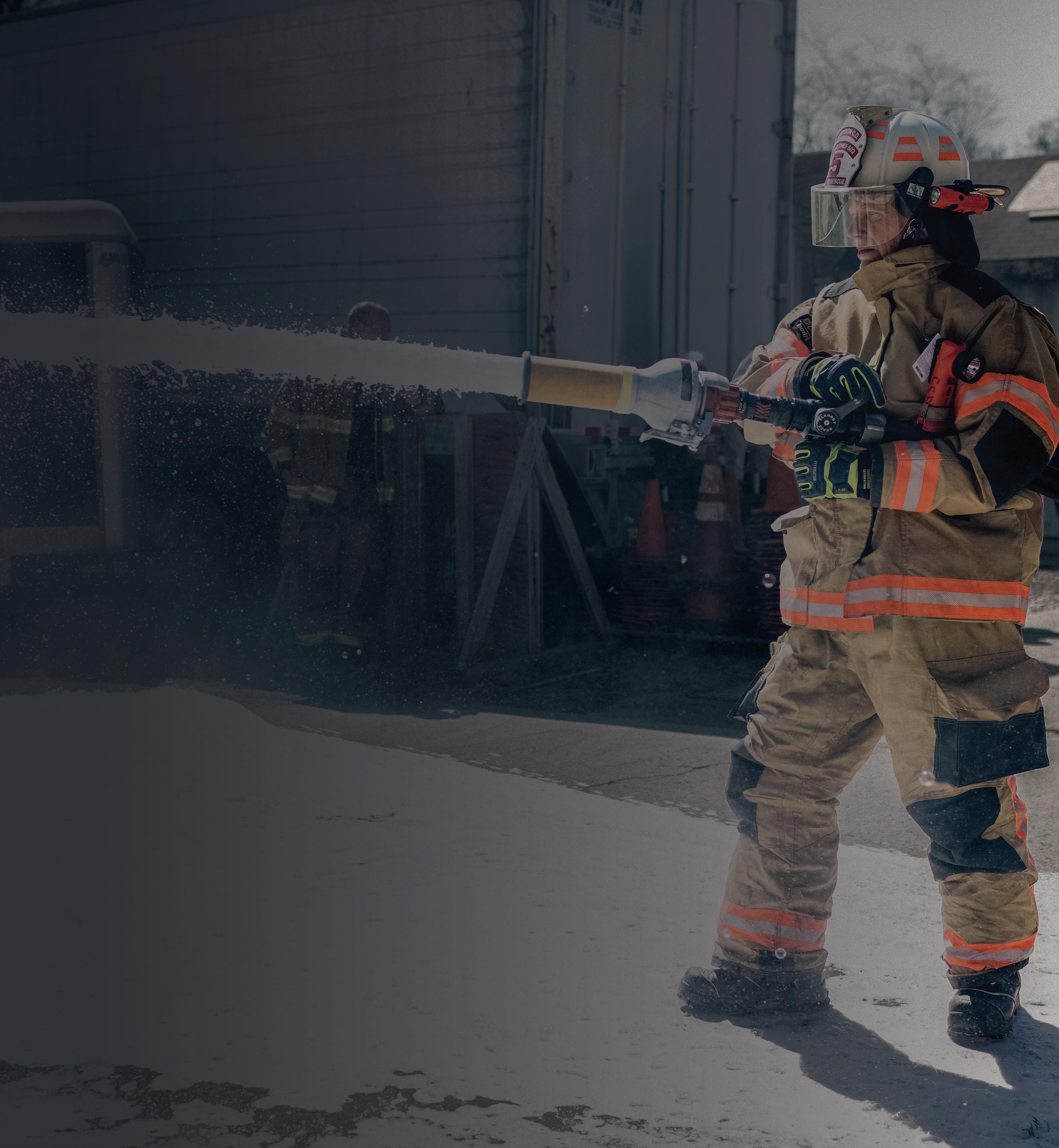
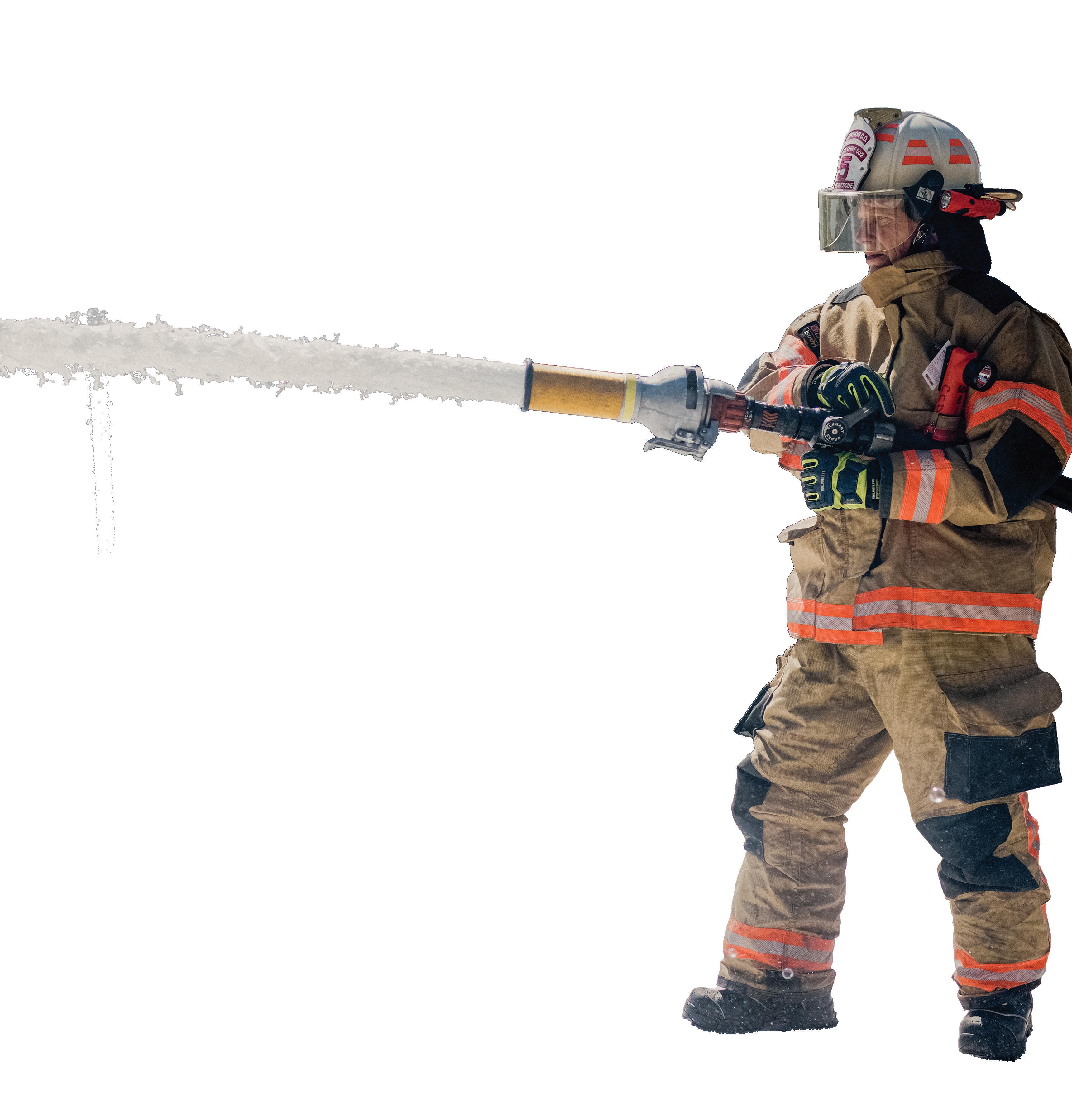
One emerging product drawing attention is SoyFoam, a soy based firefighting foam developed as a safer alternative to foams containing per and polyfluoroalkyl substances (PFAS).
ISA sees the product as a potential new market for soybean meal. A single 250 gallon tote of SoyFoam uses the equivalent of nearly 11.4 bushels of soybean meal.
“Renewable diesel and other biofuel policies have spurred major investments in new and expanded soybean crush facilities across the country. Those projects are expected to add more than 600 million bushels of additional crush demand, roughly equivalent to the total soybean production of the state of Iowa.”
Grant Kimberley, ISA senior director of market development
Among those sectors, poultry continues to lead the way.
“Poultry production and consumption are growing by about two percent annually, helping keep demand for soybean meal strong,” says Kimberley. “Poultry production is the train that keeps soybean meal chugging down the tracks.”
Research is also exploring new feeding opportunities. High oleic soybeans, for example, are showing promise in dairy rations. Ongoing work with the Iowa State University (ISU) feed mill aims to generate additional data to strengthen soy’s role in dairy feed formulations and potentially other livestock species.
The ISA supported project evaluates the entire system from soybeans grown at an ISU research farm, to roasting and processing at the university’s feed mill, before being fed at the dairy research farm.
ISA has also played a long standing role in supporting livestock expansion
Biofuels growth
On the industrial side, biofuels remain the largest driver of soybean oil demand.
“Renewable diesel and other biofuel policies have spurred major investments in new and expanded soybean crush facilities across the country,” says Kimberley. “Those projects are expected to add more than 600 million bushels of additional crush demand, roughly equivalent to the total soybean production of the state of Iowa.”
As processing capacity grows, it also increases the supply of soybean meal, reinforcing the importance of strong livestock and export markets to absorb the additional product, Kimberley says.
New uses emerging
Beyond feed and fuel, smaller but strategic industrial applications are helping diversify soybean markets and add long term value.
ISA leaders are hopeful fire departments across Iowa and the country will begin adopting the product as regulations tighten around PFAS based foams.
“While we don’t have firm national adoption estimates, even modest uptake could scale meaningfully if more fire departments move toward soy based products,” Kimberley says. “While each tote is a small use on its own, widespread adoption could add up if half or more of fire departments eventually transitioned.”
Cross Plains Solutions, the manufacturer of SoyFoam, continues to pursue additional certifications that would allow the product to be used in more applications, including naval ships, aircraft carriers, oil refineries and forestry operations.
Together, emerging markets illustrate how domestic demand continues to evolve — helping ensure soybeans remain an essential part of food, fuel and industrial supply chains.
Contact Kriss Nelson at knelson@iasoybeans.com
Investing in Infrastructure
Strengthening the supply chain from farm to port
The Soy Transportation Coalition (STC) understands there’s value in every bushel of soybeans moved from the farm. That’s why it works to improve the infrastructure by which the bushels are moved throughout the state and to customers around the world.
“When you invest in our roads, our bridges, our inland waterway system, our freight rail system, our ports, 100 percent of the beneficiaries of that are U.S. agriculture,” says Mike Steenhoek, STC’s executive director.
When you think about costs of running a business as a pie chart, one sliver of that pie includes transportation costs. The goal, Steenhoek says, is to invest in the infrastructure to make U.S. soybean products competitively priced from a transportation cost standpoint.
“It’s a game that’s won or lost based on price. So, any time you make that investment, you’re helping reduce the cost per ton or per bushel of that product,” he says.
Vehicles to invest in infrastructure exist through the Infrastructure Investment and Jobs Act, including the Surface Transportation Reauthorization Act, and the Water Resources Development Act (WRDA), but it’s about better stewardship of the dollars invested, and avoiding instances of 300% cost overruns on projects.
“It’s not just a matter of the government spending more money,” Steenhoek says. “We have to be able to institute more appropriate construction practices.”
And that’s why the Soy Transportation Coalition, comprised of 14 state soybean boards, the American Soybean Association, and the United Soybean Board, is focused on projects in a wide range of scope and scale. From increasing weight limits permitted on highways to expanding capacity of our locks and dams and supporting rail projects that remove log jams to get soy from Iowa farms to customers around the world, it all plays into the competitive advantage — and cost efficiency — of soy transportation.
Steenhoek has long acknowledged the shift in market dynamics, especially as it relates to Brazil’s ability to supply China with its bulk soy supplies. The seemingly endless conveyor belt that once fed China’s insatiable appetite for U.S. soy has changed.
“The landscape has changed; you’ve got to have a supply chain that can adapt to it,” Steenhoek says.
Moving soybean meal domestically and abroad has been in the spotlight as meal supplies dominate the U.S. soybean market. Here are a few of the projects that STC has invested dollars to help underwrite engineering, permitting, project management, and construction support:
Port of Houston
The Andersons, Inc., is expanding its grain export terminal at the Port of Houston (in Houston, Texas) to handle and export soybean meal and soybeans from the facility. Once completed, the expansion will result in one million metric tons of soybean meal and soybeans being exported from the facility.
Continued on Pg. 14
“When you invest in our roads, our bridges, our inland waterway system, our freight rail system, our ports, 100 percent of the beneficiaries of that are U.S. agriculture.”
Mike Steenhoek, STC executive director
TEMCO project at Port of Kalama
The Port of Kalama (in Kalama, Washington) and Tacoma Export Marketing Company (TEMCO), a joint venture by Cargill and CHS, are continuing efforts to expand rail efficiency in the Pacific Northwest. The facility, located in a strategic export region for U.S. soybeans and soy products, is undergoing construction enhancements to expedite terminal unloading and staging. According to Steenhoek, expanding rail lines will increase efficiency by 25 to 30%, especially during the key export window for U.S. soybeans.
The DeLong Co., Inc., celebrated the groundbreaking of a new Portsmouth Agricultural Intermodal Export Facility on May 2025. Located in Portsmouth, Virginia, the facility will be the first on the East Coast capable of receiving unit trains and transloading agricultural products directly into export containers.
This facility will offer 15,000 metric tons of storage and will handle 15,000–20,000 containers annually, significantly boosting the region's ag export capabilities. Whole grains and feedstuffs — including soybeans, corn, wheat, distillers grains and soybean meal — sourced from local producers and the Midwest will be received by truck and rail, then shipped overseas via the Port of Virginia.
Port of Milwaukee
Primarily used to export DDGs to international markets via the Great Lakes/St. Lawrence Seaway, The DeLong Co., Inc., is expanding at the Port of Milwaukee in order to enhance its capacity to export soybean meal. The project involves the construction of two grain storage silos, electrical service upgrades, and additional handling equipment. The expansion of grain storage capacity for staging inbound and outbound grain by over 1.3 million bushels will improve soy transportation efficiency. The grain handling equipment will expedite the movement of grains through the Great Lakes/St. Lawrence Seaway to international markets in Europe, North Africa, and other regions. The new facility will allow the port to handle two commodities simultaneously.
Contact Bethany Baratta at bbaratta@iasoybeans.com
Joe Sperfslage
District 6 | Coggon, IA
Demand and Engagement Committees
What crops and livestock do you have on your farm?
Our farm has evolved quite a bit over the years as we’ve moved in and out of different markets. Today we raise corn, soybeans, wheat, and straw. I’m also looking forward to the day when one of my nieces or nephews wants to show hogs at the county fair — that will be my excuse to bring a couple of bred sows back to the farm.
What makes your farm unique?
I’m not sure there’s anything particularly unique about our farm, but we’ve worked hard to become comfortable being uncomfortable. I like to tell Dad that if we aren’t trying a new agronomic practice, testing a new technology, or doing something differently, then we aren’t moving forward. We don’t always agree on that approach, but it’s opened doors for our farm that otherwise might have stayed closed.
How do you define success on the farm?
Financials measure success on paper, but for me they’re really just a tool. Successful farming allows me to work full time on the land, partner with my parents, and soon bring my brotherin-law into the operation. For that opportunity, I feel incredibly fortunate and thankful.
How do you envision production agriculture 50 years from now?
I wish I had a crystal ball. I don’t know exactly where agriculture will end up, but I’m confident the next 50 years will bring tremendous change. That’s why our farm has focused on becoming comfortable with the uncomfortable — so when markets, consumers, or policy demand change, we’re ready to adapt.
What do you see as the largest hurdle for homegrown soybeans in the future? argest opportunity?
The biggest hurdle is today’s global soybean supply. The biggest opportunity is building the demand needed to match it.
What’s one thing people don’t know about you?
I enjoy hosting people from anywhere and showing them the side of Iowa many never see. Each summer I host a team of riders from across the country participating in RAGBRAI at my home.
Before retiring, Chad Hart shares his outlook on soybean markets and global pressures
Although soybean markets are showing modest improvement, uncertainty around trade, geopolitics and input costs continues to cloud the outlook.
“Everybody is preparing for another financially tough year,” Chad Hart, Iowa State University professor and Extension economist says. “We’re hopeful that things will slowly improve over time.”
Market signals
He points to recent movements in the soybean market.
“If you look at how prices have moved, especially over the last couple of months for the soybean market, we’ve been chipping away, gradually gaining,” Hart says. “At the beginning of 2026, we were down in the low $10 range. Now we’ve climbed our way up to where cash prices are in the high $10s and futures prices at least have an 11 in front of them now.”
Hart says part of the support comes from increased domestic use, including demand for biofuels.
“We’re figuring out how to use more soybeans here domestically, and it looks like we’ll continue to get a boost from that as we look at the potential for higher biomass based diesel levels,” he says.
Global pressures
He also points to trade uncertainty, especially tied to China, but notes gains elsewhere.
“When you look outside of the Chinese market, we’ve been able to grow other markets as well,” Hart says. “It hasn’t been enough to offset the gyrations we’re seeing out of China, but it’s good to see growth in places like Mexico, Egypt, the European Union, Japan and Indonesia. We are building a more diversified structure when it comes to our soybean exports that will help us out regardless of what happens with China.”
STORY BY PHOTOGRAPHY BY KRISS NELSON JOCLYN KUBOUSHEK
Looking ahead, Hart says uncertainty remains high, including geopolitical events, tariffs and policy shifts.
“I’ll argue there’s still a lot of uncertainty,” he says. “The conflict involving Iran looms large for the soybean market because disruptions to Iranian oil flows ripple through global energy markets. Their biggest customer is China. How the Chinese respond to that could significantly complicate the storyline for soybeans because right now the verbal agreement we’ve got could easily disappear.”
Hart says higher oil prices can cut both ways.
“Wars tend to create a little price spike for basically all commodities,” he says. “But that price spike is also spiking some of our inputs. Oil prices going higher drives diesel prices higher, drives fertilizer prices higher. It has that negative feedback loop on the soybean market.”
At the same time, he says, higher energy prices can strengthen biofuels competitiveness.
“Higher oil prices offer greater opportunities for biofuels to continue to compete,” Hart says. “It’s mixed, it’s very uncertain.”
Cyclical markets
Even with shifting global dynamics, Hart says the agricultural economy still moves in cycles.
“I would argue it is still cyclical,” Hart says. “But there are some structural things that are going on.”
He points to Brazil’s dominance as one of those structural shifts.
“Ten years ago, we were the dominant producer. Now Brazil is by far the dominant,” Hart says. “We went from being the biggest one, but just by a little bit, to now we’re a very distant number two. That changes how our markets behave.”
Input pressure
He also flags input costs and how slowly they come down.
“The biggest thing I’d worry about would be the changes that are happening within our input cost structure,” Hart says. “The problem is now that cost structure working its way down is a lot slower than it used to be, and it’s because of that global competition.”
He compares this downturn to the last major one, but with less relief from costs.
“We’re sort of replaying the last downturn,”
Hart says. “The difference is that the relief that we’re seeing from our input costs is smaller than it was back then.”
Contact Kriss Nelson at knelson@iasoybeans.com
Iowa State University economist Chad Hart, whose license plate reads “CROPMKT,” keeps a “Dr.
farmers.
END OF AN ERA FOR DR. DOOM
After nearly two decades helping Iowa farmers navigate volatile grain markets, Chad Hart is stepping away from the role that made him one of the most recognizable voices in agricultural economics.
Over the years, Hart earned a reputation among farmers for delivering blunt market realities, earning the nickname “Dr. Doom”.
“When prices are high, my job is to remind you they won’t stay that way,” he says. “When we’re in situations like we are right now, my job is to remind you that things will get better, but they tend to get better more slowly than they decline.”
Originally, Hart thought he might pursue a career on the financial side of economics, possibly working for a Federal Reserve bank. But after arriving at Iowa State for graduate school, he found his path shifting.
Colleagues soon recognized Hart’s ability to translate complicated market signals into language farmers understood. Putting him in front of a farm audience quickly became one of Iowa State’s strengths.
That ability to translate complex markets into practical terms for farmers pulled him deeper into agricultural economics and extension work.
When longtime Iowa State University agricultural economist Bob Wisner retired, Hart was already filling in at meetings across the state. He recalls a meeting in Holstein where a farmer encouraged him to apply for Wisner’s old job.
“That sort of set it off for me,” Hart says.
Over the years, he says the role became much more than a paycheck.
“I enjoy talking with farmers and ranchers about their business,” Hart says. “Part of my role here is to take some of the research and bring it to the farmers to see the practical applications and hopefully improve farmers’ financial situations.”
Those conversations, he says, weren’t always easy. Some were lighthearted. Others centered on tough topics like controlling costs, cutting back and navigating downturns.
“But the discussions are meaningful no matter where we are in the cycle,” Hart says.
As for what comes next, Hart plans to pursue a longtime passion: baseball.
“I love baseball,” he says. “The goal is to travel around and go to all the Major League Baseball ballparks within one year.”
Doom” bobblehead on his dashboard as he travels Iowa’s roads, a playful nod to the blunt market outlooks that earned him the nickname among
Five Steps to Better On-Farm Trials
Anthony Martin, ISA analyst amartin@iasoybeans.com
KEY INSIGHTS
Keep trials simple to ensure they answer your original question.
Randomizing and replicating treatments will help minimize unreliable results.
Implementing field trials doesn’t need to be complicated or require a statistical background to be done correctly. Small changes and simple adjustments can help farmers derive meaningful results and answers to questions about products or field management practices. Especially in times when farmers are looking to minimize or remove unneeded inputs while also being sold on new product offerings, field trials are a good way to identify where they could benefit from an investment or find potential savings.
At the Iowa Soybean Association’s Research Center for Farming Innovation, we’ve been working with farmers to set up and conduct on farm research trials for more than 20 years. Over this time, we have found several things that help improve or hinder the results of these trials. Here are some of those findings:
‘Early’ proper planning prevents poor performance
Sans an additional P, we’ve all probably heard this phrase before, and it is especially true when setting up field trials. Early planning can, and likely will, prevent getting results that are useless to answering the questions we want to answer. Planning trial comparisons and layout before getting to the field helps minimize issues
Wide strips help ensure usable data post-harvest.
from insufficient replications or area, layering trials over each other, or simply overcomplicating the trial with unnecessary changes. Aside from the trial comparisons, keeping all other management decisions consistent across the trial area is important to maintain clean results.
Choosing the right comparisons
Understanding the product or practice and what it promises to do or improve is a good starting point for determining which comparisons should be included. Simply applying a product in strips can work, but some products may require changing rates of additional inputs to check results. A product offering to fix additional nitrogen, resulting in lower nitrogen needs, should have an accompanying strip of reduced nitrogen to see if this is true and if yield remains constant. If we maintain the same nitrogen rate and are already at the high end of what the crop needs, determining whether the product worked is difficult. For this example, a more complete design would include strips of the product with normal and reduced nitrogen rates.
Select the correct field and layout
Especially for products aimed at targeted diseases or pests, selecting a field that has had presence in the
last few years is more beneficial than a field with no history. For example, a crop protection product aimed at controlling white mold should be applied in a field with a history of white mold.
Plan strips based on your current equipment setup. A good rule of thumb is to shoot for a treatment width that is at least two times the width of your harvest pass if you are planning to harvest with the row. This ensures at least one clean harvest pass through treatments, no matter where or who is in the combine. For soybeans, if the plan is to harvest at an angle, treatments should be at least three times the width of your harvest pass, or wider, to account for the combine moving between treatments.
Replication and randomization
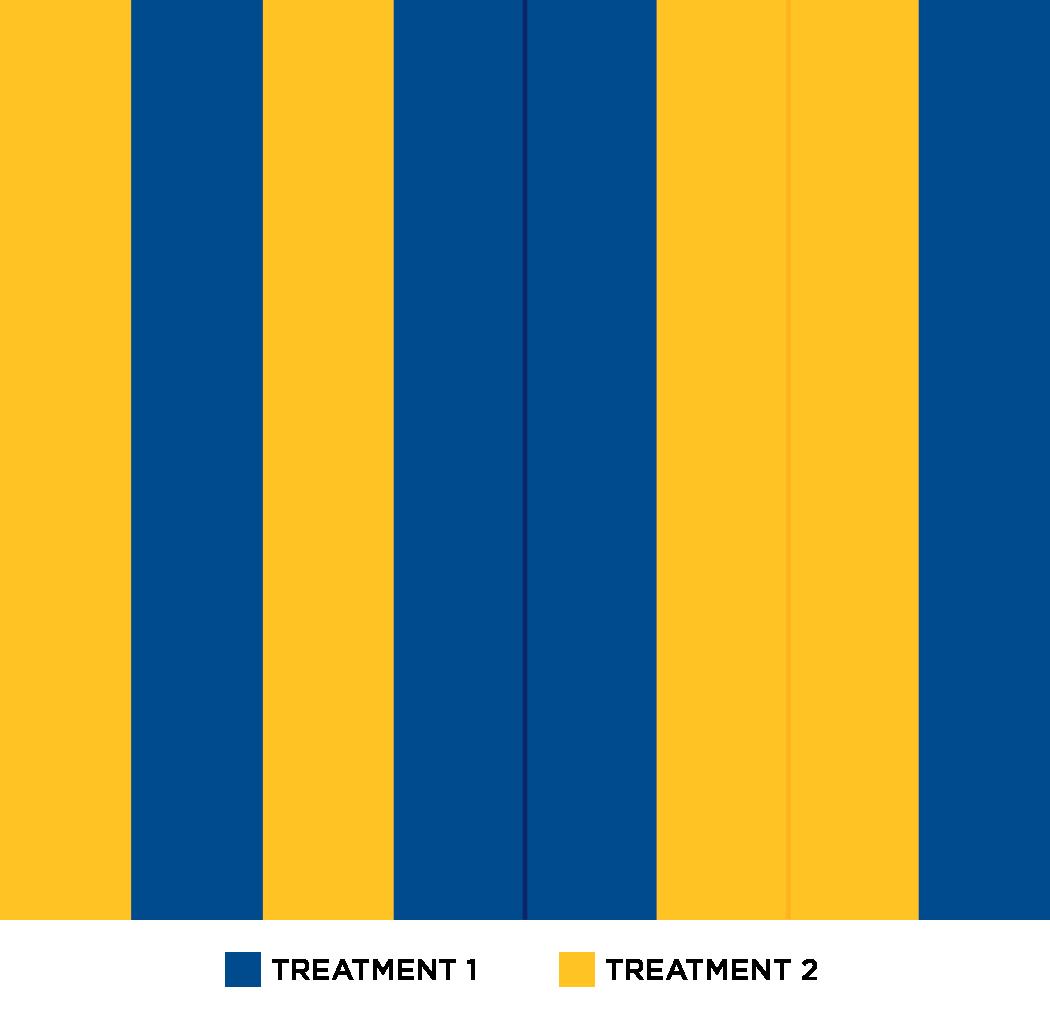
One key way to help minimize outside effects from field variability that may influence yield beyond the treatments themselves is by replicating and randomizing the trial layout. We recommend at least three replications, or paired treatments, for the trial layout but more replications are better. In addition, randomizing the treatments within each replication is recommended. For two treatment trials, flip a coin for each replication in the field to determine which treatment comes first, or if you have more than two treatments, use an online tool like Google Spinner to determine the order. Whichever method you choose, record the layout to reference during application and harvest operations.
Maintaining records through harvest
Maintaining good records should always be a goal but needs additional attention in tracking in field trials. With current technology, this should come easy for many farmers, but keeping a physical journal with detailed notes will also work. Labeling application passes and loads during field operations as they relate to the trial makes analyzing the final yield data simple. Precise calibration of the combine prior to and during harvest is essential
to ensure that the recorded yield differences reflect actual treatment effects rather than sensor drift or machine variability. Following harvest, most data management tools can generate average yield comparisons between loads or user selected areas of the field and make looking at treatment yields simple.
While this is a quick guide to develop and conduct a research trial on your own, our team can assist you with questions along the way. Reach out to your regional agronomist for more information about our current trial offerings or for help setting up your own research.
Figure 1. Example of a simple two treatment trial layout
Soy Snaps
Rooted in Iowa, captured in time
PHOTOGRAPHY BY
JOCLYN KUBOUSHEK
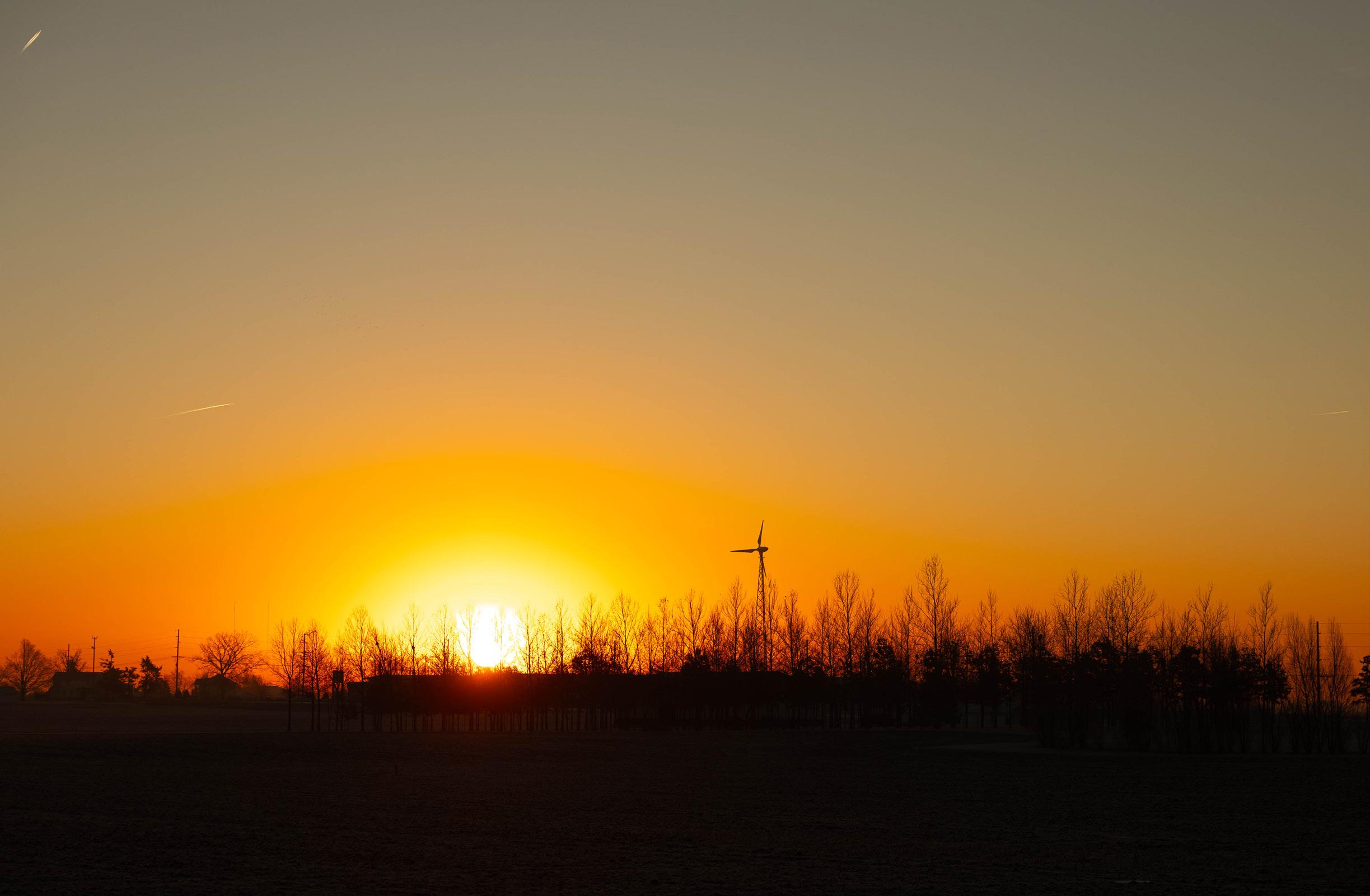
Sunrise breaks over the countryside near Madrid, Iowa, lighting up another day on Iowa farmland.
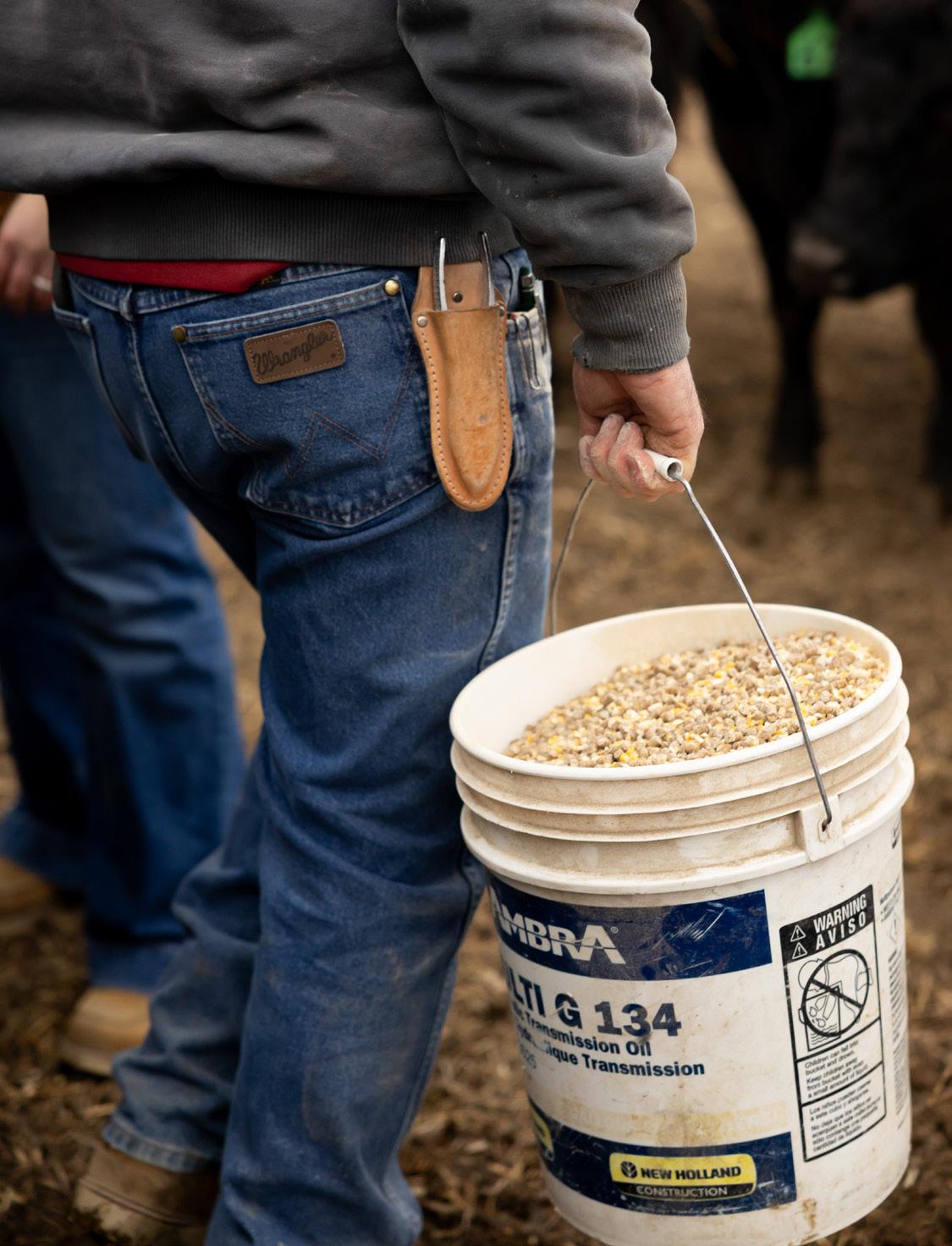
Donnie Conway delivers feed to his cattle, keeping the herd well fed and ready to thrive near Melrose.
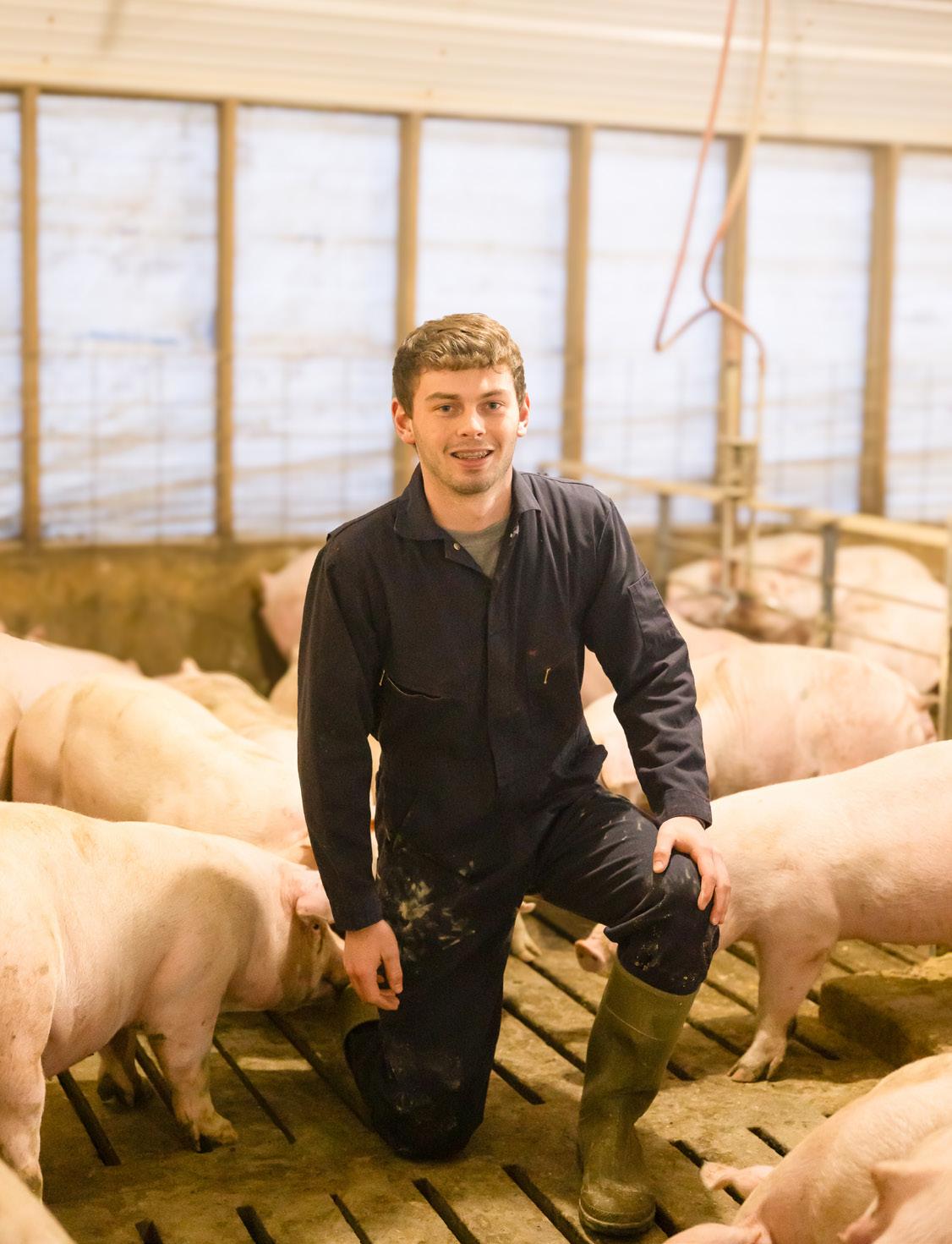
Kollyn Lentz tends to pig chores near Plainfield, Iowa.
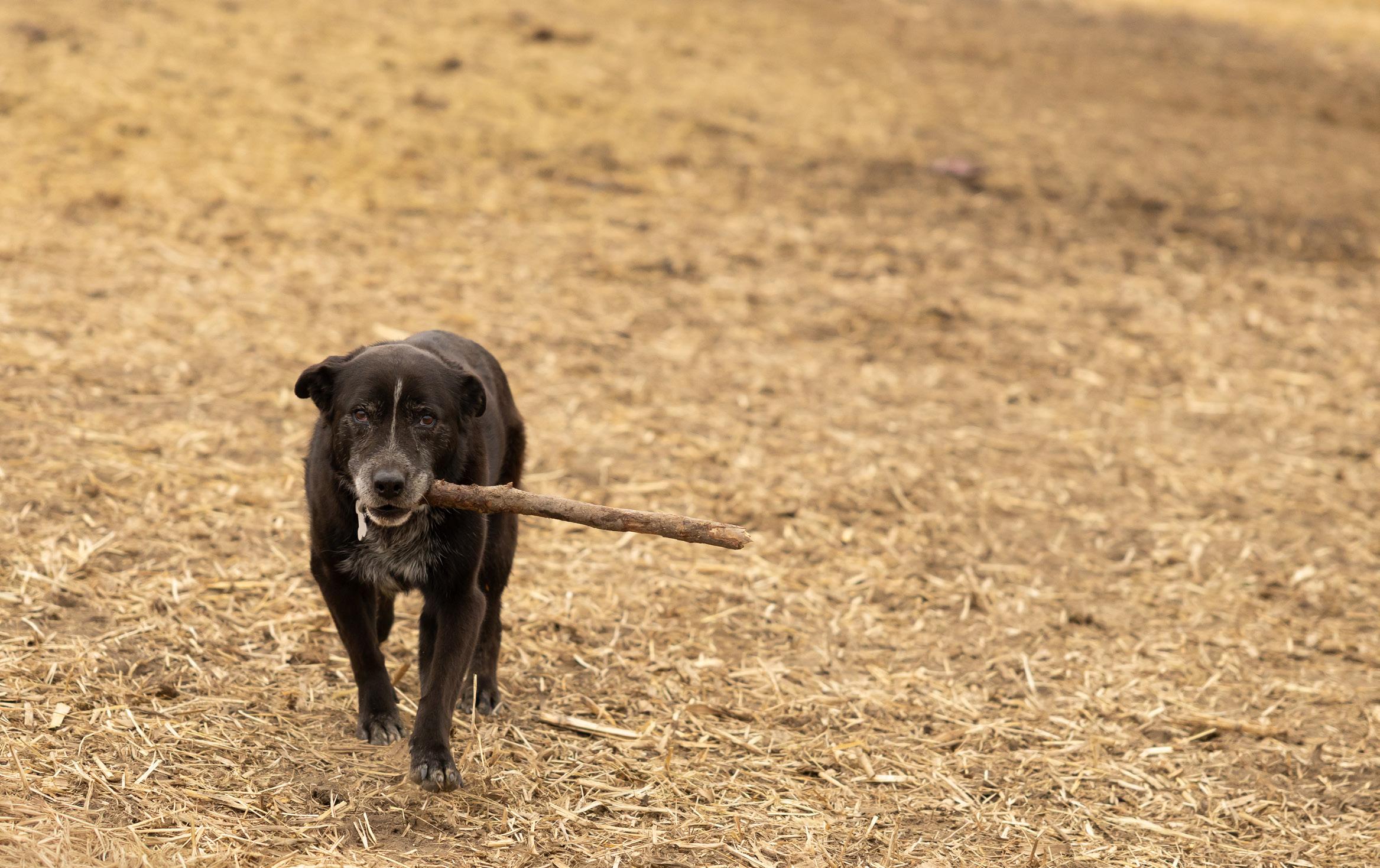
Lily, the Conway family dog, is always ready to deliver a stick that every visitor must throw.
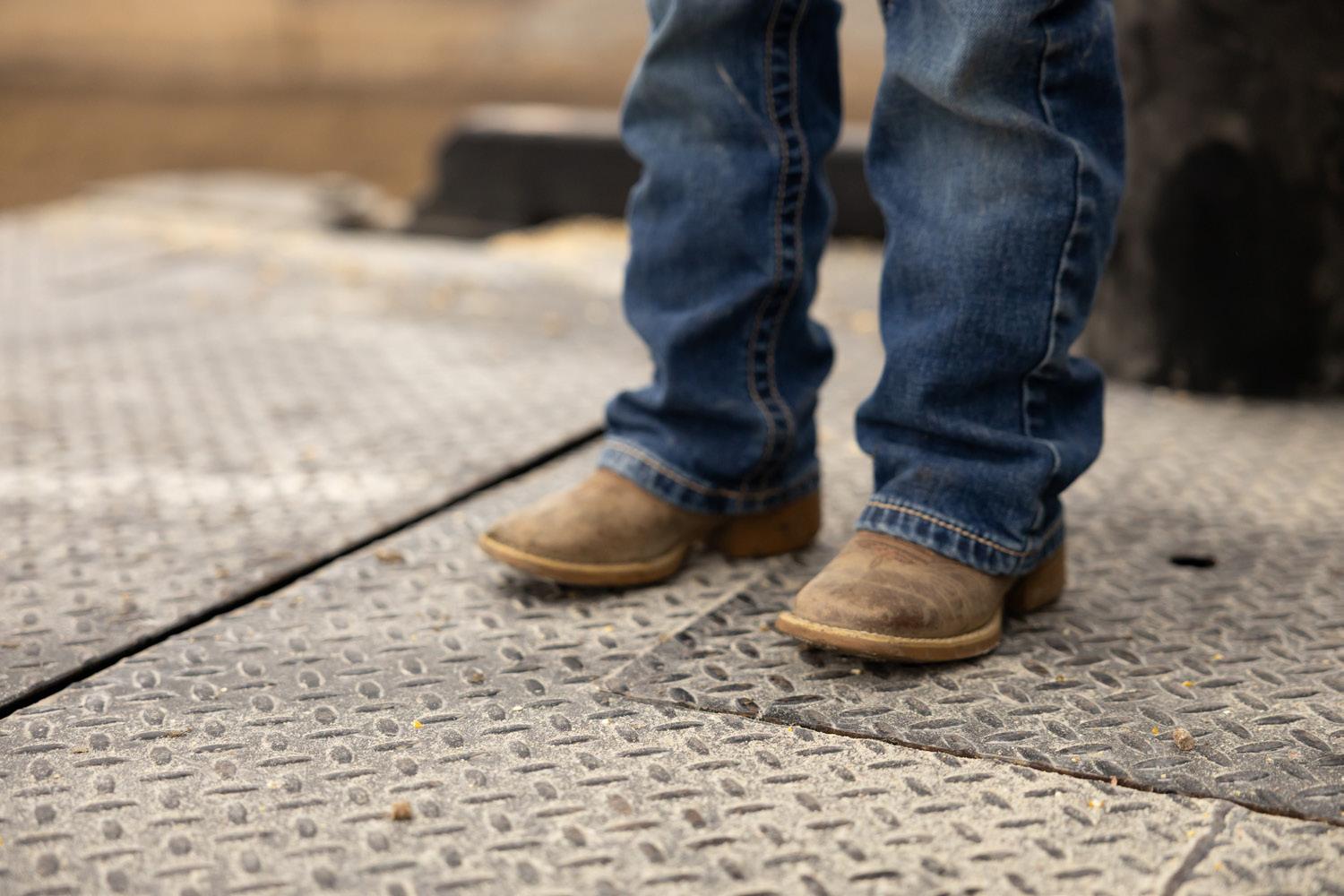
Aubrey Conway’s boots ready for farm chores in Monroe County.
Veterinarian Paul Armbrecht looks over a client’s cattle herd near Rockwell City, Iowa, helping keep livestock healthy across the region.
U.S. Soy eyes growth in the Americas
Reliability reigns supreme in exports to Mexico
STORY
AND PHOTOGRAPHY BY
BROCK JOHNSTON
JEFF FRANK
ISA District 4 Director
SHARON CHISM
ISA At-Large Director
Amid ongoing trade uncertainty affecting the U.S. soybean industry, Iowa farmers are intensifying marketing efforts with existing and prospective buyers, including Mexico.
“Demand for protein is growing around the world,” says Iowa Soybean Association (ISA) District 4 Director Jeff Frank. “Keeping focus on reliable markets and growing market share in these regions will help us meet demand and soften some of the uncertainty we’re experiencing today.”
Mexico, the second largest market for U.S. soybeans and soybean meal, is a mature customer poised for even greater soybean demand. This is particularly true in the city of Torreón, nestled in the La Laguna region about 350 miles from the U.S. Mexico border. The region has long been a dominant force in the country’s manufacturing and agricultural sectors, particularly in the production of animal protein and feed products. It also was host to Iowa and U.S. soybean farmers during a January trade mission alongside Ag Processing Inc.
Frank, who farms in Sac County and is completing his final year as a director, was among the seven member delegation representing three soybean state associations that traveled to Torreón. The mission included visits with livestock feed and nutrition suppliers, large scale dairies, integrated beef processors and more.
Rising consumption
The Mexican market offers continued opportunities for U.S. soybean farmers to further expand sales. An expanding population, coupled with continued economic growth and geographic proximity, makes Mexico an attractive market for U.S. Soy. This trade is driven by high demand for feed in Mexico's protein sector and, in some years, reduced Mexican domestic production due to drought.
In 2024, the U.S. exported $2.3 billion worth of soybeans and $859 million worth of soybean meal to Mexico. The competitiveness of local
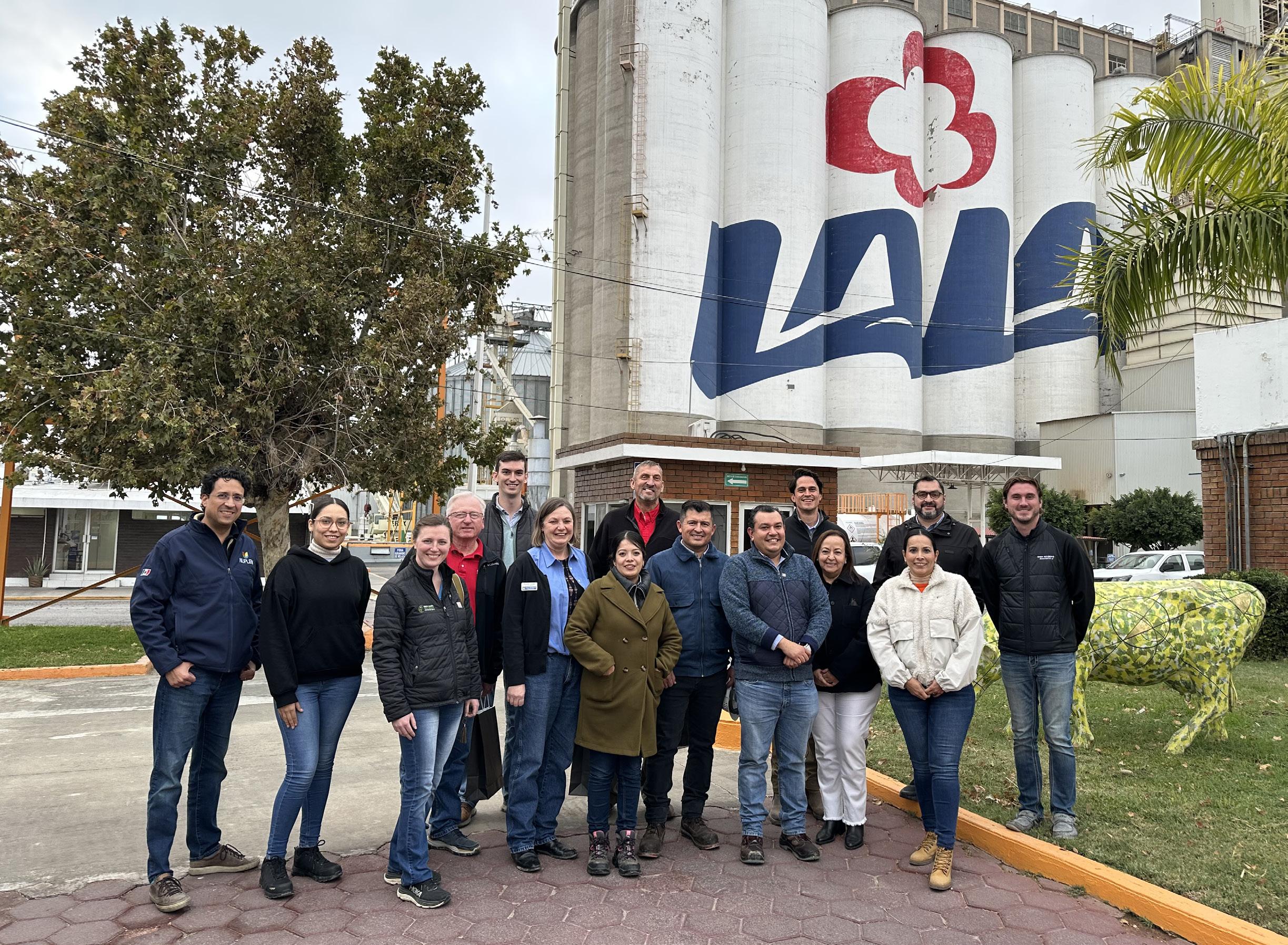
Soybean leaders meet with ingredient buyers at Lala, Mexico's largest dairy producer. Roughly 13% of Iowa’s soybean meal arrives via rail to power the nation's dairies and cattle feed mills.
crush facilities and imports from other sources make marketing efforts by U.S. soybean farmers essential to maintain that competitive edge with our closest customer to the south.
Mexico’s soybean demand is forecasted at 7.7 million metric tons (MMT) in the current marketing year — a 2% increase from the prior marketing year. Crushers are likely to continue facing low crush margins in the 2025/26 marketing year.
The upward trend in meal production has continued over the last few years, reflecting increased domestic crush capacity. Soybean consumption is expected to reach 8.2 MMT in the current marketing year — a 4% increase from previous years. This increase is attributed to the expanding poultry, hog and dairy industries. Mexico is forecasted to import 2.3 MMT of soybean meal in the current marketing year, with a majority coming from the United States.
In Torreón and beyond, soybean meal is the main protein source for livestock feed rations across the industry due to price competitiveness, high protein levels and year round availability.
Industrial feed sources indicate soybean meal makes up 28% of broiler feed, 23% of layer feed, 20% of swine feed and 12% of cattle feed on average. Accessible protein is particularly important in the La Laguna region, which is Mexico’s largest milk producing state.
“We observed that there's both optimism and opportunity for U.S. soybeans in the existing dairies and milk processing facilities we visited, especially as they expand their current fresh milk market,” says ISA At Large Director Sharon Chism. “There’s additional opportunity for soybeans in the dairy sector, with companies looking to expand sales of both evaporated and dry milk products. It’s going to take additional soybean meal to do that.”
This was especially true for Torreón based Nuplean, a feed cooperative operating alongside Lala, which represents the milk side of the business. Together, they form a key pillar of Mexico’s dairy supply chain. LaLa represents a whopping 50% of Mexico’s milk production.
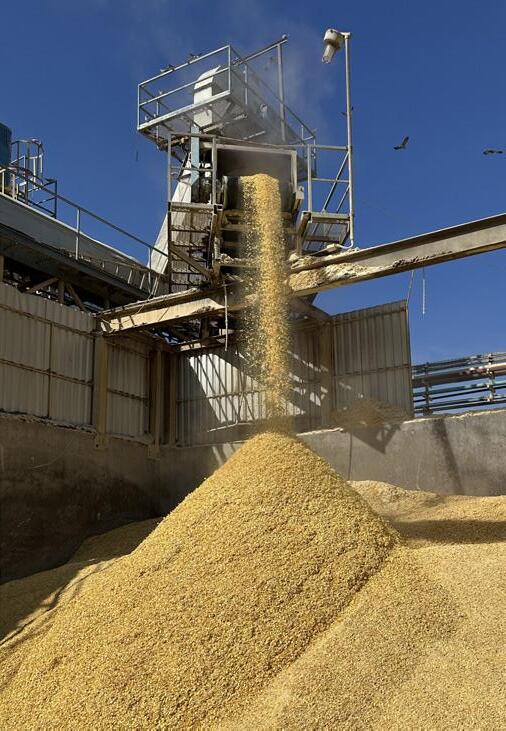
The cooperative supports 125 dairy farms totaling more than 217,000 milking cows. Nuplean’s four feed mills produce about 372,000 MT of finished feed annually and runs the world’s largest corn flaking facility producing 3,000 MT per day — 95% of which is U.S. sourced. This integrated system includes
large scale dairies producing nearly 77,000 gallons of milk daily, and vertically coordinated feed, forage and milk production that supports steady growth and domestic consumption.
“Less than 10 percent of the dairy feed ration includes soybean meal. While that might seem like a small number, it adds up quickly when you’re feeding a few hundred thousand cows twice daily and the overall headcount is growing,” added Chism.
She noted that owners of dairy facilities in Mexico expressed interest in keeping this ration consistent and potentially increasing soybean meal in the ration, which could bode well for soybean meal produced in Iowa and the Midwest.
This growth, however, is not without challenges that could hinder U.S. soybean exports to the region. A myriad of issues ranging from labor shortages, livestock diseases and pests including screwworm, contention over water rights and uncertainty around U.S. trade policy were expressed by Mexican agribusiness leaders. This includes policies like the United States Mexico Canada Agreement, which has allowed goods that meet regional origin rules to move duty free, leaving roughly 85% of North American trade tariff free.
Additionally, Mexican rail infrastructure continues to be a bottleneck for the timeliness of products arriving at company facilities.
Building preference
Despite these challenges, the consensus among trade mission attendees was that in order to grow market share for U.S. Soy in Mexico, there’s still work left to be done.
Iowa farmers have a direct stake in expanding this market through their investment in the U.S. Soybean Export Council (USSEC), which focuses on differentiating, elevating preference and attaining market access for U.S. Soy in more than 80 countries, including Mexico.
“We’ve got to continue highlighting the reliability, quality and value of U.S. Soy compared to other sources, especially as we contend with lower crude protein levels,” adds Frank. “Market development efforts through the soybean checkoff are helping us sell that value proposition.”
Contact Brock Johnston at bjohnston@iasoybeans.com
TRADE MISSION
Illuminates Opportunity in the Philippines
STORY BY MATT HERMAN, ISA CHIEF OFFICER OF DEMAND AND ADVOCACY
PHOTOGRAPHY BY
SCOTT RITZMAN
Arecent trade mission to the Philippines, hosted by the Ag Processing Group (AGP), highlighted a reality that is becoming increasingly important for U.S. soybean farmers. As U.S. processing capacity expands, soybean meal exports are doing more of the work of balancing markets, particularly as the industry looks to diversify export demand beyond China.
I joined the mission alongside two Iowa Soybean Association farmer leaders, Lee Brooke (Clarinda), ISA president elect, and Tom Adams (Harper), ISA president. We traveled with farmers from Nebraska, South Dakota, and Minnesota, along with representatives from AGP and its member, Gold Eagle Cooperative of Eagle Grove.
The Philippines remains a major buyer of U.S. agricultural products, especially soybean meal. Continued growth in U.S. soybean meal supply in response to rising biofuel demand, must find a home, and export markets like the Philippines play a central role in absorbing that supply.
USDA’s Foreign Agricultural Service projects Philippine soybean meal imports at roughly 3.4 million metric tons in marketing year 2025/26, driven by growth in broilers, layers, aquaculture, pet food, and a gradual recovery in the swine sector. The United States is estimated to supply around 80% of that market, making it the strongest and most consistent destinations for U.S. soybean meal globally.
Groundtruthing demand
By nearly all measures, the Philippines is a strong, long-term customer. The country has a large and growing population, a rising standard of living, and a long history of trade with the United States. Demand for animal protein continues to increase, while domestic constraints limit the ability to expand feed production internally. Limited arable land, fragmented farm structures, and minimal oilseed production make imports essential rather than optional.
Our time on the ground showed how U.S. soybean meal physically moves through that system and feeds livestock across an archipelago of more than 7,600 islands.
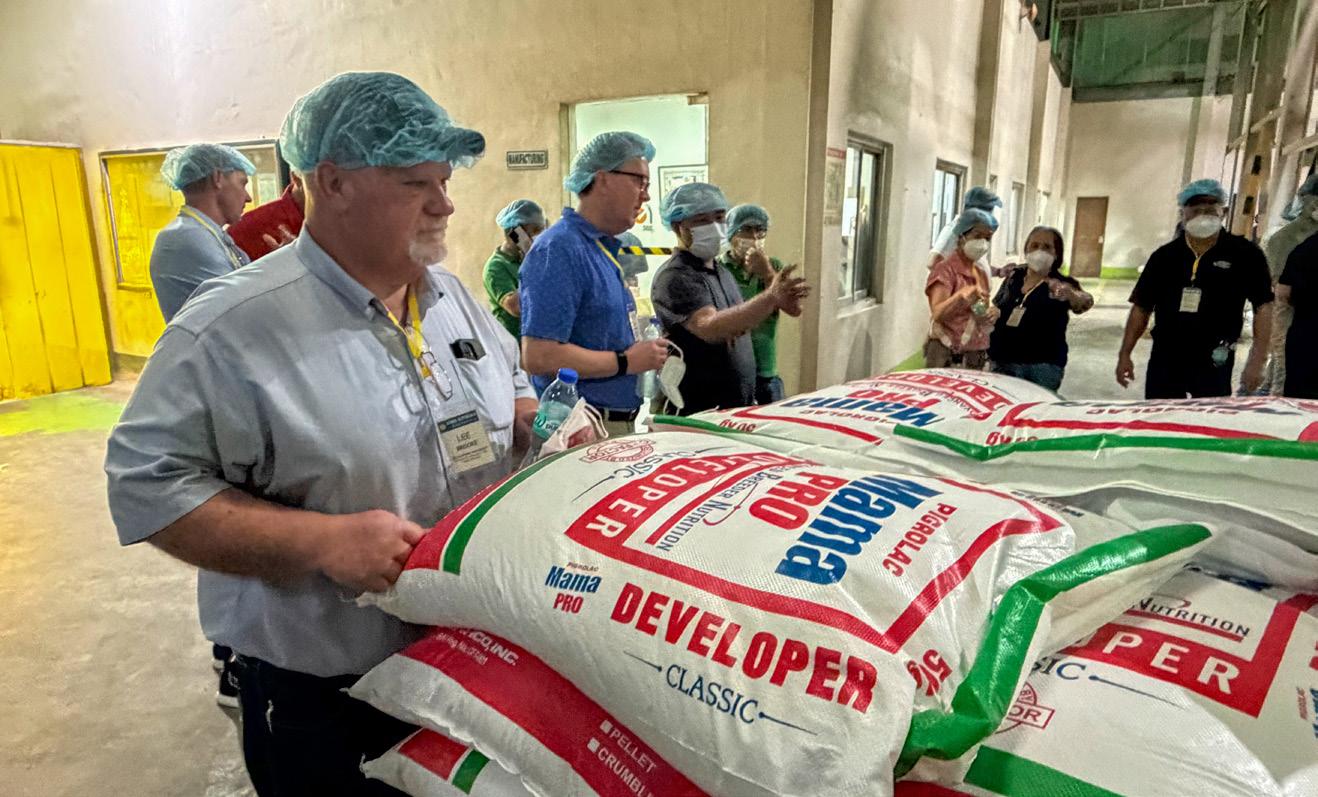
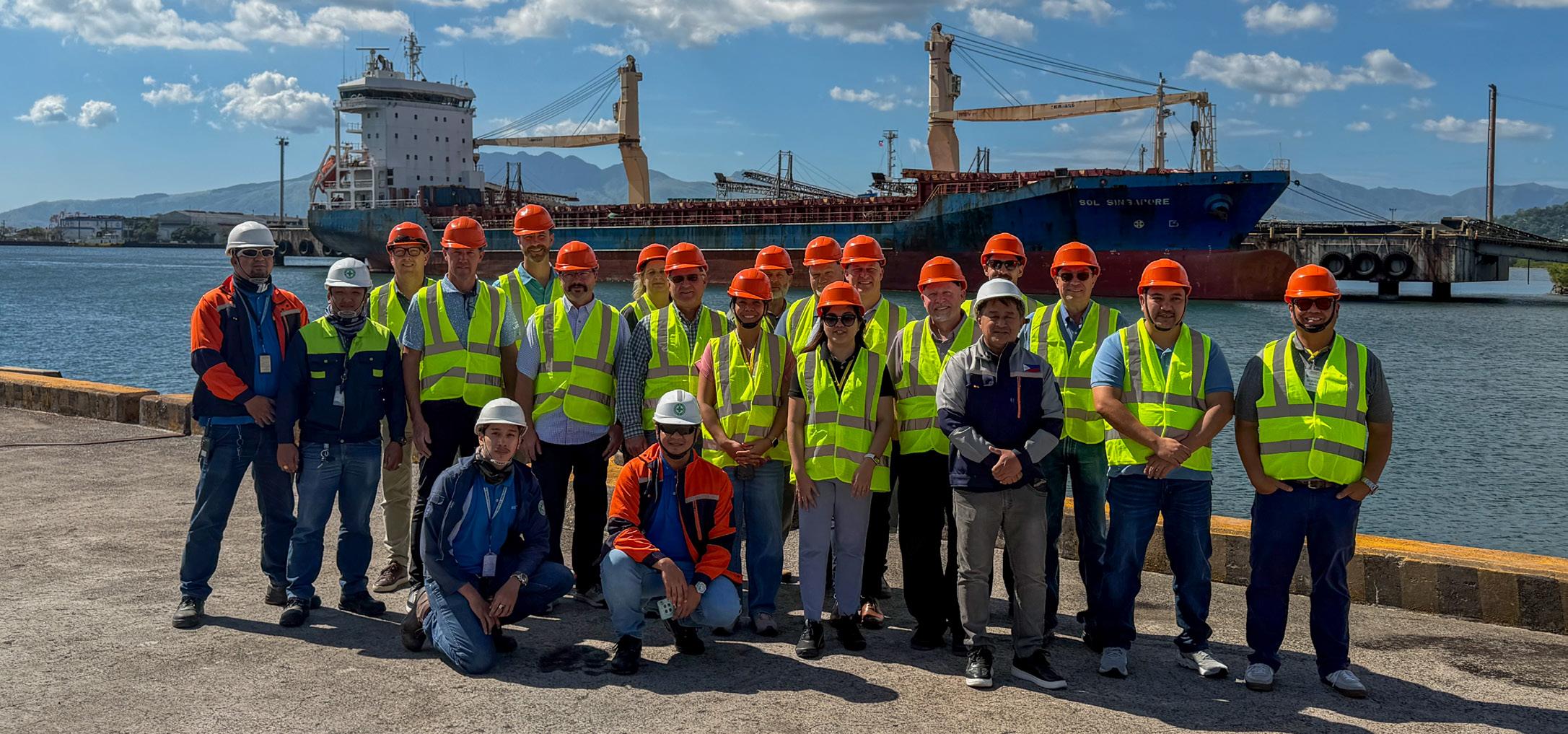
At Subic Bay, formerly a major U.S. naval supply depot, vessels of soybean meal arrive from Grays Harbor, Washington, and unload into flat storage warehouses originally constructed before World War II. From there, meal is moved by front end loader, bagged by hand into 110 pound sacks, sewn shut, and loaded onto flatbed trucks holding roughly 700 to 800 bags each. In practical terms, a small crew moved between 77,000 and 88,000 pounds of soybean meal by hand in about 45 minutes.
The process was a clear reminder that in many parts of the world, commodity infrastructure remains labor intensive. Reliability, consistency, and quality matter as much as speed or automation.
Some of that meal traveled roughly 100 miles inland to a feed mill owned by Univet Nutrition and Animal Healthcare Company (UNAHCO). A subsidiary of Unilab, UNAHCO is a major manufacturer of animal feed and veterinary products serving poultry, swine, pet food, and game fowl markets.
At the mill, ingredients arrived in familiar white feed bags from the port, only to be reopened by hand and unloaded into augers for pelletization and final packing. Across its operations, UNAHCO produces about 1.4 million metric tons of feed per year, with soybean meal accounting for roughly 25% of the ration. All of that soybean meal is sourced from the United States through AGP.
Demand drivers and constraints
The Philippines is urbanizing rapidly. Metro Manila now has a population density roughly five times that of New York City. As incomes rise and populations concentrate in cities, diets shift toward animal protein.
Poultry demand has grown particularly quickly as pork prices have increased following African swine fever. The local hog sector has been affected by the prevalence of backyard scale operations that lack the biosecurity and efficiency common in U.S. systems.
Structural constraints reinforce the need for imports. Domestic production of feed grains and oilseeds is limited, land fragmentation restricts consolidation, and
policy tools such as quotas influence how quickly supply can respond. In that environment, U.S. soybean meal remains a consistent and scalable input and faces fewer trade barriers than alternative feed ingredients such as corn.
Why this matters back home
As U.S. soybean meal production increases, markets like the Philippines provide stability that cannot be replicated overnight. The buyers we met were often family run operations with long planning horizons and a strong preference for reliable suppliers. Familiar dynamics for Iowa farmers looking for ways to increase certainty in their operations in 2026.
Contact Matt Herman at mherman@iasoybeans.com
ISA President Tom Adam (left) and ISA President-Elect Lee Brooke in the Philippines. Below: Subic Bay serves as a key Philippine port for importing soy products, including soybean meal from Grays Harbor, Washington.
SOY STRATEGY in a Brazil-Led World
Navigating the shift from volume to value
STORY BY BETHANY BARATTA
For 80 years, American soybean farmers had a simple mission: Produce more, export the surplus, and let U.S. diplomacy handle the rest.
But as we expect U.S. soybean farmers to produce 4.45 billion bushels of soybeans this year, that “volumetric game” — the race to the top of production — has a new leader. Brazil isn’t just a competitor anymore, experts say. They are the “180-million-metric-ton gorilla” in the room, poised to grow 180 million metric tons, or nearly 6.6 billion bushels of soybeans this year. They’ve been leading world soybean production since 2018.
Land and cost
Brazil’s greatest advantage lies in its ability to bring more land into production more economically. They also have a climate advantage in its ability to double-crop. Recent investment in inland transportation has also helped bring down costs, notes Allen Johnson, the former chief agricultural negotiator in the Office of the U.S. Trade Representative (USTR) for the George W. Bush administration. Soybeans
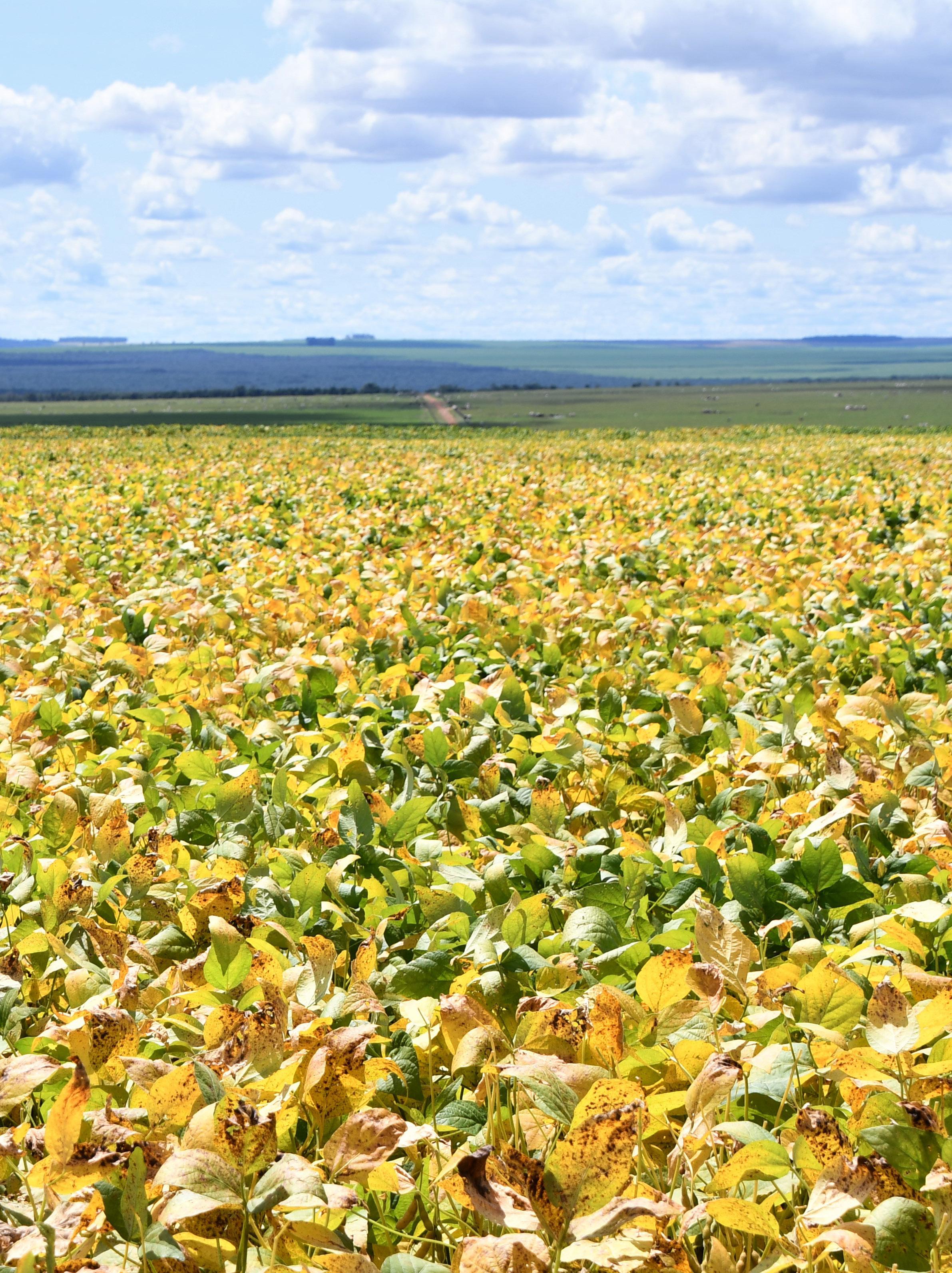
growing in Mato Grosso, Brazil.
Photo: Aaron Putze, 2022.
Since 2010, their cost to grow an acre of soybeans has stayed lower than that of American farmers, often by 20% or more, according to the U.S. Department of Agriculture (USDA) Economic Research Service data.
For decades, the U.S. won on logistics, notes Mac Marshall, a strategic advisor in the agriculture space. The U.S. had the Mississippi River; Brazil had mud roads. But recent investments in Brazil's “Northern Quarter” have created new terminals and shorter shipping lanes to major markets, narrowing that historical advantage.
Because Brazil has built the resilience and versatility to handle the higher scale, the U.S. can no longer rely on being the more efficient shipper to win the market, Marshall says. Some of those infrastructure gains have been made with China’s investment in Brazil infrastructure during the U.S. China trade impasse of 2018.
The fertilizer trap
While Brazil’s rise in soybean production may be impressive, it’s not without its challenges. There’s a price to pay for taking marginal land and converting it into productive cropland.
To make their land as productive as an Iowa field, they have to apply 4.6 times more potash, around 3.8 times more phosphate, and about 1.6 times more nitrogen than farmers here.
“These heavier applications of inputs needed to make Brazilian farms productive will become a problem unless they are paying close attention to soil fertility,” Johnson says. “If we hit any economic bumps globally like a recession or high inflation, this could harm Brazilian growers more than U.S. growers who are less dependent on inputs.”
While the U.S. sources potash from a stable partner in Canada, Brazil imports over 90% of its nitrogen and potash, and 75% of its phosphate. This is a precarious position, Johnson notes, particularly since suppliers like Russia, China, and Iran come with significant geopolitical risk.
“The Brazilian government recognizes this, and they have created tax incentives to push domestic production of farm inputs — they want to reduce reliance on fertilizer imports from 85% to 45% by 2050. But this takes money, and the Brazilian economy, as many nations are, is showing weakness,” he says. “How realistic is it that they can reduce imports? Many of these targets go unmet, so cost and sourcing of inputs is a limitation.”
The China factor
In 2025, the U.S. provided only 15% of China’s soybean needs — a massive drop from
the 40% market share the U.S. held a decade ago. And while the United States and China go back and forth on trade and tariffs, Brazil is ready to capture the market share the U.S. once held.
Johnson says that China, while an important customer, is a question mark in the long run, noting major demographic and economic headwinds: a quickly aging population, population declining, low household consumption, reliant on exports for economic growth, and a property crisis that won’t go away.
Still, no one country can supply China with all its soybean needs, Marshall notes. It’ll take soybeans from Brazil and the U.S. to meet the demands.
Control the controllables
So, what does this mean for Iowa soybean farmers? Portfolio and market diversification, the experts say.
“Supporting efforts to open new markets is key for Iowa farmers,” Johnson says. He says the experience with China over the last five or so years showed the danger of being reliant on one customer.
“Iowa farmers should support the Iowa Soybean Association’s efforts to grow our export opportunities and advocate for trade deals with their representatives,” Johnson says.
He’s optimistic about the growth potential of soybean products in Southeast Asia, Africa, Latin America, and Central Asia, noting the forecasted increase in meat consumption domestically, further increasing the use of soybean products.
While the proverbial playing field may be tilted, Marshall argues that success comes down to a dual strategy of amping up domestic demand and de risking the individual farm portfolio.
“U.S. farmers can’t control how loud the Brazilian “crowd” is or how they tilt the pitch,” Marshall says. “U.S. farmers can only control their game: diversifying revenue, amping up domestic demand, and de risking their own operations.”
Diversifying the farm portfolio with off season revenue crops like pennycress or adopting sustainable practices isn't just about conservation; it's about gaining an edge in value added markets.
“A major growth opportunity in the future will be biofuels, and we are seeing buyers requiring tightening lifecycle GHG requirements,” Johnson says. “If we already have these practices in place or can pivot quickly, we can seize these opportunities.”
Contact Bethany Baratta at bbaratta@iasoybeans.com
Watch Item:
The EUDR Factor
While Brazil can legally convert more land to soybeans, a new European Union Deforestation Regulation (EUDR) is casting a shadow over that growth. The law bans imports linked to forest destruction, potentially locking Brazilian soybeans out of the world’s secondlargest import market.
For Iowa farmers already operating on established farms, this regulatory shift could create a premium for U.S. soybeans in low-carbon and highvalue fuel markets like sustainable aviation fuel (SAF).
MAC MARSHALL
Balcony View Consulting, LLC
ALLEN JOHNSON
Allen F. Johnson & Associates
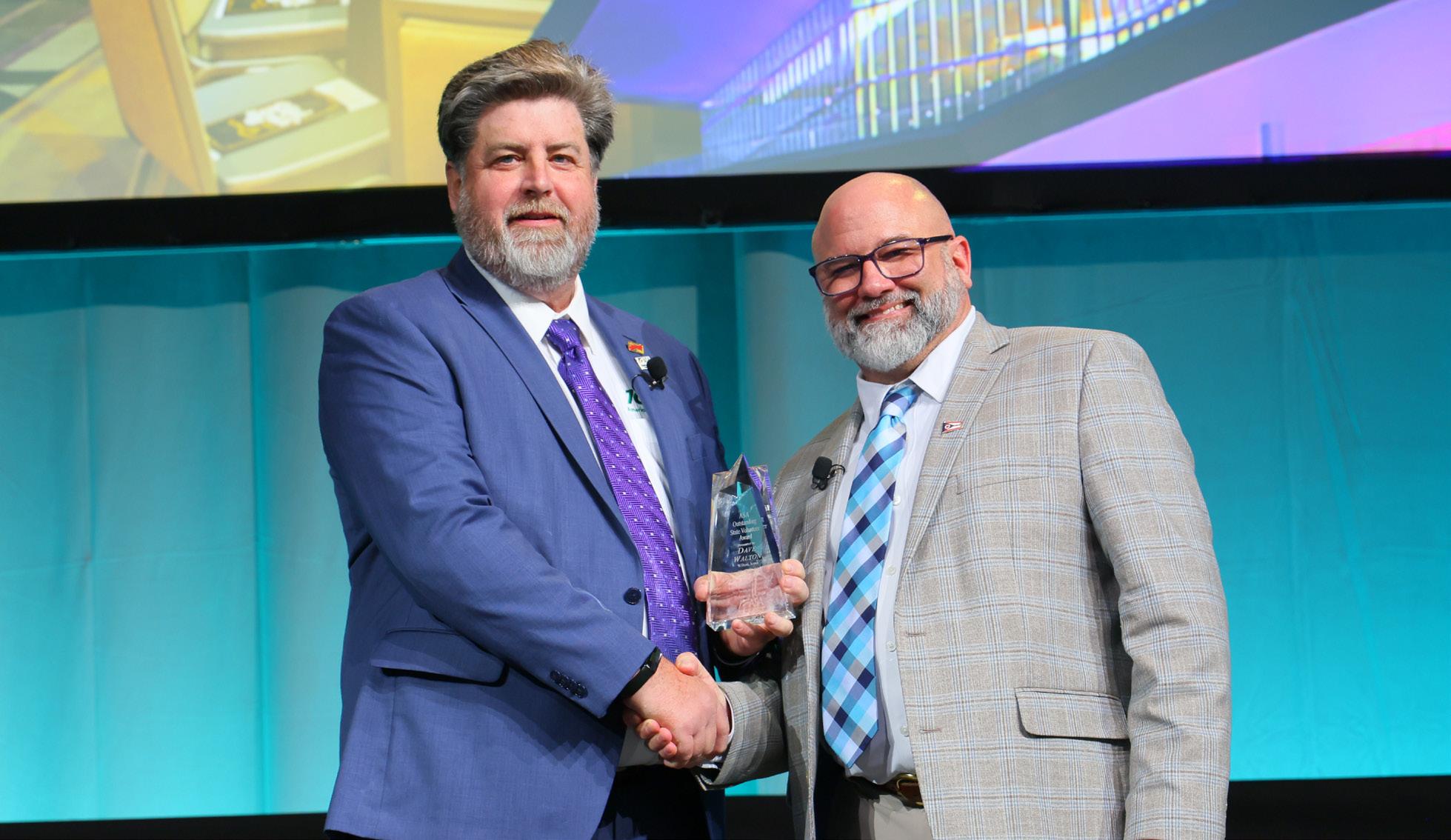
ASA Recognizes Dave Walton with Outstanding State Volunteer Award
Courtesy of the American Soybean Association
The American Soybean Association (ASA) honored Iowa farmer Dave Walton with its Outstanding State Volunteer Award during the 2026 ASA Awards Celebration at the Commodity Classic trade show in San Antonio.
The Outstanding Volunteer Award recognizes the dedication and exemplary contributions of volunteers with at least three years of volunteer service in any area of their state association’s operation.
For over a decade, Dave has dedicated his time and leadership to advancing soybean farmers’ interests, serving in key roles on the Iowa Soybean Association board, the ASA Executive Committee, the Iowa Biodiesel Board, and the Clean Fuels Alliance America board.
Dave has strengthened the soybean industry by building connections with policymakers, industry leaders, and fellow soybean farmers. He consistently goes above and beyond in advocacy, playing a key role in shaping his state’s biodiesel priorities.
Colleagues describe Dave as a steady, trusted advocate for farmer-led policy. He focuses not only on advancing farmers’ priorities but on equipping farmers with the information they need to engage effectively, while ensuring policymakers and the public understand the real-world challenges facing agriculture.
Through his many years of volunteer service, Dave’s efforts in advocacy, education, and promotion have strengthened the voice of soybean growers at both the state and national level.
We congratulate Dave Walton, winner of the 2026 ASA Outstanding State Volunteer Award!
The more we discover about soybeans, the more valuable they become. One innovative product, SoyFoam™, creates a new, sustainable use for your crop that protects firefighters and the planet.
See how your Soy Checkoff is unlocking new markets for soybeans at unitedsoybean.org
Lee Brooke took a moment to scan the crowd gathered in his machine shop near Clarinda. In the 46 years since his professional farming career began, this one was near the top — though slightly embarrassing.
“It’s been one of the hardest things I’ve had to do — to invite people to our own recognition,” he says, blushing.
His shop was converted to an on farm events center, filled with family, friends and neighbors there to celebrate the occasion.
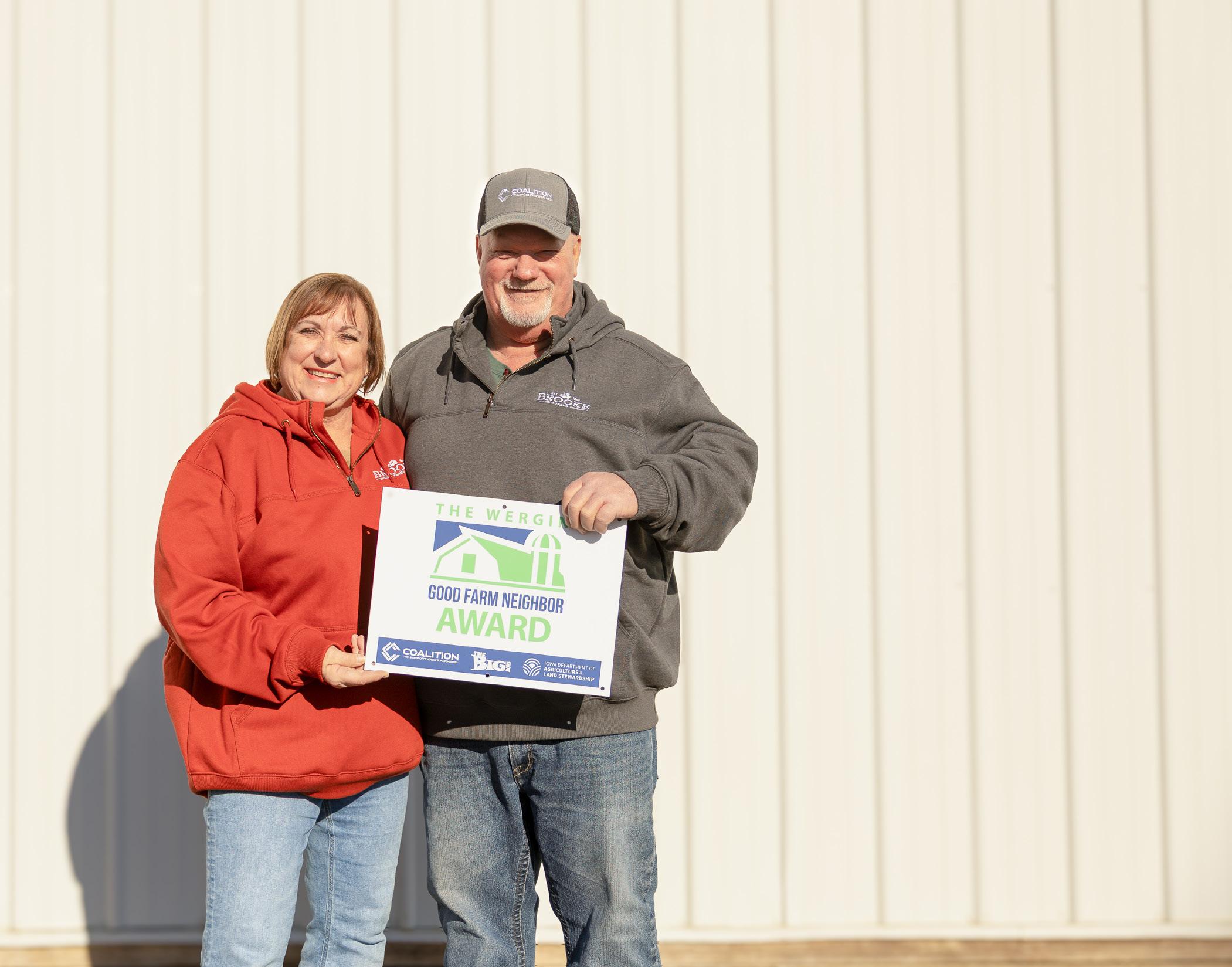
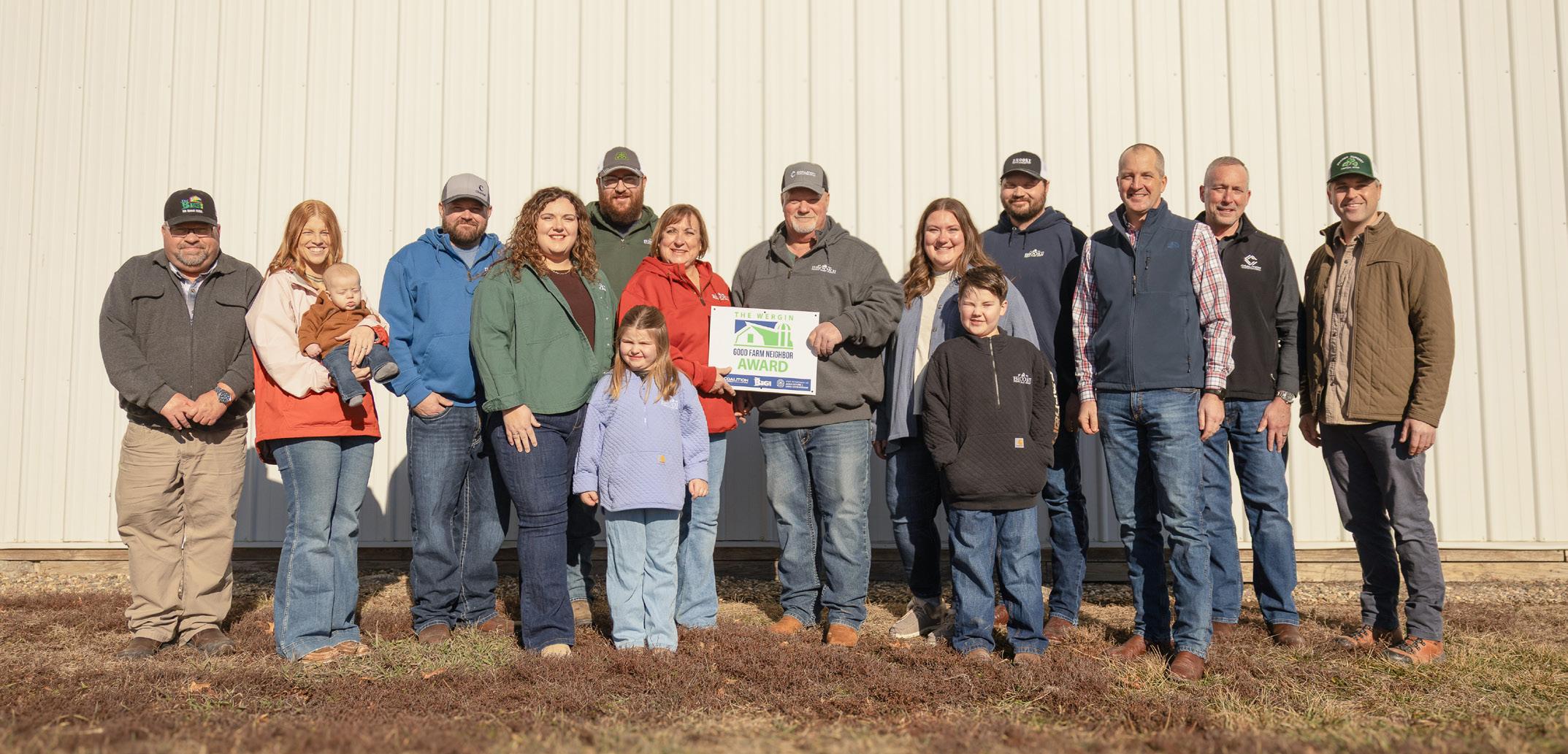
The Brooke family was awarded the Wergin Good Farm Neighbor Award for their efforts in caring for their livestock, their environment and their community — and even Iowa Secretary of Agriculture Mike Naig was there to recognize the family.
Lee began his farming career out of high school in 1980, when he bought 20 cows. Today he farms alongside his wife, Darla; their son, Logan; Logan’s wife, Annie, an agricultural education teacher in Stanton; and their son, Lawson. Lee and Darla also have two daughters: Bailey Clubb, her husband Cody, and their children Bowen and Raylee of Clarinda, and Leah Carlson and her husband Josh of Red Oak.
Legacy of care
Farming has been a tradition on the Brooke farm since it was homesteaded in 1869. Although some of that ground left the family in the 1970s, Lee and Darla were able to repurchase it in 1998, reconnecting it with a Heritage Farm originally deeded in 1869. That Heritage Farm is owned by Lee’s mother,
Honoring the Brooke family’s commitment to land, livestock, and community
STORY BY BETHANY BARATTA
PHOTOGRAPHY BY JOCLYN KUBOUSHEK
Marnice Brooke, and is farmed by Lee, with Logan and his family residing on the acreage.
“Doing things right — it’s not always easy, … but I’m proud of it,” he says.
He’s referring to the labor that he and the six generations on the farm have put into conserving and preserving the precious soil and water resources that were founded here by his family. Today, they raise 250 spring calving beef cows, finishing cattle, replacement heifers and wean to finish hogs. The family also grows soybeans, corn, hay and maintains pasture acres across Page and Taylor Counties.
“Being a good farm neighbor means more than what happens in the field or the barn, and the Brooke Family clearly understands that,” Naig says. “They are good neighbors in every sense of the word, caring for their livestock, utilizing conservation, and staying actively engaged in their community and agricultural organizations. Their stewardship and involvement strengthen both their local community and Iowa agriculture. I am pleased to present them with the Wergin Good Farm Neighbor Award.”
The Wergin Good Farm Neighbor Award, sponsored by the Coalition to Support Iowa’s Farmers, the Iowa Department of Agriculture and Land Stewardship and WHO Radio, recognizes farmers who are committed to doing things right on their farms and in their communities. Since the program’s launch, more than 200 farm families have been awarded this honor.
Lee and Darla on the farm near Clarinda.
The Brooke family celebrated their award with award sponsors, neighbors and friends.
Technology and innovation
The family has embraced technology and innovation on the farm, utilizing precision technology to apply fertilizer and plant seeds. They’ve worked with the Iowa Soybean Association (ISA) to conduct research trials on their farm.
For the past 30 years, the family has no tilled their row crop acres. All owned cropland is fully tiled and terraced, and nearly all rented ground has received similar conservation improvements in close coordination with landlords.
Rye and triticale cover crops are planted in the fall and chopped in the spring for cattle feed ahead of soybean planting. Several hundred acres of rye and turnips are flown or drilled into cornstalks to provide fall and winter grazing for cattle. The family still plans to expand their use of cover crops.
The family works closely with a nutritionist to test feedstuffs, manage inventories, and maintain detailed daily feeding records to ensure consistency, according to IDALS. They also maintain Beef Quality Assurance (BQA) and Pork Quality Assurance (PQA) certifications and partner closely with their veterinarian on vaccination and animal health protocols. Their cattle hoop building was among the first constructed in
Longtime WHO farm broadcaster
Gary Wergin was tired of the headlines villainizing farmers. The bad news was overshadowing the thousands of farmers in Iowa doing things right in the countryside.
Page County using Environmental Quality Incentives Program (EQIP) and state low interest loan programs.
Partnerships and participation are important to the family. Lee is serving his fifth year on the ISA board, where he previously served as treasurer and now serves as president elect. His past service includes the Page County Cattlemen board, the Page County Farm Service Agency Committee, the Iowa Nebraska regional Land O’Lakes Board, the Southwest Regional Water District Board, a local cooperative board and leadership roles at Immanuel Lutheran Church.
Son Logan understands the value of the family’s farming legacy.
“We are very blessed to be where we are today. That wouldn't be possible without the hard work of my dad, grandpa, great grandpa and the others before them,” Logan says.
Now living on the original homestead, he feels a deep connection to the generations who came before him. As he and wife Annie welcomed their first child nine months ago, that legacy has taken on new meaning. “You just don't want to let them down. You want to continue what they started and be able to pass it on.”
Contact Bethany Baratta at bbaratta@iasoybeans.com
So, he created the Helping Hands Award, recognizing farmers — usually surprising them on their farm — for their efforts in their community and on their farm.
After Wergin passed away suddenly in 2004, the Coalition to Support Iowa’s Farmers partnered with the Iowa Department of Agriculture and WHO Radio to continue to
recognize farmers. They renamed the award to the Gary Wergin Good Farm Neighbor Award to honor Wergin. “It personified Gary and his approach to life,” says Bob Quinn, WHO farm broadcaster, who worked with Wergin and helps host each of the award celebrations. “If anyone should get a good farm neighbor award, it should be him.”