GlobalBrunch
GlobalBrunch started with a simple idea: making something warm in the morning that tasted like more than just food. After living across three continents, I found myself drawn to breakfasts that carried pieces of everywhere I’d been—spices from here, a technique from there, little things that turned mornings into something you look forward to. From Christmas mornings to summer sleepovers, sharing recipes to cook and enjoy together became a norm for me.
In 2022, I created The Breakfast Song to share some of those recipes—ones I’ve picked up, tweaked, and come to love. It’s meant for teens (or anyone, really) who want to cook meals that are quick but still thoughtful, or turn a regular weekend into something a little more delicious. I compiled family recipes, international friends’ recommendations, and my own trial-and-error original recipes into a collection. The original recipes are on The Breakfast Song, a blog you can check out at the back of the magazine.
Since I’m someone who loves both humanities and science, you’ll also find tiny bits of both woven into the pages—history, food chemistry, and personal stories. This isn’t just about cooking. It’s about curiosity, culture, and starting the day with something that feels and tastes good. So get your tastebud passports ready for a world brunch tour.
Happy Brunching!
Jina Song
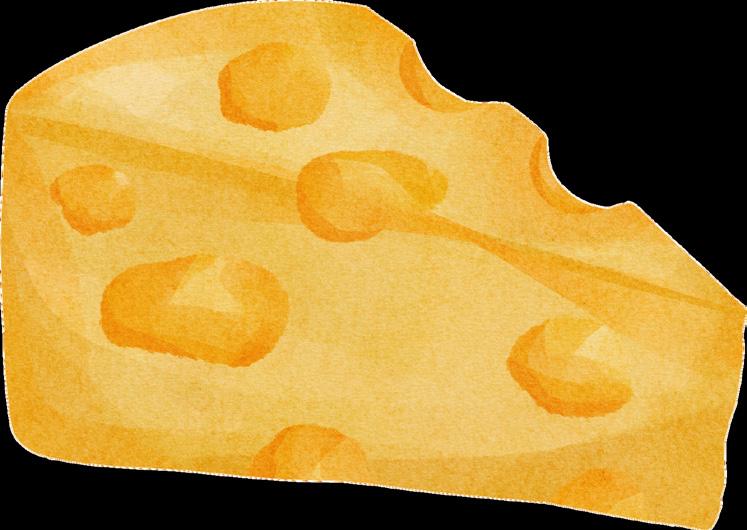
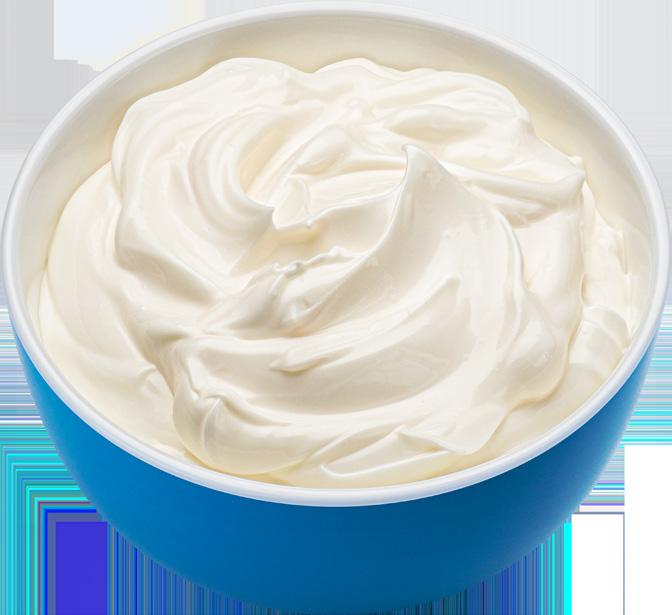
Cottage Cheese
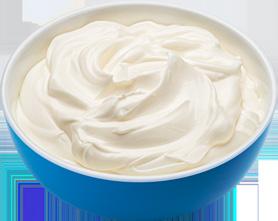
Best with berries or as a creamy protein-rich spread on toast
05
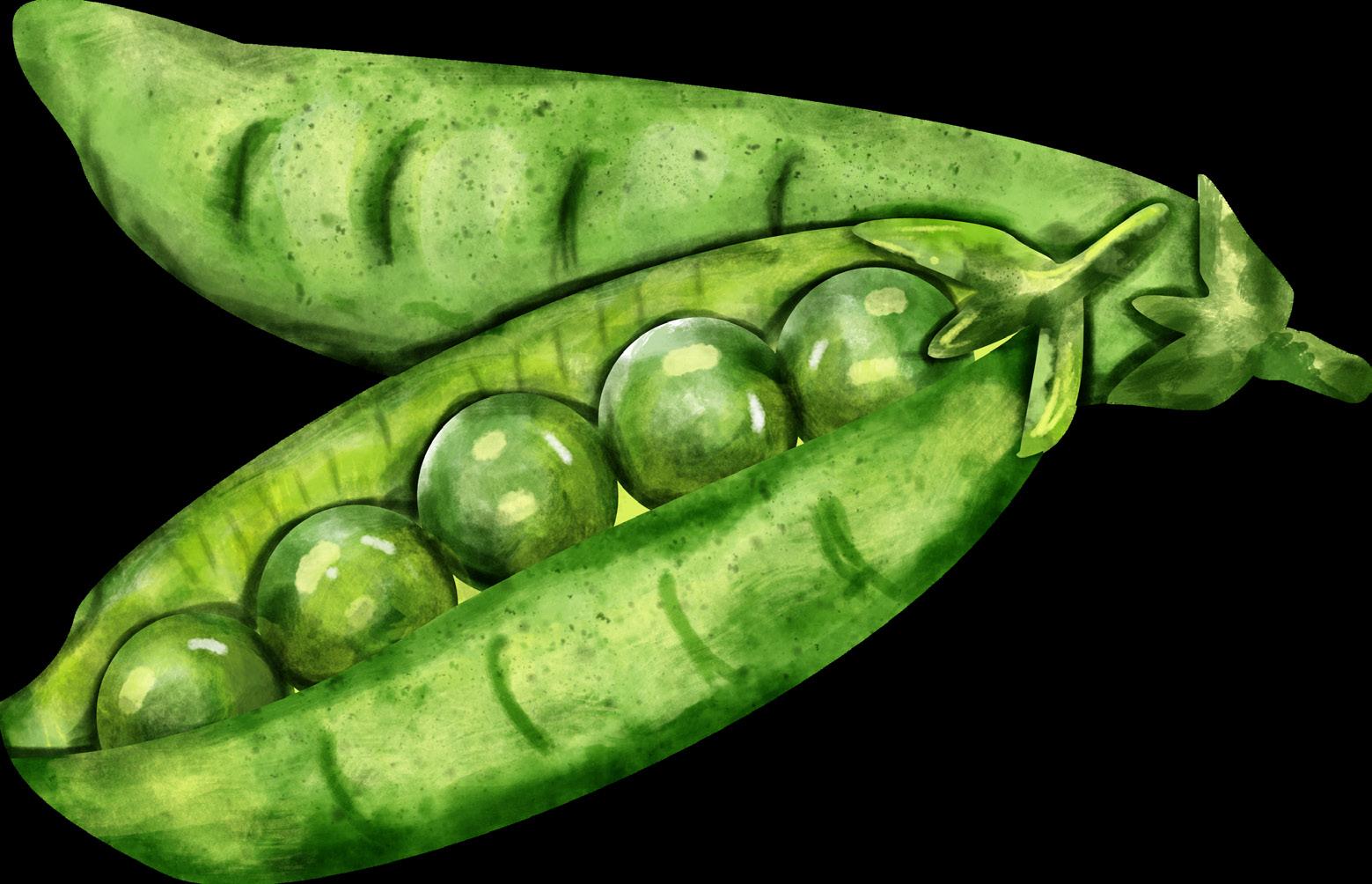
Split Pea Soup
A hearty, delicious soup to warm up during winter mornings!
les français
Omelettes
Soft, savory, and endlessly customizable—ideal for slow mornings or fast fuel 08
09
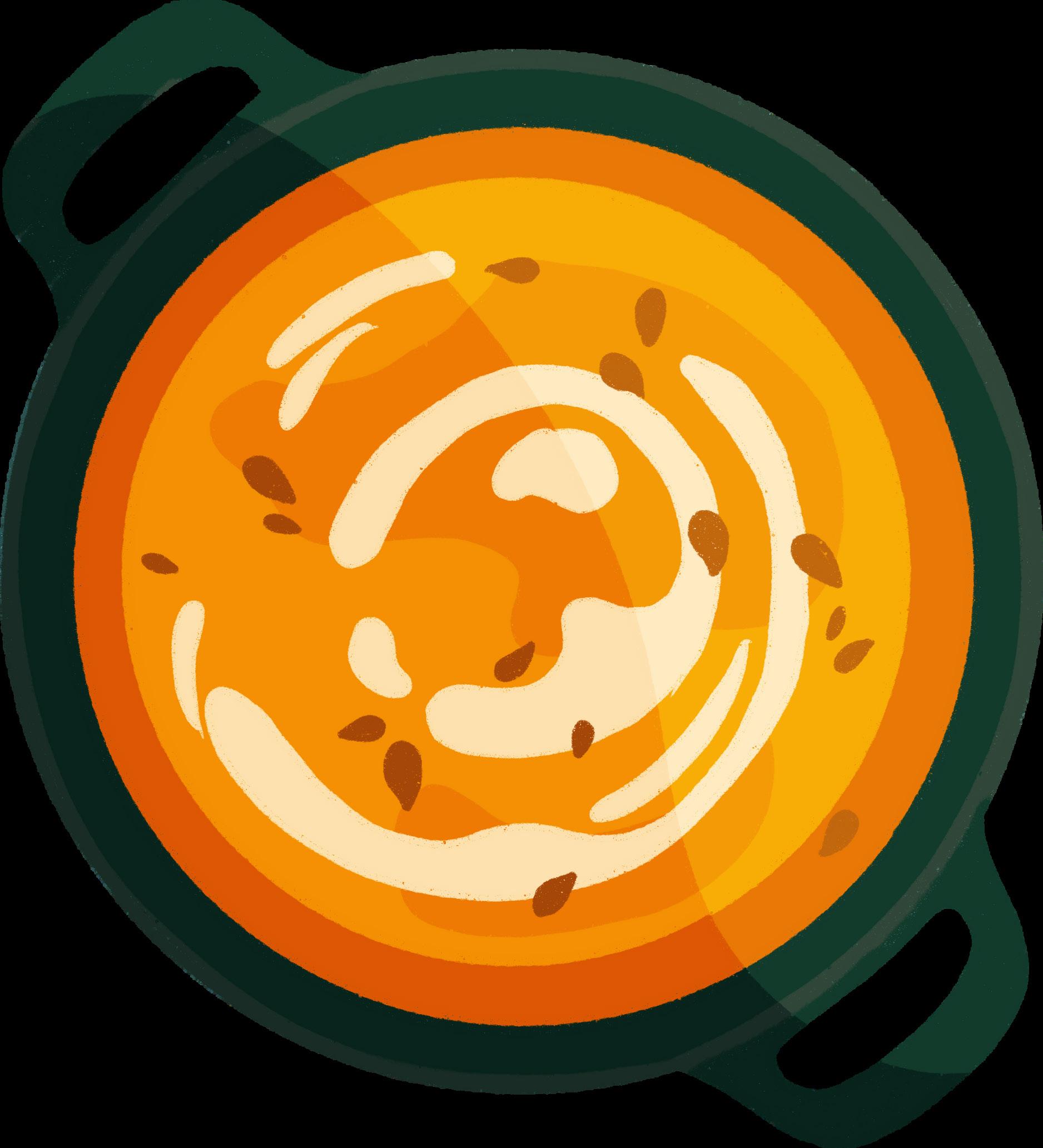
Pumpkin Soup
Creamy, comforting, and best served in its own pumpkin bowl
Waffles
Crispy, golden, and made better with fresh fruit or nut butter
12
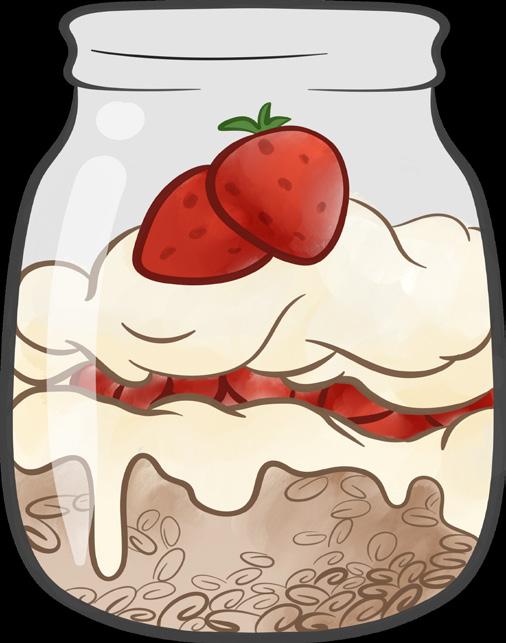
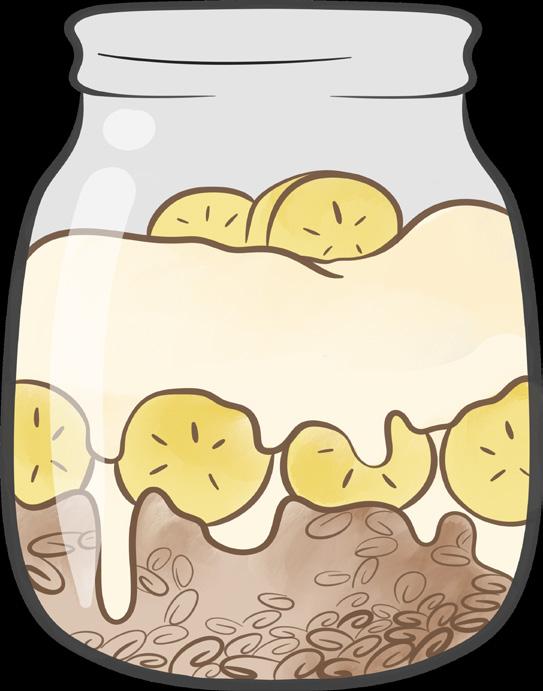
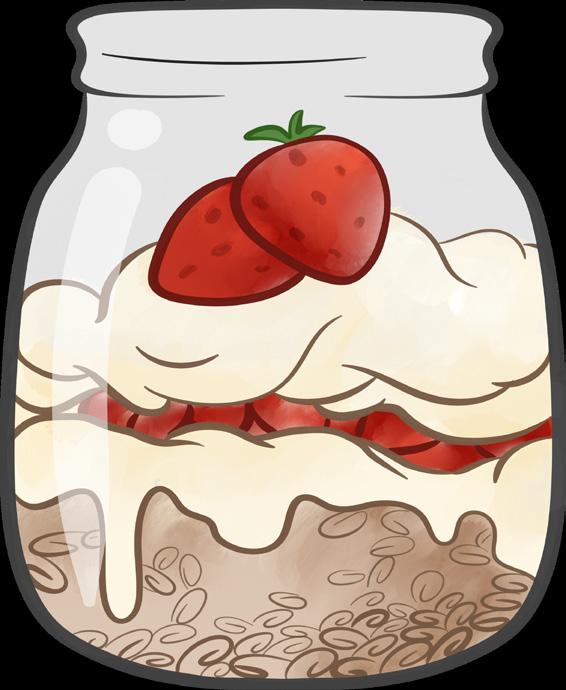
Overnight Oats
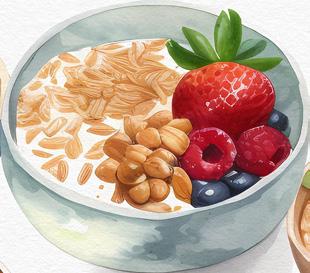
Grab-and-go breakfast made better with fruit, nuts, and maple
French Toast
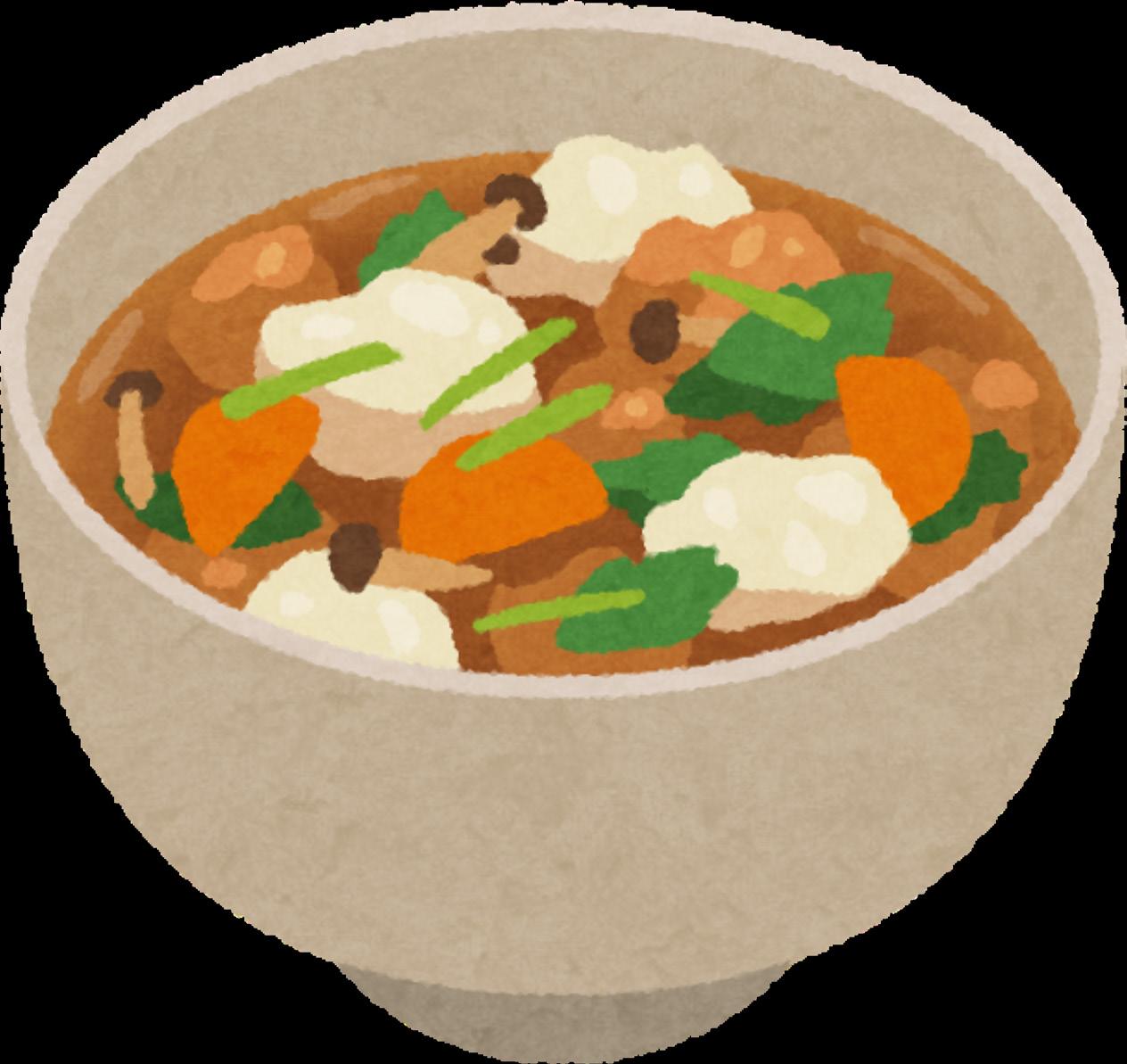
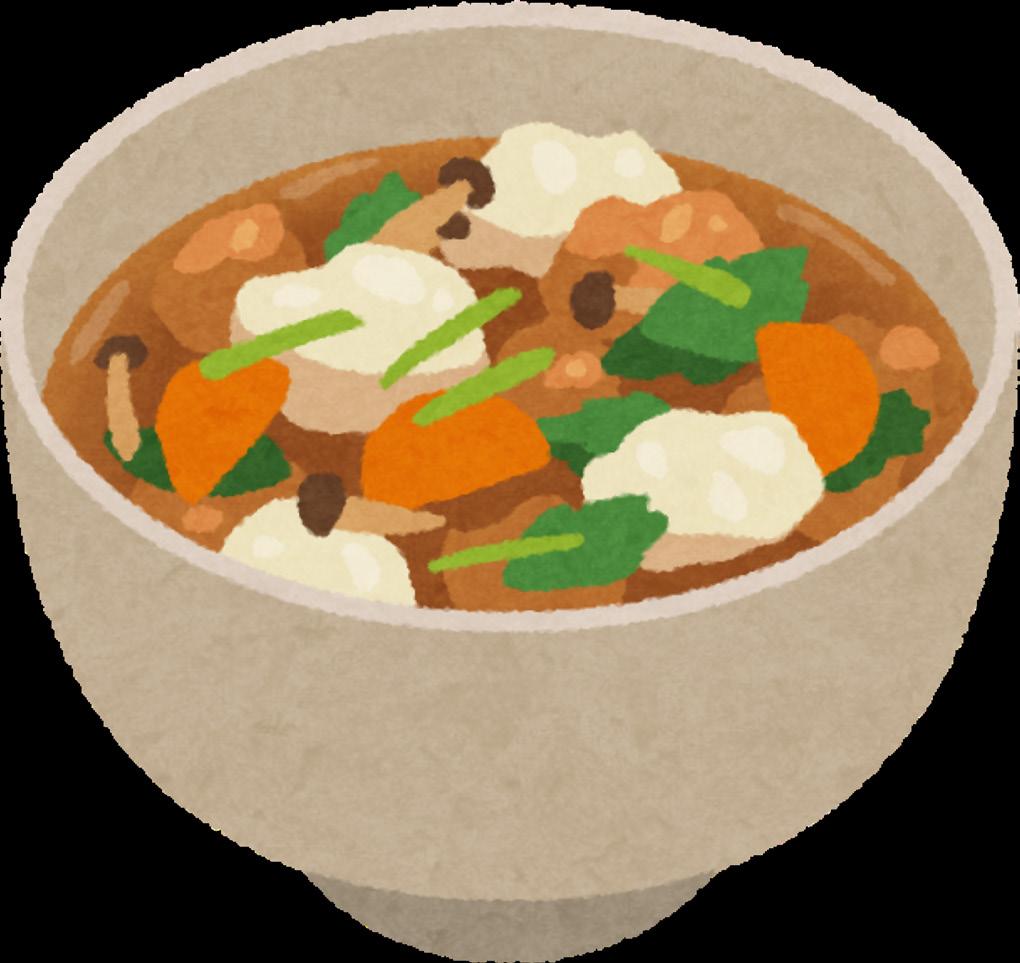
Shanghai Wonton Soup
Light, savory, and soul-warming—wontons floating in golden broth
23
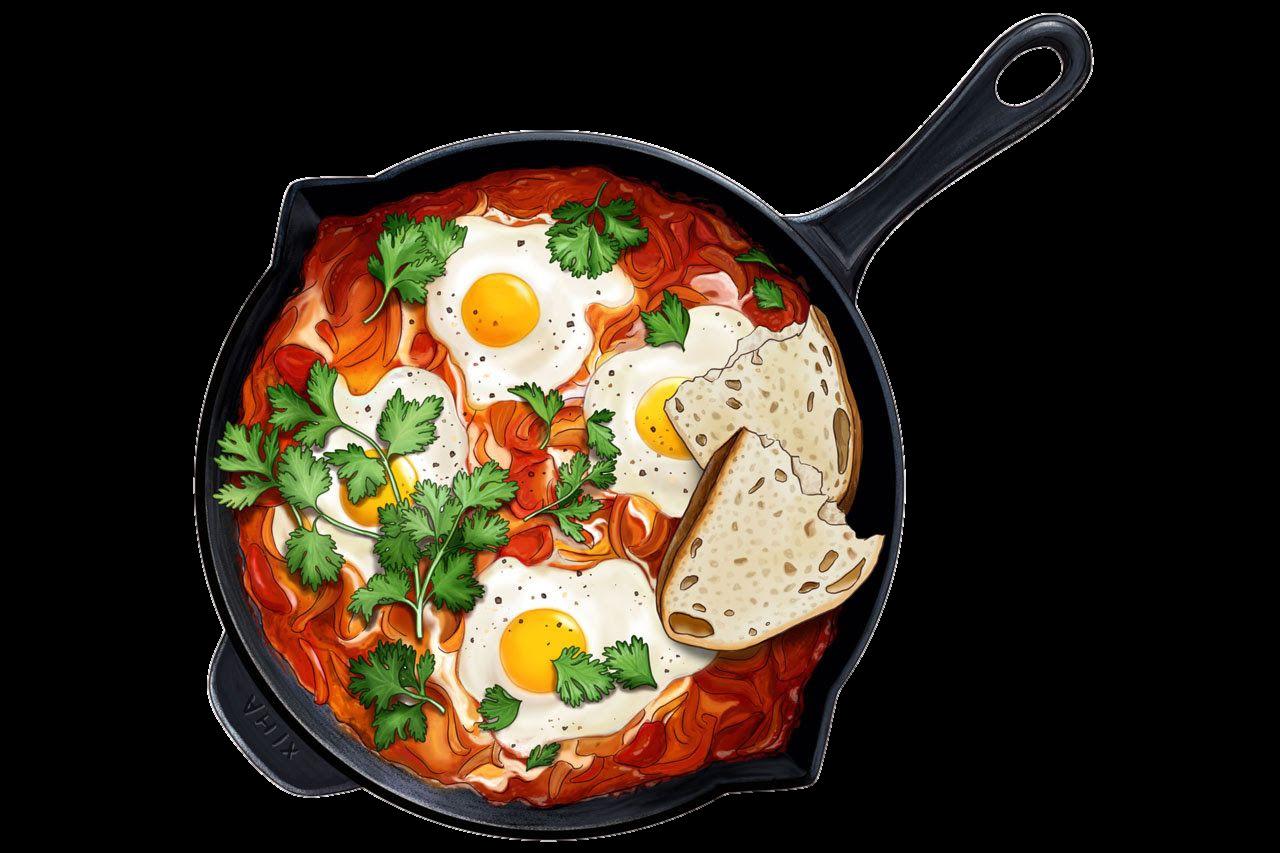
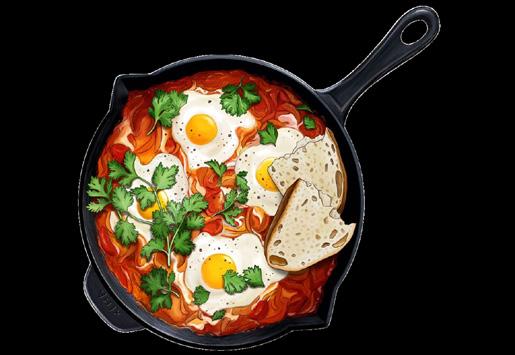
Shakshuka
15
Granola
Crunchy, lightly sweet, and perfect over yogurt, fruit, or on its own
Gyeranmari
Lightly salted and perfect for rice bowls or lunchbox sides
Crisp outside, custardy inside—ideal for birthdays, brunch, or both 13 19
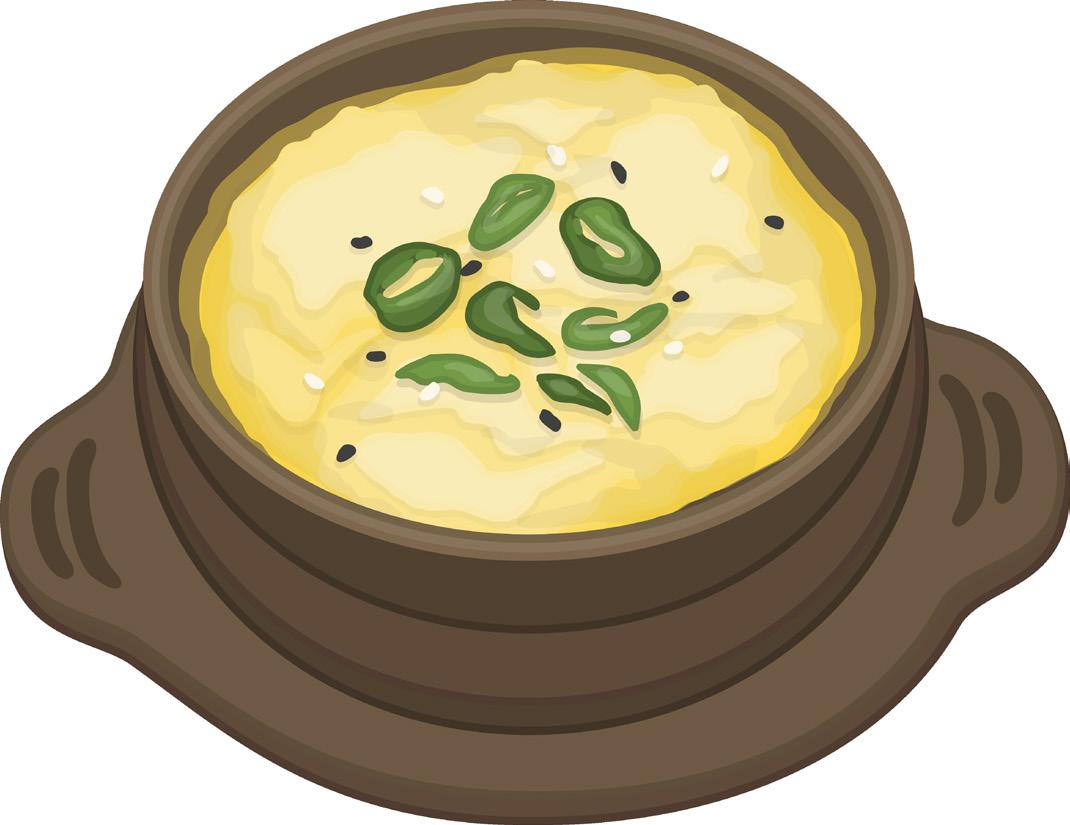
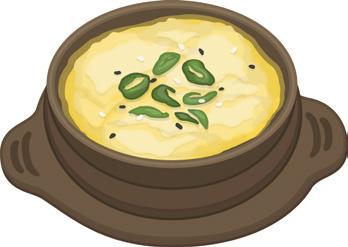
Steamed Egg
Soft, fluffy, and deeply comforting—serve with rice and sesame oil
Spiced tomato sauce with soft eggs—scoop with bread, share with friends








Chili Potato Hash
Hearty, spiced, and perfect with a fried egg on top 23













– “Poured in with the porridge spoon,” meaning you learned it from a young age. Refers to a particular trait or habit that is a fundamental part of someone’s character.
“Metdepaplepel ingegoten.”
LEARN FOODIE DUTCH SAYINGS!





“Een boterham met tevredenheid.”
– “A sandwich with satisfaction.” The saying is used humorously to describe a humble meal with joy.



“Zoals het klokje thuis tikt, tikt het nergens.”
– “There’s no place like home” (literally: nowhere does the clock tick like it does at home).









• 500 mL milk (preferably whole milk, but any fat percentage works)
• 1 tbsp lemon juice
INGREDIENTS SUPPLIES
• Pot
• Colander
• Kitchen towel or cheesecloth
• Stirring spoon

1. Pour milk into a pot and stir on medium heat.
2. Reduce to low when warming.
3. When bubbles appear (~85°C), add lemon juice.
4. Stir for 1 minute.
5. Turn off the heat and let curds sit for 30 minutes.
6. Line colander with towel, pour mixture through.
7. Let whey drain for 30 minutes.
8. Store the curds left behind and enjoy your cottage cheese!





Cottage cheese is rich in casein protein—a slow-digesting protein that supports muscle repair and keeps you full longer. It’s also a great source of calcium, essential for building strong bones and teeth, especially during adolescence. Because most of the lactose is removed with the whey, it’s lower in lactose than other dairy products and often easier to digest. In addition, it contains phosphorus, B vitamins, and selenium, contributing to energy metabolism and immune support. It’s versatile and nourishing for anyone looking for a balanced start to the day.

In the Netherlands, dairy has long been woven into daily life—fresh milk, farmhouse kitchens, and simple, resourceful cheesemaking. Soft, curdbased cheeses like hangop and boerenkaas were made without rennet, using only milk and acid to create tender, protein-rich curds.
What we now call cottage cheese reflects these early Dutch methods: minimal, practical, and nourishing. Rooted in rural tradition, it was a way to use what was available— no aging, no waste, just fresh cheese made by hand.
Lemon juice lowers milk’s pH, destabilizing casein proteins and forming curds via coagulation. Whey, the remaining liquid, contains lactose and minerals, and can be used to make whey protein.





Erwtensoep, also known as “snert,” is a cherished utch winter dish that dates back several centuries. Traditionally served during the coldest months, it’s known for its hearty, stick-to-your-ribs consistency—Dutch folklore even says it should be thick enough to stand a spoon upright in the bowl. The dish evolved as a way to make use of cheap, nourishing ingredients like split peas and root vegetables, often cooked in large batches to last several days.
• 1 cup dried green split peas
• 5 cups water
• 1 small onion
• 1 medium carrot
• 1 stalk celery
• 1/2 medium potato, peeled and cubed
• 1 bay leaf
• 1 tsp salt
• 1/2 tsp black pepper
OMITSAUSAGE FORACOMPLETELY
• 1 smoked sausage (rookworst), sliced
Optional: chopped parsley or rye bread for serving
Optional: chopped parsley or rye bread for serving
Split peas are a starchy legume that break down as they cook, releasing natural thickening agents such as soluble fiber and starches. This breakdown is responsible for the soup’s creamy consistency without needing cream. The Maillard reaction also plays a small role—when the sausage is browned before adding, it deepens the flavor. Meanwhile, bay leaf introduces aromatic compounds like cineole and eugenol, which enhance the overall fragrance.
1. Rinse split peas and place in a large pot with water.
2. Bring to a boil, then reduce to a simmer. Skim any foam that rises to the surface.
3. Add onion, carrot, celery, potato, bay leaf, salt, and pepper. Simmer for 45–60 minutes, stirring occa sionally.
4. Add sliced sausage and continue cooking for 15–20 minutes, or un til soup is thick and creamy.
5. Remove bay leaf. with chopped parsley and rye bread.
The first time I tasted Dutch pea soup, it was during a snow-covered December in Amsterdam. At first, I was skeptical of the green, lumpy appearance—but the flavor changed everything. When we returned home, I searched for recipes to recreate that comfort. Now, I don’t wait for winter to make it—it’s become a year-round reminder of cold fingers, full hearts, and








Eggs are made of protein molecules suspended in water. When heat is applied, those proteins unravel and re-bond in new ways—a process called denaturation. If you cook eggs too quickly, these bonds tighten too much and squeeze out moisture, resulting in rubbery texture. But cooking slowly on low heat gives proteins time to gently reform into a tender matrix that holds moisture. Mastering the science of eggs is less about fancy tools and more about paying attention to time, heat, and texture turns a simple dish into something luxurious.
½ portobello mushroom, diced 1/4 cup shredded mozzarella
Cook onion and mushroom in oil. Add sausage midway. Set aside. Whisk eggs and pour into pan on
Add fillings at half-done stage, top
Fold in edges to wrap fillings.


The word “omelette” comes from the French amelette, which translates to “little blade,” referencing the flat, folded shape of the dish. But while France popularized the omelette as we know it today, the origins of egg-based dishes go back much further.
Ancient Persians were likely among the first to cook eggs with herbs, and the idea of folding eggs around fillings soon took hold across many civilizations.


VEGETARIAN OPTIONS:
Topics are your choice! Swap in ½ mushrooms or chickpeas as filings

While pumpkin soup exists in many cultures—from Haiti’s Soup Joumou to Thai pumpkin curry—the creamy, velvety version many of us know today is deeply rooted in French culinary tradition. In French cuisine, velouté de potiron is a classic autumn soup, known for its smooth texture and gentle layering of flavors. “Velouté” means “velvety,” and it’s one of the five French mother sauces—implying a soup that’s elegant, precise, and technique-driven. Though pumpkin originally came from the Americas, the French turned it into something refined—earthy, warming, and perfectly balanced between rustic and luxurious.
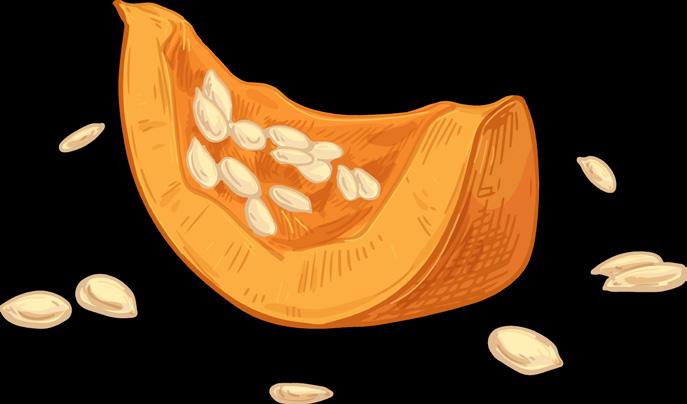
Ingredients:
• ½ onion
Pumpkin is rich in complex carbohydrates and pectin, which thicken naturally as they break down during cooking. When blended with fats like butter or cream, you get emulsification—a suspension of fat molecules throughout a water-based mixture, giving the soup its creamy body.

• ½ tbsp avocado oil or butter
• 1 kabocha pumpkin
• ¾ cup chicken broth
• ½ cup milk
• (substitute with almond or oat milk for vegan recipes!)
Steps:


1. Dice pumpkin and steam for 10 minutes.
2. Sauté onion in butter until golden.
3. Blend pumpkin and onion until smooth.
4. Simmer with broth and milk for 10 min.
5. (optional) Serve in a hollowed pumpkin bowl.
I’ve loved pumpkin soup since I was in Amsterdam. It was raining, I was cold, and I wanted something hot and comforting. But what arrived at my table was more than warmth—it was a golden bowl of silk. Rich but not heavy, subtly sweet, and finished with a swirl of cream I didn’t need but adored.
Pumpkin is a powerhouse of nutrients, especially beta-carotene, which the body converts into vitamin A—crucial for vision, immunity, and skin health. It’s also high in fiber and low in calories, making it both filling and gentle on digestion. Onions add prebiotics to support gut health, while milk and broth contribute protein, calcium, and electrolytes. The fat in butter helps absorb fat-soluble vitamins like A and E more efficiently. When made with whole ingredients, this soup becomes a complete meal—balancing carbs, fats, and protein.
Just substitute dairy with plant-based milk for a fully vegan recipe!

“Sunny side up.”
– A way to cook eggs and describe an optimistic attitude.
“The
best thing since sliced bread.”
Refers to something amazing or revolutionary.










“Don’t put all your eggs in one basket.”
A caution against risking everything on one plan.

“Easy as pie.”
Something that’s very simple or enjoyable.
Ingredients
• ½ cup + 2 tbsp rolled oats
• ¼ cup milk
• 1 egg (separated)
• 1 tsp vanilla extract
• Pinch of salt
Steps
1. Blend oats into powder.
2. Whisk egg white to stiff peaks.
3. Mix yolk, vanilla, oats, milk, and salt.
4. Fold into whites.
5. Cook in waffle iron for 11 minutes.
Waffles go way back—starting with the ancient Greeks, who made obelios by pressing batter between hot plates. In medieval Europe, these evolved into iron-pressed wafers, often with religious symbols. By the 13th century, hinged irons and new leavening techniques transformed waffles into everyday food. The Dutch brought them to America, and by the 20th century, the electric waffle iron made them a breakfast staple. From Belgian street vendors to American diners, waffles became a global comfort food—adaptable, nostalgic, and always a little fun.
Beating egg whites introduces air, which expands under heat to make the waffle light. Oats, unlike refined flour, absorb more liquid and thicken as they cook, helping to crisp the exterior. The Maillard reaction— when sugars and proteins brown—adds aroma, color, and deep, toasty flavor. A longer cook time allows moisture to evaporate fully, locking in that golden crunch.
In U.S. hotels, I loved the ritual of pouring batter and flipping the iron—but hated the soggy results. So I made my own version at home, swapping flour for oats and playing with texture until I nailed it: crispy, golden, just enough bite.These days, I still tweak the recipe sometimes—adding different toppings or adjusting the timing—but I always come back to that crisp, oat-y texture I first figured out in my kitchen.
Rolled oats are packed with fiber, iron, and protein. They digest slowly, keeping you full longer and helping regulate blood sugar. Compared to white flour, they’re less processed and offer steady energy. The egg adds high-quality protein and essential nutrients, making these waffles both satisfying and nutrient-rich.
Ingredients:


• ½ cup rolled oats
• ½ cup milk (or plant-based milk)
• 1 tbsp yogurt (optional, for creaminess)
• 1 tsp chia seeds (optional, for texture)
Toppings: fruit, nuts, honey, nut butter
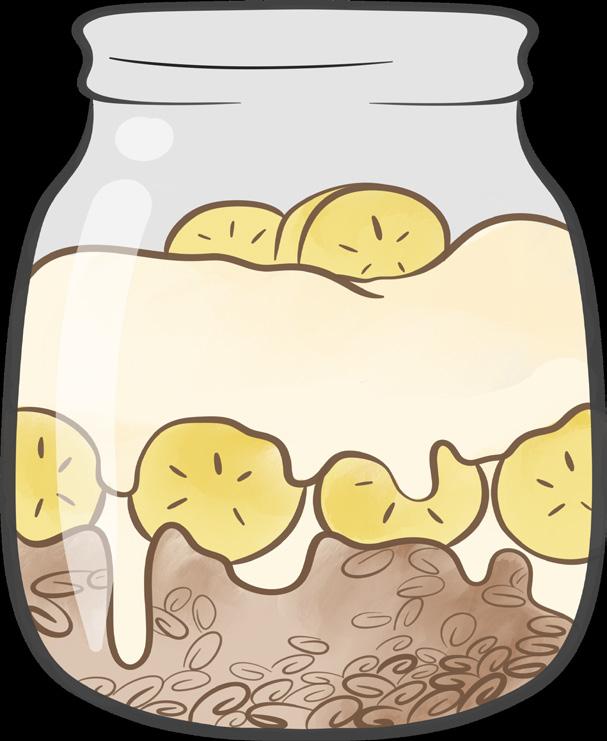
Steps:
1. Combine oats, milk, and optional yogurt/ chia in a jar or bowl.
2. Stir well, cover, and refrigerate overnight (6–8 hours).
3. In the morning, stir and add toppings of
choice. Enjoy cold or slightly warmed. Overnight oats are a no-cook take on muesli, a dish developed in early 1900s Switzerland by Dr. Bircher-Benner as a raw, nourishing breakfast. Today’s version trades grated apple for a more flexible oat base.
Scientifically, soaking oats overnight breaks down starches and phytic acid, making nutrients like iron and zinc more bioavailable. Chia seeds expand, thickening the texture, while yogurt adds probiotics and creaminess. It’s meal prep meets microbiome support—simple, customizable, and ready when you wake up.
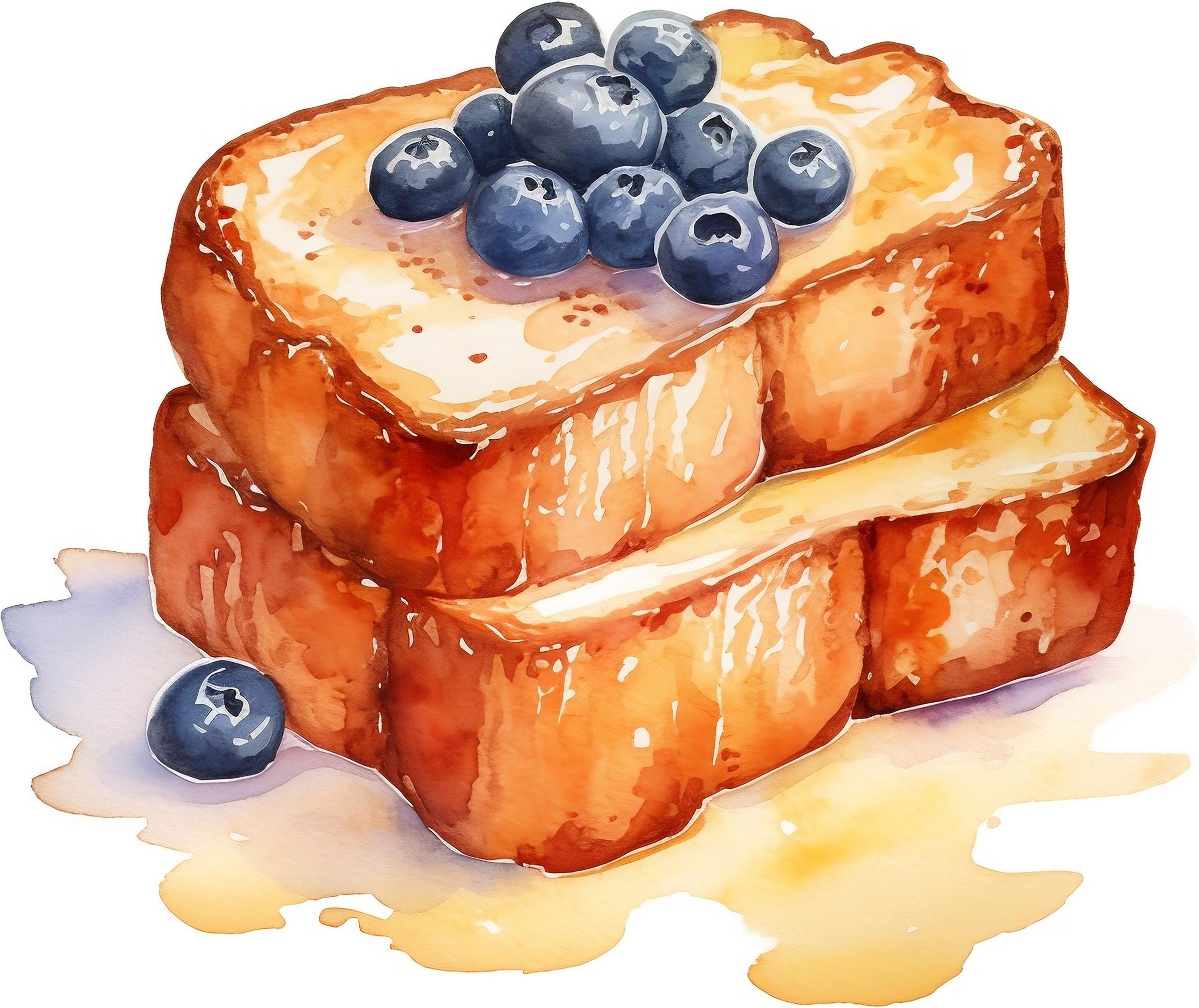

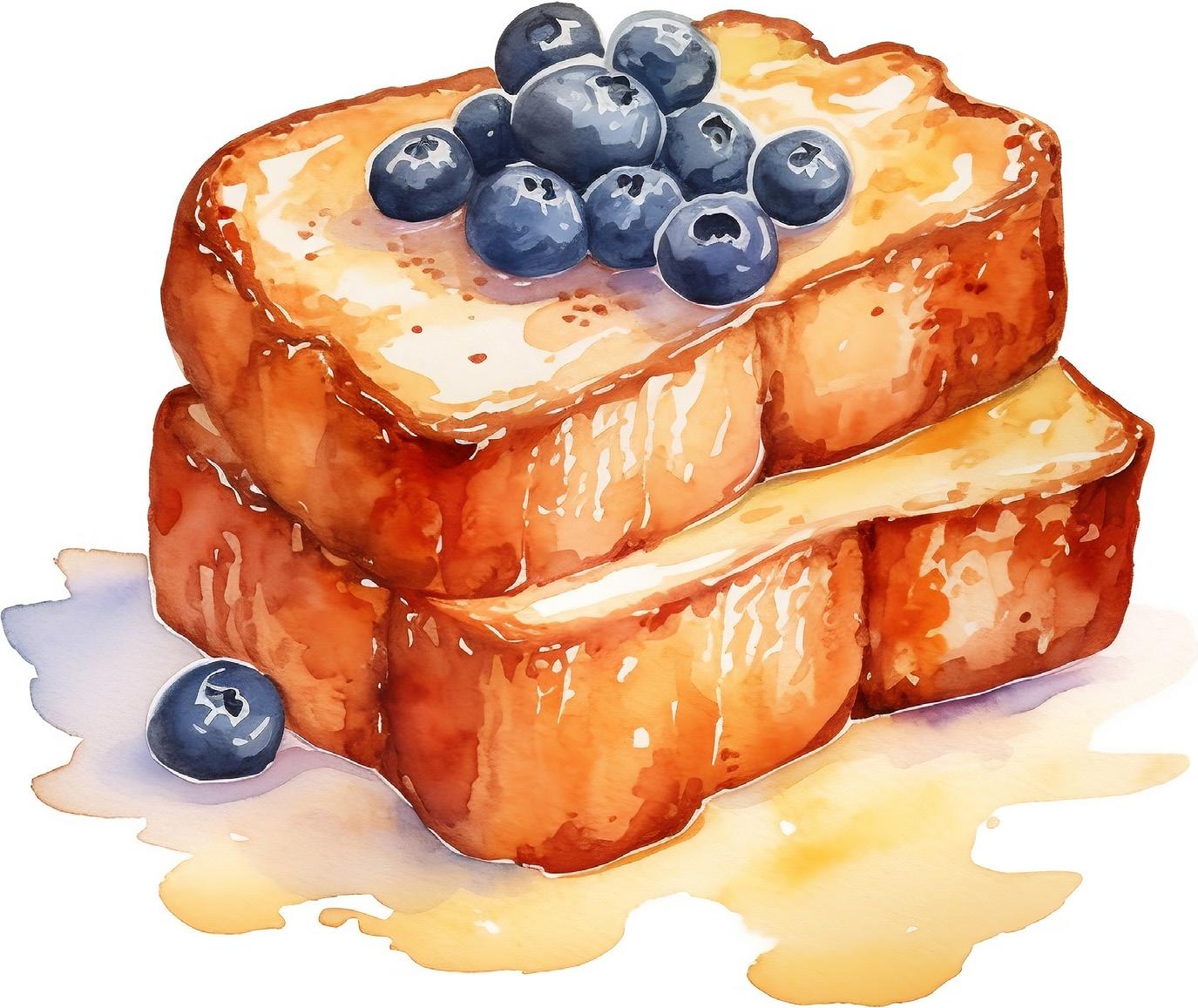
Despite its nameFrench toast didn’t actually originate in France. Versions of bread soaked in egg and milk date all the way back to Ancient Rome, where the dish was known as Pan Dulcis.
The earliest Roman recipes describe dipping day-old bread in a milk-egg mixture and frying it in oil or butter—a practical way to soften stale loaves and avoid waste. During medieval times in Europe, this practice became widespread among working-class households. The name “French toast” is believed to have first appeared in America in 1724 when an innkeeper named Joseph French
advertised his “French Toast” but left out the apostrophe—intending to call it “French’s toast.”
The name stuck, partly because anything “French” was considered luxurious and elegant. In France itself, the dish is called pain perdu, meaning “lost bread”—a nod to its origins in salvaging what would otherwise be thrown out. Whether humble or refined, French toast remains a dish rooted in creativity, resourcefulness, and a love for turning simple ingredients into something indulgent.
Science Bites
French toast is a simple but clever manipulation of heat and texture. When egg proteins come into contact with heat, they denature— unfolding and forming a network that thickens around the bread.
The milk adds moisture, while its natural sugars caramelize slightly during cooking, especially when butter is involved. If you soak the bread long enough, the mixture penetrates deeply, creating a custard-like interior while the pan creates a golden crust. Cinnamon adds more than aroma—it contains cinnamaldehyde, a compound with antioxidant and antimicrobial properties. Vanilla extract brings in vanillin, a compound that enhances sweetness perception. The choice of bread matters too: older, drier bread soaks up more liquid and holds together better, which is why baguettes, brioche, and challah are popular choices. Every element in French toast—from the egg ratio to the toasting temperature—affects the balance between soft and crisp, rich and airy.
Ingredients
•
1 egg
• cup heavy cream
• 4 slices day-old baguette
• 1 tsp vanilla extract
• ½ tsp cinnamon
• 1 tbsp butter

Steps
1. In a wide, shallow bowl, whisk together the egg, heavy cream, vanilla extract, and cinnamon until well combined and smooth. This creates the custard base that gives French toast its rich interior.
2. Submerge thick slices of slightly stale bread in the mixture. Let them soak for at least 30 minutes, flipping halfway so both sides absorb evenly. If the bread is very dry, you can leave it soaking longer—or even overnight in the fridge for deeper flavor and texture.
3. Heat a pan over medium-low and add a small pat of butter. Once it begins to bubble, place the soaked slices in the pan.
4. Cook each slice for 3–4 minutes per side, or until golden brown and crisp on the outside. Adjust the heat as needed to avoid burning while still allowing the custard inside to set.
Just substitute dairy with plant-based milk for a fully vegan recipe!
French toast has always been something special in our house. Whenever the baguette started to go hard, my mom would rescue it—not by throwing it out, but by turning it into something better. She’d mix eggs, cream, cinnamon, and vanilla, soak the slices
My French Toast Stories until they were heavy with custard, then cook them in butter until the edges were crisp and the centers were soft. She’d top them with berries, honey, or whatever was in season. It became my birthday breakfast—my favorite kind of celebration: quiet, warm, and sweet. Even now, the smell of
cinnamon and melting butter in the morning feels like being seen and cared for. And honestly? I still ask for it every year.


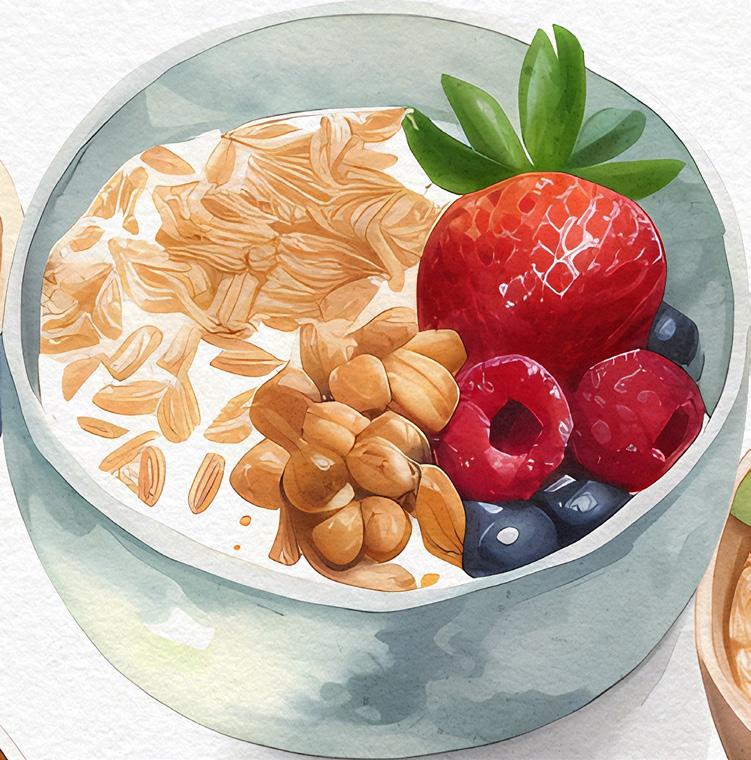
Granola began as “Granula” in 1860s America, invented by health reformers as a fiber-rich food for wellness retreats. It evolved into the oat-and-nut clusters we know today—sweetened, toasted, and popularized during the 1960s health food movement. Plus, this recipe is fully vegan.
Scientifically, toasting oats triggers the Maillard reaction, which gives granola its crisp texture and nutty aroma. Added sugars caramelize, binding ingredients into golden clumps, while fats (like coconut oil or nut butters) enhance crunch and shelf life.
INGREDIENTS
• ½ cup oats

• ¼ cup mixed nuts
• 2 tbsp brown sugar

• 1 tsp coconut oil
• 1 tsp cinnamon
• Pinch of salt
STEPS
1. Toast oats and nuts in oil until golden
2. Add sugar, cinnamon, and salt.
3. Cook until crisp.



Gyeranmari, or Korean rolled omelette, is a staple of dosirak (lunchboxes) and banchan (side dishes). Influenced by Japanese tamagoyaki, this dish became popular in Korea during the 20th century. Its bright, layered appearance and kid-friendly taste made it a favorite among mothers packing school lunches. Gyeranmari represents Korea’s tradition of layering textures and colors—simple, humble, but full of warmth. It’s not just food; it’s a sign of care packed into tight rolls.
Ingredients
• 2 eggs
• 1/4 cup water
• 1 tbsp chopped green onions
• Optional: carrot, ham, or bell pepper finely chopped
• 1 tsp neutral oil (e.g., avocado or canola)
Serving Suggestion:
• Dip with ketchup or soy sauce
• Serve with warm rice and kimchi
1. Beat eggs with water and finely chopped vegetables.
2. Heat a lightly oiled nonstick pan on low. Pour a thin layer of egg mixture.
3. When set, roll gently to one side. Push rolled egg aside.
4. Pour more mixture into the pan and repeat, rolling again.
5. Once fully rolled, cook until golden.
6. Let rest before slicing.
Packed with protein, gyeranmari is an excellent start to the day. Egg yolks contain choline, lutein, and healthy fats, while added vegetables supply vitamins A, C, and fiber. It’s low in carbs and customizable to dietary needs. Green onions offer sulfur-containing compounds that support immunity and digestion.
The low, even heat ensures proteins denature slowly, giving a soft and tender texture. Rolling the egg while semi-set lets each layer bind with the next. The added water increases steam during cooking, contributing to fluffiness. Oil provides a hydrophobic barrier preventing sticking, while emulsified fats from the yolk add richness and structure
I used to see gyeranmari in every lunchbox around me, but never tried making it myself. After failing a few rolls that turned into scrambled eggs, I finally got the technique—low heat, patience, and chopstick control. Now it’s my go-to dish when I want to impress my family with something deceptively simple and endlessly comforting.
Ingredients:
• 3 eggs
• 1/2 cup water
• 1 tbsp chopped green onions
• Salt to taste
Optional: sesame oil drizzle
Serves 2-3
Steps:
1. Whisk egg, water, and salt until smooth.
2. Pour into a small bowl.
3. Place bowl in a pot with 1–2 cm of water (don’t submerge).
4. Cover and steam over low heat for 10–12 minutes.
5. Top with green onions and sesame oil. Serve warm.
Steamed eggs (Gyeranjjim) are a comfort food classic in Korea—found in everything from school lunches to traditional hanjeongsik (Korean full-course meals). The word “gyeran” means egg, and “jjim” means steamed. Its texture is almost custard-like, and it can be made on the stove, in earthenware bowls, or quickly in a microwave. Originally cooked in ttukbaegi (clay pots), this dish was cherished for its simplicity and warmth—especially important in Korea’s seasonal culture where hot, soft foods bring comfort in winter.
Use a microwave instead!
Microwaves heat water molecules rapidly, causing steam to form and expand. This cooks the egg from the inside out. However, uneven mixing or rapid heating can trap pockets of steam, causing mini-explosions. Thorough stirring distributes protein and water evenly, preventing uneven coagulation. The green onions add aroma due to sulfuric compounds that volatilize during cooking.
Just cover in a plastic wrap and cook for 3 minutes
CHINESE FOODIE SAYINGS!
Ingredients:
• 8–10 store-bought or homemade wontons
• 2 cups chicken broth
• 1 tsp soy sauce
• ½ tsp sesame oil
• 1 green onion, sliced
Optional: spinach, bok choy, or mushrooms
Steps:
1. Bring broth to a simmer. Add soy sauce and sesame oil.
2. Drop in wontons and cook 4–6 minutes, until they float and are fully cooked.
3. Add greens if using, cook 1–2 more minutes.
4. Garnish with green onion. Serve hot.
VEGETARIAN OPTIONS:
Use tofu or vegetable-based dumplings instead of meat
Microwaves heat water molecules rapidly, causing steam to form and expand. This cooks the egg from the inside out. Howev er, uneven mixing or rapid heating can trap pockets of steam, causing mini-explosions.
Thorough stirring distributes protein and water evenly, preventing uneven coagula tion. The green onions add aroma due to sulfuric compounds that volatilize during cooking.



North Africa and spread across Tunisia, Libya, and Morocco before becoming a cornerstone of Israeli cuisine. The name comes from the Arabic for “mixed up,” reflecting the blend of spices, tomato, and eggs. After the Columbian Exchange introduced tomatoes to the Old World, this dish blossomed across the Mediterranean. In Israel, it’s eaten for breakfast, lunch, or dinner—often communally, with everyone scooping with bread.
1. Sauté garlic, onion, and bell pepper in olive oil.
2. Add tomatoes and spices. Simmer 5 minutes.
3. Make 3 wells and crack in the eggs.
4. Cover and cook until egg whites are set.
5. Top with feta and parsley. Serve hot with bread.
VEGAN VERSION: Omit feta or replace with 1 tbsp of silken tofu!

• 2 Yukon gold potatoes, diced
• ¼ onion
• ¼ bell pepper
• 1 tbsp avocado oil
• 1 tsp paprika
• 1 tsp oregano
• 1 tsp Italian herb mix
Potatoes were domesticated in the Andes over 7,000 years ago and spread globally through European colonization. In the U.S., potato hash became popular during the 19th century in diners as a hearty, affordable meal. TexMex cuisine—born from Mexican roots and American creativity—adapted potatoes with chili, cheese, and eggs into bold breakfast flavors.
Browning potatoes triggers the Maillard reaction, deepening flavor. Capsaicin from chili powder stimulates thermogenesis, raising body temperature slightly—perfect for morning wake-ups.
Omit the cheese or simply replace with 1 tbsp of silken tofu or another fried egg
• Salt and pepper to taste
• 2 eggs
• ¼ cup cheddar cheese
• Parsley for garnish

1. Cook potatoes in oiled pan over medium heat, stirring and covering at intervals.
2. Add onions and bell peppers. Sauté until golden.
3. Add all spices and herbs. Stir to coat.
4. (Optional) Crack eggs into wells and top with cheese. Cook until set.



Thank you for reading Stovetop Symphony. These recipes come from different corners of my life—some passed down, some discovered, and many simply figured out on sleepy mornings.
I hope they brought you a mix of comfort, new flavors, and maybe a little inspiration to try something of your own. If you have questions, ideas, or recipes to share, feel free to reach out: jinasong1010@gmail.com. Below is a QR code to the original online recipe book—feel free to explore, adapt, and enjoy.

















‘til the next dish!