
P H O T O I N S
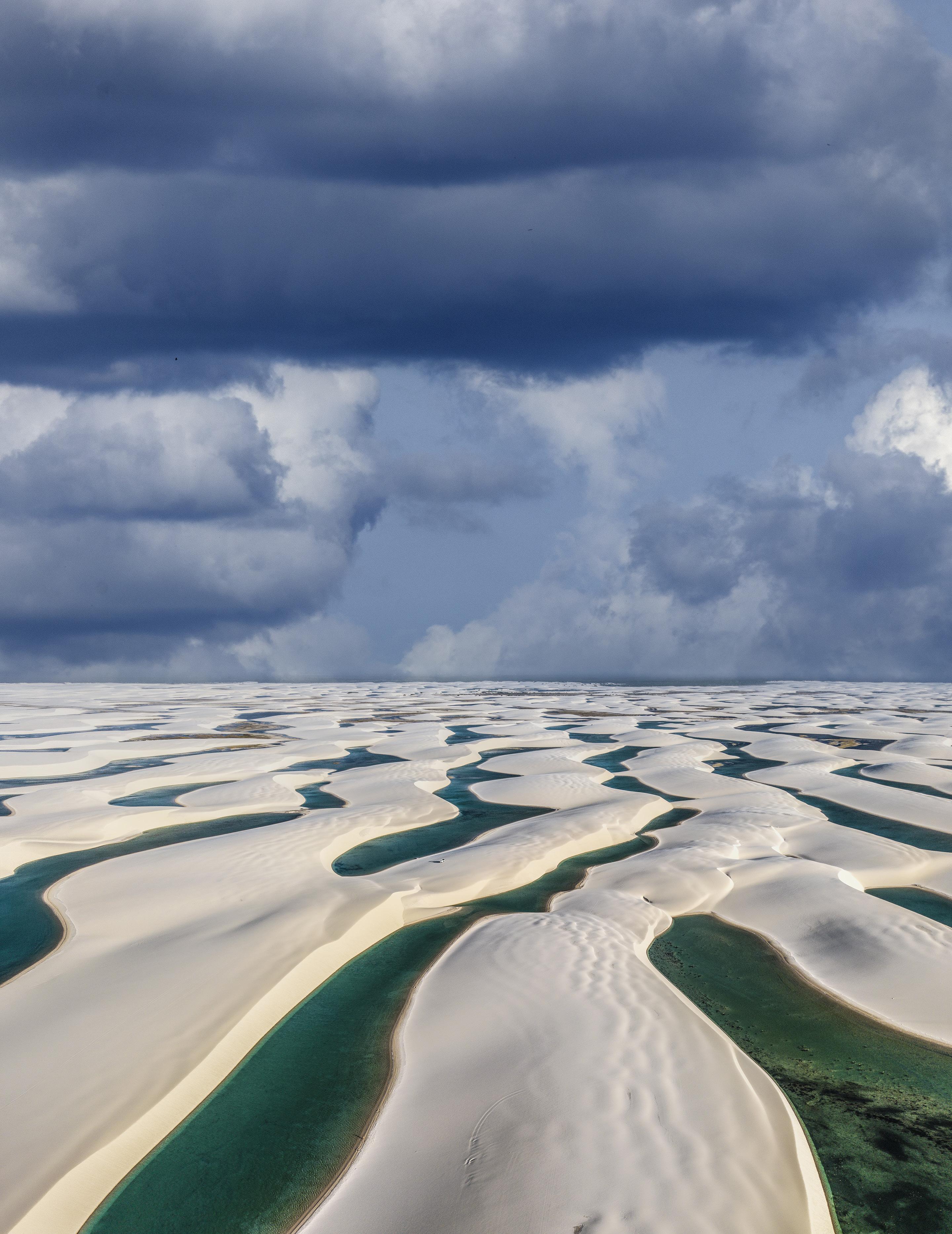
Drones and Wind
Changing Proportions
A Fun Thing to Try
Photo Tours
Photography quiz
Ask Jim Student Showcase
The Story Behind the Picture
Back issues
August 2026
Table of Contents
4. Drones and Wind
6. Changing Proportions
11. Something Fun To Try
17. Photography quiz
19. Jim’s eBooks
22. What's wrong with this picture?
25. Short and Sweet
27. Ask Jim
28. Photography tours
30. Student Showcase
34. The story behind the picture
37. Past issues
45. Subject index
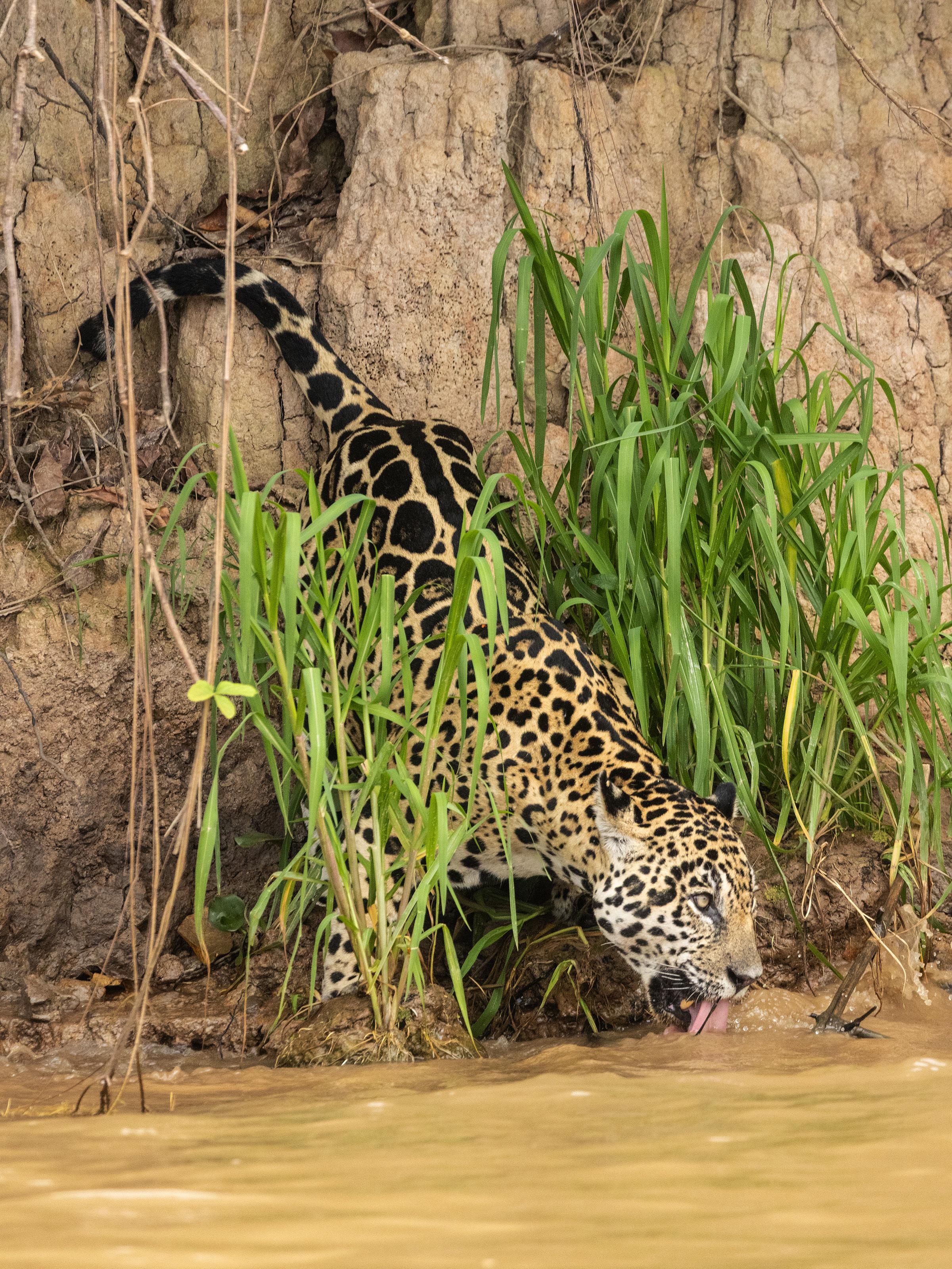
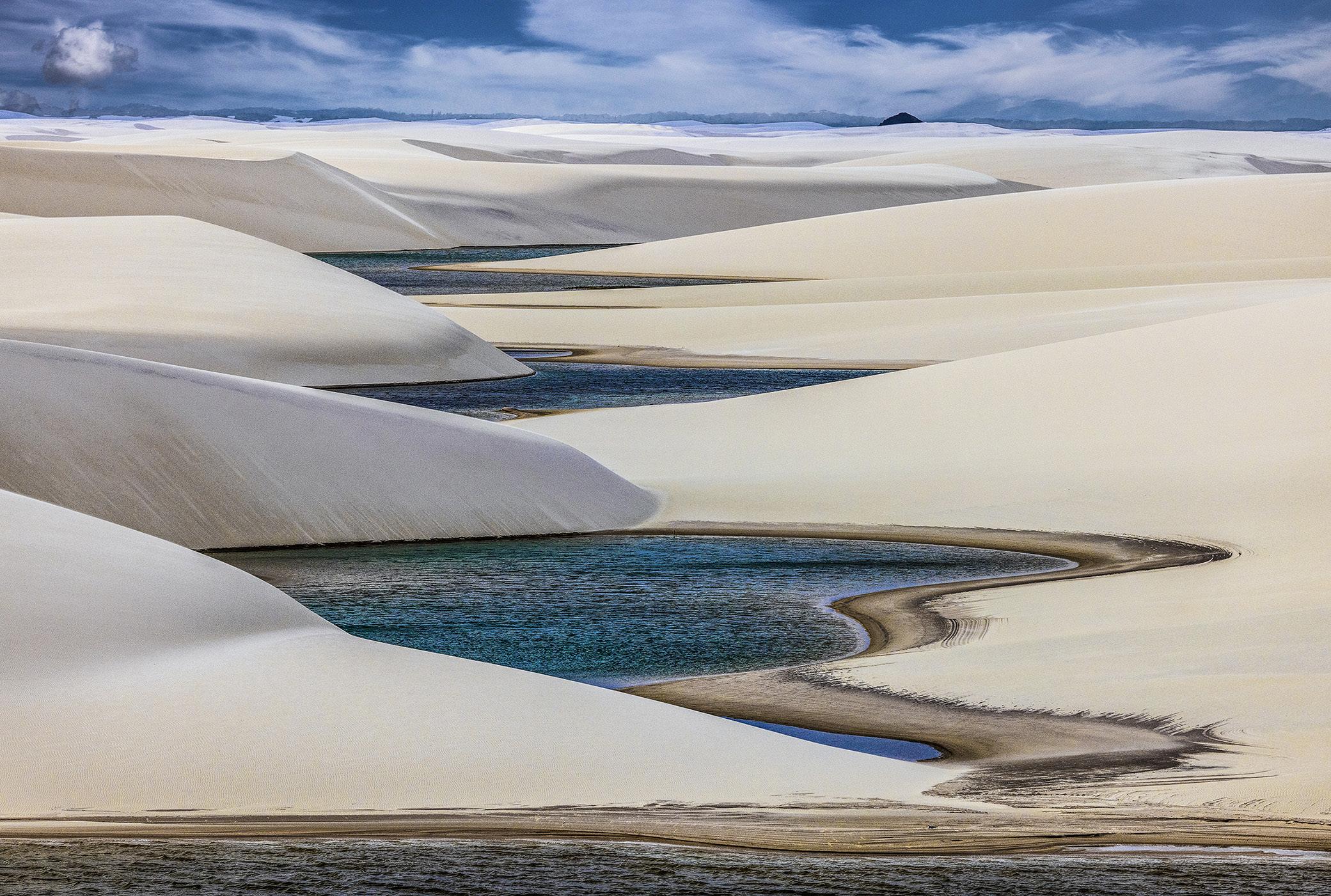
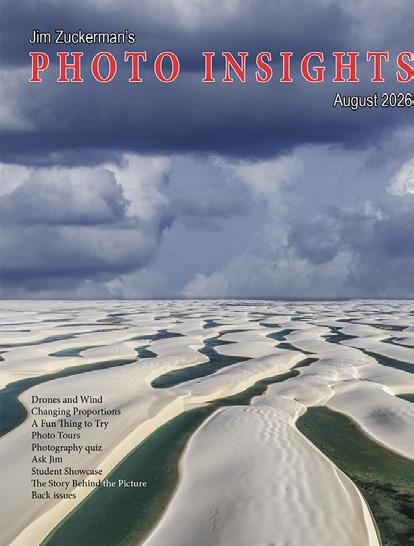
On the cover:White dunes in Lencois Maranhenses National Park, Brazil, from a drone.. On this page: Jaguar drinking in the Pantanal region of Brazil photographed from a boat.
You may download this issue HERE.
J~~~ust a few years ago, Canon did something I thought was brilliant. They released two new long lenses that are very light weight and hand-holdable as well as very affordable. The lenses are the 600mm for $800 and the 800mm for an amazing $1000.
What's the catch? The lens aperture is fixed at f/11.
For decades, the problem for wildlife and bird photographers has been two fold. Super telephotos are super expensive -- like $13,000 for a 600mm f/4 -- and super heavy. The weight makes them unwieldy and tough to travel with, and the cost puts them out of reach of most mortals.
Because we can now use ISO settings higher than ever before -- 3200 ISO is now common because the results are so good -- the rationale for an f/11 fixed focal length lens makes perfect sense. Both the 600mm and the 800mm are easy to hold and easy to carry in a backpack. I've used the 800mm and was impressed with how sharp it is.
True, in low light with moving subjects, a larger aperture would be ideal. Photography is all about compromise, though, and these two lenses fill a niche that needed filling for a long time. The low cost of these telephotos means pretty much any photographer can start filling the frame with wildlife and small birds.
If the light level is low, simply raise the ISO and then, in post-processing, deal with the noise by applying Topaz DeNoise AI.
It's true these are not zoom lenses. I prefer zooms for their compositional flexibility, but having the ability to reach into the distance and fill the frame with a wild animal is a game changer.
Jim Zuckerman
photos@jimzuckerman.com www.jimzuckerman.com
Drones and Wind
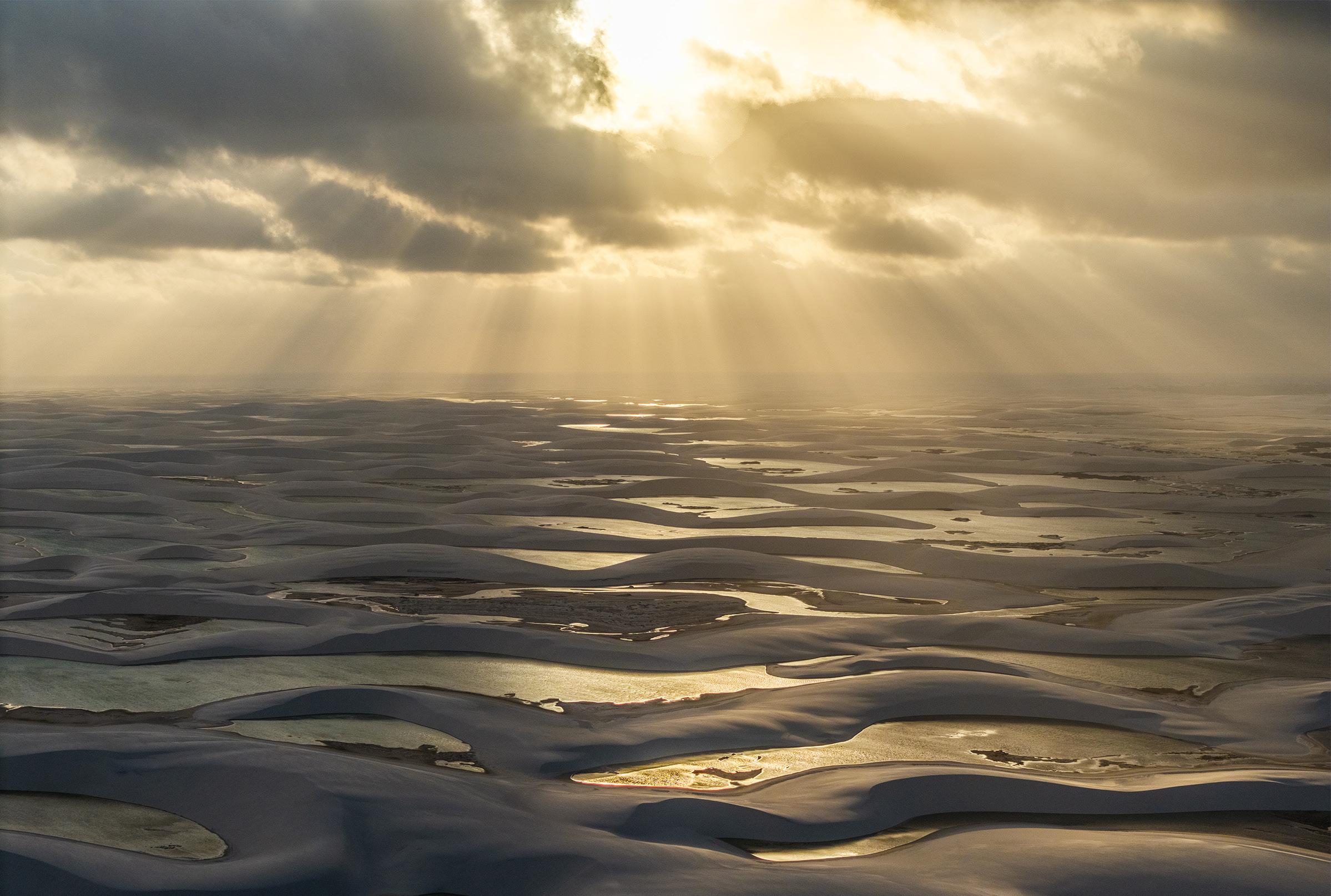
O..n my recent trip to Brazil, I researched a new photo tour scheduled for next summer. I visited the beautiful Lencois Maranhenses National Park. The incredible white sand dunes and aquamarine lagoons are prime drone country, but every day I was there the wind was quite strong. According to a local weather site online, sometimes gusts of 30 miles per hour were common. At higher altitudes, of course, the wind can be even stronger. There were three other people in my small research group who had drones as
well, including one lady who had a DJI Mini 5. Much to my surprise, all of us had multiple successful flights with no adverse incidents due to wind velocity.
In addition, I was able to do several 5-frame HDR exposures (like the one below) while in flight as well as a few panoramas. The drone was able to remain stable enough for these composite images. However, there was one issue we had to deal with.
The dunes that comprise the alien-like landscape are made of very fine sand. The dunes are constantly moving due to the wind, and as you're standing on the sand you can see it being blown with great velocity. The sand clings to the ground, though, so it never impacts the upper parts of your body.
The problem, though, is that it's impossible to launch a drone from any kind of landing pad on the ground. The delicate electronics and moving parts of the drone would immediately be damaged by the blowing sand.
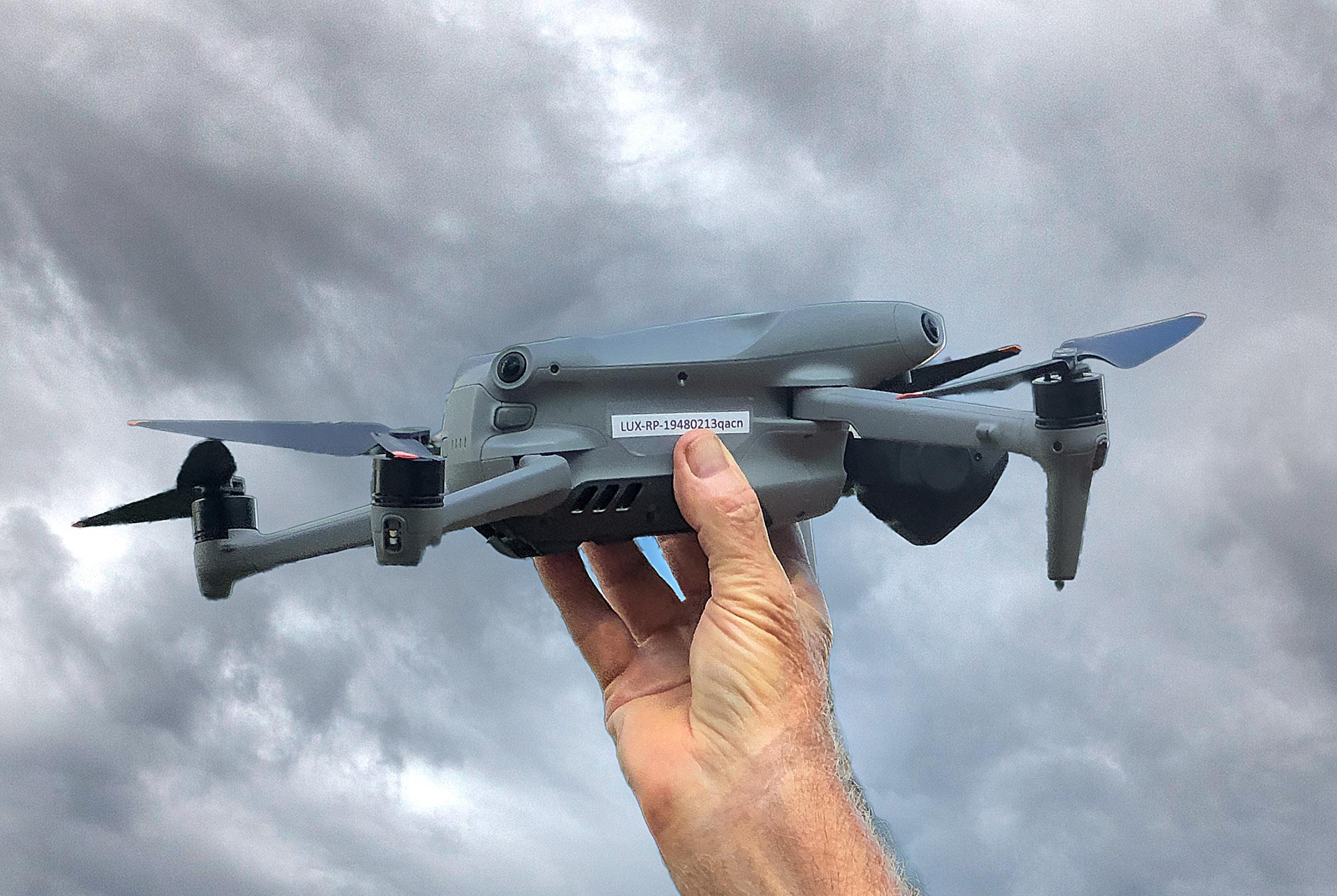
The only safe way to launch a drone was to hold it up in the air at arm's length. This prevented the blowing sand from causing a problem. Notice in the picture below that my hand is held down and out of the way of the
propellars. Once the props start up, the drone immediately goes vertical for a safe takeoff.
When the flight is finished and the drone is brought back -- either manually or by using the RTH (return to home) button -- the same problem exists. You can't land on the ground. So, once the drone is above you, switch to manual flying mode and choose 'S' mode (sport mode). This turns off the obstacle avoidance system so when the drone is lowered a person can reach up and grab it -- again being very careful to avoid the spinning propellars.
There are two ways to shut the props off once the drone is held firmly in your hand. You can turn the drone upside down, or pull the left joystick downward. Usually within a second or two the drone is turned off. §
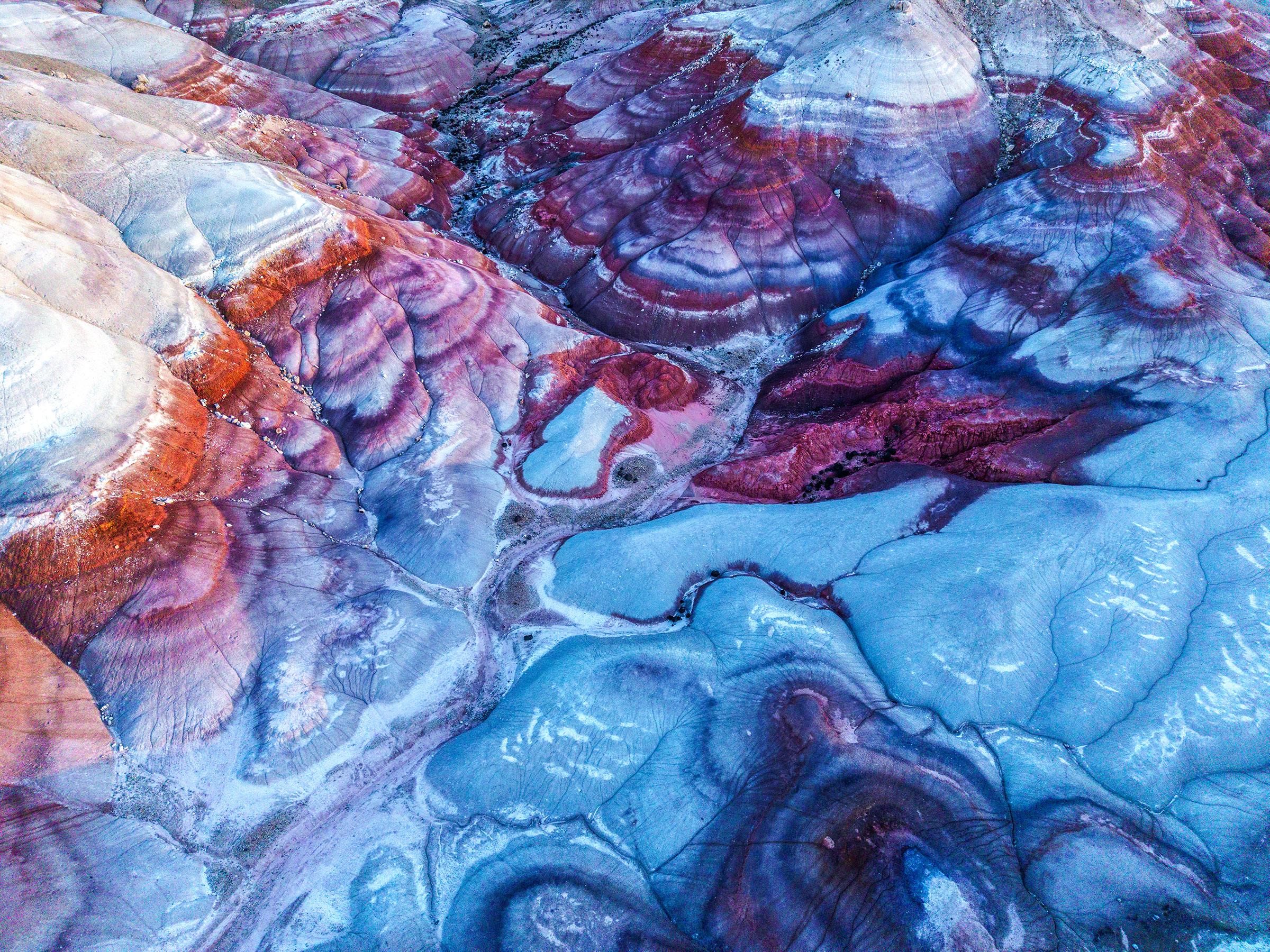
O.ver the years a photographer encounters several different types of rectangles in producing photographic images. What is considered 'full frame' proportion is based on the aspect ratio of 35mm film, which is 3:2.
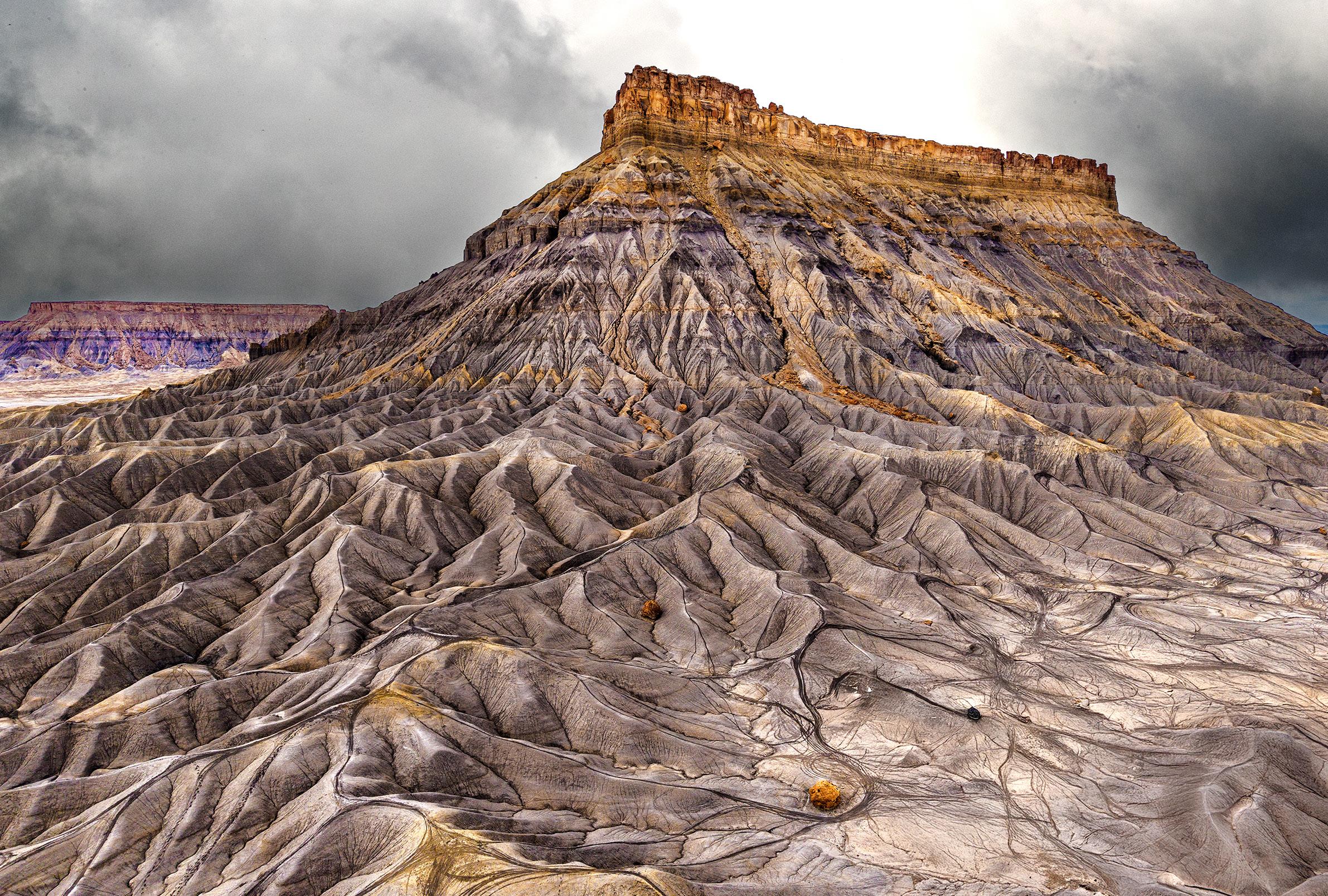
The images produced by most drones are 4:3. The image below is an aerial shot of the Bentonite Hills in Utah from my DJI Air 3S drone, and you can see it is 'more square'
compared to the image of Factory Butte, also in Utah, on the bottom of the next page. This rectangle is longer and less like a square.
Panorama images are exceptionally long rectangles as shown on the top of page 7. These old cars were in Old Car City in White, Georgia. I shot this with my drone hovering about 10 feet from the ground, and while airborne it stitched several im-
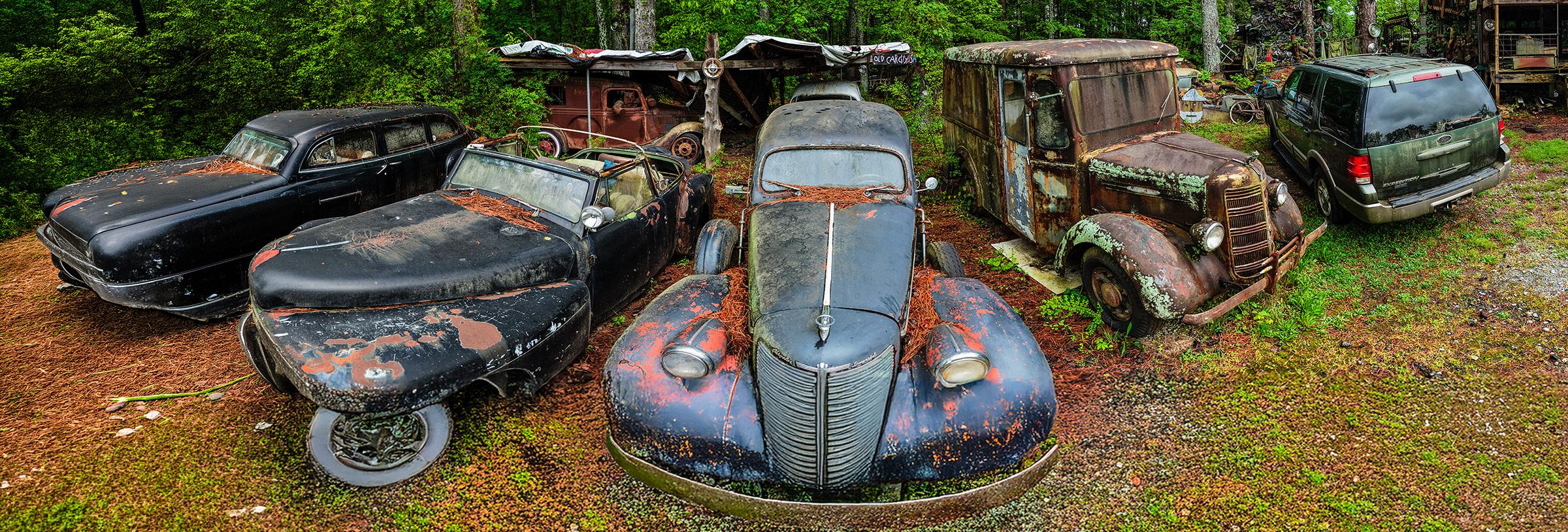
ages together to form the unusual rectangular shape.
Traditional print sizes photographers have used for decades include 8x10 inches, 16x20, 30x40, and so on. These rectangles don't have the same aspect ratio of the full frame 2:3 pro-
portion that I happen to like. And this brings me to the point I'm making.
For 25 years, I shot medium format film cameras that offered the 6x7cm aspect ratio. At the time, I thought this particular proportion was the most pleasing rectangle for photographs,
and it also happened to be exactly proportional to 8x10 and 16x20 inches.
Today I prefer the 3:2 ratio that comes out of our full frame digital cameras. The images that come from my drone have the 4:3 aspect ratio, so in Photoshop I make the conversion from the more square image to the longer 3:2 rectangle.
There are two ways to do this.
Stretch the image
1. Open the image in Photoshop and choose the crop tool
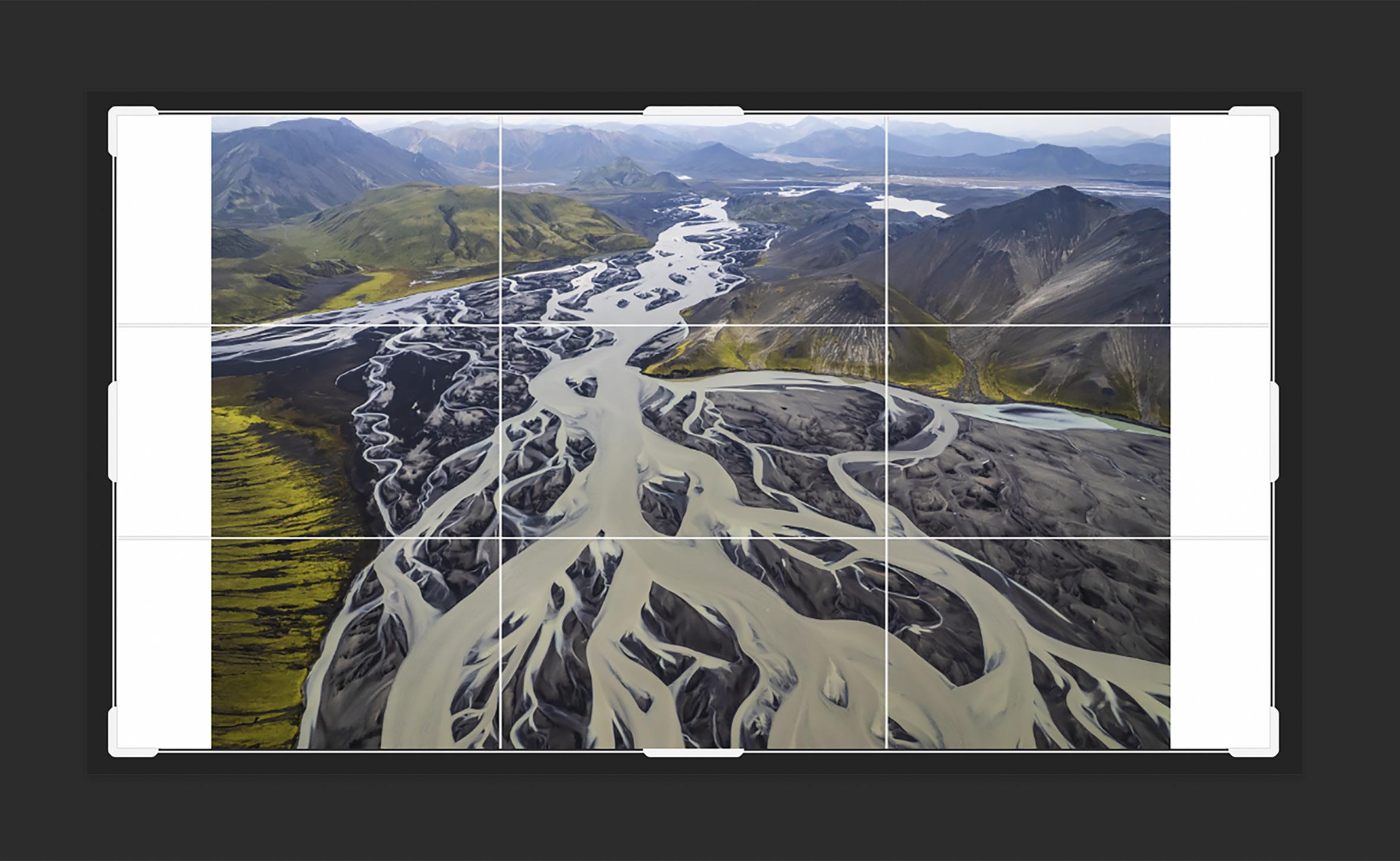
2. Pull the left and right handles to the left and right, respectively, until you are satisfield
with the aspect ratio. This is shown in the image below. Then hit the return or enter key.
3. Choose Select > all. You will now see the marching ants surrounding the picture.
4. Choose Edit > transform > scale, or use the short cut Command/Ctrl T. Eight handles now appear.
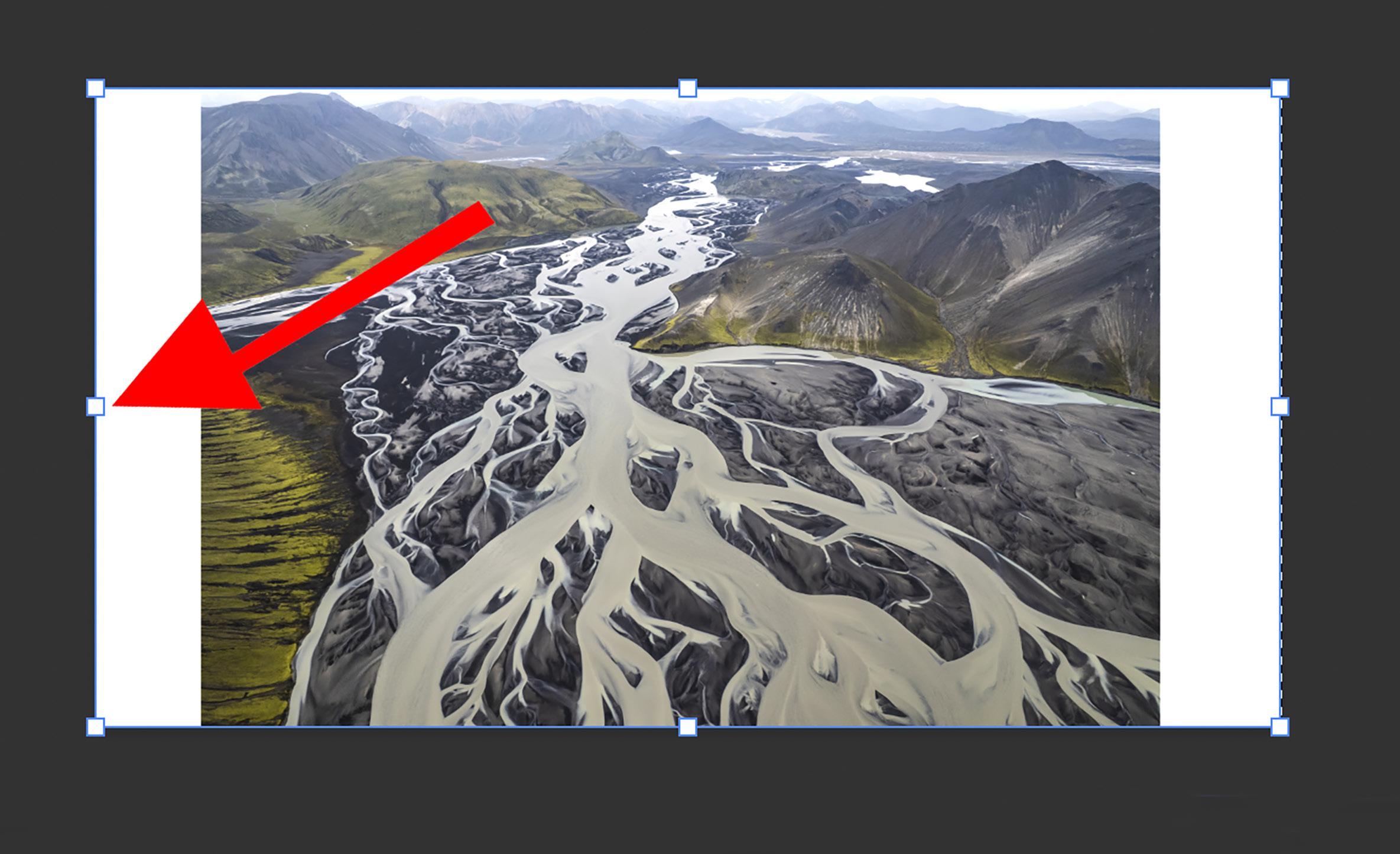
5. Pull the middle left handle (red arrow, next page) to the left and the image stretches until the picture area goes all the way to the left border. Do the same thing with the right handle, but pull to the right.
6. The 4:3 ratio has not been changed to approximately 2:3, although the image itself has been stretched. With many images like landscapes,
clouds, cityscapes, architecture, and nature closeups, stretching a subject isn't a problem.
However, you can't stretch people photos because their faces would look distorted, and the same would be true for most shots of animals.
Generative Expand
Instead of stretching the image to achieve a desired aspect ratio, you can use the Generative Expand feature to add picture area.
1. Open the image in Photoshop and choose the crop tool.
2. Pull the left and right handles to the left and right, respectively, until you are satisfield with the aspect ratio.
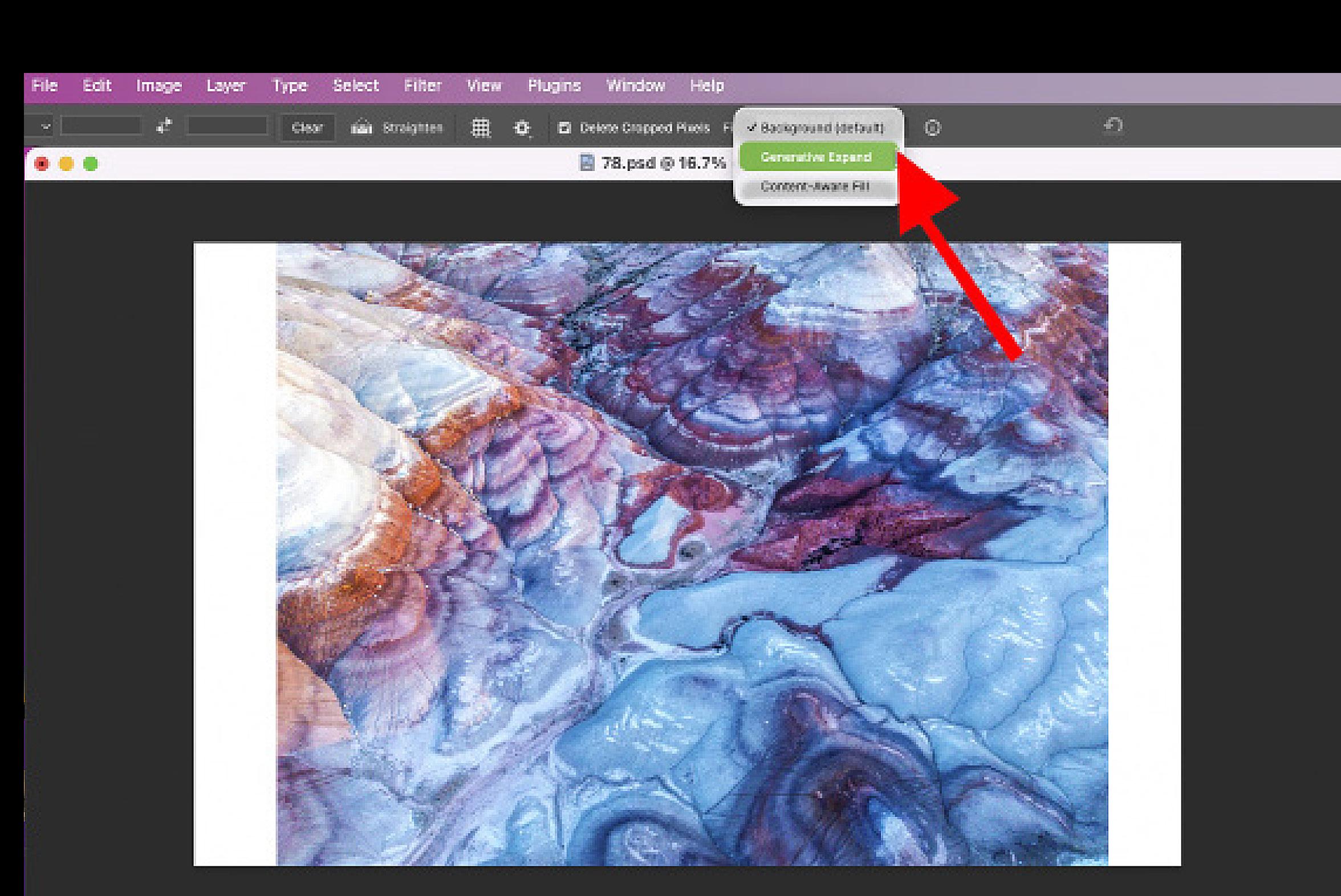
3. In the options bar at the top of your screen, there is a small box that says Background (Default). See the photo on the next page. Click this, and you'll see Generative Expand. Choose this option, and then hit the return or enter key twice. In a few seconds, Photoshop fills in the blank areas in such a way that the image is expanded horizontally with all the appropriate detail..
Photoshop provides three variations to filling in the blank areas, and this is shown in the Properties palette. If this palette doesn't automatically appear -- and it should -- you can open it using the pulldown menu command, Window > properties. Here you'll see the three different options. If you want three additional choices, and then three more after that, simply click the button that says Generate. §
Something Fun to Try
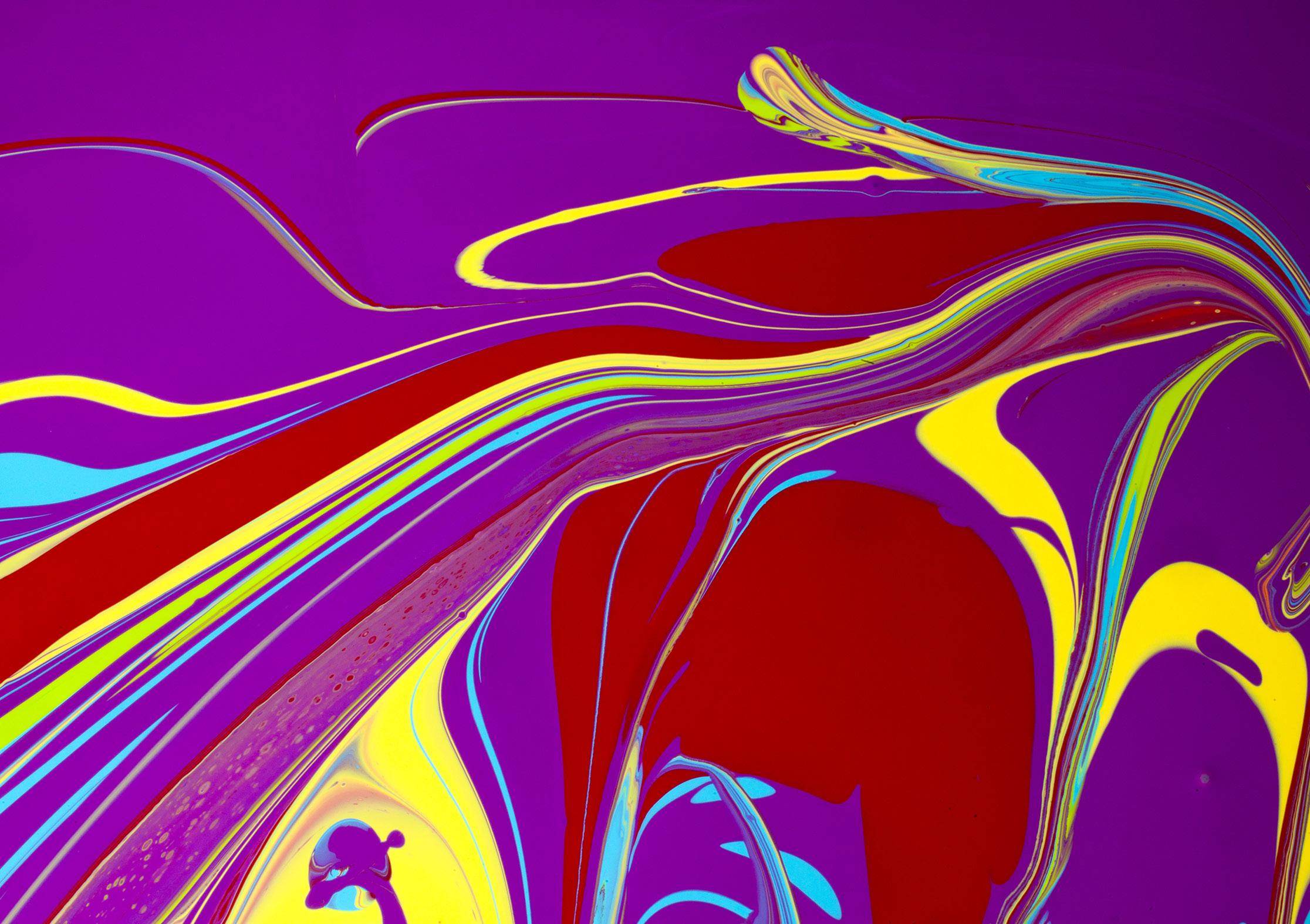
For just a few dollars, you can create beautiful abstract images right in your kitchen or garage. The image below is simply various colors of paint mixed together and photographed.
Go to Home Depot or Lowe's, and in their paint department you can purchase small samples of any water-based color for just four dollars. When I did this, I bought six colors to start with. Of course, in Photoshop, the color palettes can be changed easily, but buy color combinations that appeal to you.
Then, get a shallow Tupperware container with a large opening. Pour the paint into the container in varying quantities, mixing the colors as you go. At any point, stop and photograph the abstraction you've created. Mix the colors with anything handy.
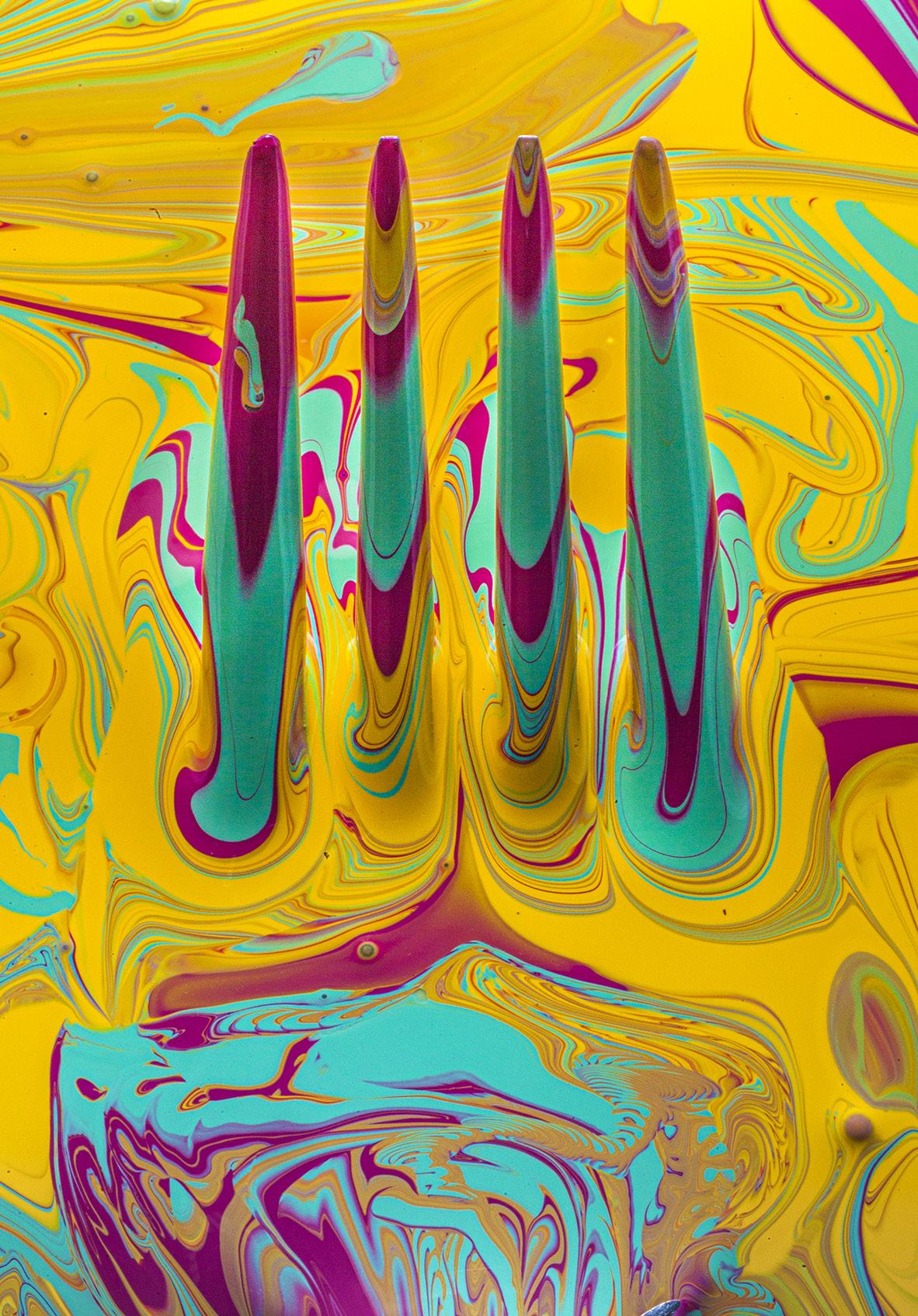
The abstract on the next page was actually a mistake. I was using, unbeknownst to my wife, one of our forks to mix the paint and it slipped out of my hand and fell into the color. The tines of the fork were covered in paint, and I thought it looked really cool.
To photograph the abstractions in paint, make the back of the camera as parallel as possible with the color. This maximizes depth of field. If the camera is oblique to the paint, you'll need to use f/22 or f/32 to insure the images you take are sharp from the foreground to the background. This is essential in my opinion.
The easiest approach to lighting is to use a uniform, diffused light source. This could be shade outdoors or overhead kitchen or garage light fixtures. You want even light over the surface of the paint, and it's also important to avoid any kind of reflections. Wet paint is highly reflective.
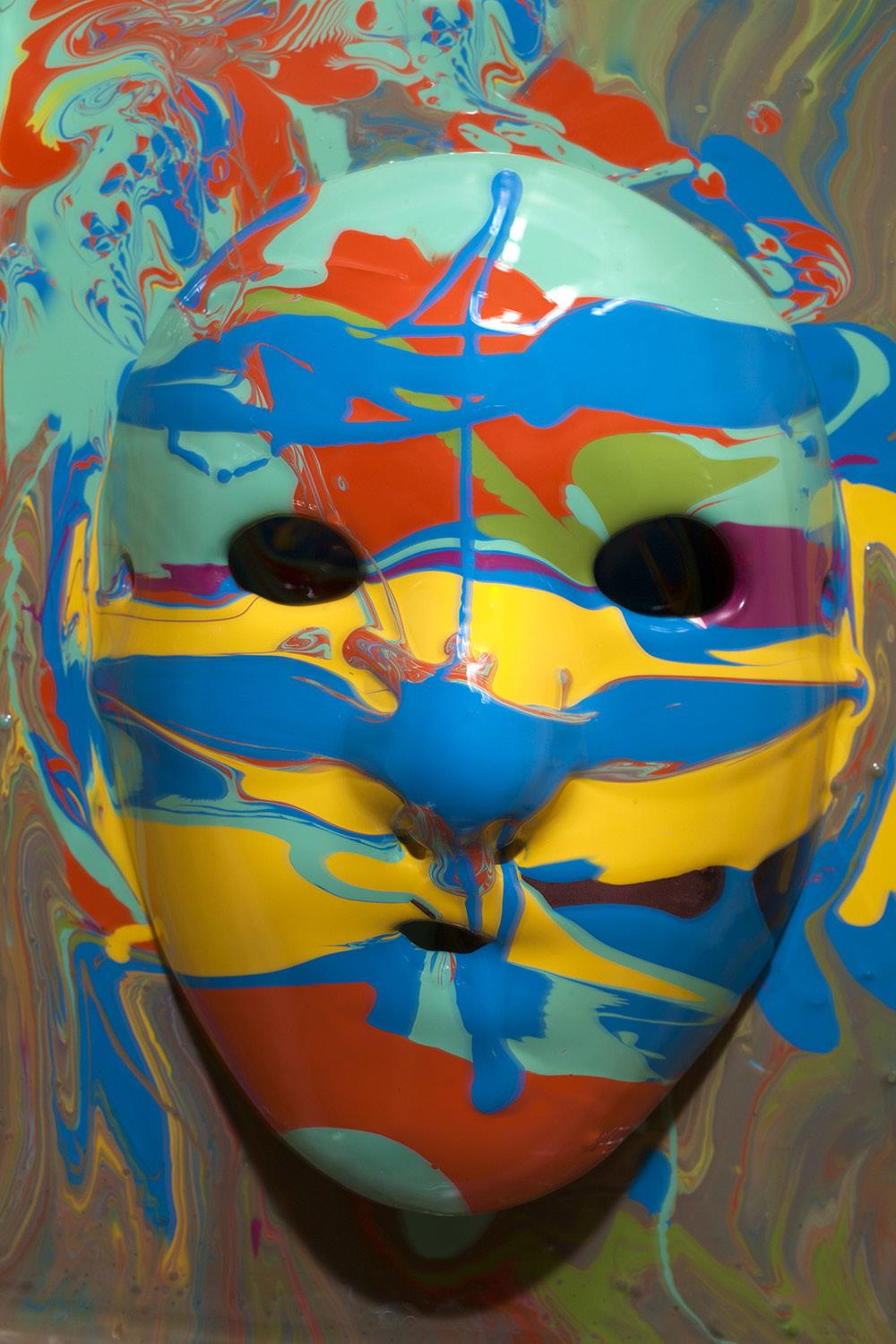
Experiment also with pouring paint on nonporous subjects like the porcelain mask, left. §
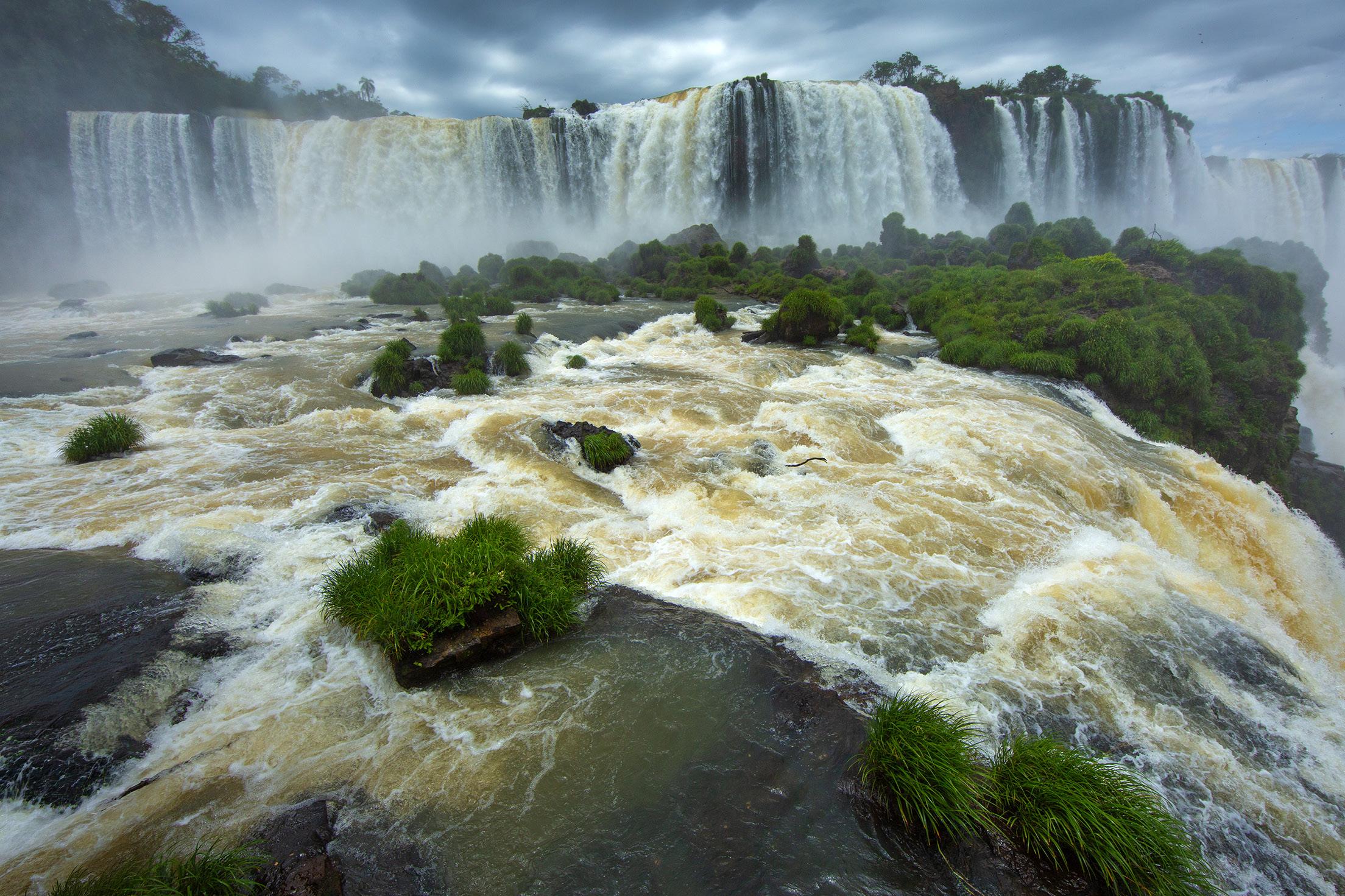
Brazil Untamed
June 19 - 27, 2027
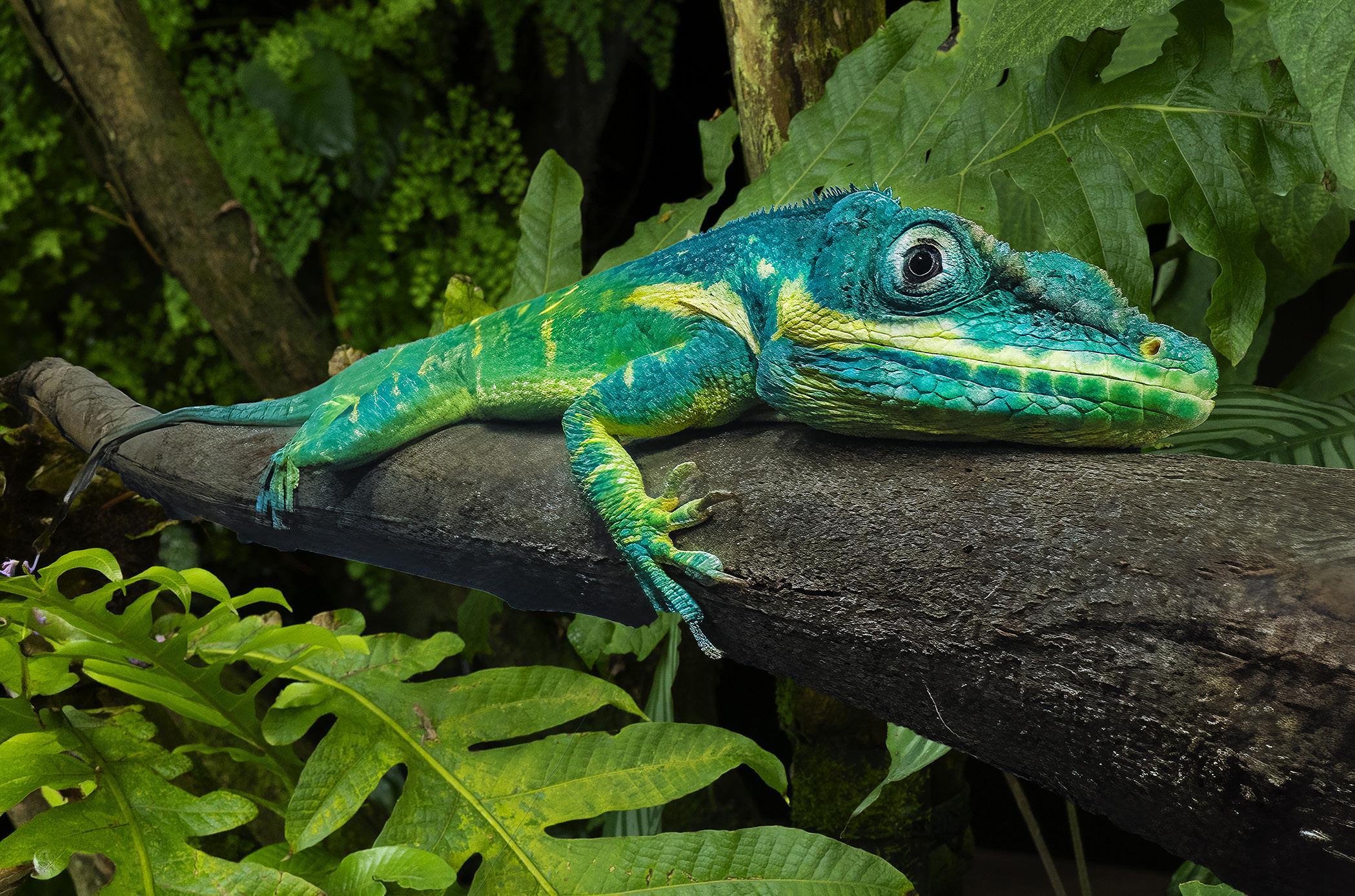
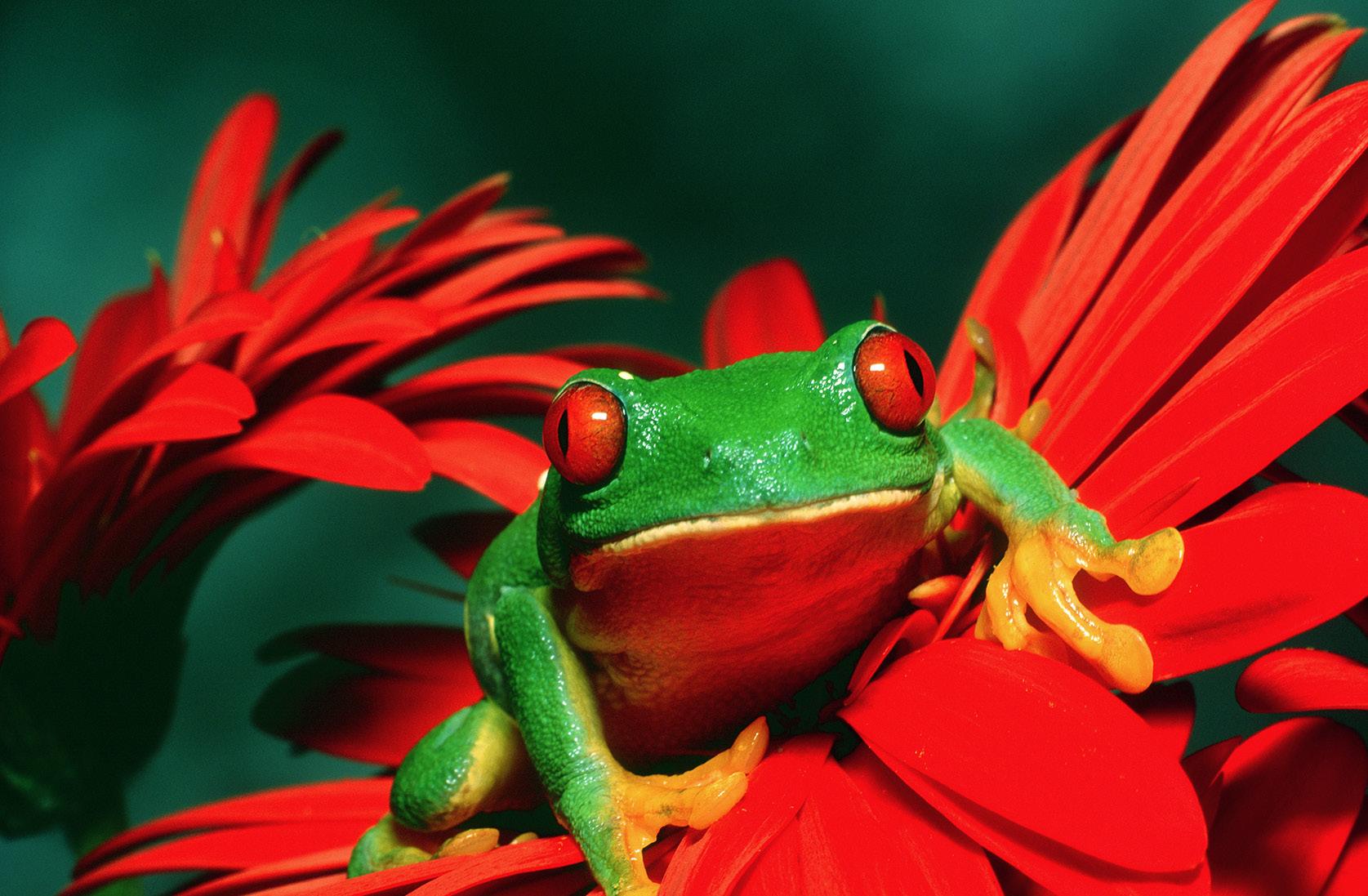
Frog and Reptile
Workshop
June 5 - 6, 2027
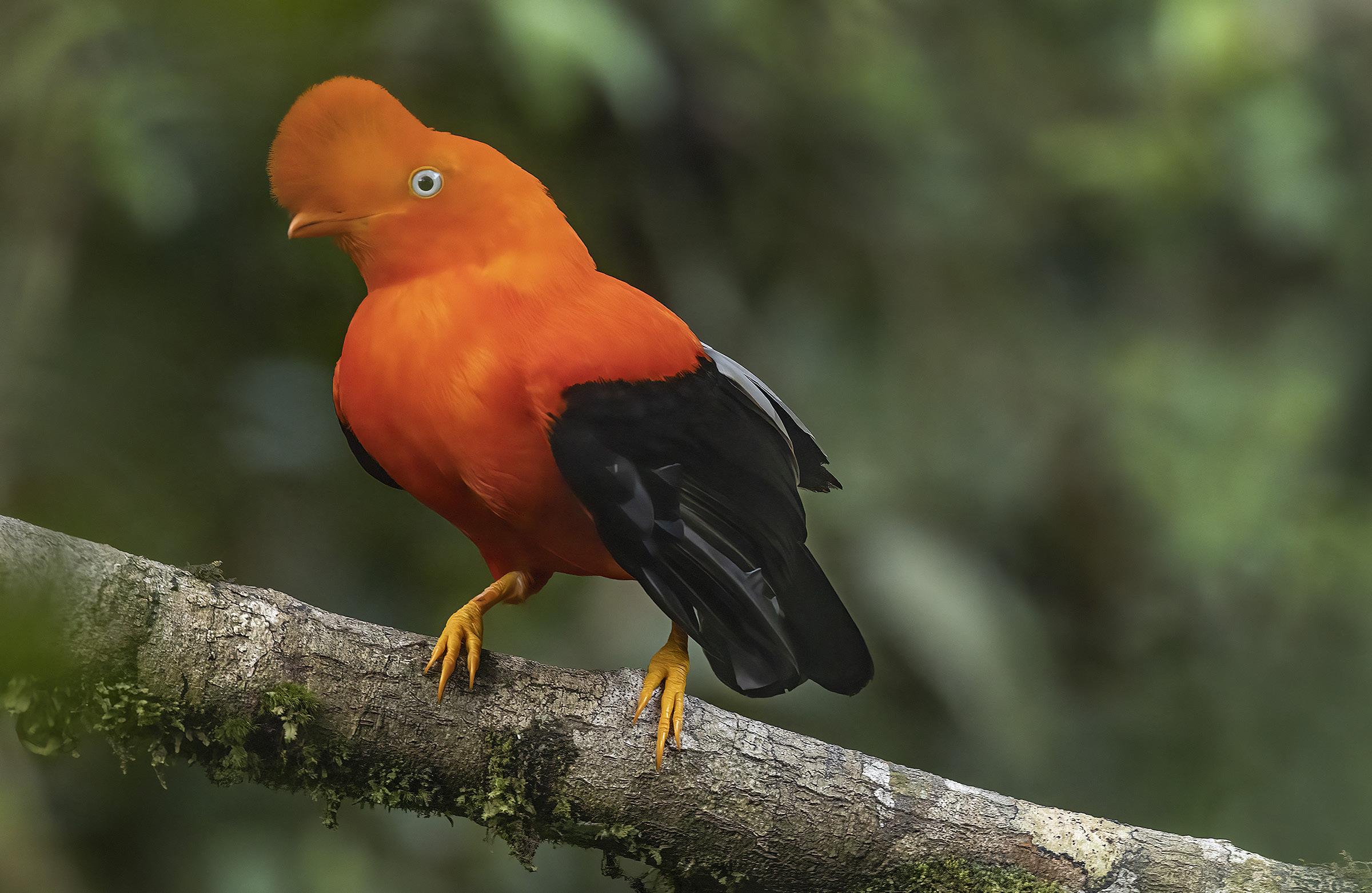
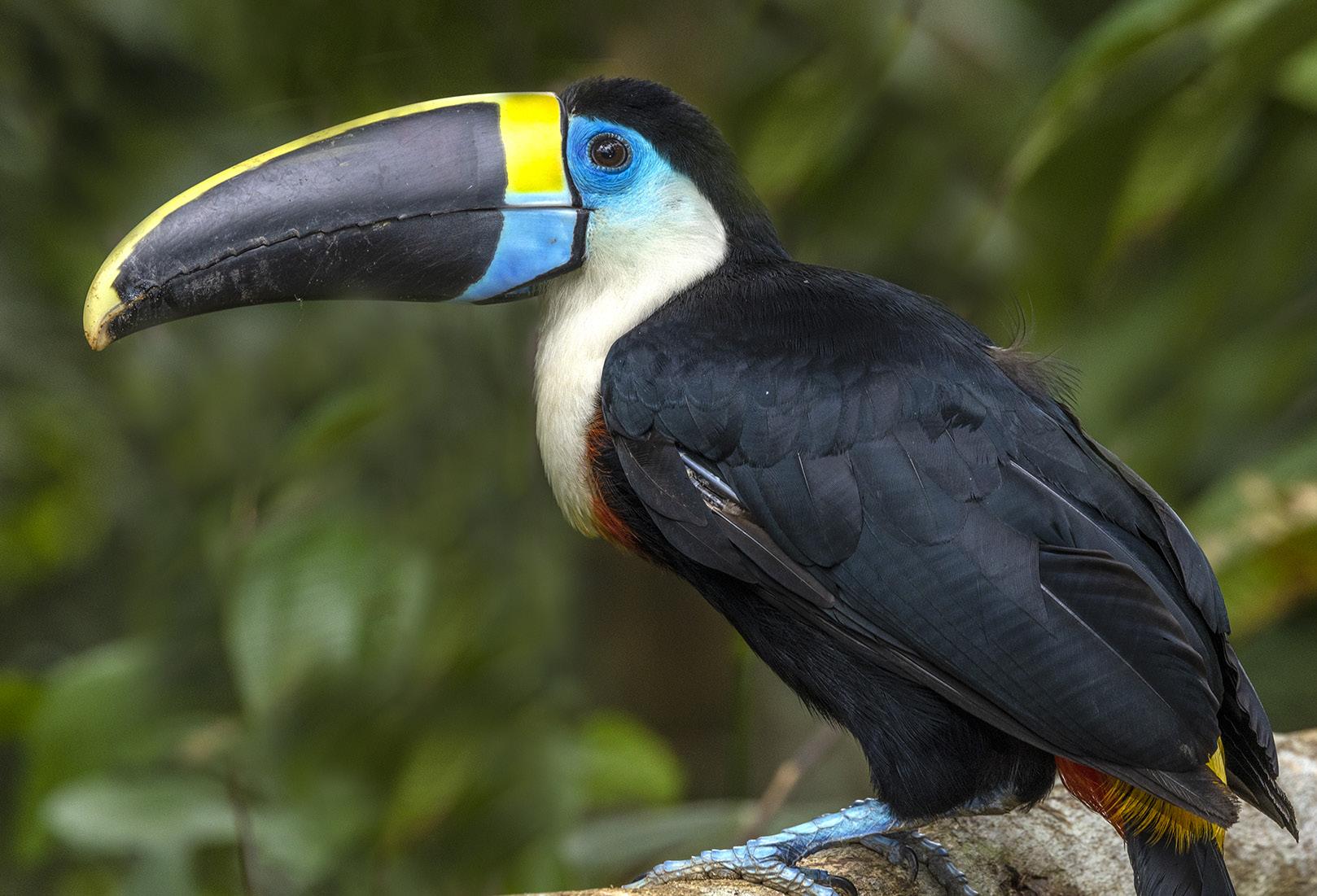
Exotic Birds of Colombia
Sept. 23 to Oct. 3, 2026
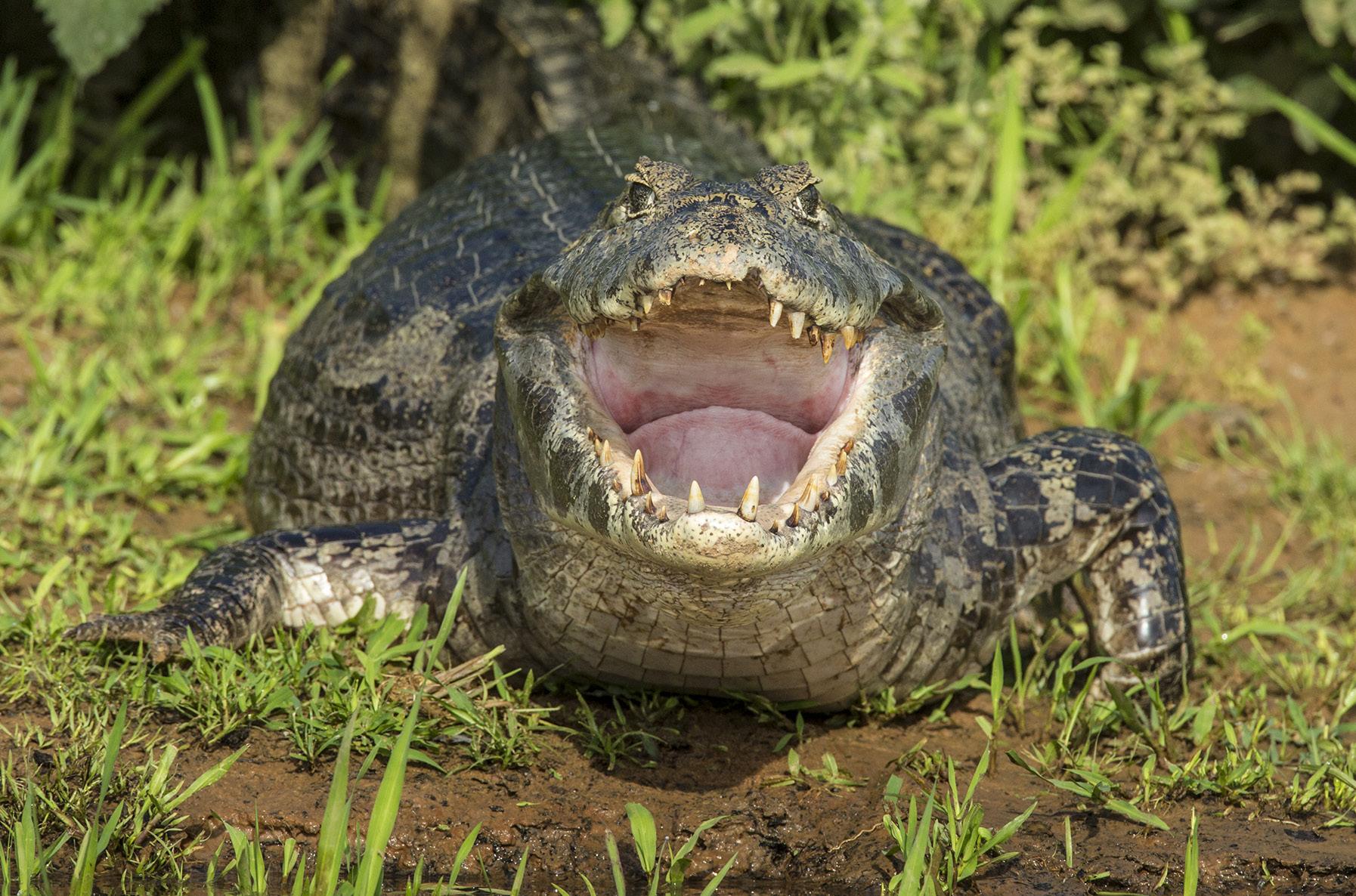
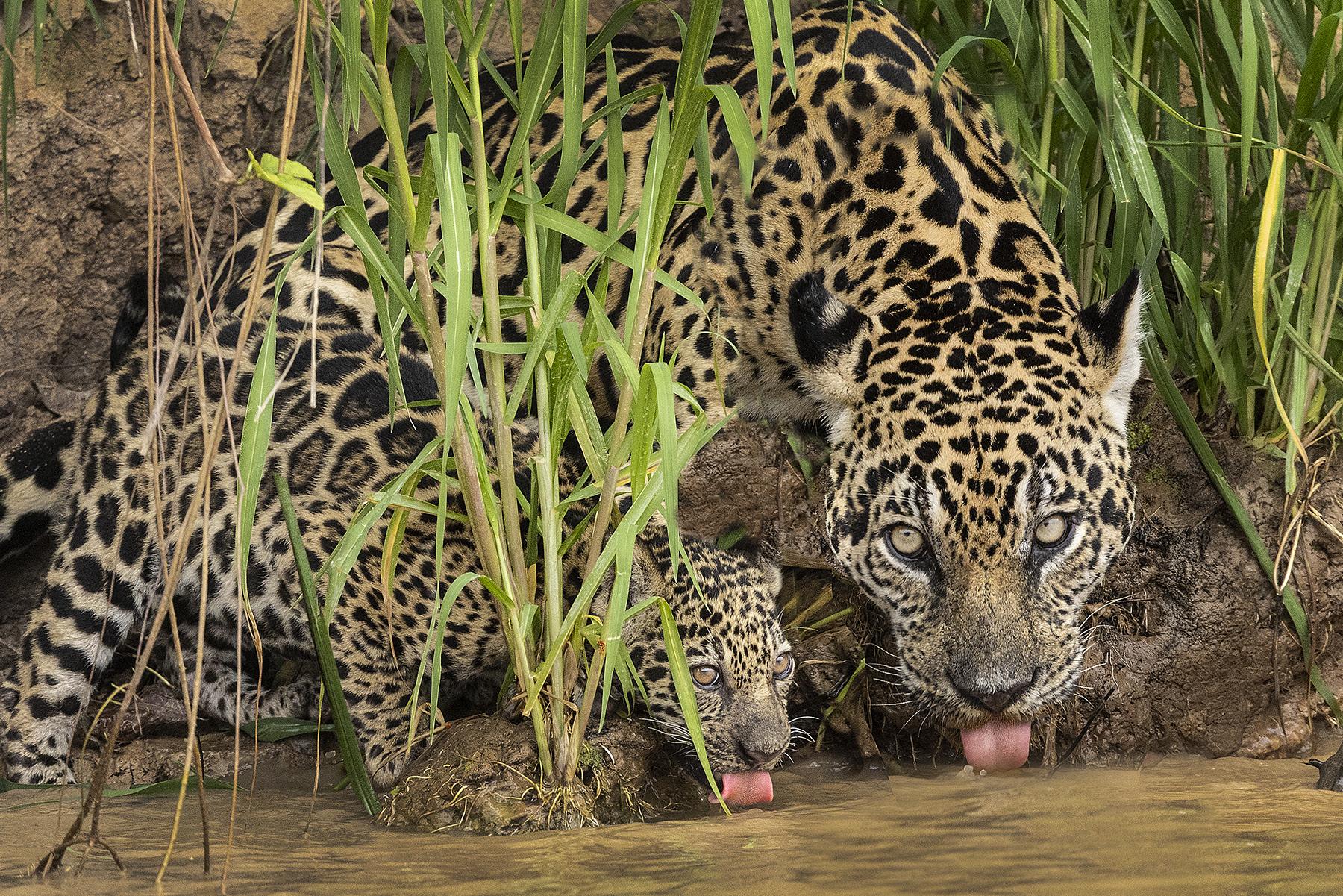
The Pantanal, Brazil
Nov. 11 - 19, 2027
Photography Quiz
1. A lens hood is only effective when shooting directly into the sun.
a. True
b. False
2. The Inverse Square Law states that as the distance between light source and subject is doubled, say from 10 feet to 20 feet, the intensity of the light is reduced by:
a. Half
b. 4 times
c. 3 times
d. 5 times
3. By reducing the power of a flash, two things happen. One of them is the light output is diminished. The other one is:
a. The flash duration is shortened
b. The white balance is changed
c. The light beam narrows
d. All of the above
4. In black and white photography, which filters produce a black sky?
a. Green and yellow filters
b. Neutral density and UV filter
c. Red and yellow filters
d. UV filter and green filter
5. If you see a speck of dust in the viewfinder, it will definitely show up in your pictures.
a. True
b. False
6. The biggest challenge for macro photographers is:
a. Direct sunlight
b. Shallow depth of field
c. The wind
d. All of the above
7. With film view cameras for formats 4x5 and 8x10 inches, photographers would take two identical exposures. They would then develop one and hold one. This addressed the issue of:
a. Achieving the ideal depth of field
b. Insuring a good exposure
c. Preventing unwanted contrast gain
d. Critical focus
8. Back in the day, color infrared film with a red filter turned vegetation what color?
a. Yellow
b. Blue
c. Magenta
d. Black
9. When developing slide film in the darkroom, what color safelight could be used?
a. Red
b. Amber
c. Midnight blue
d. A safelight couldn't be used for slide film development
10. Photographing wildlife is often best done from a low perspective. If your perspective is too high, this can be fixed in Photoshop.
a. True
b. False
Answers on page 50
UPCOMING PHOTO WORKSHOPS
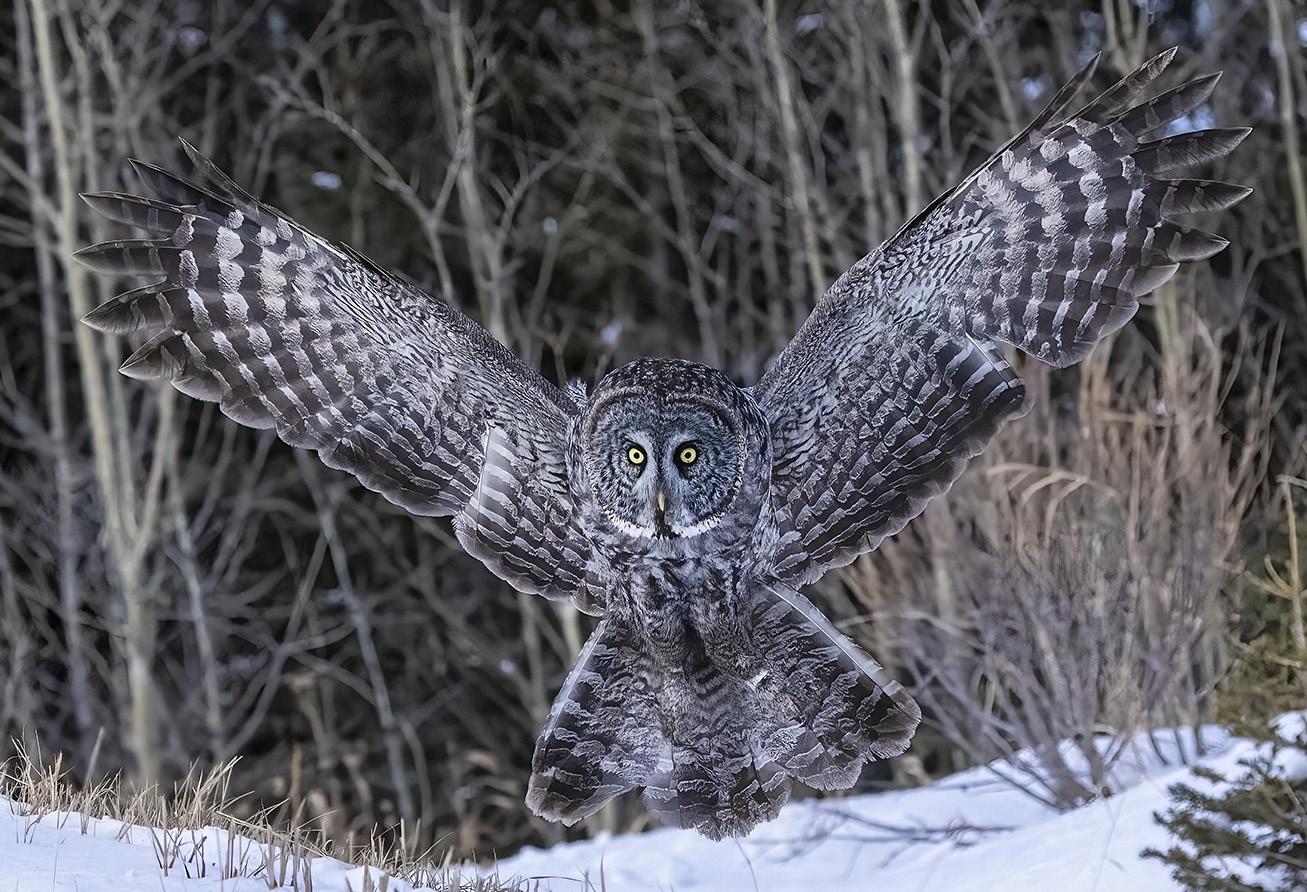
GREAT GRAY OWLS, CANADA
Get up close and personal with these spectacular birds flying with their magnificent wing spans. The slow flying owls are easy to photograph, even for beginners, and you will absolutely love your pictures!
February 13 - 18, 2027
TEXAS BIRDS
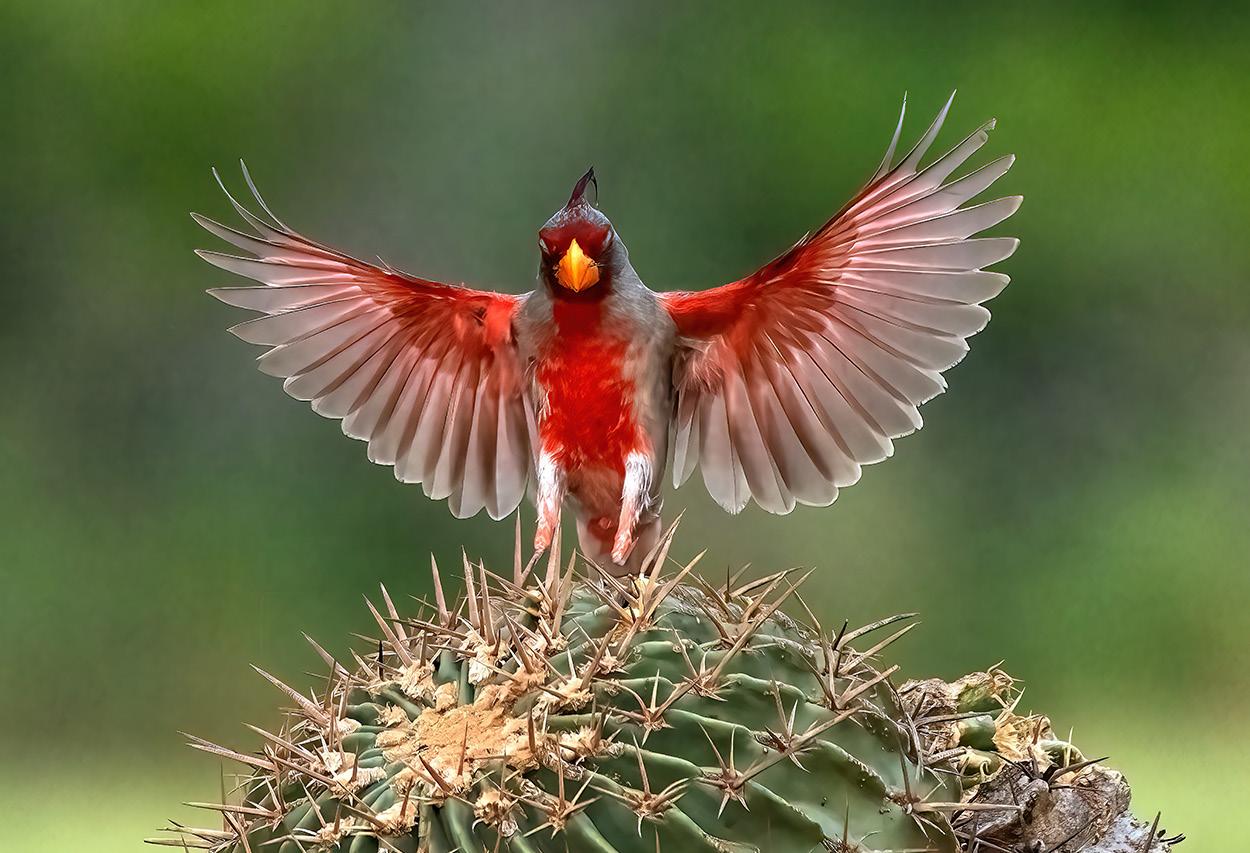
Get up close and personal to many species of exotic and colorful birds. We shoot from a blind and get frame-filling shots of cardinals, green jays, crested caracaras, painted buntings, and more. Based in McAllen, Texas.
May 12 -15, 2027
FROG & REPTILE
WORKSHOP
in Kansas City
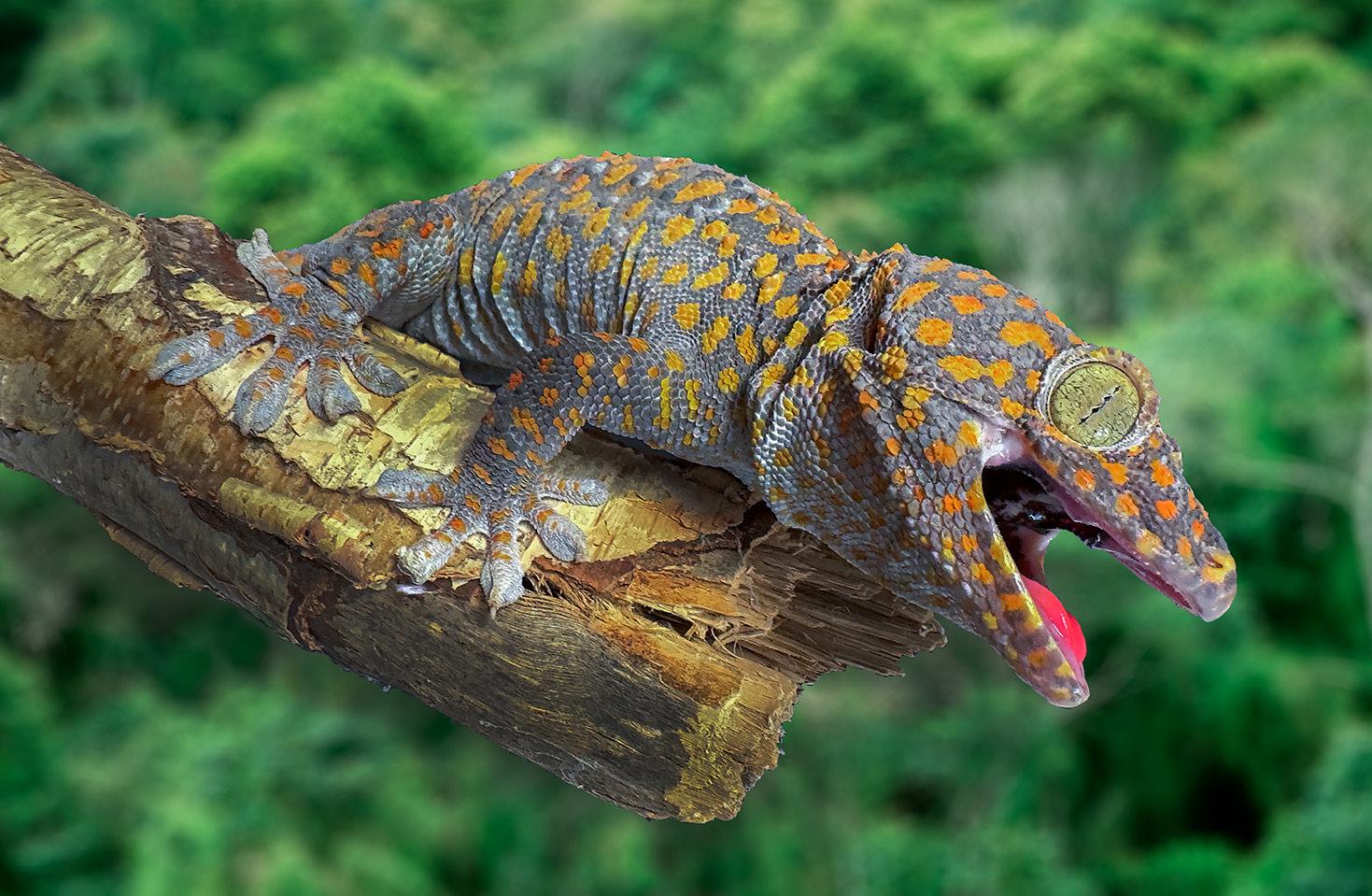
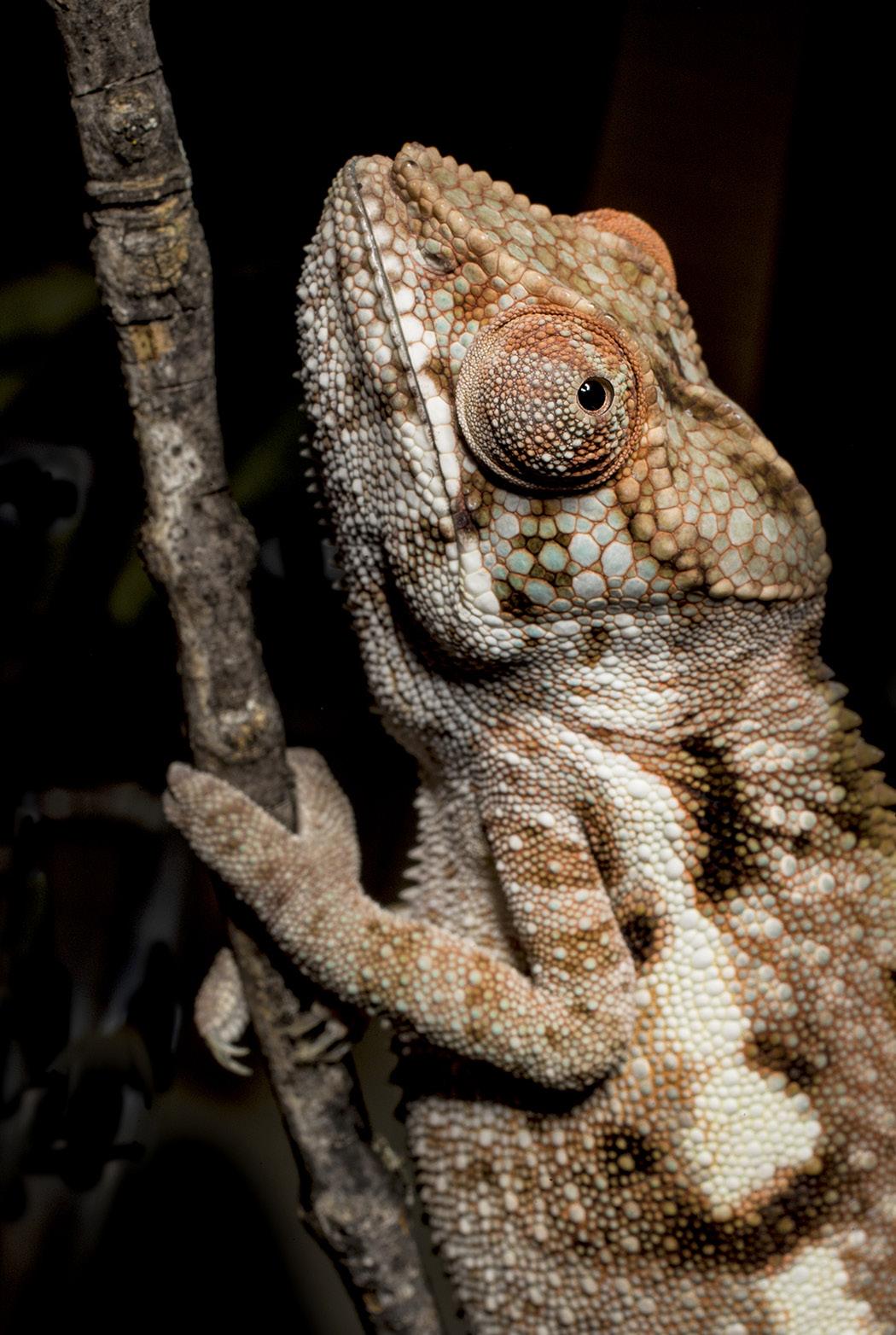
This is an exciting macro workshop in which you will be able to photograph about 40 species of colorful dart frogs and exotic reptiles. Held in a hotel conference room, Jim sets up natural backgrounds for outstanding photos. The photo at left shows a Jackson chameleon with the background replaced in Photoshop.
June 5 - 6, 2027




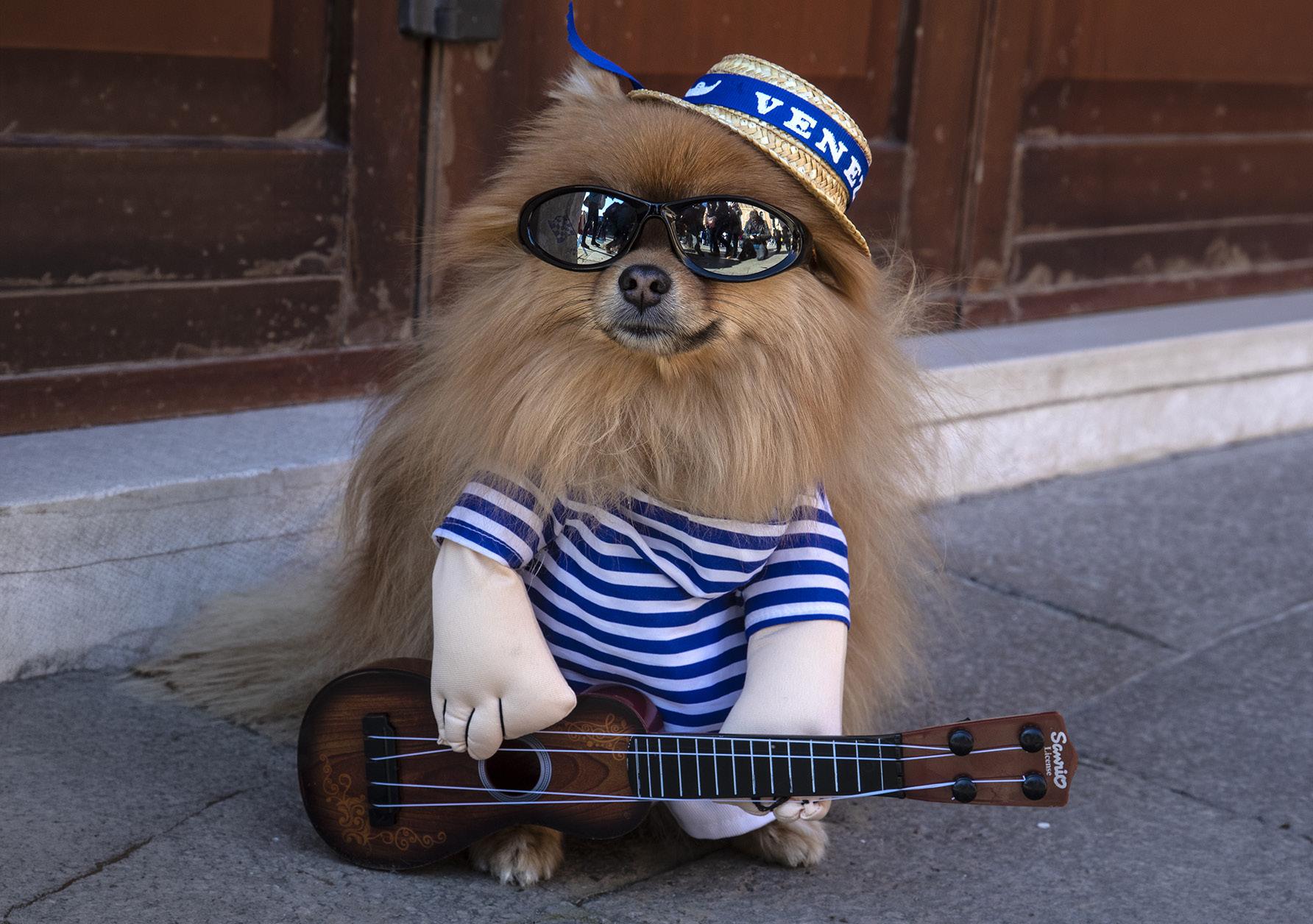
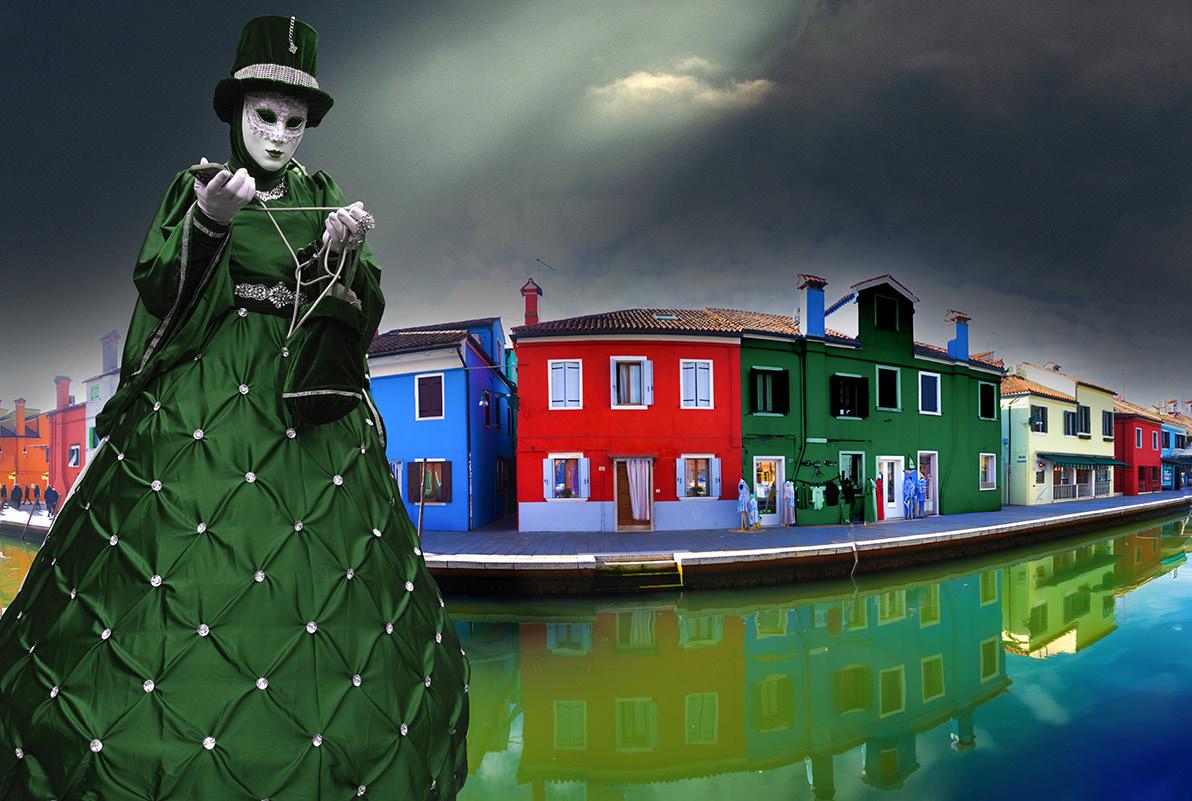
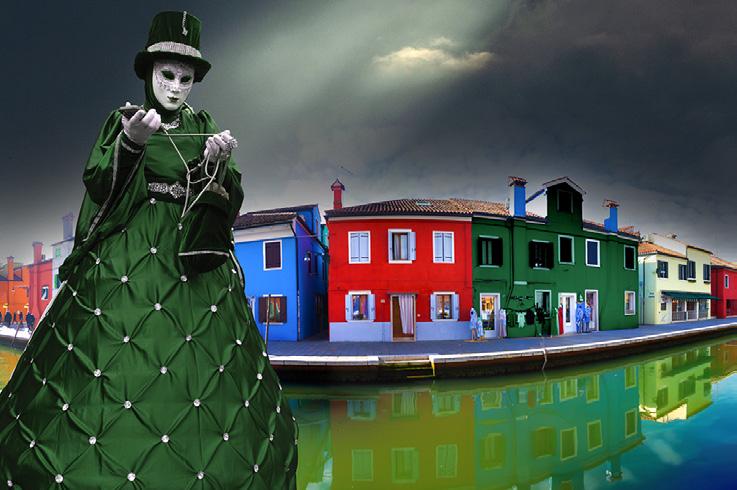
Carnival in Venice
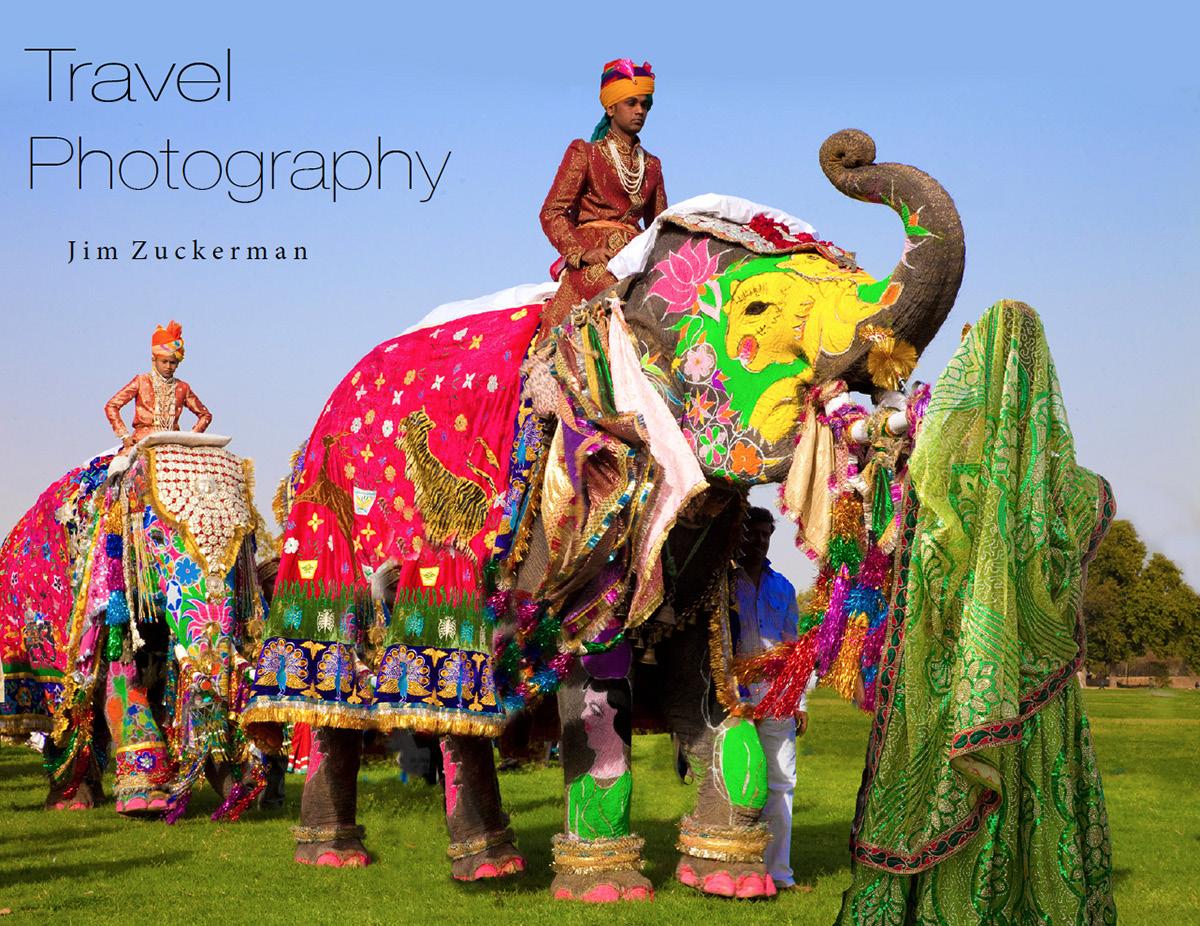
January 30 - February 5, 2027
What's Wrong with this Picture?
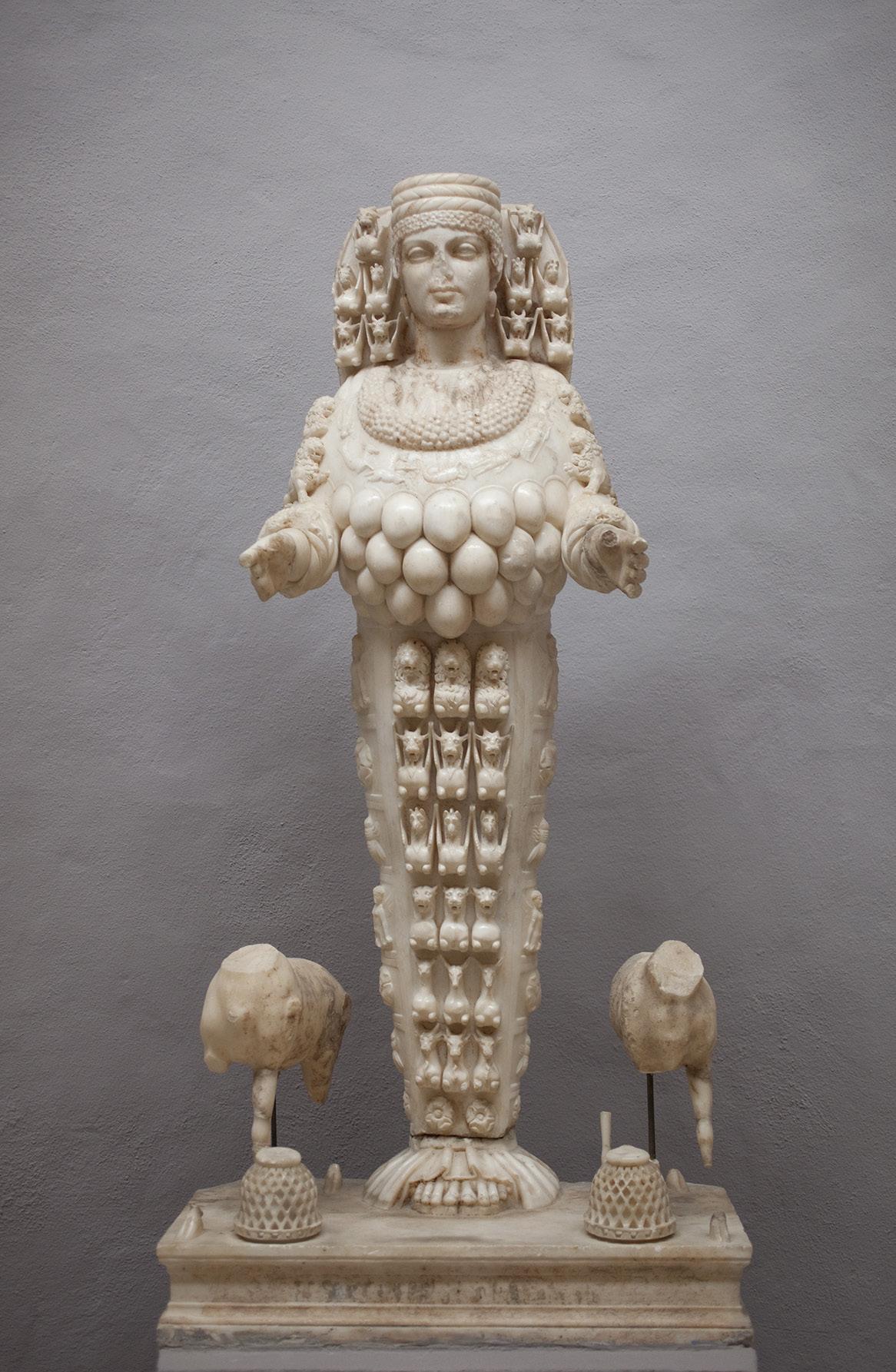
T.here is really nothing wrong with this picture per se. This is the famous Goddess Artemis statue found in the 10th century B.C. ruins of Ephesus in Turkey. The background is plain, and while it doesn't dramatize the figure in any way, it's not distracting. So many museum environments are distracting to the artwork you want to photograph, so it was nice to encounter a museum display so easy to shoot.
However, I thought I could make it better. The version on the next page is, in my opinion, significantly more visually impactful. The dark border, the added color, and the gradient dramatize the image and forcest our attention on the ancient statue.
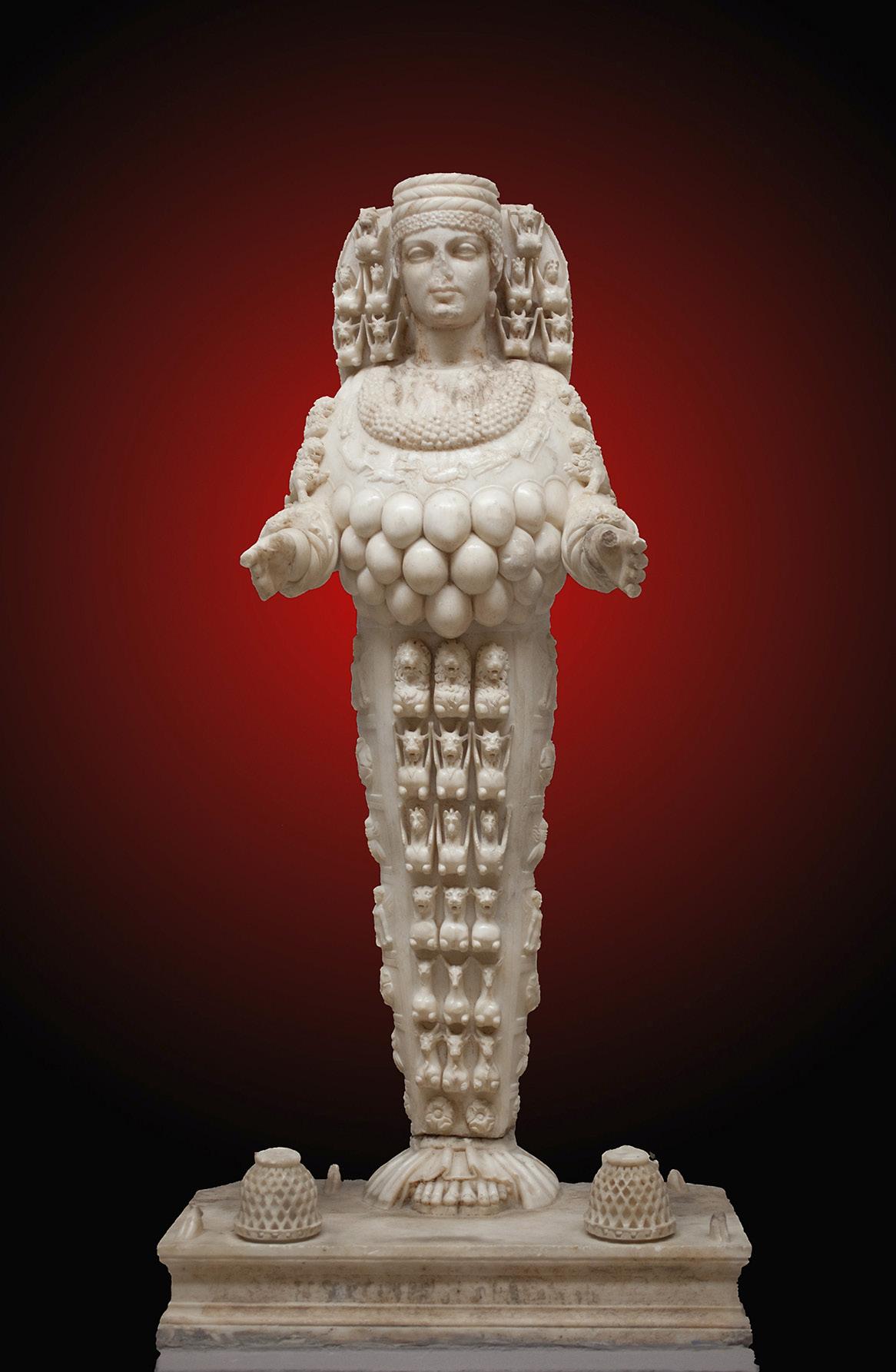
To make these changes, first I used Select > subject to select the marble statue. Then I selected only the background and not the statue by using Select > inverse. Next, I clicked on the foreground color at the bottom of the tool palette and chose 'red' and then clicked on the background color box and selected 'black'.
After this, I clicked on the gradient tool. When this tool is active , five small icons appear at the top left of the screen. See the screen capture below. Click the second icon from the left (red arrow); this is the circular gradient tool. I dragged the cursor from the center of the statue to the upper right, and that created the circular color gradient simulating a spotlight on the background. §

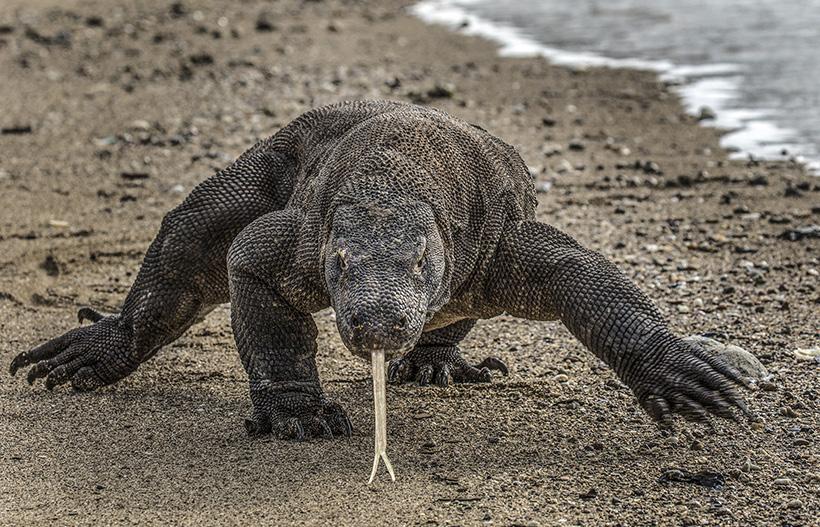
Indonesia Wildlife
October 29 - November 8, 2027
SHORT AND SWEET
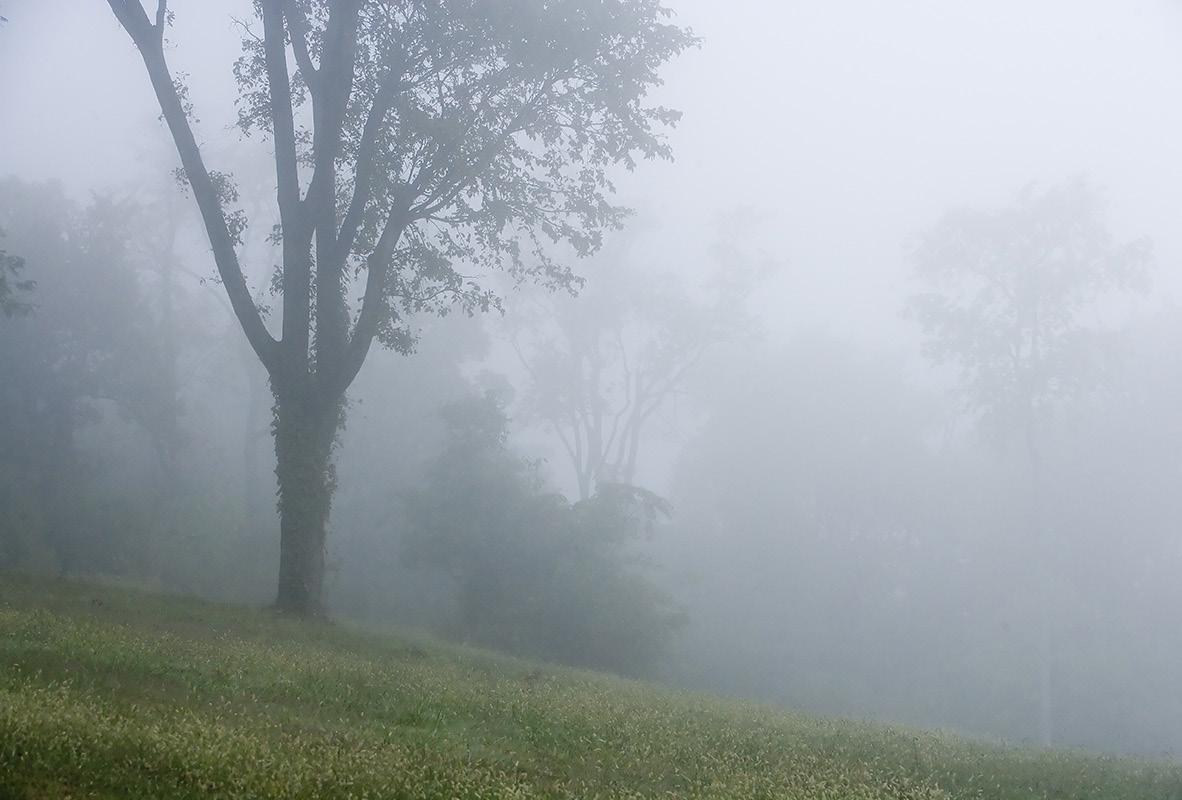
1. When photographing foggy conditions, be careful not to underexpose the images. The whiteness in the air deceives the meter. Use either the exposure compensation feature in the camera to lighten the images or shoot in manual. How much you overexpose the image depends on atmospheric conditions, but I would consider one f/stop.
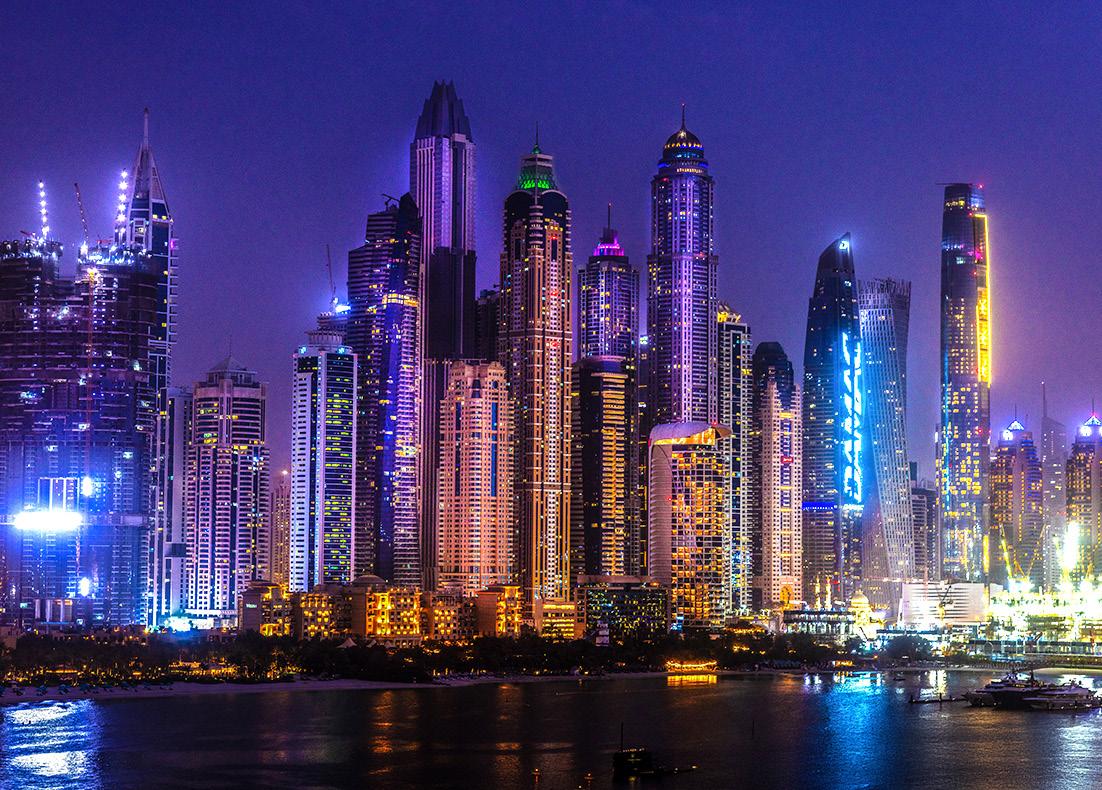
3. The best time to photograph city skylines, and architecture in general, is twilight, i.e. the Blue Hour. When there is still a little light in the sky so it takes on a cobalt blue color, and many lights are on in the buildings, the city takes on a magical, ethereal look. This shot is the skyline of Dubai.
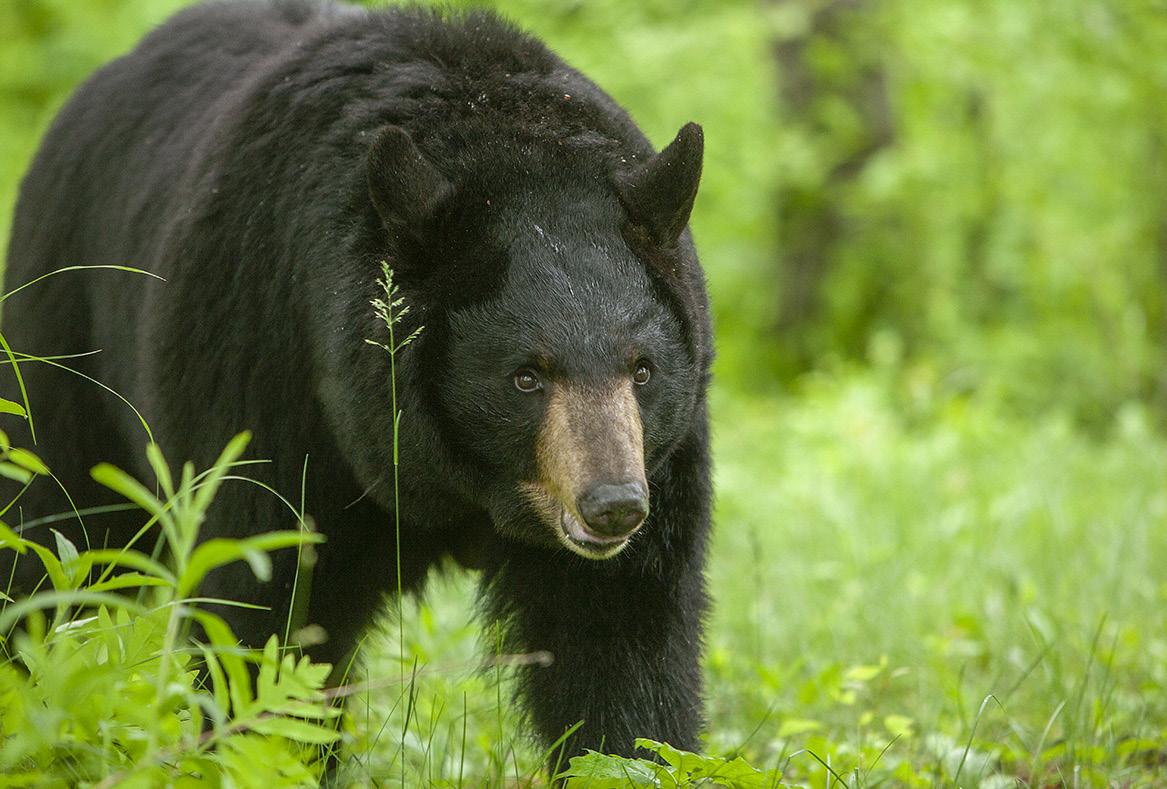
2. The best way to capture detail in very dark subjects, like this black bear, is to photograph in diffused light. Direct sunlight creates too much contrast; the shadows go very dark or black, thus detail is lost. Postprocessing techniques won't, in many cases, be able to recover that lost detail. Only a cloud cover will make it possible to hold detail in the dark shadows.
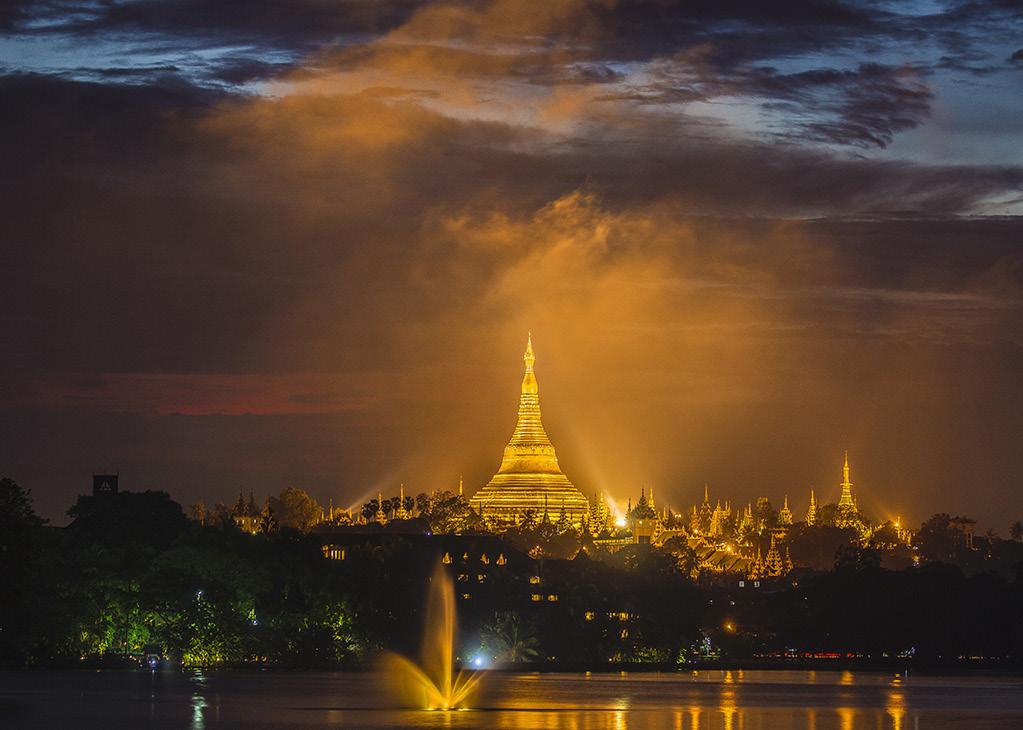
4. This is Schwedagon Pagoda in Yangon, Myanmar (Burma). I photographed it at twilight from a balcony in my hotel when I was there last time. When I travel, I try to find hotels with great views of the city for photographic purposes. Thanks to the Internet, we can now do extensive visual research. §
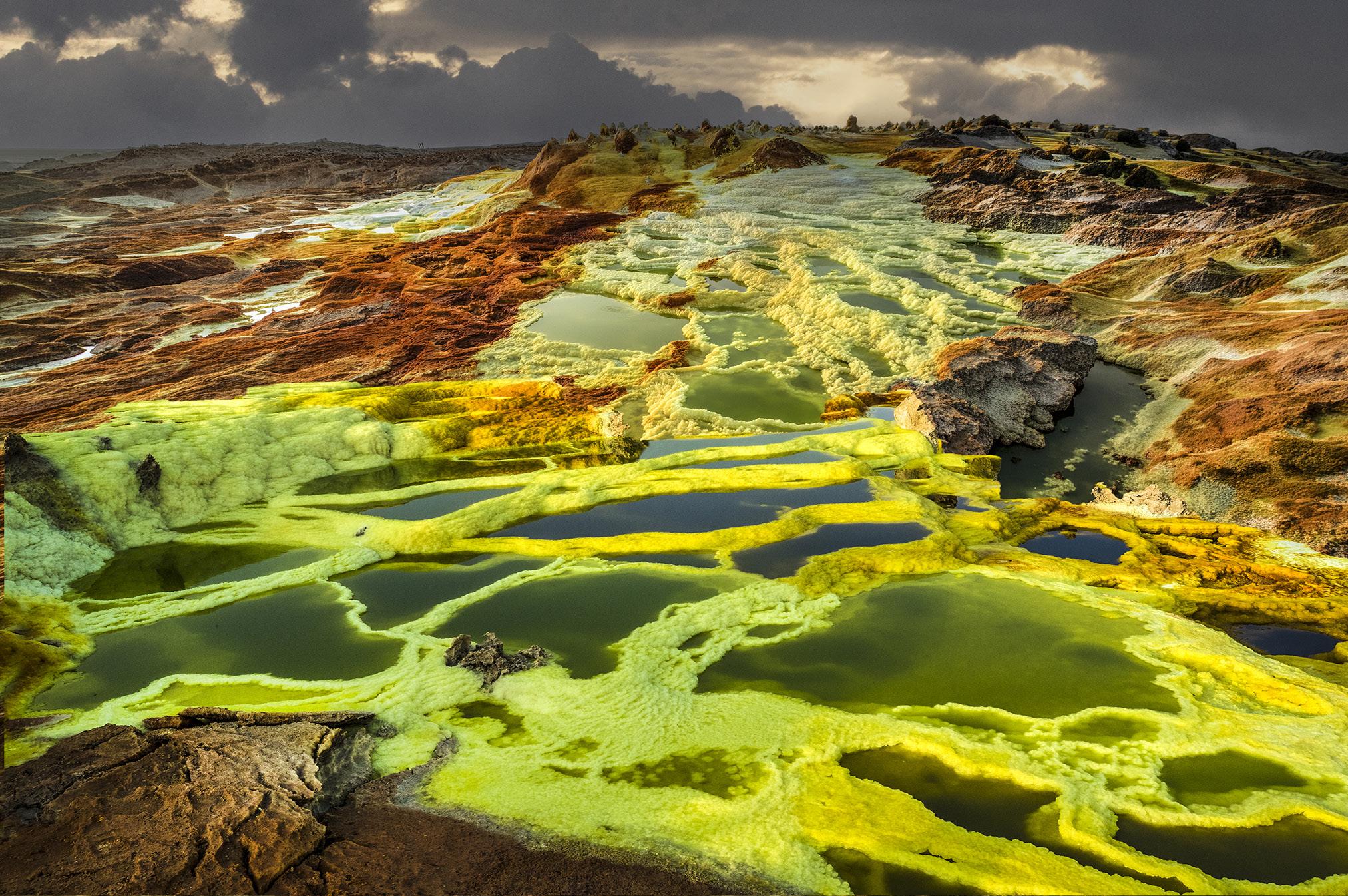
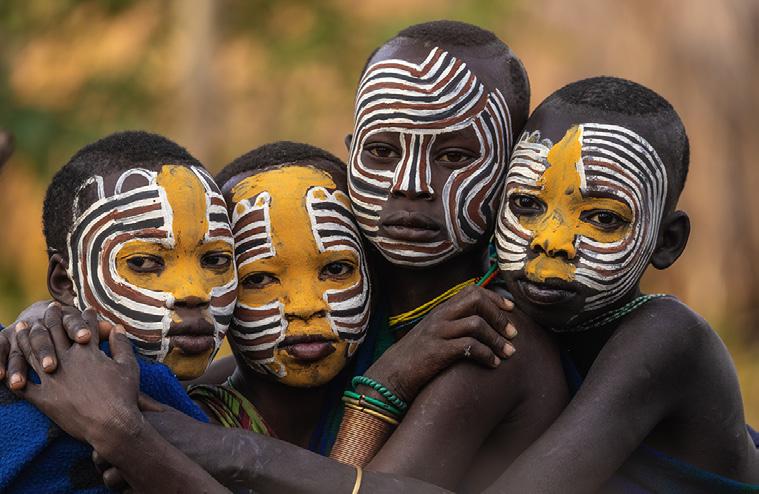
Ethiopia photo tour
Go back in time 20,000 years
January 5 - 18, 2027
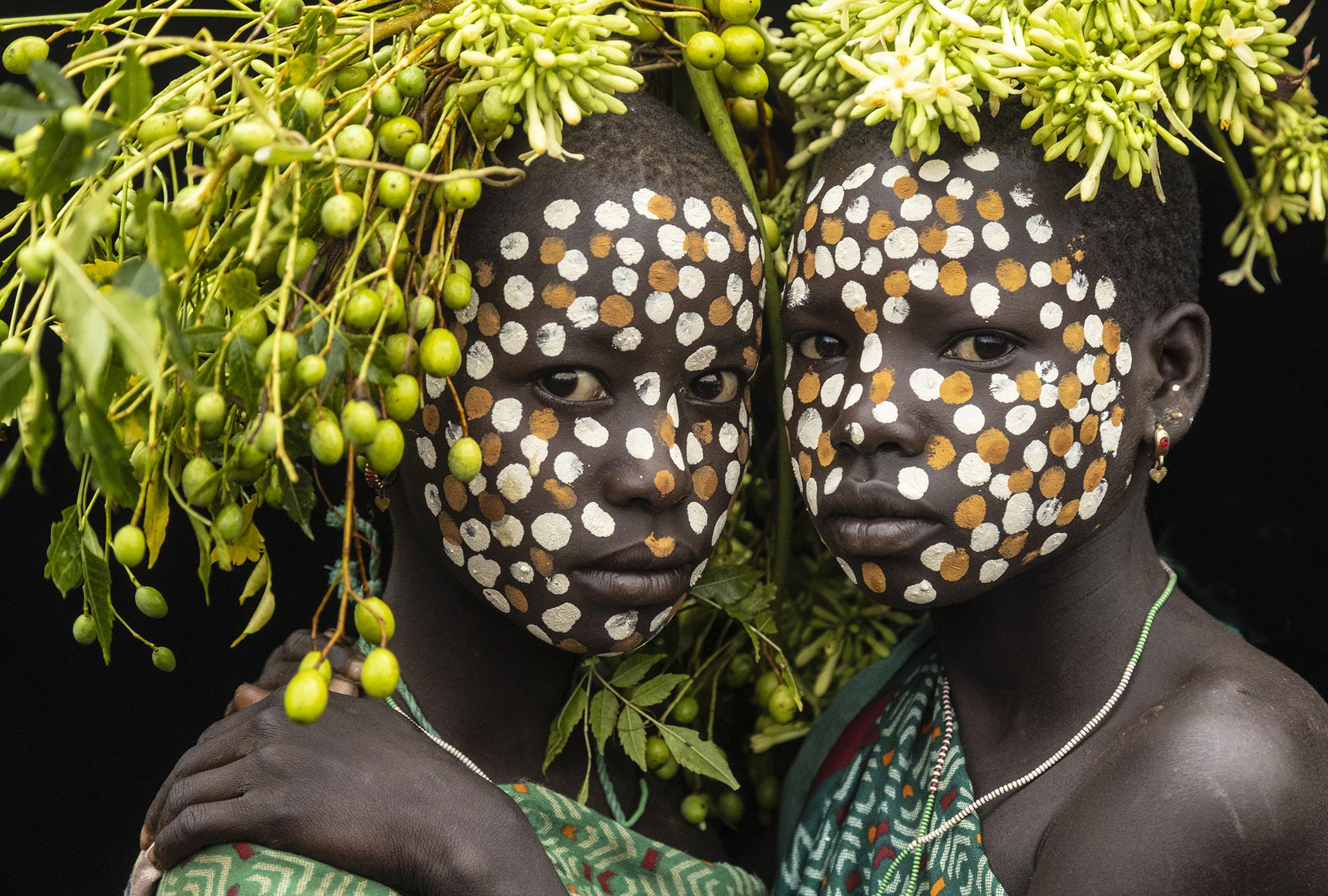
Surma tribe
Dallol Depression
ASK JIM
Every month, Jim answers a question from his online students, from people who participate in his tours and workshops, or from subscribers to this magazine. If you have a question you’d like Jim to answer, please drop him a note at photos@jimzuckerman.com.
Q: Jim . . .What is the highest ISO you'll use, knowing you can mitigate the noise with Topaz DeNoise AI in post processing?
Lance Collins, Savannah, Georgia
A: Good question, Lance. Before my last trip to South Africa, the highest ISO I used was 12,800. And this was by mistake. I was using auto ISO in Canada during the winter and hadn't realized how dark it had become. My ISO crept up to 12,800, but in post when I applied Topaz, the noise disappeared. I was amazed.
Then, in 2022 I was shooting from a blind in South Africa through one way glass (about one f/stop light loss) at dawn. There were two lights on the animals that came to drink, but it was very, very dark. In order for me to maintain a shutter speed of 1/125 (at f/4) to insure sharp pictures, I had no choice but to use 40,000 ISO! I had never done that before (or since). The image in question is below. I ran it through Topaz DeNoise AI twice and then Topaz Sharpen AI twice. Much to my surprise, it looks as if I'd used 800 ISO when I enlarge the image on my computer.
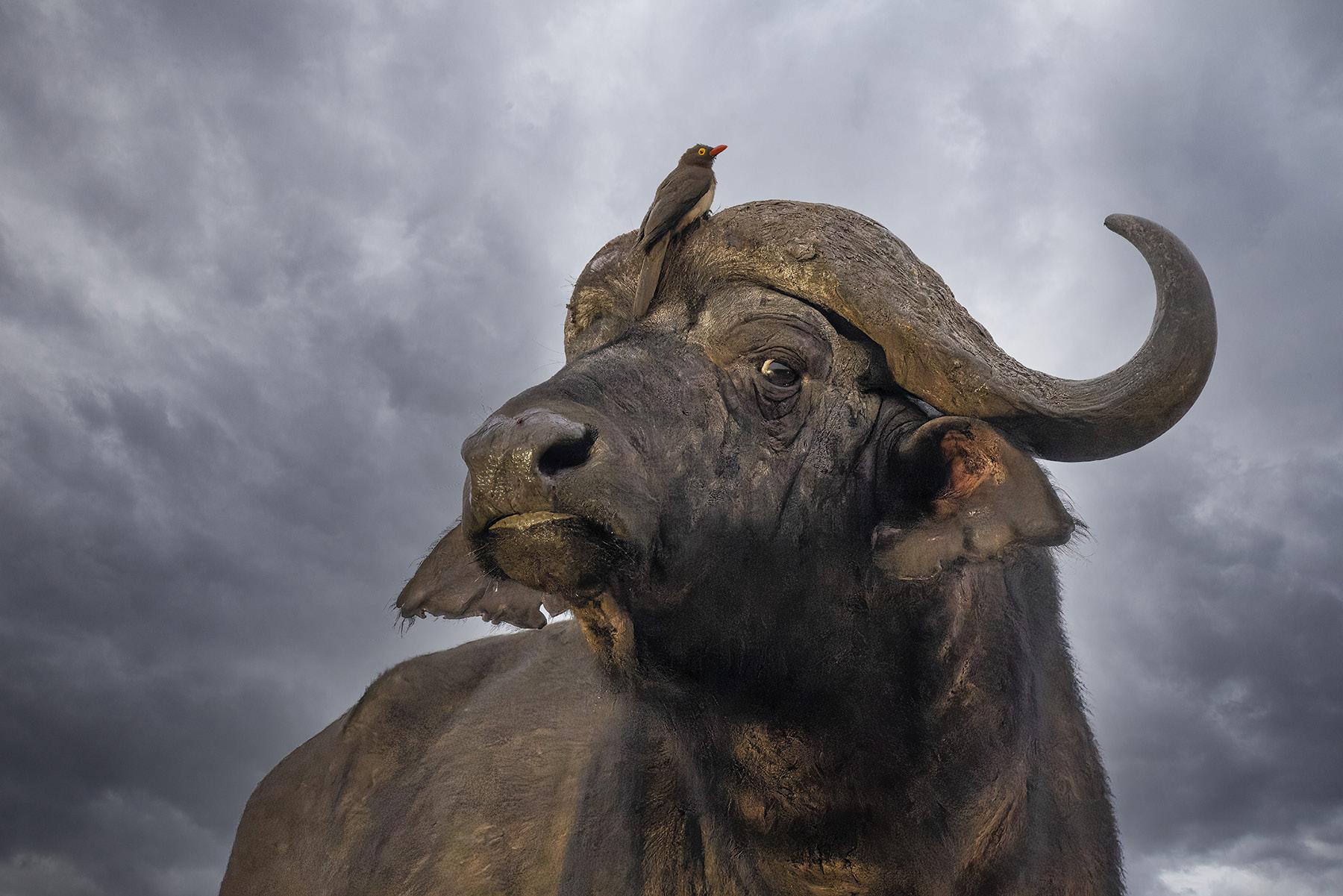
Partial List of Photography Tours
2026 - 2027
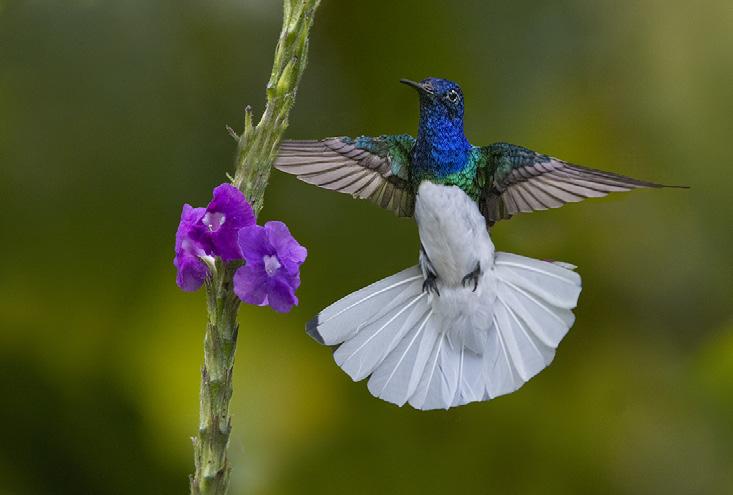
EXOTIC COLOMBIA BIRDS
Sept/Oct 2026
ETHIOPIA
Jan 2027
LAVENDER FIELDS, FRANCE
July 2027
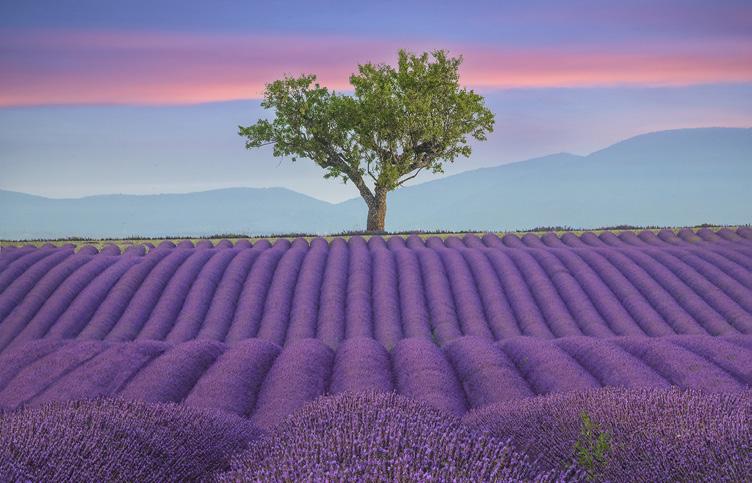
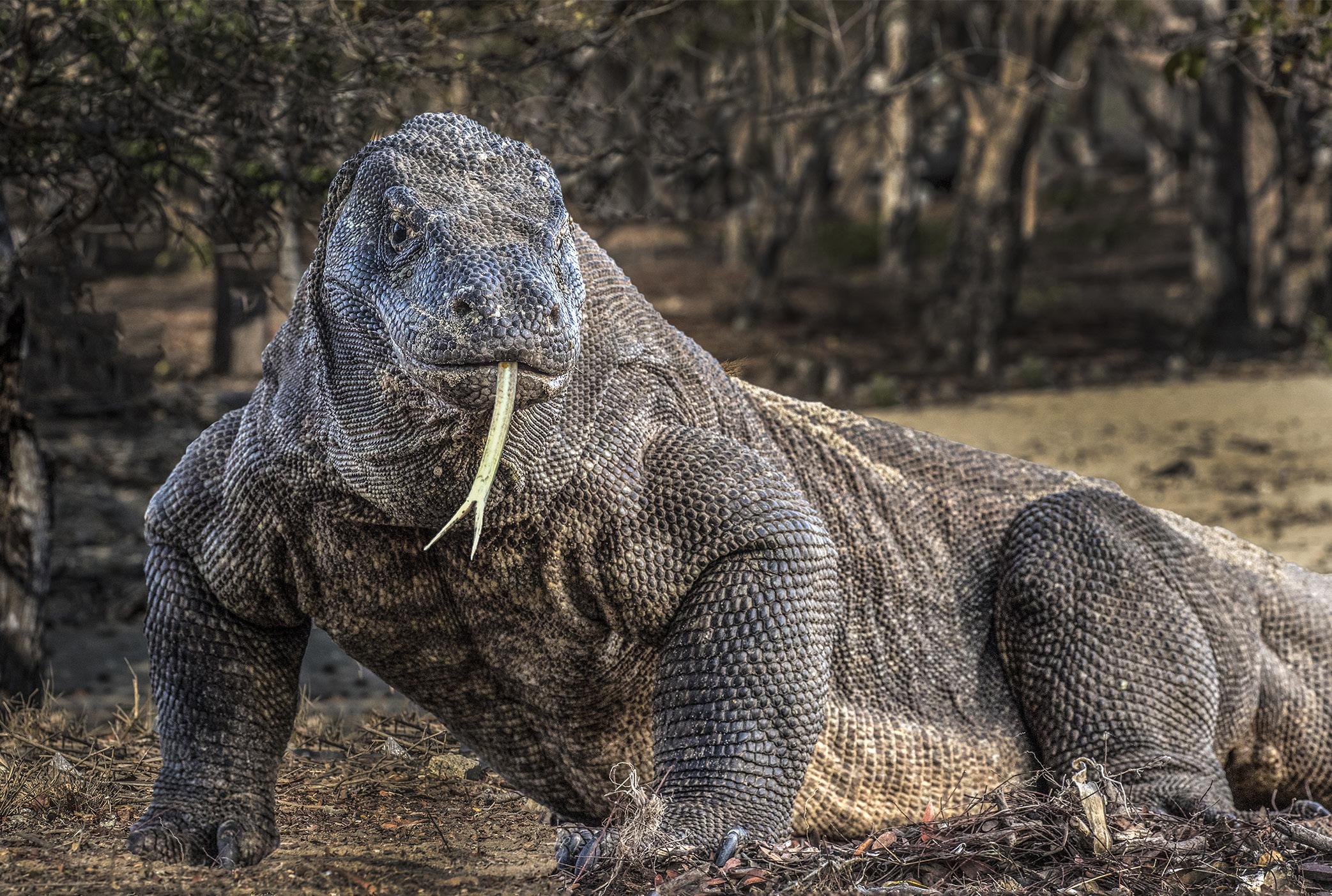
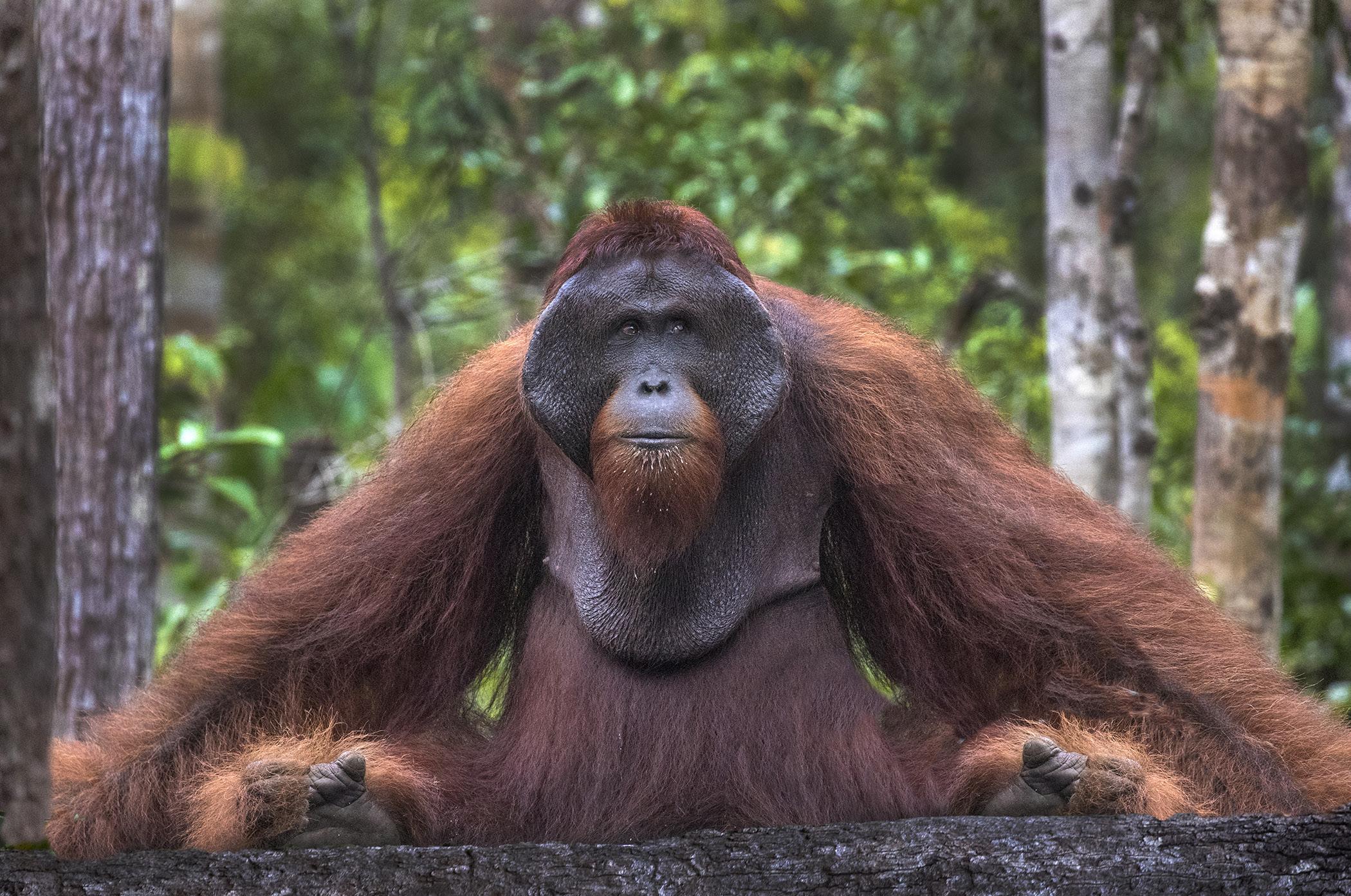
INDONESIA WILDLIFE
Oct/Nov 2027
DUBAI & ABU DHABI Nov 2026

CARNIVAL in VENICE
Jan/Feb 2027
CHILE:THE DESERT to the SEA Sep 2027
THE PANTANAL, BRAZIL Nov 2027
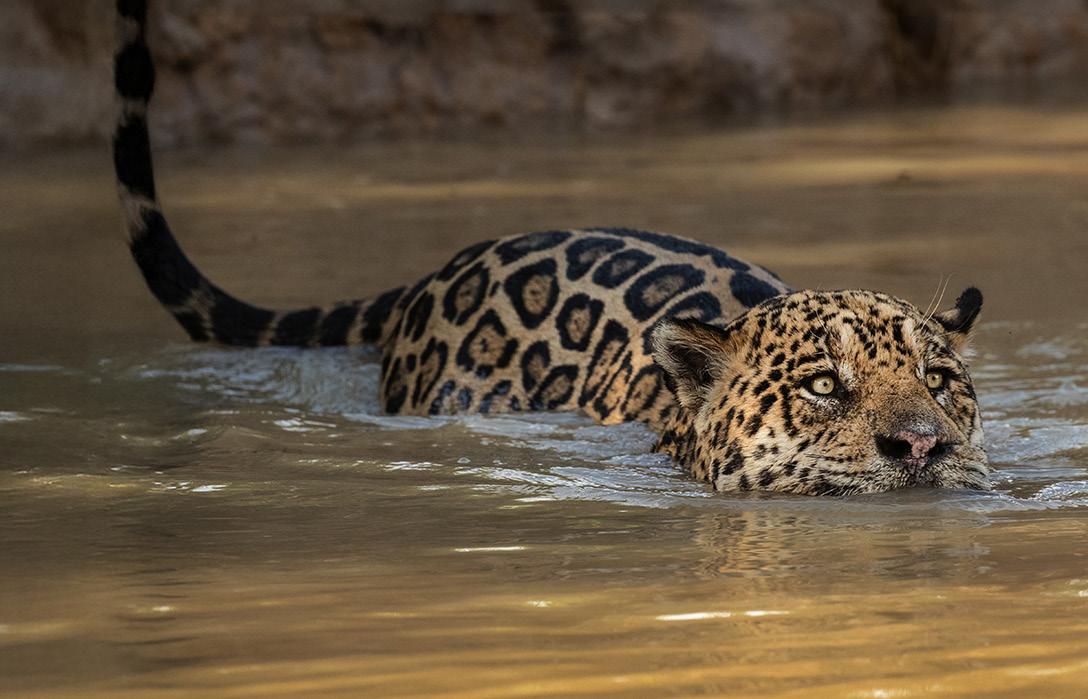
WINTER WILDLIFE WORKSHOP Dec 2026
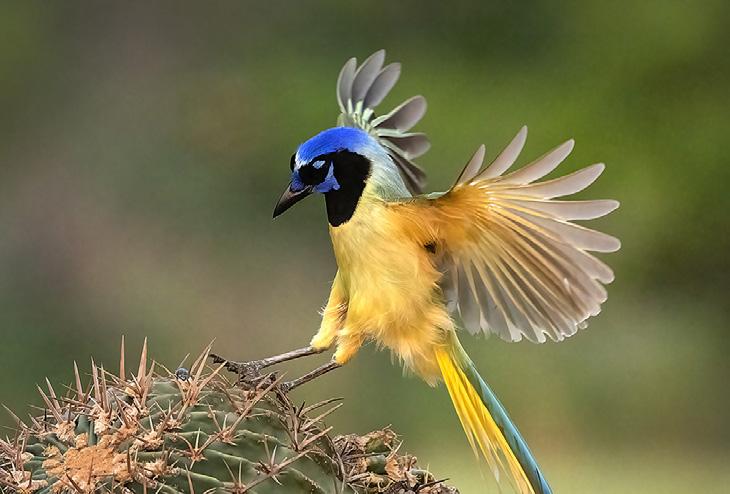
TEXAS BIRDS WORKSHOP May 2027
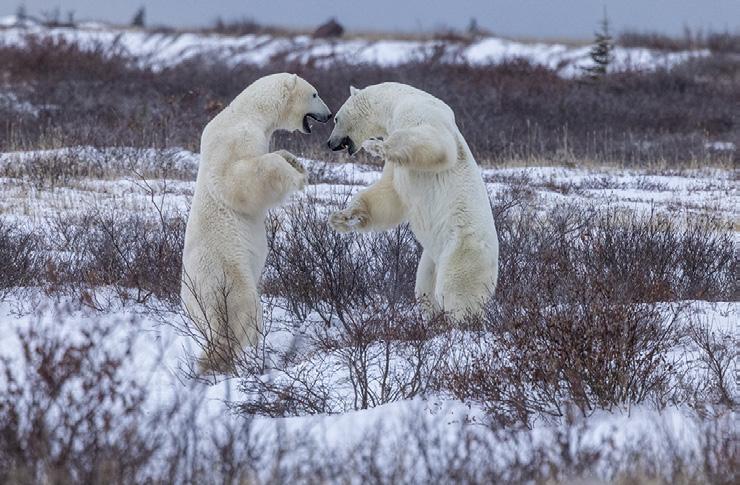
POLAR BEARS Oct 2027
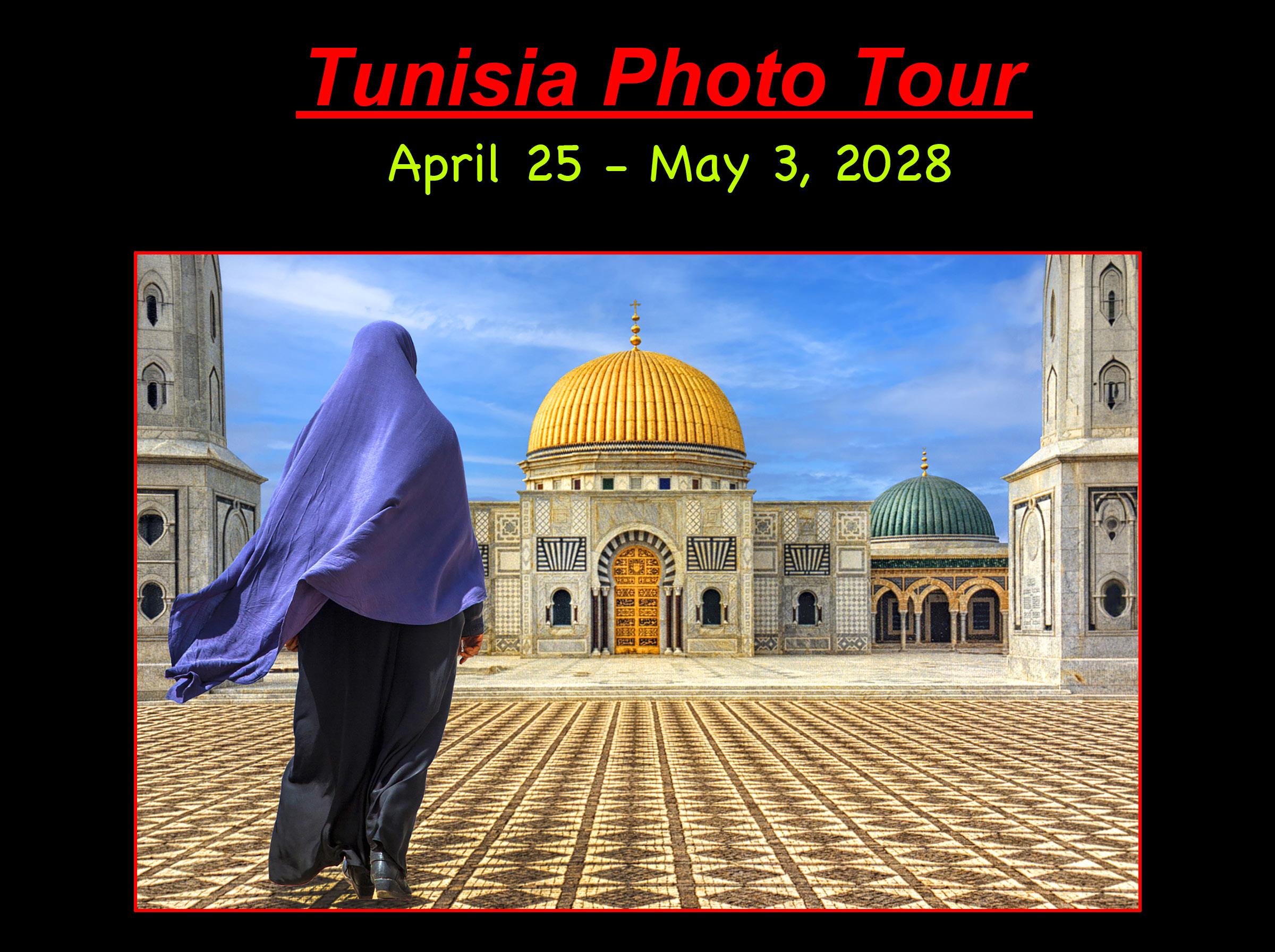
TUNISIA
April/May 2028
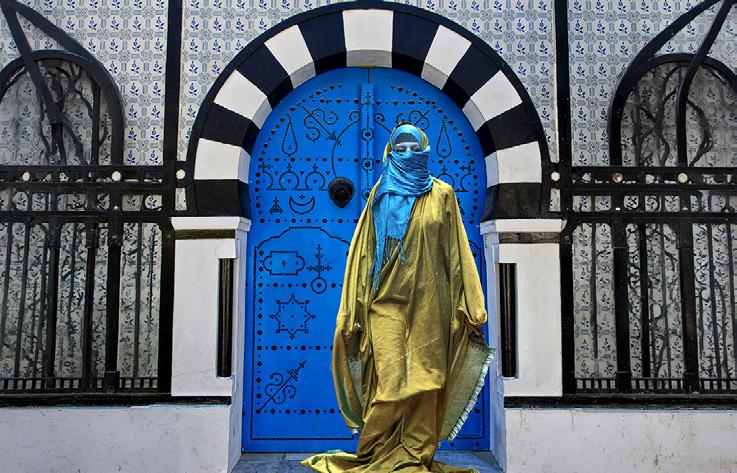
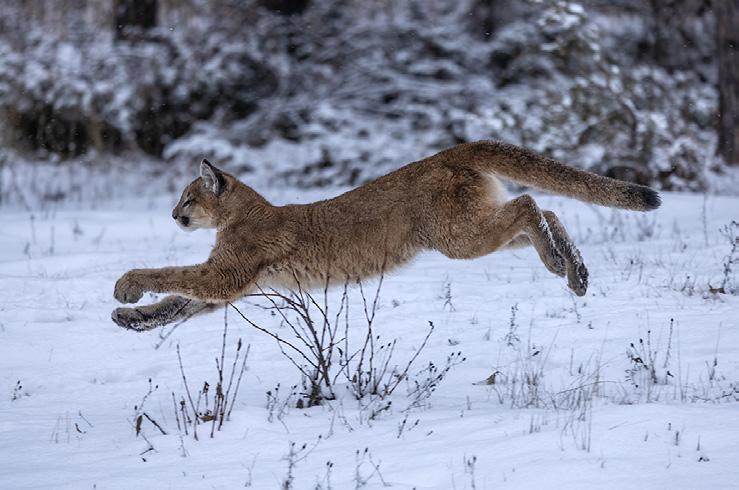
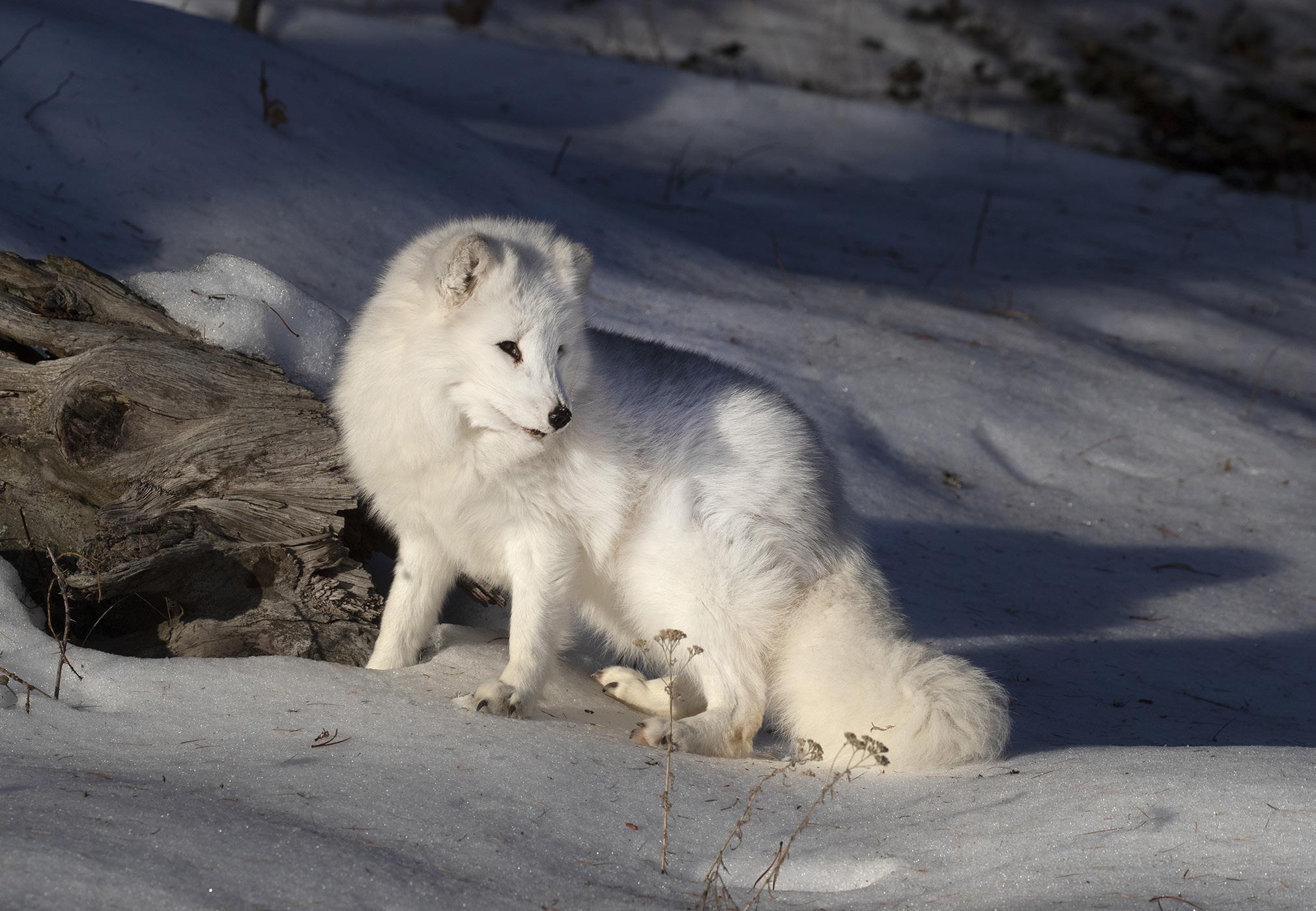
WINTER WILDLIFE WORKSHOP
December 16 - 20, 2026
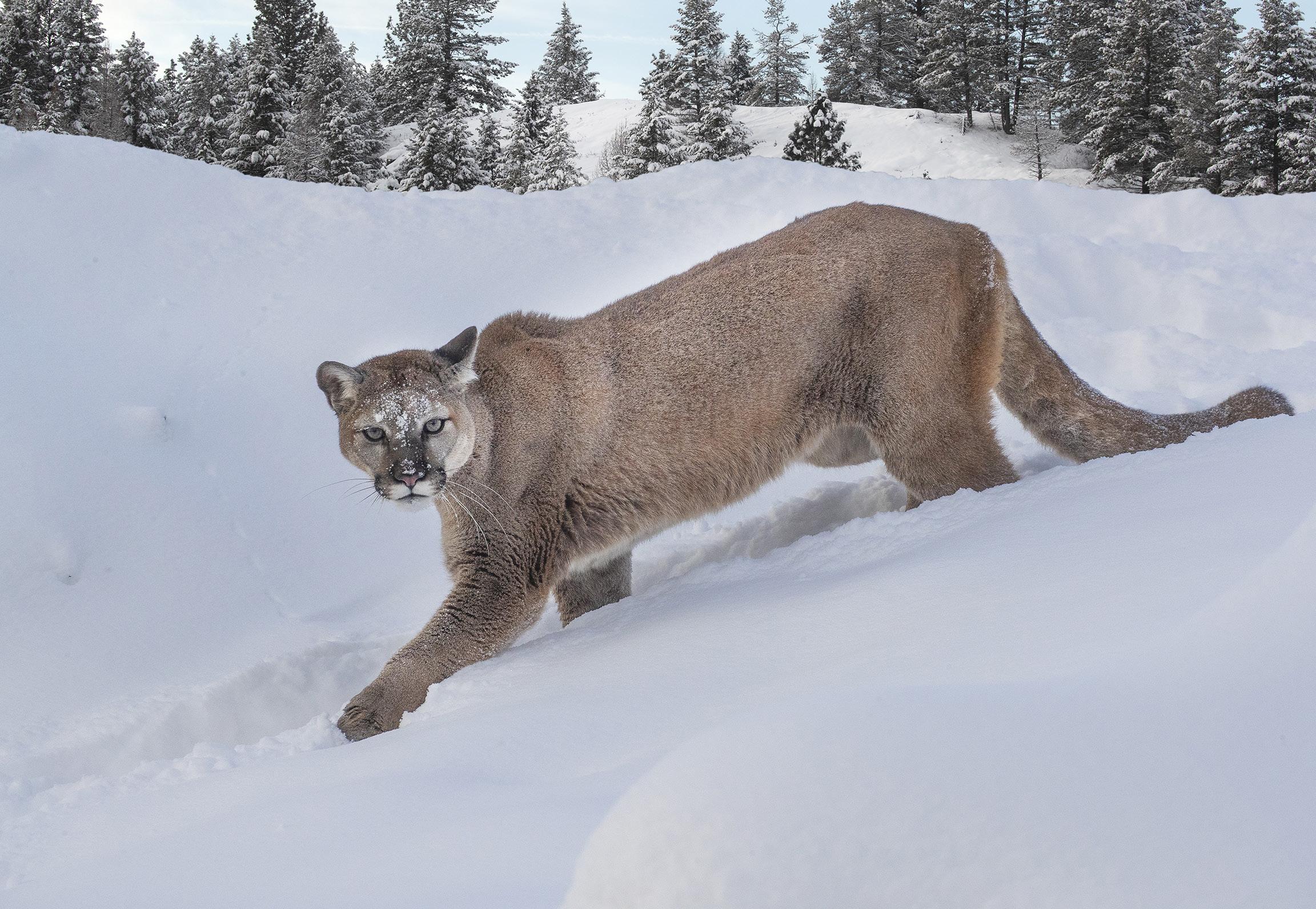
Mountain lion
Arctic fox
STUDENT SHOWCASE
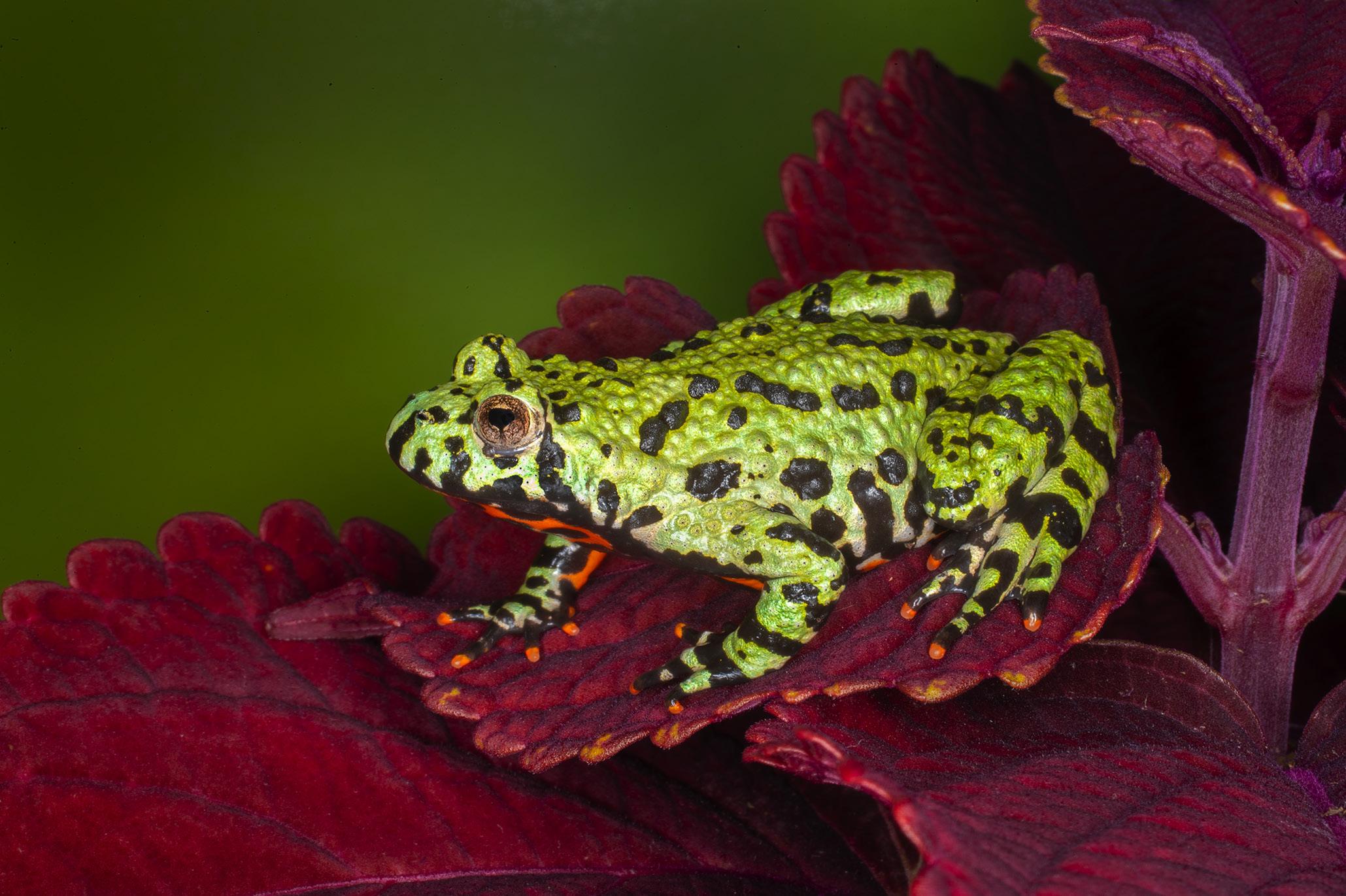
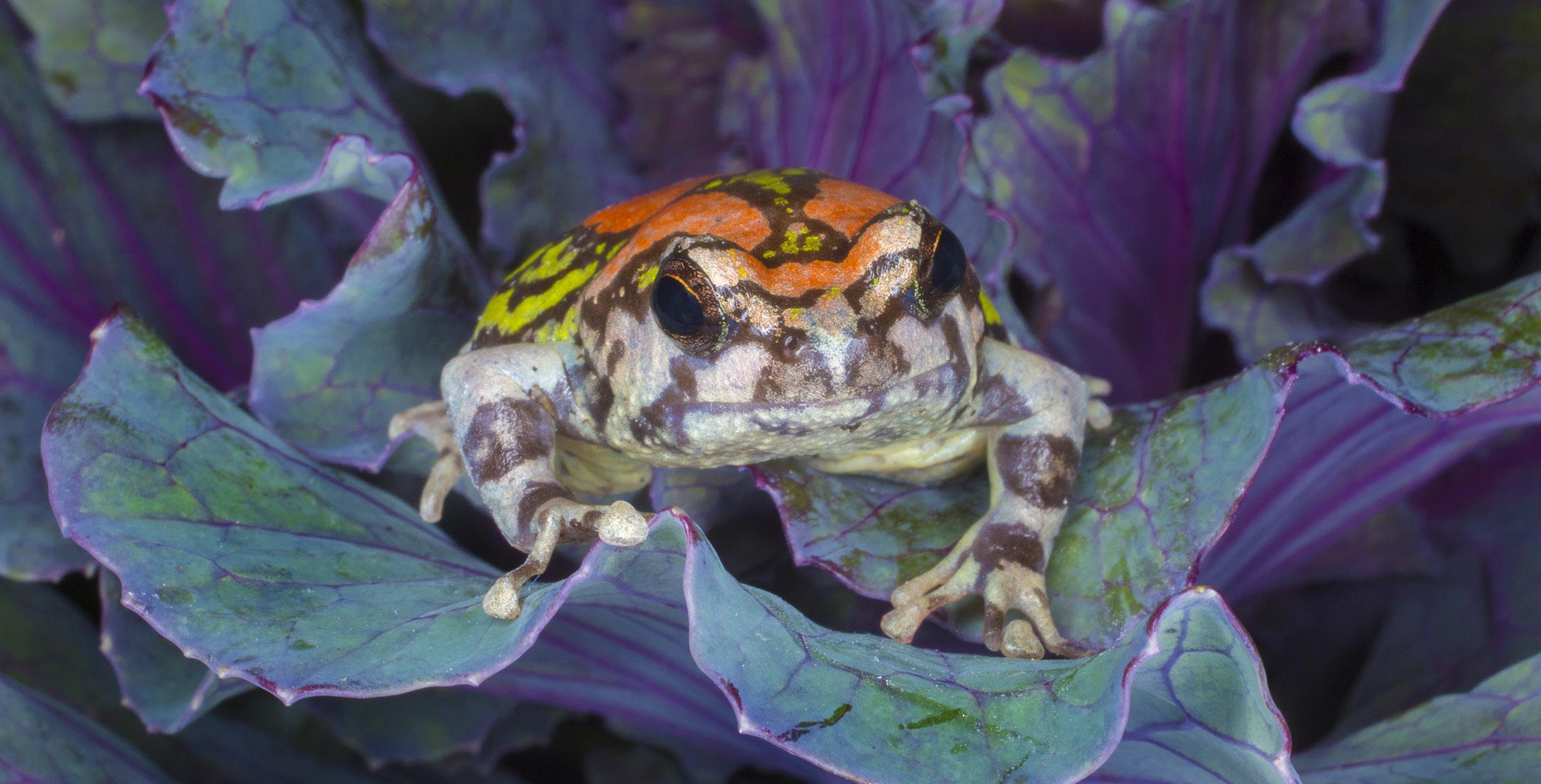
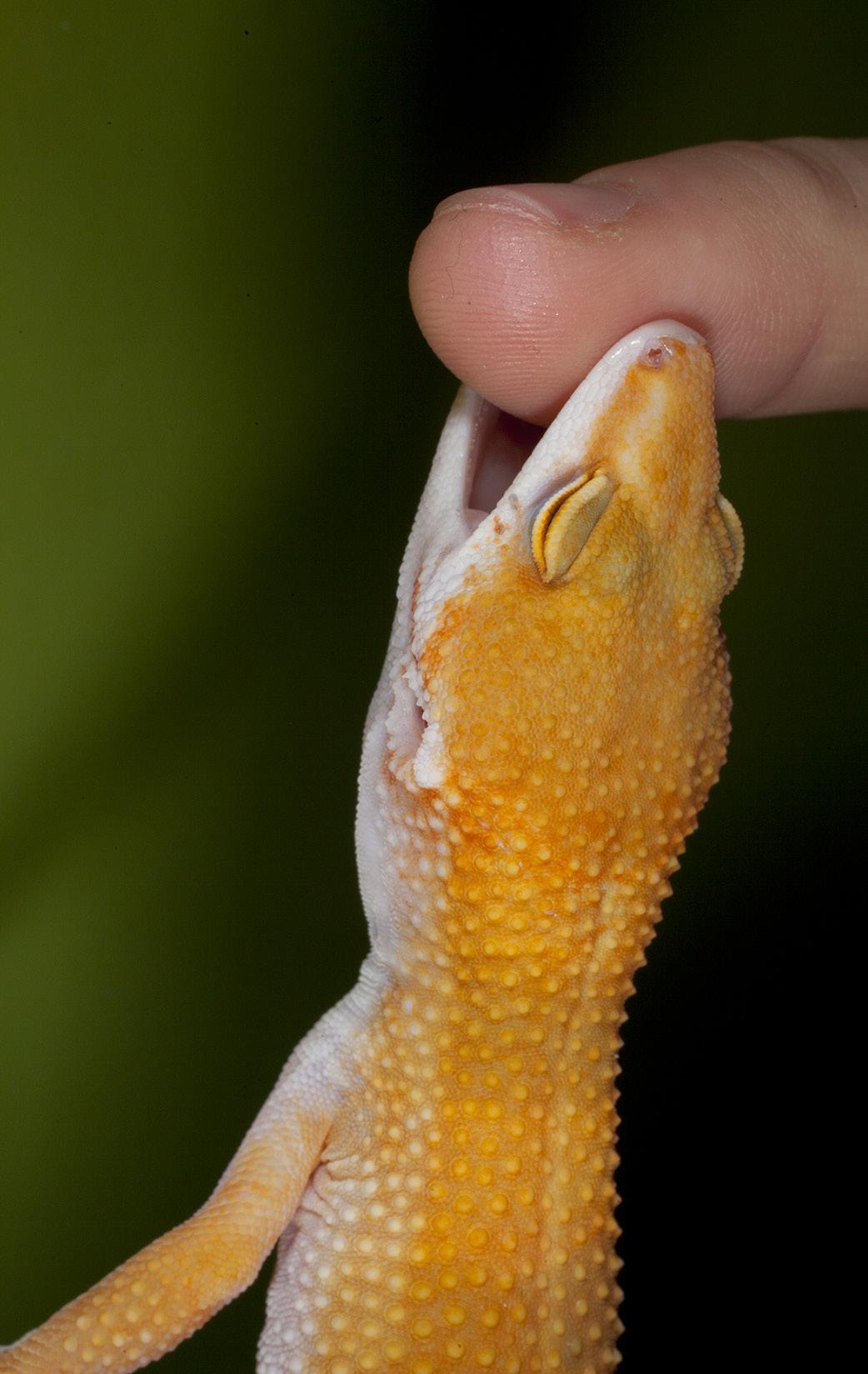
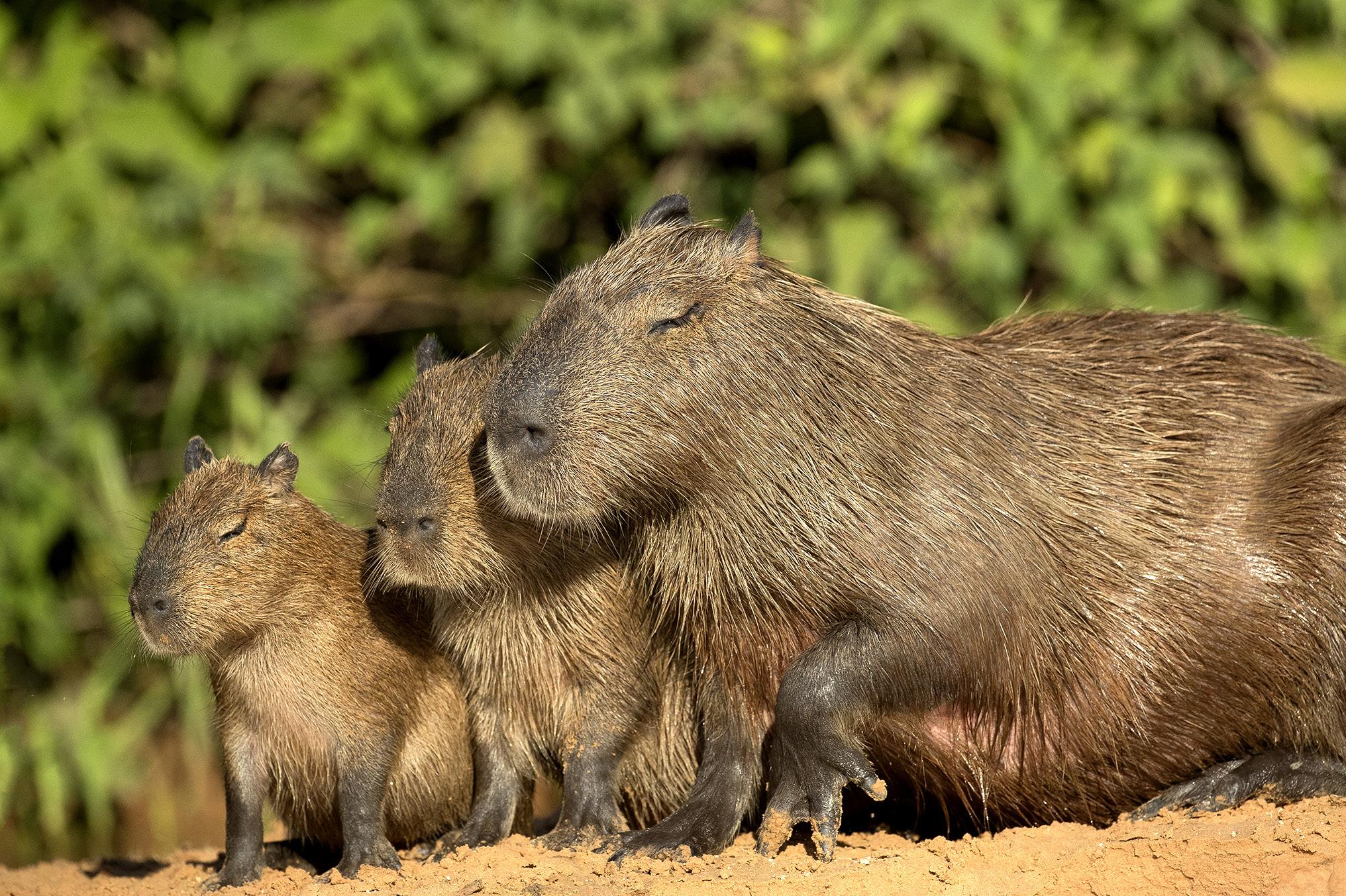
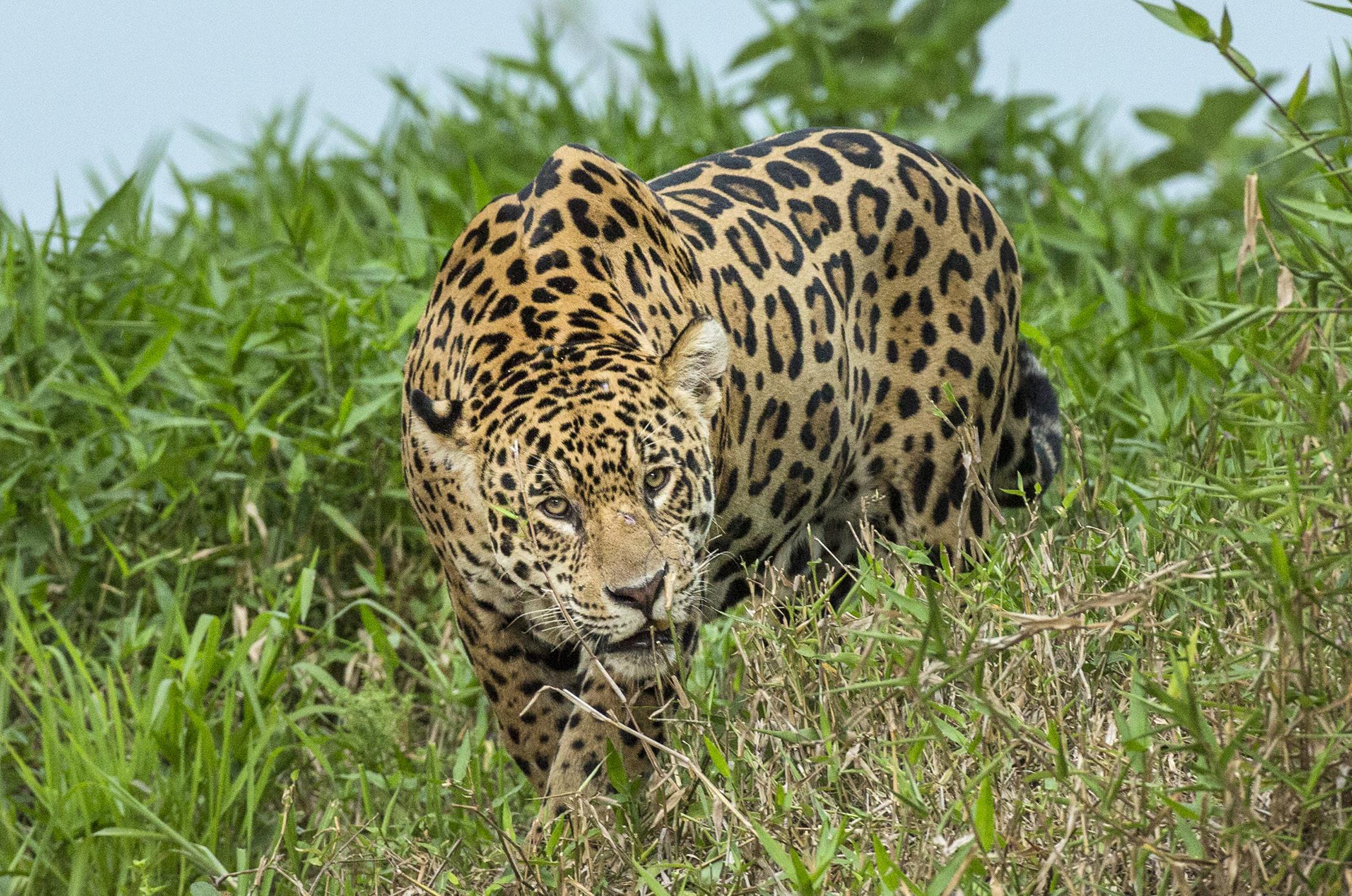
Each month, Jim features one student who took beautiful and inspiring images on one or more of his photography tours or workshops. It’s really fascinating how photographers see and compose such different images even though we may go to the same places. Everyone takes great photographs on Jim’s trips. Robert Ortiz, Las Cruces, New Mexico. Botswana photo tour, Pantanal photo tour, Frog and Reptile workshop.
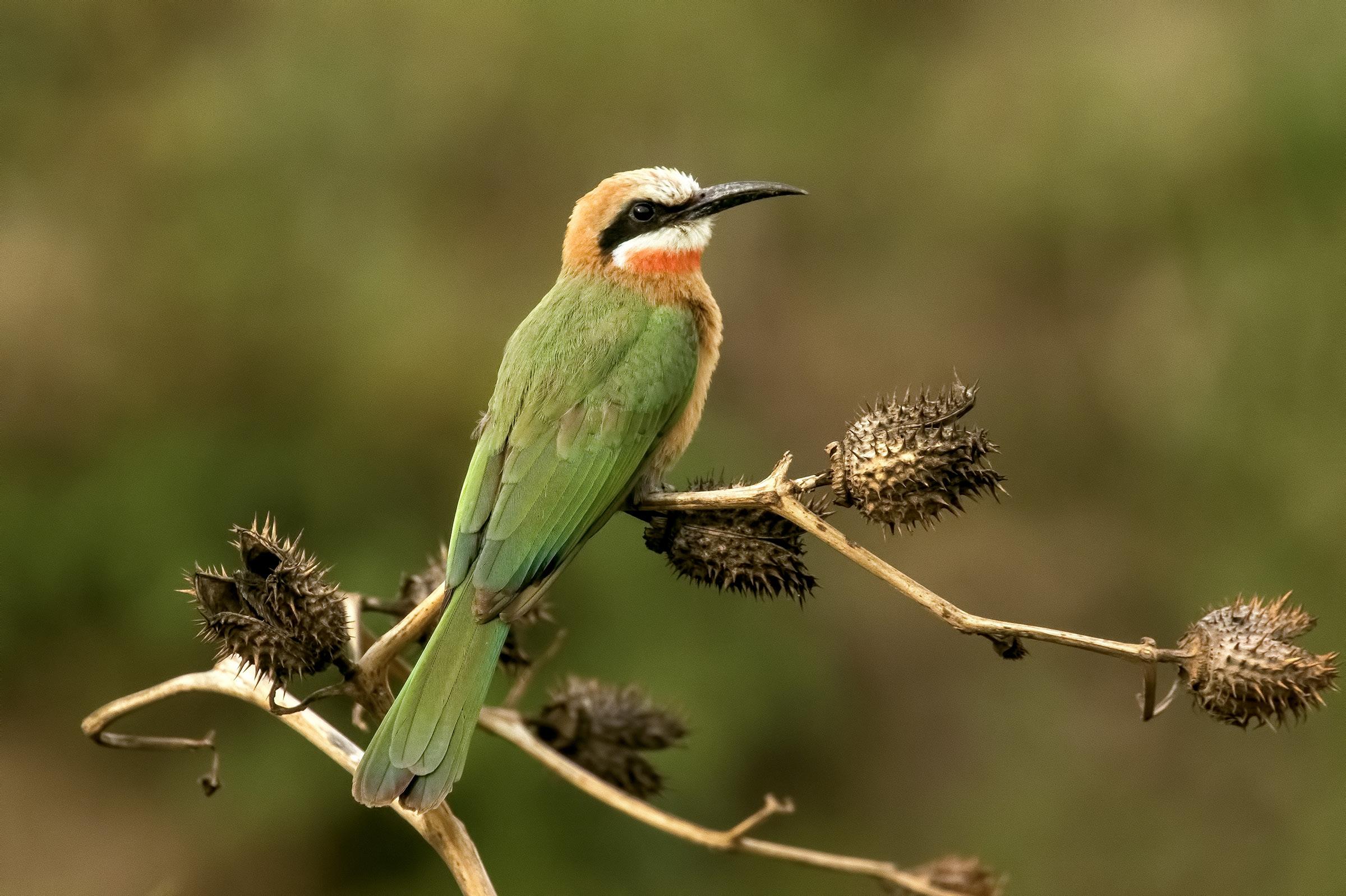
© Robert Ortiz
Student Showcase,
© Robert Ortiz
© Robert Ortiz
© Robert Ortiz
© Robert Ortiz
The Story Behind
Behind the Picture
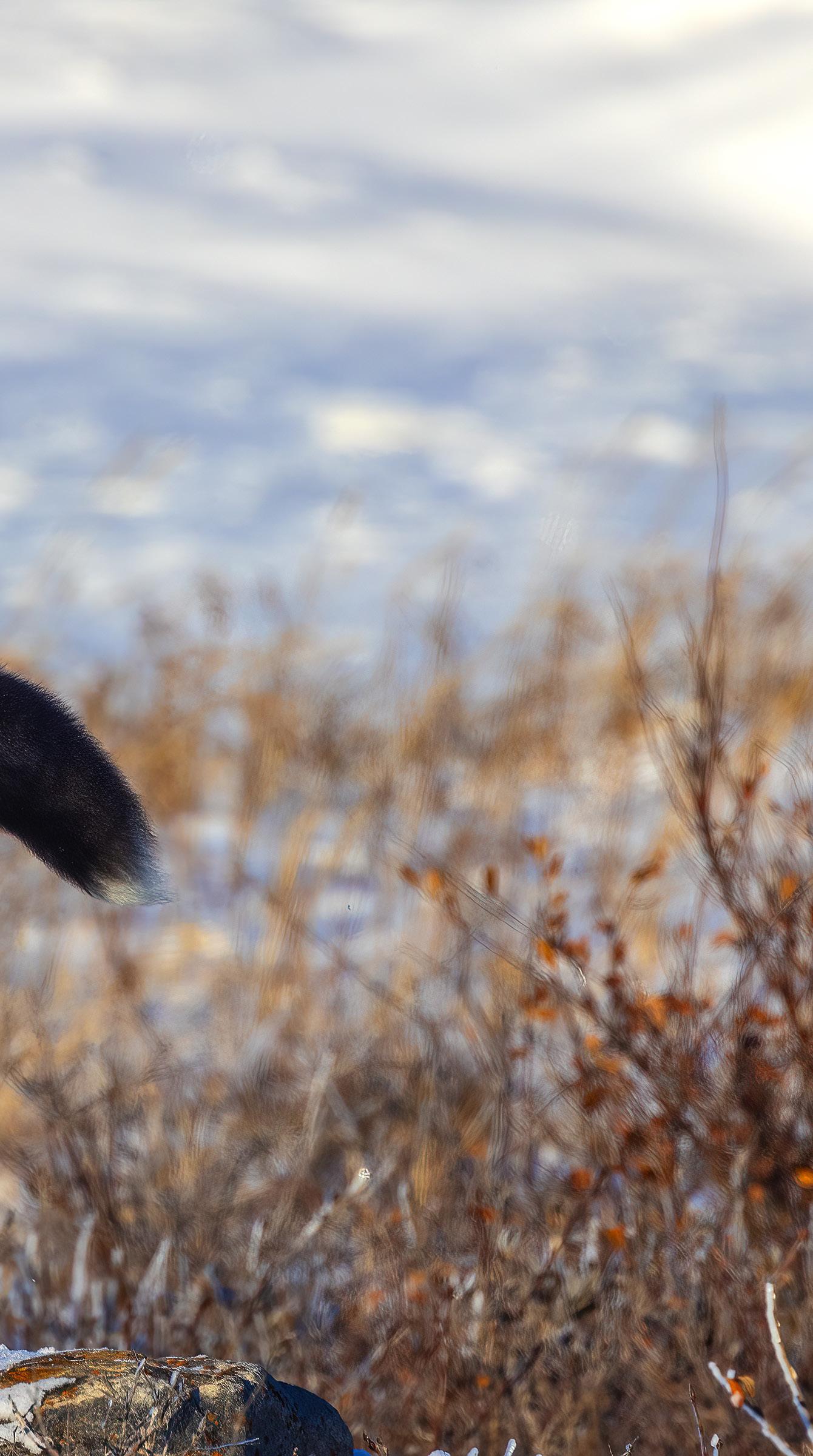
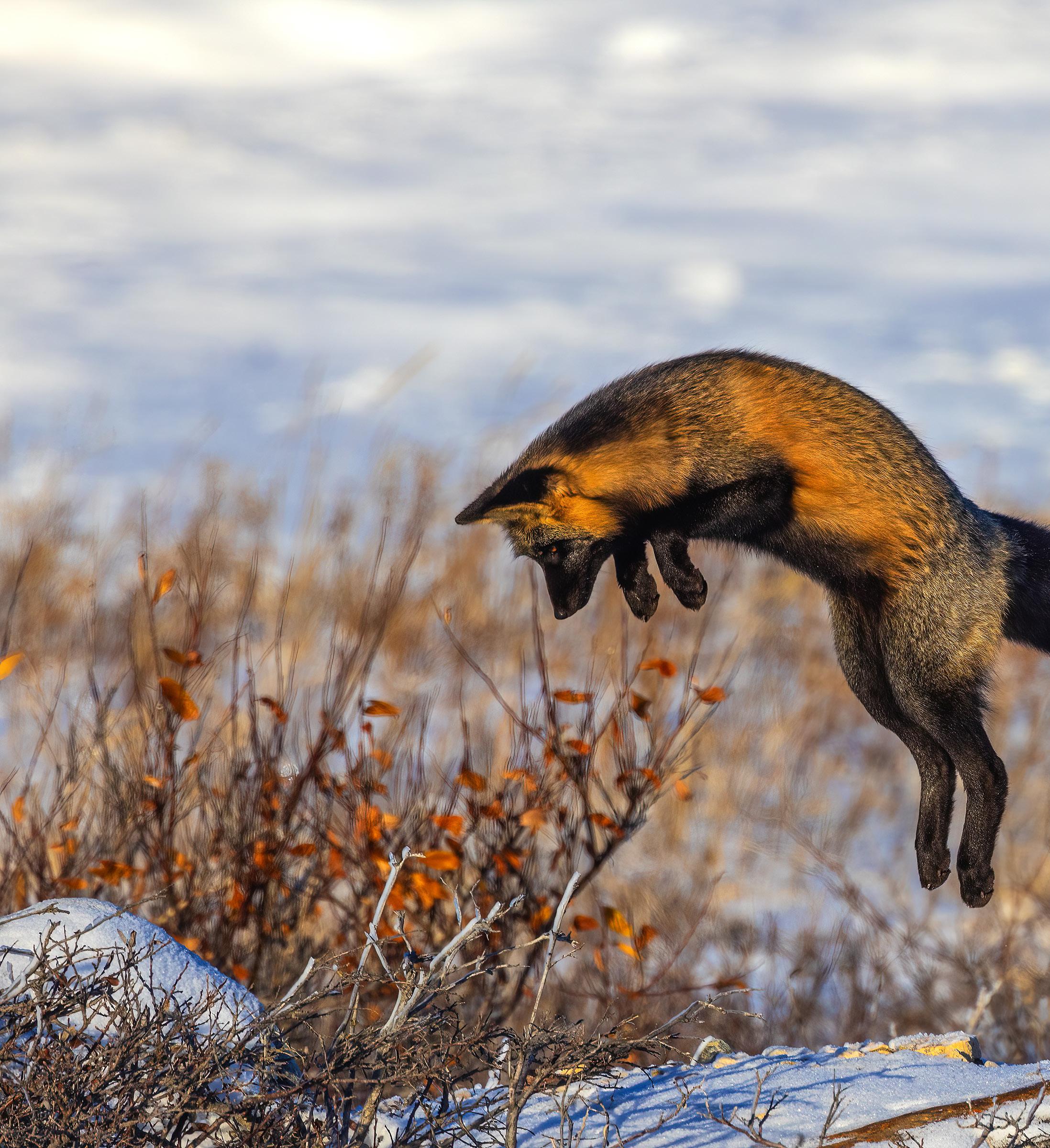
I' took this uncropped picture of a red fox about to pounce on a rodent in Churchill, Manitoba, Canada, during one of my polar bear tours.
If you observe animal behavior and photograph animals over the course of many years, you get pretty good at predicting what they will do. In this case, I saw the fox digging in the ground and tensing its body, so I told my photo tour group participants to get ready for the pounce. I set my shutter speed -- and told my group to do the same -- at a fast enough setting to freeze the action.
I was shooting with a 700mm focal length (500mm plus a 1.4x teleconverter), hand held, and my settings were 1/1250, f/10, and 400 ISO. When the fox finally made its attack, I captured the action with 20 frames per second so every nuance was recorded. Usually in a sequence of action shots, there is one that stands out as the peak of the action. For me, this was the shot. §
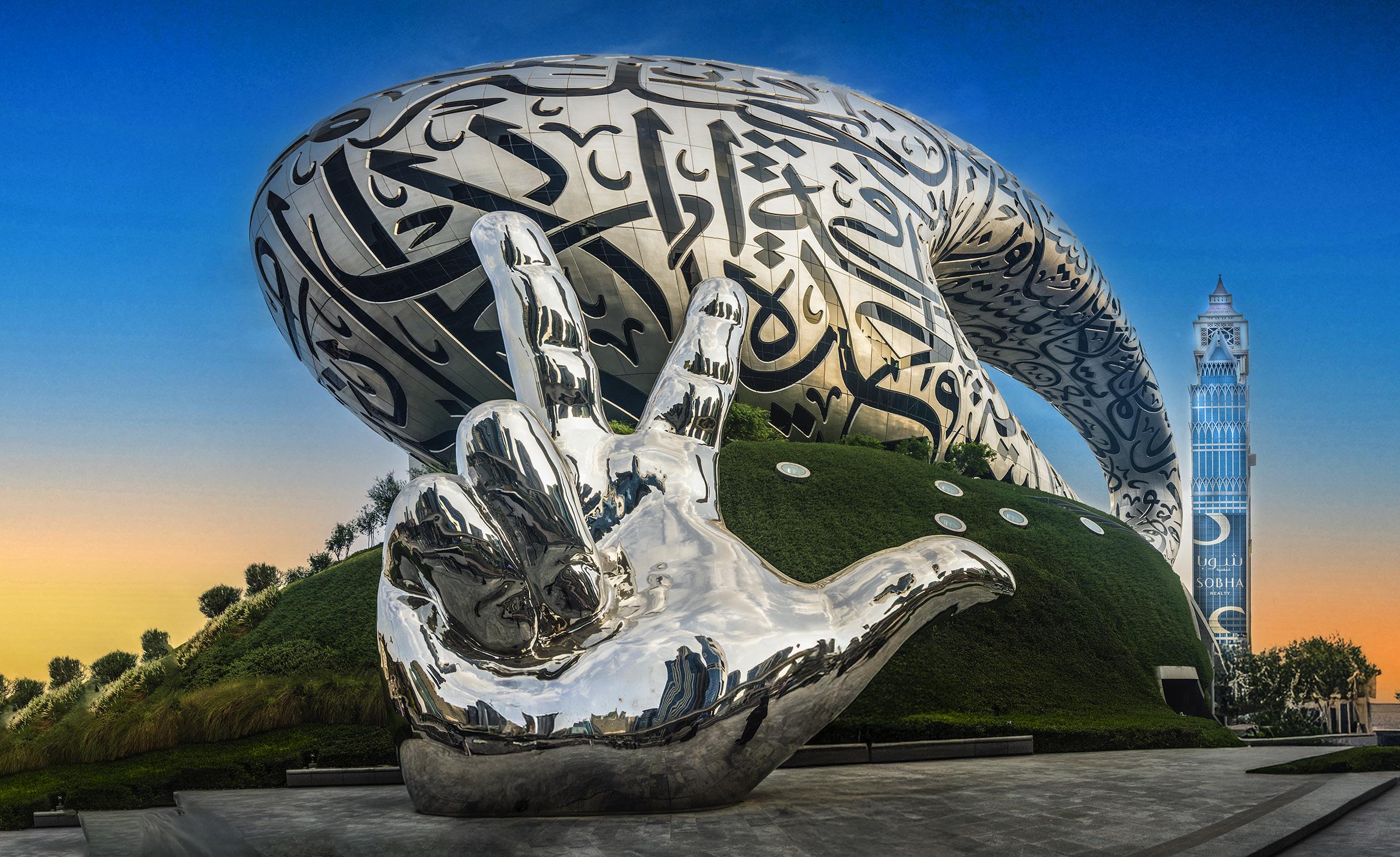
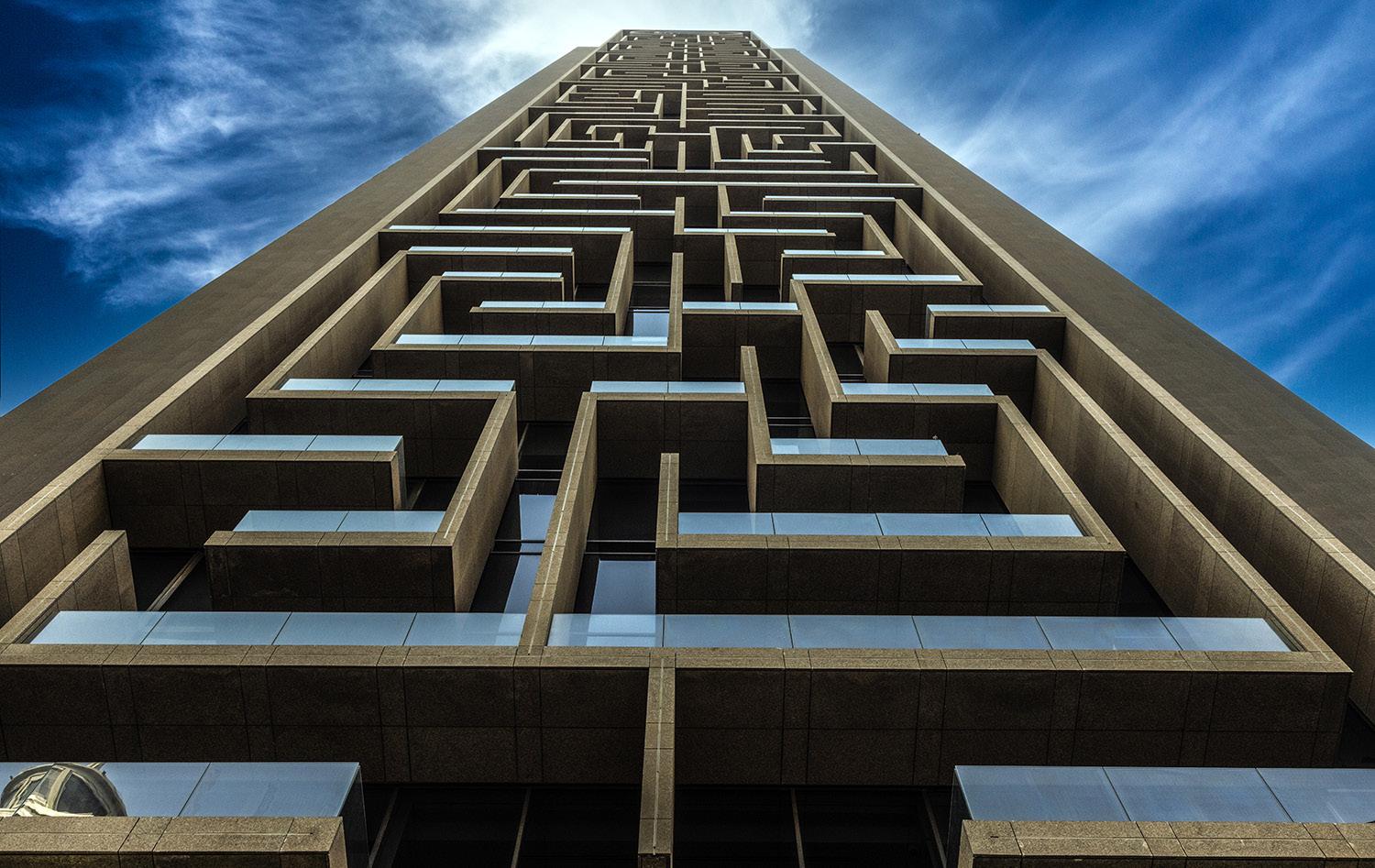
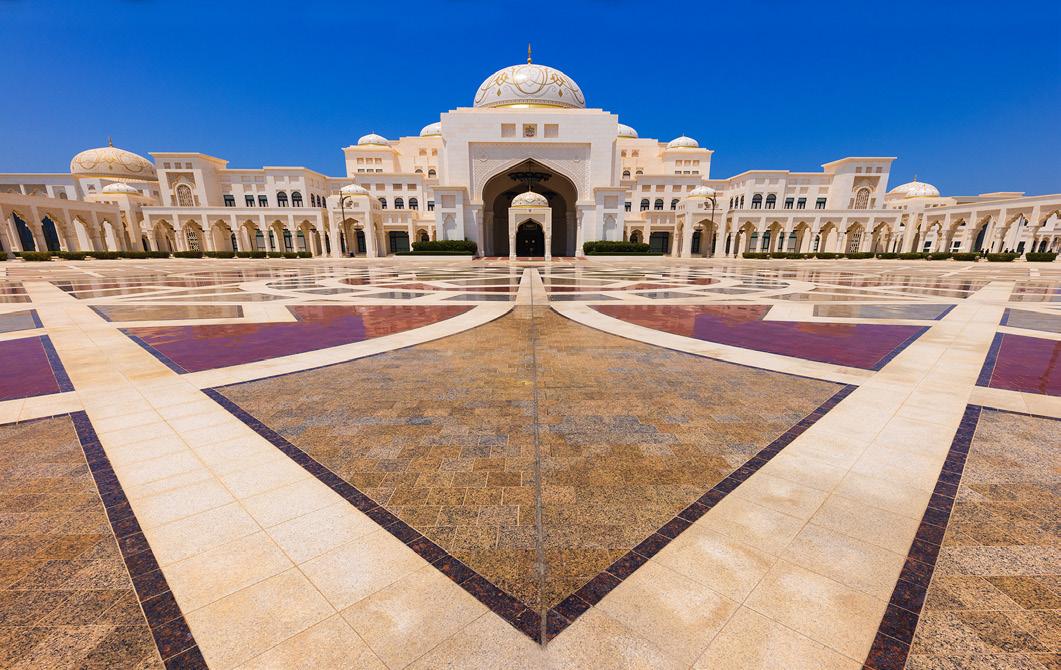
DUBAI & ABU DHABI TOUR
November 14 - 22, 2026


































‘19 Jan. ‘20























Subject index for past Photo Insight issues
1/3 focus law Jul. ‘15
3D sphere Mar. ‘16
90 degree finder Mar. ‘13
Abstracts in soap Feb. ‘15
Abstracts, Shooting Mar ‘19
Aerial photography Jun. ‘13
Aerial photography Jan. ‘21
African safari May ‘16
AI plus Photograpjhy Oct. ‘23
AI, Photos-to-AI Oct. '24
Airplane windows Mar. ‘16
Alien landscapes Jan. ‘13
Anatomy of 8 photographs Jan. ‘16
Anatomy of an Action Shot Feb. ‘24
Angled perspectives Jan. ‘19
Aperture vs. shutter speed May ‘14
Aperture priority Sept. ‘14
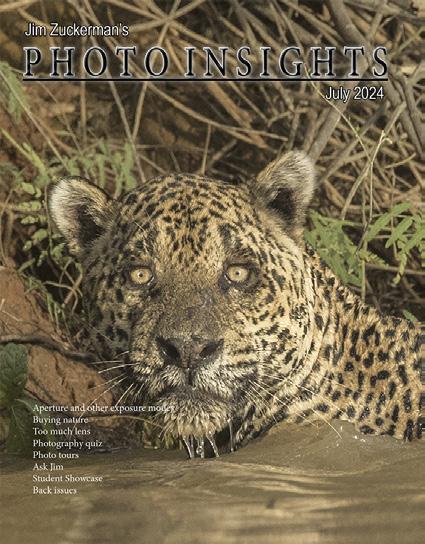
Aperture priority and other modes Jul. ‘24
Aurora Borealis Apr. ‘17
Autofocus, When it fails Aug. '25
Auto white balance Dec. ‘13
Autofocus, when it fails Apr. ‘15
Autofocus failure Aug. ‘15
Autofocus failure Jan. ‘17
Autofocus challenges Apr. ‘18
Auto ISO Nov ‘17
Auto White Balance Mar’ ‘21
Autumn Foliage Sep. ‘18
Autumn Color Sep. ‘20
Autumn foliage photography Oct. ‘21
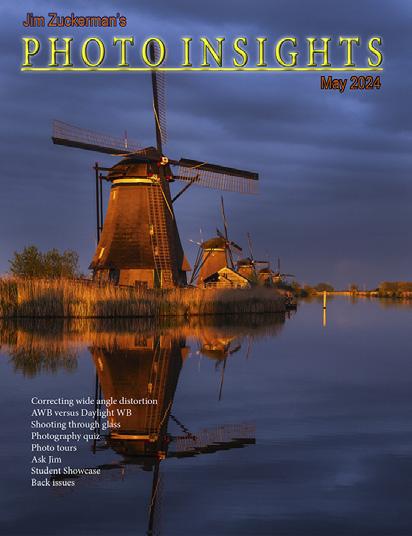
AWB versus Daylight WB May ‘24
Back button focus Oct. ‘18
Backgrounds, wild Nov. ‘12
Backgrounds, busy Apr. ‘13
Backlighting Apr. ‘16
Backlighting Oct. ‘22
Birds in flight Aug. ‘13
Birds in flight Jan. ‘14
Birefringence May ‘18
Birefringence Dec. 24
Birds in flight Mar. ‘16
Birds in flight, camera settings Jan. ‘23
Birds in flight, camera settings Dec. '24
Birds in flight, Strategies for shooting Dec. 25
Bird Photography Jun ‘19
Black backgrounds Aug. ‘23
Blacklight photography Feb. ‘21
Black velvet Mar. ‘14
Black and white conversions Mar. ‘17
Black and white infrared Apr. ‘24
Black and white solarization Sep. ‘17
Black and white with color Jan. ‘20
Black and white plus color Mar. ‘23
Blown highlights Feb. ‘18
Blue monochromes Jan. ‘22
Black Plexy Aug. ‘22
Blur, field Nov. ‘18
Blur technique Oct. ‘17
Bokeh Jun. ‘15
Botanical gardens, shooting Apr. ‘22
Butterfly photography Jul. ‘14
Buying nature Jul. ‘24
Camera buying guidelines
Dec. 21
Camera settings for landscapes Feb. ‘23
Camera setting priorities Jun. ‘17
Canon R5 Mar. ‘21
Capturing lightning Jun. ‘13
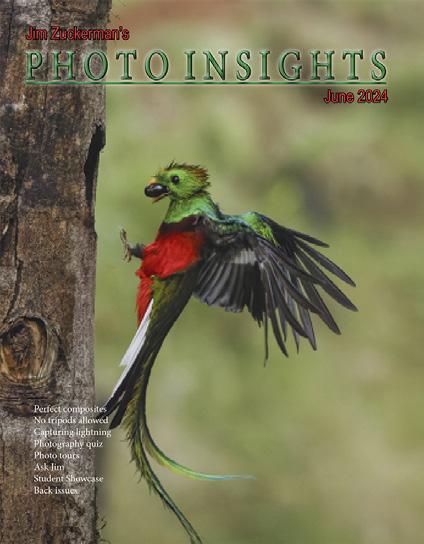
Capturing lightning Jun. ‘24
Capturing what we see, Or not Jun. '26
Capturing what you don’t see May ‘21
Catchlights Jul. ‘16
Changing perspective May ‘21
Changing Proportion Aug. '26
Cheap flash stand Apr. ‘13
Chemical crystals, photographing Mar. '27
Children photography Jun. ‘14
Choosing a telephoto lens Dec. ‘20
Chromatic aberration May ‘13
Chrome Dec. ‘18
Cityscapes Aug. ‘14
Cityscapes May ‘16
Clone tool, fixing an issue Sep. ‘17
Clone tool technique Jul. ‘20
Color theory Nov. ‘23
Composites and Light Dec. ‘17
Composites, Secrets to perfect Jun. ‘24
Compositing images Apr. ‘19
Compositing, 7 steps Jan. 22
Composites, How to make Aug. '25
Composition, different approach Jan. ‘15
Composition tips Jul. '26t
Content-aware, New Aug. ‘20
Content aware move tool Jan. ‘23
Contrast vs. exposure Jul. ‘15
Contrast, When it is good Sep. '24
Converting to black and white Mar. ‘22
Correcting keystoning Jun. ‘21
Creating a star field Jan. ‘14
Creating Art out of Motion May ‘22
Creating a Sketch Dec. ‘17
Creative blurs Jan. ‘14
Custom functions Jul. ‘23t
Dark backgrounds Nov. ‘19
Dawn photography Jan. ‘17
Dawn photography Feb. ‘17
Dead center Jan. ‘13
Dead center Oct. ‘23
Dealing with smog Oct. ‘16
Decay photography Sep. ‘15
Define Pattern Sep. ‘18
Define Pattern Sep. '24
Depth of field Aug. ‘16
Depth of field confusion Jan. ‘20
Depth of field and distance Dec. ‘18
Depth of field and obliqueness May ‘21
Depth of field, shallow Apr. ‘20
Depth of field vs. sharpness Nov. ‘20
Diagonal lines, Using Aug. '25
Double takes Apr. ‘20
Drone flying in winter Feb. '26
Drone photography Mar. ‘23
Drone, Lessons from a tour Oct. '24
Drones and Wind Aug. '26
Drop shadows Apr. ‘19
Dust, Minimizing Aug. ‘19
Dust specks May '25t
eBook, how to make Jan. ‘13
Elevated vantage points Aug. ‘23
Eliminating people from photos Jun. ‘22
Embedded in Ice Oct. 17
Subject index for past Photo Insight issues
Energy saving bulbs
Sep. ‘14
Equidistance and telephoto lenses Apri. ‘23
Exploring the power visuals of AI Mar. ‘23
Exposing for the sun Sep. ‘16
Exposing for silhouettes Mar. '26
Exposure, the sun
Jul. ‘13
Exposing for snow Dec. '24w
Exposure technique
Exposure, snow
Exposure triangle
Exposure, to the right
Exposure compensation
Exposure compensation
Extension tubes
Sep. ‘13
Jan. ‘14
Nov. ‘14
Apr. ‘15
Sep. ‘16
Mar. ‘21
Dec. ‘13
Extension tubes Jul. ‘23
Face sculpting Apr. ‘21
Face sculpting Feb. ‘22
Festival photography Sep. ‘20
Fill flash Sep. ‘13
Filter forge Feb. ‘13
Fireworks Jul. ‘13
Fireworks, Compositing Jun ‘20
Fisheye lenses May ‘13
Fisheye lenses Feb. ‘15
Fisheye fantasies Oct. 21
Fixing parallax Oct. '24
Flash backlighting May ‘15
Flash, balancing exposure Oct. ‘15
Flash, balancing off-camera Dec. ‘18
Flat art Sep. ‘16
Flexify 2 Mar. ‘20
Flood fixes problems Nov. ‘19
Floral Portraits, Indoors Aug. ‘21
Flowers
Flower photography
Flowers in harsh light
Focus on the eyes
Focus points
Focus points
May ‘15
Apr ‘21
Jul. ‘16
Dec. ‘20
Mar. ‘15
Sep. ‘20
Focus stacking Mar. ‘17
Focus stacking Aug. ‘19
Fogged lenses
Focusing in the dark
Jan. '26
Oct. ‘16
Foreign Dancers, Photographing Nov’ 17
Foreign models Jun. ‘13
Fractals, generating Sep. ‘13
Fractals Jul. ‘19
Framing May ‘17
Framing Jan. ‘24
Freezing ultra action
May ‘17
From Terrible to Beautiful Aug. ‘19
Fun with paint Oct. ‘16
Fundamental ingredients Apr. ‘13
Fundamentals That Make Great Photos Jan. ‘19
Fun With Christmas Lights Jan. ‘21
Fun Thing to Try Aug. '26
Fun with Food
Graphic Design
Garish imagery
Generative fill
Jul. ‘20
Dec. ‘15
Jun. ‘23
Generative fill Jun. '26
Getting money for used gear Jan.’ 22
Getting the blues out Dec. ‘23
Great subjects Apr. ‘15
Great ceilings & HDR Panos Jul. ‘19
Green screen Mar. ‘13
Ground level shooting Oct. ‘22
Grunge technique Feb. ‘13
Harsh light, the problem of Apr. ‘24
Harsh, Midday light May '26
Heavy Lens Debate, The Feb. ‘23
Helicopters, Shooting from Mar. '25
HDR, one photo Apr. ‘13
HDR at twilight May ‘13
HDR, realistic Jun. ‘15
HDR, hand held Dec. ‘16
HDR, hand held Nov ‘17
HDR, hand held Jul. ‘18
HDR panoramas Jun. ‘16
HDR, choosing the number of frames Jun. ‘22
High wind Apr. ‘17
Highlights Apr. ‘14
Highlights, overexposed Feb. ‘15
Histograms, Why I Don’t Use Jun ‘19
Histogram problems Apr. ‘20
Home nature projects Jun. ‘23
Hotels with a view Mar. ‘20
Humidity Oct. ‘13
Hummingbird photography Apr. ‘13
Hyperfocal distance Jul. ‘13
Image resizing Aug. ‘18
Implying motion Sept.‘14
Impossible DOF Feb. ‘16
Impossible DOF Jan. ‘17
Impossible metering situations Feb. '26
Indestructible camera bag Dec. ‘14
Infrared photography Jul. ‘14
Insane ISO settings Dec. ‘22
Interiors Oct. ‘15
iPad: Loading photos Aug.‘17
iPhone photography, pros and cons Apr. ‘22
Jungle photography Dec. ‘14
Kaleidoscopic images Jan. ‘15
Kaleidoscopis images Aug. ‘20
Keystoning Nov. ‘23t
Keystoning, correcting Aug. ‘15
L Bracket Feb. ‘18
L Bracket Feb. ‘21
Landscape photography Dec. ‘12
Landscape photography Apr. ‘14
Landscape photography Nov. ‘16
Landscapes, Post-processing May '26
Layer Masks, The Power of Feb. ‘22
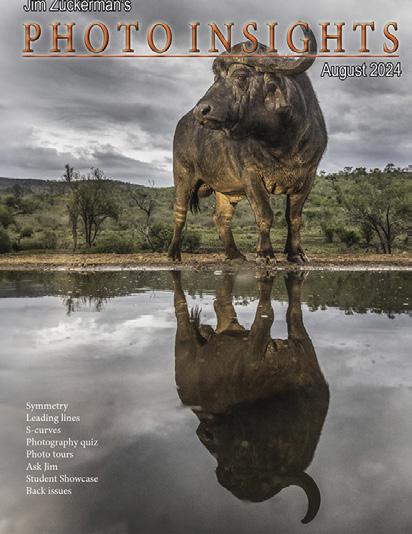
Leading Lines Aug. '24
Lessons Learned from Extreme Cold Feb. ‘24
Light fall-off Feb. ‘14
Light painting Dec. ‘21
Lighting a face Oct. ‘13
Lightning photography May ‘20
Liquify Feb. ‘18
Liquify Distortions Sept/Oct. ‘19
Lenses, Essential Aug. ‘23
Long lens portraits Oct. ‘18
Long Lenses for Flowers Jul. ‘20
Low light photography May ‘15
Luminar 4 Jan. ‘20
Subject index for past Photo Insight issues
Macro flash Nov. ‘12
Macro flash Sep. ‘14
Macro flash Aug. ‘15
Macro flash Aug. ‘22
Macro flash advantage Feb. '25
Macro photography and DOF Feb. ‘22
Macro trick May ‘19
Managing soft focus Jul. ‘21
Mannequin heads Apr. ‘16
Metering modes Nov. ‘16
Meters, How They Work Jul. ‘18
Meters, when they fail Dec. ‘16
Metering situations, Impossible Jul. ‘19
Middle gray Nov. ‘15
Midday sunlight, The Challenge of Feb. '25
Milky Way, Photographing the Aug. '25
Minimizing dust on the sensor Nov. ‘21
Optical infinity Jun. ‘16
Mirrors Jan. ‘19
Mirror images May ‘23
Model shoot Jan. ‘17
Moon glow Oct. ‘16
Mosaics Jun. ‘17
Mundane to Ideal Nov. ‘19
Museum photography Mar. ‘13
Museum photography Aug. '25
Natural Light Portraits Aug. ‘21
Negative space Jan. ‘16
Neon edges on black Aug. ‘14
Neutral Density filters Jun. ‘18
New depth of field preview Mar. ‘24
New shooting style Mar. ‘24
Neutral Density filters and water Mar. ‘22
Night photography Feb. ‘14
Night Safaris Jun. ‘18
Night to Twilight Dec. ‘17
Noise reduction Feb. ‘17
Off-camera flash Jan. ‘24
Oil and water May ‘20
Online Nature Mar. '25
Organization of photos Mar. ‘18
Out of focus foregrounds Jan. ‘20
Out of focus foregronds Nov. 25
Paint abstracts May ‘13
Paint abstracts Aug. ‘21
Painting with light Sep. ‘15
Pan-blurs Sep. '24
Panning motion Dec. ‘16
Pano-Mirrors with a twist Jan. ‘18
Parades Sep. ‘13
Parallax, Correctingt May '25
Parallelism Nov. ‘19
Parallelism and DOF Feb. ‘21
Perspective, Super Exaggeration of Dec. ‘21
Photo shsaring Apr. ‘23
Photo terms Nov. ‘22
Photographing Christmas Dec. ‘23
Photographing insects Apr. '26
Photography to Art Dec. ‘17
Photography solutions Jan. ‘18
Photoshop, content Aware Nov. ‘12
Photoshop, sketch technique Apr. ‘13
Photoshop, replace background Apr. ‘13
Photoshop, actions palette Dec. ‘13
Photoshop, layer masks Feb. ‘13
Photoshop, the clone tool May ‘13
Photoshop, soft foliage Oct. ‘13
Photoshop, mixer brush tool Sept. ‘14
Photoshop, b & w with color Jun. ‘14
Photoshop, drop shadows Jul. ‘14
Photoshop, creating texture Feb. ‘14
Photoshop, face mirrors Feb. ‘14
Photoshop, liquify Mar. ‘14
Photoshop, face mirrors Aug. ‘14
Photoshop, digital spotlight Sep. ‘14
Photoshop, enlarge eyes Nov. ‘14
Photoshop, darken the periphery Dec. ‘14
Photoshop, mirror images Dec. ‘14
Photoshop, beam of light Apr. ‘15
Photoshop, polar coordinates Mar. ‘15
Photoshop challenge Jan. '26
Photoshop, chrome May ‘15
Photoshop, actions palette Nov. ‘15
Photoshop, cut and paste Nov. ‘15
Photoshop fixes problems Jan. '26
Photoshop, geometrics Oct. ‘15
Photoshop, plugins Oct. ‘15
Photoshop, multiple selections Apr. ‘16
Photoshop, sharpening Apr. ‘16
Photoshop, Flood plugin Apr. ‘16
Photoshop, Desaturation Aug. ‘16
Photoshop, making a composite Aug. ‘16
Photoshop new tool May ‘20
Photoshop, place one element behind Aug. ‘18
Photoshop, the pen tool Feb. ‘16
Photoshop, canvas size Jan. ‘16
Photoshop, using the earth Jun. ‘16
Photoshop, define patterns May ‘16
Photoshop, paste into Nov. ‘16
Photoshop, b & w with color Feb. ‘17
Photoshop, open a closed door Apr. ‘17
Photoshop, palettes May ‘17
Photoshop, My favorite plugins Jan. ‘20
Portrait options Jan. ‘19
Portrait techniques Nov. ‘15
Portraits Mar. ‘13
Portraits, mixed lighting Aug. ‘14
Portrait Professional Nov. ‘19
Portraits, Lens choice Sept/Oct. ‘19
Portraits, side lighting Sep. ‘17
Portraits, window light Mar. ‘15
Portraits, outdoors May ‘17
Post-processing checklist Dec. ‘13
Post-processing: Contrast Aug. ’17
Practicing graphic design, Part I Dec. ‘22
Practicing graphic design, Park II Jan. ‘23
Practicing graphic design, Part III Feb. ‘23
Pre-capturing technology May ‘23
Predictive Focus Sep. ‘18
Problem/solution Apr. ‘17
Problem Solving in Photoshop May ‘22
Problem with cruises Jan. ‘18
Protecting extremeities from the cold Dec. ‘22
Protecting highlights Dec. ‘12
Puppies Jan. ‘15
Puppy photography Feb. ’18
Rays of Light
Mar. '25
Reflections Feb. ‘13
Subject index for past Photo Insight issues
Reshaping faces Oct. ‘22
Restoring old photos Jun ‘20
S-curves Aug. '24
Safari May ‘13
Safari strategies Jul. ‘15
Seeing as the lens does Nov. ‘14
Selecting faces Apr. '26
Seeking Cool Snow Photos Jan. ‘21
Selective filtering Mar. ‘18
Selective focus Jun. ‘15
Self-critiques Jul. ‘13
Self-critiques Oct. ‘13
Self-critiques Nov. ‘20
Sensor cleaning Jun. ‘18
Sepia and dark contrast Jun. ‘15
Sepia, Traditional look of
Shade May ‘14
Shady side Jun. ‘18
Shadows define the shot Dec. ‘23
Shadows, Paying Attention to Mar. ‘18
Sharp, 6 reasons why photos are not Apr. ‘24
Sharpness problems Mar. ‘14
Shooting from helicopters
Shooting in Inclement Weather Nov. ‘22
Shooting thru glass May ‘24
Shooting through textured glass May ‘23
Shooting through wire mesh Sept. ‘14
Shooting into the light Jun ‘20
Shooting through glass Nov. '25
Side lighting Jan. ‘24
Silhouettes Jun. ‘13
Silhouettes, How to make Apr. ‘22
Silhouettes, Exposing for Sept/Oct. ‘19
Silvered landscapes Mar. ‘20
Sketch, How to Make Jun ‘19
Skies make or break a picture Aug. ‘21
Sky replacement Nov. ‘20
Sky replacement: Uploading photos May '26
Sky replacement strategies Aug. ‘22
Snow exposure Nov ‘17
Snow exposure Nov. ‘19
Soap abstracts Aug. ‘23
Soft light Jan. ‘13
Somethiing fun to try Jul. '26
Smart phone photography May ‘19
Some people are clueless May '25
Stained glass Mar. ‘17
Star photography and noise Jan. ‘18
Stock photography Sep. ‘14
Sunrise & sunset Jan. ‘19
Symmetry Aug. '24
Tamron 150-600mm Apr. ‘14
Ten reasons photos are not sharp Jan. ‘19
Texture, Adding Mar ‘19
Texture Mapping in 3D Jul. ‘21
To Polarize or not to Polarize Jun. '25
Too much lens Jul. ‘24
Topaz AI Gigapixel Mar ‘19
Topaz glow Jan. ‘15
Topaz glow Sep. ‘17
Topaz Impression Sep. ‘15
Topaz Remask 5
Oct. ‘17
Topaz Simplify 4 Dec. ‘12
Topaz simplify 4 Jun. ‘14
Topaz Studio Apr. ‘18
Total solar eclipse, How to shoot Mar. ‘24
Translucency & backlighting Nov. ‘18
Travel photography Feb. ‘ 13
Travel portraits Mar. ‘14
Travel tips Apr. ‘14
Travel photographer’s guide Jun. ‘17
Traveling Lighter Nov. '25
Tripods, not allowed Jun. ‘24
Tweaking exposure on the fly Apr. ‘23
Twilight photography in the rain Apr. ‘19
Twilight, Creating Oct. ‘23
Two subject rule Dec. '25
Tripods Mar. ‘18
Two subject sharp rule May ‘14
Two subject focus rule Jan. ‘20
Two subject focus rule Jun. ‘21
Urban heights Jun. ‘21
Ultra distortion May ‘18
Unusual Panos Nov. ‘22
Upside Down Reflections Aug. ‘21
Warm fingers in winter Nov. ‘15
Water drop collisions May ‘18
What NOT to do in photography Apr. ‘18
When diagonals are distracting Feb. '26
When You Needed a Zoom Aug. ‘21
White on White Dec. ‘20
White on White Nov. ‘23
White on White Jun '26
White vignette Aug. ‘15
White balance Feb. ‘15
White balance, what's the best Jun. '25
White balance, custom Mar. ‘16
White balance, What Jun. ‘23
Wide angle conundrum May ‘19
Wide angle distortion, correcting May ‘24
Wide angle landscape technique Aug. '25
Wide angle lenses Mar. ‘13
Wide angle portraits Nov. ‘14
Wide angle lenses Jun. ‘17
Wide angle lenses: Outside the Box Jun. ‘22w
Wide angle keystoning Nov ‘17
Wildlife photos with wide angles Mar. ‘15
Window light Dec. ‘15
Window light portraits Aug. ‘18
Window light portraits Feb. ‘24
Window frames Feb. ‘16
Winter photography Dec. ‘12
Winter bones May ‘13
Winter photography Dec. ‘15
Winter photography Nov. ‘18
Wire Mesh, Shooting Through Jul. ‘18
White balance Mar. '26
Workflow May ‘13
Quiz answers
1. b 2. b 3. a 4. c 5. b 6. d 7. b 8. a 9. d 10. b
Your score
90% - 100%: You could have been a pro
80% - 89%: Your glasses probably need a new prescription
70% - 79%: Just don’t quit your day job
< 70%: You should really be using an iPhone
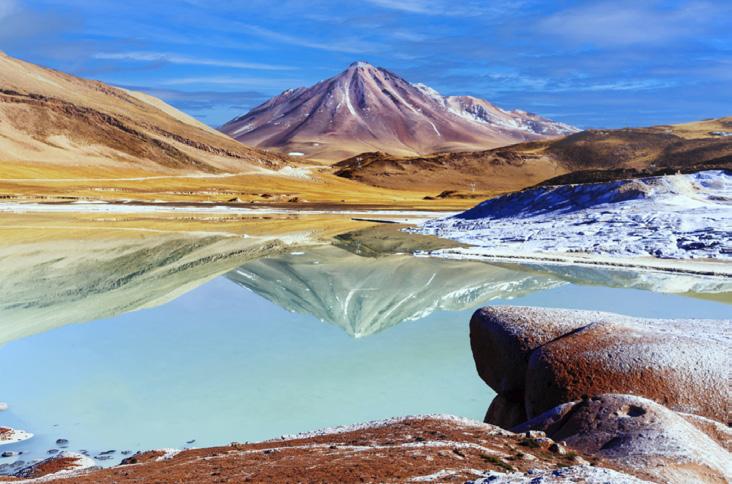
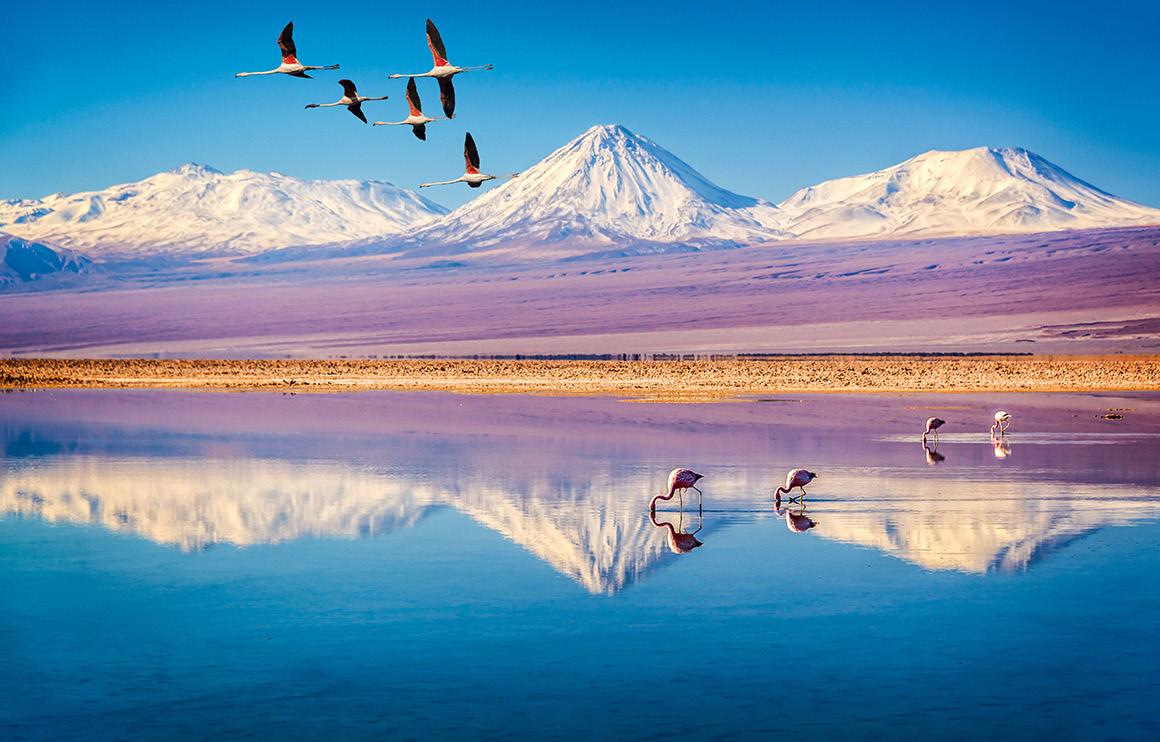
CHILE: THE DESERT to the SEA
SEPTEMBER 14 -24, 2027
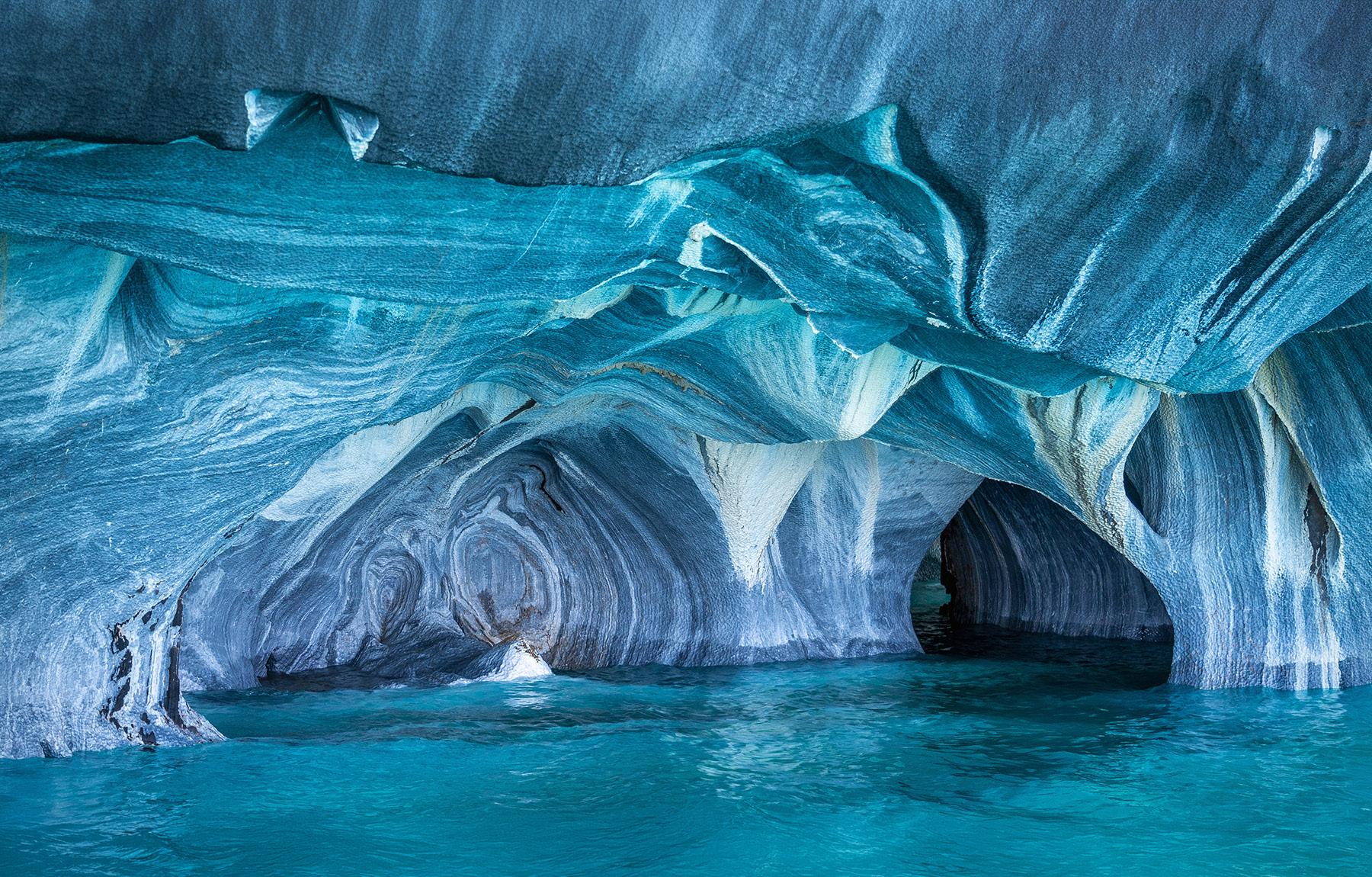
Marble Caves
Atacama Desert
Edited by Donald Moore