
LYNN BATTEN
JFO Content Coordinator/Gallery Manager
In today’s complex world, the risk of security vulnerabilities continues to grow, especially within the Jewish community. Across the country, antisemitism remains an ever-present threat, demanding more security resources than ever before. This rise in antisemitism has spurred the creation of the Jewish American Security Act, S. 4576, a comprehensive, bipartisan bill introduced by U.S. Senators Jacky Rosen (D-Nev.) and James Lankford (R-Okla). Congressman Don Bacon (R-Neb.) co-sponsored the bill.
The Jewish American Security Act (JASA) aims to strengthen federal efforts to fight antisemitism, including in U.S. academic settings, at Jewish communal institutions and online. Passage of the bill would provide nationwide funding for security enhancements at synagogues, Jewish community centers, day schools and other at-risk nonprofits. At its core, the bill authorizes funding of up to $1 billion annually for the Nonprofit Security Grant Program (NSGP).
The NSGP was first proposed by the Jewish Federations of North America in 2001 to create a federal funding stream that would provide critical security enhancements to nonprofit and faith-based institutions facing threats. The program was implemented in 2004. Congress funded the first year of the program at $25 million. By 2025, national funding had grown to $274 million. Demand increased significantly as well. In 2024, the NSGP was able to fulfill only 43% of the total applications submitted.
Under current guidelines, the NSGP allows eligible 501(c)(3) nonprofits to request up to $200,000 per physical site or address. Funds may be used only for approved security enhancements. The Jewish Federation of Omaha has been a recipient of NSGP funding, but recently, its applications have been denied.
Phil Malcom, chief operating officer for the Jewish Federation of Omaha, attributes this lack of funding to the competitiveness of the program.
“The evolution of the threat landscape over the past 25 years has created a huge increase in demand for this program,” he said.
Thanks in part to prior NSGP funding, the JFO was able to launch the Jewish Federation of Omaha Community Security Initiative in 2022. This robust initiative was designed to collectively bolster the security of the entire Omaha Jewish community. Since then, the JFO has increased security spending significantly — a necessary investment to enhance the safety of those who wish to participate in Jewish life.
The potential life-saving impact of these increased security measures is not taken lightly. Malcom said the recent loss of NSGP funding is felt, especially as the cost to grow and maintain security measures is projected to increase.
“Previous NSGP funding helped us build the security
Continued from page 3
Series Note: We thank the Nebraska Jewish Historical Society for preserving these stories and invite readers to share memories, photographs, or family connections that can help us rediscover the lives of those who built our community. Standing on their shoulders, we continue their work.
Continued from page 2 us on Wednesday, August 5, from 7:30 to 9:00 a.m. at the Staenberg Omaha JCC's Shirley & Leonard Goldstein Community Engagement Venue, where Tamara will share insights from her leadership of Nebraska Warehouse Company, Cannonball Express Transportation, and The Junction. We look forward to another outstanding morning of networking, learning, and community.
A special thank you to our Presenting Sponsor: Bridges Trust Platinum Sponsors: OMNE Partners, CFO Systems LLC, Horgan Law Firm,
camera system across our campus. That technology has been a tremendous resource in improving our response time to security incidents,” he said. “We’ve accomplished a lot, but there is always more to do. That lift becomes more challenging without the NSGP funding.”
Funding for JFO security comes from a variety of sources. Some funding is provided by special grants locally and nationally, including Jewish Federations of North America’s LiveSecure program and the Tepper Foundation, but the rest is funded through campus operations.
To help address the shortage of security funding at the local level, the Jewish Community Relations Council, an agency of the JFO, worked closely with former state Sen. Tom Brewer to pass legislation that established a statelevel security grant program for Nebraska nonprofits. This legislation was passed in 2024; however, state government officials continue to divert the bill’s funding because of severe budget deficits.
“Americans of all faiths deserve the right to gather safely with their communities. This is why the JFO and the JCRC are working at both local and national levels to advance the legislation needed to keep our communities safe,” said Sharon Brodkey, executive director of the JCRC.
Brodkey said she is certain passage of JASA would have a meaningful impact on the local community, both Jewish and interfaith.
“JASA makes several significant enhancements to take security for the Jewish community to a new level. Current NSGP funding has focused on material physical security enhancements such as cameras, access controls, alarm systems, etc. While some personnel-related expenses have been eligible in limited circumstances, we have been pushing elected officials to address and cover the cost of having trained security officers on-site,” Brodkey said. “The Jewish American Security Act recognizes that today’s threat environment requires protecting Jewish life more broadly — from synagogues and schools to college campuses and civil rights enforcement.”
Brodkey encourages community members to reach out to their congressional representatives and advocate for JASA.
“The community can advocate by reaching out to Mike Flood and Adrian Smith and asking them to join Congressman Bacon in co-sponsoring this once-in-ageneration legislation,” she said.
While the fate of the bill has yet to be determined, Malcom said the JFO remains committed to building a culture of security preparedness.
“We will continue to focus on security preparedness while remaining warm and welcoming,” he said. “The JFO will always work to sustain our community through advocating, mobilizing resources, supporting vital services, and fostering connection, care, and collective responsibility.”
Standing on Their Shoulders: Rediscovering Federation Presidents is a collaboration between the Nebraska Jewish Historical Society (NJHS) and the Jewish Press. For questions and/or more information about the NJHS, please contact Executive Director Jane Rips at jrips@jewishomaha.org or visit nebraskajhs.com.
Max I. Walker, Security National Bank, and Sun Valley Landscaping Event Sponsors: FBG Facility Services, Koley Jessen, and Alex Epstein If you have any questions about this event or JBL programs, please contact Jay Katelman, Director of Community Development at jkatelman@jewishomaha.org or at (402) 334-6461. Please register for the event using the link or QR code:


A mohel on horseback sounds like the beginning of a joke.
It isn't.

journey itself must have felt like entering another world.
Along the way, she stopped at a hotel in Las Animas, Colorado. There she found herself surrounded by roughly two hundred cowboys who had just returned from a cattle roundup.
Millions of Americans watched him portray fearless cowboys on movie screens across the country.
There is something wonderfully ironic about that.

The reality is that both stories were unfolding at the same time.
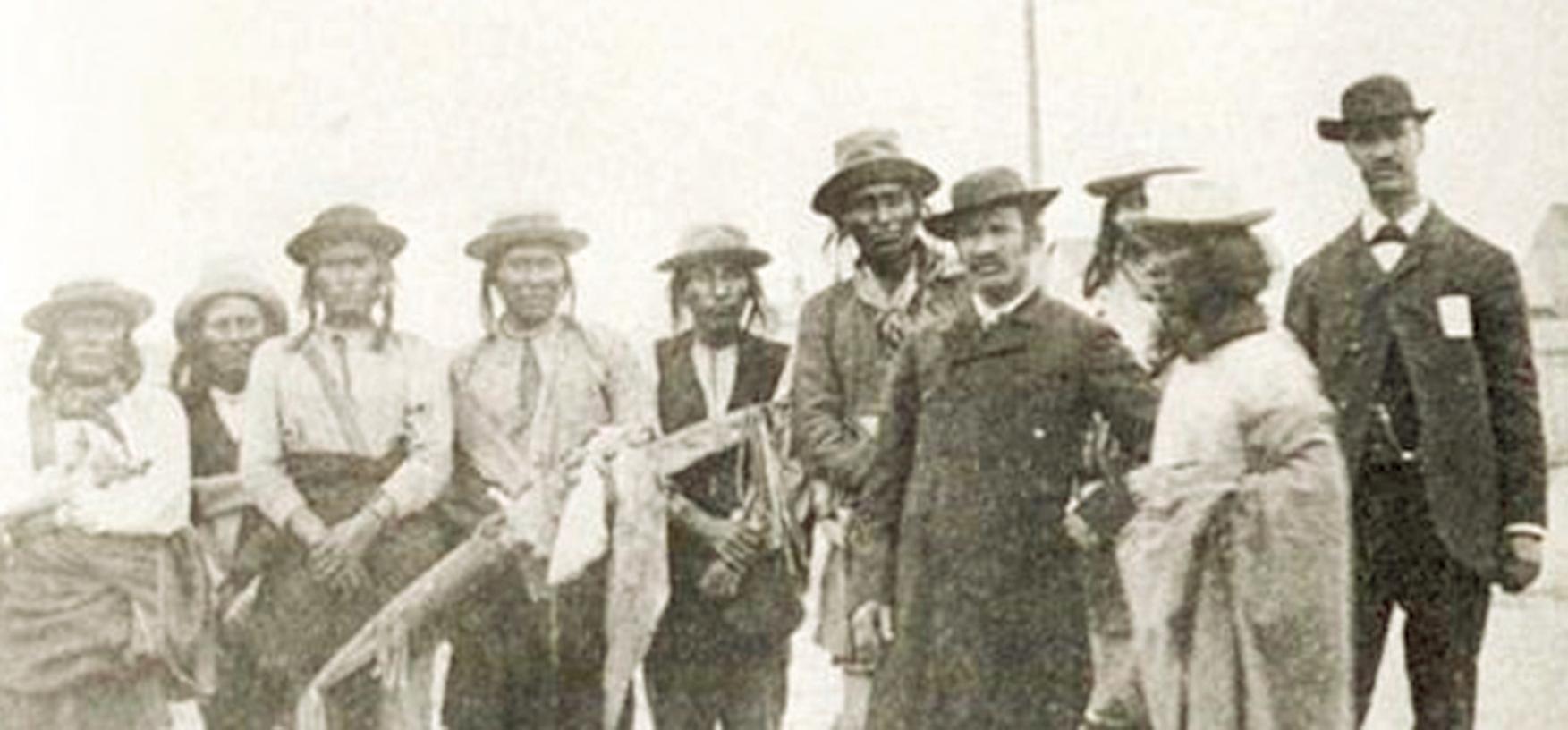
Between 1887 and 1905, Dr. John Eisner traveled across Colorado, Wyoming, New Mexico, and Nebraska performing brit milah ceremonies for Jewish families scattered across the frontier. He recorded performing 169 circumcisions during those years. Sometimes the journey required hundreds of miles of travel. There were few rabbis, few synagogues, and often only a handful of Jewish families in an entire town.
That image stopped me when I first encountered it.
When most of us think about the American West, we picture cowboys, cattle drives, saloons, and sheriffs. We probably don't picture Jews.
But maybe we should.
As I began reading about Jewish life on the frontier, I discovered that Jews were everywhere in the story of the American West. Some ran stores. Some raised cattle. Some became ranchers, entertainers, community leaders, and, yes, even cowboys.
What surprised me most wasn't that Jews lived in the West.
It was how Jewish they remained once they got there.
The story of Jews in the American West is often told through merchants and shopkeepers, and for good reason. Many Jewish immigrants opened general stores, supplied mining camps, financed businesses, and helped growing frontier towns survive.
But if we stop there, we miss the larger story. The West gave people the opportunity to reinvent themselves.
For immigrants arriving from Europe, that opportunity could be life-changing. The son of a merchant could become a rancher. A recent immigrant could become a civic leader. A young man could leave behind one identity and create another entirely.
Few places in the world offered that possibility on such a scale.
And few groups embraced it more fully than the Jews who headed west.
Flora and the Cowboys
One of my favorite stories comes from Flora Langerman Spiegelberg. Born in New York, she married Solomon Spiegelberg, a businessman whose family was active in trade throughout the Southwest. In 1875, she traveled west to join him in New Mexico.
For a woman raised in the East, the
The scene could have come straight from a Western movie.
According to Flora's account, when she entered the dining room, the cowboys rose to their feet, removed their sombreros, and greeted her with such enthusiasm that "the very rafters shook."
It is a wonderful image: a Jewish woman from New York standing in the middle of the Wild West, greeted by hundreds of dusty cowboys.
Stories like Flora's remind us that Jews were not standing on the sidelines watching western history unfold.
They were living it.
The Governor of Acoma
Then there is the story of Solomon Bibo.
Born in Germany in 1853, Bibo immigrated to the United States as a teenager. Like many immigrants, he went west.
What happened next was anything but ordinary.
Settling in New Mexico Territory, Bibo learned local languages and developed strong relationships with the people of Acoma Pueblo. He became a trader, advocate, and trusted figure within the community.
Eventually, the people of Acoma elected him governor.
Think about that for a moment.
A Jewish immigrant from Germany became governor of one of the oldest continuously inhabited communities in North America.
He later married Juana Valle, the granddaughter of a former Acoma governor, and spent much of his life working on behalf of the community.
If someone submitted that plot to a Hollywood screenwriter, it might seem too unlikely to be true.
Yet it happened.
The frontier had a way of producing stories no one could have predicted.
America's First Cowboy Movie Star
Long before John Wayne, there was Broncho Billy.
Born Max Aronson to Jewish immigrant parents, he became one of the first stars of the silent-film era and is often credited with helping create the Western movie genre itself.
One of the men most responsible for shaping the image of the American cowboy was a Jewish kid from a family of immigrants. The story also illustrates something larger about the West. It was not only a place. It was an idea.
And like so many immigrants, Aronson seized the opportunity to become something entirely new.
Keeping Jewish Life Alive
Yet for all the colorful characters, the most remarkable stories may belong to ordinary families.
Life on the frontier was not easy. The nearest synagogue might be hundreds of miles away. Rabbis were scarce. Kosher food was difficult to find. Jewish holidays often had to be observed without a congregation.
Maintaining Jewish life required effort.
That is why I keep coming back to Dr. John Eisner.
Imagine a Jewish family living in a small western town. Imagine waiting weeks for word that the traveling mohel was on his way. Imagine knowing that someone had crossed mountains, prairies, and vast stretches of open country to ensure that your child could enter the covenant of Abraham.
For those families, Eisner was more than a physician. He was a connection to Jewish continuity.
His travels included Nebraska, meaning that somewhere on the Great Plains, Jewish families were building lives and preserving traditions long before there were established Jewish institutions nearby.
When we think about the history of Jewish life in Nebraska and throughout the Plains states, it is worth remembering how fragile those early communities could be — and how determined people were to sustain them.
Why
One question kept nagging at me as I researched this article. Why had I never heard most of these stories before? Partly, I suspect, because they do not fit our expectations.
When Americans think about Jewish history, they often picture the Lower East Side of New York, crowded city streets, and immigrant neighborhoods.
When Americans think about the Wild West, they picture cowboys.
By the late nineteenth century, thousands of Jews lived throughout western states and territories. They owned stores, raised cattle, farmed land, practiced law, served in public office, and helped build communities. Some wore suits. Some wore boots. Many wore both.
More Than a Curiosity
It would be easy to treat Jewish cowboys as a historical curiosity. But that misses the point. The real story is not that a few Jews happened to wear cowboy hats.
The real story is that Jewish immigrants and their children helped build the American West while carrying their traditions with them.
Flora Spiegelberg carried her Jewish identity onto the Santa Fe Trail.
Solomon Bibo carried his into Acoma Pueblo.
Broncho Billy carried his into the earliest days of Hollywood.
Dr. John Eisner carried his across Nebraska, Wyoming, Colorado, and New Mexico, one family at a time.
Their lives looked very different, but they shared something important.
Each found a way to embrace the opportunities of the frontier without completely leaving behind where they came from.
A century later, the image still feels unexpected: a Jewish rancher in Texas, a Jewish merchant in a mining town, a Jewish cowgirl competing in a rodeo, a mohel riding across the prairie to welcome a child into the covenant.
Yet perhaps the surprise says more about us than it does about them. The Jews who went west were doing what Jews have done for generations. They built communities. They adapted to new surroundings. They raised families and carried traditions forward.
They just happened to do it wearing boots.
B’NAI B’RITH BREADBREAKERS
The award-winning B’NAI B’RITH BREADBREAKERS speaker program currently meets Wednesdays via Zoom from noon to 1 p.m. Please watch our email for specific information concerning its thought-provoking, informative list of speakers. To be placed on the email list, contact Breadbreakers chair at gary.jav itch@gmail.com
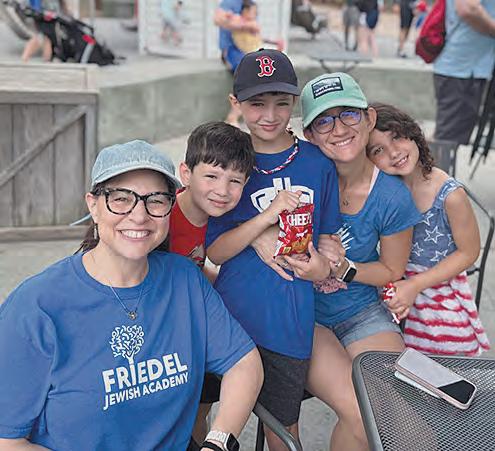


JONNIE ROBINSON
JFO Assistant Director of Community Engagement and Education
Movie lovers are invited to play a special role in bringing this year's Omaha Jewish Film Festival to life.
On Tuesday, July 22, at 1:30 p.m., the Staenberg Omaha Jewish Community Center will host a Film Festival Trailer Screening in the Wiesman Family Reception Room, giving community members a first look at films under consideration for the 24th Annual Omaha Jewish Film Festival, taking place Oct. 18–21, 2026.
During the screening, attendees will watch 20–25 trailers, each approximately two minutes long, showcasing a diverse selection of potential festival films. From compelling dramas and inspiring documentaries to heartwarming stories and laugh-out-loud comedies, the trailers represent a wide range of voices and experiences from around the world.
Following each group of trailers, participants will have the opportunity to share their thoughts on the films they would most like to see included in this year's festival. Community feedback plays an important role in helping shape the final festival lineup.
The event is free and open to the community. Guests are encouraged to relax, enjoy complimentary popcorn, connect with fellow film enthusiasts, and take part in the festival planning process.
Whether you're a longtime supporter of the Omaha Jewish Film Festival or simply enjoy discovering great films, no special expertise is needed — just bring your curiosity, your opinions, and your love of movies.

HEIDI HEILBRUNN
JCRC Program and Communications Manager
Returning to the powerful theme of ahava (love), Omaha’s Jewish community is proud to continue the tradition of marching in solidarity with our Jewish and general LGBTQIA+ community on Saturday, July 18. Organized by the Jewish Community Relations Council (JCRC) and the Jewish Federation of Omaha (JFO), our annual participation reflects a deep, ongoing commitment to inclusion, allyship, and building bridges across our diverse community.
The day will begin with Rise & Pride Shabbat worship at 8:30 a.m., a 30-minute soulful service with spiritual reflection and a light breakfast. Participants will then gather for the parade lineup beginning around 9 a.m. before the parade start time at 10 a.m. Community members will share rainbow Skittles and messages of love and support with attendees, embodying the spirit of ahava along the parade route, celebrating the LGBTQIA+ community.
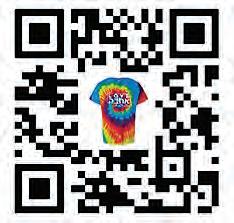
This year we have a newly designed 2026 Nebraska Love is Love T-shirt. Order before June 21!
At the JCRC and across our
To order a T-Shirt:
Jewish community, we are guided by a core Jewish value: that every person is created b’tzelem Elohim, in the image of G-d — everyone deserves to be seen, heard, celebrated, and loved exactly as they are.
The JCRC and JFO are proudly partnering with Beth El Synagogue, Temple Israel Omaha, and B’nai Israel (Council Bluffs), and event chairs Robert Friedman and Andrea Erlich, to bring our community together for a meaningful day of pride and unity.
Register to participate today! For security purposes, the location for Rise & Pride Shabbat will be emailed to registrants closer to the event. Private security is funded by Etta and Harold Epstein Security Fund.
To register for Heartland Pride:


Usually, I wouldn’t write about the Eurovision Song Contest. Europe's largest annual televised music competition. In fact, under normal circumstances, I probably wouldn’t even pay much attention to it.
And honestly, more has probably already been said about it in Israel than a song contest normally deserves.
But something genuinely remarkable happened here.
RACHEL KOLETTE WHEELER
Collective Lavo-B’tov Co-founding Director
Since Oct. 7, Eurovision has become something much bigger than a music competition for Israelis.
Watching Israeli artists stand on that stage while facing so much hostility, hatred, and antisemitism-and still giving more than 100% of themselves - is deeply moving to me. Not only as an Israeli or as a Jew, but simply on a human level. There is something profoundly powerful about a person carrying not only their own dream, but something much larger than themselves.
Last year, the performer was Yuval Raphael. This year it was Noam Bettan. Despite the hostility surrounding them, both touched millions of viewers around the world.
Yuval Raphael is a survivor of the Nova music festival massacre. She survived by hiding beneath the bodies of murdered friends and fellow festival-goer,s while whis-
pering on the phone to her father, who told her, "Yuvali, pretend you are dead." For many of us, those words echoed memories of the Holocaust.
And then, this young Israeli woman emerged from that unimaginable darkness and stood on one of Europe's biggest stages. Surrounded by boos, hostility, and hatred, she responded with remarkable grace, dignity, and courage, singing from the depth of her soul New Day Will Rise (gently alluded to what she had endured, and, in many ways, to what we had all been through - while holding on to hope for a new day).
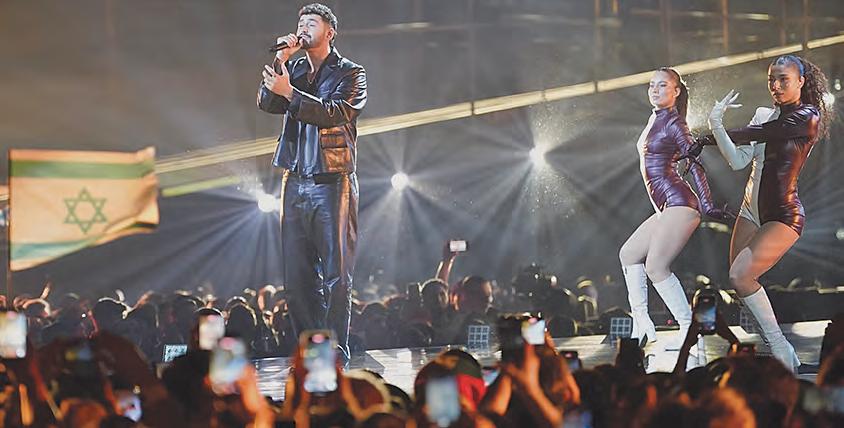
Noam Bettan, representing Israel, performs during the grand finale for the Eurovision Song Contest in the Wiener Stadthalle in Vienna, Austria, May 16, 2026. (Ian West/PA Images via Getty Images)
around the world were responding to.
This year, Noam Bettan touched people in a different but equally powerful way. A sensitive young musician, he won over audiences with his trilingual song, Michelle, performed in French, English, and Hebrew, despite the boos and hostility both inside and outside the arena.
(This year, Israel chose what appeared to be a simple love song about a broken heart, partly to avoid having its entry disqualified and to ensure it could participate in the competition).
I found myself wondering what so many people

Why did so many YouTubers - and millions of viewers, many of whom are not necessarily supporters of Israelfeel compelled to react so passionately?
Of course, people genuinely loved the songs, the performances, and their voices.
But I wonder if that alone explains the extraordinary response.
Perhaps people sensed something they couldn't quite put into words.
Maybe they were responding to authenticity.
To passion.
See A Voice From Israel page 11


(Founded in 1920)
David Finkelstein
President
Annette van de Kamp-Wright
Editor
Will Fischer
Creative Director
Claire Endelman
Sales Director
Lori Kooper-Schwarz
Assistant Editor
Sam Kricsfeld
Digital support
Mary Bachteler
Accounting
Jewish Press Advisory Board
David Finkelstein, President; Margie Gutnik, Ex-Officio; Toby Dresdner, Andrea Erlich, Dana Gonzales, Mary Sue Grossman, Hailey Krueger, Avery Lubin, Sara Rips, Seth Schuchman, Stewart Winograd and Bob Yaffe.
The mission of the Jewish Federation of Omaha is to build and sustain a strong and vibrant Omaha Jewish Community and to support Jews in Israel and around the world.
Agencies of the JFO are:: Institute for Holocaust Education (IHE), Jewish Community Relations Council (JCRC), Nebraska Jewish Historical Society (NJHS), Jewish Press, Rose Blumkin Jewish Home (RBJH), Jewish Family Service (JFS), Staenberg Omaha Jewish Community Center (JCC).
Guidelines and highlights of the Jewish Press, including front page stories and announcements, can be found online at: www.jewishomaha.org; click on ‘Jewish Press.’
The Jewish Press is not responsible for the Kashrut of any product or establishment.
Editorial
E-mail editorial material and photos to: jpress@jewishomaha.org and avandekamp@jewishomaha.org ; send ads (in TIF or PDF format) to: wfischer@jewishomaha.org
Letters to the Editor Guidelines
The Jewish Press welcomes signed Letters to the Editor. They may be sent via regular mail to: The Jewish Press, 333 So. 132 St., Omaha, NE 68154; via fax: 1.402.334.5422 or via e-mail to the Editor at: avandekamp@jewishomaha.org.
Letters should be no longer than 250 words and must be single-spaced typed, not hand-written. Published letters should be confined to opinions and comments on articles or events.
News items should not be submitted and printed as a “Letter to the Editor.”
The Editor may edit letters for content and space restrictions. Letters may be published without giving an opposing view. Information shall be verified before printing. All letters must be signed by the writer. The Jewish Press will not publish letters that appear to be part of an organized campaign, nor letters copied from the Internet. No letters should be published from candidates running for office, but others may write on their behalf.
Letters of thanks should be confined to commending an institution for a program, project or event, rather than personally thanking paid staff, unless the writer chooses to turn the “Letter to the Editor” into a paid personal ad or a news article about the event, project or program which the professional staff supervised. For information, contact Annette van de Kamp-Wright, Jewish Press Editor, 402.334.6450.
Postal The Jewish Press (USPS 275620) is published weekly (except for the first week of January and July) on Friday for $40 per calendar year U.S.; $80 foreign, by the Jewish Federation of Omaha. Phone: 402.334.6448; FAX: 402.334.5422.
Periodical postage paid at Omaha, NE. POSTMASTER: Send address changes to: The Jewish Press, 333 So. 132 St., Omaha, NE 68154-2198 or email to: jpress@jewishomaha.org
ANNETTE VAN DE KAMP-WRIGHT
Jewish Press Editor
Recently, I read a story about a new Muslim initiative that aims to push back against the Boycott and Divestment movement. It’s by a group calling itself the Unbreakable Bond Coalition, and they’re planning to invest in Israel, its Arab citizens and Palestinians employed by Israeli companies. They think they can mobilize at least 500,000 pro-Israel supporters to invest in Israeli treasury bonds, as reported by AMNY.com.
The press release also states:
“Among the groups that are part of the coalition are the American Muslim & Multifaith Women’s Empowerment Council (AMMWEC), Muslim Women Speakers Bureau, Global Youth Unity Project (GYUP), Abraham PRC, Muslims Israel Dialogue and their organizational partners.The fund will be donated to four specific nonprofit organizations: Sharaka, Jerusalem Interfaith Center, Combat Antisemitism Movement and Debate for Peace.”
I think, taken at face value, it sounds admirable. I want to believe in this, but I’m not holding my breath.
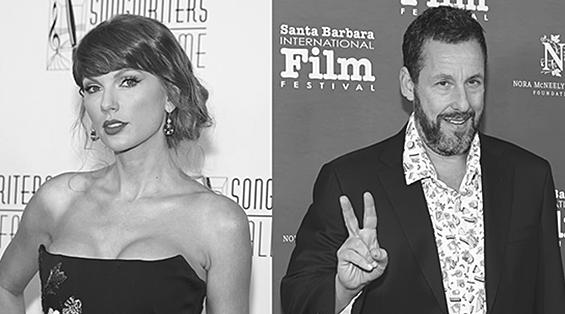
During a week when Taylor Swift is called a “Zio” for having Adam Sandler officiate at her and Travis Kelce’s wedding, when a politicalcandidate is forced to resign for sexual assault
Editorials express the view of the writer and are not necessarily representative of the views of the Jewish Press Advisory Board, the Jewish Federation of Omaha Board of Directors, or the Omaha Jewish community as a whole.
(good) but his covered-up Nazi tattoo was apparently not a problem, and the Patriot Front is marching in DC, I have little hope for anything.
It’s funny, that Patriot Front in particular vibes as extremely right-wing, which previously would have indicated they are closer to the current administration. But they are supergood at spreading antisemitic literature, and one of their main slogans is “No Zionists in Government.” If anyone in the current US government can be labeled a Zionist, it’s most likely a Republican.
Meanwhile, most Anti-Israel sentiments come from the left, except for a few pundits on the far right. It’s confusing, and a clear illustration that the boxes we’ve put each other in no longer work (did they ever?).
And yet, I think we continue to try to force those categories, “for” or “against,” and if we ourselves feel we no longer fit our self-assigned box, we go looking for a new one.
And perhaps that is part of the problem. Who is on our side? Who is against us? If Gwyneth Paltrow makes a commercial for Israeli real estate, and gets enormous backlash, does that mean she’s with us? If a Judge sentences a man to a one-year jail sentence for killing a Jewish man at a protest, does that
As our nation recently marked Independence Day, many of us took time to reflect on the values that have shaped our country and our communities: the belief that people working together can create something greater than themselves and leave a lasting legacy for future generations.
In Jewish tradition, these ideas are reflected in the values of tikkun olam—our shared responsibility to repair the world—and l'dor v'dor— the understanding that what we build today is carried forward from generation to generation.
These values are visible throughout Jewish Omaha every day. They can be found in the relationships formed at camp, the support provided to families in times of need, the connections made through cultural and educational programming, and the countless acts of generosity and volunteerism that strengthen our community. While these moments may look different on the surface, they share a common purpose: helping people feel connected, supported, and part of something larger than themselves.
As a community, we are also asking important questions about the future. How do we ensure that every person feels a sense of belonging? How do we strengthen connections across generations? How do we communicate the value and impact of the work happening every day within our agencies, programs, and institutions?
mean the legal system in California is in the antisemitism box?
Still, those boxes are necessary, I think. We cannot help but take it seriously when people show us who they are. We don’t have the luxury to ignore hate, in whatever form.
That means we should also hesitate to automatically distrust a Muslim coalition who says they want to do good, who speak out in support of Israel.
For the time being, I’m creating a “maybe” box. Maybe that’s unfair – but the “yes’ box feels a little wobbly right now. It has room, sure, lots of room even, but it also feels as if that particular box can self-destroy at any moment.
To help answer these questions, the Federation and its agencies are working to better understand how community members experience Jewish Omaha—what resonates, where opportunities exist, and how we can continue to grow stronger together. We are also placing greater emphasis on measuring and communicating impact so that the stories of our community are not only inspiring, but meaningful and measurable.
Behind every number is a person. Behind every program is a relationship. Behind every success story is a community that chooses to invest in one another. In the past, now and always. Understanding and sharing those stories helps us recognize not only what we do, but why it matters.
Our community has always been built by people who looked beyond the needs of the moment and invested in the future. The institutions, programs, and traditions we benefit from today exist because previous generations believed Jewish Omaha was worth building and sustaining.
Now it is our turn.
As we look ahead, we have an opportunity to honor that legacy by strengthening connections, deepening engagement, and ensuring that our community remains vibrant and welcoming for generations to come. Together, we can continue building on the strong foundation laid by those who came before us while creating an even stronger future for those who will follow.
B’NAI ISRAEL
SYNAGOGUE
618 Mynster Street Council Bluffs, IA 51503-0766
712.322.4705 www.cblhs.org
BETH EL SYNAGOGUE
Member of United Synagogues of Conservative Judaism 14506 California Street Omaha, NE 68154-1980
402.492.8550 bethel-omaha.org
BETH ISRAEL
SYNAGOGUE
Member of Union of Orthodox Jewish Congregations of America 12604 Pacific Street Omaha, NE. 68154
402.556.6288 BethIsrael@OrthodoxOmaha.org
CHABAD HOUSE
An Affiliate of Chabad-Lubavitch 1866 South 120 Street Omaha, NE 68144-1646
402.330.1800 OChabad.com email: chabad@aol.com
LINCOLN JEWISH COMMUNITY:
B’NAI JESHURUN
South Street Temple
Union for Reform Judaism
2061 South 20th Street Lincoln, NE 68502-2797
402.435.8004 www.southstreettemple.org
OFFUTT AIR
FORCE BASE
Capehart Chapel 2500 Capehart Road Offutt AFB, NE 68123
402.294.6244 email: oafbjsll@icloud.com
TEMPLE ISRAEL
Union for Reform Judaism (URJ) 13111 Sterling Ridge Drive Omaha, NE 68144-1206
402.556.6536 templeisraelomaha.com
LINCOLN JEWISH COMMUNITY:
TIFERETH ISRAEL
Member of United Synagogue of Conservative Judaism 3219 Sheridan Boulevard Lincoln, NE 68502-5236 402.423.8569 tiferethisraellincoln.org
Monthly Speaker Series Service, Friday, July 10, 7:30 p.m. with our guest speaker, Brian Rosen, Creighton Volleyball head coach. Our service leader is Larry Blass. Everyone is always welcome at B’nai Israel!
• Sunday, Aug. 9, 2026 will become a day to remember at B’nai Israel Living History Museum and Synagogue in Council Bluffs, 618 Mynster Street from 1-3 p.m. the synagogue grounds will be turned into a celebration honoring Council Bluffs Playland Park and Speedway.
For information about our historic synagogue, please visit our website at www.cblhs.org or contact any of our board members: David Alloy, Renee Corcoran, Rick Katelman, Gail Kenkel, Janie Kulakofsky, Howard Kutler, Ann Moshman, Mary-Beth Muskin, Debbie Salomon, Sissy Silber and Jenn Tompkins. Handicap Accessible.
Services conducted by Rabbi Steven Abraham and Hazzan Michael Krausman.
IN-PERSON AND ZOOM MINYAN SCHEDULE: Mornings on Sundays, 9:30 a.m.; Mondays and Thursdays 7 a.m.; Evenings on Sunday-Thursday 5:30 p.m.
FRIDAY: Kabbalat Shabbat with Dr. Tal Becker, 6 p.m. at Beth El and Live Stream.
SATURDAY: Shabbat Morning Services with Dr. Tal Becker, 10 a.m. at Beth El and Live Stream; Kiddush in honor of Sam and Alice Meisels and Lunch and Learn with Dr. Tal Becker following services.
SUNDAY: Morning Minyan, 9 a.m. Zoom Only — Summer Schedule; BESTT Family Day at the Storm Chasers Game, 5:05 p.m.
TUESDAY: Board of Trustees Meeting 6 p.m.
WEDNESDAY: Erev Tisha B'Av - Ma'ariv and Havdallah followed by Eicha, 8 p.m. at Beth El and Zoom.
FRIDAY-July 24: Six-String Shabbat, 6 p.m. at Beth El and Live Stream.
SATURDAY-July 25: Shabbat Morning Services, 10 a.m. at Beth El and Live Stream; Kiddush sponsored by Pam and Bruce Friedlander, Carol and Alan Parsow following services. Please visit bethel-omaha.org for additional information and service links.
FRIDAY: Torah from Omaha, 6:45 a.m.; Shacharit, 7 a.m.; 2026 Camp JYE BI, 9 a.m.; Mincha/Kabbalat Shabbat, 7 p.m.; Candlelighting, 8:37 p.m.
SATURDAY: Shabbos Café, 8:30 a.m.; Shacharit 9 a.m.; Tot Shabbat, 10:30 a.m.; Youth Class, 10:45 a.m.; Soulful Torah 7:35 p.m.; Mincha 8:20 p.m.; Kids Activity/Laws of Shabbos, 8:50 p.m.; Havdalah, 9:44 p.m.
SUNDAY: Shacharit, 9 a.m.; Mincha/Ma’ariv 8:40 p.m.
MONDAY: Torah from Omaha, 6:45 a.m.; Shacharit, 7 a.m.; 2026 Camp JYE BI 9 a.m.; Mincha/Ma’ariv 8:40 p.m.
TUESDAY: Torah from Omaha, 6:45 a.m.; Shacharit, 7 a.m.; 2026 Camp JYE BI, 9 a.m.; Smichat Chaver Men's Class, 7:40 p.m.; Mincha/Ma’ariv, 8:40 p.m.
WEDNESDAY: Torah from Omaha, 6:45 a.m.;
Shacharit, 7 a.m.; 2026 Camp JYE BI 9 a.m.; Character Development, 1:30 p.m.; Mincha/Ma’ariv, 8:40 p.m.
THURSDAY: Torah from Omaha, 6:45 a.m.; Shacharit, 7 a.m.; 2026 Camp JYE BI, 9 a.m.; Mincha/ Ma’ariv 8:40 p.m.
FRIDAY-July 24: Torah from Omaha, 6:45 a.m.; Shacharit, 7 a.m.; 2026 Camp JYE BI, 9 a.m.; Mincha/Kabbalat Shabbat, 7 p.m.; Candlelighting, 8:31 p.m.
SATURDAY-July 25: Shabbos Café, 8:30 a.m.; Shacharit 9 a.m.; Tot Shabbat 10:30 a.m.; Youth Class, 10:45 a.m.; Soulful Torah, 7:35 p.m.; Mincha, 8:20 p.m.; Kids Activity/Laws of Shabbos 8:50 p.m.; Havdalah, 9:37 p.m.
Please visit orthodoxomaha.org for additional information and Zoom service links.
Join classes via Zoom. Go to ochabad.com/academy. For more information or to request help, please visit www.ochabad.com or call the office at 402.330.1800.
FRIDAY: Shacharit 8 a.m.; Lechayim, 5:30 p.m. go to ochabad.com/lechayim to join; Candlelighting, 8:36 p.m.
SATURDAY: Shacharit 10 a.m. followed by Kiddush and Cholent; Shabbat Ends, 9:42 p.m.
SUNDAY: Sunday Morning Wraps, 9 a.m.
MONDAY: Shacharit 8 a.m.; Personal Parsha 9:30 a.m. with Shani; Intermediate Biblical Hebrew Grammar, 10:30 a.m. with David Cohen; Parsha Reading, 6-8 p.m. with David Cohen.
TUESDAY: Shacharit, 8 a.m.; Aramaic Grammar, 10 a.m. with David Cohen; Intermediate Biblical Hebrew Grammar, 6 p.m. with David Cohen; Introductory Biblical Hebrew Grammar, 7 p.m. with David Cohen.
WEDNESDAY: Shacharit 8 a.m.; Introductory Biblical Hebrew Grammar, 10:30 a.m. with David Cohen; Parsha Reading, 11:30 a.m. with David Cohen.
THURSDAY: Shacharit, 8 a.m.; Introductory Biblical Hebrew Grammar, 10 a.m. with David Cohen; Advanced Biblical Hebrew Grammar, 11 a.m. with David Cohen; Talmud Study, noon; Introduction to Alphabet, Vowels & Reading Hebrew, 6 p.m. with David Cohen; Code of Jewish Law Class, 7 p.m.
FRIDAY-July 24: Shacharit, 8 a.m.; Lechayim, 5:30 p.m. go to ochabad.com/lechayim to join; Candlelighting, 8:31 p.m.
SATURDAY-July 25: Shacharit, 10 a.m. followed by Kiddush and Cholent; Shabbat Ends, 9:35 p.m.
LINCOLN JEWISH COMMUNITY: B’NAI JESHURUN & TIFERETH ISRAEL
Services are by Rabbi Benjamin Sendrow. All services offered in-person with live-stream or teleconferencing options.
FRIDAY: Kabbalat Shabbat Service, 6:30-7:30 p.m. led by Rabbi Sendrow at SST followed by an Oneg; Shabbat Candlelighting, 8:37 p.m.
SATURDAY: Shabbat Morning Service, 9:30 a.m. led by Rabbi Sendrow at TI followed by a Kiddush Lunch; Torah Study, noon on Parashat Devarim via Zoom; Family Potluck and Game Night, 6 p.m. at SST. Bring a dish to share for the potluck beginning at 6
p.m. Games are available to play, but feel free to bring one of your favorites! Games begin at 7 p.m.; Havdalah, 9:43 p.m.
SUNDAY: Men's Bike and Coffee Club, 10:45 a.m.
The Mill Coffee & Bistro at Nebraska Innovation Campus, 2021 Transformation Dr #1350, Lincoln. For more information or questions please email Al Weiss at alb ertw801@gmail.com; We can do this - Feed the Children, 11 a.m.-1:15 p.m. at Belmont Community Center. Questions? Susie at 402.570.4922 or Aimee Hyten (SST Lead) 240.475.0747
WEDNESDAY: Men’s Lunch Group, 12:15 p.m. at Horisun Hospice, 8055 O St #300, Lincoln. We meet in the conference room. Bring your own lunch and beverage. For more information, contact Albert Weiss at albertw801@gmail.com
FRIDAY-July 24: Kabbalat Shabbat Service, 6:307:30 p.m. led by Rabbi Sendrow at SST followed by an Oneg; Shabbat Candlelighting, 8:32 p.m.
SATURDAY-July 25: Shabbat Morning Service, 9:30 a.m. at TI followed by a Kiddush Lunch; Torah Study noon on Parashat Vaetchanan via Zoom; Havdalah, 9:36 p.m.
FRIDAYS: Virtual Shabbat Service, 7:30 p.m. every first and third of the month at Capehart Chapel. Contact TSgt Jason Rife at OAFBJSLL@icloud.com for more information.
In-person and virtual services conducted by Rabbi Benjamin Sharff, Rabbi Deana Sussman Berezin, and Cantor Joanna Alexander.
FRIDAY: Drop-In Mah Jongg, 9 a.m. In-Person; Village Walking Group, 9 a.m.; Classic Shabbat Service, 6 p.m. In-Person & Zoom.
SATURDAY: Heartland Pride Parade, 8:30 a.m. in Downtown Omaha; Torah Study, 9:15 a.m. In-Person & Zoom; Shabbat Morning Service, 10:30 a.m. In-Person & Zoom
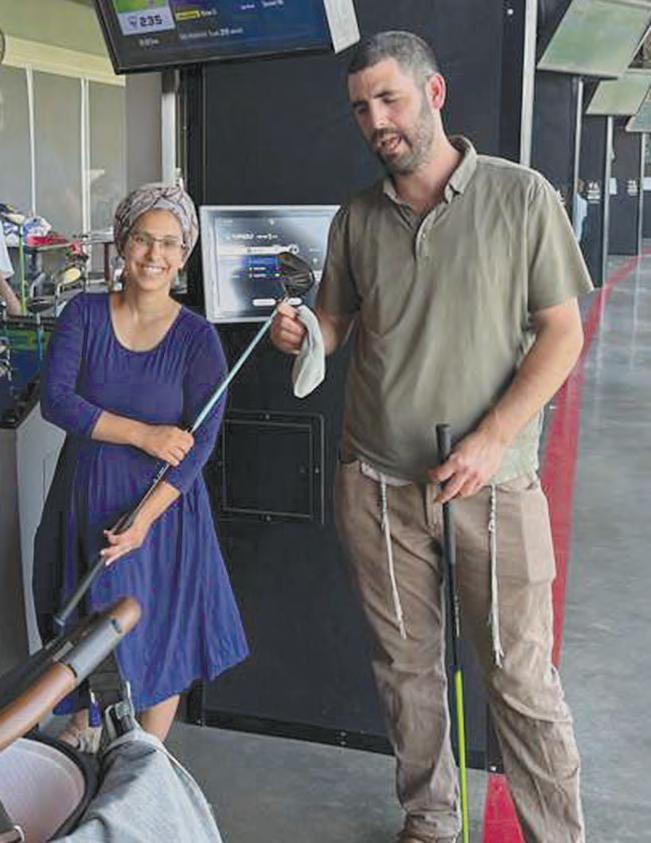
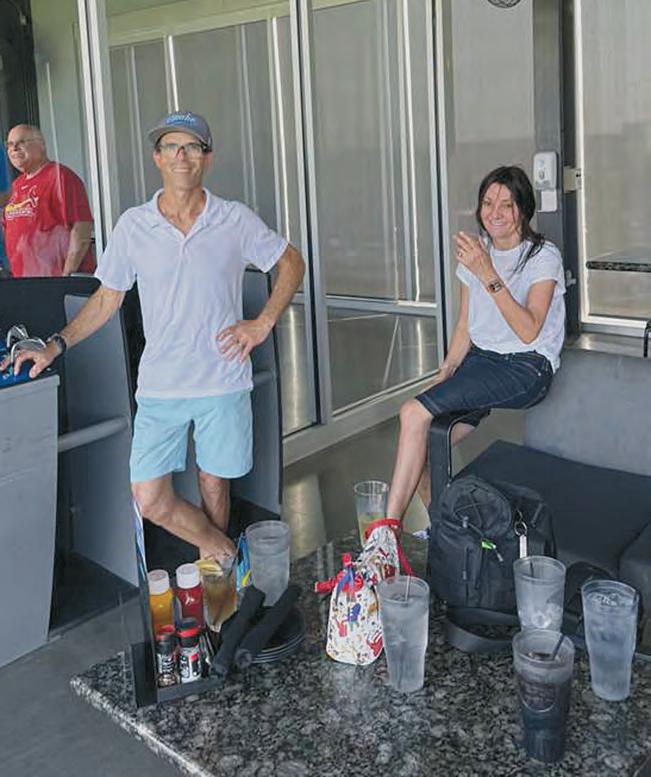
MONDAY: Temple Israel Golf Outing noon at Oak Hills Country Club.
TUESDAY: Mah Jongg Made Easy 1:30 p.m. In-Person.
WEDNESDAY: Yarn It, 9 a.m.; The Music of Israel: Understanding the Modern Jewish Soundscape 5:30 p.m. taught by Student Cantor Benjamin Brodkey; Tisha B’Av Service, 7 p.m.
THURSDAY: The Music of Israel: Understanding the Modern Jewish Soundscape, 11 a.m. taught by Student Cantor Benjamin Brodkey; Moses Maimondies Class. 7 p.m. with Rabbi Sharff.
FRIDAY-July 24: Drop-In Mah Jongg, 9 a.m. In-Person; Village Walking Group, 9 a.m.; Shabbat B’yachad Service, 6 p.m. In-Person & Zoom.
SATURDAY-July 25: Torah Study, 9:15 a.m. In-Person & Zoom; Shabbat Morning Service, 10:30 a.m. InPerson & Zoom; Garden Party with ATID!, 6 p.m. at Tri-Faith Garden
Please visit templeisraelomaha.com for additional information and Zoom service links.
The Jewish Federation of Omaha is delighted to welcome Jess Cohn as its new Donor Relations Manager, a role that will strengthen the Federation’s commitment to cultivating meaningful relationships with donors and advancing philanthropic support across the community. Working alongside the Development Team under the leadership of Senior Director of Development Ellie Novak, Jess will play a key role in the stewardship and engagement of the Federation’s donor community. Her work will focus heavily on the Annual Campaign, where she will help guide donor engagement efforts, coordinate campaign-related events, and serve as a primary resource for Campaign
Chairs and Cabinet members.
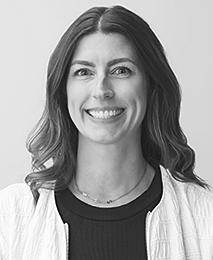
Jess joins the Federation with a wealth of experience in both corporate event planning and Jewish communal leadership. A longtime community volunteer, she brings a unique combination of professional expertise, strategic thinking, and a deep passion for Jewish philanthropy and engagement. Her background in creating impactful events and fostering meaningful connections makes her exceptionally well-suited for this important role.
Currently serving in a part-time capacity, Jess will transition to full-time employment in August. In the coming months, community members can expect to see her actively engaged across campus as planning begins for the 2027 Annual Campaign. From coordinating logistics to helping create opportunities for involvement and connection, Jess will be working closely with volunteers, donors, and
staff to help ensure another successful year of community impact.
“I am grateful for the opportunity to serve the Jewish community in a professional role,” Jess said. “Federation has helped shape my Jewish journey, from Momentum and Emerge to raising my family with PJ Library and supporting the Annual Campaign, along with countless other experiences. I have built lasting friendships, formed meaningful relationships, and deepened my connection to the Omaha Jewish community. I look forward to helping strengthen and grow our vibrant community."
Please join us in giving Jess a warm welcome and in supporting her as she begins this new chapter with the Jewish Federation of Omaha. We look forward to the many ways her talents and dedication will contribute to our shared mission and to the future of our community.
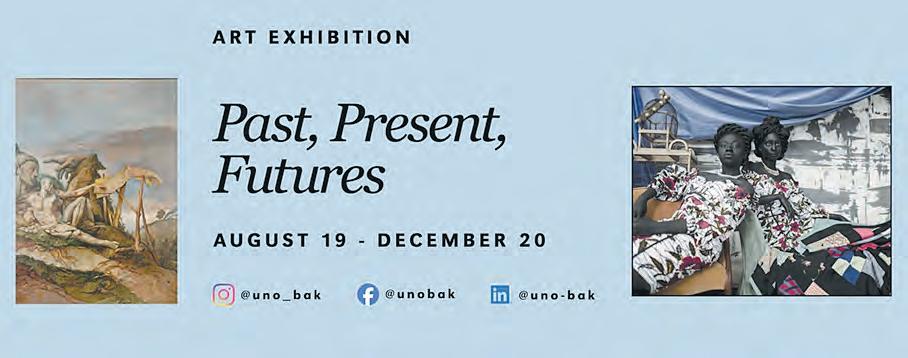
The Samuel Bak Museum will be closed from June 29 to Aug. 18 for exhibition installation.
We are excited to welcome you back in August for our fall exhibition, Past, Present, Futures. This exhibition explores how 21st century artists appropriate European art traditions to question historical narratives, discuss our contemporary moment, and envision flourishing futures.
Continued from page 8
To commitment.
To the emotional weight they carried onto that stage.
To the refusal to break.
To the determination to keep giving everything despite the atmosphere surrounding them.
To the deep human spirit
But with Noam Bettan, there is another story beneath the performance.
A personal story of refusing to give up on yourself, even after nearly a decade of closed doors as a singer and creator.
Perhaps this touched me so deeply because much of my life's work has been about holding possibility in the face of challenges.
A story about continuing to believe in your ability long before others recognize it.
The exhibition opens with Samuel Bak’s early figurative paintings. In the 1970s, Bak abandoned abstraction and embraced a figurative approach that drew from Renaissance and Baroque painting and sculptures. His use of traditional European techniques of painting and classically inspired bodies drawn from the works of Renaissance artists casts a critical gaze on the legacies of European culture in the aftermath of the Holocaust. Invited artists include Ken Gonzales-Day, Harmonia Rosales, Letitia Huckaby, Jeannette Ehlers, Shawn Theodore, and April Bey. They explore the traditions of European portraiture to center other histories, reveal the role art and art history have played in the formation of historical narratives, and celebrate the resurgence of culture after oppression.
But maybe the most powerful thing is this:
Sometimes people become extraordinary not only because they want success for themselves— but because they feel they are representing something bigger than themselves.
And people can sense it.
There was one moment in Noam's final performance that stayed with me.
Near the end of the song, as the boos became almost unbearable, he sang the words, "Yesh Mi SheYishma" - a Hebrew expression of faith that reminds us we are not alone, our prayers are heard and that there is Someone up there who hears us.
Within the song, those words are part of a love story, and a broken heart.
This moment they sounded like a cry from the depths of his soul.
On stage, in that moment, they no longer sounded like lyrics.
They became something entirely different.
Later, Noam shared that as the boos grew louder, he found himself crying those words out to G-d about Am Israel, confirming what many of us had sensed in that moment.
He ended his performance with:
Am Yisrael Chai.
Author’s Note: Eurovision results are determined by a 50/50 voting system: half of the points come from judges representing each participating country, and half from the public vote. In both 2025 and 2026, Israel received one of the strongest public vote totals but significantly fewer points from the national judges.
Israel finished in second place both this year and last year. Many believed that, had the competition not been overshadowed by politics, Israel's entries would have finished in first place.
Rachel Kolette Wheeler is the co-founder and director of Collective Lavo B’tov, working with people with disabilities to build meaningful lives in all life areas. She brings over 35 years of experience in transformational work across individuals, relationships, and organizations. Based in the U.S.(Omaha), she visits Israel frequently and stays closely connected through her daily work online. In her column, Rachel brings forward voices and real stories from Israel. She can be reached at rachel@lavo-btov.org.
CLASSIFIED ADVERTISING works! Place your 25 word ad into thousands of Nebraska homes for $225. Contact your local newspaper or call 1-800-369-2850.
HELLO NEBRASKA! Introducing www.nepublicnotices.com, a new public notice website presented as a public service by all Nebraska newspapers. Free access, fully searchable – because democracy depends upon open government and your right to know.
AFFORDABLE PRESS Release service. Send your message to over 120 newspapers across Nebraska for one low price! Call 1800-369-2850 or www.nebpress.com for more details.
OMAHA STEAKS Wines. 12 world class wines (and bonus gifts) for ONLY $79.99 (plus s/h.) Save $160! 12 new wine selections plus a FREE $25 Omaha Steaks E-reward card every three months. Cancel anytime. 100% guarantee! Call 1-877-358-2139 and mention code AGJF002 or visit www.GetOSWine.com/sip141
DENTAL INSURANCE from Physicians Mutual Insurance Company. Coverage for 350 plus procedures. Real dental insuranceNOT just a discount plan. Do not wait! Call now! Get your FREE Dental Information Kit with all the details! 1-855-490-4149 www.dental50plus.com/81 #6258
AUDIEN HEARING. The world’s first hearing aid with touchscreen controls. No tiny buttons, apps or prescriptions. 45-day risk free trial. Free shipping. Lifetime support. More than 1.5 million happy customers. Call Audien 1-855-357-0640
DOES YOUR basement or crawl space need some attention? Call Thrasher Foundation Repair! A permanent solution for waterproofing, failing foundations, sinking concrete and nasty crawl spaces. FREE Inspection & Same Day Estimate. $250 off ANY project with code GET250. Call 1-844-958-3431
REPLACE YOUR roof with the best looking and longest lasting material steel from Erie Metal Roofs! Three styles and multiple colors available. Guaranteed to last a lifetime! Limited Time Offer up to 50% off installation + Additional 10% off install (for military, health workers & 1st responders.) Call Erie Metal Roofs: 1-888316-7713
THE BATHROOM of your dreams in as little as 1 day. Limited Time Offer - $1000 off or No Payments and No Interest for 18 months for customers who qualify. BCI Bath & Shower. Many options available. Quality materials & professional installation. Senior & Military Discounts Available. Call Today! 1-855-451-2244
JCRC Program and Communications Manager
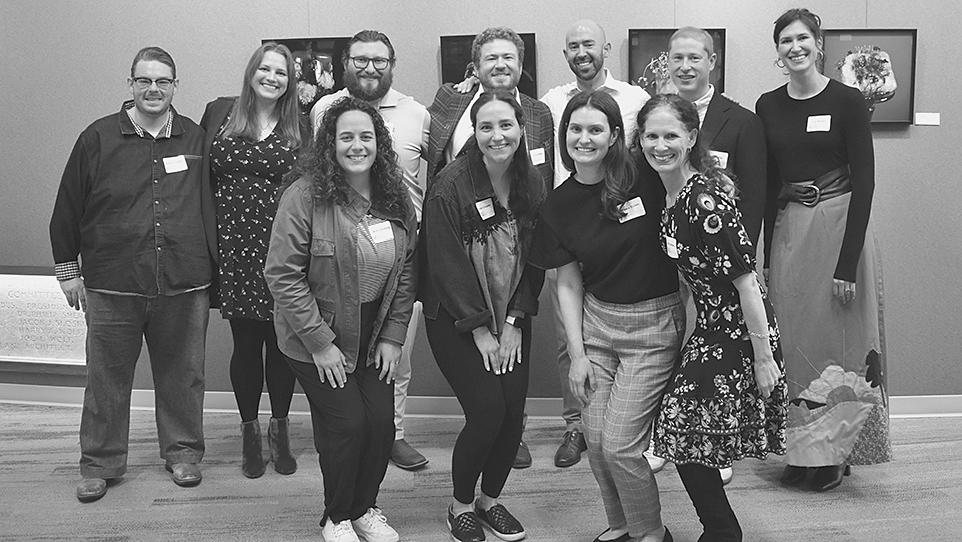
Preparing for college can be stressful enough on its own, but today's Jewish students often face the added worry of antisemitism. Jewish college students heading to campus this fall are invited to attend the Backto-School Campus Connections event on Tuesday, Aug. 11, from 4 to 6 p.m. in the Wiesman Reception Room at the Staenberg JCC. The Campus Connections program is designed to provide vital support, resources, and a strong sense of community to those students heading off to college.
rial Fund for Youth, the program provides participants with a practical toolkit that includes resources, talking points, suggested actions, and information about student rights. Students will also gain a deeper understand-
“While we hope students don’t encounter any antisemitic issues in the coming school year, we want them to be inspired to stay connected to their Judaism and be strong allies,” said Pam Monsky, JCRC Assistant Director.
Incoming and returning students from any college or university are invited to enjoy food, connect with fellow Jewish students, receive a free Campus Connections swag bag, and participate in a timely discussion about recognizing and responding to antisemitism on campus. Funded by the Lazier L. and Harriet B. Singer Memo-
supported.
The event is proudly co-sponsored by Beth El Synagogue, Beth Israel Synagogue, Temple Israel, Chabad of Nebraska, and JCRC Omaha.
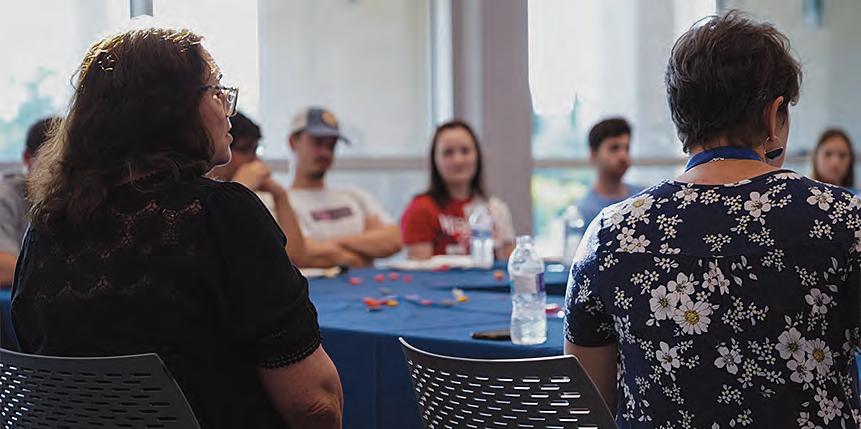
ing of antisemitism, including how it can intersect with anti-Zionism. JCRC’s Campus Connections helps students build community, strengthen their connection to Jewish life, and prepare for the opportunities and challenges of college. Throughout the year, the program offers opportunities to learn, engage, and explore Jewish life in Omaha and beyond. The Back-to-School event gives students a chance to meet one another before classes begin, helping them start the semester informed, connected, and



JEWISH PRESS READERS
If you do business with any of our advertisers, please tell them you saw their ad in the Jewish Press. It really helps us!