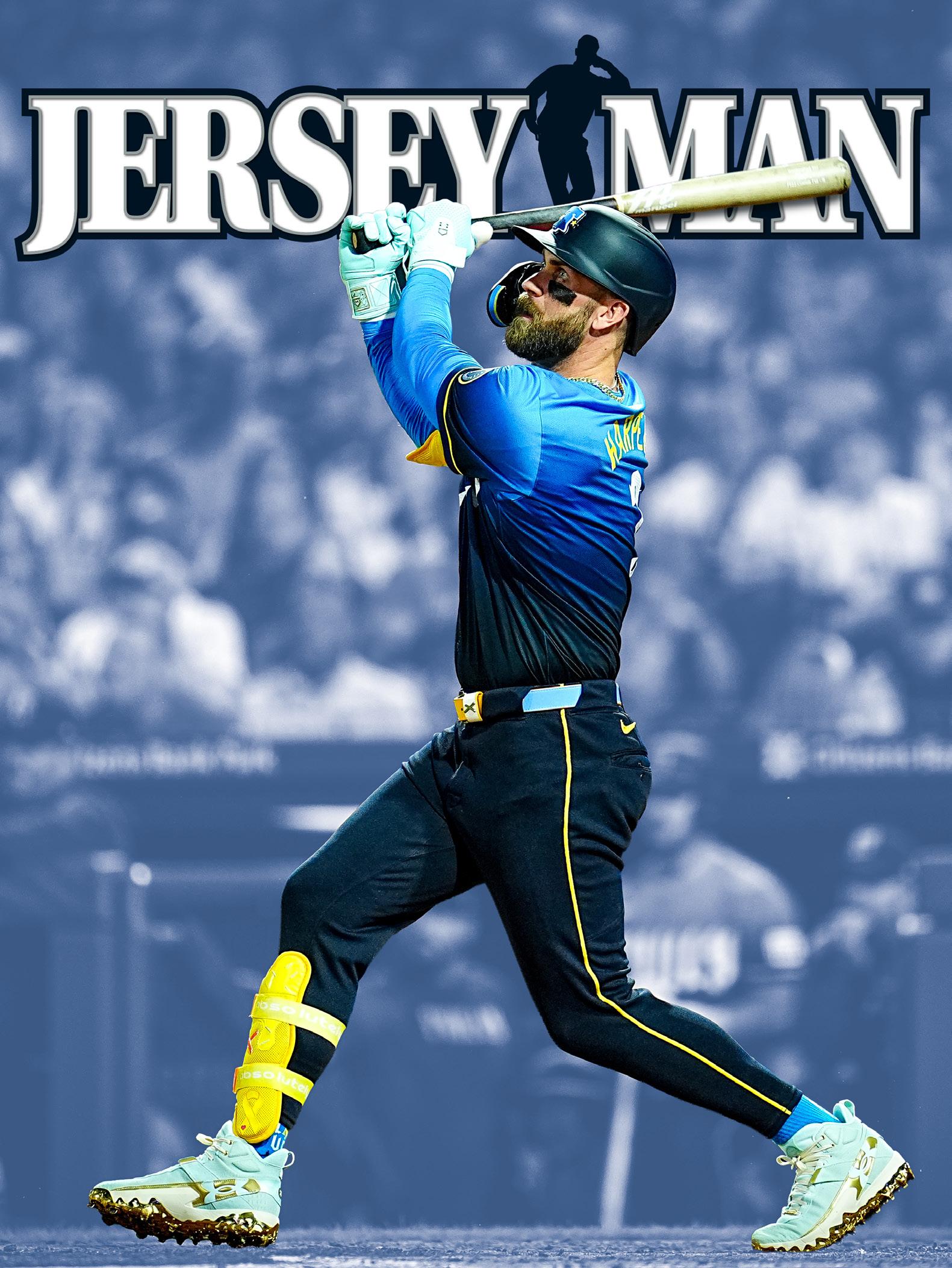
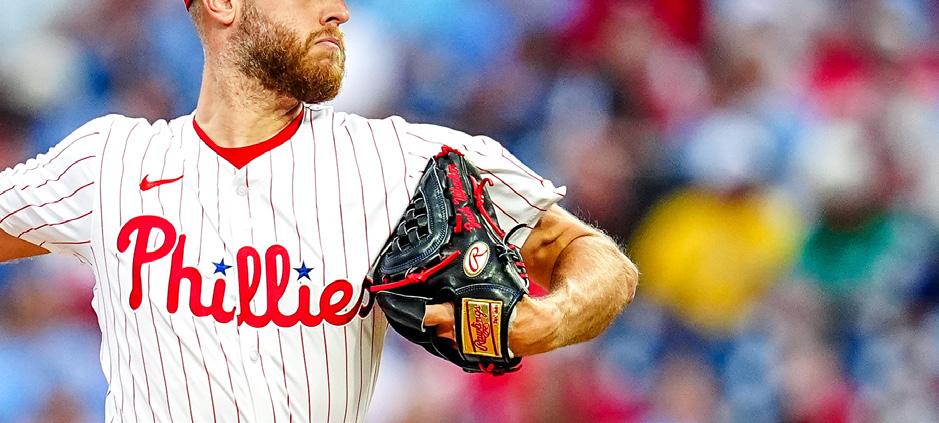
Bryce Harper looks to lead the Phillies back to the postseason in 2026.
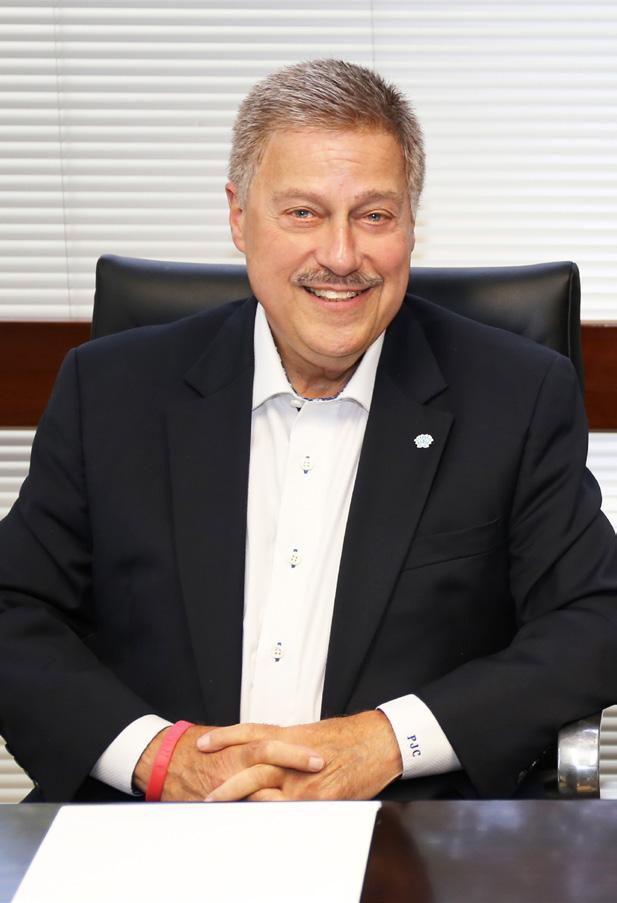







BY KEN DUNEK
I know, I know. It’s April and this is the baseball issue.
But most who know me know of my love for basketball and the NCAA tournament, and as I write this, we are in the opening games of March Madness.
I might have to amend my previous statement. I love the passion and fervor of this tournament and college basketball in general, but I rarely watch an NBA game.
NBA players making hundreds of millions of dollars who skip games for “load management,” cheating the fans, have soured me a bit.
But the energy and passion of this tournament make it my favorite sporting event of the year.
And yes, that includes the Super Bowl.
The upsets, the tension, and the tears of both heartbreak and joy compel me to watch as many games as I can.
And of course, there are plenty of great March Madness parties to attend. So, for three weeks, I will settle into an easy chair and switch channels until my remote control batteries run out.
But I have plenty of backups, because I don’t want to miss a single whistle.

Ken Dunek PUBLISHER
ASSOCIATE PUBLISHER
Ashley Dunek
EDITOR
George Brinkerhoff
ART DIRECTOR
Steve Iannarelli
CONTRIBUTING WRITERS
George Anastasia, Jan L. Apple, George Brinkerhoff,
Michael Bradley, Sam Carchidi, Alexandra Dunek, Mark Eckel, Dei Lynam, Anthony Mongeluzo, Kevin Reilly, Mike Shute, Kurt Smith
Event Coordinator & Administrative Assistant
Alexandra Dunek
Website & Digital Coordinator
Spartan Digital Solutions
Editorial gbrinkerhoff@jerseymanmagazine.com
Advertising 856-912-4007
Printing Alcom Printing, Harleysville, Pa.
Controller
Rose M. Balcavage
Sales Associates
Ashley Dunek, Terri Dunek, JP Lutz
JerseyMan/PhillyMan Advisory Board
Peter Cordua (Chairman) ..........Cordua Consulting, LLC
Don Eichman Alcom Printing
Bill Emerson Emerson Group
JerseyMan publisher
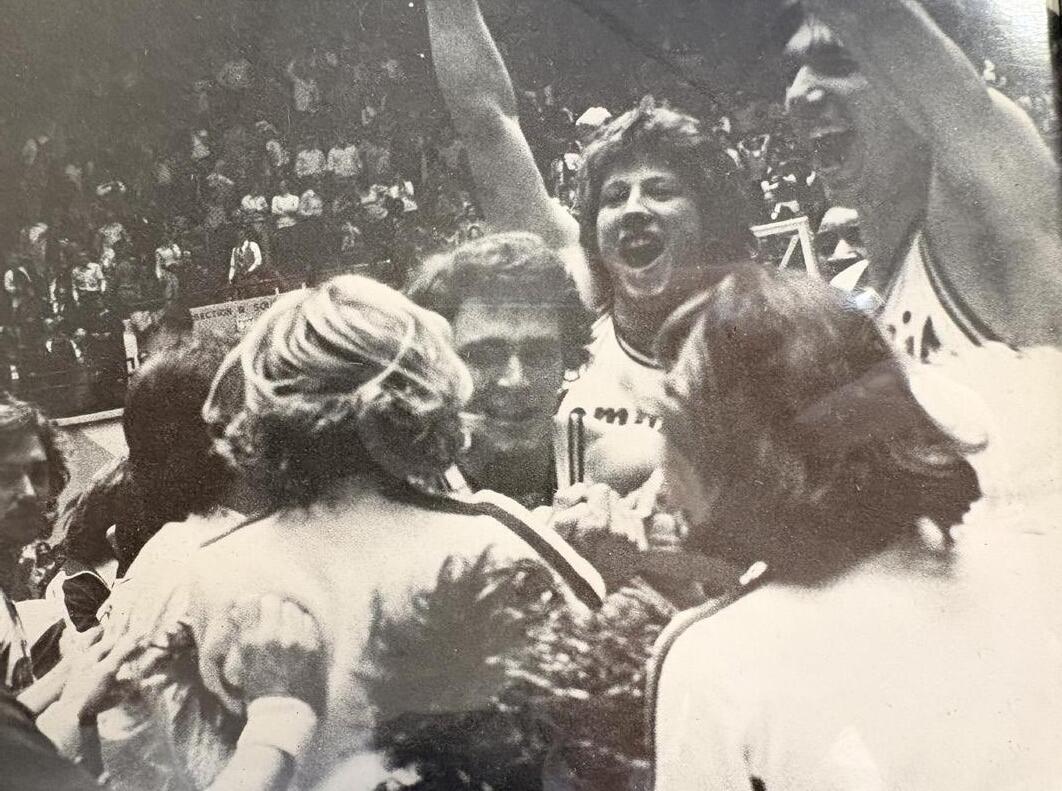
Ken Dunek (center) celebrates with his Memphis State Tigers teammates after a victory over St. Louis in 1977.
Jerry Flanagan J Dog Brands
Bob Hoey Janney Montgomery Scott
Kristi Howell Burlington Co. Chamber of Commerce
Ed Hutchinson Hutchinson
Robert Kennedy ................... Waterworks Metrology
Anthony Mongeluzo .................................. PCS
Charlie Muracco CLM Advisors
Ryan Regina Big Sky Enterprises
Scott Tanker Tanker Business Solutions
Joe Tredinnick Fulton Bank
Jim Wujcik The Joseph Fund
“There may be people that have more talent than you, but there is no excuse for anyone to work harder than you do.”
– Derek Jeter
www.jerseymanmagazine.com




BY GEORGE BRINKERHOFF
“You don’t just accidentally show up in the World Series.”
– Anthony Rizzo
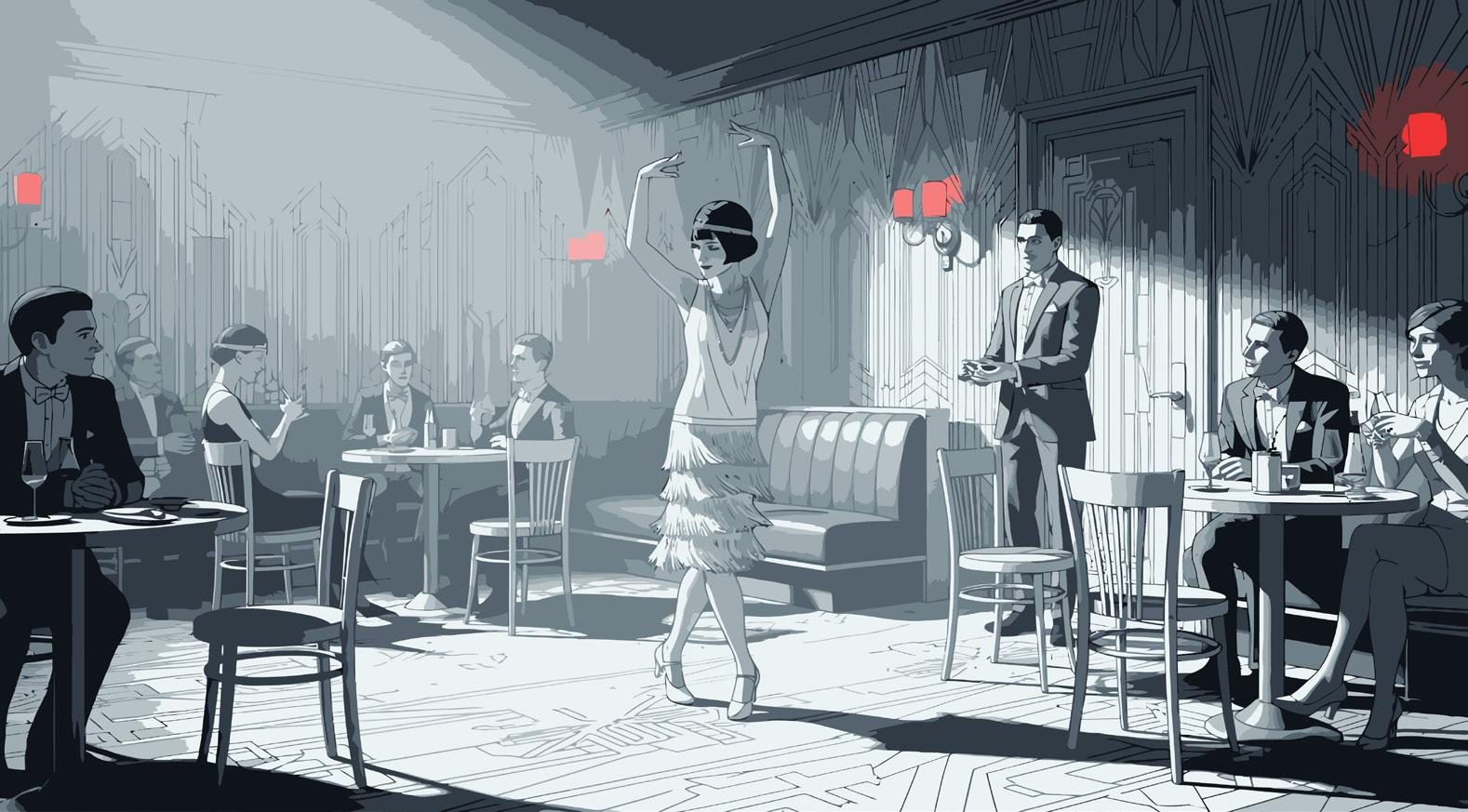
IN HIS FINE FEATURE on page 34, our writer, Mike Shute, notes that the Little Water Distillery is believed to be located upon the site of the actual Tumble Inn, the fictional version of which was portrayed in the TV series Boardwalk Empire. When the 18th Amendment to the Constitution effectively banned the sale and transportation of alcoholic beverages beginning in 1920, it was known as Prohibition (1920–1933). The real Tumble Inn was purported to be a speakeasy in the Roaring 20s. Speakeasies, named for the need to “speak easy” (quietly), were illegal, hidden bars that arose in the U.S. during Prohibition to sell alcohol, using passwords and secrecy to try to evade authorities, and were within the control of gangsters as dramatized in Boardwalk Empire
With a little digging, a glimpse of the colorful past of the Tumble Inn Hotel and Café on Baltic Avenue in the 1920’s Atlantic City unfolded. On the front page of the March 9, 1923 edition of the Atlantic City Gazette-Review, a headline touted “Raids Continue in Campaign to Make Resort Dry.”
The article began “Revolvers were used and doors broken in during raids made here last night by Federal prohibition agents and police who seized a hundred quarts of liquor and arrested seven men.” One of these raids took place at the Tumble Inn, and named two men arrested there, a bartender and a porter, due to liquor having been found in four separate rooms. Another newspaper article of the same date in the Atlantic City Daily Press, provided more detail regarding the raids: “The first of yesterday’s descents was made at the ‘Tumble Inn’ Hotel and Café… . Here the scene quickly changed to one of ‘tumble out’ when agents announced their purpose and ordered the score of patrons to the street. Going through the various rooms of the hotel and behind the bar, the agents confiscated ten quarts of gin, six quarts of moonshine whiskey and five gallons of white mule.”
The two men arrested “claimed that the establishment is owned by Louis Nathanson, alias ‘Hook,’ one of the Nathanson Brothers recently released from State Prison. The agents stated that they had visited the ‘Tumble Inn’ about ten days prior and found Louis Nathanson behind the bar serving drinks, and had arrested him.” It was reported in the same article that
two other establishments were raided that night, owned respectively by two other “notorious” Nathanson brothers, Si and Jack, for whom arrest warrants were then issued.
IN NOVEMBER 1923, one Frank Wells from the Tumble Inn was convicted by a Mays Landing jury of selling a pint of whiskey to an employee of the Prosecutor’s office. His sentence? Six months in the county jail, according to the Atlantic City Gazette-Review
The Courier-Post, on December 28, 1923, recounted another raid at the Tumble Inn. “How county detectives found hidden panels opening into secret passageways leading to elaborately fitted bars … was related in Judge Smathers’ court.” On January 10, 1924, The Monmouth Inquirer, reporting on the same December raid, stated “Café proprietors had resorted to false walls to conceal their rum stocks, according to testimony offered in court in Atlantic City by county detectives in connection with raids made on Christmas Eve. They testified that at the Tumble Inn … the raiders found that by pressing a button they could enter a passageway leading to a liquor emporium.” Again, the bartender and Louis Nathanson, the “alleged proprietor,” were arrested.
On January 25, 1925, the Atlantic City Gazette-Review reported about one final raid on the Tumble Inn. The “notorious café” was visited by “Vice Squad detectives” once again who were “about to give up their efforts to locate liquor” when one of them dropped a cufflink at the top of a stairway. As he bent down to pick it up he noticed peculiarly shaped floorboards, which led to the discovery of a “cleverly concealed closet” with “fifteen gallons of alcohol, five one-gallon containers and five quarts of moonshine.”
“It is said that this place is one of those that is due for a padlocking in the near future.”
Another bartender was again arrested. The report went on to say that the Tumble Inn has been “raided times without number,” and that “the Vice Squad and Federal men make it a ‘port of call’ on many occasions.” The paper concluded that “It is said that this place is one of those that is due for a padlocking in the near future.”
The Trenton Evening Times on May 29, 1925, confirmed that the Tumble Inn was on a list of Atlantic City hotel properties under consideration for padlocking by a judge for operating nuisance establishments.
Even after Prohibition had ended, an unnamed saloon at the same address owned by one Louis Nathanson, was the scene of a murder. The Press of Atlantic City on May 13, 1935, reported that about 4 a.m., after a male patron tried to enter the “women’s retiring room,” he was informed by the bartender he couldn’t go there. The patron then grabbed a stove poker and assaulted the bartender. He followed the bartender behind the bar, who grabbed a gun and fired two shots into the floor “to scare him,” then fired at the patron in self-defense. The bartender was arrested and held without bail, this time for murder.
After this, it seems the Tumble Inn faded into the mists of time, leaving us with its infamous legacy.



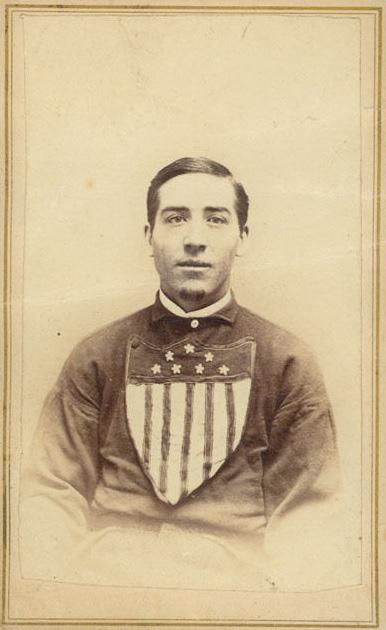
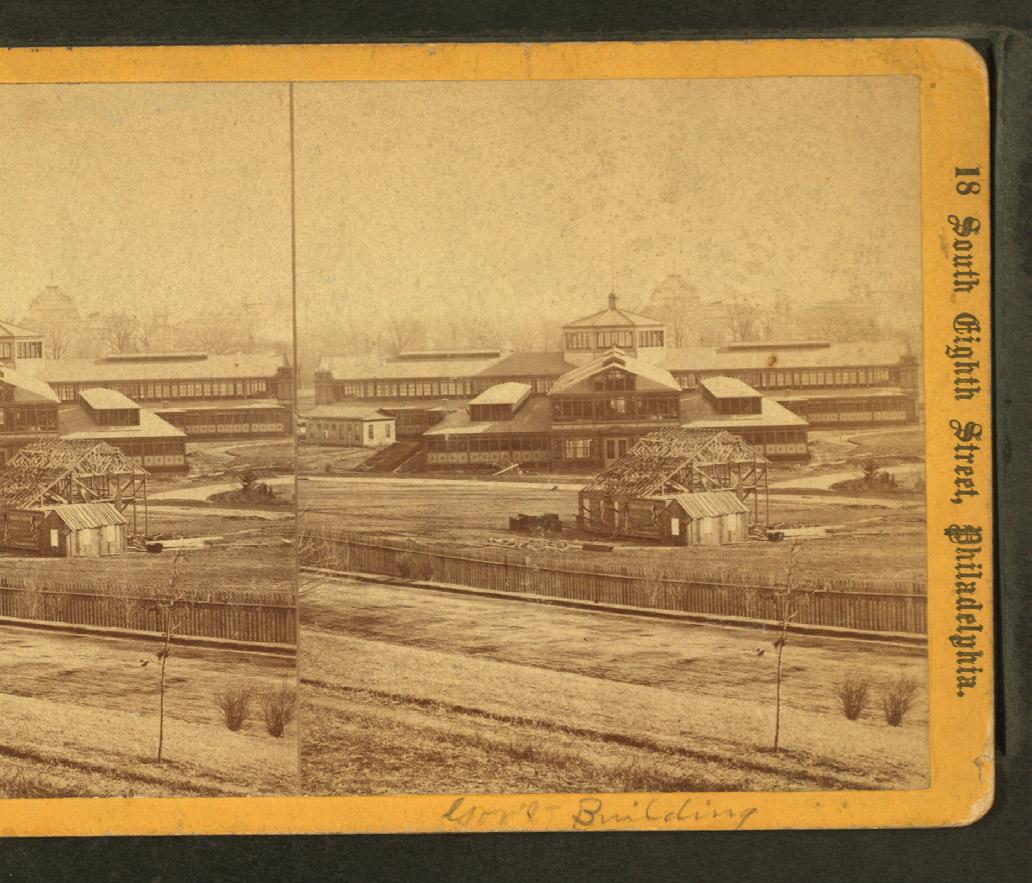
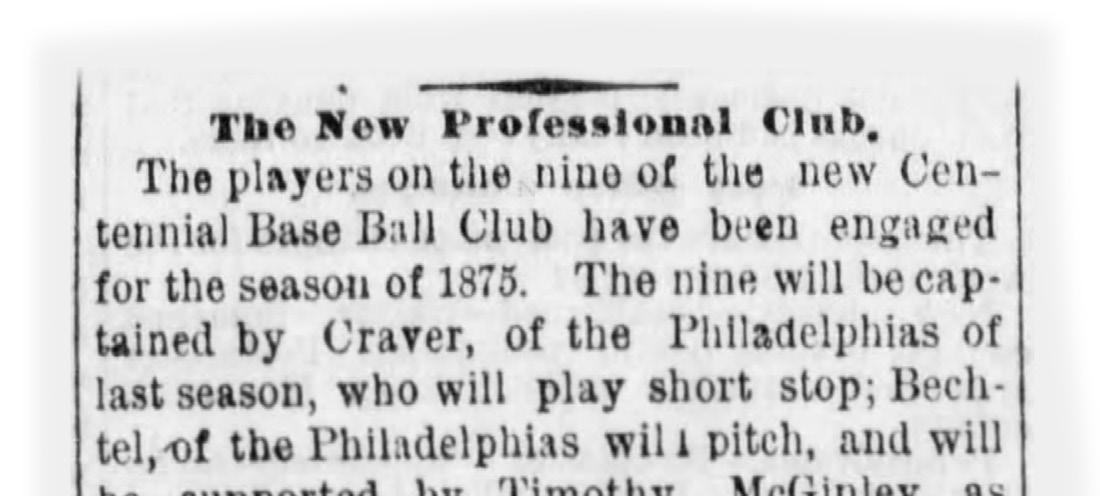
Philadelphia once had a professional baseball club named in anticipation of our nations then upcoming centennial in 1876? The Philadelphia Centennials, also known as the Centennial Base Ball Club, were formed in the latter part of 1874, as part of the new National Association of Base Ball Players league, which started in 1871. (It’s doubtful, however, that the Phillies will be renamed the Philadelphia Semiquincentennials this season for our 250th birthday.)
They played at what came to be called the Centennial Grounds in the Strawberry Mansion section of Philadelphia, the same grounds as the later Recreation Park (which just so happened to be the first ballpark for the newly founded Philadelphia Phillies team in 1883.) As author and JerseyMan contributor Rich Westcott reported in his fine book, Philadelphia’s Old Ballparks, “The Centennials leveled and resodded the field, erected a 10-foot fence around it, built a clubhouse, and put up grandstands. They called the field Centennial Park. … Crowds of up to 5,000 attended games at the park.”
An 1874 Philadelphia Inquirer article introduced the new team, noting that, “The team will be uniformed in white suits and white caps, chocolate
colored stockings.” In the Spring of 1875, they went 2-12 and ended their run in 11th place in the standings. Other teams in the league, in order of finish that year, included the champion Boston Red Stockings (who were league champions for coming in first place in the regular season standings, as there was no post-season), the second place Philadelphia Athletics, the Hartford Dark Blues, the St. Louis Brown Stockings, the Philadelphia White Stockings, the Chicago White Stockings, the New York Mutuals, the New Haven Elm Citys, the Washington Nationals, the 10th place St. Louis Red Stockings, with the Brooklyn Atlantics and the Keokuk Westerns placing 12th and 13th, respectively.
The Centennials only two victories were against the New Haven club and their crosstown rivals, the Athletics. Both the team and the league disbanded at the end of the 1875 season. Sadly, the Centennials never even got to play during the 1876 centennial year!

According to the NJ Department of Environmental Protection most lakes in NJ have a non-natural origin: “Most lakes and ponds in NJ have artificial (i.e., man-made) beginnings and were constructed with dams or other means to satisfy a specific need. Some common uses or origins include: agriculture, and irrigation, stormwater management, recreation, milling, water supply (grain, lumber, other industry), mining and iron furnaces.”
That means that almost without exception all the “lakes” in the Pine Barrens were created by our forebears. When the earlier generations of colonists began populating the deep pine forests that still cover much of South Jersey, they found that the area was intersected by deep tan colored rivers and streams, which they then dammed as needed. Just a thought next time you’re sunning, swimming, boating or camping at Atsion Lake, Lake Oswego or Bass River.


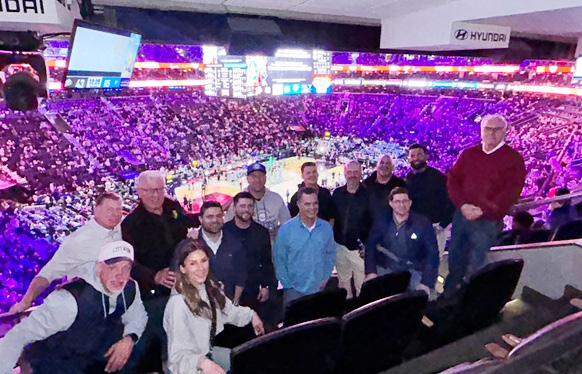
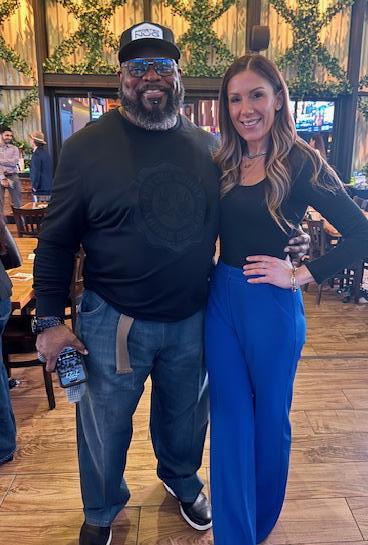
Chairman’s Club at Sixers game
Courtesy of Rob Curley & TD Bank

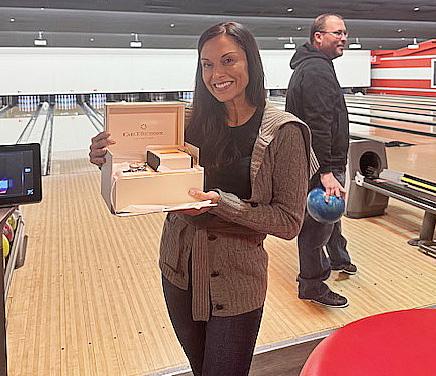
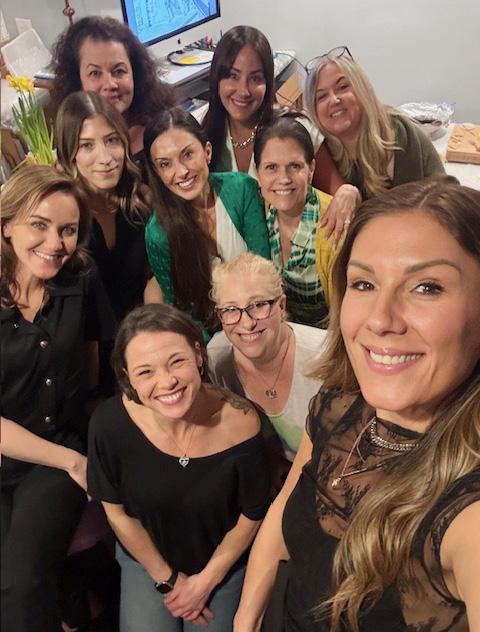
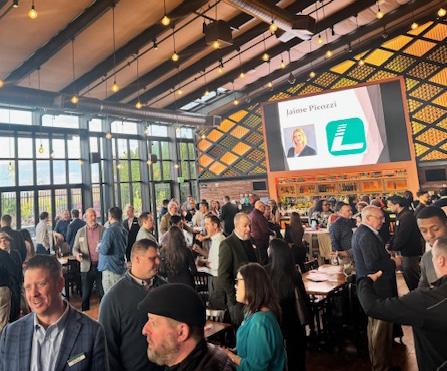
Ladies of Legacy – Colette Oswald Photography Audubon, NJ
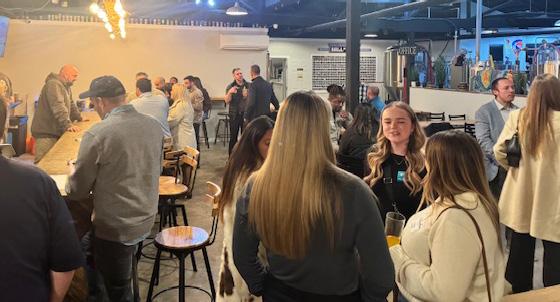

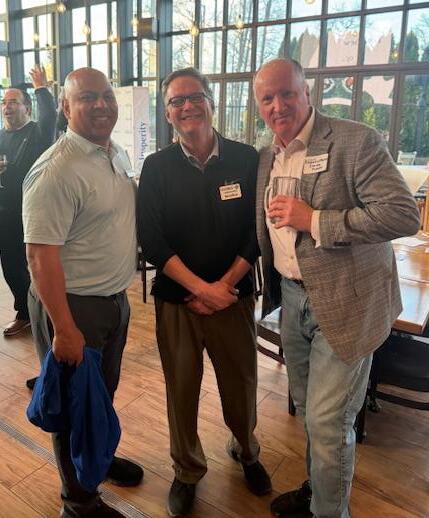
Legacy Club event at LaScala’s FIRE, Marlton, NJ
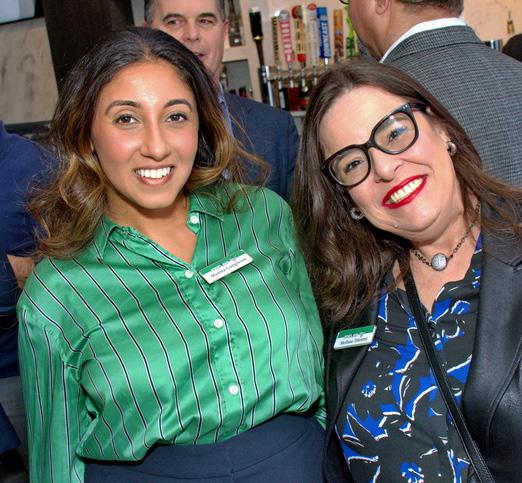
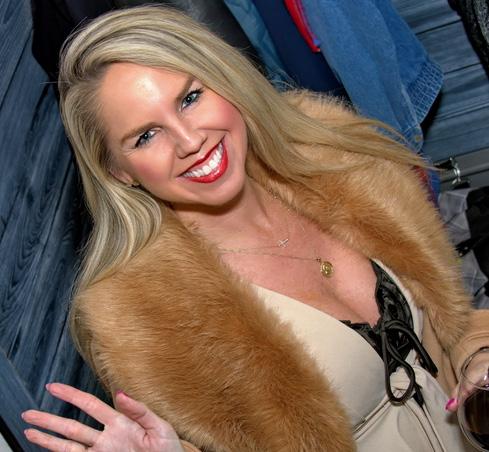
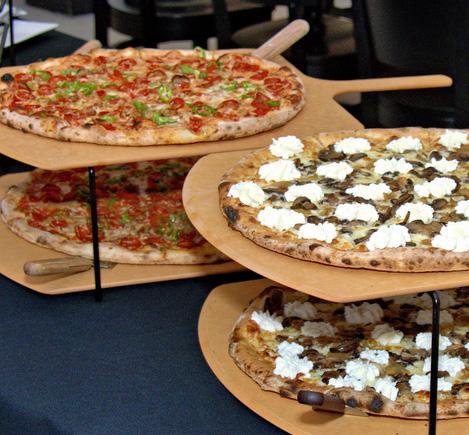
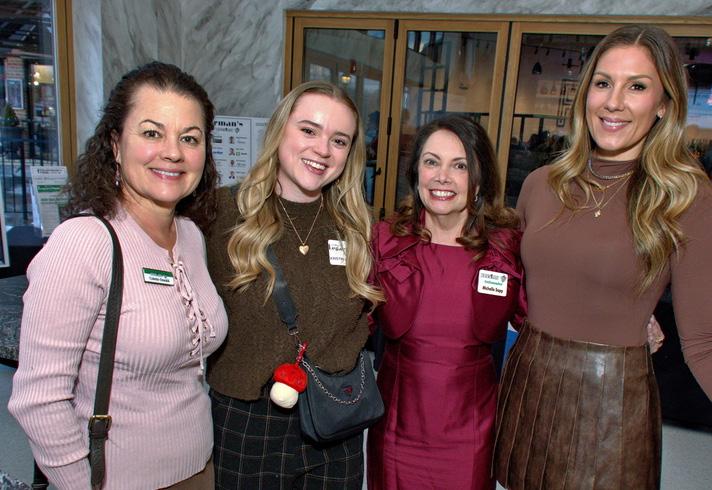
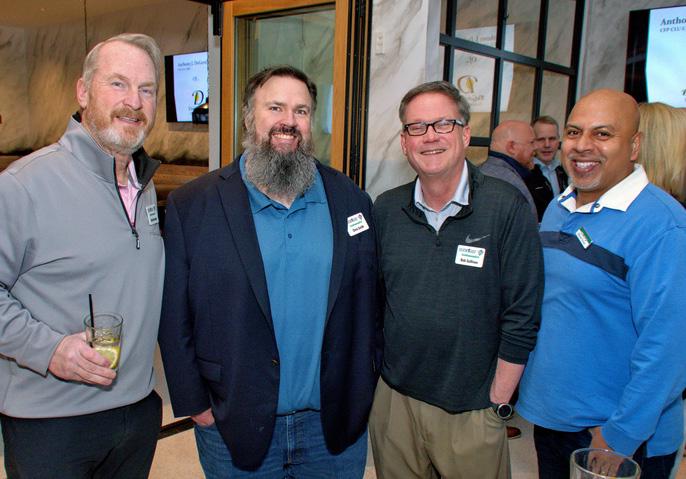
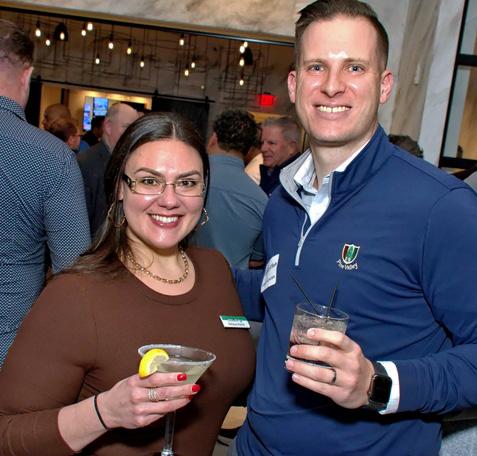
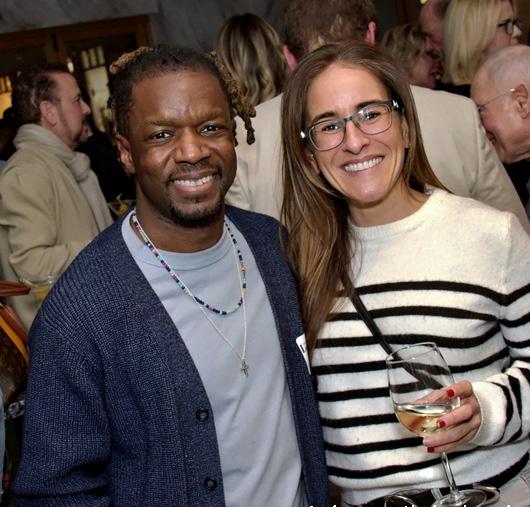
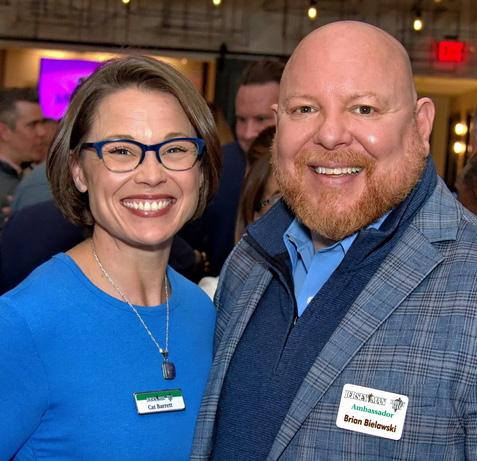
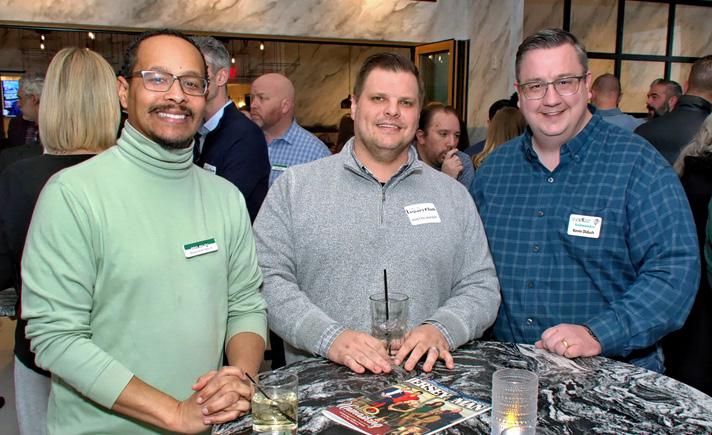
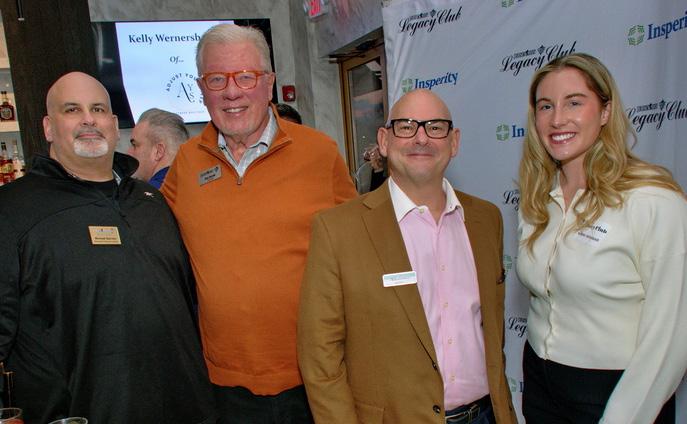

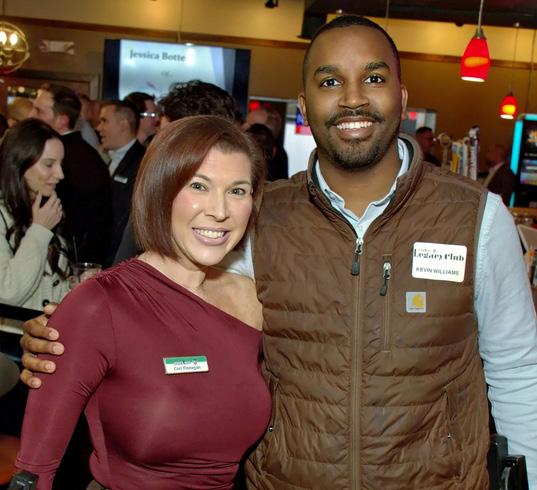

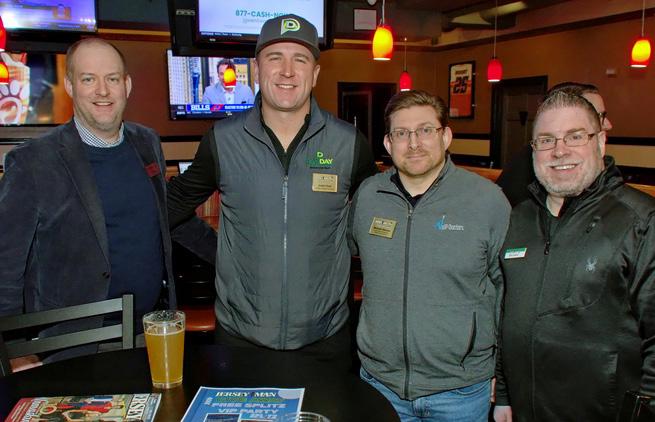

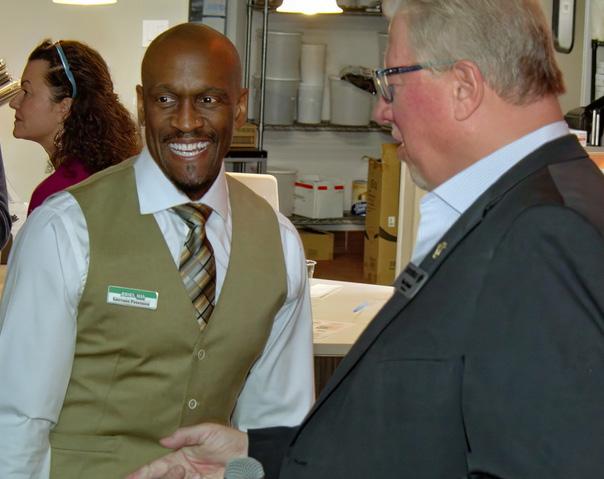
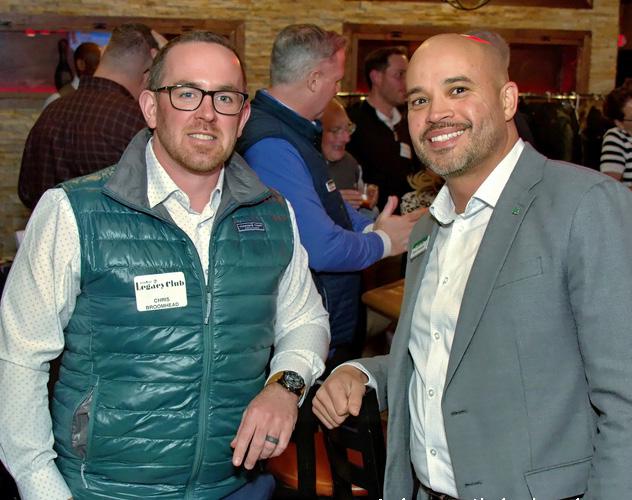
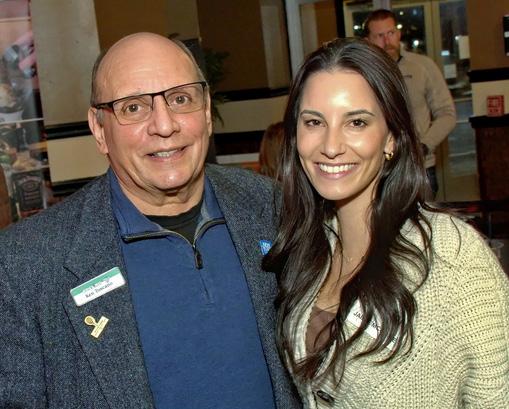
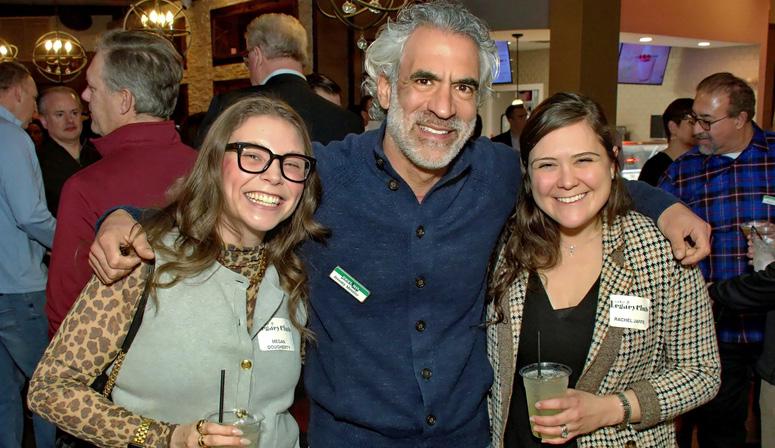

by John Wilchek Photography
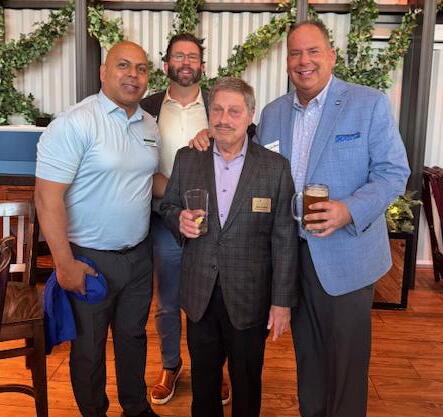
Legacy Club at Parx Casino’s Beer Garden – Bensalem, Pa.

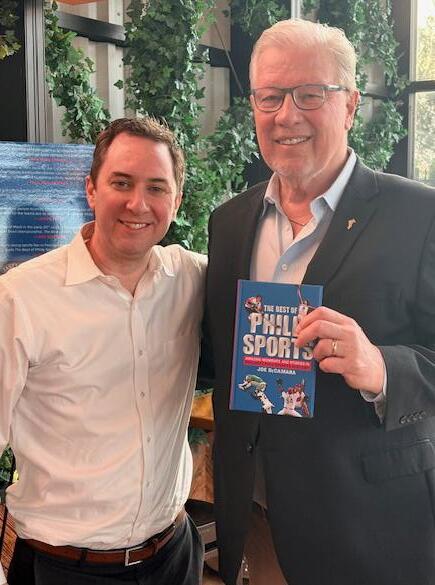


BY GEORGE ANASTASIA
ALTON “ACE CAPONE”
COLES is coming home.
One of the most notorious – and audacious – drug dealers in the Philadelphia underworld caught a break early this year when a federal judge ruled that his original sentence of life in prison was invalid. Based in part on the Fair Sentencing Act of 2010, the judge ruled that resentencing was required. The act, passed by Congress and signed into law by President Obama, was designed to reduce the disparity in federal sentencing guidelines between convictions involving the sale and distribution of cocaine and convictions involving the sale and distribution of crack.
Coles was convicted in 2008 of heading a drug distribution network that authorities said dumped a ton of cocaine and a half ton of crack on the streets of Philadelphia from the mid-1990s through 2005.
Authorities charged that Coles, using a rap music recording company he headed called Take Down Records as a front, generated $25 million from the drug network.
Coles, arrested in 2005, has consistently denied the charges.
Authorities also linked at least two murders and several other acts of violence to the drug network. The case was based on a lengthy and detailed investigation by the Department of Alcohol, Tobacco, Firearms and Explosives (ATF). But none of the acts of violence that were part of the probe were listed as criminal charges in the indictment of Coles. And that proved to be another factor in his favor at resentencing.
On Feb. 17, Judge Kai N. Scott, over the objection of federal prosecutors, resentenced Alton “Ace Capone” Coles to 25 years in prison. With more than 21 years already in and with an extensive record of “good time” during his
incarceration, Coles was eligible for a quick release. (In fact, by the time this column is published, he may already be on the streets.)
Once the judge ruled, it wasn’t a matter of if, but when Coles would be set free. The more important question, however, is who comes home – the audacious drug kingpin who authorities said ran one of the most prolific cocaine and crack rings in the city’s history or the repentant and rehabilitated former barber from Darby, PA, who only wants a chance to make things right and put his life back together.
THERE IS NO IMMEDIATE ANSWER to that question. Time will tell. But the continuing story of Alton Coles
His appeal papers are replete with testimonials from prison officials about his life as a model inmate who took part in various rehabilitation and self-help programs.
– a saga that is as good as or better than any of the quick hit gangsta movies so popular on the cable networks – is a true story of the American underworld and the justice system designed to keep it in check.
Coles’ lawyer, Paul Hetznecker, argued in his appeal filings that his client has been an exemplary prisoner and “no longer poses a danger to the community.”
“The government argument that Mr. Coles should die in jail is contrary to criminal justice reform, societal norms and current law,” he wrote, adding that it “reeks of an almost obsessive and irrational quest for Alton Coles to die in prison.”
But federal prosectors, in a presentence filing, said a 25-year sentence would be a “miscarriage of justice” and said Coles was benefitting from a legalistic “windfall” that came with the passage of the Fair Sentencing Act two years after he had been convicted. Even under the new guidelines, they contended, Coles could be sentenced to life. They argued for a resentencing of 30 years or more.
Coles, they said, “led an armed and violent … gang that dumped a staggering amount” of cocaine and crack onto the streets of Philadelphia. He was, they said, “one of the largest drug traffickers ever prosecuted in this district.”
The two pictures of Alton Coles that emerged during the appeal process are a continuation of the Alton Coles/Ace Capone story.
BORN IN DARBY, Coles, 48, grew up in a dysfunctional family setting, according to his own account, and was largely on his own by the time he was a teenager. He worked as a barber and drifted into the drug underworld, where he had at least two minor brushes with the law.
By the mid-1990s, he had emerged as a player in the rap music world of Philadelphia. His Take Down Records company had a stable of young rappers performing and recording for him.
Ironically – or audaciously – Coles and his artists often performed at stop the violence
and anti-drug rallies sponsored by local radio stations. During these and other public events, Coles was photographed with some of the top officials in Philadelphia, including the mayor, district attorney and police commissioner.
Charismatic and highly entrepreneurial, Coles was a music industry impresario who appeared to be building an entertainment empire. His Friday night parties at the Palmer Social Club at 6th and Spring Garden Streets became one the “hot spots” in the city’s rap and hip-hop world with crowds sometimes stretching down the street waiting to get in.
Coles, his bulky 240-pound frame lodged behind the steering wheel of his shiny blue Bentley, would often be seen driving around the Southwest Philadelphia neighborhood where his record company was based. Dressed in vintage Philadelphia sports team jerseys or outerwear, he accessorized his wardrobe with lots of bling, including a necklace with a diamond-encrusted TD dangling across his chest.
Adopting the “Capone” nickname added to the image. There is no better-known underworld figure in America than Al Capone.
While the ATF was building its case against him, Coles moved easily in city
political and social circles. Eventually, two of his associates would be charged with murders tied to the drug trade, but Coles was not implicated. His drug ring was also suspected of being part of what amounted to an underworld firefight in a Southwest Philadelphia neighborhood in which 54 shots were fired in less than two minutes. Again, Coles was not charged in connection with the shootout, which had residents ducking for cover inside their homes.
Nothing, however, captured the essence of Ace Capone better than a 31-minute video produced by Take Down Records entitled “New Jack City, the Next Generation.” In the video, Coles “stars” as a drug kingpin known as “Ace” who uses violence, fear and intimidation to take over a cocaine network in Southwest Philadelphia. Rap performers from Take Down Records provide the musical soundtrack for the video, which was filmed on the same Philadelphia streets where authorities said Coles’ drug network was, in fact, flooding the cocaine and crack market.
Art imitating life imitating art?
Coles clearly knew how to play the game while he was on the streets.
Cynics might argue that he did the same
thing during his lengthy prison sentence. His appeal papers are replete with testimonials from prison officials about his life as a model inmate who took part in various rehabilitation and self-help programs and who often intervened to help avert violence among the inmate population.
During ten years at Big Sandy, the maximum-security prison in Kentucky, Coles worked as a barber, a “program facilitator” for other inmates and a director of a stop the violence program.
“Facing life in prison, he still engaged in programs to improve himself and others,” according to one prison report. Another noted that “at 48…Coles is a middle-aged man, an entirely different individual” than the man arrested more than 20 years ago.
Coles, in another appeals document, said if he is released, he wants to “advocate for and educate young men to help them make the right choices and never wind up in prison like me.”
The Fair Sentencing Act and his own stellar record as an inmate paved the way for his resentencing and release. The only question is whether the man who walks out of prison is Alton Coles or Ace Capone. n

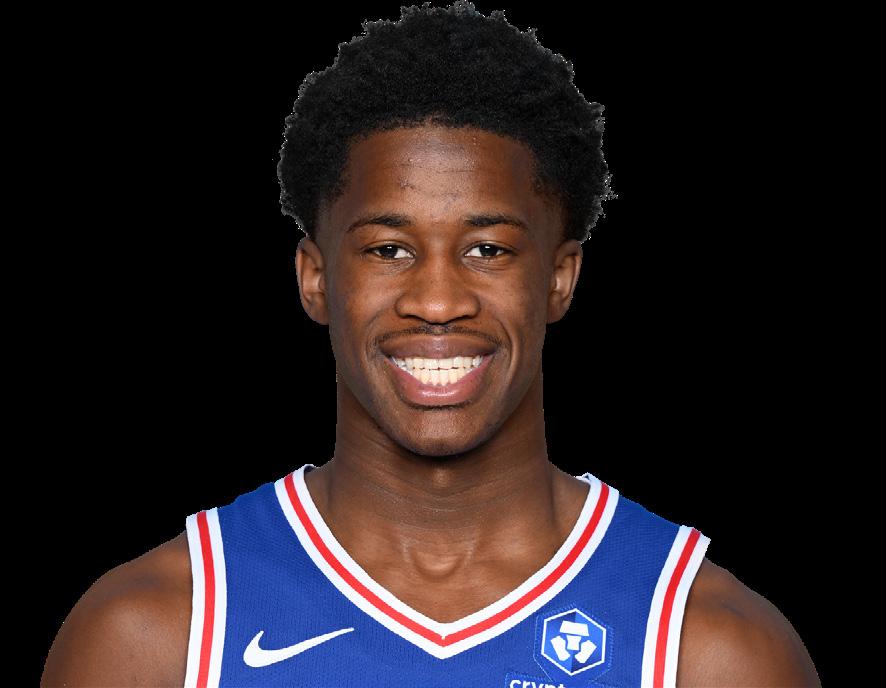
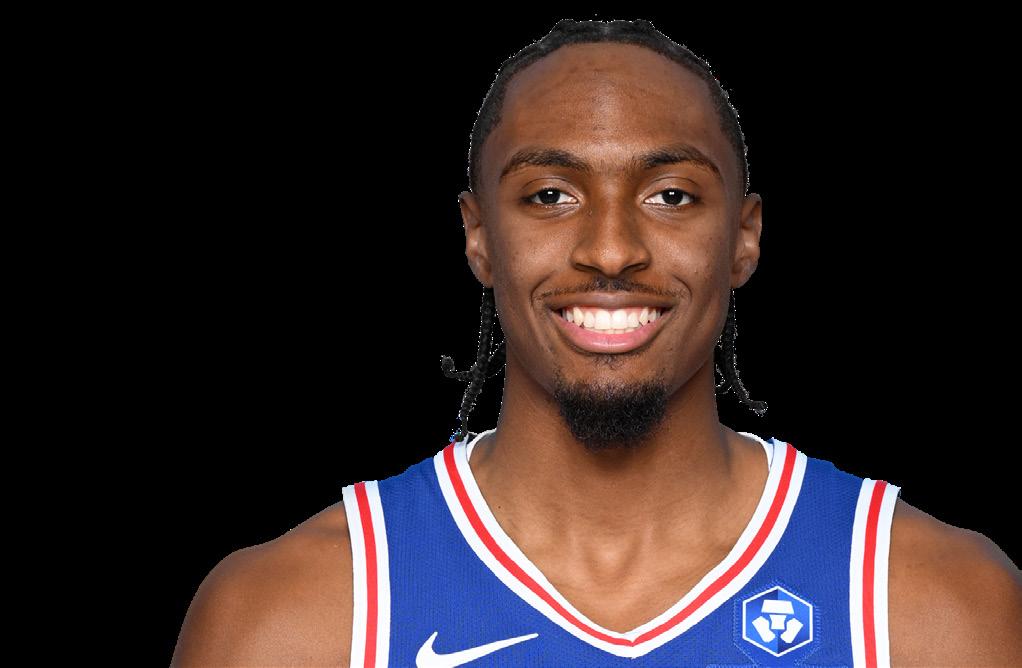
IT HAS BEEN A ROUGH COUPLE OF SEASONS for the Sixers because of injuries and questionable contracts, but there is no disputing that the organization is in excellent hands with its starting backcourt for the foreseeable future. Twenty-five-year-old Tyrese Maxey is in his sixth NBA season and has already made two NBA AllStar appearances, this year his first as a starter. Running alongside Maxey is VJ Edgecombe, selected No.3 overall last spring out of Baylor University. Edgecombe is a baby compared to Maxey, playing his rookie season at 20 years old.
Recently, both suffered injuries that sidelined them for multiple games. The team’s loss was obvious. First, Edgecombe went down. It was in the second quarter of an eventual home loss to the San Antonio Spurs when Edgecombe had his shot contested from behind. The mere presence of the defender altered his body in the air, and in an instant, he landed with a thud, flat on his back. It looked bad. Later, it was revealed that VJ had a lumbar contusion. He missed three games, but returned on March 10th with a vengeance. He finished with 21 points, five rebounds, five assists, and three steals. His numbers were great, but his leadership in the absence of his reliable running mate, Maxey, was tremendous.
“My back feels great,” Edgecombe said after the 139-129 victory over the Memphis Grizzlies. “Credit the medical staff and thank God it was nothing too serious. My back feels great. I am able to move the same. It felt weird running that fast at first, but as time went on, it felt like I was back to normal.”
Life won’t be normal for at least three weeks for Tyrese Maxey. On Saturday, March 7th, in a road game in Atlanta, Maxey went for a steal with his team down by seven and with less than 24 seconds to play. His 124th steal this season, the most in any single season of his career, cost him the next three weeks of playing time. He suffered a tendon injury in the pinkie finger of his shooting hand, an injury projected to sideline him until April 1st, at the earliest.
“You can’t replace Tyrese Maxey,” Edgecombe said. “He is our number one. You can’t replace him at all. But we know he wants us to go out and hoop. Whether he is injured or not, he will support us. He will be the same person. He is not going to be a cancer. He is not going to have his head down whining.
“We are all grateful for life. We are all grateful to be in the NBA. We now have an opportunity to make a playoff push.
Obviously, he has been our best player all year. It hurts for him to go down, but now everyone else has to step up. We just want him to play again before the season is over.”
To understand the magnitude of the statistical loss the Sixers have with no Maxey for three weeks, at the time of his injury, he was leading the NBA in minutes played. He was fourth in scoring, averaging 29 points per game, but he had scored the most total points this season. And he was second in steals, on average and total.
EARLIER IN THE SEASON, Maxey was constantly reminding Edgecombe of what he should do without hesitation in games. Those words are now even more true.
“Be aggressive,” Maxey said, speaking of the rookie. “When he gets a one-on-one opportunity in transition, just go. I don’t care what the outcome is, whether it’s a layup, a foul, or he creates a play for somebody else. Those plays, I really want him to be aggressive with. I told him I remember when James (Harden) was here, he would say to me, “This is your time.”
“He has played so many different roles for us this year. He has had to score. He has had to lead lineups. He has to guard the opponent’s best player. He is growing every single day. He has done a great job handling it all. Most rookies come in as top three picks, not on playoff teams or teams trying to win. We are trying to win, and he has done a great job wearing different hats.”
Edgecombe’s newest hat to put on: team leader from the opening tip. There is no doubt the rookie will do his best to make “his big bro” proud. n

IWAS RECENTLY LISTENING to a comedian while driving when he started talking about being on stage with a live bear during a show in Vegas. It’s funny how a single joke can pull a memory from fifty years ago right into the front seat with you. It made me think back to my twenties, when I was playing for the Philadelphia Eagles and was asked to do something that makes a 300-pound offensive lineman look like a breeze: wrestle a bear at the Union League.
It was an unusual request, but at 6’2” and 240 pounds of NFL muscle, I thought, why not? This could be fun! Victor the Wrestling Bear was a celebrity back then. He toured the country with his trainer, Tuffy Truesdell, who reportedly had said that Victor had pinned over 15,000 men by this time in his career. I wasn’t the only one from the league brave (or crazy) enough to try. Over the years, other NFL legends stepped into the ring with Victor, including my fellow Eagle, Vince Papale, who famously walked away from his match with six stitches. Even Rod Marinelli, before his long coaching career, once managed to get Victor on his back for a few seconds, though the trainer quickly called it a “draw” rather than a loss for the bear. Dick Butkus and Jim LeClair refused the challenge.
IT WAS FEBRUARY 1974. I was twentythree, in the middle of off-season training, feeling invincible, when I got a call to appear at a father-son banquet at the Union League of Philadelphia. The legendary “Voice of the Flyers” Gene Hart was slated to speak. During the event, the League President asked if we would participate in a “show of sportsmanship” by wrestling the guest of honor: Victor the Wrestling Bear. Gene immediately said, “No way!” But being young and always up for a challenge, I figured I could hold my own with a 350-pound bench press. The ballroom was packed. Victor entered on
a leash, muzzled and massive. To warm up the crowd, Tuffy called for a “volunteer Dad.” A brave father stepped up, but seconds later, he cried out, “Victor bit me!” as blood trickled down his hand. It was just a small nick from the edge of the muzzle, but the atmosphere in the room shifted instantly. Then, it was my turn. As I stepped into the ring, Victor rose to his feet, waving his huge paws near my face. I took a deep breath, confident I could stand my ground. But in seconds, Victor swatted me away like a fly. I landed hard on my backside.
‘‘
I learned that true courage isn’t about being the strongest person in the room; it’s about having the heart to step into the ring when the odds are stacked against you.”
Kevin Reilly is an author, motivational speaker, and former Philadelphia Eagle. To contact Kevin Reilly, visit https://www.kevinreilly52.com

stick between my teeth. As Victor grabbed the treat, he unfurled the longest tongue I’d ever seen and licked my entire face in one big, sandpaper stroke. His breath was so strong, it nearly knocked me out!
Then came the “hug.” Tuffy told me to wrap my arms around Victor’s neck. The moment I did, the bear stood up, flipped me onto my back, and pinned me with an enormous paw on my chest, roaring in victory. As the declared loser, I had to pay the “prize.” Tuffy took off the muzzle and had me hold a 12-inch beef jerky
As I stood there, brushing the dust off my clothes, the room erupted into a standing ovation. In that moment, I realized something important. In the Bible, David defeated Goliath because he played to his own strengths—his speed and his sling—rather than trying to fight the giant on the giant’s terms. That day, I was the one trying to out-muscle a giant. I had the NFL pedigree and the strength, but I was playing a “strength game” against 650 pounds of nature. I learned that true courage isn’t about being the strongest person in the room; it’s about having the heart to step into the ring when the odds are stacked against you, and the humility to laugh at yourself when you end up pinned to the floor. Sometimes, the “Goliath” in our lives is there to remind us that while we might get knocked down, it’s the willingness to get back up and face the crowd that makes the champion. n


by Jamie Dunek

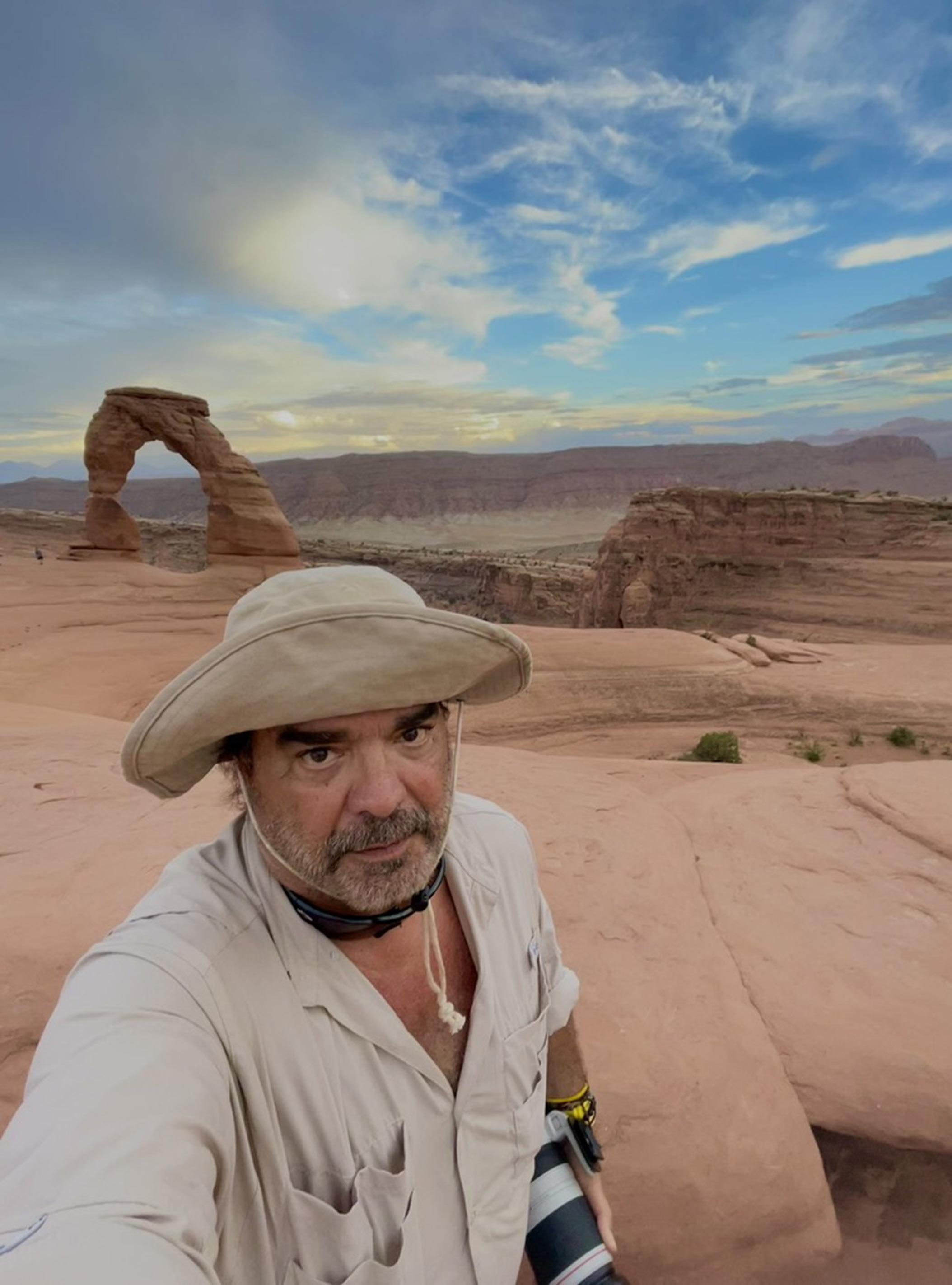
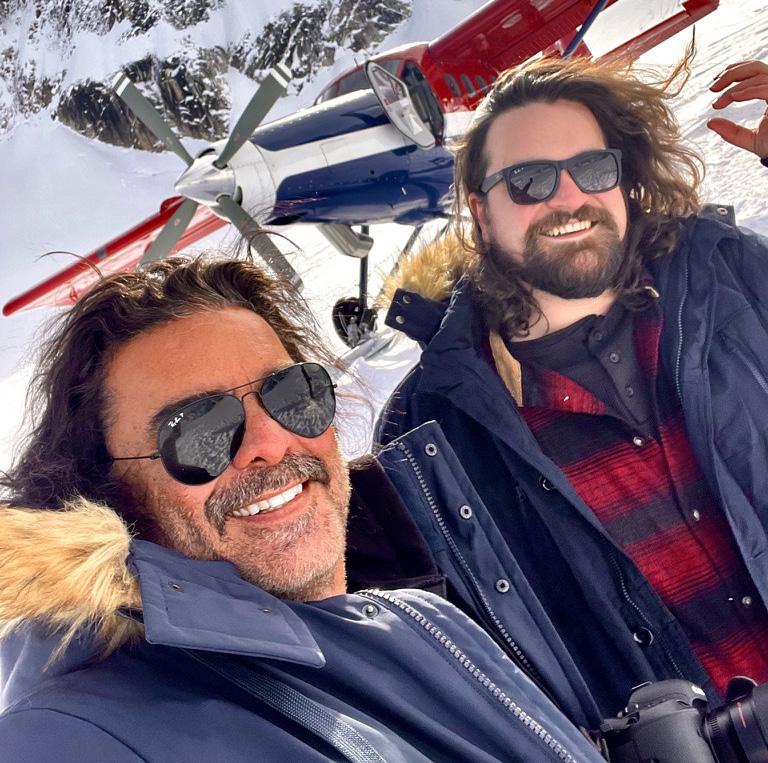
Entrepreneur, photographer, artist, world traveler. Meet Lou Bucelli, a man of many interests, talents and accomplishments. And he’s proud to have captured thousands of images from around the globe, many of wildlife such as polar bears in the wild in Manitoba, Canada; penguins in the Antarctic; wolves and coyotes in Montana and Wyoming; moose and grizzly bears in Alaska and Hawaii, to name just a few.
“I’ve traveled to all seven continents and about 80 countries,” shared the 73-year-old Bucelli, who resides in Highland Beach, Florida.
Bucelli is CEO of LimeBox Networks in Cherry Hill, New Jersey, a business-class phone service utility. They serve businesses throughout South Jersey and across the country.
BY JAN L. APPLE
“If Not Now, When?”
Over the course of his four-decade-long career, Bucelli launched about 10 different businesses. In recent years, he has scaled back on his entrepreneurial endeavors and dedicated much of his time to traveling the world, camera and lenses in tow. His extensive travel picked up speed following a life-altering health scare in 2022. But his passion for working with young, enthusiastic people hasn’t wavered. “I love talking to young people and helping them fulfill their dreams and aspirations,” said Bucelli. “I love their enthusiasm about starting businesses.”
“People who have business ideas seem to find me,” continued Bucelli. “My particular skill is getting the right people in the right spots and helping them see that they can create something bigger. People who are really smart and invent things are really good at that, but they can’t always see the value of their creation.”
For decades, as managing partner of the Cherry Hill-based Bucelli & Company LLC, he worked with a wide array of teams to transform ideas into successful businesses— from inception through fruition. “My mantra always was: ‘The money comes when the money comes, but you’ve got to love what you do and then the money will come,’” he said. His entrée into the realm of entrepreneurship
began in the early 1980s. Bucelli was searching for a job but wasn’t quite sure what his exact niche would be. “I was hired as a consultant by a group of men who were developing long-term care centers and real estate,” he said. Bucelli continued working for them while earning his master’s degree in finance from Drexel University. Though he wasn’t particularly passionate about their area of expertise, one of the men suggested that he could do the same type of thing on his own. “He convinced me to break out on my own,” remembered Bucelli.
Around 1990, Bucelli met a group of men who had an idea to start a medical education company by videotaping major conferences across the country, including Mayo Clinic, Cleveland Clinic, Johns Hopkins and many others. “At the time, the only way doctors could expand their medical education was to attend conferences in person,” said Bucelli, who assembled a team that included two physicians, video and marketing experts and himself. “We would send a crew and videotape about 40 hours of a conference.” They would return to Cherry Hill and clean up and edit the tape for sale and distribution. That pioneering endeavor that was launched

from the basement of Bucelli’s Cherry Hill condo became CME Information Services and operated until 1998. “We grew from a few employees to 150 and were number 27 on the Inc. 500 list,” said Bucelli.
In 1998, Bucelli also sold a dot.com business and was asked to work with Drexel University to develop an incubator of sorts in Camden, New Jersey. He had previously worked for
the University City Science Center. “An incubator is where small businesses go to help themselves grow,” explained Bucelli, who helped entrepreneurs take their inventions and ideas and turn them into successful ventures. He worked in this capacity for Drexel University from 2002-2011 and in a similar position with Temple University from 20112021. Bucelli observed that often people don’t start businesses because they’re afraid of the risk. “True entrepreneurs don’t see this as a risk but rather as a potential regret,” he said.
Bucelli, who grew up in Norristown, Pennsylvania, shared that his parents both dropped out of high school to work in the factories. “I was the first person on both sides of my family to go to college,” he said. After graduating from Temple University in 1975, he moved to South Jersey. He lived in various towns over the years, including Blackwood, Audubon, Cherry Hill and Voorhees. He also lived in Center City Philadelphia before making Florida his permanent home in 2014.
Bucelli’s interest in photography began as a teenager at the former Bishop Kenrick High School in Norristown. “I had always been an artist,” explained Bucelli, “painting, drawing, sketching.” So, joining the high school

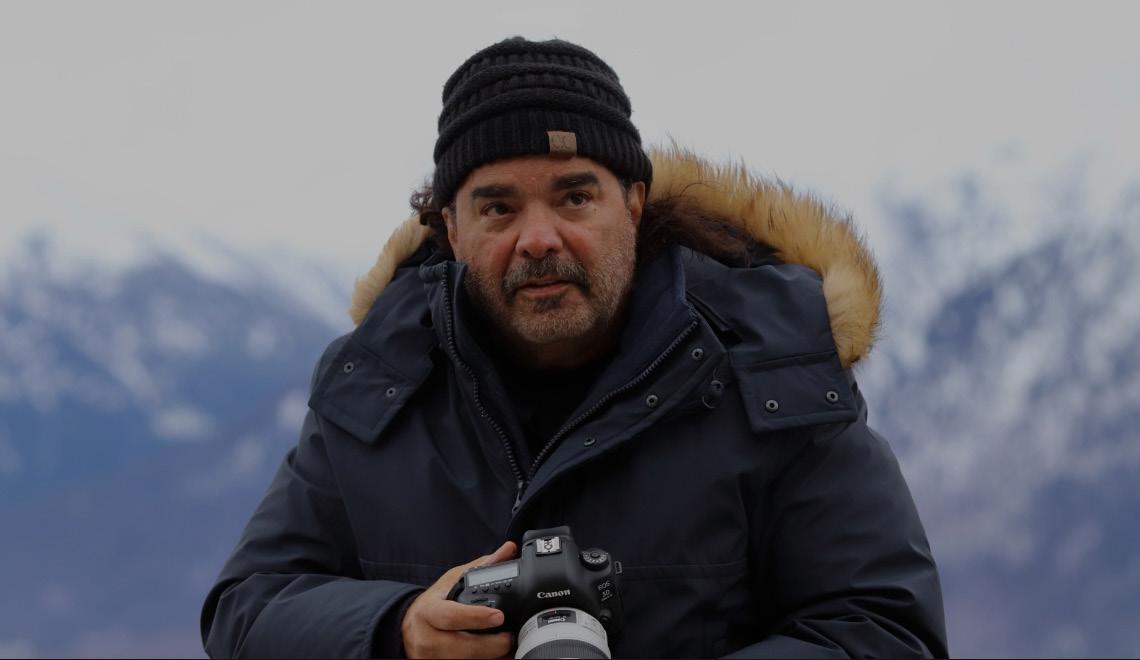

photography club seemed a natural choice. “I took a lot of photos of sporting events and spent time developing those images in the darkroom.” His passion for photography evolved over time, as did his love of travel.
When Bucelli turned 60, he started traveling more. “I got to the point in my life where I could see the end of the runway. I wanted to
start doing some things,” he said. Those things included taking more and more photographs from around the world, with a particular focus on animals in the wild. He began posting photos on Facebook and Instagram. “My hashtag was 10,000 days,” he said. “This was the number of days between being 60 and the age my dad died at 89. We don’t live forever.”
It was that reality and acknowledging his own mortality that became top of mind following a 2022 health scare. As a result, Bucelli’s thirst for travel escalated further. He also adopted the “if not now, when?” philosophy, which continues to be a driving force in his life. And that philosophy became a hashtag on his social media.
In February 2022, Bucelli visited his doctor for a routine annual check-up. He had been having some stomach issues in the past, so the exam included an ultrasound of his abdomen. When he received a phone call shortly after the appointment that there was a problem, he was stunned. “There was a 5.6-centimeter solid mass on my right kidney, which they suspected was renal cell carcinoma,” recalled Bucelli, who thought he would be immediately prepped for surgery. Instead, he was told to take a previously scheduled ski trip and return in April for the procedure.
“This was all in the middle of COVID,”
recalled Bucelli. The surgery, at Thomas Jefferson University Hospital, was partially robotic. “They removed my right kidney and confirmed the diagnosis,” he said. “I was discharged the next day.” Because that initial ultrasound had detected the mass early, there was no need for further treatment, such as radiation or chemotherapy. Bucelli has had regular scans and been cancer-free for several years. He feels incredibly fortunate that it was found early.
Suffice it to say, Bucelli’s outlook on life was dramatically altered. He appreciates each and every day, and travel remains a high priority. When he was younger, running businesses and raising a family (his sons are now 40, 37 and 34), he said he didn’t have the time or strong inclination for travel.
“I’ve been to a lot of countries and learned a lot,” said Bucelli. His travels have taken him to Turkey, Cuba, China, Russia, Italy, Panama, Columbia, Scottland and many more destinations. “I’ve discovered things about different cultures and food,” he said. “When I’ve traveled to third-world countries, it made me realize how fortunate I am.”
After the pandemic, he and his youngest son, Michael Bucelli, visited practically every national park in the United States, including in Alaska and Hawaii. They photographed volcanoes, wildlife, coyotes, bison and wolves. Last summer, for the first time, Bucelli


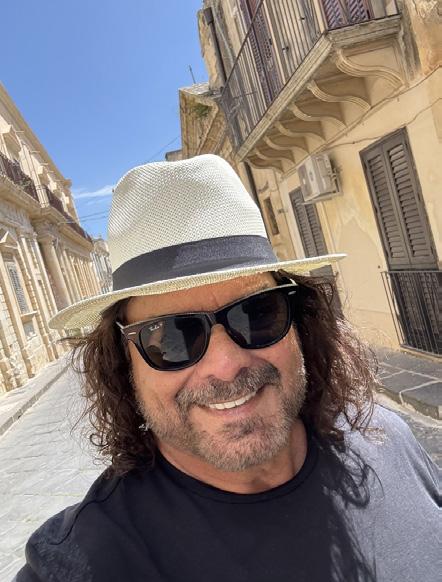
visited Sciacca, Sicily. The historic fishing port was the hometown of his maternal grandparents. “I saw the house where they lived,” said Bucelli who was overwhelmed with emotion from the experience.
And in January, he visited the Galapágos Islands, where he photographed seals, sea turtles and giant tortoises. He’s planning a

summer trip with Michael to Katmai National Park and Preserve in Alaska, where they’ll take photographs of grizzly bears “up close and personal.”
“There’s something very satisfying about taking photographs of wildlife,” said Bucelli, who often finds himself as close as five feet away from his subject matter. Studying a world map, Bucelli is contemplating where his next trip will be. n


BY MIKE SHUTE
enters its 10th year in business in the Northeast section of Atlantic City, co-owner Guy Zompa Jr. says that the keys to their success are hustle and heart.
“The only thing that has led to our success is constantly attempting to improve, expand sales and enlarging our footprint throughout the region in liquor store stores as well as bars and restaurants,” Zompa said. “Every day we have to get up and go to work and hustle so that the business grows and expands.”
LWD, a family-owned and operated craft distillery that opened for manufacturing and production in November 2016 and got its tasting room up and running four months later, is basically running two businesses under one roof.
Overseen by Zompa and co-owner Mark Ganter, the facility is humming Monday through Friday during typical business hours, strictly in full production mode. Their head distiller and only other full-time employee, James Stanche, oversees the manufacturing of their vodka, gin, rum, whiskey and bourbon along with three ready-to-drink Atlantic City 48 Blocks cocktails (espresso martini, chocolate martini and old fashioned). The “48 Blocks” name comes from the fact that Atlantic City is
48 blocks long.
All of Little Water’s products are available in liquor stores and bars throughout South Jersey as well as a few select bars in Philadelphia. You can also purchase their products online (www. lwdco.com) or by visiting them in person in A.C. Thursday, Friday (5 p.m. – 9 p.m.), Saturday and Sunday (1 p.m. – 9 p.m.) is when the space
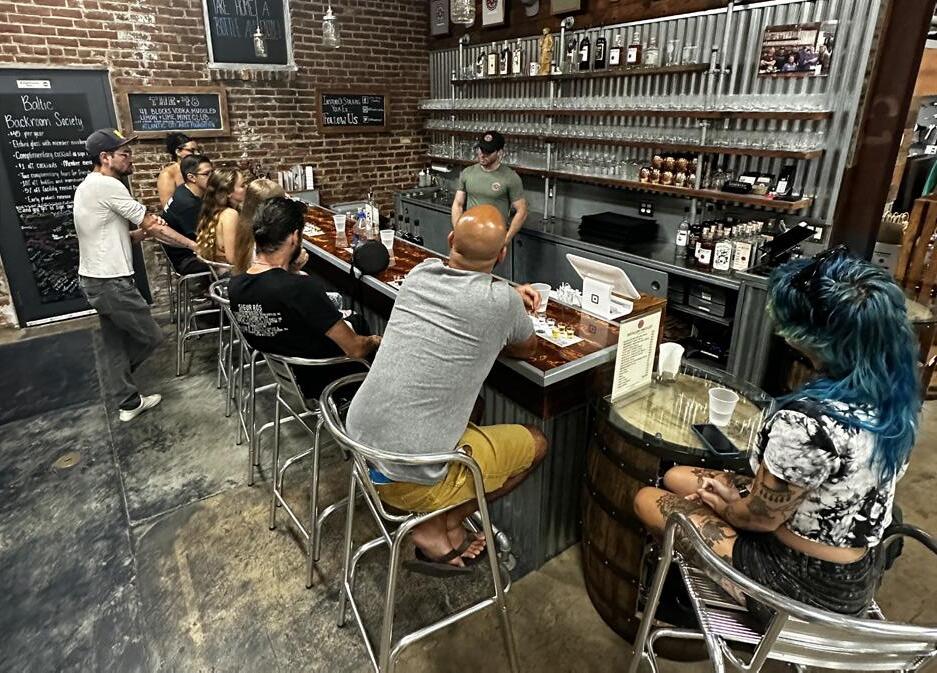
inside Little Water Distillery – a mix of factory, warehouse, bar and lounge with outdoor seating when the weather cooperates – comes to life and is open for tastings of all the spirits and cocktails they produce. It’s a great place to start a night out in A.C. You can also ask about hosting private events in their facility.
While you’re there, you can also get a tour
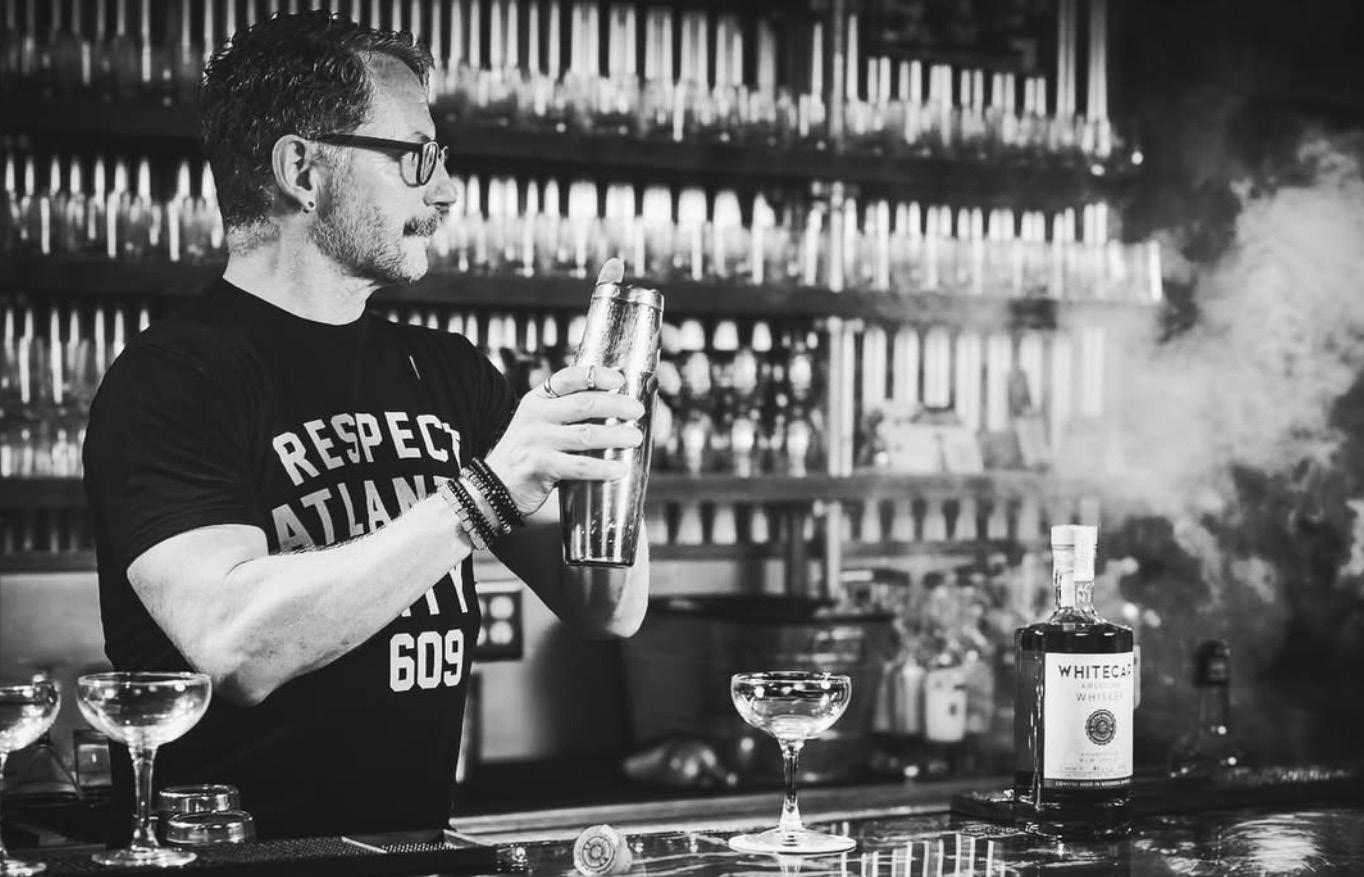
of the facility, learn about the distilling process and, if you’re lucky, you’ll get some Atlantic City history lessons from Zompa, Ganter, or LWD’s head mixologist Mortimer, an A.C. icon from his time tending bar at Studio Six (a place frequented by many A-list celebrities in the 1980s and 90s). Mortimer also appeared in the HBO series Boardwalk Empire, which, of course, was set in Atlantic City at the dawn of prohibition.
Speaking of Boardwalk Empire, the site where Little Water Distillery sits, at the corner of Baltic and Delaware Avenues (the facility’s official address is 807 Baltic Avenue, Unit B), is believed to be the original site of what was the Tumble Inn on the show. It was an actual prominent speakeasy during prohibition times in town.
As LWD recently celebrated its nine-year
Zompa and Ganter have embraced Atlantic City, its heritage and its seaside location by integrating many of the little nuggets of the town into the names of their spirits.
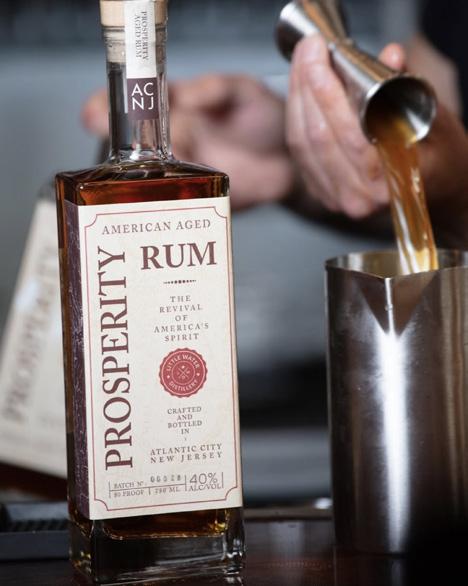
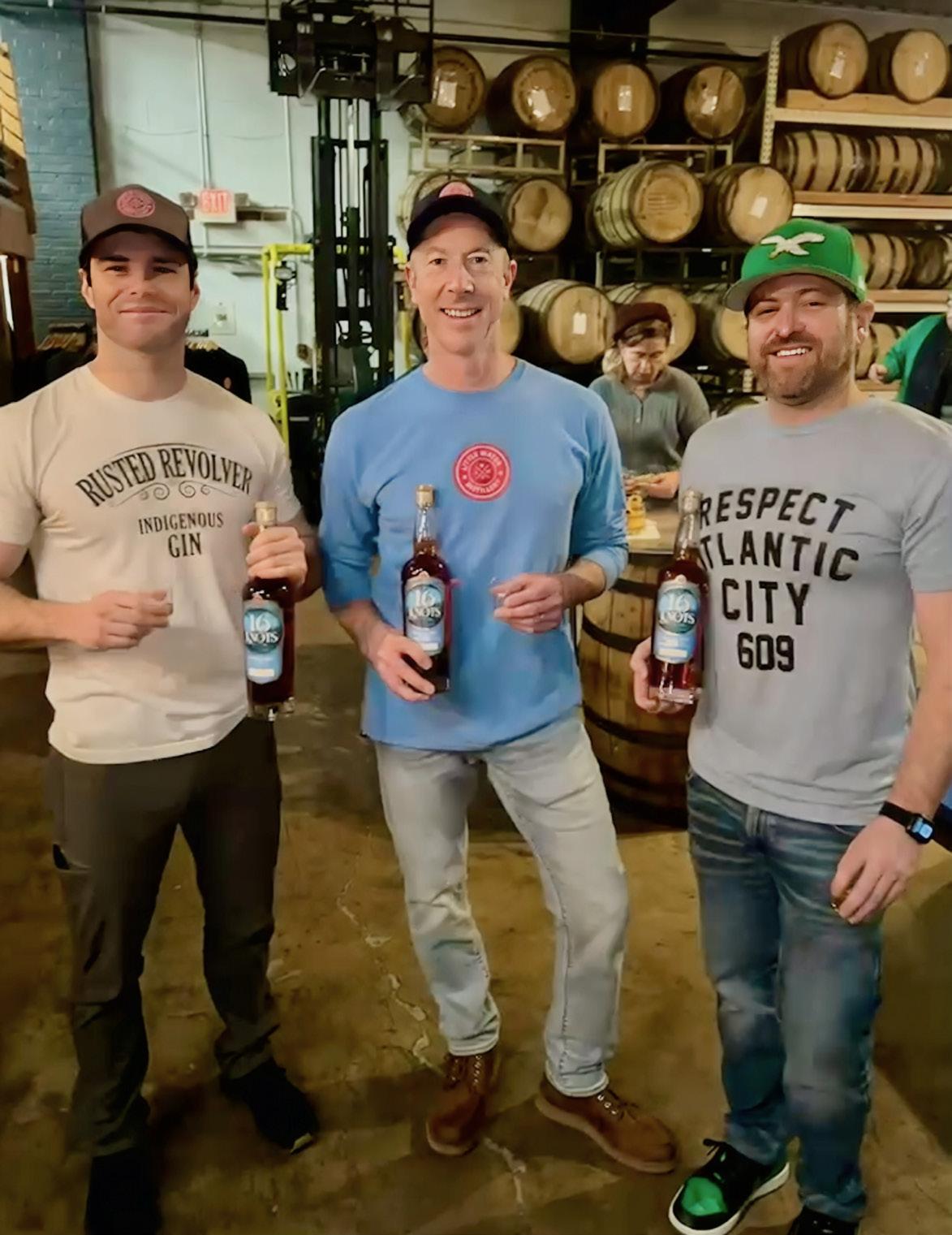
anniversary in March, it generated a special release of its original Rusted Revolver Gin (April 2019). This new limited edition is created with local honey that came from bees foraging blueberry blossoms in Atlantic County. The honey was then stored in oak barrels that were previously used for aging Little Water’s Prosperity Rum. Rusted Revolver Gin got its name from the discovery of a .38-caliber snub nose revolver – popularized in the late 1920s and early 1930s – that was unearthed on the grounds of the distillery during construction of LWD’s cigar patio in August 2016. It’s just



another piece of lore that makes this South Jersey small business special.
bit of history, albeit recent, occurred inside the walls of LWD during the COVID-19 pandemic. Obviously, like most small businesses across the country, Little Water was on hold just as it celebrated its third anniversary. The tasting room was closed, but they adapted by creating and selling hand sanitizer. The ingenuity and creativity helped keep them afloat, allowing them to keep some momentum until things stabilized.
Along with their mix of award-winning spirits, the thing that truly makes Little Water special is the pride that the entire staff – seven part-time employees join Zompa, Ganter and Stanche – takes in the history of Atlantic City. When you sit down at the bar in the tasting room, Zompa’s enthusiasm for the shore town bubbles over when he discusses it.
“I have a deep and genuine love for Atlantic City,” Zompa explained while looking for just the right bottle of LWD’s Prosperity Rum to pour a taste. “My great-grandfather came here as a baker from Italy and worked at the famous Traymore Hotel. He even opened one of the first donut shops in town.
“My grandmother was the first in our family born here and lived nearly her entire life on the same block on Georgia Ave., just about a mile and a half from Little Water Distillery.
Eventually, she started working at Boardwalk Hall and was there for 40-plus years. She raised her children on that same street, which was also famous for having the Philadelphia mafia
run out of that block.
“My daughter is the fourth generation of my family to be baptized at Saint Mike’s [Saint Michael’s Roman Catholic Church in Atlantic City]. So, for us, Atlantic City isn’t just a shore town to visit, it’s home.”
Zompa and Ganter have embraced Atlantic City, its heritage and its seaside location by integrating many of the little nuggets of the town into the names of their spirits.
Released in late spring of 2025, 16 Knots Bourbon is a true grain-to-glass Jersey bourbon. The name comes from the speed of the wind in which storms will form along the coast. Created with locally sourced grains from the region, 16 Knots brought home a Silver Medal from the prestigious Finger Lakes International Wine & Spirits Competition last summer.
White Cap American Whiskey is 90 proof and is a blend of sweet corn, wheat and rye that truly makes its mark in a classic Old Fashioned but is easy to enjoy on its own. Of course, its name comes from the big waves that occur along the coast.
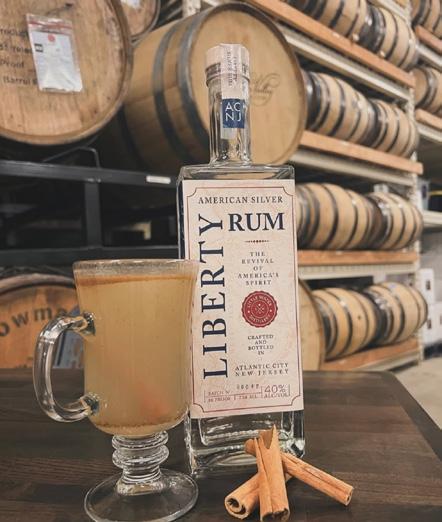
Rum, which was actually used as a form of currency or substitute for currency in 17th and 18th-century America, was a critical, highvalue commodity. At LWD, it’s still held in high regard and the names of its two versions of the spirit – Liberty Rum and Prosperity Rum – are
named after the two women on the NJ state flag. In December 2020, Prosperity received the gold medal at the East Coast Craft Sprit Awards. Meanwhile, Liberty Rum earned the People’s Choice Award.
FOR ZOMPA, the awards are nice but he and Ganter see so much more to their business. They truly love the community they’ve built inside the walls of LWD. They also cherish the interaction with their customers and the stories their products become a part of.
“It’s really nice to get recognition for things like that, but in all honesty, we don’t really put much thought into if something wins an award or not,” Zompa explains, glancing around the tasting room. “Something like that is sometimes really more important for people buying it – they may need to see that.
“It sounds cliché, but I really find more satisfaction in getting positive feedback from customers that they love the product or that they thought enough about it to buy it for someone as an important gift, something like that. Lou Nolan, the Flyers public address announcer, was gifted bottles of our stuff for his 50-year anniversary with the team and hearing a story like that is just way cooler to me than any medal.” n


The Philadelphia Phillies made few substantial moves in the offseason and appear farther away from contending for the National League championship than last year.
But they should be highly competitive and battle the New York Mets for the National League East title – and, at the least, be in the mix for a wildcard spot.
“We can’t forget that we won 96 games last year, and we have a really good club,” manager Rob Thomson said early in spring training. “We’re going to turn over probably 20 or 25 percent of our roster…I like the improvements we made to our bullpen, and we’re going to probably inject some youth into our team.”
He said he was “more excited” than he was during spring training in 2025. “I think we’re better on this day than we were at this time last year.”
BY SAM CARCHIDI

Whether Thomson was being overly optimistic remains to be seen. The fact is, the Phils failed to add a much-needed player who gets on base frequently, didn’t get a significant replacement for reliable starting pitcher Ranger Suarez (12-8, 3.20 ERA) and didn’t do much to upgrade their weak outfield. They tried to sign infielder Bo Bichette, who would have greatly improved their lineup, but he spurned them and went to the Mets.
“It’s a gut punch,” said Dave Dombrowski, the Phils’ president of baseball operations. He added, “You have to pick yourself up and shake it off.”
The Phillies, who went 96-66 last season, are an aging team that is a year older.
That said, they should be a strong contender in the National League East, which they won by 13 games in 2025.
It should be a much closer race this season. The Mets figure to be their main competition.
New York lost some key players (Pete Alonso, Brandon Nimmo, Edwin Diaz), but it also added some impressive reinforcements, led by Bichette, Freddy Peralta and Jorge Polanco. The projected top of the lineup – Francisco Lindor (31 HRs, 31 SBs), Juan Soto (43 HRs, 38 SBs), Bichette (.311, 18 HRs, 94 RBIs, .357 on-base percentage) and Polanco (26 HRs) – looks more imposing than the Phillies’ productive Big Four.
Atlanta could make it a three-team race, but has again been hit by injuries and a suspension this spring.
So, it wouldn’t be surprising if the Phillies won another East title, this time in a tight race with the Mets.
Overtaking the two-time World Series champion Dodgers in the National League, however, looks highly improbable. The Dodgers, unlike the Phillies, got even stronger in the offseason by adding outfielder Kyle Tucker and closer Diaz.
For the Phillies to perform beyond expectations, they need centerfielder Justin Crawford and righthander Andrew Painter to have terrific rookie seasons. Both are highly regarded.
It would also help their chances if Bryce Harper and Bryson Stott bounced back from “just OK” seasons, and Aaron Nola rebounded from a year he’d like to forget.
The one area where the Phillies have greatly improved is the bullpen. If their starters can leave games with a lead, the Phils will be in good shape because of a potentially dominant relief group.
Thomson is high on the bullpen, along with an under-the-radar addition: The hiring of Don Mattingly as bench coach. Mattingly’s son, Preston, is the Phils’ general manager.
The addition of Mattingly boosts the coaching staff because of his long and outstanding career as the Yankees first baseman. He was also
Phillies outfielders combined to hit
just 57 home runs last year; only five major-league teams had outfielders who hit fewer homers.
a manager with the Dodgers (2011-15) and Marlins (2016-22) before being Toronto’s bench coach the last three seasons.
“He understands the ups and downs of the game,” Thomson said. “They can lean on Donnie.”
Here’s a look at how the team is expected to look, along with a fearless prediction:
Crawford, 22, is expected to play centerfield and is coming off a sensational triple-A season (.334, .411 on-base percentage, 46 SBs) Brandon Marsh (.280, 11 HRs) and Otto Kemp (.234, 8 HRs ) should divide the left-field duties, and newcomer Adolis Garcia (.227, 19 HRs) has replaced the strikeout-prone Nick Castellanos (.250, 17 HRs) in right.
The Phillies, who for some reason didn’t resign underrated centerfielder Harrison Bader, are hopeful Garcia, 33, who has had consecutive seasons in which he batted below .230, can look more like the player who keyed Texas’ World Series title in 2023, a year in which he smacked 39 homers and drove in 107 runs. He is a much better fielder than Castellanos.
Phillies outfielders combined to hit just 57 home runs last year; only five major-league
teams had outfielders who hit fewer homers. That needs to improve greatly.
The infield is the same as last year, and that’s not a bad thing. Third baseman Alec Bohm (.287, 11 HRs), shortstop Trea Turner (.304, 15 HRs, 36 SBs), second baseman Stott (.257, 13 HRs, 24 SBs) and first baseman Harper (.261, 27 HRs, 75 RBIs) return and will try to help the Phils get to the World Series for the first time since 2022.
Turner became the first Phillies player to win the batting title since Richie Ashburn in 1958, but his home-run total dropped to 15 –his lowest full-season total since 2017 with Washington.
Harper had a decent season for most first basemen, but it was below his own standard.
Dombrowski caused a stir in the offseason when talking about Harper’s hitting compared to previous seasons.
“Can he rise to the next level again? I don’t really know the answer to that,” he said. “He’s the one that will dictate that more than anything else. I don’t think he’s content with the year that he had. Again, it wasn’t a bad year. But when you think of Bryce Harper, you think

of elite, you think of one of the top 10 players in baseball, and I don’t think it fit into that category.”
Harper, a two-time National League MVP, missed a month last season with a wrist injury and admitted he “didn’t have the year I wanted.”
During spring training this year, Harper told reporters he doesn’t get motivated “by that kind of stuff” – he was referring to Dombrowski’s comments. The comments, he said, are “kind of wild to me still,” and he added he believed they should have been kept in-house.
When the Bichette signing didn’t work out, the Phils were able to resign J.T. Realmuto and that was important because they have no one in the system who is close to the catcher’s ability – even at age 35. Realmuto batted .257 with 12 homers last year and his production increased in the second half.
The Phillies re-signed Kyle Schwarber to a five-year, $150 million contract in December, and that was important not just because of his power – he led the NL in homers (career-high 56) and RBIs (career-high 132) – but because he is a clubhouse leader. He also gets on base a lot (.365).
A lot of the Phils’ success will hinge on the health of Zack Wheeler (10-5, 2.71 ERA, 195 Ks), who is making a comeback from thoracic outlet decompression surgery on Sept. 23.
The Phils hope Wheeler returns at some point in April.
The Phillies’ rotation without Wheeler will probably look like this: Cristopher Sanchez (13-5, 2.50, 212 Ks), last year’s Cy Young runnerup, Jesus Luzardo (15-7, 3.92, 216 Ks), Nola (5-10, 6.01), Taijuan Walker (5-8, 4.08) and the promising Painter. Painter is two-plus years removed from Tommy John surgery and should be back to form after struggling in the minors last year (5-8, 5.26).
Losing Suarez to Boston (5 years, $130 million) in free agency, Wheeler’s uncertainty, and Painter’s unknown major-league ability gives the rotation some question marks, but the potential is there.
This is the team’s biggest strength. By far. They have a strong closer, Jhoan Duran
(2.06 ERA, 1.10 WHIP), who was acquired from Minnesota at last year’s trade deadline. They have Jose Alvarado, the big lefty who received an 80-game PED suspension in 2025, and he should be a quality setup man. Oh, and they signed free-agent Brad Keller (2.07, 0.96 WHIP), who was outstanding last year with the Cubs. Keller figures to be the right-handed setup man.
In addition, Orion Kerkering (8-4, 3.30), provided he recovers from The Errant Throw Heard Around Philly, and lefty Tanner Banks (3.07, 1.01 WHIP) are dependable. They also acquired Jonathan Bowlan (3.86, 1.22 WHIP) and lefthander Kyle Backhus (4.62, 1.42 WHIP) to give them depth, though they did lose Matt Strahm (2.74, 1.08 WHIP) in a salary-dump deal with Kansas City that brought the lessexpensive Bowlan to Philadelphia.
On paper, this looks like one of the Phillies’ best bullpens in years.
Phils go 90-72, win the NL East, but again fall in the opening playoff round, putting Thomson on the hot seat. n
Losing
Suarez to Boston in free agency, Wheeler’s uncertainty, and Painter’s unknown major-league ability gives the rotation some question marks, but the potential is there.





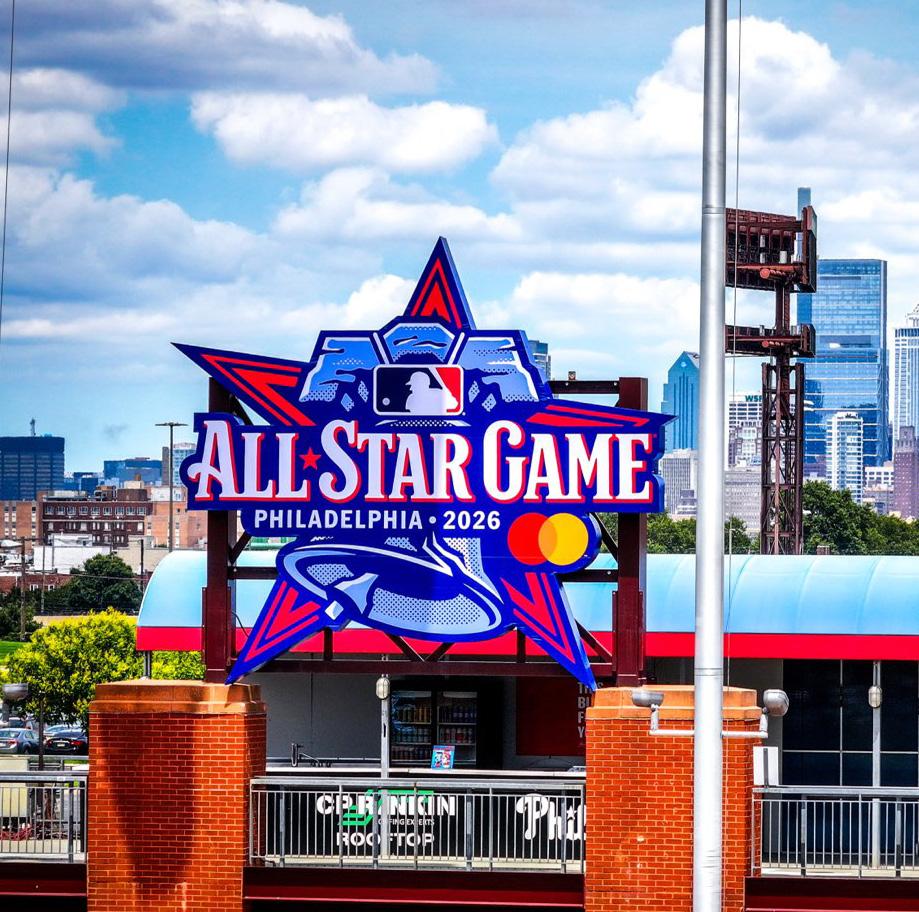
BY KURT SMITH
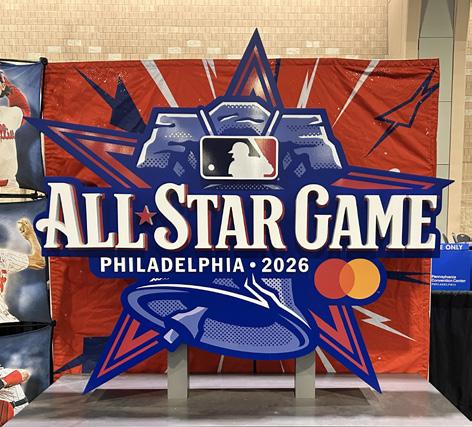
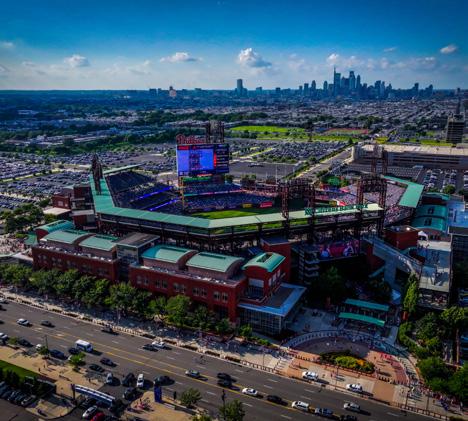
As the city of Philadelphia celebrates America’s 250th birthday, Major League Baseball’s All-Star Game is coming to Citizens Bank Park.
IT MIGHT NOT RISE to the level of overthrowing a nation, but the local baseball team’s mascot is well known for his disdain for being ruled. Even if it’s just by conventional standards of mascot behavior. It is undoubtedly his most endearing quality.
It’s probably likely the Phanatic could only be the Phanatic in Philadelphia, a city that for 250 years has epitomized defiance to the point of
rewriting the rules.
Tom Burgoyne, who has worn the costume for over 30 years, will have a lot to do during this year’s All-Star Week, as Major League Baseball prepares to showcase the world’s greatest game in the country’s founding city.
Burgoyne speaks about the Phanatic in third person, as if admitting that the internationally famous costume’s rebellious personality is all its own.
“All the semiquincentennial events, the
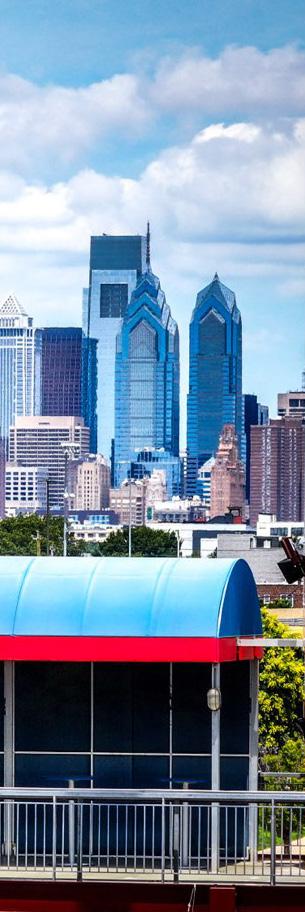
Phanatic is going to be popping up at a lot of those. Usually, around the 4th of July and all the events that are happening, he’s busy.
“The mascots work the All-Star Game Village at the Convention Center. They’re there at the Home Run Derby and the red-carpet event on Tuesday. You see them throughout the week.”
And of course, he’ll be at the game, doing Phanatic things. “He’s featured a couple of times to do routines, dances, skits, whatever you want to call it. You won’t be able to miss the
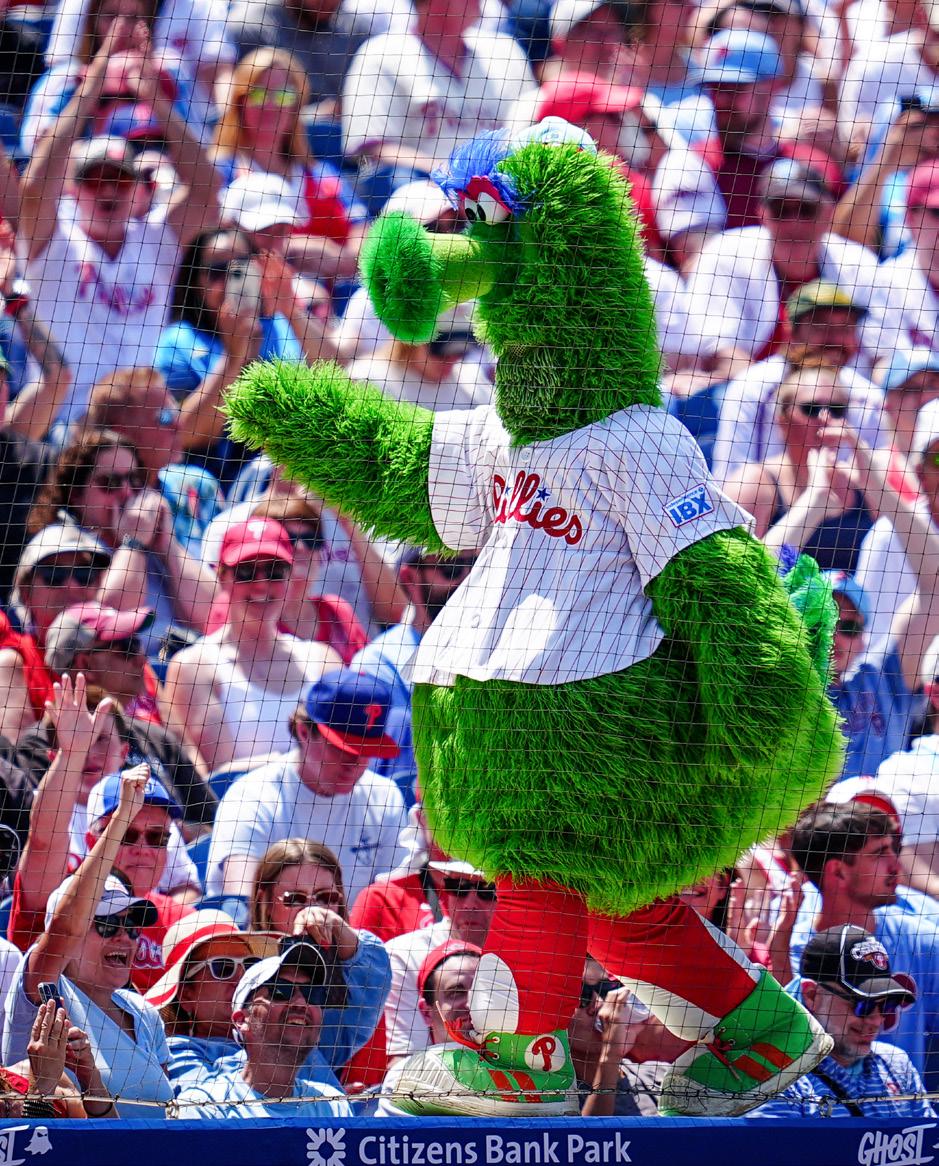
Phanatic at the All-Star Game.”
The Phanatic has been to every All-Star Game since the 1996 game at Veterans Stadium…all of the teams’ mascots go each year…so he knows how a city embraces the Midsummer Classic. Burgoyne is looking forward, as are all of us, to highlighting the city with baseball’s biggest showcase in town.
“It really is exciting to go to the city that’s hosting the All-Star Game. The whole community gets pumped up. It’s a showcase for these cities, and it’ll certainly be a showcase for Philadelphia. The different neighborhoods, Center City will be alive, hotels are packed, Old City and historic Philadelphia [will be] highlighted. I love how baseball is utilizing all that.
“If you’re a Philadelphian or you live in the region, you can really hold your head high and have a lot of pride when so many visitors come into the city, and see why we all love this area.”
DEB RINALDI, the Phillies Director of Business Communications, shares Burgoyne’s growing excitement about the arrival of the Midsummer Classic. The AllStar Game celebration is “an incredible team effort,” Rinaldi says.
“We’re excited to work closely with MLB as Philadelphia is put on the world stage. We are putting an increased emphasis on creating an unprecedented fan experience at all levels of the ballpark.”
That improved fan experience includes a revamping of the Hall of Fame Club, now the Cadillac Hall of Fame Club, fittingly acknowledging General Motors’s contribution to America. One aspect of that renovation is removing the baseball wall and making the individual baseballs available to fans.
The Phillies hadn’t said what would be replacing it at press time, but the fans don’t seem to mind; season ticket packages are
already sold out in the club.
There’s also going to be a new Kings Swings kids playground, enhancements to the rooftop seating area in center field, and new sponsors for the Rooftop and Diamond Club (PJ Fitzpatrick and Philadelphia Insurance, respectively).
Speaking of highlighting local businesses, it’s a testament to our city’s food scene that arguments over cheesesteak quality have replaced arguments over how to run a national government.
Rinaldi reiterates what the local foodies know about how our ballpark brilliantly showcases Philly culinary classics. A less skilled media relations professional would run out of breath with the food options she names.
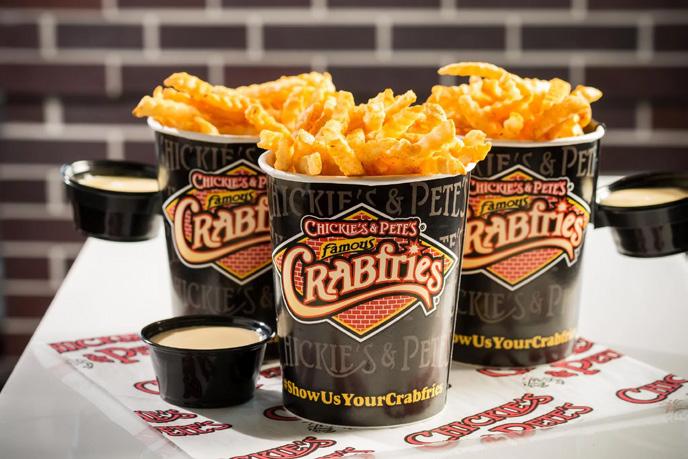
“Bull’s BBQ, Campo’s, Chickie’s & Pete’s Crabfries, Colbie’s Southern Kissed Chicken, Federal Donuts, Manco & Manco Pizza, P.J Whelihan’s, Tony Luke’s and more. Citizens Bank Park features one of the best food lineups in all of baseball,” she confidently asserts.
This writer, who dedicates a blog to such matters, can confirm she’s right.


IN ADDITION TO preparing the host ballpark, there’s also the matter of fans getting there. 250 years after deciding we would handle things on our own here, Philadelphia still features streets more suitable for traveling on a horse than in a vehicle. Getting around Center City by car is a significant enough challenge without thousands of tourists sharing the roads.
Baseball fans visiting for the All-Star Game would also be wise to be aware of what we locals know: that even with ample parking, Citizens Bank Park can be a logistical traffic mess, especially when the place is sold out.
John Golden, Senior Press Officer at SEPTA, spoke with JerseyMan about the coming celebrations. The main focus is simply ensuring everything works, which takes more effort than people probably realize.
“Since we know so far in advance, we can plan for staffing and whatnot, and make sure some extra TLC is given to the train cars. Proactive type stuff, like making sure that HVAC is working properly and all that.”
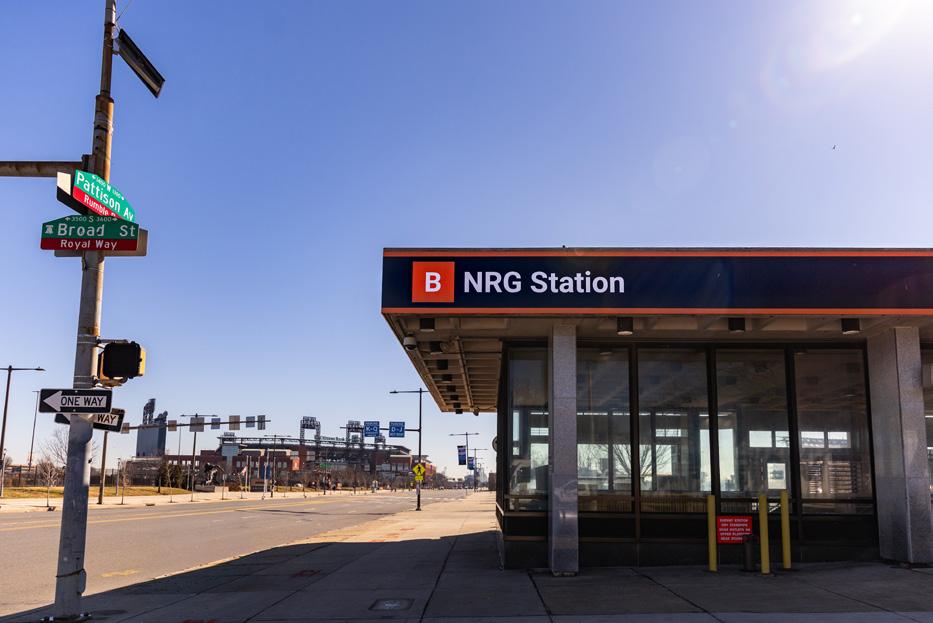
“We also work with our partners within the city, whether it’s emergency management or Philadelphia police, to make sure everything’s moving as smoothly as possible. We’re definitely going to have extra police patrols added to the B Line and stations.”
Hosting the World Cup helps. “We received over $5 million in federal grants to enhance our service for FIFA, and we’re utilizing those funds
to improve the system.”
That said, Golden doesn’t have illusions about the trepidation sports fans and tourists might have about using the subway. But he’s also quick to address it.
“Our crime stats have been drastically reduced over the last year or so. We have over 30,000 video cameras. If you are using SEPTA, you are on video. That system has been very

valuable to us to catch perpetrators and bad behavior. If you try to get away with something, it’s not going to end well for you.”
If you’ve used SEPTA recently, you’ve likely noticed how the subways and trolleys are now all considered part of the “Metro” system, categorized with letters instead of line names, like “B” for the Broad Street Line. The idea wasn’t specifically hatched for the All-Star Game (or World Cup), but the timing does work out.
“It was just to create some consistency for not only locals, but also tourists coming in,” Golden says. “Not everyone knows what SEPTA is, but they know what Metro is. It’s much more familiar.”
So, if you’re going to the All-Star Game and want to avoid the inevitable traffic and parking mess, give that B train a try.
DESPITE THE FACT our city is home to one of the most exceptionally beautiful ballparks in the country, it’s taken 22 years for Major League Baseball to showcase its annual All-Star event at Citizens Bank Park. But given the opportunity that America’s semiquincentennial celebration represents, it will be worth the wait.
The man who wears the Phanatic costume is as pumped as all of us about celebrating the Midsummer Classic in our nation’s birthplace as America turns 250.
“I still look at baseball as the American pastime,” Tom Burgoyne says. “There’s nothing like coming to the ballpark and having a hot dog and watching the game on grass. It’s a hard thing to put your finger on, but it just seems to work well in America.
“So, now you throw the semiquincentennial into the mix, it just feels right.”
There will be tens of thousands of visitors to Philadelphia in July of 2026, just for a baseball game. They’ll get a chance to see why, in a city with a higher-than-average crime rate, frequently uncomfortable temperature extremes, and seemingly perpetually cranky sports fans, no one seems to want to leave.
They may visit the Reading Terminal Market and sample its incredible selection of food from every corner of the world. They’ll ascend the steps of the Art Museum and stand with their arms raised in victory to celebrate a timeless piece of cinema. Maybe they’ll take a side trip to the King of Prussia Mall, which the American actor John O’Hurley called “the greatest place in
Back in the days when Major League Baseball only had 16 teams in ten cities, you didn’t have to wait nearly as long for the All-Star Game to come back to your hometown. It only took nine years for Philadelphia to host its second All-Star Game.
Things are different in baseball today, but the game still makes the rounds, and 2026 will be the fifth time Philadelphia hosts the Midsummer Classic.
Here’s some history about the previous four events:
1943 at Shibe Park
AL 5, NL 3. In the 11th All-Star Game, and the first ever All-Star Game scheduled at night, the American League triumphs over the National League on Bobby Doerr’s three-run homer off of Mort Cooper. Pittsburgh’s Vince DiMaggio put on an impressive performance, going three-for-three with two runs scored. Where was his much more famous brother? Serving as a Staff Sergeant in the Army, as America fought the Axis in World War II.
1952 at Shibe Park
NL 3, AL 2. With the Phillies as the host team this time (as opposed to the Athletics in 1943), the Nationals take the win in what is still today the only rainshortened All-Star Game. Jackie Robinson’s first inning home run off of Vic Raschi, and Hank Sauer’s 4th inning two-run shot off Bob Lemon gave the NL the lead before the rain prevented Mickey Mantle’s and Satchel Paige’s potential appearances in the game.
1976 at Veterans Stadium
NL 7, AL 1. MLB celebrated America’s 200th birthday with the All-Star Game at the Vet. The NL triumphed again in the midst of a hot streak of winning 19 of 20 All-Star Games. The NL put up two each in the first and third innings, including a two-run shot from George Foster off of Catfish Hunter. Greg Luzinski was the only starter from the hometown team, but Bob Boone, Dave Cash, Mike Schmidt and Larry Bowa all made the squad. Cash was the only Phillie with a hit in the game.
1996 at Veterans Stadium
NL 6, AL 0. The NL blanks the AL with help from hometown hero Mike Piazza, who slammed a home run off of Charles Nagy to the roars of the 62,000+ fans in attendance. It was Ozzie Smith’s last All-Star Game, after announcing his retirement earlier in the season, and he received a standing ovation after his last at-bat…after which, as Tom Burgoyne fondly remembers, he walked over to the stands and gave the Phanatic a high five.
With the National League 3-1 in Philadelphia games, and undefeated with the Phillies as the host team, we should probably like the National League’s chances in this one.
the world to shop”.
But most of all, baseball fans visiting Philadelphia will see remnants everywhere of the implementation of a 250-year-old idea strong enough to provide a home for the greatest game ever invented.
At the Constitution Center, Independence Hall, the Liberty Bell, Betsy Ross’s House, and around the city, visitors will see endless reminders of how strongly a group of men
believed in an idea. The idea that life for everyone will be immeasurably greater when government recognizes our inalienable right to life, liberty, and the pursuit of happiness.
That idea, that brave-hearted Philadelphians signed on for, and the fighters who sacrificed everything for it for two and a half centuries since, turned out to be right.
Our national pastime is all the proof We the People need. n

BY MICHAEL BRADLEY
KEVIN TEDESCO grew up in South Jersey. Went to ballgames at The Vet. Worked there.
So, he really remembers it. And he knows it was built for one reason: for fans to watch games.
“It wasn’t built for what we do now,” he says.
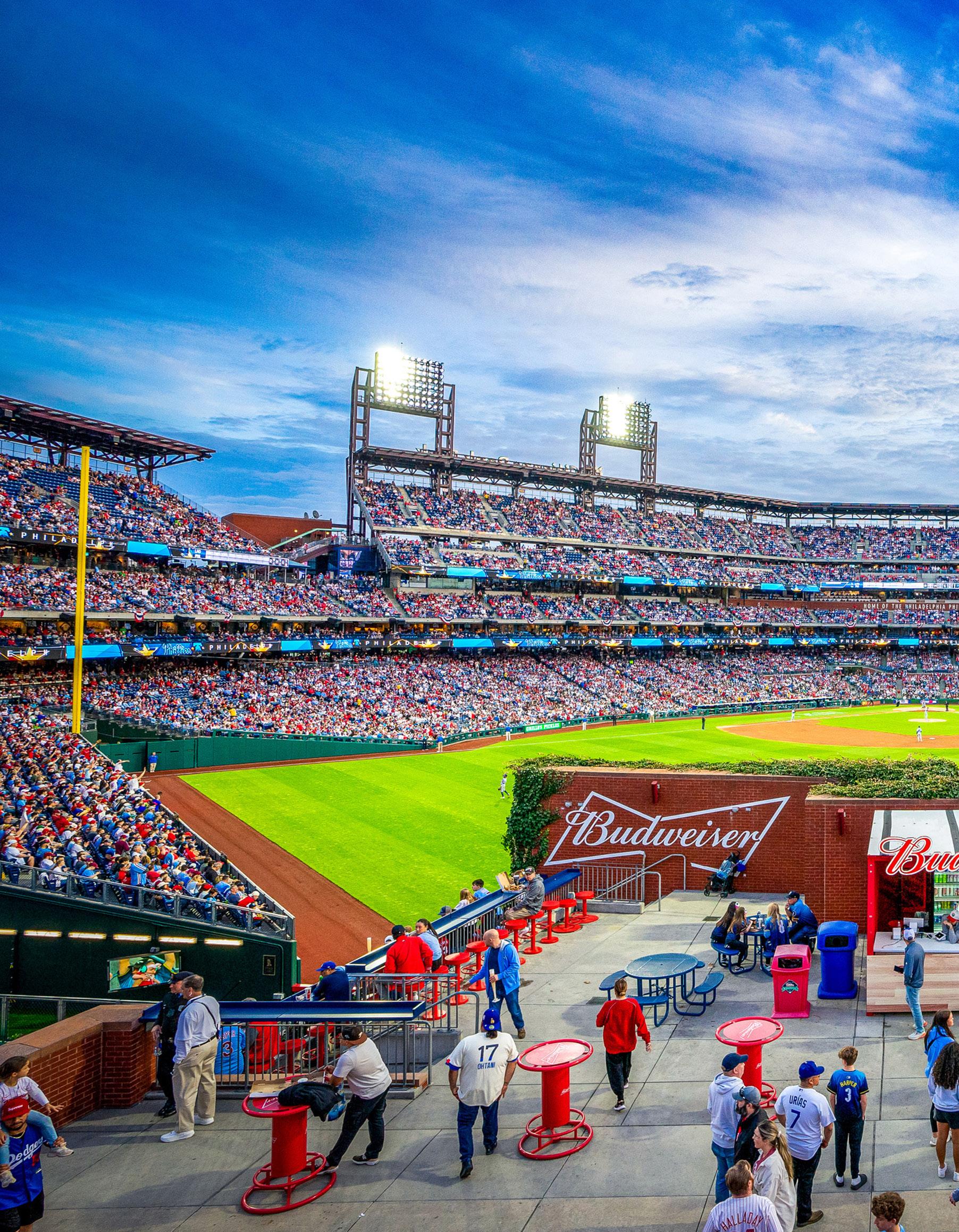
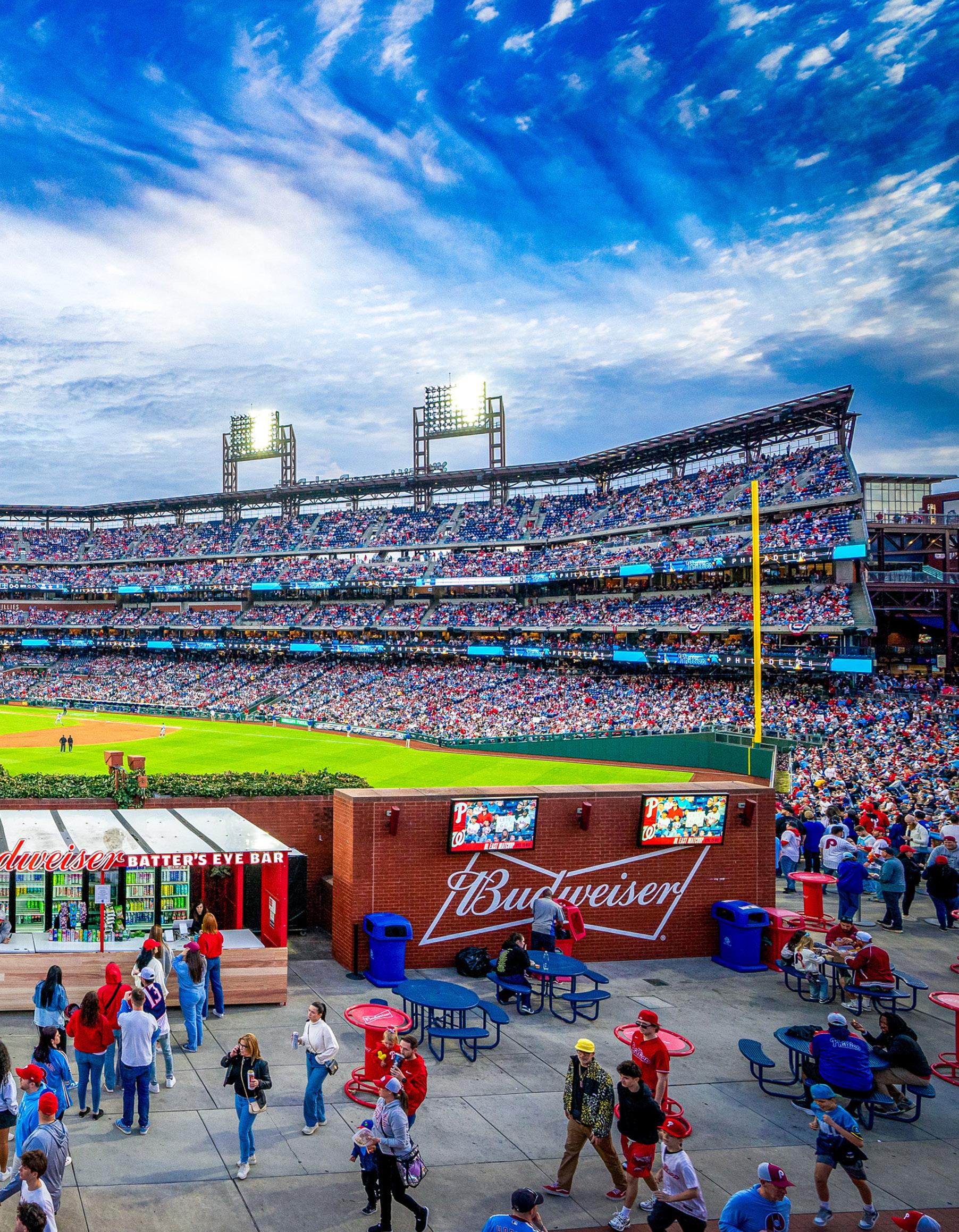
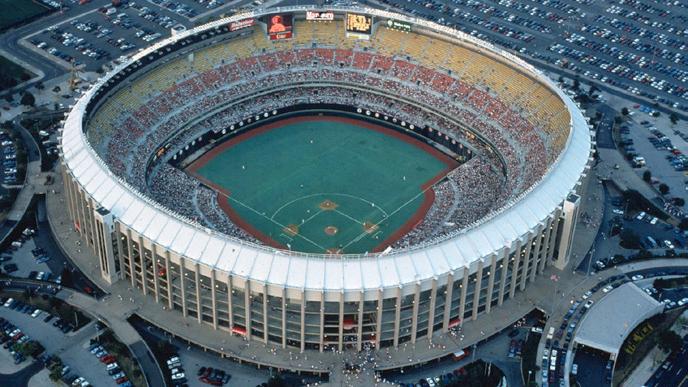
When Tedesco says “what we do now,” he’s talking about the seemingly endless food and drink options available at Citizens Bank Park, which replaced Veterans Stadium in 2004 and released fans from the dark concourses and limited bill of fare that they endured for 33 years.
As Aramark’s General Manager at CBP, Tedesco is responsible for the menu of dining options at every stadium concession stand, in each suite and club area, through each Philadelphia-branded partner and for the stadium’s dining room. His purview includes about 80 concession outlets and more than 1,100 employees and contractors responsible for keeping fans fed and thirst-free.
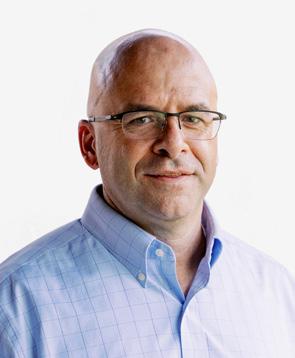
And he knows times are much different from those when the Phils played on the concrete turf at The Vet, and fans hardly looked at a trip to the ballpark as a chance to satisfy their hunger.
“For having done this as long as I have, people would come before to watch the game and then go home,” Tedesco says. “Now, it’s different.”
It certainly is. A Phillies game is not a mere sporting event. It is an evening of entertainment that extends beyond the diamond. Hard-core baseball fans may not always like it, but the franchise has created an
experience designed to give patrons way more than balls and strikes. Instead, they get three-plus hours of sights, sounds, food and drink that surround the on-field competition.
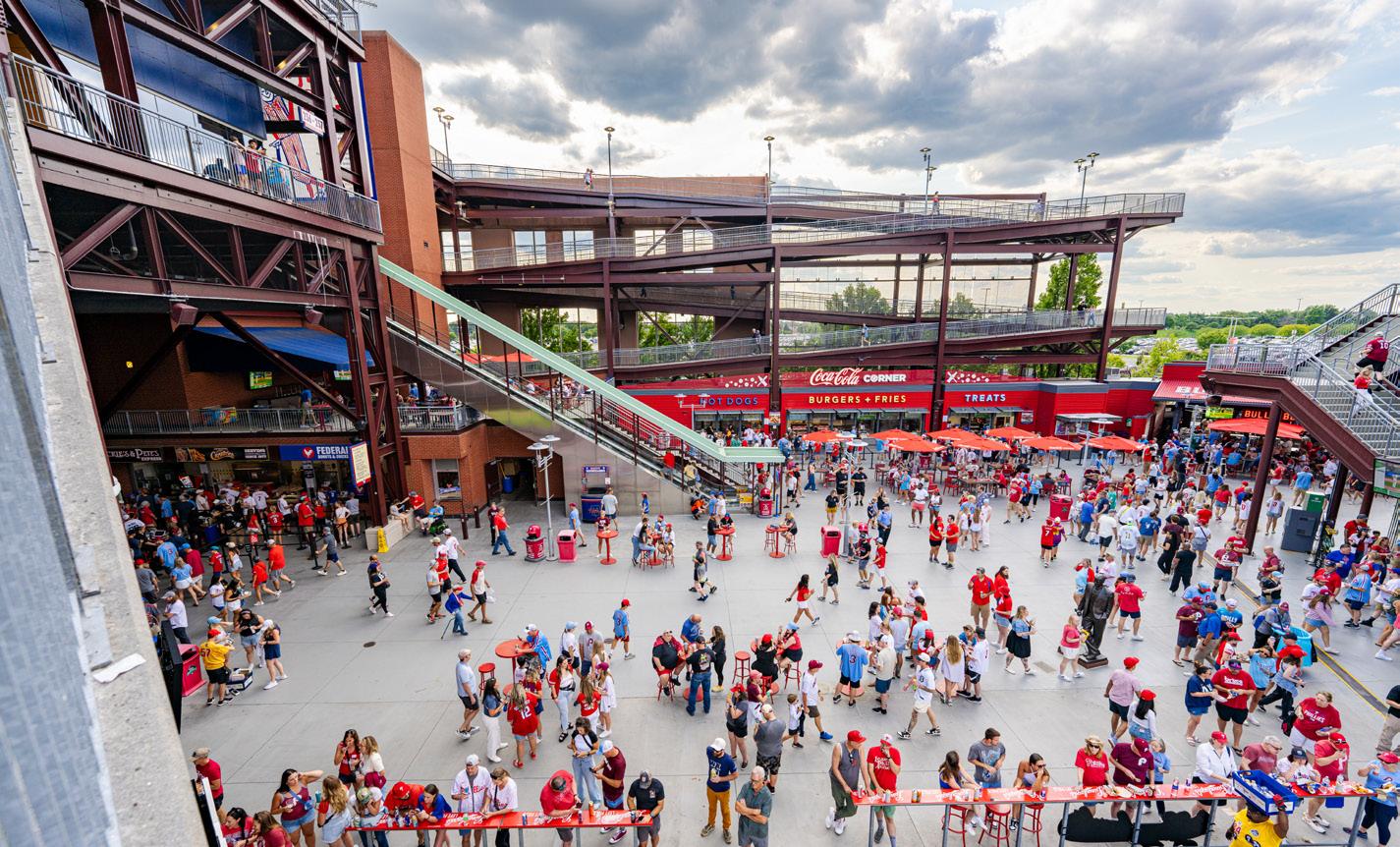
which features an open design whose purpose is to encourage people to traverse the concourse while still watching the game.
Fans who leave their seats during the action don’t have to miss anything, thanks to clear sight lines – along with enough TV monitors to make even the best-appointed sports bar envious. In between innings, the Phanavision scoreboard presents an array of live content, taped interview segments, animated contests and other content designed to make people forget that there are two minutes and 20 seconds until the next pitch.
“It’s definitely an entertainment venue,” says Sean Rainey, the Director of Phillies Productions and a gameday producer who is in his 17th season with the club. “There is an entertainment mindset. We are trying to entertain the fans who are here. We don’t have commercial breaks. We give them things they aren’t getting at home.
“We draw three million fans, so we have to have something for everybody.”
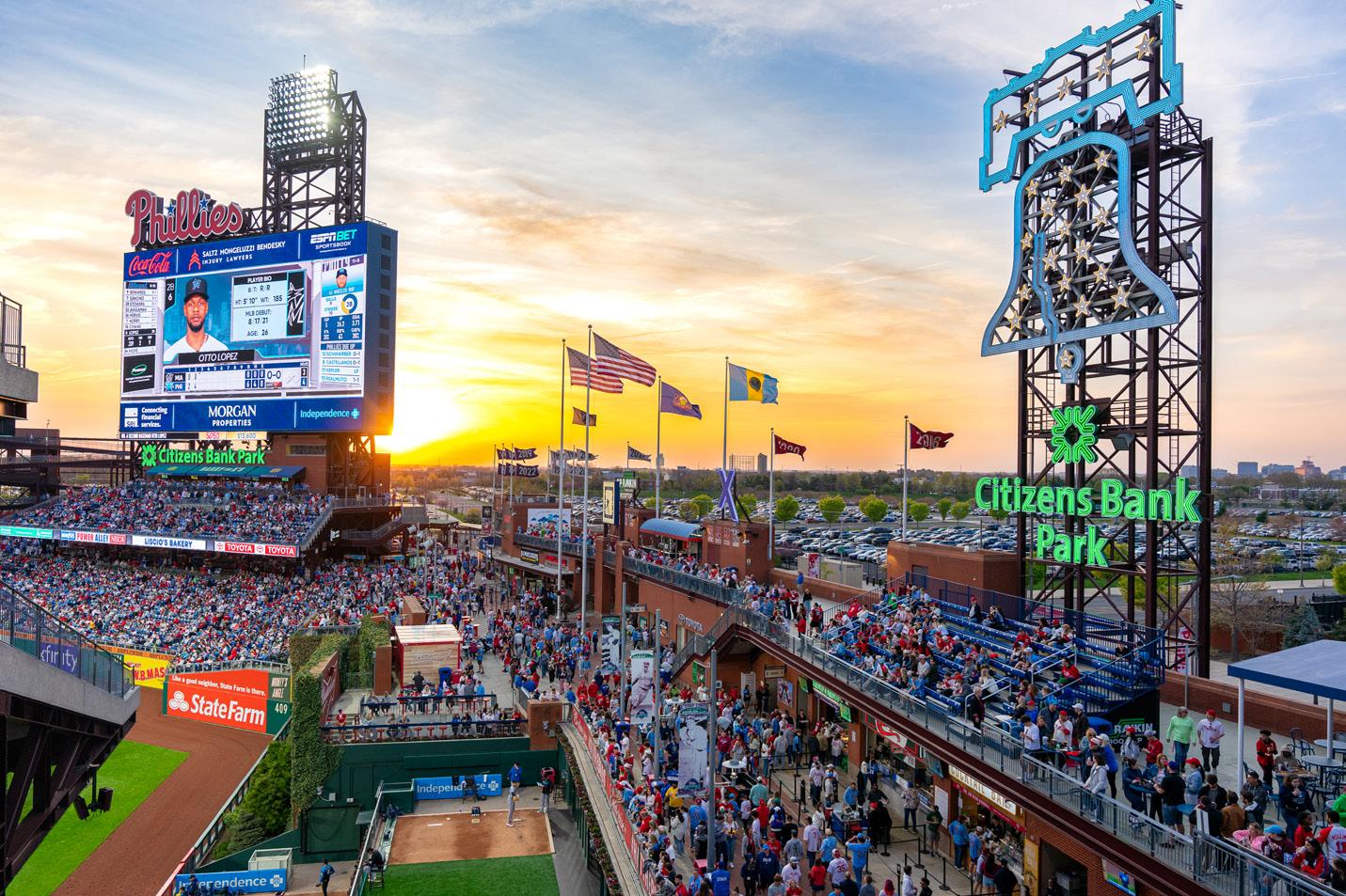
“We live in a world where people are using second screens. We need to give them more.”
Those fans who remember the quaint “electric scoreboard” days of The Vet, when in-between innings fare consisted of low-def, monochromatic animation, must consider today’s Phillies entertainment lineup something akin to sensory overload, but Rainey is right that today’s fans – of just about all ages – are not looking to spend time between innings, or even between pitches, talking baseball with those sitting in their row. They will most likely have an app open on their phones, so why not keep them engaged with content that attracts their attention and makes a Phils-Marlins game about much more than the score?
are long gone, even if there are still some who still want to keep their own records of the game. How do you draw more than three million fans year after year? Win games, for sure, but give those who aren’t huge baseball fans something more than the crack of the bat.
“The ballpark lends itself to the casual fan,” Tedesco says. “If you’re in Ashburn Alley, you can see the field. Wherever you are in the ballpark, you can see the game.”
Tedesco says that many fans enter the park as soon as it opens, head to Ashburn Alley for food and then watch batting practice or simply enjoy being at the stadium. Once the game begins, the concourses become “empty” in the bottom of the first because fans want to watch the Phillies’ first at-bat, which usually means plate appearances by Trea Turner, Kyle Schwarber and Bryce Harper. But they are soon back at the concession stands, and Tedesco says that fans almost treat a trip to the
ballpark as a three-course meal.
“They’ll get their first course early, then some French fries in the sixth inning and ice cream sundaes later in the game,” he says.
LOT at the park, but they don’t forget about drinking. Tedesco estimates that there are “60 different varieties” of alcoholic beverages at the park, covering everything from lite beer to international offerings, craft beers, hard teas and seltzers.
“We draw three million fans, so we have to have something for
everybody,” he says.
Since it opened, the park has been home to a variety of dining partners for the Phils, including Chickie’s and Pete’s, which is the oldest restaurant that has been part of the concession offering, dating back to The Vet. Others include Campo’s, Manco & Manco Pizza, P.J. Whelihan’s and Federal Chicken & Donuts. There are many others, and the Phillies and Aramark are always looking for new partnerships. Since CBP will be hosting the All-Star Game this July, expect some themed food offerings throughout the season.
In the past, Aramark has teamed with Phillies players to create signature offerings, like the Schwarburger, Jesus Luzardo’s Cheesesteaks for Charity, former standout Greg Luzinski’s Bull’s Barbecue and last year’s short-lived “Bader Tots,” which linked food sales with centerfielder Harrison Bader. Most proceeds from these items go to charity.
Tedesco also worked at the old Giants Stadium when he began his Aramark tenure, and he likens the food experience there to that of Veterans Stadium and relates how different it is from what today’s fans can get.
“Without question, people come here to eat and drink,” he says.
Fans may flock to concessions from the moment the ballpark opens, but they also spend 40 minutes before the game starts enjoying the program put together by Jess Messner, the team’s Coordinator of Entertainment. Batting and fielding practice before a 6:40 game ends at 6:00, and that’s when Messner’s team takes over. She helps coordinate any pre-game presentations and handles things like the national anthem performer.
“We try to keep it fresh, Messner says. “One night, we could have an elementary school choir, and the next could be a high school band. For themed nights, we have singers who reflect the theme. On Country Music Night, we’ll have a country artist.”
Messner is also responsible for arranging who will throw out each game’s ceremonial first pitches. “First pitch is my whole world,” she says. On a given night, there could be as many as three people tossing to the Phanatic or – in the case of a celebrity or a Phillies alum – to one of the team’s catchers. Included are sponsors, season ticket holders and representatives of special groups in attendance.
THE FIRST PITCH DOESN’T END THINGS for Messner and her team. She is also in charge of the Phanatic, who makes three appearances per game in the park, and the Happy Birthday brigade, which can sing up to 50 times for fans in the seats during a game, although up to 200 people’s names can appear on the scoreboard on their special days. And Messner can be seen on the field before the game next to legendary public address announcer Dan Baker as he runs through announcements, lets fans know about the starting lineups and introduces the umpires.
“As a fan of baseball, it’s an honor to work on the same team as Dan Baker every day,” Rainey says.
Rainey’s production team, which includes three full-time producers and between 25-30 freelance employees each game, is responsible for
Phanavision content, music played between innings (the players choose their walk-up songs) and the camera crew that roams the stadium, looking for fans to feature.
“We’re looking for energy,” Rainey says. “If somebody is moving around or is getting up and dancing, we’ll find them.”
Rainey’s team is constantly coming up with ideas for new animation, interesting features – like Bongo Cam – and ways to capitalize on trends. It comes up with many of the concepts before the season, but that doesn’t mean new features can’t arise as the year goes on. And should a new player arrive with a unique introduction sequence, Rainey’s group can pivot. When the Phils acquired closer Jhoan Duran from Minnesota last summer, the Twins sent over the files containing his unique “Durantula” intro. Rainey’s group changed the spider and added the flames that shot up as he took the field and curated a light show that dazzled fans.
Although each of the three has unique responsibilities, they emphasize how the game production is “a company-wide collaboration,” and daily and weekly meetings make sure everything continues to work well and that the entire presentation stays fresh. It’s a big reason the team has earned the “Best Ballpark Experience” honor several times from USA Today.
“We want a nice experience for the fans from start to finish,” Messner says.
Especially for those who remember The Vet. n












BY MARK ECKEL
ane Johnson, the Eagles All-Pro right tackle, contemplated retirement after the disappointing end to, and for him, an injury-marred 2025 season. The fact that Jeff Stoutland, the only position coach Johnson has ever known in the NFL, was no longer his coach may have played on his mind as well.
Johnson, after much thought, decided to return for a 14th NFL season. As a wise man once said, “When you start to think about retirement, you may as well retire.” And as far as the Eagles go, they better start thinking about life without Johnson.
In games Johnson has missed either due to injury or suspension over his first 13 seasons, the Eagles are 18-27. They are 0-2 in playoff games without their right tackle. Yeah, getting his replacement on the roster might not be a bad idea. And not a guy off the street. Someone with some pedigree.
So, as the 2026 NFL draft approaches, the offensive line, specifically a tackle, should be at the top of Howie Roseman and Co.’s wish list. A franchise that prides itself on its offensive line, the Eagles have not selected an offensive lineman in the first round since 2019, when they traded up to select tackle Andre Dillard, out of Washington. They haven’t drafted a good one since they took Johnson, with the fourth overall pick, in 2013.
The Eagles have the 23rd overall pick in the first round and some ammunition to move up if the need be. There could be a few tackles still on the board, or at least within striking distance, when the Eagles are on the clock.
Miami’s Francis Mauigoa and Utah’s Spencer Fano are the top two tackles in this class and would take a massive move up to acquire. That would be more than even Roseman would entertain.
At least two of the next four tackles on most lists could be there and the other two should not be expected to go too much higher than 23. It all depends on who’s doing the electing and their preference at tackle. Here’s a look at those four possibilities.
Utah, 6-6, 313
Lomu was a left tackle in college and did not allow a sack his final two seasons for the Utes. An exceptional showing at The Combine may have raised his stock for some teams and he may be going in the top 20. If he ends up with the Eagles he would have to learn to man the right side, which shouldn’t be much of a task for him. He would also have to bulk up a little to be a better run blocker.
Georgia, 6-7, 315
Roseman, a University of Florida grad, has somehow fallen in love with players from Georgia. Over the past four drafts, the Eagles have selected six of Kirby Smart’s Bulldogs. So, Freeling is likely the betting favorite here. A former basketball player, Freeling is the most athletic tackle in the class. He’s projected to go anywhere from 20-25, so he’s right in the team’s wheelhouse. Another left tackle in college, the Eagles would likely ask him to switch sides, and he may not be as ready to play as some others. But who better to sit and learn behind than Lane Johnson?
Alabama, 6-7, 352
Proctor is a massive man who moves extremely well for a guy the size of a small building. He’s the best run blocker in the group and would be able to switch from the left side to the right side without much of an issue. Some scouts actually view him as a right tackle, despite the fact he played the left side at Alabama.
Clemson, 6-7, 313
Miller is the enigma of this tackle class. Some teams/scouts think he’s a top 20 prospect, while others feel he’s more of a Day 2 guy. Where are the Eagles on him? He started 54 consecutive games for Dabo Sweeney’s Tigers and has primarily been the school’s right tackle. Again, he may need a year. But the Eagles have that luxury with Johnson coming back for the 2026 season.
If the Eagles decide not to go tackle, because the players they like are gone and they’re not crazy about what’s there, here are two more prospects.
TE, Oregon, 6-3, 241
This would be more of a need pick than taking the best player. Sadiq is by far the best tight end in a weak class. He’s not the next Dallas Goedert, however. Not close.
WR, Texas A&M, 6-0, 196
An explosive receiver who did most of his damage out of the slot for the Aggies, the Eagles could opt for another playmaker on offense. Concepcion, who should be a late first-round selection, did have an issue with drops in college.
“There are probably 10 legitimate first-round picks,’’ a long-time scout said. “There are going to be guys going (in the first round) who would be thirdround picks other years.’’
Another scout added he expected to see a lot of teams try to trade down, or even out of the first round and pick up extra Day 2 picks.
“The problem,’’ he said, “is going to be trying to find teams that want to move up.’’
So, who are the top players in this class? Here’s a list of the best players at each position.
Fernando Mendoza, Indiana, 6-5, 225
Mendoza became the first player to win the Heisman Trophy and a National Championship since the Eagles’ Devonta Smith did it with Alabama in 2020. He’ll be the first player taken overall, probably by Las Vegas, unless there is a stunning trade. “As far as quarterback goes, there’s Mendoza,’’ one scout said. “That’s it.’’
Jeremiyah Love, Notre Dame, 6-0, 214
Love is the best player in the draft, according to one scout. The former Fighting Irish back, who scored 35 touchdowns the past two seasons, will certainly crack the top 10 and could go top five overall. Look for Washington (No. 7), the Giants (No. 5) and maybe even Arizona (No. 3) to have interest.
Carnell Tate, Ohio State 6-3, 195
Once again, a Buckeye receiver tops the list. “He’s not as good as some of those others (Ohio State WRs), but he’s the best in this class,’’ a scout said. Tate could easily crack the top 10, with Kansas City lurking at No. 9.
Francis Mauigoa, Miami, 6-6, 335
Mauigoa is right there with Mendoza and Love at the top of this class. He could go as high as No. 3 to Arizona and likely won’t last longer than No. 6 (Cleveland). He could also be the player a team may try to trade into the top part of the draft to select.
Vega Ioane, Penn State, 6-4, 328
Guards tend to drop to the bottom of the first round. That might not be the case this year, where Ioane figures to be a top 20 selection. Watch for Carolina at No. 19 if he doesn’t go sooner.
Rueben Bain, Miami, 6-3, 270
In the one position with a few top guys, Bain gets the nod as No. 1 over David Bailey of Texas Tech. One scout compared Bain to the Eagles’ Brandon Graham. But while Graham was a mid firstrounder out of Michigan, Bain will be a top 10, maybe top five pick in this draft.
Kayden McDonald, Ohio State, 6-3, 326
This group isn’t as stacked as the edge rushers. McDonald, however, could find his way into the top 20. Minnesota at 19 is a possibility.
Arvell Reese, Ohio State, 6-4, 243
Some feel Reese is a little bigger, a little better and a healthier version of the Eagles first round pick a year ago, Jihaad Campbell, of Alabama. If Campbell didn’t have the shoulder issue, he would have never made it to No. 31 last year. Reese, in a much weaker draft, will be a top five pick this year, maybe No. 2 (Jets). His teammate at OSU, Sonny Styles, will be a top 10 pick as well.
Mansoor Delane, LSU, 6-0, 187
There are probably about eight or nine corners who are pretty evenly ranked by scouts. Delane, however, gets the nod here as No. 1. He’ll likely find himself going just outside of the top 10, with Miami (No. 11) and Dallas (No. 12) in pursuit.
Caleb Downs, Ohio State, 6-0, 205
If you’re counting, this is the fourth Buckeye to top the list at their position. And Downs might be the best of them all. Safeties don’t go high in most drafts. But this isn’t most drafts and Downs isn’t most safeties. He’s going to be a top 10 pick for sure.

We are proud to introduce you to our private business network
H Do you want to expand your network in Philadelphia and South Jersey?
H Do you want to create powerful connections with other business professionals in the area?
H Do you want to attend exclusive networking events twice per month at local venues?
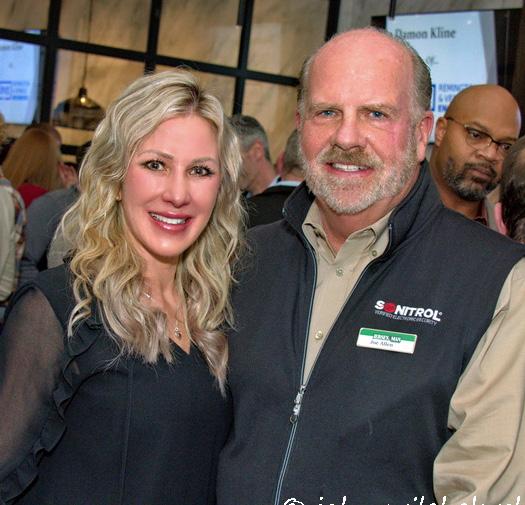
Martin H. Abo Abo and Company, LLC
Ross Akselrad Pulse Entertainment/Productions
Alexis Allegretto Surety Title Company
Joe Allen Sonitrol
Chris Ambruch Alcom Printing
James Andreacci OceanFirst Bank
Joel Ardman Carroll Engineering
Liz Arking Weichert Premier*
Bob Arnold SeatonHill Partners, LP
Keith Asplundh Asplundh
Suzanne Aumack AUMOST Creative Group
Keith Baldwin Spike’s Trophies & Awards
Ed Barlow III Barlow Auto Group
Michael Barreto Metropolis Passenger Logistics
Catherine C. Barrett Cat’s Mobile Massage, LLC
Brian Barry Keller Williams Cherry Hill
Michael Barson VoIP Doctors Business Telecommunications
Jessica Battistelli Foundation Title
Robert Beach Procision Commercial Realty & Procision Business Brokers
Robert Bender The First National Bank of Elmer
Tom Bentey Suburbanite Productions
Manny Bermudez Citizens Bank


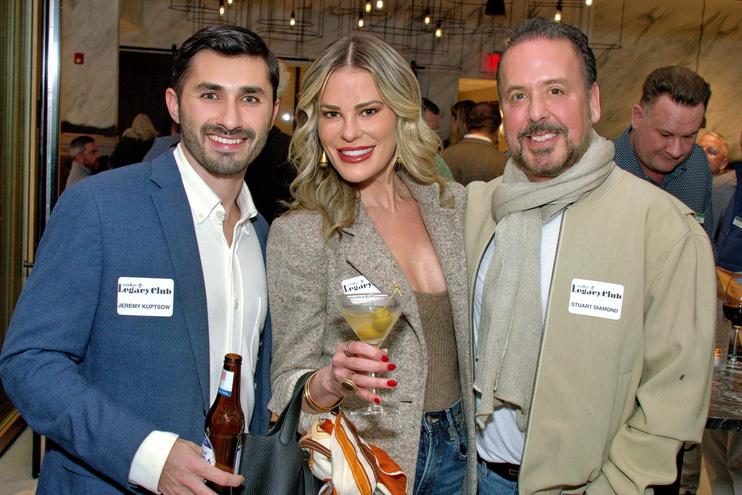
Tom Bernetich BDO USA, LLP
Harry Bickel Precision Benefits Group
Brian Bielawski Dynamic Advertising Solutions*
Michelle Bishop REAL Broker Matt Blatz PCS
Christine Blithe FleetPride, Inc.
Ken Bode Integrity Staffing Solutions
Anthony Botte A.M. Botte Mechanical, LLC
Jessica Botte A.M. Botte Mechanical, LLC
Michael Bowman Valley Forge Tourism & Convention Board
Matthew Boyce Maximus Mortgage Advisors
Kimberly Bryson Girl Scouts of Central & Southern NJ
William Burris Ristorante Lucca
Taylor Campitelli WeThrivv
Emily Caniglia NFL Alumni
Pete Caniglia Engage Media
Louis Cappelli Jr. Florio Perrucci Stienhardt Cappelli & Tipton, LLC
Mark Caprarola CapWealth
Carlo Capuano Carlucci’s Waterfront LLC
Dominika Chanc Partum Interiors
Mike Chapman Tourneau
Jennie Charmley Vanguard
Ryan Chew Fulton Bank N.A.
Tim Chew Tix For Good
Meggan Ciaccia Ciaccia CPA
Rudy Cislak Diversified
Kathleen Citera SHINE Coaching Group, LLC
Geoff Cleveland Evergreen Wealth, LLC
Justin Colantonio Total Technology Resources
Mike Commisso Docutrend, Inc.
Joseph J. Console Console Matison, LLP
Trevor Cooney Archer & Greiner P.C.*
James Corbett Project Refit
Peter Cordua Cordua Consulting, LLC
Bill Crowe Maryville Integrated Care
John Cruice John Cruice Photography
Rob Curley TD Bank
Bill D’Ambrosio Verde Payments
John Damin BDO USA, LLP
Benjamin Dash DashLaw, LLP
Justin Deal PayDay Employer Solutions*
David Debreceni Edward Jones
Anthony DeGerolamo DeGerolamo Financial Strategies
Jack Delaney Rarity Real Estate
Morgan DeNicola DeNicola Family Foundation
Rob Dennis JDog Junk Removal & Hauling
Gary DeVito Zarwin Baum Devito Kaplan Schaer Toddy, P.C.
Kevin Diduch KD Law Group*
David Dieal BASH Capital
Joey Dill Paychex Payroll & HR Solutions
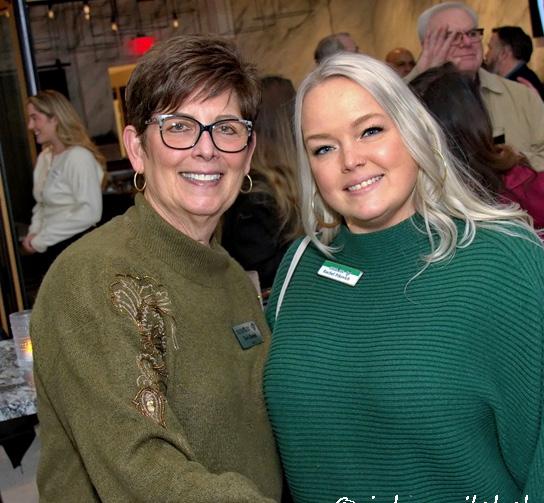
Devin DiNofa Keller Williams Real Estate
Lia Domenick Allstate
Bob Doria Medford Village Country Club
Victoria Draper Travel with Pam Draper
Kevin Duffy Committed to Capital
Ken Dunek New Opportunity Publishing
Doug Easlick Graham Company
Donald Eichman Alcom Printing Group
Bill Emerson Emerson Group
Matt Emerson Emerson Group
Will Emerson Emerson Group
Ryan Esposito Constellation Brands
Bill Evans Liberty Fox Technologies
Dave Evans BOWMAN & CO, LLP
Kenneth Fairchild Jersey Nutz Charters, LLC
Allison Farcus AssuredPartners
Gary Farnesi WSFS Bank
Cori Finnegan R Builders
Mark Fisher Alloy Silverstein
Jerry Flanagan JDog Brands
Sean Flanagan Always A Good Sign
Steve Foreman Financial Business Systems, Inc.
Corinne Franceschina Jaws Youth Playbook
Rachel Frkovich Workplace HCM, Inc.
Mike Fuller Maggianos
Joe Gangemi Suite Recording
Mumta Gangwani GT Media, LLC
Denise Gardner DeGerolamo Financial Strategies
Robert Gelsher Janney Montgomery Scott, LLC
Jim Gibson Alcom Printing
Dave Gill Haefele, Flanagan & Co., P.C.
Robert Glycenfer Financial Guide
Mark Godofsky Surety Title Company
Steve Goodman Greater Philadelphia YMCA
John Gordy Blue Hen Capital
Liz Green Richard Green & Son Public Adjusters
Jen Groover Thuzio
Gabrielly Guimaraes Primepoint
Dr. Thanuja Hamilton Advocare Sleep Physicians of South Jersey
Berkley Harmon III Paychex
Joe Hassan MPI Valuation & Advisory
Mark Hatoff Legacy Foundation
Pete Hatton Hutchison Mechanical Services
Chef Jose Hernandez The Catering Station, Inc.
Robert Hoey Janney Montgomery Scott
Robert Hoey, Jr .Janney Montgomery Scott
Kirstie Holmes Pegasus Financial Planning
Michael Holt Holt, McNally & Associates
Hope Feldscher-Horwitz Feldscher Horwitz Public Relations
Cheryl Houtz Houtz Insurance, LLC
Kristi Howell Burlington County Chamber of Commerce
Stephen Hruby, Jr. Patriot Landscaping Services
Edward Hutchinson Hutchinson Mechanical Services
Tim Irons T.C. Irons Insurance
Mike Jaconelli Tam Lending
Ron Jaworski Ron Jaworski Golf
Timothy Jennings Telecorp
Chris Jerjian Kiwi Offices
Keith Johnson Laurel Lanes
Kenneth Justice KMJ, INC.
Jon Katz Bestwork Industries for the Blind
Corey Katzen Nirvana
Keith Keller SpeedPro South Jersey
Bob Kennedy Insperity*
Robert Kennedy The Kennedy Companies
Erica Kirk North Star Leasing*
George Koch SoundPlex
Daniel Kochka Integrated Accounting Solutions
Anne Koons BHHS Fox & Roach, NJ/PA & Vineland Construction Co.
Chuck Krepelka Pride Paint & Bodywerks
David Kryszczak Spartan Digital Solutions
Jeremy Kuptsow Atrium Financial Associates
Edward Labman Univest
Joe LaGrossa Intellicor
David Lance Pristinex
Keith Langan Surety Title Company
Matthew Law Law Automotive
Bryan Levens SNEVEL Technologies, LLC
John Lorenzo TwoTwo Creative
Eric Lottes DelVal Techs
Eric Lynn Northbound Strategies
Joey Mac Dizon The Mobile Cigar Lounge
Chris Maciborski Weisman Children’s Hospital & Voorhees Pediatric Facility
Kasey Magyar PCS
Joseph Mancini TriState Engineering & Surveying
Jason Mancivalano JP Morgan Private Bank
Bill Marshall Coach Bill Marshall
Tom Matera AnnieMac Home Mortgage
Betty Maul FrontEnd Graphics
Matthew McDevitt Positive Wiring
Ty McGilberry Pegasus Financial Planning
Candy McMullen C&S Workforce Consulting Group
Anita Meeks Allure Payments
Nicholas Mercado AO Detail & Automotive Coatings
Carson Merine Keller Williams Realty
Frank Messina AllRisk Property Damage Experts
Jeremy Messler Jeremy Messler Photography, LLC
Brian Minker Able Technology Partners, LLC
Anthony Minniti Camden Apothecary Dispensary at Bell Pharmacy
Justin Mirigliani Checkmates Charitable Association
Samir Mody Keller Engineers of New Jersey*
Anthony Mongeluzo PCS
Chris Monti E.A.G. Advertising
Dan Morroni Morroni Custom Clothiers
Charles Muracco CLM Advisors
Peter Musumeci TD Bank
David A. Navazio Ristorante Lucca
Rick Nelson EOS - Advance to Vision, LLC
Benjamin W. Nero Nero and Associates, Inc.
Chad Niederman K & C Cleaning, LLC
Dan Ninerell Modern Classical Chefs
Joseph Ohlweiler JTO Advisors & TAB SNJ
Marc Oppenheimer Parx Casino
Amy Osborn New Jersey Vietnam Veterans Memorial Foundation
Colette Oswald Colette Oswald Photography
Richard A. Palko Closet Factory
Rae Pastore Durand, Inc
Deep Patel GenRise Wealth Advisors, LLC
Joe Perez Haddon Hardscapes, LLC
Lee Perlman Law Offices of Lee M. Perlman
Mike Perlow Perlow Productions
Jaime Picozzi GHR Healthcare*
Thyrick Pitts, Jr. Duncan & Associates - Ameriprise Financial, LLC
Frank Plum Workplace HMC, Inc.
Roy Plummer Armed Forces Heritage Museum
Steve Pontrello Barlow Work Trucks
Andy Pritikin Liberty Lake Day Camp & Special Events
Eileen Propp Prime IV Hydration and Wellness
Geoff Rabinowitz New Balance
Soleiman Raie Lento Law Group Matt Rakus Paparone Insurance

Shanisha Ray Arts Guild New Jersey
Syed Hadi Raza Raza’s at Hamilton
Derrick Reagan Innovative Benefit Planning, LLC
Lisa Regina A Write to Heal, Inc.
Ryan Regina Big Sky Enterprises, LLC
Robert Richardson Allied Document Solutions and Services, Inc.
Irving Rodriguez Cigar Slingers
Mike Rosiak Weisman Children’s Hospital & Voorhees Pediatric Facility
Seth D. Rotman Clarify Wellness, LLC
Andrew Ruhland National HR
Helana Russo Empire Counseling Services
Jawad H. Salah Archer & Greiner, P.C.
Robert Salotto First Financial Lending
Shawn Santerello Cherry Hill Cigar Club
Michelle Sapp Arhaus*
Erik Schimpf Hire Entry, LLC
Sergio Scuteri Capehart Scatchard, P.A.
Dustyn Seifert Edward Jones
Jeremy Shackleford WSFS Bank
Haley Shapiro Eddie V’s Prime Seafood
Hala Shawaf-Barson VoIP Doctors Business Telecommunications
Lee Shields Marcum
Jennifer Sherlock Jenna Communications, LLC
Dr. Joel Shertok Process Industries Consultants
Gary Shickora Northwestern Mutual
Joseph Silva SAX LLP
Joe Simone Regional Resources Energy Group
Josh Smargiassi Boomerang
Chris Smith Micro Integration Services, Inc.*
Ralph Smith Capehart Scatchard
Robert “Merv” Smith Prudential
Michael Snyder Spark Creative Group
Brett Soper TBT Barter
Glen Stagg Interstate Outdoor Advertising
Richard B. St. Maur III Coordinated Project Solutions, LLC
Robert Sullivan Schooley Mitchell*
Scott Sutton Burlington Press
Scott Tanker Tanker Consulting Services
Dr. Keisha Taylor Dr. Keisha Stephenson Taylor Consulting Services, LLC
Thomas Taylor Repice and Taylor, Inc.
Brooke Tidswell Farm Truck Brewing
Seth Tilli Rate
Manuel Torres Insperity
Kenneth Toscano New York Life Insurance Company
Joseph Tredinnick Fulton Bank
Melissa Triester LegalShield
Stacy Tropiano LaScala’s FIRE
Tracie Ullman SoulScapes Medical SPA & KT Aesthetic Academy
Danny Valentino ProShares
Brian Van Scoy Brian Joseph Jewelry
Joseph Velez 3D Voice & Data
Angela Venti Alloy Silverstein
Josef Vongsavanh Center City Photo
Bill Webb Saratoga Benefit Services
Kelly Wernersbach Adjust Your Sleep Mattress Boutique
Phil Wessner Fulton Bank
Roshahn Whitner First Wave Communications
John Wilchek, Jr John Wilchek Photography
Christofer Wilhelm Citywide Home Mortgage
Greg Wilkins Land Services USA, LLC
Ashleigh Wilson CLM Advisors*
Jason Wolf Wolf Commercial Real Estate
Chris Yago J2 Technology Solutions
Nicholas Yodock Archer & Greiner, P.C.
Jim Ziereis Golden Nugget Atlantic City







AS AMERICANS GATHER
this year to mark the 250th anniversary of the nation’s founding, we are offered a rare opportunity to pause and reflect on where the country began and how progress has unfolded over time. There may be no more fitting place to sit with that history than Philadelphia, where the nation’s future was first debated and ratified inside Independence Hall.
There is a familiar sense of pride and optimism in the air today, much like we had back then, though I also sense a measure of unease. While innovation is opening new doors, the speed of change is leaving many people questioning what lies ahead.
From our perspective, this tension is not new. For over thirty years, we have observed the economy and the markets moving alongside these periods of progress and disruption. In today’s rapidly changing landscape, America’s 250-year history reinforces our team’s recurring message: in volatile environments, long-term discipline tends to beat short-term reaction.
The American economy has always moved in cycles, shaped by political change, technological progress, and human behavior.
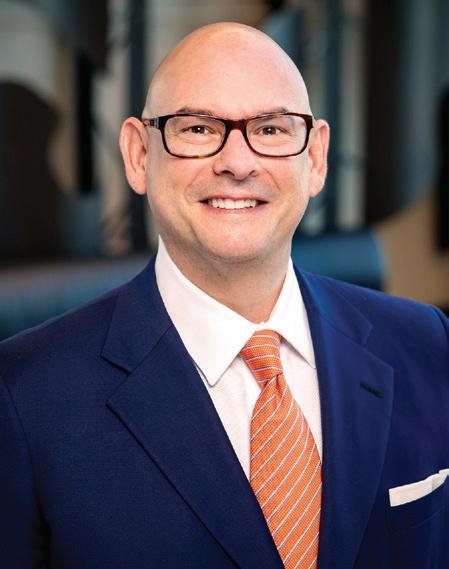
Albert A. Fox, CFP®, CIMA®, Managing Director, Financial Advisor
most importantly, long-term economic growth is not new.
When we go beyond the headlines and look at current events in the correct historical context, these moments of volatility appear less like signs of failure and more like opportunity. What tends to hurt investors the
BY ALBERT FOX
now? In practice, the challenge lies less in the markets and more in how we experience them.
It is no secret that technology has compressed both our time and our attention. Everything seems to be moving at lightning speed. Markets react instantly. News cycles refresh by the minute. Algorithm-driven alerts make every update feel urgent, even when it is not. It has become easier for our focus to be pulled toward what is immediate rather than what is meaningful.
At the same time, social media has played a big part in intertwining our financial lives with those of others, shaping our expectations, and amplifying our emotions. Investor sentiment today has shifted and is driven as much by these rapidly changing narratives as by the fundamentals.
Younger investors are often immersed in a stream of viral success stories that normalize aggressive risk-taking and rapid trading. More mature investors, particularly those approaching or living in retirement, experience different anxieties. They carry the fear that another major drawdown could materially
Over the past 250 years, the American economy has endured depressions, wars, inflationary cycles, financial crises, and technological revolutions.
So, if the lessons are consistent throughout all these events, why does long-term thinking feel so difficult now?
Not quite the linear shape you would expect. From the Great Depression to the Global Financial Crisis, from the industrial revolution to today’s rapid advances in artificial intelligence, volatility has been a constant companion to growth. While today’s world is undeniably more complex and interconnected than it was a century ago, the underlying lesson remains remarkably consistent. Disruptions are not new. Trade disputes are not new. Speculative bubbles are not new. And
most is not the downturn itself. It is the fear –the urge to pull out, to change course suddenly, to abandon a plan built with care. Often, the hardest moments come right before things begin to recover.
Over the past 250 years, the American economy has endured depressions, wars, inflationary cycles, financial crises, and technological revolutions. So, if the lessons are consistent throughout all these events, why does long-term thinking feel so difficult
alter the lifestyle they have spent decades building.
In an environment that magnifies both excitement and fear, long-term plans can feel fragile when evaluated day to day. Uncertainty begins to feel permanent rather than cyclical. Emotion can quietly start to compete with discipline.
This is precisely why long-term thinking matters now more than ever. This is also where the concept of resilience becomes
essential, not only for you personally, but as a foundational principle of your investing and financial planning.
RESILIENCE is often misunderstood as toughness, or the ability to endure hardship without emotion. In reality, I have found that financial resilience is something greater. It is one’s willingness to remain engaged throughout the uncertainty without abandoning long-term direction. It is the discipline to stay anchored to goals even when the markets or your emotions suggest otherwise.
In financial planning specifically, true resilience shows up in thoughtful diversification strategies designed not only for ideal outcomes, but also for inevitable periods of stress. Resilient
investors understand that discomfort is not a sign of failure; it is often a sign that they are still participating.
From where we stand today, markets may continue to rally, or they may experience meaningful declines. Investors have virtually no control over which comes first. What we can control is discipline, planning, and focus. You can control how frequently you react, how thoughtfully you evaluate risk, and how clearly your planning aligns with your broader life goals.
Seen through this lens, America’s 250-year story is not one of uninterrupted success; it is a story of long-term conviction in the face of uncertainty. Whether we are considering the state of our nation or the strength of a financial plan, progress has required long-term
commitment and a willingness to invest for the future. These parallels remain especially relevant for investors today.
So, as we ring in this anniversary together as a nation, the most important question to ask ourselves is not what the markets will do next or what technology will bring. It is whether we have taken the time to decide what we want our own lives to look like within that future. Only by understanding where we have been, individually and collectively, can we plan meaningfully for where we are going. History reminds us that uncertainty is not new, progress is rarely linear, and resilience is not optional. It is the quiet discipline that carries us forward, one thoughtful decision at a time. n
This material has been prepared for informational purposes only. It does not provide individually tailored investment advice. It has been prepared without regard to the individual financial circumstances and objectives of persons who receive it. Morgan Stanley Smith Barney LLC (“Morgan Stanley”) recommends that investors independently evaluate particular investments and strategies, and encourages investors to seek the advice of a Morgan Stanley Financial Advisor. The appropriateness of a particular investment or strategy will depend on an investor’s individual circumstances and objectives. Past performance is no guarantee of future results.
The views expressed herein are those of the author and do not necessarily reflect the views of Morgan Stanley Wealth Management or its affiliates. All opinions are subject to change without notice. Neither the information provided nor any opinion expressed constitutes a solicitation for the purchase or sale of any security. Past performance is no guarantee of future results. Morgan Stanley Smith Barney LLC offers a wide array of brokerage and advisory services to its clients, each of which may create a different type of relationship with different obligations to you. Please visit us at http://www.morganstanleyindividual.com or consult with your Financial Advisor to understand these differences.
Diversification does not guarantee a profit or protect against loss in a declining financial market.
Morgan Stanley Smith Barney LLC. Member SIPC. CRC 5259720 02/26







BY ALEXANDRA DUNEK
THE SPORT OF FITNESS RACING called HYROX is catching on. This competitive event originated in Germany in 2011 by Christian Toetzke and three time Olympic Medalist and World Champion, Moritz Furste. It quickly spread in popularity to eleven other countries, including the US.
What is HYROX?
HYROX is a series of exercises that combines 1km of running with exercise stations such as farmers carry, sled pull, rowing and sandbag lunges to name a few. The 1km run combined with each station are conducted a total of eight times and can take one to two hours to complete.
Who is HYROX for?
HYROX is inclusive to all ages and fitness levels. You can choose between four different categories: Open (beginner), Pro (advanced), Doubles (partnered) or Relay (team of four).
If you are considering doing your first HYROX race, here are some important tips:
1. Wear proper running shoes.
2. Remember that good technique is more important than speed.
3. Make sure to hydrate with electrolytes.
4. Eat a quick-digesting carbohydrate 30 minutes before such as a banana. n
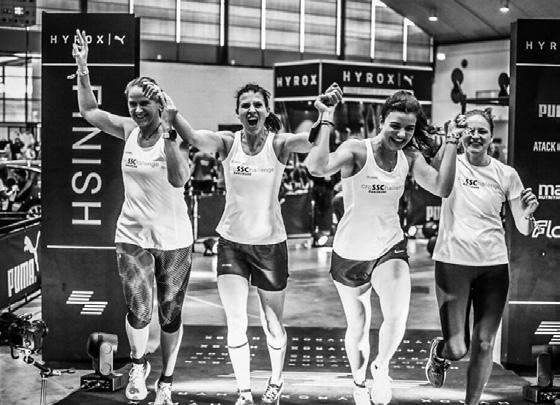
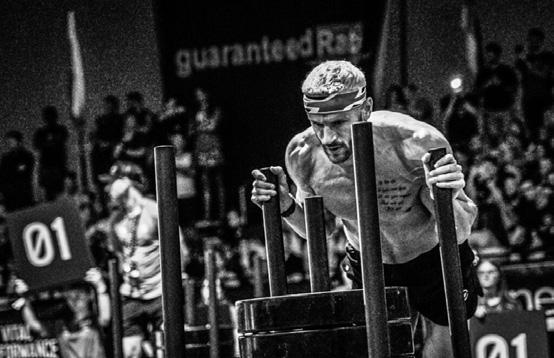

If you’re interested in a race, New York will be hosting an event on May 28-31st & June 4-7th 2026. You can find out more information by visiting www.hyrox.com/find-my-race.








@PCS_AnthonyM
BY ANTHONY MONGELUZO
IN THE DAILY GRIND of South Jersey and Philly life—fighting I-95 gridlock on your way to work, squeezing in a ShopRite run after a long day in Cherry Hill, or scrubbing the house on a Saturday morning before heading to the Shore—time is your most precious commodity. But the future is arriving faster than traffic on the New Jersey Turnpike. With Tesla’s robotaxis targeting widespread rollout by the end of 2026, Waymo and Cruise expanding autonomous fleets, and humanoid robots like Tesla’s Optimus and Figure already demoing real household skills, several routine tasks you handle every day could vanish from your to-do list in the next year or two. These aren’t far-off sci-fi dreams. They’re grounded in tech that’s already being tested in cities and moving into homes. For the well-educated, busy readers of JerseyMan & PhillyMan Magazine—people balancing career, family, and weekend Eagles tailgates—this shift means reclaiming hours for what actually matters. Here are five daily drudgeries you might soon outsource entirely.
1. Driving Yourself Anywhere
Morning commute, afternoon errands, weekend trips to the Jersey Shore—you know the drill. White-knuckling through Parkway backups, hunting for parking in Center City, or just zoning out in stop-and-go traffic on the Ben Franklin Bridge. Self-driving cars and robotaxis change all that. Tell your Tesla (or the arriving Waymo) where you’re going, kick back, answer emails, catch up on podcasts, or even grab a quick nap. Early data shows these vehicles are already safer than human drivers in pilot cities. Your car can even earn you money as a robotaxi while you’re at the office. No more gas-station stops, no more road rage—just productive or relaxing miles.
The weekly trek to Acme or Wegmans—pushing a cart through crowded aisles, loading heavy bags into the trunk, then lugging them inside—eats an hour or more you’ll never get back. Autonomous delivery is about to kill that chore. Self-driving vans and sidewalk robots from Amazon, Uber, and local partners are scaling fast. Order from your phone while stuck in traffic; the bot pulls up, drops everything at your door, and leaves. No more fighting for the last parking spot or wrestling cases of beer up the steps. In suburban South Jersey neighborhoods, this will feel like having a personal assistant who never complains about the rain.
Vacuuming, mopping, dusting—weekend warrior stuff that cuts into golf time or family barbecues. Advanced home robots have moved far beyond basic Roombas. Humanoid models like Optimus are already folding towels and wiping counters in demos, with full-house autonomy expected in limited releases by late 2026. Schedule it from an app; the bot handles floors, surfaces, and even bathrooms while you’re at work. For Philly and Jersey homeowners with basements and backyards full of

Have any tech ideas you want to talk about? Feel free to reach out to me on X (@PCS_AnthonyM) or email me at Anthony@helpmepcs.com.
tracked-in mud, this is game-changing. Come home to a spotless house without lifting a finger—or a Swiffer.
After a brutal day of meetings, the last thing you want is to be chopping onions and standing over a stove. Robotic kitchen assistants and early humanoid chefs are stepping in. Companies tied to Optimus and specialized bots are training models to follow recipes, prep ingredients, and cook simple, healthy dinners tailored to your preferences (extra cheesesteak spice for the locals). Load the fridge, set the menu, and dinner’s ready when you walk in. No more takeout guilt or “What’s for dinner?” debates. It’s like having a personal sous-chef who never burns the garlic.
Sorting piles, wrestling with the washer, folding endless socks and dress shirts—this weekly ritual steals your Sunday afternoon. General-purpose home robots will soon handle the entire cycle: wash, dry, fold, and even put clothes away in drawers. Tesla and other humanoid platforms have shown precise folding skills in labs; consumer versions are slated for early adoption in 2026–2027. For the guy juggling work shirts, kids’ uniforms, and weekend gear in a typical South Jersey split-level, this frees up hours for tailgating, yard projects, or just relaxing with a cold one.
You’ll
trade steering wheels and scrub brushes for extra time with family.

The bottom line? These technologies won’t just save time—they’ll reduce stress and let you live more like the prosperous, balanced life you’ve built. You’ll trade steering wheels and scrub brushes for extra time with family, friends, or your favorite hobbies. Of course, change brings adjustment— learning to trust the tech and maybe even tipping your robot—but the payoff is huge. In the Greater Philly and South Jersey region, where hustle meets hustle, the robots and self-driving cars aren’t coming to take your job. They’re coming to give you your life back. n