Camarines Sur Polytechnic Colleges
College of Arts and Sciences

Camarines Sur Polytechnic Colleges
College of Arts and Sciences

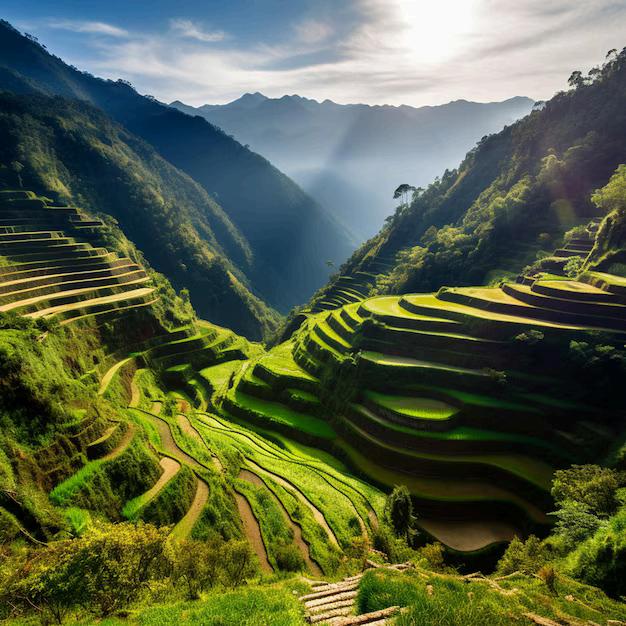
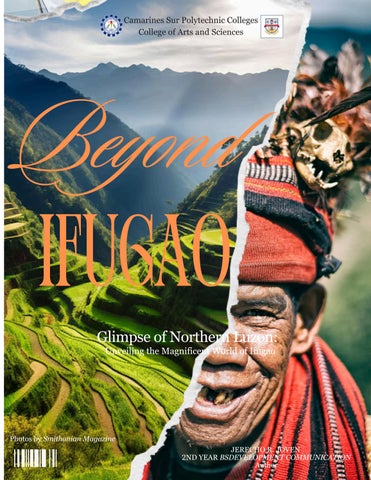
It is undeniable that our homeland is a true place of the majestic gift of nature and its people. The Philippines has been bounded by a unique culture that defines our identity. In line with that, this magazine aims to encapsulate the magnificent community of the Ifugao people. With thrill and honor, this issue featured the cultural landscape from its famous heritage site Banue Rice Terraces to the pre-colonial way inheritance of ancient natives that were categorized into various supplemental identities and cultural transformations. From the fascinating geography of the mountainous Cordillera Administrative Region to the savoring culinary and artistic expression, and most importantly the warmth values and celebration of people in preserving ancestral treasures.
As a testament to cultural awareness and security, you will also discover tales of overcoming challenges by the Ifugao. Unveiling the knowledge of their existence in a society and realizing their resistance amidst conflicts in this modernizing and changing world. As you unfold every page of this magazine, a leap of hope can be heightened with its message of advocating social harmony despite cultural diversity. It ascended to relive life beyond IP’s hardships and resiliency that hopes for every to do so also and proves societal roles towards transformative changes in the present until to the next generation. May these materials become an inspiration for appreciating Philippine heritage and promoting the country’s exceptional tangible and intangible resources on a global scale.
With all best wishes and gratitude,

Jerecho R. Joven Author
The Ifugao people are an ethnic group that lives in the Ifugao province of Northern Luzon
The Ifugao people are an ethnic group that lives in the Ifugao province of Northern Luzon within the mountainous region of the Cordillera Administrative Region. The Ifugao province within the mountainous region of the Cordillera Administrative Region. The Ifugao province was established under the Republic Act No. 4695, an act creating the provinces of Benguet, was established under the Republic Act No. 4695, an act creating the provinces of Benguet, Mountain Province, Ifugao, and Kalinga-Apayao. Comprises some of 900 square kilometers-- Mountain Province, Ifugao, and Kalinga-Apayao. Comprises some of 900 square kilometers-mostly within Ifugao Province--and between 1,000 and 1,500 meters above sea level. They mostly within Ifugao Province--and between 1,000 and 1,500 meters above sea level. They also known in the literature by their locationally-linked names: Bungian (Bunhian), Mayayao also known in the literature by their locationally-linked names: Bungian (Bunhian), Mayayao (Mayoyo, Mayaoyao, Mayawyaw), Silipan (Selipan, Salipan, Halipan), Quiangan (Kiañgan), (Mayoyo, Mayaoyao, Mayawyaw), Silipan (Selipan, Salipan, Halipan), Quiangan (Kiañgan), Sapao (Japao, Hapoa, Hapaw), and Banaue (Benauwe, Banawe, Banawi.) Ifugao people are Sapao (Japao, Hapoa, Hapaw), and Banaue (Benauwe, Banawe, Banawi.) Ifugao people are exclusive in the municipalities of Lagawa- the capital of Ifugao, Aguinaldo, Alfonso Lista, exclusive in the municipalities of Lagawa- the capital of Ifugao, Aguinaldo, Alfonso Lista, Banaue, Hingyon, Hungduan, Kiangan, Lamut, Mayoyao, and Tinuc. Banaue, Hingyon, Hungduan, Kiangan, Lamut, Mayoyao, and Tinuc.
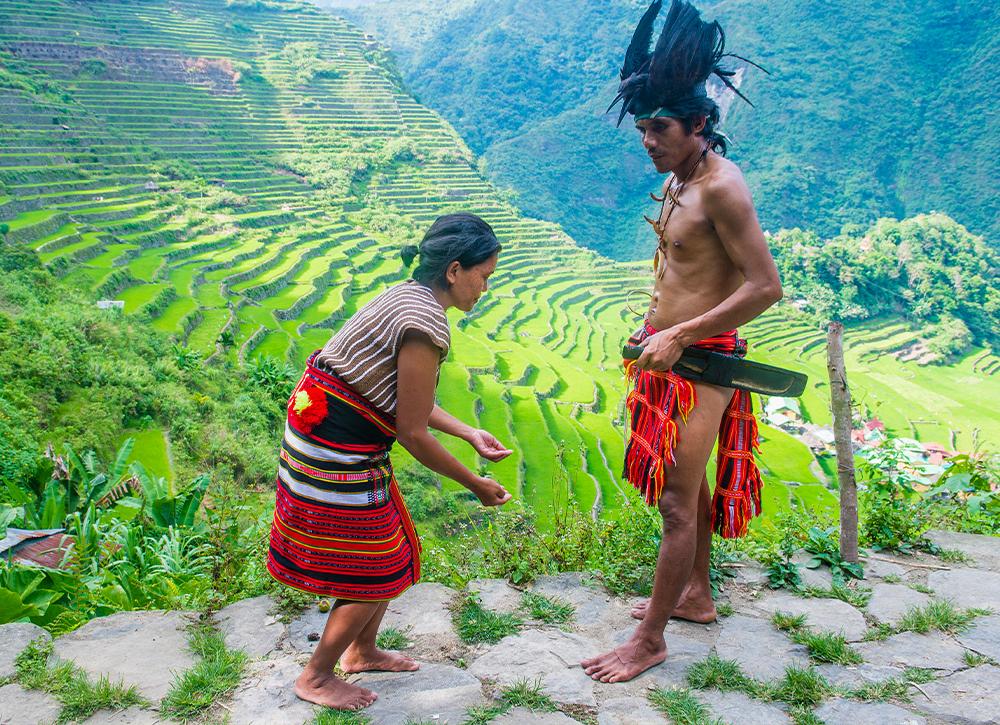
The term Ifugao stems from “ pugaw ” which means “earthworld” which is to be the habitat of
The term Ifugao stems from “ pugaw ” which means “earthworld” which is to be the habitat of humans and various groups of earth spirits in Ifugao mythology. humans and various groups of earth spirits in Ifugao mythology.
Photo by John Lander
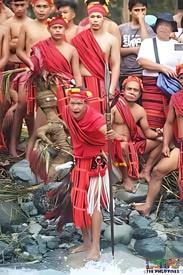
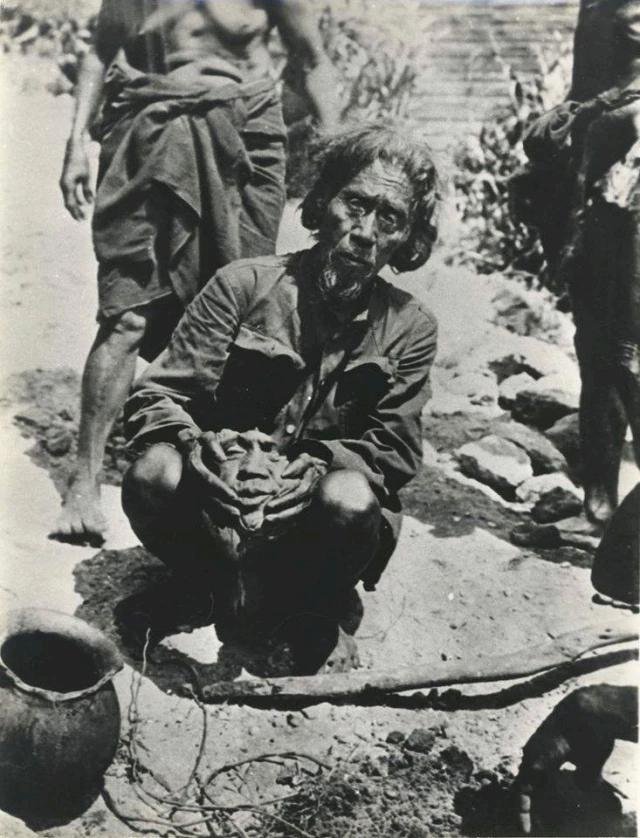
Along with other neighboring IPs, the Ifugao natives are recognized as plowmen of Proto-Malayan rice field terraces and depend on agriculture as the main source of living Their language is affiliated with Austronesian. In mythical stories, their ancestors came from the descendants of the Kabunyan deities, Wigan, and Bungun, who shift to Pugaw, the setting of earth spirits and deer resided. Characterized by their precolonial form of oral dissemination of stories, the Spaniards mostly released the early writings about Ifugao to post their aim of rules to the tribe. In response to the colonizer, Ifugao becomes known for headhunting as a revolt against the foreigners to their native homeland. It paves the way for the birth of their traditional ward dance, bangibang -one of the cultural remnants of the time of tribal conflict. This dance is traditionally held on the walls of the rice terraces by the men, equipped with spears, axes wooden shields, and a headdress made of leaves.
On the other accounts, Ifugao was noticed in the 16th century with several unsuccessful attempts by Spanish military expeditions to pacify the Northern Cordillera peoples and control the interior's gold mines. After 1898, during the U.S. occupation, American military officers had better success pacifying the Ifugao by establishing permanent outposts, coopting leaders, and building roads and schools. Near the end of the Second World War, the Japanese made a last-ditch stand in the mountains of northern Luzon, bringing a great deal of destruction to the area. In the postwar years, this area has been a center of communist insurgency, adversely impacting Ifugao's livelihoods. Photo
While half of them embraced Christianity, their animist beliefs have still been absorbed into their Christian beliefs. They have old faith that their lives were ruled by spirits called “anitos”. The universe was divided into five levels:


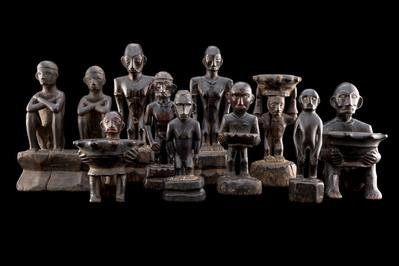
Inclined to religious ceremonies that are offered for agriculture abundance, hunting success, augury, and good omens. As many as 15 priests may be involved in a single ceremony. One buffalo and scores of chickens to be sacrificed during the ceremonial drama of the priest often utter an unintelligible hum for as long as five hours.
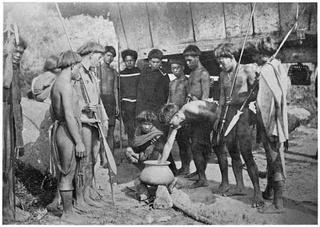
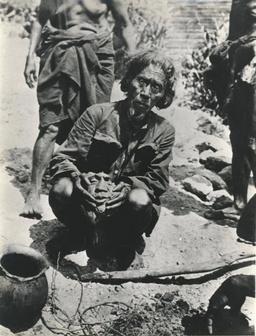
a traditional method of proving innocence and sins through scalding hot water to the back of the person. However, it faded away as it was considered torture for an individual.
Listed in 2008 by UNESCO on the Representative List of the Intangible Cultural Heritage of Humanity. Conducted during harvest season to celebrate the agriculture blessing and cosmology.
A storytelling and narration of natives through dance
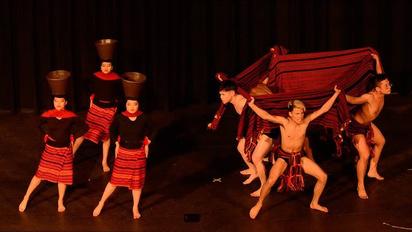
A storytelling and narration of natives through dance.
is multifaceted for various reasons which include revenge and honor killings, spiritual beliefs and customs, warfare and prestige, and aftermath and rituals.
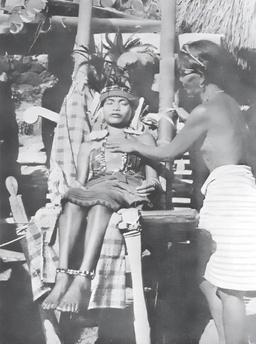
A corpse is washed, its orifices are plugged, and it is placed in an honorary death chair (corpses of Kadangyan people are given insignias)
. Baki serves as a mediator among people and spiritual beings, and Mumbaki acts in a healing session. Meanwhile, Bulu is a sculpture that symbolizes the ancestral spirit and a means of protection in agricultural sites.
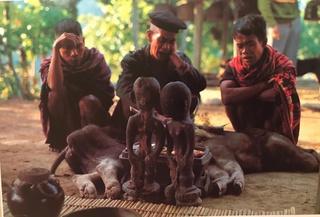
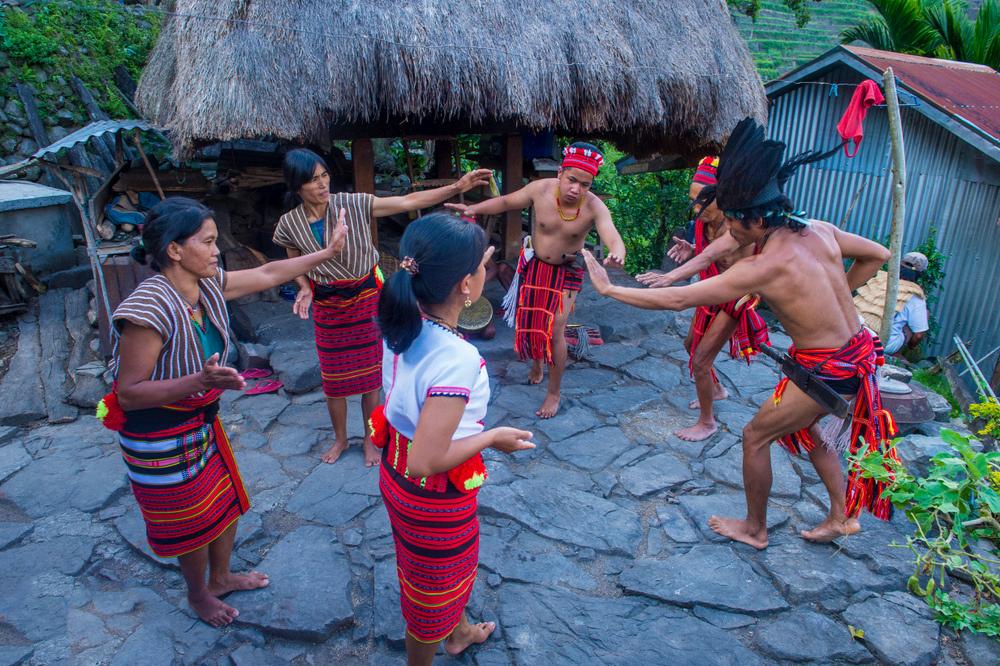
Monogamy is the norm among the Ifugao but some wealthy families practice polygyny.
Marriage to a more distant cousin can only be arranged after the payment of livestock penalties. Trial marriages between prospective couples are common.
Courtship rituals take place at the girl's houses.
Wealthy families have traditionally arranged marriages through intermediaries.
Families exchange gifts and maintain close ties after the marriage. Newlyweds often spend some time living with their parents before setting up housing of their own, often near a large rice field.
Divorces may occur after mutual consent or with the payment of damages if contested.
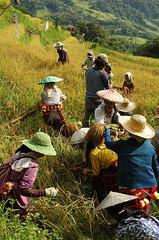
Men are responsible for building and maintaining the terraces while women plant, weed, and harvest the rice.
There are no chiefs or councils.
Photo by Nuptial ph com
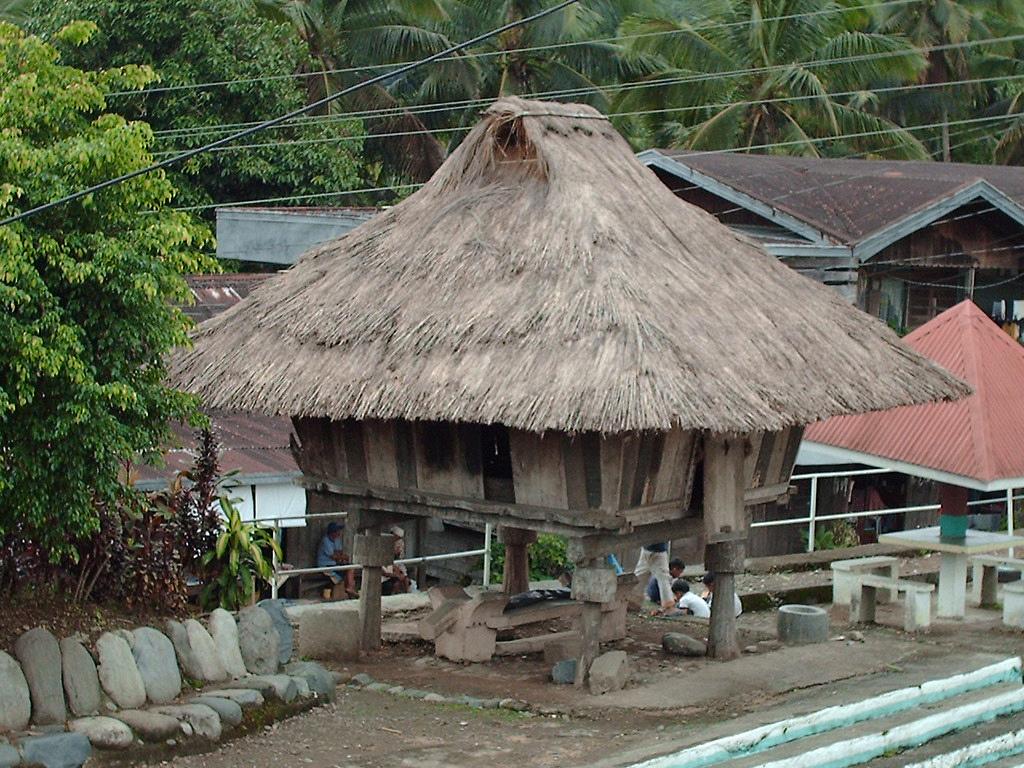
They live in small settlements set up in the valleys and along the mountainsides. Hamlets (“buble”) typically have 8 to 12 dwellings, housing 30 or more people The houses are built on stilts close to the rice fields. Their houses look like granaries but are larger and have a hearth.
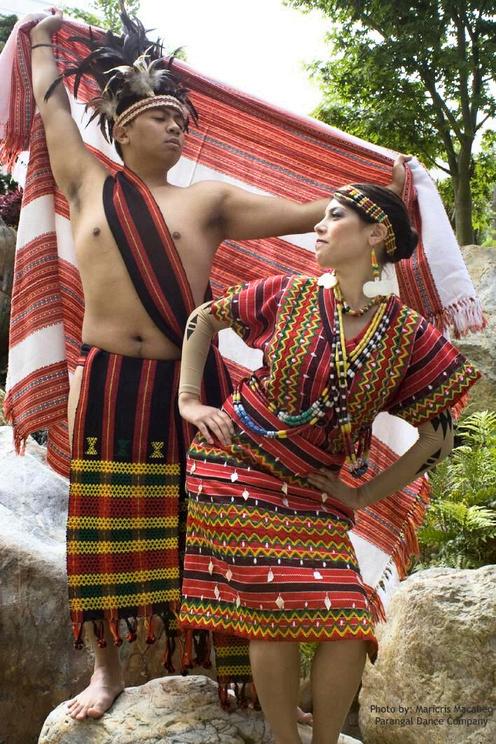
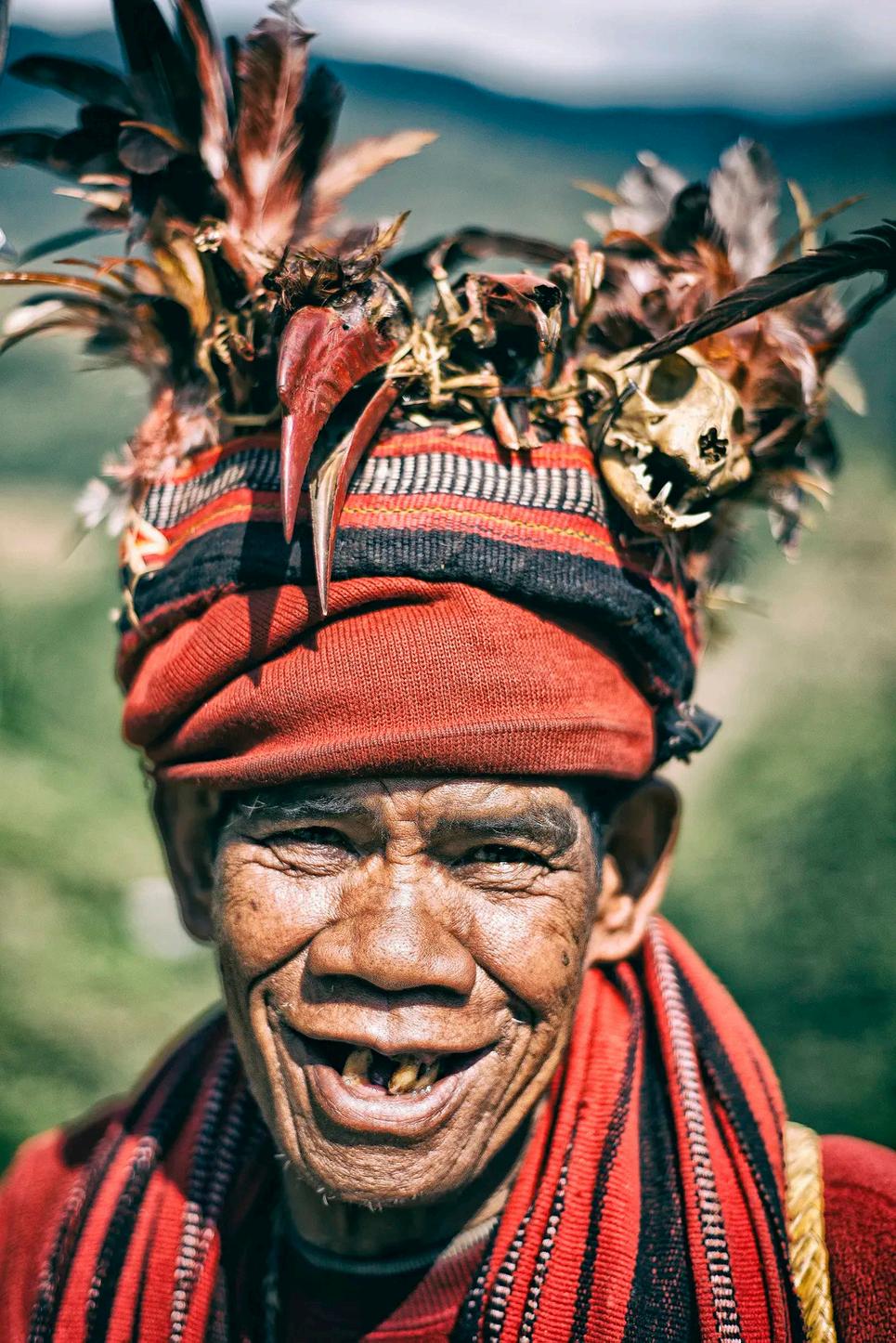
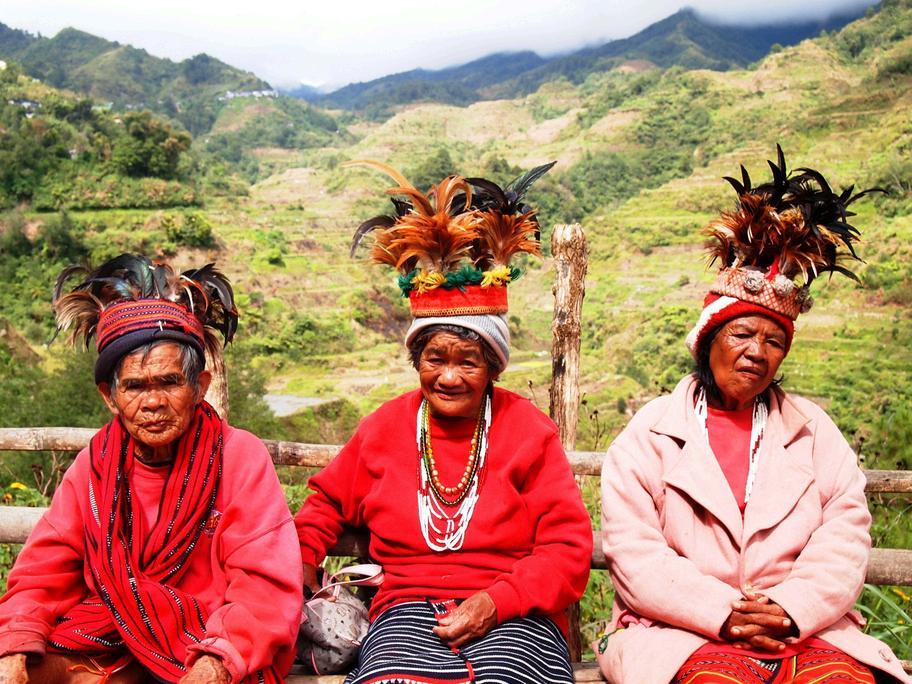
When it comes to clothing, women have traditionally worn short, tight-fitting, hand-woven skirts with colorful horizontal stripes, with a white short-sleeve blouse and loose striped jackets., gone barefoot, and sometimes tied a colored band around their head. Some men still wear loincloths and go everywhere barefoot. They also add accessories from earrings, bracelets, and necklaces inspired by their cultural practice.

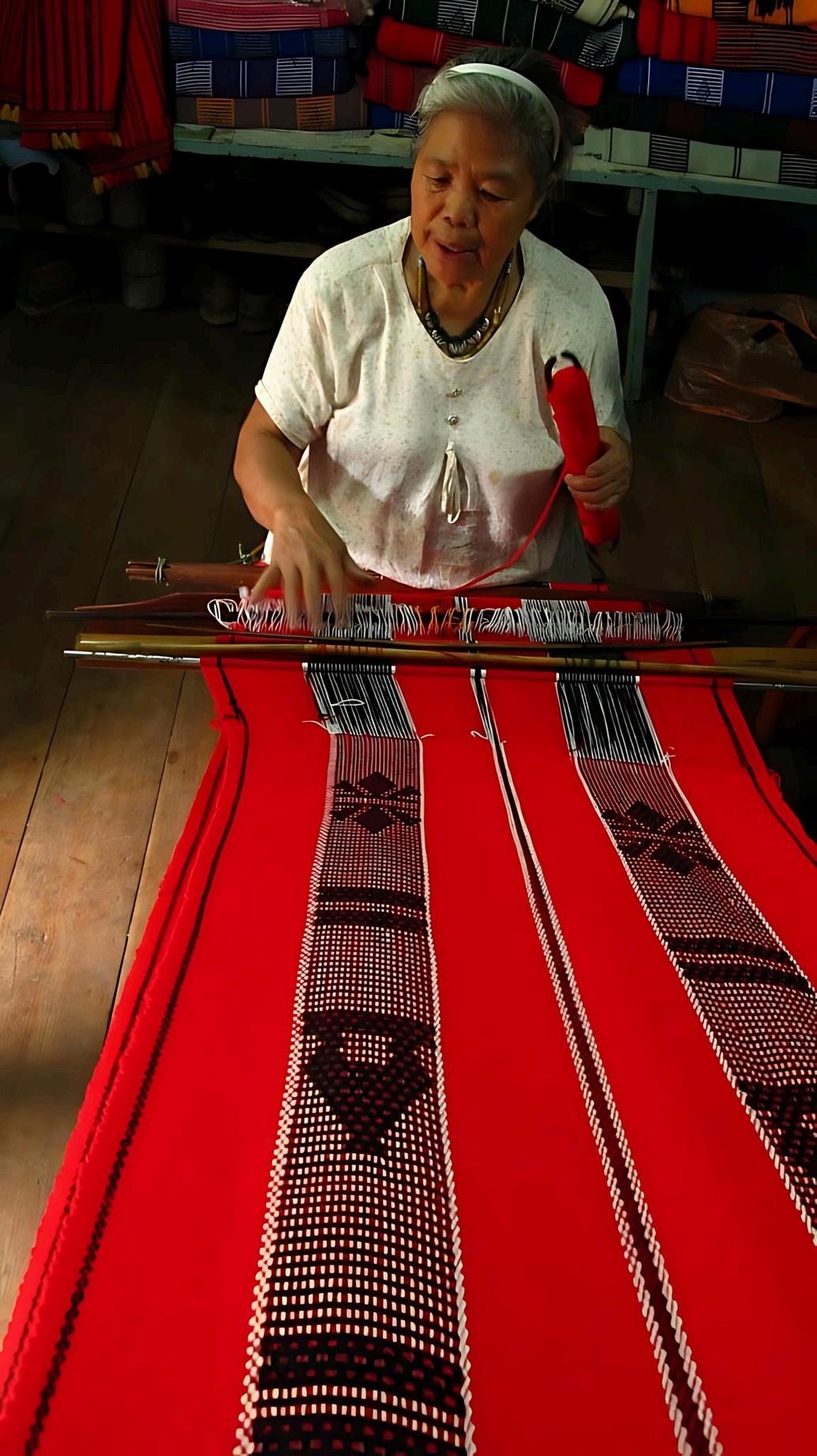
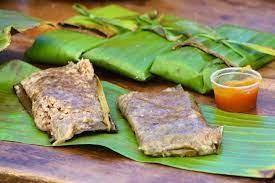
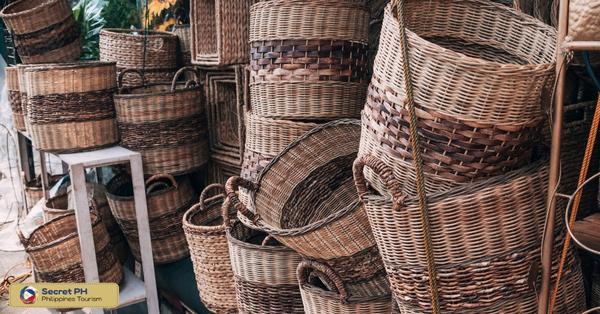
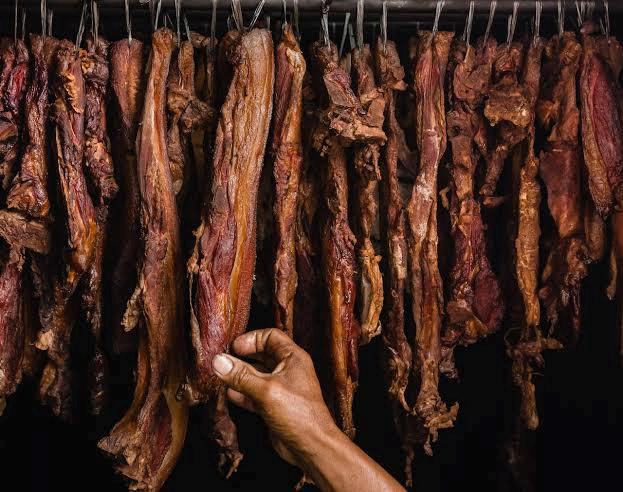
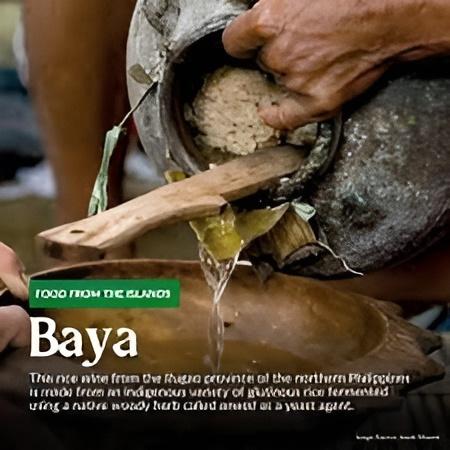
Rice and staple starch are the basic meal of the Ifugao people. Side dish with vegetables, fish, and cooked meat animal. They also consumed root crops in times of rice shortage. Fruits especially berries are an additional flavoring to their foods. They also valued the use of wood spoons and other crafts kitchen materials that show sculptures of highly respected religious spirits. Among their native delicacies is Binakle, a ricemade cake from pounded glutinous rice that is served during the communal ritual. They have also Bayah, a rice wine made from native rice, and drinks during special ceremonies.
Ifugao natives are rich with creativity and aesthetics that are deeply rooted in nature. Their wood carvings and pottery indicate nature representations such as animals, deities, and mythical creatures. Weaving is popular with women, creating a unique range of textile designs used in ceremonial activities and social gatherings.
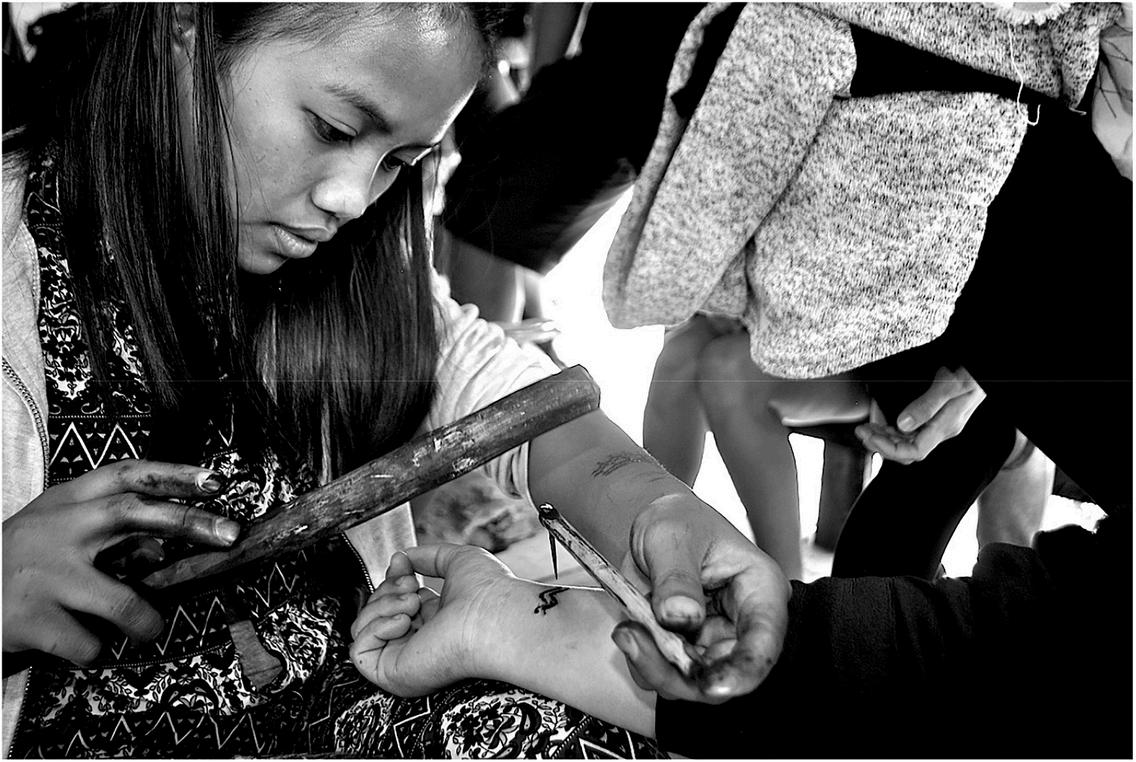
Tattooing- it represents the achievements and identity of both men and women in the tribe. Historically, It is inked after a battle bravery or headhunting success. Presently, Ifugao restores the cultural expression empowering tattoo techniques, patterns, and symbols among their tribe.

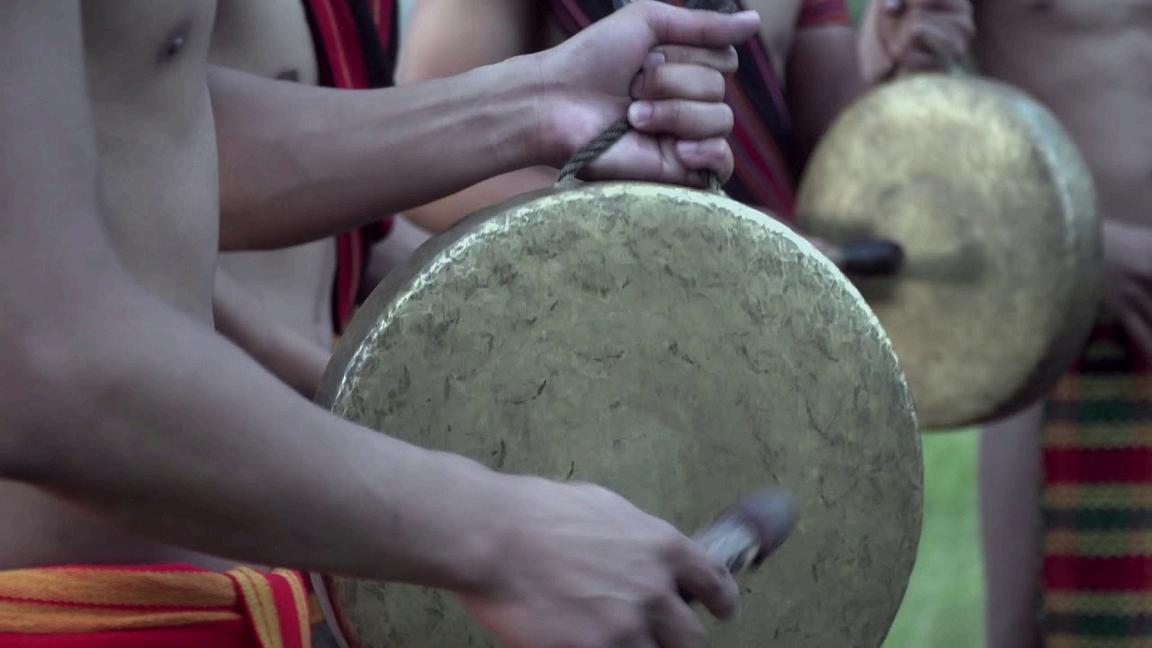
Music plays a crucial part in community harmony and spiritual relationships among Ifugao. It channels the expression of their traditions and culture along with various musical instruments.
Bikkung- a thin brass instrument that produces melodious tunes.
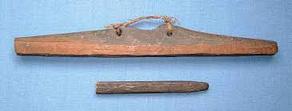
Bangibang- a wooden instrument struck with another piece of wood.
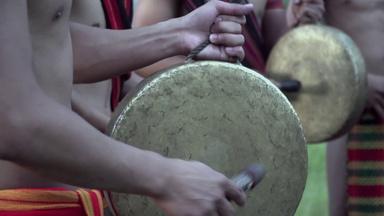
Gongs- made of bronze or brass and come in various sizes.
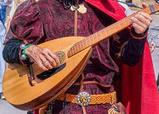
Stringed instruments- made of natural materials with string including ayyuding and babbong.
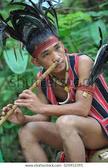
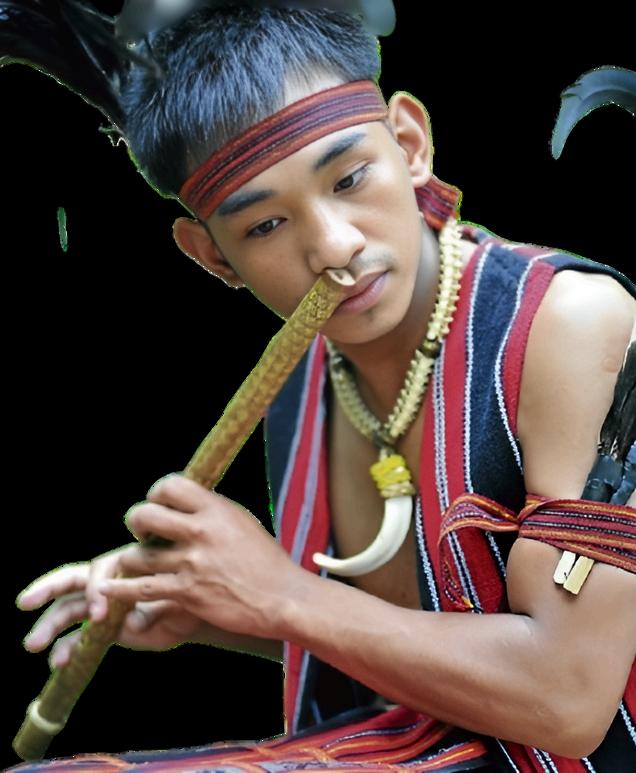
Nose flutes (ingngiing) and mouth flutes (kupliing or ippiip)- used for beautiful melody production.

Pewpew- a percussion instrument crafted from bamboo.
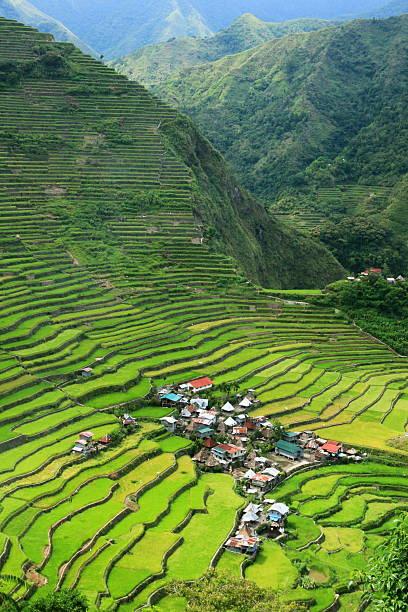
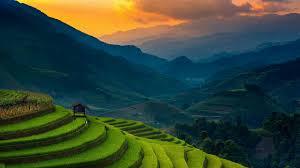
Created more than 2, 000 years ago by the Ifugao people, this cultural landscape is a testament to the sustainable farming and the practice of the tribes. It was included in UNESCO’s World Heritage List in 1995. Aside from rice, Ifugao is also cultivated for crops and other agricultural products such as sweet potato, cabbage, and carrots. According to UNESCO, the terraces are inscribed in five clusters, the Nagacadan terrace cluster in the municipality of Kiangan, a rice terrace cluster manifested in two distinct ascending rows of terraces bisected by a river; the Hungduan terrace cluster that uniquely emerges into a spider web; the central Mayoyao terrace cluster which is characterized by terraces interspersed with traditional farmers’ bale (houses) and alang (granaries); the Bangaan terrace cluster in the municipality of Banaue that backdrops a typical Ifugao traditional village; and (v) the Batad terrace cluster of the municipality of Banaue that is nestled in amphitheatre-like semi-circular terraces with a village at its base. Moreover, it was declared as National Treasures in Presidential Decrees 260:1973 and 1505:1978. The terraces are likewise protected by the Republic Act No 10066:2010, providing for the protection and conservation of the National Cultural Heritage. The Ifugao Terraces Commission, a Presidential Commission mandated to preserve the Rice Terraces, was set up in February 1994. At the time of inscription, a 6-year Master Plan was established, which was later expanded to cover ten years. At present, the Rice Terraces is under the management of the Provincial Government of Ifugao and the National Commission for Culture and the Arts. A Rice Terraces Master Plan comprehensively covers management, conservation, and socio-economic issues.
Photos by Pinay Wise
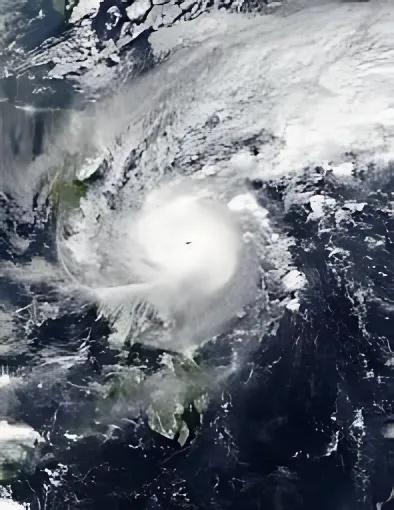
Environmental issues change the pattern of weather, caused by the threat of economic expansion to the geography of Ifugao. Moreover, climate change and unprecedented natural calamities also harm the preservation of the cultural landscape of Ifugao. 1.
2. Global influence has been a huge threat to the Ifugao people as well as the dominance of mainstream Filipino culture. It can be attributed to the decreased cultural awareness of the new generation to various practices and contributions of Ifugao.
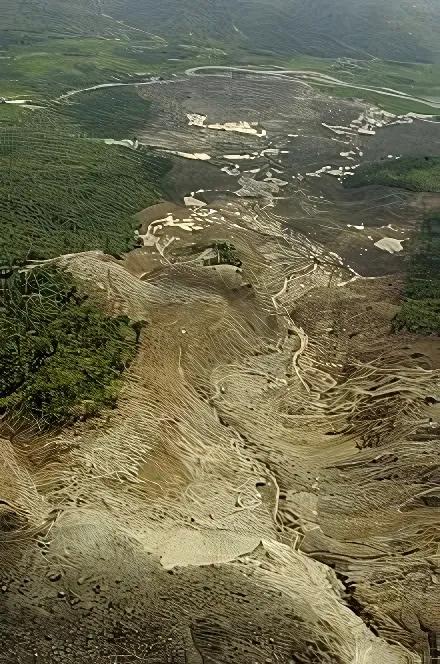
3. The conflict of industrialization is prevalent among ethnic groups. Commercialization and building of modernized projects affect the authentic landscape of Ifugao this includes the mining activities and the displacement of some tribes as their land is being occupied for big projects.
4. Territorial disputes and threats to life were also conflicts of Ifugao. The assimilation of land titles and harm of terrorists in the mountain areas.
5. Modernization in the economy and opportunity brings issues to the Ifugao. As the society extends not only to agriculture, a younger member of the tribe seeks to go out of their settlement and discover new jobs in industrialized areas. The production of agricultural products is not as fast as in other places as they integrate into the traditional approach of farming rather than the use of modern machinery.
6. In the past years, the spread of misinformation in educational textbooks regarding with Ifugao people has been evident. It stirs misconceptions and prejudices against Ifugao until today.

The Indigenous Peoples' Rights Act (IPRA) of 1997, also known as Republic Act No. 8371, is a landmark legislation in the Philippines that aims to protect the rights of indigenous cultural communities/indigenous peoples (ICCs/IPs). The IPRA is a comprehensive law designed to address the historical injustices suffered by indigenous communities, ensuring that their rights are respected, preserved, and protected.
One of the primary protections offered by the IPRA is the recognition of the ancestral domains and lands of ICCs/IPs. The law acknowledges that these areas have been occupied and utilized by indigenous communities since time immemorial, and as such, these lands are considered their private property. The IPRA provides ICCs/IPs with the right to claim ownership of their ancestral domains and lands through the issuance of a Certificate of Ancestral Domain Title (CADT) or Certificate of Ancestral Land Title (CALT).
The IPRA guarantees the human rights of ICCs/IPs, affirming that they are entitled to all rights recognized under the Constitution and other international human rights instruments. The law aims to address issues of marginalization and discrimination that indigenous peoples have historically faced. It includes provisions for the equitable distribution of the benefits and proceeds from the use of their lands and resources, ensuring that development initiatives within their territories contribute to their well-being.
Indigenous communities are given priority rights to harvest, extract, and utilize natural resources within their ancestral domains The IPRA stipulates that any exploitation of natural resources within these areas requires the free, prior, and informed consent (FPIC) of the ICCs/IPs concerned This provision empowers Indigenous peoples to have control over the natural wealth of their lands and ensures that any development projects are conducted in a manner that respects their rights and promotes their welfare
The preservation and protection of cultural integrity is another vital aspect of the IPRA. The law mandates the protection of indigenous cultures, traditions, and institutions. It recognizes that these elements are integral to the identity and survival of ICCs/IPs. The IPRA prohibits the exploitation and commercialization of indigenous knowledge, systems, and practices without the consent of the community concerned.
IPRA also safeguards the right of ICCs/IPs to self-governance and empowerment. It upholds their right to maintain and develop their political structures, justice systems, and conflict resolution mechanisms. This means that indigenous communities are given the autonomy to govern themselves under their customary laws and practices, free from external interference.
Ifugao is the same as other tribes in Cordillera. In reality, differences lie in all the tribes, provinces, municipalities, and even the barangay.
Ifugao is uncivilized and still lives in the mountains. It is known that the Cordillera is a mountainous region. However, some of the Ifugao people also lived in the urban areas and city as the Cordillera is not only a mountain place.
Igorot is Aeta. Igorot is the term for people who originally lived in the mountainous region of Cordillera including Ifugao. On the other hand, a misconception exists that Aetas has been characterized as Igorot which is incorrect since Aeta is a different ethnic group located in other parts of Luzon.
Banaue Rice Terraces is in Benguet. A poster displayed by the Department of Tourism in NAIA Terminal last July 2024 has received backlash for the inappropriate information. The Banaue Rice Terraces is in the Province of Ifugao.
K e y F a c t s a n d T r i v i a
Derived from the term I-pugo (“i” [from/people] and pugo [hill]), which translates to people of the hill.
Also from the word pugaw, which means “the cosmic earth”, ipugaw then referring to “mortals”. The name may have originated from the term “ipugo” which is a type of grain in local mythology given to the people by Matungulan, the god of grains.
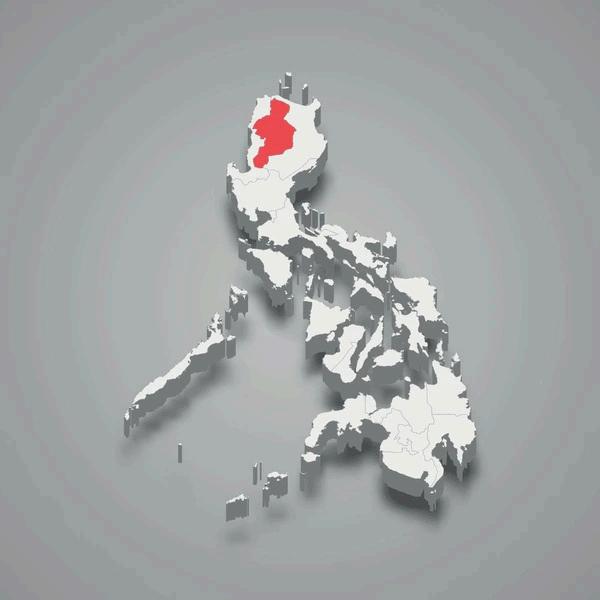
Ifugao is a province in the Philippines situated in the Cordillera Administrative Region occupying the northern-central section of Luzon. Its capital is the Municipality of Lagawe. Has a land area of 2,618.01 square kilometers or 1,010.82 square miles and comprises 207,498 population as per by 2020 census.
Carmine. (2024, October 19). The Ifugao people of the Cordillera. Igorotage. Jocson (2018). Cultural Preservation and Inclusion for the Ifugao People Hays, J. (n.d.). IFUGAO | Facts and details. https://factsanddetails.com/southeastasia/Philippines/sub5 6d/entry-3880.html
Tourismo Filipino. (2023, November 13). Banaue, Philippines - Exceptional views at the Rice Terraces | Tourismo Filip. https://tourismo-filipino.com/destinations/banaue/ EHRAF World Cultures. (n.d.). https://ehrafworldcultures.yale.edu/cultures/oa19/summary Ifugao profile – PhilAtlas. (1903, March 2).
https://www.philatlas.com/luzon/car/ifugao.html
Freelancer, W. (2021, June 17). Ifugao Facts & worksheets. KidsKonnect. https://kidskonnect.com/places/ifugao/
GMA Integrated News. (2024, July 15). Tourism poster with Banaue Rice Terraces in wrong province goes viral. GMA News Online. https://www.gmanetwork.com/news/topstories/nation/913438/tourism-poster-with-thebanaue-rice-terraces-in-wrong-province-goes-viral/story/ Connection, A. C. (2014, June 17). DISCRIMINATION: wake up call to Igorots and Filipinos in general. THE CORDILLERA CONNECTION.
https://thecordilleraconnection.org/2014/02/12/discrimination-wake-up-call-to-igorotsand-filipinos-in-general/