Issue 102/Spring 2026
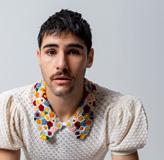
Sam Morrison
The US comedian on diagnosis, grief and identity
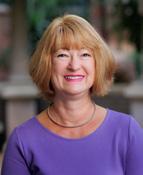
Renuka Dias
On why finding T1D early matters
Type 1 Diabetes Grand Challenge
Investigating ways to prevent the immune system attack
Issue 102/Spring 2026
Sam Morrison
The US comedian on diagnosis, grief and identity
Renuka Dias
On why finding T1D early matters
Type 1 Diabetes Grand Challenge
Investigating ways to prevent the immune system attack
on how personal connection and the promise of research drives her philanthropy
Breakthrough T1D on the BBC
Read the stories that shaped the appeal

Find out the latest T1D news
Every type 1 diabetes (T1D) story begins with a moment that changes everything. A diagnosis can arrive suddenly and what follows is a lifetime of learning, adapting and persevering. In this edition of Discovery, we focus on what it truly means to live with T1D and why the urgency to find a cure remains as strong as ever.
You’ll hear about the families who shared their experiences in our recent BBC Lifeline appeal, offering a glimpse into the everyday realities of T1D. We also speak to Anastasia from the Bukhman Foundation, whose recent donation will support our community engagement programme. Her philanthropy, informed by her own family’s experience of T1D, comes from knowing first-hand how vital good information, support and connection can be.
While insulin is lifesaving, it is not a cure. Living with T1D still means constant decision-making, vigilance and emotional burden. That’s why your support is so important. It helps drive real change for people living with this relentless condition.
Through initiatives like our partnership with DigiBete, we’re helping ensure people living with T1D and their families have access not only to trusted information but also to tools that support their mental wellbeing. In this issue, Maddie from DigiBete explains why the Coping with Diabetes app is such a valuable tool for so many of us.
We also hear from Sam Morrison, actor and author of Sugar Daddy, who reflects on what his diagnosis has meant for his life and work.
These stories highlight why our mission matters and the very real difference your generosity makes. Your support makes all the difference. Thank you. 4 10
Karen Addington MBE Chief Executive
Explore the digital edition and sign up to receive the latest news at breakthrought1d.org.uk/ discovery-magazine

Managing Editor: Odette Myall
Contributors: Hannah Warsame, Mollie Hillis
Lucy Mason Pearson, Pioli Perera
Cover image: Anastasia Bukhman
Join us on social media
breakthrought1duk @BT1DUK
breakthrought1duk breakthrought1duk
Breakthrough T1D does not endorse any of the products or services advertised in Type 1 Discovery. Articles in Type 1 Discovery written by freelance contributors do not necessarily represent the views of Breakthrough T1D.
We would like to thank all the trusts and foundations that generously support our work, including:
Beefy’s Charity Foundation
The Cadogan Charity
The Elizabeth and Prince Zaiger Trust
Hollyhock Charitable Foundation
The Hugh Fraser Foundation
The Jeffrey Kelson Foundation
Michael Lewis Foundation
The Morrisons Foundation
The Shanly Foundation
Sir Samuel Scott of Yews Trust
Steve Morgan Foundation
The Syncona Foundation
TIOC Foundation
Earlier this year, we were delighted to announce a generous £350,000 gift from the Bukhman Foundation to help expand our Community Engagement programme.
This funding will enable us to strengthen the support we can offer to people living with type 1 diabetes (T1D), growing our community events - including our Discovery Days - ensuring more people affected by T1D and families receive trusted information, connection and reassurance at every stage of their journey.
Thanks to the support of the Bukhman Foundation, we will begin
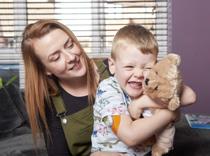
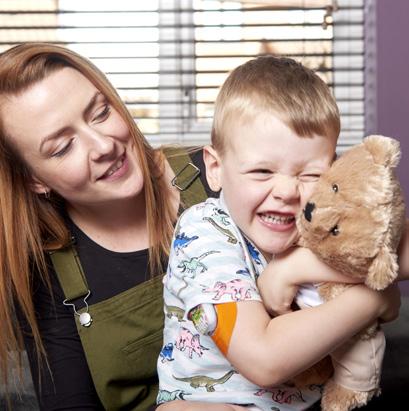
to refresh Rufus, the Bear with T1D. A much-loved source of comfort and guidance for children at diagnosis, Rufus will include new features that reflect the modern technologies now used to manage T1D.
We’re deeply grateful for the Bukhman Foundation’s commitment to helping families feel supported, connected and understood throughout life with T1D.
In January, The Lancet published results from the first ever UKwide type 1 diabetes (T1D) screening programme, which showed we can now screen for T1D before symptoms appear.
The ELSA (Early Surveillance of Autoimmune Diabetes) study, co-funded by Breakthrough T1D, screened over 17,000 children aged 3-13 years old. Using a simple blood test, researchers were able to identify the autoantibodies that indicate early-stage T1D. They found:
• 75 children had one autoantibody, signalling increased future risk
• 160 had two or more autoantibodies but did not yet require insulin therapy, indicating early-stage T1D
• Seven were found to have undiagnosed T1D, with all needing to start insulin immediately
Too often, children are diagnosed with T1D in an emergency, with a quarter already in diabetic ketoacidosis (DKA). Early detection studies like ELSA are vital in providing families with more time to prepare, offering a safer start to the condition. The study’s next phase will now screen children and young people aged 2-17, aiming to recruit an additional 30,000 people across these age groups.
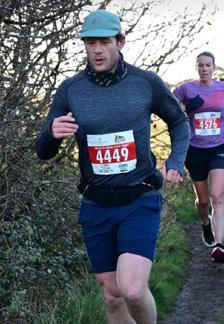
We’re thrilled to announce that actor James Norton will be taking on the TCS London Marathon this year for Breakthrough T1D.
James, who lives with type 1 and is a passionate supporter of the charity, will help shine a much-needed spotlight on the life-long condition, which affects over 400,000 people in the UK.
“I’ve never run a marathon before. The notion of running 42km in one go has always seemed like an insane idea. It still does,” said James. “However, the potential to raise some funds and awareness for this incredible charity makes it more than worth it.”
He’ll be joining 150 Breakthrough T1D runners across the capital to help raise funds for vital type 1 diabetes research. Keziah from Northamptonshire is taking on the challenge alongside her mum, Robyn. “Every mile is a fierce, love -fuelled promise that this condition will never steal our future,” said Keziah. “A future we believe Breakthrough T1D can help deliver, where a cure exists and we finally get to live free.”
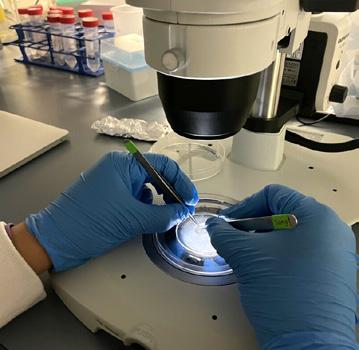
Sana Biotechnology has unveiled promising 14-month follow-up results from its hypoimmune (HIP) cell technology research, offering new hope for people with type 1 diabetes (T1D).
Presented at the Advanced Technologies & Treatments for Diabetes (ATTD) conference in March 2026, the data shows that lab-engineered, insulin-producing HIP cells successfully evaded the immune system and continued producing insulin in one trial participant, without the need for immunosuppressive drugs.
In the study, HIP-modified islets survived for 14 months and released insulin, measured through the biomarker C-peptide before and after meals. PET-MRI scans also confirmed cell survival at the transplant site. Due to the small number of transplanted cells, the participant did still need to inject insulin. However, the results demonstrate proof of concept for future treatment and Sana now plans wider clinical trials.
When we come together, we make change happen. Whether it’s volunteering our time, taking on a fundraising challenge, or making a donation, together we are improving the lives of everyone living with T1D. Find out how you can support at breakthrought1d.org.uk/get-involved
A series of NHS England pilot schemes supporting people living with type 1 diabetes and disordered eating (T1DE) are at serious risk of closure, with funding for four of the five sites set to end in April 2026.
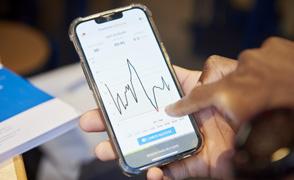
Due to the complex relationship between insulin restriction, weight and eating disorder behaviour, T1DE is extremely difficult to treat, requiring a team with expertise in both eating disorders and T1D.
Early evaluations showed the pilots improved health outcomes, halved inpatient admission costs, and reduced A&E use by a third. A 2024 Parliamentary Inquiry led by former prime minister Theresa May and Sir George Howarth, supported by Breakthrough T1D, strongly recommended continued funding for the pilots. Yet one site has already closed and without action, others may follow.
Breakthrough T1D is calling for immediate action to ensure the pilot schemes remain open. We will continue advocating on behalf of our community to ensure that the voices and lived experiences of people affected are heard clearly by the decision-makers who shape these policies.
For the latest type 1 news go to breakthrought1d.org.uk/news
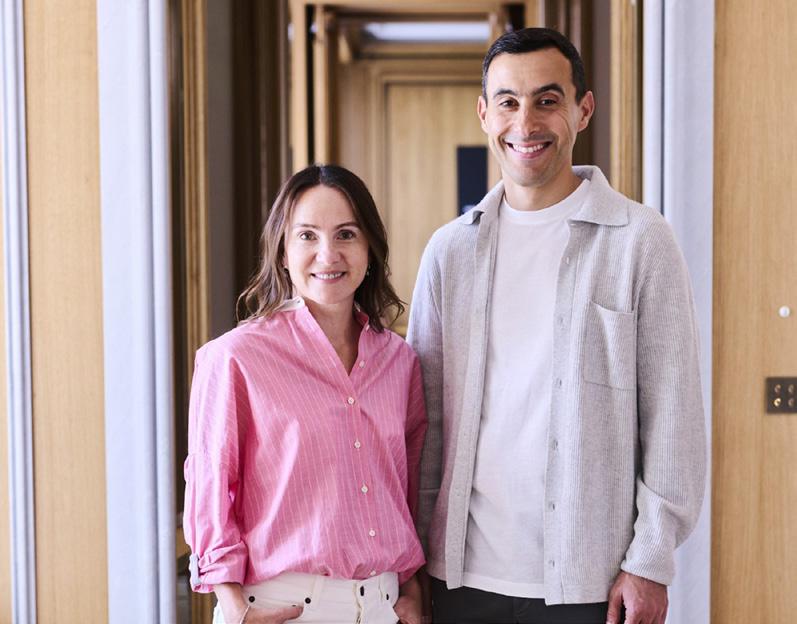
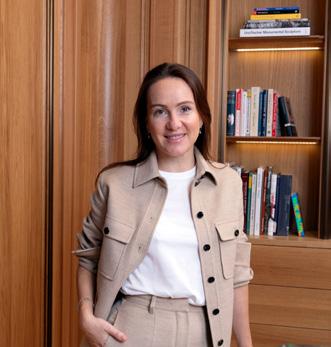
For Anastasia Bukhman, one of the founders of the Bukhman Foundation, type 1 diabetes (T1D) is deeply personal. Motivated by her family’s own journey, she has transformed lived experience into action.
The foundation has pledged £100 million over the next decade to accelerate progress across type 1 diabetes research and advocacy globally, and recently made a generous donation to support our community engagement programme. She spoke to us about her family’s story, her motivations, and the future she’s determined to help create.
“Type 1 diabetes has been part of our family’s life for quite a long time. We first encountered it through our parents, and later our daughter Sonya was diagnosed when she was very young. That experience changed the way we understood the condition, because it suddenly became something we were living with every single day. It gave us a much deeper appreciation of the realities and challenges that families face when managing type 1 diabetes. Having a child with the condition is a completely different experience. It’s very hard to explain to a three-year-old why she needs constant blood checks and insulin injections, why she cannot always eat when she wants, or what she wants. You are constantly trying to guess how she feels, and many nights you barely sleep because you worry something might happen.
Sonya’s diagnosis was an incredibly overwhelming moment. Your first thought, of course, is for your child: their wellbeing and their health. You want them to live as normal and as full a life as possible.
But as parents it is also extremely hard. At the beginning you question everything. You blame yourself, you get angry with yourself for every high or low. We felt like we had to be perfect all the time, constantly trying to control something that is actually very difficult to control.
Many parents will agree that having a child with type 1 diabetes can sometimes feel even harder than having it yourself. You carry the responsibility, the worry, and the fear, while trying to stay calm and strong for your child and still give them a normal childhood.
The type 1 diabetes community is extraordinary. From the beginning, we found a huge amount of strength and support within it. Some of that support is very practical: families sharing experiences about devices, treatments, what works well and what doesn’t. But there is also something equally important on the emotional side: the reassurance of knowing that you’re not alone.
We’ve also been struck by the community of clinicians and researchers working in type 1 diabetes. There is a very strong sense that everyone is working toward the same goal, improving lives today while pushing toward better treatments and, ultimately, a cure.
We believe that if you are fortunate enough to be in a position to help, you should. Supporting causes that matter is part of living in a society.
Of course, type 1 diabetes is also very close to our hearts, and it is an area where we feel we can genuinely help push progress forward.
At the same time, the scientific advances we are seeing
We believe that if you are fortunate enough to be in a position to help, you should. Supporting causes that matter is part of living in a society.
right now are incredibly encouraging. It feels as though we may be approaching a moment when real breakthroughs become possible, and that makes it an especially important time to support research.
There are honestly too many exciting areas of research to list. But one development that feels particularly important is the ability to screen people through simple blood tests and identify those who are at risk of developing type 1 diabetes. That represents a huge step forward. At the same time, therapies designed to delay the onset of the disease, as well as innovations such as beta-cell transplantation, give real cause for hope.
More broadly, it’s also important to recognise that breakthroughs often come from unexpected places. That’s why supporting multidisciplinary research is so important, it allows new ideas and approaches to emerge from different fields.
Living with type 1 diabetes affects far more than just the medical side of life. It touches everyday routines, family dynamics, mental health, and emotional wellbeing. Having a strong community where people can share experiences, advice, and encouragement can make an enormous difference.
Breakthrough T1D UK does an extraordinary job of supporting and connecting that community, and we’re very proud to be able to contribute to that work.
Ultimately, everything we do is for the community, because we all hope for a future where type 1 diabetes no longer defines the lives of those living with it or the families who support them.
The ultimate hope is a cure, a moment when type 1 diabetes no longer exists and people simply don’t have it anymore. When life is no longer controlled by constant monitoring, injections, and endless daily decisions.
But even along the way to that goal, there are many advances that could dramatically improve people’s lives: earlier detection, treatments that delay the onset of the disease, and technologies that reduce the daily burden of managing it.
It can feel incredibly overwhelming at first, but it’s important to remember that you are not alone. There is a whole community of people who understand what you’re going through and who want to help, both locally and online.
Over time, you begin to learn the routines, gain confidence in the decisions you need to make, and find your own rhythm as a family. And perhaps most importantly, you realise that people living with type 1 diabetes can still live full, active, and joyful lives.”
We speak to Maddie Julian from DigiBete about the Coping with Diabetes tool - how it was created, why emotional support matters just as much as clinical care, and what young people with type 1 diabetes told the team along the way.
Can you tell us what the Coping with Diabetes tool is all about?
Coping with Diabetes is a digital psychology resource tool created together with Breakthrough T1D, housed within the DigiBete app. It’s designed specifically for children and young adults with type 1 diabetes. It offers age -appropriate films, animations and interactive activities that help young people understand and manage the emotional side of diabetes. It’s available free through the NHS to all 36,000 under-25s with T1D across the UK and via Diabetes Ireland.
What gap did you see in emotional and psychological support?
Evidence emerged via the National Diabetes Audit that there was a real need for young people to have access to earlier, more accessible psychological support. However, their diabetes teams have limited capacity to deliver this. Many teams simply don’t have the time or specialist resource to offer early interventions to support emotional wellbeing or even have conversations about it. We wanted to create something that could sit nationally alongside clinical care, available 24/7, and grounded in evidence-based psychology expertise.
What does diabetes distress and burnout look like for young people?
For many young people, diabetes distress shows up as exhaustion, frustration, or feeling overwhelmed by the relentlessness of self-management. Burnout can look like withdrawing from care routines, avoiding conversations about diabetes, or feeling like they’re ‘failing’ even when they’re trying their best. These experiences are common, but not always recognised early. Opening these conversations and normalising them is incredibly important.
How did you decide which age groups to focus on?
We began with 10-14 year olds because clinicians consistently told us this is a high-risk period for distress. As the first phase proved successful, we expanded to 14–25 year olds and for children aged 6-10. Each age group helped us shape what felt relevant: younger users wanted simple, reassuring explanations; older teens and young adults wanted honesty, autonomy, and content that reflected real-life pressures.
Has anything surprised you during the development of the tool?
The scale of engagement has been remarkable. In the first three months of the 10-14 tool going live, we saw over 46,000 interactions and nearly 18,000 activities completed. More broadly, our emotional-wellbeing content has generated more than 70,000 views. It’s clear that young people want this kind of support when it’s accessible and relatable.
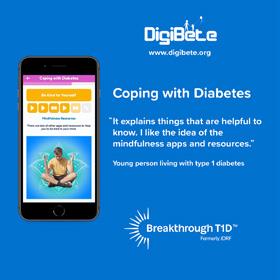
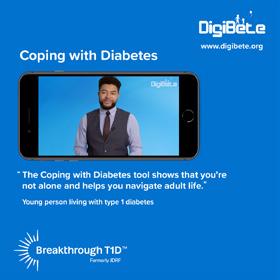
It feels like someone finally gets what it’s actually like.
Feedback has been overwhelmingly positive. In our survey of 13-25 year olds, 99.5% rated the tool good or excellent, and 100% said the multimedia elements helped them understand and manage their feelings. In-app ratings for the 10-14 tool sit at 4.5/5. One young person told us: “It feels like someone finally gets what it’s actually like.” That’s exactly what we hoped for.
Although the initial content was designed for young people, many parents tell us it helps them understand what their child is experiencing emotionally. It gives families a shared language for talking about feelings that can otherwise be hard to articulate. Parent resources have now also been developed and are currently being tested.
embed the tool?
We work closely with paediatric and young adult diabetes teams across the UK, providing training, resources and simple ways to introduce the tool in clinic. Because it’s nationally available through the NHS, teams can confidently signpost it as part of routine care.
Absolutely. When young people see emotional support presented as a standard part of diabetes care not an add- on they’re more likely to open up. Clinicians tell us the tool helps start conversations that might otherwise be difficult.
There certainly are - we are planning an exciting new phase - watch this space!
message would you want a young person struggling right now to hear?
That you’re not alone, and nothing you’re feeling is a sign of failure. Diabetes is hard. Check out what the other young people on the Coping with Diabetes tool say as they also recognise how hard it is. It really is okay to find it overwhelming but support exists. Reach out, whether to family, friends, your diabetes team and use tools designed to support you. Coping with Diabetes can really make all the difference.
This project was made possible thanks to the generous support of the Pardoe family and the Steve Morgan Foundation. Their commitment to improving the lives of children and young adults with type 1 diabetes played a vital role in bringing the Coping with Diabetes tool to life and making it freely available to families across the UK.
To find out more about the Coping with Diabetes tool visit digibete.org
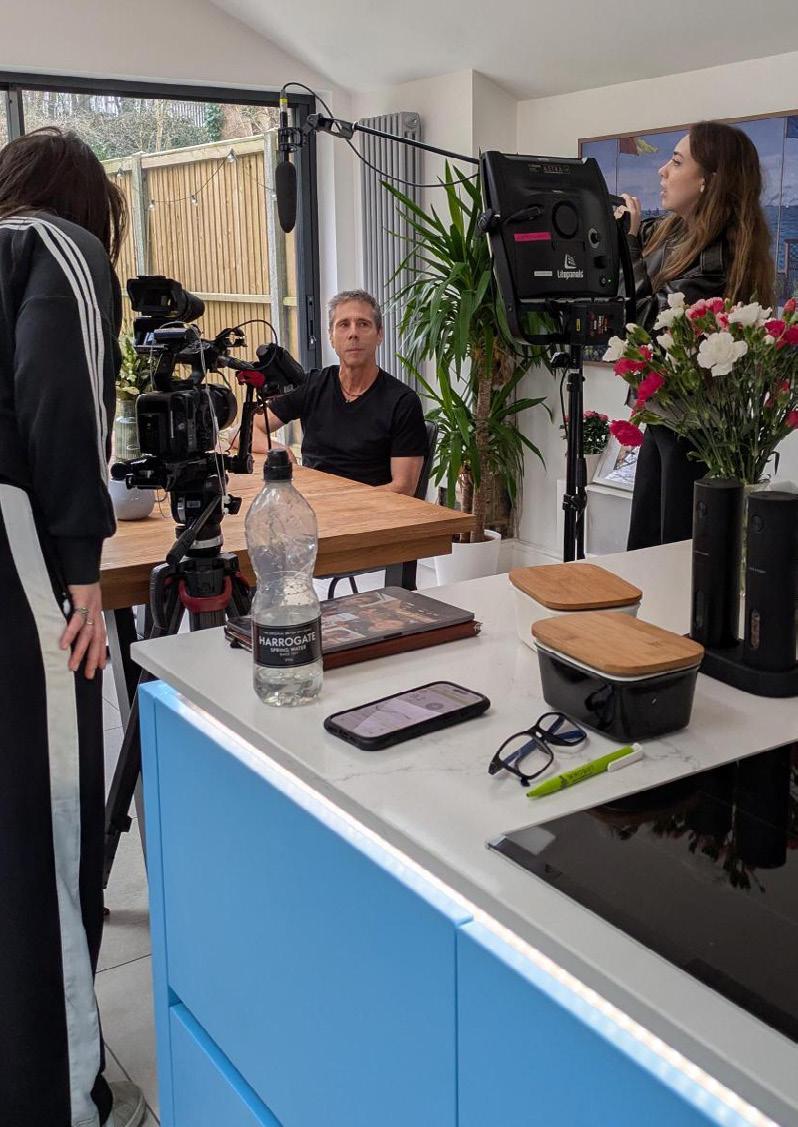
On Sunday 1 March, our BBC Lifeline Appeal highlighted the work of Breakthrough T1D in a film presented by our ambassador Nina Wadia. Millions of viewers across the UK were given a powerful insight into life with type 1 diabetes
Broadcast on BBC One, our ten minute appeal brought together personal stories and leading scientific voices to highlight both the seriousness of type 1 diabetes and the progress being made through research. The programme also offered viewers a glimpse of what life with T1D looks like for families across the country. If you missed the broadcast, the full film is still available at breakthrought1d.org.uk/bbclifeline
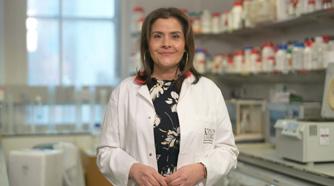
For Nina Wadia, presenting the appeal was deeply personal. As a Breakthrough T1D ambassador and parent of a child with type 1 diabetes, she has experienced first hand the challenges that come with the condition.
Nina says: “I am honoured to support this appeal for Breakthrough T1D, the leading global type 1 diabetes charity. This appeal means a great deal to me; in 2017, my son was diagnosed with type 1 at just 10 years old. Overnight, ordinary life vanished. Checking blood sugar levels during the day and throughout the night, sorting out insulin injections and never truly being able to switch off became the norm. Because type 1 diabetes does not just affect one person, it affects the whole family.”
Throughout the programme, Nina guides viewers through the stories featured in the film, helping to connect the realities of T1D with the research that is working to change the future of the condition.
Clare and Tony’s son Alex was diagnosed with type 1 diabetes when he was just three years old. Alex and his parents suddenly had to adapt to a new way of life overnight. Together, they rallied around their son to support him and manage this condition.
As Alex grew older, he was determined to not let his type 1 define him, going off to university and focusing on making memories with his friends, the way all young people do. When he was 28, Alex experienced a severe hypo at home alone and was found unresponsive. Tragically, he passed away a few days later in hospital. Alex’s story is a sobering reminder of why investment in cure research is so important. No one should lose their life to type 1 diabetes. With your support we will continue to drive forward the research to make T1D a thing of the past.
Professor Tim Tree lives with type 1 diabetes. Not only as one of the world’s leading immunology researchers, but as someone personally managing the condition. Diagnosed aged 11, he grew up watching his father live with T1D, witnessing both the resilience it demands and the daily challenges it brings. His perspective, as a son, someone living with the condition and now a parent to three boys who are at a higher risk of developing the condition, drives his determination to find a cure.
His research focuses on identifying drugs that can delay and ultimately prevent the onset of symptomatic T1D. By intervening in the earliest stages he aims to protect insulin-producing cells and stop the condition before it fully develops.
Breakthrough T1D has been central to this mission, funding his work and supporting the early detection programme that screened his own children for early signs of T1D so that no family has to face type 1 diabetes generation after generation.
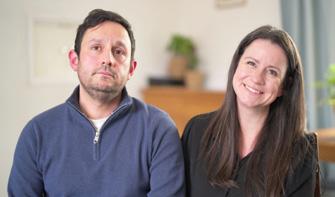
When Theo was diagnosed with type 1 diabetes at just four years old, he was in diabetic ketoacidosis (DKA). His family were thrown into a world they knew little about. Constant blood glucose monitoring, insulin injections, carb counting and the relentless burden of acting as your own pancreas. Overnight, life changed.
Today, Theo is thriving. Theo uses hybrid closed loop technology, which automatically adjusts insulin delivery based on his glucose levels. It means more time in range, fewer dangerous highs and lows, and fewer sleepless nights for his parents.
Theo’s progress has been shaped in part by the work of Breakthrough T1D. The charity has campaigned to improve access to life-changing diabetes technology and funded the research that made hybrid closed loop systems possible. Those breakthroughs are now easing the daily burden for families like Theo’s.
Most importantly, it gives Theo more time to simply be a child. To play, learn and grow while the technology helps carry some of the weight of type 1 diabetes.
Thanks to the incredible response to our BBC Lifeline Appeal, we raised over £109,000 towards life-changing research.
Generous supporters like you helped us to exceed our matched funding target of £43,000 and the film even inspired new supporters to join our mission for a future free from T1D. To everyone who donatedthank you!
Visit breakthrought1d.org.uk/bbclifeline to watch the film and make a donation
Sam Morrison’s hit show ‘Sugar Daddy’ recently landed in London, bringing laughter, vulnerability and the messy reality of life with T1D to the stage. Here, he shares how comedy helped him navigate diagnosis, grief and identity.
‘Sugar Daddy’ takes us through some extraordinary moments in your life; from love, to loss, and a shock diabetes diagnosis.
When did you realise all of this could be a show?
It honestly wasn’t my intention to make a show. I’m a comedian, and I tend to just talk about whatever’s happening in my life and these topics were sort of all I was thinking about at the time. After trying out bits on and off for about a year, I got hit with a festival deadline coming up. I came up with this very dumb pun that somehow connected diabetes, grief, and daddies…so I registered Sugar Daddy for the Edinburgh Festival.
The journey of getting the show from pen to the stage, what’s that been like for you?
Call it deflection or processing, I was joking from the moment the nurse taught me how to inject insulin in the ER. For better or worse, comedy is the way I process most things in life. Not that it went well, but I think it was like three days after I got diagnosed, I was on stage joking about it. Then it became the usual process: trying things, bombing, rewriting, and slowly figuring out what worked. Quickly I realised that this material was different and when the performances are hitting on all cylinders it can feel really cathartic and intimate.
How important is representation and authenticity in your work?
When I started joking about my glucose monitor, it was just a coping mechanism. I had no idea the amount of people that would connect to it. The reaction was truly overwhelming. At shows I would suddenly have people flashing their devices at me on the way out, and my DMs were full of people with T1D and their parents talking about feeling seen. As much
as I’d love to say I set out to focus on representation, I really didn’t. I was just trying to make sense of my own life. When I first started comedy, I was performing at a lot of old-school comedy clubs on lineups with almost entirely middle-aged straight guys and I tried to fit in as much as I could. Over time, I’ve realised that more important than being similar to your audience is being honest and specific. The more personal I get, the more people seem to see themselves in it, even if their life is totally different from mine. As a formerly closeted gay kid growing up in Florida, I absolutely understand the power of seeing someone like you on stage/screen, but until I find an audience made up entirely of anxious, asthmatic, ADHD, gay, type 1 diabetic Jews, this is kind of the approach I’ve got.
A
type 1 diabetes diagnosis can be difficult, how did you navigate it and how are you doing now?
The first year felt like going to med school cause you’re forced to learn so much about nutrition, but more specifically how things affect your body. Diabetes is one of the most researched and understood diseases on earth yet still completely personal and just inexplicably weird! For me at least, I wanted to control this as much as I possibly could but anyone with this disease knows that’s impossible. I don’t know if I’m any better at managing my blood sugar, but I have been working hard at forgiving myself when I mess up. Diabetes is a daily reminder that I am not in control. All I can do is try my best to respond and take care of my body, but forgive myself when I inevitably do it all wrong. Also I’m an insane person who will just scream at my glucose monitor like it’s a sibling. That helps.
What part of living with T1D do you wish more people understood?
For the love of god, please stop suggesting I eat more cinnamon.
When we spot each other in the wild, we get obnoxiously excited and suddenly have a million inside jokes with a complete stranger.
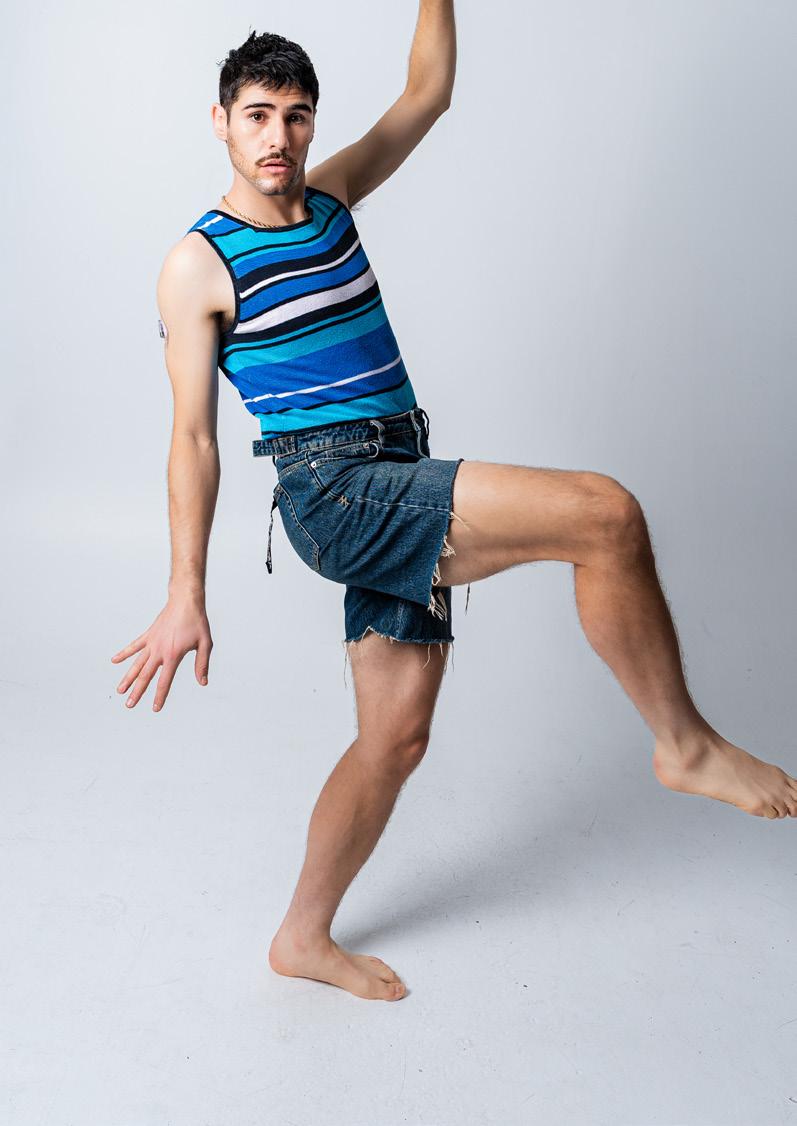
‘Sugar Daddy’ is of course deeply personal but is also raucously funny. How has humour shaped your approach to life and performance?
Doing this show really changed me as a performer. Especially today, I think people really value live shows not just to see the artist but to feel a part of a community. My favourite comedians are a part of the room. I really try to be present, talk to, and react to the audience. When it works, it’s not just that they feel connected to me, it’s that they start to feel connected to each other.
What’s the audience reaction been like, particularly from the communities you belong to?
Incredible! I’m not just saying this. Type 1 diabetics are absolutely my favorite audience (sorry gay Jews
love you). We are so hype. There’s this immediate sense of excitement and community. Honestly my favourite might just be connecting with other type 1s and complaining. When we spot each other in the wild, we get obnoxiously excited and suddenly have a million inside jokes with a complete stranger. It’s like finding someone in a foreign country who speaks your language.
You’ve had an incredible run of your show in London this Spring. How did you find it?
London audiences have been incredible. They’re very smart, open, and down to go on the ride. I’m also excited to actually experience the city a bit. I’ve been playing tennis on these gorgeous courts, wandering down little alleys, and I’m weirdly very into the tube!
You can follow Sam Morrison on instagram @samuelhmorrison
Read stories from other people with T1D at breakthrought1d.org.uk/stories
Trust about the early type 1 diabetes (T1D) clinic that she has set up in Birmingham.
“Type 1 diabetes is one of the hardest conditions to live with on a day-to - day basis. People often describe it as relentless. If I can reduce that burden in any way, it feels like a really meaningful part of my role.
I support children from diagnosis to the moment we hand them over to adult services. My job is to hand them across without any of the problems we traditionally associate with long-term type 1 diabetes – we really take the long view of the condition.
Type 1 diabetes is an autoimmune condition, meaning the body attacks itself - specifically, the cells of the pancreas that produce insulin. That attack doesn’t happen in a single moment. It’s not a ‘Big Bang’ - it’s a continuum. You gradually lose the beta cells that produce insulin until your blood sugars rise, and you need insulin therapy.
We can now identify people who don’t yet need insulin but do have that autoimmune process underway - they have antibody markers in their blood. That’s what we define as early-stage T1D. People whose immune system is attacking the pancreas, but they may still have normal or slightly ‘wobbly’ blood sugars. Understanding this stage is crucial because it opens up opportunities to intervene earlier, support families earlier and, in some cases, delay the need for insulin.
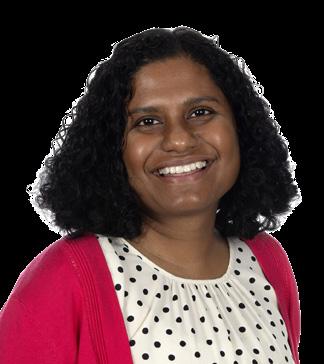
In Birmingham Children’s Hospital, I run an early type 1 clinic. Families attend in person and virtually from all over England and Wales.
It’s a shared- care model. I link closely with each family’s local diabetes unit, who support with blood tests and help maintain that essential relationship for when insulin therapy is required.
The reason this clinic exists at all is because of a study I’m lead paediatrician for: ELSA (Early Surveillance for Autoimmune Diabetes), which is led by Professor Parth Narendran based at University of Birmingham. ELSA has screened over 40,000 children for the antibodies linked to early-stage diabetes. Screening created a new group of young people with type 1 diabetes: those who do not yet need insulin. There wasn’t a natural clinical home for them, so we built one in Birmingham. Anyone with early-stage T1D can be referred, so long as they have two or more antibodies and are not yet on insulin.
The idea that we could offer something that meaningfully delays the onset of type 1 would have been unimaginable a decade ago, and yet that’s exactly where the field is heading.
ELSA began as a screening study, asking children to give a small blood spot sample, much like the newborn heel-prick test, which is checked for antibodies. If positive, a second blood test is done at a local ELSA hospital. People with two or more antibodies go on to have a glucose challenge test, so we understand which stage they are at.
The programme now screens children aged 2 to 17, covers ongoing monitoring, and includes young people with one antibody because some of them will go on to develop more.
There are a number of reasons that finding T1D early is vital:
• Around 40% of children in the UK are still diagnosed in an emergency known as diabetic ketoacidosis, which carries real risk. Screening reduces that risk to under 5%. That is a phenomenal reduction.
• We know that children identified early have better long-term glucose levels for at least five years after diagnosis, which is tightly linked to the risk of future complications.
• We now have disease -modifying therapies emerging - treatments that can delay the need to replace your own insulin.
• We know that early identification gives families a far softer landing. They can take in information more easily because they are not stressed about an acutely unwell child, understand what to expect, and be supported without crisis striking.
Teplizumab is a disease-modifying therapy that can delay the need for insulin by up to three years. For families I look after, that is a huge deal. The treatment is given as a 30 -minute IV infusion for 14 days. It’s ‘one -and- done’ in that sense, though we monitor carefully before, during and after.
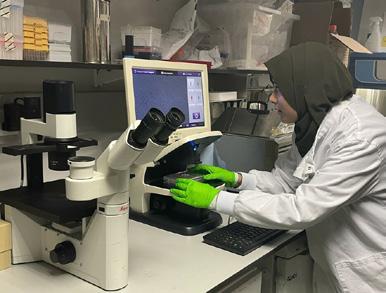
In our clinic, we were able to offer teplizumab to three young people so far. Our first patient was the first in the UK to receive it in clinical care. The families were incredible. They were fully engaged, aware of the pros and cons, and absolutely focused on giving their child the best chance of delaying insulin.
Offering it not only helped those children, it helped other clinicians feel confident too. Sometimes someone simply has to go first.
This experience also highlighted something important. Breakthroughs only matter if people can access them. As these new therapies emerge, we must consider who is able to benefit and how we design services that truly serve every family.
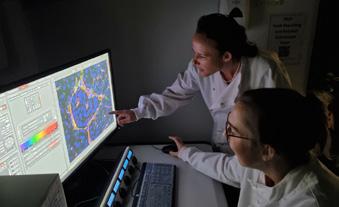
We know that deprivation is one of the strongest predictors of presenting in an emergency at diagnosis. Our job as clinicians, researchers, funders, policymakers is to keep equity in mind right from the start. The NHS is uniquely placed to level the playing field if we think carefully about implementation. Guidance can help ensure access is fair, rather than dependent on which region you happen to live in.
And while a 14-day hospital-based therapy like teplizumab won’t be accessible to everyone, there are new treatments coming along - tablets, monthly injections, things you can do at home - that could help reduce inequality rather than widen it. But it won’t happen automatically. We have to actively think about access - it won’t just ‘bottom out’ on its own.
In five years’ time, success to me would be seeing a designated early type 1 clinic in most paediatric diabetes units across the country. I also fully expect that within five years we’ll be routinely offering children a disease -modifying therapy as part of standard care. If a young person is identified, I imagine the first conversation being: ‘Here’s a drug you might want to think about. The idea that we could offer something that meaningfully delays the onset of type 1 would have been unimaginable a decade ago, and yet that’s exactly where the field is heading’.”
Find out more about the early detection of T1D at breakthrought1d.org.uk/screening
Dr James Pearson, a Type 1 Diabetes Grand Challenge researcher, is investigating ways to prevent the immune system attack in type 1 diabetes. His research could help hold off the autoimmune attack on insulin-producing beta cells, which could delay or stop type 1 developing altogether.
Can you tell me a little bit about your background and what led you into research?
I have an uncle who was diagnosed with type 1 diabetes (T1D). And when I was a small child, I grew up watching him inject insulin and seeing the sort of pressures that came with managing the condition. That experience sparked all these questions about why someone develops type 1 diabetes when the rest of the family doesn’t. That interest stuck with me through university, and I knew that if I was going to do research, it had to be in type 1 diabetes - to help people living with the condition, with the hope that one day they can live an insulin-injection-free life.
You’re investigating whether IL-2 therapy can enhance T-regs and prevent or reverse type 1 diabetes in mice. How does that work?
That’s a big question! Our mice develop spontaneous T1D, similar to humans. We’re testing a therapy that might delay or prevent that development. IL-2 is essentially a nutrient that helps regulatory T cells (“T-regs”) - our immune system’s natural bodyguardsfunction better. These cells help stop inflammatory T cells from damaging insulin-producing cells, but in type 1, they don’t work very well. By giving IL-2, we’re boosting the T cell’s ability to protect insulin-producing cells. We then monitor how effective that is - for example, how many mice develop
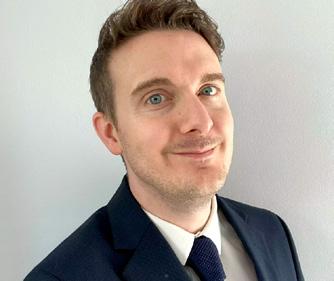
diabetes after treatment. What’s fascinating is that timing makes a huge difference. If we give the therapy in the morning, about 20% of mice still develop T1D. However, if we give it in the evening, the mice have complete protection against developing the condition.
That’s amazing. How does that translate to humans, since our body clocks are different from mice?
The difference between mice and humans’ body clocks is roughly 12 hours, because mice are nocturnal. So, if evening treatment works best in mice, it likely means morning treatment would work best in humans.
Different therapies might have different optimal times, depending on what part of the immune system they targetbut the key takeaway is that timing matters. That’s what we’re now exploring in our Grand Challenge project: comparing morning and evening blood samples from people with T1D to see how cells behave naturally, and then how they respond to IL-2 treatment in the lab.
What are the next steps to bring this research from the lab into the clinic?
Right now, we’re analysing samples from people with T1D to see how their cells differ between morning and evening. This gives us information not just about T-regs but also about T cells in general, which could help other therapies too.
If we can show that timing truly makes a difference, we’d like to run a clinical trial where everyone receives IL-2 treatmentbut some get it in the morning and some in the evening. We’d then compare the outcomes.
Together, we’re making research like this possible
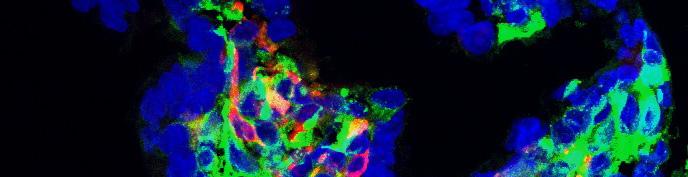
What does a typical day look like for you in the lab, once you finally get away from the office side of things?
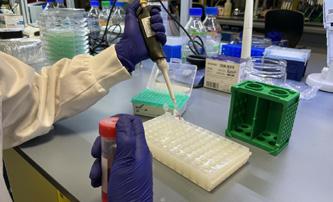
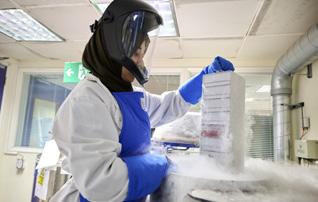
Because we’re doing a morning and evening study, my hours are quite long. I get up early, go into the lab, and get everything ready for when the first participant arrives. We greet them, ask about when they last ate or injected insulin, check eligibility, and make sure they’re okay to have a blood sample taken.
My research nurses, Shinto and Alex, then assist the participants. They provide a sample about half an hour after arrival, and it takes about two hours to process that and extract the immune cells.
After that, I spend the rest of my day analysing data from previous participants. By around 4 p.m., I start preparing for the evening sample. What’s lovely is that, unlike most studies where you see participants once, we see them twice in the same day - so we can ask how their day went, what they did in Cardiff, and build rapport. That’s really helped with retention and willingness to take part in future studies.
It would have to be the work we’ve done with people living with type 1. Over the last year, we launched a group of young people, the Cardiff Diabetes Innovation Committee, who are co-creating and co-developing research that matters to them. This work has been supported by Breakthrough T1D, particularly Maddie Bonser and Alex Wild.
Find out more about the Type 1 Diabetes Grand Challenge at: type1diabetesgrandchallenge.org.uk
It’s been amazing to build relationships, bring researchers to meet them, and help them shape events that raise awareness of type 1 research. Seeing their enthusiasm and the sense of community has definitely been the highlight of my career.
Research doesn’t always go smoothly - experiments fail, results take time - but I remind myself why I’m doing it. I think of my uncle, or the people I meet at Discovery Days who are so engaged and hopeful. It’s also about responsibility: using the funds that people raise wisely to deliver research that will truly make a difference. That keeps me going.
That’s lovely. I suppose involving people directly in your research helps with that too?
Definitely. Historically, research has often been a one-way process - researchers take information but don’t always give feedback. We’re trying to change that by keeping participants updated after studies finish, even just with a short email to say we’ve reached a milestone. It’s simple, but it matters.
Finally, what message would you like to share with families and people living with T1D?
As someone with family affected by T1D, I know there are both great and difficult moments. But you’re all doing an incredible job. Your participation, fundraising, and engagement make everything we do possible. We’re so grateful - and if anyone wants to get involved in future studies, we’d love to work with you.
We
hear from Jim Pattison, our Senior Policy and Public Affairs Officer, on how the refreshed Diabetes APPG is giving people with type 1 diabetes (T1D) a stronger voice in Parliament.
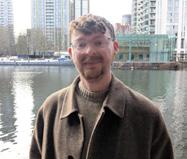
“I’m Jim, the Senior Policy and Public Affairs Officer at Breakthrough T1D. For the past 12 months, I have been helping to organise our political engagement and I wrote our early detection white paper. This is a cause that is very close to my heart, because I live with T1D myself.
It’s really important to me that our policy and public affairs activity is connected to the lived experience of people affected by the condition. When talking to parliamentarians, it’s so much more powerful to root discussions in the realworld experiences and challenges faced by people who live with T1D, which is why I feel privileged that, along with my own experience, Breakthrough T1D has such a supportive and passionate community to draw on. I’ve seen first-hand how a coordinated, cross-party group can drive change and we’re committed to keep bringing positive change via our political activity.
In the spring of 2025, we supported the relaunch of the All-Party Parliamentary Group (APPG) for Diabetes. The APPG plays a crucial role in our efforts to improve care and support for everyone affected by type 1 diabetes. But what is an APPG and how do we use it to help bring about real change?
An APPG is a group of parliamentarians, which can include both Lords and MPs from any party, who have a special interest in a particular topic. There are more than 350 APPGs active in parliament, with topics ranging from policy areas to countries or regions.
Apart from a short break towards the end of the last Parliament, the APPG for Diabetes has been active since 2015. During this time, it has published reports, held debates in parliament and raised important issues directly with the Government through written questions. One example of its impact came in March 2025, when the APPG secured a parliamentary debate on type 1 diabetes and disordered eating, known as T1DE. The debate provided a valuable national platform to highlight a serious and often overlooked challenge faced by many people living with type 1 diabetes.
The current Chair of the APPG is the Liberal Democrat MP Tom Gordon. Of the APPG, Tom says: “The APPG has been a powerful tool, connecting people living with diabetes, clinicians and researchers to those of us working in parliament. It’s been fantastic to chair the group and see what can be achieved when we bring dedicated and passionate people together. I’m excited to see what this year brings for the APPG.”
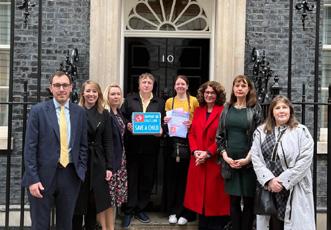
At the end of October, the APPG met to discuss the early detection of type 1 diabetes, where we launched our latest white paper on the subject. In the United Kingdom, a quarter of people diagnosed with type 1 diabetes only receive that diagnosis when they are already in diabetic ketoacidosis. This medical emergency is more common in very young children and in some ethnic minority communities. The white paper sets out our position on the rationale for an early detection programme and how such a programme should be designed.
The critical need of an early detection was brought home when, at the subsequent meeting, we heard from John, who spoke about his daughter Lyla. Lyla was only two years old when she was taken to her local GP and her symptoms were missed. By the time the condition was recognised, it was too late, and Lyla died. John shared her story with remarkable courage. He reminded everyone present of what is at stake when early symptoms are not noticed. His message was clear. No family should ever experience what his family did.
Early detection can prevent experiences like this. When there is better awareness of early signs, and when screening is more widely available, children can be diagnosed sooner, before they reach a crisis point. Families have time to understand the condition, to access support, and to avoid traumatic emergencies.
Members of the APPG were strongly supportive of the recommendations in the white paper. Since the meeting, we have continued working closely with them to promote early detection across Parliament. This keeps the issue firmly on the political agenda and ensures that stories like Lyla’s lead directly to meaningful change.”
At Breakthrough T1D, progress begins with people and your support. Our Small Grant Awards allow early-career researchers to test bold ideas and develop new skills. By championing the next generation of researchers, you’re helping grow a vibrant research community and accelerating the path toward a cure. Thanks to you, these are the latest innovative research projects we’re proud to fund:
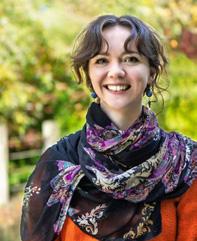
Dr Rachael Hughson-Gill is a researcher at the University of Lincoln, who is studying how body image issues affect young women with T1D. The goal of her research is to create materials which can be used by doctors and nurses to support people who are experiencing disordered eating and negative body image. Rachael said: “Experiences with body image are deeply personal and many young women
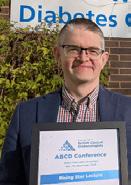
Dr Gordon Sloan and his team at the University of Sheffield are testing a new method to identify nerve pain (neuropathy) in teens and young adults with type 1 diabetes (T1D) which can detect neuropathy at an earlier stage. Understanding this complication better could help many people with pain management and prevent any further progression.
Gordon said: “DPN is a common but often overlooked complication of type 1 diabetes, causing nerve damage that can lead to pain, numbness, and long-term foot problems. While DPN is well studied in older adults, much less is known about how and when it develops in adolescents and young adults. Many are assumed to be at low risk, yet emerging evidence suggests early nerve damage may be more common than previously thought.”
with type 1 diabetes find it challenging. Despite this, there is very little research exploring body image in T1D, and even less that reflects the experiences of people from Black and ethnic minority communities. We want to change this! This research is looking to co-design resources that help diabetes teams to give the support that young women with T1D want and need.”
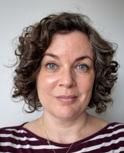
Developing a better understanding of diabetes burnout
Dr Rachel Sumner and her team at the University of Bristol are investigating diabetes burnout, and how to better understand it. Diabetes burnout affects around one third of people with type 1 diabetes (T1D), and it is poorly understood. The researchers aim to investigate the biological and psychosocial impacts of diabetes burnout, to further help future studies. Rachel says: “This work wouldn’t be possible without the support of Breakthrough T1D. Thanks to this small grant, we will be able to make some important strides in understanding what predicts diabetes burnout, using new insights gained from our work on the related phenomenon of occupational burnout. Not only this, but the small grant will allow us to investigate a biomarker associated with diabetes burnout for the very first time.”
To find out more about the research you help to fund, visit breakthrought1d.org.uk/research
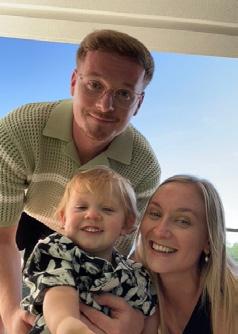
We’d like to celebrate and say a massive thank you to our February Run Challenger, James, who took on the challenge for his son, Noah.
In the beginning of December last year, when Noah was just 20 months old, he was rushed into hospital and diagnosed with type 1 diabetes (T1D) after being admitted in diabetic ketoacidosis (DKA).
“We spent the following week in the hospital’s high intensity unit, watching helplessly as our baby fought to recover while receiving constant fluids and
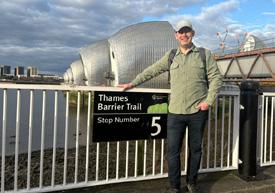
Chris’s Incredible Thames Walk
We’d like to say a big thank you to Chris, who completed an extraordinary 185-mile hike along the entire length of the River Thames this February, raising an amazing £2,530. Over four consecutive weeks, Chris tackled 40-50 miles at a time, from the river’s source in Gloucestershire, all the way to the Thames Barrier – with some less-than-ideal weather conditions to contend with along the way!
Chris took on this challenge in honour of his son, Ryan, who was diagnosed with type 1 diabetes (T1D) at 15. He wanted the walk to not only raise funds for T1D research but also raise awareness of the condition and its impact on the people who have it.
Thank you, Chris - your dedication will make a meaningful difference for people and families living with T1D.
Your passion and support make our vital work possible -
thank you!
medication,” said James. “Slowly Noah began to get better and stronger and today, he is on an insulin pump and is doing amazingly well.”
James took on the 100km February Run Challenge and raised an amazing £3,800 towards life-changing research.
“We want to share our story in the hope of raising awareness of the symptoms of type 1, so other families might be spared the fear and trauma we endured. And every single day, we continue to help work towards a cure for type 1 diabetes.”

A huge thank you and congratulations to the Harrower family who raised an amazing £12,000 for Breakthrough T1D. Their biannual ‘Harroween’ event went down a storm, complete with fabulous costumes! Thank you so much, Kirsty, Mark and the whole family.
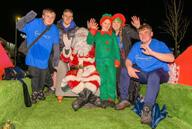
Festive fundraising that really sleighs!
A huge thank you and a massive well done to the Gray family for raising an amazing £3,623 at their annual Santa Sleigh Ride through the streets of Denny. Huge thanks to Ashlea, Stuart, Tommy, Kenzi and Murray.
You could be a winner with



Gavin, a retired firefighter from Lancashire, was thrilled to win £1,000!
He began supporting Breakthrough T1D after his son Max was diagnosed with type 1 diabetes at age five. Now 17, Max manages his condition independently and is training as a mechanic while refurbishing two cars. Gavin has promised to put part of his winnings toward Max’s refurbishment costs.
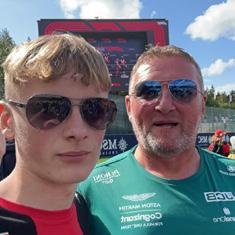
Gavin, Breakthrough T1D Lottery winner

I would say that it’s a fantastic opportunity to support a brilliant organisation providing much-needed help to those affected by T1D. Whatever you can afford, like just £1 a month playing the lottery, all goes to a worthwhile cause. Play now at


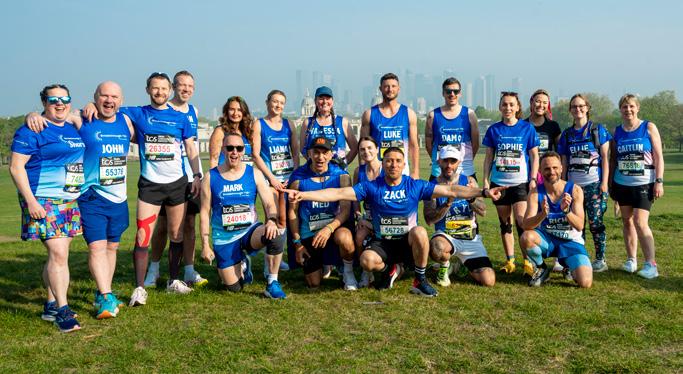
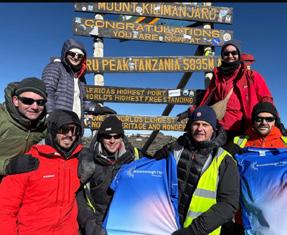
Standing at 5,985m, Kilimanjaro is the tallest freestanding mountain in the world. In October 2025, a team of intrepid Breakthrough T1D supporters took on this incredible challenge to fundraise for life-changing research into type 1 diabetes. Team Breakthrough T1D raised a tremendous total of £58,258. Below you can read more about one of our team members, Gavin, who raised an incredible £19,749 towards the total - one pound for every foot of elevation of Kilimanjaro.
“When our son, William, was diagnosed with T1D in July 2022 aged eight it changed all our lives. William lives through so many challenges given his T1D. I admire his grit, determination, and positive outlook every day. I have no such challenge to contend with and so I needed to be able to look myself in the mirror to know that I tried to help to make it easier for him. In terms of trekking, me and a group of eight friends have summited Ben Nevis, Scafell Peak, Snowdon, and many surrounding peaks. Every year we have spoken about a more adventurous trip like Kilimanjaro (usually after too much beer and curry!), but when we descended Striding Edge in the Lake District, the plan was born - climbing Kilimanjaro to raise money for Breakthrough T1D.
When I looked at our group on Day 1, I was struck by the fact that less than a handful of us would consider ourselves particularly fit. Yet we made it to the summit, raising £19,749 - that’s one pound for every foot of elevation! Kilimanjaro is a hard challenge that should not be underestimated, but it is surprisingly achievable with the right goal to put one foot in front of the other.
There were so many amazing memories: some joyous, like the monkeys in the trees; some inspiring like watching two T1D trekkers in our group achieve the summit (before most of us got there!).
Knowing that a group of us were doing the trek to help find a cure for T1D was incredibly motivating. We supported each other through the hard times and then celebrated together once we achieved our goal. We were strangers united towards a short-term goal that contributes towards an incredibly important long-term goal of finding a cure for T1D.”
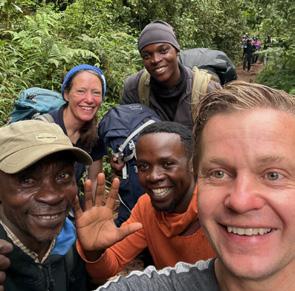
We were strangers united towards a short-term goal that contributes towards an incredibly important long-term goal of finding a cure for T1D
If you would like to join this amazing opportunity to summit Mount Kilimanjaro while raising vital funds for T1D research, please visit: breakthrought1d.org.uk/fundraising-events/kilimanjaro-trek-2027
We are extremely grateful for any gift – large or small – that you leave to Breakthrough T1D to help us find ways to cure, treat and prevent type 1. In return, we make these promises to you:
• We always understand your family and friends come first, just as they should.
• We will use your gift carefully and cost-effectively, so it has the greatest research impact possible.
• We would love to know if you decide to leave a gift in your Will, so we can say thank you. But we respect your privacy and if you prefer to let us know anonymously, or not at all, then we do understand.
• You never need to tell us what or how much you want leave to Breakthrough T1D. Simply letting us know you have made such a special and important gift is very helpful.
• You can change your mind at any time. Even if you tell us you plan to leave a gift in your Will to Breakthrough T1D, it is not legally binding.

Gifts in Wills are powering research around the world to build a brighter future for everyone living with type 1. To find out more about leaving a gift in your Will, visit our website at breakthrought1d.org.uk/legacy or call our Supporter Care team on 020 7713 2030 or by scanning the QR code
1 Here is my gift of…. £10 £ 25 £50 Other
2
Please make any che que payable to Breakthrough T1D To give by M asterc ard/ Vis a (delete as appropriate) please f ill in b elow: Card no.
CV V E xpir y Date
C ard H older ’ s N ame
3 Your details Name:
Address:
Postcode:
4 Keep in touch
To sign up to our emails and hear about the latest type 1 research, news, events and how you can help advance our work please complete your email address below:
You can change the way we contact you at any time by calling us on 020 7713 2030
5 Gift Aid
Yes I want to increase the value of my donation to BreakthroughTD1 by 25% at no extra cost.
Yes, I want to increase the value of my donation to Breakthrough T1D by 25% at no extra cost I am a UK taxpayer and want to Gift Aid this donation and any donations I make in the future or have made in the past 4 years to Breakthrough T1D I understand that if I pay less Income Tax and/or Capital Gains Tax than the amount of Gift Aid claimed on all my donations in that tax year it is my responsibility to pay any difference
D ate: I am not a U K t ax p aye r
Thank you. Please return your form in the freepost envelope provided or to Freepost RUHY–ZXXL–LJJS, Breakthrough T1D, 28 Harbour Exchange Square, London E14 9GE.
You can also donate online at breakthrought1d.org.uk/donate or call
2030
We understand that deciding to include a gift in your Will is a very personal decision. But if you are happy to let us know your plans it would be a great help. Anything you tell us is strictly confidential.
I am considering leaving a gift in my Will I intend to leave a gift in my Will
I have already left a gift in my Will
To find out more about leaving a gift in your Will, visit our website at breakthrought1d.org.uk/legacy or call our Supporter Care team on 020 7713 2030 or by scanning the QR code.
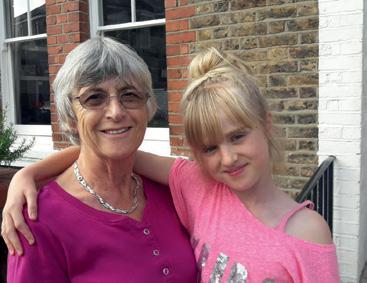
“Children should never have to struggle with type 1 – it’s so important to come up with a cure and better tre atments. I want to le ave a gift in my Will to help”
Margaret grandmother to Fleur who was diagnosed with type 1 aged 9
Thank you.
Please return your form in the freepost envelope provided or to Freepost RUHY–ZXXL–LJJS, Breakthrough T1D, 28 Harbour Exchange Square, London E14 9GE
Breakthrough T1D Ltd is a charity registered in England and Wales (No 295716) and in Scotland (No. SC040123) Registered as a company limited by guarantee, in England and Wales (No 2071638) Registered address as above