
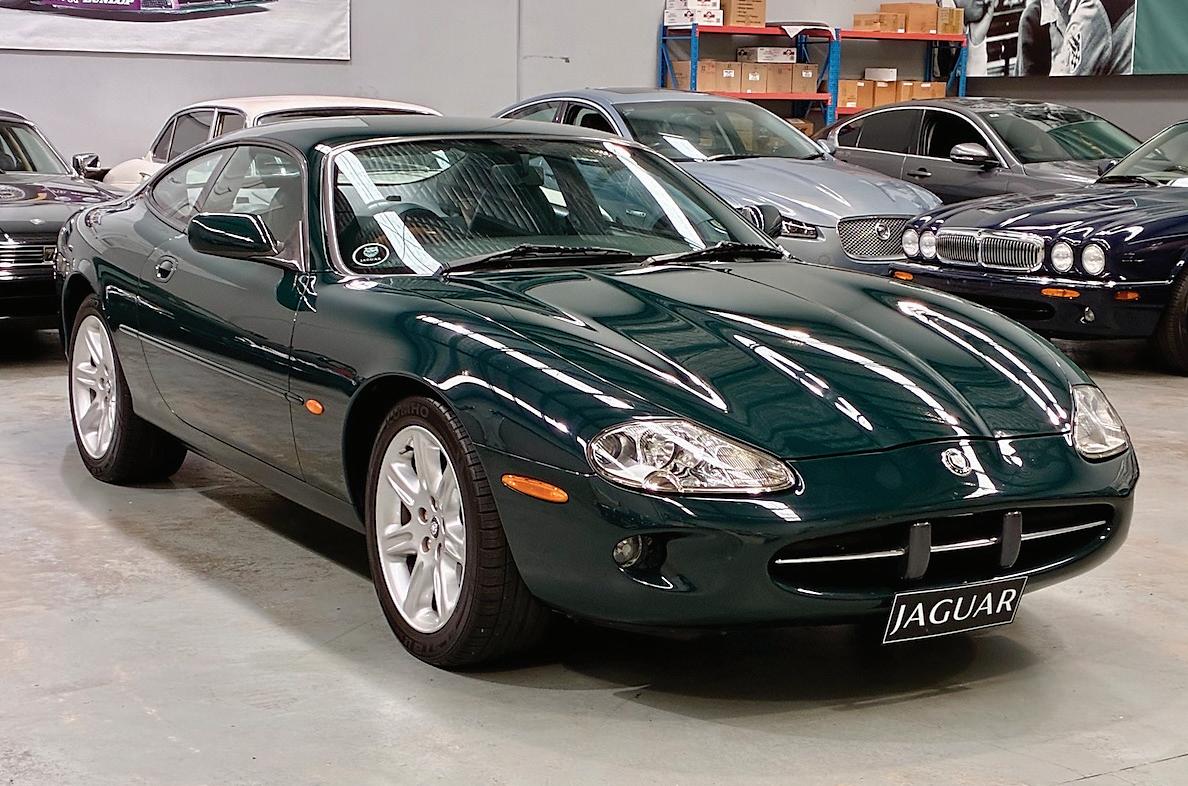
1997 Jaguar XK8 4L V8 Classic Coupe
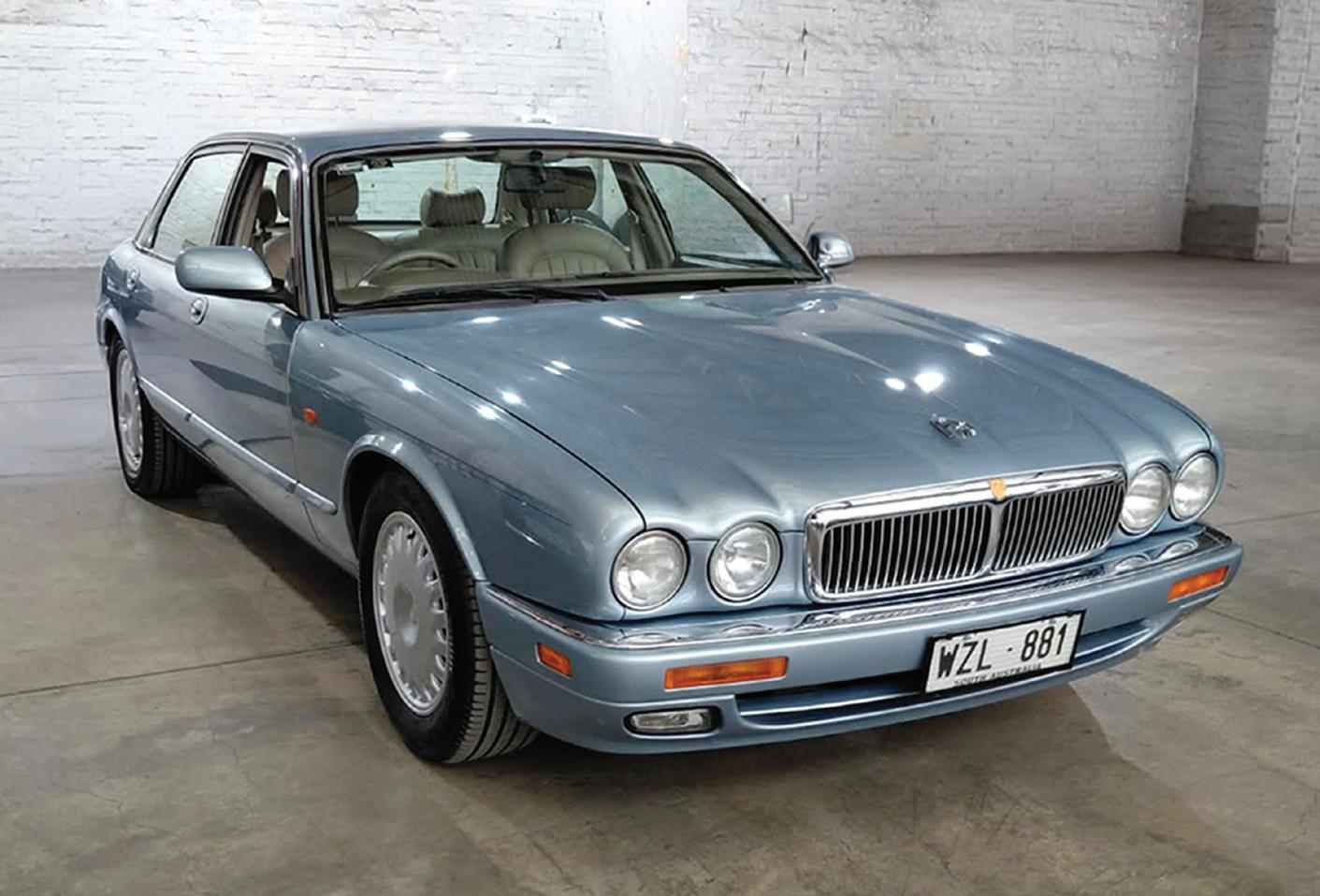
Low kilometre, BRG, Australian delivered Jaguar XK8 that has only travelled 132,553 km. Very well maintained by its previous owner, the car comes with service history including log books, invoice file, various owner manuals and spare key.
$39,990
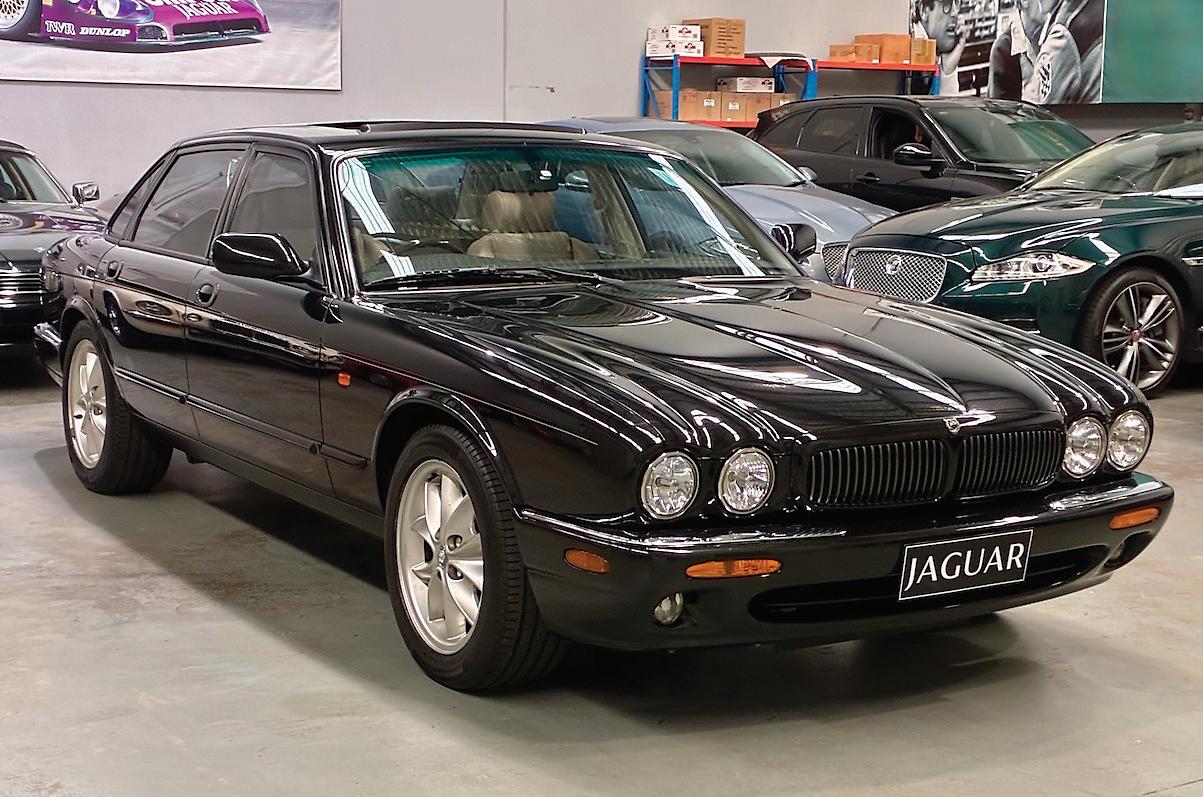
Superb, ultra low kilometre, Australian delivered 2000 Jaguar XJ8 X308 4L V8 Sport that has only travelled 52,698 km from new. Excellent condition inside and out having been carefully maintained by its previous fastidious owner. Any test welcome.
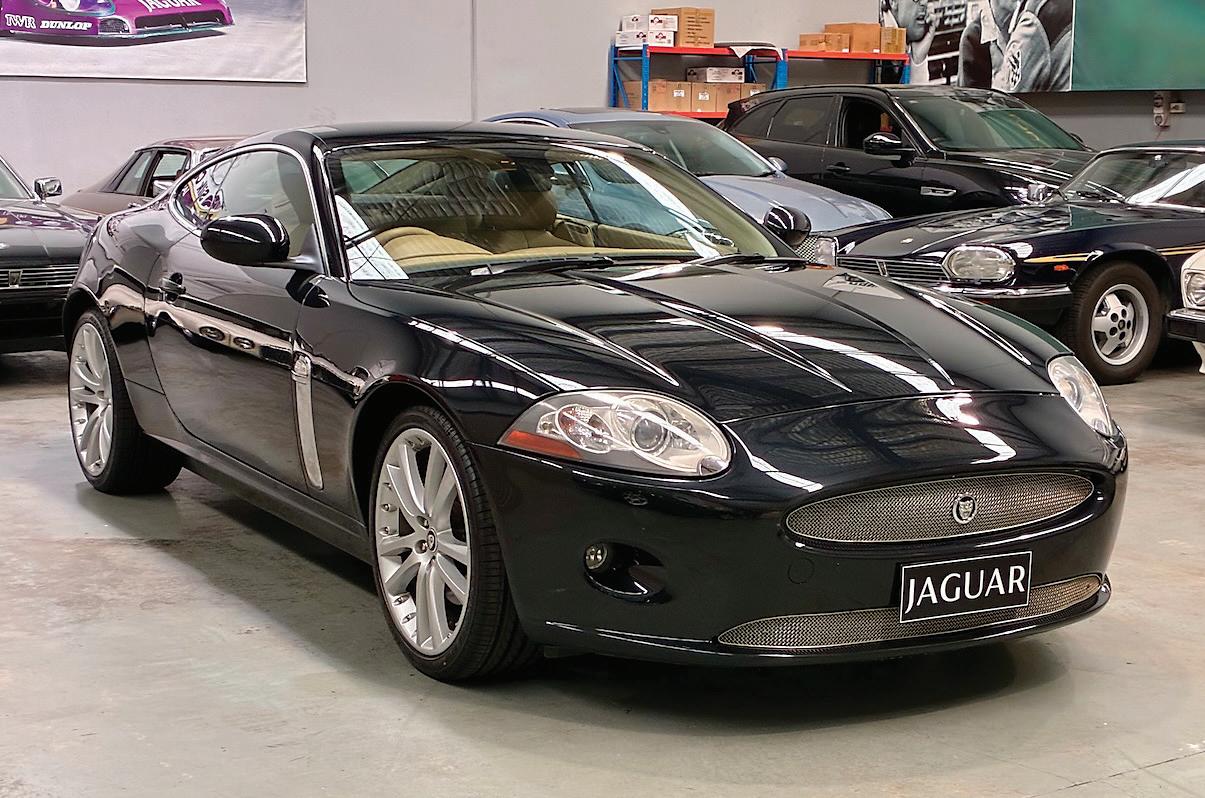
2007 Jaguar XK X150 4.2L V8 Coupe
Well-maintained, Australian delivered XK with service history, log books, owner manuals, and a spare key. Finished in Midnight with elegant Caramel leather and Walnut wood veneers, this car was optioned new with 20-inch Senta alloy wheels.
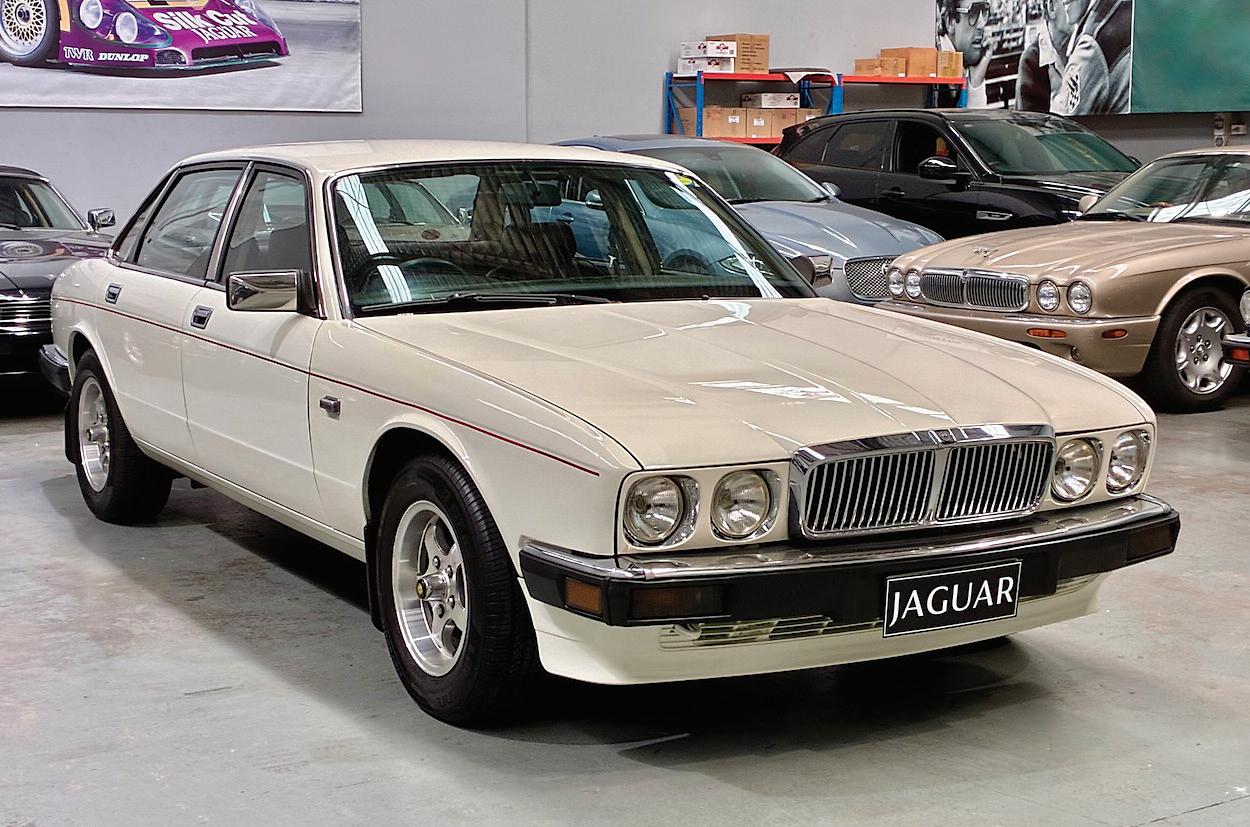
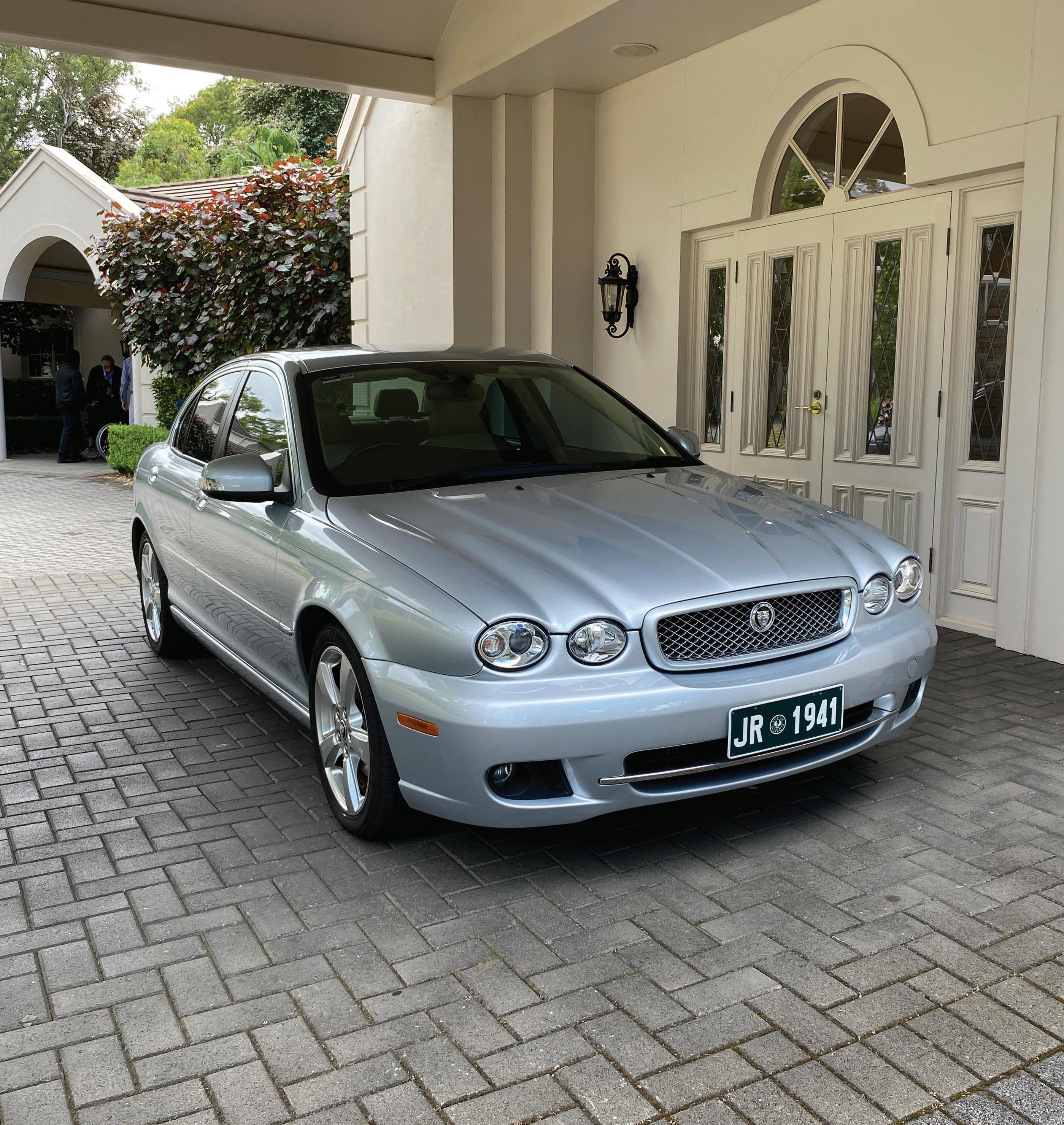
2 owner 3.6 litre travelled just 97,958km and comes with its original books, service history, spare key and invoice file. Finished in Glacier White with Mulberry leather trim, the car presents as a very original example and is being sold 'as traded’.
At this stage of the year as the wintry weather starts to set in, we often wonder where the time goes. Surely 2026 only just started weeks ago and now the middle of the year rapidly looms! I guess it’s a sign that there is always something happening in the Club.
My thanks go to Conrad Van Wyk for presenting his restoration journey at the May General Meeting. It is reassuring to know that someone of his generation is still interested in developing and using those specialist skills. We hope to display one of his recent projects at a future meeting.
At its May meeting, the Executive approved some changes to roles amongst the team. With TidyHQ set to integrate the Xero accounting package with the database, it was decided, in consultation, that Peter Thomas and Tim White would exchange the roles of Logbook Compliance Officer and Treasurer.
Tim has the working knowledge of Xero as an accountant and is the Club TidyHQ administrator, therefore, it was agreed he is best suited to making the transition.
The integration of the financials with TidyHQ will make the work of future Treasurers much less tedious, as at present several sources need to be converged and reconciled.
Formally Peter has resigned as Treasurer and Tim has been appointed to the casual vacancy until the end of elected term, being September 2027, as complies with the Constitution.
As I write this, we have not secured a guest speaker for the June General Meeting and will use the time to encourage discussion at tables around a couple of topics. This month is busy with membership and logbook renewals. The team of Club Validation Officers have been busy at the various sessions set aside for this and another opportunity will be at the June General Meeting.
Warm regards Moira Lugg President
You should have received an email or letter asking you to renew your financial Membership. Please renew now! (If you have not yet done so).

Once you have renewed your membership, your Logbook can be updated for another year. To assist members the club has organised a number of logbook events where your logbook can be updated on the spot. (Please refer page 4).
Otherwise please mail your Logbook(s) to JDCSA, PO Box 6020, Halifax St, Adelaide, 5000. (Including A Stamped, SelfAddressed Envelope).
For further information please call Peter Thomas on 0438 861 922 or logbookofficer@jdcsa.tidymail.co


https://www.facebook.com/ groups/453009102006257
TUESDAY 2nd JUNE 2026
WEDNESDAY 10th
JUNE 2026
SATURDAY 13th JUNE 2026
SATURDAY 13th
JUNE 2026
FRIDAY 19th JUNE 2026
TUESDAY 23rd JUNE 2026
TUESDAY 23rd
JUNE 2026
SUNDAY 28th
JUNE 2026
SUNDAY 28th
JUNE 2026
TUESDAY 7th
JULY 2026
WEDNESDAY 15th
JULY 2026
THURSDAY 16th
JULY 2026
THURSDAY 23rd
JULY 2026
SATURDAY 25th
JULY 2026
JDCSA June General & LOGBOOK Meeting. ‘The Junction”, 470 Anzac Highway. Starts at 7.30pm with meals available from 6:00pm. Please register via TidyHq JDCSA June General Meeting
XJ, MkX, 420G Register & LOGBOOK Meeting : 6.00pm - 8.30pm Come and join our monthly meeting. Meet at the Bartley Hotel. Please register via TidyHq XJ, MkX, 420G June Register Meeting
LOGBOOK DAY at Shannons: 10.00am - 1.00pm. Shannons, 863 South Road, Clarence Gardens. Opportunity to update/renew your logbook prior to 30th June. No need to register. Just rock up.
SS, Mk IV & V LOGBOOK & Register Meeting at Shannons: 1.30pm - 3.00pm. To be held at Shannons, 863 South Road. Please register via TidyHq or ring Graham (0490 074 671) or Bruce Fletcher (0499 440 046). SS, Mk IV, V Register June Meeting
XK 7 8 & 9 Register & LOGBOOK Lunch: 12.00pm - 3.00pm Lunch at the Plough Inn, Echunga, run by an Irish family. The menu will be posted soon. Open fire, quaint surroundings, followed by coffee at the Karkoo Nursery at Oakbank. Please register via TidyHq or ring Steve (0414 952 416) XK 7 8 & 9 Register Breakfast
Compact Register Visit to Richmonds: 7.00pm - 9.00pm
The Compact Register invites members to a visit of Richmonds Prestige and Classic Cars at 265 Richmond Road, Richmond. Hosted by Andy Morgan. Please register via TidyHq Visit to Richmonds
Deadline For All Articles For Classic Marque (Inc. Classified Adverts).
Thank you. Please contact Editor: Graham Franklin M: 0490 074 671 or Email: editor.jdcsa@mail.tidyhq.co
Vic Park Pit Stop : 7.30am - 10.00am
Come along and join other JDCSA Members at this monthly meet in Victoria Park, Adelaide. No formal registration for attendance. More details goto: June Vic Park Pit Stop
LOGBOOK Event: 10.00am - 1.00pm
McDonalds, Happy Valley Shopping Centre (Eastern end), Kenihans Road. Opportunity to update/renew your logbook prior to 30 June. No need to register. Just rock up.
JDCSA General & LOGBOOK Meeting at the ‘The Junction”, 470 Anzac Highway. The meeting starts at 7.30pm with meals available from 6:00pm. More details will be provided closer to the event. Please add the date to your calendar.
XJ, MkX, 420G Register Meeting : 6.00pm - 8.30pm
Come and join our monthly meeting. Meet at the Bartley Hotel.
More details via email and TidyHQ closer to event. Please mark the date in your diary.
Jaguar Ladies Register: Visit to Cummins House & Lunch. Visit to Cummins House at Novar Gardens, an important State Heritage home of pioneer and politician John Morphett. Tour and Devonshire Tea and then onto the Morphett Arms Hotel, Glengowrie for a light lunch. More details will be provided closer to the event.
Multivalve Register Dinner & Meeting: 6.00pm - 9.00pm
All members are invited to attend our Register meeting at The Kensi. Hotel, 6:00pm for dinner, followed by the meeting at 7:30pm. Please add the date to your calendar.
Annual Presentation Lunch: 12:00 noon - 4:00pm
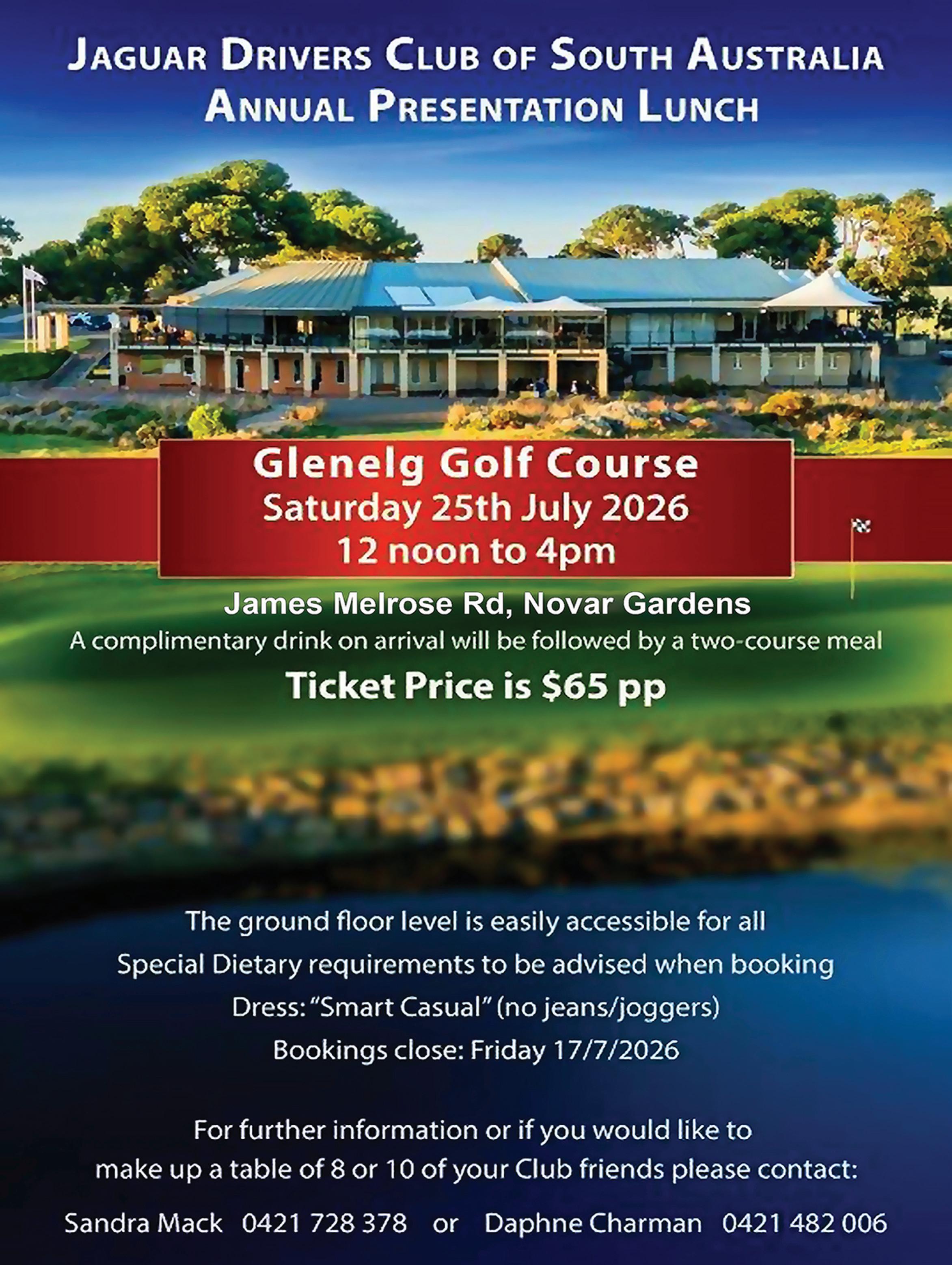
Members and their partners are invited to attend the annual presentation lunch, to be held at the Glenelg Golf Club, James Melrose Road, Novar Gardens. A complimentary drink on arrival will be followed by a two-course meal. Dietary requirements to be advised when booking The ground floor level is easily accessible for all. Dress Code: Smart/casual (no jeans/joggers). Ticket price is $65.00. Please register via TidyHq Annual Presentation Lunch 2026
TUESDAY 4th
AUGUST 2026
WEDNESDAY 12th AUGUST 2026
FRIDAY 21st AUGUST 2026
JDCSA General & Meeting at the ‘The Junction”, 470 Anzac Highway. The meeting starts at 7.30pm with meals available from 6:00pm. More details will be provided closer to the event. Please add the date to your calendar.
XJ, MkX, 420G Register Meeting : 6.00pm - 8.30pm
Come and join our monthly meeting. Meet at the Bartley Hotel. More details via email and TidyHQ closer to event. Please mark the date in your diary.
XK 7 8 & 9 Register Lunch Run: 10.00am - 3.00pm
Meeting at John & Maria Cribb's property for morning tea & a brief meeting before embarking on a tour of the area before arriving at the Totness Inn, Mount Pleasant for lunch. We will be joined by a number of other car clubs. More details closer to the event.
This month we celebrate 25 years of the Jaguar X-Type, first unveiled in 2001. As a package, the X-Type was a genuine competitor to the BMW 325i, yet public perception often told a different story. With its XJ-inspired front end — widely regarded as an “old man’s car” — the X-Type struggled to win over
the younger, sport-oriented buyer who might otherwise have considered it. Even so, a number of low-mileage late-model examples are still out there, offering an attractive luxury package without the luxury price tag.
Thank you to the Register Secretaries and to everyone who contributed words and
photos for this edition. My thanks also to new members Eddie Zito and Michael Cartwright for sharing their stories.
Be sure to read Steve Weeks’ and Trevor Norley’s X-Type tales — both are wonderfully humorous.
Kind regards Graham
If you need help with your Jaguar or Daimler—whether it’s troubleshooting, sourcing parts, or finding the right specialist— there are a number of support options available to JDCSA members: -
Register Meetings
A great place to raise any issues you’re having with your car. Members are always willing to share experience, advice, and contacts for parts suppliers, repairers, painters, upholsterers and more. If you can connect with another member who owns the same model, even better—shared knowledge is invaluable.
Monthly General Meetings
As above. Bring your questions, challenges, or curiosities. Someone in the room will have the answer or know who does.
JDCSA Website – Contact Us
If you need specific information or wish to ask a technical question directly, you can send a personal message to our website via the Contact Us page.
JDCSA Website – Articles & Tech Files
A growing library of practical guides, technical notes, and member-written articles. Visit: Articles & TECH FILES — it’s well worth a look.
Classic Marque - JDCSA Monthly Magazine
Each issue includes technical articles and member insights. Past electronic editions are available online under Club Magazine.
Technical Officer – Geoff Mockford
• Phone: (08) 8332 3366
• Email: info@classicsportscar.com.au
• spares@classicsportscar.com.au
Geoff is always happy to assist members with technical queries.
Facebook Group
For those comfortable using Facebook, the Jaguar Drivers Club of South Australia group is active and responsive. Post your question and you’ll usually receive helpful replies from fellow members. (20+) Jaguar Drivers Club of South Australia | Facebook)
Club Library
A substantial collection of technical books, buying guides, workshop references, and videos. Browse and download via the Club Library section of our website. Club Library | JDCSA Main Website
Saturday Lunchtime BBQ at Sports Car Centre
Most Saturdays, members gather at Sports Car Centre (Evan Spartalis), 18 Tania Avenue, Windsor Gardens. It’s an excellent opportunity to seek advice, compare notes, or simply talk Jaguars. (Please ring Evan first to confirm the group is meeting - 0408 827 919).
Graham Franklin Editor JDCSA
The following application for membership has been lodged with the Membership Secretary and are listed in accordance with clause 5.4 (b) of the Constitution. If there are no objections, membership will be ratified one month from this June, 2026 Classic Marque magazine:
◊ Ellis & Margaret Considine:
▪ 2001 Jaguar S-Type 3.8L Sedan
◊ Daniel & Sylviane Thiebaud:
▪ 2001 Jaguar V8 S-Type Sedan
The following applications listed in the May, 2026 Classic Marque magazine have been accepted:
◊ Michelle Spencer: 1983 Jaguar XJ-S V12 Coupe
◊ John (Michael) & Jonathon Cartwright:
▪ 2001 Jaguar X-Type V8 Sedan
◊ William Bateman: 1998 Jaguar XJ6 (X300) 4L Sedan
◊ Peter & Jennifer Cundy: 1953 Jaguar C-Type (Replica)
We hope you will take advantage of the benefits available, and that you will contribute in your own way to make this a better club for everyone. I particularly ask that Register Secretaries and current members make these new members welcome at meetings and functions.
Daphne Charman Membership Secretary
Hello fellow members. My name is Eddie Zito and my wife, Caterina and I are currently members of the Jaguar Drivers Club.
I have never been a member of the Jaguar Drivers Club or any other vehicle club for that matter, but have always had an interest in classic cars.
Back in the 1980’s my then boss owned a Jaguar and watching him drive it around, I became interested in the look and sleek appearance of the Jaguar vehicle. It just looked so majestic and I swore that one day I would own my very own.
I was about 20 years old back then and was married to my sweetheart in 1988 and as generally is the case, life became busy as we both worked and became involved in our careers, having children, owning various homes and caring for our elderly parents.
Fast forward about 40 years and when I turned 60 my wife, knowing my obsession with Jaguars secretly invested in the help of a couple of brothers in laws who, being mechanics started looking for a suitable Jaguar on my behalf. When the opportunity came up to purchase my current Jaguar, one of my brothers in laws came with me to inspect it and we were pleasantly surprised in how good a condition it was in. After driving it I was in love! It is a 1995 Jaguar XJ6 X300.
I bought the car earlier this year and after putting a new set of Continental tyres on it, we have enjoyed taking it for some city and country trips. I absolutely love the way it drives with it being both powerful and beautiful to look at. It was definitely built for comfort. We definitely don’t regret our purchase and see it as an investment and something that can be passed on to our children in the future.
Look forward to meeting you all.
Eddie Zito
Editor: Thank you, Eddie. Please keep in touch with the Multivalve Register and try and link up with fellow owners who can share some stories.
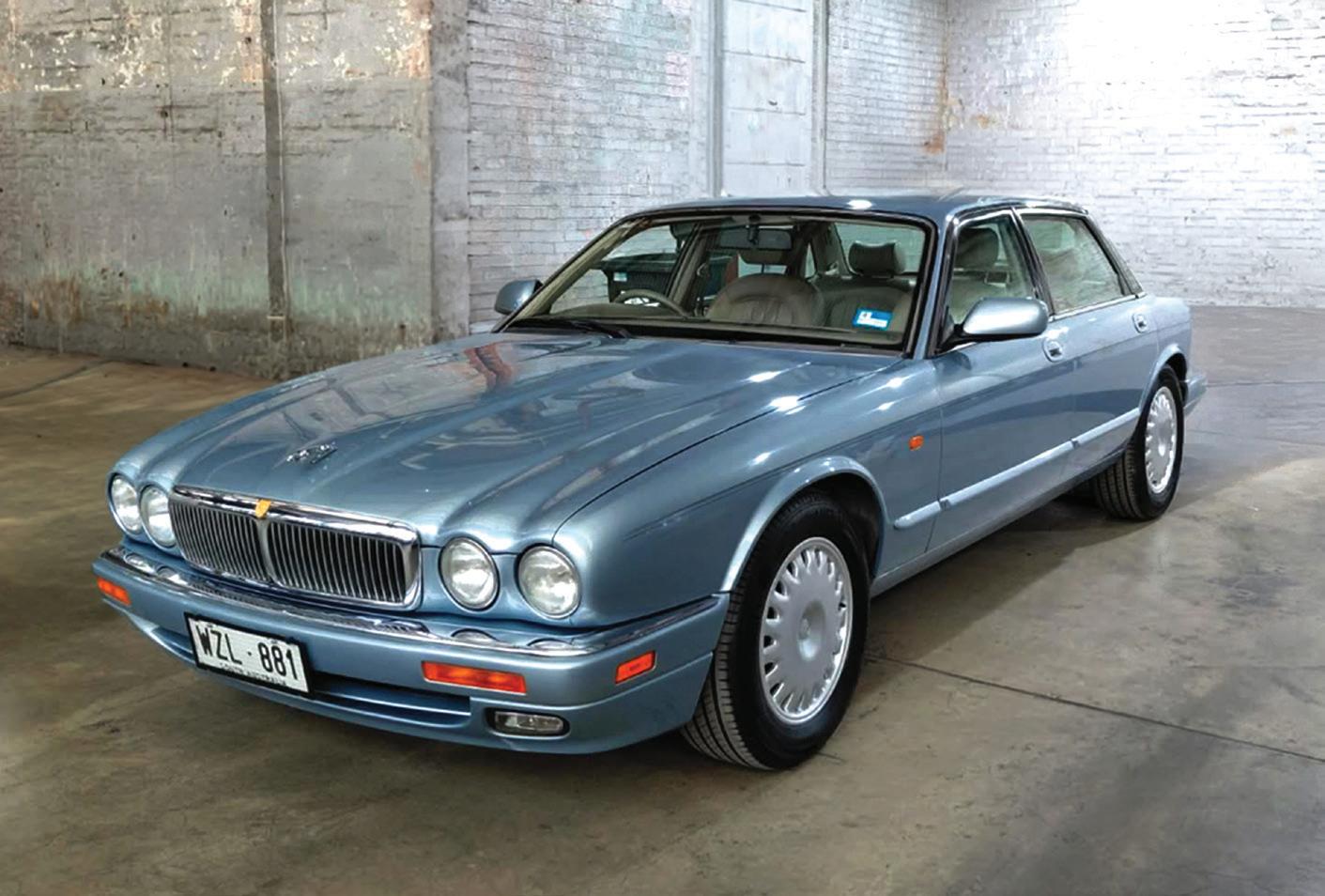
My first experience of car rallies was when I went with my father in the 1950’s, these were ‘any car’ rallies and little more than paper trails through the hills of Derbyshire UK, and what a motley set of cars we were so soon after WW11. But what great fun.
My first car was a 1935 Ford Popular. A basic Ford 8 closely related to the original Model T in design. It cost £15. It was in a yard behind a shed. I pushed it out onto a dirt road that ran between vegetable allotments. I started it up, let in the clutch, there was a massive lurch, the drivers’ seat, tipped over backwards and with me in it and ended up on top of the rear seat. With boxes behind the drivers’ seat I got it home.
On the next trip out the differential collapsed with a magnif=icent clanging. I was still at University, and spent the Easter break fitting a new back axel, (£4 from breakers yard). Setting off for Uni after the vacation, the near side real wheel came off as I was approaching traffic lights. (That was when I learned of the importance of cotter pins). A policeman approached and I thought I
would be in trouble, but he just said he would keep an eye on it if I would go to a nearby garage and get it towed away. The garage only charged £4 and fitted a cotter pin. Later that week I sold it for £25.
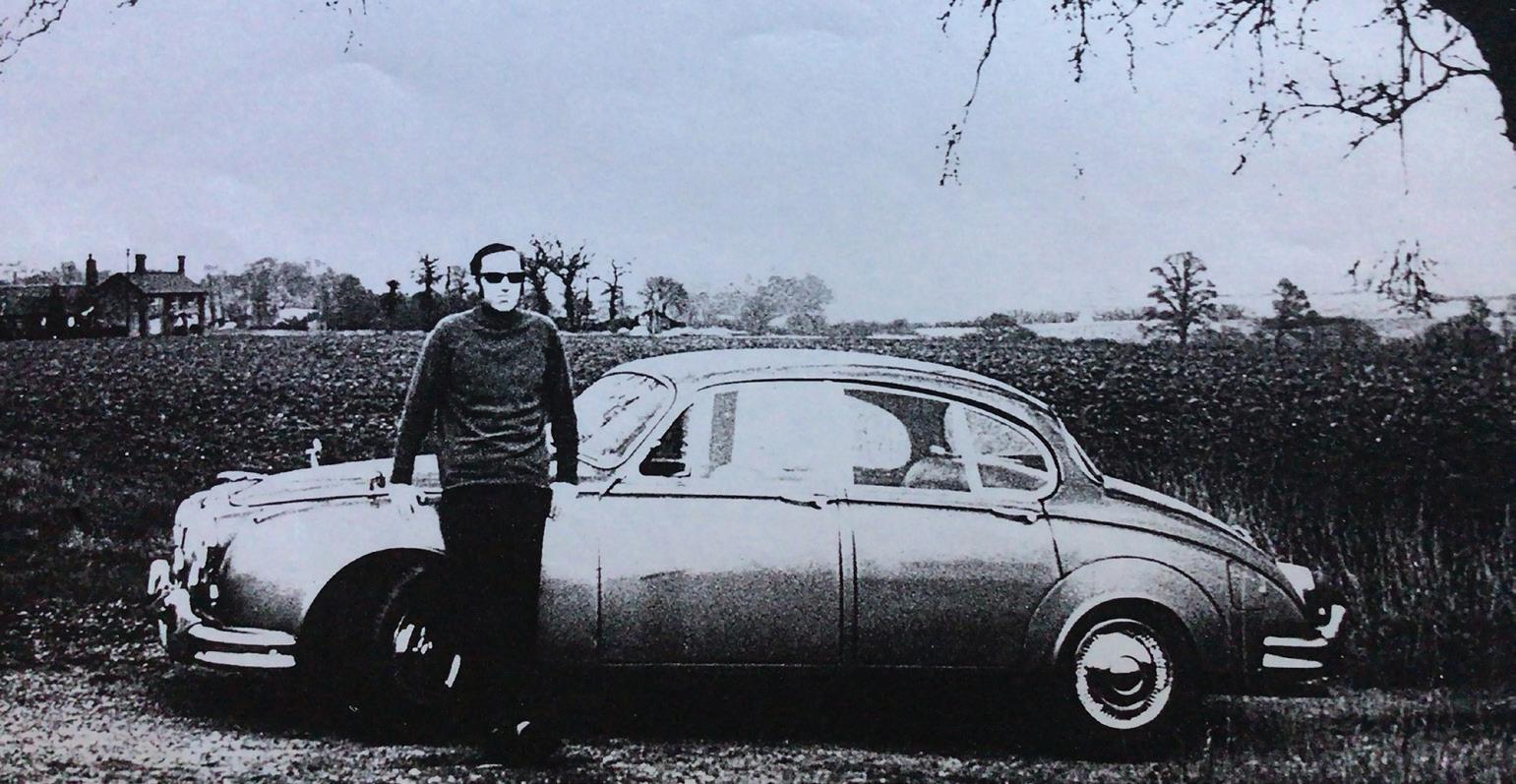
My first ‘classic’ car was a 1968 Jaguar Mark 11 which I bought on my return after a number of years in Canada driving with automatic gearboxes. It was a moving experience to be once more driving through the Derbyshire hills with a clearly audible low gear listening
to John Arlott commentating on a test match. I knew I was home.
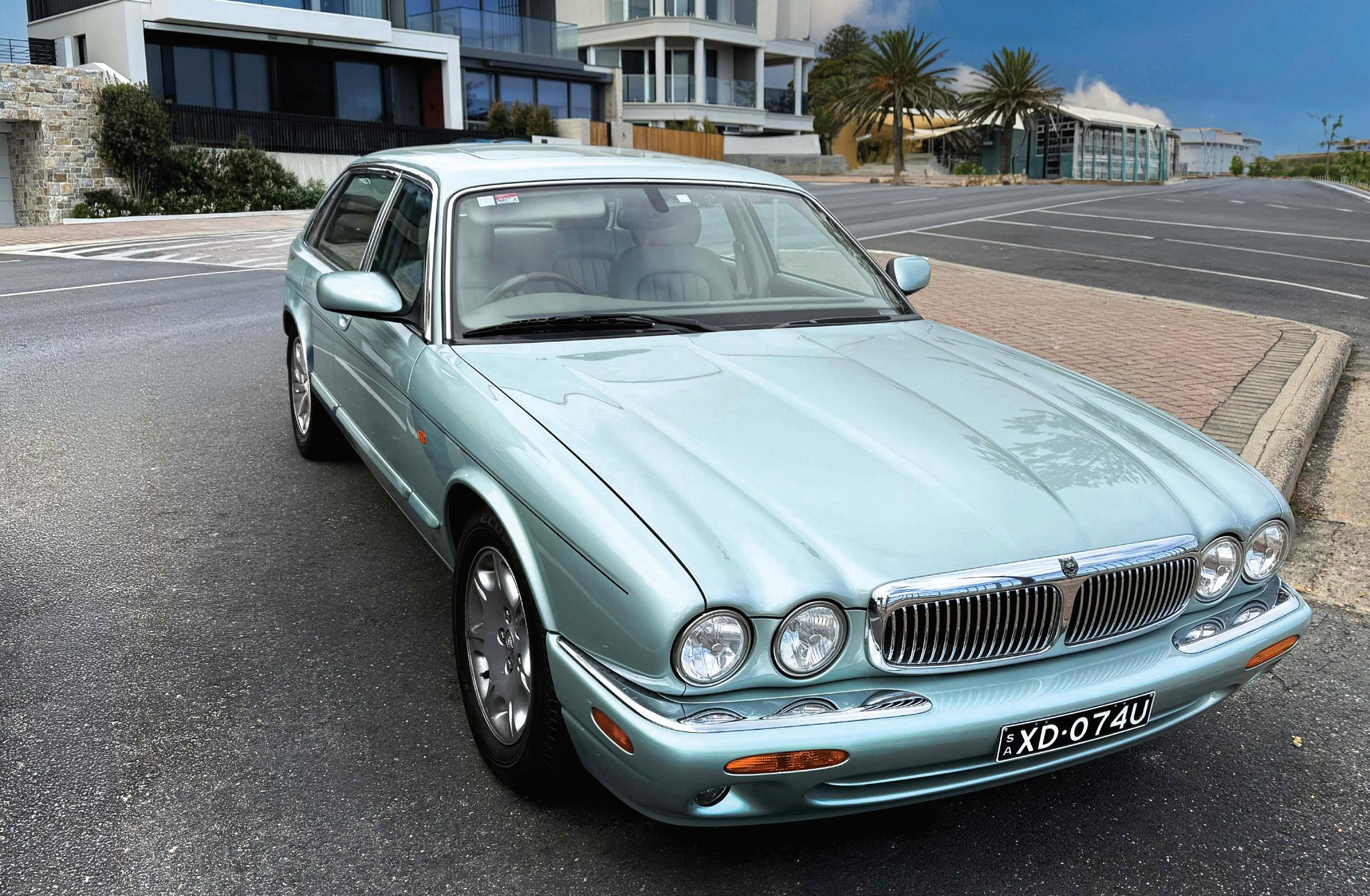
I have been on the lookout for a Mark II Jaguar since I retired twenty-five years ago. No luck, but I did come across a 2001 XJ8 Sovereign a few months ago, after such a long search. It was an offer too good to miss.
Michael Cartwright
Editor: Thank you, Michael. It will be great to catch up with you.
Upcoming Event: Annual Presentation Lunch - July 2026
Goto: Annual Presentation Lunch 2026
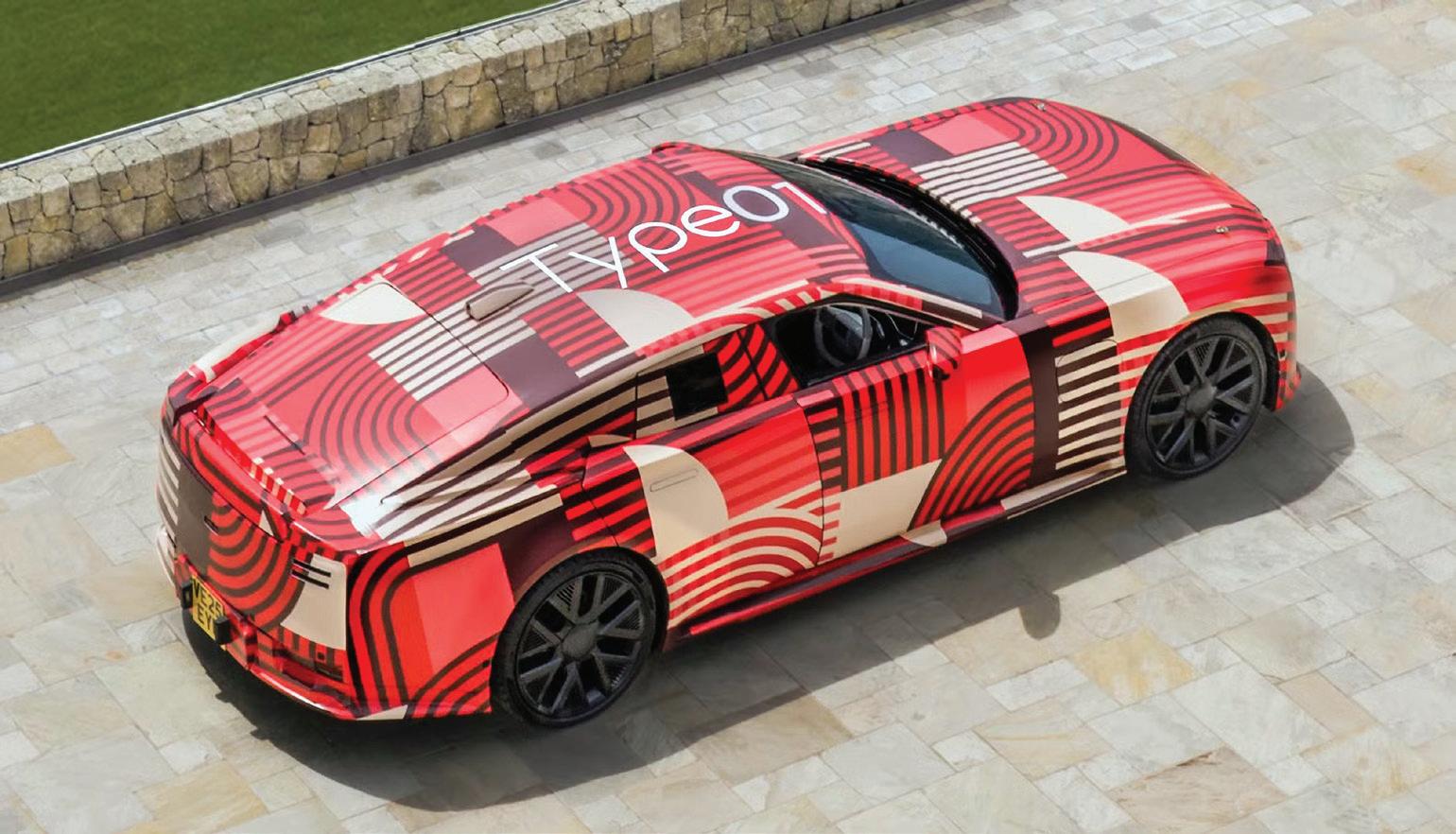
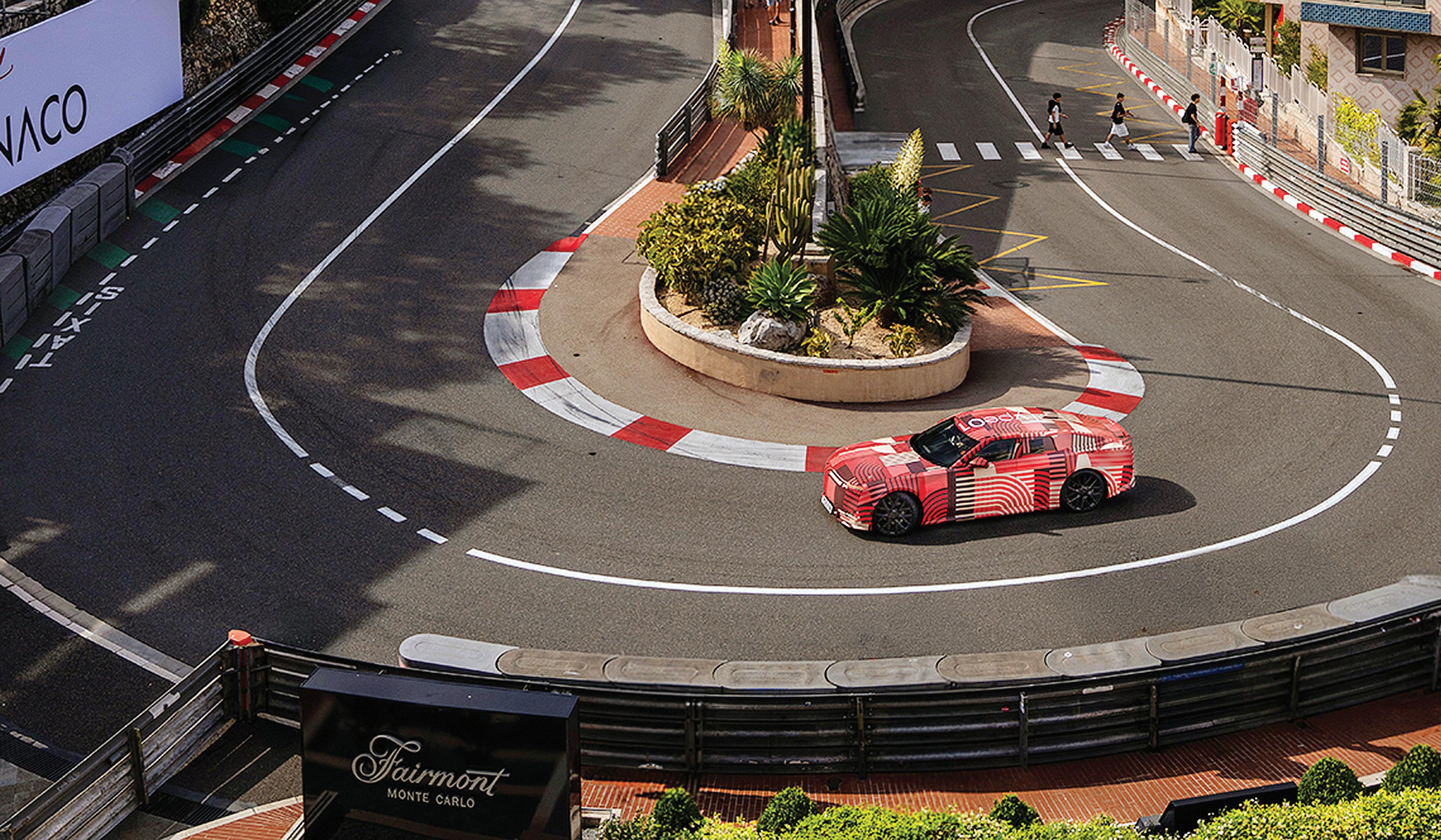
Ahead of this year’s Monaco E-Prix, early prototypes of the forthcoming luxury four-door GT completed demonstration laps of the famous street circuit, carrying a name that will define the brand’s future: Jaguar Type 01.
The prototypes ran in a striking camouflage wrap that reinterprets Jaguar’s new visual identity. The familiar strike through motif is joined by bold linear and circular strokes, and it’s here — at the base of the windscreen — that the Type 01 name appears for the first time. It’s a subtle but deliberate signal of where Jaguar is heading.
For long-time Jaguar enthusiasts, the return to “Type” phraseology will feel entirely natural. It’s a lineage that began with the Le Mans-winning C-Type of 1951 and continued through the E-Type and, more recently, the F-Type. Each carried the dual character that has always defined Jaguar: deep reserves of performance balanced by refinement and composure.
In the new name, the ‘0’ represents electric propulsion and zero tailpipe emissions, while the ‘1’ marks the first Jaguar of a new era, designed and engineered in the UK.
Monaco is a fitting place for this quiet unveiling. Jaguar’s history in the Principality stretches back decades, and its most recent success came in 2024 with Jaguar TCS Racing’s Formula E victory.
Much of that championship-winning technology has flowed directly into Type 01’s development — from all-wheel-drive control software to silicon-carbide inverters and regenerative-braking strategies. The result is a GT that promises instinctive responses and a level of composure that sets it apart from the current generation of electric cars.
The full reveal of the production Jaguar Type 01 will come later this year. For now, its brief appearance in Monaco offers a tantalising glimpse of the design language and driving character that will shape the next chapter of Jaguar. .
Editor: Information for this story sourced from "Jaguar Media".

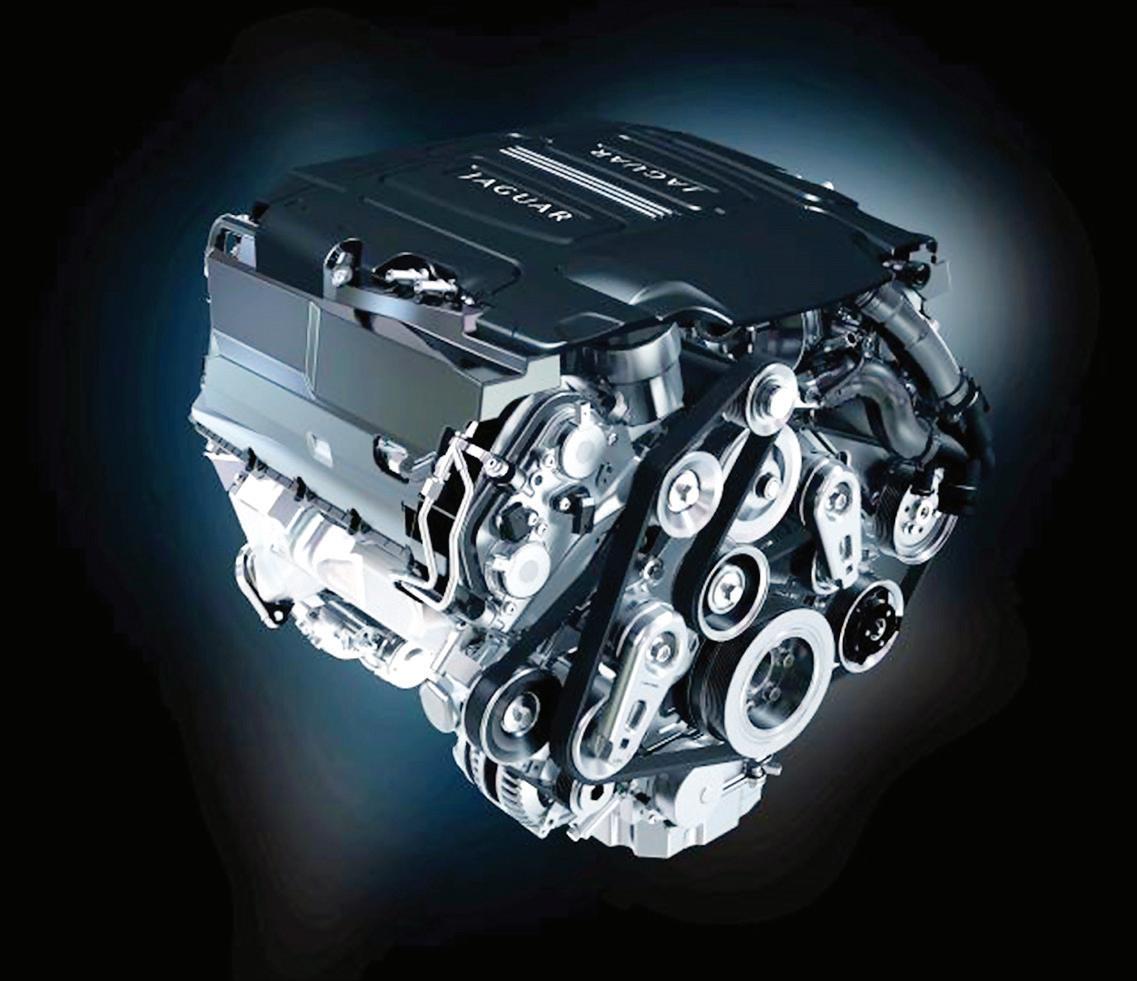
UK Warranty Solutions Group (WSG) has paid out more than Au$43,000 for a catastrophic engine failure on a F-Pace SVR — the largest single warranty claim in the company’s history.
The vehicle, showing just over 27,000 miles, suffered a complete engine failure despite having a full, documented service history and being maintained in line with Jaguar’s recommended schedule. Workshop inspections found camshaft and actuator and timing faults that resulted in extensive internal damage with a hole in the engine block leaving a full engine replacement as the only viable repair.
WSG’s claims director, Dennis Brett, said the case underlines the rising cost of modern vehicle repairs. “Without an extended warranty in place, the customer would have been facing an enormous financial burden.”
However, JLR (UK) managing director Patrick McGillycuddy criticised WSG for using a single example “in isolation to promote third-party products”, saying it did not reflect how JLR assesses or supports customers. He emphasised that JLR applies a consistent process based on verified service history and continues to improve vehicle quality and reliability through its own manufacturer-backed warranty programmes.
WSG argues that the case reflects a wider trend: “Customers often assume that premium vehicles automatically mean greater reliability, but the reality is that when faults do occur, the financial exposure can be enormous. We are seeing repair complexity and costs increase rapidly across the market, especially on high-performance and technology-heavy vehicles.”
Given the potential for significant repair costs, owners should consider an extended warranty for peace of mind, especially if the vehicle is out of the manufacturer's warranty.
Editor: Information sourced from UK "FleetNews".
suggest a failing tensioner. This issue has been noted as common. (Jaguar F-Pace Forum).
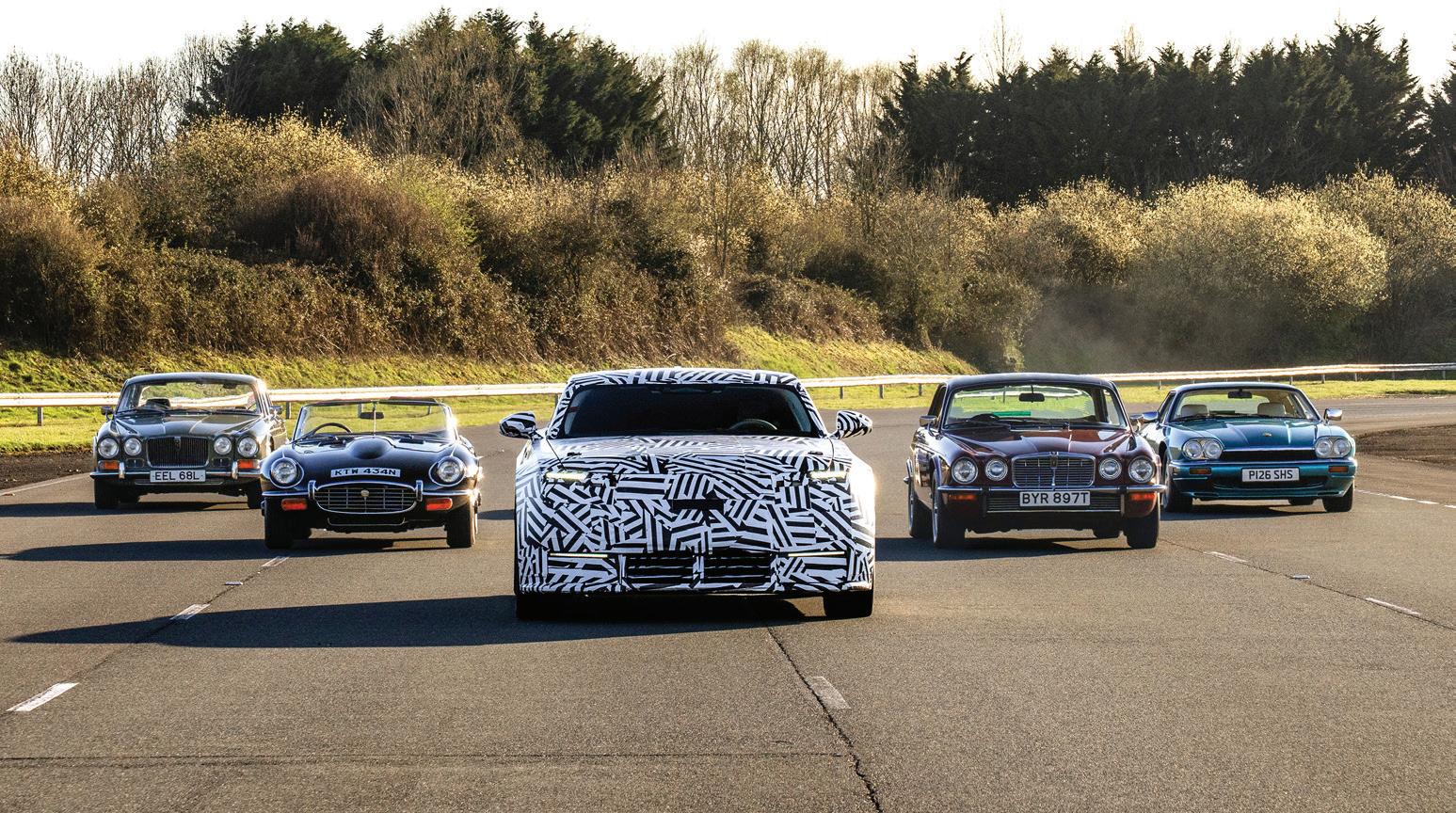
Jaguar says its engineering team drove iconic models from the company’s past for inspiration, with the new model being influenced by the E-Type, XJS, and XJ series.
"At the outset we took the unusual step of spending time behind the wheel of great models from our past – to get under the skin of what truly makes a Jaguar. At its best, Jaguar has always delivered two characters – performance and comfort – in perfect harmony and our new luxury GT is no different. It embodies everything the brand stands for," said Matt Becker, Vehicle Engineering Director, JLR.
“Right from the start, our aim was to deliver a true Jaguar. To do that, we wanted to re-examine the provenance of the brand and the best way to achieve this was to drive some of our greatest models from the past 90 years,” said Jaguar managing director Rawdon Glover.
“It provided clear direction to help us create the most technically advanced Jaguar ever made.”
"Above all, the driving dynamics of the four-door GT are inspired most by the XJ Coupé with its blend of performance and comfort. The V12 always has power in reserve, while its chassis cossets like a luxury saloon."
The four-door GT will be revealed in September this year. Jaguar claim that its exuberant modernist design, pioneering technology and instinctive driving dynamics will underpin all future Jaguar models. .
Editor: Information sourced from "Jaguar Media".
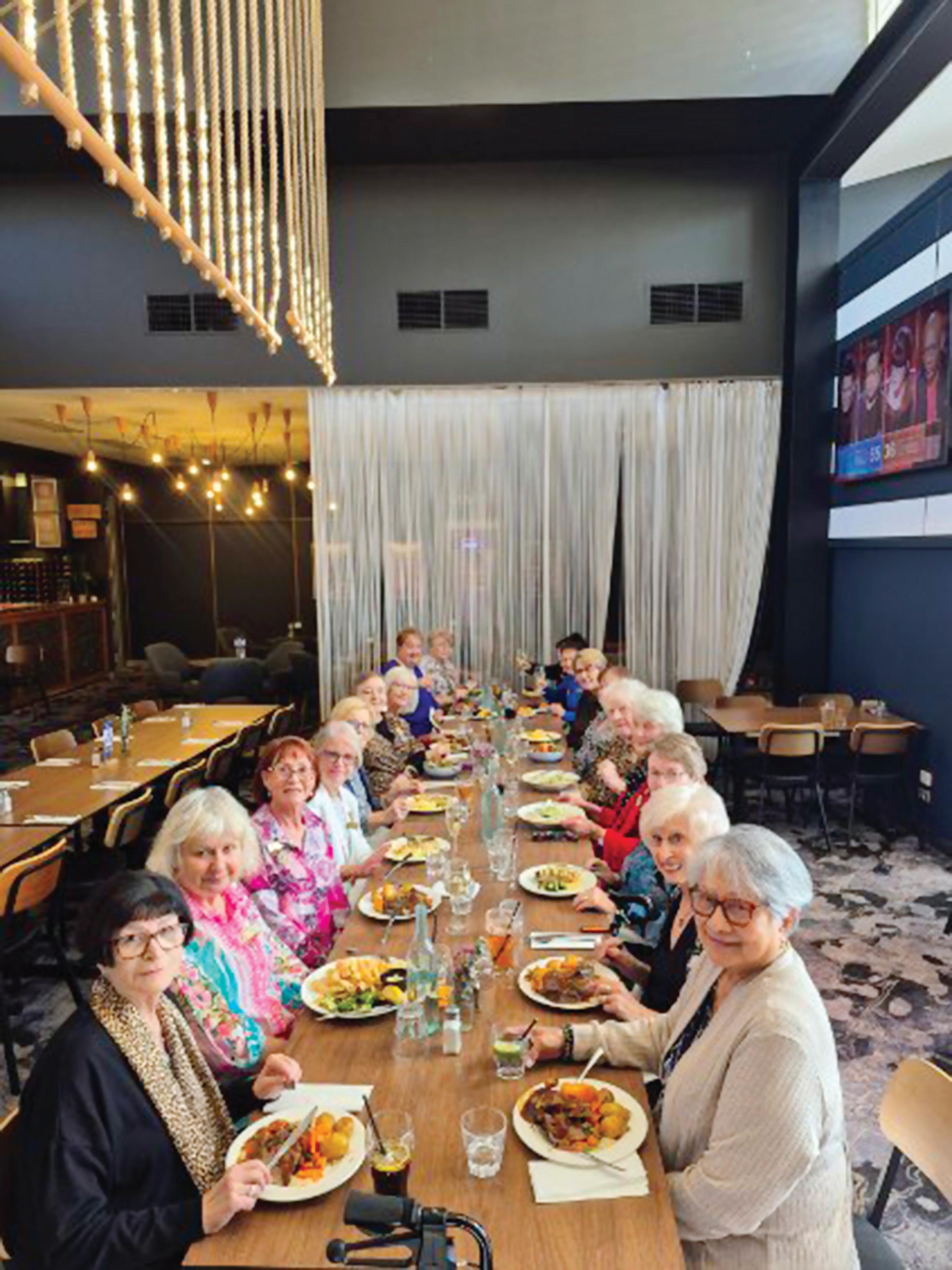
On Thursday 21st May, 18 ladies enjoyed getting together for a lovely lunch at the Holdfast Hotel, Glenelg. Sadly, we had 8 apologies, Sandy Mack, Valerie Clayton, Tanya Young, Angela Bell, Lusia Guthrie, Jacqui Gillen, Leslie Clarke and Robyn Welch.
Our next event on Thursday 16th July, ladies will be invited to visit Cummins House at Novar Gardens, an important State Heritage home of pioneer and politician John Morphett.
We will be given a tour and Devonshire Tea for $15. On completion we will go the Morphett Arms Hotel, Glengowrie for a light lunch. I will publish this event on Tidyhq in early June.
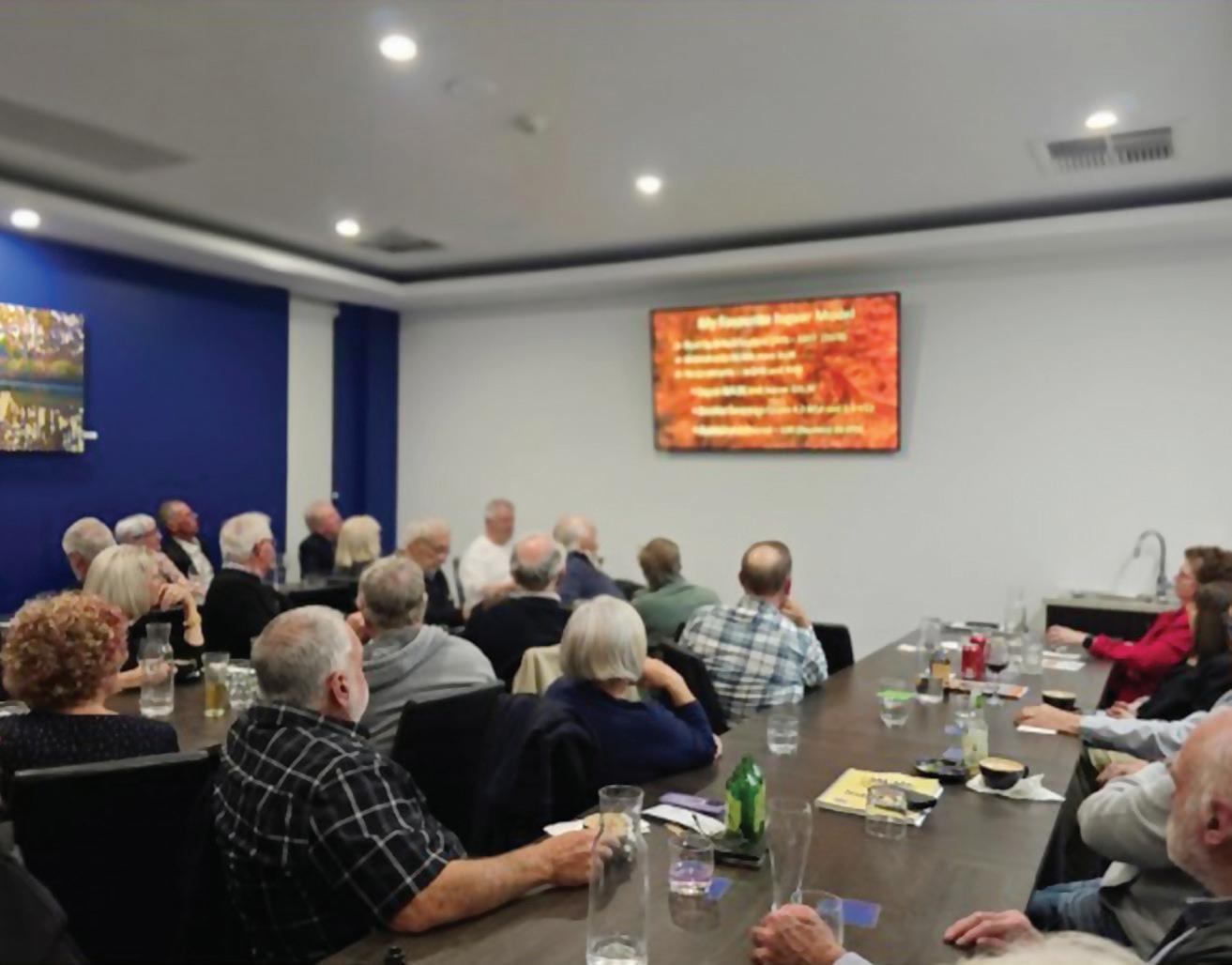
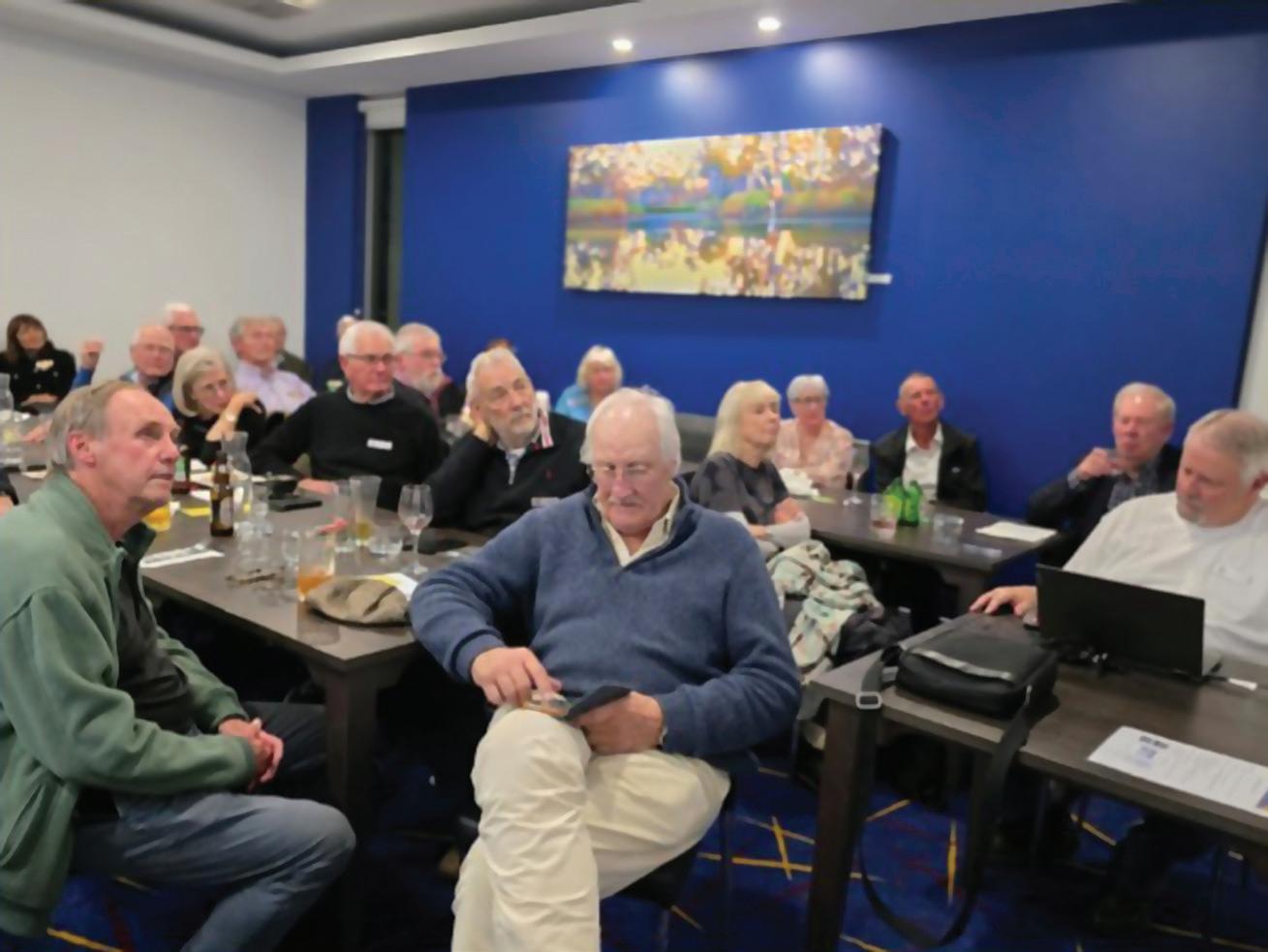
The meeting was held at Living Choice Fullarton. This alternative meeting venue was arranged to seek to accommodate members on the north eastern side of the city rather than always being on the south side. There was an excellent turnout of 40 members with the opportunity for logbooks to be processed.
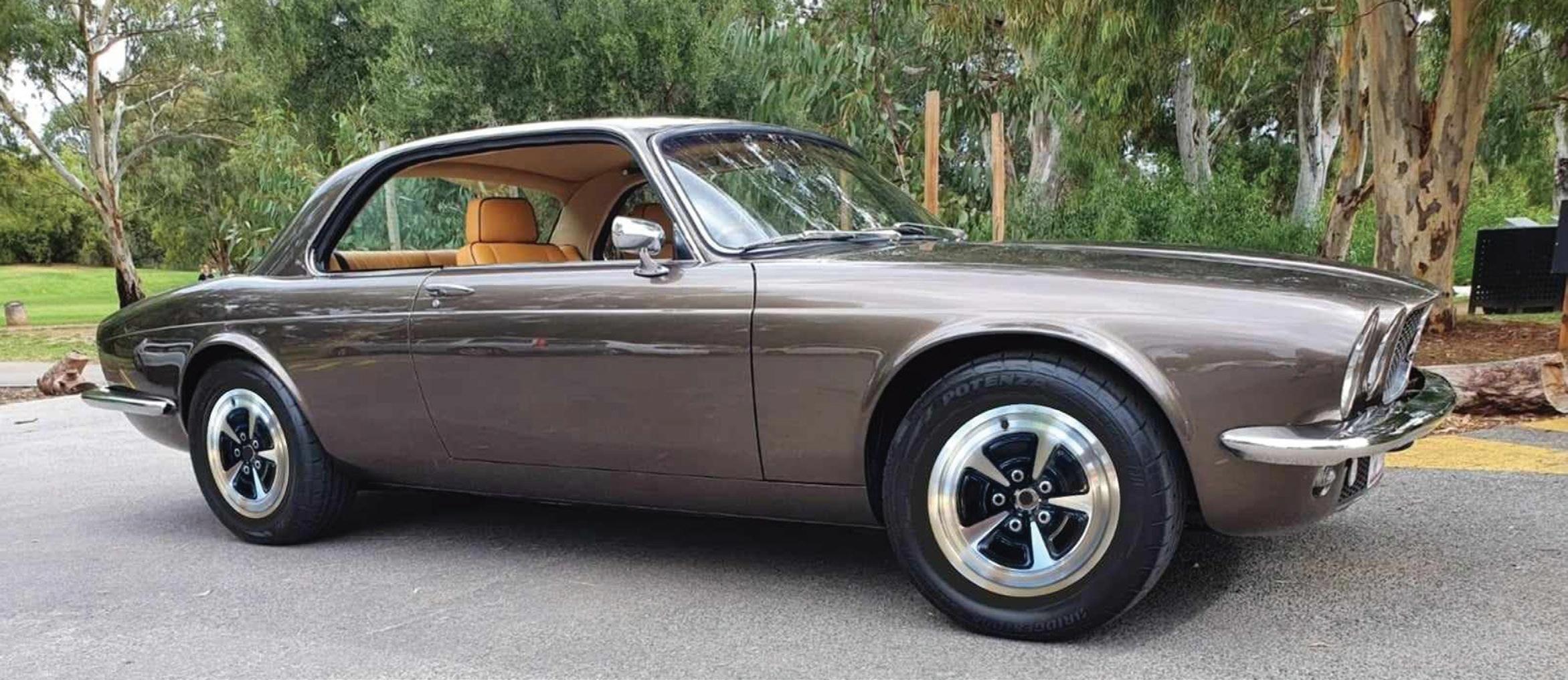
Natures Providore, hosted a meal and Philip gave a Power Point presentation of the building of the story behind the build of his Jaguar XJC Restomod.
We reported on the excellent outing for the club at a recent Vic Park Pit Stop with 16 Jaguars attending. Another similar event is planned. Stay tuned.
Coming Events were outlined as follows:
• Tuesday 2nd June, Monthly General Meeting
• Tuesday 11th August, Compact Meeting
• September Run to the Barossa—Details to come.
• November Christmas Event—Claytons Bay
All event details will be posted on TidyHQ: https://idcsa.tidyhq.com/public/schedule/ events
Philip announced he will be relinquishing his role as Secretary of the Compact Register as of September. Mark Dunlop has agreed to fill the role and his nomination was heartily endorsed by the members.
Philip Prior Register Secretary
Where Jaguars briefly gave way to jet engines.
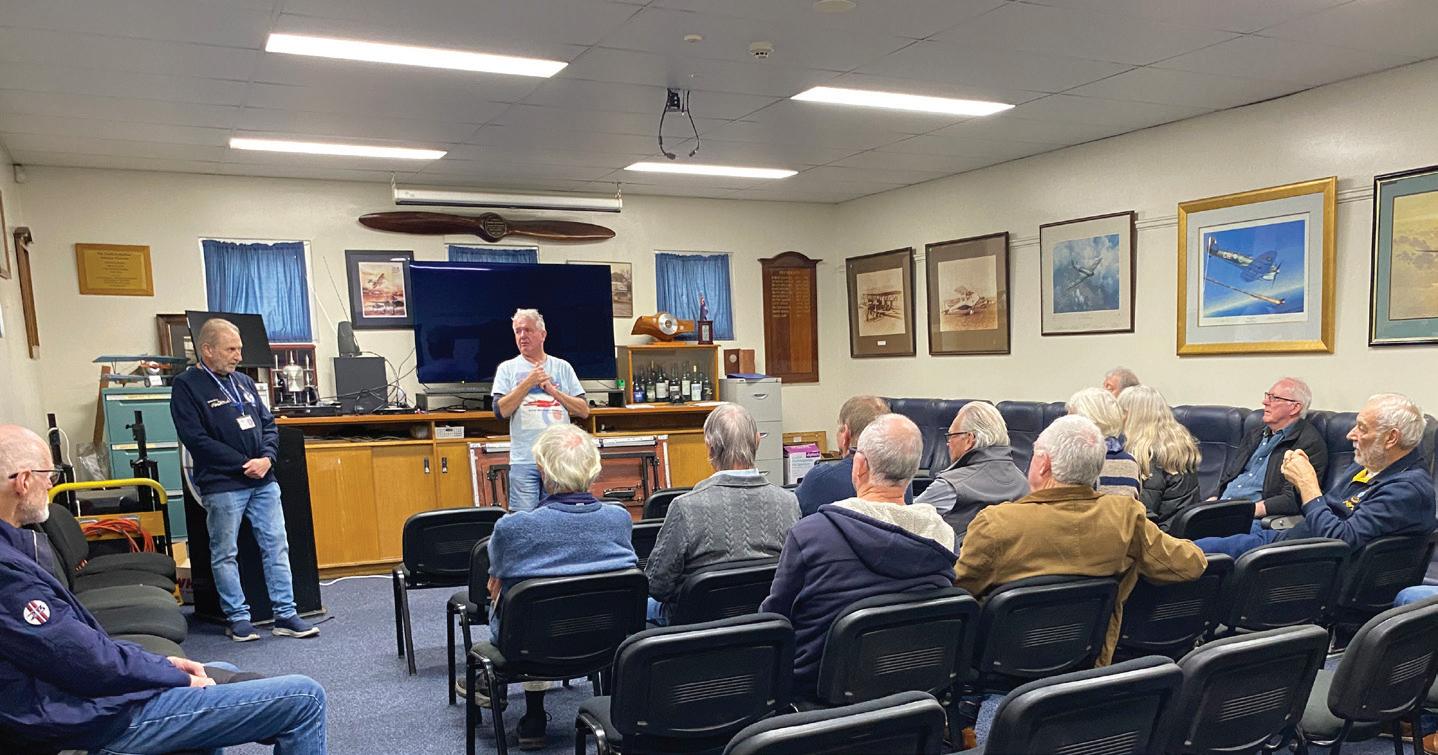
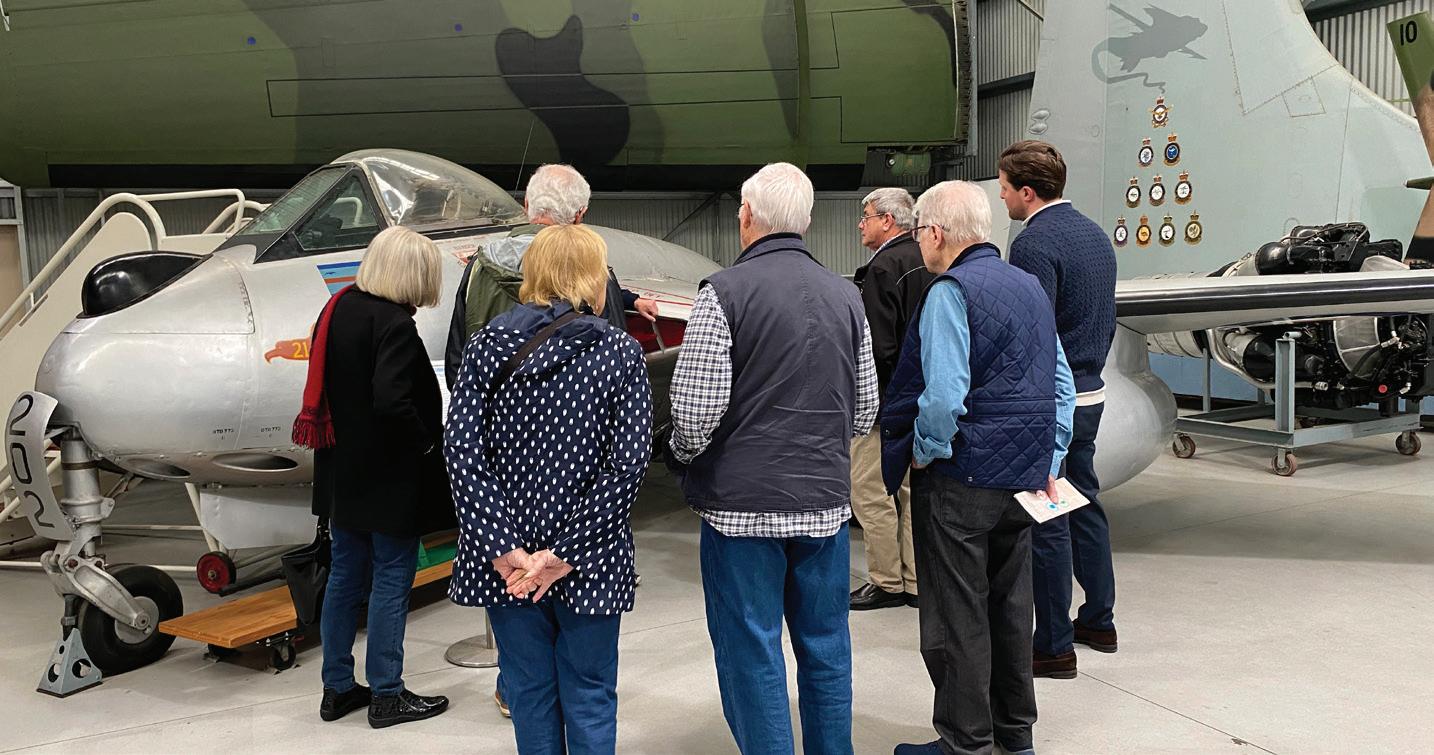
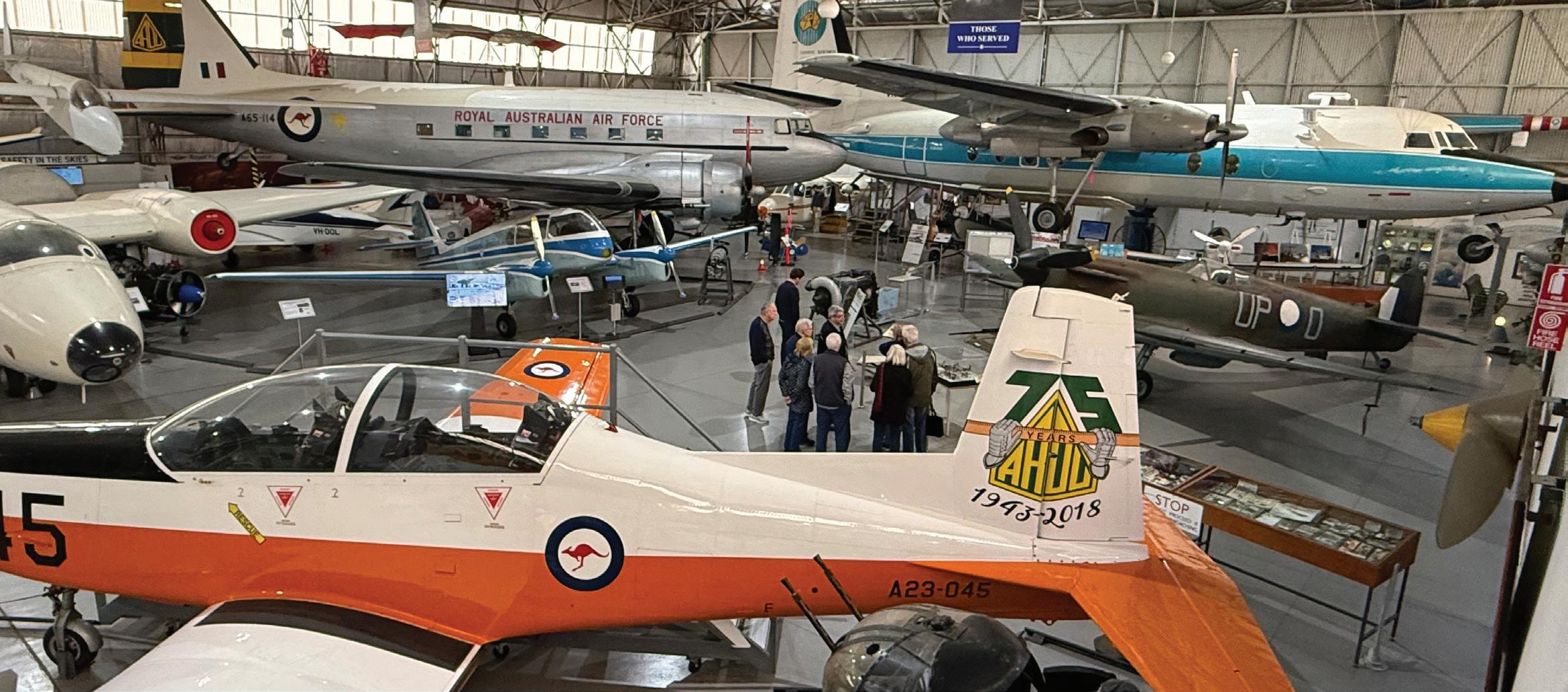
Despite this fabulous museum being open for many years, this was the first time many members of our Register had actually visited it.
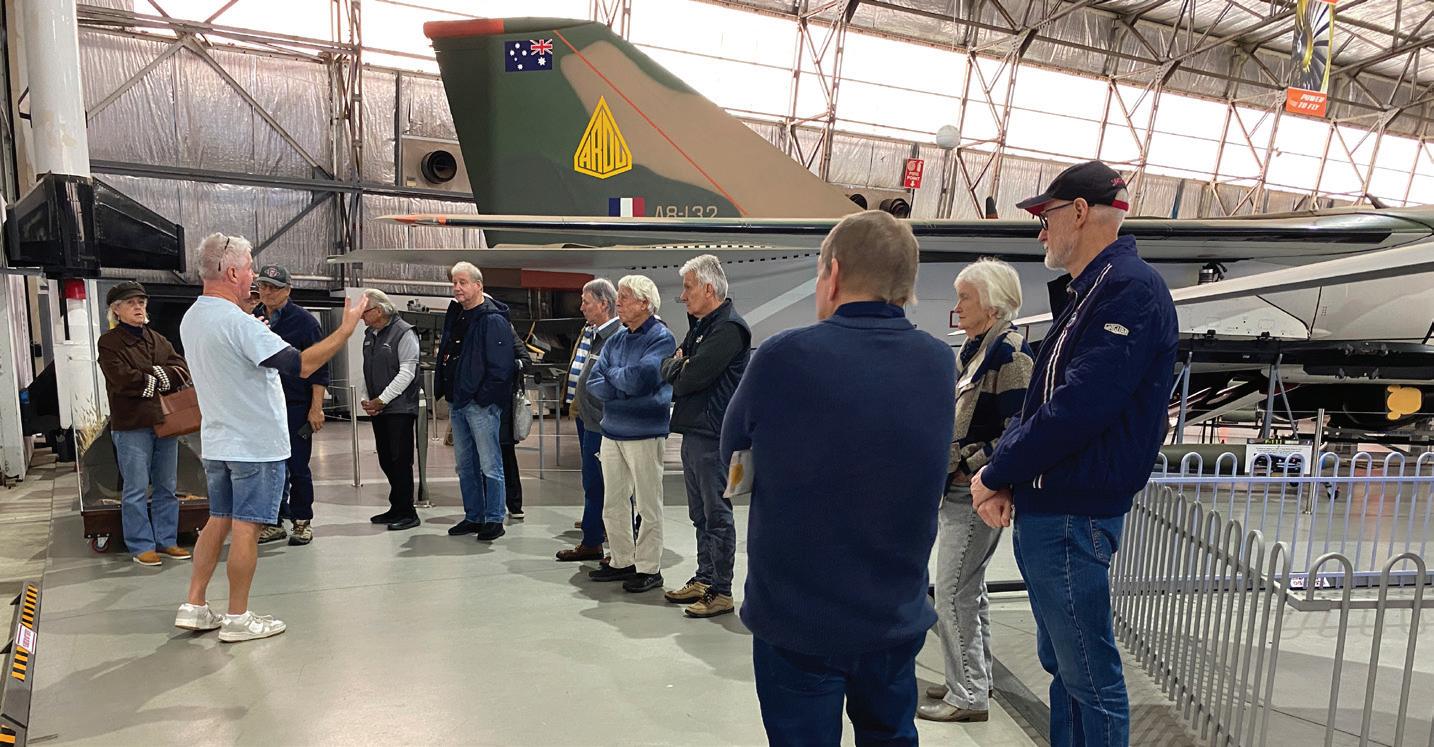
Arriving at 11.00am, twenty‑four members were welcomed with a guided tour through the vast collection of modern and historic aircraft housed at the South Australian Aviation Museum in Port Adelaide.
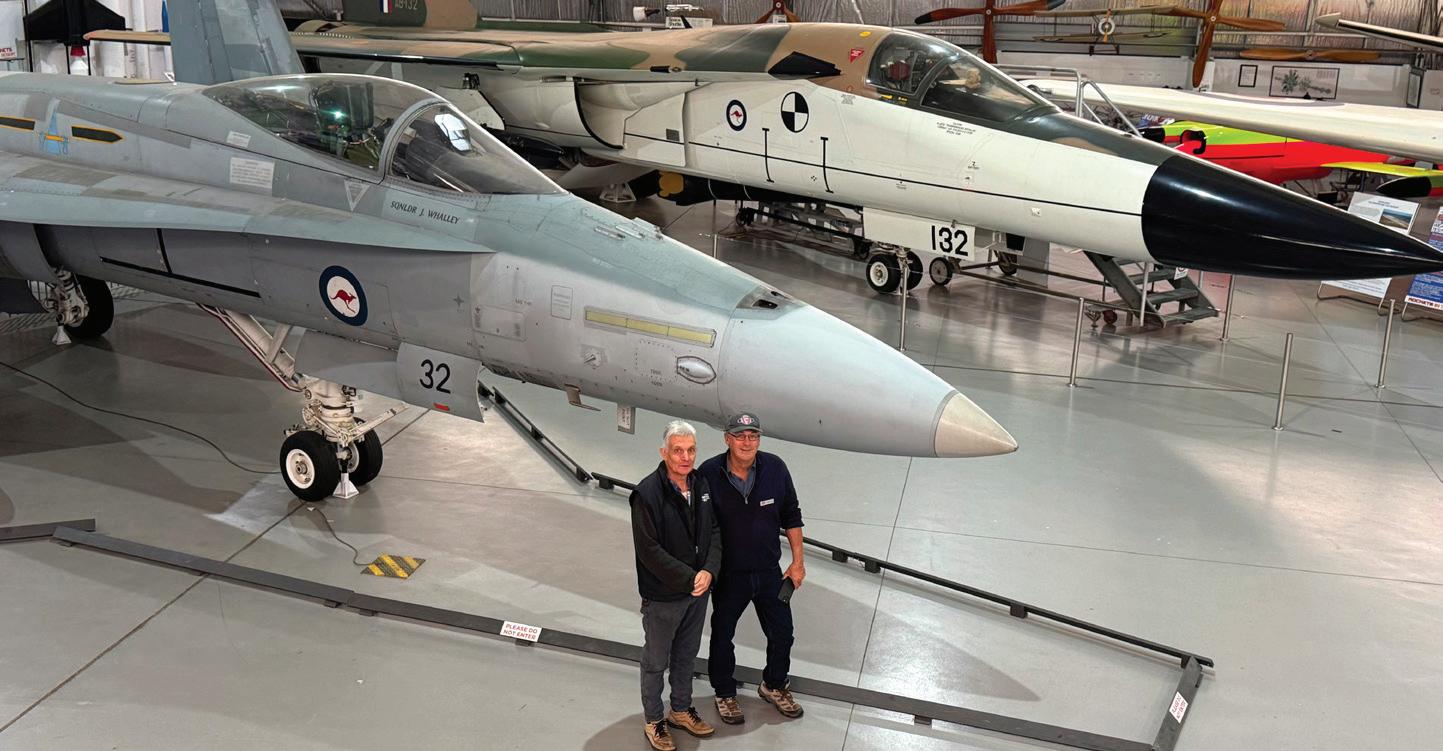
There were many standouts — the F‑111C, the F/A‑18A Hornet, the Supermarine Spitfire MkVc, and the Douglas Dakota among them — but in truth the entire collection is beautifully preserved. It was an unforgettable opportunity to explore a significant part of South Australia’s aviation heritage; made even better by the volunteer staff whose enthusiasm and pride were impossible to miss.
The Aviation Museum itself has an interesting history. Established in 1984, it has occupied several locations over the years. In 2005, the SA Government made the former rail yard site available to the Foundation, helping establish the excellent facilities we enjoy today.
The SAAM History Group also deserves a mention. They research and publish articles and books on South Australian aviation history, assist visitors with enquiries, and support restoration teams by digging into details such as aircraft colours, registrations and liveries — ensuring every project is as authentic as possible.
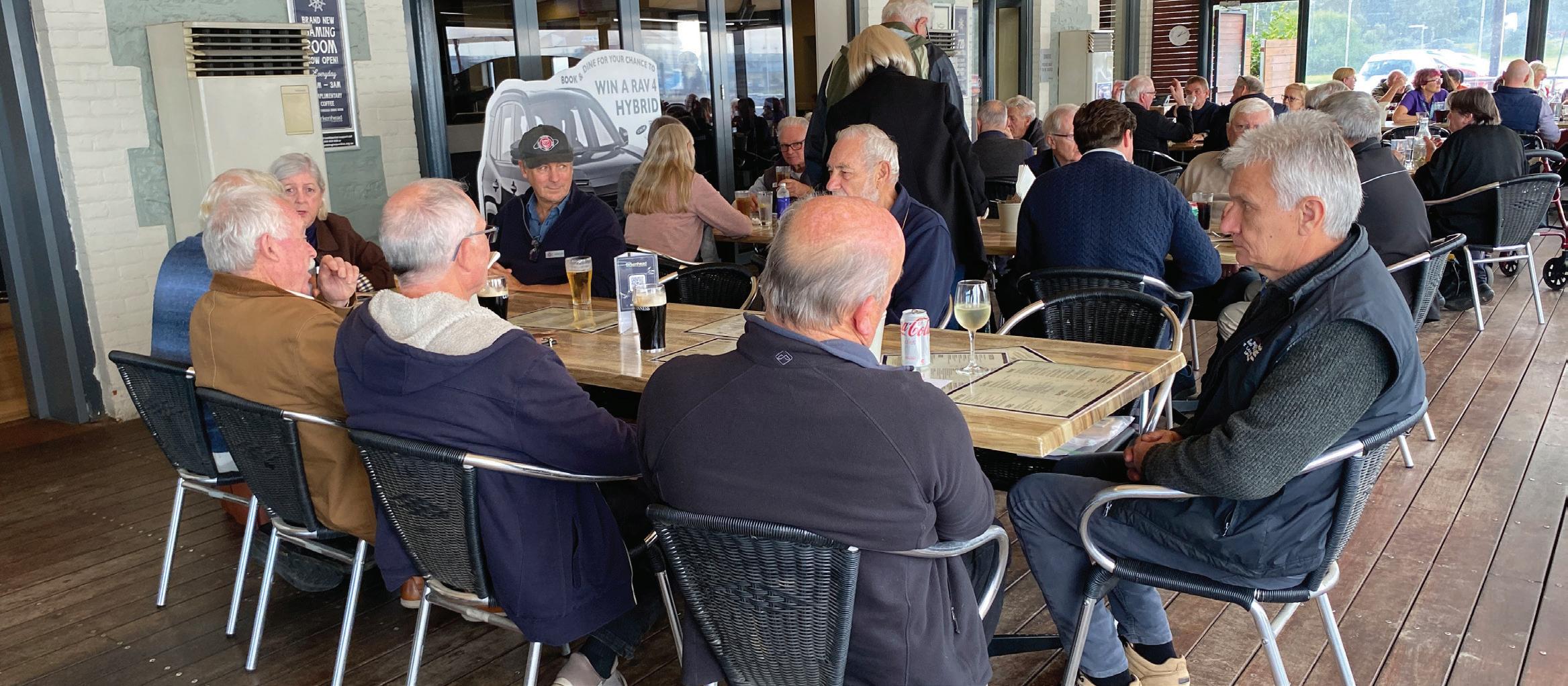
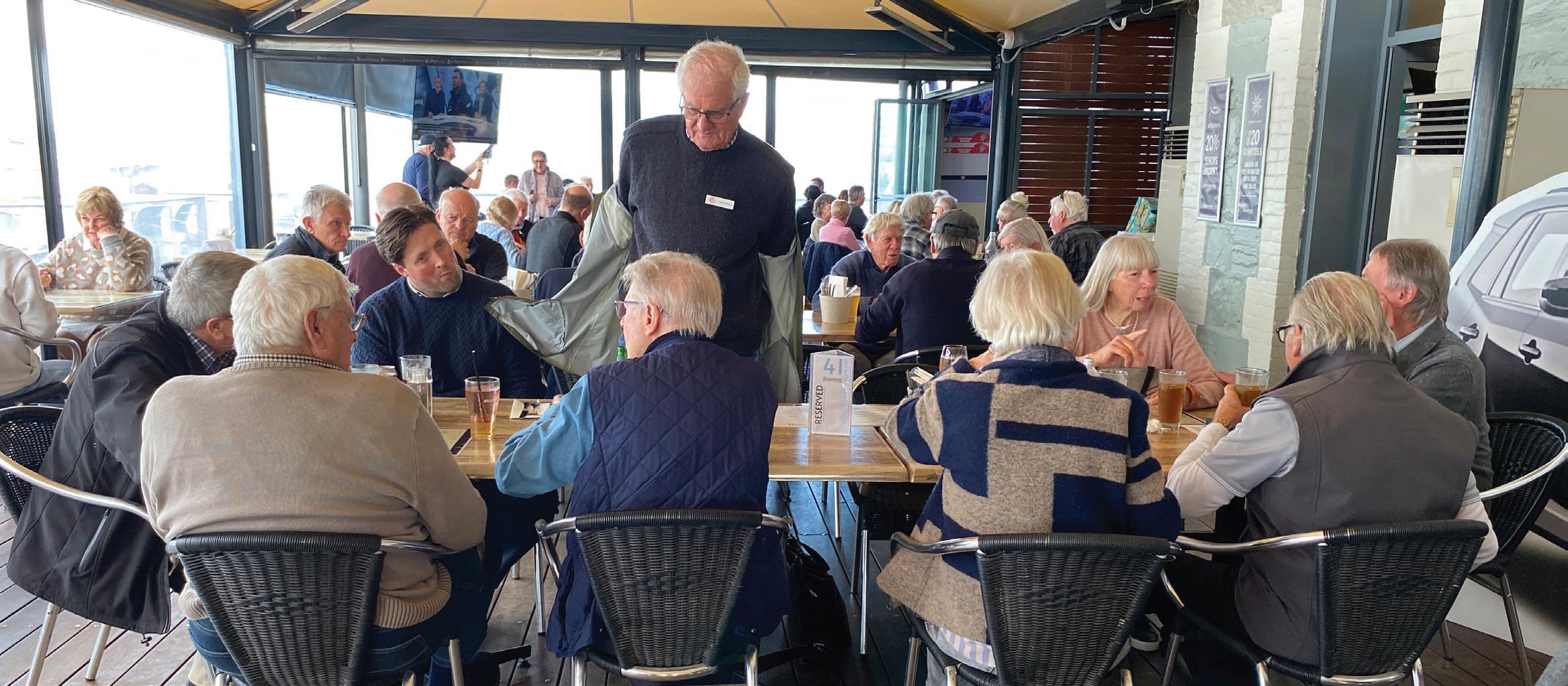
After an hour and a half of aviation immersion, it was time to taxi to our lunch venue: the Birkenhead Tavern. With plenty of parking, water views, good food and even better company, it was the perfect place to unwind. As always, conversations flowed easily among like‑minded members, and a few took the opportunity to update their logbooks — proof that even on the ground, we like to keep things official.
A great day out, and one we should not leave so long before repeating.
Bruce Davis Register Secretary
Four races, two countries, and a new championship leader
May proved to be a hectic month, with Formula E staging two races in Berlin followed immediately by another double‑header in Monaco.
By the end of the month, Mitch Evans had taken the lead of the Drivers’ Championship, Jaguar TCS Racing topped the Teams’ standings, and Jaguar powertrains sat second in the Manufacturers’ table — a remarkable run of form.
Berlin ePrix – Round 7 (2 May)
Jaguar Racing delivered a determined performance in demanding conditions, securing a valuable double-points finish despite a difficult qualifying session and extreme heat that pushed both drivers and machinery.
▪ António Félix da Costa (P9 start) and Mitch Evans (P14 start) initially dropped back to conserve energy and manage temperatures.
▪ Evans fought hard to secure P6 despite light front-wing contact.
▪ Da Costa used his energy advantage to retake P10 on the final lap.
A gritty, disciplined drive from both drivers kept Jaguar firmly in the hunt.
Berlin ePrix – Round 8 (3 May)
Mitch Evans produced one of the standout drives of the season, charging from P17 to win the Berlin E-Prix.
▪ It was his second win of the season and Jaguar TCS Racing’s fourth — making Jaguar the only team with both drivers as double winners so far.
▪ The race featured intense pack racing, four-wide battles and constant position changes.
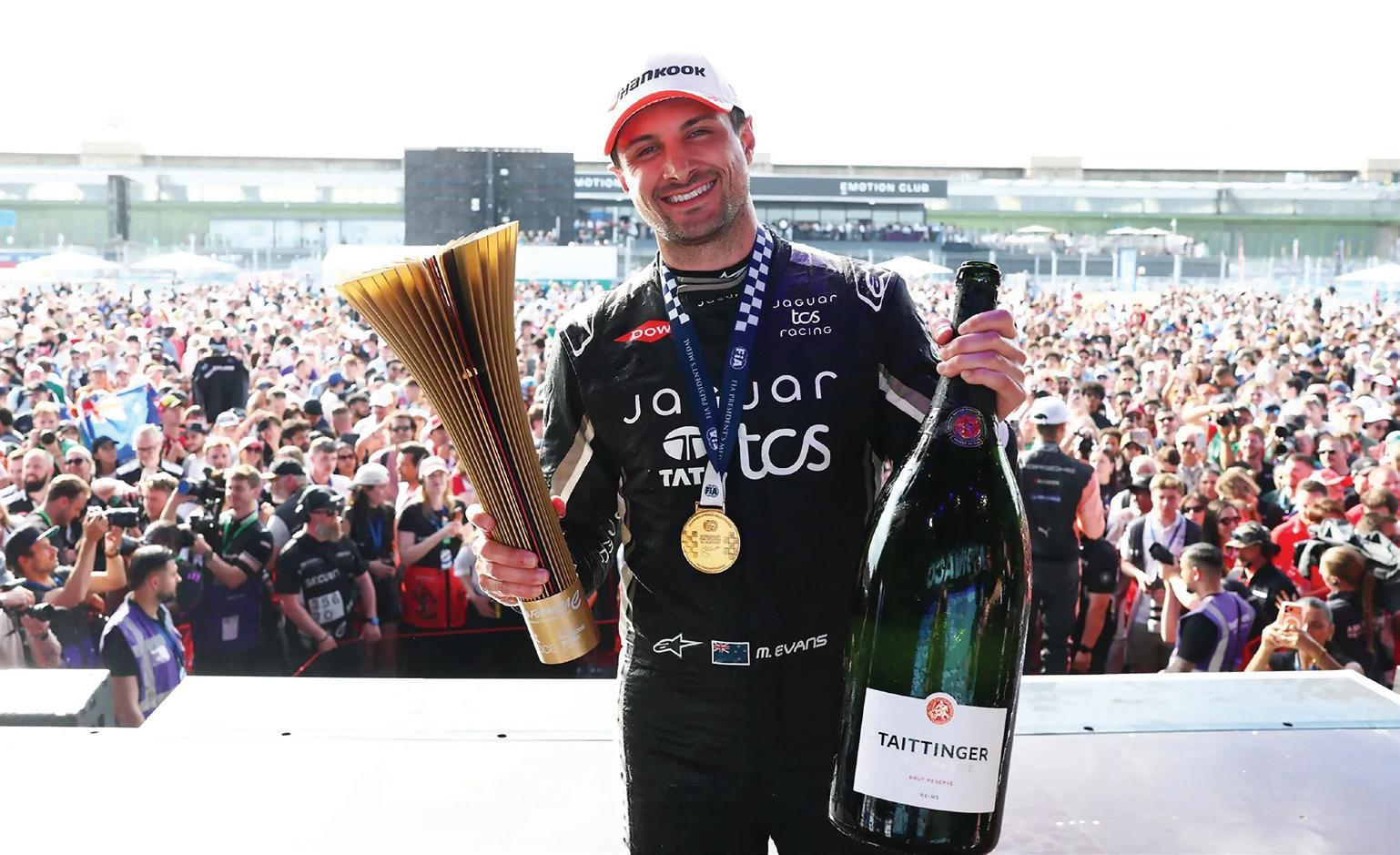
▪ Evans managed the strongest energy profile in the field by mid-distance, allowing him to slice through the pack.
▪ Da Costa showed front-running pace but a late puncture forced a pit stop, dropping him to P18.
Envision Racing’s Sebastien Buemi and Joel Eriksson — also running Jaguar powertrains — finished P4 and P10, helping lift Jaguar to second in the Manufacturers’ standings.
Monaco ePrix – Round 9 (16 May)
Through strong qualifying, consistent race pace and decisive strategy, Mitch Evans scored a superb second place, extending his championship lead to 15 points.
Jaguar were on course for a double podium until António Félix da Costa was forced to retire with three laps
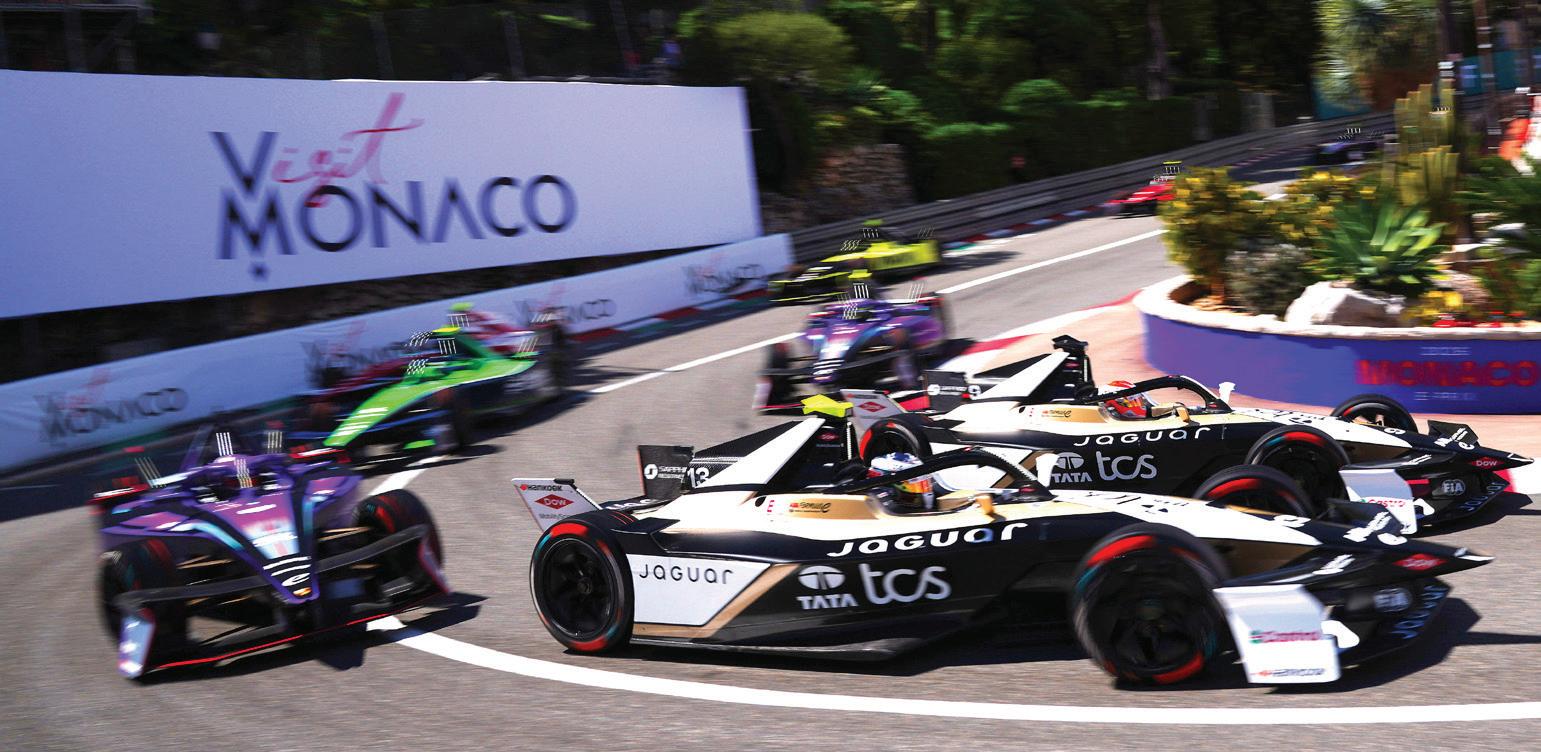
remaining after contact with Cupra Kiro’s Dan Ticktum. Da Costa had been fighting for third at the time; Ticktum was later penalised.
Buemi and Eriksson again delivered for Envision, finishing P5 and P6.
Jaguar TCS Racing moved into the lead of the Teams’ World Championship.
Monaco ePrix – Round 10 (17 May)
Jaguar TCS Racing’s António Félix da Costa claimed a remarkable third-place finish in Round 10.
▪ Starting from the front row, he was spun on the opening lap after contact from another car.
▪ Dropping to P16, he mounted a superb recovery drive to take the final podium place.
▪ Mitch Evans followed closely behind in P4 after another strong, controlled performance.
To see the highlights of race R10 goto Formula E Monaco R10
A resilient end to a demanding month. What’s Next
Jaguar TCS Racing returns to the track for Round 12 in Sanya, China on 20 June 2026 — with momentum, confidence, and both championships firmly within reach. .
Editor: Information for this story sourced from Formula E Website and Jaguar Racing.
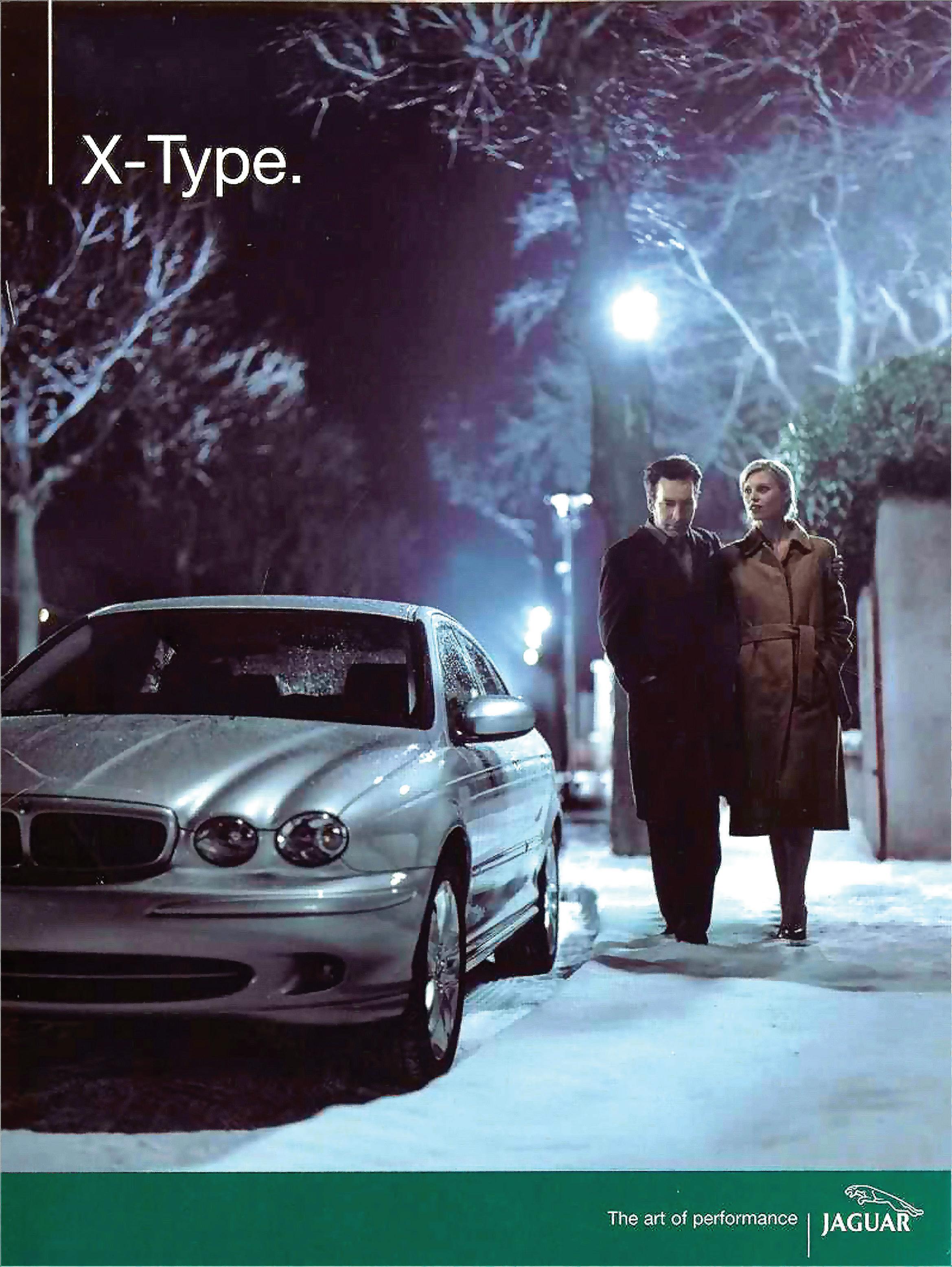
In the new millennium small executives had become the rage, and so in March 2001 Jaguar launched its most ambitious car, a new compact executive saloon to battle the BMW 3 Series, Audi A4 and Mercedes C-class.
The problem was that Jaguar did not have a competitive platform. Therefore, the X-type used a modified version of the front-drive Ford CD132 platform shared with the Ford Mondeo with the addition of all-wheel drive.
The X-Type took the greatest number of design cues from the XJ, mostly the forthcoming X350. However, in order to find its own identity, the X-Type used smaller, elliptical headlamps to widen the appearance and appear sleeker, being too tall and narrow at the front to pull off the XJ’s traditional front. This made the rearward front axle a little more obvious. The bonnet was traditional Jaguar, heavily fluted and quite long to maintain some Jaguar presence.
Although at the time designers talked about the ‘cab-forward’ proportions becoming the modern trend, much effort was expended to fairly successfully conceal the longer front overhang and visually increased the distance between the front wheels and the A-posts.
The design of its wide radiator grille and quad-headlights work beautifully and, like other Jaguars, the X-Type has the look of an athletic cat. Inside there was traditional leather-and-timber interiors.
The X-Type broke new ground in that it was Jaguar’s: -
▪ First station wagon/estate car,
▪ Would ultimately introduce Jaguar’s first diesel engine,
▪ Introduced Jaguar’s first fourcylinder engine since 1949 and
▪ Became Jaguar’s first front-wheel and all-wheel drive configuration.
The X-Type was not a simply re-bodied version of the Mondeo, although sadly this would be label applied to the X-Type later in life.
In terms of prestige, this really shouldn’t have been an issue. The Audi A4 front wheel drive had been co-developed with Volkswagen’s Passat and shared far more with each other than had the X-Type and Mondeo. Strange then that the Mondeo was the class leader, not the Passat, yet being Mondeo related was somehow seen as undesirable.
While many disliked the idea of a somehow ‘less-pure’ Jaguar, there were many advantages using an existing platform such as increased development
resources in terms of manpower and finance, and economies of scale.
The X-Type at launch was solely fourwheel drive. The design brief imposed, meant that the X-Type had to feel like any other Jaguar. The only reasonable way to achieve this was with a rear biased allwheel-drive set up. The car was powered by more-or-less the same V6 installed in the mid-size S-Type and would go on to power future XJs and the XF.
The design brief insisted the X-Type should have the best steering of any AWD or FWD car ever created and should handle neutrally to give the perception of an extraordinarily stable RWD vehicle. To do this, the X-Type used a unique front suspension system including twin tube dampers, with exemplary torsional stiffness to ensure the steering remained as uncorrupted as possible, always a problem with driven front wheels.
Less Mondeo and More X-Type
The front suspension system was conceptually not dissimilar to that of the Mondeo, but was completely tailored to suit the X-Type, sharing nothing. The steering system itself was a ZF Servotronic II system that helped counter previous criticism of overly assisted, overly light steering on Jaguar cars.
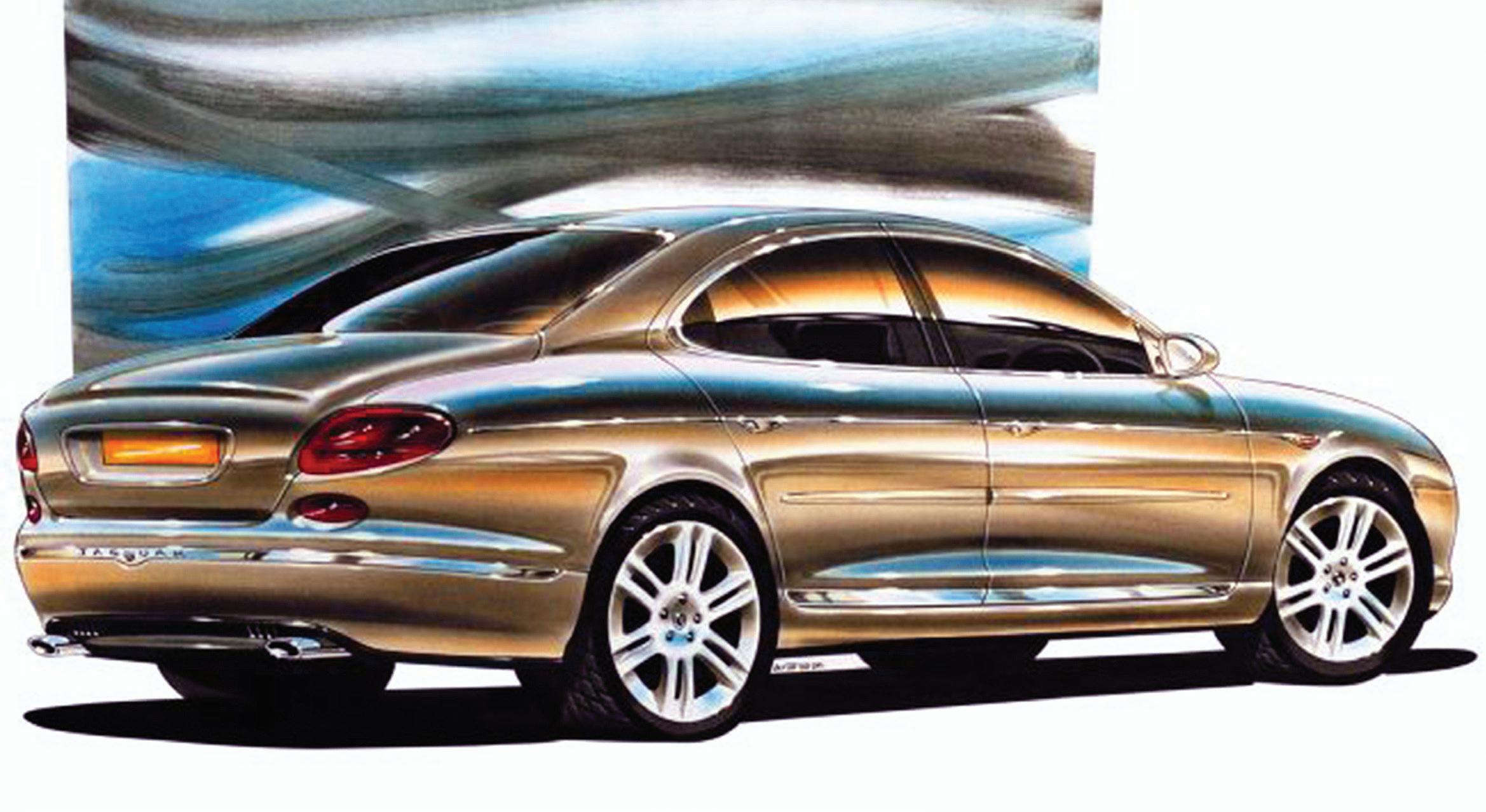
The rear suspension was far more closely related to the Mondeo, whilst the front system was un-recognisable compared with the original Ford set up. The rear system was taken from a Mondeo Estate. Some may have felt this was something of a cop-out by Jaguar, but the system was available, affordable, capable and allowed Jaguar to fulfil its comfort and refinement ambitions without compromise.
The platform itself was no simple carry-over, either, the 2000 Mondeo had no AWD system to accommodate and, although some panels such as front strut tops were identical, most bore no resemblance. Furthermore, the wheelbases of the two cars did not match, nor did their lengths, widths or tracks.
The X-Type went on to achieve a four-star NCAP crash rating and did so through clever body design that incorporated impact absorbing crash and shear structures, as well as high strength steels such as in the A-post screen pillars and other clever design features such as the telescopic steel prop shaft.
The X-Type utilised the same occupancy detection and evaluation systems as the other Jaguar cars, whereby the weight and position of the occupant was categorised by the car’s crash computing systems and decided how exactly to best inflate the front airbags.
If the system believed there was a child, the airbags would not detonate with the same force as for a full-size adult, and if the weight of the occupant fell below a 50kg threshold, the passenger airbag would be disabled entirely. In addition, front seat occupants were further protected by side airbags in the seats to protect thorax and upper body, whilst standard airbags located in the head rails protected both front and rear seat passengers. Later cars also received driver knee protection airbags.
ABS braking was fitted and supplemented by electronic brake force distribution that transferred braking effort from front to rear depending on whether or not the vehicle was cornering, and emergency brake assist, increasing the assistance given to the driver in an emergency braking situation.
For the X-Type a 3.0 litre version of the same Jaguar AJ-V6 as used in the S-Type was ideal, but the engine would now have to be placed transversely, leading to alterations and repositioning of the engine’s accessories, air intake and exhaust systems.
A 2.5 litre AJ-V6 was also simultaneously developed from the 3.0 litre engine. The trouble was that this engine was down on power and torque but was not significantly more economical (27mpg combined for 3.0, 29mpg for 2.5) as it had to be worked harder, and was every bit as expensive to build.
The original 2.5 litre and 3.0 litre AWD models were followed in 2002 by an even more affordable 2.1 litre front-wheel drive model, still with a V6 engine.
During 2003, a four-cylinder 2.0-litre turbodiesel was introduced followed by a 2.2-litre diesel in June 2004.
All engines were initially available with either five- speed automatic or five speed manual gearbox.
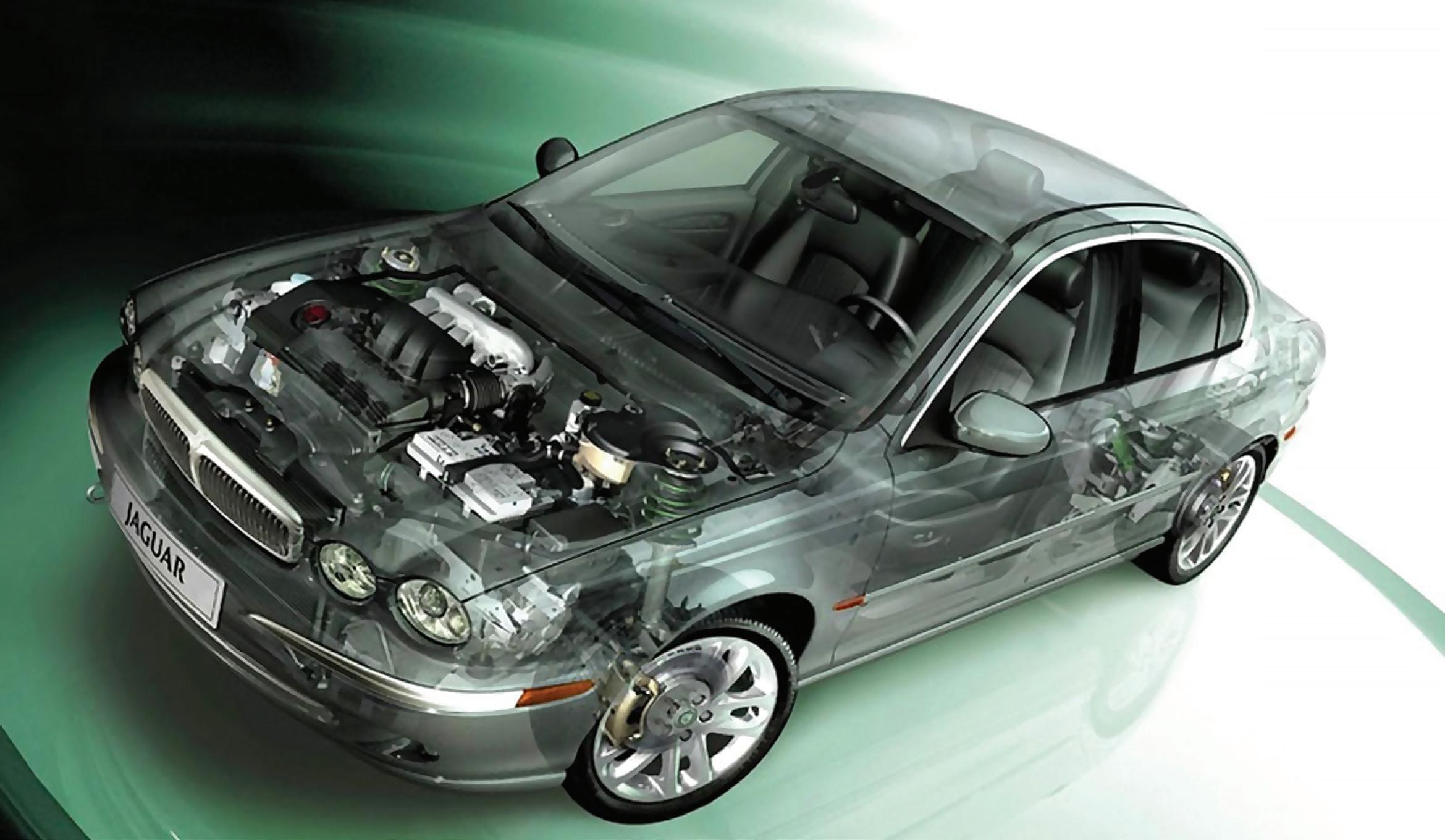
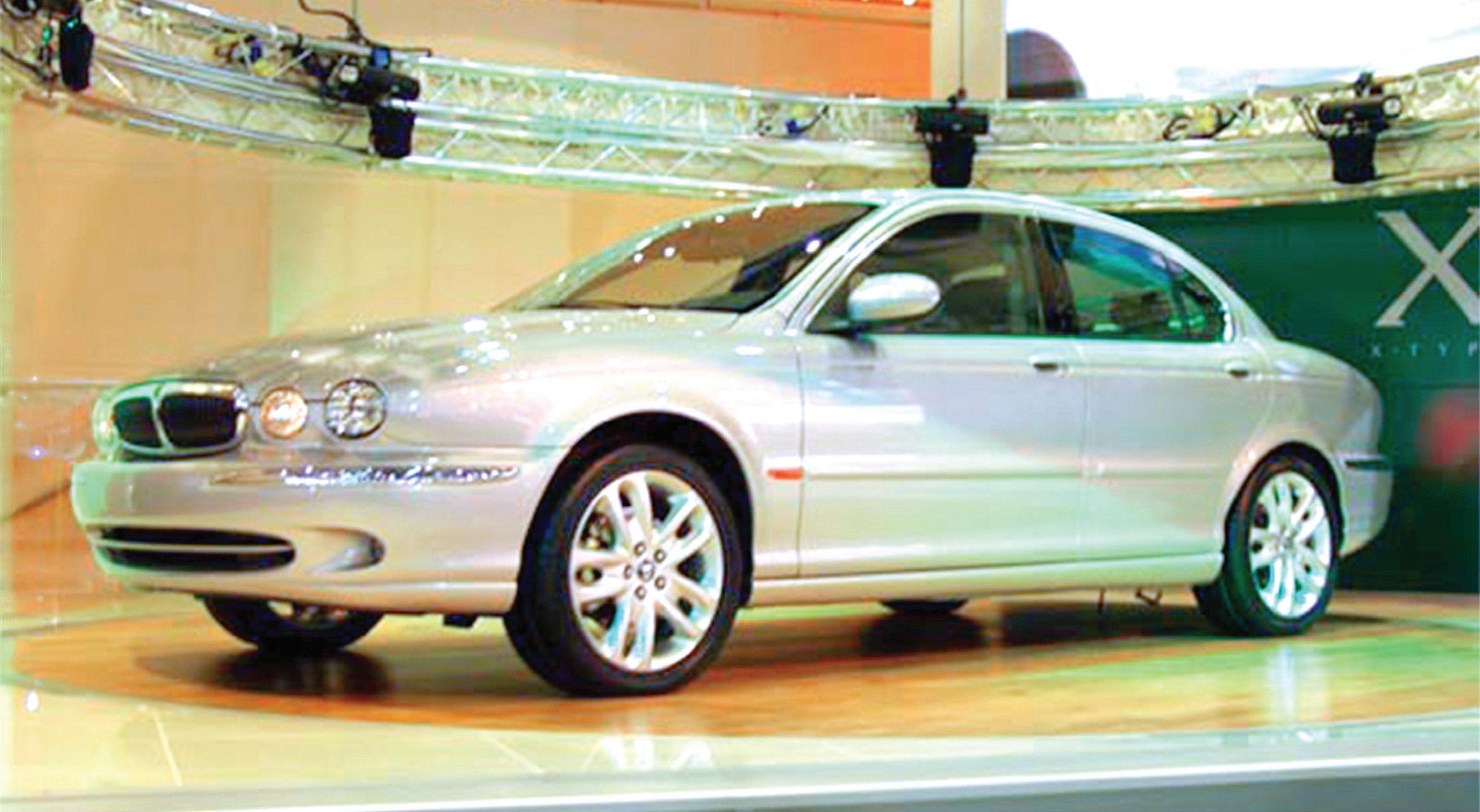
The X-Type became the first Jaguar to feature xenon HID head-lamps. Other features and options included tenspeaker audio systems, heated front windscreen, auto-dimming mirrors, automatic headlights and electric memory heated seats all made their ways onto the specification lists throughout the range (most of which would become standard with age), as did the latest antilock braking system, 32-bit transmission control management (automatic models) and Denso 32-bit engine control management (again, completely different to that of the sister Mondeo).
Much of the technology on board would be transferred to the rest of the range. Much of the switchgear such as window control packs, overhead consoles, and even the door mirrors would find its way onto the X150 XK and X350 XJ over the next few years.
If anything, this was all a little embarrassing, the cheapest car in the range was easily the most advanced, not to mention the most practical with the largest boot, S-Type matching accommodation, and performance (in 3.0 litre guise).
The interior was far more closely aligned with the X300/308 and X350 XJ than to the then current S-Type and, at the time, was praised as such.
Materials, even artificial ones, were used in natural ways to imply a sense of effortless luxury for the X-Type’s occupants, and enabled the X-Type to feel far more exclusive and extravagant than the solid but uninspired plasticky interiors of the rivals.
True to tradition, only genuine wood was deployed inside, much to the chagrin of the manufacturing engineers and accountants. Fillets of veneer were also placed on higher model’s door casing, further increasing the development and production costs.
The interior was very much centred on ‘olde-worlde’ charm which in later years did little to enhance the X-Types reputation but the switchgear was of good quality and would be rolled out across the rest of the range in time, and there were no Ford parts in sight.
Despite the old-fashioned interior architecture, the latest in technology was utilized. More modern options such as dark stained wood, aluminium and carbon fibre trims helped to boost the
cars credentials that were not available at launch.
Base models would be offered with stodgy cloth, small wheels, no steering wheel mounted controls and manual heating controls, even losing the requisite armrest and rear electric windows.
The car was tested globally, from subzero temperatures, snow-clogged roads, desert terrain, potholed roads of Britain, to high speed rings in Italy.
Millions of miles of development ensured the X-Type would be well judged and dependable on the road. During this time, most electrical gremlins were ironed out.
Initial reaction to the X-Type was positive, the motoring press loved the styling, less controversial than the preceding S-Type. Ride quality in even the sport models was first class and it was clear that Jaguar had given much thought to long-distance comfort. Most comments regarding the Mondeo sister-car were positive, citing just how capable that car also was and, in the end, that just 19% of the car’s origins were shared.
Jeremy Clarkson, then of BBC’s Top Gear, lauded the X-Type, especially the 4×4 and sport versions and in two episodes, he demonstrated its capabilities in the snow.
With regards to the sharing of the Ford Mondeo platform, Clarkson states that this should not put you off, stating that “genetically you are 98% identical to a halibut, but it’s the 2% that makes the difference”.
Other car magazine and website reviews were largely positive for the X-Type, especially during its introduction.
The Estate was the first Jaguar model designed by Ian Callum. From its saloon counterpart, the design revised 420 tooled parts and 58 stampings for all components rearward of the windscreen, adding 70 kg.
The design used a tailgate with independently-opening, strutsupported rear window, operable by key fob or dashboard located switch; roof-mounted luggage rails in chrome or black; interior luggage tie-downs; removable luggage cover; cargo net and
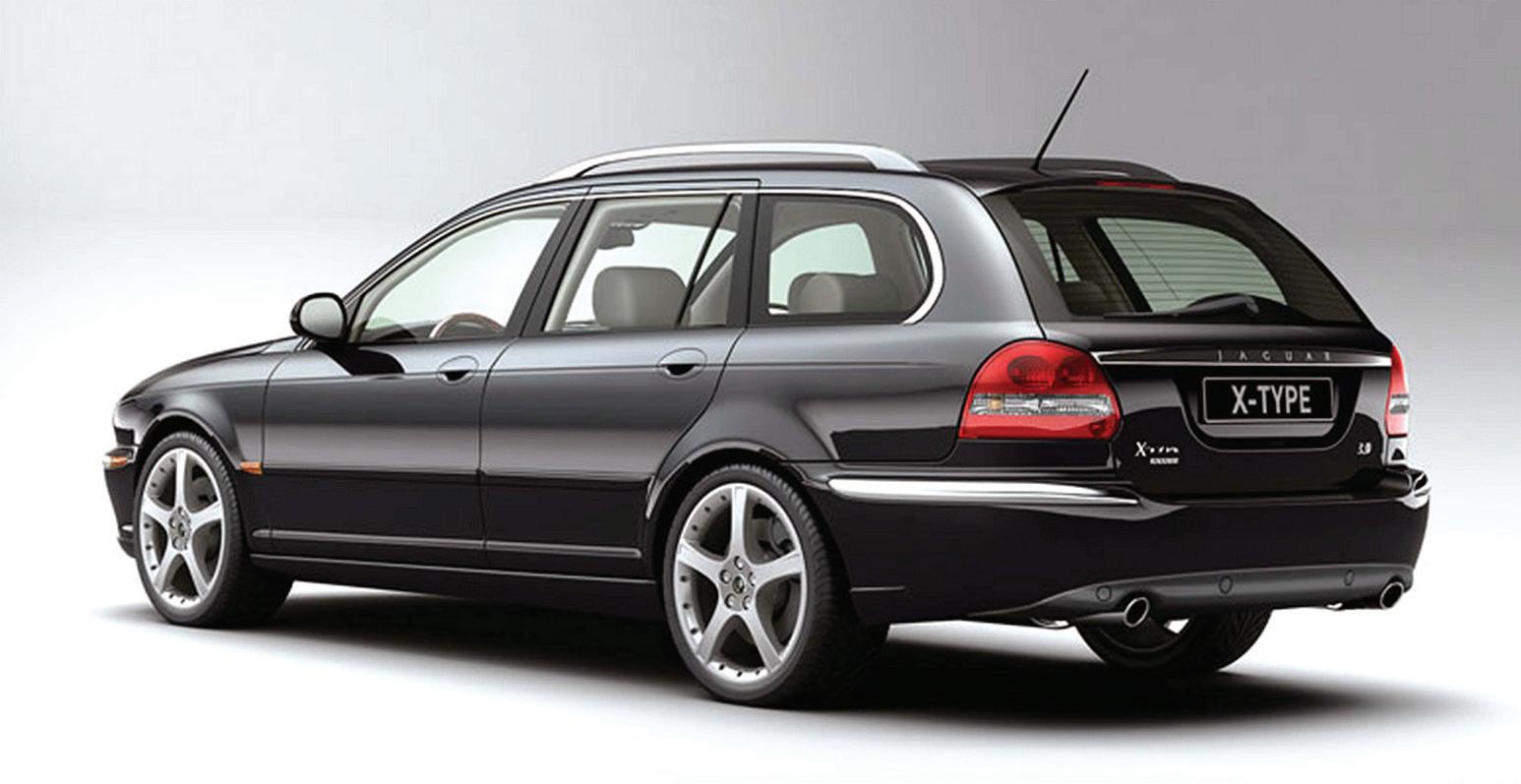
The estate was well received in Europe and was essentially a new car from the B-pillars rearward in terms of visual design and upper-body engineering. Many felt it was, in fact, better proportioned than the saloon.
a cargo compartment under the rear floor with a 12-volt power outlet and below that, storage for a full-size spare tyre.
The rear seats could be lowered without removing their headrests, and the cargo compartment offered 16 cubic feet up to the side windows or 24 cubic feet to the headliner, with the rear seats up — or a total of 50 cubic feet with the rear seats
folded. The Estate was marketed as the Sportwagon in the United States.
In 2004, the Spirit limited model based on the 2.5 litre V6, featured the ‘Sports Collection’ pack with new spoilers and rear valance. It was followed in 2005 by the XS limited edition, which continued the sports theme, but available with a wider range of engines.
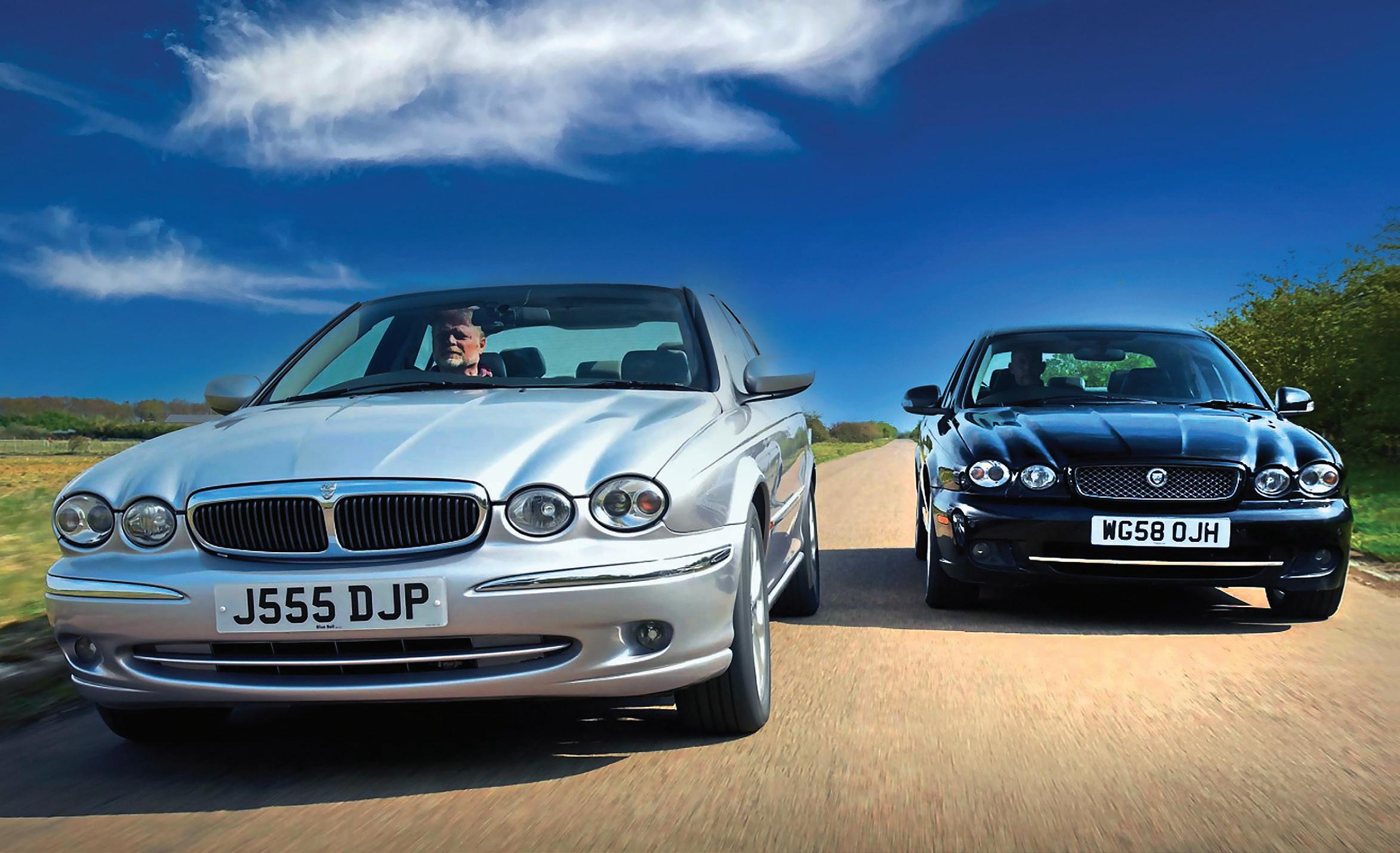
With no further development, the X-Type was left to suffer at the hands of rivals in the marketplace.
By the latter half of the decade, sales of X-Type were slow but fairly stable. The fairly pointless 2.1 litre V6 variant was quietly dropped, soon after followed by the 2.5, leaving just the four-cylinder turbodiesel and the 3.0 V6. However, the 2009 Facelift brought a raft of changes.
A fairly low cost but surprisingly comprehensive refresh programme saw the X-Type receive new bumpers front and rear, more discreet side rubbing mouldings, deeper sills, full width rear plinth and a new grille.
The grille used the same moulded plastic ‘chunky’ mesh design as the XF and facelifted XJ and a similar badge, now planted in the middle.
The changes on the exterior were relatively minor with no new sheet metal, but effectively differentiated the new model with the existing car whilst the changes inside and ‘under-the-skin’ were more numerous.
New seat trims and patterns, including a quilted and soft-grain leather, and new door panels were introduced and many new wood or other material veneer options, as well as felt lined door pockets in the front doors. Revised dials also ensured the revised interior was at least visually more expensive.
the
to an automatic, six-speed, complete with a Tiptronic-style sequential manual mode, and with a new more conventional shifter in addition to its six-speed manual.
The 3.0-litre petrol automatic continued as before and was the last Jaguar to ever feature the classic J-gate. Amazingly, the barely revised AJ-V6 continued passing EU emissions laws into the 2010’s.
The revised X-Type carried on quite successfully, earning its keep in emerging markets as well as providing honest income as an affordable and reliable
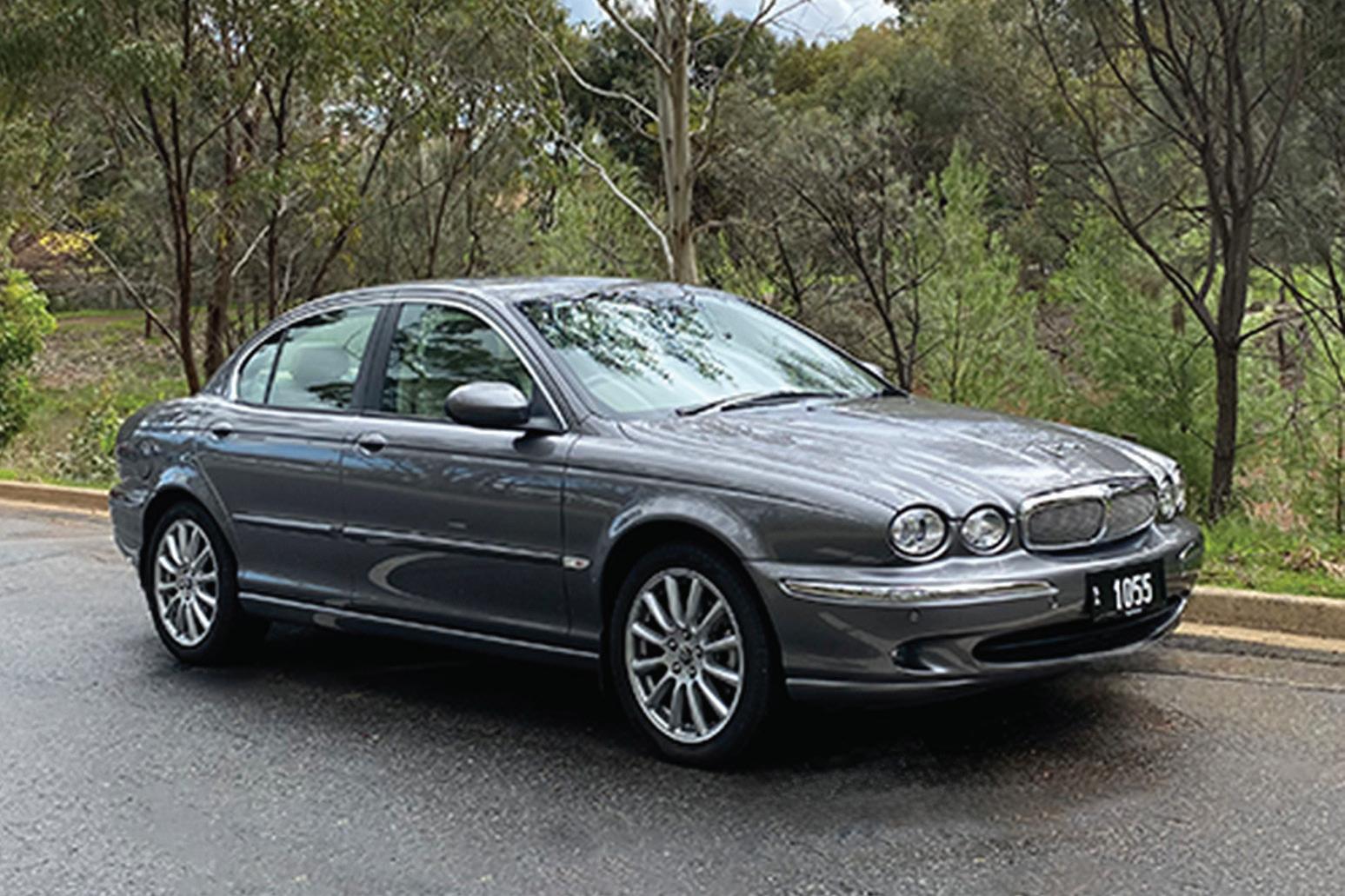
luxury executive for fleet users in more traditional markets.
The recession of 2008 also worked in the X-Types favour, more expensive cars were out of reach and offers on the proven X-Type were quite generous, the diesel engines were very frugal and sales actually increased.
The Jaguar X-Type won AutoWeek's Editor's Choice Award as the Most Significant Car at the Geneva Motor Show of 2001.
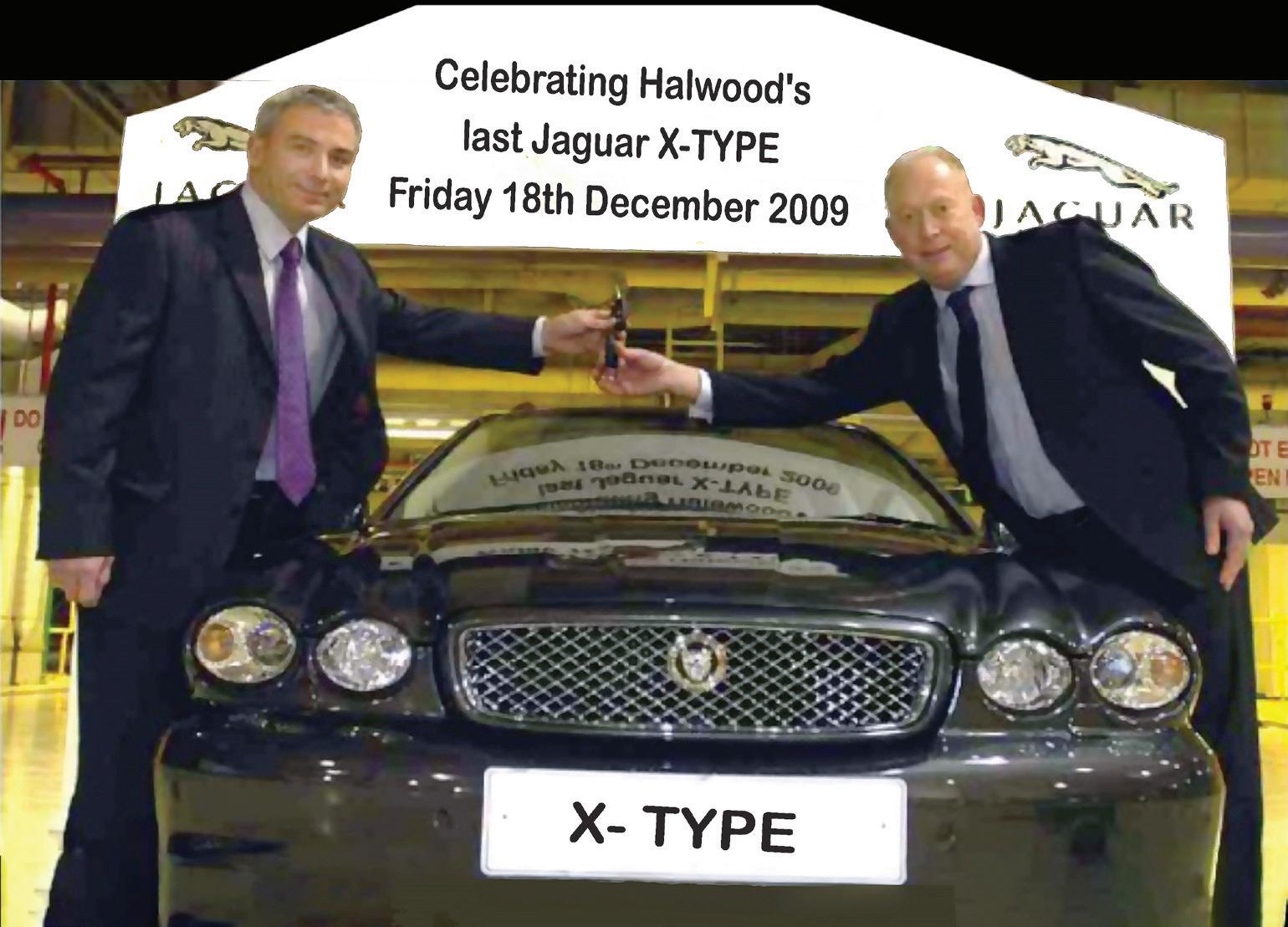
On 18 December, 2009, the last X-Type rolled off the production line at Halewood and was handed over by Director of Operations Michael Straughan to Tony O'Keeffe of Jaguar Heritage.
The X-Type's broad appeal succeeded in bringing many new owners into the Jaguar fold, and interest amongst business users was particularly strong after the 2008 facelift.
Unfortunately, this wasn't enough to prevent the model's early demise. The X-Type model holds the record for the highest number of Jaguar cars produced at 355,227.
At the time, with no direct replacement, JLR sacrificed its footing in the small luxury executive saloon and estate marketplace. .
Editor: Or: How Our “Little Everyday Car” Became a Full‑Time Hobby.
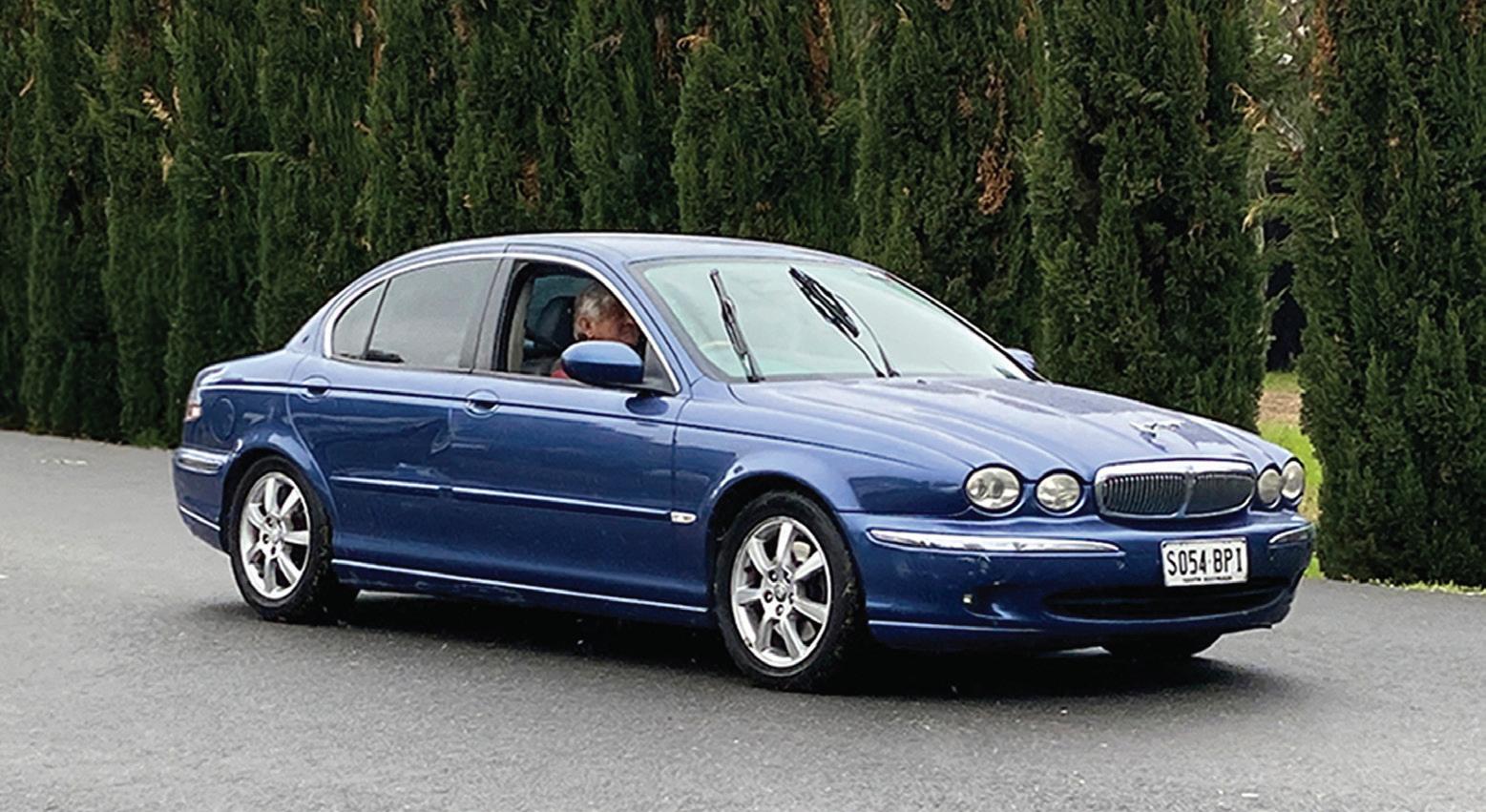
A number of years ago, our faithful little Toyota Camry began showing signs of old age. Val and I decided it was time to replace it, and naturally we looked at Jaguar’s “moderns”. After some research — and a few conversations with club members who enjoy scaring people — we concluded that an X-Type would be perfect, provided we avoided the all-wheel-drive versions, which apparently had “character”.
Our criteria were simple: low kilometres, good history, and preferably a car that had lived a quiet life. Eventually I found exactly that — a genuine “little old lady car”. Seventy thousand kilometres, serviced religiously in Melbourne, and previously driven by a salesman from Kellow Faulkner. We bought it sight unseen, flew to Melbourne, picked it up, and drove it home.
What could possibly go wrong.
"The X-Type took that as a personal challenge".
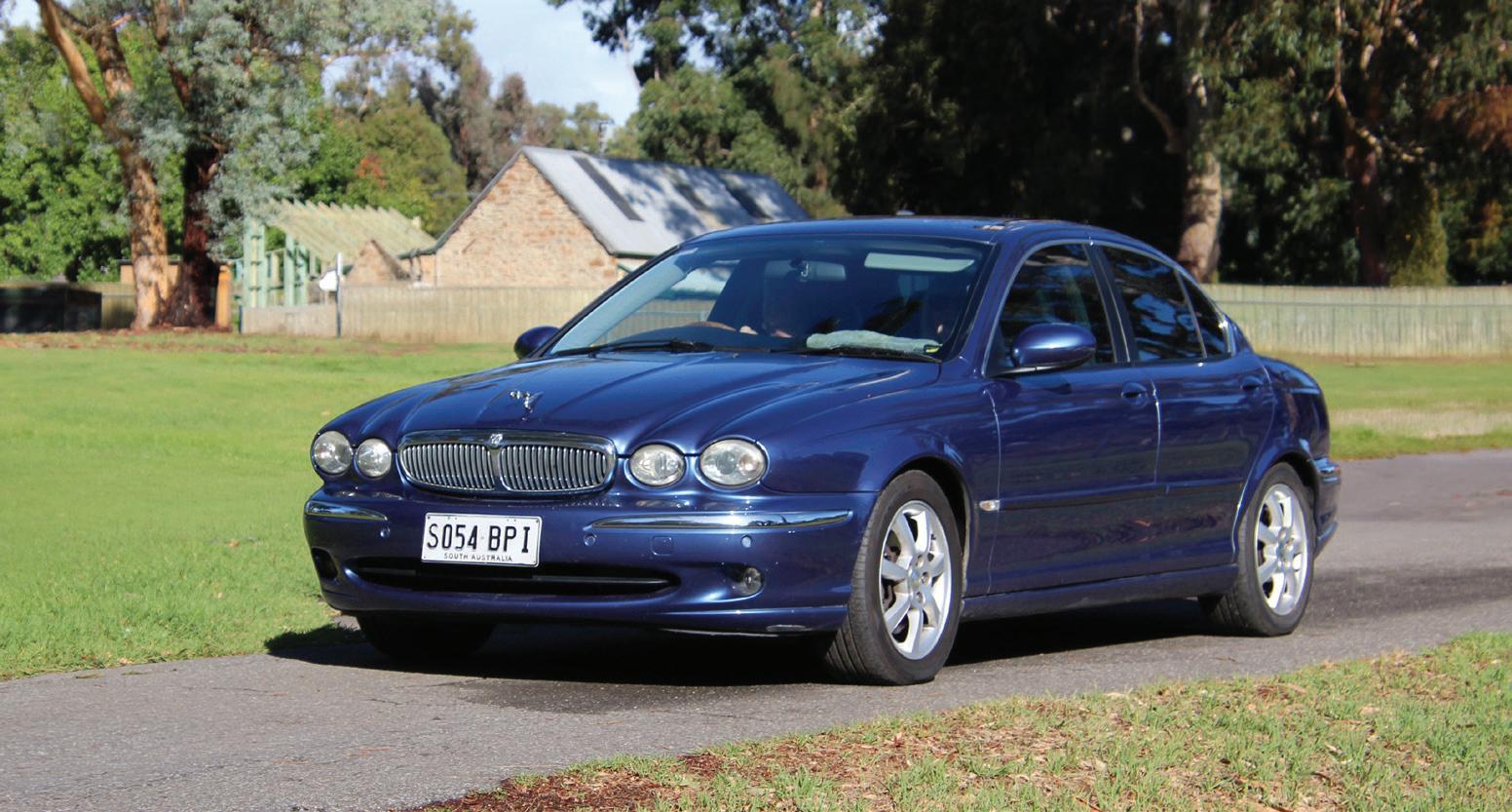
For two years the Kitten — as we named it, because it was only half a real Jaguar. (Unfortunately, the half with all the electronics). It behaved beautifully. It came on club runs, went to the snow, and generally acted like a well-mannered small cat.
Then one day a yellow engine light appeared. A quick scan suggested everything was fine, and a few reassuring phone calls confirmed that X-Types run lean to satisfy American emissions rules. Nothing to worry about.
A few weeks later it began misfiring. Badly. I was assured that new coils and spark plugs would fix it. They didn’t.
So we tried injector cleaner. Then new injectors. Still no improvement.
“Sir, you need a new ECU.”
This was followed by all new sensors. At this point I had spent more than the purchase price of the car.
"But at this point, we’re in a committed relationship.”
Just as it seemed to be improving, the gearbox developed a sense of humour. On the Hume Highway, using cruise control at 110 km/h, it suddenly selected low gear. I had never seen a Jaguar tachometer go past 8,000 rpm before. It was quite exciting — especially for the driver behind us.
Then came our next two holidays to the Snowy Mountains. At our first overnight stop, Val asked, “Why is the car still running?” It wasn’t — but the radiator fans were. The fan module had failed. The only solution was to disconnect the battery every time we stopped.
Nothing says “Jaguar ownership” quite like lifting the bonnet at every coffee
break while strangers ask, “What’s wrong with the Jag, mate?”
(For the record, it has now had three OEM fan modules. The only thing that fixed it was a Davies Craig unit.)
A little further on, joining the Hume, it went into limp mode. We limped into Glenrowan, where it suddenly decided to behave again. A few days later, on the Alpine Way in heavy snow at –10°C, it went into limp mode again and stopped completely. No phone coverage. No help. Just us, the snow, and a very confused Kitten. Eventually it restarted.
Back in Adelaide, I replaced the fuel pump and filter, and it seemed normal again. So — foolishly — I trusted it and took it back to the Snowies the following year. The problems returned. They are still returning.
As I write this, we are driving a V5 (not a V6) X-Type. After 12 coils, 18 spark plugs, all new sensors, a new ECU, new vacuum valves, a fuel pump, a filter, and enough diagnostics to qualify me as a part-time Jaguar technician, the scanners now show no faults. ("I didn’t believe it either.”
To conclude: "It is the worst Jaguar I have ever owned — and I've owned a few". Give me SU carburettors and a distributor any day — at least they only misbehave in predictable ways.
I’m not saying don’t buy an X-Type — just be aware that the “moderns” can have electronic issues. Some more than others. And some far more than others.
Steve Weeks
Editor: Another great story from Steve.
Editor: By a Member Who Should Probably Stop “Accidentally” Buying Jaguars.
The first Jaguar I ever drove was a 1949 Mark V — a stately old girl from Stan and Sally Grafton’s Classic Jags wedding fleet. I drove many happy brides and nervous grooms in those Mark Vs, until one day Sally handed me the keys to their XJ6 Series 1.
A friend warned me, “Beware — the cat bites.”
He was right. One drive in that XJ6 and I was well and truly punctured.
By 2014 I’d found an excuse (a very good excuse, I thought) to buy my own Jaguar — an early Series 3 XJ6. Four years later, I had apparently become what Jeremy Clarkson calls a “Jaaaag Man”. I didn’t argue.
“One look at that black X-Type under the tree and the cat bit me all over again.”
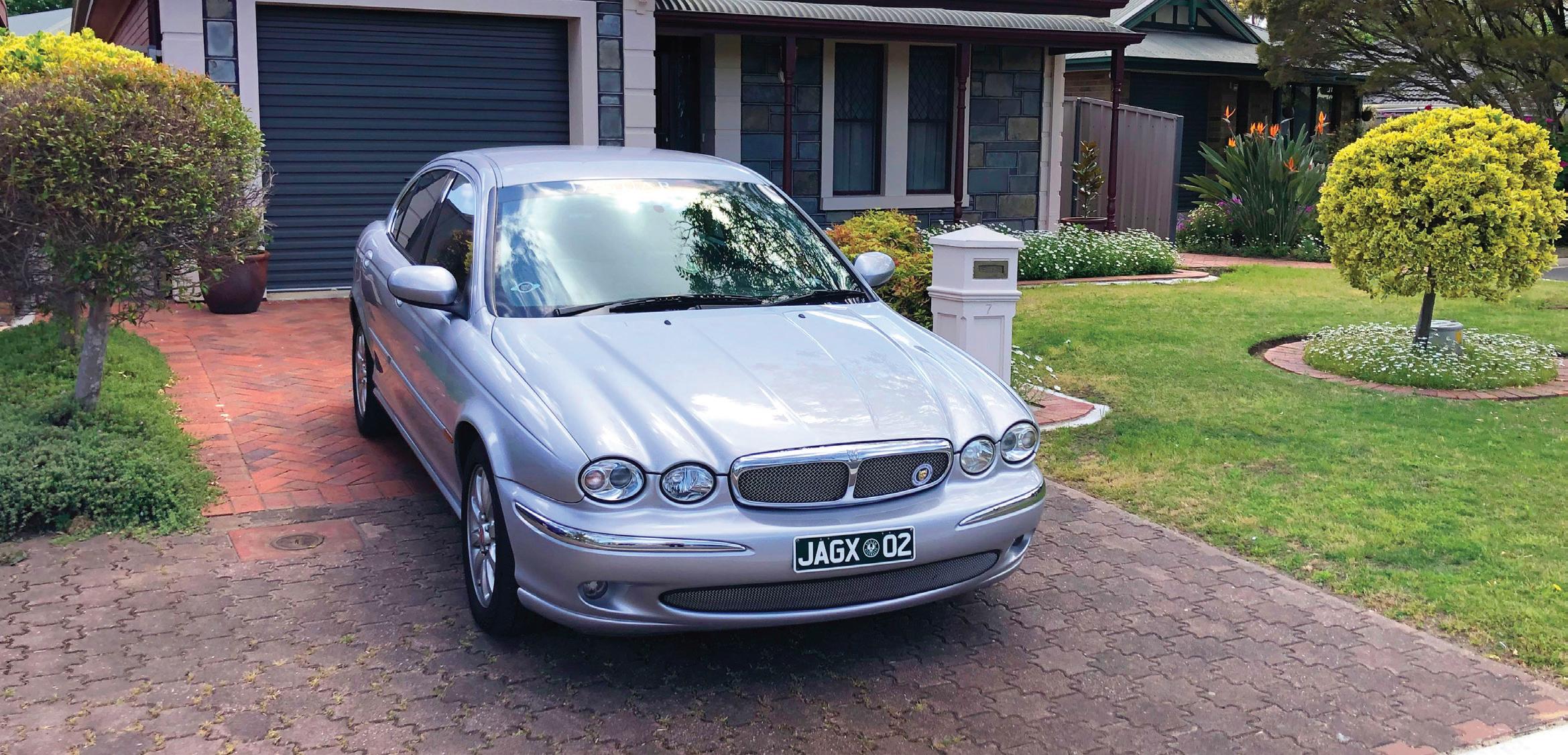
Then one afternoon, walking to the local shops, I saw her: a black X-Type parked under a tree, glistening like she’d just stepped out of a shampoo commercial. The interior looked untouched, the alloys gleamed, and the boot proudly announced “3.0 V6 AWD”. The cat had bitten again — and my Ford Focus, despite years of faithful service, suddenly looked like it needed… retirement. Yes, retirement. Immediately.
The internet (which is occasionally helpful) informed me that the X-Type was built under Ford stewardship to take on the Mercedes C-Class and Audi A4, and that Jaguar sold over 355,000 of them. That was all the encouragement I needed.
The search began!
“I went for a walk to the shops and came home with a Jaguar.
As you do.”
One morning my son rang: “Found one in NSW.”
Silver, black trim, Camden City Cars. State Roads NSW inspected it, sent a detailed report, and didn’t even tut-tut at my enthusiasm. Excellent service.
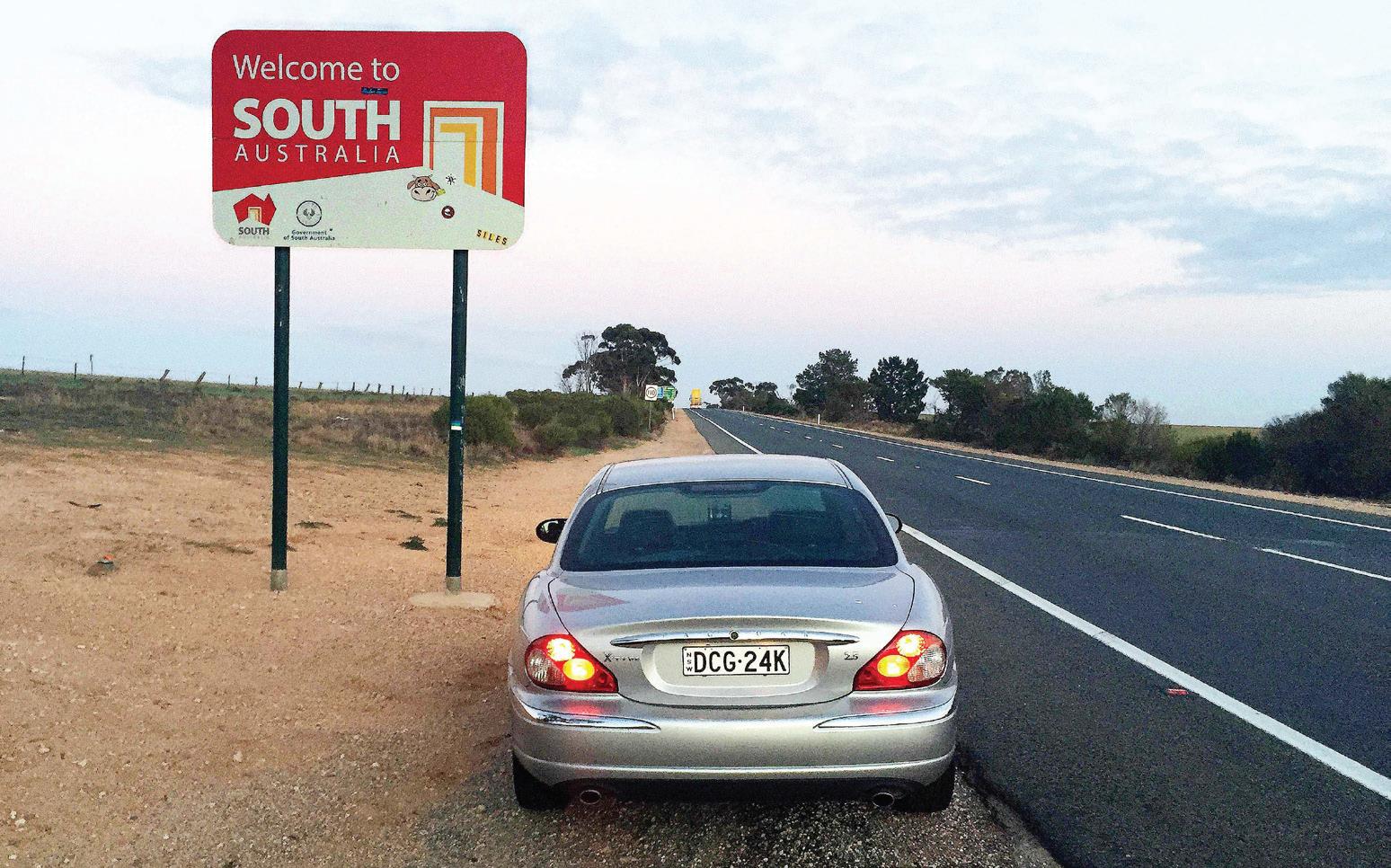
So on Monday 30 July 2018, I flew to Sydney to bring home a Jaguar. The odometer read 152,382 km as I left Camden. One night in Wagga, a stop in Mildura, and then home — a proper bonding trip.
She’s now my daily driver, has been interstate a few times, and despite the occasional person telling me I’m “driving a Mondeo”, research assures me only 19% of her is Ford. I choose to believe that 19% is the cupholders.
Serviced last week at Stepney Auto Repairs, she now reads 258,318 km — and still purrs. "Once the cat bites, it never really let's go".
Trevor Norley
Editor: Thank you, Trevor. Great read.
Almost immediately after the launch of the X-Type, an X-Type R was always a consideration.
Conceptually, the X-Type R deviated little from the formula of the other Jaguar ‘R’ saloons. It used a supercharger strapped to the 3.0 litre AJ-V6 producing upwards of 300bhp and with a 0-60 km per hour time in the 5.0 second range thanks to a six-speed gearbox and 4WD traction.
Jaguar built several prototypes through its Special Vehicle Operations (SVO) Department starting with a standard production specification X-Type.
The design included wider tracks with wider tyres wrapped around 19-inch alloy road wheels. For production this would have required retooling for new wing panels. Additional stiffness was also required in the engine bay to cope with the extra power.
Visually the car had slatted vents in the bonnet to draw more air into the supercharger and had more aggressive sills, front and rear bumper additions and the aforementioned larger diameter wheels as well as visually more imposing exhaust finishers.
During testing, it had been established that the transfer case mechanism for the 4WD wasn’t the most robust system and, whilst perfectly adequate on a wellkept 3.0 litre, it was not up to the job of reliably taming the substantial boost of the supercharger. With investment, this could have been addressed.
The X-Type R was set to be a stunning car, but ultimately the investment dried up. Ford had become disillusioned
with X-Types inability to dominate the market place. The X-Type R and other X400 variants were abandoned to the archives.
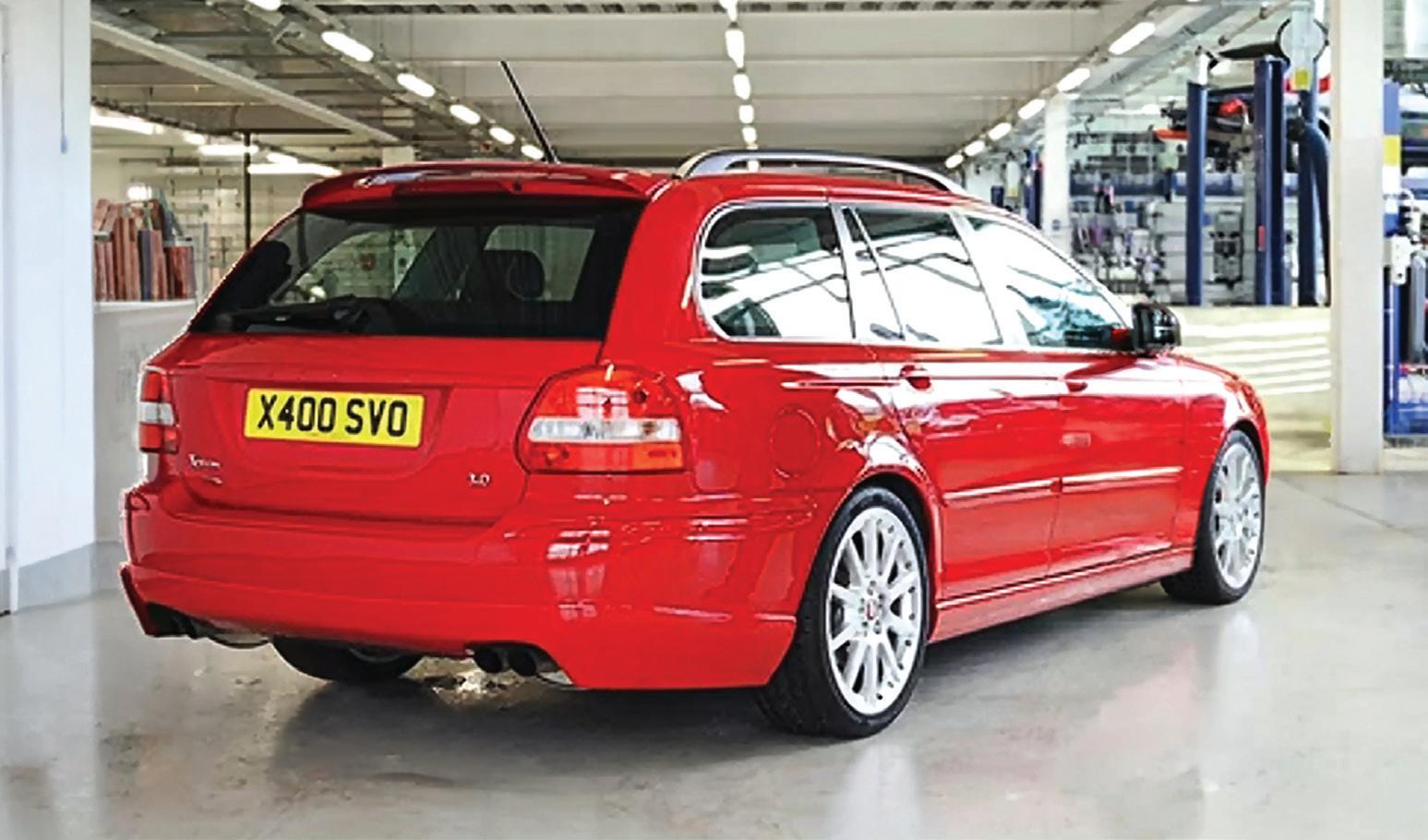
Because an estate car was able to accommodate slightly bigger wheels (18 inch), a supercharged estate car was built and used for development testing throughout 2004-2005. In 2008 it was gifted to the Jaguar Daimler Heritage Trust. .
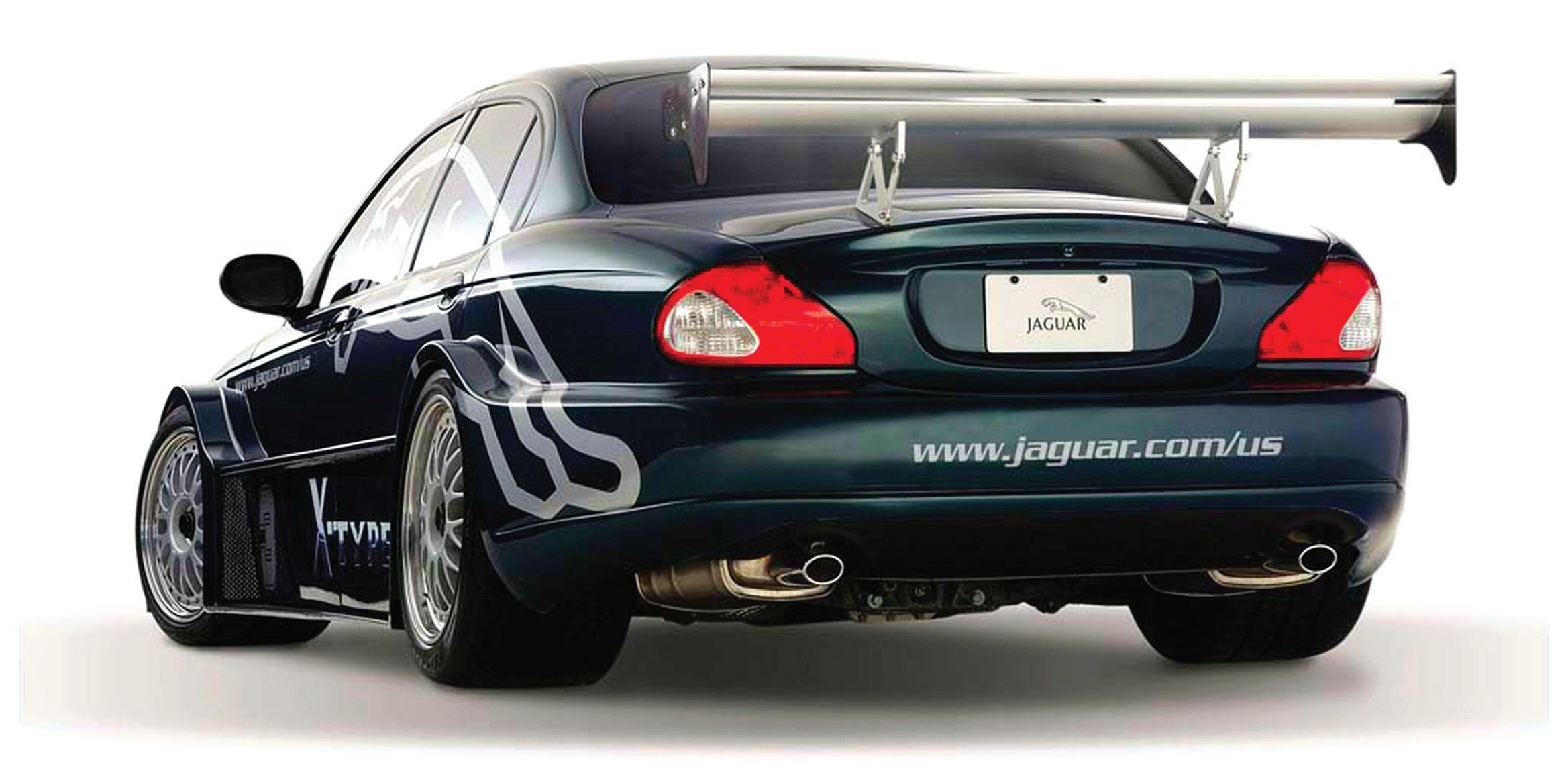
This X-Type sports sedan was built in 2002 to explore options for Jaguar racing in North America. “Rocketsports Racing”, who were competing in the Trans-Am series with a lightweight Jaguar XKR built the X-Type. Engineers widening the X-Type’s track by over eight inches and modified the body with race-style wheel arches joined longitudinally by aerodynamic rocker box sections. At the front, there’s a deeper spoiler while at the rear a full-width, racing-style wing was mounted on the boot. “Rocketsports” continued racing the XKR and the concept of racing X-Type’s was taken up by European racing teams.
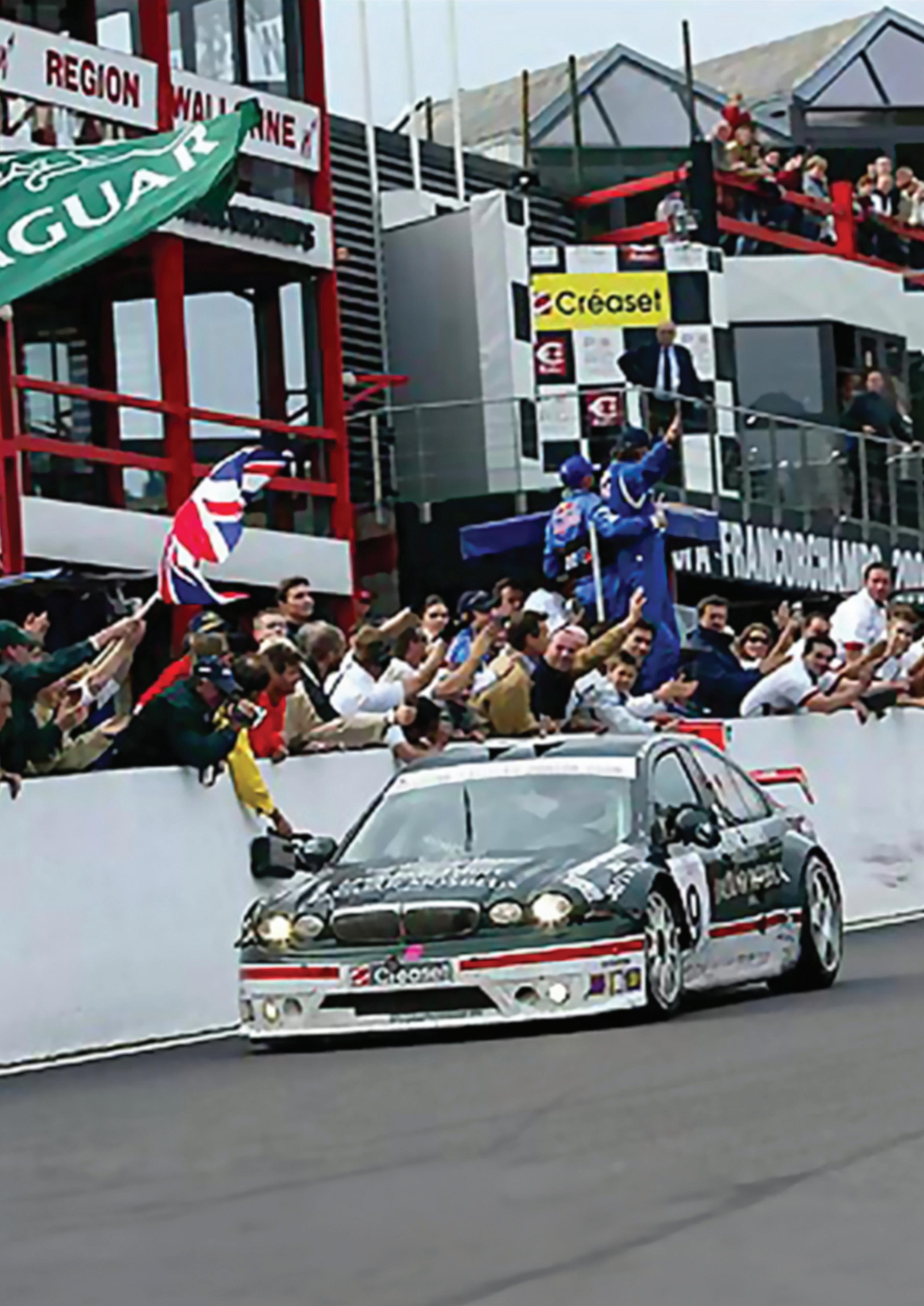
You might not think the X-Type has any kind of competition history, but, in 2005, it won the competitive Belgian Touring Car Series and the 2006 Spa 12 Hours.
The winning car, entered by Thiry Racing International (TRI) from Luxembourg, was a ‘Silhouette’ – a light-weight, tubular-frame chassis X-Type powered by Jaguar’s 3.0-litre V6 with a six-speed Hewland sequential gearbox.
The car was built for TRI by the Belgian racing car specialist Motorsport International, based in Theux. It was the brainchild of Albert Thiry, a Jaguar dealer from Habay-la-Neuve, Luxembourg. The car won its first race, the final round of the 2003 Belgian Touring Car Series at Spa-Francorchamps, resulting in an attack on the Championship in 2004.
Following a win at Zolder, TRI was suddenly the team to drive for.
In 2005, it entered a second car for the pairing of Vincent Radermecker and Jérôme Thiry; and David Dermont and Bernard Delhez. With the best drivers, a lucrative sponsorship from Kodak and a competitive car, Albert Thiry was unashamedly aiming for success.
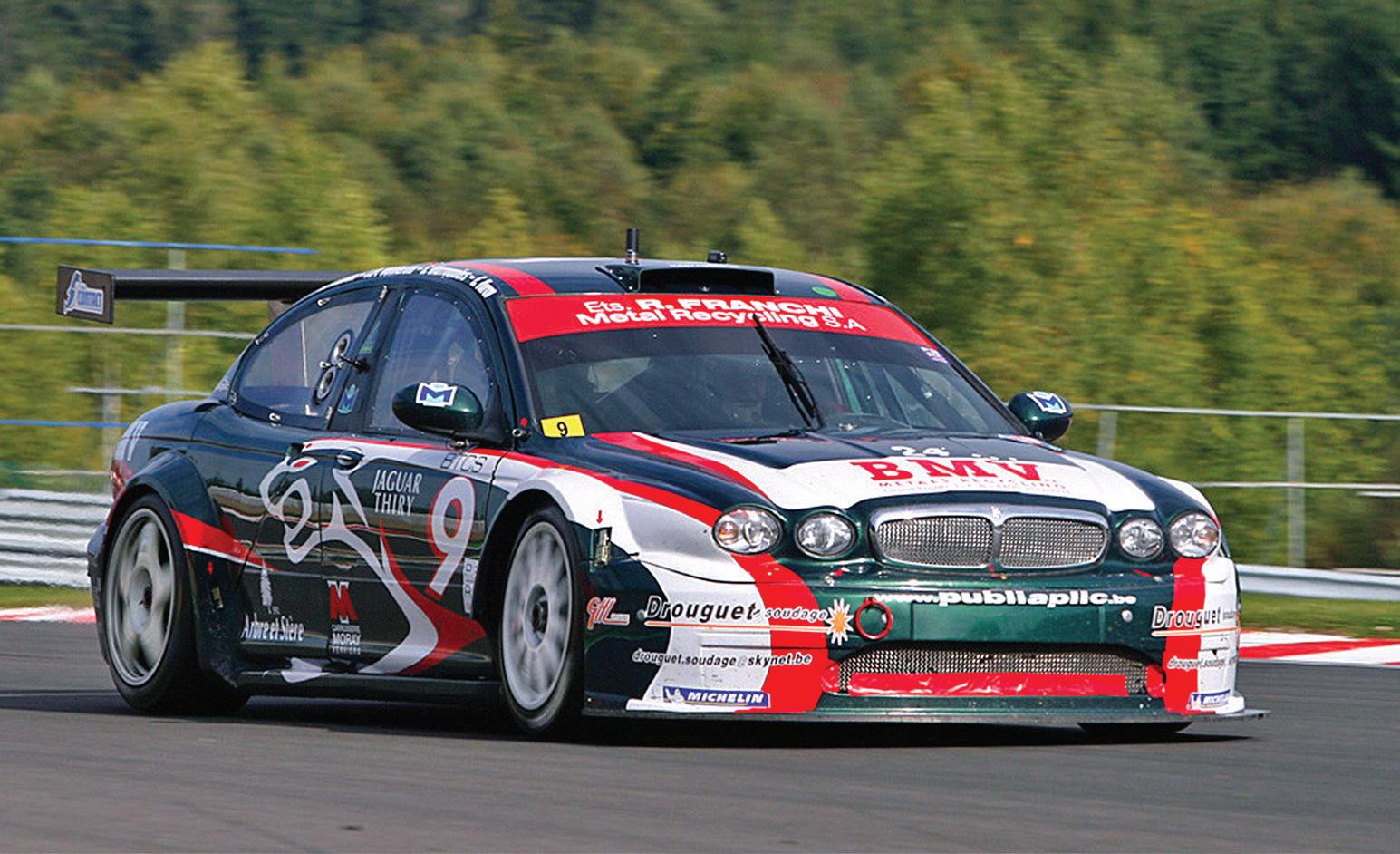
“Like all the other advanced teams,” he said at the start of the season, “we can affirm that the victory at Zolder last year gave us a taste for champagne and you can count on us to do everything we can to stand on the top step of the podium.”
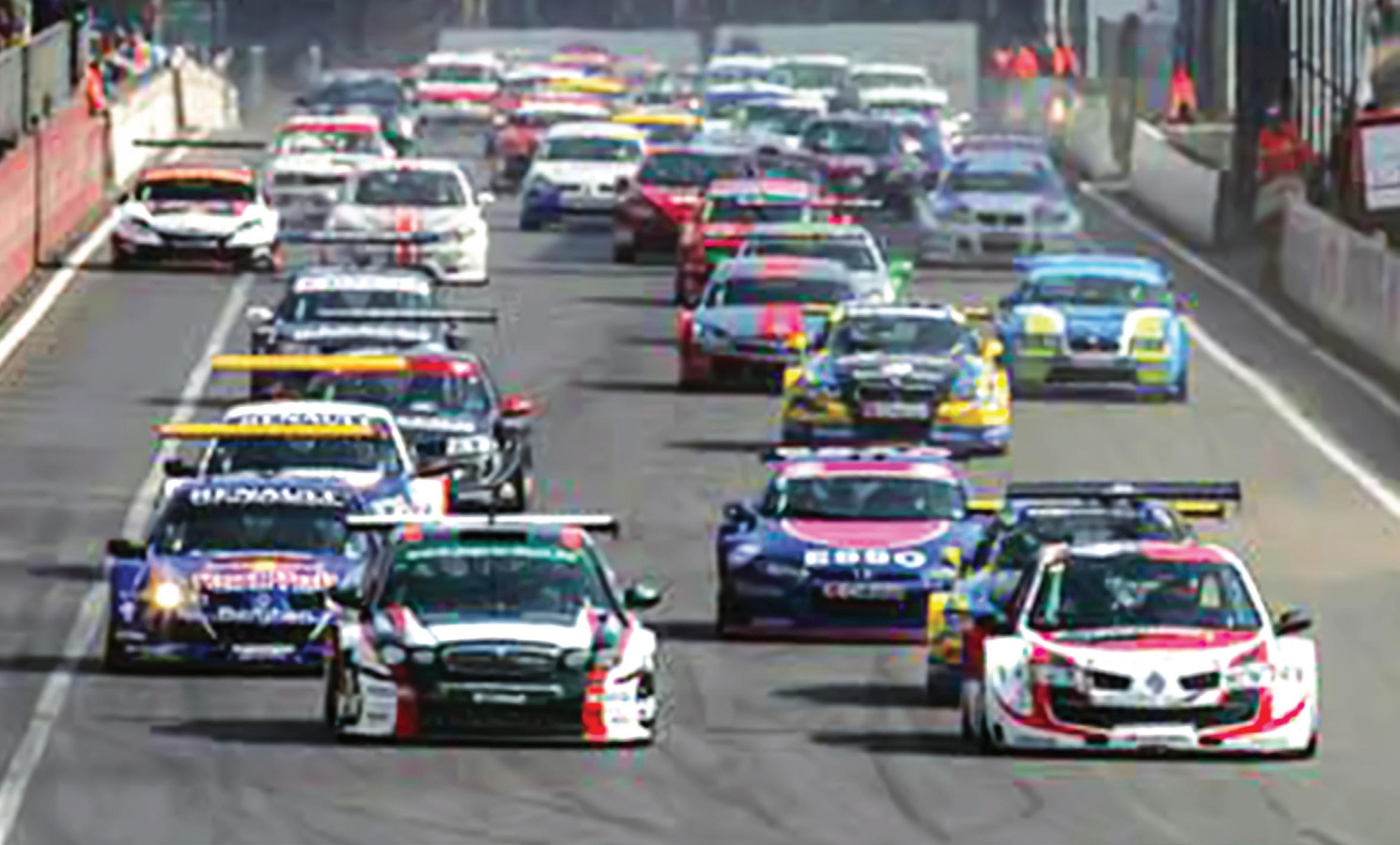
The 2005 championship win prompted other teams to develop their own X-Types for the BTCS.
Although the TRI continued to win BTCS races, it remains the X-Type’s most important motorsport success. TRI went onto more success and in 2010, Thiry Racing replaced the X-Types with Jaguar XF Silhouettes. .
The following Q&A questions are from readers of Jaguar World and may be relevant to club members cars.
Is it feasible to build an E type from spare parts with no donor car? The reason for my question is that after reading articles in Jaguar World, in order to achieve my goal of owning an E type, I realised that not only would I have to buy an expensive car, I would probably have to fix much of the metalwork and then replace many items to bring it up to a good modern standard. I haven't been able to figure out which is cheaper.
xxxxxxxxxxxxxxxxxx
The quick answer to this is that even though it may be expensive, buying the best car you can find will in the long term still be the cheapest option.
Even if all of the various parts were available new (and many are not) you would still need an original identity in order to register the vehicle, and that would mean buying a total wreck at the very least Then the replacement shell would need considerable preparation and painting which can cost many thousands of pounds to do properly, followed by the task of sourcing and reconditioning where necessary the drivetrain, trim and ancillary parts.
I recently purchased a 1993 6.0 litre XJ40 V12 which had sat unused for two years following the death of its owner. The car is in very good condition and started instantly on fitting a new battery, but unfortunately it wants to rev at around 1100rpm cold and then fluctuates between 900 and 1500rpm when warm.
My local dealer suggested replacing the air intake temperature sensor, which made no difference. The VCM is showing no fault codes and a mechanic has said that it might be the air flow meter, but I am unwilling to spend further money without a more positive diagnosis.
xxxxxxxxxxxxxxxxxx
These are the classic symptoms of the cold start auxiliary air valve (located at the back of the lefthand cylinder head) seizing and failing to close off as the car warms up.
This valve is entirely mechanical and so won't bring up a warning message when it fails. Replacement valves are widely available and relatively easy to fit, though the coolant level may have to be lowered slightly as the valve has a temperature sensing bulb that protrudes into the water rail housing.
While at the traffic lights in my 2000, 3.0 V6 S-Type, the engine started to hunt up and down and eventually stalled. I found an air leak on the connector (that looks like an HT lead cap with an elbow on the top) at the back of the right-hand bank, but, having replaced it, the fault remains. I have heard a hissing from the throttle body when the ignition is turned on, but it stops when the plug is disconnected from the right-hand side. Do you have any ideas as to what to do next?
This problem is indicative of an intake air leak (a diagnostic read out showing lean codes for banks one and two would confirm this supposition).
There are a couple of breather hoses that cause issues, and they all need to be checked. If one has failed, there may potentially be others. A usual scenario is that one collapses and starves air to the rest of the system, rather than actually creating an air leak. The other breathers can continue to deteriorate, and even split, without necessarily causing extra air to enter the inlet. When the one at the top fails (which is near the throttle body, about 200mm long and 20mm in diameter, stepping up to about 30mm at the rear end), you get hunting. It is usually visually obvious that this hose has collapsed and split, and is easily replaced, but the symptoms can remain due to the breather hose under the inlet manifold suffering similar problems. It is easily diagnosed with a can of WD40 — you will see the fluid being sucked in — or by using a length of hose as a makeshift stethoscope.
Once you have located the leaking breather, the fun of removing the manifold and the injection rail begins. The most common culprit being buried in the centre of the V.
I have a 1997 XK8 coupe. Can you tell me if it is worth fitting rear parking sensors to the car? Where would I go about getting this done professionally, and would it require an entire bumper respray?
xxxxxxxxxxxxxxxxxx
Parking sensors are a worthwhile option and Jaguar specialists do offer a fitting service. The bumper should not need to be repainted (though the sensors themselves can be painted for a more integrated appearance), but it must be stated that due to the complex curves of the XK8, fitment is not as straightforward as on other Jaguar models.
I own a 1999 X308 4.0 Sovereign with 50,000 miles on the clock. Over the last two months a recurring fault has developed; suddenly the red and amber warning lights illuminate, together with the alternating messages — traction control fail / stability control fail / restricted performance — and I am reduced to around 35mph. I then stop the car, turn the ignition off and then on again and everything is back to normal for days or weeks.
I have cleaned the throttle butterfly area, ABS pump electrical connectors and inspected the wiring to the ABS sensors and all seems fine. Your advice would be appreciated.
xxxxxxxxxxxxxxxxxx
Your problem is most likely to lie within the throttle housing, as this is one of the most common V8 problems we have encountered.
Unfortunately, cleaning the butterfly area rarely produces a permanent fix and a new housing assembly is almost always needed. The housings may be repairable, but we have not yet heard of anyone marketing a changeover unit.
A diagnostic computer, either Jaguars own, or 'Opus IVS', will be needed to reset everything once a replacement has been fitted. We would recommend calling your nearest independent Jaguar specialist.
Some days ago, my car, a 2002 X308 model with 49,000 miles on the clock, stopped responding to the key fob buttons and none of the four functions worked at all. Having bought new batteries I tried it at very close range once more before fitting them and found that all worked perfectly, indeed it worked at what you might term normal ranges.
Five days later it stopped working again so I fitted the new batteries, but this has had no effect. The locks and alarm work when using the key, which I can live with for the time being but there is absolutely no response when using the fob.
Is it likely to be the fob or something on the car that is at fault, and if it is the fob is there any way of reprogramming it short of a trip to a local dealership?
xxxxxxxxxxxxxxxxxx
The key fob would have lost its programming when the batteries were replaced. Fortunately, on a V8 it is only the key that needs to be reprogrammed by a dealer (or specialist), as you can reprogram your own fob(s) via a sequence involving the headlamp flasher and one of the dash lights — full instructions will be in your owner's manual.
My modern 3.0 litre S-Type auto with 56,000km recorded is indicating a malfunction via the dashboard "check engine" light.
The car seems to be in order in every respect apart from an occasional slight 'kicking' in the drive response as if the fuel injectors were 'sticky', or perhaps an ignition problem. This issue seems to occur when the car hasn't been used for a week or two, and when driven soon disappears.
However, the malfunction icon which would occasionally come on and then disappears, now stays on. As everything appears in order, I drive the car as if there wasn't a problem. I fear that putting it in for investigation would cost a lot without correcting the condition. Could you offer an explanation?
The 'check engine' lamp is illuminated constantly because an emissions related fault has occurred frequently enough to trigger a fault code in the car's computer.
This code can be read with any OBD2 standard diagnostic unit, and from our experience can often be a slight misfire caused by a faulty coil pack. All modern Jaguar specialists should be equipped to diagnose your problem.
My 2003 XJ X350 has lost its voice. There is no sound from the radio, sat nav, or voice command. My main dealer says it is an expensive module with a 2 hour labour charge + VAT. At that level I am inclined to have ago myself. I have some ability and know others with more.
Where do I start? Is this module behind the sat nav screen, if so, how do I recognise and access the unit? I am hoping that once found, I can either repair the component or fit a used module.
xxxxxxxxxxxxxxxxxx
The X350 has a networked computer system requiring all of the various modules to be programmed with the vehicles VIN number and specification, so fitting a second-hand unit from another car is therefore unlikely to work and certainly not a job to be attempted at home.
Do bear in mind, though, that an increasing number of independent specialists are equipping themselves with dealer level diagnostic and programming equipment, so it would pay to make a few calls before authorising the work.
I own a 1989 XJ40 Vanden plas, with a reoccurring dead battery and its getting to the point that I'm thinking of getting rid of the car, because I can't be sure it will start when I need it.
The car has fairly low miles (84,000) and It does have many of the famous quirks of this series, including the intermittent dash lighting (requiring a 'thump' on the dash), but the car runs well despite these electrical issues.
If I forget to plug in the 'battery tender' recharger, the battery goes flat in ten days or so and of course that ruins the battery. I'm getting ready for my second battery in two years. I am thinking about a 'priority start’ battery minder that will automatically disconnect the battery if the drain endangers the battery as a stop-gap measure, but what I'd really like to do is to fix this.
An unfortunate side effect of modern technology is that power drain is becoming a serious issue; an S Type can take up to half an hour to power down once the ignition has been switched off, and then, many struggle to maintain a useful charge, even for the ten day period you give.
Of course, no battery would give its best if the car hasn't been driven sufficiently to keep it fully charged so try and avoid too many short journeys.
A good battery conditioner, as I suspect your battery tender' is, should not just keep the battery charged, but also periodically drain and recharge it in a simulation of normal use, because even a battery with no drain will deteriorate without any use.
I have a 1987 Series 3 XJ12. The cruise control sometimes works and sometimes doesn't. I have checked the bellows and put two large jubilee clips to hold the rubber bellows on to the metal ends but this has not helped. All pipes and cables seem to be OK.
What do you think can be the problem? I also changed the control unit as well to no avail.
xxxxxxxxxxxxxxxxxx
The cruise control fault is still likely to be a split vacuum hose with air leakage into the bellows which rely on a perfect seal to work.
To repair, remove the end plates and clean everything thoroughly before refitting and sealing them in place with silicone sealant. While it is possible for a solenoid or switch to fail this is rarely the case.
I am the owner of a 1992 XJS convertible (V12) and for the second time I have had a fire in the catalytic converters. The first time the ignition coils had to be renewed together with both catalysts. The second time, which happened only approximately 1200km later, it seems that only the left-hand catalyst was on fire, as only this one was burning red.
Do you know what could be causing this error? The only fault code produced was FFI 3. It all happened during open road driving when the power suddenly dropped. xxxxxxxxxxxxxxxxxx
This certainly sounds like an ignition related fault, and one which may have caused the earlier failure of the coils as well. The car essentially has two separate ignition systems, one for each cylinder bank, but with both running through the same distributor via a two tier rotor arm and a distributor cap with two concentric rings of plug lead terminals.
Both the arm and the cap are made from poor quality materials, and it is most commonly the right hand catalyst that fails first when the portion of the rotor arm sending current to the right hand bank shorts out to the distributor shaft, causing the catalyst to fill with unburned fuel.
Unlike that for the right bank, the left bank portion of the arm is fed not by the usual spring loaded carbon brush, but a brass ring in close proximity to the coil lead terminal, thus setting up a permanent arc; were either component to distort and increase the gap, or dampness provide a path of lower resistance, the arc would fail, along with all the plugs in that bank.
With the V12 firing order being that of two separate six cylinder engines, the loss of one entire bank wouldn't cause any of the conventional misfire symptoms, only a proportional loss of power; not something that would be noticeable when cruising under light throttle.
The code 'Fuel fail 73' (FF13) relates to the manifold pressure sensor and would almost certainly have been triggered by the ignition fault.
I own a 1994 X300 4 litre Sovereign, and am having a problem with intermittent door locking/unlocking while travelling. Can you offer any suggestions?
xxxxxxxxxxxxxxxxxx
This problem is not uncommon and is usually traceable to a sticky latch assembly, which will need to be replaced. To isolate the latch in question it may be necessary to remove the door trims, operate the locks and look to see which one is stiffer or more sluggish than the rest.
I would be obliged if you could tell me the procedure for replacing the rear brake discs and pads on my 2005 S-Type 4.2 Sport with electronic handbrake.
At a recent service I was informed that the discs were corroded on the inside face and the pads were around 70% worn?
xxxxxxxxxxxxxxxxxx
Unfortunately, the rear pads and discs cannot be replaced without first disabling the electronically controlled handbrake mechanism, and this can only be done with a diagnostic computer.
Jaguar does supply dealers with a manual switch for emergency use, but even then, the entire boot lining must first be stripped out in order to access the plug. Sadly, in recent years, even replacing the brake pads has become a job for a specialist.
My S-Type Sport has to date covered only 13,700 miles since my last brake service, and so I was surprised when my local Jaguar dealer advised, when servicing the car, that the rear brake pads had only 1,000 miles of wear left.
Is this degree of wear usual at such low mileage? On my previous cars I can hardly recall replacing the rear pads at all, and certainly never at 13,700 miles.
xxxxxxxxxxxxxxxxxx
This is a common complaint with post 2002 S Types which have an electronically controlled handbrake.
Occasionally, even when using a diagnostic computer to disable the mechanism correctly, it fails to recalibrate to the new, thicker pads and brake drag can result, leading to premature wear.
A Technical Service Bulletin was subsequently issued containing instructions on how to manually calibrate the system when necessary:
1. Reset EPB module by disconnecting the battery for 30 seconds
2. Start engine
3. Firmly apply and release the foot brake five times
4. The message 'not calibrated' or 'apply foot brake' should appear to indicate the system is in calibration mode
5. Lightly press the foot brake pedal
6. Apply handbrake using electric switch
7. Release the handbrake
8. Release the foot brake
9. Confirm that the brake warning lamp is no longer illuminated and that the 'not calibrated' message is no longer displayed
10. Apply and release handbrake five times to test the system.
I have a 1992 XJ40. Lately I have had trouble with the steering rack, from hydraulic leaks to vibrations, and despite reconditioning the rack these symptoms persist. The recommended replacement would require new hoses and a later steering column to be fitted. Do you any Suggestions?
xxxxxxxxxxxxxxxxxx
A reconditioned rack should not leak, but if one does it should be covered by the warranty. Be aware that most racks are supplied on a changeover basis, so it is unlikely that the rack now in your car is the original. Also, reconditioning usually only extends to the seals and bushes, so if the main components are worn no amount of overhauling will fix the problem.
We would advise you contact the workshop/ supplier and ask for another rack, but first ensure that the leak is not in fact coming from the hydraulic pipes (which is very common) or the pump itself.
Vibrations, on the other hand, can usually be traced to a poorly aligned high pressure pipe or even one that has been incorrectly repaired with steel braided hose. A worn pump can also cause vibrations.
It should be possible to sort your problems without resorting to the expense of a new rack.
I have a 1987 Daimler Double Six. When I fill the left hand tank, it still shows empty. The right hand tank is alright and shows full and empty as it should.
I have fitted a new tank sender unit and it remains faulty, but if I take the tank unit out and move the arm to empty and full it registers on the gauge. Can you tell me what is wrong?
xxxxxxxxxxxxxxxxxx
While the sensors cannot be fitted upside down, they do have offset arms and so can foul the tank wall when fitted either on the wrong side or with the float clipped in the wrong way round.
Fouling can even occur when the correct sensor is fitted to a tank that has been internally sealed with resin - so tight are the clearances.
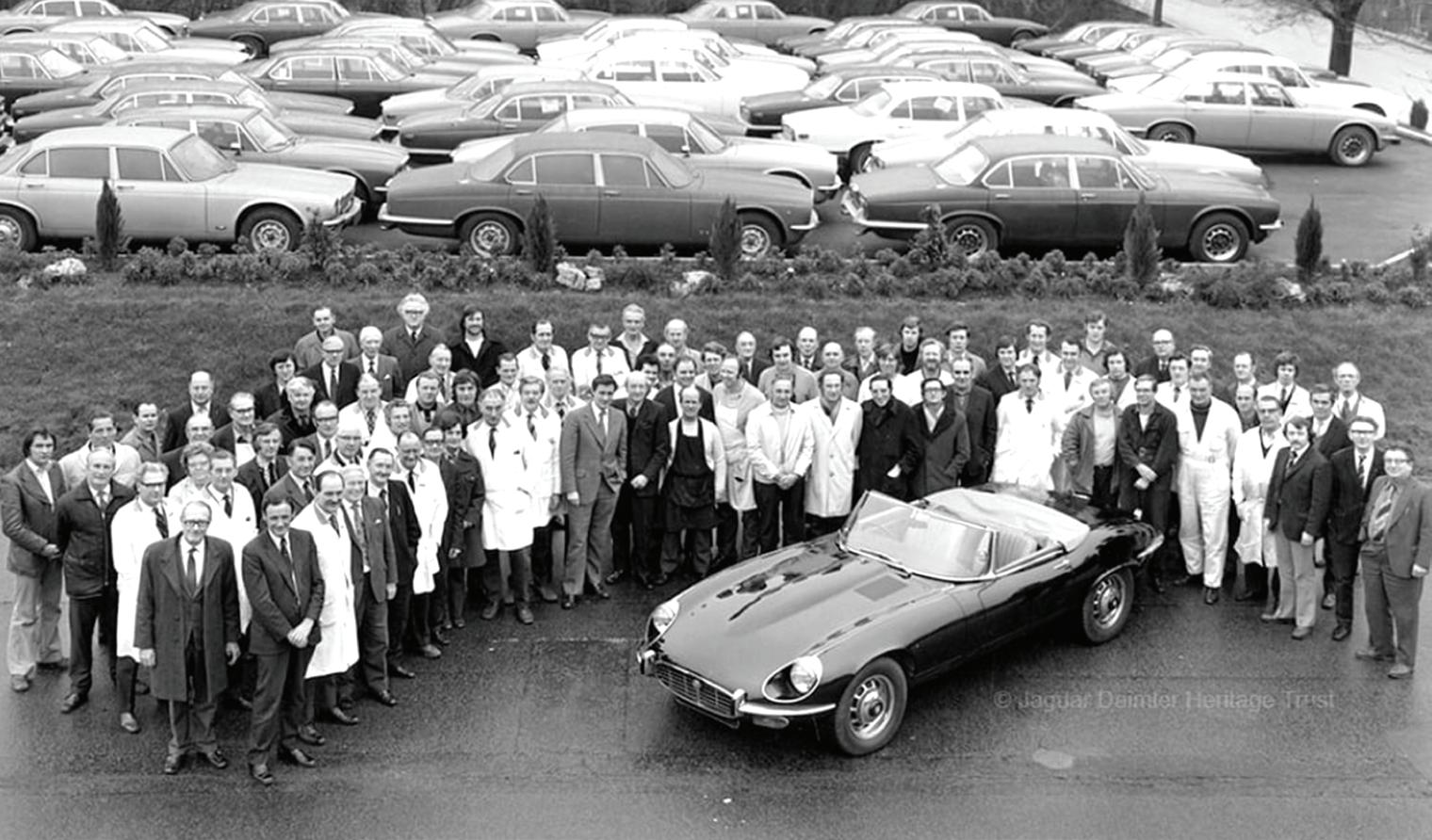
The last E-type was built on 12 June 1974 and is maintained by the Jaguar Daimler Heritage Trust (JDHT).
HDU 555N was part of a run of 50 cars commemorating the end of the E-type, all of which wear a plaque bearing Sir William Lyons' signature.
There are things missing off this car. It doesn't have fog lights or reversing lights and no wing mirrors. The story is, whether it's a myth or not, is that they started to run out of bits as they were building those last 50 cars. It's said that they started off with two reversing lights, then they ended up with one, and the last ones didn't have any. It is really quite believable knowing how Jaguar was back then. .
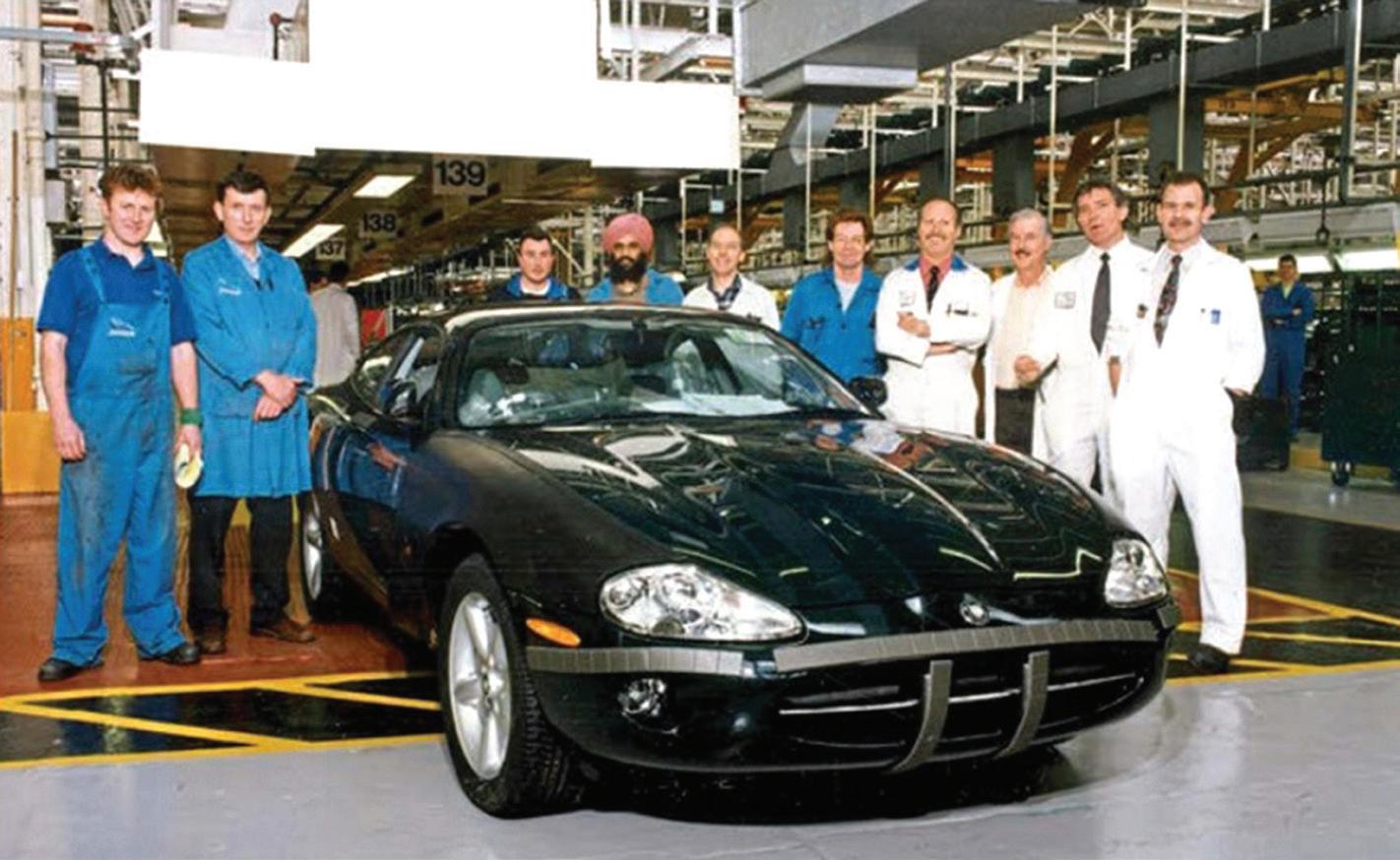
The very first XK8 left Browns Lane production line on the 4th June 1996.
The XK8 (project code X100) is a grand tourer and the first generation of a new XK series. The XK8 was available in two-door coupé or two-door convertible body styles with the new 4.0-litre Jaguar AJ-V8 engine.
In 1998, the XKR was introduced with a supercharged version of the engine. In 2003, the engines were replaced by the new 4.2-litre AJ34 engines in both the naturally aspirated and supercharged variations.
Between 1996 and 2005, Jaguar built 90,064 XKs. The XK8 was replaced by the all aluminium XK (X150) in 2005. .
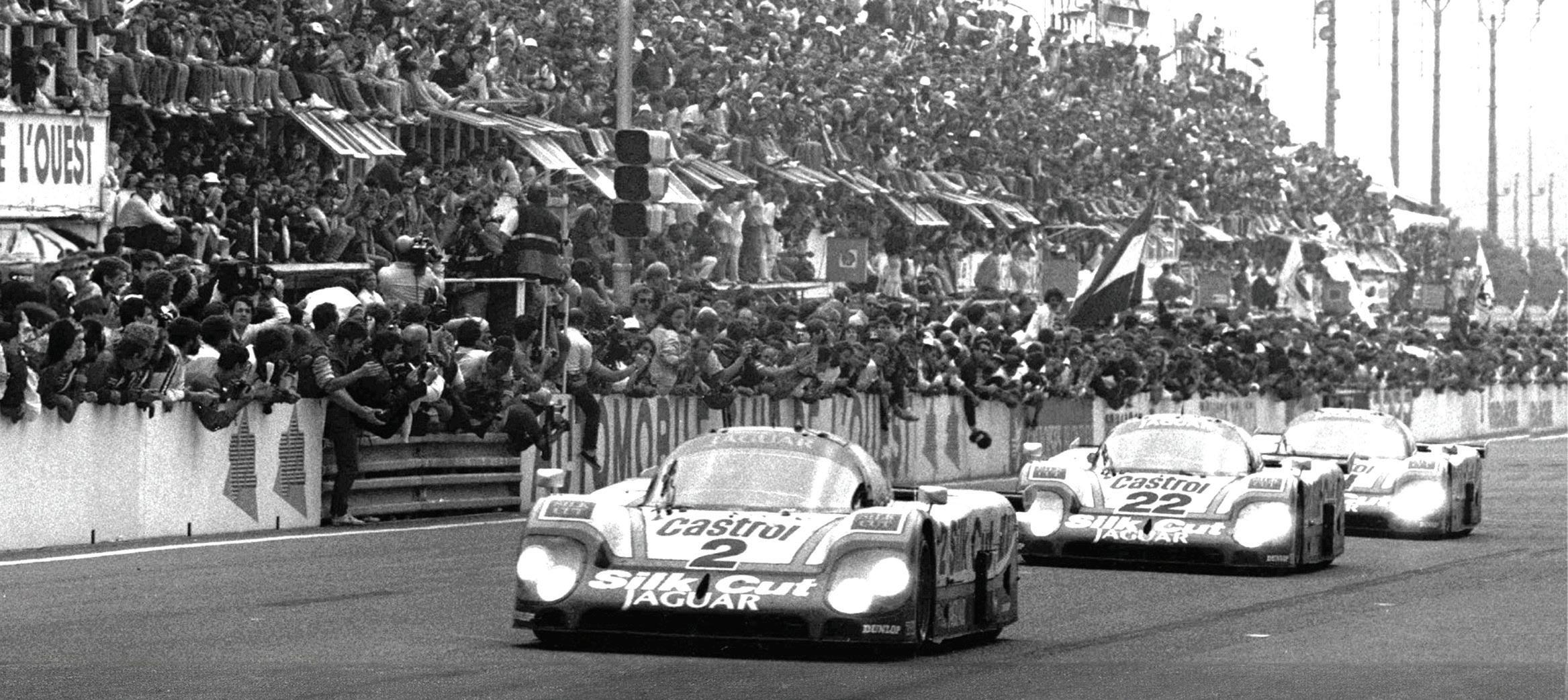
British Jaguar and Formula One racing driver Ivor Bueb was born on this day, the 6th June 1923.
Bueb is perhaps best known for sharing the winning works Jaguar D-type with Mike Hawthorn in the 1955 24 Hours of Le Mans which was marred by an accident in which 82 spectators were killed; a success he repeated with Ron Flockhart in the ex-works Ecurie Ecosse car in 1957.
With the death of Archie Scott Brown at Spa in May 1958, Brian Lister hired Bueb to fill the now-vacant Lister-Jaguar driver's seat. Bueb was a very good driver, scoring several first places at tracks such as Crystal Palace and Goodwood during the 1958 and 1959 sports car campaigns.
Bueb suffered serious injuries in 1959 when he crashed his Formula Two car at a race circuit in France. He died six days later on 1st August 1959 aged 36.
It was Bueb's death, in conjunction with Archie Scott Brown's demise, that finally led Brian Lister to shut down his very successful sports car racing effort. .
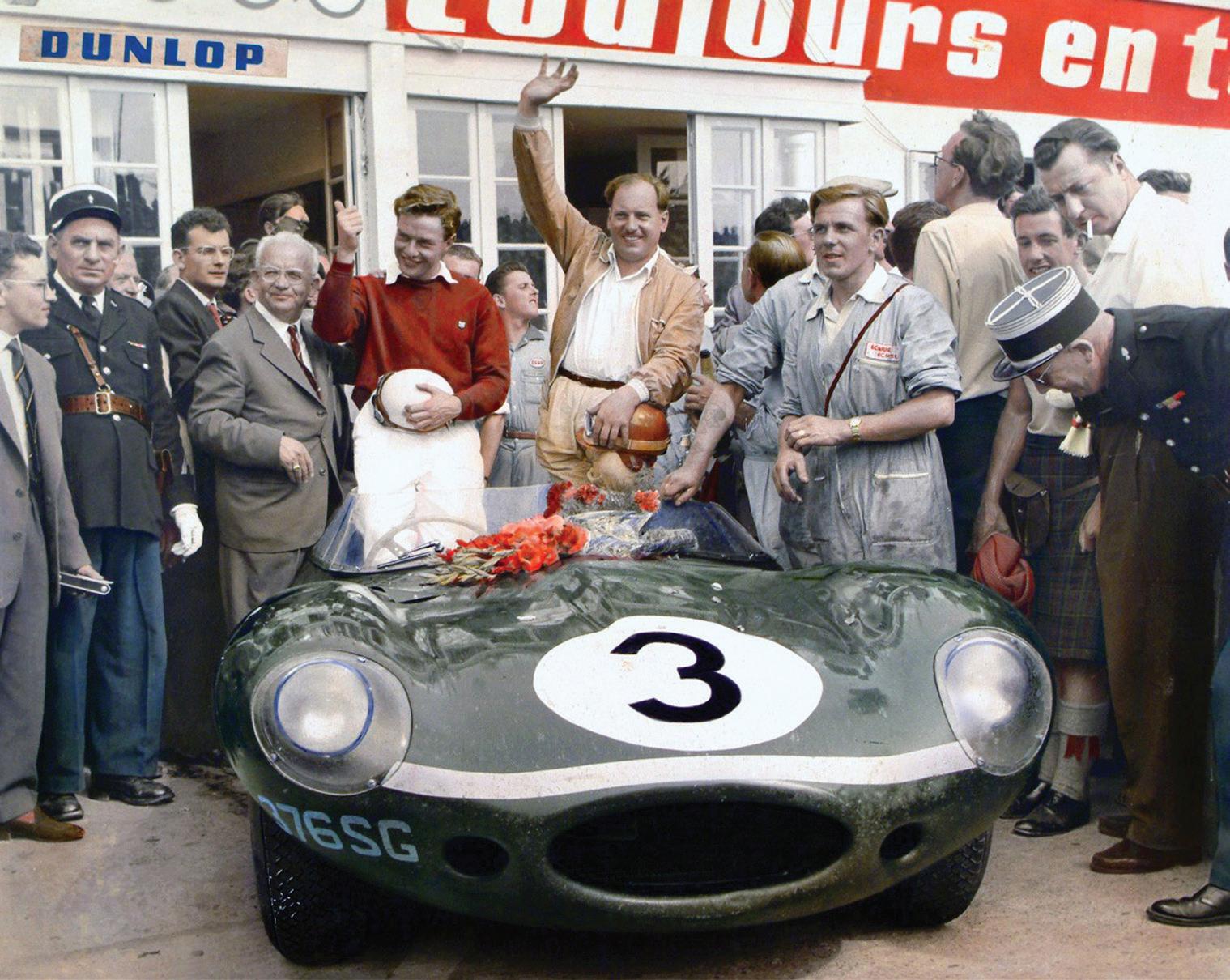
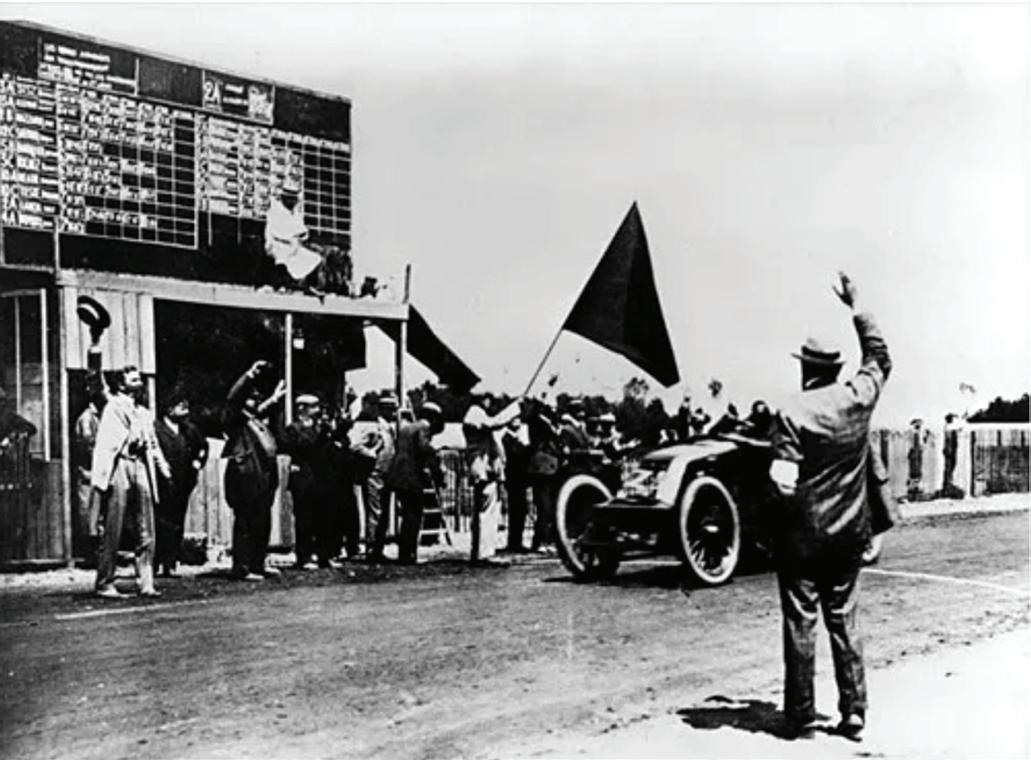
On June 26 1906, the first Grand Prix was held. Motor racing was started in France, as a direct result of the enthusiasm with which the French public embraced the motor car.
The Grand Prix de l’Automobile Club de France, started on June 26 and would come to an end the following evening. Each day of the race had the drivers completing six laps of a 103.18-kilometre (64.11 mi) circuit composed of closed public roads outside the city of Le Mans with the driver’s daily times being combined for their total time.
The Grand Prix was won by Ferenc Szisz driving a Renault, followed by Felice Nazzaro in a FIAT, and in third was Albert Clément and his Clément-Bayard. A key factor to Renault winning were the detachable wheel rims (developed by Michelin), which allowed tire changes to occur without having to lever the tire and tube off and back on the rim. Given the state of the roads, such repairs were frequent. .
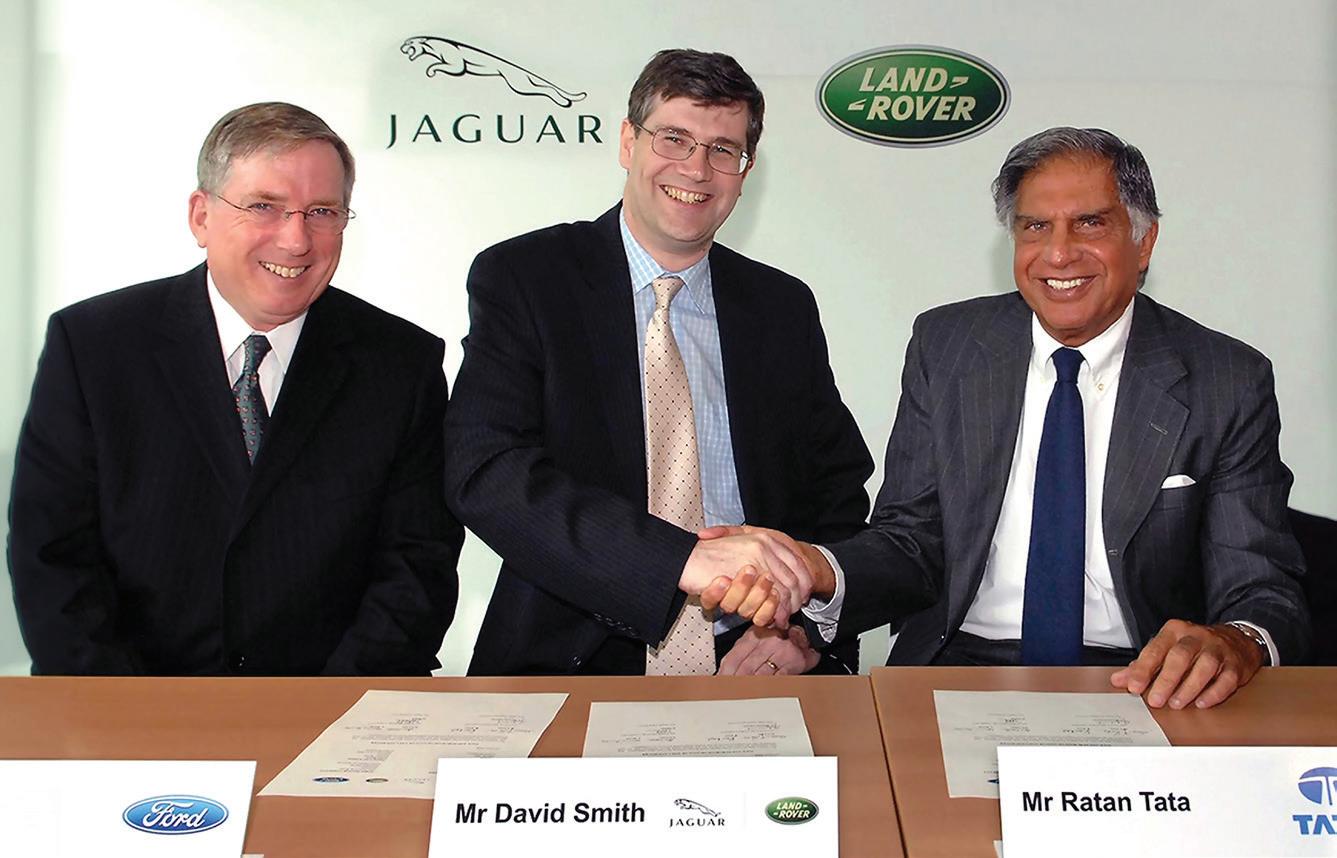
On 2nd June 1988 TATA Motors completed the purchase of Jaguar and Land Rover businesses from Ford Motor company.
Ford bought Jaguar for US$2.5 billion in 1989 and Land Rover for US$2.7 billion in 2000.
TATA paid US$2.3 billion for the British brands and Ford paid about $600 million into the JaguarLand Rover pension fund. In total, Ford received a mere third of what it initial paid for the two luxury brands.
The deal called for Ford to continue to supply Jaguar with technologies, powertrains, stampings, components, engineering, continued research and development, and other support services for differing periods of time. .
Geoff Lawson died on the 24 June 1999 from a stoke, aged 54. Geoff was Design Director for Jaguar from 1989 until his death.
In 1984, he joined Jaguar as Director of Styling, where he arguably produced his best known and most influential work. During his 15 years at Jaguar he was responsible for shaping the entire Jaguar line up, including the 1992 XJ220 supercar, the 1995 XJ luxury saloon, the 1996 XK grand tourer and the 1998 S-Type mid-size saloon. Before his death, he also supervised the styling of the 2001 X-Type compact saloon and the completely new aluminium-bodied 2004 XJ.
Geoff won numerous awards for his designs at Jaguar and also led a major expansion of the company’s styling resources and facilities at their Whitley Engineering Centre. .
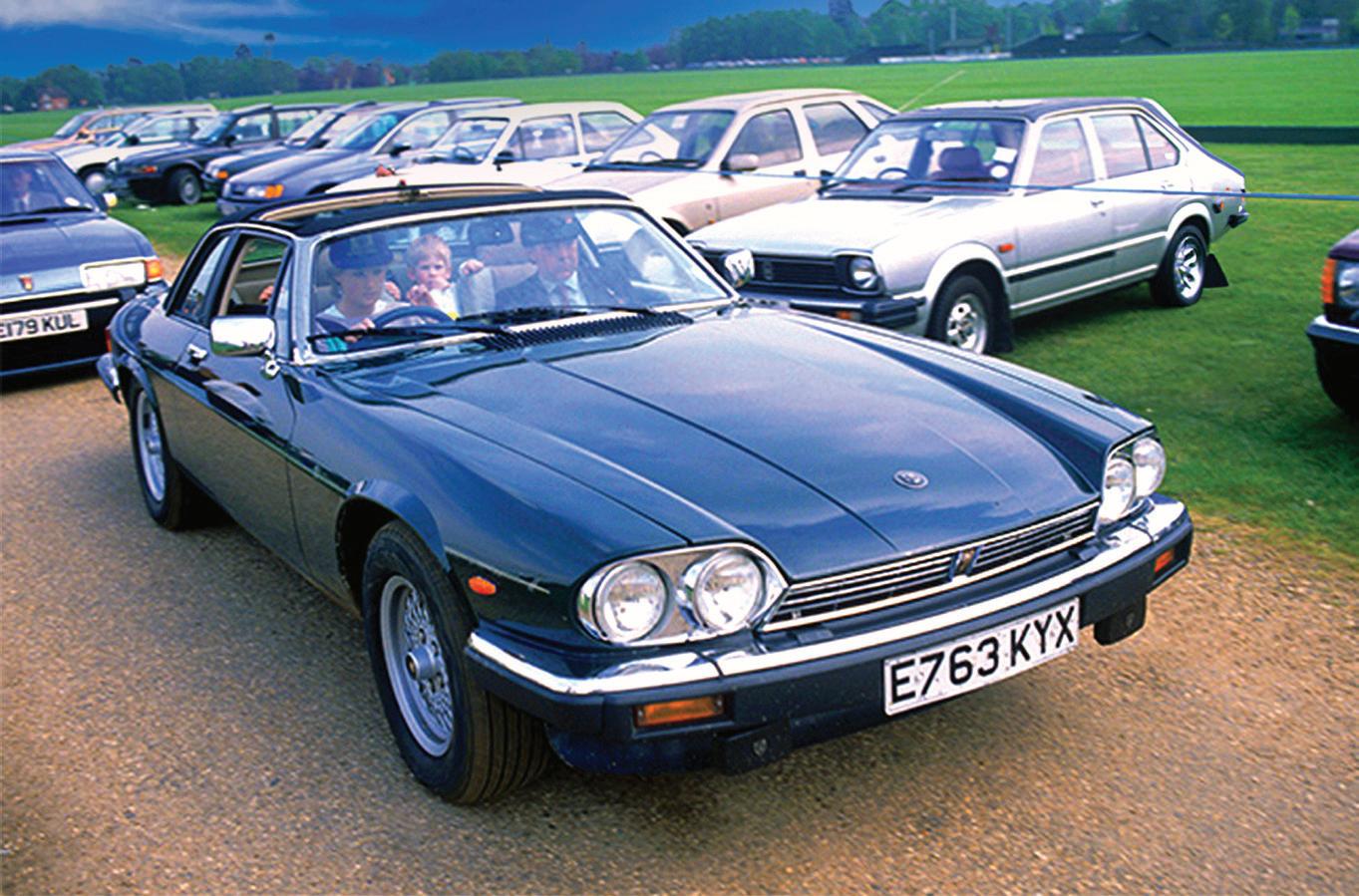
The first XJ-SC was produced on June 28, 1982, with the last produced on January 26, 1988.
In all 5,013 XJ-SC Cabriolets were built. (1,598 RHD and 3,415 LHD cars). These cars were different in that they had a Targa/Convertible body style with removable Targa panels over the two seater passenger compartment, plus a fabric rear section including the rear window. There was an optional hard top for the rear section.
Whilst there are a small number of the XJ-SC cars with the rear seat conversion, Jaguar Cars only ever produced one such car which was specially built for Princess Diana. The rear roof section on this car was fully secured in place and could not be removed. This conversion was later carried out by several aftermarket companies on owners cars, not with the approval of the works. .
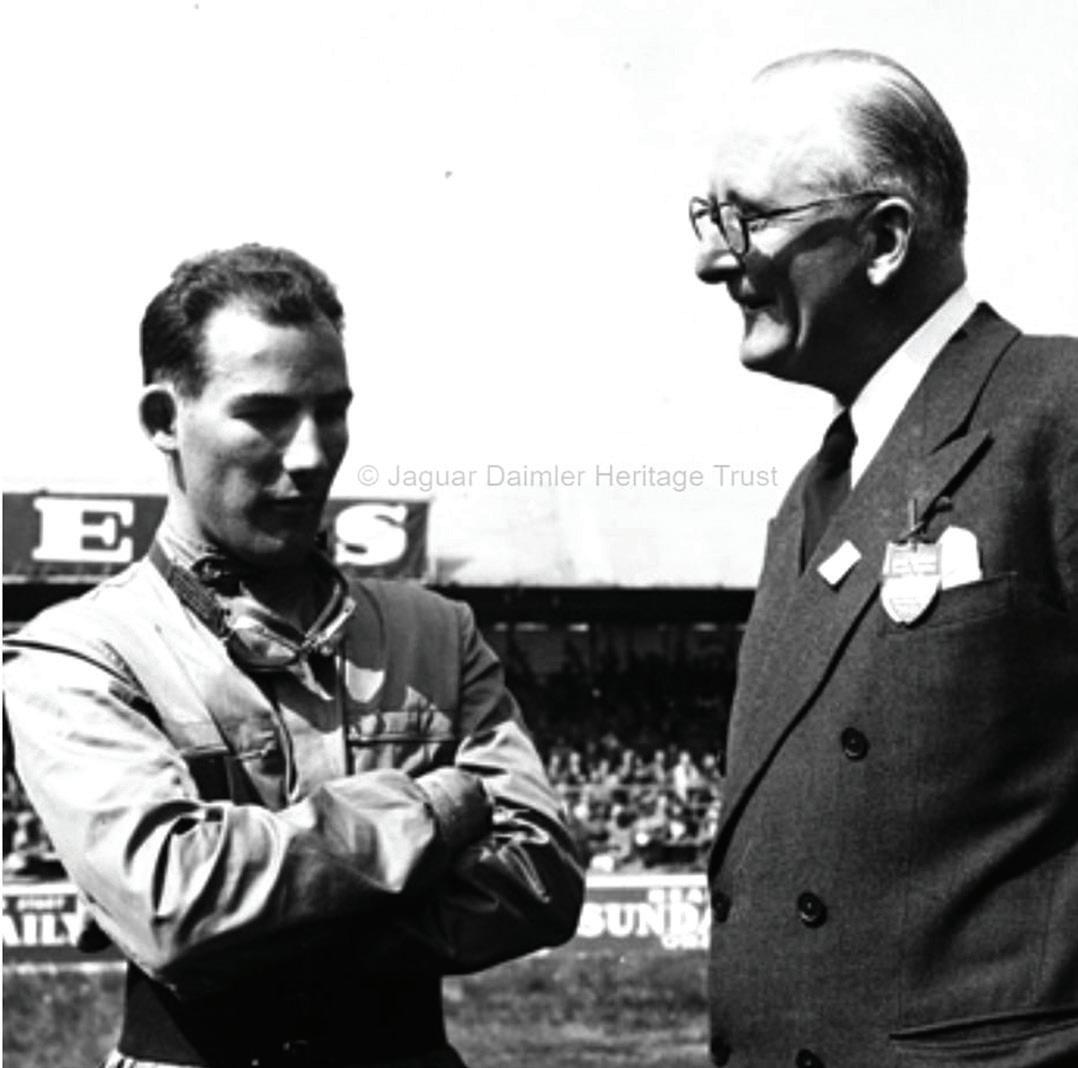
On 29 June 1952, 22-year old Stirling Moss won the Reims GP in a disc brake equipped Jaguar C-Type at an average speed of 98 mph.
Stirling Moss first drove a Jaguar in competition in 1950 which led William Lyons to ask him to lead the Jaguar Team, on the day before his 21st birthday! He drove for Jaguar Cars until the end of 1954 and remained a dedicated Jaguar fan.
Sir Stirling was an inductee into the International Motorsports Hall of Fame. He won 212 of the 529 races he entered across several categories of competition and has been described as “the greatest driver never to win the World Championship”. In a sevenyear span between 1955 and 1961 Moss finished as championship runner-up four times and in third place the other three times.
The popular American adage of the time – “Win on Sunday, sell on Monday” – was particularly apt for Jaguar’s XK120. It was later estimated that extra sales of the US$12 million were generated in the USA alone from their Le Mans C-Type win in 1951. .
Photo: 1951, Stirling Moss with William Lyons
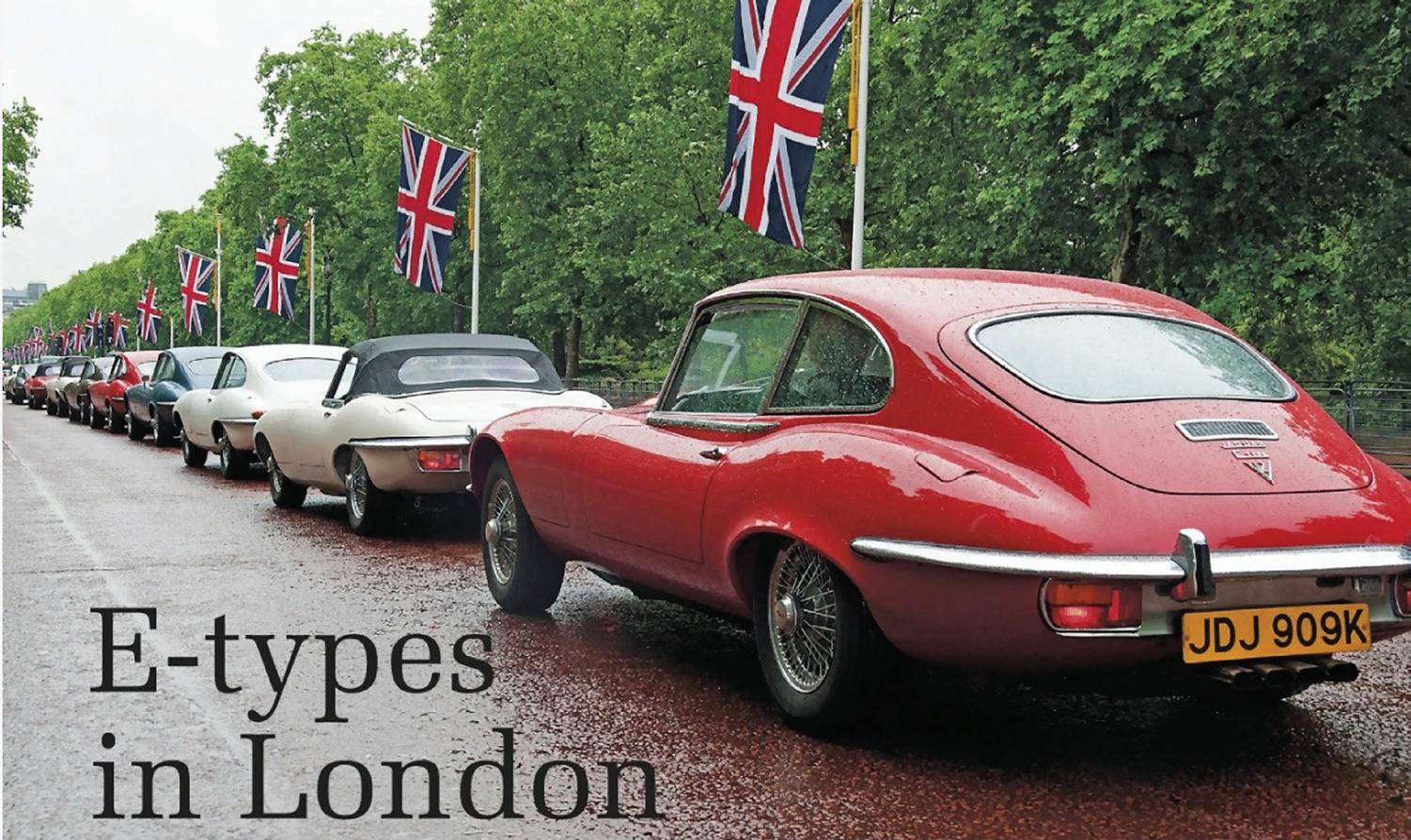
50 E-Types took part in a parade down London Paul Mall on the 6th June 2011 to mark the E-Types 50th Birthday.
The E-Types were on their way to the opening of the annual London Motorexpo where Jaguars latest 2012 Model Years cars - XK, XF and XJ models were being shown to UK public for first time.
The convoy was made up of entirely Jaguar Drivers Club members cars. They had over 120 responses for 50 places, which were finally decided by drawing names from a hat. The idea of feeding 50 additional cars into London Traffic an a Monday morning was a little daunting but all went well .... for the most part London traffic made way for the E-type convoy. .
The XK 140 was the feature car for the "Road & Track" June 1955 edition.
During their road and track test, a stock XK 140 SE achieved a top speed of 120+ mph (193+ km/h).
The best recorded two-way average was 120.3 mph (193.6 km/h). The best oneway run was 121.1 mph (194.9 km/h).
Acceleration times from 0–60 mph (97 km/h) were 8.4 seconds. The 0–100 mph (161 km/h) test took 26.5 seconds.
Finally, a standing 1/4 mile (~400 m) time was 16.6 seconds (82 mph (132 km/h). .
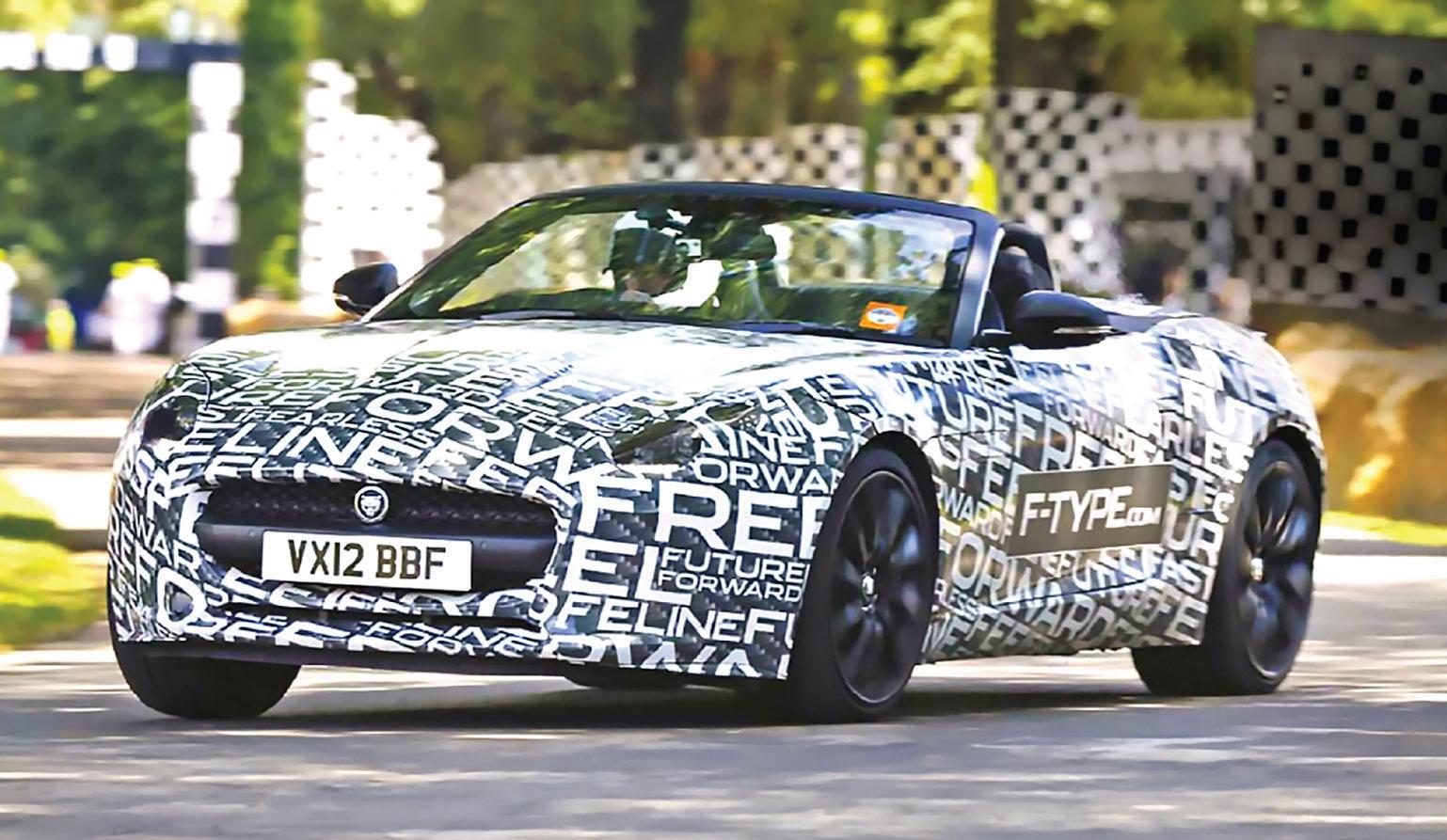
A prototype F-Type sports car made its global debut at the Goodwood Festival of Speed in June 2012.
The all-aluminium F-Type supercharged V6 example was driven up the famous Hillclimb with its hood down for the first time in public view. According to reports, and not surprisingly, the reaction of the crowd was fantastic. At the time, camouflaged prototypes like this one were being tested all over the world.
The F-Type convertible was officially launched at the 2012 Paris Motor Show, held in late September. .
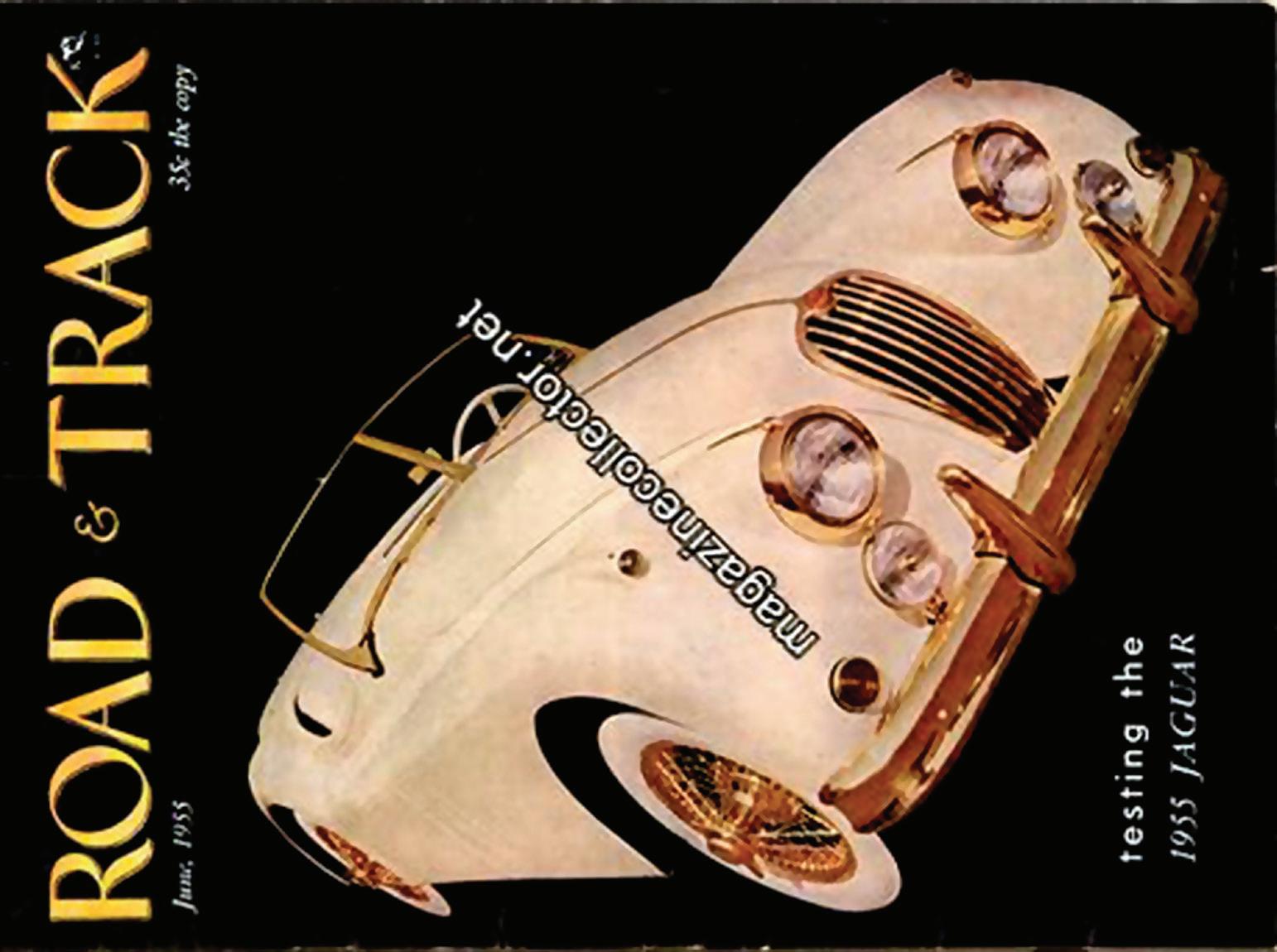
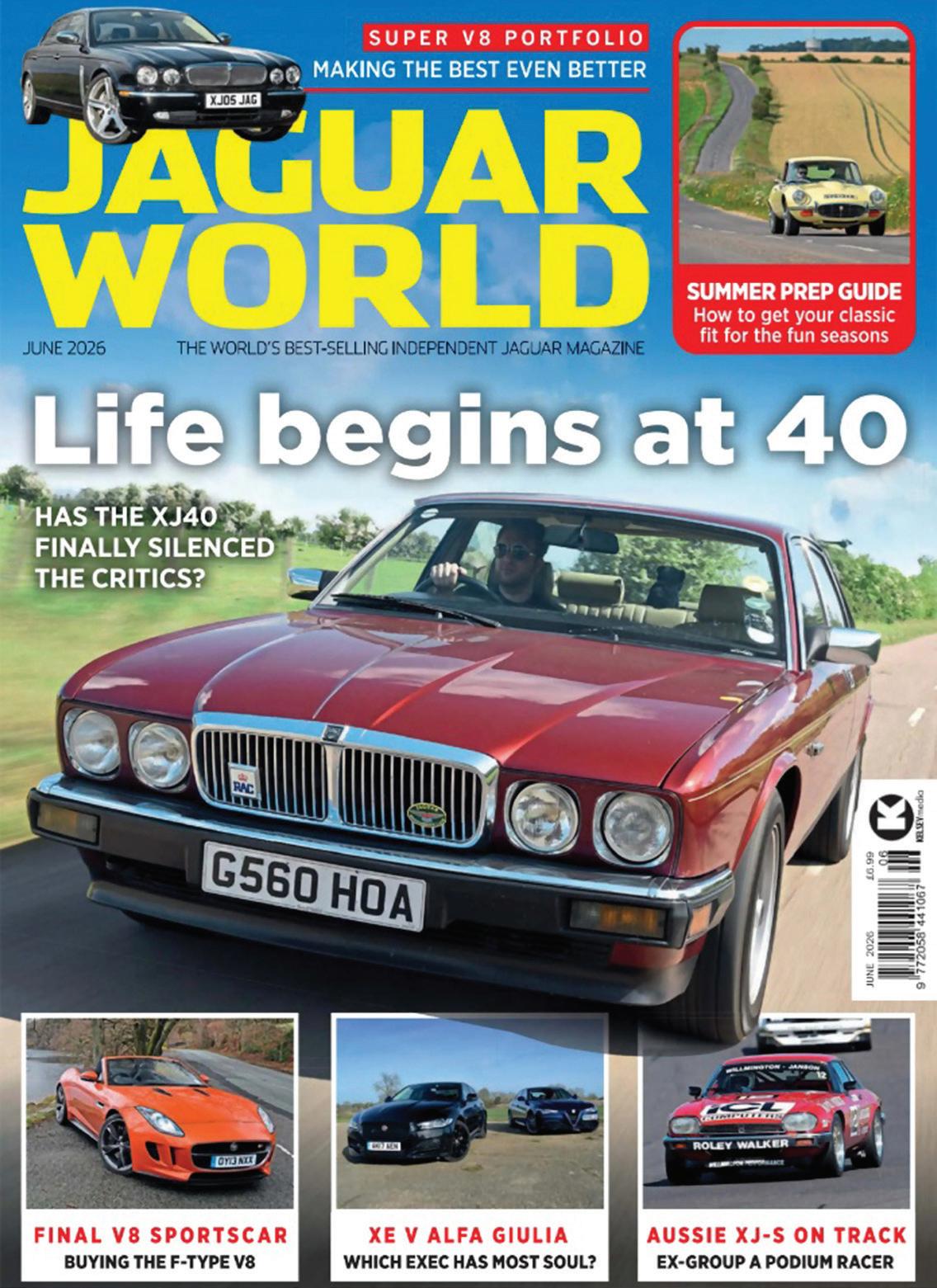
The June 2026 edition of Jaguar World includes the following feature stories:
◊ XJ40 at 40: As Jaguar's most controversial classic saloon turns 40, they look back at one of the company’s most under appreciated and influential models. The XJ40 is now widely accepted as one of Jaguar’s most critical models.
◊ Jaguar XE Vs Alfa Romeo Giulia: If you were looking for a handsome four-door saloon with a genuine sporty side in the mid-2010s, there were only two real options: the Jaguar XE and Alfa Romeo Giulia. How do the pair stack up today?
◊ X350 Portfolio: Beneath its classic lines, the X350 XJ Portfolio introduced a radically modern Jaguar – with a level of luxury that would define the next generation. Only produced in tiny numbers, the X350-based Super V8 Portfolio is as special as a limited-edition Jaguar gets.
◊ Racing XJ-S: They meet up with a Jaguar fanatic and marque specialist based in Australia, who also happens to own – and race – a rather special ex-Group A XJ-S.
◊ E-Type 2+2: Why is the most practical E-type so undervalued today? The forgotten E-type that shaped fifty years of Jaguar history turns 60 this year. We think it’s time for a re-evaluation.
◊ How to buy the best F-Type V8: Jaguar’s F-Type is one of the best V8 sports cars on the market, offering Aston Martin V8 Vantage style thrills and style for a fraction of the money. While V8s have poorer fuel economy and cost more to run, that means that they’re better value to buy – and undoubtedly are the models that will be worth the most to collectors in the future.
◊ Workshop: They show you how to prepare your classic for summer.
To differentiate the XJR-15 from the road going XJ220, which was on sale at around the same time, Jaguar's only stipulation was that the XJR-15 be launched with a high profile, one-make three race series known as the JaguarSport Intercontinental Challenge.
18 examples were modified for racing, the only difference being that the five-speed gearbox was replaced with a competition six-speeder. "There will be no favouritism," confirmed Walkinshaw at the time. "We will prepare the cars and take them to the races. They will be as near identical as we can make them."
The first race took place during the Monaco Grand Prix in May 1991, later followed by Silverstone and Spa. The driver line-up combined amateur racers with seasoned professionals such as Derek Warwick, David Brabham and Armin Hahne.
From the outset, the challenge was clear — the XJR-15's width, power and rawness made it ill-suited to Monaco's narrow streets, meaning there was little room for
error and even less for overtaking. The equal machinery placed emphasis squarely on driver skill, and the circuit amplified every mistake. Small misjudgments — brushing a barrier, locking a brake into Mirabeau, clipping the kerb at the Swimming pool — had immediate consequences.
In a contest where aggression so often led to elimination, Derek Warwicks measured
approach paid off, allowing him to take the chequered flag and claim £45,000 plus an XJR-S.
More significantly for Walkinshaw, the XJR-15 had proven itself not just as a showpiece, but as a genuine racing machine capable of conquering one of motorsport's most demanding venues. .
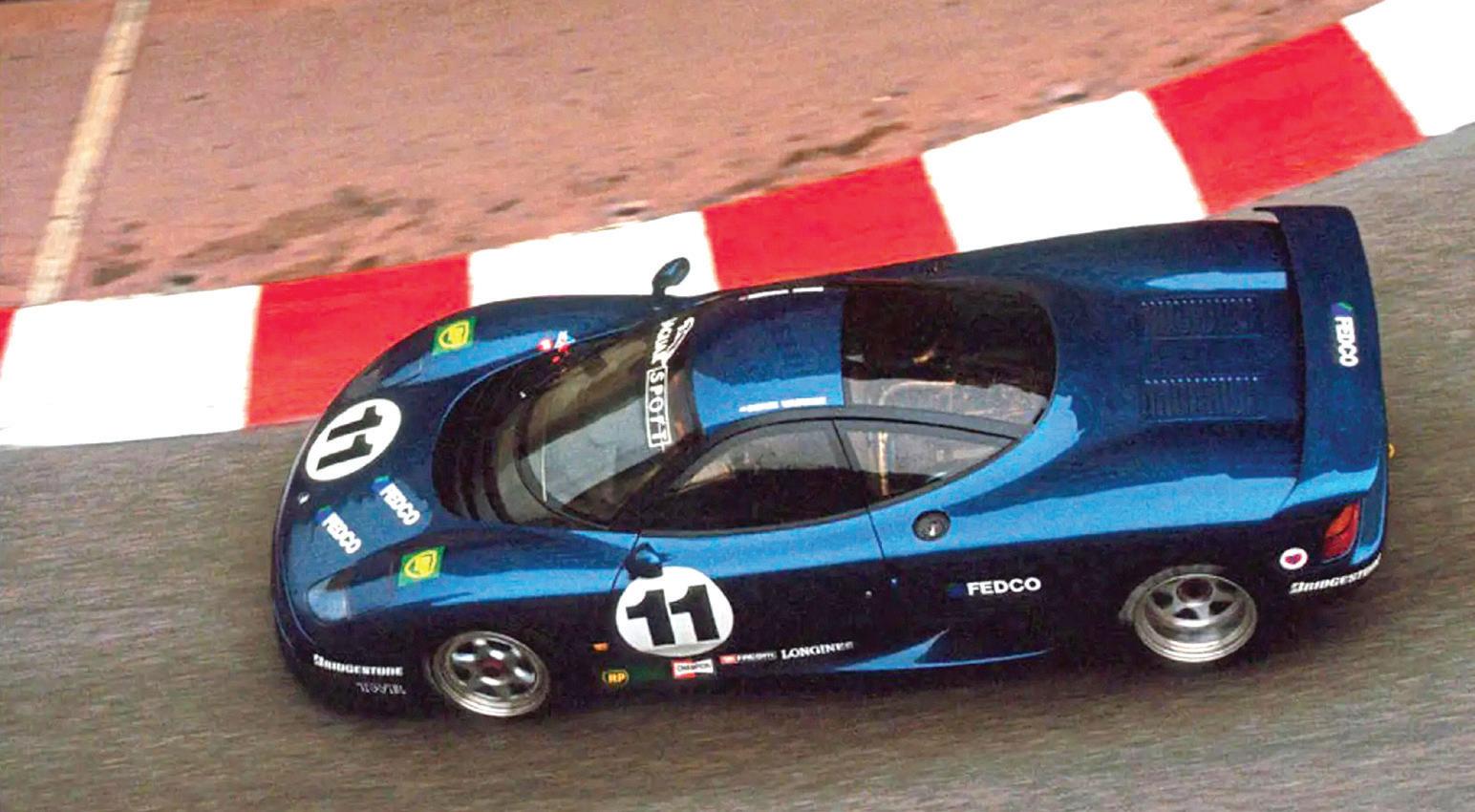
Adverts are free for a three month period (and then removed if not sold before hand).
FOR SALE: 1985 XJSC V12 5.3 Litre
◊ Original matching numbers. 173,000 Kms
◊ Recent works have been completed by a Jaguar specialist.
◊ Transmission repair and service
◊ Paint is fair.
◊ Airconditioning re-gassed and cold.
PRICE: $32,000
Rare factory rear hard top- sold separately for $5,000 (no offers)
Please contact- David Mobbs, Tel 0420 108 420 or email- islandsdanielle@outlook.com
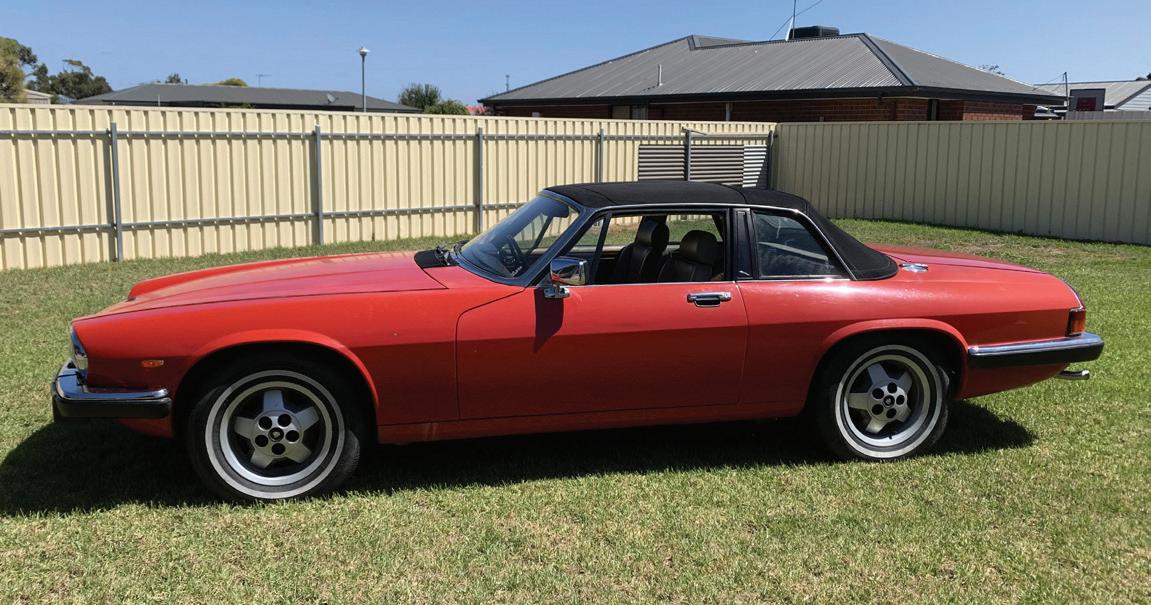
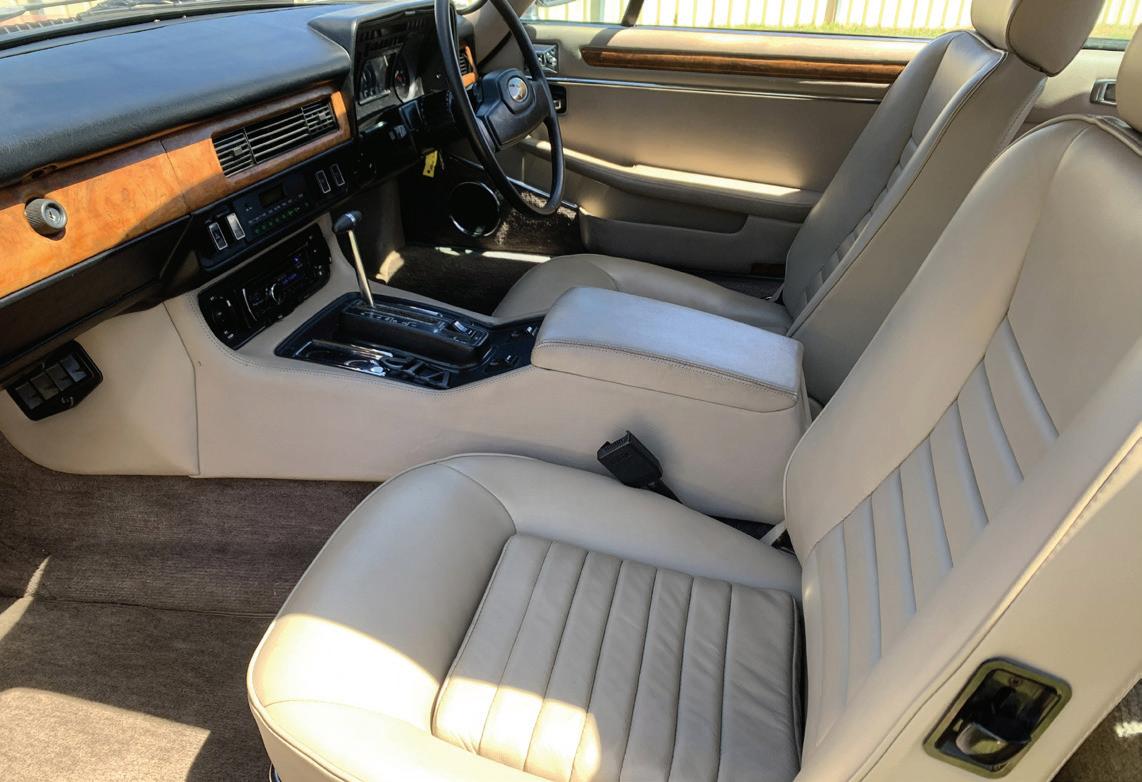
FOR SALE: 1966 Daimler 2.5L V8
This is not a Mk 2. It is a Daimler. The Ribbed Grill, 'D' bonnet emblem and ‘D’ hubcaps included.
◊ Original (matching numbers) with factory power steering and underdash custom fitted air-conditioning.
◊ 46,500 miles with only 9,500 miles since the engine was rebuilt in June 2009 by Mike Roddy Motors (Vic).
◊ Original Borg-Warner T35 Auto rebuilt in Oct 2010.
FOR SALE: 1972 Series 3 E type Roadster 60,000 miles (96,500 kms)
Exceptionally well maintained with service records/invoices. Third owner. LHD USA no rust car imported by current owner in 2015. Soft top and tonneau cover in excellent condition. British Racing Green over near new Cinnamon leather interior. Matching numbers as per Heritage Certificate. Powerful V12 motor coupled to a 4-speed manual transmission makes for exhilarating open top motoring.
PRICE $152,000 ono
Contact: Bruce Davis (Adelaide) – 0400 872 438
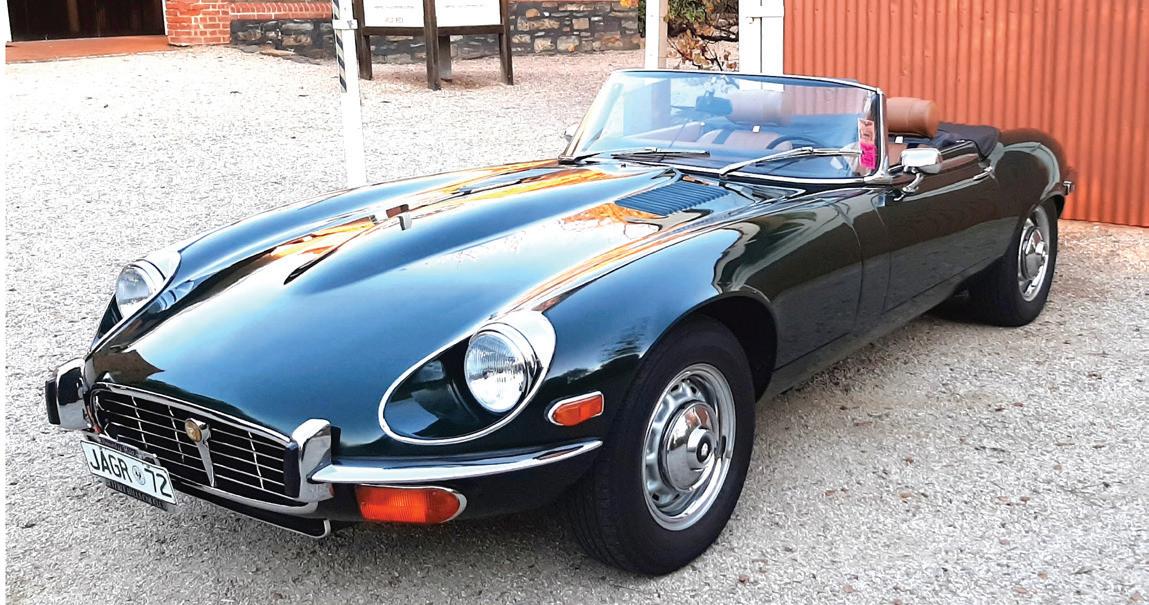
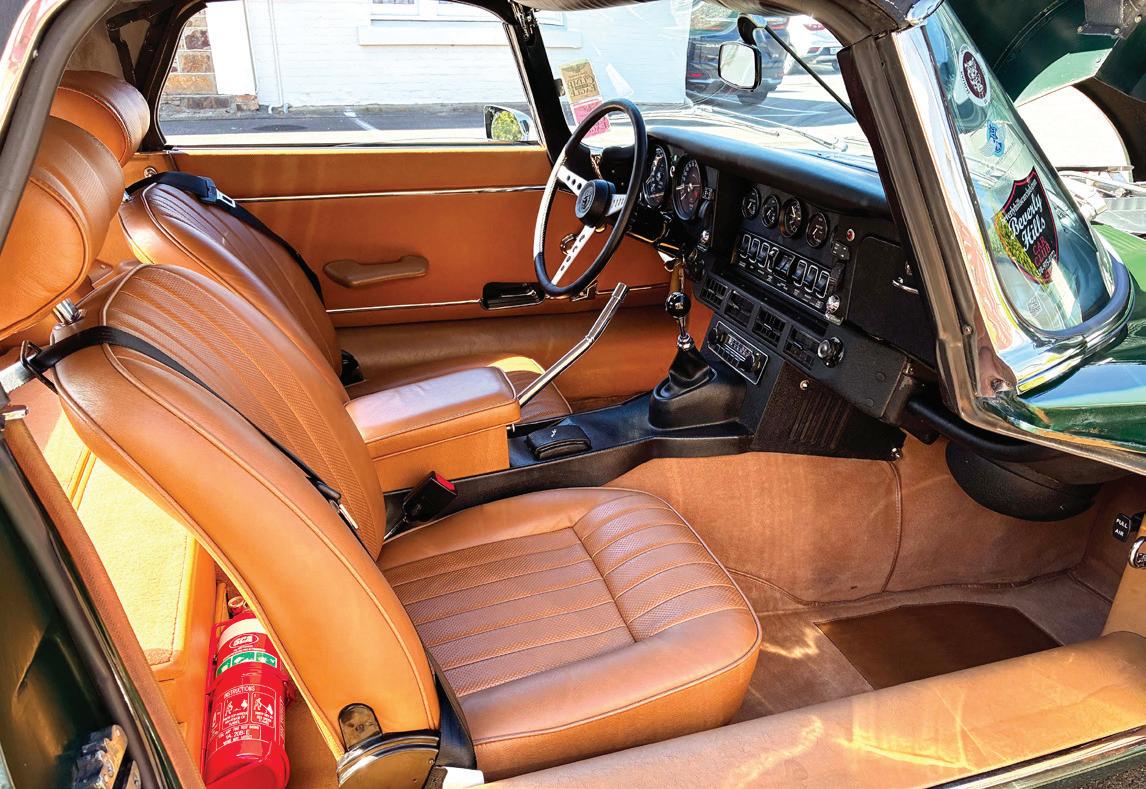
◊ Original leather and carpet interior.
◊ Cooling system overhauled in 2023 (new radiator core/ hoses)
◊ Stainless steel twin exhaust and electronic ignition.
◊ Electric antenna/digital radio/audio player (with remote).
◊ Original tool kit, wheel brace, jack. PRICE: $44,000 (Negotiable)
Please Contact: Sergio Cavaiuolo 0414 250 139
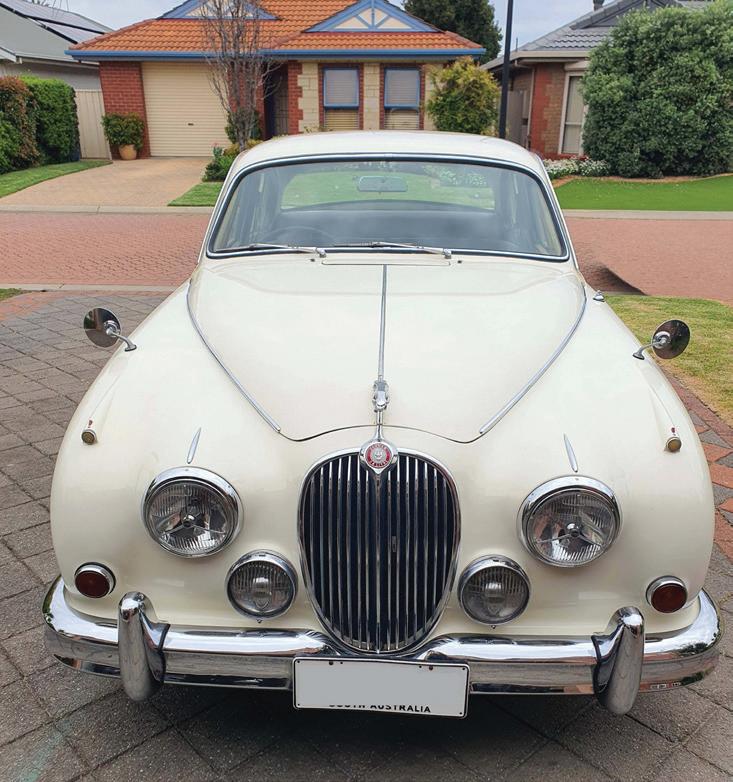
The body has been sand blasted and etched. Owner has done some of the rust repairs as he is a motor body builder by trade. All other panels have also been sand blasted and etched. There are many spares. Lots more photos available.
Asking $6,000 for every thing (ONO).
Please contact John Lueders - 0405 605 566 Email. jhlueders52@gmail.com
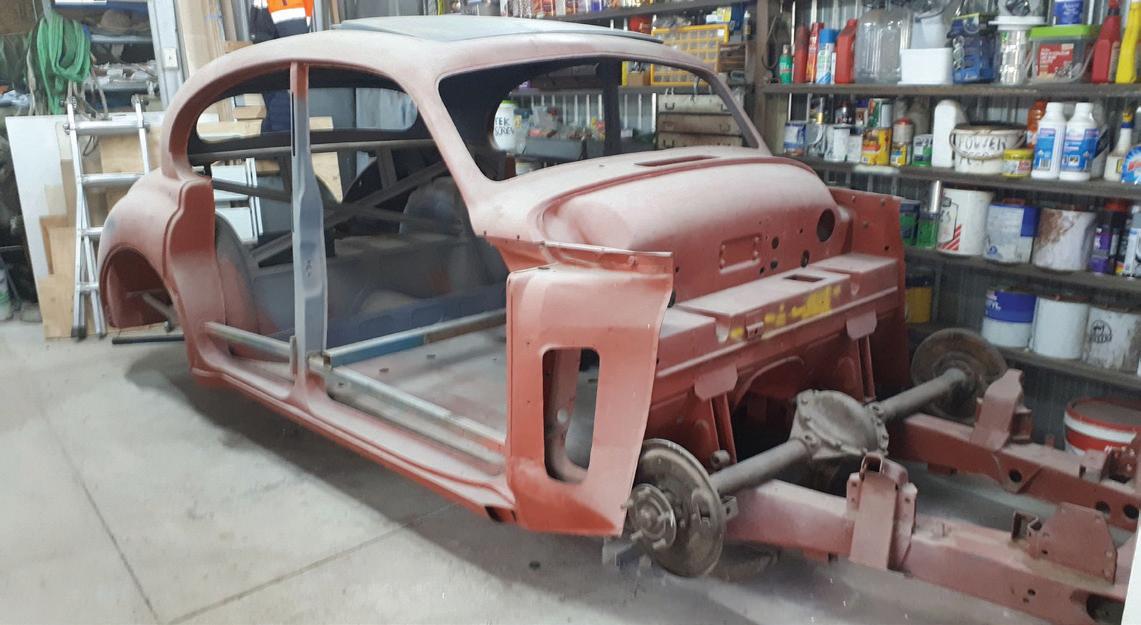
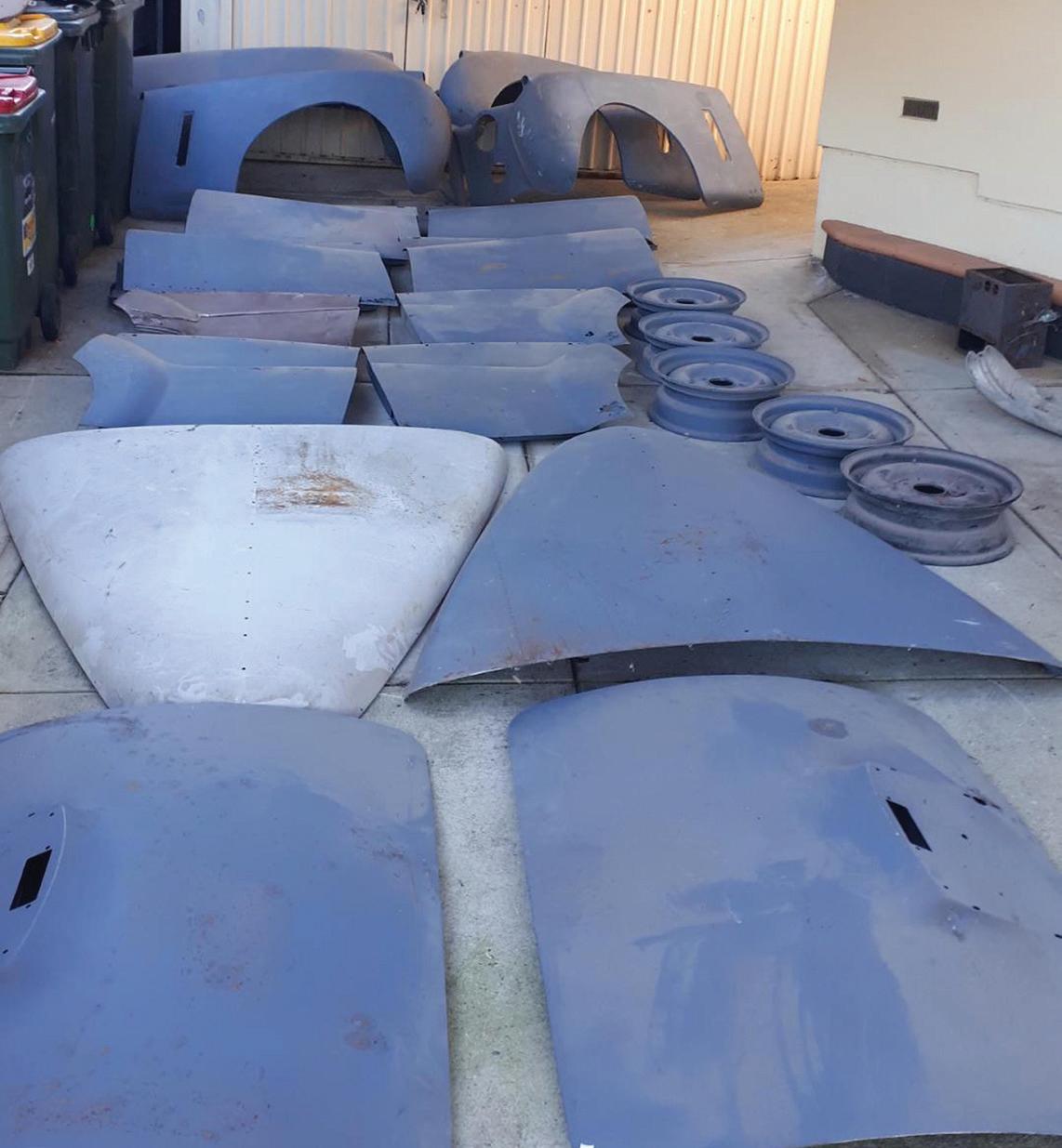
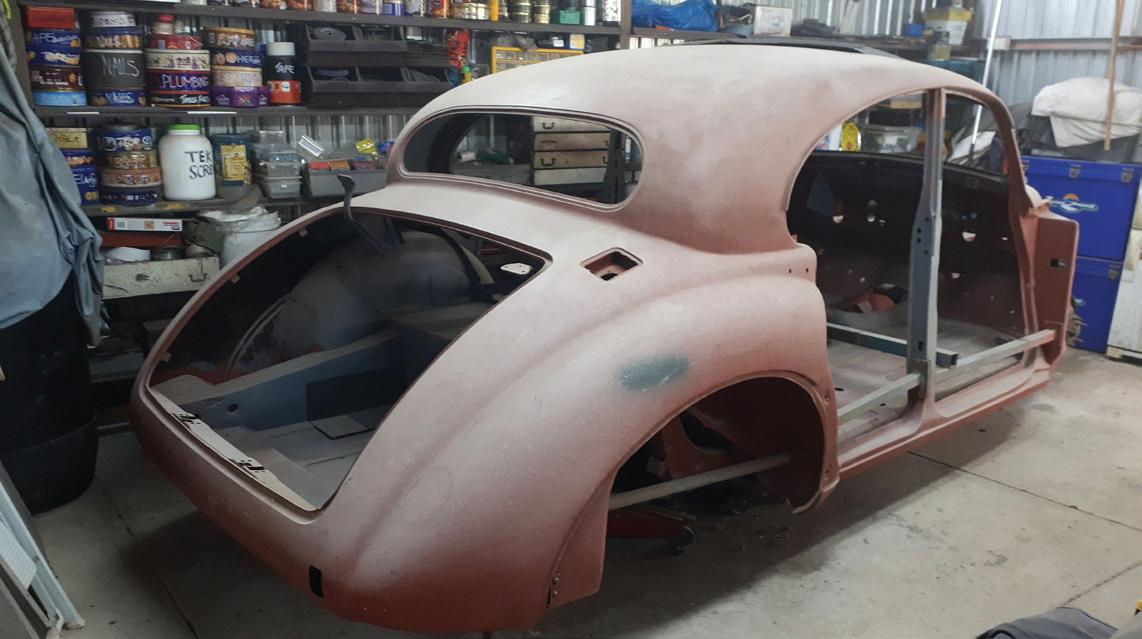
Kevin McInerney was a JDCSA member for more than 20 years. Unfortunately, he has passed and his family would like the car to go to a good home.
The Mark II has been garaged but started for several years and is not registered. 87,673 miles.
PRICE: $10,000 (ONO)
Please contact Monica Briffa - 0411 264 067 or monica@healthon net.com
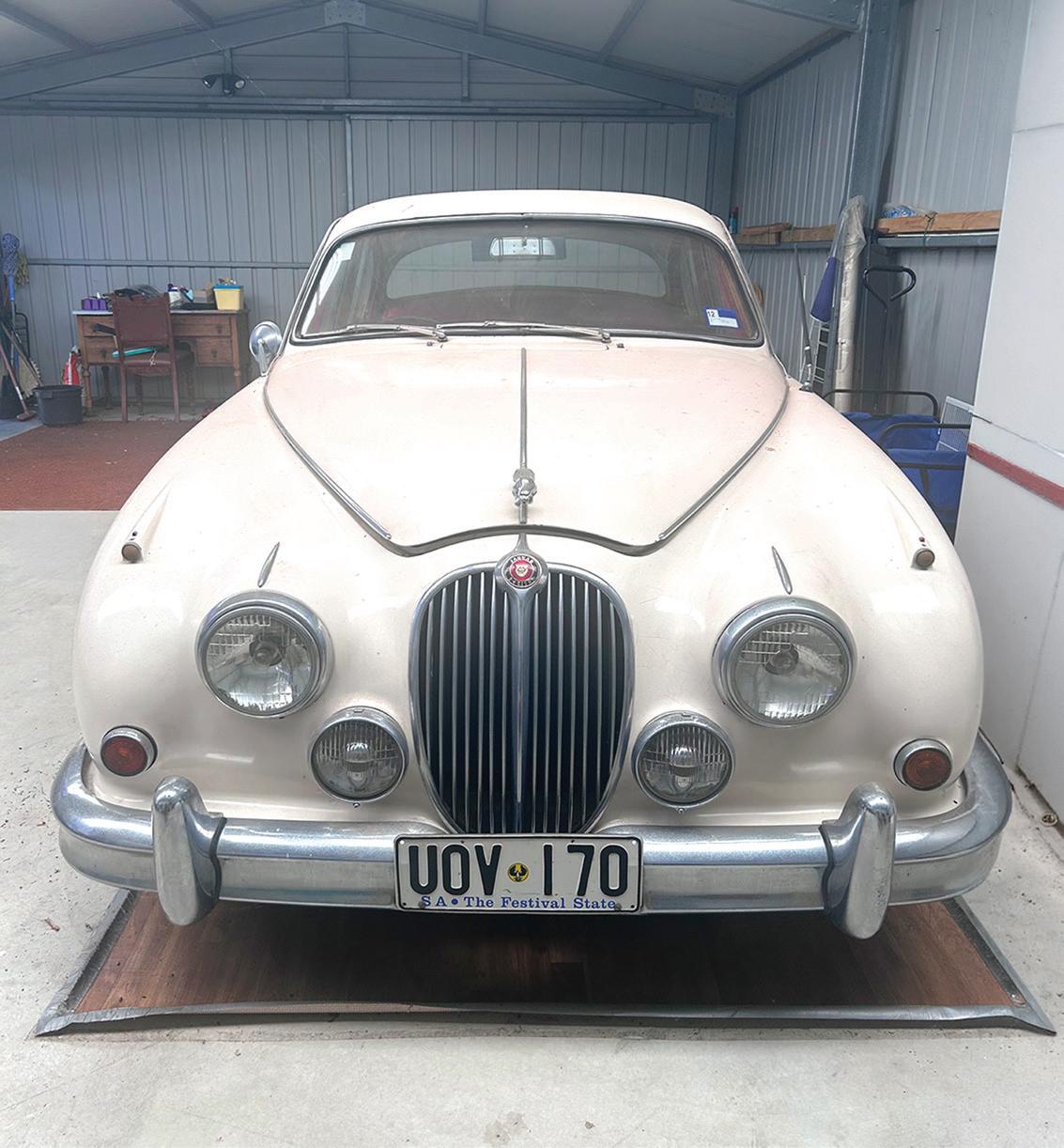
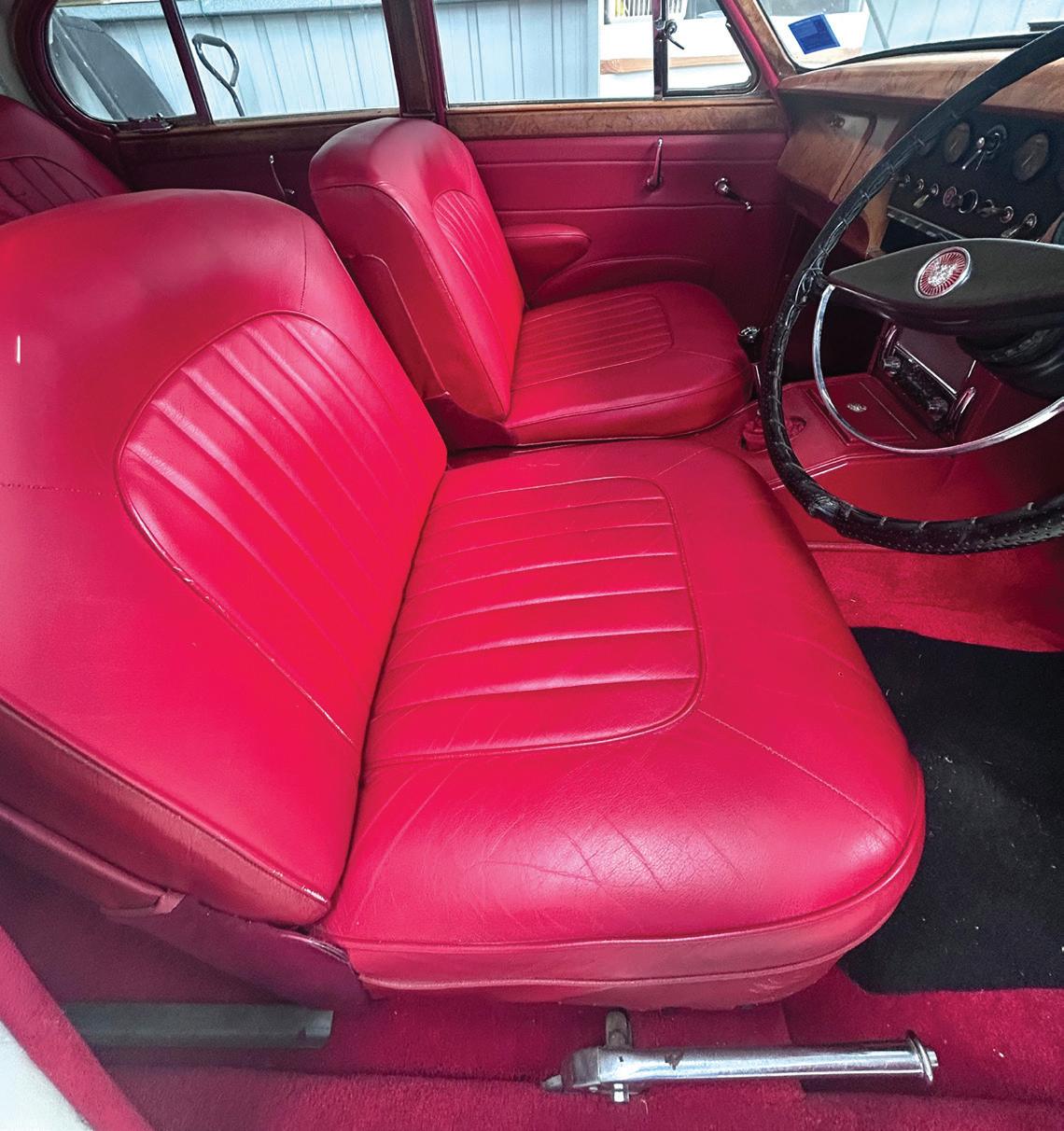
FOR SALE: 1982 Jaguar XJS-HE-V12
Deceased Estate
XJ-S Tribute Car
The car came from Melbourne, and possibly from a museum. Because the owner is deceased, very little is known about the history of the car.
The car is in Broken Hill
PRICE: Consider Realistic Offers
Please Contact Stephen Podnar: 0420 925 139
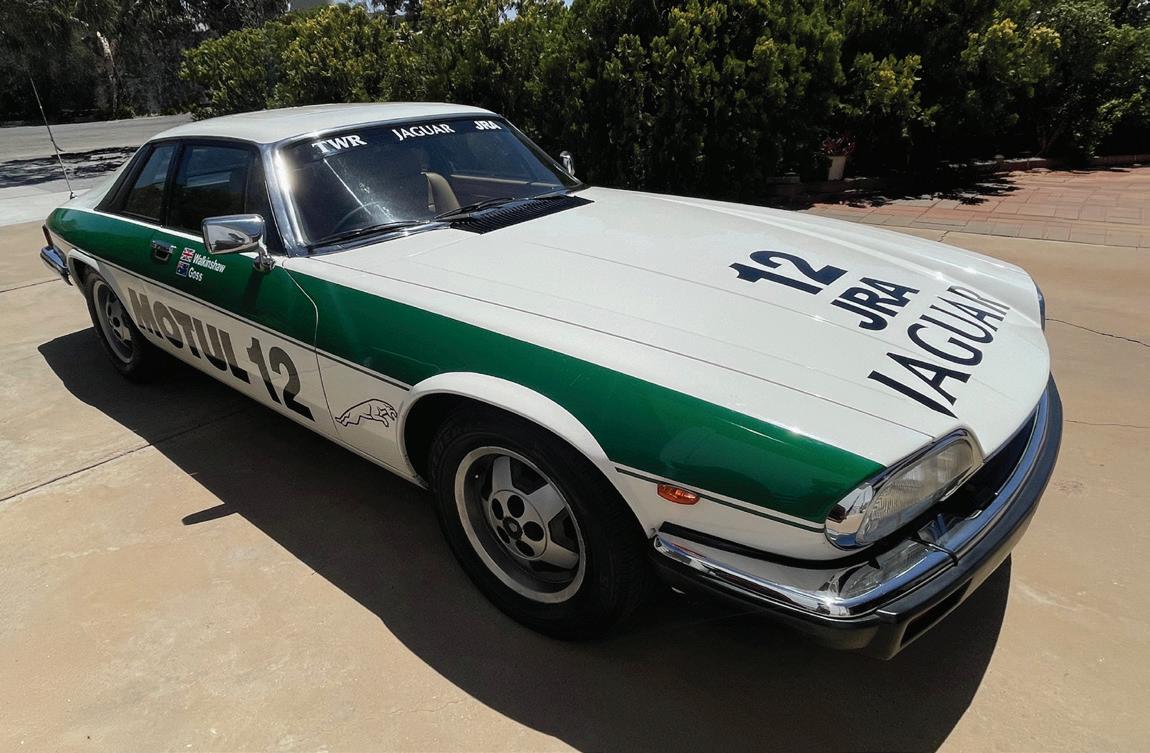
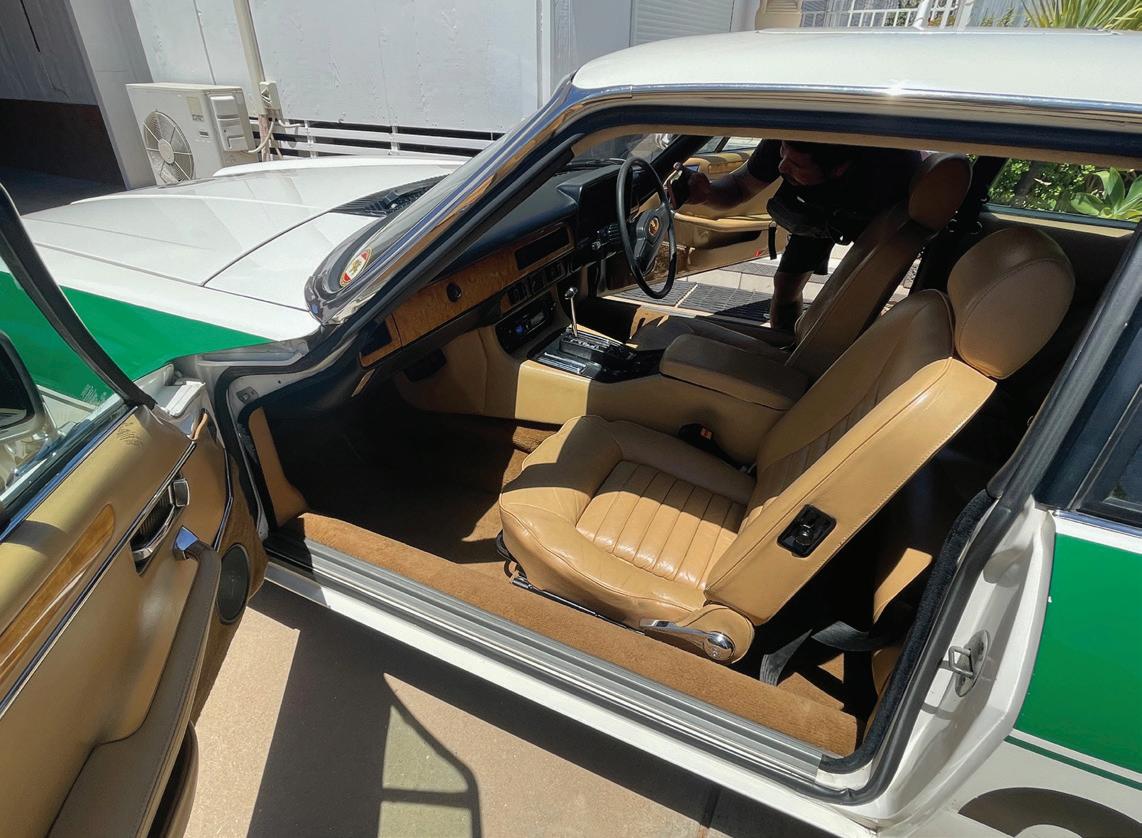
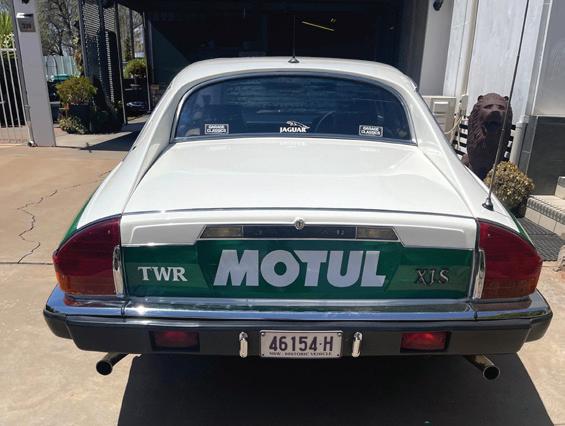
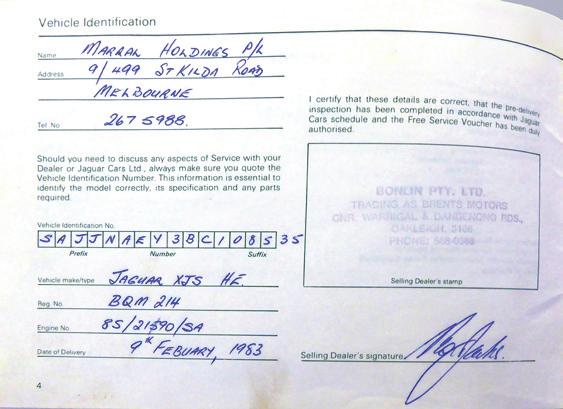
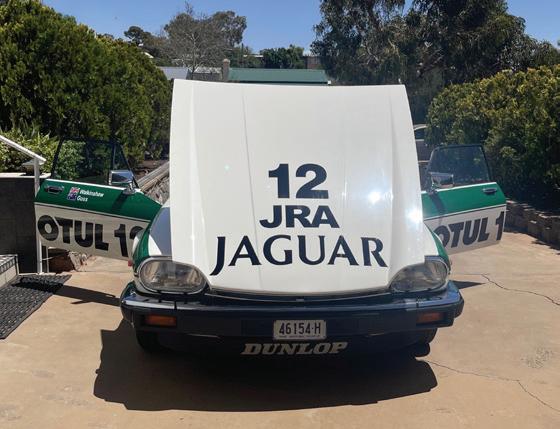
FOR SALE: 1967 4.2 Litre E Type S1 (2+2)
Black in colour with a dark tan interior
Has had extensive mechanical work completed. PRICE: $118,000 (ONO)
Please Contact Mark Maxwell: 0418 821 881 or mark@maxwellwines.com.au
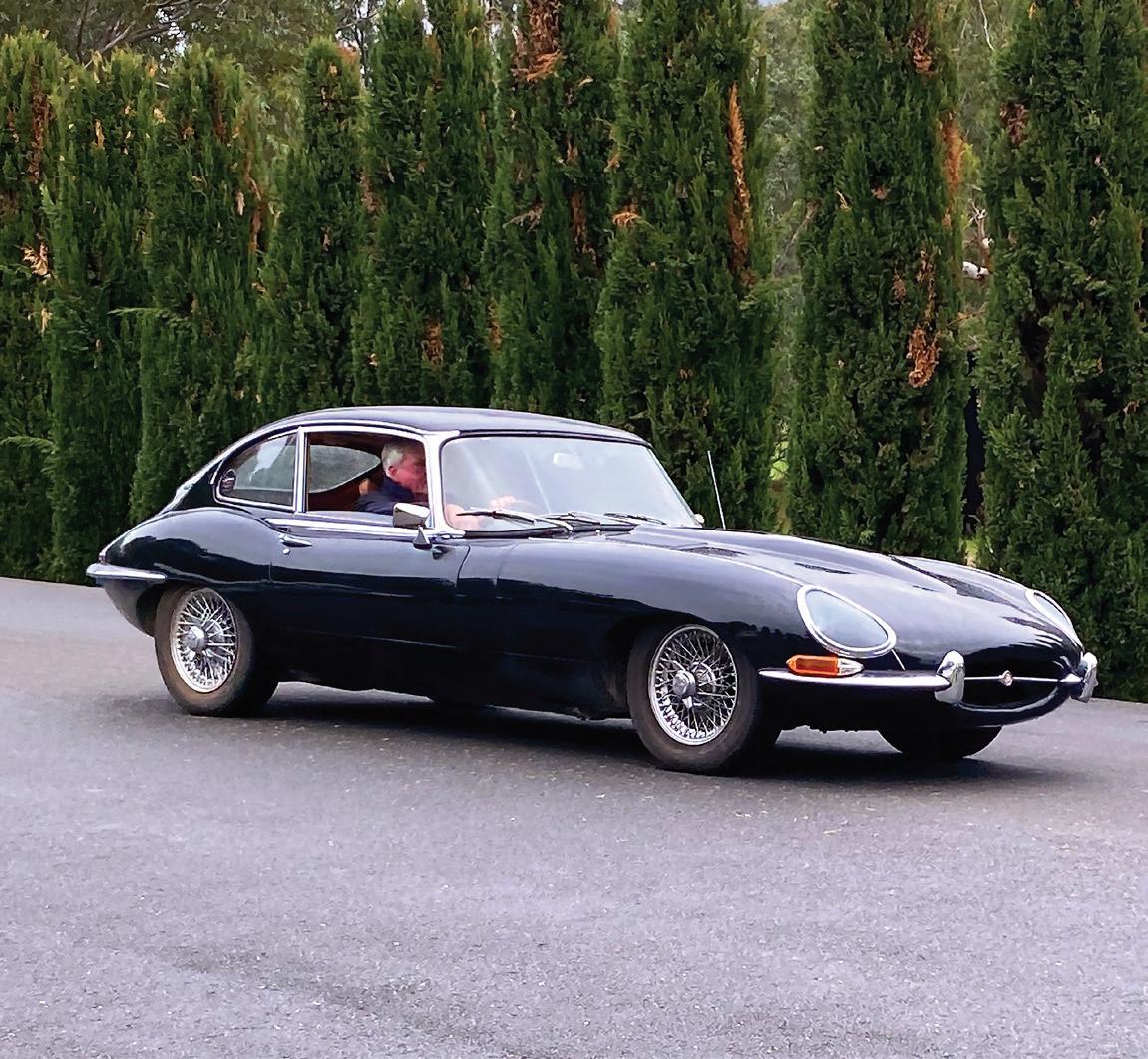
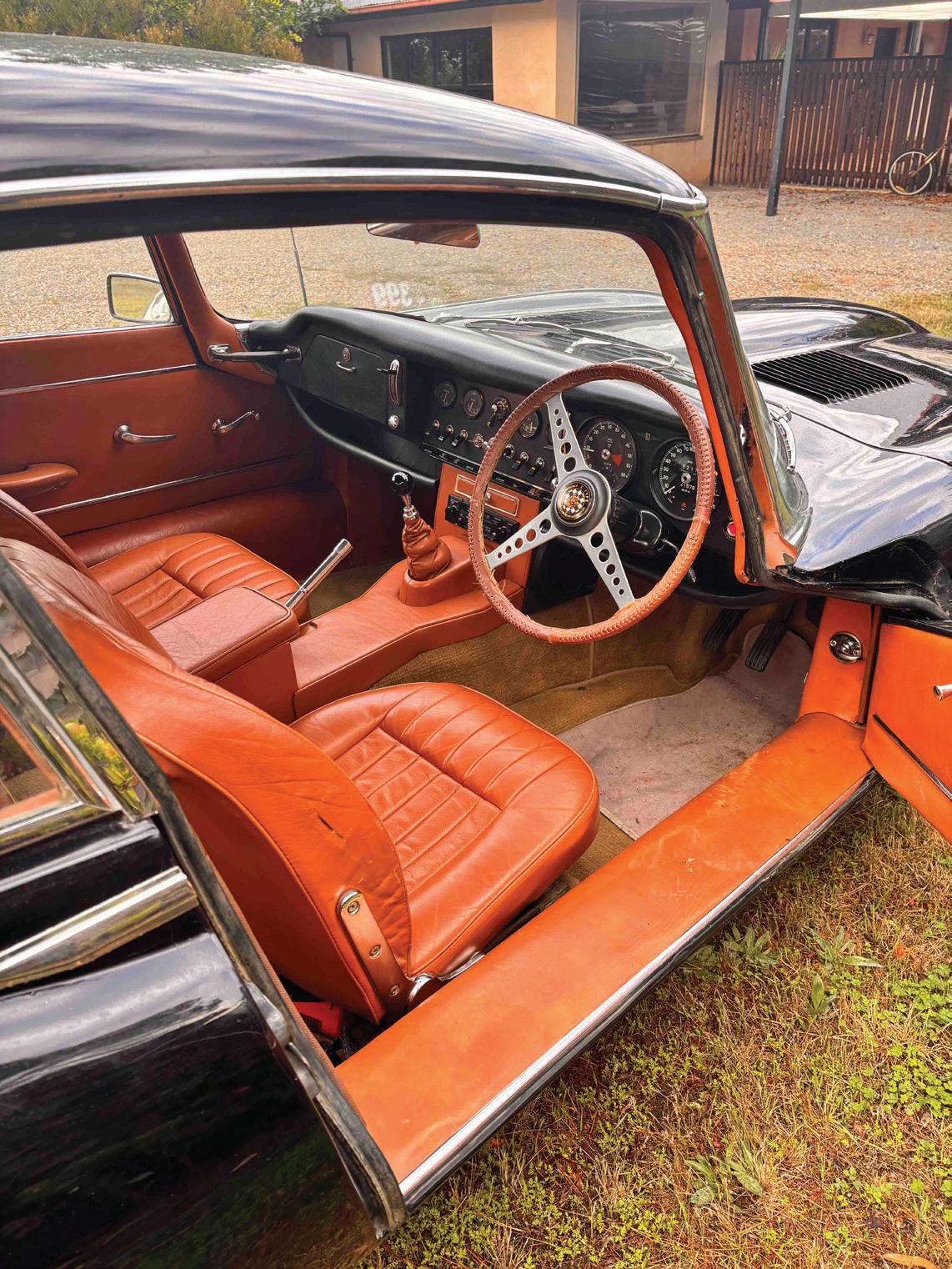
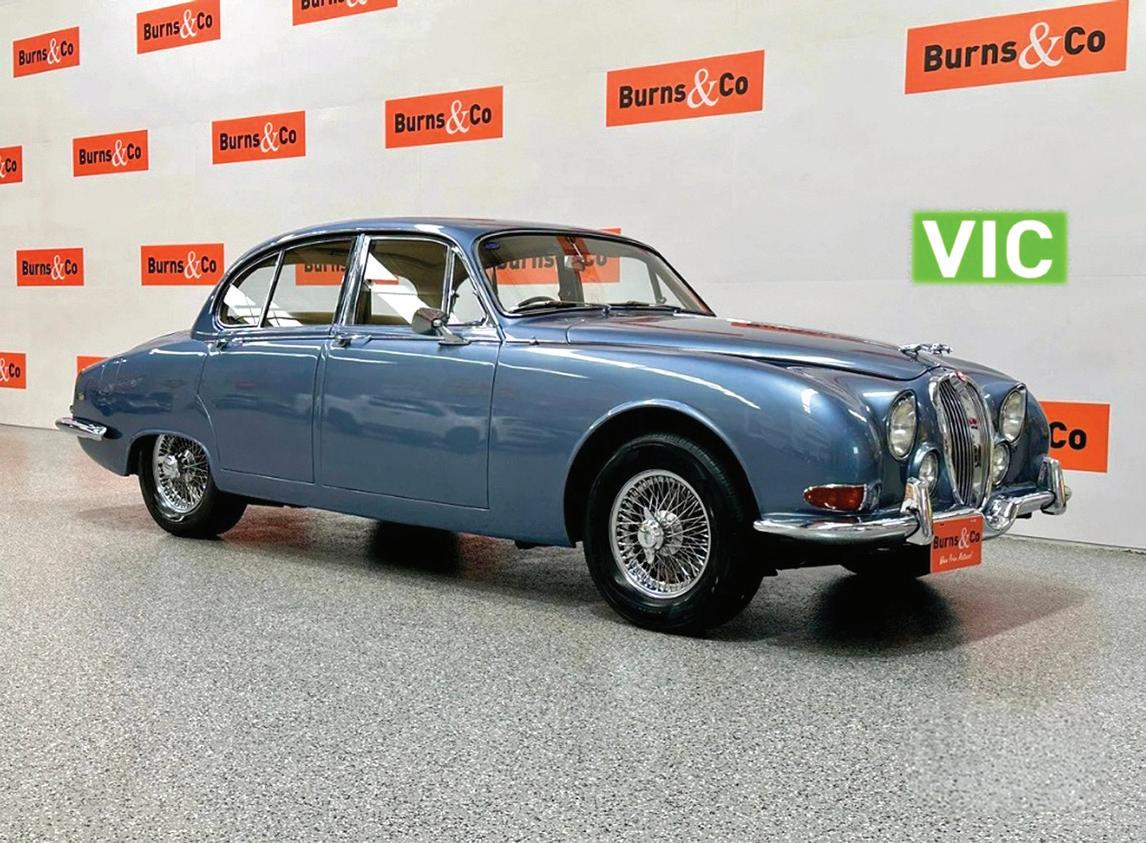
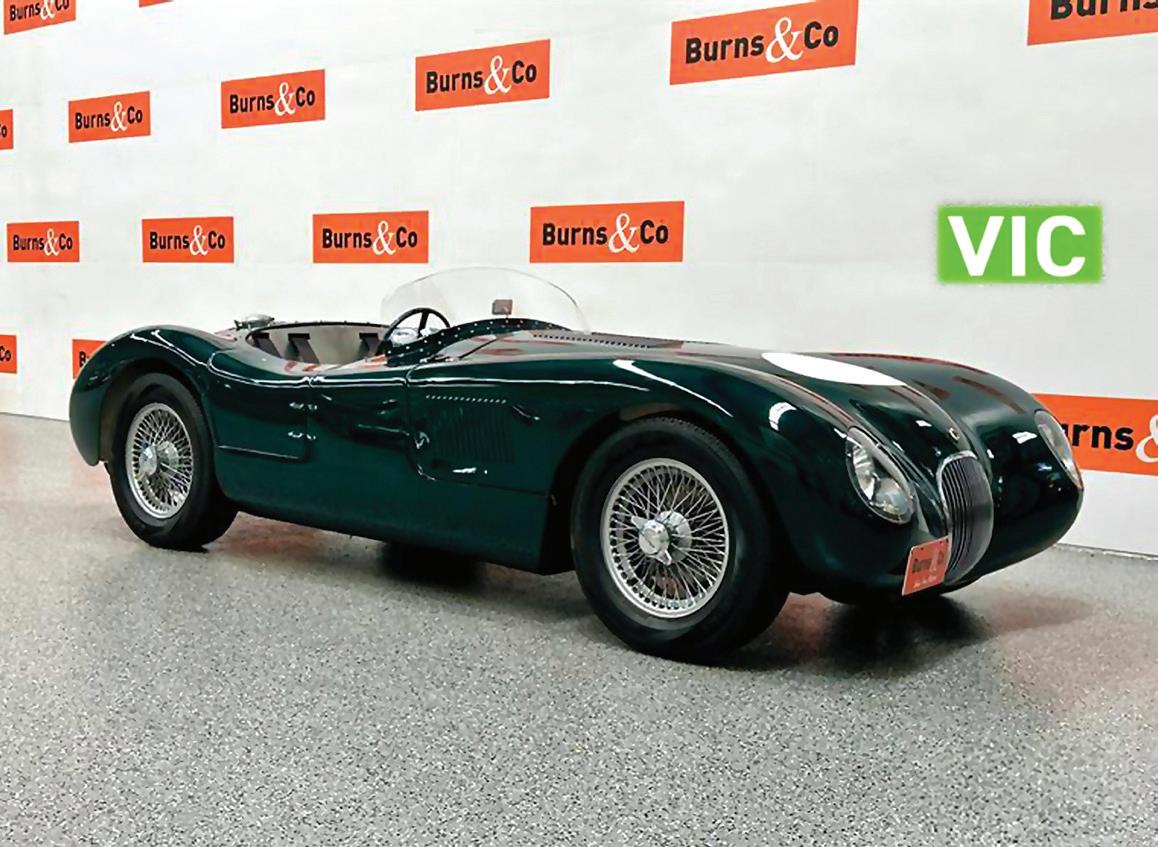

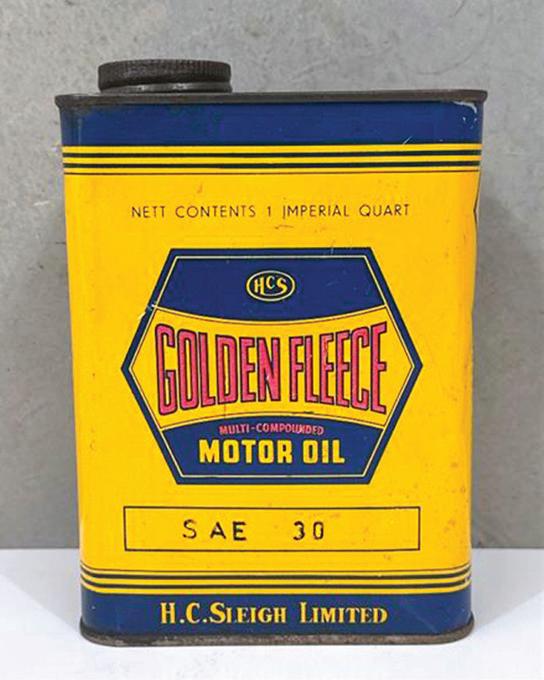
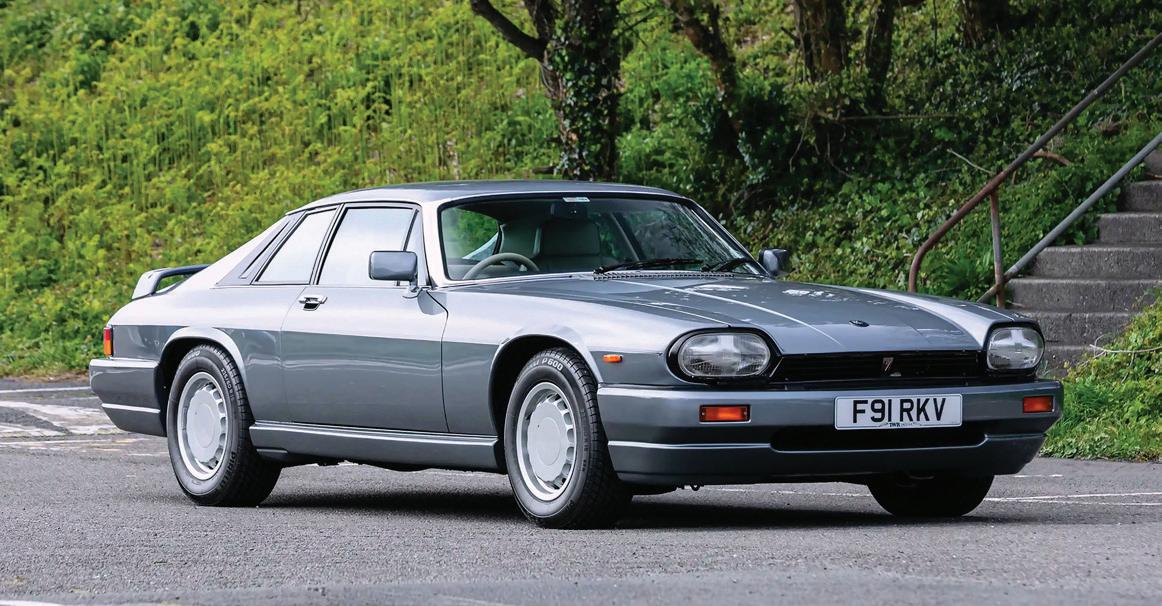
1988 JaguarSport XJR-S V12 Celebration Le Mans. Car #054 of 100. Original handbooks. 2,620 miles. Sold £53,437 (Au$100,500)
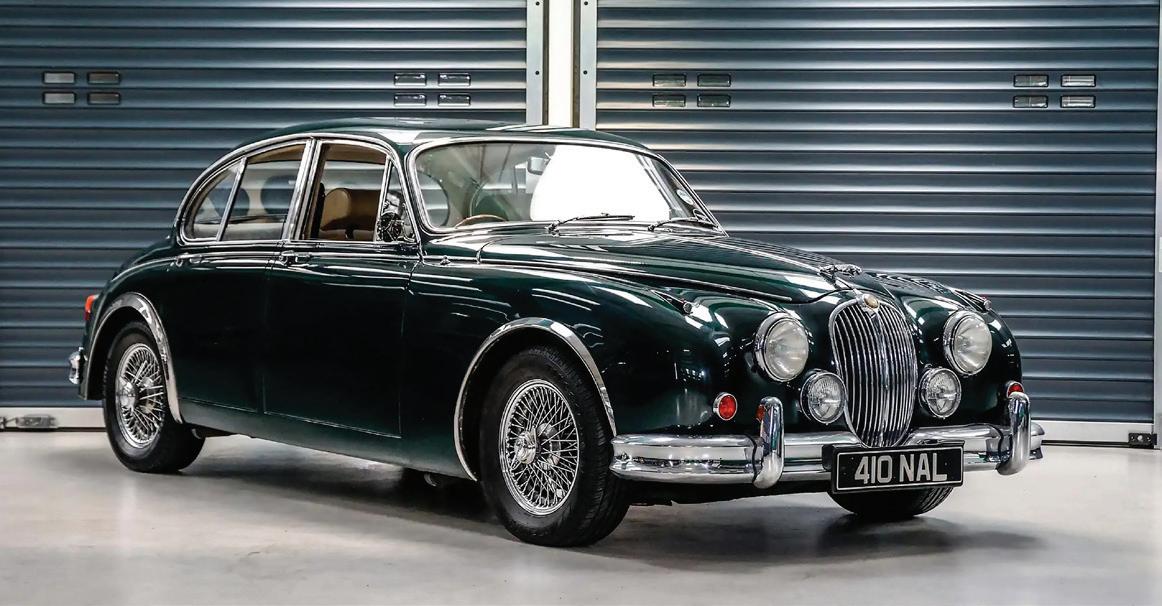
1962 Mark II 3.8L 5sp-manual. Expensive upgrade/conversion by "Vicarage". (Electric windows etc. etc). Sold £27,750 (Au$52,200)
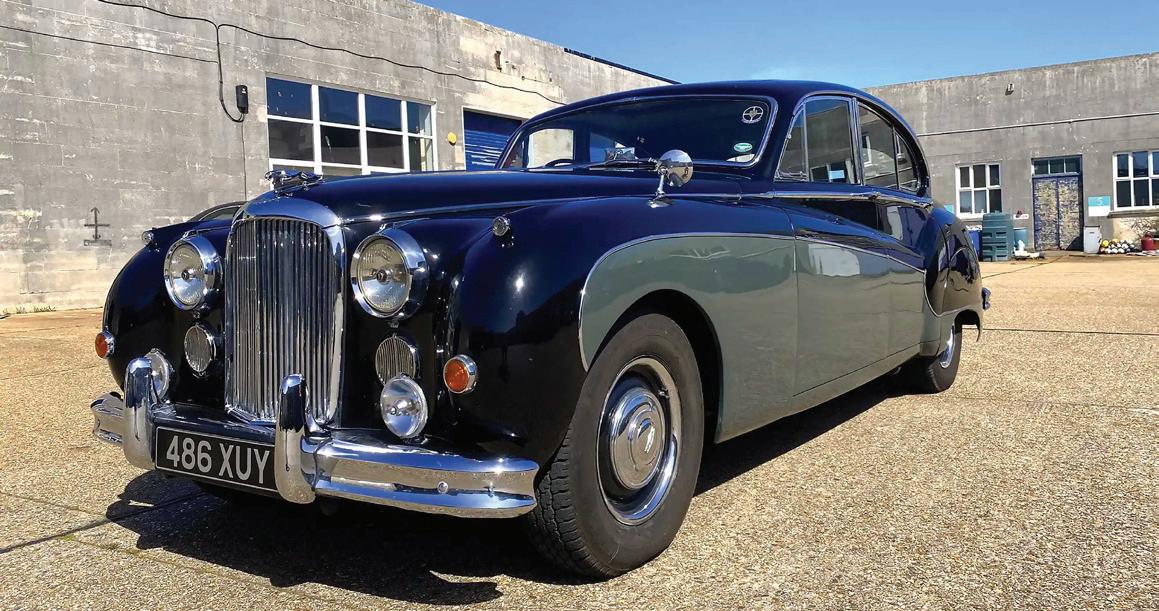
1960 Mark IX 3.8 Litre. Restored to a concours winning standard. Fantastic condition. 85,000 miles. Sold £17,666 (Au$33,250)
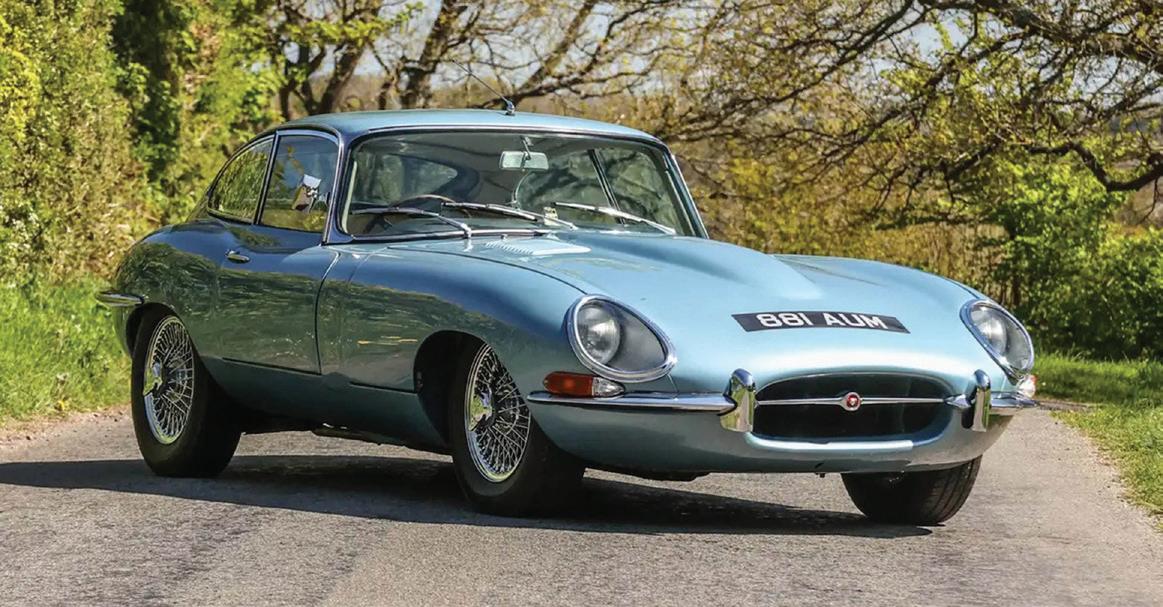
1962 E-Type SI 3.8 Litre manual coupé. Long-term family ownership. Early restoration. 42,104 miles. Closing bid £46,000 (Au$86,550)
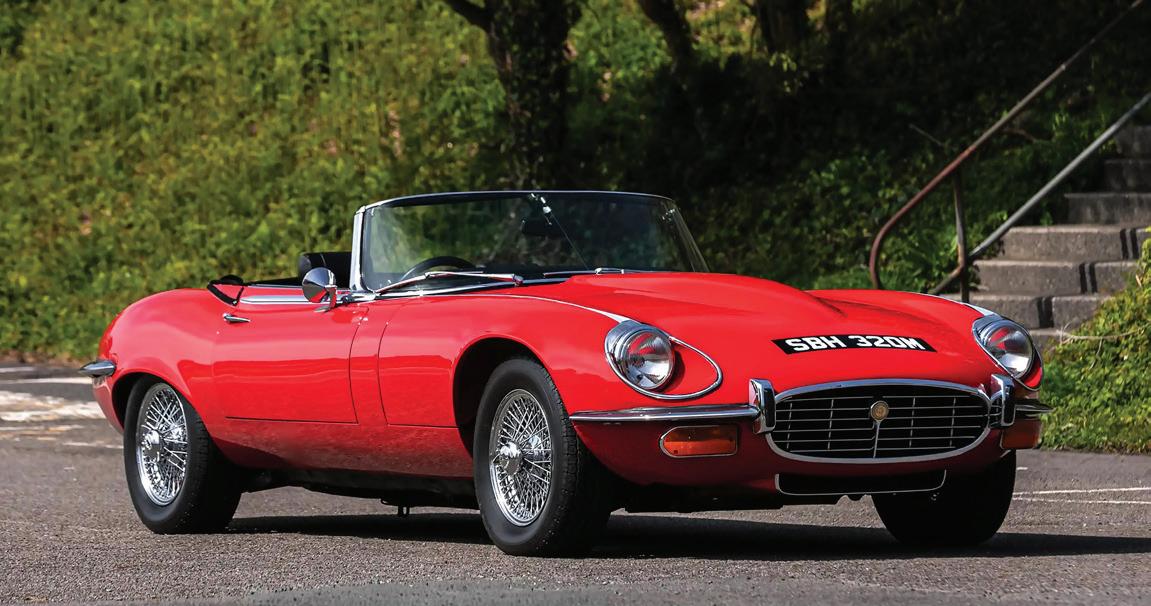
1974 E-Type S3 manual roadster. UK supplied, factory colours. Excellent example. 35,208 miles. Sold £77,625 (Au$146,050)
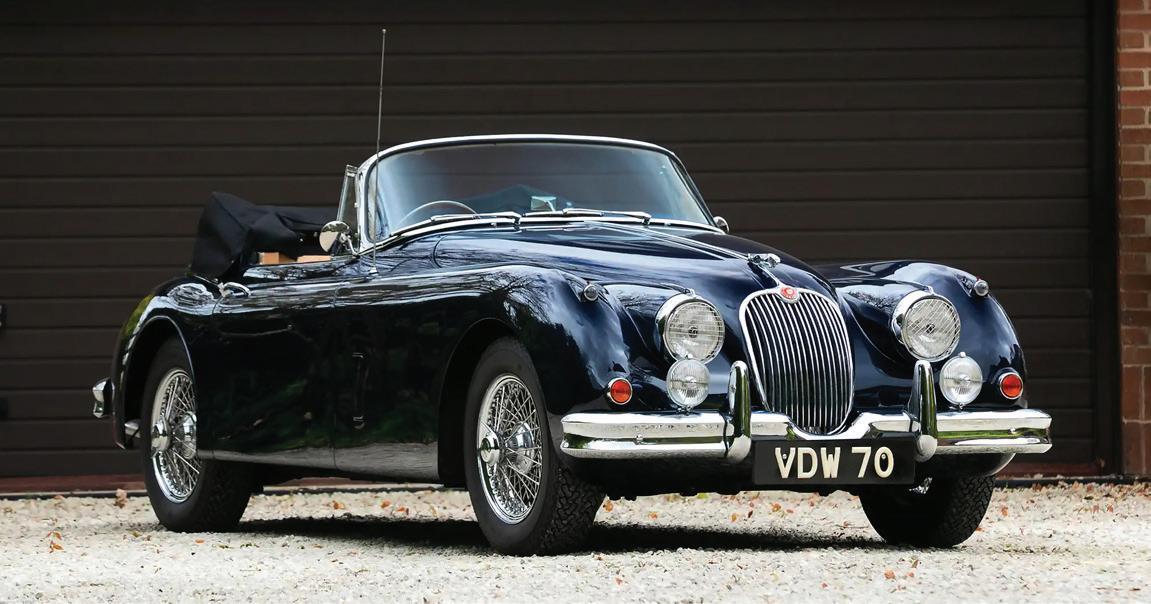
1958 XK150 3.4-Litre DHC 5sp-manual. Fully restored/upgraded (cost £70,000+). Power steering etc. Sold £67,500 (Au$127,000)
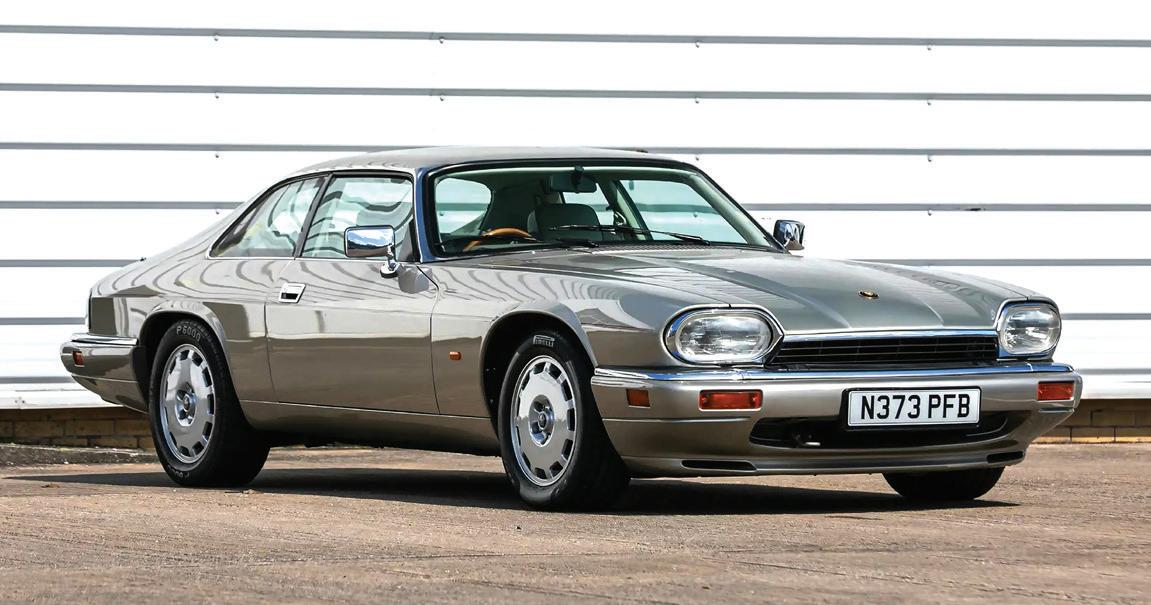
1996 XJS 4.0 Litre Celebration. Highly original example of the final-series. 20,464 miles. Sold £21,937 (Au$41,275)
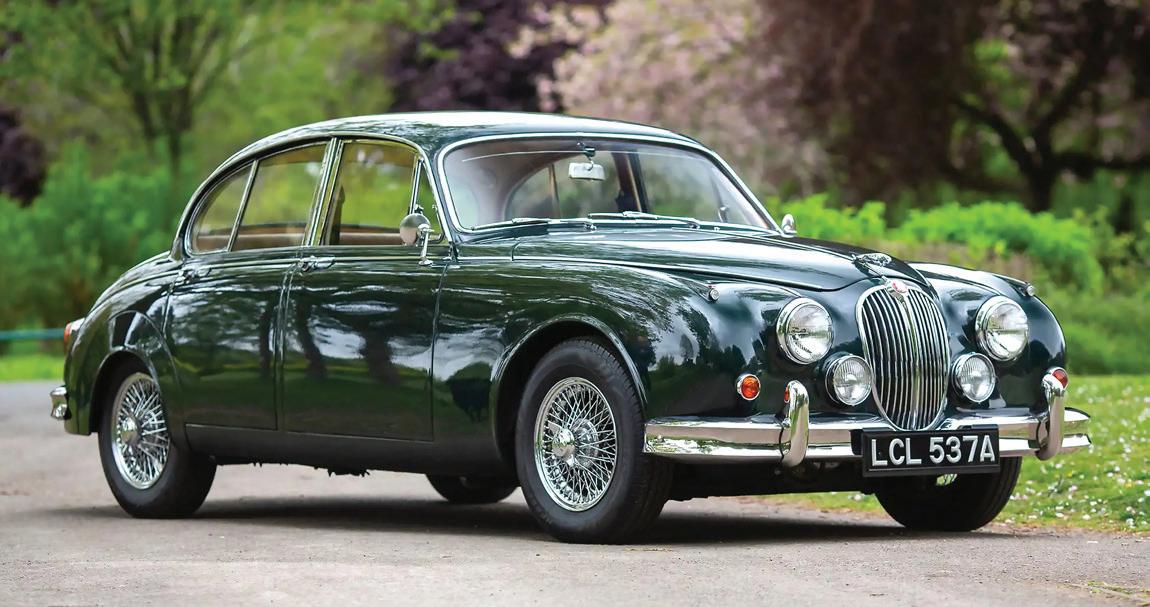
1963 Mark II 3.8 Litre Manual O/D. Recently restored/upgraded (Cost £40,000+). 62,747 miles. Sold £28,125 (Au$52,900)
Historics Auctioneers: Flight of Elegance - Farnborough International auction results (16 May 2026)
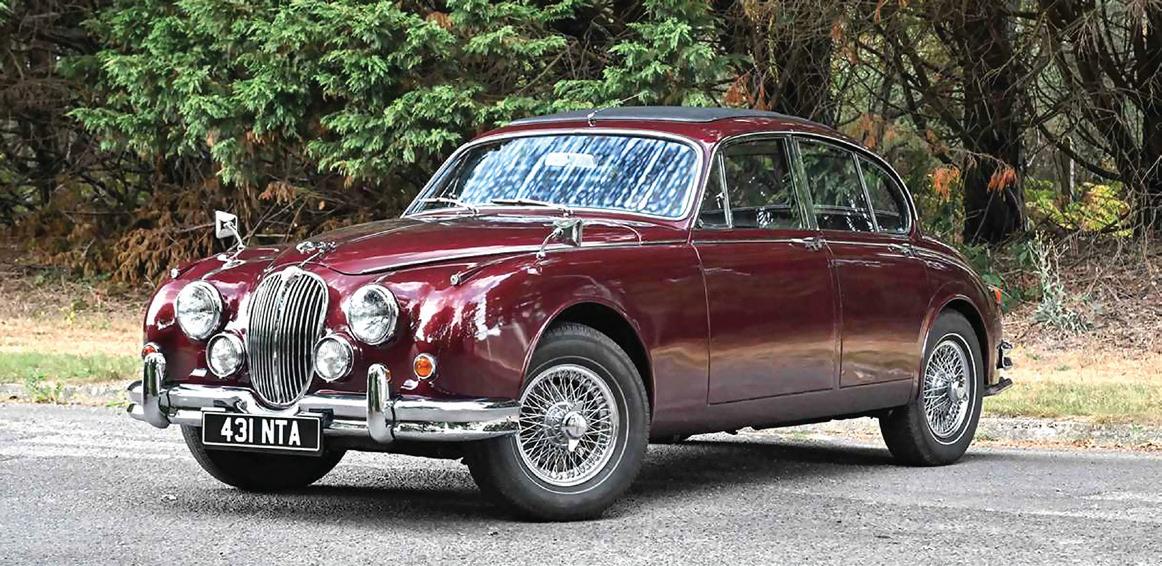
1963 Mark II 3.4 litre manual overdrive. Early restoration. Webasto sunroof. 29,993 miles. Sold £19,162 (Au$36,000)
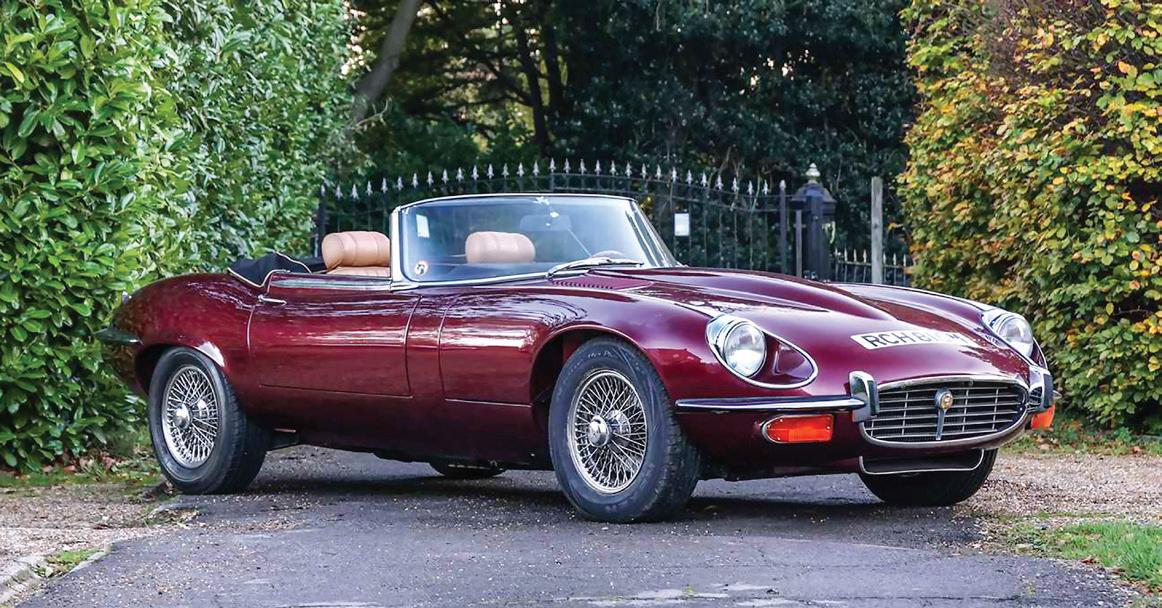
1974 E-Type Series III 5.3L V12 Roadster. Long term ownership. Restored in 2019. 54,961 miles. Sold £56,056 (Au$104,500)
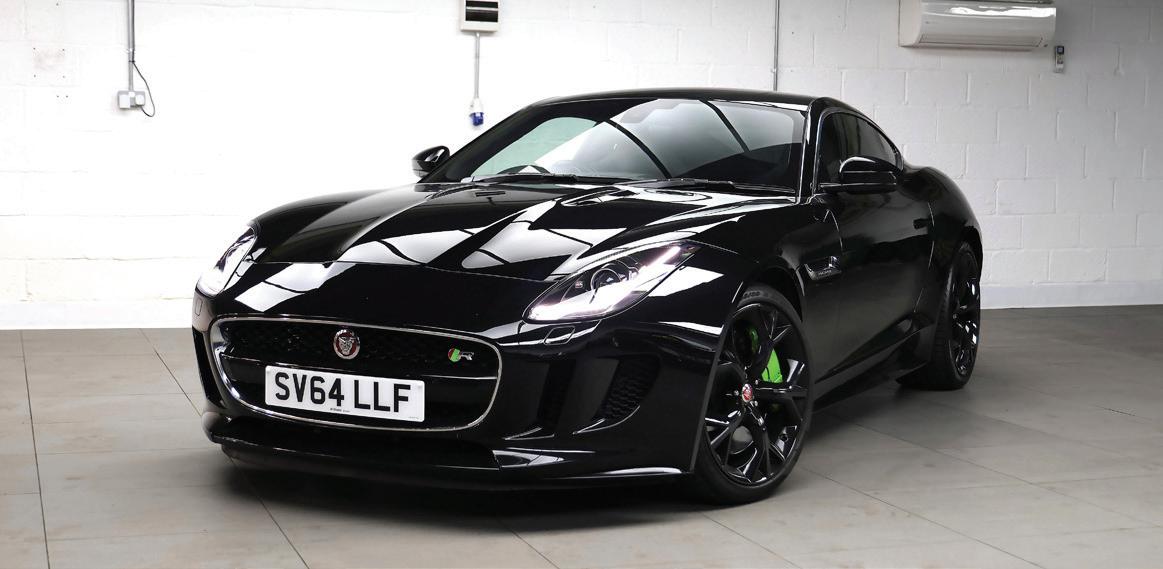
2014 F-Type R. 5.0-litre supercharged V8 producing 542bhp. Regularly serviced. 33,674 miles. Sold £34,000 (Au$64,000)
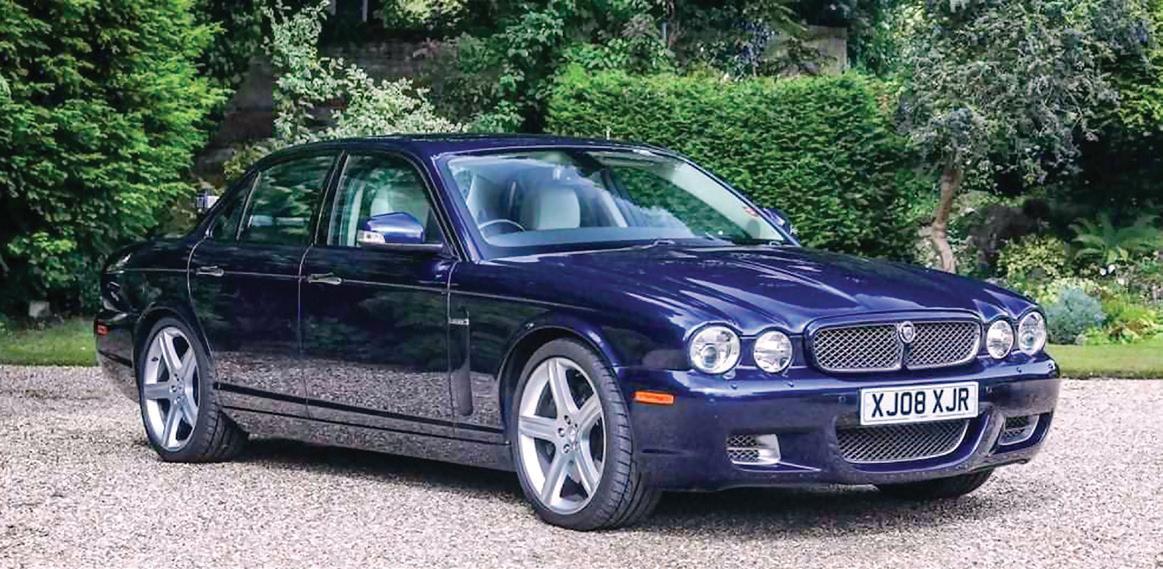
2008 XJR (X358). 4.2L supercharged V8 aluminium bodied XJR. Maintenance history. 53,372 miles. Sold £18,000 (Au$34,000)
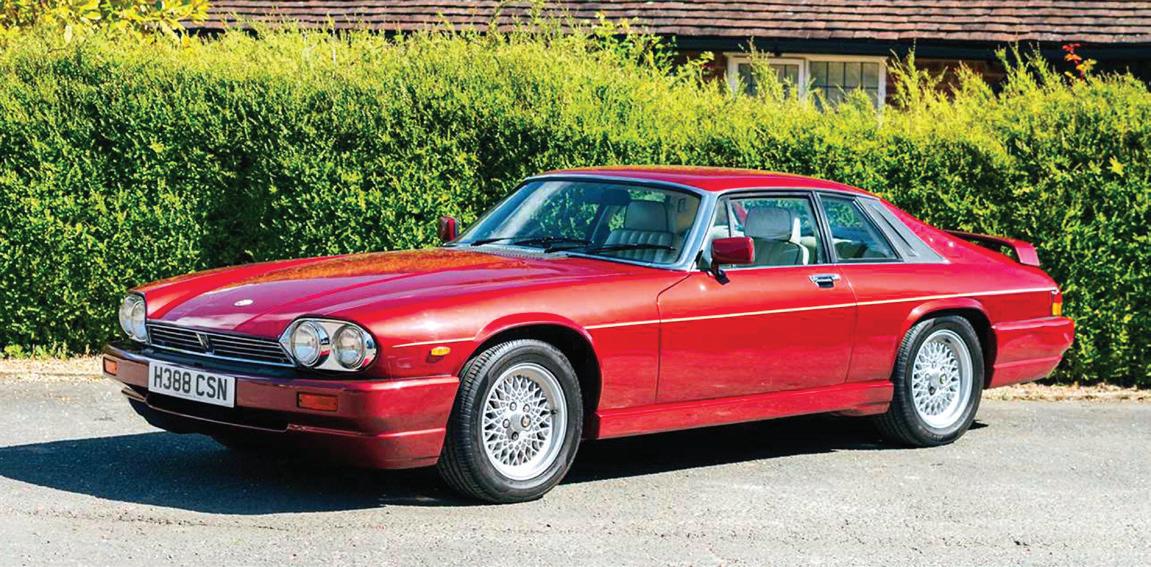
1991 XJ-S 5.3L V12 Le Mans. Limited edition (number 223 of 280). Comprehensive history. 11,825 miles. Not Sold (Est £12-15,000)
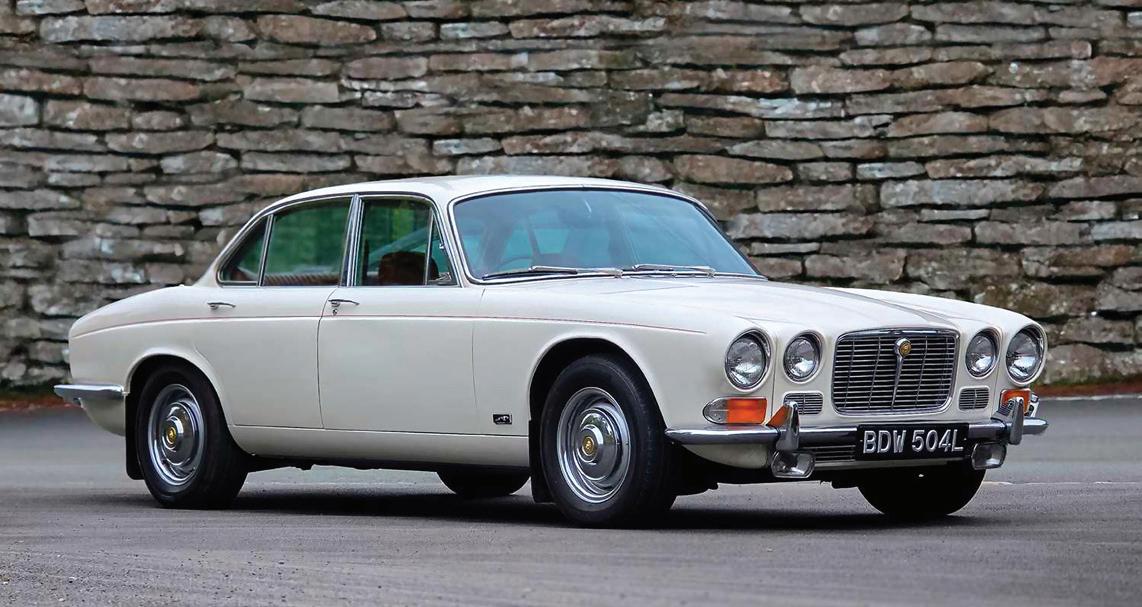
1972 XJ6 Series 1 2.8 litre manual overdrive. Just 17,300 miles from new Sold £16,588 (Au$31,300)
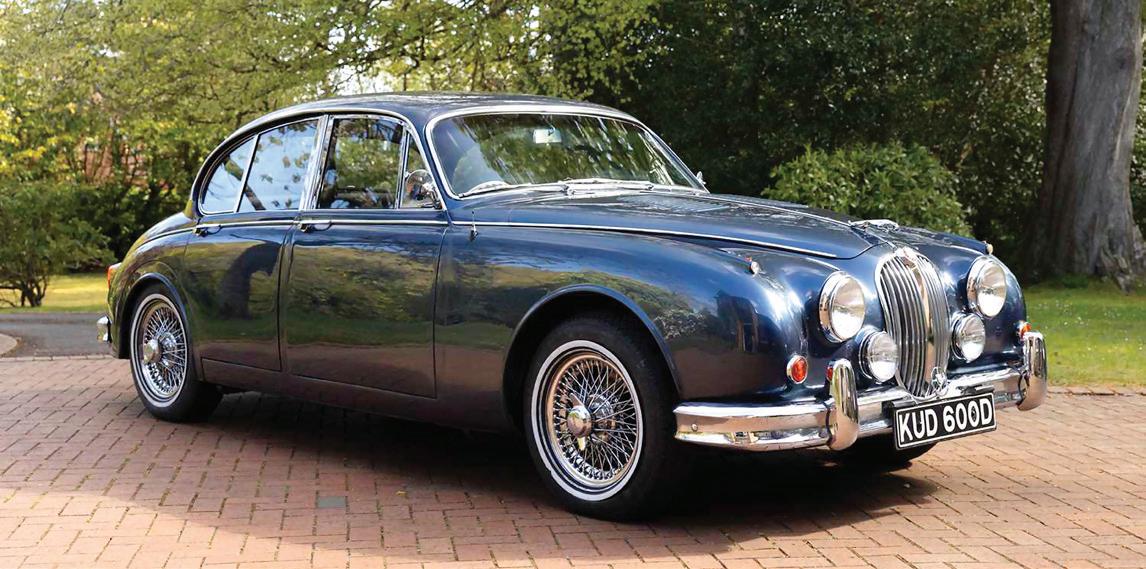
1966 Mark II 3.8 litre manual overdrive. Earlier restoration and various upgrades. 21,482 miles. Not Sold (Est £19-24,000).
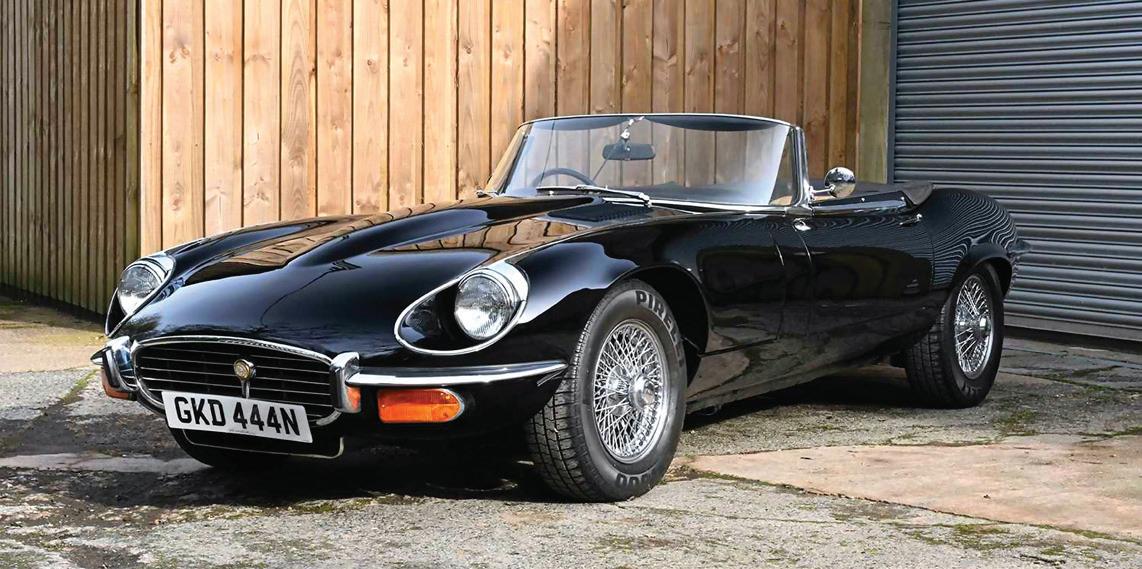
1974 E-Type 5.3 litre V12 Series III Commemorative Edition. (29th last E-Type built). 39,207 miles. Not Sold (Est £75-£95,000).
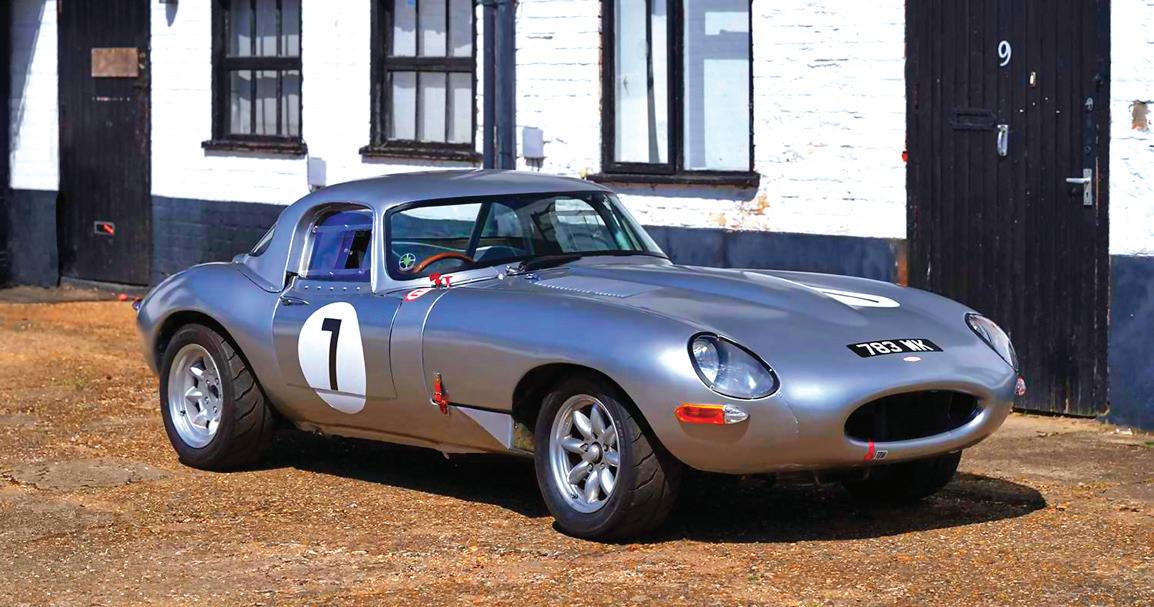
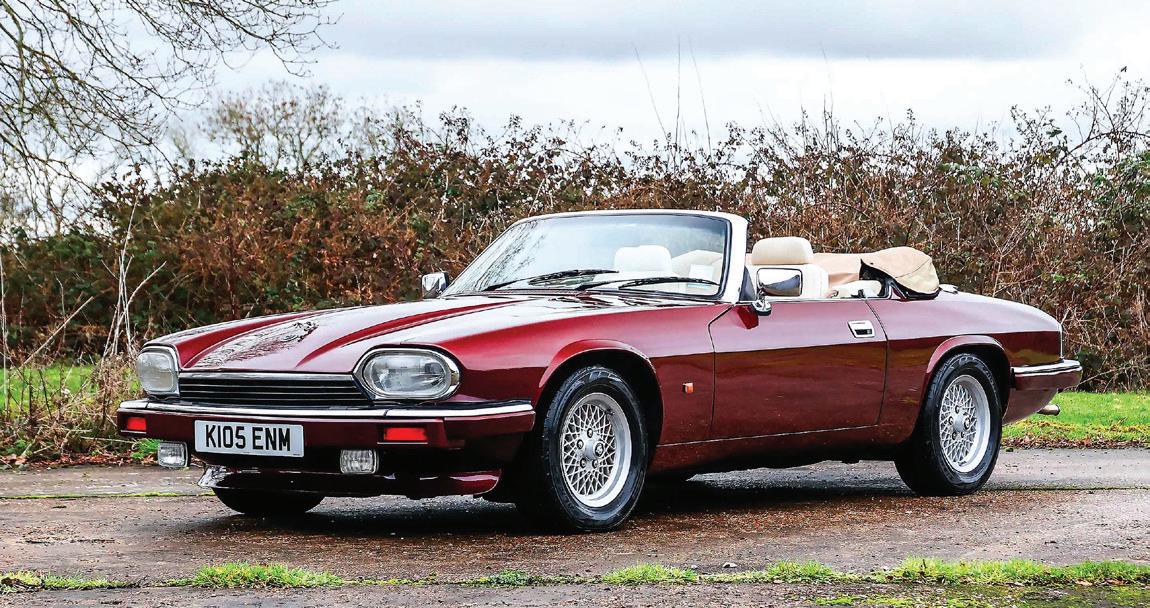
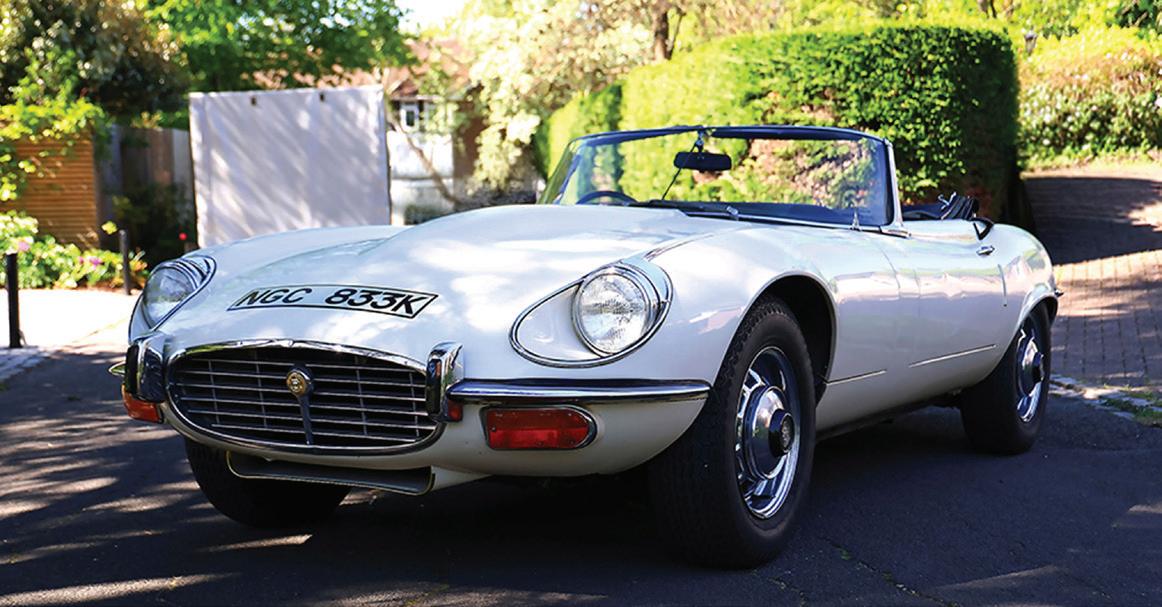
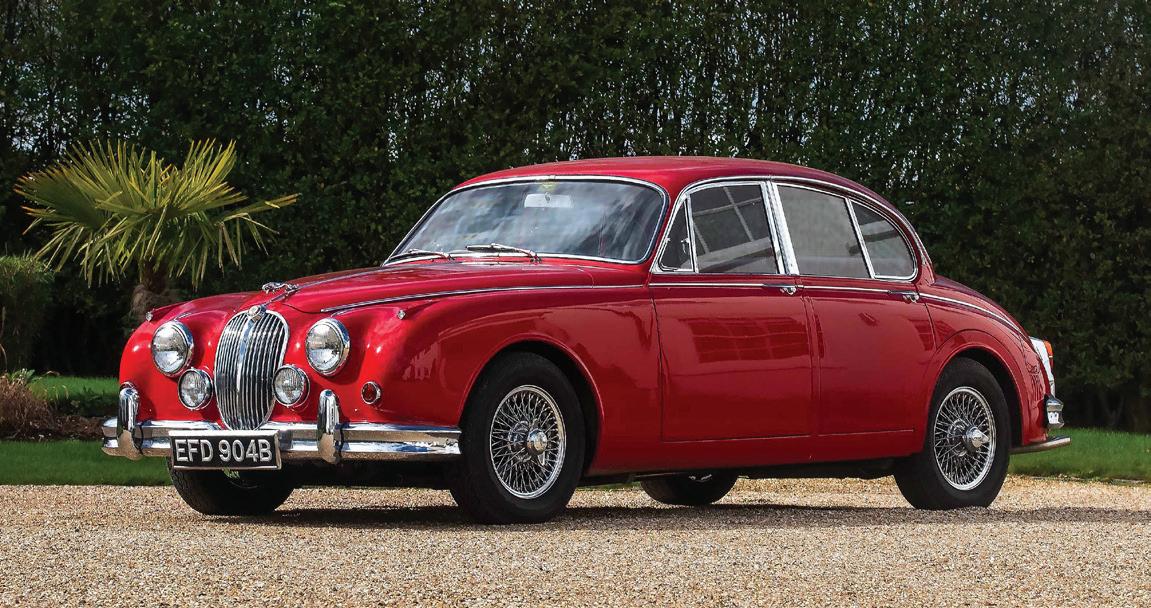
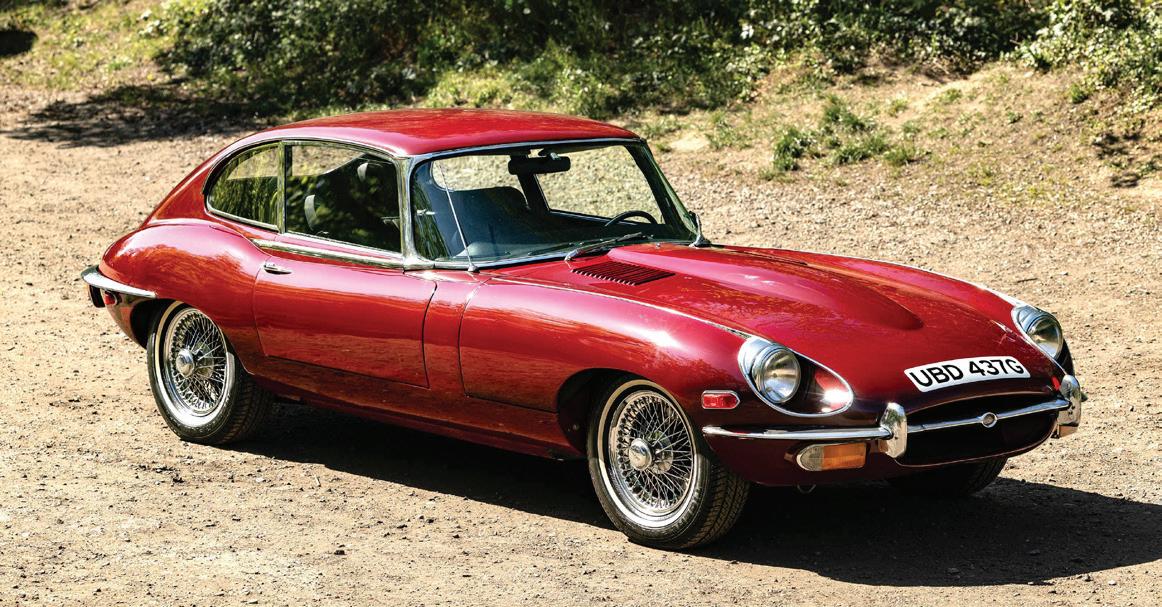
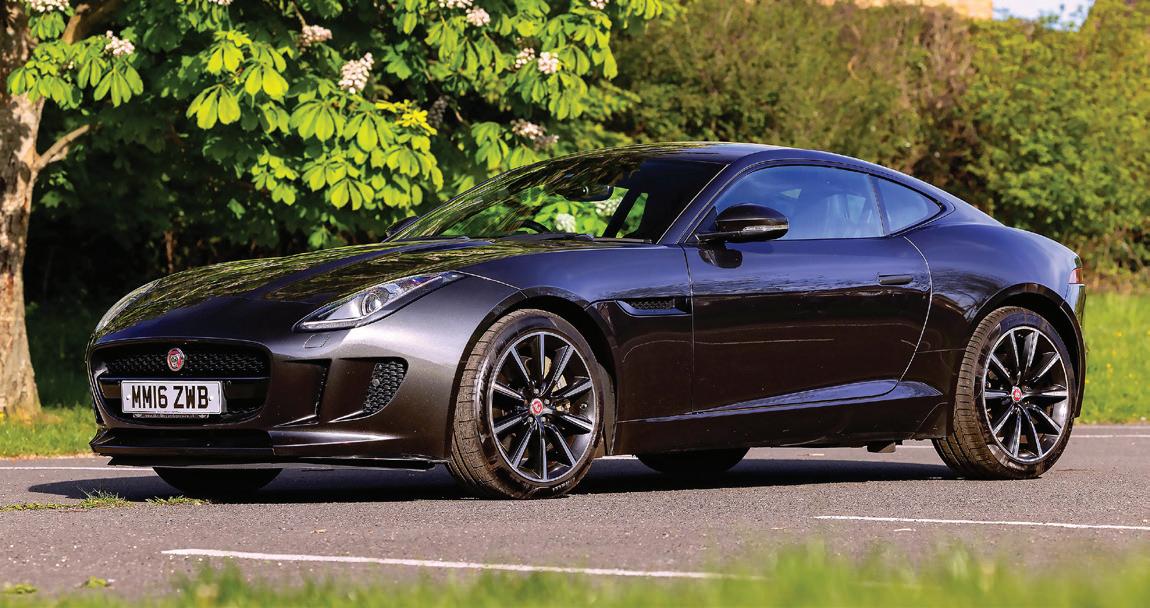
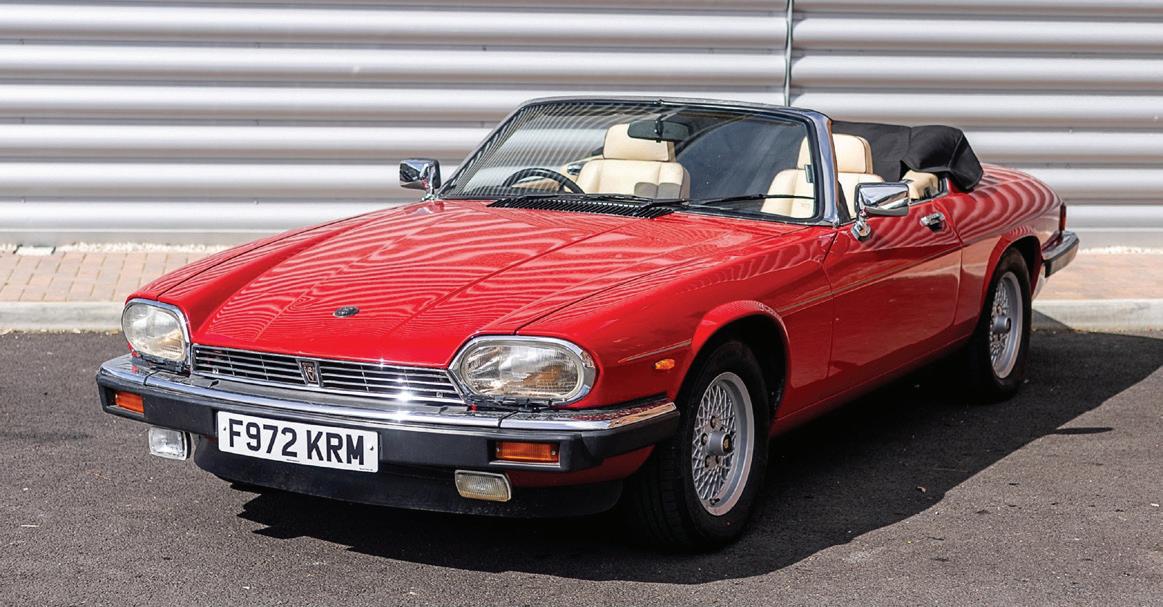
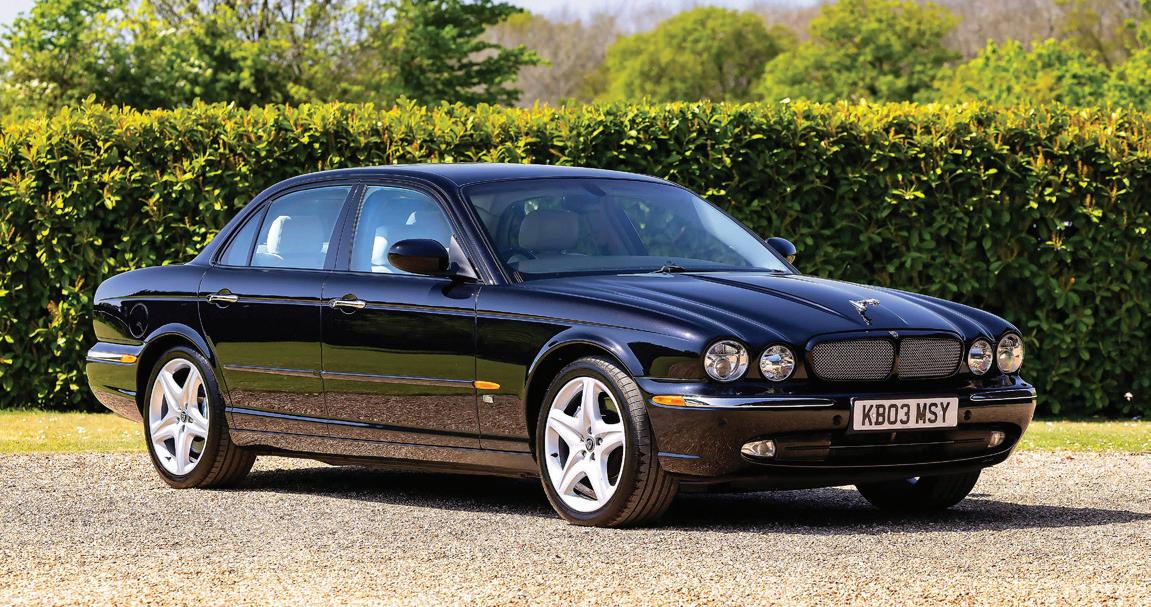
Italian coach builder Carrozzeria Ghia hit its design stride in the 1950s, and this Jaguar coupé is as convincing a piece of evidence as any. Built on one of the fastest cars of its era — the iconic XK140 — its lightweight aluminium bodywork brought an unmistakably Italian flair to a very British engineering masterpiece.
As the successor to Jaguar’s XK120, the XK140 introduced meaningful performance improvements. Alongside a more powerful 3.4 litre engine, it gained uprated brakes, rack-and-pinion steering, and modern telescopic shock absorbers in place of the earlier lever-arm units. This SE model went further still, receiving the C-Type cylinder head, heavier-duty torsion bars, and an improved dual-exhaust system.
Jaguar is believed to have supplied only ten XK140 chassis to outside coachbuilders for bespoke bodywork. Records are incomplete, but marque historians agree that Ghia produced just four examples of this dramatic, tail-finned design.
This particular car — chassis S815404 — was delivered to Ghia as a bare rolling chassis, with every element of its body and interior constructed from scratch. It
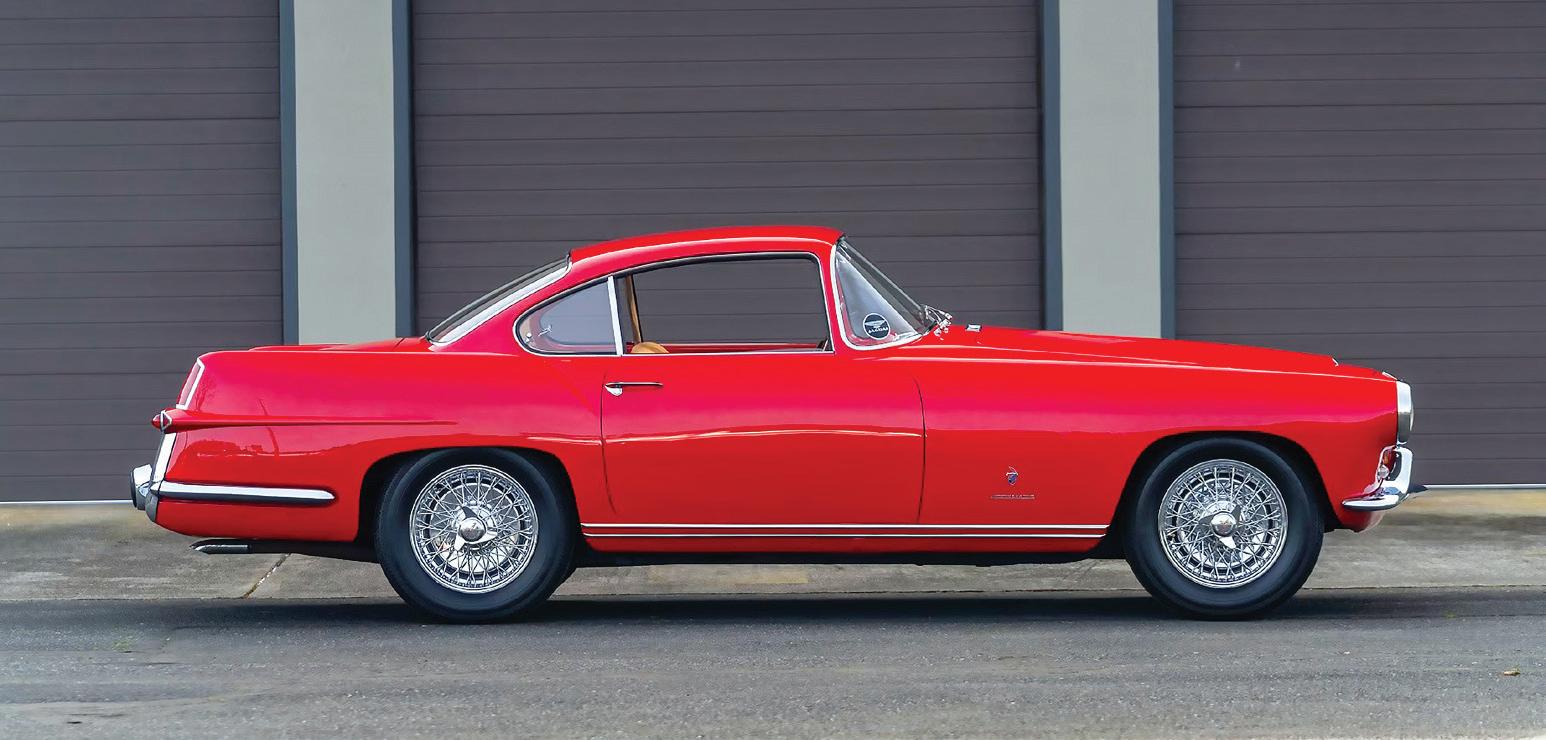
was special-ordered by U.S. West Coast Jaguar distributor Charles Hornburg for R.W. Martin of La Jolla, California.
With its narrow inline-six and relatively minimalist chassis, the XK140 was an ideal foundation for coachbuilding, giving Ghia’s stylists enormous freedom. Technical director Giovanni Savonuzzi drew heavily on the design language he admired at Chrysler under Virgil Exner: the wide, gaping grille, arrow-straight roofline and low, purposeful stance are all signatures of the Ghia “look”.
About a decade after its creation, the Jaguar was purchased by Hollywood
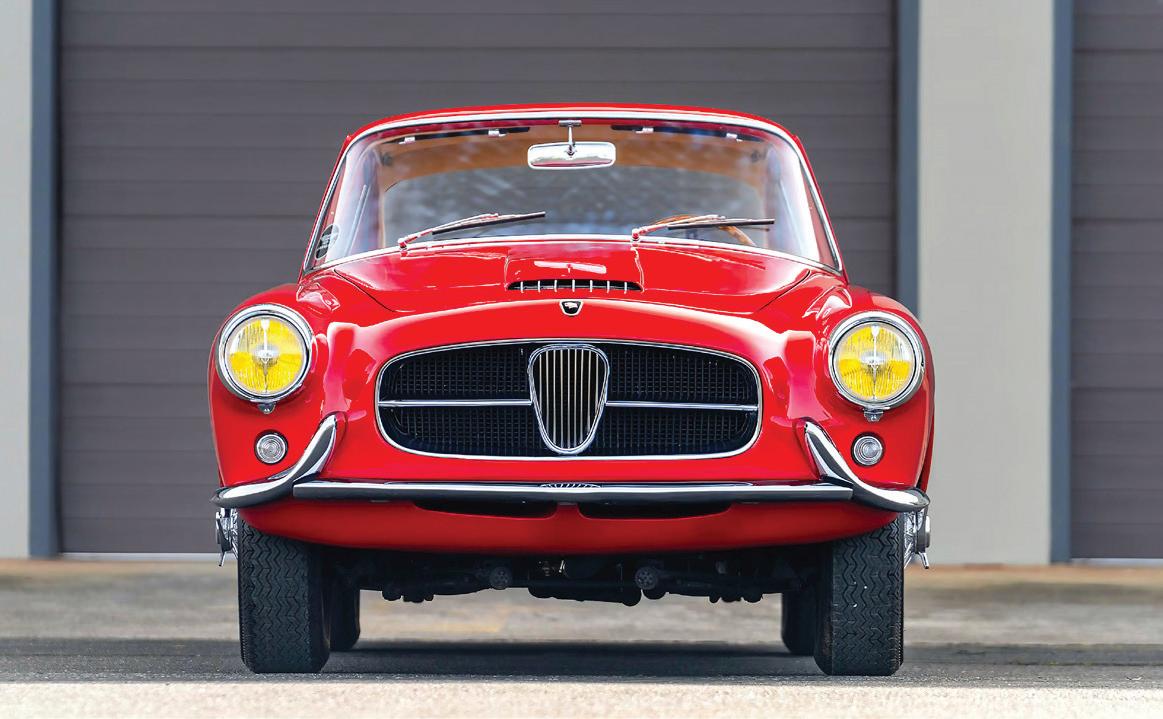
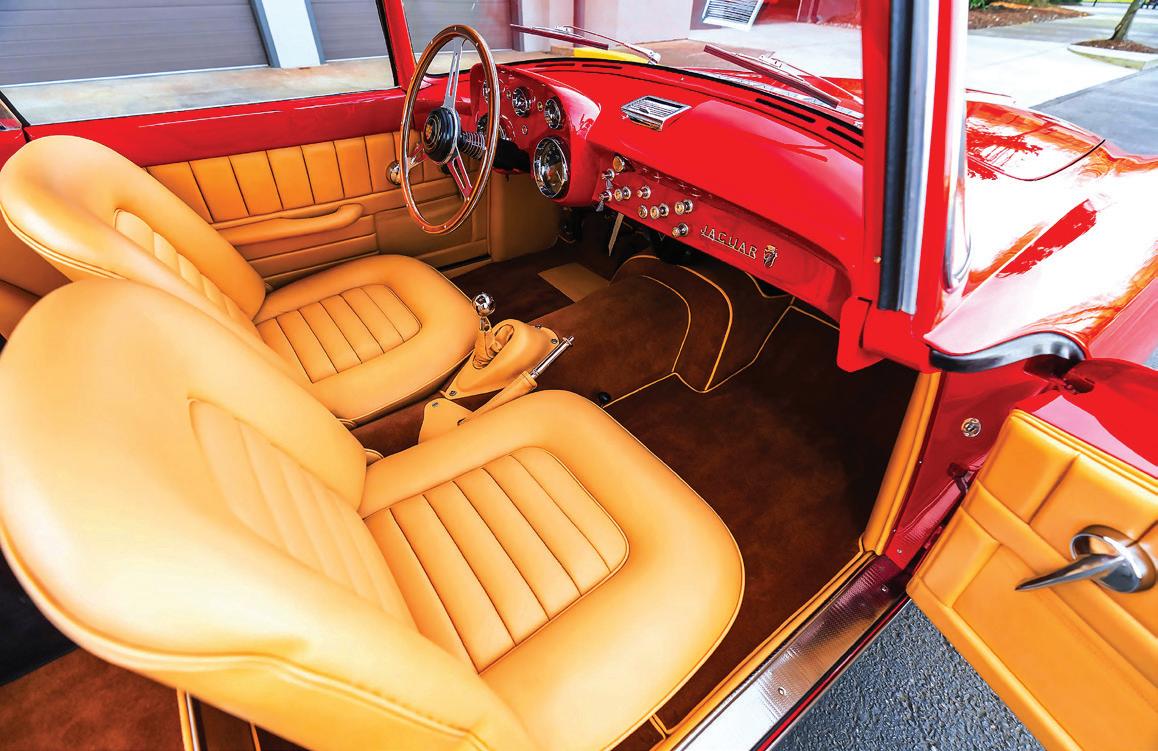
leading man Ricardo Montalbán (Khan of Star Trek II fame). By 1965 he had appeared in virtually every major television series and numerous films, and while touring a stage production of The King and I, he used part of his earnings to acquire the Jaguar. Contemporary accounts note that Montalbán was ecstatic with the car, delighted to own something truly unique — as distinctive, perhaps, as he was himself.
The car with 59,929 miles on the clock was offered with no reserve and sold for AU$308,725.
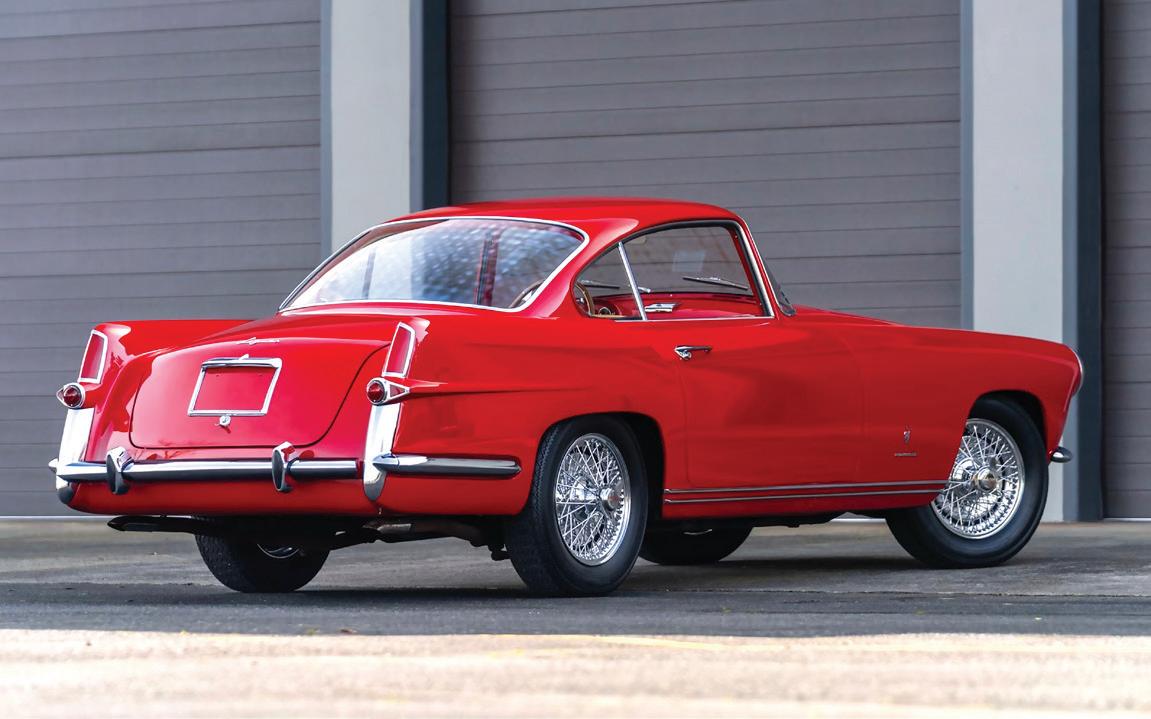
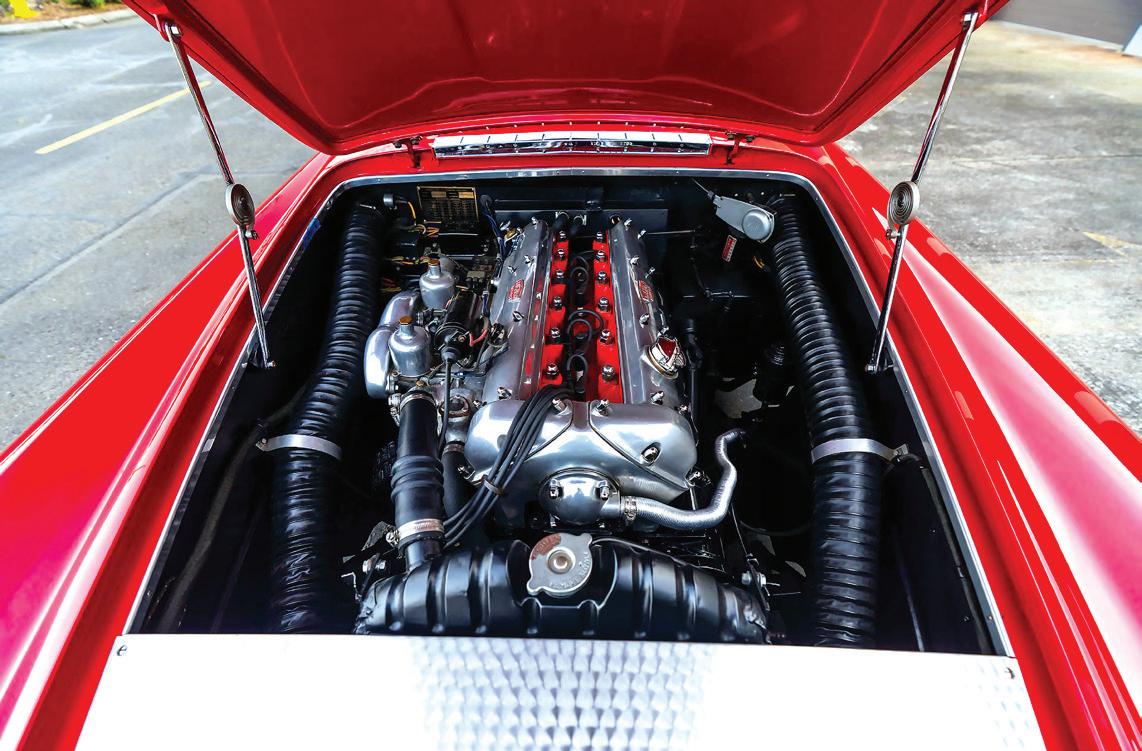
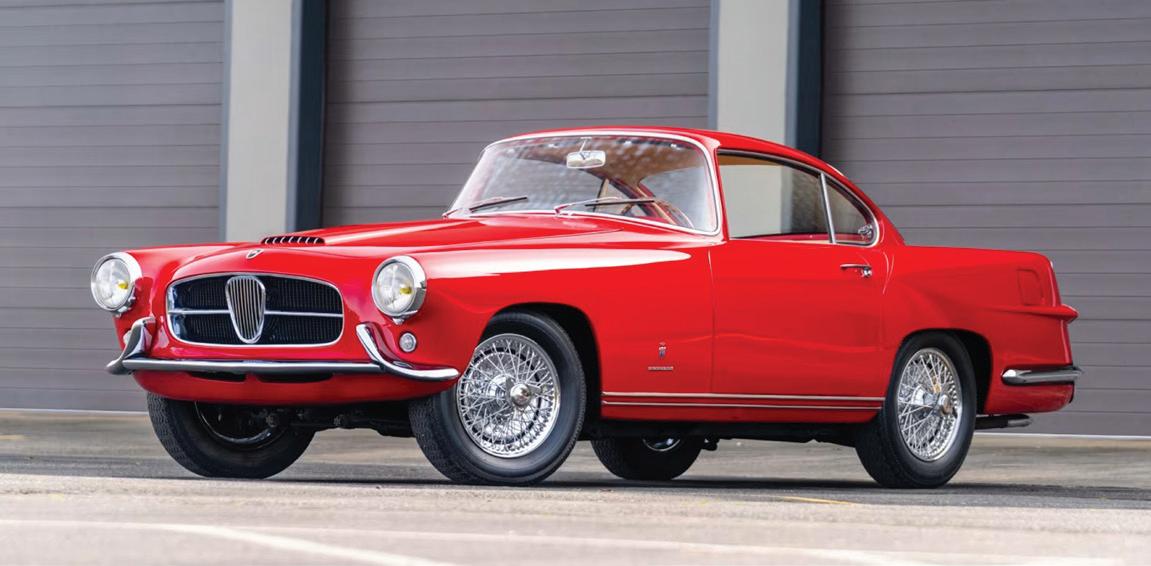
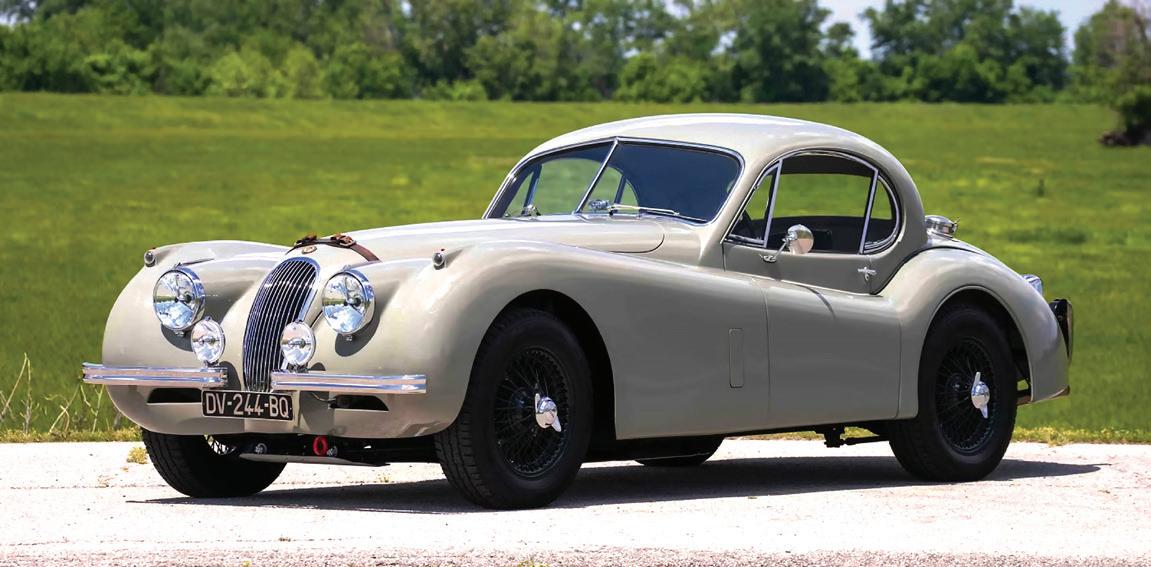
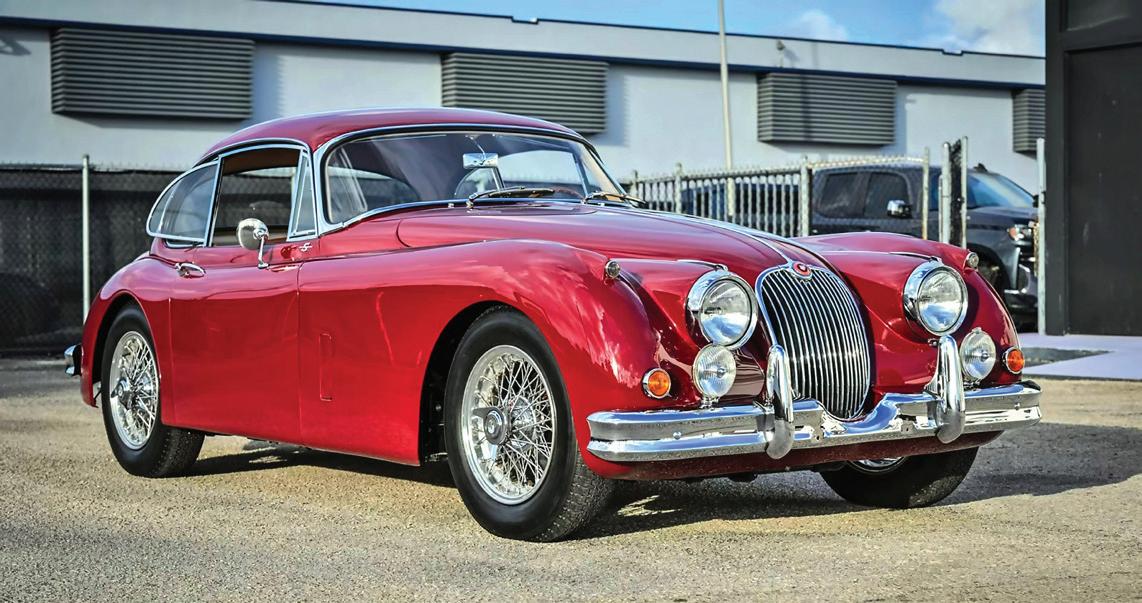
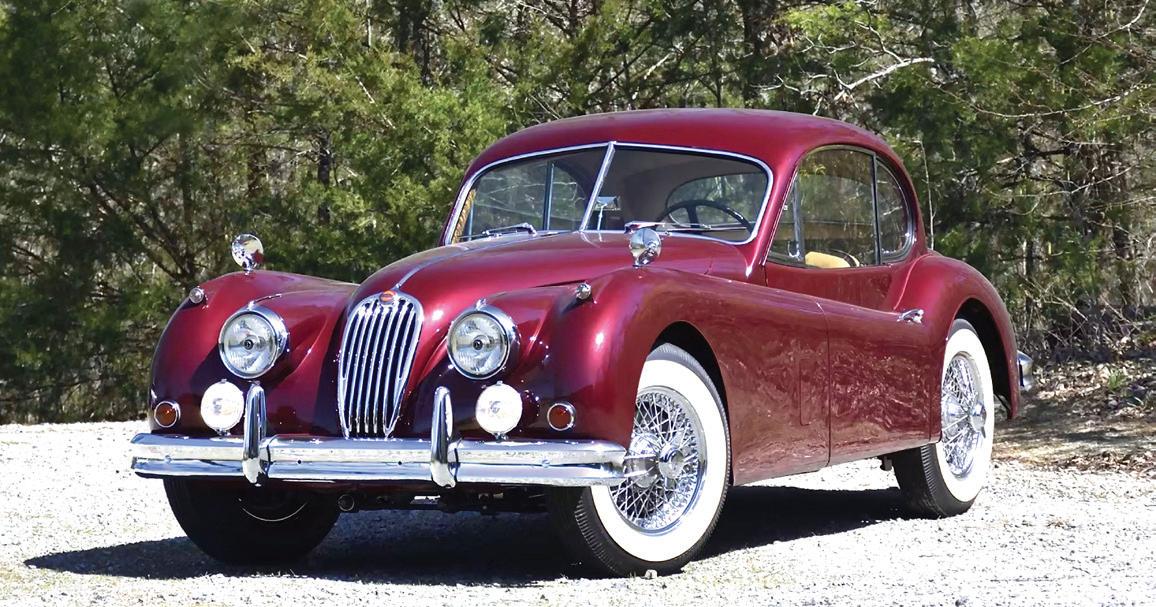
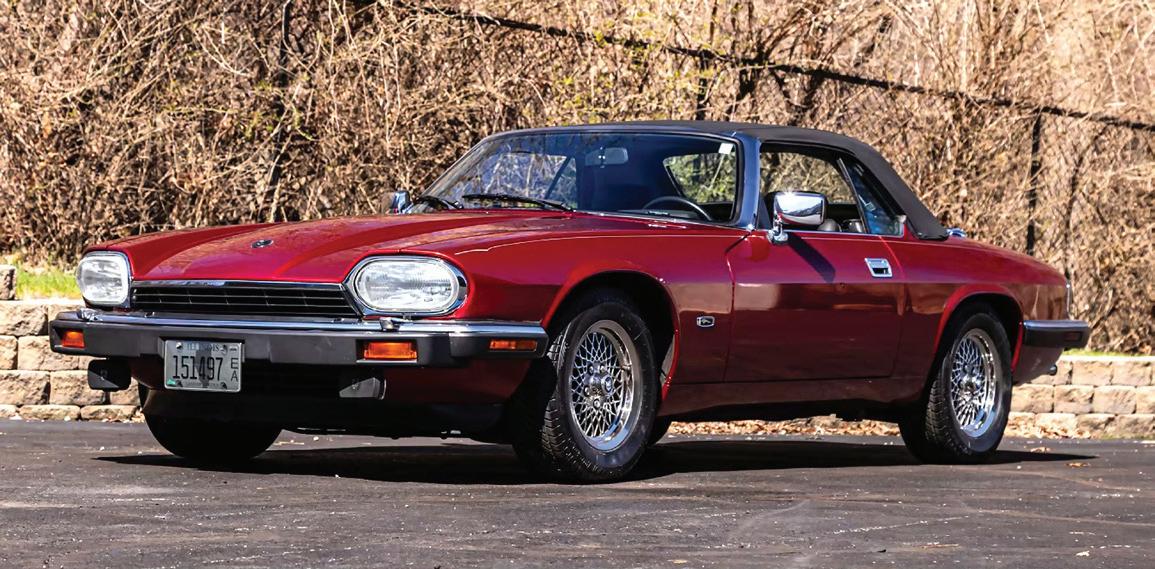
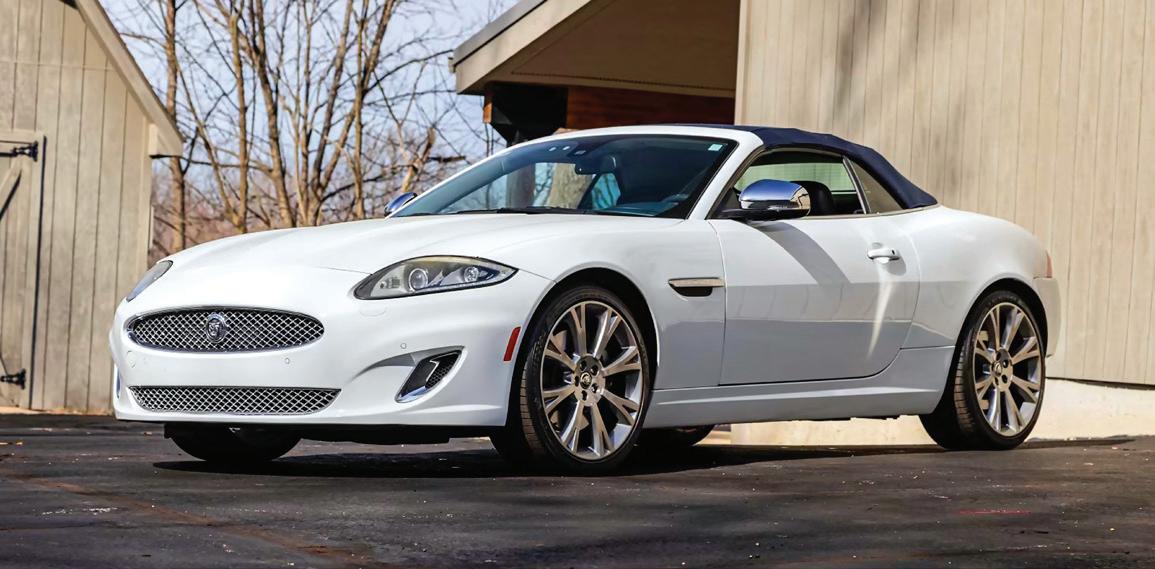
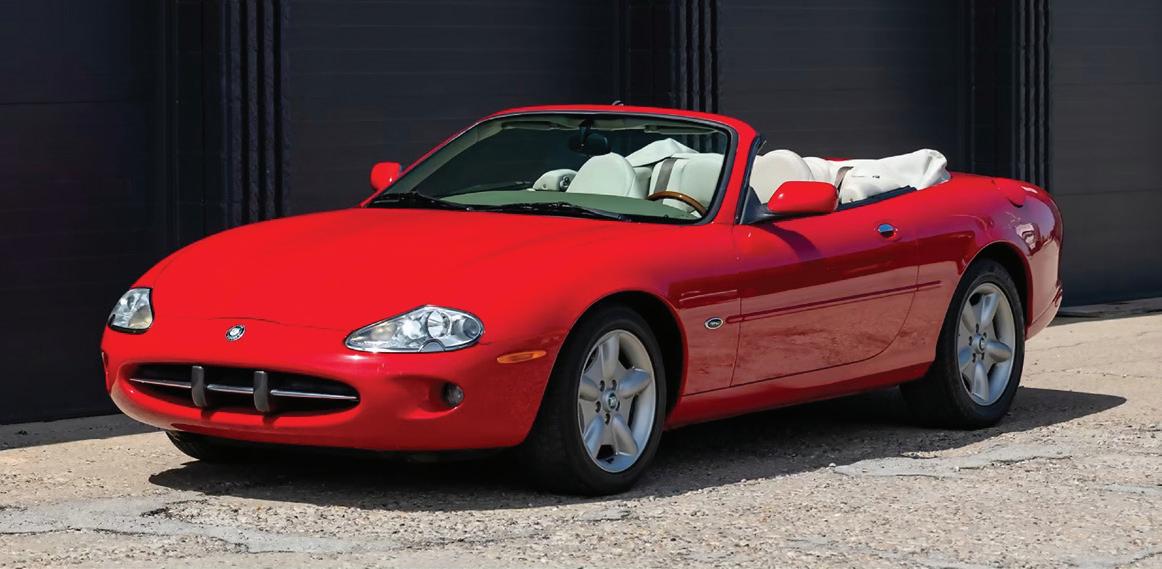
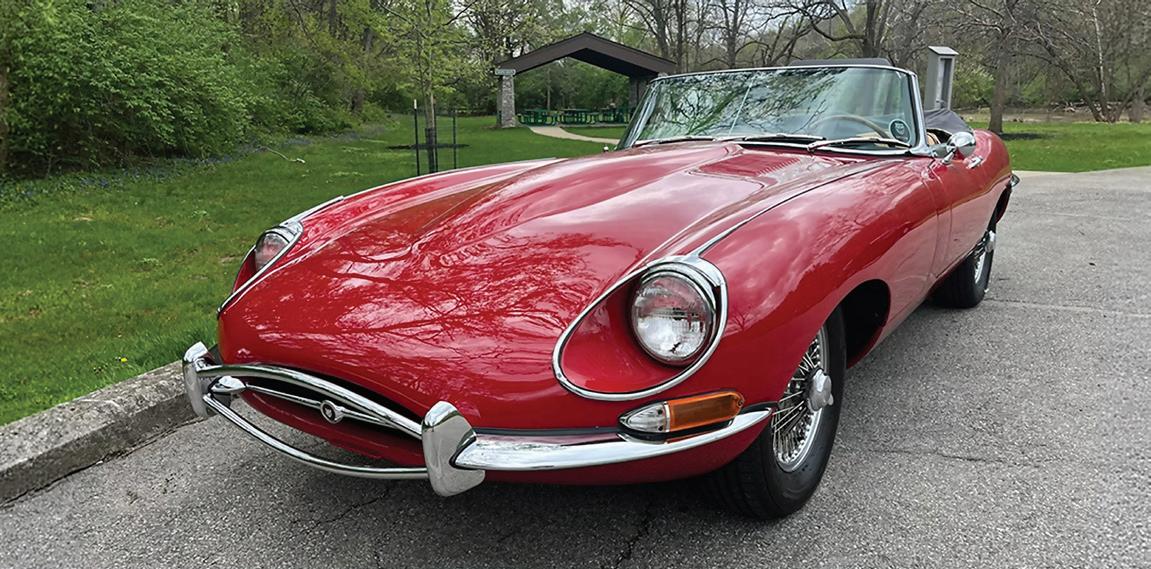
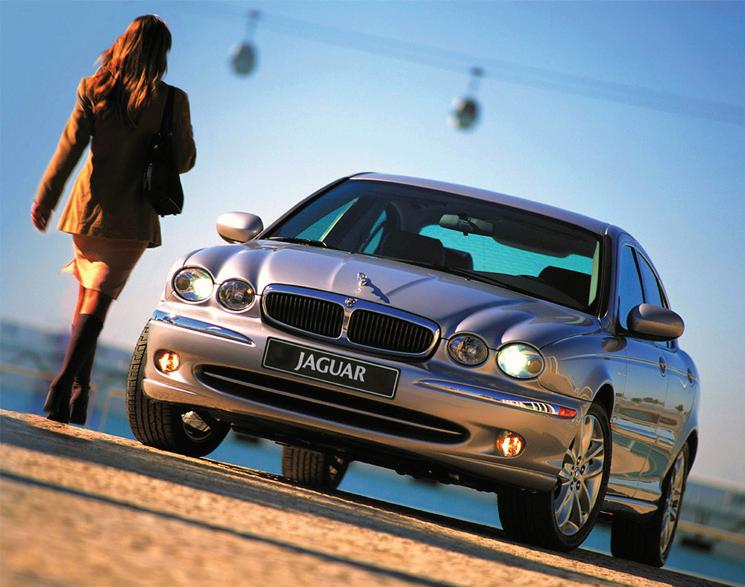
Multivalve Register meet 4th Thursday of the odd Calendar month or as advised.
Minutes of meeting held at The Kensi Hotel, Regent Street, Kensington, Thursday 28th May 2026.
Meeting Commenced at 7:32pm
Peter Buck welcomed everyone. New members Stuart & Joanne Morrell.
Attendees:
Twenty-nine as per Tidy HQ record plus 16 attended for Logbook renewal - but a few didn’t stay for dinner or the meeting.
Apologies:
Graeme & Betty Moore, Leslie Clarke, Ros Holland, Heather Buck, Tom & Marj Brindle, Bob Gillon
Welfare:
Ray Offe and Leslie Clark with some health issues.
Previous Minutes:
As published in Classic Marque accepted by acclimation.
General Business:
Peter Buck brought up the following matters –
1. Logbook renewals due before 30/06/2026. MUST be a financial member. Reminders of dates and venues for Logbook sessions appear in Classic marque and on the website.
2. Port Broughton weekend, 29 attending, some travelling up for the Show & Shine on Sunday.
3. Next General Meeting at The Junction 02/06/2026 (next Tuesday) Register on Tidy HQ.
4. Executive are looking for suggestions for speakers or interesting activities to enliven General Meetings. Speak to anyone on the Executive if you have an idea.
5. Next XJ Register meeting 2nd Wednesday of the month at usual Bartley Tavern venue. Register on Tidy HQ.
6. The Executive has requested members check their Tidy HQ ‘profile’ at least annually and update as necessary. If changes are made don’t forget to scroll to the bottom and SAVE.
7. The Annual Presentations will be awarded at the lunch to be held at Glenelg Golf Club on Saturday 25/07/2026. There will be a free drink on arrival, wine on the table and a two-course meal. Daff Charman encouraged members to attend to support members receiving various anniversary badges.
8. If members have suggestions for Club Person of the Year or Most Enthusiastic Member please speak to someone on the Executive before the next General Meeting.
9. Peter Buck looking for members input for Day Trips as opposed to Lunch Runs, ie. interesting places to visit.
Car Talk:
▪ Margaret Thomas: Kia is going well but needs a wash.
▪ Jo Orford: XKR is happy in the shed, gets out occasionally.
▪ Walter Bullock: NTR
▪ David Brewer: wants a reversing camera for his XK X150. Bob Charman suggested searching YouTube.
▪ Jim Komaromi: 2007 S-Type had a flat tyre otherwise all good.
▪ John Castle: 2003 S-Type NTR
▪ Phil Spencer: E Class Mercedes has a sick transmission.
▪ Ray Smithers: 2010 X-Type running beautifully.
▪ Sam Findlay: NTR
▪ Ron Palmer: 2014 XF 97,000 km, a trip to Mt. Compass and back, all good.
▪ Bob Charman: ‘Big Red’ wouldn’t start, flat battery….and it was only 9 years old! All good now.
▪ Daff Charman: HER XF needs new door rubbers due to perishing and a RH front door lock. Available from UK or the Jaguar Land Rover Spares at Lonsdale were suggested.
▪ Hugh Guthrie: 1998 XK8 some electrical issues with windows but now sorted.
▪ Chris Pearson: There are too many pot-holes in the road so the car is tucked away in the shed.
▪ Sam Findlay: NTR
▪ Greg Nettheim: 2001 S-Type 102,00km, 4 window actuators need replacing.
▪ Peter Holland: NTR
▪ Tim Welburn: 2020 E-Pace goes OK but keeps getting low battery warnings.
▪ David Taddeo: 1970 420G, hardly used, has changed to LED lamps.
▪ Stuart Morrell: 1999 S-Type 214,00km, all good.
There being no further business Peter Buck closed the meeting at 8:06 PM Next Meeting Date: Thursday 23rd July at The Kensi, 6:00pm for dinner, 7:30 for the meeting.
Peter Buck Register Secretary

2. Sat July 25th 2026 - Annual Presentation Dinner at the Glenelg Golf Course.
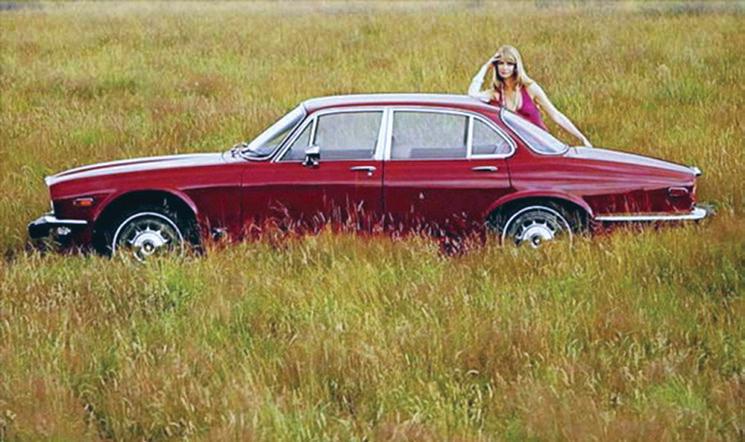
The XJ, Mk10 & 420G Register meet the second Wednesday of each month.
Minutes of meeting held at 7.30pm on Wednesday 13th May, at the Bartley Hotel, West Lakes Shore.
Present:
Tom & Marj Brindle, Peter Buck, William Bateman, Richard, Bobby & Maranti Beck, Bob & Daphne Charman, Andrew & Margaret Byles, Robert Cain, Richard Chuck, Alan & Lurraine Davis, Don & Toni Heartfield, Peter Holland, Nick Grevelis, Jurgen Schusterbauer, Chris Michael, Fay Leyton, Louis Marafioti, Dean McCarthy, Gary Monrad & Oggi Stojanovich Monrad, Paul Moore, David & Angela Nicklin, Trevor Norley, Borys & Elaine Potiuch, Bryan O’Shaughnessy, Phil Prior, Charlie & Mary Saliba, and Don Tyrrell.
Apologies:
Jeannie De Young, David & Margaret Bicknell, Kathy Tyrrell, Margaret Thomas, Michael Pringle & Jo Orford, Graeme & Betty Moore, Heather Buck, Ron & Rosie Bailey, Steve Arthur, Ray & Barb Offe.
Previous Minutes:
Acceptance of minutes: proposed and approved by Louis Marafioti, seconded by Alan Davis.
Welfare:
▪ Ray and Barbara Offe are both having health issues at the moment, so will not be attending any club functions for the time being.
▪ Sandy Mack had a fall in New Zealand and has had an operation to repair three broken bones in an ankle and is using a wheelchair at present. Will keep us informed of her progress.
General Business:
1. 21st May 2026 - Ladies lunch at the Holdfast Hotel.
3. 28th May 2026 - Multi Valve meeting at the Kensington Hotel.
4. This year’s XJ Mk10 420G Xmas Dinner has changed to a Sunday night because the Glenelg Golf Course itself are holding an event on the Saturday. The date will be Sun 13th December, 2026.
5. May 30th - Show and Shine run to Pt Broughton. Trevor Norley gave an updated report.
6. 13th June, 2026 will be logbook day at Shannon’s.
7. Talked about having night out at Gepettos Italian Restaurant in August. Approx. 30 people signalled they are interested. More to come on this event.
8. Have had an enquiry about Chroming in Adelaide. Meeting confirmed it better to send items to Victoria.
Car Talk:
◊ Tom & Marj Brindle: Tom advised still haven’t fixed front guard. Should only be another year or so.
◊ Richard Beck: 1986 XJ from New Zealand. Still sorting out a few problems with Regency Park.
◊ William Bateman: Also, trying to get vehicle through Regency.
◊ Peter Buck: X308 still like new.
◊ Andrew & Margaret Byles: Working on XK. Starting XJ again. Put new tyres on.
◊ Robert Cain: Series 3 XJ6 Blow Hole in manifold. Replaced battery.
◊ Bob & Daff Charman: New battery put in Big Red. New tyres after 18 years!
◊ Richard Chuck: Green car going well, Mark 1 changing door cards. X Type going nicely.
◊ Alan & Lurraine Davis: X Type going very well.
◊ Don Heartfield: XJ6 Oil leak in power steering. Getting re conditioned.
◊ Peter Holland: XK120 have new upholstery – Allan Smith. Engine dismantled.
◊ Fay Leyton: N.T.R.
◊ Nick Grevilis: XJ8 drives well. Ex Phil Prior’s car.
◊ Louis Marafioti: 1999 XJ8 going well.
◊ Dean McCarthy: Took the Jag to Melbourne and Riverland. All good.
◊ Gary Monrad: XJ8 took to Monato. CD player not working.
◊ Paul Moore: X300 all OK.
◊ David & Angela Nicklin: XJ8 going nicely. Going in for bumper repair.
◊ Trevor Norley: X Type new tyres. New radio in the XJ6. 4 speakers.
◊ Bryan O’Shaughnessy: Took XJS to McLaren Vale Vintage & Classic.
◊ Borys & Elaine Potiuch: XF getting better. XJ hardly used.
◊ Phil Prior: N.T.R.
◊ Charlie & Mary Saliba: X300 going very well.
◊ Jurgen Schusterbauer: Mk2 1963 Reconditioned and refurbished.
◊ Don Tyrrell: Mk10 all good. X358 going extra well.
◊ Chris Michael: Mk 10 still for sale. Meeting closed at 8.15pm and members invited to stay for coffee.
Next Meeting: To be held on Wednesday 10th June, 2026 at the Bartley Tavern, West Lakes Shore.
See you all there.
Bob Charman, Register secretary

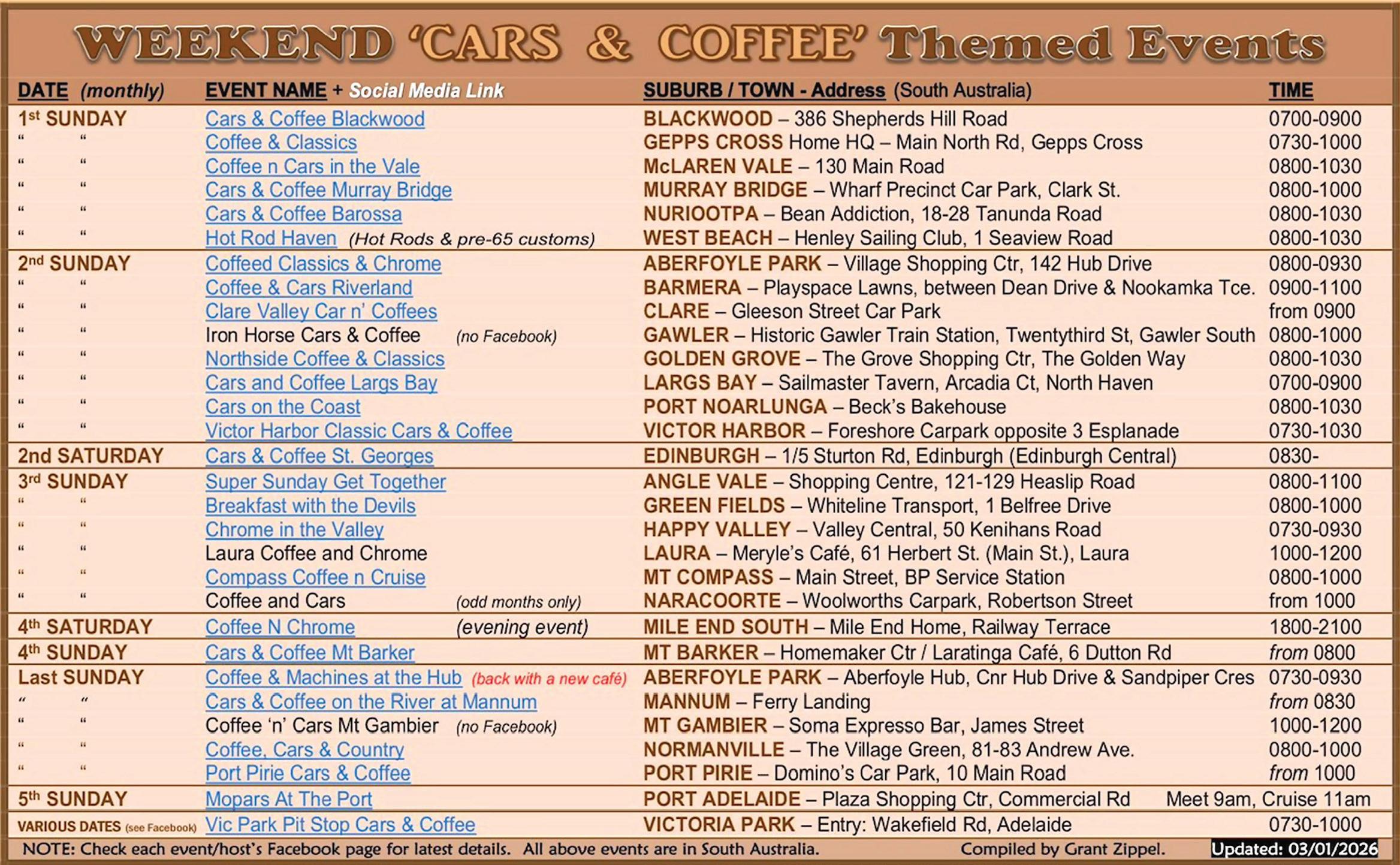
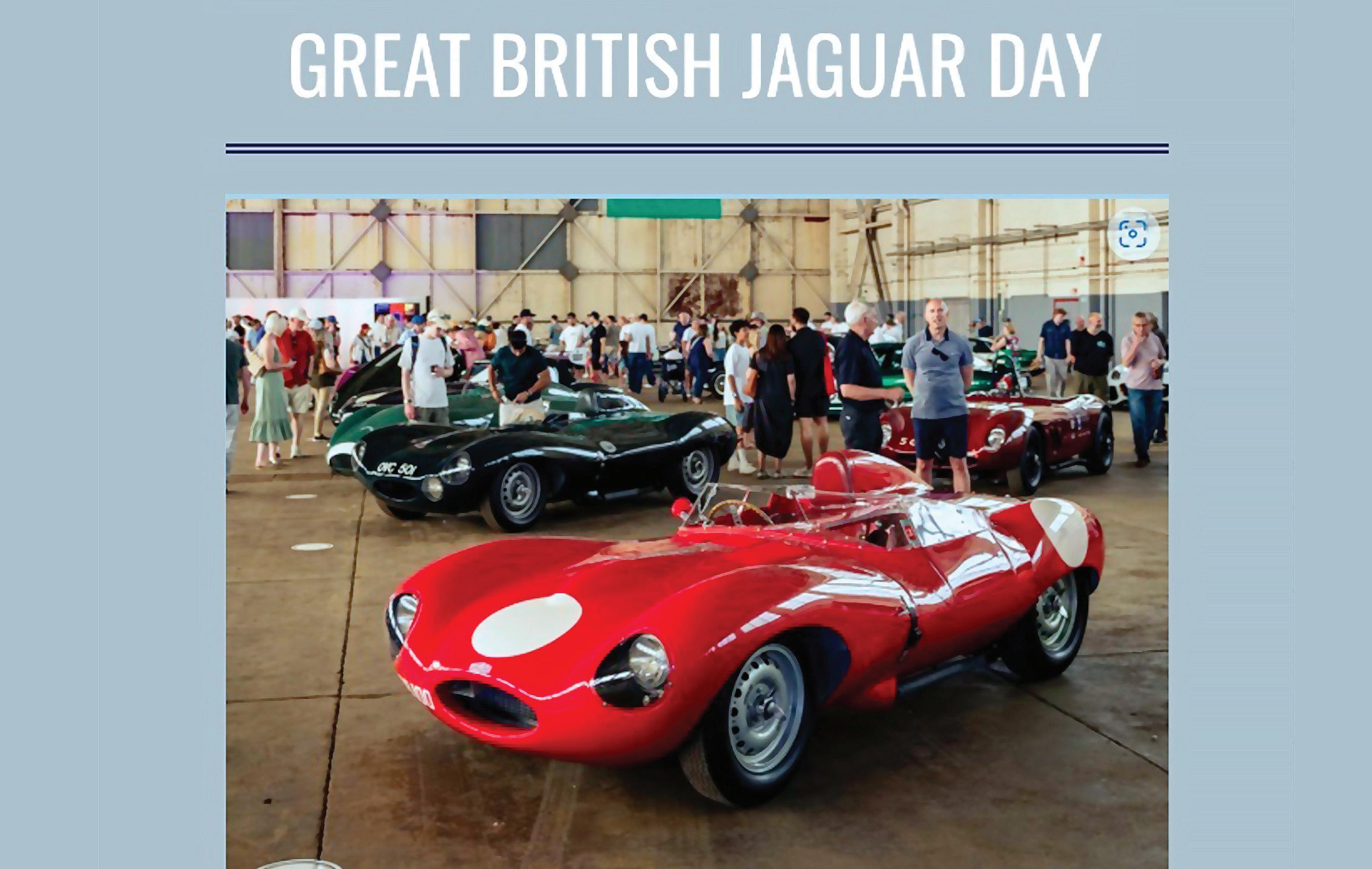

Classic Marque is the official magazine of the Jaguar Drivers Club of South Australia (JDCSA). The opinions and views expressed in published articles are wholly those of the respective authors, and are not necessarily those of Jaguar, the Editor, the Club, or its members.
Advertisers and sponsors who place advertisements in the magazine do so because they value their association with the JDCSA. Placement of these advertisements should not necessarily be taken to mean the Club endorses the services offered.
Minutes of the JDCSA General Meeting held on Tuesday, 5th May 2026 at The Junction, Anzac Highway.
1. Tim White opened the meeting at 7:30 pm
2. Apologies: Moira Lugg, John Goddard, Peter & Tricia Clarke, Val Weeks, Heather Buck, Leanne Shouksmith, Paul Moore, Don Tamblyn.
3. New member - Phillip Levi
4. Welfare (Steve Weeks): Sandy Mack had a fall and broke her ankle.
5. Minutes of the previous meeting accepted.
6. Business Arising: None.
7. President’s Report (Tim for Moira):
▪ Members have responded to update the First Aid information for TidyHQ.
▪ SA Jag Day confirmed to be at Wigley Reserve on Sunday 25th October.
▪ 16 Jaguars attended Pit Stop in Victoria Park.
▪ Good to have McLaren Vale Vintage and Classics happening again.
8. Vice President’s Report (Tim White): Nothing to report.
9. Secretary’s Report: Position Vacant –No report.
10. Treasurer’s Report (Peter Thomas): Nothing to report.
11. Membership Secretary’s Report (Daphne Charman):
▪ Four new members in current Classic Marque.
▪ Annual Presentation luncheon has 40 booked so far and certificates and magnetic badges all ordered.
▪ 28% of membership have already renewed.
12. Editor and Events Coordinator’s Report (Graham Franklin):
▪ Events are all listed in Classic Marque and on website.
▪ Needs another 24 photos of members cars for the calendar.
13. Logbooks Report (Tim White):
Several meeting opportunities for renewing logbooks and special sessions around the metro area.
14. Regalia Report:
Awaiting further quotations and finalisation of embroiderer details.
15. Federation of Historic Motoring Clubs Rep:
▪ Thanks go to John Goddard for taking on the role of our FHMC Rep.
▪ Awaiting the minutes from their last meeting at which the requirements for keeping and recording of engineering reports was discussed. Will be published as part of Logbook procedures.
16. Marque Sports Car Association Rep (Barry Kitts: Nothing to report
17. Library Report (Tom Brindle: Nothing to report
18. Register Reports
18.1 SS/Pushrods (Graham Franklin): Nothing to report.
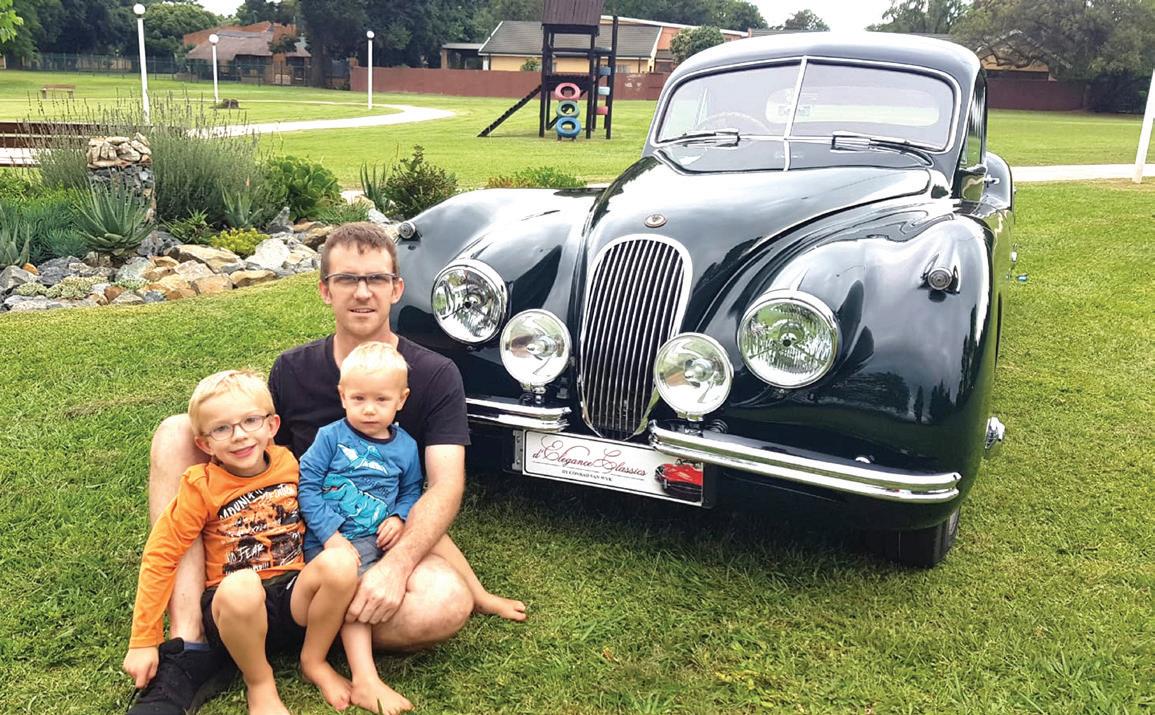
18.2 XK, Mk7,8 & 9 (Steve Weeks): Nothing to report
18.3 Compact (Philip Prior ): Next meeting is Tuesday 12th May at Living Choice Fullarton
18.4 XJ, MK10, 420G (Bob Charman): Trevor Norley reported that 28 registered so far for the Pt Broughton Show’n Shine on 30th & 31st May
18.5 Multi-Valve (Peter Buck): Next meeting Thursday 28th May at The Kensi
18.6: E, F & GT (Bruce Davis): Next event is a visit to the SA Aviation Museum and lunch on Wednesday 27th May
18.7: Ladies Social Register: Next event: Lunch at Holdfast Hotel on Thursday 21st May
19. Any General or New Business: None
20. Meeting closed at 7:46 pm.
21. Guest Speaker.
Conrad Van Wyk showed slides and spoke about his early introduction to restoring cars with his father in South Africa, developing many restoration skills, some interesting Jaguar finds and restorations, and then moving to Australia and setting up his own business D’Elegance in Salisbury.
22. Tim thanked Conrad and invited members to continuing socialising over supper.
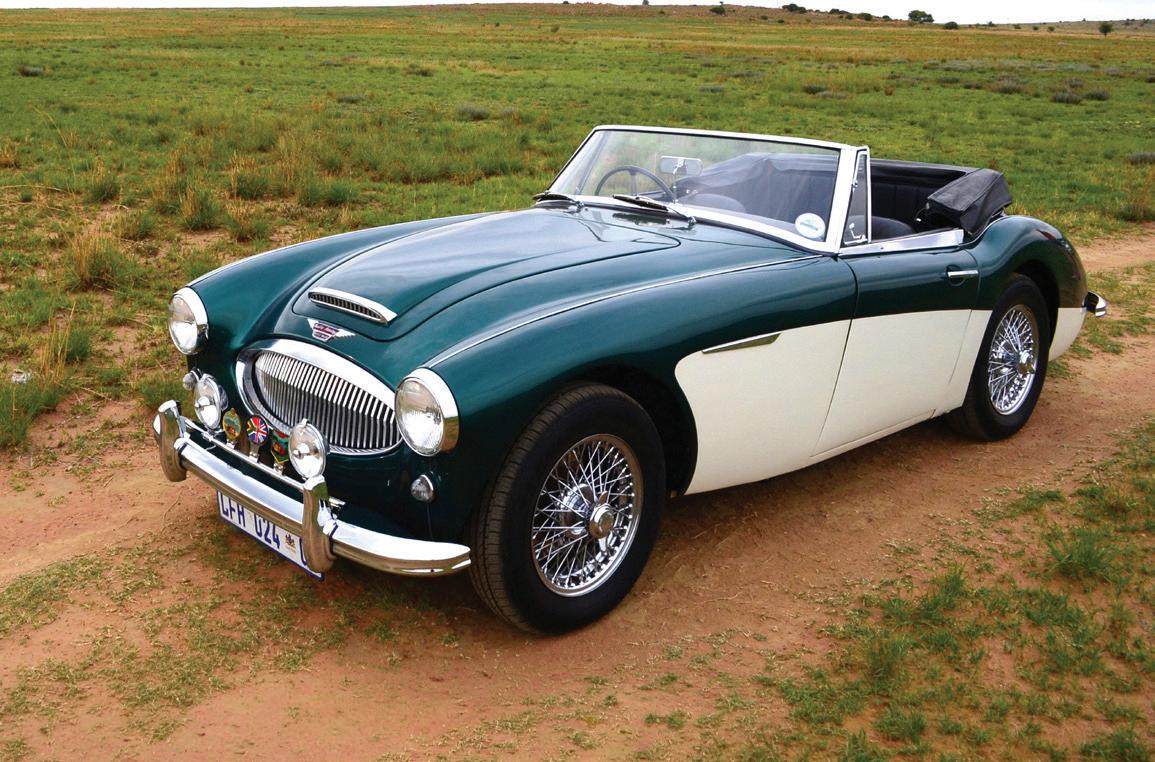
Club Postal Address: PO Box 6020, Halifax Street, Adelaide SA 5000
Club Web Site / Email
Web: www.jdcsa.com.au
Email: hello@jdcsa.tidymail.co
President: Moira Lugg Mobile: 0407 727 459 president@jdcsa.tidymail.co
Vice President: Tim White Mobile: 0419 809 021 vicepresident@jdcsa.tidymail.co
A/G Treasurer: Tim White Mobile: 0419 809 021 treasurer@jdcsa.tidymail.co
Monthly Meetings: 1st Tuesday of the month (Feb - Dec) 7.30pm at “The Junction”, 470 Anzac Highway, Camden Park. (Near the Morphettville Racecourse). Members can choose to have a meal from 6.00pm prior to the meeting.
Committee Member: Peter Holland Phone: 0408 810 884 pholland@senet.com.au
Secretary (Vacant)
Membership Secretary: Daphne Charman Phone: (08) 8248 4111 Mobile: 0404 999 200 membership@jdcsa.tidymail.co
SS, Mk IV, & Mk V - Meet TBA Graham Franklin: (0490 074 671 E: ssregister@jdcsa.tidymail.co
XK & MK 7, 8, 9 - Meet TBA
Steve Weeks: 0414 952 416 E: xk789register@jdcsa.tidymail.co
Mk 1, 2, S Type, 420 (Compact)Meet TBA
Phil Prior: 0402 670 654. E: compactregister@jdcsa.tidymail.co
XJ, 420G, & MK X
Meet 2nd Wednesday of each month.
Bob Charman: 0421 482 007
E: xjregister@jdcsa.tidymail.co
Multi-Valve
Meet 4th Thursday of the odd Calendar month or as advised.
Peter Buck: 0421 061 883 E: multivalveregister@jdcsa.tidymail.co
Jaguar Ladies Register: Meet 3rd Thursday every 2nd month or as advised.
Tricia Clarke: 0422 128 066 jaguarladiesregister@jdcsa.tidymail.co
E,F & GT Register: Meet bi-monthly or as advised.
Bruce Davis: 0400 872 438
E: efgtregister@jdcsa.tidymail.co
Editor/Events Coordinator: Graham Franklin Mobile: 0490 074 671
Email: editor@jdcsa.tidymail.co
Librarian: Tom Brindle. Phone (08) 8387 0051. E: librarian@ jdcsa.tidymail.co
Marque Sports Car Association (MSCA): Club Representative: Barry Kitts: 0412 114 109
All British Day: -
Club Representative: Fred Butcher: 0428 272 863
Federation of Historic Motoring Clubs (FHMCSA): Club Representative: David Burton Mobile: 0417 566 225
Technical Officer: Geoff Mockford Phone: (08) 8332 3366. M: 0438 768 770 info@classicsportscar.com.au spares@classicsportscar.com.au
Public Officer: Moira Lugg Mobile: 0407 727 459 E: publicofficer.@jdcsa.tidymail.co
Archives: Peter Holland, Dave Burton, Graham Franklin Email: hello@jdcsa.tidymail.co
TidyHQ Administrator: Tim White. Mobile: 0419 809 021. E: thqadmin@ jdcsa.tidymail.co
Web Master: Phil Prior/Tim White Phil Prior. Mobile: 0402 670 654. Tim White. Mobile: 0419 809 021. webmanager@jdcsa.tidymail.co
Logbook Compliance Officer: Peter Thomas - Phone: 0438 861 922 E: logbookofficer@jdcsa.tidymail.co
To obtain MR334 Application Forms
• Geoff Mockford: 0438 768 770
• Evan Spartalis: 0408 827 919
• Roger Adamson: 0421 052 518
• Tim White: 0419 809 021
To Renew or Obtain a Logbook
• Tim White: 0419 809 021
• David Burton: 0417 566 225
• Philip Prior: 0402 670 654
• Peter Holland: 0408 810 884
• Peter Buck: 0421 061 883
• Steve Weeks: 0414 952 416
• Roger Adamson: 0421 052518
• Graham Franklin: 0490 074 671
• Bruce Davis: 0400 872 438