
Strategic Plan



EXECUTIVE SUMMARY
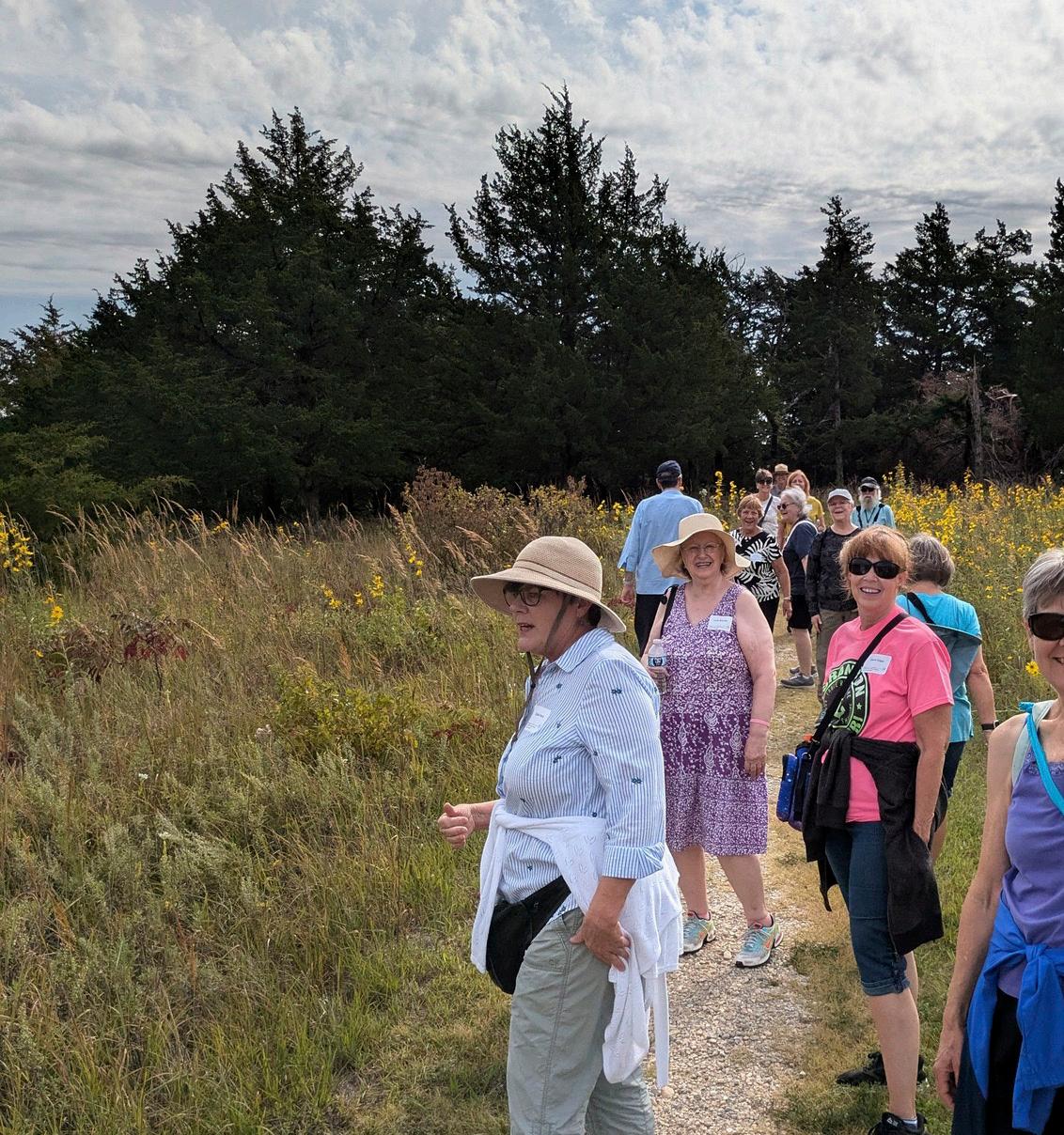
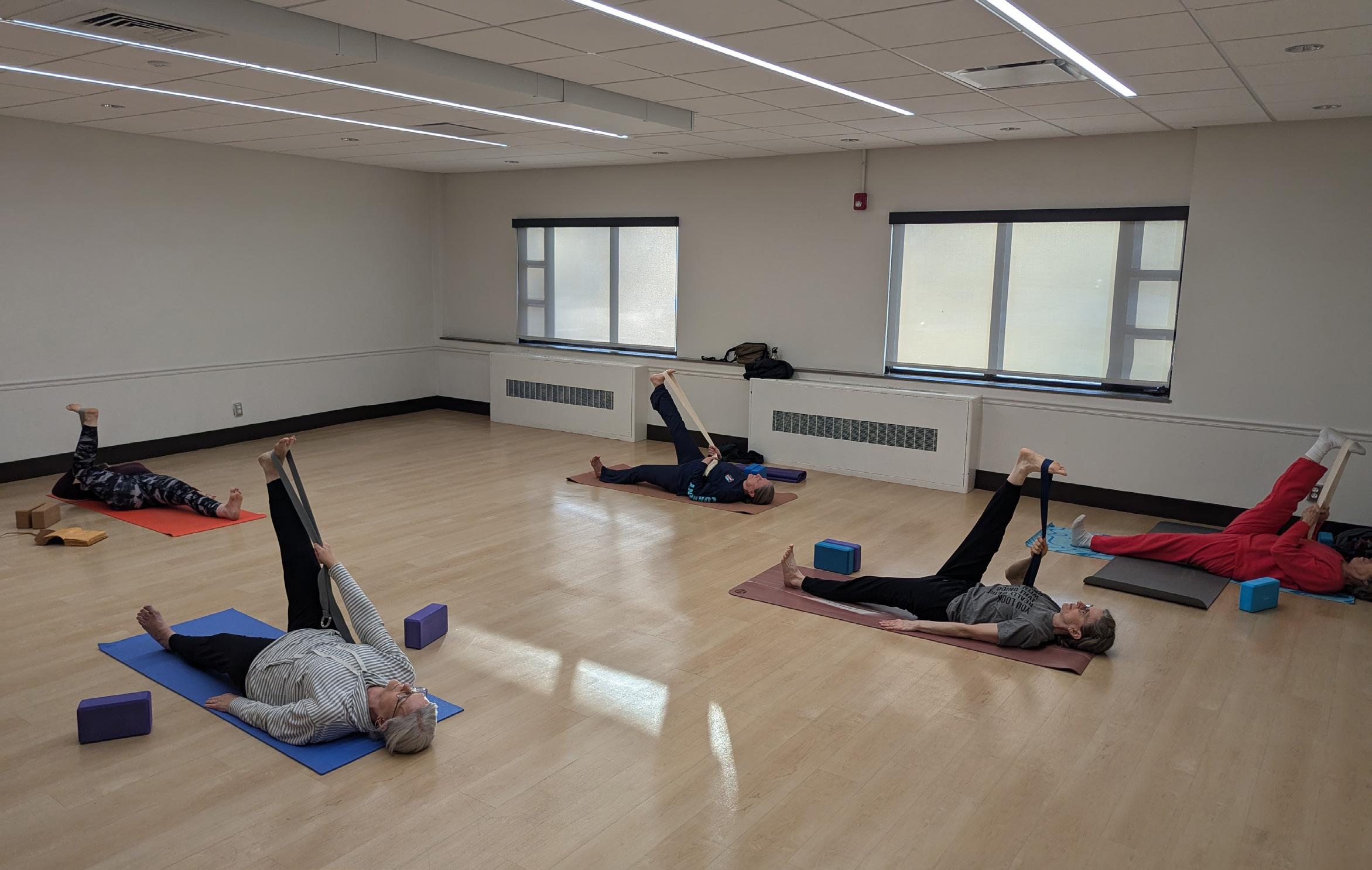
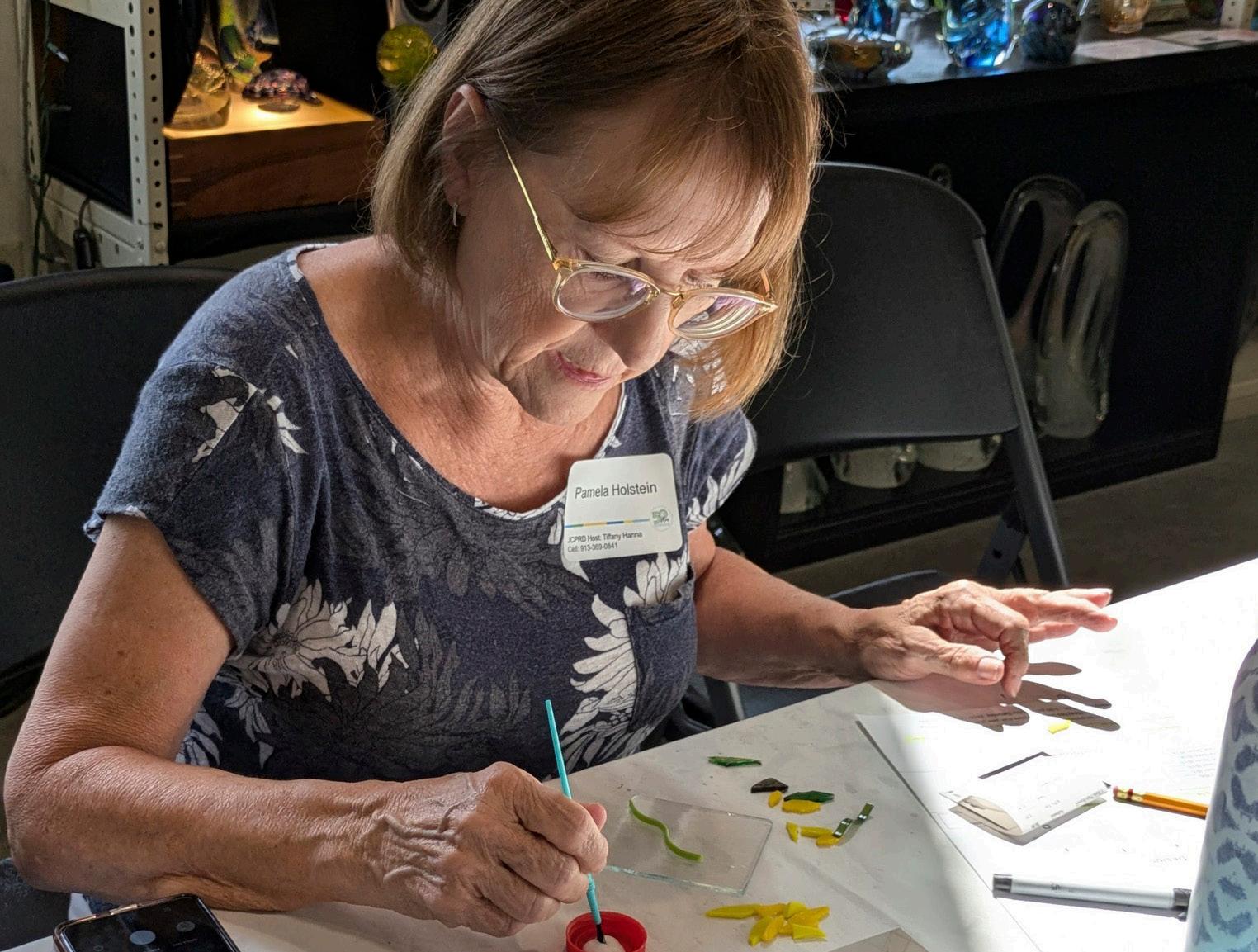
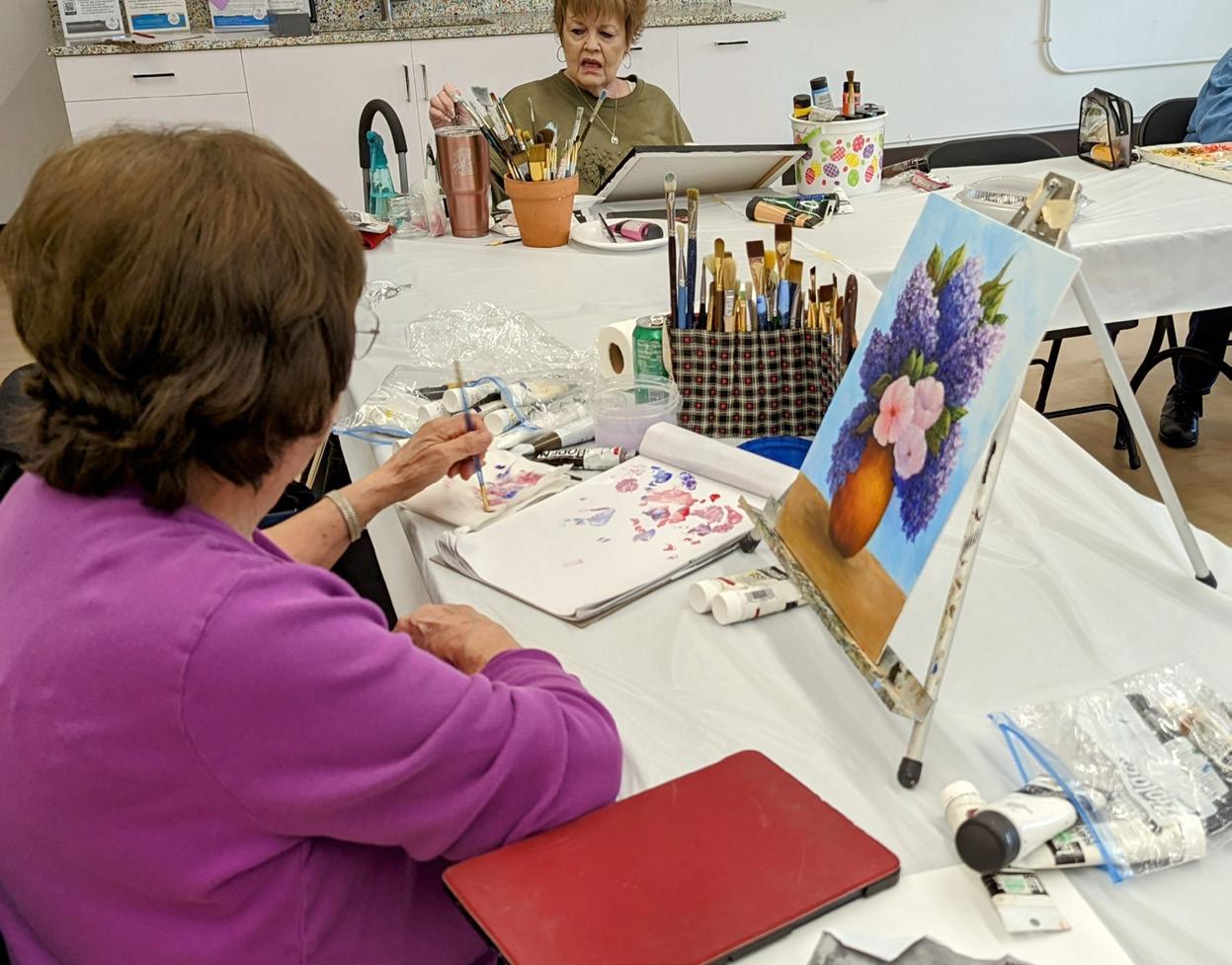
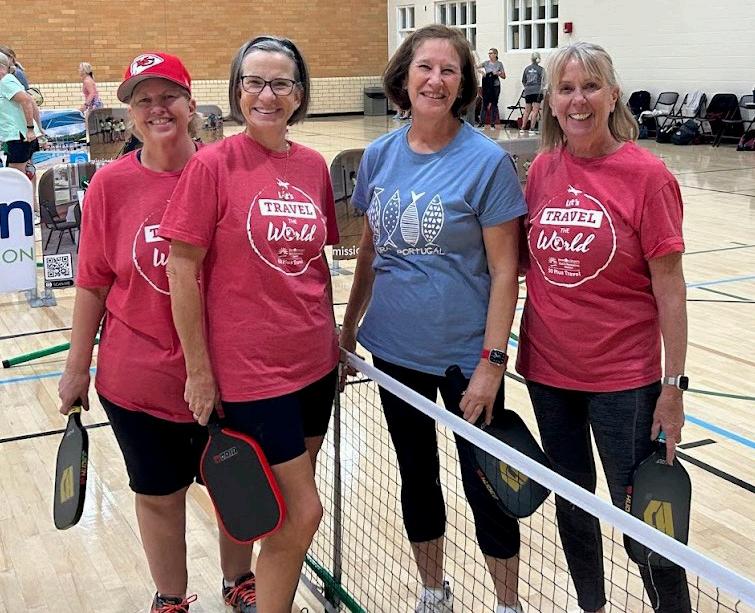
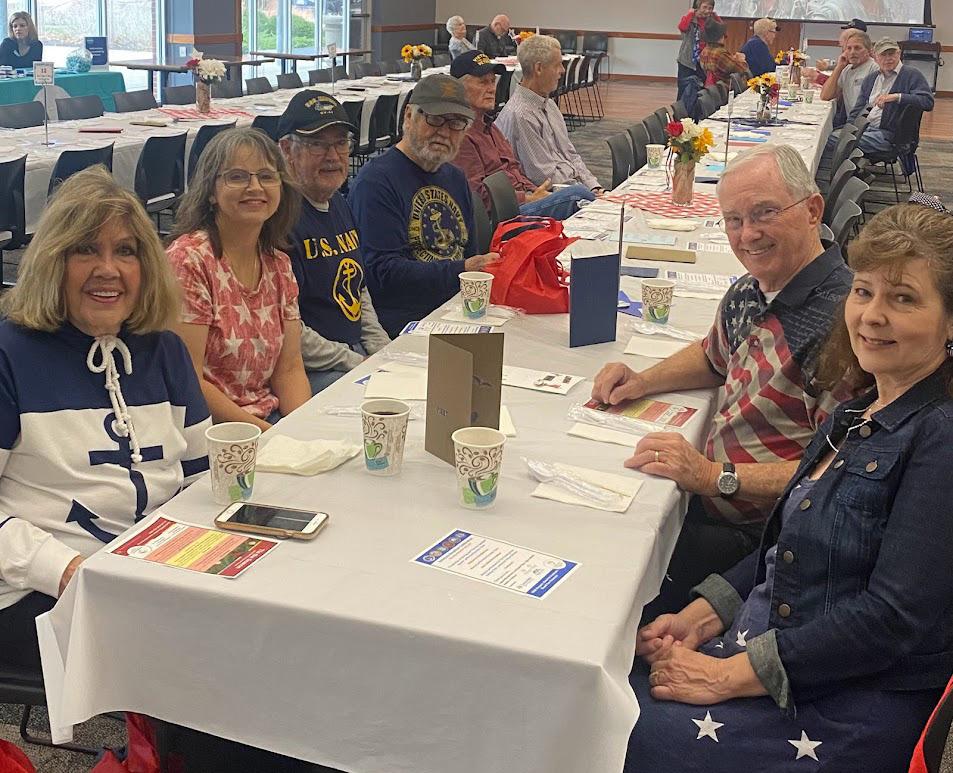
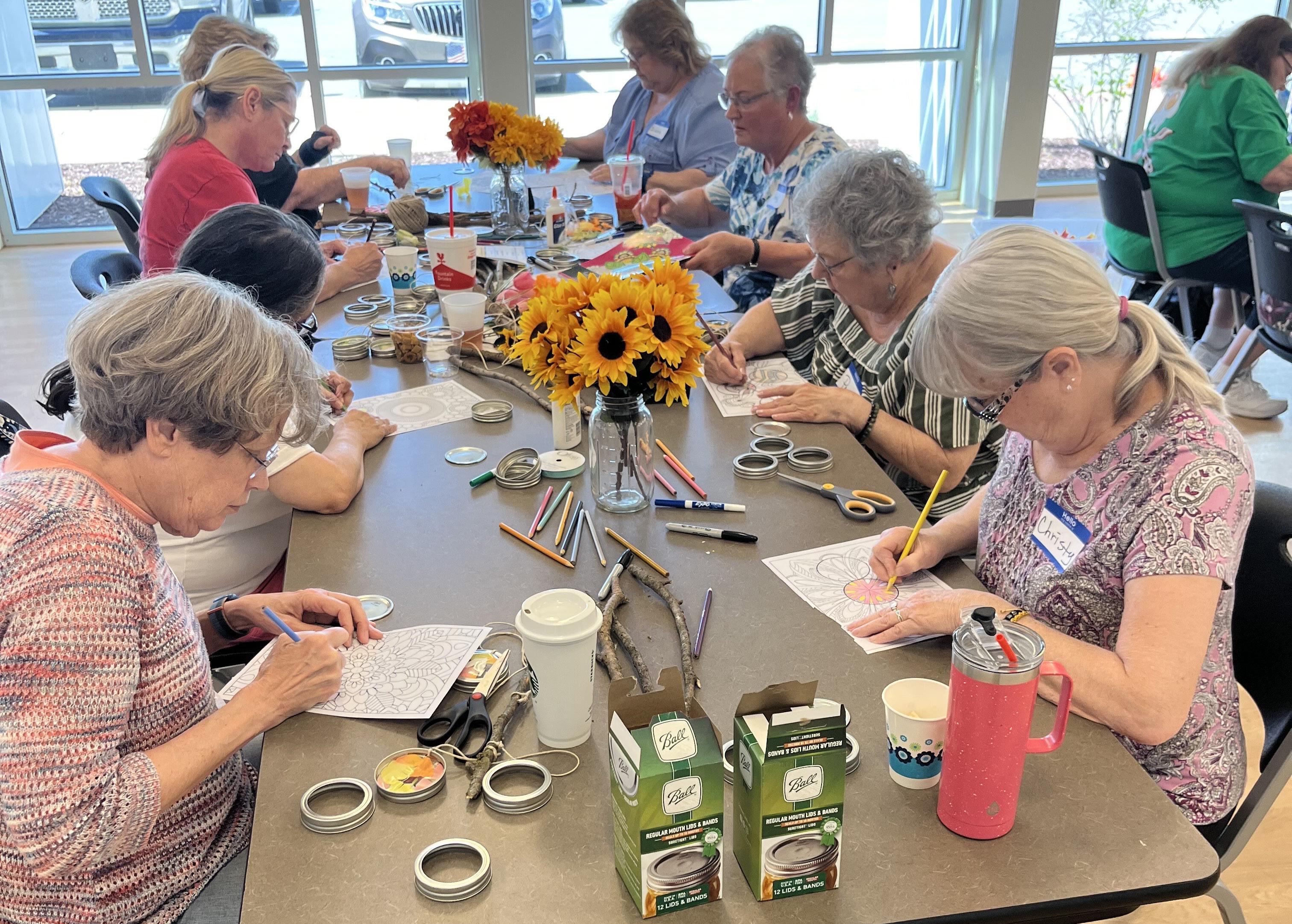
The Johnson County Park and Recreation District’s (JCPRD) 50 Plus Department (Department) is one of the largest and most respected providers of older adult programming in the nation. Serving a growing and increasingly diverse population, the Department delivers recreation, wellness, and enrichment opportunities for adults ages 50 and older across multiple locations and partner sites.
This 50 Plus Department Strategic Plan (Plan) establishes a clear vision for 2025 to 2040, grounded in community input and guided by JCPRD’s 2024 Legacy Plan, which defines the district’s long-term direction across four focus areas: providing a thriving park and recreation system, inspiring play and culture, fostering stewardship, and advancing organizational readiness. Building on this framework, the Plan outlines strategies related to demographics, programs, facilities, and partnerships to ensure JCPRD remains inclusive, responsive, and a leader in older adult recreation.
50 PLUS PROGRAMS ON THE RISE —
Bigger, Busier, Better Than Ever
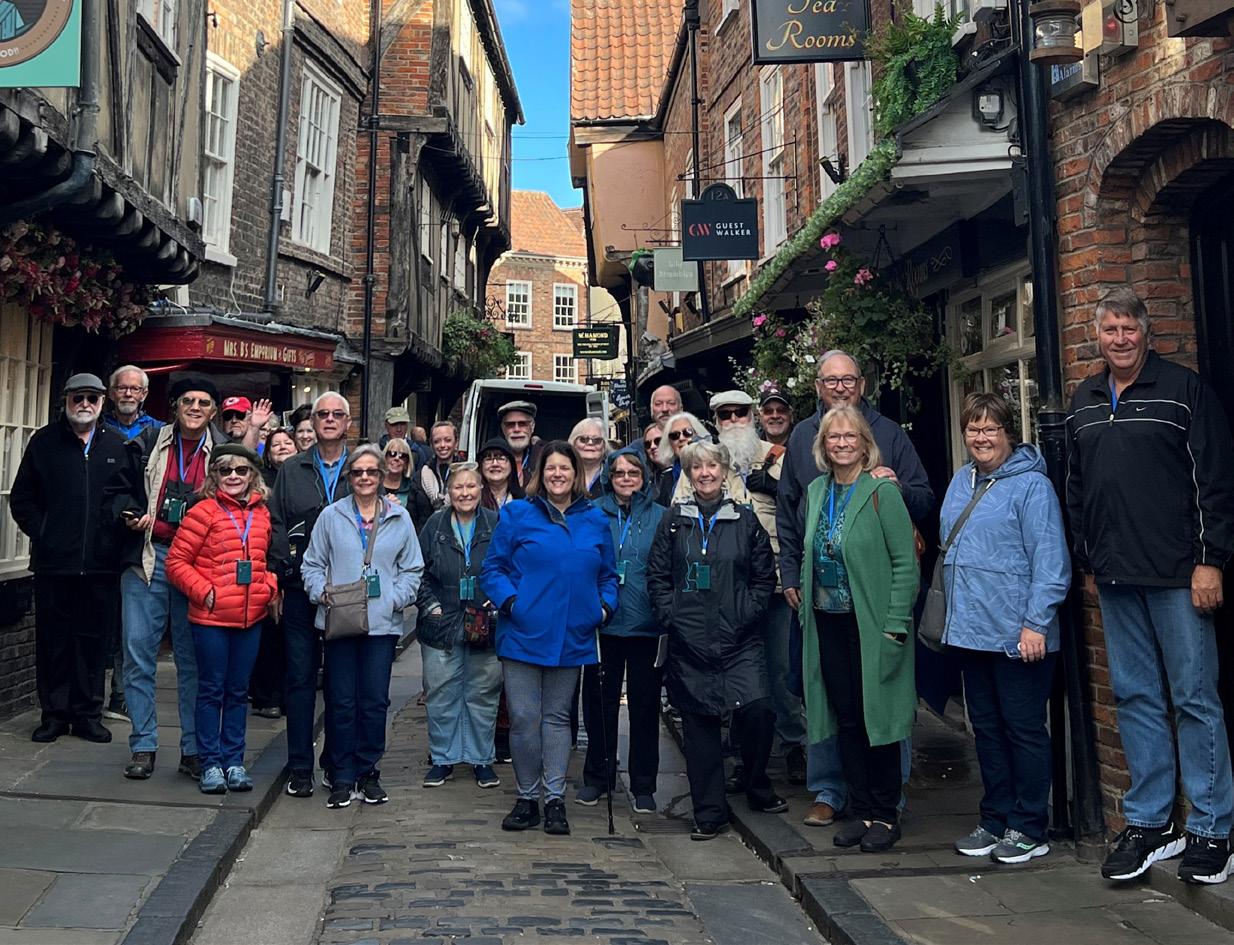
▶ 2,499 travelers (more than double since 2019)
▶ 78% fill rate across all 50 Plus programs 4 Johnson County Park and Recreation District

▶ 18,669 participations in 2024 (up 44% since 2019)
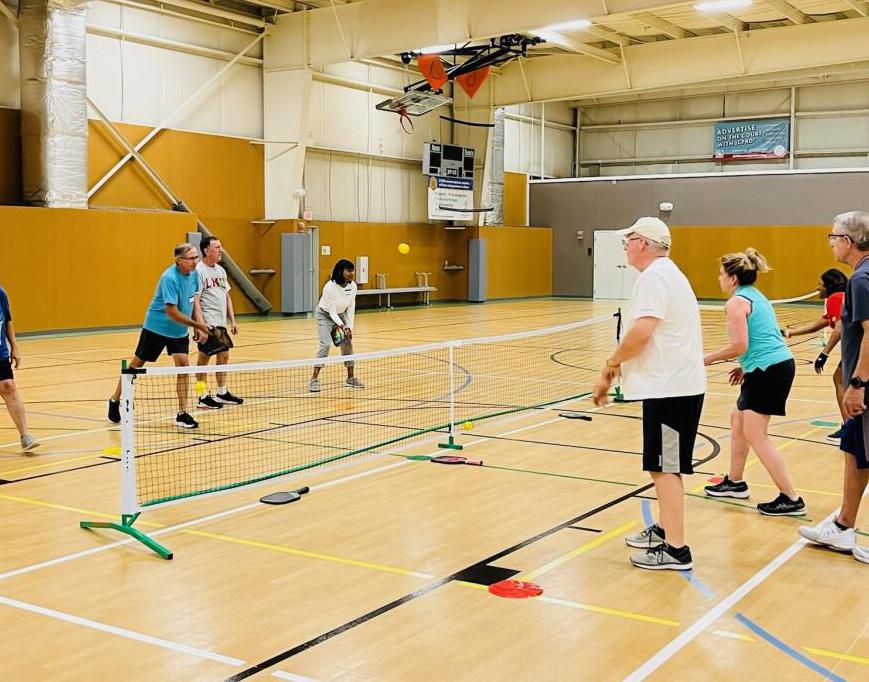
▶ 1,233 programs in 2024, spanning seven categories from fitness to fine arts

Guided by Mission and Purpose
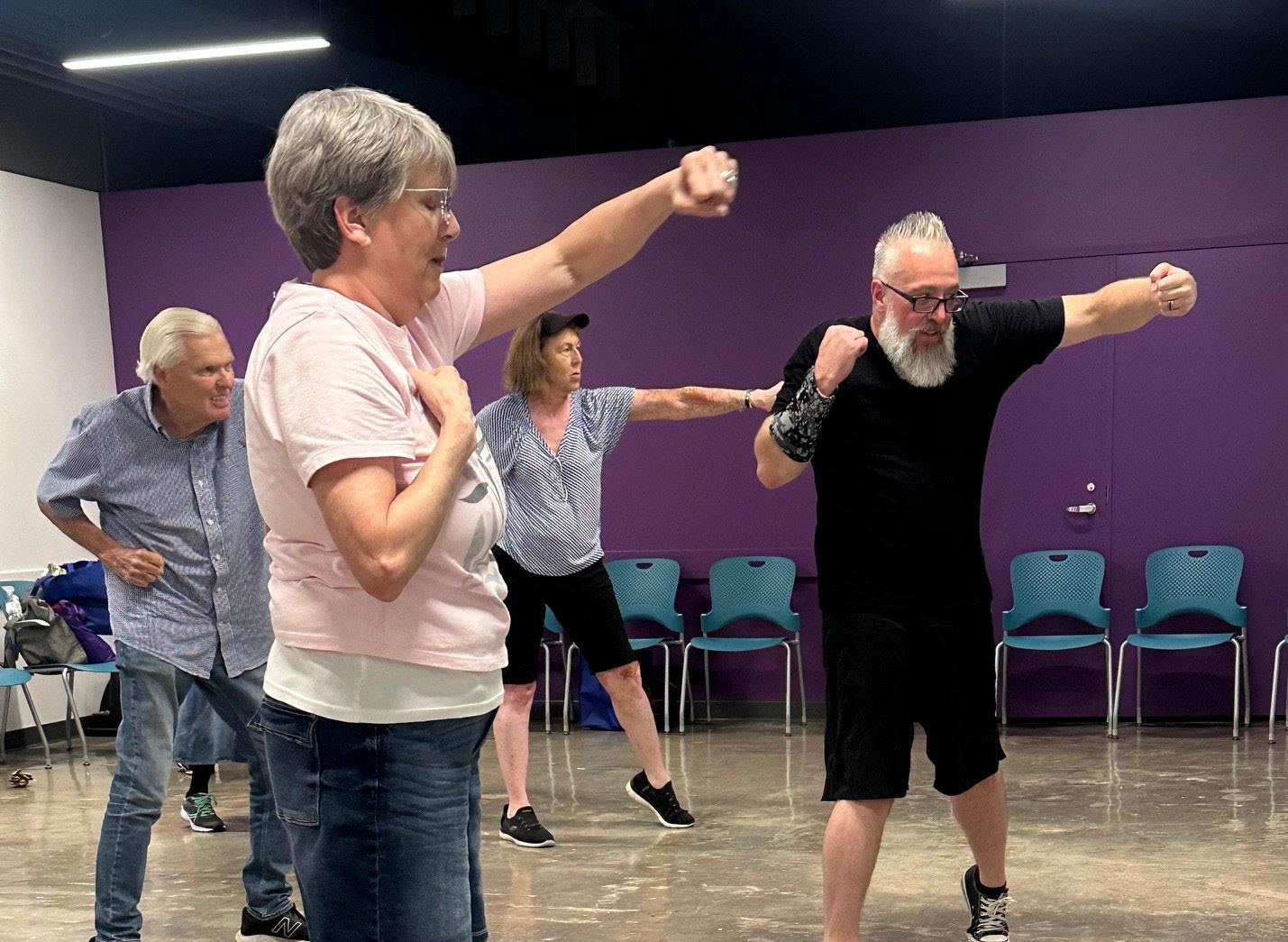
At the heart of this Plan is the Department’s mission: to provide unique opportunities and lifelong memories that inspire a healthier community. This guiding statement reflects a commitment to creating meaningful experiences, fostering connections, and promoting well-being for adults ages 50 and older. It is paired with a simple yet powerful tagline, “Where Fun Never Grows Old,” which captures the spirit of the Department’s programs and the energy of the people it serves. With this mission as a foundation, the Department developed three strategic initiatives to guide its work through 2040.
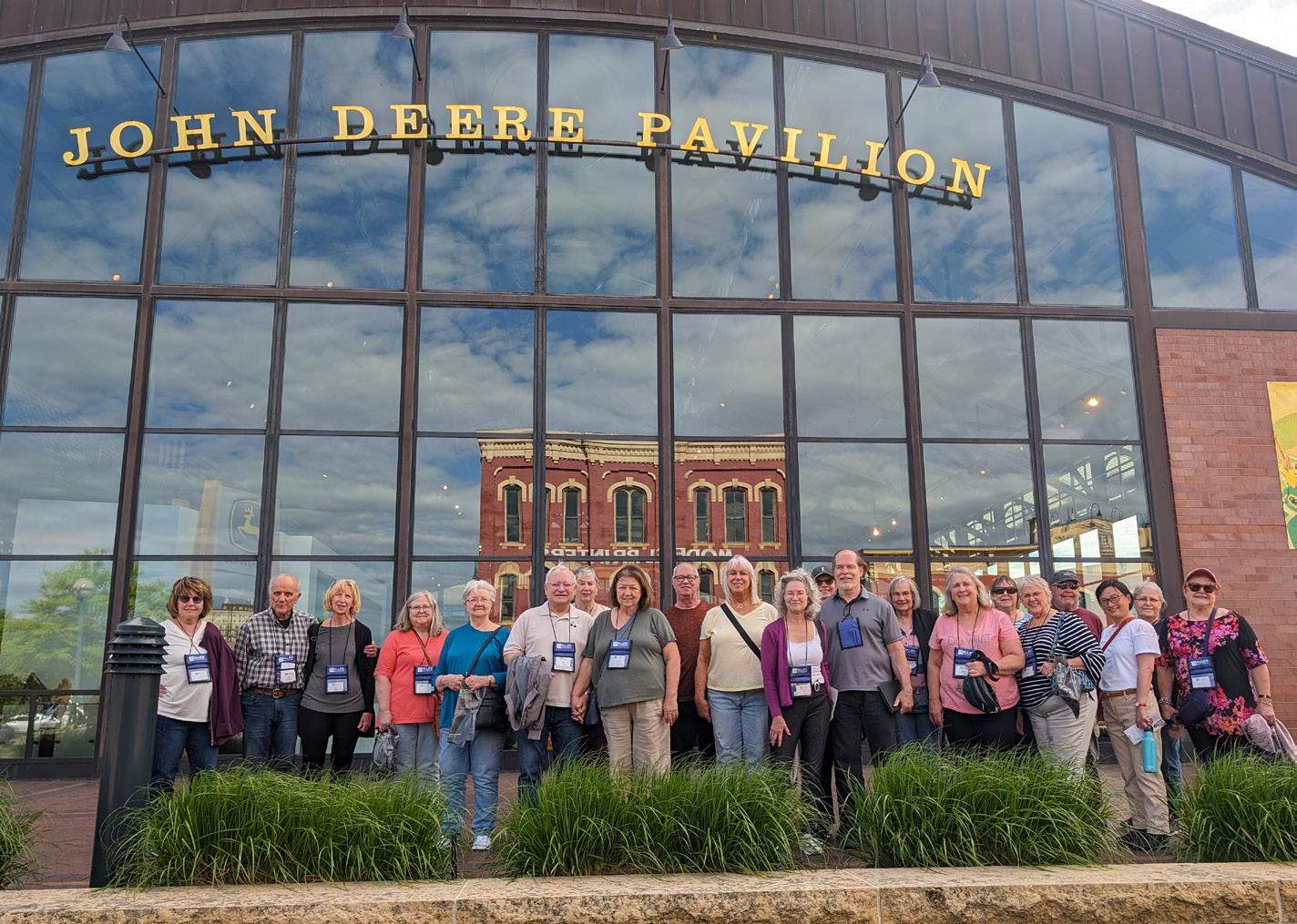
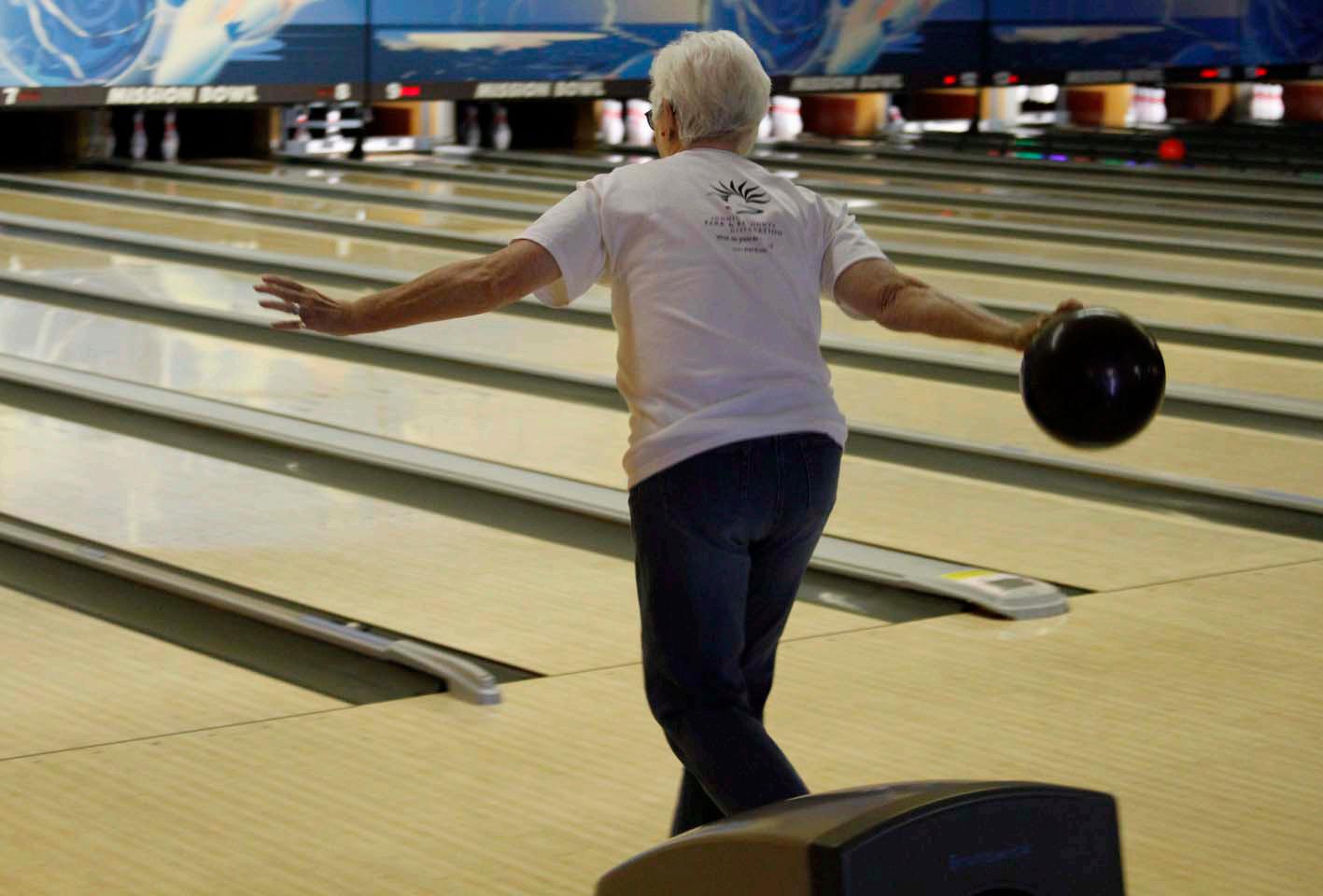
Strategic Initiatives
In alignment with the 2024 Legacy Plan recommendations, JCPRD conducted a review of its 50 Plus Department to assess current operations, identify service gaps, and prepare for the needs of a growing and increasingly active older adult population. A statistically valid survey conducted in 2022 by the ETC Institute, as part of the 2024 Legacy Plan, identified ‘50 Plus fitness, wellness, and education programs’ as the top investment priority among all programs evaluated, based on both their importance to residents and the level of unmet need. This result reinforced the recommendation to create a dedicated plan to engage stakeholders, evaluate opportunities, and establish clear priorities for the future.
Since its establishment in 1971, the Department has been a national leader in delivering recreation and leisure
opportunities for adults over 50. As Johnson County’s (County) older adult population grows, remains active longer, and seeks both cultural enrichment and physical pursuits, JCPRD is well positioned to remain the area’s leading provider while continuing to evolve its offerings to reflect changing demographics, cultural diversity, and varied ability levels.
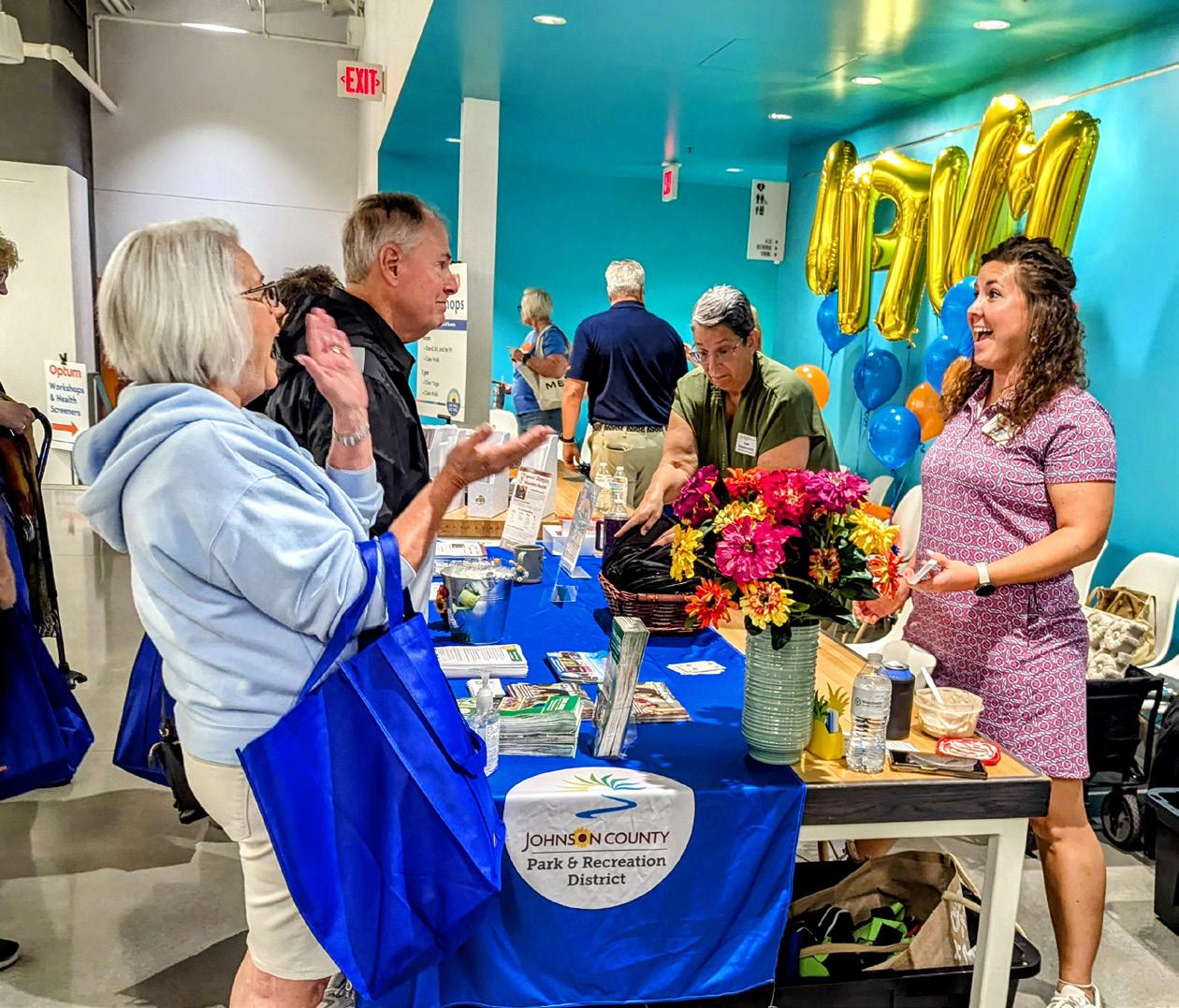
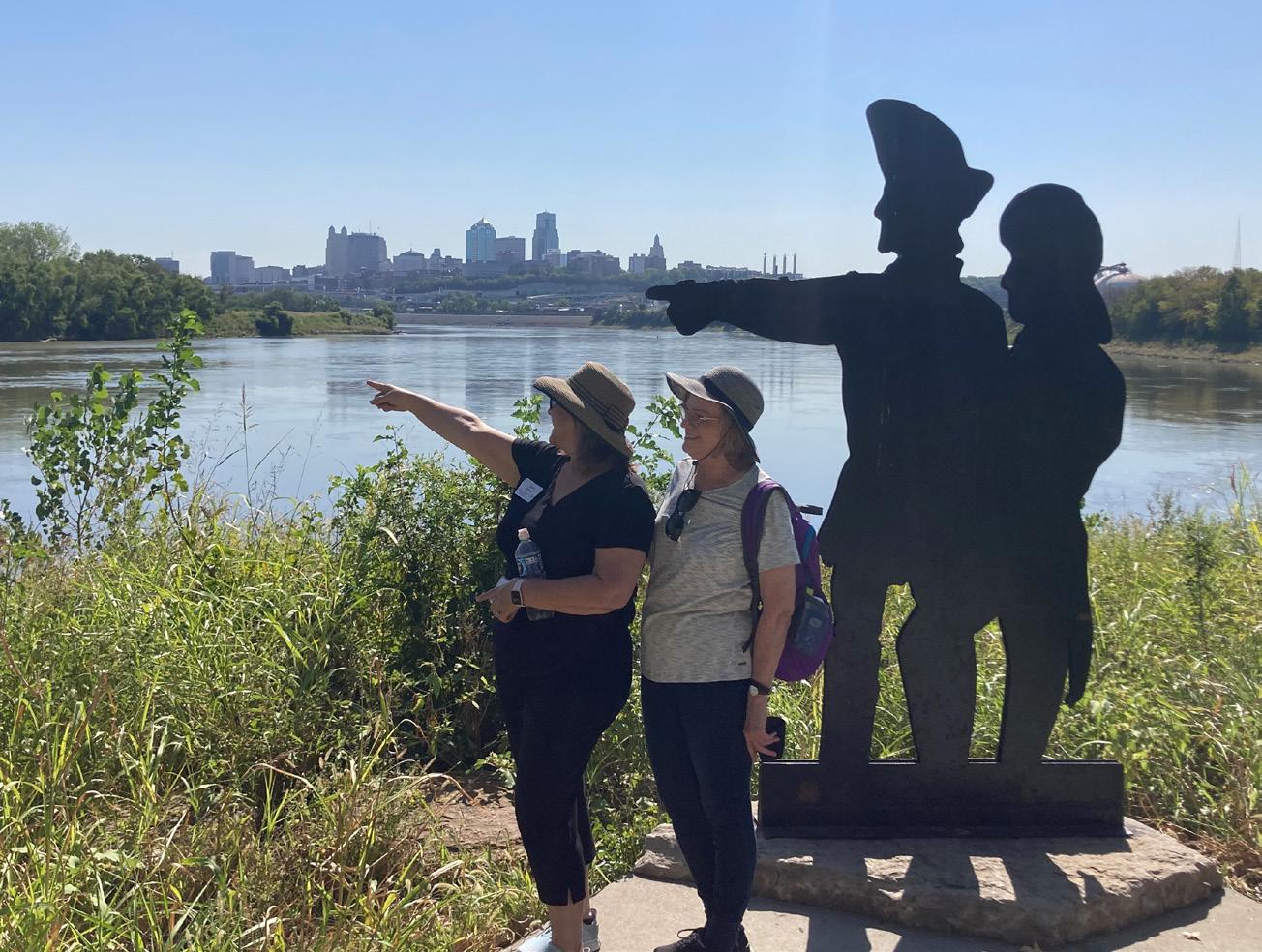
Three strategic initiatives have been developed to guide the Department’s work over the next 20 years. The Plan intentionally balances near-term priorities, such as addressing staffing needs, piloting programs in underserved areas, and expanding access to high-demand offerings, with long-term strategies like developing new facility sites, strengthening transportation options, and advancing intergenerational programming to reflect the community’s evolving needs.
Initiative 1
Strengthen Organizational Capacity
This initiative focuses on building a staffing model that supports current operations and positions the Department for sustainable growth. Guided by workload thresholds developed through program, participation, and facility-use data, the approach works to ensure staff capacity evolves alongside community demand. It also prioritizes strengthening volunteer engagement by clearly defining roles, expanding recruitment through the JCPRD volunteer coordinator, and creating ongoing opportunities for involvement, which enhances service delivery while reducing strain on staff resources.
Goal:
Build a staffing structure that supports current operations and positions the Department for future growth.
Key Strategies:
• Align Staffing with Growth and Demand–Use workload thresholds and participation trends to guide staffing decisions and maintain quality
�� Add a Recreation Specialist to expand delivery and oversight, balance workloads, and create capacity for systemwide planning and staff development by the 50 Plus Manager
�� Add a Program Coordinator to develop new offerings and expand delivery at satellite and partner sites
• Enhance Volunteer Engagement– Expand and coordinate volunteer roles to support programs, facilities, and events
The Power of Volunteering
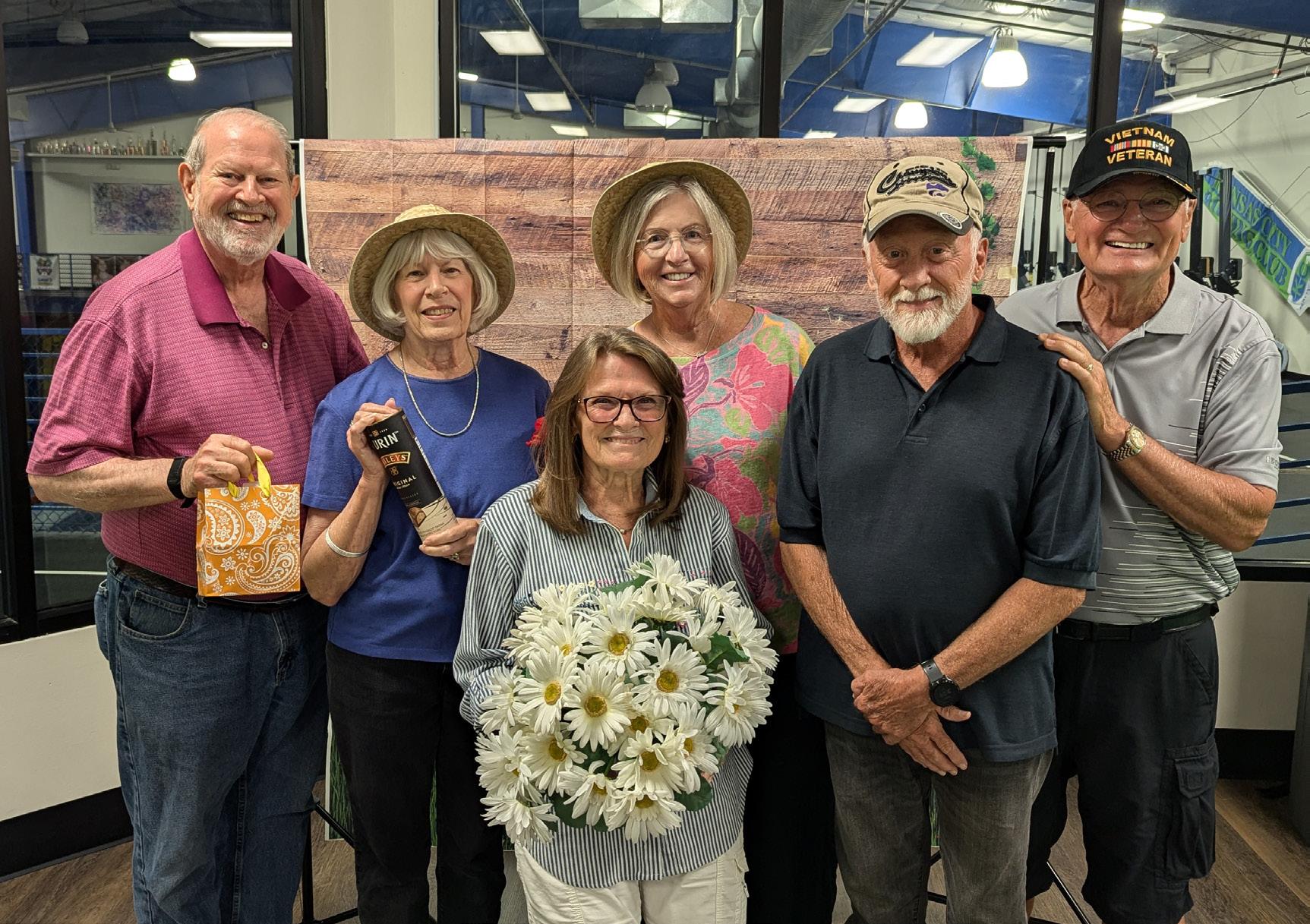
AmeriCorps Seniors, a national service program for adults 55+, helps older adults give back through education, health, and community support. A national evaluation found that 84% of volunteers reported stable or improved health after one year of service, and 88% who felt isolated experienced reduced loneliness after two years.
SOURCE: AmeriCorps, Senior Corps: Healthy Futures Evaluation (2019)
Initiative 2
Expand Geographic Access & Equity
Equitable access is at the core of this initiative, which aims to close service gaps in southern and western areas of the County and improve transportation options for residents with limited mobility. Strategies include expanding physical presence through partnerships, pilot programs and potential new facility sites, while also leveraging transportation partnerships and companion travel options. Regular mapping and analysis will help ensure expansion efforts are targeted to areas of highest need.
Goal:
Provide equitable access to high-quality programs and services for adults ages 50 and over throughout the County.
Key Strategies:
• Expand Presence– Use new sites, partnerships, and pilots to reach underserved areas
�� Assess Heritage Park in the southeastern part of the County to serve Spring Hill, Stillwell, and Olathe
�� Assess Kill Creek Park in the western part of the County to serve the De Soto area, exploring potential partnership opportunities with the City of De Soto
• Support Access to Transportation– Evaluate rideshare, companion travel, and cost-offset programs for participants with limited mobility
• Monitor and Map Access– Use ongoing geographic and demographic analysis to target resources where they are most needed
Transportation Barriers
A national study by Number Analytics (2024) found that nearly one in four older adults face transportation challenges that limit their ability to participate in programs and access essential services. These barriers often include limited public transit routes, difficulty driving as they age, and the cost of private transportation. For many, these challenges reduce access not only to recreation opportunities but also to health care, social connections, and daily necessities.
SOURCE: Number Analytics, 2024
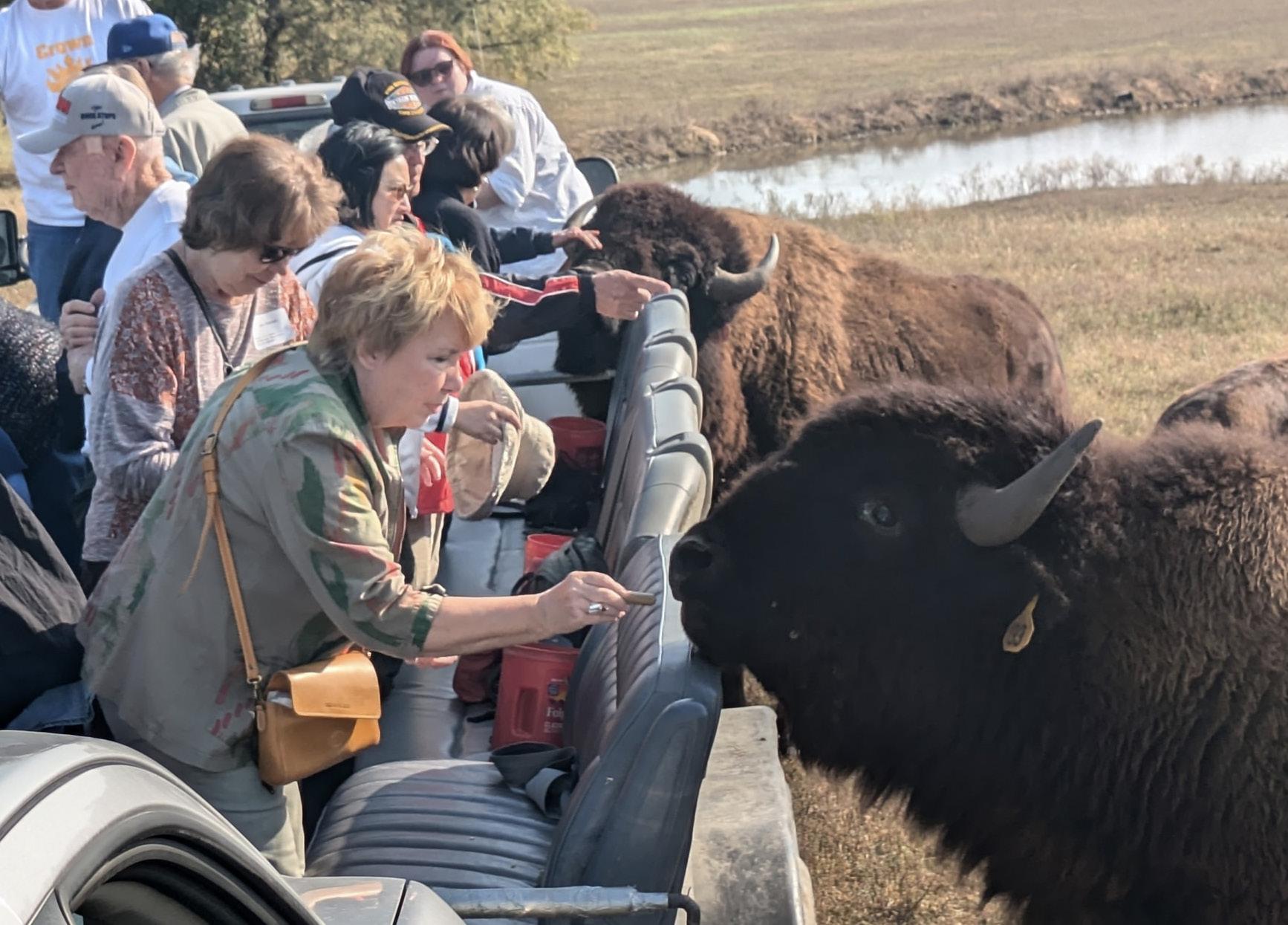
8 Johnson County Park and Recreation District
Shape the Next Generation of 50 Plus Programs
As the County’s population of adults age 50 and older grows and shifts, the Department must provide programs that are inclusive, engaging, and responsive to evolving needs. This initiative emphasizes balancing tradition and transition by expanding popular offerings, piloting new formats, and introducing intergenerational opportunities. It reframes the 50 Plus brand to better connect with younger adults while honoring its established identity, using storytelling, digital outreach, and multigenerational messaging. Finally, it expands access and engagement by simplifying financial assistance, launching ambassador and peer-led initiatives, and working to ensure new participants feel welcomed and supported. Together, these efforts shape the next generation of 50 Plus programs while strengthening community connections across all life stages.
Intergenerational Programs Deliver Real Benefits
The AARP Foundation’s Experience Corps connects older adult volunteers with students in public schools, where they provide tutoring, mentoring, and support. This model not only helps children succeed academically but also strengthens older adults’ health, purpose, and community connection.
• 98% of older adult volunteers reported that the program helped them stay physically and mentally active.
• 96% said they felt better about themselves.
• Over 85% agreed that their lives had improved through their involvement.
SOURCE: AARP Foundation Experience Corps (aarp.org)
Goal:
Provide inclusive and engaging programs that meet the evolving needs of adults ages 50 and over.
Key Strategies:
• Balance Tradition and Transition–Work to ensure programs evolve with demographic shifts and life stages while keeping popular offerings
• Reframing the 50 Plus Brand– Update communication to resonate with younger participants without losing existing identity
• Expand Access and Engagement–Simplify access to financial assistance while launching peer-led programs and an ambassador initiative to reduce barriers
Looking Ahead
The Plan provides a clear and actionable path for strengthening the Department’s ability to serve the County’s growing 50 and older population. Each strategic initiative is designed to address current challenges while preparing for the future. This includes building the capacity of staff and volunteers, expanding service reach to underserved areas, and working to ensure programs evolve alongside changing interests and demographics. The Plan balances data-driven decision-making with the community’s expressed priorities, resulting in an approach that is both practical and responsive.
By focusing on these priorities, JCPRD will be positioned to maintain the high standards participants expect while reaching more residents with services that are accessible, relevant, and engaging. The work ahead will require sustained commitment, collaboration, and careful resource planning. With this Plan as a guide, the Department can continue delivering meaningful opportunities for connection, wellness, and lifelong learning now and in the years to come.
1.0 COMMUNITY PORTRAIT
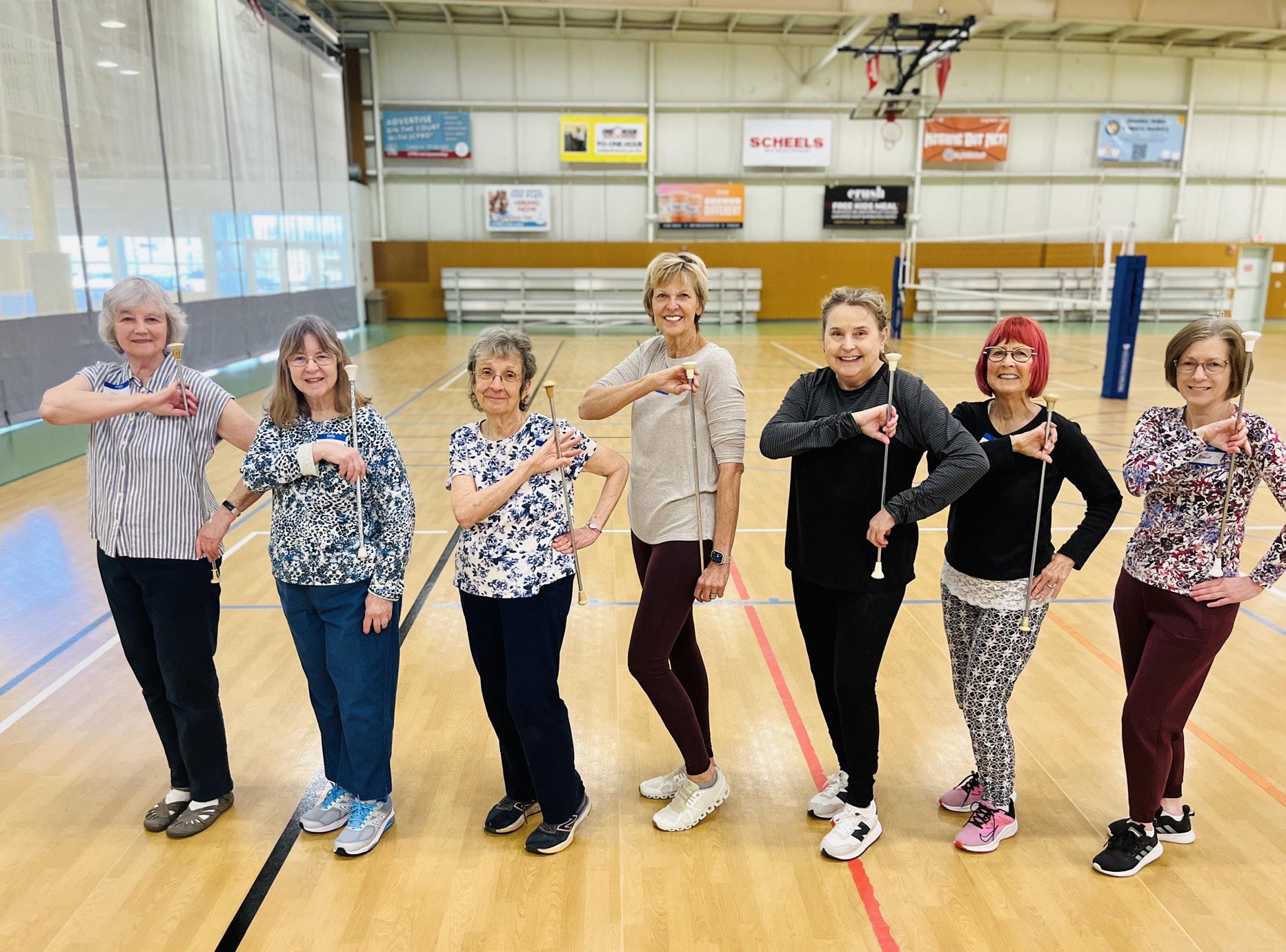
The County is home to a growing and increasingly diverse population of residents ages 50 and older. Understanding these demographic shifts, along with local economic conditions, is essential for shaping future programs, services, and facilities. This analysis draws on data from Esri’s Community Analyst and the most recent 2024 U.S. Census estimates.


Population and Age Distribution
In 2024, the County’s population was estimated at 631,366, up from 609,863 in 2020. Continued growth is projected, with the population expected to reach 649,726 by 2029, an increase of 2.9% over five years.
Adults ages 50 and older make up a significant and growing portion of the community. In 2024, approximately 218,453 residents (34.6%) were in this age group, a number projected to rise to 35.8% by 2029. Among this population:
• Ages 50–64 are expected to decline slightly (up to -0.6%)
• Ages 65–74 are projected to see modest growth (+0.1%–+0.3%)
• Ages 75 and older are projected to grow the most (+0.5%–+0.8%)
By 2029, the County is projected to have about 7,572 more residents over age 50, along with approximately 163,010 millennials nearing or entering the 50 Plus demographic. These shifts may influence program and service priorities, making it important to understand both the size of the age group and where these residents live. Figure 1 shows the projected distribution of the over 50 population from 2024

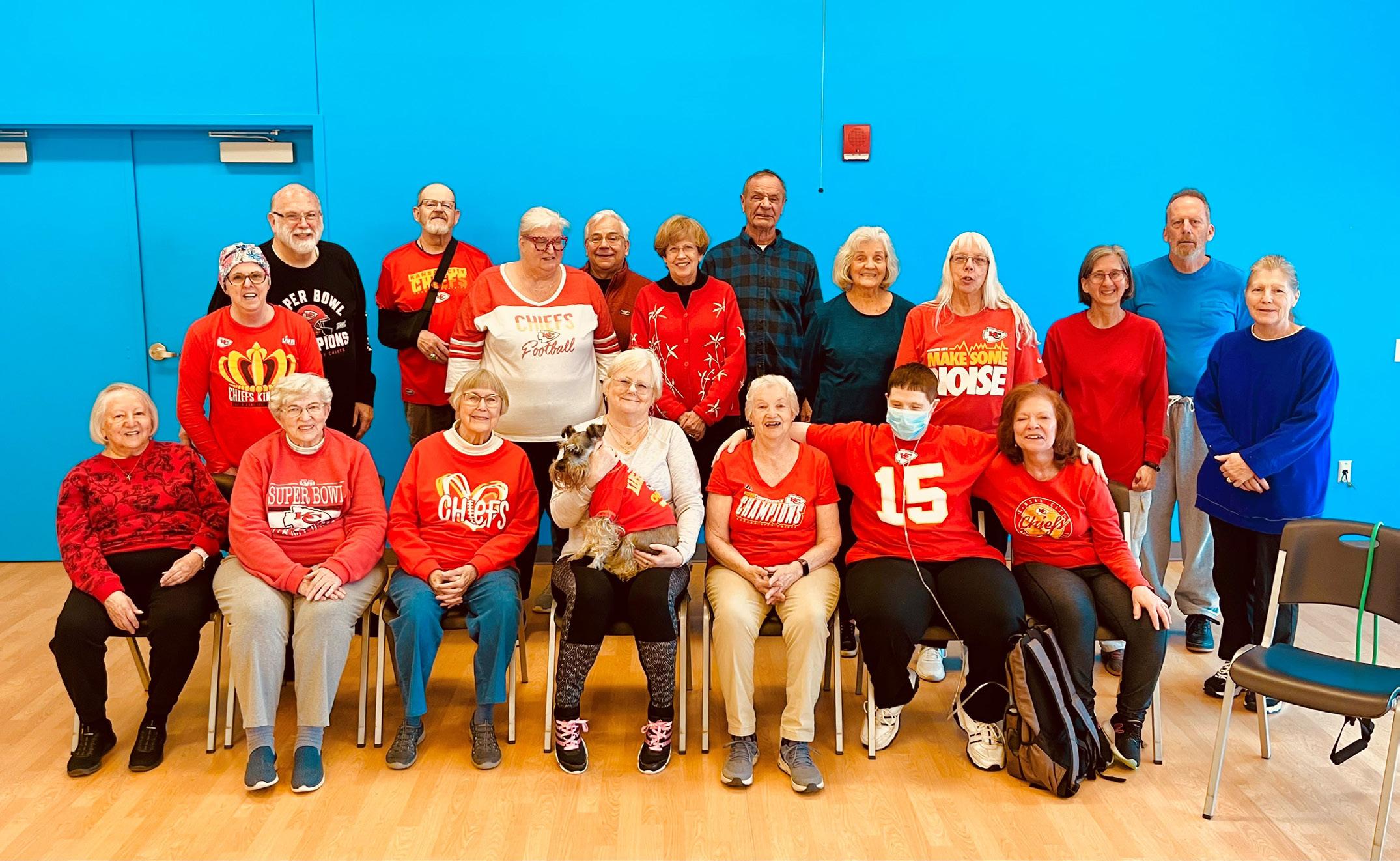
Figure 1: Over 50 Age Distribution (2024–2029)
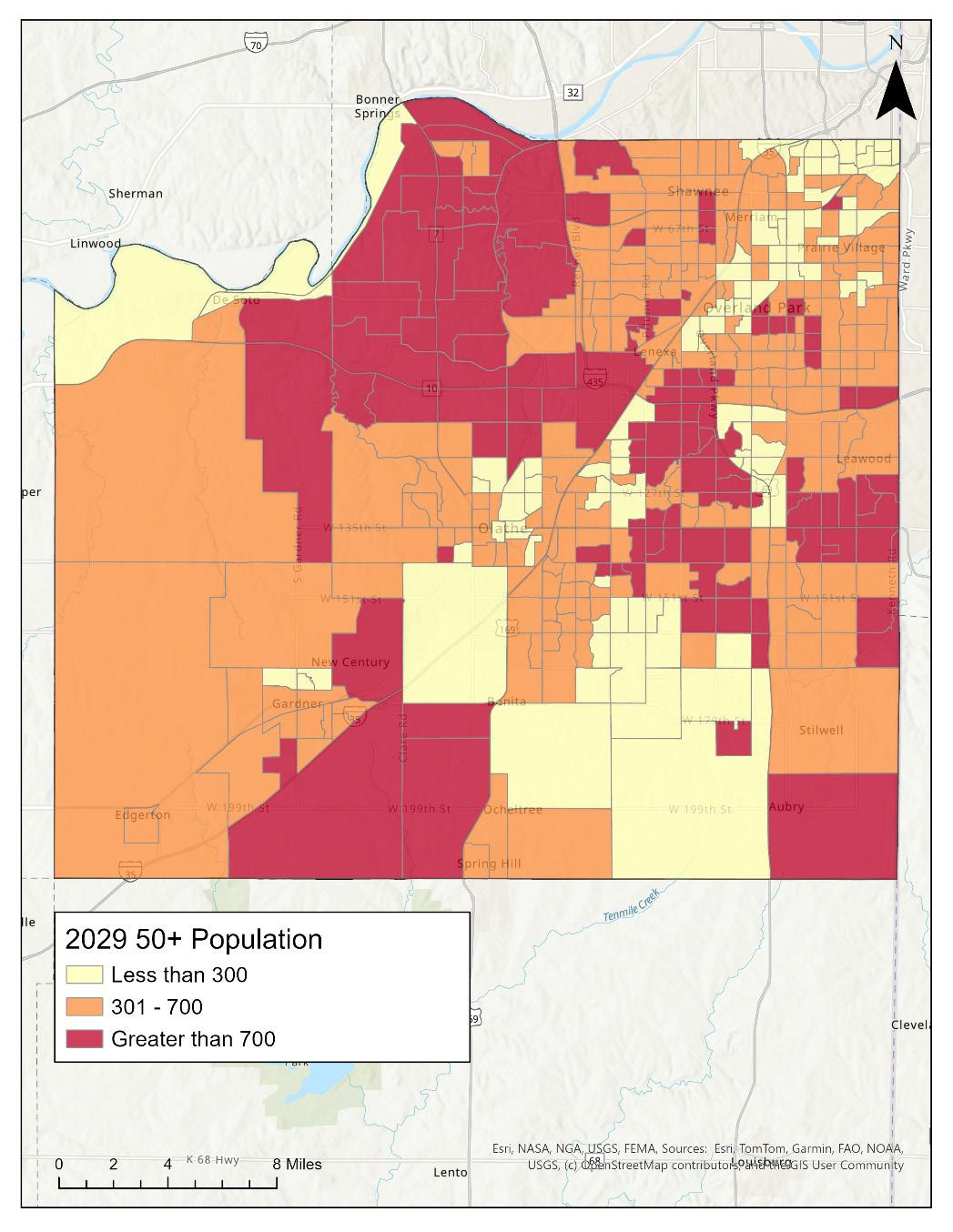
The outlined areas in Figure 2 represent the County’s 374 census block groups, each typically containing 2,000 to 4,000 residents. By 2029, the largest concentrations of residents ages 50 and older are projected in the northwest portion of the County, particularly around Bonner Springs and De Soto, where several block groups exceed 1,000 individuals in this age group. Additional high-density clusters, are located south of New Century and areas southeast of Lenexa.

Household Income
Understanding income patterns is critical for planning affordable and accessible programs for the County’s older residents. As more households transition from wage earnings to fixed retirement incomes, the ability to pay for recreation, wellness, and enrichment opportunities may become more limited.
The median household income in the County is $104,938, notably higher than both the Kansas state average ($72,627) and the national average ($79,068). However, the Senior Dependency Ratio (SDR), the number of adults aged 65 and older per 100 working-age individuals, is projected to rise from 28.1 in 2024 to 31.9 by 2029, indicating a growing share of residents moving into retirement. This shift means a growing share of the population will rely on fixed retirement income rather than wages, which may slow or reduce income growth among older adults.
Figure 3 highlights the overlap between residents aged 50 and older and median household income in 2024. The blended color scale shows where these variables intersect, with dark pink areas indicating block groups that have both a higher concentration of older residents and lower household incomes. These areas, primarily in southwestern Johnson County near New Century and south of Gardner, may signal greater affordability needs and potential demand for subsidized or low-cost programs and services.
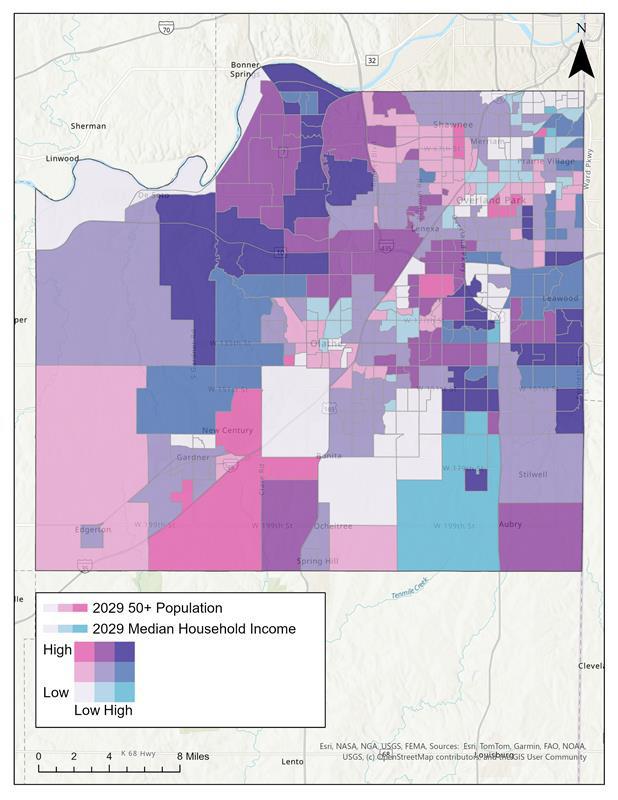
Figure 3: Over 50 Population and Median Household Income Map (2024)
2.0 ENGAGEMENT THAT ENDURES
The Plan was shaped through input from staff, partners, and community members, combining practical experience with external perspectives. Surveys, focus groups, and interviews provided a well-rounded understanding of strengths, challenges, and opportunities. This process helped ensure that the Plan reflects both operational realities and the evolving needs of the County’s older adults.



Internal Engagement
A Department-wide Strengths, Weaknesses, Opportunities and Threats (SWOT) analysis, staff focus groups, and Department interviews provided a strong understanding of the 50 Plus program’s strengths, challenges, and opportunities. Across all methods, staff emphasized a strong foundation of committed and collaborative teams, quality programming that draws consistent participation, and a variety of facilities that provide broad geographic reach.
The SWOT analysis gathered input from all 14 invited respondents, who provided nearly 200 open-ended comments. Staff focus groups in March 2025 built on these findings, and interviews with the Corporate and Community Wellness Manager, Outdoor Education Manager, Superintendent of Culture, JCPRD Volunteer Coordinator, and North and South Sports and Facilities Managers added operational perspectives.
TOGETHER, THESE DISCUSSIONS SHAPED THE FOLLOWING THEMES:
A STRONG FOUNDATION
The Department benefits from highly committed and hardworking staff who prioritize quality programming and participant satisfaction. Teamwork, leadership, and collaboration are evident across the Department, supported by a diverse set of offerings that cater to many interests. Facilities and partnerships in multiple locations give the Department a wide geographic reach, providing most residents access services within a reasonable distance.
ADAPTING TO DEMOGRAPHIC SHIFTS
The County’s adults ages 50 and over is growing and staying active longer, with younger participants seeking flexible, nontraditional options, particularly during evenings and weekends. A new generation of participants between the ages of 50 and 65 is entering with different expectations and interests, prompting the need for updated program models that go beyond traditional offerings.
STAFFING CAPACITY AND RESOURCE NEEDS

Participation has grown significantly, but staffing levels have only modestly increased. Existing resources are stretched, making it harder to keep pace with demand.
EXPANDING ACCESS AND FACILITIES
Gaps in access in older adult programming exist in southern parts of the County, particularly De Soto, and Spring Hill. Expanding facilities or creating partnerships with community and municipal sites could address these needs.
PROGRAM GROWTH AND DIVERSIFICATION
Staff expressed strong interest in broadening offerings to appeal to both longtime participants and the next generation of active adults. Desired additions include distinctive opportunities such as Master Naturalist programs and takeand-make workshops, along with expanded arts, recreation, and wellness options. Day travel programs continue to thrive with steady demand and frequent waitlists, while intergenerational activities such as tech tutoring, community gardens, and fitness classes offer promising opportunities to expand engagement in the future.
To support this growth, staff identified underutilized or seasonally available spaces across the district, including Mill Creek Activity Center’s daytime studio, Okun Fieldhouse’s morning gym and classrooms, fall and winter capacity at Ernie Miller Nature Center, flexible areas at New Century Fieldhouse, and TimberRidge’s seasonal outdoor amenities. Leveraging these sites will help expand capacity while keeping services local and accessible.
PARTNERSHIPS AND VOLUNTEERS
Staff emphasized that both partnerships and volunteers will be critical to expanding services. Partnerships with senior centers, municipalities, and regional organizations such as the Johnson County Area Agency on Aging (JCAAA) and the Mid America Regional Council can extend the Department’s reach and strengthen program delivery. At the same time, volunteers represent an essential resource. By leveraging new management software, the Department can better recruit, track, and engage volunteers in ongoing roles.
PROGRAM AFFORDABILITY
Rising costs create affordability concerns, particularly for older adults on fixed incomes. Raising awareness of the JCPRD scholarship program can help support participation.
External Engagement
External engagement gathered feedback from older adult residents, partners, and community members to assess awareness, participation, and future service needs.
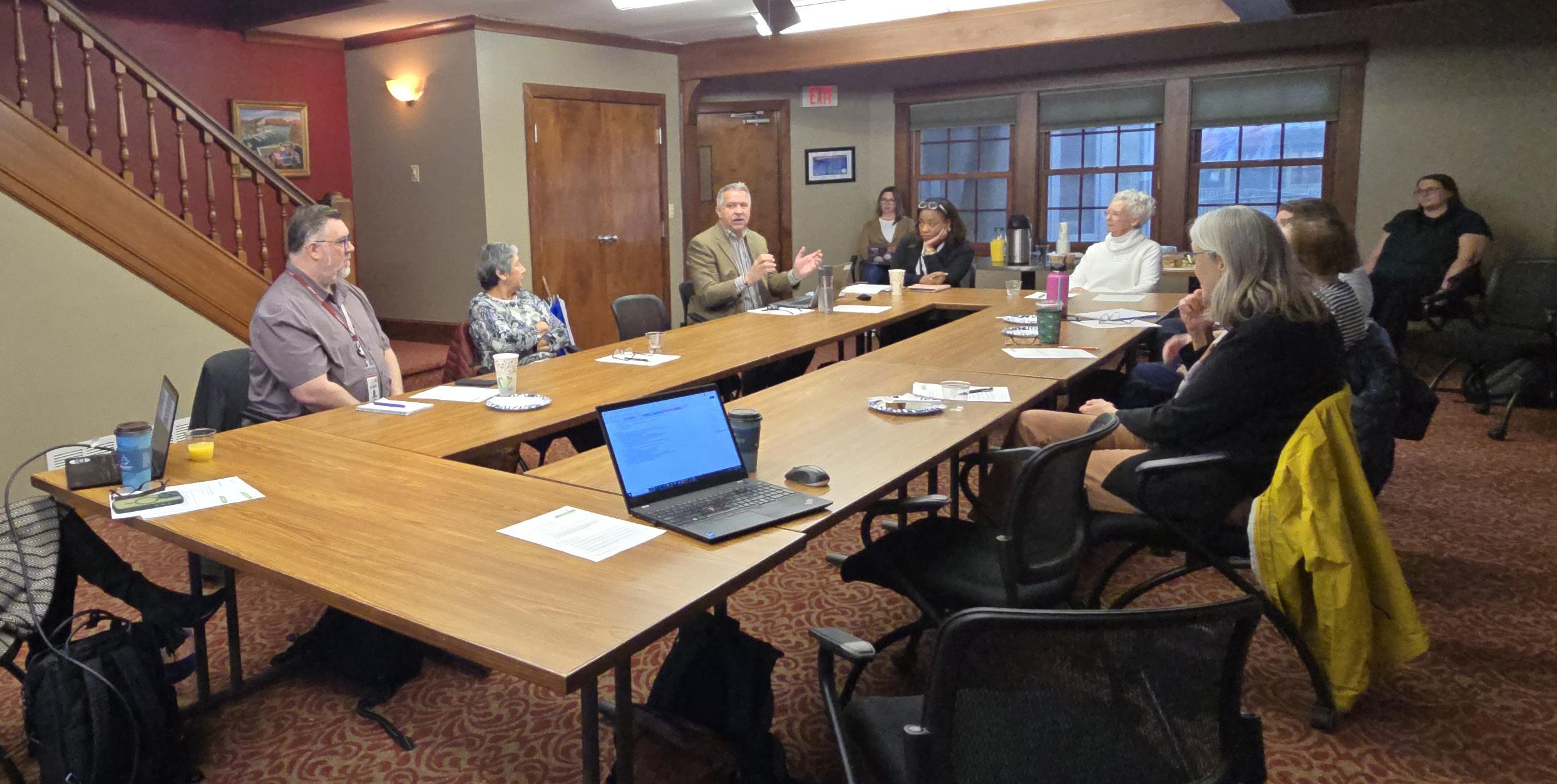
50 PLUS STRATEGIC PLAN ADVISORY GROUP
The advisory group brought together subject matter experts from across the Kansas City metro region to inform the Plan and share perspectives on the changing needs of the aging community. As part of the initial information-gathering phase, a facilitated focus group session with the advisory group identified key priorities.
KEY PRIORITIES AND OPPORTUNITIES DISCUSSED INCLUDED:
Social Connection and Reducing Isolation
The discussion focused on the value of a dedicated gathering space for older adults, increased program visibility, expanded inperson and virtual volunteer roles, and stronger partnerships with organizations serving older adults.
Recreation and Fitness
Participants emphasized the need for evening and weekend classes, more off-site programs through partnerships, and peer-led fitness options to better engage the working demographic and broaden participation.
Caregiving and Family Dynamics
Themes included the benefits of multigenerational programs, preparation for demographic shifts, expansion of dementiafriendly and caregiver education programs, and greater resources for older adults living alone.
Transportation Challenges
Conversation focused on improving mobility for older adults through rideshare education and peer support. Ideas included developing partnerships with transportation providers and creating peer-led rideshare classes, where trained older adults help others learn to use mobile apps and request rides confidently.
Program Awareness and Communication
Feedback highlighted the importance of expanded marketing, hardcopy materials, and direct phone registration to align with older adults’ preferred communication methods.
Branding and Identity
Participants described the “50 Plus” name as well-recognized and positively viewed, with the “plus” supporting intergenerational programming. They also expressed a preference to avoid age-specific labels like “Senior” or “Silver” to maintain a modern, inclusive image.
PEER AGENCY FOCUS
GROUP
A peer focus group was held with park and recreation agencies from across the Kansas City metro area. The session brought together representatives from 13 agencies to discuss emerging needs, share experiences, and explore creative strategies to support older adults in their communities. Participating agencies included Gladstone, Leawood, Lee’s Summit, Lenexa, Liberty, Merriam, Mission, Olathe, Ottawa, Overland Park, Raymore, Shawnee, and Smithville.
Popular Programs and Current Offerings
Popular offerings include fitness and aquatics; social activities such as bingo, cards, movies, and DIY classes; as well as day trips, lunch-and-learns, volunteer opportunities, and technology or caregiver support programs.
Unmet Needs
Agencies noted a need for improved transportation, more affordable options and scholarships, expanded program capacity, day and night trip options, and additional caregiver and mental health services.
Trends and Shifts
There is a shift toward active and multigenerational programming, growing discomfort with the “50 Plus” or “senior” labels, increased use of technology, and a stronger focus on building social connections.
SURVEYS
Three targeted surveys gathered feedback from current participants, future participants, and program instructors to assess program awareness, satisfaction, participation patterns, and future needs. Eight instructors responded, with 88% satisfied or very satisfied. Instructors identified key barriers for participants, including lack of a companion, transportation, program timing, full classes, and mobility concerns. They prioritized expanding in the Northwest part of the County (De Soto, West Shawnee), offering maleoriented and additional dance programs, and continuing to keep older adults active, engaged, and socially connected.
Among 578 current participants, 81% were satisfied or very satisfied, with 40% attending monthly or more. Nearly half of the 150 future participants had low familiarity with the program. Current participants generally supported the “50 Plus” name (77%), while fewer future participants agreed (31%). Shared interests included day trips, lifelong learning,
Barriers
Common barriers include limited marketing reach, staffing and facility space shortages, resistance to change, and budget constraints tied to cost recovery.
Operational Challenges
Challenges include recruiting and retaining part-time staff and instructors and meeting increasing demand with limited resources.
Future Opportunities
Opportunities include creating inclusive, age-neutral classes, collaborating across agencies to reduce duplication, sharing resources, partnering with older adult living communities, and expanding joint efforts with JCPRD.
and health and wellness; future participants also expressed interest in outdoor recreation and volunteering. Top barriers for current participants included cost, program timing, full classes, and distance.
Timing preferences varied, with current participants favoring weekday afternoons, and future participants preferring mornings, afternoons, and weekend evenings. Around 45% of both groups were willing to travel 11–20 minutes for programs, and many current participants requested more offerings in central part of the County (Olathe). Interest was strong in extended group travel and virtual programming (around 40% each). Communication preferences differed, with current participants relying on Best Times Magazine and email, while future participants preferred email as their primary source.
3.0 TEAMWORK THROUGH TIME
As participation grows and responsibilities expand, the Department’s success relies on a staffing structure and operational approach that can adapt to increasing demands. This chapter reviews the current organization, facility responsibilities, and the ways staff support both older adult and all-ages programming across the County. It also identifies key operational challenges that could affect the Department’s ability to sustain and expand services over the next 15 years.


Staffing and Organizational Structure
The Department is structured by geographic service areas and supported by centralized oversight, with Program Coordinators and Assistants assigned to individual facilities. Recreation Specialists and a Department Manager provide overall guidance. The current structure and staffing model began in 2019 with the opening of Meadowbrook Park Clubhouse and has supported steady growth in participation and program delivery across multiple sites. In 2024, the structure was updated with the addition of the New Century Fieldhouse Program Coordinator and a change in reporting, moving Overland Park operations under the Department Manager. The current organization structure is depicted in Figure 4.
POSITION FUNDING
The Department’s 13 FTEs are supported by a mix of General Fund and Enterprise Fund allocations. Some positions are fully supported by the General Fund, while others are split across multiple Enterprise Fund cost centers. At present, the Department’s staffing equates to approximately a 65% General Fund and 35% Enterprise Fund split, though the split varies by FTE. As responsibilities grow, the Department must remain flexible by balancing program pricing with market conditions, evaluating revenue streams, and pursuing new markets to strengthen long-term financial sustainability.

PRIMARY FOCUS AND PROGRAM SITES
Coordi nator (Ov erland Park) Assistant (Ov erland Park)
Recreation Specialist
stant Coordi nator (Travel) Assi stant (Adm i n)
The Department’s primary focus is delivering older adult programming, with select sites also offering all-ages programs. All-ages programming is available at Meadowbrook Park Clubhouse, Roeland Park Community Center, and New Century Fieldhouse. At these locations, staff may also manage facility operations, rentals, and guest services. Table 1 summarizes responsibilities at each site.
Roeland Park Community Center
Meadowbrook Park Clubhouse
New Century Fieldhouse
of Roeland Park Facility operations, fitness room, room reservations, all-ages programming
Facility operations, all-ages programming
of Roeland Park (setup, cleaning, maintenance)
JCPRD 50 Plus (setup, cleaning) JCPRD Parks (maintenance)
JCPRD Sports & Facilities South Department (setup, maintenance, cleaning)
Table 1: All-Ages Program Sites
Figure 4: Department Organizational Chart
In addition to these sites, the Department delivers older adult programs at several satellite locations, including Matt Ross Community Center, Tomahawk Ridge Community Center, and Mill Creek Activity Center. These facilities are managed by external agencies or other JCPRD departments, with no permanent on-site presence except at Matt Ross Community Center. A detailed summary of site-specific roles and responsibilities for all Department program locations is included in Appendix A.
Service Area
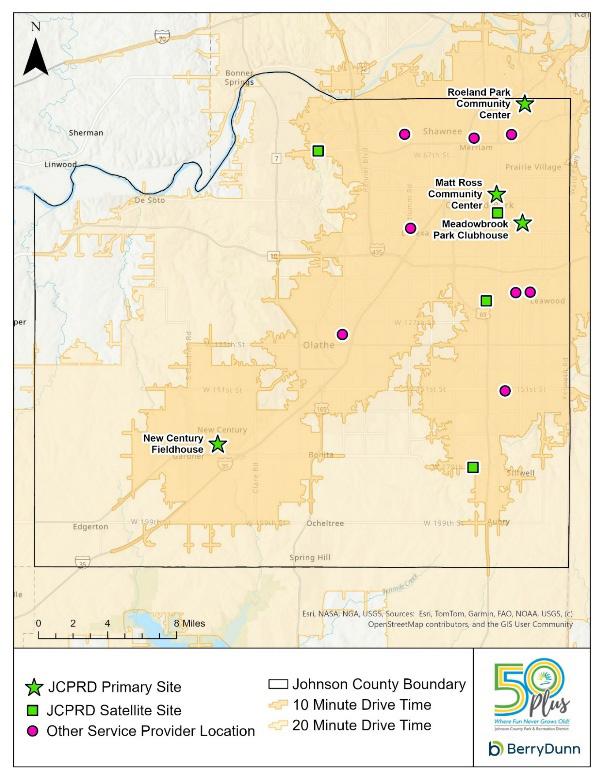
Together, the Department’s primary sites, satellite sites, and facilities operated by other providers form the foundation for older adult programming across Johnson County. Figure 5 shows the location of all sites, providing important context for service access, participant patterns, and potential areas for future focus.
• PRIMARY SITES: Owned by JCPRD or operated under Intergovernmental Agreements (IGAs*); serve as core older adult program locations.
�� Matt Ross Community Center (Overland Park)*
�� Meadowbrook Park Clubhouse (Prairie Village)
�� New Century Fieldhouse (New Century)
�� Roeland Park Community Center (Roeland Park)*
• SATELLITE SITES: Operated by JCPRD at facilities with other primary functions; used for targeted or specialized older adult programming.
�� Johnson County Arts and Heritage Center (Overland Park)
�� Mill Creek Activity Center (Shawnee)
�� Overland Park Arboretum (Overland Park)*
�� Tomahawk Ridge Community Center (Overland vPark)*
• OTHER SERVICE PROVIDERS: Operated independently by municipalities or nonprofit organizations and contribute to the countywide ecosystem of older adult services.
�� Blue Valley Recreation (Overland Park)
�� Jewish Community Center (Overland Park)
�� Leawood Community Center (Leawood)
�� Merriam Community Center (Merriam)
�� Olathe Community Center (Olathe)
�� Old Town Activity Center (Lenexa)
�� Powell Community Center (Mission)
�� Shawnee Civic Center (Shawnee)
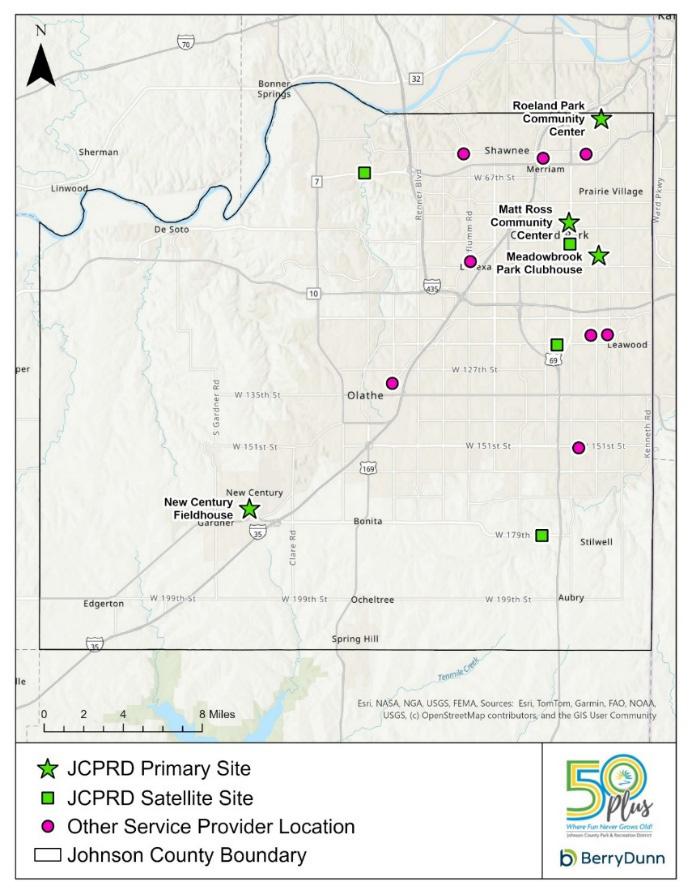
*Matt Ross Community Center, Tomahawk Ridge Community Center, and the Overland Park Arboretum are owned and operated by the City of Overland Park. The Roeland Park Community Center is owned by the City of Roeland Park. JCPRD provides services at these facilities under intergovernmental agreements (IGA) with each city.
Supporting Service Delivery Across a Growing System
With a network of primary and satellite sites supported by a variety of operational models, the Department is managing a growing and increasingly complex service system. As the Department continues to expand its program offerings and reach new participants, staff are managing growing responsibilities across multiple sites. This includes delivering older adult programs, supporting all-ages access, and overseeing operations at key facilities. While the current structure has supported steady growth, several operational challenges are emerging that may limit the Department’s ability to continue scaling its services effectively:
• STAFFING STRAIN: Without additional staff support, it will be difficult to expand offerings
• NO GROWTH METRICS: The Department lacks a formal system to determine when new positions are needed, limiting its ability to plan for growth
• OVERSIGHT IMBALANCE: The Overland Park site reports directly to the Department Manager, unlike other sites that fall under a Recreation Specialist, creating workload and alignment challenges
• SPECIALIST ROLE OVERLOAD: Recreation Specialists manage multiple sites and staff while also handling department-wide responsibilities like sponsorships, events, and partnerships
• NO PART-TIME OR FLOATING STAFF: The absence of flexible support staff limits coverage for absences, overlapping programs, and off-site events
• UNTAPPED VOLUNTEER POTENTIAL: Clearly defined volunteer roles could enhance programming, support events, and reduce staff workload
• DUAL ROLES AT ALL-AGES SITES: At Meadowbrook Clubhouse, Roeland Park Community Center, and New Century Fieldhouse, Department staff lead additional all-ages programming. At some sites, responsibilities also include facility oversight and day-to-day operational support.

SERVICE FOR EVERY SEASON
Over the past several years, the Department’s older adult programs have expanded in both scope and participation, reflecting strong community interest and effective program delivery. From 2019 to 2024, offerings grew across multiple categories, and participation rose by more than 40%, underscoring the Department’s ability to meet evolving needs while maintaining high-quality service. The following section examines trends in program growth, participation patterns, and performance across sites and program types. 4.0
Program Trends
Between 2019 and 2024, the Department saw notable growth in both the number of older adult programs offered and overall participation. Program offerings increased from 1,078 to 1,233, while participation rose from 12,957 to 18,689—a 44% overall increase. These gains reflect both expanded service capacity and heightened community demand. Programs during this period spanned seven main categories:
• Enrichment & Special Interests
• Fine & Performing Arts
Year-over-year trends, excluding 2020 and 2021 due to COVID-19 impacts, are shown in Figure 6, highlighting steady and consistent growth.
• Fitness & Health
• Nature & Outdoors
• Special Events
• Sports
• Travel (local, regional, national, international)
Figure 7 provides a site-by-site breakdown, highlighting Roeland Park Community Center’s rebound after COVID-19 and renovations, along with steady growth at newer facilities like Meadowbrook Park Clubhouse.
Figure 6: Participation Trends (2019–2024)
Figure 7: Program Participant Trends by Site
TRAVEL PROGRAM
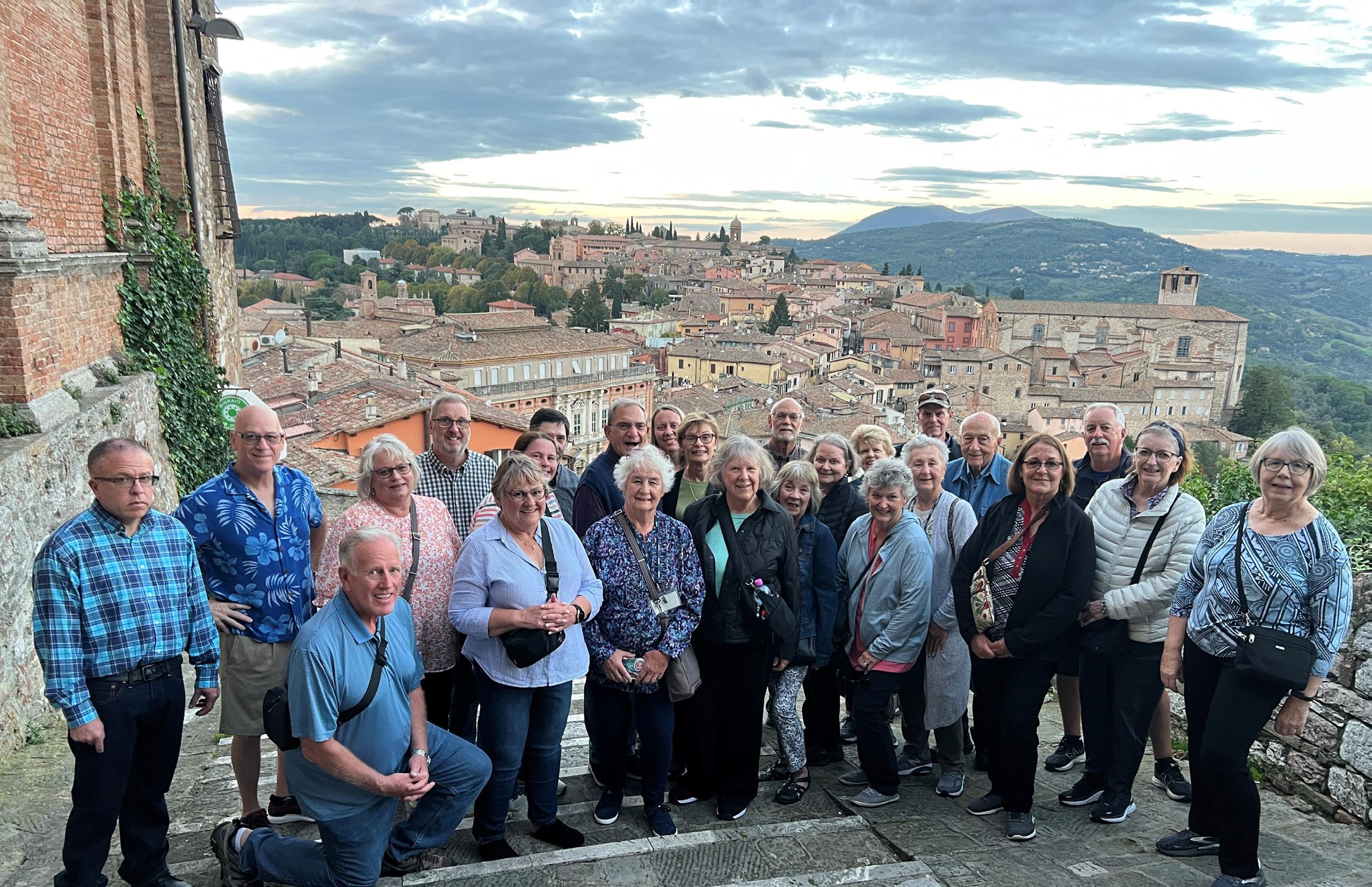
The JCPRD 50 Plus Travel Program has grown steadily, expanding from 78 trips in 2019 to 94 in 2024, with participation increasing from 1,389 to 2,499. The average number of participants per trip rose from 18 to 27, reflecting strong demand and effective program management.
The program offers both day trips and extended travel, providing options that fit a range of interests and schedules. Day trips connect participants to regional attractions, performances, and cultural sites, often serving as an introduction for new travelers. The extended travel program includes regional, national, and international destinations.
Distinct features such as pre-trip orientation meetings, ontrip escort support, post-trip luncheons, and photo journals are hallmarks of these extended experiences and contribute to a strong sense of community and repeat participation.
As participation and trip volume continues to increase, the program should maintain an ongoing review of travel provider relationships to ensure competitive pricing, favorable terms, and continued value for participants. Figure 8 highlights annual participation trends, showing the program’s consistent growth.
8: Travel Program Growth (2019–2024)
Figure
FILL RATES 50 PLUS PROGRAMS
A program’s fill rate reflects the percentage of available spots filled by participants. For all Department programs, minimum enrollment requirements are set to help ensure cost recovery, typically covering class instruction, materials, and facility use. Programs that do not meet these minimums may not be financially viable.
In 2024, across all locations, the average fill rate for Department programs was 78%, with enrollment exceeding minimum requirements by an average of 77%. A total of 591 participants were placed on waitlists, indicating strong demand. At the same time, the 78% fill rate shows some capacity remains for programs, offering room for growth without major expansion.
Table 2: 2024 Fill Rate by Program Location
We can also analyze fill rate by program category to see where demand exceeds availability and where capacity remains. Table 3 shows that travel and enrichment programs draw the highest demand, while sports, fitness, and nature programs still have existing capacity.
Table 3: Fill Rate by Program Category
All-Ages Program Sites
Meadowbrook Park Clubhouse, Roeland Park Community Center, and New Century Fieldhouse host all-ages programming alongside their older adult offerings, providing broader community access. Staff at these sites support allages programs through contract facilitation, marketing, and facility coordination.
Since opening in 2019, Meadowbrook Park Clubhouse has seen steady growth in all-ages participation, increasing from 814 registrations in its first year to 1,839 in 2024. Roeland Park Community Center experienced a brief decline in 2023 during facility renovations but returned to near prerenovation levels in
2024. New Century Fieldhouse has consistently hosted youth summer camps since 2019, averaging 50–100 campers annually.
Figure 9 shows participation trends for Meadowbrook Park Clubhouse and Roeland Park Community Center, underscoring their role in serving residents of all ages.
9: All-Ages Program Trends
Facility Rentals and Fitness Room Use
In addition to program delivery, the Department supports a high volume of facility rentals and/or fitness room use at Meadowbrook Park Clubhouse and Roeland Park Community Center. These services help drive year-round community engagement and reinforce the role of each site as a flexible, multiuse space.
MEADOWBROOK PARK CLUBHOUSE
Since opening in 2019, Meadowbrook Park Clubhouse has experienced significant and consistent growth in both rentals and guest attendance. Rentals more than tripled from 110 in the last half of 2019 to 380 in 2024, with guest attendance increasing more than fourfold, from 6,281 to 27,622. This growth reflects the clubhouse’s value as a sought-after venue for community events.
ROELAND PARK COMMUNITY CENTER
Roeland Park Community Center rentals have fluctuated over the past several years due to external factors. In 2019, the center hosted 539 rentals and welcomed over 19,000 guests, driven by multiple ongoing user groups such as martial arts, a church group, Girl Scouts, and a knights organization. This level of activity marked a peak year for the facility.
In contrast, 2021 saw a sharp decline, with only 135 rentals and 5,435 guests, as pandemic-related concerns still impacted public use. Numbers began to recover in 2022 with 147 rentals, but usage remained constrained due to the start of facility renovations. By 2023, construction further limited operations, resulting in a drastic drop to just 19 rentals and 750 guests.
2024 marks the first full year without pandemic or construction impacts. Rentals have rebounded to 164, and guest counts reached 8,992. While still below the exceptional 2019 peak, 2024 shows strong potential for continued growth.
ROELAND PARK FITNESS ROOM
Fitness room usage has remained consistent over the years, with steady membership growth. Membership increased from 171 in 2019 to 217 in 2024, while visits remained stable at approximately 10,000 annually. These figures demonstrate the space’s reliability as a year-round amenity and its importance to the community.
Figure
Roeland Park Community Center
Meadowbrook Park Clubhouse
Geographic Reach
Understanding the reach of the Department’s older adult programming requires analyzing both access and participation. Two maps provide key context for this analysis.
Drive-time analysis (Figure 10) shows strong accessibility across much of the County within 10 and 20 minutes but highlights a gap in the northwest where residents face longer travel times. Addressing this gap could involve partnerships with municipal or community facilities, expanded transportation options, or a new JCPRD-owned site to improve service reach.
Participation data (Figure 11) underscores these patterns. Registrations are most concentrated near primary facilities such as Matt Ross Community Center, Meadowbrook Park Clubhouse, and Roeland Park Community Center, while engagement is lower in areas such as Olathe and De Soto where fewer sites exist. These differences highlight both the importance of proximity and the limited willingness of older adults to drive longer distances for programs. Together, the two maps suggest that expanding access through additional sites or partnerships will be key to serving underserved areas.
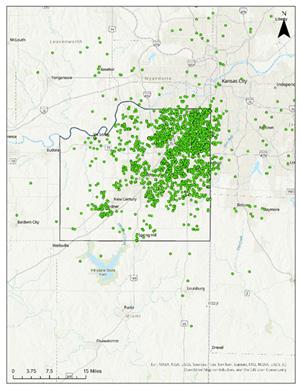
Figure 10: Drive-Time Accessibility Map
Figure 11: 2024 Registration Origin Map
Policy Inventory and Gap Analysis
The Department has a strong set of policies and procedures that guide operations, help ensure participant safety, manage resources effectively, and support high-quality program delivery. Table 4 outlines current documented policies inplace within the Department, grouped by operational category.
Table 4: Existing Department Policies
POLICY TITLE
Staff Escort Policies and Procedures
Travel Escort Manual
Tour Operator Selection Procedures
TRAVEL OPERATIONS
Traveler Review Procedure
ADA Accommodations Procedure
SAFETY
SUMMARY
Defines escort eligibility, selection process, expense coverage, and financial reporting.
Provides detailed guidance for escort roles, logistics, safety, and group management.
Outlines tour operator selection criteria and purchasing exemption.
Reviews participant readiness for travel and outlines response protocol for addressing health, safety, or behavioral concerns that may arise before or during a trip.
Details how ADA requests are evaluated and implemented for day, regional, and extended travel.
Weather Procedure Aligns program cancellations with Shawnee Mission School District closures.
50 Plus Walking Program Procedures
FINANCIAL PROCEDURES
CONTINUOUS PROGRAM IMPROVEMENT
Covers group safety, weather thresholds, and staff responsibilities during nature walks.
Daily Deposit Procedure Establishes a routine for cash/check handling and deposits.
Current Cash Handling Procedures
Surveys
Instructor Evaluations
Expands on deposit procedures with guidance for collections, petty cash, and waivers.
Outlines how participant feedback is collected and reviewed for program improvement.
Collects participant and staff feedback on instructor performance to support training and program quality improvements
In addition to Department policies, JCPRD has district-wide procedures that support older adult programming, including emergency management, incident reporting, refunds and cancellations, volunteer management, and staff training. Overall, the Department is well positioned with a strong policy foundation. Developing a few targeted additions, such as a participant code of conduct and a Virtual Programs Policy that outlines standards for delivery, accessibility, and participant engagement, would further enhance consistency and program quality.
5.0 FINDINGS WITH PERSPECTIVE
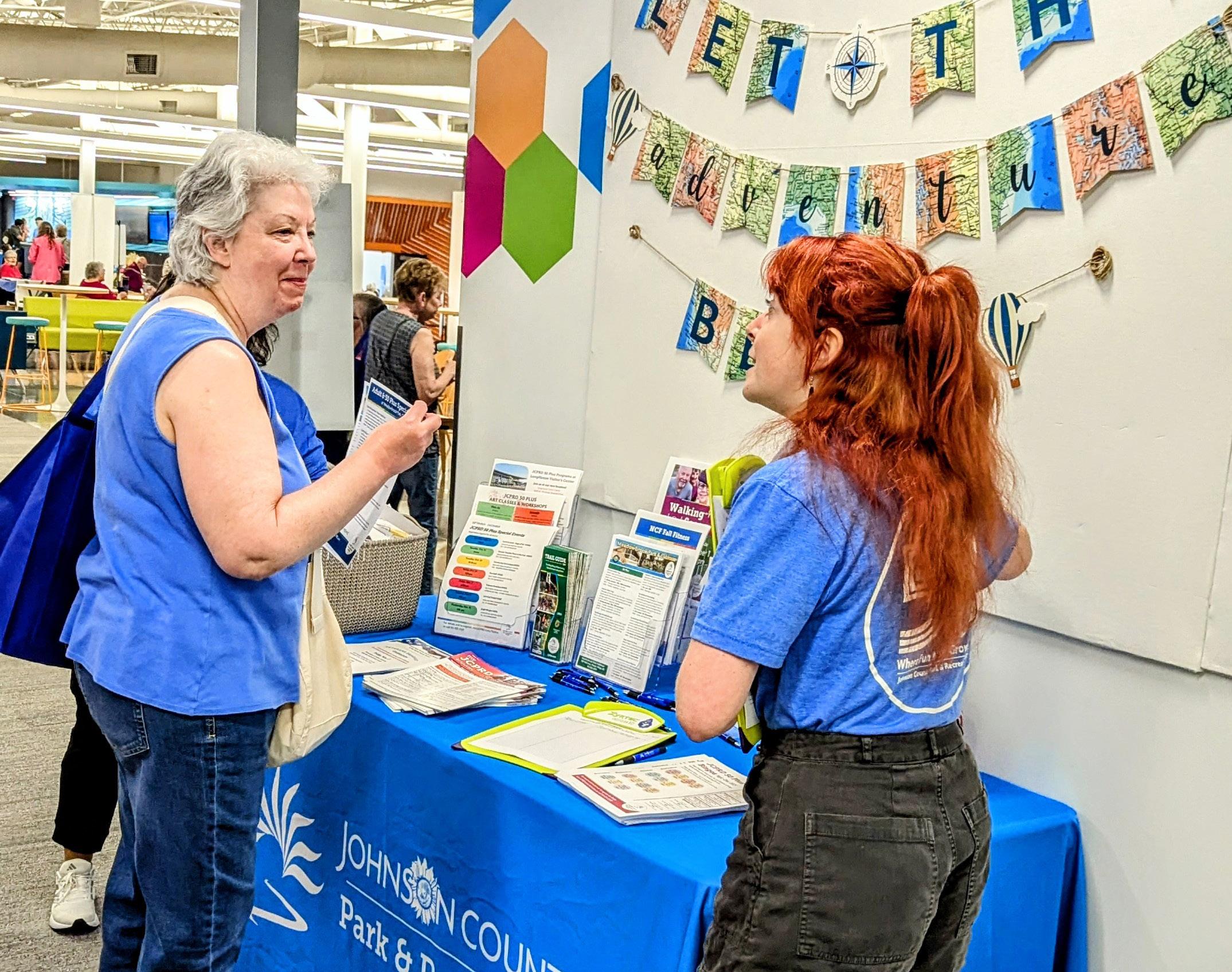
Findings in this section reflect what we heard from staff, stakeholders, and the community, combined with demographic and program data. Together, they highlight how the Department’s strong reputation intersects with the operational realities of serving a growing and changing older adult population.
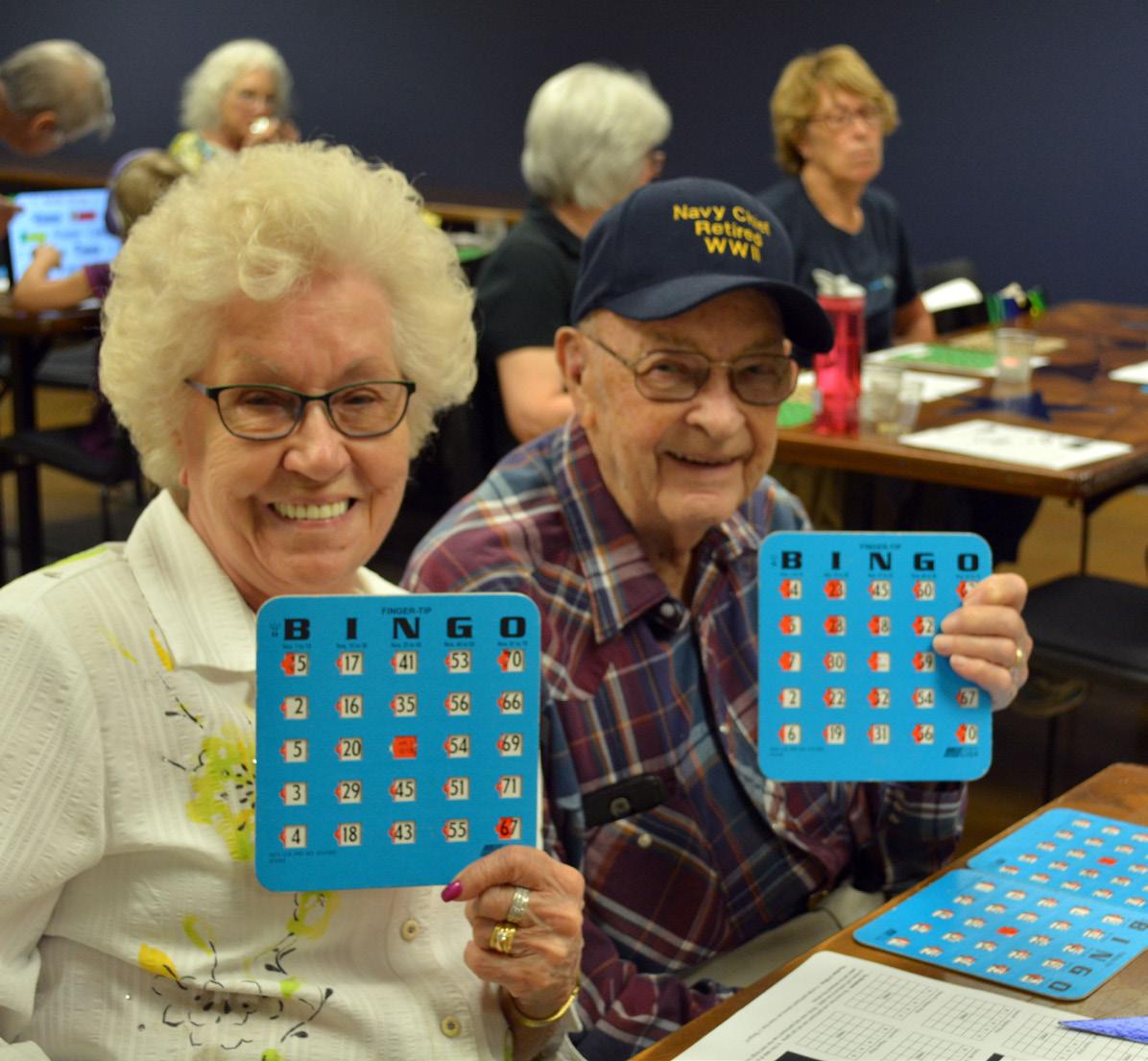
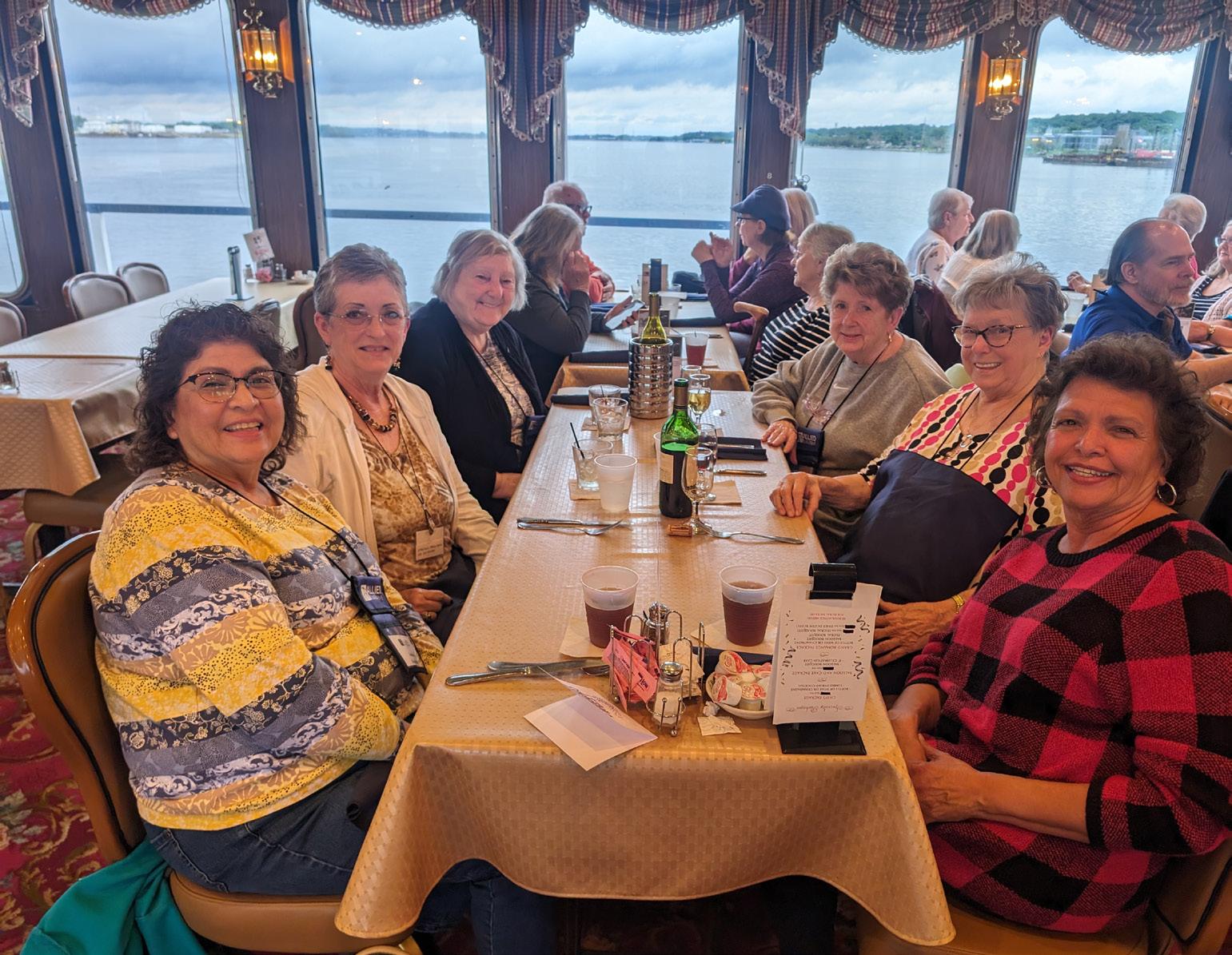


What We Learned
The findings tell a story of momentum. As one of the nation’s largest and most respected providers of older adult programming, the Department has the trust of its community, a clear understanding of its audience, and a wealth of ideas for growth. They also reveal where staffing, facilities, partnerships, and outreach must adapt to meet the needs of a growing and increasingly diverse older adult population.
SERVING A GROWING AND CHANGING AUDIENCE
• TODAY’S REALITY: The County’s population of residents over 50 is large and steadily increasing, already representing more than one-third of the County’s total population.
• EMERGING PRESSURE: By 2029, over 163,000 millennials will begin entering the 50 Plus age group, bringing new expectations for flexibility, diverse program options, and stronger social connections.
BUILDING CAPACITY FOR GROWTH
• TODAY’S REALITY: Participation and program offerings have grown dramatically, increasing more than 40 percent since 2019, while staffing levels and volunteer systems have remained mostly unchanged. Staff continue to deliver high-quality programming, but workloads are nearing capacity as responsibilities expand across multiple sites and service areas.

• IMPLICATIONS: Program models, outreach methods, and facility planning will need to evolve to address generational preferences and persistent barriers. The Department must consider how to stay relevant to younger participants while ensuring affordability and equitable access across the county.
• EMERGING PRESSURE: Without additional staffing and stronger volunteer coordination, the current structure cannot keep pace with growth. Expanded geographic reach, rising participation, and new program expectations are stretching resources and limiting the ability to plan for future demand.
EXPANDING ACCESS AND SPACE
• TODAY’S REALITY: Most County residents live within a 10–20-minute drive of an older adult program location, and participation is strong near existing facilities such as Matt Ross Community Center, Meadowbrook Park Clubhouse, and Roeland Park Community Center.
• EMERGING PRESSURE: Participation declines in parts of the County with limited facilities, especially in the south and northwest, where extended drive times create barriers.
• IMPLICATIONS: The Department will face service limitations without new staffing thresholds, added positions, and stronger volunteer systems. Operational strain could reduce program quality and make it difficult to respond to growing community needs.
• IMPLICATIONS: Geographic gaps will widen if facility planning and partnerships do not keep pace with population growth. Without improved access, residents in underserved areas may disengage from programs altogether.
REFRESHING THE BRAND
• TODAY’S REALITY: The 50 Plus brand is widely recognized, and current participants value both the identity and consistency it provides.
• EMERGING PRESSURE: Surveys show that while most current participants are comfortable with the “50 Plus” identity, fewer future participants identify with the brand. Communication and outreach strategies will need to evolve to connect with more diverse audiences and reflect shifting expectations.
STRENGTHENING PARTNERSHIPS TO EXTEND REACH
• TODAY’S REALITY: Partnerships already play a central role in program delivery, providing space, resources, and expertise through collaborations with municipalities and regional organizations.
• EMERGING PRESSURE: As the population grows and underserved areas remain, partnerships will become even more important to extend access, reduce barriers, and diversify program options.
• IMPLICATIONS: The brand risks losing relevance with incoming participants if outreach and messaging do not adapt. Evolving the 50 Plus identity could broaden its appeal and better reflect the diversity and interests of future audiences.
• IMPLICATIONS: Growing participation will make partnerships increasingly important for expanding access and managing costs. The strength and coordination of these relationships will shape the Department’s ability to serve underserved areas while maintaining quality.
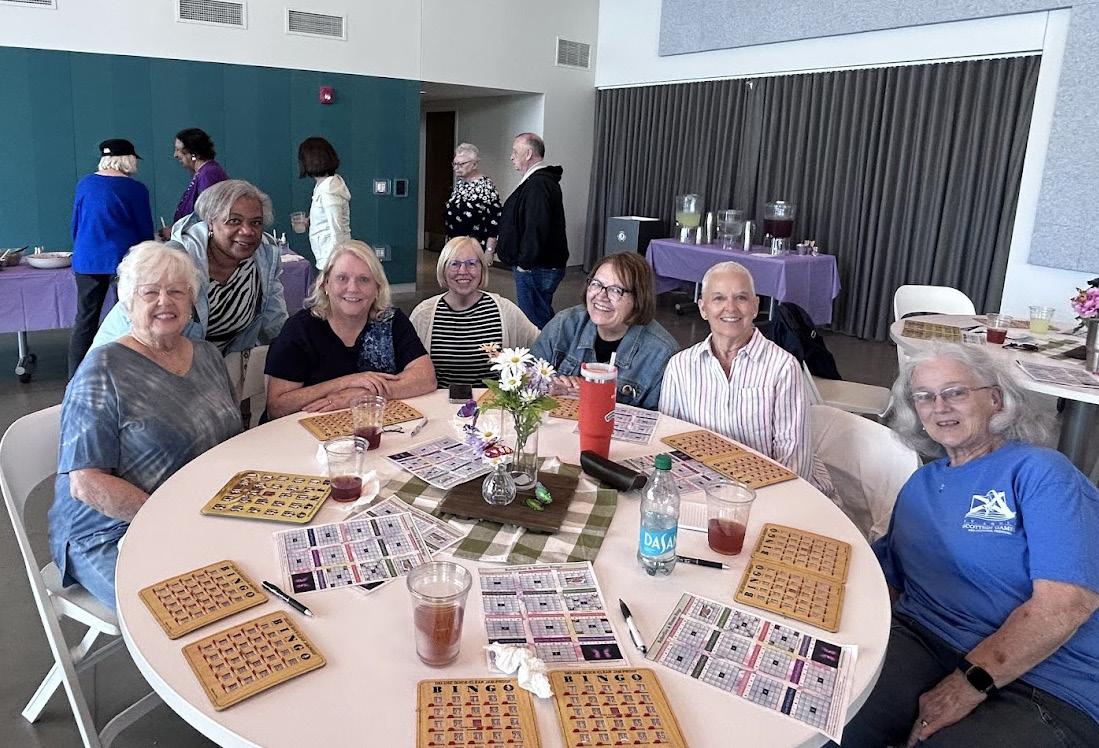
VISION FOR WHAT IS NEXT
The following section outlines the path forward through three strategic initiatives designed to strengthen organizational capacity, expand geographic access, and shape the next generation of 50 Plus programs. 6.0

Strategic Initiatives
Each initiative includes a clearly defined goal and focus areas, supported by specific action items detailed in later sections:
Initiative 1
Goal: Goal: Goal: Initiative 3
• Enhance Volunteer Engagement Build a staffing structure that supports current operations and positions the Department for future growth.
• Align Staffing with Growth and Demand
Initiative 2
Expand Geographic Access and Equity
Provide equitable access to high-quality programs and services for adults ages 50 and over throughout the County.
• Expand Presence
• Support Access to Transportation Barriers
• Monitor and Map Access
Shape the Next Generation of 50 Plus Programs
Provide inclusive and engaging programs that meet the evolving needs of adults ages 50 and over.
• Balance Tradition and Transition
• Reframe the 50 Plus Brand
• Expand Access and Engagement
Initiative 1
Strengthen Organizational Capacity
GOAL: Build a staffing structure that supports current operations and positions the Department for future growth.
A workload analysis was conducted using 2024 program and participation data, facility use metrics, and staff feedback. The analysis focused on programming workgroups and excluded the Travel Coordinator, 50 Plus Assistant , and all travel-related programs to isolate core workload trends.
While program and participant counts provided a quantitative foundation, consistent staff feedback underscored that workloads are nearing unsustainable levels. Coordinators and assistants manage large program portfolios, rising participation, complex logistics, and in many cases facility
oversight and multi-age programming. Operational observations confirmed that most teams are functioning at or near maximum effective capacity.
Currently, one workgroup is led by the 50 Plus Manager, who continues to deliver programs directly at a level typically handled by a Program Specialist. While this approach has ensured service continuity, it limits the Manager’s capacity to focus on higher-level responsibilities such as planning, staff development, and oversight.
Table 5: 2024 Workload Data
To guide future staffing decisions, the following thresholds are recommended:
• PROGRAM COORDINATOR: 250–325 programs and 3,000–5,500 participants annually, with consideration for facility oversight
• PROGRAM ASSISTANT: 300–450 programs and 4,000–6,500 participants annually, particularly where all-ages programs are included
• RECREATION SPECIALIST: 500+ programs and 5,000–8,000 participants, typically overseeing multiple sites and varied logistics
These thresholds provide a structured framework for evaluating when additional staff are needed. Future assessments should continue to balance quantitative data with qualitative input to help ensure capacity evolves with community needs.
The following focus areas address immediate staffing gaps while establishing a scalable framework to guide future decision-making and help ensure long-term organizational resilience.
Focus Area: Align Staffing with Growth and Demand
Establish and apply staffing thresholds to guide decisions based on workload, site development, and participation trends, while using enterprise revenue to support long-term sustainability.
A. Add a Recreation Specialist
Add a specialist position to absorb direct program responsibilities. This will relieve the 50 Plus Manager of frontline delivery, allowing them to focus on strategic planning, staff development, and systemwide oversight. The additional role will distribute workload more evenly across workgroups, sustain program quality, and help ensure capacity keeps pace with growth.
B. Add a Program Coordinator
Add a Program Coordinator position to expand program delivery at JCPRD’s satellite locations and support growth at future partner sites. This role will develop new offerings, strengthen coordination with host facilities, and work to ensure consistent program quality as the Department’s reach expands.
C. Apply Staffing Thresholds to Guide Future Action
Use the recommended thresholds as a baseline for evaluating when to add new positions or adjust responsibilities. This framework will help standardize decision-making and promote consistent growth management across workgroups.
D. Monitor Thresholds Annually to Align with Growth
Establish an annual review process starting in 2026 to evaluate staffing thresholds and make adjustments based on evolving workload, facility use, and participation trends.
E. Monitor Travel Program Growth to Inform Staffing Needs
Establish an annual review process to track travel program participation, trip volume, and revenue generation. Use this data to determine when additional support staff are needed to sustain quality, help ensure safe delivery, and enable continued program expansion to meet demand.
F. Expand Part-Time and Floating Support Staff
Hire part-time staff to provide flexible coverage during high-demand periods, fill scheduling gaps, and alleviate pressure on full-time staff.
G. Align Staffing Plans with Growth and Budget Cycles
Develop staffing plans for each workgroup based on projected program, participation, and rental trends. Use these plans to inform staffing requests submitted during the annual JCPRD budget cycle, working to ensure each request includes supporting metrics and a clear rationale tied to workload and enterprise revenue capacity.
Focus Area: Enhance Volunteer Engagement
Strengthen systemwide coordination and planning to expand volunteer contributions through consistent role definition, participation goals, and ongoing engagement opportunities.
A. Expand Volunteer Capacity Across Sites
Use community volunteers to reduce pressure on staff by filling key support roles in programs, events, and facility operations.
B. Advance Systemwide Coordination
Leverage the JCPRD Volunteer Coordinator role by strengthening planning efforts. Implement quarterly planning to capture volunteer needs across the Department.
C. Define Site-Specific Volunteer Roles
Task each recreation specialist with identifying roles that meet current operational needs, such as class assistants, front desk greeters, program aides, or event helpers.
D. Establish Ongoing Opportunities
Create structured, ongoing opportunities to maintain volunteer engagement throughout the year and provide meaningful ways for participants to stay involved based on their skills and availability.
E. Promote the “Give 5” Program
Encourage older adults to contribute at least five hours of volunteer service per month. Explore intergenerational roles that promote mentorship, social connection, and meaningful engagement.
F. Set Volunteer Engagement Goals for Specialists
Develop annual volunteer participation goals at the site level. Track both the number of volunteers engaged and the impact of their contributions to help ensure continuous improvement.
G. Expand Aging Awareness Training
Partner with the Johnson County Area Agency on Aging (JCAAA) to provide training resources that improve staff understanding and empathy when serving individuals with varying aging issues such as memory loss and other related challenges.
Expand Geographic Access and Equity
GOAL: Provide equitable access to high-quality programs and services for adults ages 50 and over throughout the County.
To expand geographic equity and serve a broader population of adults over 50, the Department must address two primary challenges: physical proximity to programs and reliable transportation. Community engagement revealed that many older adults are unwilling or unable to travel more than 20 minutes to attend programs, underscoring the importance of accessible locations and travel options.
While services are well established in areas like Shawnee, Merriam, Prairie Village, Roeland Park, Gardner, and Overland Park, gaps remain in southern and western parts of the County, including De Soto, Spring Hill, and Stillwell. Additionally, with Olathe’s substantial population base, there
Focus Area: Expand Presence
may be opportunity to partner with the City of Olathe and explore how JCPRD could potentially expand or support services they currently offer to help ensure broader coverage.
However, transportation remains a persistent barrier, particularly for residents with limited mobility or no personal vehicle. Any strategy to improve geographic equity must incorporate transportation solutions alongside site expansion and strategic partnerships.
The focus areas below aim to close these gaps through a coordinated and data-informed approach to service expansion.
Pursue partnerships, facility investments, and pilot programs to increase service availability in areas such as Spring Hill, Stillwell, Olathe, and De Soto.
A. Strengthen Municipal Partnerships in Growth Areas
Partner with municipalities to expand programming and support services for adults 50 and older in incorporated areas with limited service, such as De Soto, Spring Hill, and Olathe. As the County’s second-largest population center, Olathe represents a key opportunity for collaboration to complement existing offerings and meet growing demand in developing areas.
B. Build Programming at the Overland Park Arboretum
Beginning in spring 2025, this partner location extends access for adults 50 and older in southeastern Johnson County. Continued program expansion at this site will help meet growing demand in the area.
C.
Explore Future Facility Opportunities
Evaluate opportunities to expand recreation access through new multiuse program centers that include 50 Plus programming in underserved areas of the county. In the southeast, assess the feasibility of a facility at Heritage Park to better serve residents of Spring Hill, Stilwell, and Olathe. In the west, evaluate Kill Creek Park as potential sites to improve access for residents near De Soto. Pursue partnership opportunities with local agencies such as the City of De Soto to support site planning, capital investment, and long-term operations. These opportunities could align with the Children’s Services Strategic Plan initiative to expand service offerings and maximize community impact. Appendix B presents a preliminary square footage and staffing model for a facility fully programmed and operated by the Department.
D. Expand Established Programs in New Locations
Bring proven, high-demand programs to underserved areas by using existing public or partner facilities such as civic buildings and community centers. This approach builds on the success of established offerings while extending access to more residents.
Focus Area: Support Access Transportation Barriers
Support access for individuals with limited mobility or transportation by exploring rideshare partnerships, companion travel options, and subsidized services through sponsorships.
A. Establish Rideshare Partnerships
Collaborate with providers like Uber and Lyft and host sessions to help participants navigate app-based transportation tools.
B. Pilot Companion Travel Program
Explore a program for volunteers or peers to accompany participants who require assistance getting to and from events.
Focus Area: Monitor and Map Access
C. Expand Transportation Equity with Foundation Support
Explore opportunities with the Parks & Recreation Foundation of Johnson County to pursue sponsorships and grant funding that reduce transportation costs for low-income and underserved older adults, making 50 Plus programs more accessible.
Conduct regular geographic and demographic analyses to identify service gaps and guide strategic expansion based on community need.
A. Conduct Regular Access Analyses
Update drive-time analyses and registration origin heat maps at least every three years to assess service reach.
B. Layer Access and Demographic
Data
Overlay demographic trends with access gaps to target future expansion in areas with the greatest affordability needs and density of older adults.
Shape the Next Generation of 50 Plus Programs
GOAL: Provide inclusive and engaging programs that meet the evolving needs of adults ages 50 and over.
As the County’s over 50 population continues to grow and diversify, the Department must adapt programming to reflect new interests, abilities, and life stages. This includes serving both newly eligible participants and those well into retirement. The focus areas below emphasize balancing tradition with innovation, reframing the 50 Plus brand to resonate with younger participants and expanding access to help ensure all adults can participate meaningfully.
Focus Area: Balance Tradition and Transition
Adjust program offerings to better serve both younger and older participants through evening hours, tech-forward options, and intergenerational learning. Increase the availability of popular programs like travel, enrichment, and wellness by using existing facilities and offering seasonal activities.
A. Maintain and Expand Programs
Continue offering high-quality programs for older adults, while intentionally expanding opportunities that appeal to the 50–65 age group. Focus on hands-on make-andtake workshops, new fitness options, and nature-based activities including guided hikes, gardening projects, and outdoor art sessions. Maintain regular program evaluations to ensure offerings reflect evolving interests and needs, and pilot new formats over time to keep programming fresh and responsive to future participants.
B. Optimize Use of JCPRD Program Sites
Maximize programming at primary Department sites while building on existing efforts at JCPRD-owned satellite locations to broaden geographic reach. This includes expanding current use of Mill Creek Activity Center, Okun Fieldhouse, Ernie Miller Nature Center, and TimberRidge to further support program growth.
C. Continue Steady Expansion of Travel Opportunities
Gradually expand short-format and day trip offerings to reduce waitlists and improve access for participants unable to join extended travel. As offerings grow, assess whether additional trip hosts or staff support are needed to maintain safe, high-quality experiences.
D. Support Health Education Through Community Partnerships
Continue offering the Arthritis Exercise Program and work with the JCAAA to deliver additional evidence-based wellness programs such as Walk With Ease, A Matter of Balance, and Chronic Disease Self-Management.
E. Explore Evening and Weekend Programs
Explore opportunities to expand health and wellness programs into evening and weekend hours through pilot offerings and targeted promotion, aligning with the needs of working adults and participants ages 50–65.
F. Pilot Millennial-Friendly Offerings
Develop and test new programs designed to engage incoming 50 Plus participants, including tech-forward classes and outdoor recreation. Explore collaborations with internal JCPRD departments, such as Natural Resources and Outdoor Education, to enhance program opportunities.
G. Support Caregivers Through Education and Respite
Collaborate with the JCAAA and other partners to develop programs that reduce isolation, build community, and connect caregivers with support resources. Offer workshops, discussion groups, and respite opportunities tailored to adults ages 50–65 who are balancing care for older family members and younger generations.
H. Support Personal Growth and Purpose
Launch workshops in partnership with the JCAAA and local mental health and recreation agencies that support older adults in personal growth and goal setting.
I. Evaluate and Adjust Program Pricing to Align with Growth and Market Demand
Regularly assess program pricing to ensure it remains competitive within the market while maintaining accessibility. Use findings to refine revenue strategies, strengthen enterprise fund performance, and identify emerging markets or new sources of revenue that support long-term financial sustainability and operational flexibility.
Focus Area: Reframe the 50 Plus Brand
Evolve outreach, messaging, and storytelling to engage younger participants while honoring the established 50 Plus identity.
A. Develop a Digital Marketing Campaign
Create a campaign tailored to adults ages 50–65 that highlights flexible scheduling, active lifestyle opportunities, and the inclusive “Plus” identity. Use social media, targeted ads, and email newsletters to reach this audience.
B. Refresh Program Messaging
Update program descriptions and promotional materials to emphasize experiences, benefits, and community rather than age. Showcase the “Plus” as a symbol of opportunity and inclusivity.
Focus Area: Expand Access and Engagement
Increase participation by reducing financial obstacles, encouraging peer leadership, and ensuring new participants feel welcomed and supported.
A. Pilot a Participant Ambassador Program
Develop a structured initiative where experienced participants serve as ambassadors to welcome new attendees, accompany those who may feel hesitant, and model inclusivity. Ambassadors could also help staff gather feedback on barriers faced by different groups.
B. Expand Peer-Led Programs
Support peer-led activities such as Mah-jongg, card clubs, and fitness groups to build community and leadership.
C. Promote Accessible Financial Assistance Programs
Simplify access to scholarships and fee assistance by accepting proof of enrollment in existing federal or state programs commonly used by older adults, such as Medicare Savings Programs, KanCare (Medicaid), SNAP, SSI, or Section 8 housing. This approach reduces paperwork, minimizes stigma, and works to ensure assistance is available to those with verified financial need. Promote these options more visibly in communities with limited access to recreation opportunities, and provide staff support to help older adults navigate the application process.
C. Highlight Multigenerational Stories
Incorporate testimonials, photos, and videos that feature multiple generations participating together to reinforce the idea of 50 “Plus” as a welcoming community.
D. Create a “Next Chapter” Marketing Series
Launch a storytelling series featuring participants ages 50–65 who are navigating new life stages (career transitions, active retirement, new hobbies) to demonstrate how the program supports evolving interests.
D. Pilot a Free Library Program
Partner with local libraries to offer a limited series of free programs at locations that do not allow fees. JCPRD would cover program costs to expand access for underserved communities, using the pilot to assess demand, barriers, and long-term feasibility.
Implementation Plan
Achieving the proposed vision will require additional funding. Some costs can be supported by adjusting fees and using existing revenue sources, while others will require identifying new funding opportunities. Estimated expenses for the strategic initiatives are shown in Table 6.
Table 6: Strategic Initiative Cost
Recreation
To support the Department’s growth by adding capacity for program delivery and facility oversight, allowing leadership to focus on strategic priorities. $109,000*
To expand program delivery at satellite locations, develop new offerings, coordinate partner sites, and support the travel program.
To evolve outreach, messaging, and storytelling to engage younger participants while honoring the established 50 Plus identity.
To be developed in partnership with the JCPRD Marketing and Communications Department.
*Salaries are sourced from the 2025 Pay Table using midpoint salaries and accounting for taxes and benefits.
Appendix A: Program Operations Matrix
Johnson County Arts & Heritage Center (AHC)
Matt Ross Community Center (MRCC)
“Community facility that features a Black Box Theater, a community art exhibition space, the Johnson County Museum, fine arts and performing arts programming, as well as event spaces for the community to rent for special events.”
Meadowbrook Park Clubhouse (MBPC)
Membership based community center with an indoor gym, fitness facility, indoor pool, fitness classes, and community rooms. They also serve as a congregate meal site and meals on wheels pick up locale for Jo Co Human Services and Aging.
Johnson County Government
Mill Creek Activity Center (MCAC)
Community space to host a variety of programs and public facility rentals. Facility also includes a Natureplay Preschool.
City of Overland Park
No. The RPCC Recreation Specialist plans and runs the annual 50 Plus Expo: Live Well Age Well each August, reserving all main floor spaces. Starting in 2026, an internal rental fee will help cover facility costs. An internal transfer currently covers museum visits for event patrons
Yes. A Program Coordinator and Assistant based at Matt Ross Community Center plan and run older adult programs during JCPRD’s contracted times. The 50 Plus Travel Coordinator also offices there, serves as front desk backup when needed, and has flexibility to work from any location
Gymnastics facility that also includes a small fitness area and a Natureplay Preschool. Community rooms host summer camps and programs.
JCPRD
JCPRD
Yes. The Meadowbrook Coordinator and Assistant plan and run programs for all ages at MBPC. A Recreation Specialist oversees facility operations, including programming and rentals. MBPC also serves as the 50 Plus Extended Travel Office.
No. The Roeland Park 50 Plus Coordinator and Assistant plan all programs at MCAC and coordinate scheduling with MCAC staff, who help facilitate ongoing and drop-in activities. 50 Plus staff check in on groups as needed and lead all one-time special events. All related revenue and expenses are tracked in the MCAC cost center.
City of Overland Park
City of Overland Park
City of
Agreement is reviewed and considered for renewal bi-annually. The City of Overland Park provides office and programming space to JCPRD for the purpose of offering programs to older adults at MRCC and TRCC within the agreement.
(50 Plus)
JCPRD (Corporate & Community Wellness)
JCPRD (Corporate & Community Wellness/ Parks)
(Corporate & Community Wellness)
New Century Fieldhouse (NCF)
Indoor sports facility for soccer, volleyball, basketball, and pickleball. Community room available for programs. JCPRD
Yes. A 50 Plus Program Coordinator plans older adult programs and facilitates youth summer camps at NCF. They coordinate scheduling with NCF staff, who help facilitate ongoing and drop-in activities. All program revenue and expenses are tracked in the NCF cost center. JCPRD
JCPRD
FACILITY NAME FACILITIES PRIMARY FOCUS
Overland Park Arboretum (ARB)
Roeland Park Community Center (RPCC)
Outdoor educational, recreational, and cultural community resource with a nature center, hiking trails, and gardens. Site includes a Visitor Center used for public rentals and community programs.
OWNER 50 PLUS OFFICES ON-SITE
City of Overland Park
No. The MRCC Program Coordinator and Assistant are responsible for planning and executing programs for older adults at the facility with the contracted times available to JCPRD. 50 Plus staff are on site during program times.
Community space that hosts a variety of programs offered by JCPRD along with an all day early childhood center and a membership based fitness facility with cardio and strength equipment. Community spaces are available for public rentals.
City of Overland Park
City of Overland Park
City of Overland Park
City of Overland Park
City of Overland Park
Tomahawk Ridge Community Center (TRCC)
Membership based community center with an indoor gym, fitness facility, fitness classes, and community rooms.
City of Overland Park
Yes. The Roeland Park 50 Plus Coordinator and Assistant plan and run programs for all ages at RPCC. A Recreation Specialist oversees overall facility operations, including rentals, fitness center use, programming, and supervision of the coordinator, and assistant.
No. The MRCC Program Coordinator and Assistant plan and run older adult programs during JCPRD’s contracted times. 50 Plus staff regularly visit to check on patrons and volunteers. TRCC city staff assist with basic customer service, but no office space is currently available for 50 Plus staff at the site.
JCPRD (50 Plus)
City of Overland Park
City of Roeland Park
City of Roeland Park City of Roeland Park
City of Overland Park City of Overland Park City of Overland Park
Two - year agreement. The City of Overland Park provides programming space to JCPRD for the purpose of offering programs to older adults at the Arboretum. This agreement is separate from the combined MRCC/ TRCC agreement and began in 2025.
An ongoing agreement allows either party to request changes by September for the following year. Net revenue or loss is split annually between JCPRD and the City. JCPRD’s share of any gain goes into a project fund for fitness room updates. Only rental and fitness membership revenue are included.
Two - year agreement. The City of Overland Park provides office and programming space to JCPRD for the purpose of offering programs to older adults at MRCC and TRCC within the agreement.
Appendix B: Multiuse Program Center
The proposed facility’s size and staffing levels are modeled after the Meadowbrook Park Clubhouse, with enhancements that include improved space allocation, expanded staff areas, three program rooms comparable to Rosewood A, upgraded storage, and an Early Childhood Development center. This recommendation is informed by Meadowbrook’s programming and rental history, storage assessments across other sites, and findings from the Administration Building programming exercise. It represents a preliminary concept; a full programming effort should follow the 2027 Indoor Programming Study to refine departmental needs and guide facility operations and staffing.
The recommended square footage applies to a new building only. Leased spaces will require a separate analysis using different grossing factors that vary based on lease terms. For planning purposes, a 19,000-square-foot facility will be incorporated into the Greater Kill Creek Park and Heritage Park Master Plans to represent a future facility opportunity.
Strategic Plan
“BerryDunn” is the brand name under which Berry, Dunn, McNeil & Parker, LLC and BDMP Assurance, LLP, independently owned entities, provide professional services in an alternative practice structure in accordance with the AICPA Code of Professional Conduct. BDMP Assurance, LLP is a licensed CPA firm that provides attest services, and Berry, Dunn, McNeil & Parker, LLC, and its subsidiary entities provide tax, advisory, and consulting services.
Berry, Dunn, McNeil & Parker, LLC leases professional and administrative staff to BDMP Assurance, LLP. These individuals work under the direct control and supervision of BDMP Assurance LLP, which is solely responsible for their performance.
The entities falling under the BerryDunn brand are independently owned and neither entity is liable for the services provided by the other entity. Our use of the terms “our Firm” and “we” and “us” and terms of similar import denote the alternative practice structure of Berry, Dunn, McNeil & Parker, LLC and BDMP Assurance, LLP.
This report is the work of Berry, Dunn, McNeil & Parker, LLC
©2025 BerryDunn | All rights reserved.