L A N D S C A P E D E S I G N T E C H N O L O G Y
L A N D S C A P E D E S I G N T E C H N O L O G Y
Woodland
RHS Garden Wisley Walk
Wisley Gardens
Urban tree establishment
The Science of Urban Tree Planting
Exploring Kings Cross
Innovations in Paving Design and Kerb Technology
Comprehensive Guide to Reinforcement and Structural in Modern Construction
Sustainability in Construction: Understanding Embodied Carbon and Beyond.
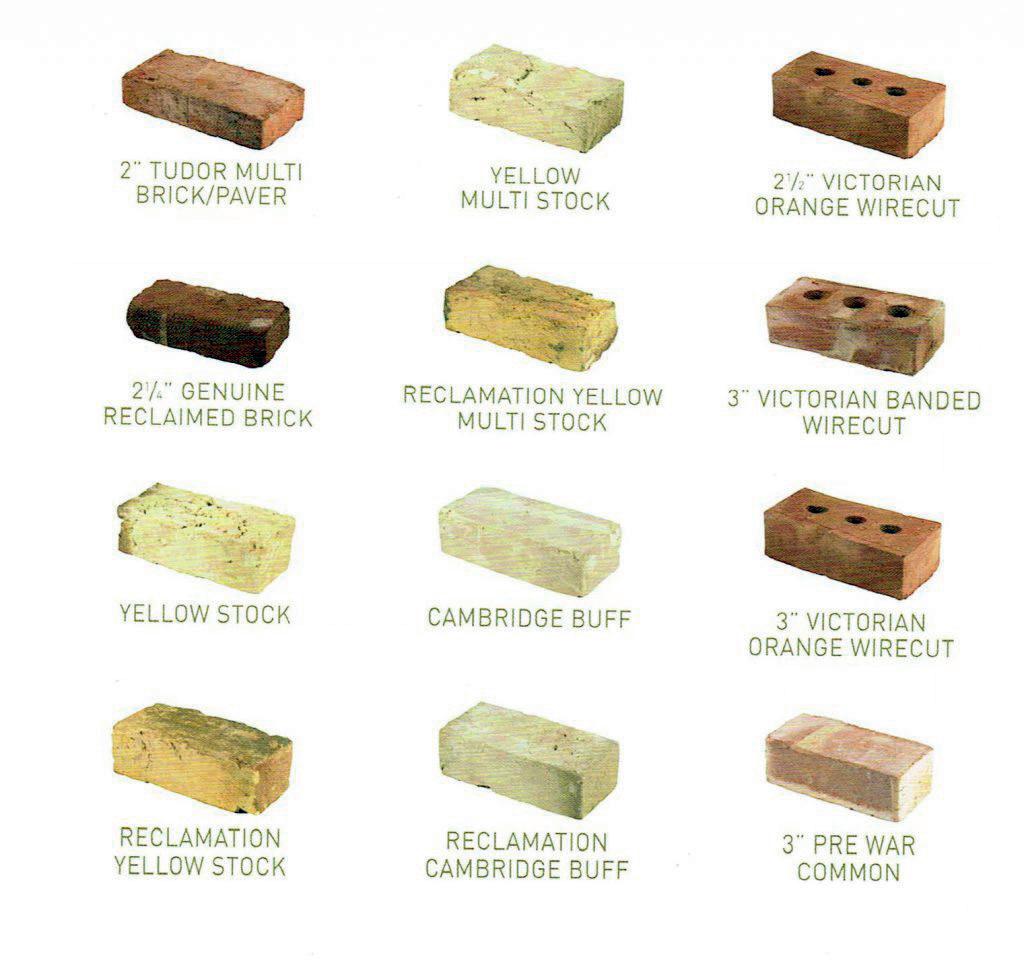
The Fundamentals of Bricks and Blocks: A Simple Guide
The Art and Science of Landscape Lighting
Landscape Ecology: Balancing Nature and Development
Plant Selection and Specification
Garden and Wildflower Turf
Sustainable Drainage System (SuDS): Enhancing Urban Resilience
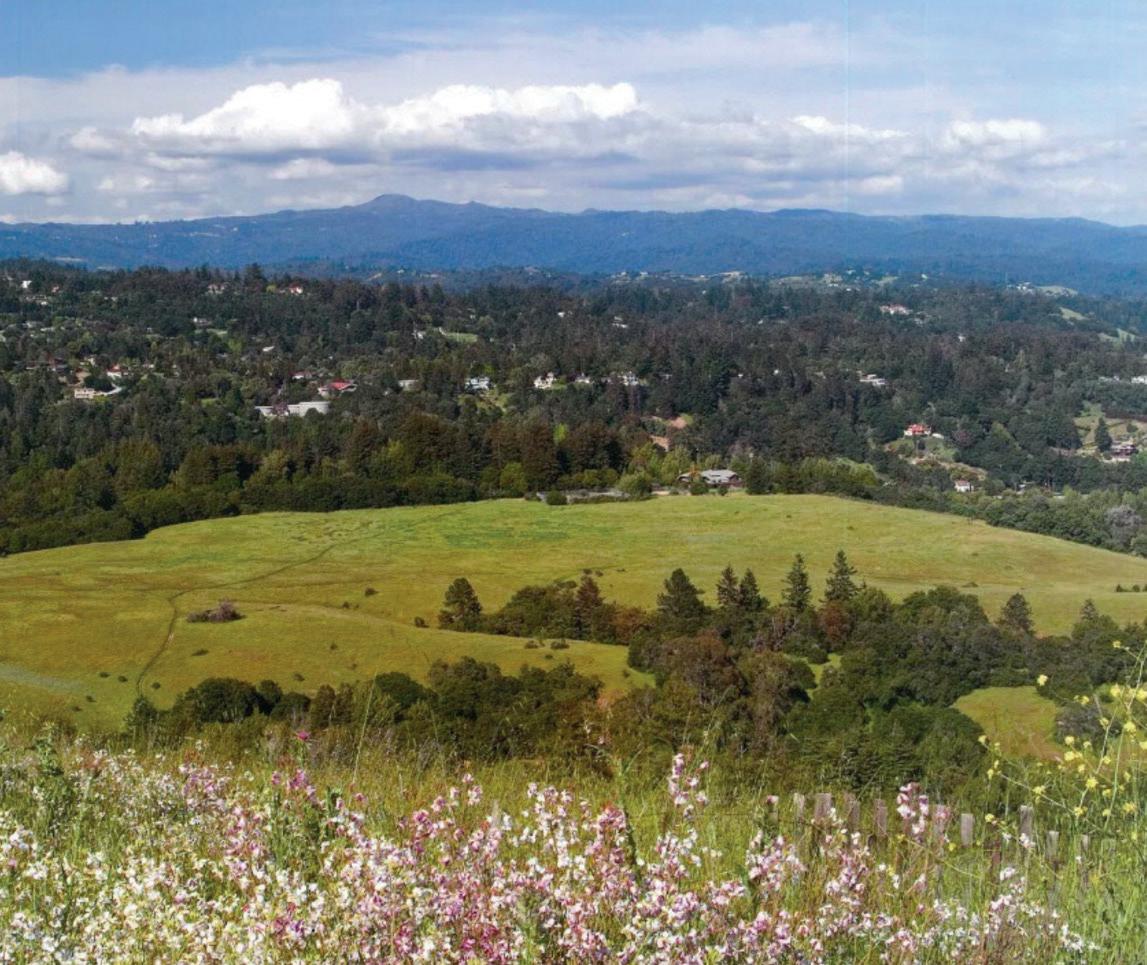
Woodlands can be anything from small, managed groves to massive natural forests and they all serve a variety of purposes, including the production of timber, ecological preservation, recreational opportunities, and mental health. The significance of Woodlands in reducing the effects of climate change, offering wildlife habitat, and improving the general standard of living in both urban and rural areas.
Woodland establishment in management. Here are some important lessons. For the creation and maintenance of Woodlands.
.1 Site selection and planning. For woodland to be established successfully, knowledge of the local climate topography answer type is essential. One needs to gain knowledge about developing comprehensive plans that cover goals, species selection, and upkeep techniques.
.2. Species selection. Is critical to select appropriate tree species for the local environment because of their ecological advantages and adaptability to local conditions, native species are frequently chosen. This blog speaks about how crucial it is to take the woodland’s biodiversity and long-term sustainability into account.
.3. Management techniques, intensive techniques
like selective logging and thinning, as well as more passive strategies that permit natural regeneration are examples of woodland management techniques. This blog emphasises how crucial it is to build. Glaze rises to encourage natural regeneration and improve biodiversity.
In 1999, the Carrifran Valley was taken over by the Carrifran Wildwood Group to restore the natural environment.
One of the main topics in the classes was the idea of rewilding. To establish self-sustaining ecosystems, rewilding entails restoring natural processes and reintroducing native species. Here are some important points:
• Planning and Rewatching: Research and planning are crucial before beginning any rewilding project. Understanding the site’s past, and present ecological state and potential for natural regeneration are all part of this.
• Species Diversity: The resilience and ecological value of the woodland can be improved by promoting a varied mix of native species. We emphasised how crucial it is to consider both tree species and understory vegetation.
• Community Involvement: Involving stakeholders and local communities can improve rewilding projects’ sustainability and success. This covers cooperation with regional wildlife organisations, volunteer opportunities, and educational outreach.

The courses underlined the many advantages of the woodlands for people and animals. Among them are:
• Ecological Advantages: Woodlands enhance water and air quality, support a variety of species, and help to store carbon.
Woodlands provide areas for leisure, relaxation, and mental well-being. They may also be tools of education for community organisations and schools.
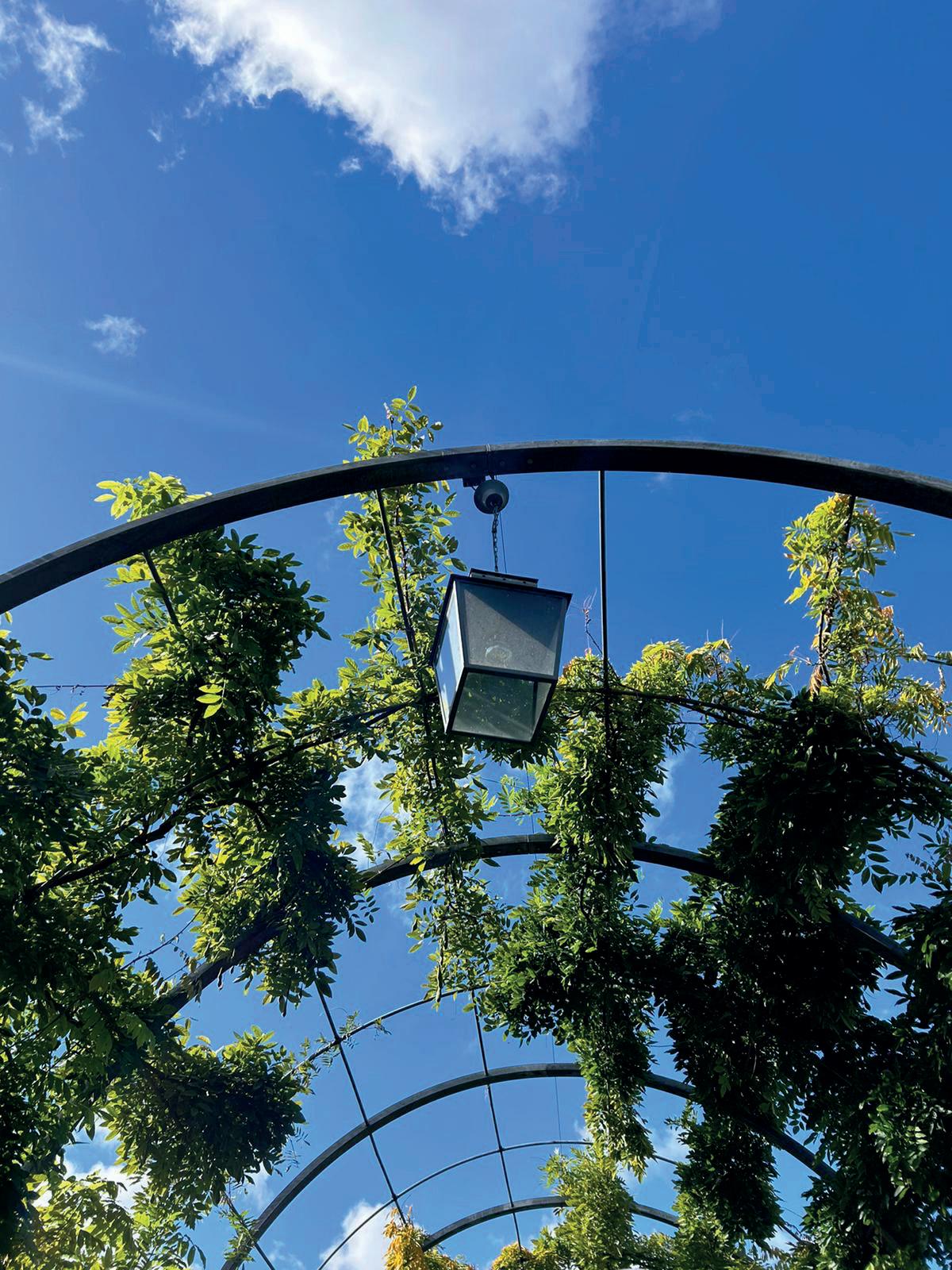
• Economic Advantages: Well-managed woodlands can offer consistent supplies of timber and other forest products, therefore supporting nearby businesses.
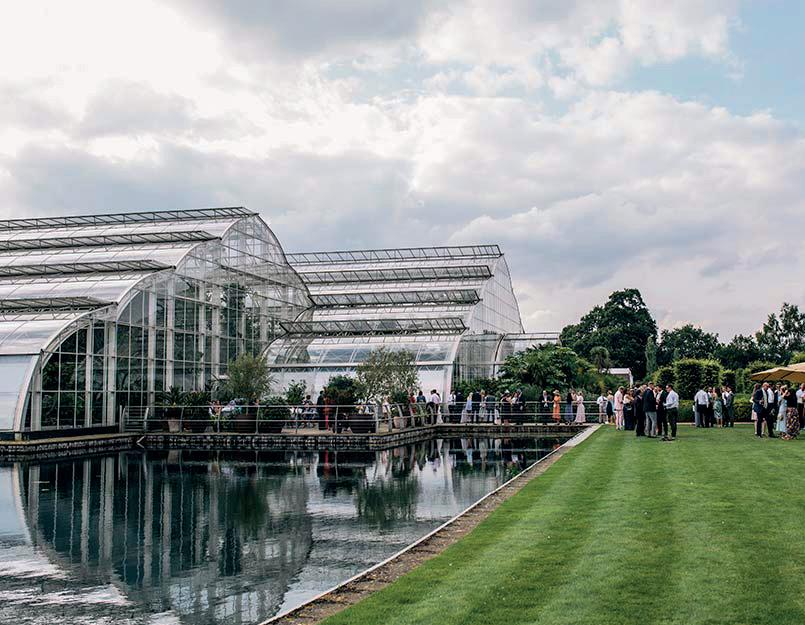
On this journey. Duncan. Our tutor. Took us on the trip to Wisley Garden on a bright and lovely day. The renowned Wisley Gardens is a property run by the Royal Horticultural Society (RHS). Garden. Educational centre and research facility. Revealing the Butter Botanical Gardens in the South of California Huntington Library. The gardens are methodically kept in a range.
Duncan took us on a surprisingly recent number, for our long. Turn off walk Though it was October, the garden was overflowing with flowering plants, pro-
viding a visual feast. We decided against visiting the greenhouse. Say the. Since they probably contained. Mediterranean native plants. Wisley Statistics.
The garden covers 240 acres; the Bicentenary Glasshouse occupies ¾ of an acre. Though ongoing highway construction has caused numbers to drop dramatically, it draws more than a million visitors each year.
The garden has several trees, including woodlands, the Pinetum, and an orchard displaying exceptional examples. Seeing familiar trees like sequoias and redwoods flourish here was a delight. In front of the Tudor Library building, lies a canal built in 1970 by
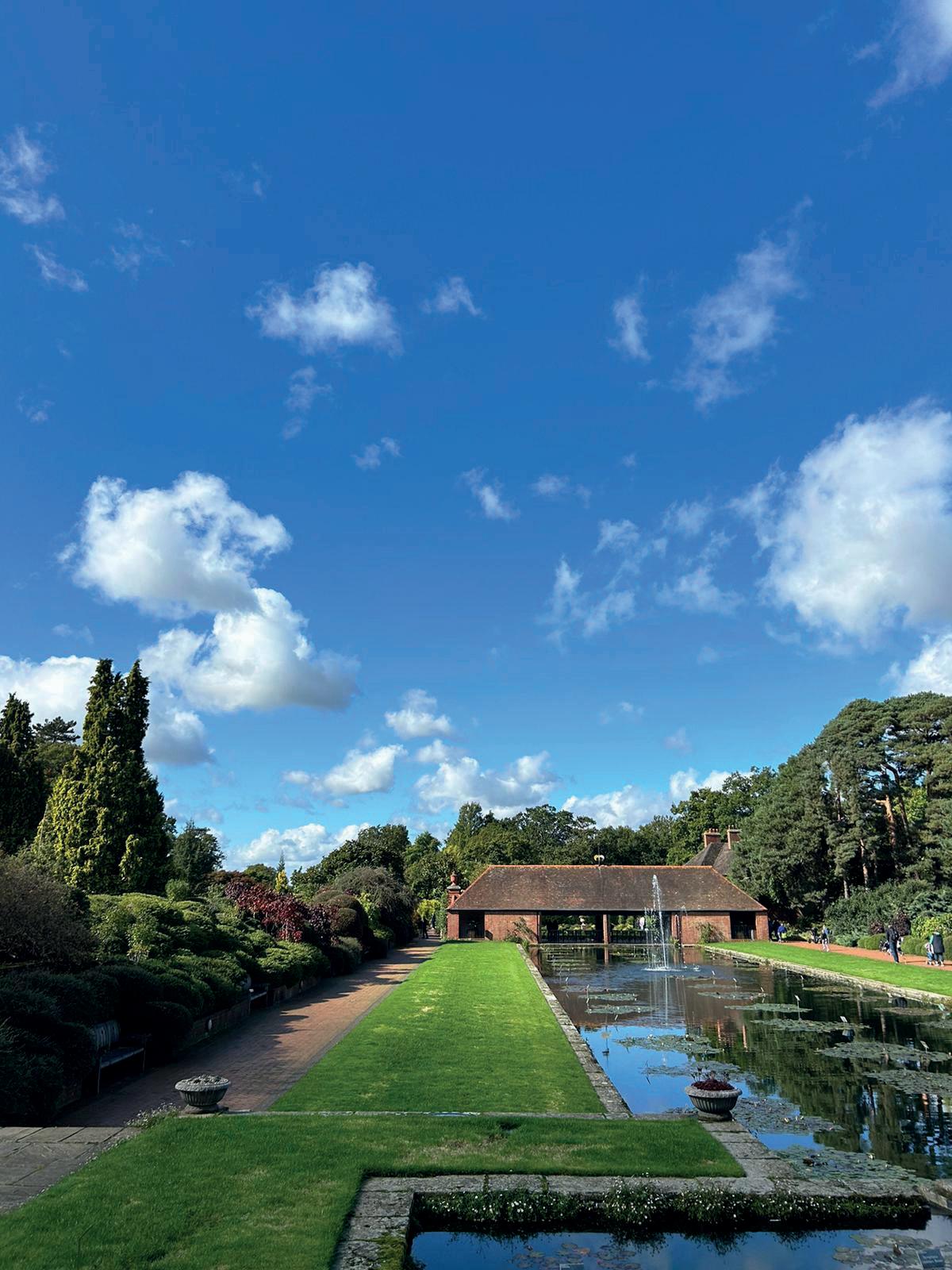
Sir Geoffrey Jellicoe. Water lilies, varieties of lawns and plants usually of warmer areas line its borders.
The Orchard.
The orchard seemed run-down but planned for restoration soon. Well-kept, new areas included espaliered and shot, thick trees that caught our eye. There were also several appealing to pollinators perennials.
RHS Hilltop Structures.
We reached the Hilltop building, Wisley’s centre of horticultural science. it contains a teaching garden, learning studios and laboratories. Duncan pointed out the poor paving and missed chances in the landscape design
Perennials Borders
Stretching 128 metres across a rectangular lawn up a hill, the perennial borders stood out. Though officially laid out, this more naturalistic, meandering informal border had mostly thriving plants and some neatly trimmed hedges providing structure.
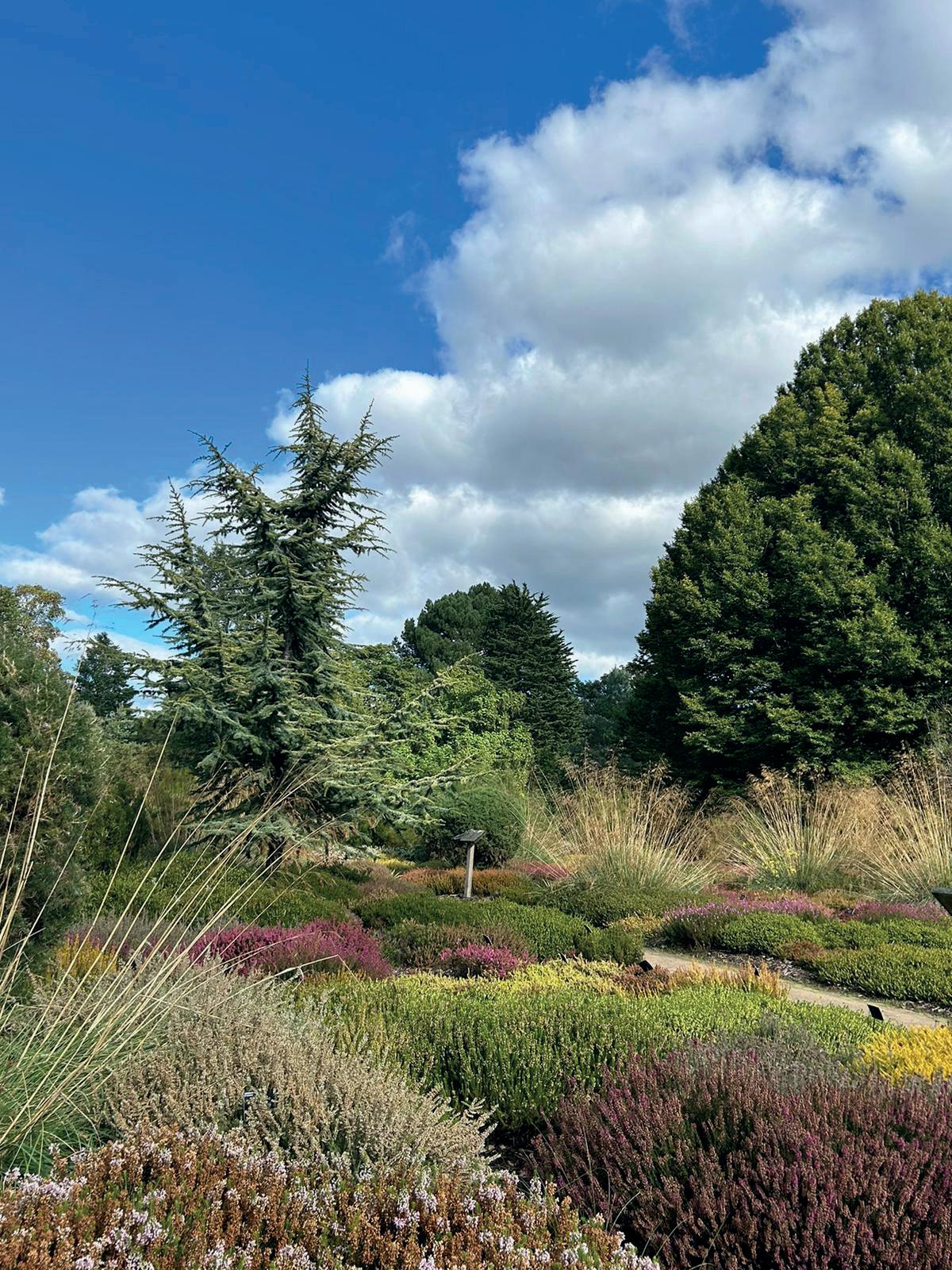
Duncan offered a tip on how to tell a liquidambar from a Maple, a knowledge I was exposed to. This walk-through of Wesley Gardens was an immersive experience in the art and the science of gardening that left us with a deeper respect for the natural world and the RHS’s commitment to its preservation and enhancement.
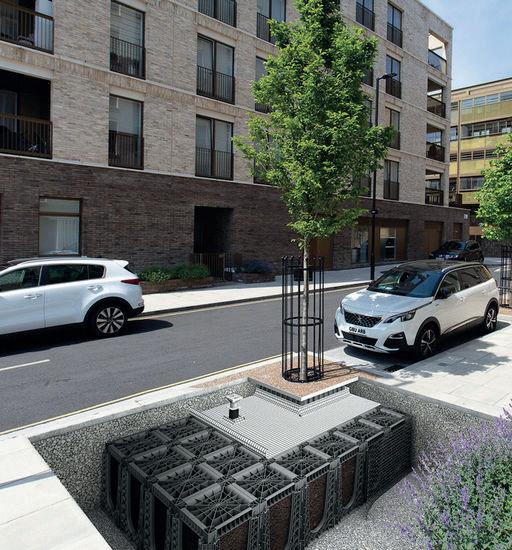
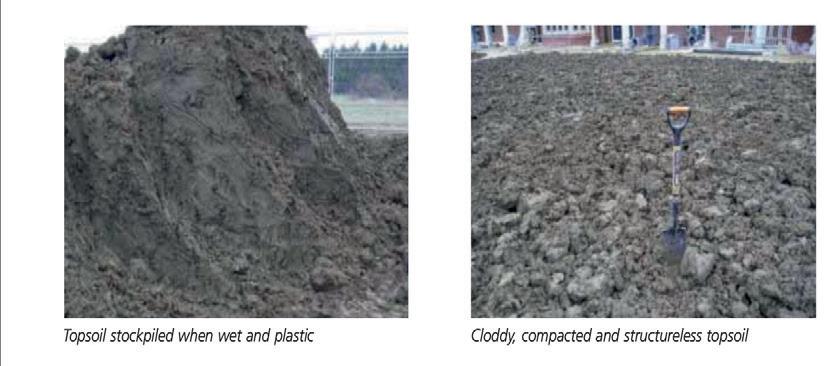
A key component of urban greening, urban tree planting offers many advantages including better air quality, low urban heat island effects, and improved mental health. Soil conditions make it difficult, though, to create healthy trees in urban settings, it is important to cover the significance of soil establishment of urban trees as well as best practices for guaranteeing tree health. Knowing urban soil conditions.
Urban soil sometimes presents major difficulties that could affect tree planting. Among them are com-
paction, pollution and insufficient organic material. Duncan emphasised that urbanisation typically entails the disturbance, removal, or degradation of current soils, therefore producing compact and less fertile situations. Which can severely restrict root growth and overall tree health.
Characteristics of ideal soil for Evan trees.
Urban trees will flourish if the soil offers the necessary nutrients, supports root development and enables correct air and water exchange. Duncan told us about British Sugar TOPSOIL, which provides a variety of soil products made for different urban
planting needs. Their LANDSCAPE20 topsoil, for instance, is perfect for landscaping and sports pitch construction projects since it meets BS3882:2015 criteria.
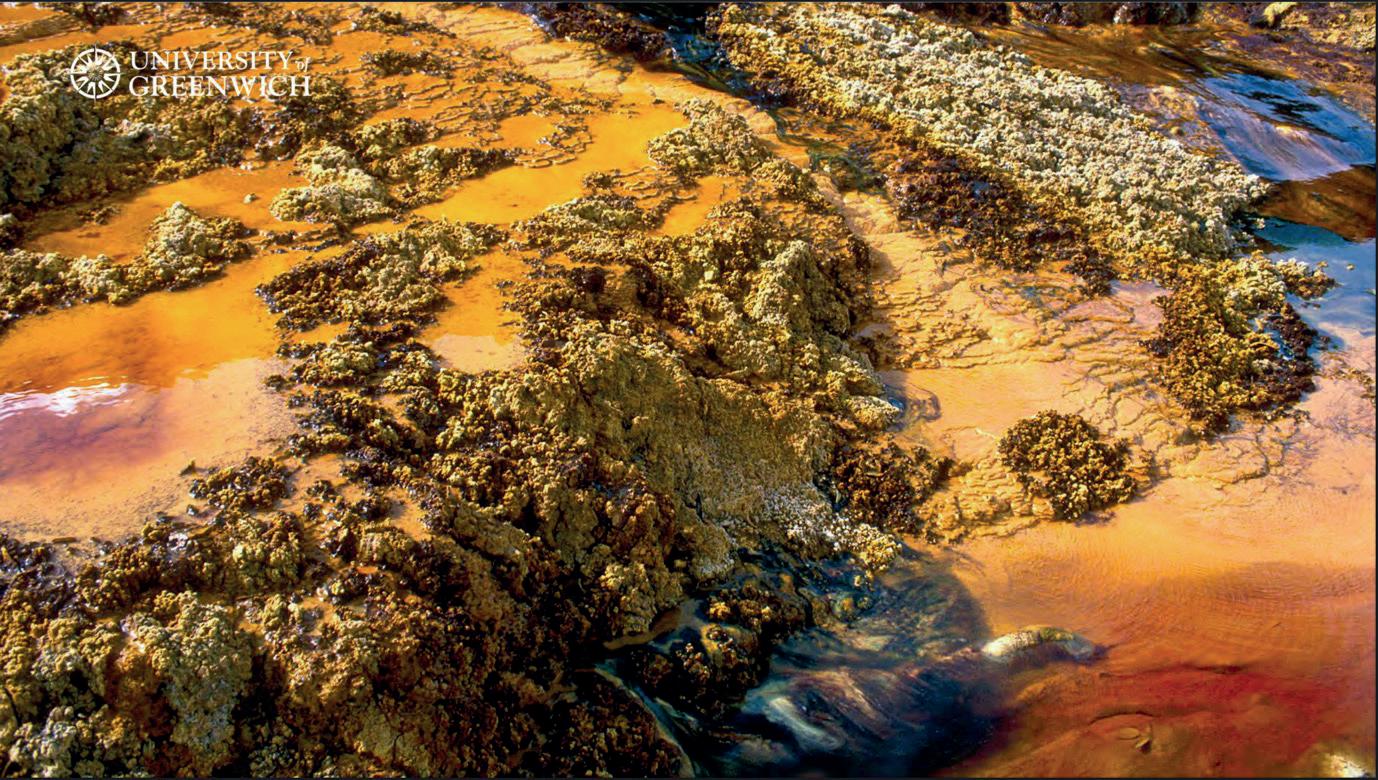
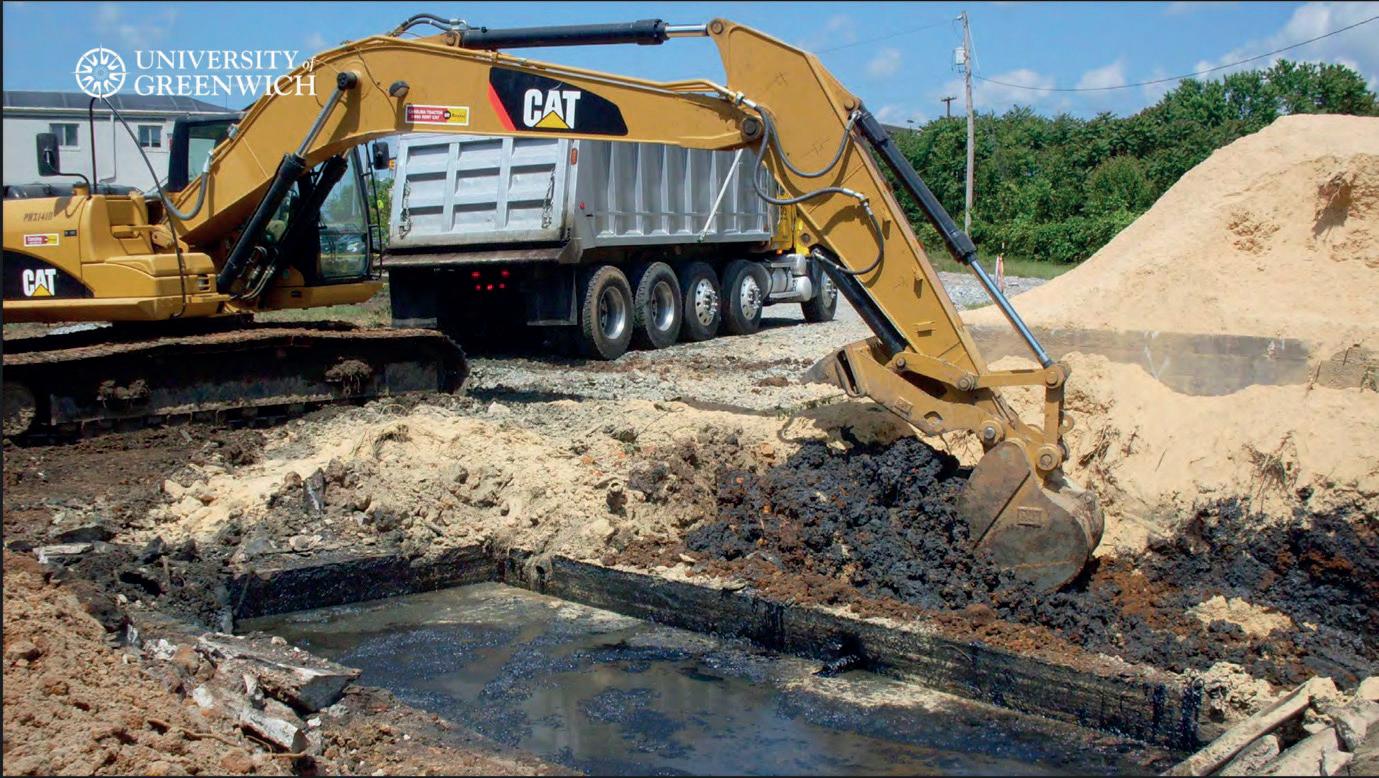
Urban areas especially ex-industrial sites, frequently suffer from tainted soil. It was discussed how Bourne Amenity’s sales remediation enhancement products, including higher permeable soils and unique ceramics, enhance soil structure and help to reduce pollution.
Structural Soil for Urban tree pits.
Structural soils are one creative way to plant trees in cities. It was described as the system provided by Stockholm Tree Pits, which lets tree pits under hard surfacing. Supporting root development and supplying necessary nutrients is a structural soil from crushed rock mixed with biochar and
compost included in this system.
Best Step practices for Urban Tree Establishment?
.1. Soil testing. Assess nutrient level, pH and pollution by soil testing before planting. This will enable you to select the appropriate soil modification. Use organic materials like compost to enhance soil structure and facility.
.2, Over-amending planting holes should be avoided since it can cause a pot effect whereby root. Do not reach into the
surrounding soil.
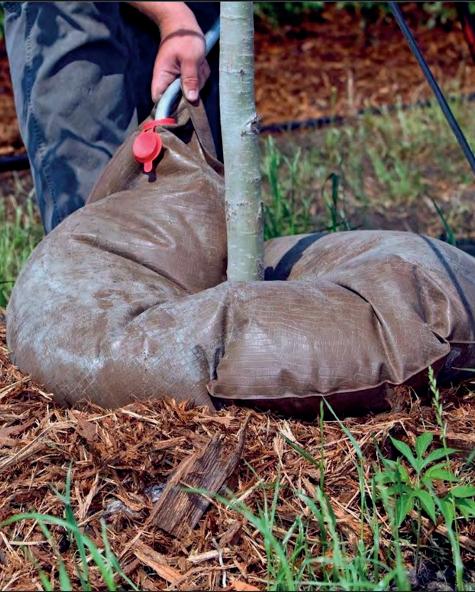
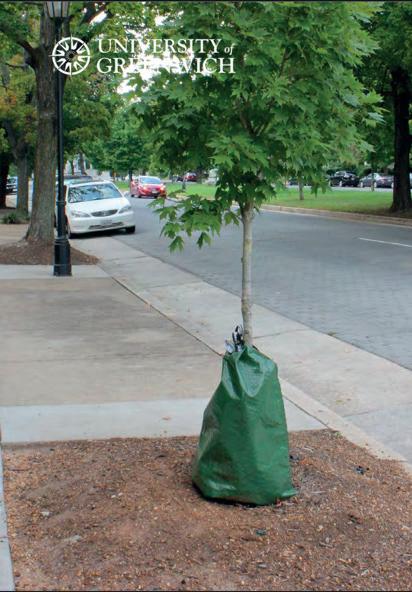
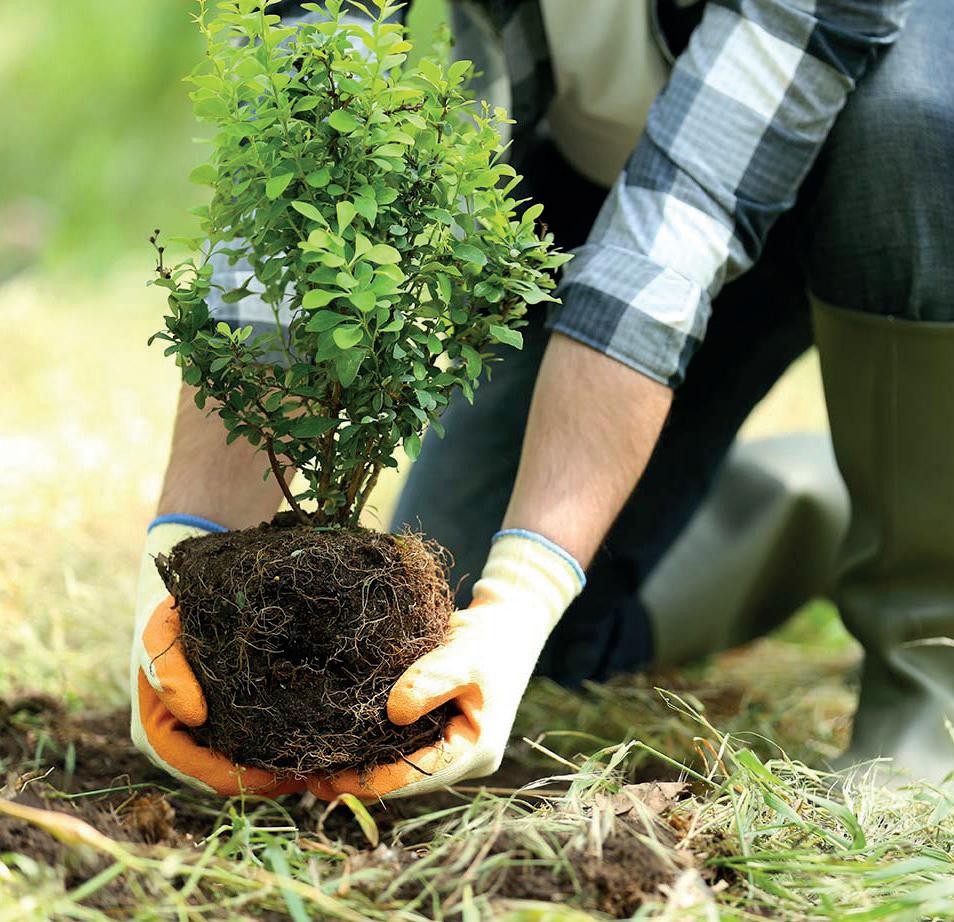
.3. Correct planting method: Make sure the root ball is not buried too deep and that trees are planted at the proper depth. This encourages good root development and helps to stop root girdling, especially in the establishment phase, offering a steady water supply water supply. Ensure water gets to the root zone by using methods including slow-water bags.
.4. Maintenance Keep an eye on tree health and soil conditions. Deal quickly with any indications of stress or not. The traditional defence.
Creating healthy trees in urban settings calls for close atten-
tion to soil conditions. Understanding the qualities of urban soils and using best practices for soil management will help us to build successful urban forests that greatly benefit our society.
It was being suggested to us by our Tutor, to look at the
Urban Tree Foundation for more in-depth information. Since it offers contemporary pair-reviewed planting specifications and information for urban forests and landscape actors
A key element of urban greening projects, urban tree planting helps to environmental sustainability, aesthetic appeal, and better air quality. Urban tree planting, on the other hand, is greatly dependent on knowledge of soil texture, volume, and water use. Recent studies and hands-on activities provide a viewpoint that helps this blog post investigate these elements.
A basic quality that affects water retention, drainage, and root growth is soil texture. A straightforward field test described by the ADAS Method offers a useful approach to
assessing soil texture in the field. Kneading wet soil between the fingers and judging its feel and behaviour defines the process. For example, while clay soils are smooth and sticky when wet, sandy soils feel gritty and lack cohesiveness.
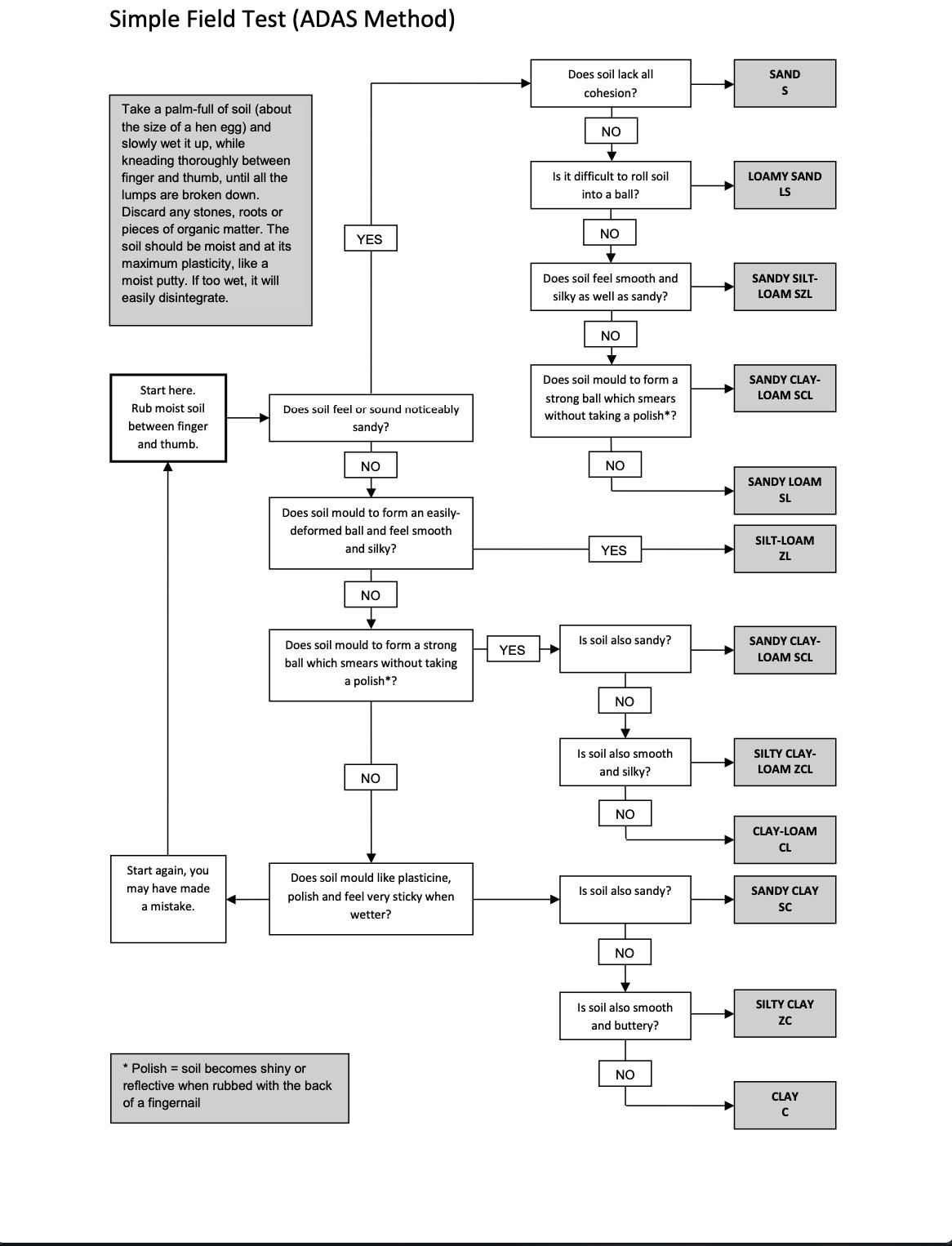
This approach categorises soils into groups including sand, loamy sand, silt loam, and clay. Choosing suitable tree species and guaranteeing the best-growing conditions depend on knowledge of soil texture.
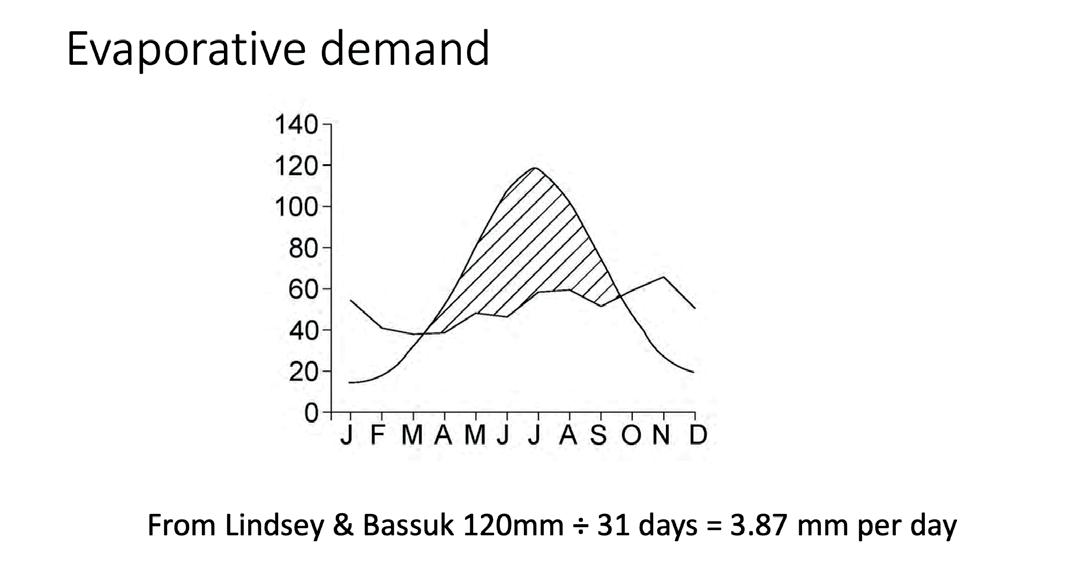
Ensuring that trees have enough soil to sustain their growth depends on correct root volume computations. Daily tree water use and, thus, the needed soil volume may be estimated using the Lindsey and Bassuk model, which offers a robust framework. Key components of this model include 1. Crown Projection (CP): Usually estimated as a circle
using the formula Area=\u03c0r2, the region under the tree canopy.
A rough estimate of the leaf area inside the canopy, relative to the ground area. Depending on tree species and condition, values vary from 4 to 5.
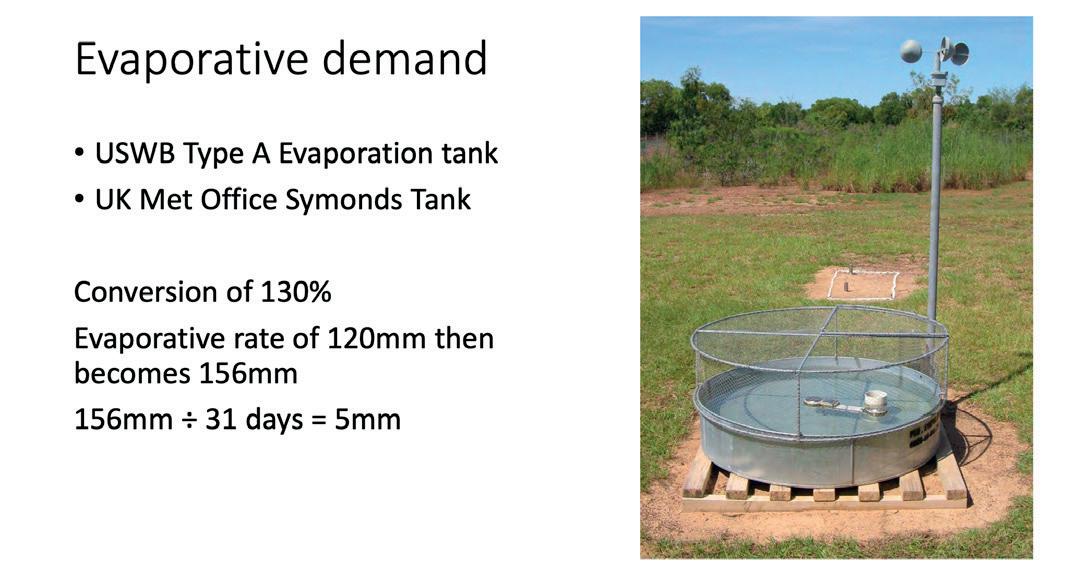
Evaporation Rate: Based on local mean monthly evaporation data. In the UK, for instance, the highest average evaporation rate in July is 120mm, or 3.87mm daily.
Adjusts the evaporation rate to reflect the more leaf surface resistance to evaporation relative to open water bodies. Usually, a 20% factor is used.
The daily tree water use can be computed as follows using these criteria:
Daily Tree Water Use = Crown Projection × Leaf Area Index × Evaporation Rate × Correction Factor
Urban tree planting calls for a sophisticated knowledge of soil texture, volume, and water use. Urban planners and arborists can create educated decisions that improve tree establishment and long-term health by using field tests and models such as the Lindsey and Bassuk approach. Future studies should keep improving these techniques and investigate creative urban forestry ideas.

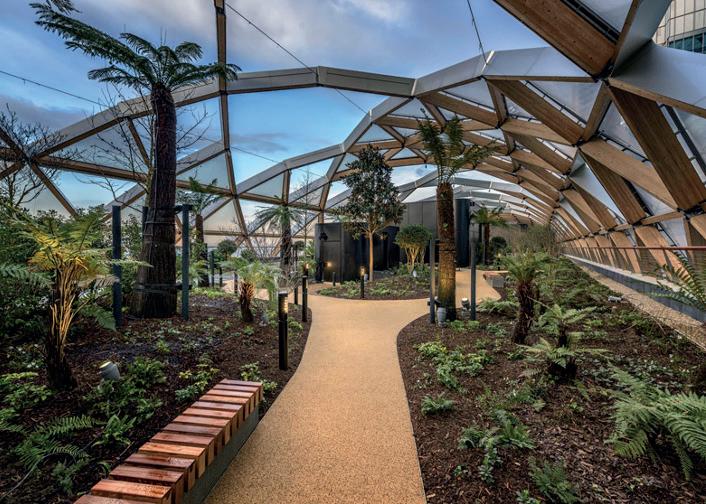
A We set out on an exciting journey to the busy city of London, specifically to King’s Cross. During this trip, Duncan and Kris, took us on a thorough walk to examine the subtleties of urban paving and the influence of urban trees on the environment. On this chapter, is a gallary of pictures to storyboard our Kings Cross exploration. These pictures include, paving designs, urban tree settings, and urban design settings. Lets go!!
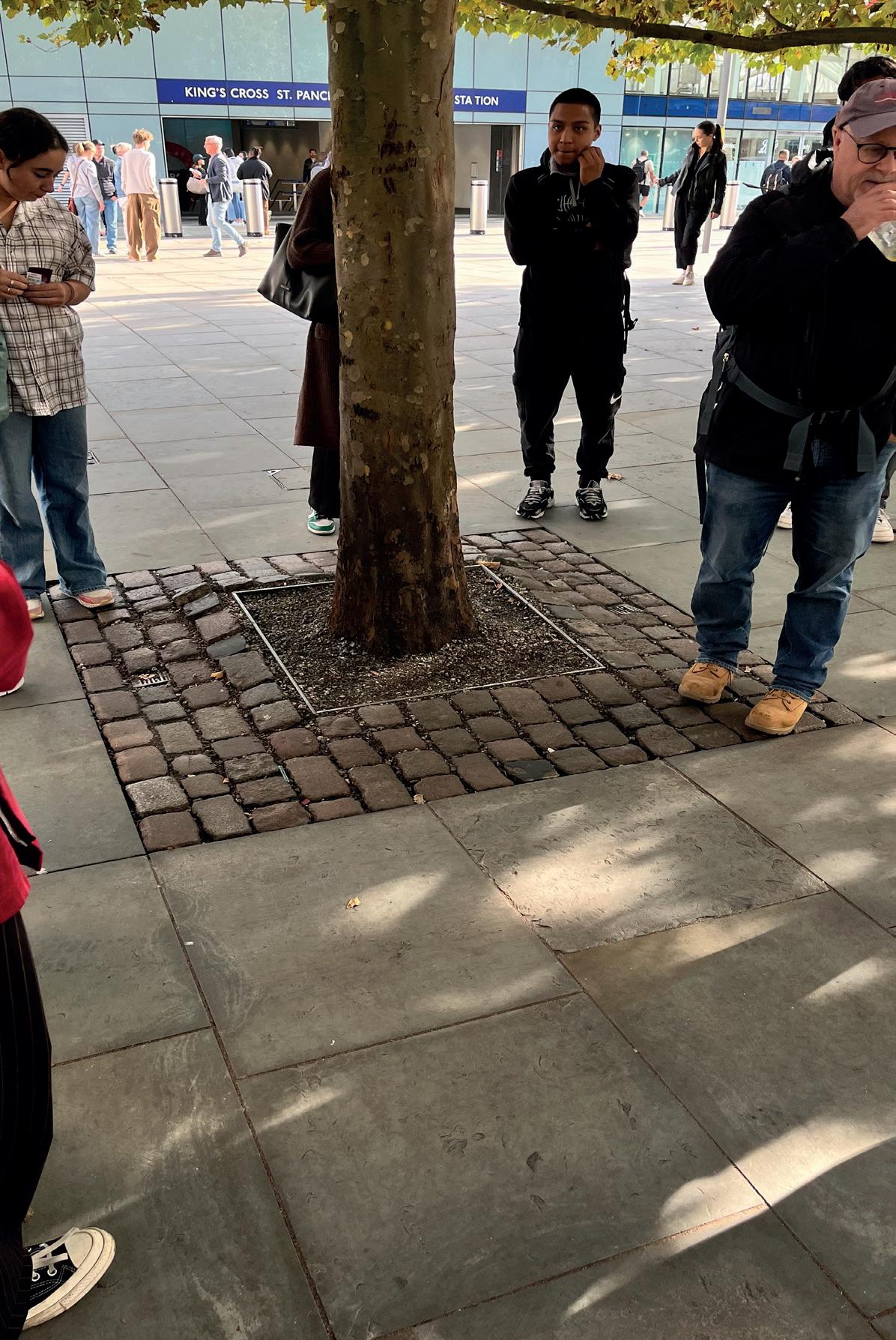
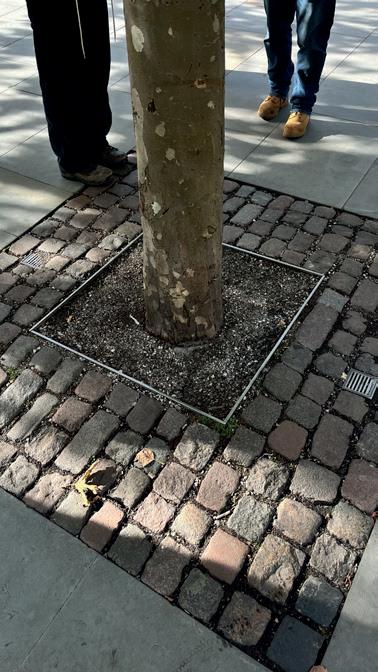

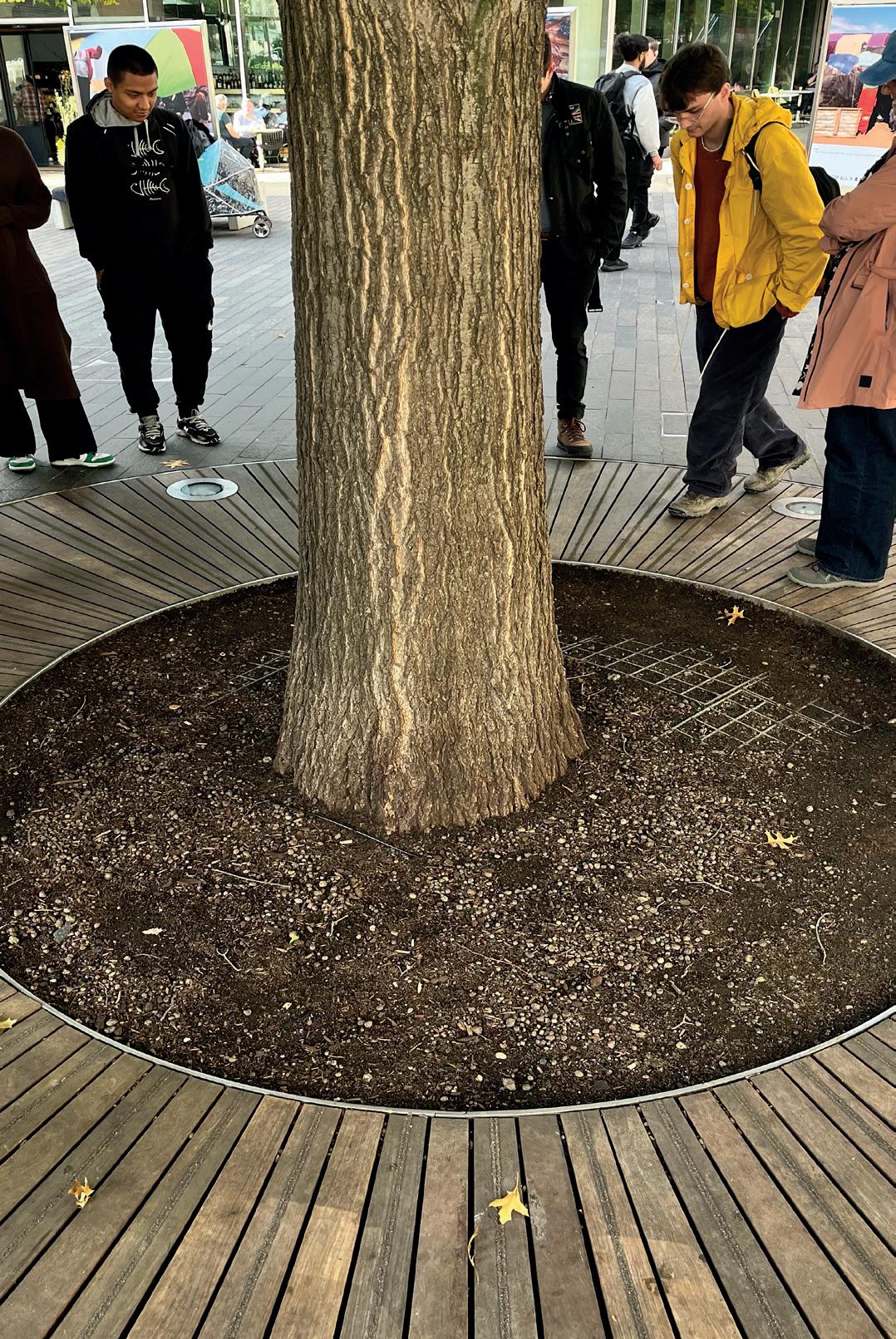
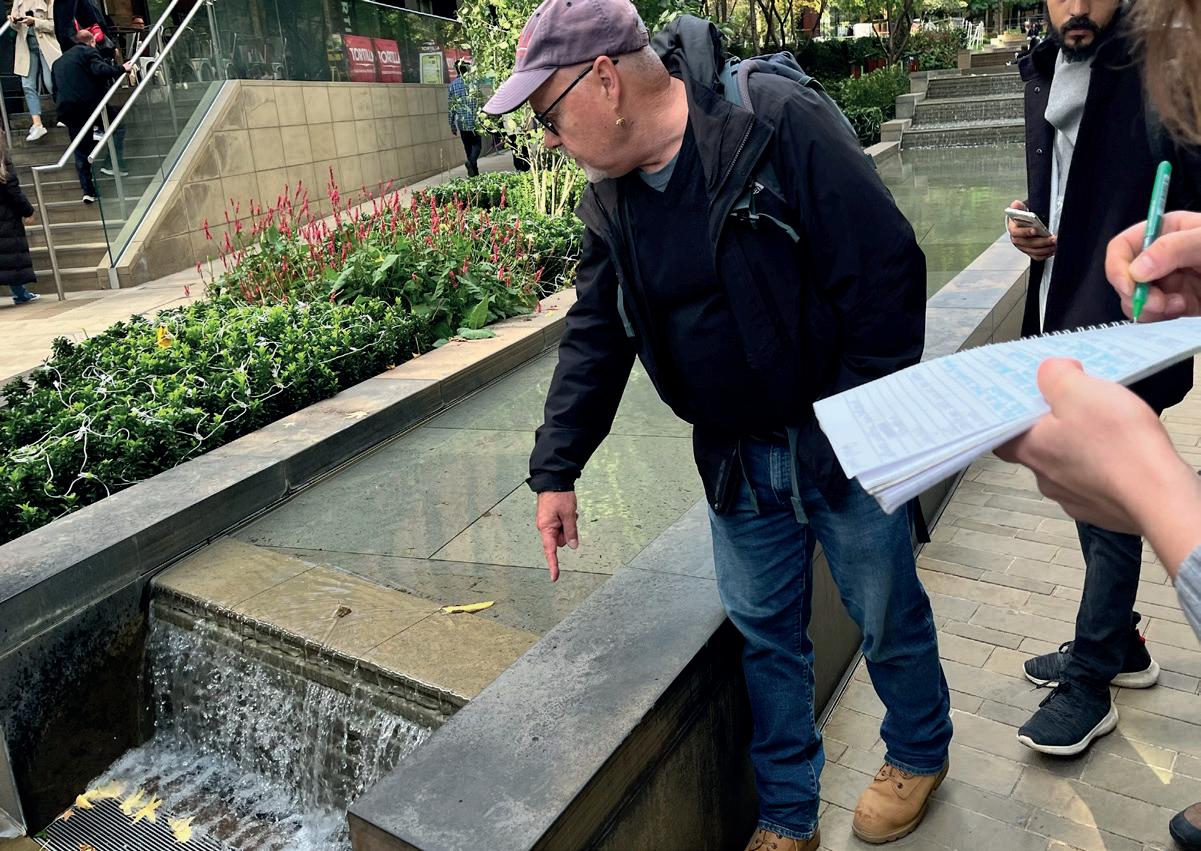
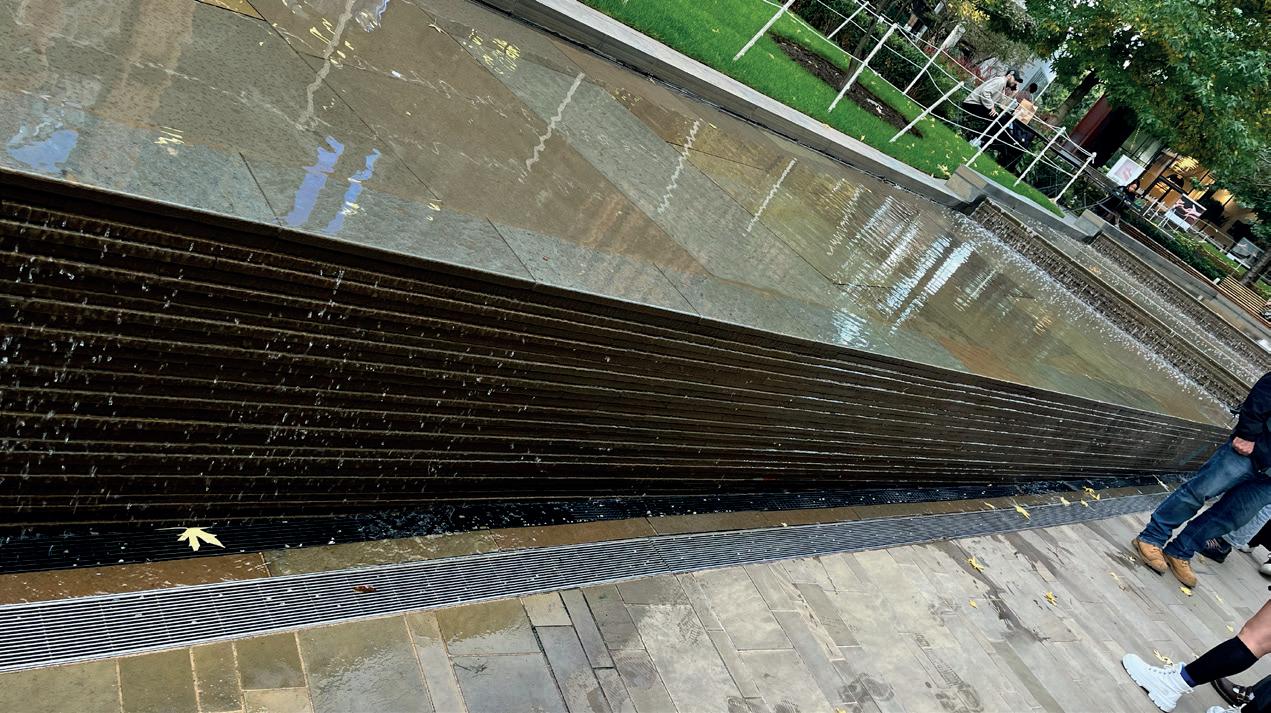
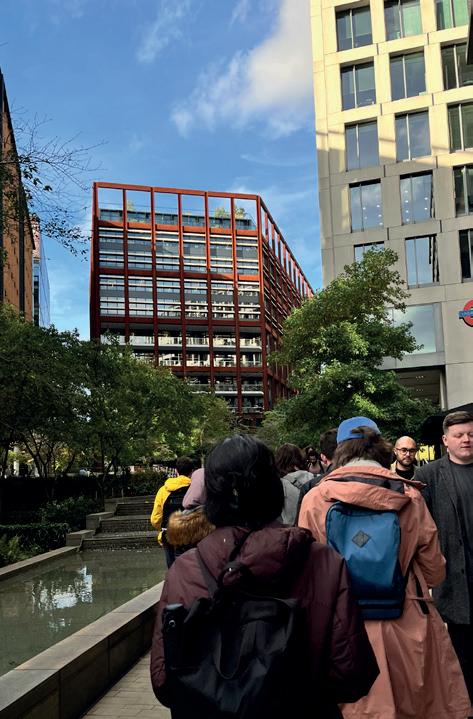

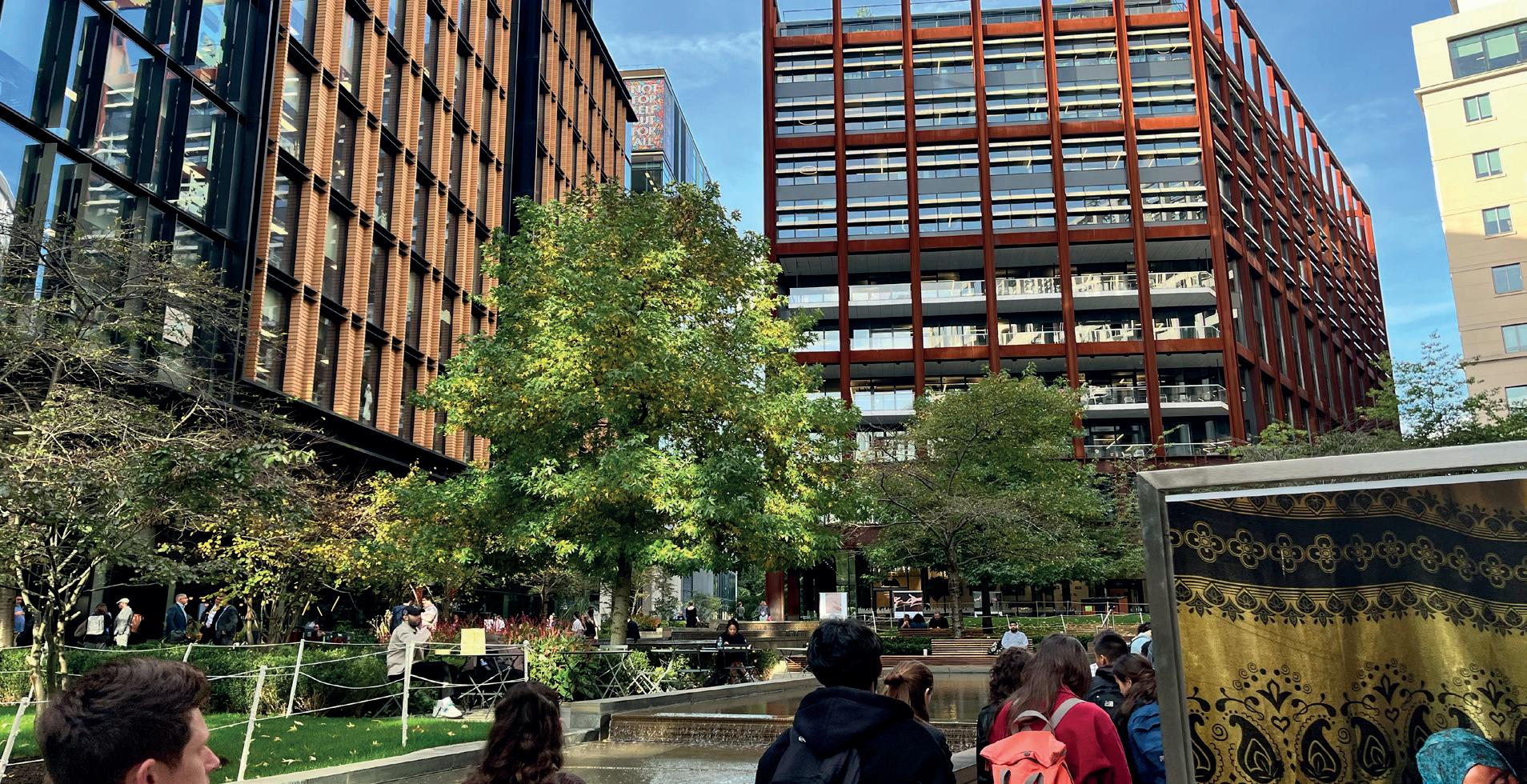
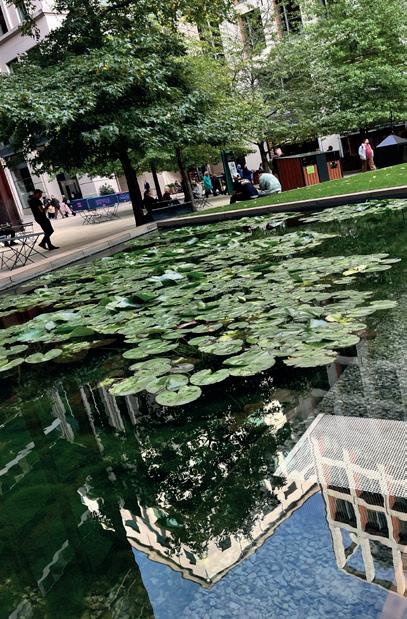
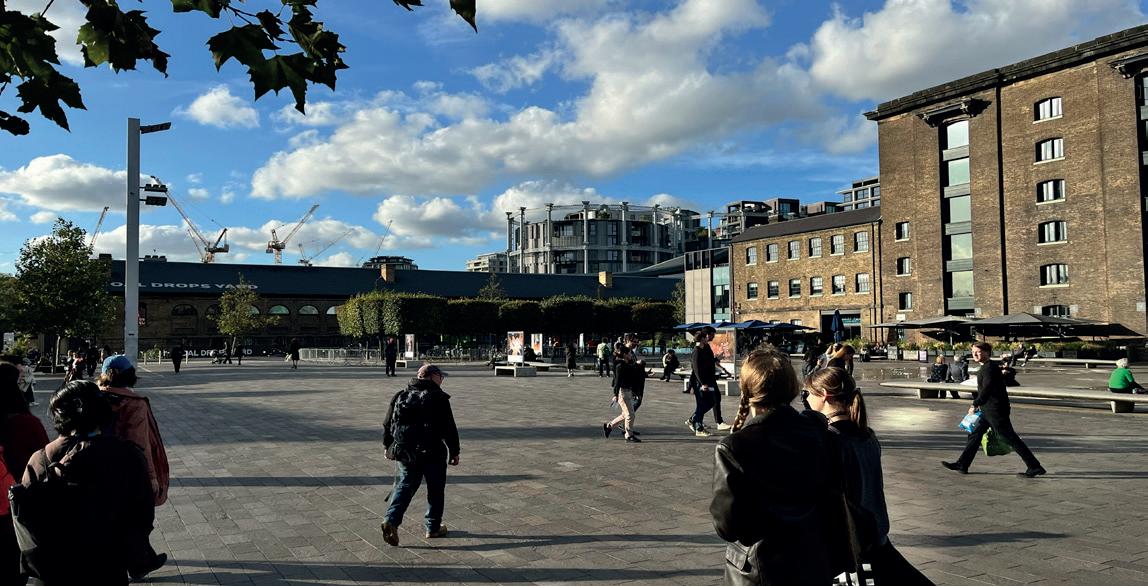
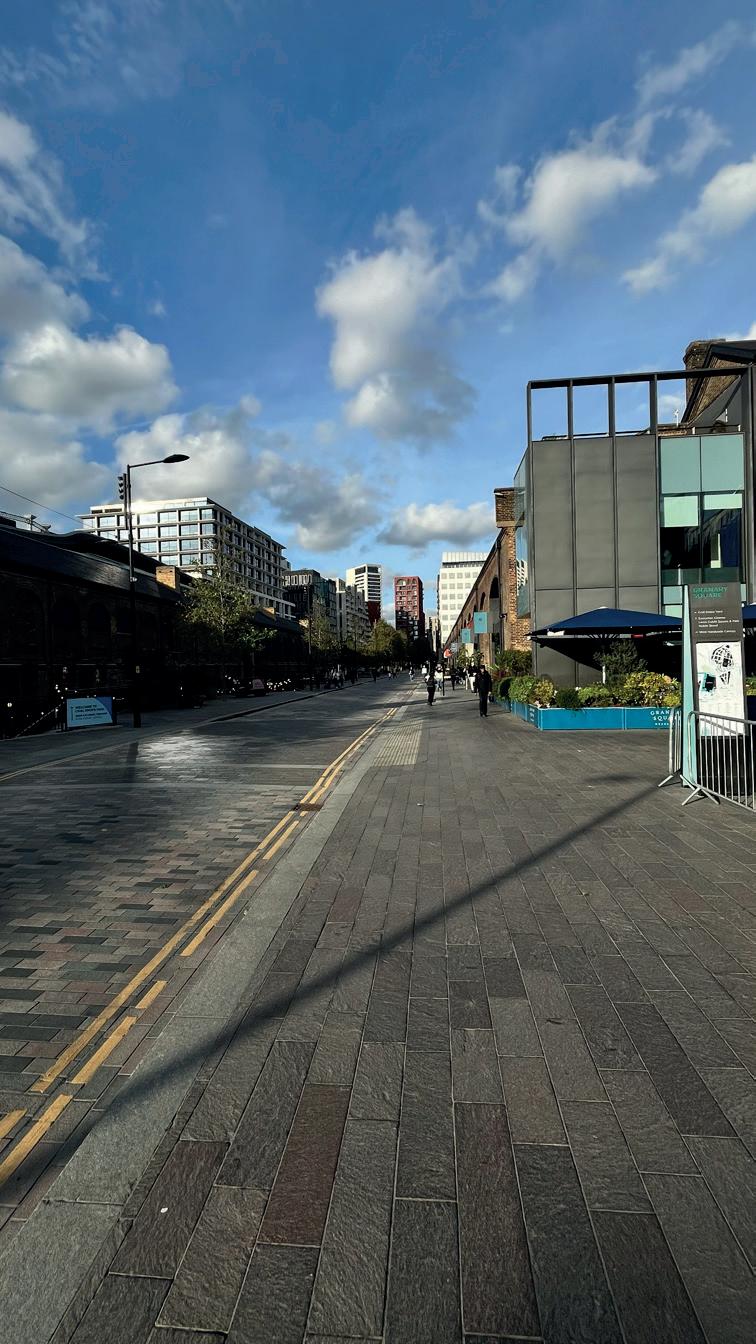
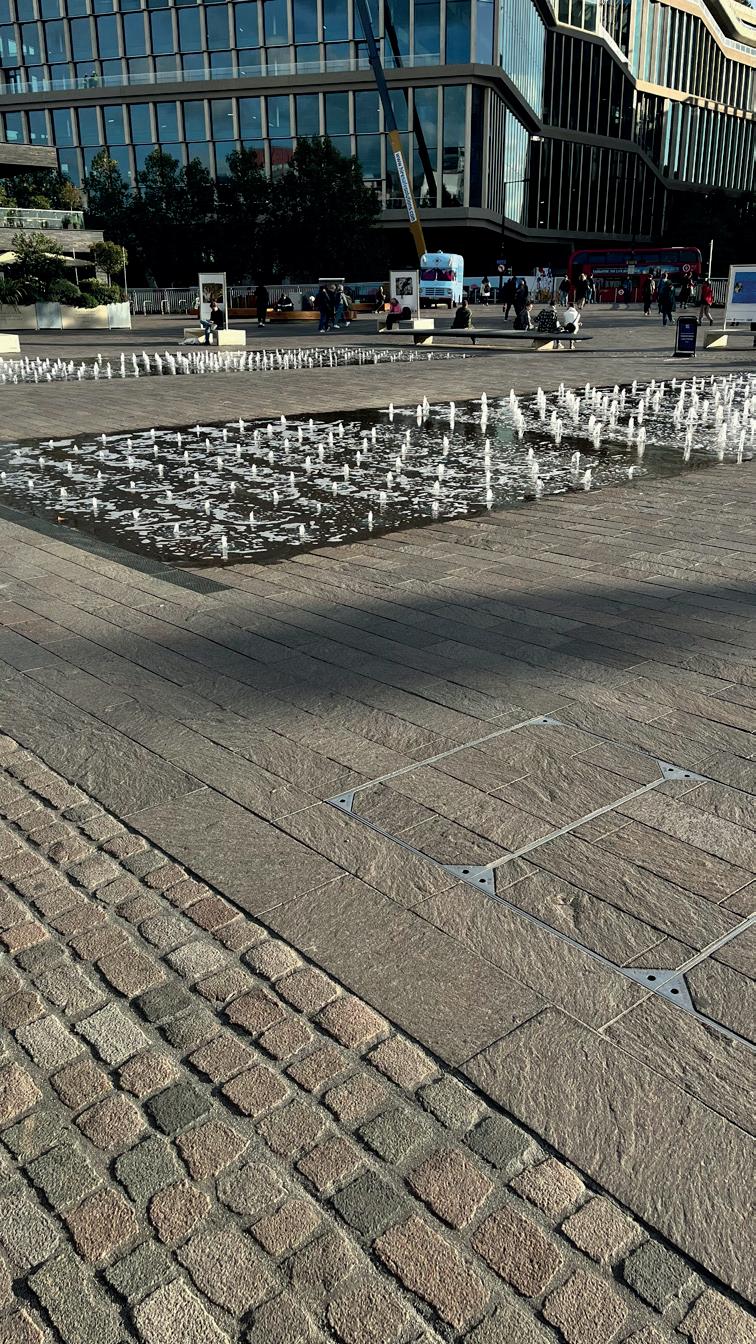
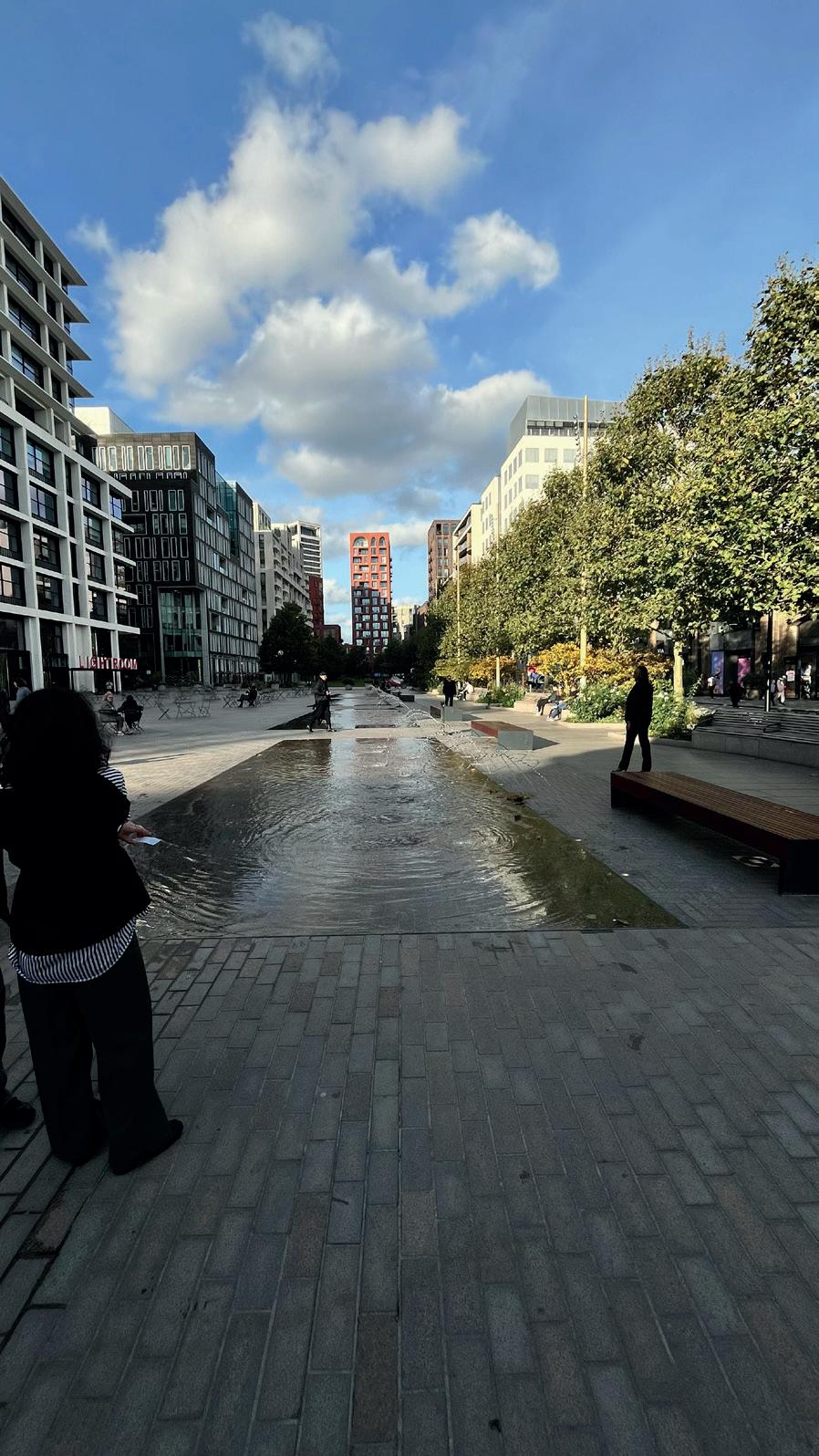

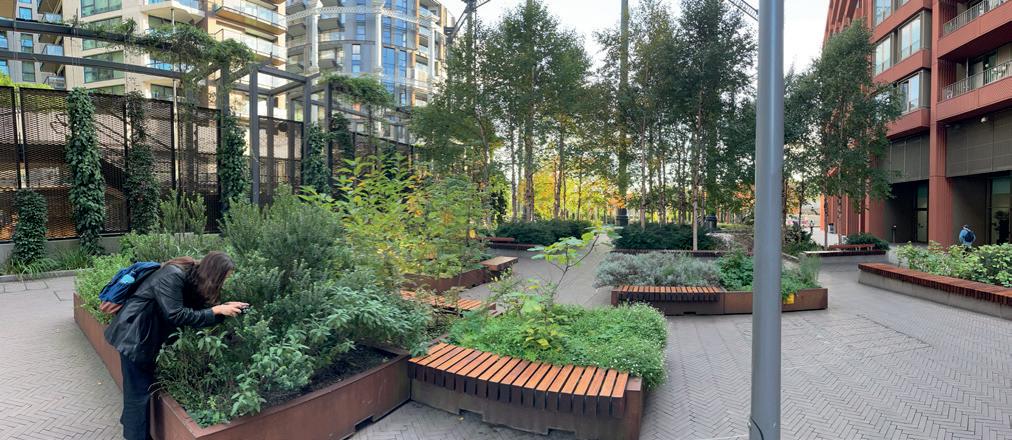
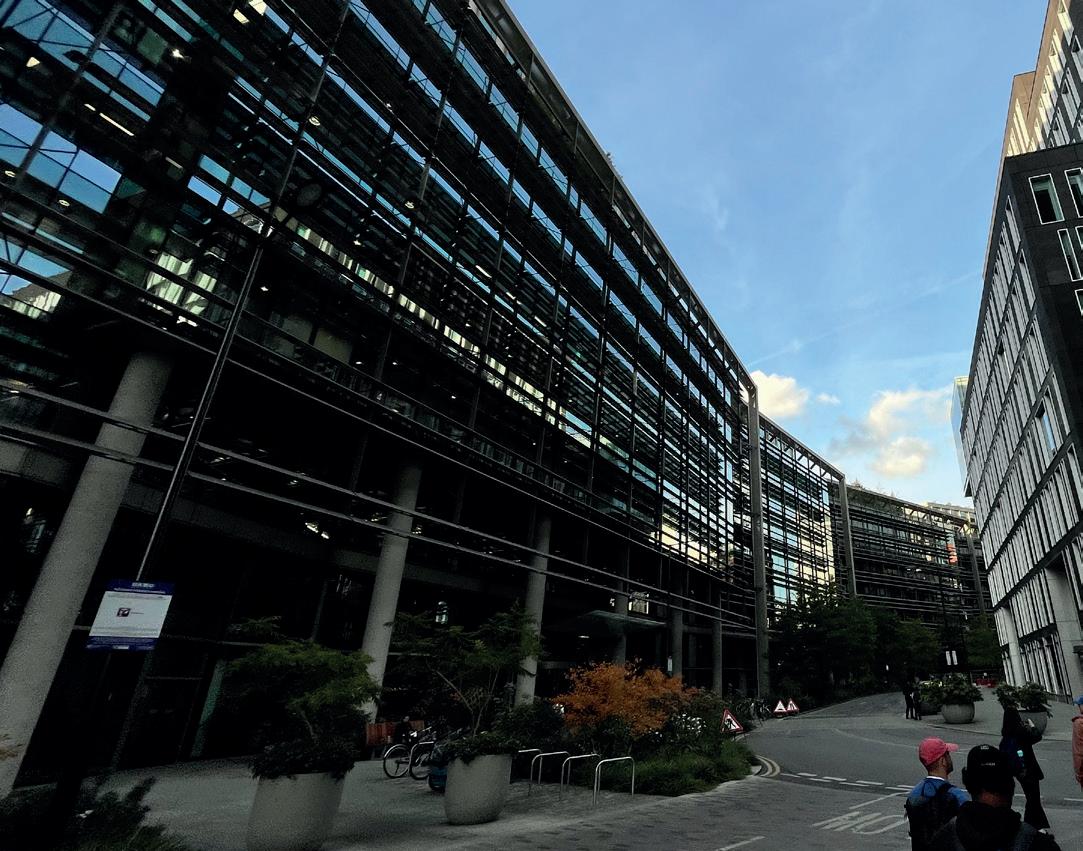
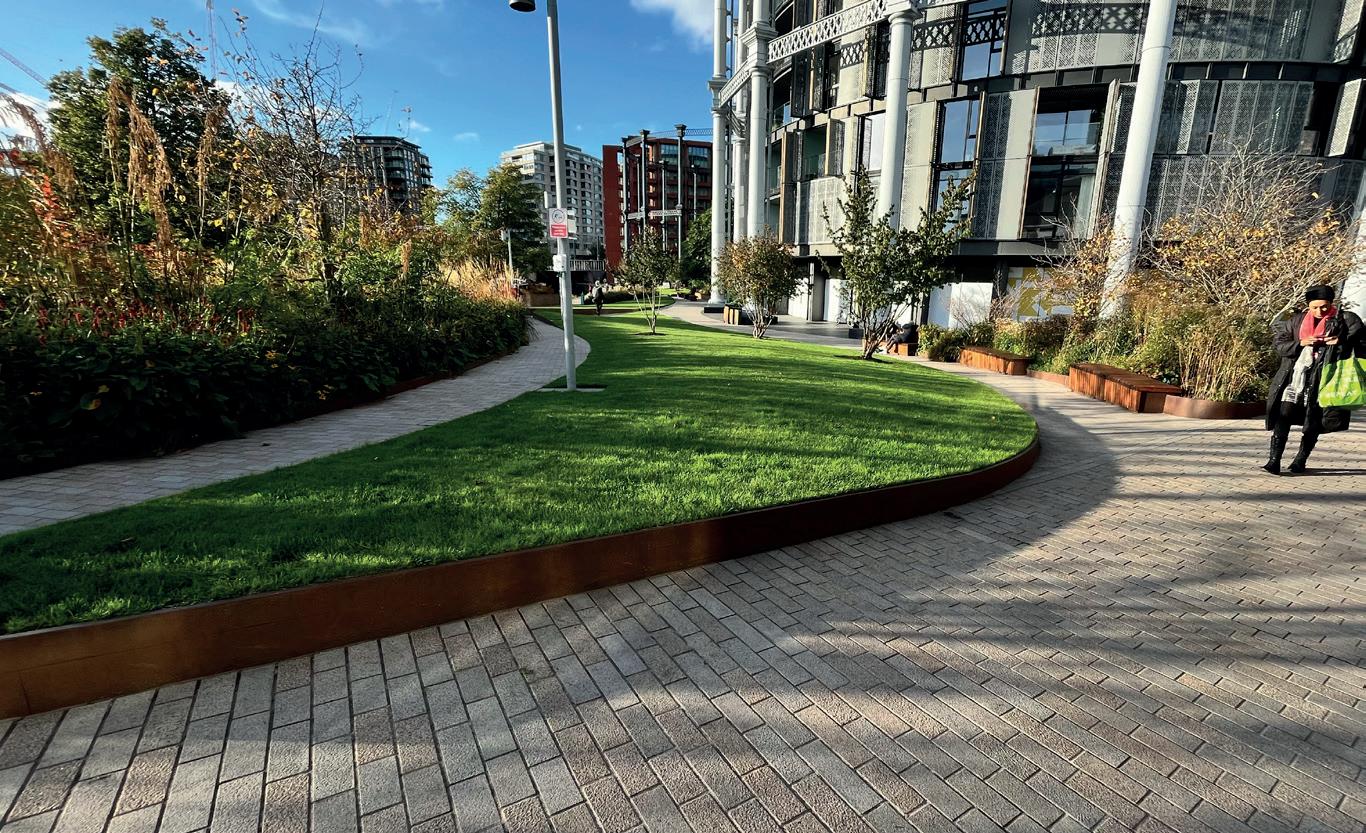
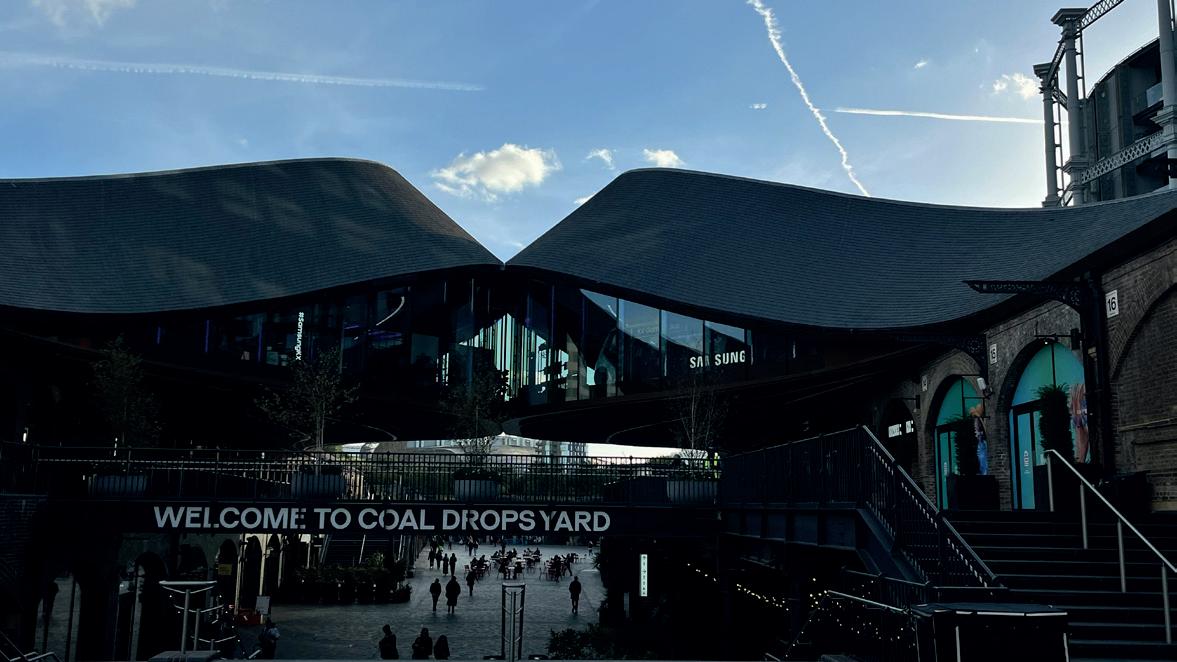
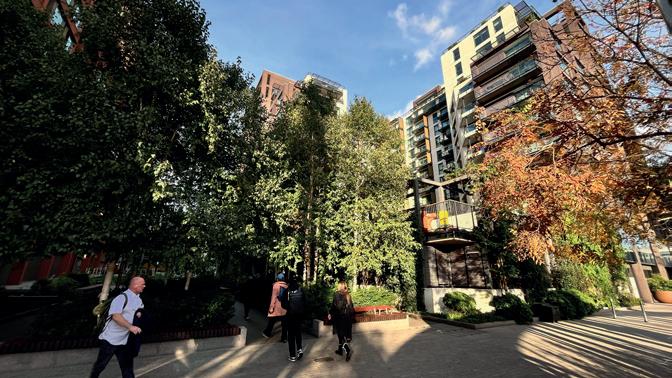
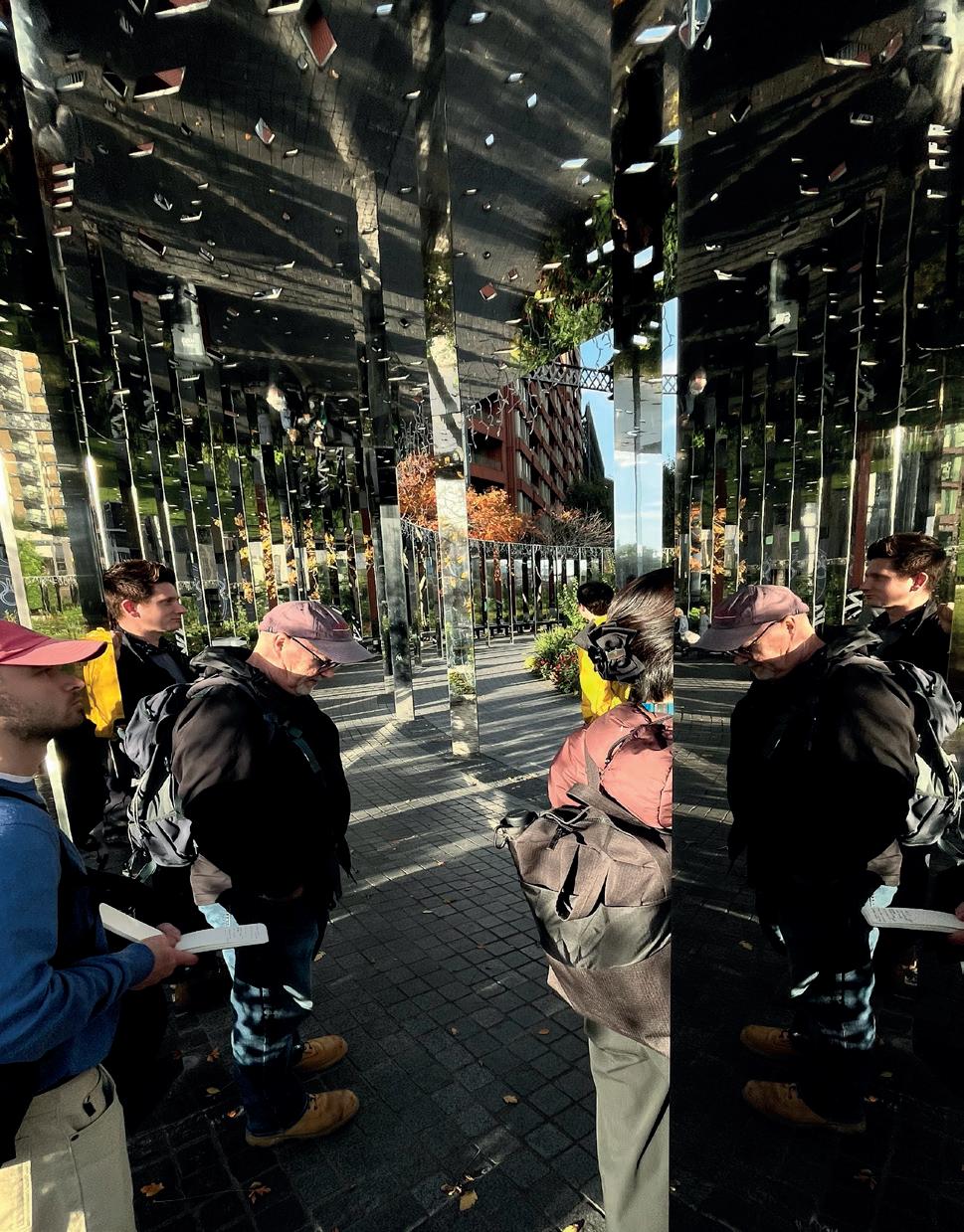
Summary. Miss Line. A walk around King Cross was a learning opportunity, not only a leisure one. We saw how important urban design is and how paving can be both functional and nice looking. Duncan observations on the several varieties of paving stones and their uses were specially eye opening.

Theme: Innovations in Paving Design and Kerb Technology
Driven by the need for durability, sustainability, and aesthetic appeal, paving and kerb design have changed greatly over time. Emphasising their contribution to functionality and safety, the seminar underlined the need for these aspects in urban and rural settings.
Paving Designs: Functional and Aesthetic Harmony
Visually attractive and functional paved areas are created by pacing designs. The seminar covered the need to select the correct materials and designs to guarantee durability
and simple upkeep. Emphasis was placed on using premium aggregates and creative binding methods to produce aesthetically beautiful and durable surfaces.
Kerbs: Road Design’s Unsung Heroes
Kerbs help to define road limits and guarantee pedestrian safety. Emphasising their conformity with safety rules and environmental criteria, the seminar addressed the most recent British Standard kerbs and edging solutions. Discussed to prevent soil movement and guarantee stability were geotextile membranes and appropriate sub-base preparation
of asphalt: durability and adaptability
From roads to sports areas, asphalt is still a flexible material for many uses. The seminar offered analysis of the several kinds of asphalt mixes and their appropriateness for different tasks. Proper compaction and drainage issues were stressed as they would help the surface to last.
Paving with sustainable methods
The seminar also covered the need of sustainability in paving initiatives. Discussed to minimise environmental effect and properly control water runoff were recycled materials and permeable surfaces. A main trend in contemporary paving design was underlined as the use of SuDS (Sustainable Drainage Systems).
The seminar offered insightful analysis of the most recent developments in asphalt applications, kerbs, and pacing designs. These developments help to produce functional and visually attractive environments by emphasising durability, sustainability, and aesthetic appeal. It is crucial to remain updated on the best practices and materials available to guarantee the success of our projects as we change our building methods.
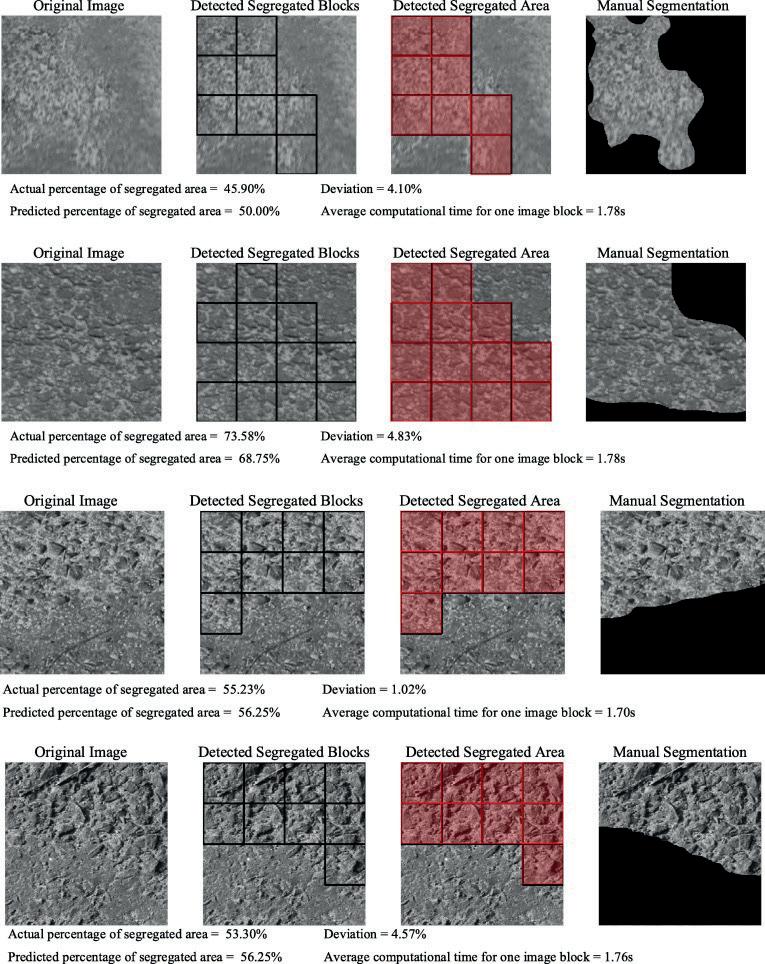
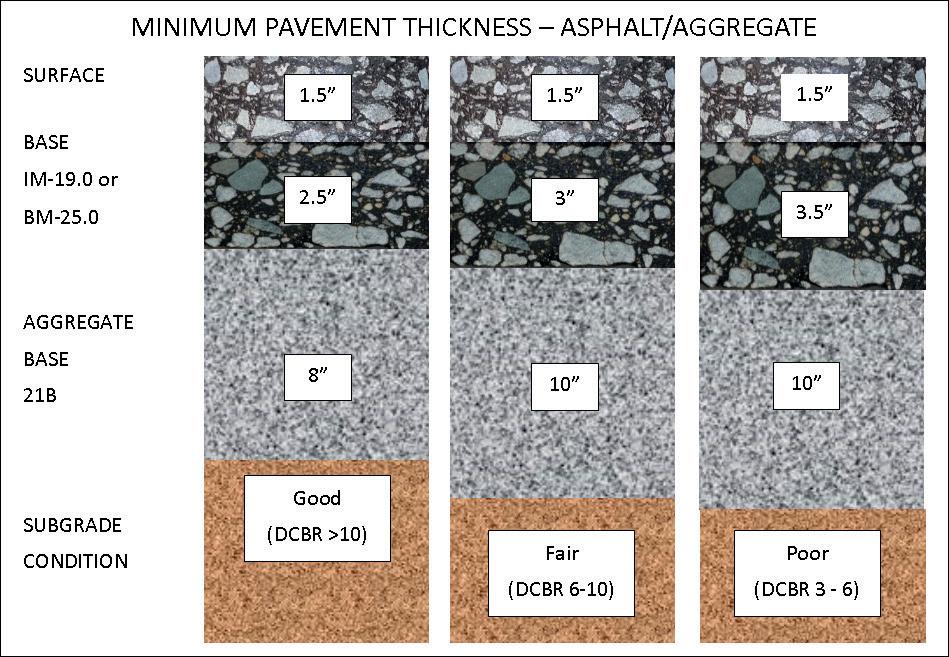
This blog post discusses reinforcement and structural solutions in modern buildings, including strengthening concrete products and structural glass balustrades. Reinforcing concrete is crucial for building strength and lifetime, and solutions include bar and fabric products, spacers, slab products, formwork, weldmesh, and gabions. Retaining walls are essential for supporting excavations and stopping soil erosion, and proper supervision and material choice are crucial. Contiguous and secant piled walls are sophisticated solutions for holding excavation sides, with bottom-up construction being a methodical approach. Secant Pile Walls offer structural support and water resistance.
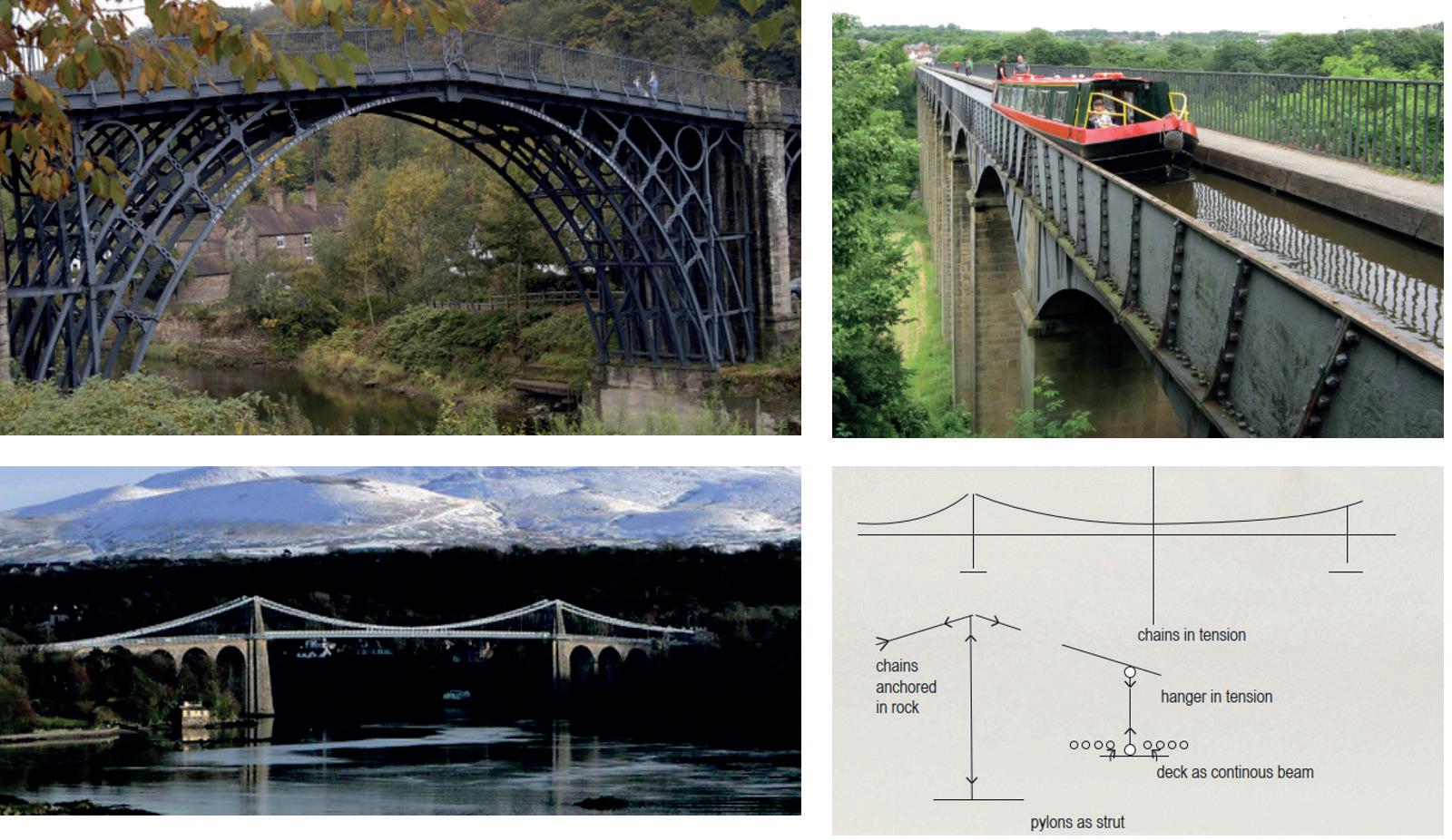
What is a Structure: It is the load bearing component of all natural and man-made shapes. It is the component allowing them to stand under their own weight and in the most adverse circumstances of externally imposed force.
The Structural Engineer: A designer in the framework is someone who imagines a structural component or system that works well, is incorporated properly into the whole design, and is suitable for its goal in terms of material and shape.
Design,Construction,Conversion,Conservation and Repairing are the core special bakground of a structural engineer with a diverse application on Bridges, Tunnels, Buildings, and Temporary structures

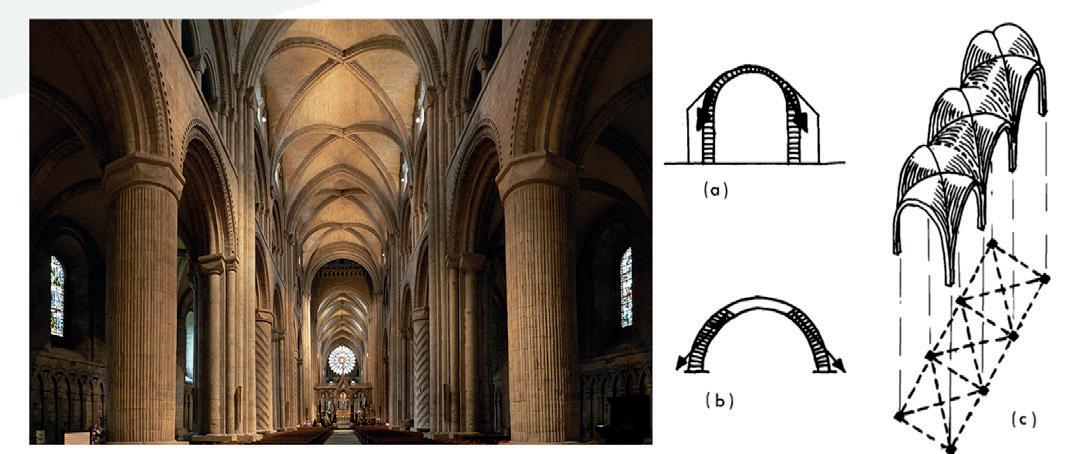
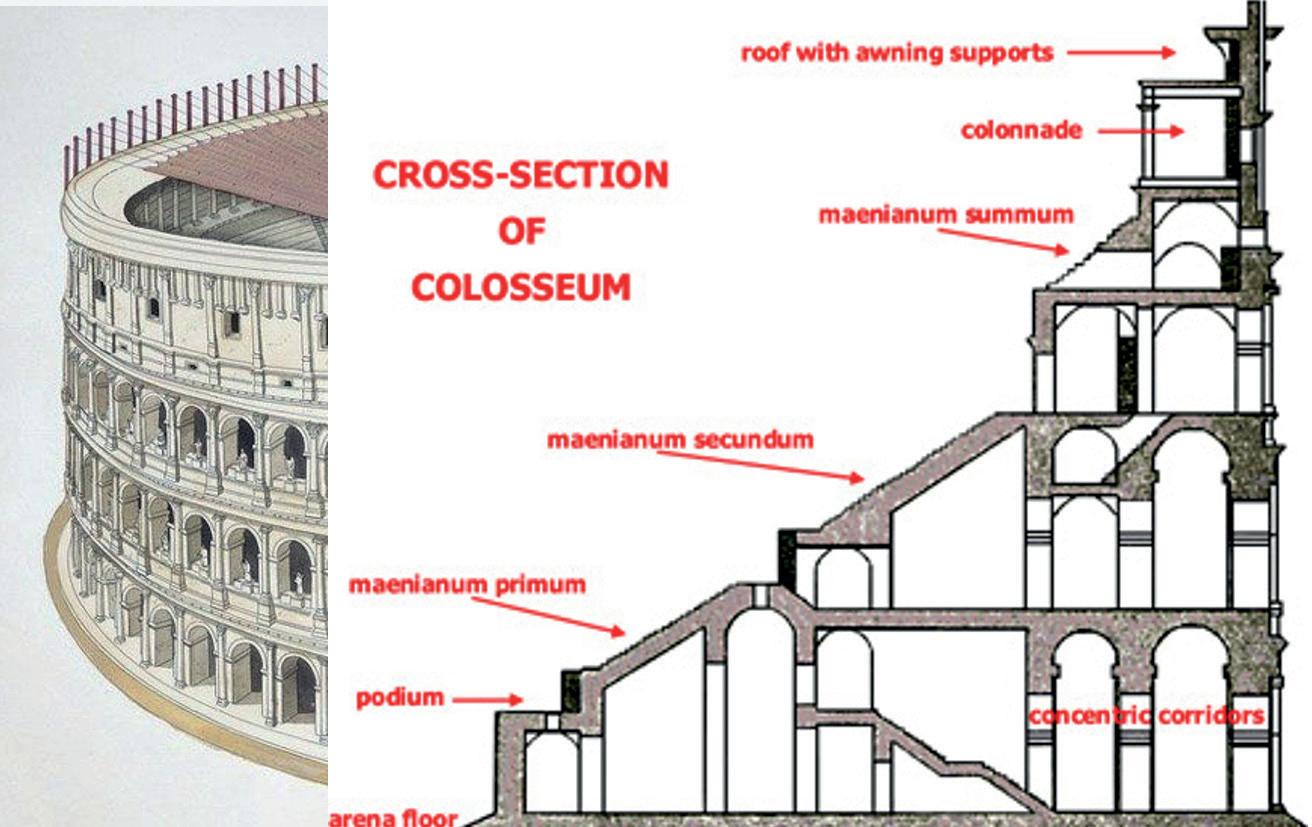
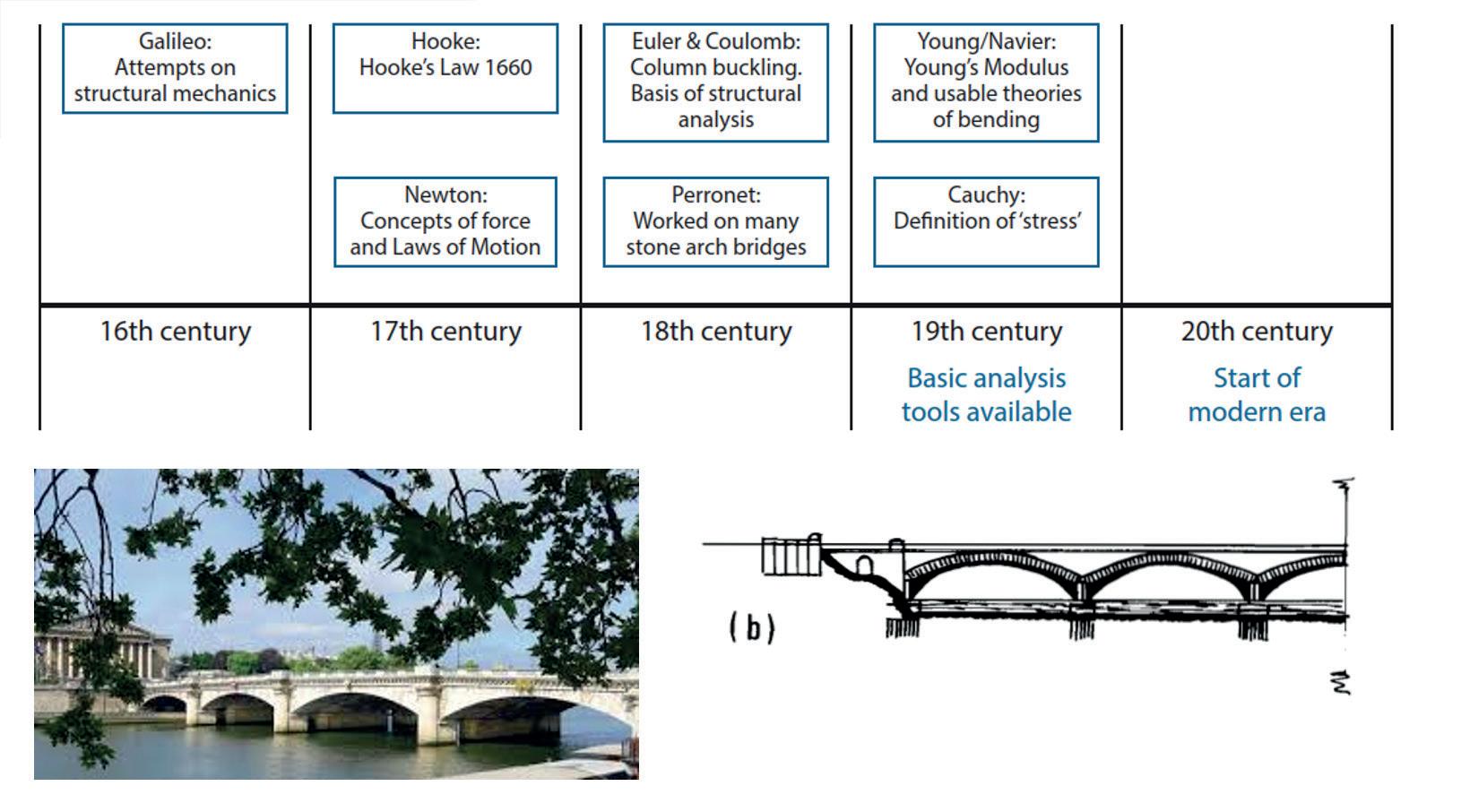

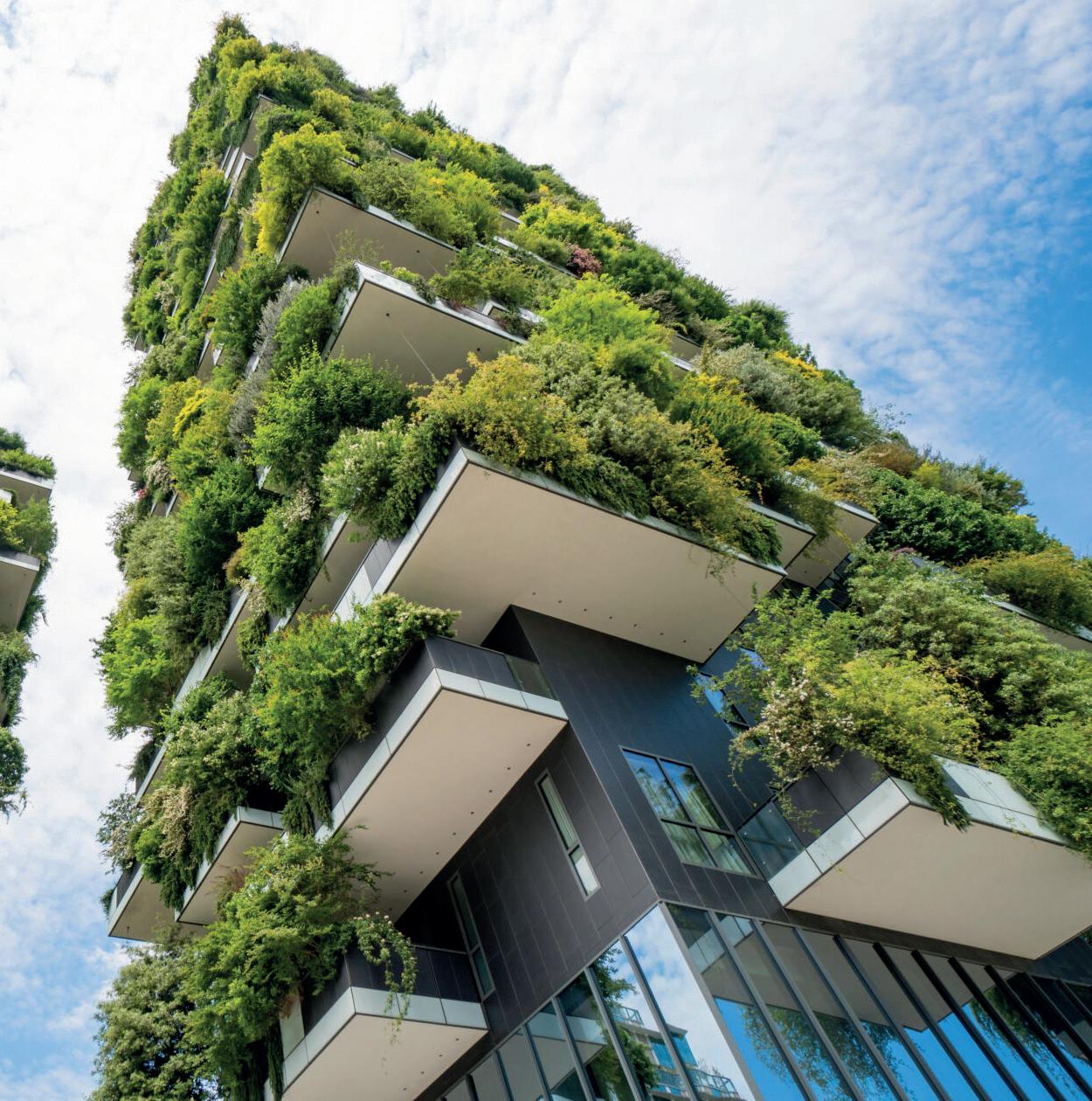
Hello! Should you wish to increase sustainability in the building, you have come to the correct location. Today, we will discuss embodied carbon, how to quantify it, the design life of materials, and the importance of maintenance for sustainability. Let’s begin!
Embodied carbon is?
Picture yourself constructing a home. You might assume the energy running it is what mostly causes the carbon footprint, correct? Another important component is the carbon produced during the manufacture and transportation of the materials used to construct it. This is referred to as embodied carbon. It’s significant since it might make up a sizable part of the whole carbon footprint of a structure.
Measuring embodied carbon lets us see how the materials we use affect the environment. Knowing the carbon footprint of various materials helps us to be more informed. Choosing materials with greater recycled content, for instance, can greatly lower the embodied carbon. Knowing the carbon footprint of various materials helps us to create buildings that are not only practical but also more environmentally friendly.
The design life of a material is the length of time it is supposed to last in its intended application. For instance, some kinds of wood might need replacement sooner while a well-made concrete building can last for decades. Selecting materials with a longer design life helps to lower the need for replacements, thus lowering the general carbon footprint over time.
Choosing materials with a longer design life helps us to lower the replacement rate. This results in less material manufacture, less transportation, and finally less embodied carbon. It’s a straightforward yet powerful approach to increase the sustainability of our structures.
Often neglected, maintenance is absolutely essential for sustainability. Regular maintenance helps to prolong the life of buildings and materials, therefore lessening the need for replacements. For instance, well-kept steel structures can survive far longer than those ignored. Maintaining our buildings in good shape helps to lower the whole environmental effect.
Check Often: Regular inspections can identify problems early and stop little ones from growing into major ones.
Choose materials that are known for their durability and resistance to wear and tear. Select materials recognised for their longevity and wear and tear resistance.
Design structures with upkeep in mind. Design essential parts so they are simple to reach and keep.
Practical Illustrations
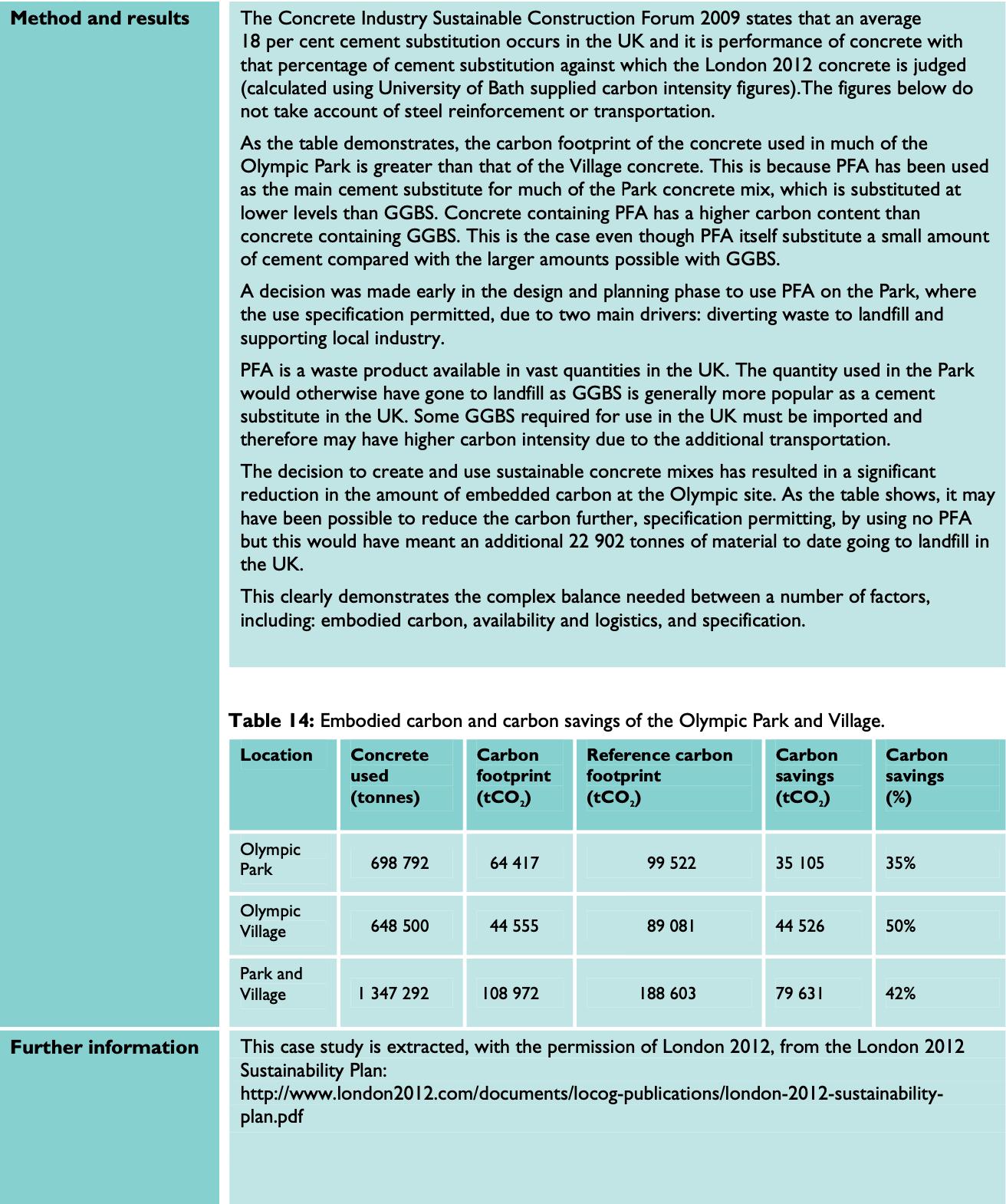
The Olympic Delivery Authority intended to use 20% of building materials from recycled or reused sources for the London 2012 Olympics. Working with concrete manufacturers, they created low-carbon mixes that lowered embodied carbon by 42%. This initiative cut almost 80,000 tonnes of carbon emissions.
Due to their strength, adaptability, and visual appeal, bricks and blocks are vital components in the building sector. Drawing from the Vandersanden RIBA CPD Seminar on Brick Basics, this blog post will summarise the fundamentals of bricks and blocks. Knowing these basics can help you make wise decisions for your projects, whether you’re a professional in the construction industry, a do-it-yourself enthusiast, or a student.
The fact that clay bricks are non-flammable is one of their biggest benefits. Clay bricks have exceptional fire resistance and are categorised as A1 in the European fire safety classification system (BS EN 13501-1:2018). This classification is especially crucial given events like the 2017 Grenfell Tower fire, which resulted in major modifications to fire safety regulations. It is advised to review the RIBA’s safety resources for the most recent information.
In addition to being long-lasting, clay bricks are also eco-friendly. There is less need for additional quarrying because clay, the main raw material, is frequently
obtained as a byproduct of earth-moving operations. To reduce their impact on the environment, manufacturers also use heat recovery methods and collect rainwater. Numerous brick producers have earned ISO 14001 certification, which guarantees that strict environmental guidelines are followed.
Effective bricklaying requires an understanding of mortar joints. Beds, head or perpend joints, and bed joints are common terms. Aesthetic appeal and structural integrity are guaranteed by proper joint construction.
Specific freeze-thaw durability (F2) and active soluble salt content (S2) requirements should be met by bricks used below the damp-proof course level. For these applications, choosing the right joint profile, mortar mixture, and brick specifications is crucial.
The significance of fully or partially filled cavity wall insulation with a minimum of 50mm of air space behind the outer leaf of bricks was underlined during the seminar. For water resistance and energy efficiency, wall ties and insulation placement are essential.
For effective construction, brick dimensions and mortar joint sizes must be precisely planned. To coordinate brick sizes while taking various conditions like openings, panels, and piers into account, the seminar offered comprehensive tables.
Different joint profiles have different advantages. Bucket handles, weather-struck, flush, and recessed joints were among the types discussed in the seminar; each is appropriate for a particular application and exposure.
Anyone working in construction needs to know the fundamentals of bricks and blocks. These principles, which range from sustainability and fire safety to appropriate building methods and health and safety considerations, guarantee that your projects are long-lasting and ecologically responsible. Consult subject-matter specialists for more in-depth details or technical guidance.



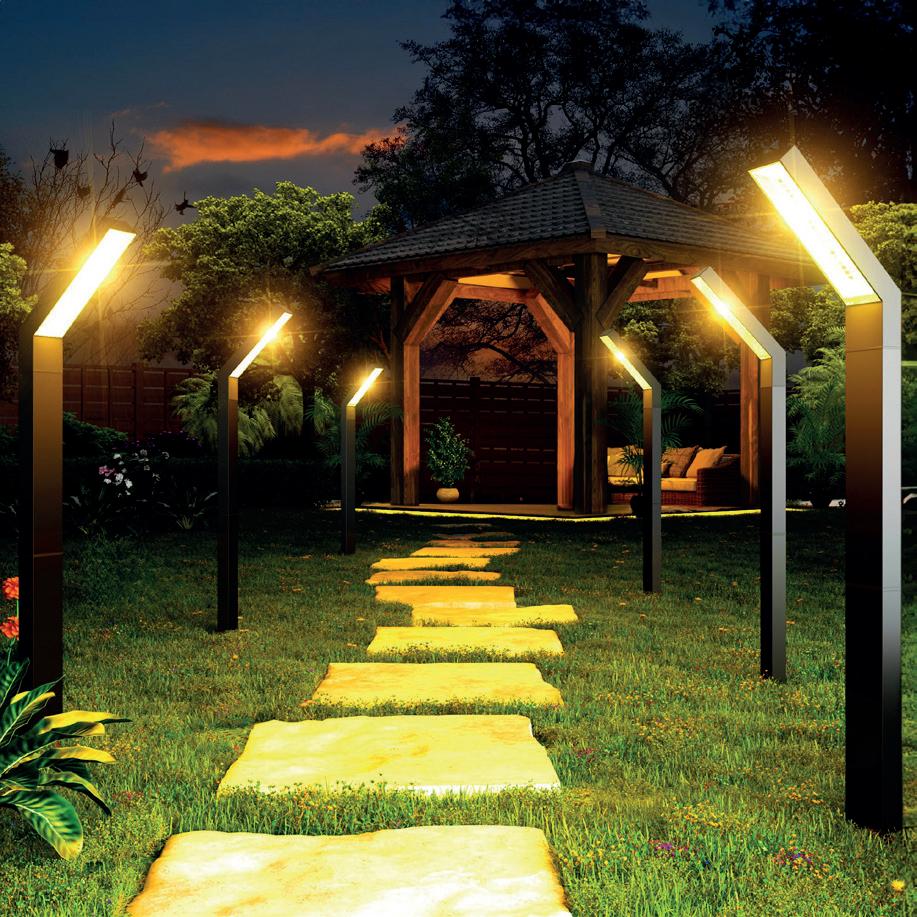
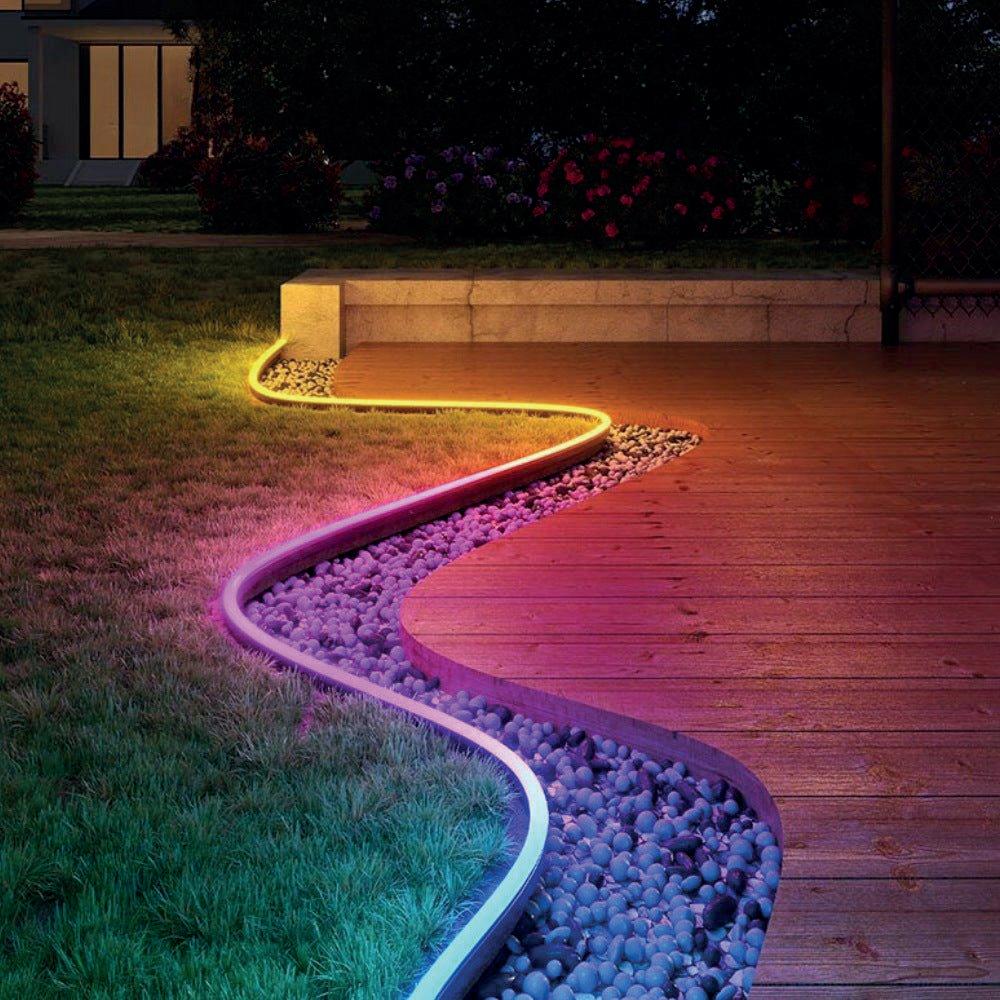
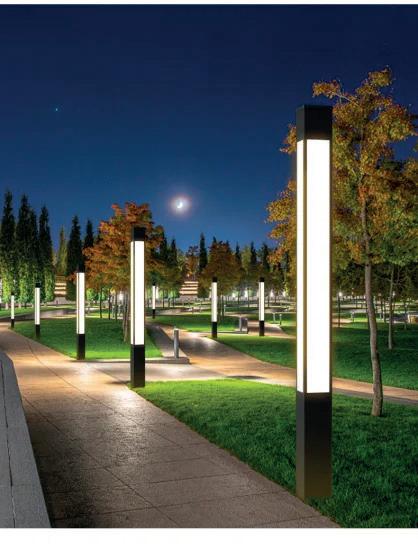
After dark, landscape lighting, an intriguing fusion of engineering and art, turns outdoor areas into enthralling settings. I recently went to a seminar called “Landscape Lighting Fundamentals,” held at Greenwich University, which gave me a thorough rundown of the concepts, methods, and case studies in this area. The main conclusions from the session are outlined here.
Inspired by Vitruvius’s architectural principles of Firmitas (solidity), Utilitas (usefulness), and Venustas (beauty),
the seminar started off by examining the basic values of landscape lighting. These ideas were incorporated into contemporary lighting design, highlighting how crucial it is to create outdoor areas that are aesthetically beautiful, long-lasting, and functional.
The seminar covered several case studies that demonstrated creative and conscientious lighting solutions. Lighting was used to highlight architectural features and add to the lively atmosphere at the **Original Seven Dials Market**. The **Responsible Yellow Pavilion** was another case study that showed how lighting can be both aesthetically
pleasing and sustainable.
Lighting design pioneer Richard Kelly was recognised for his contributions to the field. We went into detail about his Ambient Luminescence, Focal Glow, and Play of brilliant tenets. The development of dynamic and well-balanced lighting schemes that improve the user experience is guided by these principles.
The technical facets of landscape lighting, including the difficulties presented by outdoor settings, were also discussed in the seminar. Along with solutions like IP ratings for protection against dust and water and IK ratings for impact resistance, factors like daylight variation, weather conditions, and light pollution were discussed.
Real-World Uses
Through case studies, several real-world applications were investigated. For example, Bolsover Street demonstrated how carefully chosen lighting for plants and sculptures can improve urban landscapes. Lighting can create a calm and welcoming ambience in hospitality settings, as the Regent Hotel Italian Garden showed.
Beyond simply illuminating buildings and walkways, landscape lighting aims to create experiences and enhance the aesthetics of outdoor areas. The Greenwich University seminar offered insightful information about the fundamentals, methods, and real-world uses of landscape lighting. The correct lighting can make all the difference in the design of a busy market or a peaceful garden.
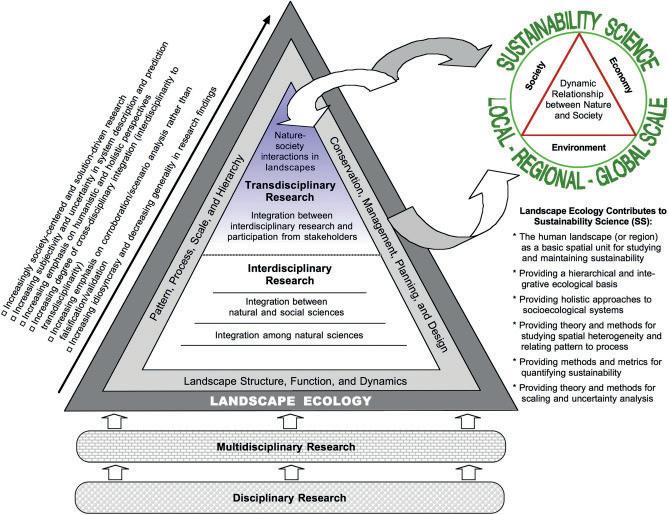
The study of the interaction between living things and their surroundings is known as landscape ecology, and it is an exciting field. It creates biodiverse and sustainable environments by fusing ecology and landscape architecture. We’ll discuss important ideas like ecology, ecosystems, biodiversity net gain (BNG), and nature conservation in this blog. We’ll also talk about how these concepts are used in practical projects. Let’s get started!
Ecology is the study of interactions between living things and their surroundings. It examines the interactions and mutual effects between plants, animals, and their environments. A forest ecosystem, for instance, consists of soil, water, insects, animals, and trees. We can preserve and restore natural habitats by being aware of these interactions
Ecologists: Who Are They?
A scientist who focuses on ecology is called an ecologist. They study the interactions between various species and ecosystems. Ecologists may research how a forest is impacted by climate change or how a specific plant sustains an insect community. Their efforts are essential to comprehending and preserving our natural environment.
Ecosystem: What is it?
A community of living things (plants, animals, and microbes) interacting with their natural surroundings (soil, water, and air) is called an ecosystem. Consider a pond, where fish, plants, insects, and even microorganisms all cooperate. Ecosystems can range in size from a backyard garden to an entire forest or ocean.
Ecosystem Services: What Are They?
The advantages that nature offers to people are known as ecosystem services. These consist of:
Offering services: raw materials, water, and food.
Water purification, flood control, and climate regulation are examples of regulating services.
Cultural services: Spiritual ties and leisure activities. Pollination, nutrient cycling, and soil formation are examples of supporting services.
NOTE: Our survival and general well-being depend on these services.
The practice of preserving natural habitats and the species that inhabit them is known as nature conser-
vation. It entails initiatives to protect biodiversity, repair harmed ecosystems, and practise sustainable resource management. The goal of conservationists is to guarantee that future generations can reap the rewards of a healthy planet. Nature Recovery Principles
Enhancing biodiversity and repairing harmed ecosystems are the main goals of nature recovery. Among the fundamental ideas are:
Restoration: Restoring habitats that have been destroyed or deteriorated.
Enhancing current habitats to accommodate additional species is known as ‘enhancement’.
Establishing pathways that permit species to migrate between habitats is known as “connectivity.”
Enhancing ecosystems’ ability to withstand shocks like climate change is known as resilience.
Efforts to restore the health of nature are guided by these principles.
Designing Landscapes with an Ecological Focus Planning and designing landscapes using ecological principles is known as ecologically led landscape design. This strategy guarantees that recent advancements promote ecosystem services and biodiversity. For instance, a park may be planned with wetlands to control stormwater or native plants to draw pollinators.
Actions that preserve, manage, and rebuild natural ecosystems sustainably are known as nature-based solutions. They tackle social issues like water management, food security, and climate change. Nature-based solutions include, for instance, establishing rain gardens to control stormwater runoff or utilising green roofs to cool cities.
An approach known as “nature-based design” imitates natural patterns and processes in environments that are created by humans. It seeks to design areas that are both environmentally friendly and useful. To lessen its impact on the environment, a building might, for instance, be made to blend in with its surroundings or use natural materials.
According to the BNG policy, development initiatives must increase biodiversity in a quantifiable way. By creating or improving habitats, developers must raise the value of biodiversity by at least 10%. This strategy guarantees that development not only doesn’t damage the environment but also makes a beneficial contribution to it.

To create sustainable environments that benefit both people and wildlife, landscape ecology is crucial. We can preserve biodiversity and improve ecosystem services by incorporating ecological principles into landscape planning and design. The importance of this field is further highlighted by the introduction of policies such as BNG. Landscape ecology provides useful answers for a healthier planet as we confront global environmental issues.
We covered the important subject of plant selection and specification in my most recent class seminar, with an emphasis on the difficulties and industry best practices in landscaping. The impact of pests like the Oak Processionary Moth (OPM), the advantages of using plants grown in the UK, and the effects of Brexit on plant imports were just a few of the topics discussed at the seminar. This is a thorough report of our conversation.
The National Plant Specification: A Manual for Optimal Procedures
An introduction to the National Plant Specification, a thorough manual updated in 1995, kicked off the seminar. Important instructions for managing and establishing plants on a commercial scale are provided in this document. Important points were as follows:
To prevent damage, it is important to handle and store plants with care, paying particular attention to their roots.
To prevent problems like root drying, which is a common cause of plant failure, it is important to emphasise the importance of healthy plants and proper care. Despite their higher price, container-grown plants are dependable and can be planted at any time of year.
The Crisis of the Oak Processionary Moth
The Oak Processionary Moth (OPM), a pest that severely damages oak trees, was the subject of much of the seminar. OPM cases have skyrocketed in the UK, especially on imported oak trees. Important points were as follows:
Government Regulations: Imported oaks must be from registered nurseries and have phytosanitary certificates.
Import Restrictions**: Only small oaks with a girth size of less than 8 cm can be lawfully imported, as many UK nurseries have prohibited the importation of oaks.
Due to a limited supply, there is a shortage of oak trees, which has increased prices.
The Advantages of Plants Grown in the UK
The significance of using plants grown in the UK was underlined at the seminar, particularly because of the OPM crisis. Important points were as follows:
Biosecurity: Because UK nurseries have more stringent biosecurity regulations, they provide a safer
alternative.
Selecting plants grown in the UK contributes to the local economy and lowers the carbon footprint associated with imports.
Plant Health Certification Scheme (PHCS): Ensuring nurseries follow strict guidelines for managing plant health.
The UK will no longer be a member of the EU single market as of January 1, 2021, and new rules mandate phy tosanitary certificates for all imported plants.
Increased Costs and Time: Importers must finance a holding account to cover import duties and VAT, as well
as register with the Animal and Plant Health Agency (APHA).
Impact on Landscapers: Many landscapers are considering using only plants grown in the United Kingdom due to the increased complexity and expenses.
The Tidal Thames: An Unusual Environment
The special species and habitats of the Tidal Thames region were also discussed in the seminar. Important points were as follows:
The river is home to a wide range of plant and animal life, from salt marshes to gravel foreshores. The river’s wetlands are essential for breeding and feeding several species, including the German hairy snail, redshank, avocet, and black-tailed godwit.
Conservation Importance: The importance of the region for the preservation of nature and the necessity of safeguarding these habitats.
Important insights into the difficulties and best practices in plant specification and selection were given by the seminar. It was emphasised how crucial it is to use plants cultivated in the UK, follow biosecurity protocols, and comprehend the effects of Brexit. We can support more sustainable and healthful landscaping techniques by adhering to these recommendations. These tips will assist you in making wise choices and preserving our natural environment, whether you work as a landscape designer, contractor, or gardener.
Source of Turf Grass: Amenity Seed, which is overplanted to ensure growth. Although it is inexpensive to grow and maintain, it offers non-ecological services like playing field surfaces and aesthetics. Turf grass requires regular watering and frequent mowing, but it grows in six months.
Types of Turf Grass: Fescue and Rye are common mown lawn grasses that provide a level, consistent surface. They are renowned for their robustness and capacity to tolerate high foot traffic.
Brown Principal Features of Bent Grass: Good for playing fields but requires a lot of upkeep. It is a dense, creeping grass that needs to be mowed and watered every day. It offers a lush, green playing surface despite its high maintenance requirements.
Advantages of White Clover, Rye, Paddocks, and Pasture for the Environment: These support a more sustainable and natural ecosystem by giving soil nitrogen and food for grazers. They also aid in enhancing soil structure and halting soil erosion.
Mixtures of Wildflowers
Benefits: Enhance the soil, create interest, and provide habitat. They are growing in popularity as a ground
cover and only need to be mowed two to three times a year. Although they may take three to five years to establish, wildflowers make a lovely, low-maintenance substitute for conventional lawns.
Wildflower Turf: For people who want the advantages of wildflowers without having to wait, this is a quick fix. Turf rolls are made of grass that has been cut and rolled after being grown on plantations.
Creating Grass Techniques: - Broadcasting: Hand or machine seeding, then raking and rolling. Contractors carry out box seeding. Industrial drilling is carried out.
Pre-seeded and arranged like turf rolls are seed mats. For uneven surfaces, hydroseeding works well. Scratching the seed into the ground is known as “notill seeding.”
Spot seeding is the process of filling in voids, frequently with sand.
Keeping the Grass Healthy 8. **Requirements**: mowing, weeding, and the proper, well-draining soil. Wildflowers can grow almost anywhere, but grass requires soil. Biodiversity will control pests. Regular maintenance is required to keep the grass under con-
trol because it can be invasive and crowd out other plants.
More details regarding the advantages of wildflower turf and grass establishment techniques are included in this updated summary, which should give a more thorough rundown of the subject.
**Source of Turf Grass: Amenity Seed, which is overplanted to ensure growth. Although it is inexpensive to grow and maintain, it offers non-ecological services like playing field surfaces and aesthetics. Turf grass requires regular watering and frequent mowing, but it grows in six months.
Types of Turf Grass: Fescue and Rye are common mown lawn grasses that provide a level, consistent surface. They are renowned for their robustness and capacity to tolerate high foot traffic.
Brown Principal Features of Bent Grass: Good for playing fields, but requires a lot of upkeep. It is a dense, creeping grass that needs to be mowed and watered every day. It offers a lush, green playing surface in spite of its high maintenance requirements.
Advantages of White Clover, Rye, Paddocks, and Pasture for the Environment: These support a more sustainable and natural ecosystem by giving soil nitrogen and food for graz-
ers. They also aid in enhancing soil structure and halting soil erosion.
Mixtures of Wildflowers
5. Benefits: Enhance the soil, create interest, and provide habitat. They are growing in popularity as a ground cover and only need to be mowed two to three times a year. Although they may take three to five years to establish, wildflowers make a lovely, low-maintenance substitute for conventional lawns.
6. Wildflower Turf**: For people who want the advantages of wildflowers without having to wait, this is a quick fix. Turf rolls are made of grass that has been cut and rolled after being grown on plantations.
Creating Grass 7. Techniques**: - Broadcasting: Hand or machine seeding, then raking and rolling. Contractors carry out box seeding. Industrial drilling is carried out.
Pre-seeded and arranged like turf rolls are seed mats. For uneven surfaces, hydroseeding works well. Scratching the seed into the ground is known as “no-till seeding.”
Spot seeding is the process of filling in voids, frequently with sand.
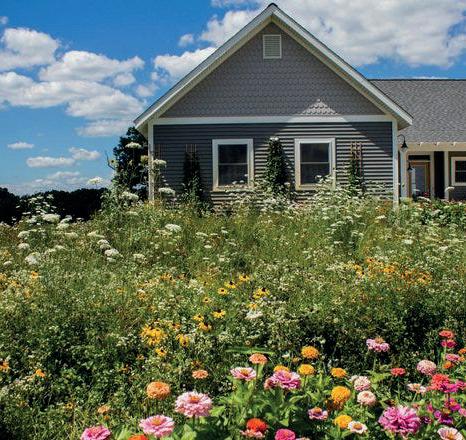
Keeping the Grass Healthy 8. **Requirements**: mowing, weeding, and the proper, well-draining soil. Wildflowers can grow almost anywhere, but grass requires soil. Biodiversity will control pests. Regular maintenance is required to keep the grass under control because it can be invasive and crowd out other plants.
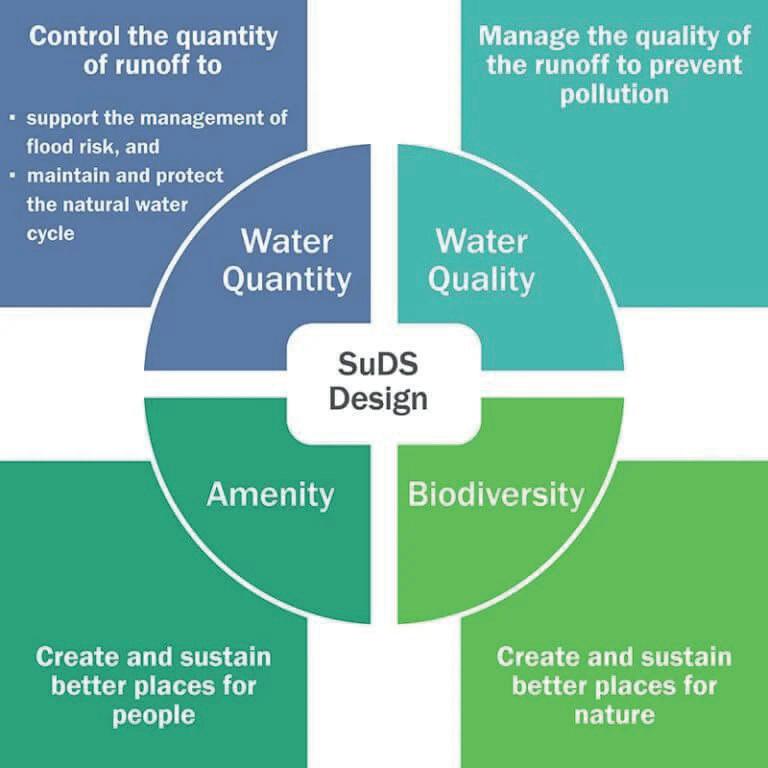
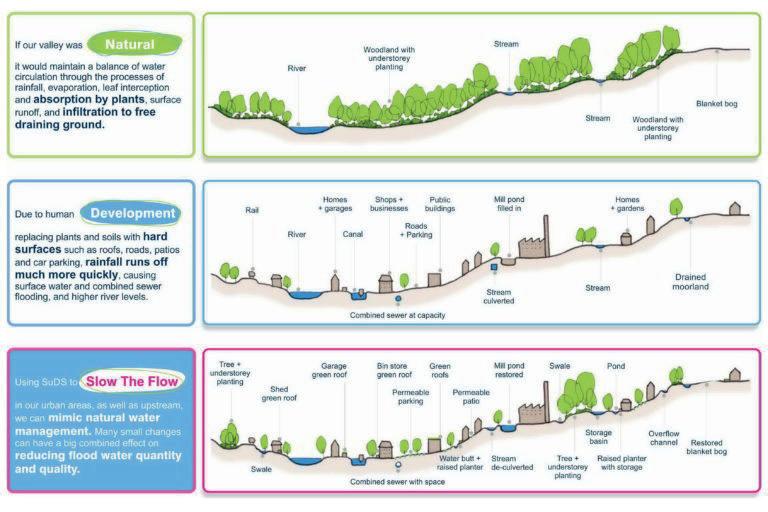
To control surface water runoff in cities, lower the risk of flooding, and enhance water quality, sustainable drainage systems, or SuDS, are crucial. The concepts, advantages, and real-world uses of SuDS in contemporary urban planning are examined in this blog. A dynamic urban landscape with SuDS features serves as the image placeholder.
Sustainable Drainage Systems: What Are They?
SuDS regulates rainfall near its source by simulating natural processes. SuDS seeks to slow, store, and treat water in contrast to conventional drainage systems, which swiftly remove it. This reduces flooding and improves biodiversi-
ty. *Image Placeholder: A SuDS component diagram
Essential Elements of SuDS
SuDS are made up of many essential elements that cooperate to efficiently manage water:
Features that control water at the source include rain gardens and green roofs.
Water is moved slowly across the site by rills and swales, which are examples of conveyance features.
Ponds and detention basins that temporarily store water are examples of storage features.
Pollutant-removing infiltration trenches and wetlands are examples of treatment features. *Image Placeholder: An illustration of these elements
Advantages of SuDS
Beyond water management, SuDS provide several advantages:
Flood Risk Management**: Prevents flooding in urban areas by lowering runoff volumes and rates.
Removing sediments, oils, and heavy metals from surface water runoff improves the quality of the water. Pollinators, birds, and aquatic species are supported by biodiversity and habitat creation.
Urban Cooling: Uses green infrastructure to lessen the urban heat island effect.
Aesthetic and Recreational Value: Makes communities more pleasant. A SuDS feature with water and plants serves as the image placeholder.
Typical SuDS characteristics
Water is slowed and filtered by vegetated channels in swales.
Rain Gardens: Water-absorbing and water-treating shallow planted basins.
Surfaces that permit water to seep into the ground are known as permeable pavement.
Wetlands and Ponds: Seasonal or permanent water features that store and purify water.
Stormwater is temporarily stored in detention basins.
Rills and Channels: ornamental and practical water transport elements. Image
Placeholder: Illustrations of these attributes
Case Studies: Effective SuDS Initiatives London’s Water Gardens
One of the best examples of retrofitting SuDS into an existing urban area is the London Water Gardens project. Green roofs, restored ponds, and a rainwater harvesting system were all part of the project, which greatly enhanced biodiversity and water management.
The Water Gardens before and after restoration serve as the placeholder image.
By retrofitting blue/green infrastructure into pre-existing urban areas, the Greenwich Pocket Parks project created swales and rain gardens to control surface water runoff. A pocket park featuring rain gardens and swales serves as the image placeholder.
Both people and wildlife should benefit from the design of SuDS. This entails establishing habitats, offering areas for recreation, and improving visual appeal. *A community garden featuring a variety of plant species and seating areas serves as the image placeholder.
For SuDS to be successful, selecting the appropriate plants is essential. In addition to supporting local wildlife, plants should be able to withstand both dry and wet conditions. A variety of plants that are appropriate for SuDS serve as the image placeholder.
With their many advantages for biodiversity, water management, and community well-being, sustainable drainage systems, or SuDS, are an essential part of
contemporary urban planning. We can build more resilient and sustainable cities by incorporating SuDS into our urban landscapes. A flourishing urban landscape with SuDS features serves as the image placeholder.