ROLLING AROUND FASHION DONE WRIGHT
THE ANNEX


ROLLING AROUND FASHION DONE WRIGHT
THE ANNEX


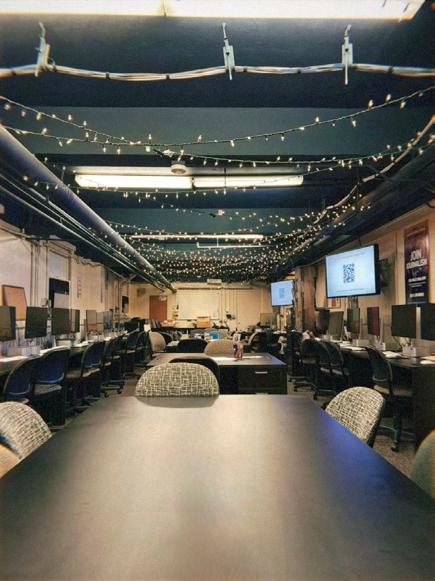

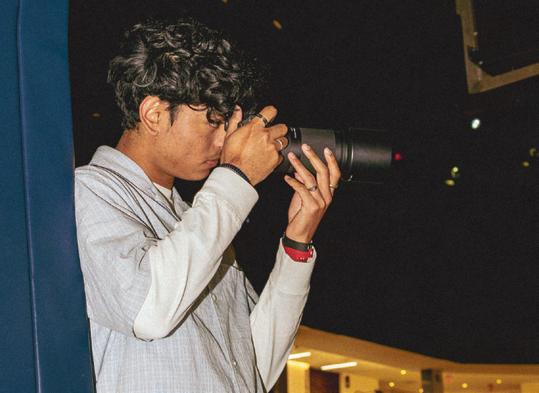
BUILD REAL - WORLD EXPERIENCE AND GROW YOUR PORTFOLIO WITH OUR AWARD WINNING PUBLICATIONS
WRITERS
DESIGNERS
ILLUSTRATORS
PHOTOGRAPHERS
SOCIAL MEDIA EVENTS

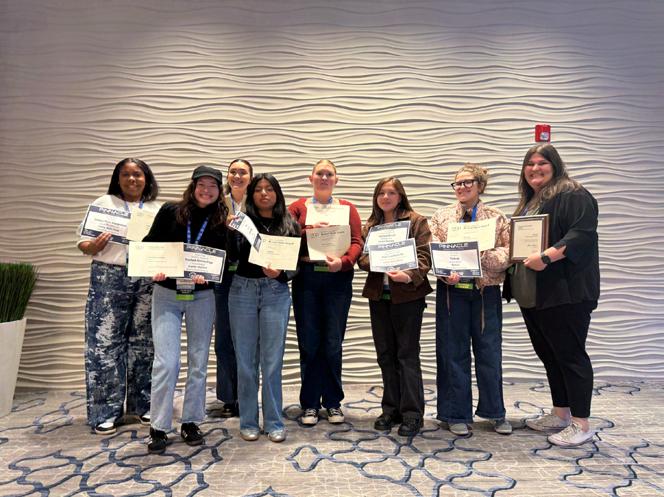
“ ...To produce publications that glorify God, tell compelling stories and report the truth.
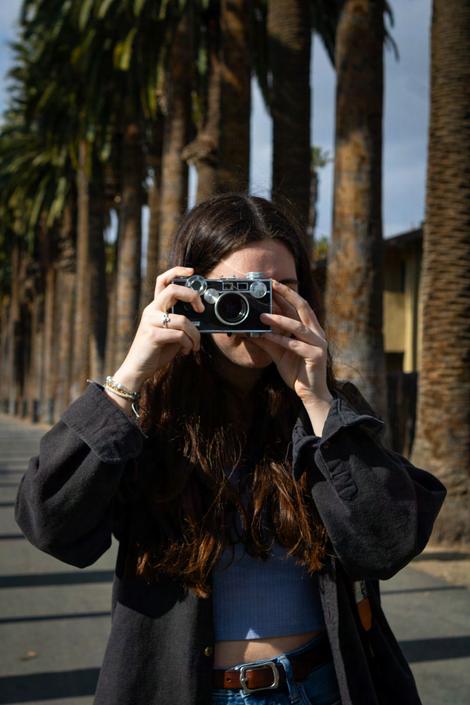
Lancer Media Group consists of five student-led publications that serve the California Baptist University community — Angelos yearbook, The Banner newspaper and The Banner Online, CBU Broadcast and Pursuit magazine — as well as Lancer PR and a chapter of the nationally affiliated Public Relations Student Society of America. Students have the opportunity to write, edit, design, shoot and produce stories, photos and videos for publications.
In LMG, there are many opportunities to grow in leadership skills and build a portfolio of works, as well as many opportunities to expand your education, be inspired by prominent keynote speakers and see the work of fellow student-journalists and future PR professionals by attending national college media and public relations conferences with us throughout the year.
Lancer Media Group is committed to equipping Christian students journalists with the skills, values, and mentorship to tell impactful stories and engage audiences. We empower them to lead with integrity and faith-driven excellence, transforming the media landscape to reflect God’s truth and love.
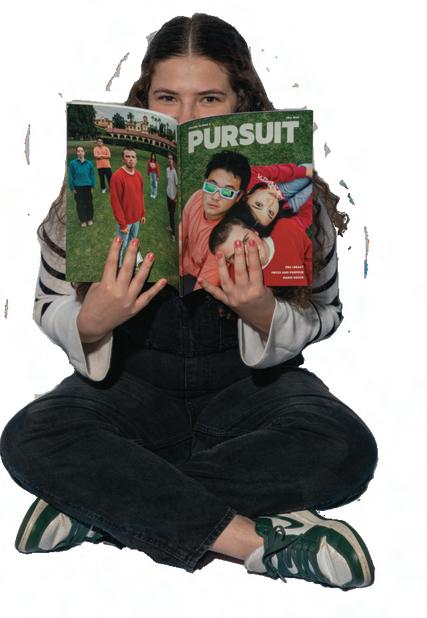
Pursuit magazine, established in 2010, expresses CBU campus culture and trends. The magazine features in-depth stories about prominent campus personalities, relevant topics, compelling perspectives, appealing design and engaging photography.
The pursuit of purpose: To show students who we are becoming.
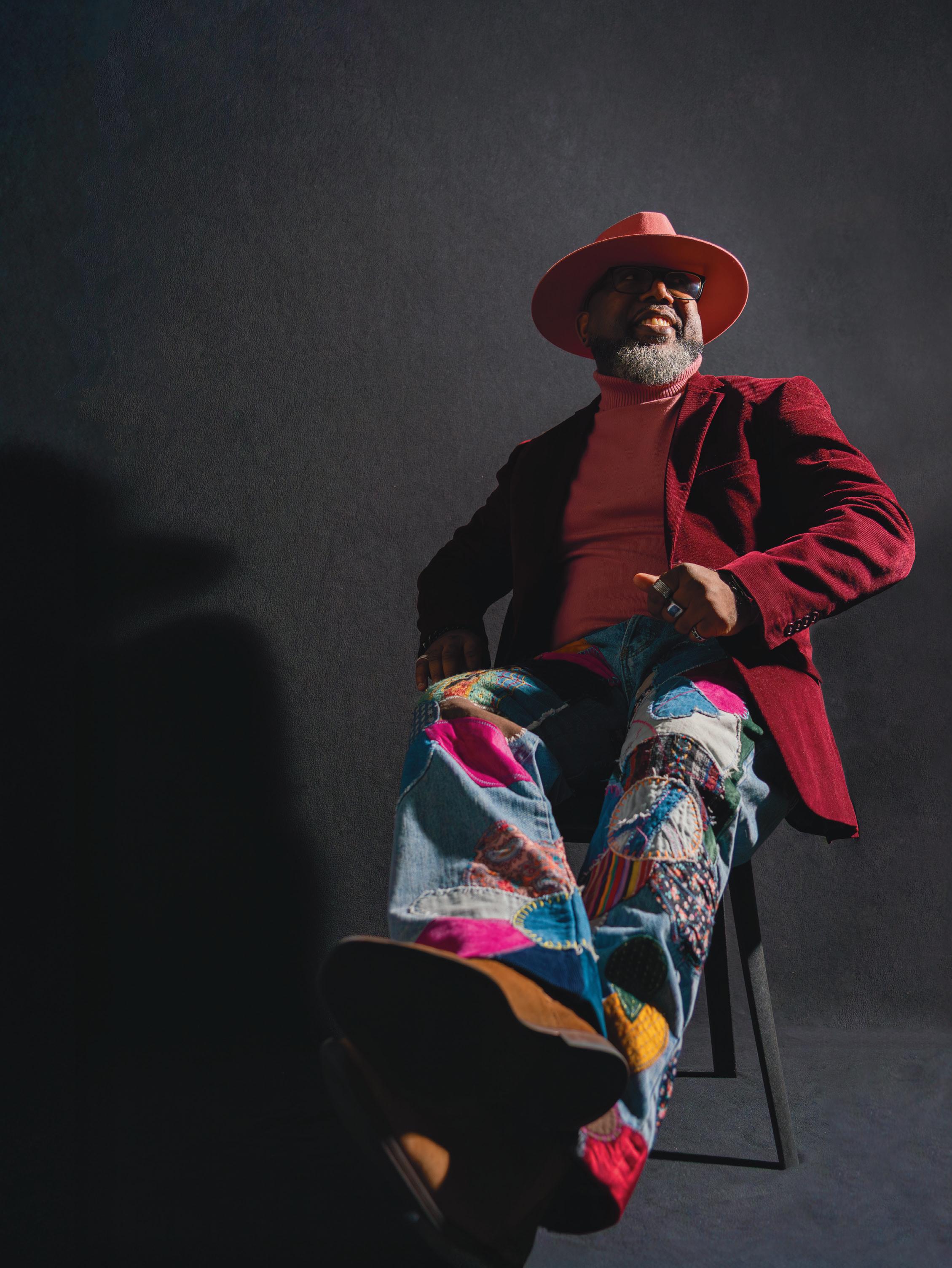
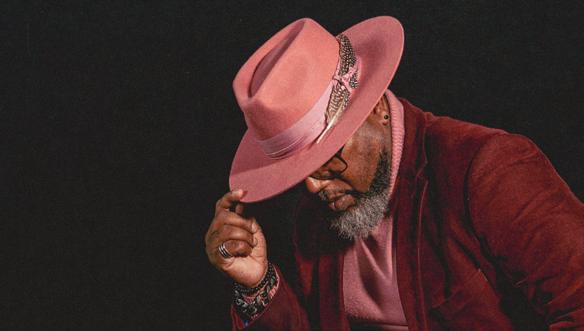
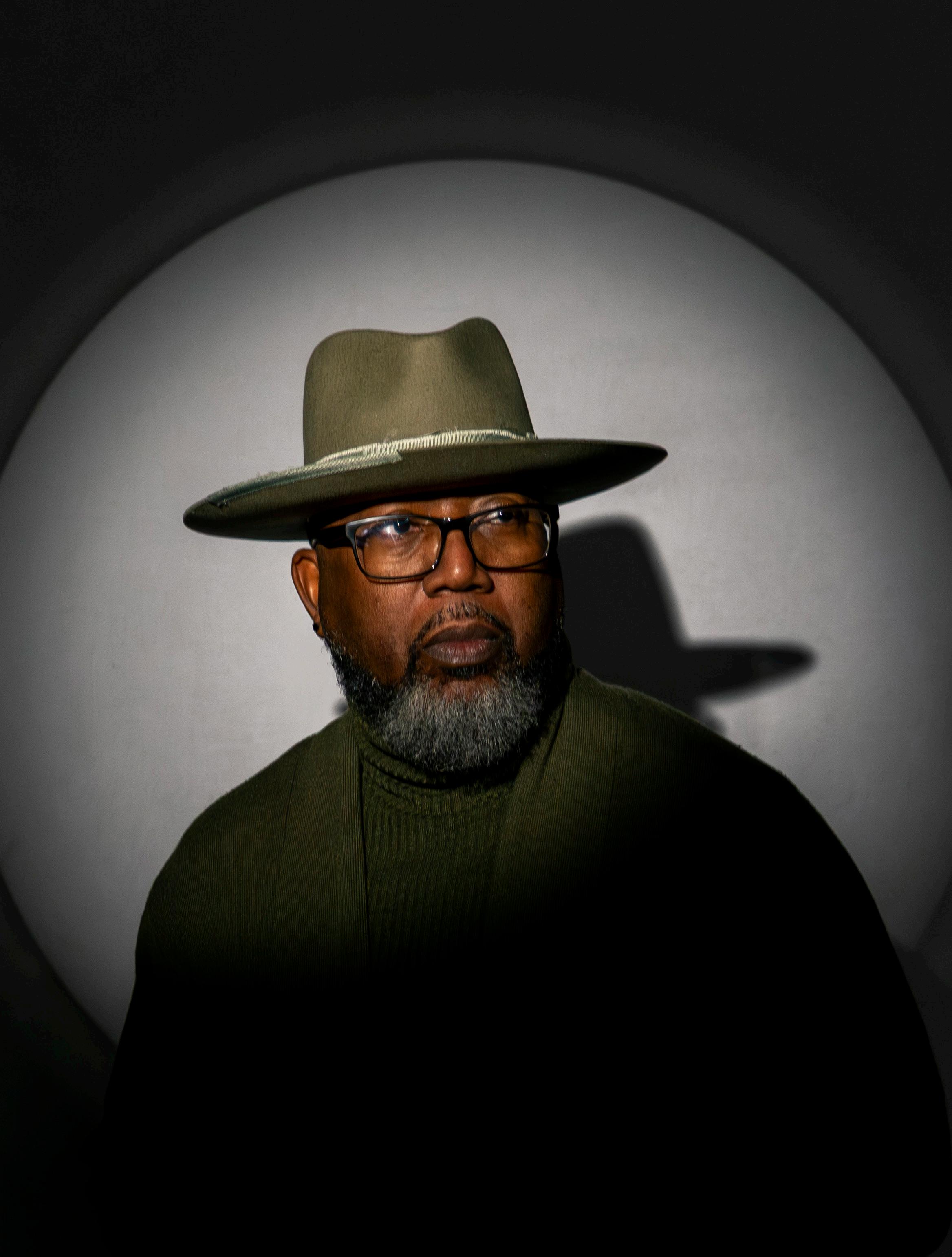
Jessica Hoffpauir writes on how Professor Christopher K. Wright brings art and fashion together in a bold and significant way.
Turn to page 21 to discover more.
Pg. 9 | CBU Reflection and Remembrance
Looking back to cherish the memories made
Pg. 15 | Deepest Desires
What do we really desire?
Pg. 19 | Gift Wrap
A poem about creativity
Pg. 21 | Fashion Done Wright
A profile on Professor Christopher K. Wright

Pg. 27 | The Significance of the Cross
Examining the symbol of God’s grace

Pg . 31 | Built by Generations
A Photo Series of Class Gifts
Pg. 47 | Taste and See Where can we see the goodness of God?
Pg. 51 | Pergunta
A poem abou t belonging
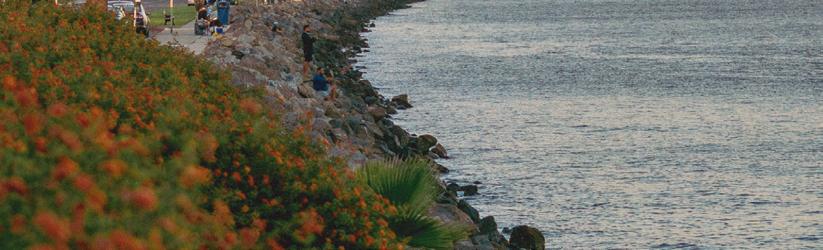
Pg. 53 | The Ann ex
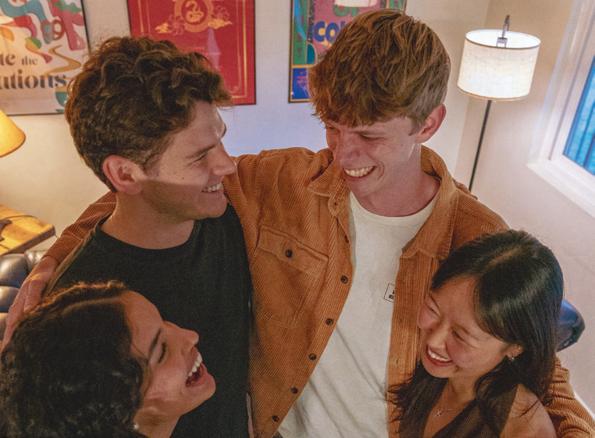
A look into the impact of The Annex
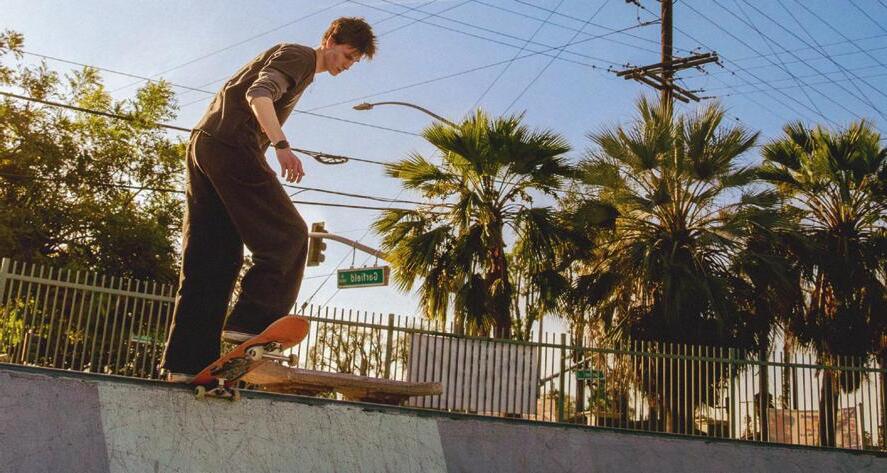
Pg. 57 | Roll ing Around A local community skate park
Pg. 63 | Woven Identity
A poem about who you are
Written by Zachary Conquest
Photography by Elissa Garcia & Josiah Alvarado
Design by ShaRena Steeple
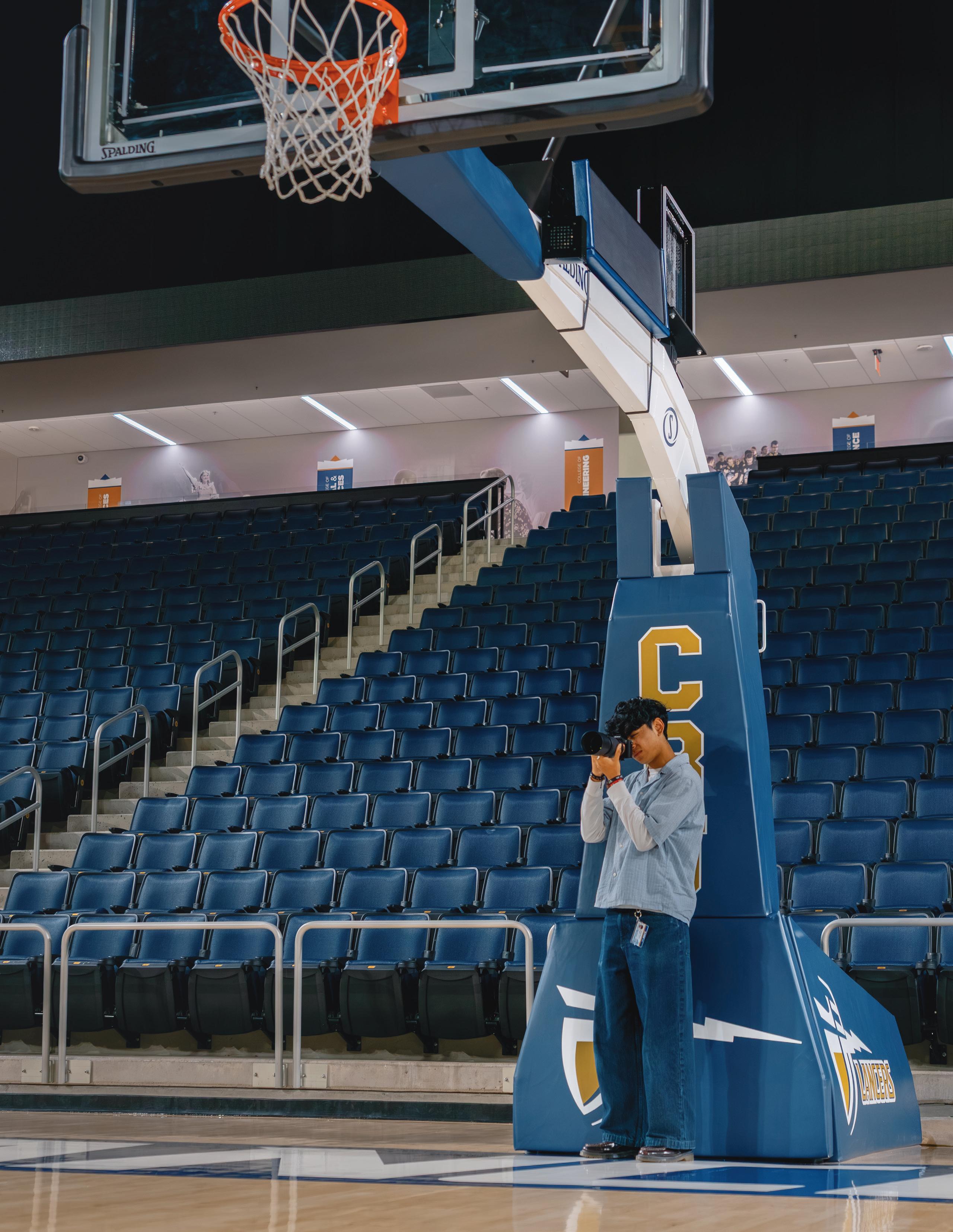
With the current semester almost over, a chance for reflection and remembrance arrives. For seniors approaching graduation, this semester represents the bittersweet end of an era. Meanwhile, for freshmen, this marks the exciting completion of their first step in their college journey. With plenty of new prospects on the horizon for all students, it is important to take a moment to reflect on the greatest memories students make at California Baptist University.
The freshmen at CBU express a shared sense of enthusiasm for the future, both academically and career-wise. Diego Mazun, broadcast and digital media production and photography double major, gives thanks to God for allowing him to get his two dream jobs this semester: sports photographer for Athletics and camera operator at events. “I like gaining knowledge for the job I want to do after school,” Mazun says. “I’m really thankful for the opportunity to start now and grow in my skills.”
Caydence Kuo, freshman photography and Christian studies double major, expresses her anticipation for upper-level photography classes. She says, “I feel like opening up that new level of knowledge will really help me with my own photography, and I’m really excited for that!”
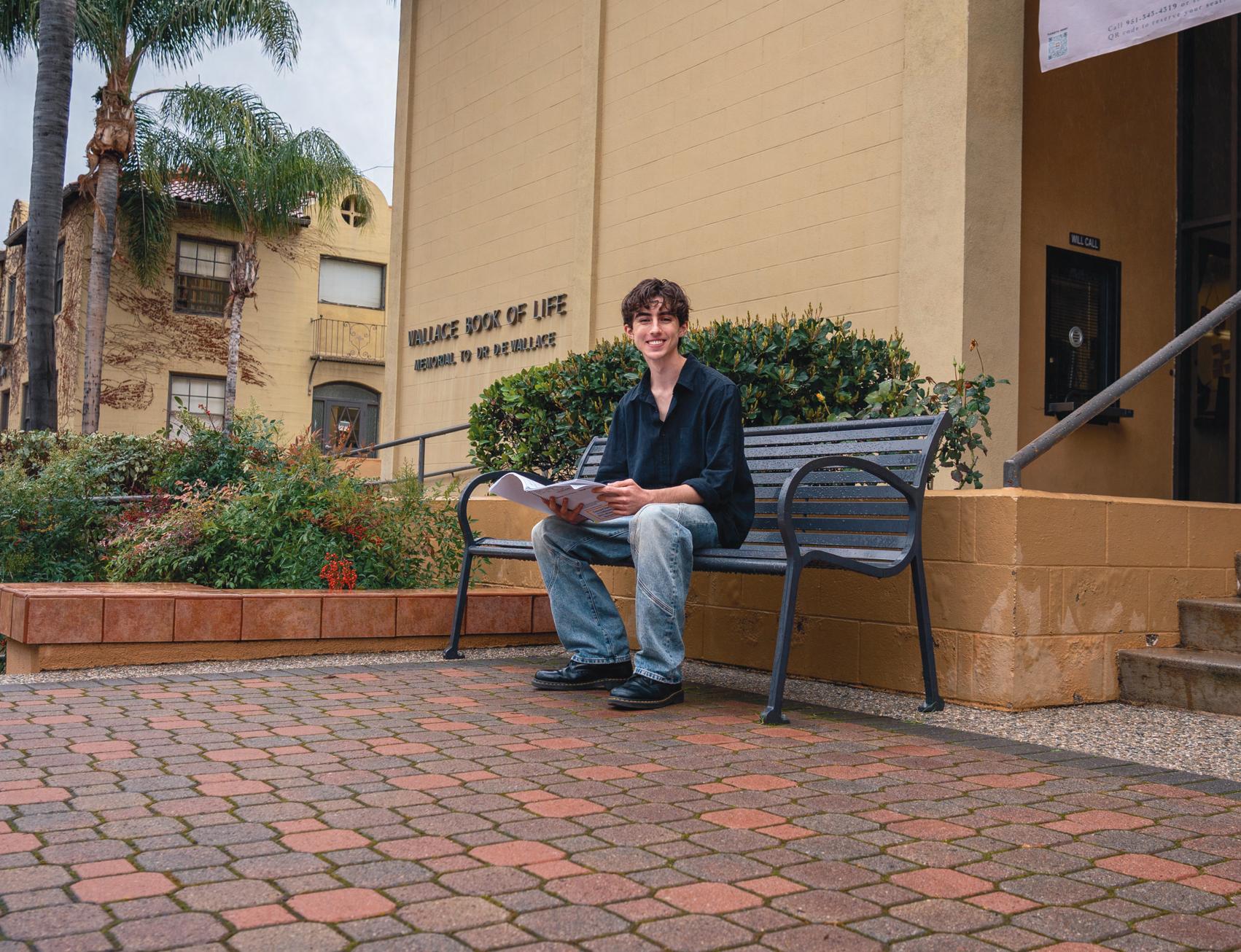
Christian Lindsey, freshman film and cinematic arts major, also looks forward to his future classes, saying, “There’s a directing class for film and theatre that I really want to take. It’ll be a few years before I can take them, but I’m so looking forward to those.” He also aspires for future CBU stage productions, hoping that someday the department will direct Les Misérables.
The freshmen unanimously agree that Spiritual Life Night is a CBU highlight. Not only is it a fantastic way for students to socialize but it is also a great opportunity for them to connect spiritually. Mazun says, “There’s a lot of opportunities to grow in your faith here with Bible studies, SL Night and chapel. That’s one of the main reasons I came here”. One of Mazun’s greatest memories so far is hanging out with his friends after
Spiritual Life Night and grabbing boba. He says that his friends are an answer to prayer.
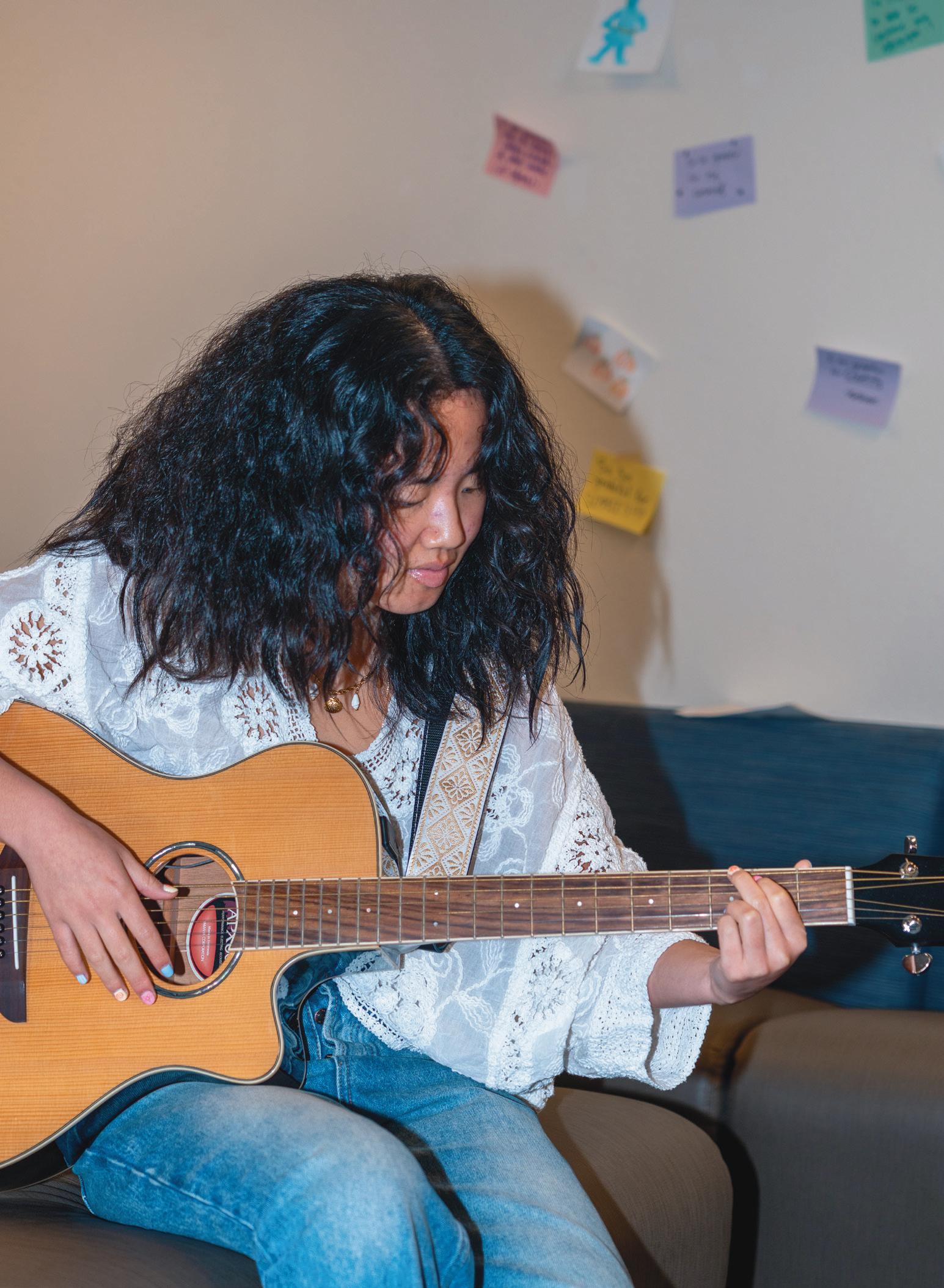
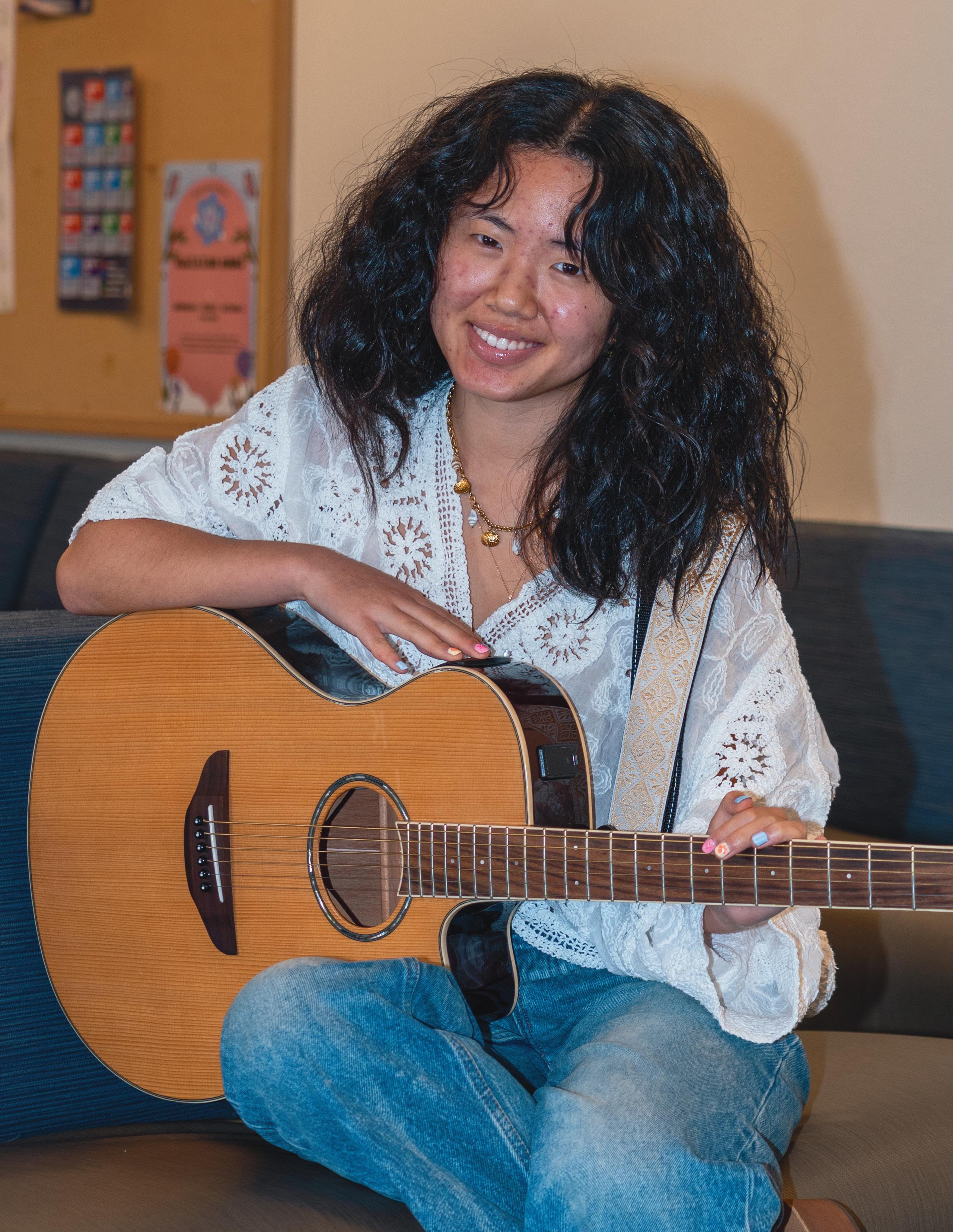
Kuo shares a special time leading worship with her dormmates in Simmons Hall. “Last week was the biggest one,” she says. “There were, at most, thirty girls in our lobby. Getting to lead it was insane because you just get to hear everybody’s voices. It’s like we’re joining heaven in worship. That was really, really big for me.”
Community, is a fundamental aspect for CBU students. The freshmen note that the overwhelming sense of love and acceptance on campus is the biggest contributor to their memories of their first semester. It is no surprise that the graduating seniors reflect positively on the community they’ve been part of for the past four years.
“
There were, at most, thirty girls in our lobby. Getting to lead it was insane because you just get to hear everybody’s voices – it’s like we’re joining heaven in worship. That was really, really big for me.”
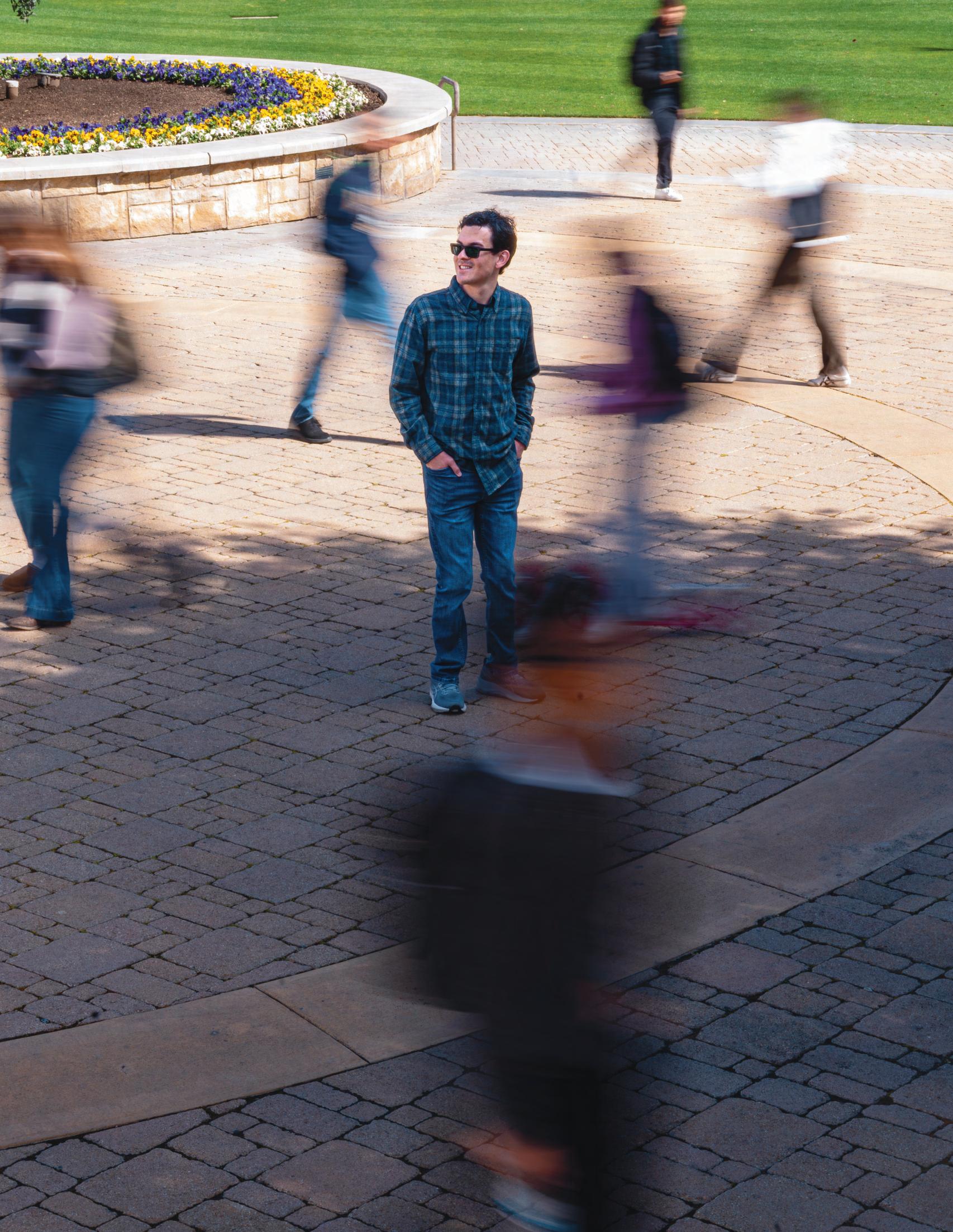
“ I feel like now I’m able to jump out of my comfort zone at any time and just chat with people.”
Braden Houston, senior psychology and sociology double major, reminisces on the impact CBU has had on his personal life. He says, “I feel like now I’m able to jump out of my comfort zone at any time and just chat with people”. Houston remembers the friends he has made since freshman year in Smith Hall, noting how their friendship has stayed intact since the beginning of their days at CBU. “I’m gonna miss being with all my friends here when this year ends,” he says. Houston also reflects on the tools CBU has given him to continue his education after graduation. “I have applied to grad school close to my home in Vegas,” he says. “I want to get into clinical mental health counseling. I want to help people with special needs and specialize in that area, and I feel like the professors here have done an amazing job in supporting me with that.”
Houston is not alone in praising the professors at CBU. Jordan Banda, graduate forensic psychology major, talks about how her previous years at CBU help her continue the next step in her academic journey. She says, “I appreciated how helpful the professors were. If I felt like I was ever falling behind, I was able to catch up because they were always so understanding about everything.” Banda also shares important wisdom regarding the undergrad senior experience. “It’s hard,” she admits, “I feel like people don’t say that a lot. People want it to be sunshine and rainbows, but that’s not the case for a lot of people. It’s a rough road, but as long as you have a community, and you have trust in yourself and the Lord, it’ll be okay.”
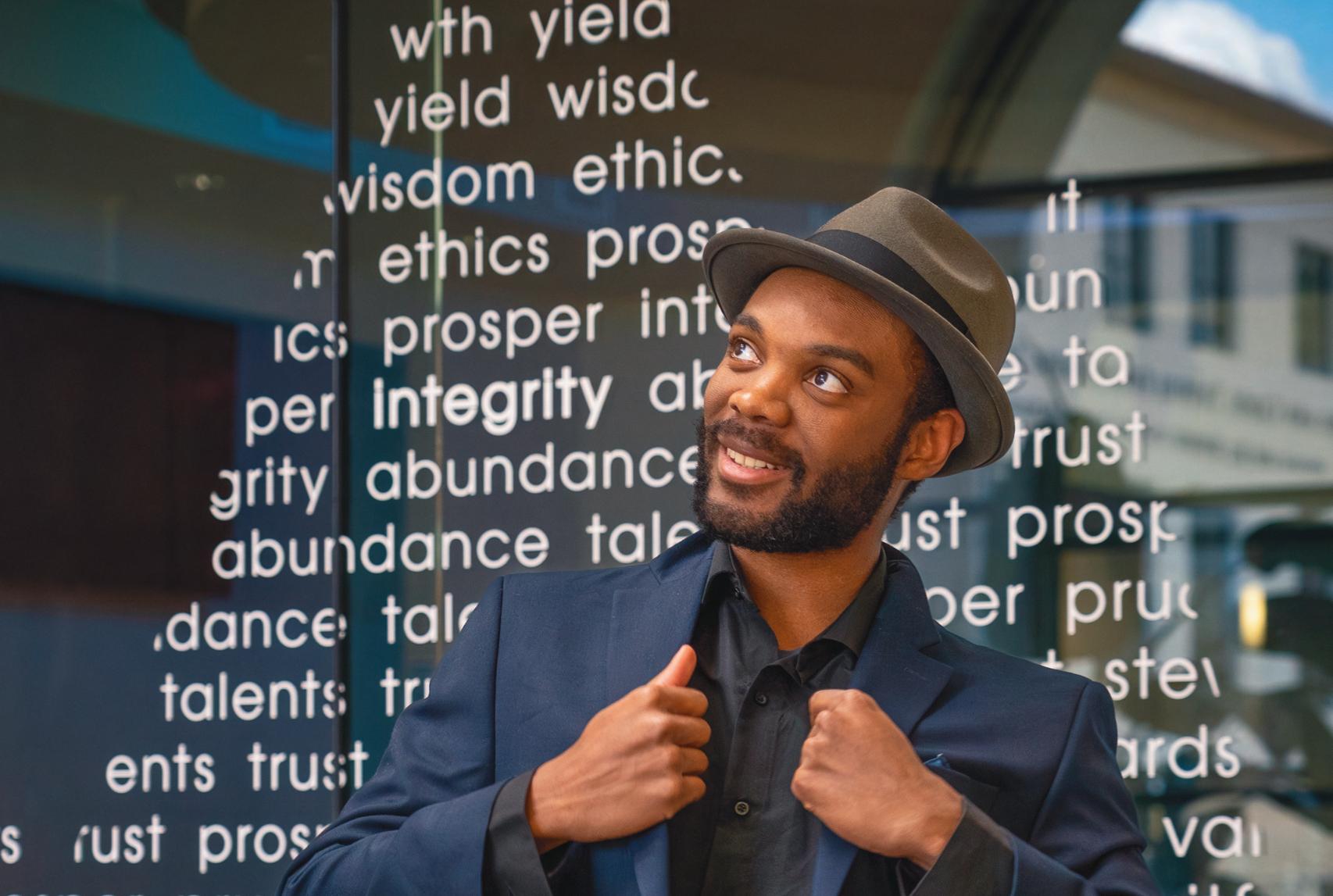
Les Higgins, senior business administration major, talks about how he has persevered throughout his years at CBU and how CBU has shaped him into the person he is today. Higgins says, “It’s made me more self-reliant. I have to schedule out my day and submit the assignments when they’re due. It’s essentially a glimpse into managing life, you know?” He talks about the incredible networking opportunity he has had through his marketing work for CBU’s Association for Computers and Machinery club, acknowledging the valuable skills that will carry over into the future. Overall, Higgins says, “I’m gonna miss CBU a lot. It’s a bittersweet thing... these have been the best few years of my life. We’ve gone to the beach, the movies and campus events. I’ll cherish these things the most, but on the other hand, I’m excited to hone in on the passions that I’m pursuing after college, in the career that God takes me.” Reminiscing about the past and reflecting on the future is important because it allows students to cherish the opportunities they’ve been given and strive for greatness. Every experience is a gift. The steps we’ve taken in the past have shaped who we are today. CBU is dedicated to helping students reach their fullest potential, providing the tools they need to succeed on their journey. With the memories, friends and knowledge they’ve gained along the way, CBU students new and old are well equipped to handle the challenges life brings.
Les Higgins, senior business administration major, fixes his jacket in the Park Business Building.
What
your... ? ??? ?
If I were to ask you what your deepest desire is, what would you say? If you were to sit and truly ponder your deepest longing, what conclusion would you reach? Are you seeking something simple like the comfort of a good night’s rest? Or possibly something more complex like a stable career? As human beings, we experience a multitude of emotions and desires that shape who we are, but where do these desires come from and how can understanding them help us grow?
Many people claim their deepest desire is one of three things: a successful career, money or a good relationship, but why is this? Most people desire a successful career due to the status that comes with it, the self fulfillment of doing something they enjoy or the compensation. Many desire money to survive, buy necessities or provide for themselves and others. Others seek a good relationship, whether with friends, family or a significant other, to feel valued and experience the comfort that comes with stability. What these share in common is the belief that they will bring happiness.
But ultimately, none of these things can fully satisfy the deep longing connected to happiness. As noted by Kate Fenn, freshman political science and intercultural studies double major, “That’s a lesson I’ll keep learning for the rest of my life is that material things don’t fulfill me.” Fenn adds that, “In all of my religion studies, I have always found that the one thing that does fulfill me is service.” Referring to helping and caring for others, Fenn finds joy in the ability to aid those around her. Helping others is one path to fulfillment, but an important part of that feeling comes from choosing to help. As Brady Johnson, freshman biomedical engineering major, puts it, “There’s the duty and then there’s also just the desire so acting out of desire rather than duty is my goal.” This illustrates an important point: it is entirely possible to do a good deed for the wrong reason.
Doing something you know is right because you want to differs from doing the right thing because you feel obligated. It is in the longing to do what is right that we flourish. On the topic of doing the right thing because it’s the right thing to do, Dr. Sam Welbaum, associate professor of philosophy and director of the honors and philosophy programs, shares how growing up, “That wasn’t intrinsic in me. Like that had to be taught and modeled and I needed to see the virtue in that.” This shows how people need guidance as they grow, but what or who can tell us what is truly right and wrong?
If happiness cannot truly be achieved through a successful career, money or relationships, then the question remains:
What is our deepest desire? Since nothing in this world can fully satisfy our pursuit of happiness, what are we chasing? Johnson shares, “Human nature is fallen so it’s not possible to always live a virtuous life. But to pursue it and to constantly become closer to God and closer to that virtuous life, like the pursuit of that, I think, is what would make me happy.”
As humans, we are inherently sinful beings, but as Christians, we place faith in the belief that God descended to Earth as a perfect human. Jesus took on our sins, died and rose from the dead so that we might live an eternal life with him. This joyful message is commonly referred to as the Gospel and displays the ultimate love God offers. Because of this, it has the power to transform lives and remains significant when considering our deepest desires.
Of course it is natural to want a pleasant job or a happy marriage, but while those things may not fully satisfy us, God can. As shared by Dr. Dan Wilson, professor of Biblical studies, “This job doesn’t drive me every day, but what drives me is this relationship with God.” This reflects how fulfillment is not found in worldly pursuits but in the love of Jesus.
This may prompt another question: why do we desire the things we do? Does it stem from an inherent longing for joy given by God? Or is it shaped by culture? Growing up, we see depictions of princesses awaiting their prince charming so they may live happily ever after, but why does this resonate so strongly with audiences? Welbaum shares, “There’s an inherent core of things that I think are actually part of human nature, but then there’s a depiction and I think that depiction can breed dissatisfaction.” In other words, there is a difference between reality and how it is portrayed in media.
When expectations are built on cultural depictions, disappointment often follows. To put it plainly, Welbaum says, “Culture helps us set the expectations of how our desires will be fulfilled, and a lot of times our dissatisfaction comes from those expectations not being met as opposed to from the desires themselves.” This is one of the most important ideas to understand about dissatisfaction and desire. While people may think they want something based on what they see in media, it is often a distorted version of a deeper desire given by God. Culture frequently presents a version of what we want that does not align with the deeper desire meant to bring true joy. This leads to a question posed by Fenn as she asks, “, “Are you gonna choose what the Holy Spirit is tugging for you, or are you gonna choose what culture wants for you?”
“ Are you gonna choose what the Holy Spirit is tugging for you, or are you gonna choose what culture wants for you?”
As previously mentioned, humans are fallen in nature, but something less commonly discussed is how some desires are labeled wrong. It is important to recognize that these desires are often misplaced rather than inherently bad. Welbaum makes a logical argument for this, claiming, “Nothing exists that God didn’t make, including me. And I am made in his image, so the fact that I have wants is a thing that God put there and there’s nothing that I want that God didn’t make.” This perspective raises another question: why do some desires lead us astray? The answer lies in sin.
Welbaum elaborates, “I think every desire that we have has to be placed in us by God, it [the desire] could just be broken.” While desires originate from God, they can become distorted through sin. Understanding sin as brokenness helps explain why choosing sin means choosing a broken version of something originally good. Therefore, the best way to guard against sin is to keep our focus on God. Wilson summarizes, what matters most is “Making the choice to follow Him in the moment of desire.” Fenn finds comfort in the fact that, “You’re not always gonna make the right decision, but God already has planned for the fact that you might not make the right one.” Being omniscient, God already knows the paths of our lives, so how should we live to fulfill them? Wilson shares, “If I’m following him, I’m seeking to follow his direction every day, then the end result is gonna be that his desires become my desires.” In pursuing Jesus, our desires begin to align with what He wants for us. Jesus becomes the guide who teaches us what is right and wrong, showing that change and growth are possible even if they do not happen overnight. Johnson, seeking to trust God and align his desires, says what he finds crucial is, “Having that mindset of God’s path is gonna be the best for me and it’s gonna lead to good things, whether or not I see that now.” This perspective highlights the belief that God ultimately has our best interests at heart.
Wilson, recognizing both his humanity and God’s divinity, shares that “I’m not any more deserving of being able to be in his presence than I was before, but I genuinely desire to be in his presence and to know him and to allow him to guide me from day to day.” This further demonstrates how choosing to focus on Jesus and follow his guidance out of desire rather than obligation allows people to flourish.
One of the greatest influences in life comes from the people God places around us. Johnson recalls a class session where “We were talking about how humans have the capacity to have a certain amount of friends.” It was said that there are three categories of friendships: functional friends, the ones you rely on when you need something; hobby friends, those who share similar interests; and virtue friends who challenge you. While virtue friends may also fit the other categories, there is something deeper about them that strengthens the bond. As Johnson says, “I think those are the most important friends to have that are good influences on your life.”
Whether through a shared growth mindset or deep understanding of each other’s perspectives, Johnson explains, “I found that the people that I am able to have hard conversations with, but we stay friends, those are the ones that the friendships tend to last longer.” Some of the people who challenge you most may hold different views, yet these relationships can become some of the strongest. As Johnson adds, “We stay close because we understand that the other person cares about you and that they accept you for who you are, not who they want you to be.” Having people in our lives who challenge us is one of the best ways to grow and reshape our desires into who we hope to become.
In the end, people continue searching for happiness and fulfillment in many places. It is human nature to desire, but if our desires stem from a longing for joy and nothing in this world can truly provide it, then we should seek the only thing that can. As stated in Psalm 107:9 of the King James Bible, “for he satisfies the thirsty and fills the hungry with good things.” By understanding that God can satisfy our deepest desires, we grow to desire Him above all else, because true purpose, riches and love are found in Him.
Written by Ethan Werk
Photography
by
Elissa Garcia
Design & Illustrations by Javid Becerra



ShaRena Steeple
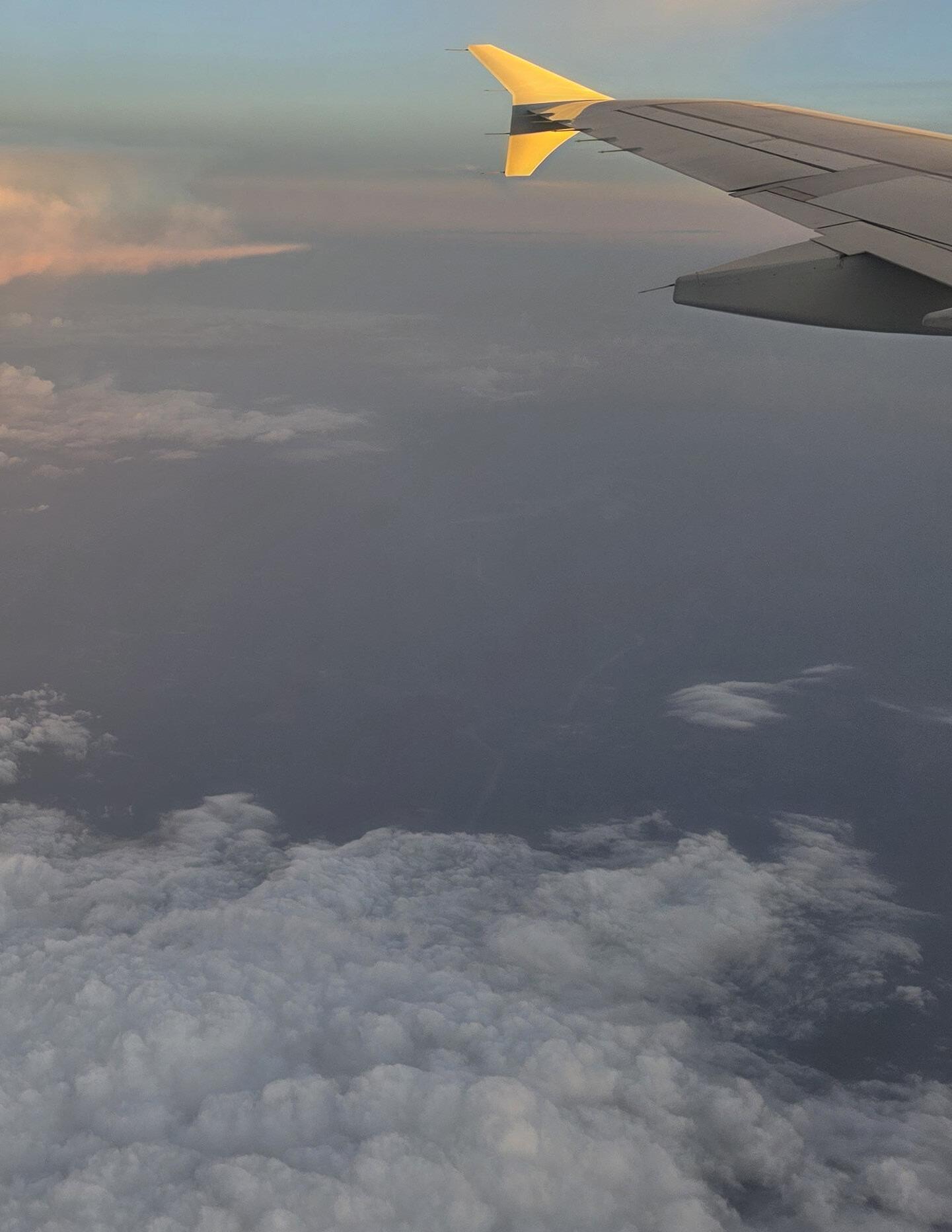
Always knew creativity was a gift, In many forms for our very own unboxing. When its a wrap and stories come to a close; I decompress, relax.
When its time to see it all unfold.
I’m given the honor to sit back- be it the time Not to claim to be the Creator, More like the Creator’s eyes.
“Stretch those wear what and inspiring. in his day. time. Leather where it came of an inspirational learns how a great father that was pretty new linecoout. ofcreativity on coming to the store,
“I’ve looked at certain what’s comfortable. the community care anymore. c ollege no bounds. right?
those boundaries.” Wright is known for creativity, knowledge and sharp I like,”
and what he likes inspiring. His interest in fashion is inspired by “my dad, because he was a pretty, He’s gone on but
nice Leather jackets WHITE
you came from, because he taught me how to dress like a gentleman, right?
dad, how to A
.His love for style father figure. Wright explains that, “when I went to the community college, pretty cool and I would hang out with the designers. They would pick linecoout. And so I just got deeper and deeper into it.” As Wright becomes ofcreativity he STYLE? begins to sew. “I would sew for my friends and [make coming up and I wanted to have CLASS? something nice, instead of buying store, get some fabric and come back and make it.” Wright’s style has changed “I’ve No matter the time, no matteat certain His
creativity knows certain styles, I’ve looked at trends. I don’t know if I have a style. But comfortable. It doesn’t have LOOK
time, no matter the community changed and grown over the because of what others It’s the look,
FOR way, it’s evolve
I would go to oh, it’s weird. anymore. I just wear PROGRAM
ollege GRAPHIC
Wright says, “I’m an artist. I can wear anything.” bounds. Each look and each outfit is unique and
right? Like, right? Like, oh, EXPERIENCE
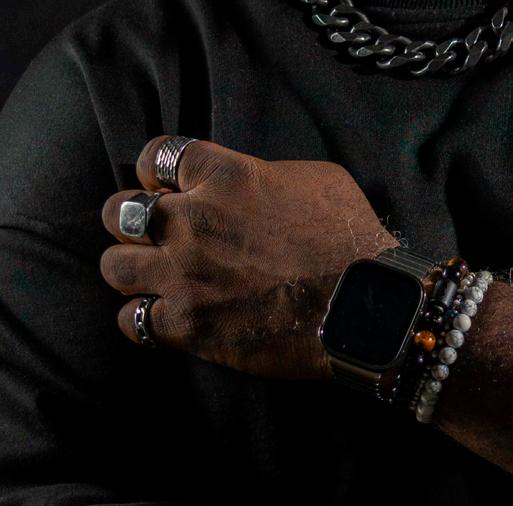
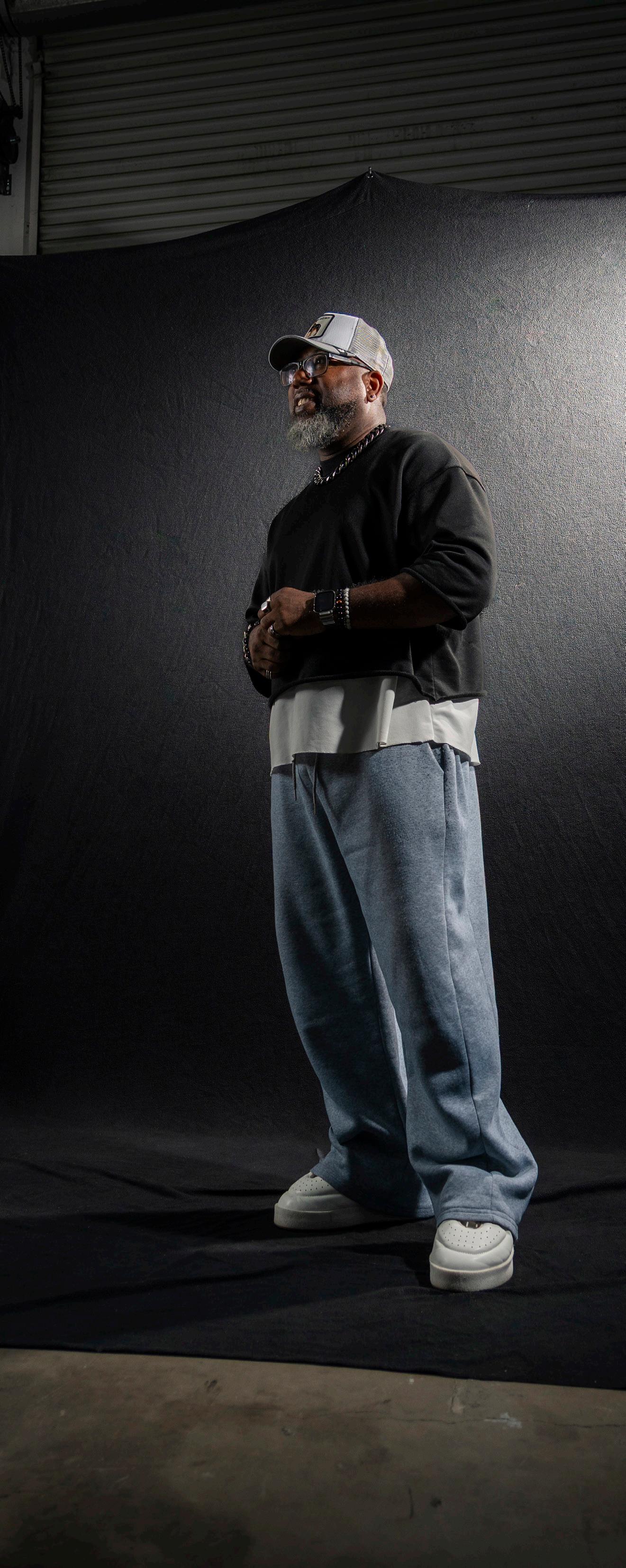
“Stretch those boundaries.” Wright is known for creativity, knowledge and sharp style. As he says, “I just wear what I like,” and what he likes is bold, innovative, unique and inspiring.
His interest in fashion is inspired by “my dad, because he was a pretty, pretty snazzy dresser in his day. He’s gone on but [he wore] nice hats, nice suits all the time. Leather jackets and cool shoes, you know? So, that’s probably where it came from, because he taught me how to dress like a gentleman, right? How to be a man.” Because of an inspirational dad, Wright learns how to dress from a young age.
His love for style does not come only from a great father figure. Wright explains that, “when I went to the community college, I joined the fashion club that was pretty cool and I would hang out with the designers. They would pick me for their show, or their new line coming out. And so I just got deeper and deeper into it.” As Wright becomes more immersed in the world of fashion and creativity he begins to sew. “I would sew for my friends and [make clothes for] myself. If I had an occasion coming up and I wanted to wear something nice, instead of buying something, I would go to the store, get some fabric and come back and make it.”
Wright’s style has changed and grown over the years. “I’ve looked at certain designers, I’ve looked at certain styles, I’ve looked at trends. I don’t know if I have a style. But I would just say that I wear what’s comfortable. It doesn’t have to be expensive. It could be thrifted. It’s the look, right?” No matter the time, no matter the trends one thing is certain. Wright says, “I’m an artist. I can wear anything.” His creativity knows no bounds. Each look and each outfit is unique and inventive.
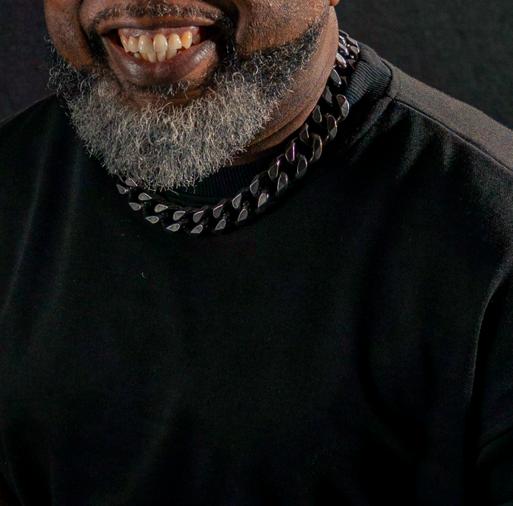
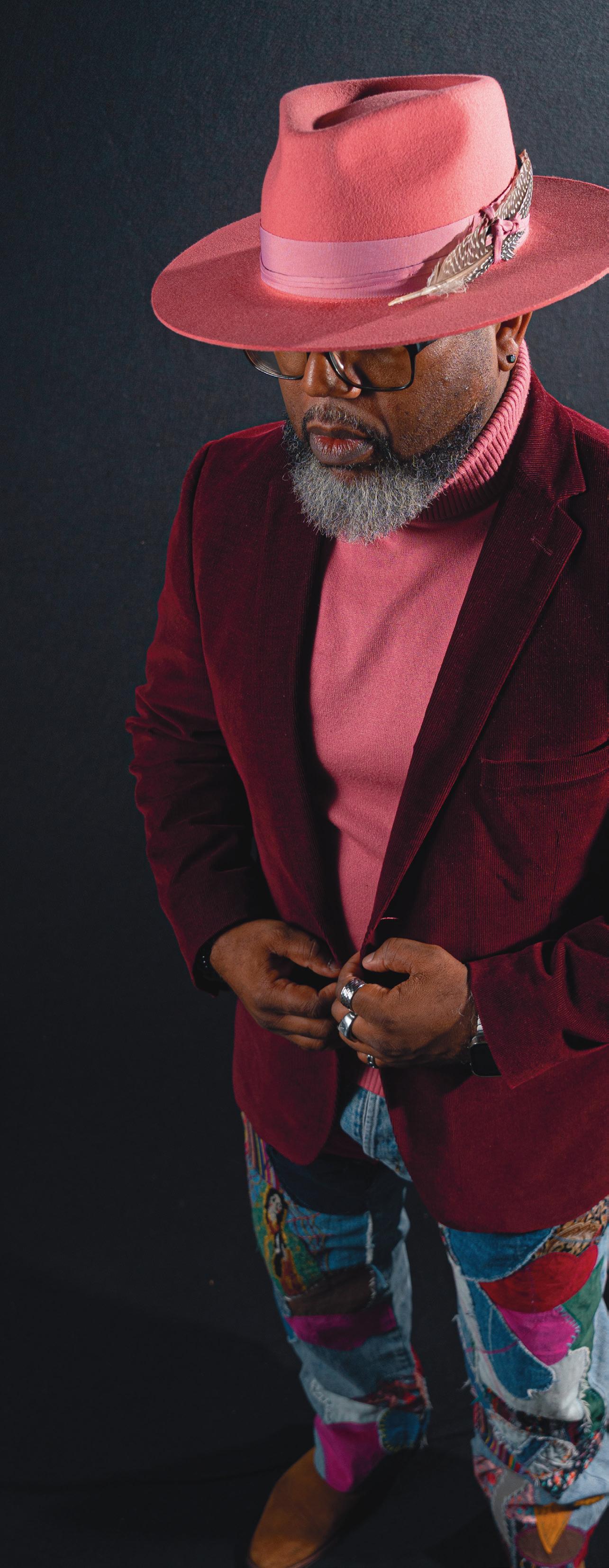
Over the years, “I think that I am no longer afraid to wear things because of what others may think, right? Like, oh, it’s weird. Like, I just don’t care anymore. I just wear what I like, you know, and I think in that way, it’s evolved.” Instead of simply wearing suits to work he wears fedoras, jeans, chains, boots and vibrant colors. At the core of his fashion approach, Wright believes in pushing beyond the average by taking creative risks and staying true to himself. As he states, “Well, this is my normal, and I embrace that. I do the same thing in design.”
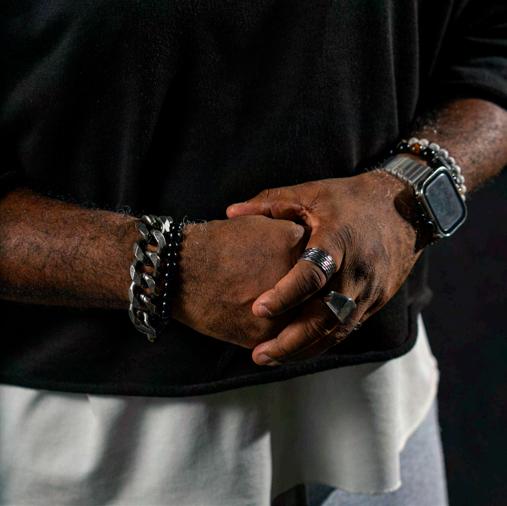
Currently, Wright’s favorite accessories are his bracelets. He says the chains are trendy and he has seen them in high fashion and on hip hop artists. But they also remind him of an old television show character Mr T. “He wore a lot of chains, and I wondered why, right? Eventually I read an article, and he said it reminded him of his ancestors and what they went through.” Wright wears these bracelets because they are fashionable and because of their historical meaning. He dresses intentionally and isn’t afraid to make a statement.
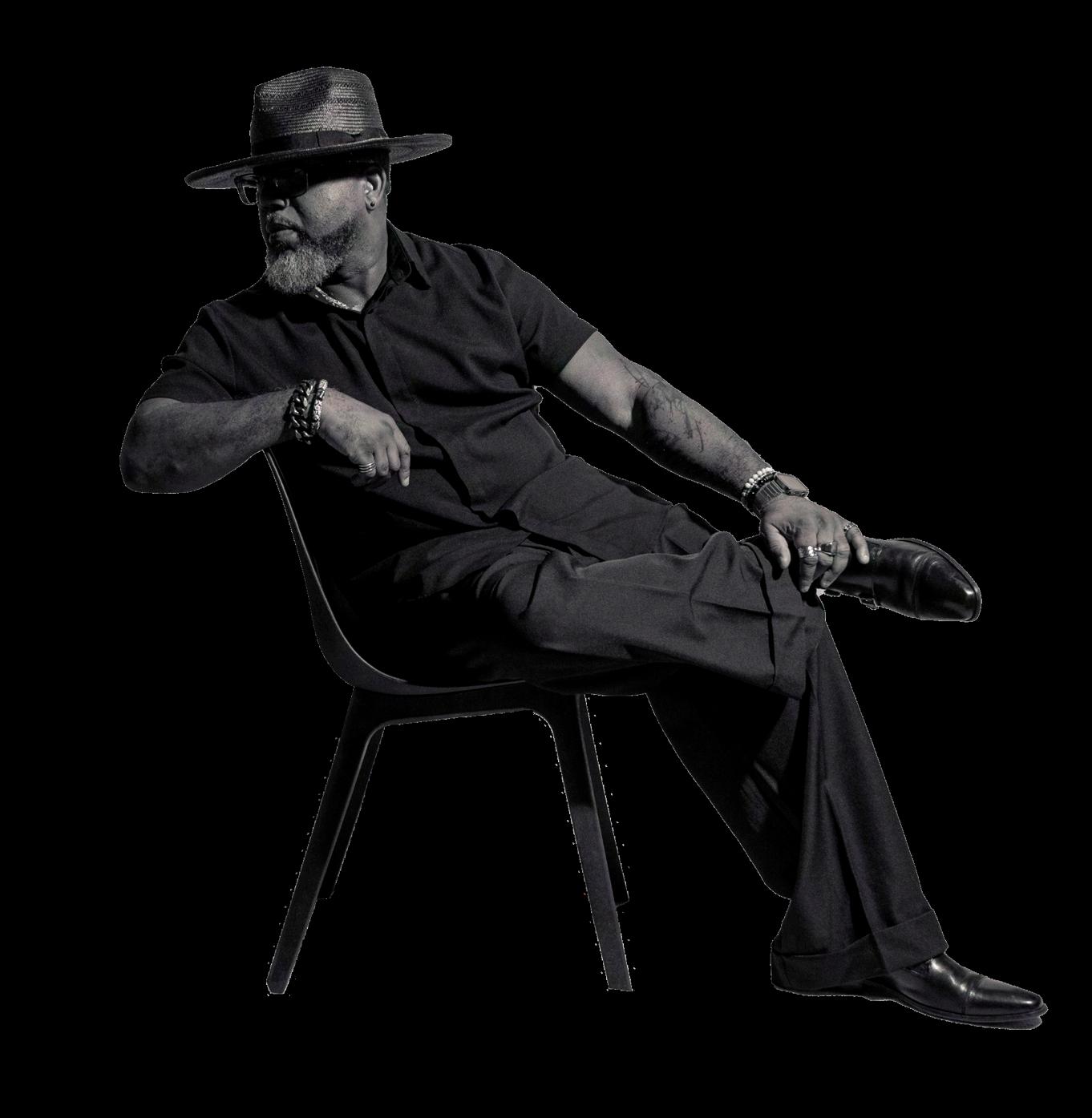
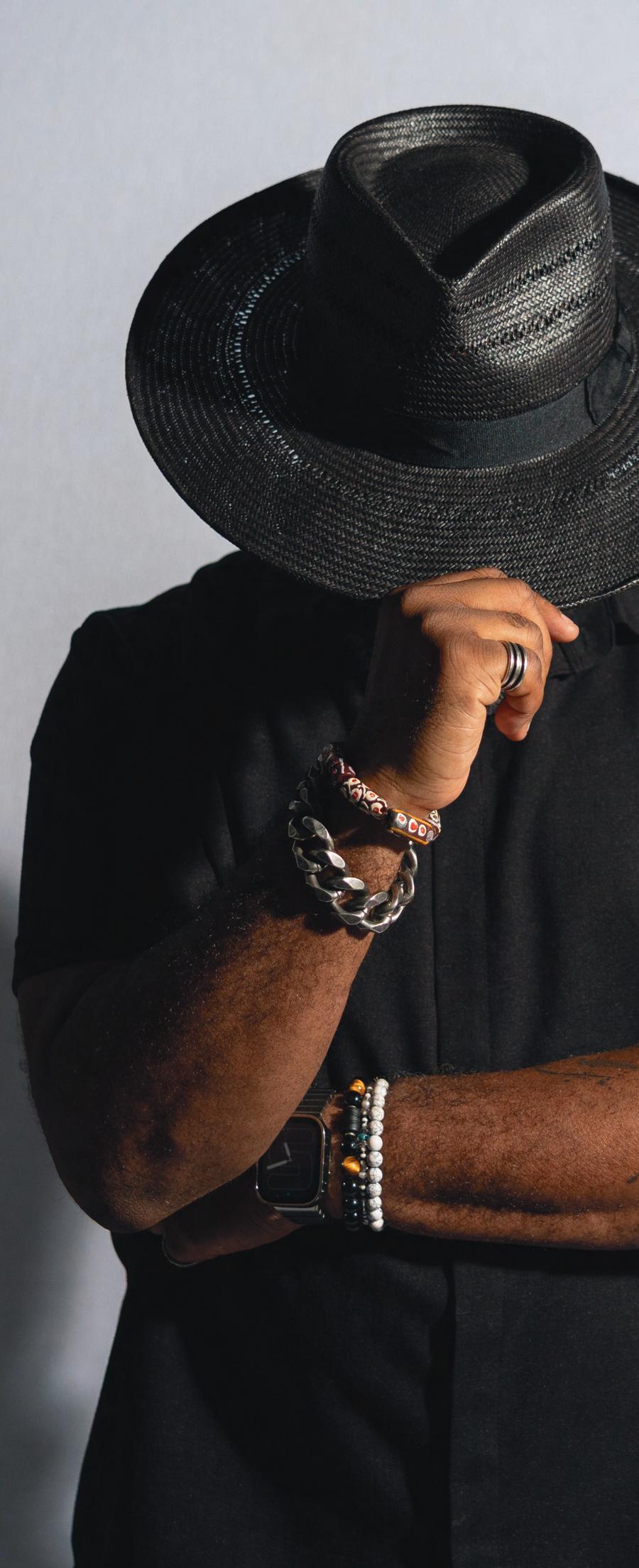
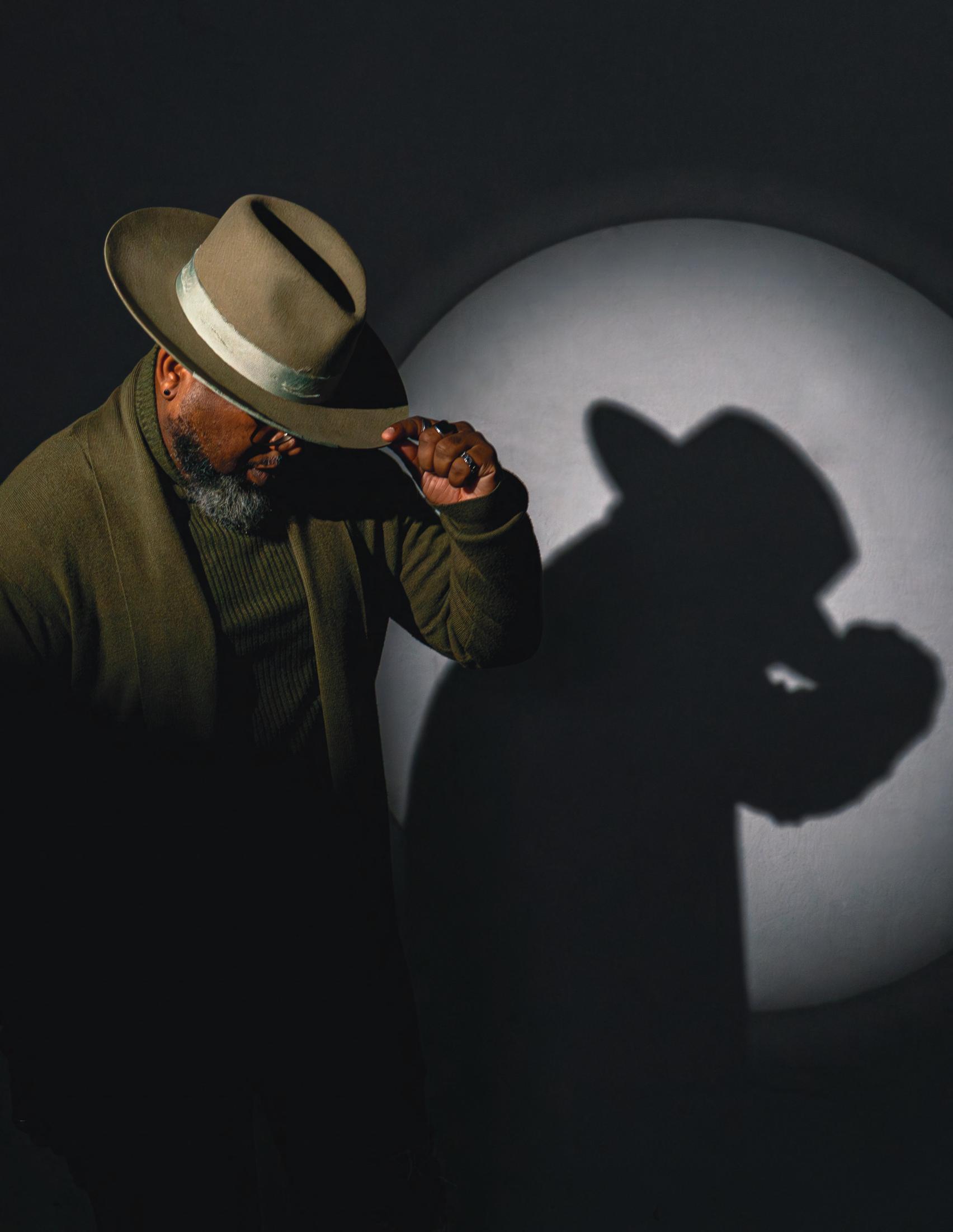
Wright is also known to wear many stylish fedoras and has a fedora wall in his home. He says they “came from my dad [and] uncles. I have a couple uncles. They’re pretty nice dressers, and they would wear fedoras. So we’re talking like, 70s, 80s. My dad wore up [them] until he passed.” His style has inspired students at CBU, and he shares that many have encouraged him to start an Instagram account. Wright recently launched an Instagram page where he shares his fashion creativity under the handle @Tenuredandtailored.
Beyond launching his Instagram account, Wright serves as president of the Orange County chapter of the American Institute of Graphic Arts. “It’s a national organization for creatives, mostly designers, and I created a CBU chapter here [as well as being president of the Orange County branch]. So that organization just brings awareness to creatives.”
In addition to his leadership roles, Wright co-founds a business with CBU adjunct professor of graphic design Gwen Godfrey. “Our company is called Third Period Design House, and we service clients that need graphic design services.” From company logos to posters and branding materials, Wright and Godfrey’s work helps clients visually express their identity.
Despite his many accomplishments, Wright maintains a humble perspective. “Overall, me as a creative involved in all of those things, [the purpose] is to spread knowledge. We’re here to serve others, right? I tell my students all the time, as creators, we are here to serve others. God gave us a gift of creativity and when we work for people, we are serving people in that we can let our light shine, right?”
Wright says self expression is important because “I think we have to remember that we’re individuals, right? God made us as individuals with our own purpose, with our own will, with our own thoughts. And I think we lose that once we start living among society or amongst the groups that we join, and we lose self. So I think it’s important to hold on to who you are, whatever it is, right, and again, not being afraid to show it right, display it, put it out there, and be comfortable with that.”
Wright’s view of creativity points to Jesus, explaining that being excellent at what you do “opens the door to spread the Gospel.” Just as his bold boots, bright colors and confident style reflect his individuality, his creativity reflects his faith. In both fashion and purpose, Wright truly lives by his own advice to “stretch those boundaries.”
Written by Jessica Hoffpauir
Photography by Elissa Garcia & Josiah Alvarado
Design by Javid Becerra
THE SIGNIFICANCE OF THE CROSS
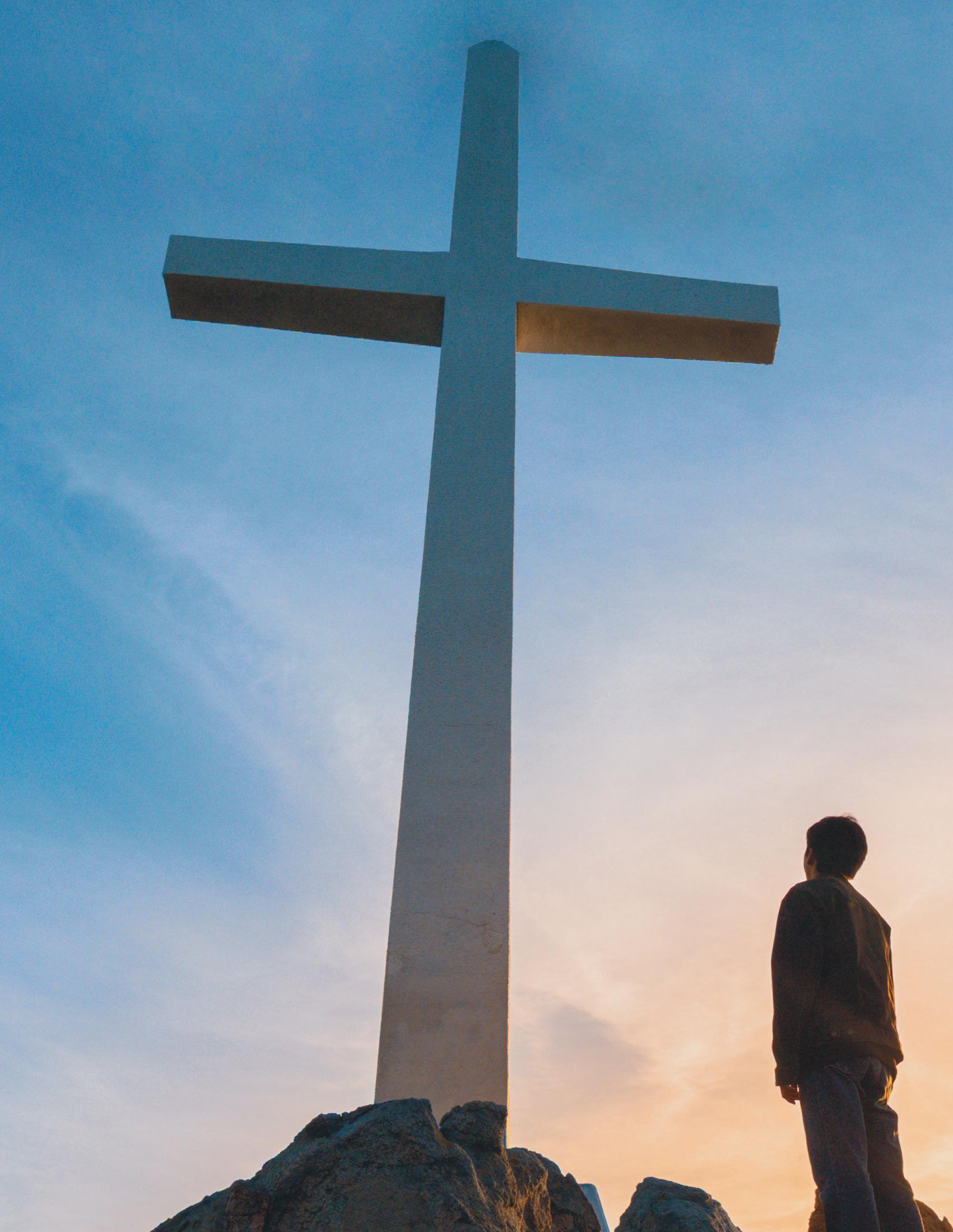
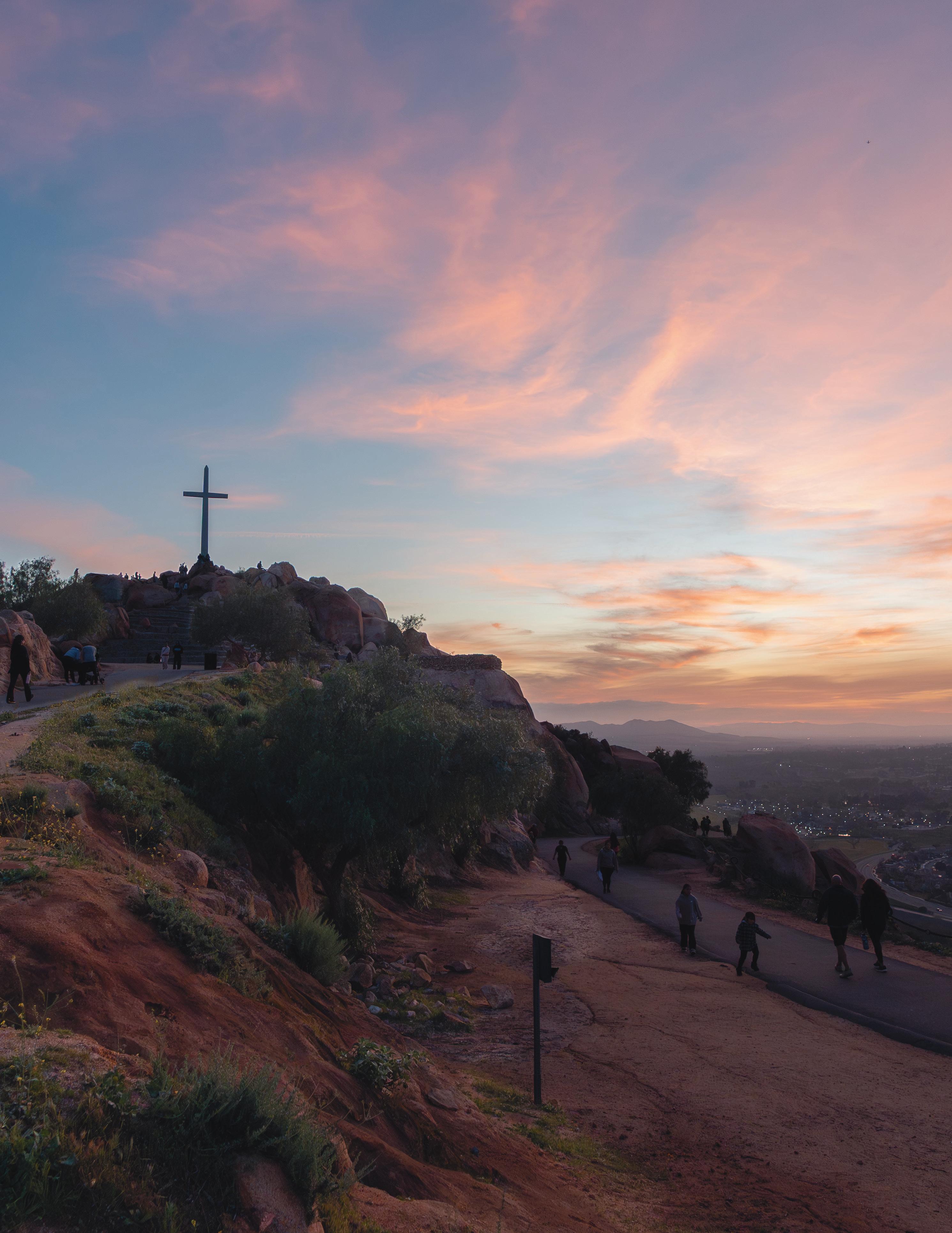
The Cross is one of the most recognizable symbols of faith in the world, a testament to Christianity’s widespread influence. The Cross’s prolific nature is only paralleled by its symbolic meaning, and many Christians believe that understanding the Cross is crucial to understanding the Gospel.
To those unfamiliar, the Gospel refers to the Good News that God sent His only beloved Son to pay the ultimate price for sinners, that we might be redeemed, cleansed of sin and have everlasting life. Our inherent sin separates us from God, but due to the sacrifice and resurrection of Jesus, we can be reunited with the Lord. Through the Cross, Jesus makes a way for us to live free of sin and have a relationship with Him. Given this crucial fact, we begin to understand both the symbolic and literal importance of the Cross.
Much of the early symbolism associated with the Cross comes from the New Testament. Dr. Andrés Vera, associate professor of New Testament, explains the origins of Cross theology. He says, “Paul is the one who developed the significance of the Cross. The Cross already had symbolic weight as an instrument of torture and shame and punishment. Paul turned that meaning upside down and developed the Cross into a celebration of reconciliation. In the community of believers, the Cross now takes on a core identity of atonement.”

Vera discusses how Paul’s epistles reframe the historical connotations of the Cross as understood during the time of the New Testament. Before Jesus’ death, as Vera explains, crosses are tools of deadly punishment. Jesus Himself relies on this symbolism in Matthew 16:24 when He tells His disciples to deny themselves, pick up their metaphorical crosses and follow Him.
The point of Christ’s message is to test the depth of His followers’ commitment, asking if they would be willing to lay down their lives (pick up a cross) and follow Him. Kari Moffat, senior Christian studies and English double major, reflects on this interpretation of the Cross, explaining how Jesus’ metaphor of the Cross reflects the reality of discipleship. She says, “We know that in life we’ll have to suffer, but we’ll also get the eternal reward, because of Jesus”. Today, the Cross no longer serves as a symbol of pain and shame, but one of hope and salvation. Christians see the Cross through the lens of Jesus’ sacrifice and restorative vision of humanity, which is the core of Cross theology.
It is important to understand that the significance of the Cross is incomplete without understanding Jesus’ relationship to it. Dr. Jeff Mooney, professor of Old Testament interpretation and theology, explains the intentionality of Jesus’ journey toward the Cross. He says, “It wasn’t something He accidentally stumbled upon, or something He was trying to avoid.
“ Most importantly, the Cross represents restoration and healing through His grace.”
In fact, He walked right towards the Cross through the Gospels. He understood fully what it was”. Long before He is crucified, Jesus knows precisely what the Cross represents for Him. He understands His purpose, which is to die on the Cross for humanity’s sake, underlining both the significance of the Cross and the capacity of Christ’s love..
Mooney continues, “The Cross for Jesus was a goal of His life. In seeing the Cross, He endures the Cross. He trivializes the shame of the Cross, driven by the joy that was set before Him. The Cross is not only a goal, but also a tool for Christ to remedy the problem between sinners and God and to glorify the Father with His obedience”. This paints an incredibly poignant picture of the Cross and the importance of Jesus’ ministry.
This symbol stands for the complete and willing sacrifice of Jesus Christ so that, through His grace, humanity can be reconciled with God. Interestingly, the symbol of the Cross stands for so much more than the salvation of humanity. It also symbolizes the restoration of the entire world.
Vera says, “It’s not just the human heart that is broken. Because of sin, the entire cosmos is broken. And so, part of what Jesus did is not just to save individuals from hell but also to begin the process of restoring the cosmos. It’s this bigger picture, and all of it comes down to what Jesus accomplished: His crucifixion, burial and resurrection”. Sometimes, as Christians, it can be easy to overlook the bigger picture of Christ’s sacrifice on the Cross. The salvation of humanity from sin is indeed a major aspect of Christ’s mission, but it is important to understand the sheer depth of what Christ accomplishes in reversing the world’s brokenness.
The cost and ramifications of the Fall are great, but as the famous hymn says, Jesus paid it all. Mooney says, “Because of Jesus’ death and resurrection, death itself was crushed”. With the defeat of death, through Christ’s death on the Cross, Christians no longer need to fear eternal separation from God. Hunter Howard, senior Christian studies and intercultural studies double major, also comments on the holistic, encompassing nature of the Cross. “It symbolizes a big aspect of God’s grace, a full picture moment of completion where God restores everything,” Howard says. “Most importantly, the Cross represents restoration and healing through His grace”.
Understanding the power and significance of the Cross is an important step in a believer’s walk with Christ. The distractions of daily life make it difficult to appreciate the crux of what the Cross means. This is why it is so important for Christians to stay in constant, prayerful reflection of things we often take for granted. Mooney provides a noteworthy point, saying, “If Christians understand that they have been loved profoundly and eternally and that God Himself has forgiven them and justified them at His own loss, then this makes life a very different thing to live.”
The Cross, most of all, is a symbol of divine love. As Christians navigate the hardships of life, we must never forget the promise of God’s abounding grace and forgiveness.

Written by Zachary Conquest
Design by Anna Zeni & Michelle Vazquez
For just over half a century, graduating classes at California Baptist University dedicate class gifts to campus, leaving a small piece of the students who once study, gather, and build their community here. Each gift reflects a moment in CBU’s history and a graduating class’s desire to leave something behind for the students who follow.
Today, many of these gifts remain part of everyday campus life. Students walk past them, sit beside them or use the spaces gifted by past students, often without realizing where they come from. Highlighting them offers an opportunity to pause, remember the generations who come before and appreciate one of the ways their presence both shapes the campus experience today and will continue to in the future.
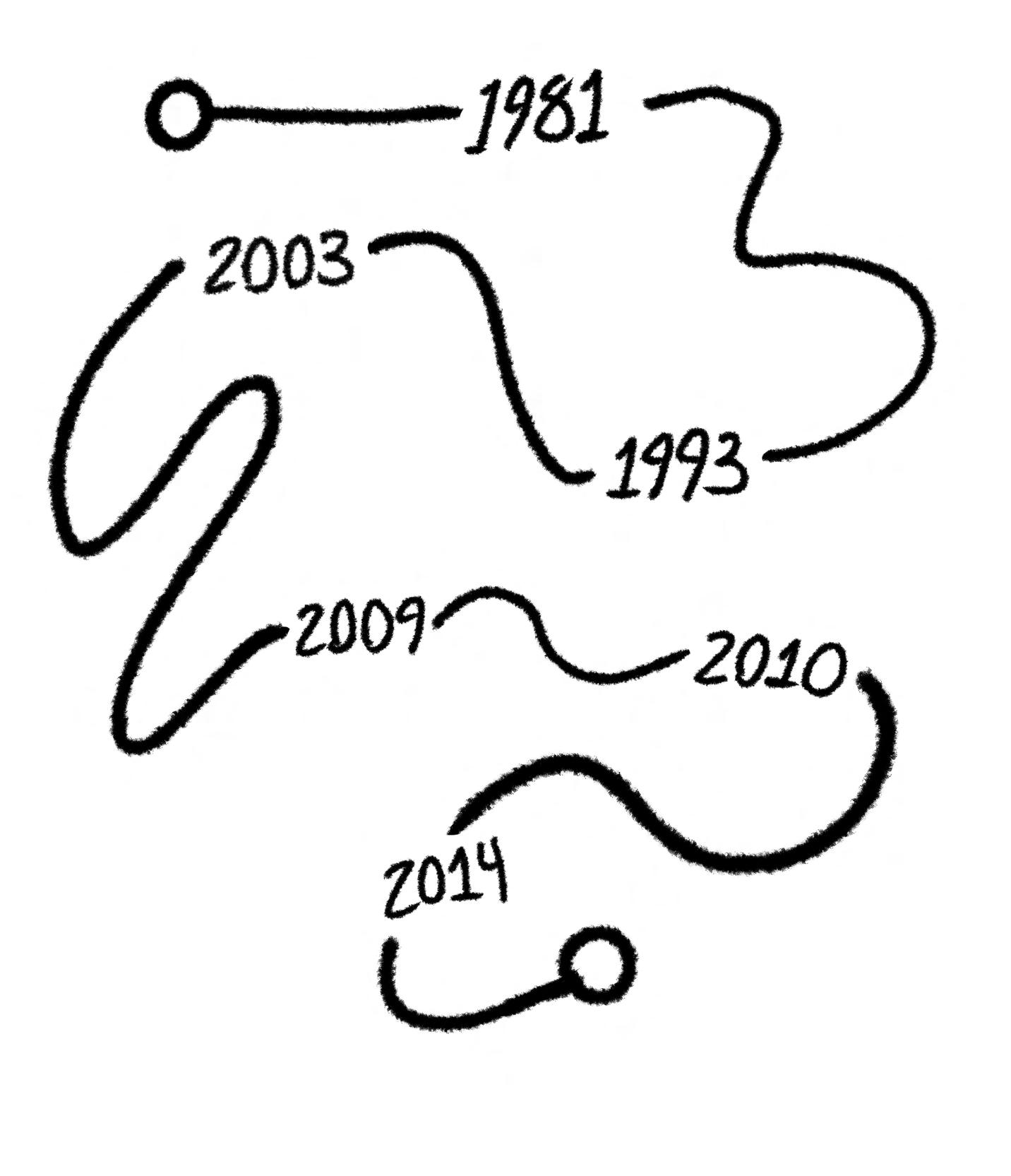
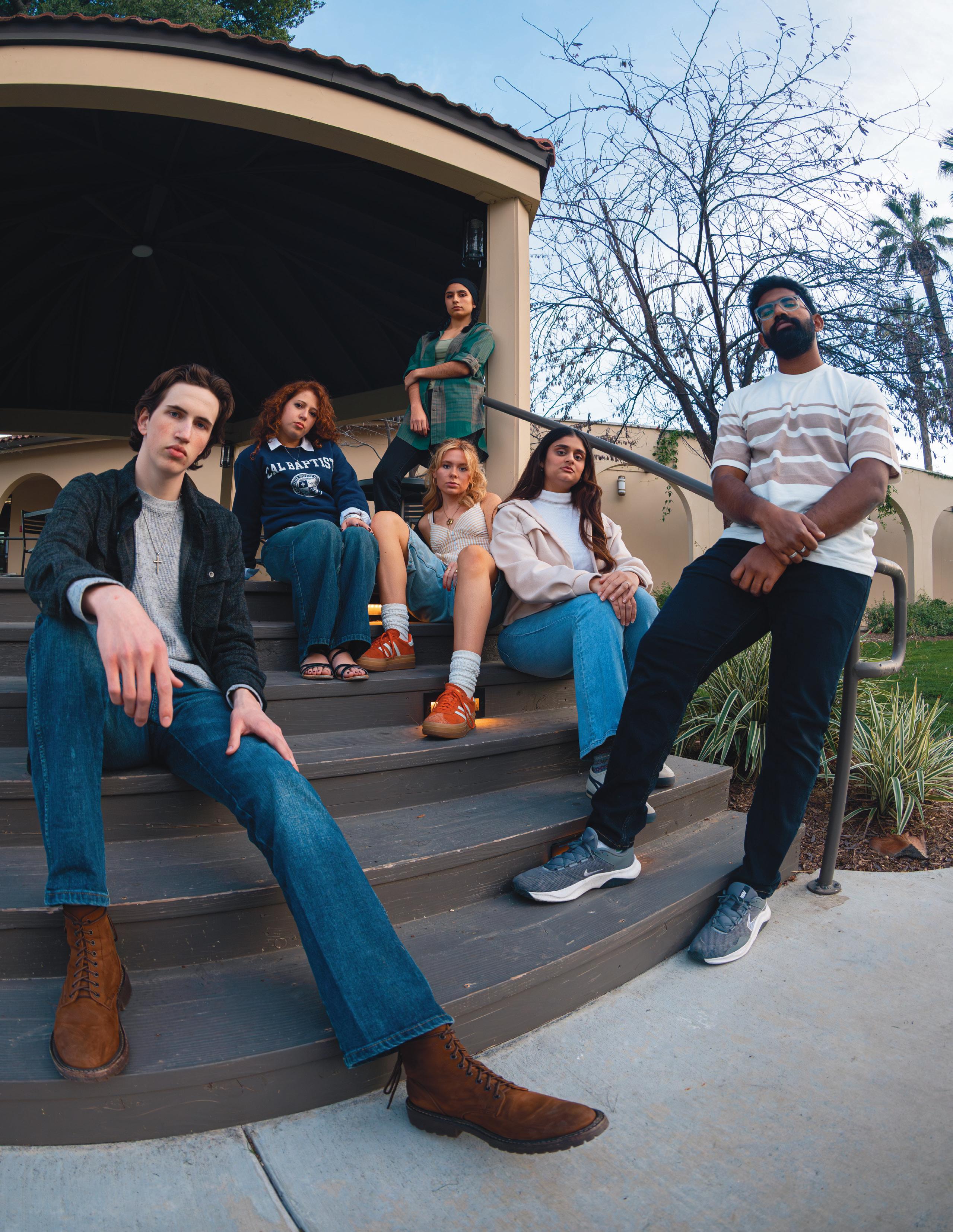


Outside the newly constructed Einstein Bagels sits the Harden Square Gazebo, dedicated by the Class of 1981. Providing a comfortable place to sit, study and spend time with friends, the gazebo overlooks Harden Square and remains a calming gathering place for students throughout the day.


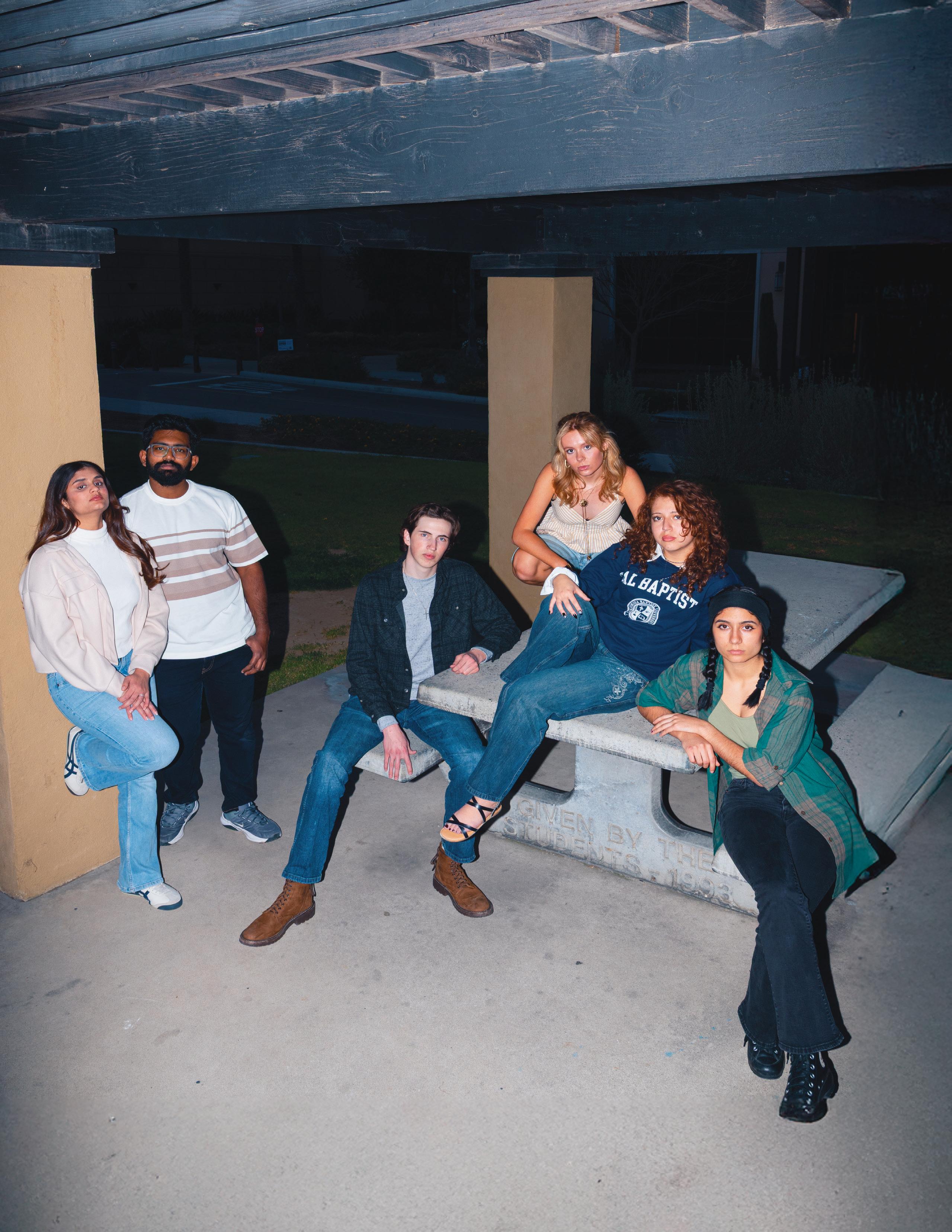
Located on the northwest corner of the Mission Hall Lawn, the Picnic Area is given by the Class of 1993. Positioned near the basketball and volleyball courts, it offers a shaded place to cool off and escape the sun, relax or work on assignments.
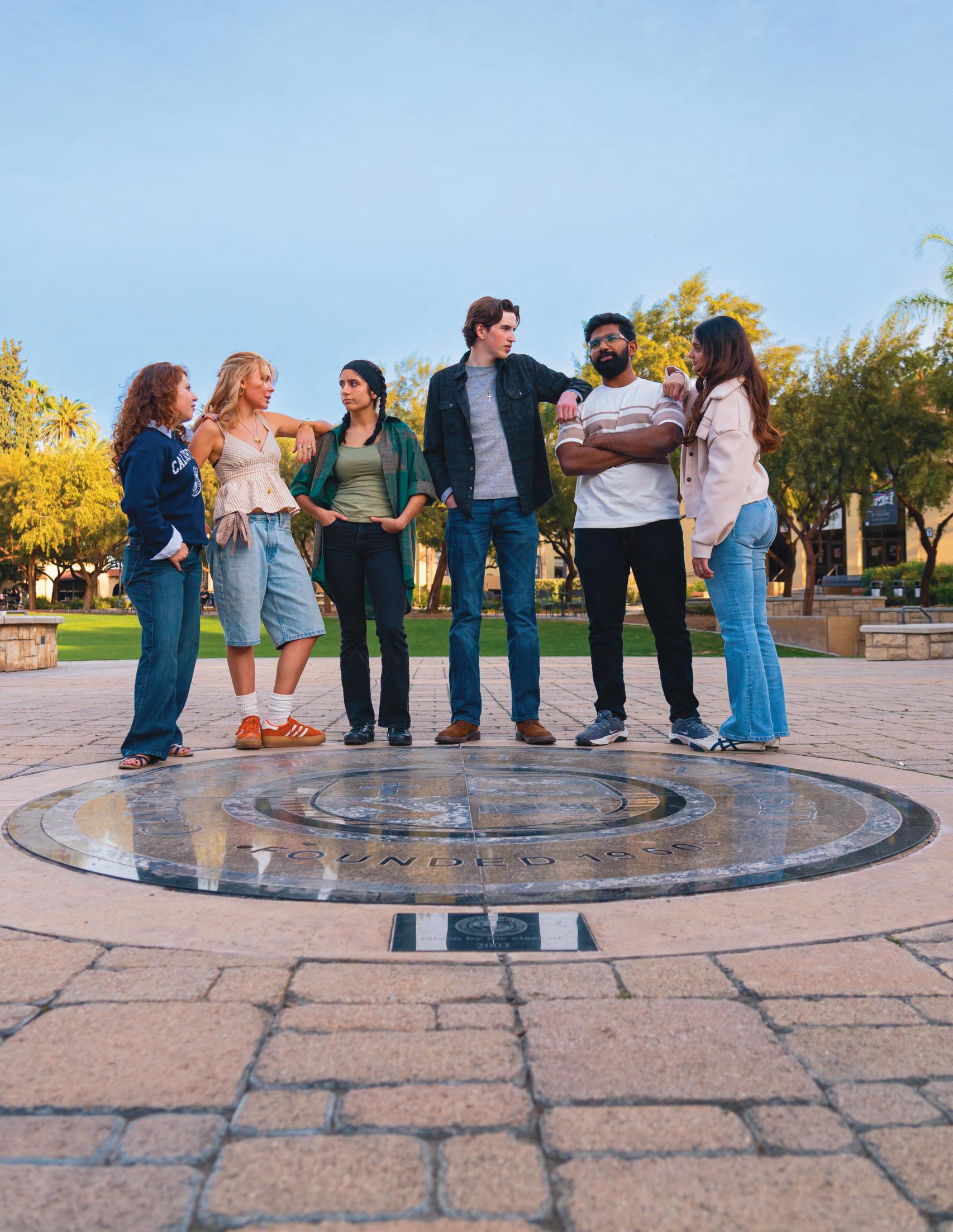


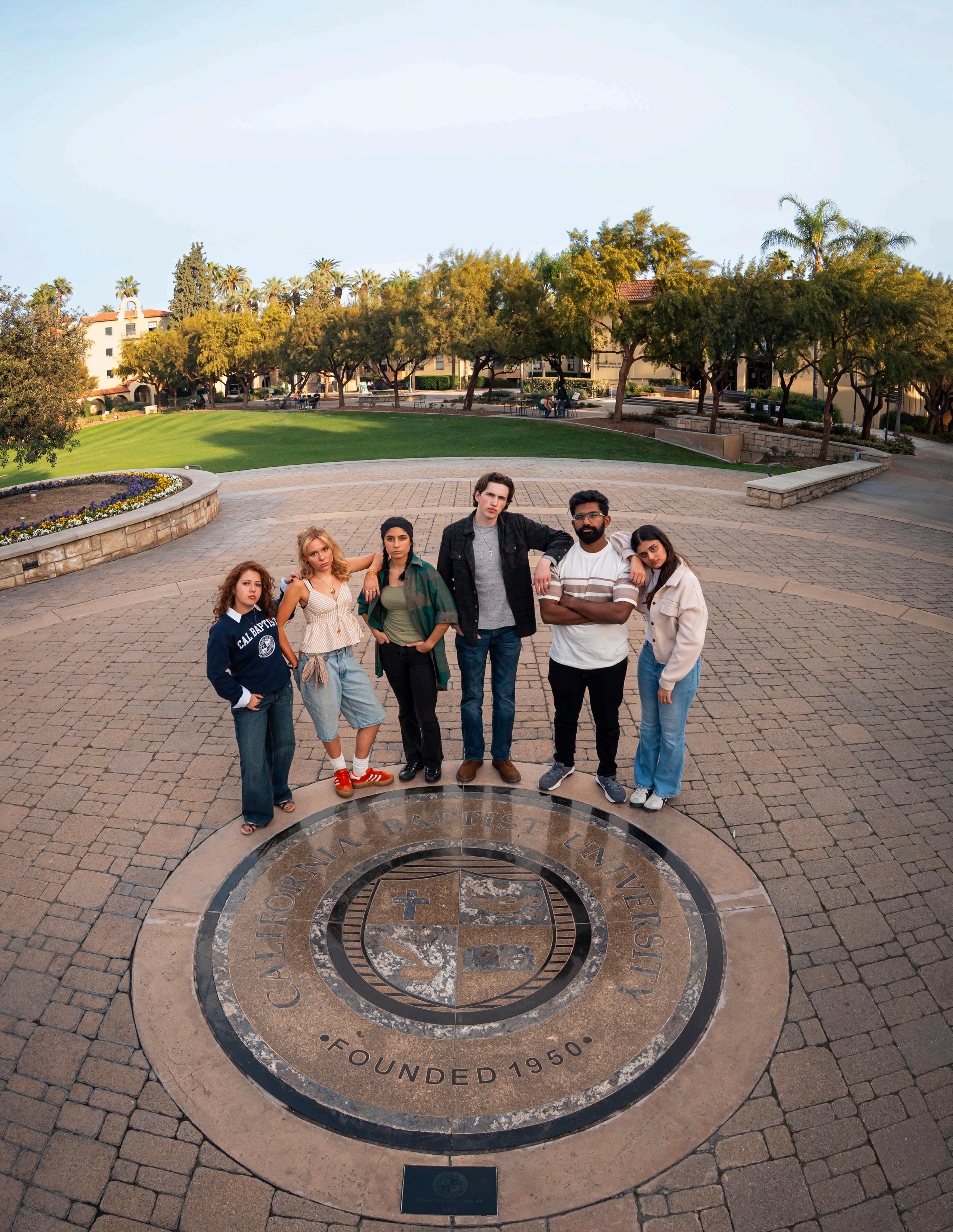
We’ve all seen it and we all know it. The Granite University Seal in Stamps Courtyard is dedicated by the Class of 2003. According to campus legend, anyone who steps on the seal won’t graduate on time unless they run across the lawn to kiss the Class Ring Sculpture, a gift from the Class of 2007.


The Bible Sculpture, dedicated by the Class of 2009, is also located in Stamps Courtyard. It features the King James Version of 2 Timothy 2:15 and serves as a reminder to the importance of studying and faithfully engaging with the Word of God.
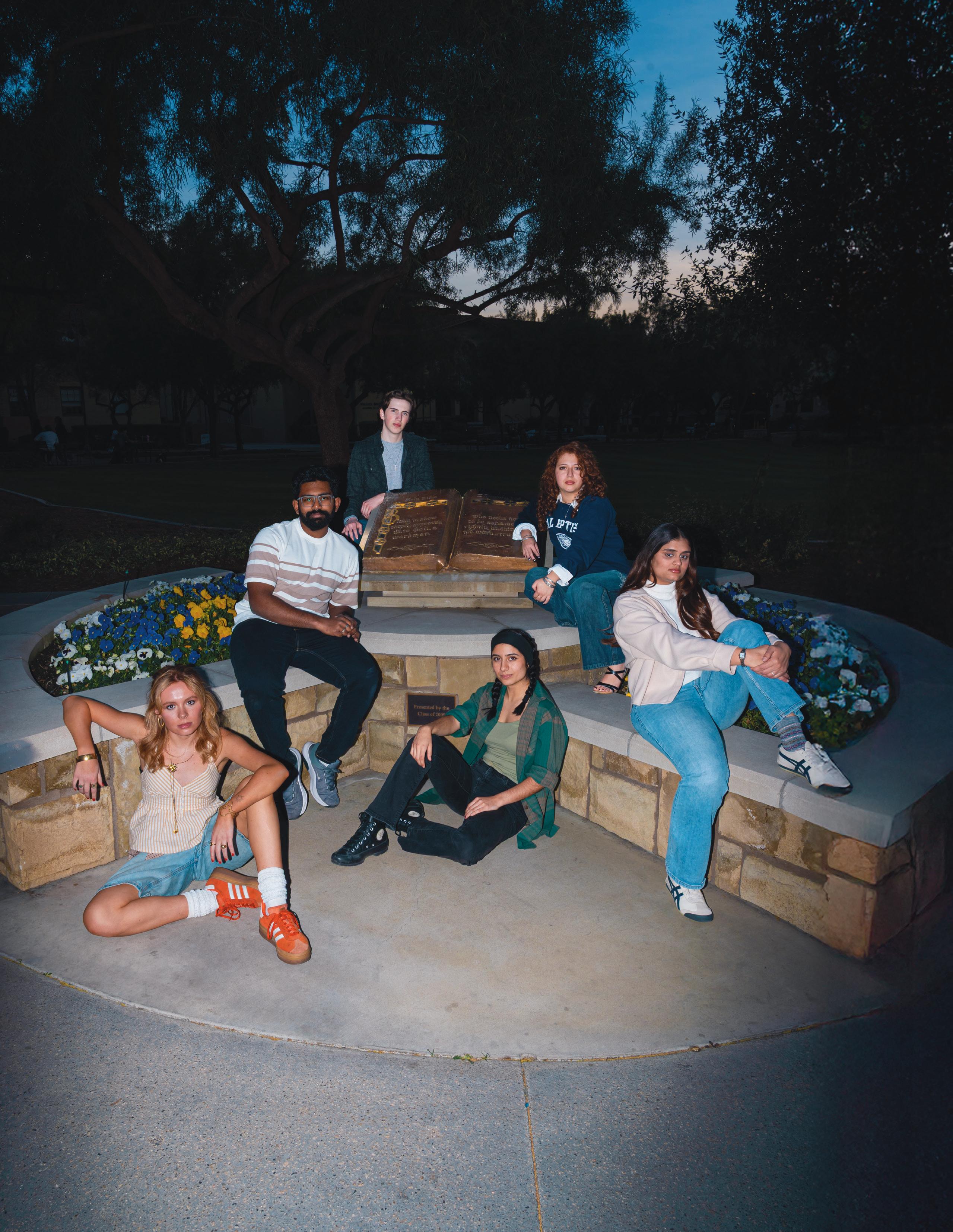



Dedicated by the Class of 2010, the sand volleyball court on the Mission Hall Lawn offers a different atmosphere from other sports areas on campus. Its unique sand surface is unlike anywhere else on campus and creates a relaxed environment for students to play, gather and enjoy time outdoors.
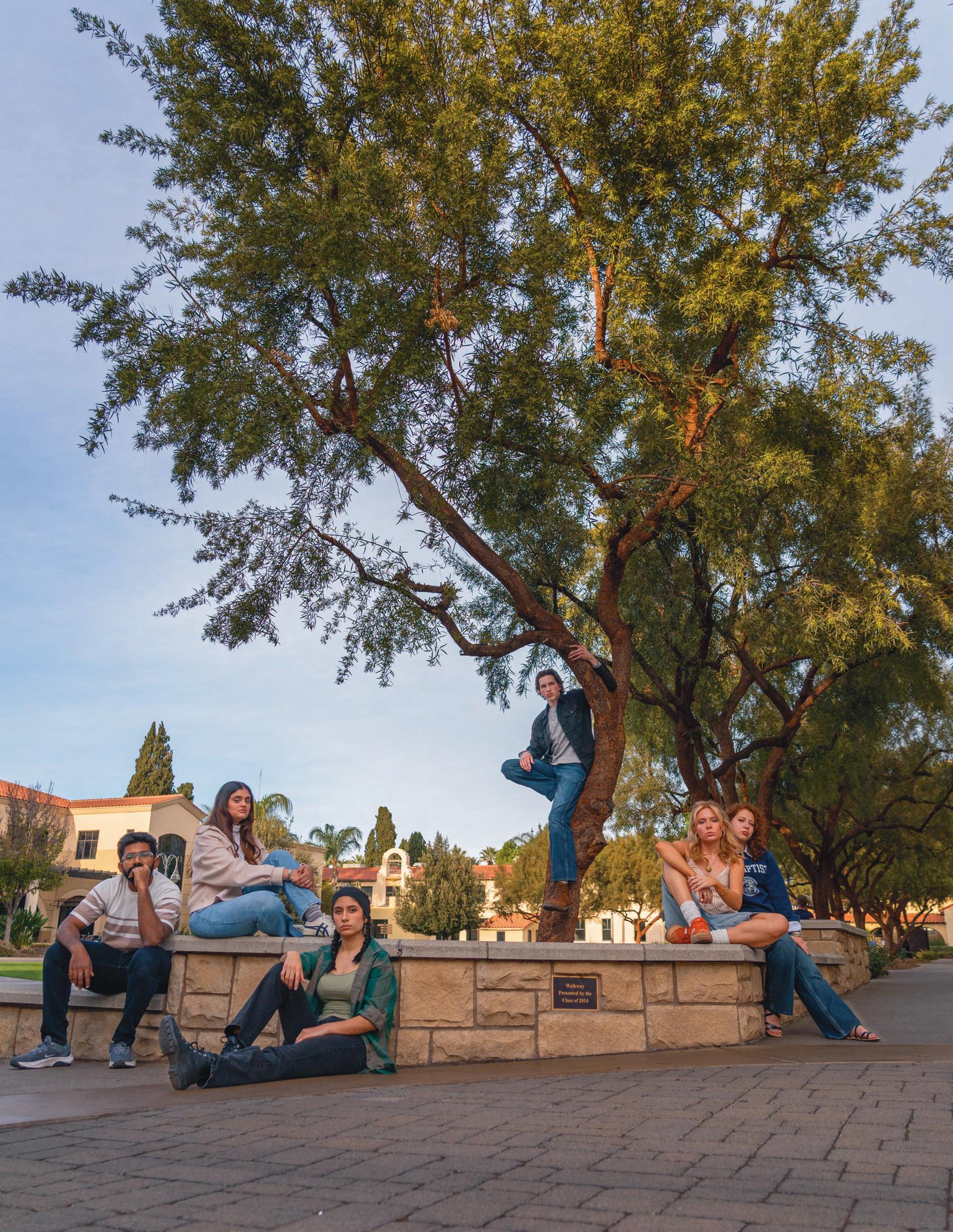


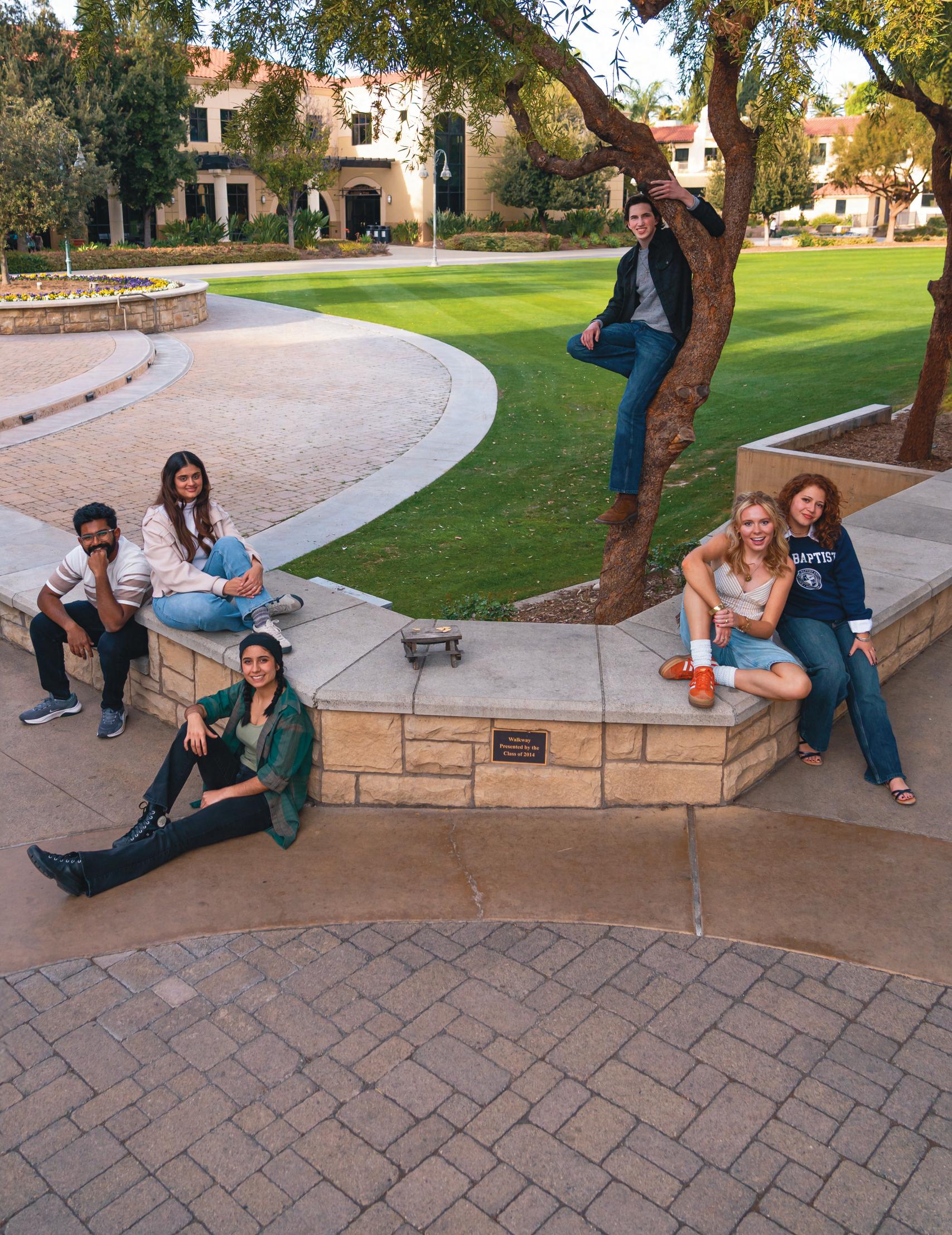
The Stamps Walkway, dedicated by the Class of 2014, runs across Stamps Lawn and connects several areas of campus. While especially busy between classes and after chapel, the walkway serves as a central path where students easily move between buildings or pause to watch campus life unfold.

These class gifts reflect the legacy left by CBU alumni and the ways their contributions continue to serve students today. As future generations walk through campus, these spaces will continue to connect students of the past, present and future.
Written by Anna Zeni & Ethan Werk
Photography by Elissa Garcia & Josiah Alvarado
Design by Anna Zeni
Illustrations by Javid Becerra
“Taste and see that the Lord is good, blessed is the one who takes refuge in Him. “
Do you see it? Sunlight shining through the leaves or the vibrance of each flower sprouting around. The soft breeze brushing past and the brilliant sky above. For many, the beauty all around serves as a small reminder of a larger truth: that goodness fills each day.
Now look at the rushing, shimmering river that flows through your life. “Taste and see that the Lord is good, blessed is the one who takes refuge in Him.” (ESV) Psalms 34:8 reminds us that God is good. His goodness is all around us, glowing from every beautiful thing in this world, from every blessing in our lives. Daniel Bishop, lead pastor at The Grove Community Church, says, “goodness begins with God.” The Grove is going through a sermon series on the goodness of God, and Bishop chose this topic because God’s goodness is “a question that a lot of people have when they’re trying to figure out if they believe in God.” He says many people have different opinions of God based on their experiences. Non-believers may wrestle with whether God is good at all.
So how do we know God is good? Faith Ellzey, senior international marketing major, shares how she has “seen the Lord really be intentional with who He is putting in my life to teach me how to lean on Him more.” God is faithful, and it is a blessing how He brings the right people into our lives to encourage us and help us grow closer to Him. Walking through life with good friends is such an amazing gift because we can experience joy with them. We can hold fast to one another during trials, or friends can grow closer to the Lord together. Blake Leverson, sophomore aviation flight major, says he has seen God’s goodness “in the community that I’ve gotten to be a part of.” Seth Wilson, sophomore exercise science major, says, “I’ve been seeing God’s goodness with my job. I’m an RA. My boss pours into me so much, and it’s so good to see God’s love and his goodness through them.” God uses other people in our lives to show us His love. When we look around and open our eyes to see God’s goodness, we can find it everywhere.
“Every good and perfect gift is from above, coming down from the Father of the heavenly lights, who does not change like shifting shadows.” (ESV) James 1:17. This verse tells us that everything good that we see and experience is from God. We do not deserve God’s grace and goodness, yet this verse tells us that God will never change and therefore will never stop loving you.
34:8 34:8 34:8 34:8
Bishop says, “It’s important for us to know the character of Him, because that’s why we were created. We were created for the sole purpose of knowing who He is. That’s the desire of His heart. And in the midst of our sins and turning away, He still pursues us, and that’s why He sent His Son to die, so that we would know Him. So I think He just longs for us to know Him.” God blesses us, not because we deserve it but because He loves us.
Ruby Macias, senior sociology major, says, “I’ve seen God’s goodness because He took something that was in my mind [going to CBU] and said I’ll handle that for you. And I think He knew my heart the whole time, how bad I wanted to finish school and be a first generation student. So every time I walk onto campus, I feel grateful to be here.”
Grant Roos, sophomore electrical and computer science engineering major, shares that he “had the opportunity to baptize kids [at a camp last summer] and spread the gospel and Jesus’s love with them.”
Bishop says, “He [God] wants us to see and experience His goodness every day of our life, just like the psalmist says, taste and see that the Lord is good. So I think in saying taste and see, He’s wanting us to experience His goodness every single day. Those are two things we do every day. We taste, and we see things that are all around us.”
Dalziel Paz, senior mechanical engineering major, shares that he has seen God’s goodness “in a lot of small ways because I’ve felt very busy and sometimes even a bit neglectful of my relationship with the Lord in the busyness of life, school and work. But I think more than anything, His faithfulness has always pursued. He has never left me stranded, and I can always return back to him.”
God is good in every aspect of our lives, and most importantly, He never leaves us. Through the season that you don’t acknowledge Him, through the season you are on fire for Him, through a season of hopelessness, through a season of excitement, God is always good. His love and character never change. We can remember, “the goodness of God is like a river flowing through every story,” Bishop says. Through stories in the bible we see darkness, Joseph being thrown in jail, and John the Baptist dying. We even see the Son of God, who heals and forgives, crucified. How could all of these horrible things happen if God is really good? But maybe the question we could ask instead is, how are there good things happening in the bad? In the worst of situations, Joseph is betrayed by his brothers, yet Bishop points out, “Joseph was able to tell his brothers. ‘What you intended for Evil, God intended for good to save many lives.’” Jesus dying becomes the Good News for us because of His grace and power. That’s the power of God’s goodness. It is always flowing through our lives. God is always working and caring for us. His goodness will shine through every situation. So look at that river. Look at the beauty of God’s creation around you. Look to the small blessings in your life. He is the goodness in our lives. He knows the depth of our sin and still seeks to make us smile every day because of the power of His love. All we have to do is taste and see. It’s all around you.
...
Written by Jessica Hoffpauir Design by Javid Becerra

Tirza Bustrum
I look into the field of flowers, The breeze teasing the sweat on my neck, I wonder why here? Why not a river, A mountain, or a dandelion speck?
I walk along the wet sand, Ocean breeze whispering in my ear, Where is it that I belong, and Why this specific spot on the sphere?
I push past layers of people, In this smoky city breeze that I claim But can I call a city so expansive my own? And does every passing soul say the same?
I reach home at last, the smell welcoming me, The breeze is softer, calling me in, I don’t need to know where to go, I am here, like I’ve always been.
Written by Anna Zeni
Photography by Elissa Garcia
Design by ShaRena Steeple
Starting college is already a step into the unknown with new classes, new people and new expectations. Now imagine taking that step thousands of miles away from home. You leave behind your family, lifelong friends and the support system that shaped you and arrive in a country where the language and culture are unfamiliar.

International Student and Scholar Services (ISSS), balances administrative support and relational care, as Courtney Watson, senior director of ISSS, explains her role at CBU: “My job is to help international students maintain their visa status while they are here in the United States. But also helping them find pockets of connection and ways to feel seen and cared for on campus.”
Welcome to the life of an international student.
Or as Rafaela Gois De Figueiredo, senior political science major and international student from Brazil, says, “Welcome to the most transformative, refining years of your life.”
At California Baptist University, students from dozens of countries navigate this transition each year, balancing academic expectations with cultural adjustment and distance from home. For many, finding a sense of belonging becomes just as important as succeeding in the classroom. International students have a place that walks with them through those expectations and questions, from their admissions counselors to when they arrive in the country.
One of the pockets of connections she mentions is a physical place in their office. Watson says, “a student-specific space on the ISSS side of our office. So it’s like its own wing of the International Center. That is mainly for international students to use as a second home.”
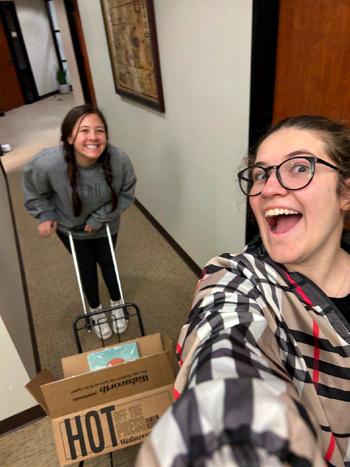
This place is called the Annex, a lounge at the back of their office. The annex has its own kitchen, Wii, games and couches. There is always coffee, tea and a good snack from somewhere in the world. The ISSS staff hires student workers for different internship roles, but they all share caring for the space and being an extension of the annex. Helping students build community is one of the office’s main priorities.


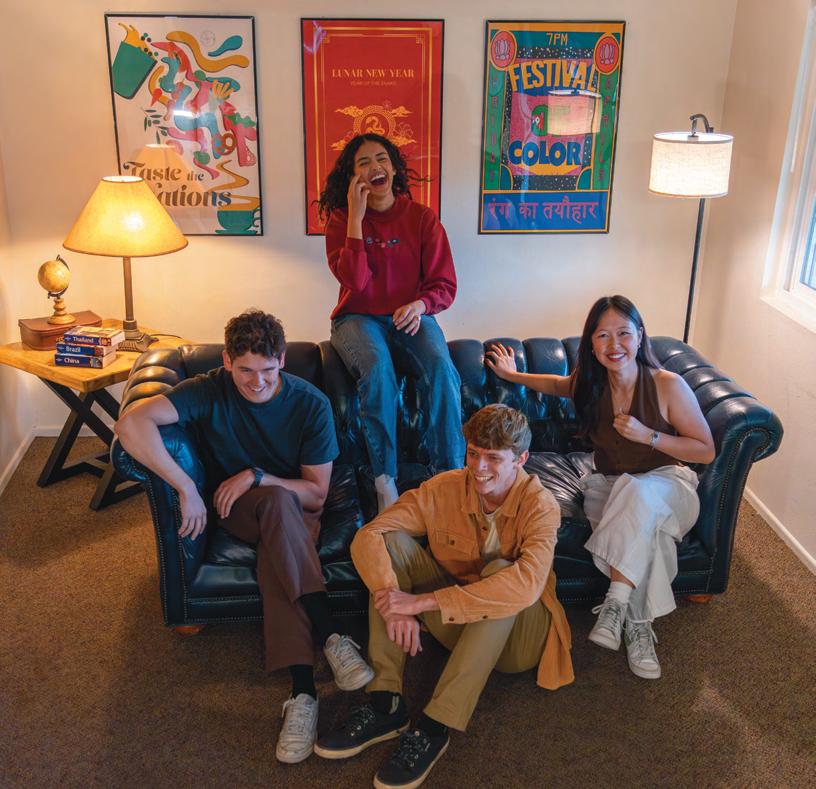
The Annex and the International Center office impact students in different ways, as Figueiredo says, “I rarely felt lonely during my CBU journey, but the times I felt lonely, I went there, so it’s a place of comfort.” For students adjusting to life far from home, that sense of comfort often comes from everyday moments rather than structured programming. Another important branch of ISSS hosts events for all CBU students, from culture cafes where students cook food from their homes to Lunar New Year celebrations that highlight the culture of students who celebrate.
Reid Warner, senior biochemistry and molecular biology major who grew up overseas, says, “In the afternoons, you can go to the annex and chill, but the events are the most memorable, just because you get to meet people from different backgrounds and sometimes try food from different places.”
His experience reflects the International Center’s role as a space that fosters crosscultural relationships across campus, relationships that can become friendships built during CBU years but last for the rest of their lives. Caleb Prewitt, senior international business major who grew up overseas, shares, “A ton of my initial friend group came from the International Center through the events and spending time in the Annex.”
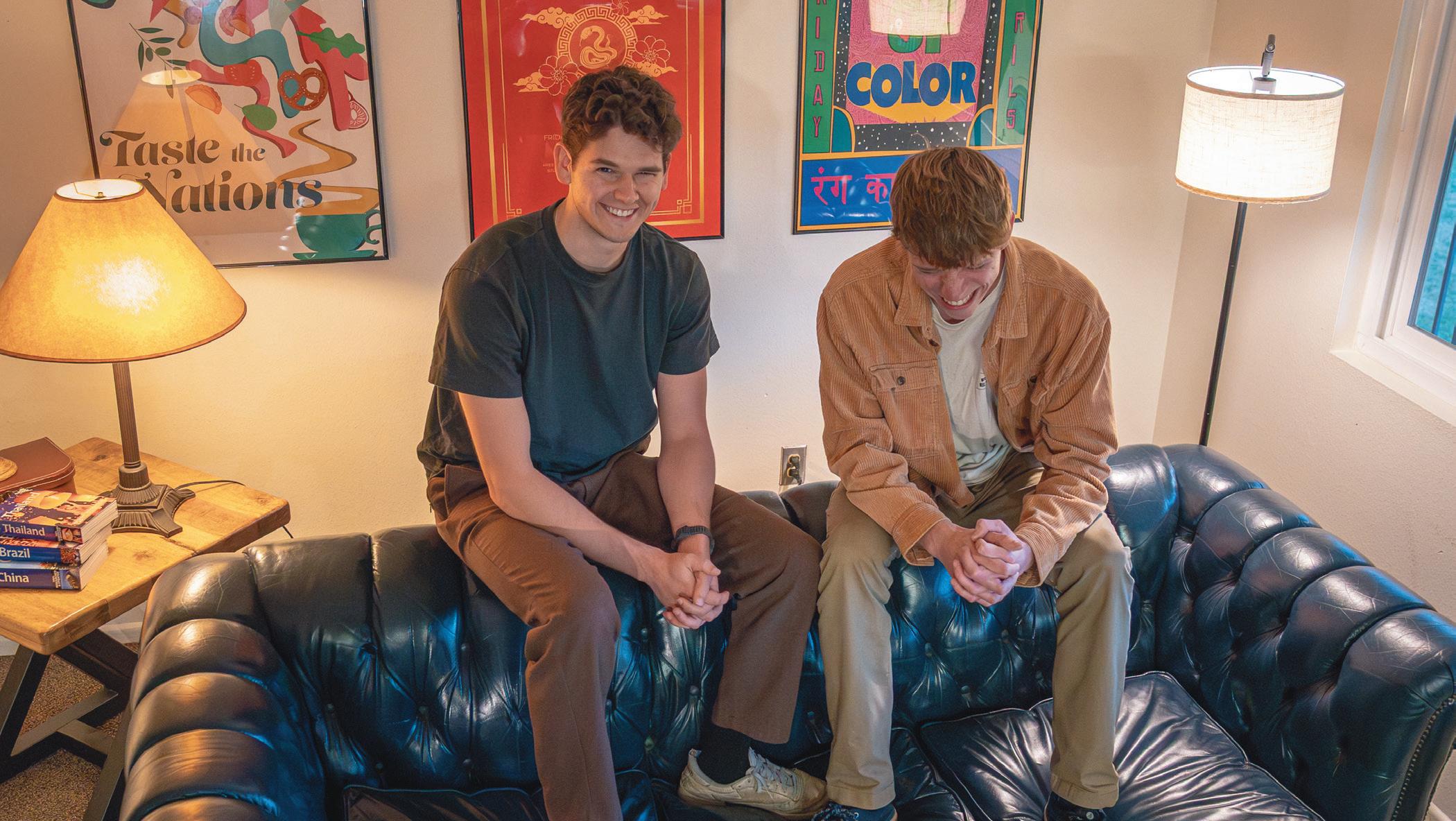
Sirui Wang, senior biochemistry and molecular biology major and international student from China, met many of her friends through the International Center. She tells a story about meeting her roommate and best friend, “the first time I ever saw her was at the IC front desk. I was bored to death when I first came to CBU, so I was eager for someone to talk to.”
Moments like these, shared spaces, spontaneous conversations and community events shape students’ experiences far beyond their first semester. From a place of comfort, eating food from different places and meeting those who become long-time friends and even roommates, the International Center demonstrates that it is more than just an administrative office.
It serves as a support system for students who take the time to engage with its community and cultural opportunities.

This commitment is symbolized by the Kugel, a prominent feature on campus that reflects the university’s mission, with the Great Commission from Matthew 28:16-20 written at its base. Rather than viewing global engagement as something that happens only overseas, the International Center allows students to live out that calling through everyday relationships.
Figueiredo says, “Everyone from CBU who thinks they have a call to be a missionary should go to the annex. Before going to the nations, you should go to the annex because the nations are there.”
“Before going to the nations, you should go to the annex because the nations are there.”
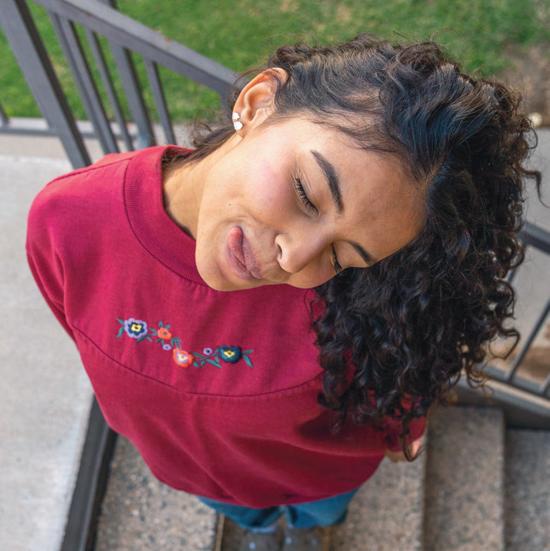
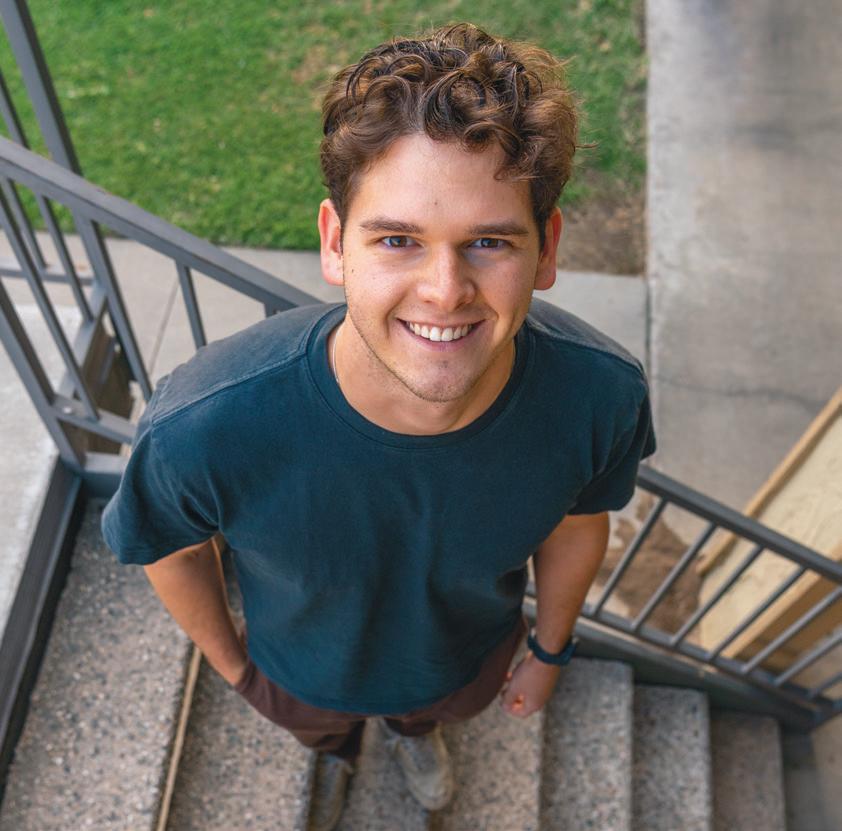
For international students stepping into an unfamiliar world, the International Center serves as a reminder that transformation does not happen alone and that sometimes the journey toward global understanding begins right on campus. Prewitt says, “There aren’t many constants in college; things change a lot, but one thing that has been consistent is the people at the International Center and the friends I met through them. And I know that will continue post-grad.”
Sharing the burden of the unfamiliar with others can make the process feel lighter. Wang shares, “I found my community through the IC, and the friends I met there have been my most significant support throughout my college life, since we are all international students or have experience overseas. That connects us, and we understand each other more in some ways.”
The connections that evolve into friendships are with people we chose to do life with. Our differences in culture and language help us change our perspectives and deepen our ability to empathize.
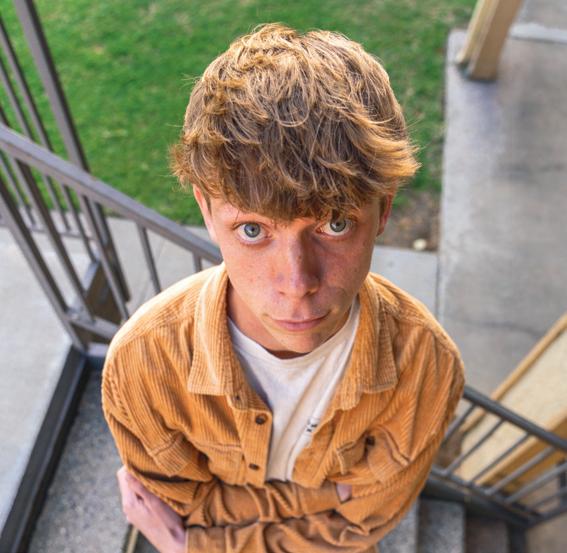
CalebPrewitt , seniorinternational businessmajor
Warner says, “I would say that the people I met through the international center have made a massive impact on my life. The biggest thing they taught me is how important community is in life. And how important it is to constantly surround yourself with good friends who care about you, and whom you care about as well. It’s helpful to keep you on the right track.”

The International Center is not just an office on a college campus, it can be a support system that changes lives. Watson says, “The biggest win for an international student once they’ve been at CBU is feeling seen during their time connected to our office… It’s always really encouraging on graduation day to see our international students and watch their faces light up when they see us at their ceremony.”
The International Center challenges all students who spend time there to learn how to engage with differences and to be more empathetic. IC staff shows its care for people by supporting those stepping into the unknown.
The life of an international student does not end when college ends. Because what those students learn during their time at CBU with the International Center is not just for college, but for a lifetime.
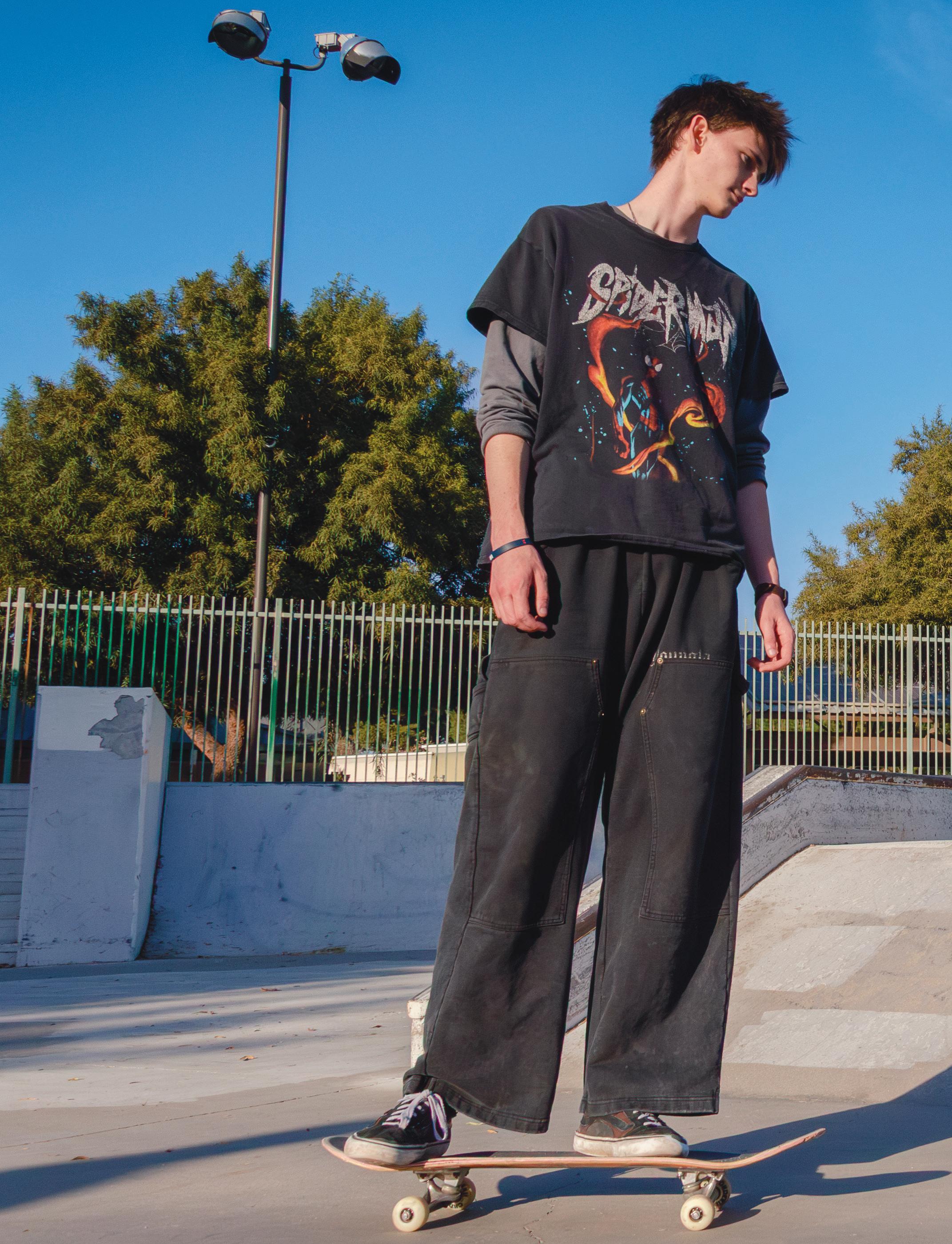
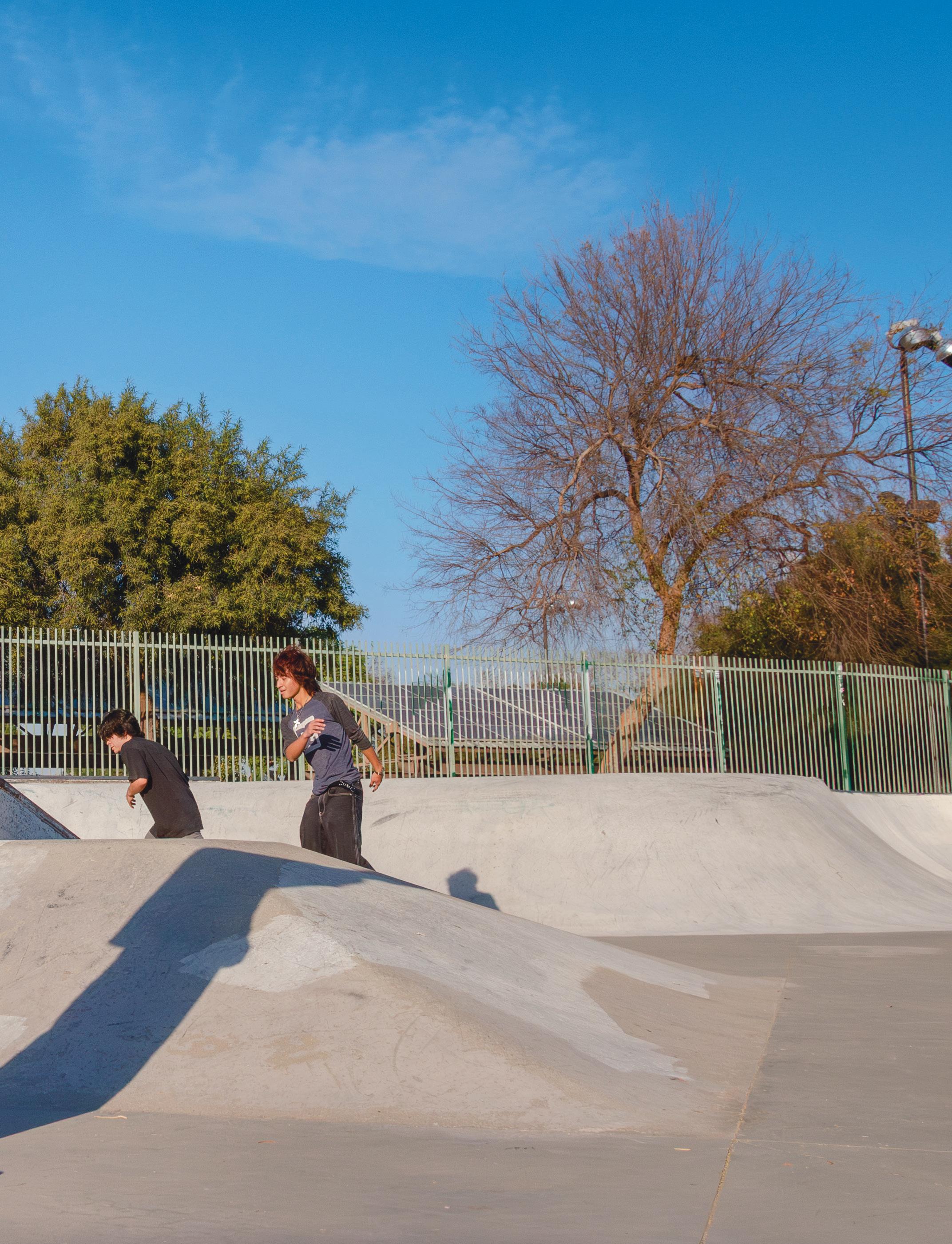
As humans, we crave connection. We form bonds through a sense of community, but what builds this community? There are many things that can bring people together, such as work, school or family, but some of the most impactful communities form around a shared passion for a hobby. One such hobby that allows a plethora of people to become friends is skateboarding.
On a college campus, many students at California Baptist University ride scooters, skateboards and all sorts of contraptions to get from place to place, though not everyone uses these items solely for transport. All of these options are functional, so why choose a skateboard? While difficult to learn, it is wonderfully rewarding, providing the opportunity not only to travel to the Health Science Campus quickly but also to learn endless tricks. Some tricks cannot be done just everywhere, making the local skate park an extremely beneficial and convenient spot for anyone to stop by and practice.
Not even a mile from CBU, Hunt Park, located at the corner of Jackson Street and Garfield Street and home of the Renck Community Center, also houses a skate park suitable for anyone from those who have never stood on a skateboard before to avid skaters. Michael Salvato, freshman entrepreneurship major, shares, “I think I discovered the skate park actually before I got here because I was just curious what the closest skate park was to campus.”
Danny Solis, sophomore architecture major, discusses what causes him to devote so much time and effort over the last eight years of his life to skateboarding and learning new tricks. “I actually got more into skateboarding because of my cousin.
He passed away a couple years ago, and I remember, man, he would do some crazy tricks at the skate park.”
It is the year of his passing that Solis begins to take skateboarding more seriously. As Solis shares, “He’s a really big reason why I do what I do… I do a lot of things for him that he can’t do.” It is out of this tragic event that Solis grows, gains a new hobby and finds strong bonds in this new community. When you’re incredibly passionate about something, others want to share in that passion with you. Solis, leading something of a skateboarding revolution among his friends, persuades them to get boards of their own. Adriel Ramos, sophomore architecture major, recounts how, “I made my own board last semester and ever since then, like every day, we’ve just been using it around campus.”
Similarly, Dean Peleo, sophomore architecture major, speaks of how, “He [Solis] told me when we were walking to the skate shop that that board is just gonna call you.” As Solis likes to emphasize, “Your board is an extension of you when you skate… You got to love your board like you love yourself.” This is one of Peleo’s favorite parts of skateboarding, being a big fashion person. “I feel like it’s a way to express your style down to the clothing, your board… down to the stickers, the griptape, everything.” The ability to customize something so extensively and make it so personal adds so much to the joy of skateboarding, making the flames of passion burn even brighter.
The more passionate you are about something, the more time you want to pour into it. Salvato recalls being up late talking with some friends when he gets an overwhelming urge to skate. Although it is late on a Saturday night, “me and my friend came out here and just skated from probably 3:30 in the morning until like 8.” While this is a long amount of time, it flies when you’re having fun.
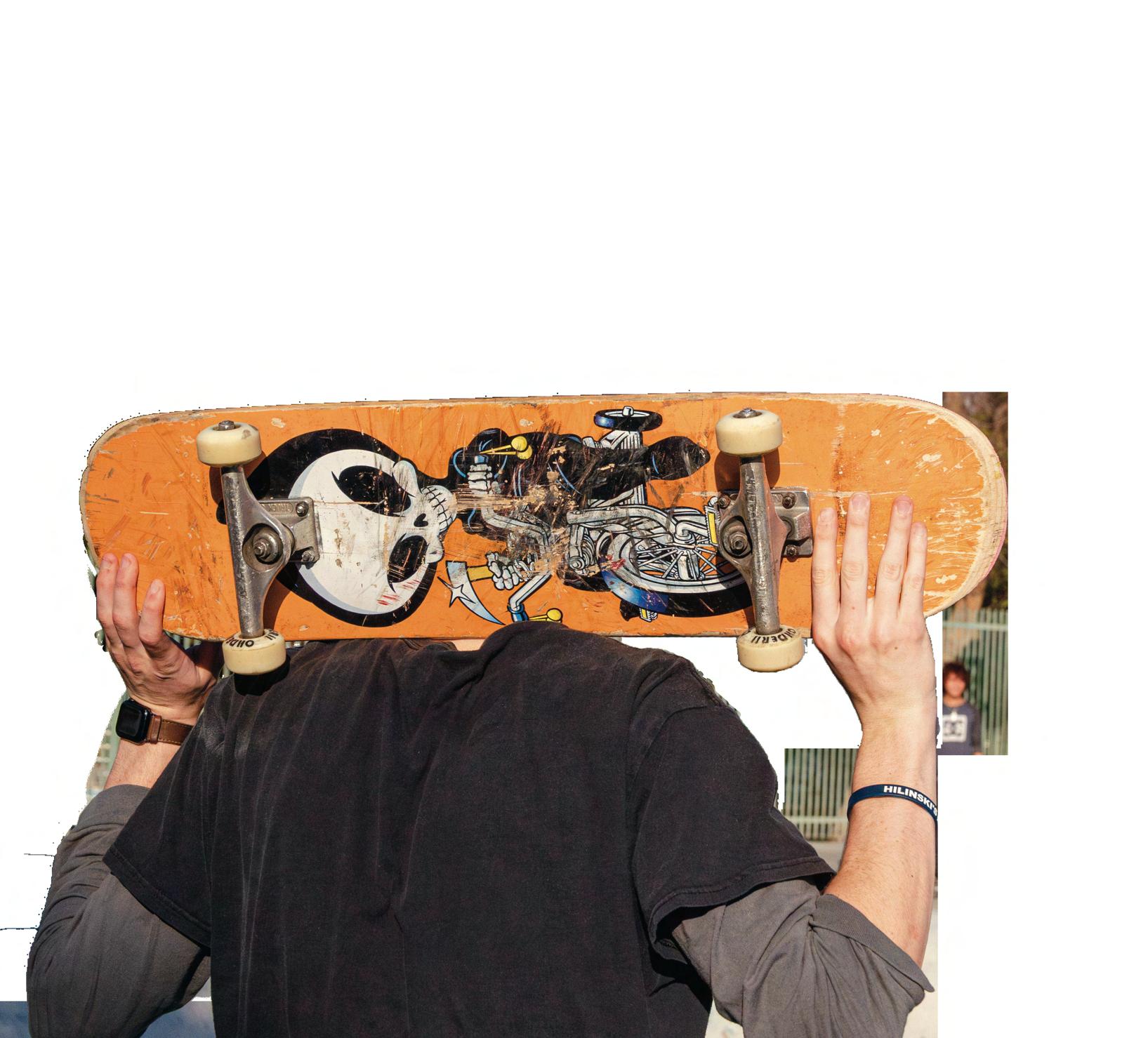
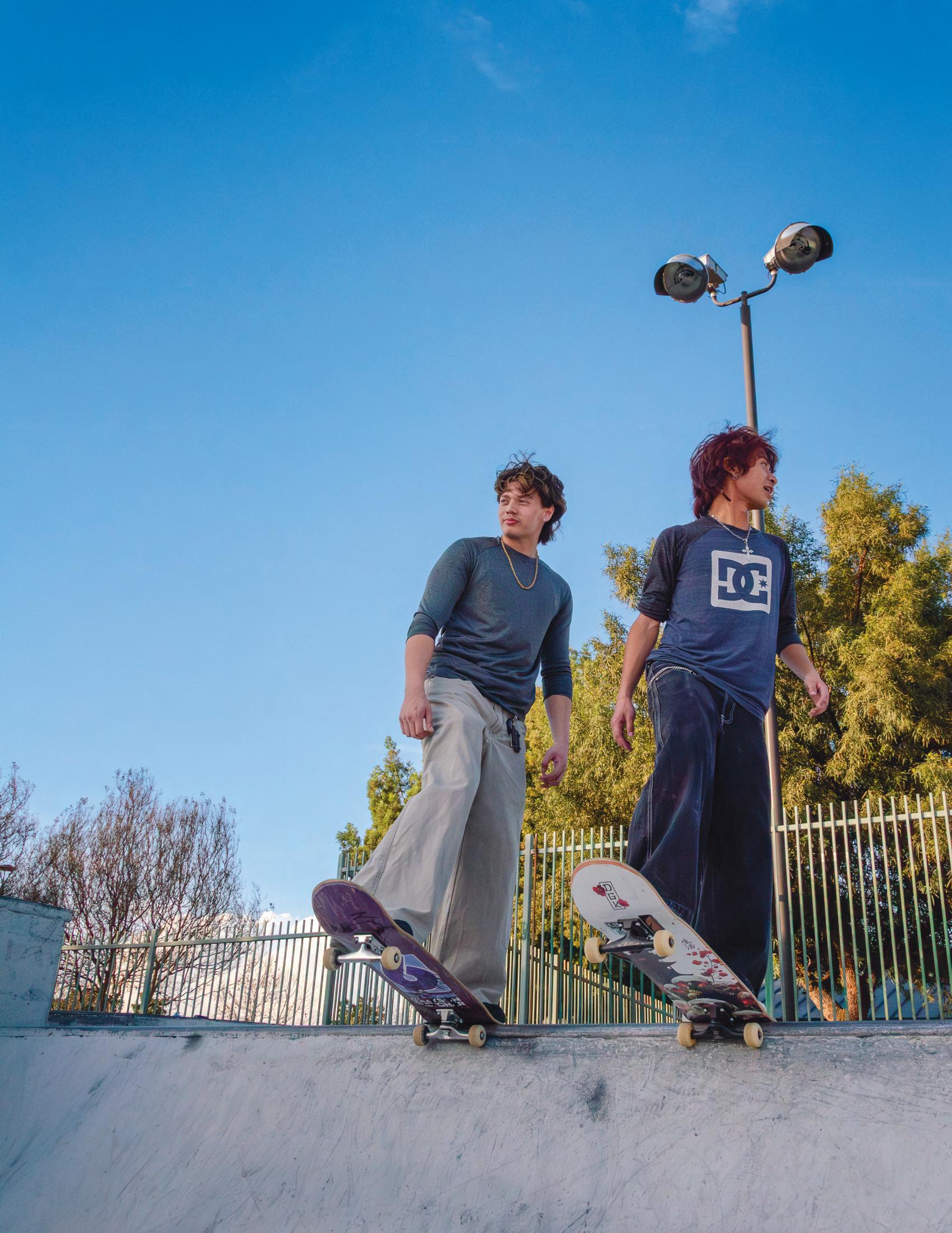
Salvato recounts how the two of them “talked and messed around, and by the time we were done, both of us were so tired we literally couldn’t hit any tricks.” Although they are completely exhausted, managing to catch the sunrise with a friend while sharing in such a fun experience provides a significant memory that Salvato won’t forget for years to come.
The passion of skateboarding really gets to Solis one weekend as he shares what he likes to call his eight-hour run. “I was at a skate park in Redlands, and for like four hours for two days I was just skateboarding nonstop, and by the time the Sunday came around, I was so sore.” Though extremely drained and tired after the event, Solis recalls his eight-hour run fondly and with a drive that suggests he would do it again if given the chance.
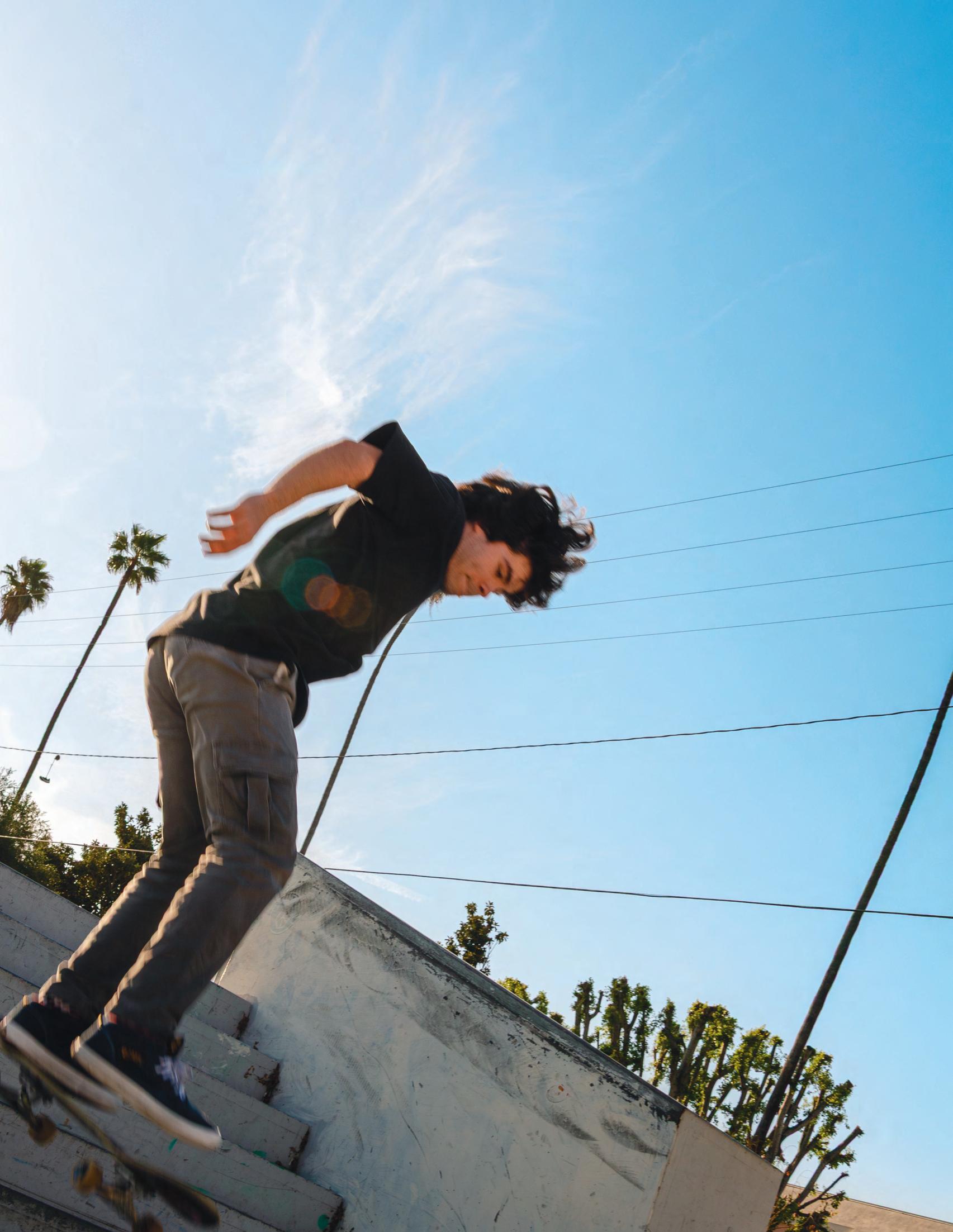
Skateboarding not only helps some stay active but also has other benefits, such as facilitating a space to grow in confidence. Learning something new is scary, especially when there is a risk of injury if you make a mistake. While those just starting out can pick up some simpler tricks, such as the ollie or shove-it, many begin to plateau with the significant difficulty of the kickflip. As Salvato shares, “I’ve probably done thousands and thousands of kickflips, and it’s still not 100% consistent.”
On the topic of kickflips, Ramos shares, “It’s definitely like a skill check kind of thing.” So why continue to attempt something so difficult? Salvato enlightens us by mentioning, “The satisfaction you get of landing a trick makes all the effort going into it worth it, you know?” The sense of accomplishment that comes with succeeding in learning a new skill is incredible, but it’s not possible to grow or become better at it without a leap of faith. As Ramos shares, “I mean, you can’t land a trick if you’re scared, you gotta be able to just send it.” As Peleo eloquently puts it, “It’s just a mental block at the end of the day.” It is by overcoming this mental blockade that you’re able to push yourself to grow, which will not only help you learn new tricks but also boost your self-confidence. Having a community of people around to encourage you assists in this growth. Part of what makes this community so strong is how easy it is to become integrated into it. Skaters are readily accepting of anyone with an interest in it and especially those who desire to learn. Peleo shares, “I like the community. Everyone’s super supportive. No one’s gonna be like, “Oh, you’re the guy who doesn’t know how to skate,” like everyone’s trying to support you cause, you know, at the end of the day, everyone was there at one point.” This shows how skaters simply enjoy the company of others who share their hobby. Just knowing someone is interested in skating or rides around campus is enough to form new connections.
As Ramos remarks, “You walk around campus, or you walk around the streets or something, see someone with a skateboard, and that’s already something you can like, relate to without even having to know the person.” This sentiment holds true for anything, from seeing someone with a skateboard to a shirt for one of your favorite bands. When you have the same hobby as someone else, there is an instant connection.An important note from Ramos is that, “With any hobby, make sure you’re having fun.” The beauty of skateboarding is that it is not only useful but also fun. Whether it’s skateboarding or any other hobby, there will always be many new bonds and connections that can grow from the singular decision to start something new.
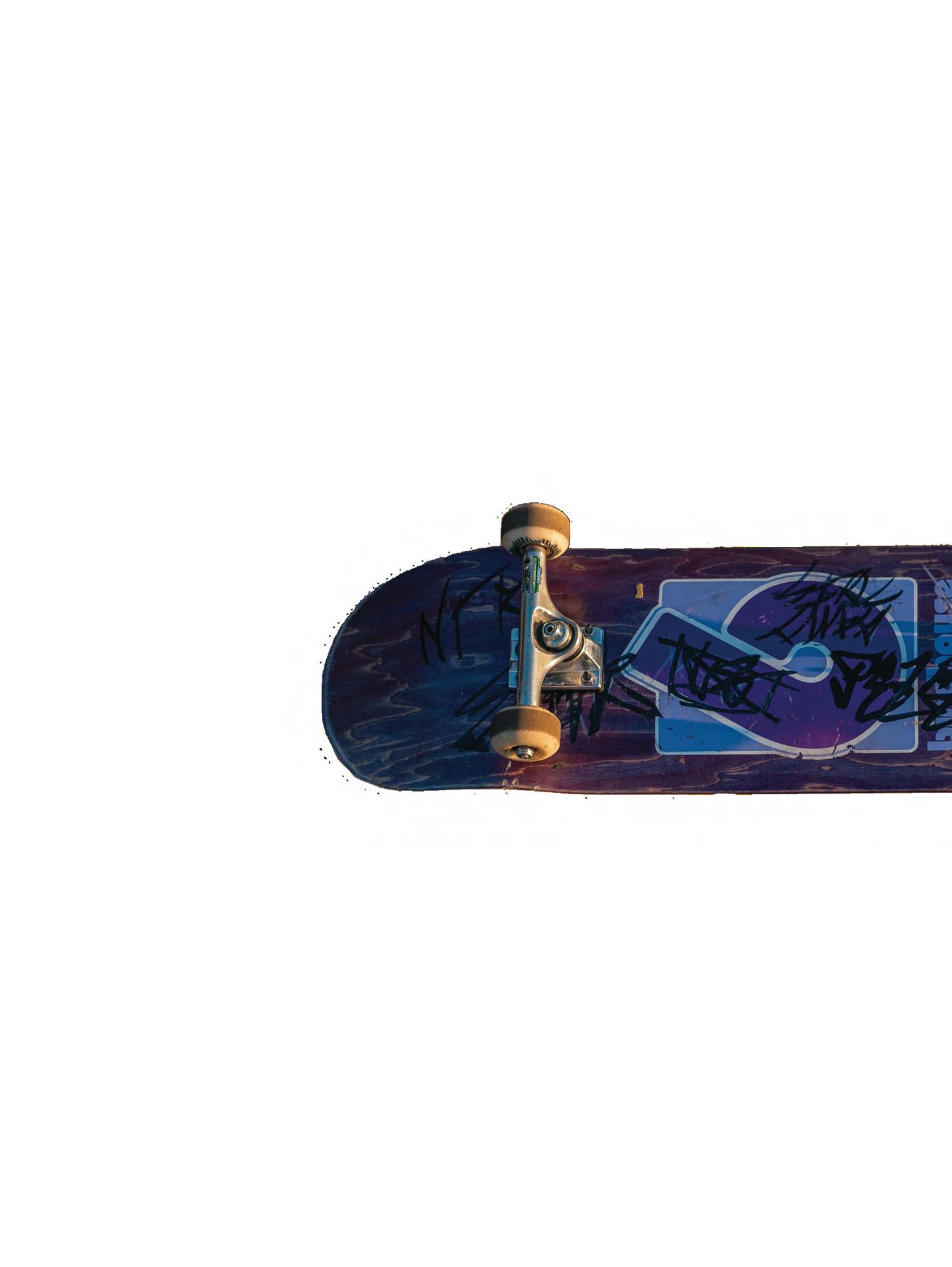
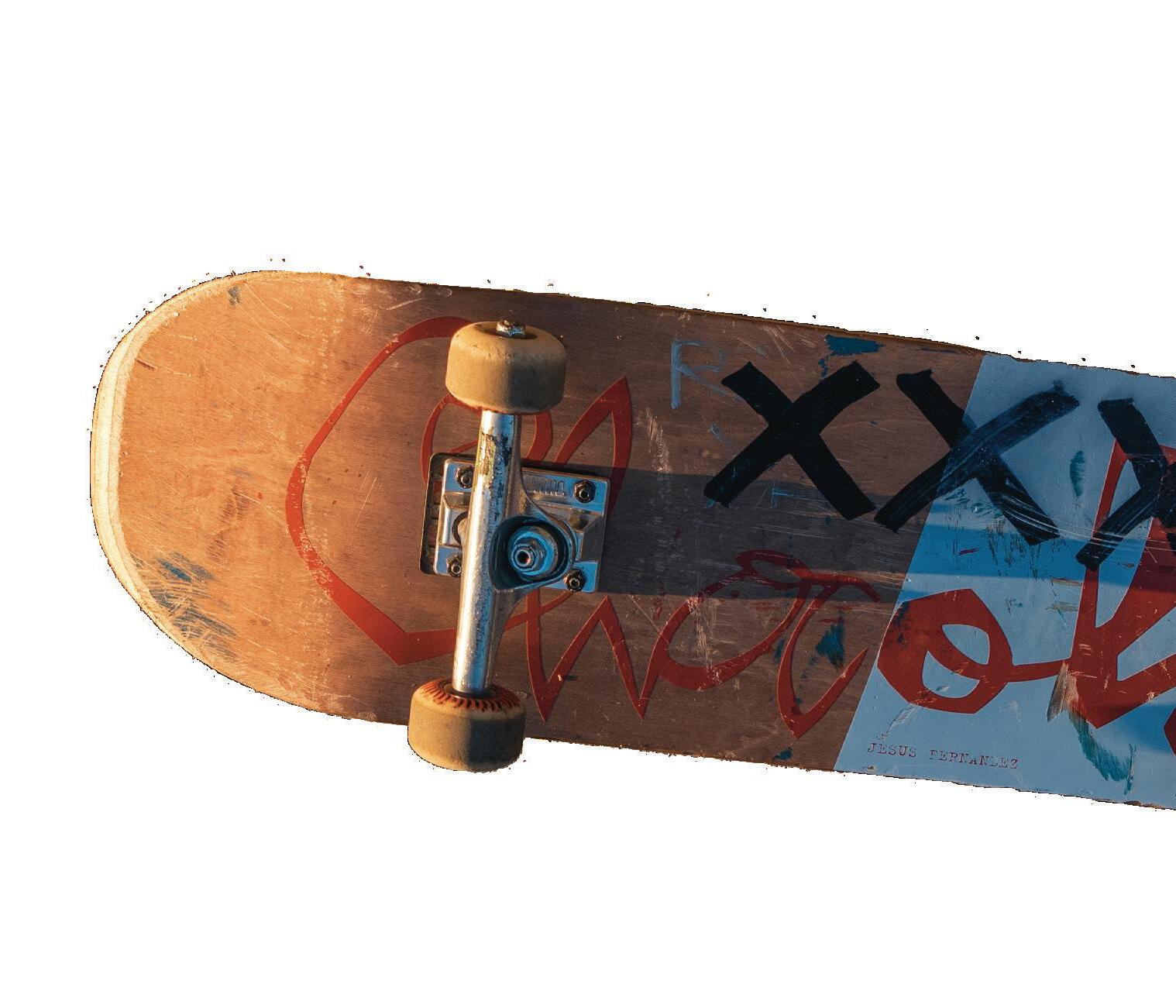

Design by Samantha Upperman
Who I am is where I’ve come from
And where I’ve come from Is who I’ve come from
I am the laughter of my mother I am the wit of my father I am the stories of my grandmothers I am the creativity of my godmother
I am the empathy of my aunt I am the prayers of my grandfather And the list goes on…
I am everything they are
Passing down memories
Family, connections That go back centuries
I am drumbeats I am woven memories I am palm trees
A tapestry
Woven from family history
Migration stories
Roots uprooted
Planted anew
New beginning
Who I am Is who they are
And they are shaped by the hand of God And who I have become Has shaped them
The cycle continues
Throughout generations Who I am Is who I’ve come from My place on Earth My place in heaven
Direct ties
To people above Ancestors Whom I have come from
Made of several stories
Several symphonies
Music and words
Formed from family
I am who I’ve come from And who I’m becoming All rolled into one
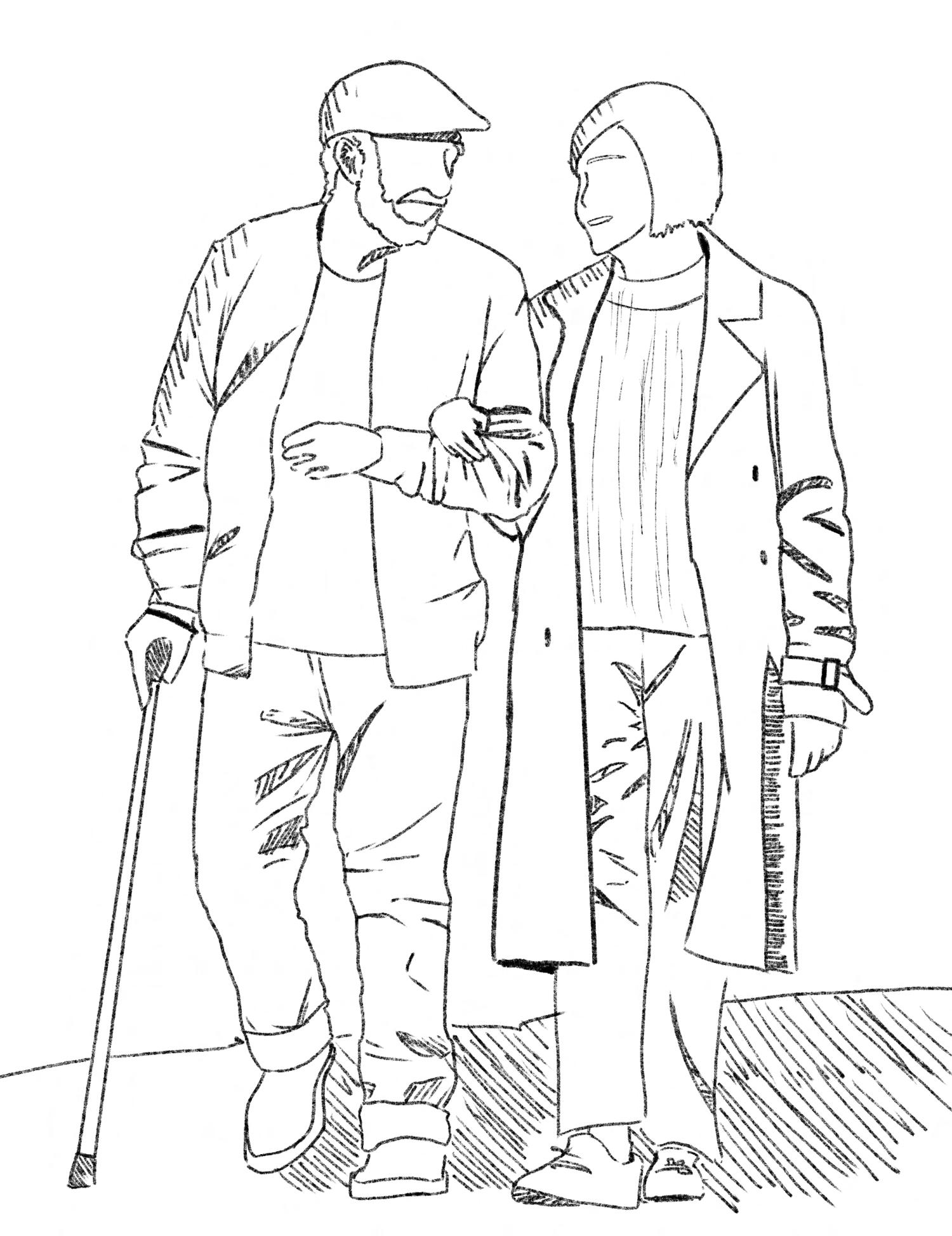
ANNA ZENI EDITOR-IN-CHIEF

CASEY MALDONADO DIRECTOR OF STUDENT PUBLICATIONS, PRINT & ONLINE
ASSISTANT PHOTO EDITOR

ZACHARY CONQUEST STAFF WRITER
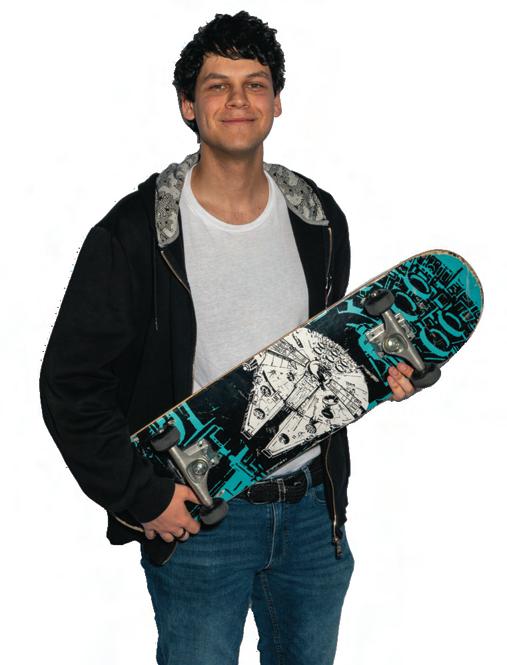
ETHAN WERK STAFF WRITER

SAMANTHA UPPERMAN STAFF DESIGNER

SHARENA STEEPLE STAFF DESIGNER

MICHELLE VAZQUEZ STAFF DESIGNER
TIRZA BUSTRUM SEUNGHA PARK


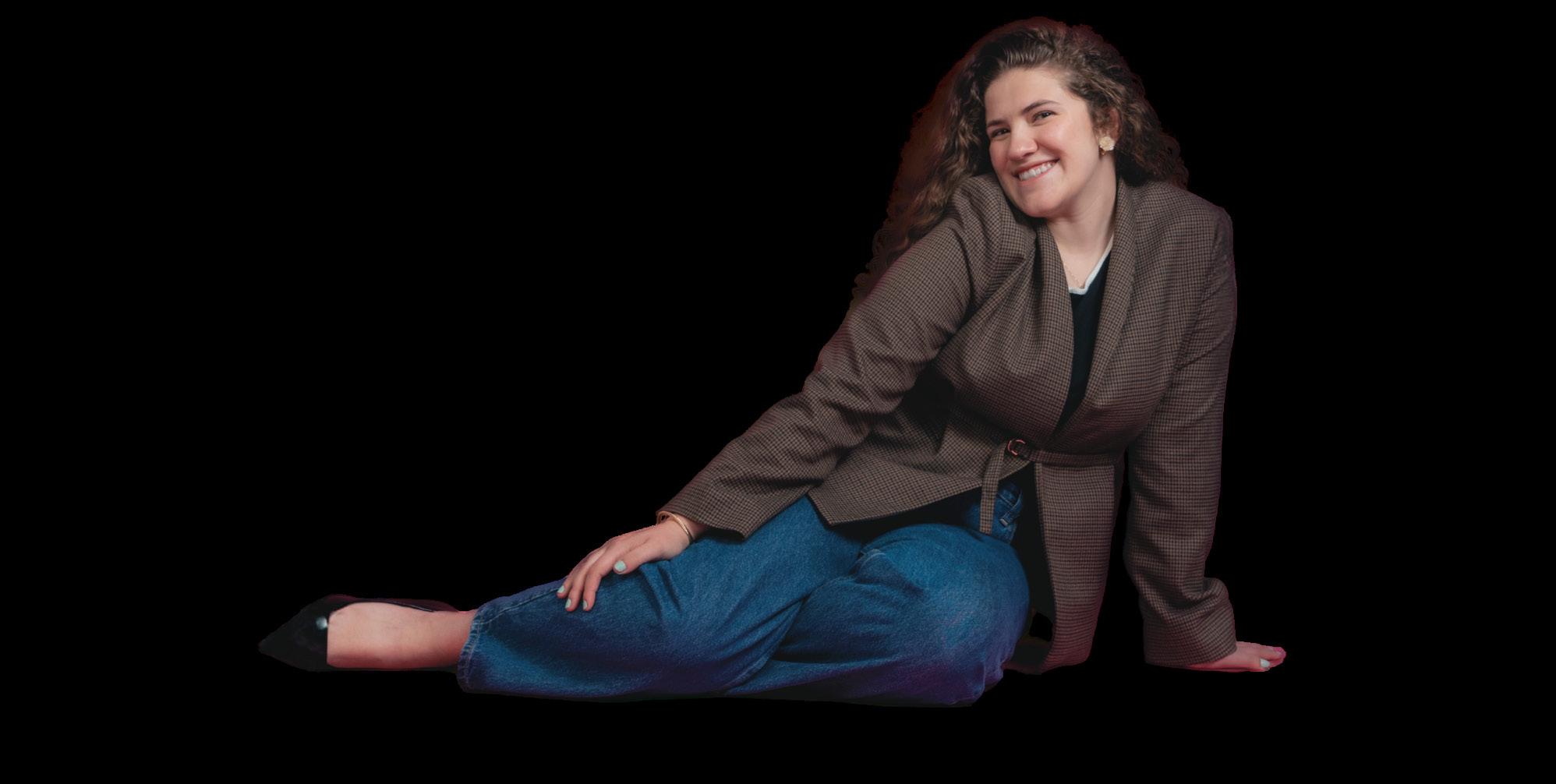
Time to say goodbye,
My college experience was not at all what I expected; it was actually much better than I expected, and for that I thank God for every challenge, learning curve and all the joy these past four years brought.
If you paid close attention, Sirui Wang talks about meeting her best friend and roommate at the front desk of the International Center, guess what, I’m that girl! Annalee, as she liked to be called, was one of the joys college brought me, and with her I learned what sisterhood really meant.
With Yaelin, our third roommate, I learned the benefits of being observant and an incredibly faithful servant of God.
I’m extremely grateful for the great company that you both have shown me through these past years at our little home!
I also share my gratitude to my support system and the second family that God brought into my life through the International Center and Lancer Media Group.
I know I’m bringing a piece of all of you with me into the