Emotional Design
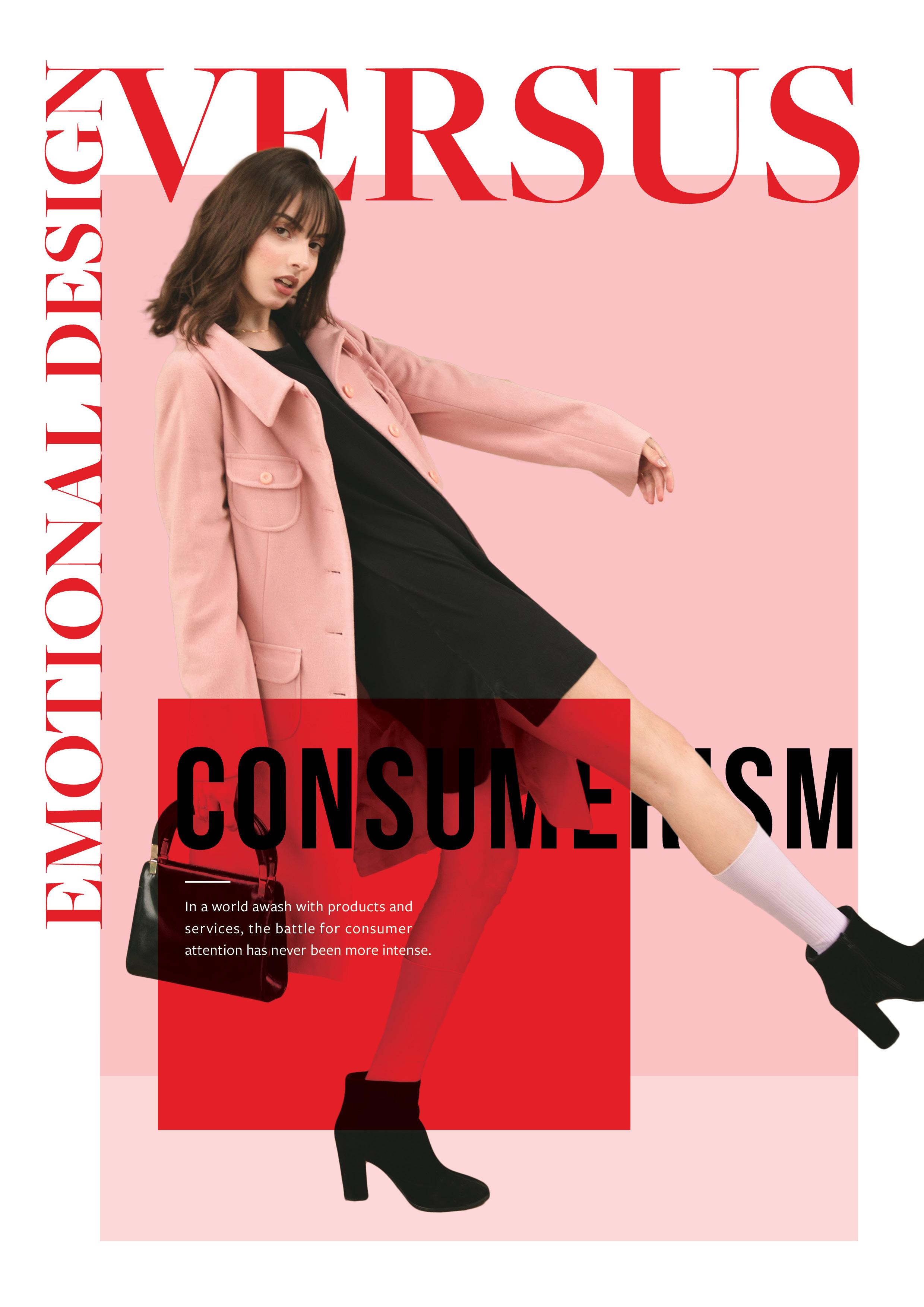
In a world awash with products and services, the battle for consumer attention has never been more intense.
VISCERAL

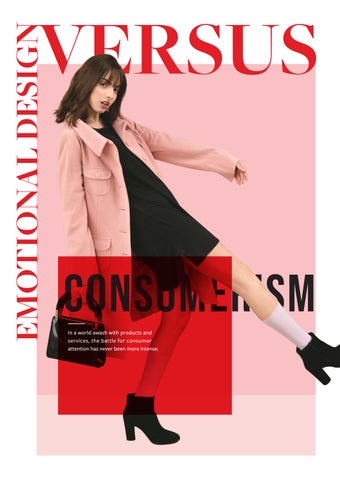
In a world awash with products and services, the battle for consumer attention has never been more intense.
Greetings, aficionados of form and function, mavens of marketing and connoisseurs of consumer behaviour. Have you've ever found yourself in a philosophical quandary over the irresistible allure of a welldesigned espresso machine or pondering the existential implications of your latest impulse purchase? Well then, my friends, you've stumbled upon your intellectual playground, with all of its twists, turns and tantalizing tidbits.
Ah, emotional design...the siren's call that beckons us toward objects of desire. Transforming mere mortals into devout acolytes of brands. It's not just about aesthetics or ergonomics, it's about the alchemy of human experience. But what happens when this alchemy is weaponised by the relentless machinery of consumerism? That, dear reader, is the Gordian knot we're here to untangle.
Designers, those modern-day alchemists, have a knack for tapping into our emotional cortex like a pianist playing a soulful tune on a Steinway. They compose symphonies of desire, but sometimes, let's admit it,
they also pen jingles of pure, unadulterated consumerist gluttony. There's a fine line between genius and gimmickry, a line as nuanced as a line of T.S. Eliot's poetry and as consequential as the butterfly effect in chaos theory.
We'll delve into this intricate dance with the rigour of a scientist and the flair of an artist. Expect case studies that are more gripping than a Scorsese thriller and ethical debates that rival a Socratic dialogue. And for those of you with an insatiable appetite for actionable insights—fear not! We've peppered the discourse with pragmatic nuggets, the crème de la crème of design wisdom, if you will.
So, pour yourself a single-origin coffee or perhaps a glass of aged Scotch, relax in your Eames chair and prepare to embark on an intellectual odyssey. Whether you're a seasoned design guru or a dilettante with a penchant for the finer things, this tome offers a smorgasbord of thought-provoking and fulfilling fare.
The modern marketplace, a veritable Colosseum where brands duke it out for the fleeting glances and fickle affections of the consumer populace.
Picture it, a cacophony of choices, each more dazzling than the last, all clamouring for their Warholian fifteen minutes of your attention. It’s not just a crowded stage, it’s a Shakespearean drama, replete with heroes, villains and star-crossed products.
Gone are the days when mere functionality could carry the day. Oh no, in this brave new world of commerce, products must not only serve a purpose but also serenade our souls. Emotional design has ascended as the virtuoso performer in this high-stakes opera, capturing not just our rational minds but our capricious hearts, turning mere transactions into lifelong allegiances.
But wait... there’s a plot twist! Enter consumerism, the insatiable beast that urges us to amass, to indulge, to want. No longer content with mere sustenance, we’ve spun a complex tapestry of desires, fuelled by the magic of advertising, the siren songs of social media, and the ever-present FOMO. Ah, the ethical quagmire we wade into! Questions of sustainability, well-being and
the very essence of happiness loom large like the ghost of Christmas Yet to Come.
So, what happens when the art of emotional design dances with the relentless rhythm of consumerism? This intersection isn’t merely an academic quandary, it’s a pressing concern that has real-world implications for designers, marketers, business leaders and consumers alike.
As we wade through this intricate terrain, we’re not just talking about how to make things pretty or persuasive. We’re delving into a broader discourse that invites us to elevate design from mere ornamentation to a catalyst for ethical and societal transformation. It’s a collective exploration that nudges us to reconsider not only how design influences consumer choices but also how it can shape a more equitable and fulfilling human experience.
Understanding this dynamic interplay can offer valuable insights into how products can be designed to be not just captivating but also ethically sound and socially responsible. It’s a conversation that invites us to reconsider the role of design in shaping not just consumer behaviour but also societal values and individual well-being.
“To stimulate the attachment to following four are distinguished: self expression affiliation and
— Schifferstein & Hekkert, 2007
Emotional design transcends the superficial realm of aesthetics to create a holistic cognitive experience that engages the consumer on multiple levels. It’s not just about what the product does, but how it makes you feel—does it make you happy, feel smart, or even complete you? This multi-faceted approach to design is rooted in psychological principles that explore how our emotional state influences our cognitive functions.
Donald Norman, a pioneer in the field, delved into how the aesthetics of a product could affect its usability. Moreover, how aesthetics can change our emotional state and how these emotions impact how the cognitive system operates. His research was supported by studies from psychologists like Alice Isen and her colleagues, who found that emotions significantly change the way we solve problems. In essence, if a product can positively influence our emotional state, it has the power to alter how our cognitive system operates, making us more receptive, curious and even creative.
“We
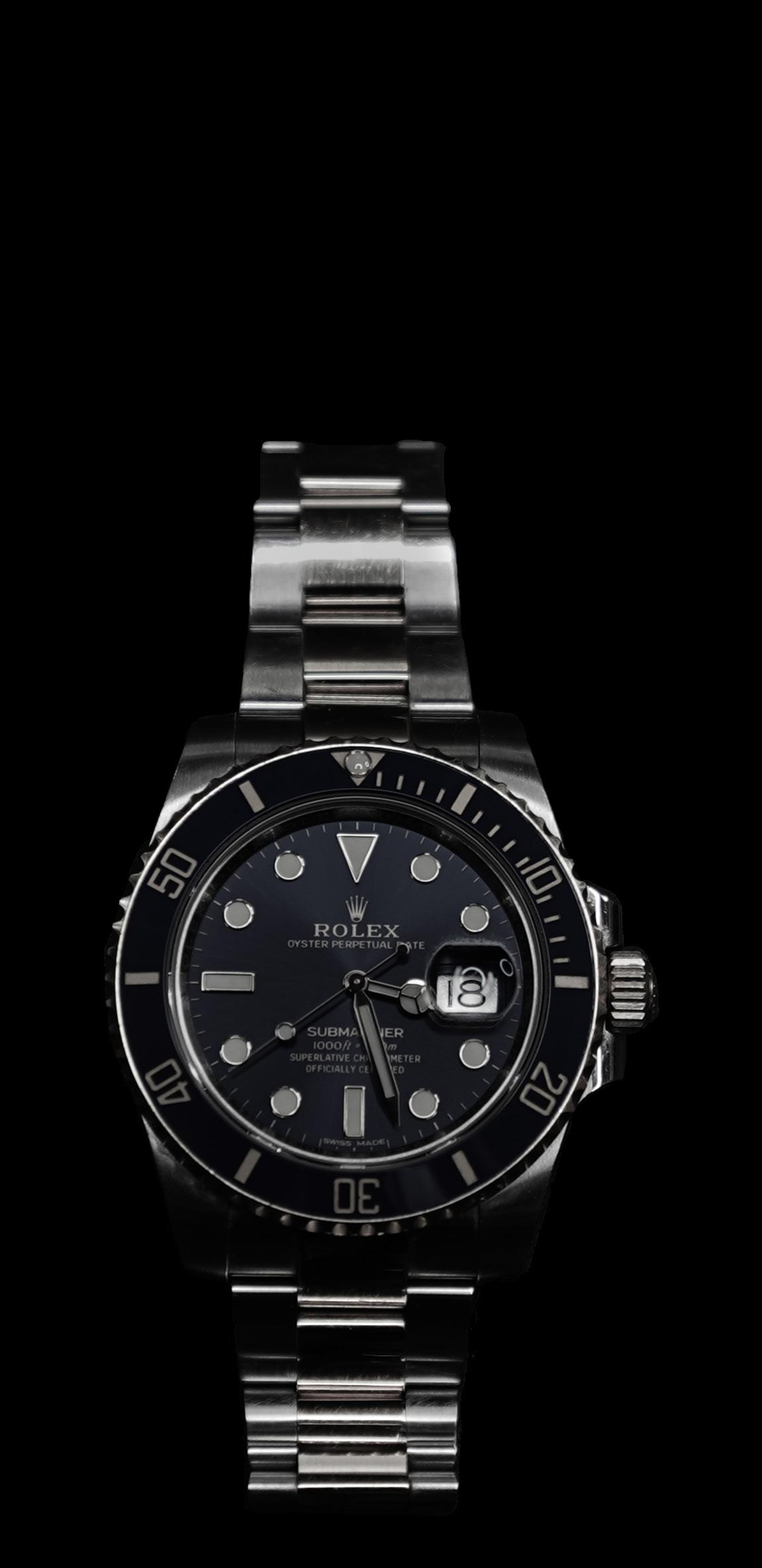
take pride in the material possessions in our lives, not to show off but because of the meanings they bring to our lives.”
— Don Norman, 2004
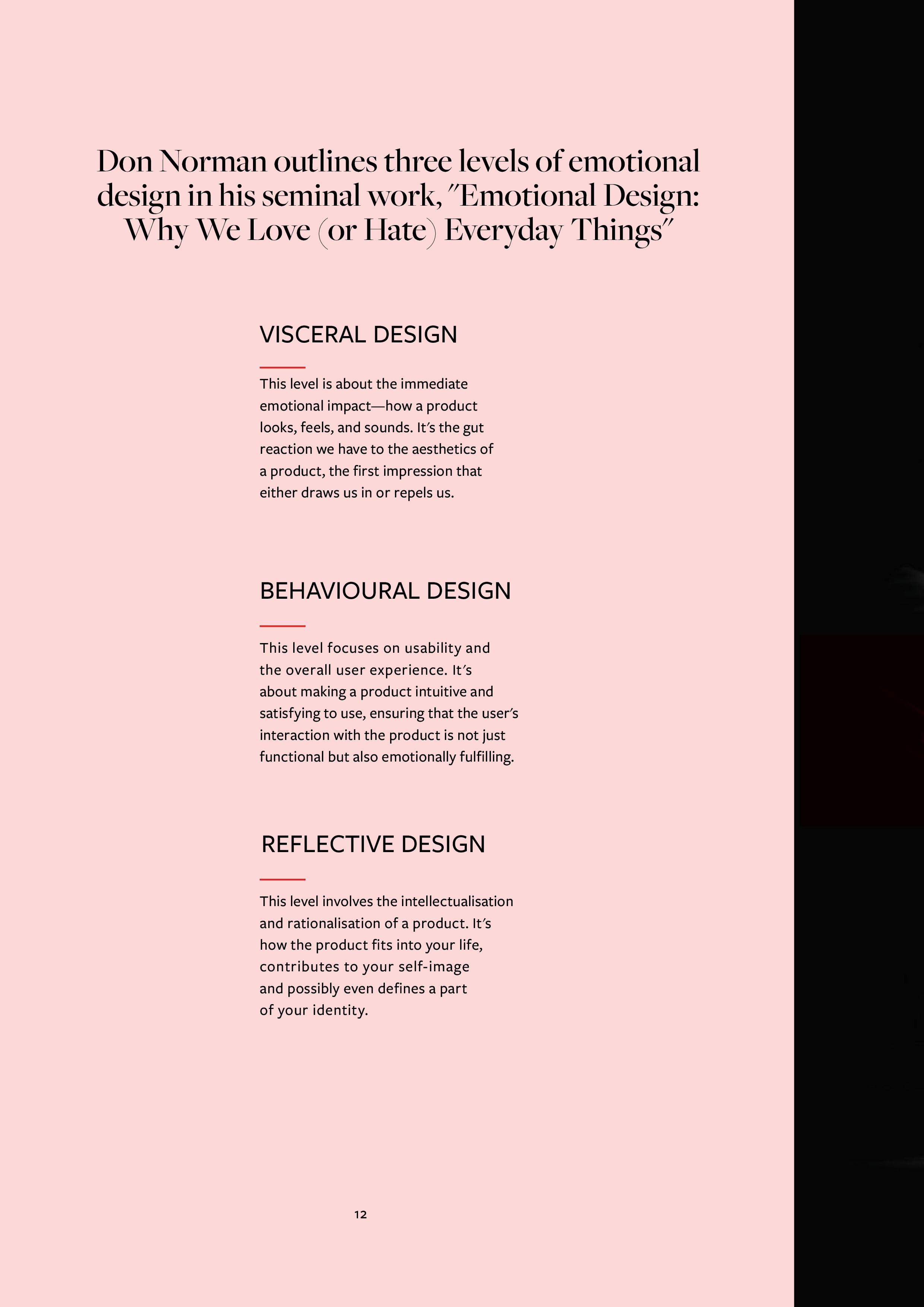
Don Norman's framework of emotional design provides a nuanced understanding of how products can influence our emotions and behaviour. The framework consists of three levels of processing. The visceral level is fast and makes rapid judgments about what is good or bad, safe or dangerous. This is the start of affective processing, which is biologically determined but can be modulated by higher cognitive functions. The behavioural level is where most human actions occur, influenced by both the visceral and reflective layers. Finally, the reflective layer watches over and biases the behavioural level but does not have direct access to sensory input or control of behaviour.
Ah, the euphoria of a welldesigned experience. It's the stuff that fuels our curiosity, ignites our creativity and propels us toward personal enlightenment. But let's not forget, not all negative experiences are soul-crushing. Some, like the spine-tingling suspense of a horror flick or the gut-wrenching drop of a roller coaster, add a dash of zest to life. Yet, when poor design rears its ugly head, it's not just a minor hiccup, it's the curtain call on a product's star performance.
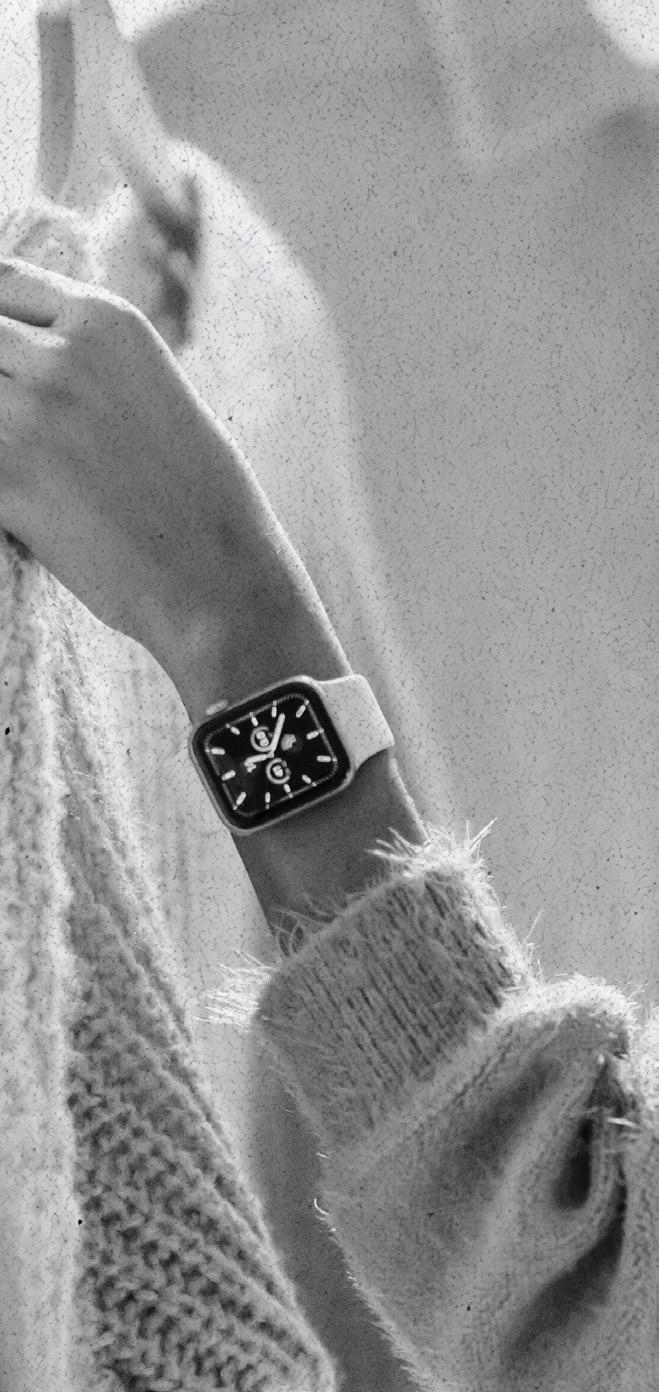
Consider the Apple ecosystem, shall we? It's not merely the svelte contours that seduce you, it's the symphony of intuitive interfaces and emotionally charged interactions that make you feel like the da Vinci of the digital age. Ah, the pièce de résistance of emotional design!
But hold your horses! With great power comes great ethical conundrums. The very elements that make emotional design so captivating can also turn it into a Pandora's box of manipulation, nudging us toward a vortex of overconsumption and unsustainable living.
So, here we are, at the crux of the matter. Emotional design isn't just a tool in the designer's kit. It's a double-edged sword, intricately woven with psychological threads and ethical knots.
It has the alchemical ability to transmute base metals into gold or, conversely, lead us down a path of ruin. It's not just about creating the next must-have gadget, it's about pondering the kind of world we want to live in and the values we wish to champion.
Ah, consumerism, the grand opera of modern existence, where the stage is set for an endless parade of goods and services, each vying for the starring role in our lives. But let's not be fooled by the dazzling costumes and the high notes, this opera is haunted. On the surface, it's a straightforward tale of material acquisition, but dig a smidgen deeper and you'll find it's a psychological thriller.
You see, we're not just filling our carts, we're filling emotional voids. We're not just buying, we're seeking validation, affirmation, and yes, even love... in every swipe of the credit card. It's the gospel of materialism, now broadcast in high definition across the digital cosmos.
Enter stage right, the influencers! The maestros of modern consumerism, orchestrating a symphony of 'must-haves' and 'can't-live-withouts'. They're the composers of our desires, scripting our wants into needs, turning luxuries into necessities. And oh, the crescendos created by big corps — Black Friday, Cyber Monday, Afterpay Day — days of frenzied consumption that make Bacchanalian feasts look like tea parties.
But wait, a plot twist! Consumerism has evolved, nay, transmuted. What was once a straightforward narrative of supply and demand has morphed into an intricate epic of identity, self-expression and even social currency. The digital revolution has globalised consumerism, turning it into a universal language spoken from Wall Street to remote villages.
And what of the psychology of it all?
It's a ballet, choreographed to the steps of Swan Lake's poignant score and set to the rhythm of Don Norman's emotional design principles: visceral, behavioural and reflective. But here, dear reader, is where the ballet risks becoming a tightrope act.
The intersection of emotional design and consumerism is fraught with moral ambiguity. The euphoria of a new purchase is fleeting, while the ethical and environmental repercussions are far more enduring.
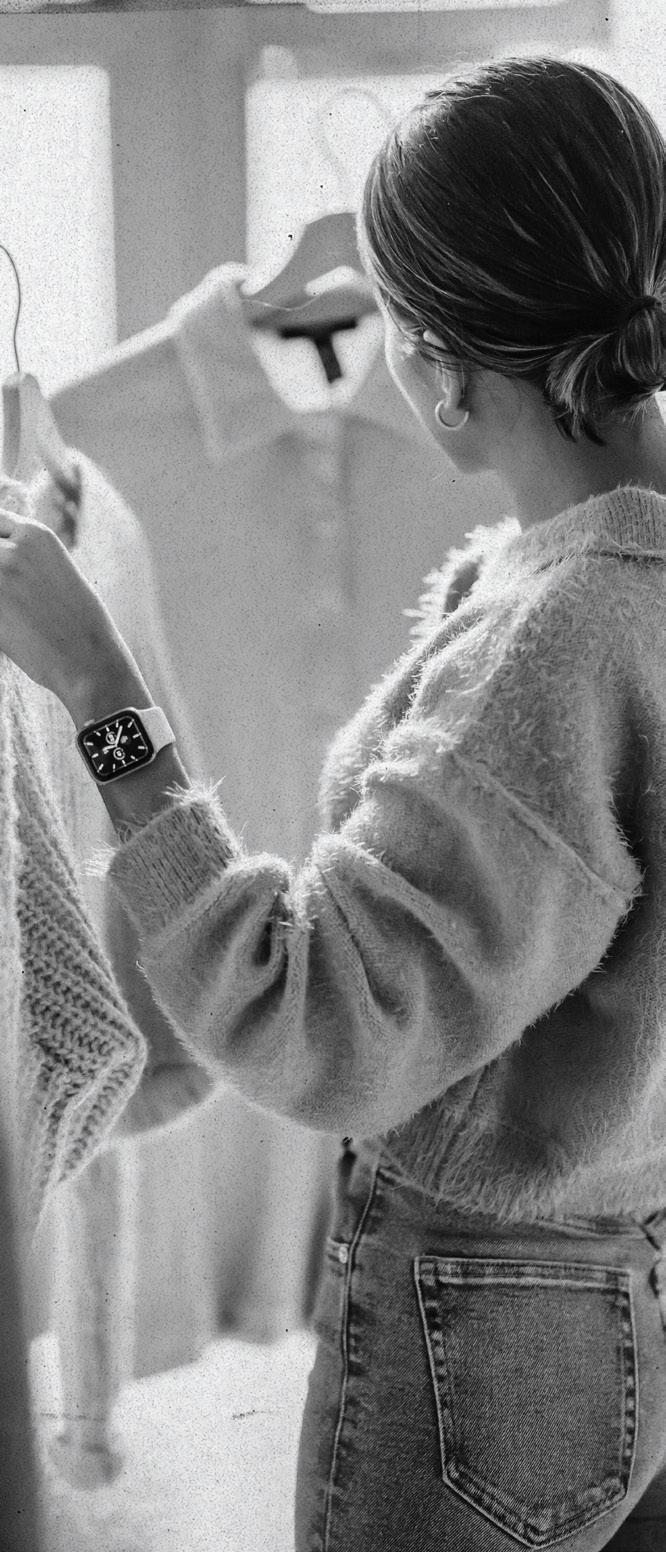
Consider the siren song of fast fashion, luring us into a vortex of endless buying, often at the expense of ethical labour practices. Or the incessant drumbeat of tech upgrades, each new model rendering the last obsolete, locking us into a ceaseless cycle of consumption, often driven by the insidious FOMO.
So, where does this leave us?
At a crossroads, most certainly. Consumerism, for all its allure of choice and accessibility, is a two-faced entity. On one hand, it democratises luxury, making the once-unattainable accessible. On the other, it raises a host of ethical dilemmas — sustainability, inequality and the commodification of human values.
The emotional triggers that propel consumerism are potent, but they can also open a Pandora’s box of societal and environmental challenges.
It's a landscape that demands not just savvy navigation but conscientious stewardship. We're all players in this game and the choices we make— whether as designers, marketers, or consumers—will determine whether it's a tragedy or a triumph. Curtain's up… how will you perform?

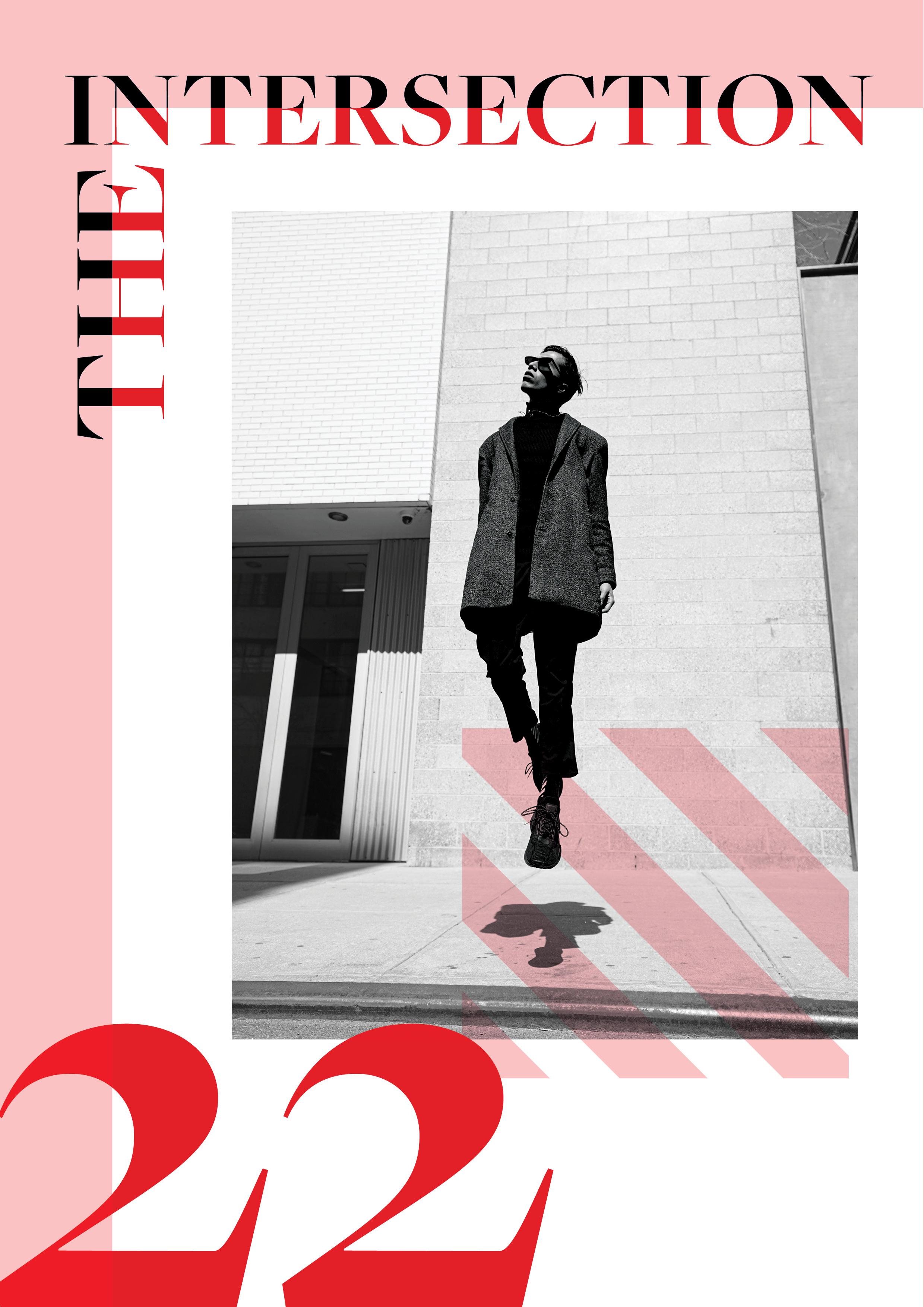
The grand confluence of emotional design and consumerism, a tête-à-tête that's as exhilarating as it is fraught with ethical quandaries. You see, emotional design isn't just the secret sauce that makes a brand stand out in a marketplace teeming with choices. It's also the alchemy that transforms mere objects into must-haves, turning the functional into the fantastical. But beware, for here lies a tightrope that designers must tread with care. The goal? To craft experiences that enrich lives, not just empty wallets.
Emotional design isn't just a tool for making your latest product irresistible. It's a psychological lever, one that can fulfil those deep-seated emotional cravings we all have. It’s not always about what a product does, it can be about how it makes you feel when you look at it. A well-designed product doesn't just catch the eye, it captures the heart. Triggering emotional responses that often tip the scales in favour of a purchase. It's like love at first sight but for your shopping cart.
Then comes emotional branding and loyalty. Ever wondered why you keep going back to the same shoe brand, even though there's a cheaper one that does exactly the same thing? It's that emotional tether, my friends. Brands that master the art of emotional design create not just customers but
devotees, people who would cross rivers and climb mountains, or at least walk an extra block, for their favourite style.
But hold your horses! What happens when this lever is pulled too hard? When 'limitedtime offers', 'exclusive releases' and 'just one left in stock' create a false sense of urgency, nudging us into impulsive purchases? The Achilles' heel of even the most disciplined shopper. They're emotional triggers designed to make you act first and think later. And more often than not, they work like a charm.
Let's not forget the societal overtones and the psychology of luxury purchases. Some items don't just fill a need, they fulfill a fantasy. Afterall, buying luxury or highstatus items to show off, is a way for individuals to gain recognition or attention from others. Products that ooze status and luxury can inadvertently perpetuate social hierarchies, making material wealth the indicator of success.
The emotional design elements in prestige brands make us feel like royalty, even if we're just buying a handbag. And that feeling? In fact, luxury purchases have been shown to trigger the release of dopamine. That's worth its weight in gold...or at least, that's what we tell ourselves as we hand over our credit card.
“It is striking
In this digital epoch, where algorithms and online reviews are the new tastemakers, the stakes are higher than ever. Emotional design isn't confined to the contours of a product, it permeates the entire digital ecosystem. From the pixelperfect UI of your favourite shopping app to the dopamine hit of an unboxing video, every interaction is a stage where emotional design performs, for better or worse.
But ah, the silver lining! Emotional design can also be the catalyst for good, steering consumer choices toward sustainability and inclusivity. It's a tool that can either uphold or upend societal norms, depending on how it's wielded.
So here we are, standing at the crossroads of emotional design and consumerism, a junction teeming with both promise and peril. The potential for enriching lives is immense, but so is the ethical burden. As designers, marketers, and yes, even as consumers, we're all stewards of this complex landscape.
Our mission, should we choose to accept it, is to navigate this terrain with both wisdom and empathy, crafting a future where products don't just satiate our needs but elevate our very existence. Intrigued? You ought to be! The journey ahead is as challenging as it is rewarding.
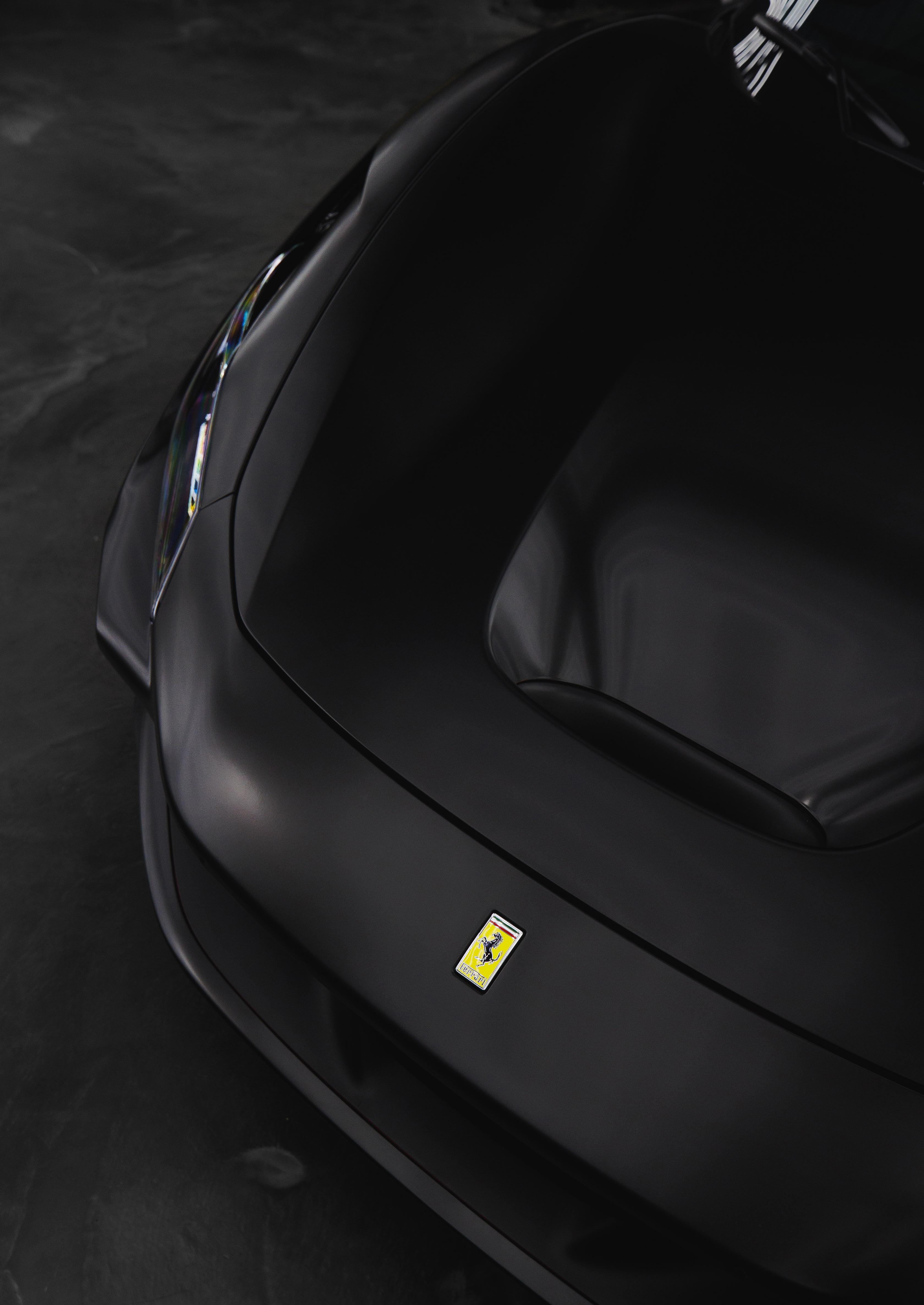

Alright, let's remix this narrative, shall we? Imagine the future of emotional design and consumerism as a fusion cuisine—part tech innovation, part ethical farming, and a dash of timeless artistry.
Imagine products that don't just make your life easier but also enrich the cultural and environmental soil from which they sprang. That's not just a product, that's a masterstroke of modern consumerism.
We're already seeing some trailblazers in the brand world, pioneers who are planting seeds for sustainability and social impact right into their business blueprints. These are the brands that will be the Michelinstarred chefs of tomorrow.
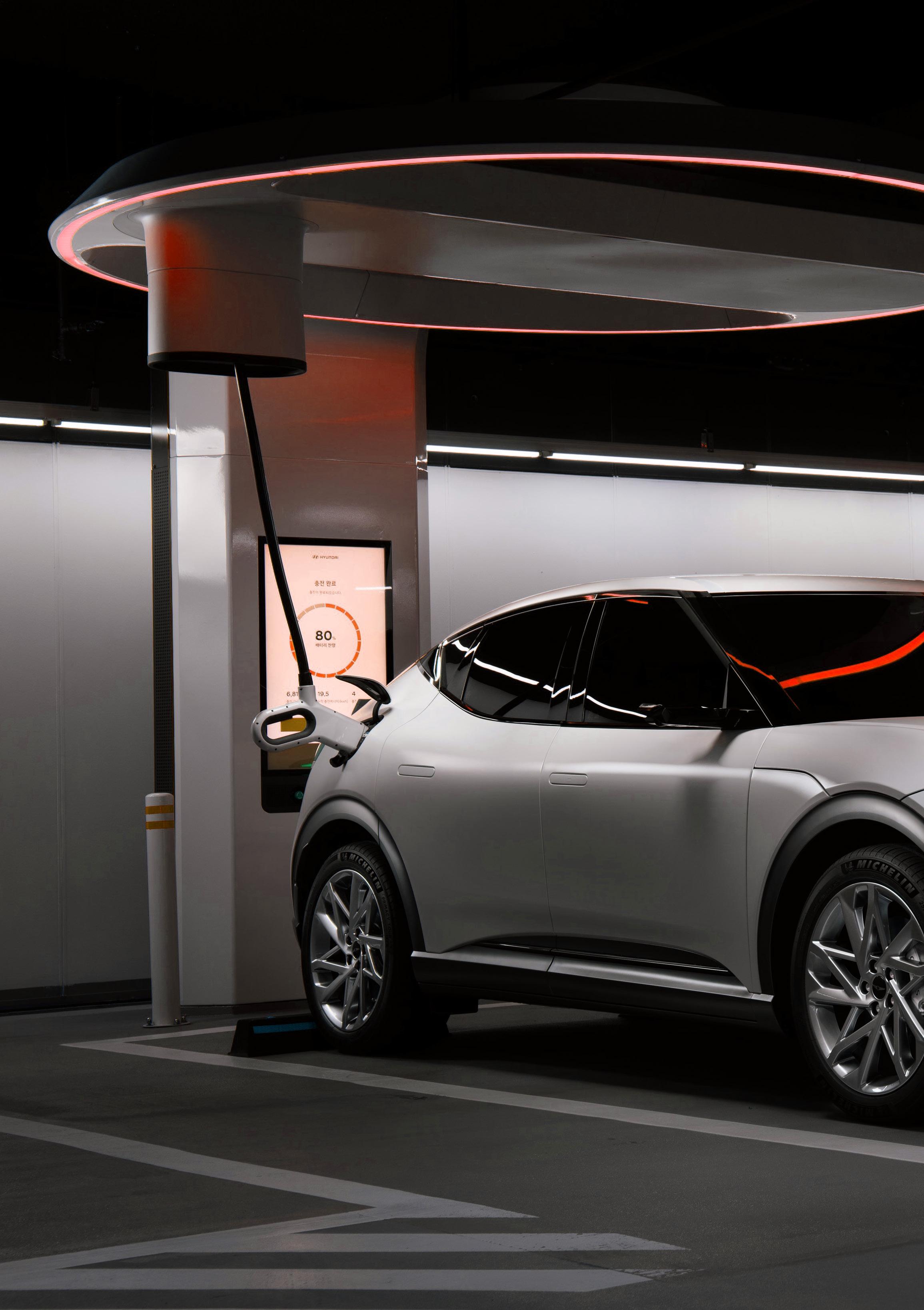
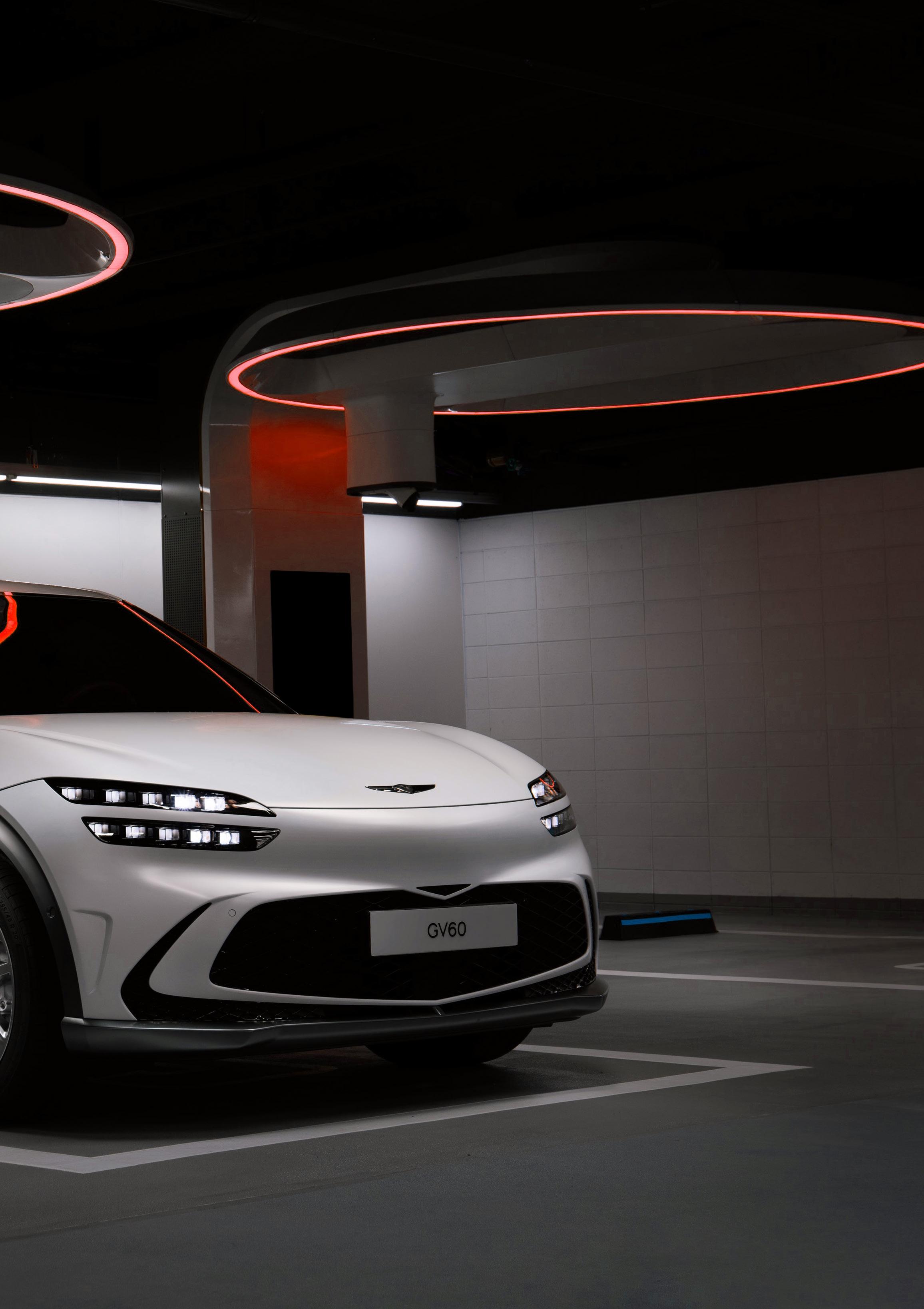
Picture Airo, an electric car that doesn't just drive smoothly but also purifies the air as it goes. Or a fashion brand Ninety Percent, which puts responsible, sustainable practices above all else — that's as chic as it is ethically sourced. That's not just consumer-friendly… that's Earth-friendly.
But let's not paint too rosy a picture. This is a complex canvas to fill. Emotional design needs to aim for timeless masterpieces, not just seasonal hits much of which are neither recyclable nor biodegradable.
Globally, up to 100 billion garments are produced by the fashion industry every year. And each year, as much as 92 million tons of clothing ends up in landfill. Only 20% of textiles are collected for reuse or recycling globally. Making the textile industry the second-highest producer of plastic waste after the packaging sector.
We're talking about creating legacy items that people will want to pass down rather than discard when the next trend sweeps in. And that's a seismic shift in how we both design and consume. It's about crafting a narrative that people don't just skim but actually dive deep into.
As consumers, we're not just spectators in this theatre, we're co-authors of its script. Every purchase, every review, every share is a line that feeds back into this evolving story. So, let's be mindful of the tales we help spin.
Let's opt for products that align with our ethical compass, not just our whims and fancies. We need to jump off the cycle of consumerism. Think about the depletion of our precious natural resources, from the raw materials used in production to the energy consumed in manufacturing and transportation. It’s time to pay closer attention to the climate crisis and make greener choices that look after our planet.
So, whether you're a designer sketching the next iconic logo, a marketer weaving a compelling brand story, or a consumer navigating the labyrinth of choices, you're a key player in this unfolding drama. Will you be just another face in the crowd, or will you take a starring role in shaping a more ethical and meaningful narrative?
The rehearsals for this new, improved version of consumer culture are already in full swing. Let's make sure the final act is not just a crowd-pleaser but also a thought-provoker that elevates our collective well-being.
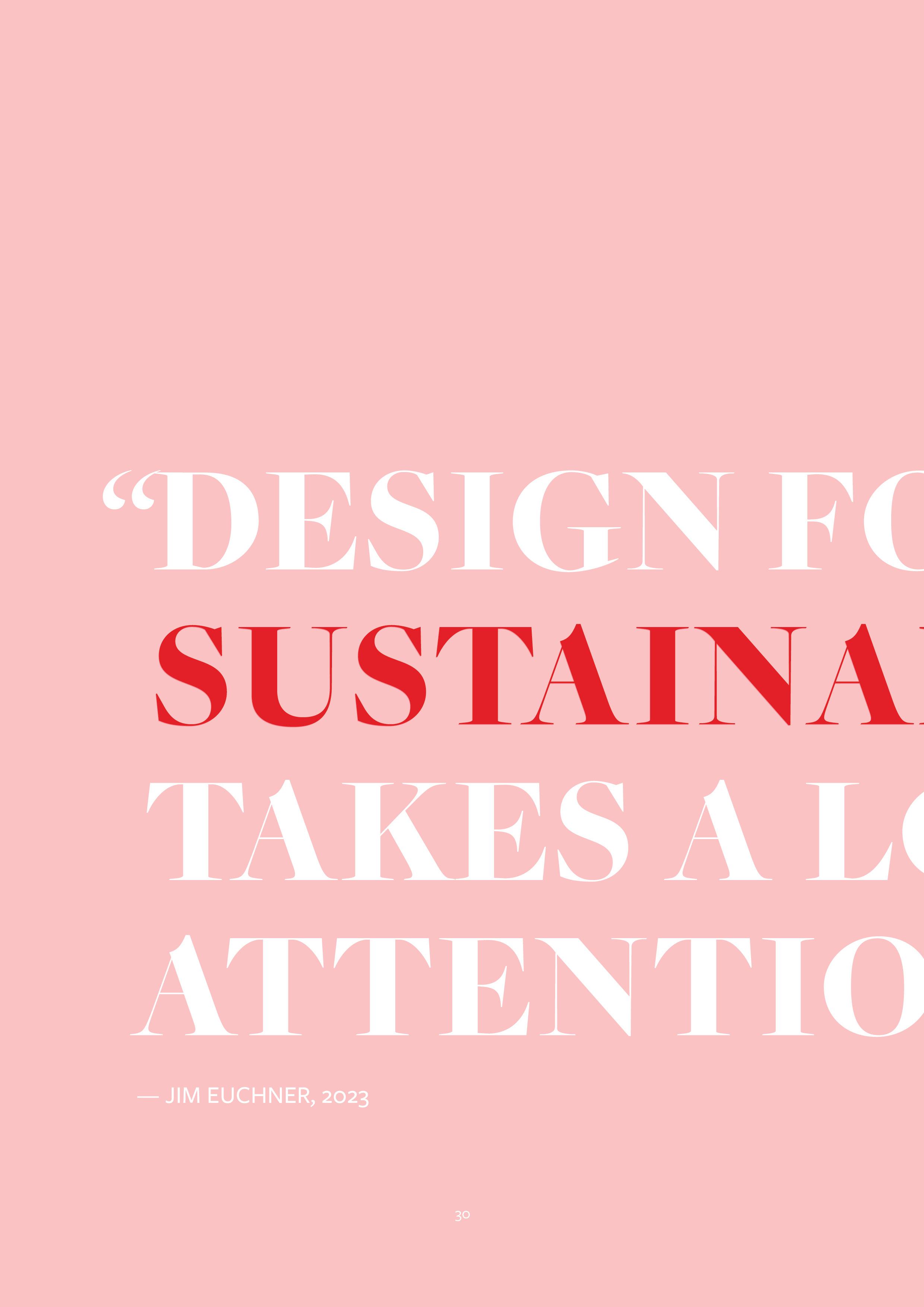
“Sustainable design creates long-term solutions and helps societies ensure the well-being of their people and harmony with the environment for generations.”
— International Design Foundation, 2023

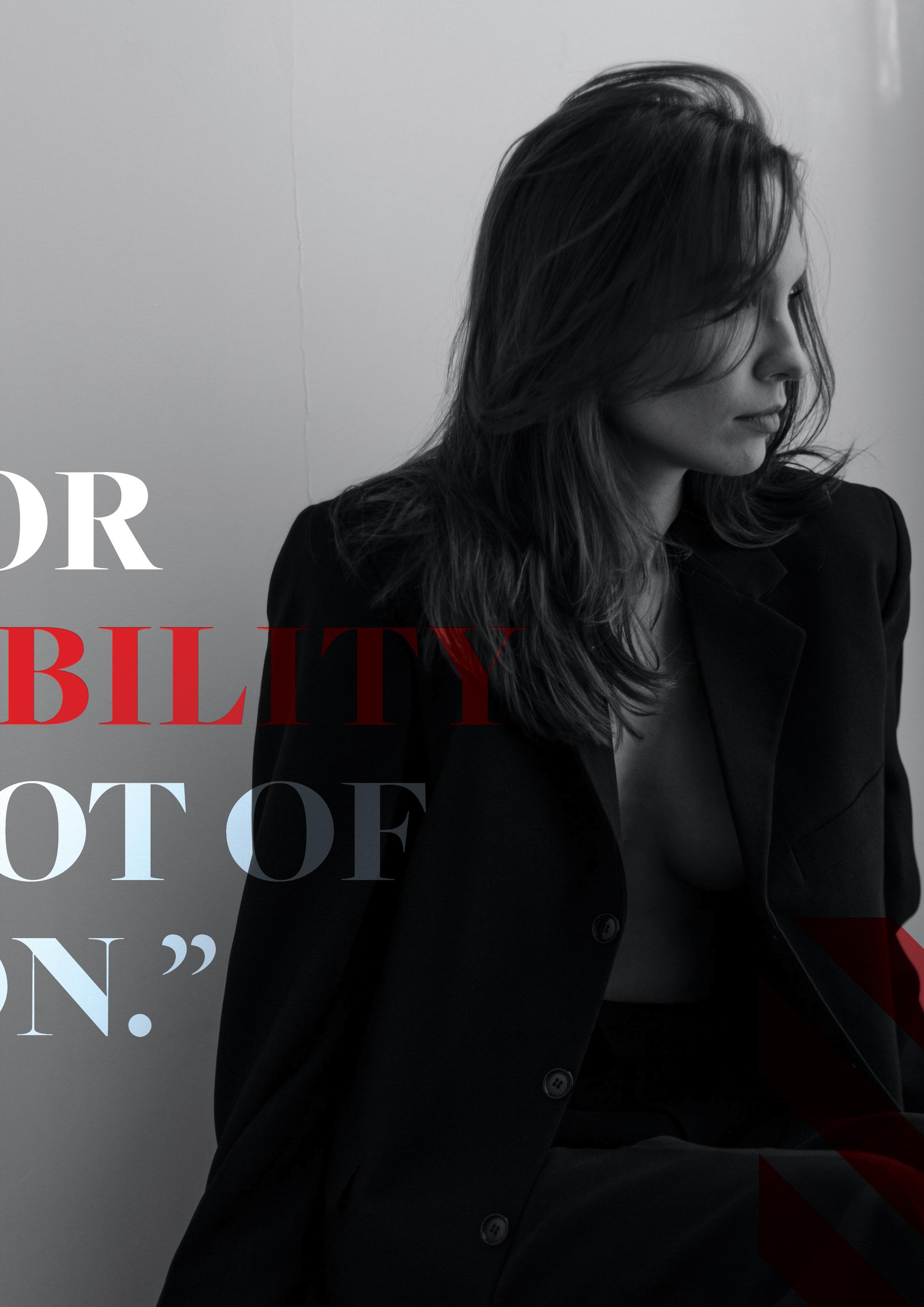
As products vie for our attention in an ever-crowded marketplace, how do brands create genuine connections that resonate beyond the transactional? And in a world driven by the relentless rhythm of consumerism, where do ethics and sustainability fit in?
This compelling read challenges designers, marketers and consumers alike to rethink the role of design in shaping not just our buying habits, but our very values and aspirations.
“A must-read for anyone intrigued by the powerful interplay of emotion, design and consumption in the modern age.”
Jasmine French