A Unique Experience in Leadership Skill Development
LEAD Albania
A Unique Experience in Leadership Skill Development
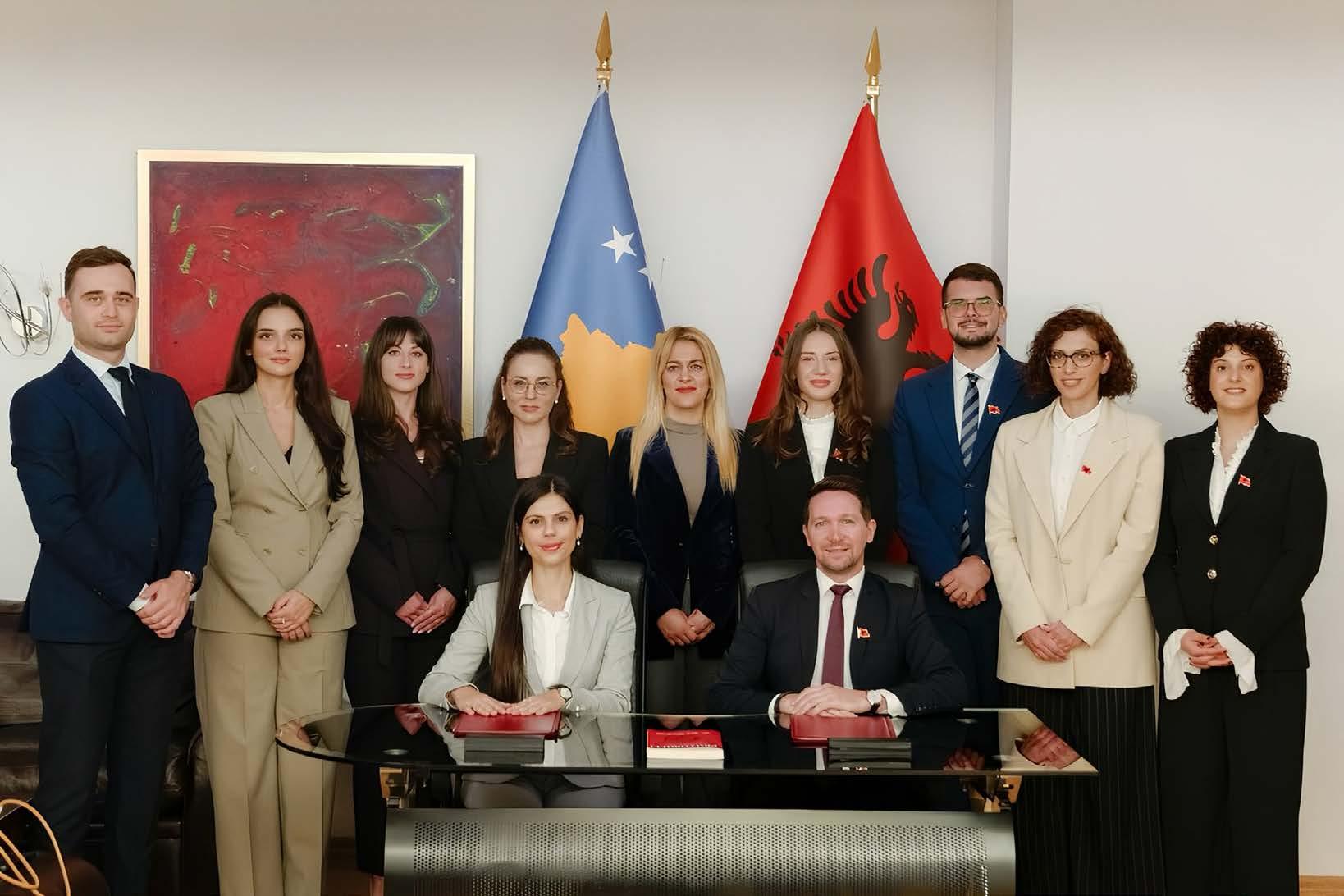
LEAD Albania is the country’s leading leadership development program, o ering young professionals a highly competitive, one-year fellowship inside top Albanian government institutions. Through rigorous selection, hands-on advisory roles, and advanced training—including sessions at Harvard and the College of Europe—the program prepares participants to become Albania’s future leaders.
LEAD Albania is the country’s leading leadership development program, offering young professionals a highly competitive, one-year fellowship inside top Albanian government institutions. Through rigorous selection, hands-on advisory roles, and advanced training - including Executive Programe at Harvard and the College of Europe - the program prepares participants to become Albania’s future leaders.
Applications for the new cohort will be opening in January 2026.
Applications for the new cohort will be opening in January 2026.
Visit our website www.leadalbania.org for more information about the program and application process.
Visit our website https://leadalbania.org/ for more information about the program and application process.

By Jose Pinto & Rudina Hoxha
Across the industry, there are so many so-called five-star hotels that are now managed/ run by people who have never lived or experience a standard and the consistency of it
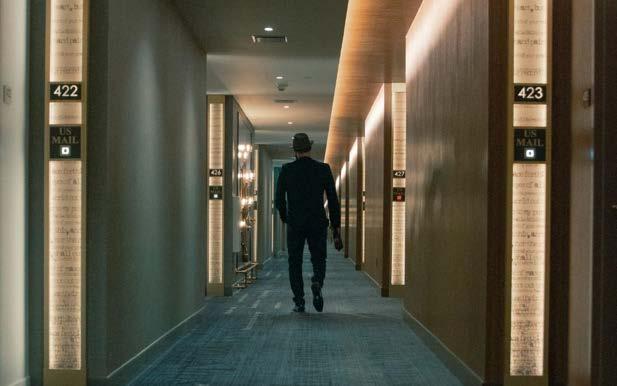
They think that a polished floor, expensive marble toilets and corridor carpets can substitute for taste and a checklist for service. The result looks expensive but feels cheap, a theater of luxury staged by people who have only watched it from the Mezzanine and only know about financial performance.
Here’s an example from an adjacent industry. Step into a first-class cabin of top flying companies and you can tell
in seconds whether its designer and decorator ever flew there. There’s nowhere to put your shoes, the table won’t hold a laptop and a drink together. The seatbelt gets into your ribs because the designer never sat in the seat that is called an expensive space that feels unwelcoming.
The same error defines many modern hotels and resorts within such vast hospitality. You enter a gleaming lobby that smells like a marketing brief, that is staffed by employees on a script, you can see that at the check-in. Who has approved that? Is he or she a hospitality or traveler expert? That’s not hospitality. That’s bureaucracy with marble floors and looking rich carpet floor.
Guests notice. They always do. They don’t complain; they simply don’t come back anymore or disappear to the inn or motel where the welcome is unhurried, the lobby, corridors and room is composed, and the service is effortless because it’s real, with no fantasy. This is not a service issue. It’s poor leadership, at the investor level. True hospitality requires people who have inhabited the world they’re selling and know about it due to its experience. I believe that over time, the chase for easy capital pushed judgment aside. Safeguards vanished, and decisions once made by instinct became committee work. As the business demand grew, they forgot what made it worth growing.
But this is nonsense, because the diagnosis of the problem is also the solution. Let’s go way back and restore
judgment: let’s put hospitality in the hands of people who understand it and back them with capital disciplined enough to protect what makes it valuable. When those forces align then returns will follow.
Today, institutional capital or funds chasing “experiential luxury” think they’re buying strategy when, in truth, they’re entering a world. But to be clear, this isn’t a warning, it’s a bright, unmissable opportunity. Institutions can redefine how investment meets taste by pairing capital with hospitality consultants and operators who know this world. If done well, this alignment of discipline and vision can redefine the category and deliver higher and fast returns. Done without it and poorly, it will for sure finance the next disappointment.


The 2025 is coming to an end of challenging year for us at JPHOSPITALITY.EU / and Trailblazing, Women and Architecture Issues.
A year that despite different adversities we stayed true to our principles, values and commitments, looking forward to bringing to you the best of us and our real stories.

The Trailblazing Magazines startup project has grown in performance and goals. Today we can read online in several international airlines longes, deluxe hotels. On our site you can explore and read any issue from 2020 until todate.
This could not happen without your help, support and friendship. Thanks to your trust, contribution and patronage.
We look forward to 2026 and to your continuous support, partnership and treasured friendship.
We at JP HOSPITALITY .EU / Trailblazing Magazines wish you, all your associates a fantastic Season Greetings and outstanding New Year with plenty of prosperity and health. We’re looking forward to serving you again in 2026.



By Rudina Hoxha
“In 2025
and 2026, our main focus will be on Spain and the UK, where we see great potential and strong demand for our solutions. Alongside this expansion, we’re also developing new products for 2026 that are very much connected with FastReview®.”
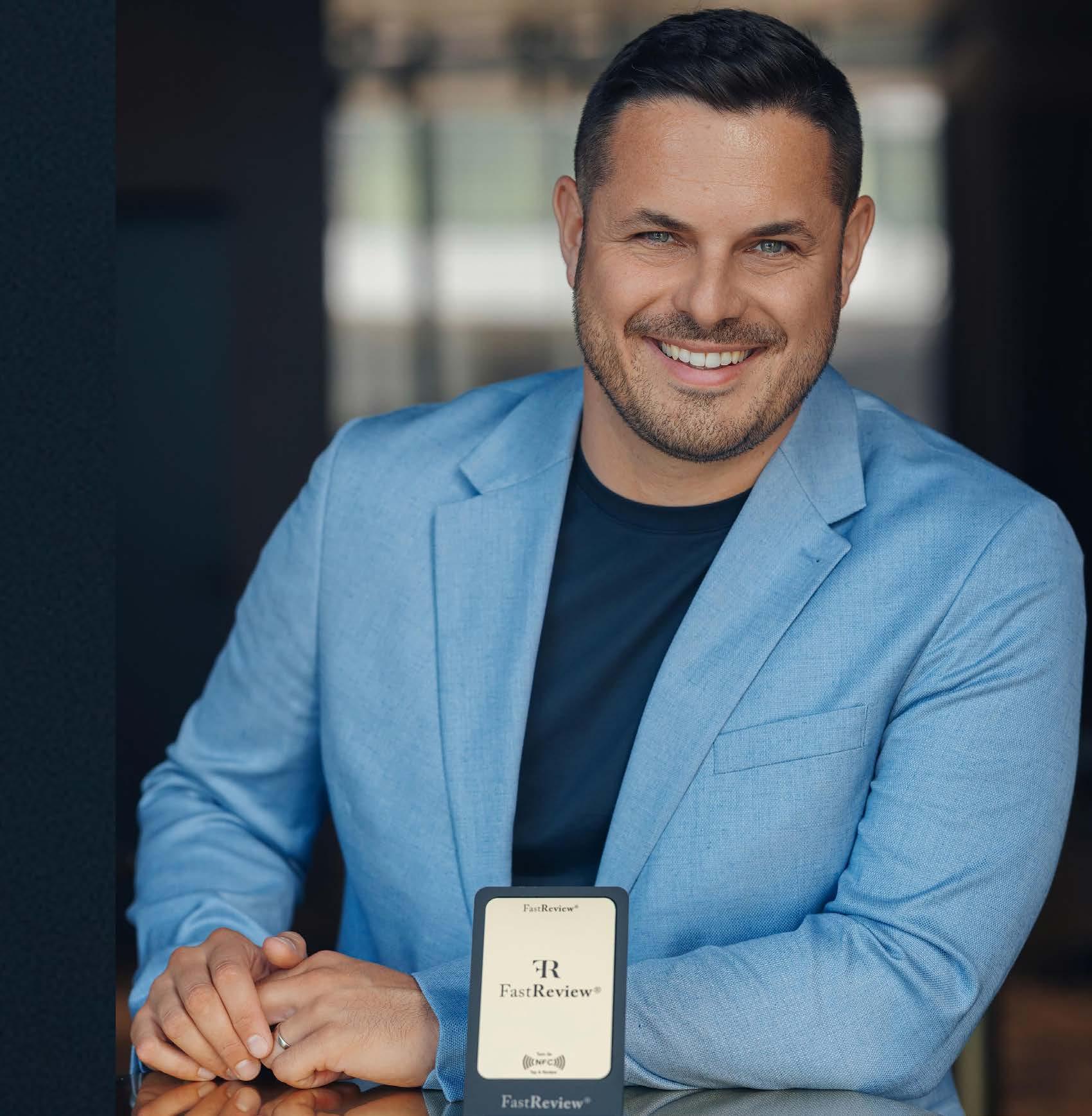
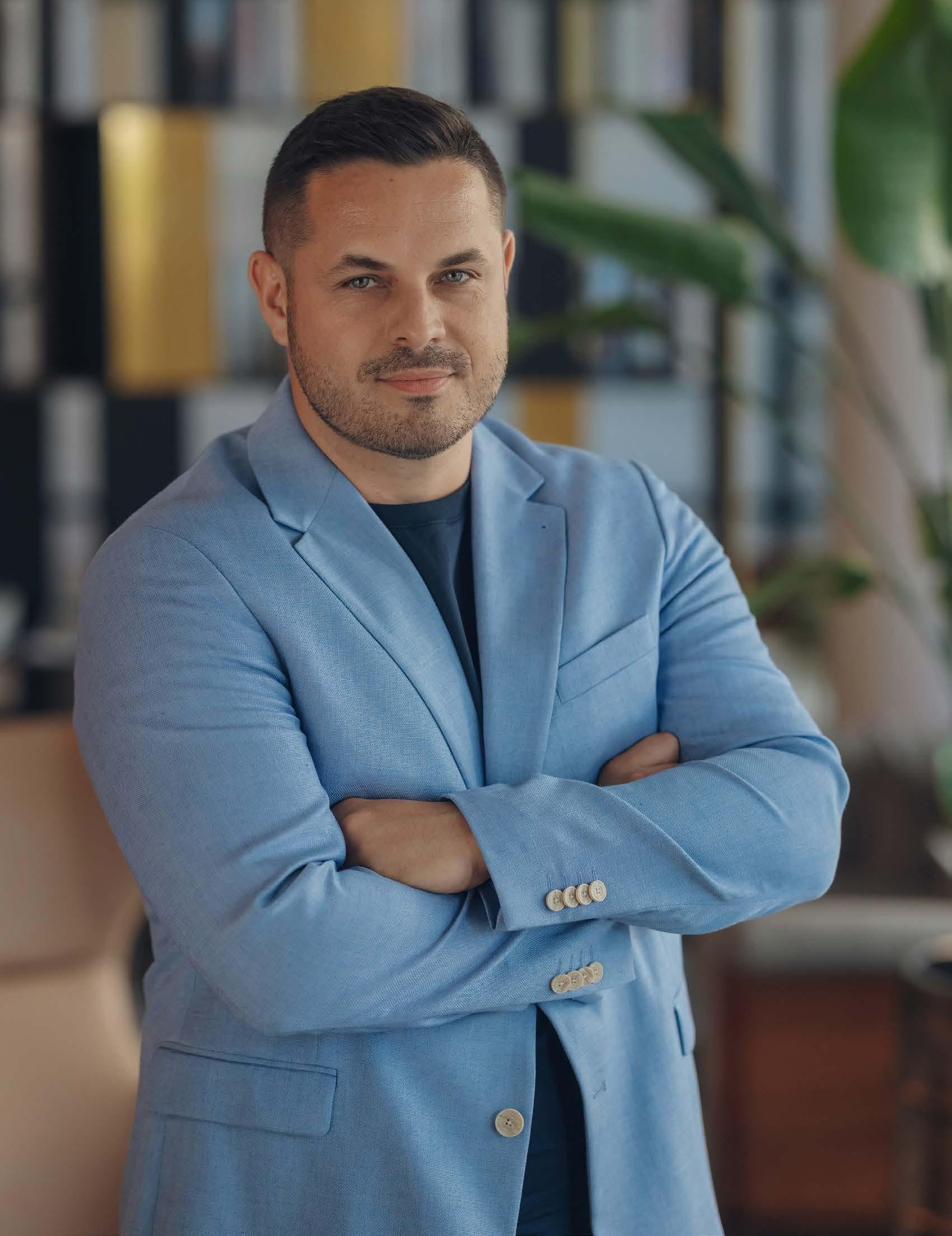
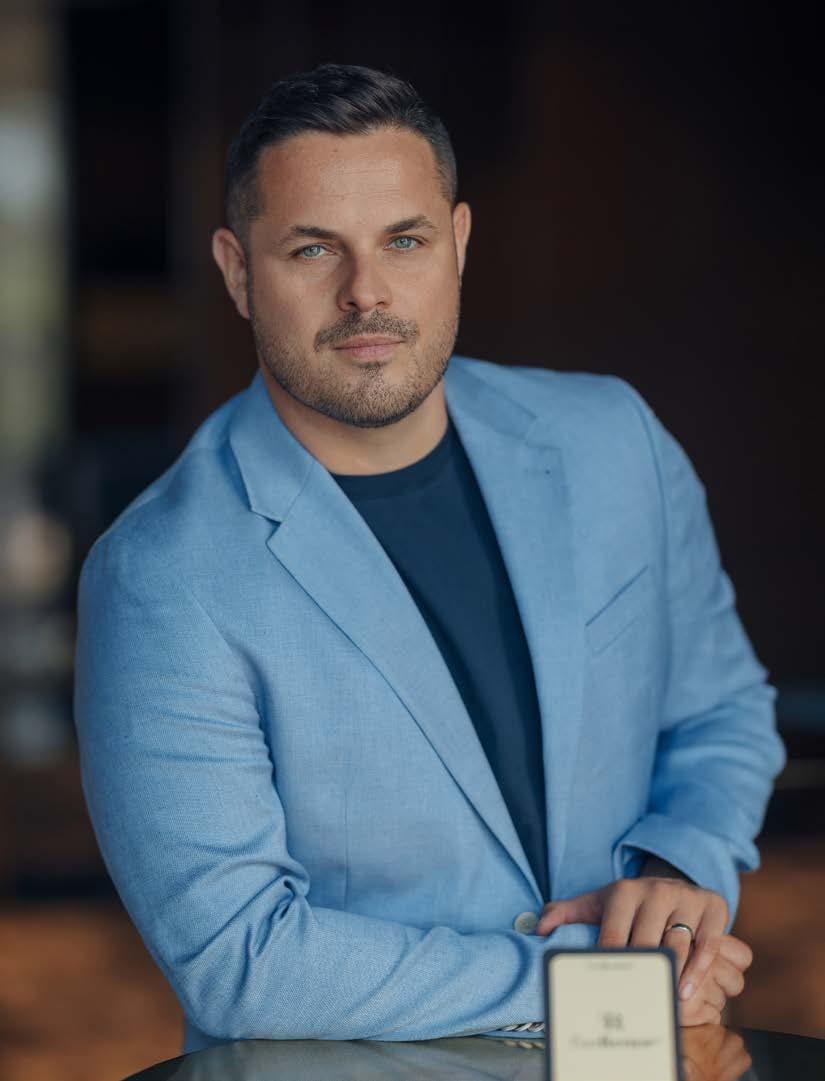
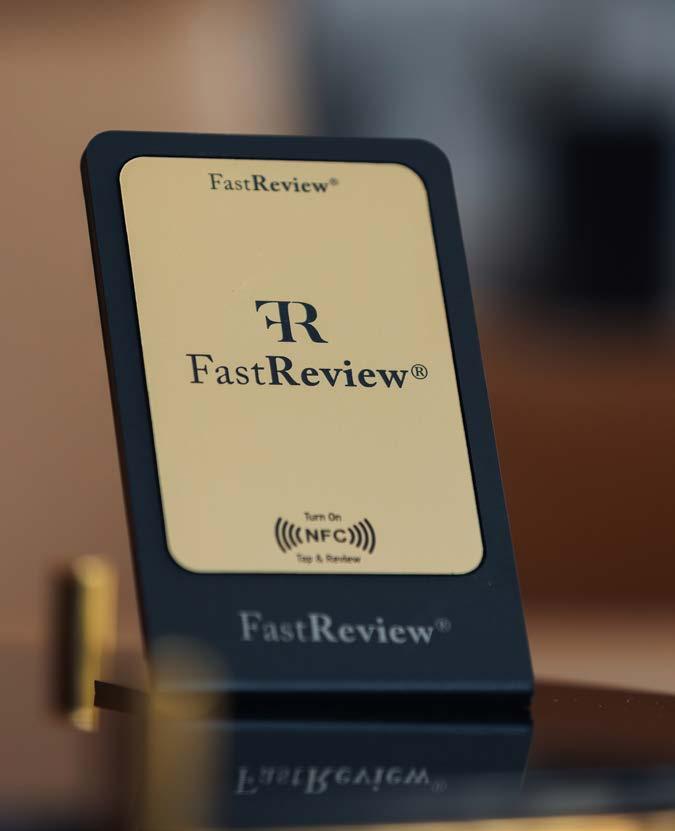
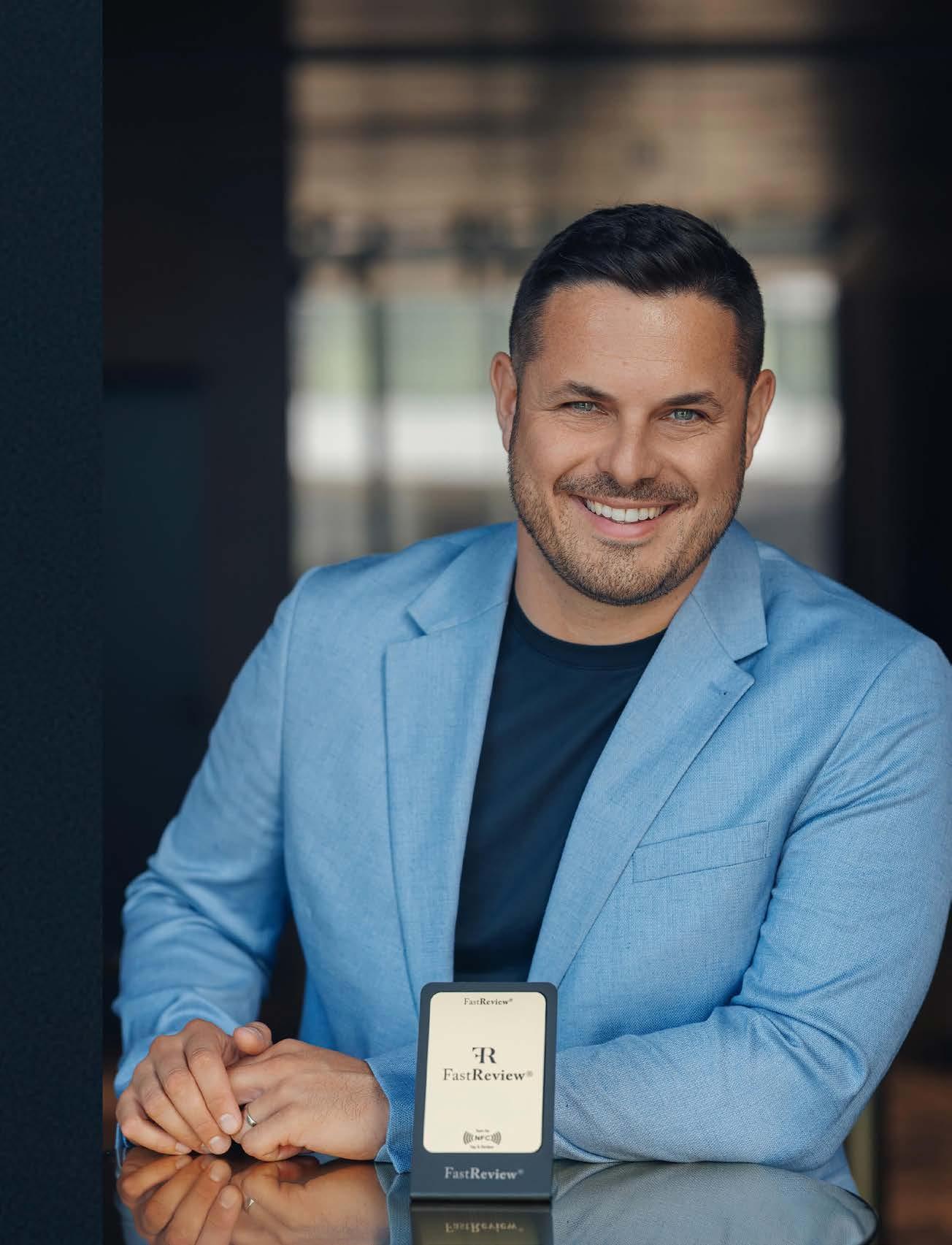
The CEO of FastReview®, Simon Horvat, comes to the November issue of TRAILBLAZING MAGAZINE to highlight a powerful product as FastReview®.
The Croatian entrepreneur explains that FastReview® is an unique product that helps businesses collect a large number of high-quality reviews and moreover, is “a main communication channel between businesses and their guests resulting in higher revenues across all their operations.”
According to Horvat, the company focuses on the small details which make a big difference.
“We became great players in this field because we deeply understand the original problem we’re solving. Many of us worked in the hospitality industry, so we’ve faced these challenges firsthand. Over the years, we’ve focused on the small details and that’s what our clients truly value,” he said.
Actually FastReview® is working hard on strategic partnerships and stronger communication to expand it and cover all continents effectively. “Today, we already ship to almost every corner of the world, but our plan is to establish strong regional offices that can fully support every client’s needs,” Horvat says.
Simon, you are very familiar in the world of online business reviews. Your company, FastReview®, whose CEO you are, raises the popularity of businesses and strengthens their credibility as well as influences the consumer decisions towards them. How would you describe yourself to people who don’t know you yet?
I would describe myself as a true people’s person. I believe I know how to listen carefully, and at the same time, I know how and when to speak so that I’m heard. I’m naturally curious and always interested in new things—whether it’s technology, new behaviors, or the trends that younger generations bring.
I’m not someone who can stand still for long. Traveling has really broadened my horizons and shaped the way I see the world. I also believe that your social network is incredibly important, so I invest a lot of time in meeting new people, learning from them, and building meaningful connections that often turn into great collaborations.
Can you give our readers an overview of the type of services FastReview® provides and its current operations? What skills do you need to become a great player in this field?
FastReview® is a truly unique product because it solves a number of issues that our clients face. At its core, it’s a tool that helps businesses collect a large number of high-quality reviews. But as we grew with our clients, FastReview® became much more than that—it turned into a main communication channel between businesses and their guests, which naturally resulted in higher revenues across all their operations.
We’re often confused with platforms that simply help clients manage their reviews. But the truth is, without us, there would be nothing to manage in the first place. We bring the reviews in, seamlessly and efficiently.
There are a few other products that have tried to do something similar, but they don’t close the whole circle—from the guest experience to the technology and the final results. We became great players in this field because we deeply understand the original problem we’re solving. Many of us worked in the hospitality industry, so we’ve faced these challenges firsthand. Over the years, we’ve focused on the small details that make a big difference, and that’s what our clients truly value.
Our goal is simple yet ambitious: to bring FastReview® to every market in the world. We’re working on strategic partnerships
and stronger communication so that we can cover all continents effectively. Today, we already ship to almost every corner of the world, but our plan is to establish strong regional offices that can fully support every client’s needs.
In 2025 and 2026, our main focus will be on Spain and the UK, where we see great potential and strong demand for our solutions. Alongside this expansion, we’re also developing new products for 2026 that are very much connected with FastReview®. These new solutions come directly from the feedback of our clients, who have shared their day-to-day challenges with guests and customers. We listen to them very carefully and work on solutions that truly make a difference.
Can you share some main information on the clients of FastReview®? What is your invitation to the future ones?
Our clients come from every industry imaginable. Truly, anyone who cares about their online reputation can benefit from FastReview®.
Today, more and more people check reviews before making any purchase decision. We live in a digital-first era, where consumers don’t want to learn from their own mistakes—they prefer to hear about the experiences of others before them. People think carefully about where and how they’re going to spend their money.
To all future clients, I would say: don’t leave your online reputation to chance. It deserves your full attention because this is the future of business. A strong online reputation can directly impact your sales, your marketing, and ultimately, your growth.
In your view, how crucial are reviews in building products and businesses? How does FastReview® differ from other review companies in this aspect?
Like I already mentioned—reviews are the future. Especially in hospitality and service businesses, they’re now one of the most important parts of the sales and marketing process.
More and more companies are building their campaigns around the good reviews and online reputation they have earned. In the past, it was important that the saleslady in the store was super friendly and persuasive. Today, what’s even more important is how you manage your online reviews—how you collect them, how you respond, and how you leverage them.
FastReview® stands out because we have a deep understanding of online reputation and we’ve built a product that anyone can use. Our clients appreciate the simplicity combined with the impact we deliver. And importantly, we’ve made our product accessible to small businesses too, with very attractive pricing.
The fake reviews—a very sensitive question! How important is fighting counterfeit reviews for businesses, and how has FastReview® contributed in ensuring consumers and businesses maintain a healthy and transparent connection?
Different review platforms deal with fake reviews differently. Some try to ensure that only people who have genuinely used a service can leave a review, and they allow
businesses to report suspicious ones. Others are more open and have less control over who reviews a product or service.
At FastReview®, we help our clients fight fake reviews by simply outnumbering them with real, verified feedback. Because our system
brings in a large volume of genuine reviews daily, any fake ones become just a statistical error that can’t harm our clients’ overall online reputation.
We also work on verification partnerships. For example, we have a global partnership with Tripadvisor, where every review collected through FastReview® is verified and marked with a disclaimer stating it was collected in partnership with us. Our clients really value this verification process and the credibility it brings.
FastReview® stands out because we have a deep understanding of online reputation and we’ve built a product that anyone can use.
provide smarter, faster, and more effective solutions for our clients.
In the realm of the digital revolution, how has FastReview® made use of the new digital tools in its products and operations?
Of course, we follow the trends—AI is a big topic these days, and we’ve already implemented it in many of our internal processes. We use AI for creative needs, data processing, and other workflows that make our team more efficient.
As I mentioned earlier, we’re also working on new products for 2026, and one of them will be heavily connected to AI and automation. It’s all about using the latest tools to
What are your current top priorities as the new CEO of FastReview®, having only taken up the role in June 2025? Can you share the vision for the company for 2025 and beyond and what steps need to be taken to show its full potential?
We’ve already achieved a lot, and FastReview® is well-positioned in several key markets. But the plan for 2025 and 2026 is global expansion— to take our product worldwide and build strong foundations for all the new solutions we’re planning for our current and future clients.
We now have a new, highly experienced board that is ready to take the company to the next level. At the same time, we’re finalizing discussions with top experts from different fields who will help us unlock our full potential.
So, there are many new faces and fresh energy joining us, and I’m confident that together, we will make FastReview® shine even brighter in 2026 and the years to come.

30 Years of Hospitality, Vision, and Connection
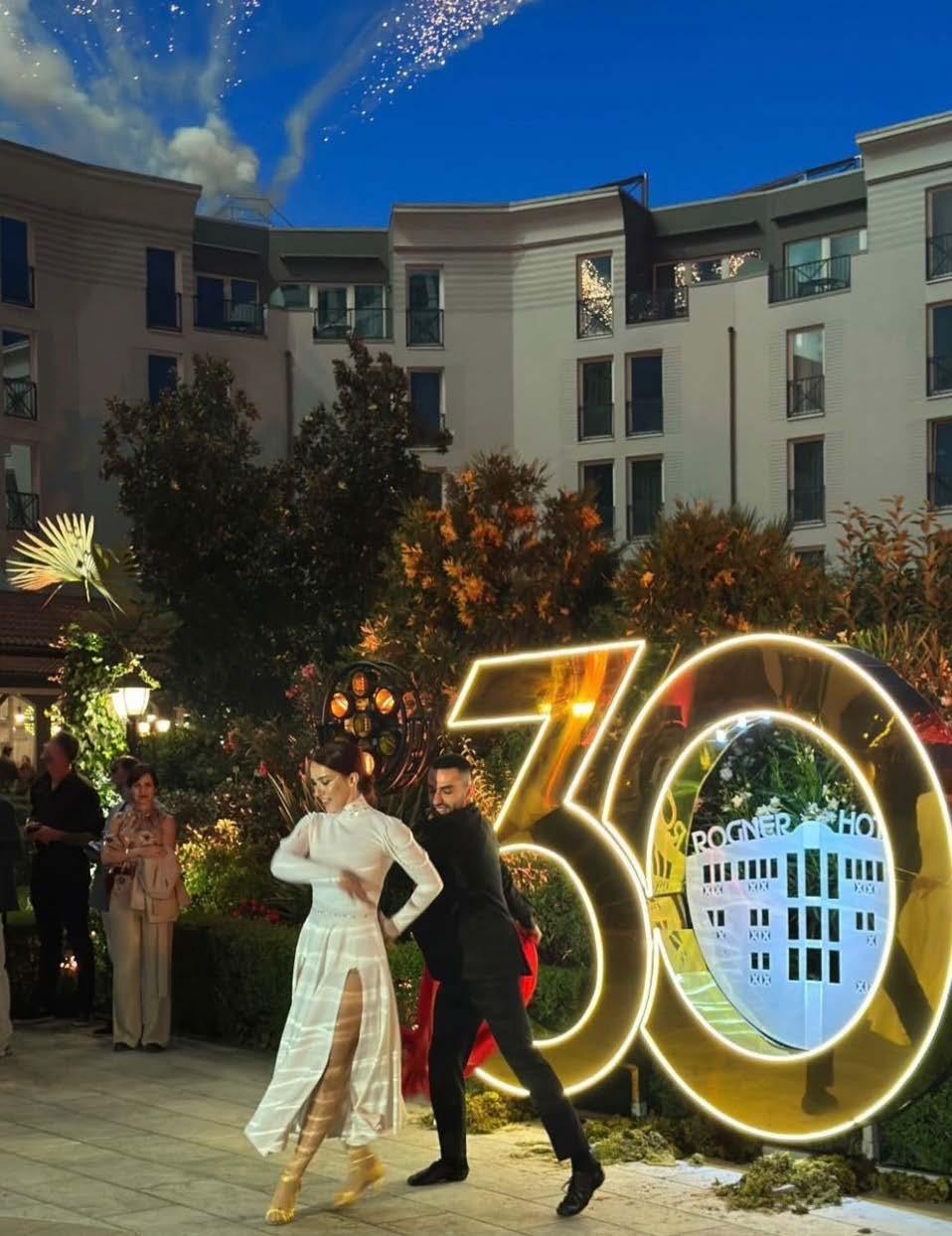

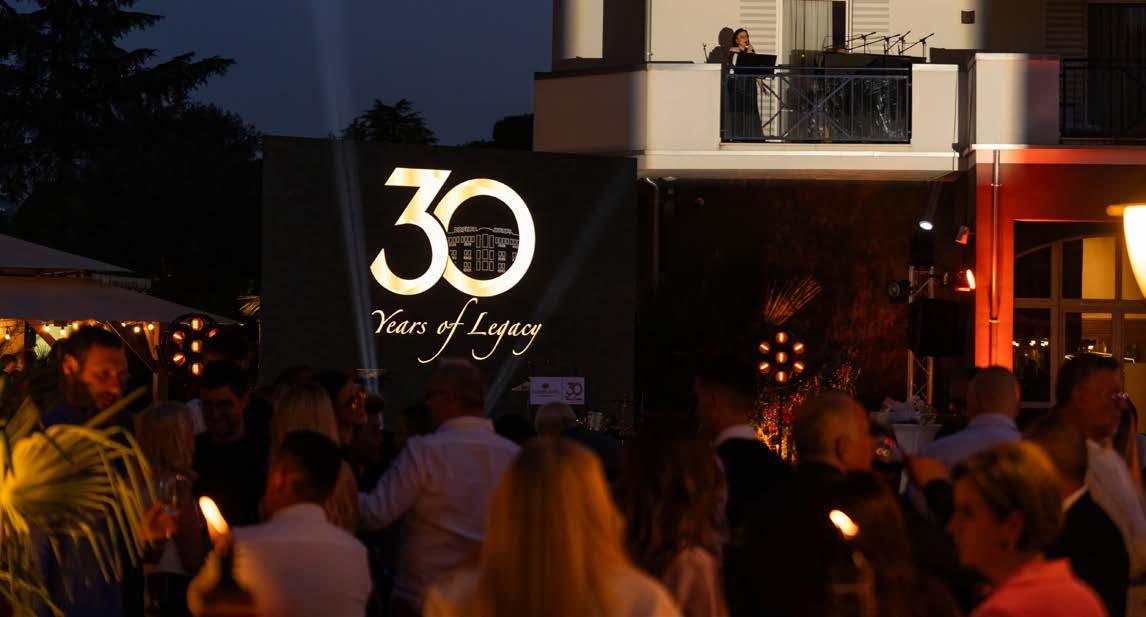
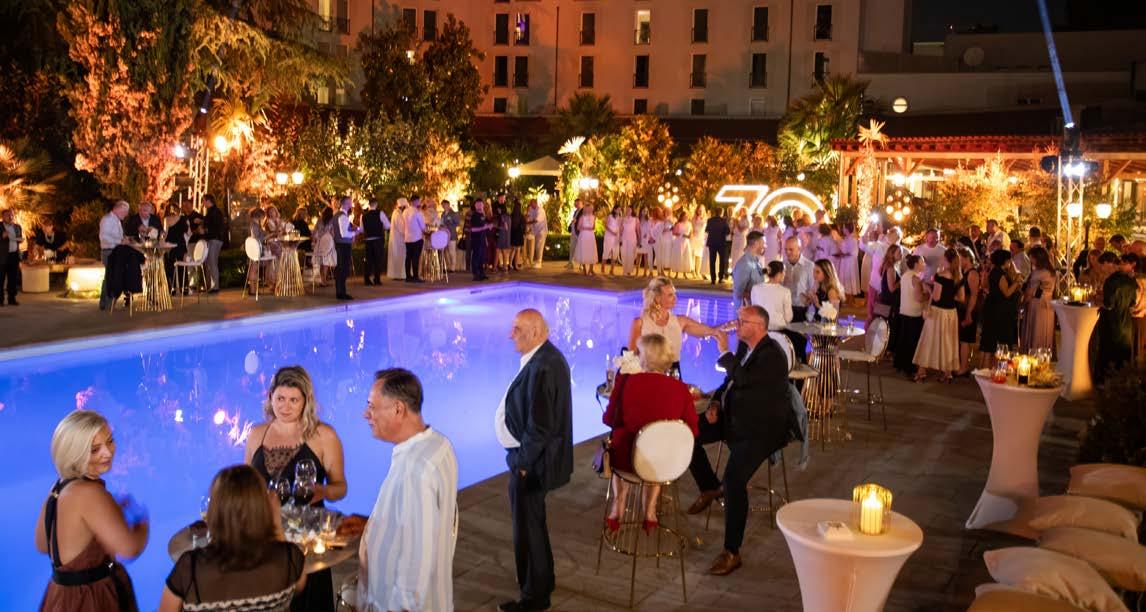
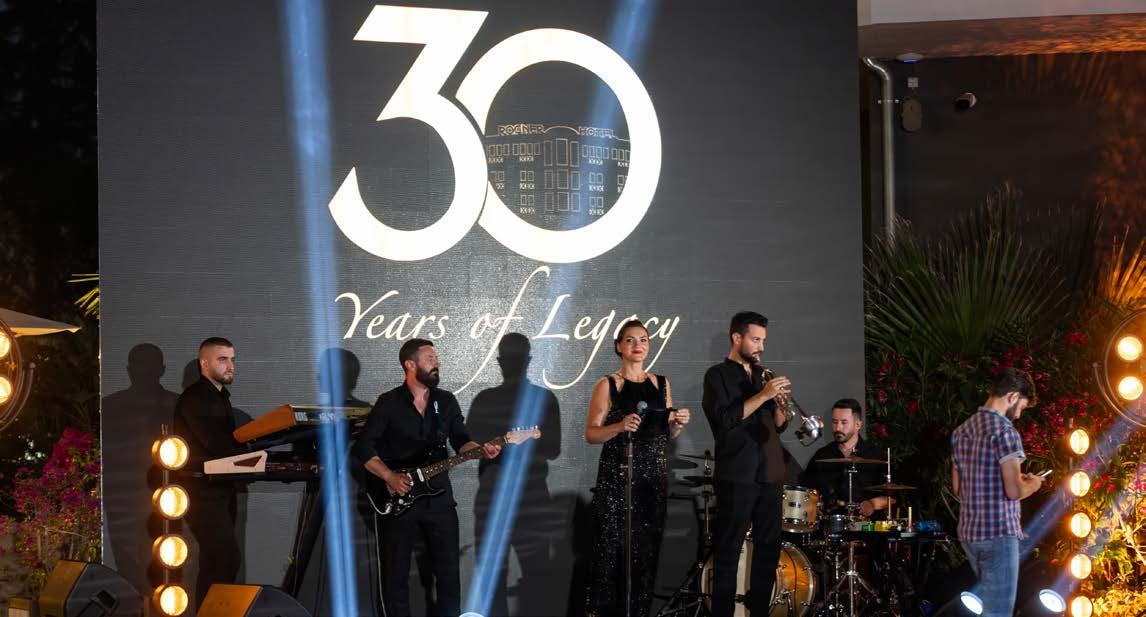
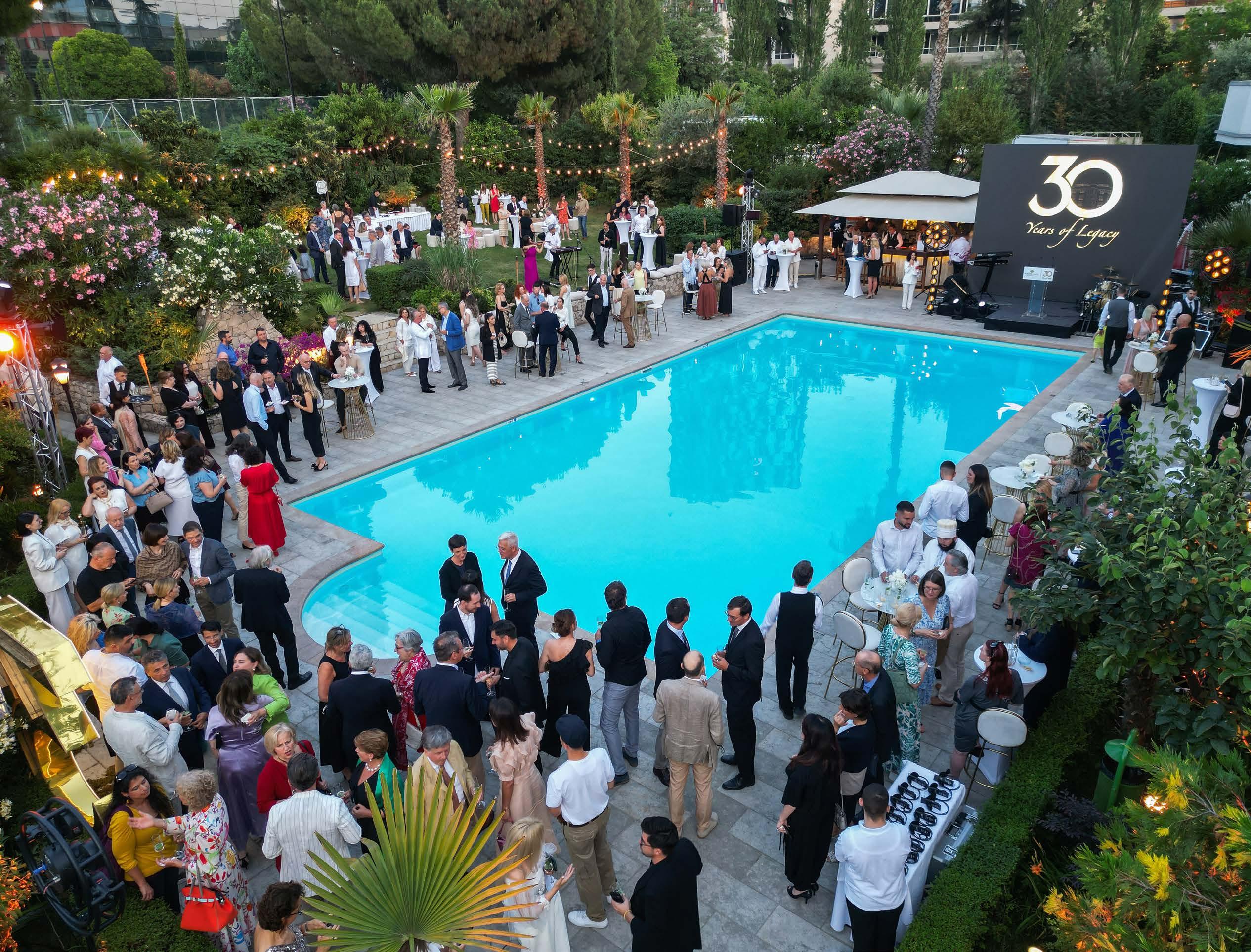
On June 10, under the warm Tirana sky, Rogner Hotel Tirana marked its 30th anniversary with an evening that blended elegance, emotion, and gratitude. Guests from across the diplomatic corps, business world, cultural institutions, and long-time partners gathered to celebrate the legacy of a hotel that has become much more than a landmark—it is a symbol of trust, quality, and continuity in Albania’s capital.
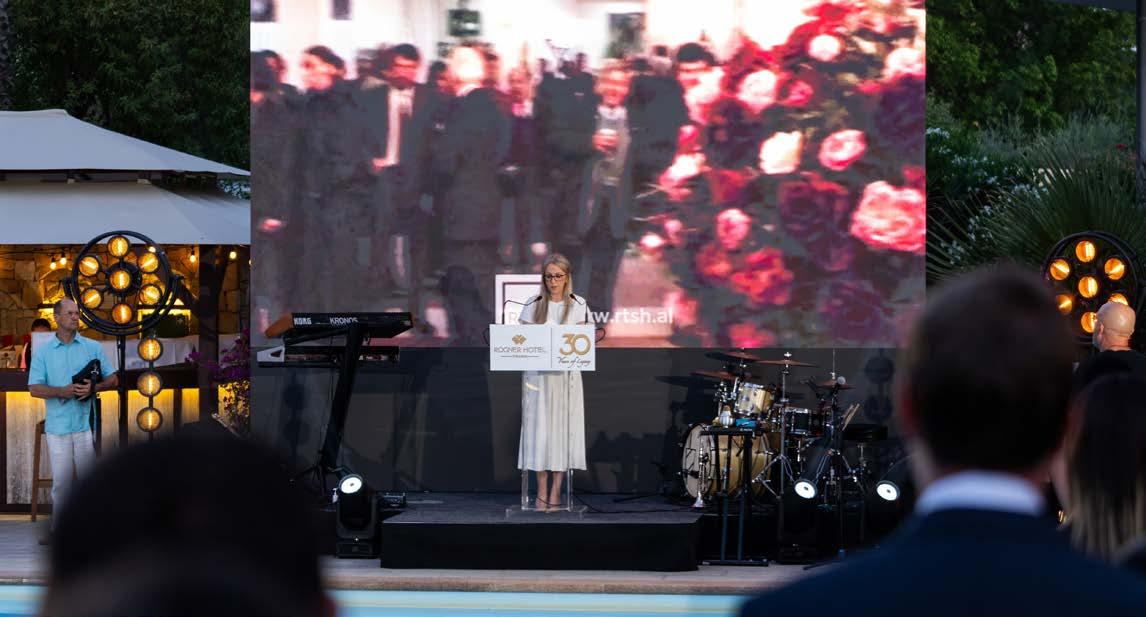
In her welcome speech, the Hotels General Manager, Ms. Eva Xhepa reflected on the profound meaning behind the celebration:
“When Rogner Hotel Tirana first opened its doors in 1995, it was much more than just a hotel—it was a symbol of hope, a source of new opportunities, and a bridge between Albania and the world.”
She recalled the hotel’s transformation over the decades—from its early role as a diplomatic and business hub to today’s fully renovated property committed to sustainability and innovation. With each chapter, Rogner has stayed true to its original mission: offering exceptional hospitality with a human touch.
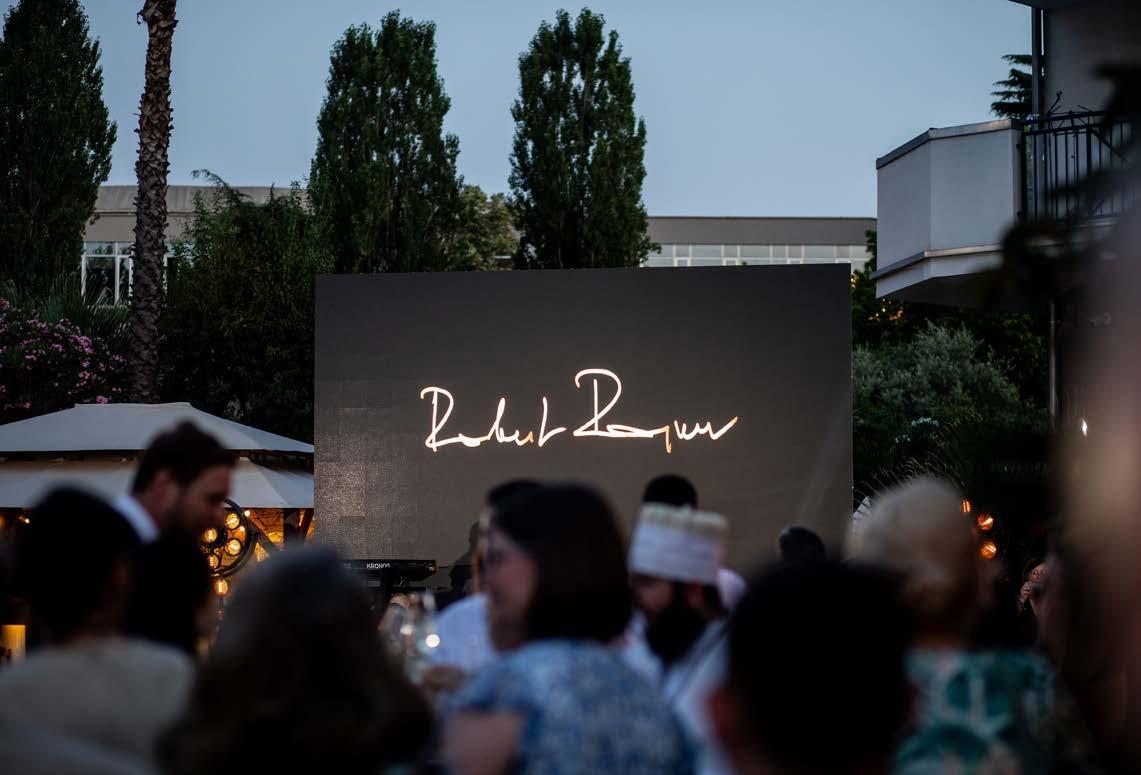
Although Mr. KR Robert Rogner could not be present in person, his spirit filled the evening. His heartfelt words were shared with the guests as a reminder of where it all began:
“My view from Corfu toward Albania fascinated me. Snow-covered mountains, lush vegetation, the deep blue sea—it had everything. Albania was closed like an oyster, but I knew: if it ever opened, I would invest.”
That initial moment of vision turned into a lifelong commitment—not only to building a hotel but to supporting a country in transition. Mr. Rogner’s projects across Europe reflect a singular philosophy: that architecture and hospitality, when rooted in meaning, can shape entire communities.
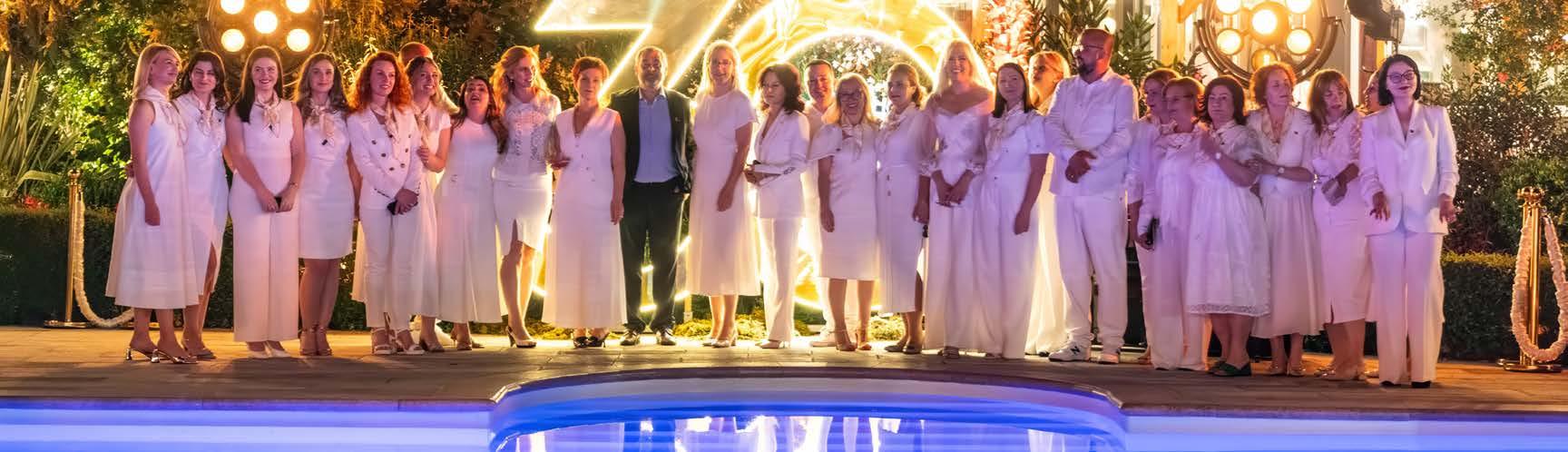
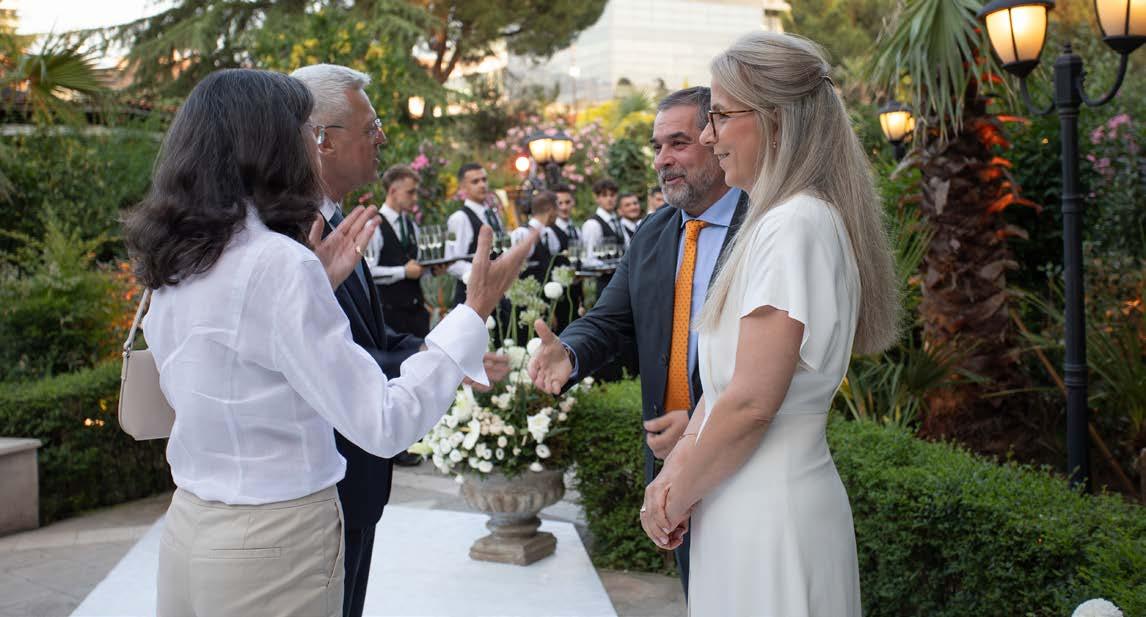
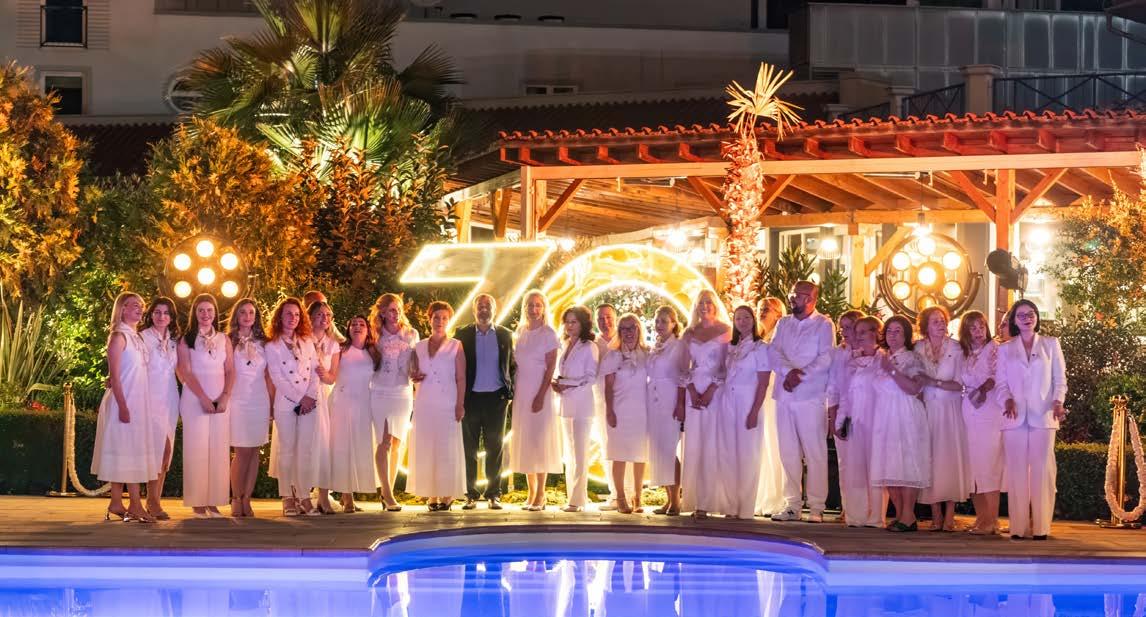
With minimalistic elegance that mirrored the hotel’s style, the evening was hosted in Rogner’s signature garden. Guests were welcomed by Ms. Eva Xhepa - General Manager, Mr. Rudolf Schmid - Administrator, and Ms. Melanie Franke - General Manager of Rogner Bad Blumau Austria. The entire Rogner team, dressed in white, reflected the welcoming spirit and timeless class that defines the hotel.
The celebration found its rhythm between ceremony and emotion. A pyro-musical firework show lit the sky, followed by some Austrian classical performances and a live performance by Marsela Çibukaj and her band. Meanwhile, the culinary experience delighted guests with Rogner’s signature offerings: Austrian wines and cheeses, crafted cocktails, and live stations for ice cream and fresh Palatschinken.
Yet what made the evening truly memorable were the people—the stories, the shared memories, and the heartfelt toasts. Many longtime staff members attended, some of whom have been with the hotel since its earliest days. As Ms. Xhepa noted, the second generation is now stepping in, continuing a culture built on loyalty and purpose.
As the evening drew to a close, the message was clear: Rogner Hotel Tirana is not resting on its legacy— it’s building on it.
“With the same spirit of vision and determination that Mr. Rogner brought to Albania 30 years ago, we will continue to innovate, invest, and provide an outstanding experience for all who walk through our doors,” said Ms. Xhepa.
This anniversary was not just about honoring the past. It was a promise for the future—one where hospitality, sustainability, and community go hand in hand.

“A defining moment in my career that shaped my global perspective was my first global assignment at the Le Meridien corporate office in MEWA.”
By Rudina Hoxha & Jose Pinto
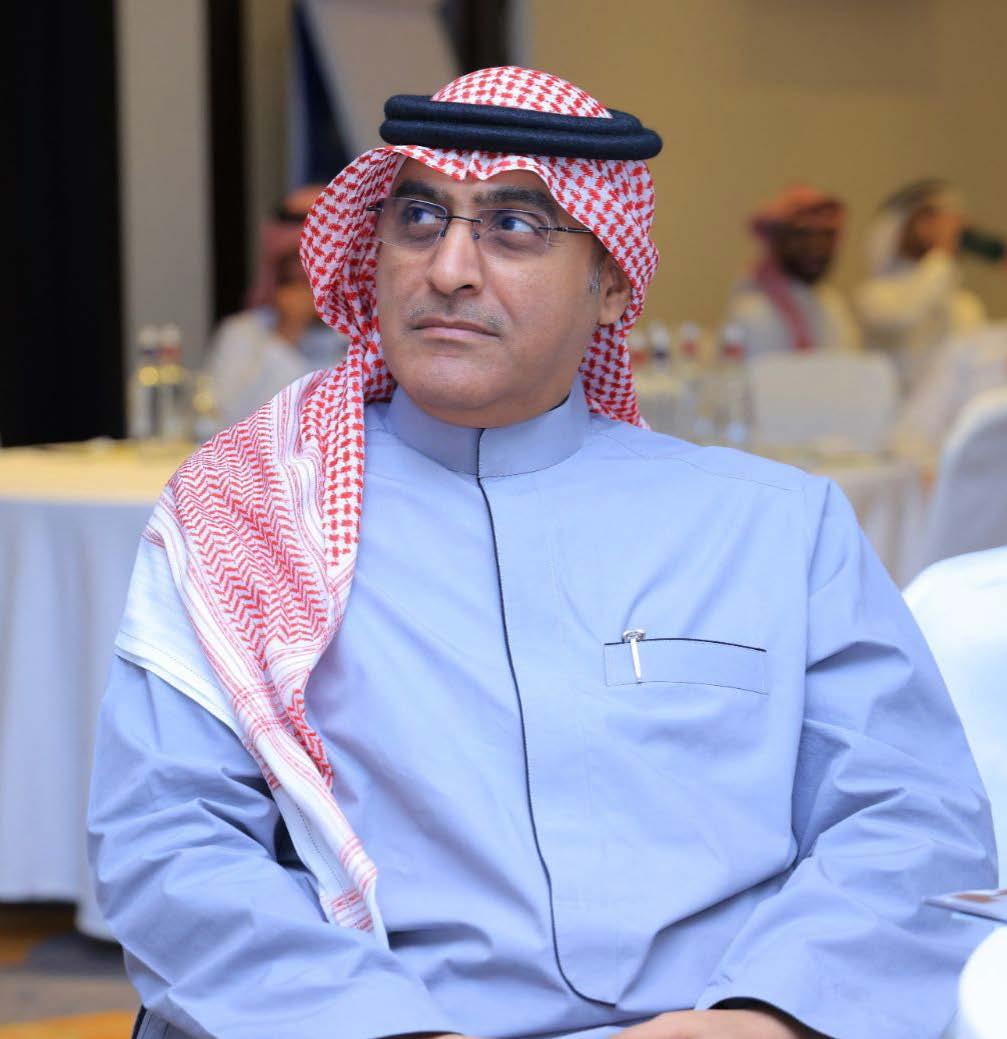
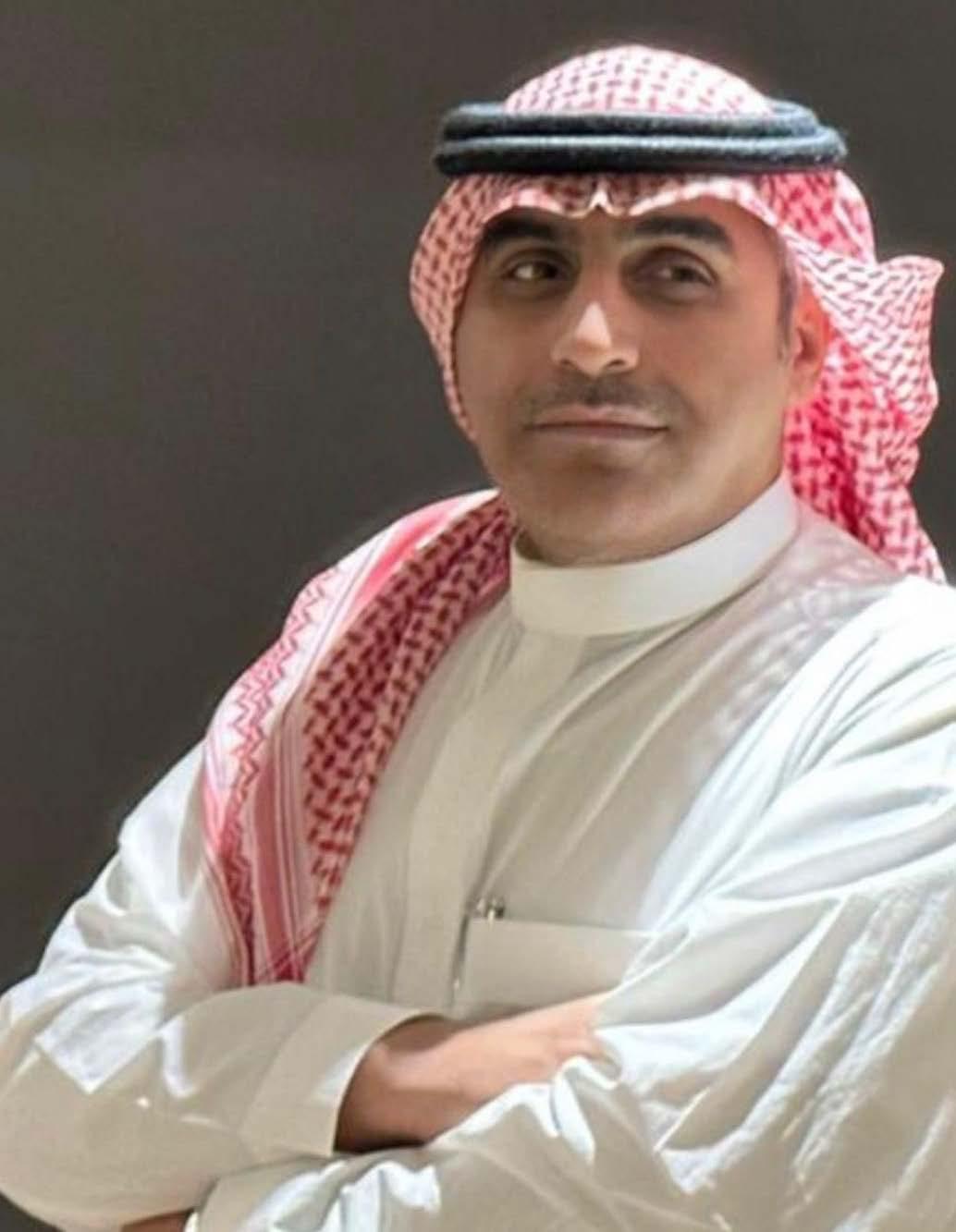
With a multi-cultural mindset and a 22 years’ experience with the international hotels chain, Mashal Al Nafea, a hospitality expert from Jeddah, Saudi Arabia shares with Trailblazing Magazine the highlights of his colorful career, his work and the projects he is dealing with as well as the significant impact of Saudi Arabia on his journey.
“Living and working in the Middle East reinforced the importance of relationships and hospitality in leadership,” he states, adding “I was deeply impressed by the region’s strong sense of discipline, planning, and collective responsibility. People value
their structure, precision, and long-term thinking, qualities that extend beyond business into everyday life.”
Also, he talks about the latest hospitality trends in Jeddah.
“In Jeddah, we’re seeing global hospitality trends like sustainability, technology, and wellness strongly influencing both guest expectations and operational strategies,” he said.
According to him, “most of the hotels in Jeddah are responding through energy efficient systems, waste reduction
programs, and locally sourced products that align with Vision 2030’s environmental goals.”
Mr. Mashal Al-Nafea is impressed from Red Sea destination.
“What stands out is how rapidly guest expectations have evolved there— shifting from traditional luxury toward transformative, purpose-driven experiences,” he emphasized.
Full interview follows: What first drew you to the hospitality industry, and how did you enter the international hotel sector?
I was first drawn to the hospitality industry by the example of my elder brother, who started his career in this field. Watching his dedication and passion for providing excellent service inspired me to pursue a similar path. I entered the international hotel sector to follow in his footsteps, eager to develop my skills and grow within a dynamic and global industry.
Can you describe a defining moment in your career that shaped your global perspective?
A defining moment in my career that shaped my global perspective was my first global assignment at the Le Meridien corporate office in MEWA.
Facing the challenges of this role and managing responsibilities across a broader region helped me expand my outlook, understand diverse markets, and
appreciate the importance of adaptability and cultural awareness in the international hospitality industry.
Which roles or locations have most influenced your multi-cultural approach to management? How would you define Saudi Arabia impact on your career ?
The roles and locations that have most influenced my multi-cultural approach to management include my involvement in hotel rebranding projects and pre-opening phases in our area.
These experiences exposed me to diverse cultures, teams, and guest expectations, enhancing my ability to lead inclusively and adapt to different cultural contexts. As for Saudi Arabia, it has had a significant impact on my career by broadening my cultural awareness and strengthening my ability to manage multicultural teams, given the country’s rich diversity and dynamic hospitality environment.
conscious of eco-friendly practices.
Today most of the hotels in Jeddah are responding through energy efficient systems, waste reduction programs, and locally sourced products that align with Vision 2030’s environmental goals.
The digital transformation of the guest experience is accelerating. Contactless check-in, mobile room keys, smart room controls, and AI-driven service personalization are becoming standard expectations. Many hotels are also investing in integrated property management systems
“Saudi Arabia has had a significant impact on my career by broadening my cultural awareness and strengthening my ability to manage multicultural teams, given the country’s rich diversity and dynamic hospitality environment.”
In your view, what trends—such as sustainability, technology, or wellness— are driving change across your global properties?
In Jeddah, we’re seeing global hospitality trends like sustainability, technology, and wellness strongly influencing both guest expectations and operational strategies.
The guests, especially younger travelers and corporate clients are becoming increasingly
and data analytics to optimize operations.
Lifestyle Wellness has evolved beyond fitness centers to a holistic approach that includes sleep quality, nutrition, mindfulness, and local cultural experiences. In Jeddah, where the Red Sea and coastal climate play a big role, wellness programs often incorporate outdoor activities, spa concepts, and healthy dining that reflect local flavors.
Overall, these trends are reshaping how hotels in Jeddah position themselves, moving from traditional accommodation providers to lifestyle and experience driven destinations.
How do you create an inclusive workplace culture when your staff represents many nationalities and backgrounds?
Creating an inclusive workplace culture begins with respect, communication, and shared values. In a multicultural environment like Jeddah where our teams represent many nationalities and backgrounds, it’s essential to build a sense of belonging and purpose for everyone.
We focus on clear Communication by ensuring that policies, goals, and feedback are communicated transparently in ways that everyone can understand, regardless of language or background.
Also cultural Awareness & Training: We celebrate cultural diversity through awareness programs and events that help team members appreciate different traditions and perspectives.
We flow equal Opportunity in recruitment, training, and career development are based on merit and potential, not nationality or background.
We are encouraging open dialogue, listening to ideas from all levels, and recognizing contributions publicly helps employees feel valued and respected.
We are strengthening collaboration, engagement, and service quality, allowing our team’s diversity to become one of our greatest strengths.
What specific practices help you recruit, train, and retain diverse talent?
Recruiting, training, and retaining diverse talent starts with building a culture that values people as our strongest asset. In hospitality, especially in a city like Jeddah
where teams represent many nationalities, our approach is centered on inclusion, growth, and recognition.
How do guest expectations differ across markets like Europe, Asia, the Middle East, and the Americas?
Guest expectations vary widely across regions, reflecting cultural values, lifestyle habits, and travel motivations.
As global brands operate in increasingly diverse markets, understanding these nuances is key to delivering truly personalized hospitality.
Ultimately, the core of hospitality is care and connection will remain the same, but how it’s expressed we must adapt to each market’s cultural expectations and evolving guest behaviors.
What role does cultural sensitivity play in delivering a world-class guest experience?
Cultural sensitivity is at the heart of delivering a truly world class guest experience. In today’s global hospitality environment, especially in destinations like Jeddah where guests and associates come from all over the world, understanding and respecting cultural differences directly impacts guest satisfaction and brand reputation
It goes beyond basic courtesy; it’s about anticipating preferences, respecting traditions, and adapting service delivery to make every guest feel seen and valued. For example, being mindful of dining customs, communication styles, and religious practices allows us to provide service that feels both professional and personal.
Cultural sensitivity also strengthens team dynamics when employees feel respected

In destinations like Jeddah, where new properties are being designed from the ground up, technology is fully integrated into the guest experience from smart energy systems to AI-driven sustainability management.
and understood, they naturally extend the same empathy to guests. This creates a welcoming atmosphere where authenticity and care shine through in every interaction
In short, cultural sensitivity transforms hospitality from a service into an experience one that builds trust, emotional connection, and lasting loyalty.
How is technology—AI, mobile apps, data analytics—shaping the next generation of international hotels?
Technology is reshaping the next generation of international hotels by transforming both the guest journey and operational efficiency. Artificial intelligence, mobile technology, and data analytics are enabling a level of personalization and responsiveness that was not possible before.
AI & Personalization allows hotels to anticipate guest needs from tailored room preferences to curated dining and local experience creating a seamless and intuitive stay. Chatbots and predictive analytics also improve response times and guest engagement.
Mobile apps now serve as the guest’s digital companion handling check-in, keyless room access, service requests, and payments all enhancing convenience and privacy.
Real-time data helps management teams forecast demand, optimize pricing, and enhance operational efficiency. Insights drawn from guest feedback and behavior
drive smarter service innovation.
In destinations like Jeddah, where new properties are being designed from the ground up, technology is fully integrated into the guest experience from smart energy systems to AI-driven sustainability management.
Looking ahead, where do you see the greatest opportunities for growth in the global hotel industry?
The guests are increasingly seeking meaning over material luxury properties that offer authentic cultural immersion, wellness, and adventure especially in destinations like the KSA, Africa, and Southeast Asia—will capture a growing share of high-value travelers.
Environmental and social responsibility are no longer optional. The hotels that embed sustainability into design, operations, and community engagement will lead the next wave of responsible growth, aligning with global ESG expectations.
The integration of AI, data analytics, and digital guest journeys creates opportunities for deeper engagement and operational efficiency, enabling brands to differentiate through seamless, intelligent service.
Regions such as Saudi Arabia, India, and parts of Africa represent tremendous potential, driven by infrastructure development, government investment, and a rising middle class. In Saudi Arabia especially, Vision 2030 is positioning
hospitality as a core economic pillar— offering long-term opportunities for both international brands and local investors.
In essence, the industry’s growth will come from balancing innovation with authenticity—where technology enhances, rather than replaces, the human experience of hospitality.
What cultural lesson from your travels has had the greatest impact on your leadership style?
Living and working in the Middle East reinforced the importance of relationships and hospitality in leadership.
I was deeply impressed by the region’s strong sense of discipline, planning, and collective responsibility. People value their structure, precision, and long-term thinking qualities that extend beyond business into everyday life.
This experience taught me that effective leadership isn’t about constant urgency, but about creating clarity, setting realistic goals, and empowering teams through consistency and trust. Since then, I’ve focused on building systems that support accountability and collaboration ensuring that excellence is sustainable, not situational.
This shaped my leadership style to be more people centered and investing time in understanding individual motivations and
creating a culture where everyone feels valued and included.
Which destinations or experiences have surprised you the most in terms of hospitality expectations?
The Red Sea destination has been one of the most surprising and inspiring developments in terms of hospitality expectations. What stands out is how rapidly guest expectations have evolved there—shifting from traditional luxury toward transformative, purpose-driven experiences.
Visitors to the Red Sea are not just seeking five-star comfort; they’re looking for authenticity, sustainability, and connection with nature. The demand for ecoluxury—where conservation, culture, and community engagement are as important as design and service—has redefined what luxury hospitality means in the region.
Another surprising aspect is the level of technology integration expected from seamless digital guest journeys to renewable energy systems and smart resort infrastructure; guests anticipate innovation that enhances comfort while protecting the environment.
Overall, the Red Sea Project has raised the bar for Saudi Arabia’s hospitality sector, positioning it among the world’s most forward-thinking destinations, and setting new benchmarks for sustainability-driven luxury.
LEAD is a mandate to convert good ideas into outcomes people can feel
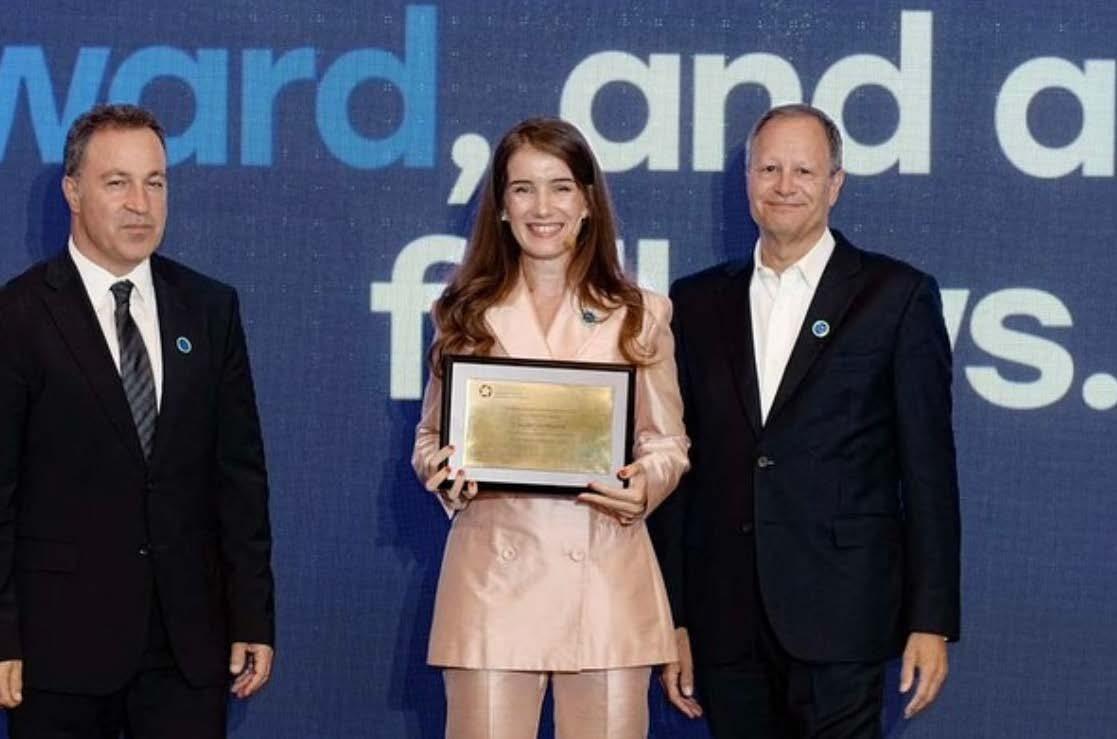
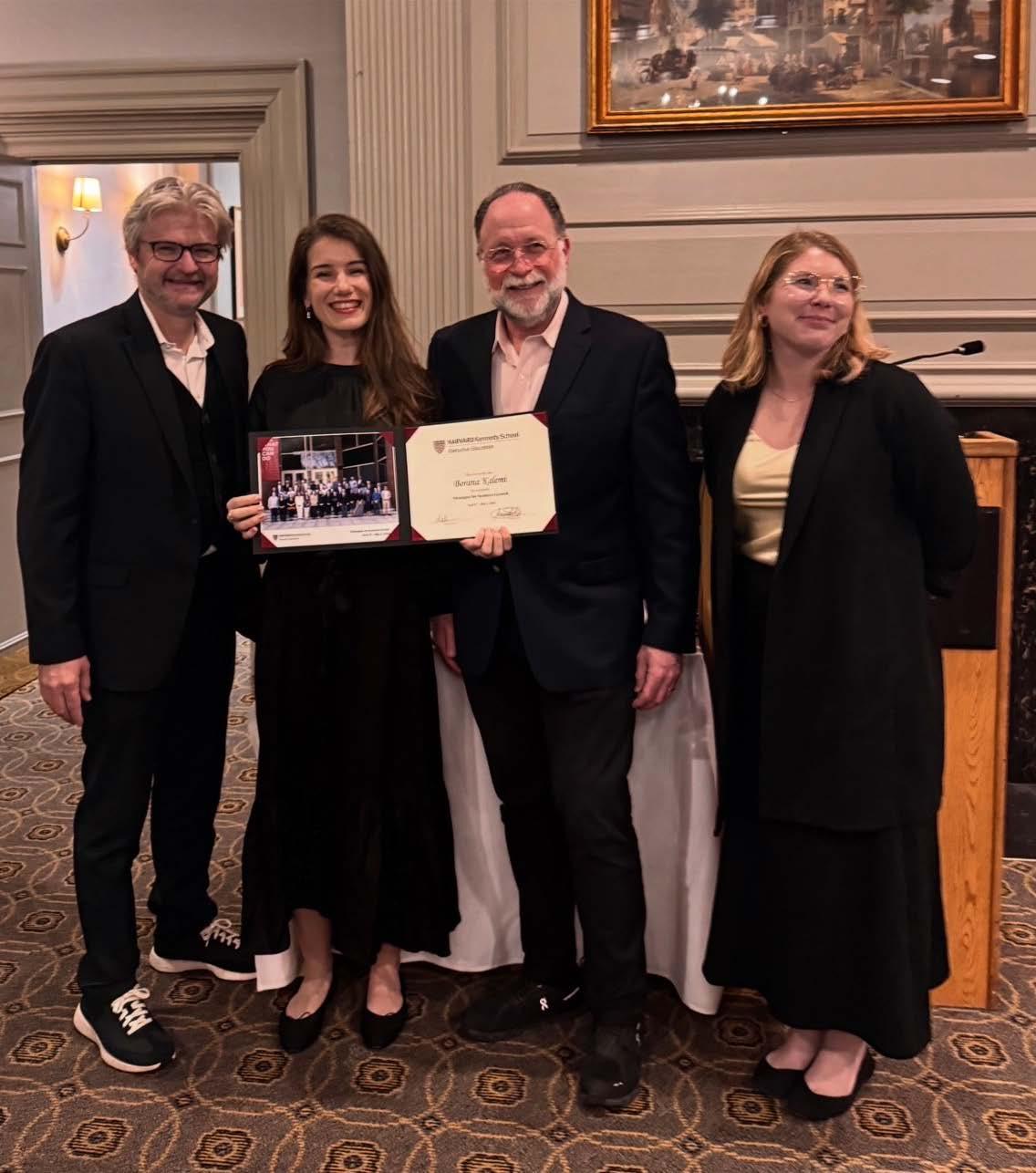
Borana Kalemi, the LEAD Fellow of the 13th cohort (Class 2024-2025) shares her journey about her career and LEAD Albania Program with the November issue of Trailblazing Magazine
According to her, “the combination of global training, practical delivery, and a clear public-value orientation matched what LEAD looks for in fellows.” She completed intensive studies abroad in South Korea.
“LEAD has moved me from viewing crossborder work as episodic agreements to seeing it as a steady practice of trustbuilding, measurable delivery, and politically durable innovation,” she says.
She states that she treats the Fellowship as a pipeline from ideas to implementation.
In addition, Borana highlights that the mix of LEAD’s network and Harvard’s toolkits helps her navigate complexity and still deliver results people can feel.
Read her full interview to reveal the three leadership lessons from the LEAD Fellowship that have mostly impacted her work.
How has your journey led you to become a LEAD Fellow, and what does this recognition mean to you professionally?
The fellowship has been a valuable platform to learn with peers, test ideas in real settings, and contribute more directly to public value, an experience I don’t take for granted.
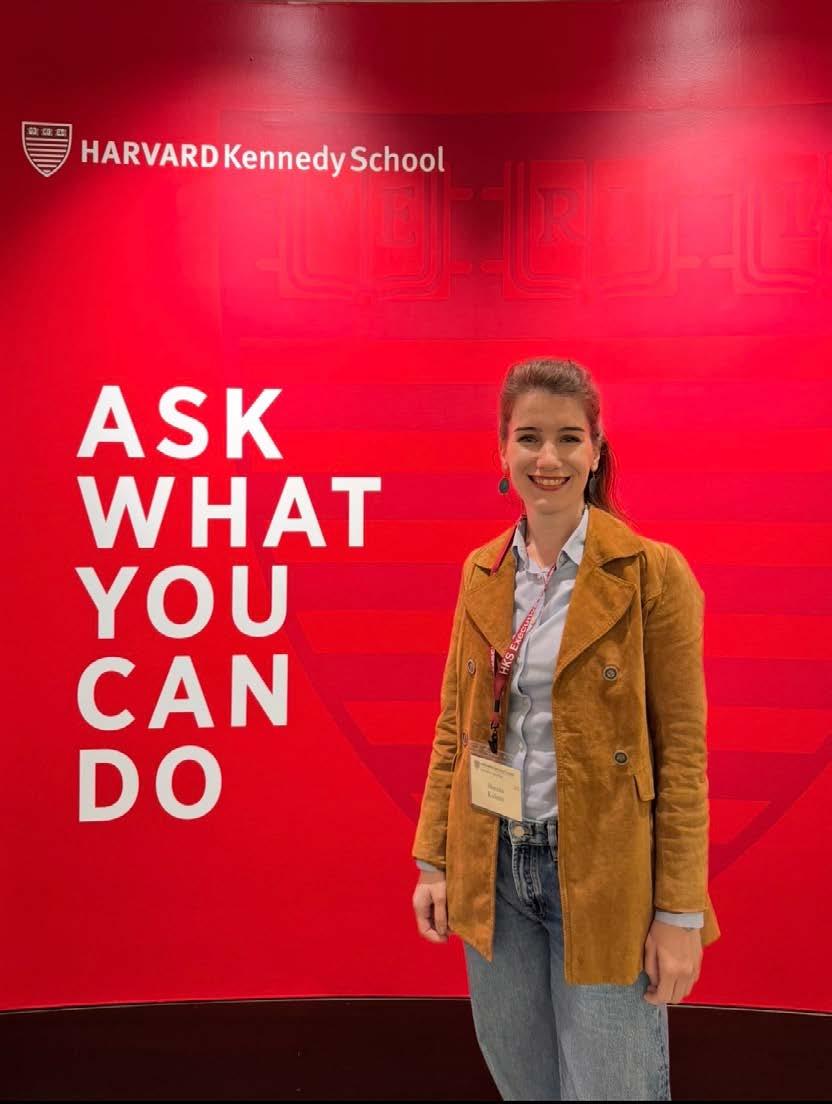
higher standards of integrity, transparency, and results. Second, credibility and community: it connects me to a network of peers who challenge assumptions, share experience, and support better delivery.
Taken together, LEAD isn’t just an honour, it’s a mandate to convert good ideas into outcomes people can feel.
2. In your view, how have your intensive studies abroad impacted your selection by this Program?
By Rudina HOXHA
Professionally, the recognition means two things. First, a platform and a responsibility: it gives me the opportunity to engage directly with decision-makers and help turn ideas into action, while holding myself to
Before applying to LEAD, I completed intensive studies abroad, in South Korea, that broadened my perspective and strengthened my toolkit. That experience
taught me how to translate global practice into locally workable policy, frame problems clearly, pilot with tight KPIs, learn fast, and scale what works, while sharpening crosscultural communication and coalition building. It also gave me a credible international network and a comparative lens to pressure-test ideas and ensure proposals are realistic, evidence-led, and aligned with national priorities. Beyond methods, it shaped my mindset: focus on citizen value, build coalitions early, and design reforms that are politically durable as well as technically sound, principles I now apply across economic, trade, and cultural policy files.
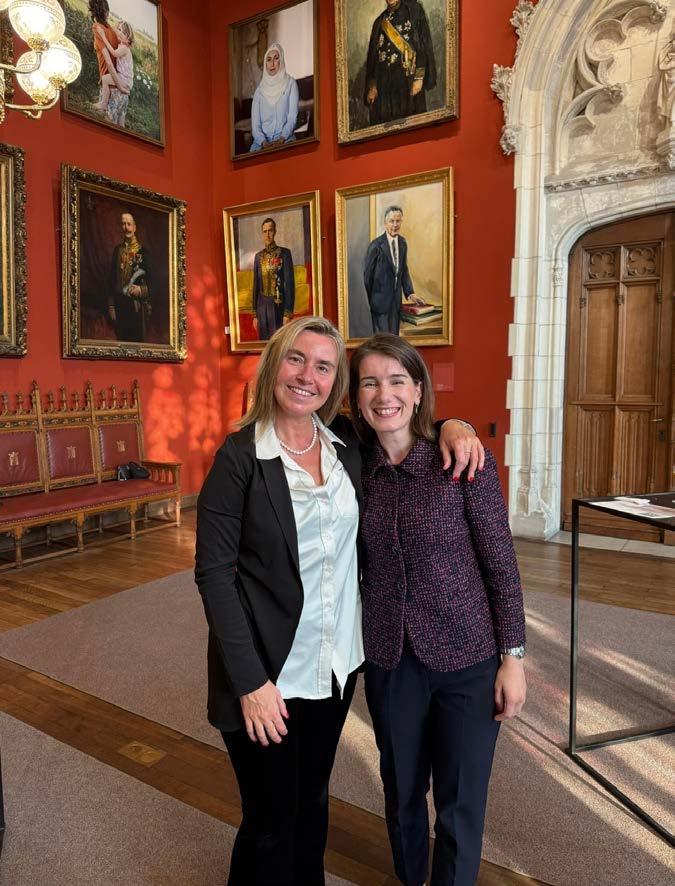
I believe, these experiences were also a key part of my selection for the LEAD program. They demonstrated that I could bridge global insight with national execution, work effectively with senior counterparts, and

deliver measurable results through short pilots and clear outcomes. My international exposure signalled cross-cultural fluency and credibility with partners that showed readiness for an advisory role to a minister. In short, the combination of global training, practical delivery, and a clear public-value orientation matched what LEAD looks for in fellows.
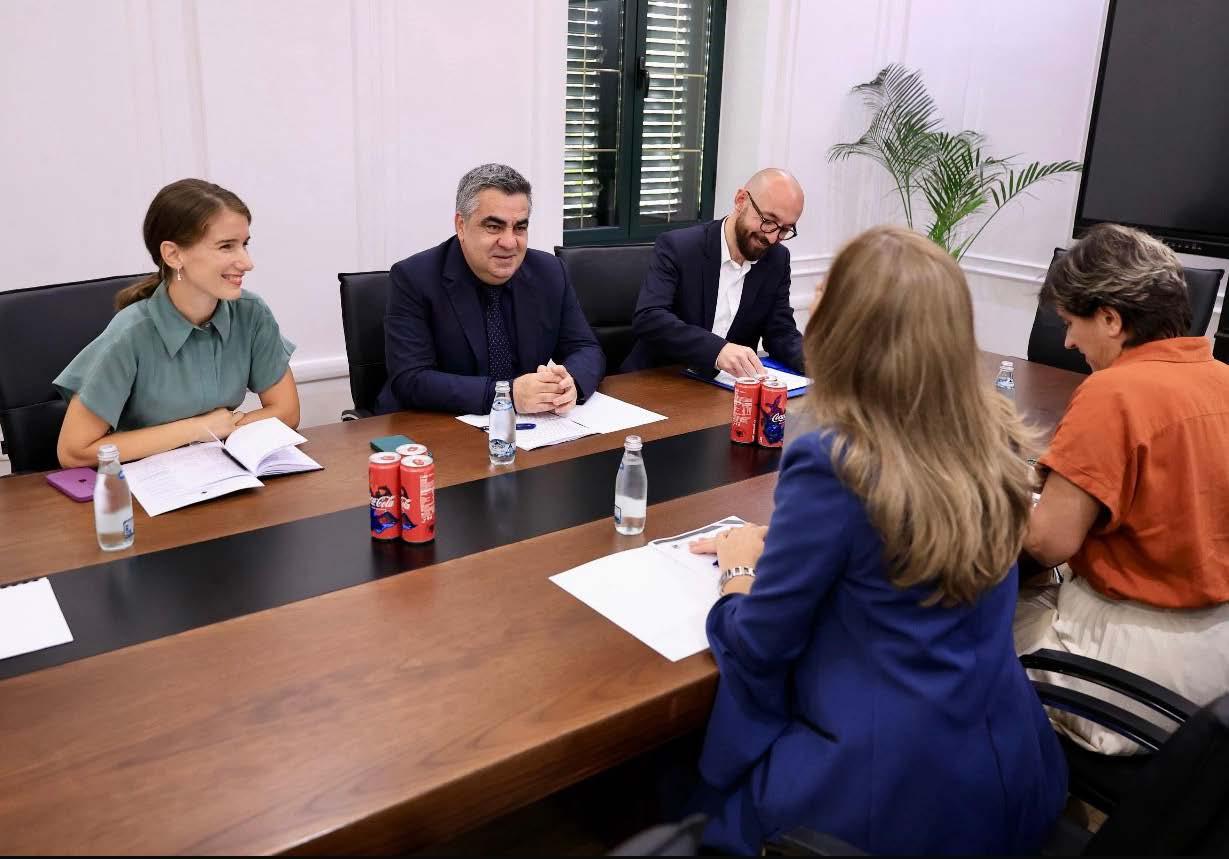
What key leadership lessons from the LEAD Fellowship have influenced your work in trade, international relations and development policy? And concretely on your leadership style within the Ministry of Economy, Culture, and Innovation?
Three leadership lessons from the LEAD Fellowship have most influenced my work across trade, international relations, and development policy and they directly shape
how I lead inside the Ministry of Economy, Culture, and Innovation.
1) Start with problems, not solutions—then iterate fast.
LEAD reinforced problem-driven, iterative adaptation: define the problem in locally owned terms, map causes not symptoms, and run short learning cycles with hard Key performance indicators.
2) Evidence, transparency, and coalition make reforms durable.
I now treat politics and delivery as one system: we set three or four metrics citizens understand (time, cost, access, equity), publish progress, and keep all the identified stakeholders such as social partners, business, and municipalities at the table from the start. This approach helps translate comparative cultural-policy best practices into an implementable national strategy, clear legal hooks, fiscal options, and phased sequencing—while maintaining legitimacy.
3) Build capabilities, not dependencies.
LEAD reinforced that reforms last only when institutions can run them themselves.
I prioritise simple, repeatable tools the administration can operate without external support. Using this approach, I’ve anchored trade and culture initiatives in laws, budget lines, and core IT systems—shifting them from one-off projects to routine public services that endure beyond leadership changes and funding cycles.
In short, LEAD taught me to couple rigor with speed, evidence with coalition, and ambition with institutionalisation. That combination is how we turn agreements into outcomes people can feel quicker
processes, broader participation, greener value chains, and fairer opportunities.
How has the LEAD network shaped your perspective on cross-border collaboration and policy innovation?
The LEAD network has shaped my thinking about cross-border collaboration at a political level in three ways. First, it reinforces that regional cooperation is ultimately about shared mandates and legitimacy, not just technical alignment: you build trust among decision-makers, craft a common public narrative and sequence reforms so they are politically survivable on all sides. Second, it promotes a pragmatic innovation playbook for governments by starting with narrowly defined, low-risk pilots; agree upfront on a few outcomes that matter to, publish results; and only then scale, so policy innovation strengthens, rather than strains, domestic accountability.
Third, it normalizes coalition diplomacy: bring in municipalities, business, and civil society early, use open data standards and interoperable systems to reduce sovereignty anxieties and frame successes as regional public goods. In short, LEAD has moved me from viewing cross-border work as episodic agreements to seeing it as a steady practice of trust-building, measurable delivery, and politically durable innovation.
What aspects of the LEAD network or training have been most valuable in navigating complex policy environments?
Two things from LEAD have been most valuable in messy policy environments: the network and the methods. On the network side, having quick, trusted access to peers across ministries, municipalities, business and civil society lets me pressure-test ideas fast, spot political-economy risks
early, and build coalitions that can carry reforms through implementation. On the methods side, LEAD’s emphasis on evidence, delivery discipline (KPIs, timelines, risk logs), and transparent communication (“faster, simpler, fairer”) has been my anchor when issues cut across institutions.
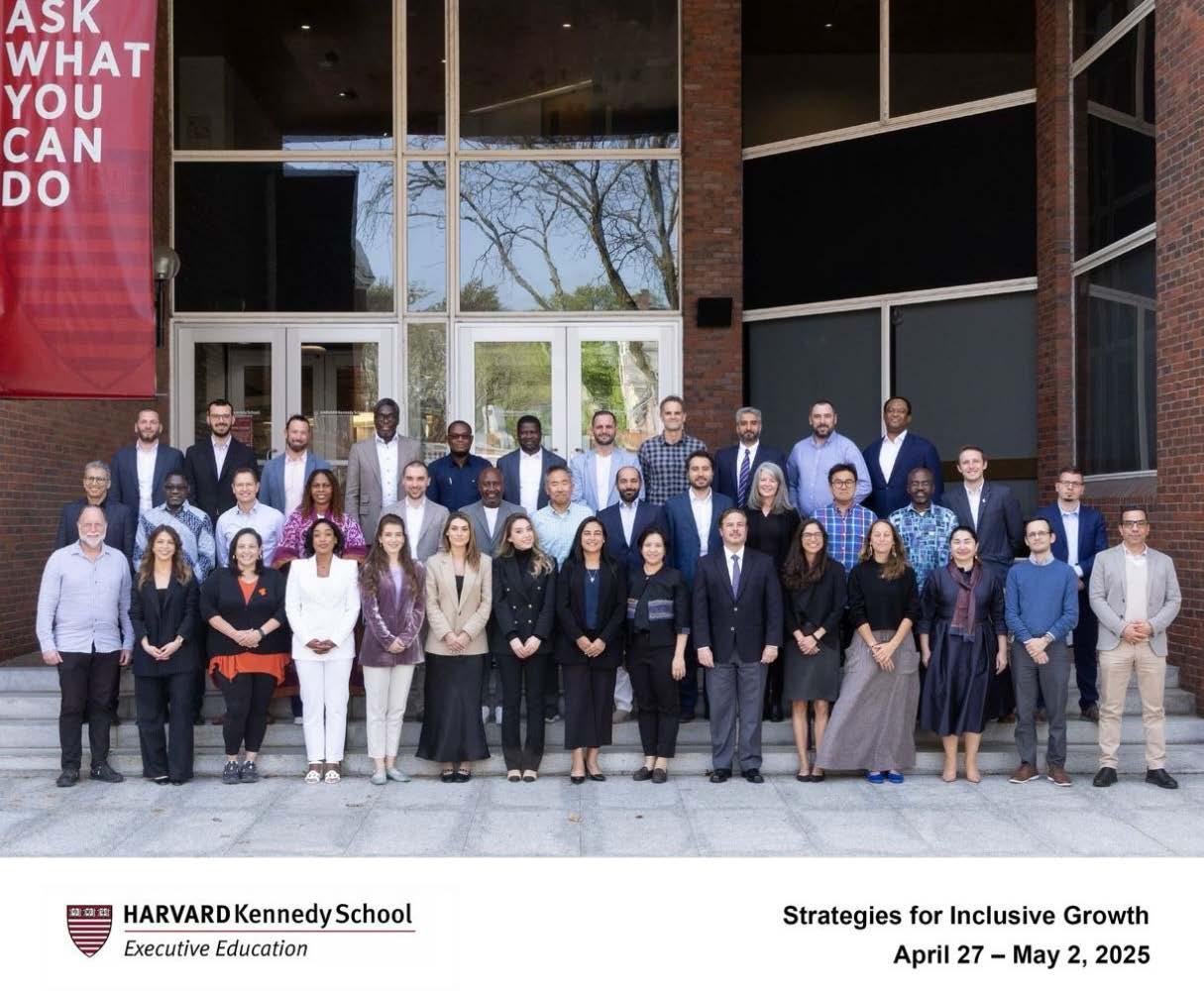
I’d add that the Harvard “Strategies for Inclusive Growth” training was a gamechanger. With Prof. Matt Andrews, we worked through Problem-Driven Iterative Adaptation (PDIA): frame the problem in locally owned terms, map causes (not symptoms), run short iteration cycles with tight feedback, and continually expand the authorizing environment so solutions survive contact with reality. With Prof. Ricardo Hausmann, we applied growth diagnostics and the product-space/capabilities lens to identify binding constraints and design secondbest, feasible reforms that move capabilities forward rather than chasing textbook ideals.
In practice, this means now: (1) start every reform with a problem tree and a small, testable hypothesis; (2) run 90–180 day learning sprints with measurable outcomes; (3) use coalition maps to manage winners/ losers; and (4) choose interventions that relax the tightest constraint first (skills, logistics, finance, or rules), even if perfection must wait. That mix of LEAD’s network and Harvard’s toolkits helps me navigate complexity and still deliver results people can feel.
How do you integrate the Fellowship’s global leadership insights into national policy-making?
I treat the Fellowship as a pipeline from ideas to implementation, as inputs to a fast policy cycle: translate → co-design → pilot → embed. I first distil each idea budget and legal fit, identifying the lead
hard KPIs (time, cost, access, equity). We run a pre-consultation process pilot with a public interested parties and a preagreed decision gate to scale, adapt, or stop. If the results hold, I lock it in through bylaw/guidance, budget tagging, light IT changes, and short capability sessions so the institution owns it sustainably. This is how I’ve moved LEAD-inspired practices from concept to measurable outcomes, so the fellowship’s ideas show up in laws, and results people can feel.
What are the most critical policy priorities currently on your agenda? Which policy initiatives or projects are you most proud of, and why?
A big priority for me is intellectual property, especially geographical indications, collective marks, and trademarks, because it converts local authenticity into a tourism and growth asset. A credible Geographical indication (GI) tells visitors what’s truly from Albania, curates culinary and craft routes, and lifts spend on farm stays, tasting rooms, festivals, and museum shops. We’ve treated this not as a legal afterthought but as an engine for place-based development: under a dedicated project, we mapped existing and candidate products as GIs against agrotourism corridors, designed a national GI logo promotion plan with producer onboarding and consumer outreach, issued practical guidance on packaging/labelling and traceability, and drafted a coordination protocol across the economy, agriculture, tourism, and IP authorities so quality specs, control, branding, and enforcement move together.
This approach is now woven into the draft Culture Strategy 2026–2030—linking GIs and “Made in Albania” products to cultural routes, festival programming, and a digital
portal that showcases creators while connecting heritage sites to agrotourism circuits. The outcomes we’re driving are concrete and measurable: higher producer adoption of the GI mark, greater retail visibility, rising tourist recognition and willingness to pay, and on the tourism side. longer stays, higher per-visitor spend, and better regional dispersion of benefits.
What leadership qualities do you believe are essential for emerging leaders in trade and development?
When I think about the next generation of leaders in trade and development, three clusters of qualities stand out. First, strategic systems thinking paired with evidence discipline: you need to see how a tariff tweak ripples through supply chains, skills, climate goals, and consumer prices and then anchor choices in data, not slogans. The best leaders are comfortable running rapid impact checks, trialling pilots before scaling, and changing course when the numbers say so. Second, coalition-building and politicaleconomy fluency: real progress comes from crafting packages that different actors can live with such as business, workers, line ministries, and regional partners and sequencing reforms with cushions for those who face adjustment costs. That requires negotiation craft, empathy, and very clear communication about benefits, risks, and trade-offs.
Third, delivery mindset and integrity. Big ideas only matter if you can execute, turning international commitments into domestic law, IT systems, trained inspectorates, timelines, budgets, and KPIs. Leaders who thrive in this space build interdisciplinary teams, mentor juniors, and keep learning under pressure. They’re also transparent
about who they meet, how decisions are made, and what will trigger a course correction.
Bring cross-cultural competence to the table you’re at today and resilience to the shocks you’ll face tomorrow, and you have a leadership profile that moves beyond dealmaking to delivery. It’s the combination that turns agreements into outcomes people can actually feel, faster clearance at the border, higher SME participation in trade, greener and more responsible value chains, and fairer opportunities across regions and firms. In other words, fluency across cultures and the capacity to adapt under pressure are what convert signatures into real, shared benefits.
What inspires you most about working at the intersection of economy, culture, and innovation?
What inspires me is that the intersection of economy, culture, and innovation is where ideas turn into livelihoods and identity turns into opportunity. Culture gives us meaning and distinctiveness; innovation turns that uniqueness into new products, services, and experiences; and the economy provides the engines, markets, skills, finance to scale them. On a good day, that mix looks very concrete: a craft tradition becomes a contemporary design line; a museum’s digitisation becomes new audiences and revenue; a GI-protected product anchors an agrotourism route; a young creator
builds a business around local stories and global platforms.
It is relentlessly future facing: data, IP, and digital tools make heritage more accessible; green standards make value chains cleaner; partnerships with schools and labs turn curiosity into capability. In short, this intersection lets me pair who we are with what we can become and measure it in outcomes people feel: better jobs, stronger SMEs, livelier places, and a deeper sense of belonging.
Personally, culture is my roots as a dancer, the economy is the arena where my professional skills operate, and innovation is the direction of travel where we aim to take those roots and that expertise next.
If you could introduce one transformative reform in your Ministry tomorrow, what would it be?
If I could introduce one transformative reform tomorrow, it would be to make intellectual property the Ministry’s next big systems change—treating IP as core infrastructure for innovation, culture, and growth.
Why this matters: for innovation, it turns ideas into bankable assets and speeds deals. For culture, it protects creators and makes GIs and collective marks credible trust-signals for agrotourism and exports; for the economy, it raises productivity, attracts investment, and keeps more value local. The proof would be concrete within a year: faster registrations, higher filings from startups and creatives, broader GI adoption, and visible growth in licensing and royalty income. In short, modern IP isn’t paperwork it’s the operating system for an Albania where creativity and enterprise drive the economy forward.
Our Vision is to Make Xheko Imperial Hotel a Cultural and Social Landmark in Tirana
By Rudina Hoxha
“Over 33 years, we have grown from a small boutique hotel to a recognized destination, and today we focus on innovation, sustainability, and community building.”
That’s what the Vice President of Xheko Imperial Hotel, Ergys Xheko, said in an exclusive interview with Trailblazing Magazine while shares his efforts to take hospitality into another level in his own hotel.
Full interview follows:
What inspired you to pursue a career in hospitality? What keeps you motivated in this role?
Hospitality has always been part of my family. What inspires me is the chance to create memorable experiences for our guests. My motivation comes from knowing our service can truly make a difference in people’s lives.
“After
the pandemic, we had to choose between cutting services or investing in new ones. We decided to invest. It was a risk, but it helped us recover quickly and capture new markets.”
What is your overarching vision for the hotel, and how has it evolved over the last 33 years?
Our vision is to be a cultural and social landmark in Tirana. Beyond luxury and quality, we aim to create a space for networking and meaningful relationships that take hospitality to another level. Over 33 years, we have grown from a small boutique hotel to a recognized destination, and today we focus on innovation, sustainability, and community building.
How do you balance short-term operational goals with long-term strategic objectives?
We work with clear objectives and a focus on increasing profits in every sector. Every daily decision connects directly with our vision for growth and strengthening our brand.
“We partnered with the Hotel Runner platform to manage bookings and revenue, introduced online checkin, and implemented energy-saving systems to boost efficiency.”
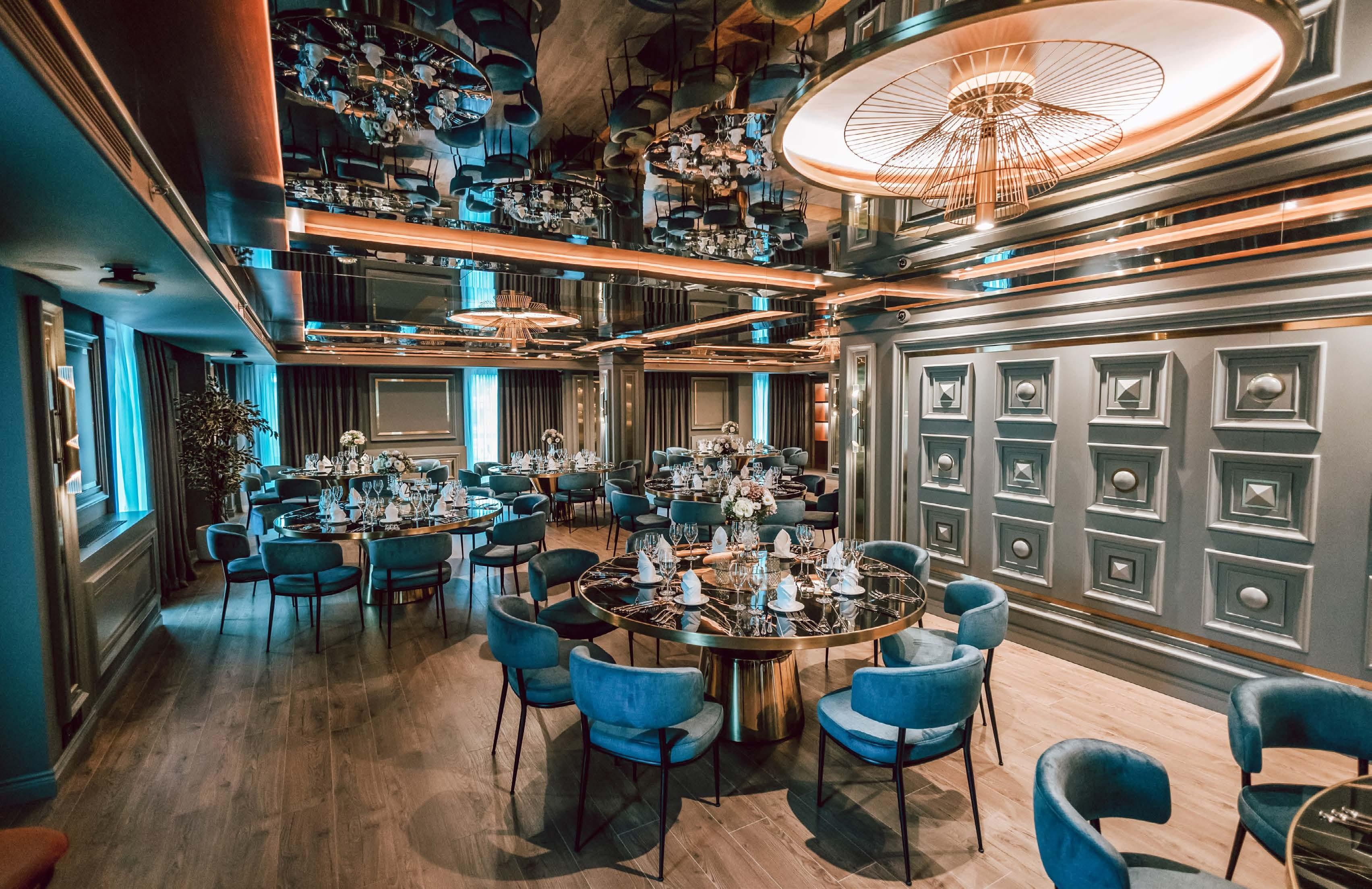
Can you describe a difficult decision you’ve had to make as Deputy President, and how you handled it?
After the pandemic, we had to choose between cutting services or investing in new ones. We decided to invest. It was a risk, but it helped us recover quickly and capture new markets.
What are the biggest operational challenges you face in running a hotel today?
The biggest challenge is finding and retaining qualified staff, while ensuring that every guest feels truly at home.
How do you ensure consistency in guest experience across all departments?
Through clear service standards, continuous training, and regular meetings to improve every detail based on feedback.
What initiatives have you introduced to improve operational efficiency?
We partnered with the Hotel Runner platform to manage bookings and revenue, introduced online check-in, and implemented energy-saving systems to boost efficiency.
What does ‘exceptional guest service’ mean to you? How does your hotel collect and act on guest feedback?
It means anticipating guest needs before they are expressed and personalizing our services. We gather feedback through surveys, online reviews, and direct conversations—and act on it immediately.
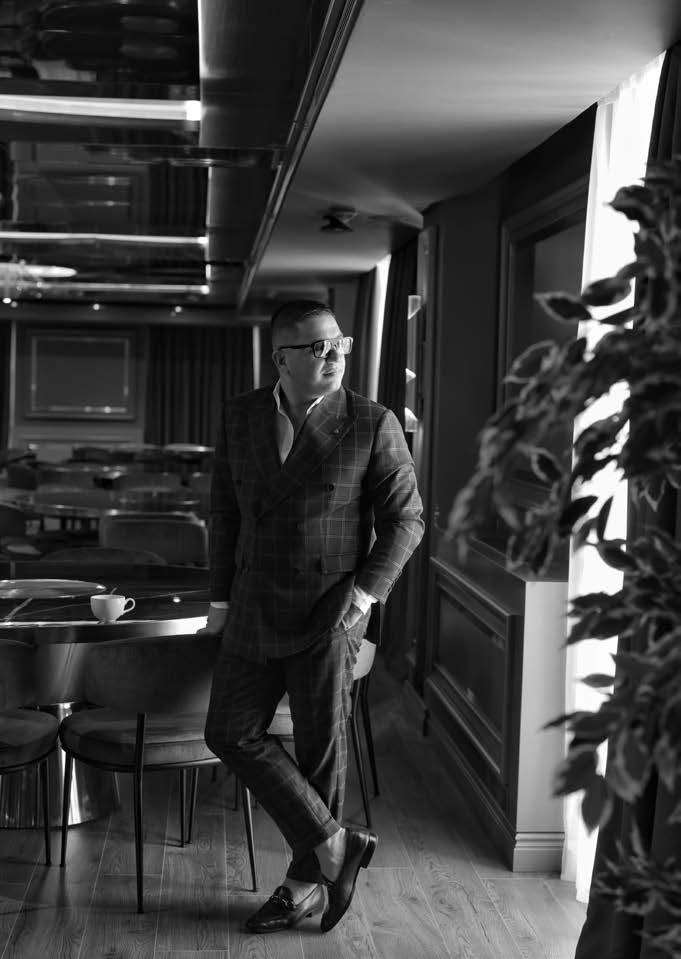
How do you attract and retain top talent in such a competitive industry? How do you maintain staff morale, especially during challenging times (e.g., peak seasons, crises)?
As a family business, our staff becomes part of a larger family. We build flexible relationships, offer growth opportunities, and provide long-term support, making the workplace more than just a job—it’s a lasting bond of trust. This helps us maintain morale, even during challenging times.
What kind of workplace culture are you trying to build or maintain?
We aim to maintain a culture of respect, collaboration, and growth. We want every employee to feel valued, supported, and inspired to contribute to our shared vision. By nurturing both professional and personal development, we create a workplace where people thrive.
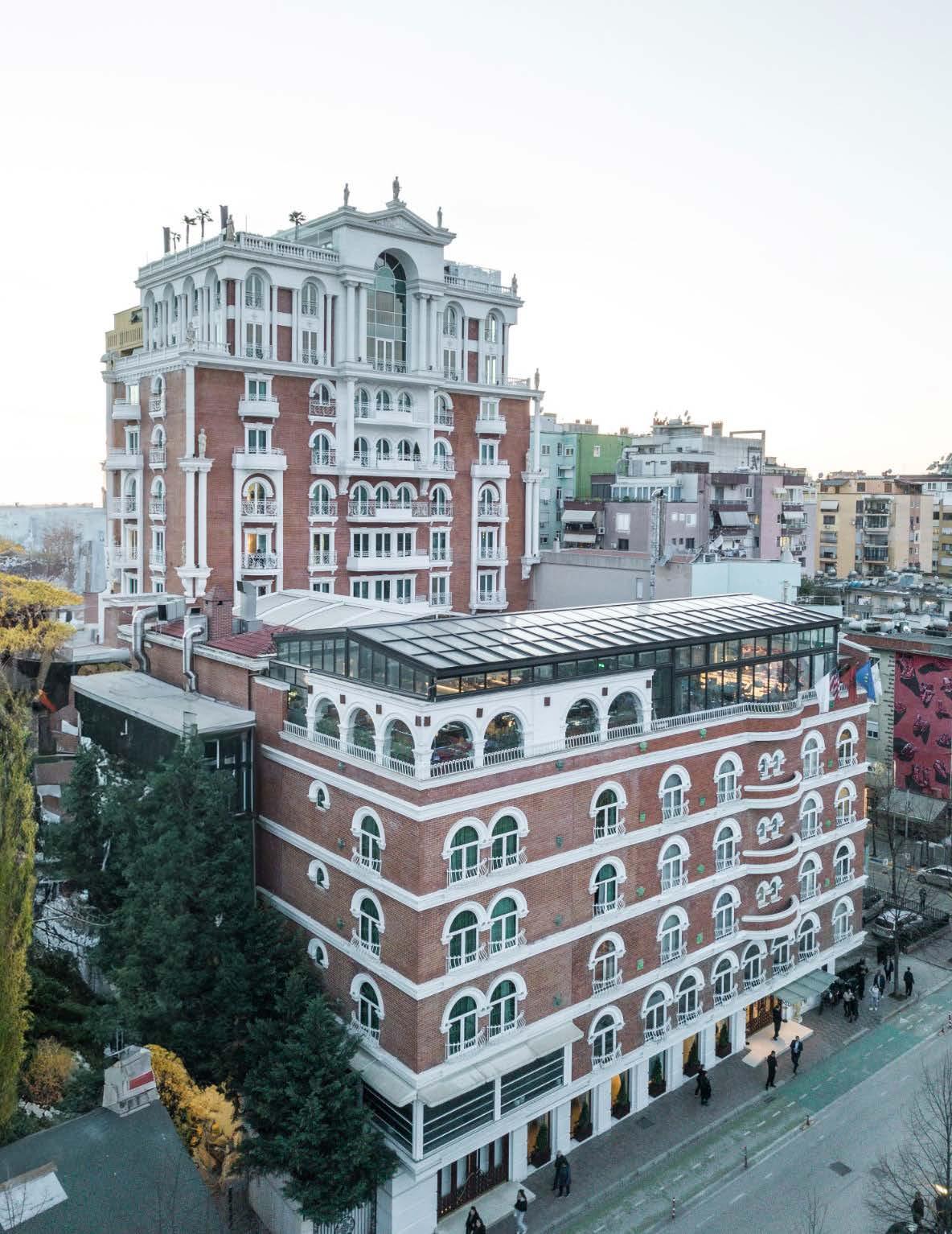

“It was a fantastic experience to represent Hungary folk art treasures in Albania”
By Rudina Hoxha
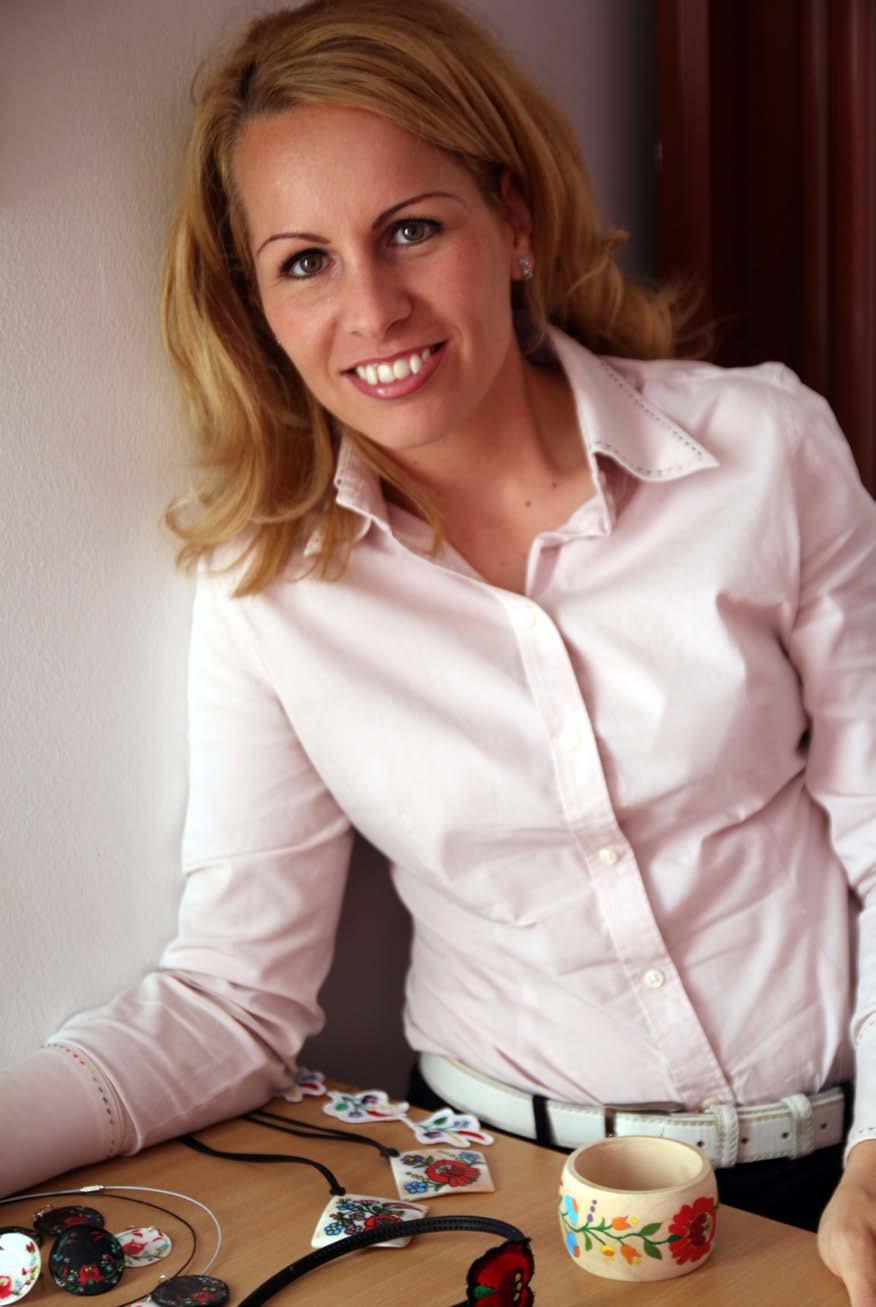
“Brides approached me who wanted to wear a dress decorated with folk art embroidery on their big day. There were also ladies who lived and got married abroad, but wanted to indicate their roots by getting married in a wedding dress decorated with Hungarian motifs.”
This was declared by Mrs. Adry Balogh, the Business Owner of Hungarian Adry Couture to Trailblazing Magazine who came to Albania upon the kind invitation of the Hungarian Ambassador to Tirana, H.E. Martina Kasnyik, to participate in the International Week of Hungary in Albania (29 September to 2 October, 2025).
She was very grateful and happy about this invitation which she happily accepted it.
“We discussed that Albanian models would present the clothes, which I think makes the show special again, because with this we can also represent the friendship of the two countries. It is a special feeling to participate in such an organization. I was very excited before the event,” Adry said adding “The Albanian models were beautiful and professional
and the audience was fantastic.”
Graduated from the Budapest Technical College, Adry followed the suit of her mother and grandmother: tailoring and sewing. Soon after, she worked as a costume designer in the Theater for 10 years. She remembers that as a very prolific period of time.
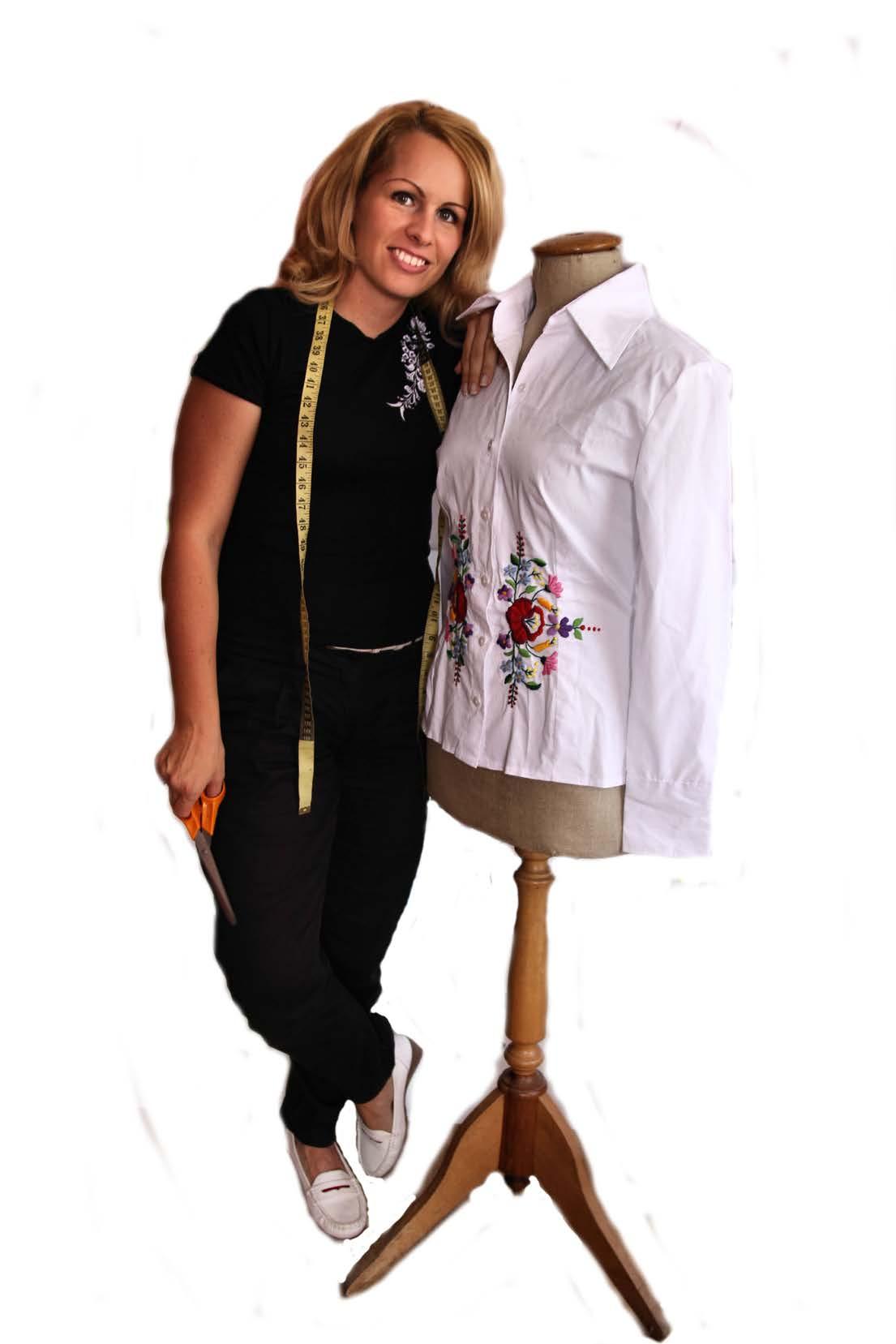
In 2010 she founded her own clothing brand.
Full interview below :
What originally inspired you to enter the world of haute couture, and how did your career as a founder begin?
My passion for clothes began when I was a little girl. I always enjoyed dressing my dolls. My mother also sewed a lot as a hobby seamstress, and my grandmother sewed, knitted, crocheted, wove, embroidered. She did everything that was handmade.
My parents saw that it was good to steer me in this direction. Therefore, after graduating from elementary school, I enrolled in a vocational school for clothing. Here I learned to tailor and sew. I really enjoyed being able to make my own unique clothes. I liked being able to wear unique and special clothes. At first, I designed
street and casual clothes for myself. Later, also designed clothes for my friends and acquaintances. I started to observe and study the work and careers of bigger and more famous designers, and a goal developed in me, which was to become a fashion designer!
I wanted to learn everything I could about the profession and so I graduated from the Budapest Technical College.
When I graduated from college, I worked as a costume designer in the Theater for 10 years. It was a very exciting time in my life. I looked into clothes from all eras and was able to use my imagination to create different costumes. I learned a lot during this time.
My theater career ended when my children arrived.
Then in 2010 I founded my own clothing brand.
The initial impetus was given by a friend of mine, who asked me to design and make her wedding dress which went so well that further requests followed.
Hungarian embroidery has a rich tradition. What role has embroidery played in your creative signature over the years? How do you reinterpret these traditional motifs in a modern, fashionable context?
Hungarian Folk Art is very wonderful and diverse. I think its world of embroidery is unparalleled in the world.
Since I grew up in the countryside, I was exposed to folk art, and I also became acquainted with it through my theater work.
Folk costumes are understandably no longer worn in everyday life, but it is very important to preserve them for posterity. In addition, I would like to introduce them to our contemporaries and make people love folk art.
In the beginning, I designed everyday clothes, such as T-shirts and jeans, decorated with Hungarian embroidery, which was a great success. The point was to make them contemporary, modernize them a little, so that anyone could wear these embroideries on their clothes. And also express their Hungarian identity with them.
Later, brides approached me who wanted to wear a dress decorated with folk art embroidery on their big day. There were

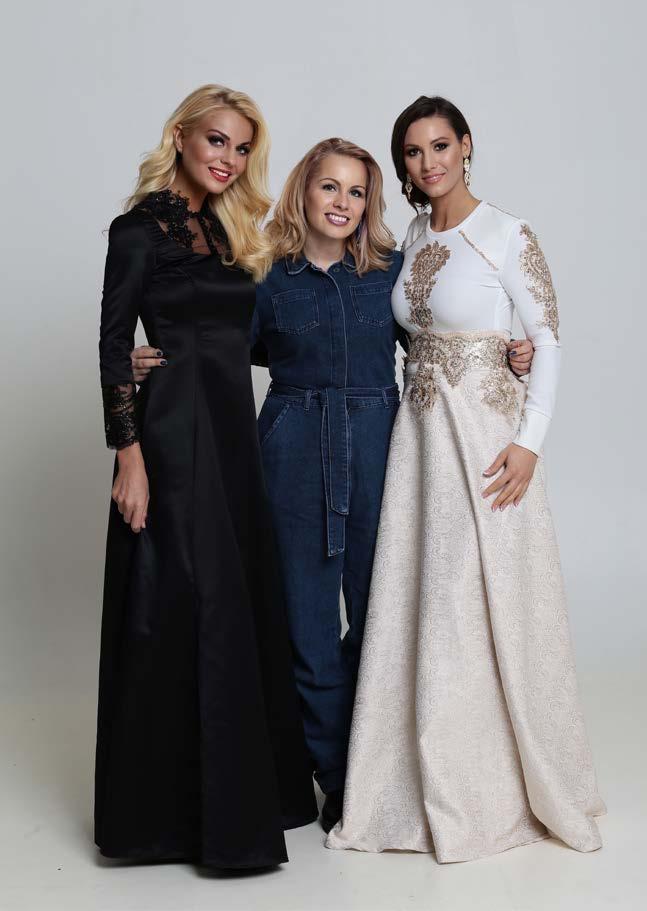
also ladies who lived and got married abroad, but wanted to indicate their roots by getting married in a wedding dress decorated with Hungarian motifs.
Once, an American bride approached me who had a Hungarian fiancé. She wanted a Hungarian dress for her wedding because she wanted to express her respect and love for her fiancé. I think it was a very kind gesture on her part.
At the same time, I started the most exciting thing for me: making unique, personalized evening and casual dresses. In this evening, only one piece of the given designed dress was always made.
I was approached by Ambassadors who wanted to express their Hungarian identity in their clothing in their respective countries.
Furthermore, for years I have been providing dresses for beauty pageants when they parade in national costumes.
I have designed dresses for actresses, artists, musicians, presenters, and politicians.
In all cases, for elegant appearances, evenings, and performances where the customer wanted to emphasize their Hungarian identity in their clothing.
How do you balance handmade methods with modern style?
I really try to modernize the style of the clothes in my designs. There is a lot of handwork in my clothes, both in the making and in the decoration. I modernize the embroideries in that they are often different in color from the original, often the embroidery is one color.
My grandmother also helps me a lot in the pattern design, who is already 87 years old, but is still active and a very inspiring person. She still embroiders clothes for me.
How did the opportunity to provide embroidered costumes for the International Week of Hungary in Albania come about? What themes or cultural narratives did you want to express through the costumes presented in Albania? Can you describe the creative process of creating the costumes specifically for this event?
Thank God, I have already been invited to several countries where I could present my art and promote Hungarian folk art.
Previously, the Hungarian Ambassador to the Philippines invited me to Manila to promote Hungarian folk art treasures. We held a very exclusive fashion show there with the participation of Philippine models. The event was a great success! I was very happy about the opportunity, which was made possible by the Hungarian Ministry

of Agriculture, and I am also grateful to the Ambassador, for whom I have been designing and making evening dresses for years, including at her inauguration in a dress I designed and made specifically for her.
After seeing the success, I received several invitations.
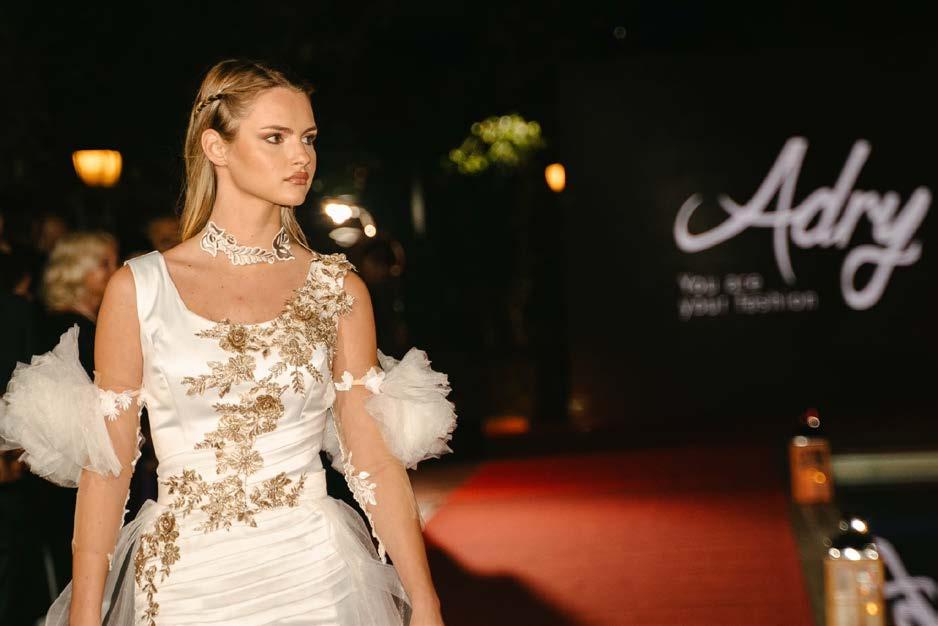
This year, the Hungarian Ambassador to Tirana, Martina Kasnyik, approached me to do a Fashion Show within the framework of the Cultural Days to be held in Albania. I am very grateful and happy about the invitation, which I was very happy about. I immediately accepted and started thinking about what clothes to design for the event.
We discussed that Albanian models would present the clothes, which I think makes the show special again, because with this we can also represent the friendship of the two countries. It is a special feeling to participate in such an organization. I was very excited before the event.
The Albanian models were beautiful and professional and the audience was fantastic.
I presented dresses in two rounds. During the first tour, lighter, more subdued white and cream-colored dresses were lined up. These dresses were more youthful, trendy summer dresses, and several wedding dresses stood out. Each one was decorated with folk art, but still paying attention to modern lines and the use of materials.
During the second tour, the girls presented evening dresses specifically. I heard that the audience really liked it. Here, I used darker colors rather than green, black, blue, red.
Thank you very much for being able to see this wonderful country. It was a fantastic experience to represent Hungary at this event in this wonderful location. Thank you to Ambassador Martina Kasnyik for the invitation.
I am grateful and thank you for the interview!
“Albania is full of entrepreneurs and has a true entrepreneurial spirit. Today we are visiting inspiring businesses which show that when talent meets opportunity, innovation thrives,” Heikkinen said.
“The Challenge Fund /EU4Innovation is meant to improve the ecosystem for startups in this country. And I think that’s a very important area, also for the country’s journey into EU,” Strom stated.
By Rudina HOXHA
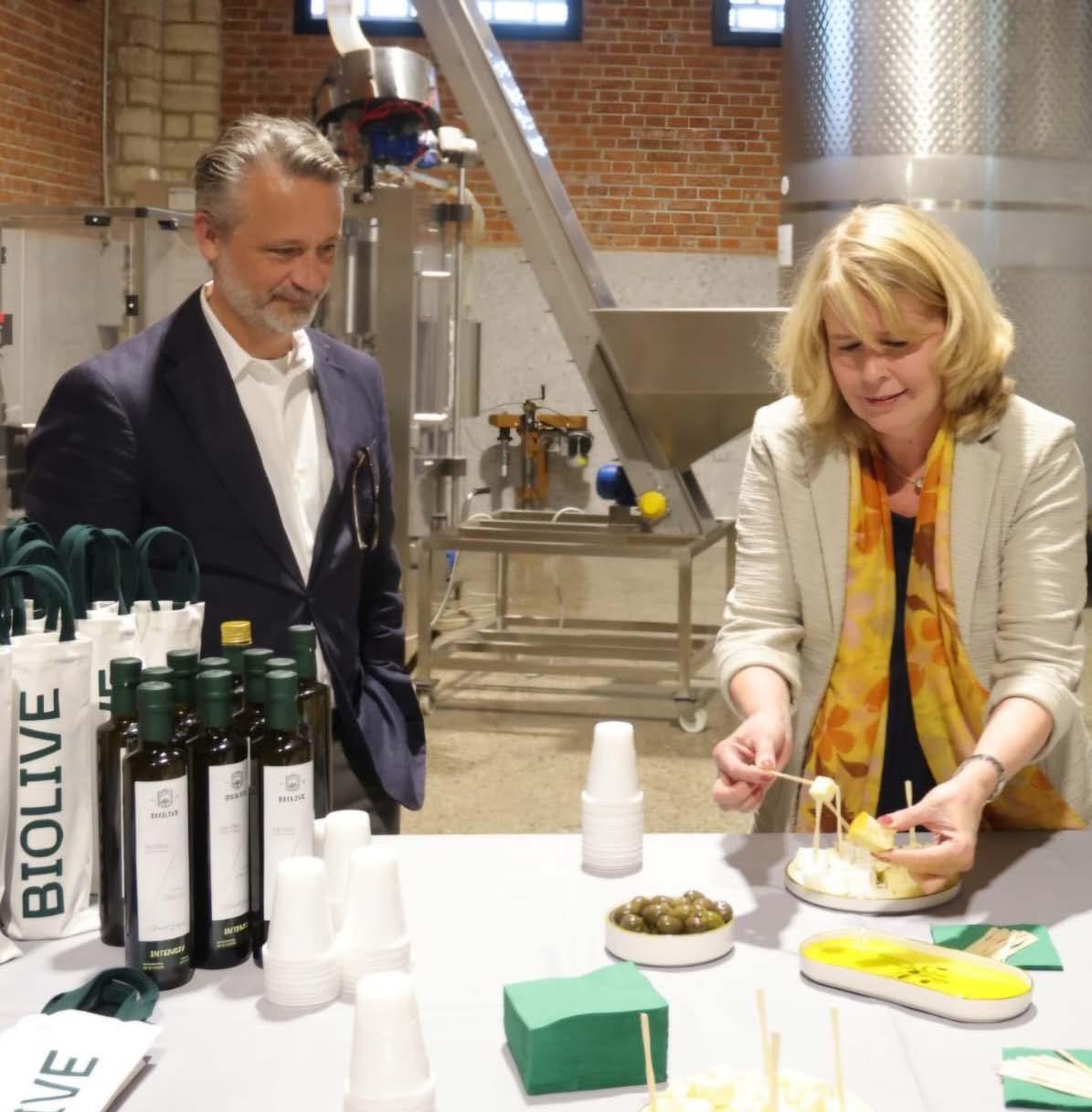
More and more Albanian startups are feeling the impact of the EU4Innovation/Challenge Fund which is tremendously changing the startups ecosystem landscape in Albania. This precious support was reconfirmed by Biolive, Rinora Handmade, Sugo.al and Crystal Team, the four startups which were in the center of the press trip organized in Divjaka, Dimal and Berat, Albania on November 6, 2025 by Challenge Fund.
During this press trip, the four startups underlined that the help of the Challenge Fund has been crucial in the lives of their fledging businesses. According to them, the development of their ideas perfectly went hand in hand with the help given by the Challenge Fund.
The big group of journalists was accompanied by Mrs. Ritva Heikkinen, Head of Cooperation, EU Delegation to Albania and Mr. Niklas Ström, Ambassador of Sweden to Albania.
“It’s a real pleasure to spend this day with Albanian journalists visiting successful projects funded by the EU and our Member State partners Germany and Sweden. These visits are always inspiring — they show that EU funds have a real impact on the ground, turning the ideas of entrepreneurs into thriving businesses and new jobs,” said Heikkinen.
According to her, innovation is key to the continued growth of the Albanian economy.
“Innovation in Albania is still at an early stage, which is why the EU has provided 10 million euros for the EU4Innovation programme. Through this programme, we are: offering different types of financing to businesses, and
encouraging collaboration among universities, businesses, and government,’ she added.
She also listed the challenges the Government of Albania needs to address to have an innovation-driven economy.
“The Government has to double efforts to meet
its own goal of investing 1% of GDP in research and development by 2030 and the cooperation between universities and the private sector needs to be improved. We want to help bridge that gap,” Heikkinen said.
She promised the EU continued support to Albania’s innovators. “We have to join forces to build an economy of innovation and sustainable growth that brings new and better jobs for the citizens of Albania,” she said.
On the other hand, Niklas Ström, Ambassador of Sweden to Albania said that “the Challenge Fund /EU4Innovation is meant to improve the ecosystem for startups in this country. And I think that’s a very important area, also for the country’s journey into EU, because the economy and the business sector in this country needs to improve, for you to e able to join the EU.”
EU4Innovation Phase II, 2023-2026, is jointly cofinanced by the EU, the German Federal Ministry of Economic Cooperation and Development (BMZ), and Sida and implemented by GIZ and the Embassy of Sweden in Tirana.
This project spans from January 2023 - June 2026 (42 months), with an EU contribution of up to EUR 10,000,000, EUR 1,200,000 from BMZ and EUR 550,000 from SIDA.
The project supports the Government of Albania in achieving its key objectives: to develop an innovation-driven and knowledge-based economy, by boosting its human capital, entrepreneurial potential and research, and thus increasing competitiveness. The specific objective of the project is to increase the maturity and exposure of the Albanian startups and innovation ecosystem and its members.
The “Challenge Fund” grant scheme is implemented by the Embassy of Sweden in Tirana, in cooperation with Partners Albania for Change and Development.
Its aim is to foster a vibrant innovation ecosystem in Albania, by providing opportunities for access to finance and technical support for Albanian startups and micro, small and medium-sized enterprises that have the potential to develop in the Albanian or international market. The total fund for the Challenge Fund scheme is 1,000,000 Euros.
The Challenge Fund has opened 3 calls for applications (2023, 2024, 2025), and has received and evaluated 637 applications in total, in 22 different sectors (IT and Digital Solutions, Tourism, Sustainable Agriculture, Health and Wellbeing, Textile and Clothing Industry, Circular Economy, Recycling of Used Materials, etc.) from 43 cities in Albania. The evaluation process of the three calls has been successfully concluded, resulting in the selection and support of a total of 56 winning startups (Tirana, Malësia e Madhe, Saranda, Berat, Vlorë, Shkodër, Durrës, Librazhd, Korcë, etc.) with a total contracted fund of 1 million euros. The evaluation of project ideas was carried out by local and Swedish experts. For more information:
Challenge Fund Web and Social Media: https://challengefund.euforinnovation.al/ https://www.instagram.com/challengefundeu4i/ https://www.facebook.com/ChallengeFundEU4I/
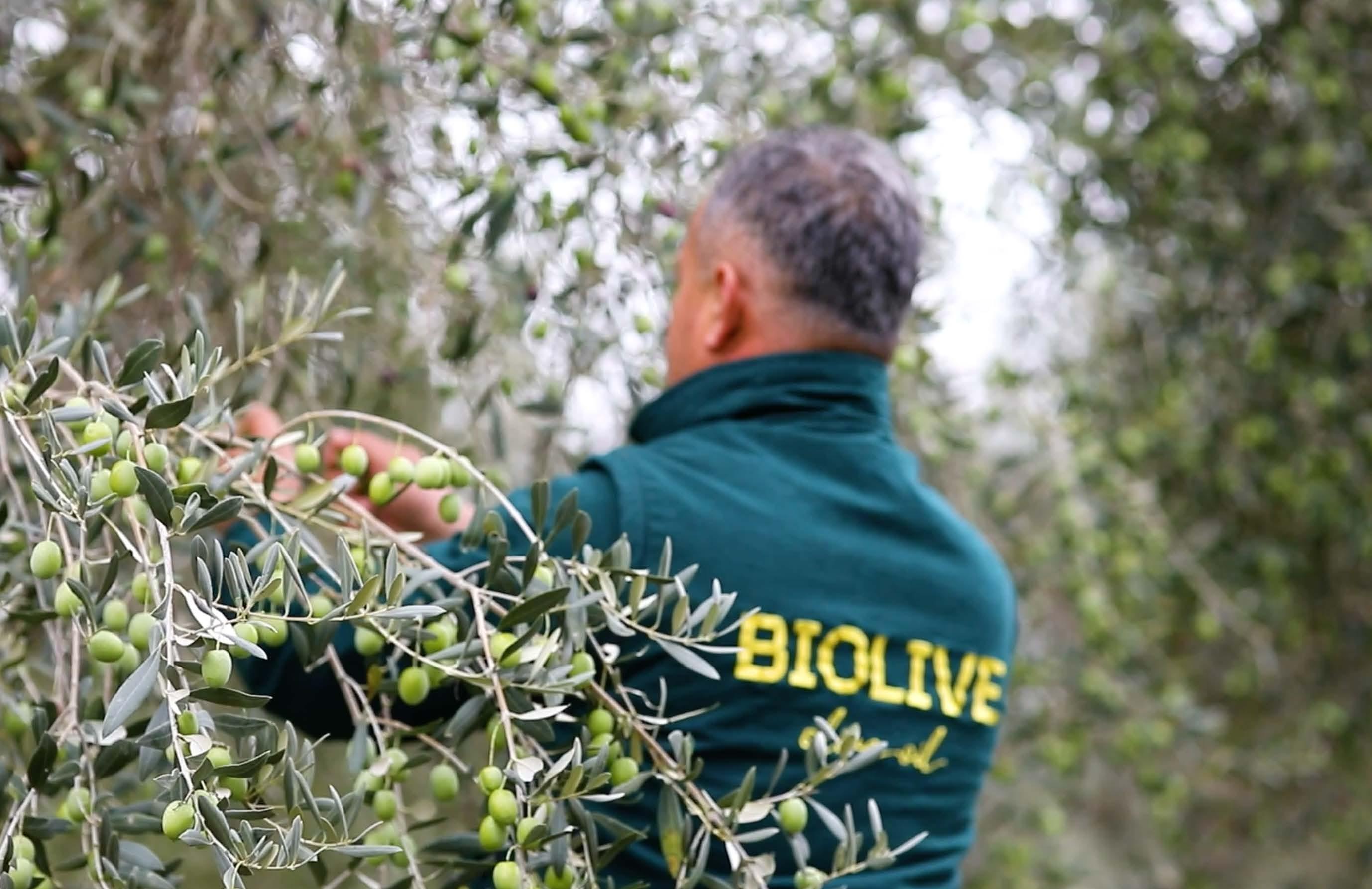
Biolive was Born, to Give These Forgotten Treasures of Albania a Voice Winning the Challenge Fund was a turning point for us
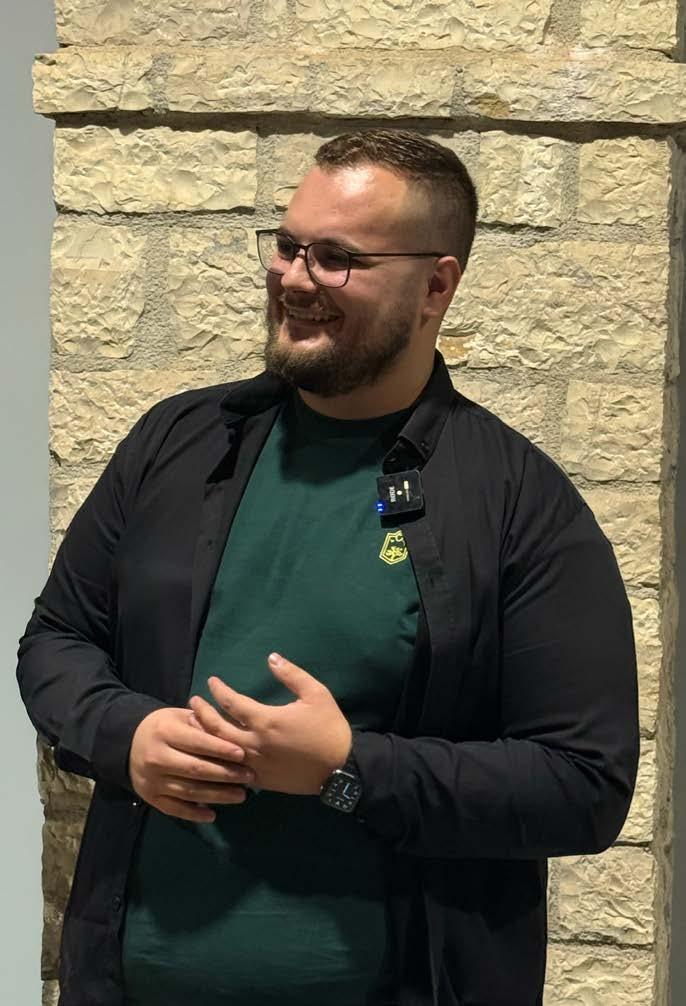
Arber Satka, administrator of BIOLIVE, says in this exclusive interview with Trailblazing Magazine that Challenge Fund gave the right support to his company to move ahead in a key moment.
“This funding helped us shape BIOLIVE into a premium olive oil brand capable of competing not only locally but on an international level,” he said.
In addition, Arber highlights that “the support from the EU4Innovation Challenge Fund did more than finance our project: it gave us confidence.”
Read his full interview to understand more about his products, their varieties and the approach to raise the standards.
What inspired you to start a premium olive oil brand, and what gap did you see in the market? Was there a particular moment or
story that pushed you from the idea stage into launching the startup?
Albania is home to some of the world’s rarest olive varieties. They have thrived in quiet defiance for centuries, yet the world has never tasted them. Consumers have always wanted authenticity, purity and a company they can trust, but the market is flooded with ordinary olive oils and is still not offering anything truly real or reliable. That is where BIOLIVE was born, to give these forgotten treasures of Albania a voice and to deliver the best that our nature can offer to the people who trust us with their health.
How would you describe your brand philosophy and the values behind your olive oil?
Our philosophy is built on respect: for the land that gives us its fruit, for the generations of farmers who have cared for these trees, and for the people who trust us with what they bring to their table. Our values are purity, honesty and care in every step, from the grove to the bottle. At BIOLIVE, we create olive oil that reflects heritage, craftsmanship and a deep commitment to real quality
What makes your olive oil “premium”?
We believe olive oil is not produced by us, and it is not truly our product or anyone else’s. It is created by the olive trees, and our responsibility is to preserve its purity and its character at every stage of production. If the trees do not give us extraordinary olives, we cannot produce extraordinary olive oil. We call our oil premium because we do not assume quality, we assure it. If our last harvest will take longer to finish, we will stay up through
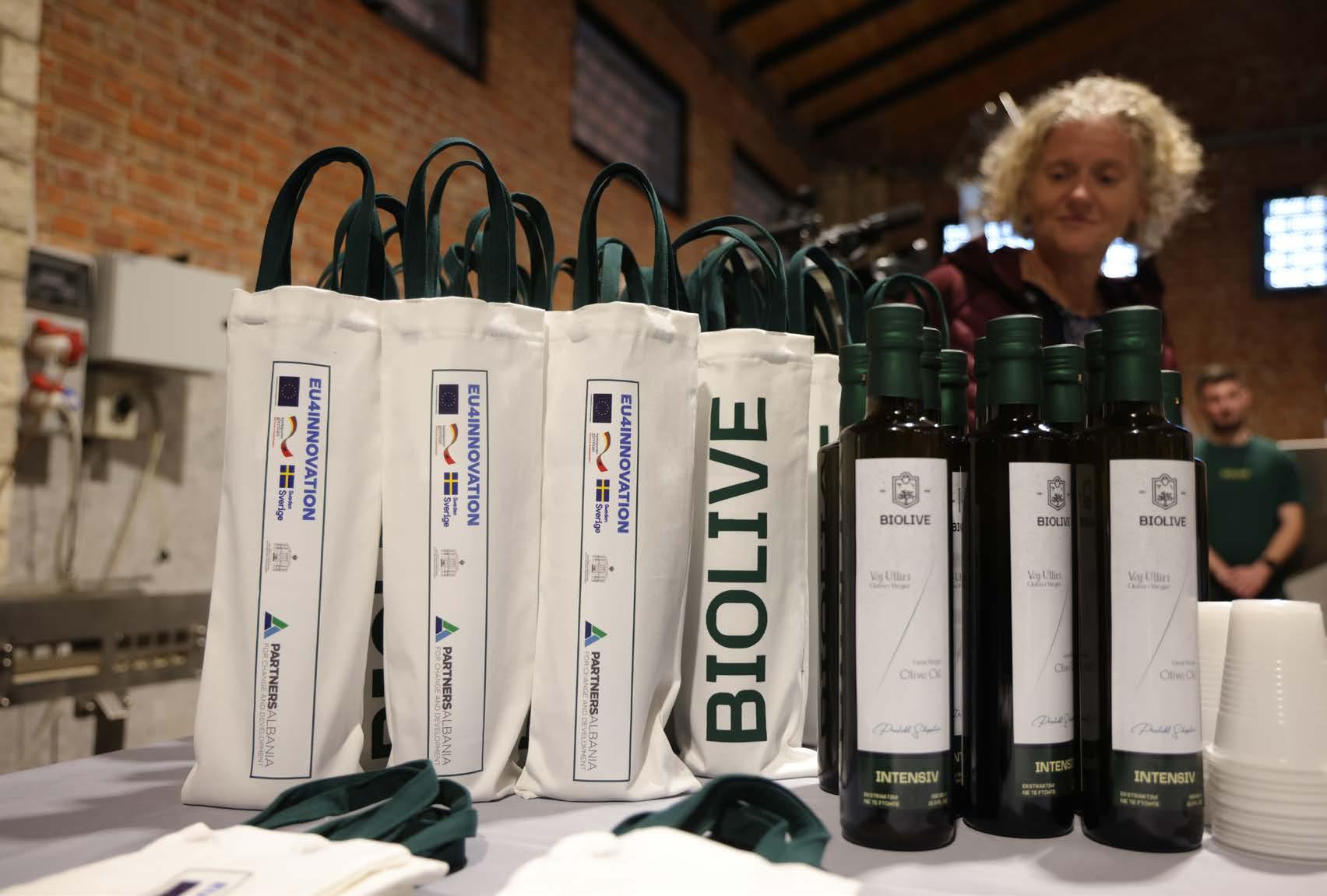
the night pressing olives to preserve their freshness and every note of the flavour. Everything we do is precise, disciplined, and guided by a strict production protocol so we can deliver the best within our power.
Which olive varieties do you work with, and why
We work with Albania’s rare native olive varieties such as Mixan, Kaninjot, Nisiot, Kotruvs and Velagosht. We chose them because they are unique to our land and offer a character found nowhere else. These varieties have survived for centuries, sometimes through wars, plagues and every other challenge nature has brought, and that resilience gives our olive oil its depth, authenticity and naturally premium quality.
Can you walk us through the production process—from the olive grove to the final bottle? How do you ensure quality and authenticity at every stage of production?
The craft of making olive oil requires patience and attention, because you must hope for the right rain, the right sun and the right wind at the right time. Even though olives are harvested only once a year, the work stays with us throughout the entire year. Our process begins in the grove, where we work hand in hand with farmers to care for the trees, pick the olives at their perfect moment and follow a strict protocol that guarantees the quality we aim for. We harvest early and press the olives the same day to protect their freshness, flavor and natural nutrients. The oil is then stored
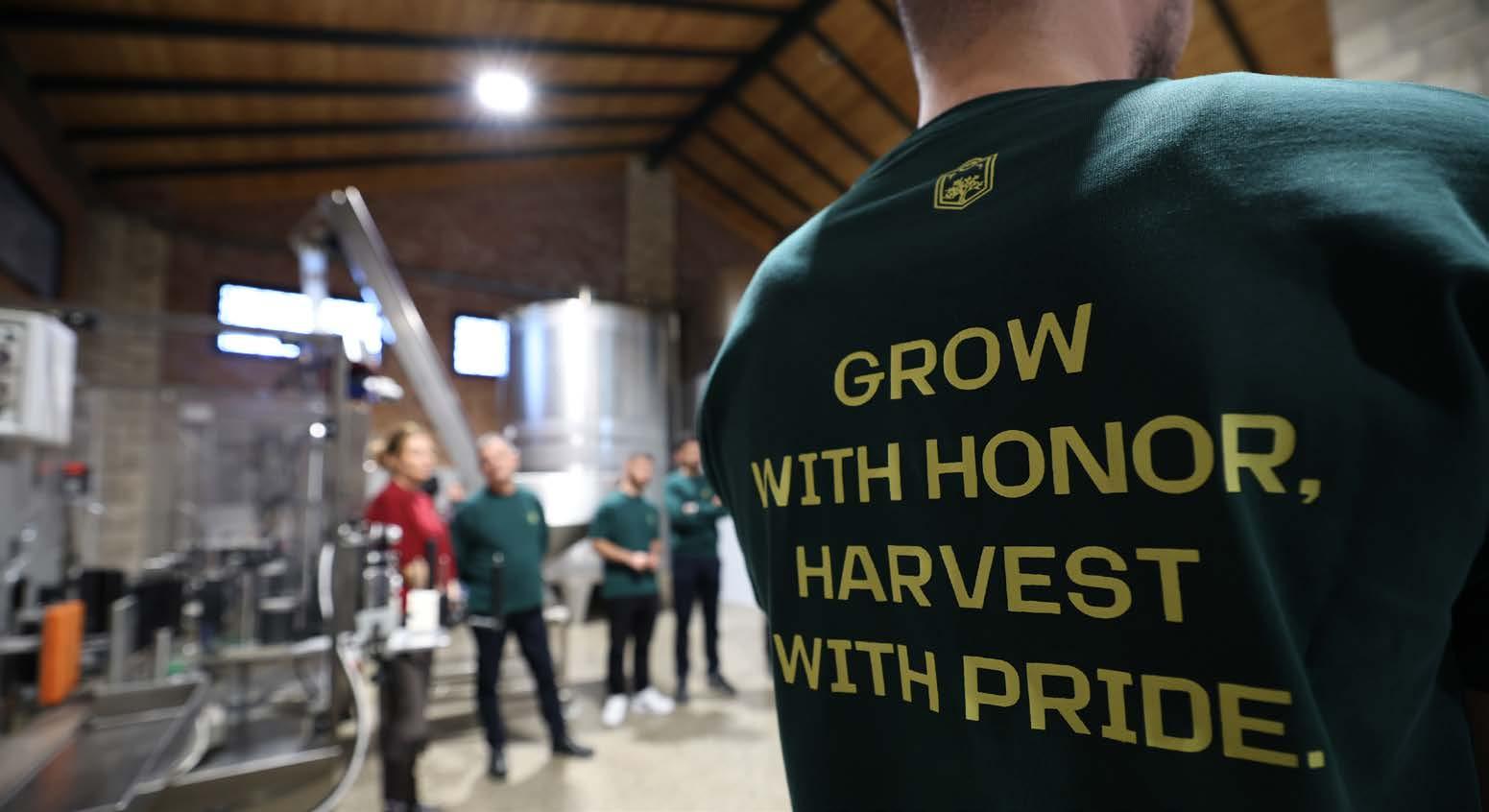
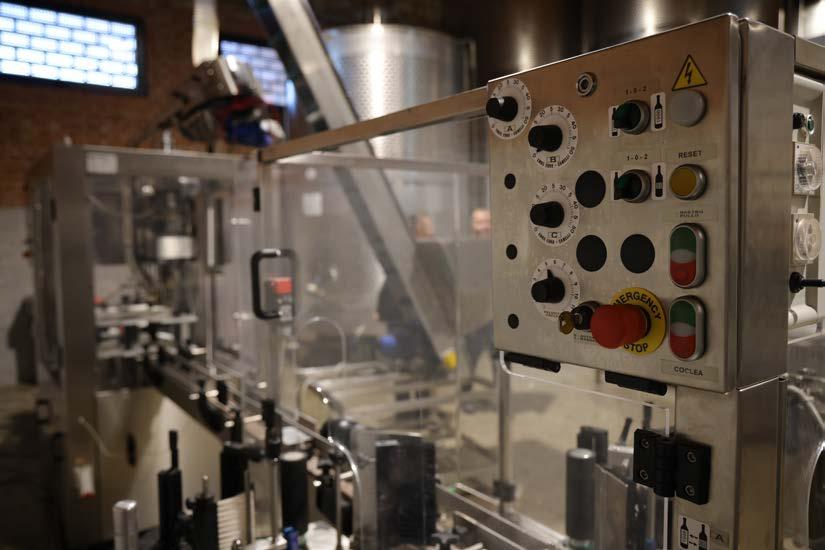
in stainless steel tanks filled with nitrogen so it never touches oxygen and stays fresh and stable all year round. Bottling is done through automated lines where no human hands touch the oil, and our facility upholds the highest standards of food safety and traceability, ensuring meticulous hygiene and purity at every step.
How did winning Challenge Fund support influence the trajectory of your startup?
Winning the Challenge Fund was a turning point for us. It gave us the support and confidence to move faster, improve our processes and raise our standards from the very beginning. This funding helped us shape BIOLIVE into a brand capable of competing not only locally but on an international level.
What were the biggest changes or improvements you were able to make thanks to this funding? How did the Challenge Fund support shape your long-term vision?
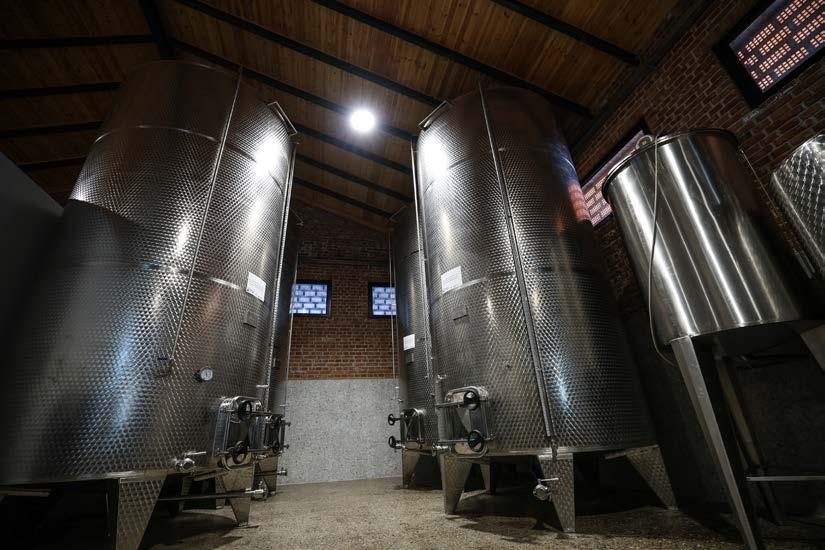
With this funding, we were able to increase our storage capacity by 60,000 liters, which immediately strengthened our ability to produce and preserve high quality oil.
But the support from the EU4Innovation Challenge Fund did more than finance our project: it gave us confidence. It showed us that the European Union believes in innovation that includes people, uplifts communities, protects heritage and builds sustainable growth. This validation shaped
our long-term vision and encouraged us to think bigger, aim higher and invest in a future where Albanian olive oil earns the place it deserves on the world stage.
What criteria or innovations do you think helped you win the fund?
We believe we won the fund because our business model is built on people. We give farmers security by guaranteeing the purchase of their olives, creating trust and stability in a sector that has needed it for years. By combining this human-centered approach with strict quality protocols, modern technology and the preservation of native varieties, we showed an innovation that uplifts communities, strengthens the
We choose native olive varieties that have been cared for in the same villages for generations; communities with extraordinary potential but deeply affected by urban migration. By working directly with these farmers, we help keep their heritage alive and give value to the land they have protected for centuries. We then elevate this tradition with modern technology, including state-of-the-art mills, automated bottling lines, and temperature-controlled stainlesssteel tanks filled with nitrogen. This balance allows us to protect the soul of our olive culture while delivering a level of quality that meets the highest international standards.
What has been the most difficult part of building a premium food brand from scratch? How do you compete in an increasingly crowded olive oil market?
value chain and creates long-term impact for everyone involved.
How do local traditions and regional heritage influence your product?
In what ways do you blend traditional methods with modern technology?
Local traditions and regional heritage guide our work from the very beginning.
The hardest part has been building trust from zero. Creating a premium food brand means proving quality every single day, especially in a market crowded with products that may look similar, but are not made with the same care. We compete by leading with passion, dedication and purpose. Processes can be replicated, but you cannot copy those things. And when your foundation is built on authenticity, purpose, integrity and excellence, you don’t fight for space on the shelf; you earn your place on the table.
Who is your ideal customer, and how do you reach them?
Our ideal customer is someone who cares about what they bring to the table every day, and who also loves making special
moments feel even more special. They value good ingredients and the health benefits that come with choosing a truly pure extra virgin olive oil — something that can elevate a simple weekday meal yet also shine on the table for guests and celebrations. We connect with them by offering a product they can trust, and by creating an e-commerce platform where anyone can order even a single bottle
directly from the producer and experience real extra virgin olive oil at its source.
Is there anything you wish you had known before starting this journey?
I wish I had known how much responsibility truly comes with producing olive oil and setting high standards. You have the olive trees on one side, the farmers and the
team on another, and international clients and consumers trusting you from the other. You quickly understand that every decision affects all of them in some way. We learn from every mistake, and we try to do better and improve each day, because everyone involved, and everything we care for, deserves our best. We are deeply grateful to everyone who trusts us and allows BIOLIVE to grow with purpose and integrity
Are you exploring new products, varieties, or export markets?
What legacy do you hope to build through this startup?
Yes, we are exploring new sub-products derived from olives and olive oil, though they are still in development. We are always open to new export markets, but only within our capacity and without ever compromising our standards or the business model that protects quality and people. Our main goal remains the same: to produce high-quality extra virgin olive oil that people can truly enjoy, because nothing brings people together like good food. The legacy we hope to build is one that honors our land, supports our farmers and proves that Albanian olive oil deserves its place among the finest in the world.
“Our mission is to replace plastic sponges with natural, regenerative materials while creating stable and meaningful rural employment in Albania”

“We are guided by sustainability, transparency, craftsmanship, and a zeroplastic approach across the entire production line.”
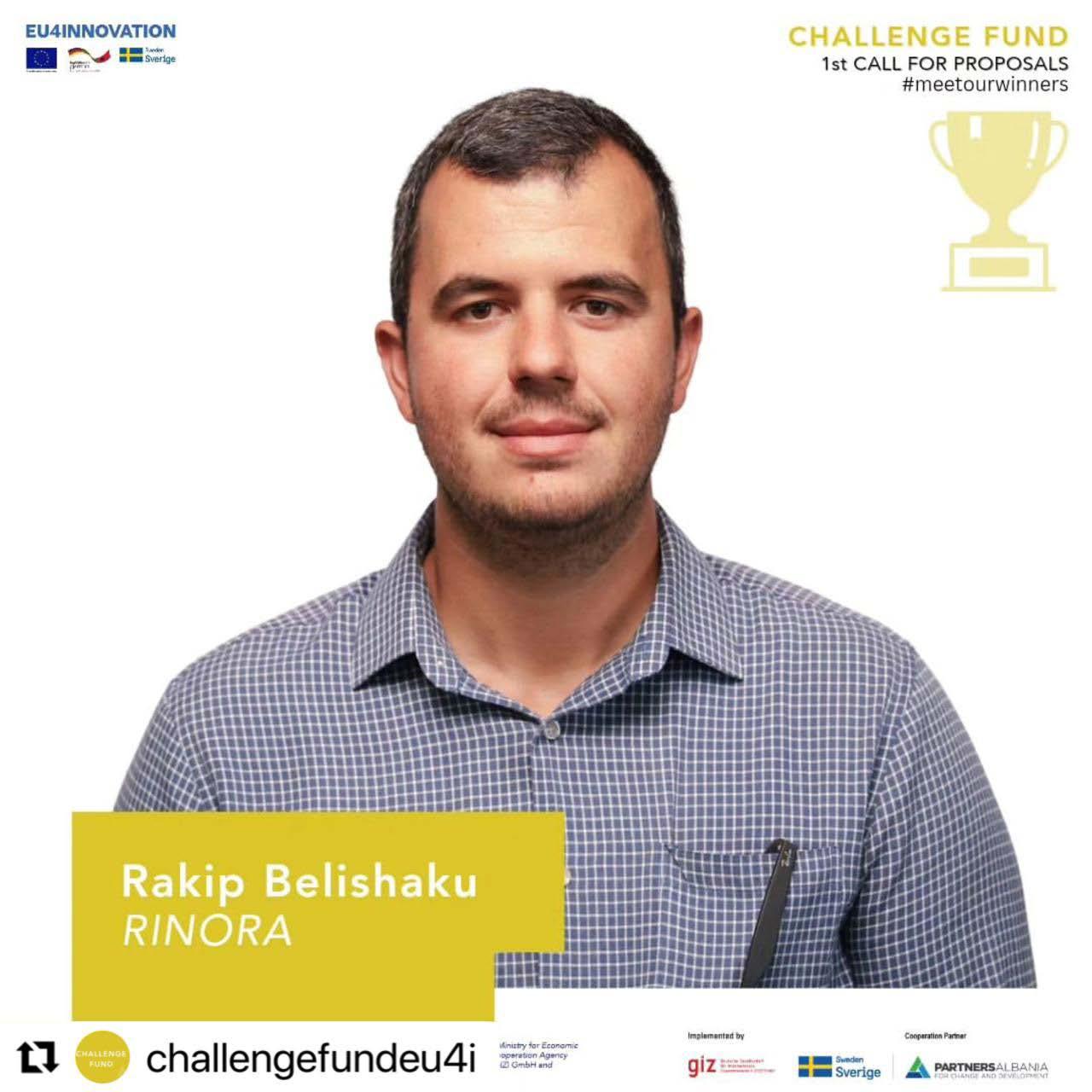
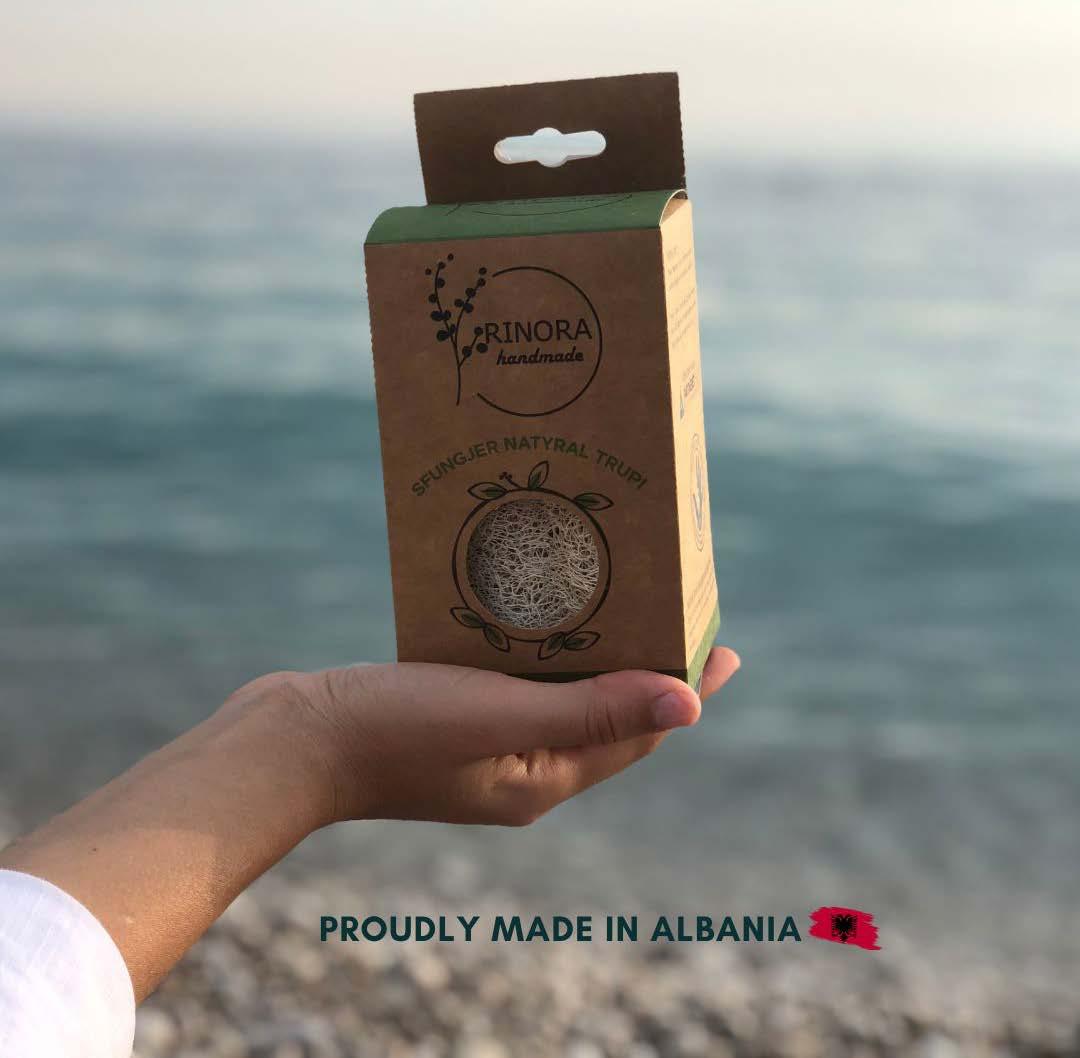
Rakip Belishaku is a graduate of oil engineer and he has been working abroad for various international companies for 7 years. In 2019, he saw natural loofah sponges at Hanoi Airport in Vietnam. His curiosity and interest were high. He took some loofah seeds with him and planted in his garden.
The rest of the story is that he actually runs the Europe’s only closed-cycle loofah production model due to the support of Challenge Fund as well.
How did the idea of establishing a 1.6-hectare loofah sponge farm first begin?
What has been the most challenging part of launching an agricultural startup?
The idea began unexpectedly. Years ago, while traveling through Hanoi Airport, I noticed natural loofah sponges being sold as everyday items. Their simplicity and sustainability made a strong impression on me. When I returned to Albania, I began experimenting with loofah seeds in my garden—initially just to create a natural, plastic-free product for my family. The successful trials, combined with growing interest from others, revealed the potential for a larger agricultural project.
The biggest challenge was building an entirely new value chain from scratch. Europe had no established model for professional loofah cultivation, so every step—from agronomy to processing—had to be developed in-house.
Who is your target customer in the global market for eco-friendly sponges?
Our customers include European and international retailers, sustainable product distributors, hospitality groups, and e-commerce companies focused on natural, plastic-free home and body-care products.
We also serve consumers who actively choose plant-based and biodegradable alternatives.
What does it mean for you to build Europe’s only closed-cycle loofah production model?
It means that all stages—seed selection, nursery development, cultivation, harvesting, drying, processing, cutting, sewing, and packaging—are completed within our own operation.
This gives us full traceability, stable quality,
“Challenge Fund support allowed us to accelerate development by funding essential equipment, eco-friendly packaging solutions, our e-commerce website, and initial marketing activities. This support helped us establish a more professional production line and reach customers more effectively.”
and a significantly lower environmental footprint compared to imported loofah.
What core values or mission drive your startup?
Our mission is to replace plastic sponges with natural, regenerative materials while creating stable and meaningful rural employment in Albania. We are guided by sustainability, transparency, craftsmanship, and a zero-plastic approach across the entire production line.
How does loofah cultivation work, and what does a typical growing season look like on your farm?
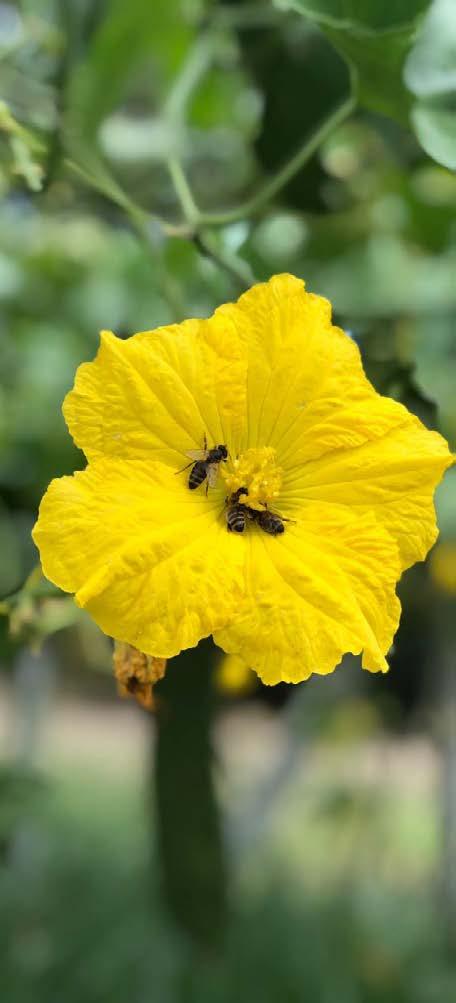
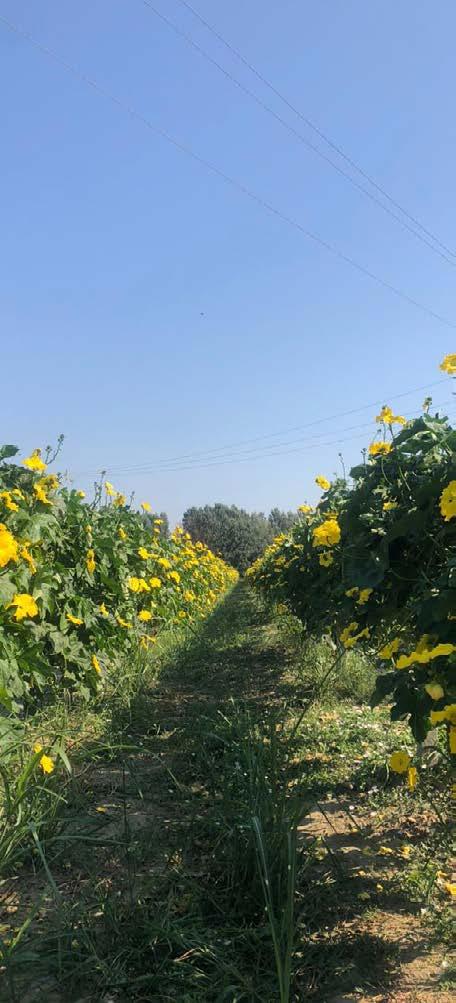
We start by producing seedlings in controlled nursery conditions. When temperatures rise, they are transplanted into trellised rows supported by a 5,000-meter drip irrigation system.
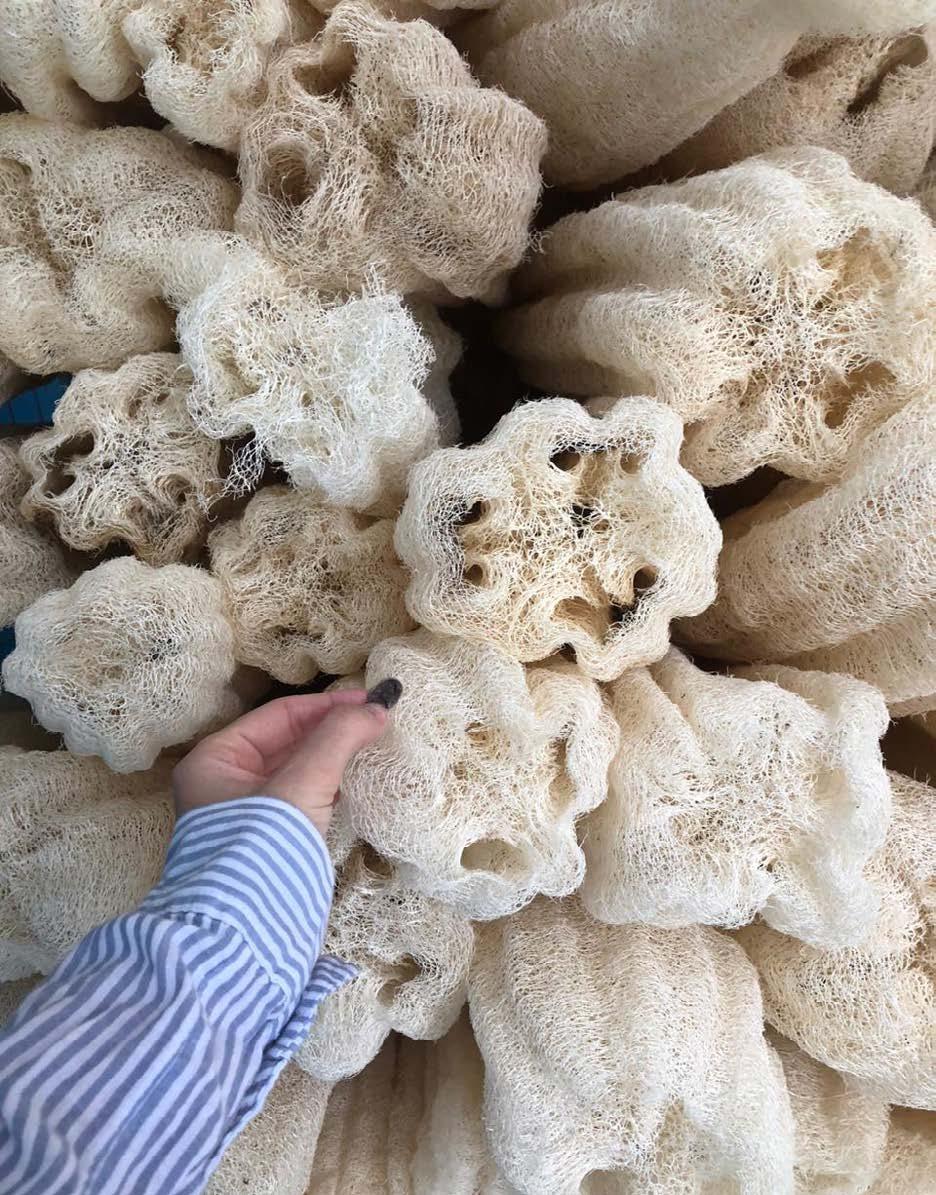
The growing season lasts around six months. After the fruits mature, they are dried naturally, peeled, cleaned, shaped, and processed into various sponge formats— each inspected by hand to ensure quality.
How do you ensure high quality at each stage— planting, harvesting, processing, drying, and shaping?
Quality control begins with uniform spacing, optimized irrigation, and careful field management.
During processing, fruits are manually sorted, dried under controlled conditions, cleaned, cut with specialized equipment, and inspected individually to meet export standards.
Your sponges are marketed as ecofriendly—how do you measure and validate their environmental benefits?
How do you manage waste or by-products?
Loofah is fully plantbased, biodegradable, and compostable, making it an inherently sustainable alternative to synthetic sponges.
We implement a zero-waste approach:
— Off-cuts become smaller facial or kitchen sponges
— Lower-grade fibers are shredded for filters and absorbent materials
— Organic residues are composted and returned to the soil
This ensures minimal waste and maximizes the environmental value of the crop.
environmental impact do you hope your project will have locally and globally?
Locally, we aim to demonstrate that sustainable agriculture can create jobs, stimulate rural economies, and empower local communities.
Globally, our goal is to contribute to reducing plastic waste by offering a European-grown, fully traceable natural alternative.
How did Challenge Fund support contribute to the creation or scaling of your startup?
Challenge Fund support allowed us to accelerate development by funding essential equipment, ecofriendly packaging solutions, our e-commerce website, and initial marketing activities.

This support helped us establish a more professional production line and reach customers more effectively.
Which part of your infrastructure benefited the most?
The funding strengthened our processing equipment, improved the packaging line, supported our digital presence through the website, and enabled targeted marketing for both local and international audiences.
What made your startup stand out to the evaluators?
Our strong environmental mission, closedloop production model, potential for rural job creation, and alignment with circulareconomy principles made the project unique and impactful.
The ability to export a sustainable Albanian product further reinforced its appeal.
How has this support changed your growth trajectory?
It accelerated our transition from pilot to structured production, improved our branding and visibility, and enabled us to prepare for larger-scale distribution and export markets.
How do you plan to build a strong European brand identity for a traditionally niche product?
By positioning loofah as a modern, essential item— designed with European sensibilities, backed by agricultural traceability, and produced with highquality craftsmanship. Our storytelling emphasizes Albanian Mediterranean agriculture, sustainability, and closed-cycle production.
What certifications or quality standards are you aiming for?
We are working toward ISO certifications and GMP (Good Manufacturing Practices) to ensure consistent quality, safety, and compliance with international standards—particularly for EU and US markets.
What have you learned about balancing farming with business development?
A modern farm must operate with the precision of an open-air factory. Business development, on the other hand, requires strategic planning, partnerships, and brandbuilding.
Balancing both requires strong processes, clear delegation, and a committed team.
Do you envision expanding beyond 1.6 hectares or adding new product lines?
Yes. We plan to expand cultivation and broaden our product portfolio, including personal-care sponges, kitchen sponges, and industrial applications such as absorbent booms and microplastic filters. Our focus remains a fully traceable, zero-waste model built around Albanian-grown loofah.
“Challenge Fund Helped Sugo.al to innovate faster and enter a new market segment”

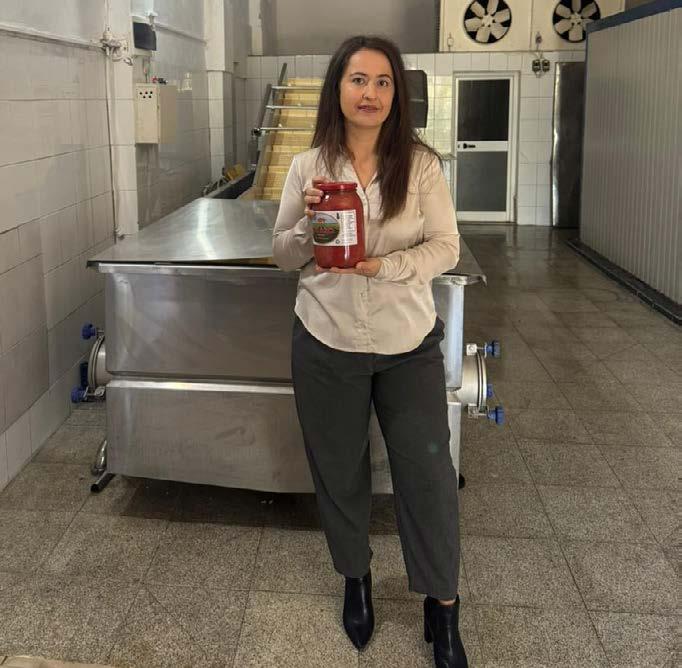
Zerina Goga is the head of Sugo.al, a processing company for fruits and vegetables primarily tomato sauce for the HORECA sector. The sauce produced is free from harmful chemicals and additives offering customers a taste and aroma that is close to that of fresh tomatoes and working to provide the greenest solutions possible.
In this interview with Trailblazing Magazine, she underlines that the authenticity of her tomato sauce is the signature of Sugo.al.
A major part of her success, Zerina contributes to the Challenge Fund. “Through their support, we secured a sterilization machine that is essential for safe, longlasting products without preservatives. This investment allowed us to scale responsibly, maintain quality control, and prepare for national and international distribution,” she said.
According to her, “the Challenge Fund is more than financial support — it is a catalyst for growth.”
Full interview follows:
Why did you choose tomato sauce as your main product line, especially for the HORECA sector?
What sets your tomato sauce apart from standard commercial brands used in professional kitchens?
I chose tomato sauce because it sits at the heart of Mediterranean cuisine and carries both heritage and innovation.Having studied chemistry and later specialized in fruit and vegetable preservation in Italy, I discovered the science behind what makes a sauce truly exceptional.Italy also gave me a deep love for cooking, and that passion stayed with me.The HORECA sector was our natural starting point because professional kitchens demand consistency, purity, and reliability.Our goal is to create an Albanian brand that stands proudly beside the great European names.Tomato sauce was the perfect beginning for that vision.We use only San Marzano tomatoes and absolutely no artificial preservatives. My background in chemistry allows us to apply precise, natural preservation methods without compromising flavor or nutrition. This scientific approach, combined with traditional slow processing, creates depth and freshness in every batch.Chefs choose us because the sauce tastes like it was made in a home kitchen, not a factory.
That authenticity is our signature.
Can you describe your company’s mission and core values?
The mission of Sugo.al is to make highquality, honest food accessible to everyone.We are committed to clean ingredients, responsible sourcing, and transparent production.Quality, integrity, and consistency guide every step we take. As a green company, sugo.al prioritize lowwaste processes, recyclable packaging, and
sustainable partnerships.We want people to feel trust, comfort, and pride when they choose our brand.
What gap in the market did you identify when launching the business?
We noticed a strong demand for natural, high-quality sauces at a fair price. Professional kitchens were forced to choose between low-cost industrial products and premium brands that were often inaccessible.Families faced the same challenge in supermarket shelves.We saw an opportunity to offer authentic quality at a realistic price point.That gap became the foundation of our business.
Can you walk us through the process of how the Challenge Fund helped you?
The Challenge Fund played a crucial role in accelerating our expansion into readyto-eat sauces like Bolognese and Basil Pesto.Through their support, we secured a sterilization machine that is essential for safe, long-lasting products without preservatives.This investment allowed us to scale responsibly, maintain quality control, and prepare for national and international distribution.It gave us the confidence and capacity to innovate faster and enter a new market segment with strong foundations.
Why you would recommend to other young startups to apply for Challenge Fund?
Because the Challenge Fund is more than financial support — it is a catalyst for growth.It gives emerging companies the tools and confidence to scale ideas into real products.Young startups often lack access to critical equipment, expertise, and
networks, and this program bridges that gap.It empowers founders to take bold steps earlier, and with less risk.I believe every promising young company should explore that opportunity.
What innovations have you brought into your processing or packaging systems?
We are committed to zero waste in our production: local residents use our leftover tomato pulp and peels for animal feed. We have implemented a glass jar return system, offering discounts to customers who bring jars back for reuse.Olive waste from nearby factories is repurposed as energy to run our machinery.Every step is designed to minimize environmental impact, maximize local collaboration, and promote a circular economy.Our innovation lies not only in the product, but in creating a fully sustainable ecosystem around it.
Are you considering export markets or partnerships with international HORECA distributors?
What is your long-term vision for the company?
Yes, we aim to expand into neighboring countries and colder climates where high-
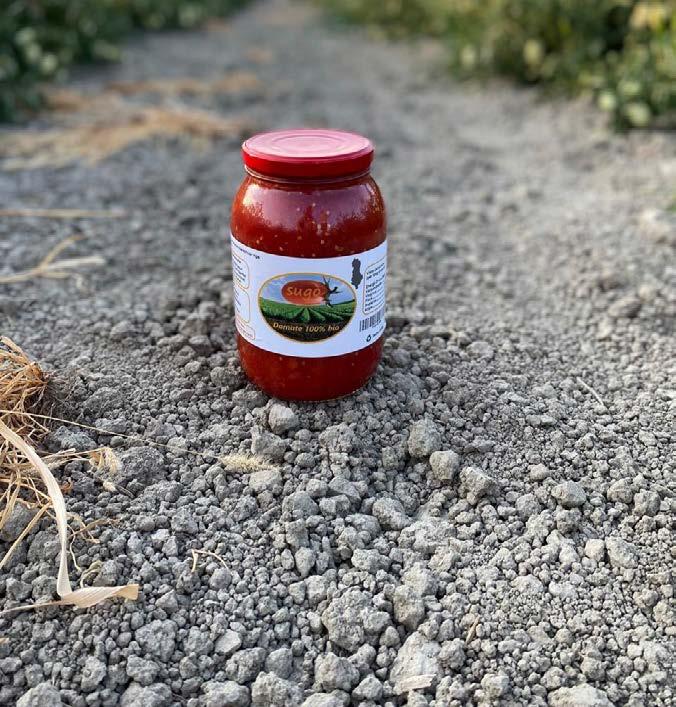
It gives emerging companies the tools and confidence to scale ideas into real products.Young startups often lack access to critical equipment, expertise, and networks, and this program bridges that gap.It empowers founders to take bold steps earlier, and with less risk
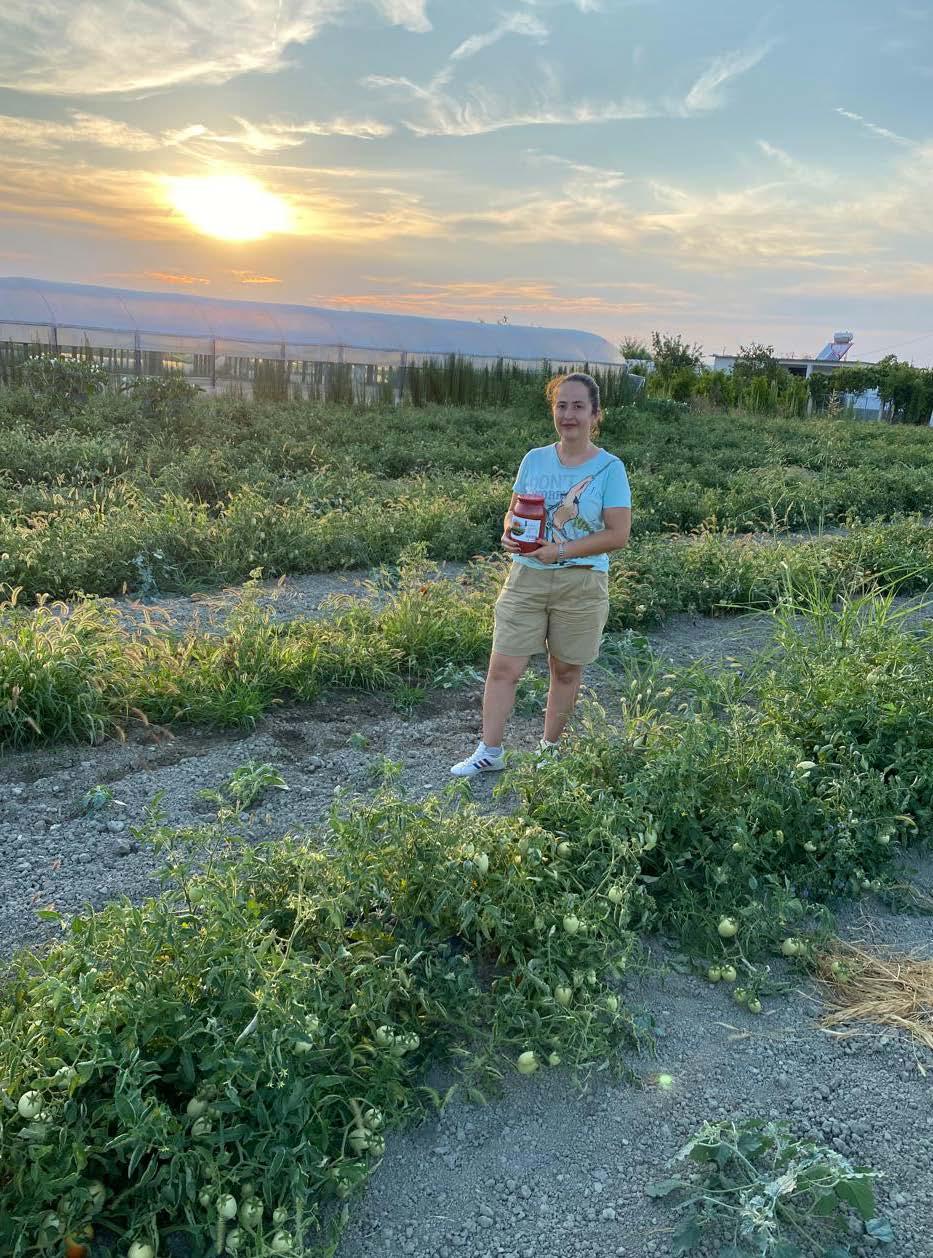
quality, ready-to-use sauces are scarce.We are exploring partnerships with international HORECA distributors to bring authentic Albanian flavors to professional kitchens abroad.Our goal is to share our quality and tradition beyond borders while maintaining strong local production.Our longterm vision is to become a leading brand for healthy, sustainable, and convenient sauces.We want to make premium quality accessible to families and young couples everywhere, without compromising taste or ethics.Expanding internationally is part of that vision, but we remain deeply committed to local sourcing, sustainability, and community impact.
“Challenge Fund Helped Us to Overcome financial barriers and improve our services”
Mimoza Bujaraj created Crystal Team to come to the help of the community in Berat city. She has brought around herself people from vulnerable groups “who now have stable income and stronger confidence.”
She has great objectives which she is achieving bit by bit with the precious support of the Challenge Fund. “We create jobs, provide training, and collaborate with local partners, improving life in the city,” she said.
Full interview below:
What inspired you to launch a startup combining sanitation, gardening, and elderly care services in the city of Berat? Why did you choose a multi-service model rather than focusing on just one sector?
My intention was to address the real community needs in Berat-cleanliness, green areas, and elderly care so a multiservices model made the most sense.
How did your personal background or experiences shape your vision for this business?
Working closely with local families helped me understand their challenges and built a
service focused on social impact.
What challenges did the Challenge Fund help you to overcome?
It helped us overcome financial barriers and improve the quality and structure of our services.
Can you share a success story that illustrates the social impact your company has achieved so far?
We have employed people from vulnerable groups who now have stable income and stronger confidence.
How does your startup contribute to the local economy of Berat beyond offering services—such as through job creation, training, or partnerships?
We create jobs, provide training, and collaborate with local partners, improving life in the city.
How are customers responding to the idea of supporting a business that empowers marginalized communities?
Very positive, costumers value that their service supports social inclusion.
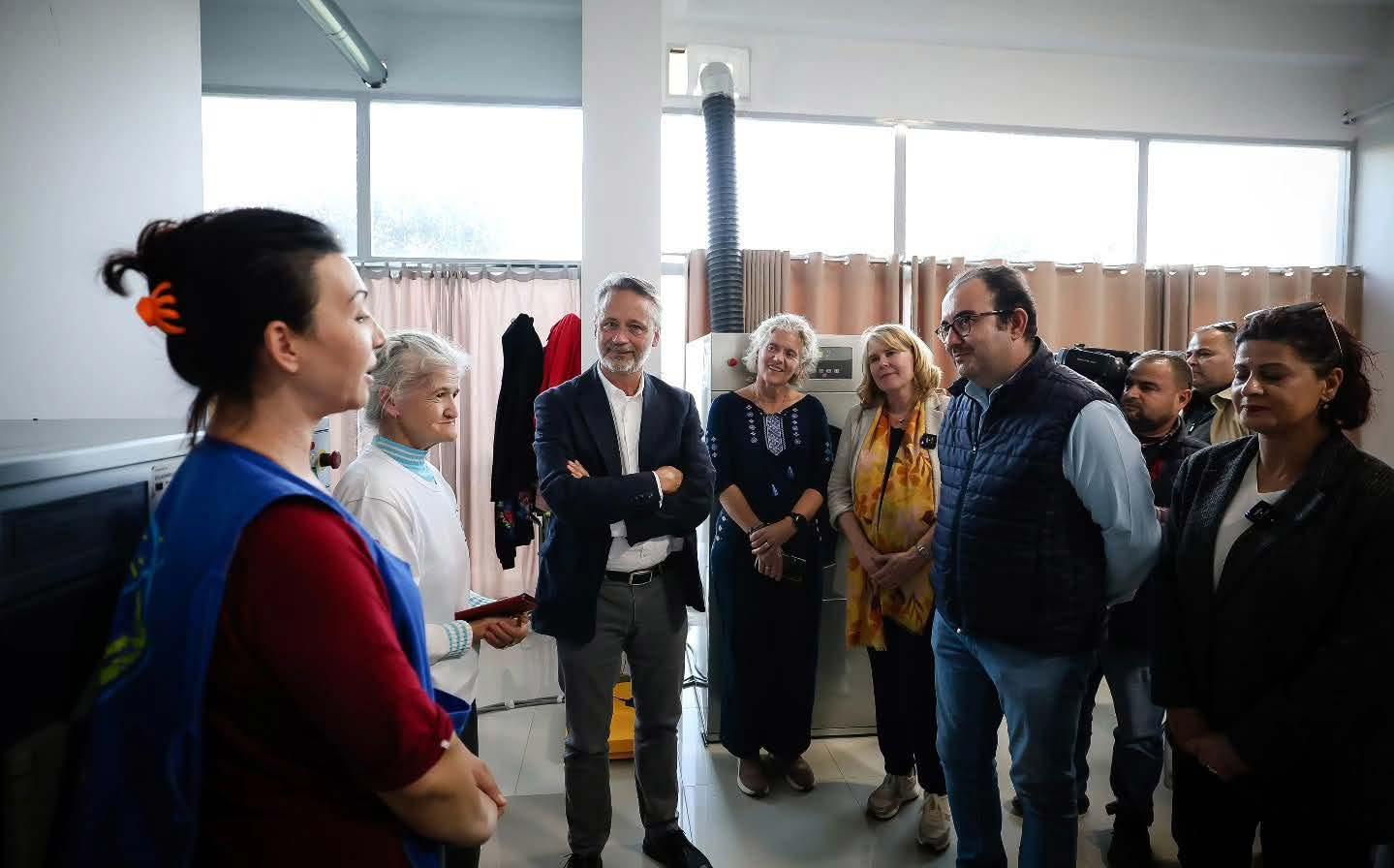
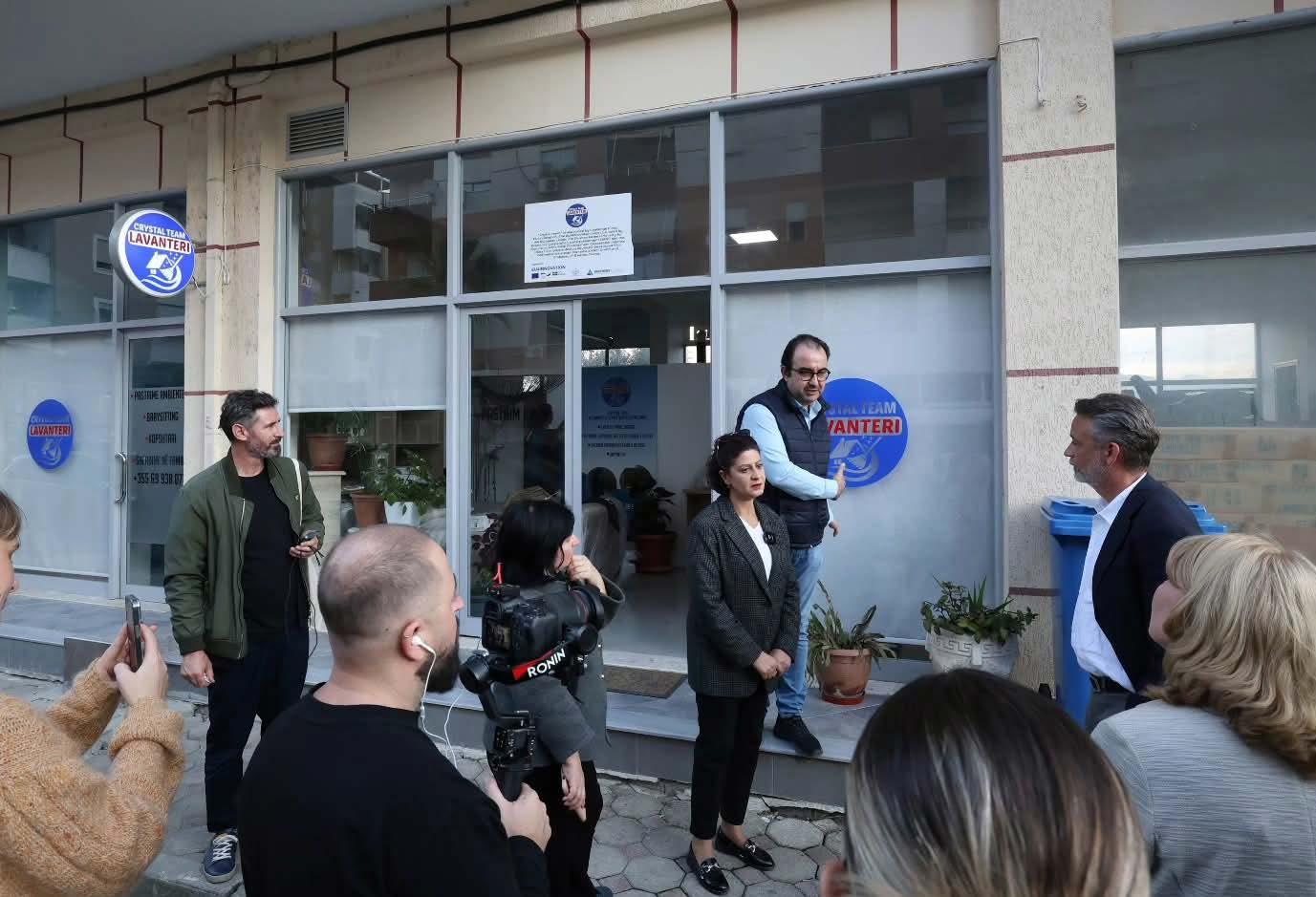
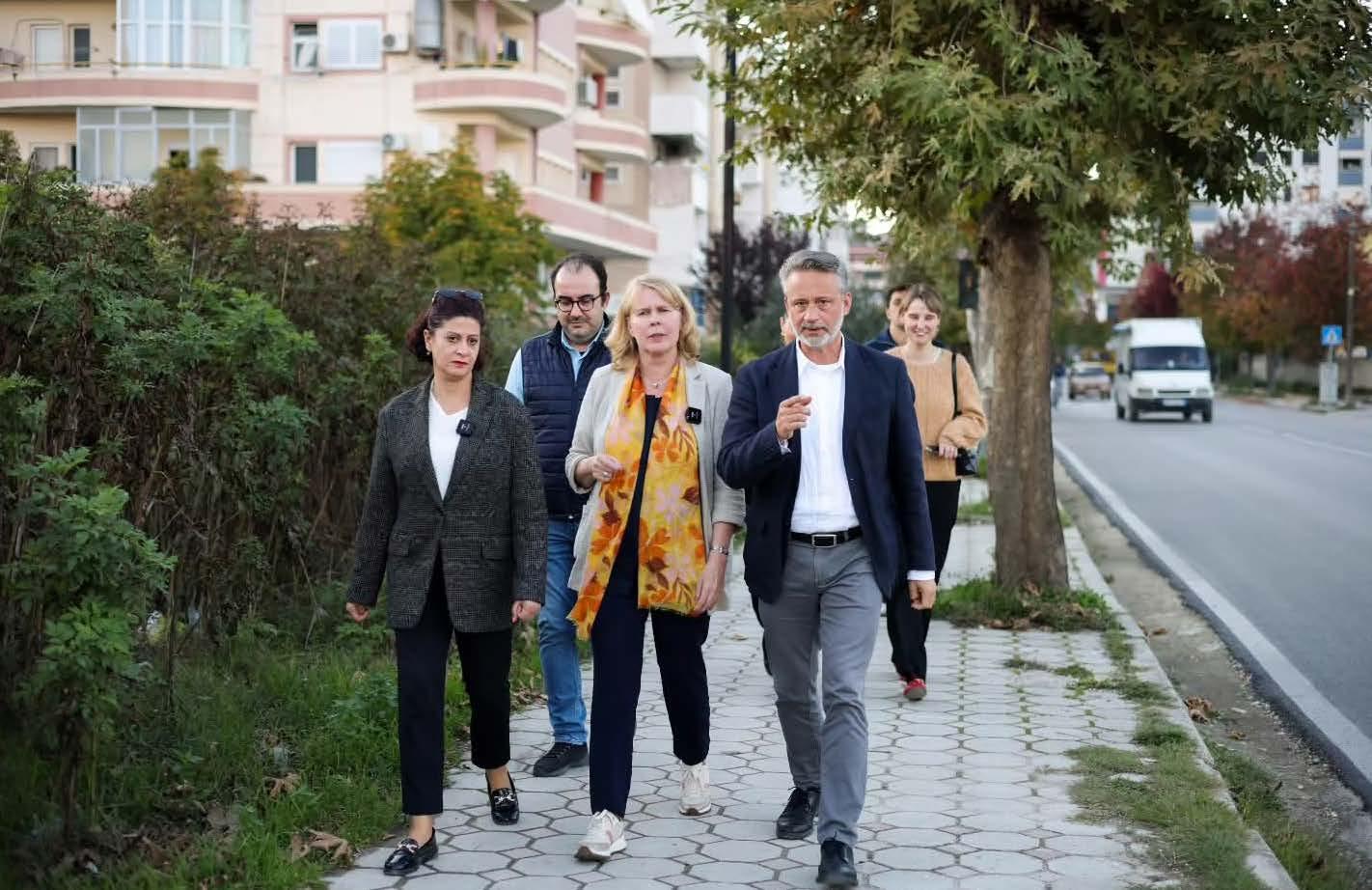
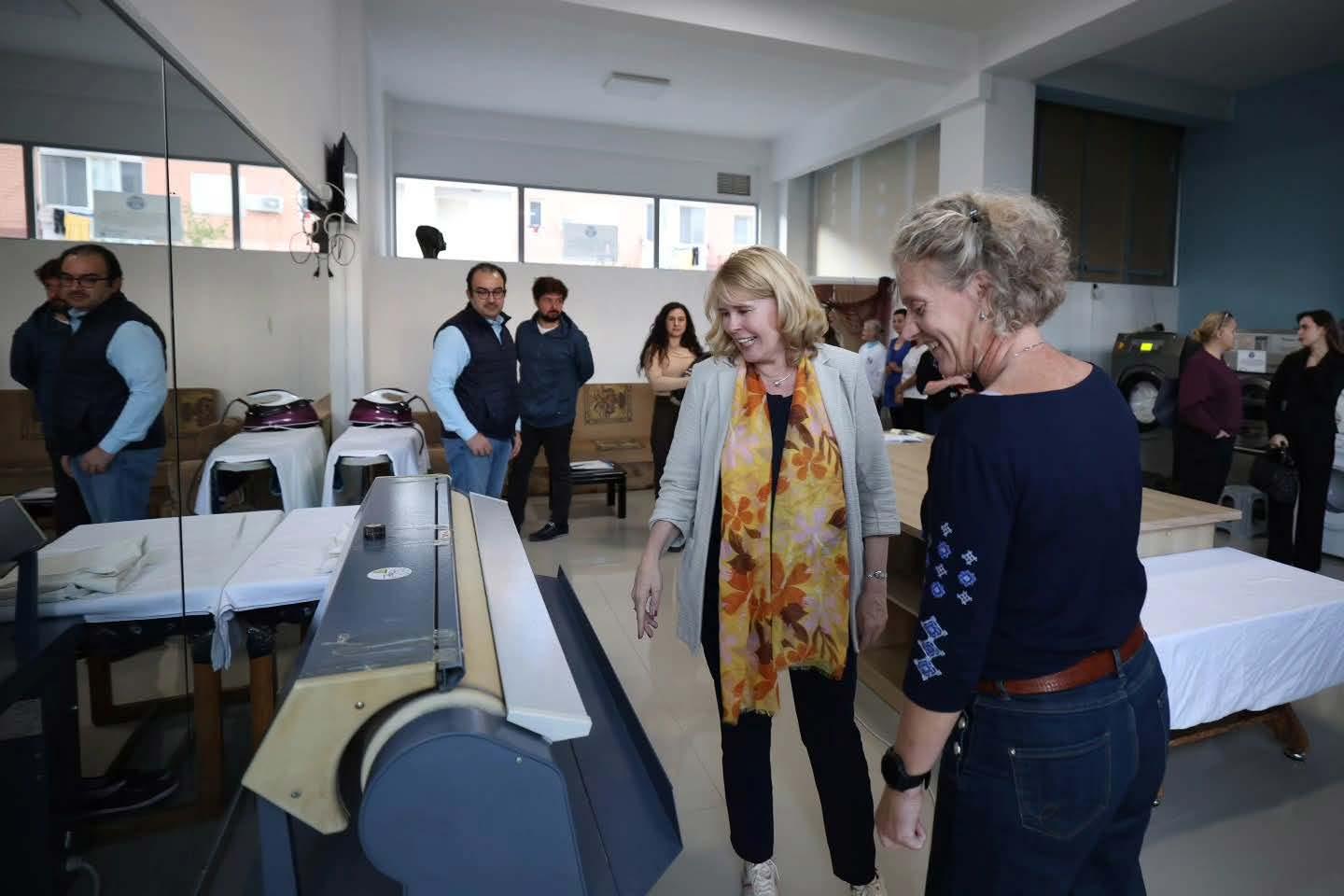
Gardening and sanitation services can significantly impact the environment. What eco-friendly practices have you integrated into your operations?
Do you plan to expand your environmental initiatives in the future, such as introducing composting, recycling programs, or eco-gardening techniques?
We use eco-friendly products and efficient waste-reduction methods, and plan to expand into recycling.
What kind of partnerships are you looking to build in the future to increase your impact?
We aim to work more with local institutions and environmental groups to expand our impact and create more community-based initiatives.
Where do you see the company in the next five years—both in terms of growth and social impact? Do you plan to expand to other areas of Albania or introduce new services?
In the next five years we aim to grow our team, increase our social impact, and expand our services to other areas of Albania. We also plan to introduce new community-oriented services based on local needs.
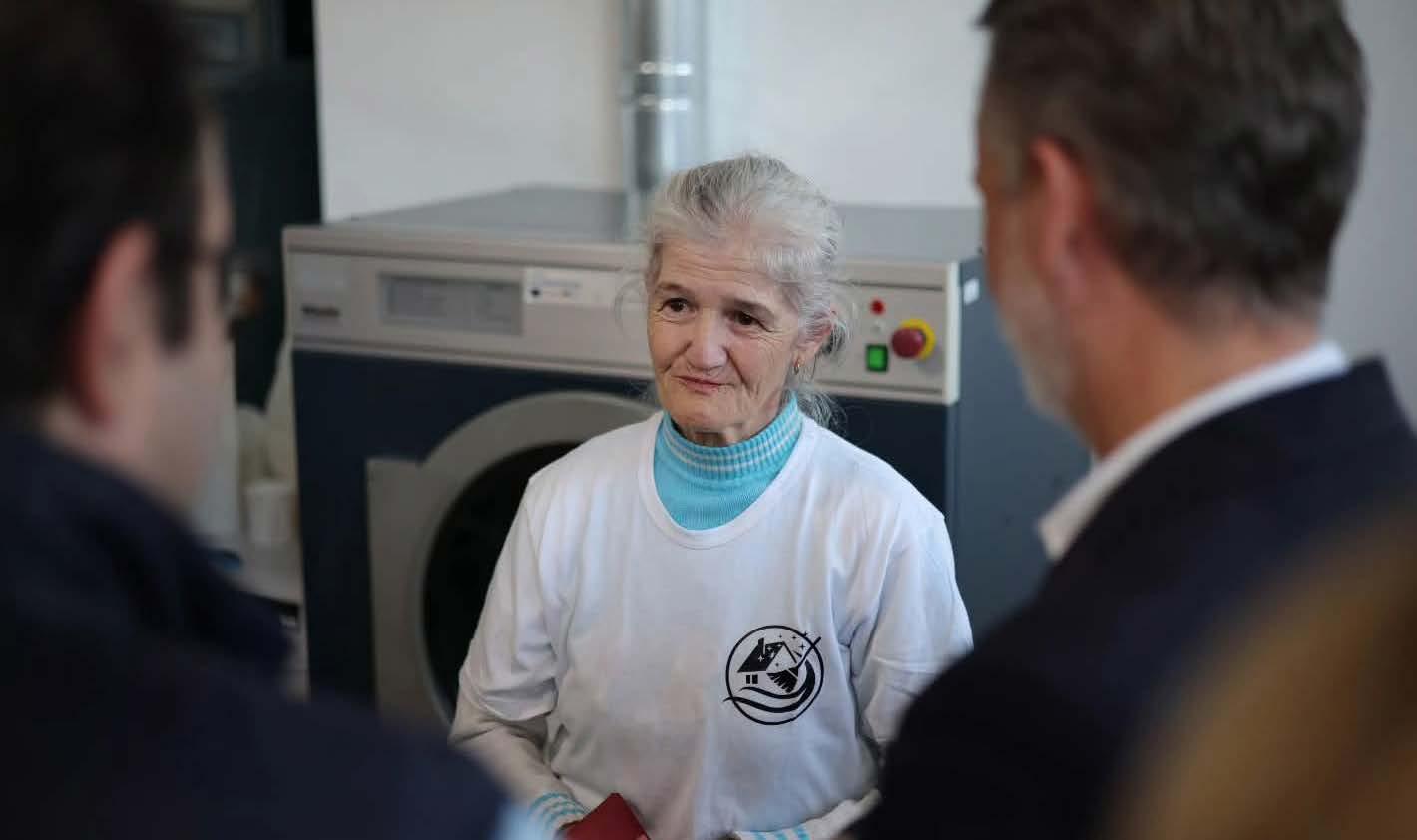
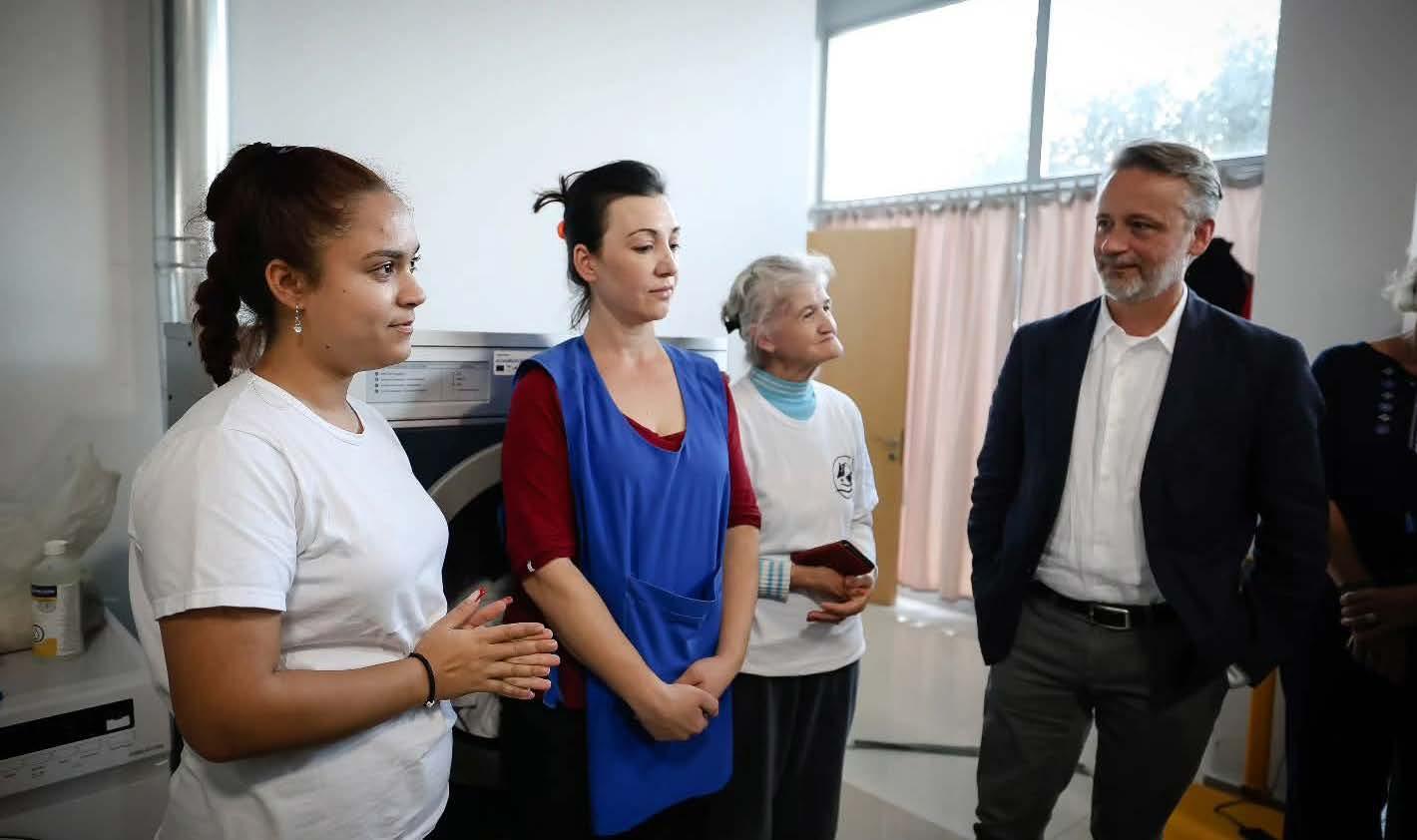
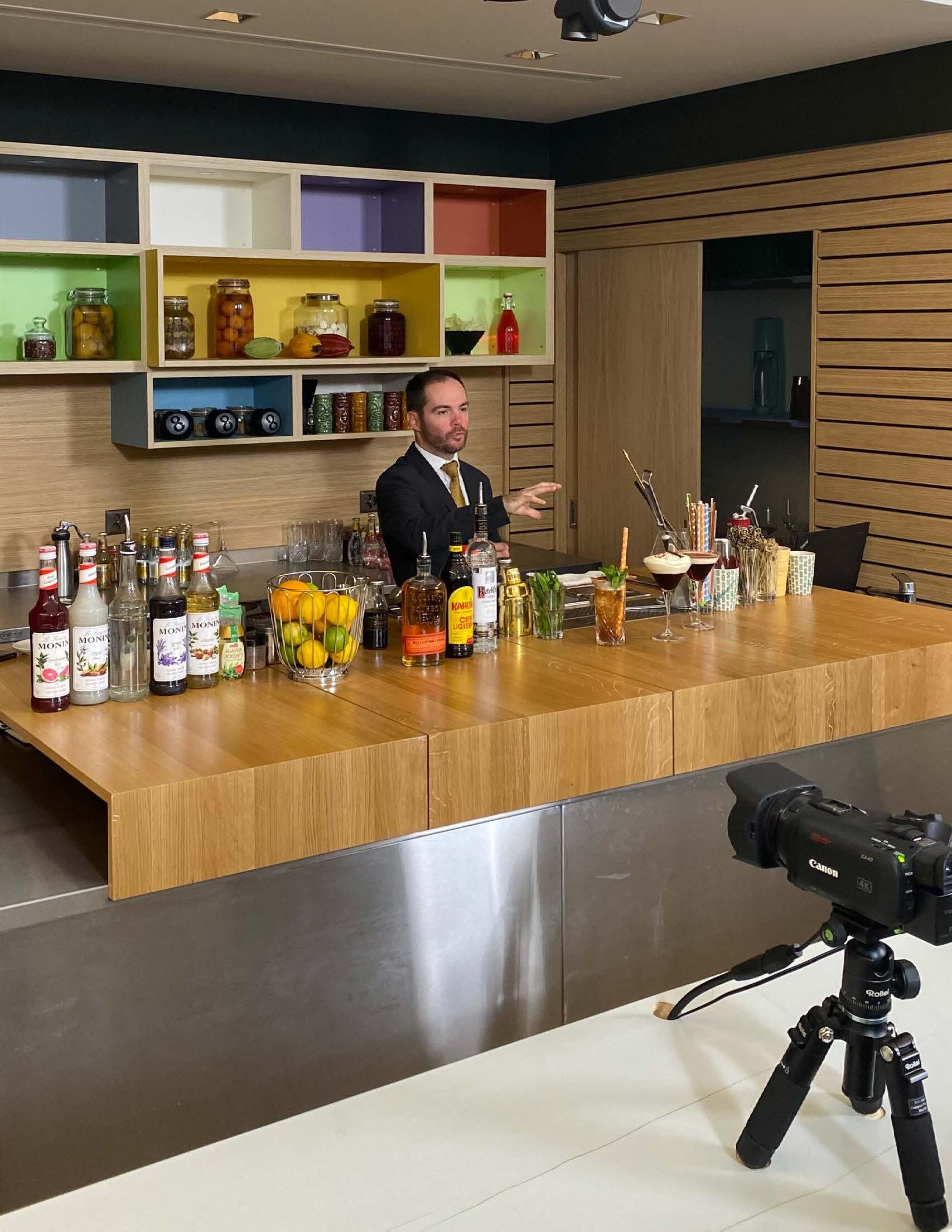
By Yoann Lazareth*
Pairing new staff with trained mentors not only accelerates learning but also builds a pipeline of future supervisors. Managers benefit from reduced turnover, while employees enjoy structured support and continuous growth.
Delivering consistent excellence in luxury restaurants depends on robust Standard Operating Procedures (SOPs) that structure training, service execution, and team culture. For managers, these SOPs are not just guidelines—they are the backbone of a highperforming, guest-centric operation. My summary outlines 10 essential SOP pillars that elevate standards I used during my career, optimize staff performance, and strengthen the luxury dining experience.
Effective onboarding is the first foundation I focus on. A structured, multi-day onboarding program—combining orientation, menu immersion, and shadowing—ensures my new hires rapidly
internalize brand values and service expectations. This proactive approach reduces operational errors and accelerates the new employee’s confidence, relieving pressure on the existing team.
Continuous training cycles are equally crucial. Monthly workshops and quarterly deep-dive sessions keep staff updated on menu changes, wine pairings, etiquette, and high-level service skills. These sessions reinforce excellence, improve upselling performance, and maintain service consistency despite turnover or seasonal staffing shifts.
Central to luxury service is the team’s shared commitment to excellence. A concise Service Excellence Charter
formalizes expectations on punctuality, grooming, guest confidentiality, and behavior standards, a crucial tool when you operate with different generation. For managers, this provides a transparent foundation for coaching; for staff, it creates clarity and pride in their role.
Clear performance expectations further reinforce efficiency. SOPs detailing service timing standards—such as greeting within 30 seconds or menu presentation within two minutes—eliminate ambiguity and enable objective performance measurement. This clarity improves coordination within service teams and ensures guests experience predictable, polished interactions.
Luxury guest experience protocols remain one of the most impactful SOP areas. Documented service flows, scripted moments, and VIP handling rules safeguard consistency, especially during high-pressure services. When reservation notes are effectively communicated during pre-shift briefings, the team can craft thoughtful, personalized moments that define luxury hospitality.
Mastery of product knowledge is equally non-negotiable. SOPs should require staff to understand origins, ingredients, cooking methods, tasting notes, and pairing recommendations. Regular assessments and a shared digital knowledge library empower staff to speak confidently, respond to challenging guest questions, and enhance the value of the dining experience.
Leadership and mentorship programs strengthen team stability and internal development. Pairing new staff with trained mentors not only accelerates learning but also builds a pipeline of future supervisors.
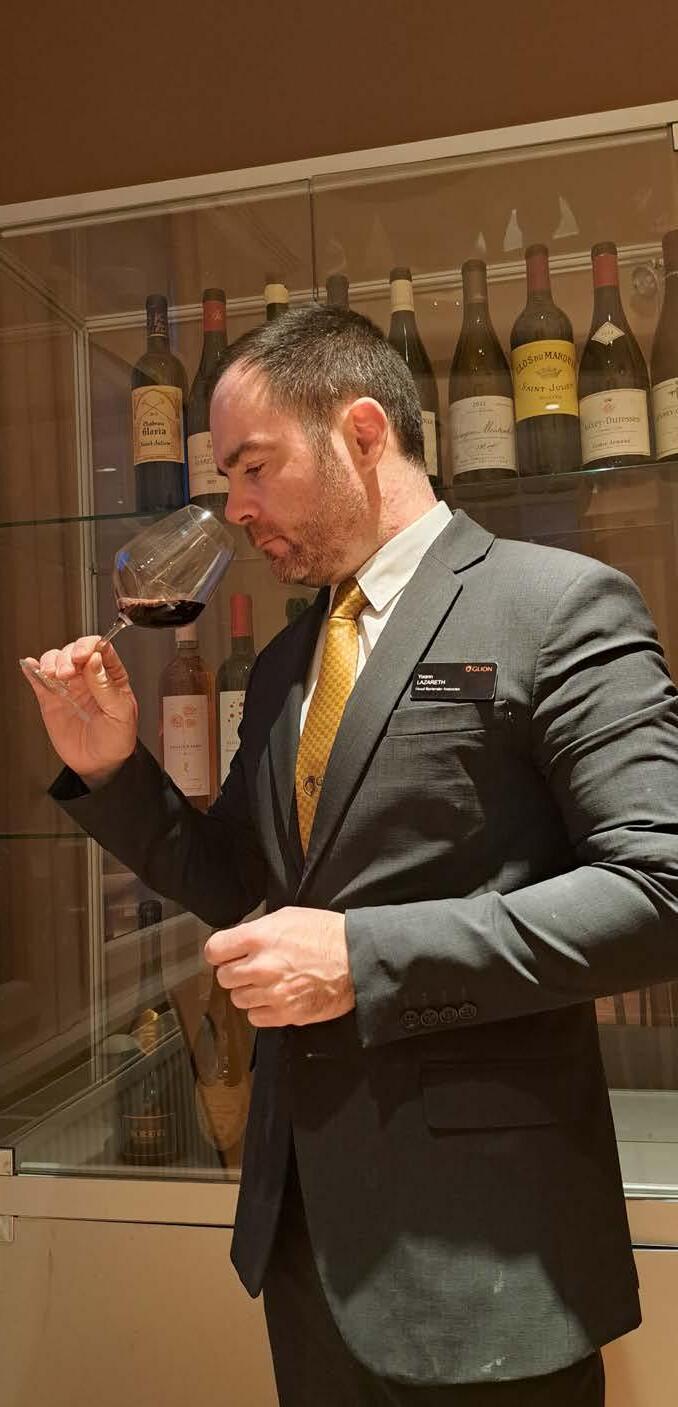
Managers benefit from reduced turnover, while employees enjoy structured support and continuous growth.
Consistency in mise-en-place is another cornerstone of luxury service. Standardized station checklists, photo references, and pre-service audits ensure every shift begins with immaculate readiness. This eliminates last-minute stress and guarantees that service quality remains stable, regardless of who is on duty.
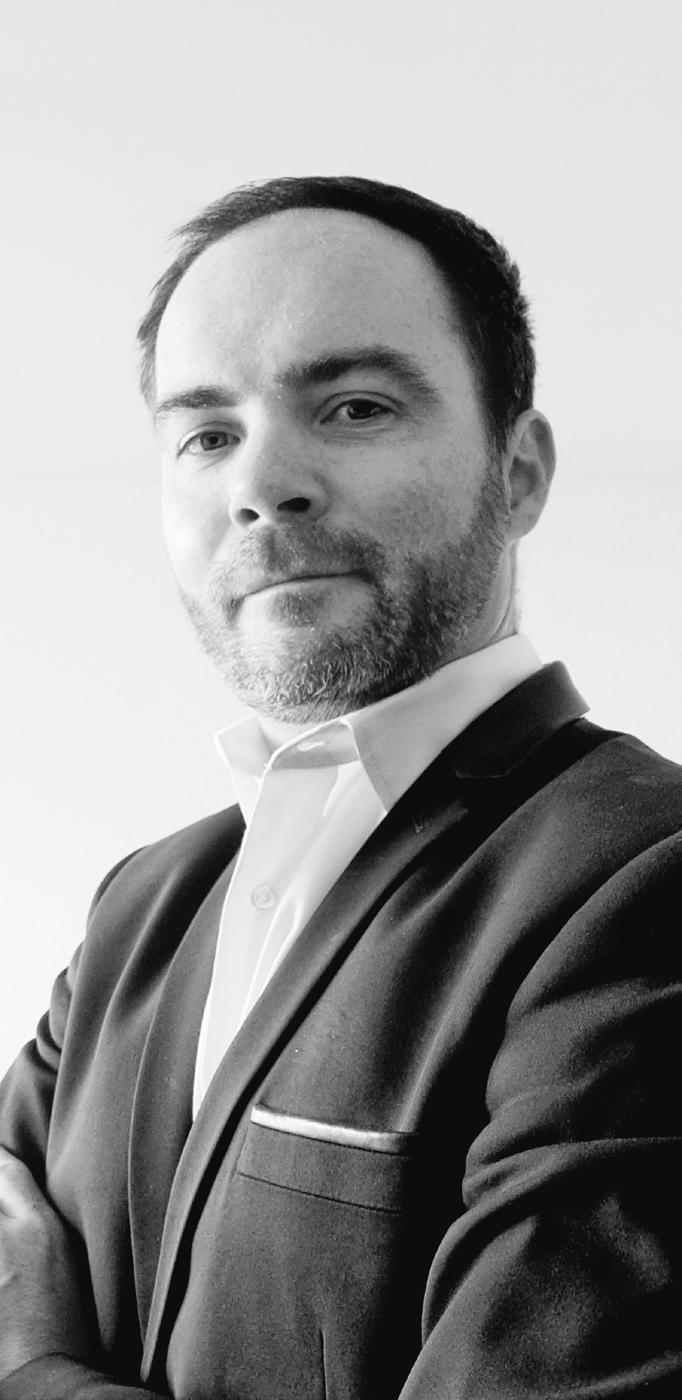
Luxury guest experience protocols remain one of the most impactful SOP areas. Documented service flows, scripted moments, and VIP handling rules safeguard consistency, especially during high-pressure services.
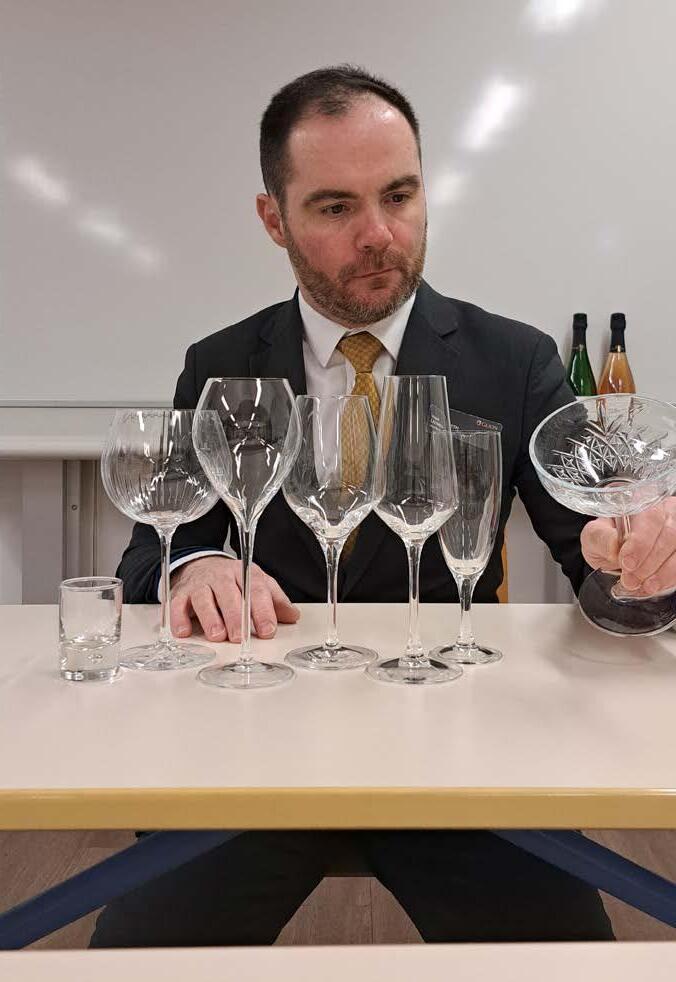
Continuous evaluation and feedback systems help maintain momentum. Frequent micro-evaluations and regular coaching sessions allow managers to guide performance proactively instead of reactively. Staff appreciate short, constructive feedback loops that recognize strengths and address weaknesses quickly.
Finally, fostering a culture of excellence ties all SOPs together. Daily briefings, recognition systems, peer feedback loops, and regular wellness checks nurture engagement and unity. A motivated, aligned team consistently delivers the elevated service expected in luxury dining.
*Practical Art Head Instructor at Glion Institute of Higher Education
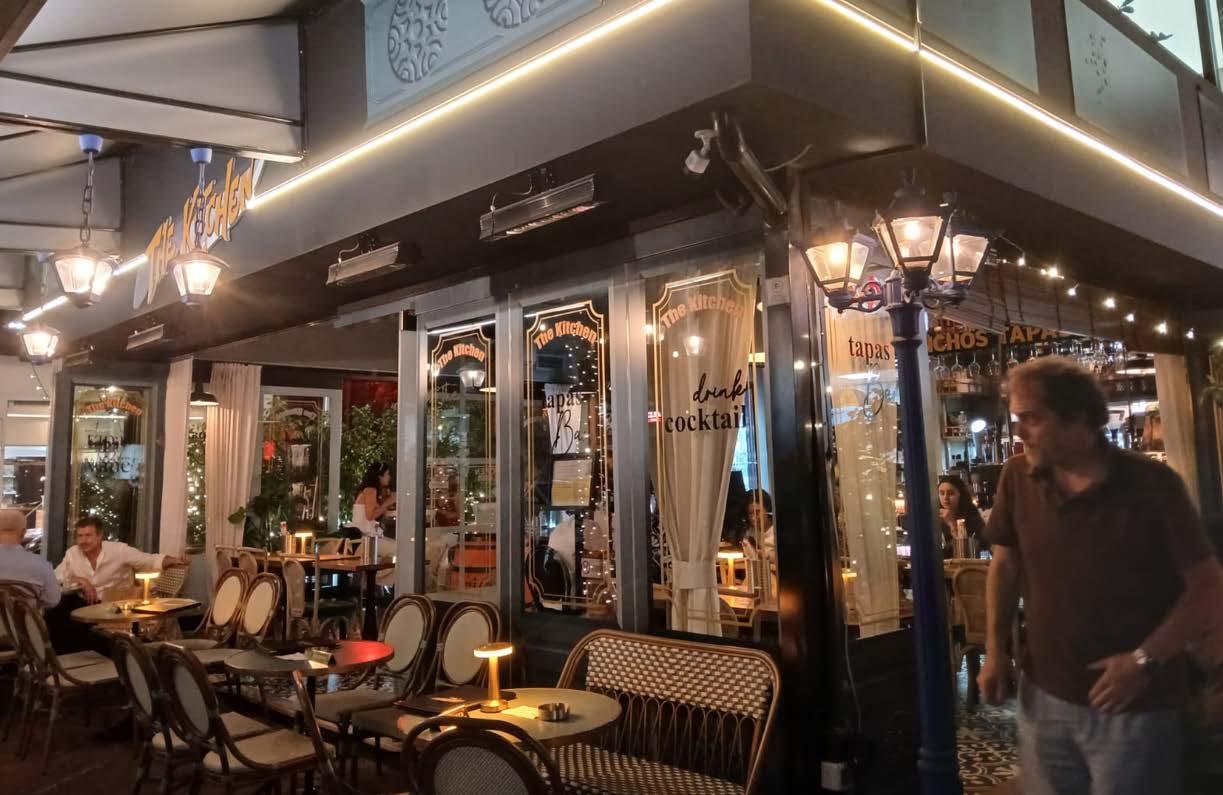
“The concept derived from the need to make a bar different from what we have done in the last 10 years, because The Kitchen comes after a very long experience with 7 bars built since 2009.”
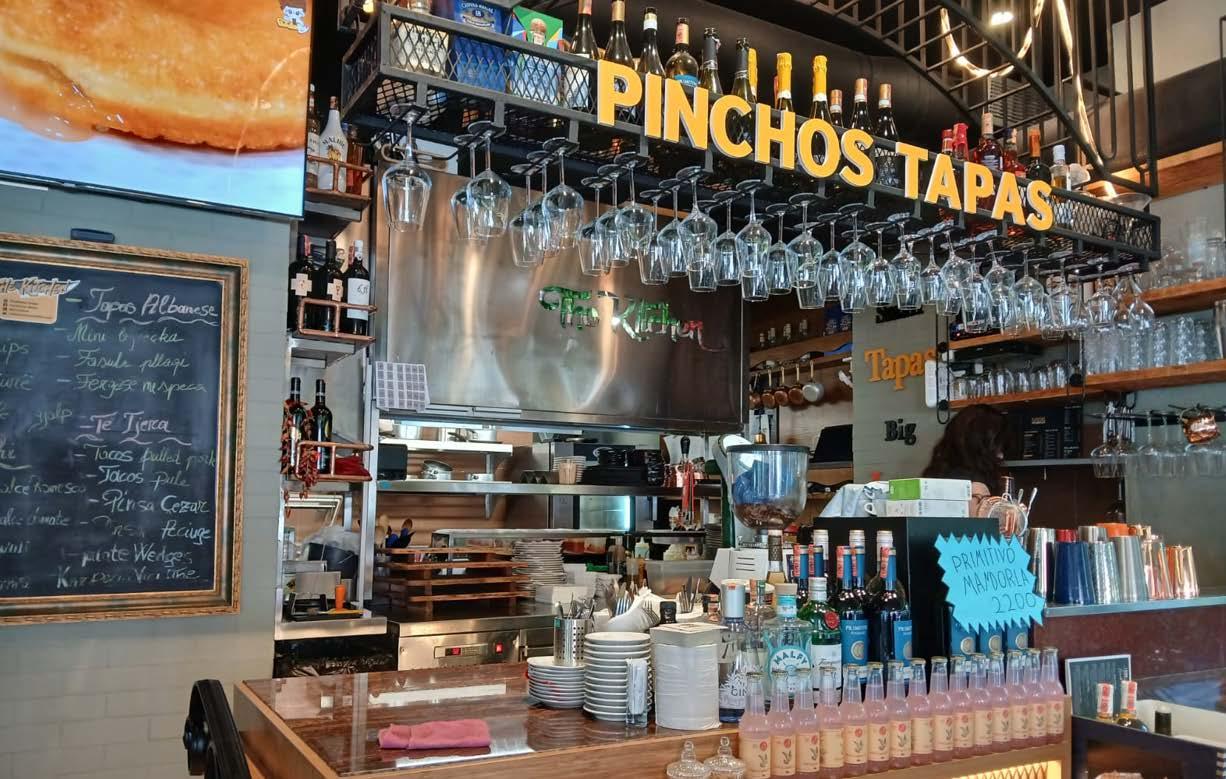
The Kitchen Blloku offers the possibility for a unique fantastical dining and entertainment experience which will always be remembered.
The Kitchen Blloku is a restaurant situated in Tirana’s Blloku district, a lively area renowned for its dining and entertainment venues. It offers a variety of Mediterranean dishes, including tapas as well authentic Albanian dishes, and is known for its cozy ambiance and friendly staff. It provides both indoor and outdoor seating, catering to different preferences.
Its Founder, Dorian Malasllani, takes TRAILBLAZING MAGAZINE in his journey to show how he managed to build The Kitchen Blloku, what makes it different and what are the main specialties it offers.
Full interview follows:
Please tell us how you came up with such a concept of cuisine and decor for a Tapas bar? Were you inspired by any experiences you had abroad?
The concept derived from the need to make a bar different from what we have done in the last 10 years, because The Kitchen
comes after a very long experience with 7 bars built since 2009.
As for the decor, we improvise the situation based on the place we find, based on the
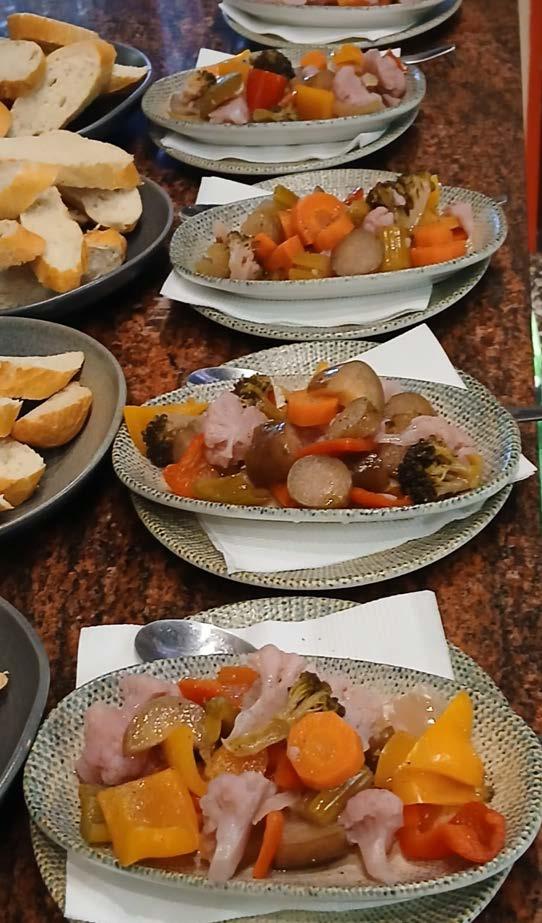

location and based on what we want to transmit to our customers, this making a perfect combination between the hall and the kitchen, in the concept..
From the rich variety of tapas and fortified wines, sparkling wines & cocktails as well as various drinks, what else can you offer?
In this bar, we have tried to go a little beyond what we have always done with our bars, so now not only cocktails and beer, but also a lot of wine and prosecco, because the market has matured and as a result, alcohol consumption should be more diverse and the age of the consumer is of course older now compared to the clientele we had before, who were very oriented towards cocktails.
What is your signature dish that everyone should try?
Regarding this question, I can say that we can serve several different specialties according to the season, so if in winter one’s body requires a little more fat in order to fight the cold, in other seasons, try to reduce the dose of fatty foods, to return to your question, I would cite a very delicious winter dish, baby back riks, with mash potatoes,
or beef liver in a pan with butter, garlic and red wine, as well as another of our strong dishes, fried anchovies, of course our fresh anchovies from the sea.
Also in traditional sweets, I would single out the three lecce which foreign customers like very much
Are you planning to create a seasonal menu and add new elements to the current concept?
Yes, we have been doing a test menu for some time with an Italian chef who supports us from the outside, precisely to create the perfect flavors and combined with the season.
What would you say has been the most memorable experience while developing this business?
Let’s say that in this restaurant as a location we have encountered a very large number of tourists, who when they get up from the table give us many compliments regarding the quality of the food, with the fast and cordial service that we try so hard to do the best.
What are your plans for the future?
Plans for the future are almost in full swing, which means that we are creating another restaurant, where we will offer a very good quality of food accompanied by a comfortable, modern and youthful environment.
This is thanks to the trust that our customers have given us and the experience gained over the years.
By Rudina Hoxha
The Founder and CEO of Chimsy (Chimney) Cake Shop, Ledia Lala, talks to Trailblazing Magazine about Kürtőskalács, a traditional homemade Hungarian sweet pastry in the shape of a funnel, which she has brought to Albania.
The official dessert of Hungary is love at first sight. It is distinguished for its satisfying crispy crunch on the outside and a delicious, light and fluffy dough on the inside. The hollow cylindrical cake is served with various amazing fillings of nutella, pistachio, caramel and others.
Characterized by her entrepreneurial spirit, Ledia, 27, managed to open Chimsy (Chimney) Cake Shop in Tirana with the support of a small and hardworking team which works non-stop behind the scene.
“Every dessert we make is designed to give people a little moment of joy. Our philosophy is to communicate honestly, not
just through visuals, but through emotion as well,” Lala said, adding “We constantly adapt to holidays, seasons, and the atmosphere around us so Chimsy always feels present, familiar, and close to our customers.”
Full interview follows:
Can you tell us about the journey of Chimsy (Chimney) Cake Shop in marketing and sales?
The journey of Chimsy (Chimney) Cake Shop began with a simple but very heartfelt idea: creating a place where every dessert brings a small moment of happiness. From the very beginning, the goal was to make Chimsy not just a cake shop, but a warm experience for everyone who visits.
Behind all the magic that Chimsy shares

every day, there has been the gentle care and creativity of IN’s Marketing, who managed to tell our story with warmth and soul. Every carousel, reel, and photo has been created to deliver a feeling, not just an image. Through daily stories, questions, polls, and honest communication, Chimsy has built a genuine connection with people. By adapting to different seasons and celebrations, Chimsy has become a sweet part of many customers’ special moments.
What does the role of Marketing & Sales Manager involve on a daily basis?
A day at Chimsy always starts with creativity. Each morning, we think about what we want to give people that day, a sweet moment, a smile, or a warm feeling. Content is created daily: carousels that tell stories, reels full of energy, and photos that reflect the heart of Chimsy.
Our stories stay active with questions, polls, and small conversations that create closeness with customers. At the same time, we analyze reactions, plan new campaigns, and make sure everything we share feels sincere and natural…just like Chimsy itself.
How would you describe the unique identity or philosophy of Chimsy Cake Shop?
Chimsy’s identity is simple: warmth, sincerity, and attention to detail. Every dessert we make is designed to give people a little moment of joy. Our philosophy is to communicate honestly, not just through visuals, but through emotion as well.
We constantly adapt to holidays, seasons, and the atmosphere around us so Chimsy always feels present, familiar, and close to our customers.

Why do customers love Chimsy’s desserts so much?
Customers love Chimsy’s desserts because they are fresh, flavorful, and made with care. But beyond that, they love the way Chimsy makes them feel.
Every day there is a long line of people waiting to get their favorite treats, and seeing them return again and again is one of our biggest joys. They come back for the taste, but they stay for the warmth and the experience Chimsy creates.
Cakes and desserts are emotional products. How do you create a deeper emotional connection with customers? The emotional connection comes naturally through the small things. Through daily
stories, polls, and open conversations, we get to know our customers and listen to them. We show the behind-the-scenes moments the real, everyday process, which makes the brand feel alive and authentic.
Our content is simple, honest, and filled with genuine moments. This makes people feel connected to Chimsy like it’s a friend they check in with every day.
How do you differentiate Chimsy (Chimney) Cake Shop in a crowded market?
Chimsy stands out by being authentic. We don’t try to imitate anyone, we stay true to our colors, our way of speaking, our humor, and our creative style.
We adapt to every celebration and create special moments that people look forward to. And the biggest difference is the love customers show us the daily lines and constant returning visitors say everything about how special Chimsy feels to them.
What customer preferences or trends influence your products? Do you rely on feedback?
Yes, feedback is one of our main guiding points. Story polls, questions, and customer responses help us understand what people truly want.
Many new products and flavors are inspired directly by customer suggestions. We also follow seasonal moods and trends, fresh flavors in summer, soft colors in spring, festive designs in winter. Every product is a blend of what people ask for and the atmosphere of the season
How do you prepare marketing and sales strategies for holiday seasons?
Holiday preparation at Chimsy is always filled with emotion. We begin by choosing the feeling we want that season to bring, whether it’s the magic of New Year, the sweetness of Valentine’s Day, or the joy of warm summer days. From there, the content starts to form naturally. We create themed photos, videos, and small campaigns that reflect the atmosphere of the moment.
Stories help us understand what our customers prefer, and many of our ideas actually come from their suggestions. When everything comes together the visuals, the colors, the flavors, and the communication we create a festive mood that people look forward to every year.
We welcome everyone with so much love.
The US, the right place to grow, to refine, and to reach new levels as an artist
“A concert at Carnegie Hall left a deep and lasting impression on me and, in a way, marked a turning point.”

By Rudina Hoxha
Anila Aliu, a pianist from Kosovo, who lives in US, comes to the October issue of Trailblazing Magazine with a sensitive interview to tell how she left Kosovo for US and how the international audiences are always curious about her heritage.
Also she underlines that she always takes pride of her motherland.
“Performing works by Albanian composers is a way for me to introduce them to something raw, beautiful, and unfamiliar. It’s
my cultural signature—and my quiet act of pride,” Anila said.
She says that her connection with music goes far beyond physical ability—it lives in the soul.
Her plans are diverse from performing as a Soloist with the Heartland Festival Orchestra in the coming year, preparing for several concerts and orchestral appearances to working as a teacher or mentoring younger pianists in both the U.S. and abroad.
Full interview below:

You were born and raised in Kosovo. How did your musical journey begin there?
I began playing the piano at age seven in Kosovo, but music had already been living in me long before that. My parents and grandparents noticed an unusual sensitivity I had toward sound and melody, even as a small child. They enrolled me in music school, and from the moment I sat at the piano, I knew this wasn’t just a hobby—it was a calling. I was fortunate to be guided by supportive teachers who recognized my potential early on. Soon after, I started competing in local and regional competitions, winning prizes that gradually opened doors to international stages.
From one country to another, one concert hall to the next, I kept playing, kept learning. There was no traditional childhood filled with toys and idle hours. Instead, there was discipline, patience, and a deep, magnetic joy every time I sat at the piano. My family supported me endlessly, and even though we didn’t have the best conditions in Kosovo, we had something more powerful— belief and love for music. That shaped everything.
What inspired you to move to the United States and continue your career there?
After many years performing across Europe, my journey eventually brought me to New York City. I had the opportunity to fulfill one of my biggest dreams—playing at Carnegie Hall. That experience left a deep and lasting impression on me and, in a way, marked a turning point. Then, I met my mentor here, a figure who became instrumental in helping shape the next chapter of my career.
The United States, with all its vastness and diversity, felt like the right place to grow, to
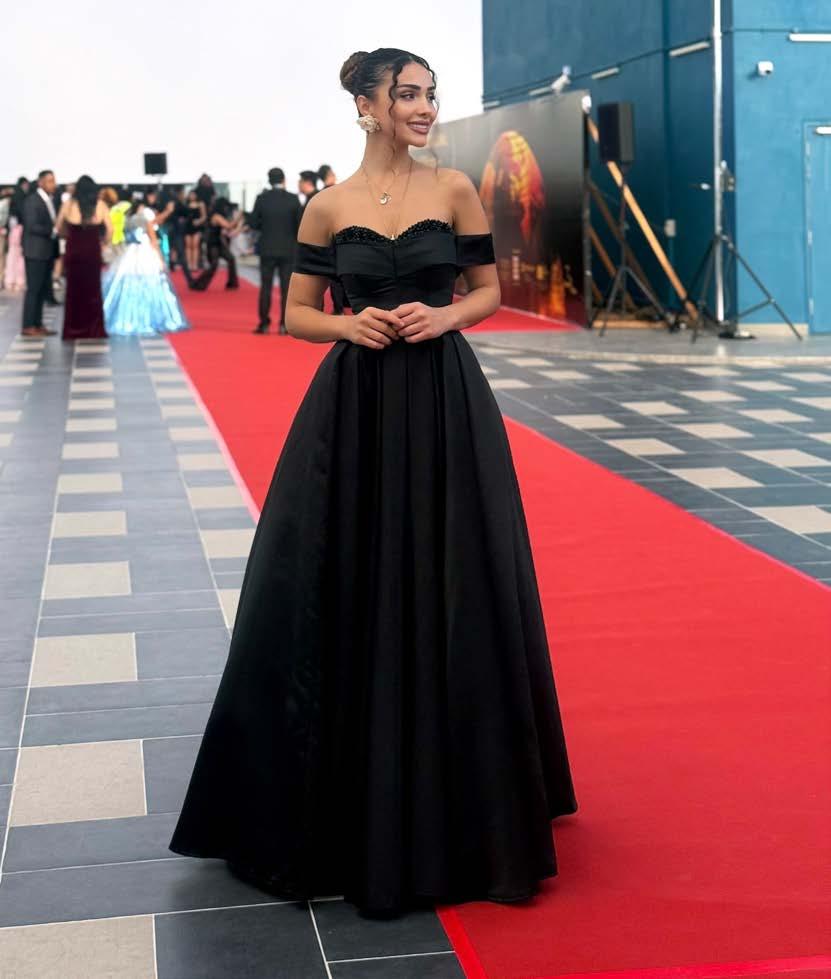
refine, and to reach new levels as an artist. It’s a country built on opportunity—where talent, when nurtured with hard work and persistence, is deeply valued. I still return to Europe often to perform and collaborate, but at this stage in my life, the U.S. offers a unique space for artistic expansion.
How do you see the difference between the music culture in your own country and in the U.S.? Do you include Albanian music or composers in your performances?
The contrast is undeniable. The U.S. has an established, centuries-old infrastructure for classical music—major orchestras, historic concert halls, elite conservatories—and audiences who are deeply engaged. I now live in a city where I can bump into world-famous musicians on the street or attend concerts of my childhood idols. There’s a certain energy here—if you bring value to the table, you’re seen. You’re given wings to fly.

Our country on the other hand, is still in the process of rebuilding and reinvesting in the arts. The love for music is strong, but the support systems are still growing. That said, I carry my homeland with me everywhere I go. I make it a point to include at least one Albanian piece in every concert I give. International audiences are always curious about my heritage, and performing works by Albanian composers is a way for me to introduce them to something raw, beautiful, and unfamiliar. It’s my cultural signature— and my quiet act of pride.
What has been the most memorable moment of your career so far?
There have been countless unforgettable moments—performing in different countries, connecting with audiences across cultures—but if I had to choose one, it would be the concert I gave while recovering from a hand injury. It was an emotionally and physically difficult period. I had to cancel
many engagements and could no longer play with both hands. But I didn’t stop. I kept practicing with my right hand only, and eventually gave a concert that way.
That performance taught me something profound about love, resilience, and devotion. I realized that my connection with music goes far beyond physical ability—it lives in the soul. Returning to the stage after healing, fully recovered, was equally powerful. That contrast—between loss and return—gave me a deeper appreciation for every note I now play.
What challenges have you faced as an Albanian artist abroad?
Being an Albanian artist abroad means constantly having to introduce yourself from scratch. Our country’s name isn’t always familiar in classical music circles, and unfortunately, our passport still poses travel restrictions. I’ve missed opportunities because of visa issues or lack of recognition. There were moments when I felt invisible.
But instead of letting that discourage me, I turned it into fuel. Yes, our country hasn’t had the same resources or historical investment in classical music as others, but our spirit, our depth, and our artistic voice are just as powerful. I wear that responsibility with pride. I represent something rare—and that makes me unforgettable.
How do you connect with the Albanian community in the U.S.?
The Albanian diaspora in the U.S. is vibrant, active, and deeply passionate about culture. One of my most moving performances was in New York, playing for a full house of Albanians. Despite being

thousands of miles away, that night felt like we were home—united through music.
The community always shows up. Whether it’s attending my concerts, sharing my achievements, or simply reaching out with kind words—they remind me that home isn’t always a place. Sometimes it’s the people who carry the same stories, the same pride, and the same love for our roots.
What advice would you give to young Albanian musicians who dream of an international career?
Don’t let borders define your dreams. No matter where you’re from, excellence is universal—and it will always be recognized. Work hard. Be honest with yourself. Push through the difficult days, and never settle for less than what your heart tells you is possible.
Success doesn’t come overnight, and it doesn’t come easy. But if you believe in your
voice, if you nurture it with discipline and love, the world will listen. And when they do—let them hear where you come from.
What are your upcoming projects or goals?
The next chapter of my life is both exciting and demanding. I’m preparing for several concerts and orchestral appearances, including performing as a Soloist with the Heartland Festival Orchestra in the coming year. I’m also expanding my work as a teacher and adjudicator, mentoring younger pianists in both the U.S. and abroad.
Beyond the stage, I’m developing my artistic brand, continuing collaborations with international artists, and working on my own personal recordings and creative projects. My goal is to be not only a performer, but a storyteller, a cultural ambassador, and a role model for the next generation of Albanian musicians.
The case of Italian pianist and composer, Alessandro Maggi is rare. He has never taken a piano lesson nor studied theory: He is completely selftaught. But his skills are flawless.
“I believe that this music is the fruit of an interior path and of a life lived intensely — metaphorically between hells, purgatories and paradises — with much work on myself, much curiosity, research and questions,” he told Trailblazing Magazine.
He shares with our readers the first reactions of the people when he started to compose and perform piano and his projects which are already international.
“At the beginning they were all shocked: they knew me for doing something completely different and they thought I had gone mad. My children, the family, the friends — they all laughed. Then, with time, they saw the reactions that the music generated and they changed their minds”

alessandromaggi.composer@gmail.com

alessandro___maggi
happened that someone embraced me and told me: “thank you, you made emotions rise that I believed already dead,” or “with this music I did not feel alone.” For me there is no answer more important than this.
Do you believe your music could be born only after a life lived — after wounds, certainties, losses, faith?
Yes, I believe that this music is the fruit of an interior path and of a life lived intensely — metaphorically between hells, purgatories and paradises — with much work on myself, much curiosity, research and questions. Inside the music there is all this journey, which is not finished and will never finish: it evolves with me, step after step.
When you compose a piece, does it then remain in your mind?
not even know how, but it happens; also, for this reason professor Soresi, neuroscientist, wants to study me: it seems that my case interests him a lot. We are preparing a complete disc, even if for now on Spotify there are only six tracks; we are preparing the new disc. Anyway I am registered with SIAE: the music must be transcribed for me by someone who knows theory.
How did your family and your friends react when you decided to dedicate yourself to the piano at that age?
At the beginning they were all shocked: they knew me for doing something completely different and they thought I had gone mad. My children, the family, the friends — they all laughed. Then, with time, they saw the reactions that the music generated and they changed their mind. Now they say: “you have always been a strange one, so in the end it does not surprise us.”
Full interview follows:
When does inspiration arrive? How does it show up — as an emotion, an image, a silence, a physical sensation, an inner dictated voice, or something you cannot name?
Inspiration arrives when it wants. Sometimes it is a strong emotion, sometimes an image, a scene of people, nature, a thought or even a pain: it is something that hits you and does not always have a name. When it happens, I must go to the piano and compose, piece by piece, because I do not know how to read or write music. The more I play, the more the music comes out and flows, and the more I feel that I can say with notes what I could not express with words. For me inspiration is this: an abrupt blow you feel inside and you must let it pass through your hands.
Have you never studied piano or music theory?
No, I have never taken a piano lesson nor studied theory: I am completely self-taught. For five years I play four or five hours a day, but without any teacher. Some academics advised me not to start studying now, because my way of playing — born outside of any scheme — would risk being compromised. I would have liked to study, I desired it, but I did not have the possibility.
I deeply admire those who can do it. I can only compose and remember everything by memory — and for now that is enough for me.
What do you read in the eyes of the audience when they listen to you?
In reality I do not read it in the eyes while I play, but when I finish. Many times it
Yes, I remember them all by memory, all thirty compositions and honestly, I do
Have you faced doubts or discouragement when you started? How did you overcome them?
Yes, I had many doubts and moments of discouragement: sometimes it seemed madness to me, especially having a family. I left everything for music and more than once I asked myself: “what am I doing?”. But every time I played, I felt an enormous force inside, something that pushed me to continue without giving up. It has been a hard and deep path, but today I am happy with the choice: all the darkness lived is transforming into light. For this it takes will, faith in what you feel and to follow what I call the sacred instinct, without desisting. I am very selfcritical with myself, but when I began to see the first small results, there it all began.
How would you describe your musical style or the emotions behind your works?
I do not know how to define it. For
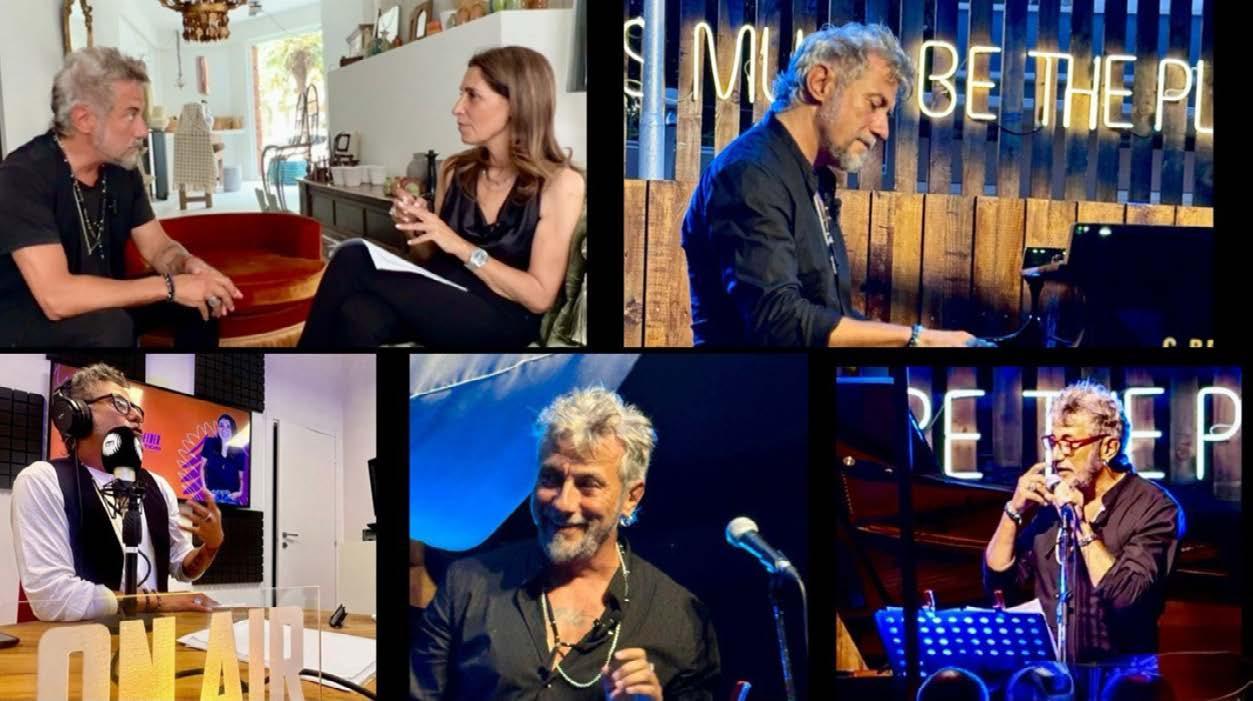
me it is not a “style”, it is a language: I put my emotions into music, I dress them with notes. It is this — a way of speaking with another language — and I would not know how to call it otherwise.
What are your dreams or goals for the next years as a pianist and composer?
We have different projects: concerts in Europe and internationally. On January 20 we will be at the Ritz in Madrid. We are
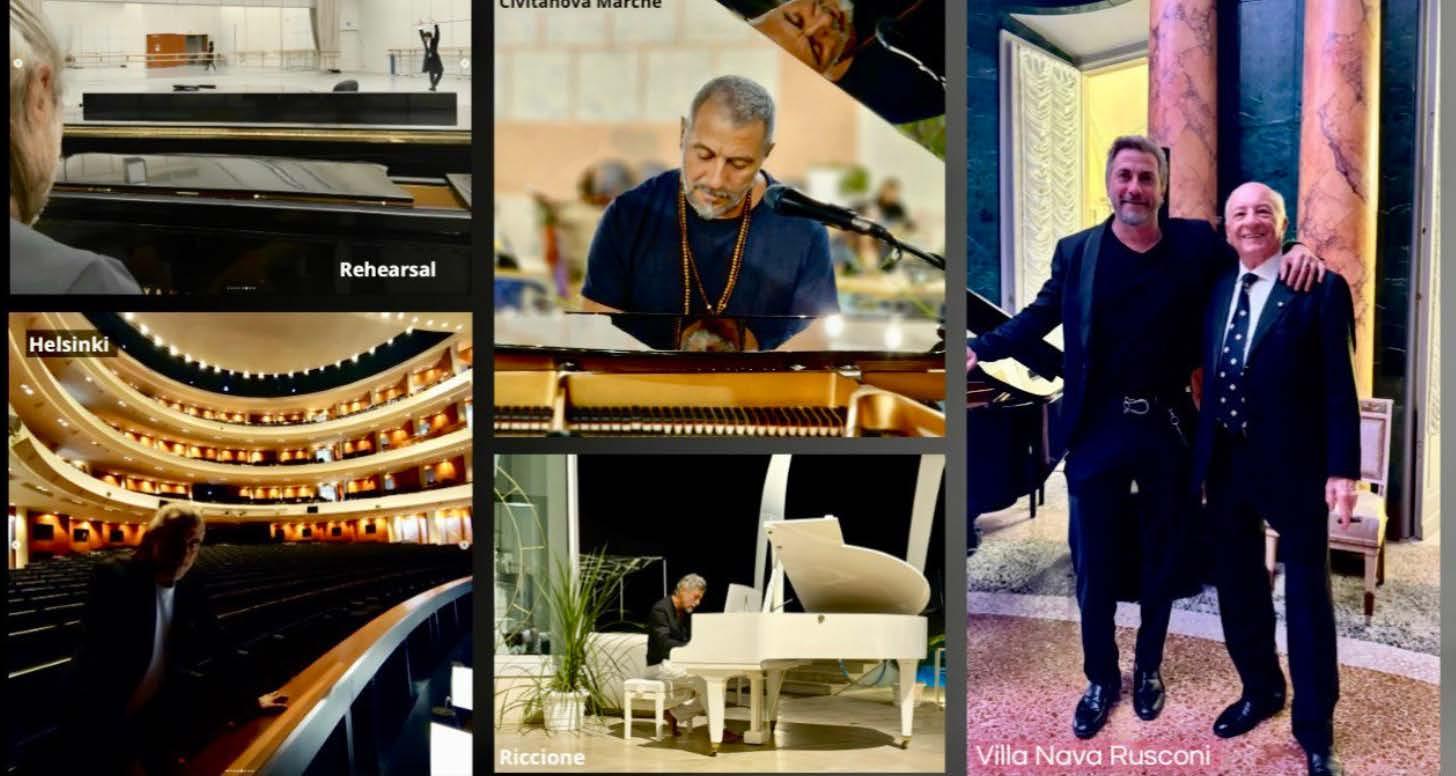
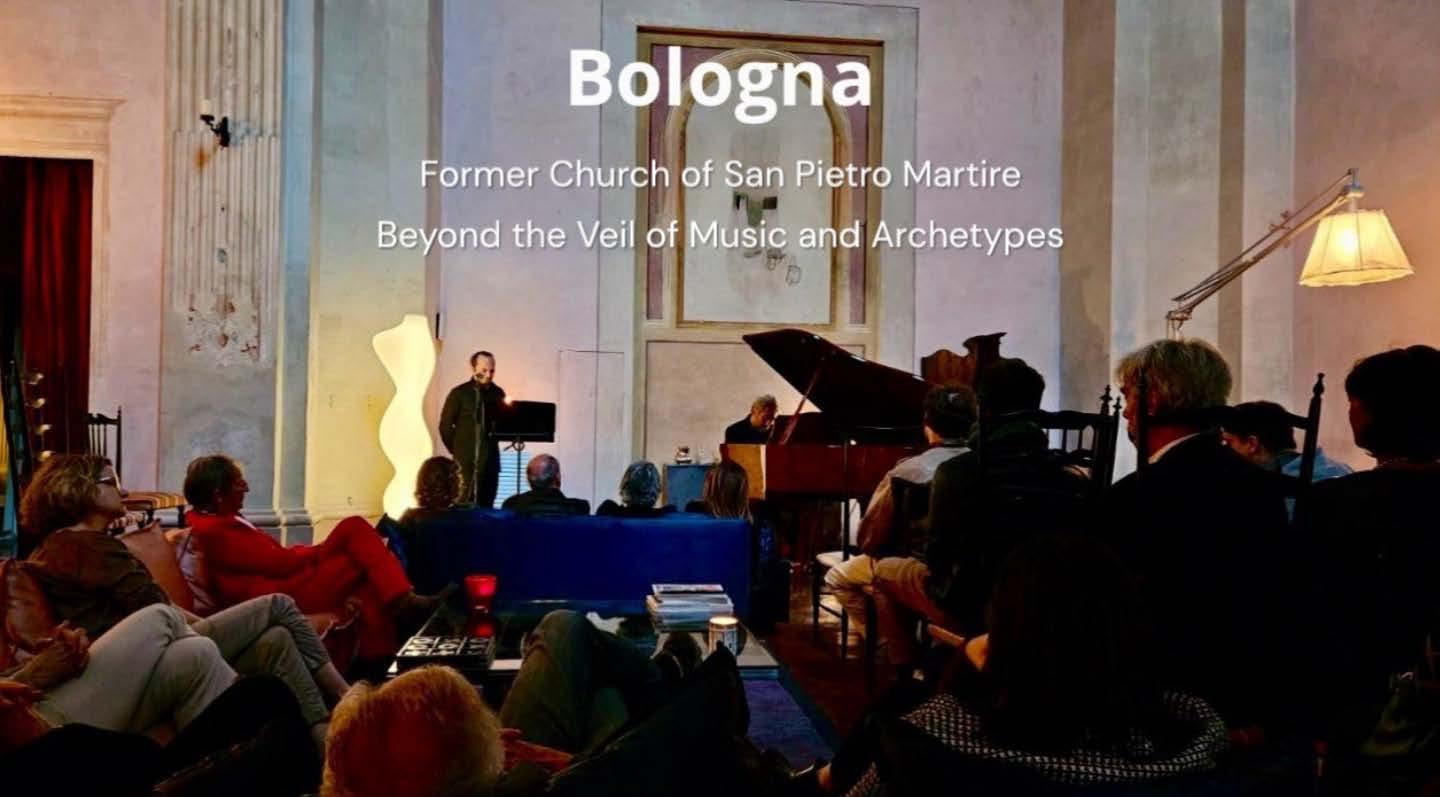
working to produce a soundtrack; we have the intention to orchestrate some of my pieces and, as I told you before, to prepare the new LP. It is an intense and beautiful program, a new journey that is beginning. The essential thing is with whom we do it: people who share a vision — that is, to bring, in our small way, beauty and harmony. I do not seek fame: I consider myself an instrument of the instrument. And this for me is the central point.
But every time I played, I felt an enormous force inside, something that pushed me to continue without giving up. It has been a hard and deep path, but today I am happy with the choice: all the darkness lived is transforming into light.
In the context of the International Culture Week of Hungary in Albania (Sept. 29 to Oct. 2, 2025) during which glimpses of Hungarian art, music, fashion, and cuisine are showcased, the Hungarian artist, Anna Kónya, gifted a great artwork to the Queen Geraldine” Maternity Home.
Once again, she attracted the floodlights. Her art leaves you in awe…
To talk about her multidisciplinary approach in art, her eternal bond with it and her projects, Anna chose Trailblazing Magazine.
How would you describe yourself as an interdisciplinary artist – and how do painting, writing, and healing intertwine in your work?
There are two terms I came across. One is multidisciplinary artist – someone who works across multiple artistic fields. Instead of sticking to just one form of expression, a multidisciplinary artist draws from different areas to explore ideas, emotions, and experiences.
I feel more like an interdisciplinary artist because I don’t just “do them separately” – I blend them. My paintings often become part of workshops, my words carry my art, and my storytelling and coaching flow into my creative process. The coaching merges with creativity, and energy work infuses everything I do.
What first inspired you to connect art with healing? Was it a personal experience or a natural evolution of your creative path? Art became medicine for me – body, mind, and soul – long before it became my calling.
I move between painting, writing, therapeutic art, workshops, coaching, and storytelling. Each of these is a full practice on its own, yet they naturally connect within me. I use art as a bridge between emotion and awareness, and each form – painting, writing, healing – expresses a different “language” of the same truth.
Through art, I remembered and reconnected with parts of myself I had forgotten, and now I wish to help others remember who they are. The book I’m working on will be a testimony to how art and therapy beautifully complete each other.
Illness came first, at age thirty-two, with a tumour in my head. It confused me, but I took it as a sign. I had built a life that seemed perfectly fine – the job, the marriage, the volunteer community – and I thought I belonged. Yet such an illness doesn’t come without reason; it carries a higher purpose.
As a lifelong people-pleaser, I spent years trying to make everyone happy. I had stopped creating art as a teenage girl, but shortly after the diagnosis, I found myself drawing again. In moments of crisis, we instinctively return to what heals us – to who
we are – If we dare to listen to that inner call.
The artworks I created in those early years are all testimonies of how a quiet moment of allowance can open hidden doors within us. Healing always requires change, and change asks us to grow into someone we once forgot to be.
The illness became that open door, guiding me back to the part of myself I was ready to meet again. Art sparked a path of self-discovery, healing, and reconnection with my authentic self.
I believe the creative process is a gentle yet powerful channel available to all of us whenever we need stillness, reflection, or deeper healing. Realizing this inspired me to hold space for others to explore and find their own answers. I became a Therapeutic Art Practitioner and Certified Art Life Coach because I truly believe art is a living, breathing language – one that connects, teaches, and helps us remember who we truly are.
How does your Hungarian cultural background influence your artistic and spiritual expression? And how has living in Albania inspired you in your work? I was born into a Hungarian family in
multilingual Transylvania – a multicultural background beautifully woven into a strong creative foundation for a soul like mine. Belonging to a minority teaches you to cherish your language, keep your traditions alive, and stay strong in protecting your identity.
Yet most of my wounds were also rooted in that same diversity. As a hypersensitive empath, I took every offense, every harsh word, deeply to heart. Over time, I carried layers of anger, frustration, and unspoken confusion that eventually led to a severe identity crisis – one that peaked around the time of my diagnosis.
“Who am I?” became my main question. And art arrived with the answers, guiding me in a gentle yet firm way. It truly saved my life.
Reflecting on my roots and sense of belonging, I feel that the Hungarian cultural depth, the folk colours, and the Transylvanian memories all found space to heal here in Albania. This country offered me openness, new inspiration, and, most importantly, a renewed sense of home. The light here is different – warmer, freer – and it subtly changed my palette and how I express emotion through colour. The people’s warmth and the Mediterranean rhythm of life helped me reconnect with joy and spontaneity, which now flow naturally into my work.
When you begin a new project, what usually comes first – an image, a feeling, a word, or a vision? Can you describe your process when transitioning between painting and writing? Do they feed each other creatively?
There is no universal rule to the creative process. Sometimes an emotion that wants to surface gives me the urge to sit down and start painting or writing about it. Often, the two come together – becoming the foundation for a new workshop that later finds its place in my portfolio.
When a feeling becomes overwhelming, I let the artwork unfold and release it. There are moments when a single word or image is the spark, and the theme builds up within me gradually, until I feel ready to bring it into physical form.
My artworks are abstract, allowing the viewer their own interpretation and freedom to feel. My writings, on the other hand, tend to be more grounded and thought-provoking. I
want people to be curious again, to dare to open their minds to the unknown – which is why I often begin an article with a simple question: “What if…?”
Painting and writing are like two mirrors reflecting the same insight – one expressed through colours and metaphors on the canvas, the other through words and reflection. Together, they form an ongoing dialogue that guides both my work and my healing.
How do colours, textures, and symbols play a role in your healing-focused artworks?
Colours, textures, and symbols are essential in my creative process. I see colours as vibration, emotion, and frequency – each carrying its own energy. People can feel it when they stand near an artwork that has gone through a longer process of transformation.
Many of my works have a story of evolution – two or three different stages. Some were even exhibited, then later transformed again into a new form, with new colours. The final artwork carries the frequency of all those phases. When you look at it, you can sense there’s a story hidden inside – and there is.
Awakening, remembering, and healing don’t happen once. They unfold in layers, through ruptures, endings, and quiet resurrections. The soul awakens by remembering – and for that, we need stillness, a calm space to exist.
I am very clear in my approach: stay clean, be present, give time, and undress the noise. When the blank canvas arrives, I treat it as a living entity. I allow the canvas and the painting to speak. It becomes a co-creation – a conversation between me, the artist, and the artwork itself. Sometimes the dialogue is silent, guided by colour and
movement. Other times, it feels like a dance – a rhythm between letting go and allowing something larger to come through.
Do you integrate text directly into your visual art, or do your writings and paintings remain separate but complementary forms?
Lately, I sometimes write thoughts to accompany my artworks, but I prefer to allow the viewer to explore without being told what to see. People often start with, “I think…” – what I encourage is to begin with, “I feel…”
My writings focus more on therapeutic topics, where I share personal experiences and reflections. Writing becomes a parallel, reflective space alongside painting, allowing both forms to complement each other without forcing a direct connection. Sometimes, the writing later inspires painting, and vice versa, creating a fluid dialogue between the two.
What role does writing play in your healing journey – is it reflection, storytelling, or a spiritual dialogue?
Journaling has always been part of my healing journey, and I encourage my clients to do it as well. For many years, I shared my thoughts and channelled insights through an online blog. These writings are now archived, and they guided me while writing my book.
“Remember who you are” became both my soul’s mantra and the title of my memoir. Journaling feels like a dialogue with the soul – a quiet space to reflect, to uncover truths, and to reconnect with the deeper self. It also intertwines with my art, as ideas, emotions, and insights often move fluidly between writing and painting, each inspiring and informing the other.
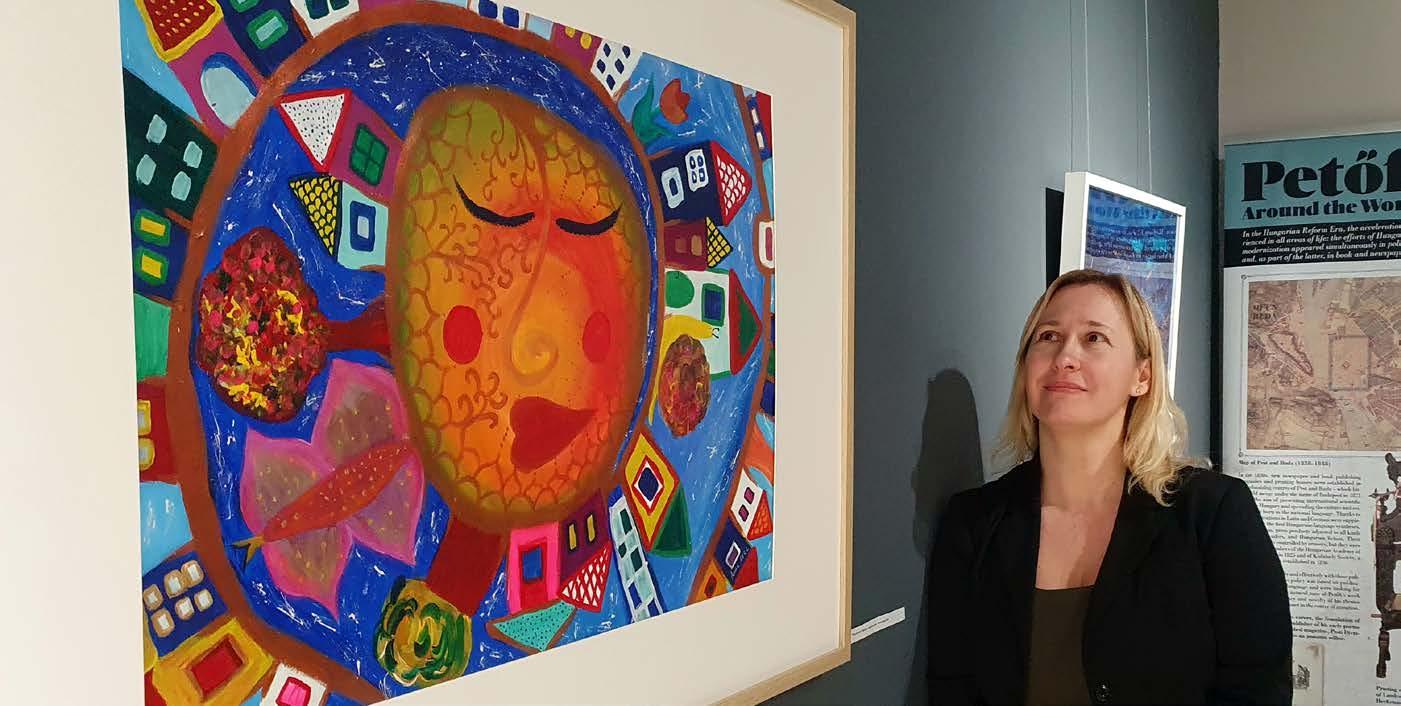
How do you define “healing” in the context of your art? Can you describe the process? How do you hope viewers or readers feel when they engage with your work? For me, healing is about remembering wholeness, not just fixing what feels broken. It is about accepting and allowing every part of who we are to exist fully, to take up space, and to breathe.
I hope viewers feel called to explore their own inner universe, and that by witnessing my process, they feel brave and free enough to follow their own inner guidance. An artwork I create is meant to spark curiosity about each new day, to remind us that there is always more to explore in life. The layers, colours, and energy embedded in the work act like hidden “light codes,” gently guiding viewers to reconnect with their own inner light and to trust in universal love once again.
Have you witnessed moments where your art directly contributed to someone’s emotional or spiritual transformation?
Do you believe art has the power to heal collective wounds – social, emotional, or even ancestral?
Yes, I deeply believe that art has the power to heal collective wounds and to help unveil hidden, trans-generational toxic patterns.
A painting on the wall is always more than just decoration – it carries vibration, sparks reflection, and provides the stillness and calm we all so deeply long for. In a hyperstimulated world like ours, an artwork that helps us ground ourselves or reconnect with our heart’s core is not a luxury, but a lifesaving necessity.
I am also blessed to witness many beautiful moments when painting has touched people directly. Through art, they experience surprising “aha” moments, find answers they’ve been seeking, and remember traumatic moments from their childhood –moments that help them understand their choices and adult experiences more clearly.
This is why I create – to hold space for
both personal and collective healing, and to remind us all of the quiet power art has to awaken insight, reflection, and transformation.
Recently you gifted a portrait of Queen Geraldine to the Maternity Home “Geraldine” in Tirana, Albania, in the context of the International Culture Week. What messages or energies did you aim to share through your art?
The painting was created as a gift to the Queen Geraldine Hospital, offered through the Queen Geraldine Foundation and the Hungarian Embassy.
At its heart is a mother holding her child –honouring maternity as something deeply sacred. For me, maternity is a sacred space where life and death meet for a brief moment, at the threshold of earthly life, when a soul arrives to begin its human journey.
The white roses in this painting are my humble tribute to Queen Geraldine. White roses have always carried a quiet magic – purity, innocence, and reverence – and to me, they also speak of grace, dignity, and gentle strength. They symbolize honour and remembrance, a way to celebrate a life that has left its mark on many hearts. In this work, they stand softly yet powerfully, as a gesture of respect, admiration, and the lasting beauty of a life well-lived.
The mother’s flowing hair carries the colours of the Albanian flag. Behind them stretches Albania’s landscape – from the sea, through valleys and mountains, into an eternal sunrise. To me, sunrise captures the pure essence of new beginnings – the life force from which everything is possible.
They symbolize honour and remembrance, a way to celebrate a life that has left its mark on many hearts. In this work, they stand softly yet powerfully, as a gesture of respect, admiration, and the lasting beauty of a life well-lived.
Around them, butterflies swirl like the souls that come to join this world – fragile and vibrant, full of promise and uniqueness.
Through this work, I hoped to share a message of love, reverence, and hope – to honour the sacredness of motherhood, celebrate life’s beginnings, and gently remind those who see it of the strength, grace, and beauty present in every new life.
What new directions or projects are you exploring now? How do you envision the evolution of art and healing in the coming years – and your role in that transformation?
My focus in the near future is publishing my book, which will serve as the foundation for further therapeutic workshops and presentations. I am also planning a major exhibition in December 2025 – my only public exhibition this year – where I will present artworks created over the past year that have never been shown before.
Looking ahead, I am confident that empaths and creative people like myself will gain more space and visibility. I aim to hold space for those willing to grow and heal, helping art become a bridge toward the collective healing our world so deeply needs.

“Let’s Be Receptive to Each Other’s Culture.”
The third stop of the 2025 tour series of Flaska Banda, an Hungarian folk music band, was Albania. They came in the context of the International Cultural Week of Hungary. The band performed Hungarian folk music and folk dance in Tirana and Vlora thanks to the support of the Embassy of Hungary in Tirana.
The head of the band, Csaba Vámosi, shares the ‘ins and outs” of his group with Trailblazing Magazine to understand better the philosophy of their work.
Full interview follows:
Can you tell us how your band was formed and what inspired you to blend Hungarian folk traditions with modern influences?
And how has your music evolved since the band’s early days?
We founded the Flaska Band 10 years ago, with the aim of bringing Hungarian folk music to as many places as possible in the world. We have learned a lot over the past years. There is a proverb: the palm tree grows under burden.
What role do traditional Hungarian melodies and dances play in your music identity?
I mostly listen to Hungarian folk music, but this is what I live in. I’m proud to be able to play such melodies and take them anywhere in the world
Were there specific folk masters, family traditions, or regional styles that shaped your sound?
Of course. Luckily, we could still meet and listen to the old musicians. So, we were able to preserve this style as well. We incorporated it into our own music.
How do you balance authenticity in folk traditions with the innovation of contemporary sounds?
The world is changing. It is full of stimuli and influences. Fortunately, Hungarian folk music is virtuoso and versatile. But it needs to be spiced up so that we can maintain interest until the end.
Can you describe your process of arranging or composing a new piece that fuses old melodies with modern elements? I place the greatest emphasis on the
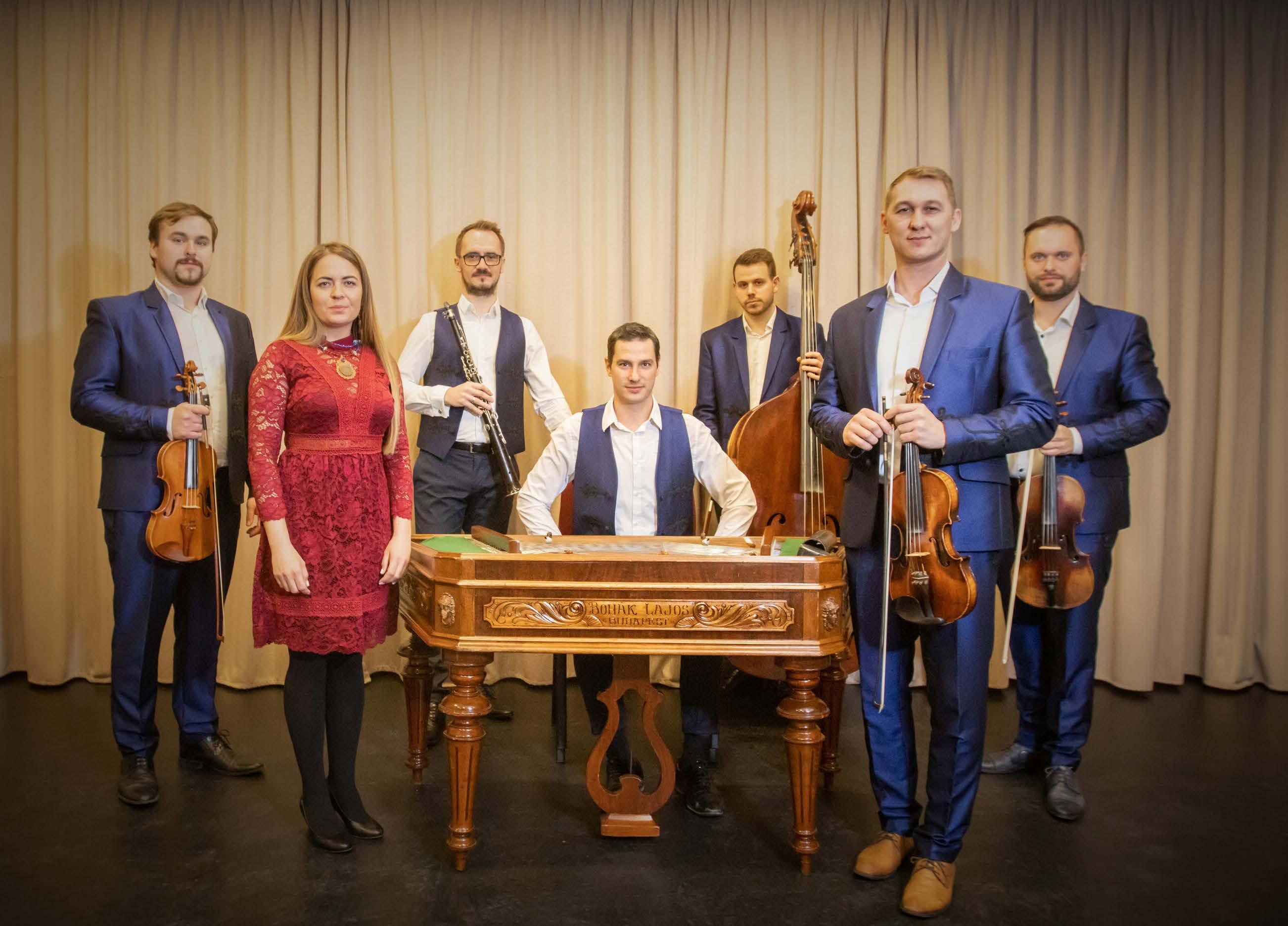
choice of melody and the choice of harmony and add modern elements, such as a violin solo, a new instrument, singers.
How will you define your band’s performances in Albania in the context of Hungarian Cultural Week ? What impressed you most? How does the audience’s reaction differ when you perform at home in Hungary compared to abroad? Abroad, everything works with the power of novelty. This happened here too. They started dancing what they felt. They smiled and took videos. They probably heard Hungarian folk music for the first time. This is a big responsibility, because you can only make a first impression once.
Why do you think Hungarian folk music remains so powerful and relevant today?
Because it is constantly evolving. Better and better musicians play it, you have more new ideas, more modern influence.
What message do you hope audiences—both Hungarian, Albanian and international—take away from your performances? To be receptive to each other’s culture. Let’s go to each other’s country and listen to their folk music and the music and the landscape will gain a new meaning.
Do you see your music as a way of preserving cultural heritage or as a way of reinventing it for new generations?
Both of them.
What’s the most memorable performance or collaboration your band has had so far?
It was a lot. One of them was in Colombia for at least two weeks. We performed in front of thousands of people. A huge success, we could hardly get off the stage. like the Beatles.
How important is the visual aspect—traditional costumes, dance, staging—in bringing your music to life?
Very important. People see before they hear.
What are the biggest challenges of keeping ancient traditions alive in today’s music industry?
To preserve the tradition and stay interesting among the many new styles and artists
How do younger audiences connect with folk-inspired music in the age of digital and pop trends?
We need to add some pop...
Are there any new projects, albums, or collaborations you’re especially excited about?
Our new album is being prepared and after 10 days we will travel to the Philippines and then to America
What’s your long-term vision for your band—where would you like to see it in 10 years?
I hope we will have another concert in Albania.
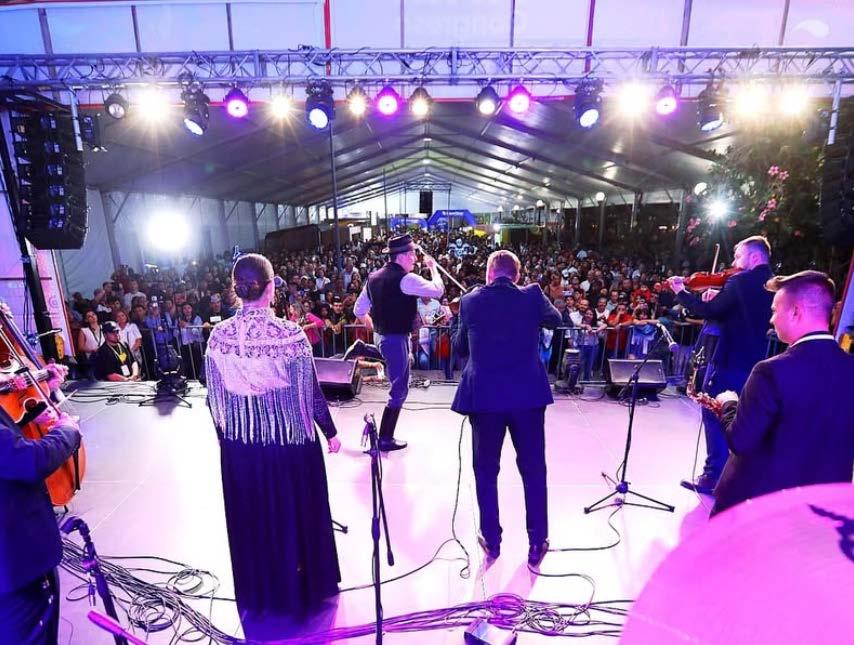
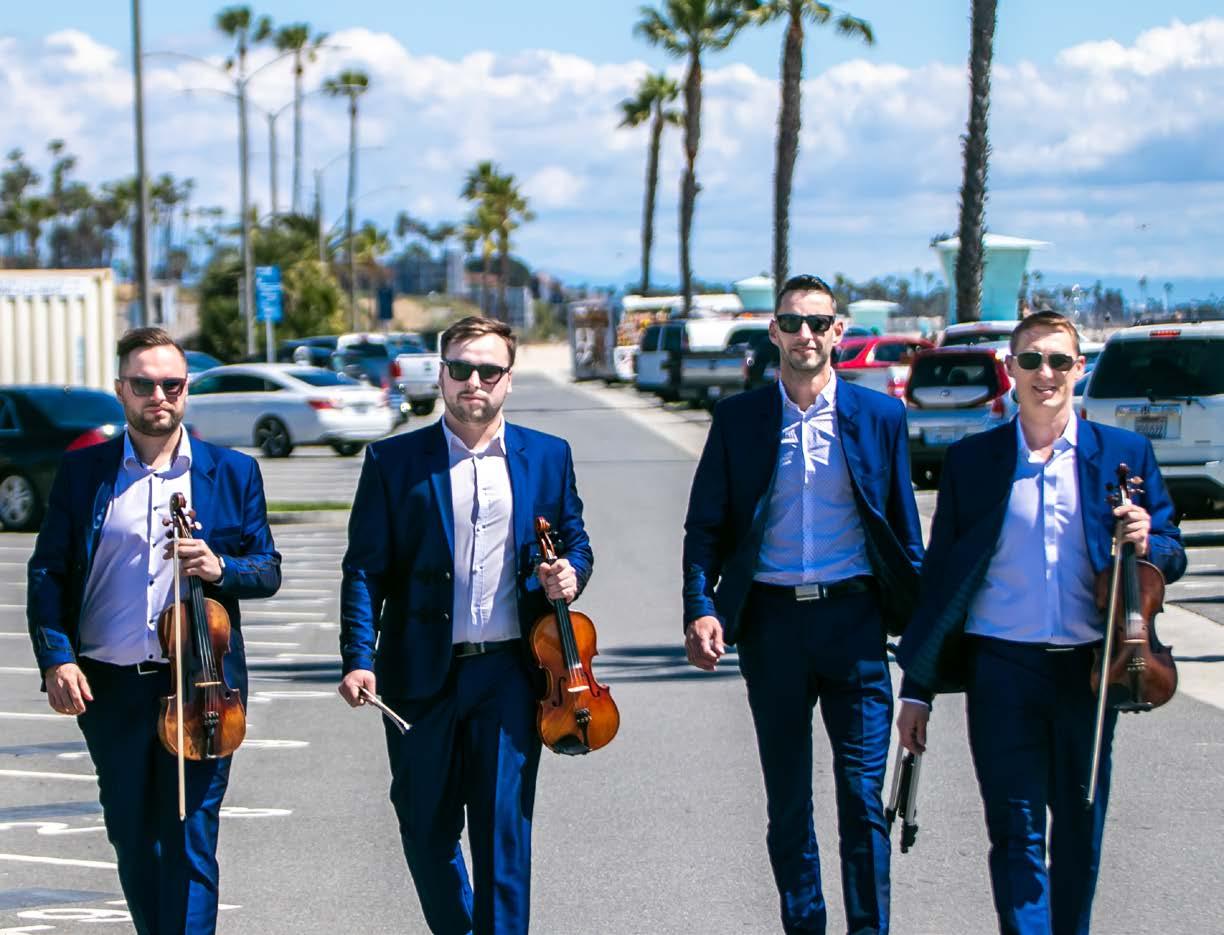
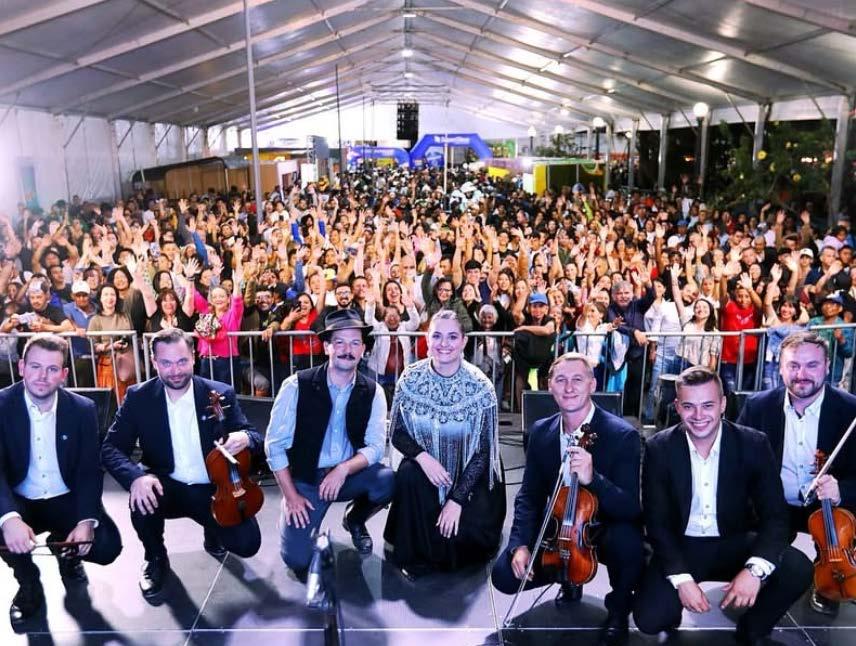
Climate change is making flights bumpier. Here’s how one airline is using AI to predict turbulence
Given that experts say climate change is making the skies bumpier, airlines are looking for ways to ensure passengers’ safety and comfort. One airline is turning to AI to help it predict when turbulence is going to hit its flights.

Each Scandinavian city offers its own special kind of winter magic, and Lufthansa takes you there, with easy access from the US to vibrant capitals like Copenhagen, Stockholm, and Oslo — plus all their nearby wonders, including quiet corners of the Arctic where shimmering ribbons of green and violet dance overhead during the aurora borealis, one of Earth’s most unforgettable shows. Here’s a taste of what awaits when you touch down in Scandinavia.
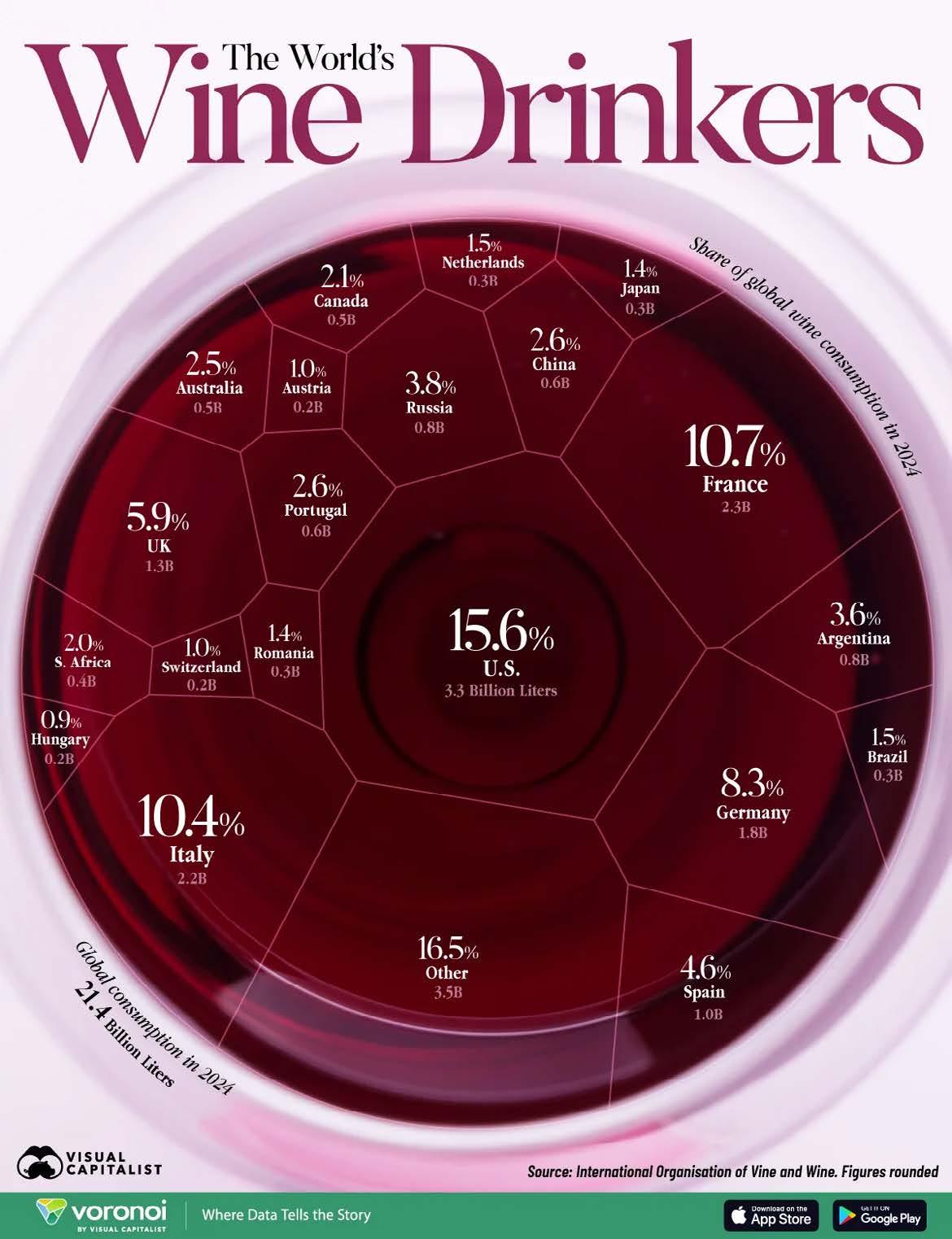
According to the International Organization of Vine and Wine (OIV), global wine consumption totaled roughly 21.5 billion liters in 2024, with just 10 countries accounting for more than 70% of that total. The United States tops the list at 3.33 billion liters, followed by
From snowy alpine views to festive sleeper cars, here are the best winter train journeys across Europe.
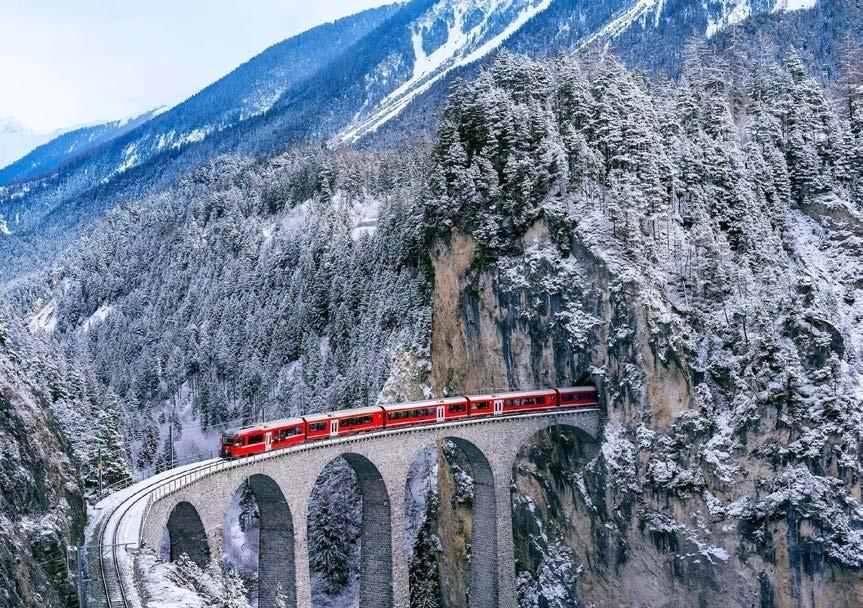
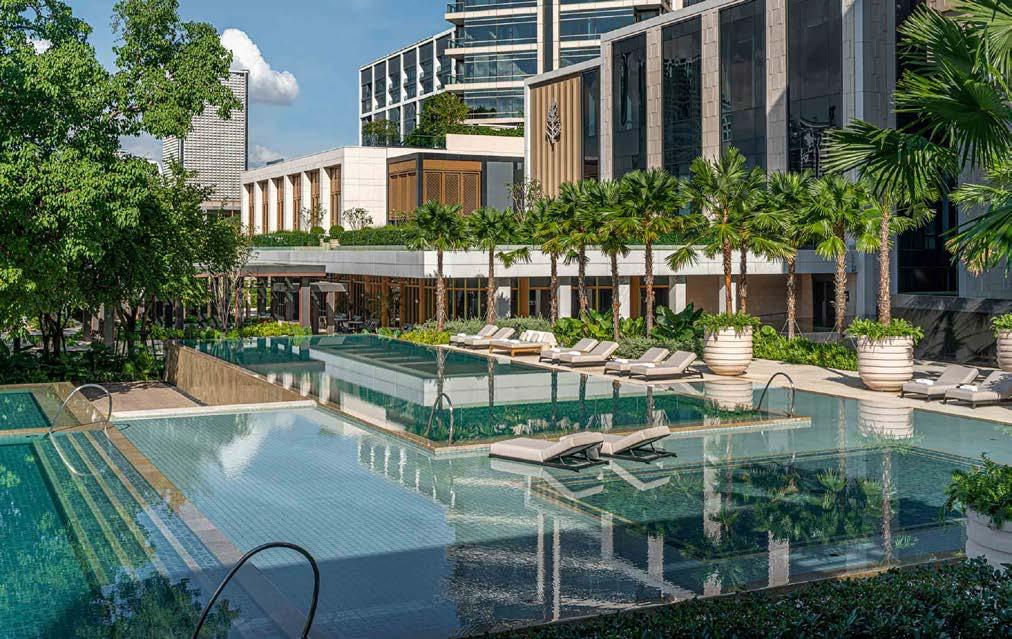
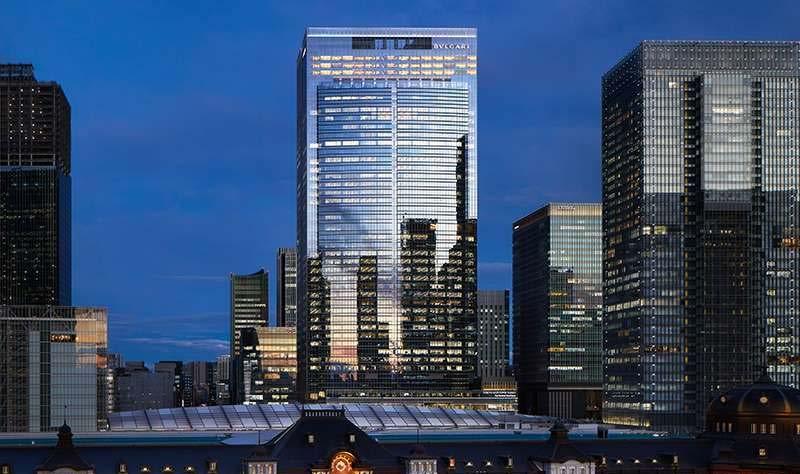
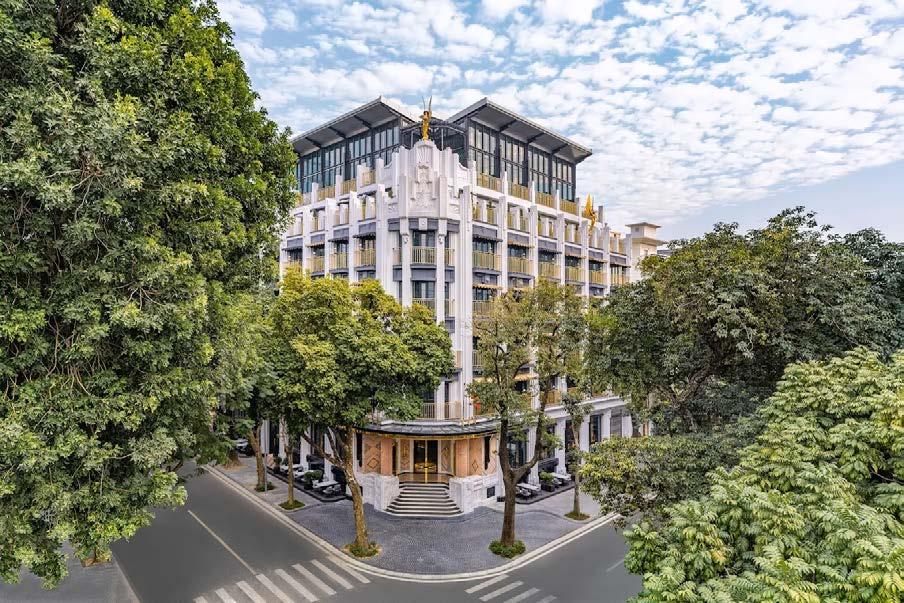

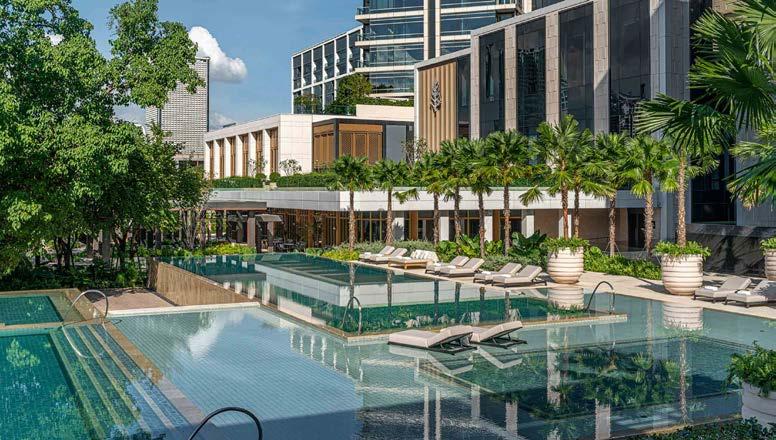

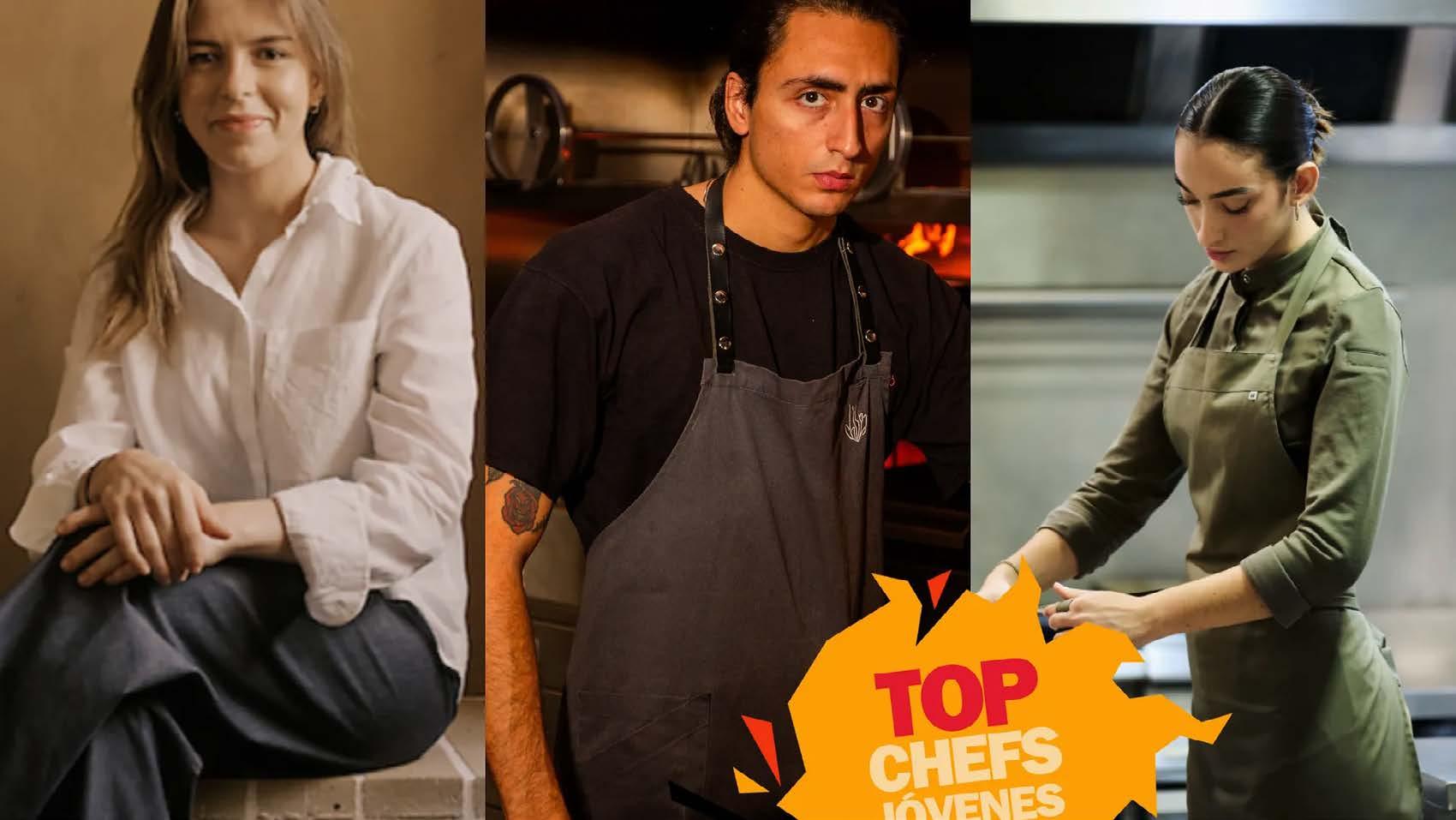
Time Out’s Best Young Chefs in Madrid right now
Madrid is Europe’s culinary capital, and these three restaurants are helmed by talented young chefs.
Natalie Puskinova
crowned Miss Earth 2025
21-year-old Marketing and PR student from Czech Republic is the grand winner of the 2025 Miss Earth crown, in a competition held in Manila
Natalie Puskinova, 21-yearold marketing and PR student from the Czech Republic…

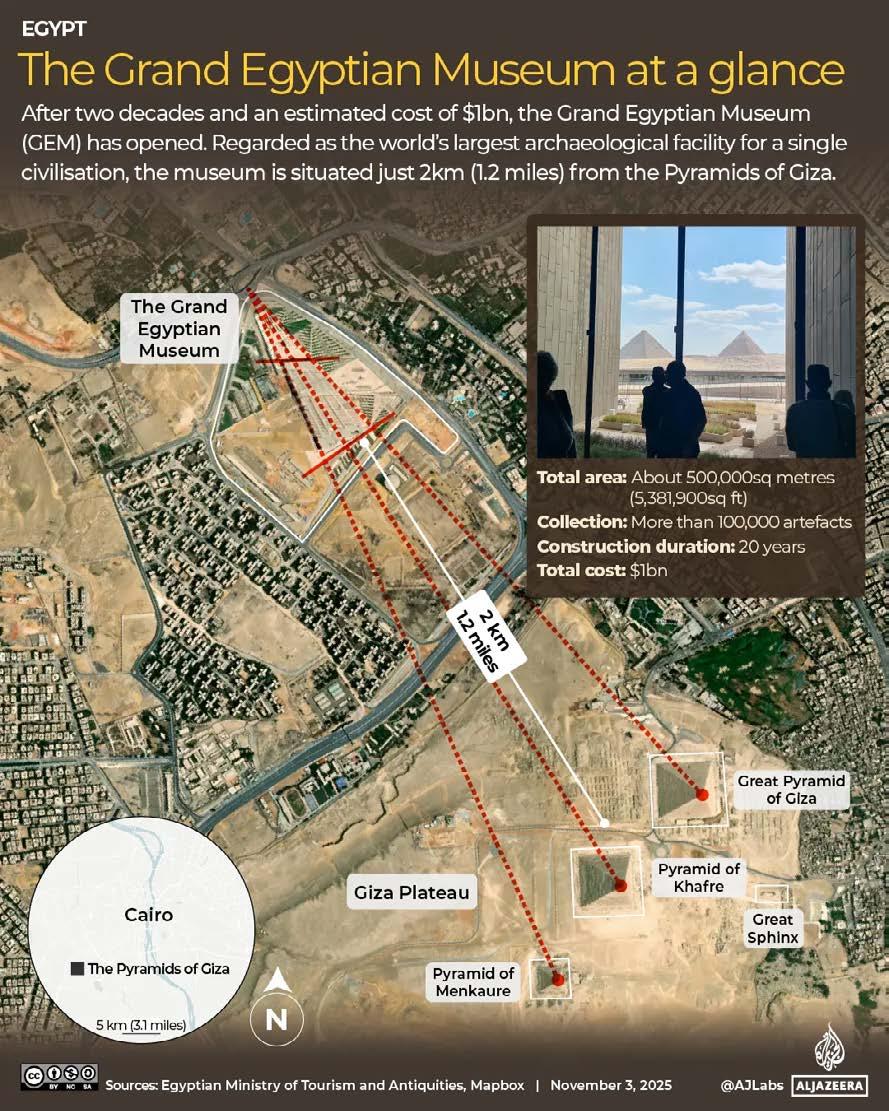
A look inside Egypt’s newly unveiled Grand Egyptian Museum
After two decades and an estimated cost of $1bn, the Grand Egyptian Museum (GEM) opened its doors to the public, just a few days after the official opening ceremony on November 1, 2025.
Regarded as the world’s largest archaeological facility for a single civilisation, the museum is located 2km (1.2 miles) from the pyramids of Giza and 8km (5 miles) from the capital, Cairo.