DIGITAL MARKETING Complete Guide to Digital Marketing Strategies, Channels & Analytics
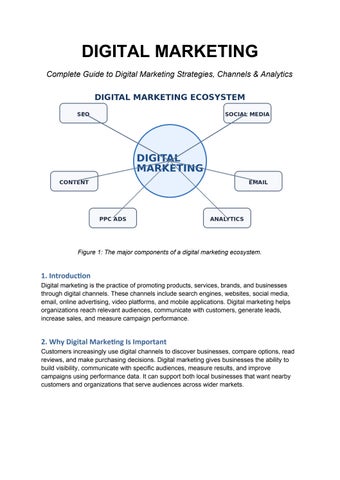
Figure 1: The major components of a digital marketing ecosystem.
1. Introduction Digital marketing is the practice of promoting products, services, brands, and businesses through digital channels. These channels include search engines, websites, social media, email, online advertising, video platforms, and mobile applications. Digital marketing helps organizations reach relevant audiences, communicate with customers, generate leads, increase sales, and measure campaign performance.
2. Why Digital Marketing Is Important Customers increasingly use digital channels to discover businesses, compare options, read reviews, and make purchasing decisions. Digital marketing gives businesses the ability to build visibility, communicate with specific audiences, measure results, and improve campaigns using performance data. It can support both local businesses that want nearby customers and organizations that serve audiences across wider markets.
3. Major Types of Digital Marketing ● Search Engine Optimization (SEO): Improving a website's organic visibility in search engines through relevant content, technical optimization, website structure, and authority-building activities. ● Search Engine Marketing (SEM/PPC): Using paid search advertising to reach people who are actively searching for relevant products or services. ● Social Media Marketing: Using social platforms to build awareness, publish content, engage audiences, generate traffic, and support conversions. ● Content Marketing: Creating useful articles, videos, guides, infographics, case studies, and other resources that attract and educate an audience. ● Email Marketing: Communicating with subscribers and customers through targeted email campaigns, newsletters, promotions, and lead-nurturing sequences. ● Affiliate Marketing: Working with partners who promote products or services and may receive compensation for qualified sales or leads. ● Influencer Marketing: Collaborating with creators or industry personalities to introduce products and services to relevant audiences. ● Local Digital Marketing: Improving online visibility for location-based businesses through local search optimization, business listings, reviews, and location-focused content.
4. Search Engine Optimization and the Customer Journey SEO helps businesses become easier to discover when people search for information, products, or services. A strong SEO strategy generally combines useful content, keyword research, technical website improvements, internal linking, a good user experience, and trustworthy external signals. The goal is not only to attract visitors but also to guide relevant visitors toward meaningful actions.
Figure 2: A simplified SEO and customer journey.
5. Social Media Marketing and Analytics Social media marketing can help businesses build awareness, communicate with audiences, share content, and encourage engagement. Analytics are essential because they show which content and campaigns are producing useful results. Marketers can track reach, engagement, clicks, leads, conversions, and other relevant measures, then use the information to improve future campaigns.
Figure 3: Social media activity connected with campaign measurement.
6. Digital Marketing Strategy 1. 2. 3. 4. 5. 6. 7. 8.
Research the market, competitors, customers, and existing online presence. Define clear objectives such as awareness, website traffic, leads, sales, or engagement. Identify the target audience and understand their needs, search behavior, and interests. Choose the most appropriate marketing channels and create a realistic budget. Develop useful content and creative assets for each stage of the customer journey. Launch campaigns and make sure conversion tracking is configured correctly. Measure performance using relevant metrics and reports. Test and optimize campaigns continuously based on reliable data.
7. Important Digital Marketing Metrics Metric Impressions Click-Through Rate (CTR) Conversion Rate Cost Per Click (CPC) Cost Per Acquisition (CPA) Return on Ad Spend (ROAS) Engagement Rate
Meaning How often content or an advertisement is displayed. The percentage of impressions that result in clicks. The percentage of users who complete a desired action. The average cost of an advertising click. The average cost of obtaining a defined conversion. Revenue attributed to advertising compared with advertising spend. Measures audience interactions such as likes,
comments, shares, saves, or similar actions.
8. Benefits of Digital Marketing ● Wider reach: Businesses can reach local, regional, national, or international audiences. ● Audience targeting: Campaigns can be tailored to specific customer segments. ● Measurable performance: Digital channels provide detailed performance information. ● Flexible budgets: Spending can be adjusted according to objectives and results. ● Direct engagement: Customers can interact with brands through comments, messages, reviews, and other channels. ● Continuous improvement: Campaigns can be tested and optimized rather than treated as fixed activities.
9. Role of a Digital Marketer A digital marketer plans, executes, monitors, and improves online marketing activities. Depending on the role, responsibilities may include SEO, social media, content marketing, paid advertising, email campaigns, local search optimization, website coordination, analytics, conversion optimization, and reporting. The role combines creativity, communication, technology, and analytical decision-making.
10. Best Practices ● Put audience needs and search intent at the center of content planning. ● Make websites mobile-friendly, easy to navigate, fast, and accessible. ● Use clear calls to action and simple conversion paths. ● Maintain consistent and accurate business information online. ● Use trustworthy data when evaluating campaign performance. ● Test different creative approaches and landing pages when appropriate. ● Respect privacy, advertising requirements, and platform policies.
11. Conclusion Digital marketing is a broad and continuously developing field that connects businesses with audiences through online channels. SEO, social media, content, email, paid advertising, local marketing, and analytics can work together as part of an integrated strategy. The strongest approach is to choose channels based on business goals and audience behavior,
provide useful experiences, measure meaningful outcomes, and continually optimize performance.