Annual 2026 Report
THE BLUE CENTER FOR GLOBAL STRATEGIC ASSESSMENT
THE BLUE CENTER FOR GLOBAL STRATEGIC ASSESSMENT
Dear Readers,
As
And if techno-optimisim or isolationist trends had given rise to any doubt about the continued need for dedicated security studies, this year’s events have been a clear demonstration to the contrary. Significant American military activity in the Caribbean Sea, Venezuela, and Iran; persistent and increasingly violent Russian grey zone activity across Europe; border skirmishes between China and India, Afghanistan and Pakistan, Thailand and Cambodia—all testify to the enduring need for policymakers who appreciate the role of conflict in global affairs, and academics who understand it.
This year’s programming at the Blue Center reflected the diversity of the year’s security policy challenges. The Center convened senior officials, military leaders, diplomats, intelligence professionals, and scholars from across the United States and abroad. Our events addressed topics including China’s role in American strategy, the war in Ukraine, AI and cybersecurity, defense innovation, economic sanctions, and the changing structure of global alliances and supply chains.
One of the hallmarks of the year was the steady expansion of the Blue Center’s roster of practitioners teaching official courses at Yale.
“Across our events, conferences, and affiliated courses, Yalies have consistently demonstrated a serious interest in questions of security and strategy. They have asked difficult questions, pursued ambitious research agendas, and contributed to a growing intellectual community centered on security studies.”
The Center welcomed General (retired) Timothy Haugh, former Commander of U.S. Cyber Command and Director of the National Security Agency, as a Blue Senior Fellow. General Haugh taught courses in both the fall and the spring semesters and engaged extensively with students on questions related to intelligence and cyber operations.
“One
In the spring semester, Doug Beck, the former Director of the Defense Innovation Unit, and Brian Driscoll, the former Acting Director of the Federal Bureau of Investigation, also taught courses at Jackson as Blue Center affiliates. Together, these leaders brought decades of senior experience across the military, intelligence, law enforcement, and technology sectors into Yale classrooms. Their presence reflected the Blue Center’s continuing commitment to connecting students directly with those who have operated at the highest levels of government.
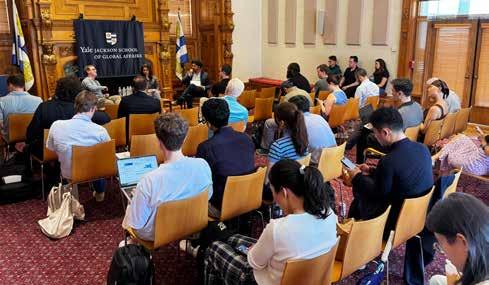
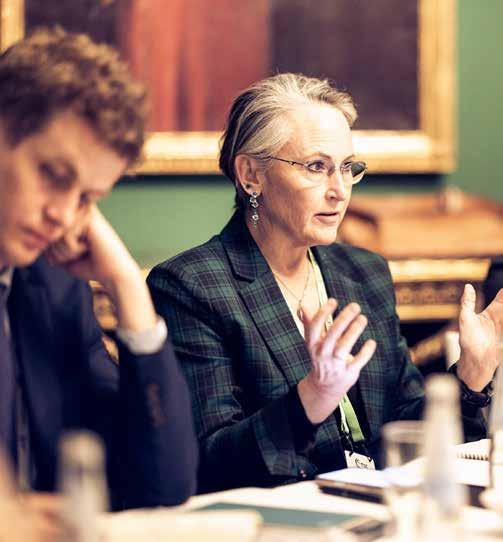
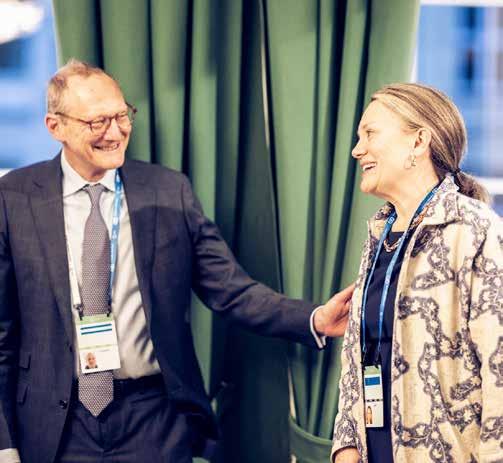
We were honored to host multiple high-profile guests throughout the year. This newsletter features visits by Ambassador William J. Burns, former Director of the Central Intelligence Agency, and Kristrún Frostadóttir, the Prime Minister of Iceland and an alumna of the Jackson School. But so many others also came for a day or two to give a “Co-Lecture in the Theory and Practice of Statecraft,” offer a career talk, or guest-lecture in a Blue Centeraffiliated course.
At the same time, the Center continued expanding its support for research. We funded two new faculty research initiatives and provided grants that enabled students to pursue research projects, archival work, language study, and international travel connected to
their academic interests. Increasingly, the Blue Center is not only a venue for discussion, but also an engine for original scholarship and professional development across the university.
Perhaps most encouraging has been the enthusiasm of Yale’s students.
Across our events, conferences, and affiliated courses, Yalies have consistently demonstrated a serious interest in questions of security and strategy. They have asked difficult questions, pursued ambitious research agendas, and contributed to a growing intellectual community centered on security studies. The Blue Center was founded to support precisely this kind of engagement, and it has been gratifying to watch that community continue to expand.
We remain, in many respects, at the beginning. The challenges confronting democratic societies and the international system are profound, and universities have an important
role to play in preparing future leaders to think carefully and historically about them. Yale has long possessed extraordinary strengths in the study of military history, intelligence, international politics, economics, and law. The Blue Center’s role is to help carry forward those traditions, support new work, and create opportunities for collaboration across disciplines and professions.
Thank you for your interest in the work of the Blue Center, and for supporting security studies at Yale.
Sincerely,

PHIL KAPLAN Executive Director, Blue Center
for Global Strategic Assessment, Yale Jackson School of Global Affairs
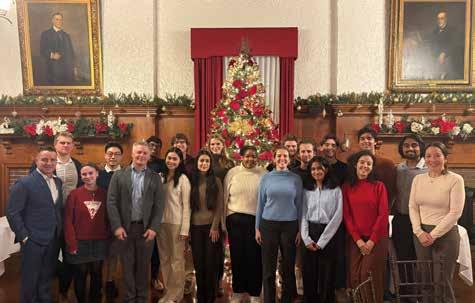
In its second year, the Blue Center team expanded to include additional practitioners in both teaching and research roles.
SENIOR FELLOWS

THERESA MAY
Theresa May, Baroness May of Maidenhead, served as Prime Minister of the United Kingdom from 2016 to 2019. She previously served as Home Secretary, from 2010 to 2016, and was a Member of Parliament from 1997 to 2024. In her time as prime minister, May led the UK through some of the of the most consequential events in Britain’s recent geopolitical history, including delivery of the formal notification of the UK’s intention to leave the European Union and the coordination of responses to multiple incidents of international and domestic terrorism on British soil. She teaches a course titled “Democracy in a Changing World.”


TIMOTHY HAUGH
General (Ret.) Timothy Haugh served for 34 years in the U.S. Air Force, culminating in his assignment as the Commander of U.S. Cyber Command and the Director of the National Security Agency. A career intelligence officer, Gen. Haugh commanded at the squadron, group, wing, numbered air force, and joint levels. In his final assignment, he was the national manager for all federal government national security systems and led all cyber operations at the Department of Defense. He teaches a course titled “Spies, Cyber, and Statecraft.”
BRIAN DRISCOLL
Brian Driscoll served for 18 years in the Federal Bureau of Investigation, including being assigned as the interim Director of the Bureau in 2025. Driscoll spent much of his career as an operator on the FBI’s elite Hostage Rescue Team, which he eventually commanded. He is the recipient of both the FBI Medal of Valor and the FBI Shield of Bravery, and over the course of his career he participated in multiple hostage rescues, extraditions, and other overseas operations with foreign policy implications. He teaches a course titled “U.S. Law Enforcement in Foreign Affairs.”
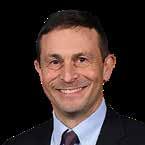
Doug Beck served from 2023 to 2025 as the Director of the Defense Innovation Unit. In that role, he reported directly to the Secretary of Defense and oversaw the acceleration of commercial technology adoption throughout the U.S. military. Prior to joining DIU, Beck was a vice president at Apple, reporting directly to CEO Tim Cook for 13 years, from 2009-2023. A captain in the U.S. Navy Reserve, Beck served in Iraq and Afghanistan from 2006-2007 with a joint special operations task force. He has also served extensively throughout the Asia-Pacific region. He teaches a course titled “Accelerating Defense Innovation.”
SENIOR RESEARCH FELLOWS

DEBORAH CURTIS
Deborah Curtis, who served as Deputy General Counsel at the Central Intelligence Agency and worked as a national security lawyer for over two decades at the Department of Justice and other agencies, is writing about the history of foreign extraditions, captures, and extraordinary renditions.
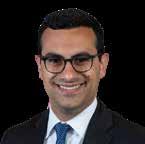
NAZ EL-KHATIB
Naz El-Khatib, who served as Senior Advisor to the Deputy Secretary of State and Deputy Chief of Staff for Policy at the Development Finance Corporation, is writing a book about how different countries capitalize on their various national strengths to generate power and influence in foreign affairs.

MIKE GALLAGHER
Mike Gallagher, who served as the U.S. Representative for Wisconsin’s 8th congressional district and is currently head of defense at Palantir Technologies, is writing a book about President Eisenhower’s statecraft, the armistice that ended the Korean War, and the implications for how we think about ending conflicts today.
LAURA TAYLOR-KALE
Laura Taylor-Kale, who served as the Assistant Secretary of Defense for the Defense Industrial Base, is writing a book on the venture capital-backed defense technology industry, with a focus on the emerging economic and geopolitical dynamics that drive investment in and the growth of tech disruptors in national security.

The United States raised its average tariff rate from 2.4% to 9.6% in 2025 — the highest level of protectionism in eighty years — but the aggregate welfare impact on the American economy has been surprisingly modest, according to a new research supported by a Blue Center Faculty Research Initiative led by Professor Amit Khendelwal.
In a paper prepared as part of the Brookings Papers on Economic Activity and presented at the Brookings Institution in March, Khandelwal and his co-author, Pablo Fajgelbaum of UCLA, analyzed trade data through December 2025 to assess whether the tariffs achieved their stated goals. They found that while the tariffs succeeded at raising federal revenue and sharply reducing imports from China, many of their other objectives — lowering before-tariff import prices, reducing the trade deficit, promoting manufacturing jobs, and reshoring strategic sectors — remain unmet or uncertain based on the evidence available so far.

“While the 2025 tariffs’ net impact on aggregate welfare is small, that small number hides very large gross transfers from consumers to domestic producers and government coffers.”
FEATURED
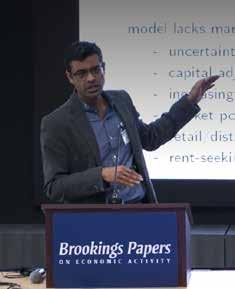
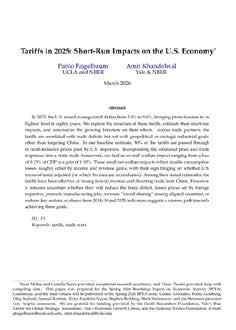
Among the paper’s key findings, the tariffs passed through to prices paid by U.S. importers at a rate of roughly 90%, meaning American buyers absorbed the large majority of the cost rather than foreign exporters.
However, two features contribute to a muted overall effect on the economy: the majority of U.S. imports still entered the country duty-free as of December 2025, and there have been limited retaliations by U.S. trading
partners outside of China. For example, the authors simulated a scenario in which every country retaliates in kind and found that U.S. real income would fall by 0.34% — more than wiping out any potential terms-of-trade gains.
Nevertheless, the small overall effect masks large transfers within the economy. “While the 2025 tariffs’ net impact on aggregate welfare is small — somewhere between a loss of 0.13% of GDP and a gain of 0.10%,” said Khandelwal, “that small number hides very large gross transfers from consumers to domestic producers and government coffers.”
The paper also highlighted that the government collected $264 billion in customs revenue in 2025 — more than three times the 2024 total — and China’s share of U.S. imports fell from 23% in 2017 to just 7% by December 2025, a trend the authors show was causally driven by the tariffs. However, the authors found no evidence that the resulting trade reallocation favored countries geopolitically aligned with the United States, and no systematic pattern in the tariff structure consistent with reshoring advanced or strategically important sectors.
The paper also examined the literature studying the 2018–19 tariff hikes which has found no employment gains in the most protected manufacturing industries. Meanwhile, the higher cost of imported goods disproportionately hurt lower-income households, who spend a larger share of their budgets on tariffed products.
“It is important to think carefully about what these tariffs were designed to do, and whether all stated goals can be achieved simultaneously,” said Khandelwal.
The paper identifies several open research questions for the field, including how businesses will manage ongoing policy uncertainty, what the long-term effects will be on investment and productivity, whether bilateral trade agreements negotiated in 2025 will meaningfully improve access for U.S. exporters, and how tariffs should be analyzed alongside other trade policy instruments such as export controls and production subsidies.
“It also remains to be seen whether the tariffs will reduce the trade deficit, lower before-tariff import prices, promote manufacturing jobs, or reshore key sectors,” the authors write. “Based on the ex post analysis of the 2018-19 tariffs and indications from 2025 so far, these objectives seem difficult to achieve simultaneously.”
In addition to research initiative funding from the Blue Center, the authors received support from the Smith Richardson Foundation, the Yale’s Economic Growth Center, and the National Science Foundation.
FEATURED STUDENT RESEARCH PROJECT:
KEITH PEMBERTON,
YC ’27
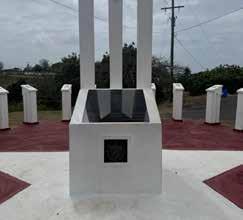
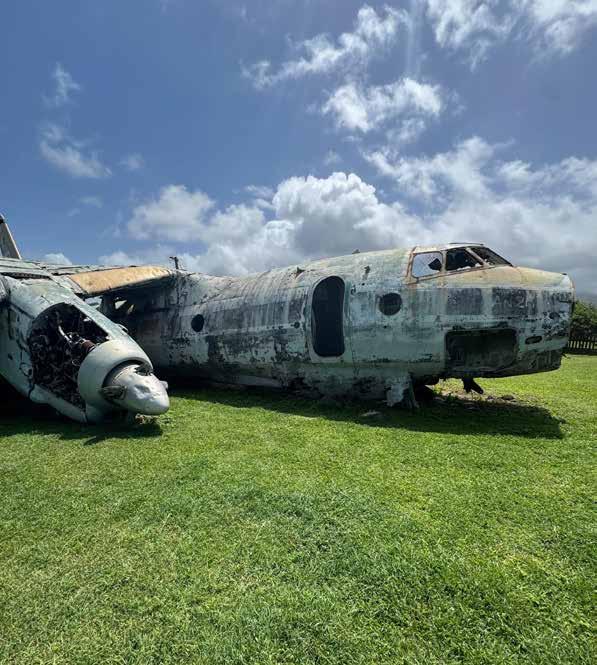
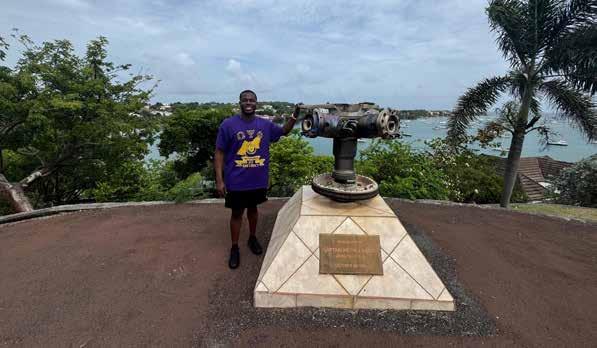
“I conducted immersive field research on Operation Urgent Fury, the 1983 U.S. military intervention framed as an effort to restore democracy and counter Cuban influence.”
“Widely considered one of the most significant Cold War interventions affecting the Black diaspora, the operation offers valuable insight into U.S. foreign policy in the postcolonial Caribbean.
While in St. George’s, I visited key historical sites and engaged with local narratives that complicated conventional understandings of the intervention. My research included archival work and informal interviews with individuals who experienced the revolution and its aftermath firsthand.
This experience deepened my understanding of how Cold War geopolitics intersected with revolutionary movements in the Global South. It also shaped the direction of my prospective senior thesis, which will examine the cultural and political legacies of Cold War interventions across the Caribbean and their long-term impact on postcolonial statehood.”
FEATURED STUDENT RESEARCH PROJECT:
HENRY JACOB, PHD
’29
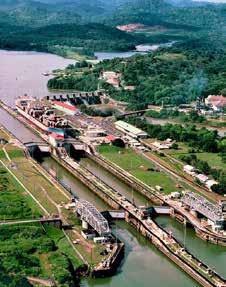
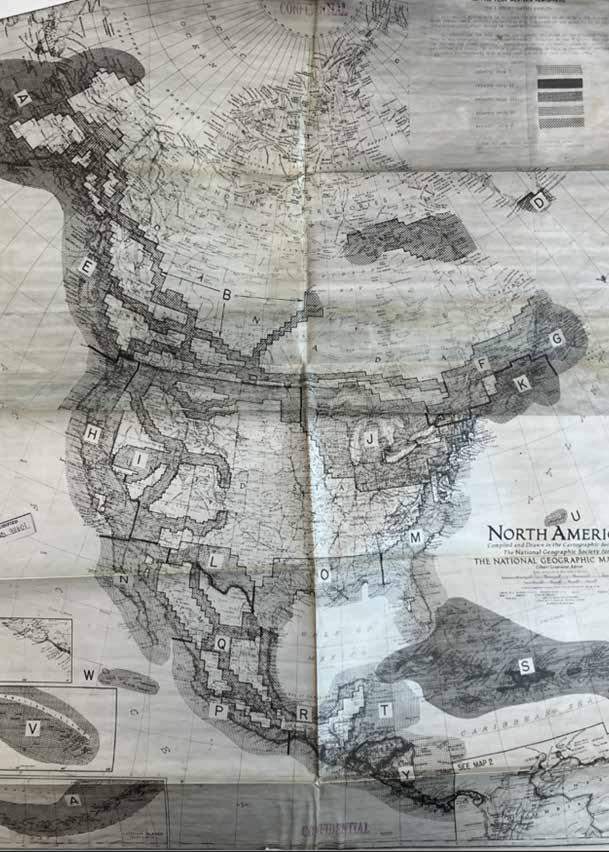
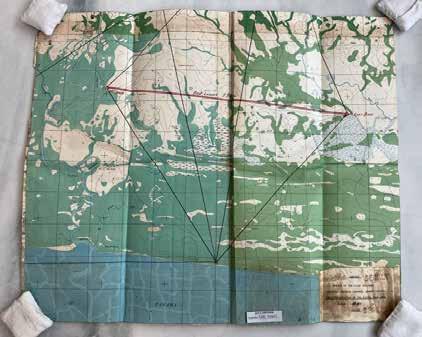
“Thanks to the Blue Center Short-term Research Award, I conducted crucial research over two weeks at the National Archives in College Park, Maryland.”
“I scrutinized over fifty archival boxes that will be key to my dissertation. I have categorized the findings from my trip into three thematic divisions. First, I studied the origins and evolution of the Inter-American Geodetic Survey, a program founded in the wake of World War II and housed in Panama that sought both to map the Americas and to enhance Latin American nations’ cartographic institutions. Second, I analyzed the international efforts to contain an outbreak of sylvatic yellow fever in Panama starting in 1949. Third, I delved into a series of everyday and high-level conflicts underlying the Panama Canal Treaties and handoff during the late twentieth century.”
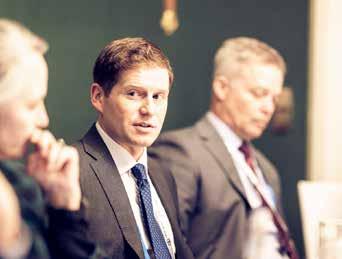
“The Blue Center partnered with NATO’s Allied Special Operations Forces Command (SOFCOM) to convene senior defense and intelligence leaders for a discussion on countering Russian grey zone activity during a side event at the 2026 Munich Security Conference (MSC).”
The private, off-the-record session, titled “Eminence in the Grey Zone: Countering Russian Activity Below the Threshold of War,” brought together MSC attendees from across the U.S. and Europe to discuss how to effectively respond to Russian activities in the ambiguous space between peace and war — and specifically what role military special operations forces might have to play in that effort.
The event followed research conducted at SOFCOM and NATO headquarters. SOFCOM representatives participated in the event and solicited feedback on how their capabilities might better integrate into broader NATO and national deterrence efforts. Other participants included intelligence and cyber security leaders from NATO nations, a senior official from the European Border and Coast Guard Agency (FRONTEX), and members of the broader think tank and policy communities.
The Blue Center added two new faculty research initiatives during the 20252026 academic year:
CHINA’S GLOBAL INFLUENCE OPERATIONS INITIATIVE

DANIEL MATTINGLY
Associate Professor of Political Science
As China’s economic, political, and military footprint has expanded, the Chinese Communist Party (CCP) has invested heavily in efforts to influence the global public. These influence operations are a core instrument of statecraft — they build support for China’s rise, weaken narratives about the costs of China’s authoritarian political system, sow domestic political division in China’s adversaries, and create a less hostile international environment for the CCP.
This proposal advances a multi-year research agenda on China’s global influence operations. It builds on my prior research on this topic, which has focused on Chinese state-run global
media, public diplomacy, and TikTok. The conventional wisdom has been that Chinese influence operations are clumsy and ineffective. By contrast, my research has shown how these operations are remarkably persuasive, with different messaging strategies tailored to different audiences around the globe.
With support from the Blue Center for Global Strategic Assessment, I will continue and expand on this research agenda on influence operations and Chinese statecraft. The award will fund a multi-year project on how Chinese AI technology is being used to shape global opinion and to influence politics in democratic countries.
BOSNIA AND HERZEGOVINA’S EU AND NATO ACCESSION INITIATIVE

CATHERINE PANTER-BRICK
Bruce A. and Davi-Ellen Chabner
Professor of Anthropology, Health, and Global Affairs
Since 2025, we have engaged state officials, municipal leaders, and university partners in Sarajevo through workshops and policy dialogue that examine the conditions under which civic dynamics and institutional coordination affect reform credibility (Nurkić, Panter-Brick, Simon, et al. 2025). In parallel, engagement with senior political actors and the University of Luxembourg–led CONSENT BiH project situates this

DAVID SIMON
Assistant Dean for Graduate Education, Senior Lecturer in Global Affairs
work within ongoing debates on constitutional engagement, citizen preferences, and feasibility constraints.
This project will add a way to connect these Sarajevo-based insights to the external side of accession statecraft. We will use structured conversations with accession-relevant interlocutors in Washington, London, Brussels, and Geneva, building on established relationships through MBHEC and
related U.S. policy channels, UK FCDO security-focused contacts, and diplomatic networks in multilateral settings. These conversations will be used to ground-test how specific reform signals are read, what concerns they trigger, and which sequencing and communication choices increase confidence.
There are now multiple courses being taught at Yale each semester, made possible entirely by the Blue Center and its ability to bring world-class partitioners to the University as instructional faculty.

Nations invest heavily in intelligence and cyber capabilities. Historically, intelligence and cyber activities have occurred in the shadows; following 9/11 these operations have become increasingly public. How nations employ these capabilities has tremendous consequences economically, diplomatically, and militarily. The goal of this course is to prepare students
to think critically about the use of intelligence and cyber capabilities and the consequences of their use for militaries, nations, and their citizens. Drawing on a diverse set of narrative, historical, legal, and other sources, the course examines the policy and civil liberties implications surrounding the use of intelligence/cyber capabilities as a critical part of warfare and statecraft.
This course examines the evolution of defense innovation in the United States and its allies and partners over the last fifteen years, and particularly efforts to leverage commercially derived technology and rapid technology development cycles in areas such as artificial intelligence, autonomy, space, biotechnology, energy, cyber/ telecom, and advanced manufacturing for national security. We examine the origins and imperative for
approaches and threats, and the critical role of allies and partners. The course also provides students with the opportunity to explore remaining barriers, current efforts at reform, and potential solutions. Perspectives from current practitioners across the military, policy and legislative, and defense-tech sectors are incorporated, including through selected guest speakers.
The role of U.S. law enforcement in international affairs has matured immensely since WWII, with several inflection points that have informed the persistent evolution of its responsibilities and desired outcomes. Collaboration between U.S. law enforcement agencies and strategic foreign partners has been, and remains, nuanced and complex, heavily impacted by shifting geopolitical environments, competing priorities within the global interagency community, and often requiring a whole-of-government approach. Impactful U.S. law enforcement international operations require outside-the-box thinking, fluency in legal authorities, and sensitivities to the asymmetrical and unpredictable variables unique to any geographical region in which one operates.



transformation in this arena, critical areas of tech and their impact, related policy and acquisition/procurement tools and structural reforms, the intersection between the Department of Defense (or “War”) and Congress, the evolution of the defense tech ecosystem’s founders and funders, operational integration and the perspective from the warfighter, lessons from the war in Ukraine and other recent conflicts, adversary
The goal of this course is to prepare students to think critically about the responsible leveraging of U.S. law enforcement, in partnership with the broader U.S. intelligence community and foreign partners, to hold responsible those who have committed criminal acts in violation of U.S. federal law. This course explores real-world investigative and operational scenarios ranging from counternarcotics, counterterrorism, counterintelligence, crisis negotiation, and hostage rescue matters, analyzing each in search of more creative and efficient solutions, as criminal and terrorist enterprises continue to be a pacing global threat.
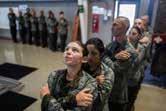
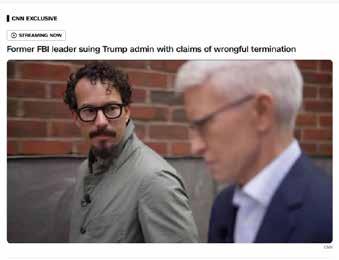
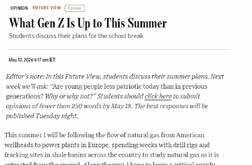
1: Laura Taylor-Kale advocated for the reauthorization of the Defense Production Act in Barron’s. 2: Yale rising
a
of the
Center Short-Term Research and Travel Award for summer 2026, was profiled in the Wall Street Journal, explaining how he would use his funding to explore the natural gas supply chain. 3-4: Gen. (Ret.) Timothy Haugh appeared on 60 Minutes and wrote an op-ed in The New York Times warning of China’s cyber efforts to target U.S. infrastructure.
Anderson
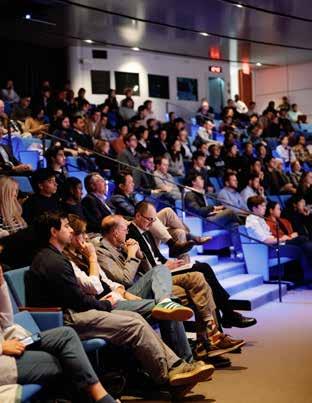
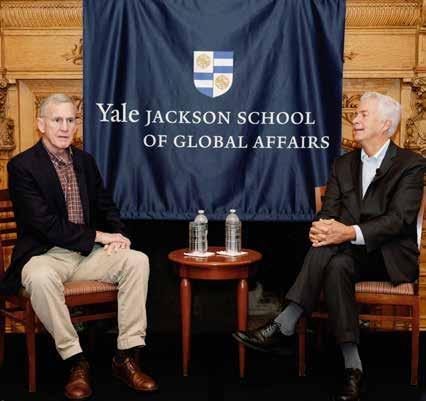
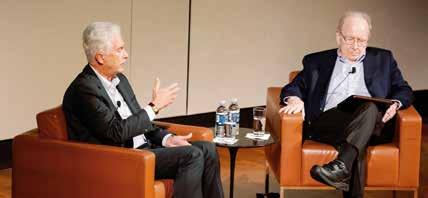
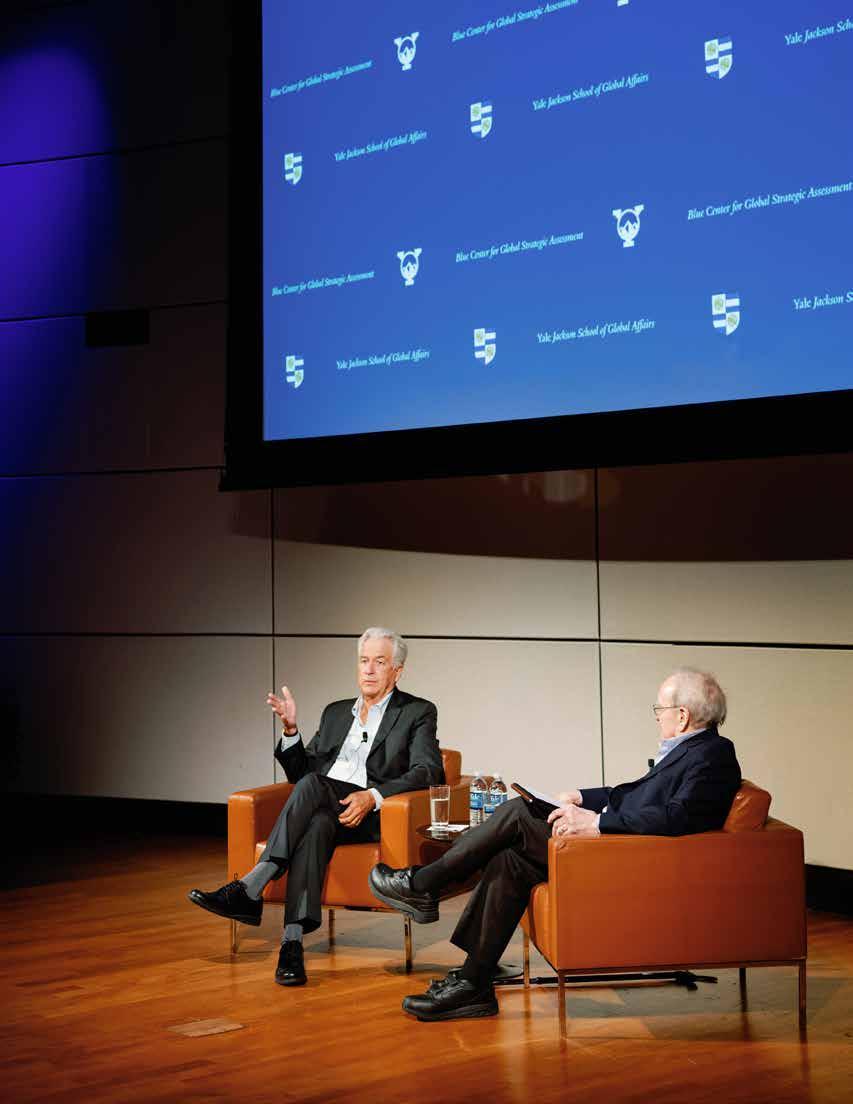
The Blue Center was honored to host Ambassador William J. Burns, the 8th Director of the Central Intelligence Agency and former Deputy Secretary of State, for a series of speeches at Yale. Professor John Gaddis conducted an interview of Ambassador Burns focused on the role of intelligence in statecraft. Ambassador Burns then sat with Gen. (Ret.) Stan McChrystal for a fireside chat about the importance of character in public affairs.
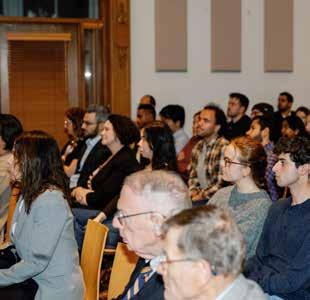
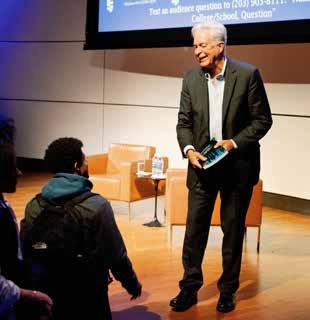
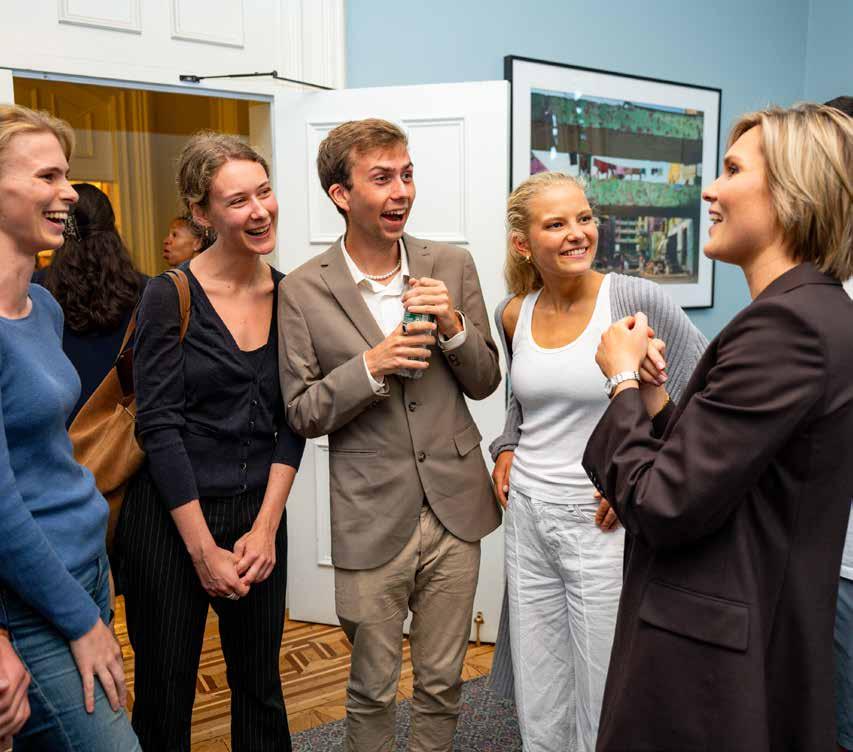
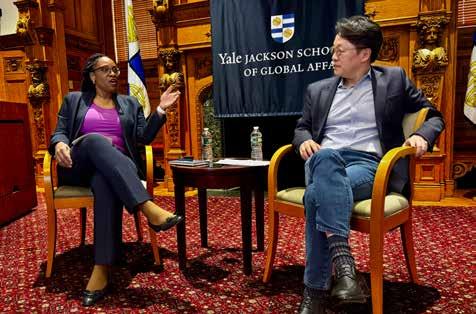
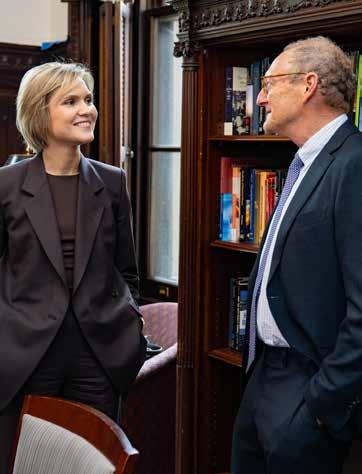
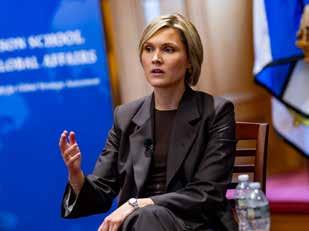
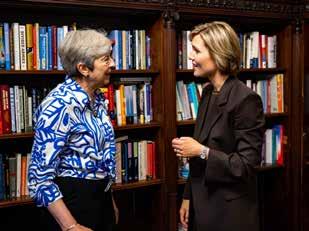
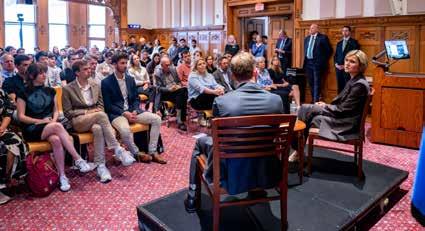
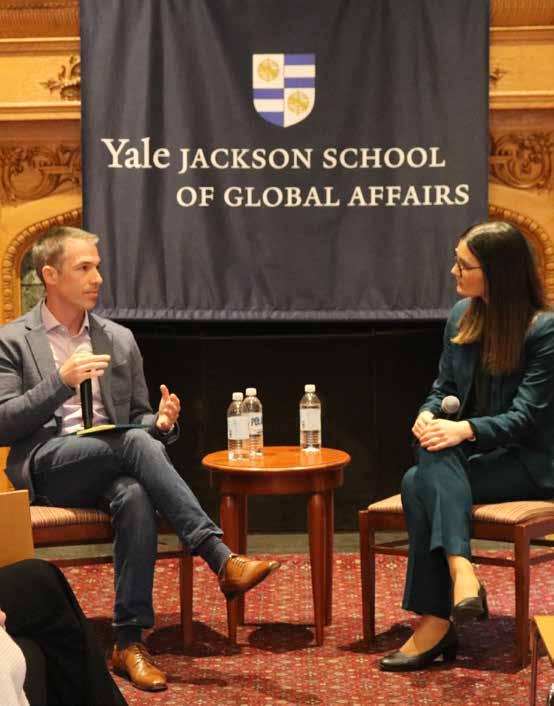
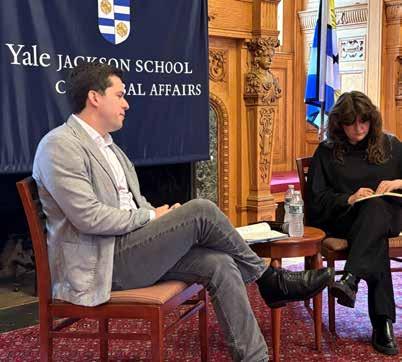
Kristrún Frostadóttir, the Prime Minister of Iceland, returned to the Jackson School where she graduated with a Masters of Arts in 2016, for a fireside chat with Blue Center Executive Director Phil Kaplan. Prime Minister Frostadóttir is the first Jackson School graduate to go on to serve as the leader of a country, and she is currently the youngest serving female head of government anywhere in the world. Prime Minister Frostadóttir’s remarks focused on arctic security, reforms to Iceland’s economy, and the importance of young people being involved in their national politics.

PETRAEUS-RECANATI-KAPLAN (PRK) AND RECANATI-KAPLAN (RK) FELLOWSHIPS
The Blue Center administers the PetraeusRecanati-Kaplan (PRK) and Recanati-Kaplan (RK) Fellowships at Yale, cohorts of active duty mid-career professionals from the military special operations and intelligence communities, pursuing a one-year Masters of Advanced Study degree at the Jackson School. These fellows attend class, fully integrate into the university, and bring the unique perspective of elite national security practitioners to the Yale student body.
Captions
1: Former CIA Deputy Director Mike Morrell talks with the fellows during his visit to campus. 2: On a trip to the Gettysburg battlefield, the fellows discuss tactical, strategic, and leadership lessons from the battle. 3: Rock climbing as a group in West Virginia—some of the intelligence analysts were stronger climbers than even some of the most elite military operators!
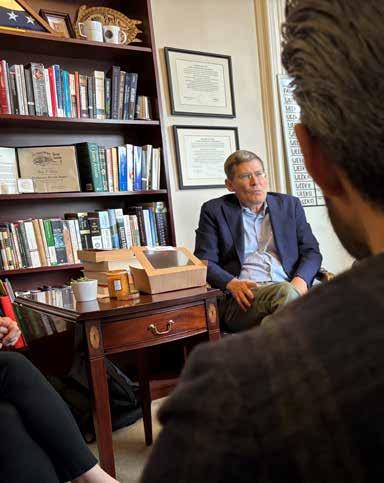
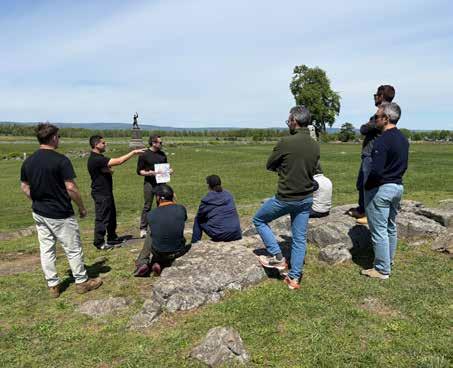
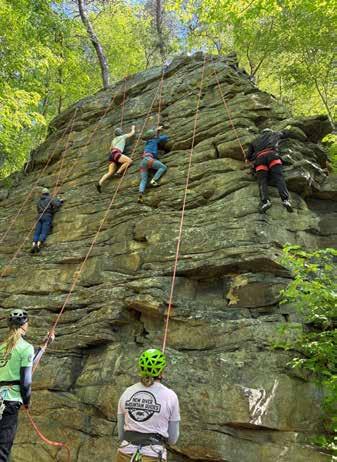
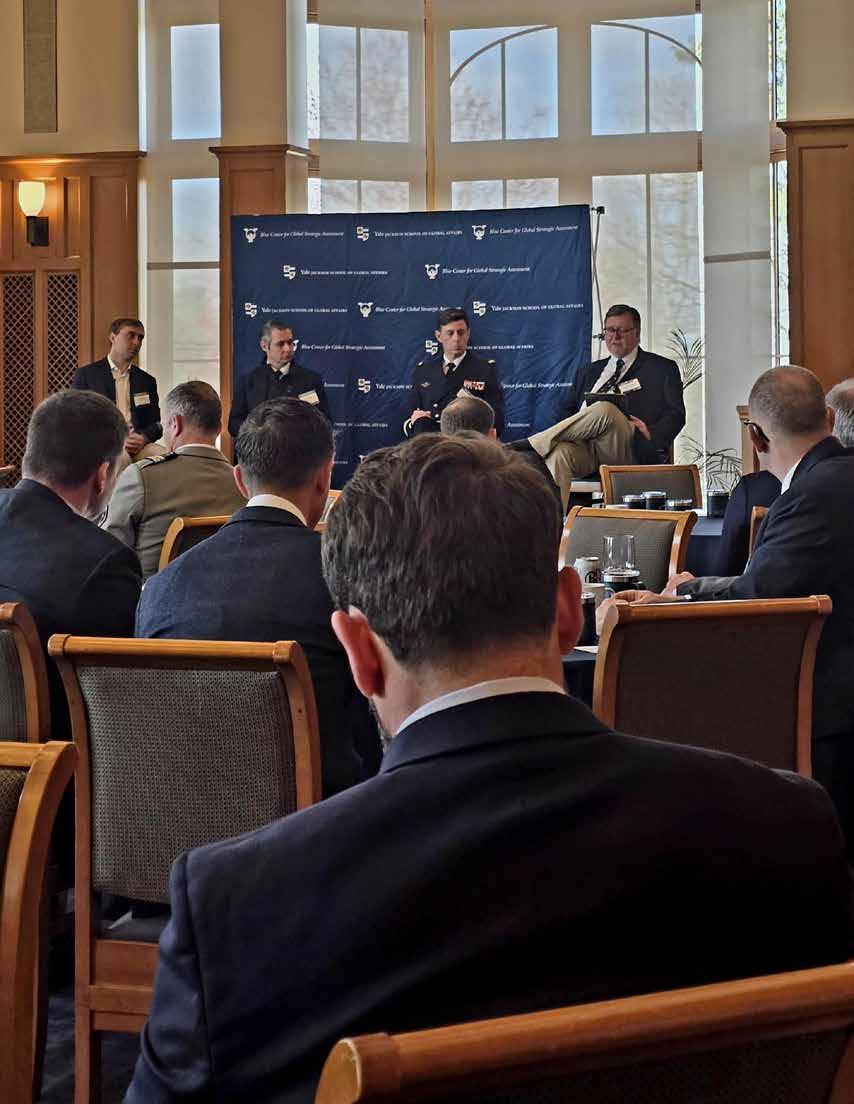
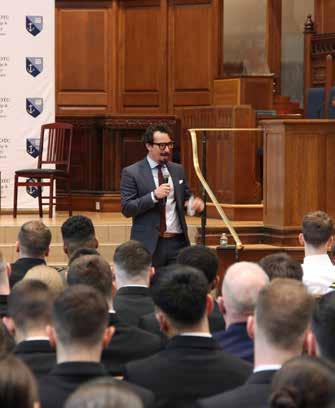
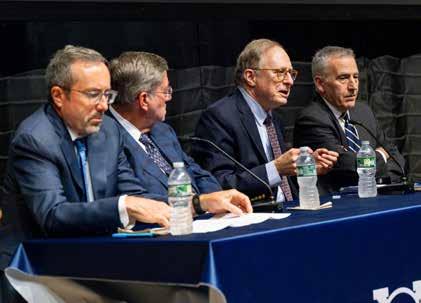
Every year the PRK Fellows organize Yale’s Special Operations Forces Conference (SOFCON). This year’s event brought together military, government civilian, academic, and think tank leaders from the U.S., U.K., France, Germany, Israel, India, and others, to discuss the issues facing the broader special operations community. Panels covered the wars in Ukraine and the Middle East, technological developments relevant to special operations, and the role that the classics and the humanities can play in shaping a contemporary understanding of elite military forces. Gen. (Ret.) Joseph Votel, the former commander of U.S. Central Command, U.S. Special Operations Command, and Joint Special Operations Command, gave the keynote.
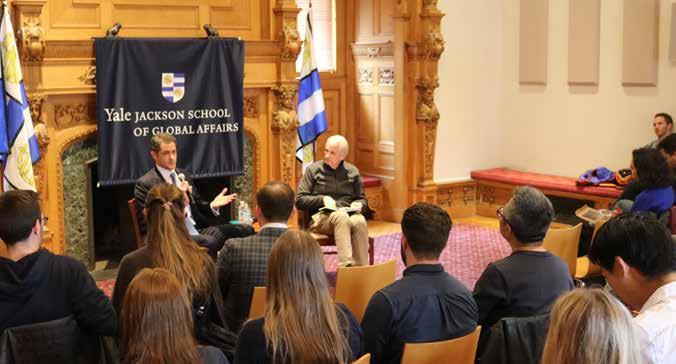
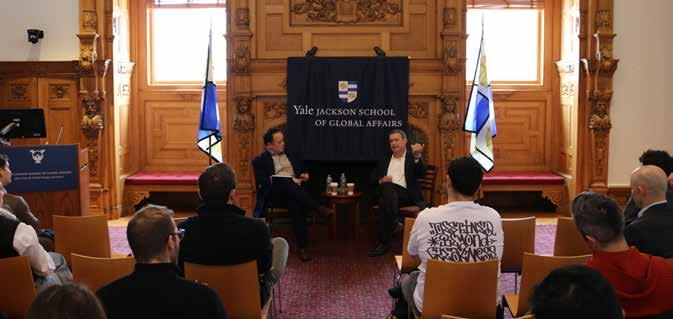
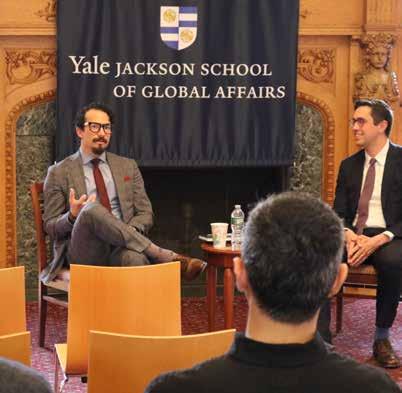
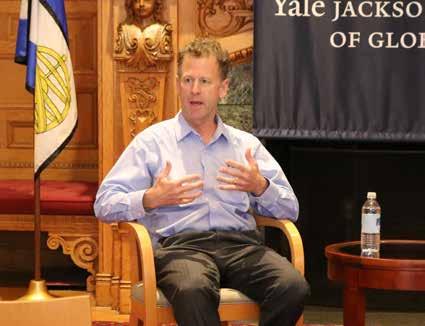
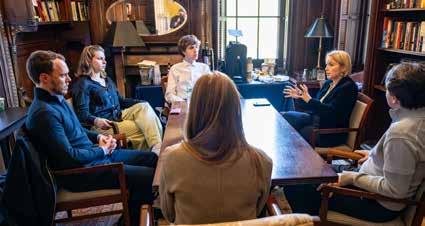
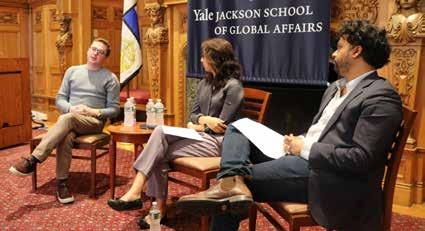
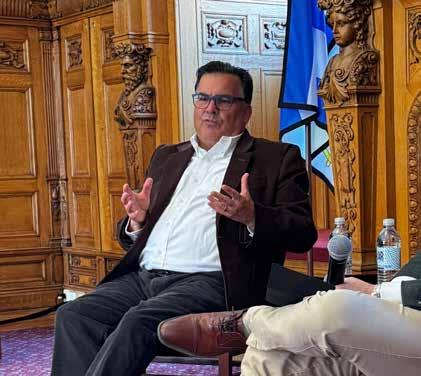
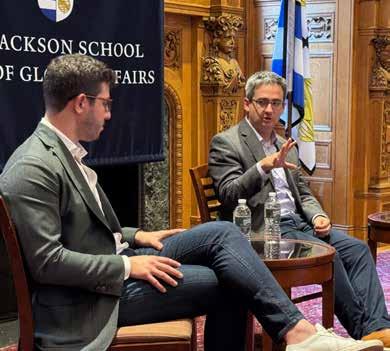
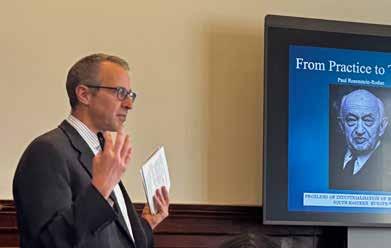
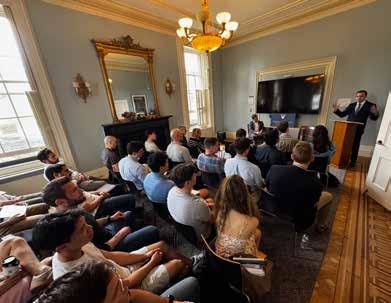
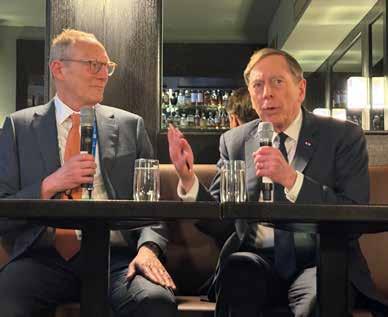
The “Co-Lectures in the Theory and Practice of Statecraft” continue to serve as the backbone of Blue Center programming throughout the academic year. Almost every week, a distinguished security practitioner visits Yale and enters into a lunchtime conversation with an academic to discuss a security-related topic of mutual expertise.
TOPICS
Congress in Foreign Affairs
Trans-Atlantic Relationship
Territorial Status of Greenland
Indo-Pacific in U.S. Strategy
European Rearmament
Defense and Innovation
AI and Cybersecurity
Central European Security
Capture and Rendition
Alliances and Supply Chains
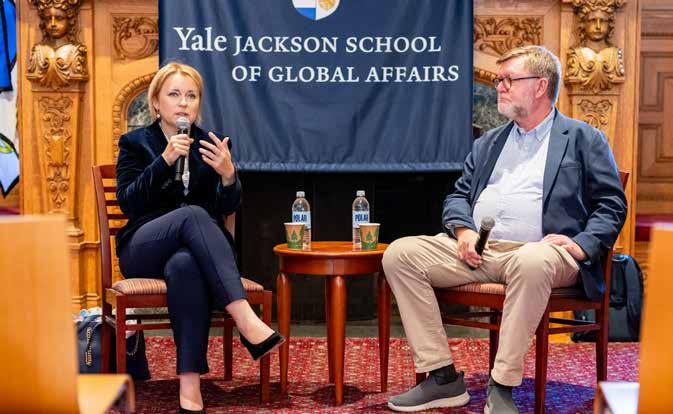
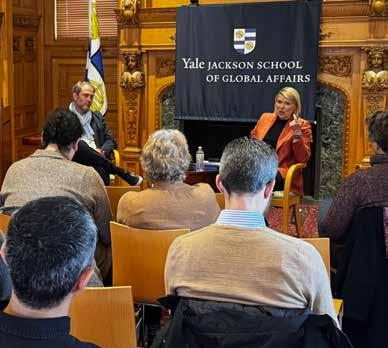
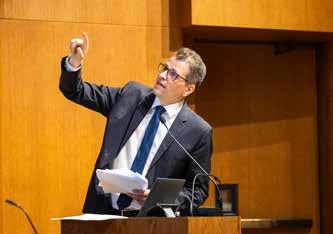
Next year at the Blue Center will be busy—and our focus on security studies will only sharpen as the Center becomes more familiar to those throughout the academy and government who encounter our research, fellows, and students.
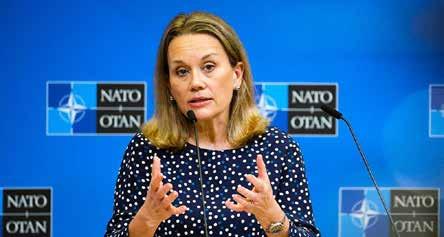
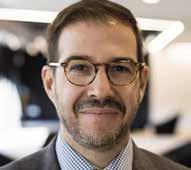
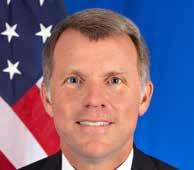
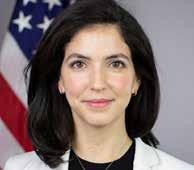
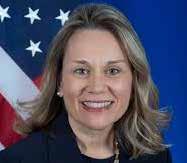
In the fall, the Blue Center will welcome Ambassador Julie Smith, the former U.S. Ambassador to NATO, to teach a course as a senior fellow on the “Future of the NATO Alliance.” Jackson alumna and former member of Iceland’s National Security Council, Soley Kaldal, will teach a course as a lecturer on “Arctic Security.” Naz El-Khatib will teach a course called “Triumphs of Statecraft” on the subject of the book he is writing as a Blue Senior Research Fellow.
and Digital Policy, and the bestselling author of One Bullet Away: The Making of a Marine Officer Mira Rapp-Hooper, the former Senior Director for East Asia and Oceania on the National Security Council; and The New York Times investigative reporter Adam Entous, whose recent coverage of the war in Ukraine has won a Pulitzer Prize. They’ll be writing books that span a wide range of subjects, such as military intervention, intelligence sharing, service, national character, and strategy.
As the Blue Center continues to grow, we’re excited to carry forward the legacy of security studies at Yale— we hope that if you care about that mission you will be in touch. Reach out with ideas for events and affiliates, attend our programing, and continue to follow our progress on our website and by joining our mailing list.
Thank you for supporting the study of security and statecraft at Yale!
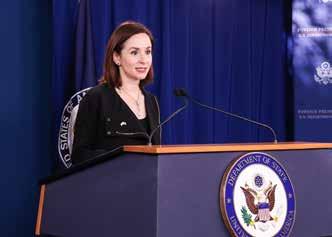
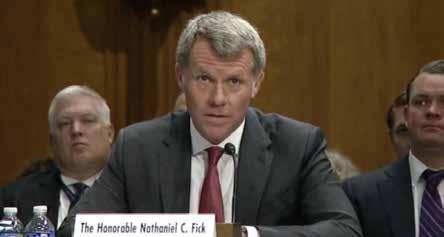
The roster of Blue Senior Research Fellows is also expanding dramatically. Our new senior research fellows will include Rebecca Lissner, the former Deputy National Security Advisor to the Vice President of the United States; Lieutenant General (Retired) Michael Fenzel, whose 35-year career as an Army officer culminated in his assignment as the U.S. Security Coordinator for Israel and the Palestinian Authority; Ambassador Nate Fick, the first Ambassador-at-Large for Cyberspace
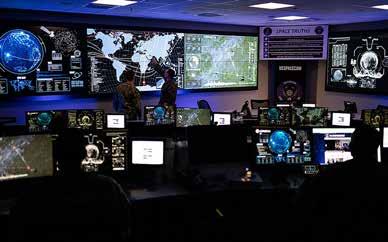
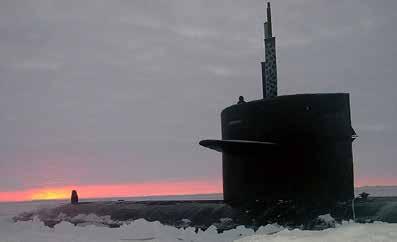
As the Blue Center continues to grow, we’re excited to carry forward the legacy of security studies at Yale—we hope that if you care about that mission you will be in touch.




WEBSITE
jackson.yale.edu/blue-center
jackson.bluecenter@yale.edu
ADDRESS
55 Hillhouse Avenue
New Haven, Connecticut 06511
PHONE 1.203.436.8866 FAX 1.203.432.9886
JOIN OUR MAILING LIST jackson.yale.edu/centers-initiatives/ blue-center/mailing-list/