WĀNANGA PAEPAE

HUI-Ā-MOTU
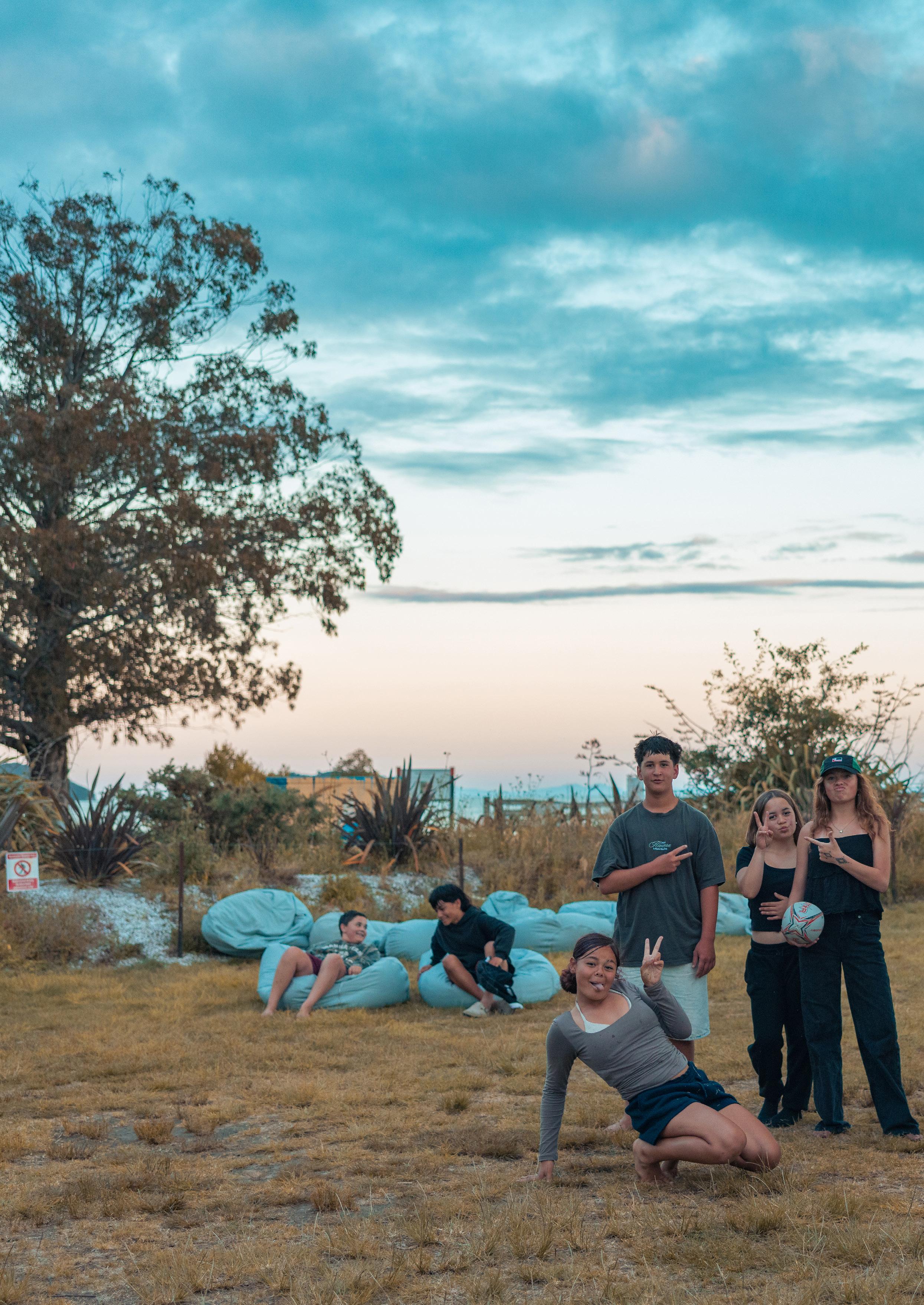
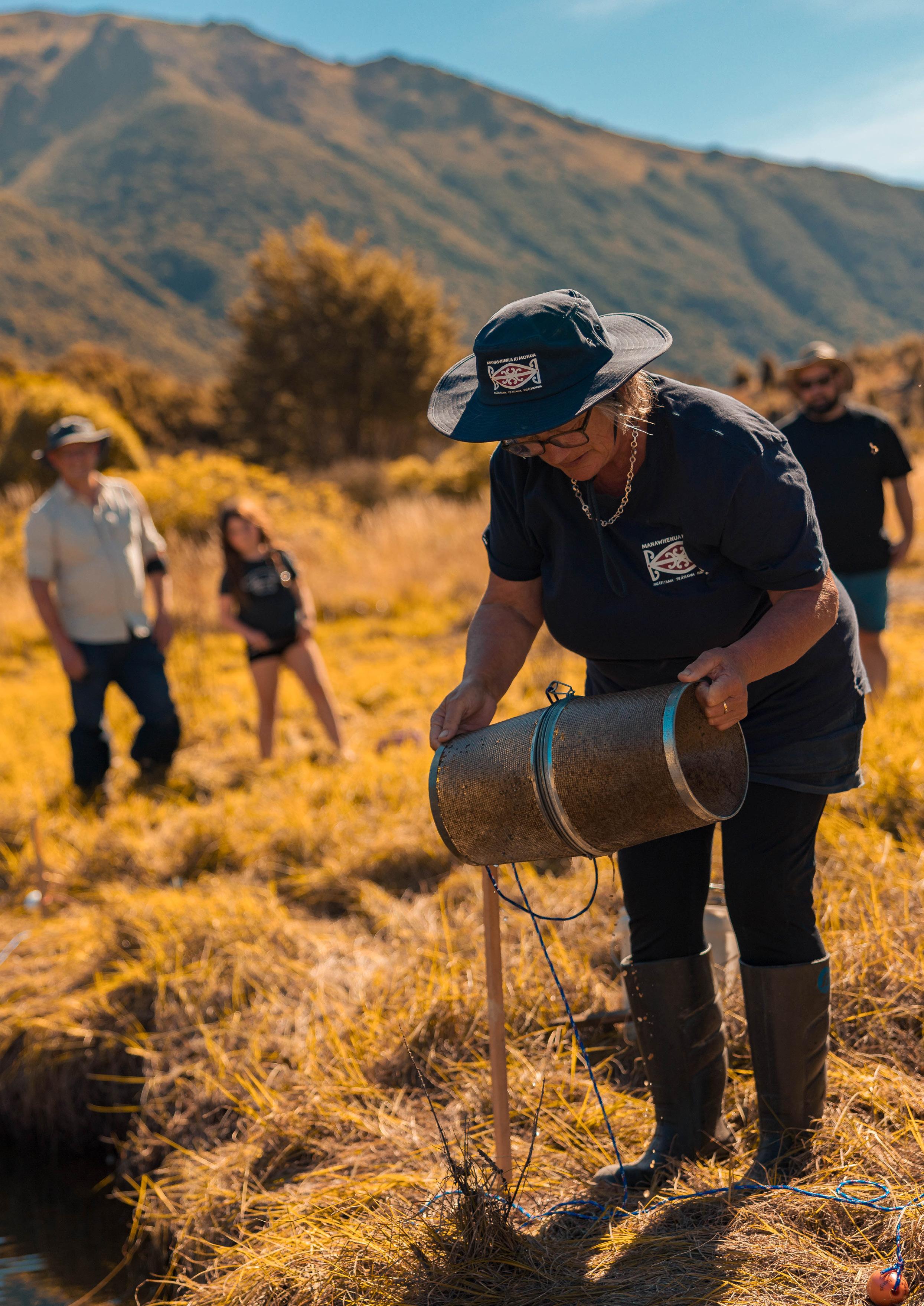
Photo Credit: Pene Webber | Aorere Media
WĀNANGA PAEPAE
HUI-Ā-MOTU
CHIEF EXECUTIVE AND CHAIR UPDATE
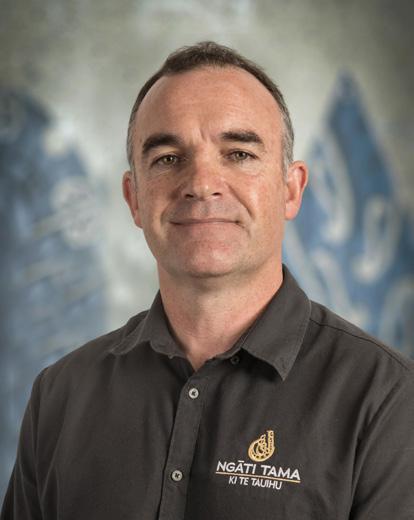
BUTCH LITTLE
TE HEAMANA, CHAIR
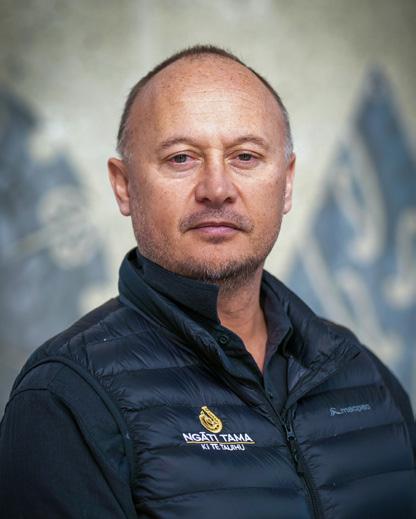
HEMI SUNDGREN TE POUWHAKAHAERE, CEO
Pūpūwha manawa o Tama, Whakaeaea manawa o Tama, Tamaariki, Tamahoumoa, Tamateihorangi. Hikitia ki te rangi, Ranginui, Rangiroa, Rangitahua.
Tahua nuku, tahua rangi
E Tū e hōmai nei tō waiora ora, he ora
He ora ko tōu manawa, ko taku manawa
Tēnei hoki tōu manawa ka tina
Tēnei hoki tōu manwa ka toka
Tēnei hoki tōu manawa ka poutāikitia, ā ka noho tōu manawa,
He manawa ora e hai.
Tēnā koutou katoa.
Over the past six months, we’ve had many opportunities to come together as Ngāti Tama — to catch up, to listen, to learn, and to reflect on where we’re heading as an iwi. This issue of Te Puna captures some of those moments and the mahi that has shaped this time.
Our hui‑ā‑tau and wānanga‑ā‑whānau in Mārahau was a real highlight. It was great to see whānau travelling from near and far, spending time together on the whenua, sharing kai, and reconnecting with each other. While the AGM is an important part of the weekend, what really stood out was the time spent together — strengthening who we are and reminding ourselves why these gatherings matter.
Throughout October, we also took time to meet with whānau across the motu through our hui‑ā‑motu. These hui were about listening and having open kōrero as we worked through the development of our next five‑year strategic plan. Whānau shared their thoughts, asked questions, and challenged our thinking, helping shape a direction that reflects what matters most to our people. The strategy shared in this issue is the result of those conversations.
You’ll also read about a range of kaupapa that continue to grow whānau capability and connection. Programmes like our Kura Taiao are supporting whānau to strengthen their role as kaitiaki, while other initiatives across culture, education, housing, and wellbeing continue to support whānau in practical and meaningful ways. These kaupapa are about investing in our people and ensuring Ngāti Tama is well placed for the future.
Since its launch, WhānauSaver has continued to build momentum across Te Tauihu. Whānau engagement shows a growing interest in kaupapa Māori approaches to saving and financial wellbeing. WhānauSaver helps whānau to plan ahead, build security, and create stronger foundations for the generations to come.
A special moment this year was witnessing the first whānau move into their new homes in Berryfields, Richmond, made possible through the combined efforts of Ka Uruora and Hāpai Housing. We shared a deep sense of pride participating with our whanaunga iwi in the blessing of these homes. It marks a significant milestone for us collectively, showing the impact of our purpose to support whānau wellbeing through the provision of a home.
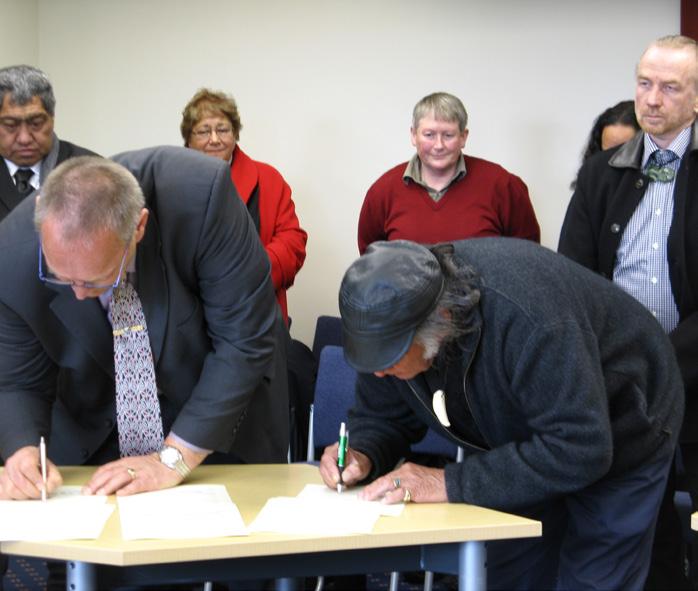
In December, the resolution agreement for Te Here ā Nuku, the Nelson Tenths, was signed, marking a hugely historic milestone – 180 years overdue. The agreement is the result of courage, determination, vision, and leadership. It facilitates the realisation of the aspirations of our tūpuna for future generations. We thank Matua Rore Stafford for his leadership, and all those who support him.
This issue also shares several whānau voices — stories that reflect our people in action.
When we look across all of this mahi, one thing is clear: our strength sits with our people. Whether we are gathering together, learning on the whenua, caring for our taiao, or planning for the future, we do so with pride in who we are and where we come from.
Nā māua ko Butch, me te aroha nui ki a koutou katoa.
MĀRAHAU | 10 - 12 DECEMBER, 2025
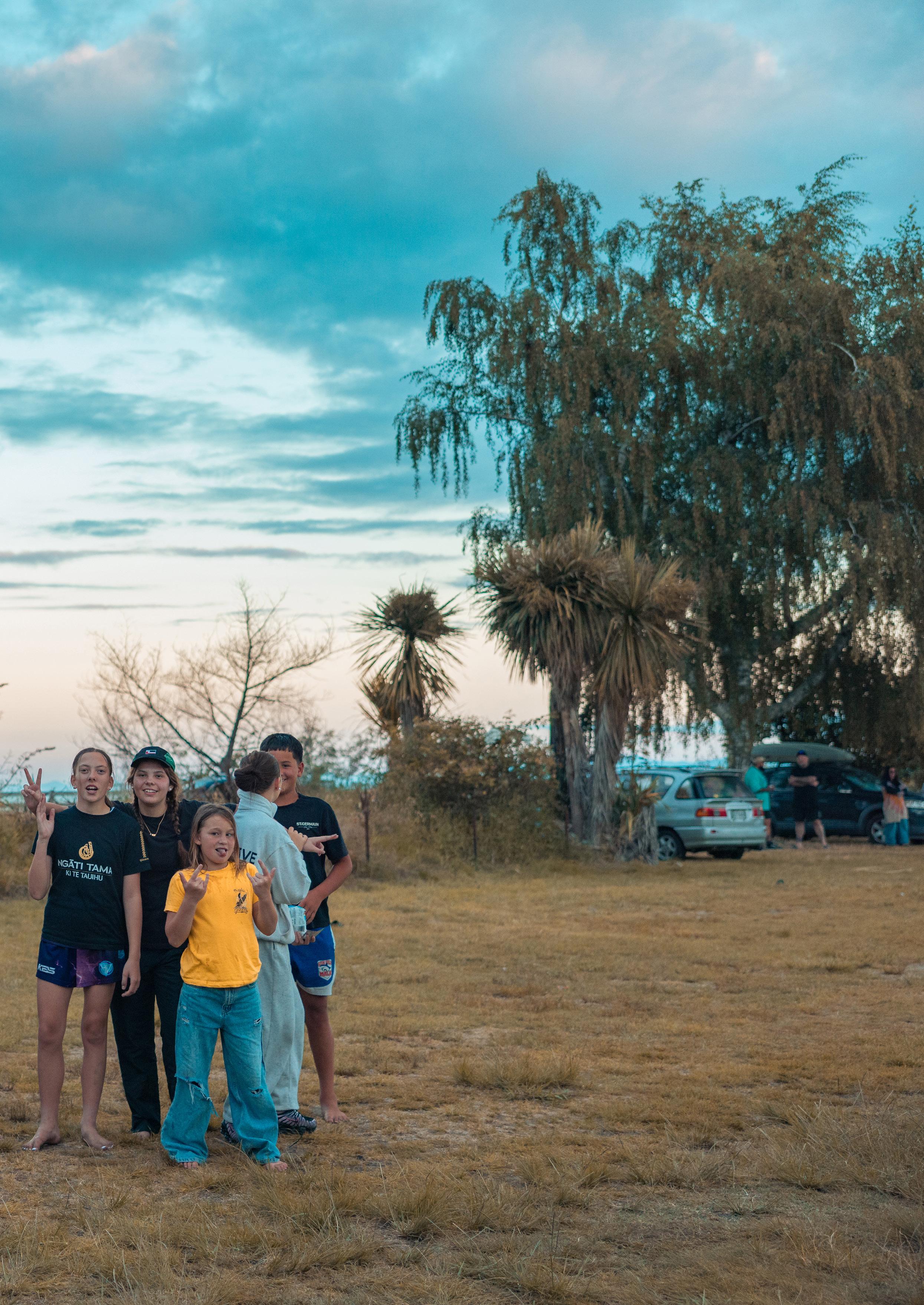
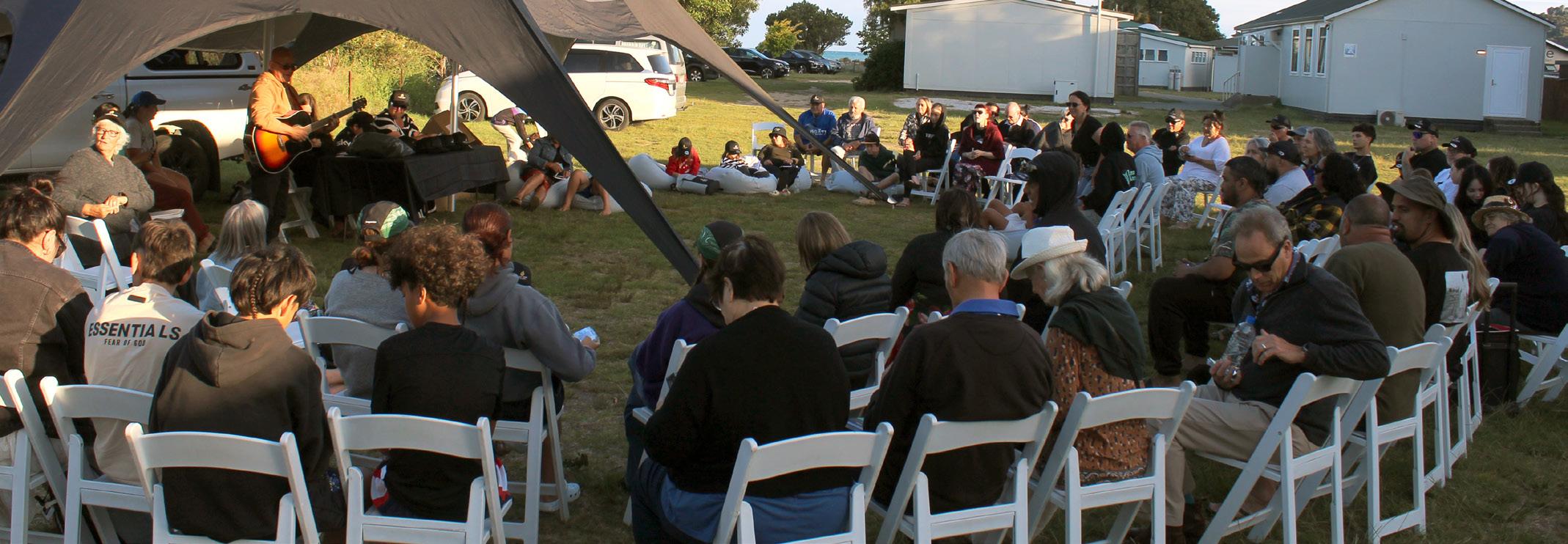
Our Ngāti Tama AGM weekend this year brought whānau together in Mārahau for connection, learning and time on our whenua. Uri travelled from near and far to take part not only in the formal AGM, but in a wider wānanga-ā-whānau.
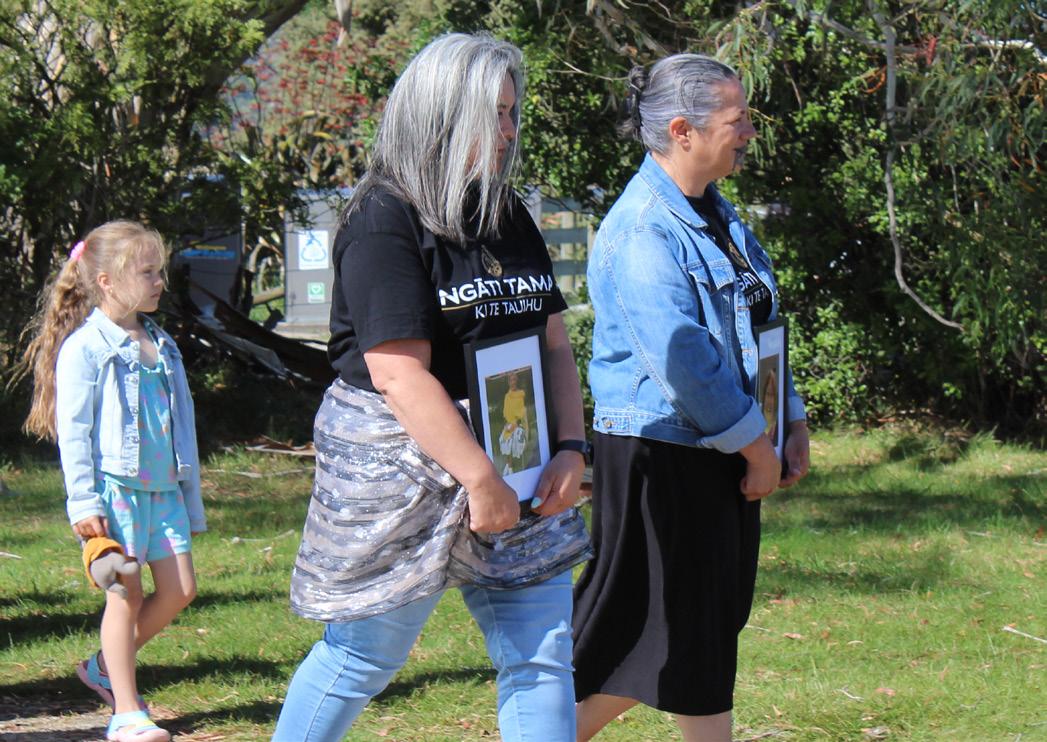
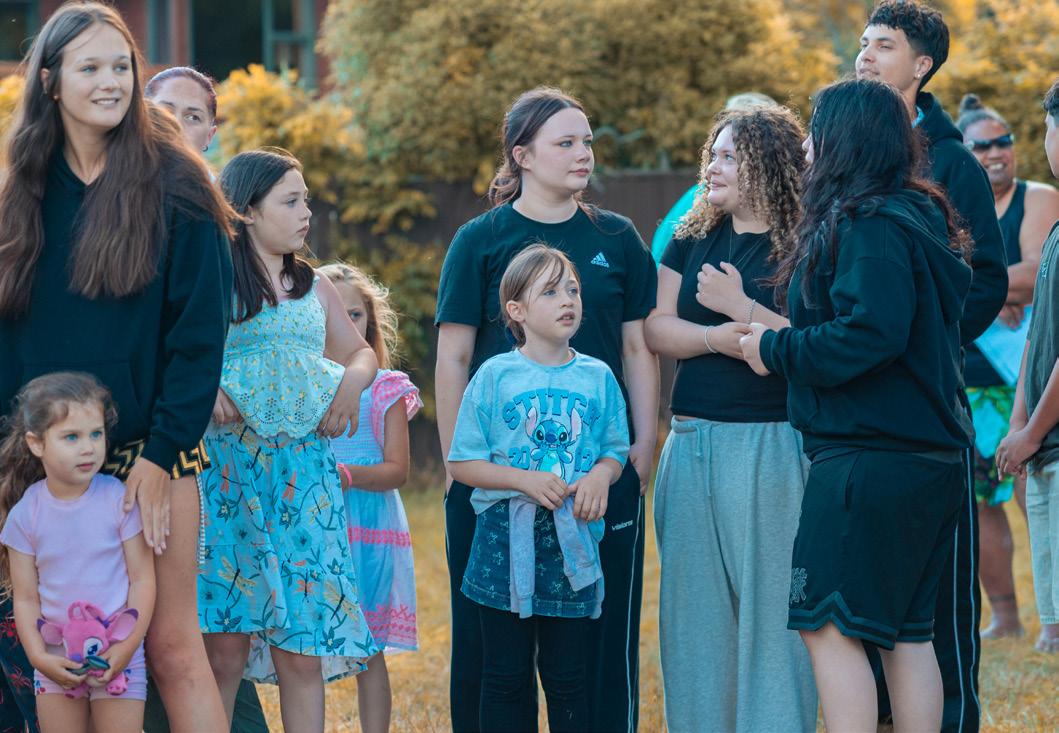
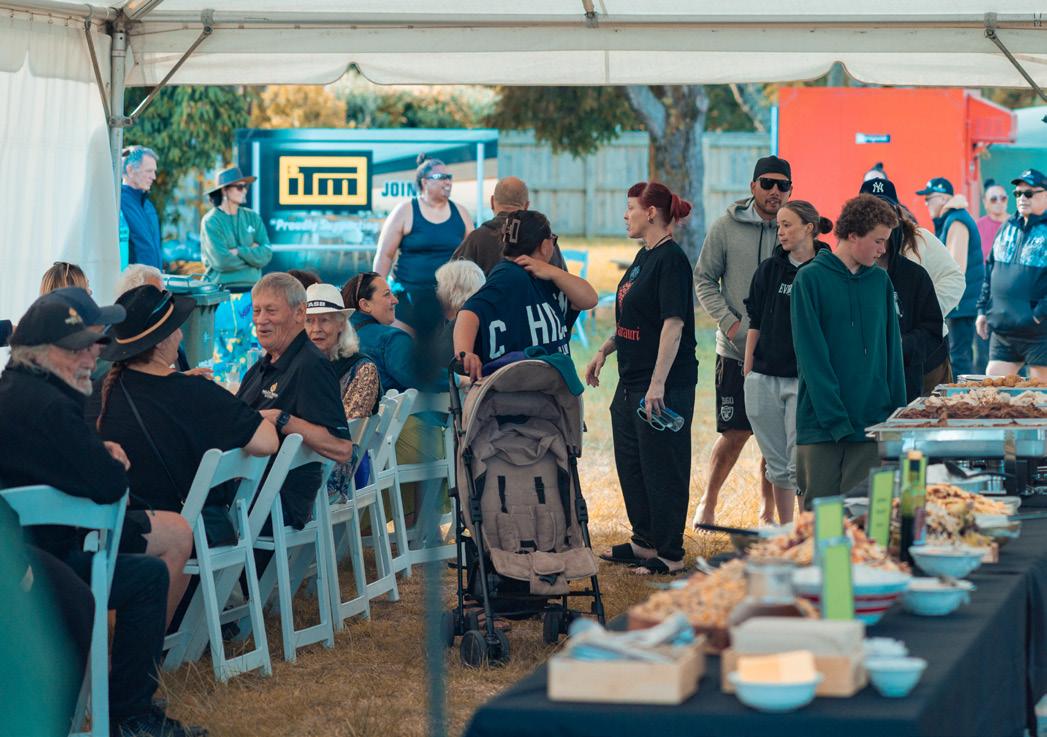
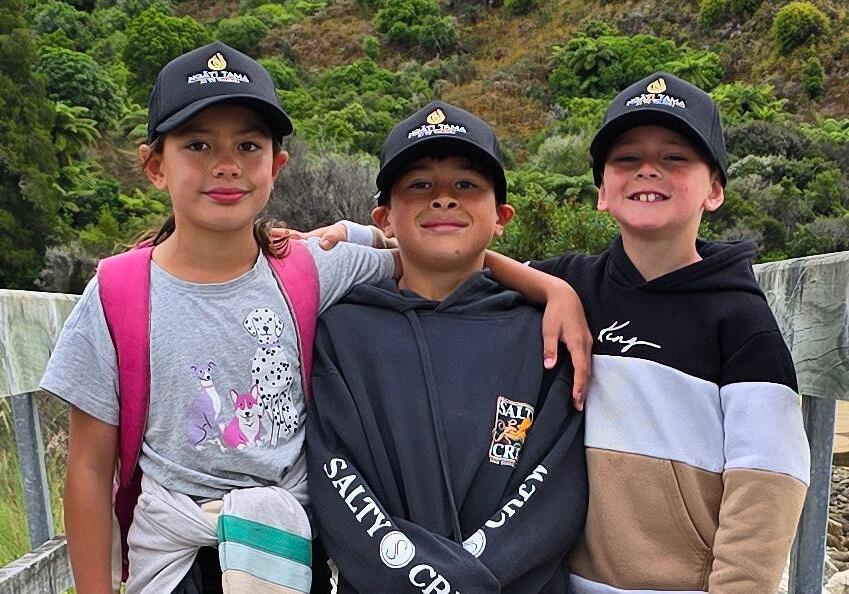
Whānau based themselves around Mārahau in different ways. Many camped at the campground or stayed at the Outdoor Education Centre, and some arranged their own accommodation nearby. The days were filled with shared meals, catch ups between cousins, and tamariki forming fast friendships.
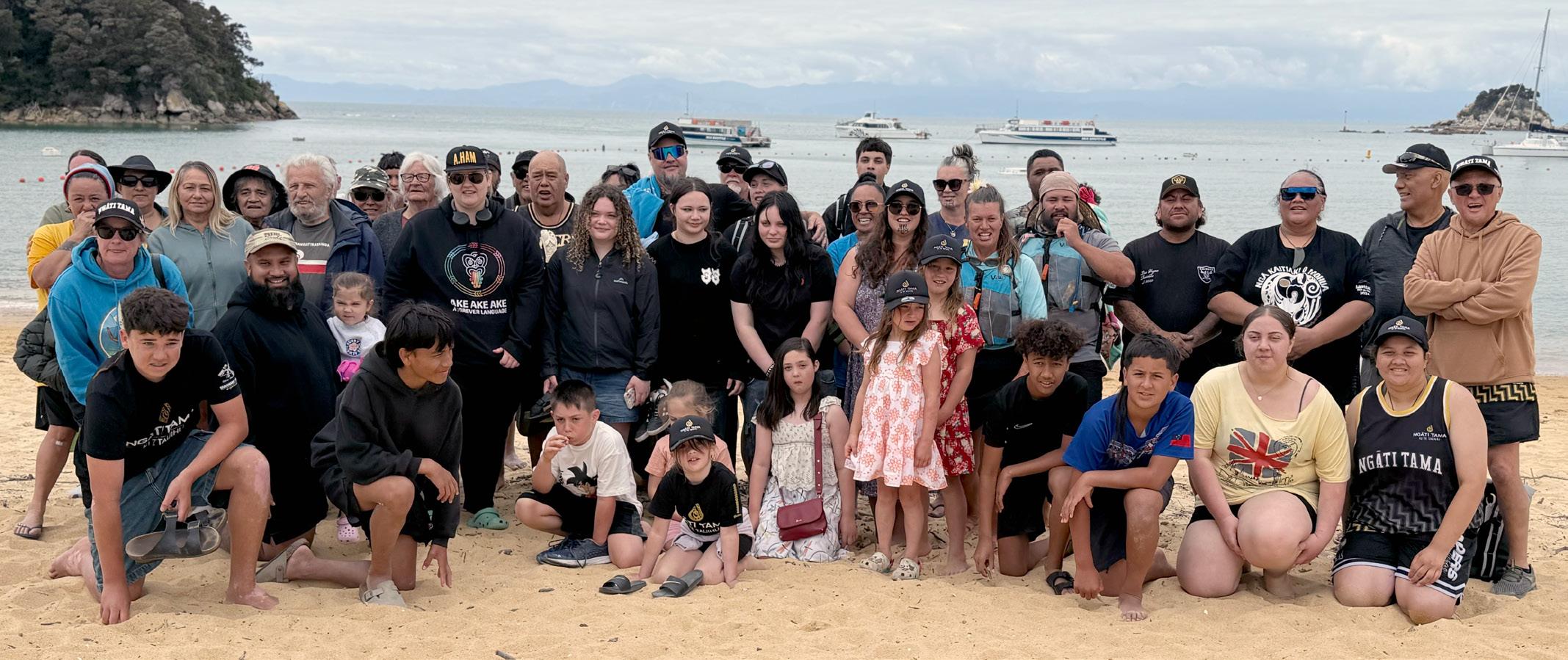
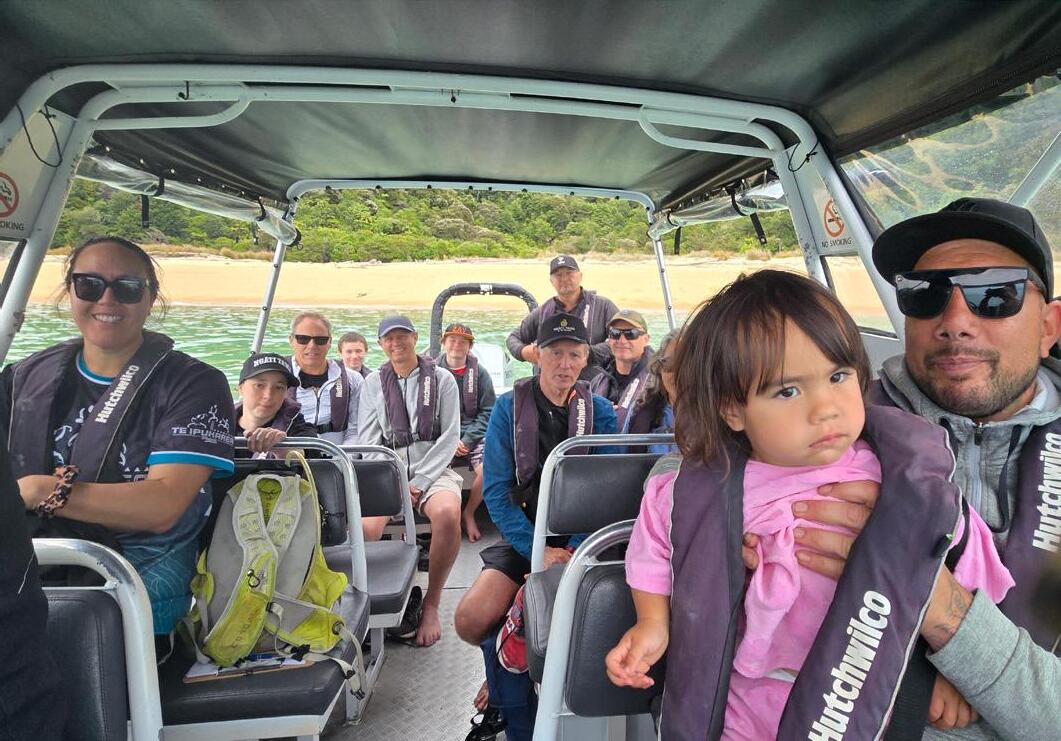
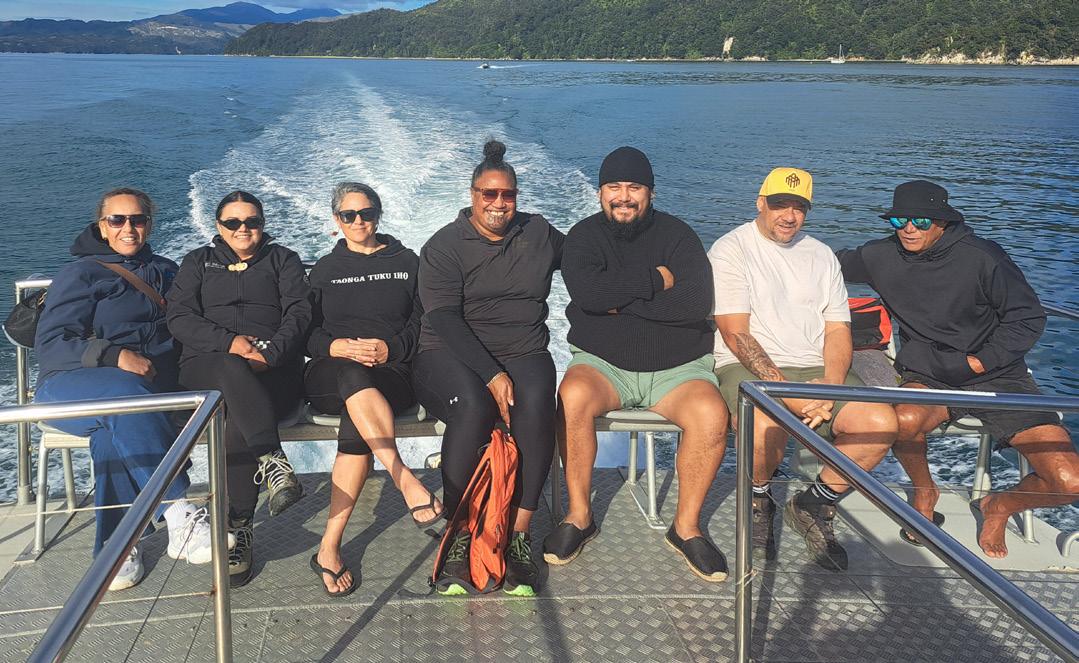
Saturday was dedicated to our Whānau Day, with two options available for whānau to choose from. One group joined the Abel Tasman Waka tour at Kaiteretere, travelling along the coastline and learning about our whenua and significant sites connected to our tūpuna. The other group walked into the Abel Tasman National Park from Mārahau to Apple Tree Bay, taking time to appreciate the unique beauty of the area and interact with the playful weka along the way. Both groups returned having spent meaningful time on the land and water, strengthening their connection to place and each other.
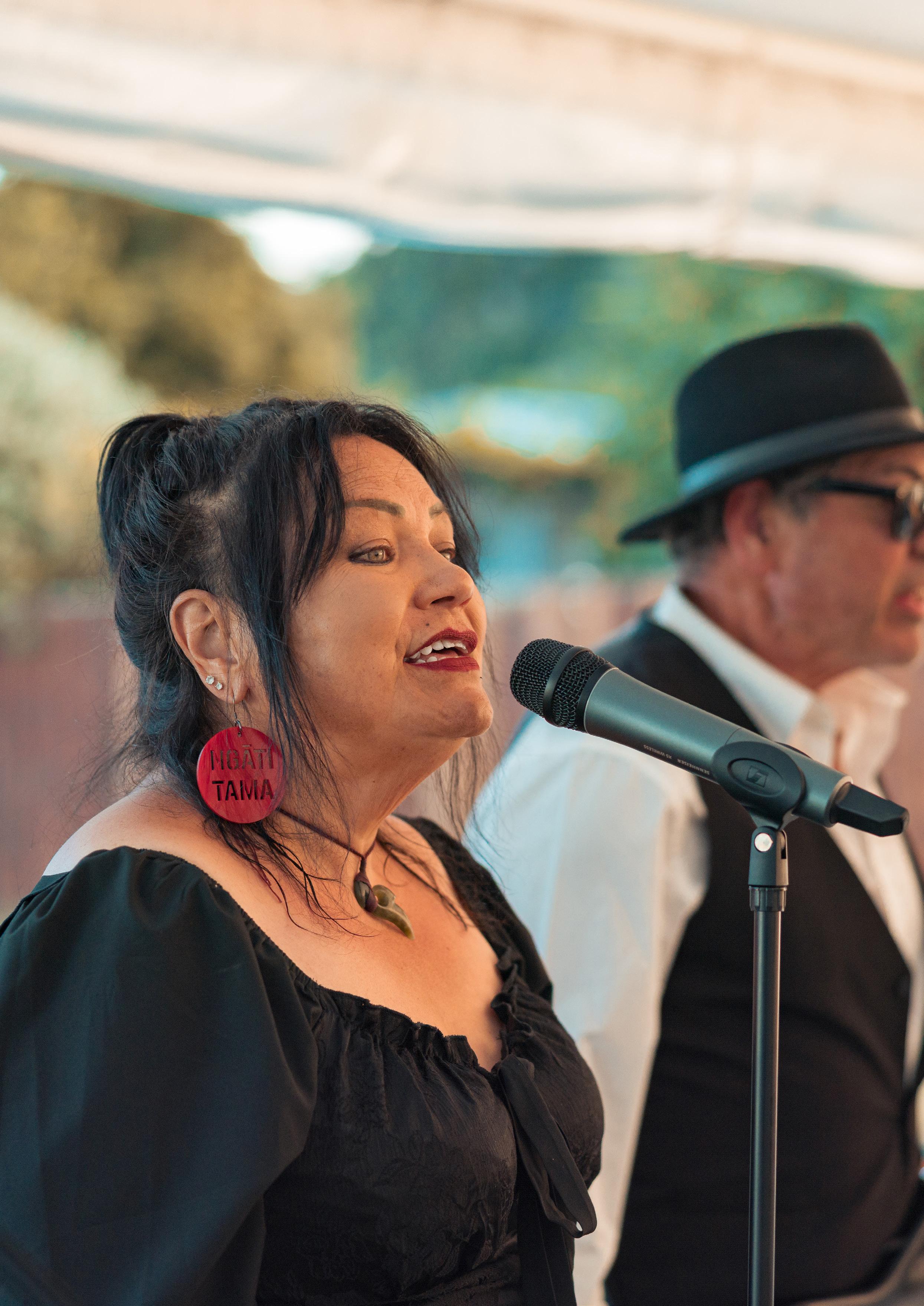
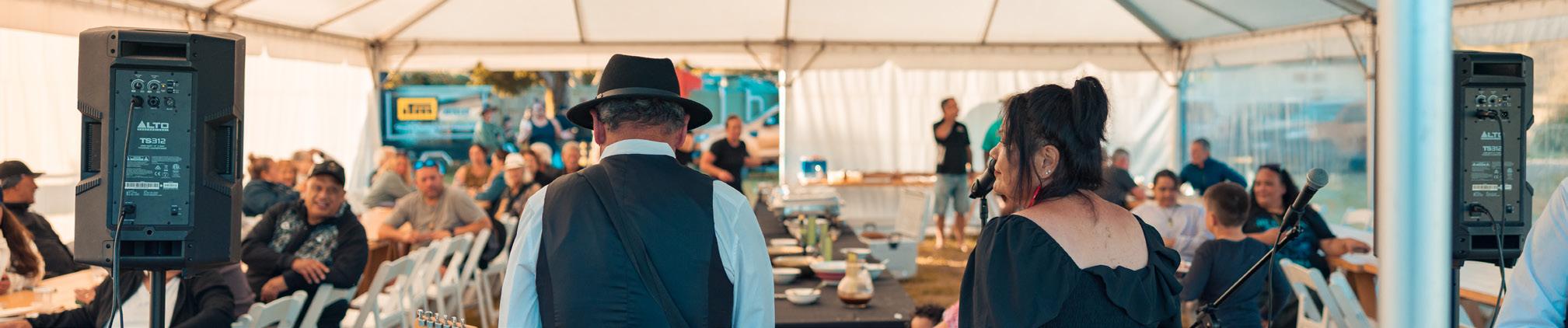
After hākari on Saturday evening, our very own whānau band, led by Moana Pember, performed for us. Waiata carried through the marquee as tamariki gathered at the front and adults joined in from their seats. It was a good way to spend the evening together, enjoying the talent within our own whānau and winding down after a full day.
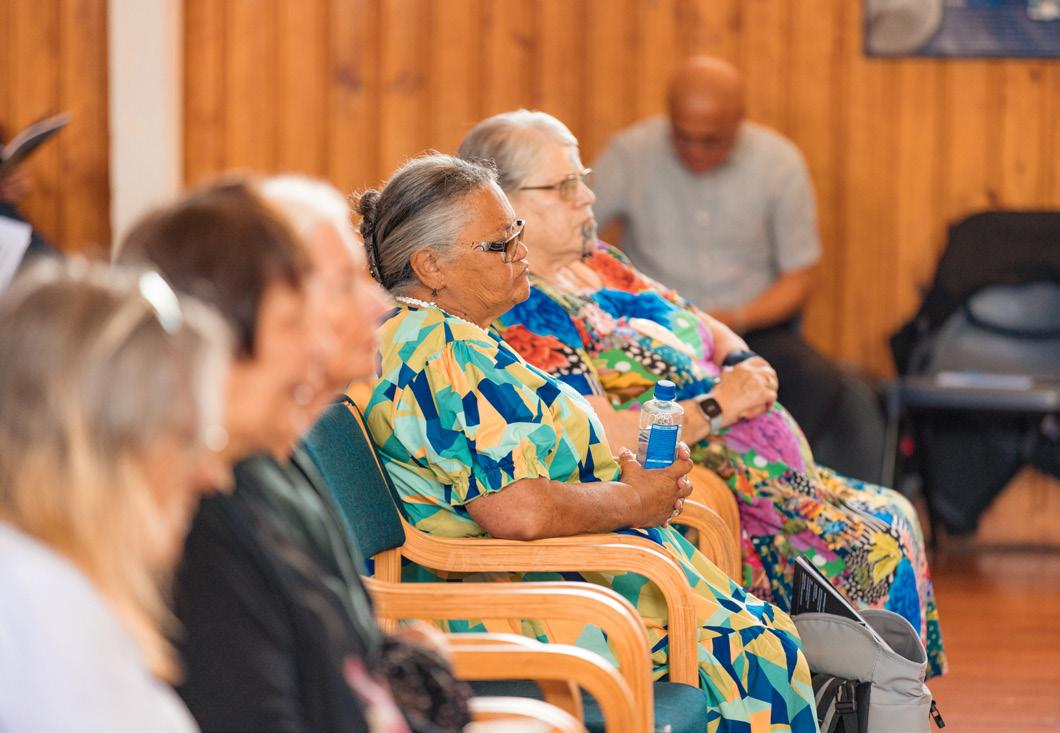
Sunday was set aside for the AGM formalities, held this year at Motueka High School. Reports were presented, questions were asked, and discussions were held about the year gone by and the direction ahead. A rolling morning tea kept everyone well looked after throughout the day.
The gathering once again highlighted the value of reconnecting as whānau, strengthening ties to each other and our whenua, and maintaining our distinct Ngāti Tama traditions.
Tihei mauri ora.
CHECK OUT THE HIGHLIGHTS AND INTERVIEWS
https://vimeo.com/1165230078?share=copy&fl=sv&fe=ci https://vimeo.com/1165229362?share=copy&fl=sv&fe=ci https://vimeo.com/1165229702?share=copy&fl=sv&fe=ci
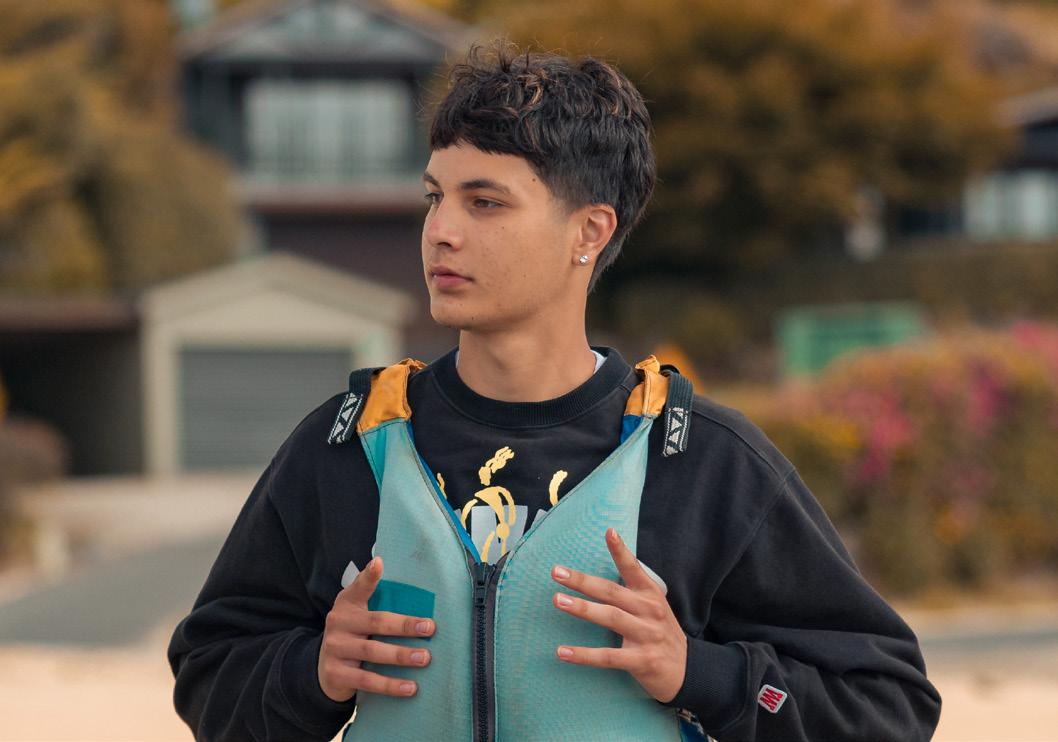
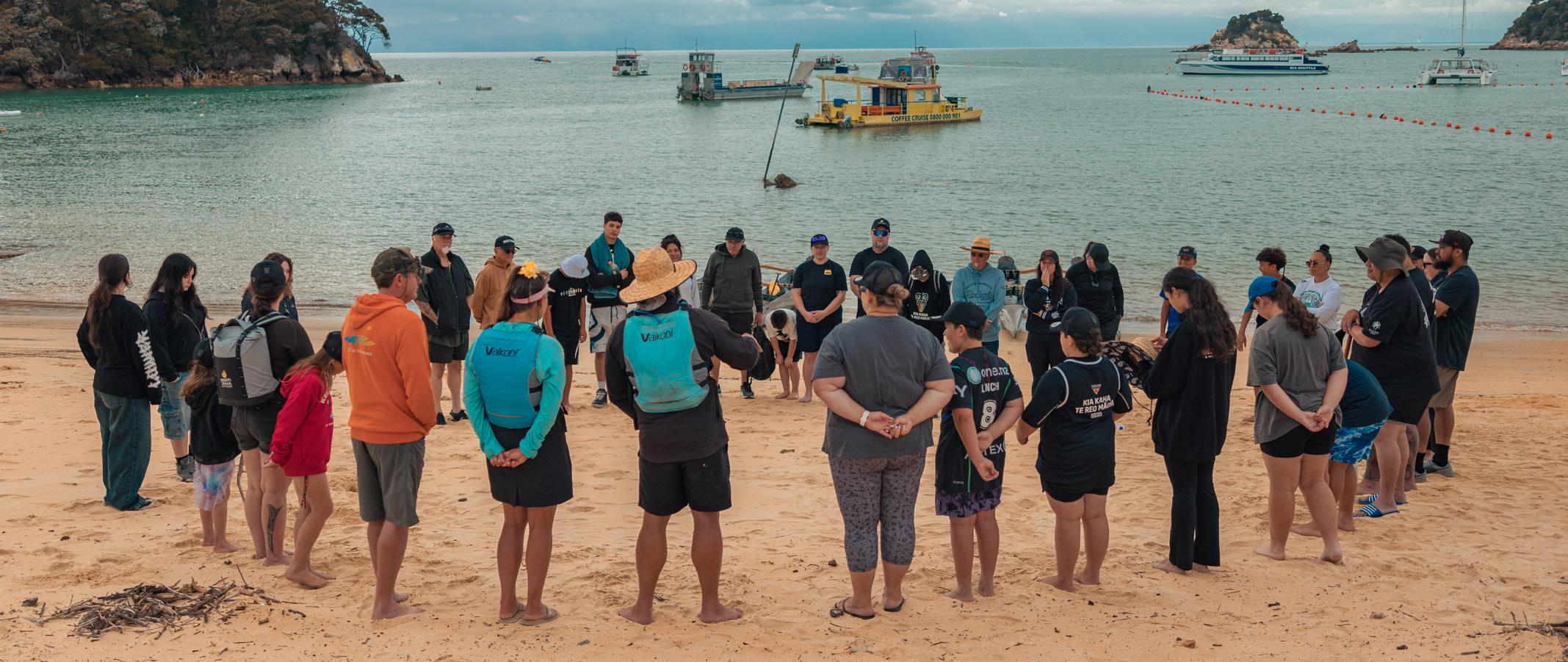
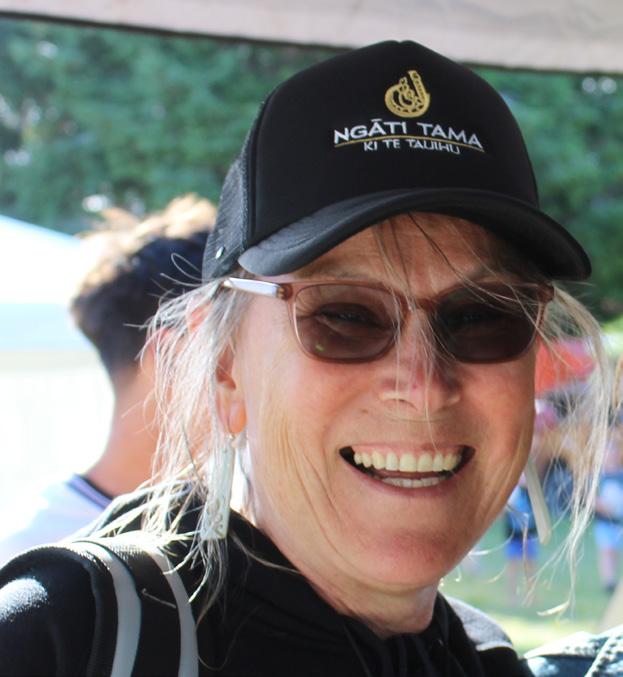
Ko Parapara te maunga
Ko Pariwhakaoho te awa
Ko Tokomaru te waka
Ko Ngāti Tama rāua ko Te Ātiawa
Te Tauihu ōku iwi
Ko Onetahua tōku marae
Ko Iharaira Meihana rāua ko Huhana
Te Keha ōku tīpuna
Ko Ward-Holmes tōku whānau
Nō Ōtautahi ahau
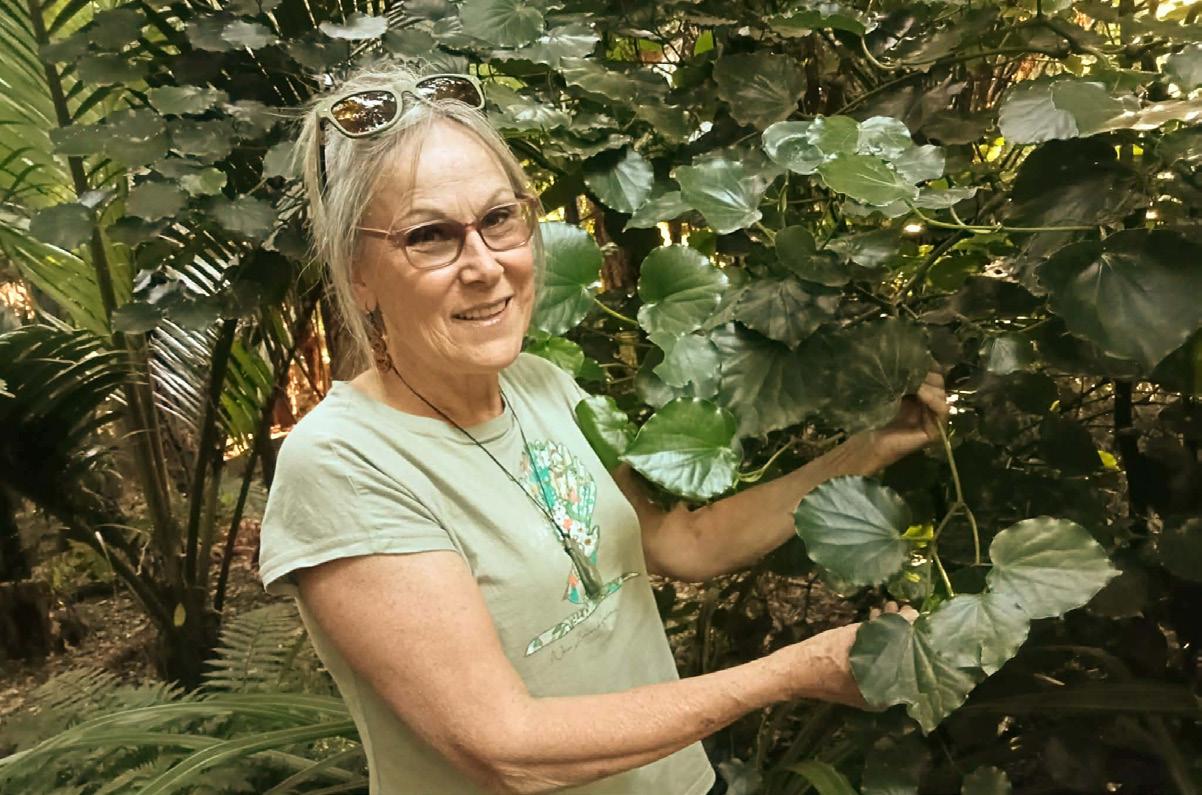
Ko Debi Schwass-Cook tāku ingoa
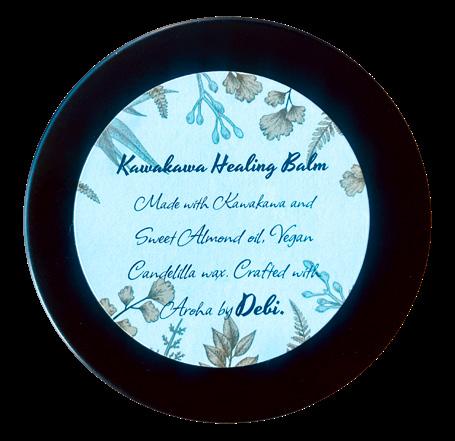
Debi's Kawakawa Healing Balm
At our Hui-ā-Tau, whānau who attended received a special addition in their whānau packs — a pottle of kawakawa balm made by one of our own, Debi Schwass-Cook. Debi is currently studying rongoā Māori, building her knowledge and skills in a way that honours our tikanga and the natural environment.
In this feature, she shares how she began her journey into rongoā, what she enjoys about her studies, and where she sees this path leading her next.
Can you share how you first became interested in making kawakawa balm and studying rongoā? What sparked that journey for you?
I first became interested in making kawakawa balm after a friend who lives in the bush at Rakautara, north of Kaikoura, introduced me to the rākau kawakawa. He’d been bitten badly on his calf by a dog, and the wound wasn’t healing. An old kuia suggested he try wrapping kawakawa leaves around the wound. The wound was starting to fester; anti biotics weren’t working so he put the leaves on the wound and wrapped a bandage around it. The next day the pus had gone and the wound was clean. It got me thinking that I would like to reconnect with our traditional knowledge and explore rongoā Māori rākau remedies that my tīpuna would’ve used. I decided to enrol in Rongoā Māori Level 4 at Te Wānanga o Aotearoa in Ōtautahi.
What has your learning journey in rongoā Māori been like so far, and what have you enjoyed most about your studies?
My learning journey so far in rongoā Māori has been amazing and has really enriched my life and also my knowledge about Te Ao Māori.
To begin with there are many types of rongoā. Some heal the wairua (spirit, soul) while others heal the tinana (body) hinengaro (mind) ie: waiata, karakia, kōrero, rongoā rākau, mirimiri (massage), and romiromi (deep tissue therapy). Understanding the different Atua (Gods) and Io (Supreme Being) has taken my rongoā learning journey to another level. Io is the healer.
I’ve learnt about the importance of the maramataka. This is an ancient calendar our tīpuna used for every aspect of their lives. Through the different moon phrases, they knew the tides and the best time to fish, to plant, to harvest and when not to, when to be cautious and when to fast or prepare for the coming seasons etc. I now try to live my life by the maramataka also, as on certain days it’s not wise to harvest rongoā rākau or do other activities. Click below for a free downloadable copy.
We studied the 15th century “Doctrine of Discovery” – Papal Bulls, “He Whakaputanga – Declaration of Independence in Aotearoa” 1835, “Te Tiriti o Waitangi” 1840, the colonisation of Aotearoa, the “Tohunga Suppression Act 1907”. I really recommend that you read about these topics if you don’t know about them already. All of which should be taught in our kura but is not.
We also delved into the different Māori health models including “Te Whare Tapa Whā” by Sir Mason Durie and “Te Wheke” by Dr Rose Pere. Developed for Māori by Māori, understanding health and wellbeing for Māori.
A highlight and a privilege was travelling with my class to Tūrangawaewae Marae, Ngāruawāhia, for the National Rongoā Conference. Paying our respects on the way at Taupiri Maunga, and staying at Tūrangawaewae Marae for three nights, beside the mighty Waikato awa. They sure know how to feed the hordes up there!
Can you walk us through your process of making kawakawa balm, and what you enjoy most about that mahi?
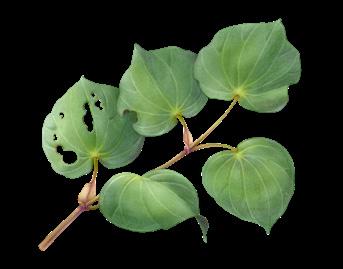
The process of making the balm begins with the harvesting on a fine day fitting with the maramataka. Tikanga must be observed, importantly beginning with karakia, to ask permission to harvest and open the healing channel so to speak but also for protection. Acknowledgement and respect/ thanks must be given to Tāne and the whakapapa connections as our tuakana (rākau, insects, birds etc), ask them for guidance. I also ask my ancestors to walk beside me. It’s important to have an open heart and good intentions for a successful healing outcome for the person that may use the balm. I never take more than I need, or too much from the one plant. The mātauranga (knowledge, understanding) is that the best leaves are the ones with the holes made by the looper caterpillar. The caterpillars cause a change in the plant chemical composition, potentially increasing the plant’s medicinal value so it’s these leaves that have the best healing properties. I prepare the balm at home in my kitchen which will be clear of all signs of kai. Karakia recited, equipment used only for making the balm will be ready, again tikanga must be adhered to. It was a great honour for me to be asked to make the balms for the whānau packs recently when we had the “Hui ā Tau” at Mārahau, and it makes me very happy when I
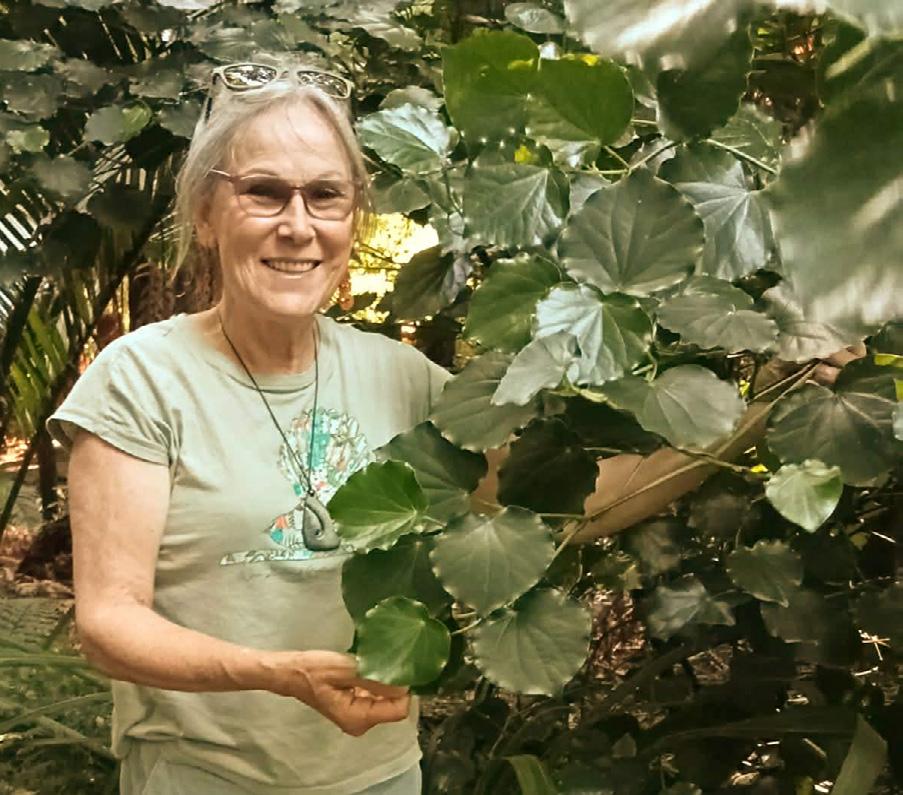
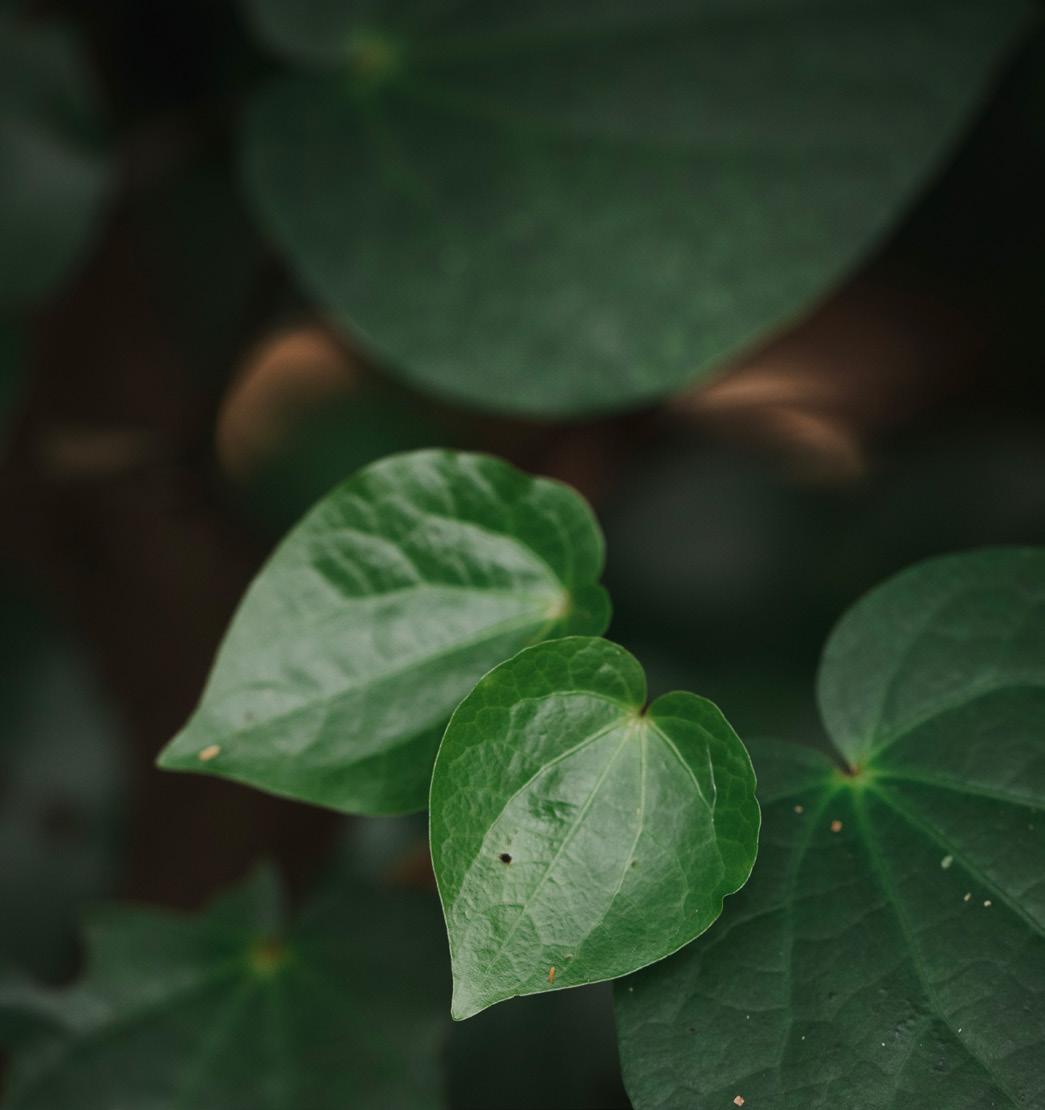
hear that people have had success using it. The kōrero about kawakawa is that it was given to Papatūānuku (The Earth Mother) to heal her broken heart after the separation from her lover, Ranginui. The heart shaped leaves of the kawakawa symbolise this healing. It’s Papatūānuku that feeds us, heals us and nurtures us. Kawakawa can be used for many different ailments, in various ways, including balm, poultice, wai rākau (tea) etc. I love to make balm but we also regularly drink the leaves steeped in hot water (Note: Not for tāngata with low blood pressure as it lowers the blood pressure more).
Kawakawa is a blood purifier, it detoxes, it is an analgesic, it has anti inflammatory, antioxidant and antibacterial properties.
How has working with rongoā strengthened your connection to te taiao, your whakapapa, or your identity as Māori?
When I’m in the ngahere, (forest) I’m in my happy place. Studying rongoā Māori has really opened my eyes about nature and the importance of our role as kaitiaki. I’ve learnt so much about Te Ao Māori and rongoā Māori but there’s so much more to learn.
Where do you see this path with rongoā leading you next?
Unfortunately, I am unable to continue this year to the next level of my studies, as in Ōtautahi, TWOA is not running a level 5 course this year but I’m hoping that in the future this will change, and I’ll be able to continue. In the meantime I will still be trying to gain as much knowledge as I can from other sources.
“When you are standing in wilderness – leave your troubles behind and listen to the trees”
TOHE ASHBY – TOHUNGA RONGOĀ MĀORI
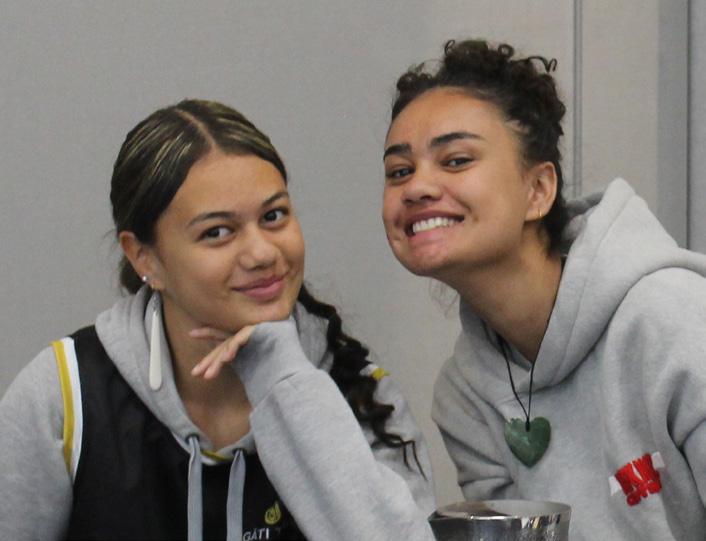
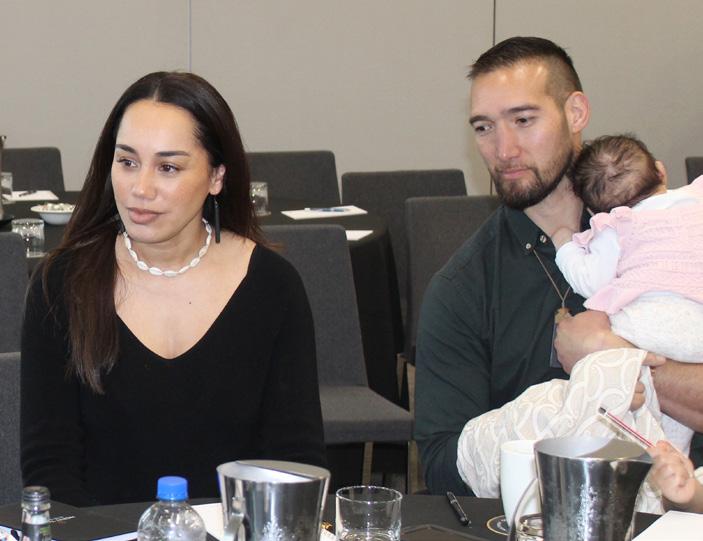
During October last year, representatives from the Board and management team set out across the motu to meet with whānau kanohi ki te kanohi, hosting a series of hui ā motu to help shape our next five year strategic plan.
These hui were a commitment by the Board to listen first — to test ideas, hear aspirations, and be accountable to the people the strategy is intended to serve.
Hui ā motu were held in Whakatū (Nelson), Ōtautahi (Christchurch), Pōneke (Wellington), and Tāmaki Makaurau (Auckland), with a further online hui to ensure accessibility for whānau unable to attend in person.
Across these locations, more than 70 whānau took the time to attend, ask questions, challenge thinking, and contribute their whakaaro.
The draft strategic plan was shared, alongside proposed changes to the Deed and Constitution, creating space for conversation about direction, priorities, and the kind of iwi we want to be over the next five years.
For the Board, taking the strategy on the road was about whanaungatanga and listening.
Rather than developing a plan behind closed doors, the Board wanted to ensure whānau voices were present early, not retrospectively. Hui ā motu allowed trustees to hear directly what matters most to whānau, to explain the thinking behind proposed shifts, and to be challenged where things didn’t quite land.
Across the motu, similar themes surfaced. Whānau spoke about the importance of strengthening our Ngāti Tama identity, investing in people and leadership, caring for our taiao, and ensuring the iwi is well positioned for generations to come.
The hui ā motu marked the final major step in the development of the five year strategic plan. Whānau feedback was carefully considered by the Board, with changes and refinements made before the strategy was confirmed and released at our Hui ā Tau in December.
The result is a plan shaped by the voices of whānau — a strategy that reflects shared priorities, collective ambition, and a commitment to walking forward together.

The next section of Te Puna introduces our Five Year Strategic Plan (2026–2031). We invite you to read it as the continuation of this kōrero — a document that sets our direction, guides our decisions, and belongs to all of us.
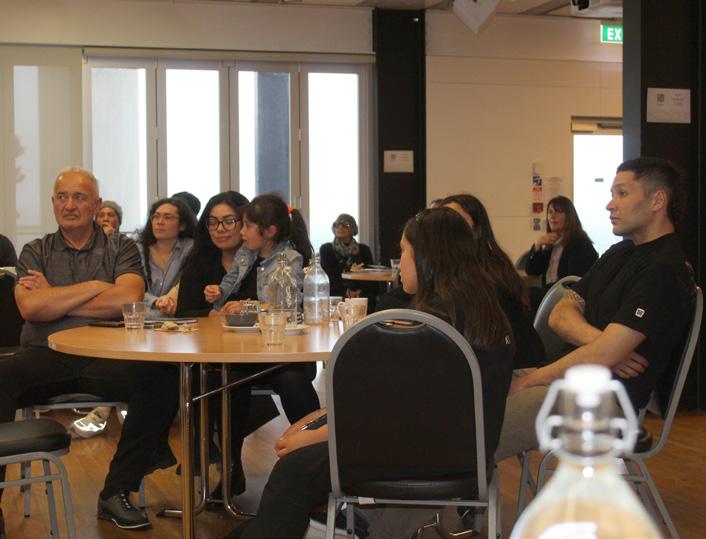
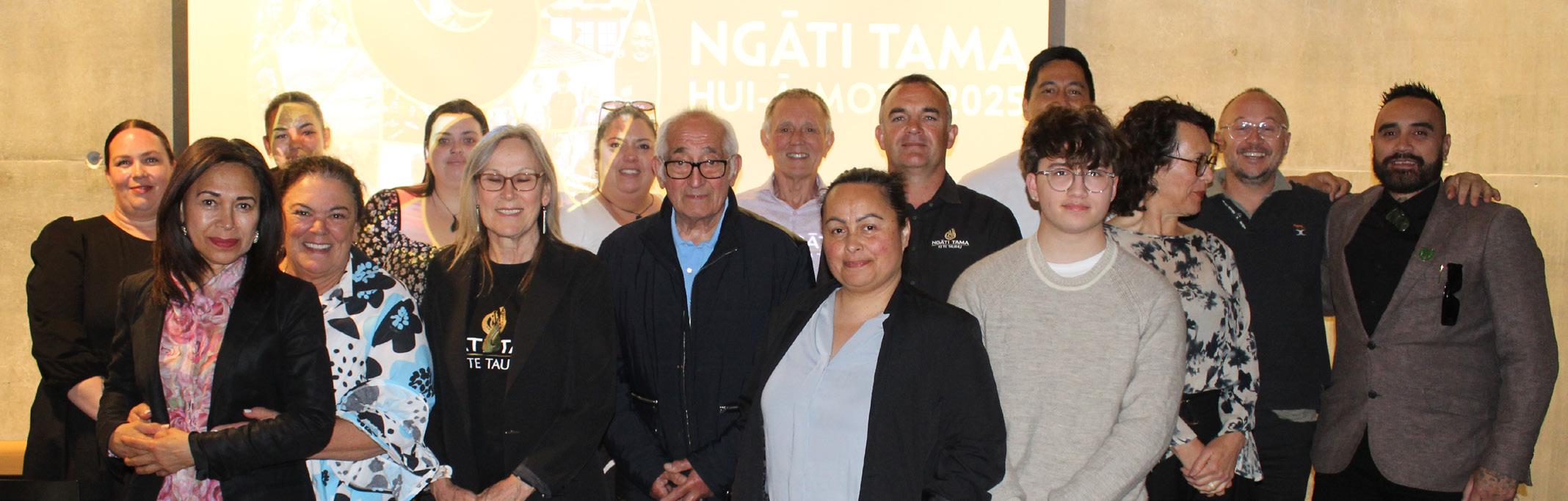
“As a Board, our role is to listen thoughtfully, represent whānau perspectives, and make decisions that reflect your input.”
BUTCH LITTLE - CHAIRPERSON
2026 - 2031
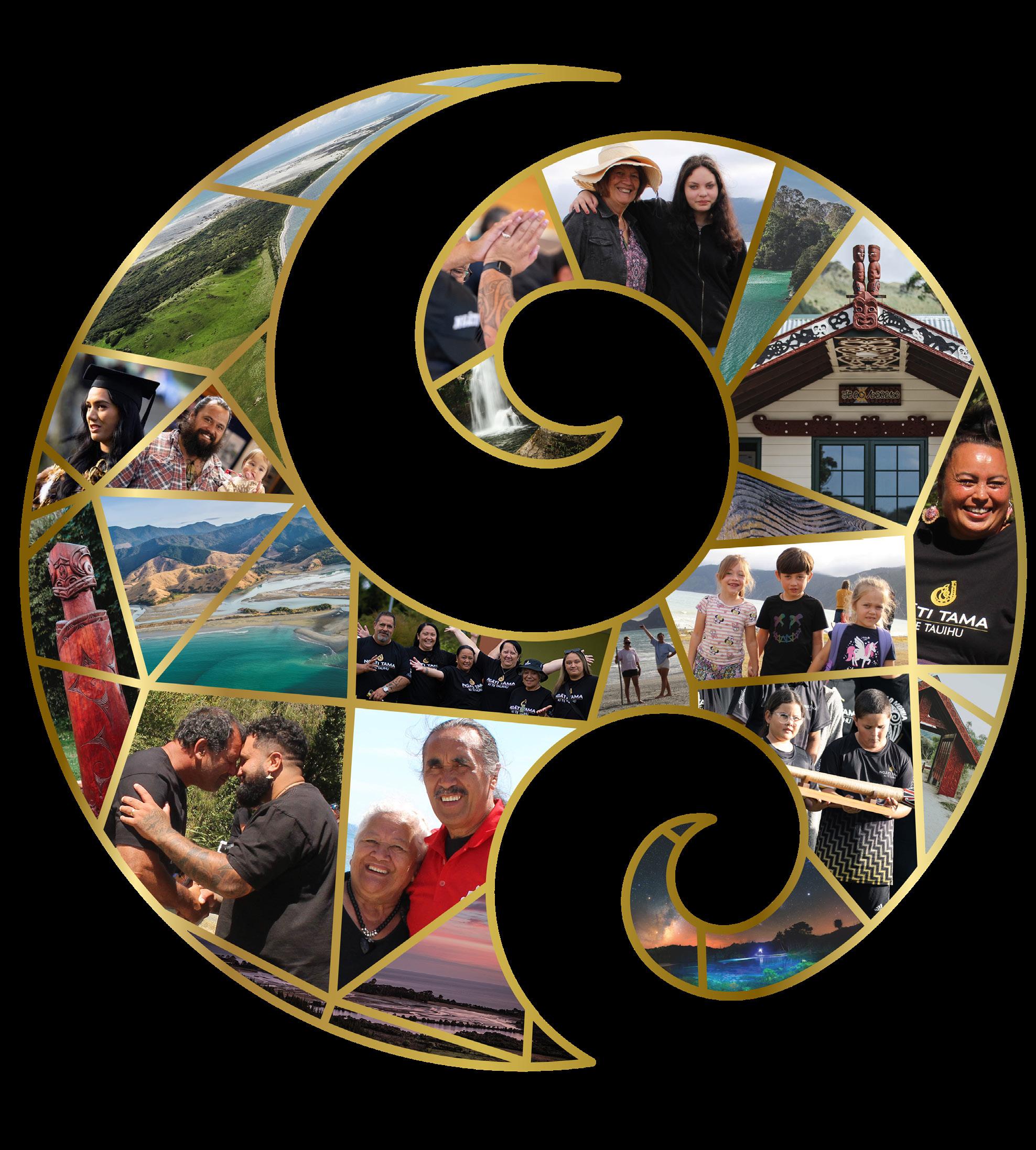
Tama tū ki Te Tauihu, Tama ora ki te ao
Our place, our people, our destiny
Ensuring a thriving Ngāti Tama identity –one that empowers our whānau, protects our taiao and strengthens our collective future.
Mā ngārahu, ka mura te ahikāroa
Success will depend on each of our contributions
Our values are the foundation of who we are as an organisation and as a whānau. They shape the way we work together, the decisions we make, and the relationships we build. By living our values every day, we create trust, respect, and a shared sense of purpose that guides us through challenges and opportunities. They are not just words – they are the compass that keeps us aligned and connected, ensuring that everything we do reflects what truly matters to us and our people.
Our strategic plan is anchored in five pou, each representing a key area of focus for Ngāti Tama.
Ahuhautū | Leadership and Direction
Growing confident, capable leaders who can guide Ngāti Tama into the future.
Ahurea | Culture and Identity
Upholding and embedding the Ngāti Tama way of being across generations.
Ahumahi | Employment and Potential
Supporting whānau to grow skills, succeed in mahi and contribute to the collective wellbeing of our iwi.
Ahuora | Health and Wellbeing
Empowering whānau to live healthier lives with fairer access to health outcomes.
Ahutaiao | Environment
Respecting and sustaining our natural world so future generations can enjoy and connect with it.
Grow confident, capable leaders who can guide Ngāti Tama into the future.
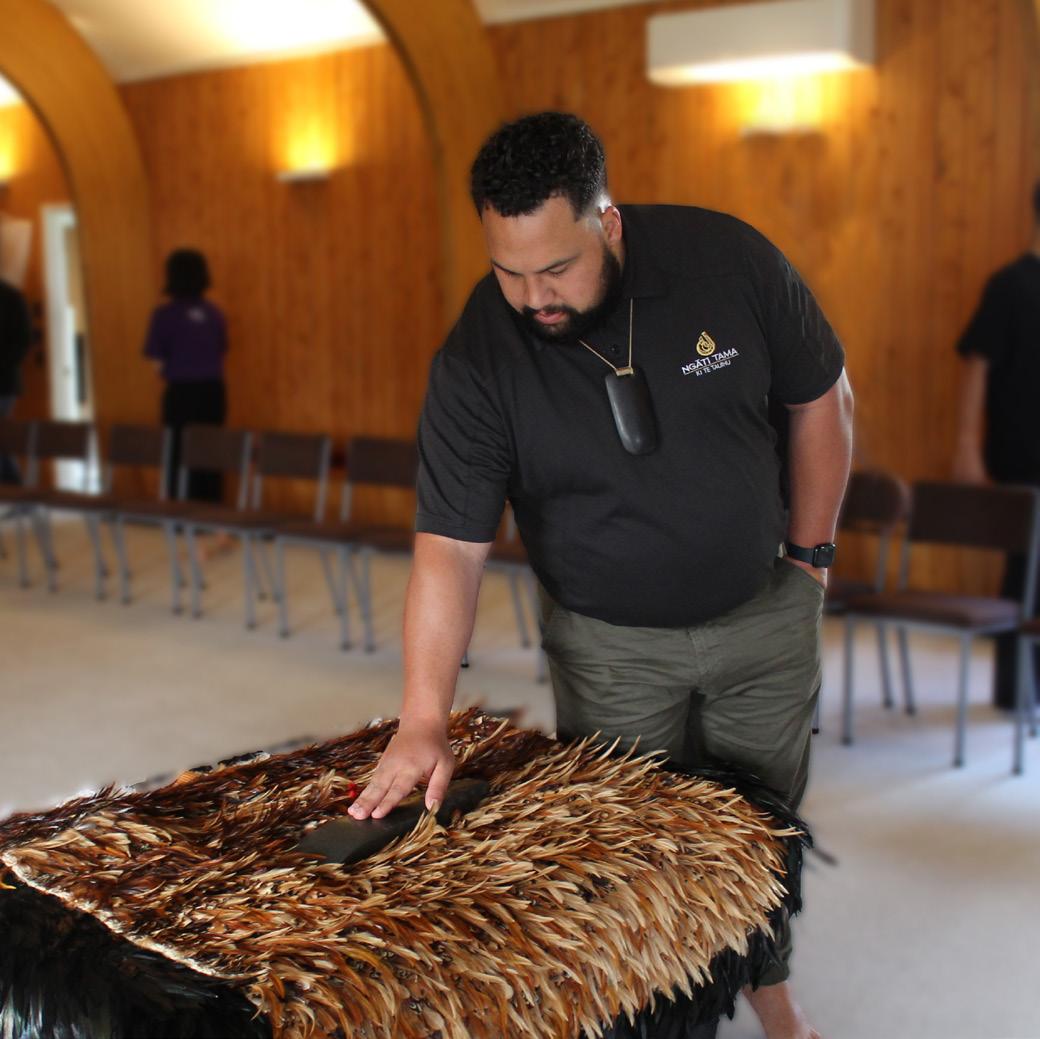
Target high-impact areas – define strategic direction, secure funding, invest commercially and demonstrate impact.
Engage members and communicate how we have delivered on whānau expectations.
Maintain partnerships with other iwi and agencies to pursue shared outcomes.
• Establish ‘Strategy Management Office’ to measure and report on progress and the impact we are having, enabling the Board to prioritise resources and make sound investment decisions.
• Design mechanisms to regularly communicate, engage and stay connected with whānau.
• Identify focused opportunities to partner with iwi and other agencies, using a collective approach.
• Identify systemic barriers to effective partnerships and develop actions to remove or reduce them.
Performance measures in our strategic plan that are on track to be achieved. Whānau are actively engaged with Ngāti Tama.
We have trusted and effective partners with shared values.
Empower tomorrow’s leaders by supporting whānau to commit their valuable time and expertise.
• Design a framework that encourages and supports whānau to be actively involved in all Ngāti Tama mahi (e.g. governance, operations, kōmiti).
• Establish mechanisms to develop leadership skills and competencies.
We have Ngāti Tama leaders actively involved in each strategic pou.
Uphold and embed the Ngāti Tama way of being across generations.
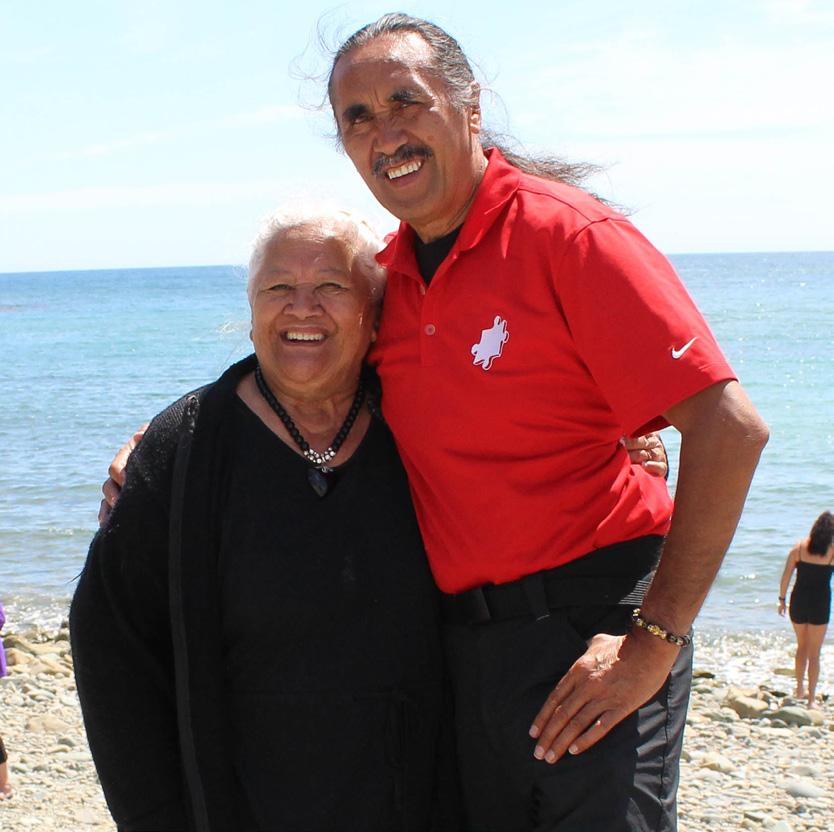
Enable whānau to access reo programmes to increase the ability of members to use te reo Māori / Ngāti Tama reo.
Strengthen intergenerational transmission through the delivery of wānanga that inspire a sense of pride, kinship and identity.
• Review and reprioritise Tama Kōrero programme to ensure it is fit for purpose to the updated strategic plan.
• Identify and work with delivery partners to customise te reo programmes for Ngāti Tama reo.
• Establish a kāhui of whānau who are highly proficient in delivering wānanga.
• Develop mechanisms to capture, collate and preserve our tikanga, including streamlining access to content and artifacts held by NZ Archives.
• Design a series of wānanga to inspire whānau to come home and be connected.
Whānau with increased proficiency in te reo Māori.
Whānau are actively upholding Ngāti Tama tikanga.
Provide a place of belonging for community, cultural expression and spiritual connection.
• Define the short, medium and long-term vision for a Ngāti Tama marae.
• Develop a feasibility study on establishing a Ngāti Tama marae and secure whānau commitment.
• Secure necessary land and build the marae.
• Develop and implement funding plan.
• Design operating procedures and establish whānau capability to run the marae.
Whānau feel strongly connected to the marae.
Support whānau to grow skills, succeed in mahi and contribute to the
collective wellbeing of our iwi.
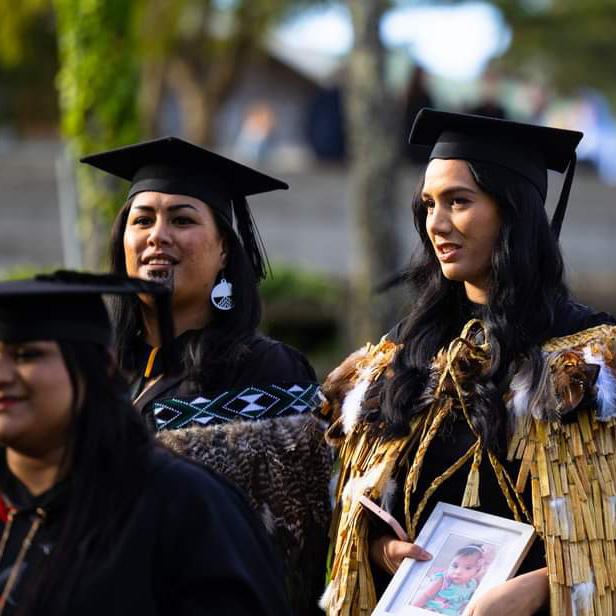
Expand learning opportunities that educate and upskill whānau and advance their careers.
• Review and reprioritise grants scheme to include and target demand areas.
• Establish process for advocating for a greater number of education opportunities.
• Scan the environment of Ngāti Tama invested industries to reconcile internships and work placement opportunities.
• Investigate partnership opportunities for the provision of education, upskilling and work opportunities (e.g. Nelson Marlborough Institute of Technology).
• Establish mechanisms to connect entities who are seeking specific capability to whānau that hold the relevant skills and expertise.
Grant recipients are engaged whānau members.
Strategically aligned opportunities are presented to whānau.
Enable whānau to achieve their housing aspirations and financial independence.
• Build capability to promote Ka Uruora model and generate critical mass of iwi whānau.
• Establish processes to inform the research, innovation and expansion of the Ka Uruora service offering.
• Investigate feasibility of developing Ngāti Tama papakāinga.
Whānau live in warm, dry and healthy housing solutions.
Whānau live healthier lives with fairer access to health outcomes.
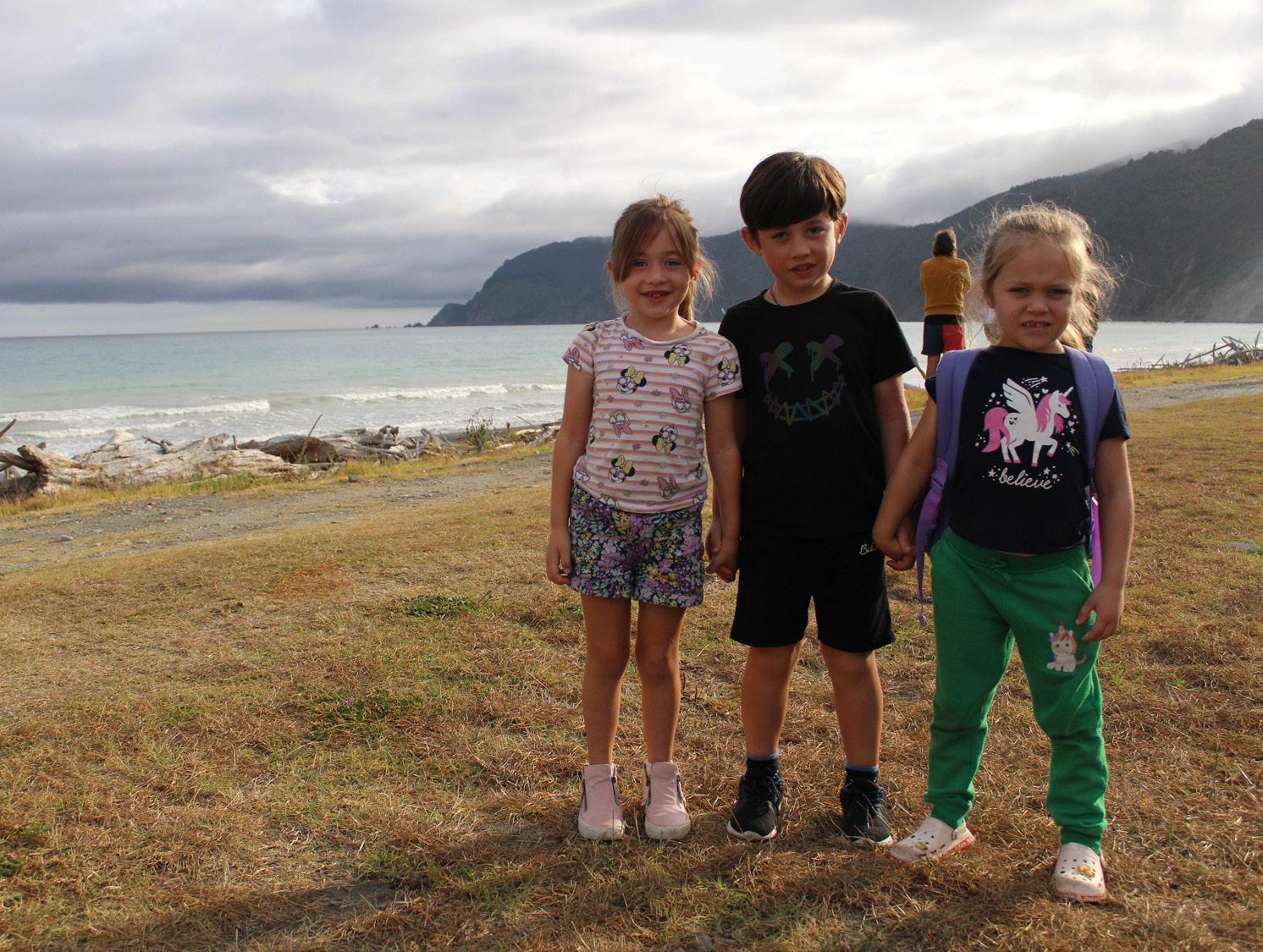
Partner with other iwi to advocate for more targeted health resources and support for Te Tauihu.
• Establish a collaborative iwi process to proactively advocate to government and regional health entities to influence change.
Facilitate access to healthcare to reduce disparities.
• Scan the environment to determine the various health pathways that whānau can choose to access.
• Partner with local health providers (e.g. Te Piki Oranga) to address systemic barriers to access for whānau.
Increased health areas where our advocacy has made a positive contribution and impact for whānau.
Whānau are accessing health opportunities.
The natural world is respected and sustained so future generations can enjoy and connect with it.
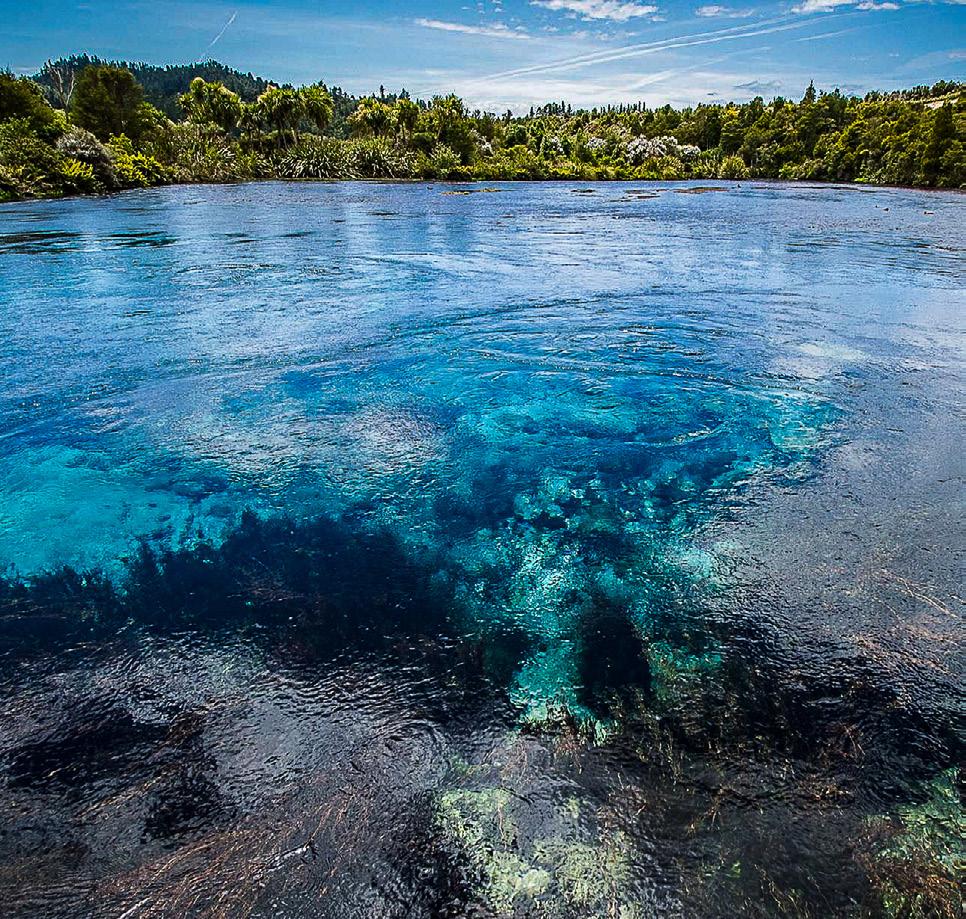
Influence legislation, policy and resource plans to protect te taiao.
• Develop framework for prioritising our focus and effort, shifting away from compliance to shaping legislation and policy.
• Strengthen partnerships with Councils, NGOs and government in the te taiao sector so that we can work collaboratively to achieve better outcomes.
Extent to which policy, planning and restoration programmes actively reflect the values of Ngāti Tama.
Restore, enhance and honour our taiao so that whānau can connect to their whakapapa and whenua.
• Strengthen partnerships with Councils, NGOs and government in the te taiao sector so that we can work collaboratively to achieve better outcomes.
• Define Ngāti Tama’s role as kaitiakai of our places in the broader Te Tauihu ecosystem.
• Design process to celebrate and honour our places so whānau can enjoy and connect to their whakapapa and whenua.
Extent to which mauri is healthy and vibrant.
WRITTEN BY HĒMI SUNDGREN AND KERENSA JOHNSTON
There are moments in our history that feel like endings. Signatures are placed, agreements reached, numbers settled. But every so often, those moments are not endings at all—they are thresholds. The resolution of the Te Here ā Nuku, the Nelson Tenths, is one such moment. It is not the closing of a chapter. It is the opening of a question: what will be done now, that the Tenths are, in part, made whole?
The Tenths—more than mere parcels of land—once stood as symbols of hope and a brighter future, promises that history ultimately left unfulfilled. Today, the weight of that legacy rests on the Trustees of the Here a nuku Trust. Yet, it's crucial to understand: the return of the land and compensation is far from a simple reversal of loss. Overlooking these subtle but vital differences could mean stumbling into the same pitfalls—a new chapter echoing old mistakes.
In the 1840s, as the New Zealand Company laid out the settlement of Nelson and its surrounding districts, our tūpuna entered into an agreement that was both pragmatic and visionary. One tenth of the settlement—15,100 acres—would be reserved in perpetuity for Māori. These Nelson Tenths were not a gift. They were an economic instrument. They were designed to provide the basis of an endowment, to anchor participation in a rapidly forming economy, and to ensure that Māori prosperity would grow alongside the settlement itself. The promise was clear, and it was formalised in law through an 1845 Crown Grant – the ‘Spain Award’.
Sadly, the original promises were quickly broken, with only a small portion of the Tenths actually reserved as intended. Much of the land was instead sold, leased, poorly managed, or lost altogether. Pā, urupā, and cultivations that were supposed to be set aside separately from the awards never received proper allocation. This was not an isolated incident, but part of a long standing pattern of neglect—a failure that extended beyond policy to a fundamental lack of responsibility. Despite this, from petitions in the 1800s to legal challenges in recent times, our community has consistently fought to reclaim what is rightfully theirs.
This was never just a Treaty grievance in the political sense. It was a binding legal obligation, grounded in trust and property law. In 2017, the Supreme Court affirmed that the Crown owed fiduciary duties to the customary owners of the Tenths. In 2024, the High Court confirmed those duties had been breached in fundamental ways. These findings did not create new rights—they recognised the enduring nature of ones that had long been ignored.
The Resolution Agreement reached under Te Here ā Nuku marks the culmination of that struggle. Approximately 7,500 acres of land will be returned across Te Tauihu, alongside financial redress in the order of hundreds of millions of dollars for land that cannot be restored. It brings to a close one of the longest running legal disputes in Aotearoa’s history and
formally acknowledges the Crown’s failure.
This is mana restored—but restoration must be understood carefully.
It would be easy, in this moment, to see the return of whenua and the scale of redress as an opportunity for direct and immediate utilisation—land or money as something to be divided, accessed, or occupied in ways that meet present day expectations. That instinct is understandable. It speaks to a deep and legitimate desire for reconnection. But it also carries risk.
Because the Tenths were never intended to function as a series of individually consumed benefits. They were conceived as a perpetual endowment—an intergenerational economic base that would produce returns over time, not be diminished by use. If we shift that purpose now—if we treat the whenua or pūtea primarily as a place for direct allocation or fragmented use—we risk undermining the very mechanism our tūpuna fought to secure.
This is the uncomfortable truth at the heart of this moment
To “make the Tenths whole” is not to replicate the past in form, but to honour its intent. And the intent was clear—collective, enduring prosperity.
The opportunity before us is to re establish the Tenths as a true endowment, in accordance with our values—one that is protected, grown, and deployed with purpose. But perhaps the better way to understand this is not through financial language alone, but through something more familiar.
The Tenths endowment are like the pā harakeke.
At the centre sits the rito—the generational core. It is never cut. It is protected, nurtured, and allowed to grow, because it ensures the survival of the whole. Around it are the awhi rito, and beyond them the outer leaves, which can be harvested carefully and with intention. The strength of the pā harakeke is not in how much you take, but in how well you understand what must remain and the effort involved to nurture and care for the plant.
If you cut without discipline, the plant weakens. If you harvest too close to the centre, you compromise its future. But if you tend it properly—if you protect the soil, it’s root systems, and it’s core, take only what is appropriate, and allow for regeneration— it will sustain generations. This is a not a new or novel concept.
This is the model the Tenths now call us toward.
In this framing, the endowment is the rito. It must be held intact—protected from fragmentation, from overreach, from the pressures of immediate demand. Around it sits the capacity to generate returns—those outer leaves that can be harvested to support the wellbeing of uri. The role of leadership is not to maximise extraction, but to ensure balance: that what is taken today never compromises what must endure tomorrow.
Reconnection, then, does not sit in the cutting of the rito. It sits in the weaving— ‘me tōngai harakeke e te iwi’ The great orators of our Taranaki homeland called on this aphorism to reconnect, collectivise and be resilient in the face of adversity, Tohu and Te Whiti at Parihaka also uttered it as a unifying call to non violent action. By weaving together our efforts and aspirations, we honour both our tūpuna and our descendants, ensuring the legacy endures and flourishes for generations to come.
The benefits generated from a strong and disciplined endowment can be woven back into the lives of our people—through education, cultural revitalisation, environmental restoration, and pathways that strengthen identity and belonging. In this way, the Tenths fulfil their purpose not by being consumed, but by enabling a network of outcomes and impacts that bind uri back to whenua, to whakapapa, and to each other.
This is the quiet power of an endowment model. It requires restraint. It requires clarity of purpose. And it requires us to hold fast to an idea that can feel counterintuitive in a moment of return—that the greatest expression of ownership is not always use, but stewardship.
Economically, this challenges us to think beyond conventional models. Not simply as asset managers, but as stewards of an intergenerational base. One that must grow, adapt, and respond to changing conditions, while remaining anchored in its founding purpose.
Culturally, it asks us to redefine reconnection—not as proximity alone, but weaving by participation, identity, and contribution. To invest in the things that bind us to each other and to our history, even when those investments are not physically tied to land use.
Environmentally, it positions iwi not as passive recipients of returned land, but as deliberate kaitiaki—able to protect and enhance whenua precisely because it is not overburdened with competing demands.
And in governance, it requires a shift of mindset. From grievance to guardianship. From recovery to responsibility. From the urgency of redress to the patience of stewardship.
None of this diminishes the significance of what has been achieved. If anything, it elevates it. Because it recognises that the true value of the Tenths does not lie in their immediate use, but in their enduring potential.
So we are left with a more difficult, but more important, set of questions.
• What does it mean to honour an endowment?
• How do we protect something not just for ourselves, but from ourselves?
• How do we ensure that the benefits of this settlement are felt deeply by our people—without compromising the foundation that makes those benefits possible?
The Te Here ā Nuku Resolution Agreement does not represent justice completed. It represents justice returned to our care and stewardship.
For 180 years, our tūpuna fought to have this obligation recognised. Not so that it could be consumed, but so that it could finally function as it was always intended.
The Tenths are coming home—but not as they left.
They return as a test of our discipline, our unity, and our foresight. A platform not just for reconnection, but for permanence. A reminder that the greatest responsibility we carry is not to maximise what we can take today, but to safeguard what must remain tomorrow.
What is built from here will define whether the Tenths are merely settled—or truly made whole.
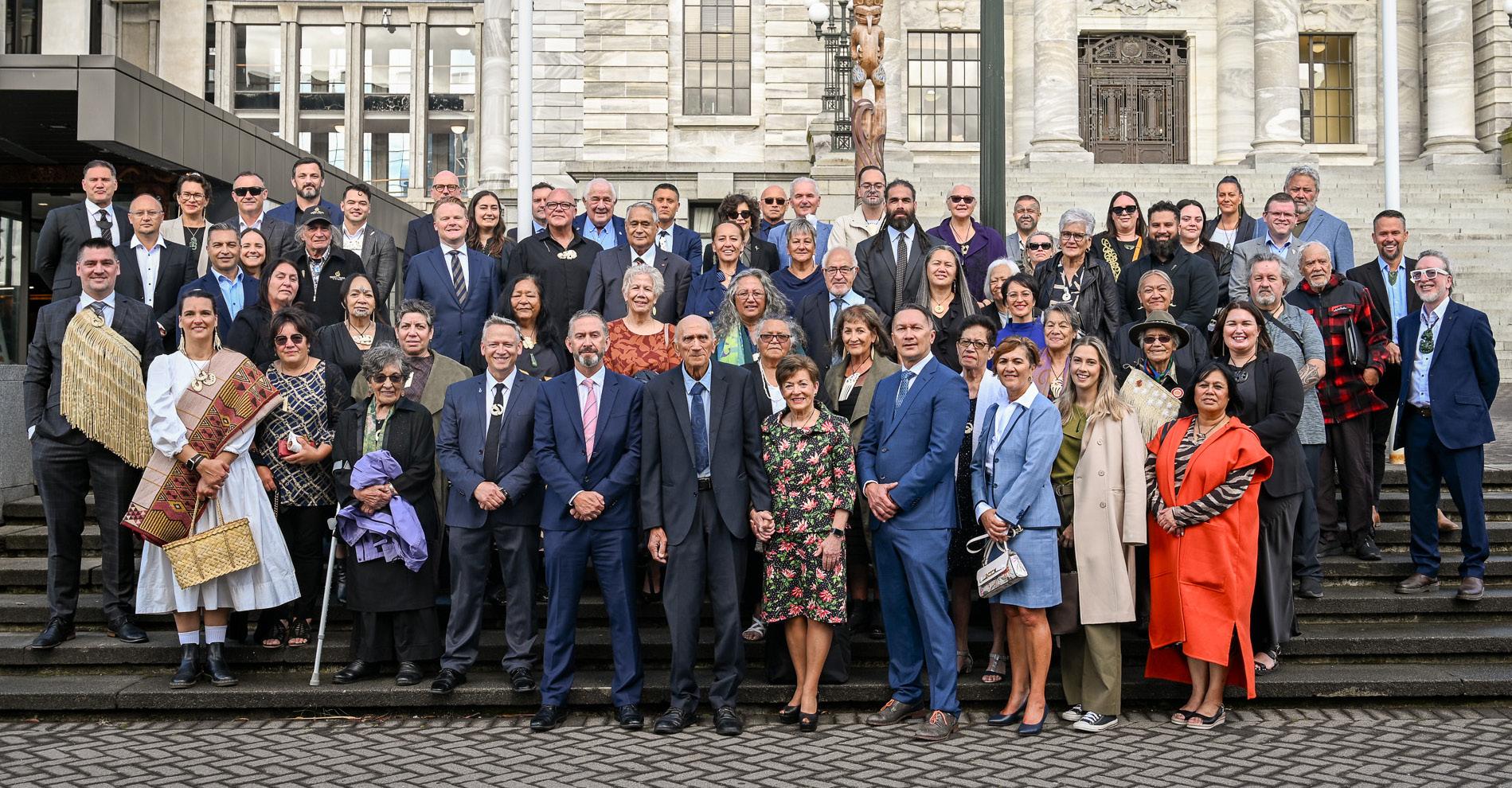
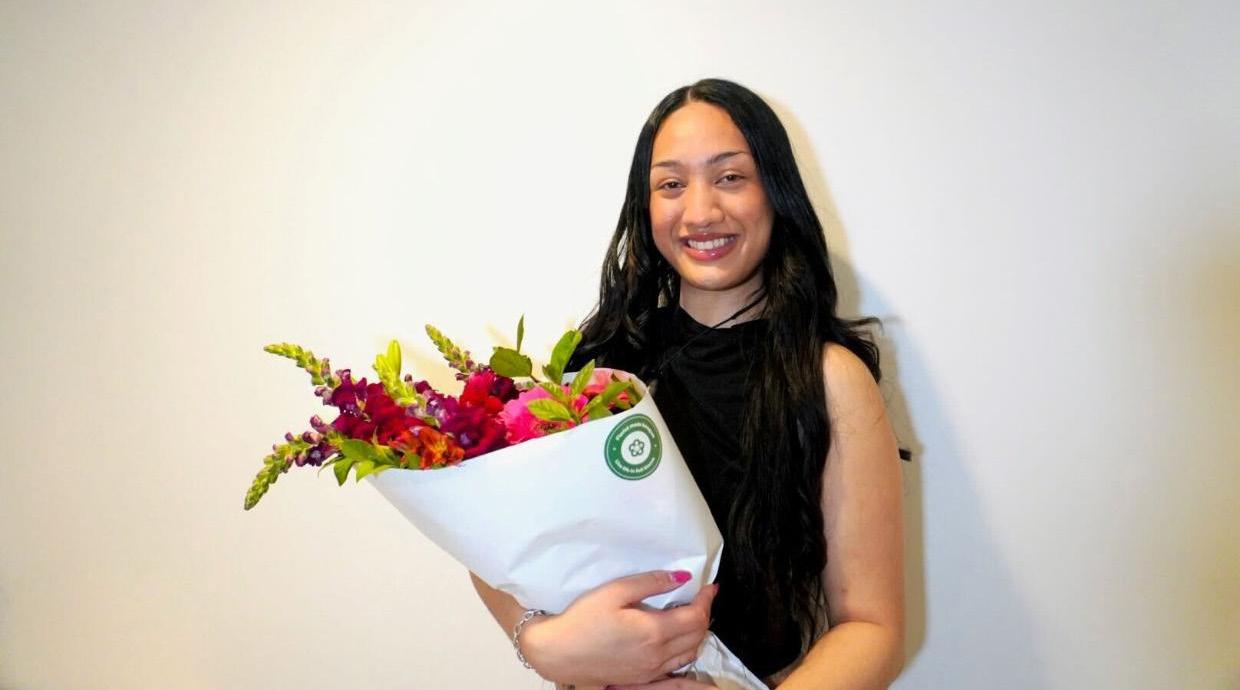
Mataaria Rei, 21, has been hailed a hero for stepping in to protect a boy from being assaulted. Photo Credit: Stuff
MAATARIA REI
Tēnā rā koutou katoa.
The widely shared incident in Auckland, where a young woman, our whanaunga Mataaria Rei, stepped in to protect a boy during a violent altercation, has prompted reflection on the deeper foundations behind such actions. This whānau kōrero goes beyond the immediate events, revealing the lasting values that inform and guide these responses.
Rather than focusing solely on the moment itself, this perspective highlights principles instilled within the home environment, including tikanga Māori. It draws attention to the everyday teachings of aroha, manaakitanga, and tiakitanga—compassion, care, and guardianship—which collectively shape the choices made in challenging situations. For Mataaria, stepping in wasn’t something to overthink. It came from an understanding that you don’t stand by when someone is being hurt, especially our tamariki. Those instincts were shaped long before that day, through the guidance and example of her whānau.
Ko Titohia te maunga tapu.
Ko Aotea me Tokomaru ōku waka.
Ko Pātea, ko Wakapuaka ōku awa.
Ko Wai o Turi, ko Waiokura, ko Pariroa rātou,
ko Katere ki te Moana ōku marae ka tipu ake ai.
No ngā iwi katoa o Taranaki maunga.
Ko Ngāti Toa Rangatira, Ko Ngāti Rārua, Ko Ngāti Koata,
Ko Ngāti Tama, Ko Te Ati Awa ōku iwi ki Te Tauihu.
Ka tipu ake au kei raro e te korowai o maunga Taranaki.
He uru ahau o Te Tahana Rerengaio Te Waari rāua ko Meri Makarini.
Ko Whangataki Rei tōku koro tua rua.
Ko Lynne Rei tōku kuia.
Ko Cordelle Rei tōku māmā.
Ko Mataaria Rei ahau, rua tekau mā tahi ōku tau.
He kai mahi ahau mō te Ara Poutama o Aotearoa.
Mauri ora e te whānau.
What was going through your mind in the moments before you stepped in to help that young person?
What kind of wahine would I had been if I had allowed our tamariki to hurt each other?
The morals and tikanga māori my whānau portray from themselves into me was shown in the way I tried my best to awhi the young tane.
I took the intuition upon myself to leave my running vehicle in the middle of road amongst peak traffic because visually seeing someone younger than myself get hurt, my focus of safety shifts from myself to the victims.
I’m fortunate enough to work in a workplace where it is compulsory to be trained and know various self defence methods, knowing how to de escalate situations. Although we were outnumbered, I couldn’t help the rushing thoughts of tension management, crisis intervention de intensifying the situation.
You said, "we weren't raised to watch others get hurt," how did your whānau and upbringing shape your actions that day?
My actions that day were shaped by the values I was raised with. In my whānau, it was never acceptable to stand by while someone was at risk. Mātāpono (principles) such as manaakitanga, aroha, and tiakitanga were taught to us from a young age. To uphold people’s safety, to care for others, and to act in ways that protects their mana.
Because of that upbringing, stepping in to calm the situation felt natural. It was simply applying the tikanga I grew up with supporting those in need and preventing harm wherever possible.
Were there moments you felt afraid, and how did you manage those feelings while stepping in?
I feared more for his safety. Once I saw the boy on the ground, my instinct was to act. Remembering the values of manaakitanga, tiakitanga, and doing what is right helped me stay calm. Instead of thinking about my own fear, I centred myself on keeping him safe and preventing any further harm.
How has your whānau and wider community responded since the incident, and what impact has it had on you?
My whānau saw the video and were very proud of the way I stepped in, it reflects the values I was raised with to act when something is wrong and to look after others.
The wider community has also shown a lot of encouragement, with many people calling my actions courageous and thanking me for protecting the boy.
The impact on me has been quite humbling. I didn’t step in to be acknowledged; I acted because it felt like the right thing to do. But seeing the positive response has reinforced how important our tikanga and community values are.
What advice or message would you give to young people about standing up for others and looking out for their community?
You don’t have to be fearless or perfect. You just have to be willing to do the right thing.
What type of tupuna do you inspire to be?
My name’s sake Mataaria is known to had deeply cared for people, following in her footsteps I hope to implement kindness amongst all youth and younger generations. Mātāpono me manaakitanga, aroha, kaitiakitanga.
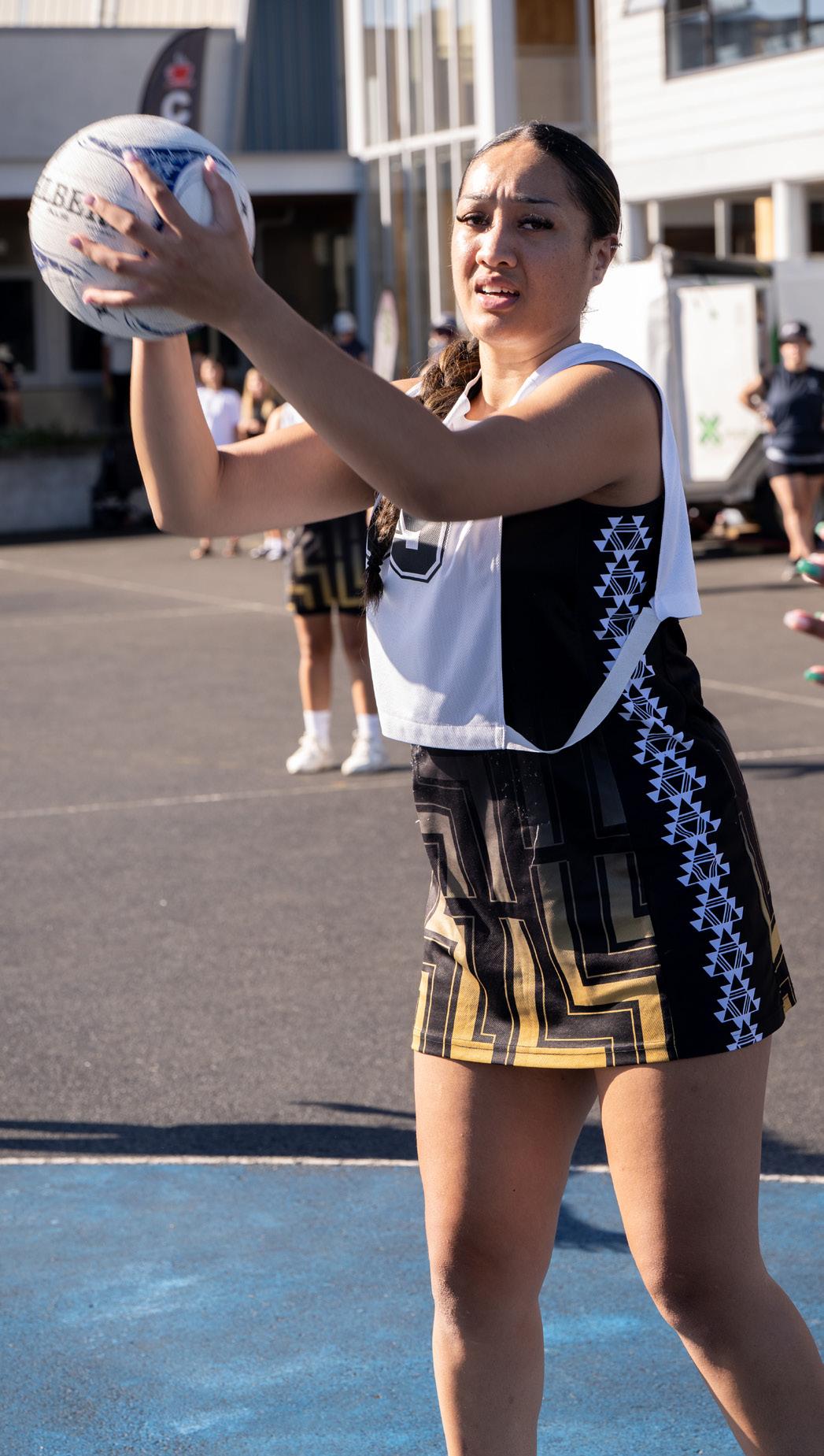
Courtesy of The Breeze Auckland
"In te ao Māori, we look after each other"
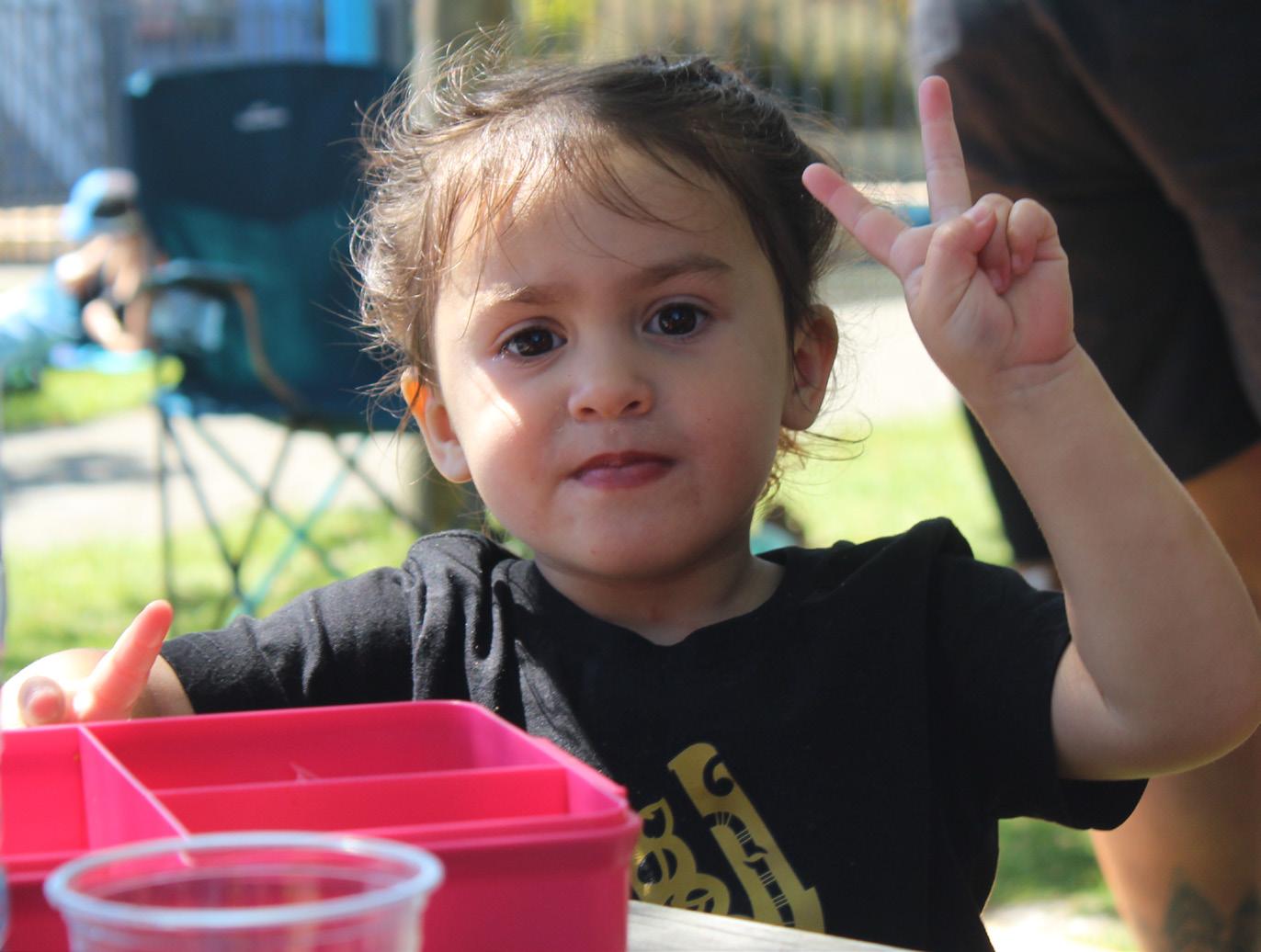
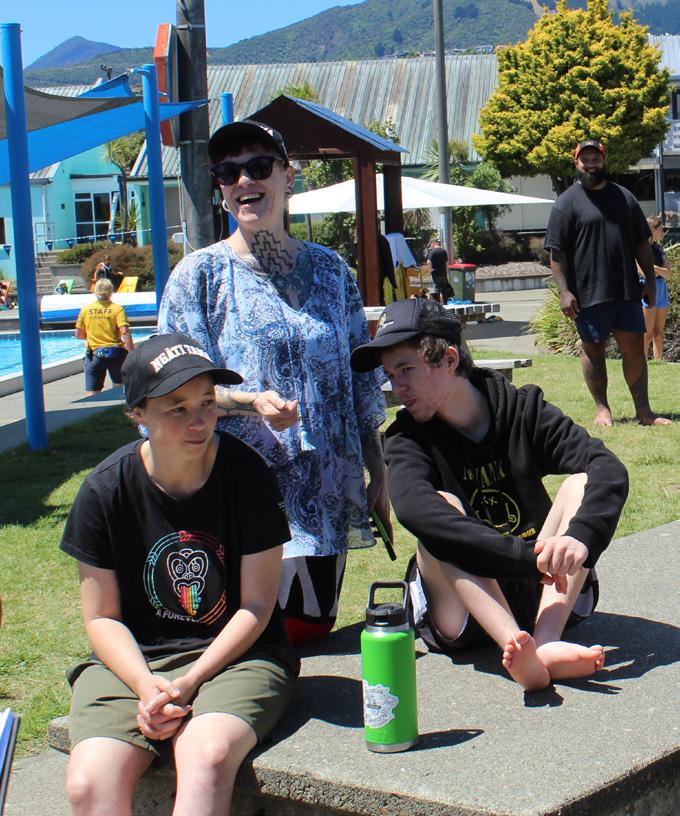
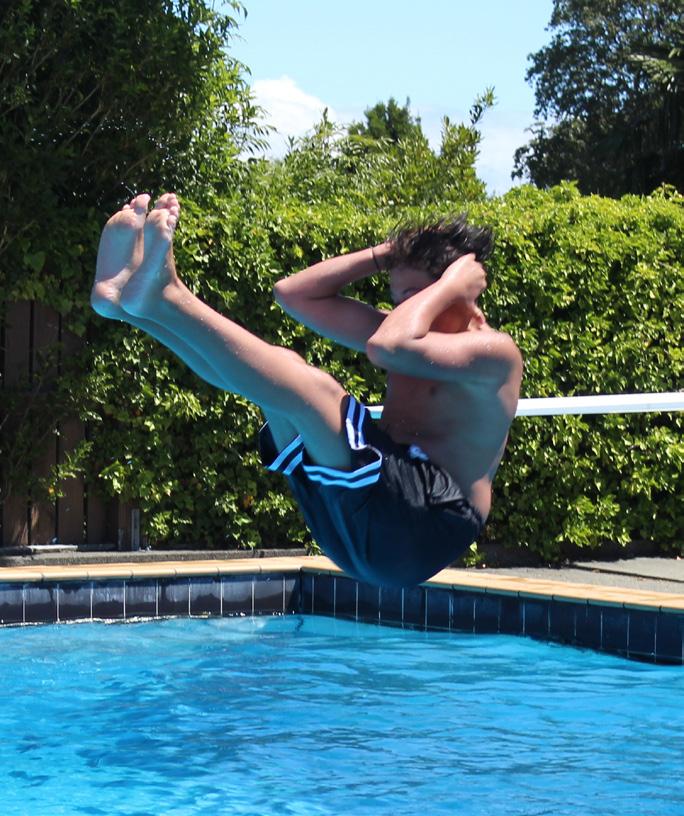
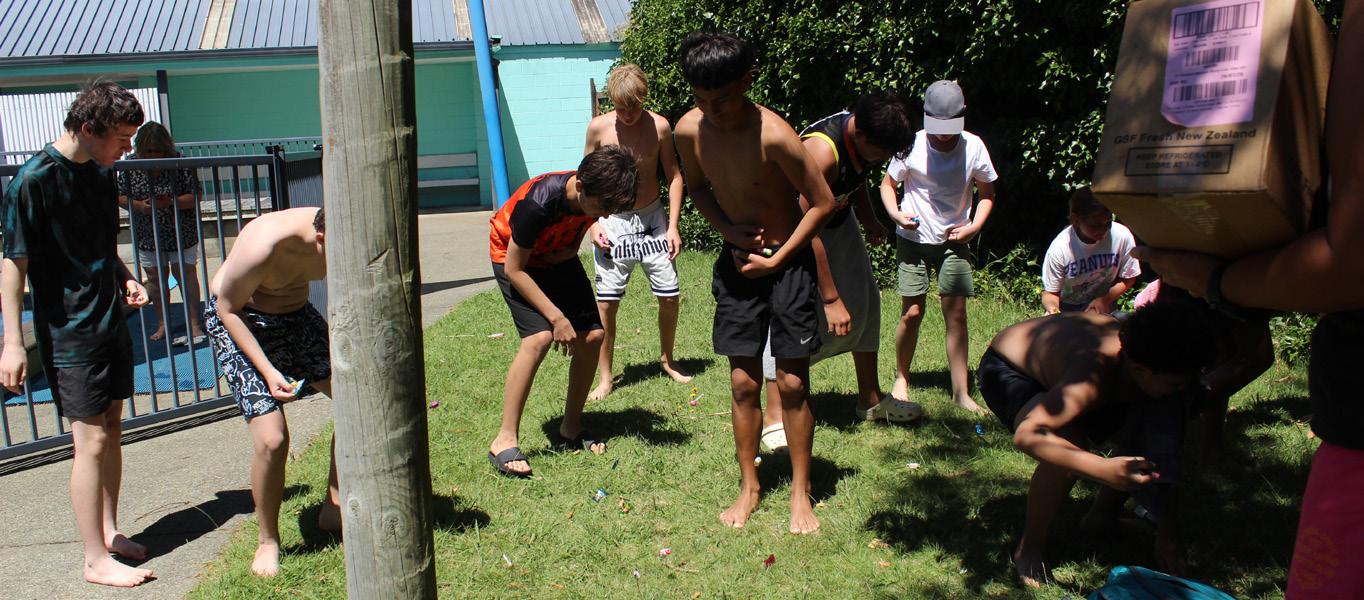
On Wednesday 28 January 2026, our Ngāti Tama Tamariki Day was held at Nayland Pool. It was a great opportunity for tamariki and their whānau to come together and spend time enjoying the activities and warm weather.
The pools were busy all day with tamariki swimming and spending time with their whanaunga. One of the main events was the manu competition. Lots of tamariki took part and tried their best to make the biggest splash. Whānau gathered around the pool to watch and cheer them on, and it was a great part of the day that everyone enjoyed.
Kai was also shared during the day, giving tamariki and their whānau time to take a break from swimming and enjoy some food together. Sharing kai helped bring everyone together and added to the positive vibe of the event.
Overall, it was a fun day thatbrought tamariki and their whānau together and strengthened a sense of whanaungatanga. It was an enjoyable event where tamariki could relax, have fun in the water, and spend time with their whānau.
WRITTEN BY HOANI TĀKAO
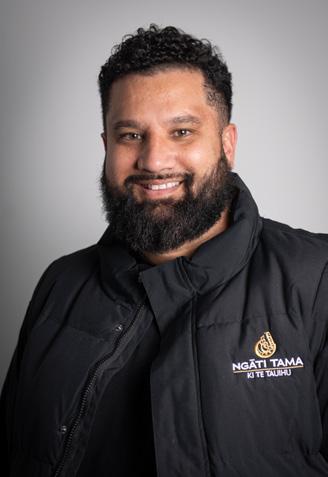
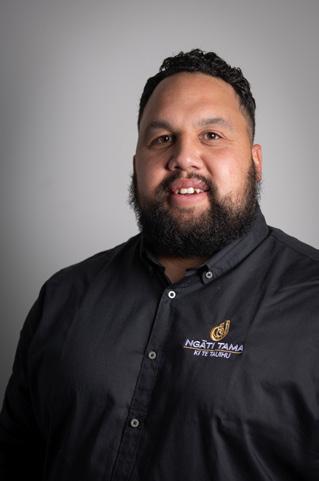
Dan and I had the privilege of traveling to Waitangi alongside our Ngāti Tama Board Chair and Chief Executive for the National Iwi Chairs Forum hui.
An opportunity to observe and experience a collective iwi approach to matters and priorities that impact us as iwi Māori in this political climate and into the future.
It was evident whilst transiting from Nelson to Auckland to the Bay of Islands airport that both Butch and Hēmi are two very well known and respected leaders. Like other kaupapa we have attended together we had a sense of comfort and pride being led by Butch and Hēmi. The comfort came when being introduced to friends, whānau and other iwi leaders which put us at ease and contributed greatly to a positive experience. We felt very included and welcomed to this space for the duration of the kaupapa by those who have established relationships with Butch and Hēmi.
It was certainly a highlight to attend a pōwhiri at Te Tiriti o Waitangi Marae and witness karanga and whaikōrero to begin this kaupapa.
We enjoyed Te Tai Tokerau showcasing their vison, priorities and concerns. There were many learnings and takeaways from the collective kōrero shared.
Many insightful discussion points, some included the following;
• Iwi assets and Māori land entities
• Iwi procurement
• Māori Purpose Zones
• Trade and indigenous economy
• Renewable energy
• Housing
• Iwi response to natural disasters

• Strategic relationships
• Government accountability
What this hui did confirm is that we as Ngāti Tama from a commercial sense are in a great place, and in some instances many years well advanced, and that is testament to our whānau, boards and kaimahi, past and present that continue the hard work and good fight for us as an iwi.
Respectfully our trip also highlighted post settlement being both a blessing and a curse. That we as an iwi in Te Tauihu are incredibly fortunate, boarder line spoilt. We have a lot to be proud of, a lot to be grateful for and a lot to work towards and improve upon. Nationally there are some amazing examples of collaboration, relationship and cultural nuances being fostered and grown which we as an iwi do have but can certainly grow.
As associate trustees, this hui gave us some new insights, it allowed us to be reflective, be inspired and visionary.
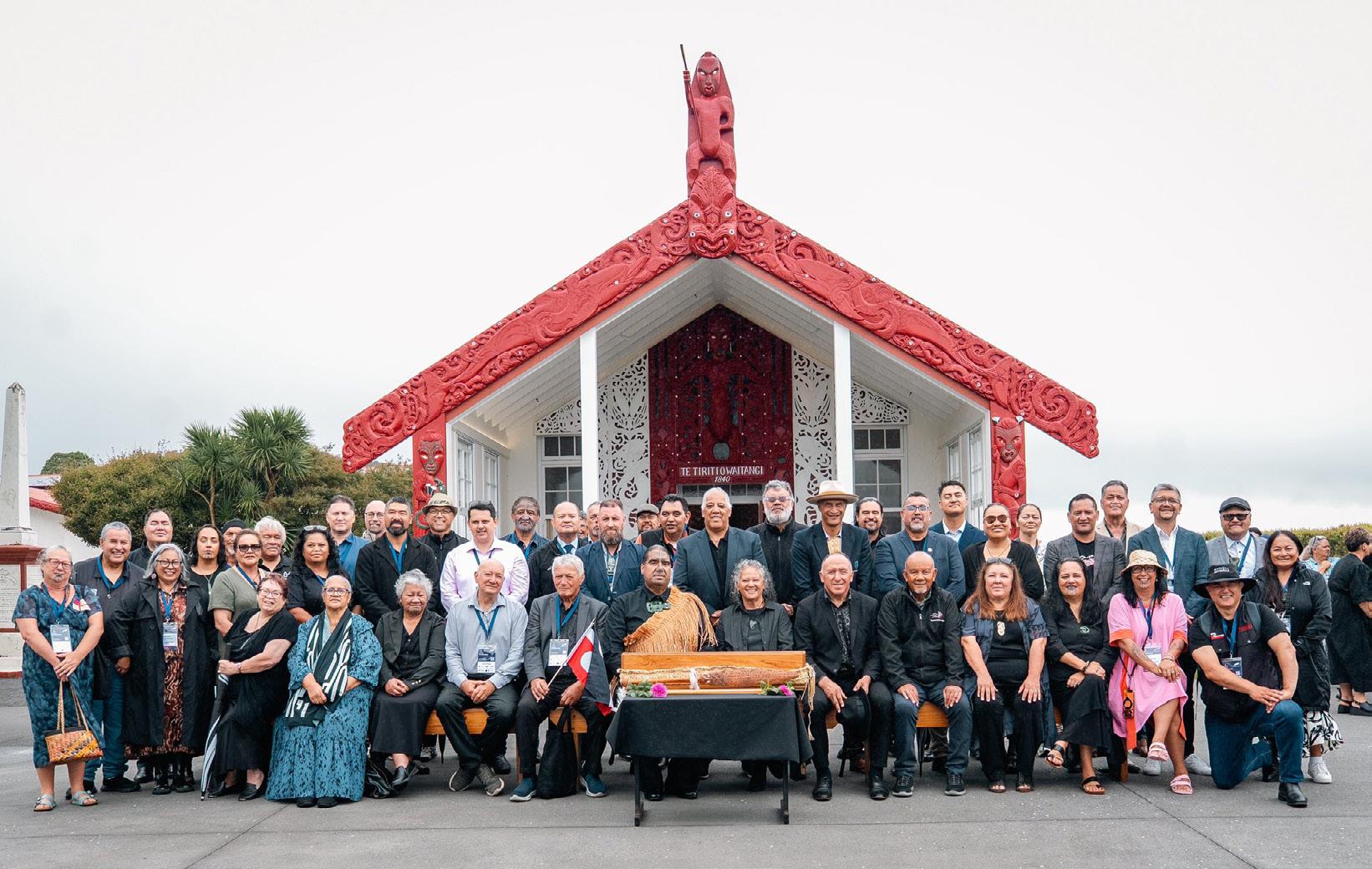
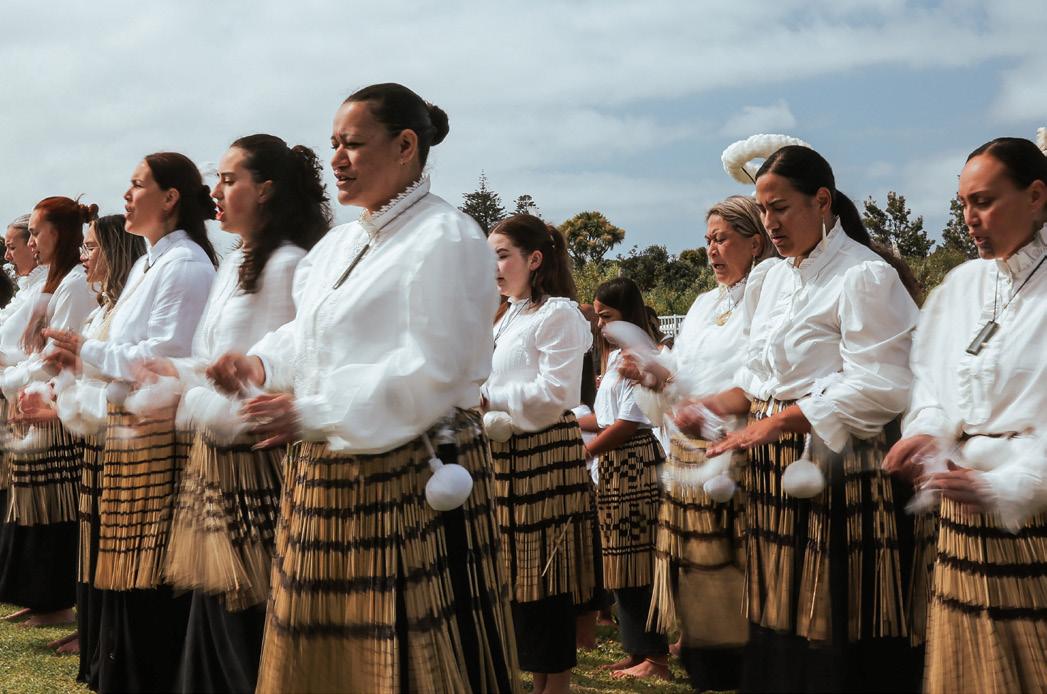
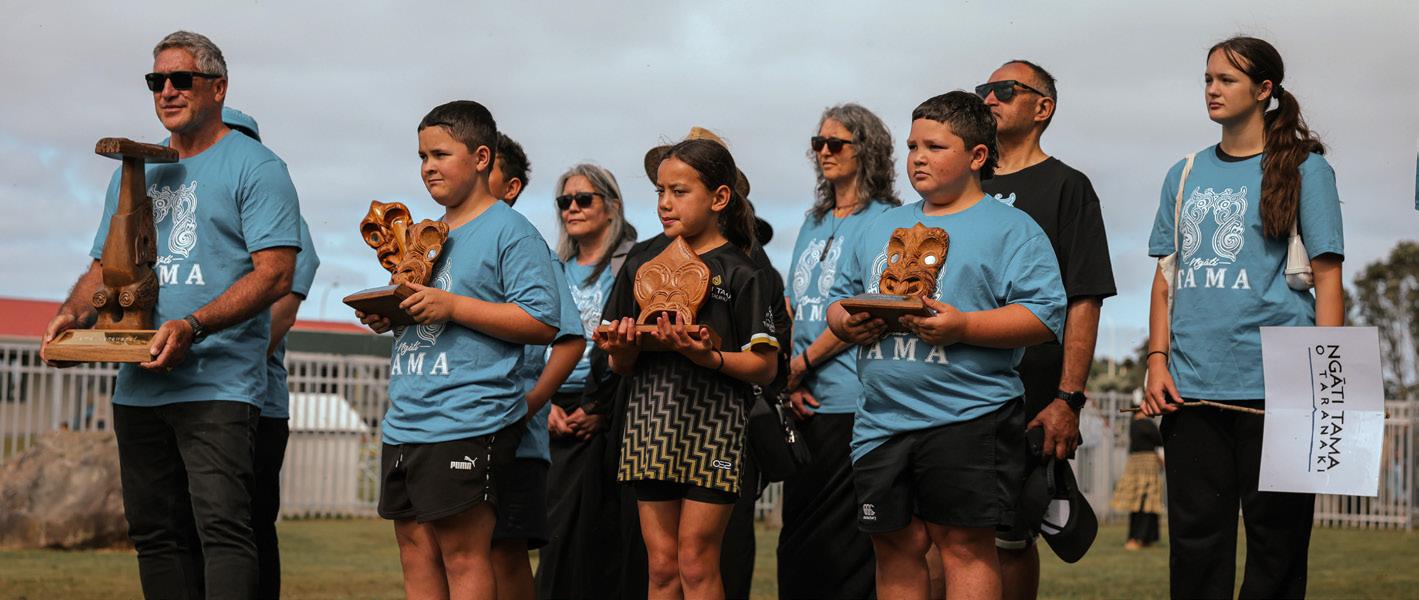
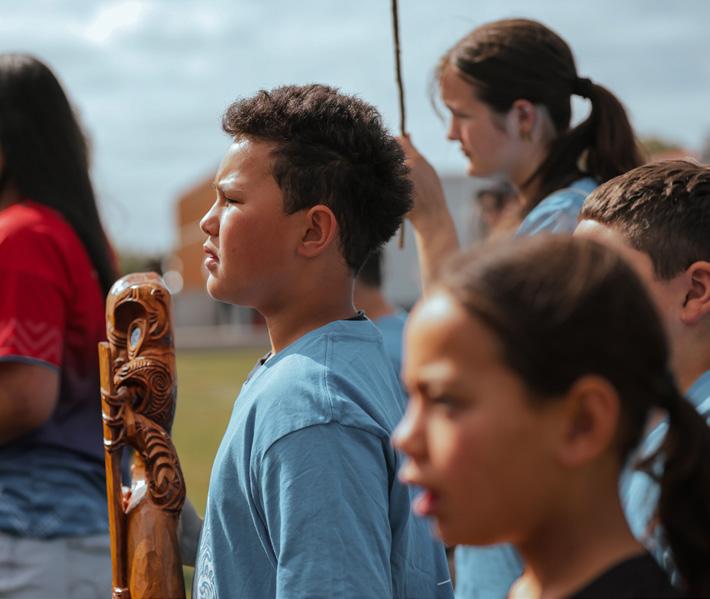
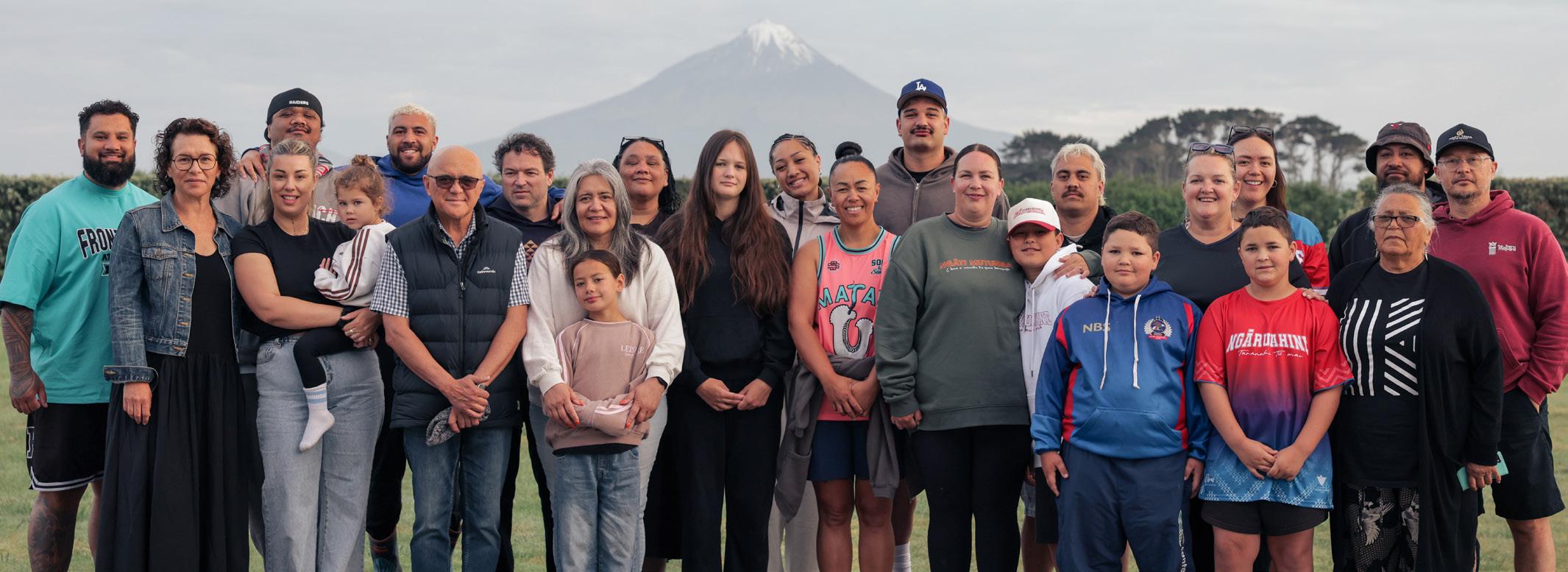
From 21–23 November, whānau from across the motu gathered for in Taranaki for Taranaki Tū Mai, a powerful celebration of connection, identity, and belonging. This year, Ngāti Tama took a small rōpū north after being selected through an expression of interest process, travelling together with excitement and pride. Based at Tawhitinui Marae, our whānau spent the three days together enjoying kai, kōrero, and the chance to be with each other on the marae and visit significant cultural sites around Taranaki.
Sport was a big part of the weekend where we teamed up with our cousins from the north, Ngāti Tama ki Taranaki. Bringing home some great wins, including rugby league. But just as important was the chance for our tamariki and pakeke to take part, enjoy the event themselves, and meet other whānau for the first time, building connections that will last beyond the weekend.
Attending Taranaki Tū Mai was also about reaffirming our Ngāti Tamatanga, reconnecting with the whenua of our tūpuna and remembering where we originate from before our hekenga ki Te Tauihu. Highlights for many included the cultural sites tour, especially the uplifting journey up the maunga and seeing Wilkies Pools.
All in all, Taranaki Tū Mai was memorable for the fun, connection, and shared experiences among whānau. Events like this offer a chance to relax, catch up, and celebrate together, leaving everyone looking forward to next time.
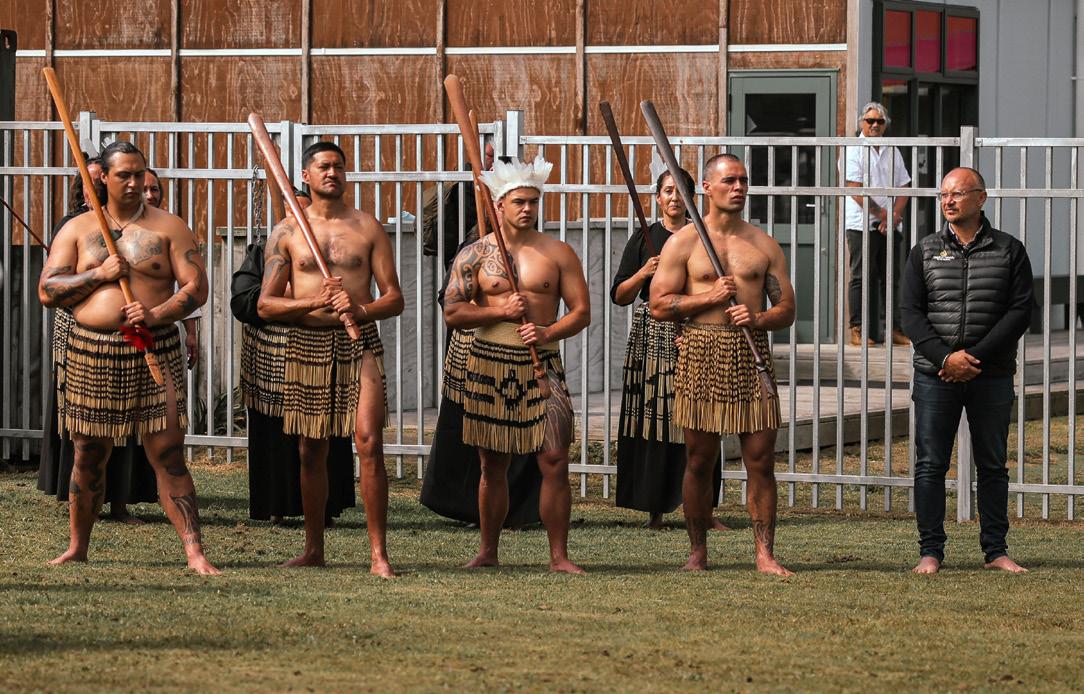
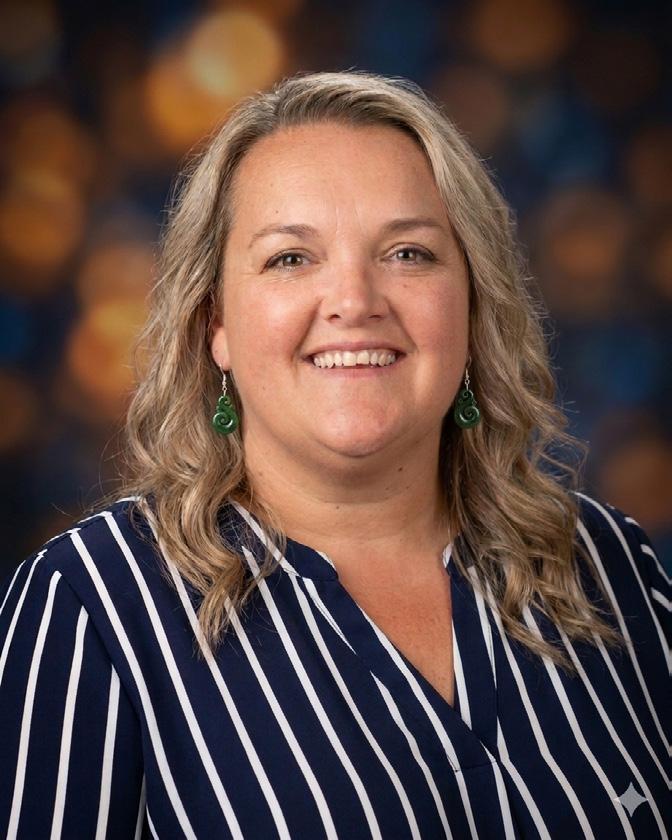
What inspired your whānau to attend Taranaki Tū Mai for the first time, and what were you most looking forward to?
We were really excited to finally take our two tama to Taranaki— it was their first time ever there. For me, it was a chance to share that awe of seeing Taranaki Maunga up close, and to connect them to the whenua our tūpuna once stood on. My great grandfather was brought back to the area as a baby and returned to Te Tauihu in his early 20s, so being able to bring that connection to my boys felt really special. I also loved the idea of travelling and sharing this experience with our whānau, including my niece, which made it even more meaningful.
What were your first impressions when you arrived? What stood out about the atmosphere, the people, and the kaupapa?
As we drove toward the marae and Taranaki Maunga came into view, I felt this huge sense of awe—it was breathtaking. The people were warm, welcoming, and full of aroha, and the mana of the kaupapa was everywhere. It was so clear that coming together, travelling, eating, and staying together creates these strong connections across Te Tauihu whānau. For the tamariki, knowing people and feeling comfortable made joining in and experiencing everything so much more fun.
Was there a particular moment during Taranaki Tū Mai that stood out for your whānau or tamariki? What made that moment special or meaningful for you all?
Walking up the maunga with my boys was a real highlight. Feeling the whenua beneath our feet and seeing them take it all in made it really special. Watching them swim, play, and immerse themselves in the water made me realise how important it is for tamariki to experience their whenua with their own senses. Another standout moment was seeing the tamariki carry the trophies from the previous year and stand proud with Ngāti Tama ki Taranaki—it was such a powerful way to connect them to our people and history. Sharing all of this with my niece, and watching the tamariki grow their own
Ko Parapara te maunga
Ko Pariwhakaoho te awa
Ko Tokomaru te waka
Ko Waikoropupū te puna waiora
Ko Onetahua te marae
Ko Ngāti Tama ki Te Tauihu te iwi
Ko Taia Tairehe tōku tūpuna
Ko Talia Lynch (Little) tōku ingoa
Te Tauihu connections, added so much joy to the trip—it was a mix of connection, pride, and fun all at once.
How did attending Tū Mai strengthen your whānau’s sense of identity, belonging, or connection to our iwi and whakapapa?
Being there really brought our whakapapa to life. Standing on the land our tūpuna walked, sharing stories, and seeing my boys connect themselves to it made our history tangible. Travelling, eating, and staying together with extended whānau strengthened our sense of belonging, and showed the boys the importance of wider whānau connections. Seeing them carry trophies and represent Ngāti Tama ki Taranaki also reinforced their pride in our iwi. It reminded me that whakapapa isn’t just names on paper—it’s about experiencing, sharing, and passing that connection on to the next generation.
After experiencing Tū Mai together, what would you say to other whānau, especially those with tamariki who are thinking about attending in the future?
I’d say, definitely go! Let your tamariki see, feel, and connect with their whenua, their stories, and their wider whānau. Travelling together, eating together, and staying together gives tamariki confidence and comfort, so they can really enjoy the experience. Let them carry the history and pride of Ngāti Tama ki Taranaki too—it’s an unforgettable way to connect. It’s a space where whānau grow connections, and those memories and feelings of belonging will stay with your kids forever.
What type of tūpuna do you want to be?
I want to be the kind of tūpuna who nurtures pride, connection, and confidence. Someone who helps future generations feel their whakapapa, know their whenua, and carry that belonging with them. I want my tamariki and mokopuna to feel grounded, proud, and inspired by where they come from, and to enjoy building strong connections with whānau across Te Tauihu.
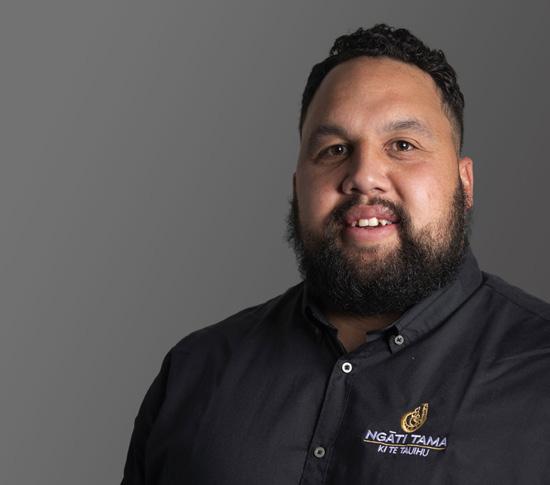
Dan Solomon
ASSOCIATE TRUSTEE
NGĀTI TAMA KI TE
WAIPOUNAMU TRUST
What has been the most rewarding aspect of your time so far as an associate, and how has it impacted your perspective on the mahi that the Trust does on behalf of whānau?
One of the most rewarding aspects of serving as an associate trustee has been gaining a deeper understanding of the breadth and responsibility of the Trust’s mahi on behalf of our whānau. From the outside, it can be easy to see decisions only at a surface level, but being part of the discussions has helped me appreciate the careful thought, accountability, and long term vision that sits behind every decision.
It has reinforced for me that the Trust is not simply managing resources or programmes, it is carrying the aspirations of our people. Whether the kaupapa relates to cultural revitalisation, economic development, or supporting whānau wellbeing, decisions at the governance table are always connected to the impact they will have on current and future generations.
This experience has strengthened my appreciation for the responsibility trustees carry and the balance required between protecting the legacy handed down to us and creating opportunities that will uplift our whānau moving forward.
How have your interactions with other trustees and the management team influenced your approach to your responsibilities, and what advice would you give to someone who may wish to do this in the future?
Working alongside the other trustees, management team, and our tari has been one of the most valuable parts of this experience. Seeing the commitment each person brings to the table to achieve positive outcomes for whānau has been inspiring. It has also been rewarding to see the connection between governance decisions, operational work, and the outcomes that flow through to our people.
As an associate, I have also appreciated that the board creates a safe and supportive space where my voice is heard and considered with intent. Despite being early in my governance journey, there has always been a willingness from trustees, management, and our tari to share knowledge, offer guidance, and support my growth.
Through these interactions I have learned the importance of listening, preparing well, and being comfortable asking questions. Governance is a space where learning never stops.
For anyone considering an associate role in the future, my advice would be to stay connected to our people and our values. Governance requires a willingness to learn, the ability to think long term, and the humility to work collectively. Most importantly, remember that the role is not about personal recognition, it is about service to whānau and ensuring the decisions made today support the wellbeing of generations to come.
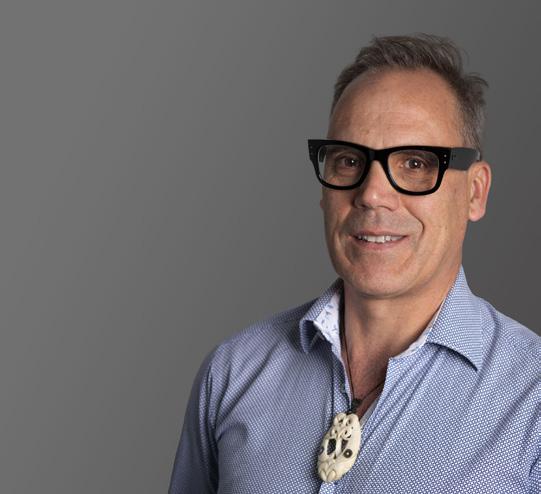
Luke Mitchell ASSOCIATE DIRECTOR
TAMA ASSET HOLDING COMPANY
What has been the most rewarding aspect of your time so far as an associate, and how has it impacted your perspective on the mahi that the Trust does on behalf of whānau?
I have served as an associate on TAHC for two years now, and have become familiar with the investment portfolio as it evolves. The conversations are really interesting and at times robust. We are provided with excellent information from our NTWT staff, investment partners and specialist advisors. Our directors are very strong in terms of abilities and experience, and for me it has been a privilege to listen to their kōrero. The interaction with our Ngāti Tama team is professional and effective, yet close and familiar. TAHC together with the Trust and Ngāti Tama staff have achieved great results because of clear strategies and united action. For me it has been incredibly positive to be part of this team.
How have your interactions with other trustees and the management team influenced your approach to your responsibilities, and what advice would you give to someone who may wish to do this in the future?
Working with both the Audit and Risk Committee (Te Kōmiti Arotake Tūraru) and TAHC have been incredibly positive because we have excellent people working for the Trust and in governance with the various entities. Every person takes their roles seriously. Although it may seem mundane, clear policies and processes are really important. These help the Trust to work effectively for the benefit of the whānau. Ngāti Tama ki Te Waipounamu Trust became an entity because of the courage, persistence, audacity and integrity of our tūpuna. It is our duty to carry on in this manner.
As an associate my advice is to take time to listen and understand how things work, and do not be afraid to speak when the time is right. We are a small iwi that is like a big family.
During the AGM, Election Services announced the results of the election for two rohe trustee positions. These two term expiration vacancies were created due to both Margie Little and Fred Te Miha completing their latest three year terms.
Following the close of voting, Margie Little and Te Ahu Rei were confirmed as the successful candidates and were elected as rohe trustees for three‑year terms.
We congratulate Margie and Te Ahu on their election and look forward to their continued contribution to Ngāti Tama. We also acknowledge and thank Te Pūoho ki te Rangi Stephens and Fred Te Miha for putting themselves forward for election.
As a requirement of our Trust Deed, Te Ahu, has resigned as part of the Ngāti Tama management team so that he can join the Board. Te Ahu has been the Trust’s cultural manager for the past six years.
These changes also mark the end of a significant trusteeship for Fred; we make special acknowledgement of Fred’s service later in this issue of Te Puna.
In addition to the trustee election, whānau were asked to vote on several important governance matters.
The results confirmed strong support for all resolutions put forward at the AGM:
• Special resolutions to approve amendments to the Ngāti Tama ki Te Waipounamu Trust Deed, ensuring compliance with changes to the Māori Fisheries legislation, were passed with more than the required 75% support.
• An ordinary resolution to approve amendments to the Tama Asset Holding Company Constitution was also passed by an overwhelming majority.
These outcomes enable the Trust and its commercial entity to remain compliant, up to date, and well positioned for the future.
The Board extends its sincere thanks to all whānau who participated in the election and polls.
We congratulate Margie Little and Te Ahu Rei on their success in being elected as rohe trustees to Ngāti Tama ki Te Waipounamu Trust for three-year terms.
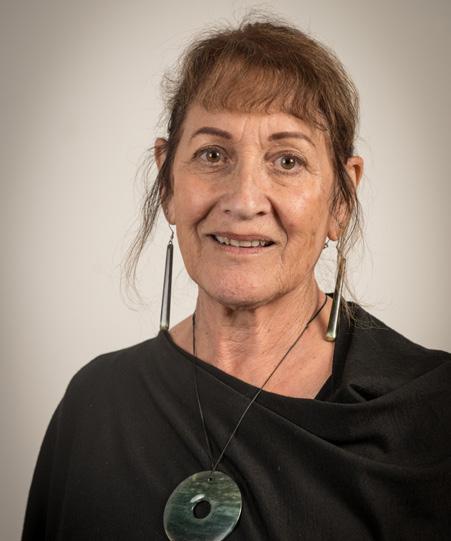
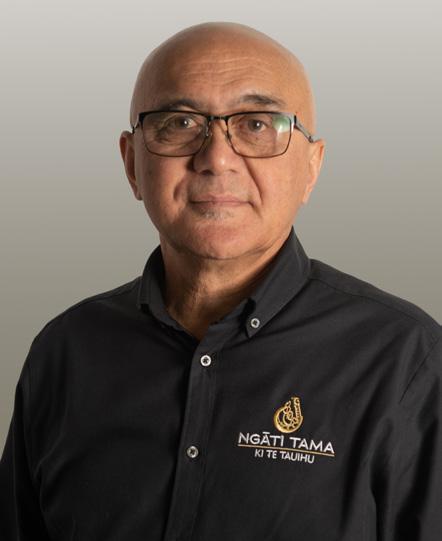
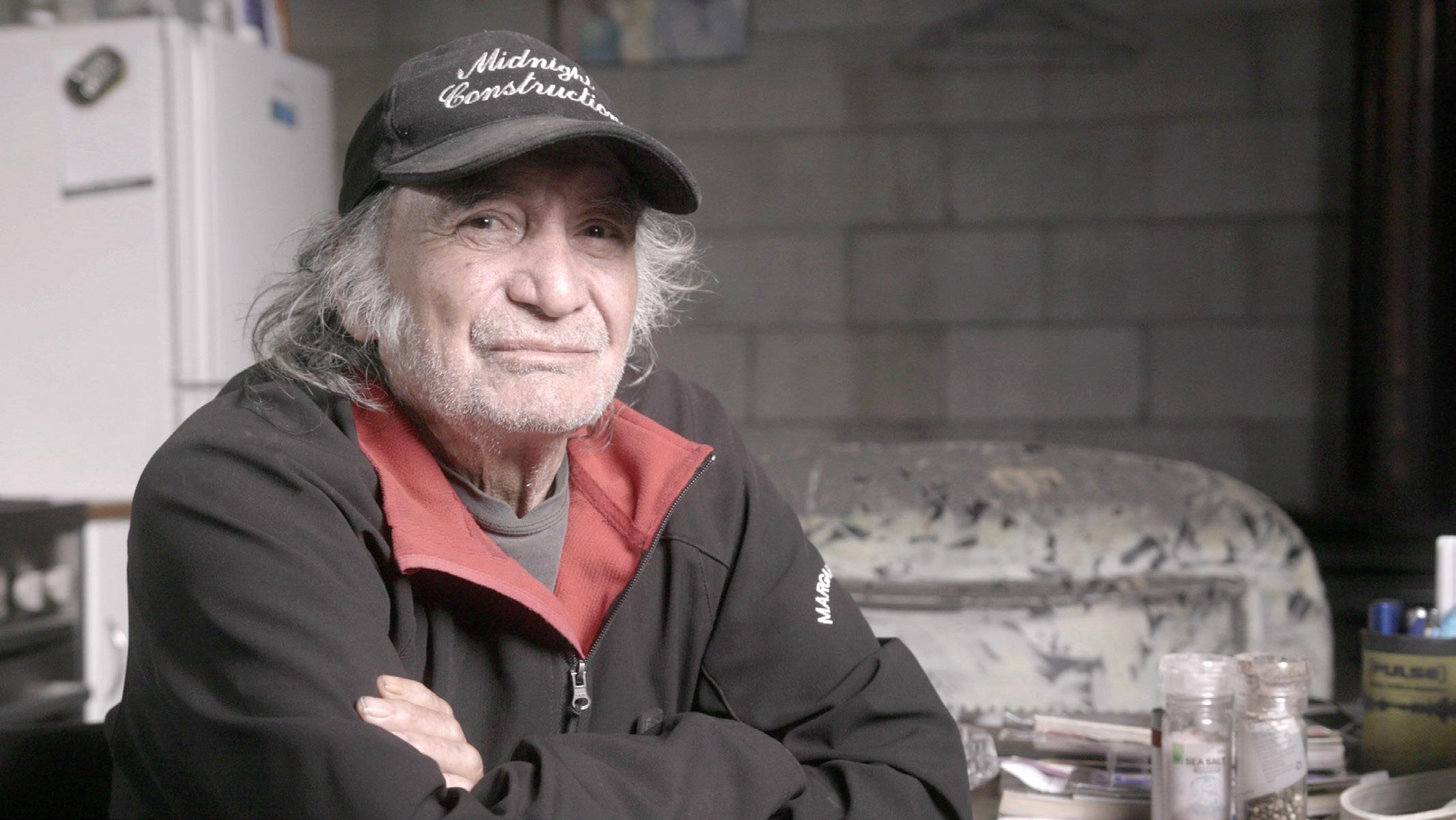
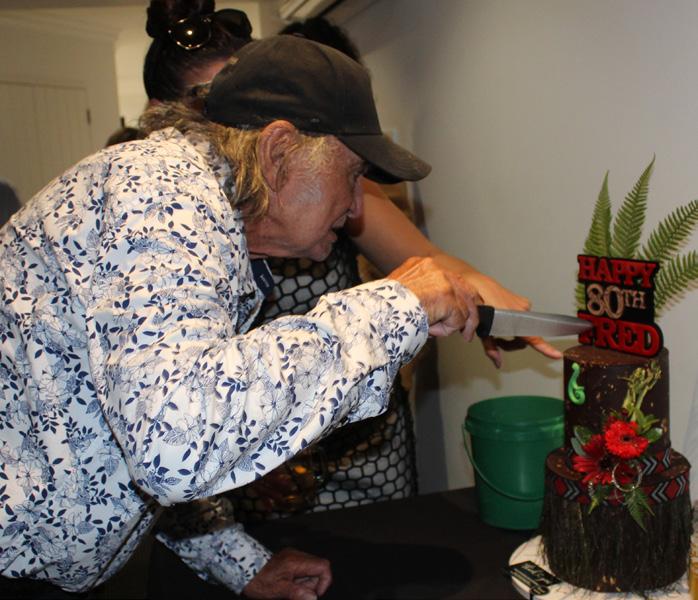
We also recognise Fred Te Miha who concludes his time as a trustee. Fred has worked tirelessly for Ngāti Tama for 30 years and we cannot thank him enough for his immense contribution.
See following article.
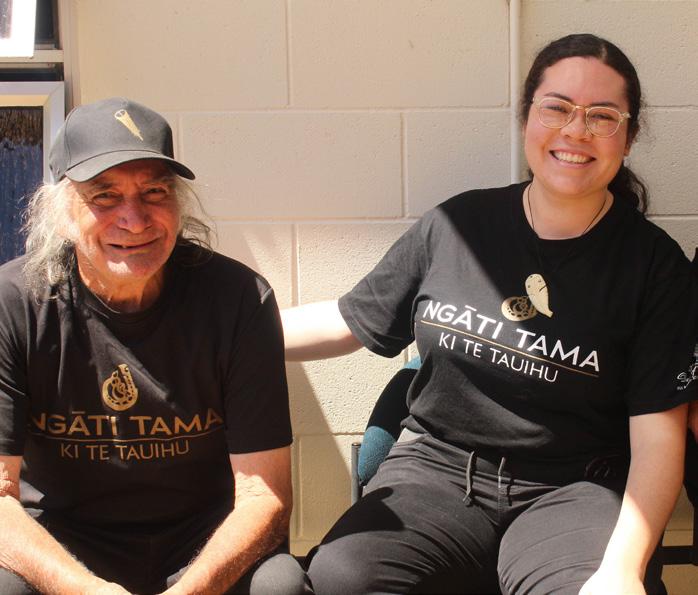
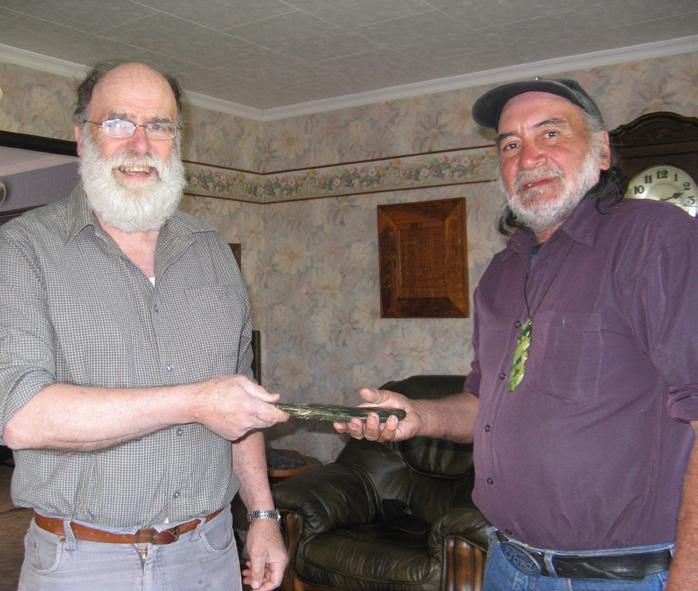
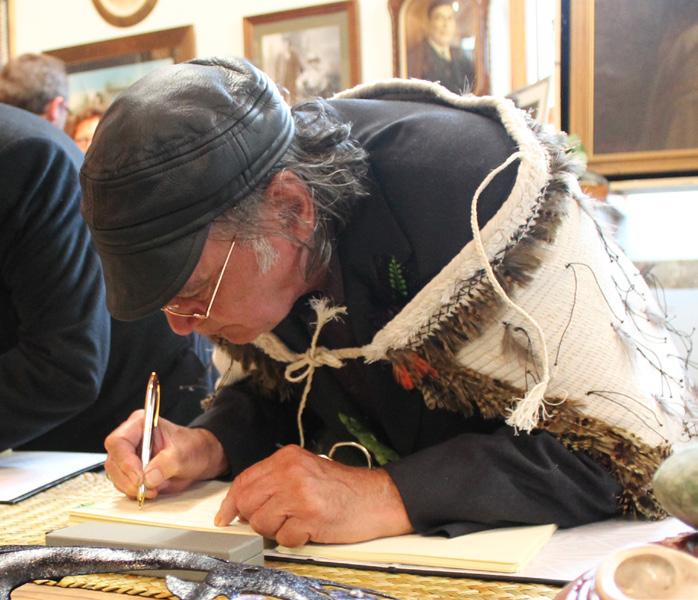
We thank Fred for his contribution to Ngāti Tama
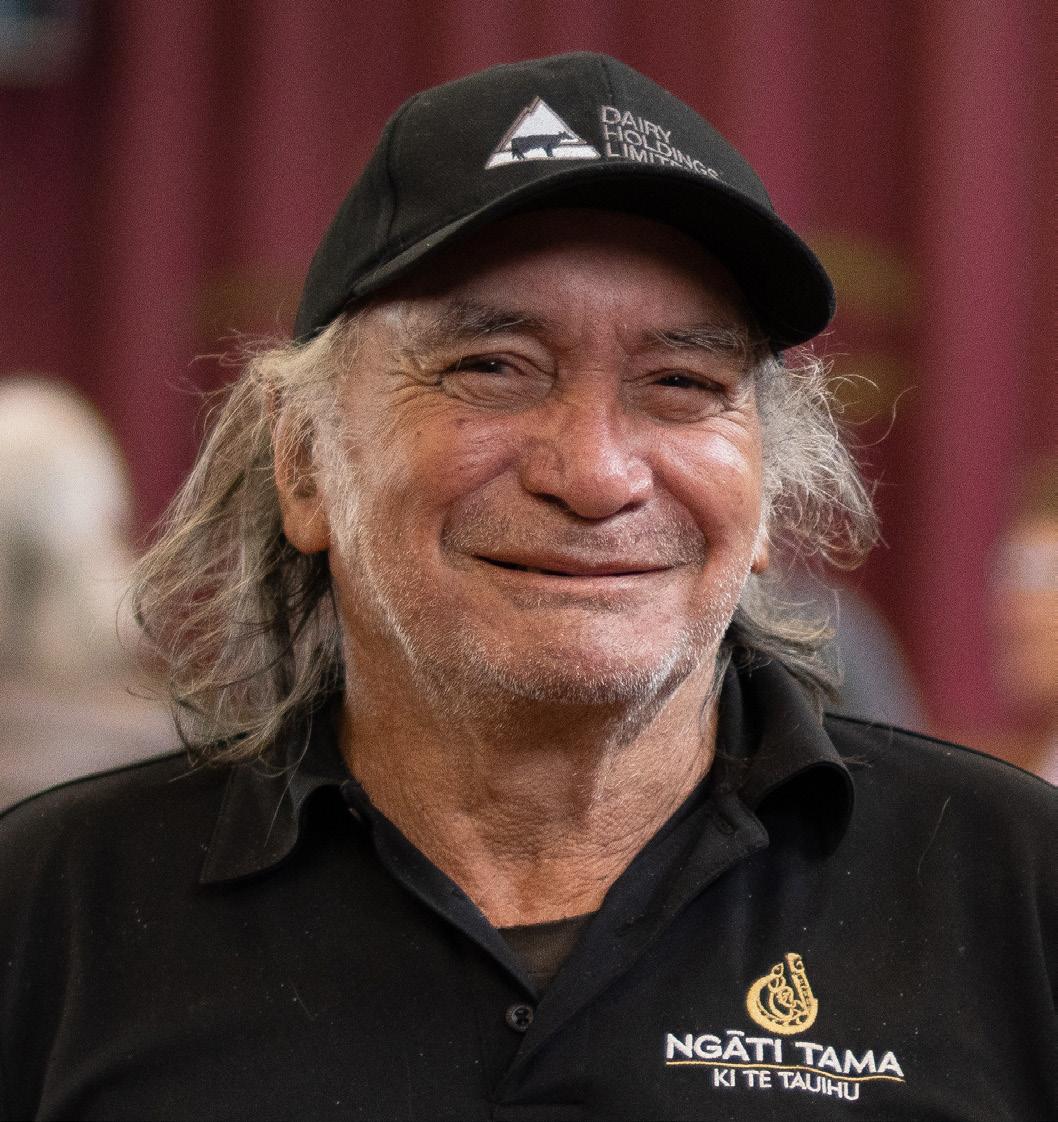
There are some people whose contribution to Ngāti Tama cannot be measured by a single role, title, or moment in time. Their work spans decades. Fred is one of those people, being involved for over 30 years, since the establishment of the first Ngāti Tama ki Te Tauihu entity – Tama Fishing Company Limited.
For many whānau, Fred is known as a steady presence –unwavering in his commitment to Ngāti Tama. For others, particularly those who worked alongside him during some of the most demanding chapters in our modern history, Fred is recognised as a cornerstone of our treaty settlement journey. His contribution helped shape not only the outcome of the settlement itself, but the foundation on which Ngāti Tama stands today.
Drawing on Fred’s reflections of treaty settlement, it becomes clear that his involvement was never about personal recognition. Again and again, his kōrero returns to the collective – to the obligation to ensure that Ngāti Tama’s voice was heard, respected, and ultimately upheld. The Treaty settlement process was long, complex, and at times very challenging. It required resilience, strategic thinking, and an ability to hold firm to Ngāti Tama’s aspirations while navigating systems not designed for us.
Those who worked alongside Fred during this time would recall his passion for Ngāti Tama. He understood that a settlement was not an end in itself, but a platform: a means to restore mana, rebuild capability, and enable Ngāti Tama to stand strong in our own right. That long term view has proven to be one of his greatest legacies.
Importantly, Fred’s influence did not end with the signing of settlement documents. In the years since, his knowledge has continued to inform governance discussions, strategic thinking,
and the way Ngāti Tama approaches its responsibilities as an iwi in Te Tauihu. Fred’s contribution reminds us that our story did not begin with settlement, nor does it conclude there.
It is within this context that Ngāti Tama now acknowledges a new chapter in Fred’s service: his appointment as a pāhake to both the Ngāti Tama ki Te Waipounamu Trust Board and the Tama Asset Holding Company.
While trustees carry formal governance responsibilities and decision making authority, the role of a pāhake is different in nature, but no less important. A pāhake provides wisdom, perspective, and guidance – drawing on lived experience rather than holding an operational or fiduciary mandate. The role recognises the value of our kaumatua who have walked the path before us and can help guide those of us walking it now.
For Ngāti Tama, this means we are able to retain Fred’s unparalleled institutional knowledge in a way that supports strong governance without placing undue burden on him. His appointment ensures that the lessons learned through decades of advocacy, negotiation, and leadership remain present at the table – not as instruction, but as insight.
This distinction matters. As Ngāti Tama continues to grow in complexity – managing assets, developing programmes, and navigating relationships across sectors – the ability to draw on historical and cultural understanding is a strength. Fred’s pāhake role helps bridge generations of leadership, offering continuity while making space for new trustees and directors to lead with confidence.
It also reflects an important value: that contribution does not end when formal roles change. Ngāti Tama is enriched when we honour service in ways that are appropriate, respectful, and sustainable. Fred’s appointment acknowledges both what he has given and what he continues to offer.
As whānau, we take this moment to acknowledge and thank Fred – not just for what he has done, but for the way he has done it: with an unwavering belief in Ngāti Tama. His knowledge is a taonga, and through his role as pāhake, that taonga will continue to support our iwi now and into the future.
A SELECTION OF ACKNOWLEDGMENTS FROM FACEBOOK
Thank you for acknowledging Fred. So much more than 30 years. He's a absolute legend xxxxx Tracey Williams
Fred my heartful thanks for all your support you gave us. You have been there for us every step of the way. Thankyou. Elaine
Well done to the out going esteemed Fred Te Miha for your 30 yrs plus outstanding commitment to the rohe. Miraka Norgate
Well done Fred. A tireless warrior. Dee Sturgeon
Thanks for your service Fred. Marty Raharuhi
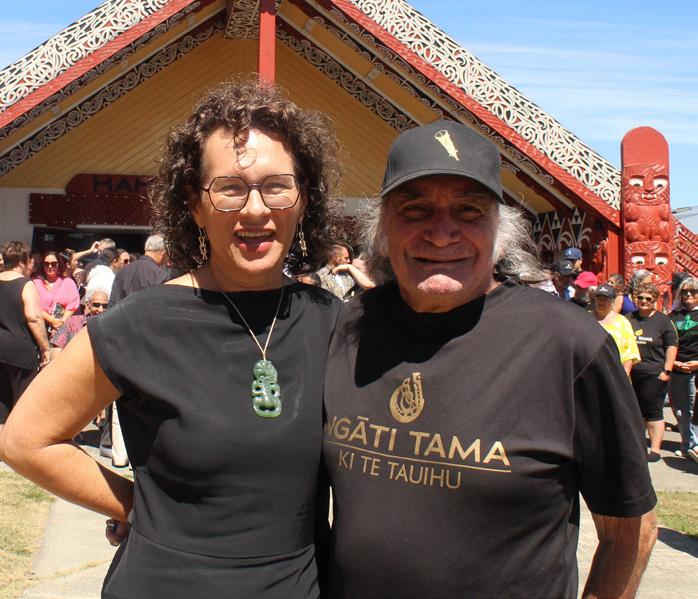
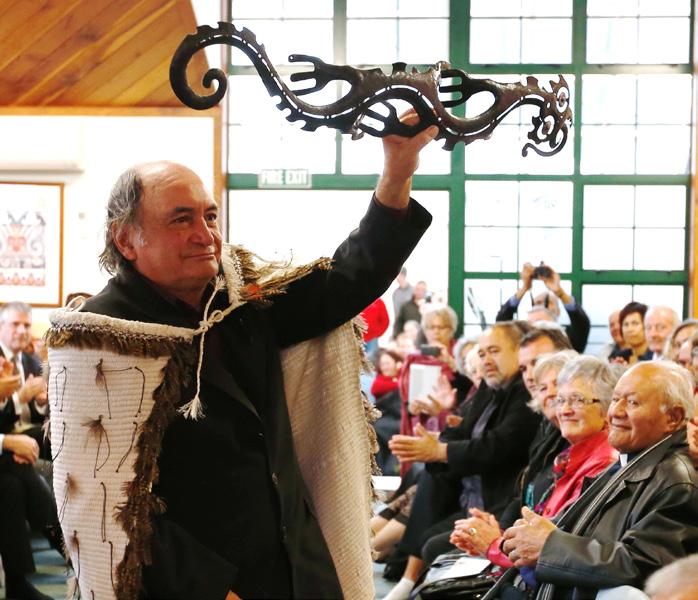
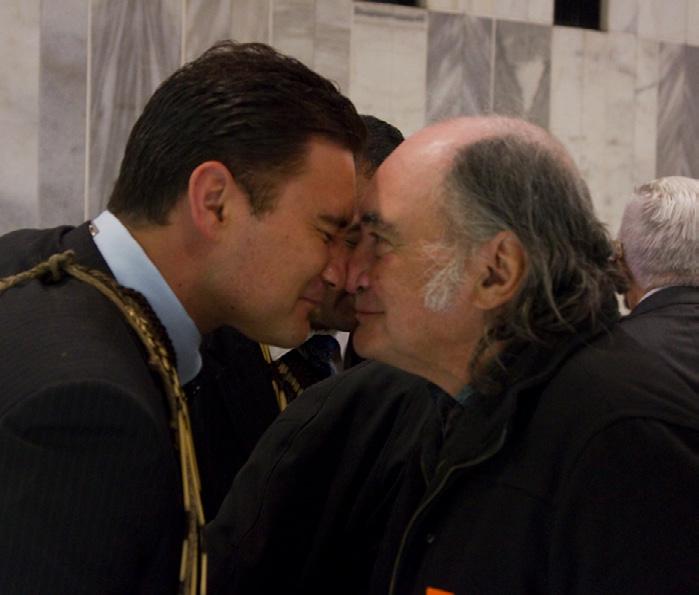
Ripiripia haehaea! Ripiripia haehaea!
Tuakina! Paranitia te ūpoko o te ngārara kai tangata. Auē hā! Auē hā!
We recently farewelled cherished members of our iwi, whose presence and contributions will be fondly remembered.
Ketu 'Eddie' Rameka 1956-2025
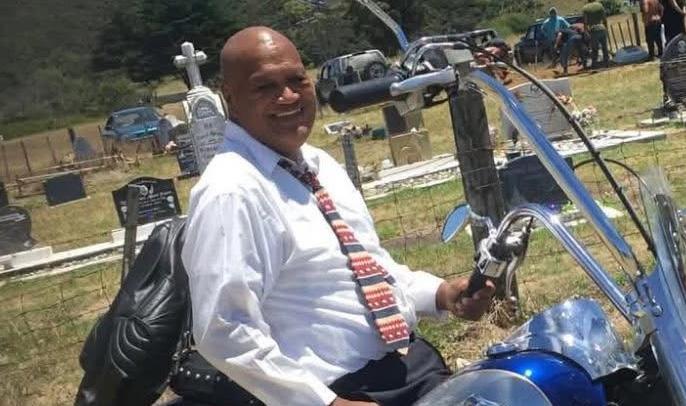
Ketu Edward Rameka (1956–2025) spent much of his life in Hamilton, raising a whānau of four children and four mokopuna. Ketu was dedicated to his whānau, iwi, and community, serving on marae boards, school boards, and actively participating in church and iwi events.
Joy Susan Elizabeth Taylor 30 MAY 2025
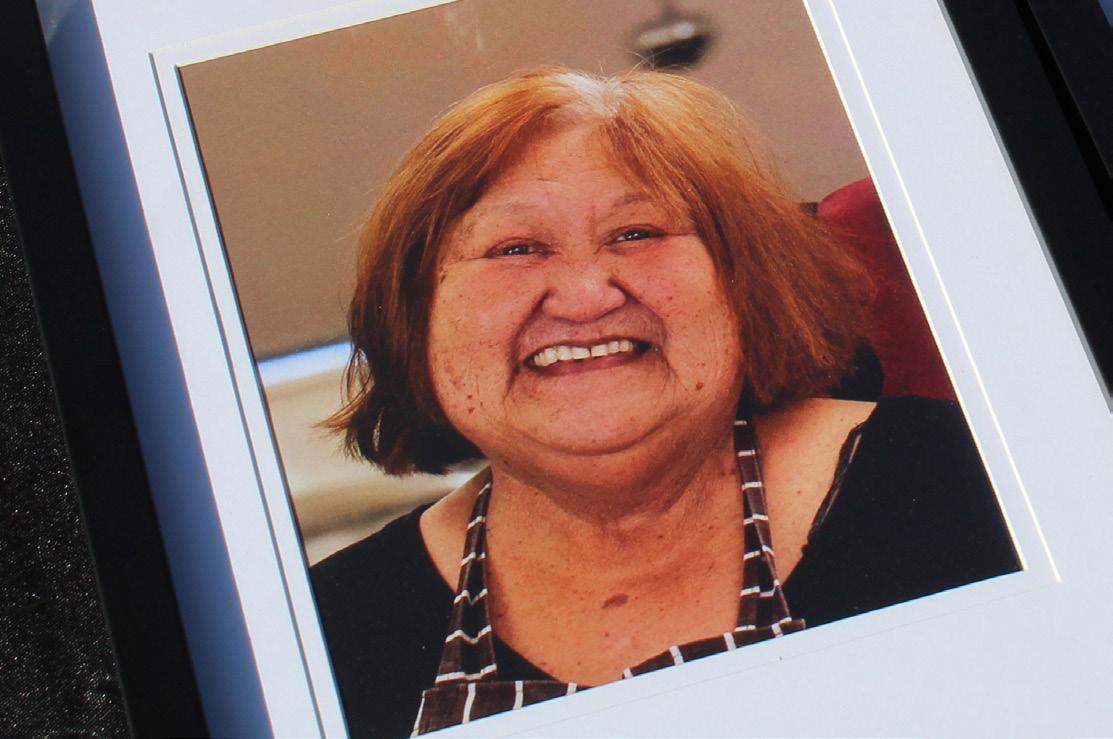
Aunty Sue passed away on 30 May 2025 in Nelson. Born in Taranaki, she made her way to Te Tauihu at the end of 2000. She was of Tokomaru and Tainui decent.
Her legacy lives on through her love for kapa haka and her culinary skills having catered for thousands... kai was her love language. For the last 15 years of her life, Te Āwhina Marae was her home, a place where her door was always open and her manaakitanga freely given.
Her aroha for tamariki and mokopuna made her a cherished Aunty and Kui to many. An independent wahine, Aunty leaves behind a legacy of aroha, manaaki and a lifetime of service throughout her lifetime. She is dearly missed.
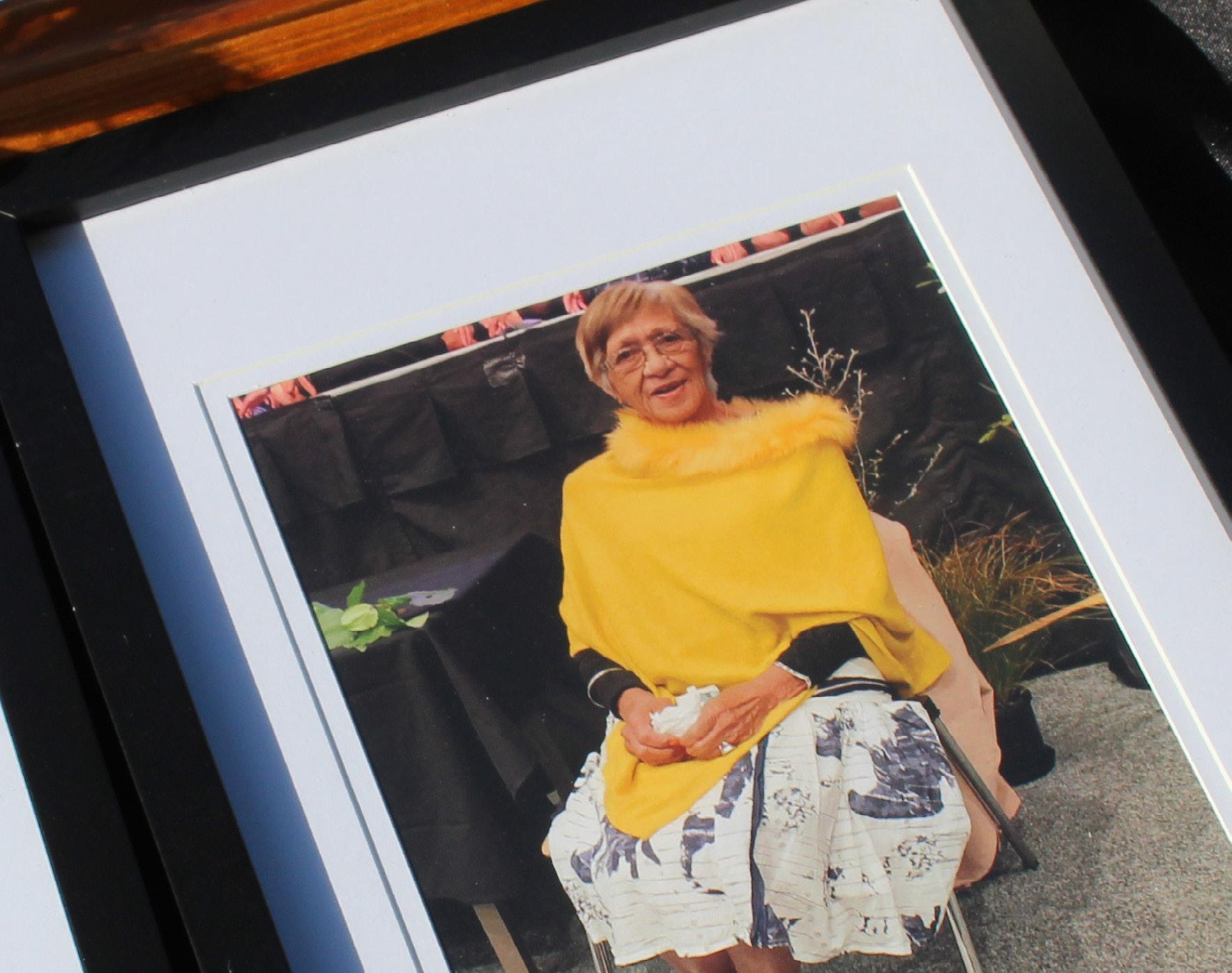
Ngāwhakaara Sarah Raewyn Taylor 24 NOVEMBER 2025
Aunty Sarah passed away peacefully on 24 November 2025 at her home at Te Āwhina Marae. The older sister of Aunty Sue, the two shared a sisterly bond and lived near one another for much of their lives. Known for her sassiness and strength of character, Aunty Sarah will be remembered for her significant contribution to karanga, education and kapa haka across Te Tauihu. Aunty Sarah served as kaumātua for Te Kura Kaupapa o Tuia te Matangi and Kapa Haka Te Tauihu and gave 23 years service at Te Āwhina Marae as kaikaranga. She also supported many marae and kaupapa throughout Te Tauihu and was also of Tokomaru and Tainui decent. She leaves behind four children and many mokopuna and is sorely missed.
Each year we set goals in our Annual Plan that relate to our Strategic Priorities. In the following sections, we report on our progress against our goals for the 2025/26 financial year and the key initiatives that our team has been working on.
TAMA TŪ KI TE TAUIHU, TAMA ORA KI TE AO
Our place, our people, our destiny
MĀ NGĀRAHU, KA MURA TE AHIKĀROA
Success will depend on each of our contributions
TŪ RANGATIRA - Courage, determination, growth
ĀKONA KIA TUPU - Learn, teach, evolve
MANA TIAKI - Restore, protect, sustain
AROTAHI AI TĀTOU - Collective, unified, inclusive
AHUREA
STIMULATE LEARNERS OF TE REO, TIKANGA AND WHAKAPAPA
AHUWHENUA
ENHANCE OUR SIGNIFICANT LANDS AND WATERWAYS
AHUORA
EXPLORE OPTIONS FOR WHĀNAU WELLBEING AND INDEPENDENCE
AHUMAHI
DEVELOP OPPORTUNITIES TO LIVE AND WORK IN TE TAUIHU
AHUWHĀITI FIT FOR PURPOSE SYSTEMS AND OPERATIONS
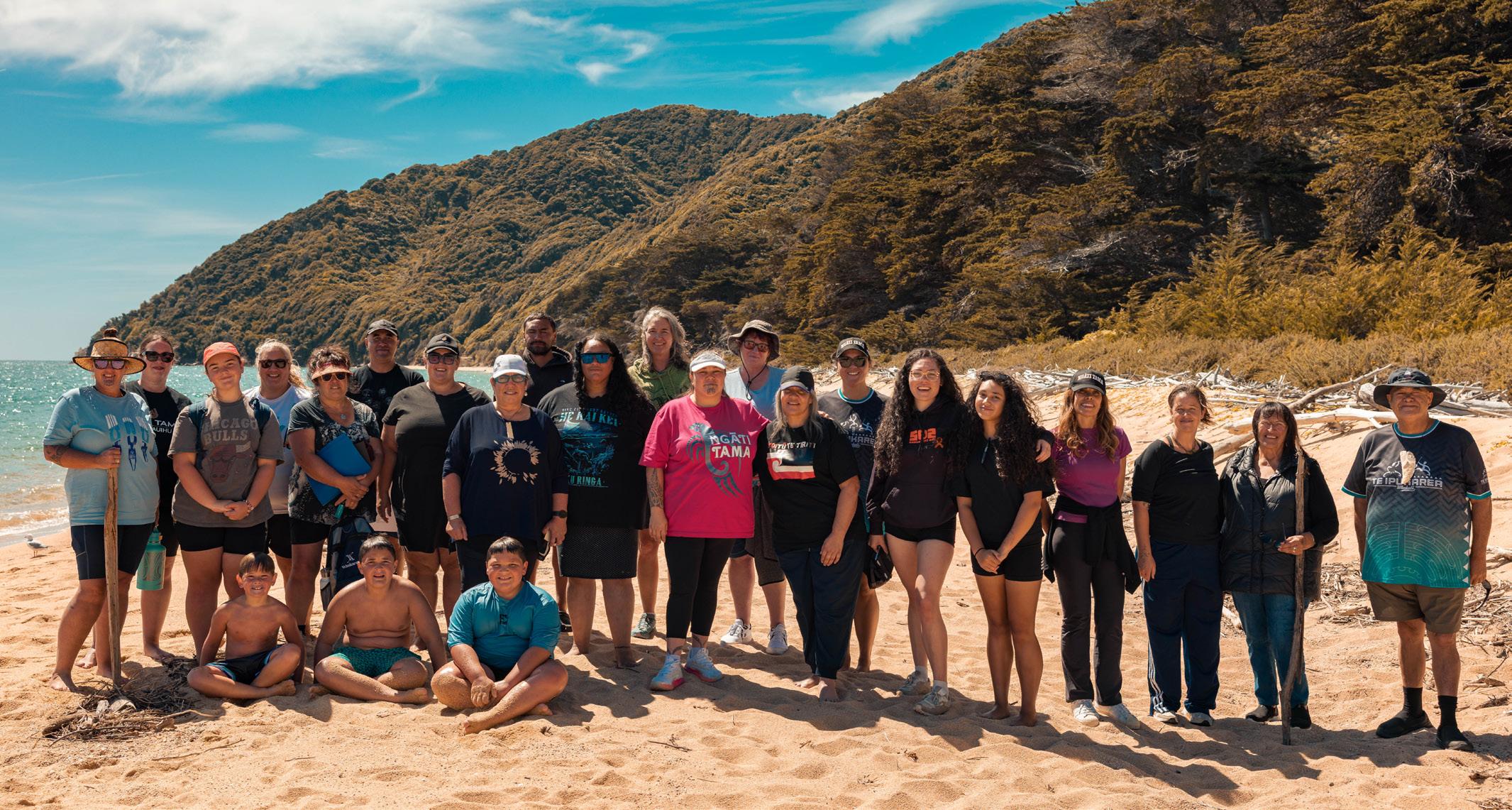
For the past two years, Ngāti Tama has been running paepae wānanga to strengthen the capability and confidence of our people across our marae. This kaupapa began through an expression of interest process to our uri, inviting those who were ready and willing to step forward and grow their understanding of tikanga and the responsibilities of the paepae.
The focus of these wānanga is practical and purposeful building of capacity within Ngāti Tama to ensure our marae are well supported now and into the future. They provide a space for whānau to learn, practise and gain confidence in karanga, whaikōrero and waiata, guided by those with experience and knowledge to share.
This year marks an important step as we have invited Te Ātiawa whānau to join us, bringing our wānanga into a Tokomaru space and strengthening connections between our iwi. Our first wānanga for the year was held at Onetahua Marae from Friday 20th to Sunday 22nd February.
Over the weekend, our leads Rangimokai Knucky and Mitch Ritai, alongside our kaumātua, worked closely with whānau, teaching new waiata and supporting the development of karanga and whaikōrero. It was a valuable opportunity for those involved to build their skills in a supportive environment.
These wānanga are about doing the work to ensure our people are prepared and confident to uphold the responsibilities of the paepae. They strengthen our capability across our marae and create a clear pathway for more of our whānau to step into these roles. By building this capacity together, we are supporting the long term strength and continuity of Ngāti Tama.
Please see the link below video capturing our whānau and lead voices.
We recently put out an expression of interest request for whānau who wanted to take part in the Te Kāhui Maunga Te Ataarangi 20 week te reo Māori course. The response from whānau was very
positive, and all available spots were quickly filled.
The course has now begun, with participating whānau starting their 20 week learning journey together. The group is expected to complete the course in early July. Most of the whānau involved are working towards completing Level 2–3, continuing to build their confidence and understanding of te reo Māori.
Te Ataarangi is well known for its supportive and immersive
learning style, and it provides a great environment for whānau to learn together. Taking part in the course allows whānau to strengthen their reo skills while also supporting each other along the way.
This kaupapa is part of our wider commitment to strengthening and revitalising te reo Māori within our iwi. The course supports the goals of our Te Rautaki Reo 2050 strategy, which focuses on growing the number of speakers and encouraging the everyday use of te reo within our communities.
We are proud to support whānau on their reo journey and look forward to celebrating their achievements when the course finishes in July.
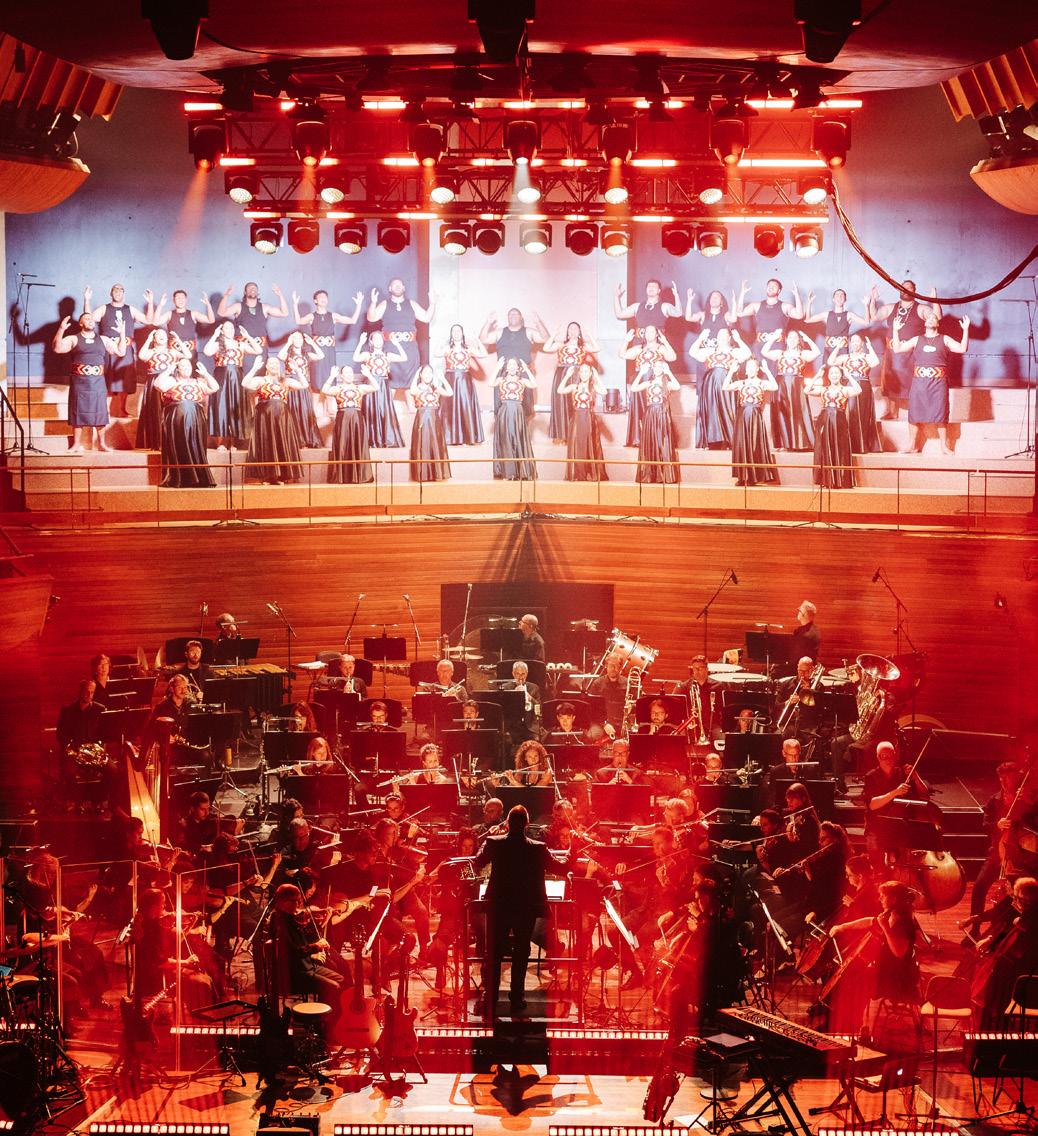
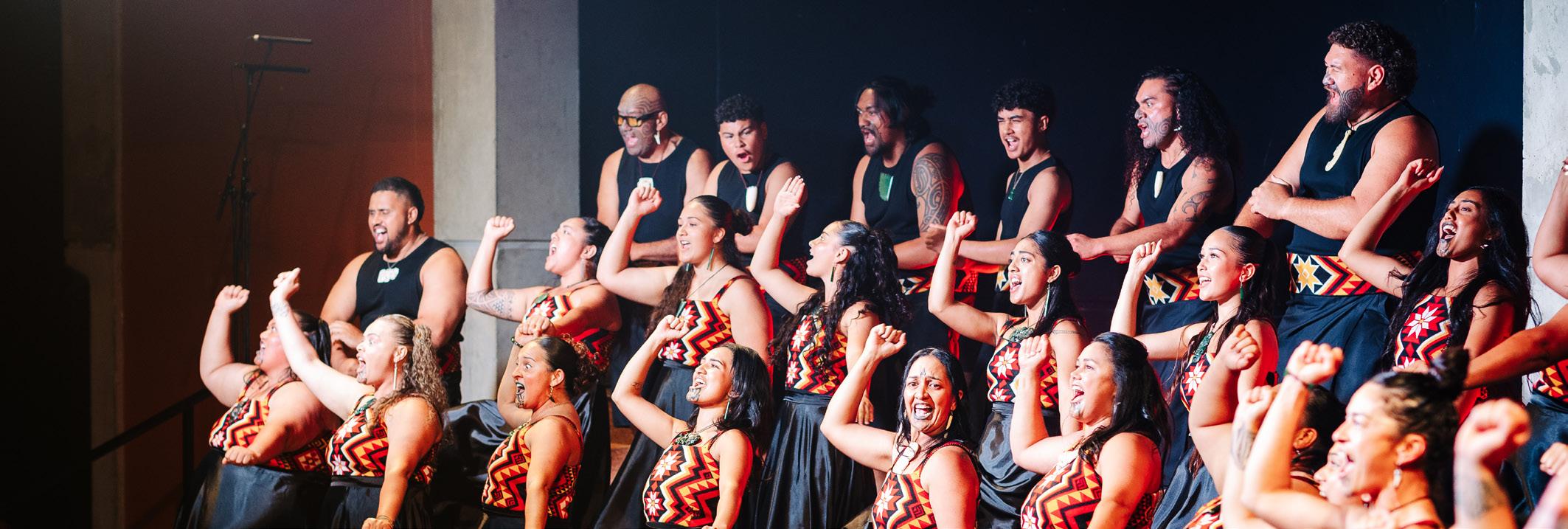
Some of our whānau had the privilege of attending a powerful performance by the New Zealand Symphony Orchestra alongside Rob Ruha and Te Whānau ā Apanui in Wellington. A special highlight was the contribution of Turoa Stephens, proudly of Ngāti Tama ki Te Tauihu. It was inspiring to see whānau present to support this kaupapa, with many sharing their reflections afterwards—some of which we’re pleased to include here.
"Fabulous night out in Pōneke, amazing and positive to see such talented, diverse and future focused mokopuna. You are our future moemoeā. Fabulous to see whānau sharing the stage with Rob Ruha. Big shout out to Turoa Stephens, fantastic to see you, I was such a proud Ngāti Tama auntie." LEANNE MANSON
"Fantastic. Shouting out to Turoa performing with Te Whānau-ā-Apanui, Rob Ruha, and New Zealand Symphony in Wellington tonight. Incredible performance. Ngā mihi." DIANE STRONG
KURA TAIO | 21 - 23 FEBRUARY | 2026 | COBB VALLEY
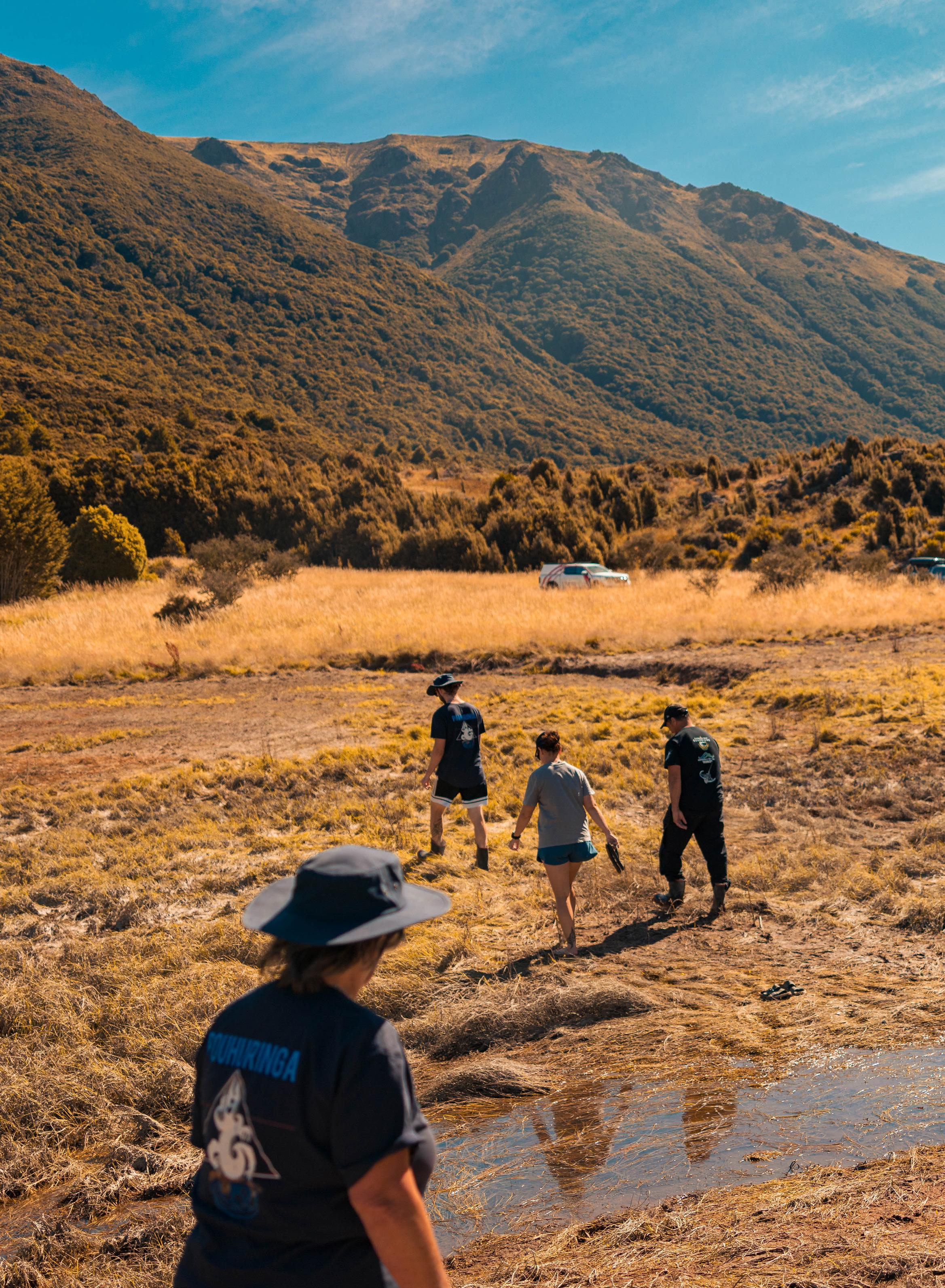
Over the past six months, we have continued to deliver a series of Kura Taiao wānanga, bringing whānau together in place-based learning environments to connect with te taiao, deepen mātauranga, and strengthen our collective role as kaitiaki.
Held across our rohe, these wānanga have combined kōrero, tikanga, reo, and hands-on practice, grounding learning in the whenua, awa, and moana that define us as Ngāti Tama.
Kura Taiao is about learning by being present — in the places that hold our stories and responsibilities.
The programme was designed to wrap around whānau who are already active kaitiaki within our rohe, or who hold responsibilities related to the care, monitoring, and protection of our taiao.
This includes whānau involved in:
• cultural health monitoring
• taonga species protection
• environmental restoration and advocacy
• iwi, hapū, or community-led taiao initiatives
By focusing on whānau who are already engaged in this mahi, the Kura Taiao supports the growth of capability and capacity where it has the greatest impact — strengthening Ngāti Tama’s ability to fulfil our cultural and statutory responsibilities as kaitiaki.
WHY KURA TAIAO MATTERS
Cultural health monitoring is a critical responsibility for Ngāti Tama. It requires not only technical skills, but a strong grounding in tikanga, mātauranga Māori, reo o te taiao, and an understanding of place.
Kura Taiao wānanga help build this foundation by:
• Growing confidence in applying Ngāti Tamatanga in monitoring and assessment work
• Supporting consistent, tikanga-led approaches to cultural health monitoring
• Strengthening shared understanding of taonga species and indicator sites
• Building a connected network of kaitiaki who can support one another over time
This investment in people is essential to ensuring that Ngāti Tama can continue to engage meaningfully with partners, agencies, and decision-makers, while maintaining the integrity of our mātauranga and values.
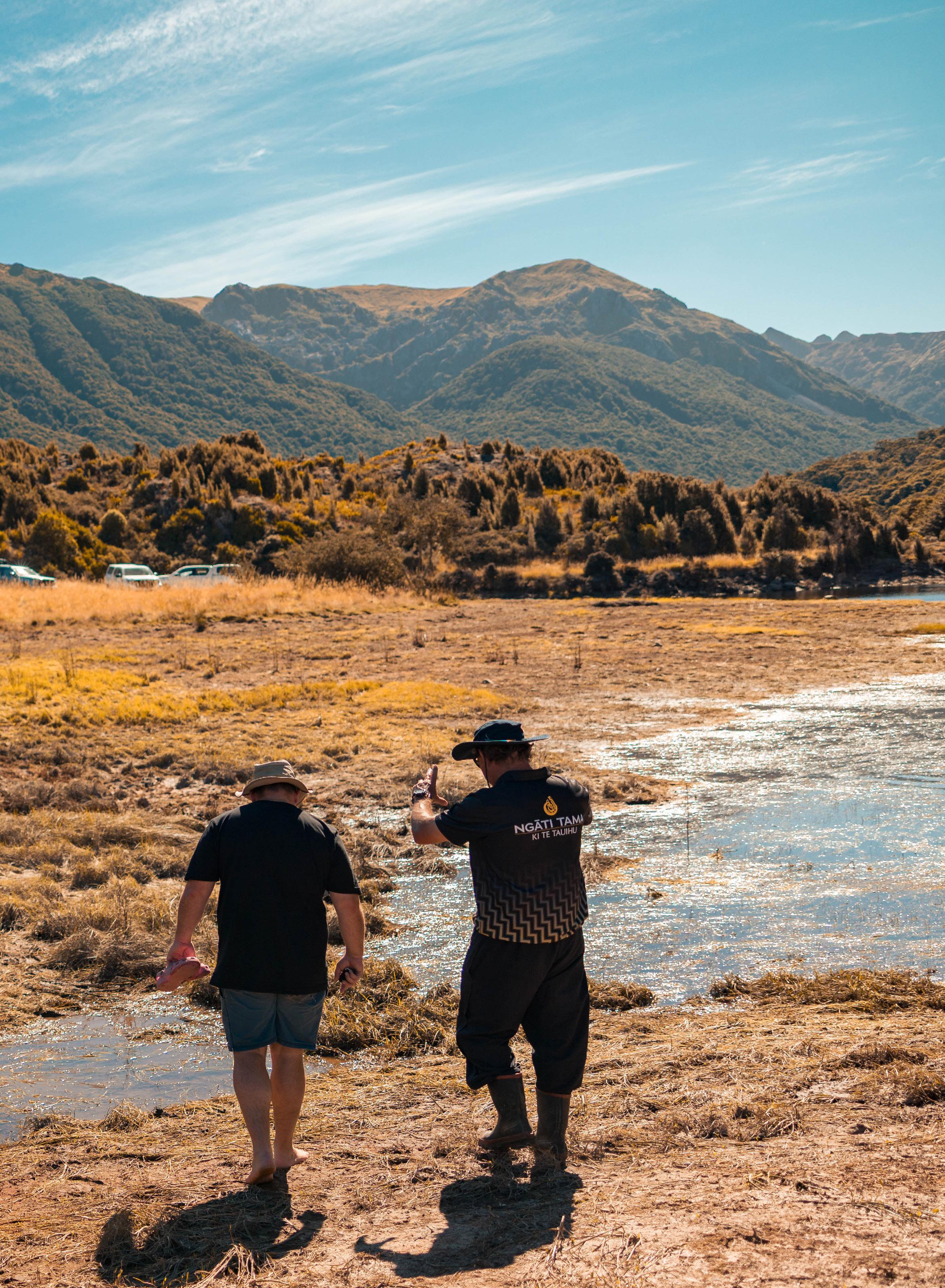
Across the recent Kura Taiao wānanga, learning has been place-based and kaupapa-driven, responding to both whānau interests and iwi priorities.
Wānanga have included:
• Cultural health monitoring of taonga species in roto and awa, including kākahi in Kaihoka Lakes and tuna within the Cobb Valley catchment.
• Kōrero relating to tohorā and collective response roles.
• Tuna and freshwater systems, including observation and monitoring practices.
• Reo o te taiao sessions, strengthening the use of te reo Māori in environmental contexts.
• Shared learning with practitioners and technical experts, alongside mātauranga Māori.
Learning has taken place not only through formal sessions, but through shared kai, karakia, reflection, and time spent together on the whenua.
While Kura Taiao is an ongoing kaupapa, clear outcomes are already emerging. Whānau who have participated report:
• Increased confidence in undertaking cultural health monitoring mahi
• Stronger understanding of Ngāti Tama responsibilities as kaitiaki
• Deeper relationships with key sites and taonga species within the rohe
• Greater readiness to participate in iwi-led and partnerled taiao kaupapa
At an iwi level, the programme is helping to build a consistent, values-based approach to cultural health monitoring and other kaitiaki activities, strengthening Ngāti Tama’s long-term capability in this space.
The delivery of Kura Taiao wānanga has been made possible through the support of the Department of Conservation and Te Mātāwai.
This support enables Ngāti Tama to:
• Deliver high-quality, place-based wānanga
• Strengthen the integration of reo Māori and taiao
• Invest in people as the foundation of effective kaitiakitanga
Ka Uruora continues to support whānau across Te Tauihu, advancing housing pathways, financial education, and savings initiatives. A collective iwi entity governed by — Te Ātiawa, Rangitāne, Ngāti Rārua, Ngāti Tama, Ngāti Toa Rangatira, and Ngāti Kuia.
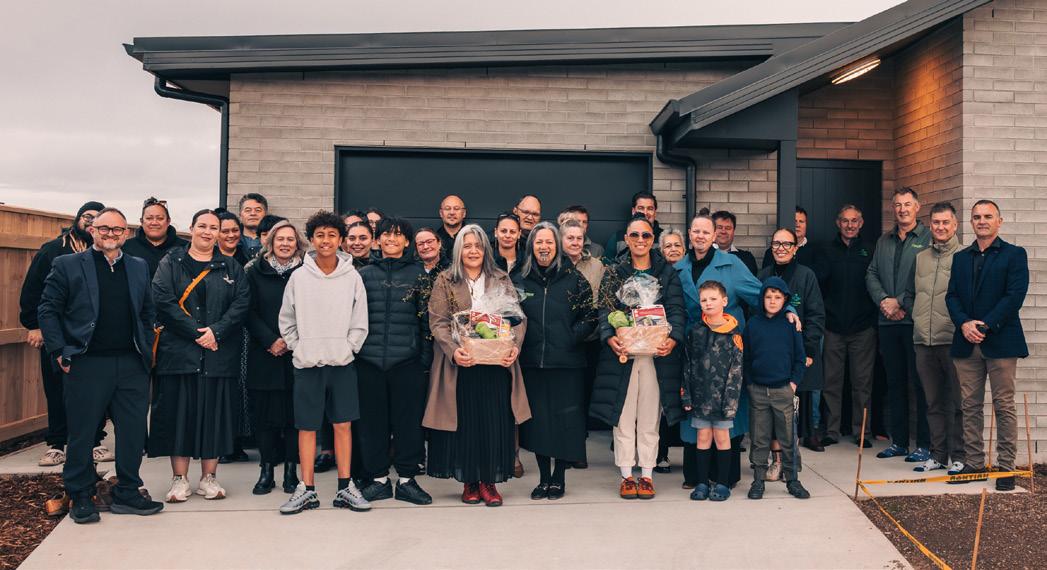
The past year has marked Ka Uruora’s biggest year yet, with visible, life changing outcomes for whānau. Whānau participation in WhānauSaver and Te Uru Ahupūtea has continued to grow, helping to boost financial capability and savings for those who have engaged. Most notably we have witnessed the commencement and completion of housing projects here in Te Tauihu, including the opening of Berryfields in Waimea, and the construction of Waikārapi in Wairau.
Berryfields – Waimea
• Stage One completed: 8 whānau moved into brand new homes
• Stage Two underway: 5 new homes began construction in January 2026, expected completion June 2026
Waikārapi - Wairau
• 94 new homes in total; construction began on the first three homes, due February 2026
• 21 whānau actively progressing housing opportunities across 40 Ka Uruora homes
• Additional 70 whānau engaged in early conversations about housing readiness
• Progress to date: 25 building consents lodged, 11 approved
• 12 sections sold on the open market, including five to uri of Te Tauihu
These milestones reflect years of preparation and iwi led planning, turning whānau housing aspirations into reality. In October we supported the opening ceremonies for the first Berryfield homes, an extra special occasion as we collectively welcomed Te Hau Wilkie and other uri of Te Tauihu into their homes, witnessing the first hand the positive and material impact these housing opportunities create for whānau.
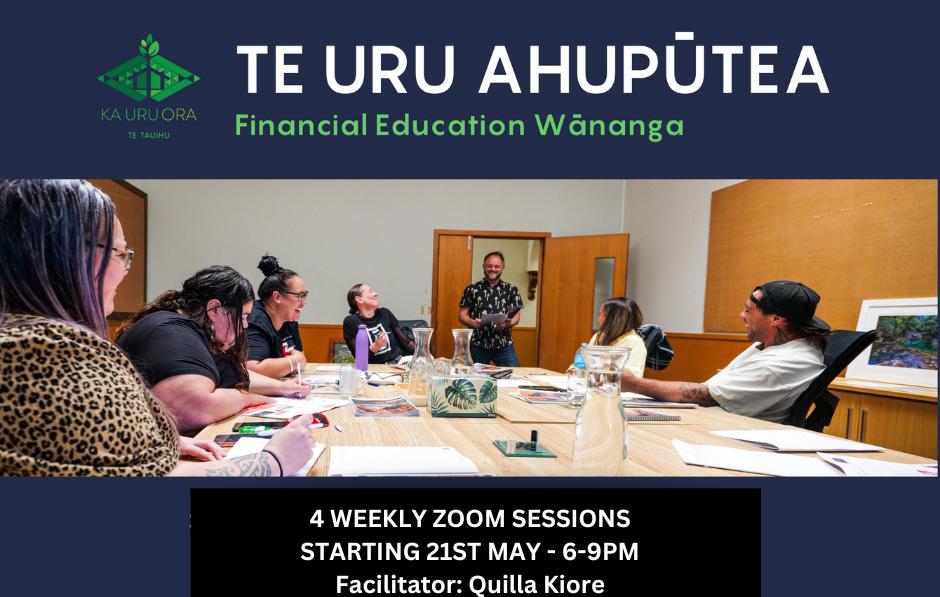
Te Uru Ahupūtea is a financial education programme the supports you to learn the steps you’ll need to take to own your first home. Budgeting, mortgages, deposits and lawyers can all seem overwhelming and out of reach, but with the right advice and some hard work, you might find that you’re closer to achieving your dream of owning a home than you thought. This programme helps you to gain practical skills in budgeting, saving, and planning for your future, supporting real progress toward owning a home or achieving other financial goals.
Over the past year, 225 whānau graduated the programme through Ka Uruora Te Tauihu, a number we hope to build on. This programme also serves as a pre requisite for consideration for Ka Uruora housing opportunities, ensuring participants are well prepared to meet eligibility requirements and increase their chances of securing housing.
Ka Uruora remains focused on supporting whānau to progress along housing pathways and grow their financial capability. In 2026, Ka Uruora is continuing to help whānau secure their own homes through Waikārapi and Berryfields developments, while more whānau participate in Te Uru Ahupūtea financial education programmes to strengthen budgeting, savings, and homeownership readiness.
We encourage whānau to register your interest for Te Uru Ahupūtea with Te Hau or Quilla or contact Ka Uruora directly to explore housing opportunities.
Te Hau: tehaupanarae@kauruora.nz
Quilla: quilla@kauruora.nz
https://kauruora.nz/ka-uruora-te-tauihu/





Housing Options
Where to start and what it all means
Money Systems
Setting goals and managing money
Plan for the unexpected Protecting what’s important including insurance, wills and trusts
Spending Money
What influences us, our attitudes and behaviours
Debts and your rights
Ways to reduce debt
Looking Ahead
Making a plan, identifying barriers and putting your plan into action
Money Plans
Using a budget as a tool to achieve your goals
Save Smart

Saving and investing, including KiwiSaver and HomeStart grants
Free
It won’t cost you anything to take part in Sorted Kainga Ora
Learn the steps you’ll need to take to own your first home. Budgeting, mortgages, deposits and lawyers can all seem overwhelming and out of reach, but with the right advice and some hard work, you might find that you’re closer to achieving your dream of owning a home than you thought.
Financial education is the first step to access our Ka Uruora housing opportunities. Our Financial Education wānanga cover everything from budgeting to mortgage applications. The following elements will be covered throughout the programme (see table left).
If you or your whānau are interested in attending a financial literacy wānanga, please register your interest with Debra-Lee or Quilla so you'll be ready when the right opportunity comes along. They will be in touch to arrange a date that suits you. Te
On 17 February 2026, an extraordinary contribution to New Zealand conservation was privately acknowledged in one of New Zealand’s most iconic locations – the Abel Tasman National Park.
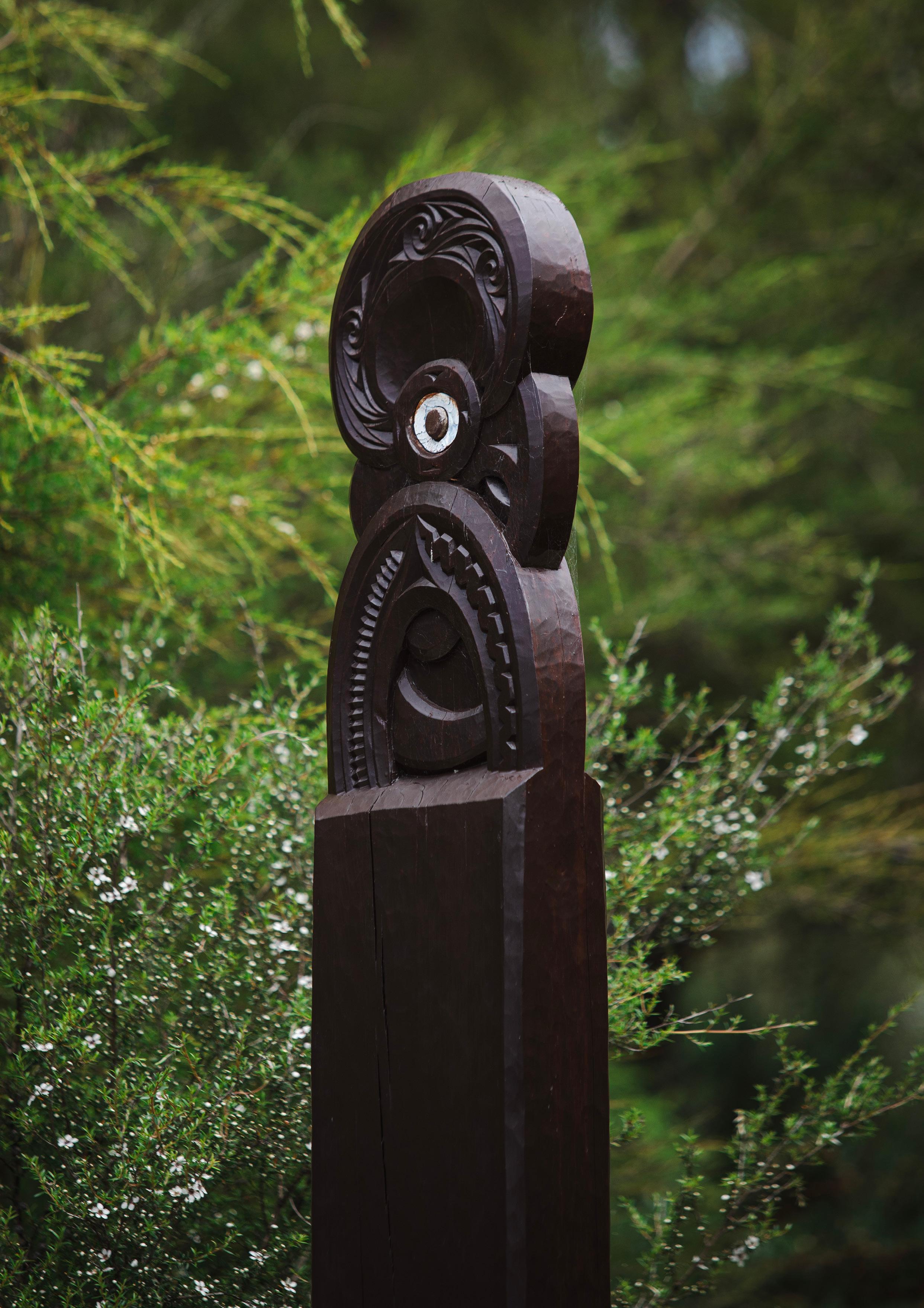
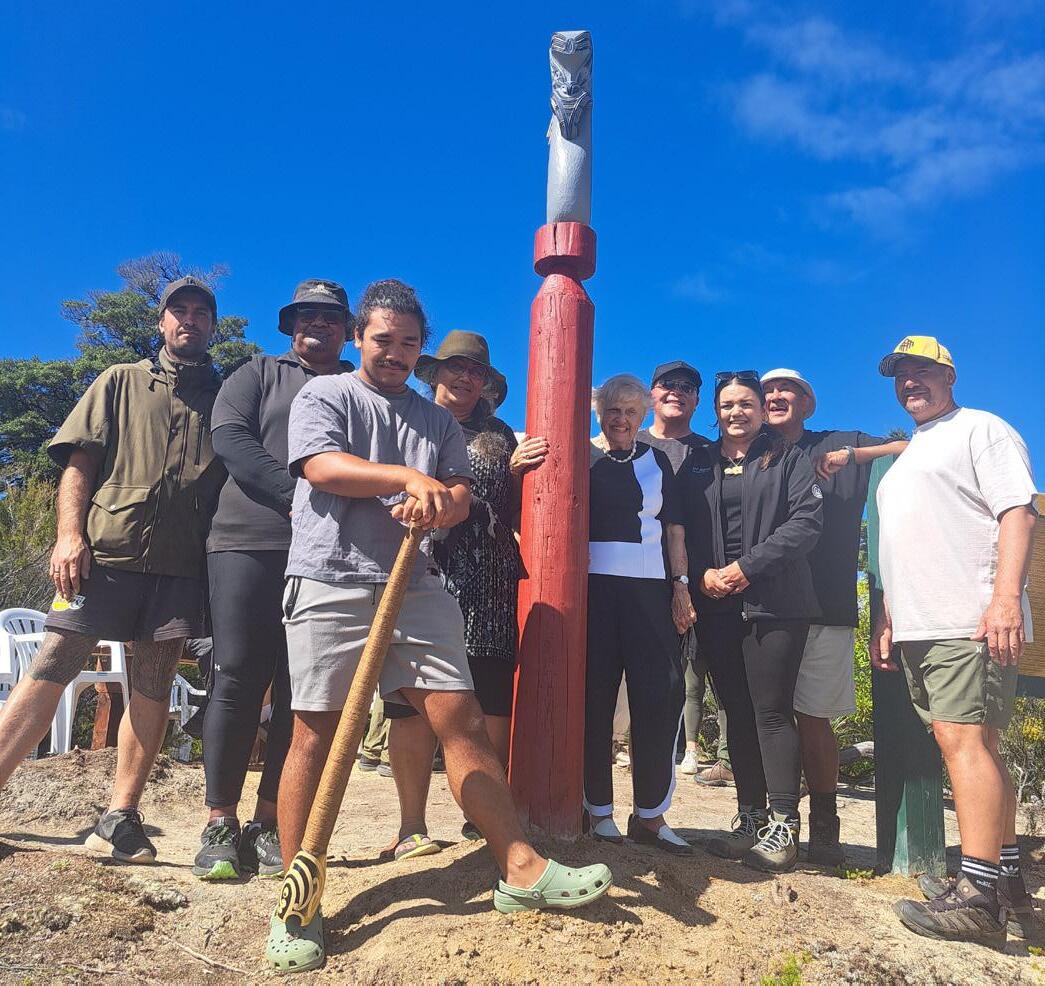
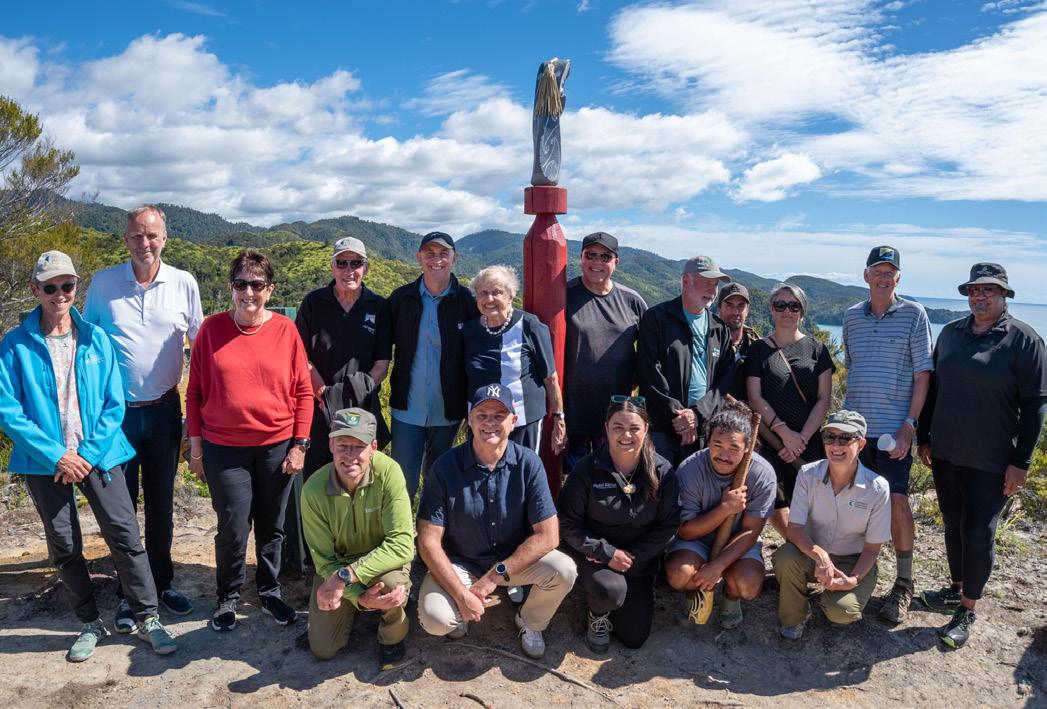
Representatives from Project Janszoon, the NEXT Foundation, the Department of Conservation, Abel Tasman Birdsong Trust, Ngāti Rārua, Ngāti Tama and Te Ātiawa joined the Plowman family at the unveiling of a commemorative sign, seat and wheku (carved post), just off the Abel Tasman Coast Track above Anchorage.
Project Janszoon, the first privately funded landscape scale restoration project of its kind in New Zealand, has transformed the ecological prospects of the Abel Tasman National Park. Its benefactors, Neal and Annette Plowman, have given over NZ$20 million to rid the park of wilding conifers, educate young people in conservation, restore the park’s threatened habitats and bring birds like kākā, whio and kākāriki back to its forests and rivers.
In June 2026, Project Janszoon will hand its achievements over to the Department of Conservation for long term management under the Tomorrow Accord, leaving a legacy of inspired youth, noisy bush parrots and a skyline free of the scourge of wilding conifers.
Dayveen Stephens our Pou Taiao was part of the celebrations supporting other manawhenua iwi in the delivery of cultural practices at the site. We left Kaiteretere by sea shuttle to Rākauroa (Anchorage) and disembarked on the shore then travelled up to the site via helicopter with most of the people walking up to the site. "You could not have got a better day for
such an event." After the unveiling of the wheku and story board, speeches were conducted and acknowledged.
Aneika Young, a director on the Project Janszoon board, says that as long standing kaitiaki of Abel Tasman National Park, manawhenua iwi acknowledge and appreciate the significant restoration work that has been delivered on the ground.
"The project has brought people together to contribute practical knowledge, tikanga, hands on conservation work, bird translocations, restoration planting, and education initiatives. These collective efforts are strengthening the mauri of this nationally treasured landscape so it can be enjoyed and cared for by future generations."
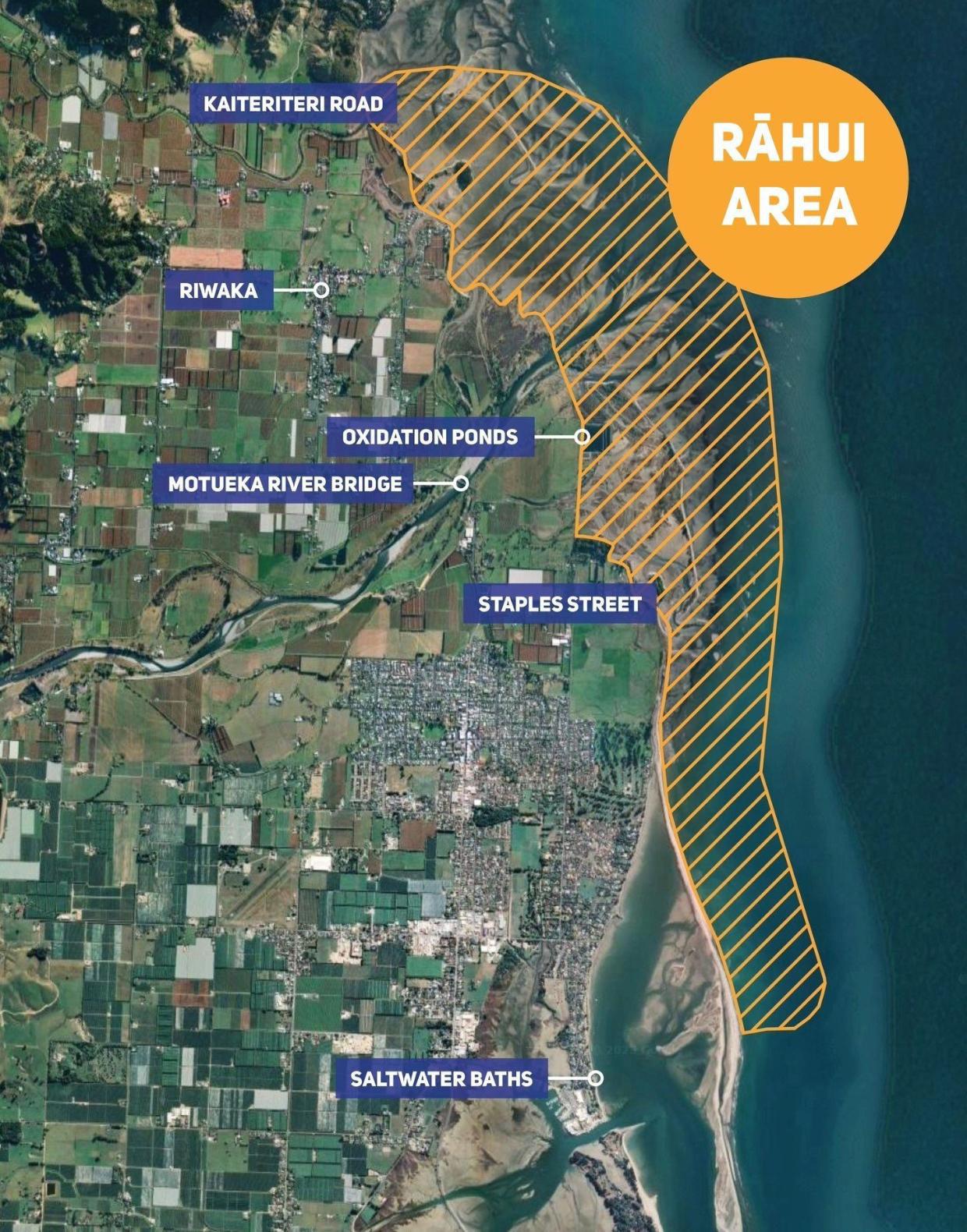
IIn September 2023, due to a failure at the Motueka Wastewater Treatment Plant, partially treated wastewater was discharged via soakage and seepage into the estuary and adjacent river channel.
Manawhenua iwi placed a rāhui over the coast, from Kaiteretere to the southern end of the Motueka sandspit.
This rāhui is still in place pending coastal monitoring. The coastal monitoring programme was developed in collaboration with Ngāti Tama, Te Ātiawa, Ngāti Rārua, Ngāti Kuia, Ngāti Apa ki te Rā Tō, Rangitāne o Wairau, Ngāti Toa Rangatira, Ngāti Koata, Wakatū Incorporation, and Whakarewa.
Alongside this work, Cultural Health Indicator monitoring at the Motueka Wastewater Treatment Plant restarted in May 2025 and will continue every six months for a few years. This assesses the mauri of the area surrounding the treatment plant. Dayveen Stephens our Pou Taiao with whānau from Te Ātiawa, Ngāti Rārua and Whakarewa, alongside cultural health monitors, were involved in collecting samples at one of the three sampling sites on Monday 3 November 2025.
Sandy substrate areas are more likely to support shellfish species, so the Riwaka Wharf (Site 1) and off the coast of the Motueka Wastewater Treatment Plant (Site 2), were chosen. While the mapping of substrate doesn’t extend to the southernmost extent of the rāhui area, the Saltwater baths (Site 3) were chosen to give a good spread or sites, as well as being a popular recreational area with an existing swimming water quality site nearby.
Results for sediment, shellfish and water samples collected from three sites along the Riwaka Motueka coastline were assessed against New Zealand limits or guidelines. Samples were collected on 3 November 2025, after two very large floods in the Motueka River in June
(100 year return period) and July 2025. These flood events may have impacted the results.
Indicator results were fair to very good. The only exceptions were for nickel in sediment at Riwaka Wharf and Saltwater bath sites, and E.coli in the water at the Riwaka Wharf site. The elevated concentration of nickel likely derives naturally from the catchment in Nelson’s mineral belt’. Nickel can enter the environment through weathering of minerals and rocks. Nickel is an essential trace element for aquatic organisms but may be toxic at higher concentrations.
Regular (summer) swimming water quality sampling from the nearby Riwaka Wharf site, frequently returns elevated Enterococci concentrations, as high as 2,190 MPN/100mL Therefore the elevated E.coli result was not unexpected.
The Motueka WWTP had the lowest concentrations of sediment indicators of the three sites. This is possibly the result of coastal processes with a greater percentage of mud and silt at the other two sites.
It is recommended that at least two additional sampling rounds are undertaken to establish “baseline” conditions in case of further discharges of untreated or partially treated wastewater from the Motueka WWTP.
Ref: TDC Motueka Coastal Monitoring report 03/11/2025.
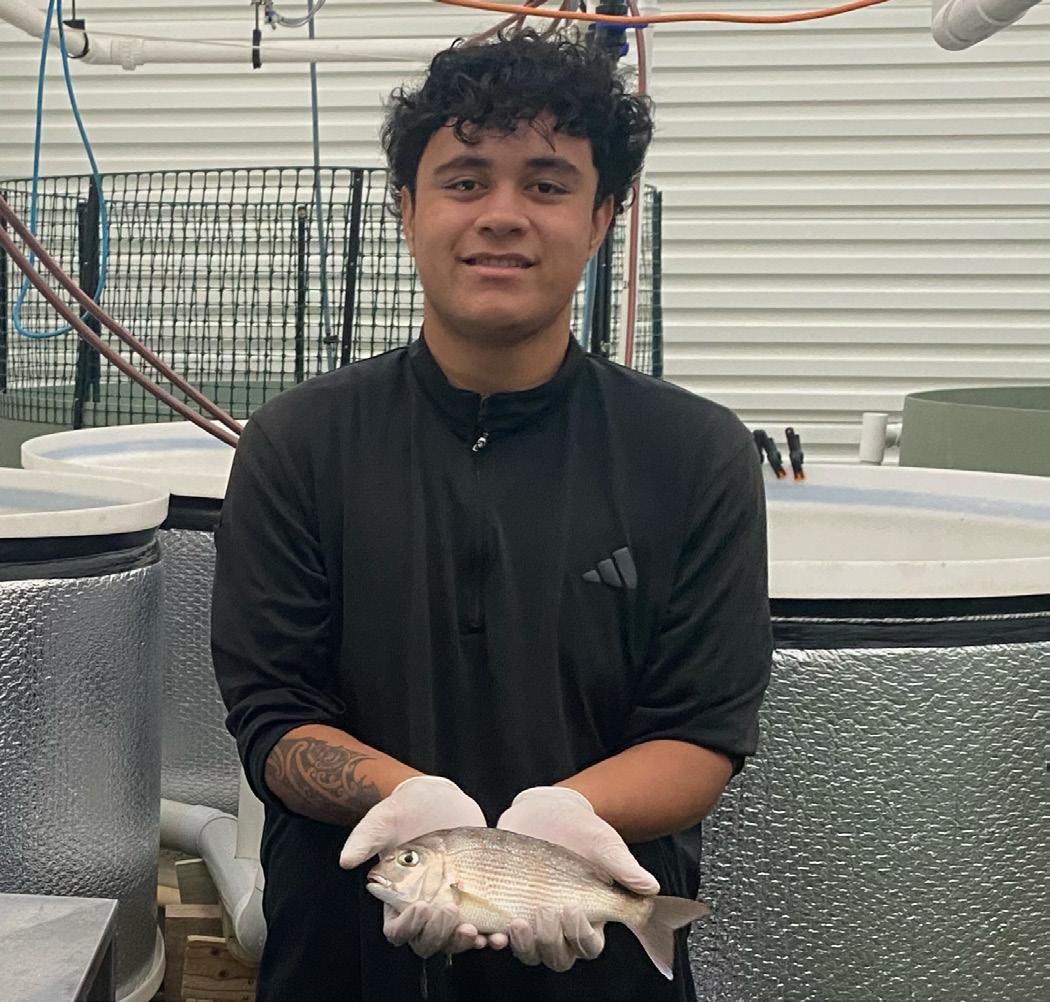
What does this scholarship represent for you personally — and for your whānau?
Receiving the John Ward Holmes Scholarship from Ngāti Tama means a lot to me, both personally and for my whānau. For me, it represents support and belief from my iwi in the path that I’ve chosen. Studying aquaculture and marine biology can be challenging at times, so knowing that Ngāti Tama backs me and supports my studies motivates me to keep pushing forward and doing my best.
For my whānau, the scholarship is something they are really proud of. My mum especially has always encouraged me to follow this pathway. She saw that science came naturally to me when I was at college and pushed me to keep going with it. Having the support of my iwi alongside my whānau makes the achievement feel even more meaningful.
The scholarship also reminds me that my studies have a bigger purpose. I chose this degree because I want to help make a positive change in our marine spaces so they’re still healthy and available for the generations that come after us. I hope the knowledge and skills I gain through my studies can eventually give something back to our iwi and our moana.
Where did your interest in the moana begin — was there a moment, place, or person that sparked it?
Ko Parapara te maunga
Ko Pariwhakaoho te awa
Ko Tokomaru te waka
Ko Onetahua te marae
Ko Ngāti Tama ki Te Tauihu te iwi
Ko Rameka Te Ketu rāua ko Mere Mataitua ōku tūpuna
Ko Theo La’auli taku ingoa
My interest in the moana started back in college when I was studying biology. Learning about climate change and its effects on our taiao really opened my eyes to how connected everything is. From the rivers and forests to the oceans and coastal environments. I realised that the marine environment is both fragile and essential, and I wanted to be part of the solution to protect and improve it.
I’ve always enjoyed hands on learning, and studying marine biology and aquaculture gives me the chance to explore these issues practically, whether through experiments, fieldwork, or placements across Te Tauihu. Being able to apply what I learn to real world problems and think about ways to support the health of our moana motivates me. I want to use my knowledge and skills to support the health and sustainability of our marine spaces for generations to come.
When you think about Te Tauihu and the marine environment, what do you feel — responsibility, curiosity, urgency, hope?
I feel a strong sense of responsibility and kaitiakitanga when I think about Te Tauihu and the marine environment, especially because I whakapapa here. That connection makes it more personal, and because of that, I feel a real responsibility to look after our moana and make sure it’s respected and protected.
Studying aquaculture and marine biology has made me realise how important the moana is for ecosystems, as well as our culture, identity, and overall wellbeing. At the same time, there’s definitely a sense of urgency. We’re seeing real impacts from things like climate change, pollution, and overuse of marine resources, and it’s putting a lot of pressure on these ecosystems. That balance is starting to shift, and it affects both the environment and the people who rely on it.
But I’m also hopeful. There’s more awareness now, and more people are stepping up to make a difference. That’s something I want to be part of. I want to keep building my understanding of these ecosystems and use that knowledge alongside my sense of responsibility to help protect and restore the moana, so it stays healthy and thriving for future generations.
What are you studying at Nelson Marlborough Institute of Technology (NMIT) right now, and what made you choose that programme?
I am currently studying aquaculture and marine conservation at NMIT. I chose this programme because I have always enjoyed biology and the water, but also the hands on side of science as well. This programme also gives me the skills required to support sustainability within aquaculture in Te Tauihu/Aotearoa in a way that aligns with kaitiakitanga. Not over taking from the ocean but also looking after it and making sure it stays healthy for the future.
What’s been harder than you expected — and how are you pushing through?
One of the hardest parts has been balancing work and study at the same time. It can be challenging managing my time and making sure I stay on top of assignments while also meeting my responsibilities at work. At times it gets stressful, but I push through by staying organised, planning ahead, and keeping focused on my long term goals.
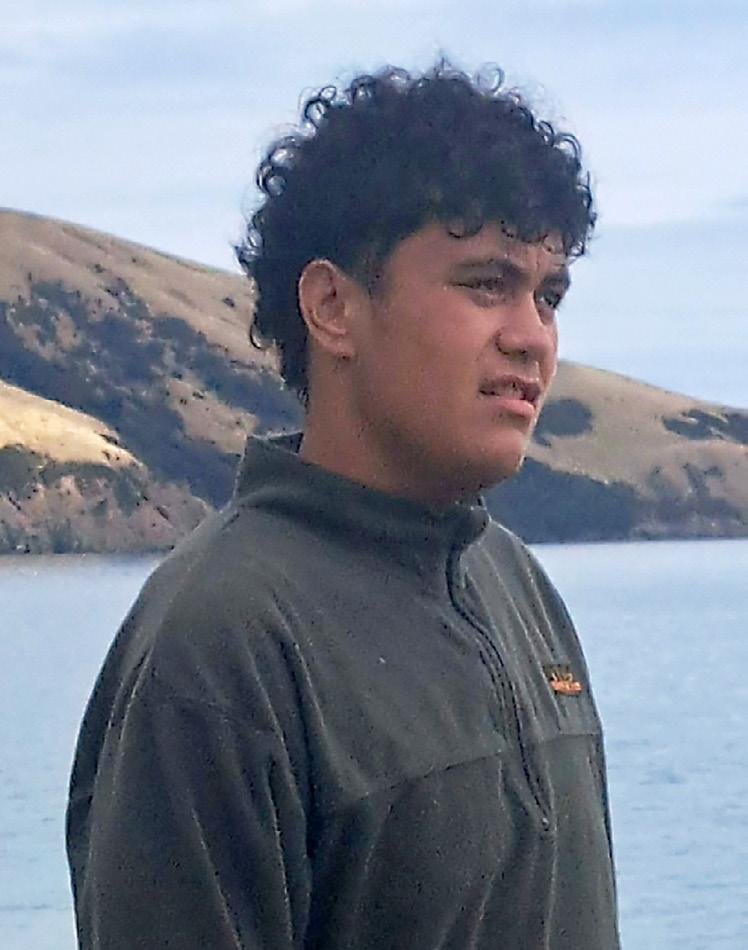
How has your internship with Plant and Food connected to what you’re learning at NMIT — what’s “clicked” for you?
My placement with Plant & Food has helped connect what I learn at NMIT to real world applications. What really clicked for me is how important small details are, like water quality, feeding, and system/ facility management, all directly impact fish health and overall sustainability. It also showed me how experiments and research play a big role in improving aquaculture, helping develop more sustainable farming methods that reduce environmental impact while still maintaining productivity.
When you picture yourself in 5 to 10 years, what are you doing — and where?
Hopefully in the aquaculture scene, specifically research, I'm naturally curious and enjoy experiments that could lead to a positive change, even if it's just the slightest improvement.
How do you hope your learning will translate into benefits for iwi and whānau — what does “giving back” look like to you?
Giving back to me means using the knowledge and skills I gain to support the wellbeing of my iwi and whānau. That could be through contributing to sustainable aquaculture projects, helping restore marine ecosystems, or sharing knowledge with other whānau/uri who are wanting to study in this field. I want to help create opportunities that benefit both the environment and our communities. Kaitiakitanga is a big part of that and making sure we are not just using resources, but protecting and enhancing them so future generations can continue to rely on and connect with the moana.
If you could have dinner with any marine scientist/kaitiaki/ tūpuna (past or present), who and why?
I would choose to have dinner with Dr. Sylvia Earle. She has dedicated her life to exploring and protecting the ocean, and her work has helped raise global awareness about the importance of marine conservation. I would want to learn from her experiences, especially how she has combined science, exploration, and advocacy to protect marine ecosystems. I would like to hear her stories from her countless trips/expeditions.
"Receiving the John Ward-Holmes Scholarship from Ngāti Tama means a lot to me, both personally and for my whānau. It represents support and belief from my iwi, in the path that I’ve chosen"
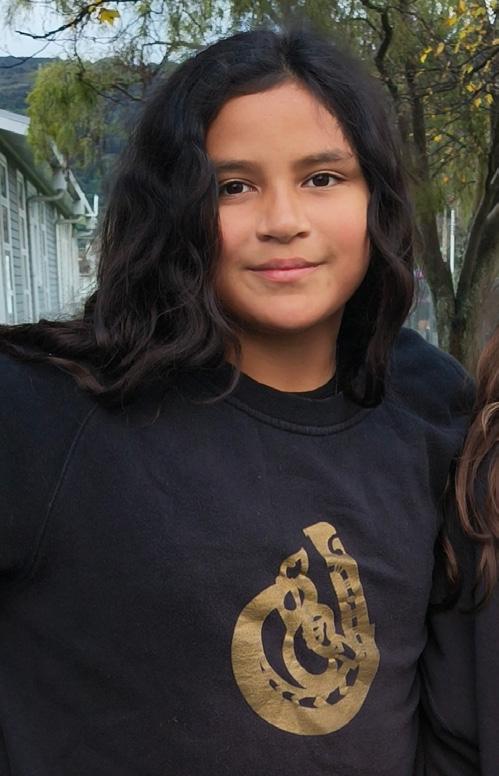

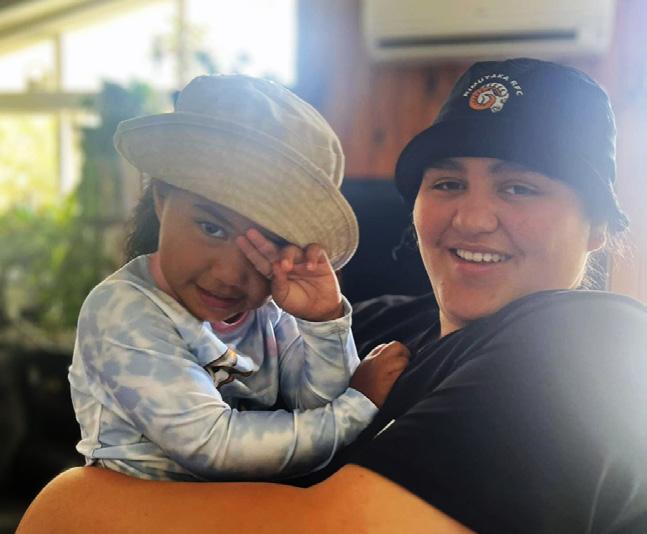
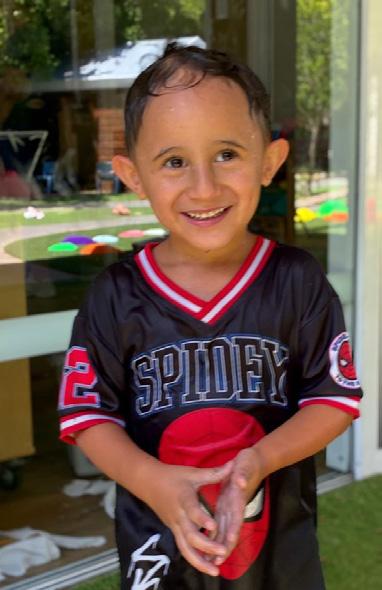
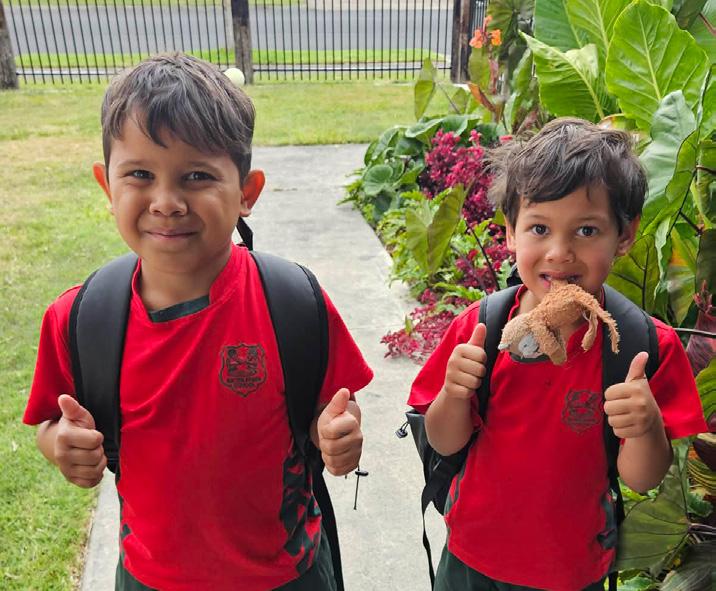
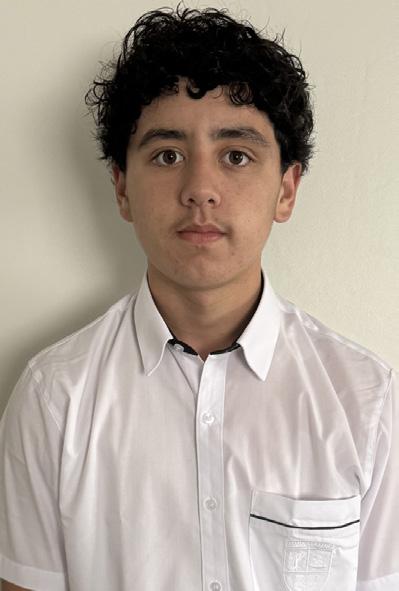
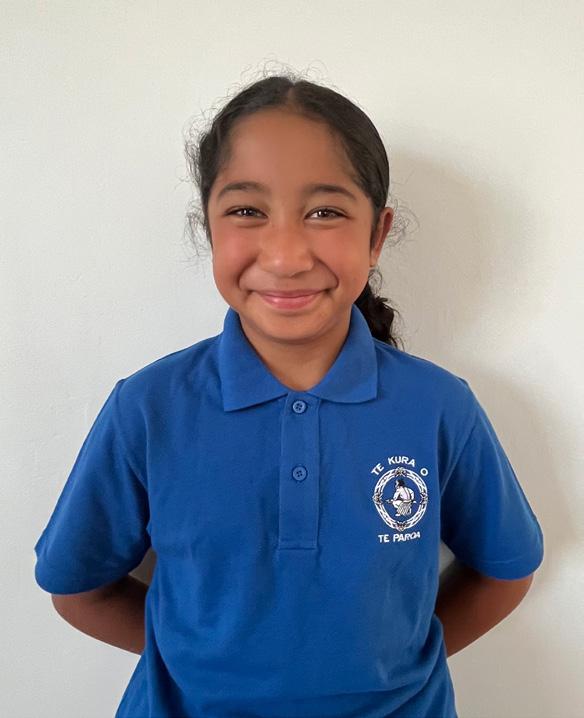
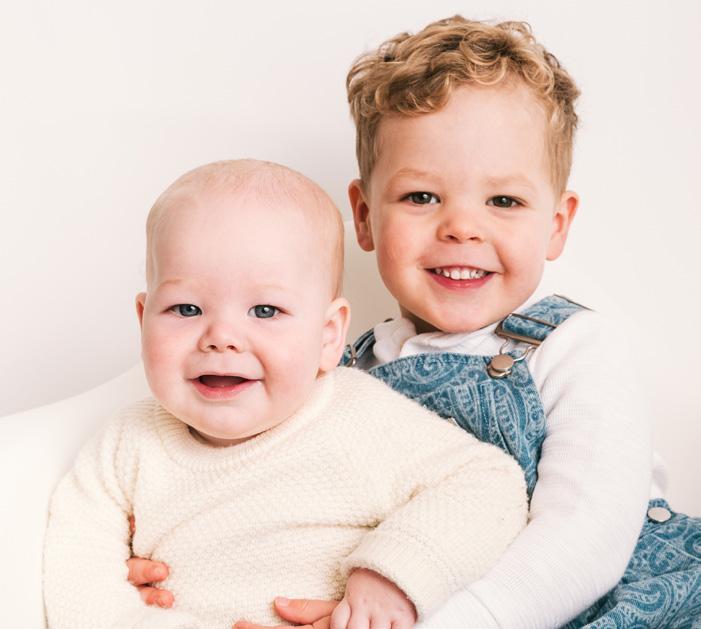
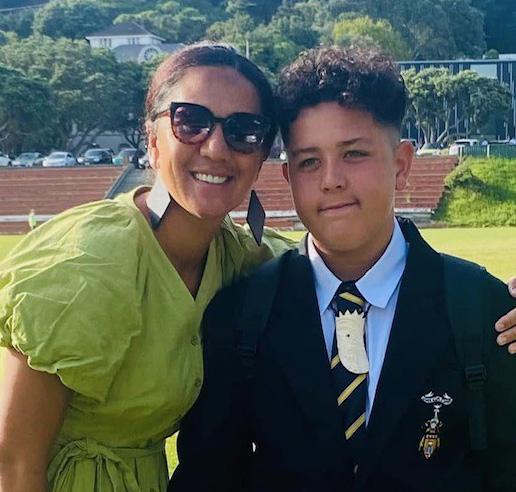
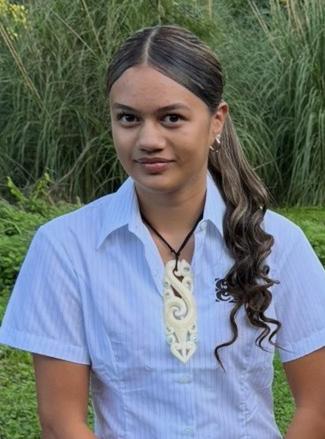
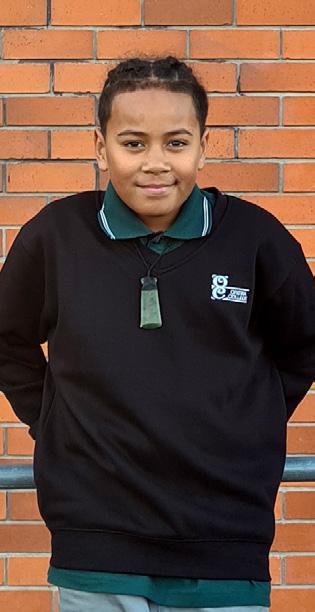
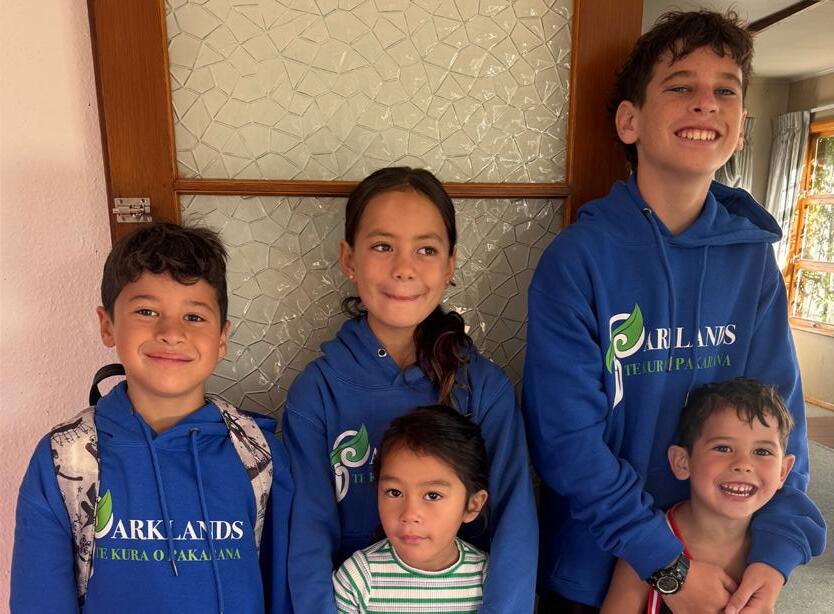
Ngāti Tama ki Te Waipounamu Trust provides assistance to whānau who are registered with us to promote and enhance social, educational, health and wellbeing, sporting and cultural opportunities of the iwi.

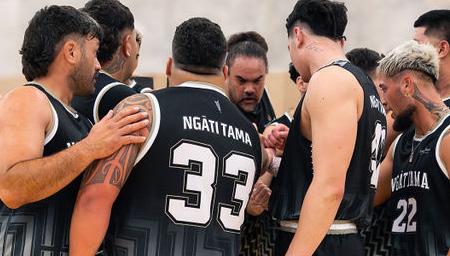
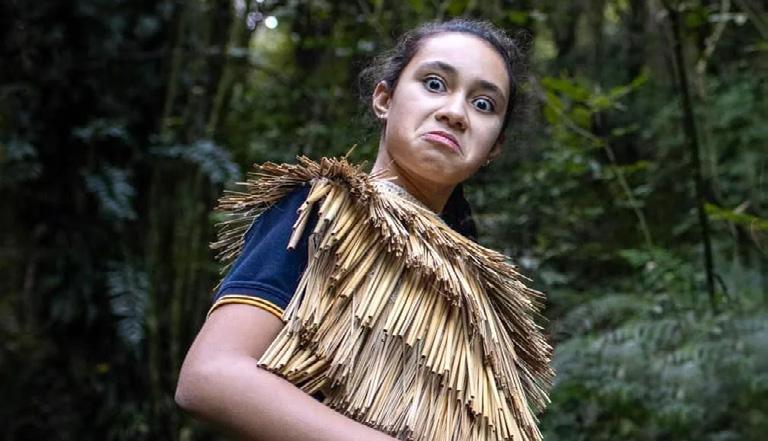
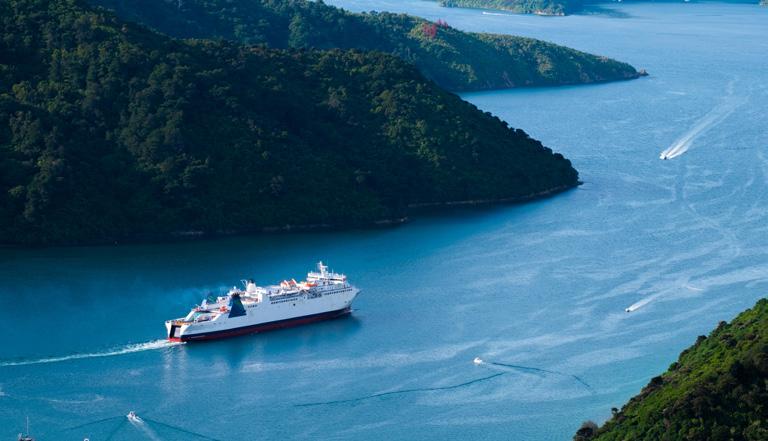
If you want a $200 contribution towards your power bill you can apply for a Winter Energy Grant. Payments will be made straight to your pow er provider. Only one application per household per year. Applications should be made via our Whānau App. Please email jasmine@ngati tama. iwi.nz if you are having trouble logging in.
If you want support with health related costs you can apply for a Manaaki Grant once a year. The type of costs you can apply for vary but include glasses, medical bills, dental bills, hearing aids etc. Applications are approved on a case by case basis by our Charitable Trust.
This grant is to tautoko whānau in exceptional circumstances where government or other support is not available or suitable to meet whānau needs. The Tama Tū grant is available once a year. The type of costs you can apply for vary and approval of application is at the discretion of our Charitable Trust.
Are you involved in a sports team, have membership/uniform fees or an upcoming sports tournament? You might be able to apply for support via our Sports grant – check out the application to see if you’re eligible and submit your application form.
Are you planning on or currently involved in a cultural activity? This could be something in the areas of kapa haka, te reo, mātauranga or toi Māori. Or perhaps you’ve got an upcoming art exhibition or performing in a show? Check out our cultural grant application to see if you are eligible and apply now.
The individual subsidy is available to all registered adult (18+) members and tamariki of registered members who would like to attend a Ngāti Tama hui or kaupapa. One subsidy per registered member (and child/ren) per year. Application forms will be available at the Hui ā Tau and wānanga, where whānau must be present to apply. The subsidy will be distributed to whānau bank accounts in the weeks following the Hui ā Tau and wānanga.
To apply for any of these grants or scholarships, please go to: https://ngatitama.nz/grants/
Friday 6th - Sunday 8th
December 2026


TE IPUKAREA INTER-IWI SPORTS COMPETITION 2026 – SAVE THE DATE!
We are excited to announce that our annual Te Ipukarea Inter-Iwi Sports Competition will be taking place ON 20–21 NOVEMBER 2026.
This year, Rangitāne will proudly host the event in Wairau, bringing together whānau from across our iwi for a weekend of friendly competition, connection, and celebration.
Te Ipukarea is always a highlight on the calendar, offering an opportunity for our whānau to come together, strengthen relationships, and enjoy a bit of healthy rivalry across a range of sports and activities.
We encourage all whānau to SAVE THE DATE.
More details about sports, registrations, venues, and the full programme will be shared soon.
Keep an eye on our social media pages for updates and further information.

WHAKAPĀ MAI | CONTACT US
NGĀTI TAMA KI TE WAIPOUNAMU TRUST 74 Waimea Road, Nelson 7010
MAILING ADDRESS PO Box 914, Nelson 7040
TARI 03 548 1740 | 0800 8262 494 (TAMA IWI) pouawhina@ngati-tama.iwi.nz
NGĀTI TAMA ONLINE ngatitama.nz | whanau@ngati-tama.iwi.nz