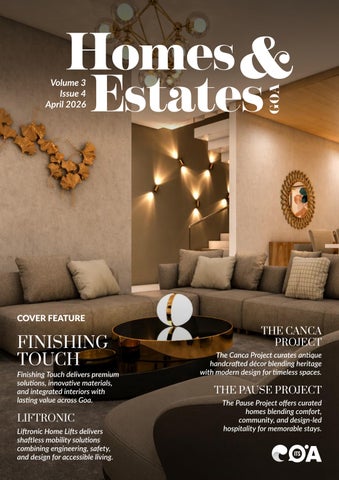
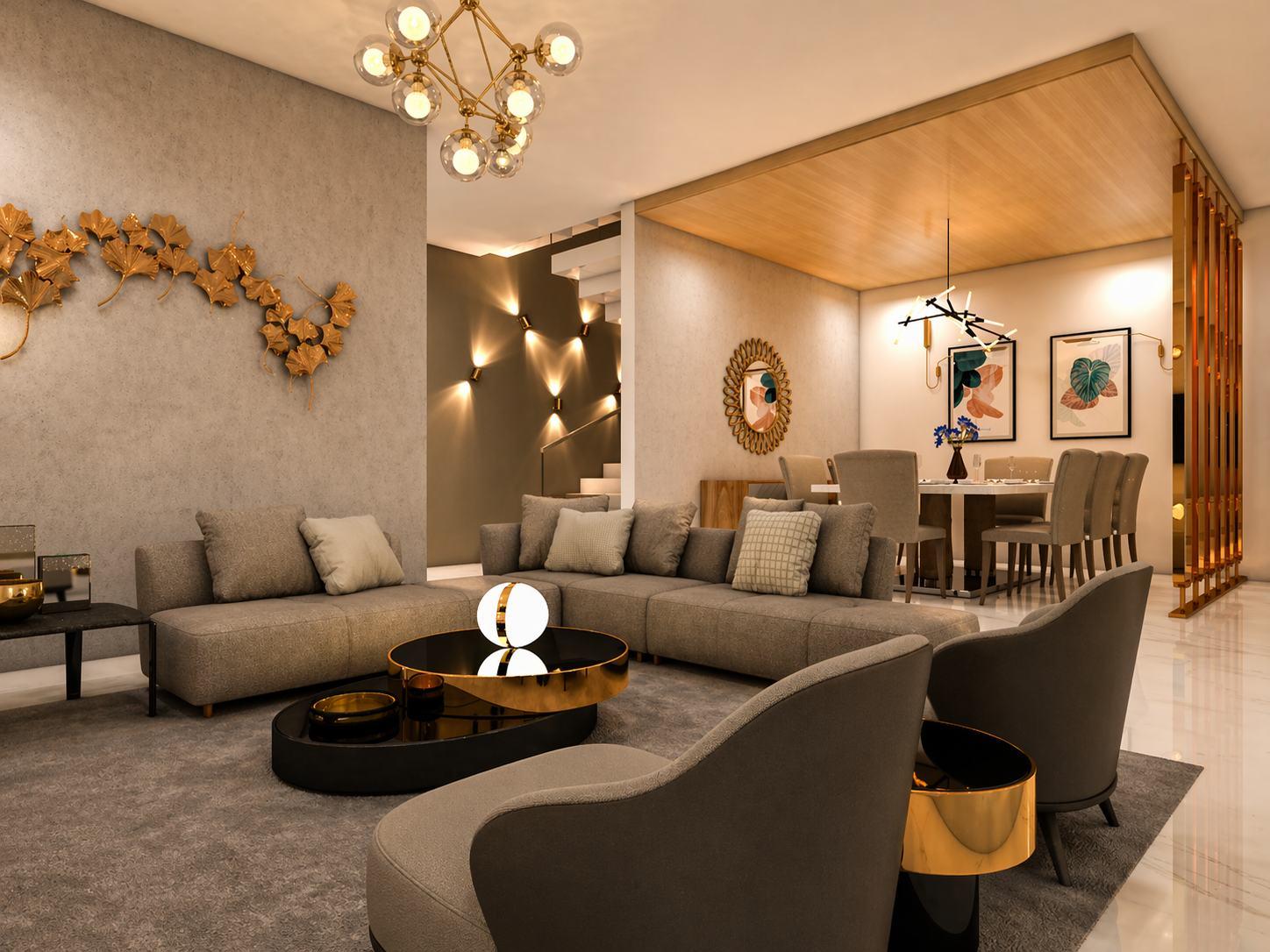
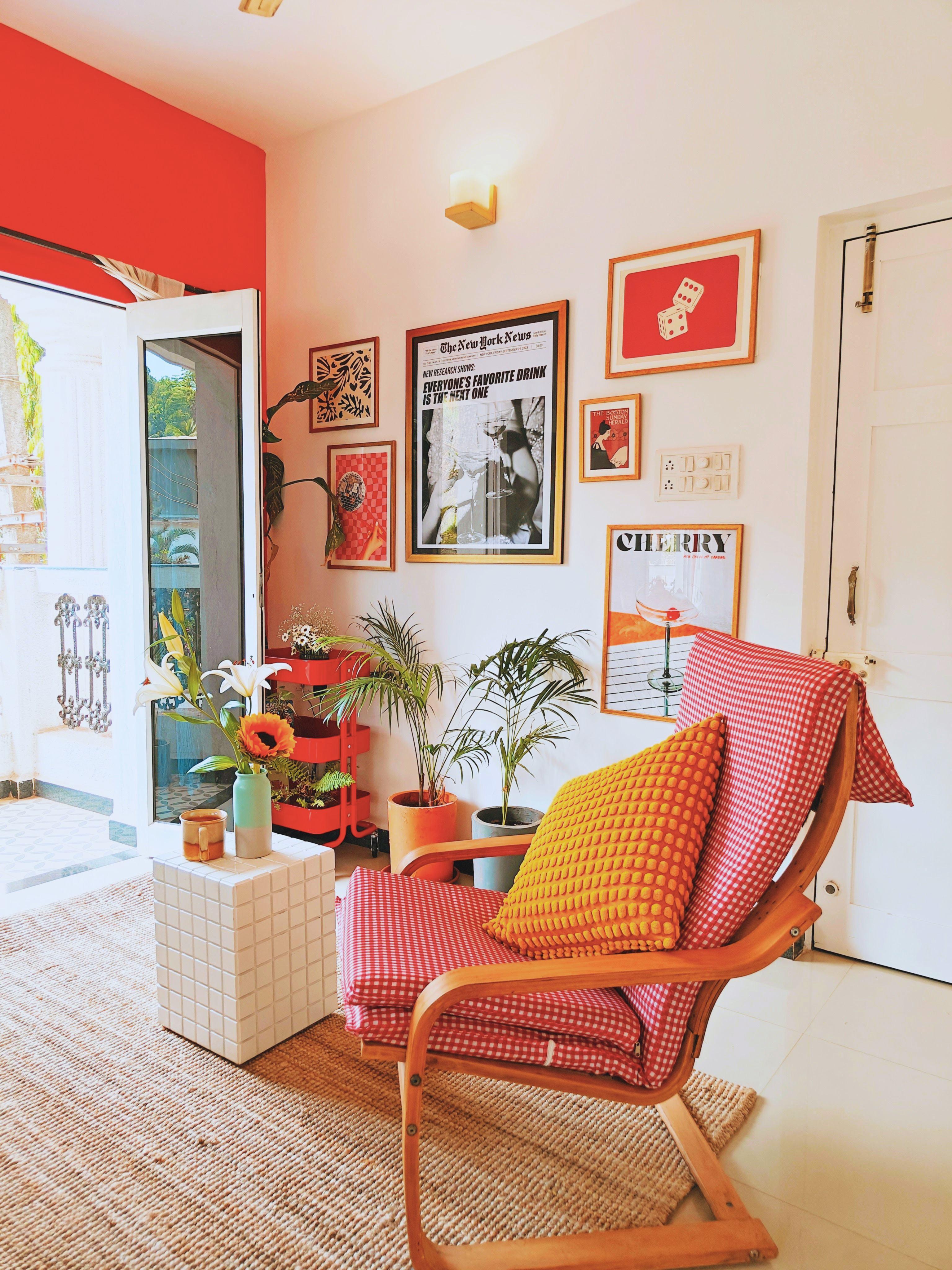
Finishing Touch delivers premium solutions, innovative materials, and integrated interiors with lasting value across Goa.
The Canca Project
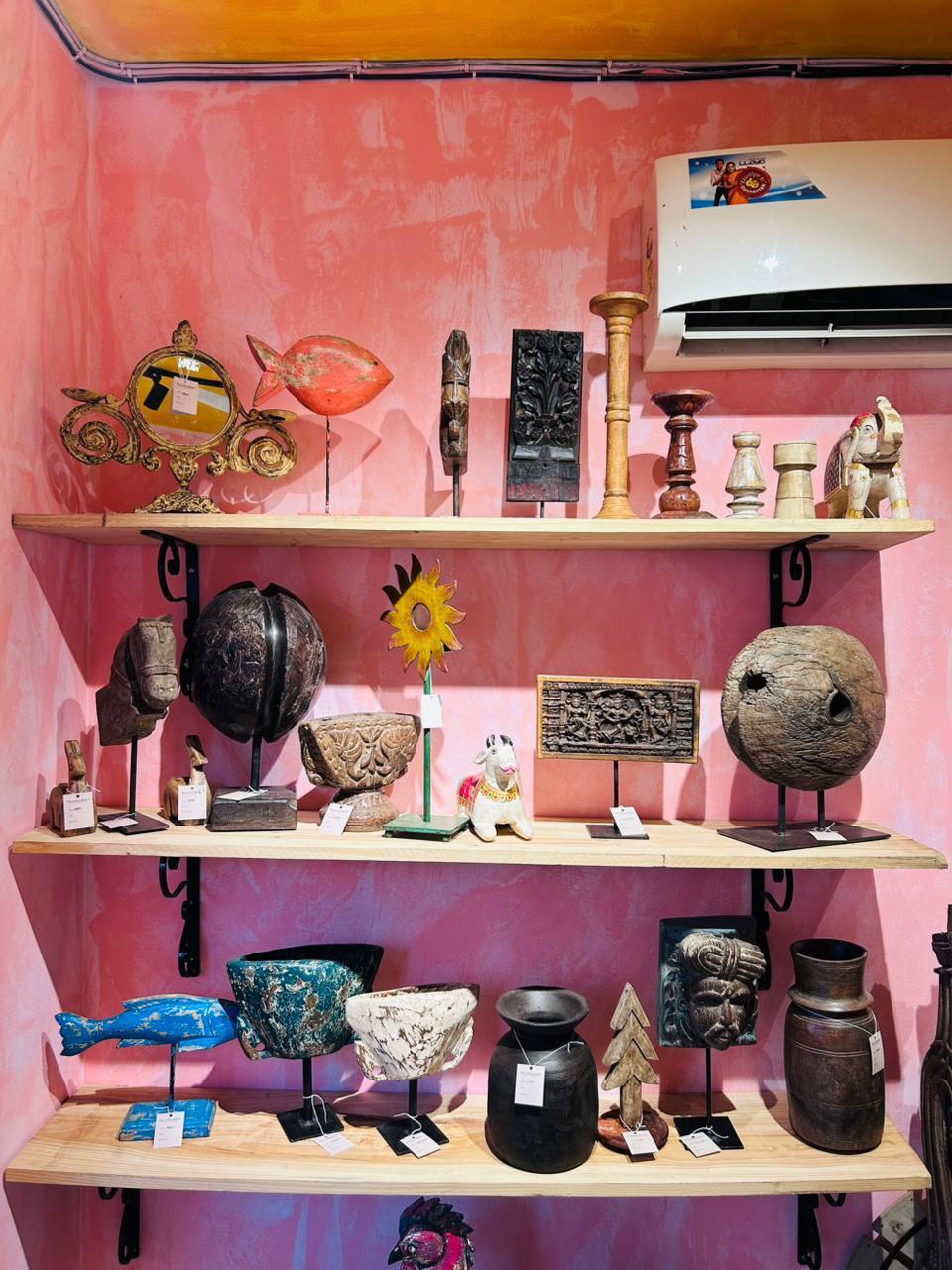
The Canca Project curates antique handcrafted décor blending heritage with modern design for timeless spaces.
The Pause Project
Liftronic
Liftronic Home Lifts delivers shaftless mobility solutions combining engineering, safety, and design for accessible living.
The Pause Project offers curated homes blending comfort, community, and design-led hospitality for memorable stays.
hotel Lua Nova
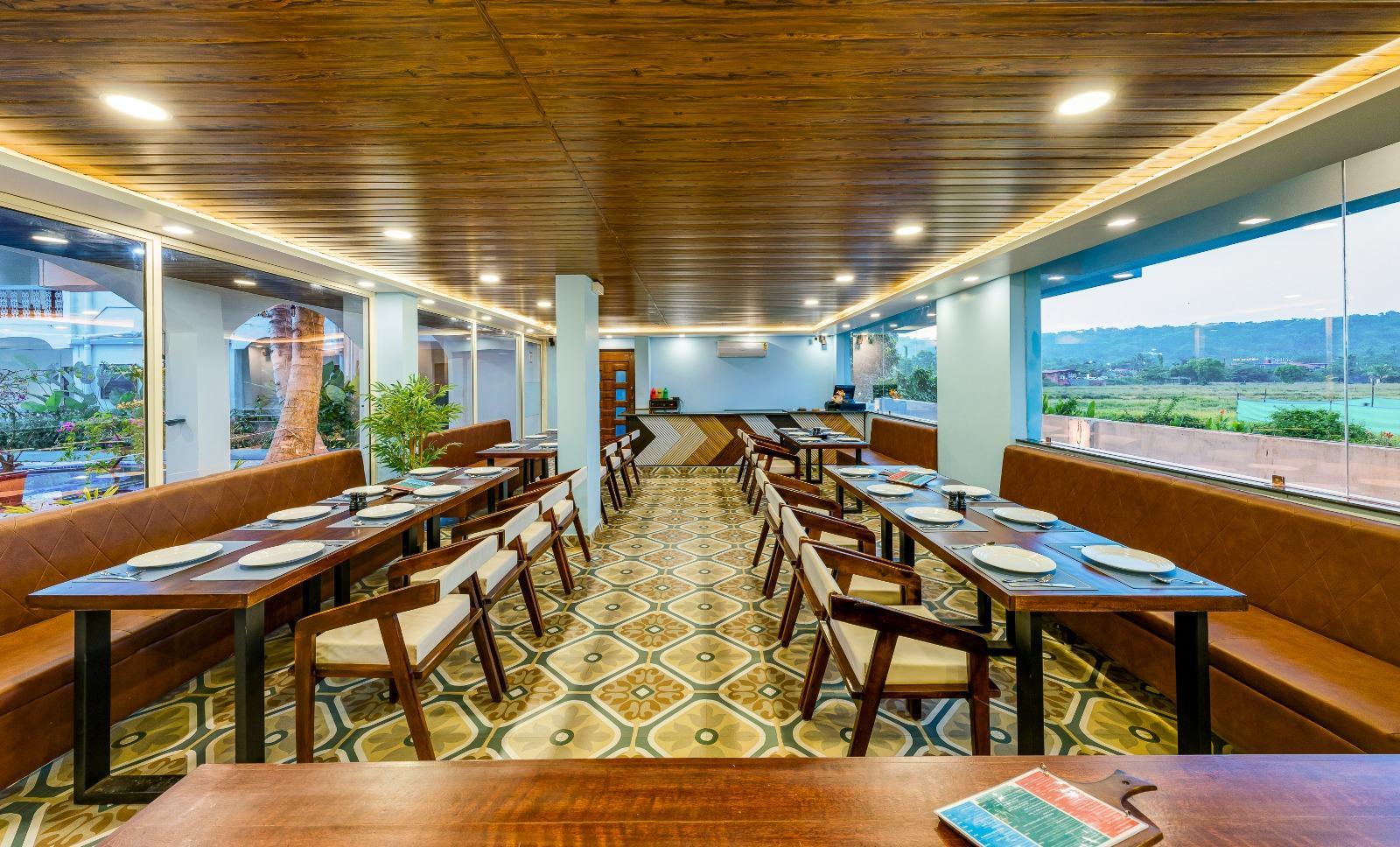
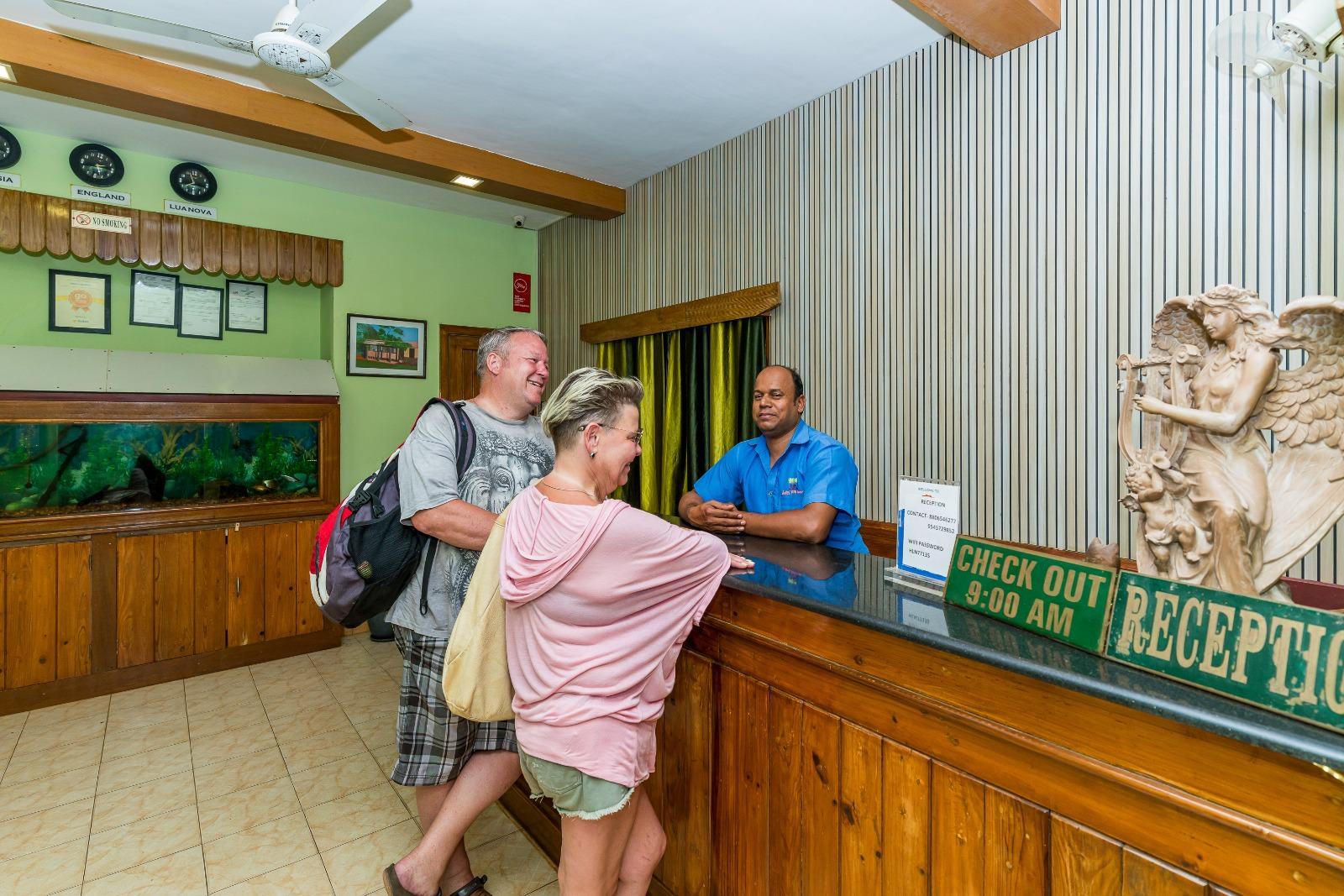
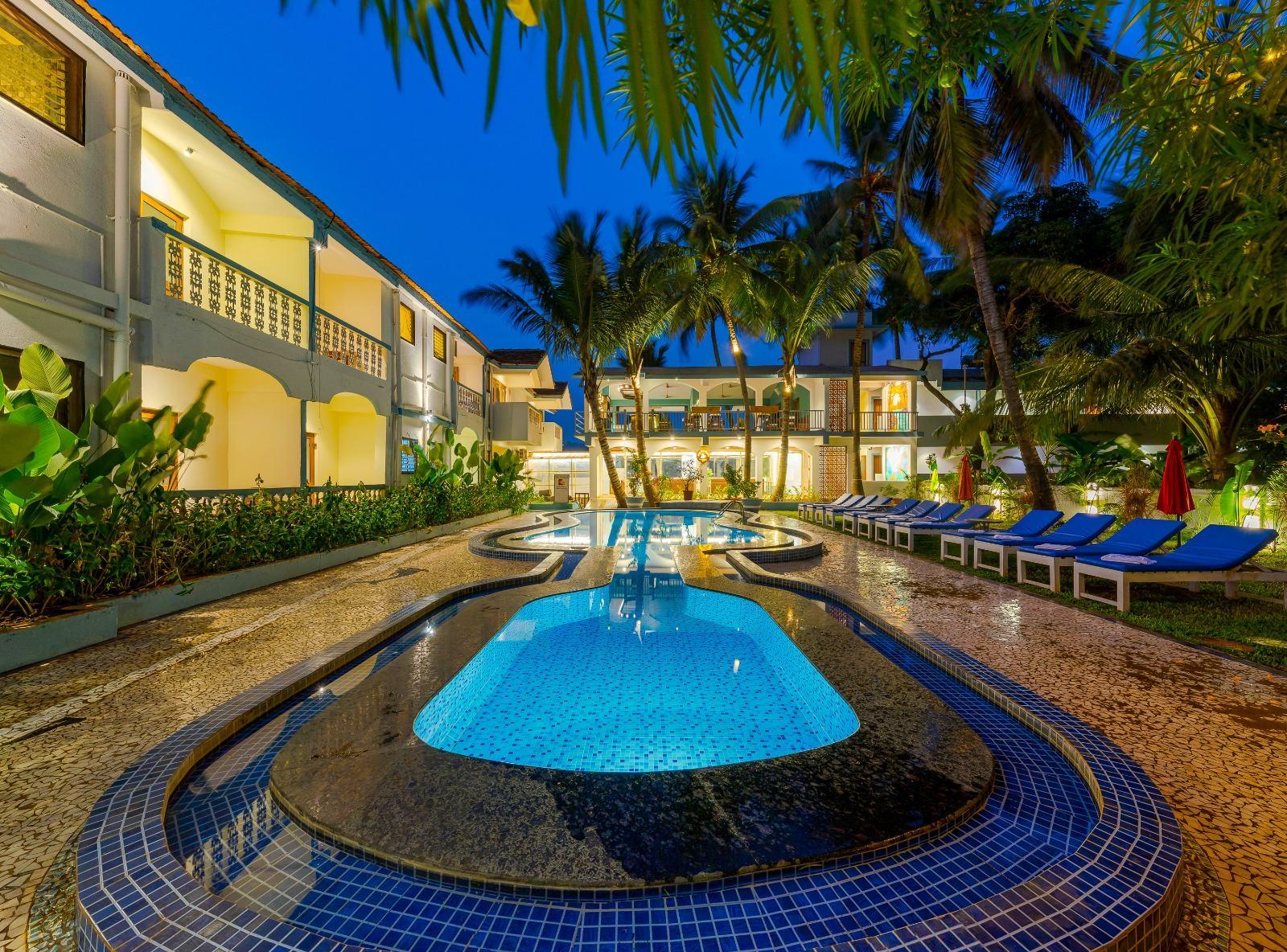
If holidays are inspired by nature and your thirst for rustic solitude and inner peace, Lua Nova is the hotel your heart was yearning for. Located at Goa's celebrated holiday capital at Baga, it overlooks a beautiful Canvas of village Goa, just 5 minutes walk from the Baga Beach.
www.itsgoa.com itsgoa_ Itsgoa
Editorial
Dear Readers,
Welcome to the April 2026 edition of Homes & Estates Goa, where we continue to explore the ideas, people, and perspectives shaping the region’s ever-evolving design and living landscape.
This month, we turn our focus to brands that are redefining the finer details of living. Finishing Touch, founded by Rasik Naik, stands as a testament to how quality craftsmanship and innovative materials can elevate spaces through thoughtful, integrated interior solutions designed for long-term value.
Mobility and modern living take centre stage with Liftronic Home Lifts. Led by Sonal Dhond and Pankaj Phalke, the brand is transforming accessibility through advanced, shaftless lift systems that seamlessly combine safety, engineering precision, and contemporary design.
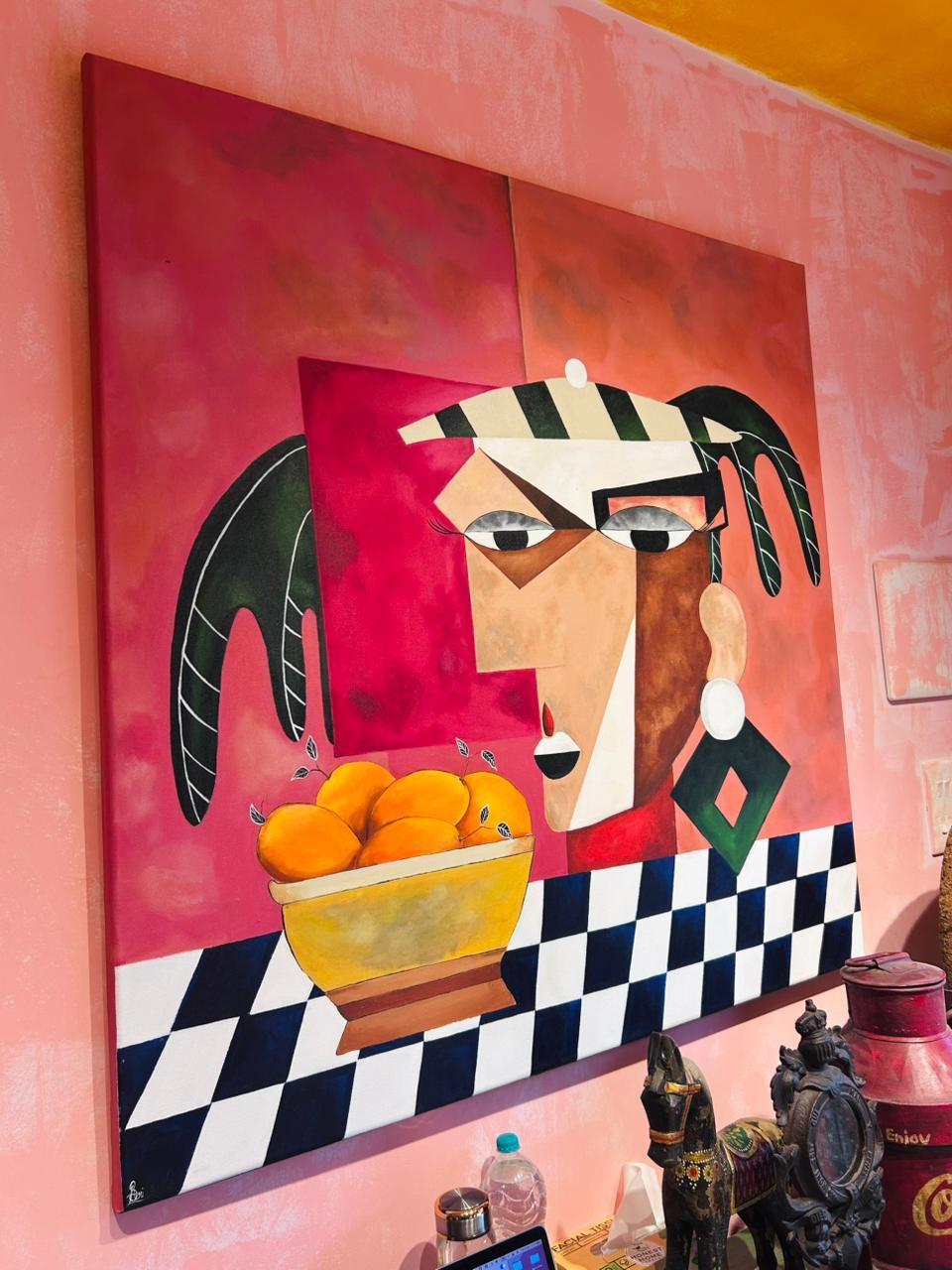
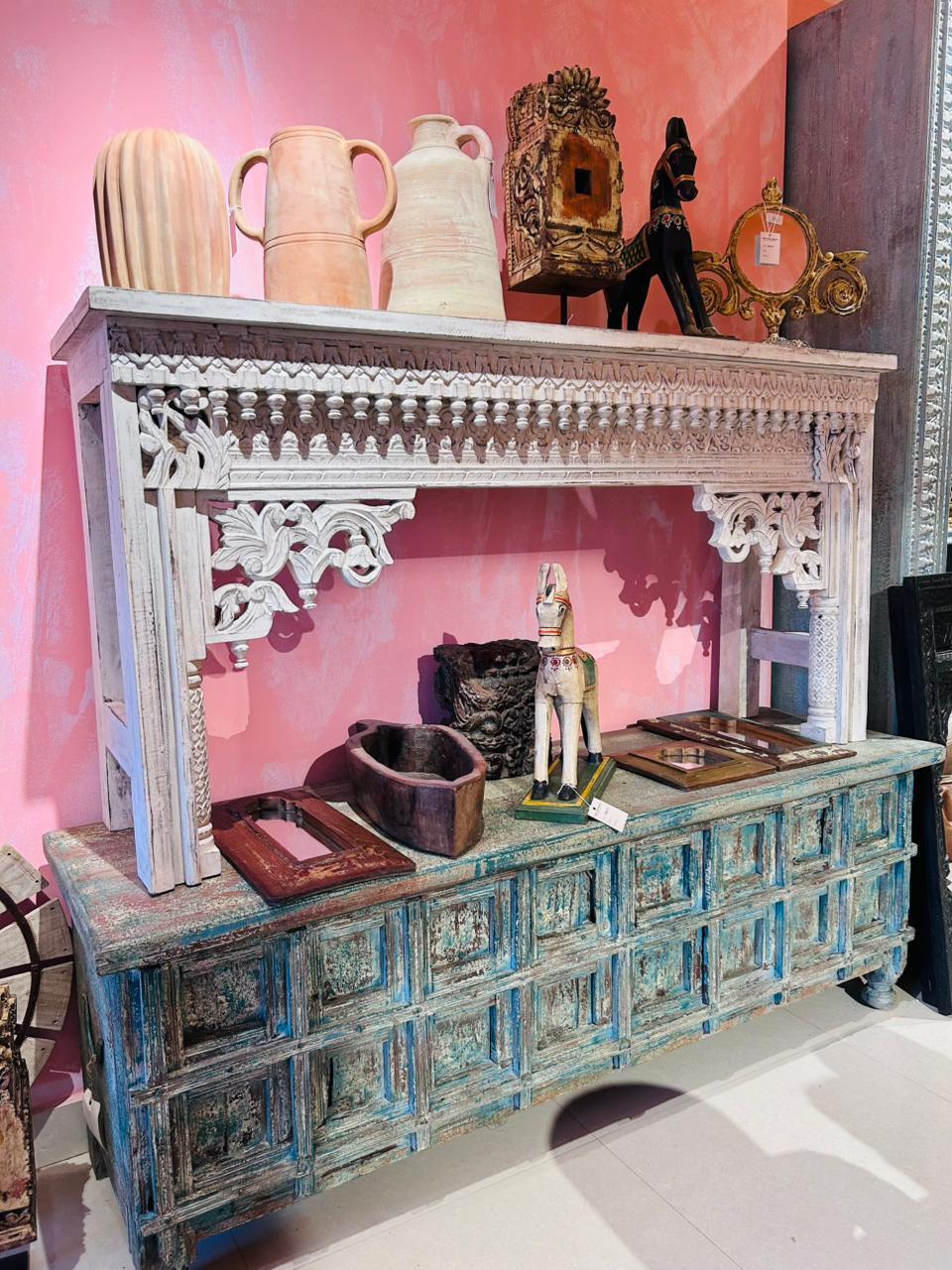
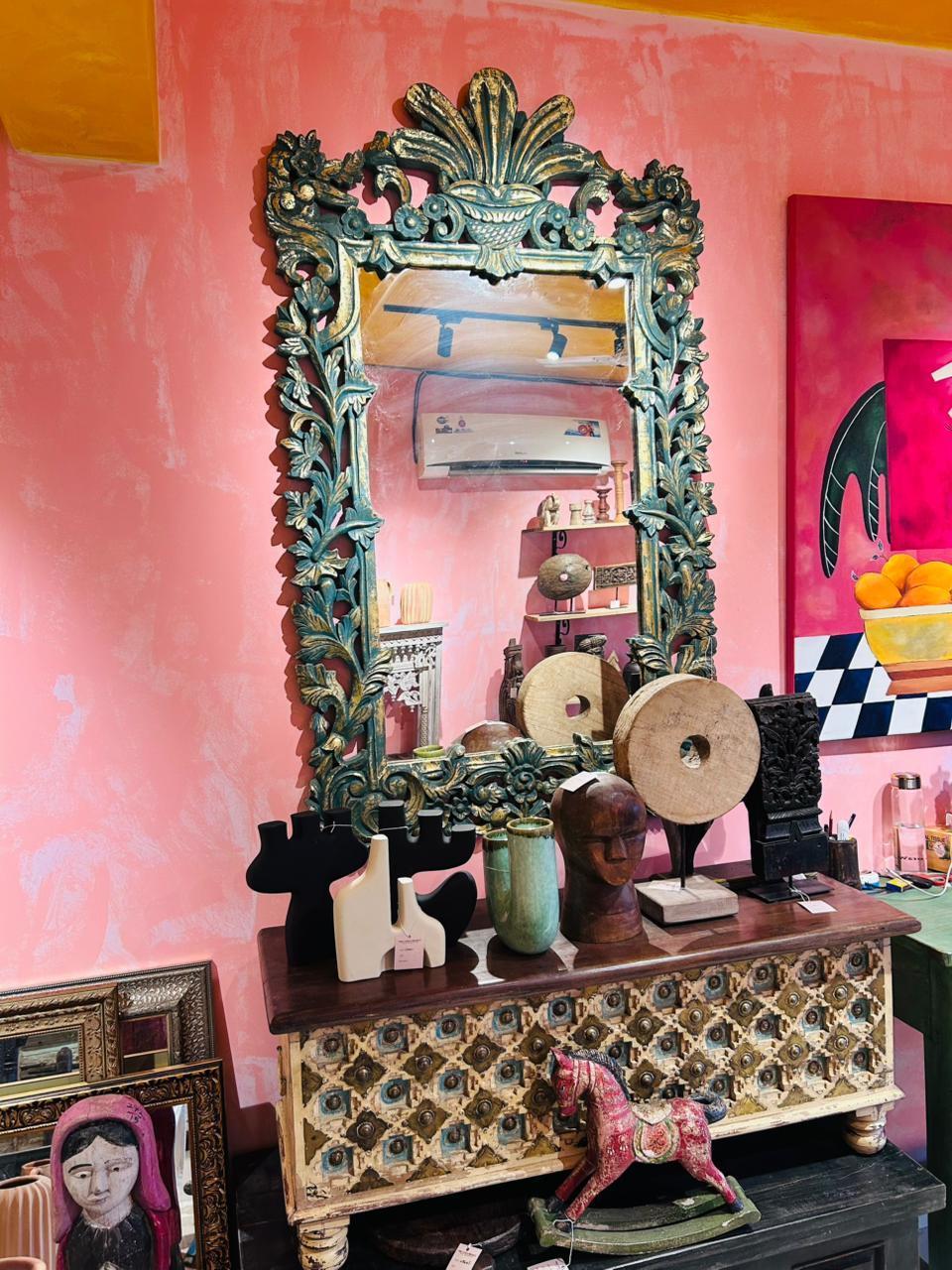
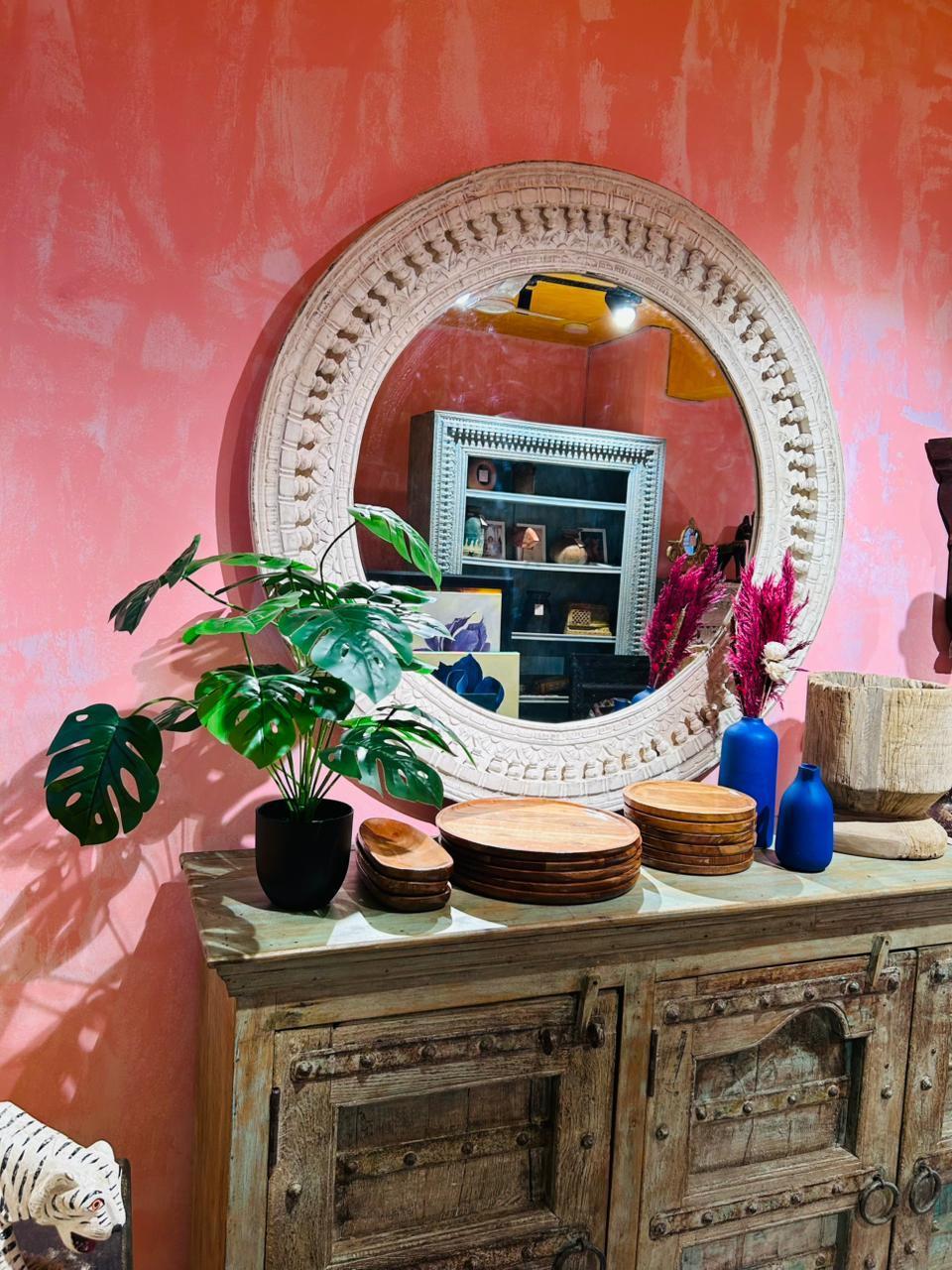
Adding a layer of storytelling to interiors is The Canca Project by Dheeraj Gaonkar. Rooted in heritage and craftsmanship, the brand curates antique and handcrafted décor that brings authenticity and character into modern spaces, creating environments that are both timeless and deeply personal.
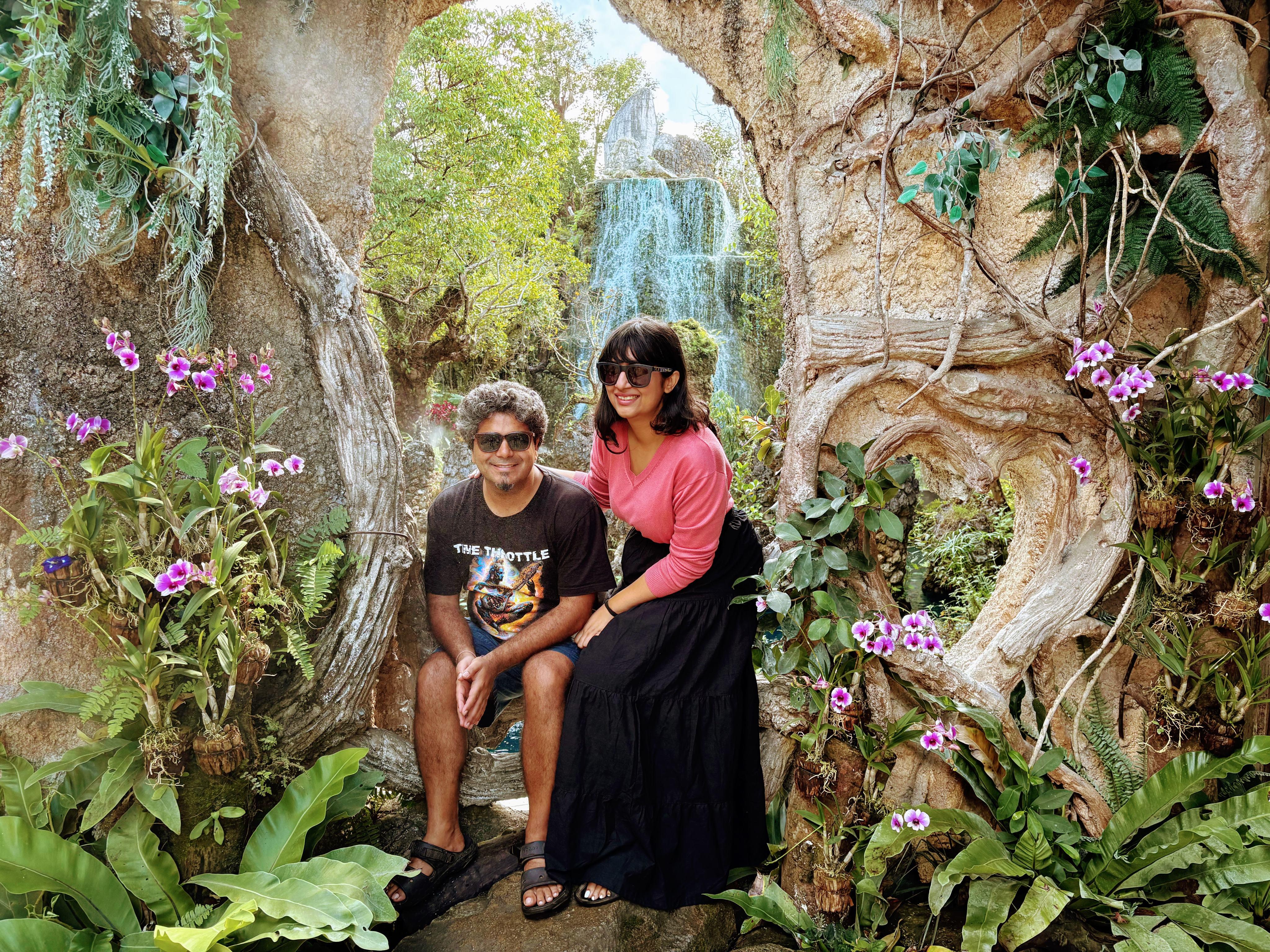
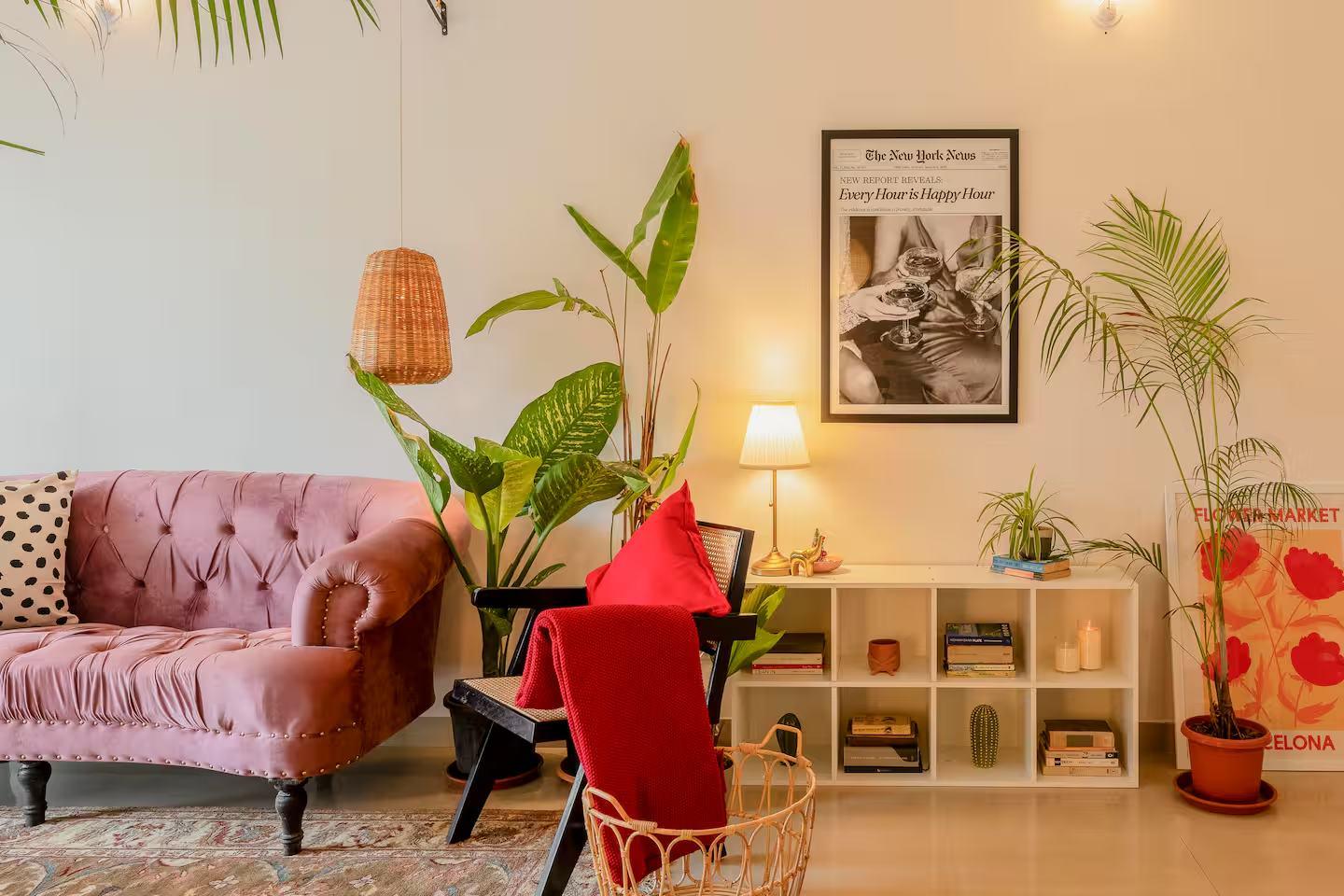
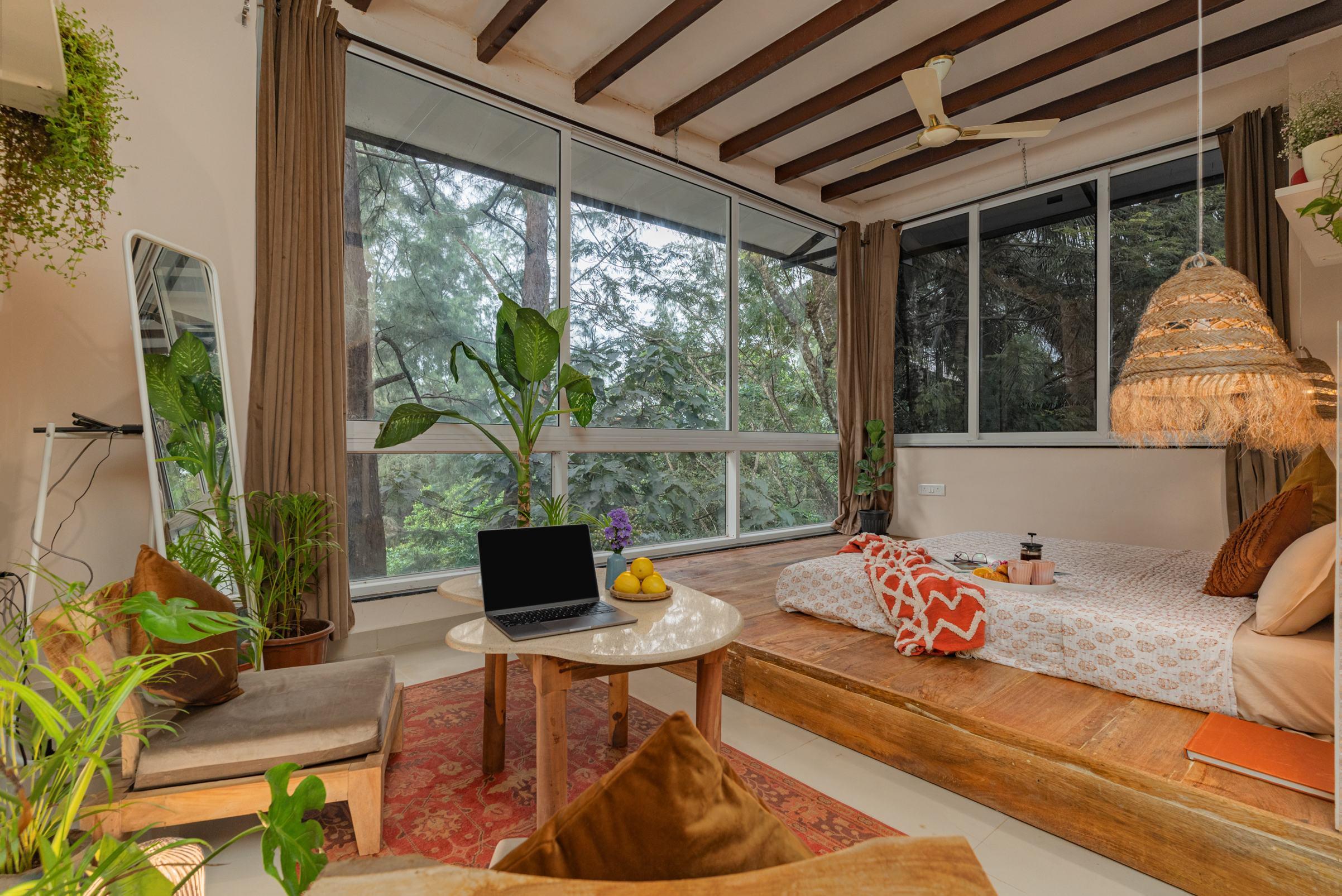
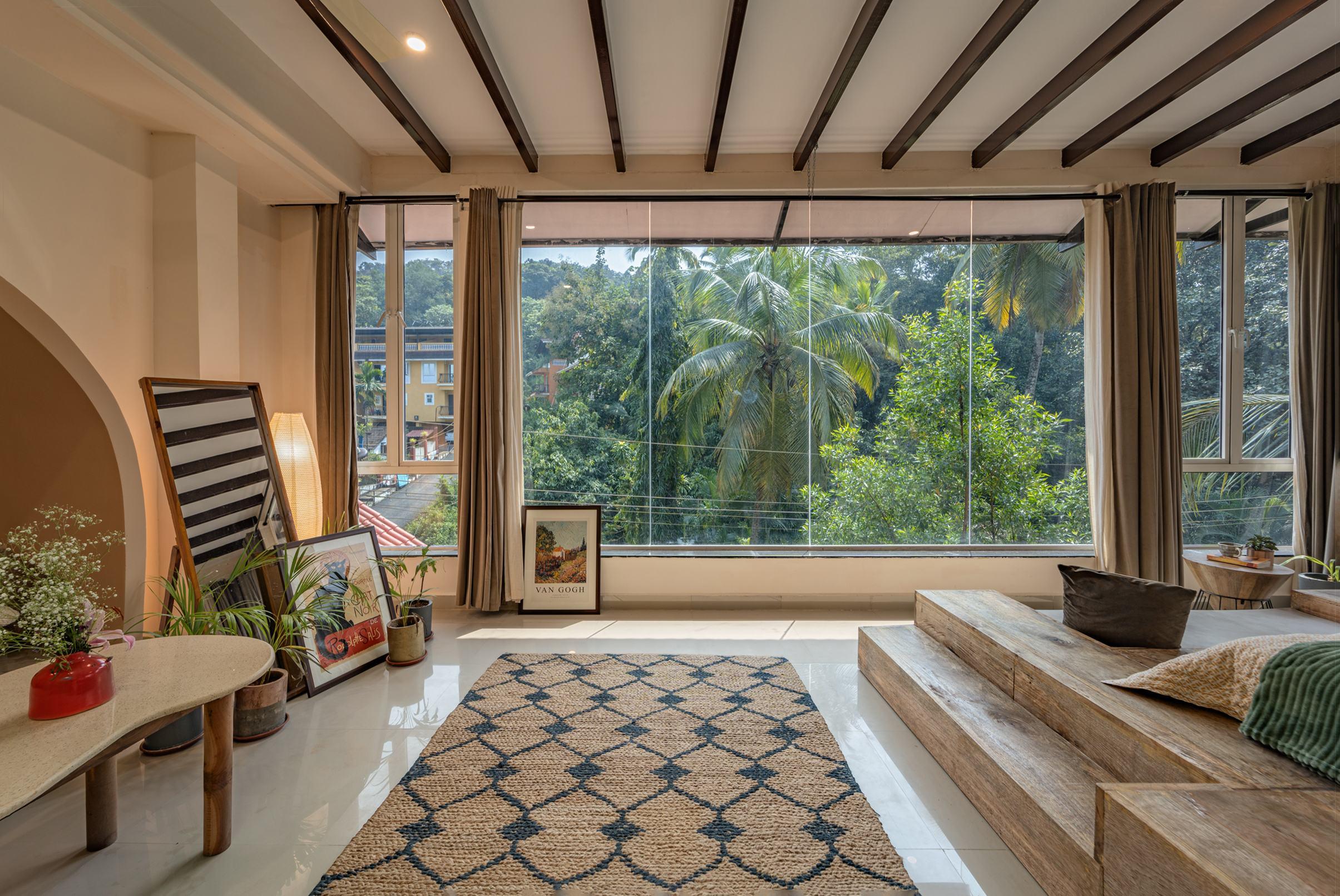
In hospitality, The Pause Project by Pavika and Siddhartha reimagines experiential stays. What began as shared living has evolved into a design-led brand offering curated homes centred on comfort, connection, and memorable experiences across Goa.
Midori Gardens, founded by Beena Sambaragimath, brings nature into design through curated plant styling and sustainable aesthetics, transforming homes and commercial spaces into calming, functional green environments.
This issue also explores Goa’s layered past through iconic forts like Aguada, Chapora, Reis Magos, and Terekhol—landmarks that reflect its rich history, architecture, and colonial legacy.
We also highlight Goa’s eco-stays—serene, sustainable retreats that blend comfort with conscious living, offering travellers a more mindful way to experience nature.
This issue pays tribute to those pioneering a sustainable, community-driven approach to real estate, design, and hospitality in Goa. Each of these leaders is contributing not only to building spaces but to fostering a brighter, more sustainable future for the region.
Well, that’s all I have for you from my desk this month. I hope you enjoy reading this month’s issue of our magazine. Do share it with your friends all across the globe.
Until next month, cheers!
Jessyl Fernandez
Editor
01 Finishing Touch
02 Liftronic
03 The Canca Project
04 The Pause Project
05 Midori Gardens
06 Historic Forts of Goa: Stories of Battles and Heritage
07 Eco Stays in Goa: Offbeat Resorts & Nature
Getaways
Introduction
Goa, the tiniest state on the western coast of India, boasts golden pristine beaches, palmfringed avenues, flavourful food, delicious Portuguese-influenced sweets, and warm, hospitable people. Also known as the Ibiza of India for its partying. A tropical paradise of flora and fauna, from the very famous 'almi' (mushrooms) endemic to its forests, that grow only on the red mud anthills, to the solar prawns that are fished immediately after the monsoons, Goa is unique. Tourists are also attracted to Goa for its cultural heritage - from the famous old Portuguese churches like Se Cathedral in Old Goa, the 16th Century Safa Masjid in Ponda and Shree Mangesha Temple in Mardol, the legendary Arvalem or Pandava Caves where the Pandavas of the Mahabharat fame lived, to its two unique festivals - Carnival and Shigmo. Goa plays host to many festivals - the International Film Festival of India that promotes cinema, the Serendipity Art Festival, Sunburn Music Festival, The Grape Escapade to name a few. To showcase this varied heritage of culture, art, tradition, food, and people, in 2015 ItsGoa was born. The main aim was to make it the premier portal for all things Goa. We were able to showcase Goa like never before. Soon our blogbased website transcended the virtual space, with the ItsGoa magazine – a sought-after resource for visitors to Goa from countries like Norway, Germany, UK, USA, UAE, etc.
Editorial Team
Chief Editor
Jessyl Fernandez
Sales
Donald Fernandez
Andrea Fernandes
Content & Social Media
Saviola Dias
Britney Fernandes
Graphics & Layout
Britney Fernandes
For advertising queries:
+91 7887330620 / 9370502124
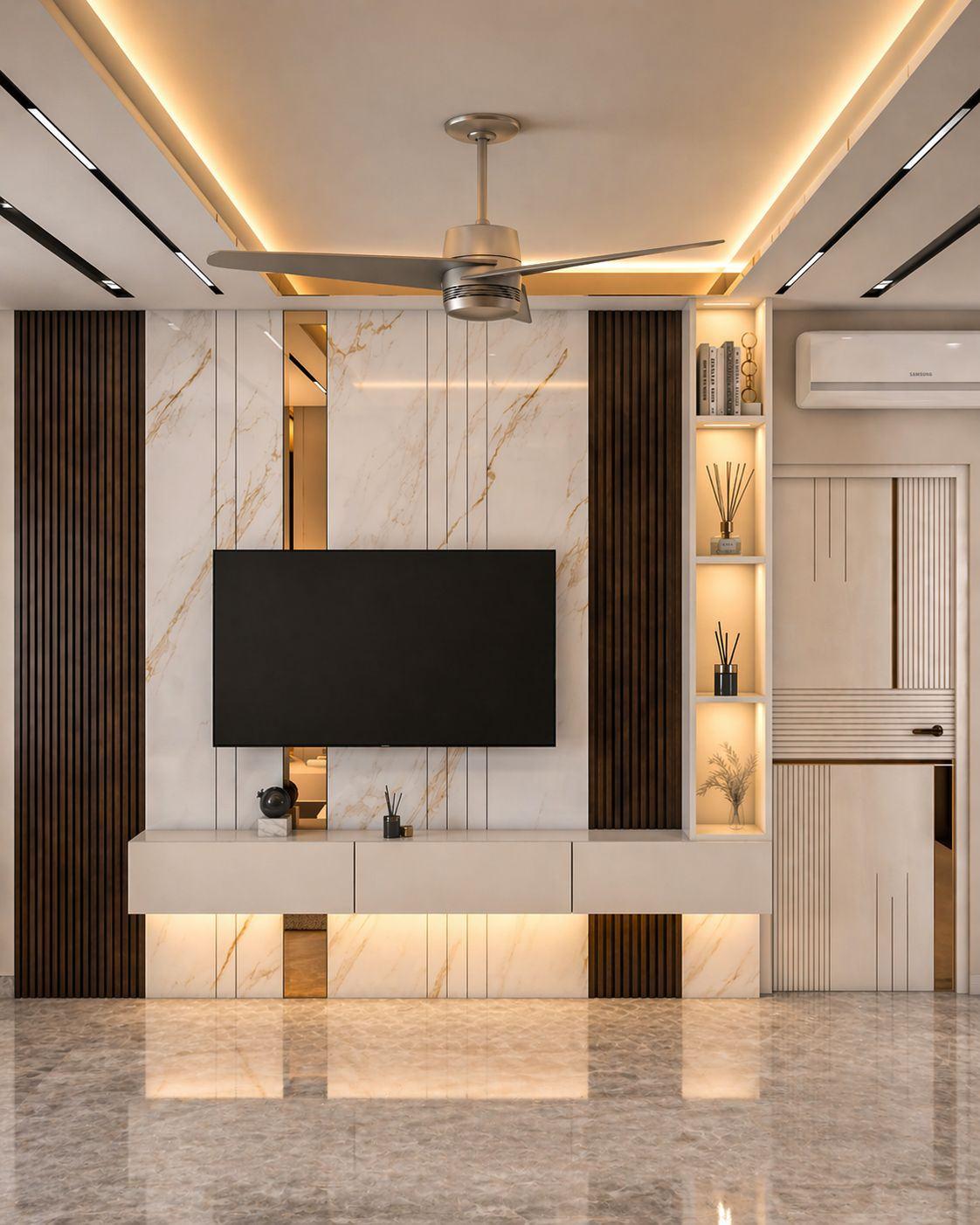
Finishing Touch, founded by Rasik Naik, evolved into a trusted Goa brand offering premium finishing solutions, innovative materials, and integrated interiors, combining quality, design, and long-term value across diverse projects.
Article by: Team ItsGoa
Images by: Finishing Touch
Over the past two and a half decades, Finishing Touch has evolved into one of Goa’s most trusted names in building and finishing solutions. What began as a modest entrepreneurial venture during college has grown into a comprehensive, designdriven brand, shaped by vision, resilience, and an unwavering commitment to quality.
Founded by Mr. Rasik Naik, the journey started with a small kitchen supply business catering to restaurants. This early phase played a crucial role in shaping his understanding of customer relationships and supply dynamics. As he transitioned into civil contracting, he identified a significant gap in the market, the lack of reliable, high-quality finishing materials. Recognizing that the true character of any structure lies in its finishing, he established Finishing Touch with a clear focus on delivering long-term value through precision and quality.
A defining trait of the brand has been its continuous pursuit of innovation. Mr. Naik remains actively involved in exploring global markets, attending international exhibitions, and studying emerging trends. This global perspective has enabled Finishing Touch to build a strong import portfolio, positioning itself as a one-stop destination for premium finishing materials.
In 2017, the brand expanded its capabilities with the introduction of Finishing Touch Interiors, led by interior designer Mrs. Neha Rasik Naik. Responding to growing demand for integrated solutions, this vertical brought together design and execution under one umbrella. Her involvement added a refined aesthetic dimension to the business, seamlessly bridging the gap between technical functionality and visual appeal.
At its core, interior design at Finishing Touch goes beyond decoration, it is about the thoughtful beautification of spaces through precise measurements, intelligent furniture alignment, and a deep understanding of client preferences. Whether it is classical, neo-classical, bohemian, luxury, contemporary, modern, industrial, Greek, Indowestern, Portuguese, Scandinavian, rustic, or Italian styles, every project is tailored to reflect the personality and lifestyle of the client while
maintaining functionality and visual harmony.
Today, Finishing Touch offers a wide spectrum of products and services, including roofing systems, flooring, wall cladding, decking, ceilings, water management solutions, and interior finishes. Beyond product supply, the company adopts a consultative approach, working closely with architects, builders, and homeowners to deliver solutions tailored to each project’s unique requirements.
Among its many offerings, roofing has emerged as a defining category. Recognizing its potential as both a functional and architectural element, the company introduced Telhado, a premium roofing brand.
Finishing Touch was among the pioneers in introducing clay roof tiles to Goa, emphasizing their durability, thermal efficiency, and suitability for the region’s coastal climate.
Telhado has since grown into a strong independent brand with a presence across multiple states. A significant milestone in its journey has been the commencement of manufacturing in India, marking a strategic shift from sourcing to production. This move has enhanced accessibility, improved pricing, and strengthened quality control, while also positioning the brand for future expansion into international markets.
What distinguishes Finishing Touch is its approach to quality and collaboration. The company operates within a robust ecosystem of trusted suppliers and clients, ensuring that every product meets high standards of performance and longevity. Rather than functioning as mere suppliers, the team positions itself as partners in the building process, guiding clients through material selection based on design intent, environmental conditions, and budget considerations.
The brand’s adaptability is reflected in its ability to cater to diverse project requirements. Whether it is residential, commercial, or institutional spaces, Finishing Touch tailors its offerings to align with the specific needs of each environment. This includes turnkey projects, as well as renovation and revamping assignments, ensuring consistency in design, execution, and delivery.
Current market trends indicate a growing demand for premium, design-led materials that combine aesthetics with performance. Customers are increasingly conscious of durability, sustainability, and long-term value, factors that Finishing Touch continues to prioritize in its offerings. Particularly in regions like Goa, where climatic conditions can be demanding, the focus on resilient and eco-conscious materials has become essential.
Behind the brand’s success lies a strong organizational culture. With an efficient team managing day-to-day operations, leadership is able to focus on strategic growth, innovation, and expansion. This balance between structure and autonomy has been instrumental in maintaining consistency while scaling operations.
Looking ahead, Finishing Touch is focused on thoughtful expansion, both geographically and in terms of capabilities. The brand aims to strengthen its presence across India while exploring opportunities in international markets, particularly in Europe through Telhado. At the same time, it continues to invest in building a robust ecosystem where quality, design, and trust remain central.
Beyond business, Mr. Rasik Naik also contributes to the broader community as the President of the Vibrant Goa Foundation, engaging in initiatives that promote economic growth and collaboration in the region.
Finishing Touch is more than a solutions provider, it is a brand built on relationships, innovation, and a long-term commitment to excellence. As it continues to grow and evolve, its vision remains clear: to create spaces defined not just by design, but by enduring quality and trust.
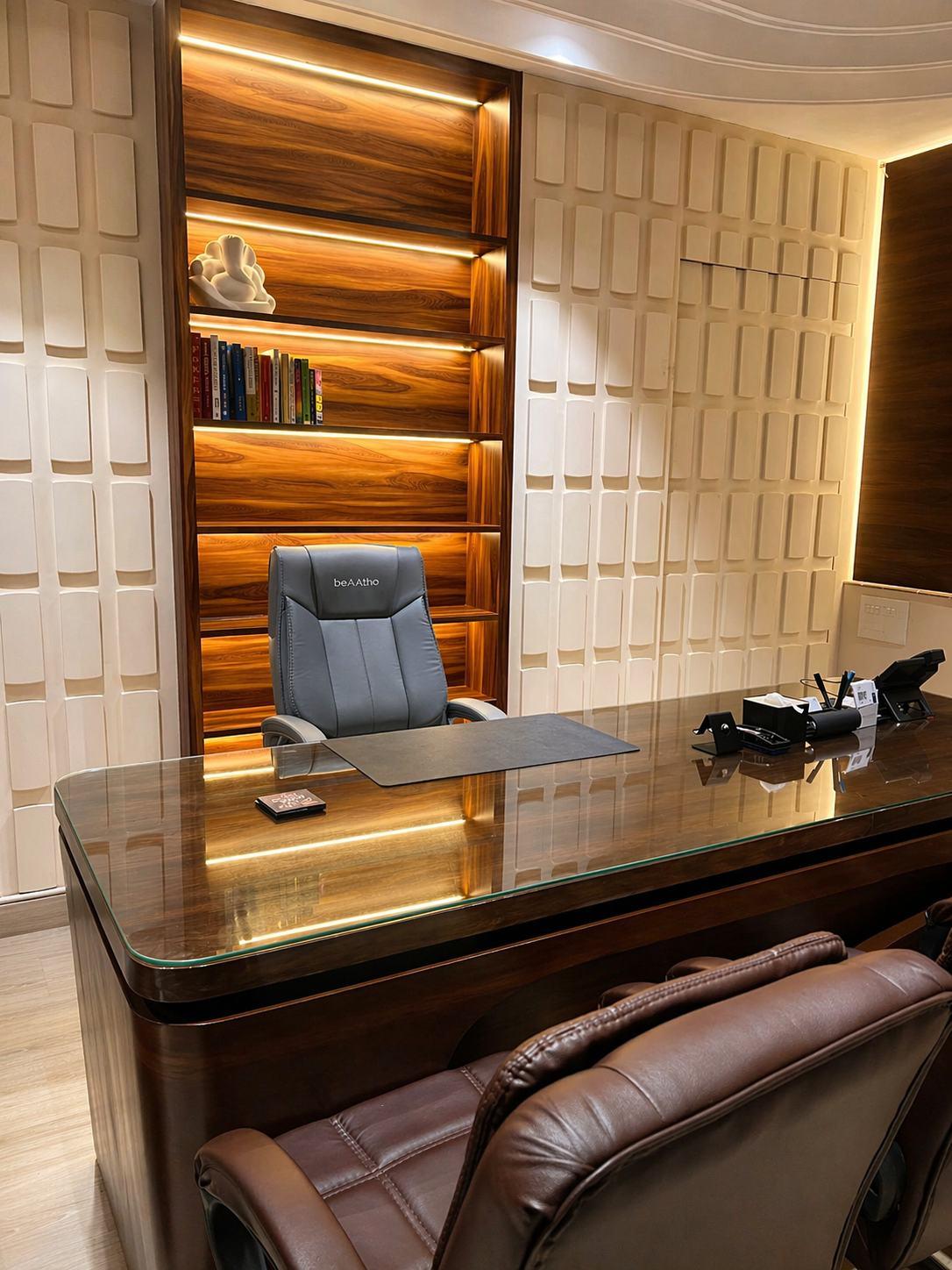
Ethernet Express Office- Finishing Touch Interiors by Neha Naik
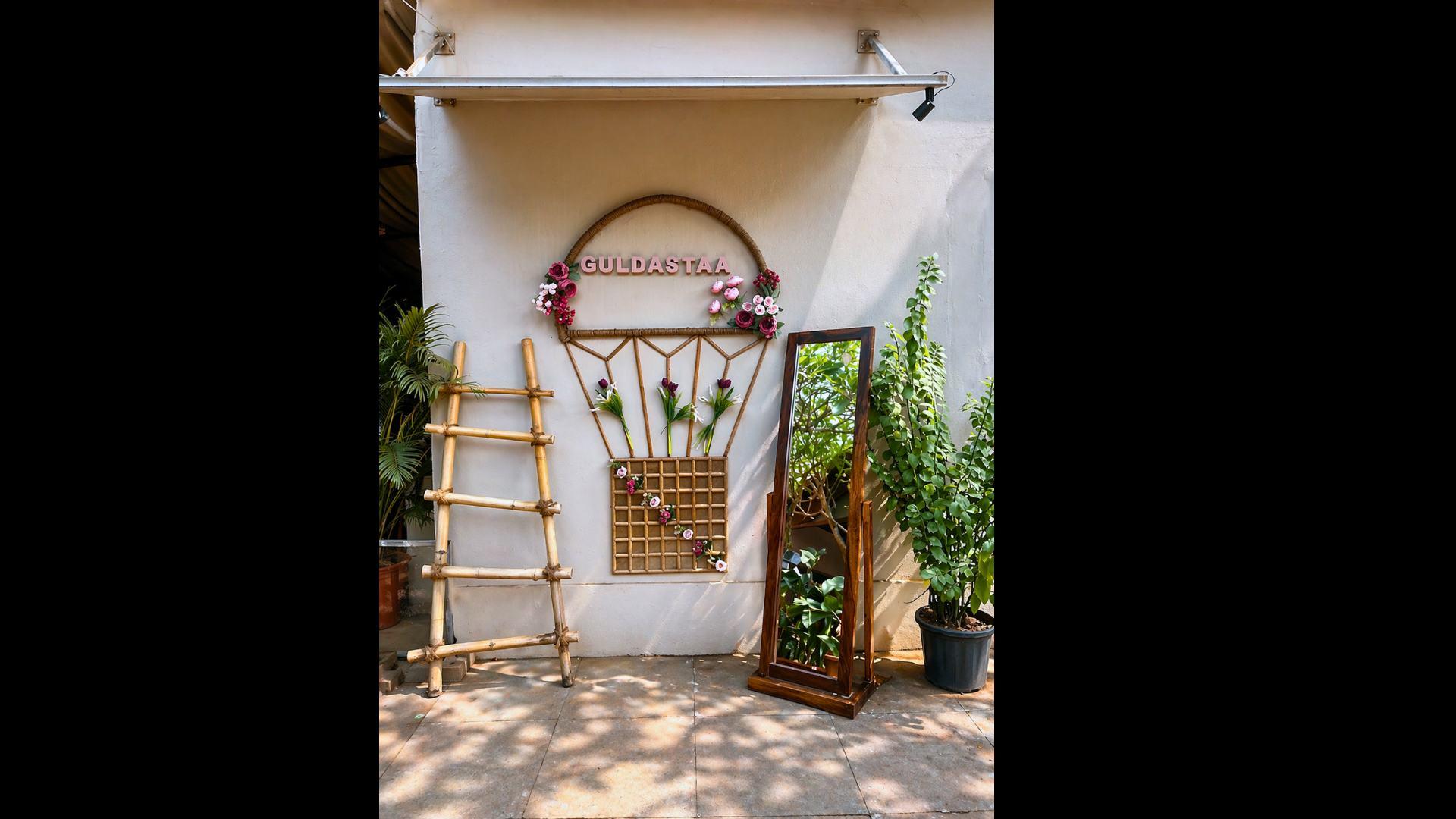
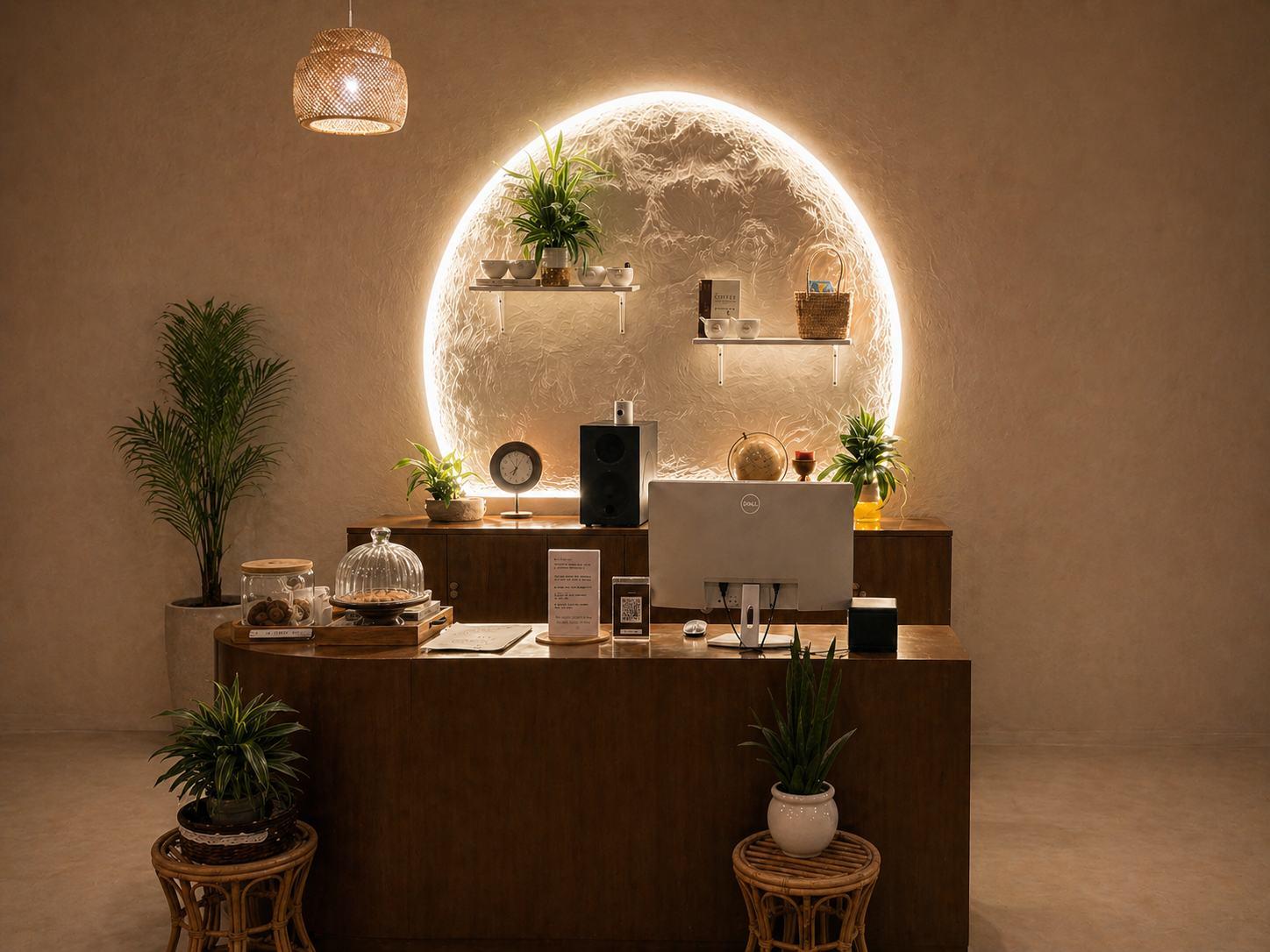
Guldasta restaurant Anjuna- finishing touch interiors by Neha Naik
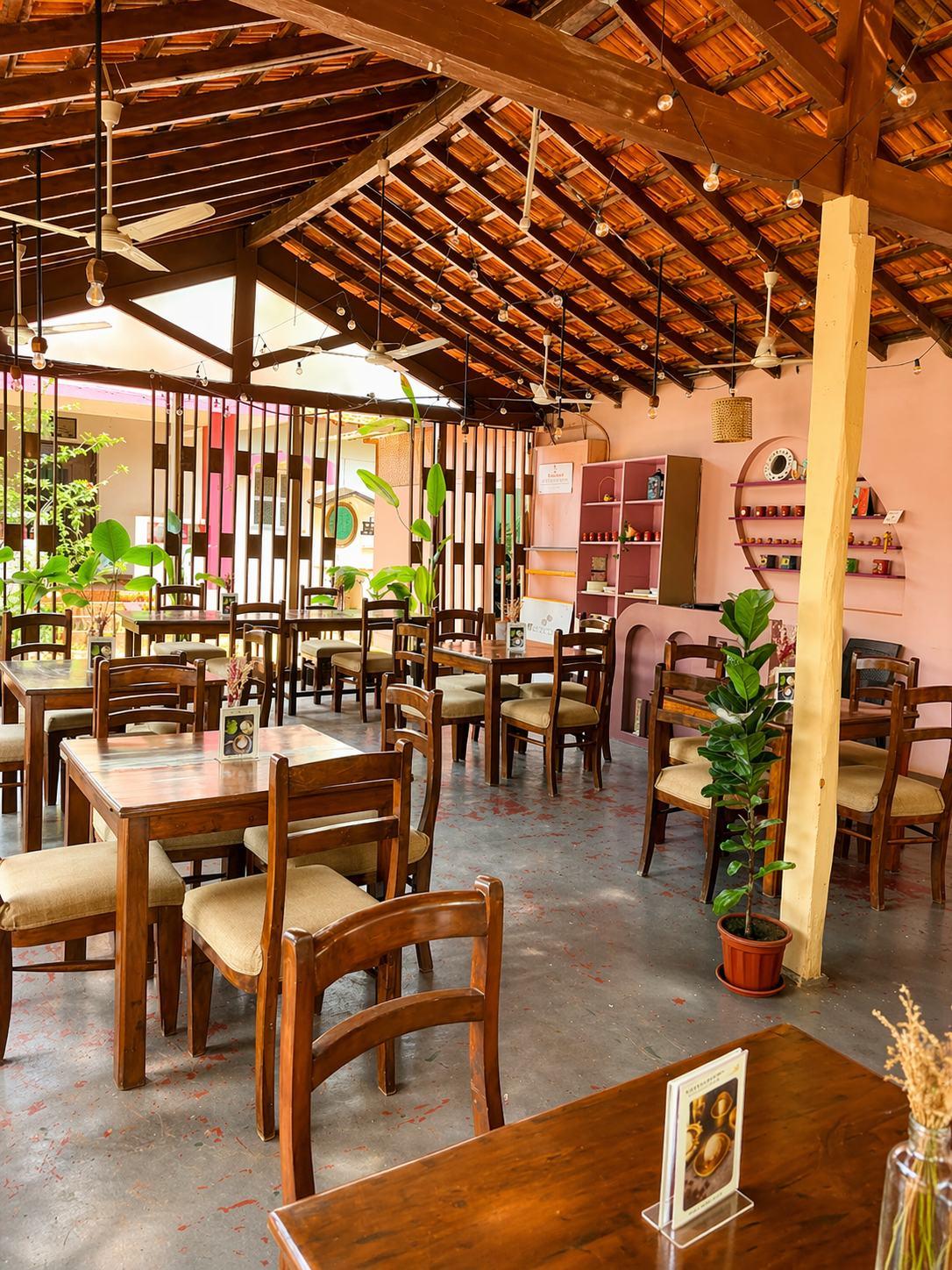
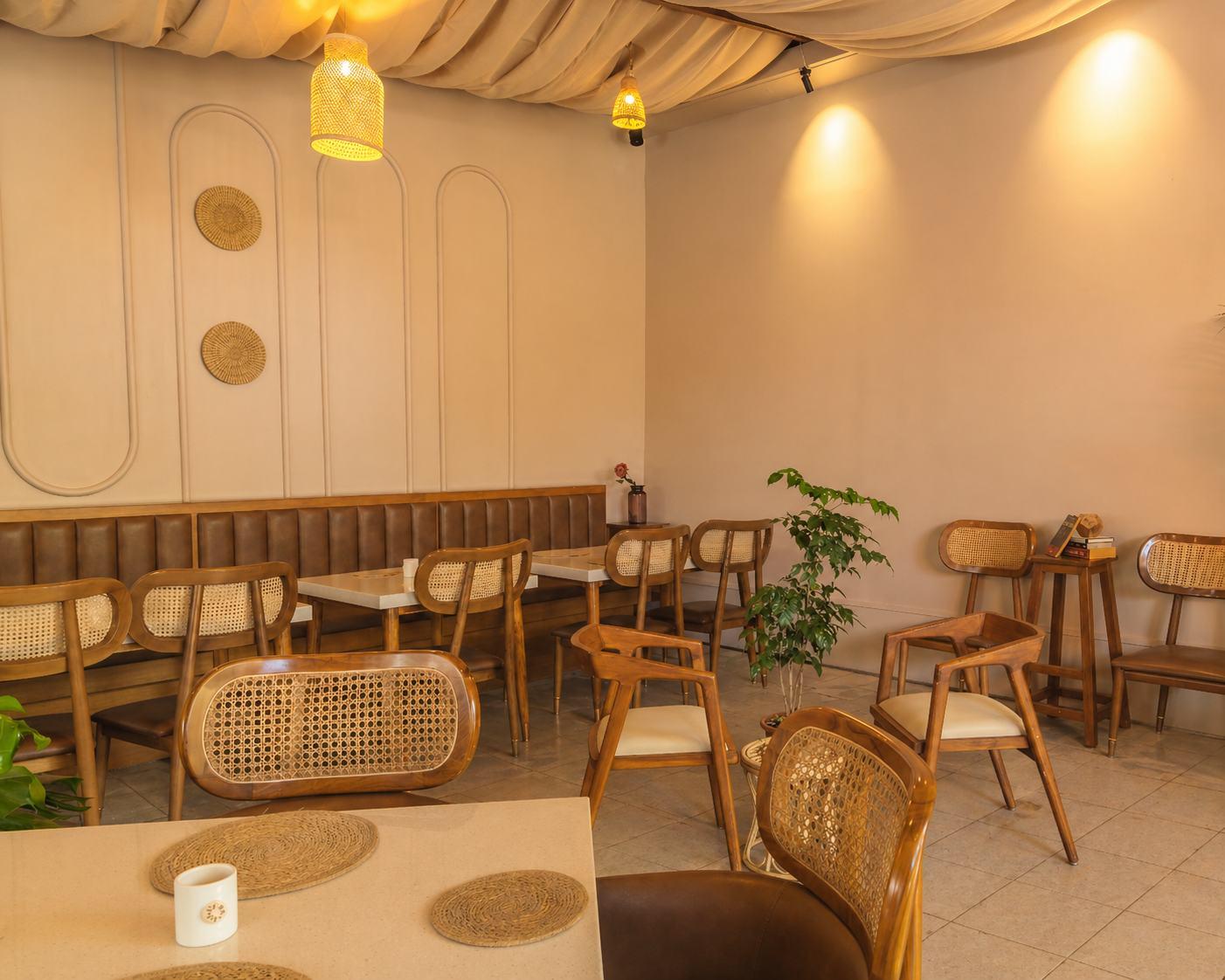
Curated in harmony with Cafe Suvenna’s colours and café aesthetic, Interior by
Where every detail adds to the warmth- Cafe Suvenna, Interior by Neha Naik
Neha Naik
Home Lift & Mobility Solutions
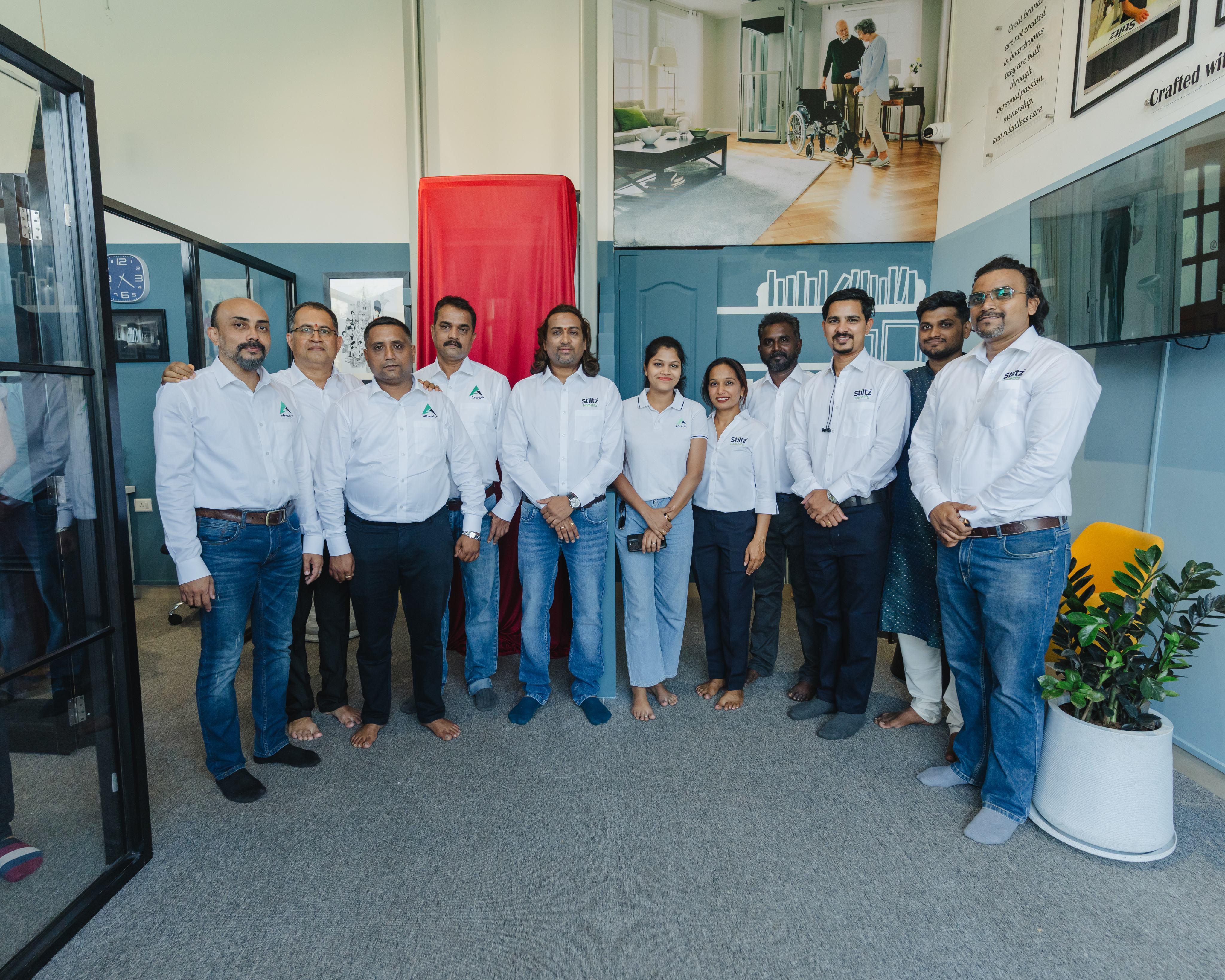
Liftronic Home Lifts, led by Sonal Dhond and Pankaj Phalke, delivers innovative shaftless mobility solutions, blending advanced engineering, safety, and design to enhance accessibility, comfort, and modern living experiences.
Article by: Team ItsGoa
Images by: Liftronic
In the evolving landscape of modern living, where design meets functionality, Liftronic Home Lifts Pvt Ltd is redefining how people move within their spaces. At the forefront of this transformation is Sonal Dhond, whose vision is rooted in bringing world-class vertical mobility solutions to the distinctive architectural fabric of Goa. Working alongside Pankaj Phalke, she leads a dynamic partnership that blends advanced engineering with refined design sensibilities. Together, they aim to bridge the gap between complex technology and the sophisticated expectations of modern homeowners, introducing a new standard of “luxury accessibility” across India.
A Journey Driven by Experience and Purpose
With over fifteen years of diverse professional experience across domestic and international industries, Sonal Dhond’s entrepreneurial journey reflects a deep understanding of both global standards and local needs. Her transition into cofounding Liftronic in Goa was shaped by a desire to build something that combines precision with personalization.
This philosophy extends beyond business. Anchored in a lifestyle of intentional living, her personal pursuits, from yogic practices to leadership platforms. The balance between discipline, growth, and family values becomes a defining force behind the brand’s ethos, ensuring that Liftronic operates with both corporate excellence and a human touch.
The Inspiration Behind Liftronic
The foundation of Liftronic was inspired by a simple yet compelling observation. Goa’s architectural landscape, known for its blend of heritage homes and contemporary villas, presented a unique challenge, how to integrate modern accessibility without disrupting structural integrity or aesthetic charm.
Recognising a gap in the market, Liftronic introduced sleek, “plug-and-play” mobility solutions that eliminate the need for traditional elevator shafts, pits, or machine rooms. This marked the beginning of a journey focused on making multi-level homes more accessible, without compromising on design or convenience.
The result is a solution that allows homeowners to retain the character of their spaces while enhancing comfort and independence.
Engineering Excellence Meets Bespoke Design
Liftronic’s reputation is built on its ability to handle projects across scales with equal precision. A defining milestone was its work in the Middle East, where the company successfully engineered and installed a 60-passenger elevator for Cipriani. This achievement demonstrated its capability to deliver large-scale industrial solutions while maintaining the finesse required for high-end residential projects.
At the heart of the brand are three guiding principles. The first is bespoke excellence, where every installation is treated as a unique architectural project rather than a standard product. The second is lifestyle integration, ensuring that mobility enhances the living experience instead of interrupting it. The third is uncompromising safety,
Sonal Dhond
achieved through partnerships with globally recognised brands and adherence to international standards.
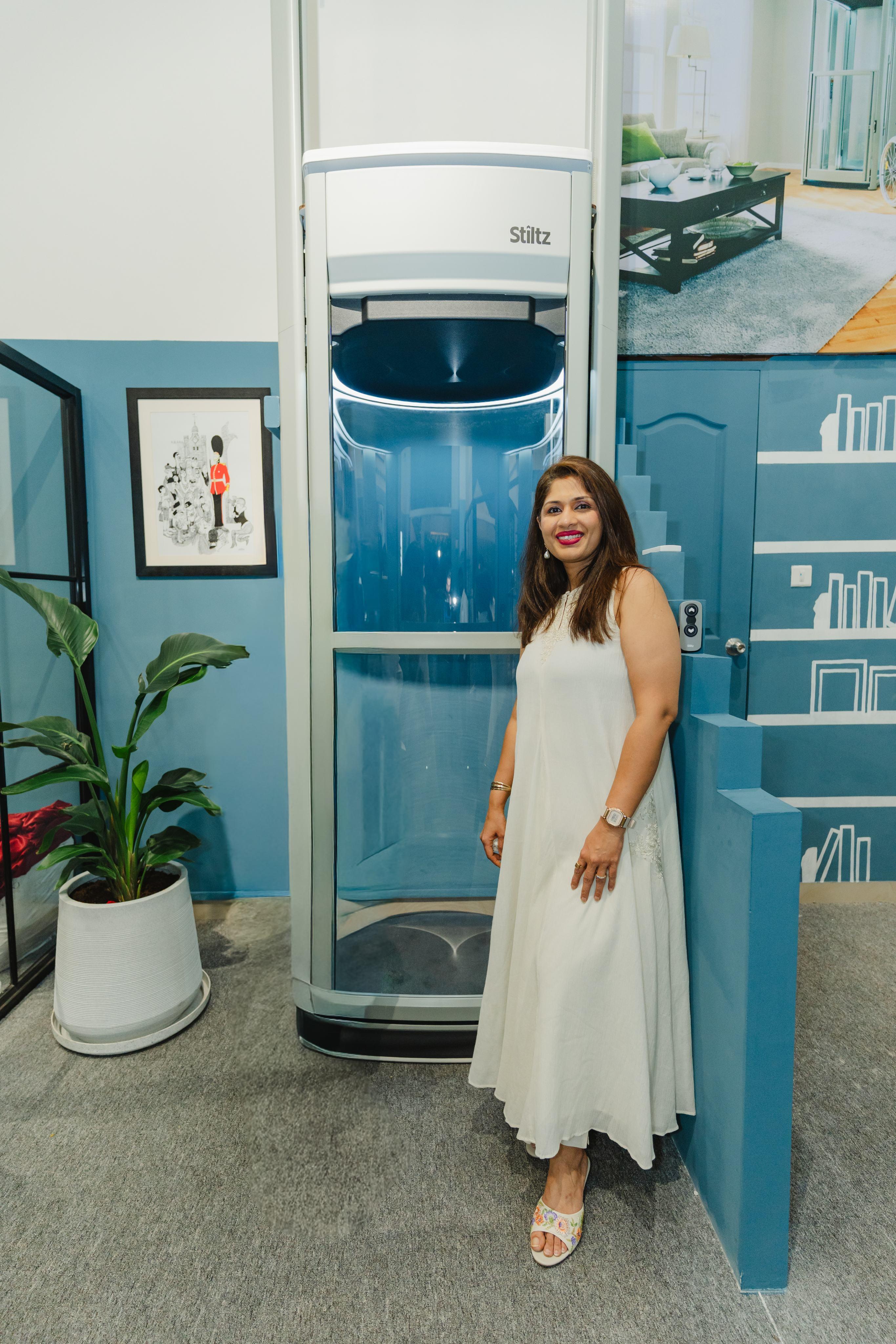
These values come to life at their Experience Centre in Mapusa, Goa, where clients can interact with the technology firsthand, transforming the decisionmaking process into an immersive experience.
The Stiltz Advantage: A Partnership That Redefines Mobility
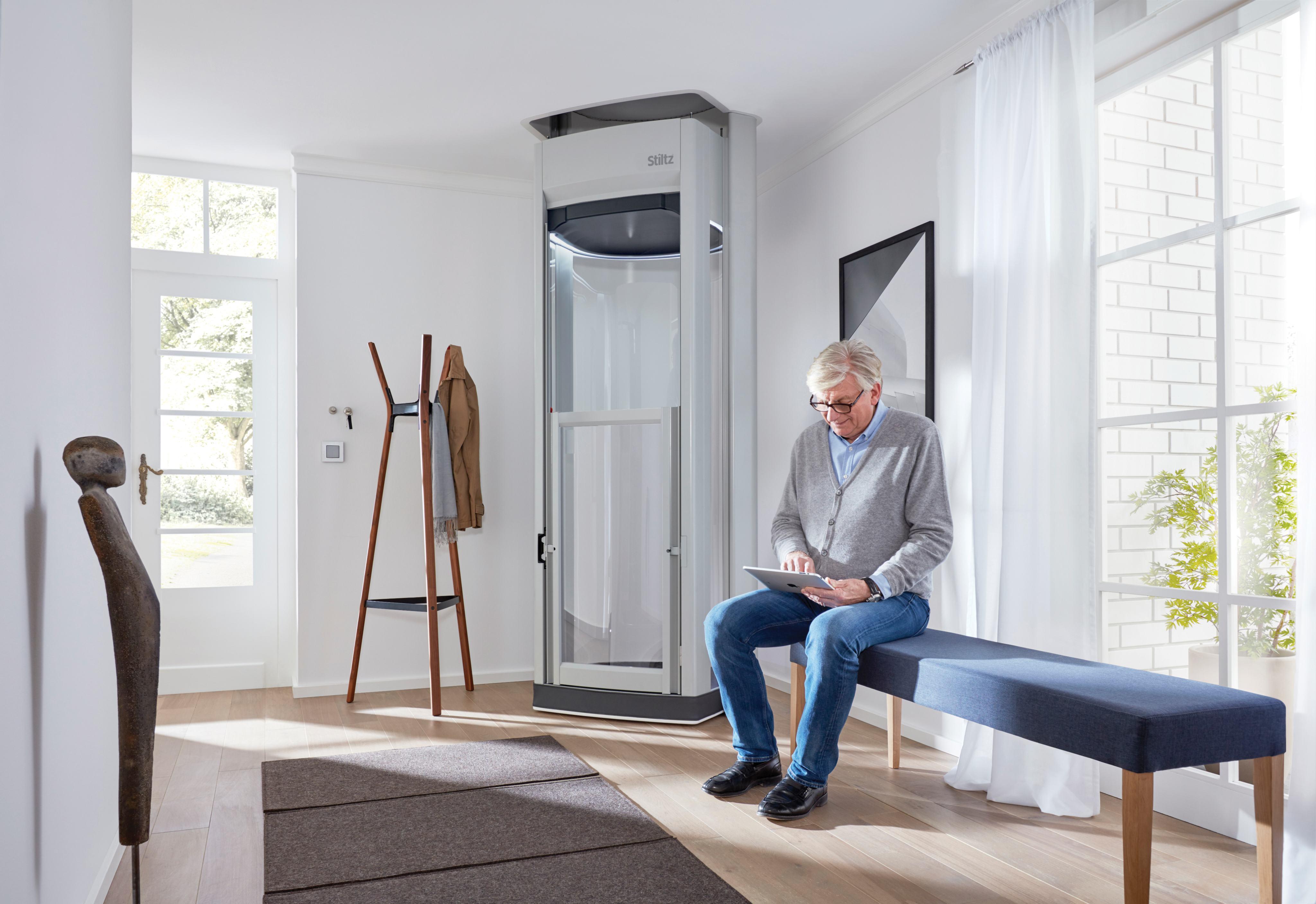
A cornerstone of Liftronic’s offering is its partnership with Stiltz Home Lifts, a global leader in shaftless lift technology. This collaboration brings award-winning British engineering to the Indian market, offering solutions that were previously unavailable in this segment.
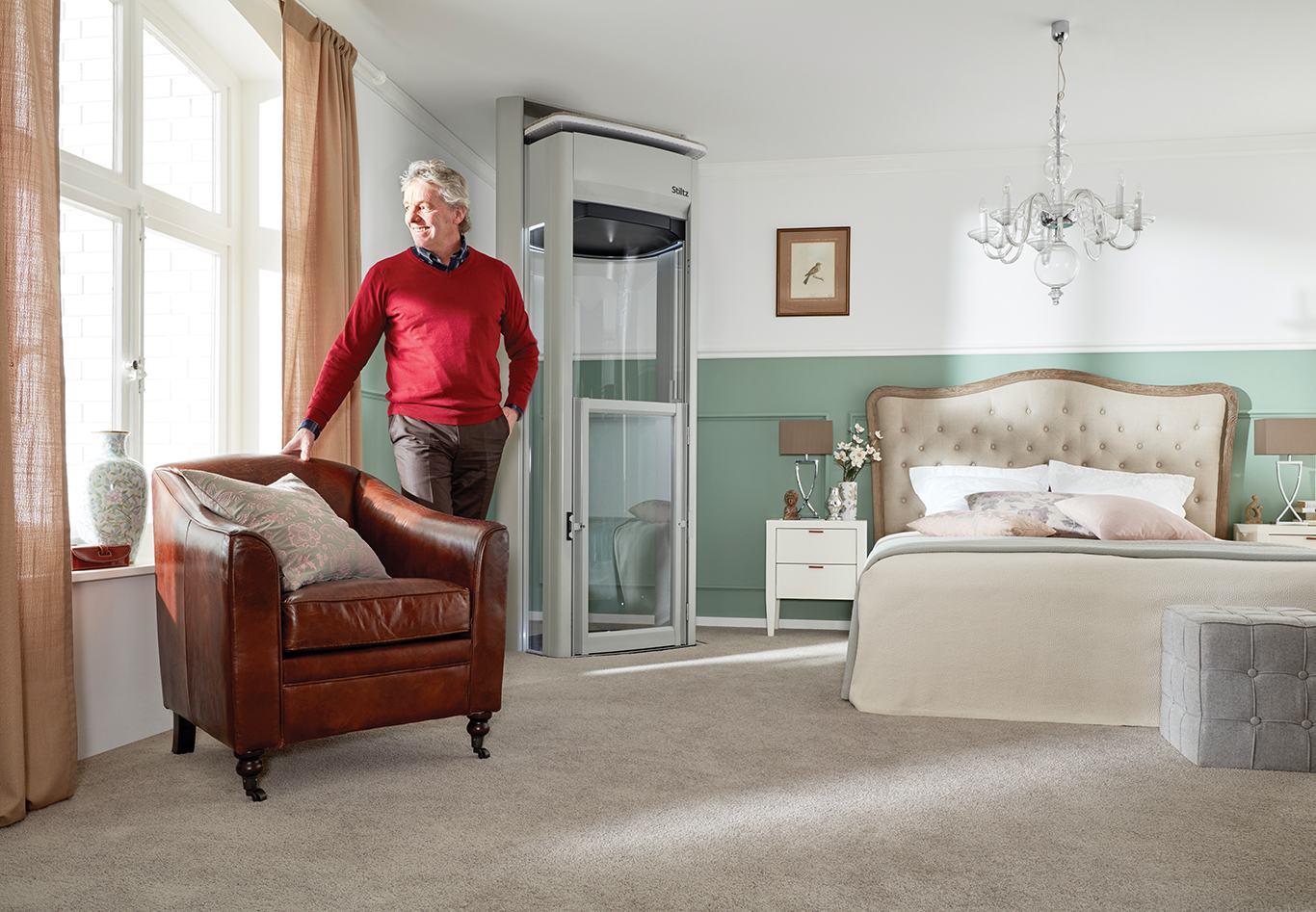
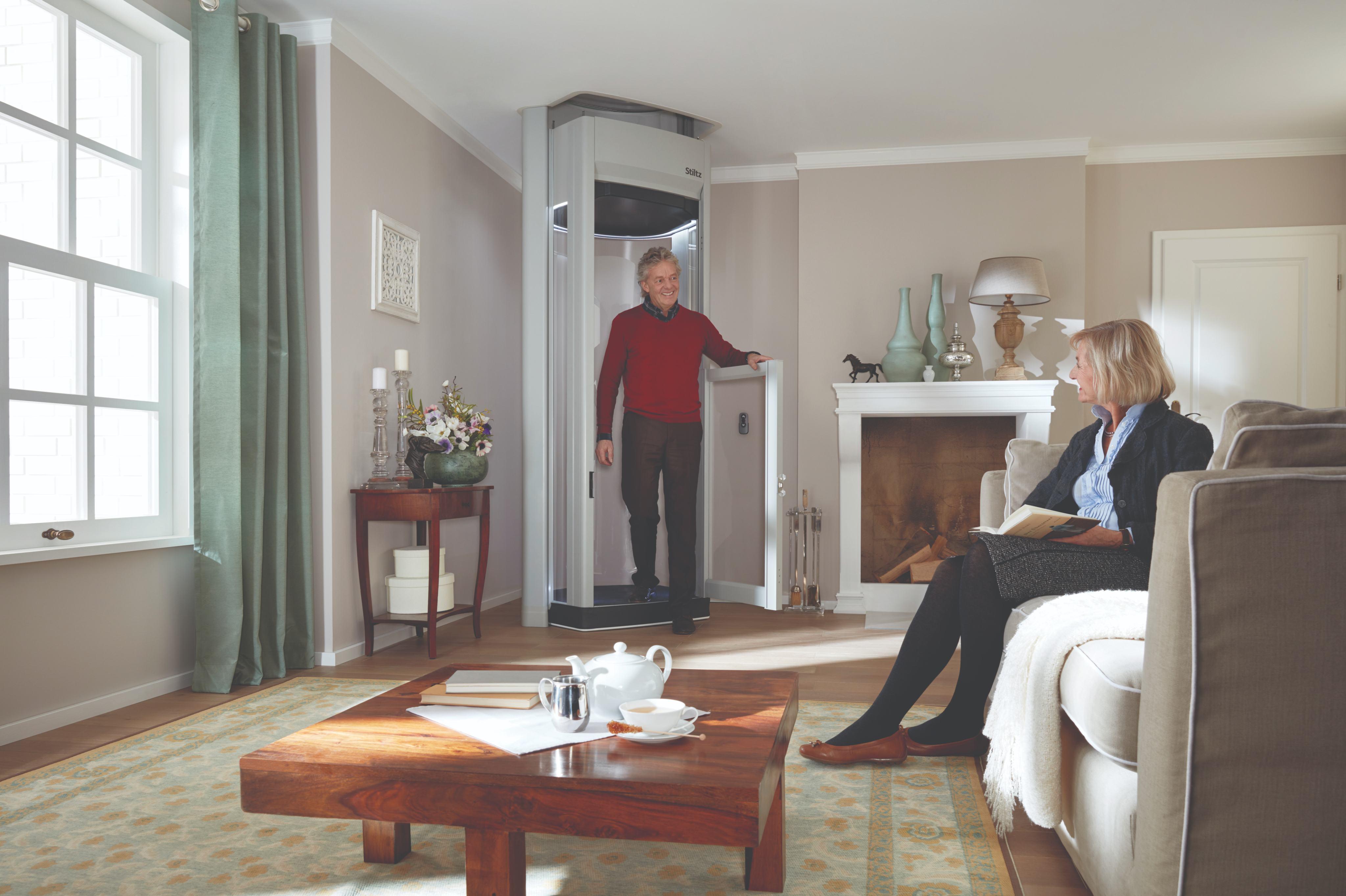
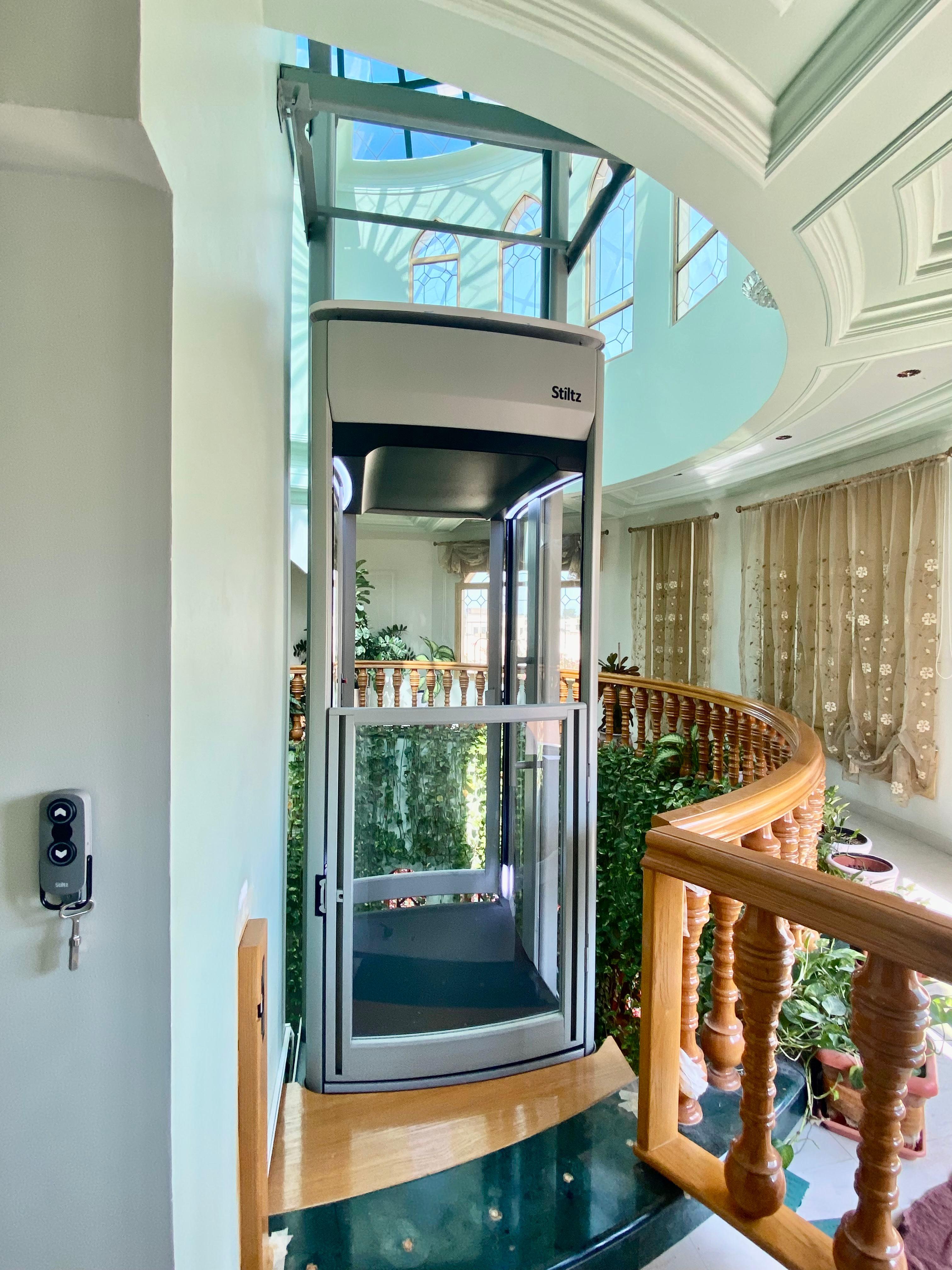
Stiltz lifts stand out for their revolutionary design. Unlike traditional elevators, they operate without shafts, pits, or machine rooms, relying instead on a self-supporting dual rail system. This innovation allows installations in compact and unconventional spaces, through floors, within stairwells, or even inside closets.
The efficiency of these systems further enhances their appeal. Designed to function on standard domestic power sockets, they consume minimal energy while offering advanced safety features such as fall arrest mechanisms, obstruction sensors, and battery backups. Models like the Duo+ and Trio+ cater to varying needs, ensuring both compact convenience and wheelchair accessibility.
The Rise of Shaftless Technology
The growing preference for shaftless home lifts can be attributed to the freedom they offer. Traditional elevators impose structural constraints, often dictating the design of a building. In contrast, Liftronic’s shaftless solutions remove these limitations entirely.
Their compact footprint, sometimes less than seven square feet, makes them an ideal addition to modern homes where space is a premium. Designed with sleek finishes and transparent panels, these lifts
integrate seamlessly into interiors, functioning as both utility and design element.
Beyond residential spaces, they also serve as efficient accessibility solutions for boutique commercial environments such as showrooms, clinics, and galleries. By eliminating extensive construction requirements, they provide a premium experience without operational disruption.
Seamless Installation, Superior Safety
One of the most distinctive aspects of Liftronic’s offering is its installation process. Unlike conventional systems that require extensive structural modifications, these lifts can be installed within one to two days using a minimal-impact approach.
From order placement to final handover, the process is streamlined to be completed within a few weeks. Each installation undergoes a rigorous 25-point safety check, ensuring that performance, reliability, and user safety meet the highest standards.
This combination of speed, precision, and minimal disruption reinforces Liftronic’s commitment to delivering a seamless customer experience.
Balancing Functionality with Aesthetic Appeal
At Liftronic, elevators are not viewed merely as mechanical systems but as integral elements of interior design. Each lift is crafted to complement its surroundings, using refined materials and contemporary finishes that blend effortlessly into the space.
By treating lifts as “kinetic furniture,” the company elevates them from functional necessities to statement pieces. The result is a solution that enhances property value while adding a distinct visual appeal.
Overcoming Perception and Redefining Demand
One of the initial challenges faced by Liftronic was the perception that home lifts were either a necessity for the elderly or required extensive construction. Through education and demonstration, the brand successfully shifted this narrative.
By showcasing the versatility, elegance, and ease of
shaftless technology, Liftronic positioned vertical mobility as a modern luxury, accessible to a wider audience and relevant to diverse lifestyles.
Looking Ahead: The Future of Vertical Mobility
As Liftronic continues to grow, its vision extends beyond current innovations. The company aims to become a leading name in vertical mobility solutions, not only in Goa but across the region.
Future developments are set to explore the integration of AI-driven smart features, aligning with the evolution of smart homes. This forward-thinking approach reflects a commitment to continuous innovation, ensuring that mobility solutions evolve alongside changing lifestyles.
In redefining how people move within their spaces, Liftronic is not just installing lifts, it is reshaping the experience of living. By combining engineering excellence with thoughtful design, the brand continues to elevate both homes and expectations, one floor at a time.
Interiors for a Hotel in Calangute
Antique Décor & Design Studio
The Canca Project
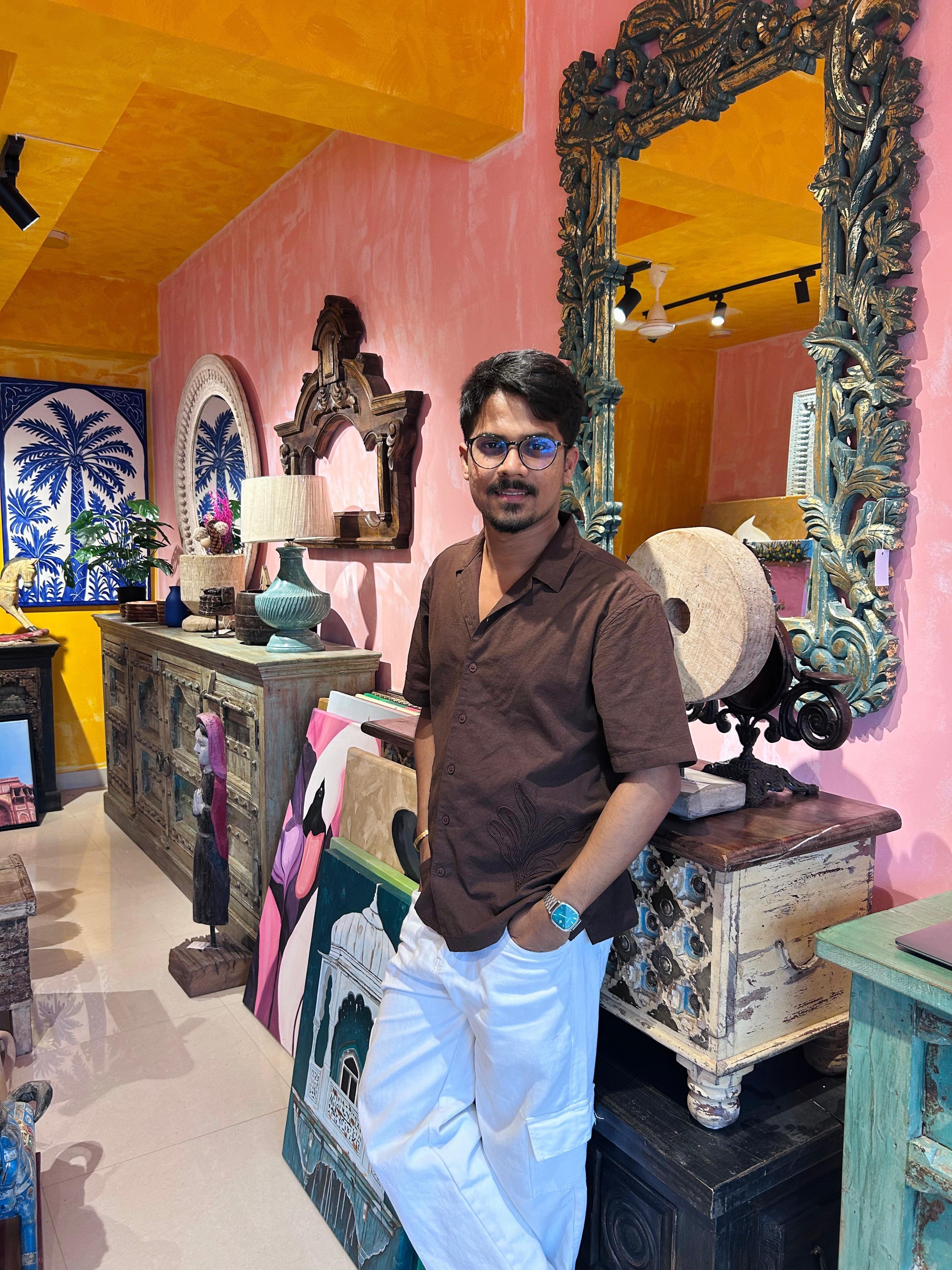
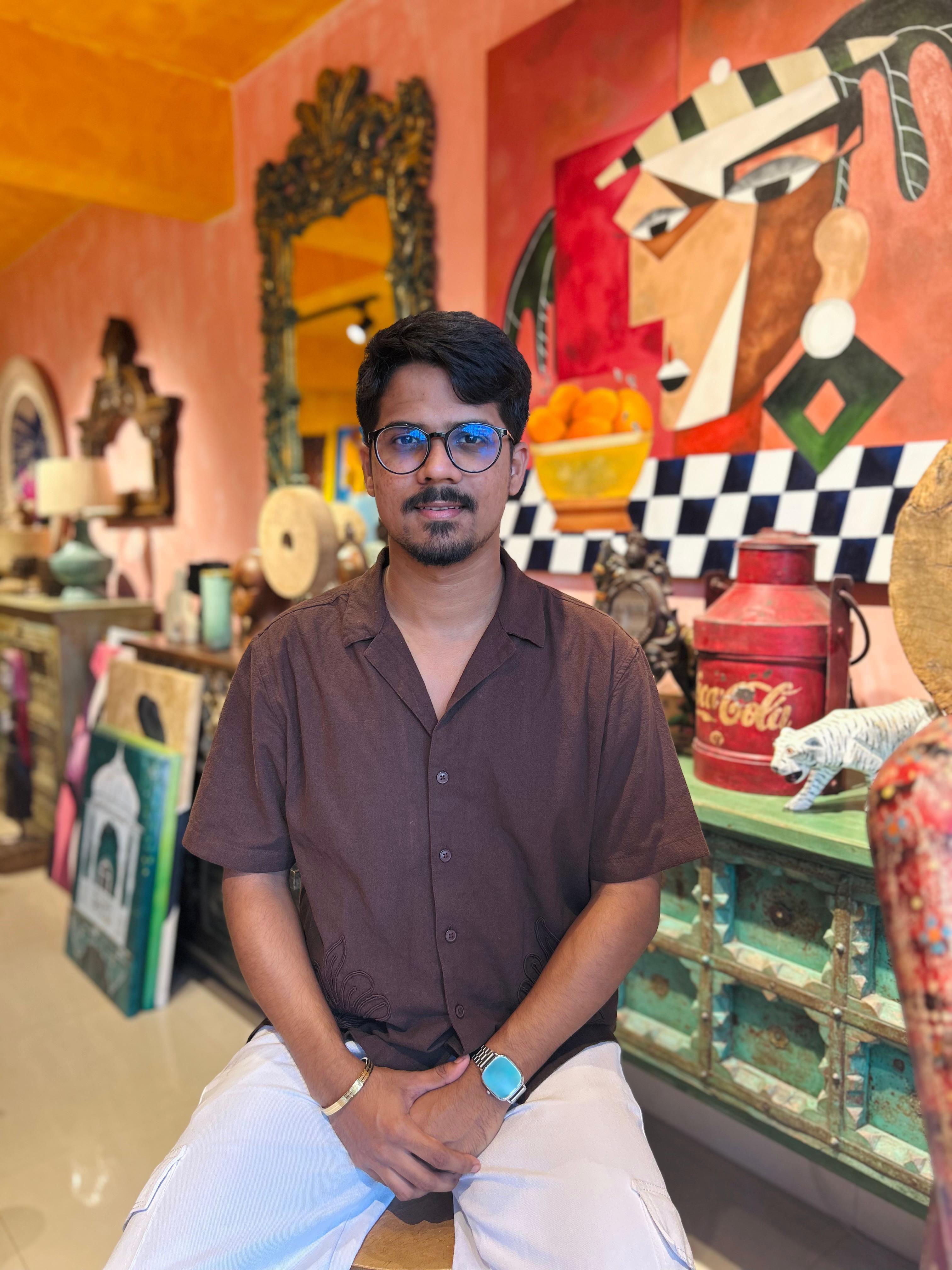
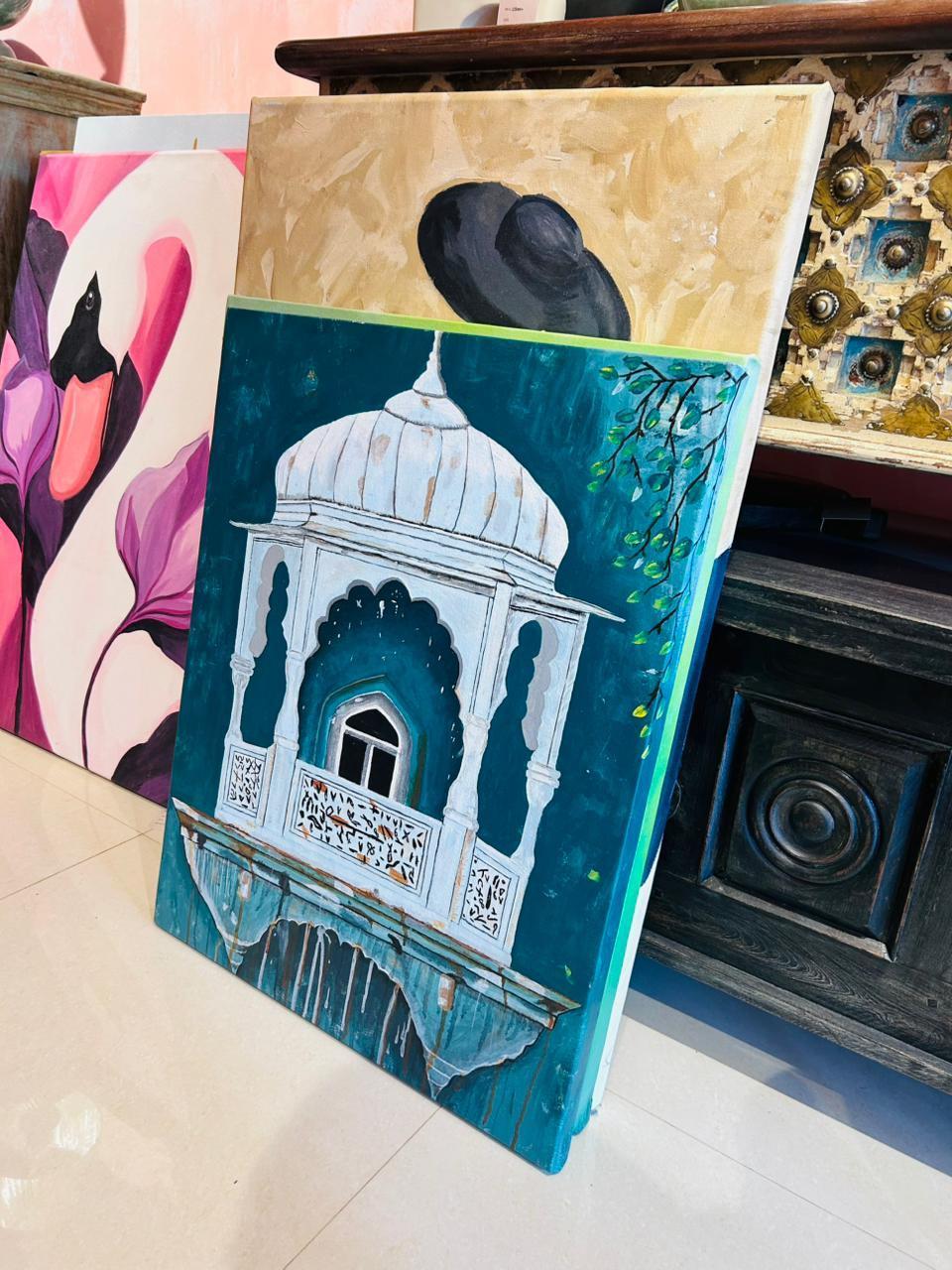
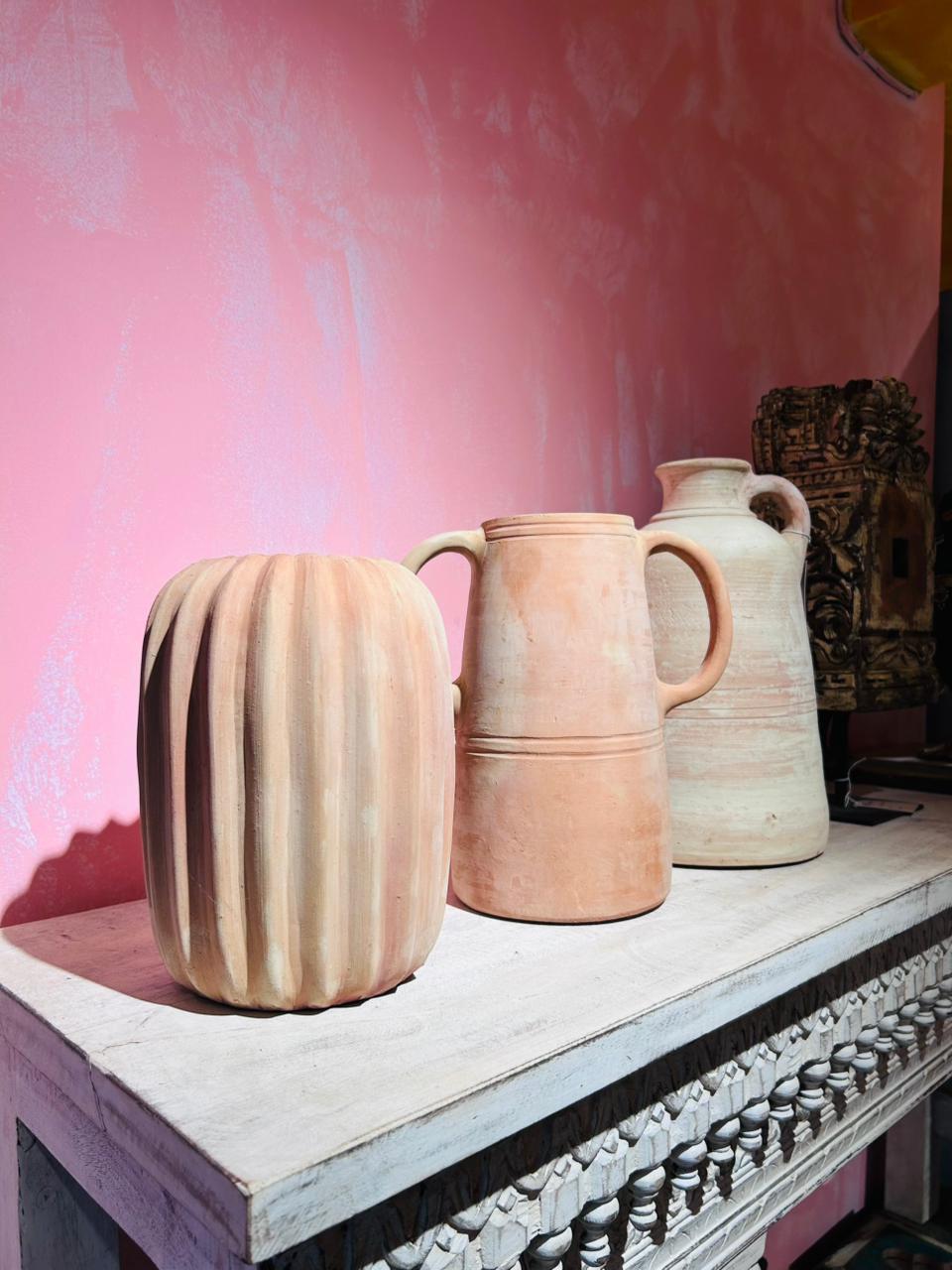
The Canca Project, founded by Dheeraj Gaonkar, curates antique and handcrafted décor, blending heritage with modern design to create unique, story-driven spaces that celebrate craftsmanship, authenticity, and timeless aesthetic appeal.
www.itsgoa.com itsgoa_ Itsgoa
Article by: Team ItsGoa
Images by: The Canca Project
In an era dominated by rapid production and fleeting design trends, The Canca Project stands apart as a quiet celebration of history, craftsmanship, and enduring beauty. Founded by Dheeraj Gaonkar, a passionate admirer of antiques, the brand is not merely a décor venture but a thoughtful curation of stories, each piece carrying a past, ready to be reimagined within contemporary spaces.
A Vision Rooted in Nostalgia
At the heart of The Canca Project lies Dheeraj’s deep fascination with objects that transcend time. His inclination towards antiques over modern creations is not driven by aesthetics alone, but by a profound appreciation for the soul embedded within each piece.
What began as a personal passion gradually evolved into a venture that brings heritage into modern living. For Dheeraj, antique furniture and handpainted décor are not static objects; they are living narratives. Through The Canca Project, he seeks to preserve these narratives while allowing them to adapt and thrive in today’s homes.
Through The Canca Project, he seeks to preserve these narratives while allowing them to adapt and thrive in today’s homes.
Bridging Old-World Charm with Contemporary Elegance
The defining aesthetic of The Canca Project lies in its seamless fusion of classic and contemporary design. Each collection is curated to strike a delicate balance, retaining the authenticity of antiques while ensuring they complement modern interiors.
The result is a style that feels both refined and expressive. Spaces adorned with these pieces are not just visually appealing; they carry a distinct personality. The brand’s approach transforms interiors into layered environments where history and modernity coexist effortlessly.
The Allure of Antiques in a Modern World
In a design landscape often characterized by uniformity, handcrafted and antique pieces offer something rare, authenticity. Dheeraj is drawn to this very essence. For him, antiques provide depth, allowing spaces to move beyond decoration and become meaningful reflections of identity.
Faces, forms, and fearless colors
Dheeraj Gaonkar - Owner
Each piece carries traces of time, craftsmanship, and human touch, qualities that cannot be replicated by mass production. This philosophy forms the foundation of The Canca Project, where every item is chosen not just for its appearance, but for the story it tells.
The Art of Hand-Painting
A distinctive aspect of The Canca Project is its approach to hand-painted décor. Rather than treating art as a separate element, the brand integrates it into spatial storytelling.
The process begins with envisioning how a piece will interact with its surroundings. Art is not confined to a canvas; it becomes part of the environment, enhancing the character of a room. Each handpainted creation is unique, shaped by imagination and intention, ensuring that no two pieces are ever identical.
A Thoughtful Curation Process
Curation at The Canca Project is a deliberate and meticulous process. Every piece is selected based on craftsmanship, character, and timeless appeal.
Balanced aesthetics with organic elements
This is not a matter of acquisition, but of careful selection, an effort to ensure that each item contributes meaningfully to a space.
The emphasis is on authenticity and individuality. Whether it is a piece of furniture or a decorative accent, it must possess the ability to elevate its surroundings while retaining its inherent story.
Designing for Distinctive Spaces
The Canca Project primarily caters to villa owners, architects, and interior designers seeking statement pieces that stand out. Its offerings are particularly suited for those who wish to create spaces that feel curated rather than constructed.
From wall art to table pieces, each creation is designed to add warmth, charm, and a sense of individuality. These are not mere additions to a room; they are focal points that define the overall atmosphere.
Challenges that Shape Craft
Working with antiques presents its own set of challenges.
Classic craftsmanship meets curated styling
Sourcing authentic pieces requires time and expertise, while preserving their integrity demands patience and care. Restoration, when needed, must be handled with sensitivity to ensure that the original essence remains intact.
For Dheeraj, these challenges are not obstacles but integral to the process. They reinforce the value of each piece, making the final result all the more meaningful.
Transforming Spaces with Character
What sets The Canca Project apart is its personalized approach to design. Dheeraj works closely with clients to understand their vision, guiding them toward pieces that resonate with their space and style.
The goal is not just to decorate, but to transform. By introducing antiques and handcrafted elements, spaces gain a sense of depth and personality, becoming environments that feel both inviting and memorable.
A Journey of Eight Years and Beyond
Over the past eight years, The Canca Project has built a collection that reflects dedication, taste, and an unwavering commitment to quality. The appreciation from clients stands as a testament to the brand’s ability to create meaningful connections through design.
Carrying Stories Forward
At its core, The Canca Project is about continuity. Every piece it offers holds a story from the past, waiting to become part of a new narrative. By bringing antiques and hand-painted décor into modern homes, the brand creates a bridge between eras, where history is not preserved in isolation, but lived and experienced every day.
In a world constantly moving forward, The Canca Project gently reminds us of the beauty in looking back, and the timeless value of carrying those stories with us.
Earthy tones, timeless table accents
Heritage architecture captured on canvas
Boutique Hospitality Brand
the pause project
The Pause Project, founded by Pavika and Siddhartha, evolved from a shared living experiment into a design-led hospitality brand offering curated homes, blending comfort, community, and memorable guest experiences in Goa.
Article by: Team ItsGoa
Images by: The Pause Project
www.itsgoa.com itsgoa_ Itsgoa
What began as a short trip to Goa turned into a lifechanging decision for Pavika and Siddhartha, the founders of The Pause Project. Five years ago, a seven-day getaway, marked by unexpected setbacks and the unpredictability of Goan monsoons, slowly evolved into something far more permanent.
What was initially an extended stay soon became the foundation for a unique hospitality venture rooted in design, comfort, and human connection.
The Pause Project started modestly in Siolim, with the founders opening up their own living room to guests. At the time, it was an experiment, uncertain of how people would respond to the idea of shared living spaces. However, the concept resonated. Over time, this small beginning expanded into a collection of 14 thoughtfully designed homes spread across North Goa, each reflecting a careful balance of functionality and aesthetic intent.
In the early years, Pavika and Siddhartha chose a path that would shape the core of their brand. While building The Pause Project, they continued working full-time jobs, managing multiple roles simultaneously. This decision was deliberate.
By maintaining financial stability outside the venture, they ensured that operational pressures did not compromise the guest experience. Every aspect, from comfort to usability, remained uncompromised, allowing the brand to grow organically without cutting corners.
Over the past 3 years, The Pause Project has hosted over 12,000 guests from 23 countries, establishing itself as a distinctive name in Goa’s hospitality landscape. The journey has also been recognized through accolades such as Airbnb’s Best in Quality award in the 6–30 listings category, along with features in Vogue and acknowledgment from prominent travel creators across India.
Yet, behind these achievements lies a deeper narrative of persistence, adaptation, and continuous learning. Hospitality, as the founders have come to understand, is not defined by design alone. It is a dynamic interplay of operations, creativity, and unpredictability. Daily challenges range from logistical adjustments to the inherent unpredictability of Goa itself, weather disruptions, infrastructure changes, and the constant need to adapt.
Pavika & Siddhartha - Travelers Turned Hosts
Alongside these are moments of self-doubt and occasional setbacks, which have become an integral part of the process. Rather than obstacles, these experiences have shaped the resilience and flexibility that define the brand today.
Both founders bring a strong professional foundation to the venture. Pavika, a food scientist with international experience across nine countries and an MBA from ISB, complements Siddhartha’s background as a mechanical engineer with an MBA from MICA.
With over 15 years each in building and scaling digital businesses, their expertise in understanding demand, supply, and consumer behavior plays a significant role in how The Pause Project operates. This perspective is evident in every detail, from the design of spaces to the seamless functioning of each property and the overall guest journey.
Despite the growth and recognition, the essence of The Pause Project lies in the relationships it fosters. The most meaningful rewards are found in the experiences shared with guests.Handwritten notes, thoughtful souvenirs, and gestures such as a guest from France sending books
for future visitors reflect the emotional connection the brand has cultivated. Stories of returning guests, some now accompanied by their families, highlight the sense of familiarity and trust that has been built over time.
Inspired by the philosophy of “Unreasonable Hospitality,” the founders consistently aim to exceed expectations, adding thoughtful touches that elevate the guest experience. This commitment to going beyond the obvious is what transforms a stay into a lasting memory.
While The Pause Project has come a long way, it remains a work in progress. The founders continue to build, experiment, and evolve, guided by the same principles that shaped its beginnings. With new developments on the horizon, the journey ahead promises to carry forward the same blend of spontaneity and intention that defined its origin.
From an unplanned extension of a holiday to a growing collection of curated homes, The Pause Project stands as a reflection of what thoughtful hospitality can achieve. It is a story of adaptability, design, and human connection, where every space is created not just to stay but to pause.
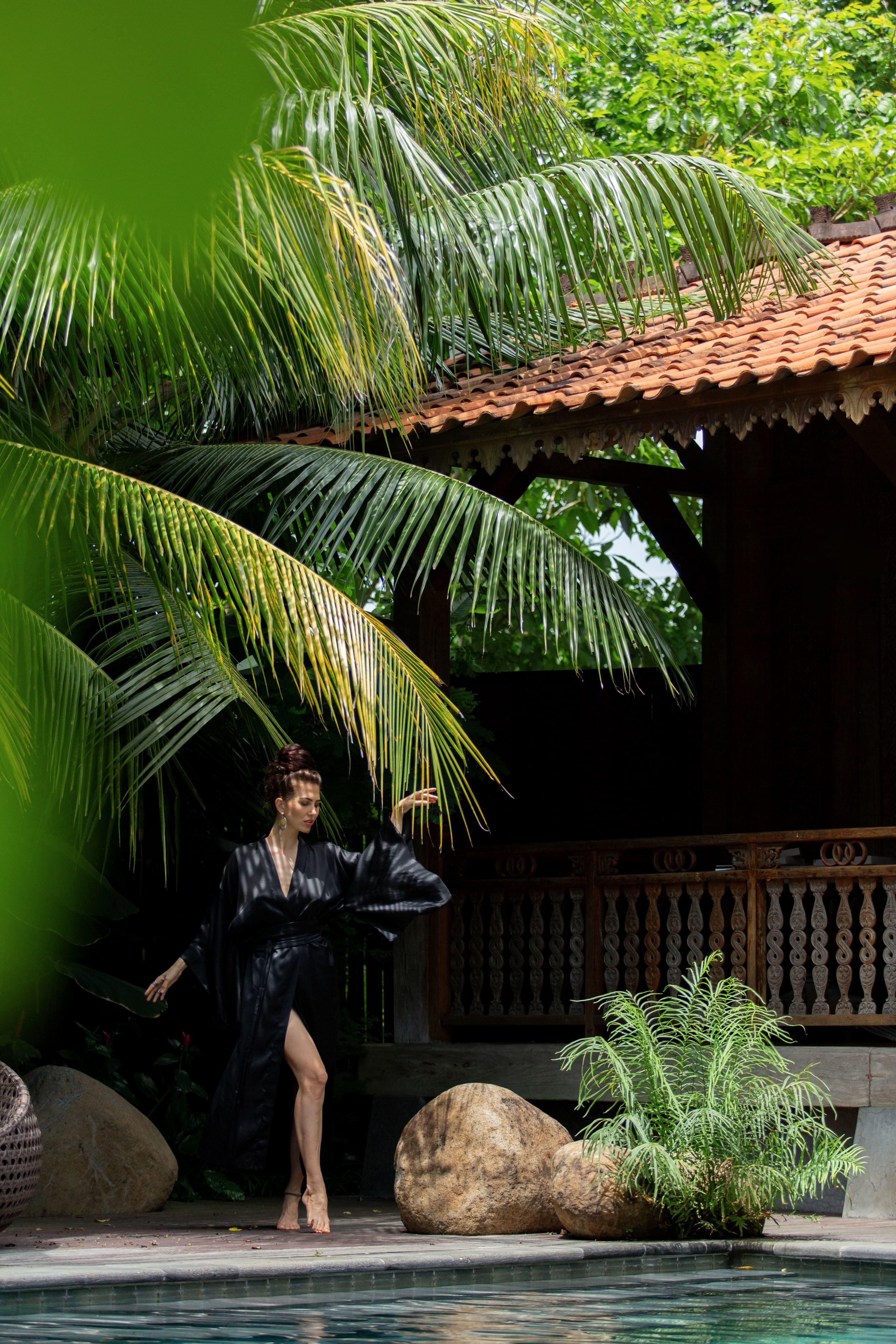
Wake Up to Palm Trees & Freshly Brewed Coffee
Garden & Plant Design Studio
midori gardens
Midori Gardens, founded by Beena Sambaragimath, creates nature-inspired spaces through curated plant styling, blending design, sustainability, and functionality to transform homes and commercial environments into calming, green living experiences.
Article by: Team ItsGoa
Images by: Midori Gardens
In an increasingly urban world, where the connection to nature often feels distant, Midori Gardens emerges as a thoughtful response, bringing greenery back into everyday living with intention and artistry. Founded by Beena Sambaragimath, Midori: The Garden Studio is a brand built on passion, creativity, and a deep-rooted love for plants and natural environments.
The journey of Midori began not as a business plan, but as a personal exploration. Between 2018 and 2019, while based in Chennai, Beena discovered the Japanese art of Kokedama, growing ornamental plants in hand-wrapped moss balls. What started as a creative experiment soon gained recognition when her work sold out at a pop-up exhibition. At a time when indoor gardening was still a niche interest, this response revealed an untapped opportunity to connect people with greenery in new and meaningful ways.
This early experience laid the foundation for Midori, which officially took shape in 2021. The timing was significant. As the COVID-19 pandemic reshaped lifestyles, people began seeking comfort and calm within their homes. Midori responded to this shift by offering not just plants, but thoughtfully curated spaces where greenery became an integral part of the environment. The vision was clear—to transform interiors and exteriors into living, breathing spaces that feel both natural and aesthetically refined.
The name “Midori,” meaning “green” in Japanese, reflects the essence of the brand. It symbolizes growth, harmony, and a mindful approach to design. Rooted in simplicity and inspired by nature, the philosophy extends beyond decoration to creating environments that feel balanced, calming, and connected to their surroundings.
Midori’s approach begins with understanding the space itself. Each project is treated individually, considering factors such as lighting, layout, and the lifestyle of the client. Whether it is a residence, a hospital, or a hospitality space, the design adapts to its purpose. Homes are styled to feel personal and comforting, healthcare environments are curated to promote calmness and healing, and hotels are designed to make a strong visual impact while
remaining practical to maintain. A defining feature of Midori Gardens is its ability to balance aesthetics with functionality. Every design is created not only to look visually appealing but also to be sustainable and easy to maintain. By carefully selecting plants suited to specific environments and pairing them with timeless ceramic and terracotta planters, the studio ensures that each installation remains both beautiful and enduring.
The studio offers a wide range of services, including indoor and outdoor plant styling, customized green installations, eco-friendly gifting solutions, and maintenance guidance. Among these, indoor plant styling and curated décor setups have gained particular popularity, reflecting a growing desire for serene, nature-inspired living spaces.
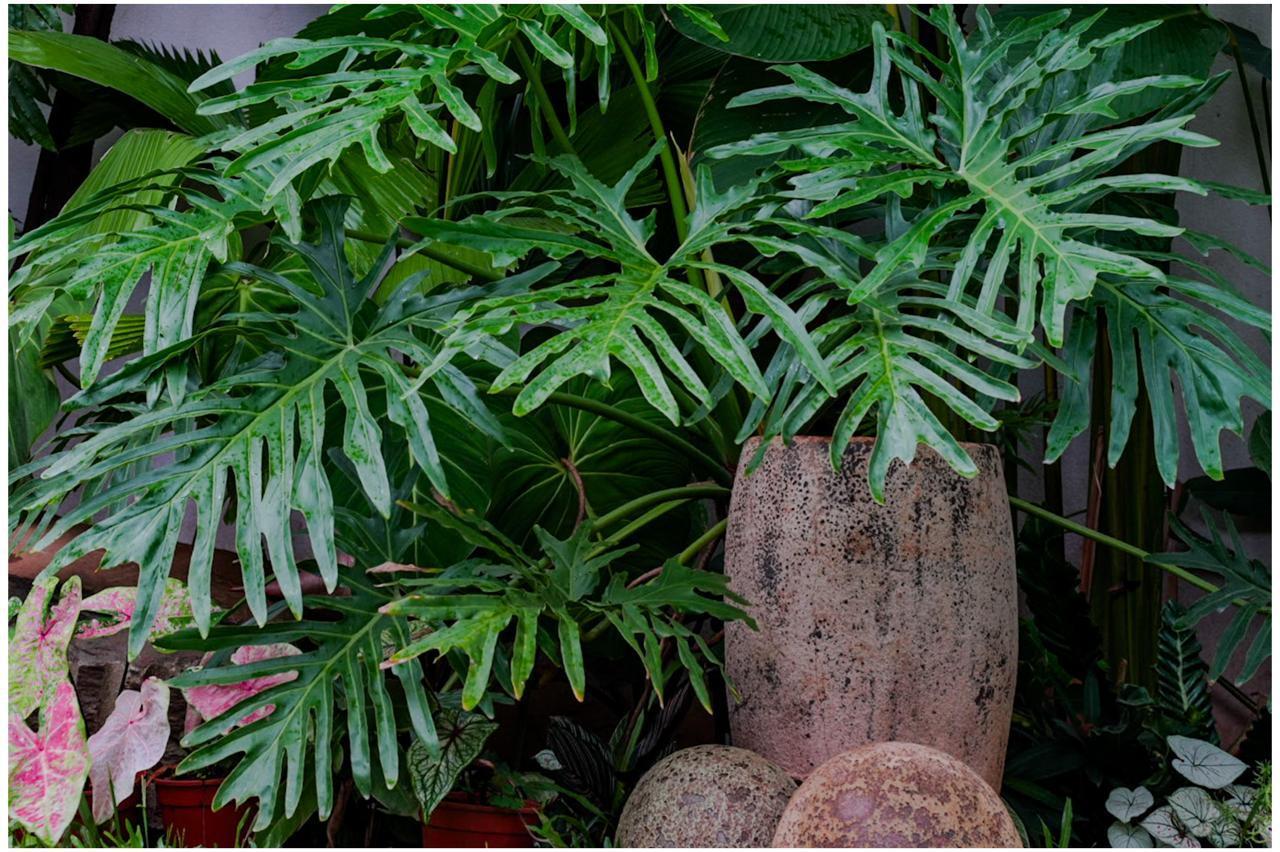
Midori’s plant selection further sets it apart. The studio specializes in indoor exotic plants, particularly taller varieties such as Brassia, Dracaena, and Philodendron, which are ideal for creating statement interiors. These are complemented by carefully chosen planters that blend seamlessly with both
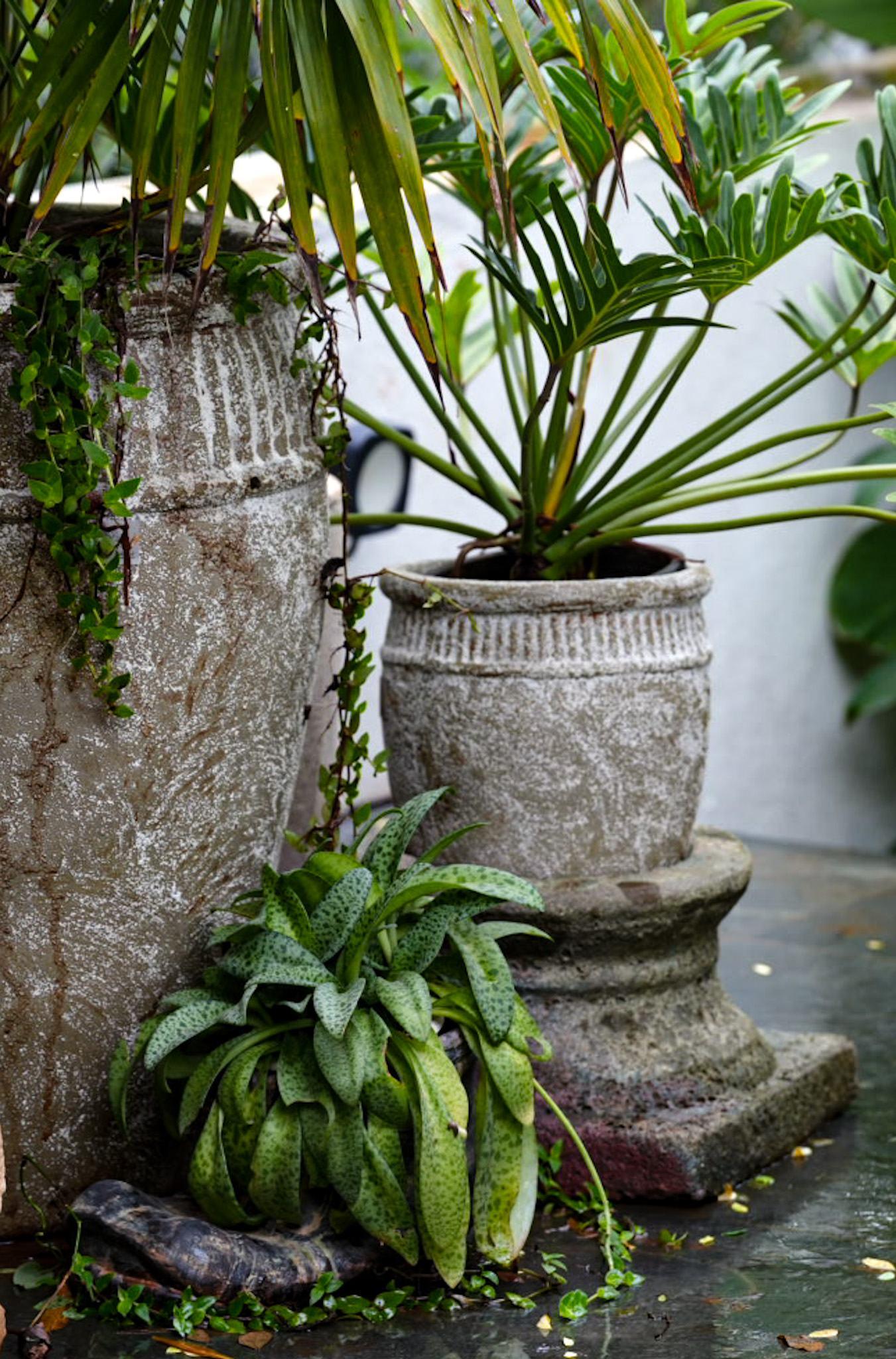
Textured Stone Planter with Tropical Foliage on Rain-Washed Patio Urban teak
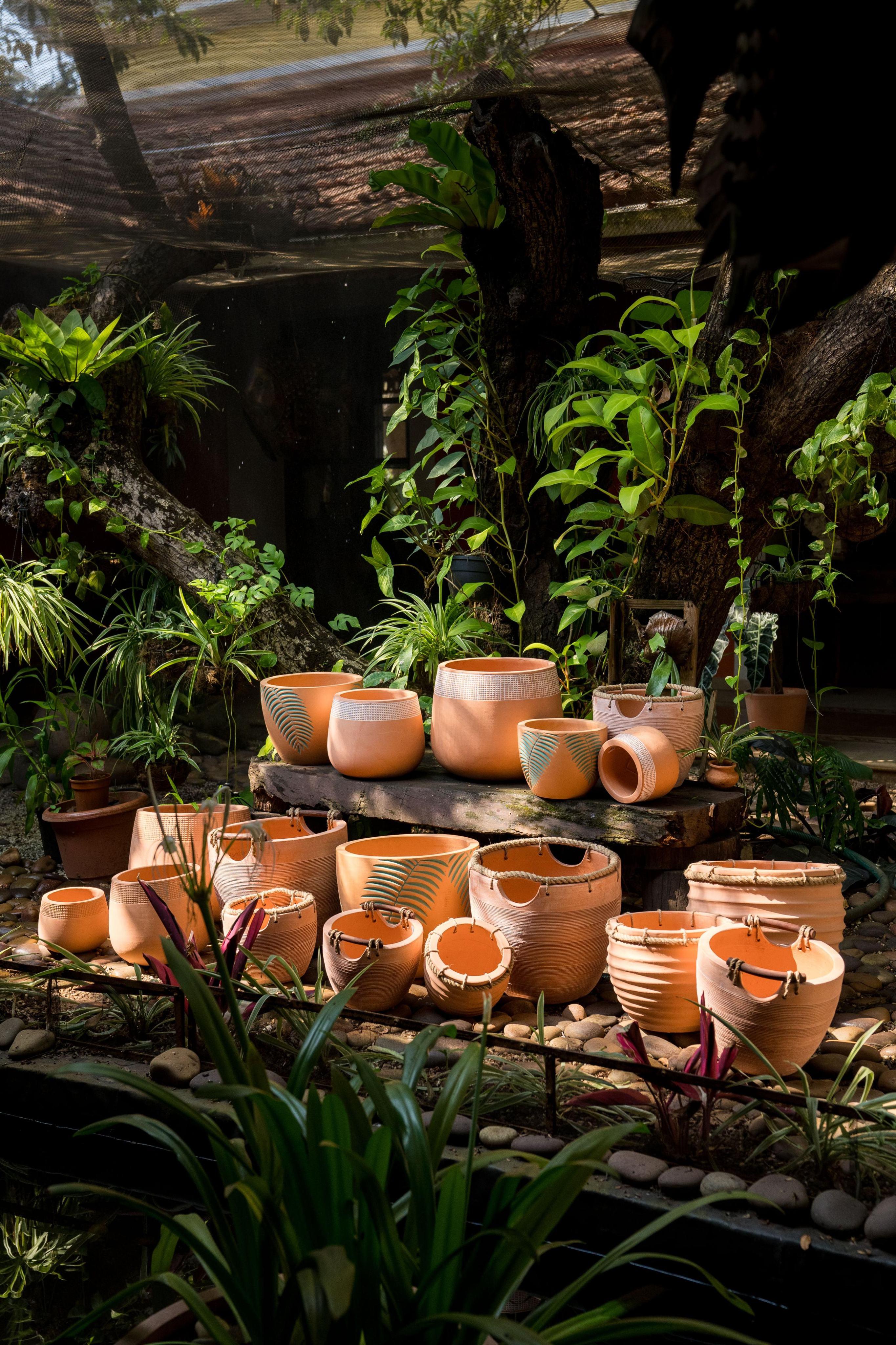
Terracotta Planter Display in Lush Garden Setting
contemporary and classic design sensibilities, making them a preferred choice for architects and interior designers.
Sustainability remains central to the brand’s ethos. From using eco-friendly materials to promoting plants as long-lasting alternatives to traditional gifts, Midori integrates conscious practices into every aspect of its work. The focus extends beyond installation to education, ensuring that clients are equipped with the knowledge to maintain and nurture their green spaces over time.
Over the years, Midori Gardens has achieved several meaningful milestones. Early successes such as the sold-out exhibition paved the way for larger projects, including the ONGC Centre in Goa and collaborations with prominent designers like Vineetra from Weespaces.
However, the true measure of success lies in the impact of the spaces created, environments that bring calm, beauty, and a sense of connection to those who experience them. Looking ahead, Midori aims to expand its reach through larger projects, collaborations, and an upcoming e-commerce platform that will extend its offerings to a broader audience. Plans also include providing landscape and styling consultancy services, further strengthening its role as a comprehensive green design studio.
At its heart, Midori Gardens is about more than plants. It is about creating spaces that feel alive, intentional, and deeply connected to nature. Through a blend of design, sustainability, and thoughtful curation, the studio continues to redefine how greenery can shape modern living, quietly transforming everyday spaces into places of balance and renewal.
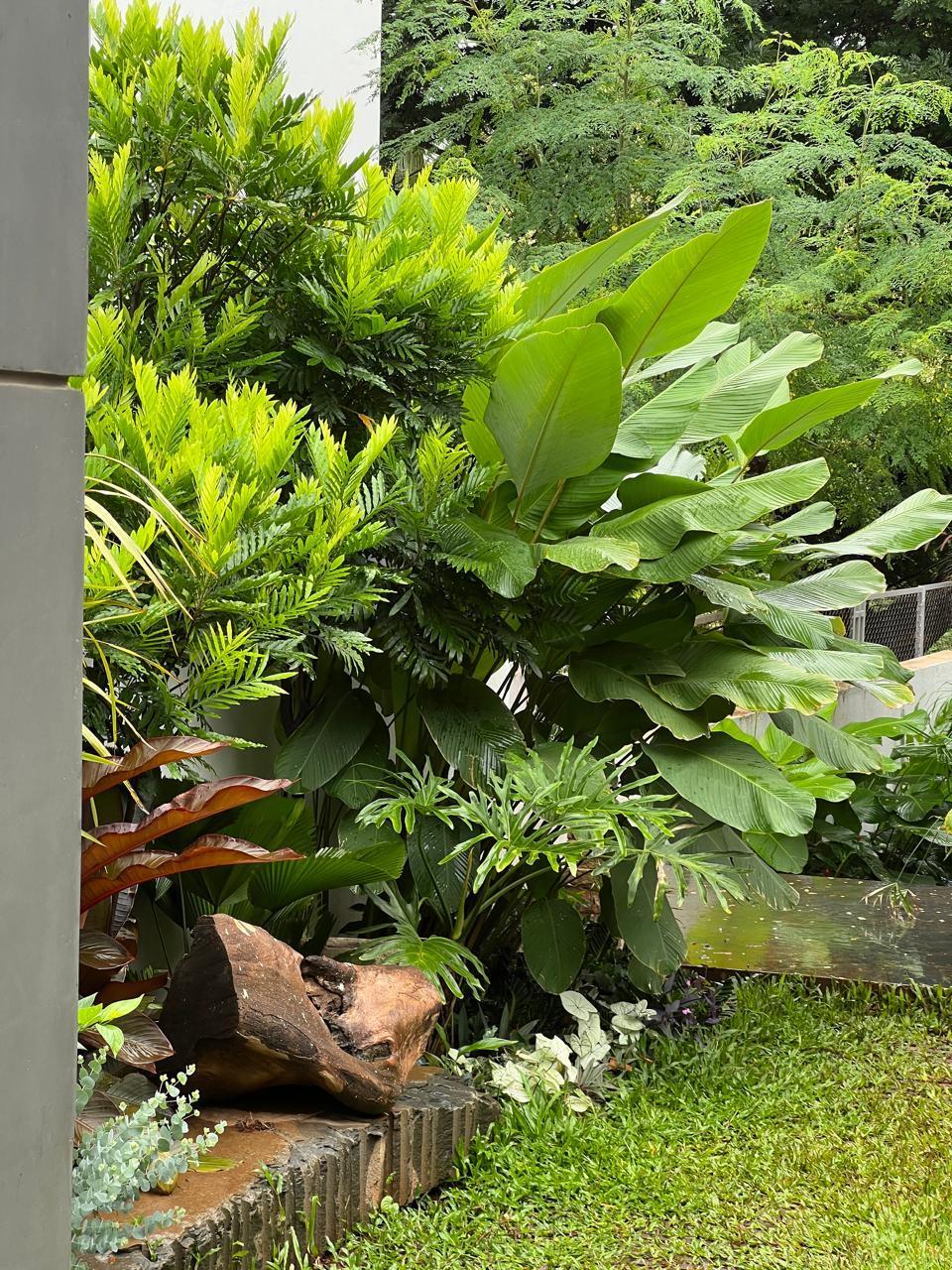
Where textures, tones, and tropical layers come together—crafted green spaces by Midori
Historic Forts of Goa: Stories of Battles and Heritage
Aguada Fort, Chapora Fort, Reis Magos Fort and Terekhol Fort showcase Goa’s rich history, blending battles, colonial influence, architecture, and scenic views, preserving heritage beyond beaches and tourism.
Goa, often celebrated for its beaches and vibrant culture, also holds a rich tapestry of history reflected in its majestic forts. These forts, scattered across the state, are remnants of a time when Goa was a strategic hub for trade and defense. Each fort tells a story—of battles fought, rulers who reigned, and a heritage that has survived centuries. Exploring these forts offers a unique glimpse into Goa’s past and a chance to appreciate its architectural marvels.Beaches & Islands.
Aguada Fort: A Coastal Sentinel
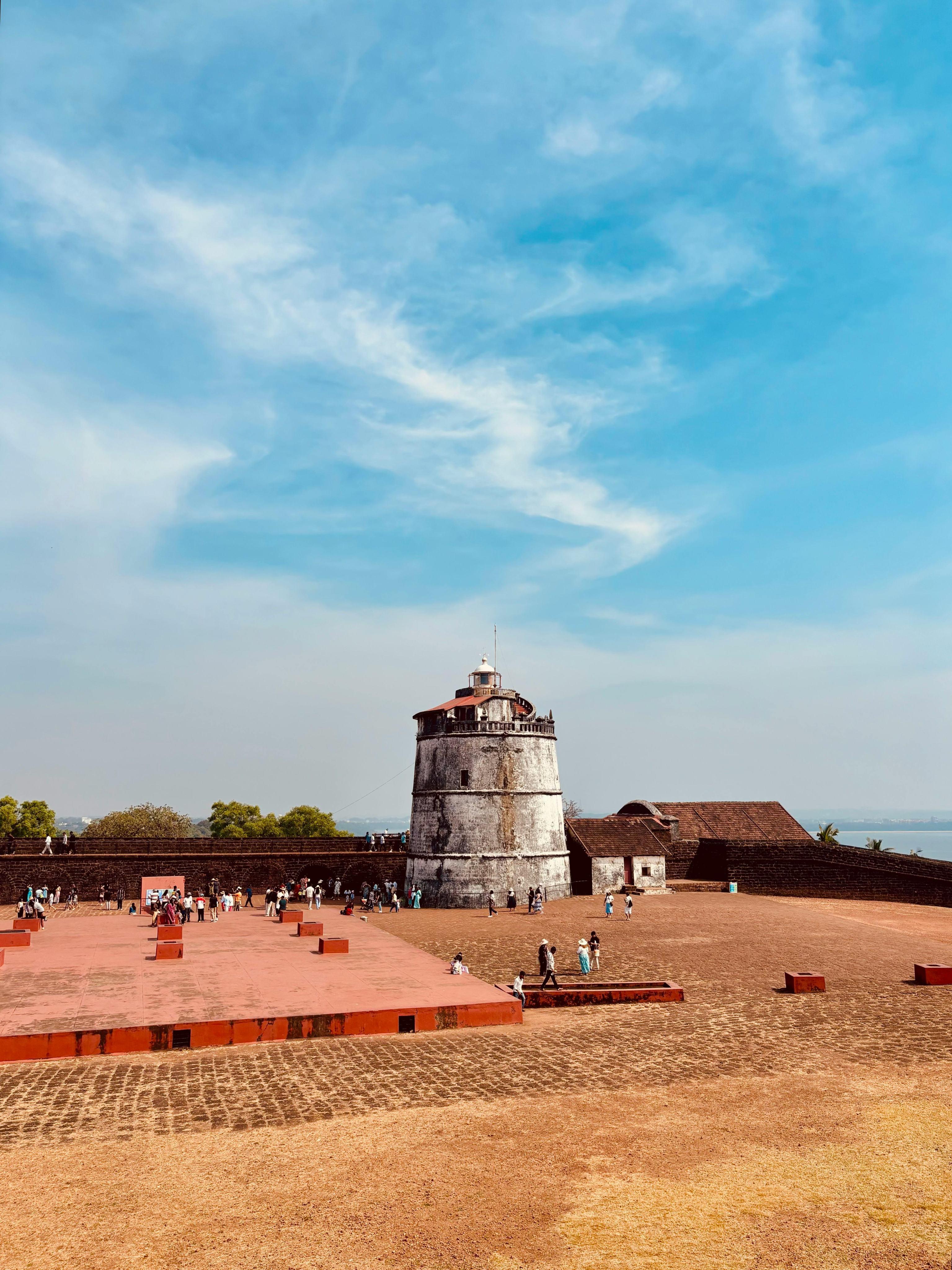
Aguada Fort, perched on the SinQem River’s mouth, is one of Goa’s most iconic forts. Built in the early 17th century by the Portuguese, it served as a defensive stronghold against Dutch and Maratha invasions. The fort features a lighthouse that guided ships navigating the Arabian Sea and a freshwater spring that supplied water to passing vessels, giving the fort its name “Aguada,” meaning water. Visitors today can explore its massive bastions, dungeons, and panoramic views of the coastline, imagining the strategic battles that once took place.
Chapora Fort: A Hilltop Watchtower
Chapora Fort, overlooking the Chapora River in North Goa, gained popularity not only for its strategic importance but also for its cinematic fame. Originally built by the Adil Shahi dynasty and later fortified by the Portuguese, this fort offered a vantage point to monitor enemy movements along the river. Today, the fort draws history enthusiasts and photographers alike, providing stunning sunset views and a sense of stepping back in time.
Reis Magos Fort: Fortress of the River
Situated on the northern bank of the Mandovi River, Reis Magos Fort is a fine example of Portuguese military architecture. Restored recently, it now serves as a cultural center showcasing exhibitions, art, and local history. The fort played a key role in defending the river entry to the capital, Panaji, and its strategic location allowed colonial rulers to monitor trade routes. Its walls, ramparts, and bastions tell stories of vigilance, conflict, and colonial administration.
Terekhol Fort: Guardians of the North
Terekhol Fort, located at the northern tip of Goa near the Maharashtra border, was constructed in the 17th century to protect against Maratha invasions. Overlooking the Arabian Sea, the fort has witnessed changing rulers and the rise and fall of empires.
Today, it has been converted into a heritage hotel, allowing visitors to experience historical architecture while enjoying modern amenities. The blend of history and hospitality provides a unique perspective on Goa’s coastal defenses.
Chandor and Corjuem: Lesser-Known Gems
Beyond the well-known forts, Goa houses smaller forts like Chandor and Corjuem that hold immense historical significance. Chandor Fort, in South Goa, showcases remnants of Portuguese influence and local Maratha resistance.
Corjuem Fort, located on the island of Corjuem in North Goa, features a scenic moat and rustic stone architecture, often overlooked by tourists yet rich in history and tales of bravery.
Preserving Heritage
These forts are more than just stone structures; they are symbols of Goa’s resilience, strategic importance, and cultural fusion. Restoration efforts by the Archaeological Survey of India and local authorities aim to preserve these monuments for future generations. Visiting these forts allows travelers to connect with Goa’s layered history while enjoying panoramic views, architecture, and tales of battles that shaped the region.
Final Thoughts
Goa’s historic forts represent the state’s storied past and architectural ingenuity. From coastal sentinels to hilltop watchtowers, each fort narrates a tale of defense, strategy, and cultural interplay. Exploring these forts is a journey through time, offering insight into Goa’s heritage beyond its beaches, nightlife, and festivals.
Goa’s eco-stays offer sustainable retreats blending nature, comfort, and mindful living, featuring eco-friendly resorts, organic experiences, and serene landscapes, allowing travelers to unwind responsibly while experiencing authentic, environmentally conscious hospitality.
Article by: ItsGoa
Images by: Freepik
Goa, a destination that finds its place on almost everyone’s travel bucket list. A growing number of travelers are now seeking sustainable escapes that blend comfort with consciousness. Hidden amidst Goa’s lush greenery and serene landscapes are ecostays that offer the perfect balance of nature, relaxation, and responsible living.
Stone Water Eco- Resort
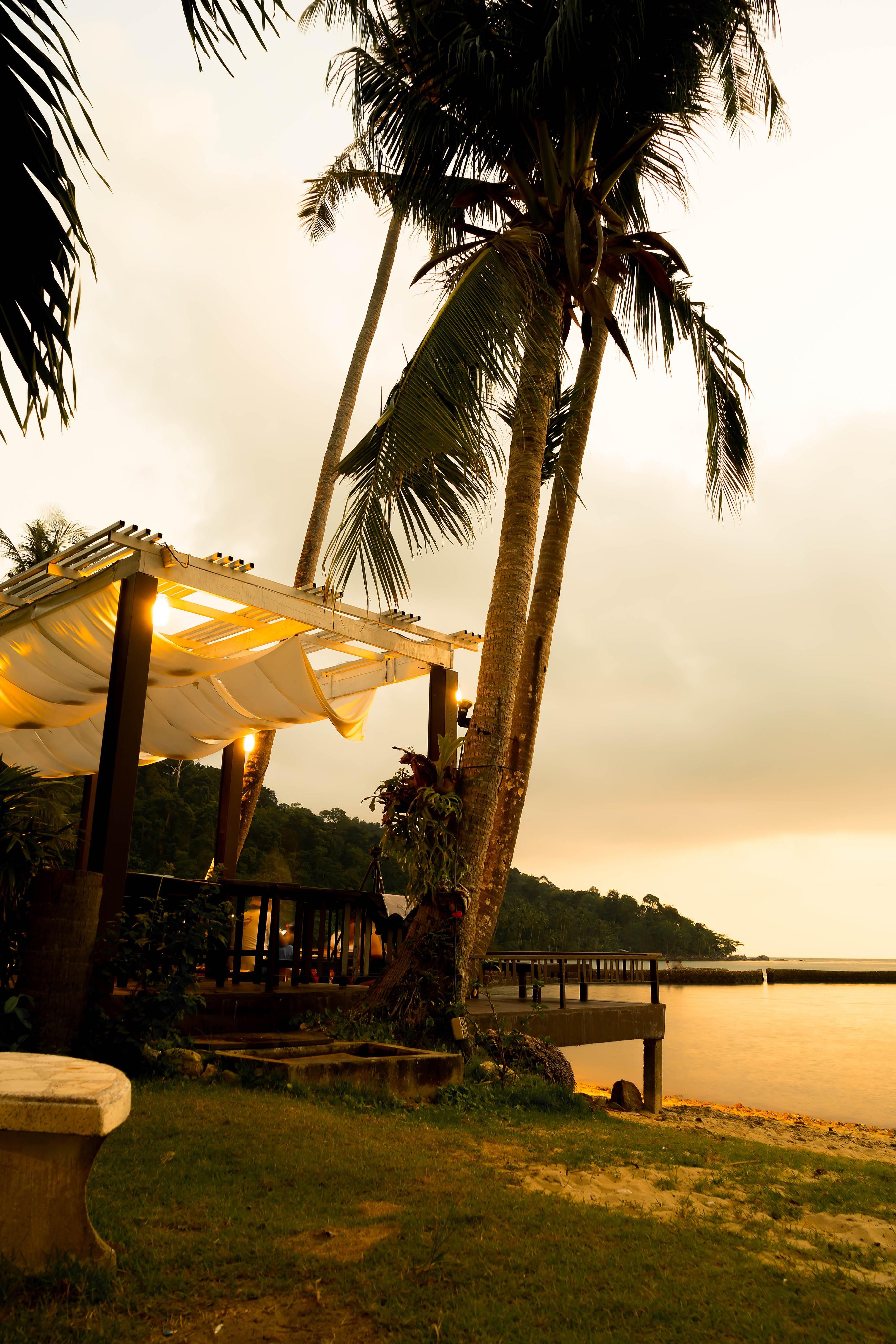
Perched along the coastline of Santarem Beach,Vasco da Gama Issorcim, Dabolim, Goa, Stone Water Eco Resort offers breathtaking views of the Arabian Sea. Built with natural materials and surrounded by tropical gardens, the resort emphasizes sustainability through minimal waste practices and eco-friendly architecture, making it an ideal retreat for those who want to stay close to nature.
Natures Nest Goa
Nestled in the peaceful village of Darbandora, Nature’s Nest is a haven for eco-tourism lovers. The property encourages visitors to connect with Goa’s natural side through birdwatching trails, spice plantation tours, and organic dining experiences. With its sustainable design and immersive naturebased activities, it offers an authentic eco-retreat experience.
Beachsstreet Eco- resort and Spa
Located on Mandrem Beach, Beachstreet environment friendly Resort and Spa is a beachfront paradise with a mindful touch. The resort uses bamboo structures, solar energy, and natural ventilation to maintain an eco-conscious environment. Guests can indulge in yoga sessions, spa treatments, and wholesome meals prepared with locally sourced ingredients.
The Enchanting Nest
Tucked away in South Goa, The Enchanting Nest is true to its name, serene, soulful, and sustainable. With cottages surrounded by coconut groves and a focus on slow living, this stay encourages guests to unwind while being gentle on the planet. It’s an ideal
spot for travelers who seek peace, privacy, and purpose.Beaches & Islands. With cottages surrounded by coconut groves and a focus on slow living, this stay encourages guests to unwind while being gentle on the planet. It’s an ideal spot for travelers who seek peace, privacy, and purpose.Beaches & Islands
Mojigao
Located in the artistic village of Assagao, Mojigao combines environment friendly architecture with Mediterranean charm. Built with natural materials and surrounded by lush gardens, the property features cozy cottages, a vegetarian café, and a serene energy that perfectly captures the essence of sustainable living in Goa.
These hidden eco-stays in Goa blend comfort with sustainability, offering travellers a peaceful escape that cares for nature. Each stay invites you to unwind responsibly and experience Goa in its most authentic, eco friendly form.