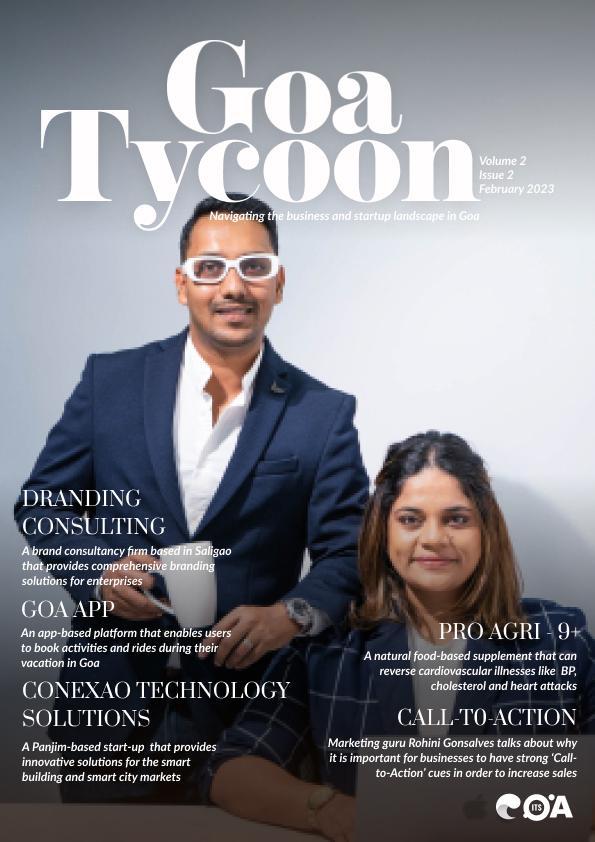

Tycoon
Navigating the business and startup landscape in Goa


GoCo Trails COVER FEATURE
COCO LENI
COCO LENI crafts handcrafted eyewear combining German precision, Goan creativity, slow production, durability, and timeless authenticity.
Kalakar Kalakar preserves Goa’s handloom heritage through collaborative craftsmanship, sustainable textiles, contemporary design, and timeless handmade creations.
GoCo Trails delivers personalized travel experiences blending culture, comfort, adventure, and meaningful journeys tailored for travelers.
Colours of Goa
Colours of Goa celebrates Goan culture through hand-drawn apparel, creativity, heritage, personalization, and cultural pride for everyone.
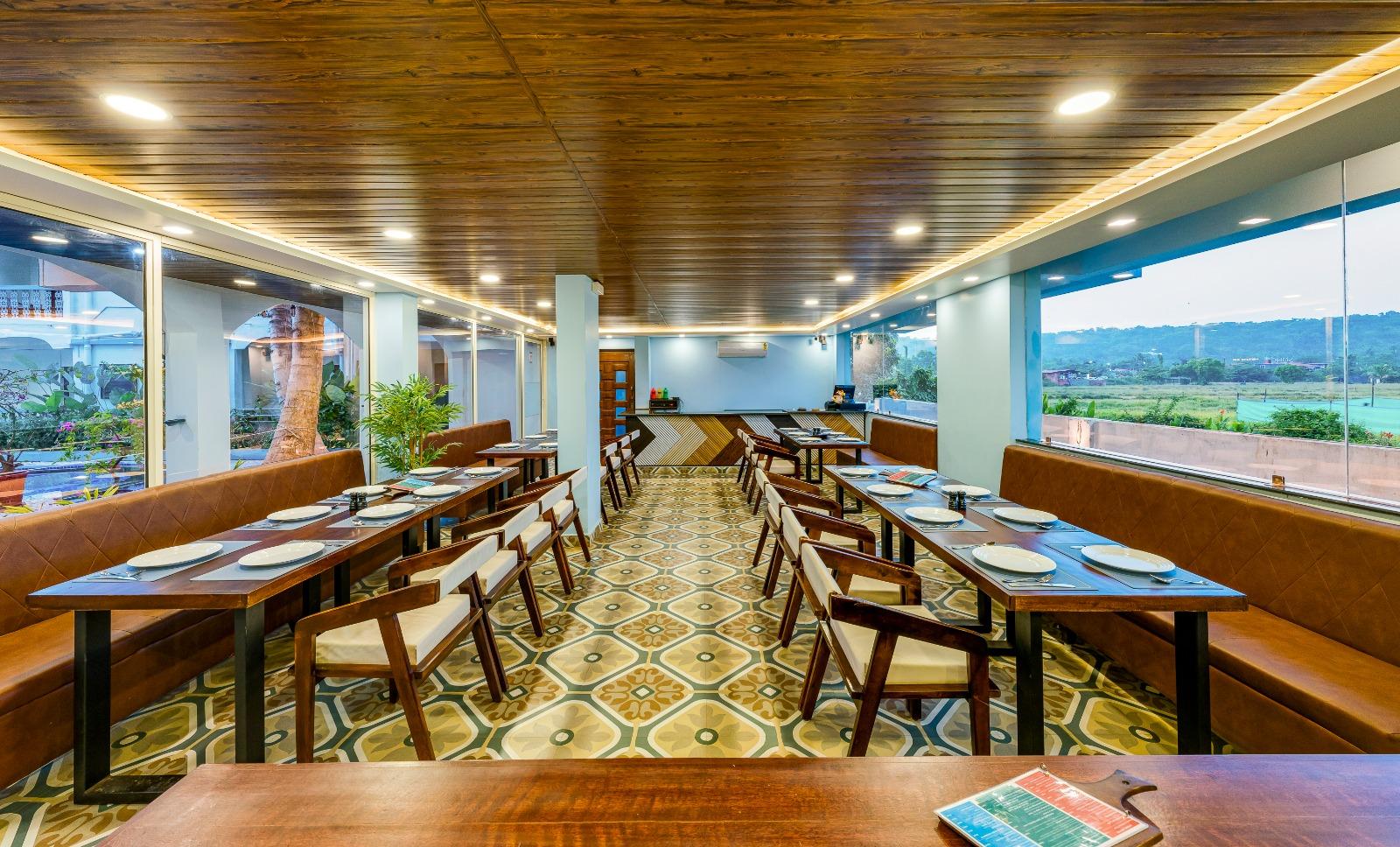
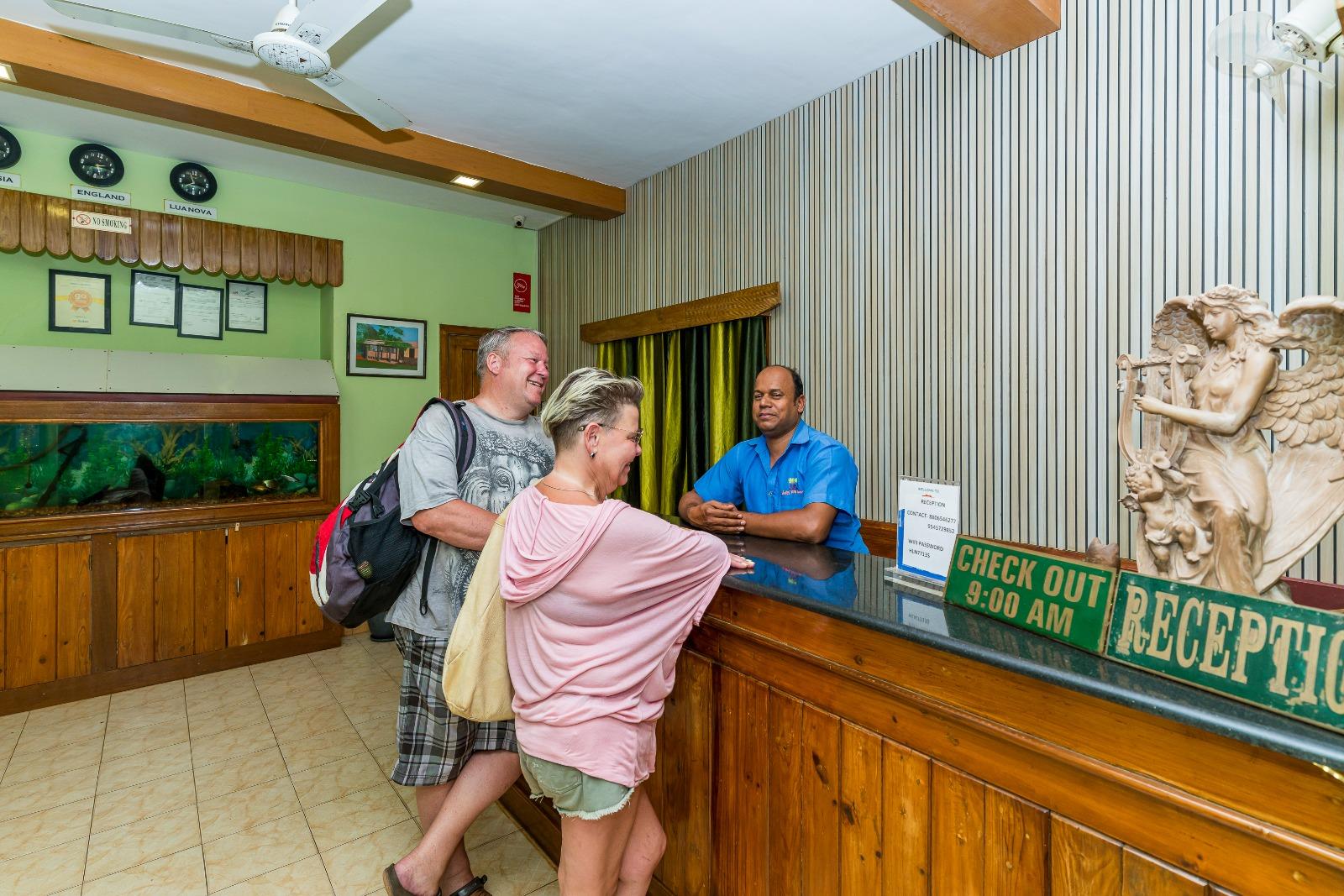
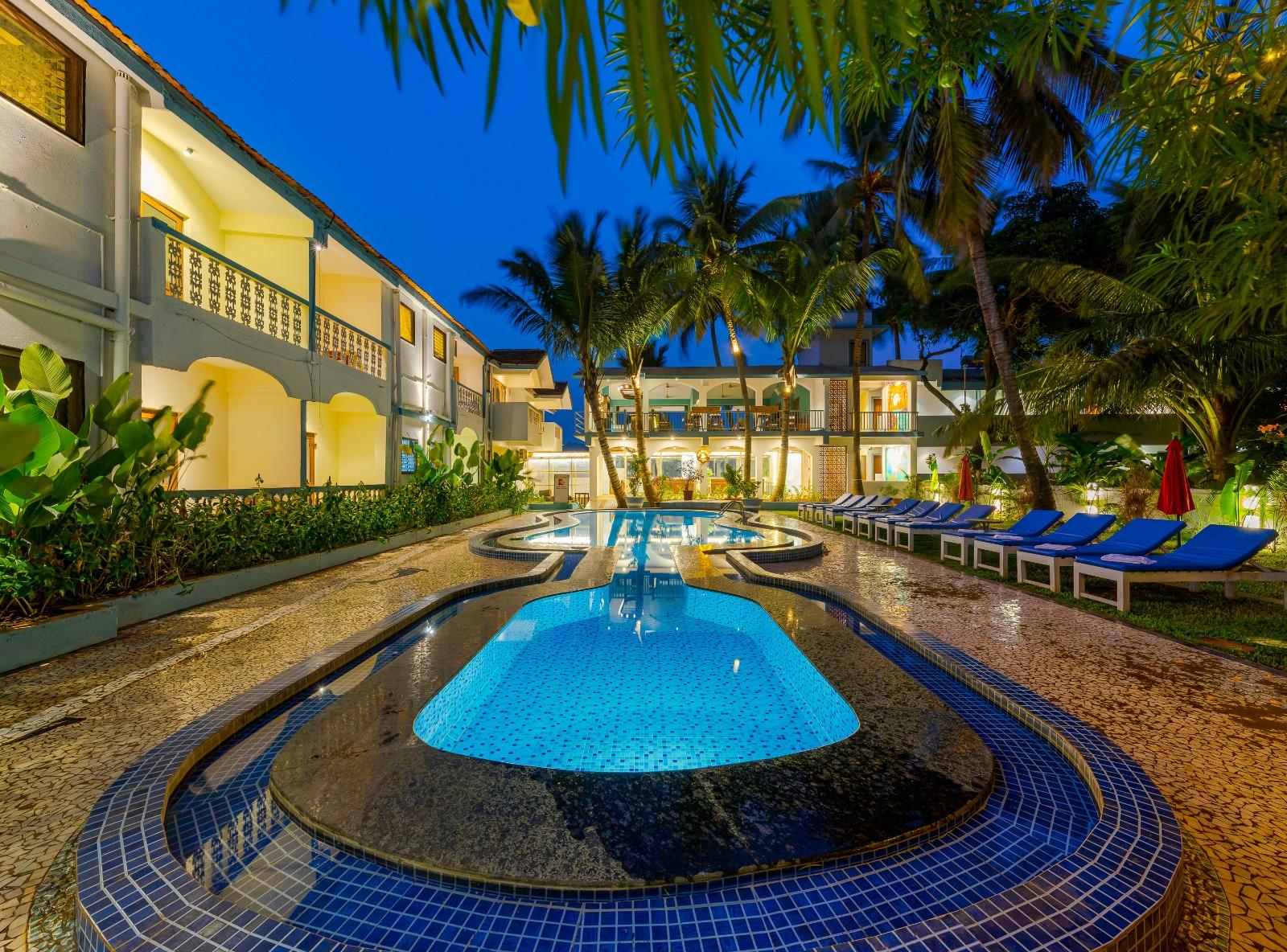
hotel Lua Nova

Editorial
Dear Readers,
As summer unfolds across Goa, the May 2026 edition of Goa Tycoon brings together inspiring stories shaped by creativity, heritage, innovation, and evolving lifestyles. This month’s issue celebrates individuals and businesses redefining tradition while building meaningful experiences for communities across the state and beyond.
COCO LENI captures the essence of slow craftsmanship through handcrafted eyewear that blends German precision with Goan creativity, creating timeless pieces rooted in authenticity and durability.
Preserving Goa’s rich textile heritage, Kalakar continues to revive fading handloom traditions through collaborative craftsmanship, sustainable practices, and contemporary handmade creations that honour legacy while embracing modern design.
In the world of travel, GoCo Trails curates immersive journeys that combine comfort, culture, and adventure, offering personalized experiences that encourage travelers to connect more deeply with destinations and local communities.
Colours of Goa transforms culture into wearable expression through hand-drawn apparel and souvenirs that celebrate heritage, creativity, and the shared pride of being connected to Goa’s vibrant identity.
Stationery World’s journey reflects the strength of adaptability and customer commitment, evolving from a family vision into one of Goa’s trusted destinations for stationery, customized solutions, and accessible service across the state.
This issue also explores Goa’s evolving cultural landscape through the Aguad Port and Jail Complex, blending heritage, art, waterfront experiences, and community events.
On the sustainability front, we feature Goa’s first fully solar-powered housing society, showcasing renewable energy, long-term savings, and future-ready sustainable living solutions.
Together, these stories reveal a key truth about business in Goa: success requires more than ideas. It calls for understanding seasonal rhythms, nurturing loyal customers, staying digitally present, managing resources wisely, and using quieter months to evolve. This mindful approach transforms small ventures into lasting legacies.
Well, that's all I have for you from my desk this month. I hope you enjoy reading this month's issue of Goa Tycoon. Do share it with your friends all across the globe.
Until next month, cheers!
Warm regards,
Jessyl Fernandez Editor
01 COCO LENI
02 Kalakar
03 GoCo Trails
04 Colours of Goa
05 Stationery World
06 Top 5 Reasons to Visit Aguad
07 From Rooftops to Returns: Goa’s First Fully Solar Housing Society
Introduction
Goa, the tiniest state on the western coast of India, boasts golden pristine beaches, palm-fringed avenues, flavourful food, delicious Portuguese-influenced sweets, and warm, hospitable people. Also known as the Ibiza of India for its partying. A tropical paradise of flora and fauna, from the very famous 'almi' (mushrooms) endemic to its forests, that grow only on the red mud anthills, to the solar prawns that are fished immediately after the monsoons, Goa is unique. Tourists are also attracted to Goa for its cultural heritage - from the famous old Portuguese churches like Se Cathedral in Old Goa, the 16th Century Safa Masjid in Ponda and Shree Mangesha Temple in Mardol, the legendary Arvalem or Pandava Caves where the Pandavas of the Mahabharat fame lived, to its two unique festivals - Carnival and Shigmo. Goa plays host to many festivalsthe International Film Festival of India that promotes cinema, the Serendipity Art Festival, Sunburn Music Festival, to name a few. To showcase this varied heritage of culture, art, tradition, food, and people, in 2015 ItsGoa was born. The main aim was to make it the premier portal for all things Goa. We were able to showcase Goa like never before. Soon our blog-based website transcended the virtual space, with the ItsGoa magazine – a sought-after resource for visitors to Goa from countries like Norway, UK, USA, etc.
Editorial Team
Chief Editor
Jessyl Fernandez
Sales
Donald Fernandez Andrea Fernandes
Content & Social Media Britney Fernandes
Graphics & Layout Britney Fernandes
For advertising queries: +91 7887330620 / 9370502124
ItsGoa Media Group
Nordic Intent HQ - Floor 3, PDA Colony, Porvorim, Goa 403521
Email: mail@itsgoa.com Website: itsgoa.com


COCO LENI
COCO LENI blends German precision with Goan creativity to craft handcrafted eyewear through slow production, skilled artisanship, and timeless design, offering durable, personalized frames rooted in authenticity and craftsmanship.
Article by: ItsGoa
Images by: COCO LENI
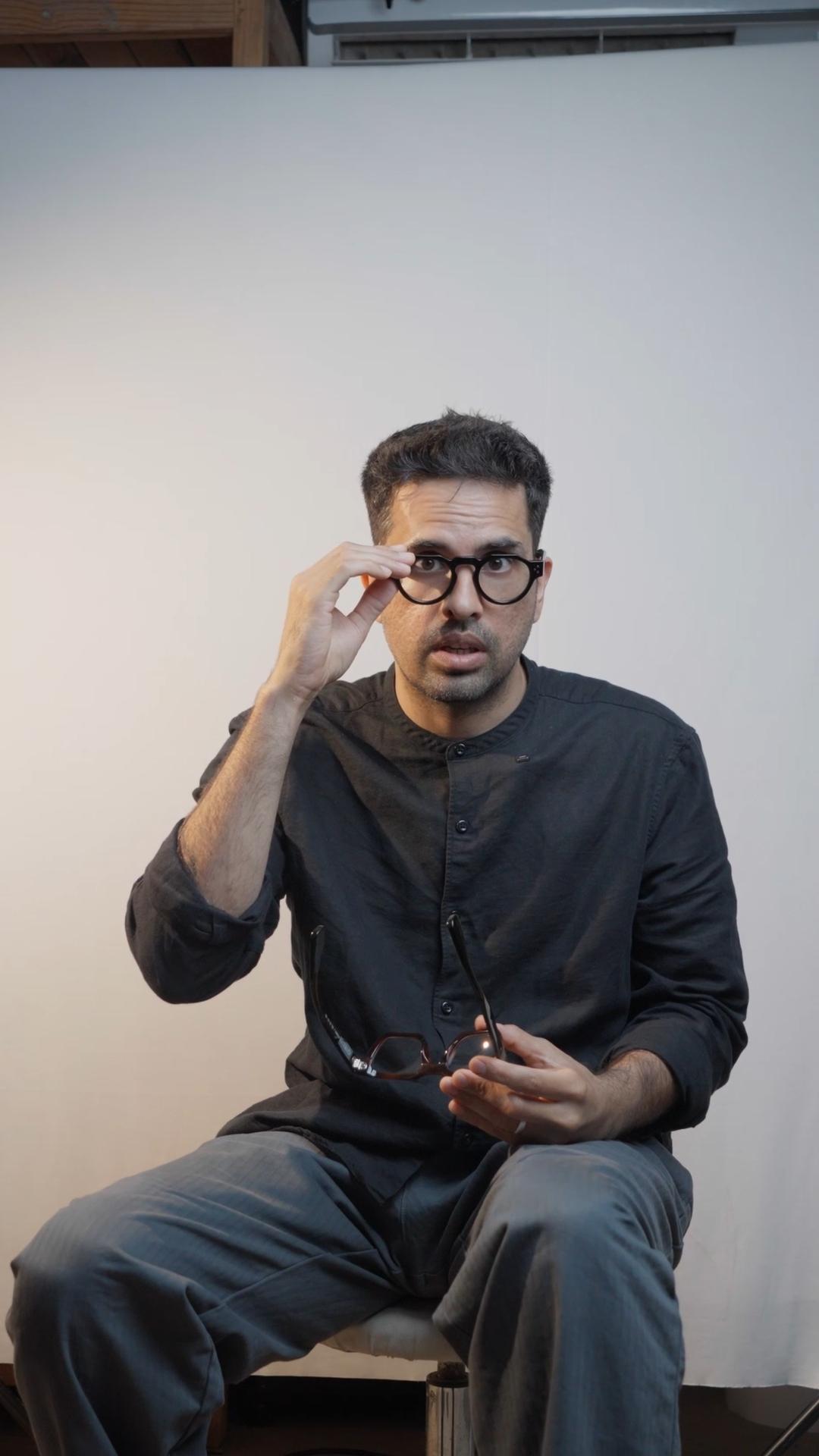
In a world dominated by fast fashion and mass production, COCO LENI stands apart as a brand rooted in intention, patience, and authenticity. Founded by Arjun Singh and Franziska Leni, the independent eyewear label brings together the precision of German craftsmanship with the relaxed, creative spirit of Goa.
What began as a small workshop experiment has grown into a thoughtfully built brand that challenges conventional industry norms through its commitment to quality and slow production. At its core, COCO LENI represents what the founders describe as a “quiet rebellion.” In contrast to an industry driven by scale and speed, the brand embraces a slower, more deliberate approach.
Rather than producing large quantities, COCO LENI focuses on small batches, ensuring that each frame is crafted with care and attention. This philosophy is not about making noise but about creating meaningful products with integrity, pieces that reflect both purpose and precision.
Central to the brand’s identity is the belief that “the fit is everything.” Eyewear, after all, is not just an accessory but something worn throughout the day, shaping both comfort and personal expression. COCO LENI’s design process revolves around achieving the perfect balance of proportion, ergonomics, and structure.
Every detail, from the angle of the temples to the weight distribution, is meticulously refined to ensure that each frame feels natural and effortless when worn. The making of a COCO LENI frame is a testament to true craftsmanship. Each piece begins as a concept that undergoes multiple stages of prototyping before reaching its final form. In the Goa-based workshop, high-quality cellulose acetate is cut, shaped, and milled before being tumbled and hand-polished to achieve its distinctive finish.
Hinges are carefully fitted, and the frame is aligned and inspected with precision before the lenses are added. This process, which takes several days to complete, reflects the brand’s unwavering commitment to quality over speed. An essential part of COCO LENI’s story lies in its people. The workshop is powered by a skilled team of Indian women artisans who bring exceptional attention to detail and dedication to every stage of production.
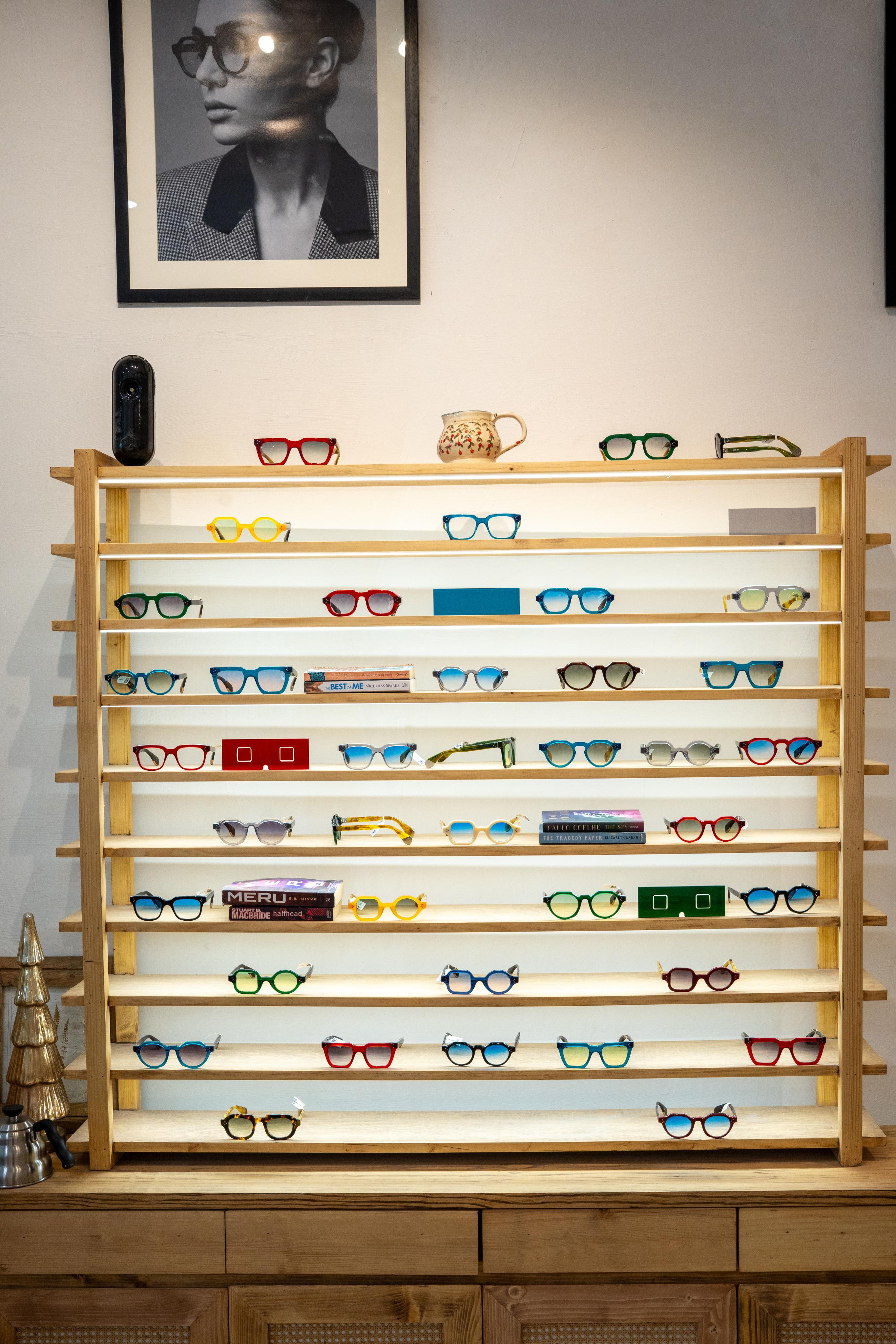
A shelf of choices, each frame shaped by hand
owner- Arun Sagar

Many have honed their craft over years of training, transforming each frame into more than just a product, it becomes a reflection of their skill and pride. This human connection to the process reinforces the brand’s ethos of valuing craftsmanship and those who practice it.
By keeping design, prototyping, and manufacturing within Goa, COCO LENI maintains complete control over quality and consistency. This localized approach not only ensures a higher standard of production but also fosters a deeper connection between the makers and the brand itself. It is a model that prioritizes accountability and craftsmanship, allowing each piece to carry a sense of authenticity.
The influence of German heritage is evident in the brand’s precision and engineering, while Goa contributes a sense of ease and artistic expression. This fusion creates eyewear that is both technically refined and emotionally resonant, a balance between structure and soul. Sustainability, for COCO LENI, goes beyond materials. While the brand primarily uses plant-based cellulose acetate derived from natural fibers, its true focus lies in longevity.
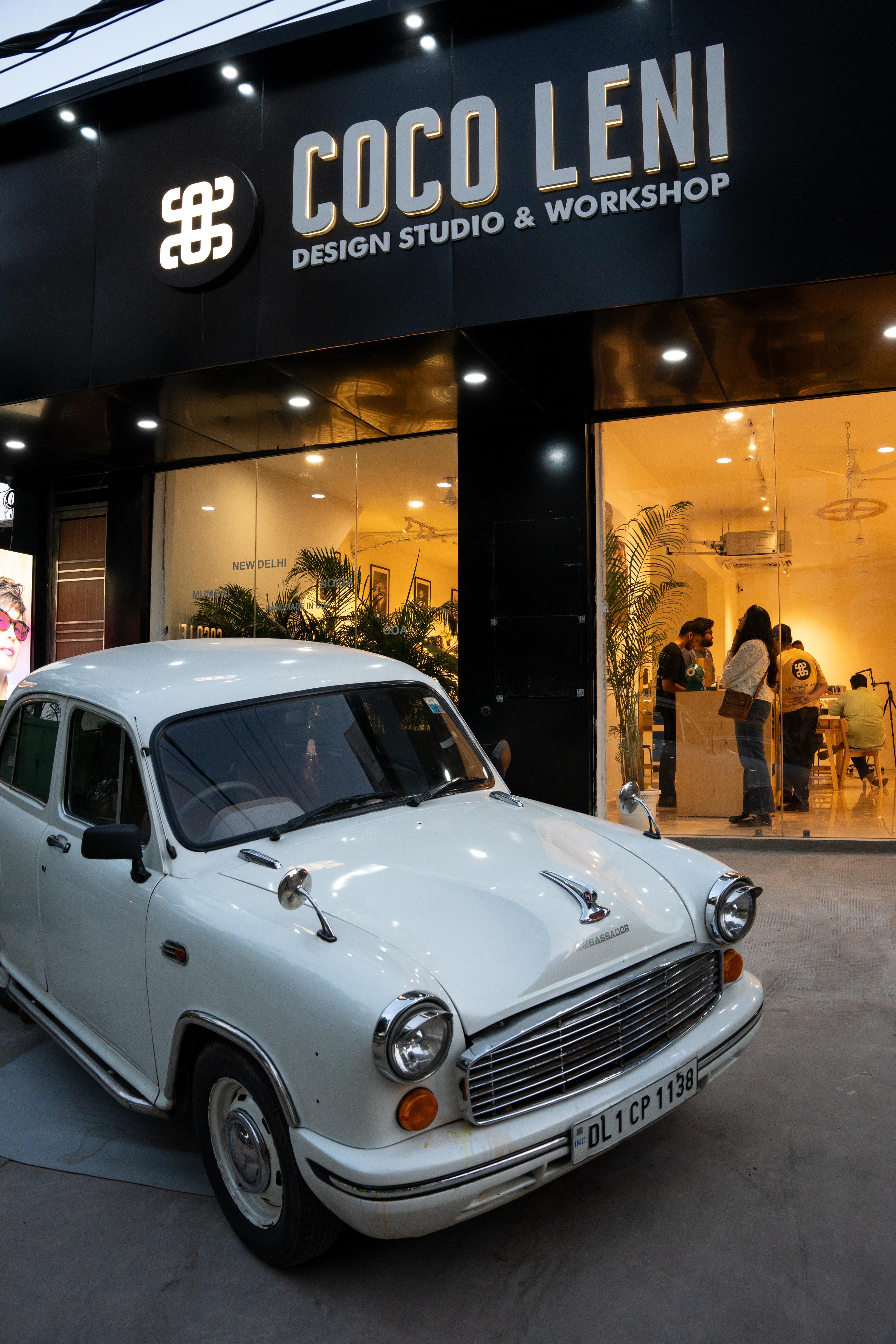
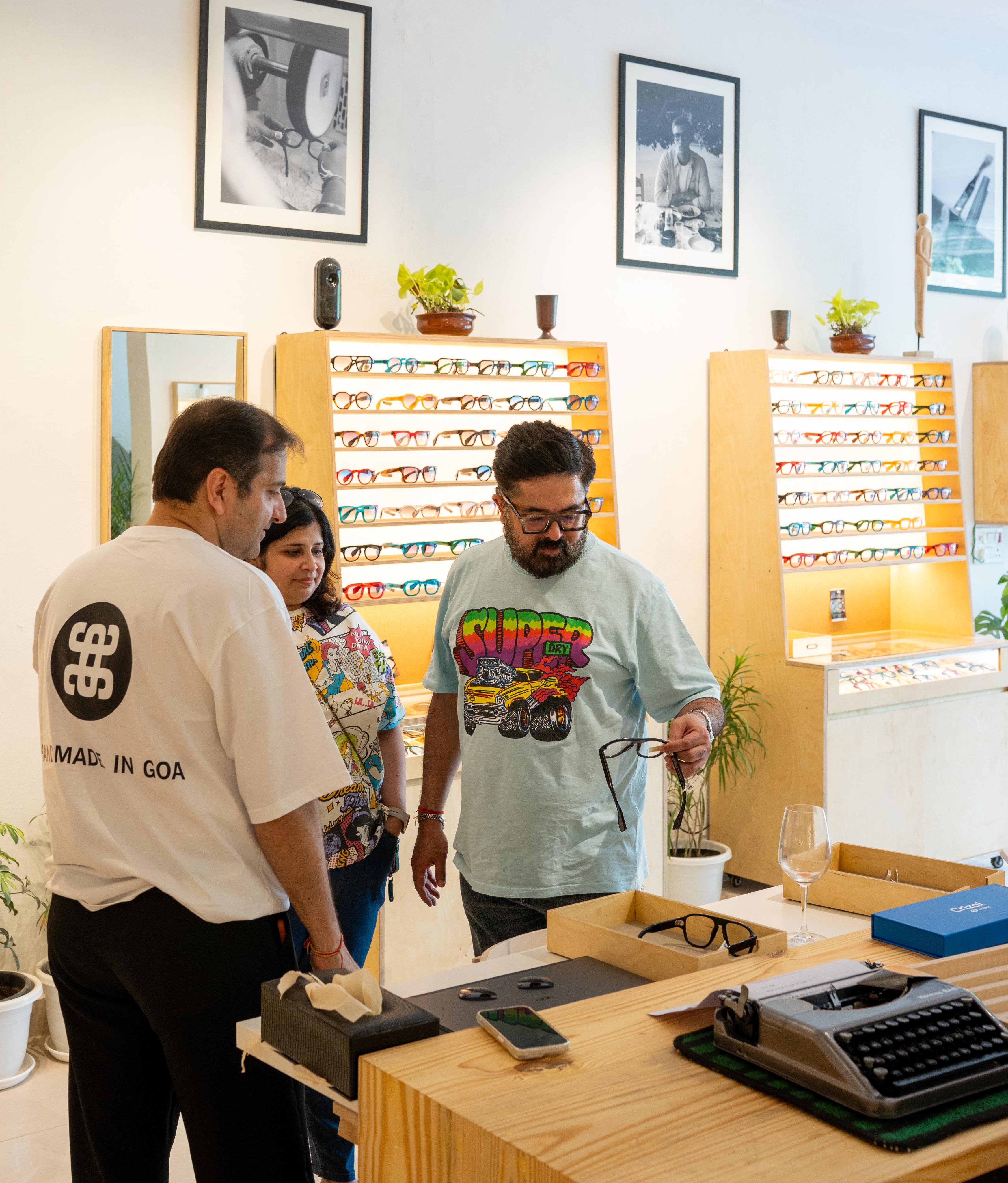
By creating durable, timeless designs, COCO LENI encourages customers to invest in pieces that last, rather than follow cycles of constant replacement. The brand speaks to individuals who appreciate subtlety, craftsmanship, and individuality. COCO LENI customers are not driven by fleeting trends but by a desire for thoughtfully designed products that integrate seamlessly into their daily lives. The experience of wearing a COCO LENI frame is meant to feel personal, almost as though it was made specifically for the wearer.
Beyond the workshop, the environment of Goa plays a significant role in shaping the brand’s aesthetic. The region’s slower pace, natural light, and textured landscapes influence the founders’ creative vision, along with inspirations drawn from architecture, photography, and travel. These elements come together to inform a design language that is understated yet distinctive.
At its heart, COCO LENI is about respect, for the craft, for the artisans, and for the time it takes to create something meaningful. In choosing to remain true to its principles, the brand offers more than just eyewear; it presents a thoughtful alternative to modern consumption. Each frame is a reminder that when something is made with care, it carries a story worth wearing.
Precision starts before the frame is made
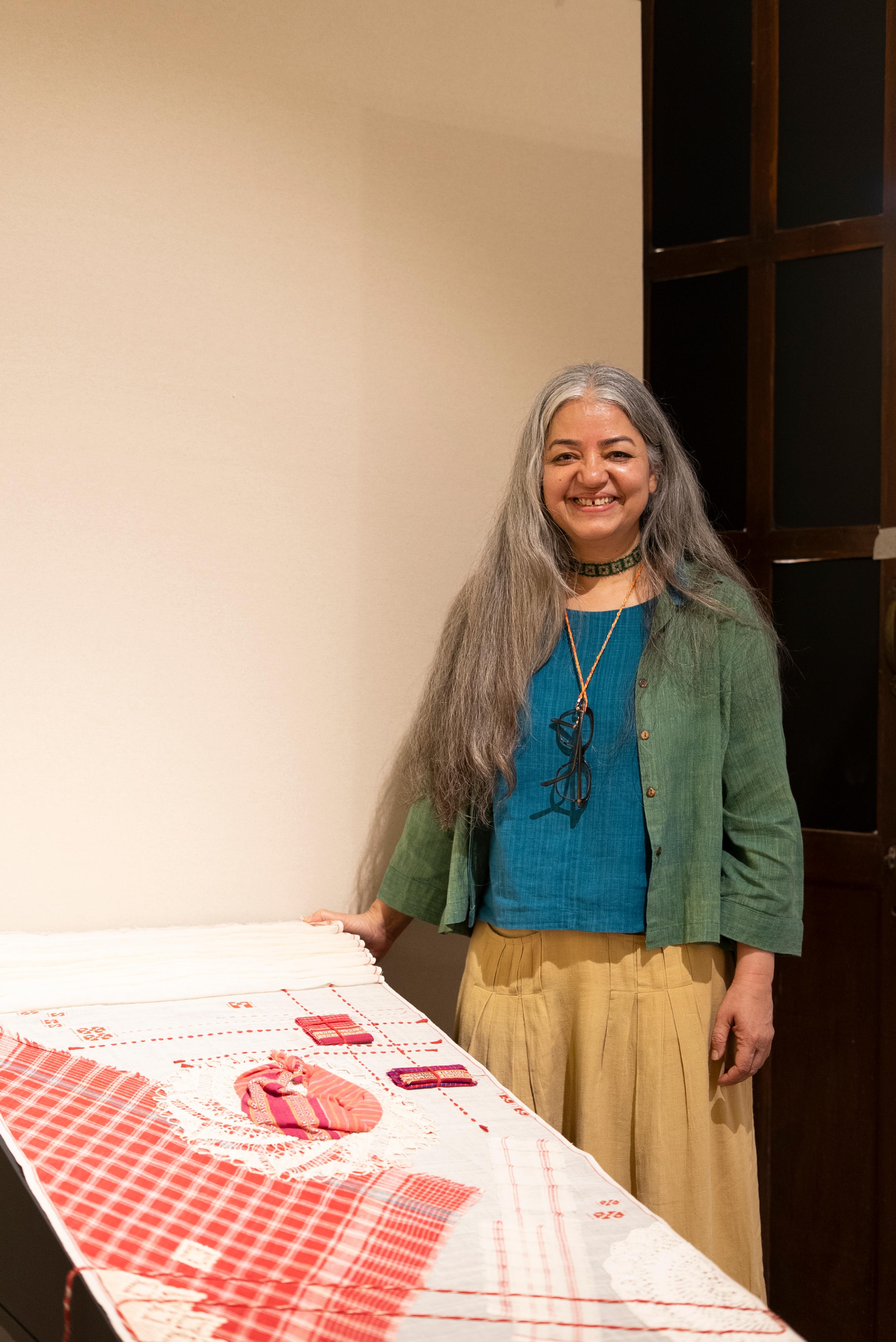
Kalakar, founded by Poonam Pandit, revives Goa’s fading handloom traditions through collaborative craftsmanship, preserving the Tilve family’s weaving legacy while blending heritage, sustainability, and contemporary textile design into timeless handmade creations.
Article by: ItsGoa
Images by: Kalakar
In a world increasingly shaped by fast fashion and industrial production, Kalakar stands as a quiet yet powerful testament to the enduring value of handmade textiles. Founded in 2011 by textile designer and artist Poonam Pandit, Kalakar is not merely a design initiative, it is an ongoing commitment to preserving and evolving the weaving practice of Goa's last practising traditional handloom weaving family.
With over three decades of experience across design, research, and collaboration with artisan communities, Pandit’s journey into textiles is deeply rooted in both personal memory and professional exploration. Her early exposure to diverse Indian textiles, brought home by her father during his postings across the country, sparked a lifelong fascination with craft.
This curiosity matured during her time at the National Institute of Fashion Technology (NIFT), where a field study in Barmer offered a transformative insight into the relationship between artisans, their craft, and the environments they inhabit.
Before establishing Kalakar, Pandit’s career spanned export houses, international markets, and collaborations with designers and NGOs. These experiences provided her with a layered understanding of both global design sensibilities and the realities of craft communities.
However, it was her work in Goa with renowned designer Wendell Rodricks that became the turning point. Asked to research the traditional Kunbi sari, Pandit embarked on an extensive search across Goa, encountering abandoned looms and stories of a declining craft.
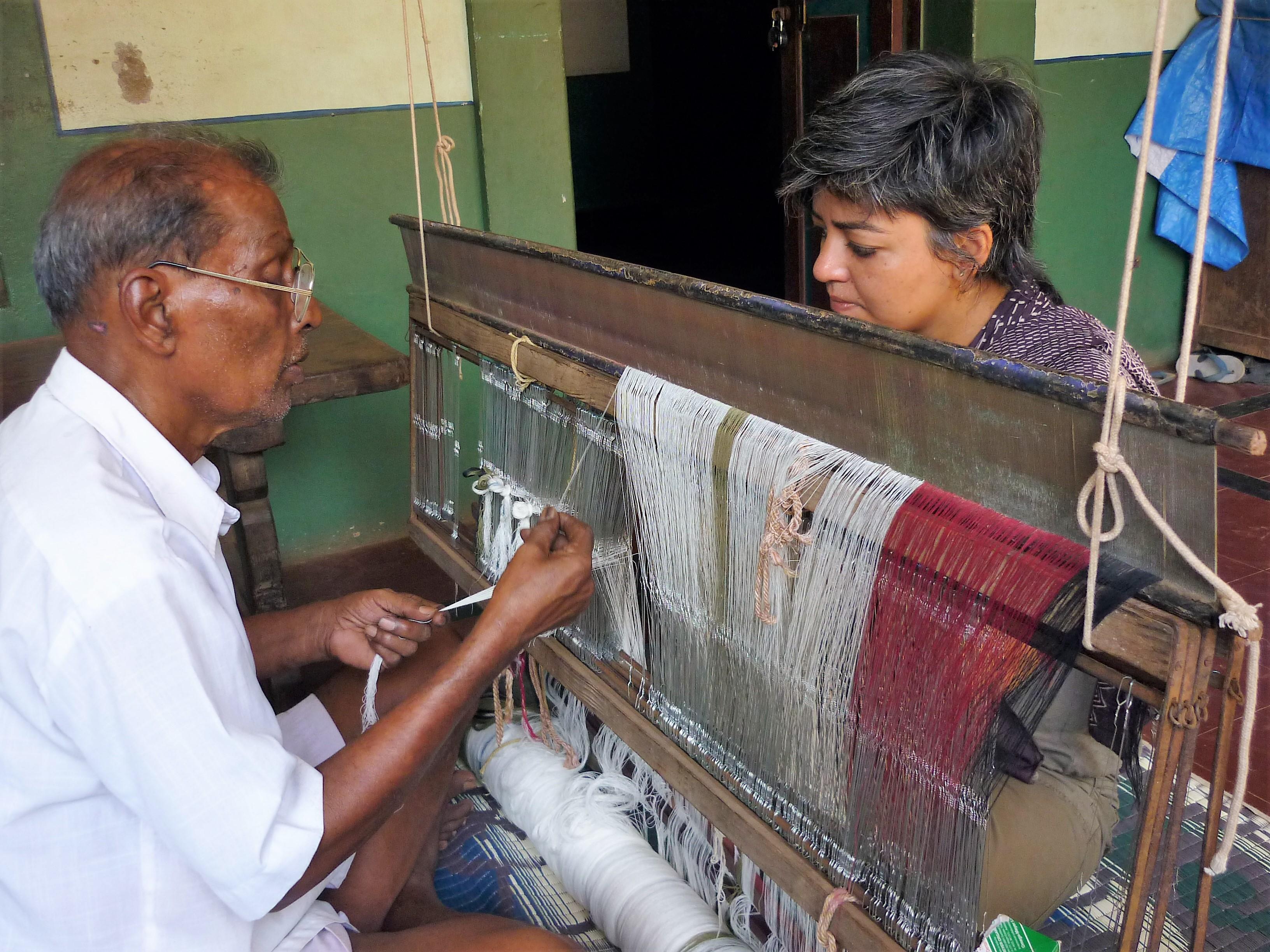
This journey eventually led her to the Tilve family in Paliem, the last practising traditional handloom weavers of Goa. The discovery was pivotal. What began as a design project soon evolved into a deeply personal and professional commitment to sustaining their craft.
The collaboration resulted in a remarkable revival effort.
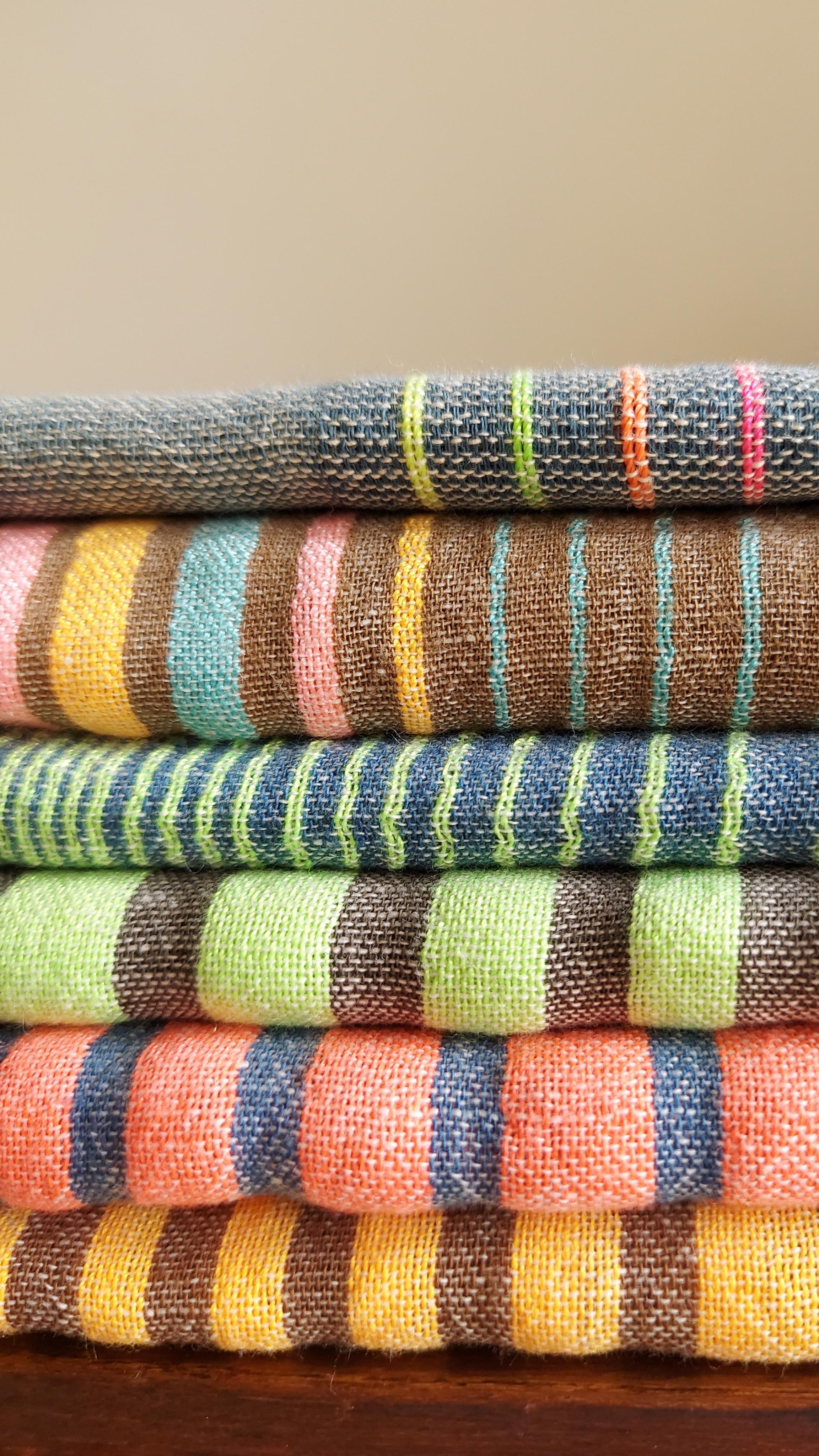
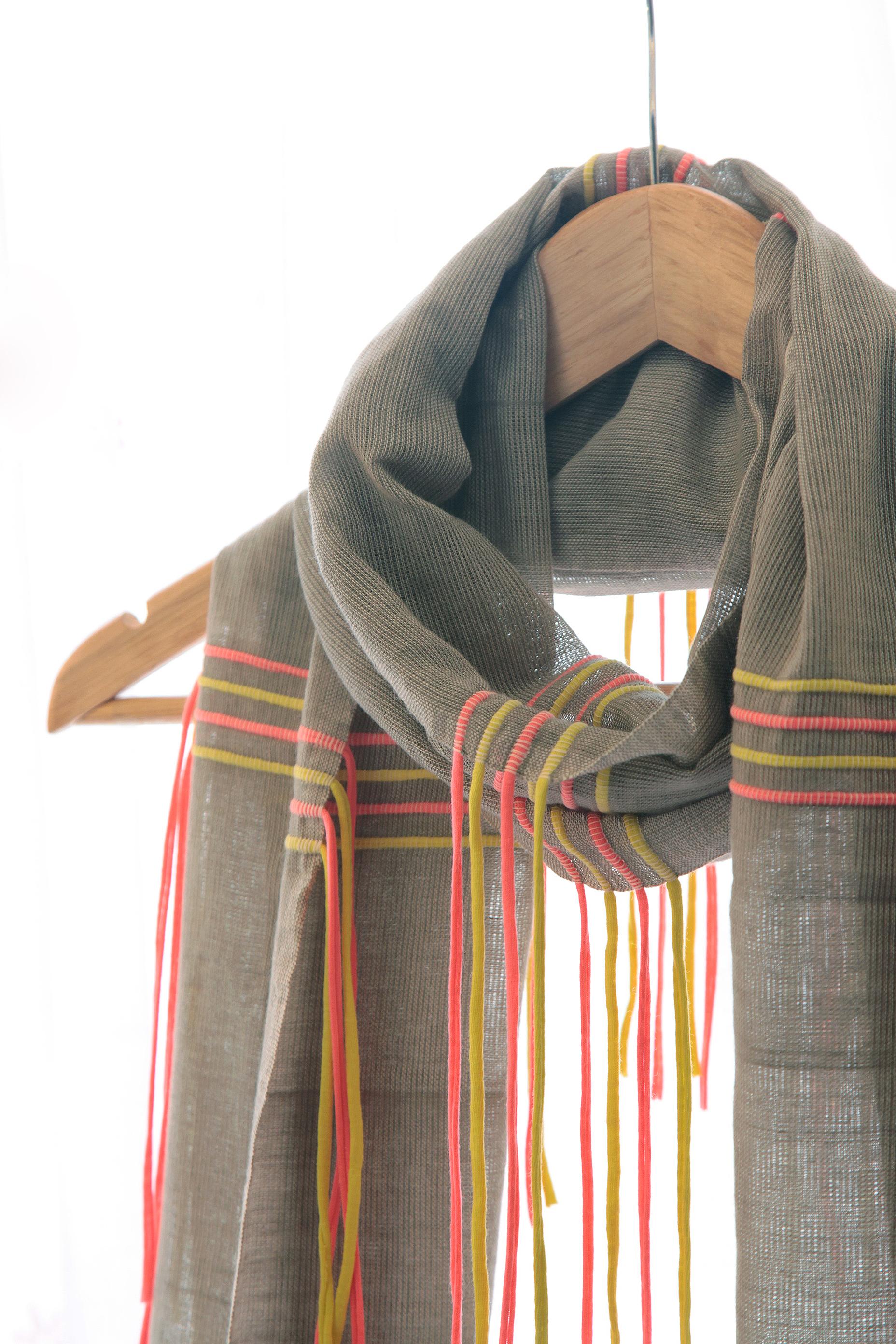
Neon striped scarves
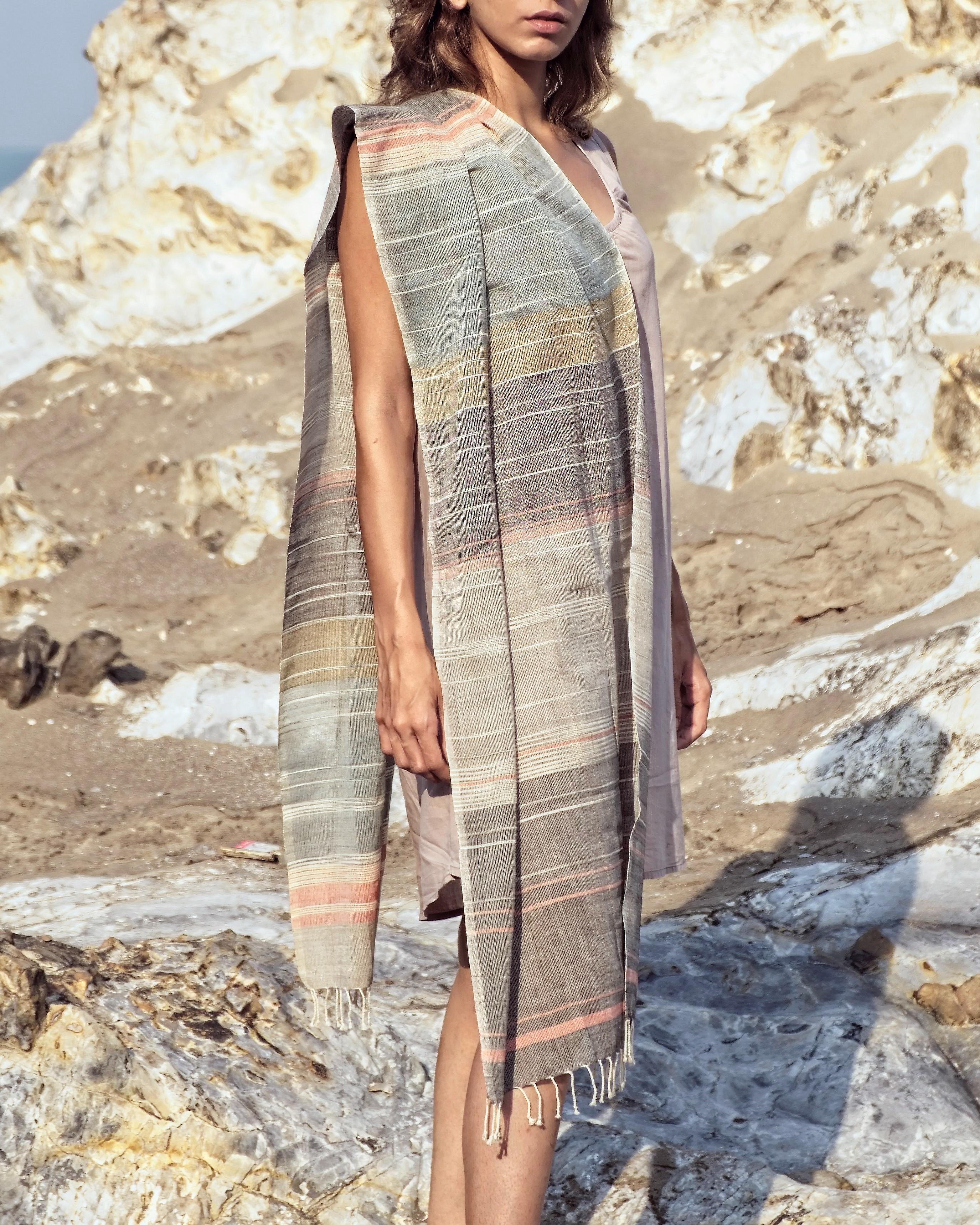
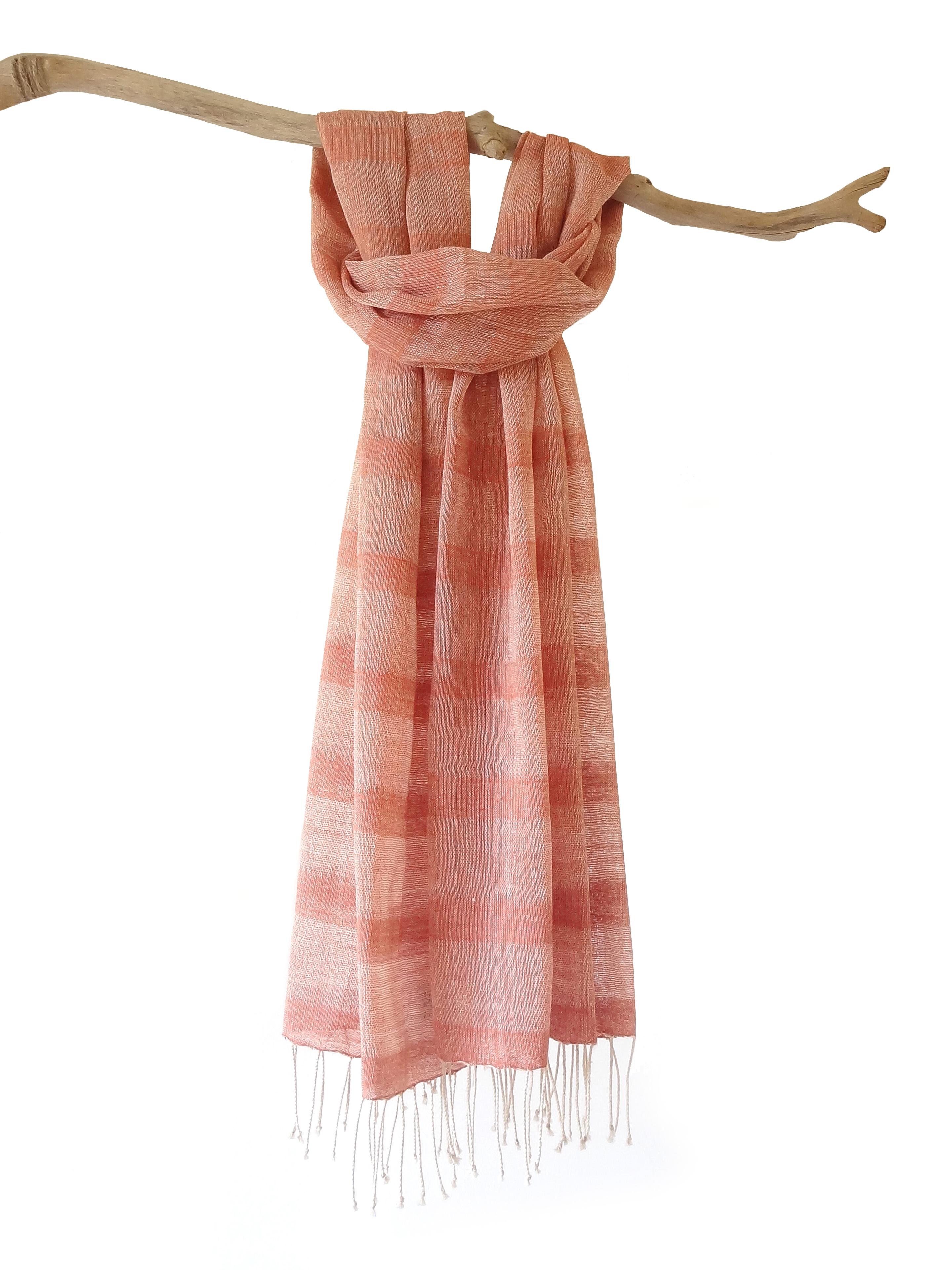
Natural dyed scarf- white rock
The WE Collective
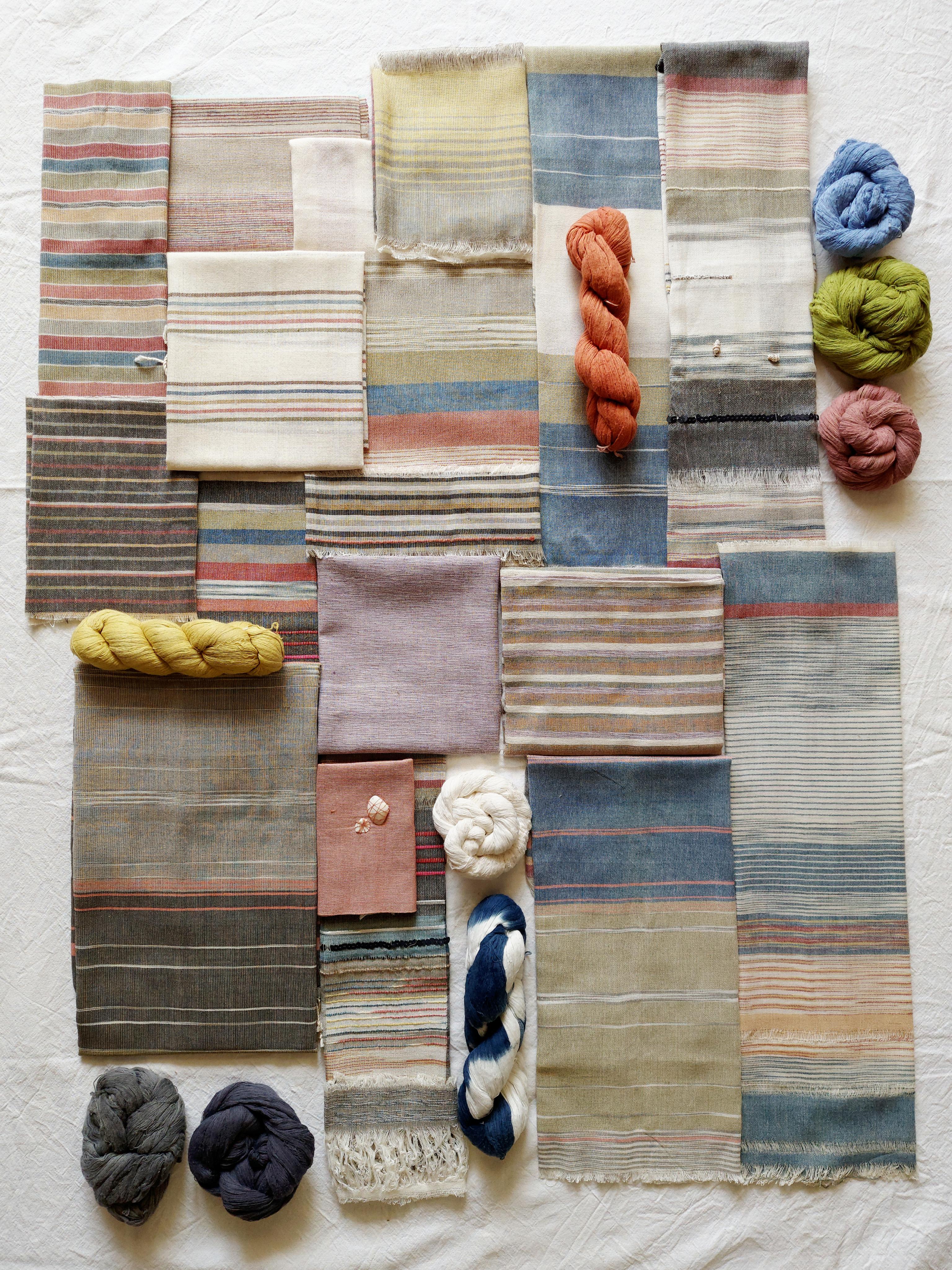
Fabric - Natural dye Mood Board
Through meticulous research, restoration of looms, and the development of new designs rooted in traditional weaving techniques, Pandit worked closely with the Tilve family to create a collection that was showcased at Wills India Lifestyle Fashion Week in 2010.
The collection received widespread acclaim, marking the return of handwoven saris from Goa after decades of absence. Kalakar was born as a continuation of this effort, a space where traditional weaving, contemporary design, and collaborative craftsmanship could coexist.
At its core lies a philosophy of working with artisans on their terms, respecting the rhythms of their lives rather than imposing industrial timelines. This approach means that production remains slow and adaptive, shaped by the realities of a living craft tradition rather than the demands of mass production.The significance of Kalakar’s work extends beyond design. Goa’s handloom traditions,
including the kappod, lenço, valo, and pancha, are deeply intertwined with the region’s history, climate, and cultural identity.
These textiles, once integral to everyday life, have gradually faded due to economic and social shifts. Kalakar’s efforts highlight not only their aesthetic value but also their functional brilliance, fabrics designed to suit the humid coastal climate, made from natural fibres, and produced with minimal environmental impact.
Central to Kalakar’s practice is its collaboration with the Tilve family, now carried forward by Kaka's son Dilip. While challenges such as limited space, aging artisans, and shifting aspirations persist, the commitment to continuity remains strong. The process is built on dialogue, trust, and adaptability, ensuring that the craft evolves organically without losing its essence. Kalakar’s creations reflect a thoughtful balance between preservation and innovation.
Baburao Tilve and Poonam in 2010
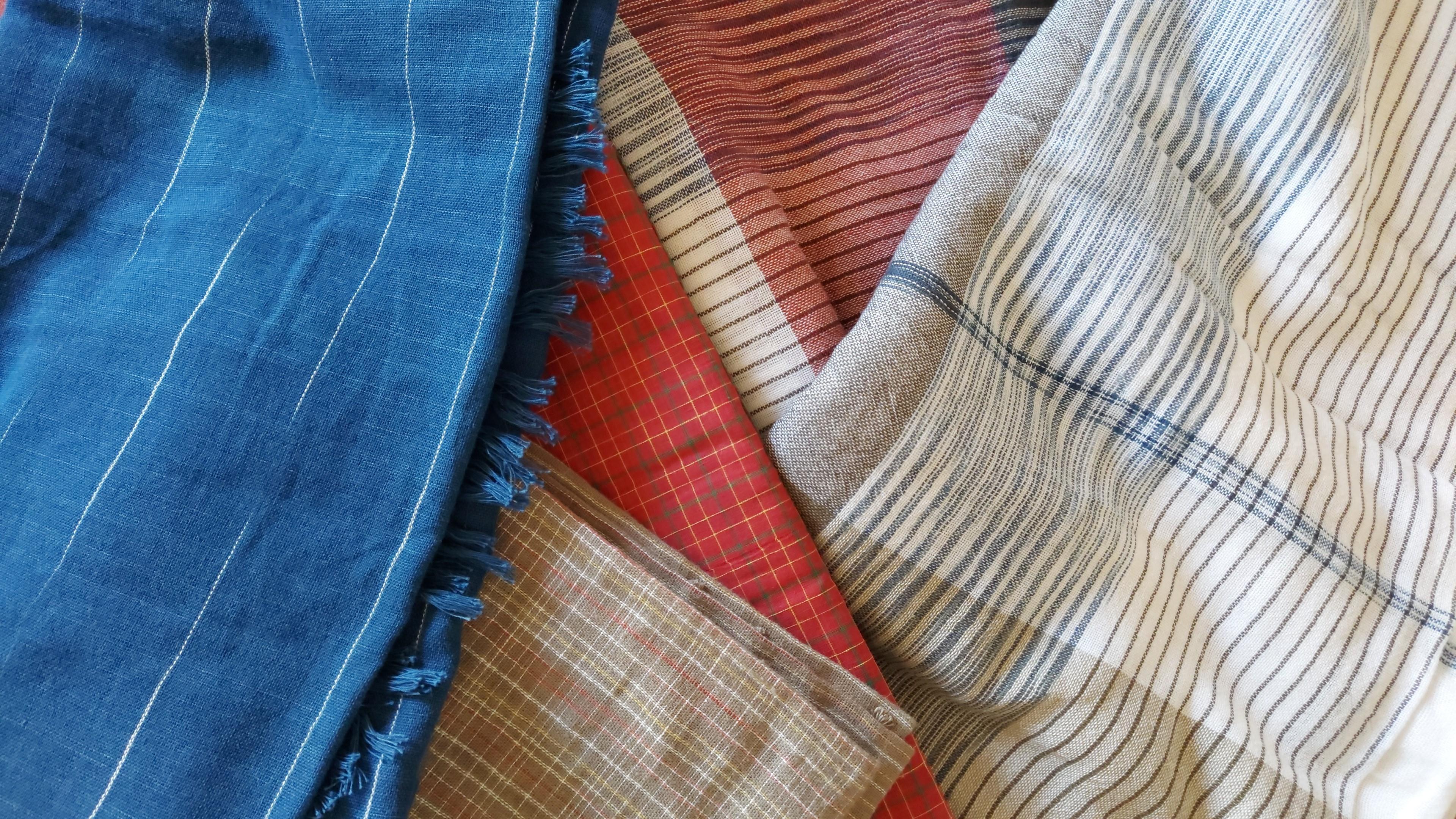
Sarees and Scarves
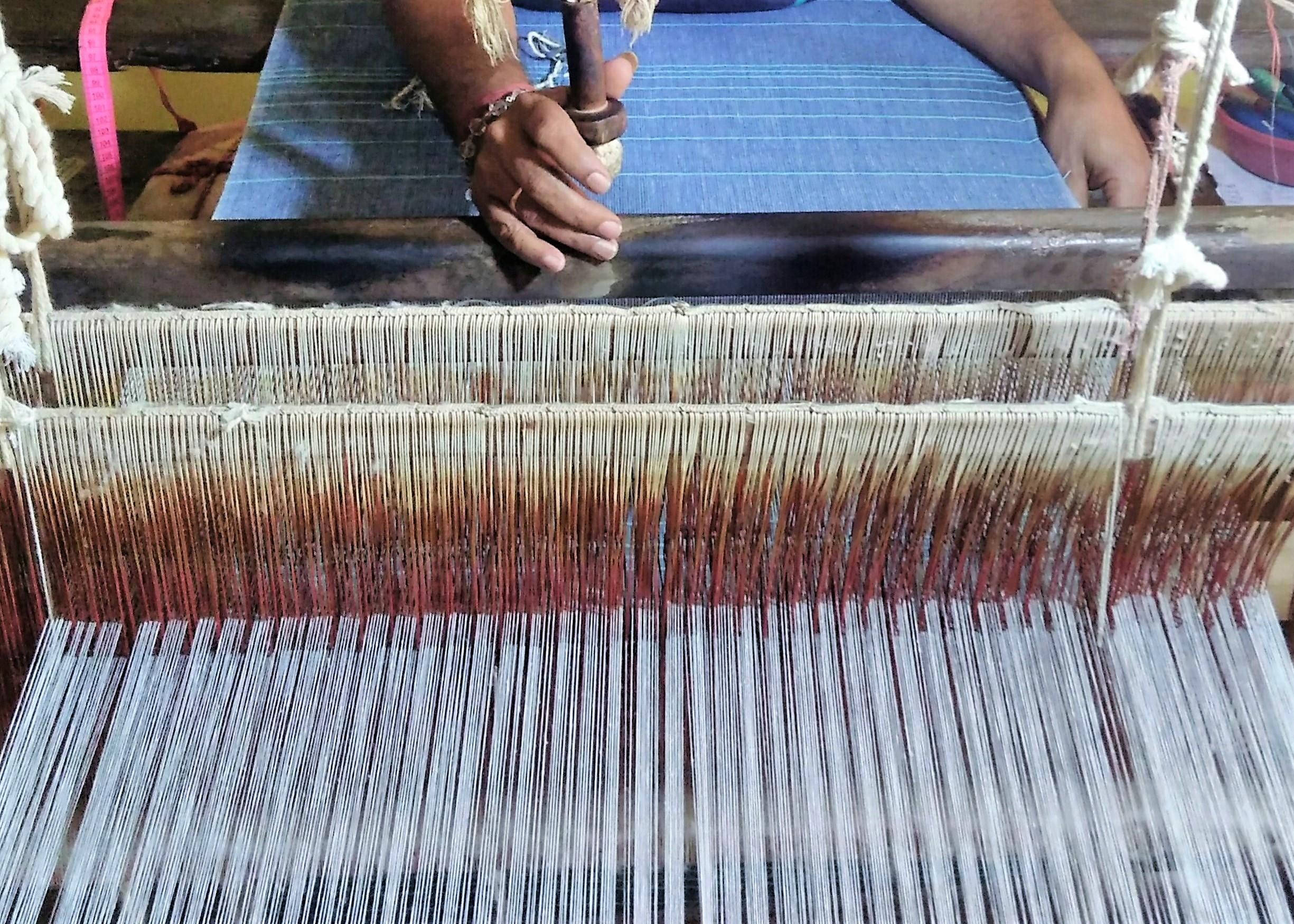
Loom
While the foundational elements, traditional yarns, weaving techniques, and handloom processes, remain unchanged, the designs explore new possibilities through natural dyes, experimental materials, and contemporary aesthetics. The result is a diverse collection ranging from minimalist patterns to richly textured textiles, each piece carrying a distinct identity while remaining rooted in tradition.
The product range includes scarves, wraps, fabrics, clothing, and textile art, all produced in limited quantities. Each piece is crafted slowly, ensuring that no two items are identical. This approach not only emphasizes quality and individuality but also reinforces a deeper connection between the maker, the material, and the final product.
Kalakar’s presence extends through carefully chosen spaces such as the Museum of Goa and Gallery OED in Kochi, along with direct interactions through pop-ups and personal networks. This selective approach ensures that the narrative behind each piece is communicated and appreciated, rather than lost in conventional retail environments.
Among the many milestones in its journey, the continued practice of weaving itself remains the most significant achievement. Recognition of the Tilve family, including state honours for their contribution to traditional craft, has brought visibility to a heritage that had been largely overlooked. For Pandit, however, the true reward lies in the quiet continuity of the loom, the fact that the craft endures.
Looking ahead, Kalakar’s vision remains grounded and focused. The aim is to sustain the practice, nurture its evolution, and remain open to those who understand its value, whether as artisans, collaborators, or patrons. In a broader context, the gradual revival of Goan weaving through cooperatives and training initiatives offers hope, provided these efforts remain authentic and inclusive of the communities to whom the attire belongs.
Kalakar is not driven by scale or speed. It is defined by patience, respect, and an enduring belief in the handmade. In every thread, it carries the memory of a place, the skill of a maker, and the possibility of continuity, ensuring that a vital part of Goa’s cultural fabric continues to be woven into the present.
Scarf with woven Fringe
Naturally Dyed Scarf – Reef
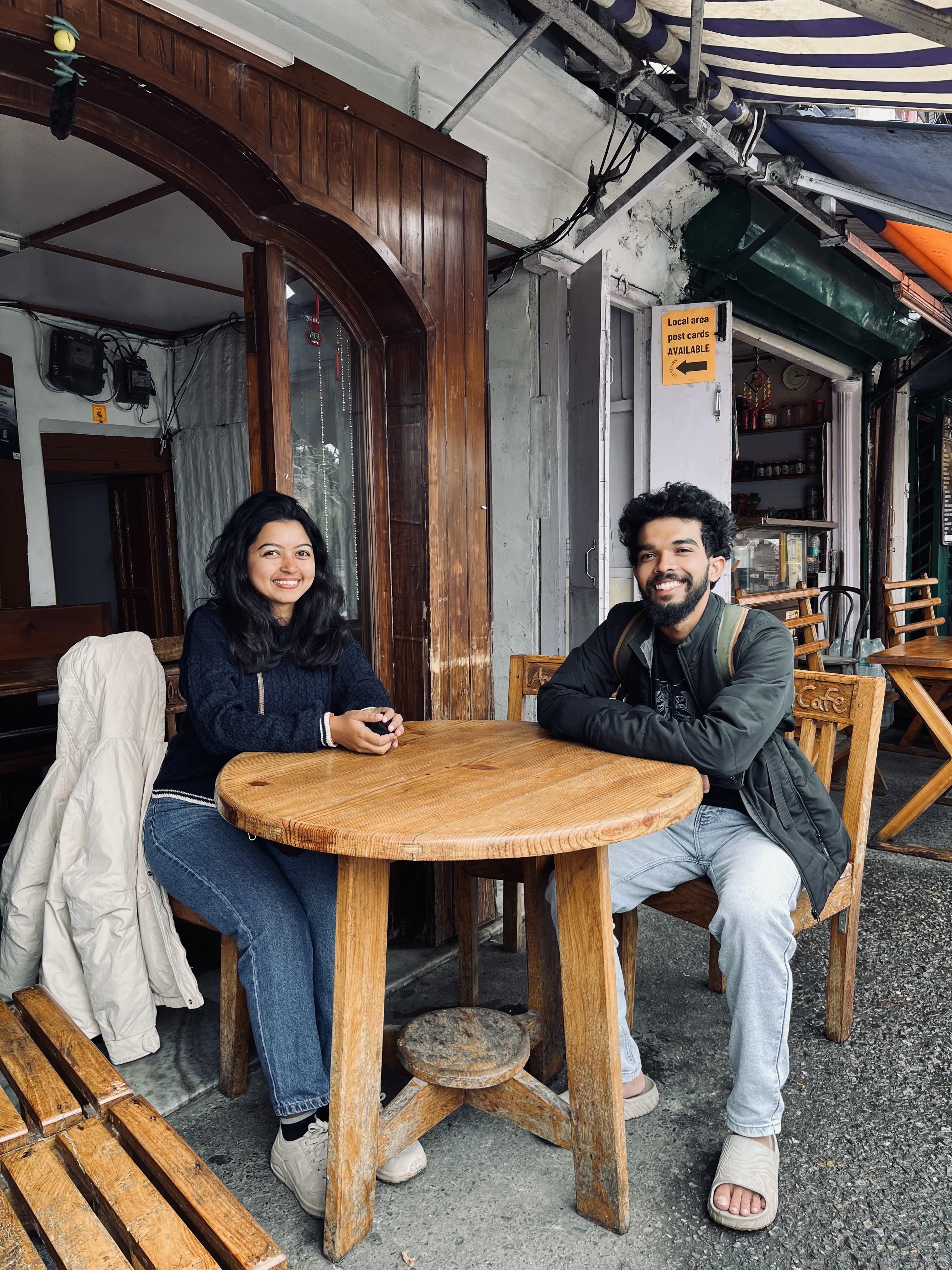
Travel & Experiential Tourism
GoCo Trails
GoCo Trails creates personalized, immersive travel experiences blending comfort, culture, and adventure. Founded by Yukta Prabhu and Anurudhra Naik, the brand focuses on meaningful journeys tailored to every traveler’s preferences.
Article by: ItsGoa
Images by: GoCo Trails
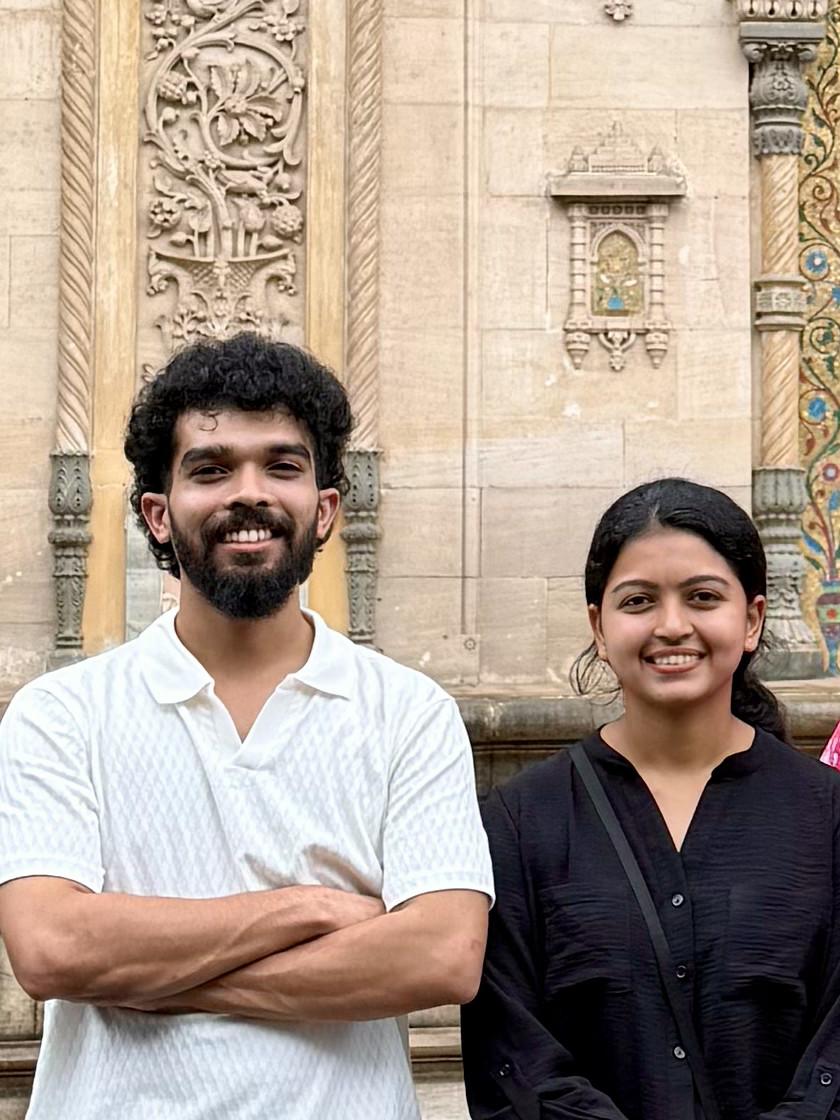
In an age where travel is often reduced to hurried itineraries and standardized packages, GoCo Trails emerges as a refreshing alternative, one that prioritizes depth, personalization, and meaningful exploration. Co-founded by Yukta Prabhu and Anurudhra Naik, the brand reflects a shared passion for travel and a desire to create journeys that go beyond the ordinary.
Yukta, with a background in literature and corporate experience, brings a creative and thoughtful approach to storytelling through travel. Anurudhra, on the other hand, contributes over five years of industry experience, grounding the venture in practical knowledge and operational expertise. Together, their complementary strengths have shaped GoCo Trails into a platform that blends planning precision with experiential depth.
The idea behind GoCo Trails was born organically from their own experiences as travelers. They recognized that many travel offerings lacked personalization and often felt overly commercial. Rather than replicating existing models, they chose to create something different, journeys that are immersive, well-paced, and thoughtfully curated.
Their aim was not merely to sell travel packages but to design experiences that allow individuals to engage with destinations in a more meaningful way.
At the heart of GoCo Trails lies a clear philosophy: travel should be both comfortable and enriching. The founders believe that exploration does not have to come at the cost of quality or ease. By balancing comfort with authentic experiences, they ensure that each journey offers both relaxation and discovery. This approach challenges the notion that curated travel is either expensive or inaccessible, positioning GoCo Trails as a brand that values both substance and satisfaction.
One of the defining aspects of GoCo Trails is its adaptability. The company caters to both group and private travel, tailoring each experience to suit the needs of the traveler. Group departures follow carefully structured itineraries designed to remain cost-effective while maintaining a high standard of comfort.
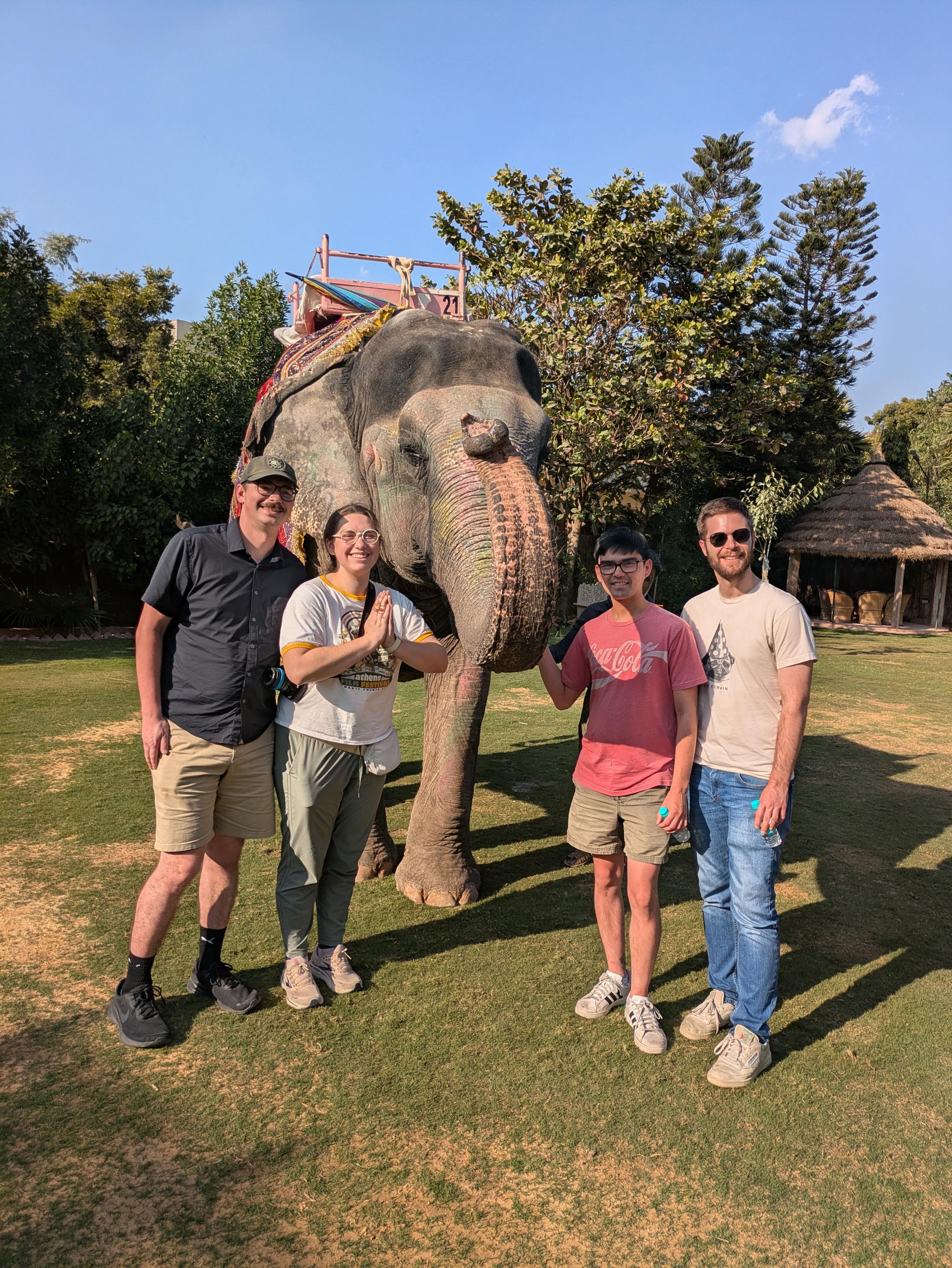
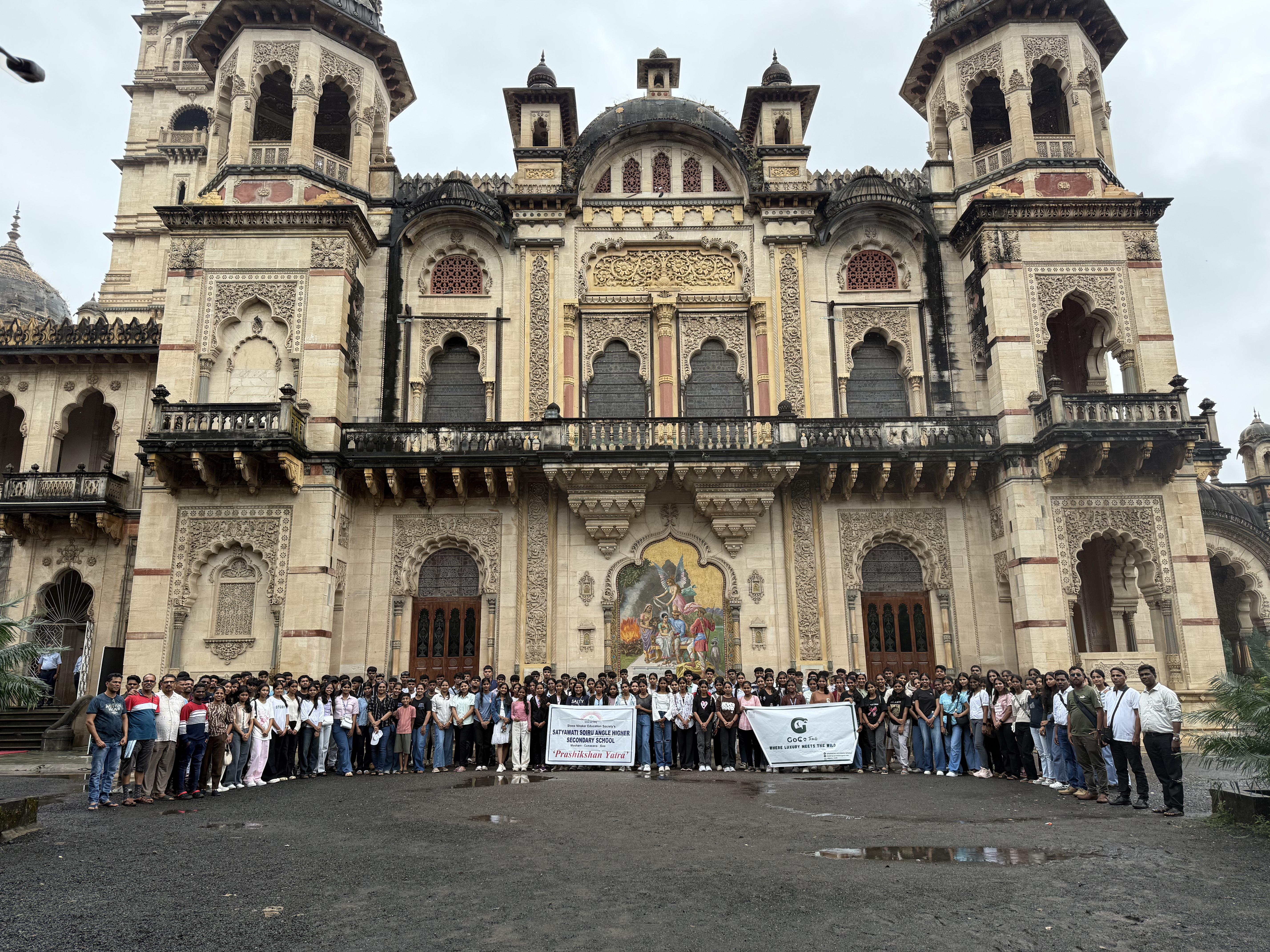
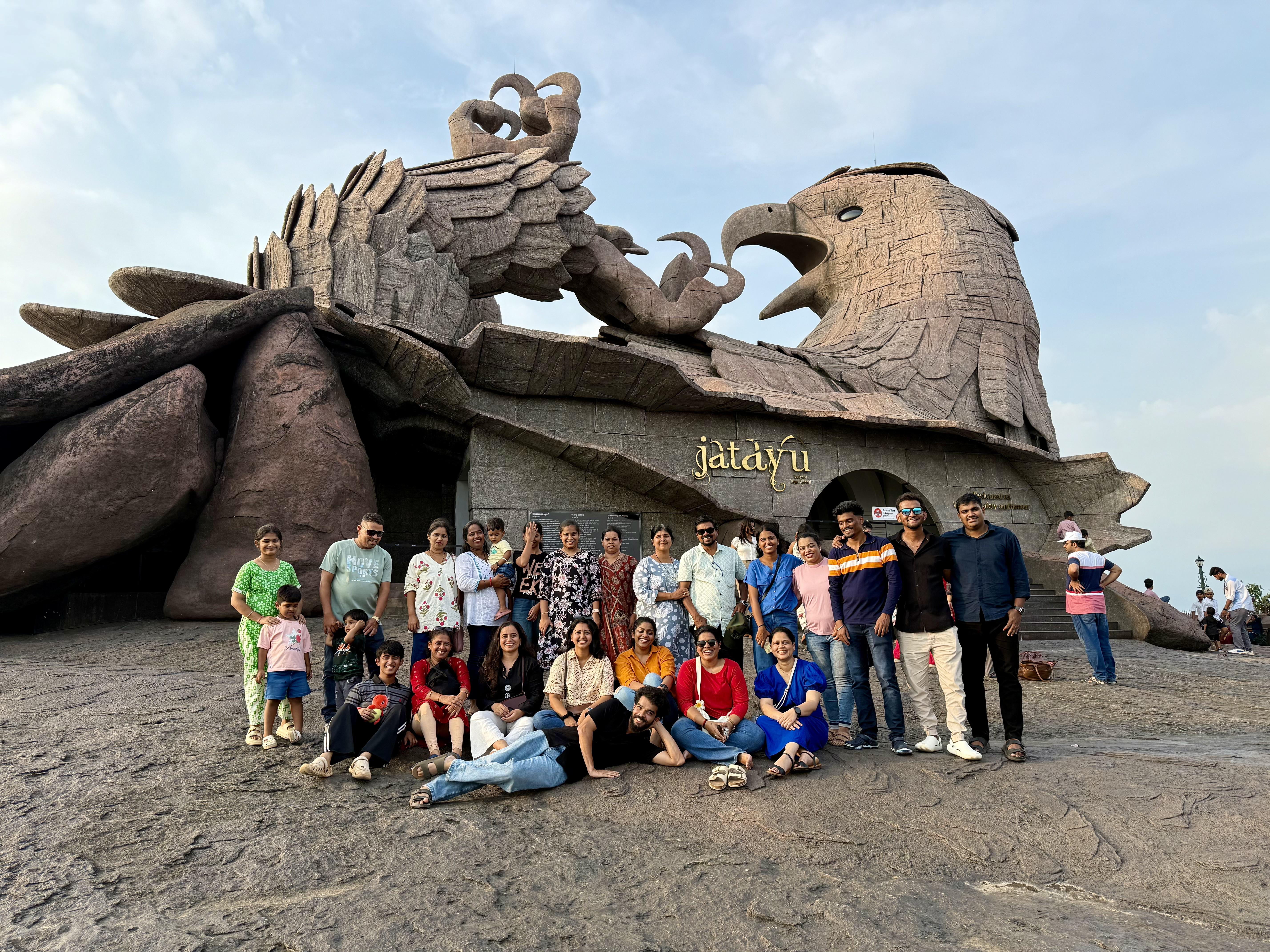
Our international clients trip to Jaipur Agra Delhi
Co-founder’s- Yukta and Anurudhra
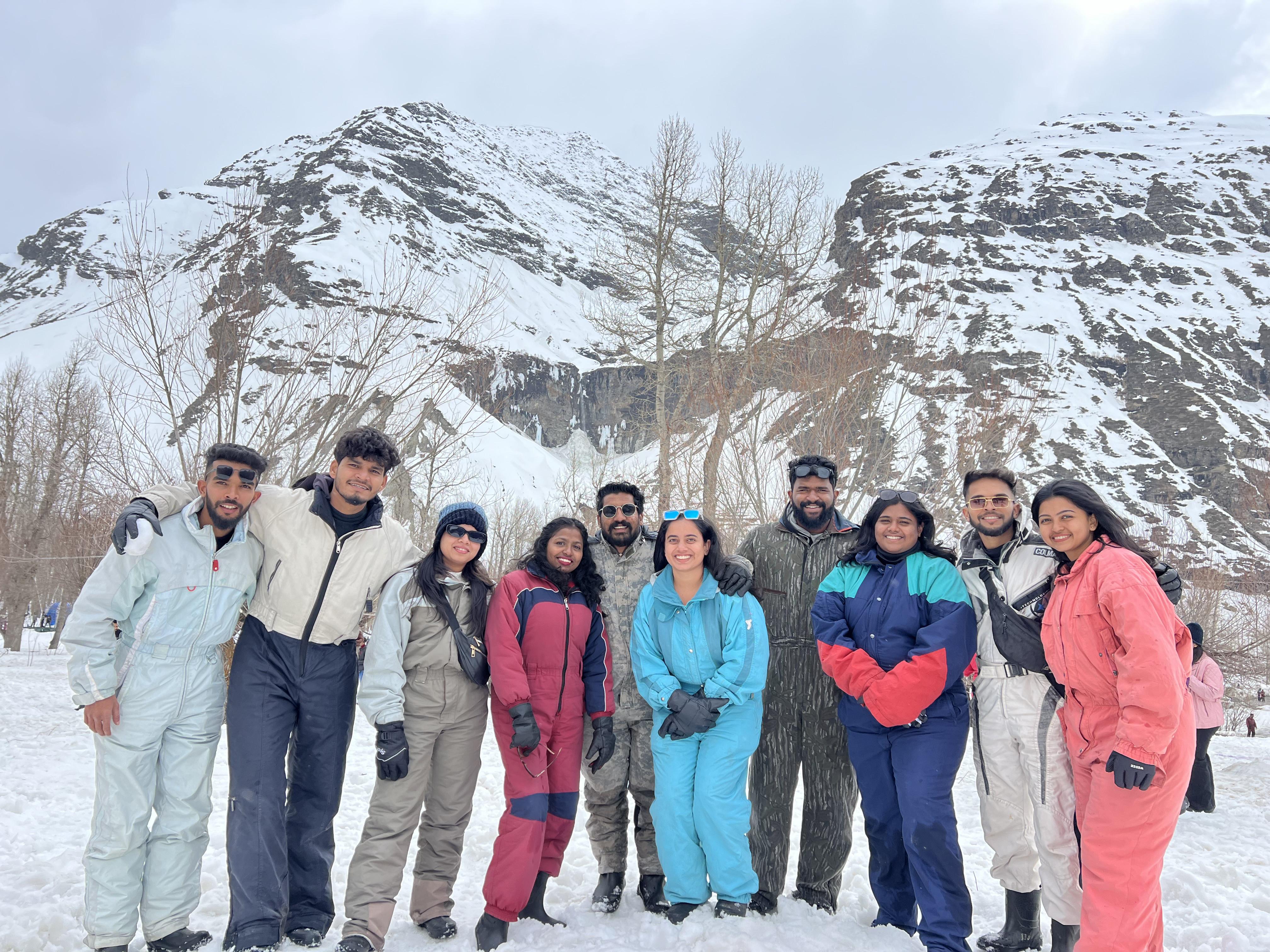
Manali trip memories
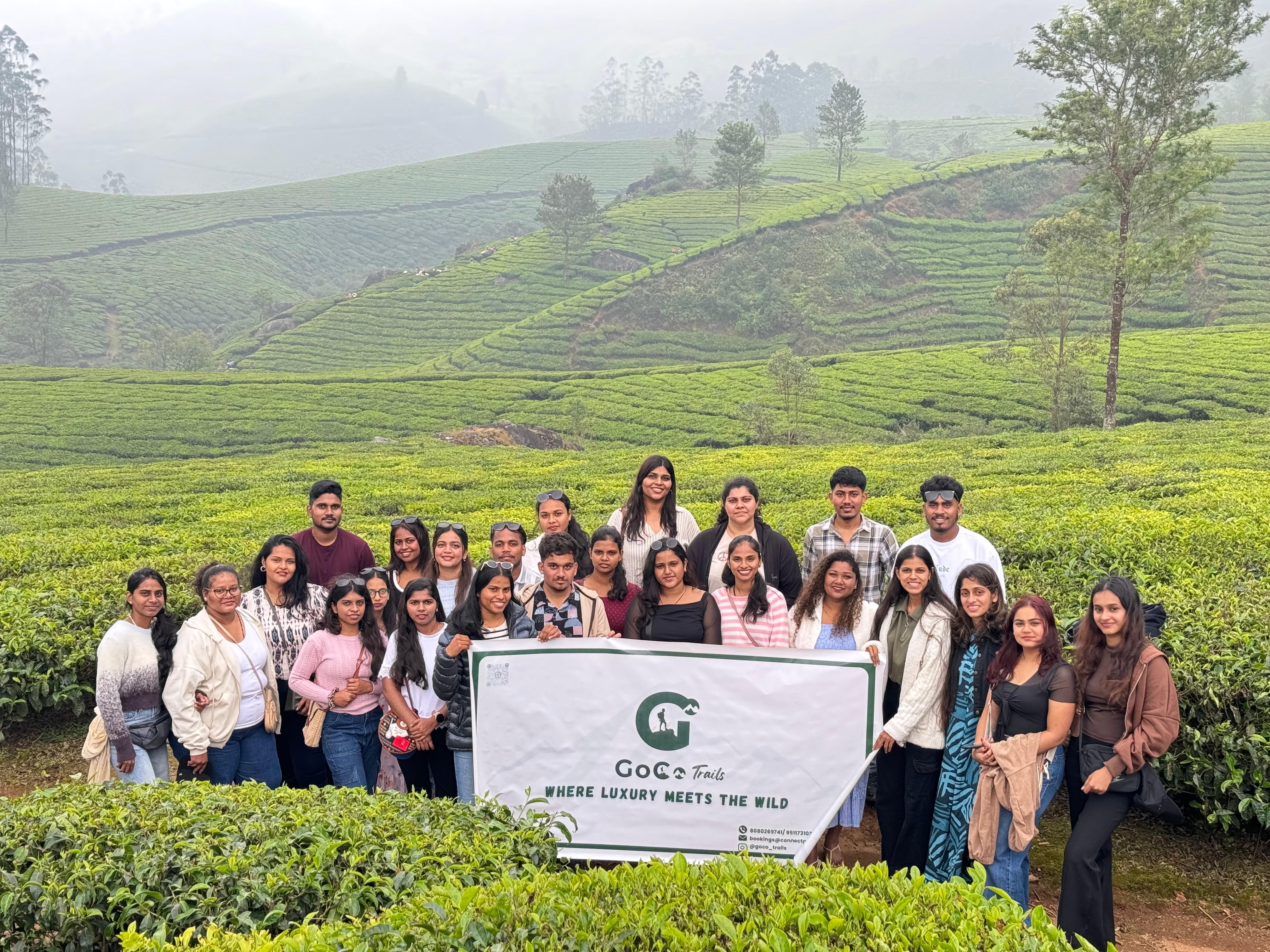
Rosery College students trip to Kerala
In contrast, private trips are entirely customized, with the team investing time to understand individual preferences before crafting a detailed itinerary. This personalized approach ensures that no two journeys are the same.
The brand’s versatility is further reflected in the diversity of its offerings. From luxury stays to adventurous expeditions, GoCo Trails avoids a onesize-fits-all formula. Each destination is approached with sensitivity to its unique character.
For instance, a trip to Spiti Valley is treated not as a conventional holiday but as an expedition, requiring specialized planning, including the use of 4x4 vehicles to navigate its rugged terrain. Such attention to detail ensures that travelers experience destinations as they are meant to be explored.
Cultural immersion is another cornerstone of the GoCo Trails experience. The team places strong emphasis on aligning accommodation and activities with the essence of each location. Whether it is heritage stays in Rajasthan, tea plantation retreats in Kerala, or beachfront properties in Goa, every element is designed to reflect the local environment.
Additionally, the inclusion of local guides in culturally rich destinations enhances the depth of the experience, allowing travelers to engage with history, traditions, and communities more meaningfully.
Despite the challenges of building a travel brand in a competitive market, the founders have remained committed to their vision. Early hurdles, including initial hesitation from family and the need to differentiate themselves, were met with consistency and determination.
Over time, their efforts have been validated through positive feedback and a growing base of satisfied travelers, each journey adding to the brand’s credibility and reputation. For Yukta and Anurudhra, every trip holds its own significance.
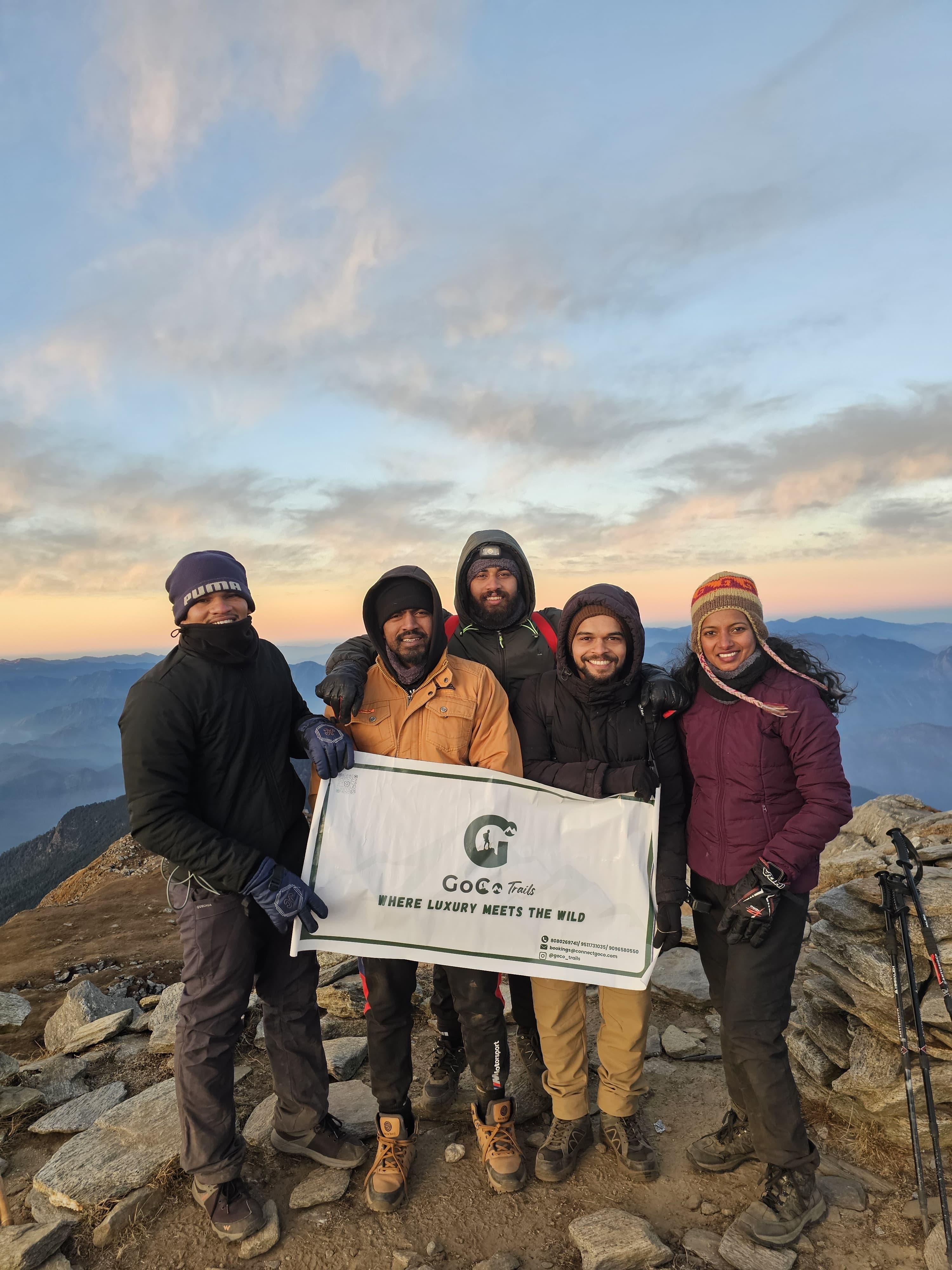
From Rajasthan and Kerala to Spiti and Manali, each destination offers a unique opportunity to create memorable experiences. Rather than highlighting a single standout moment, they view every successful journey as equally rewarding, an indication that their approach resonates with those they serve.
What truly sets GoCo Trails apart is its commitment to individuality. The brand does not rely on fixed templates or repetitive itineraries. Instead, it approaches each journey as a fresh canvas, carefully designed to suit both the destination and the traveler. This focus on personalization, combined with meticulous attention to detail, ensures that every experience feels authentic and thoughtfully executed.
As travel continues to evolve, GoCo Trails stands as a testament to the idea that meaningful exploration lies in the details. By prioritizing quality over quantity and experiences over transactions, the brand offers a new perspective on what travel can be, an opportunity not just to visit places but to truly experience them.
Kedarkantha trek

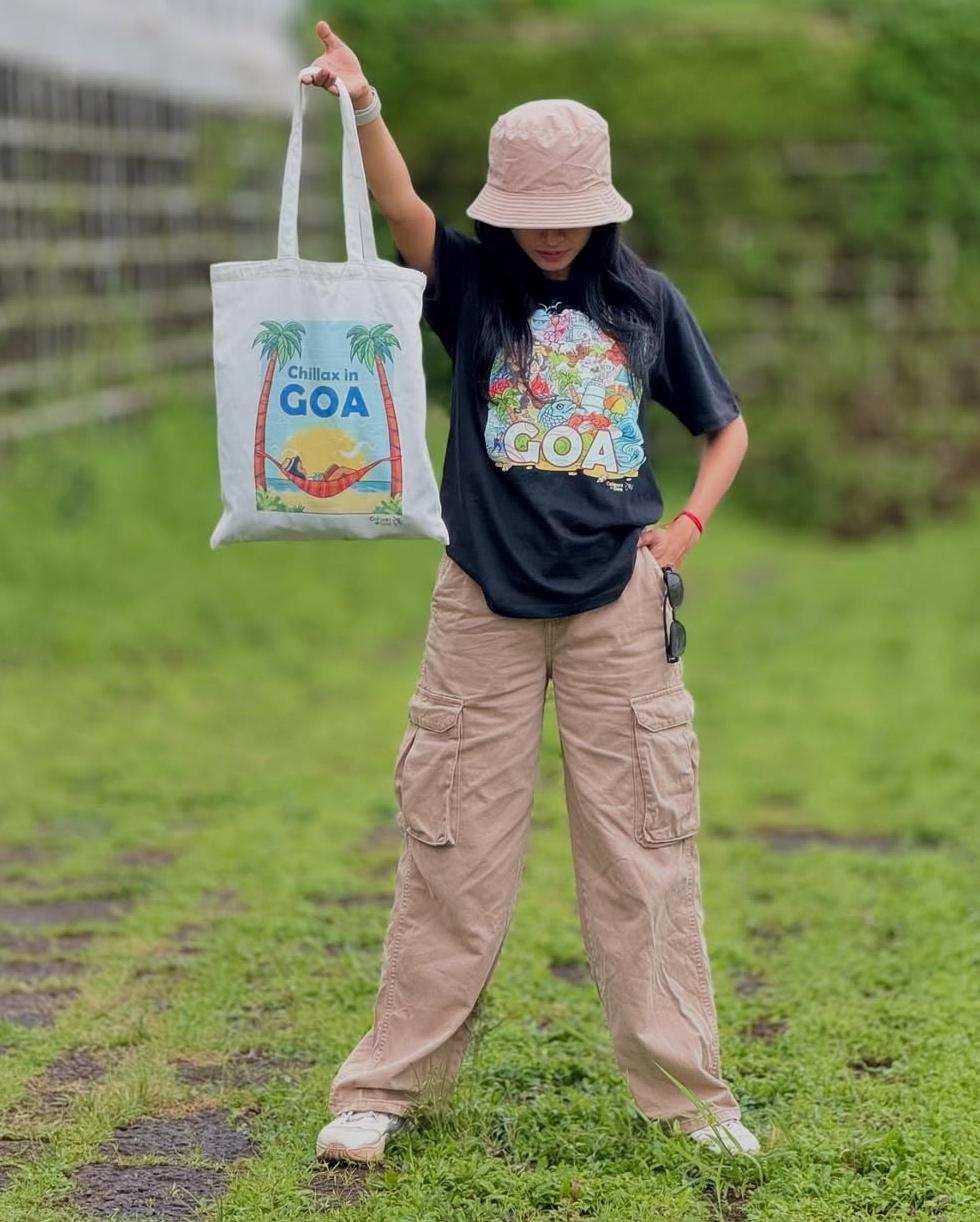
Colours of Goa celebrates Goan culture through hand-drawn apparel and souvenirs, blending heritage, creativity, and personalization while inspiring pride, cultural identity, and meaningful connections among locals and visitors alike.
Article by: Team ItsGoa
Images by: Colours of Goa
For many people, Goa is a destination admired for its beaches, celebrations, cuisine, and relaxed lifestyle. For Elton Dias and Gibran Valadares, however, Goa is something much deeper, a feeling of belonging, identity, and pride. That emotion became the foundation of Colours of Goa, a homegrown brand dedicated to celebrating Goan culture through thoughtfully designed clothing and souvenirs.
Founded by Elton Dias and his partner Gibran Valadares, Colours of Goa emerged from a simple but powerful realization. Elton, who currently lives in Sweden, has always maintained a strong connection with his roots. During one of his visits back home, he wore a T-shirt that read “I Love Goa.” Friends and family jokingly remarked that he looked like a tourist. His response was immediate and heartfelt: he was proud to love Goa and proud to be Goan.
That moment sparked a larger question. Why did people comfortably wear apparel celebrating global cities such as Paris or New York, yet rarely choose clothing that represented Goa with the same pride? When Elton searched for Goan-inspired brands, he found very few options.

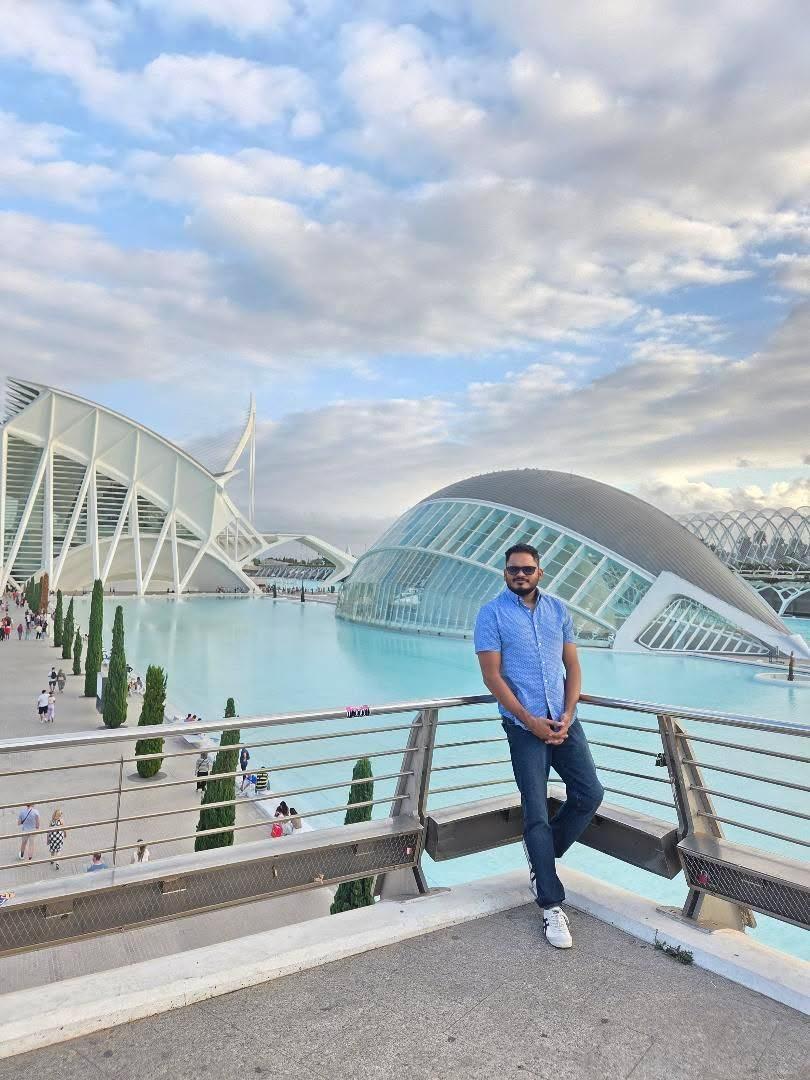
Recognizing an untapped opportunity, he shared the idea with Gibran, who instantly understood its potential. Together, they began building Colours of Goa as a brand that would authentically represent Goa’s traditions, culture, and everyday spirit.
More Than Just Apparel
From the beginning, Colours of Goa was never intended to be just another T-shirt printing business. The founders saw clothing as a medium for storytelling and emotional connection. A T-shirt or tote bag could become a keepsake, a memory, a conversation starter, or a symbol of identity.
At a time when Goa had very few dedicated clothing brands focused on local culture, Colours of Goa introduced designs that people could genuinely relate to. Their creations gave both locals and visitors an opportunity to carry a piece of Goa with them in a meaningful way.
The brand’s expansion into custom printing happened naturally. While their Goa-themed collections gained popularity, there was also increasing demand for customized event wear.
Founder & Owner- Elton Dias
Founder & Owner- Gibran Valadares
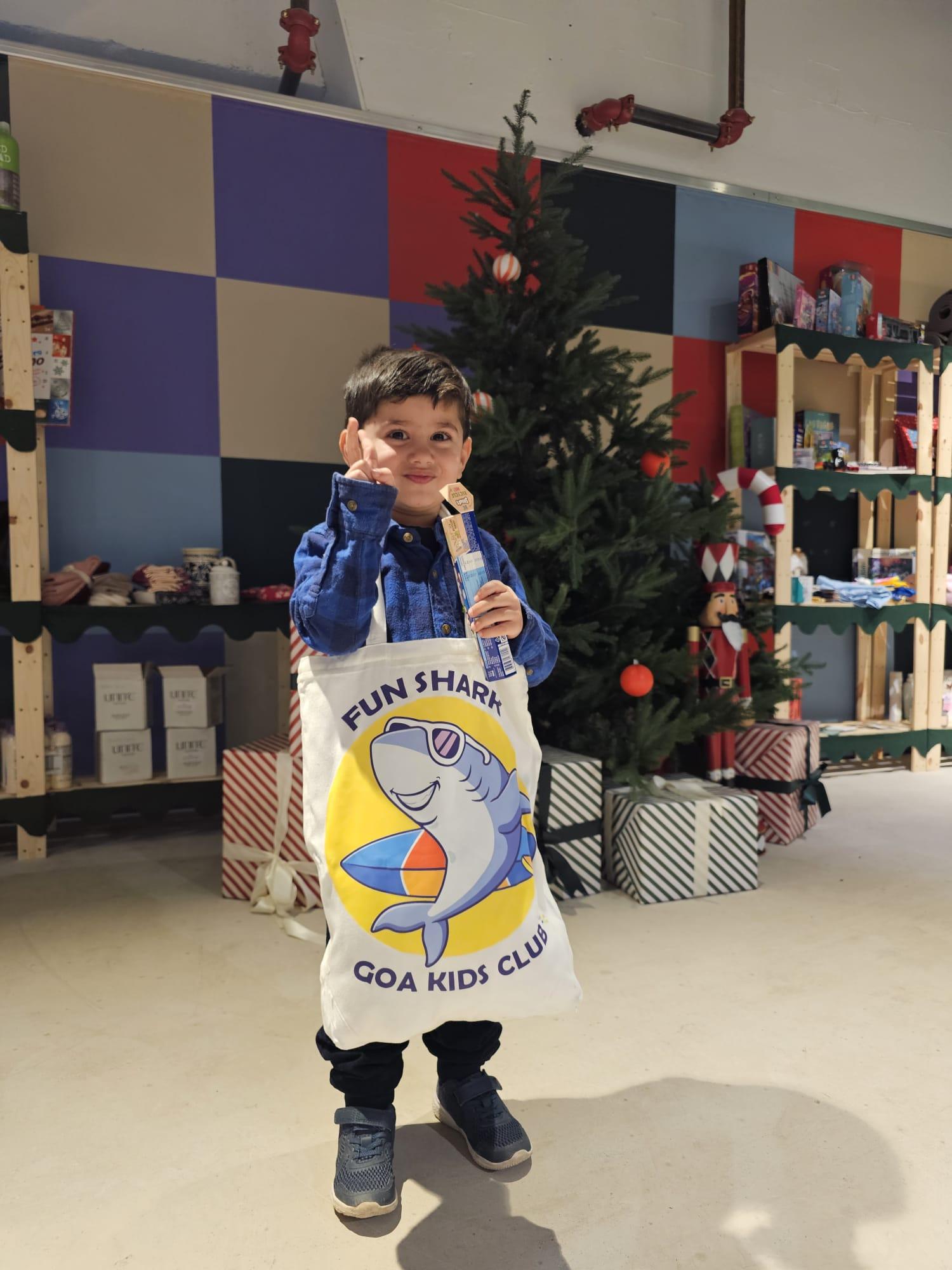
A little Goa chill for both the boys and the girls
Weddings, Roce ceremonies, sports events, schools, office gatherings, picnics, and restaurants all began seeking personalized apparel that was stylish yet affordable.

Elton and Gibran personally understood the challenge. During their own weddings, they had experienced how expensive customized event Tshirts could be. Determined to make quality customization accessible, they began offering premium yet reasonably priced products with remarkably quick delivery timelines, often within a single day. This combination of affordability, reliability, and quality helped the brand grow rapidly across South Goa.
Today, Colours of Goa has become a trusted choice for numerous restaurants, businesses, schools, and event organizers seeking customized merchandise and apparel that combines practicality with creative design.
Celebrating Goa Through Design
Authenticity remains one of the strongest pillars of the brand. Rather than relying solely on generic digital graphics, Colours of Goa collaborates closely with local Goan artists to bring its concepts to life.
From the very beginning, Colours of Goa aimed to create designs that felt authentic and deeply connected to Goan culture. To achieve this, the brand collaborates with local Goan artists and also welcomes other Goan creatives to contribute their talent and ideas to the journey. All their designs are hand-drawn, giving each piece a unique artistic identity and personal touch. Through illustrations inspired by Goa’s villages, festivals, food, traditions, landmarks, and everyday life, Colours of Goa transforms local culture into wearable art that resonates with both Goans and visitors alike.
Importantly, the founders are conscious about the message their products communicate. While Goa is often stereotyped through nightlife and alcoholcentric imagery, Colours of Goa intentionally focuses on the state’s positive cultural richness. Their work highlights heritage, community, creativity, and tradition rather than reinforcing clichés. The brand also consciously avoids promoting alcohol- or drugrelated themes on its T-shirts, believing their designs should be something anyone and everyone can wear proudly at any time and in any setting.
This thoughtful approach has allowed the brand to create products that feel genuine and culturally respectful while remaining contemporary and visually appealing.
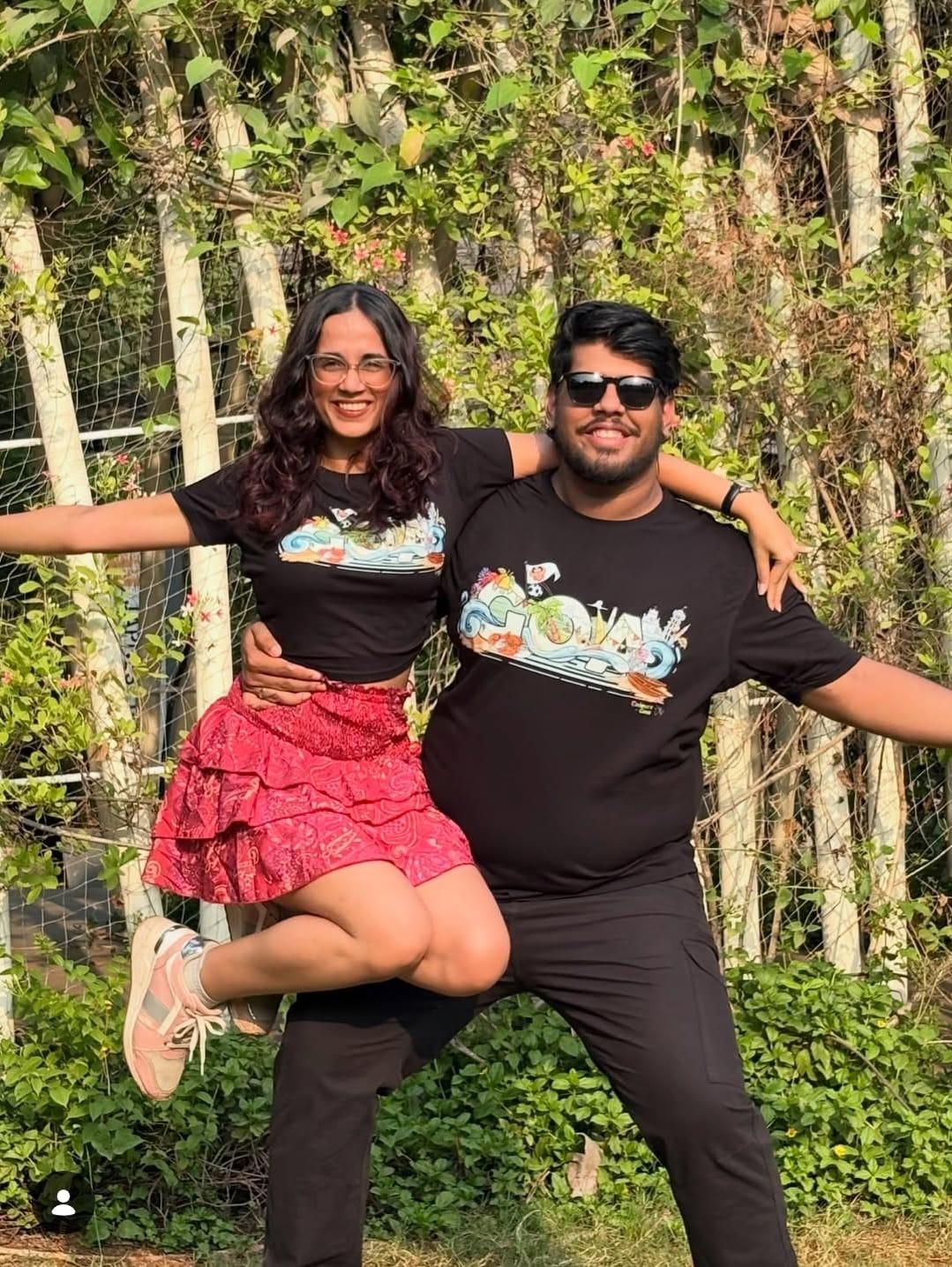
Our first design inspired by Goa, beautifully capturing its true essence
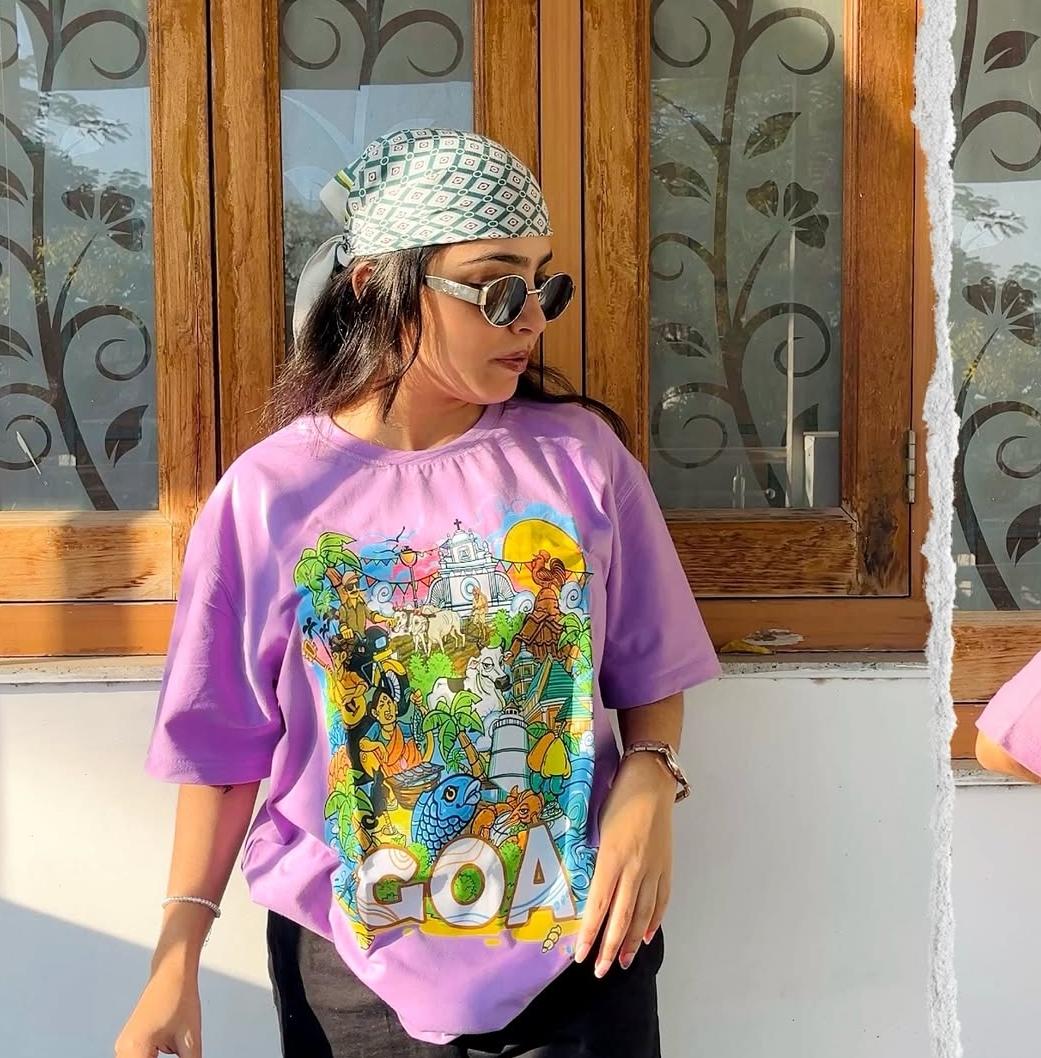
Expanding Beyond T-Shirts
Although T-shirts remain central to the brand, Colours of Goa has expanded its creative identity across multiple product categories. Their designs are now featured on tote bags, caps, keychains, fridge magnets, and various souvenirs that allow customers to carry reminders of Goa into their daily lives.
The brand has also introduced a dedicated kids’ collection, which has been warmly received by families looking for clothing that reflects local culture in a fun and engaging way. This diversification has helped Colours of Goa appeal to a wider audience while strengthening its identity as a lifestyle brand rooted in Goan pride.
Personalization with a Local Soul
One of the defining strengths of Colours of Goa lies in its ability to merge personalization with local identity. As businesses across Goa increasingly embrace customized branding and uniforms, the company has positioned itself as a creative partner capable of delivering designs that feel both professional and culturally connected.
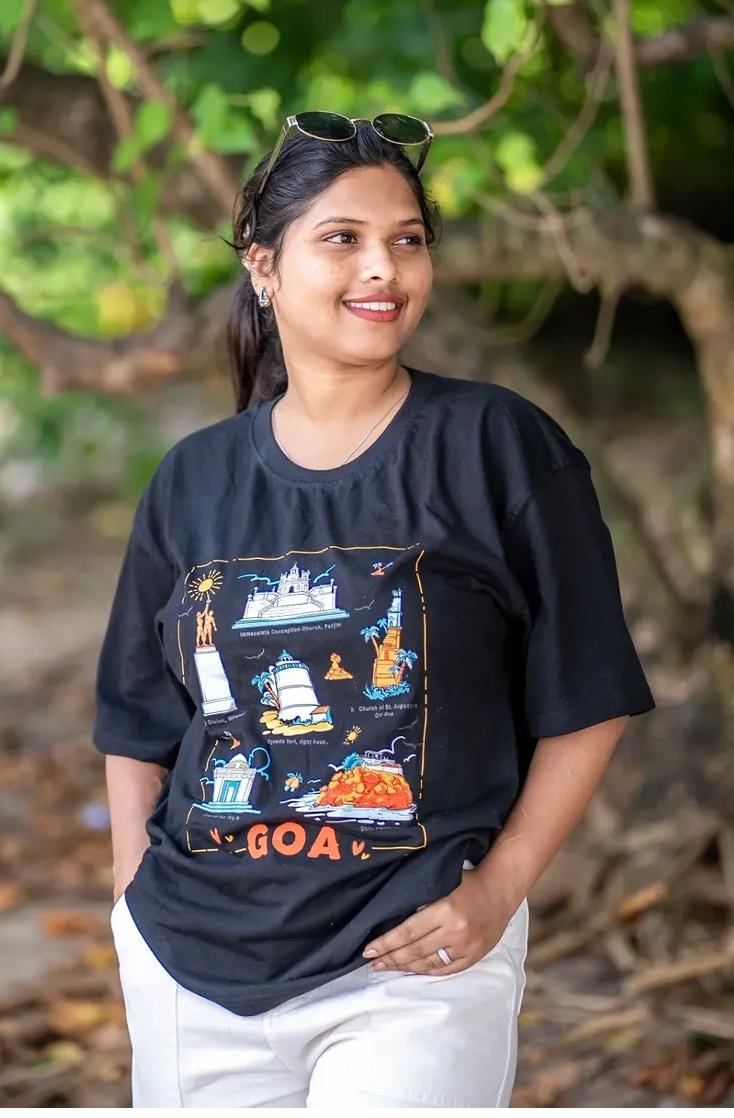
Whether creating hotel souvenirs, restaurant merchandise, uniforms, or event apparel, the focus remains on building emotional connection through customization. Elton and Gibran believe that personalization allows businesses and customers alike to feel more invested in the products they wear and use.
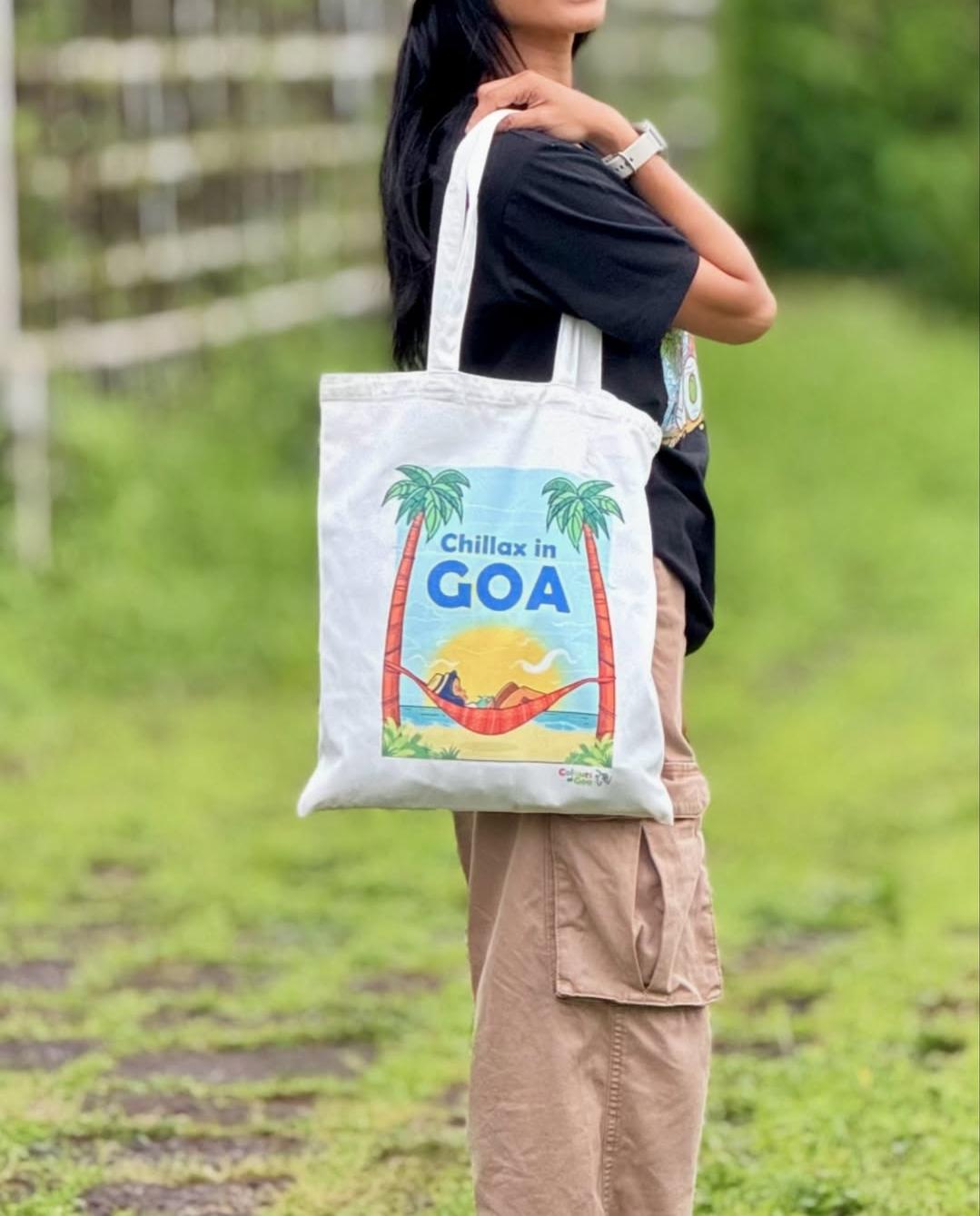
Their work has extended beyond India as well. One of the brand’s standout achievements involved producing and shipping nearly 500 T-shirts for Goa Day celebrations in Canada. They have also supplied customized merchandise to restaurants and nightclubs in Dubai, as well as businesses in Bahrain. For the founders, seeing Goan-inspired designs appreciated internationally has been both rewarding and affirming.
Inspired by Goa’s Festivals and Community Spirit
Among the many projects they undertake, festive seasons remain especially meaningful for the team. Celebrations such as São João, Carnival, Shigmo, Shivaji Jayanti, and Janmashtami provide endless inspiration through their colors, traditions, music, and energy.
Goa's Iconic land marks
The Girls’ Version of Chillaxing in Goa
These festivals embody the vibrancy and diversity of Goa, making them creatively exciting periods for the brand. At the same time, they are among the busiest seasons for the store, bringing together communities that actively seek apparel and merchandise reflecting their celebrations.
For Colours of Goa, these occasions are more than commercial opportunities; they are moments to preserve and showcase cultural identity through design.
Learning Through Experience
Building the brand was not without its challenges. When Elton and Gibran entered the industry, they had no prior experience in design, printing, production, or customer service. Every aspect of the business had to be learned from the ground up.
Despite the difficulties, they approached the journey with curiosity and determination. Customer feedback became one of their greatest learning tools, helping them continuously improve both their products and service. Support from the Goan community and local influencers further strengthened the brand’s growth and visibility.
Even today, the founders continue to evolve by staying attentive to customer preferences and emerging trends. They believe Goa itself remains an endless source of inspiration, filled with untold stories, traditions, and cultural details waiting to be transformed into meaningful designs.
Carrying Goa into the Future
Beyond business success, the vision behind Colours of Goa remains deeply personal. Elton and Gibran hope to inspire more Goans to proudly wear clothing that reflects their heritage and identity. Through every collection, they aim to celebrate the places, traditions, and experiences that make Goa unique.
The brand is currently working on new collections inspired by different villages, beaches, cities, and cultural elements across the state. Their focus remains on creating designs that feel fresh, creative, and emotionally connected to the people who wear them.
In many ways, Colours of Goa represents more than fashion. It is a celebration of belonging, memory, and cultural pride, a reminder that Goa is not simply a place people visit, but a spirit that people carry with them wherever they go.
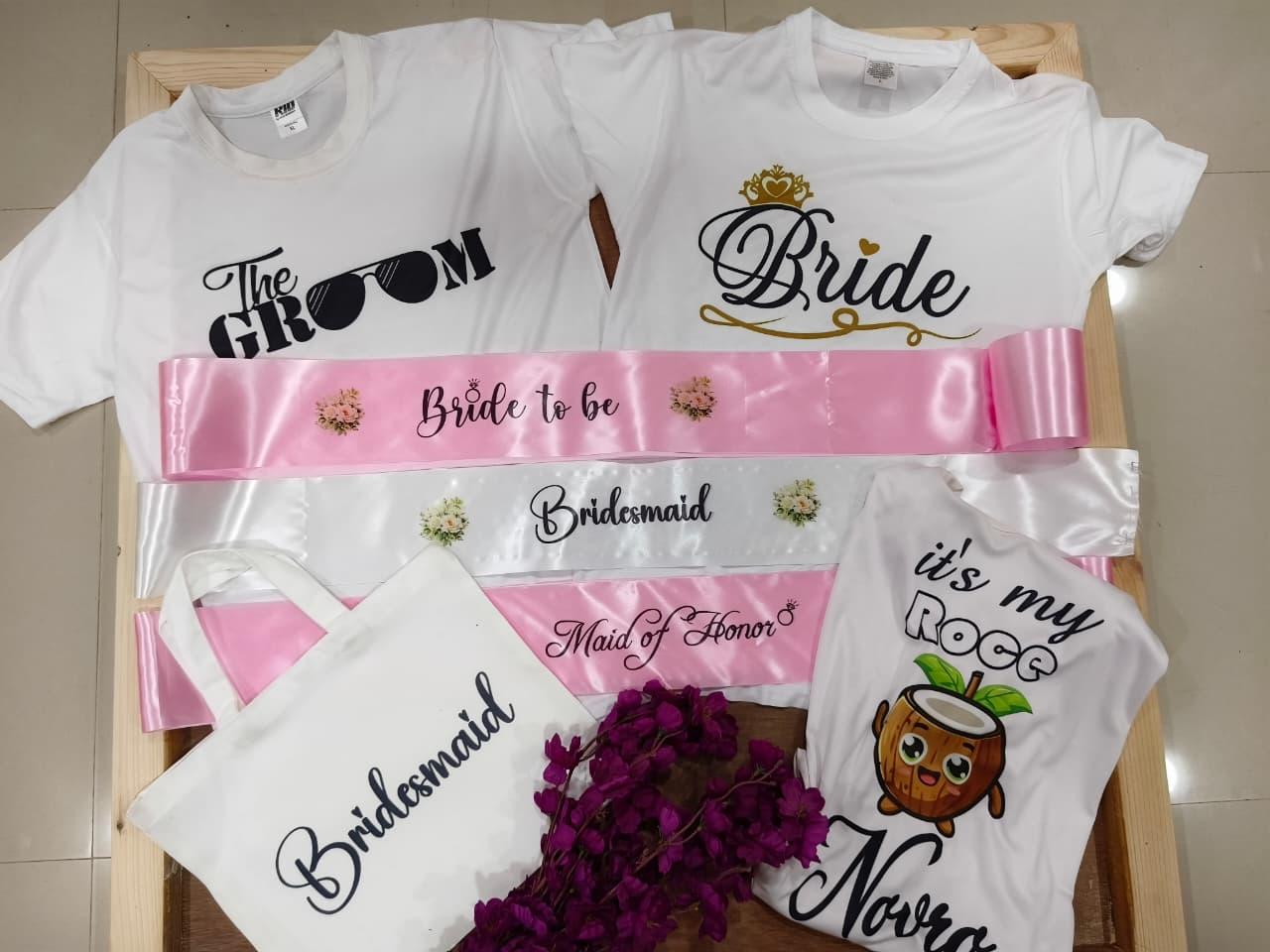
These are some of the designs we use for our Roce ceremony in Goa
Retail & Stationery
Stationery World
Stationery World transformed a family vision into Goa’s trusted stationery destination, offering quality products, customized solutions, statewide delivery, and customer-focused service through adaptability, accessibility, competitive pricing, and consistent operational excellence.

Article by: Team ItsGoa
Images by: Stationery World
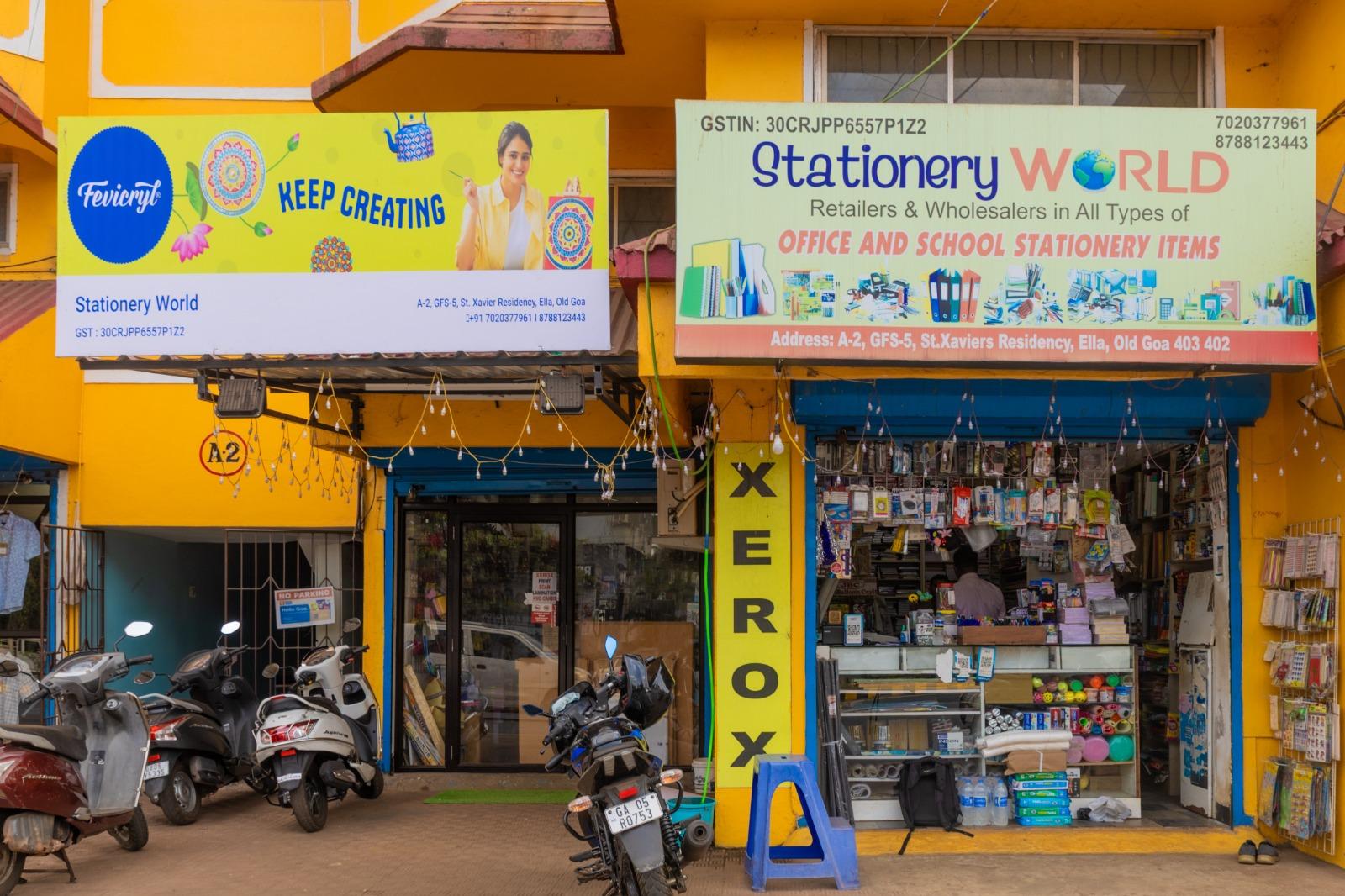
Stationery World
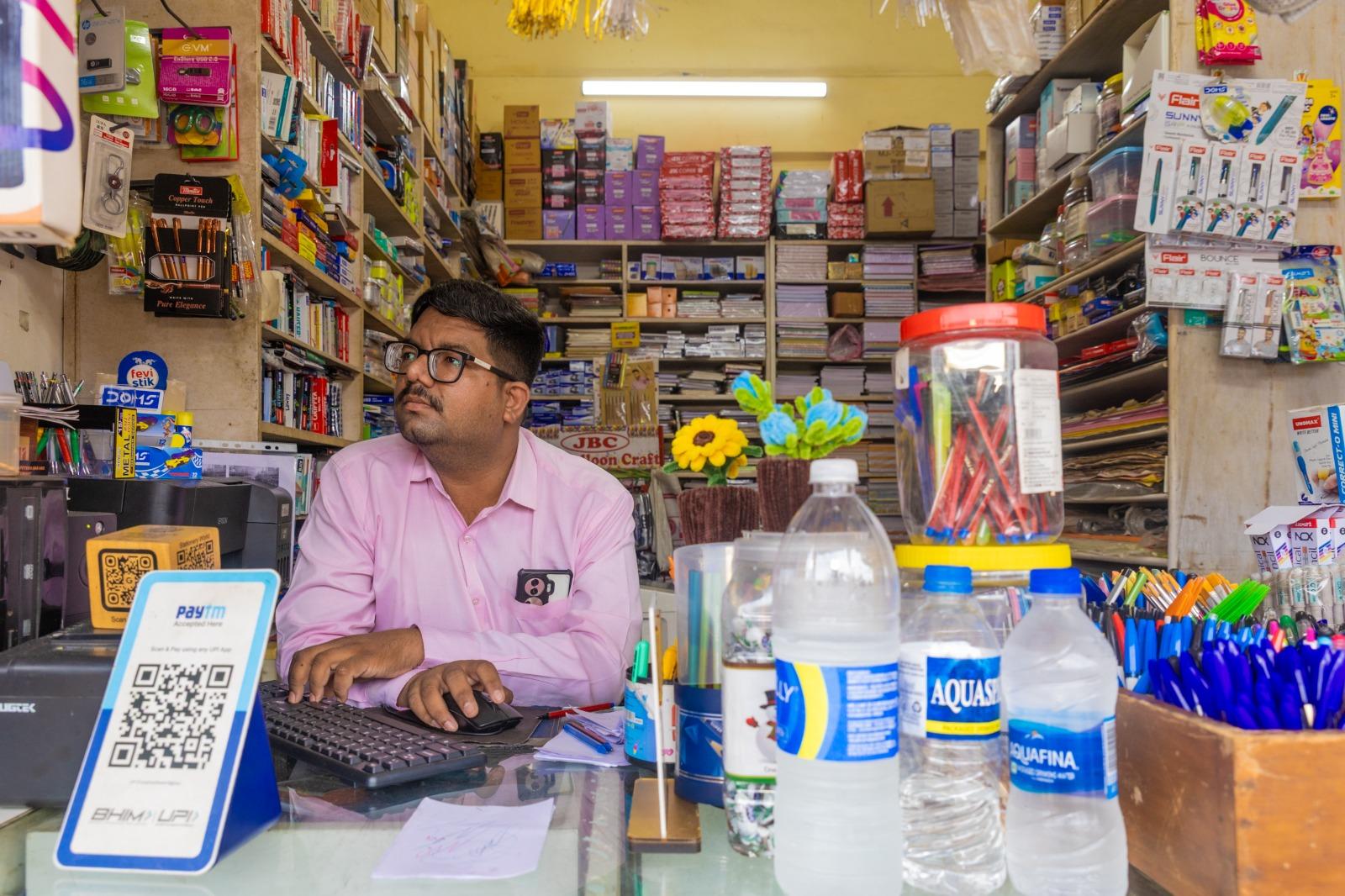
In a region where accessibility and convenience often define customer loyalty, Stationery World has emerged as a dependable name for both individuals and institutions across Goa.
What began as a simple family aspiration has grown into a thriving business, rooted in understanding customer needs and delivering consistent value. The foundation of Stationery World lies in a vision long held by the founder’s father, to establish a dedicated stationery business.
While the original plan was to open in Porvorim, circumstances led to setting up the first outlet in Old Goa. This unexpected shift proved to be a defining moment, positioning the business in an area that lacked a comprehensive stationery and printing solution.
The idea was driven by a clear gap in the market. Between Banastari and Panjim, customers often struggled to find well-stocked stores that could cater to both basic and specialized requirements. Recognizing this challenge, Stationery World was
established to provide easy access to a wide range of products, eliminating the inconvenience of traveling long distances for essential supplies.
Interestingly, the venture was not meticulously planned. At the time of its launch, the founder was still employed elsewhere, and the business began with a spontaneous, adaptive approach.
This willingness to learn and evolve organically has been a key factor in shaping its journey. Over the past six years, Stationery World has built a loyal customer base, with many patrons continuing to rely on the store since its inception.
Today, the brand operates two outlets in Old Goa, offering an extensive selection of both school and office stationery. In addition to standard products, the business also caters to customized office stationery requirements, ensuring flexibility for corporate clients.
The philosophy that sets Stationery World apart is simple yet impactful: never turn a customer away.
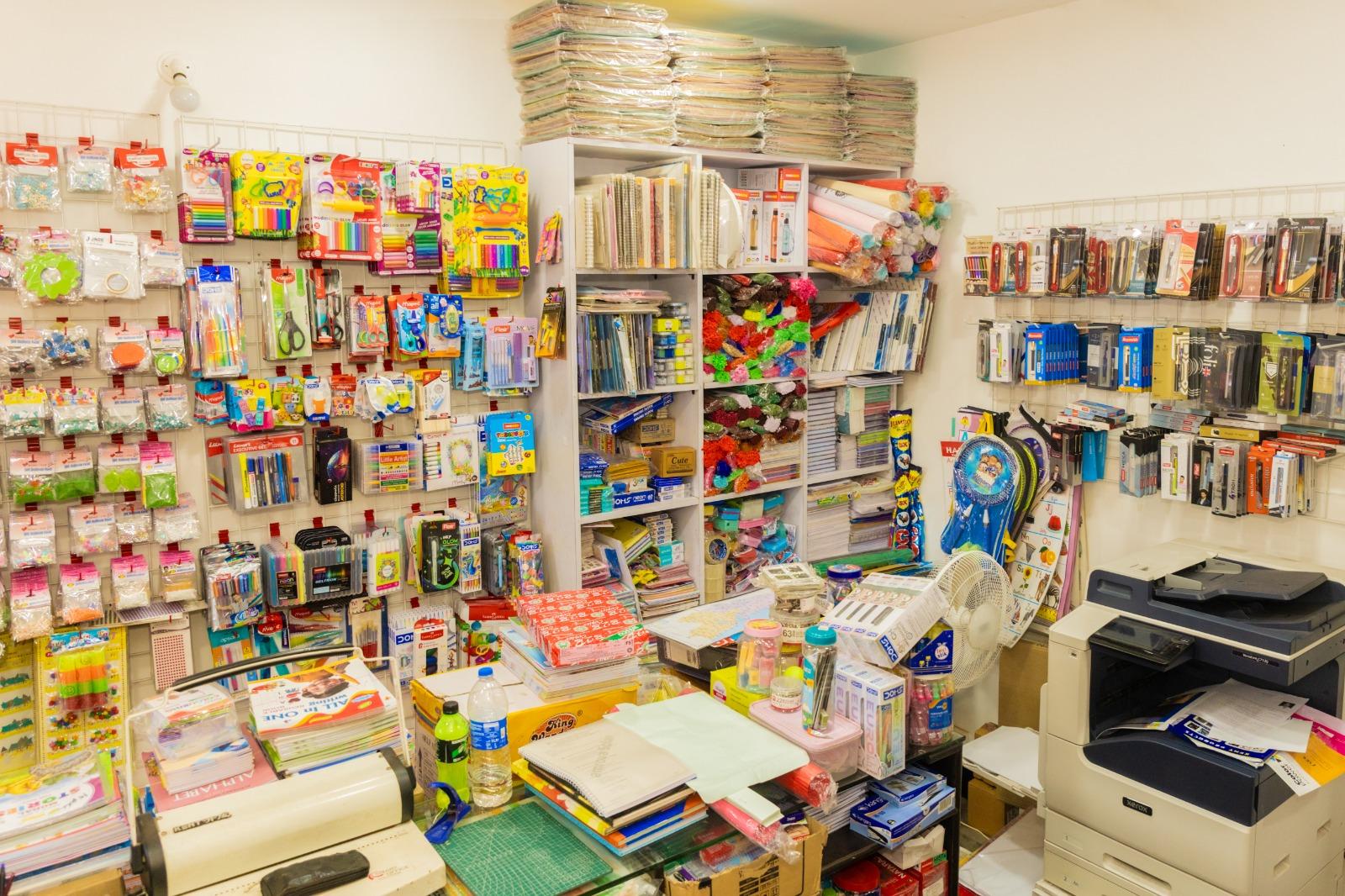
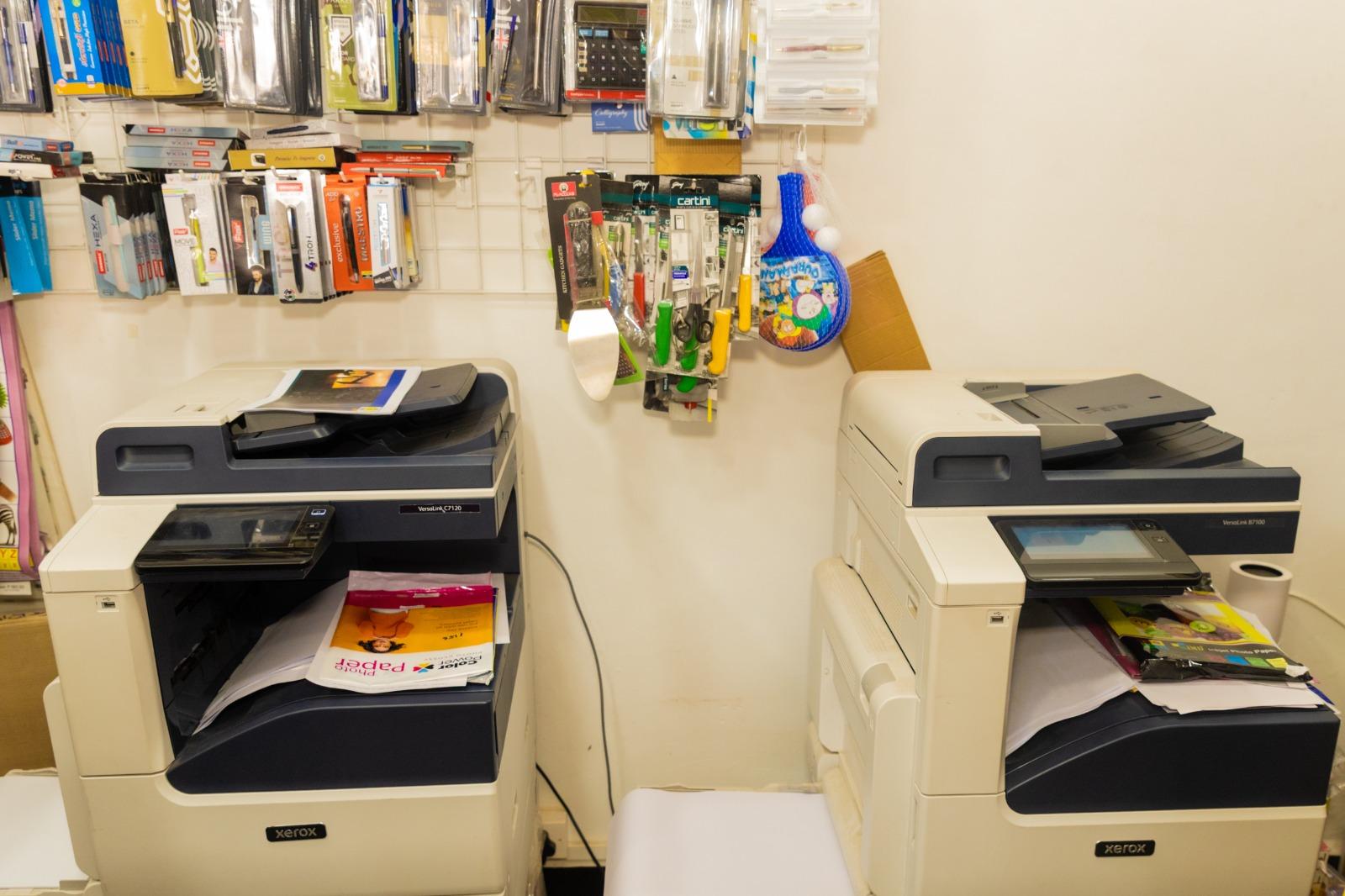
By making every effort to fulfill specific requests, the store has positioned itself as a true one-stop destination. Consistency across operations has been achieved through experience and hands-on management. Years of running the business have enabled the team to maintain uniform service standards across both locations, ensuring customers receive the same level of quality and attention every time.
Customer service plays a central role in the brand’s identity. The team understands the importance of reputation in a competitive market, recognizing that even a single negative experience can have lasting consequences, while positive feedback can significantly enhance growth. This awareness drives a service-oriented approach that prioritizes customer satisfaction at every step.
One of the most significant contributors to the business’s expansion has been its delivery service across Goa. By offering the convenience of placing orders remotely, Stationery World has simplified the purchasing process for schools, offices, and individual customers.
This initiative has not only improved accessibility but has also attracted orders from distant areas, extending the brand’s reach beyond its immediate locality.
Several factors contribute to Stationery World’s strong market position: timely delivery, competitive pricing, dependable quality, and a comprehensive product range. The business also stays relevant by continuously introducing new and trending items, particularly in the craft segment, ensuring it aligns with evolving customer preferences.
Looking ahead, Stationery World aims to expand its presence by establishing additional outlets across different parts of Goa. With a solid foundation, a clear understanding of market demands, and a commitment to excellence, the brand is wellpositioned for sustained growth.
From a family-driven idea to a trusted name in the industry, Stationery World exemplifies how a customer-focused approach, adaptability, and consistent service can transform a simple concept into a successful and growing enterprise.
Top 5 Reasons to Visit Aguad
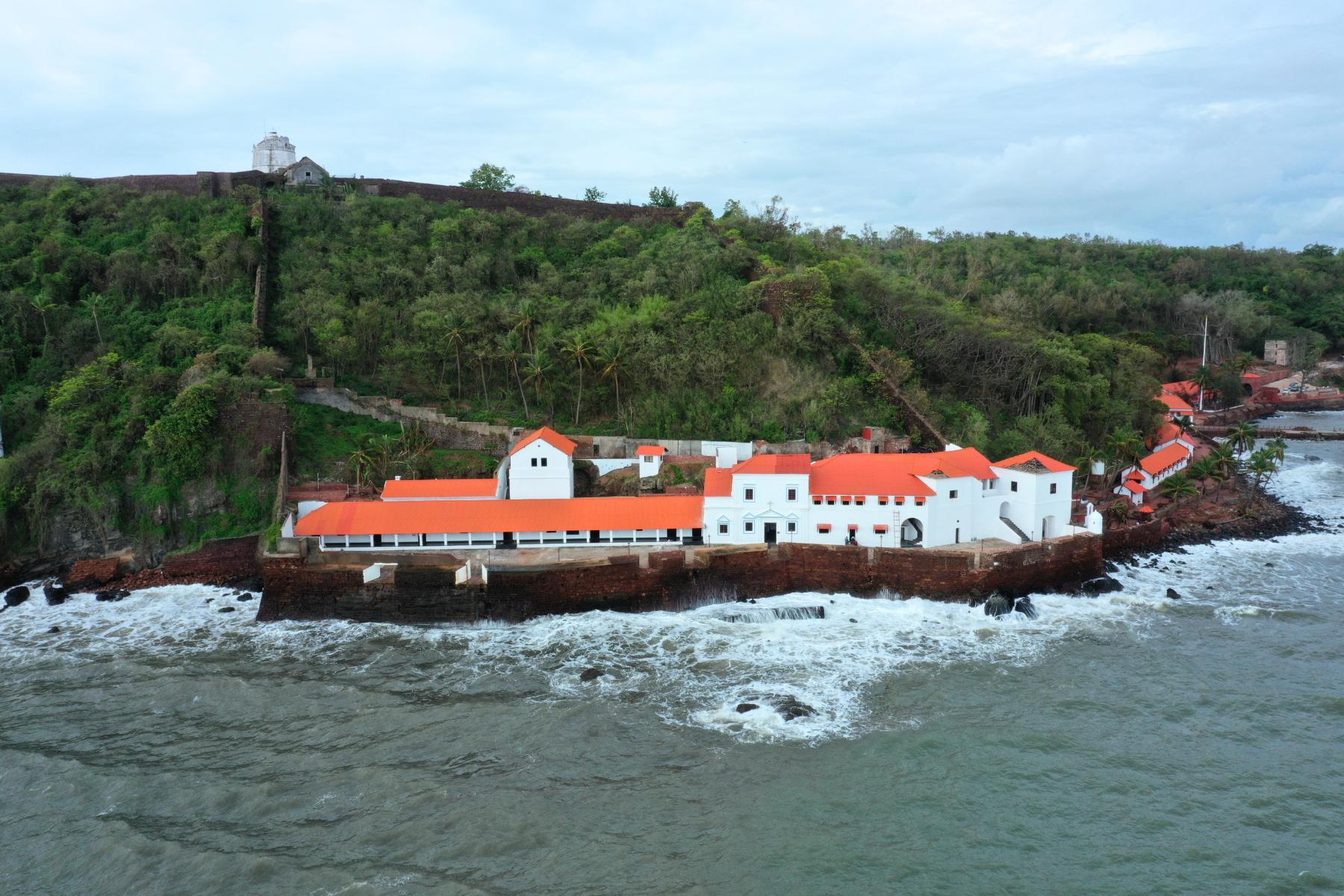
The Aguad Port and Jail Complex offers a deeper side of Goa through heritage walks, immersive museums, sunset views, waterfront dining, cultural exhibitions, boat experiences, and vibrant weekend events celebrating history, art, and local culture.
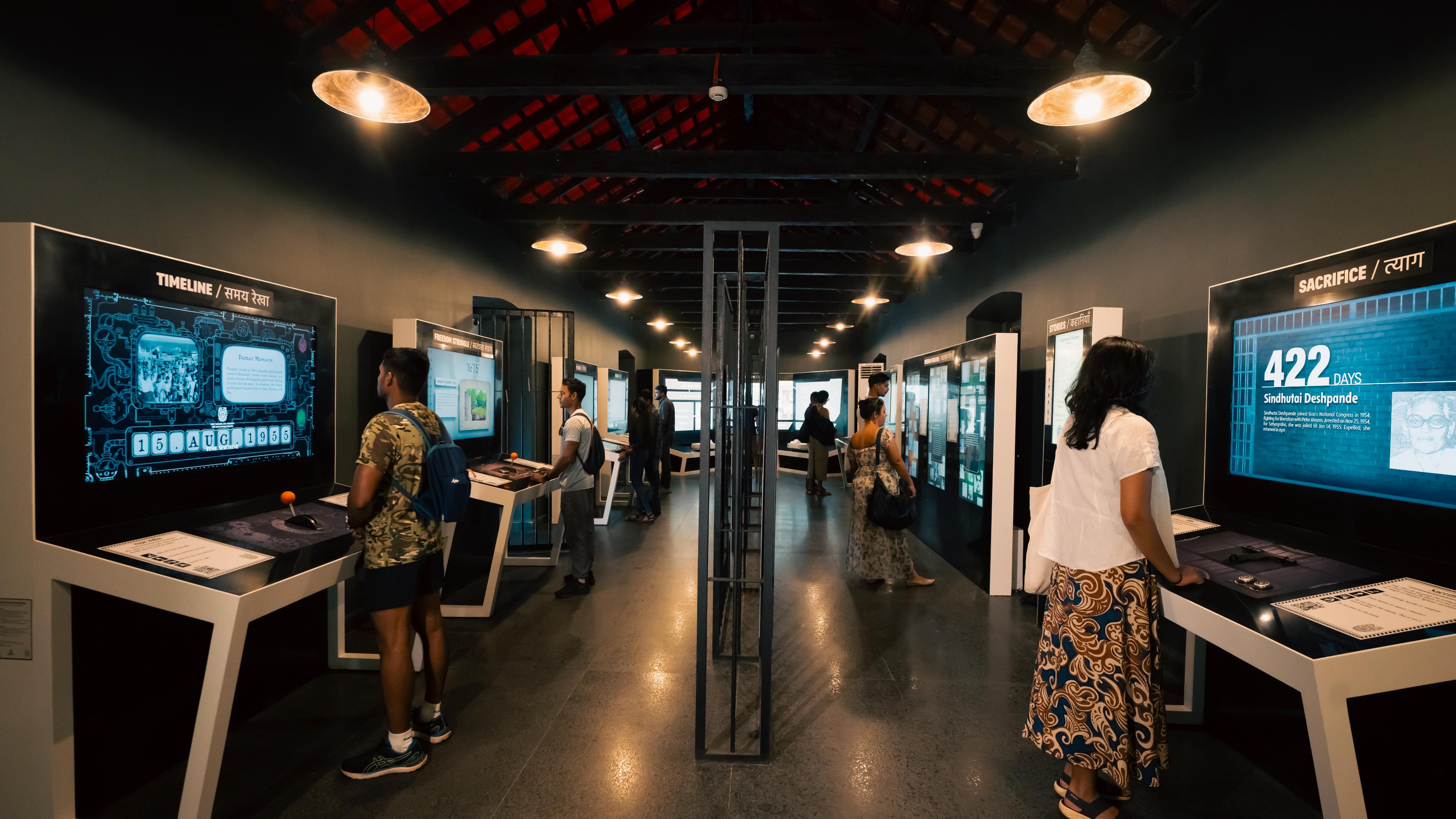
Visitors exploring the Interactive Museum at Aguad, which documents Goa’s freedom struggle through timelines, stories and digital displays
For a lot of people, a trip to Goa comes with a fixed picture in mind. Beach shacks, late nights, music and long days by the sea. Maybe, somewhere in between, a quick stop at Fort Aguada for the view. But Goa has a way of surprising you when you slow down. Just below the famous hilltop heritage site, lies the Aguad Port and Jail Complex; quieter, closer to the water and full of stories.
Here, the sound of waves hitting the rocks replaces the noise of crowds. The space carries over four hundred years of history, from its days as a Portuguese port and freshwater station to its time as a prison and -now as a place where culture, art and experience come together. It’s not something you rush through. It’s a place where you naturally end up spending more time than you expect.
For the Curious - Walk through layered histories and curated walks
There’s a lot to notice at the Aguad Port and Jail Complex, and it begins the moment one steps inside. History feels present in every corner here. In the corridors, the worn walls and the open courtyards facing the sea, the place slowly reveals the many lives it has lived over the years. The guided heritage walks make the visit more enriching, bringing alive
the stories of the former jail and Goa’s past, while opening up spaces and showing how deeply connected the complex is to the identity of the state itself. The state-of-the-art interactive museum adds another layer to the journey with its three immersive sections — Goa: The Land, The Struggle and The People. Using QR-coded audio guides and interactive exhibits, it showcases the sights and sounds of Goa’s heritage. It’s the kind of experience people of all ages can enjoy, especially history buffs. Aguad is the kind of place where every corner has a story waiting to be discovered.
For the Sunset Seekers – Where sea views and golden light take over
The complex sits exactly where the Mandovi meets the Arabian Sea and the views open up in every direction. From here, you can see Panaji in the distance, boats moving slowly across the river, and a few fishermen sitting on the rocks down below, waiting quietly with the tide. As evening sets in, the light softens and the old stone walls begin to glow, giving you a perfect golden hour. The sound of the waves and the wind fills the space while the sky turns gold and orange. It's the kind of sunset that makes you put your phone down, or at least try to. And it’s something one shouldn’t miss when in Goa.
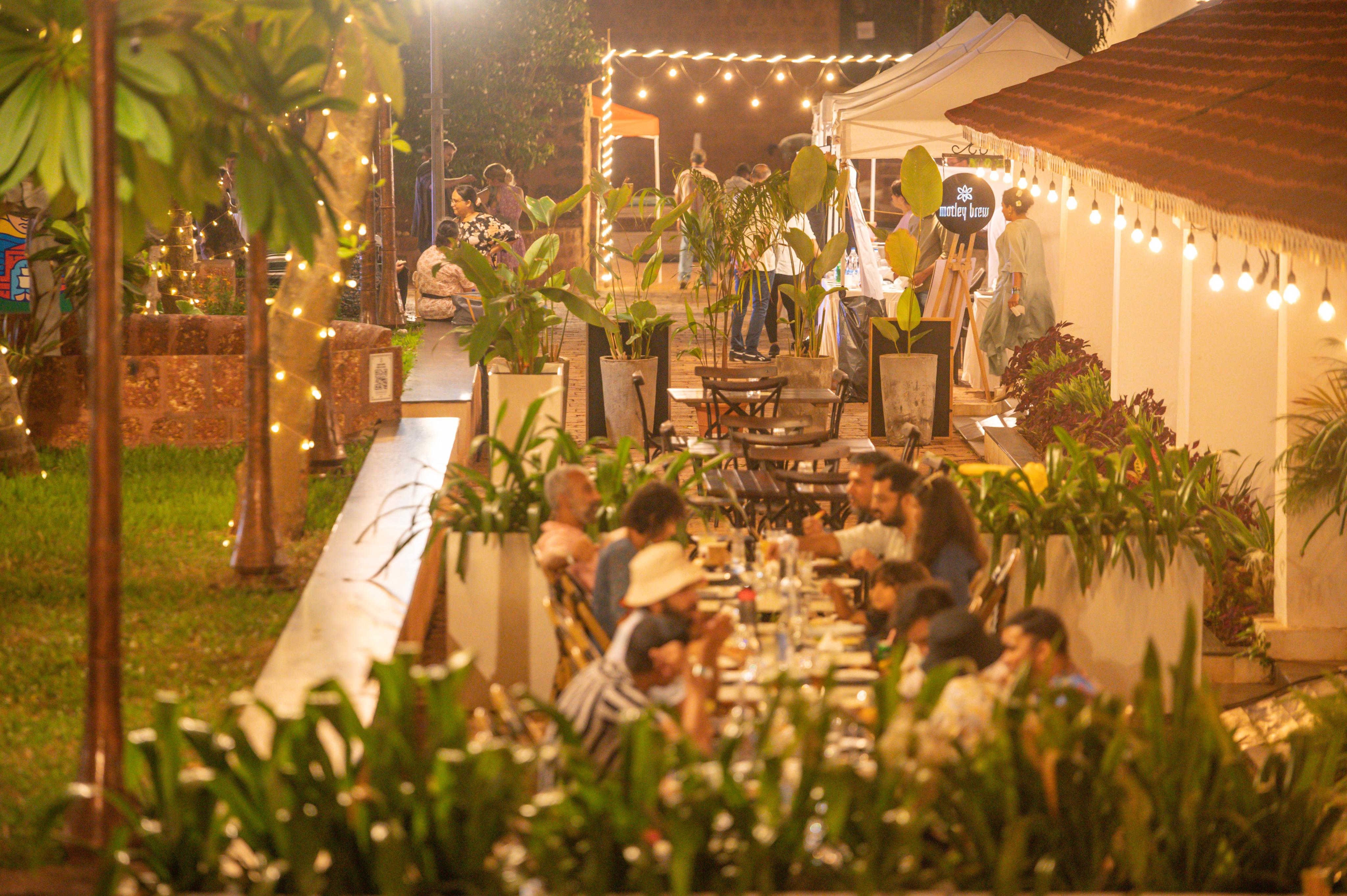
Guests dining outdoors at Motley Brew and The Black Sheep Bistro during an evening event at the Aguad Port and Jail Complex
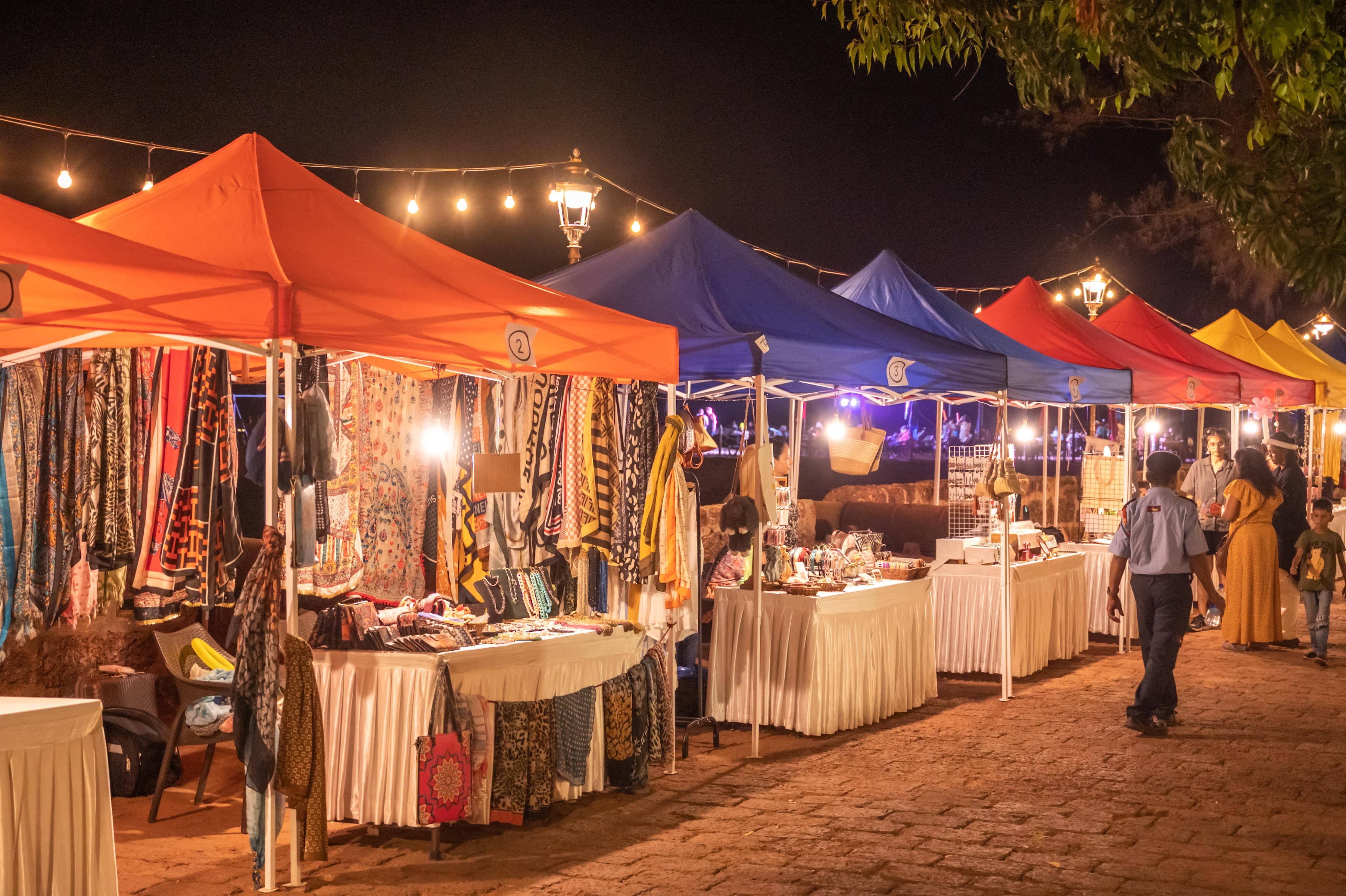
A night market in session at the Aguad Port and Jail Complex, with vendors, stalls, and live music in the fort’s open courtyard
For Slow Evenings – Unwind over thoughtfully curated dining
After all the walking, Aguad gives you space to slow down and relax. There are four restaurants within the complex, each offering a different vibe and flavour. Black Sheep Bistro keeps things easy with comfort foods like burgers, sandwiches and salads.
Motley Brew is more interesting with its coffeeinfused cocktails and mocktails. Cellar 1612 offers a carefully curated menu that blends traditional Indian flavours with global influences. D Sailor satisfies every craving, from fresh seafood to comforting classics and delicious finger food, all with the ocean in the background. The Thirsty Frog, a refreshing drinks spot, offers you local flavours with creative twists, perfect for a quick break in the heat.
You can explore indoors or stay outside in the open air with the sea breeze around you. Either way, it feels calm, comfortable and easy.
For the experience lovers – Arrive by Boat or Sail in on Solita
You could arrive at this place by car, but it feels far more special when you take the heritage cruise Solita. The journey begins from Kala Academy, where the Mandovi River quietly sets the mood before you set off. As you cross the Mandovi at sunset, the city slips away and the port rises ahead.
The wind picks up, the river stretches wide and you find yourself at the edge of the boat just taking it in. You get to experience your own ‘Titanic moment,’ calm and cinematic with only the river, the breeze and the fort ahead.
For those who return – Exhibitions, Weekend getaways and more
The Aguad Port and Jail Complex is also host to a variety of exhibitions throughout the year, turning its historic spaces into a vibrant cultural venue. Currently, it is exhibiting ‘Show of Strength’, a showcase by more than 30 Goa based women artists exploring freedom, reflection and presence through painting, sculpture, textile, photography and more. The exhibition is open to the public until May 31 2026 and offers a rich mix of contemporary artistic expression. On Saturdays and Sundays, the Weekend Getaway at Aguad adds to the experience, making it a lively cultural market with art, local finds and a relaxed riverside atmosphere. Alongside this, there are occasional art workshops that let visitors create and engage more personally with the space and its creative spirit.
More than just a historical landmark, the Aguad Port and Jail Complex artfully communicates the essence of Goa – its people, layered history and the pursuit for freedom, making it a must visit experience for anyone who wants to explore the more thoughtful and cultural side of the state.
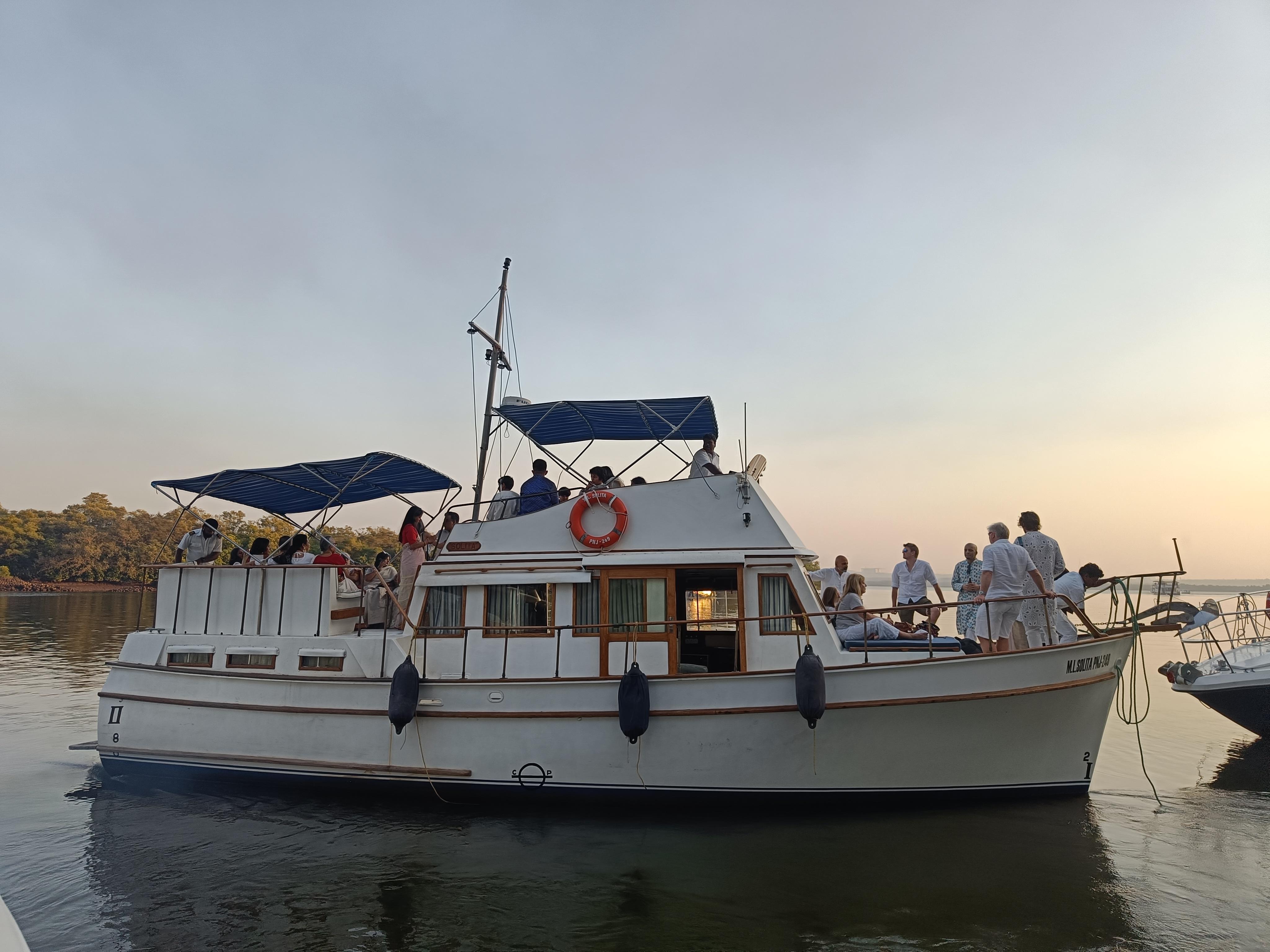
Guests aboard the Solita on the Mandovi River at sunset, heading to Aguad Port and Jail Complex
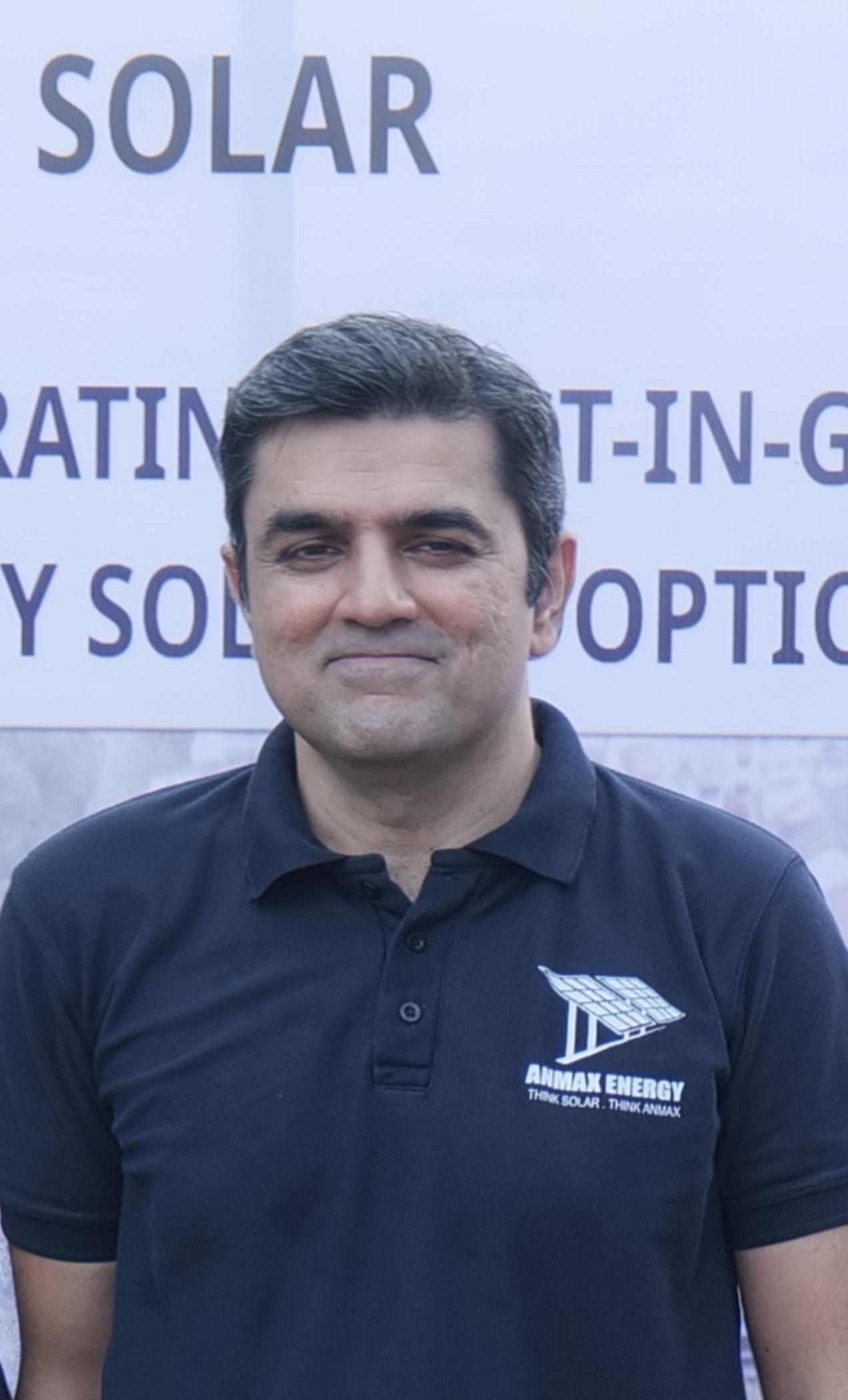
Goa’s first fully solar-powered housing society highlights the growing shift toward renewable energy, showcasing affordable financing, quick investment recovery, long-term savings, and future plans linking solar adoption with sustainable mobility solutions.
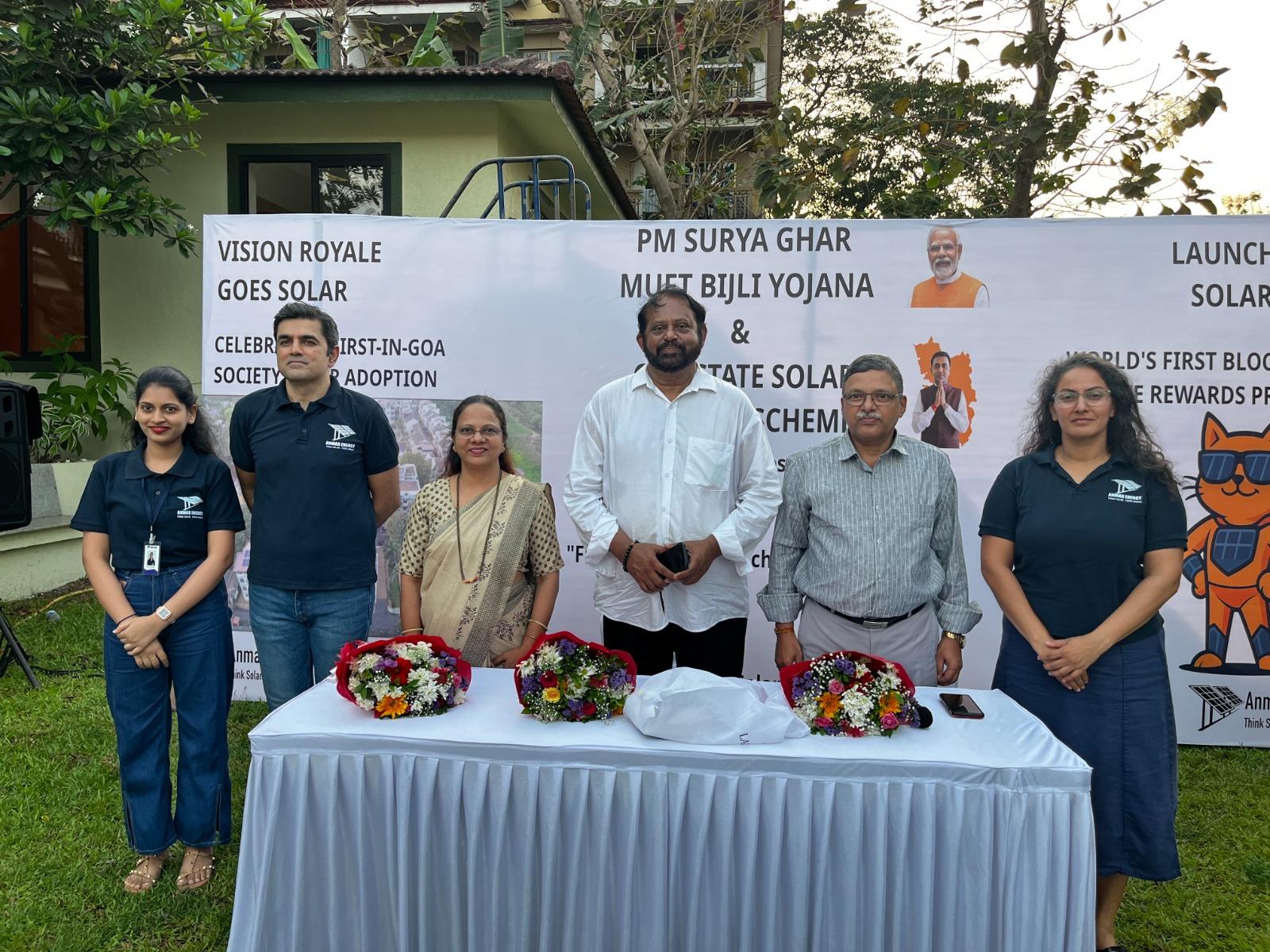
(L-R) Shreya Phadte, CEO, Anmax Energy, Anant Kochhar, Founding Director Anmax Energy, Anupa VP Khorjuvekar, Asst Manager GEDA, Rodolfo Fernandes, MLA, St. Cruz, Prashant Mantri, Secretary, Vision Royale at the inauguration of the housing society’s solar transition
As solar adoption gains momentum in Goa, private sector-led initiatives are playing a pivotal role in facilitating adoption. The transition of the Mercesbased Vision Royale into the state’s first fully solarpowered housing society marks a significant milestone in this journey, an initiative led and implemented by Goa-based Anmax Energy. The project, executed under the PM Surya Ghar: Muft Bijli Yojana and the Goa State Solar Subsidy Scheme, was inaugurated in the presence of St. Cruz MLA Rodolfo Fernandes, Anupa Khorjuvekar of the Goa Energy Development Agency (GEDA, and Prashant Mantri, Secretary of Vision Royale, along with residents and stakeholders. Speaking on the sidelines of the event, Anant Kochhar is the Founding Director of Anmax Energy Private Limited, a solar energy and circular blockchain economy startup based in Goa, outlined the process, financial viability, and long-term value of solar adoption for homeowners, highlighting why the transition is becoming increasingly accessible.
What
does this milestone represent?
This is not just a single project, it signals the beginning of a larger movement. Our focus is on building a network of environmentally conscious individuals and households.
Solar energy is the starting point; the real question is what comes next and how we can help people do more in terms of sustainable energy.
How can residents adopt solar within housing societies?
Residents need to coordinate with their housing society to secure rooftop space for installing solar panels. They can formally request allocation, and as per the rules, the society must either approve the request or provide an alternative space within a defined timeframe, typically within seven days. This ensures that any interested resident has a clear pathway to adopt solar. With strong government encouragement and supportive policies in place, there are minimal barriers to adoption. In many cases, rooftops remain unused, and solar offers a practical way to make productive use of that otherwise wasted space.
What financing or subsidy options are available for residents who want to adopt solar solutions?
Under the PM Surya Ghar scheme, residents can avail financing of up to 90 percent, with loans offered at relatively low interest rates compared to standard lending.
This makes solar energy significantly more affordable. In practical terms, homeowners can convert their monthly electricity bill into an EMI, so instead of paying a recurring expense, they are effectively paying for their own solar system.
The loan tenure is typically around five years, while the solar plant itself has a lifespan of 25–30 years, making it a strong long-term investment. At Anmax Energy, the entire process is handled end-to-end, from assessing the customer’s financial situation and suggesting the most suitable payment option, to installation and ongoing support, ensuring a seamless experience for the homeowner.
How long does it typically take for a homeowner or society to recover their solar investment?
The recovery period typically ranges from two to five years, depending on the size of the system. Larger systems tend to generate more energy and, therefore, offer better returns. For instance, a 10 kW system is often considered ideal, as it usually delivers faster recovery, around two to three years, while continuing to generate savings over a much longer lifespan.
How much money can an average Goan household save by opting for solar power?
If you install a 10 kW solar system, you can generate savings of around ₹7,000 per month, which provides a significant boost in reducing overall energy costs. Beyond this, the real advantage lies in how the energy is used. It can help support everyday household needs like cooking and other energy consumption.
This gives homeowners greater control over their energy usage, allowing them to manage and reduce costs across multiple areas. In addition, Anmax is introducing a blockchain-based initiative where users can earn rewards based on the energy they generate. This is aimed at creating additional value, where solar energy can be converted into tangible benefits, including being used for everyday purchases like food.
Finally, with the increasing popularity of EV cars, do you have any plans in that sector?
Yes, this is an area we are keen to explore. One of the solutions we are looking at is retrofitting, where we convert an existing car into an EV. This allows owners to transition to cleaner mobility without having to purchase a brand-new EV.
The conversion cost is typically in the range of ₹4–5 lakh, making it a more affordable option compared to buying a new electric car. We see this as a practical and scalable way to encourage EV adoption, especially for those who want to make the shift without a high upfront investment.
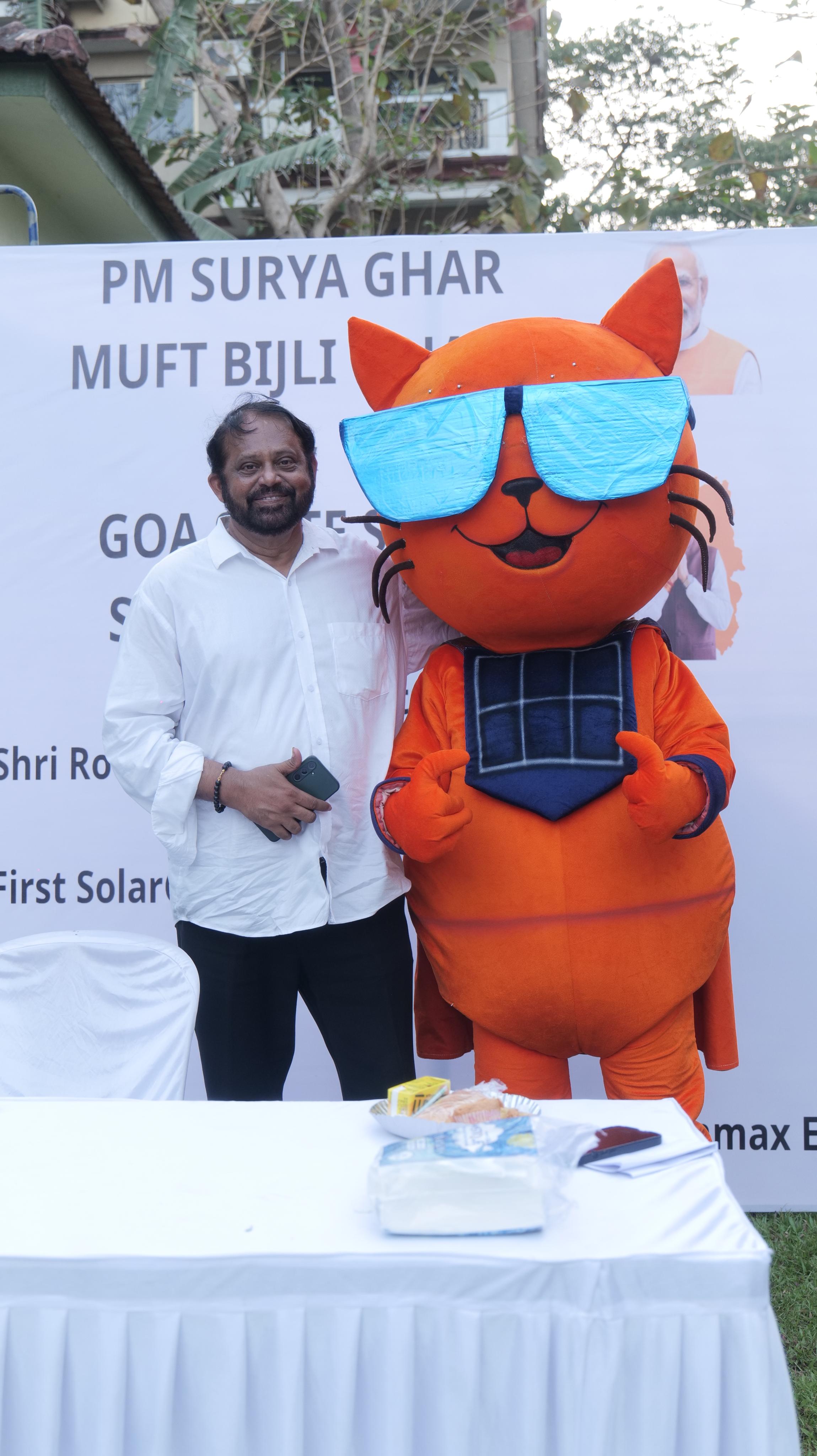
mLA Rodolfo Fernandes at the solar housing society inauguration with the Solar Cat