Eat Goa Stay &
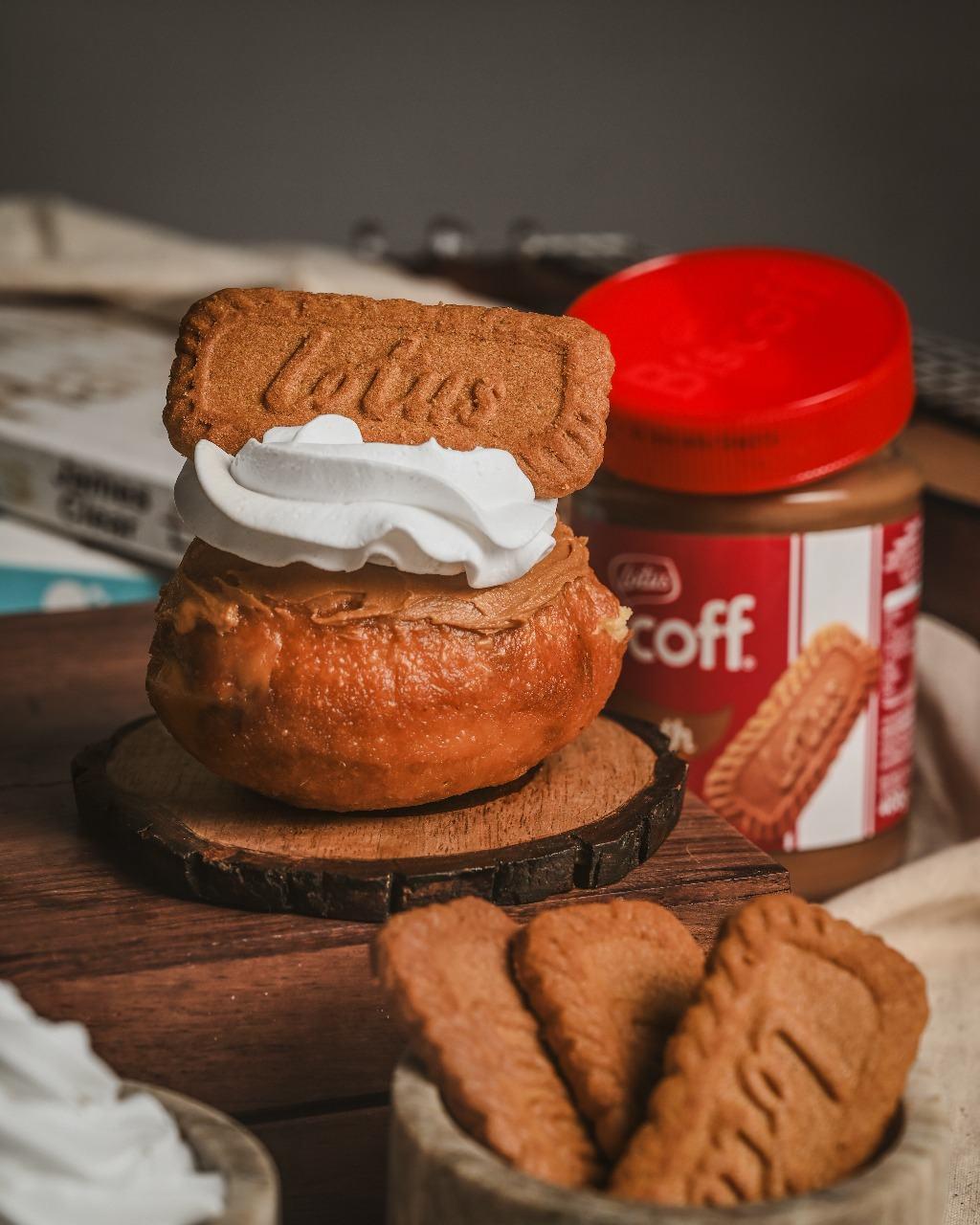

Da Baker combines artisanal breads, sustainable baking, handcrafted pastries, and community-focused café culture rooted in authenticity.
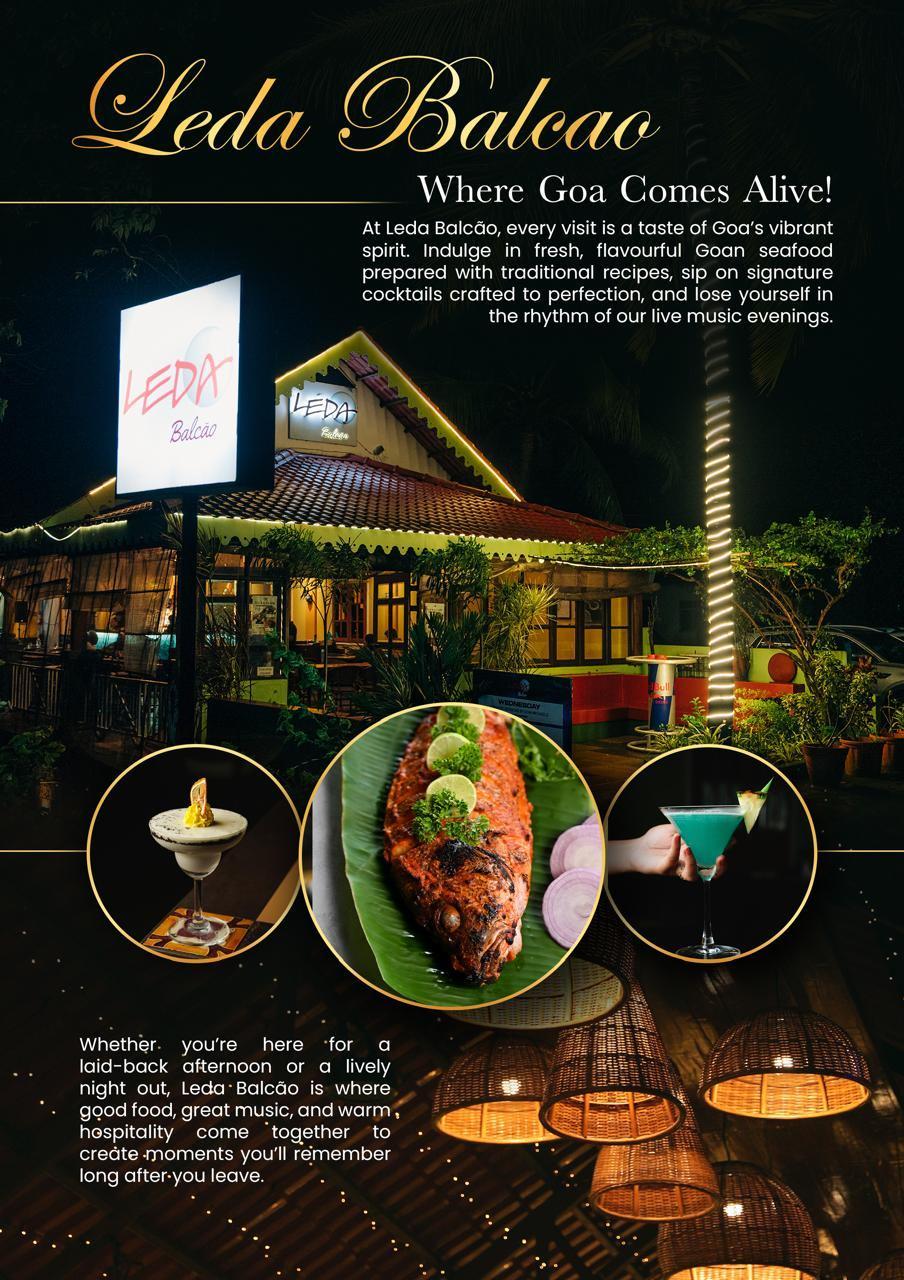
Cocochin Goa preserves authentic Goan heritage through wood-fire cooking, traditional recipes, and soulful community dining experiences.
Jaali Blue Goa offers tropical design, artisanal craftsmanship, restorative hospitality, and intimate natureinspired boutique retreat experiences.
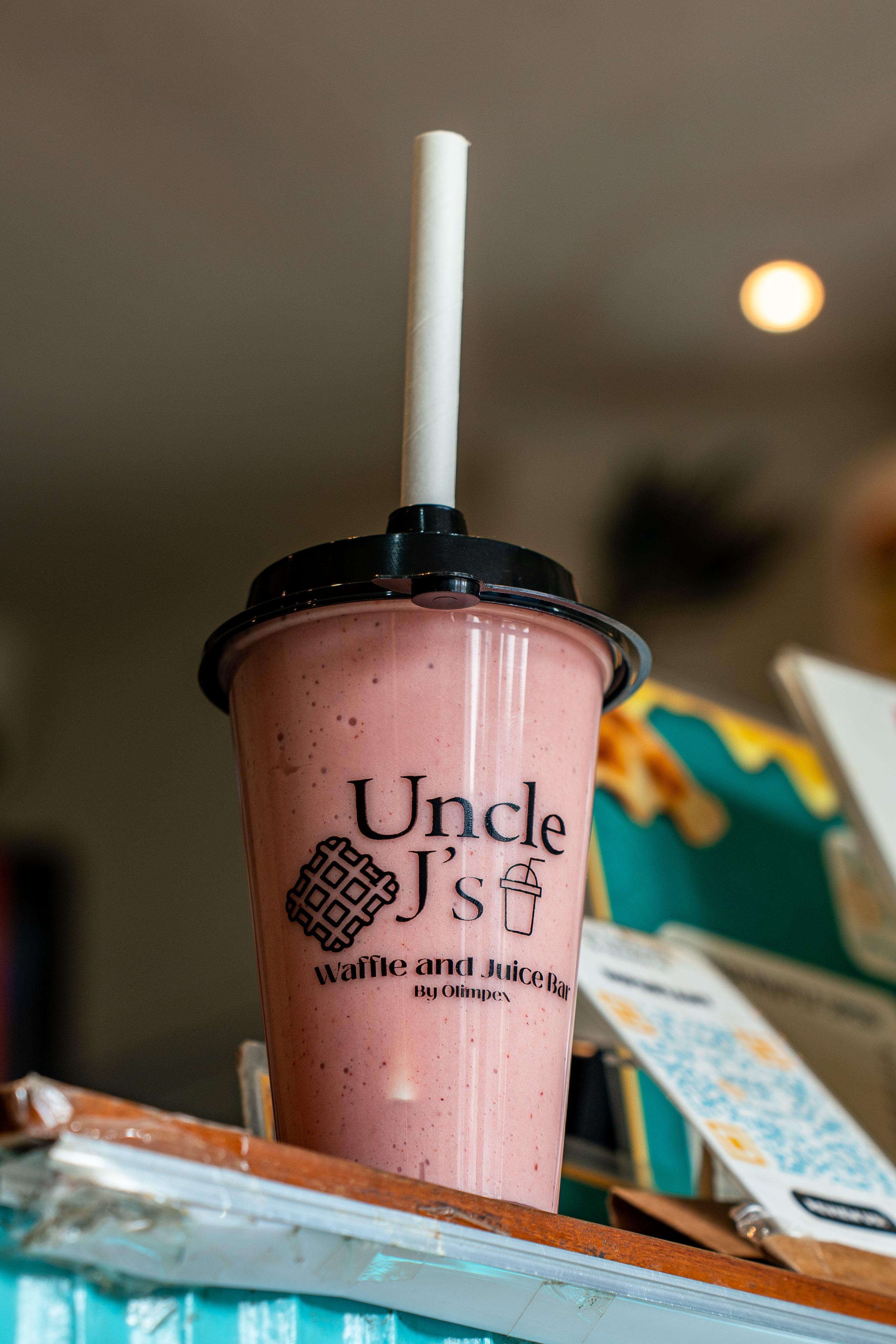
Uncle J’s serves comforting waffles, fresh juices, warm hospitality, and homemade flavours fostering welcoming community connections.
Dear Readers,
Welcome to the May 2026 edition of Eat & Stay Goa, where every story celebrates Goa’s evolving culture of food, hospitality, creativity, and mindful living. This month, we bring together experiences that blend tradition with contemporary charm, reflecting the soul of Goa in unique and inspiring ways.
We begin with Da Baker, a space where artisanal breads, handcrafted pastries, and thoughtfully brewed coffee come together through sustainable practices and warm community spirit. Rooted in authenticity and consistency, it captures the comforting essence of Goa’s growing café culture.
Celebrating Goa’s culinary heritage, Cocochin Goa revives timeless family recipes through traditional wood-fire cooking and homely susegad dining. Its immersive dining experience preserves authentic flavours while creating meaningful connections through food and culture.
In Patnem, Jaali Blue Goa blends tropical modern design, handcrafted artistry, and nature-inspired hospitality, creating a calming retreat for travellers seeking stillness and beauty.
Uncle J’s Waffle & Juice Bar in Panjim captures the comfort of homemade flavours through waffles, fresh juices, thoughtful creations, and warm hospitality. Its welcoming atmosphere continues to foster meaningful community connections in the heart of the city.
This issue also highlights Kssemya in Mandrem, a boutique retreat centred around mindful living, wellness, creativity, and slow travel. Blending art, nature, and emotional connection, it reflects a refreshing approach to modern hospitality rooted in authenticity and calm living.
Adding sweetness to the season, Deliciously URS shares a refreshing sugar-free Alphonso mango ice cream recipe. Made with fresh mango puree, saffron, nuts, cream, honey, and monk-fruit sweetener, it brings together indulgence and balance in a perfect summer dessert.
And finally, we explore Goa’s rich bakery heritage, where Portuguese-inspired traditions, artisanal breads, pastries, and poders continue preserving timeless flavours and craftsmanship across the state.
This issue is a tribute to those who are shaping Goa's culinary future, with dedication, creativity, and a deep respect for tradition. From indulgent desserts to mindful, nutritious creations, these individuals bring their unique talents and passion to the forefront, enhancing Goa’s vibrant food culture.
Well, that's all I have for you from my desk this month. I hope you enjoy reading this month’s issue of our magazine. Do share it with your friends all across the globe.
Until next time, cheers!
Jessyl Fernandez Editor
01 Da Baker
02 Cocochin Goa
03 Jaali Blue Goa
04 Uncle J’s Waffle & Juice Bar
05 Kssemya
06 Alphonso Mango Ice Cream (Sugar-free)
07 Bakeries in Goa
Goa, the tiniest state on the western coast of India, boasts golden pristine beaches, palmfringed avenues, flavourful food, delicious Portuguese-influenced sweets, and warm, hospitable people. Also known as the Ibiza of India for its partying. A tropical paradise of flora and fauna, from the very famous 'almi' (mushrooms) endemic to its forests, that grow only on the red mud anthills, to the solar prawns that are fished immediately after the monsoons, Goa is unique. Tourists are also attracted to Goa for its cultural heritage - from the famous old Portuguese churches like Se Cathedral in Old Goa, the 16th Century Safa Masjid in Ponda and Shree Mangesha Temple in Mardol, the legendary Arvalem or Pandava Caves where the Pandavas of the Mahabharat fame lived, to its two unique festivals - Carnival and Shigmo. Goa plays host to many festivals - the International Film Festival of India that promotes cinema, the Serendipity Art Festival, Sunburn Music Festival, The Grape Escapade to name a few. To showcase this varied heritage of culture, art, tradition, food, and people, in 2015 ItsGoa was born. The main aim was to make it the premier portal for all things Goa. We were able to showcase Goa like never before. Soon our blogbased website transcended the virtual space, with the ItsGoa magazine – a sought-after resource for visitors to Goa from countries like Norway, Germany, UK, USA, UAE, etc.
Chief Editor
Jessyl Fernandez
Sales
Donald Fernandez Andrea Fernandes
Content & Social Media Britney Fernandes
Graphics & Layout Britney Fernandes
For advertising queries: +91 7887330620 / 9370502124
Nordic Intent HQ - Floor 3, PDA Colony, Porvorim, Goa 403521
Email: mail@itsgoa.com Website: itsgoa.com
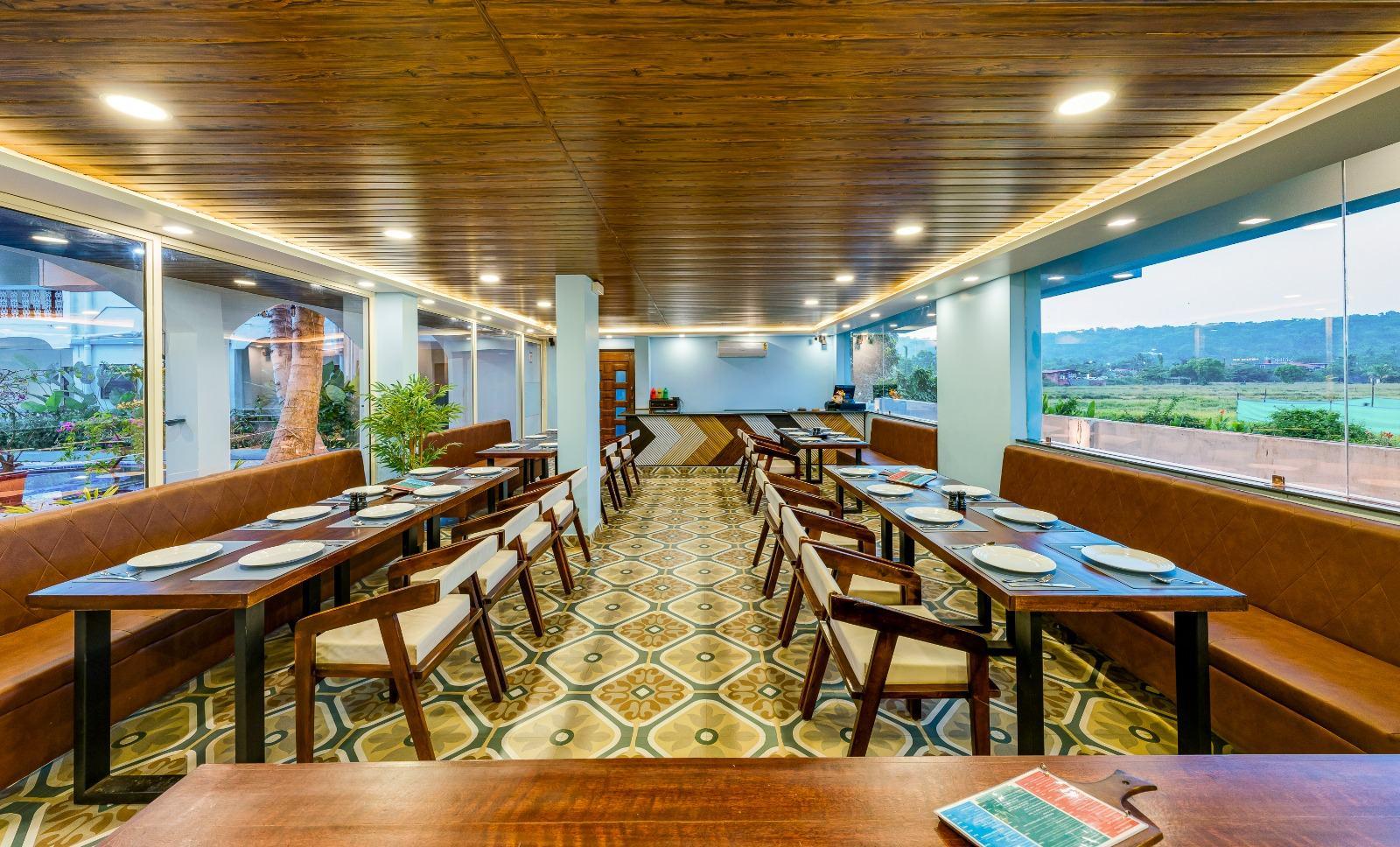
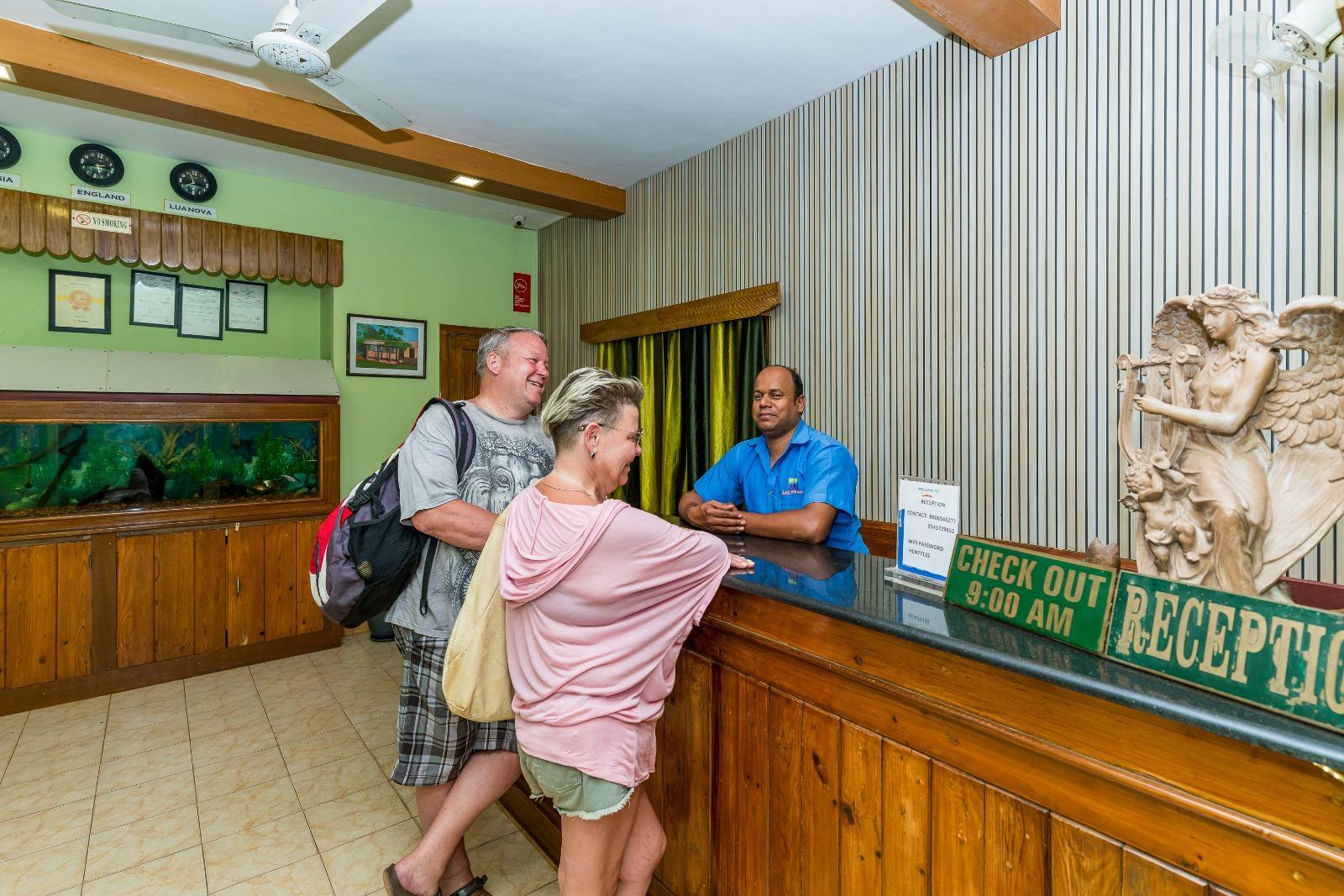
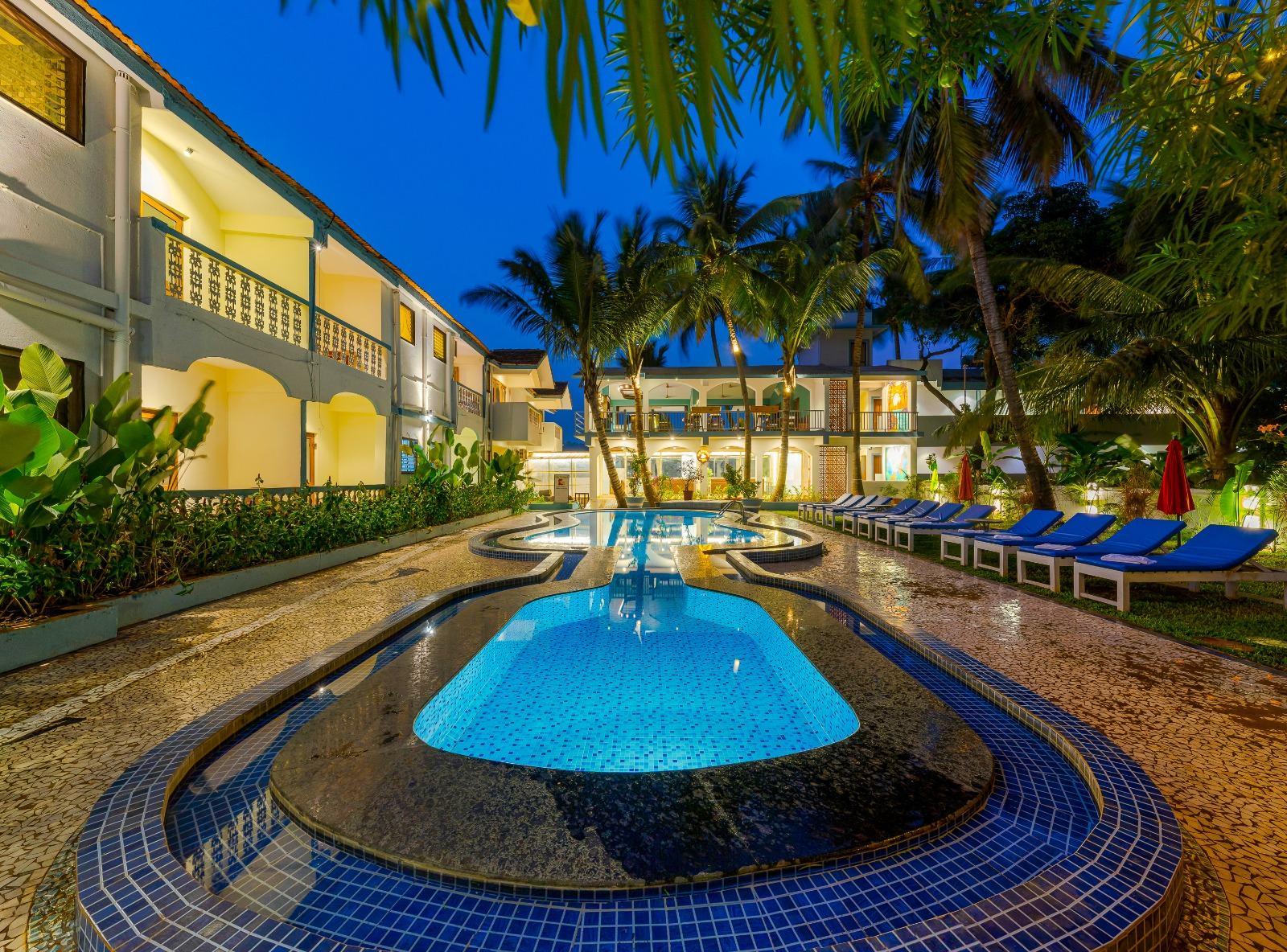
If holidays are inspired by nature and your thirst for rustic solitude and inner peace, Lua Nova is the hotel your heart was yearning for. Located at Goa's celebrated holiday capital at Baga, it overlooks a beautiful Canvas of village Goa, just 5 minutes walk from the Baga Beach. www.itsgoa.com itsgoa_ Itsgoa



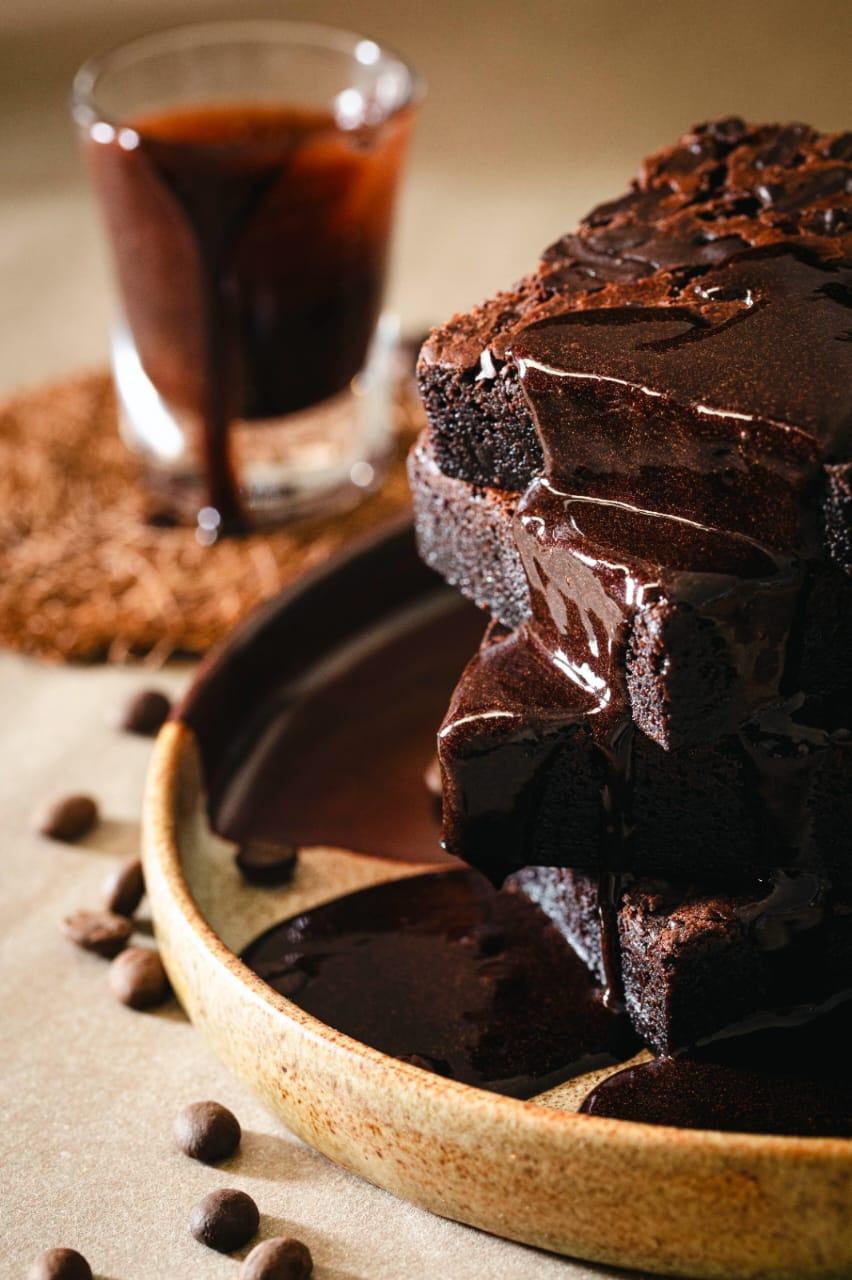
Da Baker blends artisanal baking, sustainable practices, and café culture through handcrafted breads, pastries, and coffee, creating a warm community-driven space in Goa rooted in authenticity, consistency, and thoughtful craftsmanship.
In the evolving culinary landscape of Goa, Da Baker stands as a testament to thoughtful craftsmanship and quiet perseverance. Founded by Chef Savio Lopes and Flora Lopes, the brand has grown from a humble home kitchen into a beloved artisanal café, rooted in quality, community, and a deep respect for the baking process.
The story of Da Baker begins in 2012, shaped by the complementary expertise of its founders. Chef Savio Lopes, armed with a diploma in baking and confectionery and refined through training in fivestar resorts and cafés, brought technical precision and a passion for the craft. Flora Lopes, with over a decade of experience in sales and marketing within the hospitality industry, added a strategic and customer-focused perspective.
Together, they launched Da Baker from their home kitchen, gradually building a loyal customer base. As demand grew, the venture expanded into a dedicated space in Porvorim, initially embracing the cloud kitchen model to supply artisanal baked goods to cafés and restaurants.
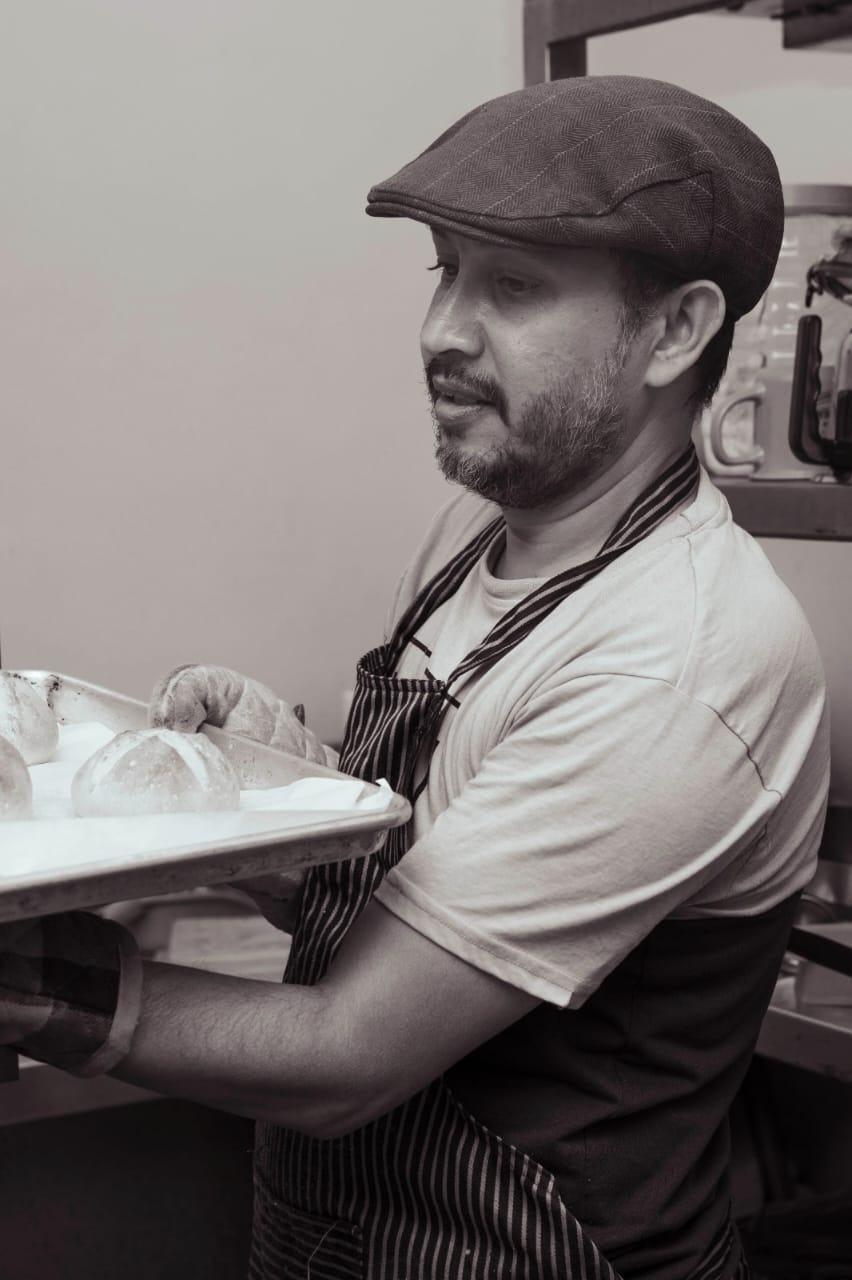
This approach laid the foundation for what would later evolve into a full-fledged café experience.
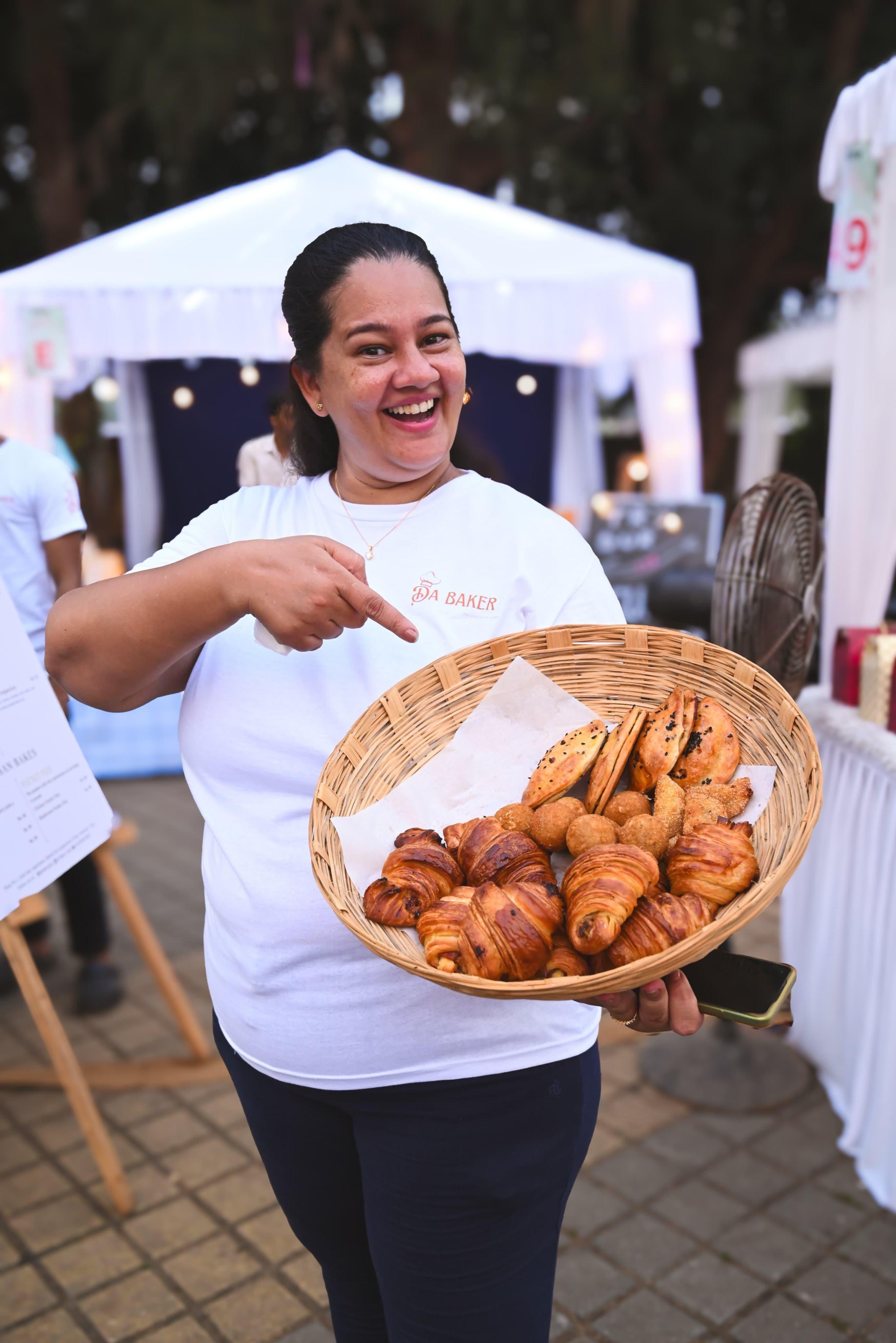
The decision to operate as a cloud kitchen was not merely a business strategy but a conscious choice. During his early training in star hotels, Chef Savio observed significant food wastage, which deeply influenced his approach to production.
By adopting a made-to-order model, Da Baker minimized waste while ensuring freshness in every product. This philosophy continues to define the brand, reflecting a commitment to sustainability without compromising on quality.
As Da Baker’s menu expanded, so did its following. Regular customers began expressing a desire for a physical space where they could enjoy the offerings in a more immersive setting. Responding to this demand, the founders introduced Da Baker Café in September 2025.
The café bridges the gap between production and experience, transforming the brand into a destination where patrons can engage with the essence of artisanal baking firsthand.
It represents not just growth, but a natural progression driven by community feedback.
Tucked slightly off the Mapusa–Panjim highway in Soccoro, the café offers a retreat from the bustle of everyday life. Its location, discreet yet accessible, lends itself to a tranquil atmosphere. First-time visitors are often struck by the thoughtfully designed interiors, which create a sense of warmth and intimacy. As they settle in, the quiet surroundings enhance the experience, allowing the flavours to take centre stage. The combination of calm ambience and carefully crafted food culminates in a sense of simple, unhurried joy.
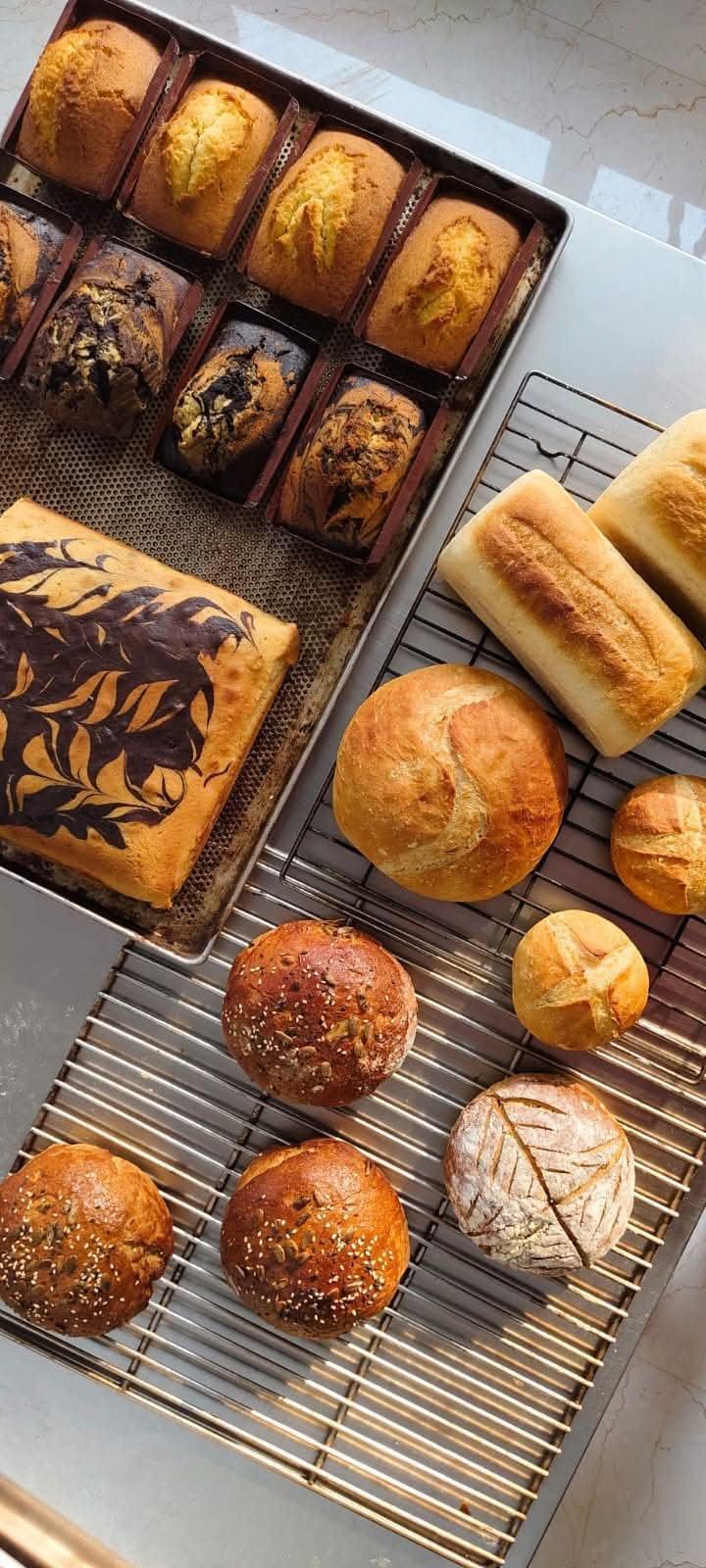
At the heart of Da Baker’s identity lies an uncompromising commitment to baking from scratch. Every item on the menu is created without premixes, chemical enhancers, or preservatives. This philosophy was shaped significantly by Chef Savio’s mentorship under a German baker, who introduced him to the intricacies of sourdough and continental techniques. The emphasis on quality ingredients and traditional methods not only defines the baking process but also aligns with a growing preference for clean, wholesome food.
Da Baker’s menu has earned a devoted following for its signature creations, including brownies, chocolate cakes, croissants, and sourdough breads. The chocolate cakes, developed through Chef Savio’s own recipes, are particularly noteworthy, light, moist, and eggless, paired with a delicate whipped truffle that elevates their texture and flavour. Meanwhile, sourdough breads and croissants gained prominence during the lockdown period, when customers sought fresh, artisanal alternatives. These offerings have since become synonymous with the brand.
Da Baker extends its expertise beyond the café through bespoke orders and catering services.
From intimate family celebrations such as baptisms, communions, and anniversaries to weddings and corporate events, the brand caters to a wide range of occasions.
Their approach prioritizes both quality and sustainability, notably avoiding fondant in cakes to reduce wastage. Offerings include curated snack boxes, savoury bites like mini croissants and quiches, as well as sweet treats such as cupcakes, brownies, and donuts. Corporate hampers, thoughtfully assembled with edible selections, have also become a popular choice.
Like many in the food industry, Da Baker’s journey has not been without obstacles. From sourcing reliable labour and vendors to navigating infrastructural disruptions and operational challenges, adaptability has been key.
Recent hurdles, including roadwork affecting accessibility and limitations in fuel supply, have required innovative solutions such as promoting delivery services and shifting to electric ovens. Despite these challenges, the brand continues to persevere, guided by resilience and an unwavering commitment to its craft.
Today, Da Baker’s identity is shaped by two core elements: coffee and artisanal baking. Together, they create an experience that is both energizing and comforting, a “home away from home” for its patrons.
What truly sets the brand apart, however, is its consistency and personal touch. Even as operations scale, the founders maintain a hands-on approach, ensuring that every order carries the same level of care that defined their early days.
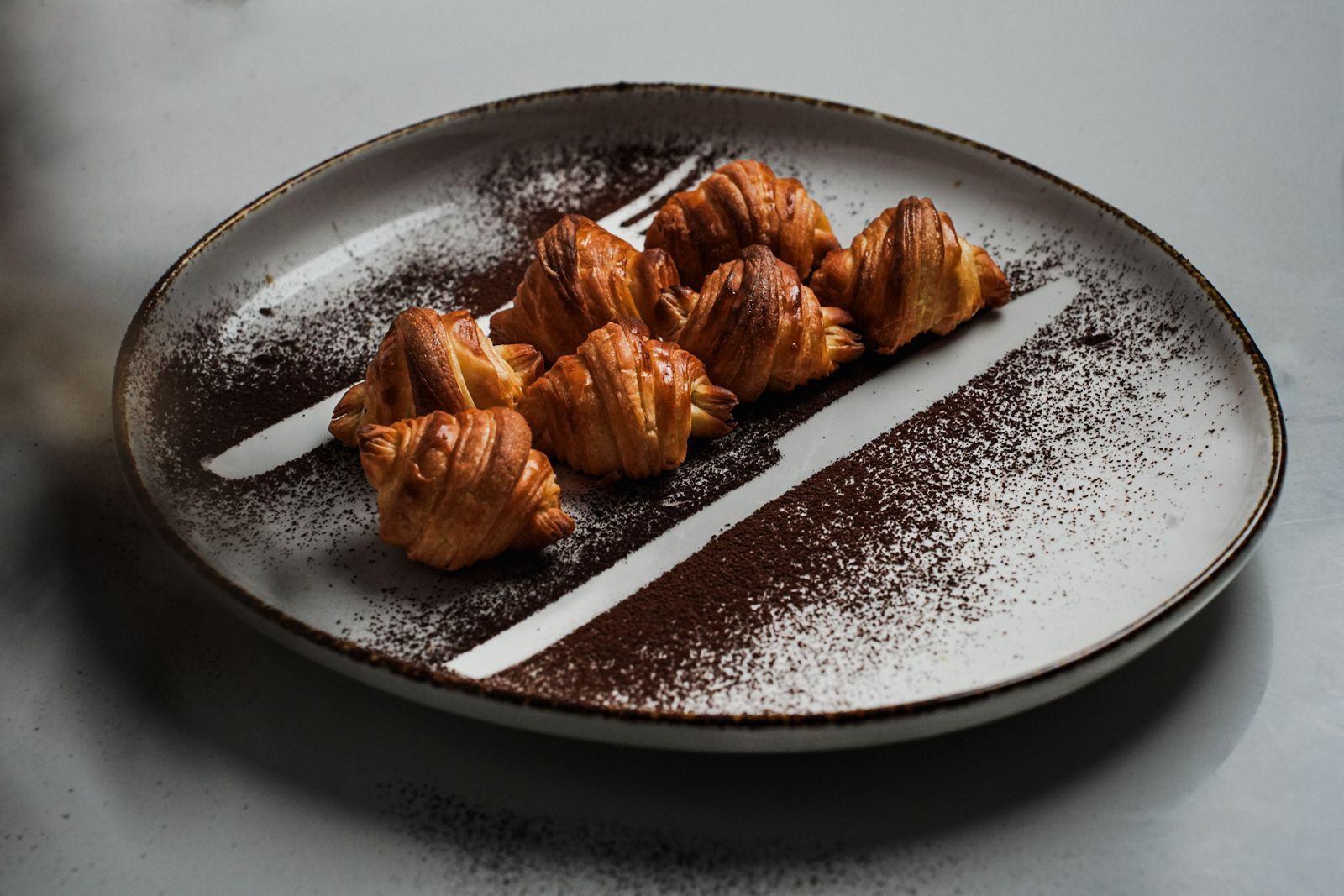

This dedication is reflected not only in customer loyalty but also in the genuine satisfaction that accompanies each visit.
Da Baker’s journey is not merely about growth, but about preserving the integrity of its origins while embracing change. It is a story of passion translated into practice, where every loaf, pastry, and cup of coffee tells a story of dedication and detail.
In an industry often driven by speed and scale, Da Baker offers something quieter yet far more enduring, an experience built on authenticity, where quality is not just promised, but consistently delivered.
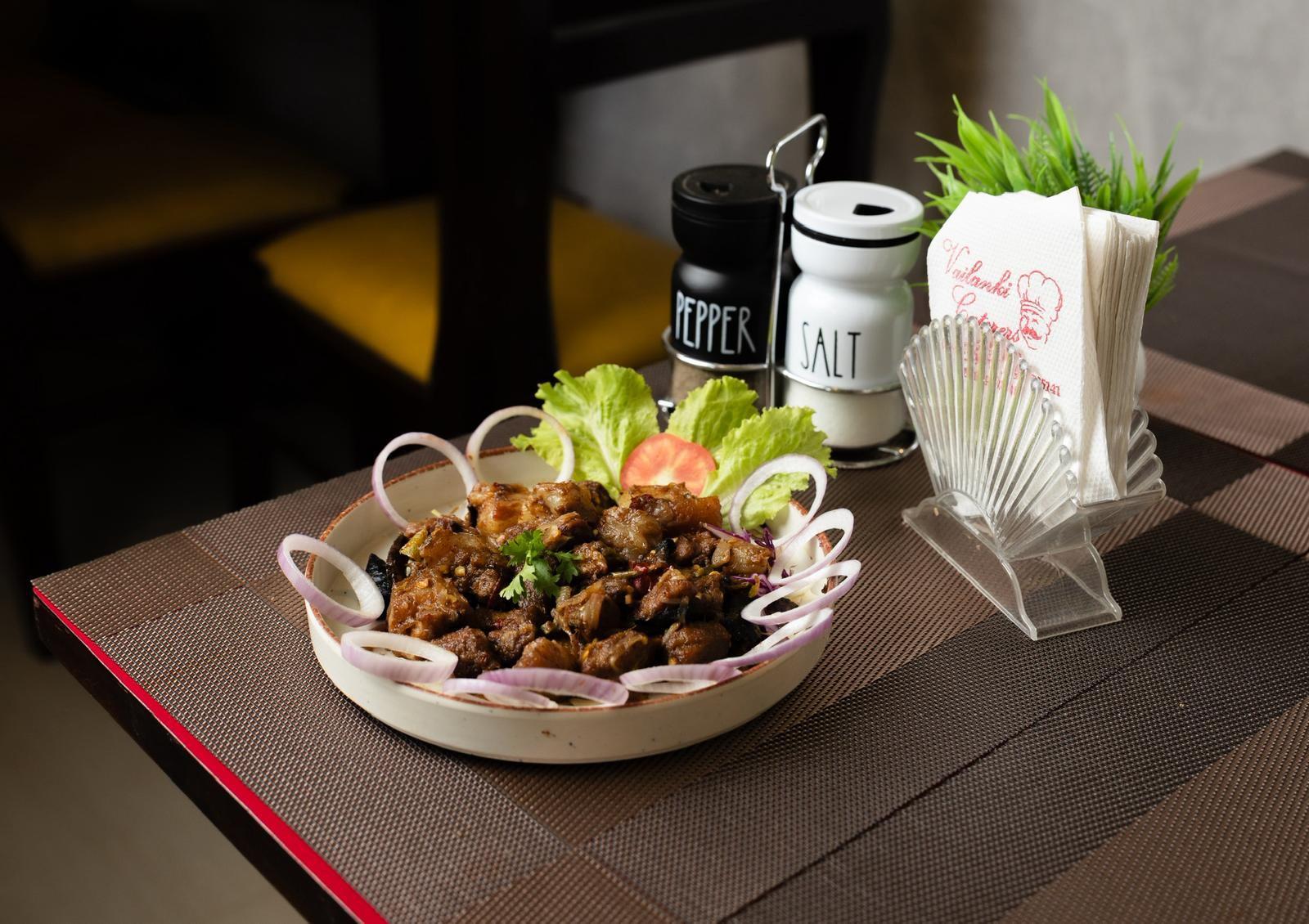
Cocochin Goa revives authentic Goan culinary heritage through traditional wood-fire cooking, handcrafted family recipes, and homely susegad dining, preserving cultural flavours while creating an accessible, immersive community-driven food experience.
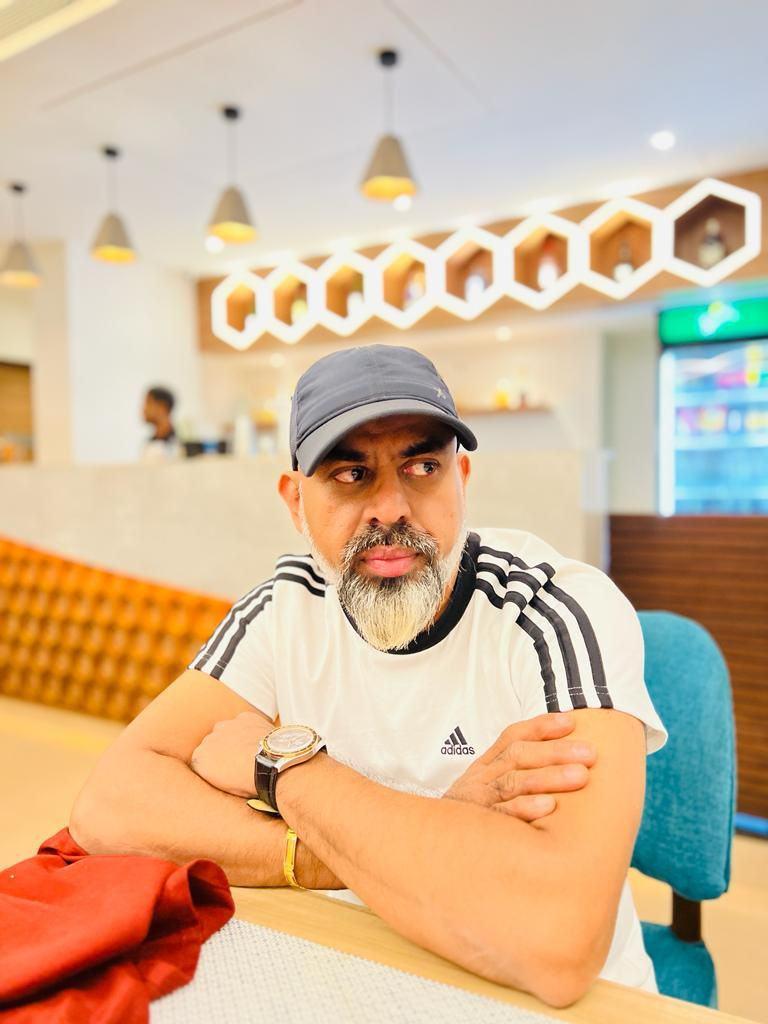
In a landscape where dining trends often lean toward reinvention, Cocochin Goa stands apart by looking inward, towards memory, heritage, and the essence of Goan living. Reimagined under the stewardship of Vailanki Caterers, Cocochin is not merely a restaurant; it is a revival of a legacy that once defined a familiar name in the region.
Cocochin was originally founded by Lourenco Dias as an Indo-Chinese restaurant, a space that gradually transitioned into a bar before eventually fading into silence. For years, it remained a name remembered more than experienced.
Its revival came through the vision of Anthony Dias, the force behind Vailanki Caterers. Recognising both the emotional and cultural value attached to Cocochin, he approached its founder with the intent of restoring it under his expertise. What followed was not just a reopening, but a reinvention rooted in purpose, bringing back a space that celebrates Goa in its most authentic form.
For Anthony Dias, Cocochin represents the realisation of a long-held aspiration. His culinary reputation, built through years of catering across Goa, had always been tied to occasions, weddings, feasts, and large gatherings. Experiencing his food often required waiting for an event.
With Cocochin, that limitation dissolves. The restaurant offers a permanent space where guests can indulge in the flavours of Vailanki Caterers at any time, transforming what was once occasional into something accessible and immediate.
At the heart of Cocochin’s identity lies an unwavering commitment to authenticity. The kitchen adheres to traditional cooking methods, with food prepared over wood fire at the catering kitchen before being brought to the restaurant.
Equally significant are the masalas, handcrafted by Anthony Dias using recipes passed down through generations, drawn from his grandmother, mother, and close influences from his early years.
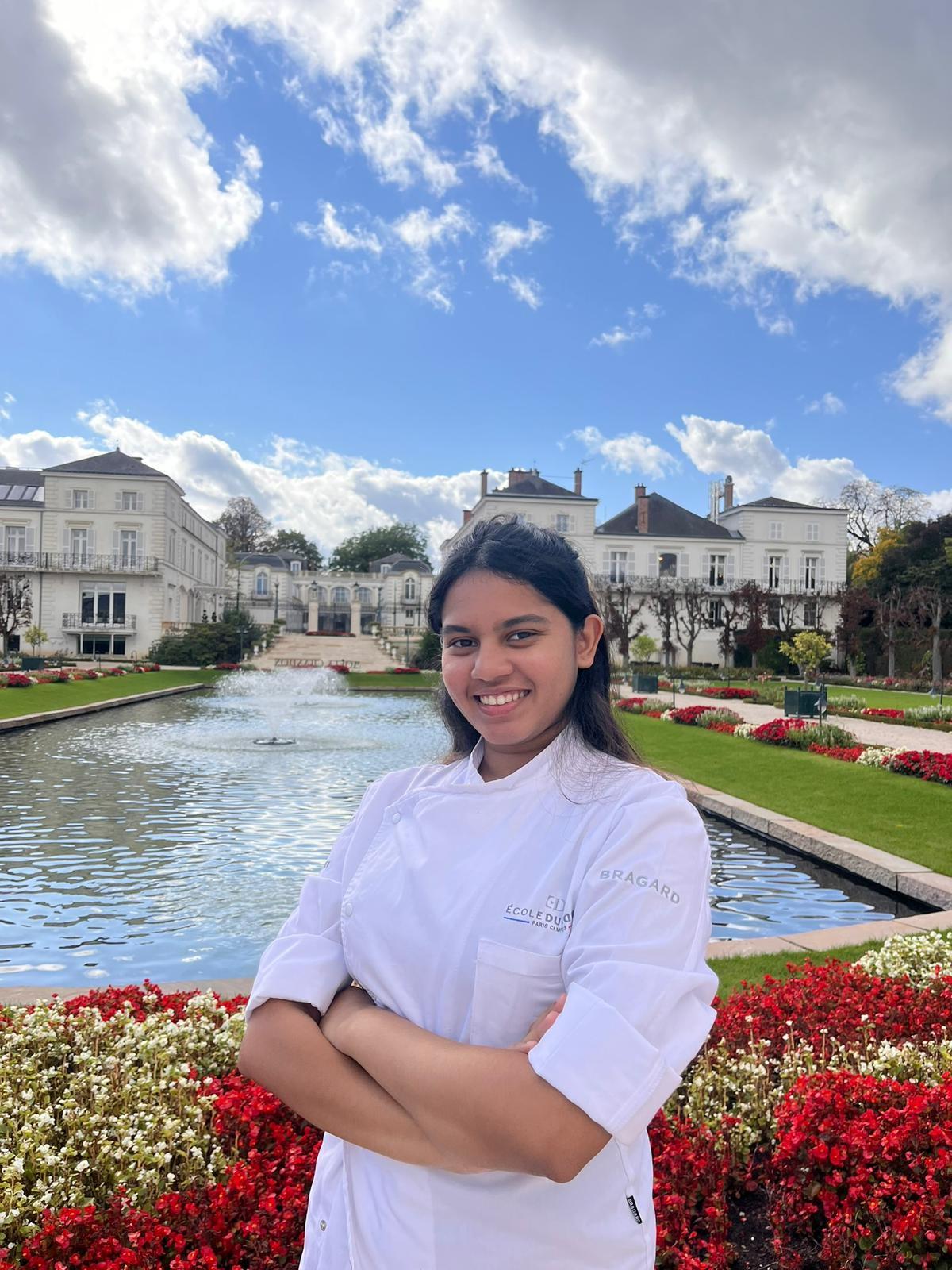
Blessie Dias, Anthony’s eldest daughter, now proudly runs the restaurant www.itsgoa.com
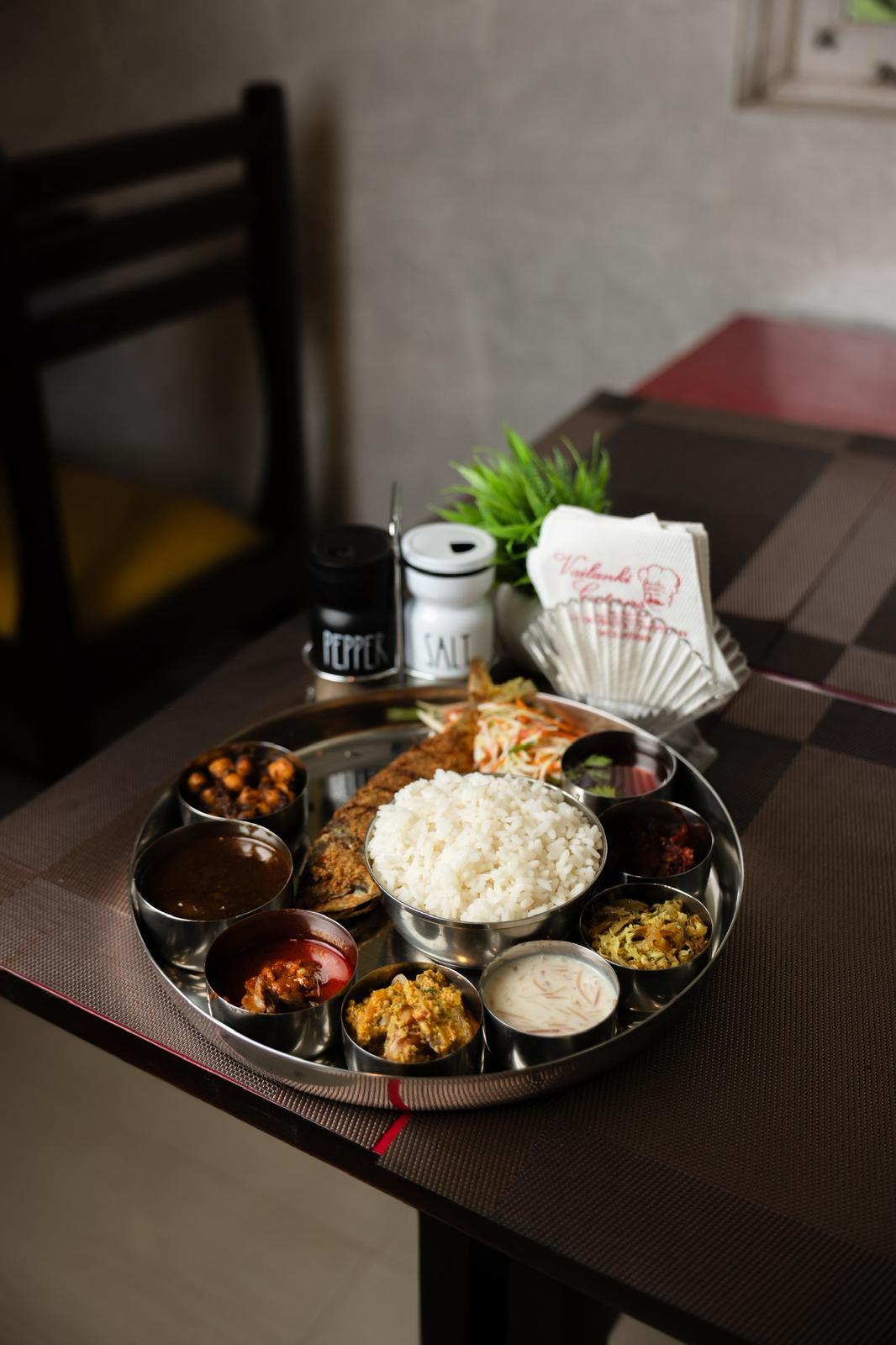
This continuity of knowledge ensures that each dish carries not just flavour, but history.
Cocochin’s menu is a reflection of Goa’s culinary soul, with signature offerings such as pork sorpotel, beef roast, and the culturally rich bhikareanche jevonn thali. These dishes stand out not simply for their taste, but for what they represent.
Many of these preparations were once integral to Goan feasts and community gatherings, cooked in large quantities over wood fire, imbued with a depth that modern methods often fail to replicate. Today, as such traditions become less common, Cocochin serves as a bridge, bringing these experiences back into everyday dining.
The bhikareanche jevonn thali, in particular, holds a special place, offering guests a chance to engage with a culinary tradition that many may have only heard of, or experienced on rare occasions.
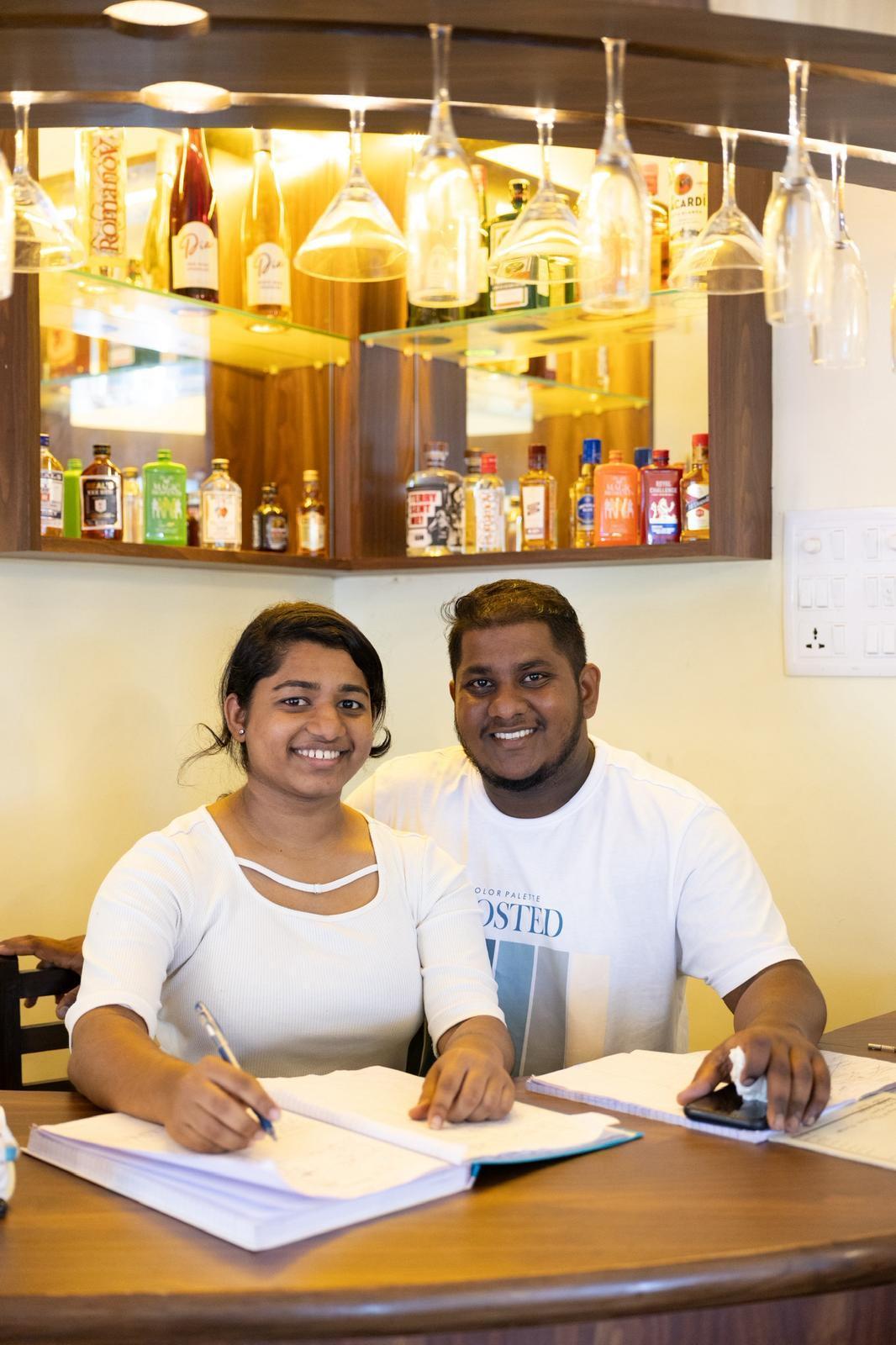
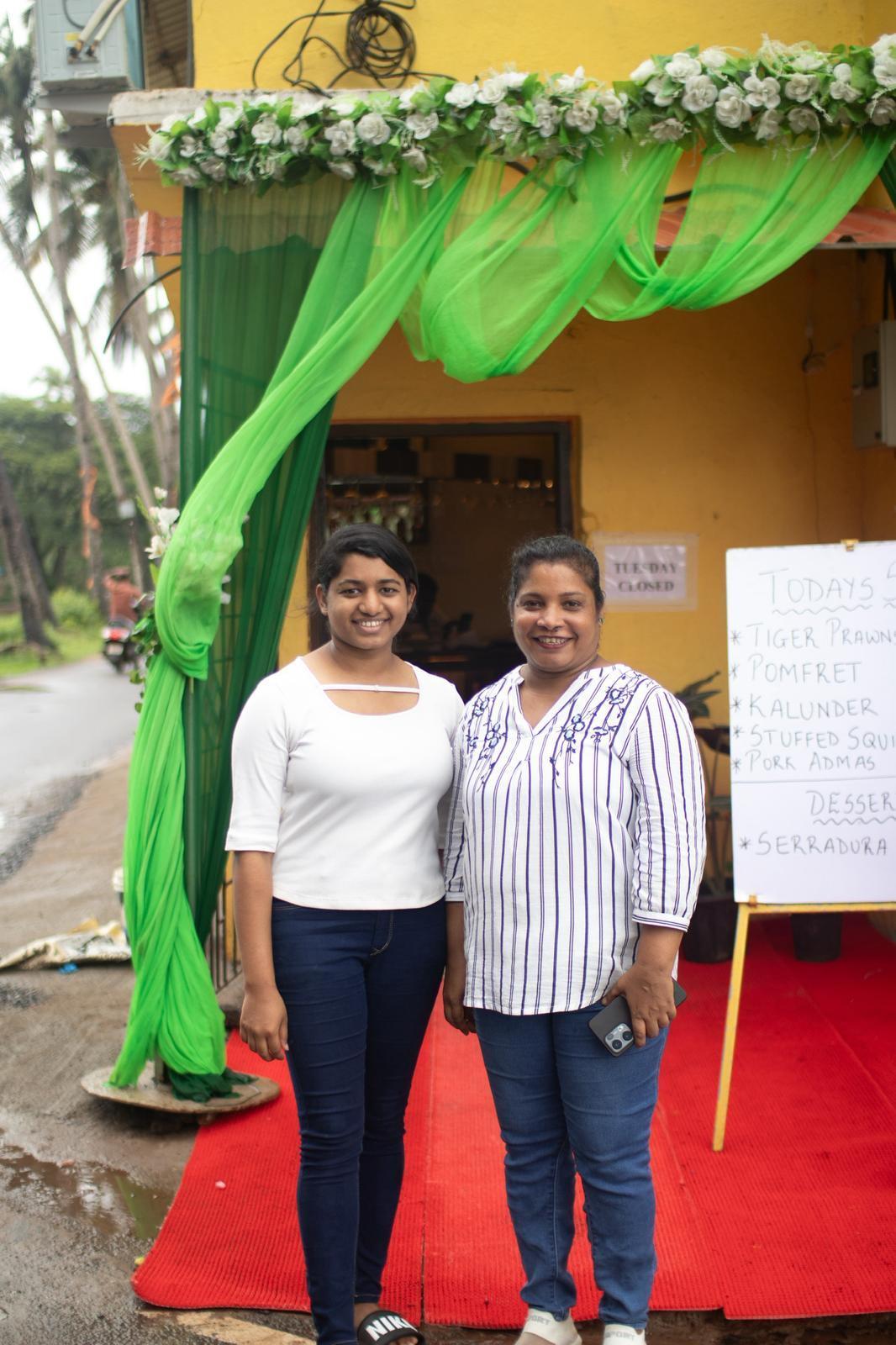
Grace and luisa, Luisa prepares homemade specials, and traditional thali accompaniments
While tradition anchors the menu, Cocochin also acknowledges the need for evolution. This balance is achieved through a dynamic specials board, where the kitchen experiments with dishes and beverages that change periodically.
This approach allows the restaurant to remain rooted while still offering variety, ensuring that regular patrons continue to find something new alongside the familiar.
Dining at Cocochin is designed to evoke more than satisfaction, it is meant to create a feeling. The atmosphere is intentionally homely, encouraging guests to slow down and embrace the laid-back rhythm often described as “susegad.”
Set amidst lush greenery and framed by coconutlined roads, the space reflects the natural and cultural beauty of Goa. It invites guests to sit, eat, and unwind, offering a quiet escape that feels both grounding and restorative.

Potato Sausage bites
Goa’s culinary heritage is not just an influence at Cocochin, it is its foundation. The restaurant exists with a clear purpose: to preserve and celebrate the richness of Goan food culture.
For its founders, this mission is deeply personal. Having experienced life beyond Goa, the return to its traditions brought with it a renewed appreciation for the region’s culinary depth. Cocochin becomes an extension of that realisation, encouraging others to value and carry forward these traditions.
Cocochin attracts a diverse yet like-minded audience, those seeking the comfort of home-style meals, families looking for a familiar dining space, and individuals drawn to the simplicity of authentic Goan food.
The experience aims to leave guests with more than a satisfied palate. It encourages a sense of responsibility, to keep Goan heritage alive, to share its stories, and to pass them down through generations.
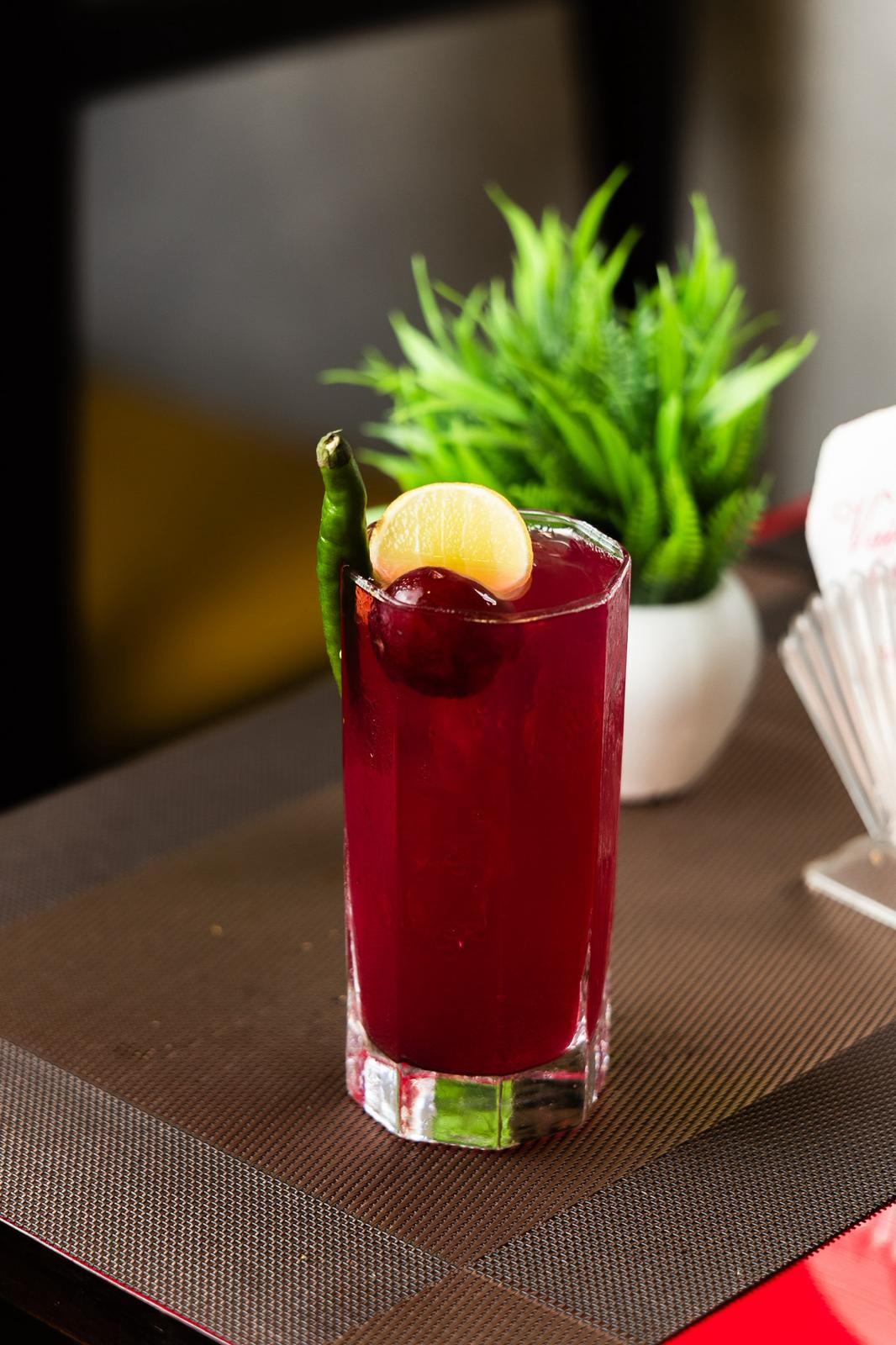
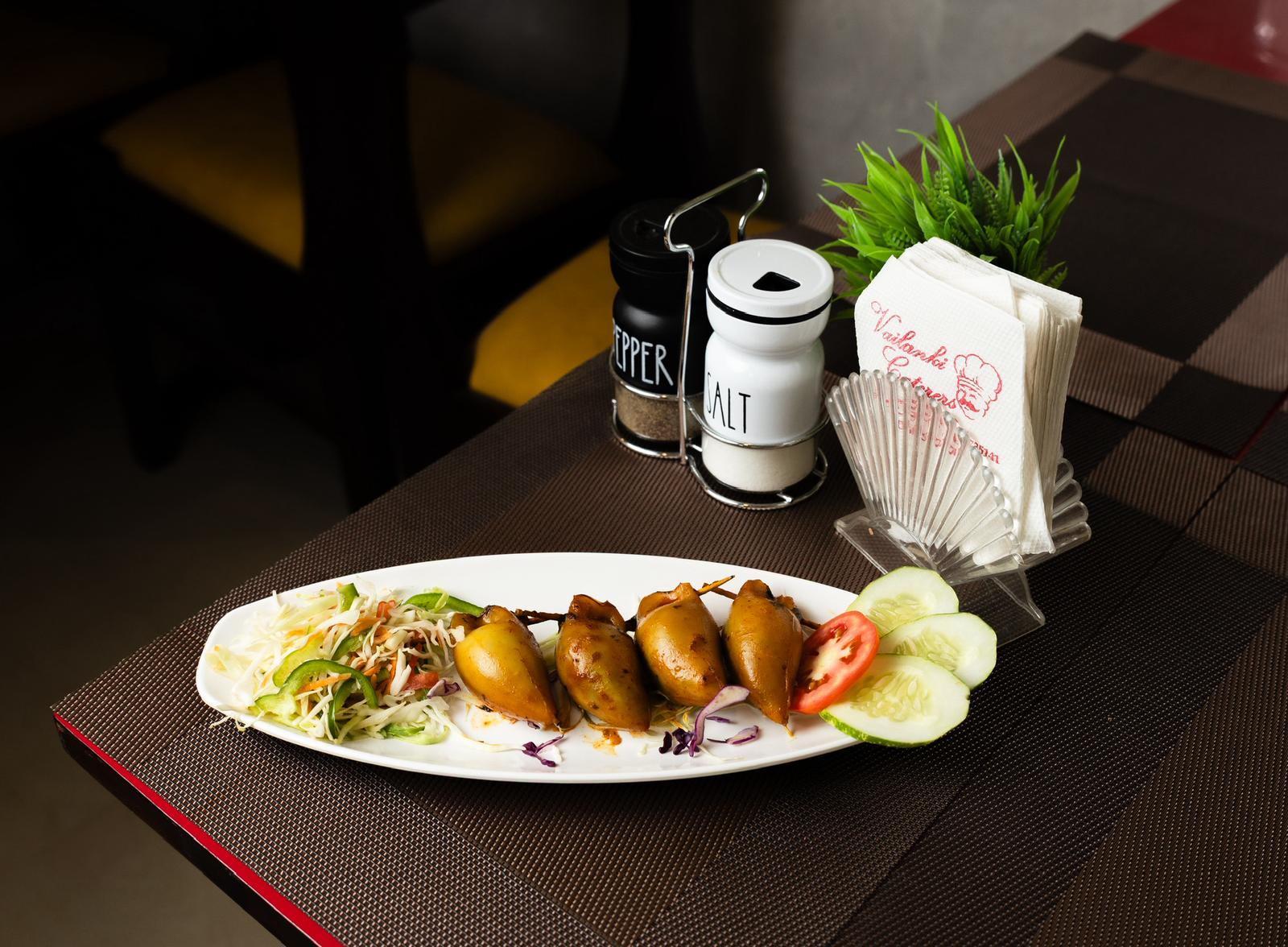
The journey of revival has not been without its hurdles. Staffing, a common challenge in the hospitality industry, remains an ongoing learning curve. Yet, resilience defines the team’s approach.
Rather than viewing obstacles as setbacks, they are treated as opportunities to adapt, grow, and continue delivering consistent experiences, even in less-than-ideal circumstances.
Cocochin today stands as one of the most authentically Goan dining spaces, not through spectacle, but through sincerity. It is a place where food is cooked with patience, served with intention, and experienced in its truest form.
In preserving the flavours, practices, and spirit of Goa, Cocochin offers something increasingly rare, a space that honours the past while inviting guests to be part of its continuation.
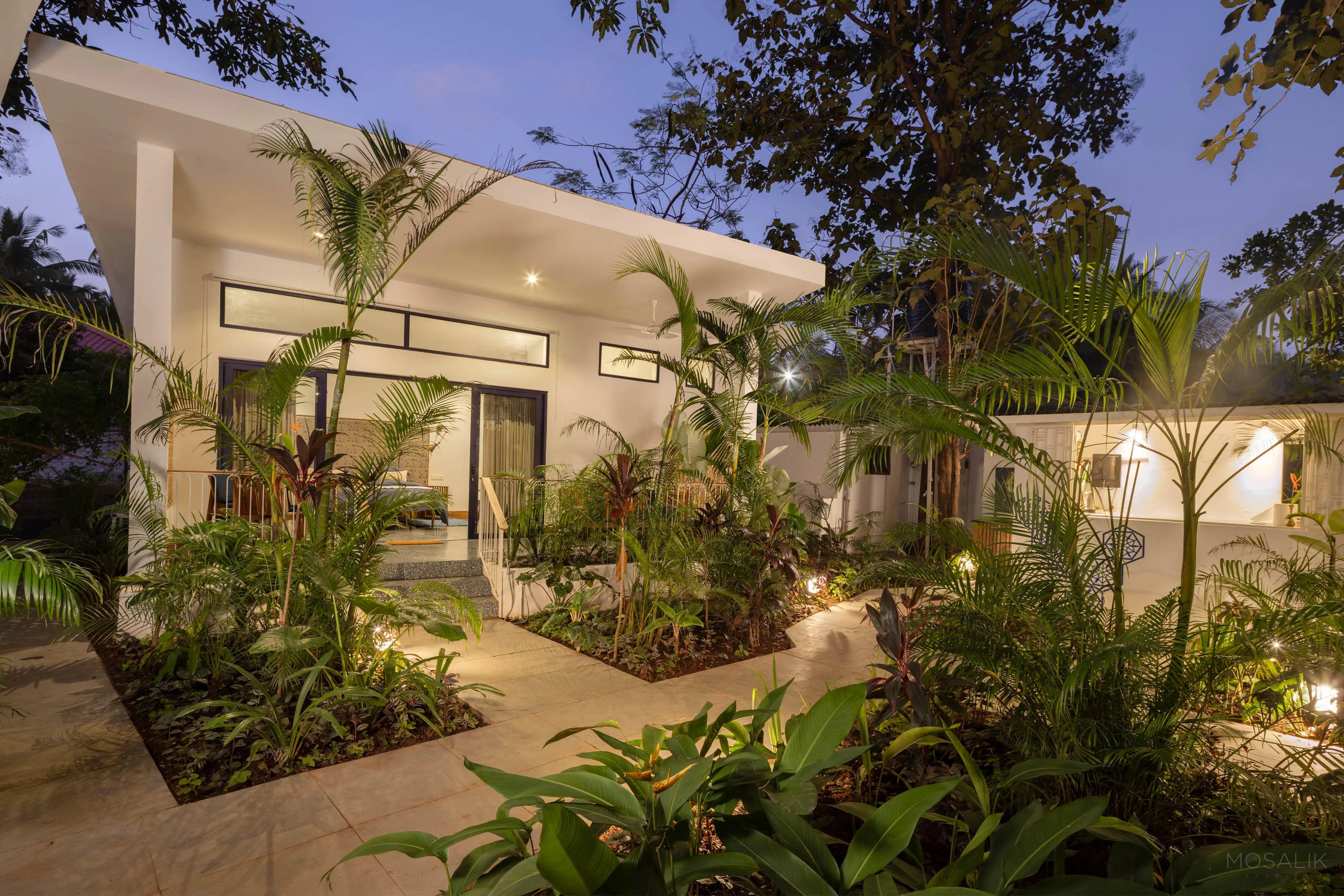
Jaali Blue Goa blends tropical modern design, handcrafted Indian artistry, and nature-inspired hospitality, offering an intimate boutique retreat in Patnem focused on calm living, thoughtful craftsmanship, and emotionally restorative guest experiences.
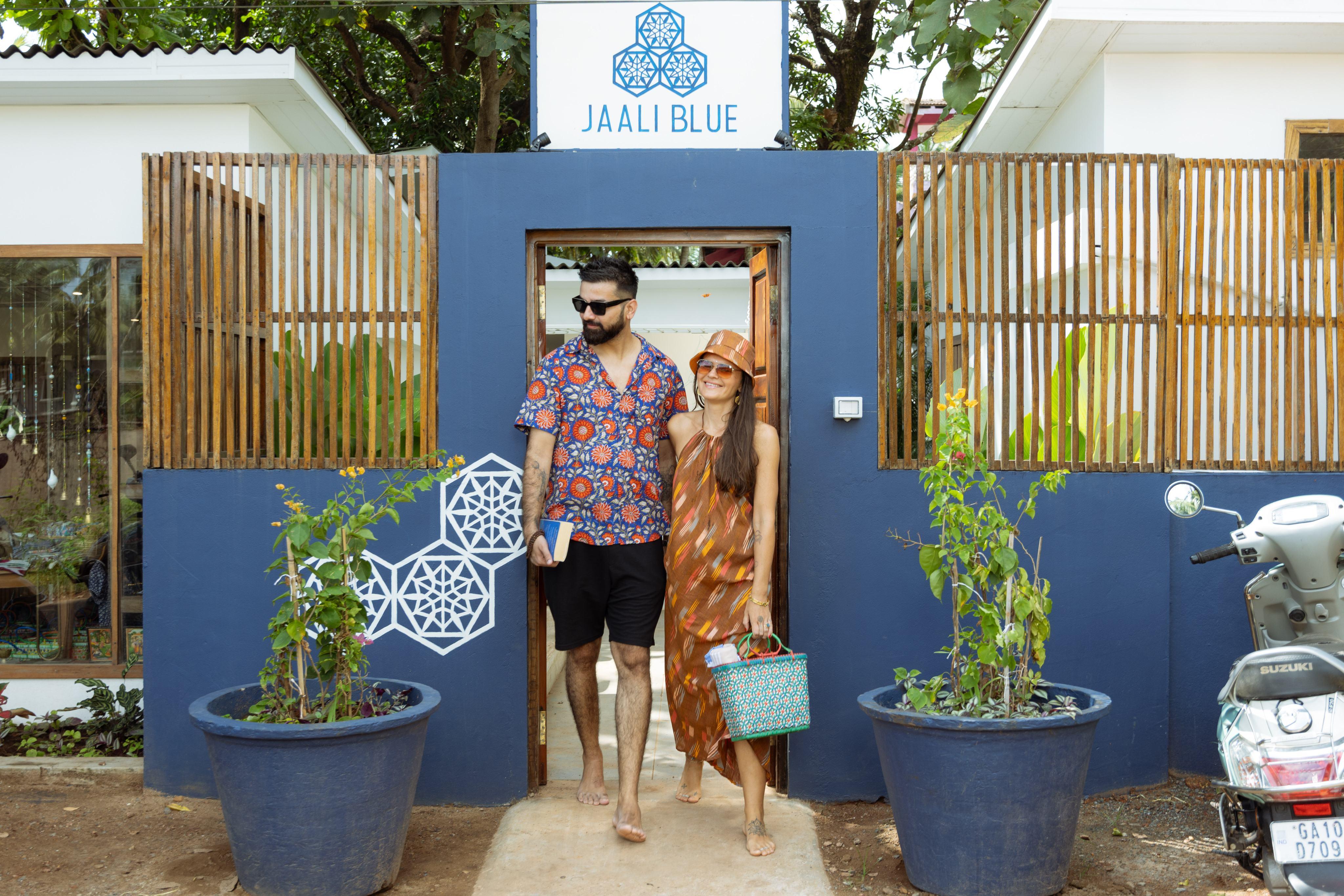
Founded by Kate Abramovitz, Jaali Blue Goa is a boutique retreat that brings together tropical modern design, artisanal craftsmanship, and the calming beauty of nature. Located just behind Patnem Beach amidst towering teak and mango trees, the property reflects Kate’s deeply personal creative journey and her evolving relationship with Goa.
Originally from South Africa, Kate comes from a background in fashion and costume design. After marrying an Indian man, she moved to Goa in 2009, where she gradually began building a creative world shaped by design, hospitality, and craftsmanship. In 2014, she launched Jaali Boutique, a space that would eventually become the foundation for several future ventures. The same property later housed Jaali Café, with both the café and boutique operating together until 2023.
Even after closing the café, Kate held onto the property because of her attachment to the space, particularly its lush trees and peaceful atmosphere. In November 2025, the location was transformed
into Jaali Blue, her second hospitality venture following the success of Casa Jaali, which opened in 2021. For Kate, Jaali Blue represented the opportunity to create a more design-led, mid-range accommodation concept that she felt was largely missing in South Goa. Surrounded by giant teak and mango trees, the property naturally lent itself to becoming what she describes as the “next Jaali.”
The aesthetic identity of Jaali Blue is rooted in what Kate calls “tropical modern” design. Inspired equally by Goa’s wild natural beauty and its increasingly refined design culture, the property balances earthy warmth with understated sophistication. A strong influence of mid-century modern interiors can be seen throughout the stay, though the design never feels disconnected from its surroundings. Instead, every detail responds to the environment itself. The rooms open into garden courtyards framed by geometric screens, textured materials, and tropical greenery, creating spaces that feel both intimate and open to nature.
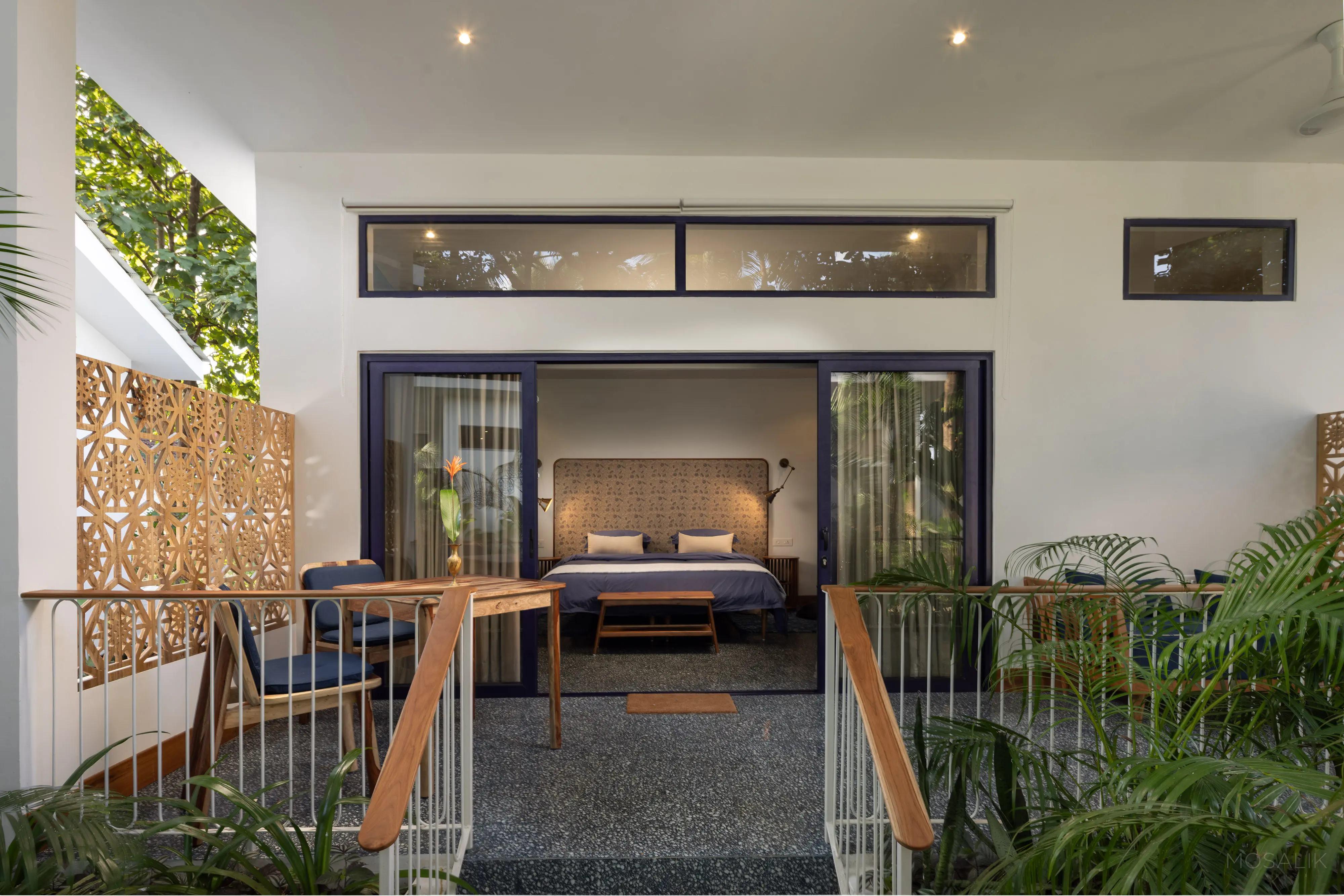
Sunlit verandas and airy interiors designed for slow, restful mornings
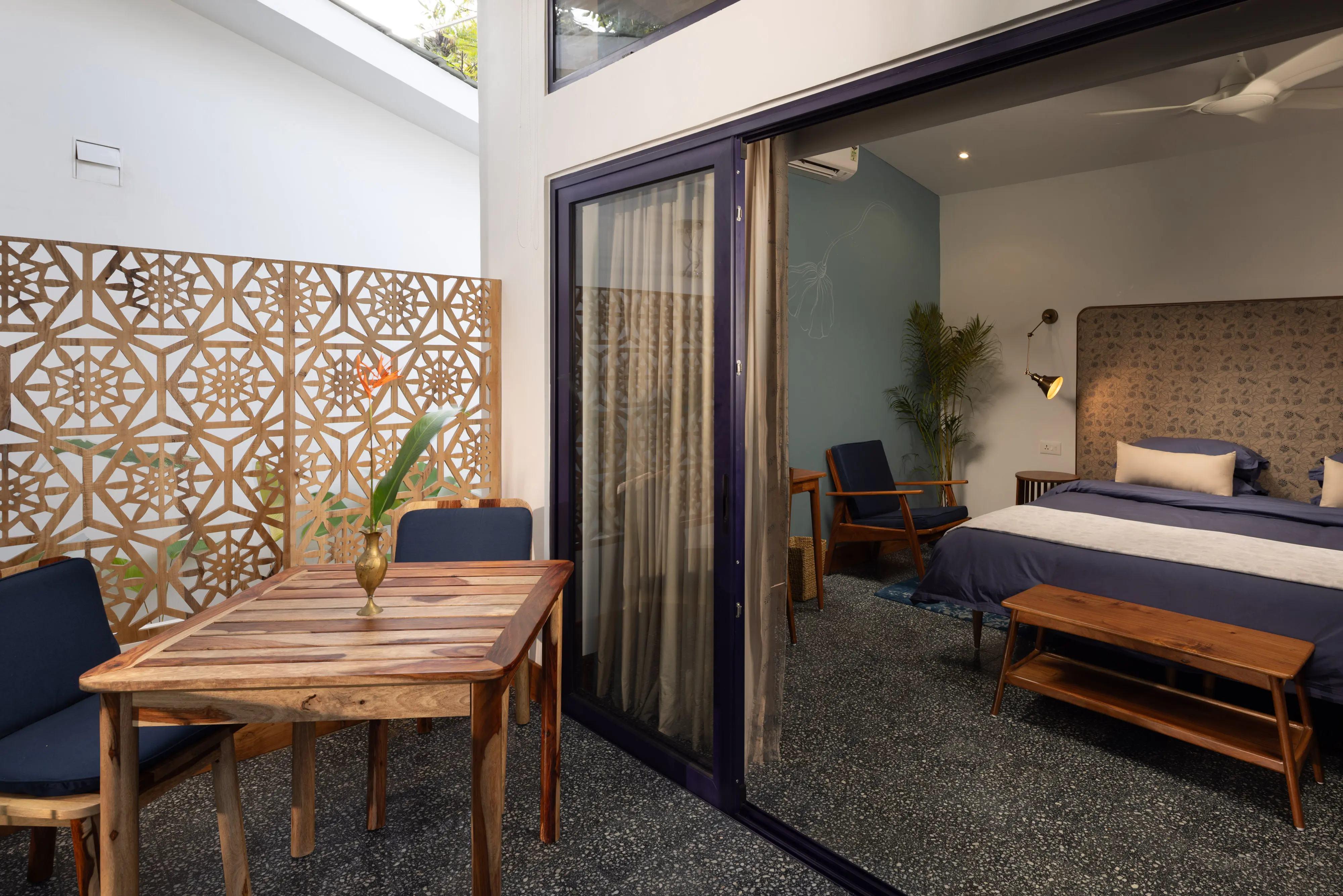
Handcrafted jaali screens bringing privacy, light, and texture to open balconies
www.itsgoa.com itsgoa_ Itsgoa
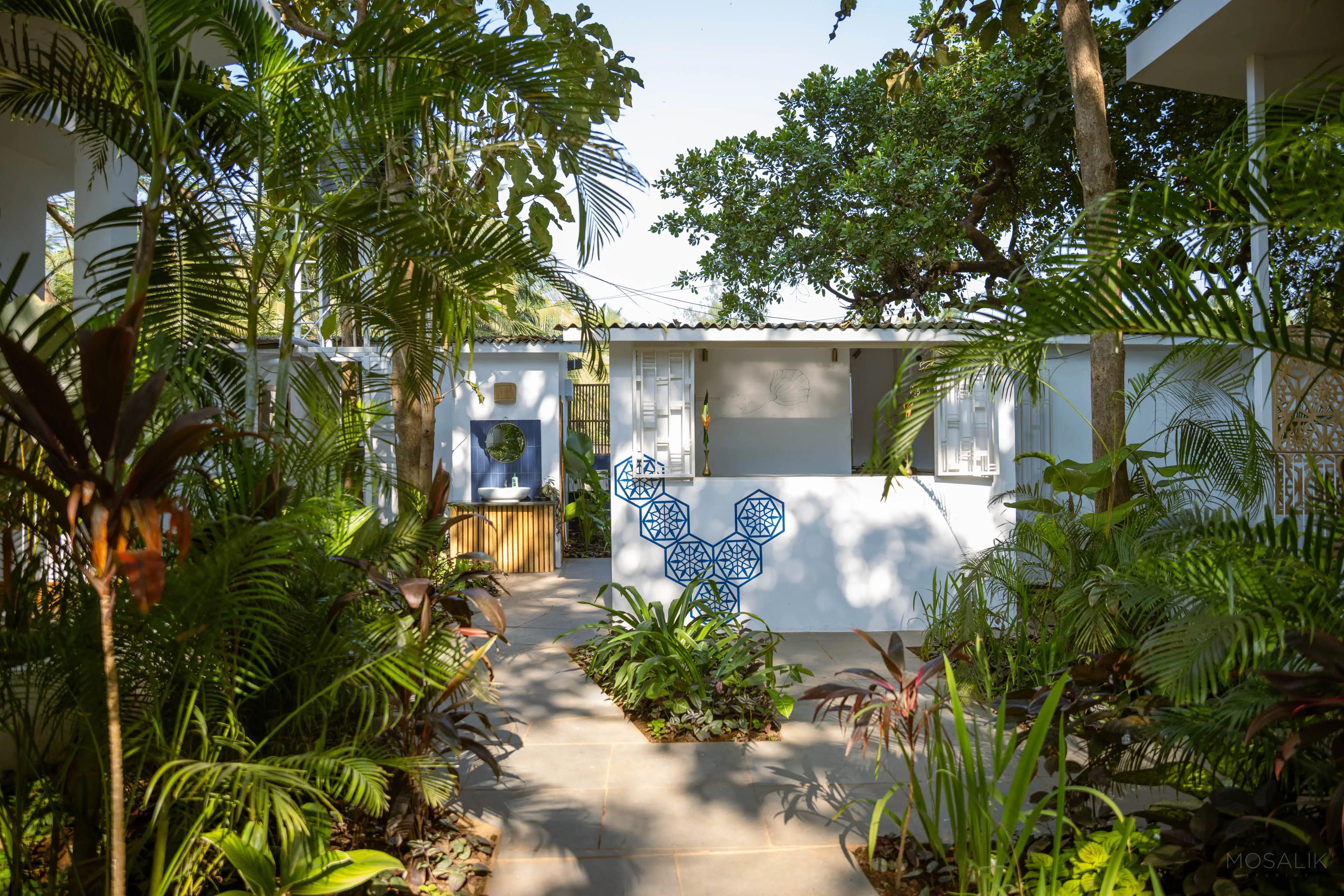
Rather than relying on excessive ornamentation, Jaali Blue embraces minimalism enriched by handcrafted details and custom-made elements. The interiors feature oatmeal linen upholstery block-printed with lotus pod motifs, bespoke blue terrazzo tiles specially produced in Mumbai, and furniture handcrafted locally by Goan carpenters. Every component was intentionally designed to create quiet luxury without becoming flashy or overwhelming.
The name “Jaali” originates from the intricate stone latticework found in the forts and palaces of Rajasthan, which has long served as one of Kate’s greatest artistic inspirations. Whenever she feels creatively stagnant, she returns to Rajasthan for renewed inspiration, drawing energy from its architecture, textures, and craftsmanship.
The “Blue” in Jaali Blue comes from a distinctive shade that had already become synonymous with the Jaali identity. Both Jaali Boutique and Jaali Café were painted in the same particular hue, which Kate and a friend eventually began referring to as “Jaali blue.”
When naming the new property, the choice felt both organic and deeply connected to the growing Jaali legacy.
Nature plays a defining role in shaping the Jaali Blue experience. According to Kate, the gardens are among the most important aspects of both her properties.
Goa’s lush tropical vegetation, especially during the monsoon months, creates an atmosphere that feels immersive, grounding, and restorative. The property’s landscaping was not outsourced or treated as an afterthought. Kate personally planted the gardens while simultaneously training her new gardener, ensuring the outdoor spaces reflected the same care and intentionality found within the interiors.
This strong relationship with nature influences how guests experience the property as a whole. The sounds of birds, the shade from mature trees, and the surrounding greenery all contribute to an environment that encourages slowing down and disconnecting from everyday noise.
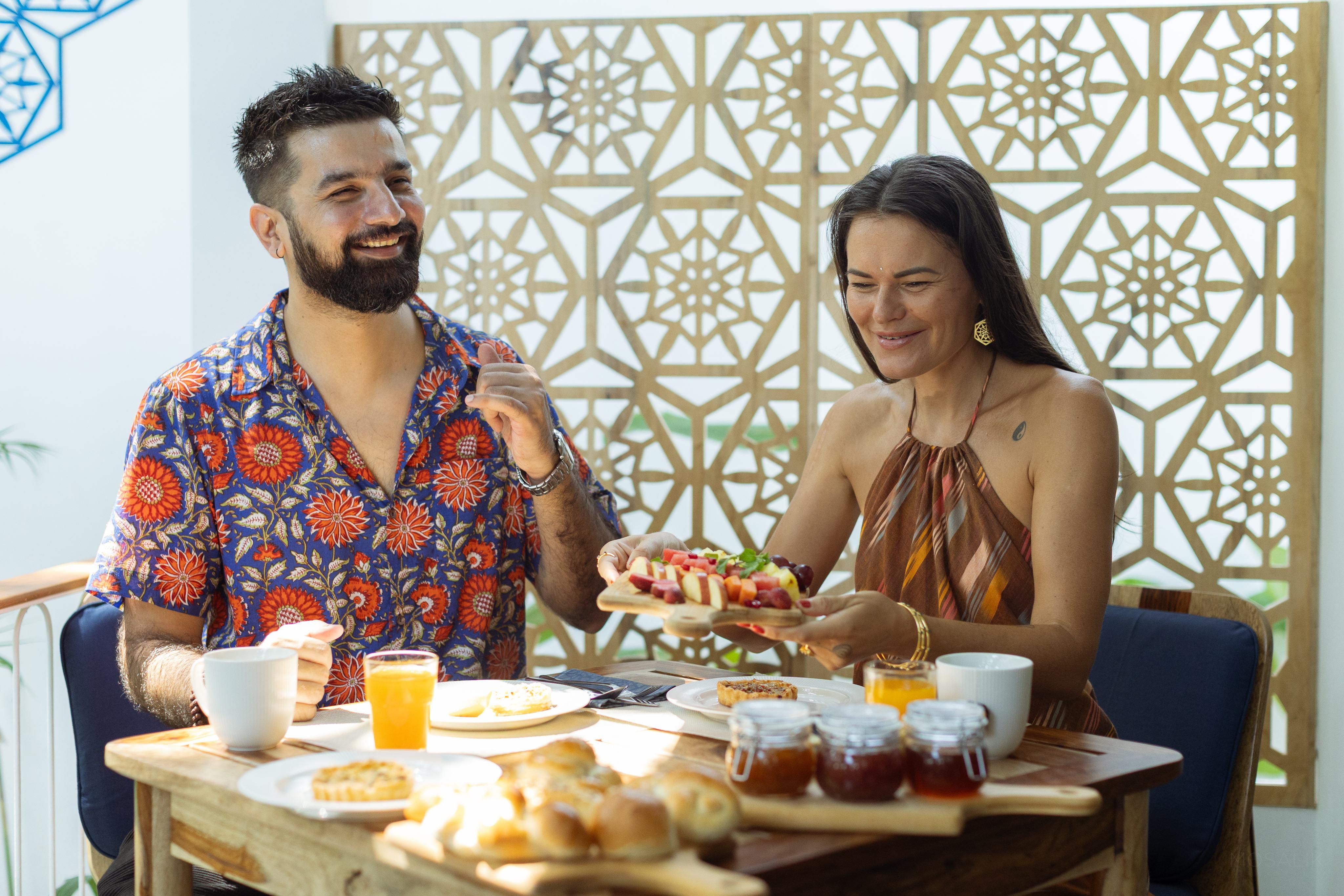
Slow breakfast mornings surrounded by light, calm, and tropical serenity
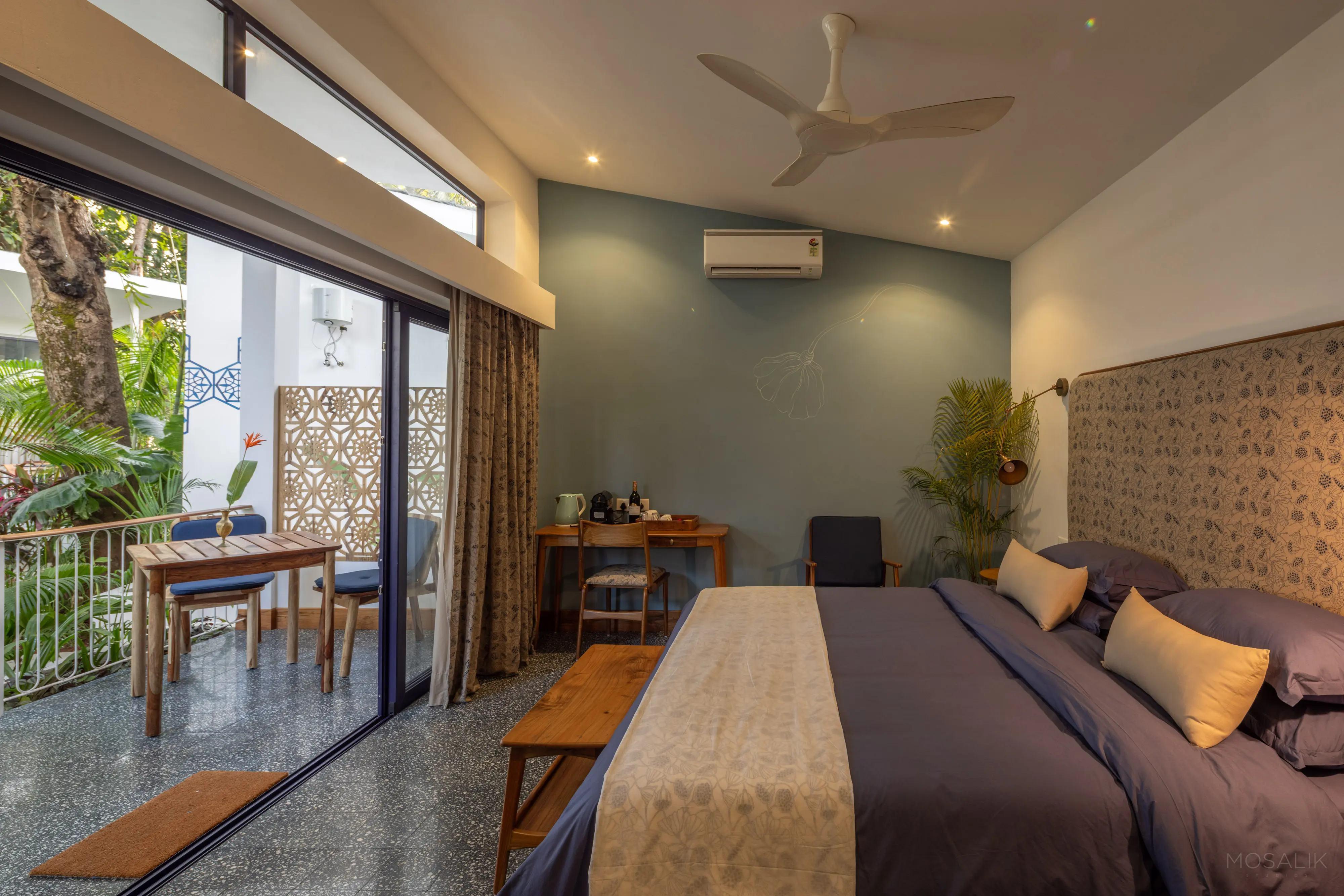
Minimalist interiors softened by tropical views and handcrafted details www.itsgoa.com
What distinguishes Jaali Blue from many boutique stays is its deliberate sense of restraint and intimacy. With only four rooms, the property avoids the bustle often associated with hospitality spaces. There is no restaurant, no piped music, and no overstimulation. Instead, the atmosphere is shaped by birdsong, rustling leaves, and the occasional appearance of monkeys passing through the trees.
Despite being located just 150 metres from Patnem Beach, Jaali Blue feels hidden away from the activity surrounding it. Guests step through the front gate and enter what feels like an entirely separate world — quiet, peaceful, and deeply calming.
This balance between accessibility and seclusion has become central to the property’s identity. While it offers modern comforts and carefully curated interiors, the overall experience remains intentionally simple and emotionally restorative.
Craftsmanship lies at the heart of Jaali Blue’s visual identity. Every element of the property reflects collaboration with artisans and makers from different parts of India. Fabrics were printed and dyed in Jaipur, terrazzo tiles custom-made in Mumbai, bed linen produced in Gujarat, and furniture handcrafted locally in Goa.
This emphasis on creating everything from scratch gives the property an authenticity that massproduced hospitality spaces often lack. According to Kate, there is something inherently luxurious about designing and producing each detail specifically for the space, rather than relying on ready-made décor. The result is a property that feels deeply personal and layered with stories of craftsmanship from across the country.
At its core, Jaali Blue was envisioned as more than simply a place to stay. Kate hopes guests leave with a sense of peace, calm, and rejuvenation, describing the experience as “a mini retreat.”
That emotional intention is reflected throughout the property, from the muted colour palette and handcrafted materials to the quiet gardens and uncluttered spaces. The design encourages stillness rather than distraction, allowing guests to reconnect with themselves and their surroundings.
For Kate, the most rewarding aspect of the journey continues to be the creative process itself. Seeing guests appreciate and emotionally connect with the spaces she has imagined and built remains her greatest source of fulfilment.
Jaali Blue is only one chapter in Kate Abramovitz’s expanding hospitality vision. Already working on a third property scheduled to open later this year, she hopes to eventually offer guests curated experiences across all three Jaali properties, each carrying its own distinctive personality while remaining tied together by a shared design philosophy.
Outside of hospitality, Kate finds inspiration in nature and cinema, passions that continue to influence both her creative process and personal life. As the Jaali brand continues to evolve, Jaali Blue stands as a reflection of thoughtful living, intentional design, and the enduring power of spaces created with authenticity and care.
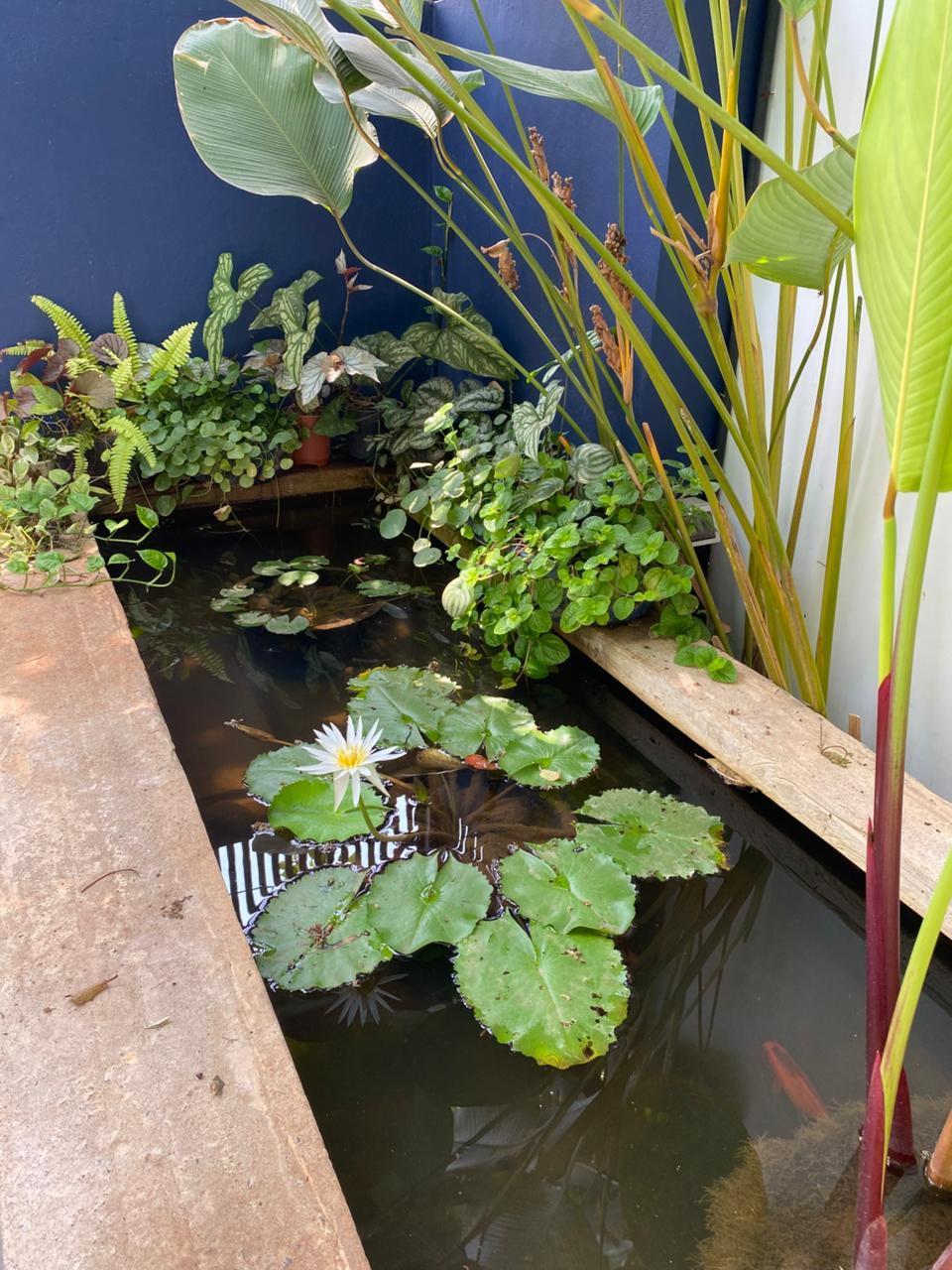
The water feature welcoming guests on arrival
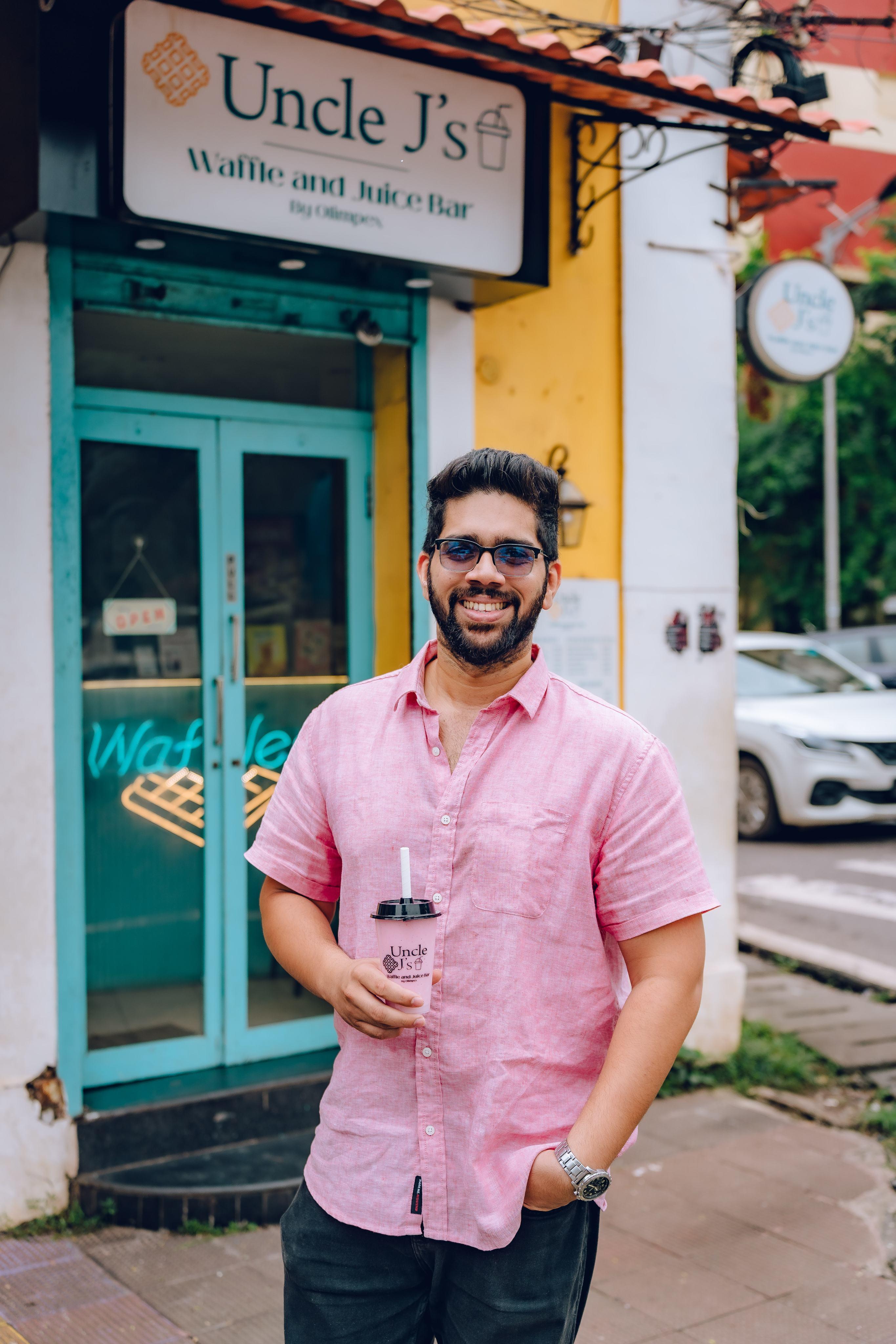
Owner- Jonathan Braganca
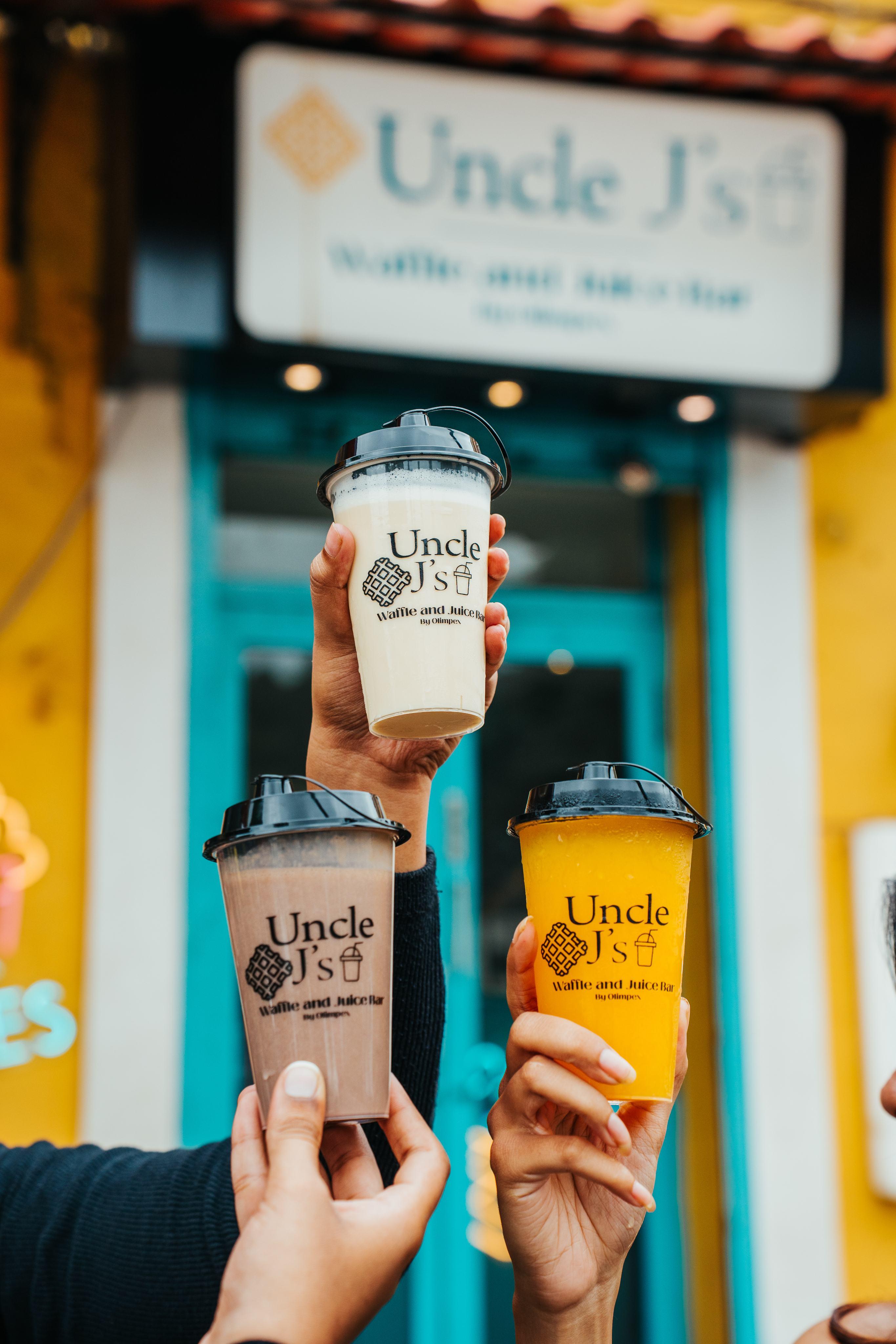
In Goa’s evolving café culture, where new food concepts continue to emerge across the state, few places manage to create the warmth and familiarity of a neighbourhood favourite quite like Uncle J’s Waffle & Juice Bar. Located in Panjim, the café has steadily built a loyal following for its freshly prepared waffles, refreshing juices, indulgent shakes, and inviting atmosphere that makes customers feel instantly at home.
Behind the brand is Jonathan Braganca, now affectionately known to many as “Uncle J.” What began as a dream of starting an independent business in Goa soon transformed into one of Panjim’s most loved waffle destinations.
Jonathan Braganca always knew he wanted to build something of his own in Goa. The idea for the café came together in 2023, but finding the right identity for the brand took time. The turning point came unexpectedly through a simple family moment.
One day, his niece asked him, “Uncle J, what sweet treat have you made for me today?” The phrase stayed with him, eventually becoming the inspiration behind the café’s name. That personal connection continues to define the brand even today. Uncle J’s was never intended to be just another dessert spot. Instead, it was envisioned as a warm and comforting space where people could gather over good food and feel a sense of familiarity.
Waffles were always going to be at the centre of the concept. Jonathan and his wife had long enjoyed making waffles together at home, considering them one of their favourite comfort foods. However, while the waffles formed the foundation of the café, Jonathan wanted to create something more complete and relevant to the needs of Panjim’s visitors and locals.
Before launching the business, he spent nearly six months researching the area, speaking to residents and tourists around Panjim, especially near the church precinct. One common observation repeatedly surfaced, people were looking for something refreshing, quick, hygienic, and easy to enjoy while exploring the city, particularly in Goa’s warm climate.
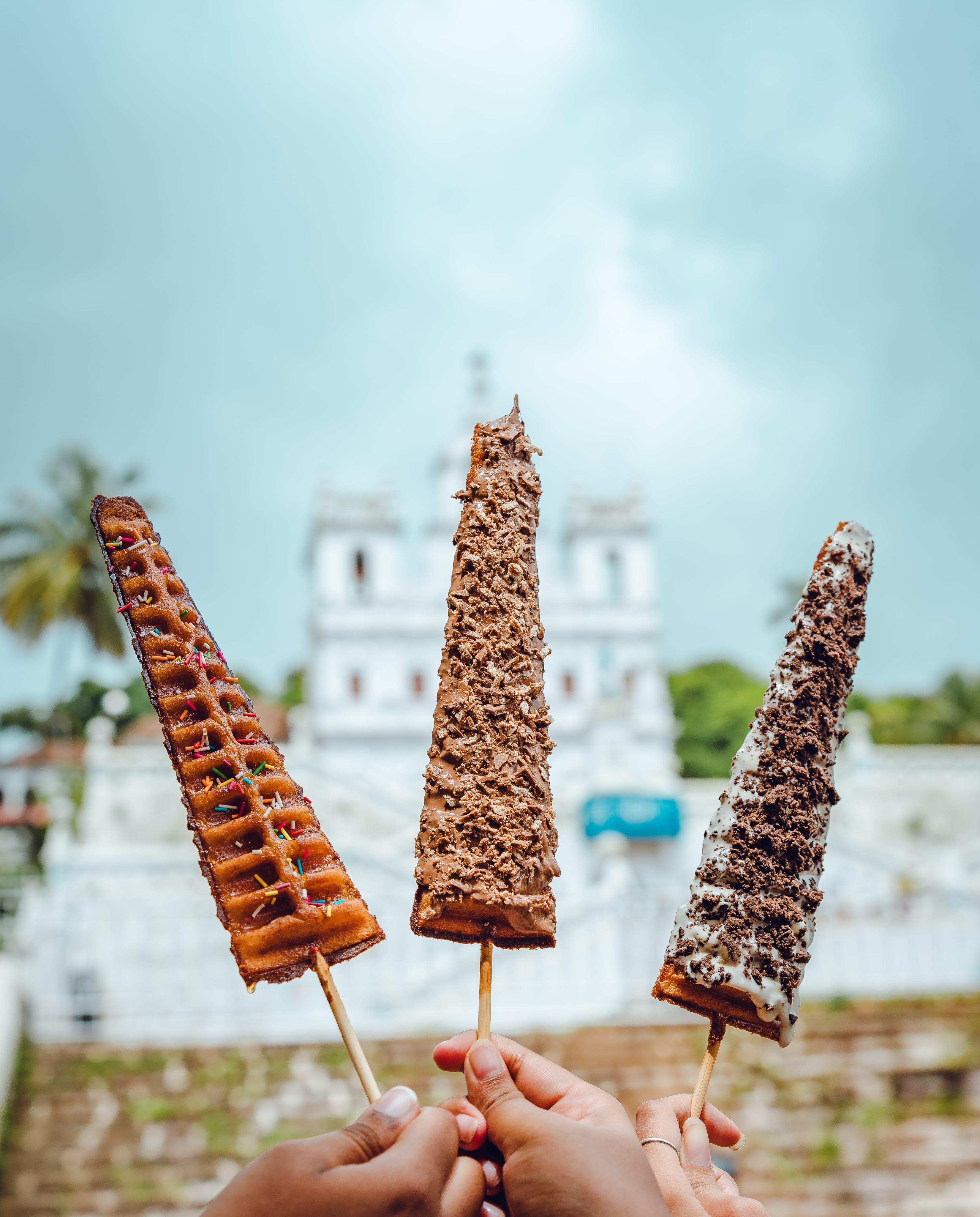
Maple syrup, Kitkat and Oreo stick waffle
That insight ultimately led to the creation of Uncle J’s Waffle & Juice Bar, combining freshly prepared comfort food with juices and beverages designed for Goa’s tropical weather.
One of the defining aspects of Uncle J’s menu is its ability to cater to different preferences without compromising on flavour or quality. While the café is known for indulgent treats, it also offers lighter and healthier alternatives for customers seeking more balanced options.
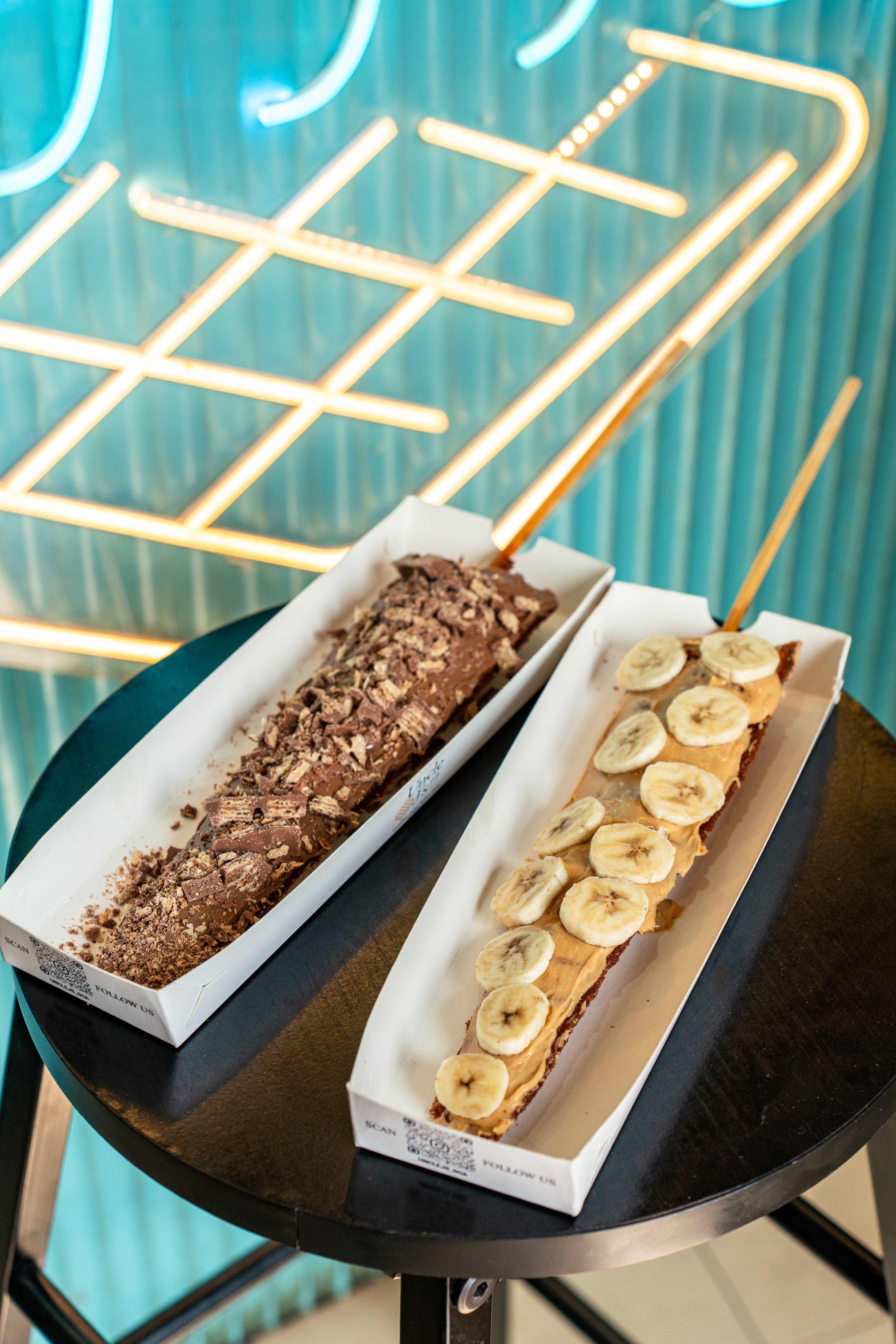
The café’s fruit-based juices and shakes are prepared without added sugar, allowing the natural sweetness of fresh produce to stand out. Even within the waffle selection, there are simpler choices, including waffles topped with fresh banana for customers who prefer a less sugary dessert experience. This thoughtful balance allows the café to appeal equally to families, tourists, health-conscious diners, and dessert lovers alike.
Among the café’s most popular offerings, the Nutella waffle continues to dominate as the signature bestseller. Its rich flavour and comforting appeal have made it a customer favourite, drawing visitors from across Goa.
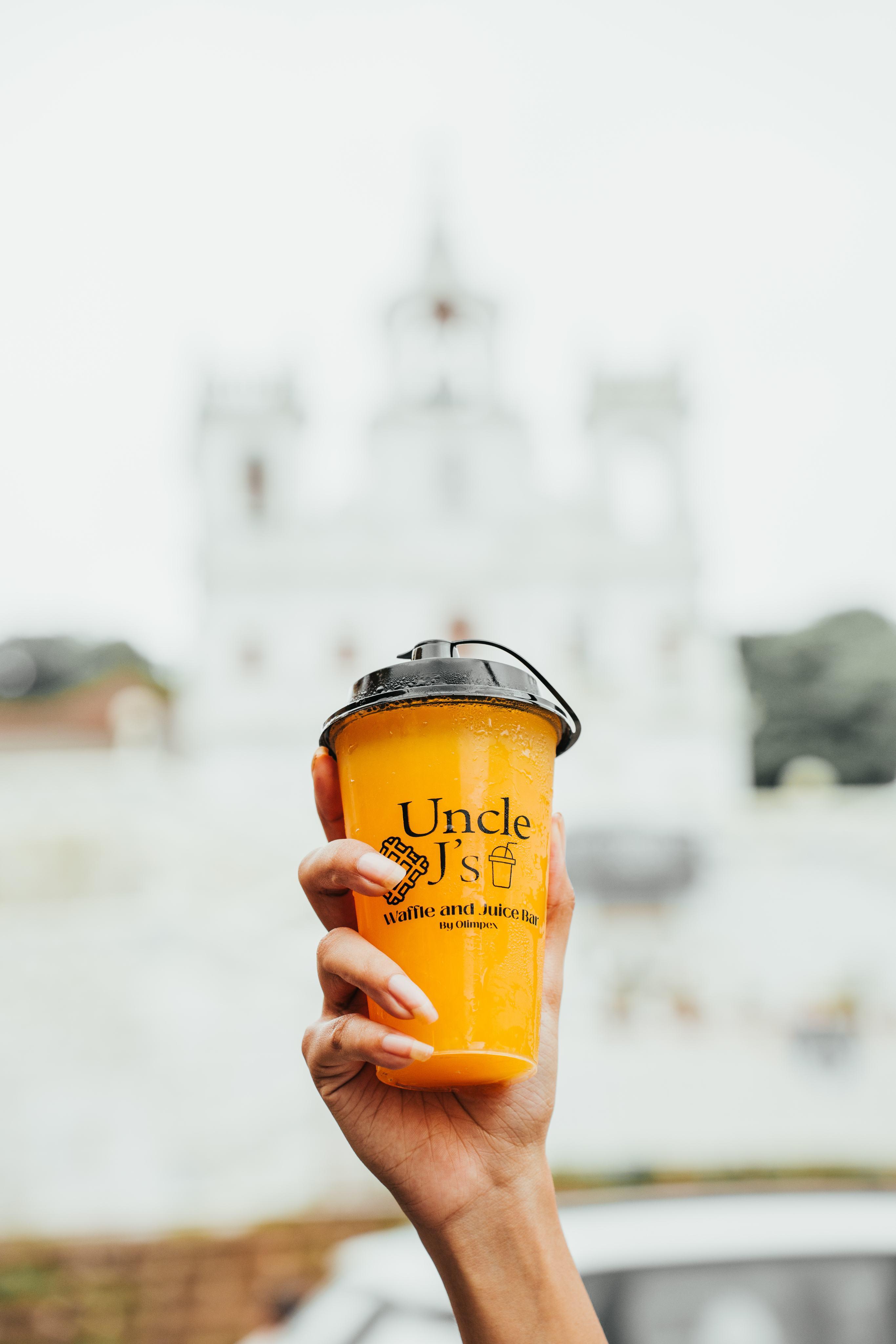
The beverage menu has developed an equally strong reputation. The freshly squeezed orange juice stands out for its balance of sweetness and tanginess, offering a refreshing option suited perfectly to Panjim’s climate.
Meanwhile, the café’s tiramisu ice cream shake has become a consistent crowd favourite, alongside the seasonal mango shake that remains especially popular during Goa’s summer months.
Beyond the menu itself, Uncle J’s places significant emphasis on creating an experience rooted in warmth and comfort. Jonathan envisioned the café as more than just a place to eat, he wanted it to feel welcoming, familiar, and memorable.
The atmosphere reflects that philosophy. Customers are encouraged to slow down, relax, and enjoy food prepared with care, much like something served by a close family member. The intention is simple yet meaningful: to create a place people genuinely miss when they are away.
At Uncle J’s, ingredient quality is treated as a priority rather than an afterthought. Jonathan personally sources many of the ingredients from local vendors, particularly the fresh fruits used in the café’s juices and shakes.
By carefully selecting produce and maintaining close attention to freshness, the café ensures consistency across every item served. This hands-on approach reflects the brand’s commitment to offering food and beverages prepared with both quality and care.
As Goa’s café culture continues to expand, Uncle J’s has distinguished itself through simplicity and consistency. Rather than attempting to offer an oversized menu, the café focuses on doing a smaller number of items exceptionally well. That focused approach allows the team to maintain high standards while ensuring customers receive value for money.
The emphasis remains firmly on quality, hospitality, and creating memorable experiences rather than chasing trends.
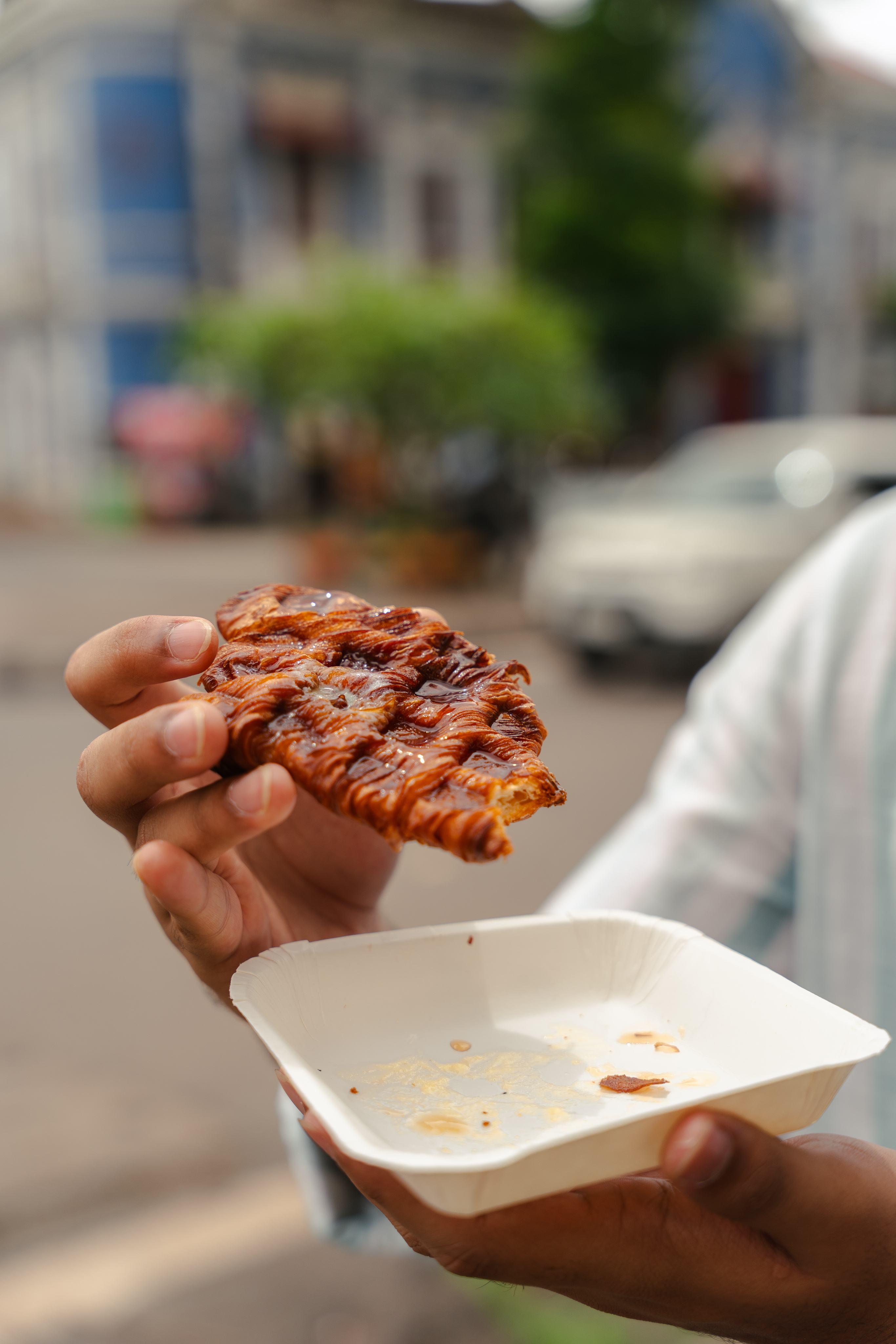
Among the café’s newer additions is the croffle — a croissant pressed and cooked in a waffle machine until crisp on the outside while remaining buttery and soft within.
Uncle J’s was among the first cafés in Goa to introduce the concept, adding another distinctive element to its menu. The croffle reflects the brand’s playful personality and willingness to experiment while still staying rooted in comfort food.
For Jonathan, one of the most rewarding parts of running Uncle J’s has been watching customers experience waffles for the first time. Children, in particular, bring a special energy to the café.
Seeing their excitement as waffles are prepared fresh and witnessing their reactions after the first bite has created countless memorable moments for the team. Many parents have even shared stories of children asking for Uncle J’s to cater their birthday celebrations after visiting the café. These interactions have become an important part of what makes the business meaningful beyond its commercial success.
As Uncle J’s continues to grow, the focus remains on strengthening its identity as a homegrown dessert and beverage brand rooted in community and quality. Future plans include participating in pop-up events, expanding catering services, and eventually opening additional locations when the time is right.
The café is also looking toward improving online ordering and delivery systems, making it easier for customers to enjoy their favourite waffles, juices, and shakes wherever they are.
At its core, however, the philosophy remains unchanged, serving freshly made comfort food in a space where customers feel welcomed, valued, and at home.
Kssemya redefines Goa hospitality through mindful living, slow travel, art, wellness, and nature-inspired experiences, offering an intimate boutique retreat in Mandrem rooted in stillness, creativity, emotional connection, and authenticity.
Article by: Team ItsGoa Images by: Kssemya
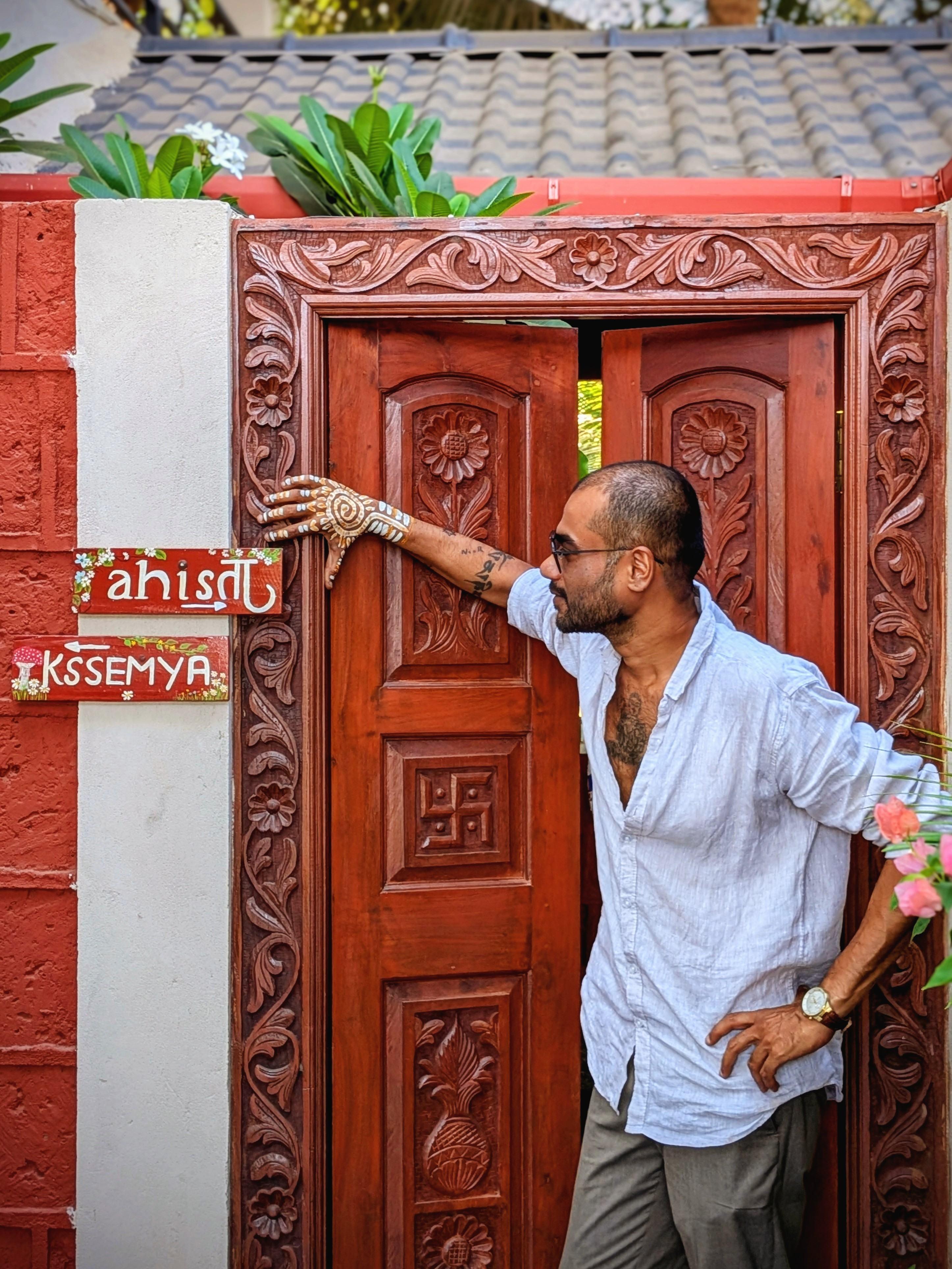
Tucked away amidst the rice fields and coconut groves of Mandrem, Kssemya offers a version of Goa that feels deeply intimate, unhurried, and emotionally grounding. Far removed from the crowded clichés of nightlife and beach tourism, this boutique property invites travellers into a quieter world where nature, art, meaningful hospitality, and mindful living exist in harmony.
Founded by Mihir Shah along with close friends Yash, Aman, Aniket, and Ashish, Kssemya is more than a hospitality venture. It is a reflection of a shared philosophy rooted in stillness, creativity, and human connection. Every corner of the property carries the intention of helping people slow down and experience Goa beyond its familiar image.
For Mihir Shah, the journey toward hospitality was an unexpected yet deeply transformative one. Born and raised in Mumbai, he came from a family immersed in stock broking and investments and spent nearly twelve years working as a derivative trader himself. While the world of finance shaped his discipline and instinct, it eventually left him searching for something more tangible and emotionally fulfilling.
That turning point arrived in 2022 with the opening of his first restaurant in Pune. What initially began as a business decision gradually evolved into a personal passion. Through hospitality, Mihir discovered joy in creating spaces where people could gather, connect, and feel genuinely cared for. It became less about transactions and more about experiences, conversations, and memories.
Kssemya naturally emerged from this evolving perspective. It became an extension of the life and energy Mihir and his partners wanted to share with others, a place that values warmth, intentionality, and emotional comfort over conventional luxury.
The foundation of Kssemya lies in friendship and a shared vision. While each founder came from a different professional background, they were united by a common appreciation for soulful spaces and thoughtful experiences. The original idea took shape through Yash, who had been operating a hostel in Mandrem since 2017. Following the pandemic, he observed a noticeable shift in the kind of travellers arriving in Goa.
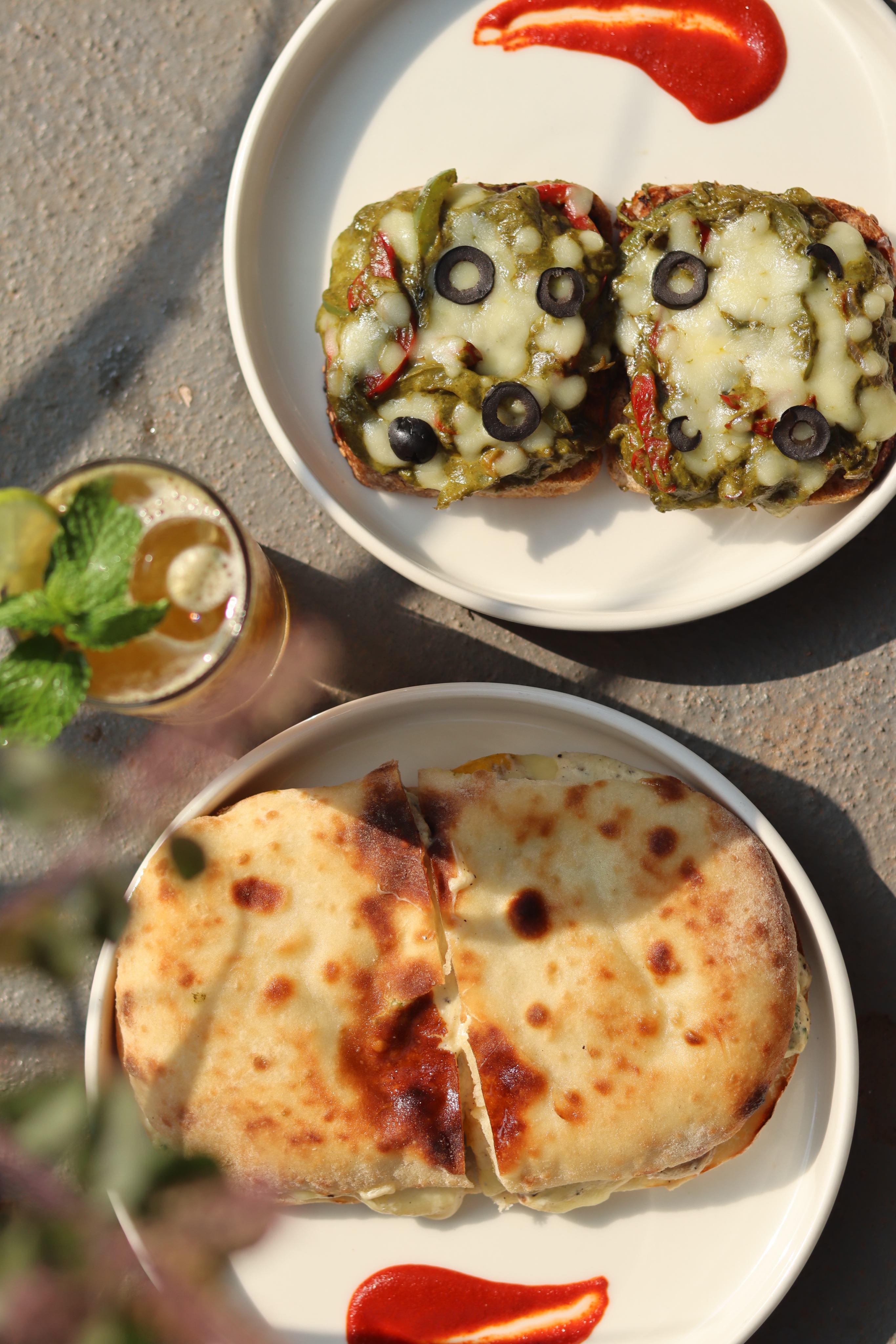
Our signature Pannouza, fresh from the oven
The fast-paced party culture was gradually giving way to slower, more conscious travel experiences. Visitors were increasingly seeking nature, design, authenticity, wellness, and a stronger connection to the places they stayed in.
Mandrem itself seemed perfectly aligned with this transformation. The village retained its raw beauty and laid-back spirit while quietly evolving into a destination for travellers looking for intimate and meaningful stays. Inspired by this shift, the founders envisioned a boutique property that would mirror the calmness and introspective energy of the surrounding landscape. What began as a collaborative dream slowly evolved into a space that feels personal, lived-in, and emotionally resonant.
The name “Kssemya” draws its origins from Sanskrit and translates to peace and tranquility. However, for the founders, its meaning extends far beyond words. Kssemya represents a state of stillness often experienced during meditation, a quiet mental space where distractions dissolve and clarity begins to emerge.
That philosophy became central to the identity of the property. Rather than creating just another boutique stay, the founders wanted Kssemya to feel like a pause from the outside world.
The property encourages guests to slow down, reconnect with themselves, and embrace the quieter moments often overlooked in daily life. Mandrem’s natural surroundings reinforce this philosophy effortlessly. The silence between the palms, the sound of birds across the fields, and the soft rhythm of the wind create an atmosphere that feels almost meditative in itself.
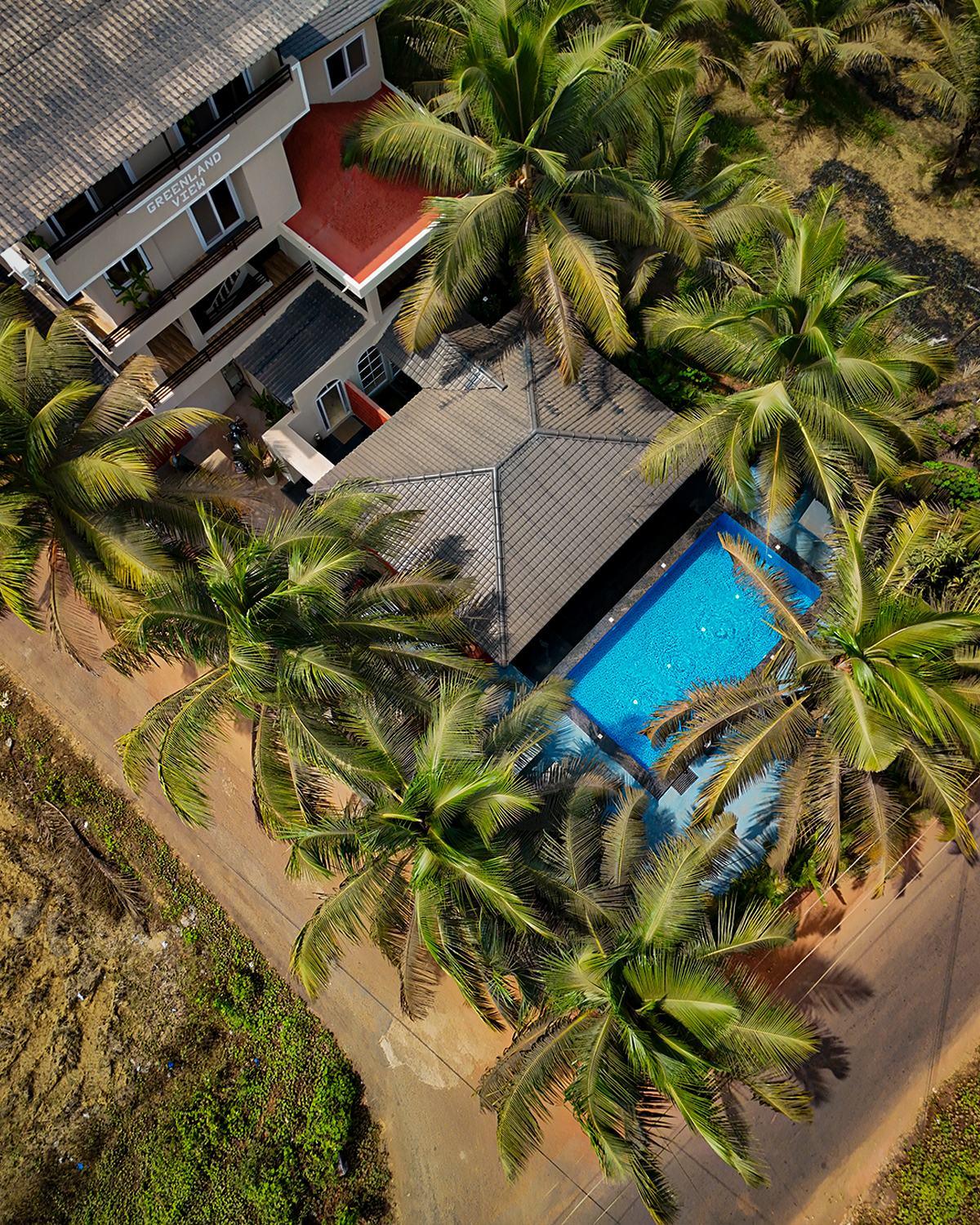
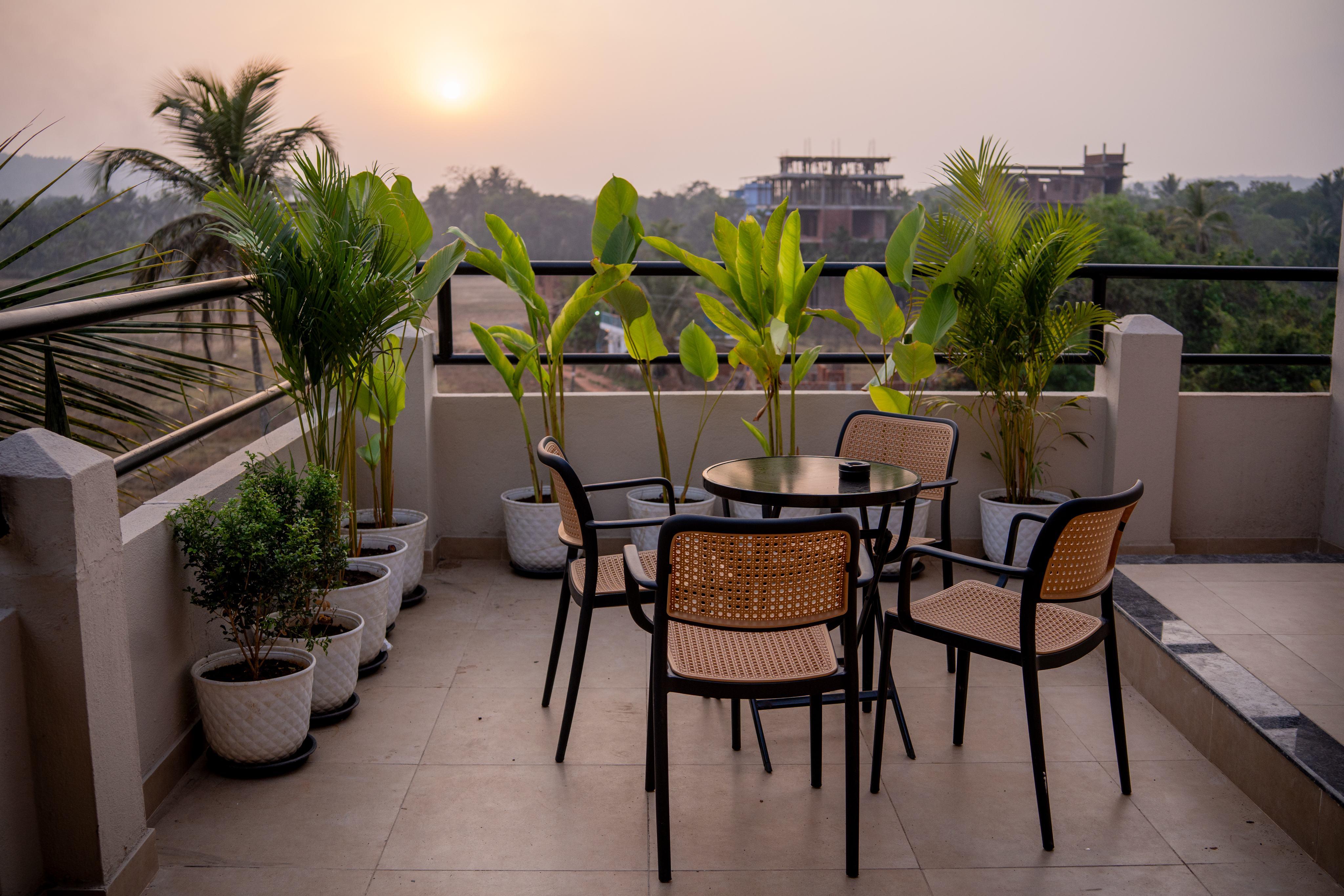
Unlike the typical beach-facing stays associated with Goa, Kssemya introduces guests to an entirely different landscape. Surrounded by rice fields, coconut plantations, and panoramic views of the Mandrem hills, the property offers an experience defined by openness and serenity.
Here, mornings begin with mist drifting over the hills rather than loud music or crowded beach shacks. Birds replace traffic sounds, and long, unhurried afternoons become part of the experience itself. Many guests arrive planning beach itineraries, only to find themselves choosing the stillness of the property over constant movement.
Simple moments become unexpectedly memorable, sipping coffee on a balcony while watching migratory birds pass overhead, observing cows grazing in distant fields, or listening to the silence carried by the breeze. During the monsoon season, the landscape transforms into layers of lush green, amplifying the dreamlike quality of the surroundings. Through this setting, Kssemya quietly reminds travellers that Goa’s true beauty often lies hidden in its villages, forests, and slower corners.
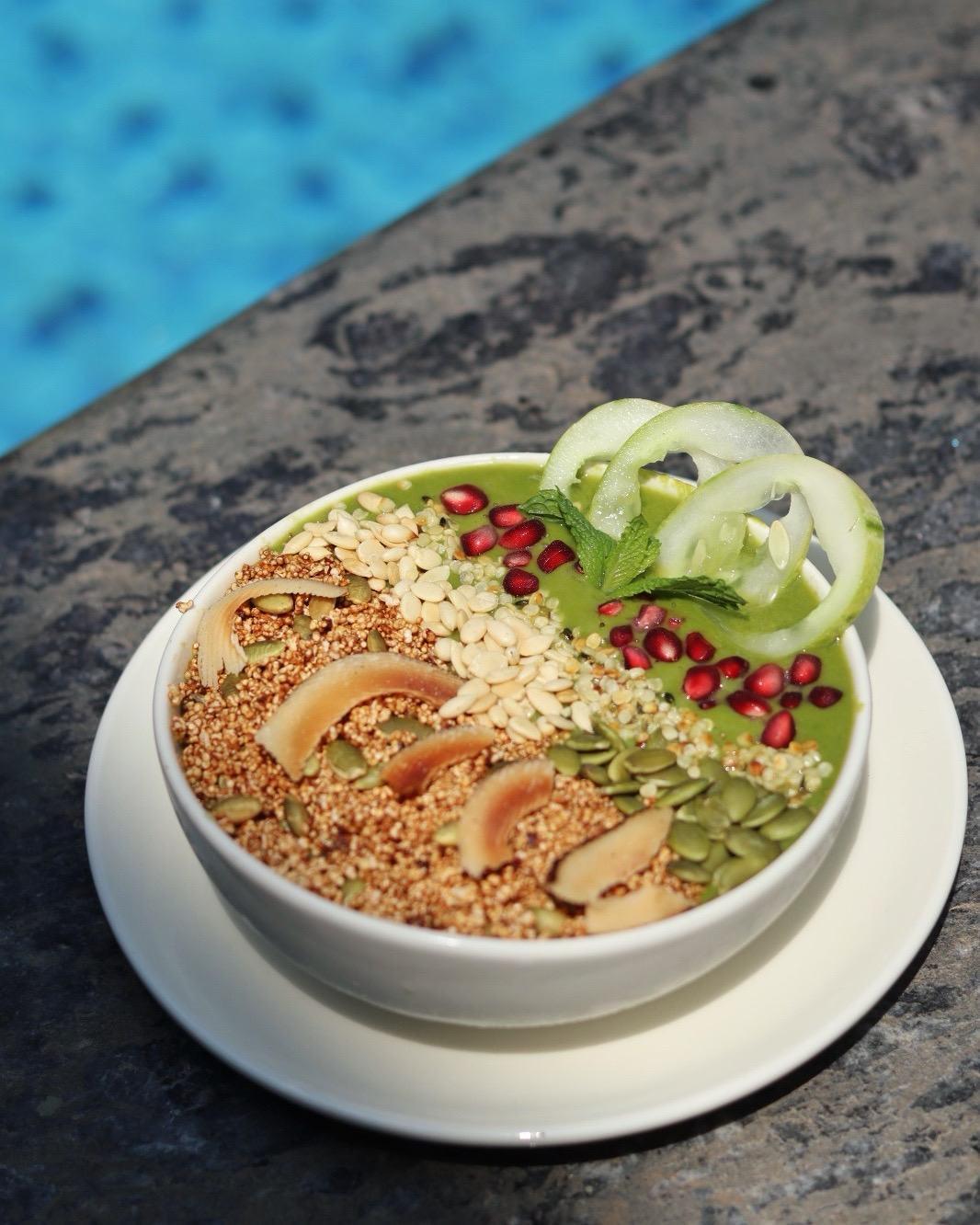
At the heart of Kssemya’s culinary philosophy is Ahista, the property’s pure vegetarian café. Inspired by the founders’ own lifestyle and the lack of thoughtfully curated vegetarian dining experiences in Goa, Ahista was created as a space centred around nourishment, simplicity, and mindfulness. The word “Ahista” translates to “slow,” perfectly reflecting the atmosphere the café aims to cultivate. Guests are encouraged to linger over conversations, meals, coffee, or simply the quietness around them.
The kitchen focuses heavily on freshness and minimal processing, with many ingredients prepared in-house, including freshly baked breads. Signature offerings such as the popular Pannouza sandwiches have become guest favourites, alongside artisanal pizzas, comforting Indian dishes, smoothies, specialty coffees, and carefully crafted cocktails.
More than a dining space, Ahista feels like an extension of the Kssemya philosophy itself, intentional, grounding, and deeply connected to the experience of being present.
Art and creativity play a significant role in the soul of Kssemya. For Mihir, the property became not only a hospitality venture but also a platform for artistic exploration and human expression.
Over time, Kssemya evolved into a gathering space for intimate and experience-led events. Music evenings by the pool, yoga sessions, sound healing circles, jam sessions, and art workshops are now woven into the rhythm of the property.
Rather than loud entertainment, the focus remains on immersive and emotionally enriching experiences. One of the property’s most unique elements is its encouragement of spontaneous creativity. Guests are invited to paint freely using recycled wooden blocks and art materials available around the property. Many who have never painted before find themselves drawn into the process, creating deeply personal works without pressure or expectation.
These artworks eventually become part of the property itself, displayed across Kssemya as living memories left behind by travellers from different walks of life. In many ways, the property continues evolving through the emotions, stories, and creative energy of its guests.
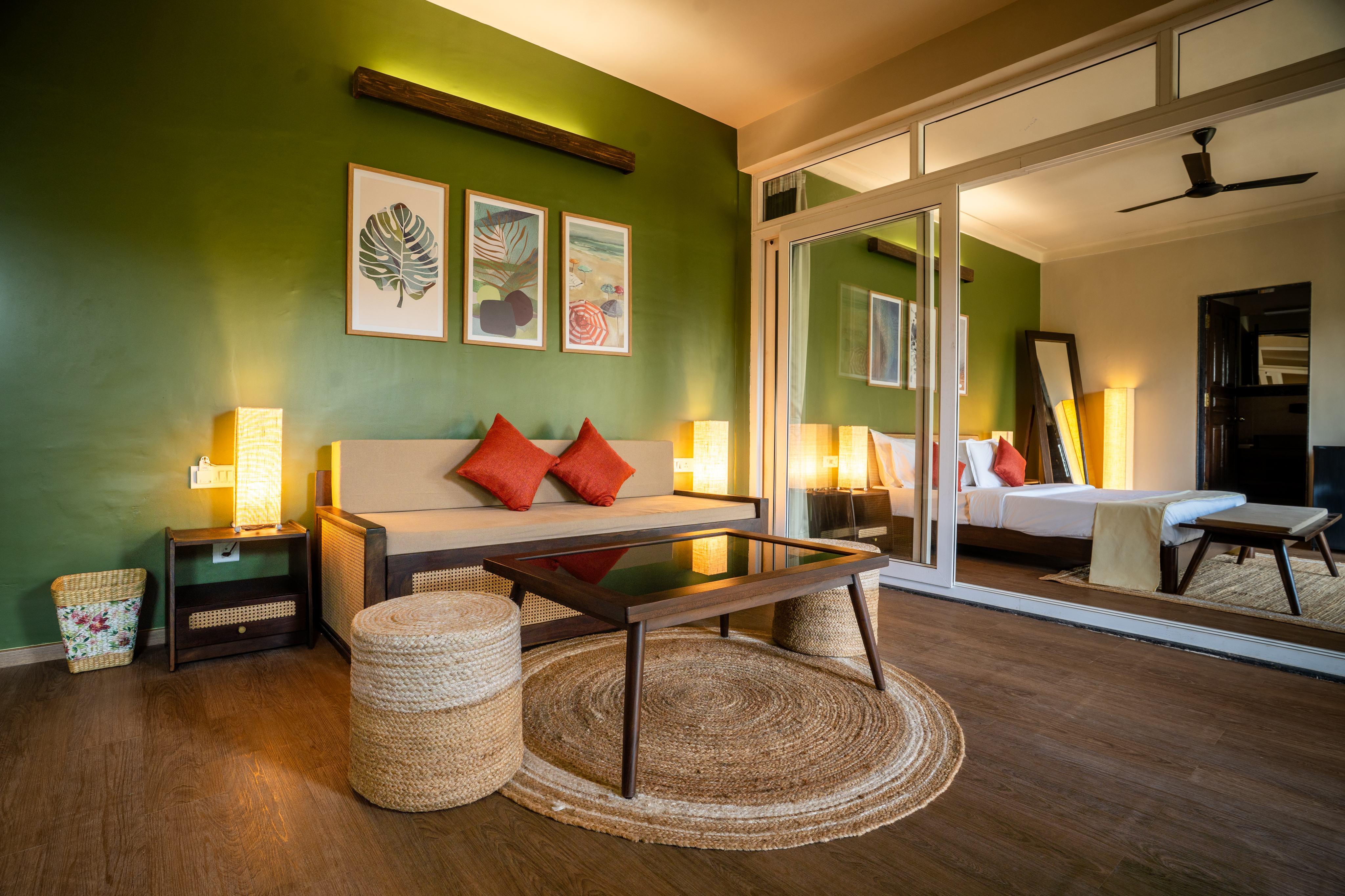
With only eight rooms, Kssemya intentionally avoids the impersonal uniformity often associated with hospitality spaces. Each room carries its own distinct layout, personality, and atmosphere, allowing every stay to feel unique and personal.

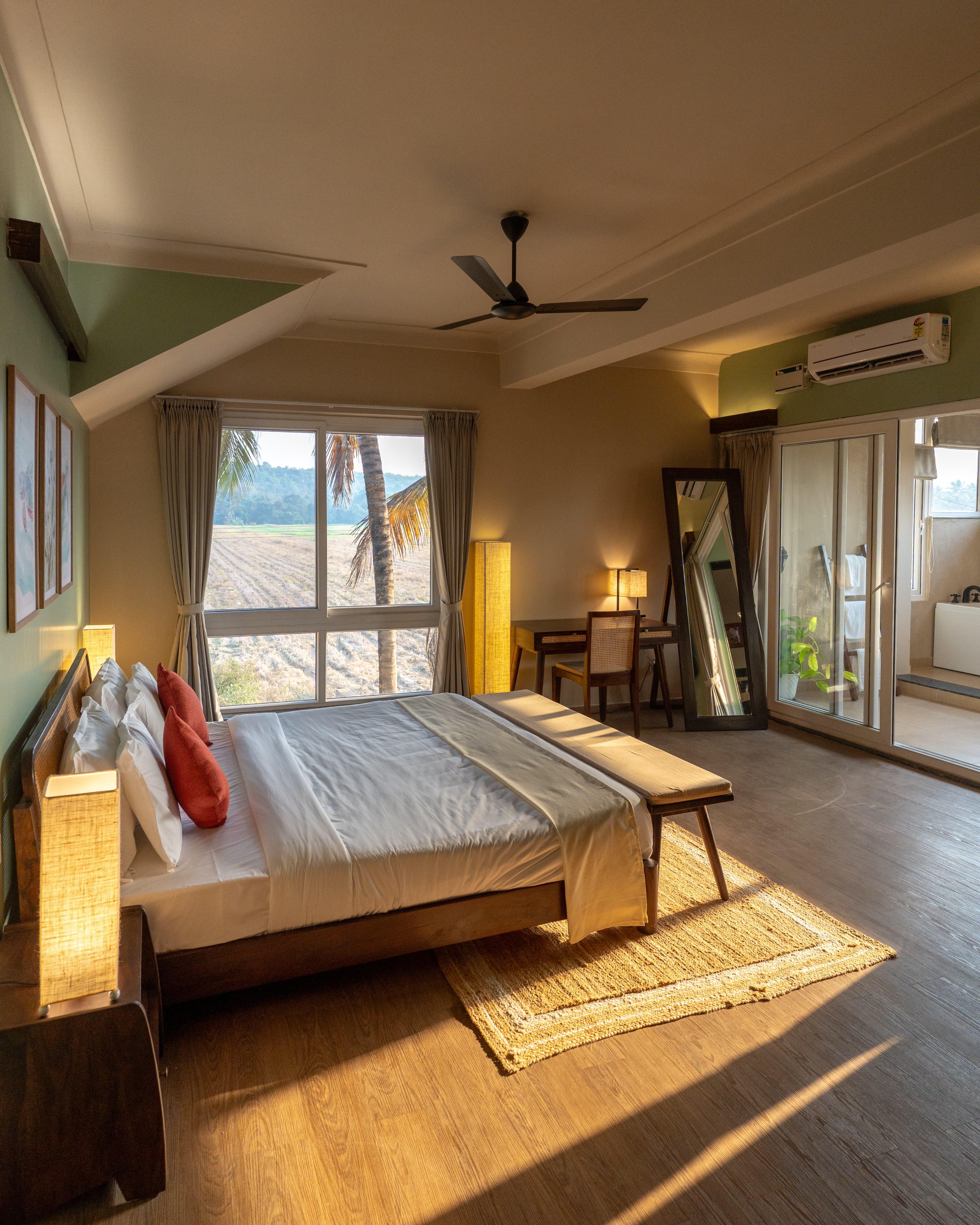
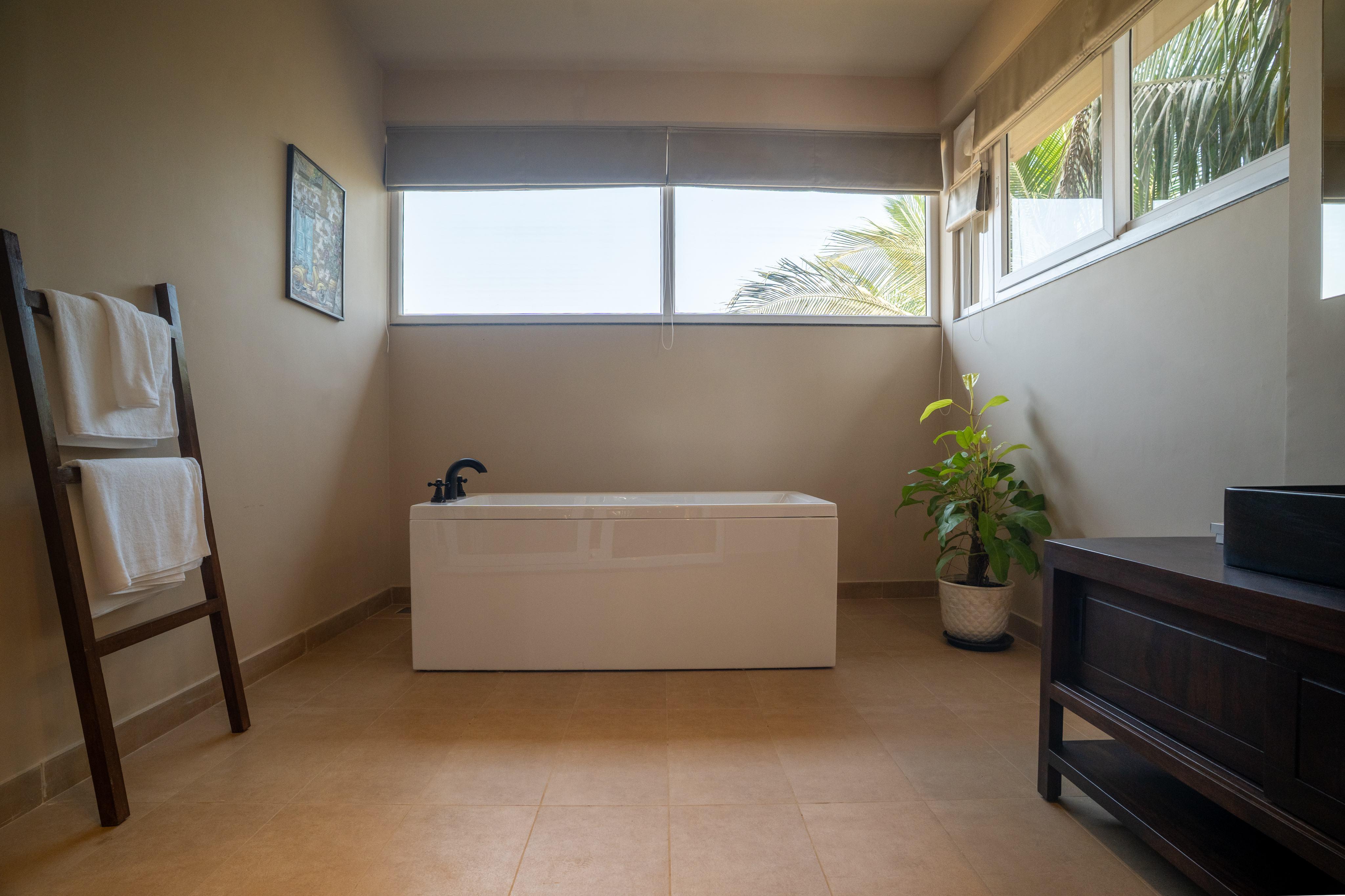
The Garden Premier rooms open into private gardens and feature open-to-sky bathtubs that strengthen the connection between indoors and nature. The Premier rooms are spacious and breathable, designed to evoke comfort through openness rather than excess. The Family Suite balances togetherness with privacy through separate sections and individual bathrooms, while the Penthouse offers expansive terraces overlooking the hills, fields, and coconut plantations surrounding the property.
Across the hotel, natural light, earthy textures, cross ventilation, and organic materials create an ambiance that feels calming rather than ornamental. Every design decision was guided by the desire to create emotional spaciousness, a feeling that allows guests to truly slow down and unwind.
Like any meaningful project, Kssemya’s journey came with challenges. Goa’s monsoon-driven unpredictability brought construction delays, logistical hurdles, and operational complexities. Yet for the founders, these obstacles never felt discouraging. Because Kssemya was built among close friends, the process itself became deeply collaborative.
Every challenge strengthened their trust in one another and reinforced the original intention behind the project. The founders never viewed Kssemya purely as a commercial enterprise. Instead, they approached it as a passion project shaped by patience, learning, and authenticity. Ironically, many of the imperfect and uncertain moments became the very experiences that gave the property its character and soul.
As Kssemya continues to evolve, the founders remain committed to growing with the same philosophy that inspired its creation. Future plans may include curated retreats, artistic collaborations, and new hospitality experiences, but always with a focus on depth rather than scale.
For Mihir and his partners, Kssemya has never been simply about selling rooms. It is about creating moments, conversations, and emotions that stay with people long after they leave. In a world increasingly defined by speed and distraction, Kssemya stands as a quiet reminder that the most meaningful experiences are often found in stillness, simplicity, and genuine human connection.
Deliciously URS shares a guilt-free sugar-free Alphonso mango ice cream recipe blending fresh mango puree, cream, saffron, nuts, honey, and monk-fruit sweetener into a creamy, refreshing summer dessert perfect for any occasion.
Article & Images by: Greta Fernandes (Deliciously URS) www.itsgoa.com
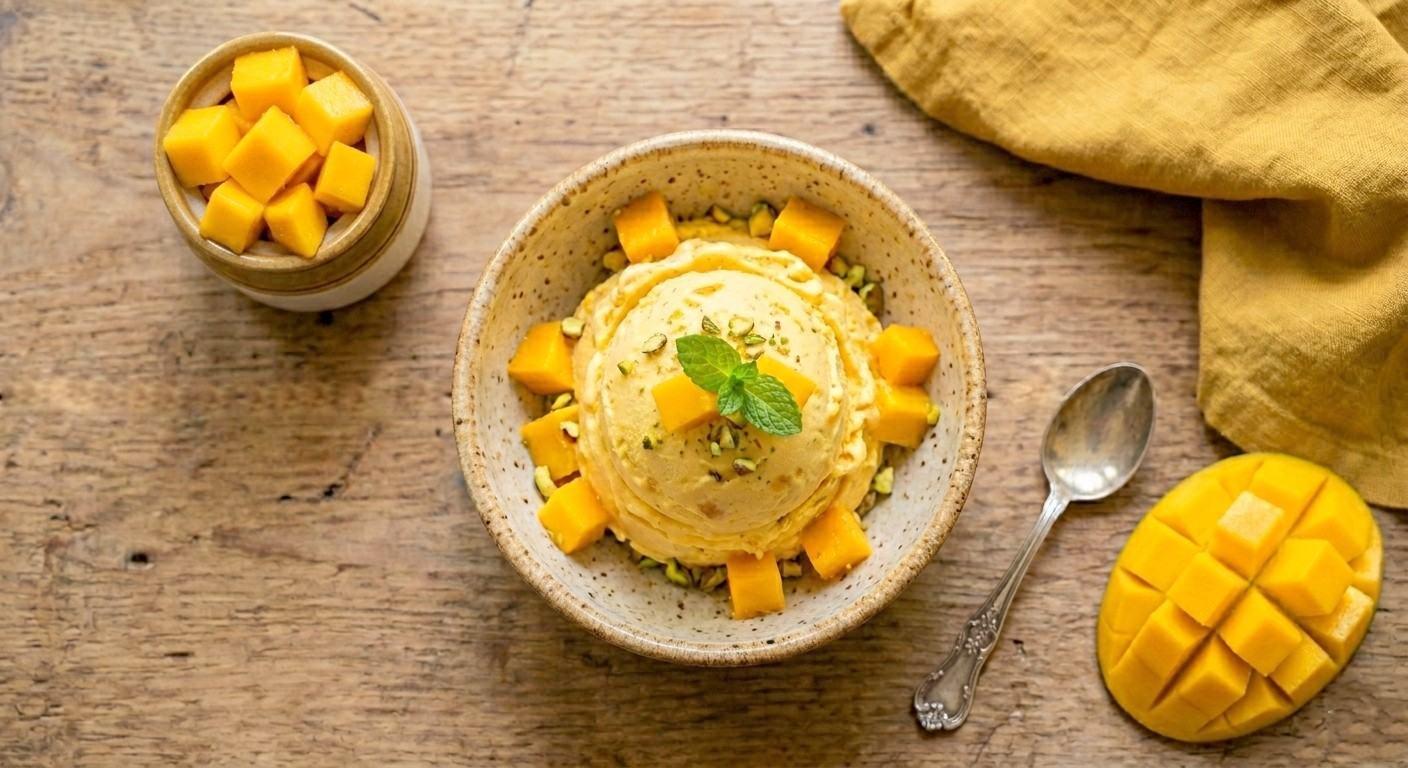
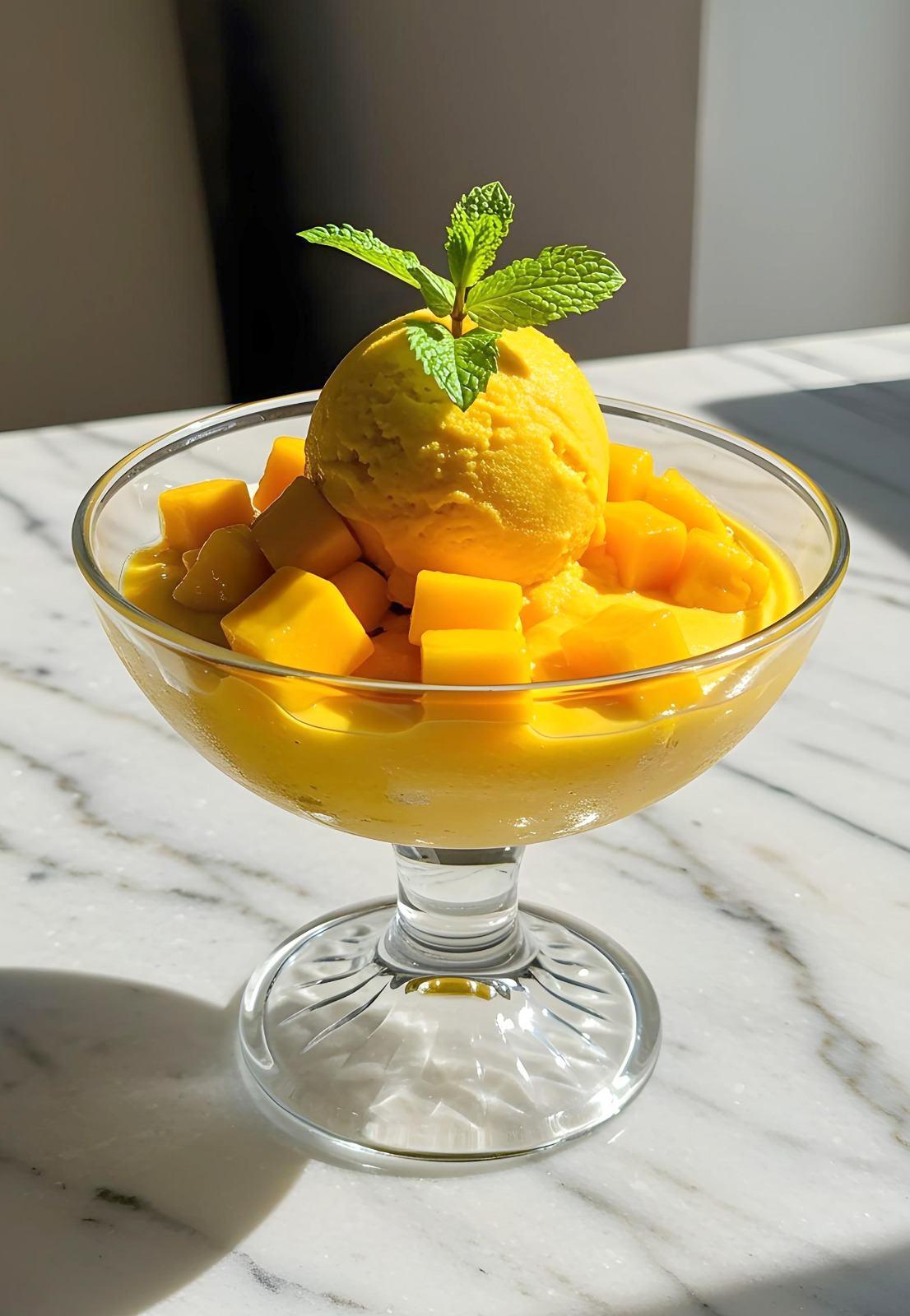
Alphonso mango ice cream topped with freshly cut mangoes and crunchy pistachios and mint leaves
What are Indian summers without juicy and delicious mangoes?
The best way to enjoy this luscious bright orange fruit is having it as nature provides itNatural and whole.
But the wide array of recipes, we Indian prepare out of mangoes are equally irresistible! These days the markets are flooded with such a wide variety of mangoes, it would be rather wise to put them to good use.
If you are wondering how to make sugar-free healthy desserts out of all the mangoes lying at home, then don’t worry Deliciously URS has got you covered. Mango ice cream is the most popular and easy to make dessert recipe that you can enjoy at any time of the day. This sugar-free mango ice cream is a healthy and easy ice-cream recipe, and you can have it guilt-free.
This ice cream would be a great way to end your lunch or dinner.
You can choose any variety of mangoes to make this ice-cream. But I always prefer the Alphonso. It is sweet and has a beautiful texture which makes it an ideal choice for a sugar-free version.
Ice cream is the best meal accompaniment. You can add more ingredients to it as per your liking.
While making sugar-free mango ice cream at home, you can add soaked almonds and cashew nuts to give it a creamy goodness of nuts.
ALPHONSO MANGO ICECREAM (Sugarfree)
Ingredients:
4 cups of Alphonso Mango puree (Freshly extracted) ¼ cup Honey 2 tbsp monk-fruit sweetner (or as per taste)
A few saffron strands soaked in 1tbsp warm milk.

Creamy scoops of sugar-free Alphonso mango ice cream
150 ml Fresh Cream ¼ cup of soaked almonds and cashew-nuts A few fresh mint leaves
Method:
Clean and peel the mango. Cut the flesh and discard the seed. Add the mango flesh to the blender jar and make a mango puree.
Transfer the mango puree to a bowl. Add fresh cream and whisk to combine everything.
Add saffron soaked in milk and grind the soaked nuts.
Add this to the mango puree and cream mixture. Mix well.
Add honey and monk-fruit to taste.
Mix everything well and transfer to a freezer-proof container. Keep the container in a freezer for 7 to 8 hours or overnight until the ice-cream is set.
Once the ice-cream is set, scoop and serve with some fresh mango cubes, drizzled honey, and a few mint leaves.
Handy Tips:
You can replace coconut cream instead of milk cream for a dairy free version of this yummy dessert.
If you are calorie conscious, skip the soaked nuts.
It is a good idea to slow churn the icecream every 3 to 4 hours for a creamy mouthfeel.
Recipe courtesy:
Greta Fernandes
Mumbai-based Certified Nutritionist & Food Blogger
Website : DeliciouslyURS.com

Greta Fernandes

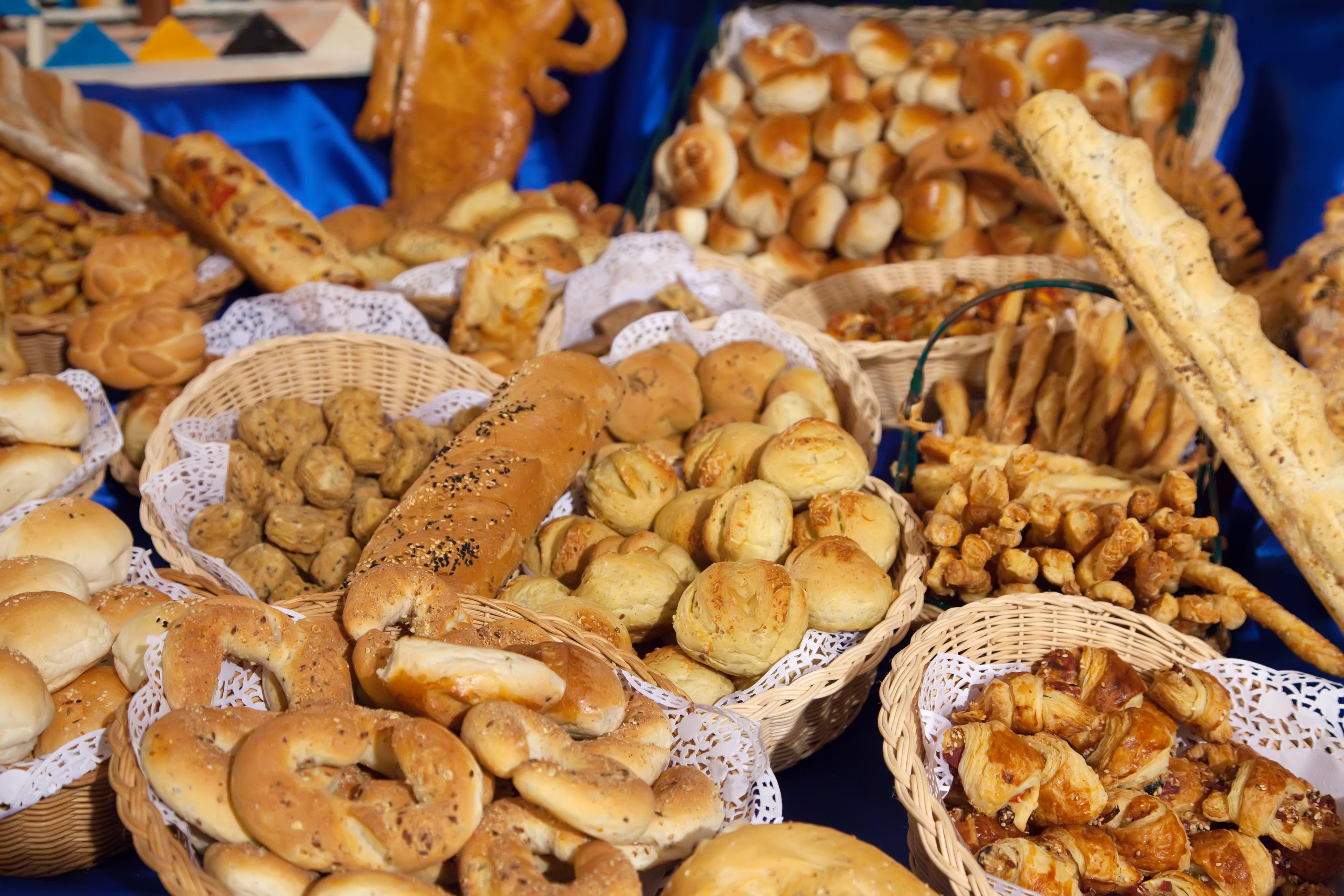
Goa’s bakeries reflect a rich Portuguese-inspired heritage, blending traditional breads, sweets, and artisanal pastries with local warmth. From village poders to modern cafés, they preserve culture, flavour, and timeless baking traditions.
Article & Images by: Team ItsGoa
Goa’s charm isn’t limited to beaches and seafood, its bakeries hold an equally special place in the hearts of locals and visitors. Influenced by Portuguese traditions, Goan bakeries offer a mix of classic breads, traditional sweets, and modern pastries, all crafted with warmth and authenticity.
Whether you’re wandering through villages or exploring city cafés, the aroma of freshly baked bread is never too far away. Here’s a guide to the bakeries you must explore in Goa.
The history of baking in Goa goes back to the Portuguese era, when the poder, traditional Goan bakers, became an iconic part of local life. These family-run bakeries perfected recipes that continue to be passed down for generations. From woodfired ovens to early-morning bread delivery, Goan bakery culture remains truly unique.
Iconic Goan Breads to Try
Before diving into specific bakeries, it’s important to know the variety of breads that define Goan baking:
Poi: A whole-wheat, pocket-like bread with a chewy crust.
Pao: Soft white buns delivered fresh every morning across villages.
Kakon: A hard, crunchy bread shaped like bangles.
Unddo: Round bread with a crisp outside and soft inside.
These staples have been part of Goan breakfasts for decades.
Best Traditional Bakeries in Goa
Casa Fernandes Bakery (Panjim)
Known for its old-world charm, Casa Fernandes has been serving traditional bread and sweets for decades. Their kakon, pao, and coconut cookies remain top sellers.
Confeitaria 31 de Janeiro (Fontainhas)
One of Goa’s oldest surviving bakeries, this charming place still uses time-honoured recipes. Their Bolinhas, Doce, and Bebinca are must-try delicacies.
Poder in Mapusa and Saligao
Not one specific bakery, but a network of small family-run units. These poders deliver fresh bread on cycles early in the morning, a true Goan tradition. If you spot a poder ringing his bell, you’re witnessing local culture in motion.
Modern Bakeries Bringing New Flavours
Caravela Café & Bakery (Panjim & Benaulim)
Apart from great coffee, Caravela offers buttery croissants, brownies, and traditional sweets. Their almond tarts and bebinca slices are highly recommended.
Jila Bakery (Navelim, South Goa)
A heritage gem famous for its vanilla rolls and Swiss rolls. This bakery keeps its recipes simple, pure, and incredibly delicious.
Artisan Bakeries Like Padaria and Prazeres
Known for sourdough, focaccia, Danish pastries, and gourmet loaves, these places attract those who crave artisanal baking with a modern, international touch.
What sets Goan bakeries apart is not just the food, it’s the emotion attached to them. They represent:
Heritage passed down through generations Daily rituals like morning bread delivery Warmth of local communities
The fusion of Portuguese and Indian flavours
In every loaf of poi and every slice of bebinca, you can taste stories of the past and the comfort of tradition.