Eat Goa Stay &
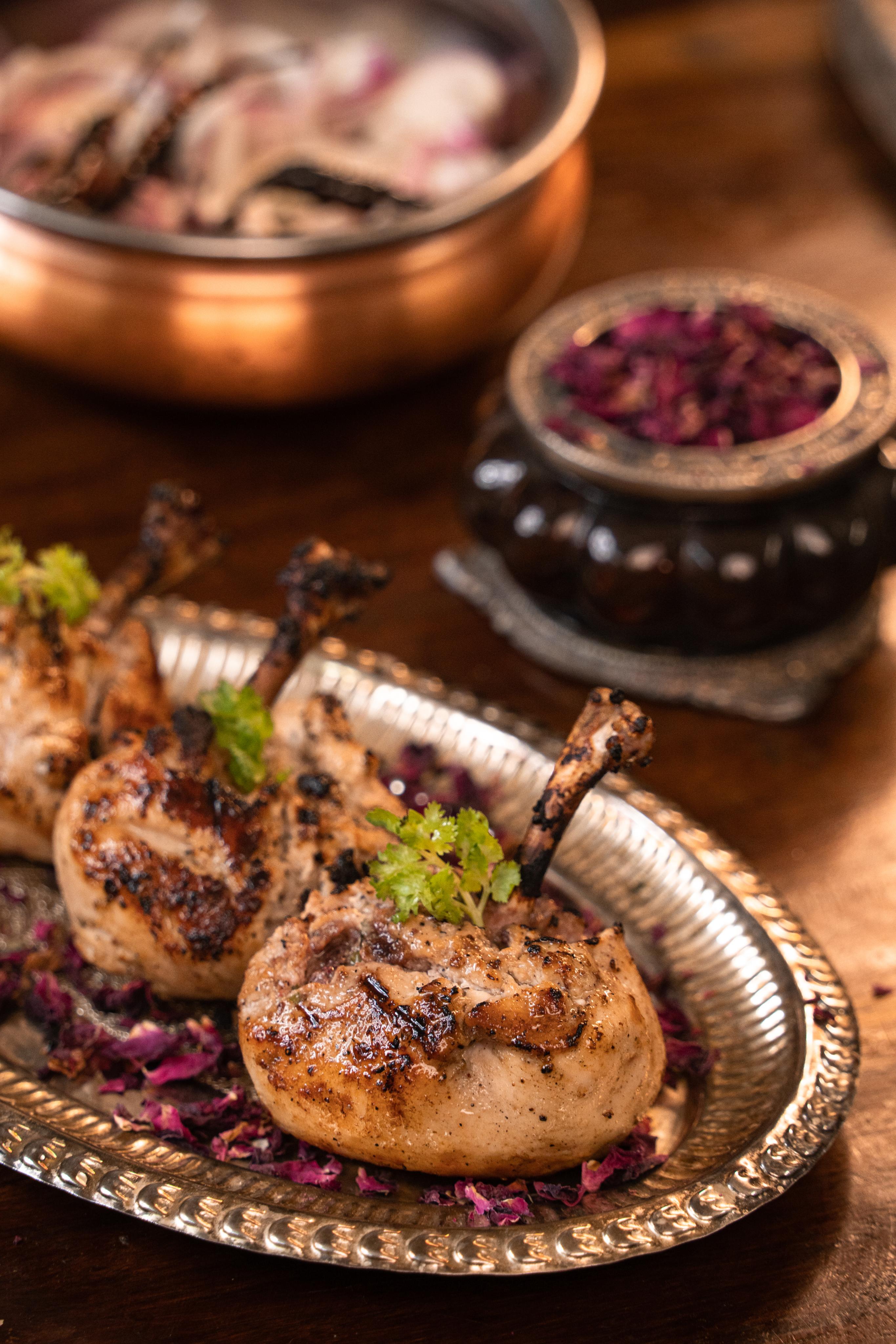
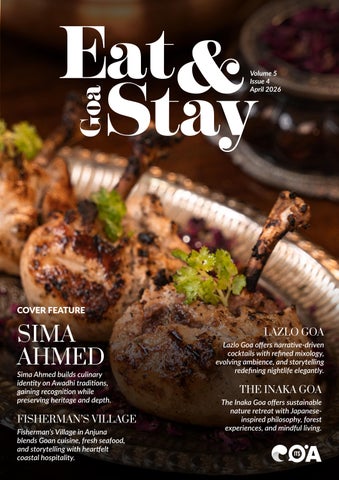
Sima Ahmed builds culinary identity on Awadhi traditions, gaining recognition while preserving heritage and depth.
Fisherman’s Village
Fisherman’s Village in Anjuna blends Goan cuisine, fresh seafood, and storytelling with heartfelt coastal hospitality.
Lazlo Goa offers narrative-driven cocktails with refined mixology, evolving ambience, and storytelling redefining nightlife elegantly.
The Inaka Goa offers sustainable nature retreat with Japaneseinspired philosophy, forest experiences, and mindful living.
Dear Readers,
Welcome to the April edition of Eat & Stay Goa, where stories of flavour, culture, and mindful living come together in a celebration of the season, inviting you to slow down and savour every experience.
We begin with Chef Sima Ahmed, whose culinary journey is deeply rooted in authentic Awadhi traditions. What started in her home kitchen has evolved into Sima’s Kitchen Secrets, gaining wider recognition through MasterChef India, while continuing to honour heritage, restraint, and depth in every creation.
In Anjuna, Fisherman’s Village reflects Vijay Salgaonkar’s journey through a dining experience that goes beyond food. With fresh seafood, authentic Goan flavours, and an atmosphere steeped in coastal storytelling, it offers a heartfelt connection to tradition and place.
As the evening unfolds, Lazlo Goa presents a narrative-driven cocktail experience, where refined mixology meets evolving ambience. With its layered storytelling and subtle sophistication, it redefines nightlife through intimate and immersive moments.
For those seeking stillness, The Inaka Goa, set within Cotigao Wildlife Sanctuary, offers a retreat that blends sustainable living with a Japanese-inspired philosophy. Surrounded by nature, it creates an experience rooted in simplicity, mindfulness, and ecological harmony.
In celebration of Eid, we explore Qatayef, the beloved Middle Eastern dessert known for its stuffed, syrup-soaked pancakes. Symbolising indulgence and cultural heritage, it remains a festive favourite across generations.
This issue also shines a light on women across Goa who are reshaping the culinary landscape. Through their journeys as chefs and entrepreneurs, they are breaking stereotypes, building meaningful ventures, and inspiring others with confidence and creativity.
And finally, Greta Fernandes brings us her take on fresh fruit crepes—light, wholesome, and versatile, made with thoughtful ingredients and perfect for a balanced yet indulgent start to the day.
This issue is a tribute to those who are shaping Goa's culinary future, with dedication, creativity, and a deep respect for tradition. From indulgent desserts to mindful, nutritious creations, these individuals bring their unique talents and passion to the forefront, enhancing Goa’s vibrant food culture.
Well, that's all I have for you from my desk this month. I hope you enjoy reading this month’s issue of our magazine. Do share it with your friends all across the globe.
Until next time, cheers!
Jessyl Fernandez Editor
01 Sima Ahmed
02 Fisherman’s Village
03 Lazlo Goa
04 The Inaka Goa
05 Celebrating the end of Ramadan and Eid with the Queen of Desserts - Qatayef
06 From Traditional Kitchens to Food Entrepreneurs and Chefs; Women Rewrite the Food Story
07 Fresh Fruit Crepes
Goa, the tiniest state on the western coast of India, boasts golden pristine beaches, palmfringed avenues, flavourful food, delicious Portuguese-influenced sweets, and warm, hospitable people. Also known as the Ibiza of India for its partying. A tropical paradise of flora and fauna, from the very famous 'almi' (mushrooms) endemic to its forests, that grow only on the red mud anthills, to the solar prawns that are fished immediately after the monsoons, Goa is unique. Tourists are also attracted to Goa for its cultural heritage - from the famous old Portuguese churches like Se Cathedral in Old Goa, the 16th Century Safa Masjid in Ponda and Shree Mangesha Temple in Mardol, the legendary Arvalem or Pandava Caves where the Pandavas of the Mahabharat fame lived, to its two unique festivals - Carnival and Shigmo. Goa plays host to many festivals - the International Film Festival of India that promotes cinema, the Serendipity Art Festival, Sunburn Music Festival, The Grape Escapade to name a few. To showcase this varied heritage of culture, art, tradition, food, and people, in 2015 ItsGoa was born. The main aim was to make it the premier portal for all things Goa. We were able to showcase Goa like never before. Soon our blogbased website transcended the virtual space, with the ItsGoa magazine – a sought-after resource for visitors to Goa from countries like Norway, Germany, UK, USA, UAE, etc.
Chief Editor
Jessyl Fernandez
Sales
Donald Fernandez
Andrea Fernandes
Content & Social Media Saviola Dias Britney Fernandes
Graphics & Layout Britney Fernandes
For advertising queries: +91 7887330620 / 9370502124
ItsGoa Media Group
Nordic Intent HQ - Floor 3, PDA Colony, Porvorim, Goa 403521
Email: mail@itsgoa.com Website: itsgoa.com



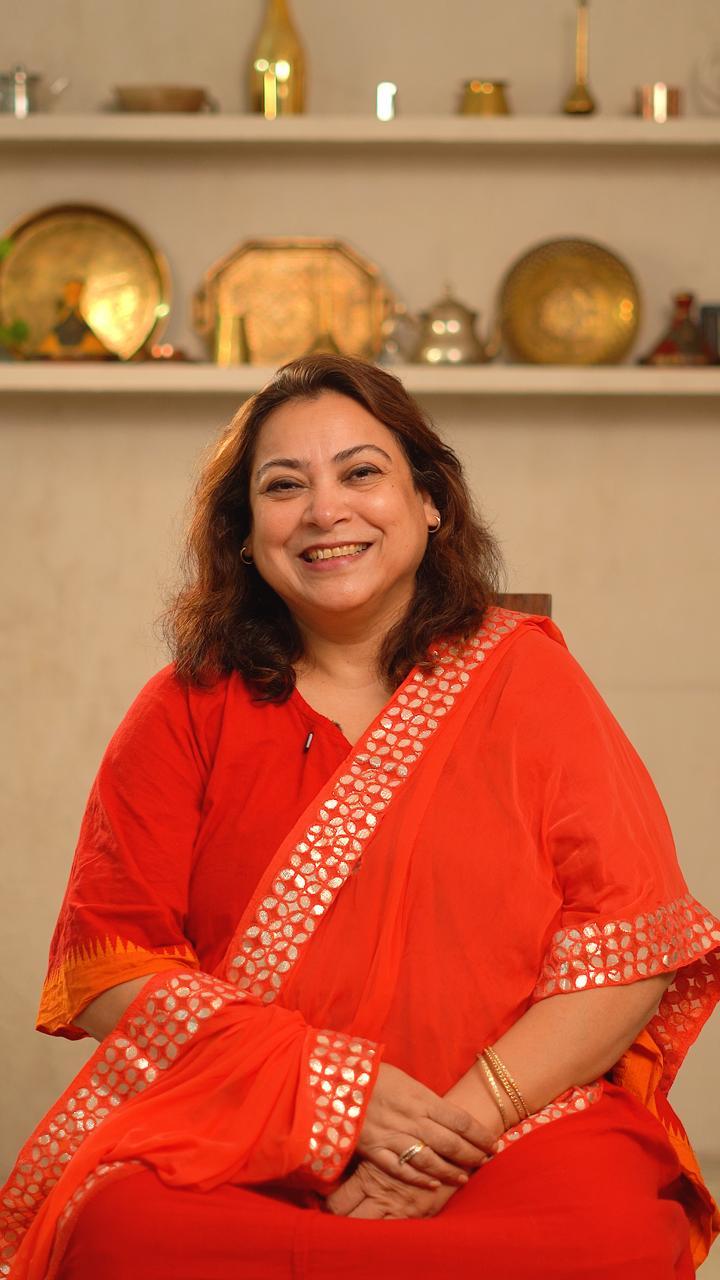
Sima Ahmed built her culinary journey on authentic Awadhi traditions, transforming home cooking into Sima’s Kitchen Secrets, gaining recognition through MasterChef India while preserving heritage, restraint, and depth.
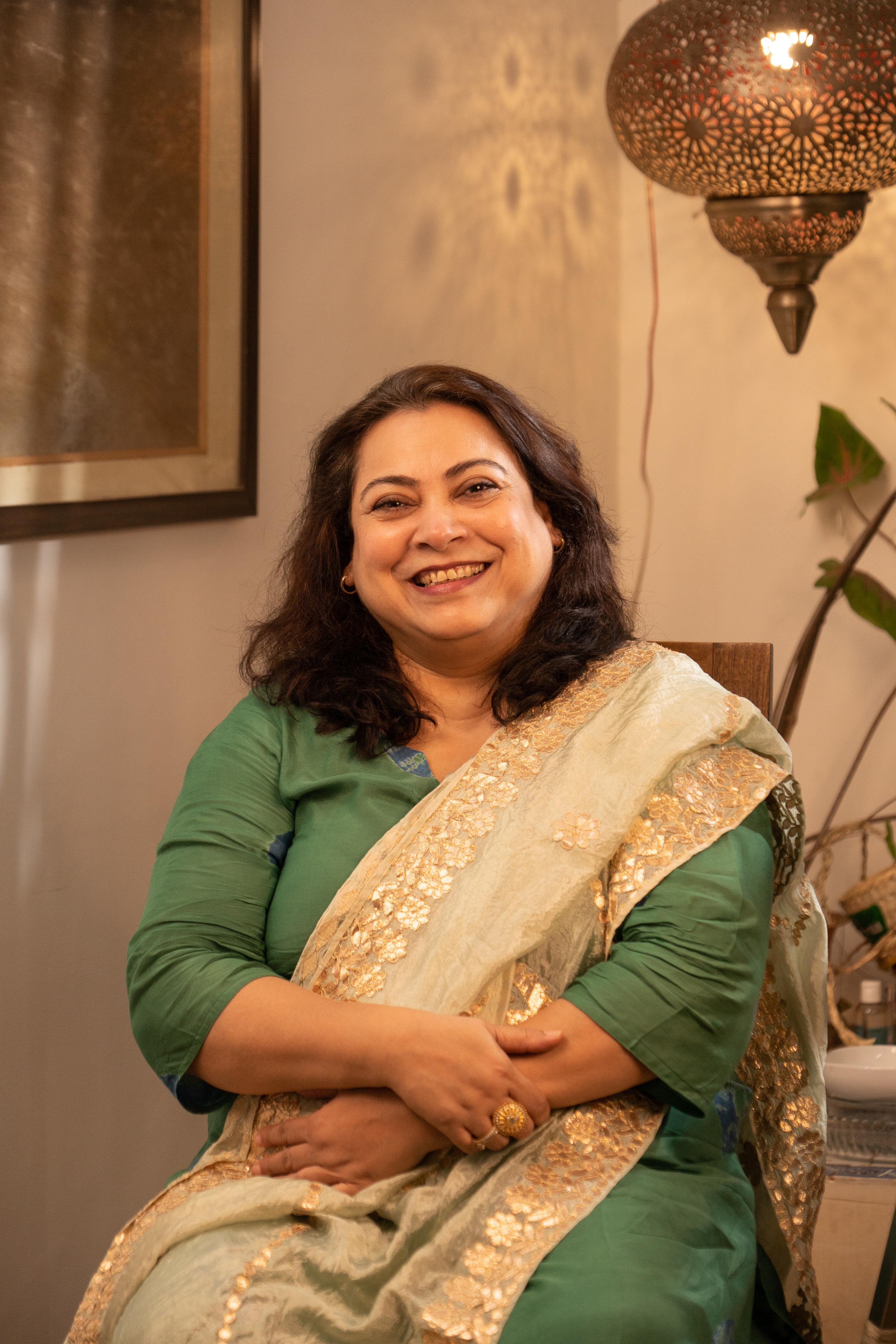
In an era where food trends shift rapidly and reinvention often takes centre stage, Chef Sima Ahmed’s journey stands apart for its quiet conviction and unwavering commitment to authenticity. Her entry into the culinary world was not charted through formal ambition, but rather shaped organically within the rhythms of home. Raised in an environment where cooking was both ritual and expression, she grew up surrounded by the intricacies of Awadhi cuisine, food that is slow, deliberate, and deeply tied to heritage.
What began as cooking for family and friends gradually transformed into something more meaningful, as her dishes sparked curiosity and admiration. This natural progression laid the foundation for Sima’s Kitchen Secrets, a venture that has grown not through aggressive expansion, but through trust, consistency, and word of mouth. Even after gaining national recognition as a Top 12 contestant on MasterChef India Season 8, her approach has remained unchanged, anchored in tradition, and guided by instinct rather than trend.
For Chef Sima, cooking is inseparable from memory. Her understanding of food was shaped not through written recipes or structured training, but through observation and immersion. In her family, meals were never rushed; each dish followed a rhythm, a process that demanded patience and precision.
This environment instilled in her a deep respect for detail, the kind that cannot always be articulated, but must be felt. From knowing when a dish has rested enough to recognising the exact moment a flavour has matured, these intuitive skills form the backbone of her culinary practice today. More importantly, her family’s culinary legacy has given her a sense of responsibility: to preserve rather than reinterpret, and to carry forward traditions in their truest form.
At the heart of Chef Sima’s work lies Awadhi cuisine, a culinary tradition she describes as both personal and profound. Unlike cuisines that rely on bold or overpowering flavours, Awadhi cooking is defined by restraint, balance, and technique.
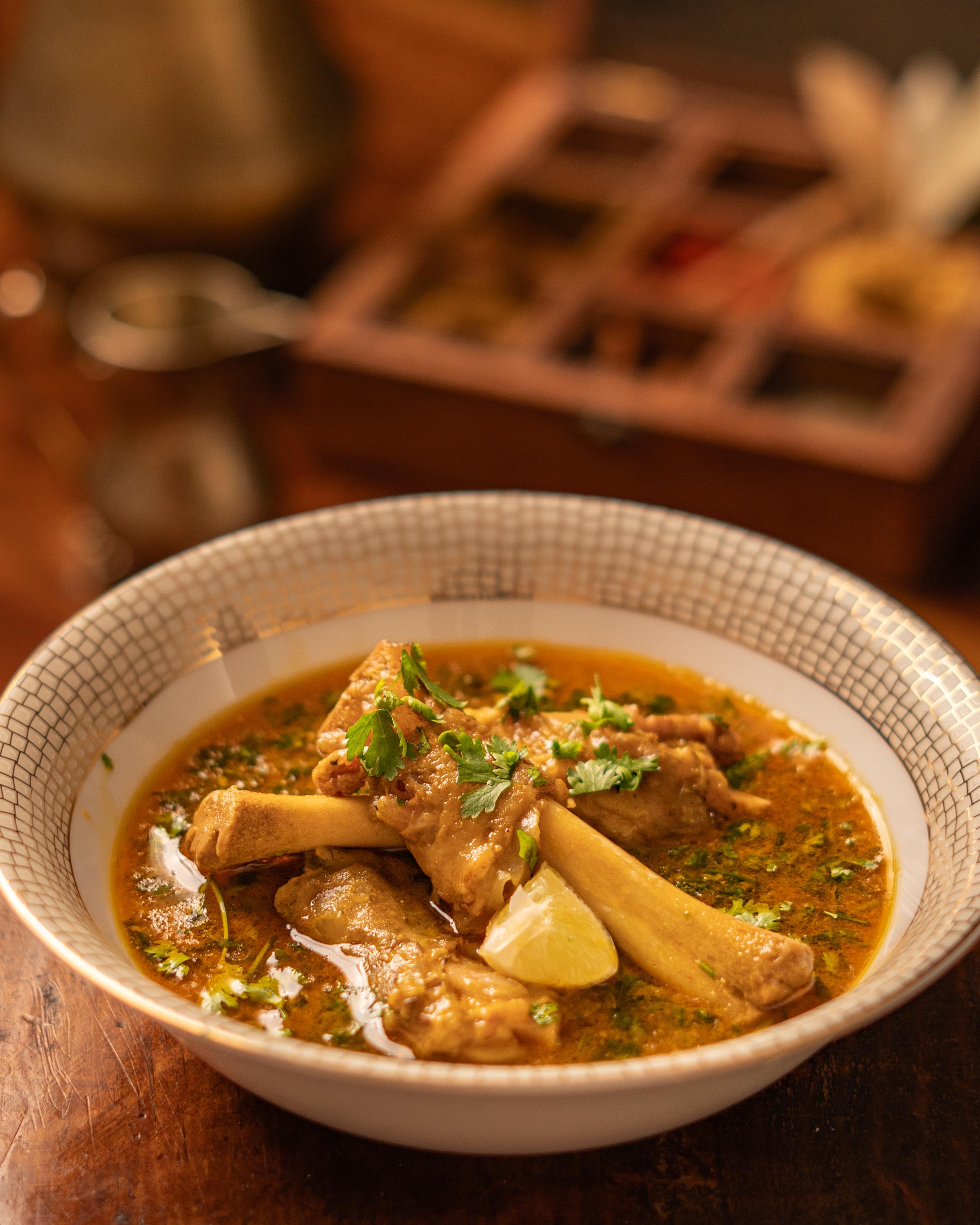
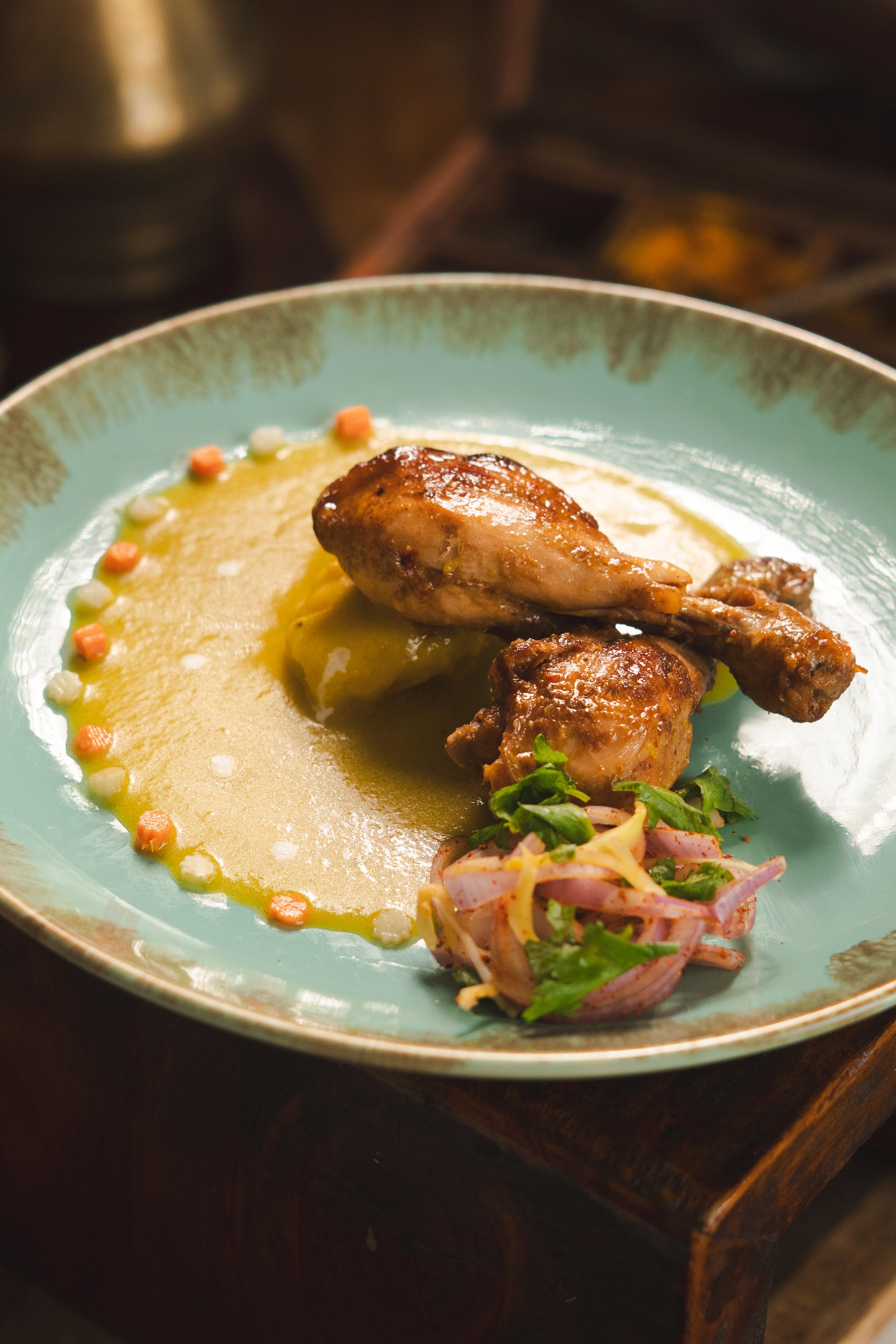
Chef’s one of the most loved - Mutton Nihari
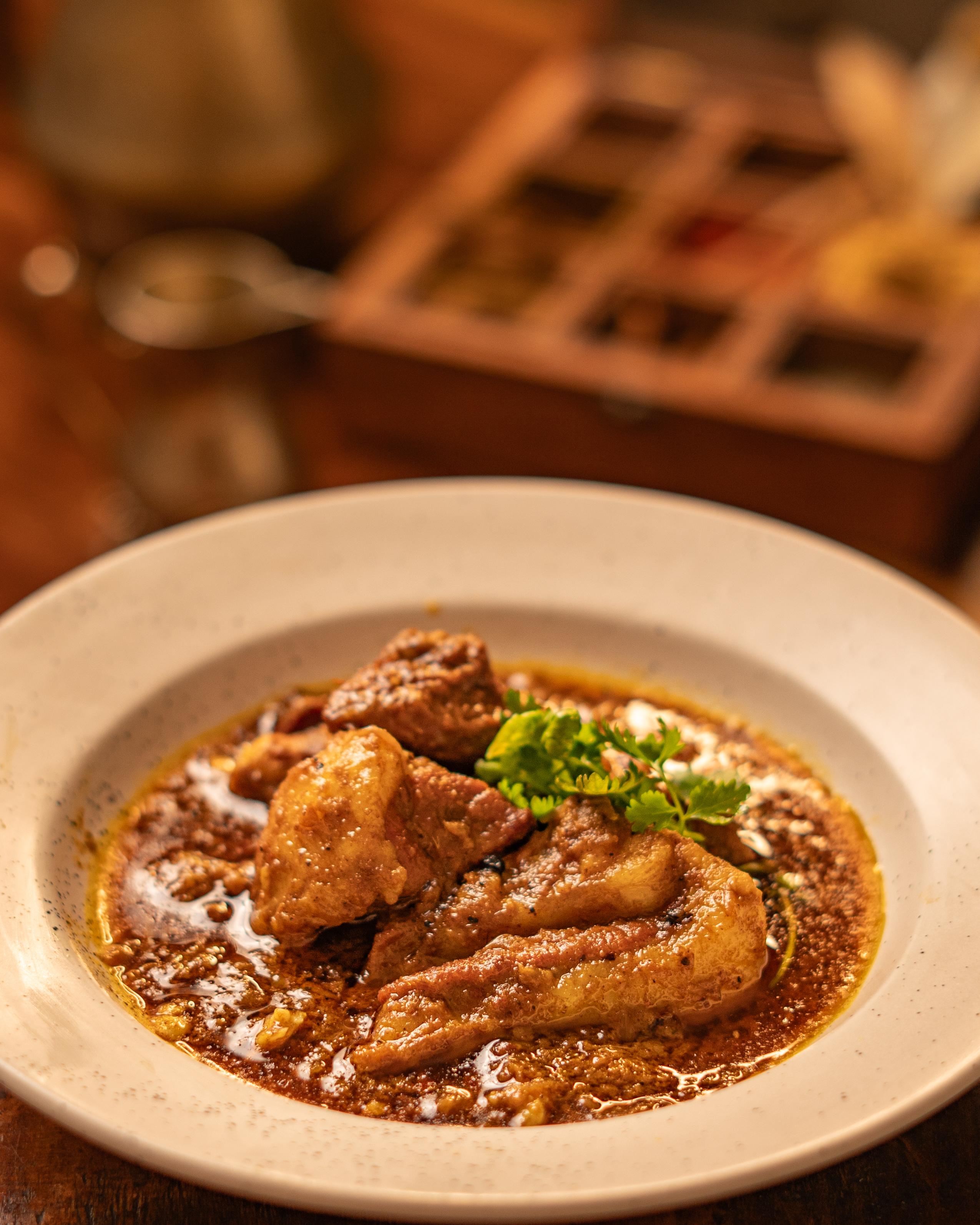
Processes such as dum cooking, slow layering, and controlled use of spices are central to this style. Each dish is built gradually, allowing flavours to develop with subtlety and depth. There is also an inherent refinement, an unspoken sense of nazakat and tehzeeb, that elevates even the simplest preparations.
For Chef Sima, these qualities are not just technical elements but cultural markers. Every recipe carries with it a sense of lineage, a story that extends beyond the plate. Her work, therefore, becomes an act of preservation, ensuring that these narratives continue to exist in their most authentic form.
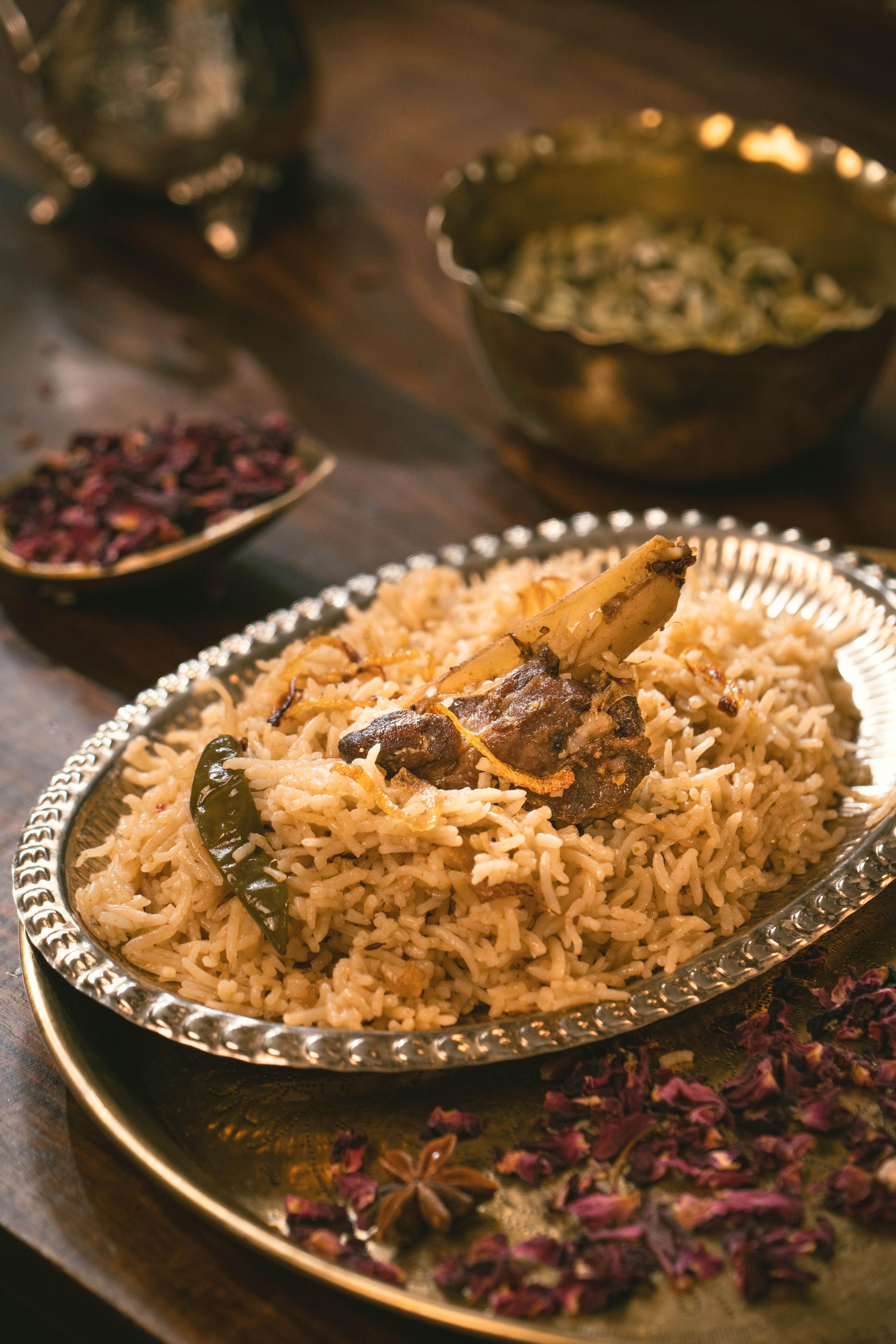
The inception of Sima’s Kitchen Secrets was as intimate as the food it represents. Encouraged by her daughter and daughter-in-law, Chef Sima began by sharing a curated menu within her personal circle. What followed was an immediate and encouraging response, with orders initially centred around degchi biryani for small gatherings.
From these modest beginnings, the venture expanded organically. Kebabs, qormas, and a range of vegetarian dishes were gradually introduced, all rooted in the same Awadhi philosophy.
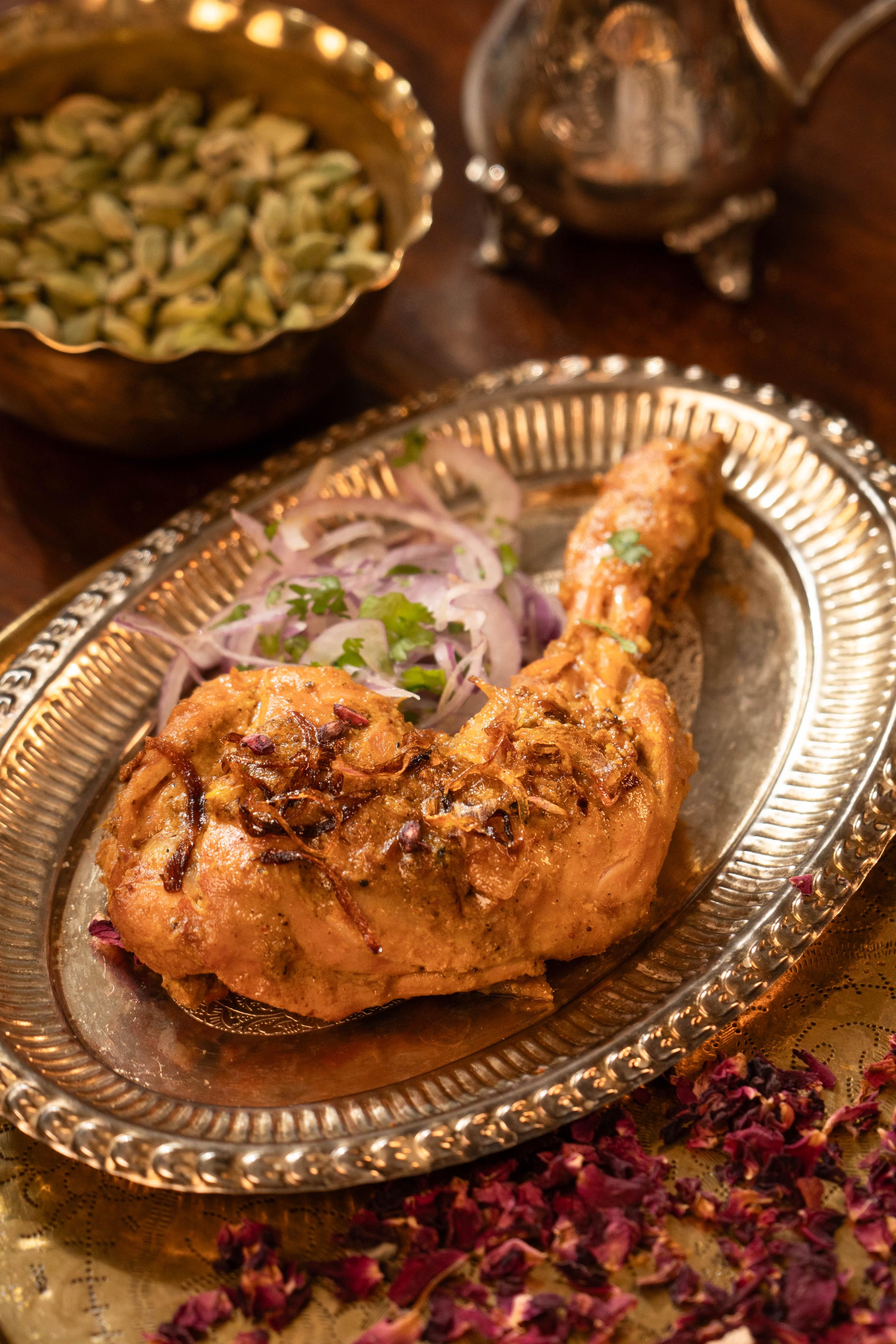
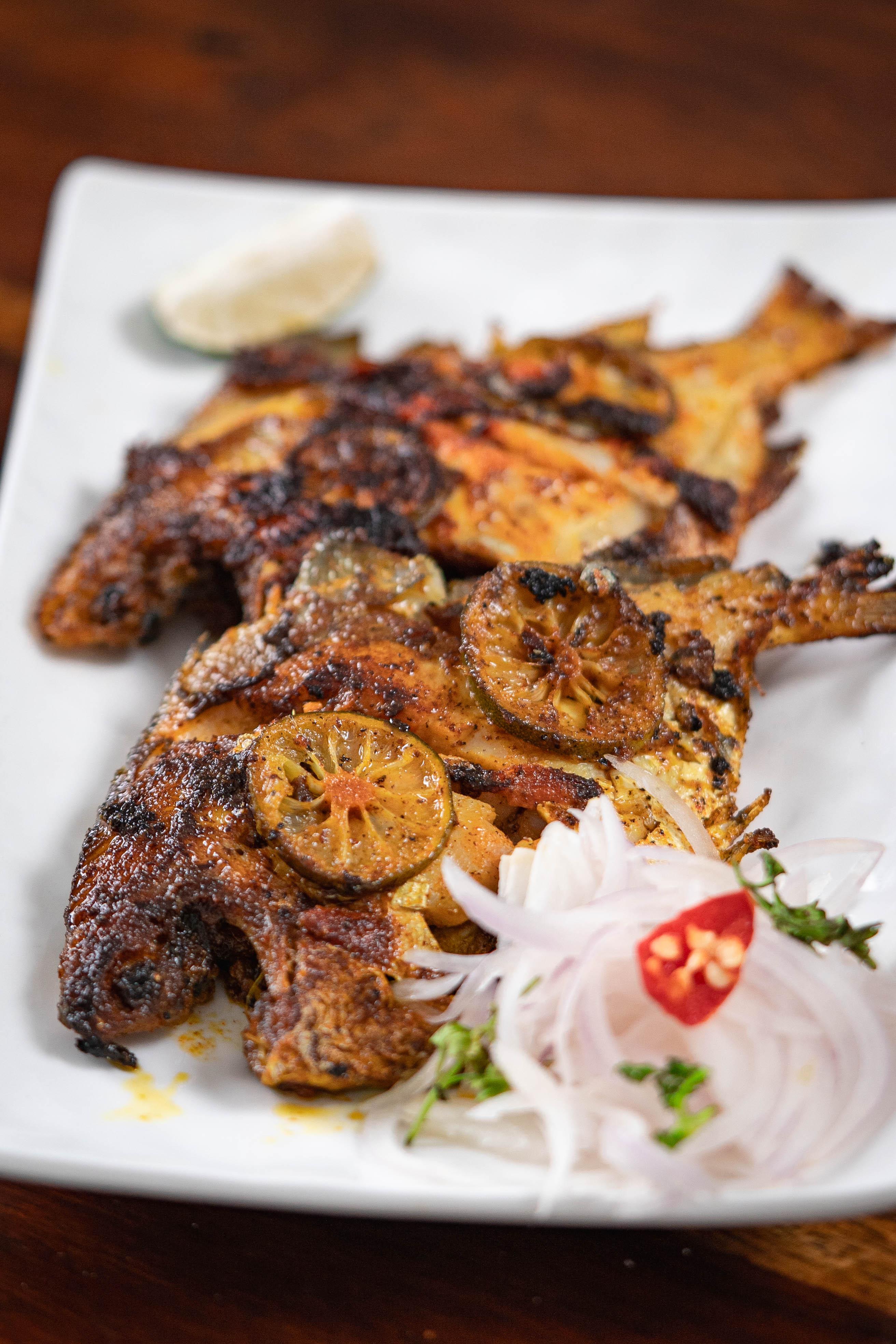
Despite its growth, the essence of the kitchen has remained unchanged, small batches, meticulous preparation, and a deeply personal approach to food.
Looking ahead, the brand is evolving thoughtfully, with plans to introduce a line of masalas and frozen kebabs. This expansion aims to bring her flavours to a wider audience, while maintaining the integrity of the original recipes.
Participating in MasterChef India Season 8 marked a significant chapter in Chef Sima’s journey. The experience challenged her in unfamiliar ways, particularly in adapting to time constraints and highpressure environments.
Yet, rather than altering her approach, the platform reinforced her beliefs. It strengthened her confidence in her instincts and allowed her to present Awadhi cuisine to a broader audience. Most importantly, it reaffirmed that staying true to one’s roots holds far greater value than chasing fleeting trends.
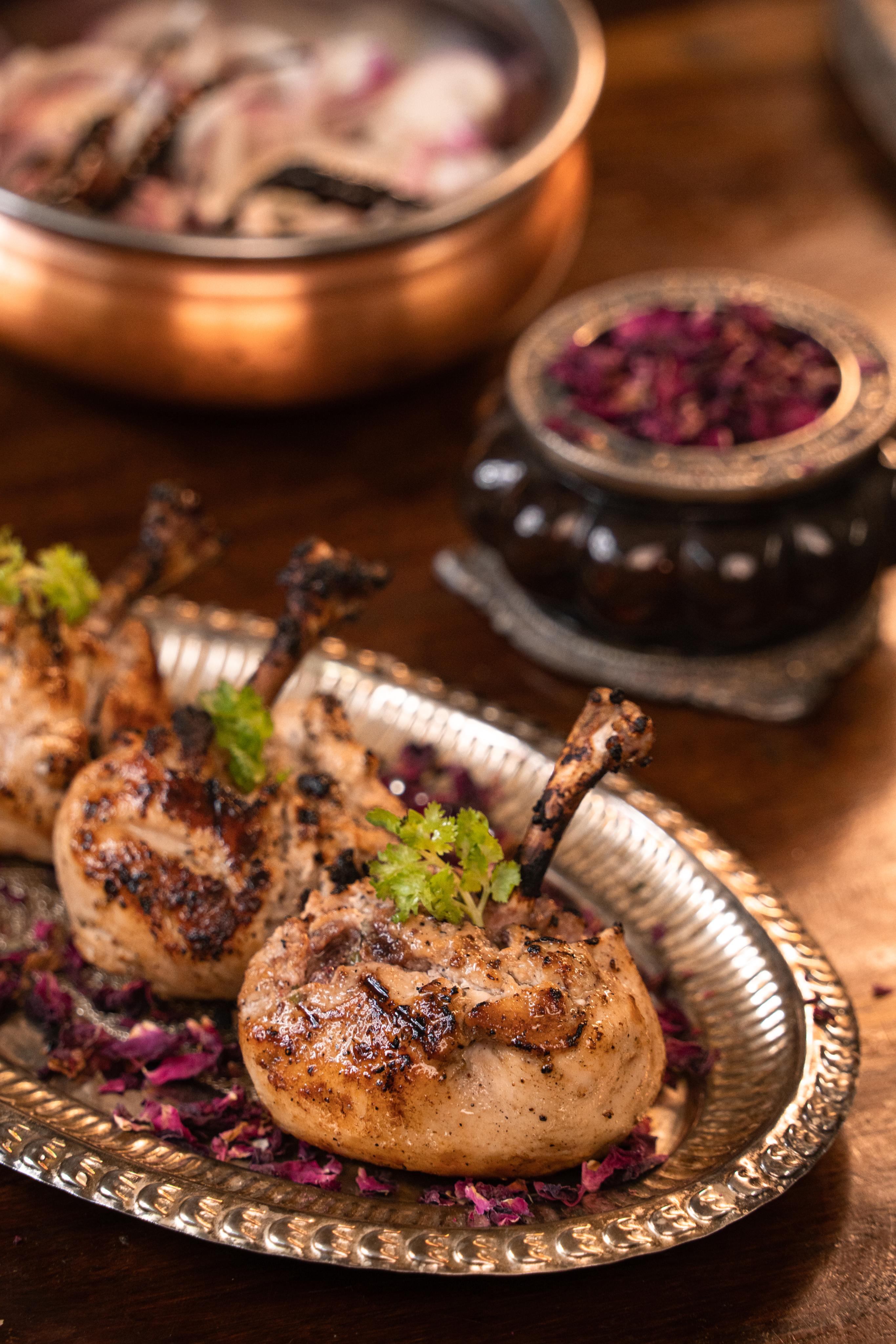
Kufal Kebab – A fine example of Awadhi richness, kebabs filled with nuts and berries
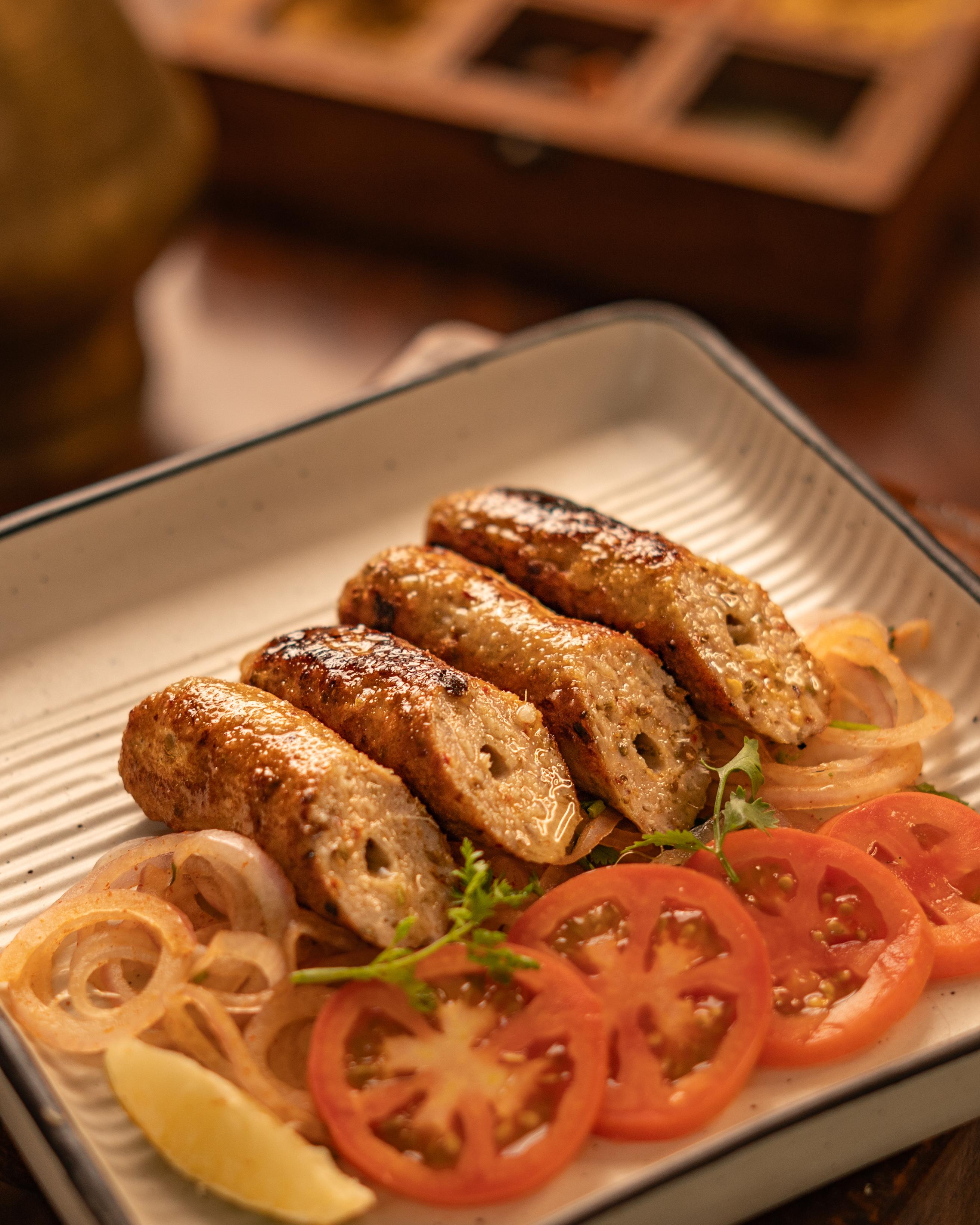
Seekh Kebab — perfectly spiced minced meat kebabs
Chef Sima’s culinary journey extends beyond her home kitchen through curated pop-ups and guest chef appearances. Among these, her experience at Alila Diwa Bishangarh stands out as particularly memorable.
Set against a backdrop rich in history and architectural grandeur, the experience offered more than just a platform to serve food. It created an environment where guests could slow down and engage with the cuisine on a deeper level. Cooking in Rajasthan, known for its heritage and hospitality, felt intrinsically aligned with her own culinary philosophy.
Interactions with members of royal families and the exchange of stories and traditions added another layer of meaning, transforming the experience into something far beyond a typical dining event.
Chef Sima’s cooking philosophy is grounded in clarity and discipline. She does not seek to reinvent dishes for novelty, but instead focuses on understanding their essence, how flavours interact, how time influences texture, and how balance is achieved.
Her signature style reflects this restraint. Rather than overwhelming the palate, her dishes allow each ingredient to reveal itself gradually. The result is food that may appear simple, yet carries a remarkable depth beneath the surface. It is this quiet complexity that defines her work.
Outside of cooking, Chef Sima gravitates towards pursuits that mirror the same sense of patience and rhythm. Music, particularly ghazals and qawwalis, holds a special place in her life, offering a depth of emotion that resonates with her culinary sensibilities.
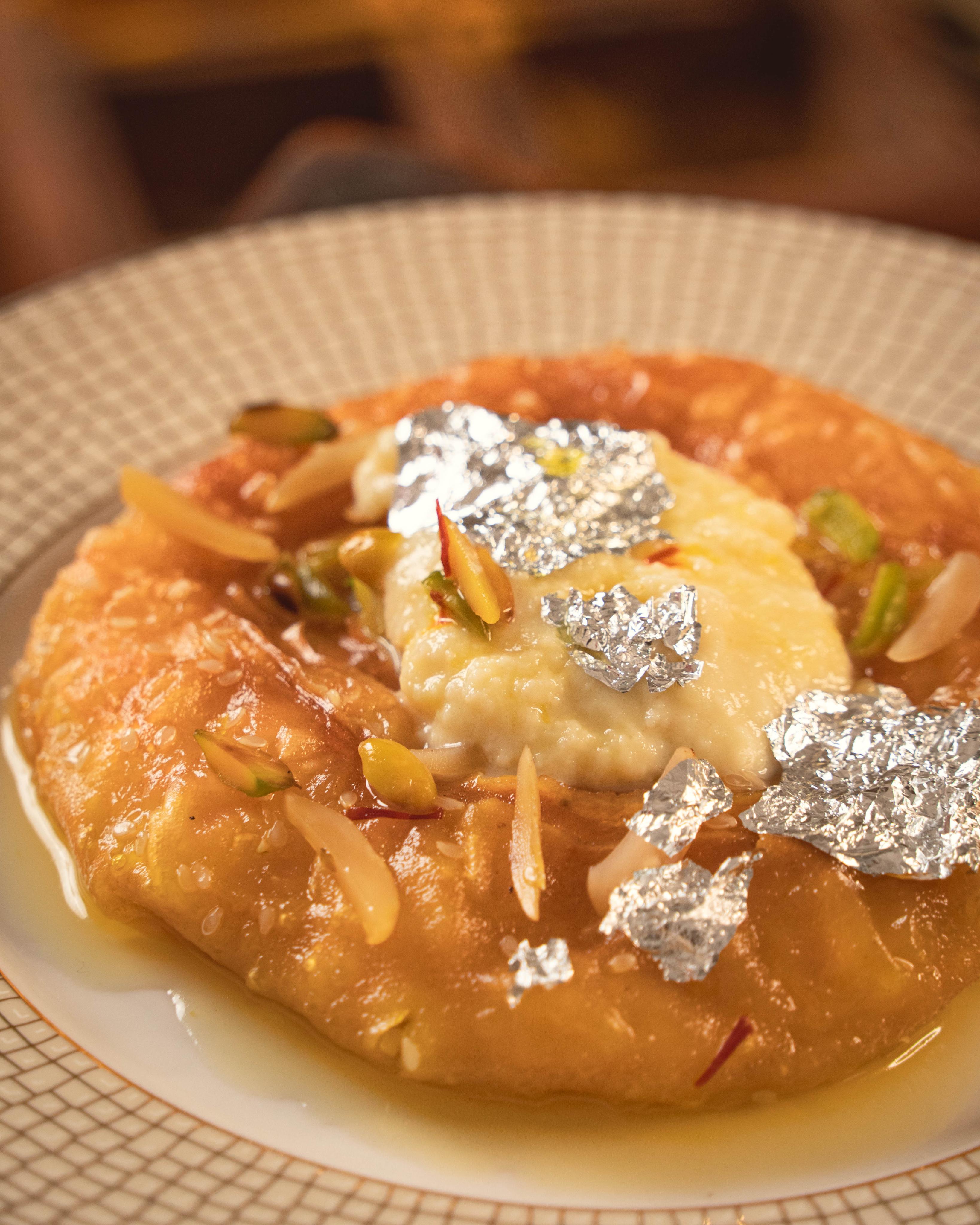
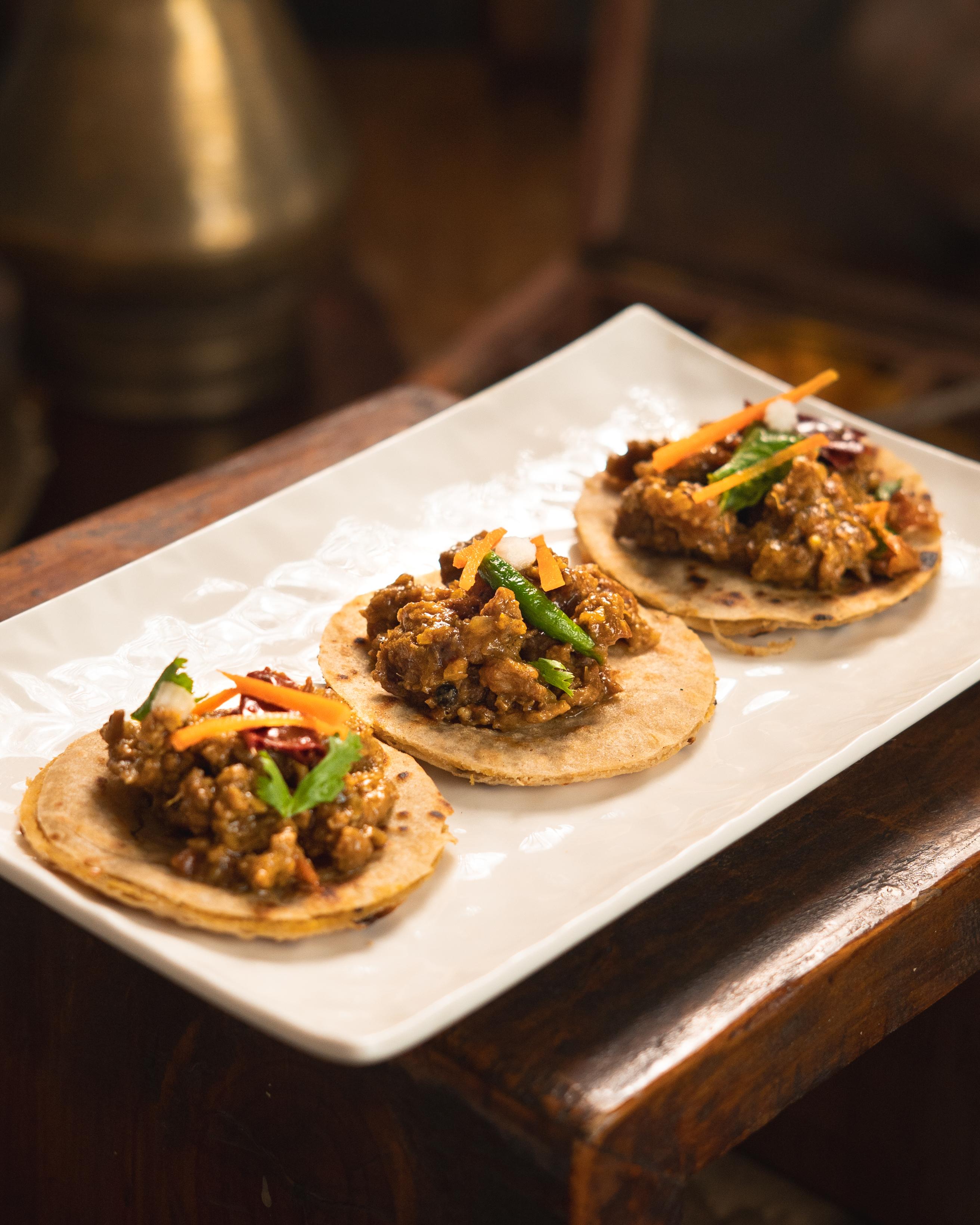
Kate Masale ka Kheema — a treasured family recipe
She also finds solace in crochet, a craft that demands focus and precision while offering a calming, meditative experience. Travelling further enriches her perspective, allowing her to engage with diverse cultures and food traditions, experiences that subtly inform her approach without altering its core.
For Chef Sima, food is not merely about taste, it is about how it makes one feel. She aims to challenge common perceptions of Awadhi cuisine as overly rich, instead presenting it as balanced, layered, and surprisingly light.
Her dishes are designed to stand on their own, complete in flavour without the need for accompaniments. The goal is to create a sense of satisfaction that lingers without heaviness, an experience that feels both comforting and memorable.
Heritage, Identity, and the Road Ahead
Tracing her ancestry from Yemen to Awadh, Chef Sima carries a cultural narrative that quietly influences her cooking. While firmly rooted in Awadhi traditions, subtle nuances in flavour and technique reflect this layered heritage. It is not something she highlights overtly, but rather something that naturally finds its way into her work.
As she looks to the future, her focus remains on thoughtful growth. Whether through expanding Sima’s Kitchen Secrets or continuing curated dining experiences and collaborations, her approach is guided by the same principles that defined her beginnings, authenticity, patience, and a deep respect for tradition.
In a world that often prioritises speed and spectacle, Chef Sima Ahmed’s work is a reminder that true artistry lies in slowing down, staying rooted, and allowing time to do what it does best, transform the ordinary into something unforgettable.
restaurant
Fisherman’s Village in Anjuna blends Vijay Salgaonkar’s journey, authentic Goan cuisine, and coastal storytelling, offering immersive dining rooted in tradition, fresh seafood, cultural preservation, and heartfelt hospitality.
Article by: Team ItsGoa Images by: Fisherman’s Village www.itsgoa.com itsgoa_ Itsgoa
Nestled amidst the laid-back charm of Anjuna, Fisherman’s Village is more than just a seafood restaurant, it is a heartfelt tribute to Goa’s coastal heritage, traditional flavours, and the enduring spirit of fishing communities. Built on passion, perseverance, and deeply personal memories, the restaurant offers an experience that goes beyond dining, inviting guests into a world shaped by authenticity and storytelling.
At the heart of this journey is Vijay Salgaonkar, whose life and love for food have seamlessly come together to create a space that feels both personal and immersive.
Vijay Salgaonkar’s path into hospitality was shaped early on through formal training in hotel management and years of experience across diverse environments, from three-star and five-star hotels to working on cruise ships. These experiences refined his understanding of global hospitality standards while grounding him in discipline and adaptability.
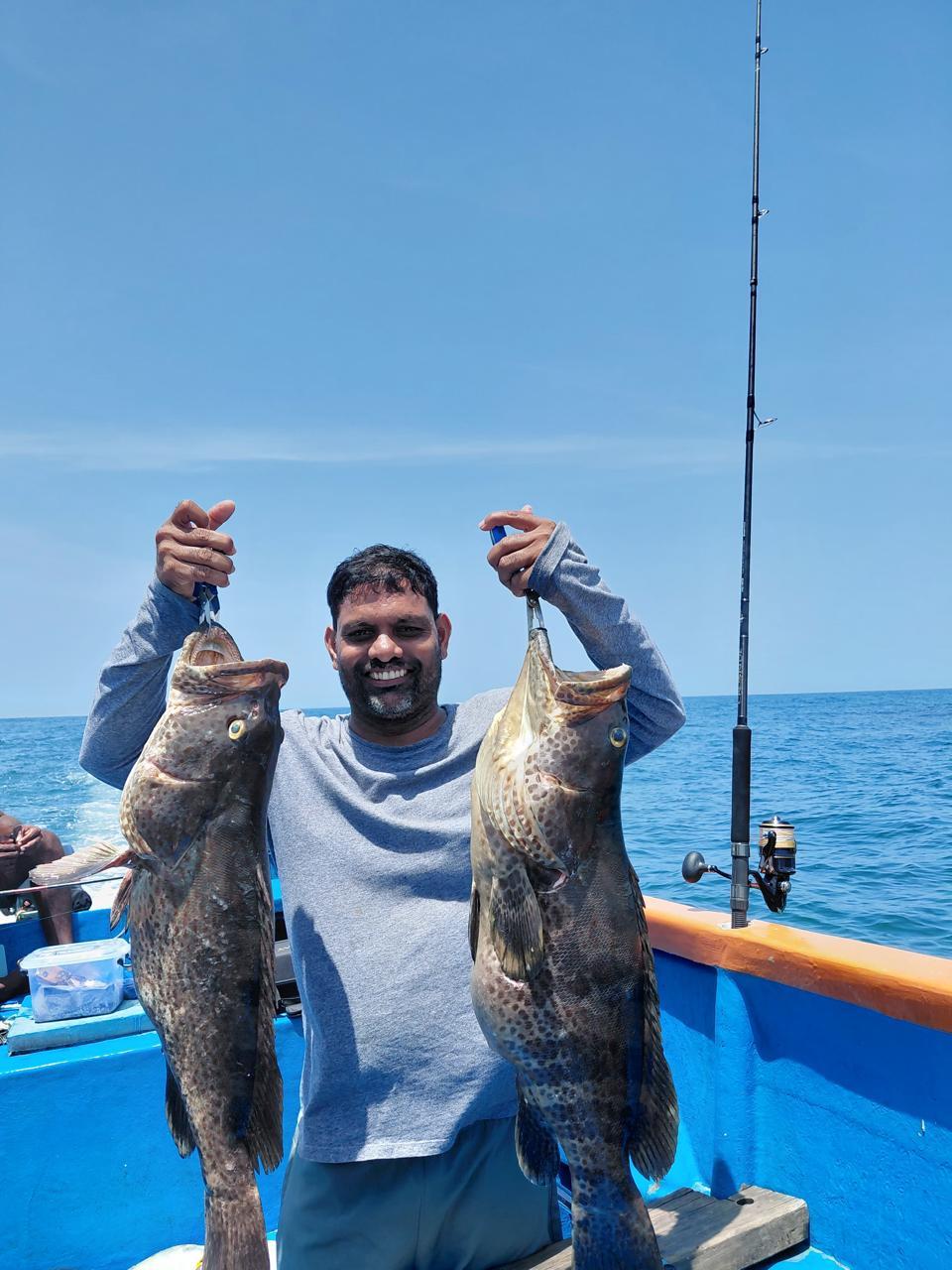
Owner - Vijay Salgaonkar
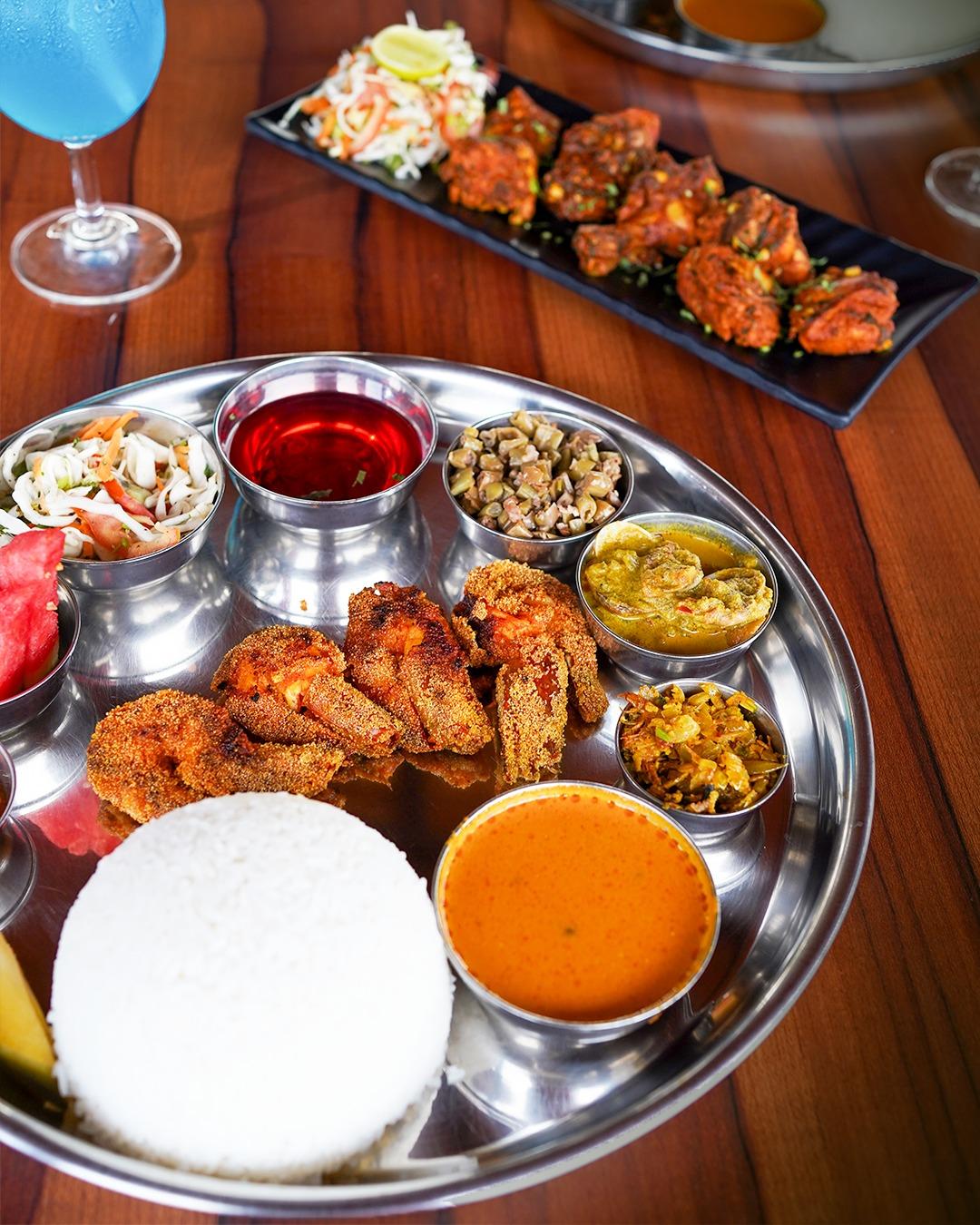
Yet, his true inspiration lay much closer to home. Growing up in a household where both his parents were exceptional cooks, Vijay developed a deep appreciation for authentic, home-style Goan cuisine. Fishing, a passion he describes as a way of life, further strengthened this connection. What began as a personal routine of catching and cooking fish for his family gradually evolved into a larger vision.
The idea for Fisherman’s Village was born during his teenage years while working at sea, eventually taking shape in Anjuna as a space that reflects both his upbringing and his journey.
Stepping into Fisherman’s Village is designed to feel like entering a coastal retreat. The ambiance is carefully curated to recreate the simplicity and charm of a traditional Goan fishing village. With coconut trees, open surroundings, and thoughtfully placed elements, the setting immediately evokes a sense of calm and connection to nature.
The experience is layered with subtle storytelling, live seafood displays, traditional fisherfolk music, and photographs capturing fishing journeys from Vijay’s own life.
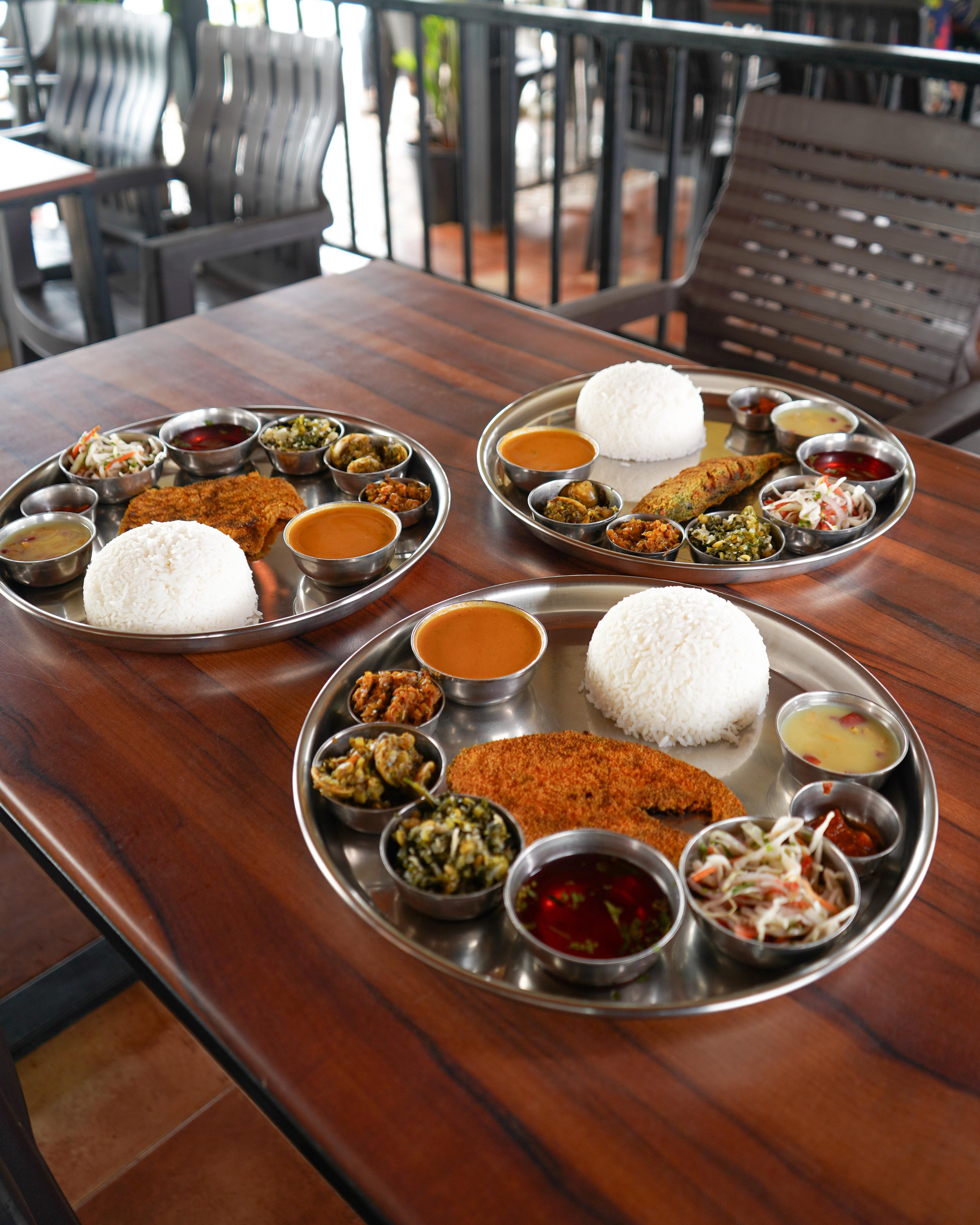
These personal touches transform the restaurant into more than a dining destination; it becomes a narrative space where guests can engage with Goa’s coastal culture.
The menu at Fisherman’s Village is deeply influenced by the recipes and techniques passed down through generations. Traditional Goan dishes such as xacuti and other coastal preparations are central to the culinary offering, reflecting the flavours Vijay grew up with. His approach to food remains simple yet intentional, preserving authenticity while ensuring each dish carries the richness and depth of traditional cooking. The emphasis is not on reinvention, but on staying true to the roots of Goan cuisine.
Among the restaurant’s most celebrated offerings are its crab dishes, which stand out not only for their flavour but also for the experience they provide.
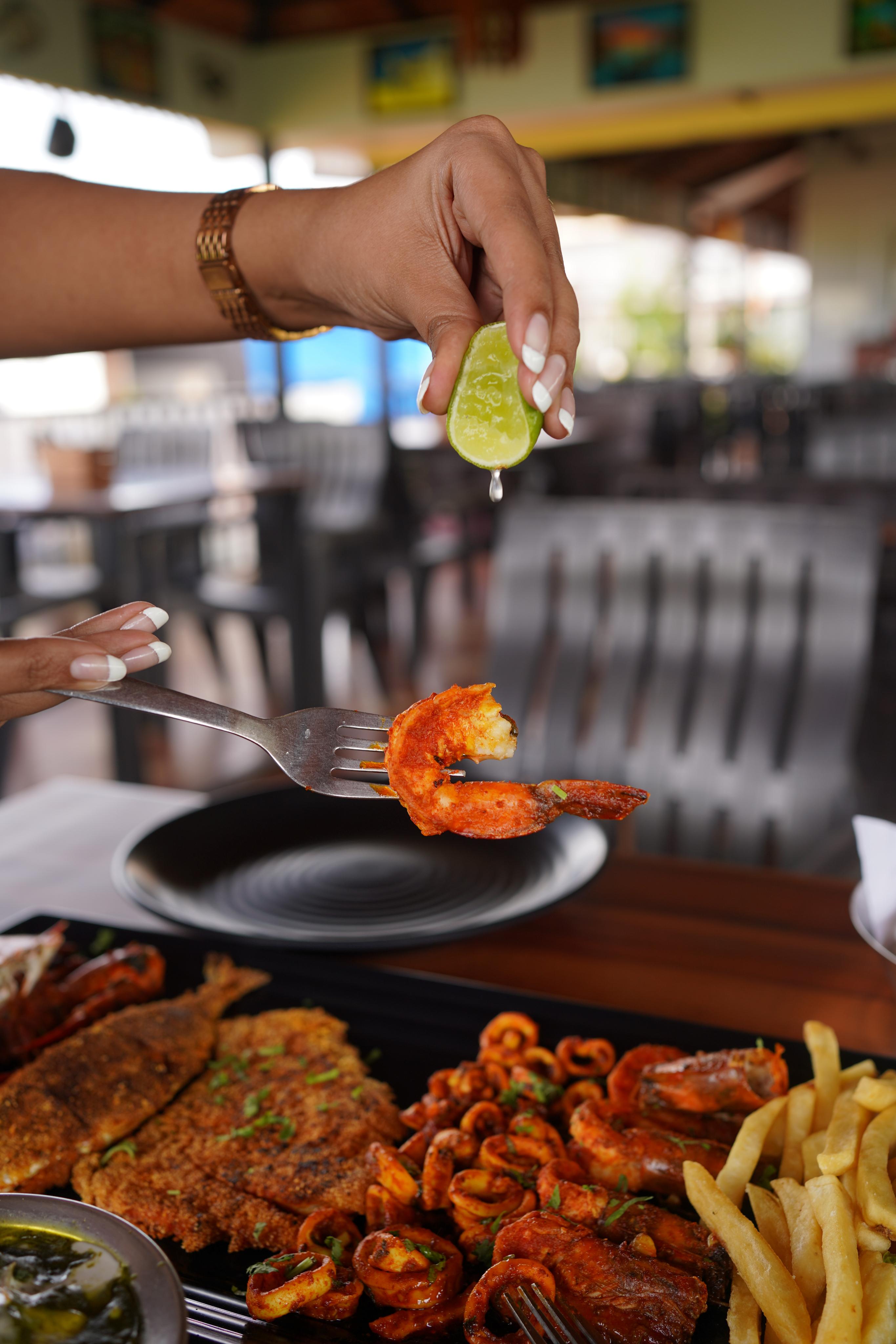
Guests are given the unique opportunity to select live crabs, which are then freshly prepared according to their preference.
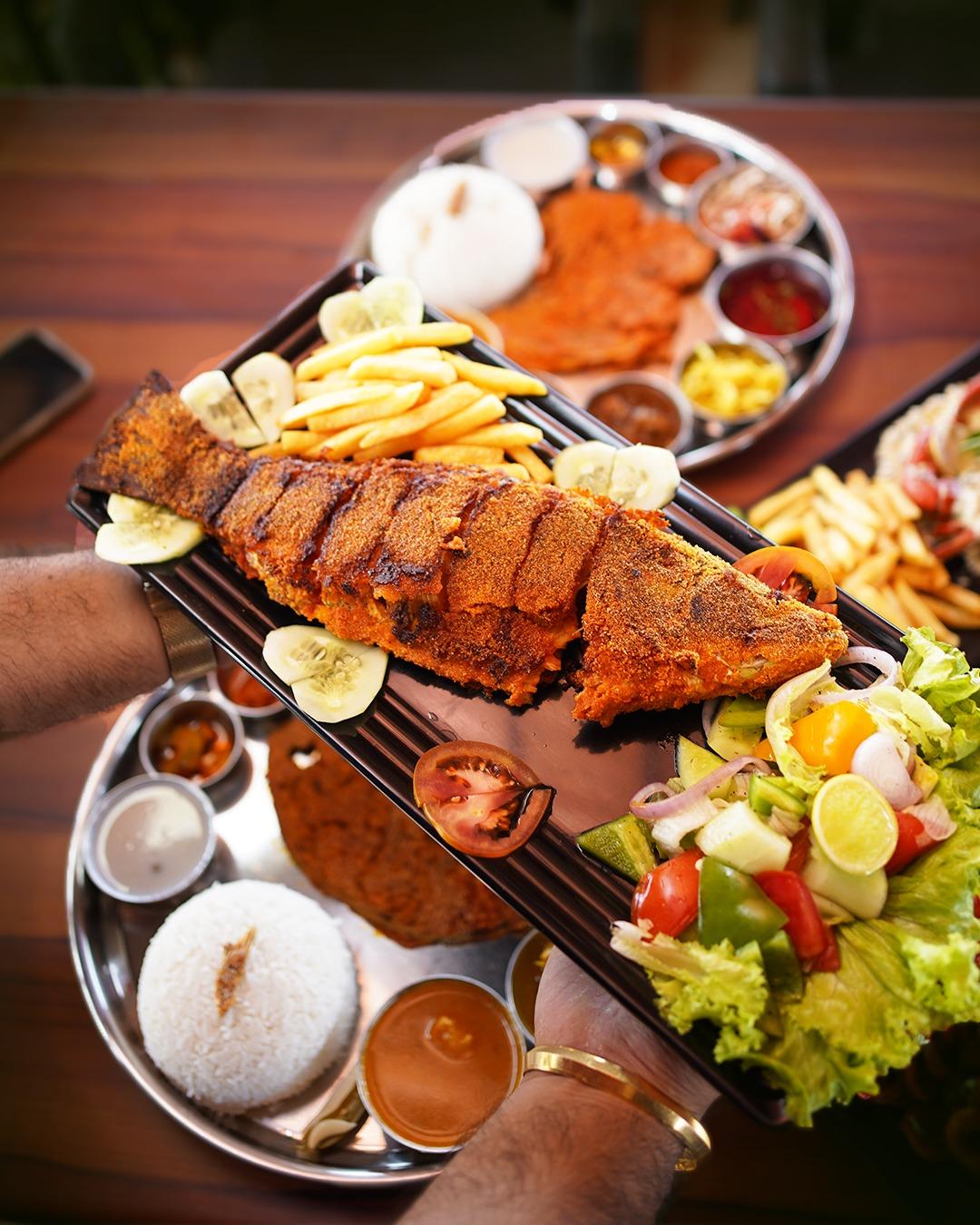
Fish thalis, a staple of Goan dining, are another highlight, particularly during lunch service. These wholesome meals offer a complete culinary experience, bringing together a variety of flavours in one plate. Each dish is enhanced by a distinctive blend of ingredients unique to the kitchen, ensuring a memorable taste while maintaining authenticity.
Fisherman’s Village offers distinct experiences across its lunch and dinner services. Lunch is centred around traditional thalis, catering to both seafood lovers and those seeking vegetarian or chicken options. These meals provide a comforting and comprehensive introduction to Goan cuisine.
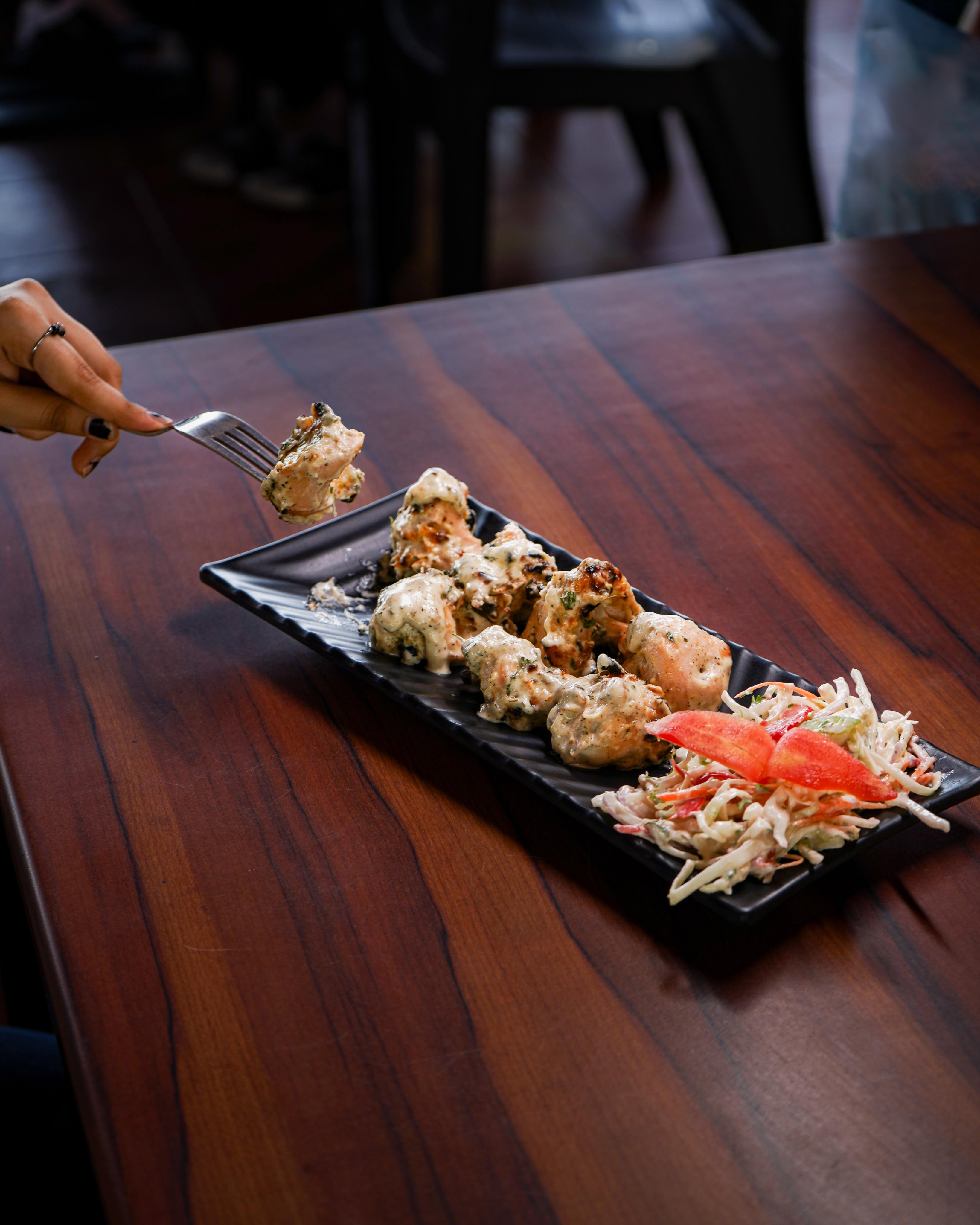
Dinner, on the other hand, leans towards a more curated, à la carte experience. With a focus on tandoor preparations, particularly seafood and chicken, the evening menu offers a more indulgent approach. Lobster dishes stand out as a signature highlight, adding a touch of luxury to the coastal dining experience.
Consistency remains a cornerstone of the restaurant’s success. Vijay takes a hands-on approach, personally overseeing and tasting dishes before they are served. This level of involvement ensures that every plate meets the standards he has set for both quality and authenticity.
A well-trained team supports this process, understanding the importance of maintaining flavour, presentation, and overall dining experience. The result is a kitchen that operates with precision while staying true to its traditional roots.
Fisherman’s Village attracts a wide range of guests, from locals and tourists to dedicated seafood enthusiasts.
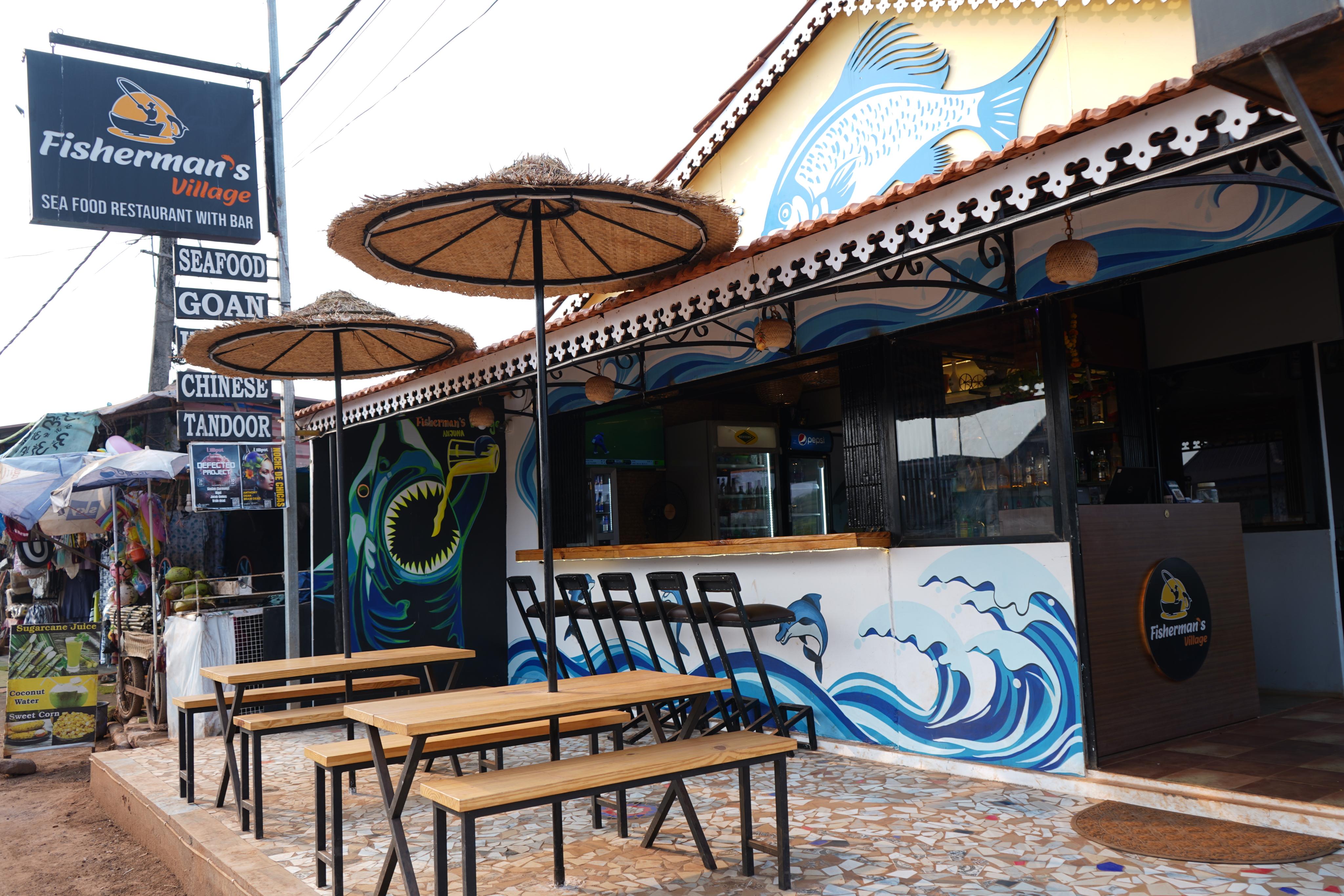
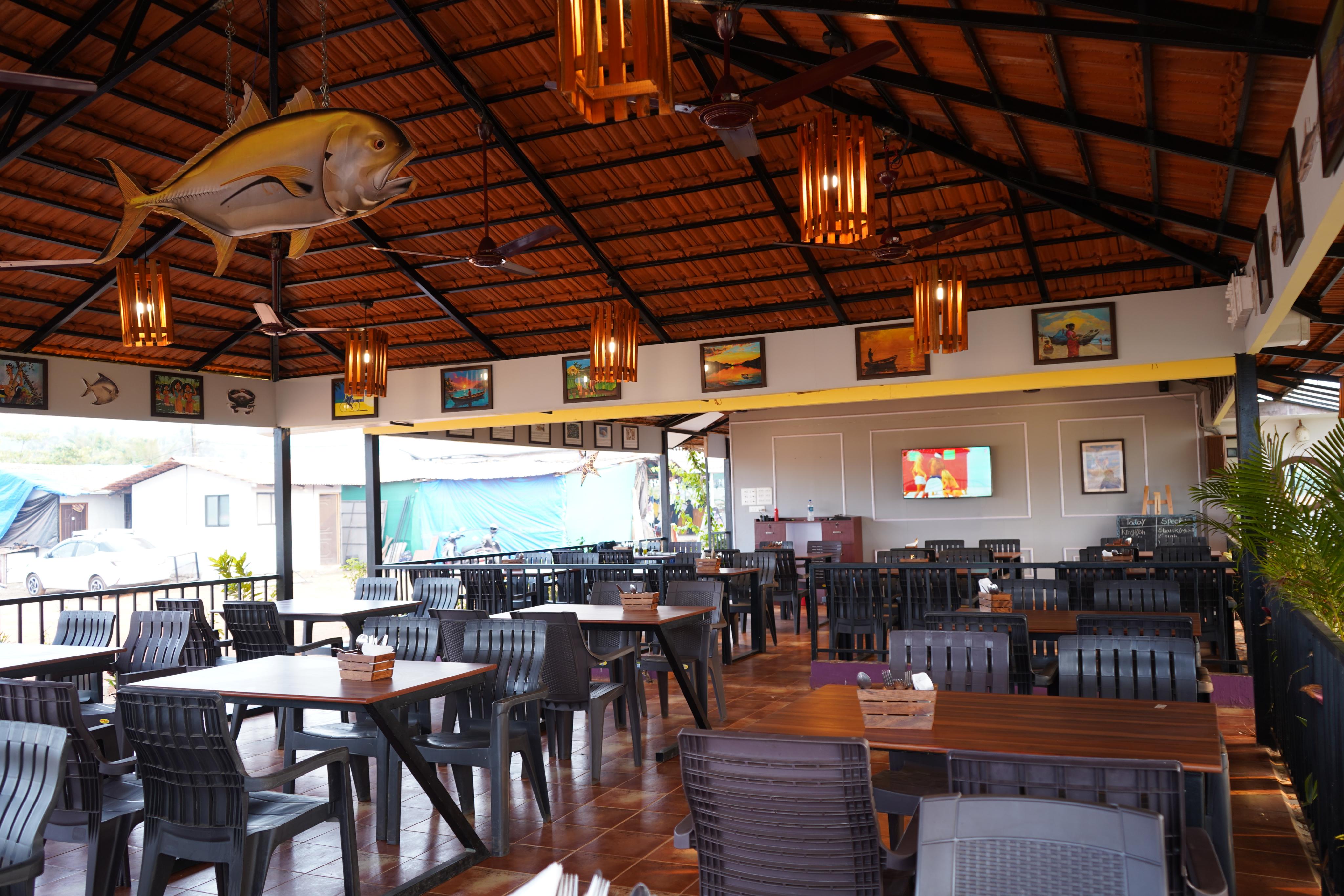
Village Interior

Daiquiri, our summer favourite
Despite this diversity, the restaurant maintains a warm and welcoming environment, making every visitor feel at home.
This sense of hospitality is central to its identity. By focusing on genuine interactions and attentive service, the team fosters lasting connections with guests, many of whom return not just for the food but for the overall experience.
Beyond its popular dishes, Fisherman’s Village is also committed to reviving lesser-known traditional recipes. Dishes like Samarachi Kodi, Sukhi Sungta Kodi, and Pez with kharo reflect the authentic food of fishermen, simple, nourishing, and deeply rooted in culture.
By introducing these preparations to a wider audience, the restaurant plays a role in preserving culinary traditions that might otherwise fade with time.
Running a restaurant in a bustling destination like Anjuna comes with its own challenges, particularly when it comes to maintaining consistency amidst high expectations. For Vijay, overcoming these challenges has meant staying involved at every level, from sourcing fresh fish daily to training staff and ensuring quality control.
What once seemed like a straightforward journey soon revealed its complexities. However, each obstacle became an opportunity to learn, adapt, and improve, shaping the restaurant into a stronger and more refined establishment.
Fisherman’s Village is ultimately a reflection of one man’s journey, his passion for fishing, his love for food, and his commitment to sharing that experience with others. Built on dedication and authenticity, it continues to evolve while staying rooted in its core values.
For guests, it offers more than just a meal. It offers a glimpse into a way of life, one where food, culture, and community come together, creating an experience that lingers long after the last bite.
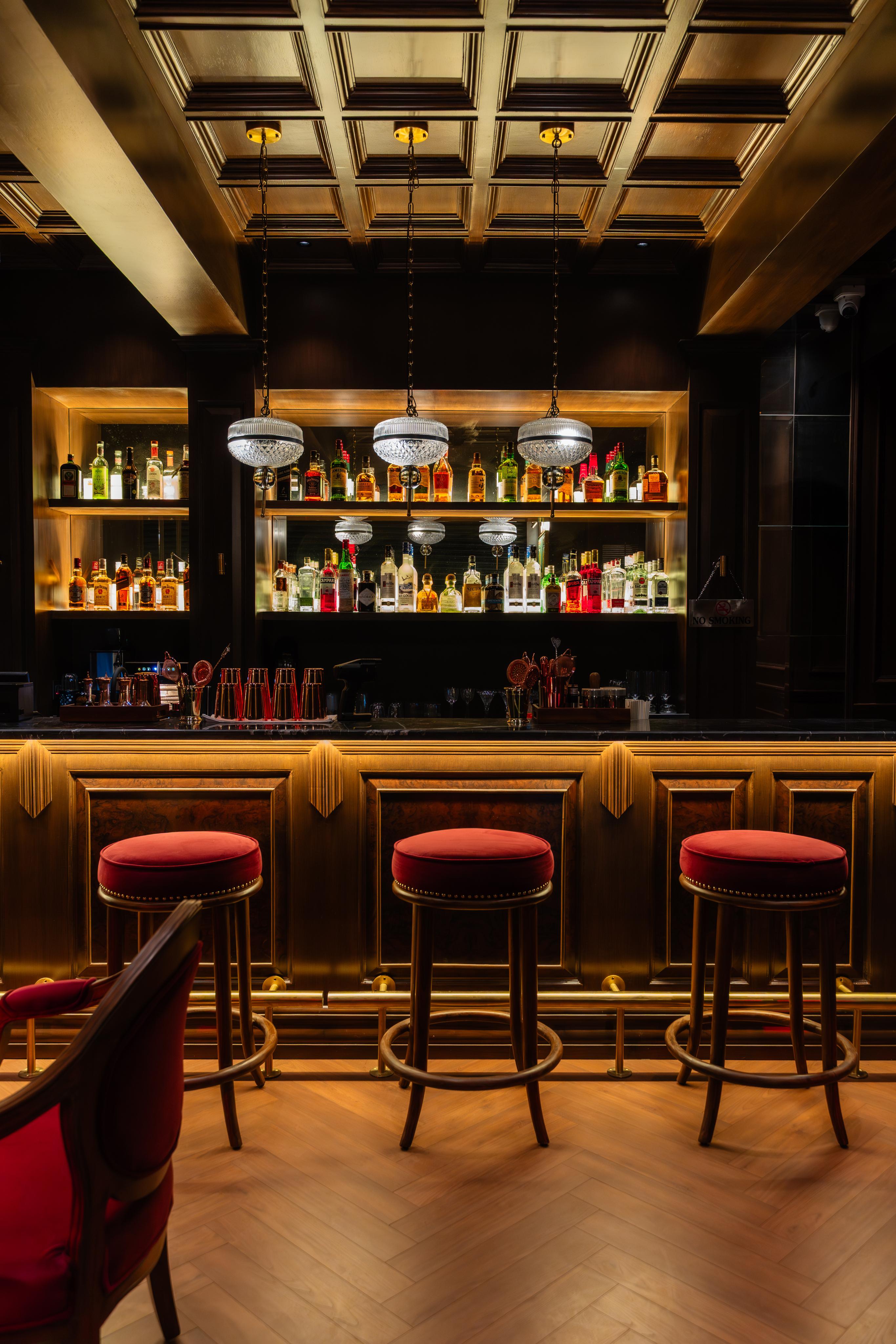
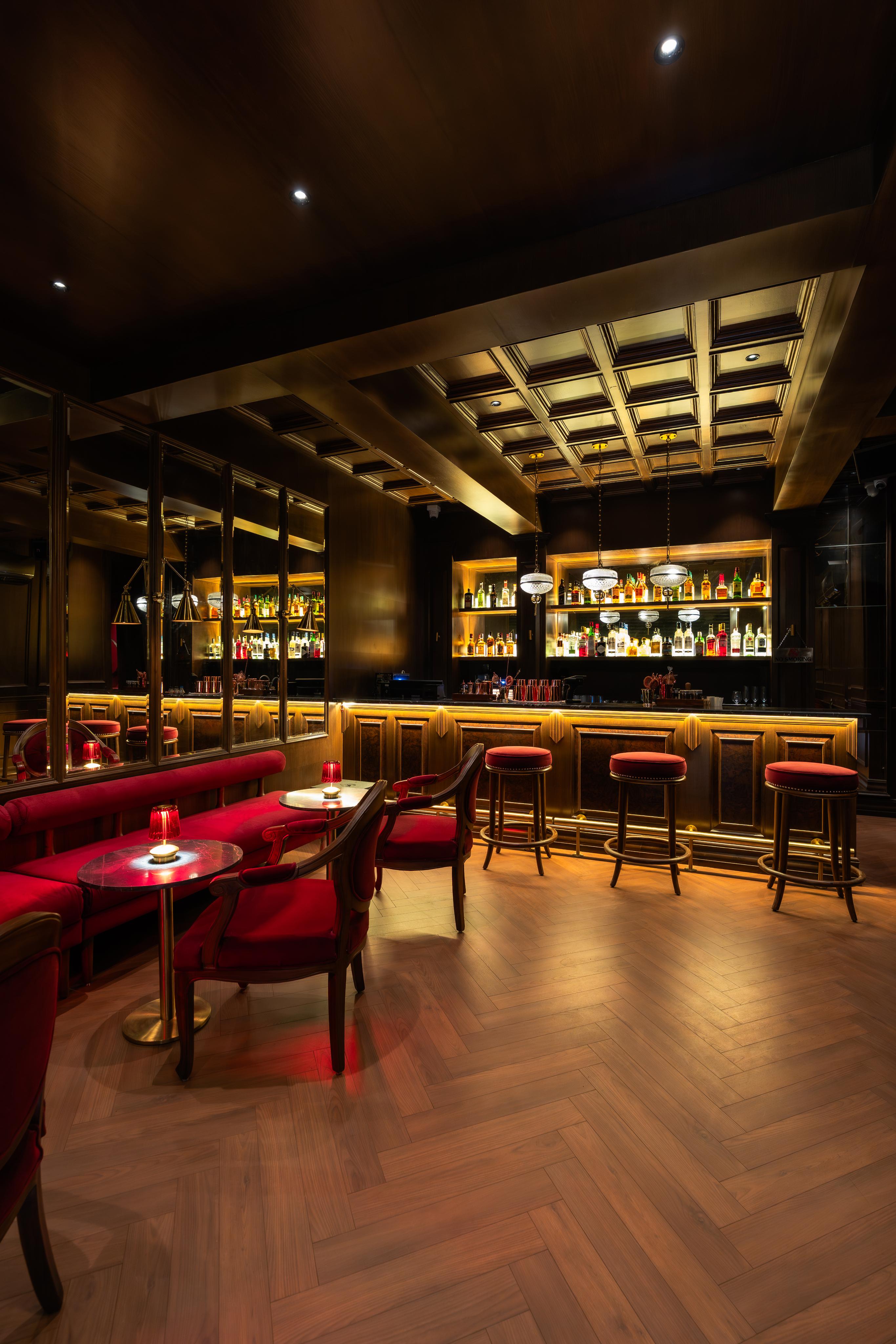
Lazlo Goa is a narrative-driven cocktail bar offering immersive, intimate experiences through refined mixology, evolving ambience, and storytelling, blending sophistication, unpredictability, and global influences to redefine nightlife with subtle elegance.
In a destination celebrated for its vibrant and everevolving nightlife, Lazlo Goa emerges as a quiet yet compelling counterpoint. Conceived as more than just a cocktail bar, Lazlo is an experience, one that evolves at its own pace, inviting guests into a world where atmosphere, narrative, and subtle transformation take centre stage.
Lazlo is founded by a team that consciously chooses to remain behind the scenes, allowing the space itself to take precedence. This intentional anonymity shifts the focus away from personalities and toward the experience, creating an environment where guests engage more deeply with their surroundings. It is a philosophy rooted in restraint, where the absence of a visible figurehead allows the identity of Lazlo to be shaped entirely by what it offers rather than who created it.
The name “Lazlo” draws from old European origins, evoking a sense of strength, legacy, and understated elegance. Complementing this is the influence of The Jocara, influenced by the idea of The Jocara, a quiet, trickster-like presence that introduces a sense of unpredictability.
Together, these ideas form the conceptual backbone of Lazlo, a place where sophistication meets playfulness, and where the unexpected becomes part of the allure.
At its core, Lazlo is a narrative-driven cocktail bar. The vision is to create an immersive environment where each element contributes to a larger story. Inspired by the spirit of The Jocara, the space gently disrupts expectations, transforming ordinary evenings into layered, evolving experiences. Nothing feels static; instead, the night comes into its own over time in moments, each one building upon the last.
The physical space reflects this philosophy with precision. Low lighting, warm tones, and thoughtful design elements create an intimate setting that feels both inviting and enigmatic. There is a quiet energy within Lazlo, never overwhelming, yet always present. It is the kind of space where conversations linger, connections form naturally, and time seems to move at its own pace.
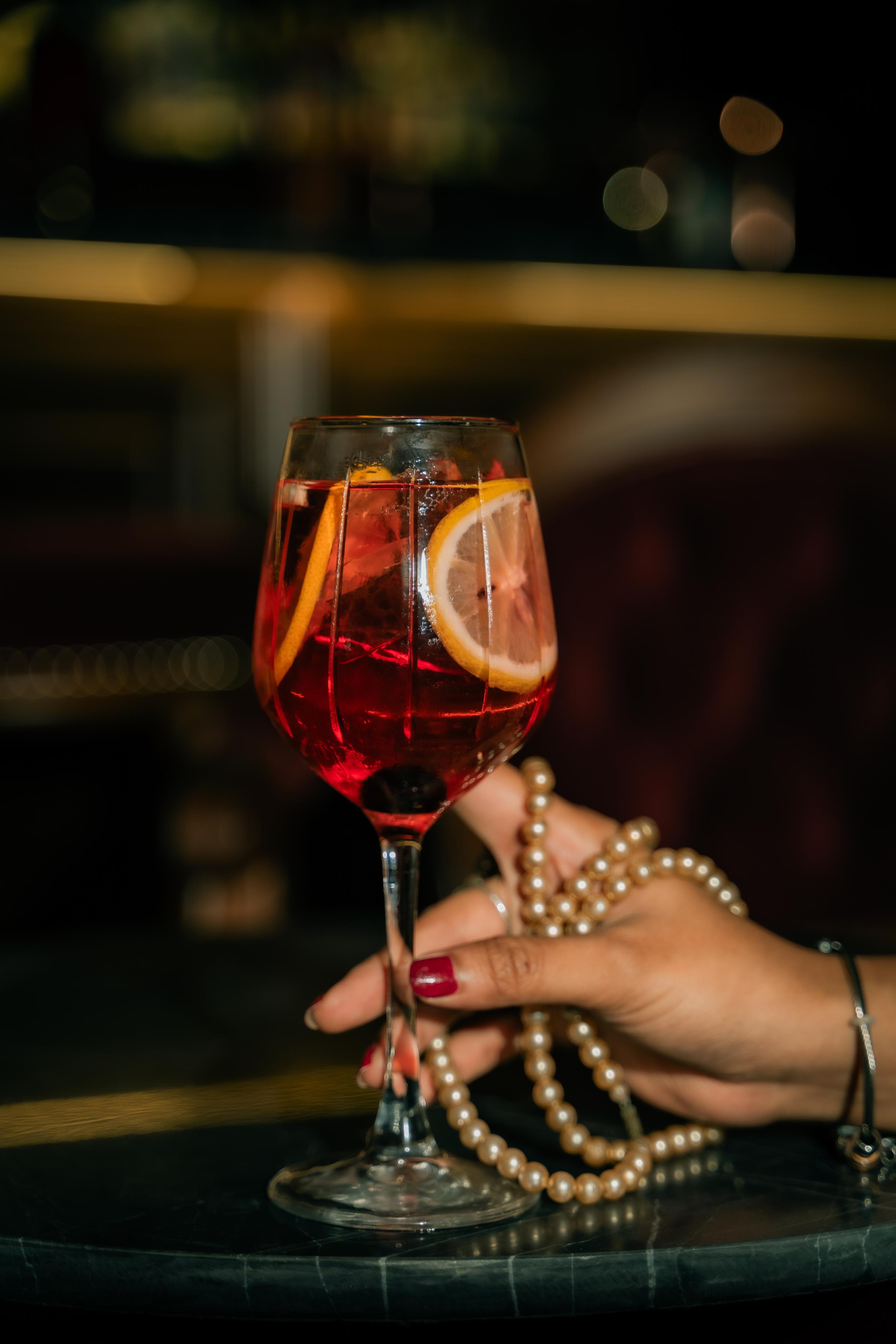

Cocktail mixing in motion
What distinguishes Lazlo is its ability to merge refined mixology with subtle theatricality. The experience is layered, not just in taste but in emotion and perception. The space evolves as the evening progresses, echoing the transformative nature of The Jocara. Strangers become companions, fleeting moments turn into lasting memories, and each visit carries a sense of discovery.
The cocktail program at Lazlo is deeply rooted in storytelling. Each drink is crafted not merely as a blend of ingredients but as an expression of mood, moment, and intention. Guided by the philosophy that “every pour is a trick well played,” the cocktails introduce elements of surprise while maintaining a sense of balance and refinement. It is a program designed to engage both the palate and the imagination.
The approach to mixology is a careful balance between technical precision and creative exploration.

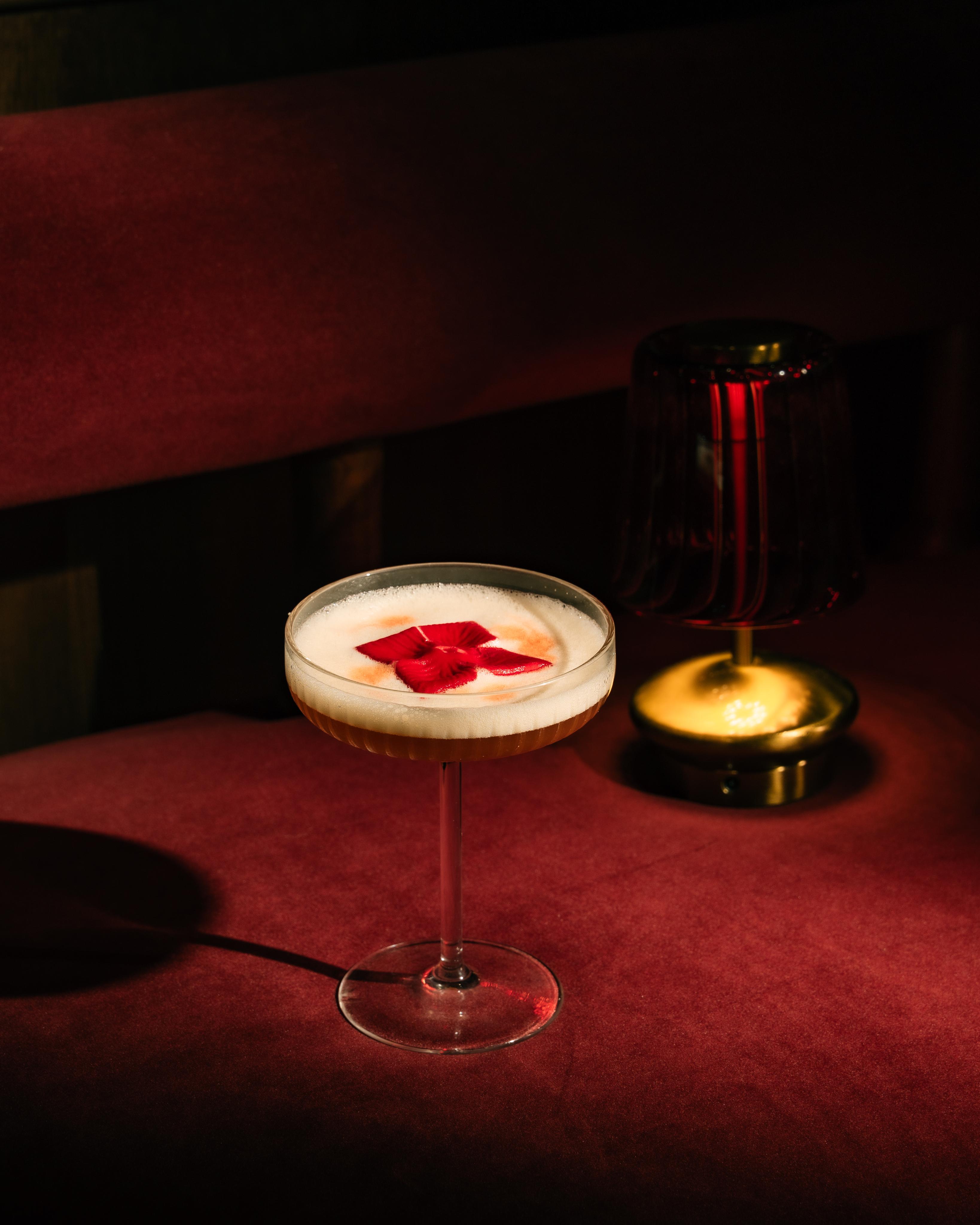
Every detail is considered, from flavour profiles to presentation, yet there is always an element of unpredictability woven into the experience. This duality reflects Lazlo’s broader identity, playful yet polished, spontaneous yet deliberate.
In a deliberate move, Lazlo keeps its focus exclusively on its cocktail offerings. Lazlo currently focuses solely on its cocktail programme, with plans to introduce bites in the future. This allows the spotlight to remain on the drinks and the immersive experience for now. This clarity of purpose allows for a more cohesive and concentrated experience, where every element aligns with the central narrative.
Lazlo caters to a clientele that values nuance and intention.


Well-travelled individuals, urban professionals, and those drawn to thoughtfully curated spaces will find resonance here. It is not a venue defined by scale or spectacle, but by depth and detail, a place for those who appreciate the art of a well-crafted evening.
Music, lighting, and ambience are integral to the Lazlo experience. Each is carefully curated to complement the mood without overpowering it. The result is an environment that feels immersive yet effortless, where every sensory element works in harmony to enhance the unfolding narrative.
Lazlo draws inspiration from global cocktail culture, as well as from art, design, and storytelling traditions. These influences are not replicated but reinterpreted, resulting in a space that feels both internationally informed and uniquely its own.
Perhaps the most rewarding aspect of Lazlo lies in the moments when the space comes alive, when guests connect with the experience in unexpected ways.
It is in these instances, when a quiet evening transforms organically into something memorable, that the essence of Lazlo is most fully realised.
Looking ahead, Lazlo plans to continue evolving through curated experiences, collaborations, and ongoing innovation within its cocktail program. Yet, at its heart, it remains committed to its narrativedriven identity, ensuring that every addition feels aligned with its core philosophy.
Ultimately, Lazlo is shaped by the spirit of The Jocara, a celebration of unpredictability, charm, and the subtle magic of the night. It is a place where nothing feels forced, where every detail is intentional, and where each visit offers the possibility of something new.

In a world that often leans toward the expected, Lazlo stands as a reminder that the most memorable experiences are often the ones that unfold without warning.
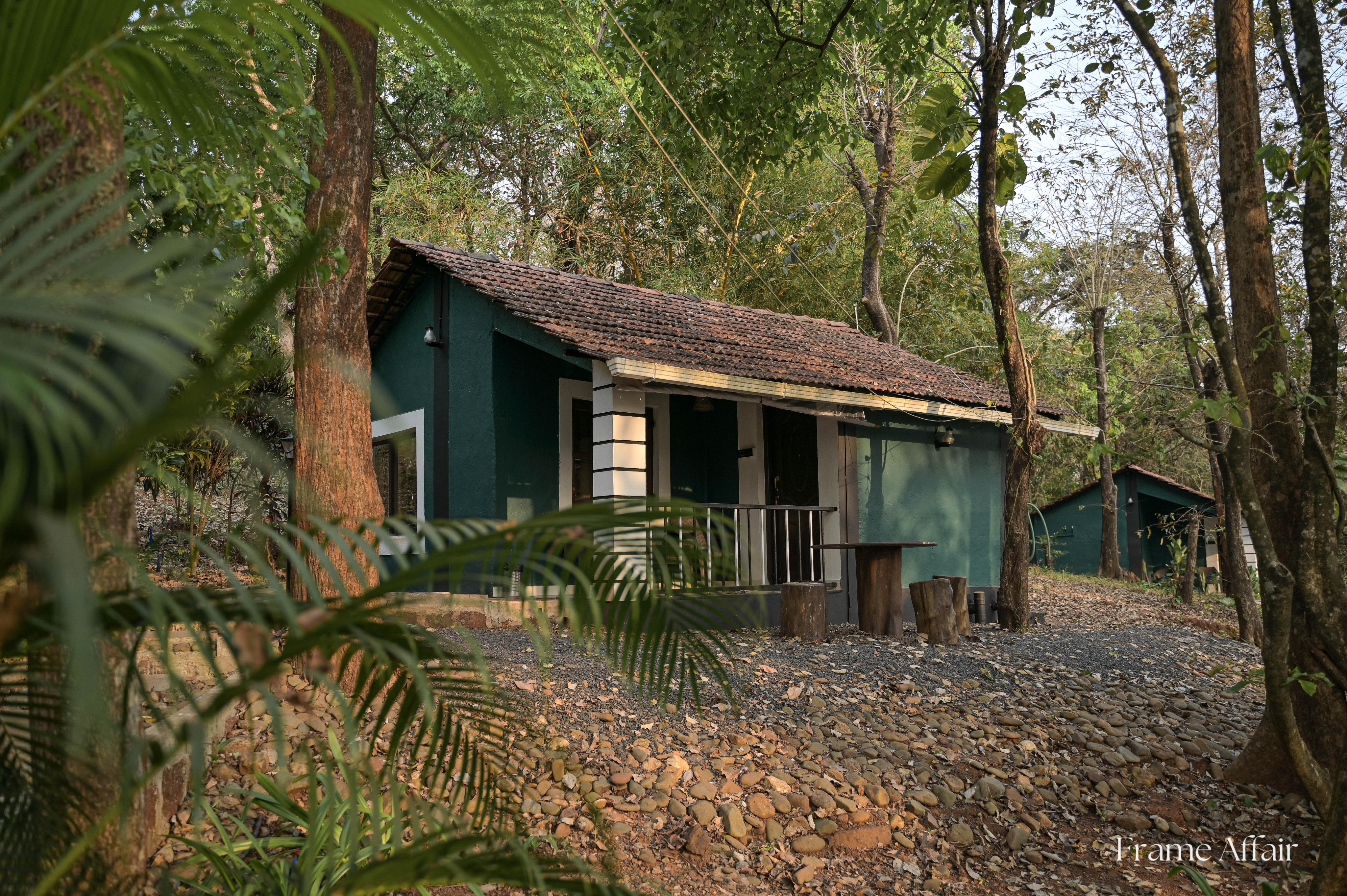
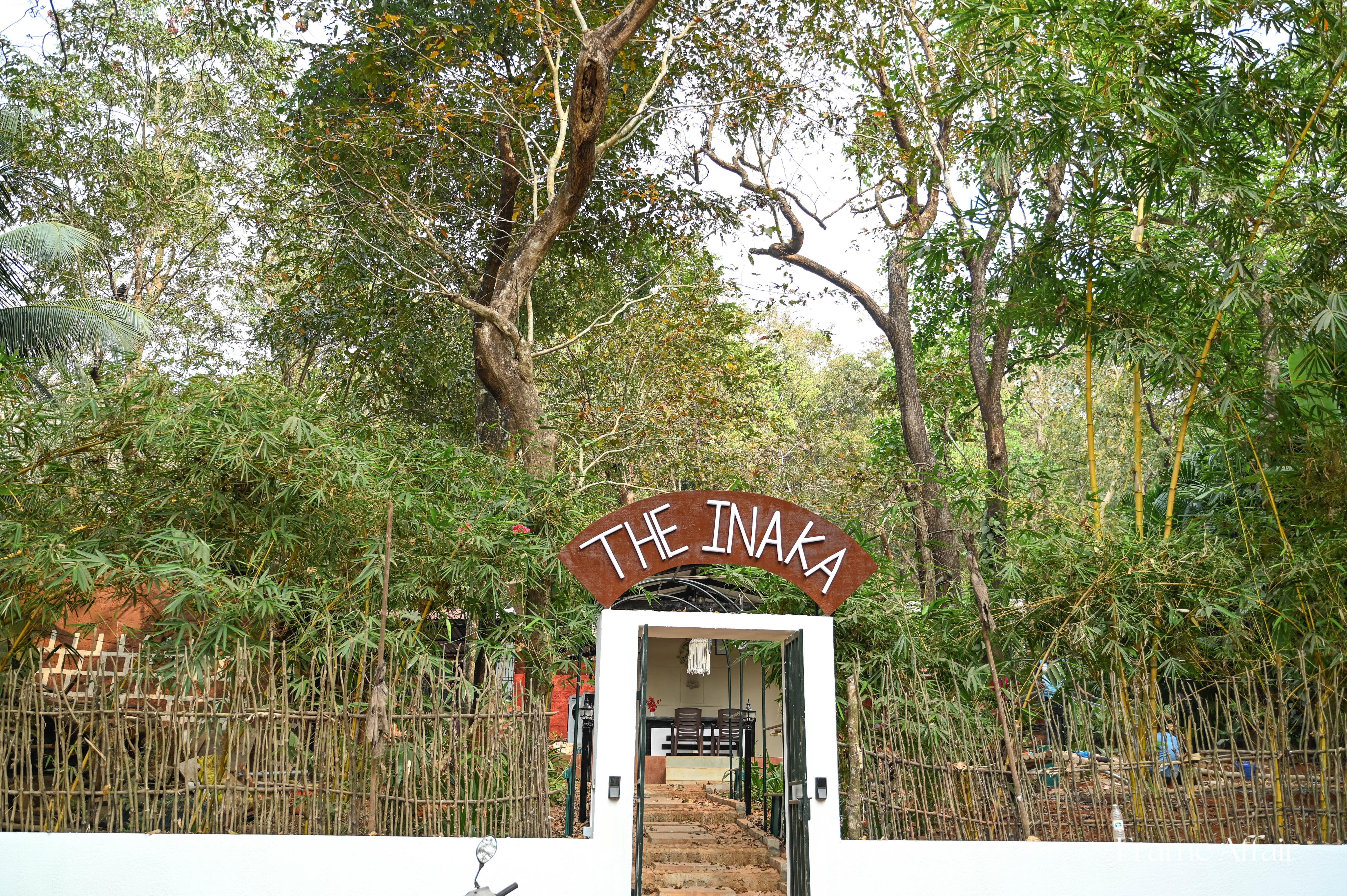
The Inaka Goa is a nature retreat in Cotigao Wildlife Sanctuary, blending sustainable living, Japanese-inspired philosophy, and immersive forest experiences, offering mindful stays rooted in simplicity, local culture, and ecological harmony.
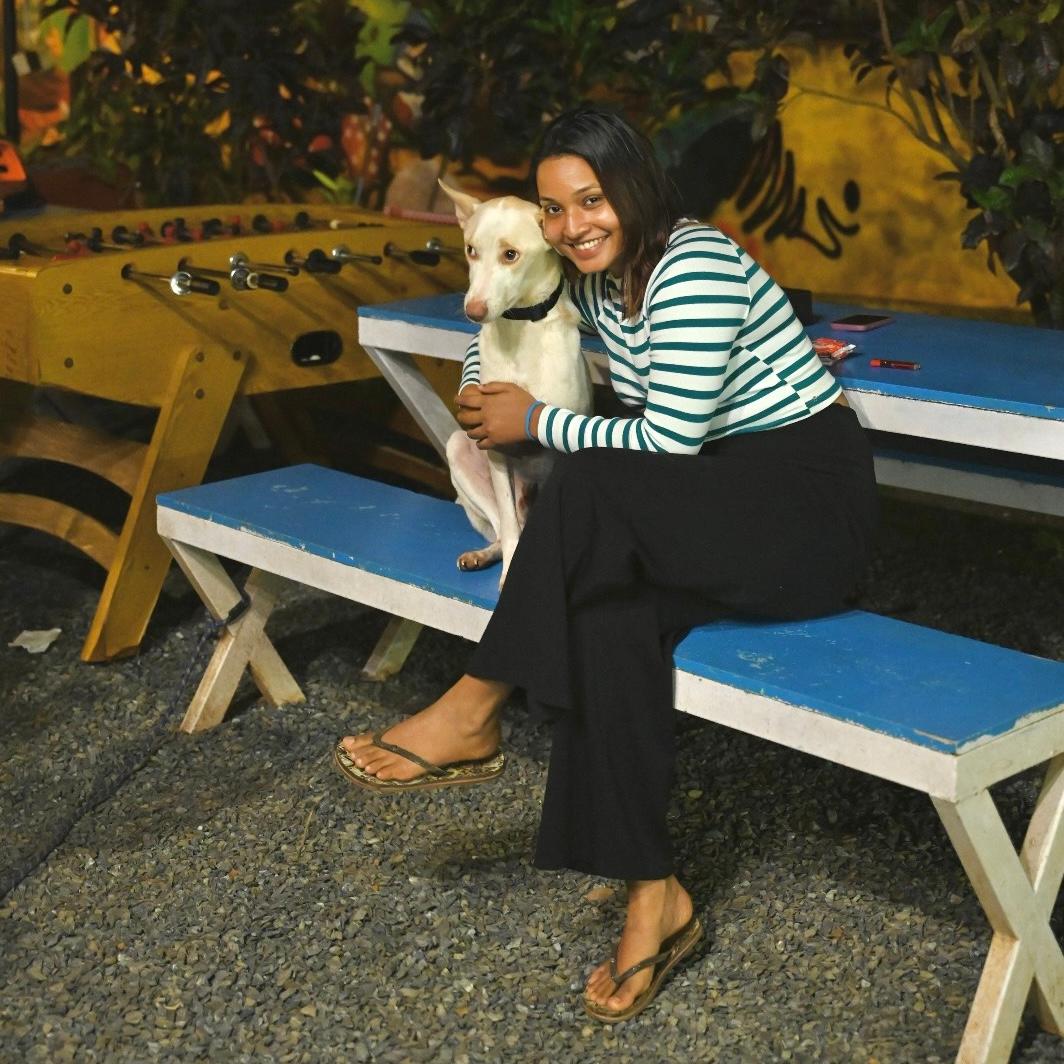
Tucked away within the lush expanse of Cotigao Wildlife Sanctuary, The Inaka Goa is not merely a place to stay, it is an experience shaped by intention, sensitivity, and a deep respect for nature. Conceived and nurtured by Darshana and Gaurav, the retreat reflects a personal journey that moved away from the pace of modern life toward something quieter, more grounded, and deeply human.
What began as a series of explorations, through startups, travel, and hospitality, eventually led eventually led Darshana and Gaurav to Goa, each on their own path. It was here that they met, and the idea of creating a space rooted in simplicity and connection took form.
Darshana, whose affinity for thoughtful design and Japanese philosophy brings a unique dimension to the project, Together, they have shaped The Inaka Goa into a sanctuary that gently invites guests to slow down, immerse themselves in nature, and reconnect with both their surroundings and themselves.
Before it became The Inaka, the property existed as The Earthen Nest, envisioned by its original creators, Basuri Dessai and Ruchika Dalvi.
It was an intimate, raw space that embraced the land wholeheartedly. When Darshana and Gaurav encountered the property, they recognized its inherent soul and saw an opportunity to build upon it with care.
The transition to The Inaka Goa represents not a reinvention, but a refinement. The vision was to preserve the authenticity of the original space while introducing a deeper sense of comfort and understated luxury. It is an evolution that respects its roots while thoughtfully enhancing the experience, allowing guests to engage with nature without compromising on ease.
The name “Inaka,” drawn from Japanese culture, translates to “countryside”, a place removed from the rush of urban existence, where life unfolds at a slower, more deliberate pace. Introduced by Darshana, a Japanese language teacher with a deep understanding of the culture, the name captures the essence of what the retreat aspires to be.
At its core, The Inaka Goa is about offering an escape from constant noise, encouraging a return to simplicity and presence. It is not designed as a curated spectacle, but as a space where the forest remains wild and unfiltered, where guests are invited to experience nature as it truly is.

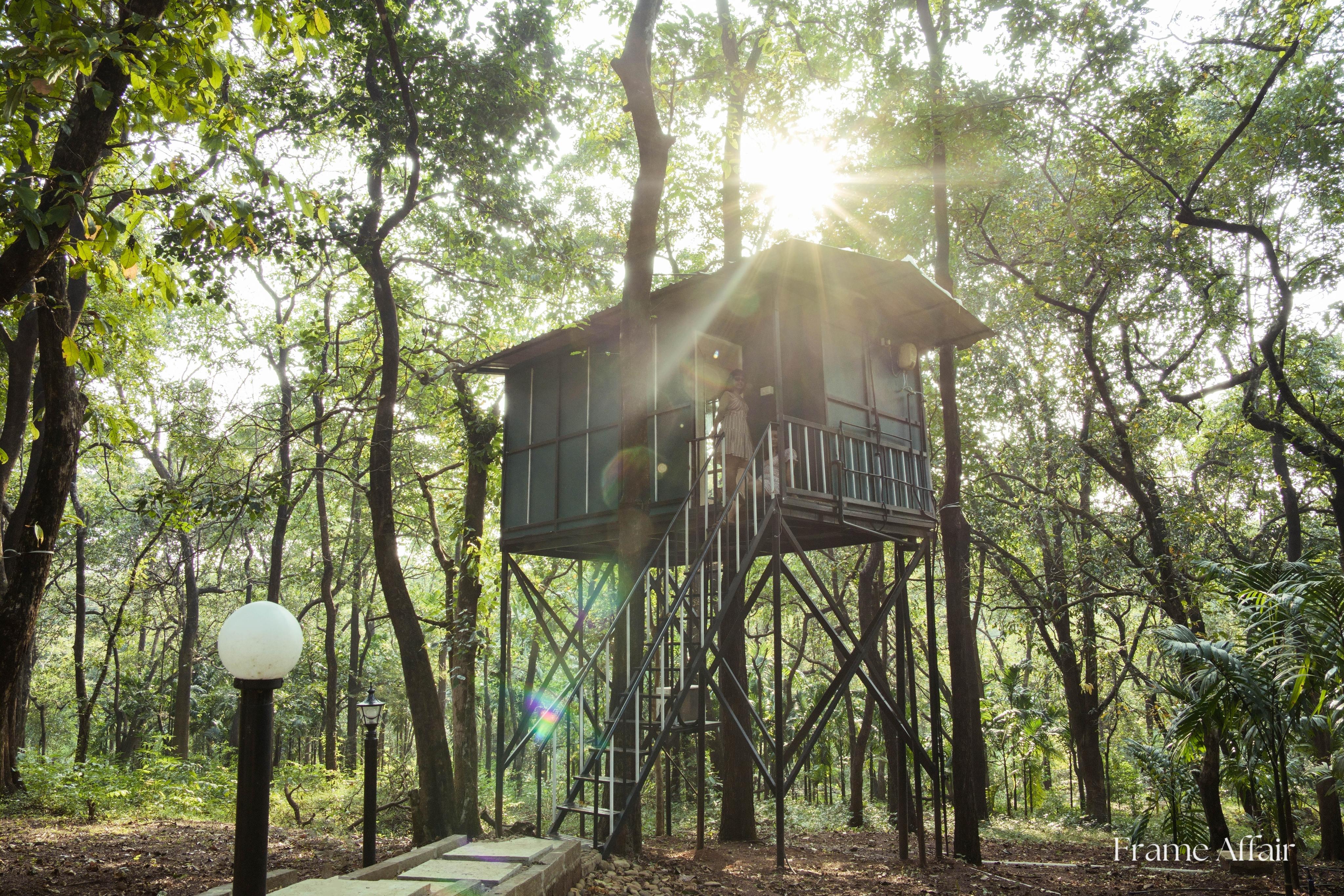
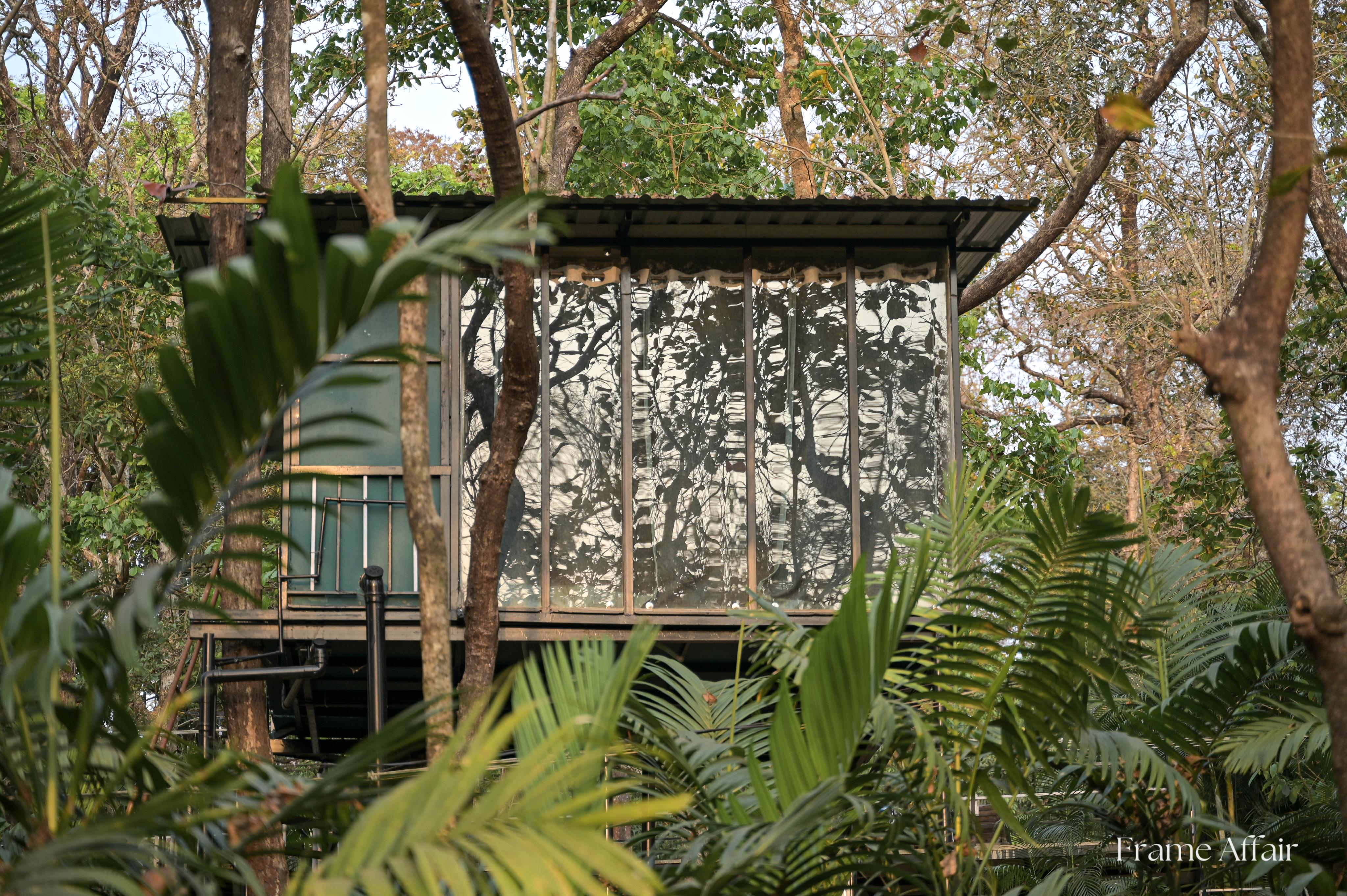
Tree house at Inaka surrounded by dense forest in Cotigao Wildlife Sanctuary
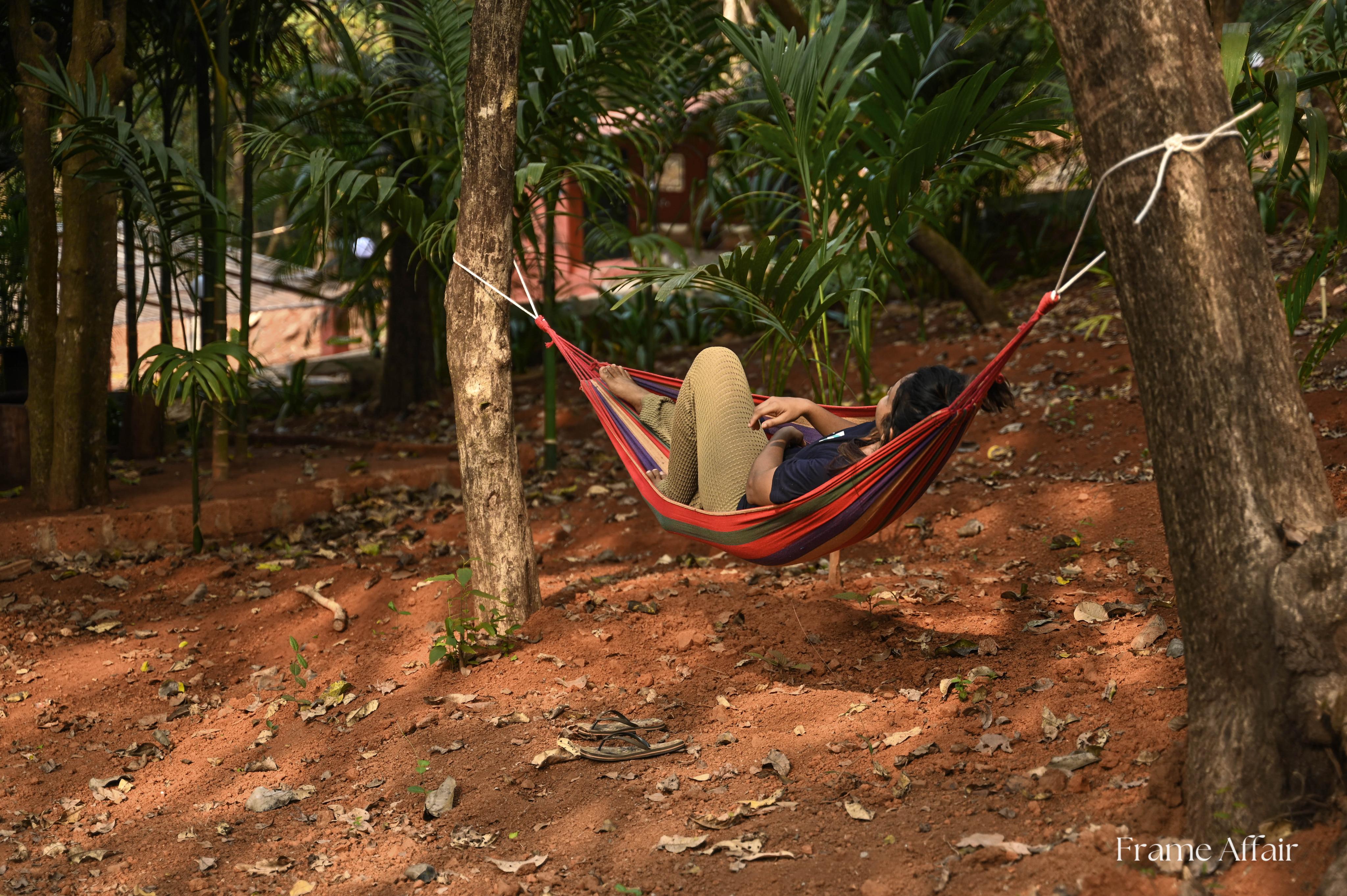
relaxing in a hammock under shaded trees
Being located inside Cotigao Wildlife Sanctuary shapes every aspect of The Inaka Goa. Here, the environment is not a backdrop but an active presence, one that informs design, movement, and philosophy.
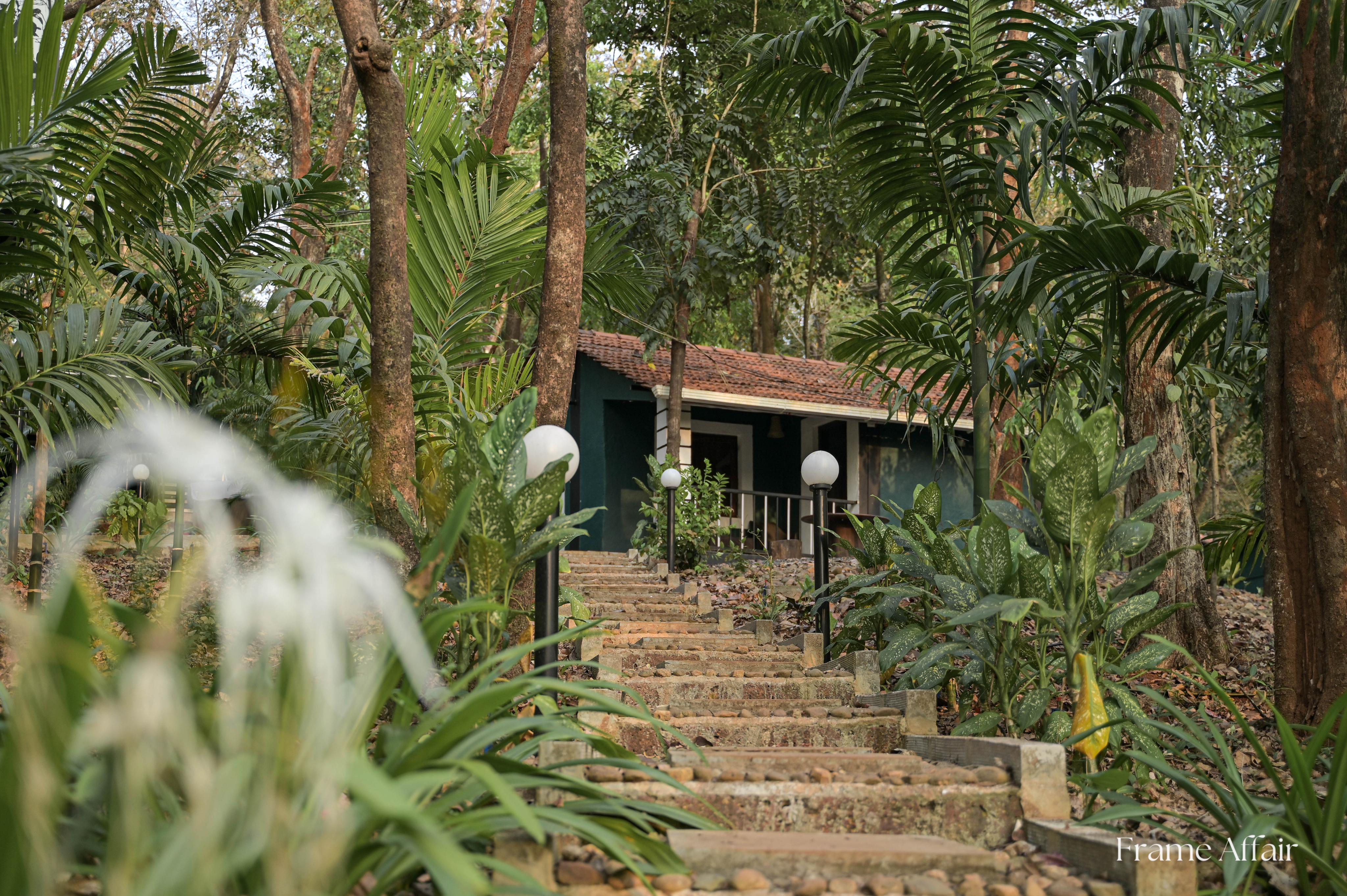
Darshana’s approach to designing the property is rooted in coexistence. Warm, low-intensity lighting ensures minimal disruption to birds and wildlife, while pathways and structures are carefully planned to allow animals, such as deer, to move freely across the land. Every detail reflects a conscious effort to exist within the forest rather than impose upon it.
This sensitivity extends beyond design into a broader philosophy, one that embraces the idea of sharing space with nature, learning from it, and adapting to its rhythms rather than attempting to control it.
The accommodations at The Inaka Goa embody a delicate balance between authenticity and comfort. The mud cottages, originally constructed using earth sourced directly from the land, stand as a testament to sustainable building practices. Crafted with the involvement of local tribal artisans, they carry a sense of place that is both tangible and meaningful.
Rather than altering their essence, the reimagining focused on subtle enhancements, comfortable bedding, minimal yet functional layouts, and soft lighting that complements the natural surroundings. The result is a space that feels grounded, calm, and effortlessly welcoming.
In contrast, the treehouse offers a more immersive experience, elevating guests into the forest canopy. Here, the boundaries between indoors and outdoors blur, allowing the sights and sounds of the forest to become an integral part of the stay.
Life at The Inaka unfolds slowly. Guests are encouraged to embrace unstructured time, whether through quiet walks along forest trails, moments spent by the river, or simply the act of doing nothing at all.
The surrounding region adds depth to the experience, transforming with the seasons. The monsoon brings dense greenery and flowing waterfalls, creating a rich, immersive landscape, while the summer introduces a different rhythm, marked by local harvests of cashew and jackfruit and a glimpse into village life. This seasonal fluidity ensures that no two visits are the same, offering guests a dynamic yet deeply rooted connection to the land.
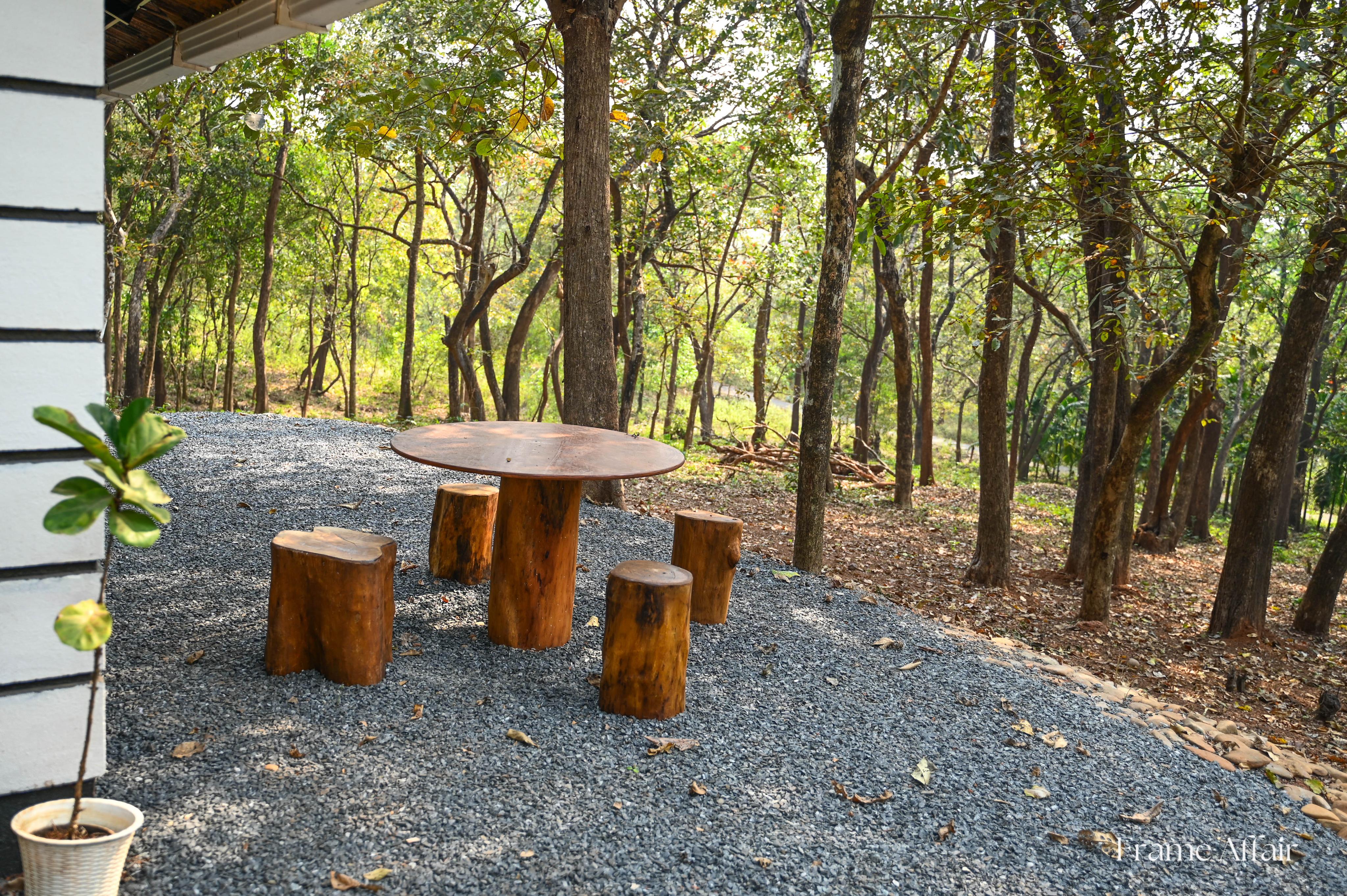
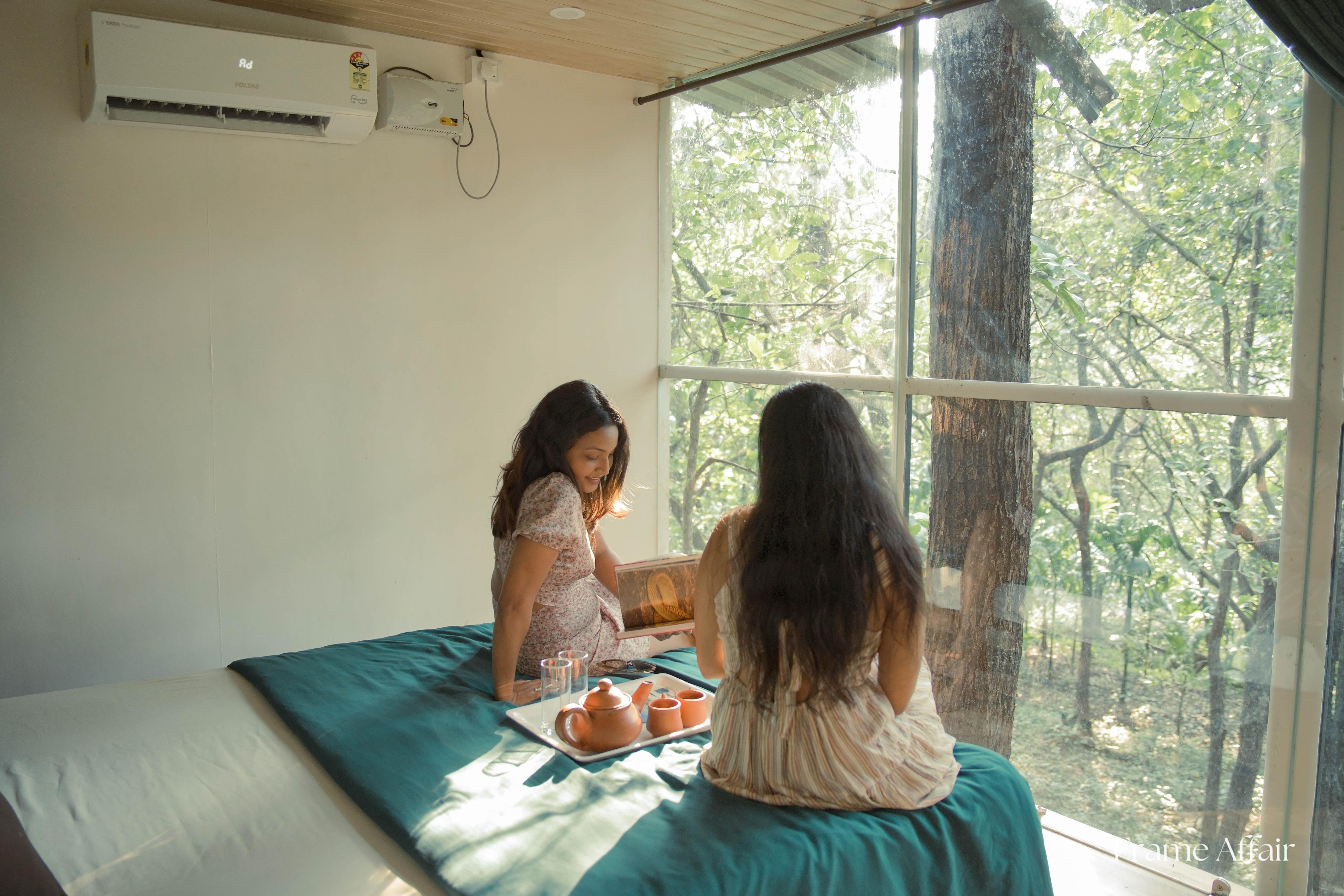

At The Inaka Goa, luxury is defined not by excess, but by intention. It lies in the quiet details, the comfort of a well-designed space, the harmony of natural materials, and the ease of a thoughtfully curated environment. Sustainability is seamlessly woven into this philosophy. From minimal construction practices to the use of local resources, every decision is guided by a commitment to preserving the ecosystem. It is not presented as a feature, but practiced as a continuous process, an ongoing effort to do better while knowing when to stop.
Dining at The Inaka reflects the same ethos of simplicity and authenticity. Ingredients are sourced locally wherever possible, with dairy coming from nearby gaushalas and produce shaped by seasonal availability. Under the guidance of Jassi, who brings experience across diverse cuisines, the menu remains dynamic while staying grounded in the region. Whether incorporating seasonal fruits or adapting dishes to suit the monsoon climate, the food is designed to complement the overall experience, nourishing, honest, and connected to the land.
The Inaka Goa is not designed for hurried itineraries or fast-paced tourism.
It is a space for those willing to slow down, for travellers who seek stillness, reflection, and a deeper connection with their surroundings. The retreat attracts individuals who value quiet over spectacle, and presence over distraction. What they take away is not just a stay, but a subtle shift, a feeling of lightness, awareness, and reconnection.
Intention
Creating a space within a protected forest came with its challenges. Conventional construction methods often had to be set aside in favour of approaches that respected the land, its rhythms, and its inhabitants. Local knowledge played a crucial role in navigating these complexities, offering insights into sustainable and practical solutions.Darshana led this process, combining global best practices with insights from local communities to find thoughtful, practical ways to design without disrupting the environment.
Looking ahead, the vision for The Inaka Goa is one of gentle growth. Plans include nurturing the land through tree planting, exploring small-scale farming, and expanding accommodations in a way that remains true to the environment. There is also a focus on making ecological and wildlife experiences within Cotigao more accessible, allowing guests to engage more meaningfully with the sanctuary. Ultimately, The Inaka is not about expansion for its own sake, but about evolution, remaining rooted in its core philosophy of simplicity, coexistence, and a slower, more mindful way of experiencing travel.
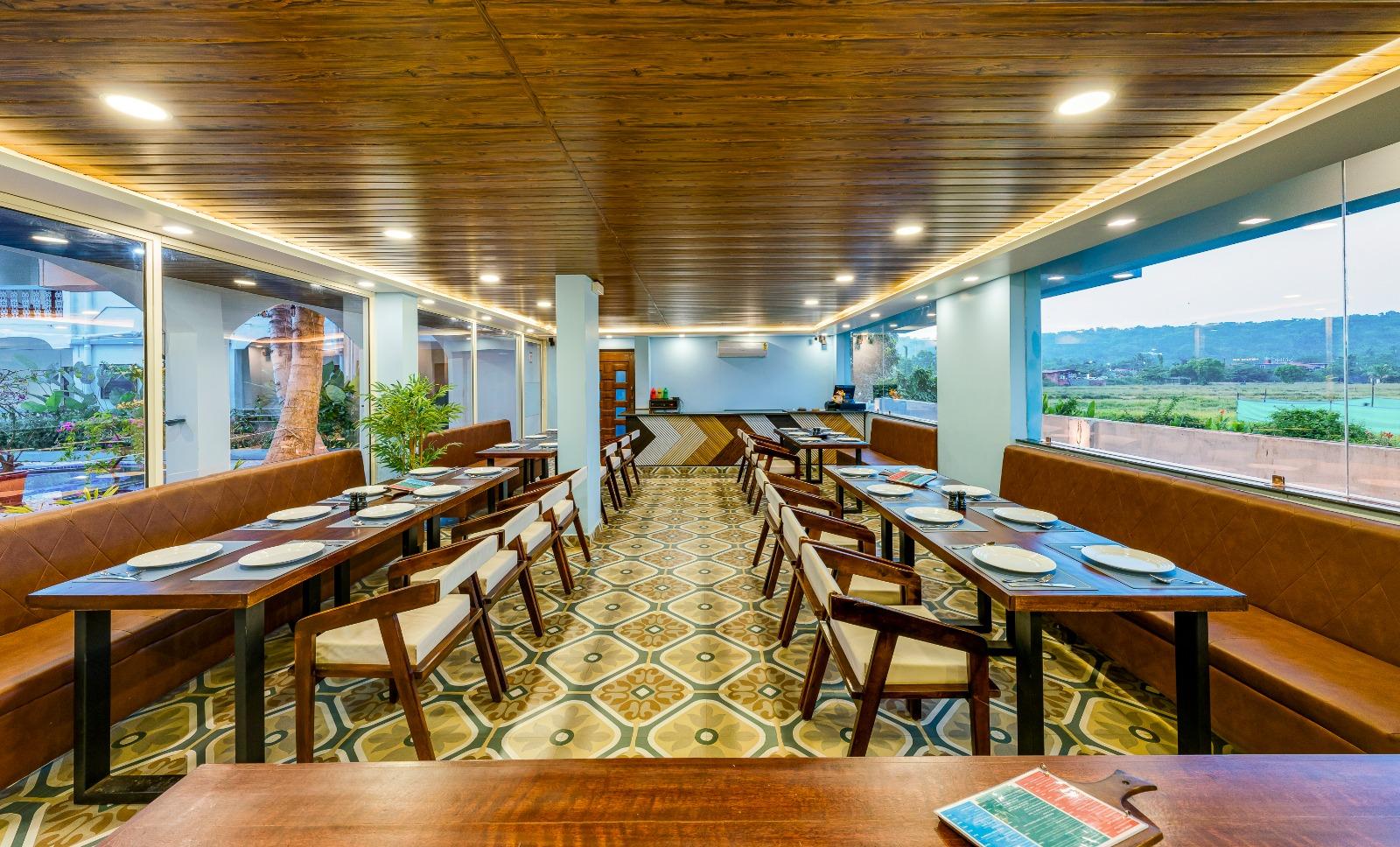
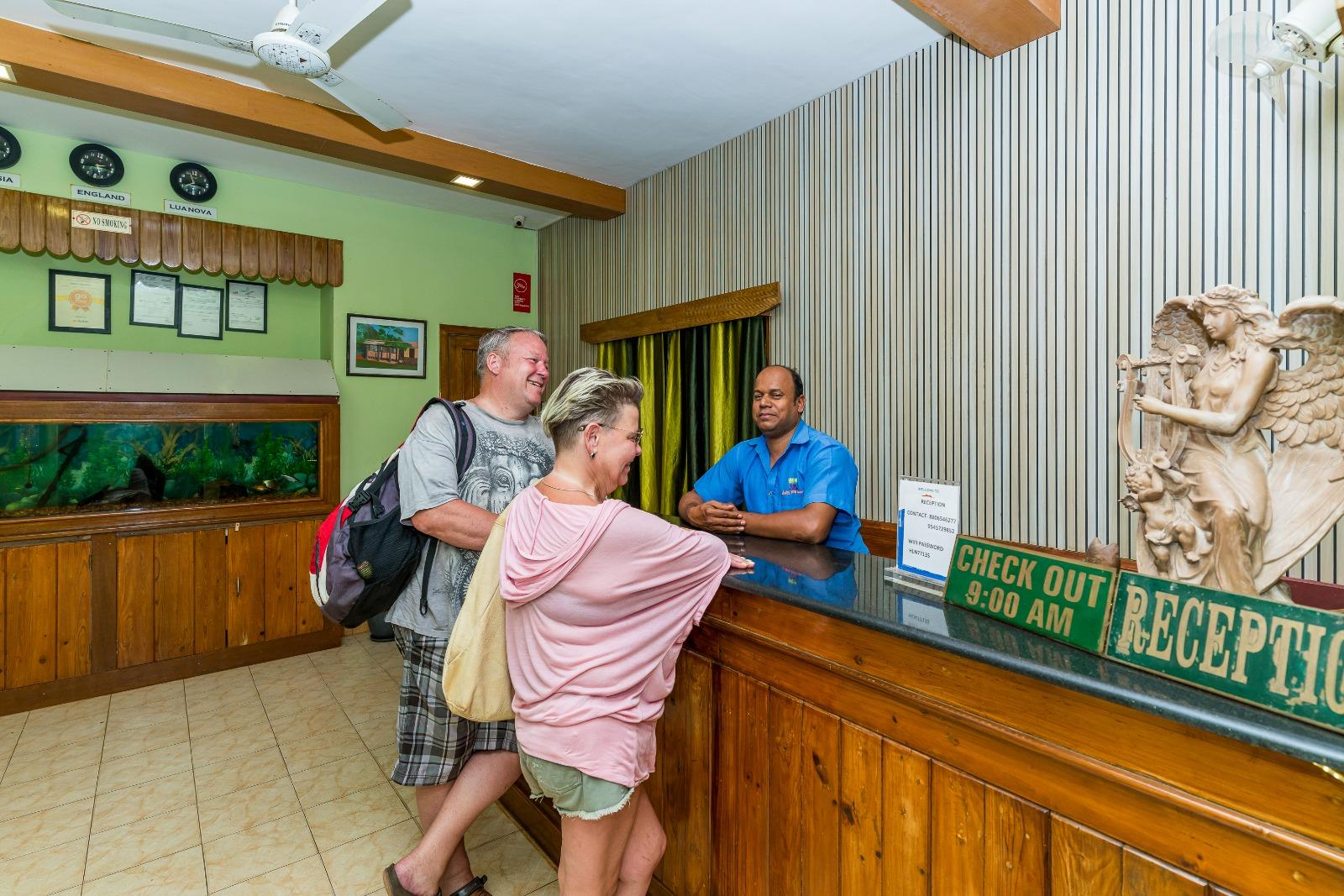
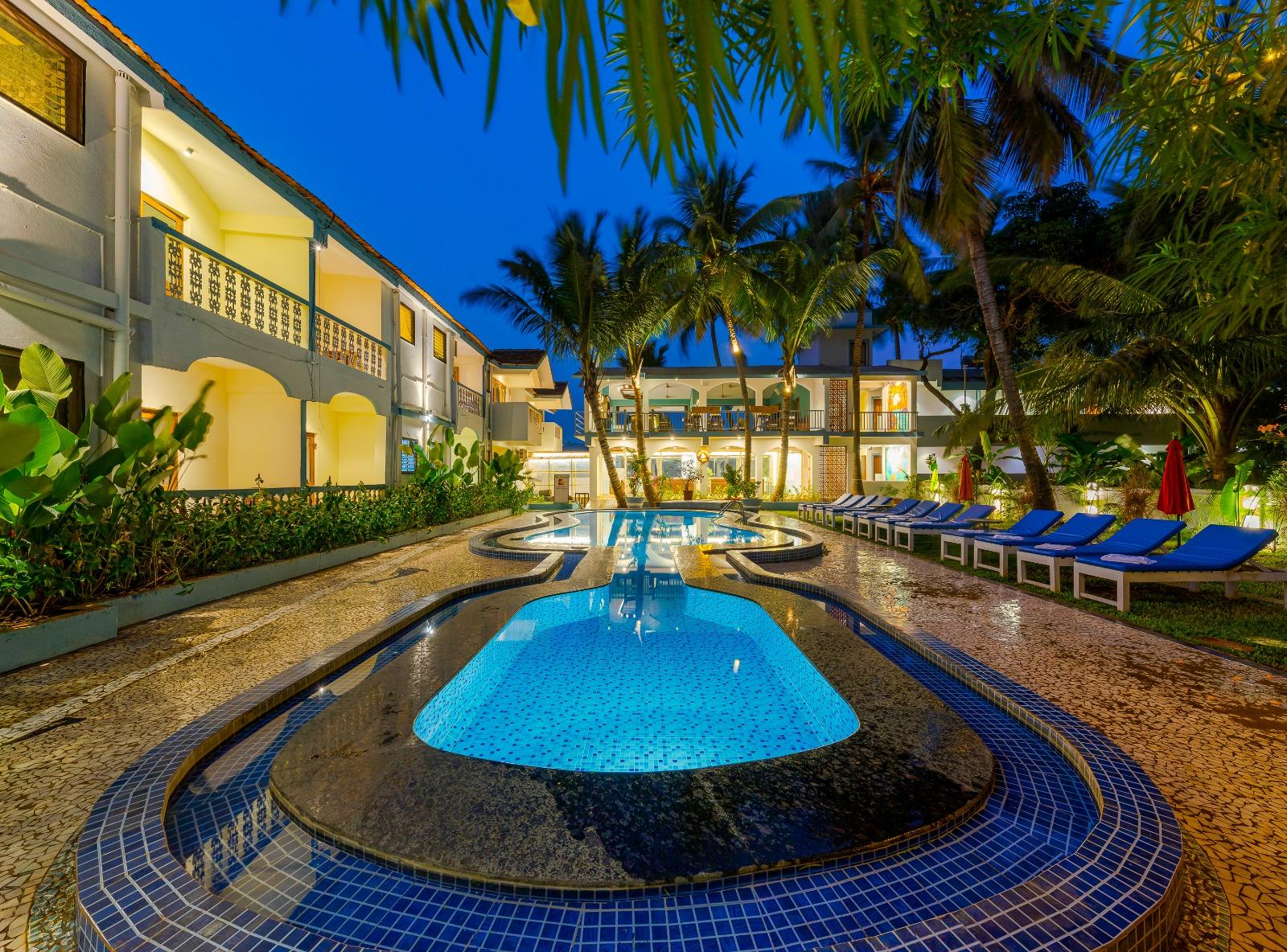
If holidays are inspired by nature and your thirst for rustic solitude and inner peace, Lua Nova is the hotel your heart was yearning for. Located at Goa's celebrated holiday capital at Baga, it overlooks a beautiful Canvas of village Goa, just 5 minutes walk from the Baga Beach. www.itsgoa.com itsgoa_ Itsgoa

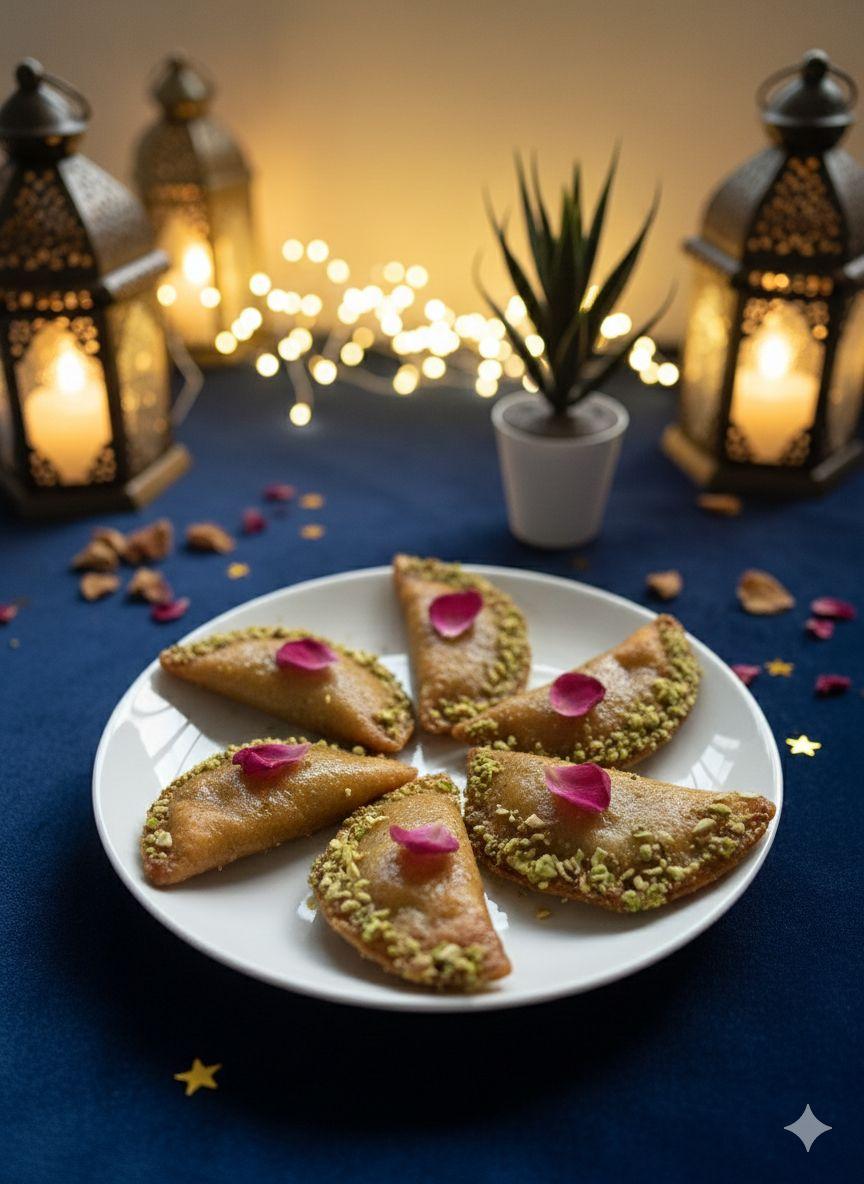
Qatayef, a traditional Middle Eastern dessert celebrated during Eid, features stuffed pancake pastries filled with nuts or cheese, fried or baked, and soaked in syrup, symbolising festive indulgence and cultural heritage. Article & Images by: Team ItsGoa
The celebration of Eid which marks the end of the month of Ramadan witnesses a lavish spread of delicacies.
A not -so - common speciality is the Qatayef (also spelled Atayef or Katayef) a traditional Middle Eastern dessert, often referred to as the ‘queen of desserts’. In several middle eastern countries like Egypt and Jordan it is a speciality consumed in the evening and early mornings.
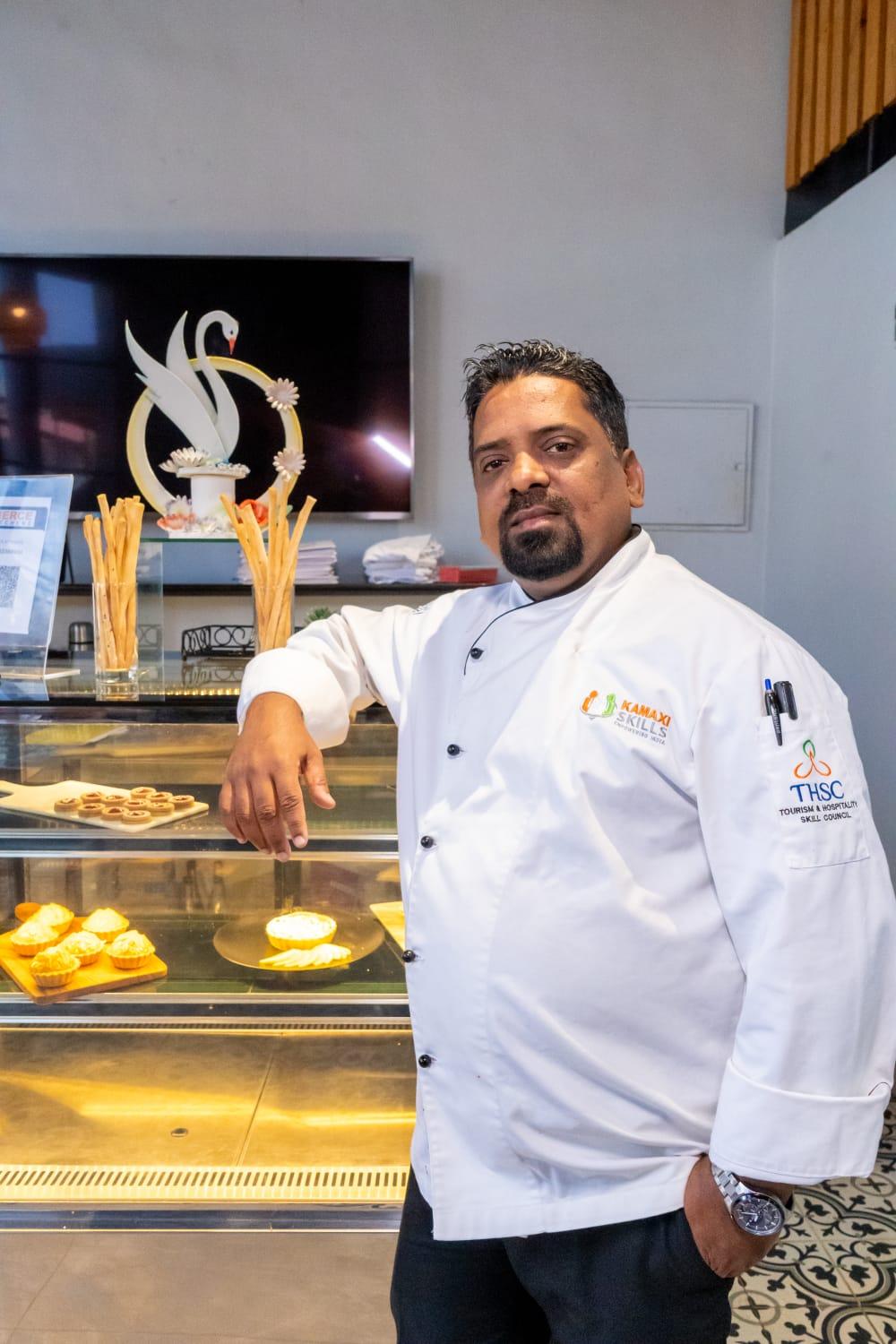
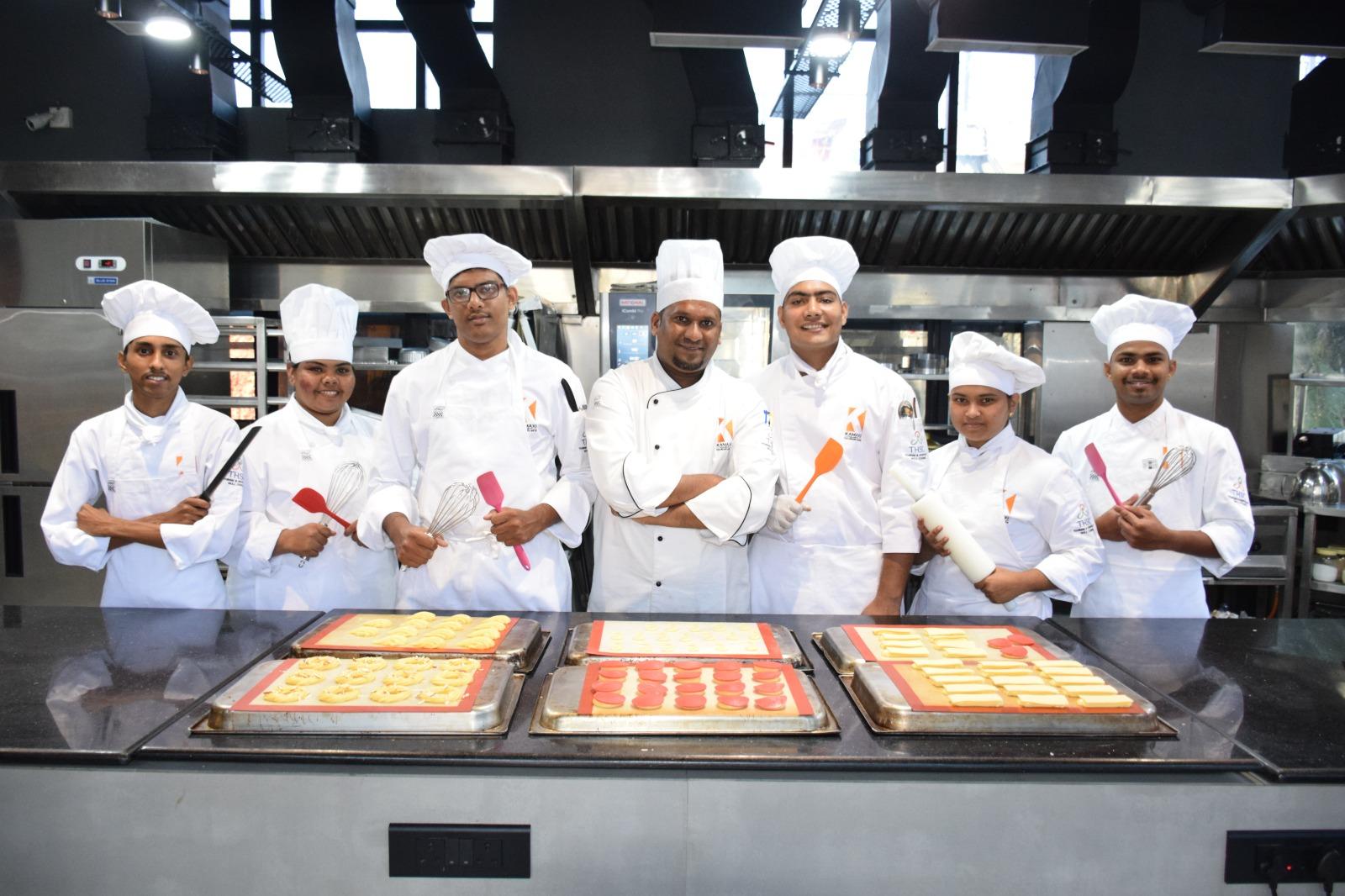
Chef Sayed Sameer
Qatayef is a pancake-like pastry that is cooked only on one side to create a porous top and a golden-brown bottom. The pancakes are stuffed with various fillings, such as sweet cheese, nuts (walnuts, pistachios, hazelnuts) and are either deep-fried or baked before being soaked in simple syrup.
Chef Sayed Sameer, a faculty chef at the Verna-based Kamaxi College of Culinary Arts (KCCA) shares the recipe which can be an addition to the Eid spread.
Recipe
Qatayef batter
1 cup self-raising flour
½ cup fine semolina
2 cups lukewarm water
1½ tbsp sugar
¼ tsp fine salt
1 tsp baking powder
1 tsp vanilla extract
Qatayef filling
Date and ricotta cheese filling
170 g pitted dates, chopped into small pieces
170 g ricotta cheese
zest of one lemon
Sugar syrup
200 gms sugar
100 ml water
20 ml Rose water
Place all the Qatayef batter ingredients in a steel bowl and mix it with the wire whisk until you get a thin mixture. The Qatayef batter should have the consistency of a classic pancake batter. If it’s thicker than that, then add a tablespoon or so of water to thin it out a bit. Cover the batter to rest for 1 hour.
Heat up a non-stick pan on medium-low heat. Once the pan is hot, for mediumsized Qatayef pour 2 tablespoons. The pancakes should be about 10 cm in diameter. Spread lightly using the bottom of your spoon or ladle. The Qatayef should start to bubble around the edges, then the bubbles should spread to cover the entire surface.
Allow to gently cook on one side, without flipping on the other side.
Lay the pancakes, bubbles side up, on a large plate or baking sheet without stacking them on top of each other as they'll stick together, and keep them covered.
To make the filling, fold the ingredients into a bowl to combine.
With the bubbly side facing up, fill each Qatayef centre with enough filling that would allow the pancake to comfortably close without tearing.
Fold the pancake so that it forms a halfmoon and pinch the sides firmly with your fingertips to seal and fry in sunflower oil until light golden colour.
Drizzle them with Rose water sugar syrup and garnish with chopped pistachio nuts and dried rose petals.


Across Goa, chefs Seema Milena Silva, Pratiksha Dessai, and entrepreneurs Parvati Parkkot and Nadia Aslam are breaking stereotypes, building businesses, mentoring others, and reshaping the culinary industry with confidence.
&
For generations, the kitchen at home belonged to women while professional kitchens and food businesses were dominated by men. That contrast is now shifting.
Across Goa, women chefs, bakers and food entrepreneurs are stepping confidently into roles once considered a man’s domain. On International Women’s Day, women culinary specialists reflect on the persistence, confidence and craft that are redefining the culinary profession.
Panaji, March 2026: For generations, the image of the kitchen at home was closely tied to women, while professional kitchens and food businesses were dominated by men. Mothers cooked for families, but the titles of chef, restaurateur or culinary entrepreneur were often held by men.
That contrast, however, is steadily changing. Across Goa and beyond, women are stepping into commercial kitchens, launching food ventures and mentoring the next generation of chefs.
On the occasion of International Women’s Day, several women from the culinary world reflect on how they navigated the industry, built businesses and are helping reshape perceptions about who belongs in the kitchen.
Chef Seema Milena Silva, who has spent nearly nine years working in professional kitchens, says entering the hospitality industry meant stepping into spaces where women were still rare. At one point in her career, she found herself the only woman among dozens of male colleagues.
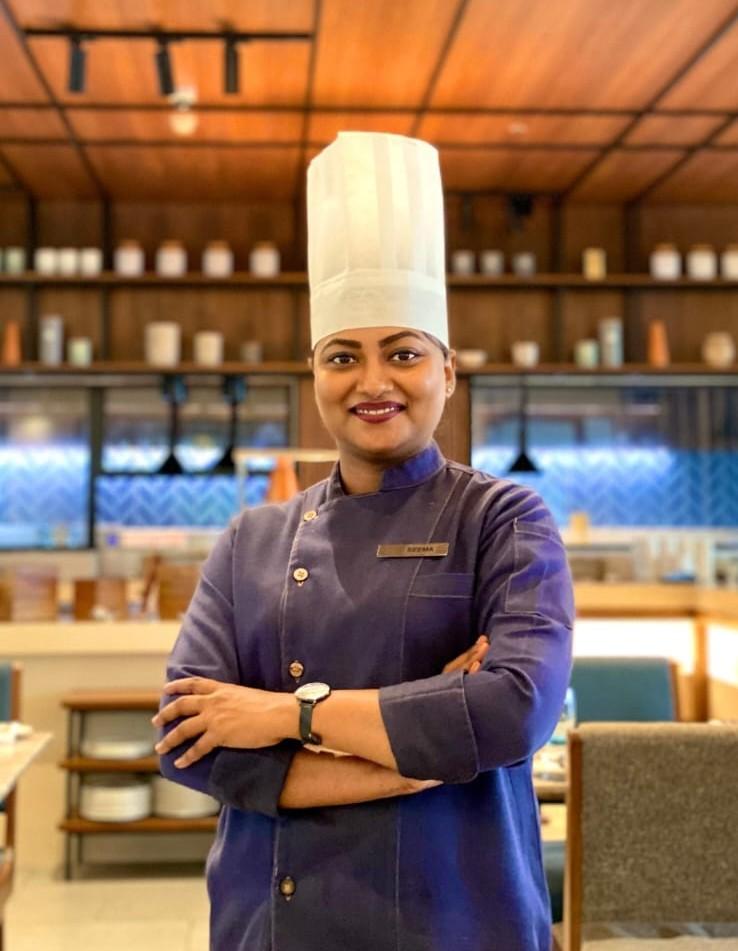
“I was once the only woman in a kitchen where there were 72 male chefs,” she recalls. “But I never felt like I was being dominated. If you enter with a positive attitude and you are serious about your food, people respect that.”
Silva believes the perception of kitchens as male territory is slowly fading. According to her, more women are choosing culinary careers today, particularly in areas such as baking and pastry arts.
“Nowadays more women are interested in the field.
Many girls are ambitious about baking and cakery,” she says. “When guests see a woman chef, they often appreciate it. There is a lot of respect for women working in hospitality.”
While chefs like Silva are carving out space in professional kitchens, a growing number of women are also building food businesses from the ground up.
For Parvati Parkkot, founder of the artisanal ice cream brand Mrs P, the journey began far from the kitchen. Trained as a lawyer, she eventually found herself applying the discipline and analytical thinking of legal practice to building a food enterprise.
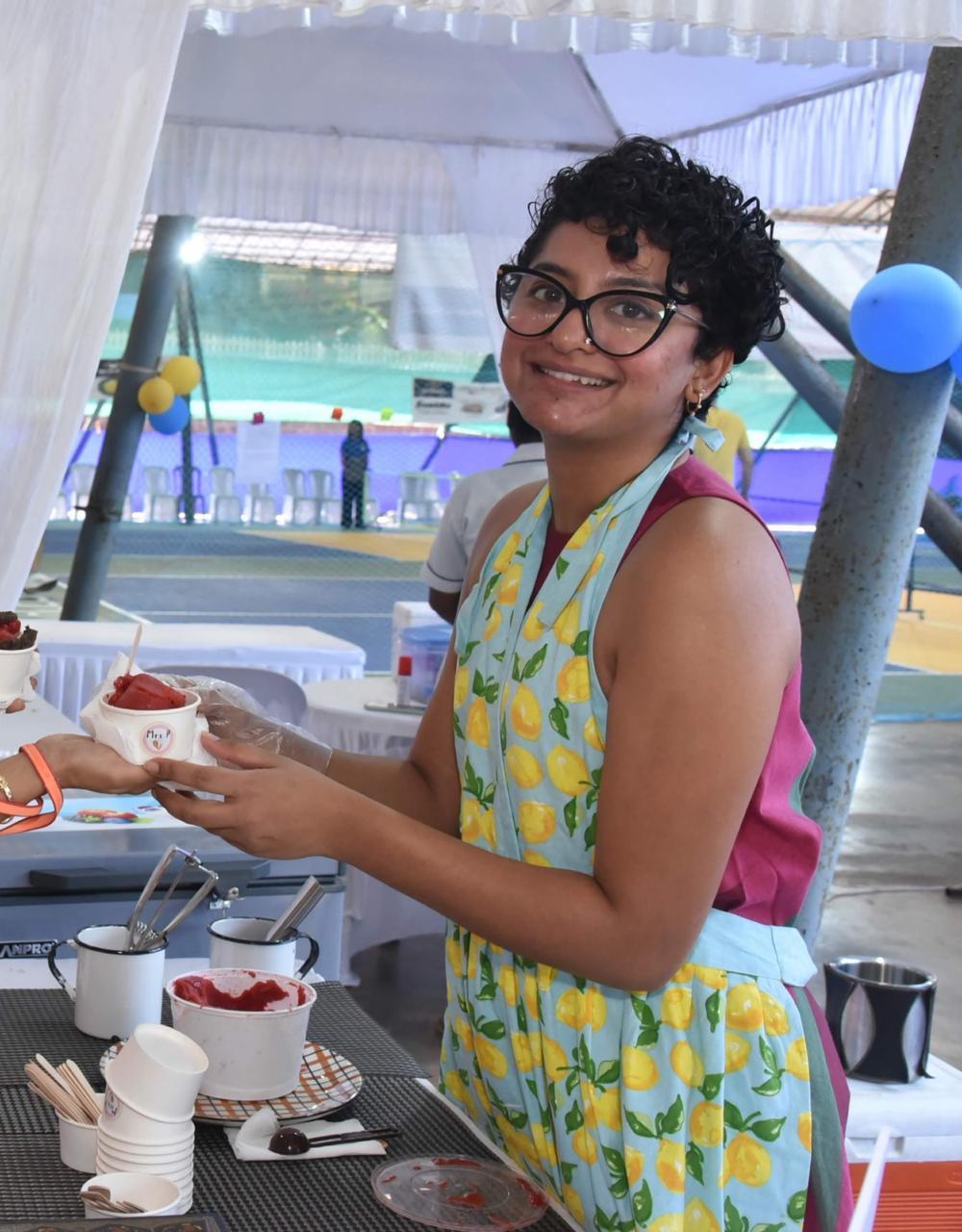
“Law teaches you discipline. Ice cream demands it,” she says with a smile. “Training to be a lawyer changes the way you think. It makes you structured and process-driven, and a professional kitchen thrives on exactly that.”
At Mrs P, Parkkot’s approach is built around precision. Her ice creams are made without preservatives or stabilisers, using premium ingredients such as real fruit and high-quality chocolate. That commitment to craft requires a methodical process.
“My legal background taught me to break down complex systems into smaller steps,” she explains. “Whether it is recipe standardisation, sourcing ingredients or managing workflow, everything works best when it is structured.”
For entrepreneurs like Parkkot, visibility can play a crucial role in growing a brand.
She recalls how events such as the BPS Pickleball Open helped introduce her products to a wider audience.
“That was where Goa really discovered us at scale,” she says. “People would taste the ice cream and call their friends over. From there we started getting enquiries for birthday parties, weddings and events.”
Parkkot says the entrepreneurial ecosystem in Goa has been supportive, especially for women launching independent food ventures.
“As a woman entrepreneur, I have felt nothing but encouragement,” she says. “The community here is welcoming and open to new ideas.”
If entrepreneurs are expanding the food landscape, educators are ensuring that the next generation enters the field with greater confidence.
Chef Pratiksha Dessai, faculty chef at Kamaxi College of Culinary Arts, says her own journey through professional kitchens made her acutely aware of the challenges women face in the industry.
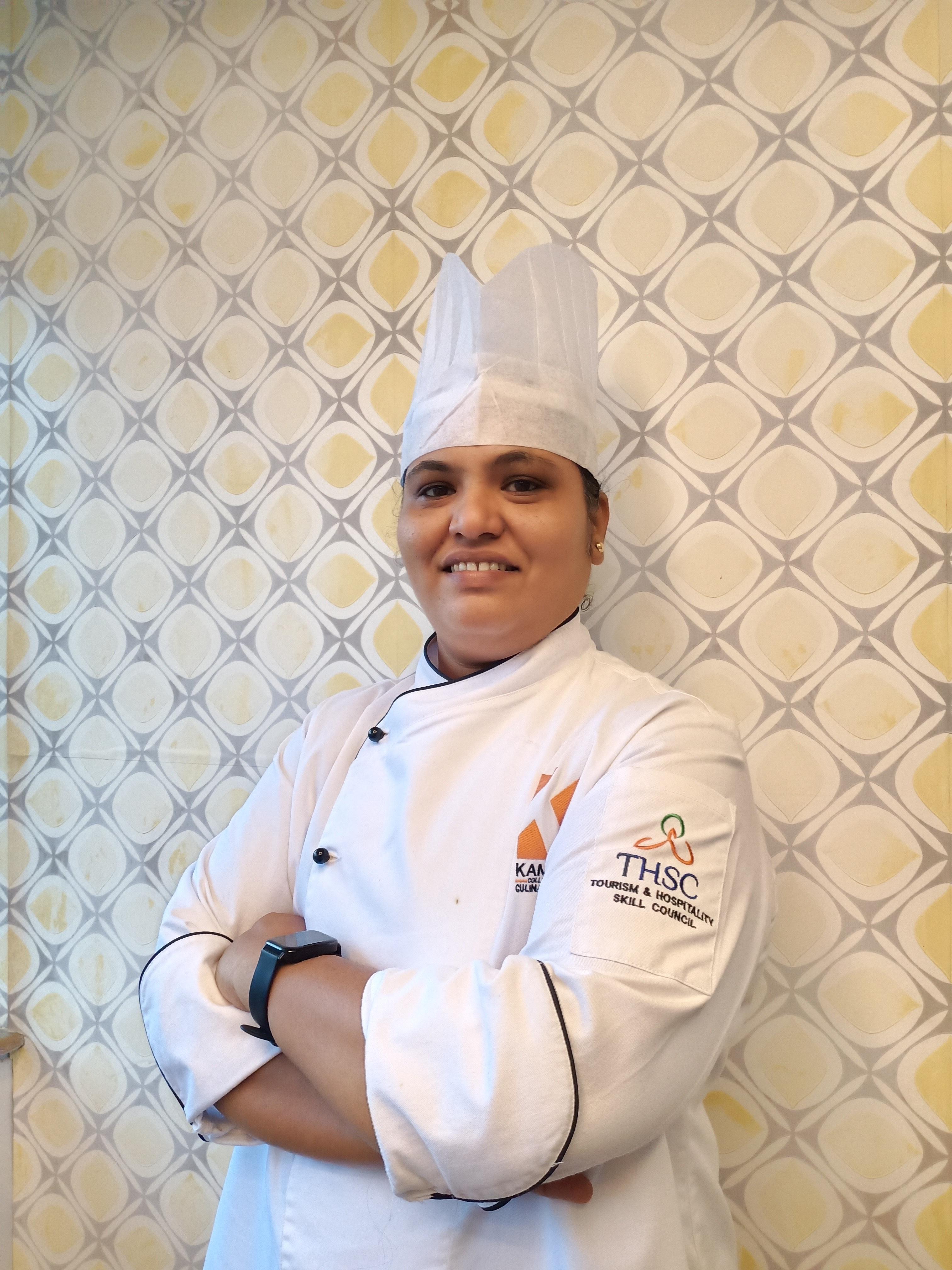
“There were moments when I had to prove that I belonged there, not just as a woman but as a professional,” she says. “Those experiences shaped me.”
Her perspective shifted when she began working with culinary students. She noticed that many young women entering the field had talent but lacked confidence.
“I saw a younger version of myself in them,” she says. “That is when I realised my role was not just to teach techniques but to mentor and encourage them.”
At Kamaxi College of Culinary Arts , Dessai focuses on creating a learning environment where women feel empowered to pursue leadership roles in hospitality.
“Today’s young women are more ambitious and fearless,” she says. “They are not just learning recipes. They are building dreams.”
For Nadia Aslam, founder of Nadia’s SweeTooth Studio in Panaji and winner of the Cake Artist of the Year award at the Asia Cake Oscars 2025 and the World Cake Artistry Competition 2026 held in the Maldives, entrepreneurship began at home.
Before turning to baking, Aslam ran a boutique and studied textiles. But over time she realised that working from home offered a way to balance business ambitions with family life.
Today her studio operates from her home, equipped with professional baking equipment and a dedicated learning space for students.
“When I step into that room, I am the chef and the baker,” she says. “When I step out and close the door, I am the mother.”
The arrangement allows her to teach baking classes, manage orders and care for her family at the same time.
“Balance is key,” she says simply.
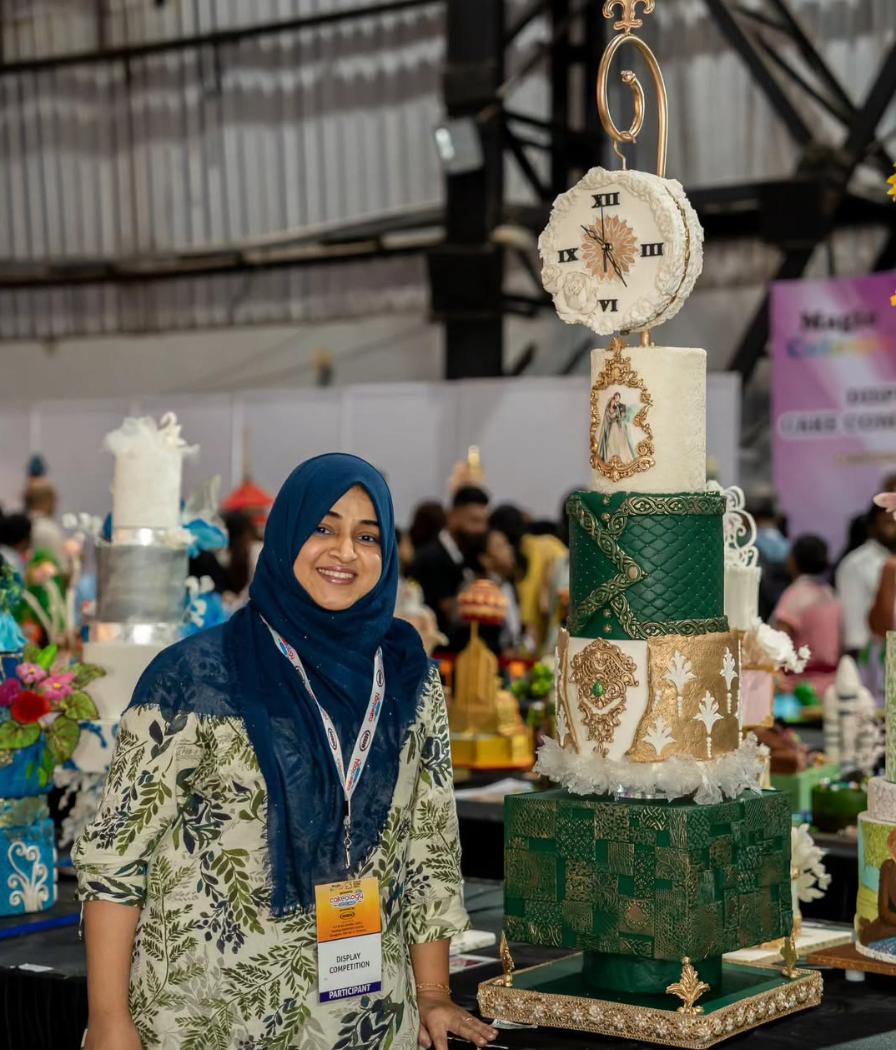
Aslam credits much of her entrepreneurial outlook to watching her own mother run a business while raising children.
“My mother had her salon next to our house. She took care of us and worked at the same time,” she says. “I realised that was the best way to do it.”
For women entering the food industry today, Aslam believes the most important ingredient is confidence in their own product.
“You must have 100 percent confidence in what you make,” she says. “If you believe in your product, others will believe in it too.”
Across these different journeys, from hotel kitchens to ice cream labs, culinary classrooms and home bakeries, a common thread emerges. Women are not merely participating in the food industry; they are reshaping it.
What was once seen as a male domain is steadily becoming more inclusive, driven by talent and the desire and willingness to challenge old assumptions.
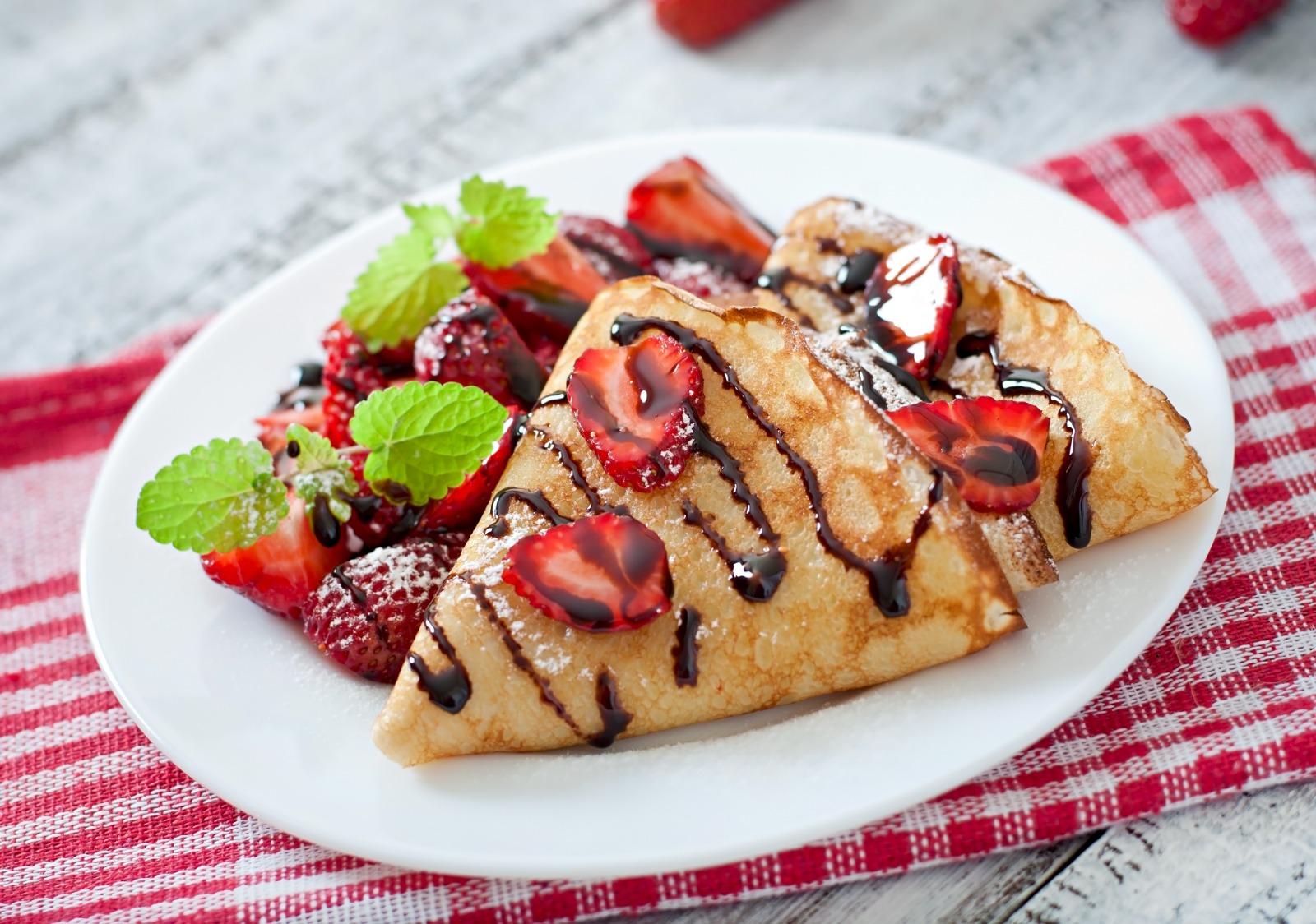
Fresh fruit crepes by Greta Fernandes are light, healthy, and versatile, made with jowar flour, filled with fruits, and customizable with sweet toppings for a delicious, wholesome breakfast treat.
Article & Images by: Greta Fernandes (Deliciously URS) www.itsgoa.com
On a relaxed weekend when you look forward to waking up to a slow morning and soaking up the freshness of the bright new day, the best breakfast you can whip up is these freshly made crepes.
They are light and lip-smacking, and they come with a good mix of freshly cut fruits, a drizzle of wild honey, and maybe a few chopped nuts if you like.
Sounds exciting? Then, you have definitely come to the right page.
Crepes are a little tricky to make at first, but after you’ve made a few, you get the hang of it quickly. It takes a good non-stick skillet and medium-high heat so that the crepes brown up fast. About a minute and a half is all the time it takes to make one.
These crepes have a mix of jowar millet flour for it’s high fiber content and some refined flour to give it the much-needed softness.
There are lots of healthy ways to eat sweet crepes.
Mix 1 cup of ricotta cheese with 1 tbsp monk fruit sweetener and then top with your favorite fruit.
Fill the crepes with a dollop of peanut butter, honey, and banana.
You can also serve with a small bowl of aamras (mango pulp) on the side
It all depends on how creative you can get. Do try this beautiful recipe and I bet you’ll keep making them on repeat.
Ingredients :
4 large eggs
1 ½ cups milk
1 tsp vanilla extract
¾ cup sifted jowar flour sifted
¼ cup all purpose flour sifted
a pinch of salt
Cubed ripe mangoes, pineapple and bananas 4 tbsp melted unsalted butter, allow to cool before adding
Sugar-free Chocolate syrup
Method :
Break eggs into a medium bowl and whisk together.
Add milk, vanilla extract, and whisk into the eggs.
Slowly add the sifted flours while continually whisking to prevent lumps. Add the salt, then whisk in the cooled melted butter.
Let the batter rest for 30 minutes.
Heat a non-stick 8 to10 inch pan on medium high heat. Spray lightly with cooking oil.
Ladle in about 1/4 to 1/3 cup of batter and swirl to coat the pan bottom.

Golden crepes with strawberries, chocolate drizzle, and powdered sugar

Golden crepes with fresh strawberries and a light sprinkle of seeds
Fry for 45 to 60 seconds until slightly browned and the edges are starting to curl, then flip the crepe and fry for another 15 to 25 seconds. Remove to a plate. Continue with the remainder of the batter, spraying with a little cooking spray between crepes.
Fill the crepes with chopped fresh fruits— strawberries, mangoes, bananas and fold. Drizzle some forest honey or some chocolate syrup
You may also add a dollop of whipped cream (optional)
tips :
Every time I make crepes, it seems like the first one never turns out perfectly. This is the experimental crepe.
In case the crepes stick together when stacked, use a piece of waxed paper or parchment in between them to keep them separate.
The batter can also be mixed in a blender or food processor. Mix until smooth and there are no lumps of flour.
The batter can be stored covered in your refrigerator for up to 2 days.
Crepes can be refrigerated for 3 days or frozen for a month
Recipe courtesy:
Greta Fernandes Mumbai-based Certified Nutritionist & Food Blogger
Website : DeliciouslyURS.com

Greta Fernandes