Volume 5
Issue 5
May 2026
Volume 5
Issue 5
May 2026
Emotion-driven artist transforming memories, portraiture, and experimentation into visual stories filled with depth and authenticity.
Anik Desai
Self-made Goan DJ blending genres, viral remixes, and global performances through passion, creativity, and connection.
Sithi Premanand Naik
Football coach and model inspiring resilience, individuality, and confidence while balancing discipline, creativity, and ambition.
Rahul Vishwakarma
Logistics professional and poet intertwining ocean experiences, human connections, resilience, and beautifully emotionally reflective storytelling.
Dear Readers,
May arrives with a renewed sense of creativity, reflection, and celebration of Goa’s ever-evolving spirit. In this issue of Being Goan, we bring together stories of individuals and voices who continue to shape the cultural, artistic, and creative identity of our community through passion, resilience, and authenticity.
Raysancia D. Cunha, through Art by Ray, creates deeply expressive visual narratives rooted in memory, emotion, portraiture, and experimentation, transforming personal experiences into meaningful and resonant works of art.
Anik Desai, known as DJ Anik, rose from local gigs to global stages, blending genres, viral remixes, and original productions that connect with audiences worldwide.
Sithi Premanand Naik balances football coaching and modeling with confidence and discipline, inspiring others to pursue multiple passions while staying true to themselves.
Rahul Vishwakarma combines international logistics with poetic storytelling, drawing inspiration from ocean journeys, resilience, and human connection.
Samira Sheth’s Show of Strength brings together Goan women artists at Aguad Complex, exploring identity, heritage, and empowerment through diverse creative expressions.
Wildlife rescuer Sricharan Dessai highlights the harmful effects of littering in Goa’s forests and waterfalls, encouraging responsible tourism and environmental awareness.
We also explore Goa’s vibrant culture and traditions, shaped by Indian and Portuguese influences, strong community bonds, music, cuisine, festivals, and the enduring spirit of susegad.
Join us in celebrating Goa’s vibrant stories, from entrepreneurs to artists, each contributing uniquely to our community. Let their journeys inspire you to follow your passions and pursue your dreams with determination.
Well, that's all I have for you from my desk this month. I hope you enjoy reading this month's issue of our e-magazine. Do share it with your friends all across the globe.
Until next month, cheers!
Jessyl Fernandez Editor
01 Raysancia D. Cunha
02 Anik Desai
03 Sithi Premanand Naik
04 Rahul Vishwakarma
05 Samira Sheth on Showcasing Goa’s Women Artists at Aguad Complex
06 Into the Wild, Into the Waste: What I See on My Rescue Trips in Goa
07 Goan Culture and Traditions Explained
Goa, the tiniest state on the western coast of India, boasts golden pristine beaches, palmfringed avenues, flavourful food, delicious Portuguese-influenced sweets, and warm, hospitable people. Also known as the Ibiza of India for its partying. A tropical paradise of flora and fauna, from the very famous 'almi' (mushrooms) endemic to its forests, that grow only on the red mud anthills, to the solar prawns that are fished immediately after the monsoons, Goa is unique. Tourists are also attracted to Goa for its cultural heritage - from the famous old Portuguese churches like Se Cathedral in Old Goa, the 16th Century Safa Masjid in Ponda and Shree Mangesha Temple in Mardol, the legendary Arvalem or Pandava Caves where the Pandavas of the Mahabharat fame lived, to its two unique festivals - Carnival and Shigmo. Goa plays host to many festivals - the International Film Festival of India that promotes cinema, the Serendipity Art Festival, Sunburn Music Festival, The Grape Escapade to name a few. To showcase this varied heritage of culture, art, tradition, food, and people, in 2015 ItsGoa was born. The main aim was to make it the premier portal for all things Goa. We were able to showcase Goa like never before. Soon our blogbased website transcended the virtual space, with the ItsGoa magazine – a sought-after resource for visitors to Goa from countries like Norway, Germany, UK, USA, UAE, etc.
Chief Editor
Jessyl Fernandez
Sales
Donald Fernandez
Andrea Fernandes
Content & Social Media Britney Fernandes
Graphics & Layout Britney Fernandes
For advertising queries: +91 7887330620 / 9370502124
ItsGoa Media Group
Nordic Intent HQ - Floor 3, PDA Colony, Porvorim, Goa 403521
Email: mail@itsgoa.com Website: itsgoa.com
cover feature
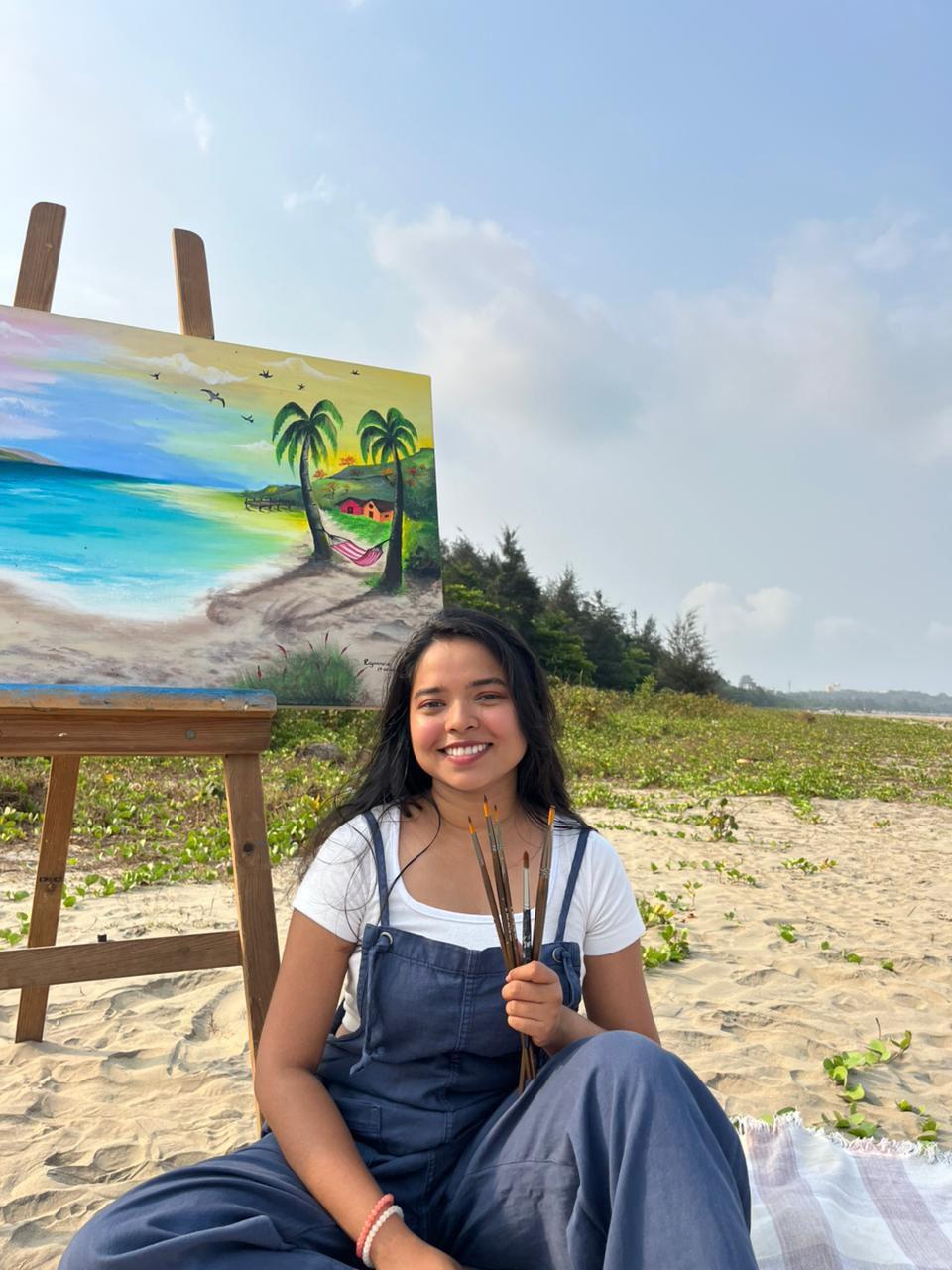
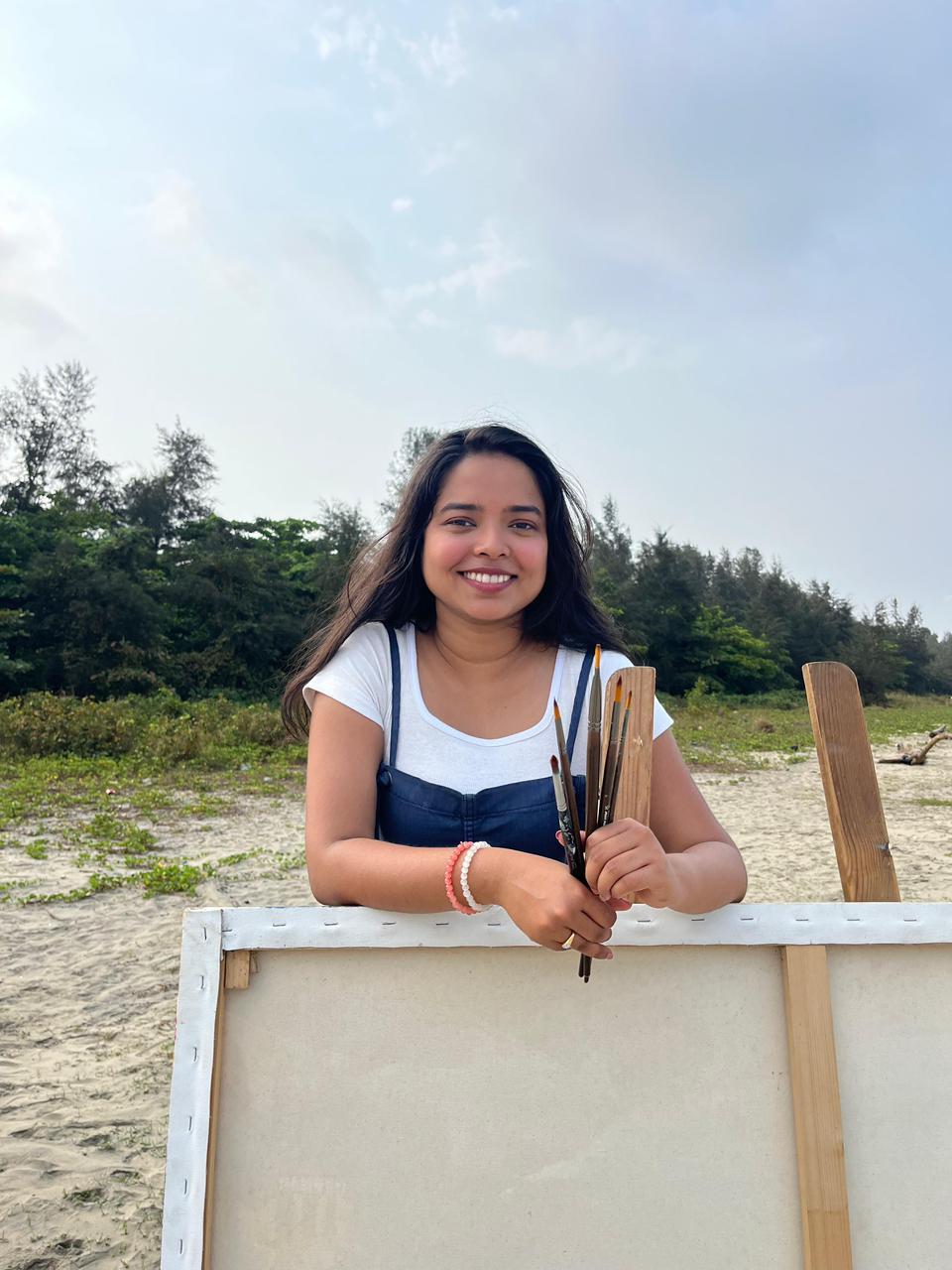
Art by Ray, founded by Raysancia D. Cunha, is an emotive artistic journey rooted in memory, portraiture, and experimentation, blending personal storytelling with evolving techniques to create meaningful, deeply resonant visual experiences.
Article by: Team ItsGoa Images by: Evane Picardo and Dallin Vaz
www.itsgoa.com itsgoa_ Itsgoa
In the evolving landscape of contemporary art, where digital immediacy often overshadows quiet craftsmanship, Art by Ray emerges as a deeply personal and heartfelt practice. Founded by Raysancia D. Cunha, the brand is more than a creative outlet, it is a journey shaped by memory, emotion, and an enduring connection to both people and place. Rooted in authenticity and guided by intuition, Raysancia’s work reflects a life spent observing, feeling, and translating the world into colour and form.
Raysancia’s relationship with art began long before it became a profession. As a child, she found joy in simple tools, crayons and colour pencils, approaching creativity with a sense of play rather than purpose. Encouraged by her parents, especially her mother, she participated in numerous art competitions, though the concept of winning or losing remained secondary to the act of creating itself.
Her father’s unwavering support, often prioritizing art supplies despite other responsibilities, laid the foundation for her artistic growth. Alongside her family, teachers who recognized her talent and nurtured it played a pivotal role in shaping her early journey.
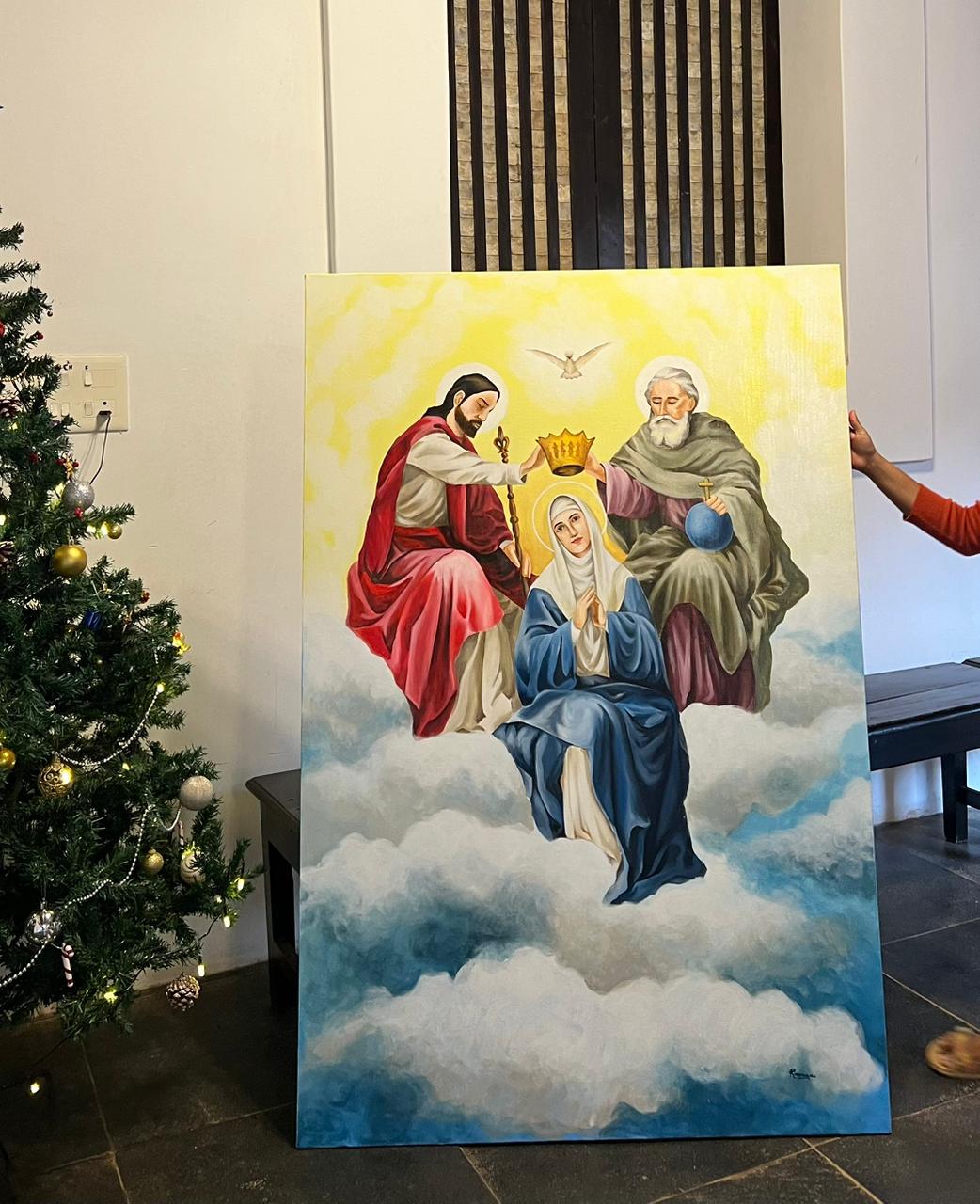
Coronation of the Virgin Mary, acrylic on canvas, created for the main altar at Our Lady of Penha de França, Britona
Workshops during school years opened new avenues, eventually leading to her first exhibition and her initial exploration of pencil portraiture. It was during her higher secondary education that she received her first commissioned work, an early indication that her passion could evolve into something more.
The idea of building a brand began modestly in 2018, when Raysancia started sharing her work on Instagram during an Inktober challenge. At the time, it was simply a space to document her creations, with no clear expectation of what might follow.
A turning point came in 2020, during a period of global stillness. While pursuing her degree, she began experimenting with painted portraits and collaborated with friends on a Mother’s Day hamper that combined sweets with miniature artworks. The overwhelming response marked a shift, from creating in isolation to connecting with an audience.
As inquiries for commissions began to arrive, the possibility of building something tangible took shape. With no formal business background, she relied on instinct, consistency, and a growing belief in her work. The name “Ray,” drawn from her own identity, also symbolizes her intention to create art that feels like a small source of light for others.
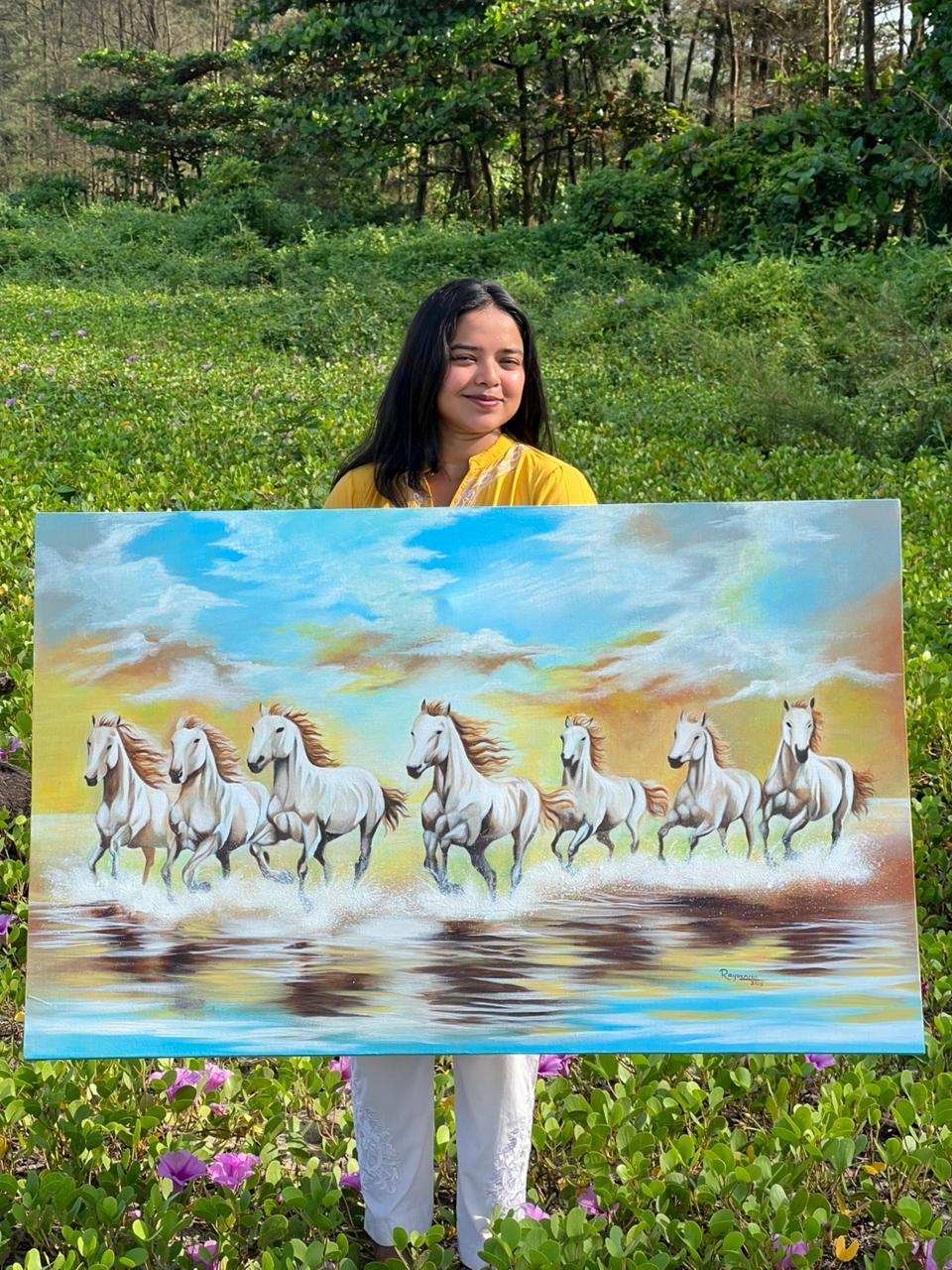
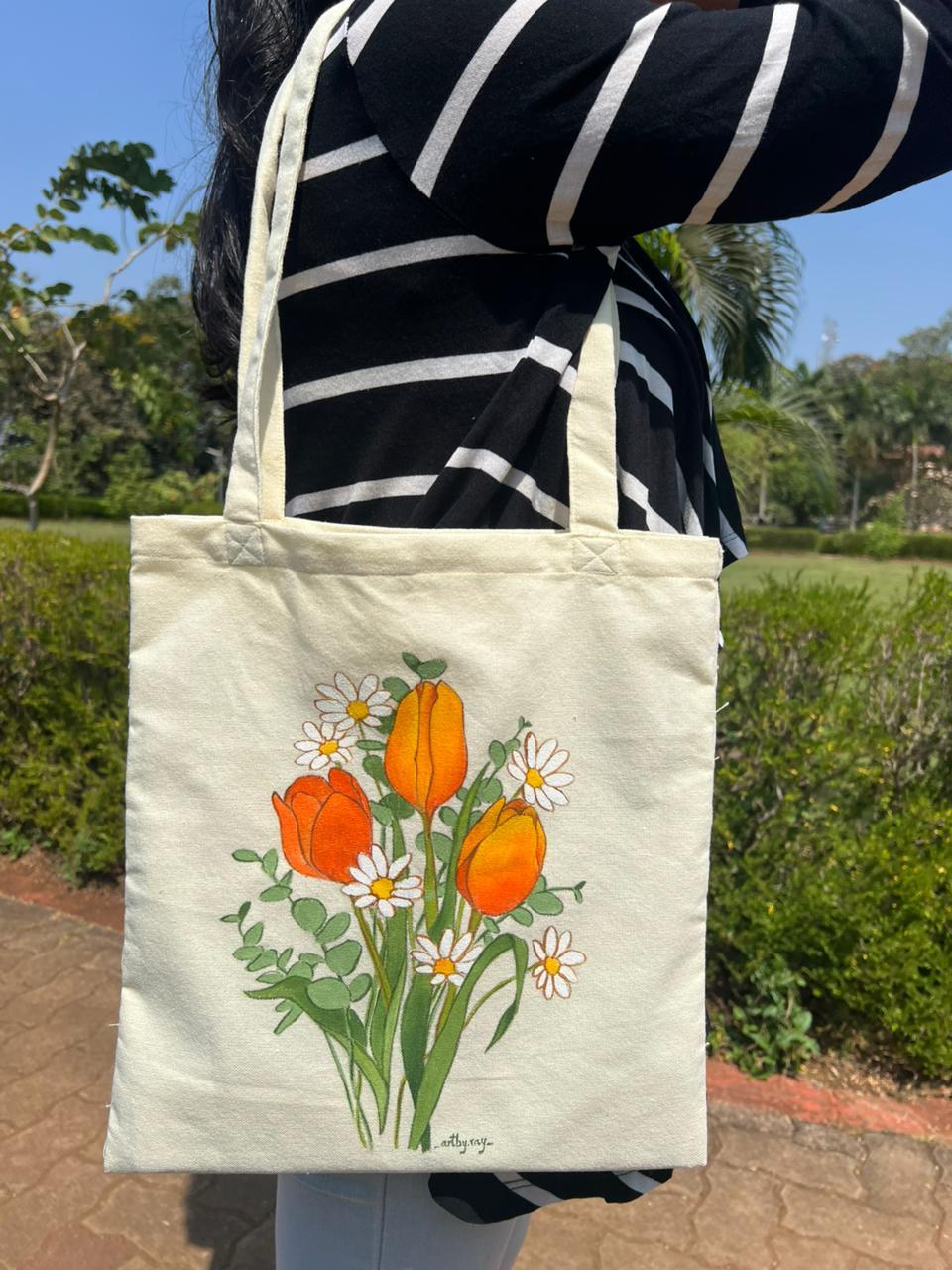
Raysancia’s artistic voice is still evolving, shaped by continuous experimentation and self-discovery. At its core, her work is centred around portraiture, an attempt to capture the quiet, often unspoken emotions that define human experience.
Her technique blends fluid washes of light with ink on paper, creating softness and movement. At the same time, she has begun exploring more textured approaches on canvas, layering paint to achieve depth and detail. Much of this experimentation takes place in her sketchbook, where quick ink strokes capture fleeting moments, while slower, deliberate painting allows her to sit with an idea.
This balance between spontaneity and precision gives her work a distinctive rhythm, one that feels both intimate and expressive.
The diversity in Raysancia’s work, ranging from portraits and landscapes to faith-inspired pieces, stems from deeply personal connections.
Portraits, in particular, hold emotional significance. Many commissions involve recreating memories of loved ones, including those who are no longer present. For Raysancia, these requests carry a profound responsibility. Each piece becomes an act of preservation, a way to honour love and memory through art.
Landscapes offer a different kind of expression. Inspired by the natural beauty of Goa, her surroundings influence her sense of calm and colour. Scenes of open skies and greenery reflect a longing for stillness, an escape that resonates both personally and universally. Faith-inspired works, meanwhile, emerge from moments of introspection. Rather than conveying doctrine, they reflect comfort and resilience, shaped by her belief in a higher presence that has guided her through challenging times.
Among the various mediums she explores, acrylics remain her most trusted. Their ability to define form and structure aligns with her approach to portraiture and detailed compositions. More recently, she has embraced acrylic paint markers, finding them both dynamic and engaging. This willingness to adapt and experiment keeps her practice fresh, allowing her to expand her creative vocabulary while staying grounded in her core style.
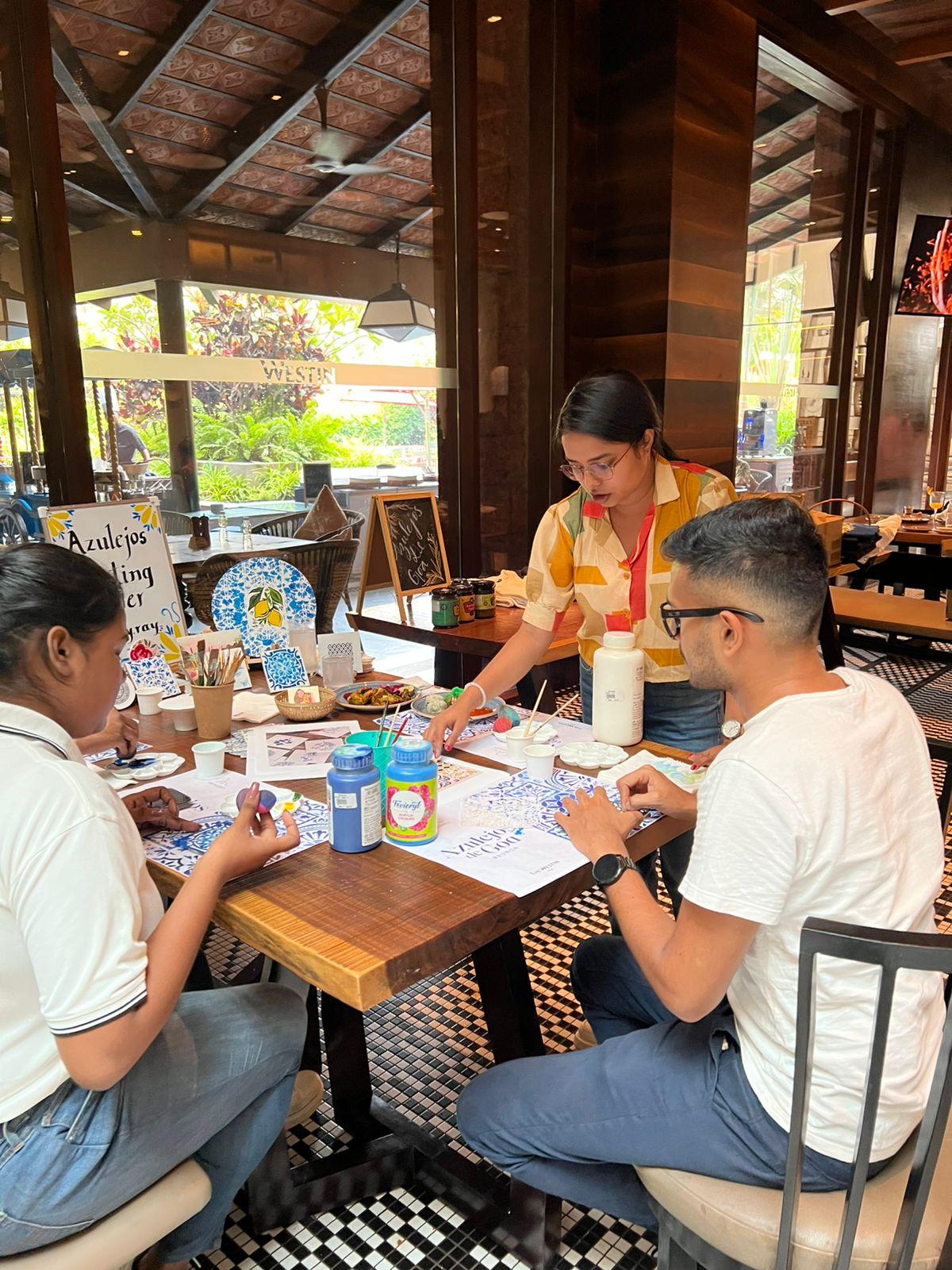
Leading an Azulejo themed mini workshop at a brunch Sunday at Westin, Anjuna
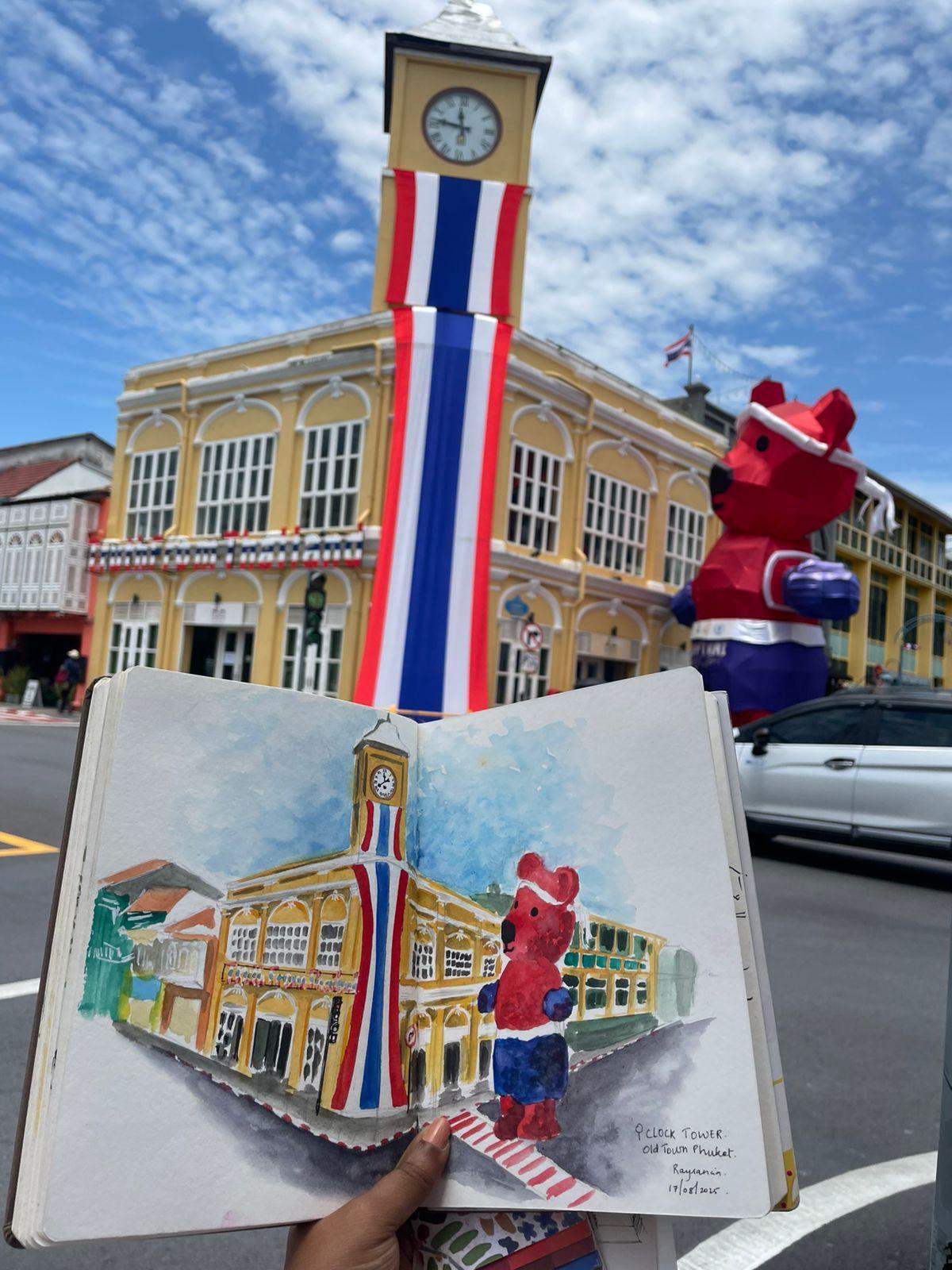
Clock Tower, Old Town Phuket — watercolours on paper, Urban Sketchers Asia Link walk, Thailand 2025
Every commissioned piece begins with conversation. Raysancia takes time to understand the client’s vision, gathering references, discussing scale, and most importantly, uncovering the story behind the request. From there, she develops a mood board to map out the composition, ensuring alignment before the painting begins. The process is deliberate and often time-intensive, sometimes spanning weeks depending on complexity. Yet this careful approach ensures that the final piece feels complete, not just visually, but emotionally.
Running Art by Ray as an independent practice on Instagram requires versatility. Beyond creating art, Raysancia manages photography, video content, editing, and communication, balancing creativity with the demands of a digital presence. Support from friends and family has been instrumental in this journey, whether through feedback, collaboration, or simply encouragement. Despite moments of doubt, when work feels unseen or progress seems slow, she remains grounded in her purpose.
One of her biggest challenges has been finding the time and space to fully devote herself to her art. Without a dedicated studio, she often works from shared spaces at home, adapting to limitations that make consistency difficult. At times, sharing her work online can feel discouraging, especially when pieces she deeply values go largely unnoticed. Navigating self-doubt, comparison, and the pressure of visibility has required her to consciously step back, reconnect with her process, and create from a place of authenticity rather than expectation.
Over time, she has learned to value her work, overcoming challenges such as pricing and selfdoubt. Her growth reflects not just artistic development, but personal resilience.
Art has always been a shared language in Raysancia’s life. Her uncle, Savio Godinho, an artist himself, played a significant role in shaping her perspective.
Observing his process and dedication instilled in her an early appreciation for the discipline behind creativity. Her academic background in history and interest in art history further enrich her work, allowing her to draw connections between past and present. Combined with her love for literature, travel, and cinema, these influences create a layered foundation for her artistic expression.
As her journey continues, Raysancia is expanding her practice with new offerings, including live wedding paintings and curated Goa-inspired prints. With the ability to ship worldwide, her work is no longer confined by geography, it travels, much like the emotions it carries. Yet at its heart, Art by Ray remains deeply personal. Behind every finished piece lies a process that is often messy, imperfect, and real, a reminder that beauty is rarely created without chaos.
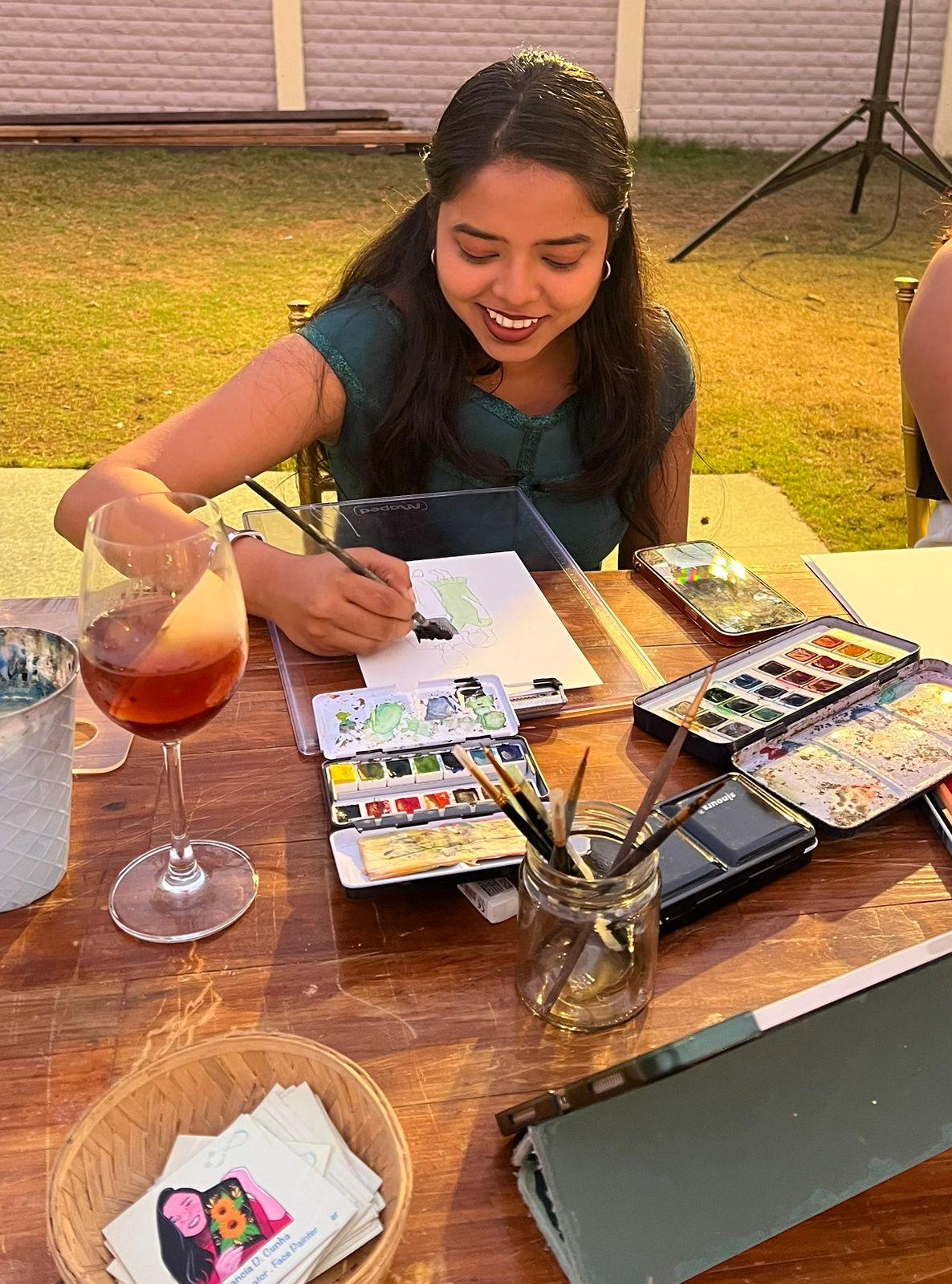
More than anything, Raysancia hopes her work offers stillness in a fast-moving world. Her paintings are not just visual experiences; they are invitations, to slow down, to feel, and to reconnect with something deeper. In a time where attention is fleeting, Art by Ray stands as a gentle pause, a space where emotion lingers, memories are honoured, and even a brief moment of calm can make all the difference. Working on live guest illustrations at a Goan wedding
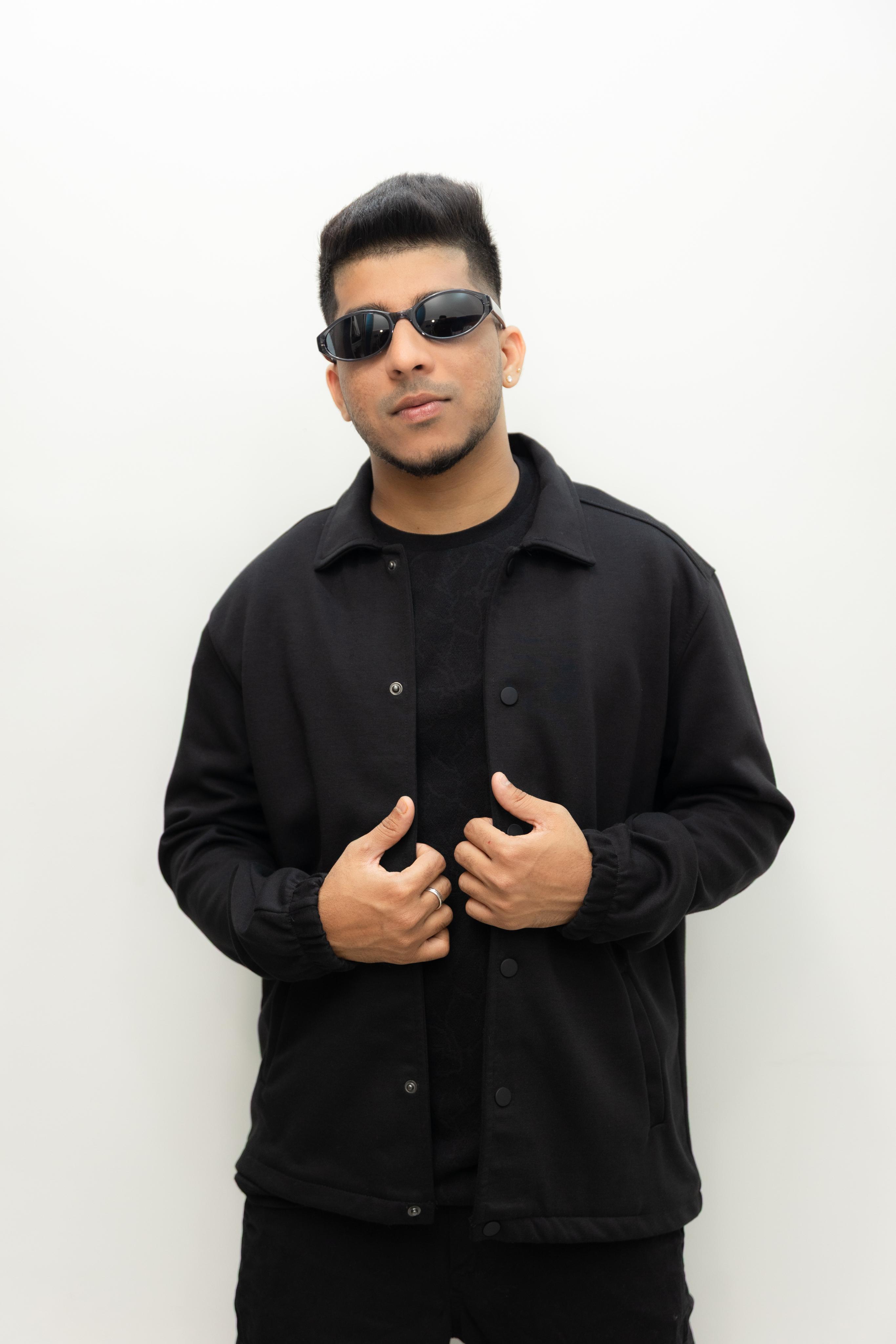
DJ Anik, a self-made Goan artist, rose from local gigs to global stages, producing viral remixes and releasing with major labels, blending genres while building a dynamic, audience-driven musical journey.
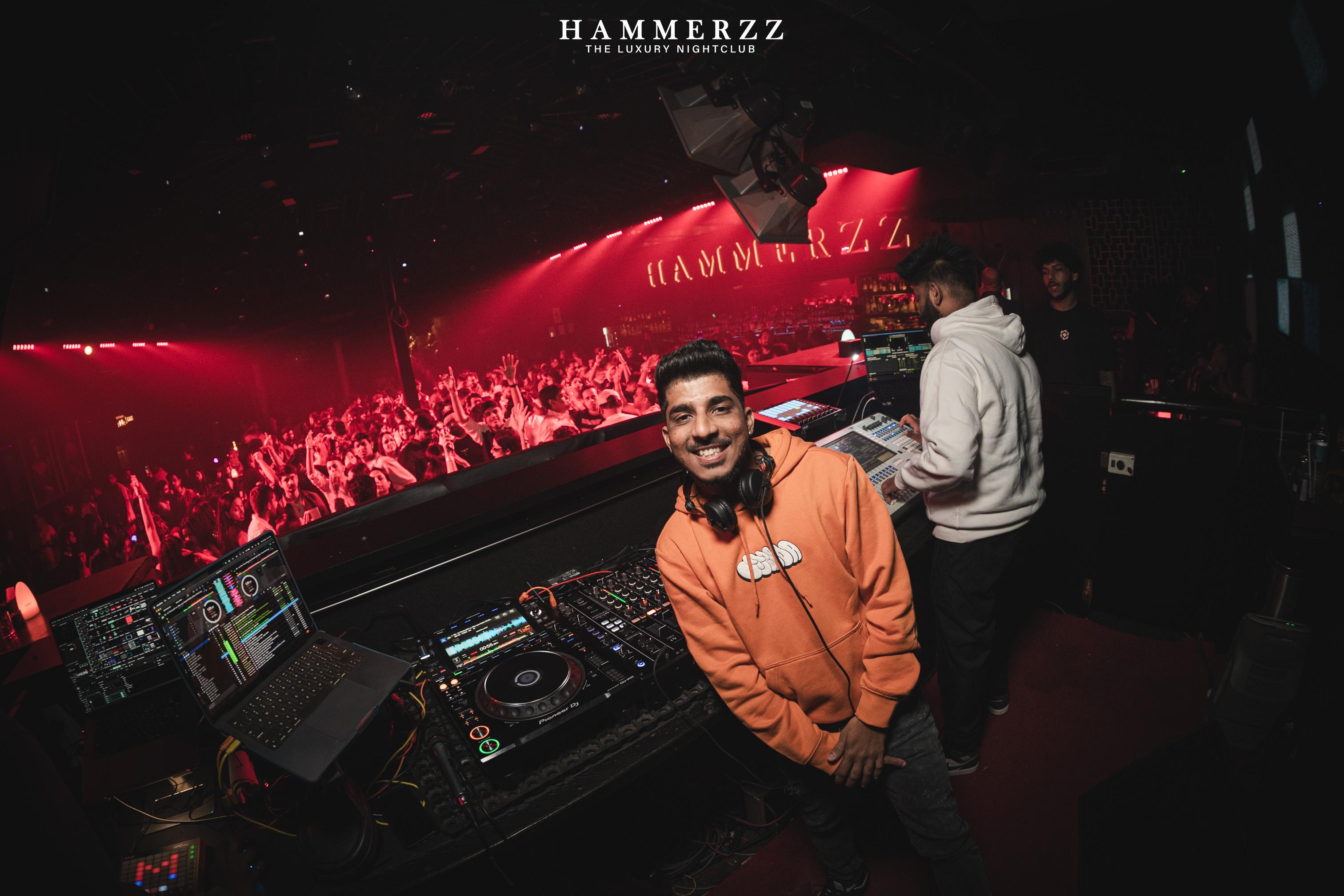
In the ever-evolving world of music, few artists manage to carve a path that is both authentic and impactful. Aniket Desai, professionally known as DJ Anik, is one such artist who has steadily risen through dedication, passion, and a deep connection to sound.
From experimenting with music during his school days to performing on some of the biggest stages in the industry, his journey reflects persistence and an unwavering commitment to his craft.
Anik’s introduction to DJing began during his early years, when he found himself captivated by global music festivals and performances by renowned artists like Martin Garrix and Dimitri Vegas & Like Mike. Observing how DJs could control the energy of massive crowds sparked a curiosity that soon turned into a serious pursuit. What started as casual experimentation with mixing tracks gradually evolved into performing at private gatherings, small events, and eventually larger platforms.
Unlike many carefully planned careers, Anik’s entry into professional DJing was organic.
At the time of launching his journey, he was still in college, stepping into music without a fixed roadmap.
However, his passion for understanding sound, combined with consistent practice, helped him transition into the nightlife circuit of Goa.
Early opportunities were limited, but his determination led him to spend time refining his skills in smaller venues, eventually gaining exposure at well-known spaces such as Tito’s and Mambo’s. These experiences played a crucial role in shaping his confidence and performance style.
Over time, DJ Anik developed a signature approach that blends versatility with high energy. His sets seamlessly combine Bollywood, commercial, and electronic elements, enriched with modern drops and creative mashups.
Rather than simply playing tracks, he focuses on building an immersive experience, reading the crowd in real time, adapting his music flow, and creating moments that resonate.
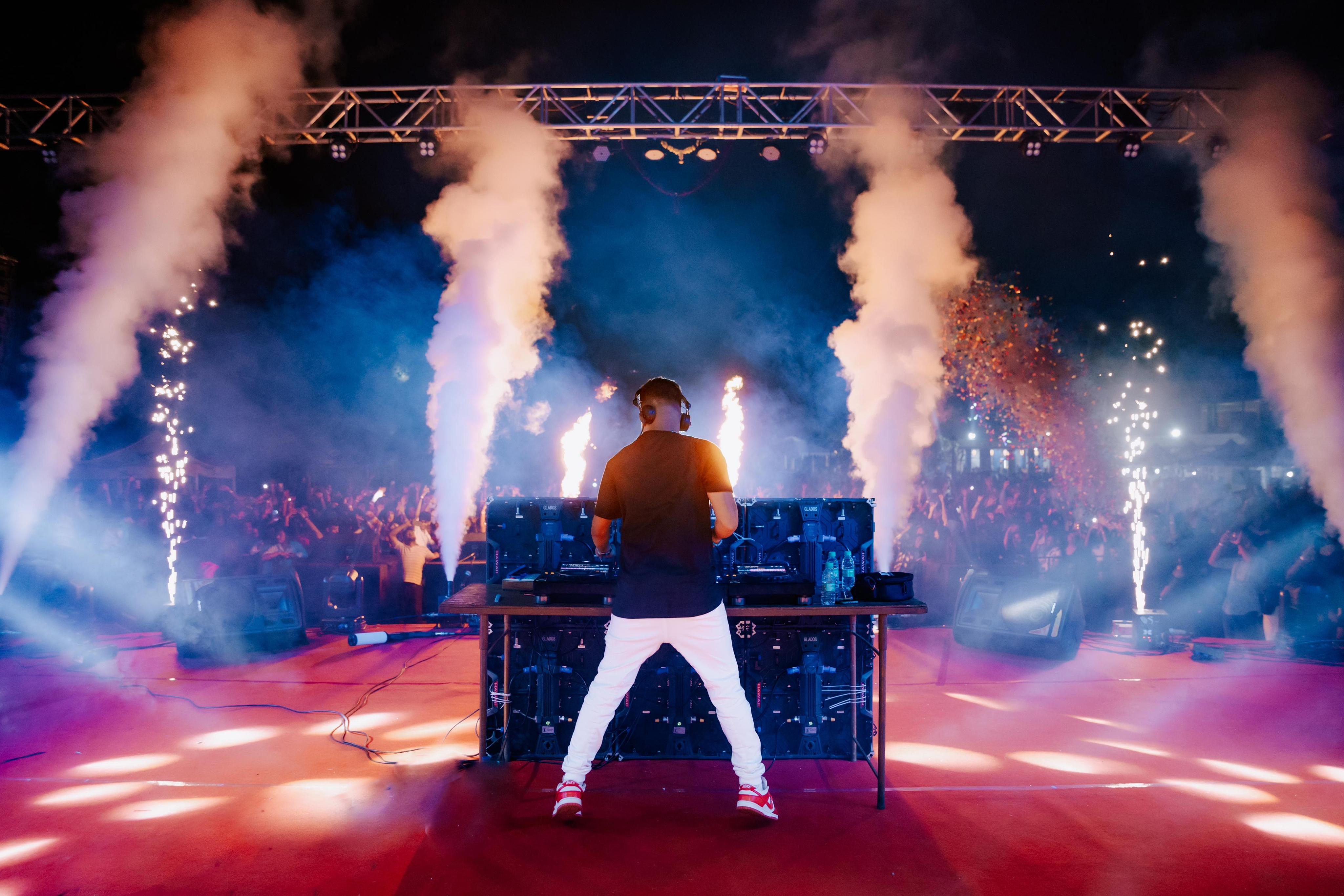


Whether performing at weddings, clubs, college festivals, or large-scale events, his ability to tailor each set ensures a unique experience for every audience.
A significant milestone in his journey came during the lockdown period, when he shifted his focus towards music production. Collaborating with DJ Melroy, he began creating Bollywood remixes that quickly gained traction. One such track, Channa Ve Ghar, went viral and was widely played at events, even reaching major venues like Prism.
This success opened new doors, leading to an original release under Smashing Records and eventually fulfilling a long-standing goal, releasing music with major labels such as T-Series and Zee Music Company. As an independent artist, these achievements marked a defining moment, reinforcing the impact of consistency and belief in one’s sound.
Beyond production, DJ Anik’s live performances have been a cornerstone of his growth. Sharing the stage with global icons including Hardwell, Martin Garrix, Alesso, David Guetta, and Axwell, along with prominent Indian artists like Milind Gaba, Jass
Manak, and Stebin Ben, has further elevated his presence in the industry. Each collaboration and performance has contributed to his understanding of scale, audience engagement, and stage dynamics.
Among his most significant achievements is performing at Sunburn Festival, Asia’s leading electronic music event. For Anik, this was more than just a performance, it was the realization of a dream that began years earlier while watching festival videos.
Taking the stage at such a prestigious platform not only brought recognition but also strengthened his confidence and opened new opportunities. His participation alongside top DJs from Goa further highlighted his position within the regional and national music scene.
International exposure has also been a part of his journey, with performances including destination events such as a wedding in Bangkok. These experiences have allowed him to connect with diverse audiences and expand his reach beyond India.
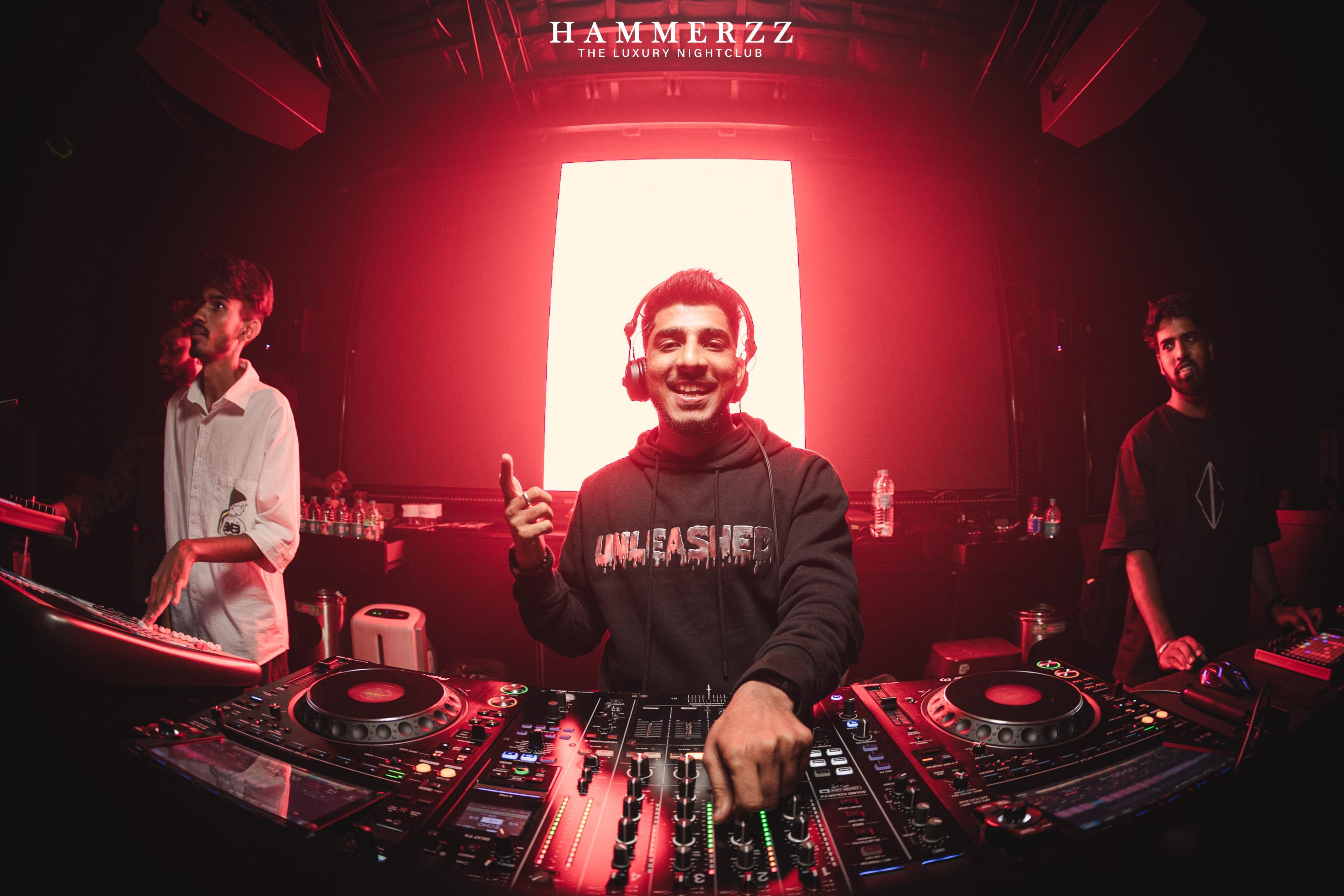
Smiles, music, and unforgettable vibes while playing at Hammerzz Goa
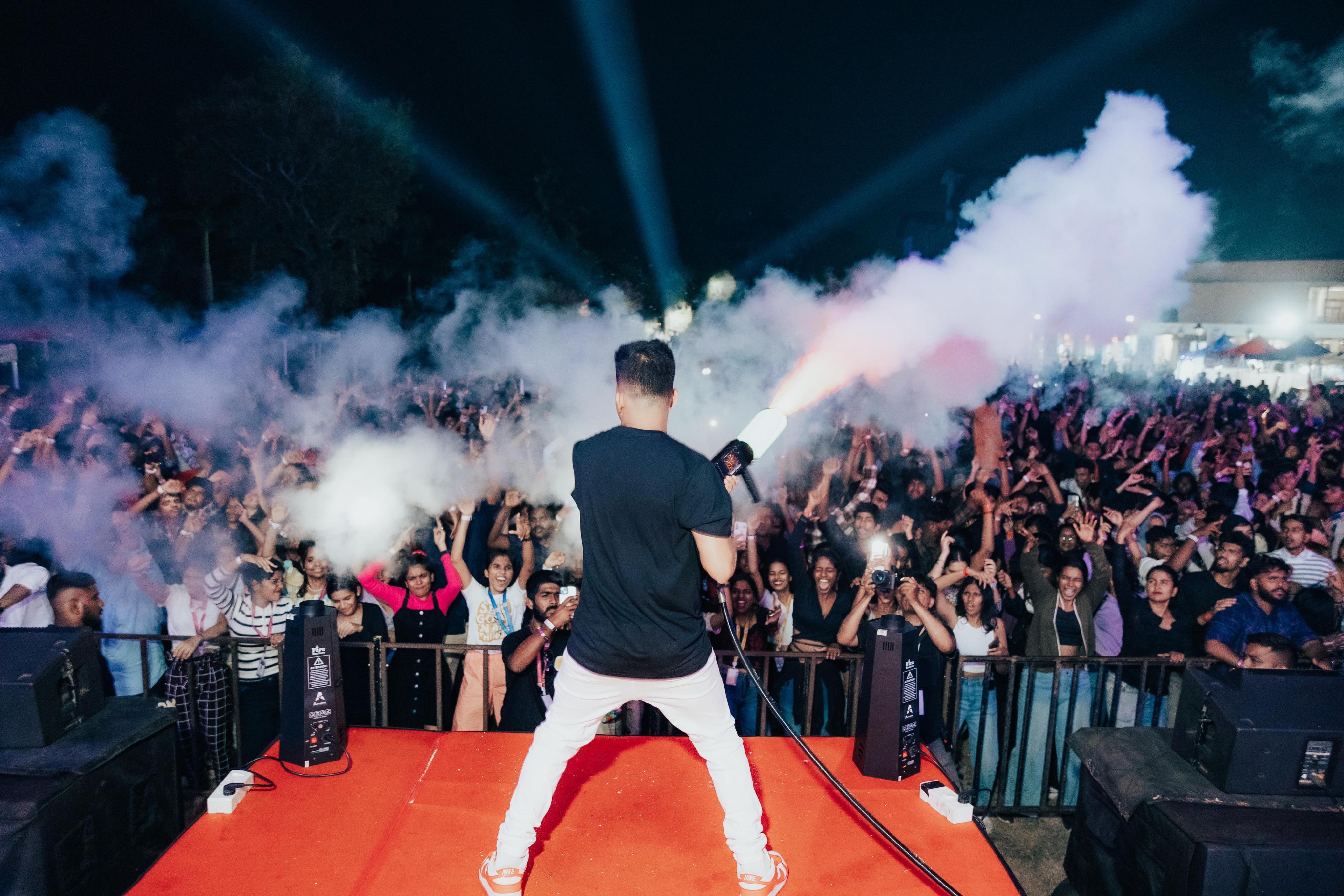
This is the kind of night you never forget
Despite the scale of his achievements, DJ Anik remains grounded in his approach. His preparation process involves understanding the audience and event dynamics, creating a flexible structure rather than a fixed set.
By layering his music, from groovy introductions to high-energy peaks, he ensures a seamless progression that keeps the crowd engaged throughout. His focus on smooth transitions, timing, and adaptability reflects a professional understanding of live performance.
Outside of music, Anik finds balance through simple pleasures. Cricket, travel, and exploring new cuisines provide him with both relaxation and inspiration. Interacting with new people and experiencing different environments also influences his creative outlook, adding depth to his work as an artist.
What truly defines DJ Anik is his mindset.
His journey has been entirely self-made, built step by step through persistence and continuous improvement. The challenges he faced early on, particularly in gaining opportunities, have shaped his resilience and work ethic. Today, his motivation stems from both personal growth and the energy he receives from his audience.
Looking ahead, DJ Anik aims to further evolve his sound, release new music, and expand his presence on larger platforms globally. His vision extends beyond individual success; he seeks to represent independent artists and demonstrate that dedication and originality can lead to significant achievements.
From local beginnings to international stages, DJ Anik’s story is one of passion transformed into purpose. As he continues to push boundaries and create unforgettable experiences, his journey stands as a testament to the power of consistency, creativity, and a deep love for music.
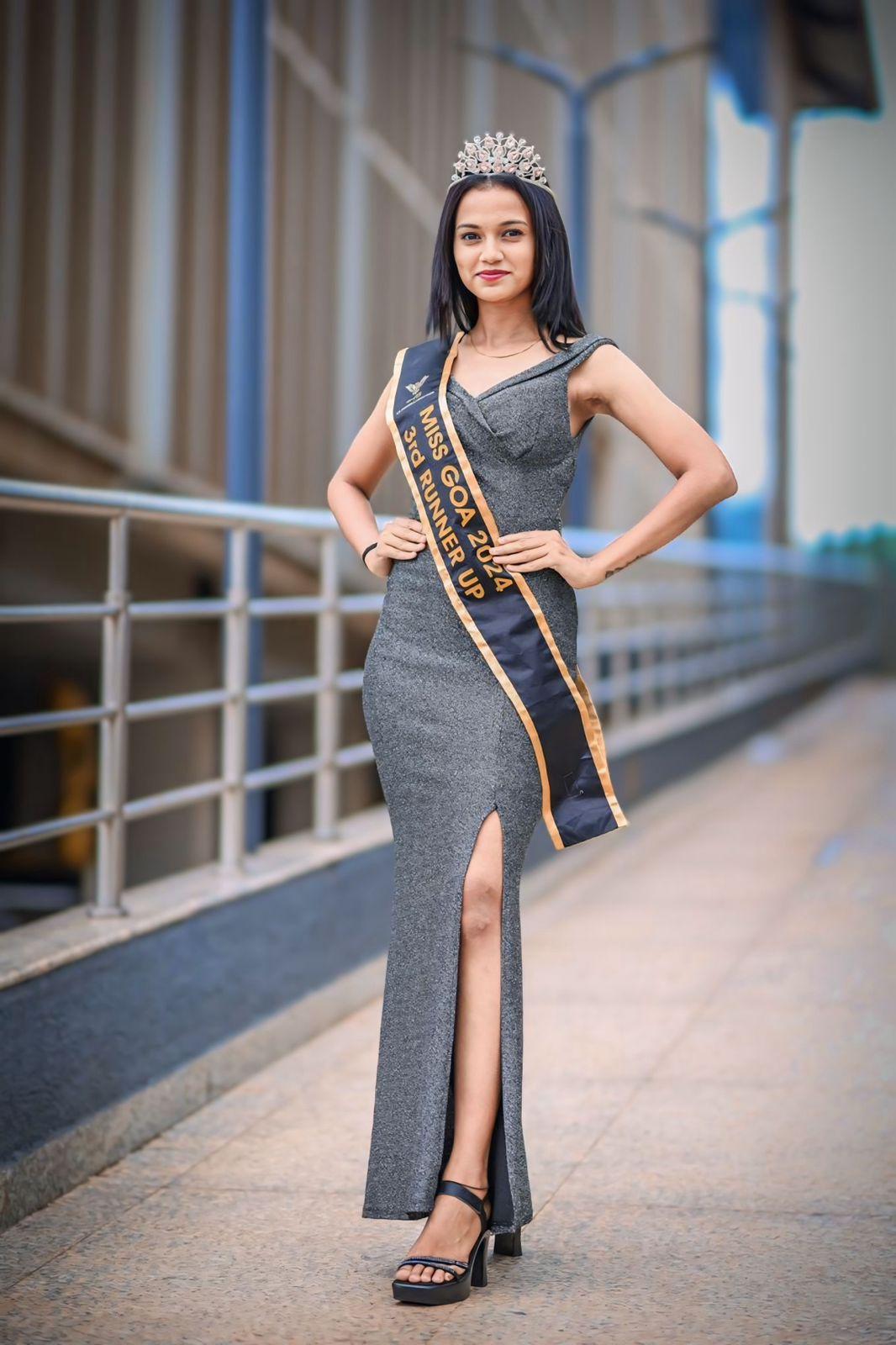
Sithi Premanand Naik balances football coaching and modeling, blending discipline with creativity. Her journey highlights resilience, authenticity, and growth, inspiring others to pursue multiple passions without limitations and define their own identity.
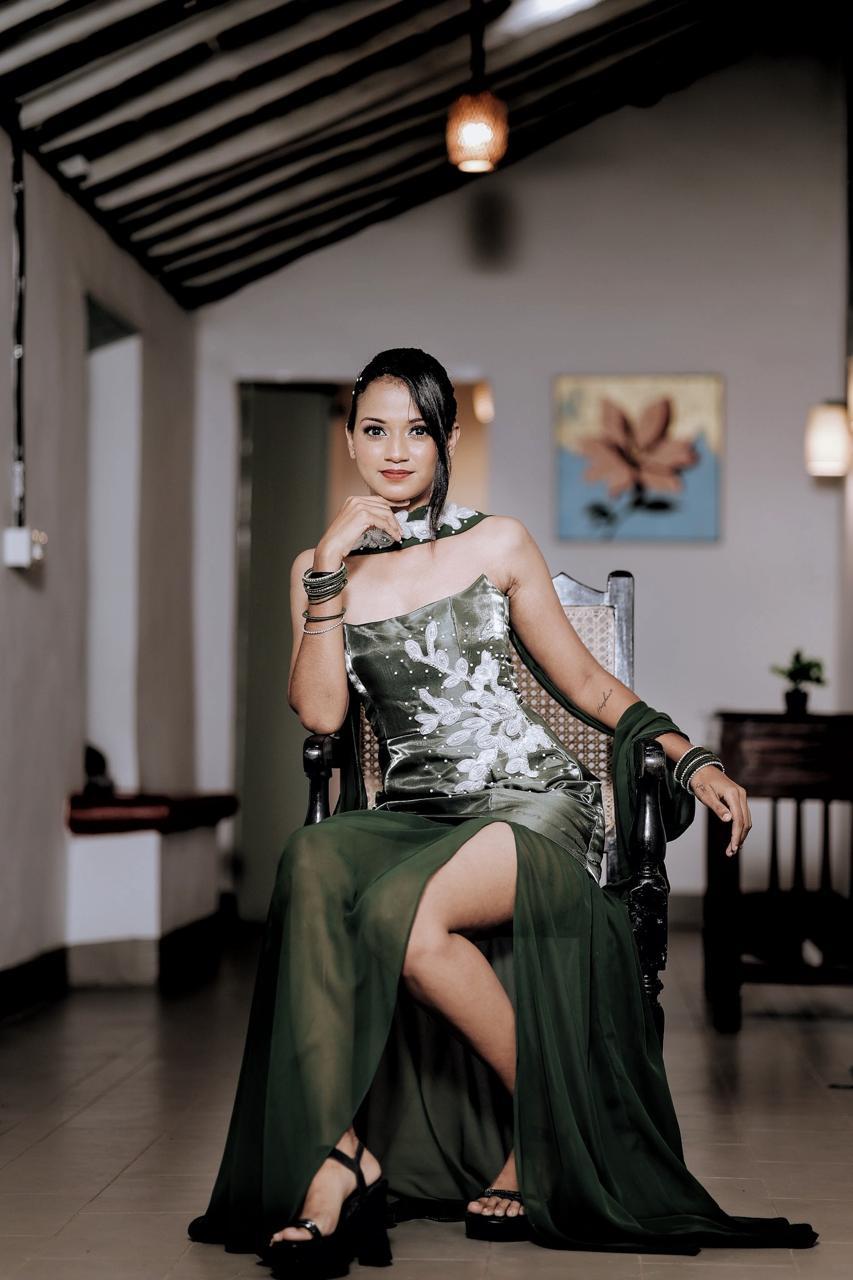
Sithi Premanand Naik
In a landscape where individuals are often defined by a single path, Sithi Premanand Naik stands out for seamlessly navigating two distinct yet complementary worlds, football and modeling. Hailing from Goa, she has built a journey that reflects discipline, resilience, and self-expression, proving that diverse passions can coexist and thrive together.
At her core, Sithi is a football coach, a role that has deeply shaped her mindset and character. The sport has instilled in her a sense of discipline, patience, and consistency, qualities that extend far beyond the field. Through years of dedication, football has not only strengthened her physically but has also sharpened her ability to handle pressure and stay focused in challenging situations. These experiences have played a significant role in defining her outlook on life and personal growth.
Parallel to her journey in sports is her presence in the world of modeling. What might appear as two contrasting fields are, for Sithi, interconnected avenues of growth.
While football has grounded her in structure and discipline, modeling has offered a platform to express confidence, individuality, and creativity. This balance between strength and expression has allowed her to evolve into a multifaceted personality, comfortable in both controlled environments and fluid, creative spaces.
A defining milestone in her journey came with her achievement as the 3rd Runner-Up at Miss Goa 2024. More than just a title, this recognition symbolized her belief in herself and her ability to represent her identity with confidence. It marked a moment of validation, reflecting the effort and determination she has consistently invested in her pursuits.
Beyond her professional roles, Sithi values simplicity and authenticity. She engaging in creative pursuits that allow her to explore new ideas. This grounded approach keeps her connected to herself, even as she balances multiple responsibilities.
Deeply grateful to her parents, brother, and friends for their constant support throughout her journey, she remains grounded and connected as she continues to evolve.
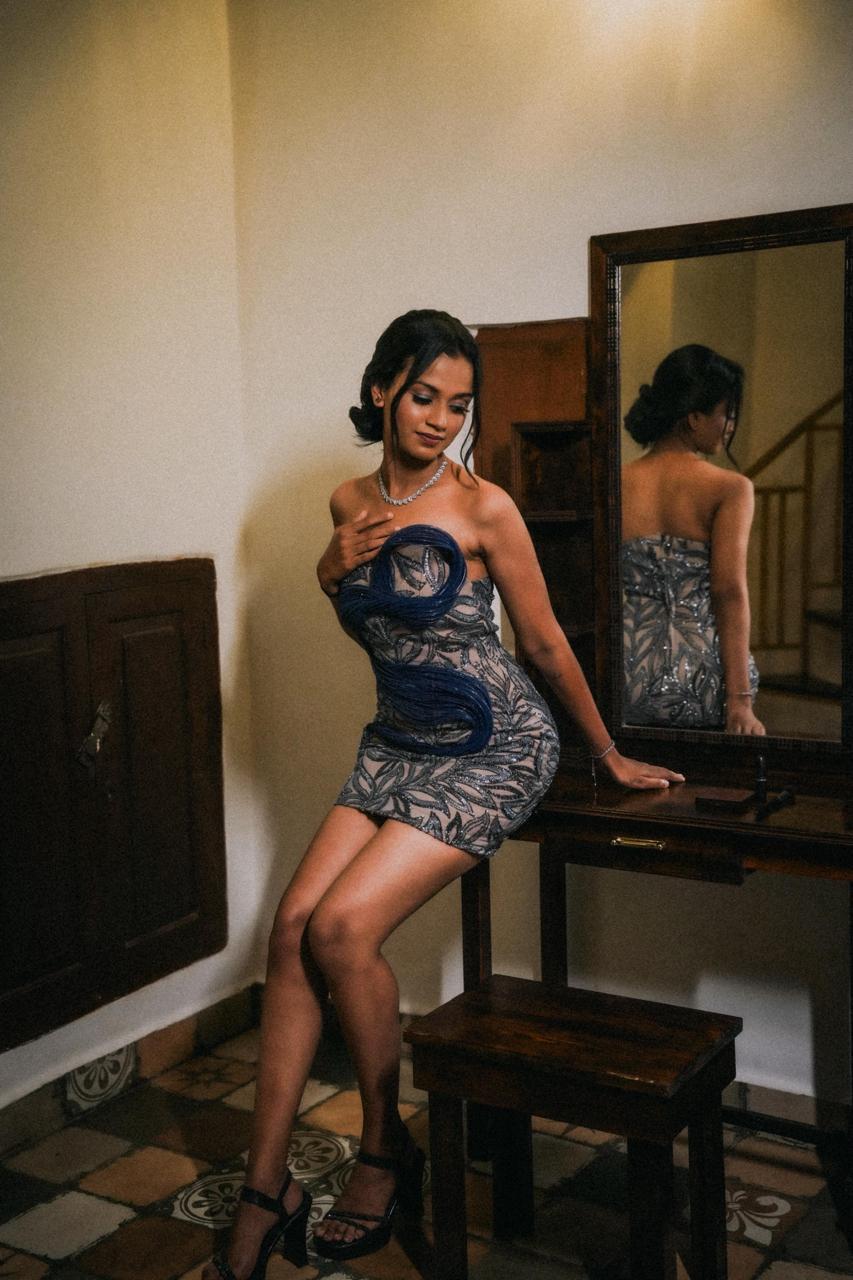
Collaboration with Laxmie Fashion boutique Goa
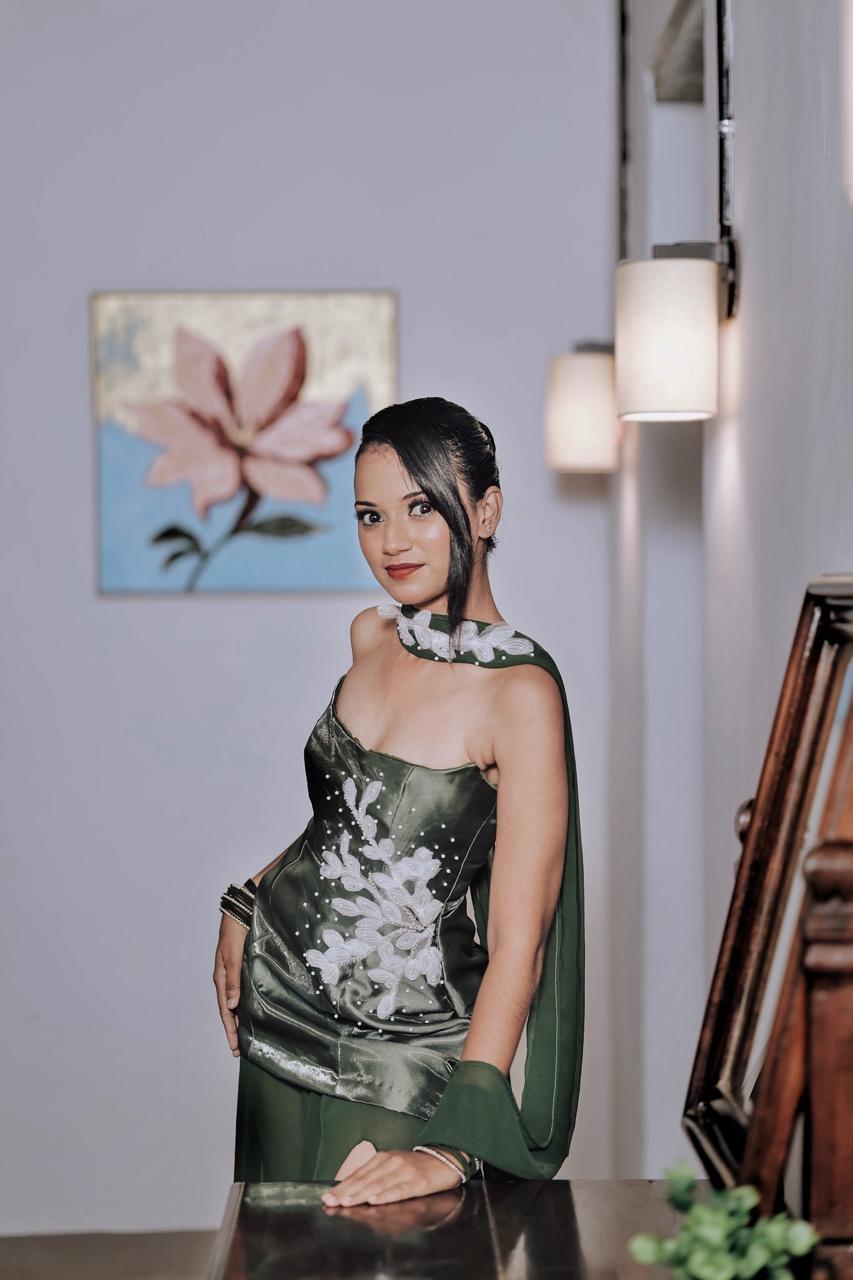
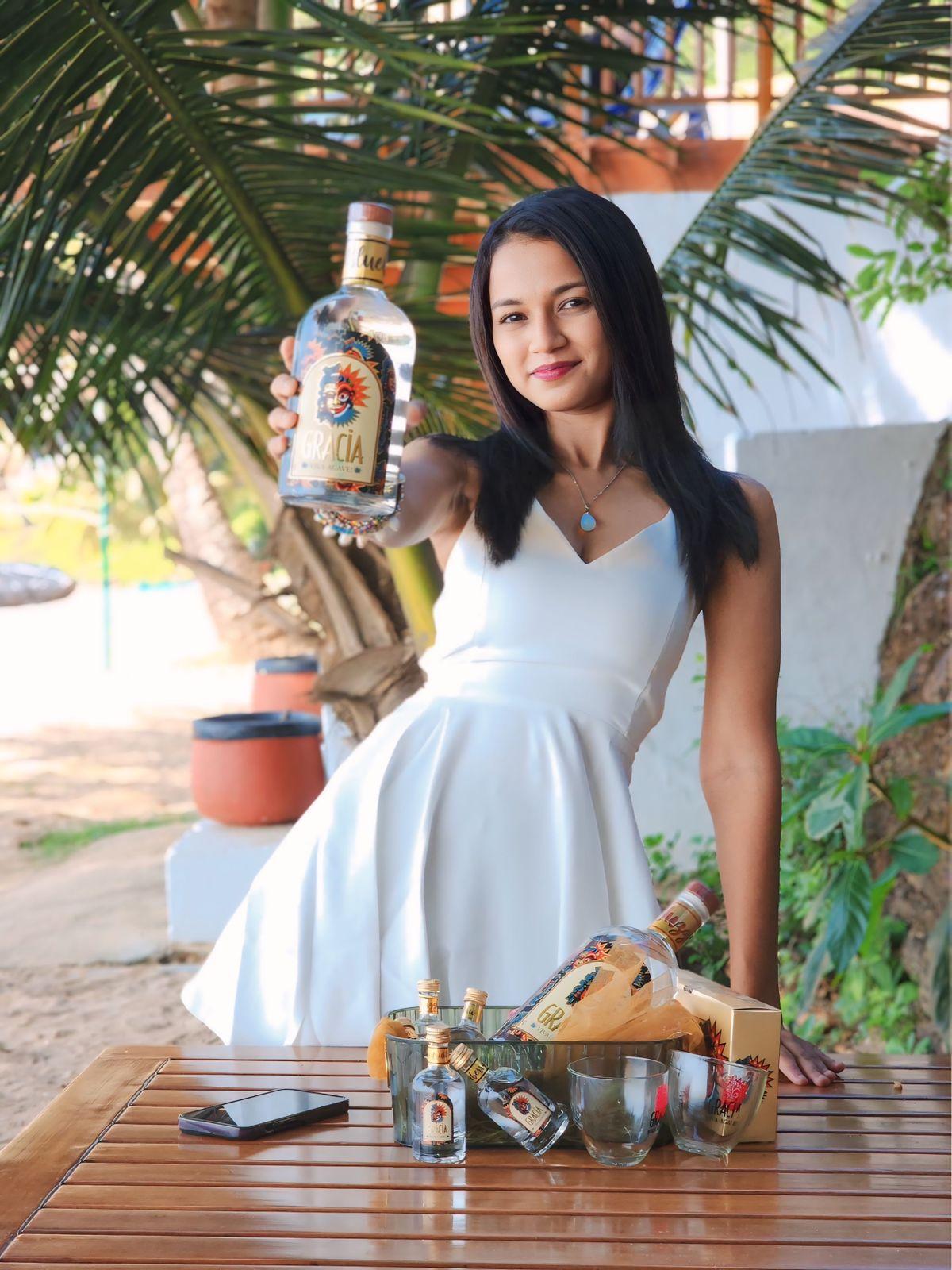
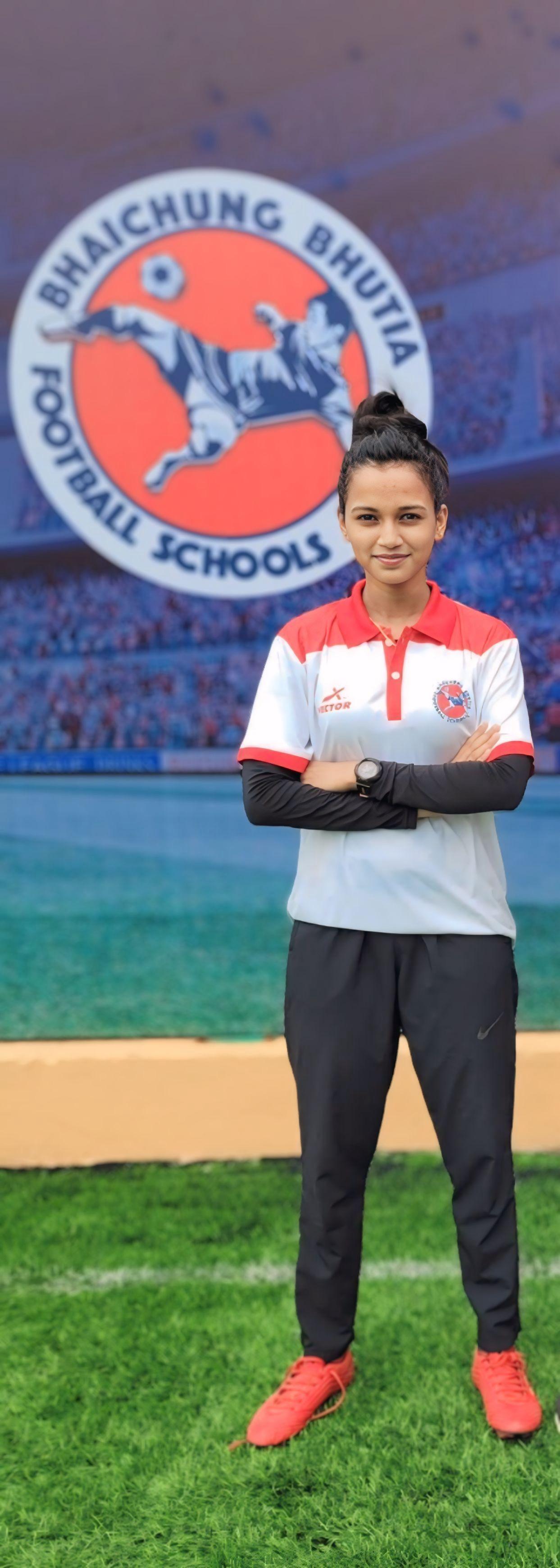
As a football coach, her philosophy extends beyond technical training. She emphasizes the importance of mindset, encouraging players to develop confidence alongside skill. Understanding that every individual is unique, she approaches coaching with patience and empathy, fostering an environment where growth is both personal and collective. For her, building belief in players is just as crucial as improving their performance.
In modeling, Sithi is drawn to the art of presence, the ability to own a moment and communicate through expression. Her approach is rooted in authenticity, allowing her natural confidence to define her work. Rather than conforming to expectations, she focuses on staying true to herself, creating a distinctive identity that resonates both on and off the camera.
Balancing these two paths has not been without challenges. Managing time, meeting expectations, and maintaining equilibrium require constant effort. However, Sithi’s ability to remain focused and grounded has helped her navigate these demands without losing sight of her individuality. Her journey is a testament to the power of perseverance and self-awareness.
Among her many achievements, what she values most is her personal growth. Each step forward, no matter how small, holds significance in shaping who she is today. This perspective keeps her motivated, encouraging her to continue evolving and pushing her boundaries.
Through her story, Sithi hopes to inspire others to embrace their passions without limitations. She believes that individuals should not confine themselves to a single identity, but rather explore different interests with confidence. Her journey reflects the idea that strength and creativity can coexist, each enhancing the other.
What ultimately defines Sithi Premanand Naik is her authenticity. Grounded, determined, and committed to continuous growth, she moves forward with a clear sense of purpose. Whether on the football field or in front of the camera, she embodies a balance of discipline and expression, an inspiring example of what it means to pursue multiple paths with dedication and integrity.


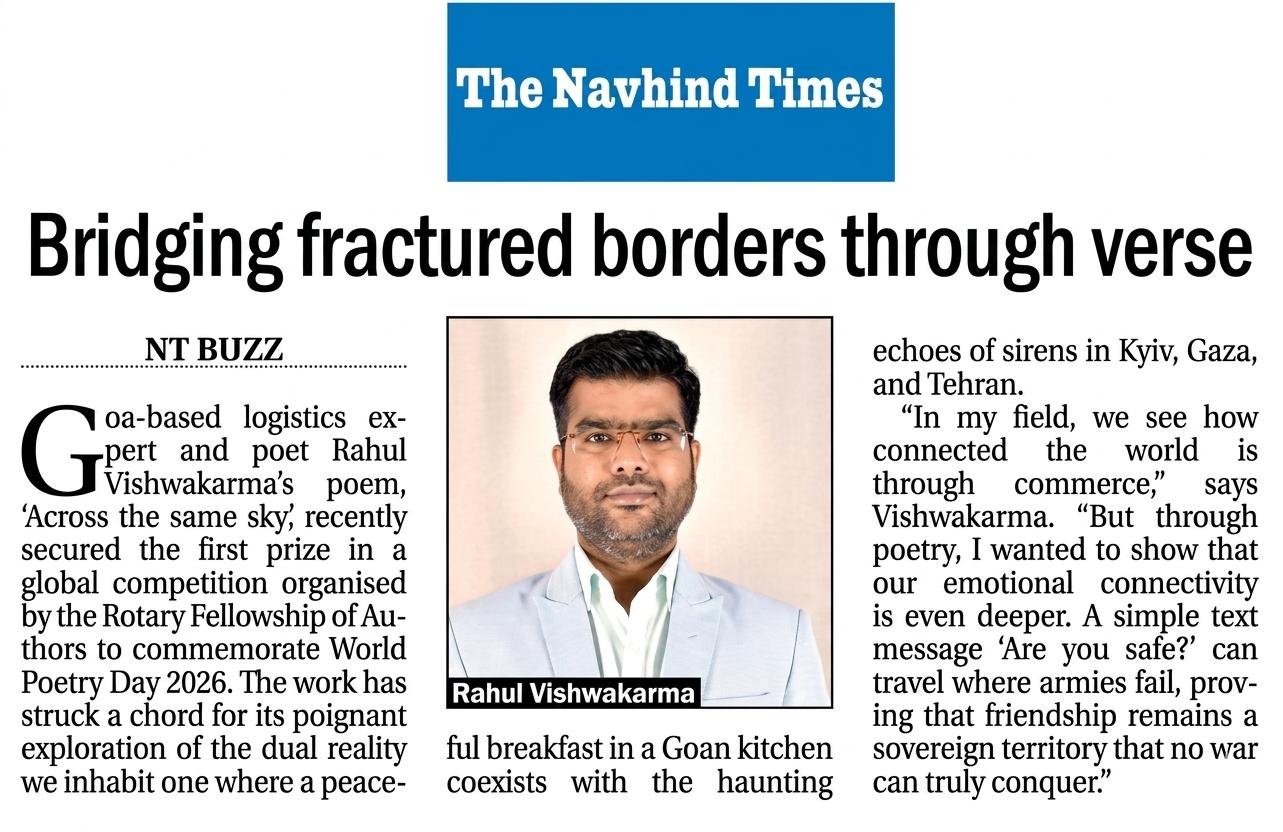
Logistics expert & Poet
Rahul Vishwakarma blends global logistics expertise with poetic expression, drawing from ocean journeys and human connections. His work reflects resilience, empathy, and unity, merging structured trade precision with introspective, emotionally rich storytelling.
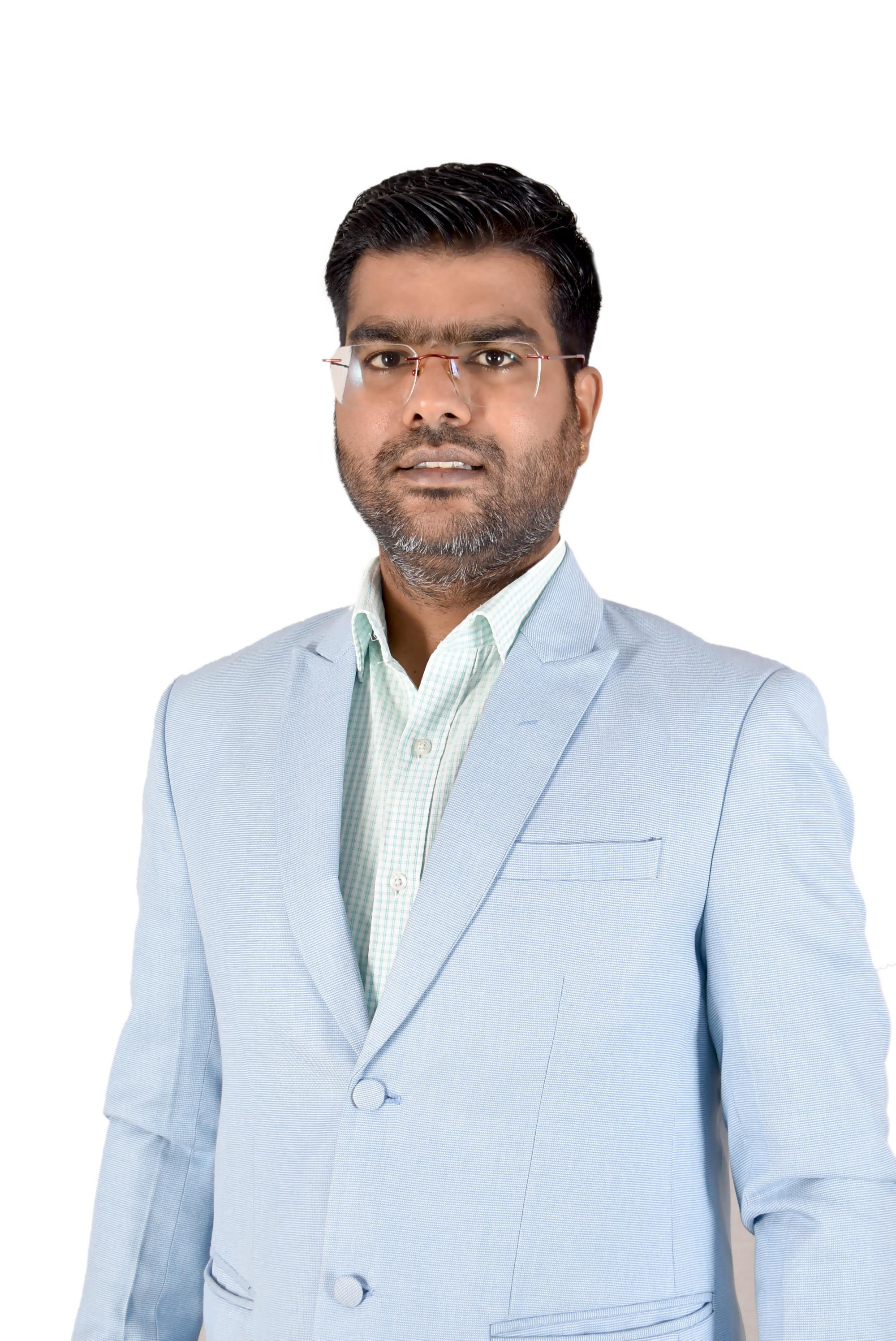
In the coastal town of Vasco da Gama, where the rhythm of the sea meets the quiet hum of everyday life, Rahul Vishwakarma stands at a rare intersection of worlds. A professional in international logistics and global trade, and a poet shaped by solitude and movement, his journey is one that seamlessly blends precision with introspection. He describes himself not just by profession, but as a seeker, a survivor, and a strategist, identities that echo through both his work and his words.
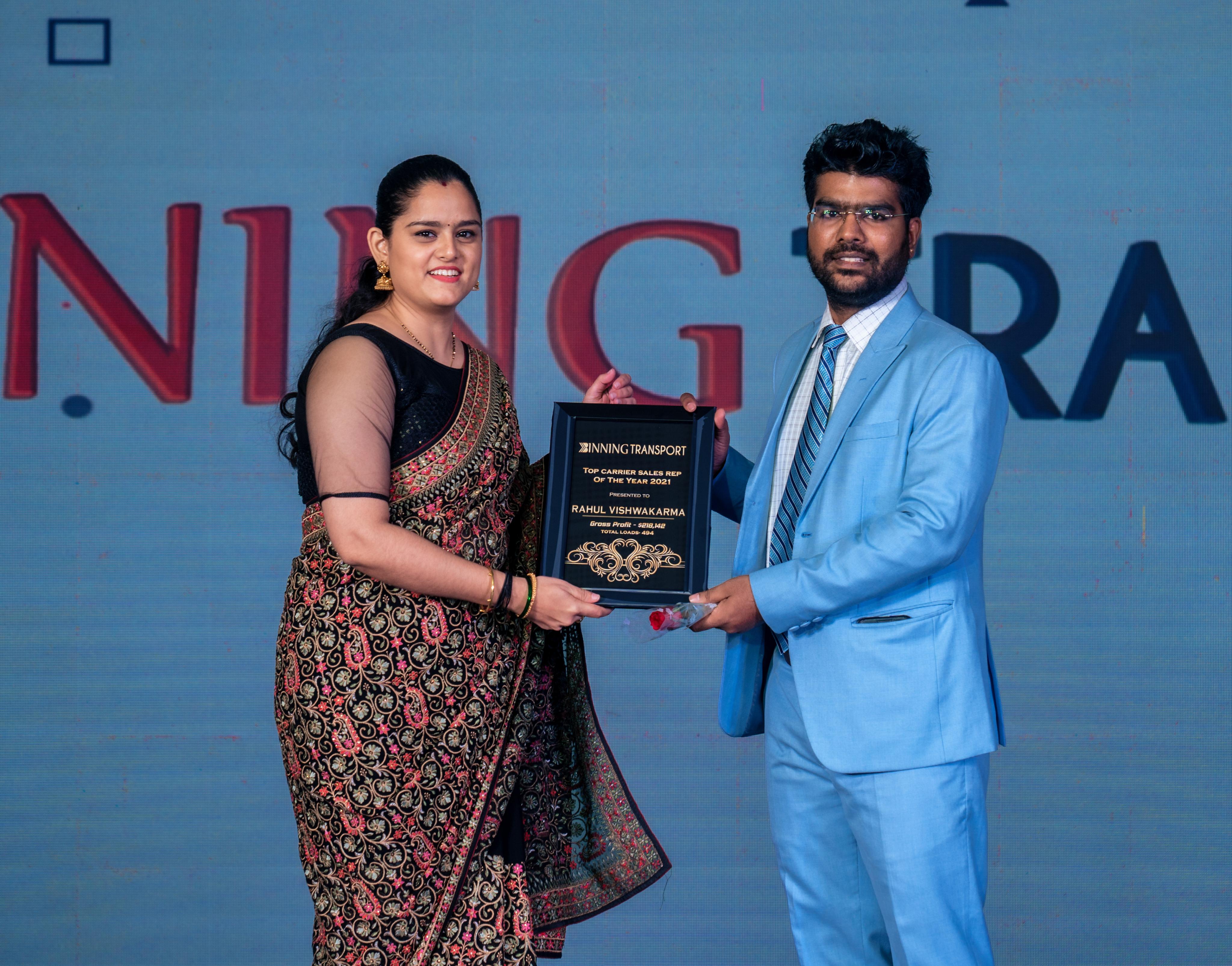
Rahul’s career in global trade places him at the heart of a vast, interconnected system. As a freight forwarder, he operates behind the scenes of global commerce, orchestrating the movement of goods across continents. He does not own ships or aircraft, yet he directs their purpose, ensuring that ambition travels from one shore to another. His role is both analytical and intuitive, translating the complexities of customs, regulations, and supply chains into seamless operations. Yet beyond this structured world lies his poetic identity.
Where logistics demands clarity and discipline, poetry offers him a space to reflect on the emotional undercurrents of human existence.
For Rahul, these two domains are not separate; they inform one another. The precision of logistics shapes his writing, while poetry humanizes the mechanical world he navigates daily.
Years spent engaging with people across continents have deeply influenced Rahul’s worldview. Conversations with clients in distant ports and suppliers in foreign cities have revealed a simple but profound truth: beneath cultural differences, human nature remains constant.
He sees humanity as a shared system, diverse in expression, yet unified in essence. Whether in the bustling trade hubs of Europe or the manufacturing centers of Asia, he encounters the same desires: stability, purpose, and peace. This realization forms the philosophical backbone of his poetry, where borders dissolve and empathy becomes the central theme. Rahul often describes his role as developing a “logistics of the soul,” an ability to sense not just business needs but human emotions. This intuitive understanding allows him to connect deeply, both in his profession and his creative work.
Rahul’s poetic journey began not in a classroom or literary circle, but in the vast silence of the ocean. In 2015, after joining a research mission under India’s Ministry of Earth Sciences, he found himself aboard a vessel navigating the endless expanse of the Indian Ocean and Arabian Sea.
It was here, surrounded by nothing but horizon, that poetry found him. The absence of land, the rhythm of waves, and the quiet isolation created a space for introspection unlike anything he had experienced before. He began documenting moments that words struggled to contain, the shimmer of moonlight on water, the tension between mechanical order and natural chaos, and the humbling awareness of humanity’s smallness within the vastness of nature.
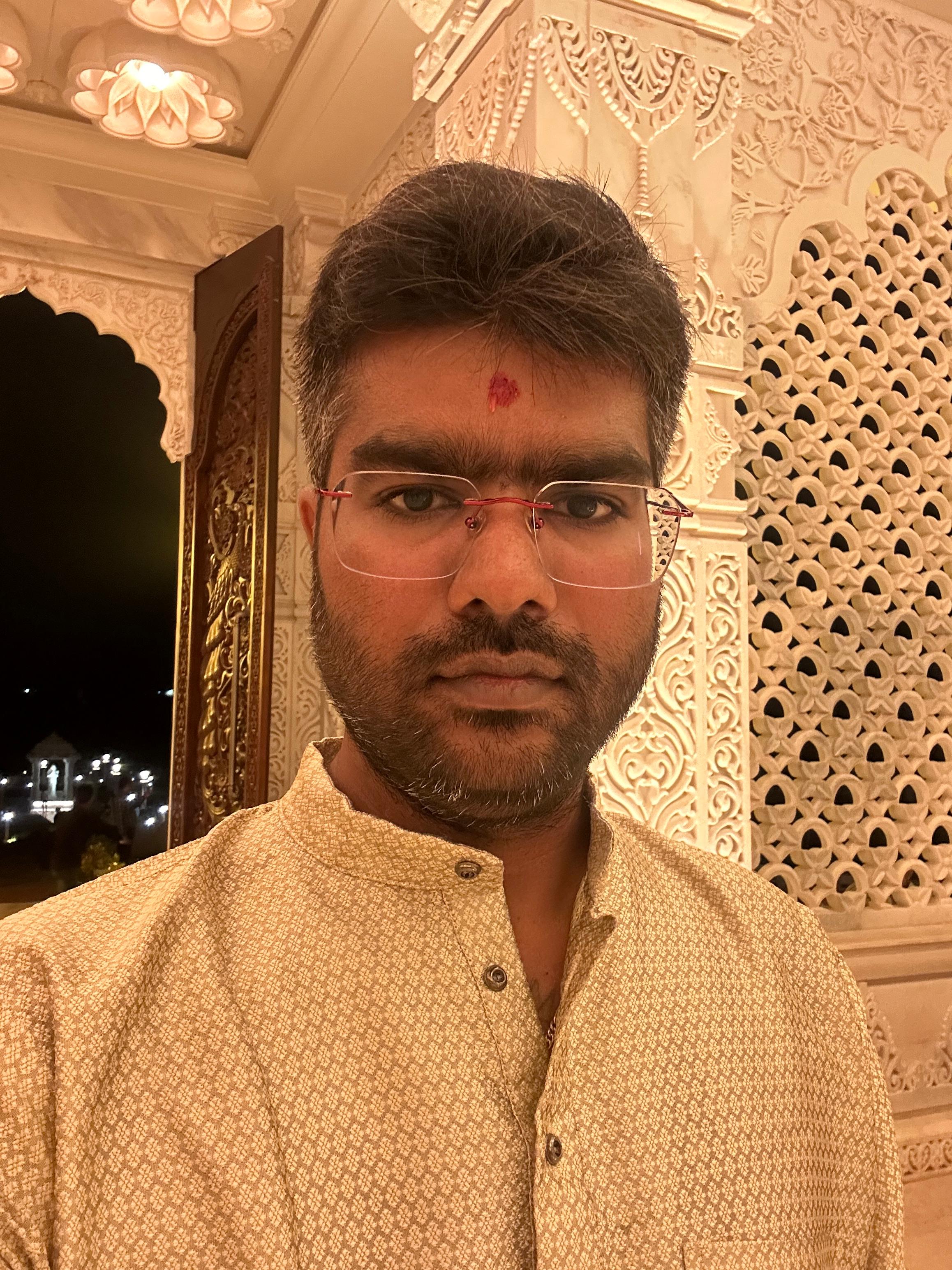
Rahul Vishwakarma - Goa-based logistics expert and poet
What began as observation soon transformed into expression. He returned from those journeys not just as a participant in scientific exploration, but as a poet who had discovered his voice.
Rahul’s writing is marked by a distinctive fusion of industrial imagery and emotional depth. Where traditional poetry often leans on nature or romance, he finds metaphor in machinery and movement. Hope becomes a well-oiled gear, resilience the strength of a mooring rope.
His time at sea has also shaped what he calls a “horizon perspective.” His poetry does not dwell on trivialities; instead, it seeks expansive truths that connect individuals across geography and circumstance. There is a sense of scale in his work, an awareness of the infinite, that allows his writing to transcend the immediate and touch the universal.
Equally defining is his disciplined approach. He treats each poem like a shipment, carefully structured and purposeful. Every word carries weight, every line serves a destination, and the final emotion must arrive intact at the reader’s heart.
Rahul’s work consistently returns to themes of resilience, hope, and human connection. These are not abstract ideas, but reflections of lived experience. In the world of global trade, he witnesses how conflict disrupts lives, delayed shipments, uncertain futures, and the anxiety of those caught in systems beyond their control.
Yet even within these challenges, he observes an enduring human spirit. People continue to work, adapt, and hope. His poetry captures this quiet strength, offering a reminder that even in fractured systems, humanity finds ways to rebuild. For Rahul, poetry becomes a bridge, one that connects people beyond politics, beyond borders, and beyond circumstance. It is a map without boundaries, guided by empathy rather than geography.
Rahul writes from a space where structure and emotion intersect. His poems emerge not from isolation, but from the friction of daily life. A conversation, a moment of tension, or even the rhythm of work can ignite a line.
He describes his creative process as a “loading system,” where feeling acts as fuel, the first line sparks motion, and the moment defines direction. By the time he begins writing, the essence of the poem is already formed, he simply ensures its delivery.
His work draws equally from experience, observation, and imagination. This blend allows him to navigate complex realities with both clarity and sensitivity, transforming the harshness of global trade into narratives of connection and possibility.
At the heart of Rahul’s poetry lies empathy. He writes not to escape reality, but to understand it, and to help others do the same. Through sensory detail, vulnerability, and a tone of quiet companionship, he invites readers into his perspective.
His poems often feel like conversations rather than declarations, offering reassurance in moments of uncertainty. By sharing his own solitude and introspection, he creates space for others to confront their own experiences.
Outside of poetry, Rahul identifies as a traveler, a listener, and a coastal dreamer. His connection to the shores of Goa, combined with his exposure to diverse cultures, continues to shape his creative process. Music, movement, and observation are not separate from his writing, they are integral to it.
Ultimately, Rahul Vishwakarma writes to remind readers of a simple yet powerful truth: no one is alone. Across oceans, across conflicts, and across differences, there exists a shared human experience.
His poetry does not promise escape, but it offers strength, the kind that comes from recognizing one’s place within a larger whole. It speaks to the resilience that defines humanity and the quiet connections that bind it together.
In a world often divided by borders and uncertainty, Rahul’s voice stands as a steady reminder that beneath it all, we are part of the same story, moving forward, together.
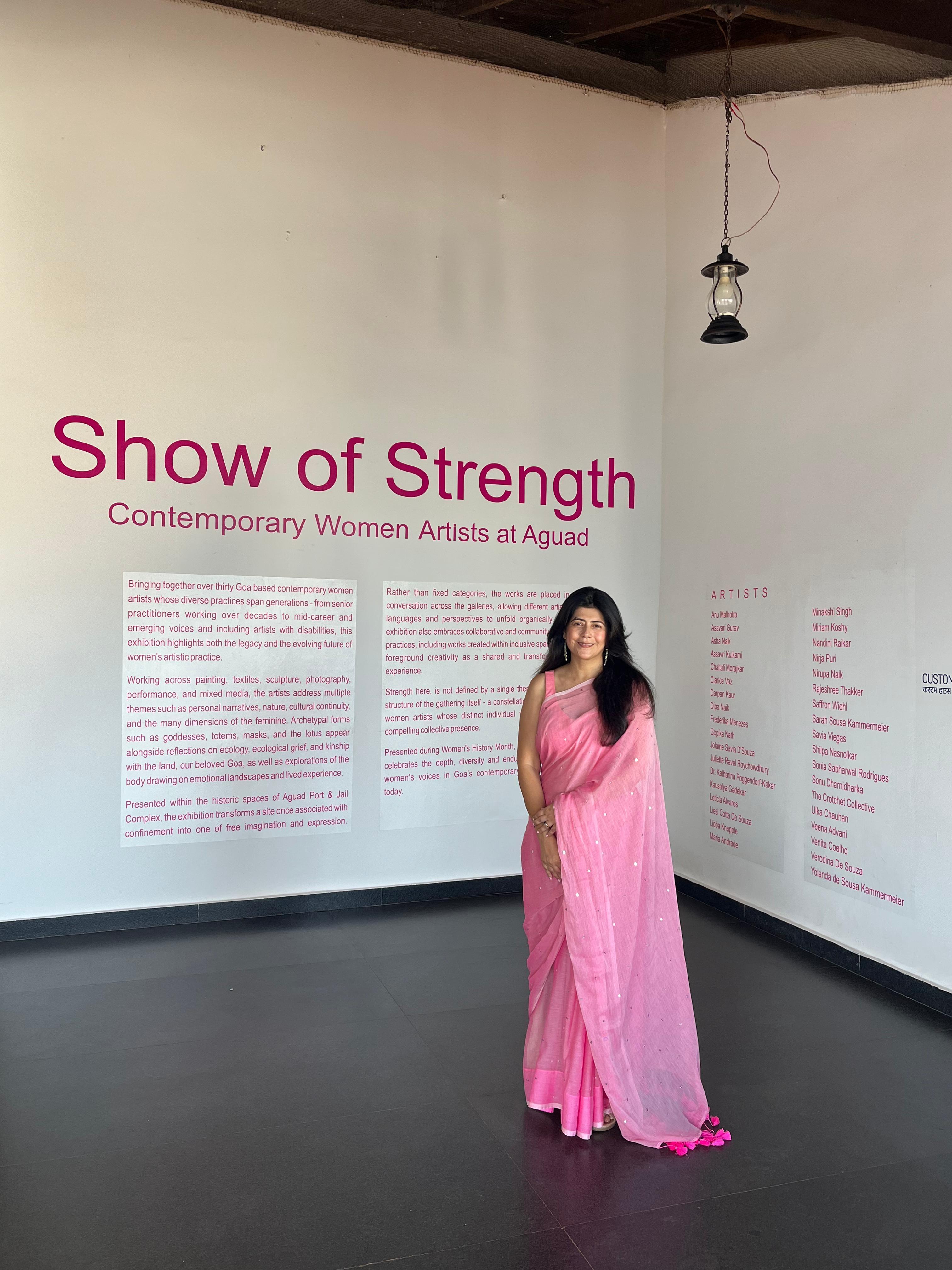
The exhibition ‘Show of Strength’ is currently underway at the Aguad Port and Jail Complex, bringing together a group of women artists from across Goa. Individually they may be works across mediums, painting, sculpture, photography, installation, textile, and mixed media, but together, they honour the visible and invisible forms of strength carried by women: spiritual, cultural, ecological and personal. Curator Samira Sheth has left no stone unturned in prepping, designing and curating the show. In this tete-a-tete, Samira shares her vision for the exhibition and why the venue makes a deeper impact when the viewer contemplates the artwork.
What inspired the title 'Show of Strength', and what was your process for selecting the featured artists and works?
I wanted this exhibition to mark Women’s History Month worldwide, moving beyond just another group show of women artists. I wanted to offer a significant, honest portrayal of works that are deeply authentic from established artists, with decades of experience, like Nirupa Naik, Yolanda de Sousa, Gopika Nath, to newer emerging voices who bear an impressive commitment towards their practice. This includes Maria Andrade – a neurodivergent artist from Divya Sadan, who wakes up every morning looking forward to painting and Frederika Menezes who painstakingly creates her vibrant digital paintings using one finger on a tablet.
As a curator, I wanted to bring together these real voices, works that don’t try to fit into a trend. The diverse representation for women artists based in Goa adds perspective to a larger conversation through the works – painting, photography, textile, crochet, sculpture, ceramics, digital art, installation, and performance art, making a significant statement in itself and hence the title Show of Strength.
What did you enjoy the most about curating Show of Strength?
I have worked with most of the artists over the 15 years I’ve lived in Goa, while a few were newer discoveries for me. Building visibility for artists, finding artists, learning about their individual
practice and visual language, bringing these diverse voices together, and showing them to best effect give me great joy. I cherish the fact that senior artists and the emerging ones trust me as a curator. I love the appreciation this show has garnered, drawing in a significant number of visitors, while positioning these artists as the strong creative forces onto a singular platform. It’s highly rewarding that my work of over a decade with art in Goa is recognized when people ask me how I’ve connected with so many artists.
What are your thoughts on the historical representation of women in art?
Historically, women (or the female form) have been central to art but mostly as subjects, muses, or symbols, rather than as active authors of their own narratives, and history focuses on how the male gaze represented women and shaped ideas of beauty, identity, and even power. There’s an interesting work by the New York-based group Guerilla Girls, which asks, “Do Women Have to be Naked to Get into the Met. Museum?” (1989) They questioned how less than five percent of artists in the museum section were women and yet 85 percent of the nudes on view were female! While we’ve seen attempts towards more representation since then, as a curator, I think the conversation today is less about including women and more about reframing authorship and perspective.
In my work, I’m drawn to more individualistic voices, whether by a male or female artist, that tell stories. I also like works where women are not just visible but are shaping how they are seen and understood as well as shaping the cultural narrative of Goa and the country.
What impact do you hope for with this show?
I have always championed artists in Goa because there is a wealth of original art here from distinctive artists who deserve to be positioned within the contemporary art discourse. I like that the show is drawing in audiences from all walks of life –residents and tourists, adults and children. In the fast-paced world of AI and quick consumption, I’m relishing the gift of our audience’s attention.
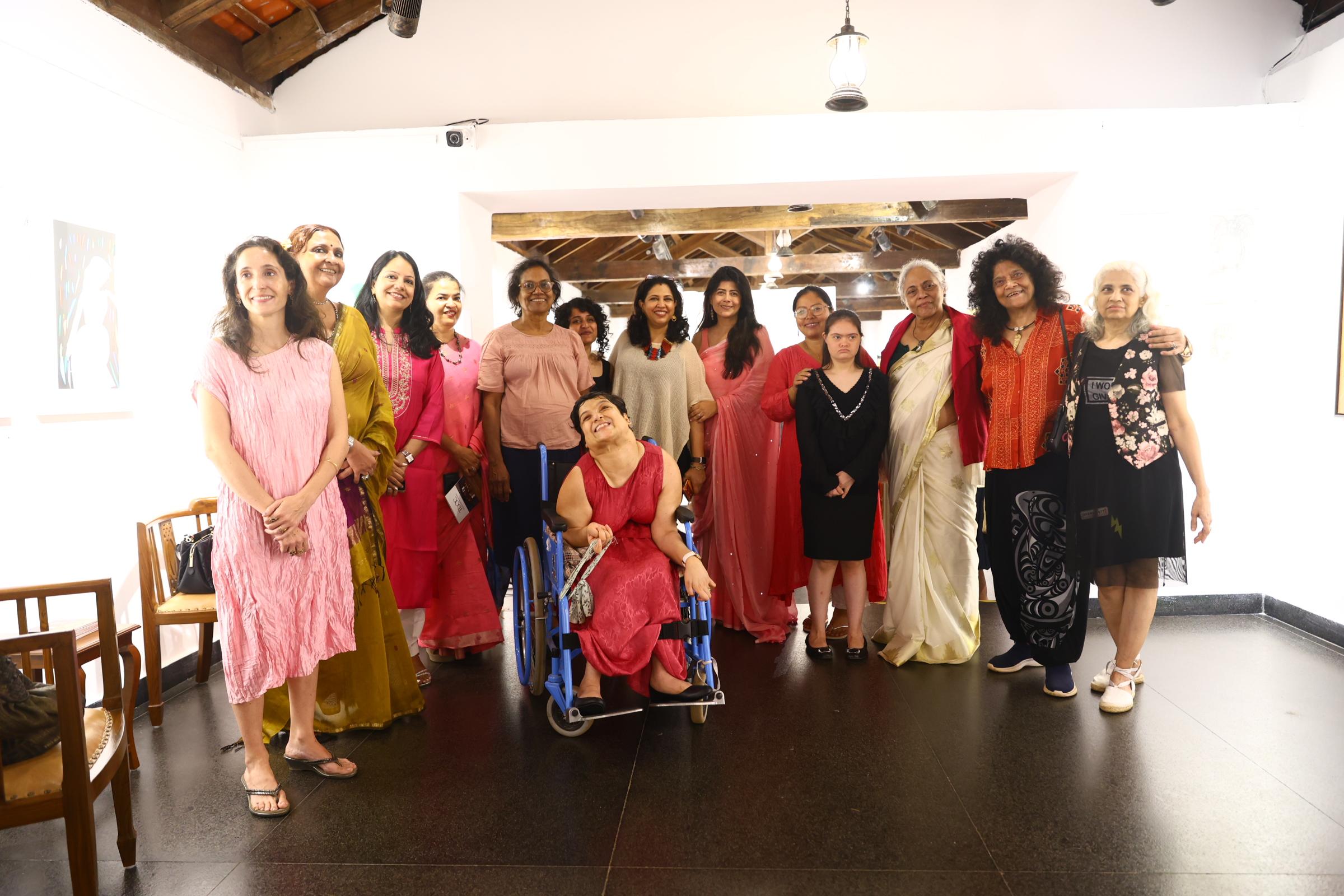
A few artists from ‘Show of Strength,’ along with curator Samira Sheth (eight from left), at Aguad Port & Jail Complex
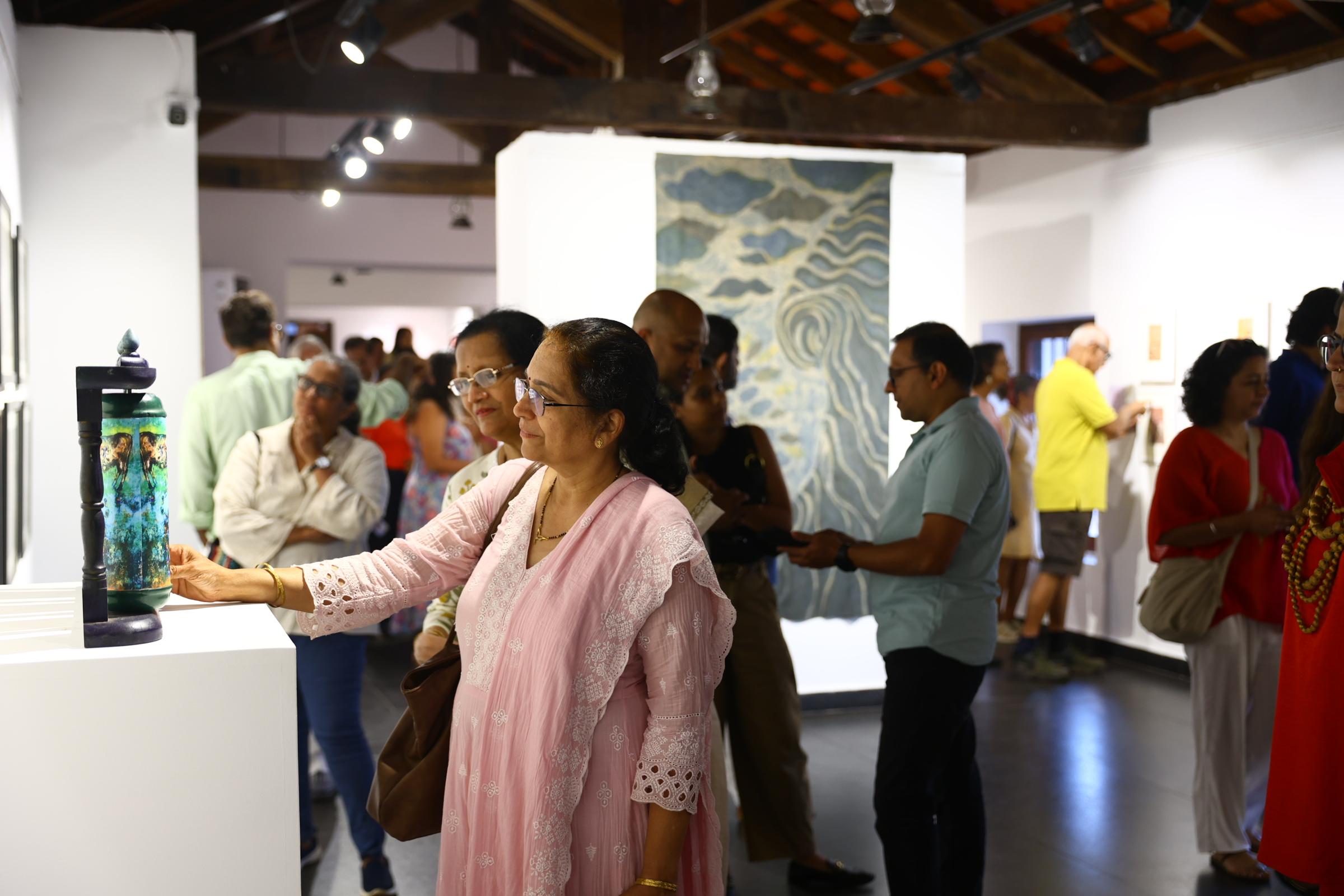
Visitors flock to the Aguad Port & Jail Complex,engaging with artworks of over 30 women artists from Goa as part of the ‘Show of Strength’ exhibition
I think people should see this show because it offers a different pace of looking at multiple perspectives.
I’ve always wanted art to become a part of the cultural consciousness of Goa. If you go to Amsterdam or Italy, you know who Van Gogh and Michelangelo are they are part of the cultural fabric of these places. Kids in Goa don’t know about our artists like VS Gaitonde and FN Souza as much, they’re not taught. With this show, I want these women artists, established legacies alongside emerging talent, to be recognized for their practices that are central to Goa’s evolving cultural fabric.
What are the societal or cultural themes that are represented in this exhibition?
This exhibition maps the diverse visual languages of 37 artists, beginning with the divine and resilient strength found in the goddesses drawn by Nirupa Naik, Sonia Rodrigues Sabharwal, and Venita Coelho, alongside the elemental forces in the totems of Anu Malhotra, Nandini Raikar’s lotus artworks, and the installations of Rajeshree Thakker’s large textile work and Katharina Kakar’s Tantric Buddhist Dakini Tapovan.
The focus shifts to internal emotional landscapes and personal journeys, expanding a sense of inner freedom and female solidarity through the works of Leticia Alvares, Gopika Nath, Verodina de Souza, Liesl Cotta de Souza, Nirja Puri, and Asavri Gurav, while Darpan Kaur, Chaitali Morajkar and The Crochet Collective (including the works from Divya Sadan with artists Maria, Jolaine and facilitator Lioba Knepple) use texture and form to explore the burdens women bear, their inner psyche and the release of inner limitations absorbed as children.
The narrative is also deeply rooted in land and labour, highlighting the "invisible" work of indigenous women as seen in the paintings and textile works of Clarice Vaz, Minakshi Singh, Asha and Dipa Naik, and Savia Viegas. Finally, Goa serves as a vital anchor, with artists Miriam Koshy, Loretti Pinto, Juliette Ravel Roychowdhury, Kausalya Gadekar, Saffron Wiehl, and Sonu Dharnidharka reflecting on its changing ecology, culture and milieu, while Yolanda de Sousa, Assavri Kulkarni, and Ulka Chauhan
capture its social fabric and Shilpa Nasnolkar and Veena Advani, Sarah Sousa Kemmermeier bridge these local identities with global, world-spanning narratives.
Coming to your personal journey, what is your earliest memory of art? And what propelled curation as a career choice?
My earliest memory of art revolves around a print of Toulouse-Lautrec my parents bought back from a trip to Europe. I’d spend hours looking at it and wanting to know more about the painting. I’ve always been drawn to art, being surrounded by works my parents collected. I was always interested in how meaning is constructed, whether through text or visuals. So, curation felt like a natural extension of how I think and what I’m drawn towards.
I was interested not just in individual artworks but in how they speak to each other, how placing works together can create new meanings and
conversations, and how an exhibition becomes something you can move through and experience.
How did Aguad – a site of historical confinement –play a role as a space for freedom of expression and become the ideal venue to amplify these women’s creative voices?
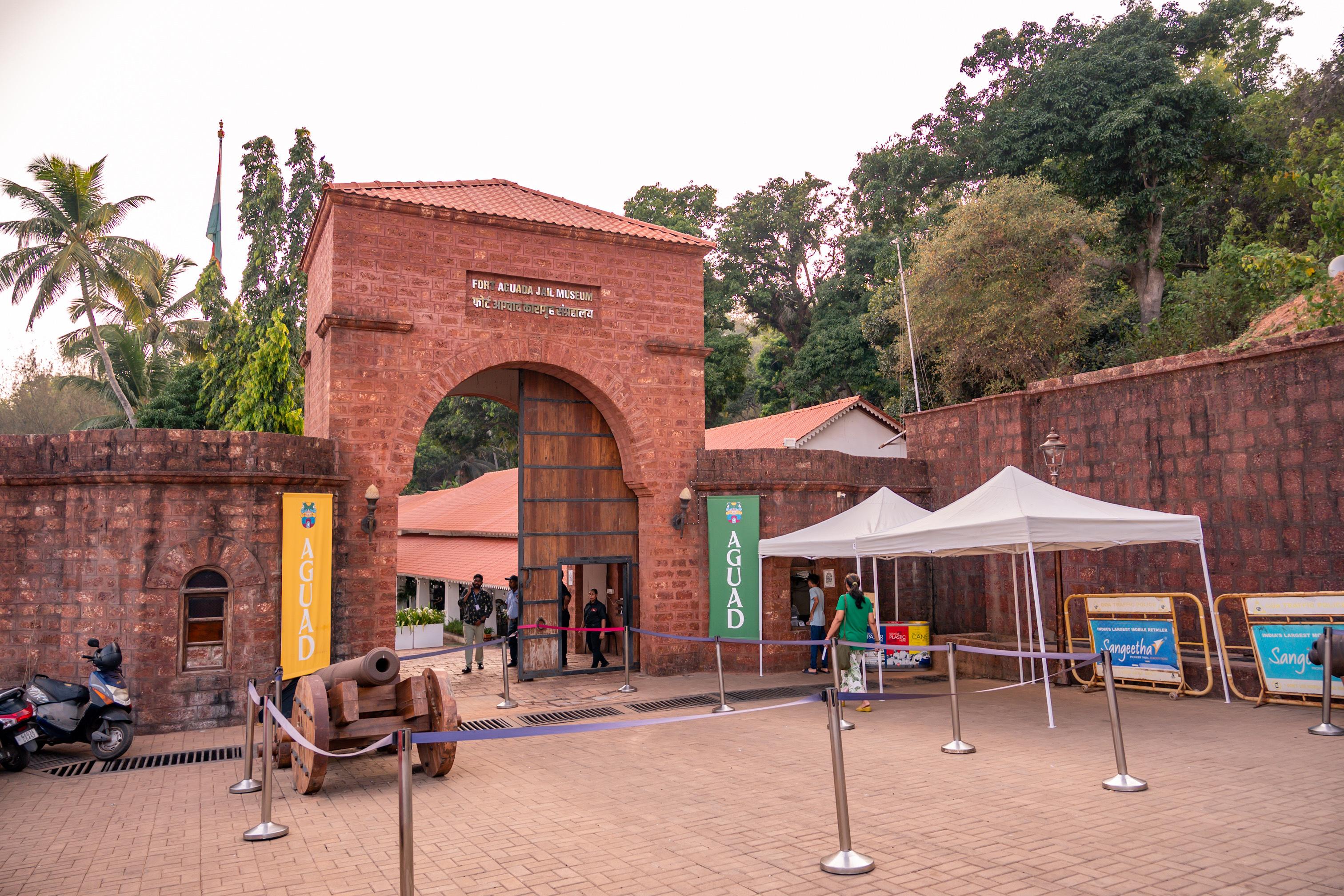
Choosing Aguad as a venue was intentional; its history of control and confinement, originally built to regulate movement and assert power, provides a powerful contrast to the freedom of expression celebrated by over 30 women artists, and this makes it meaningful. By occupying these former cells and enclosures, the contemporary exhibition by women symbolically reclaims the space, transforming a site of restriction and containment into a liberating surge of art and creativity.
What is the significance of heritage sites like Aguad vis-à-vis telling the varied stories of the regions, its people, its practices, etc.?
Heritage sites like Aguad are more than colonial monuments; they hold layers of architectural, social, and cultural history. While they often reflect dominant narratives of power, they also hold the invisible stories of local communities, everyday lives and practices, and evolving cultural identities, even if these are not acknowledged. Engaging with these spaces through contemporary art and exhibitions reactivates them from mere static monuments into sites of interpretation and conversation that continue to evolve.
The exhibition ‘Show of Strength’ will be on exhibit at Aguad Port and Jail Complex all of April 2026.

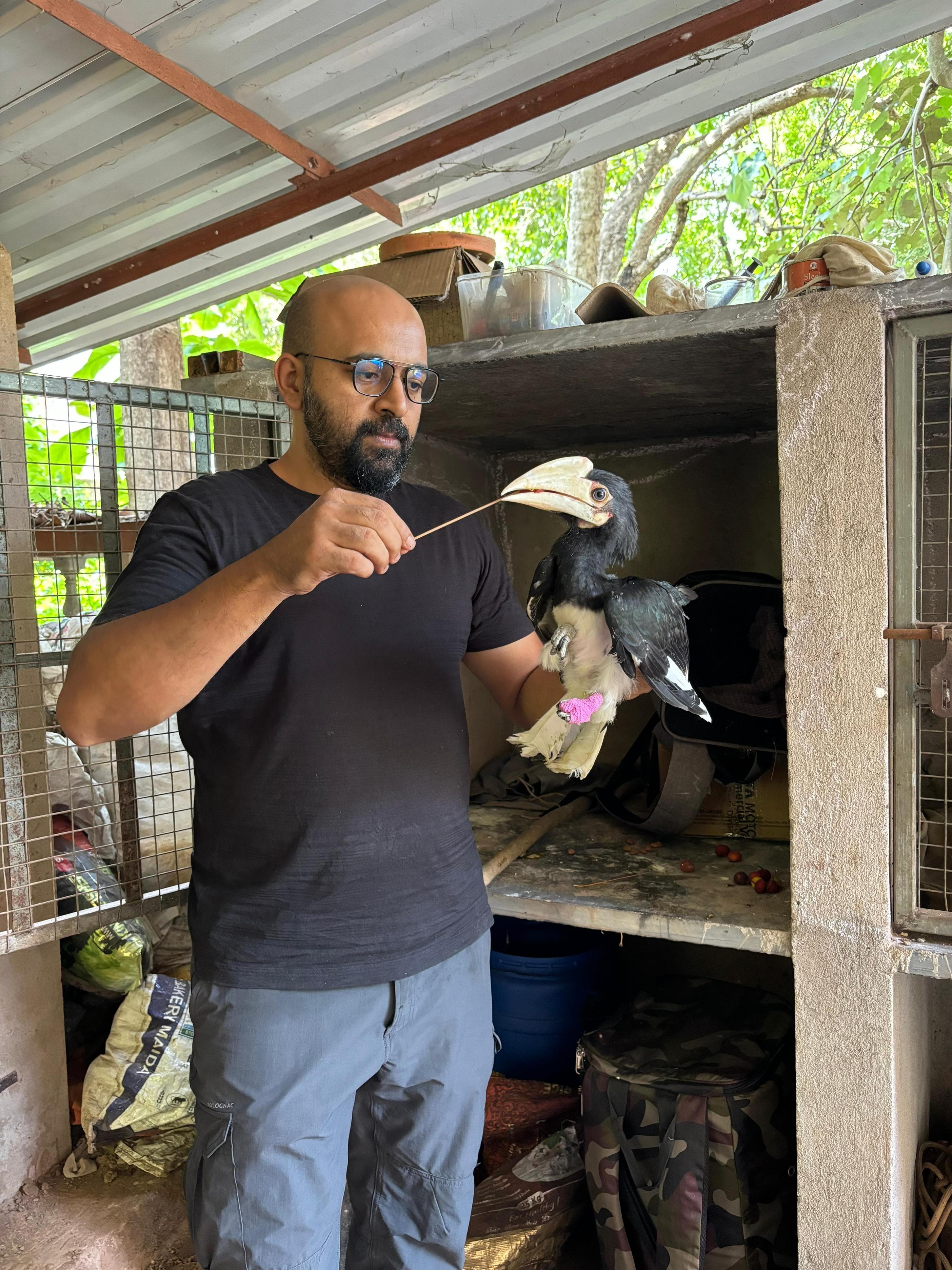
Wildlife rescuer Sricharan Dessai highlights how littering in Goa’s forests and waterfalls harms animals, urging responsible eco-tourism, waste awareness, and collective action to protect fragile ecosystems and wildlife habitats.
Goa’s forests and waterfalls are often seen as escapes into nature. But beyond the beauty lies a quieter reality—one shaped by what people leave behind. As a wildlife rescuer, I have seen how litter in these remote spaces is affecting animals in ways most people never witness.
By Sricharan Dessai
I have spent years rescuing animals across Goa. Most people know me for responding to calls in homes, buildings, or city spaces. But some of the most difficult and disturbing situations I encounter are not in the cities. They are deep inside forests, along trekking routes and near waterfalls, places where help rarely reaches in time. When I go into the wild, I am not just looking for animals in distress. I am also seeing something else that does not belong there garbage.
Many of these places are beautiful. People go there to enjoy nature, to relax, to spend time away from the city.
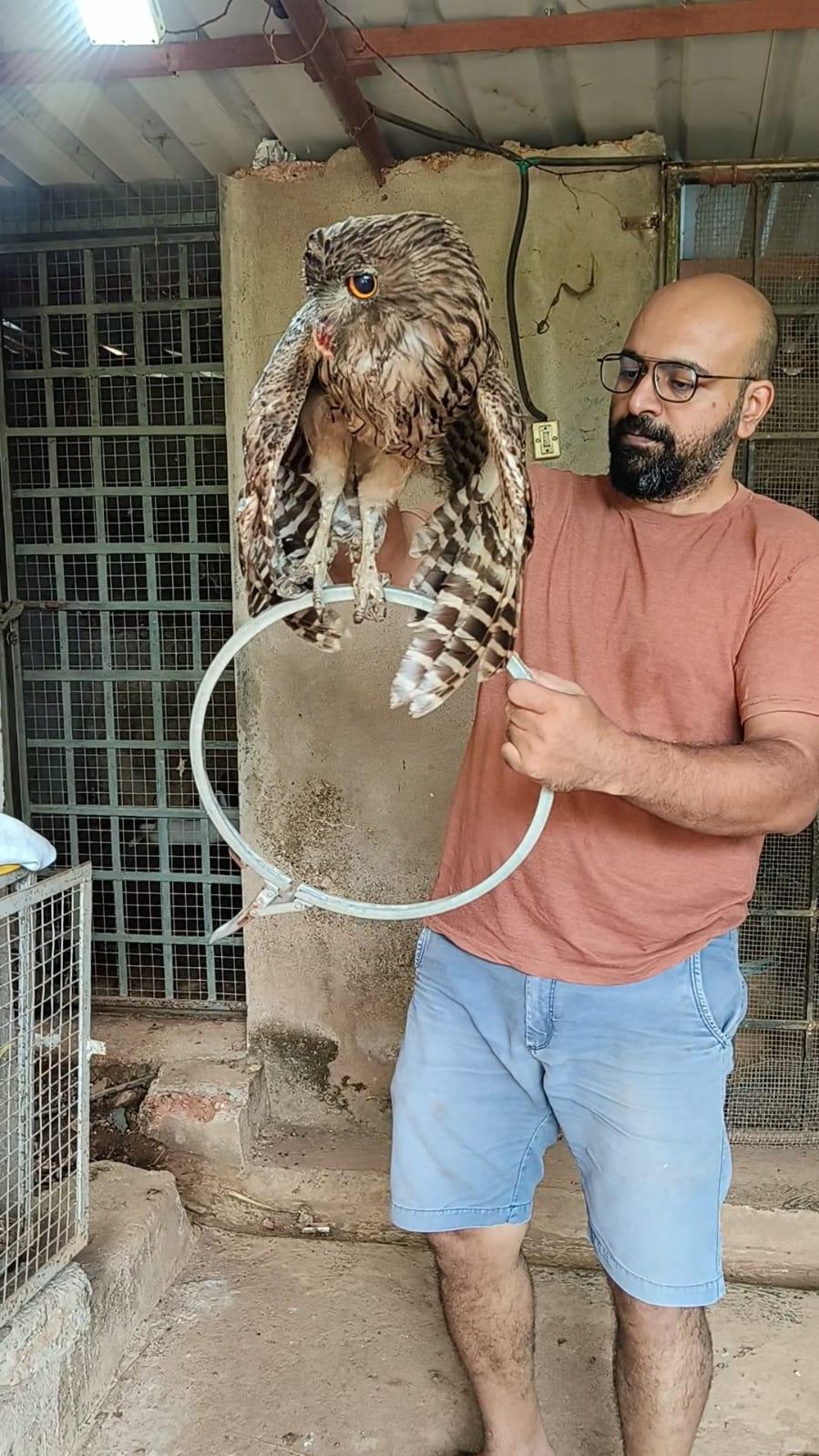
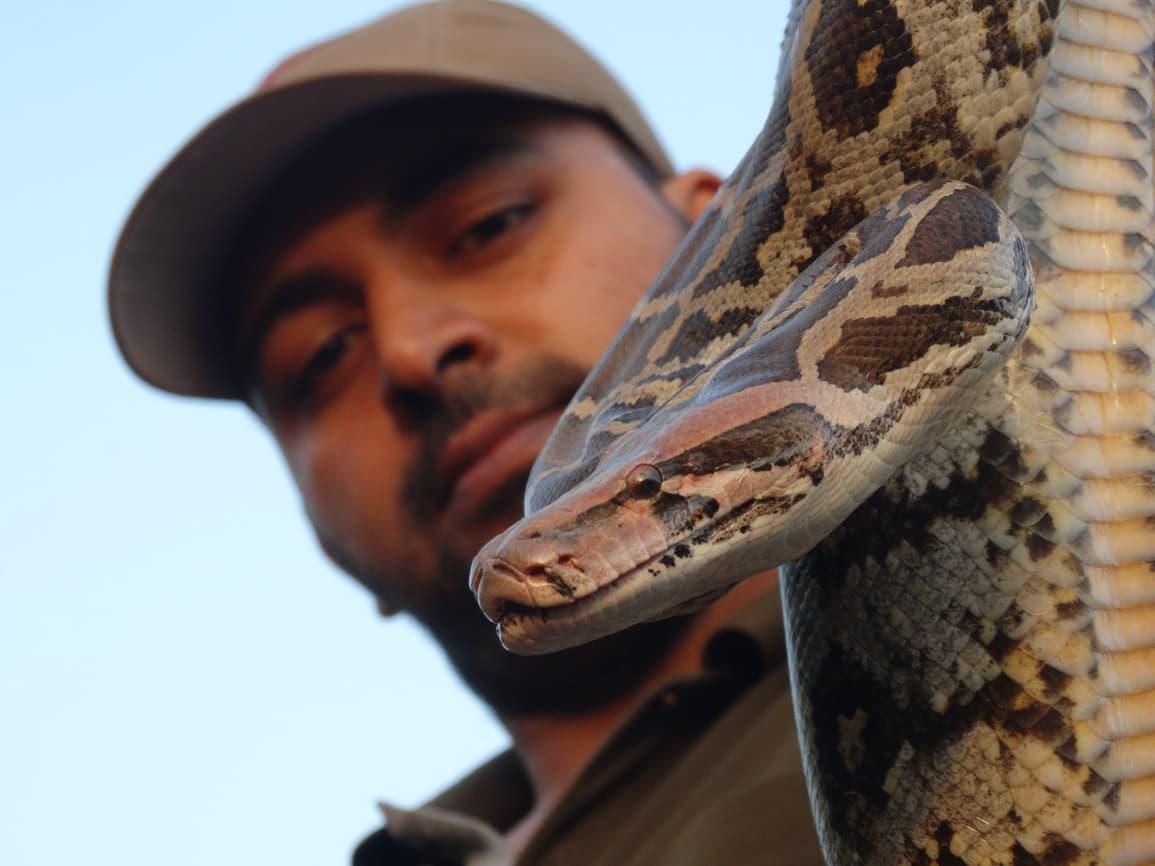
But what is left behind tells a different story. I come across plastic jars, beer cans, food packets, and bottles lying scattered along trails and near water bodies. Over time, this waste does not just stay as litter. It starts affecting the animals that live there. I have seen snakes with their mouths stuck in beer cans. I have seen a snake that had swallowed an empty tube and died. I have come across dogs with their heads stuck inside plastic containers. There was even a monitor lizard trapped inside a can. These are not rare incidents. I see such cases again and again.
Many people ask me how animals get into these situations. The answer is simple but also worrying. When people leave behind food waste, it attracts rats. Rats move around the garbage and leave their scent. Snakes follow this smell because that is how they hunt. They think they are following prey, but instead they reach garbage. Sometimes they try to eat it. Sometimes they get stuck in it. And if no one finds them in time, they die slowly. This is something most people do not see. It happens quietly, in places where there is no one to report it.
In cities, if someone calls, we can respond quickly. But in forests and near waterfalls, it is very different. Many of these places have no network, and even reaching them is difficult. You cannot take a vehicle all the way. You have to walk, sometimes long distances.

Because of this, even if someone spots an animal in trouble, it is very hard to get help on time. In my experience, only a small number of such cases can actually be attended to. The rest remain unseen, and that is the hardest part, to know that there are animals suffering that we cannot reach.
I believe enjoying nature is important. Trekking, visiting waterfalls, exploring forests, these are all good things. But they come with responsibility. What I see today is that people carry plastic, food, and drinks into these places and leave them behind. This is directly and indirectly affecting wildlife. If ecotourism is to work, there have to be stricter rules and more awareness. Otherwise, we are slowly damaging the same places we go to enjoy.
There are many rescues I remember, but the ones from the wild stay with me the most. Animals stuck in garbage with no one around, injuries that could have been avoided, and deaths that happen because help cannot reach in time. Sometimes, when I reach a location after a long trek, I already know it might be too late. Over the years, I have understood that rescue alone is not enough. Prevention is more important.
These small actions can prevent a lot of suffering. And if you see an animal in distress, report it. That is the most important role anyone can play. Without a person reporting, a rescue cannot happen.
For me, the solution is very simple. Do not leave garbage behind. Whatever you carry into the forest, bring it back. Do not leave food waste. Do not throw bottles or cans.

A sharp
When I speak to people, I tell them one thing clearly. Helping wildlife is not just about animals. It is about us. If there is a dead or injured animal, it can spread disease. If forests are polluted, it affects water and the entire ecosystem. Everything is connected. So when you act responsibly, you are not just helping animals. You are also protecting yourself and your environment.
Every time I go into these areas, I come back with two things, the memory of the animals I tried to help and the reminder of how much damage a small act of carelessness can cause. The forests of Goa are still beautiful, but they are also vulnerable. All I ask is this: enjoy them, but respect them.
(The author Sricharan Dessai is a Wildlife Rescue and Research professional, a Certified Animal Communicator, Member of Goa State Wildlife Board and founder of SAWE - Study and Awareness of Wildlife and Environment)
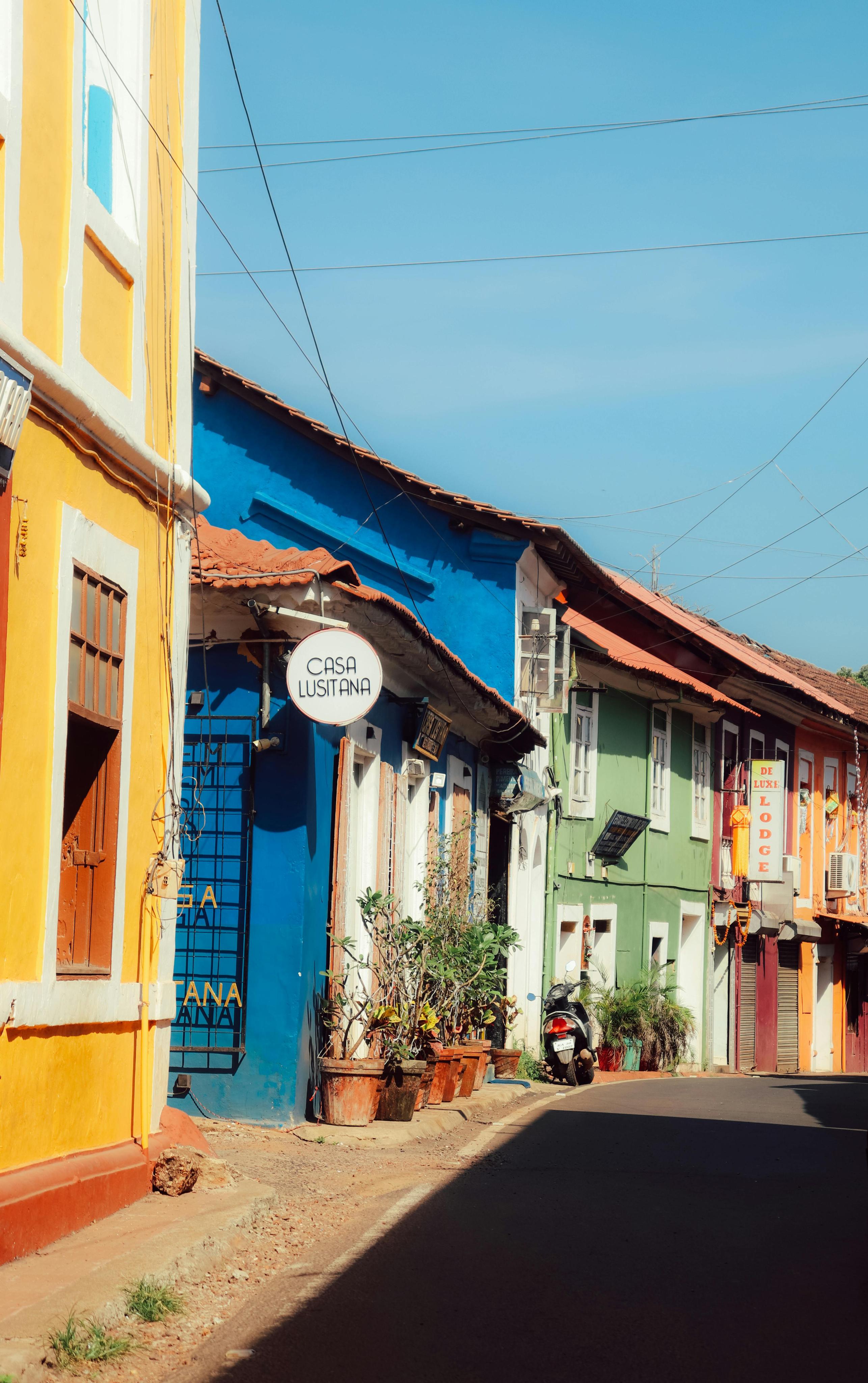
Goa’s culture blends Indian and Portuguese influences, shaped by susegad living, vibrant festivals, cuisine, music, and architecture, with strong community bonds and Konkani roots, creating a warm, diverse, and enduring identity.
Goa is often celebrated for its beaches and nightlife, but its true identity lies in a cultural blend shaped by centuries of history, diverse communities, and a deeply rooted sense of susegad, a uniquely Goan way of life centred around contentment and calm. From music and food to festivals and architecture, Goan culture is rich, colourful, and effortlessly warm. Here’s a closer look at the traditions that make Goa culturally distinct.
Goa’s culture reflects a harmonious mix of Indian and Portuguese influences. This fusion is visible everywhere, whether in its colonial-era mansions, its food, its music, or its everyday customs. The coexistence of Hindu, Christian, and Muslim traditions adds a beautiful multicultural character that shapes the Goan identity.
Ask any local about Goan culture, and “susegad” is one word you’ll always hear. More than just relaxation, susegad reflects a philosophy of enjoying life at a steady, peaceful pace. It’s about balancing work with leisure, prioritizing well-being, and staying content with what one has, an outlook that defines the Goan lifestyle.
Goa celebrates festivals with unmatched enthusiasm. Each festival, regardless of community, becomes a shared celebration.
Carnival: A legacy of Portuguese rule, celebrated with colourful parades, dance, and music before Lent.
Shigmo: A vibrant Hindu spring festival marked by folk dances, floats, and traditional performances.
Sao Joao: Known for its lively jumping-into-wells tradition and celebrations of fertility and monsoon blessings.
Christmas & Easter: The streets light up with
carols, midnight masses, and festive feasts.
Each festival reflects unity, community spirit, and the joy central to Goan living.
Goan Cuisine: A Story in Every Bite
Goan food is an unmissable part of its cultural identity. It blends coastal flavours with Portuguese techniques and local ingredients.
Some iconic staples include:
Fish Curry Rice: The everyday meal of most Goan households.
Pork Vindaloo: A spicy-sour dish born from Portuguese culinary influence.
Bebinca: Goa’s beloved layered dessert made during festive seasons.
Poi & Pao: Local breads baked in traditional wood-fired ovens called poder bakeries.
From spicy Recheado masala to coconut-based curries, Goan cuisine tells stories of tradition, trade, and generations of family recipes.
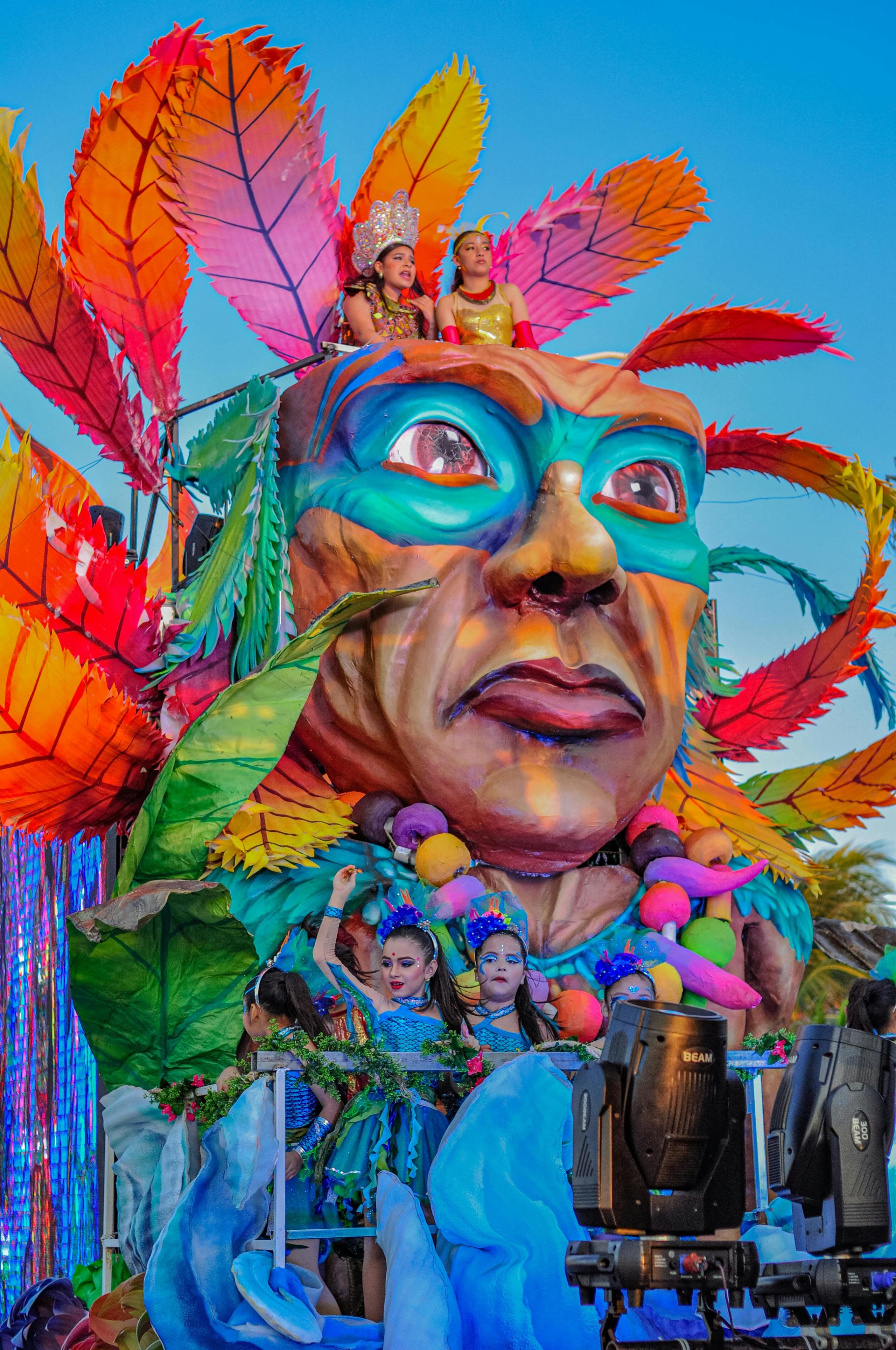
Music and Dance: The Heartbeat of Goa
Music runs through the veins of Goan culture. Traditional styles like mandos, dulpods, and dekhnis continue to be performed at weddings, village feasts, and community events.
Goa’s affinity for Western music also shines through, thanks to its Portuguese past, choirs, violins, guitars, and brass bands remain part of local celebrations.
Dances like the Fugdi, Goff, and Dhalo highlight Goan folk traditions and are an essential part of cultural festivals across the state.
Walk through any Goan village, and you’ll find architectural gems reflecting its layered history.
Portuguese-style homes: Built with bright colours, balcony railings, oyster-shell windows, and sprawling verandas.
Temples: Known for their unique deepstambhs, domes, and serene lakelike tals.
Churches: With Baroque, Neo-Gothic, and Manueline designs, some dating back to the 16th century.
These structures showcase Goa’s artistic sensibilities, cultural fusion, and long-standing tradition of craftsmanship.
Despite modernization, village life remains the heart of Goan culture. Community bonds are strong, and feasts and festas bring everyone together. Village clubs, parish committees, and local groups play a crucial role in decision-making, preserving traditions, and nurturing collective harmony.
Family gatherings are lively, warm, and centred around food, storytelling, and laughter,
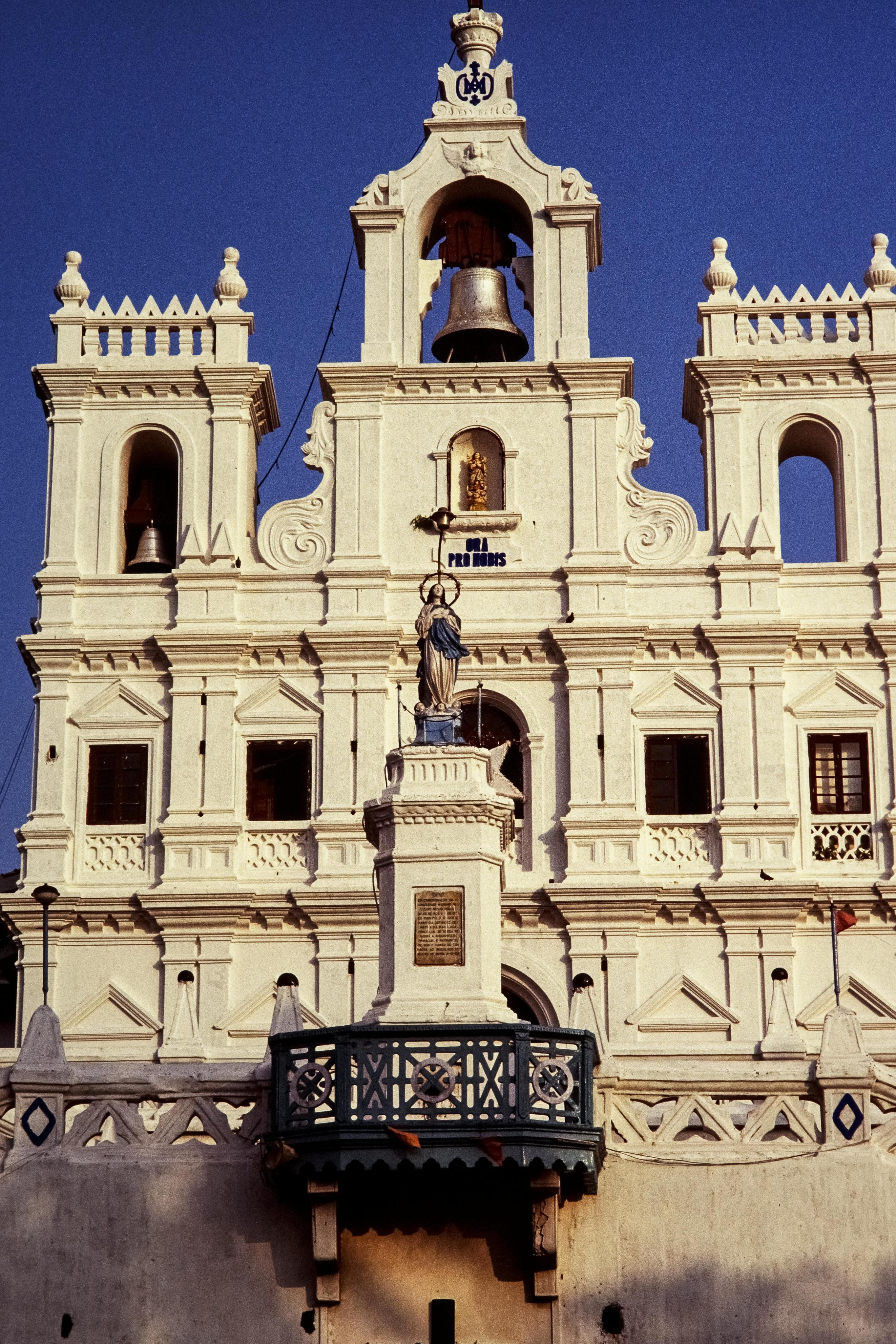
churches of goa
reflecting the Goan emphasis on relationships and community.
Goa is deeply connected to its Konkan roots. Its language, Konkani, plays an essential role in keeping traditions alive, whether through literature, tiatr theatre, folk songs, or everyday conversation. The language itself carries centuries of Goan heritage.
What makes Goan culture truly special is its openness. Goa welcomes people from around the world, blending new influences with old traditions while still retaining its authenticity. This balance of modernity and heritage is what continues to make Goa more than just a destination, it’s an experience, a feeling, and a way of life.