
แสุงเง� ห็ริ่่อสุภู�พอ�ก่�ศ เพริ่�ะแม้จะเป็็นก่�ริ่ว�ดภู�พที่่วที่ัศน์อย์�งติริ่งไป็ติริ่งม� ก่็ไม่ได ห็ม�ย์คว�มว�ภู�พว�ดนันจะแสุดงติัวอย์�งที่่�ติ�เห็็นไป็เสุ่ย์ที่่เด่ย์ว เพริ่�ะแคว่ธ่พ่�นฐ�นอย์�งก่�ริ่ว�ดภู�พก่นับว� เป็็นก่�ริ่ติ่คว�มแบบห็นึ�งไป็เสุ่ย์แล้ว
ข้้อสุังเก่ติในว่ถ่ให็มติ�มย์ุคสุมย์ที่่�เป็ลย์นแป็ลงไป็ มนุษย์์เริ่่มป็ริ่ับ ติัวเพ่�อพย์�ย์�มที่ำ�คว�มเข้้�ใจธริ่ริ่มช�ติเสุ่ย์ให็ม โดย์ก่�ริ่ลดริ่ะดับคว�มสุำ�คัญข้องสุภู�วะมนุษย์์
before humans began to grasp the vastness of the solar system, the natural world on earth served as one of the earliest environments that human knowledge could access, at least within the range of what could be observed and monitored. geographical understanding has had a profound impact on the study of culture and history. numerous artists have endeavored to forge new forms of comprehension, employing landscapes as a bridge connecting subjectivity and objectivity through the shifting patterns of seasons, terrain, light and shadow, or weather conditions. for even when depicting landscapes in a straightforward manner, the resulting artwork does not necessarily reflect what the eye perceives, as the very act of painting constitutes a form of interpretation.
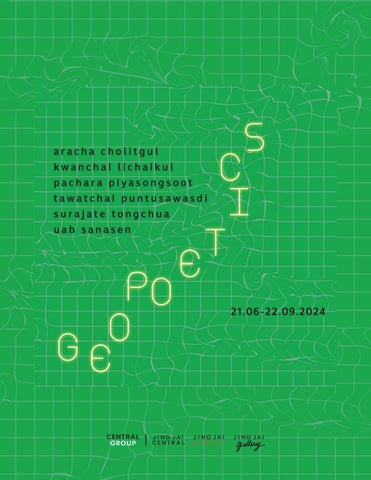
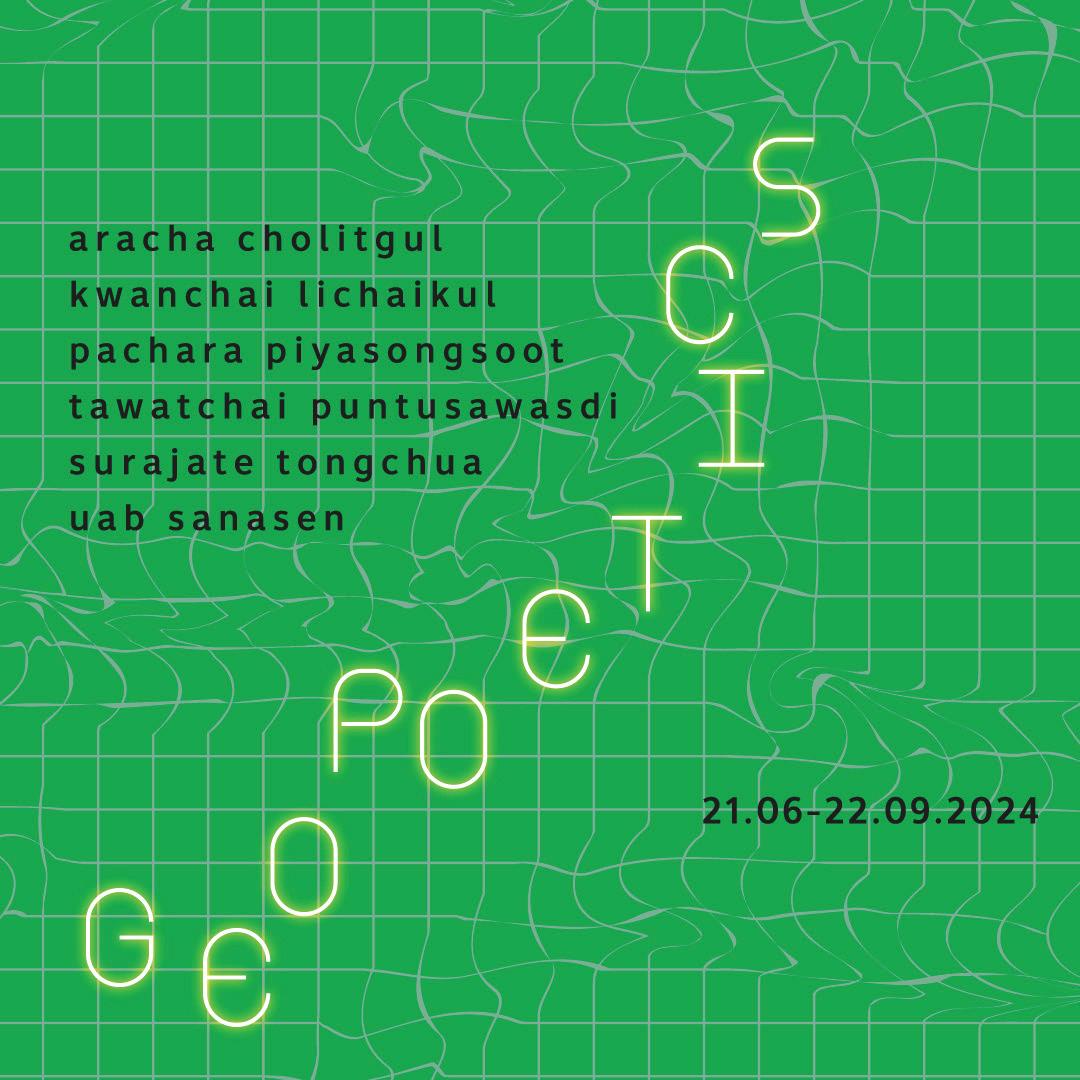
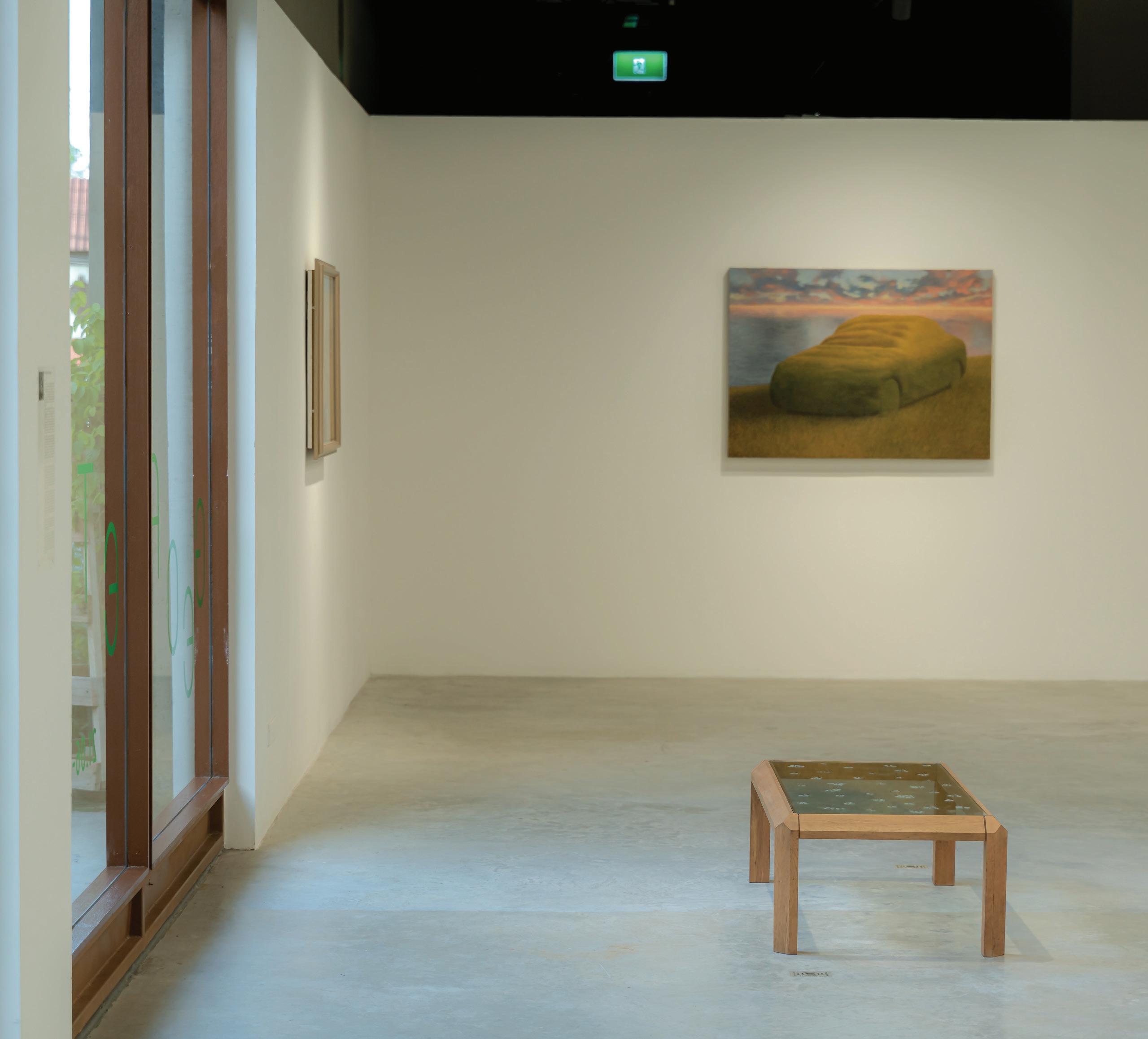
in light of evolving contemporary perspectives, humans are embarking on a renewed quest to understand nature by re-evaluating the significance of the human condition. this endeavor involves a delicate connection with nature through language, a realm we often refer to as “poetics.” this term encompasses both broad and narrow definitions. while artwork serves as a direct extension of language, it does not simplify the definition of poetics. on the contrary, we recognize that “beauty” is a political construct arising from linguistic complexity. this exhibition serves as an initial exploration, inviting us to observe and appreciate subtle nuances within contemporary artistic movements. we encounter artists employing various landscape elements to convey ideas, social narratives, or intriguing experiential states.
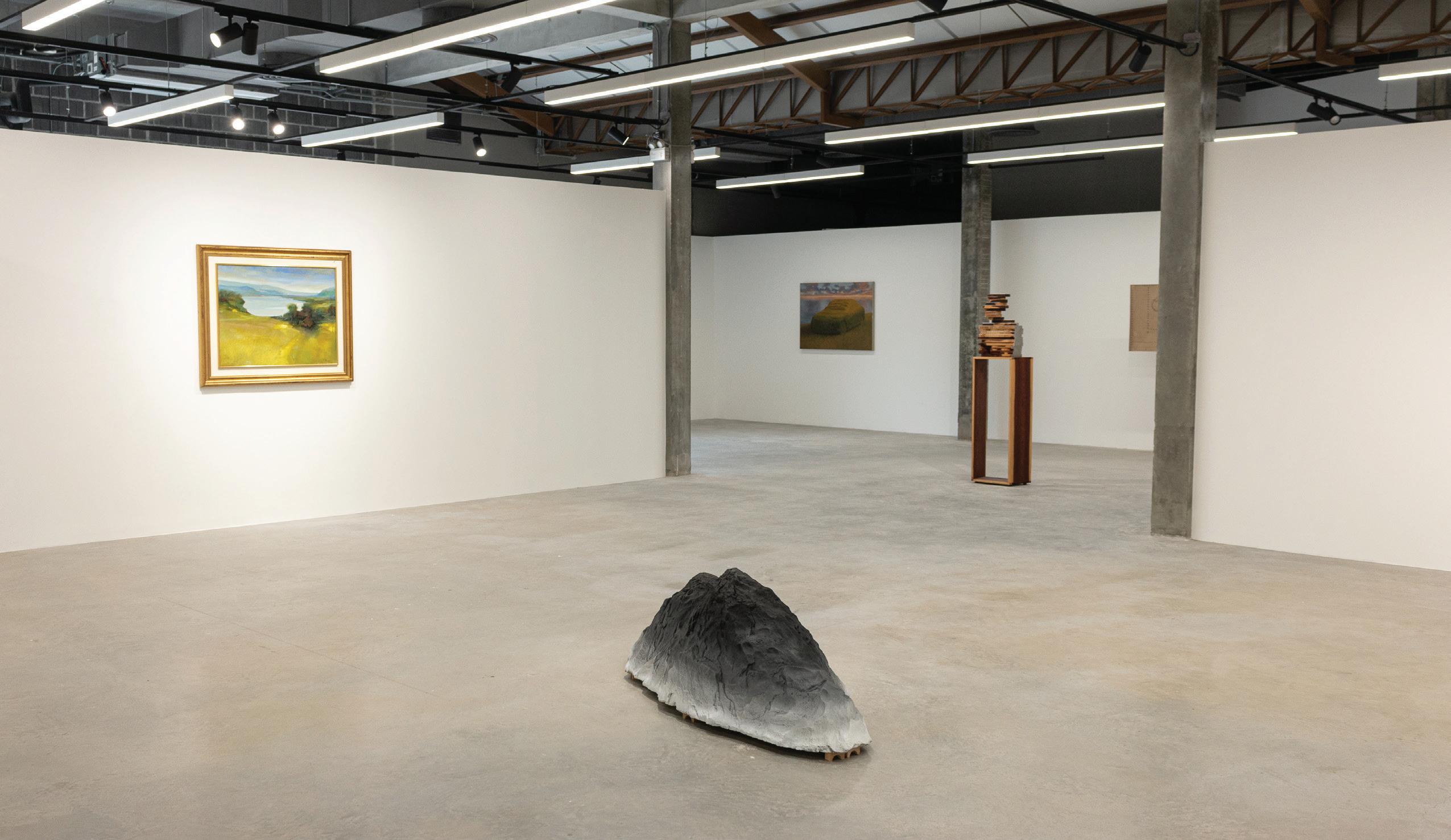
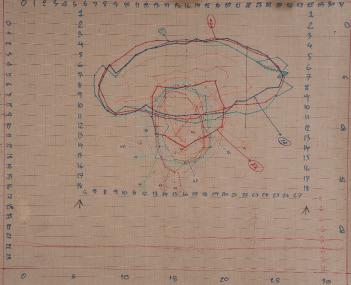
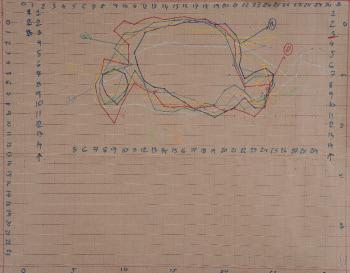
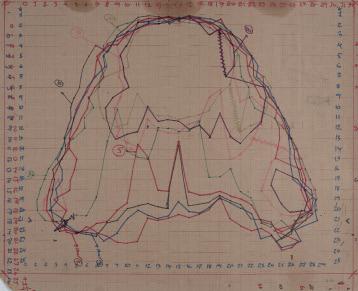
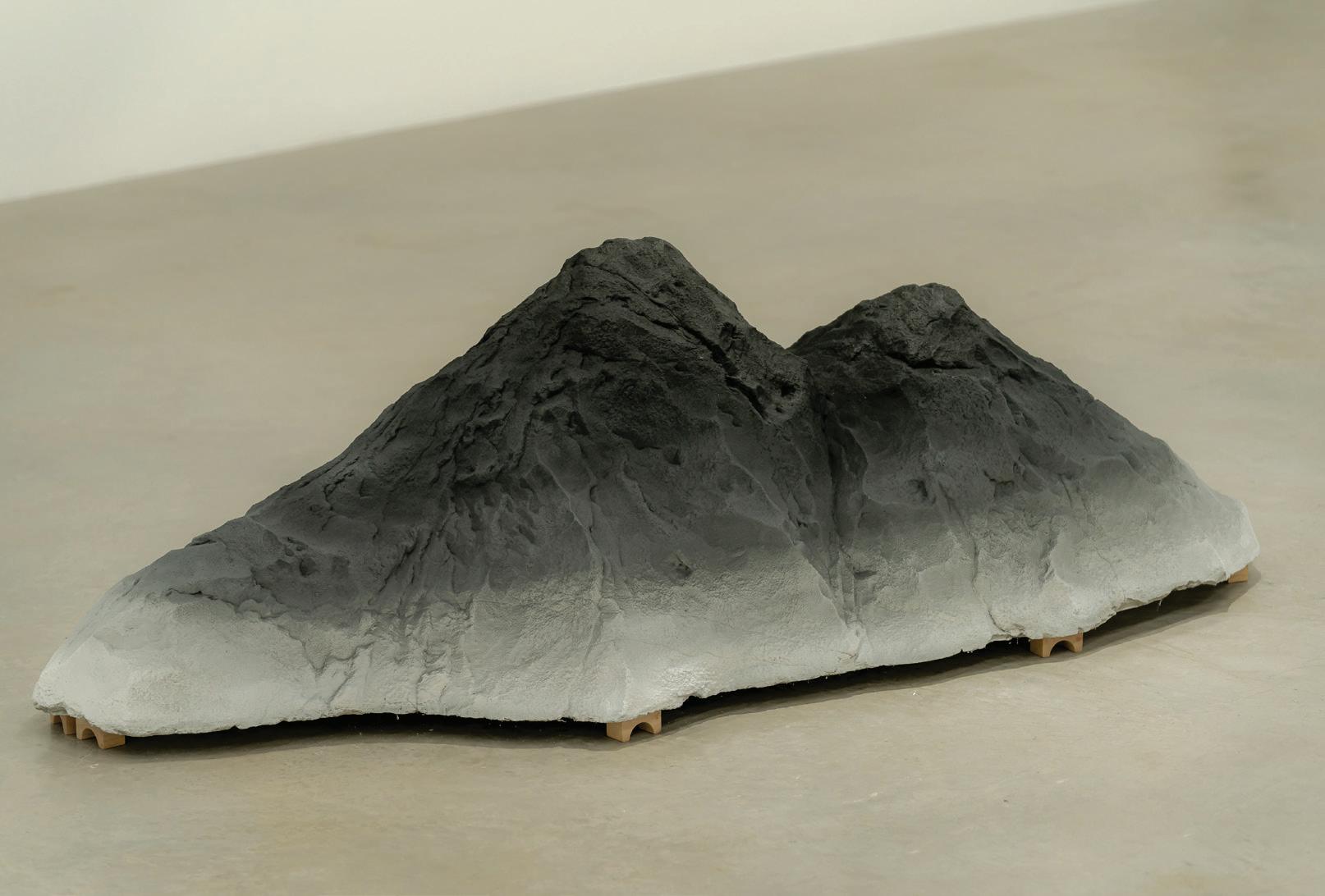
from the sculptural works of tawatchai puntusawasdi, with their intricate forms emerging from calculated considerations of perspective and viewing angles. the artist’s working sketches also reveal tawatchai’s profound reliance on environmental factors in his creations. surajate tongchua, another artist, delves into the critical examination of societal structures and the quality of human existence. his works often incorporate everyday objects as raw materials, with the artist’s imagined mountain ranges included in his current creative portfolio. this unique identity invites viewers to clearly comprehend the artist’s vision, along with making it easier to understand the complex systemic issues in society. kwanchai lichaikul, meanwhile, is an artist whose focus lies in birds-eye view paintings, a perspective that echoes the style of traditional wall murals. his unique approach blends mythological cosmology with the realities of our world, offering a captivating vantage point from which to contemplate the interconnectedness of diverse perspectives.
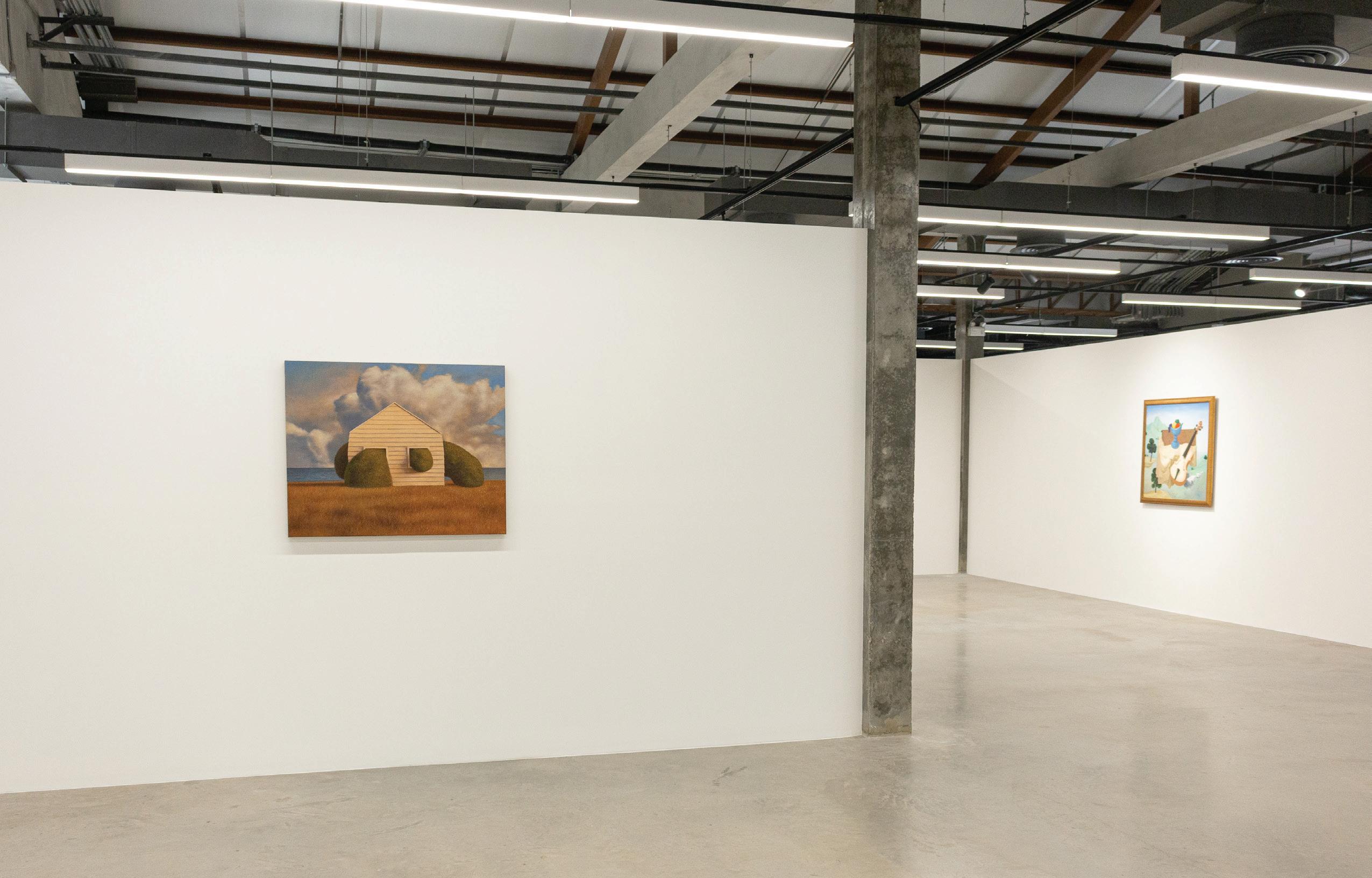
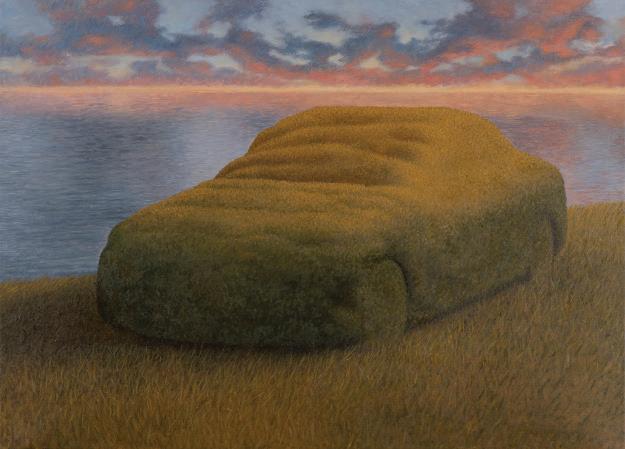
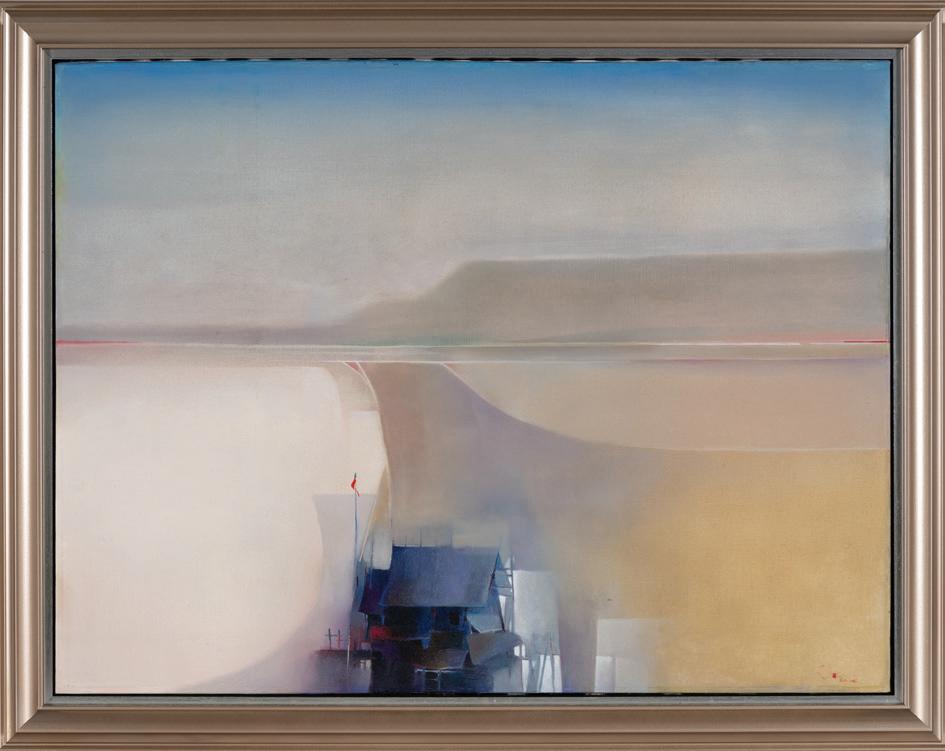
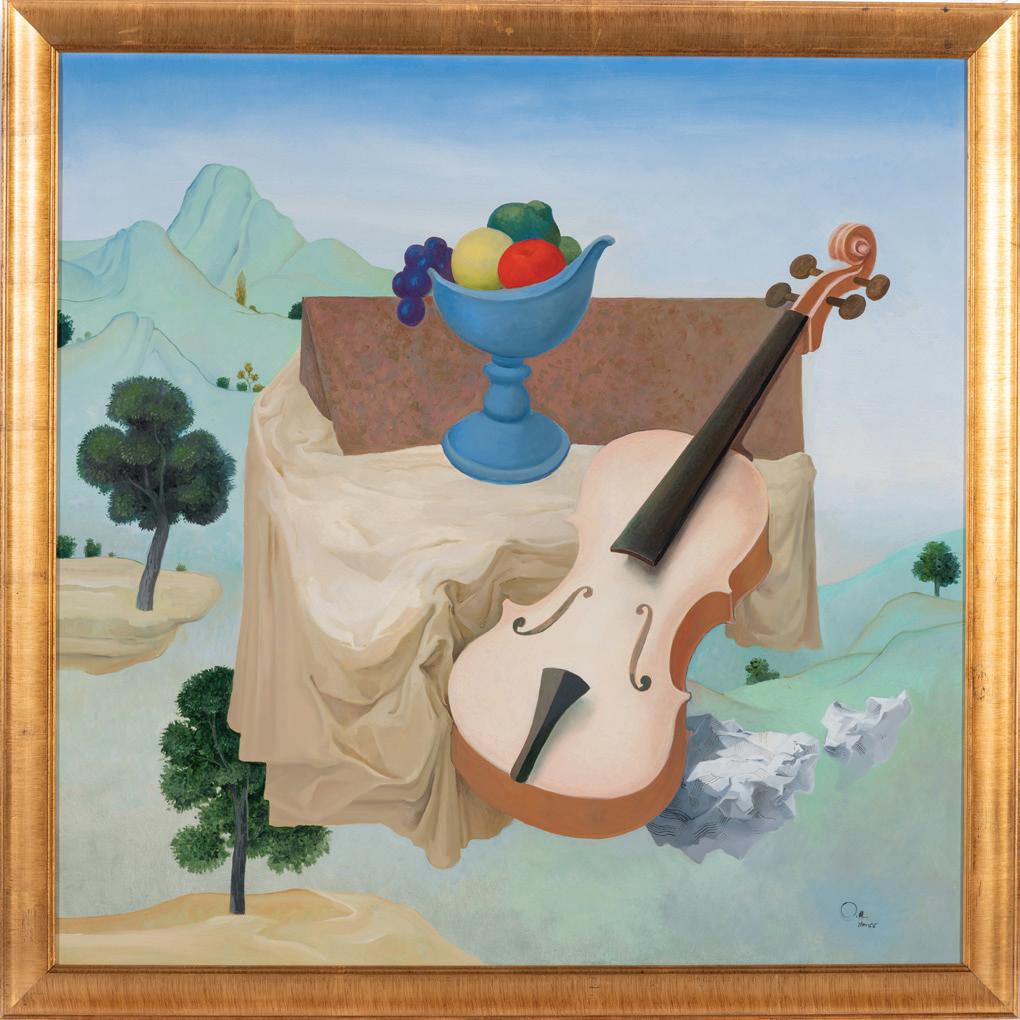
in the language of pachara piyasongsoot’s paintings, the physicality of landscapes is a constant companion, interwoven with historical perspectives, contemporary politics, and personal memories. pachara demonstrates the fundamental role of landscapes in painting when aiming to communicate experiences rooted in history and memory. this notion finds a compelling parallel in the works of aracha cholitgul. as an artist who has faced visual impairment since childhood, her landscapes acquire a unique character, creating a deeply personal connection to the landscapes she depicts as she employs other senses to compensate for the loss of sight. finally, the paintings of uab sanasen, a revered thai master, challenge the very context of the art world, both past and present. his works showcase not only exceptional technical skills and innovation but also landscapes imbued with a wealth of knowledge. the significance lies not merely in the physical locations depicted but in the narratives and ideas that subtly permeate the atmosphere of his paintings.
within the realm of contemporary art, the physicality of landscapes is transformed into a boundless reservoir of metaphorical expression. the very essence of what constitutes a landscape becomes a fluid concept in the artistic context. the geopoetics exhibition explores the interplay between the narratives of human experiences and the vacant spaces within artworks. the universe and the human body are reimagined through landscapes imbued with profound significance. the artists featured in this exhibition serve as guides in our quest to redefine landscape art. drawing inspiration from ancient cultures and wisdom, they employ the rational framework of landscapes to elucidate phenomena, beliefs, knowledge, politics, and even science. this exhibition invites us to contemplate how art perceives these elements through the language of landscapes.
at the very least, this exhibition serves as a platform for initiating a dialogue with viewers, exploring the extent to which the environment influences artistic creation, even at the level of the creative process. while artistic communication may not always appear straightforward, it can be viewed as a common trope in contemporary art. this is because art is a form of rhetoric that allows artists to incorporate various disciplines and modes of thought, expanding the frontiers of landscapes and venturing into uncharted territories. ultimately, the realm of art possesses the inherent nature of an open-ended “space,” extending far beyond the reach of a single form of knowledge. landscapes, therefore, emerge as a dynamic artistic theme, continuously evolving and leading to profound observations as artistic concepts shape the very fabric of our existence. the subtle nuances incorporated into artistic landscapes have the power to transform us down to our very foundations.
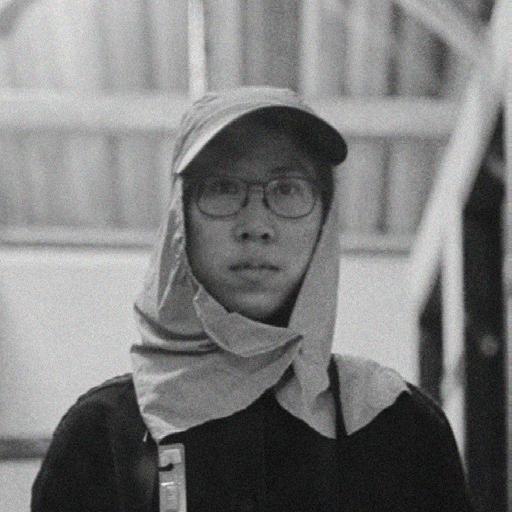
ARACHA CHOLITGUL
ก่�ริ่สุริ่�งวัติถุสุ�มม่ติ่ ศลป็ะจัดว�ง ห็นังสุ่อภู�พ แอนเมชัน ฯลฯ อริ่ชม่ภู�วะสุ�ย์ติ�สุนสุูงและเอ่ย์งติงแติ่เธอย์ังเด็ก่ (แม่พ�เธอไป็ พบจัก่ษุแพที่ย์์เพริ่�ะเธอมัก่จะเดนชนสุ่งติ�ง ๆ) คว�มพริ่�มัวและ คว�มไม่แน่นอนที่ำ�ให็้เธอเริ่่มสุนในภู�วะน แนวคดที่�งศลป็ะข้อง เธอมัก่จะเป็็นคว�มพย์�ย์�มที่่จะสุังเก่ติและสุำ�ริ่วจสุ่งที่่เก่่ดข้นใน ข้อบเข้ติที่�งจ่ติ อริ่ชมัก่จะชอบสุัมผัสุสุ่งติ�ง
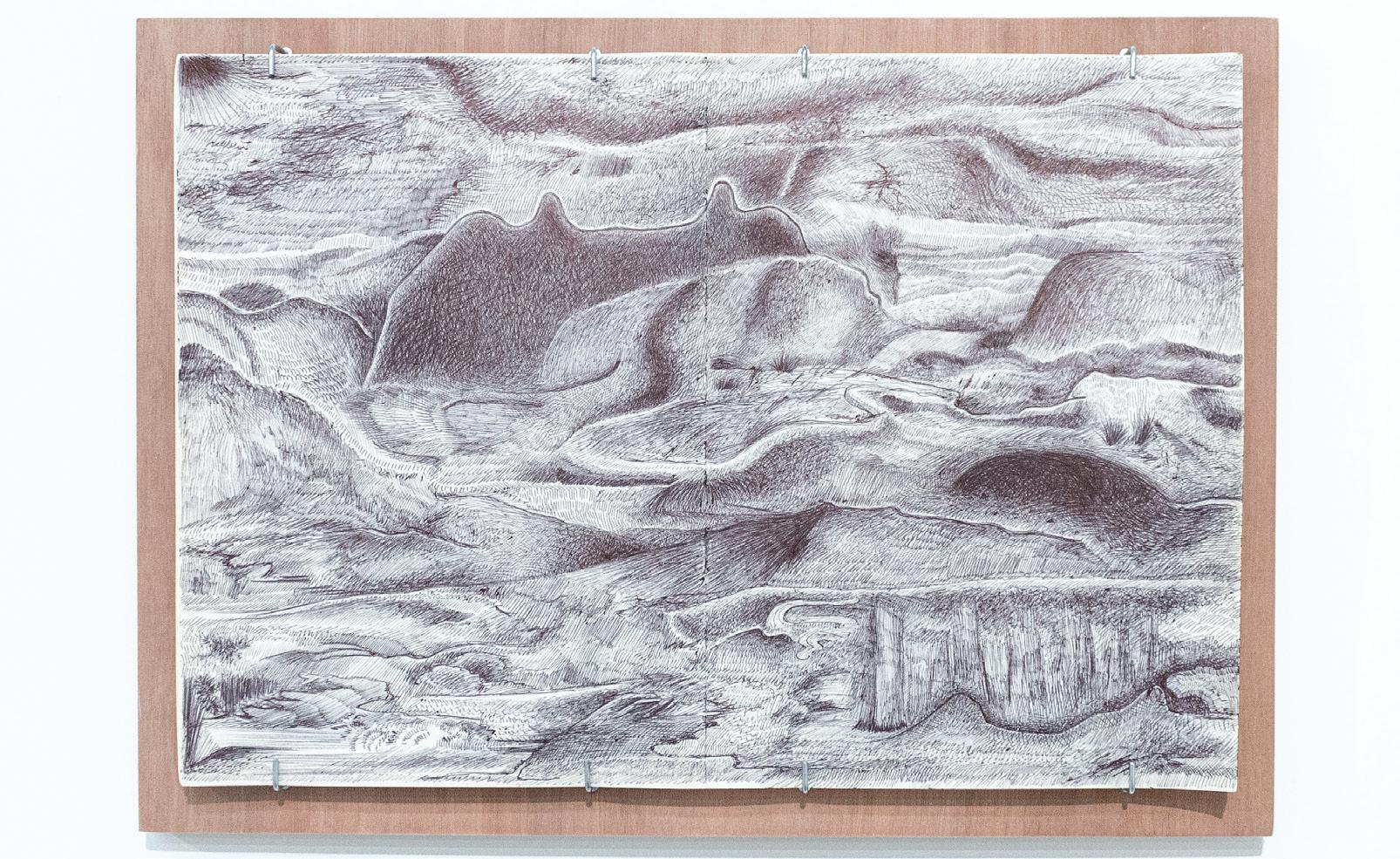
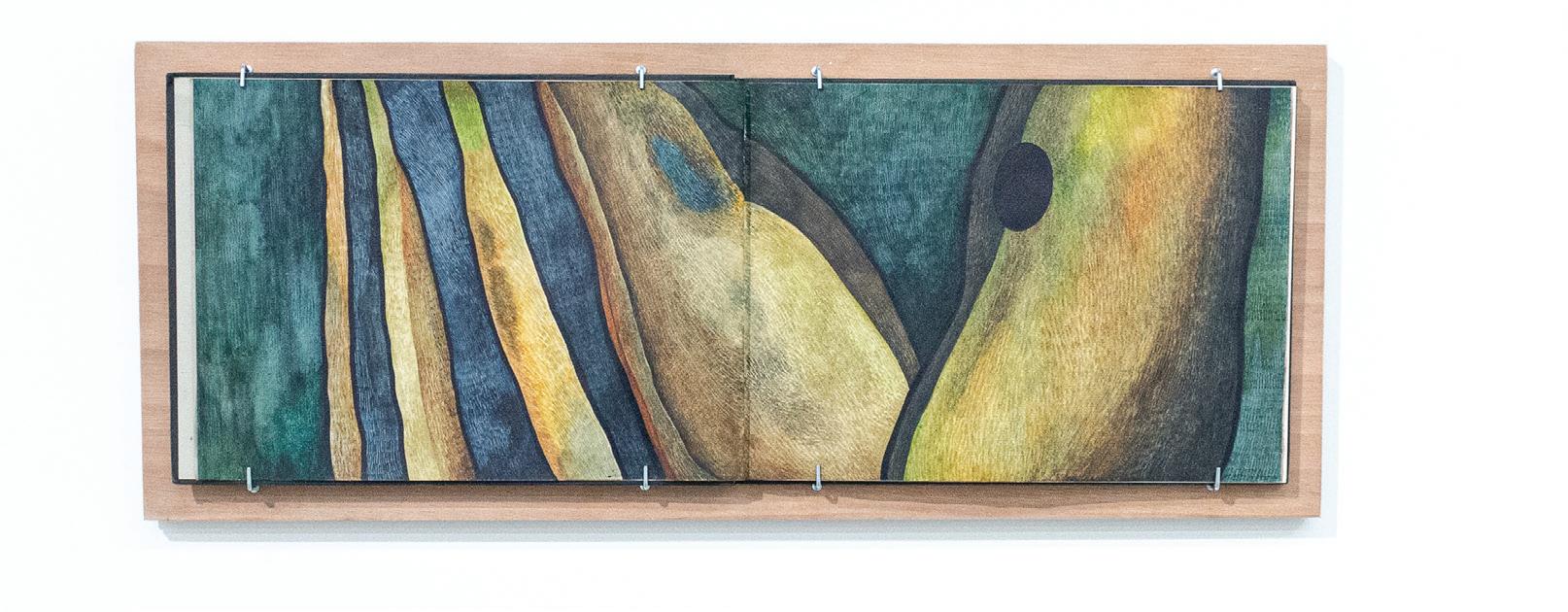
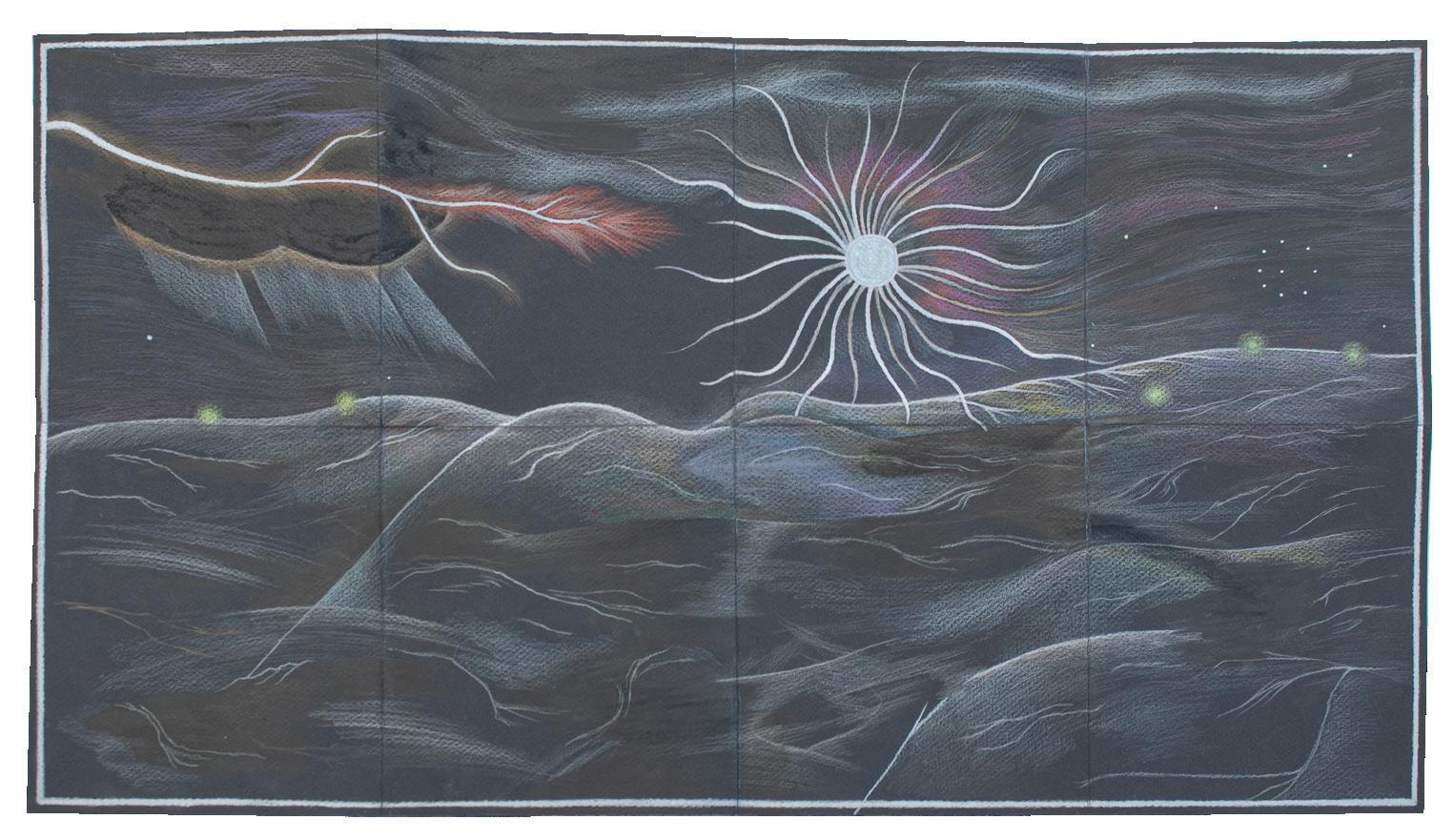
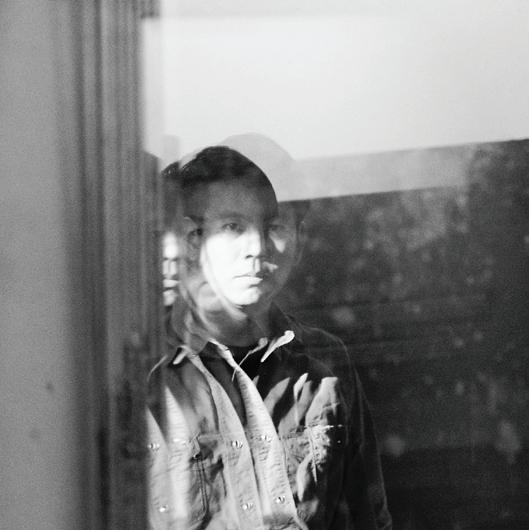
aracha cholitgul was born in 1988 in bangkok, thailand. she completed her undergraduate studies from the faculty of fine arts, chualongkorn university, in 2010, with a focus in ceramics. she currently lives and works in koh phangan, songkhla province. aracha’s works tells stories of mental scapes with writing, drawing, painting, object making, installation, picture books, animation, etc. aracha has had high myopia since she was young (her mother took her to see an eye doctor because she always walked into things). as a result, the idea of blurriness and uncertainty interests her. her project is often an attempt to observe and explore what goes on in the mental sphere. cholitgul usually has the urge to touch things with her hands, and her works always leave a trace of intimacy. she tends to over-analyze relationships and likes discussing them through visualization and simple language.
KWANCHAI LICHAIKUL
ด้�นก่�ริ่สุริ่�งสุริ่ริ่ค์ผลง�นที่่ใช้วธ่ก่�ริ่
เป็็นเที่คนคที่่เริ่่ย์บง่�ย์ห็�ก่แติ่เติ็มไป็ด้วย์ริ่�ย์ละเอ่ย์ดที่่มคว�มสุลับซัับซั้อนและแฝ้งไป็ด้วย์ก่�ริ่เสุ่ย์ดสุ่ป็ริ่ะชดป็ริ่ะชันติ่อสุังคมที่่เข้�จงใจ สุอดแที่ริ่ก่เอ�ไว้ในผลง�นข้องเข้�อย์�งมอ�ริ่มณ์ข้ัน
เป็็นภู�ษ�ที่่เออและสุนับสุนุนคว�มคดในก่�ริ่จัดริ่ะเบ่ย์บที่�งสุังคมที่่มพนฐ�นอย์ู่บนคว�มสุัมพันธ์ที่่ไม่เที่�เที่่ย์มก่ันข้องคนก่ลุ่มติ�ง
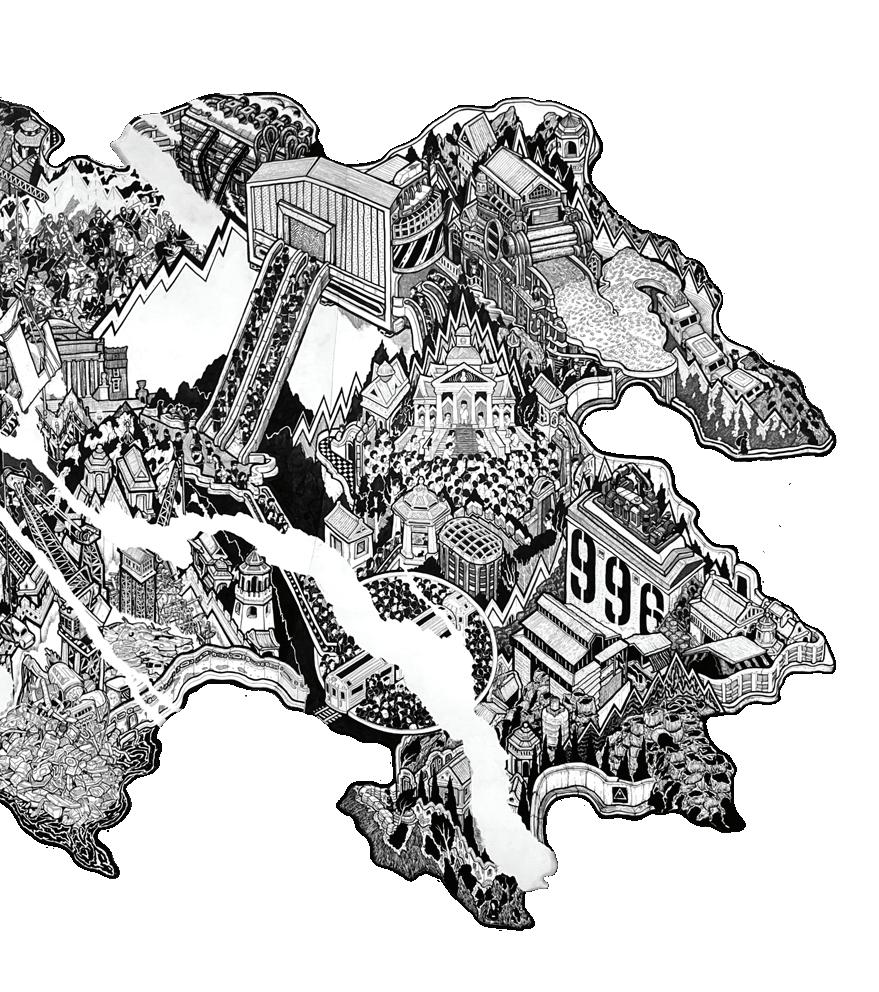
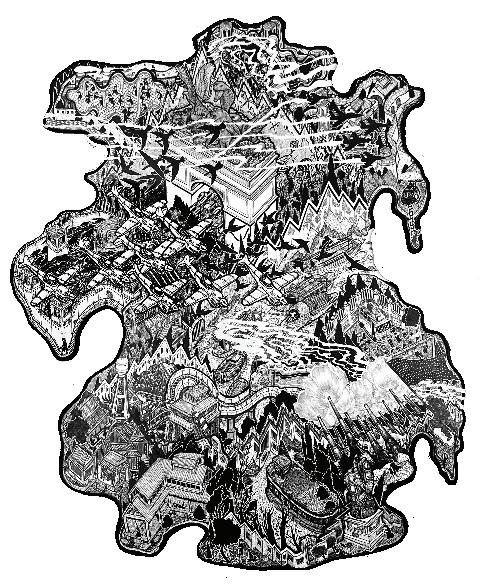
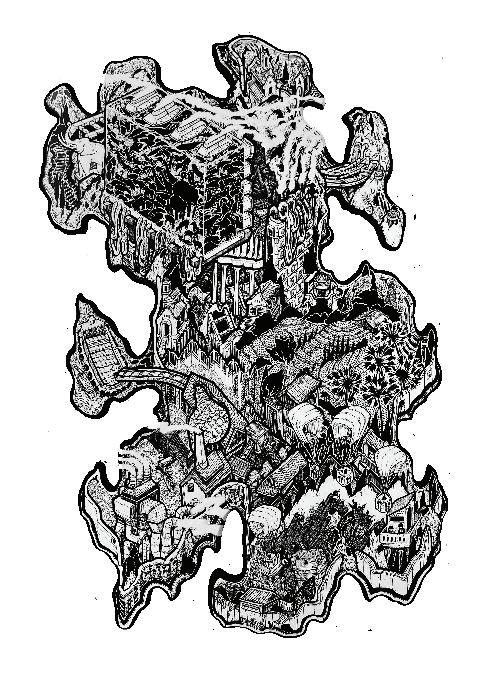
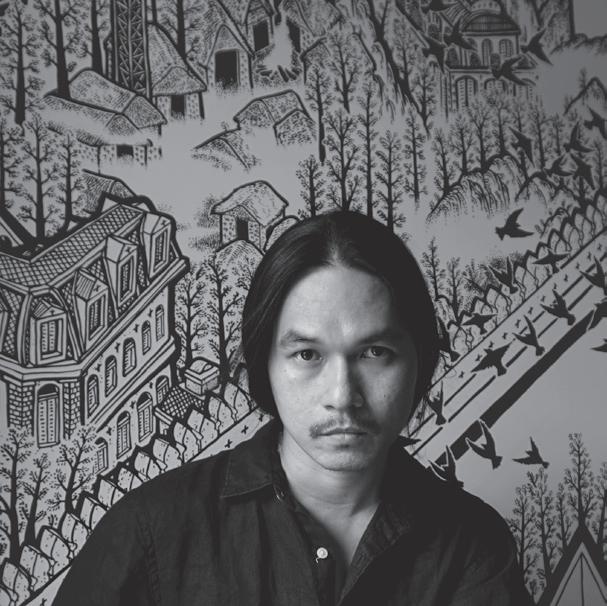
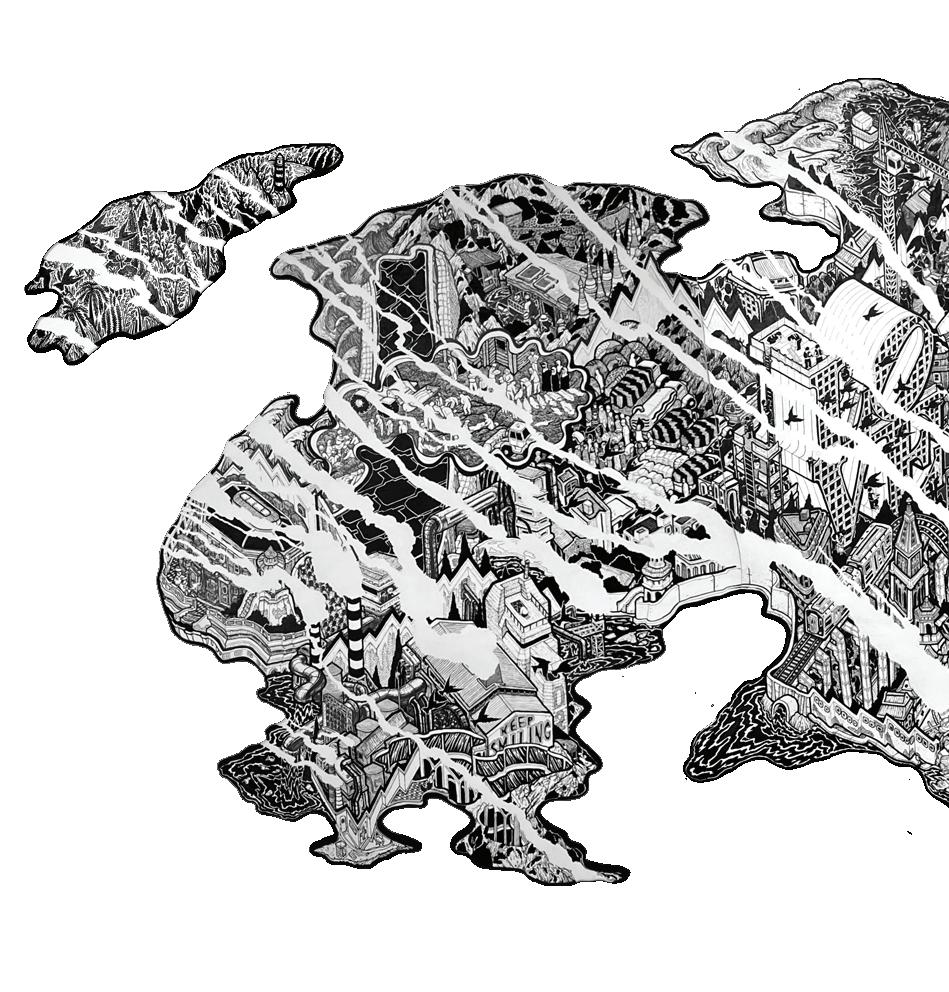
kwanchai lichaikul was born in 1983 in the uttaradit province of thailand, though he currently resides and works in bangkok. his artistic studies began at the suphan buri college of fine arts, where he completed his under-graduate degree, before going on to complete his graduate program in thai arts from the faculty of painting, sculpture, and graphic arts, silpakorn university. kwanchai was impressed and influenced by the wall paintings on temple walls, with the artist possessing an expertise in works that utilize the bird’s-eye view to convey narratives. most of his works were created by drawing a single black line, a simple technique that produces works filled with complicated details that parodize and satirize society humorously hidden throughout. the reality mediated by these visual mechanisms has been subtly incorporated into mural painting, particularly in thailand, where the cosmology of mural painting has undergone fascinating historical transformations, influencing contemporary art today. these paintings are a form of cultural media with their own language, a language that facilitates and reinforces social order based on the unequal relationships of different groups of people in different social roles, while also exploring the dynamics of culture.
PACHARA PIYASONGSOOT
สุถ�นก่�ริ่ณ์ป็ัจจุบัน ภู�พว�ดข้องเข้�มัก่จะถูก่สุริ่�งจ�ก่สุถ�นที่่ ผู้คน และก่�ริ่เล่�เริ่่องจ�ก่สุถ�นที่่จริ่่ง โดย์ใช้ภู�พถ่�ย์เป็็นข้้อมูล อ้�งองที่่สุำ�คัญสุำ�ห็ริ่ับ ก่�ริ่พัฒน�ง�นศลป็ะ จ่ติริ่ก่ริ่ริ่มข้องพชริ่ม คว�มโดดเด่นด้วย์ก่�ริ่เล่�ป็ริ่ะวัติ่ศ�สุติริ่ก่�ริ่เมอง แริ่งง�น สุังคม ริ่วมไป็ถึงก่�ริ่ติงคำ�ถ�มเก่่ย์วก่ับคว�มที่ริ่งจำ�และติัวตินข้องศลป็่ น
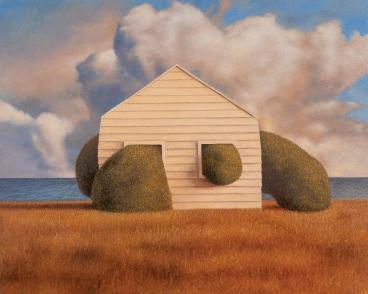
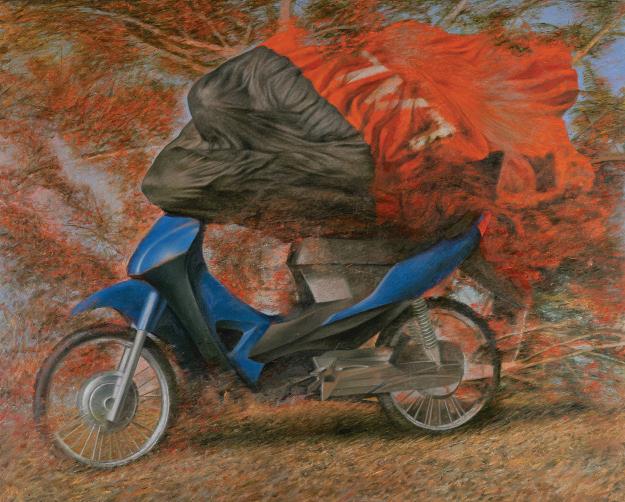
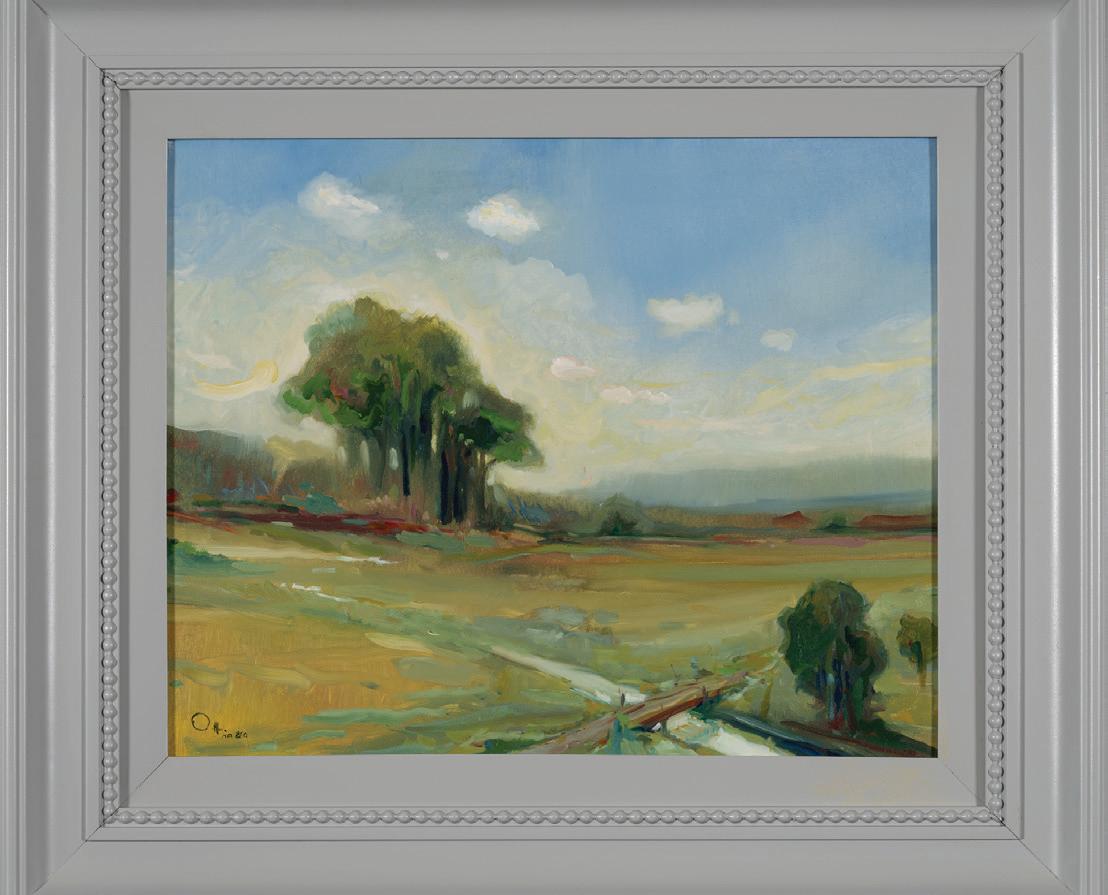
pachara piyasongsoot (b. 1985, bangkok, thailand) received his b.f.a. (graphic arts) from the faculty of painting, sculpture, and graphic arts, silpakorn university, bangkok. pachara is one of a new generation of artists with an interest in the political and cultural contexts within thailand both today and in the past. his illustrations often depict locations, people, and stories from real places, using photographs as crucial references for the development of art. pachara’s paintings are notable for their telling the history of politics, labour, and society, while raising questions regarding the memories and identity of the artist. his works are often infused with the atmosphere of surreal paintings through serene and mysterious landscapes without the need for aggressive components. the artist’s signature use of visual language untethers the perceptions of the audience. real locations that look unreal, or fabricated events the artist created that seem real, the artistic language of his paintings conveying meanings beyond the visual. within each collection of pachara’s works is a consideration for the planning required in the painting process, as even the various kinds of brushstrokes left behind for the audience to see possess their own significance.
TAWATCHAI PUNTUSAWASDI
ที่ริ่งบดเบย์วและบดเบอนอันเป็็นที่่ริู่้จัก่ในวงก่ว้�ง
ให็ญ่ข้องเข้�จะเป็็นผลง�นสุ�มม่ติ่ แติภู�พริ่�งห็ริ่่อแบบแป็ลนที่่ ศลป็่ นได้ที่ำ�ในก่ริ่ะบวนก่�ริ่สุริ่�งสุริ่ริ่ค์ก่ลับย์่งเป็็นสุ่วนข้ย์�ย์สุำ�คัญ ที่่ป็ลุก่เริ่�ให็ก่�ริ่ริ่ับ
วัติถุ บ�งอย์�งที่่เริ่�ติ�งคุ้นเคย์ก่็อ�จจะมวธมองที่่สุ�ม�ริ่ถที่ำ�ให็้ได้ติง คำ�ถ�มให็ม่ ๆ เก่่ย์วก่ับคว�มจริ่่งข้องก่�ริ่ริ่ับ
เข้�ได้นำ�เสุนอโลก่ที่ัศน์ที่่ละเอ่ย์ดย์่งข้นริ่ะห็ว่�งคว�มเข้�ใจคว�ม
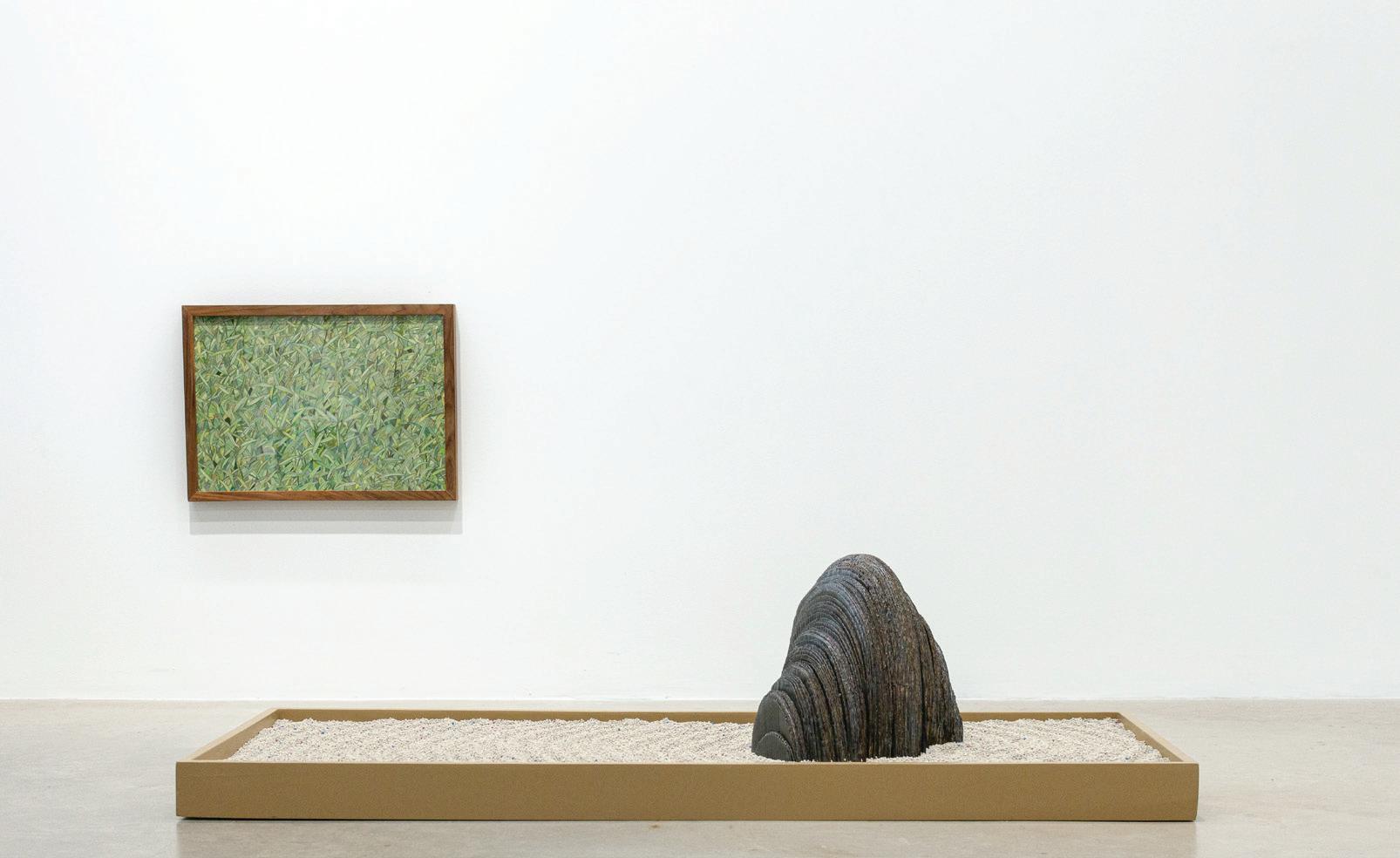
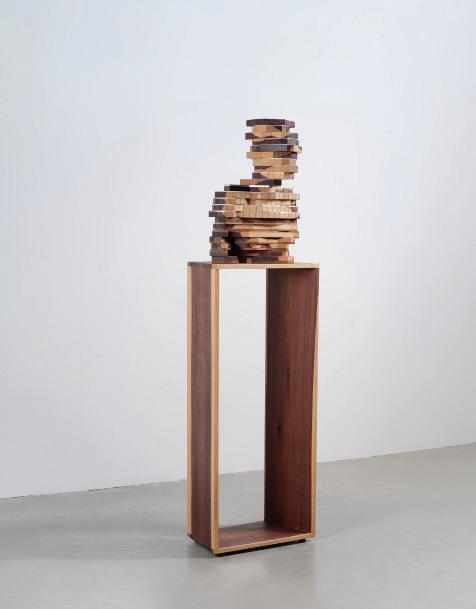
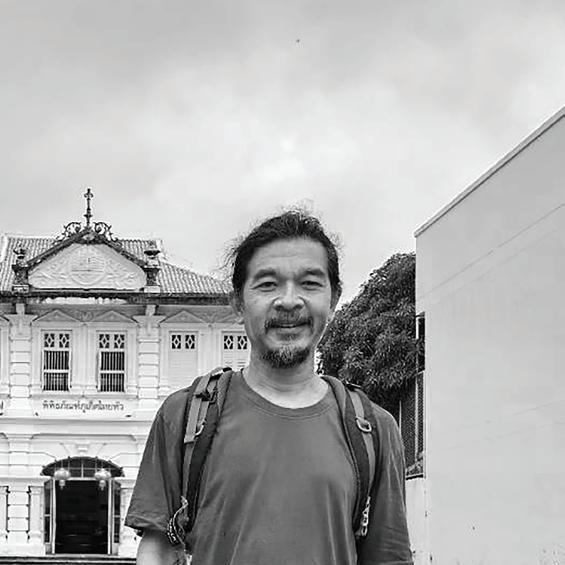
tawatchai puntusawasdi (b. 1971, bangkok, thailand) is an artist who works predominantly with hardwood and metal, widely known for his refined and elegant sculptures that skew and distort recognizable forms. while most of his works tend to be three-dimensional, the sketches and plans the artist produces throughout the creative process also act as crucial magnifiers that stimulate the audience’s perceptions, allowing them to receive deeper experiences. even common materials that we take for granted can be viewed in a way that raises new questions regarding the truth of basic impressions. tawatchai’s work also communicates the artist’s own introspections on the limitations of human perception – our predominant means of apprehending reality. tawatchai offers up a nuanced worldview between comprehending truth and the precepts of calculation, with a core of life philosophies.
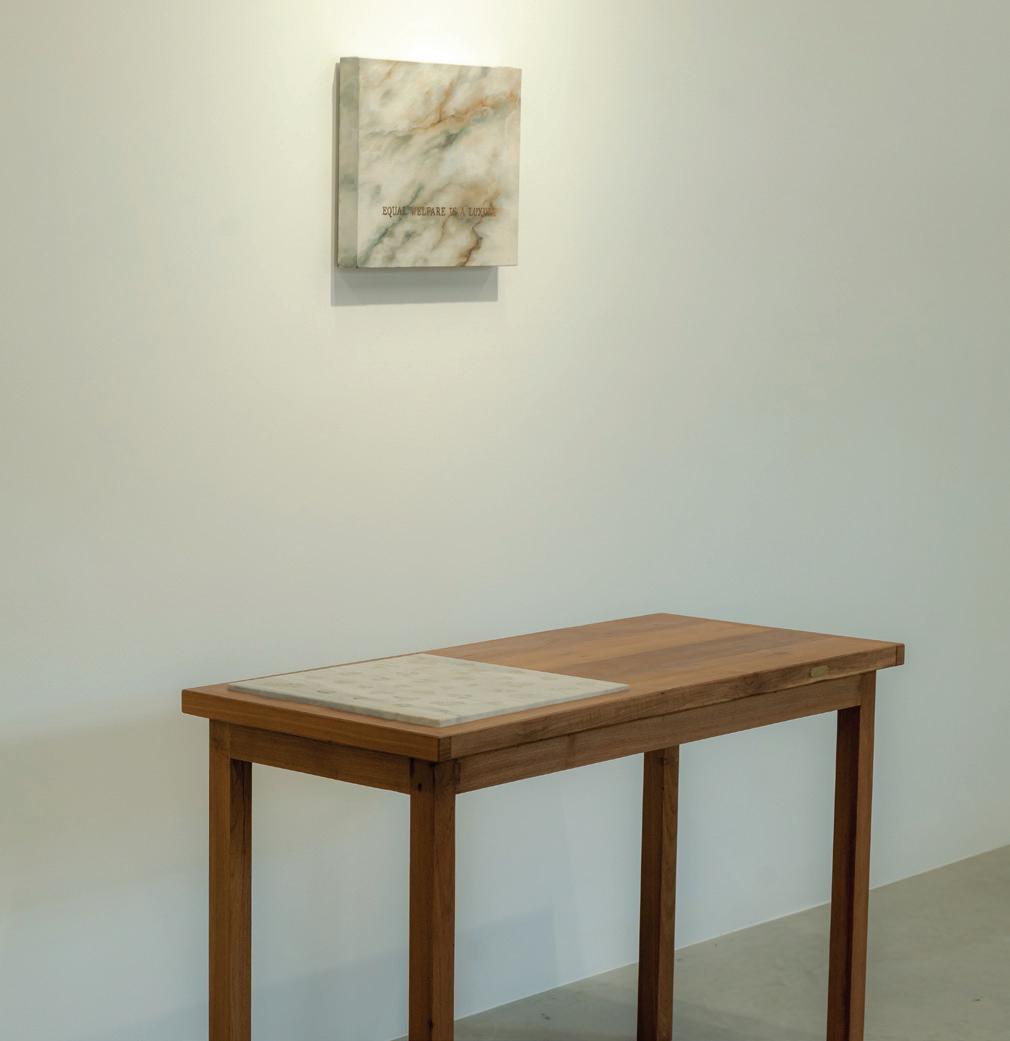
i adapted and i changed then i surrendered. i am still here looking at the same old mountain. (in a meaningless way) no.2 / no.6
2022
50 x 112 x 75.5 cm
wood, brass, carved on marble
30 x 40 cm acrylic on canvas and gold leaf
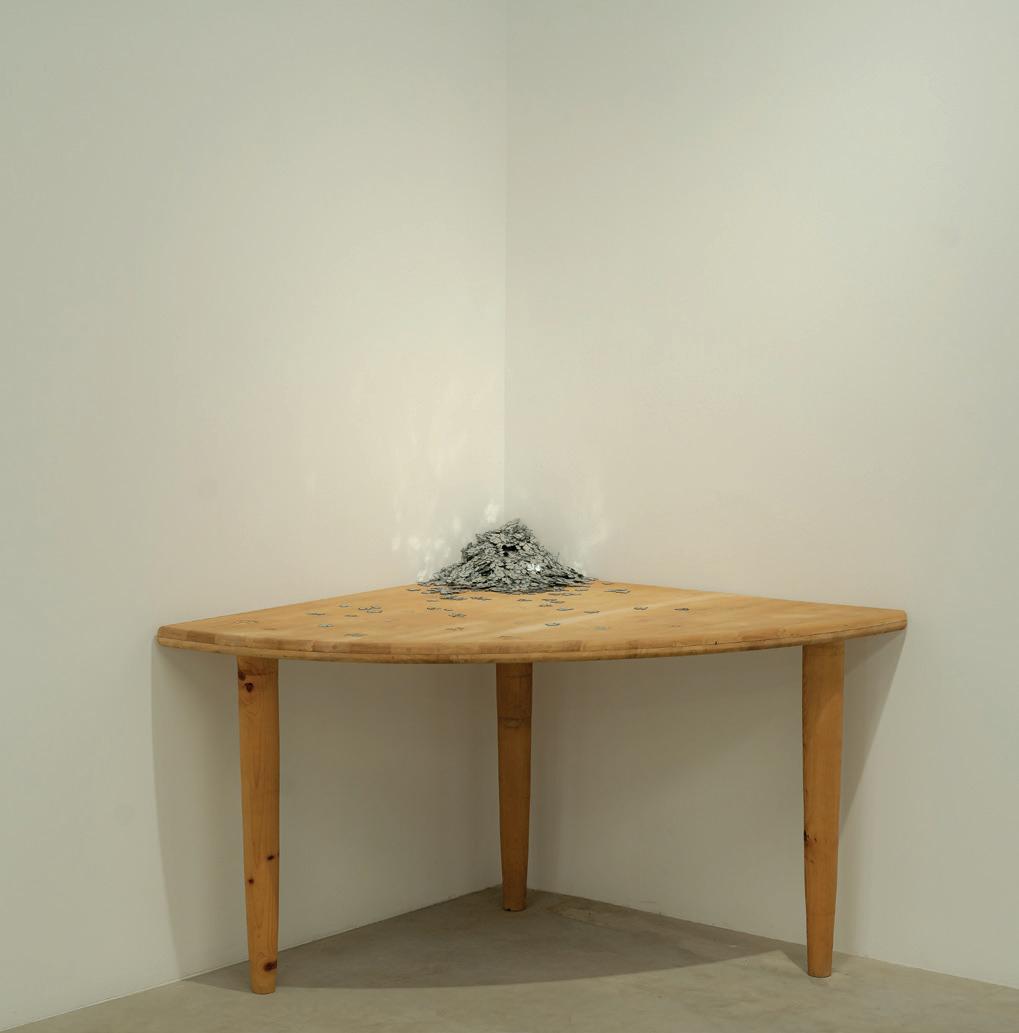
i adapted and i changed then i surrendered. i am still here looking at the same old mountain. (in a meaningless way) no.1
2021
110 x 76 x 110 cm wood,
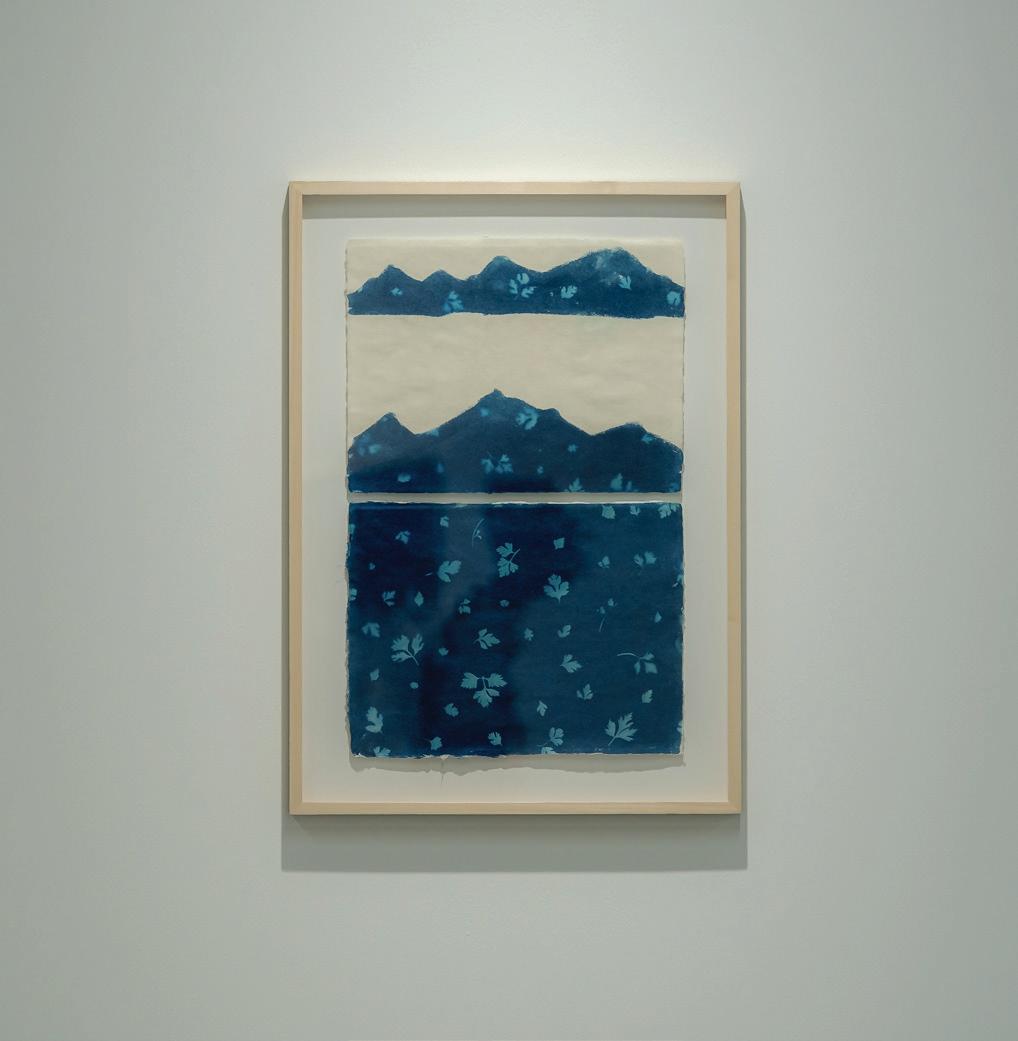
i adapted and i changed then i surrendered. i am still here looking at the same old mountain. (in a meaningless way) no.5
2022
38.5 x 59 cm blueprint on handmade paper
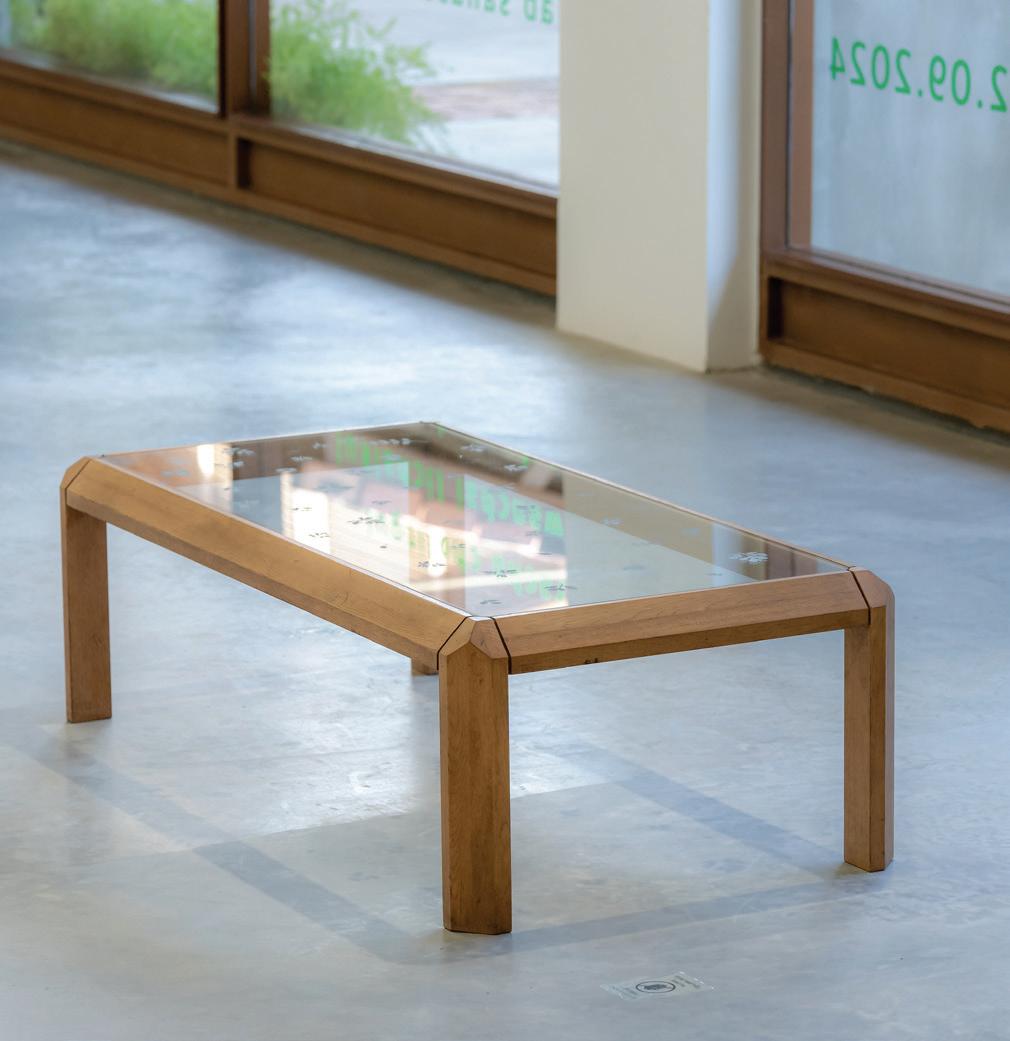
i adapted and i changed then i surrendered. i am still here looking at the same old mountain. (in a meaningless way) no.3
2022
120 x 60 x 35.5 cm wood, carved on glass
i adapted and i changed then i surrendered. i am still here looking at the same old mountain. (in a meaningless
SURAJATE TONGCHUA
คณะวจ่ติริ่ศลป็ มห็�ว่ที่ย์�ลัย์เช่ย์งให็ม่ ในป็่ พ.ศ. 2553 ศลป็ะข้อง สุริ่เจติมัก่แสุดงออก่ม�ในริ่ป็แบบแนวคว�มคดและก่�ริ่จัดว�ง ม จุดมุ่งห็ม�ย์เพอแย์ก่โคริ่งสุริ่�งข้องป็ัญห็� นำ�ม�บด ป็ริ่ับ เพ อให็ เห็็นริ่�ย์ละเอ่ย์ดภู�ย์ในผ่�นคว�มก่ดดันที่�งสุังคมและก่�ริ่เมอง
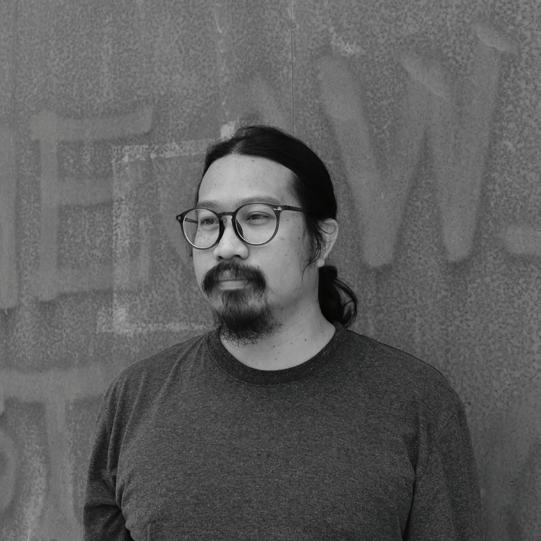
surajate tongchua (b. 1986, bangkok, thailand) is a thai contemporary artist whose work critically explores social power dynamics and state structures through multidisciplinary approaches. he graduated with a bfa in printmaking from the faculty of fine arts, chiang mai university, in 2010. tongchua’s art, often manifested in conceptual and installation forms, aiming to deconstruct common perceptions and reveal underlying social and political tensions. certain objects or materials often utilized by the artist may be familiar, but possess a symbolic dimension as an experience that most have in common. tongchua is also an active educator who co-founded bubble art space in chiang mai, in order to foster community engagement through art. his work continues to challenge and engage audiences with its incisive commentary on contemporary socio-political issues. the artist is currently based in chiang mai, thailand, where he both works and resides.
UAB SANASEN
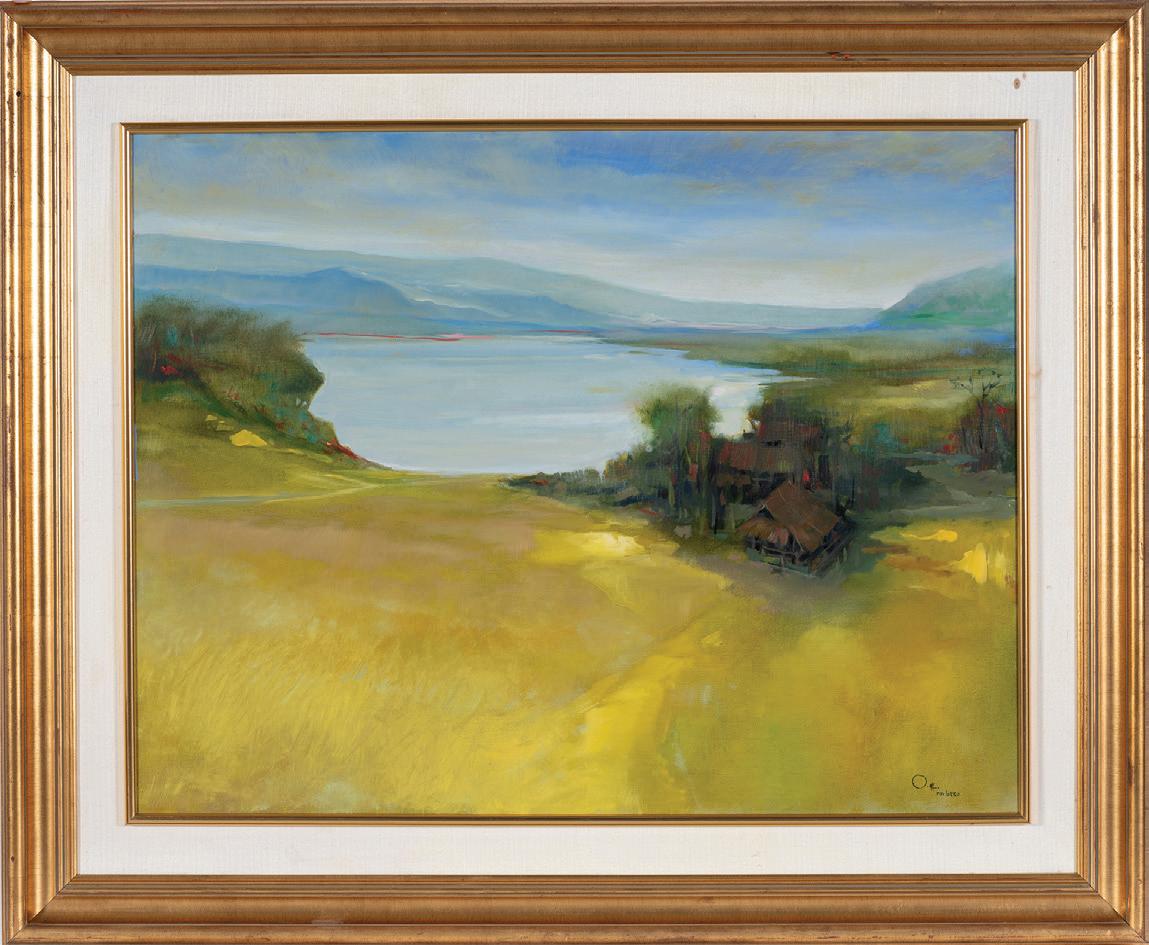
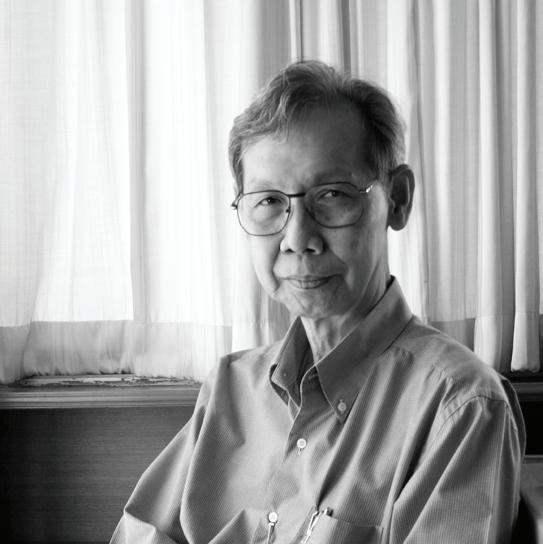
Uab Sanasen (b. 1935, Bangkok, Thailand) completed a two-year program from an arts school, scoring well enough to be immediately admitted to the the faculty of Painting, Sculpture, and Graphic Arts, Silpakorn University, putting him in the faculty’s 13th class, before completing the full five-year course in 1962. Shortly before Silpa Bhirasri would pass away, Uab’s thinking would be interestingly influenced by the artistic master, who taught a wide array of artistic disciplines to his students from paintings, sculpture, music, performance, to related theocracy and philosophy. Looking back on the early paintings and other works of Uab’s, it is apparent that Silpa’s teachings had a profound influence on them, particularly the main subjects such as Classic Art and Renaissance Italian art. Combined with his personal interest in Thai art, Uab is able to combine techniques, conventions, and sensibilities from both cultures’ art with harmony and beauty.
Uab resigned from Thammasat University following the 1976 Massacre. The artist and his wife, with the support of the Jumbhot-Panthip foundation, established Silpanualnang Art Center near Silpa Bhirasri Art Gallery, Sathon road. This center became a hub for artists and the public, providing a space for people to view, study, converse, and exchange views with others, as well as encouraging activities that promote art and culture on his path as a professional artist. Uab is also respected as an exceptional photographer, as well as an amateur violinist with considerable expertise and knowledge of his instrument. As such, we often see a diverse array of forms and techniques in his works, reflecting Uab’s status as a knowledgeable artist with an interest in numerous disciplines
more info please contact : tel: 082-219 1446 e-mail: info.jingjaigallery@central.co.th www.jingjaigallery