

EDITOR’S LETTER
EDITOR’S LETTER
No matter how long you’ve been hopping on planes or whittling your travel wardrobe into a perfectly packed carry on, travel always has the power to surprise. Similarly, spring is a season that often feels like it has the potential to open new doors and bring about fresh starts at every turn.
Travel has been part of my life both professionally and personally for a long time, yet it never gets old. A recent visit to Asia made this abundantly clear. It’s a region I’ve only just begun to explore but one that continues to inspire return visits and teach me new things about myself and the world. Revisiting much-loved destinations is something my family does often, but there is something to be said for the moments of pure awe a new place can inspire.
The Spring edition of Travel Life is one where our contributors take us to places both familiar and off the beaten path. This includes our inaugural special feature, Spotlight on Asia, providing a peek into why this area of the world is so intriguing, from exploring Kyoto beyond its storied temples; to the modern art, delicious food and traditional culture of Taiwan.
In addition to Asia, we have a lot of other great travel inspiration
to share. One writer takes us to Puglia to explore what makes this charming area of southern Italy so memorable (handmade pasta and beautiful beaches play a significant role). Another writer spends 48 unforgettable hours in San Fransico and discovers an exciting city deftly blending old and new. Architecture fans will definitely want to read our story on some of the best spots to see the timeless works of Frank Lloyd Wright, from Buffalo to Scottsdale.
One of our contributors takes us on a trip along the Tennessee Whiskey Trail for a taste of why this state’s whiskey stands out among so many others. Anyone dreaming of island escapes will want to take note of our feature on Cayo Levantado Resort, a luxe wellness retreat in the Dominican Republic; while we also make a stop in Anguilla where white sand beaches and a blissfully slow pace create the perfect atmosphere for unwinding.
Closer to home we have a piece on why Halifax is becoming one of Canada’s culinary hotspots (and the restaurants in the city not to miss), as well as a look at some of the country’s most alluring destinations drawing domestic travellers wanting to spend their time off on Canadian soil.
When it all comes down to it, travel is the great equalizer. It gives us the freedom to feel something new and become a different, even surprising version of ourselves depending on where we go, which is something that will never get old, no matter how many trips we take.
Here’s to a season of surprises that take you somewhere new.
Tammy Cecco EDITOR IN CHIEF

Scan and get your complimentary subscription to Travel Life today.

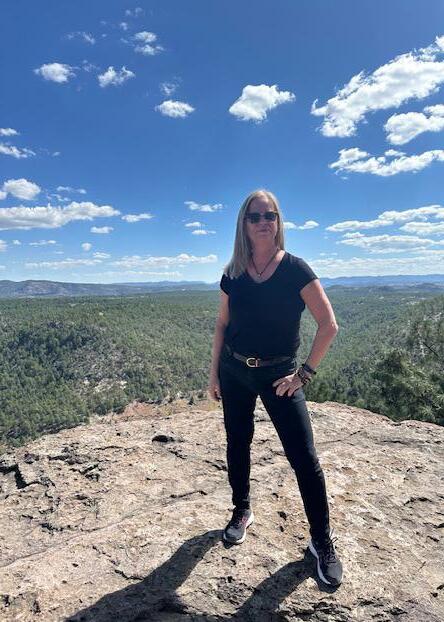
CELEBRATING SOLO TRAVEL FOR WOMEN ON AN UNFORGETTABLE NORWEGIAN CRUISE, PAGE 26
KathyBuckworthfocusesonwomen’ssolotravel, familytravelandmultigenerationaltravel.Sheisan awardwinningwriterandauthorofsixparenting books,andaregularcontributortoBreakfast Television and CHCH TV. She is the writer and host forJourneyWoman’s“TheAgelessAdventuress” podcast.Shewritesbothconsumertravel(Toronto Star,JourneyWoman,Hello!Canada)andtradetravel (PAX News).
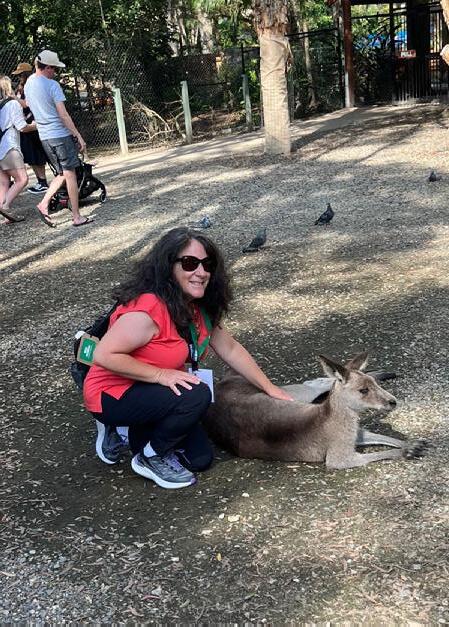
SIP AND SAVOUR YOUR WAY ALONG THE TENNESSEE WHISKEY TRAIL, PAGE 12
Montreal-basedWendyHelfenbaumisanawardwinningfreelancejournalist,avidtraveller,cruiser andfoodie.For25years,she’swrittenabouttravel andlifestylefordozensofpublicationsacross NorthAmericaincludingCAA,PorterAirlines’ Re:Porter, PBS’ NextAvenue.org, BBC.com, Cruise Critic, RANGE, Costco Connection and more. Her specialskillispackingacarry-onforanylengthof trip,andshe’llroadtripanywheretocatchBruce Springsteenlive.

HALIFAX IS CANADA’S NEWEST CULINARY HOTSPOT, PAGE 10
KaterynaTopolisaToronto-basedtravelwriter (TMAC,NATJA)andphotographer.Herbylines appearinprintanddigitalpublicationsaround theworld,focusingonimmersivestorytellingand compellingvisuals.Katerynaisthefounderofa digitaltravelpublication,PathsToTravel.comanda NorthAmericanmusicmagazine,QuipMag.com. SheisalsotheTravelMassiveTorontochapter lead,spearheadingthelocaltravelcommunity througheventsandlearningopportunities.
PUBLISHER/ EDITOR IN CHIEF
CONTRIBUTING EDITOR
DIGITAL CONTRIBUTING EDITOR
DESIGN DIRECTOR
PRODUCTION
PHOTOGRAPHY CONTRIBUTOR
CONTRIBUTORS
SPRING 2026 ISSUE
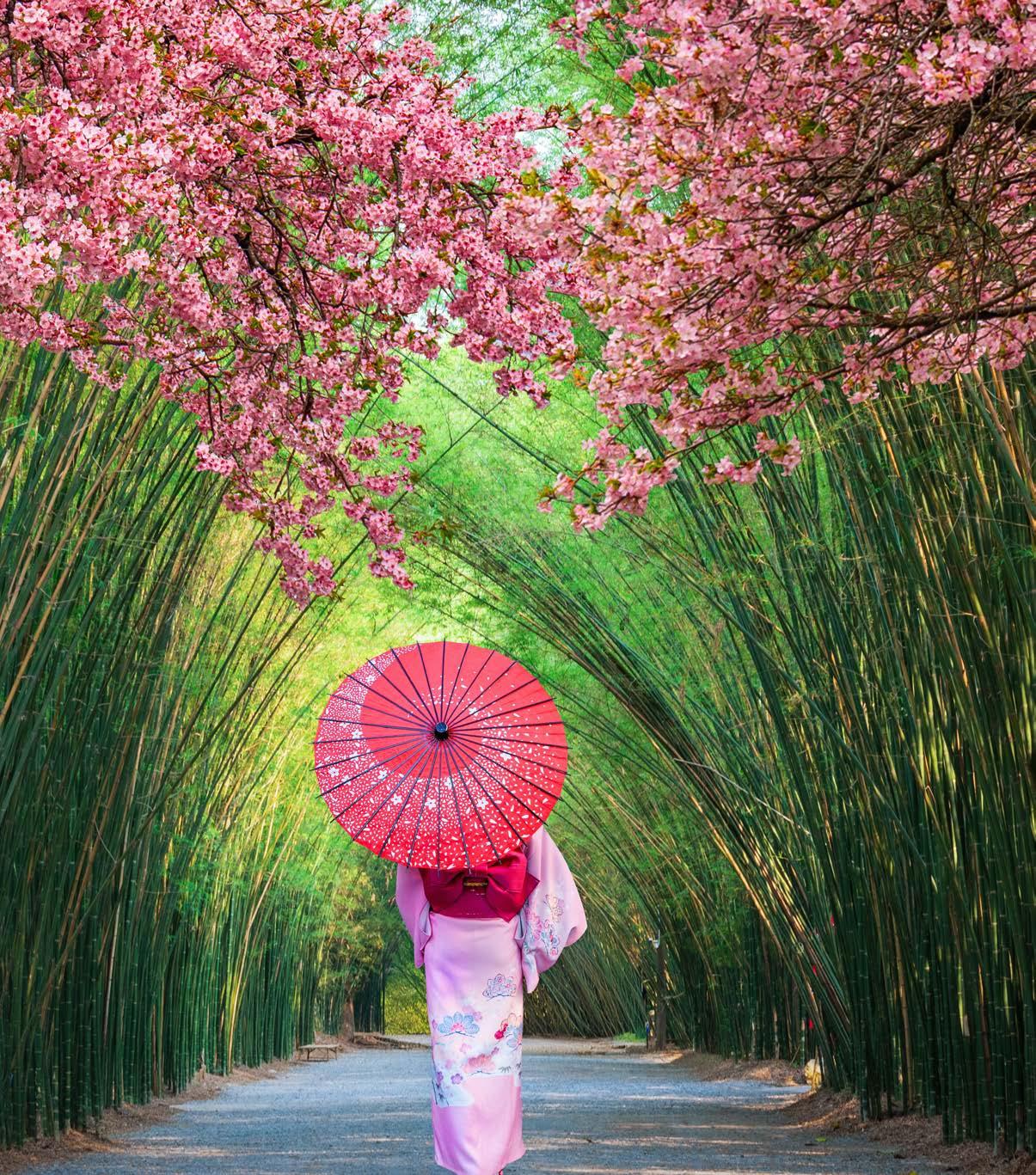
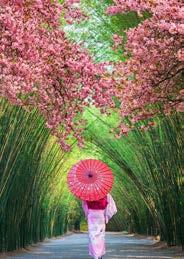
Walking through the Bamboo Forest Kyoto, Japan
Tammy Cecco
Jessica Padykula
Nicola Brown
Joyce Padilla
Gregory Alexander
Reno Foti
Kathy Buckworth
Jim Byers
Mackenzie Cecco
Tammy Cecco
Wendy Helfenbaum
Marriska Fernandes
Renata Lewis
Jessica Padykula
Chris Ryall
Debra Smith
Michele Sponagle
Kateryna Topol
Kayla-Marie Williams
Melody Wren
ADVERTISING, SPONSORSHIP, OPPORTUNITIES & EVENT COVERAGE
marketing@travellife.ca
Tel: 416.805.5159
Travel Life is published every quarter by D.M.E. and is independently owned. Opinions expressed in Travel Life are those of the authors, and do not necessarily reflect the view of the publisher or advertisers. Travel Life does not assume liability for content.
All rights reserved. Re-production in whole or in part without permission is prohibited. For re-production request send an email to info@travellife.ca

8 GET TO KNOW LOJEL
THIS PREMIUM TRAVEL ESSENTIAL BRAND CONTINUES TO RAISE THE BAR ON WHAT A TRAVEL BAG CAN DO AND HOW FASHIONABLE IT CAN BE IN THE PROCESS
FOODIE FILES
10 HALIFAX IS CANADA’S NEWEST CULINARY HOTSPOT
THE CITY’S FOOD AND DRINK SCENE IS THRIVING THANKS TO THE CREATIVE CULINARY MINDS HIGHLIGHTING THE BEST HALIFAX HAS TO OFFER
12 SIP AND SAVOUR YOUR WAY ALONG THE TENNESSEE WHISKEY TRAIL
EXPLORE MORE THAN 30 DISTILLERIES ACROSS THE STATE FOR A TRUE TASTE OF EVERYTHING THAT MAKES TENNESSEE WHISKEY SO SPECIAL
14 BADEN-BADEN BATHING
IT’S NOT JUST ABOUT SOAKING IN THERMAL WATERS HERE, IT’S ALSO ABOUT HISTORY, CULTURE AND COMMUNITY CONNECTION DISCOVERIES 17 DISCOVERING ANOTHER SIDE OF TURKS & CAICOS
WHILE ENDLESS WHITE SAND AND TURQUOISE WATER ARE A MAJOR DRAW, THE ISLANDS OF TURKS AND CAICOS ARE ALSO FILLED WITH SURPRISES 20 LORETO, MEXICO: WHERE THE WILD THINGS ARE BENEATH THE SURFACE OF THIS SMALL BAJA CALIFORNIA SUR TOWN LIES A WORLD OF WHALES, FARM-TO-TABLE FOOD, WORLDCLASS GOLF AND HUMAN CONNECTION THAT IS COMPLETELY UNFORGETTABLE
48 HOURS IN SAN FRANCISCO NO MATTER HOW LONG YOU PLAN TO SPEND IN THIS VIBRANT AND DIVERSE CITY, THERE’S A VERY GOOD CHANCE YOU’LL WANT TO COME BACK FOR MORE
SOLO TRAVEL FOR WOMEN ON AN UNFORGETTABLE NORWEGIAN CRUISE TRAVELLING ALONE, ESPECIALLY FOR WOMEN, IS NOT ONLY A FUN AND EXCITING WAY TO SEE THE WORLD, BUT ALSO A MEANINGFUL WAY TO BUILD LASTING MEMORIES
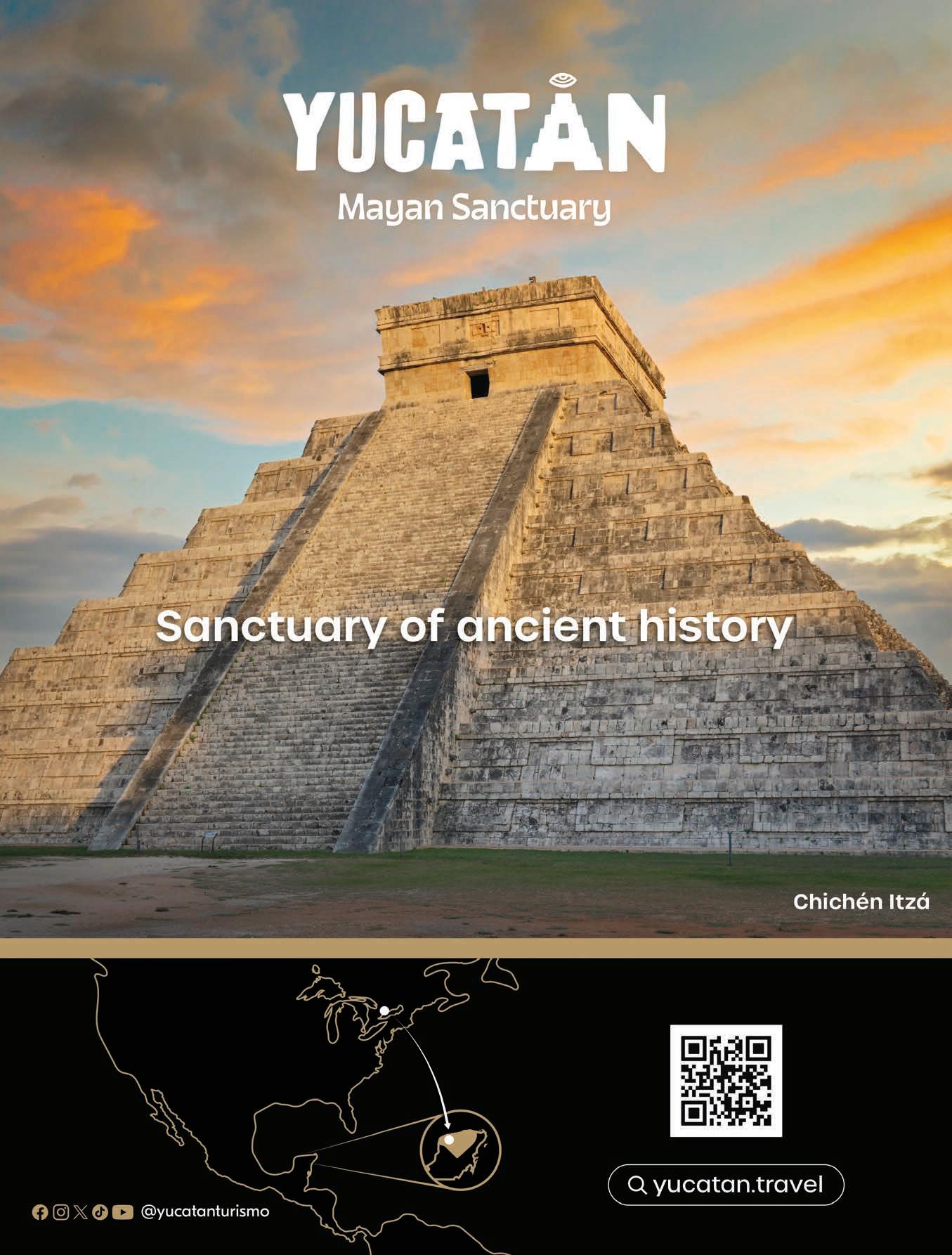
YUCATÁN STATE REWARDS REPEAT VISITS FROM EXCELLENT FOOD AND RICH HISTORY TO AN ABUNDANCE OF NATURAL BEAUTY, IT’S NOT HARD TO SEE WHY THIS AREA OF MEXICO REMAINS A PERENNIAL FAVOURITE
FALLING IN LOVE WITH PUGLIA THIS UNFORGETTABLE REGION IN SOUTHERN ITALY IS PACKED WITH HISTORY, CULTURE AND A QUIET CHARM THAT PULLS YOU IN, ONE BITE OF PASTA AT A TIME

DISCO
38 CAYO LEVANTADO RESORT HAS A RHYTHM ALL IT’S OWN THIS LUXURY RESORT ON A SMALL, SECLUDED ISLAND IN THE DOMINICAN REPUBLIC M
SLOWER PACE OF LIFE TAKE OVER
40 A CARIB FOR EXHALING
ANGUILLA IS AN ISLAND WHERE FAIRWAYS MEET THE SEA AND DOING LESS BECOMES THE UL
44 ON THE WRIGHT PATH FROM BUFFALO TO SCOTTSDALE, HOPPING THROUGH HISTORY TO SEE THE WORKS OF ONE OF THE WORLD’S MOST FAMOUS ARCHITECTS
46
CRAVING CANADA
FROM NEW BRUNSWICK TO QUEBEC, CANADIAN DESTINATIONS ARE BECOMING MORE OF A DRAW FOR DOMESTIC TRAVELLERS LOOKING FOR THEIR NEXT VACATION
48
SAILING THROUGH TIME ON THE AEGEAN
TRACING ANCIENT CIVILIZATION BY SMALL SHIP IS AN IMMERSIVE TRAVEL EXPERIENCE THAT BRINGS HISTORY TO LIFE
52
MAZATLÁN AWAITS
THIS VIBRANT COASTAL CITY MAY HAVE BEAUTIFUL BEACHES, BUT ITS TRUE CHARM LIES IN THE RICH HISTORY AND
This Premium Travel Essential Brand continues to raise the bar on what a travel bag can do and how fashionable it can be in the process

Luggage can sometimes feel more utilitarian than style-driven, but it doesn’t have to be.
Founded in Japan in 1989, LOJEL is a brand showcasing just how polished a piece
This compact carry-on is built for efficiency. The convenient front compartment with a magnetic quick-access flap makes it easy to grab laptops, chargers and other essentials both on the ground and inflight. Easily expandable, the size is perfect for weekend trips or short flights where convenience is key. Colourwise, golden ochre and burnt sienna are particularly eyecatching.
of luggage or travel bag can be, without compromising on safety or durability. Known for its modern, minimalist aesthetic and for pioneering top-opening luggage design, LOJEL also puts the focus on sustainability through its use of responsible materials, long lasting construction and
ongoing efforts to eliminate unnecessary plastics across its collections.
Check out some of our favourite pieces perfect for your next getaway.

Made for longer adventures, this stylishly chic checked bag keeps your packing neat and organized with well-thought-out interior compartments (including side zipper pockets, two mesh pockets and a padded tech pocket). Even last-minute packers will benefit from the clever design. Made from 50 per cent recycled material, we love the slim design that doesn’t compromise on packing space.

This perfectly-sized tote keeps essentials like your wallet, tablet and passport within easy reach thanks to six internal pockets. The tote’s timeless design means it pairs well with any in-transit outfit and you can feel good knowing it’s made from 100 per cent recycled materials. Lightweight yet structured, the bag easily transitions from sightseeing to airport terminals.
This ultra-durable hard-shell carry-on is built to protect your belongings, from departure to arrival and back again. Smooth, quiet wheels make airport navigation effortless, while the secure three-point lock system adds an extra layer of protection and latches smoothly for ease and peace of mind. Easily stay organized with the help of dual compartments and zippered pockets inside.
This compact sling bag keeps necessities close while staying comfortable on your shoulder. With pockets sized for your phone, passport, wallet or other small accessories, it’s perfect for city breaks, quick trips, or as an extra bag during longer journeys. Sleek and minimal, it pairs easily with both casual and more polished travel outfits. Choose from multiple stylish shades.
Clean lines meet functional design in this versatile backpack. It offers three roomy compartments with five internal pockets, a laptop sleeve and an internal key strap meaning everything you need is always within easy reach. Lightweight yet durable, this backpack works well for airport travel, sightseeing, or anywhere you need hands-free convenience without sacrificing style.

A mid-size suitcase designed for longer journeys (or just when you need a lot of outfit options), the medium sized Voja offers ample space while remaining easy to handle. Like it’s smaller counterpart, dual compartments keep packing efficient, while the quiet, smooth-rolling wheels make getting through airports or train stations less stressful. Durable and functional, it’s a dependable option for trips of any length.


A versatile bag sized for short trips or overnight stays, this timeless tote is crafted from 100 per cent recycled nylon. Lightweight and flexible, it easily fits under airline seats or in overhead compartments, making it ideal for weekend getaways, day trips, or as a secondary travel bag. We love the spacious design and removable packing pouch for added on-the-go organization.
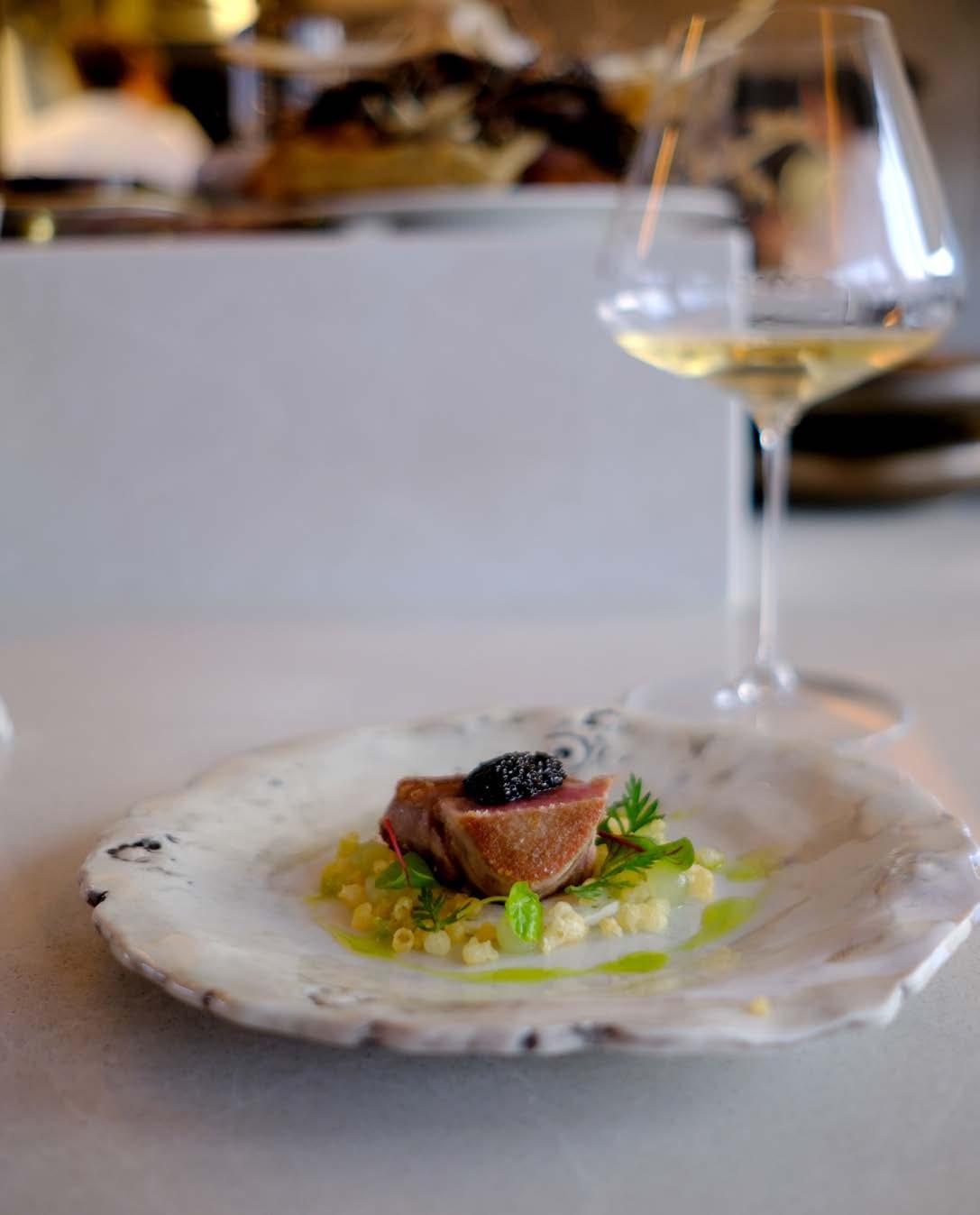
Just a few months ago, Air Canada named Mystic as Best New Restaurant in Canada, shining a spotlight on Atlantic Canada. Stars and awards certainly deserve attention, but the truth is, Halifax chefs have been breaking the fine dining mold for quite some time.
The East Coast is home to a huge talent pool of chefs, mixologists, sommeliers and restaurateurs. From Dartmouth to the North End, a wealth of restaurants and bars have made Halifax a true culinary hotspot. And while the Michelin Guide is yet to come calling, Halifax is regularly recognized by The World’s 50 Best Restaurants list, thanks in part to the city’s unpretentious approach to hospitality.
The city’s food and drink scene is thriving thanks to the creative culinary minds highlighting the best Halifax has to offer
BY KATERYNA TOPOL
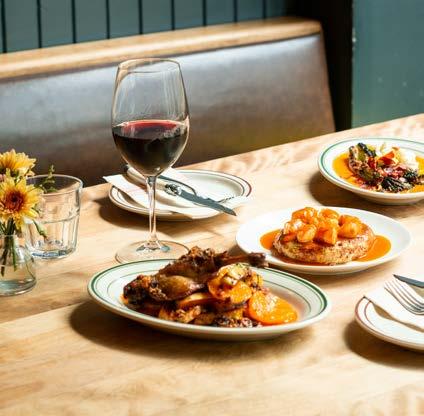
Situated in Queen’s Marque, Mystic is a part of the environment. Blending into the Halifax Harbour both inside and out, the restaurant is firmly rooted in the local terroir. The constantly evolving menu is a blend of the best that Nova Scotia’s land and sea have to offer, boldly reimagined with every plate. At the core of the restaurant is a talented, collaborative team led by chef Malcolm Campbell. Fresh, seasonal ingredients are sourced from local farmers or foraged nearly daily and serve as the foundation for the ever-changing Discovery Menu, an eight-course tasting which can only be experienced at the chef’s counter. mysticnovascotia.ca
Set inside the historic Colwell building, Highwayman has been a local favourite since 2016. The 40-seat restaurant specializes in simple yet thoughtful dishes and craft cocktails served in an intimate environment. The menu is a seasonal selection of Spanish-inspired shareable tapas and pintxos made with fresh, mostly local ingredients. Think patatas bravas and pan con tomate alongside vibrant vegetable dishes, chilled and cured seafood and cured meats and cheeses. Named after the iconic poem by Alfred Noyes, the bar’s well-rounded drink selection includes a dedicated G&T menu and a barrel-aged cocktail option great for a nightcap. highwaymanhfx.com
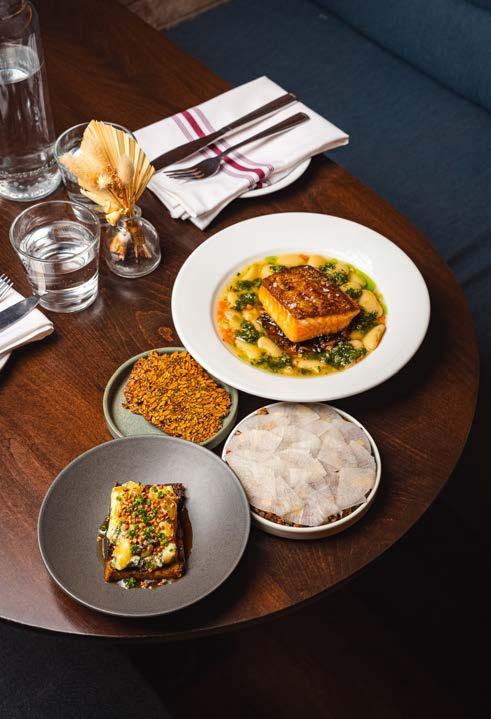
Another North End Halifax gem, The Ostrich Club has a similar attitude to service, blending bar and restaurant seamlessly into one cohesive casual experience. The food and beverage menus, however, are anything but casual. The restaurant’s all-women team is well-known for building mouth-watering dishes and cocktails with unique flavour combinations sure to surprise and delight any discerning palate. It’s worth noting that chef Moira Murray is a Top Chef Canada runner-up (season eleven), so culinary excellence is at the heart of this restaurant. theostrichclub.ca
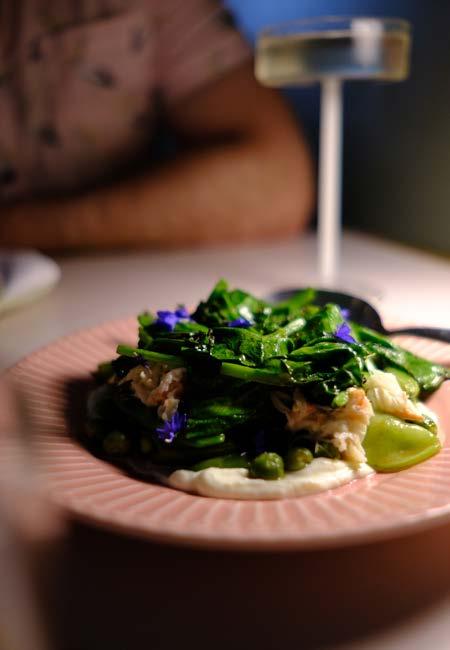
A scenic 15-minute ferry ride will take you to downtown Dartmouth, where Portland St. is quickly turning into an exciting restaurant strip. Dear Friend Bar is perhaps the main destination on this end of Halifax (and just a quick walk from the ferry terminal). A brainchild of Matt Boyle and Jeffrey Van Horne, who first owned a cocktail catering company, Dear Friend offers a welcoming, unpretentious ambience. The robust and creative cocktail lineup is accompanied by a small yet satiating seafood-forward menu, bringing in the crowd for their daily oyster happy hour. dearfriendbar.com
A North End Halifax staple, Bar Kismet has been on the lips of foodies across the country from the day it opened. The restaurant is an approachable, family-owned and operated spot with roughly 30 seats, each of which is kept warm from open to close. The menu is shareable and driven by regional ingredients with plenty of seafood and handmade pasta to choose from. The bar program is also widely recognized for its creativity and inspired wine selection. The menus are updated weekly, so make sure to take advantage of those seasonally fleeting dishes. barkismet.com
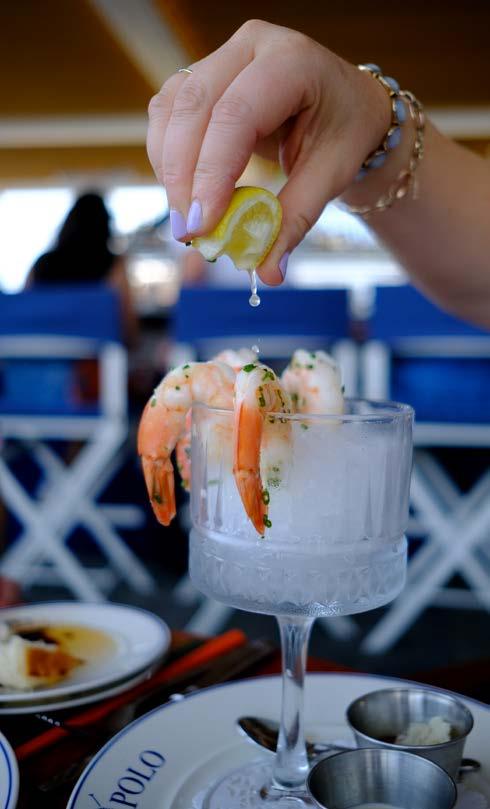
Perhaps the largest establishment on this list, Water Polo’s French Riviera-inspired terrace is hard to miss when strolling along the waterfront.
The spacious terrace with cafe-style tables and large cozy booths is matched by an equally alluring interior. As the name suggests, the menu is seafood-forward, spotlighting the “bounty from seven seas” with an elaborate raw bar, seafood towers, sushi, pastas and hearty grilled dishes. The friendly staff will happily guide you through the food menu and make wine recommendations from a list proudly inclusive of Nova Scotian bottles. waterpolohfx.ca
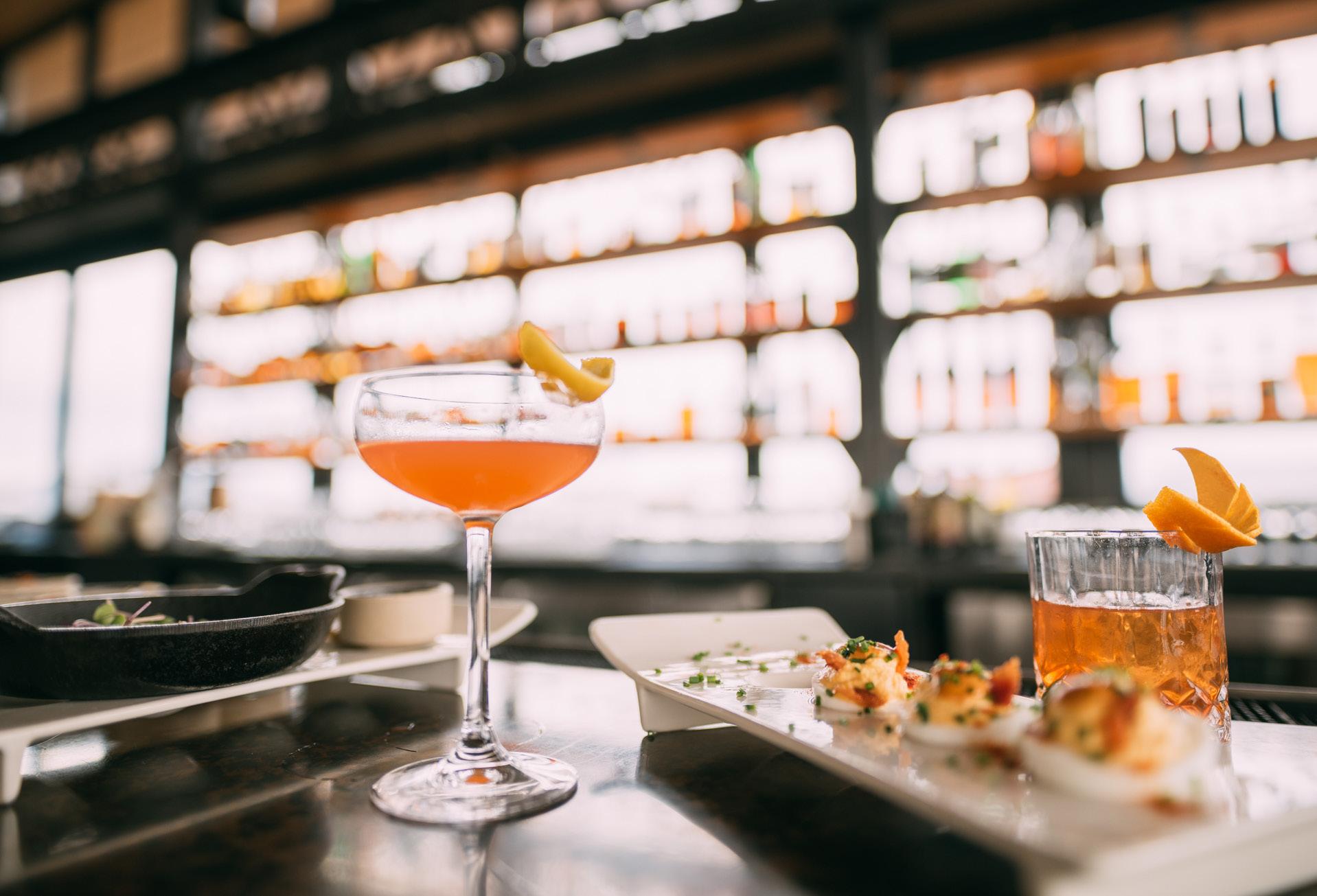
Explore more than 30 distilleries across the state for a true taste of everything that makes Tennessee whiskey so special
By Wendy Helfenbaum
Food and drink trails that also offer immersive activities centred around history, culture and recreation have changed the way people travel.
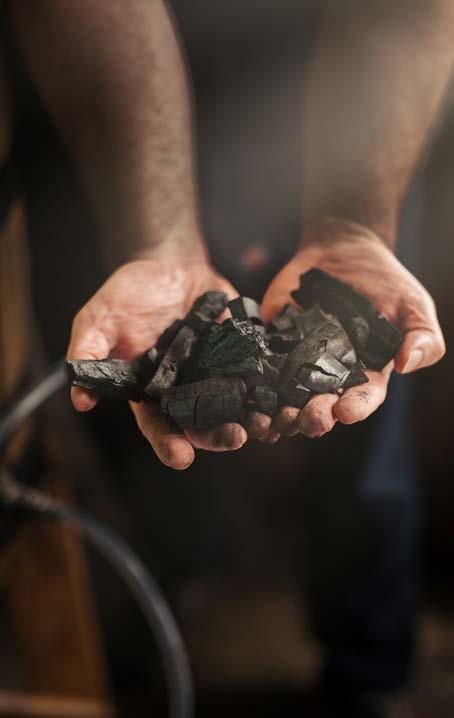
Established in 2017, the Tennessee Whiskey Trail includes more than 30 distilleries with storied histories that celebrate craftsmanship, culture and the people behind the stills that use the Lincoln County Process, where spirits are filtered through sugar maple charcoal before aging, resulting in a distinctive flavour profile. From iconic brands to small-batch, family-run operations, here are some not-to-be-missed stops for behind-the-scenes tours and tastings.
In 1885, Nelson’s Green Brier Distillery in
Nashville produced two million bottles annually until Prohibition kicked in. A century later, the brand was reborn by founder Charles Nelson’s great-great-great-grandsons Charlie and Andy. Today, the distillery, which also houses a museum and a bottle-your-own site, produces whiskey and wheated bourbons, plus unique products like coffee caramel pecan liqueur.
One of Nashville’s newer establishments, Corsair Distillery produces creative spirits containing non-traditional ingredients like quinoa and red absinthe. The ‘brewstillery’, which also offers craft beer, has won more than 800 medals for its smoked and barrel-aged spirits. Visitors can tour the facility and learn about the process.
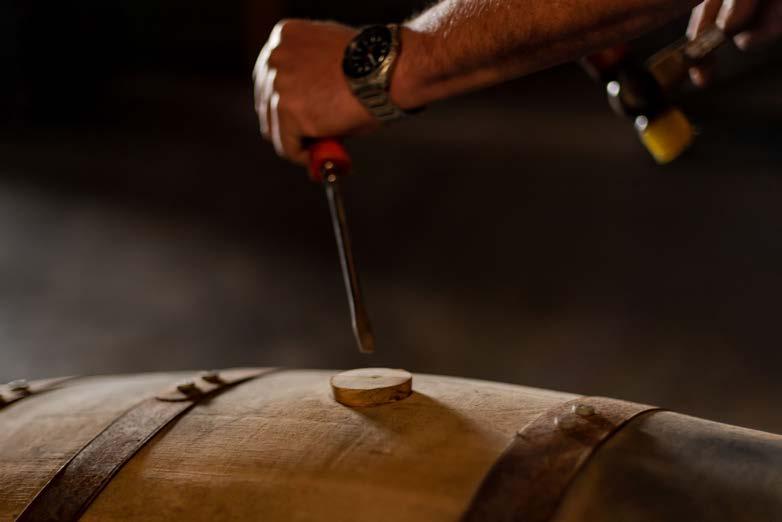
Family-owned Leiper’s Fork Distillery in Franklin employs a ‘grain-to-glass’ process using locallysourced ingredients—half grown on their own farm—to make small-batch Tennessee whiskey, bourbon and white whiskey. Tours explain the onsite mashing, fermentation, distilling, aging and bottling steps, followed by tastings in a 200-yearold restored log cabin.
Another Franklin distillery, Stable Reserve was the city’s first to open after Prohibition. Housed in a repurposed 1800s-era horse stable, the company operates a cozy café during the day that transforms into a craft cocktail lounge in the evenings that hosts hands-on blending classes and distills single-barrel bourbon, gin and vodka onsite.
Millions of gallons of the world’s top-selling whiskey are produced in Lynchburg, in ‘dry’ Moore County—where selling booze has been illegal since Prohibition. Here, Jack Daniel’s Distillery operates under a special state law allowing it to sell commemorative bottles, but you can’t go to a bar for a drink. The company’s water comes from a limestone cave spring, and it cultivates its own yeast strain that gives its spirits a smooth, consistent flavour. Jack Daniel’s is one of the few distilleries that makes its own toasted white oak barrels.
Known for its traditional techniques like weighing grains by hand and its unique ‘chill-charcoal mellowing’ process where spirits are chilled before being filtered, Cascade Hollow Distilling Co. in Tullahoma makes George Dickel whiskey with a fruity, savoury, mineral-driven flavour profile.
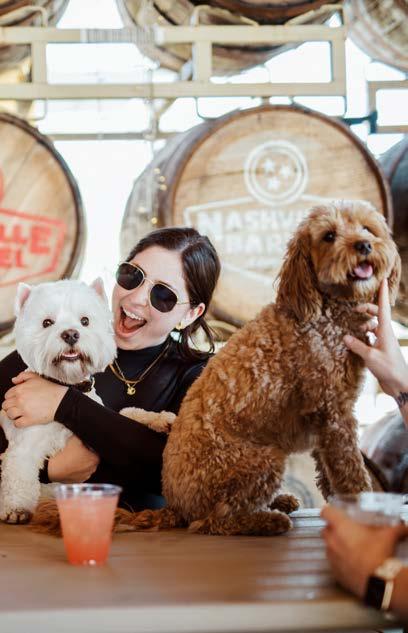
Pet lovers will enjoy the 20-stop Tennessee Whiskey Tail, which welcomes four-legged friends. A guide, Tails on the Trail, lists pet-friendly hotels and restaurants.
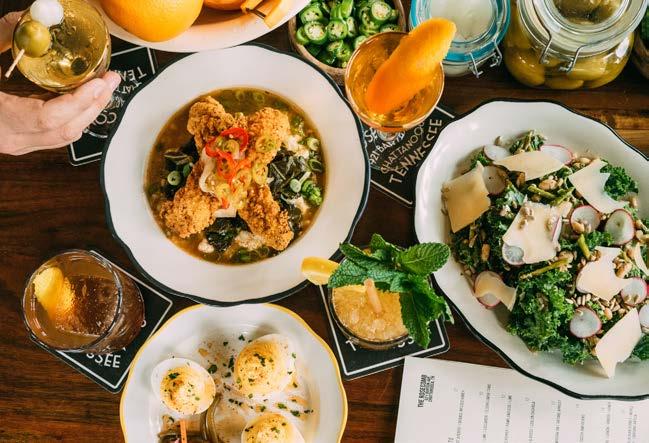
New this spring, guests can sip their whiskey and eat it, too. The Cork to Fork trail brings distilleries and local eateries together to create spirit-infused dishes like signature sauces, churned spirit butters
and whiskey-kissed desserts. Visitors can enjoy culinarydriven experiences at Whiskey Trail restaurants, ice cream shops, confectioneries and breakfast spots. Many participants sell packaged versions of some of their offerings like savoury bourbon bacon jam or whiskeyinfused barbecue sauce that guests can bring home.

Pro tip: Pick up an official TN Whiskey Trail Passport at a participating distillery or download a mobile one. Collect physical or digital stamps at distilleries and get a prize once you’ve visited them all.
Located steps from the thriving music scene on Broadway, the 191-room historic Holston House Nashville mixes 1920s Art Deco architecture with a rock-and-roll vibe. Guests can order a turntable with records from room service.
The Tennessean, an 82-room luxury property near Knoxville’s Old City and Market Square, received a Michelin Guide one-key designation and is known for its traditional tea service in a plush drawing room.
Since opening in 1969, the 464-room Peabody Memphis has been the South’s ‘Grand Hotel’. It’s famous for its five resident Mallard ducks that parade through the lobby on a red carpet twice daily.
It’s not just about soaking in thermal waters here, it’s also about history, culture and community connection
By Chris Ryall
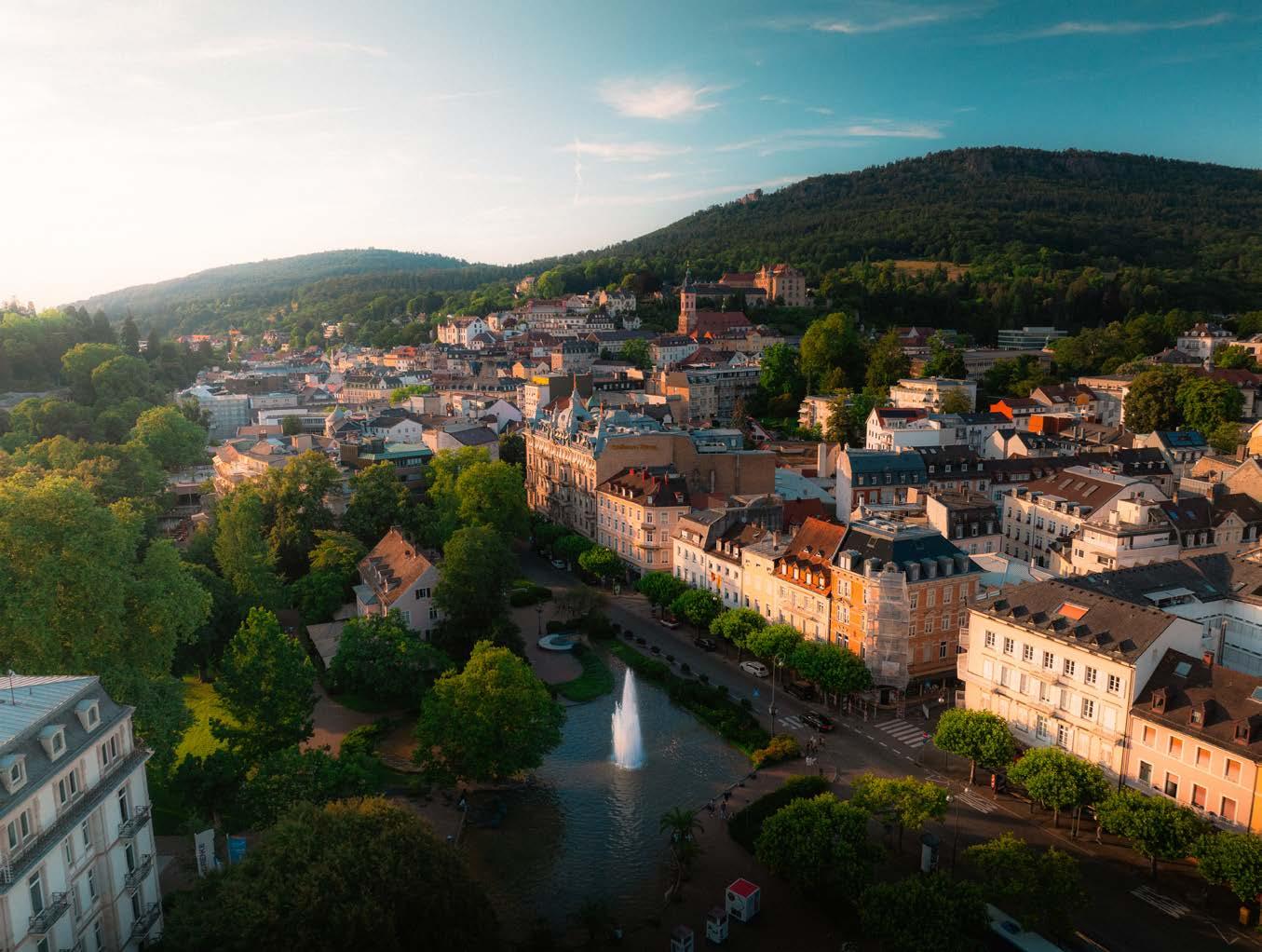
Roman emperor Caracalla came across Baden-Baden’s natural spring waters more than 2,000 years ago and built the first bathing facilities. Soon after, Roman soldiers soaked their battle-weary bodies. Word caught on with royalty and eventually people from all levels of society made pilgrimages to what was considered one of the “Great Spa Towns of Europe.” Baden-Baden, a UNESCO World Heritage Site since 2021, has been on my spa destination bucket list for years and it did not disappoint.
Baden-Baden is at the foot of the verdant Black Forest in the state of BadenWürttemberg. Twelve springs from a depth of 2,000 metres dating back 12,000 to 17,000 years, produce a voluminous flow of 800,000 litres of thermal water. The mineral rich waters can reach a toasty 56˚C to 68˚C and contain healing minerals including sodium, chloride and magnesium, known to help soothe muscles and treat rheumatism and joint disorders.
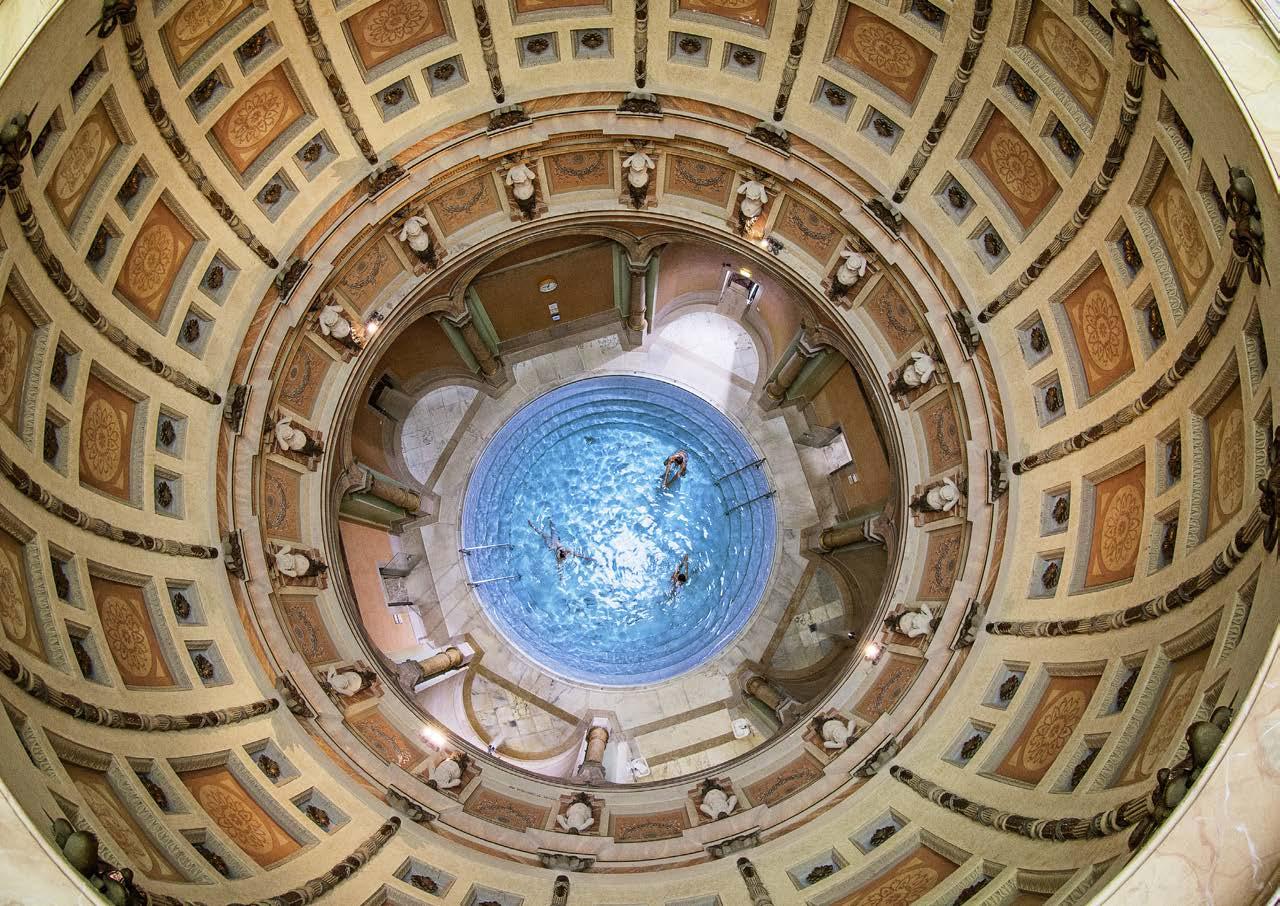
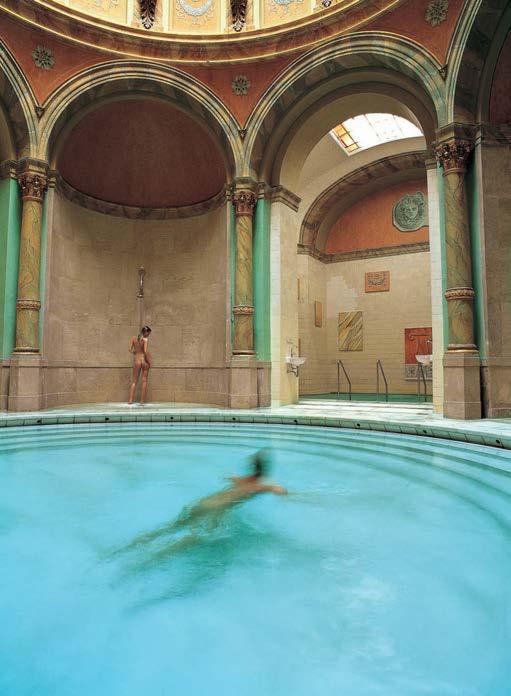
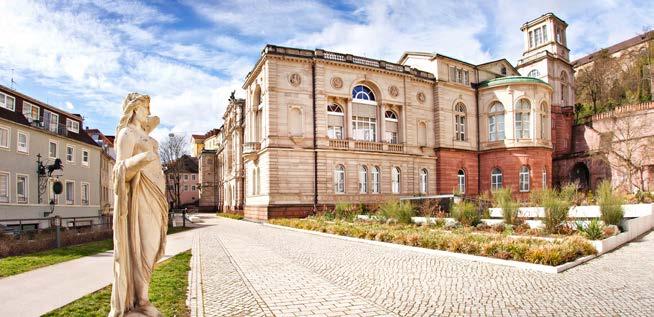
Soak in the storied history of the Friedrichsbad Spa, opened in 1877. Many considered this the most modern bathing house in Europe at the time. I embraced its Renaissance charm, which includes the impressive 17.5-metre-high dome, with its hand-painted majolica tiling and columns.
Visitors should note that for most of the week, this is a swimsuit-free facility. Leave the bathing suit and shyness at home, or come by on a Wednesday or Sunday when you can don your swim trunks. Towels and slippers are provided.
Friedrichsbad has a 17-stage relaxing and recharging circuit starting with a thermal water shower followed by warm and hot air baths, thermal steam baths at various temperatures and an assortment of thermal baths, including a cold plunge to stimulate blood flow. End your circuit in the relaxation area where you can dry off and unwind before visiting the reading room to lie back on a lounger with a magazine.
There’s also the opportunity to book a traditional soap and brush massage. For about 10 minutes you’re rubbed with soap and water and then massaged with a natural hairbrush. This ancient ritual is said to promote blood circulation in the skin and stimulate circulation. It was definitely a unique experience and one I won’t soon forget.
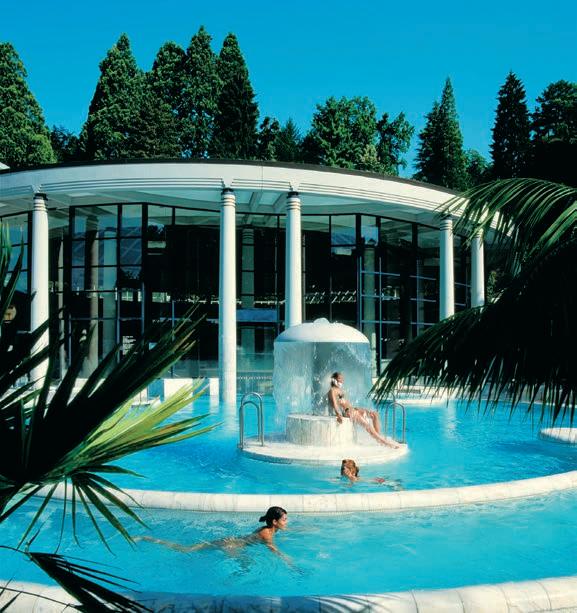
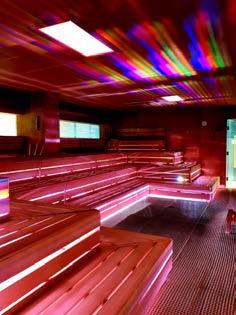
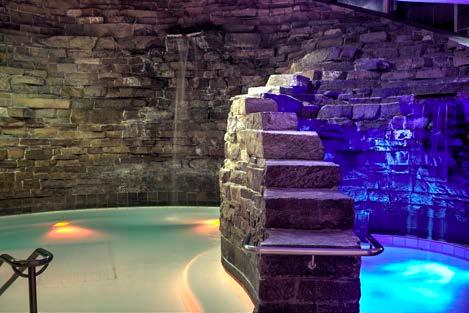
Not resting on its historic past, Baden-Baden has also moved into the future with the more modern Caracalla Spa, named after the Roman emperor. This spacious spa sanctuary, originally opened in 1985, blends a more modern vibe with Romanesque temple-style architecture. I love saunas and there are numerous ones here, from a fire sauna to an aroma sauna, as well as steam baths, indoor and outdoor pools, solariums, cold water grottoes, a salt room and relaxation areas. The sauna area is textile-free, meaning you can’t wear a swimsuit—either strip down or don just a towel, depending on your comfort level.
Bathing in Baden-Baden is like being at a neighbourhood café. Locals meet every week to chew the fat or simply catch up while getting some muchneeded relaxation. It’s not just about healing waters here, but also historic traditions and a rich sense of community.
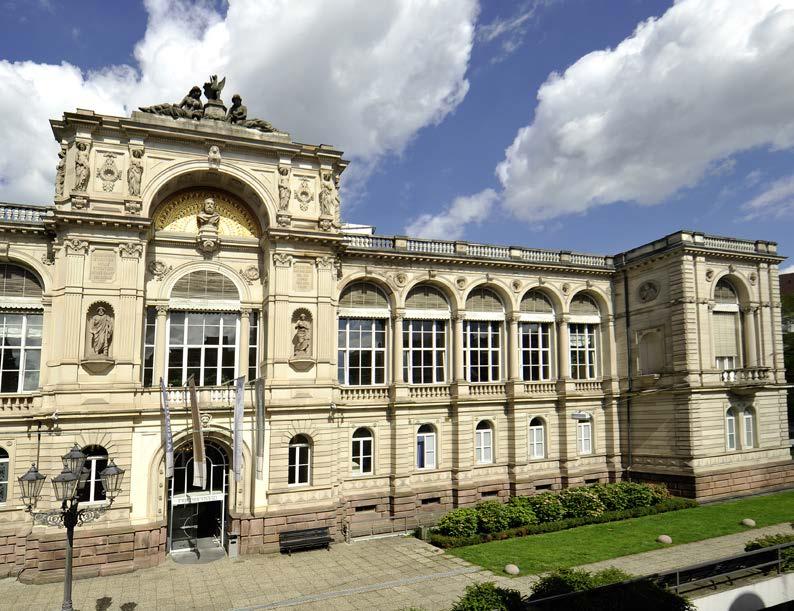
Baden-Baden is more than a spa destination. Arts, outdoor adventure, shopping, music and gourmet cuisine abound in this pedestrian-friendly town. Check out these suggestions.
• Casino Baden-Baden: Considered the world’s most elegant casino, you don’t have to be a gambler to enter. Take a guided tour and don’t miss a delicious steak dinner at The Grill restaurant next to the casino.
•Festspielhaus: Germany’s largest opera house and concert hall (originally a train station) features top artists and orchestras with 2,500 seats. Tours are available.
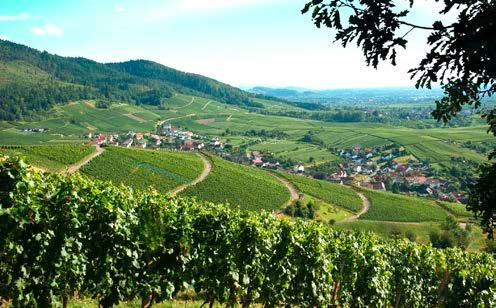
• Rebland wine region: These scenic terraced vineyards noted for Reisling populate the hills just 10-minutes from Baden-Baden’s city centre.
• Fabergé Museum: The world’s only museum dedicated to Carl Fabergé is home to a collection of masterpieces including the famous imperial Easter eggs.
and
or
• Gourmet cuisine: Enjoy everything from Michelin starred fine dining restaurants (Maltes Hidden Kitchen) to traditional Baden cuisine (Laterne) to cozy cafes.
• Shopping galore: head to Sophienstraße for some of the most exclusive shopping in the city. Or for German-made crafts and designer labels try the boutique shops along the Kurhaus.
• Hotels: Some good options include HELIOPARK Bad Hotel zum Hirsch, Brenners Park-Hotel & Spa (recently renovated) and the recently opened Steigenberger Icon Europäischer Hof.
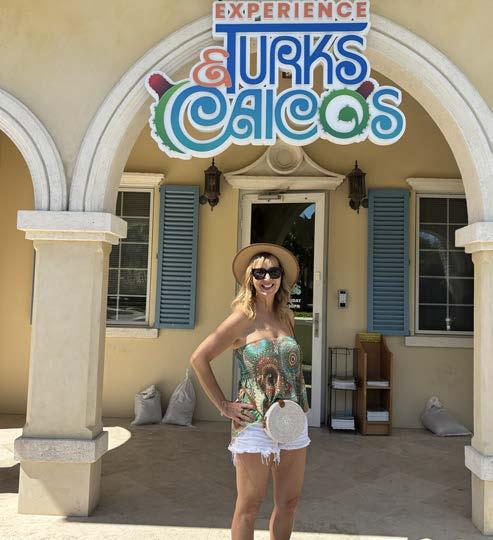
While snorkelling, I’ve always made a conscious effort to protect the underwater world by choosing biodegradable sunscreen and taking care not to touch or disturb the delicate coral. However, meeting the dedicated team behind the Turks and Caicos Reef Fund (tcreef.org) on Provo provided a deeper understanding of what true stewardship looks like. Committed to preserving and restoring the islands’ fragile marine ecosystems, the organization leads impactful initiatives in coral rehabilitation, invasive species management and community education. Supported by a grant from the John Ellerman Foundation in the UK and in partnership with The Reef Institute in West Palm Beach, Florida, the TCRF is now extending its reach by helping other organizations across the region launch their own conservation efforts.
While endless white sand and turquoise water are a major draw, the islands of Turks and Caicos are also filled with surprises
With its inviting waters and an abundance of refined hotels and private villas, few destinations in the Caribbean exude the same effortless elegance as the Turks and Caicos Islands. Although this was not my first visit, this time I found much more than postcard-perfect beaches (of which there are many). I learned about meaningful conservation efforts, discovered culinary innovations I wasn’t expecting and came away with an experience that deepened my appreciation for not only Turks and Caicos, but the Caribbean as a whole.
I spent some time on Providenciales, the main island in Turks and Caicos (and Provo to locals), as well as two other lesser-visited islands.
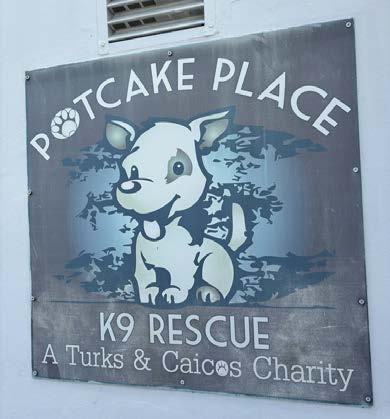
As a new puppy mom, I made a quick stop at Potcake Place K9 Rescue (potcakeplace.com) in Saltmills Plaza in Provo to learn more about the incredible work they do caring for the island’s beloved “potcake” dogs. In Turks and Caicos and around the islands, the term potcake refers to the local mixed-breed island dogs, but the name itself has a much more humble origin. “Potcake” comes from the hardened cooked rice and peas that would stick to the bottom of the pot. Traditionally, these scraps were scraped out and fed to dogs. Over time, the name “potcake dogs” became associated with the resilient, resourceful pups found across the islands. In just a short visit, it was clear how dedicated the team is to rescuing, nurturing and finding homes for these adorable canines.
Local tip: Although I didn’t have time to do so but wish I had, any dog-loving visitors to Provo might want to take advantage of the puppy walking program Potcake Place offers, which is great for socializing the pups and gives visitors a meaningful way to connect with the island.

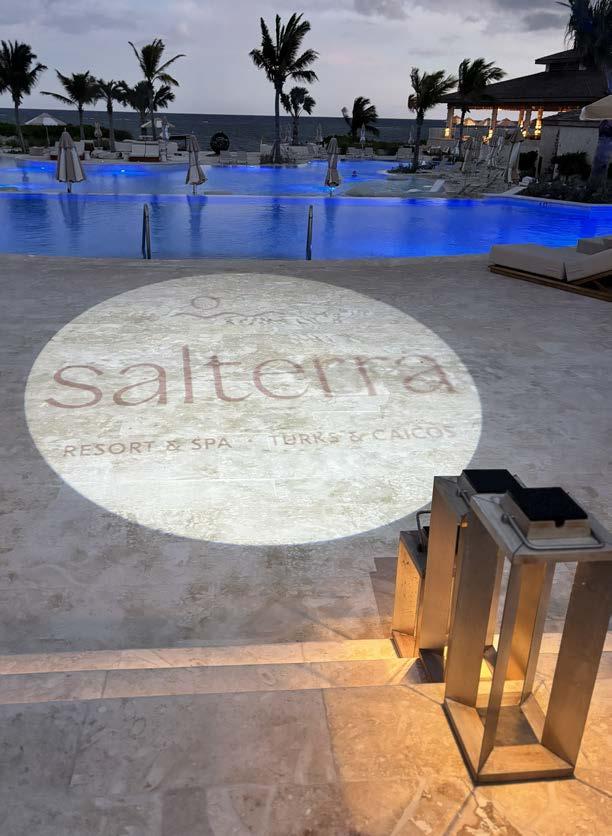
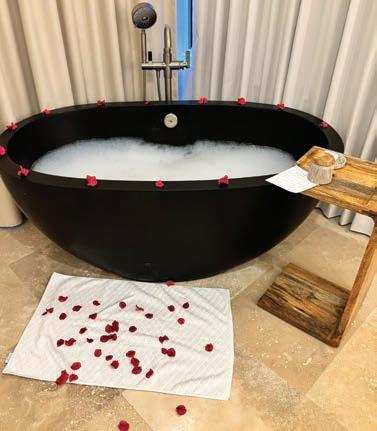
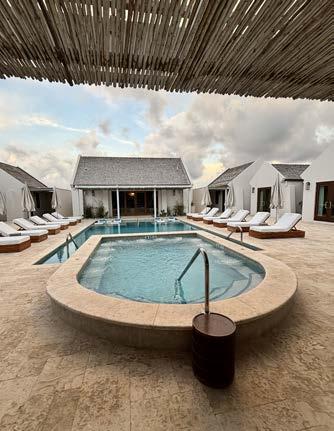
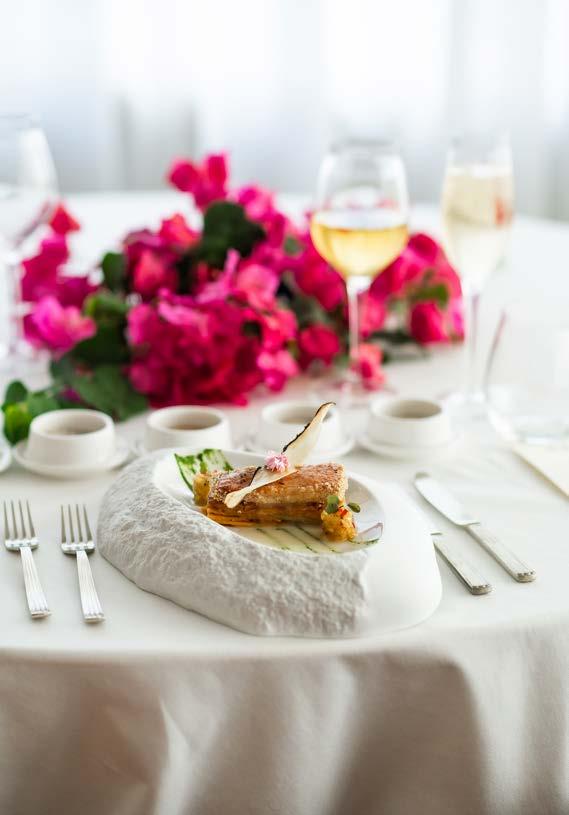
While you’re at the resort, there is plenty to do. The spa uses nature’s gifts of salt and sea to create a unique and restorative experience. The dining at Salterra was exceptional and their optional Epicurean Experience allows you to indulge freely without feeling like you’re at a traditional all-inclusive resort. One memorable night of culinary excellence was Brine restaurant’s five course White Gold Dinner, inspired by the island’s most precious ingredient: salt derived from South Caicos’ storied salt flats. Each dish was artfully plated and paired with both delicate and varied salt crystals as well as an impeccably curated journey of wine.
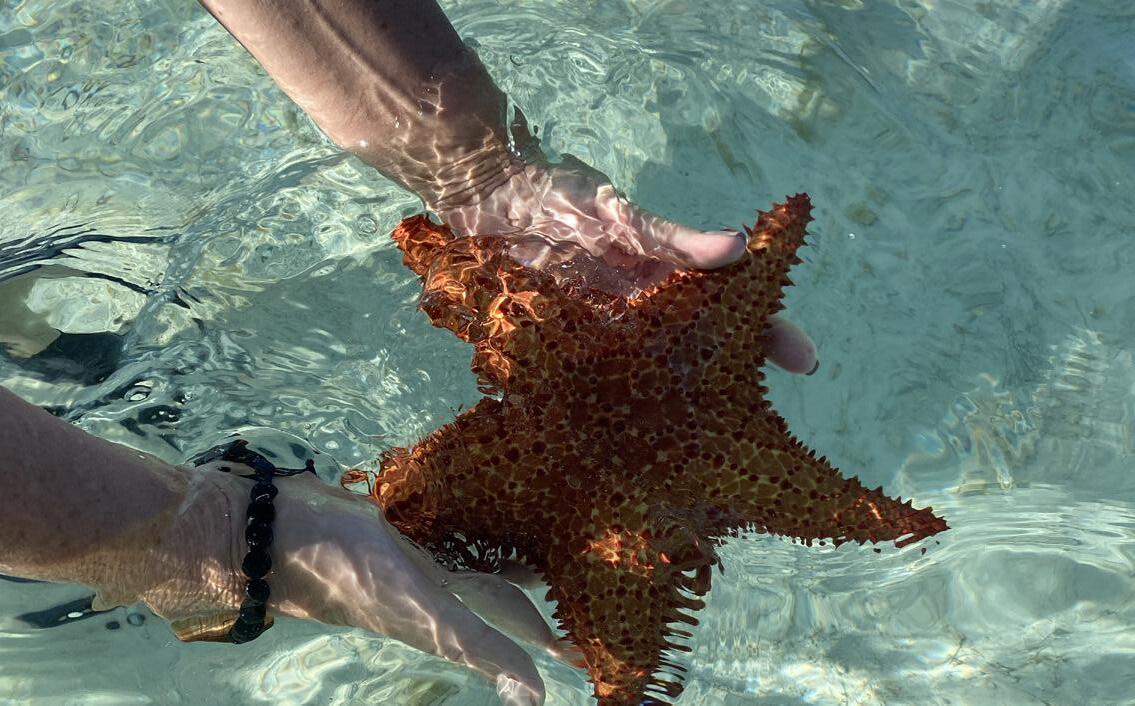
A short flight on Caicos Express carried me to the lesser-travelled shores of South Caicos. My base was the refined Salterra Resort (salterra.com), a luxury hideaway where the tranquility of its natural surroundings are complemented by the resort’s interiors of soft, sandy hues layered with organic sisal details. I loved the spacious guest rooms and the fact they all have a generous balcony and stunning views of the ocean. Highlights included biking to see the American flamingos at the nearby salt flats and a private boat tour organized by the resort. We travelled through crystalline waters to visit the Turks and Caicos Rock iguanas at Long Cay in Admiral Cockburn Land and Sea National Park and then made a stop at scenic Starfish Point.
Starfish, also known as sea stars, have an incredible ability to regenerate. If they lose an arm, many species can grow it back, and in some cases, a single arm can even regenerate an entirely new starfish.
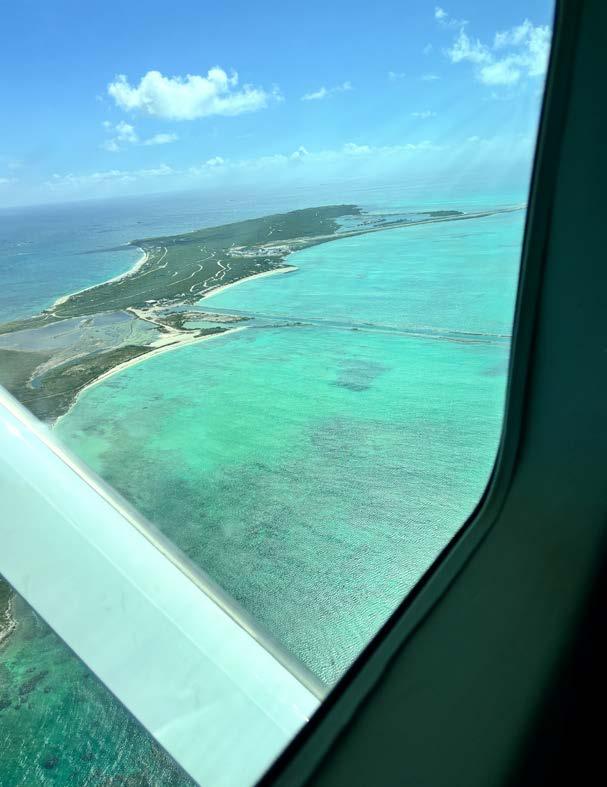
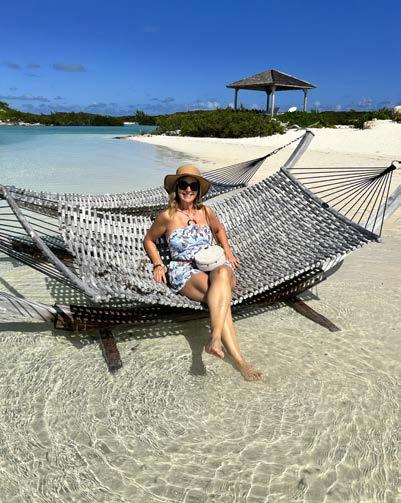
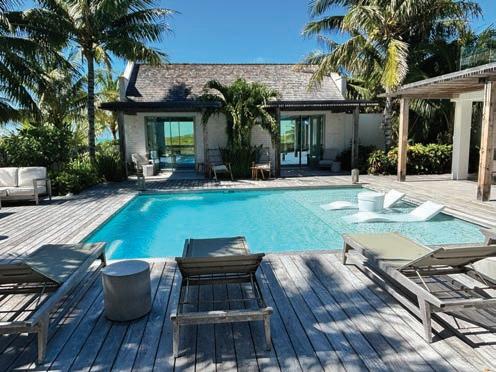
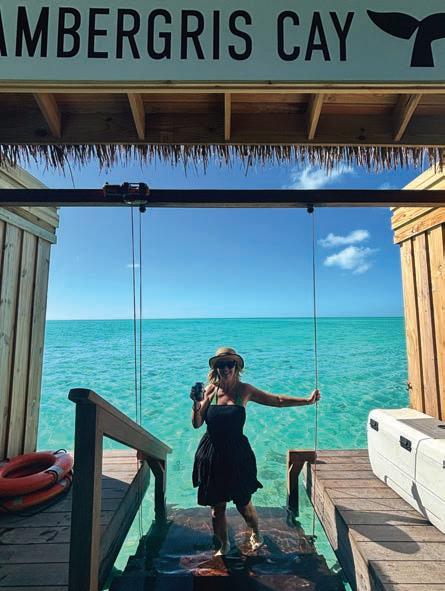
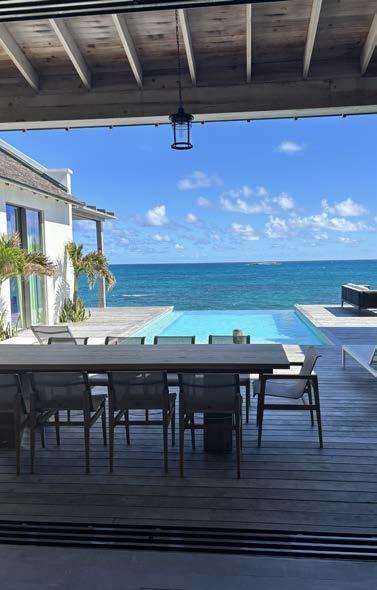
It took just seven minutes by plane to get to our private island paradise of Ambergis Cay (ambergriscay.com). The flight, though short, was a real treat, giving us views of varied ocean hues and hammerhead sharks below. On this island paradise we were treated to a truly unique home away from home, a secluded 10-bedroom private villa that was part of a 1,100-acre oasis comprised of 17 bungalows and 11 villas. The unique thing about the bungalows and villas is that all are sold on an all-inclusive basis so once you arrive on island there is absolutely nothing to think about except enjoying your vacation. It’s the perfect place for celebratory gatherings, multigenerational travel or small group luxury retreats of any kind. Our villa came with a dedicated butler and chef which felt indulgent in all the right ways, without ever losing the sense of ease and authenticity of being in the Turks and Caicos Islands.
Local tip: Be sure to take advantage of the resort’s skiff transportation to Hangover Bar, a picturesque overwater, floating tiki bar at Little Ambergris Cay.
In these islands, sustainability and sophistication move in tandem. From reef restoration and refined cuisine, to iguana encounters to private-island pampering, Turks and Caicos delivers more than a beach escape. It goes beyond what you might be expecting from a Caribbean vacation and gives you something much more meaningful.
Beneath the surface of this small Baja California Sur town lies a world of whales, farm-to-table food, world-class golf and human connection that is completely unforgettable
BY KAYLA-MARIE WILLIAMS
I’d like to be clear from the start: Loreto may not be for everyone, and that’s precisely what makes this place extraordinary. If your ideal getaway involves a poolside lounger or a wristband that covers everything, this may not be your town. But, if you’re ready to step outside your comfort zone, be humbled by what nature is capable of and peel back rich layers, Loreto is the perfect destination for your next adventure. Its history, beauty and wild character can’t be absorbed in one single trip and travellers who understand that are the ones that keep coming back for more.
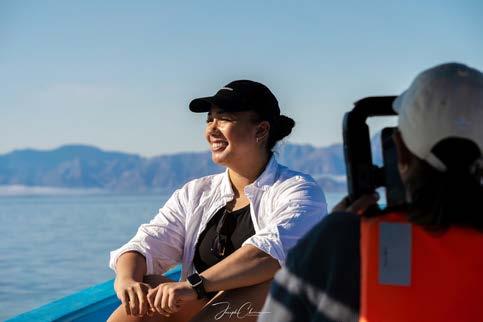
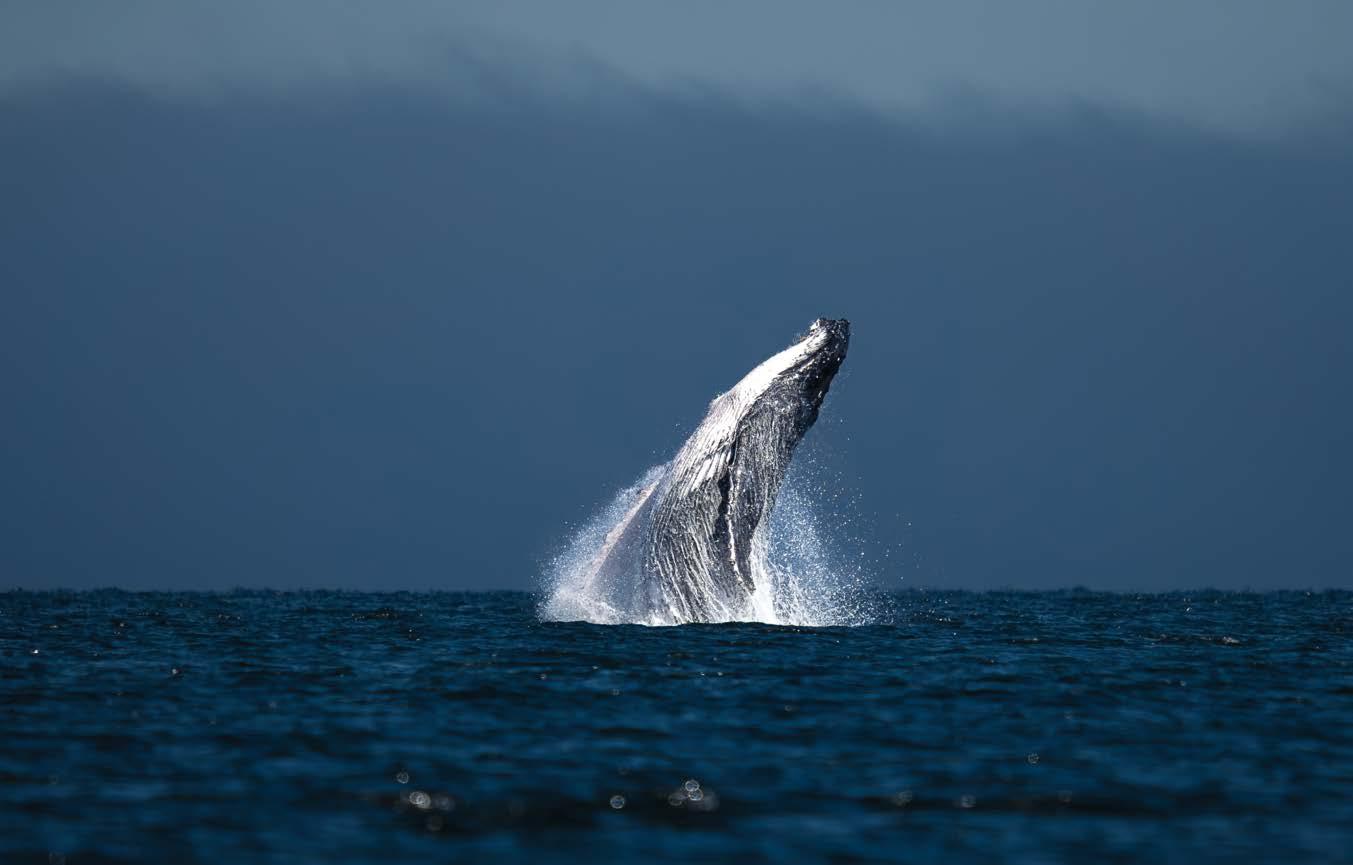
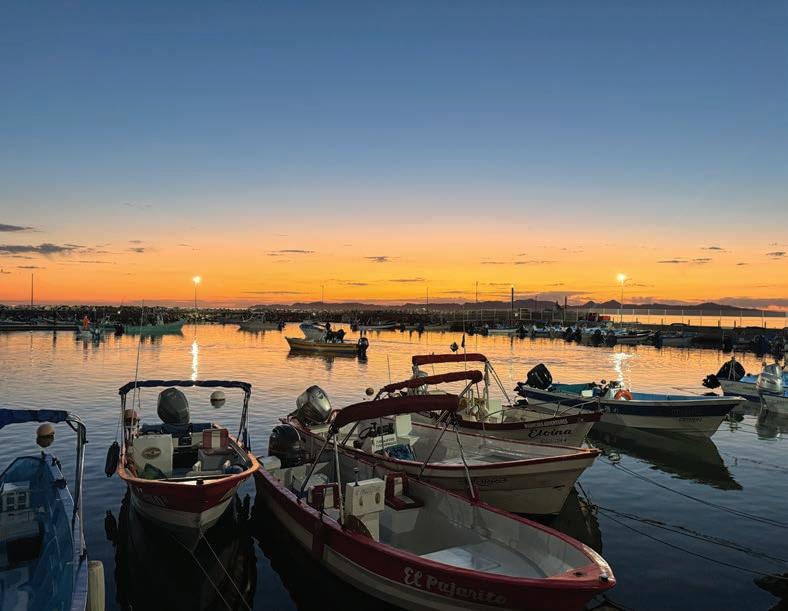
On my first morning, while the town is still dark, there’s a gentle hum as boats begin to stir in the marina, waiting to take fishermen and boats filled with curious visitors out onto the Sea of Cortez. It’s March and I find myself in the thick of whale watching season here in Loreto, a place where whales migrate to each year. As the sun begins to rise and the engine cuts, the only sound left is the water. Bold hues of fiery orange and amber inch their way up creating the perfect backdrop for what’s to come. Then, a slow exhale. Two fins begin to rise. A blue whale and its calf surface close enough that you hold your breath without realizing it. The water in Loreto feels alive, and every whale encounter feels like a gift.
Tucked along the eastern shore of Baja California Sur, this small colonial town sits at the edge of one of the most biologically rich stretches of ocean on the planet. Whale watching here feels less like a tour and more like being a guest in their home. Sea lions bark from rocks. Dolphins are curious and full of life. I sat at the bow of our small boat for hours as we played the best version of hide and seek, waiting for humpbacks and blue whales to surface. And if you’re someone who prefers to do things on your own, sea kayaking through Loreto Bay National Marine Park also offers a unique way to experience marine life at an even closer range.
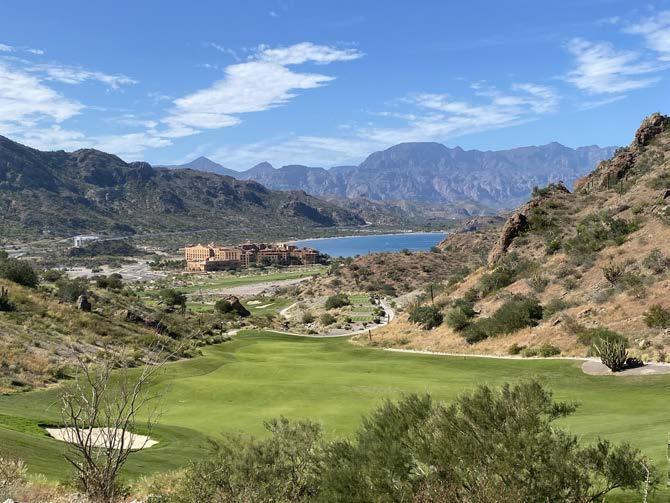
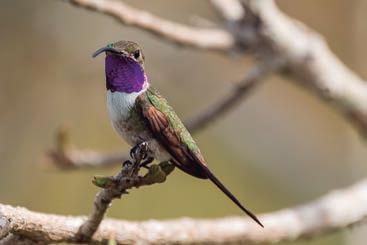
What makes Loreto stand out is what rises behind it. Turn away from the sea and you are immediately met with the Sierra de la Giganta mountain range, volcanic rock, massive cardón cacti and canyon trails that feel like the edge of another world. Hiking the mountain range can be demanding and often means an early rise along with sturdy boots. But if you commit, it rewards every steep kilometre with panoramic views stretching the coastline. For bird watchers, this mix of desert, mountain and sea draws in ospreys, frigatebirds, blue-footed boobies, Heermann’s gulls and the elusive Xantus’s hummingbird through overlapping habitats that only a few other places on earth can replicate.
For those who enjoy the beauty of nature by way of golf courses, there is TPC Danzante Bay at the Villa del Palmar Beach Resort & Spa. This course reimagines the elements of Baja California Sur into 18 breathtaking holes. Playing alongside Danny Garcia, lead golf pro at TPC Danzante Bay, he encouraged me to stop and soak in my surroundings. The Sea of Cortez, desert scrub and mountains are all draped around every hole like a painting that keeps changing as you move through it. The iconic 17th hole is nearly impossible to describe, which is the point. It has to be played to be understood. Even after posting a not-so-great round, my smile didn’t leave my face. For any golfer building a bucket list, TPC Danzante Bay certainly belongs in the conversation.
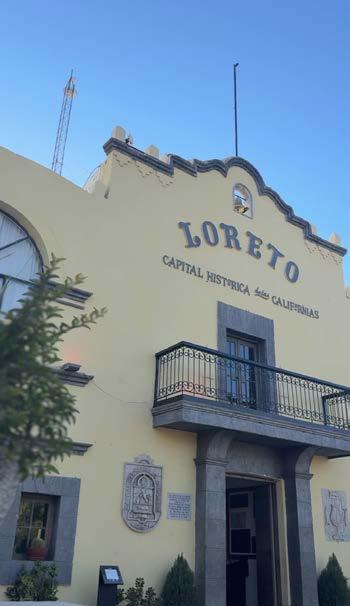
Loreto moves at a pace that feels deliberate but not sleepy. The Malecón fills at dusk with locals and a slow trickle of travellers who found their way here and aren’t in any rush to leave. Walking back to my hotel after a late night dinner, I passed the popular Loreto sign under the full moon glistening off the calm waters providing the right amount of light to take in the small town charm. A mission church founded in 1697 by Jesuits is at the core of the town’s centre with local bistros surrounding it.

Take a short drive outside of town and you’ll land on Rancho La Caprichosa, a working farm belonging to Elizabeth and Esteban, two of the most gracious people you’ll meet anywhere. A quaint ranch filled with goats, chickens, horses and pigs, we milked goats, pressed tortillas by hand, brewed coffee the old fashion way and enjoyed a local breakfast made with genuine pride. This sort of community tourism provided a real glimpse of life in Loreto with no pretense.
This place calls out to a different type of traveller; the kind seeking out intention and connection in a world that can often feel overcrowded. If that’s what you’re looking for, Loreto stays with you long after you leave.
No matter how long you plan to spend in this vibrant and diverse city, there’s a very good chance you’ll want to come back for more
BY JESSICA PADYKULA

San Fransico is a bit of an odd duck, in the best way possible. Straddling the past and present with eyes firmly on the future, the city also ensures you know history is what shaped it. In the time it takes to cross a street, you might snap a picture of an iconic cable car inching its way up a hill while at the same time waiting for your Waymo ride, the self-driving taxis that have become ubiquitous in the city. Or you might find yourself strolling past a row of historic Victorian homes while also clocking a billboard touting the latest AI start-up. It’s a fascinating blend of old and new that draws you in and makes it easy to give yourself over to this wholly unique vibe.
I only had a couple of days to explore the city, but even a short visit can provide a multilayered introduction to San Francico and its many charms.


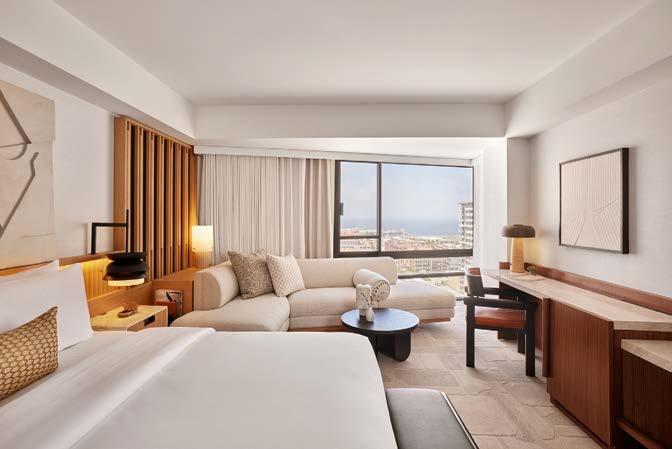
Easily balancing style and comfort, The Jay (jayhotelsf.com) is one of those places where you exhale the moment you arrive. The warm, neutral palette throughout encourages calm and floor-to-ceiling windows in the rooms are a constant reminder that San Francisco is
always ready for its close-up. In addition, The Jay has an ideal location in the Embarcadero neighbourhood, between Chinatown and the financial district. Luxury linens and ultra-comfortable beds make it easy to unwind after a day of exploring and I love the fact there are refillable glass water bottles in every room and water refilling stations on every floor. The hotel is also a convenient five minute walk to the waterfront and the Ferry Building.
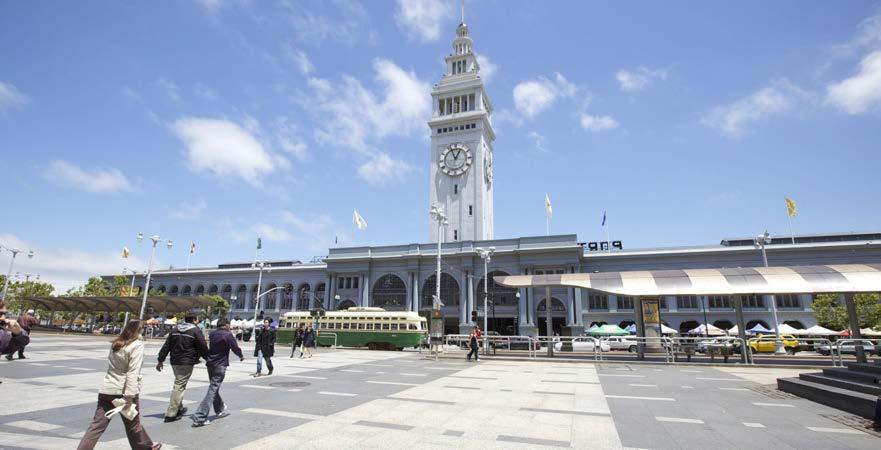
One of the highlights (of many) from my short but sweet visit to San Francisco was the Ferry Building. Just outside you’ll find a farmers’ market (open Saturday, Tuesday and Thursday, year round) and inside is a foodie paradise. The historic structure, open since 1898, is known as one the city’s most significant landmarks. Today, it houses a diverse selection of food merchants, restaurants and artisan shops that bring home the point that San Francisco is a city of creators and people who are passionate about supporting local. If you enjoy wandering around food markets, the Ferry Building is a must.
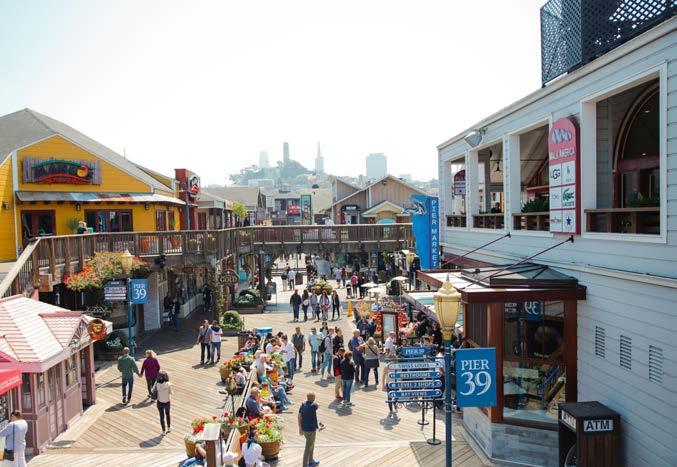
It might appear to be on the touristy side at first glance, but Pier 39 is iconic for a reason. Set right on the water, this multifaceted venue which opened in
1978, is perfect for families or anyone who wants to shop, eat and be entertained near San Francisco Bay. Two levels house over 90 restaurants, shops, attractions and local small businesses, but the atmosphere alone is worth visiting for. It’s lively and fun and the ideal spot to grab a souvenir or two. And don’t leave without checking out K-Dock with its blanket of adorable sea lions just catching some rays and relaxing on the water.
At over 1,000 acres, Golden Gate Park is larger than New York’s Central Park, a fact locals love to share. This park offers so much more than a grassy plot to picnic on (although there are plenty of those). Here you’ll also find the beautiful de Young Museum, featuring American art from the 17th century through today. There’s also a serene observation deck on the museum’s ninth floor with great views of the city (you don’t need to buy an entry ticket to access it). The park is also home to the California Academy of Sciences, a herd of American bison (definitely a surprising sight), a botanical garden, restaurants and more.

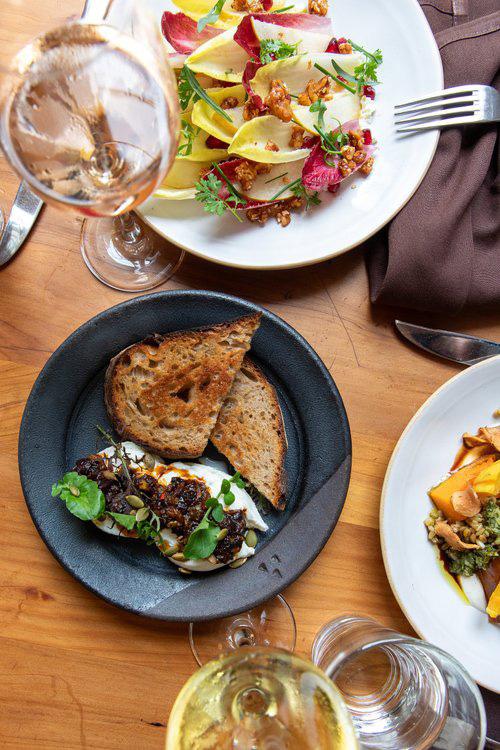
First up, if you happen to be visiting the aforementioned Ferry Building, you’ve got plenty of palate pleasing options. I fell head over heels in love with El Porteño Empanadas. The fugazzeta is outstanding with its richly savoury interior of caramelized onions, sharp cheddar and just enough oregano to tie everything together in a way that makes you want to go in for bite after bite. Delicately flaky without being greasy, these empanadas are some of the best I’ve ever eaten.

SF City Guides (sfcityguides.org) is a non-profit that offers free walking tours and you would be hard pressed to find a more informative and entertaining way to discover a new neighbourhood. which is how I got to know San Fransico’s Mission District, one of the city’s oldest and most unique neighbourhoods. Our guide was passionate, funny and quick to answer any questions we had. The Mission is
Also in the Ferry building, you’ll find Lunette (and usually a lineup). The crowds form early, for good reason. The food
is that good. Their goal is simple: to share Cambodian cuisine and culture with the city in an accessible way that doesn’t compromise on traditional flavours. One bite of the yellow curry took me right back to a country I have not visited in over a decade. In the dish, Madras curry, kroeung (traditional Cambodian spice paste), coconut milk, crispy potatoes, tofu, sweet potatoes and eggplant combine in a rich yet fresh-tasting bowl served with steamed jasmine rice.
Piccino was another showstopper for me. As a fan of Italian food as well as bright flavours and pretty presentation, this place hit all the marks with ease. The airy space is designed for lingering (as many lunch-goers looked to be doing) and the dishes on offer all sing with a deceptive simplicity that highlights seasonality. This spot features ingredients from its own farm so you know you’re getting fresh. Don’t miss the wood fired pizzas (the classic margherita is a standout), the unctuous roasted squash and cauliflower salad, or the perfectly savoury marinated castelvetrano olives.
an area I have always wanted to visit and the tour was so good our group went back for more exploring on our own. On the tour you’ll see some of the city’s historic Victorian homes, climb some hills, scout great shopping, see some awe-inspiring murals and get a detailed primer on the area’s extensive history as the birthplace of many activism movements, from feminism to LGBTQIA+ rights.
It’s
As a frequent traveller, I don’t usually enjoy the part where you wander aimlessly around an airport terminal, drifting between generic stores and chain restaurants. This is not a problem in San Francisco. You won’t find many international chain restaurants at the airport; just locally loved spots for everything from ultra-fresh banh mi sandwiches (Bun Mee) and loaded veggie burgers (Amy’s Drive Thru) to healthy and seasonal grab and go dishes like salmon bowls and coconut curry tofu (Proper Food).
The airport is also home to three serene yoga rooms, interactive kids’ play areas, an observation deck, a comprehensive aviation museum and a unique sensory room geared towards anxious travellers or anyone who needs a calm space to re-set and get out of their heads before a flight. The room features textured walls, dim lighting, interactive elements and a realistic, full-scale aircraft interior so nervous flyers can “practice” being on the plane. It’s also worth noting this airport is a quiet one, with announcements kept to a minimum.
Travelling alone, especially for women, is not only a fun and exciting way to see the world, but also a meaningful way to build lasting memories
BY KATHY BUCKWORTH

Have fun, no further.”
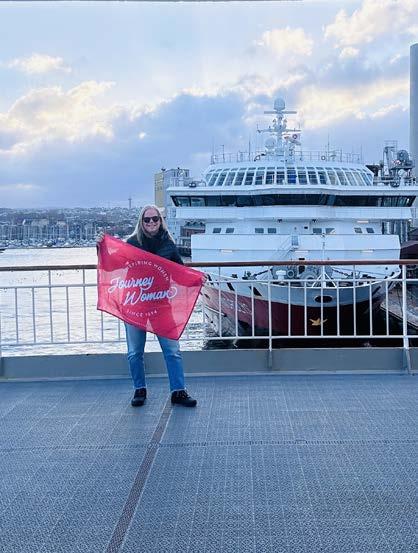
Evelyn* sat across from me at our welcome dinner. In her 70’s, Evelyn is an avid solo traveller and she explained her philosophy. “While you’re having fun, do it. If it’s not fun, don’t take it any further.”

As I looked around the table at the historic Bryggen Tracteursted restaurant in the heart of Bergen, Norway, I knew this trip would be one to remember. The collective wisdom at this table was significant. As the host of a JourneyWoman trip up the north coast of Norway, the nine of us probably had 500+ years of life experience, and a good amount of that spent gathering travel proficiency.
I was excited to be bringing together solo female travellers from Canada, the U.S. and even one from Australia. The only thing we knew we had in common was a love of travel, and most of it specifically solo. The reasons we had chosen to visit a country which reaches into the Arctic Circle, in March, varied. A health scare, a 70th birthday, a celebration of retirement and, “Because I just pushed the button and booked it!”
“Women are the travel trendsetters,” said Johan Pearson, expedition leader on the Hurtigruten Kong Harald ship we would be sailing on. “They always have been. Women are more adventurous than men,” he added.
“My friends were confused. They couldn’t understand why I was extending an already cold winter in Canada,” Jocelyn* said to me. “But I’ve travelled extensively in Canada and I wanted to go somewhere different. Somewhere with fjords.”
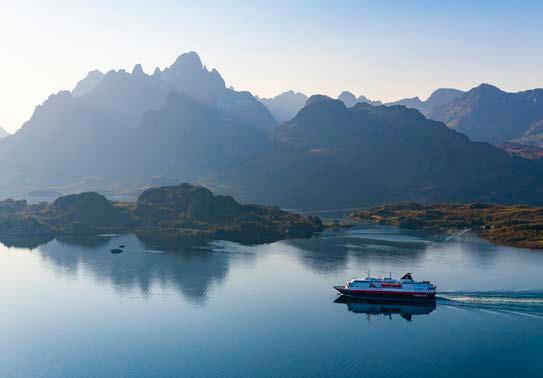
Well if it’s fjords you want, that’s what you’ll get in Norway. Our ship, the Kong Harald, acts as a ferry for locals as well as a cruise ship, as it makes 34 stops on a 12 day journey from Bergen to Kirkenes. The utility of the ship in this way appealed to many of us, serving a purpose more substantial than merely cruising. Passengers come and go, changing the atmosphere of the ship with each port. The ship has a passenger capacity of only 590. “This is not a cruise ship,” said our captain, Leif Ven. “It’s a working ship.”
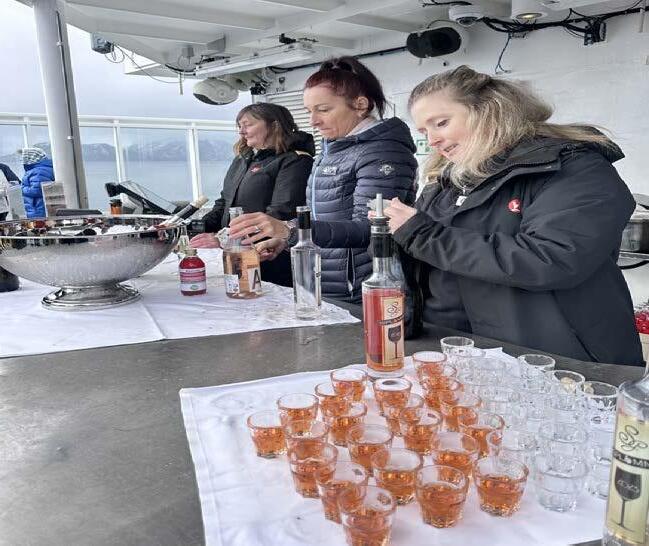
But those who work hard, play hard as well. Crossing into the Arctic Circle is celebrated onboard with an icy baptism for those who want it, followed by a shot of Aquavit, a traditional Norwegian spirit.

When the ship leaves the Arctic Circle, guests are encouraged to take a spoonful of Norwegian cod liver oil.
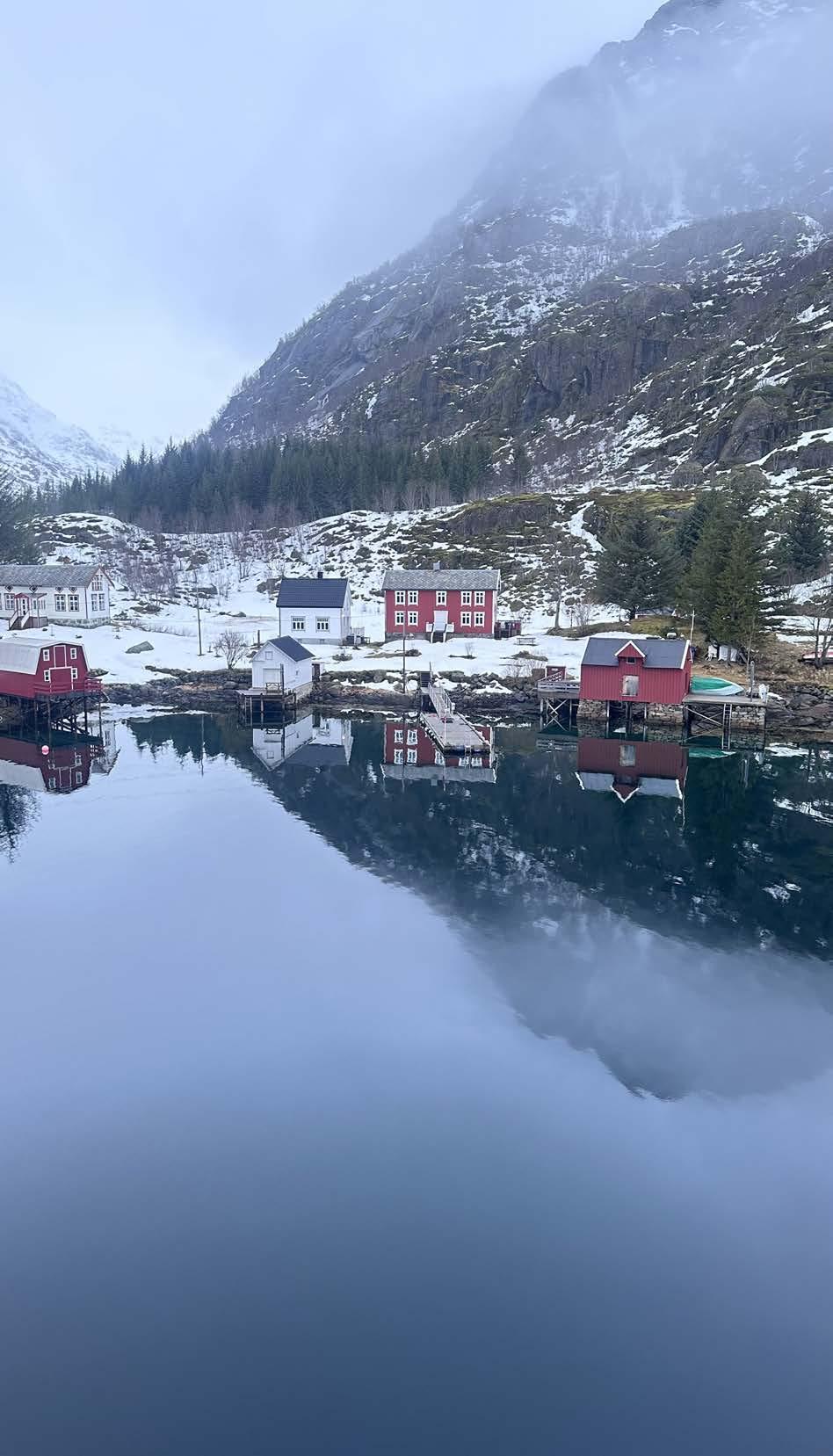
There are a wealth of excursions to take advantage of, even after a handful were cancelled due to some extreme weather conditions. You could visit the Samis (Norwegian Indigenous) and snuggle with their reindeer, or do some extreme hiking up coastal cliffs. There were many coastal city walks, cross country skiing and a visit to a UNESCO World Heritage Site (the Struve Geodetic Arc), as well as a wide assortment of museums. For those not wanting to take organized (and extra fee) excursions, the ship normally docks within walking distance of the many towns which dot the coast.
Our particular voyage faced several port changes due to storms. We were held overnight and into the next day in Tromso. With a population of 80,000 this is a vibrant, young city with an abundance of sites to visit, including the Arctic Cathedral, with its beautiful glass mosaic window. Upon finding out we were to be delayed, Randi* sent a WhatsApp message to the group, inviting us all to learn a complicated card game she loves.
We made an unscheduled stop in Honningsvag, where a trip to the North Cape was hastily arranged, and where grateful passengers finally glimpsed what was for many, the end goal: seeing the Northern Lights. Many fought the fierce northerly winds to make their way to the Globe Monument to reach the most northern part of Europe. It sits perched on a cliff 307 metres over the Arctic Ocean.
“This is it, ”said Jocelyn, as she scrolled through her photos, deciding which ones to share with her family. “We did it.”
Onboard, the cabins are efficient, but not luxurious. There’s not much reason to spend time in them, with a wealth of activities and a selection of dining options available. Seating areas around the ship allow for passengers to chat, play cards, knit and to gaze out at the snow covered mountains in the fjords.
Spontaneous drinks in the Explorer Lounge, a community breakfast and lunch table in the buffet restaurant, mostly followed by joint dinner plans, made for plenty of opportunities to share experiences and plan future excursions together.
One woman summed it up perfectly. “Travelling alone but making connections. Perfect.”
The Hurtigruten Coastal Express is the classic Norwegian cruise. Nicknamed The World’s Most Beautiful Voyage, it covers over 2,500 nautical miles.
JourneyWoman was established as the first female solo travel advisory service, distributed in a hand typed version in 1994 by the inimitable Evelyn Hannon. The numbers grew as the technology advanced, and in 2019 Carolyn Ray took over JourneyWoman, expanding the reach and the depth of this extremely valuable travel market. 2025 saw women in Canada and the US aged 50+ spend $245 billion USD. JourneyWoman recently launched their “The Ageless Adventuress” podcast, which is available on iTunes, Spotify and YouTube.
*Names have been changed
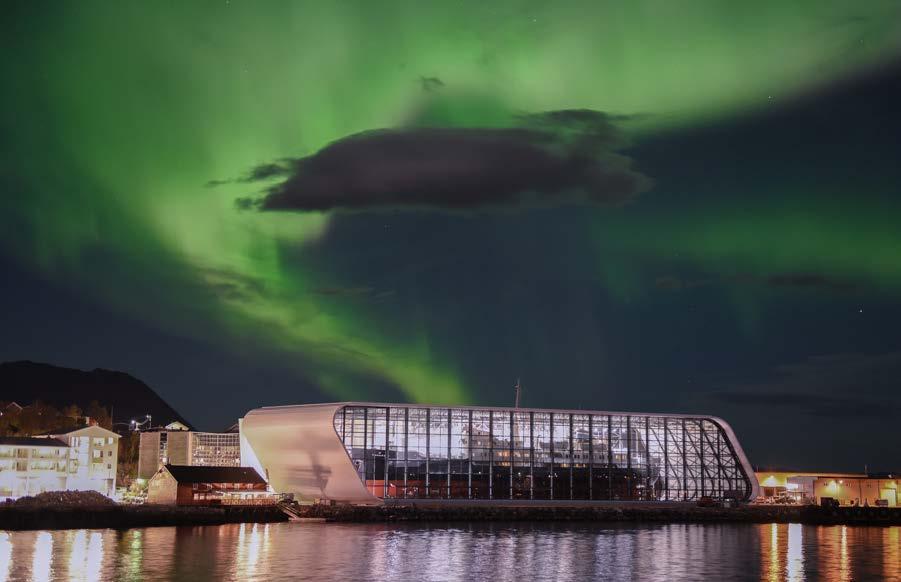
From excellent food and fascinating history to an abundance of natural beauty, it’s not hard to see why this region of Mexico remains a perennial favourite
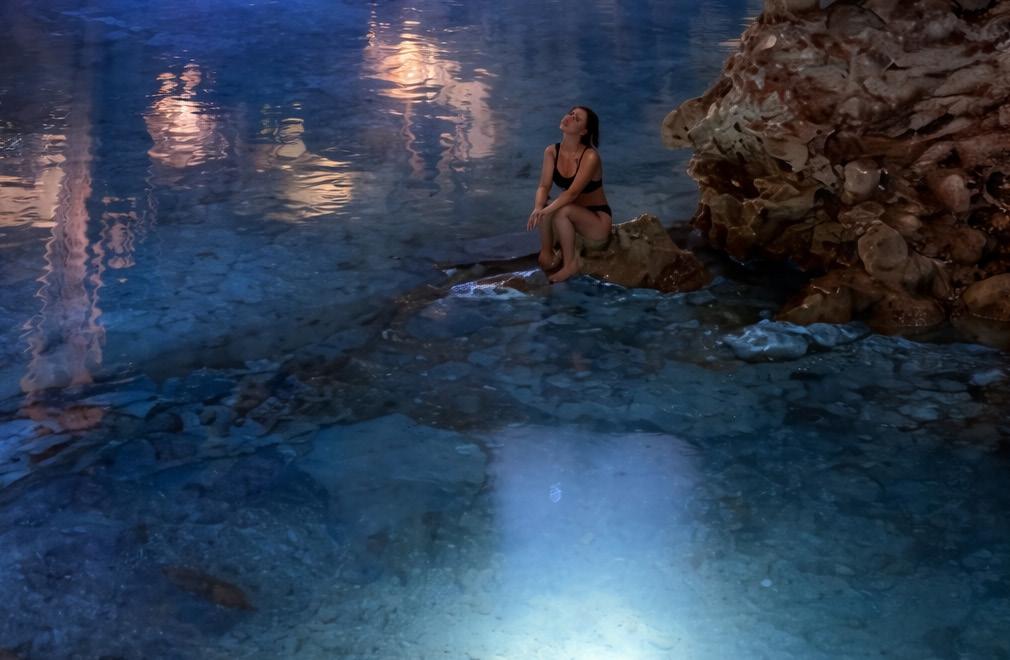
It can be difficult to capture what makes Mexico’s Yucatan State so special, mostly because there are so many things that stand out. History is everywhere, as are unforgettable natural attractions, opportunities for adventure, amazing food and the chance to deeply connect with local culture, and that’s just scratching the surface. It’s no wonder so many people make return visits, myself included.
Whether you’re simply curious or actively planning a vacation, here are the best ways to make the most of a trip to the Yucatan and a few things not to miss while you’re there.
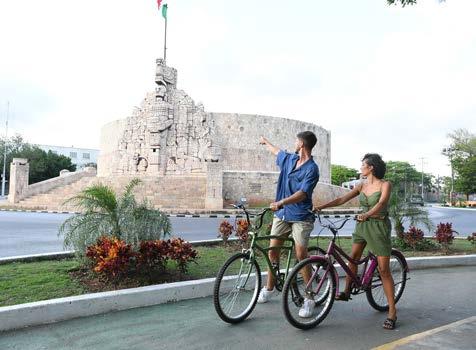
Not to be confused with the Yucatan Peninsula as a whole, Yucatan is one of three states that make up this popular region. It’s the heart of the peninsula with which it shares a name and lies between neighbouring states of Campeche and Quintana Roo, stretching north to the Gulf of Mexico. Its capital of Mérida is both a cultural hub and gateway to the region’s many archaeological sites, cenotes and nature reserves, making it an ideal jumping-off point for exploring the state.
Local tip: If you do base yourself in Merida, make time to explore the city. A natural starting point is the main square, or Plaza Grande, which happens to be surrounded by some of the city’s oldest and most noteworthy buildings. It’s leafy and green and regularly plays host to cultural events.
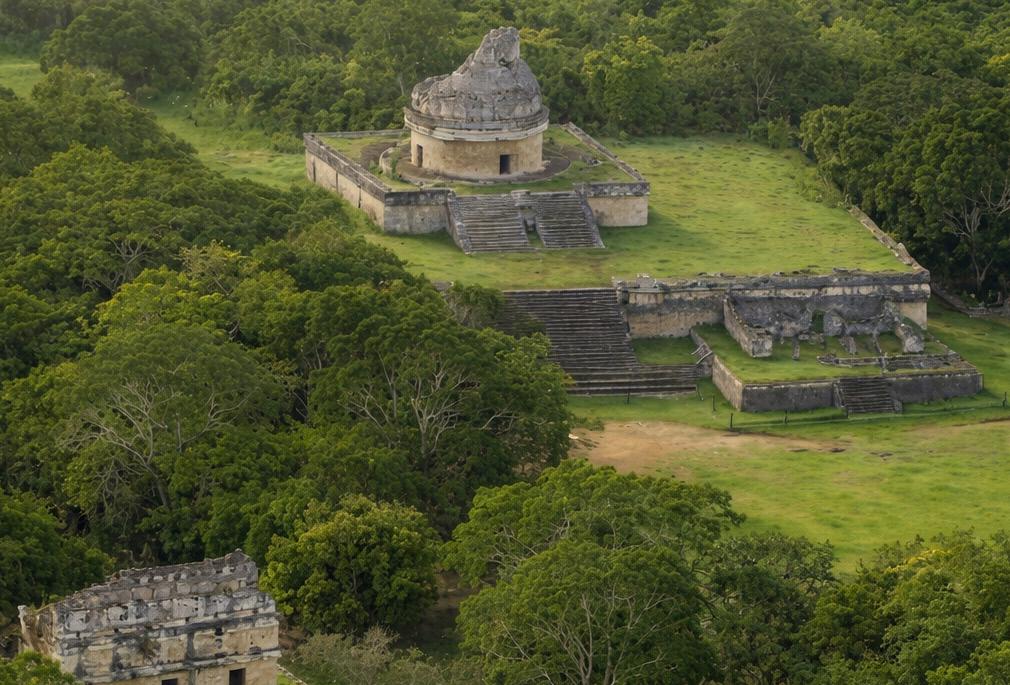
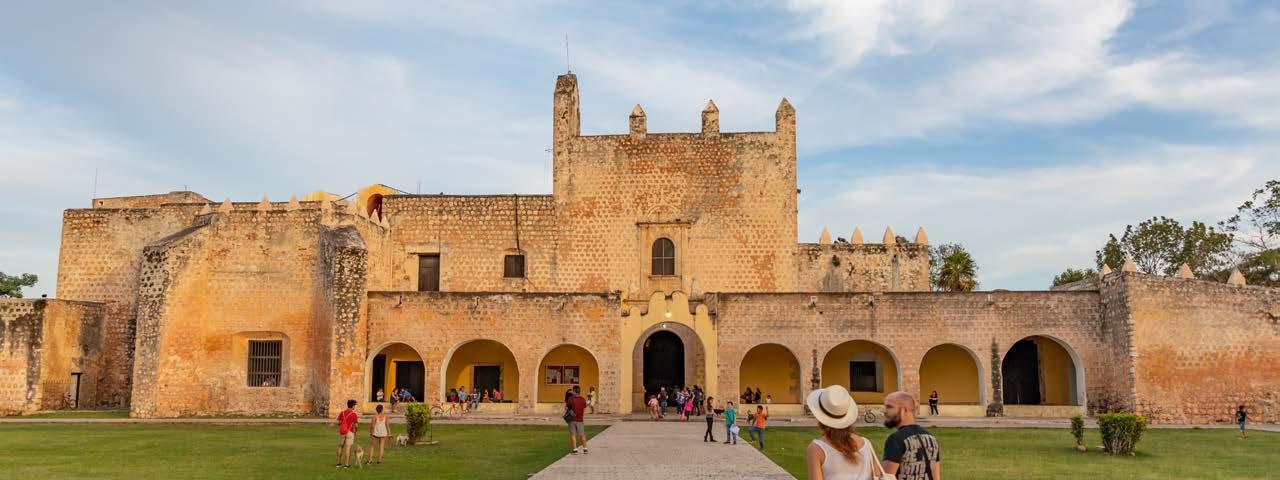
Tradition and culture lead the way in Yucatan. With numerous archaeological sites to explore, you can easily step back in time and uncover the many layers of history this region preserves, from the UNESCO-listed Chichen-Itza to other captivating sites like Uxmal and Ek Balam. The area is also home to some Pueblos Mágicos (Magic Towns), named for their historical and cultural significance. Izamal, with colonial buildings painted almost entirely in yellow; and picturesque Valladolid are both well worth a visit.
Local tip: Valladolid’s Cenote Zaci is close to the city centre (about 10 minutes on foot), making it a perfect place to cool off after a morning or afternoon of sightseeing.
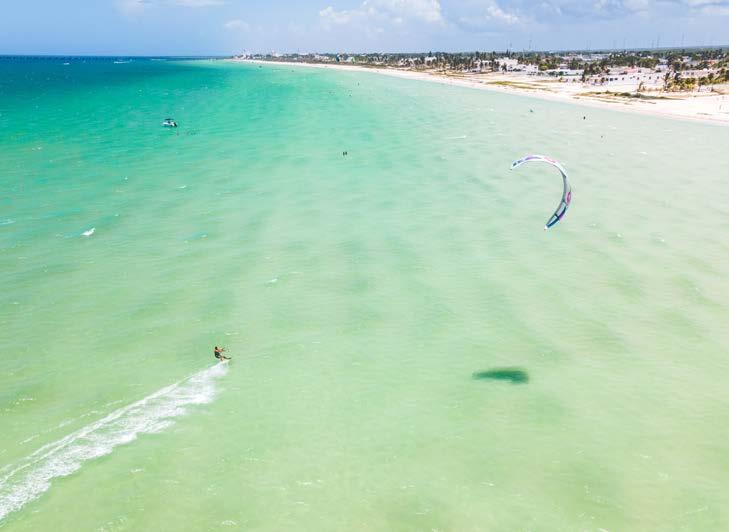
Adventure is everywhere in Yucatan and you don’t have to look far to find it. There are many opportunities to zipline through the jungle, go on epic hikes, or take advantage of calm waters and good wind for kitesurfing. And you’re also just steps away from some of the best diving and snorkelling in the world. Don’t forget to visit a stunning cenote. These natural sinkholes are brimming with crystal-clear water and are a vital part of Mayan culture.
Local tip: Many tour companies will take you on full or half-day cenote excursions where you’ll have the chance to see (and swim in) several, both above and underground.
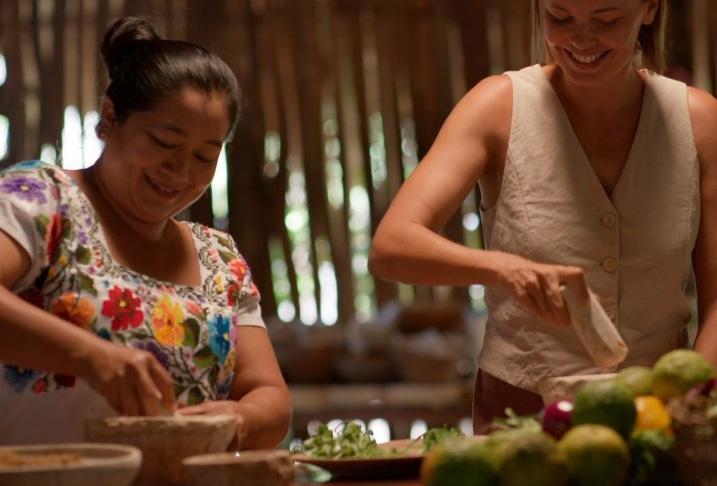
Yucatecan cuisine is reason alone to visit. Rooted in ancient Mayan traditions and influenced by European and Caribbean flavours, Yucatecan dishes are a crave-worthy fusion of history and culture. Don’t leave without sampling cochinita pibil (a local take on pulled pork), sopa de lima (a comforting chicken soup with a tangy twist) and flavour-packed papadzules (egg-filled tortillas in a pumpkin seed sauce) for just a small taste of Yucatan’s culinary heavy hitters.
Local tip: Look for comida corrida lunches at local eateries where you can get authentic, hearty set meals at a great price. Ask locals for their favourite spots for the most genuine (and delicious) experience.
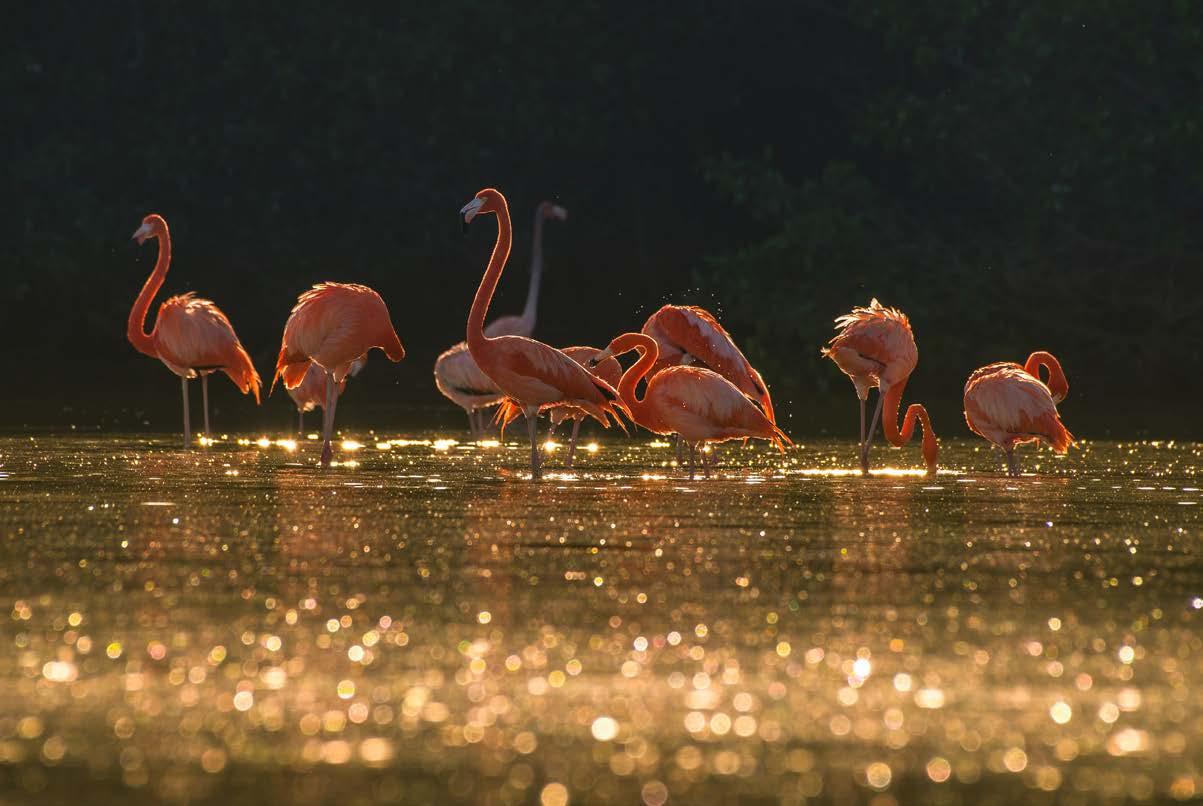
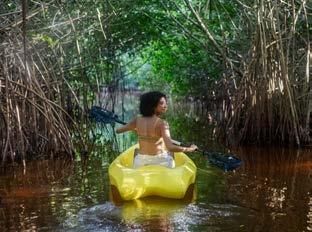
Yucatan’s landscape shifts from jungle to mangroves, also encompassing tropical forest and more than 300 kilometres of coastline. Protected area Celestún Biosphere Reserve is a must-visit and home to thousands of brilliant pink flamingos; while Ría Lagartos offers a unique mix of wetlands and salt flats frequented by herons, turtles, pelicans and even some crocodiles.
Local tip: There are also ample opportunities in Yucatan for kayaking, paddleboarding and birdwatching, depending on the season.
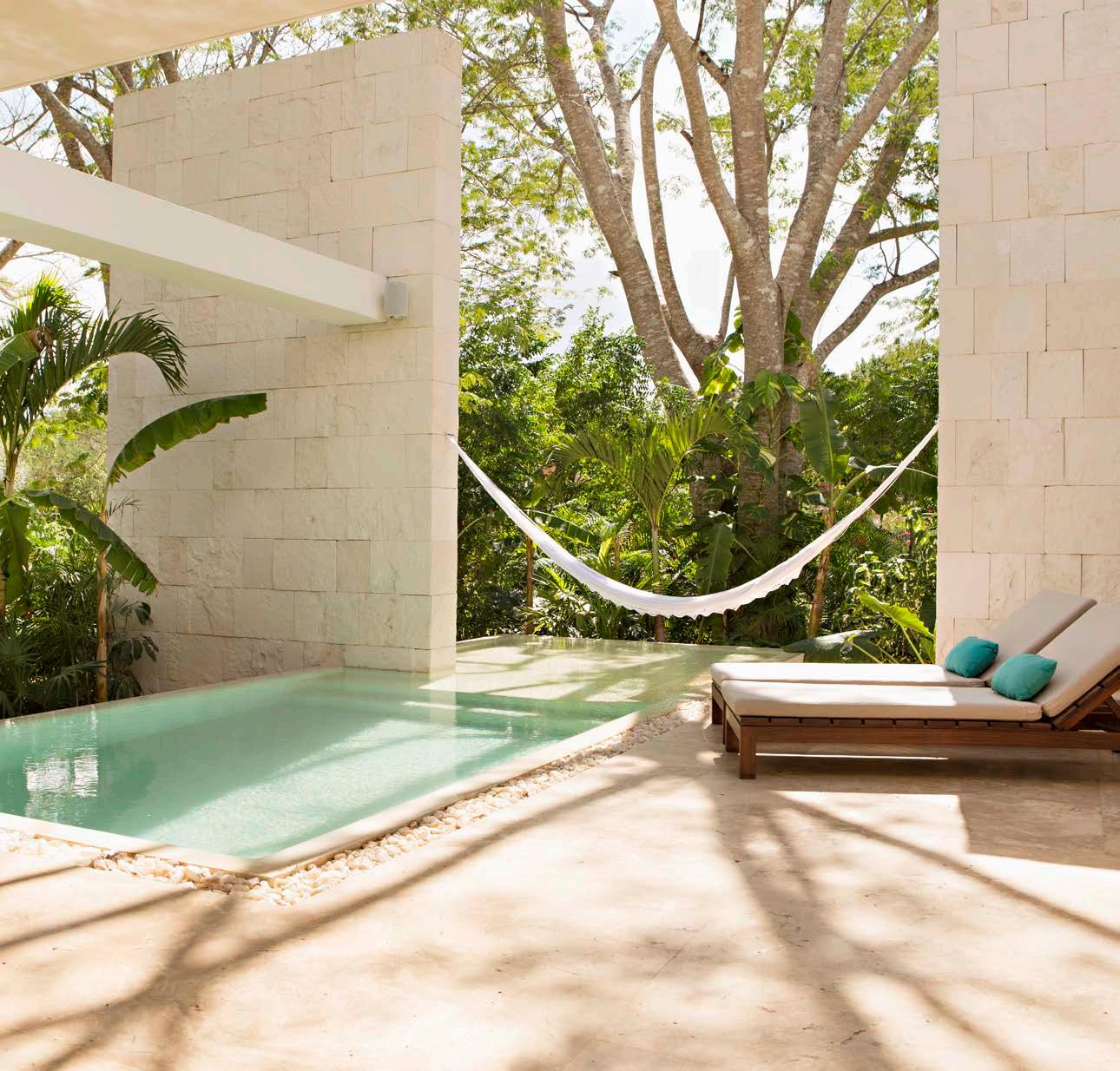
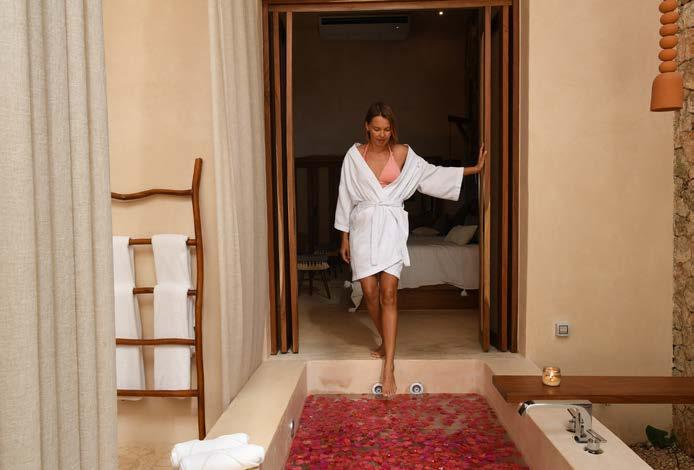
The region’s many historic haciendas are truly special with some dating back to the 17th and 18th centuries. Many have been transformed into boutique hotels with elegant rooms, fine dining, inviting pools and scenic grounds. Another unique accommodation option is glamping, which you can do at beautiful LJS Chichikan Eco Luxury Retreat in Valladolid. Surrounded by the Mayan jungle, this property encourages guests to connect with their surroundings and unplug. Buildings are inspired by local culture and the pretty pool is an inviting option for a relaxing day in the sun.
Local tip: Book accommodations in advance, especially for boutique haciendas and glamping experiences, as they can fill up quickly during peak season.
The magic of Yucatán State is something you feel almost immediately. Go for the beautiful beaches, phenomenal food and rich history, but stay for the authenticity and joy of discovering something new with every visit.

This unforgettable region in southern Italy is packed with history, culture and a quiet charm that pulls you in, one bite of pasta at a time
By Mackenzie Cecco
uglia is one of those places that quietly captures you; not with grand, overwhelming landmarks, but with charm, authenticity and small moments that make you feel like a local. This region’s ability to encourage you to slow down, wander without a fixed itinerary and truly experience southern Italy at its most genuine is why I am already planning my trip back.
Welcome to my trullo.
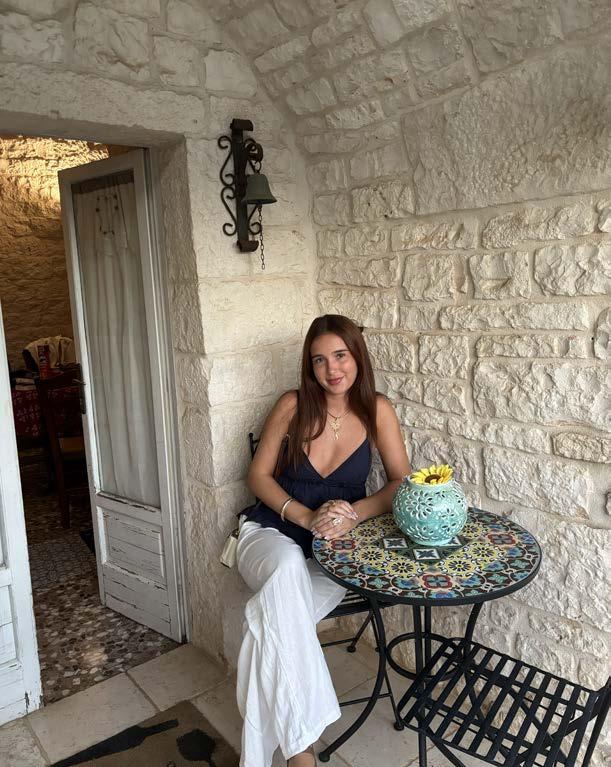
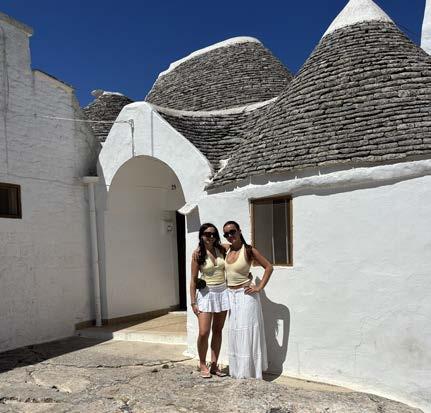
Our journey began in Alberobello, where we stayed in a traditional trullo. These iconic white stone homes with cone-shaped roofs are what the town is known for (dating back to the 1400s) and staying in one felt like stepping into a storybook, but one that many locals still live in. It was the perfect way to immerse ourselves in the culture. Our trullo was just a short walk from the heart of town, making it easy to explore on foot.
Seeing Alberobello in daylight was magical, with its rows of historic limestone trulli stretching across the hills. Many display religious or astrological symbols on their cones believed to protect one’s home or invite good fortune. In
the evening, the town came alive in a completely different way. Music drifted through the streets, restaurants filled with locals and visitors alike and people danced in open squares. The atmosphere felt vibrant, intimate and joyful all at once. Although August is a busy month in Italy, surprisingly the town did not feel overcrowded.
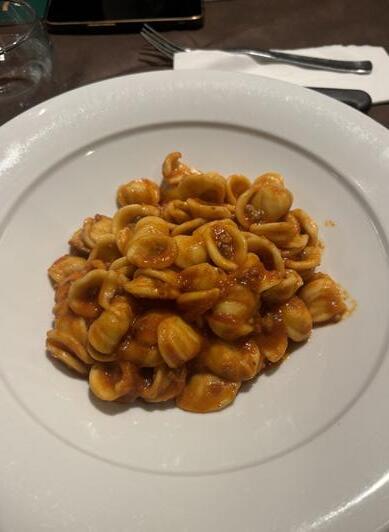
Some of our favourite meals came from the smallest family-run restaurants, where simplicity was key to highlighting each ingredient. Of course, we had to taste homemade orecchiette, a pasta translating to “little ears” that originated in Puglia.
Watching local nonnas handshape it in the streets was a reminder that here, food is a tradition that holds history, not a TikTok trend.
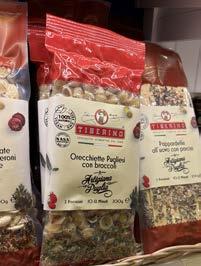
TipIf you visit, don’t leave without trying orecchiette fresh and bring some home as we did. Many small shops sell beautifully packaged handmade orecchiette that make the perfect souvenir.
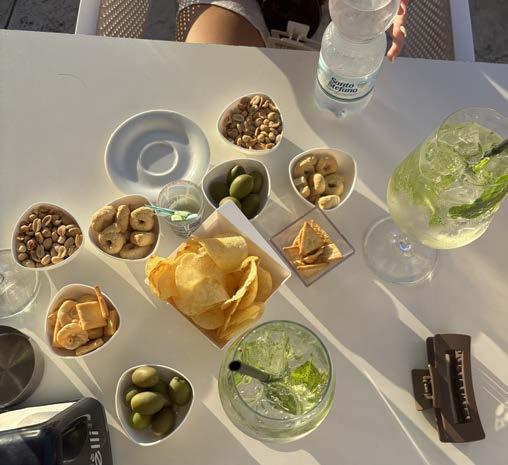
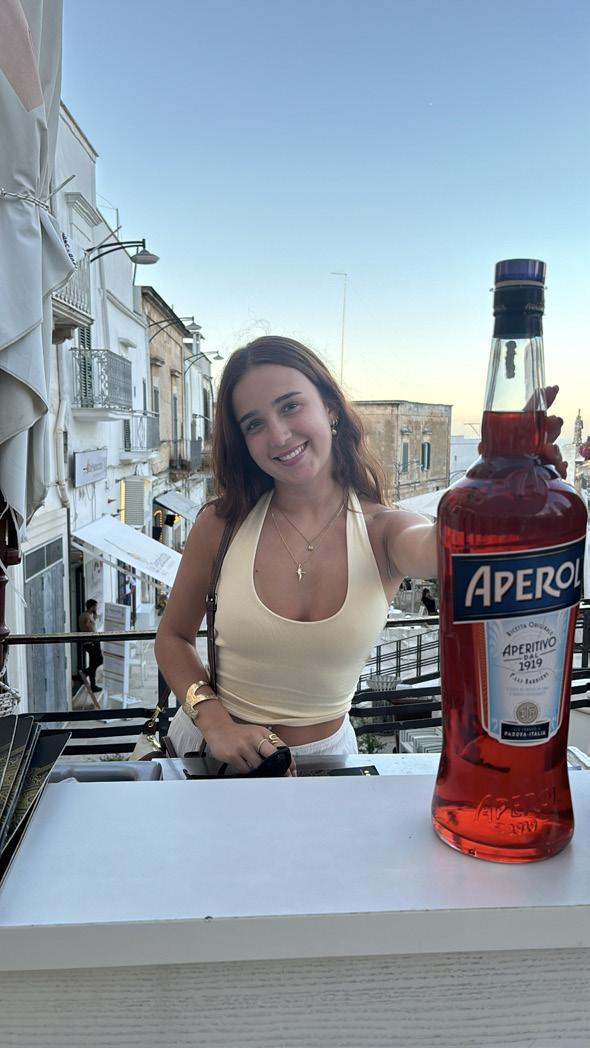
The next day, we headed to Ostuni, famously known as the White City. There was something about the vibe of this town that felt unmistakably European and I couldn’t get enough of it. I got lost wandering the maze of its charming streets filled with whitewashed buildings which was an ideal way to discover the quaint boutiques and pastry shops. That is how I stumbled upon a tiny bakery offering Pasticciotti, a regional treat made from a short bread type pastry and filled with custard or various other types of sweet goodness. In the afternoon, we settled into the town square with a Hugo Spritz, a refreshing and bubbly Italian cocktail made
with elderflower, prosecco and mint that somehow tastes even better when you’re surrounded by centuries-old architecture and Italian conversation.
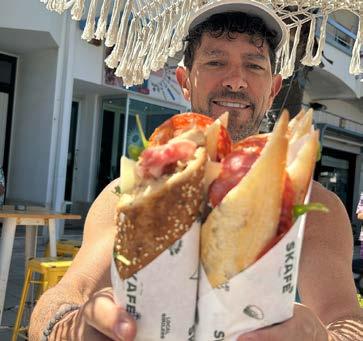
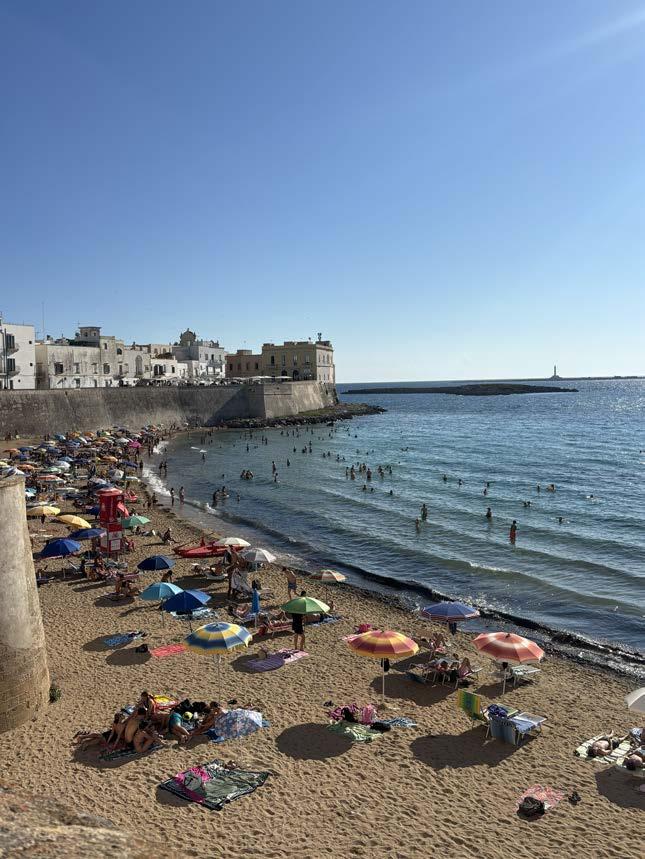
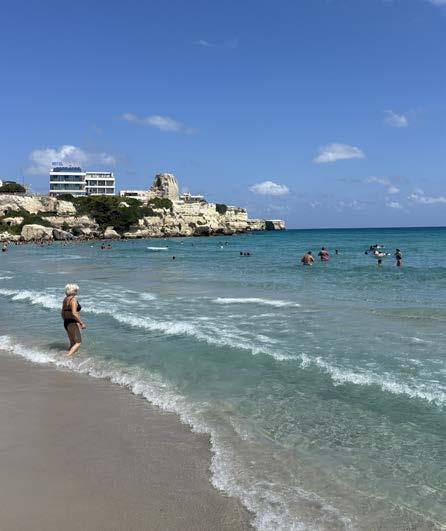
Beach days in Puglia are essential, and each has its own personality. One of our favourites was La Spiaggia di Torre dell’Orso in Otranto, with its ultra-clear water and chilled out atmosphere. Be sure to get there early to carve out your spot on the sand as it is one of the busiest beaches but well worth the visit. When hunger hit, we ended up at Skafè Baguetteria, a build-your-own panino spot overlooking the ocean. Fresh ingredients, warm bread, a crisp pinot grigio and gentle sea breezes between bites made it an unexpectedly memorable meal.
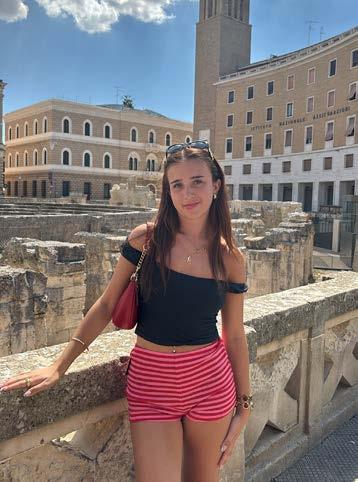
Our next stop was Lecce, often called the “Florence of the South” for its intricate Baroque architecture. Staying right in the city centre meant everything was within walking distance, including stunning piazzas, ornate churches, cute cafés and gelato stops. Yet another day took us to Gallipoli, a seaside town home to old stone fortresses and gorgeous pastel-pink sunsets that make it impossible not to linger.
There are so many different villages to explore in Puglia that it’s difficult to tour this region in one trip, but it is worth taking a short drive across the border into Basilicata for a visit to Matera. This town was an unforgettable experience and one I have been endlessly recommending since my return. It is widely considered the third-oldest continuously inhabited city in the world. Known as the “City of Stones” and sometimes called the “Jerusalem of the South,” Matera feels almost otherworldly. Its ancient cave dwellings and layered stone landscape have been preserved rather than replaced, creating what feels like a living museum of history. Walking through the caves where families once lived was both humbling and fascinating. It’s easy to see how many epic movies such The Passion of the Christ No Time To Die were filmed there.
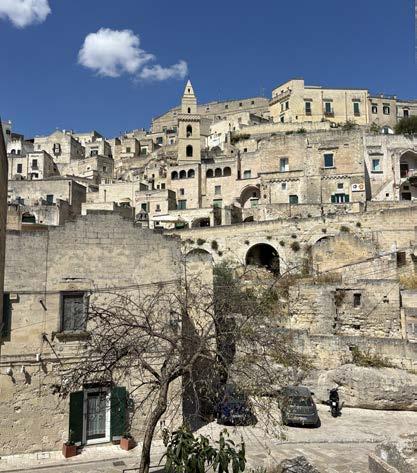
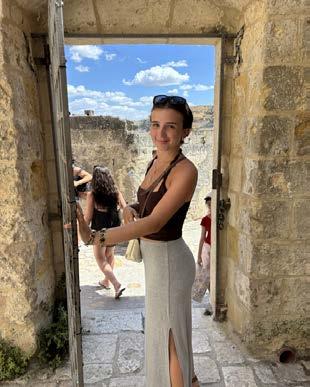
Travelling back in time-Matera
Definitely plan at least one overnight in Matera to avoid regret. Visitors can stay in restored cave dwellings that have been converted into hotels, something we absolutely wish we had done. If you go, make that reservation. It’s one of the most unique towns you’ll ever experience.
Puglia is a place that easily inspires return visits. The taste of handmade pasta shared at small family tables, the glow of seaside sunsets and the calm of towns and cities that have stood for thousands of years all contribute to what makes this region a must-see. It’s a place that doesn’t try to impress you; it simply welcomes you in and somehow, that’s how the magic begins.
Il dolce far niente (the sweetness of doing nothing):
Plan your sightseeing but leave space to slow down for beach time, long meals, wandering without a schedule and simply taking in the atmosphere. In Puglia, some of the best moments come when you’re not rushing anywhere.
La cucina è il cuore della cultura (food is the heart of culture):
Try fresh handmade pasta like orecchiette, preferably from a small local restaurant. The simplest dishes often carry the deepest traditions and in Puglia, pasta is a big part of everyday life.
Vivere come un locale (live like a local):
Experience each destination as it’s meant to be lived in, not just visited. While Lecce is an excellent base for exploring the towns in and around Puglia, consider spending one or two nights in different locations to fully immerse yourself in each place’s unique character and atmosphere. Take advantage of the region’s diverse accommodations, and whenever possible, choose centrally located stays so you can explore each town on foot and interact with the locals who are warm and welcoming.

This luxury resort on a small, secluded island in the Dominican Republic makes it easy to let a slower pace of life take over
BY MARRISKA FERNANDES
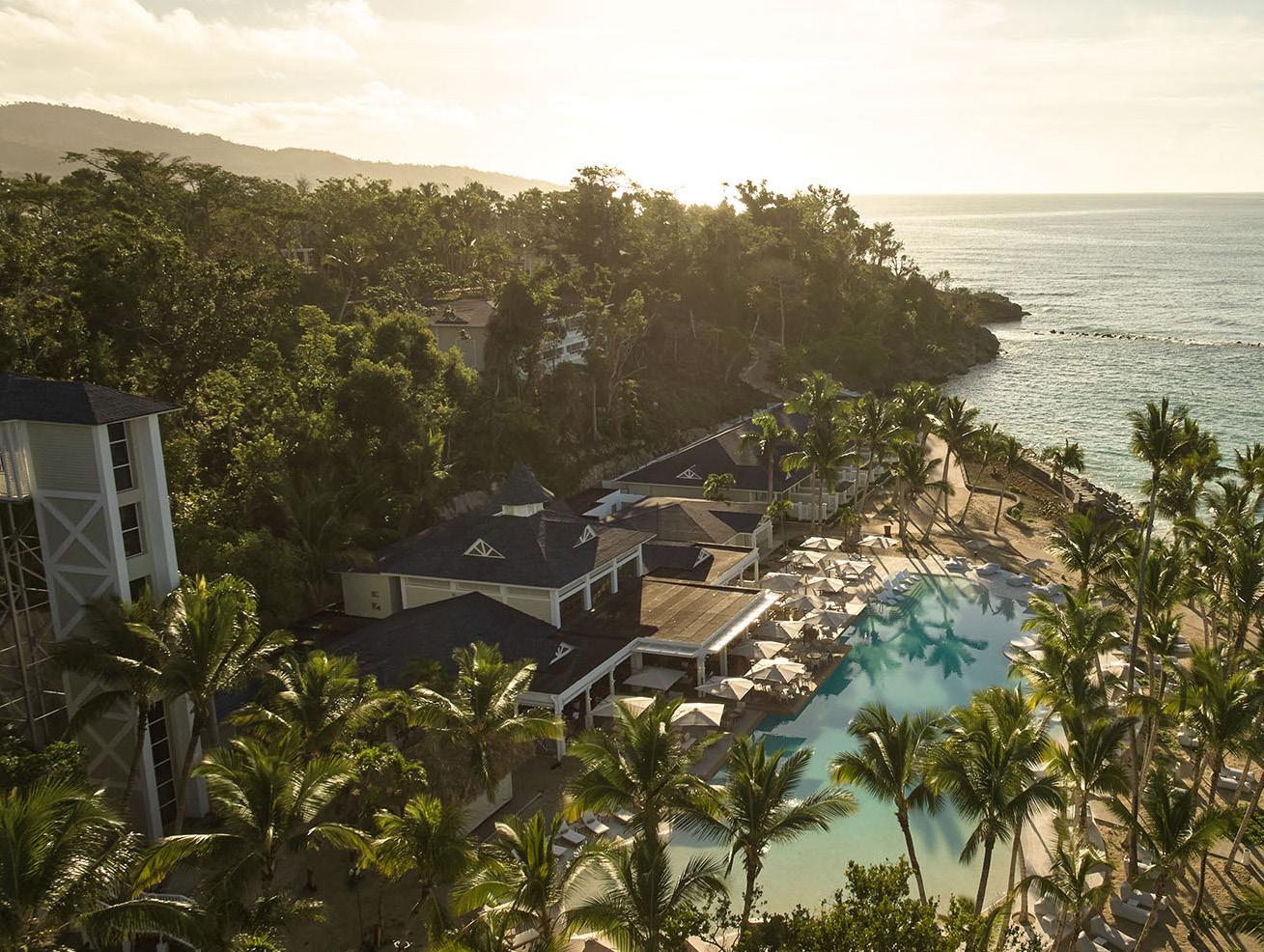
Tucked away in a serene corner of the Dominican Republic lies the Samaná Peninsula, a place brimming with natural beauty at every turn and ancient rhythms that make it easy to give in to vacation mode as soon as you arrive. But the true crown jewel of this region is a small, private island floating in the middle of Samaná Bay, home to Cayo Levantado Resort.
As a first-time traveller to the Dominican Republic and someone whose internal engine usually hums at a frantic, go-go-go frequency, the very concept of “relaxing” felt foreign to me, especially on a work trip. I arrived with a mind like a tangled web, skeptical of any promise of “Zen.” But then the unthinkable happened: the island’s tranquility took over. In this lush, floating sanctuary, the landscape did what I couldn’t do for myself. It forced a deep, involuntary exhale, tuning any restlessness I felt into a calm I hadn’t experienced in a while.
A Resort Far From Ordinary
Cayo Levantado Resort is a meticulously crafted world that feels miles away from the traditional resort experience. Reborn in 2023 as a premier luxury wellness destination, it occupies its own private jewel of an island in the centre of Samaná Bay. Upon arrival at the pier, I was whisked across the water on a short boat ride to the island, a section of which is open to day guests.
The resort functions as a living, breathing retreat where the lush, peaceful environment and high-end luxury amenities coexist effortlessly. As soon as you walk through the doors, a personal ambassador greets you and is available over messaging for the duration of your stay, even sending over your schedule for the day every morning.
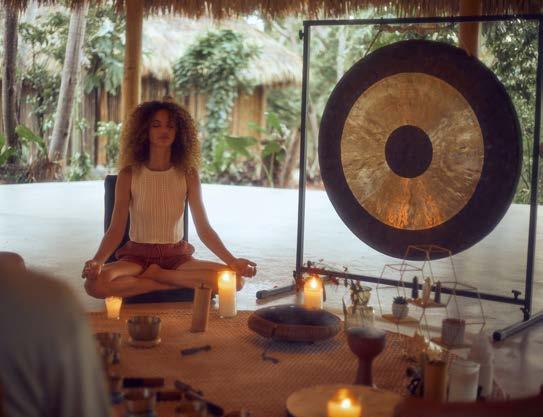
I immediately fell in love with the unconventional activities at Yubarta, the property’s Wi-Fi-free wellness centre meant to be “a massage for the mind.” The architecture mimics the island’s flora and your stay is guided by four distinct Wellness Paths: Restore, Relax, Refresh and Renew. One of my favourite activities was an energy cleansing workshop. Guided by a local practitioner, this ritual uses sacred smoke and Taino-inspired intentions to clear mental clutter, preparing you to fully receive the island’s healing energy.
Music of the Plants is another unique experience. Using biofeedback sensors, resort staff translate the electrical vibrations of plants into melodic sounds. Hearing them “sing” is a hauntingly beautiful reminder of our deep connection to nature.
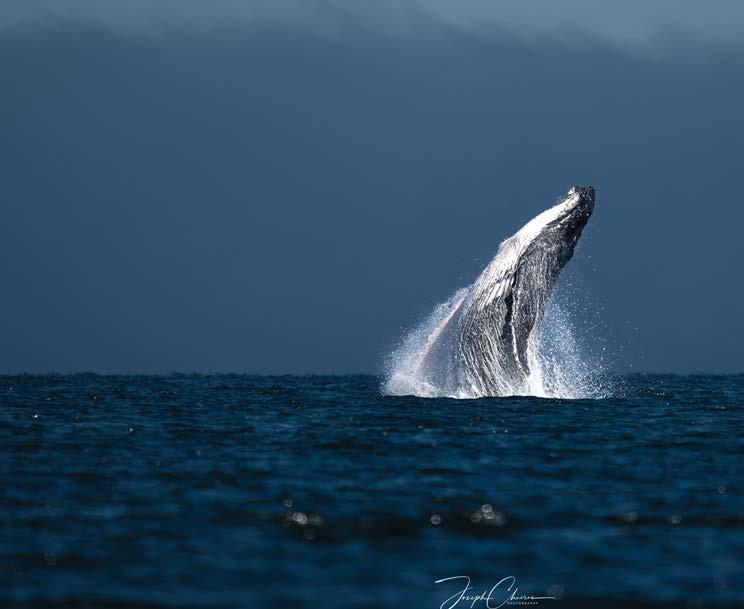
While the resort offers a sanctuary of peace, the surrounding waters of Samaná Bay host one of nature’s most majestic spectacles. Samaná is globally recognized as one of the top ten places on Earth to see humpback whales up close. Watching a giant mother whale breach the surface guiding her newborn calf just metres from your boat is a perspectiveshifting event I’m still thinking about. The whales flip their tales and send towers of spray into the air for the spectators, forever creating a core memory for us all.
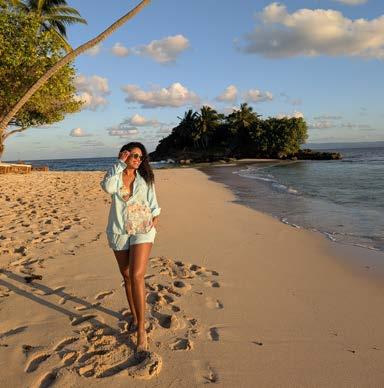
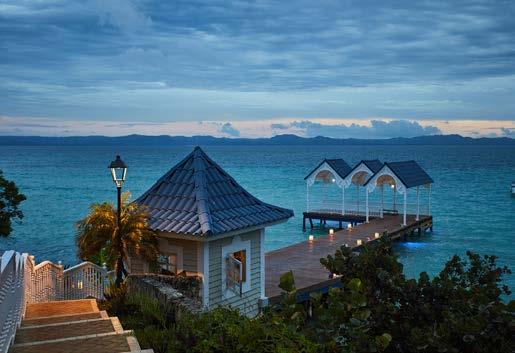
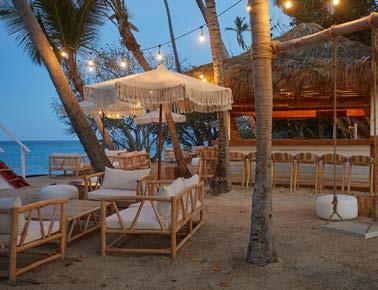
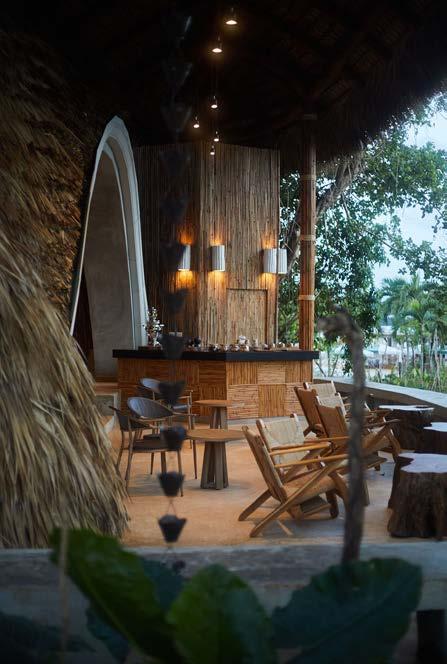
Serenity at the Spa & Private Beach
The ultimate relaxation came after a visit to the resort’s spa, where the ‘Relax’ path focuses on nervous system recovery. The hydrotherapy circuit involves a soothing dip in a heated pool followed by a cold plunge. The steam room and sauna open the pores and quiet the mind. Following the water circuit, a relaxing massage using local oils (like organic ginger or coconut) melts away any remaining tension. I have to admit it was one of the best and most relaxing massages I’ve had, which left me in a state of “island time” bliss.
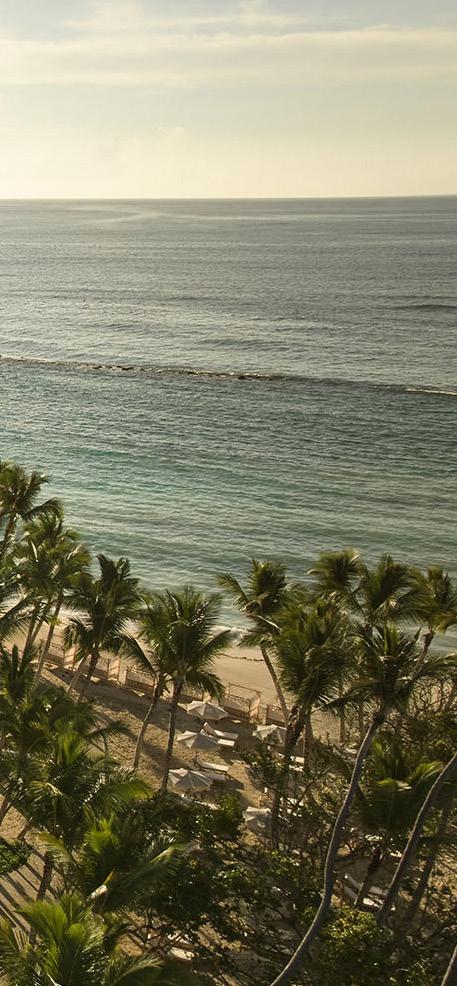
The resort’s private beach, surrounded by gorgeous palm trees, was where I spent my downtime during my stay. The beach bar highlighting Dominican flavours, the live DJ with local music and the majestic waves crashing at the shore, all created an atmosphere that felt tailormade for unwinding, which was exactly what I needed.
Cayo Levantado Resort is not just a showcase of island luxury, but an unforgettable stay that grounds you in the present. I left with a grateful heart, a peaceful mind and a spring in my step that have all stayed with me since returning home.
Some destinations greet you with noise, flashing signs, crowded terminals, or relentless pitches for your attention. Anguilla does none of that. This small Caribbean island, just 26 kilometres long and roughly six kilometres wide, operates on a completely different frequency. Here, luxury isn’t announced, it’s felt in an unhurried pace, fairways that overlook the sea and a quiet understanding that the best thing you can do is absolutely nothing at all. Anguilla doesn’t try to impress you. It simply lets you arrive.
It was already dark when the plane landed just after 6 p.m. and the drive from the airport felt unusually quiet. No traffic or chaos, just long stretches of road and the faint outline of palm trees. Over the next few days, driver and local guide Accelyn Connor of Premier Taxi & Tour Services shared stories about the island. Anguilla is home to just under 15,000 people and you can drive across the entire island in about an hour. There are no skyscrapers here or major shopping malls, but what you will find is a blissfully slower pace.
Anguilla is an island where fairways meet the sea and doing less becomes the ultimate luxury
By Kayla-Marie Williams
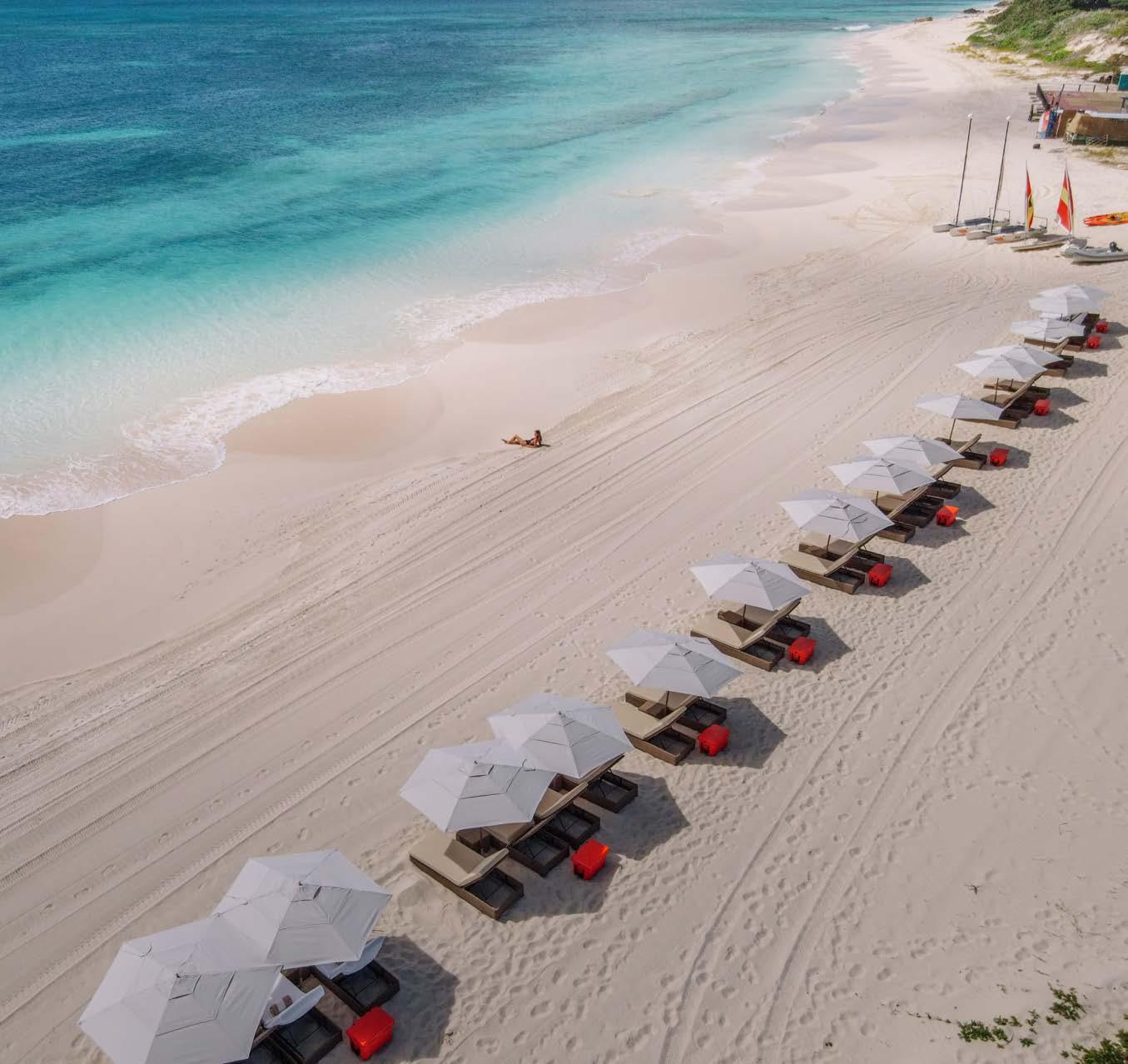
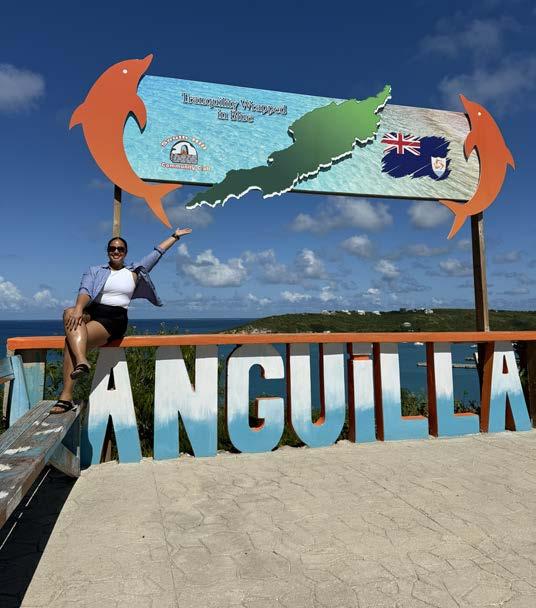
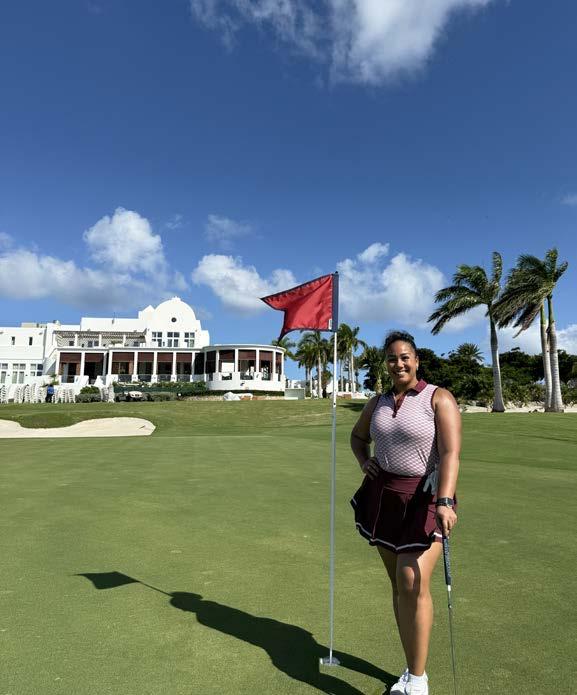
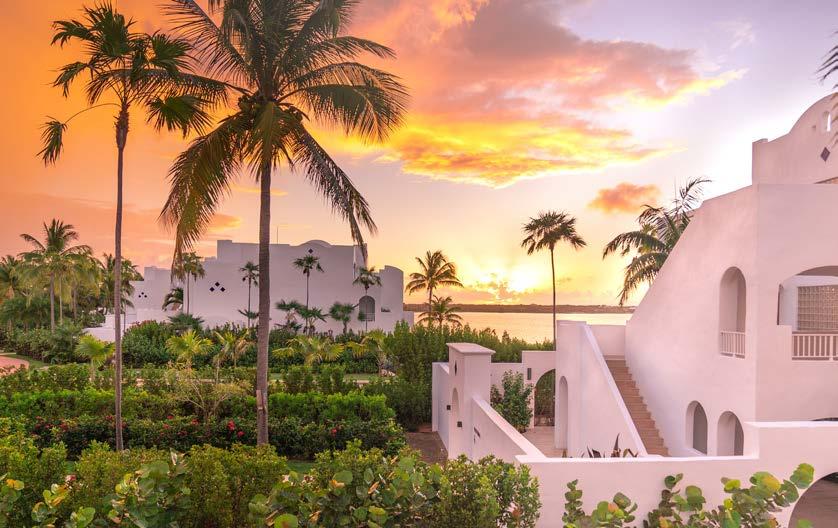
My home for the next few days was Aurora Anguilla Resort & Golf Club, a place that made it easy to get right into the slower rhythm of the island. I started each morning with a coffee and the sound of waves just outside my beachfront suite. There were no alarms, just ocean air and time to truly relax.
As a mom and entrepreneur used to constantly moving, it took a day or two to unwind, but eventually, the instinct to check emails and stay productive softened. There was nowhere to rush to and nothing demanding my attention. I had space to breathe and the chance to finally put myself first.
Golf was one of the highlights of my trip and playing at Aurora International Golf Club felt unlike
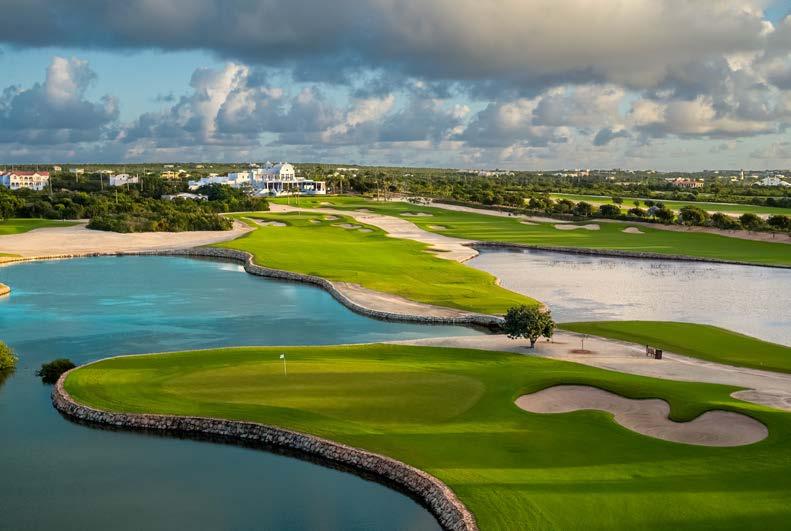
anywhere else. Designed by Greg Norman, it’s the only golf course on the island. Head golf pro Richard Phillips described it best: “It’s fun to play. Not too hard, not too easy. A fun challenge, always with a lovely breeze.” Standing on the first tee, it was hard not to pause in awe. The ocean stretched endlessly ahead, with Saint Martin visible in the distance.
I wasn’t pressured to rush through holes or focus solely on performance. Playing there felt joyful. Phillips explained how much the course has evolved, with upgraded facilities including a short course, driving range and instruction studios. “We really have everything here that golfers would need,” he said. “But obviously, the island itself is special.” He’s right. The golf is excellent. But the setting is what stays with you long after the trip.
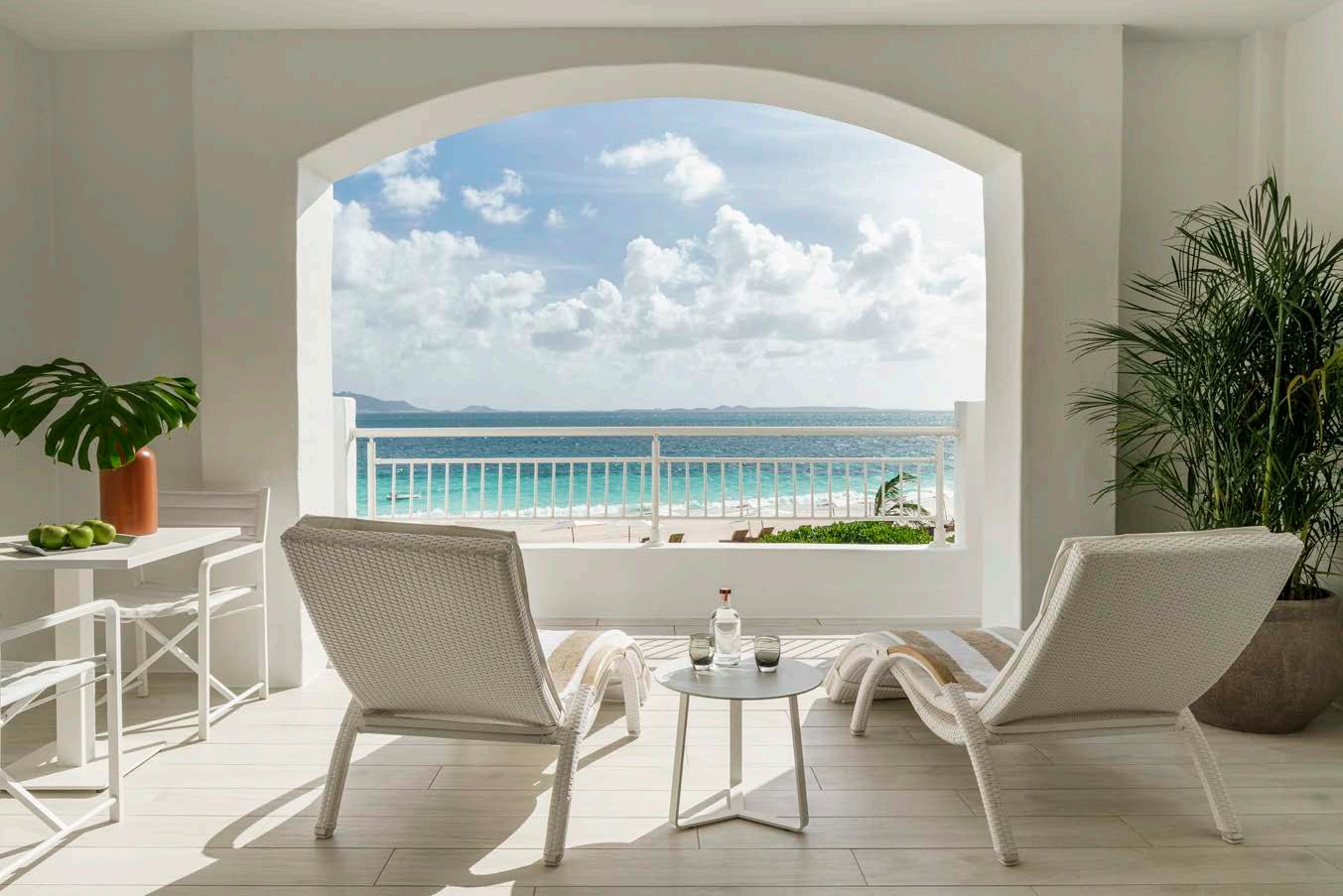

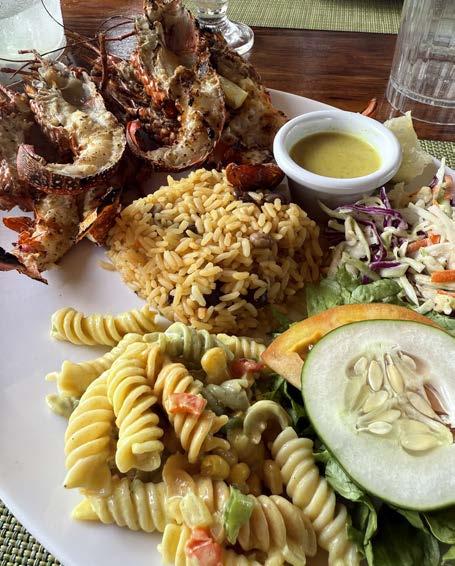
Anguilla’s food scene reflects the island itself: fresh, full of life and deeply connected to its roots. And given the variety of food you can try, it’s no wonder it holds the title of culinary capitol of the Caribbean.
One of my most memorable food experiences was lunch at Madeariman, a local favourite where a midday meal can easily stretch into the late afternoon. Sitting just steps from the water, enjoying freshly caught crayfish and a mojito, there was nowhere else to be.
At Aurora, that freshness begins on-site. The resort operates its own hydroponic farm, growing nearly 90 per cent of the vegetables and herbs used in its six restaurants. Executive chef Joe Richardson keeps the philosophy simple: let the ingredients speak for themselves.
Evenings often ended in the ocean. A quiet swim at sunset became a daily ritual. Floating in warm salt water as the sky turned soft shades of pink brought a sense of calm that’s hard to replicate in everyday city life.
My days at the resort were filled with simple experiences: a Thai massage at Sorana Spa, a Hobie Cat sail along the coastline and a sunset kayak tour with Liquid Glow Anguilla. Gliding across calm water while spotting sea turtles and fish below added to the sense of connection to the island’s natural rhythm.
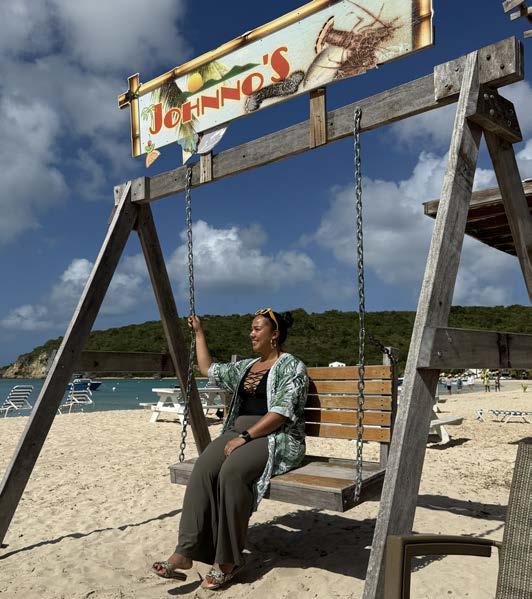
One night, the sound of live music drifted across the beach. Curiosity led to a short walk down the sand to Dune Preserve, the iconic beachfront bar created by beloved local musician Bankie Banx. The Dune Preserve was so unique and authentic. Built from driftwood and shipwrecked boats, nothing about it felt polished and that was exactly what I loved about it. People gathered casually. A combination of locals and out of towners all drawn in to the eclectic sounds of Bankie Banx. That night revealed another side of the island for me. A side you won’t see in brochures, but something that felt authentically local.
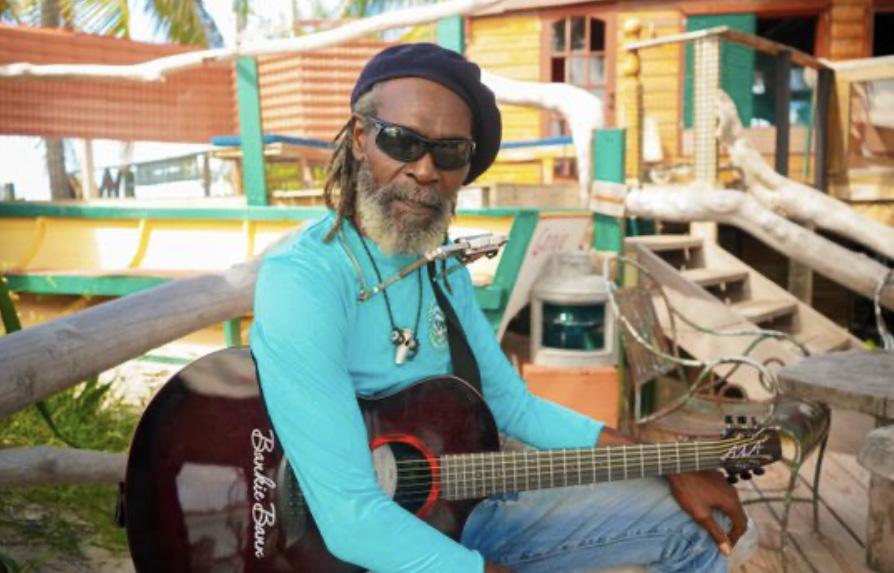
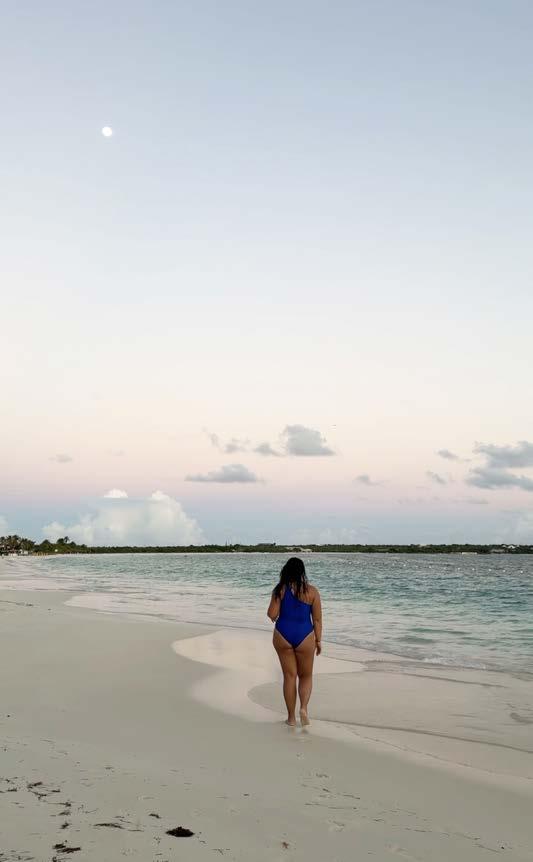
Anguilla for me isn’t a place that overwhelms you with options. Nor does it try to fill every waking hour in your day. Instead, it offers something far more valuable: permission to slow down. With 33 beaches across the island, there’s always somewhere quiet to sit, swim, or simply listen to the waves. Days unfold without urgency and the constant background noise of everyday life fades. For anyone balancing work, family and the demands of modern life, that stillness feels precious.
Anguilla simply gives you the space to exhale. And sometimes, that’s exactly what you need.
From Buffalo to Scottsdale, hopping through history to see the works of one of the world’s most famous architects
BY MICHELE SPONAGLE
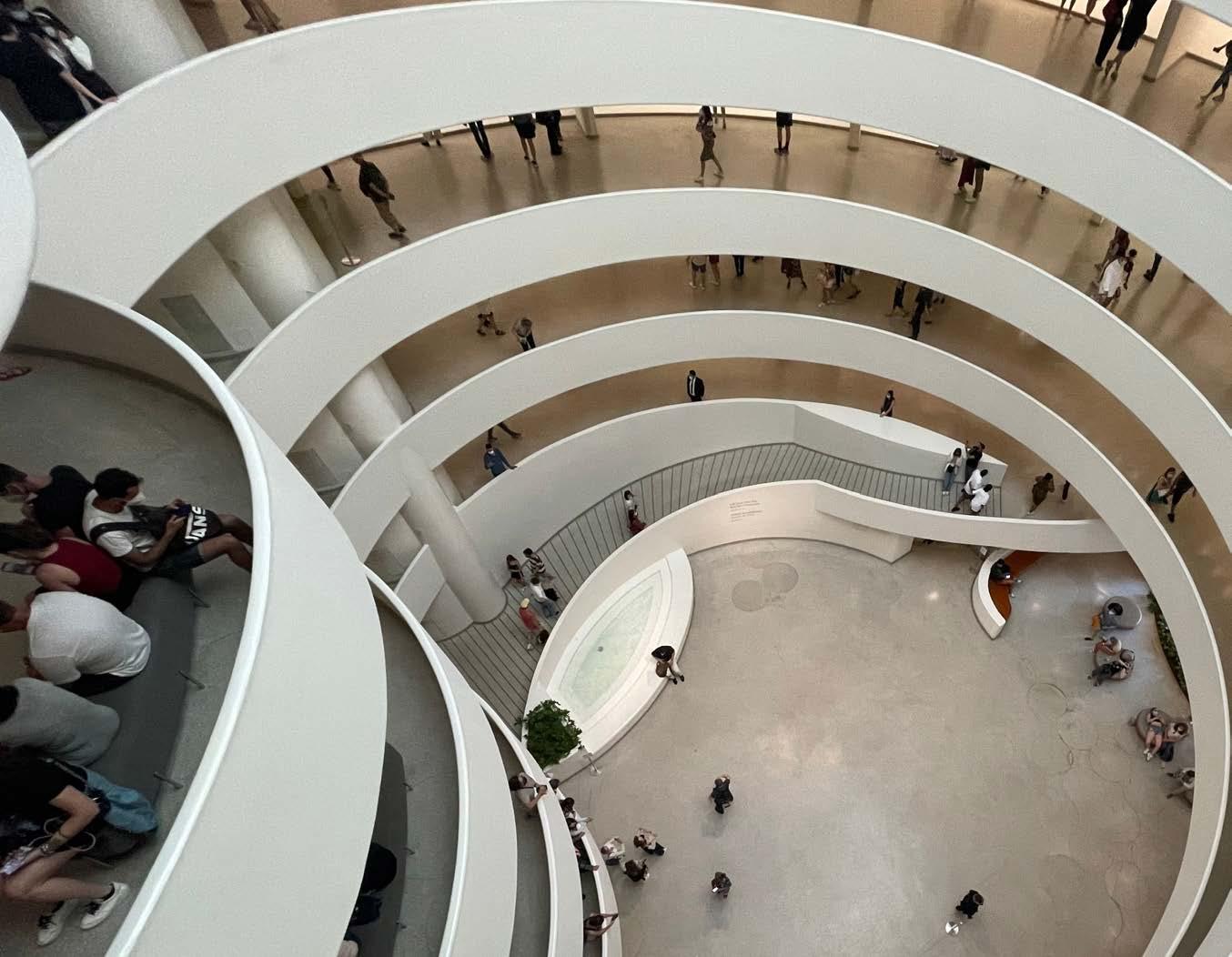
Iremember the first time I saw the work of architect Frank Lloyd Wright while in New York.
The Guggenheim Museum, built in 1939, stood out in a sea of rectangular buildings. It made me wonder what kind of mad man could create such a stunning, swirling, curvaceous structure. It enticed me to go inside.
The interiors were equally impressive, featuring a bowl-shaped main gallery. Viewing artworks meant winding my way down in sweeping corkscrew-like circles. I can’t recall any of the paintings I saw, but the building itself stuck with me, sparking a curiosity about Wright’s other work.

When I went to a conference in Chicago, I booked a tour to Oak Park nearby to see the house where Wright lived with his family, as well as his studio and Unity Temple. In his home, I stood by the gleaming oak dining table, soaking up each bit of the design and marveling at the wealth of geometric shapes and strong vertical lines of the slatted, high-backed chairs. Lost in thought, I nearly touched one. “Those chairs are originals and each is worth more than $100,000,” our guide warned. Noted. I stepped back quickly.
Craving more Wright, I changed my flight and headed to Springfield, Illinois, about 3.5 hours from Chicago. I wanted to see the famous butterfly-inspired chandeliers I had read about. Each one is worth around $1 million CAD.
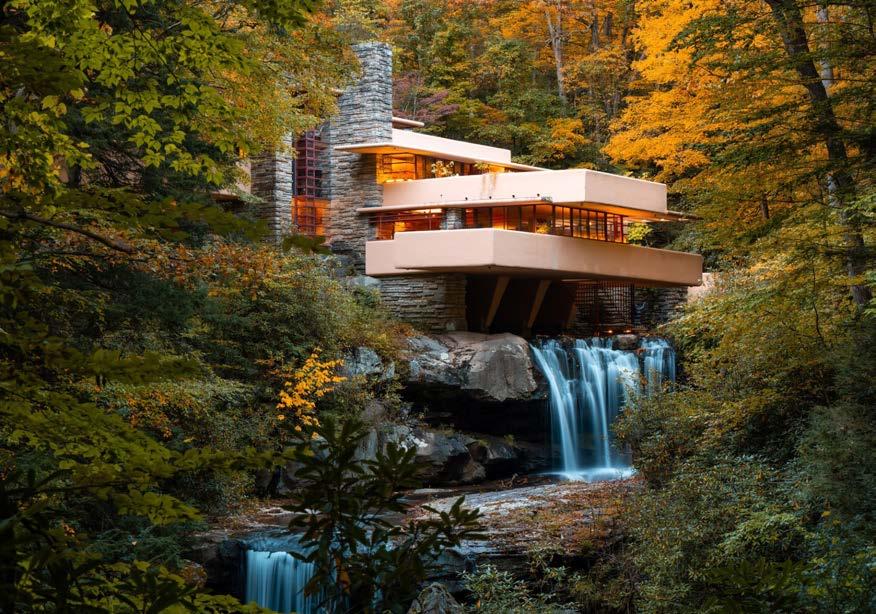
For anyone who appreciates Wright’s work, Fallingwater, designed in 1935, is the crown jewel in his portfolio of designs. Located in the Laurel Highlands of Pennsylvania, it has been described as the world’s most beautiful house.

It seemed to appear out of nowhere as I walked a leaf-covered path through a sea of trees. The structure, built over a waterfall, took my breath away. Its concrete cantilevered terraces, painted light ochre, dangle over the river below. And yet somehow, the house blends into its rural surroundings. That’s when I fully understood Wright’s passion for organic architecture, a blurring of lines between nature and structure.
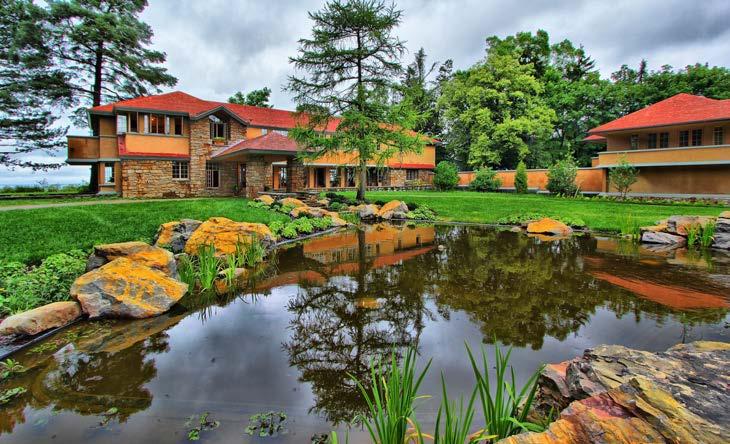
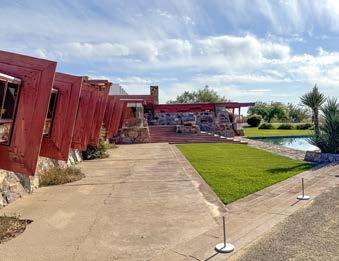
Whenever I’m in Scottsdale, Arizona, I head to the desert to roam through Taliesin West, Wright’s winter home and studio completed in 1937. It’s a gorgeous location, with tall saguaro cacti dotting the landscape and the McDowell Mountains in the distance. On my third visit, I learn that Wright was angry about the power lines spoiling his views. He called President Franklin D. Roosevelt demanding that he bury the lines. It was one of the rare times Wright didn’t get his way.
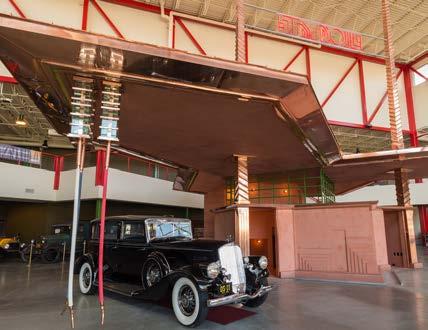
Then I discovered Buffalo, New York had its own treasure trove of Wright sites. This includes a filling station designed in the 1920s and completed posthumously in 2014 which is now an exhibit at the Buffalo Transportation Pierce-Arrow Museum. I also visited Darwin D. Martin House, a symphony of distinct horizontal lines and a hallmark work from Wright’s Prairie School period, as well as Graycliff, Martin’s beautiful summer estate overlooking Lake Erie.
During my first visits, both residences were midrestoration. Through the dust and scaffolding, you could see Wright’s design emerging. I loved
hearing how the people in the community would show up to donate objects they had purchased while the properties sat empty and their contents auctioned off. On the day I stopped at Graycliff, someone had dropped off a toilet original to the home.
I adore Wright’s work for its timeless aesthetic. Everything in his buildings had to be pleasing to the eye. If he considered it ugly—think radiators, pipes and mechanical bits, Wright found ingenious ways to hide them.
Though I’ve been to many Wright sites, there are so many more to explore, from Florence, Alabama to Mason City, Iowa (home to the world’s only remaining Wright-designed hotel). I’m ready to explore the beauty of each wherever the road takes me.
From New Brunswick to Quebec, Canadian destinations are becoming more of a draw for domestic travellers looking for their next vacation
BY JIM BYERS
2 for Europe 5%
9 for Asia and Mexico %
8 for U.S. %
Canadians are increasingly looking to spend their hardearned loonies on domestic travel. In fact, Flight Centre Canada recently published a study confirming just that. Of those surveyed, 37 per cent said their preference for a trip this year is a Canadian holiday, compared to 25 per cent for Europe, nine per cent for Asia and Mexico and just eight per cent for the U.S.
If you’re thinking about (or planning) a domestic holiday, here are some suggestions from a long-time travel writer who’s pretty much been from coast to coast in Canada.
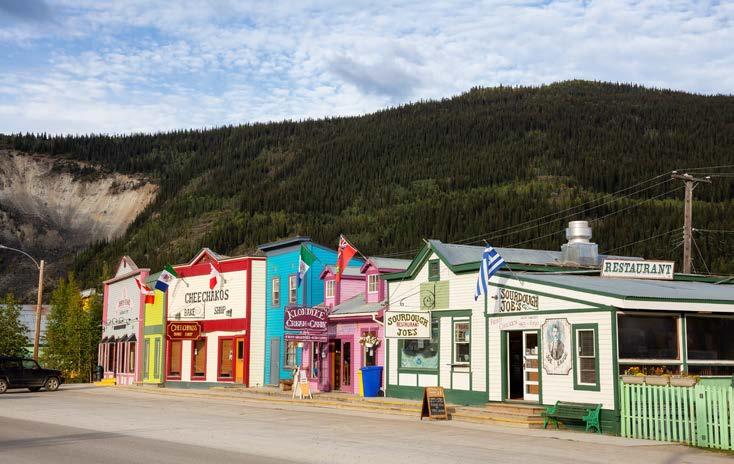
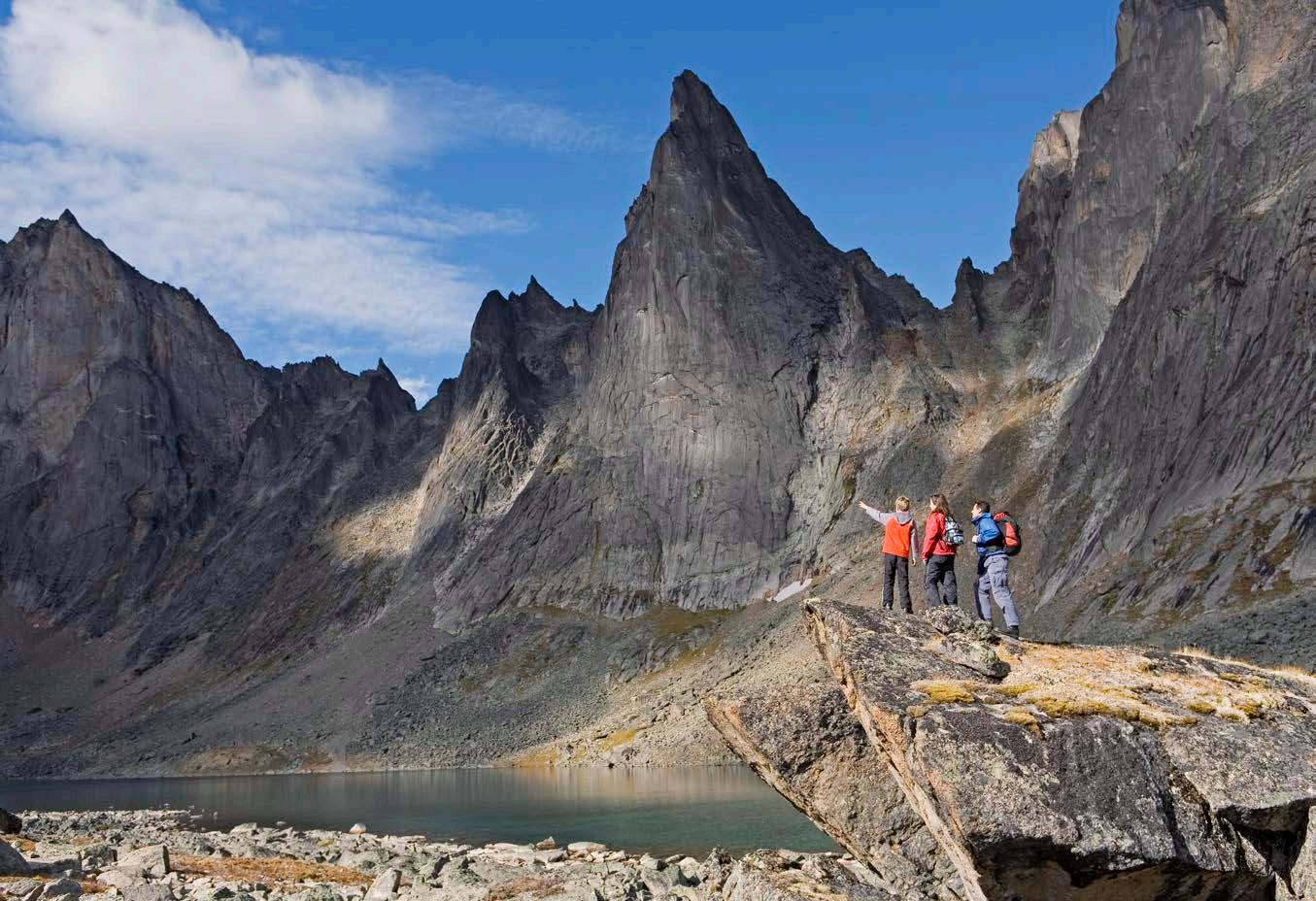
Dawson City is an historic gold rush town chocka-block with colourful, wood-front buildings and engaging locals. Bombay Peggy’s is a small Victorian inn and pub in a building that once housed a well-known brothel. Check out Jack London’s cabin, or cruise the Yukon River on the Klondike Spirit, the only operational paddle wheeler in the Yukon. It’s about a 90-minute drive (partly on the gravel Dempster Highway) from Dawson City to Tombstone Territorial Park, which features awe-inspiring scenery and wildly impressive jagged mountain peaks.
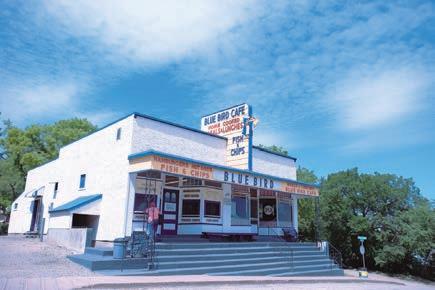
Regina Beach is a great town on Last Mountain Lake, just a half-hour or so north of Regina. The lake is perfect for swimming and sailing and the town has several fun restaurants, including the historic 98-year-old Blue Bird Café. About 90 minutes southeast of Saskatoon, Little Manitou Lake is a natural, salt-water lake that natives have used for centuries for its healing properties. The Manitou Springs Resort and Mineral Spa has indoor pools that can be enjoyed in inclement weather. If you’re looking for more of a city experience, Saskatoon has terrific restaurants and is also home to the Remai Modern museum, a waterfront facility with more Picasso linocuts than any museum in the world.
In the B.C. Rockies, Yoho National Park features jagged, ancient mountains and one of Canada’s most attractive waterfalls, Takakkaw Falls. At 373 metres, it’s the second-highest waterfall in Canada. Yoho gets only about 15 per cent of the visitors of Banff (about an hour away), so crowds shouldn’t be an issue. Hikers won’t want to miss a long walk along the misty coast to Mystic Beach on Vancouver Island, which is on the Juan de Fuca Marine Trail. A little west of Victoria, the town of Sooke is the home of Mom’s Café, which serves up apple pies made with about 50 apples per pie. Come hungry.
Take a delightful 90-minute drive east of Quebec City to the Charlevoix region. The artsy town of Baie St. Paul has excellent restaurants and art galleries, and is home to the fabulous Hôtel & Spa Le Germain Charlevoix. Roughly 40 minutes up the road, the Fairmont Le Manoir Richelieu sits on a hill overlooking the broad St. Lawrence River and where you can play a round at their scenic golf course. Just an hour from Montreal you’ll find the Eastern Townships, where a series of huggable villages with fine boutiques and dining spots are surrounded by low, rounded mountains. North Hatley and Sutton are two top choices.
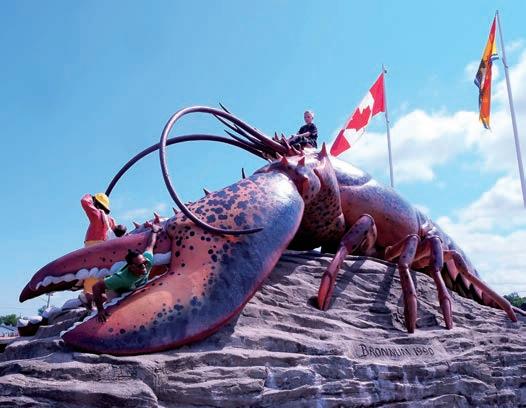
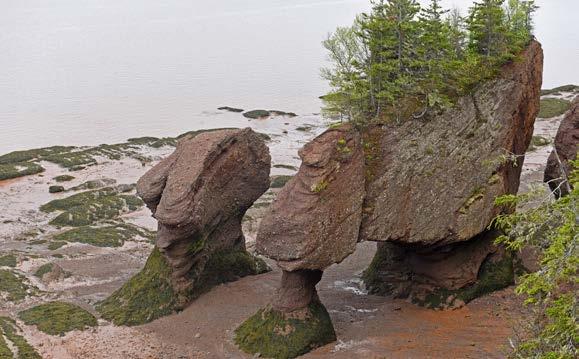
You probably know about the towers of stone at Hopewell Rocks, where the tides are so enormous you can literally walk on the ocean floor when the tide goes out. But New Brunswick has much more to offer. North of Moncton, you’ll find excellent fresh seafood in Shediac where you’ll also be able to climb the world’s largest lobster. Head a little further north to see lovely beaches and tidy homes decorated with Acadian flags, this being a centre of the province’s French culture. In Fredericton, world-class art awaits at the Beaverbrook Art Gallery. The Lunar Rogue Pub in Fredericton is said to have more than 500 types of whisky behind the bar. Just don’t try them all in one day.
Tracing ancient civilization by small ship is an immersive travel experience that brings history to life
Words and
One of the great luxuries of travelling by sea is the ability to unpack once and wake up somewhere new each morning. On an eight-day small-ship voyage through the Aegean aboard Viking’s newest ocean ship, Viking Vesta, that ease became the framework for something deeper: tracing the origins of ancient civilization from Istanbul to Athens at a pace that allowed history to unfold naturally.
Moving slowly across water that once carried traders, philosophers and conquerors, the journey revealed how closely the ancient and modern worlds still coexist; not as museum pieces, but as living places shaped by time.
Our journey began in Istanbul, a city that feels less like a destination and more like a threshold. Straddling both Europe and Asia and divided by the Bosphorus Strait, Istanbul has carried many names through history, yet its identity remains layered and vibrant.
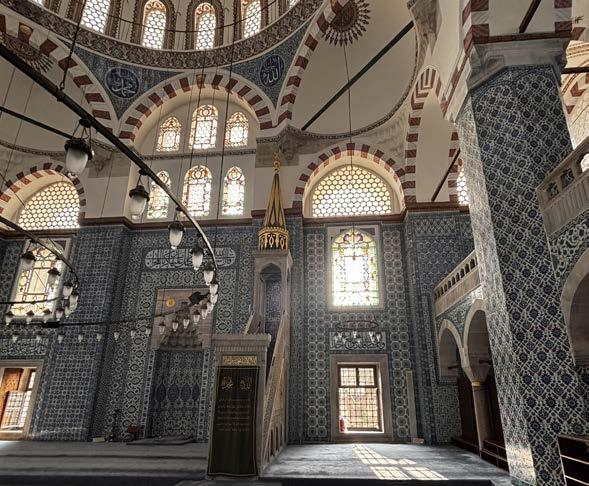
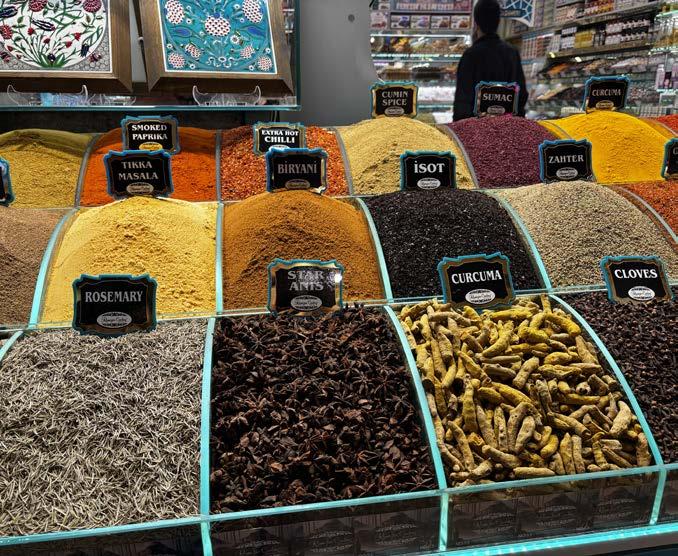
From the port of Kusadasi, the road to Ephesus winds through orchards of olive, fig, peach, pomegranate and mandarin trees. The approach feels almost cinematic, heightening the impact of what lies ahead.
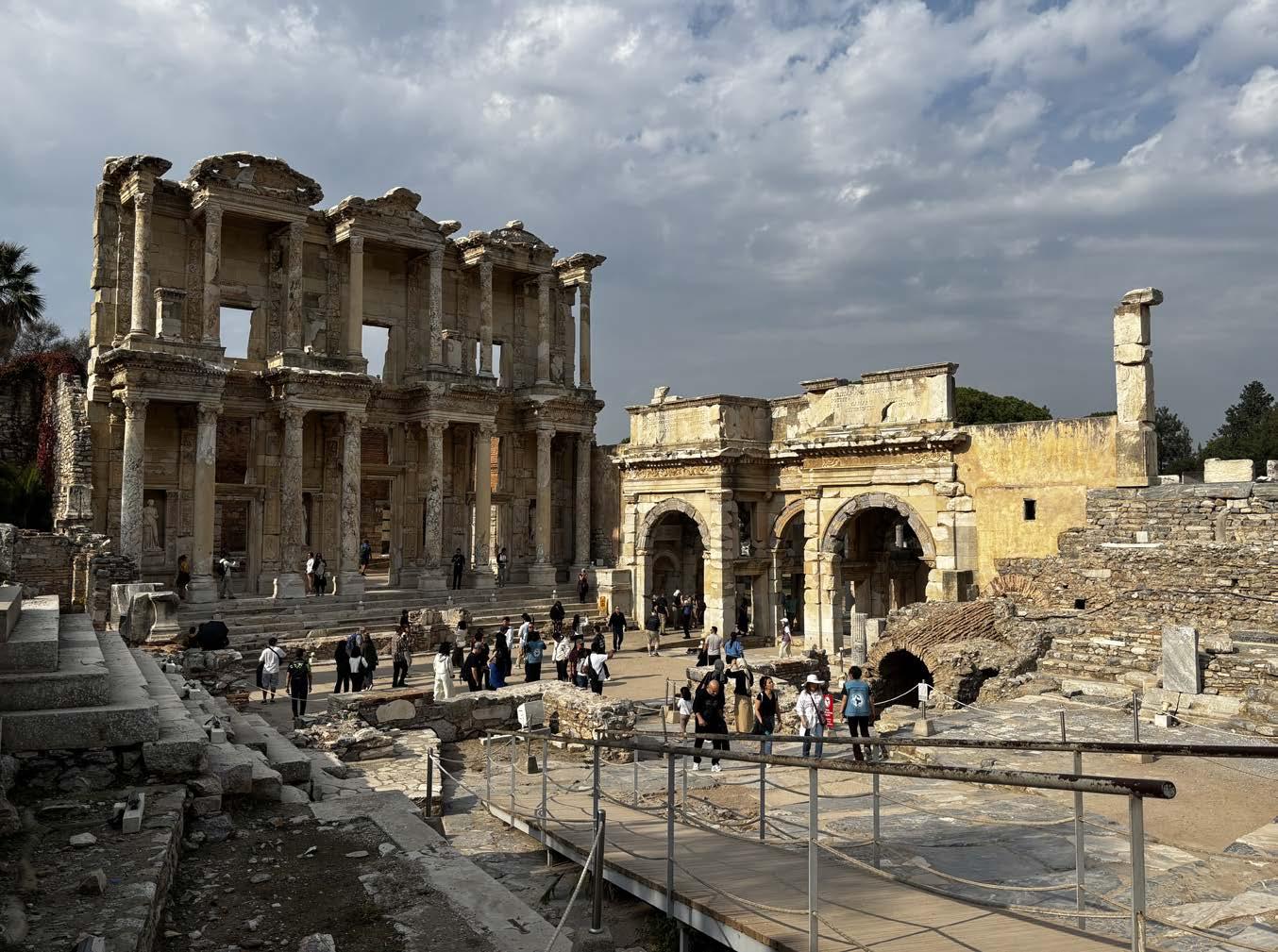
Ephesus is one of the largest ancient cities in the world. The ruins are astonishing and more impressive than any I’ve ever seen. Excavations only began in 1967 and restoration continues today, with cranes still visible across the site.
The scale is breathtaking: the grand Library of Celsus, broad avenues worn smooth by centuries of footsteps and the immense theater capable of seating 24,000 people. Today, the theater still hosts evening concerts, with performers ranging from Pavarotti to Elton John, Diana Ross, Ray Charles and John Legend.
Across from the library, the ancient latrines remain intact. Our guide explained that wealthy businessmen once gathered there each morning to talk politics and trade; in winter, servants would warm the marble seats before their arrival. It’s a detail that’s both amusing and deeply human, collapsing centuries into a moment of recognition.
Our first visit was to the Rustem Pasha Mosque. From the outside, it is modest and easy to overlook, but stepping inside reveals a jewel box of blue, white and green handpainted Iznik tiles, intricate and serene. Mosques here are as much social spaces as places of prayer, and the quiet reverence inside offered a gentle introduction to the cultural depth that would define the trip.
Just steps away, the Spice Market brought a sensory shift. The air was rich with saffron, cinnamon and turmeric, and vendors offered tea, dried fruit and Turkish delight. Evil eye amulets, believed to offer protection from harm appeared everywhere, a reminder that ancient beliefs still weave through daily life.
With a population of 15 million and a notably young demographic, Istanbul is both ancient and energetic, a fitting place to begin a journey through civilization’s roots.
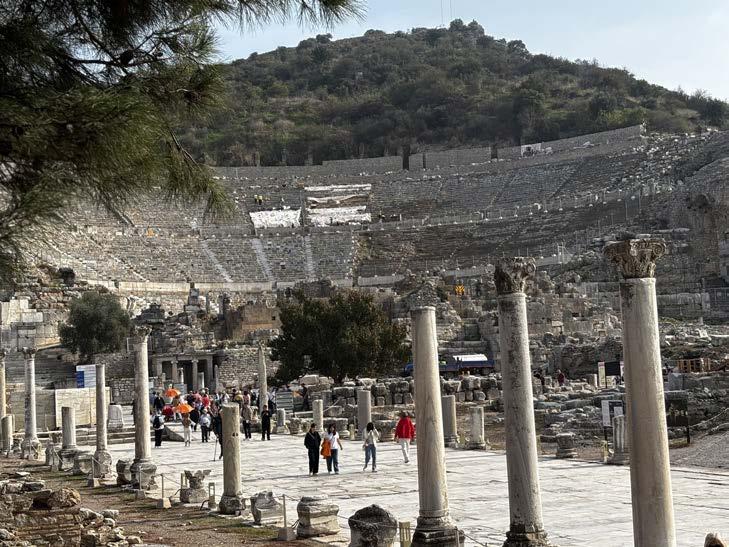
With fewer visitors in the shoulder season, there was space to linger, absorb the silence between stones and understand why Ephesus remains one of the most powerful archaeological sites in the Mediterranean.
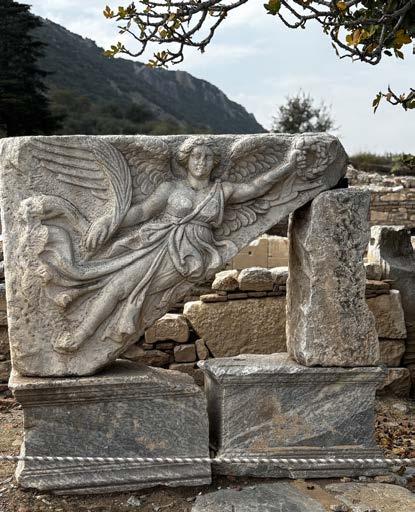
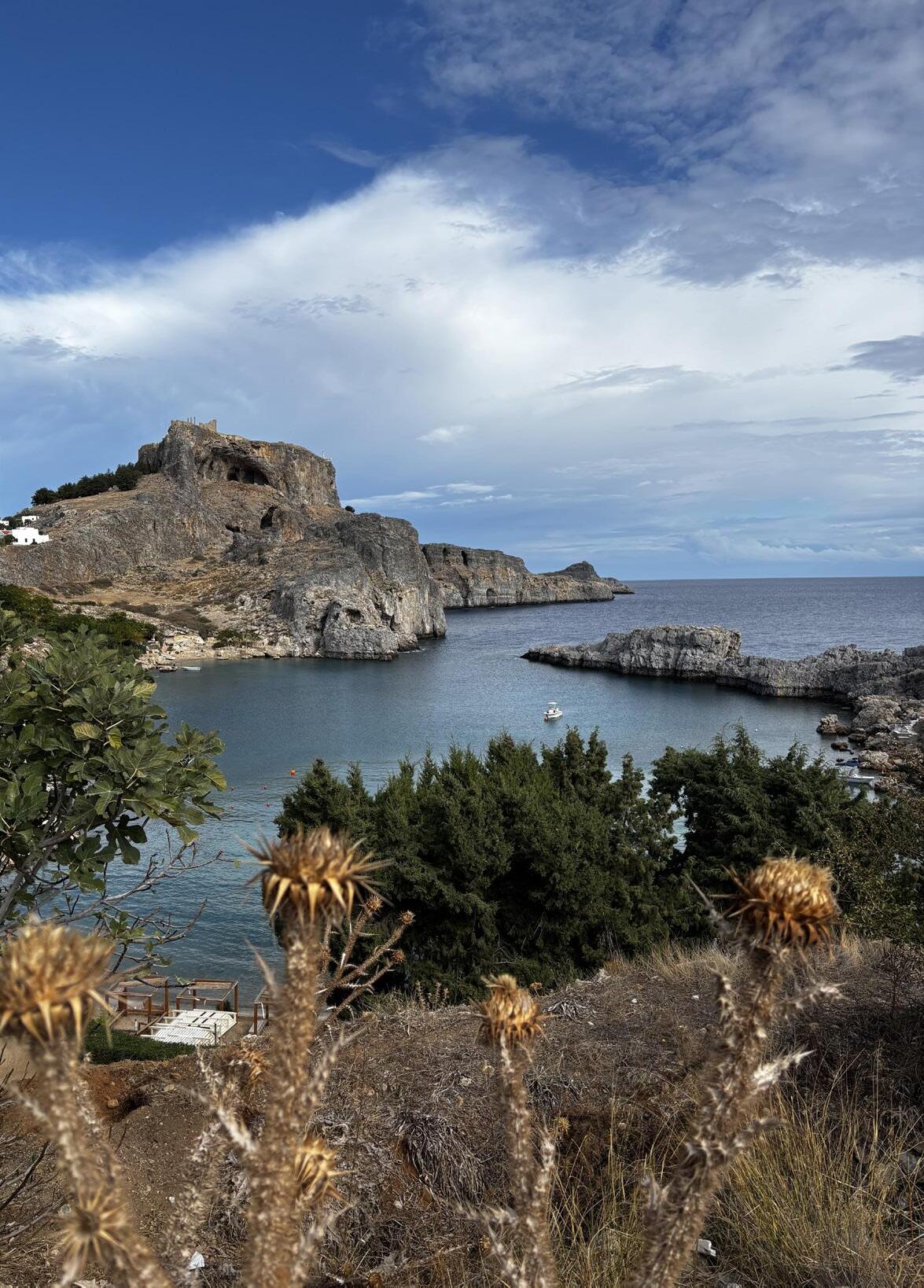
Traditions That Endure
Crete, Greece’s largest island, offered a different kind of continuity, one rooted in family and craft. Inland, we visited a family-owned winery founded in 2013 and now the island’s largest. From the sunlit tasting room overlooking the vineyards, with the Dikti Mountains rising softly in the distance, the balance of tradition and innovation was unmistakable.
Arriving on Rhodes felt like stepping into a place where history and daily life are in constant conversation. With no other cruise ships in port, the streets were quiet, shops unhurried and the experience refreshingly uncommercial.
As we boarded the excursion bus, I greeted our guide with a tentative “Kalimera” (good morning). He broke into a huge smile and replied, “I love you.” Any attempt to speak the local language, even a single word, goes a long way. Being the only ship in port made an enormous difference; empty streets invited easy wandering and shop owners welcomed conversation and bartering with genuine warmth.
Rhodes is known for its beaches, but it was the landscape that surprised me most—rolling green hills, valleys thick with pine and cypress and a coastline that shifts effortlessly from rugged to luminous. It’s easy to see why the island is called the Emerald Isle. In the village of Lindos, white limestone houses shimmer beneath the Acropolis, perched above a heart-shaped bay crowned by the Temple of Athena. The views stretch endlessly across the Aegean and Greek mythology feels less like a story and more like a natural extension of the land.
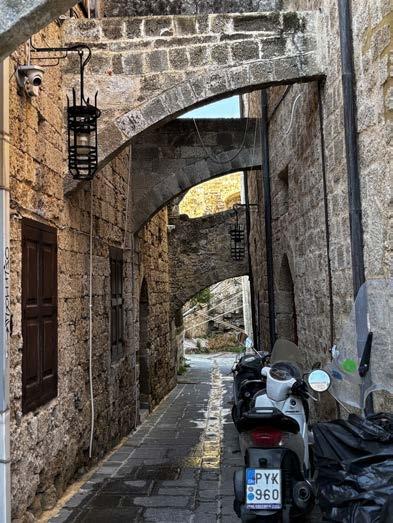

Maria and her brother Nikos Haralabakis trained abroad and now work alongside their father, who learned through experience, each contributing to a shared legacy. As we tasted the wines, bread and cheese cleansed our
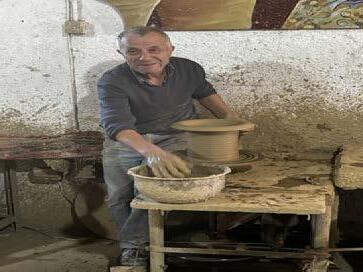
Later, wandering through Rhodes Old Town, a UNESCO World Heritage Site revealed layers of medieval walls, mosques and palaces alongside cafés, shops and a remarkable number of cats. It’s humbling to remember that this island once held the Colossus of Rhodes, one of the Seven Wonders of the Ancient World. Even now, that sense of grandeur lingers in the cobbled streets and sea-salted air.
palates between sips, grounding the experience in simple, enduring ritual.
Nearby, another family tradition came to life through pottery. Master potter Nikos Ploumakis worked at his wheel, shaping local clay into elegant vessels within minutes. Outside, pottery baked in the Cretan sun before spending days in the kiln, while shelves inside overflowed with handmade treasures crafted by the entire family. Crete doesn’t preserve tradition; it lives it.
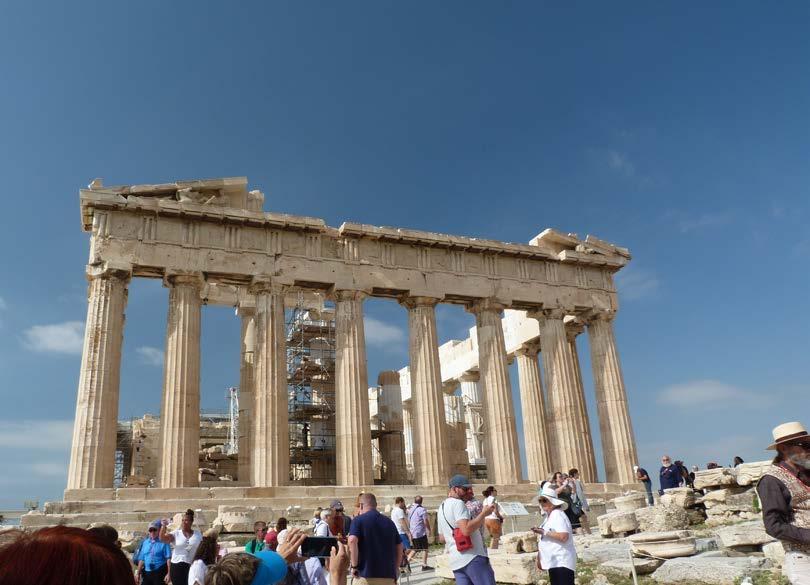
Throughout the journey, the ship itself served as a calm, consistent lens through which to experience these historically rich destinations. Viking describes its style as “comfortable elegance,” a philosophy evident in everything from attentive service to peaceful public spaces.
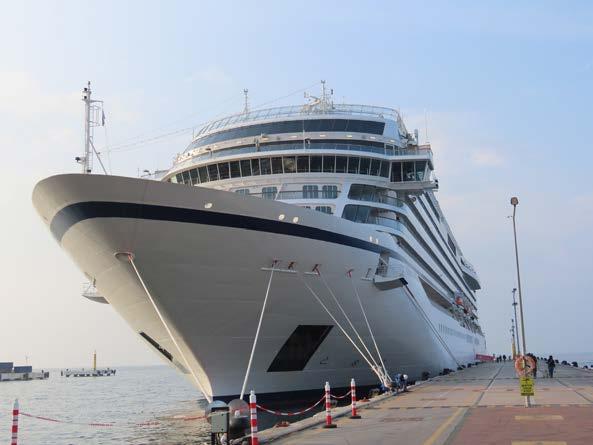
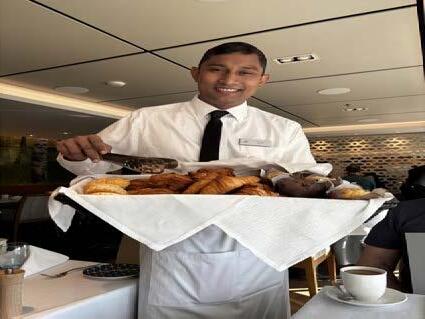
Days of exploration ended with restorative meals, quiet evenings and moments of solitude in lightfilled cabins. A visit to the Nordic Spa, including a deeply relaxing Hygge massage, reinforced the sense that this was travel designed to nourish rather than exhaust.
Tracing ancient civilization through the Aegean allows the past to reveal itself gradually. Each port builds on the last, creating continuity rather than isolated experiences. Moving slowly across these storied waters, it becomes clear that civilization here isn’t something left behind, it’s something still very much alive.
On our final full day, we arrived in Athens and made the ascent to the Acropolis. The climb is steep, but the reward is profound. Passing through the Propylaea and stepping onto the rocky plateau, the Parthenon stands weathered and commanding, surveying the city below. Having seen the Goddess Nike in Ephesus and the Temple of Athena in Rhodes, standing here felt like the journey coming full circle, fragments of ancient Greece converging on one sacred hill.
The Viking Vesta, the newest ship in Viking’s ocean fleet, is designed not to compete with the destinations it visits, but to quietly support them. Carrying 998 guests, it remains firmly in the small-ship category, creating an atmosphere that feels calm, uncrowded and intentionally unhurried. All staterooms feature private verandas, and the ship’s light-filled Scandinavian design favours natural materials, clean lines and spaces meant for reflection rather than spectacle.
Viking’s adults-only philosophy is immediately noticeable. There are no announcements echoing through corridors and no high-energy entertainment. Instead, the ship feels like a refined retreat at sea. Returning guests appreciate that every Viking ship shares the same layout, making navigation intuitive from the moment of boarding.
Dining reflects the same understated elegance. The Restaurant offers white-linen service without reservations, while the World Café provides a relaxed, globally inspired buffet. Favourites include Mamsen’s for Scandinavian open-faced sandwiches and waffles, the Pool Grill for casual outdoor meals and The Chef’s Table, which presents rotating multi-course tasting menus paired with wines and requires advance reservations.
Wellness is central to life onboard. The Nordic Spa features a Scandinavian-inspired thermal circuit, and the signature Hygge massage, performed on a warm bed of sand nuggets and finished with scented oils offers deep relaxation after long days ashore.
Service aboard Viking Vesta is polished yet personal. Crew members remember names and preferences while allowing guests to feel entirely unhurried. As a floating home base, the ship succeeds by staying in the background, creating the comfort and continuity that allow the ancient world beyond its decks to take centre stage.
This vibrant coastal city may have beautiful beaches, but its true charm lies in the rich history and unexpected surprises around every corner
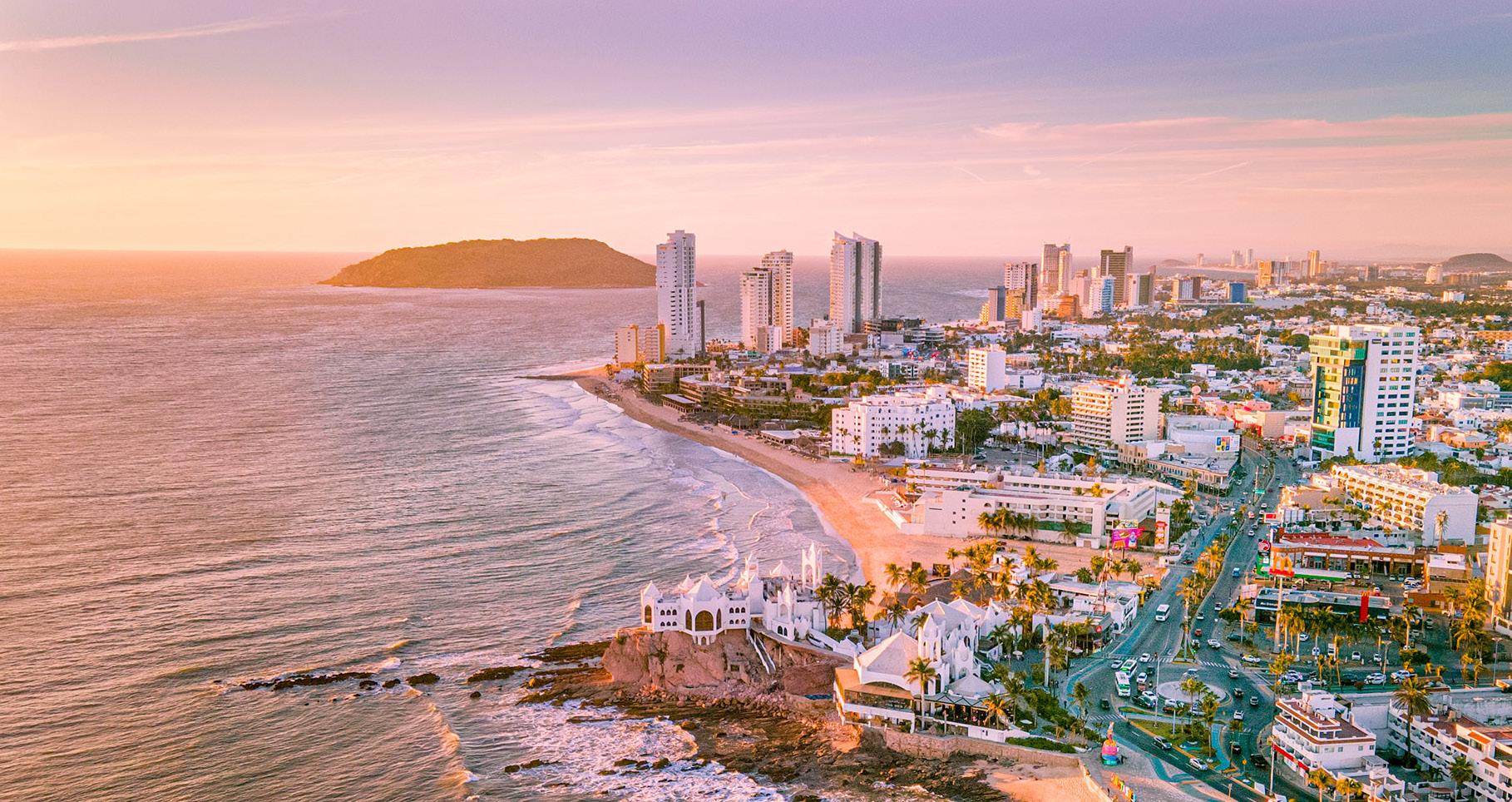
Known as the “Pearl of the Pacific,” Mazatlán is one of Mexico’s largest coastal cities. Situated at the foot of the scenic Sierra Madre mountains in the state of Sinaloa, this is Mexico’s only beach destination with a historic centre, a distinction that truly sets it apart. Being able to move between the sand and the many historic and cultural highlights beyond, makes for a special experience hard to find anywhere else in Mexico.
Mazatlán’s historic centre, with its 180 blocks of restored colonial architecture, allows you to really feel how much history the city holds. The best place to start exploring is Plaza Machado, a leafy public square surrounded by colourful colonial-era buildings and open-air cafes. In the evenings expect local musicians serenading passerby and market stalls to pop up.
You’ll also want to stop by Angela Peralta Theater, a restored 19th century theater named after the famed Mexican opera singer Angela Peralta. The renowned performance space stages a variety of performances, but you can also tour the theatre to learn more about its history. Another must-see is Basilica de la Inmaculada Concepción cathedral, with its Gothic arches and stunning stained glass windows.
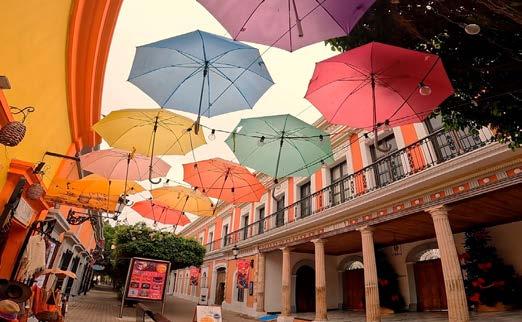
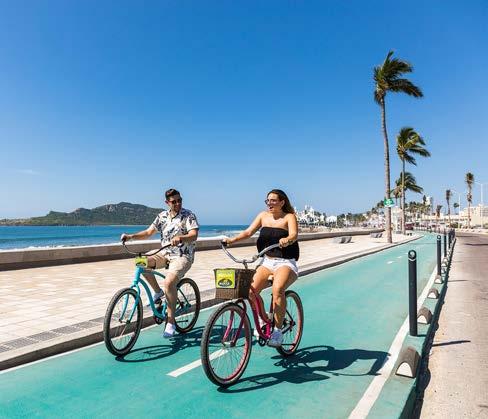
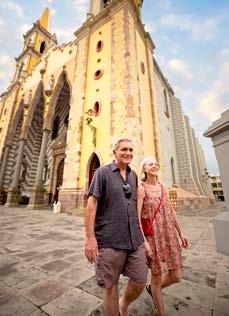
Mazatlán has three distinct areas, each offering something different yet worthwhile. The Golden Zone (Zona Dorada) is the tourist hub, busy with beachfront hotels and lively restaurants. Centro Histórico showcases local culture, beautifully restored 19th-century buildings and leafy plazas made for lingering. New Mazatlán (Nuevo Mazatlán) is home to upscale resorts and two bustling marinas. No matter where you base yourself, getting around is easy, whether on foot, by bike (rentals available), or in an open-air pulmonia (similar to golf carts and unique to the area).
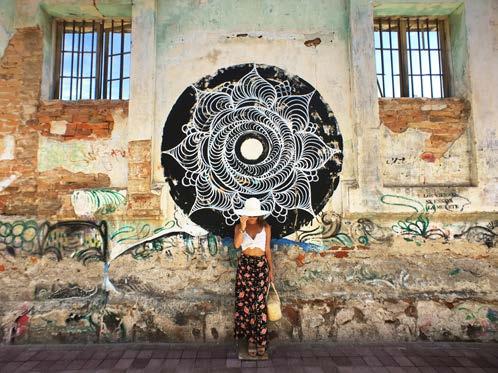
No visit to Mazatlán is complete without a trip to the Pino Suarez Municipal Market where hundreds of stalls overflow with fresh seafood, various meats, tropical fruit and fragrant spices. Locals and travellers alike head to the second floor of the market to enjoy everything from breaded shrimp and aguachile to quesadillas and fish tacos.
Local Tip: For a quick bite while sightseeing, street vendors are easy to find and serve up affordable and delicious meals like ceviche, shrimp tacos, burritos, tortas and fish-on-a-stick (freshly caught and grilled), all of which capture the region’s coastal flavours in every bite.
Art thrives here, from high-end galleries to eye-catching murals splashed across Centro Histórico. The city’s monthly Art Walk, which happens on the first Friday of the month from November to April (and twice a month December through March) lets visitors meet local painters, sculptors, mosaic artists and more in their studios. It’s also worth visiting the acclaimed Museo de Arte Mazatlán highlighting contemporary Mexican works by both local and regional artists.
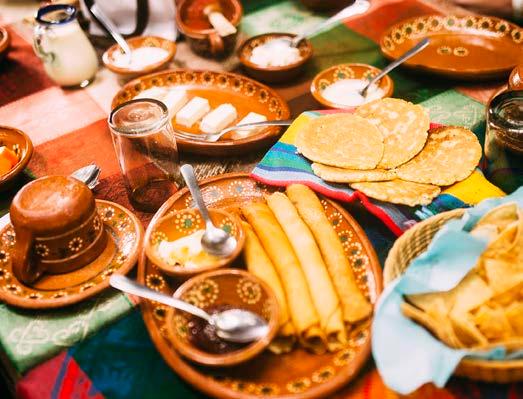
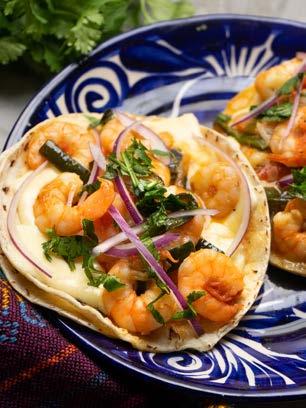
Just offshore, three islands offer natural escapes. Isla de Venados (Deer Island) is the go-to for snorkelling, kayaking and sunbathing on secluded beaches. Tiny Isla de Pájaros (Bird Island) is a paradise for birdwatchers and nature lovers, while Isla de Chivos (Goat Island) remains the quietest of the trio and ideal for those seeking solitude and quiet beaches with great views of the mainland.
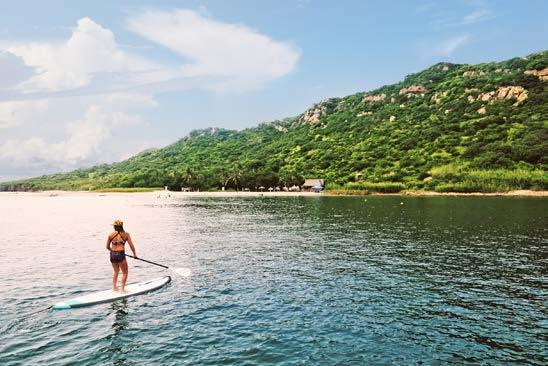
How to Get to Mazatlán
When you’re ready to plan a trip, WestJet offers direct flights from Calgary, Edmonton, Kelowna and Vancouver, with connections across Canada. Sunwing provides direct flights from Toronto, Montreal, Winnipeg, Edmonton, Saskatoon, Calgary and Vancouver.
For inspiration on travel to Mazatlan: gomazatlan.com
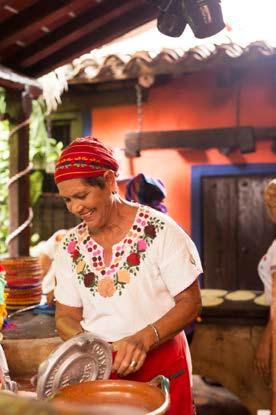
If you have time to explore beyond Mazatlán, there are some charming spots nearby. El Quelite, just a 30-minute drive north, is a picturesque village known for its cobblestone streets, colourful homes and delicious food. About an hour away, Concordia is famous for its artisan workshops, where you can pick up handcrafted furniture, pottery and jewellery. And while you’re there, try a raspado, a snow-cone-like treat flavoured with fresh fruit juice and a tasty way to cool off while sightseeing.
Mazatlán is about much more than its beautiful beaches. It’s a city filled with unexpected stories, memorable flavours and vibrant culture waiting to be explored.
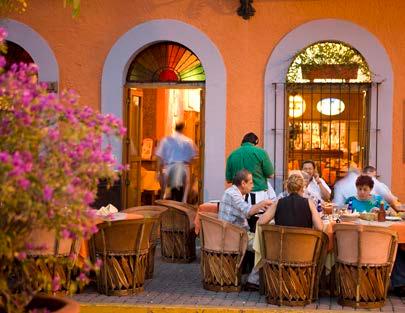
Welcome to Spotlight on Asia, a special feature highlighting this captivating corner of the world and some of the best sights, attractions, food and culture it has to offer. Throughout the following pages, our contributors share their experiences in diverse destinations ranging from Taiwan to Kyoto, that each leave a lasting impression in more ways than one. Read on for an immersive glimpse into a region that always offers something enriching and well worth going back for.
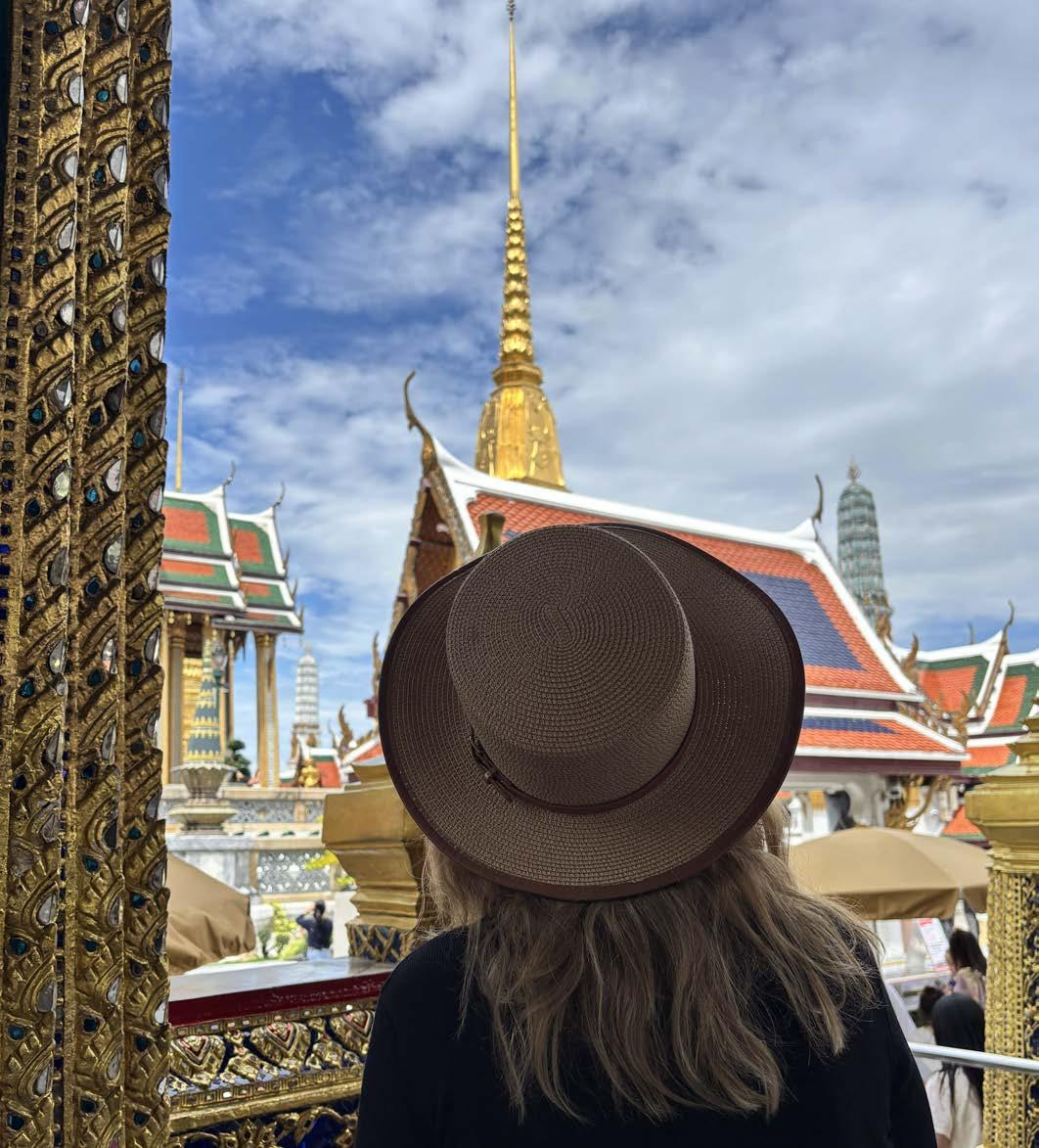
Kyoto’s many temples and shrines are a justifiable draw, but on a recent visit I discovered there’s so much more to experience
RENATA LEWIS
Kyoto in the spring is famously high on a lot of bucket lists, and I understand why. People imagine the pretty cherry blossoms, the majestic temples, the Zen gardens and the narrow streets filled with tiny cars, all of which can be found here, but there’s a lot more to this beautiful city than you might think. Before my trip, I went deep into research mode to find experiences that would push me out of my comfort zone and leave me with more than just photos. I wanted to come home with the kind of stories I’d tell my grandkids one day, and feel like I’d experienced the real Kyoto.
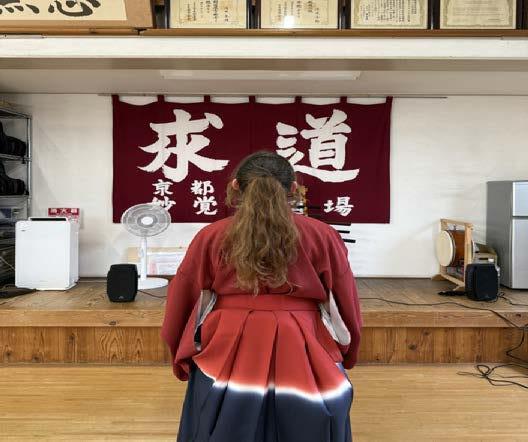


I grew up fascinated by samurai movies, but it never crossed my mind that a regular person could walk into a dojo in Kyoto and learn choreography with a katana. You start by choosing your outfit, which is half the fun. There are racks of colours and a team that swoops in to wrap, tie and adjust everything because there is absolutely no way you are figuring it out solo. Once you’re dressed (and feeling like a total warrior), they hand you a mock sword and teach a three-move combination.
With every slice comes a cue to let out your best fighter grunt while you practice again and again. Fair warning, you will forget where your feet go and laugh when someone spins in the wrong direction, but that’s part of the experience.
Then it’s showtime. An actor in full costume faces off with you while the cameras roll. In the end, I walked away with my own mini samurai film, dramatic poses included, and the satisfaction of discovering something I never even knew was on my bucket list.
If you love tea even a little, go to Uji. Our host was a farmer whose family has worked the land for 21 generations and he drove us past hills lined with tidy rows of tea plants. It was all green everywhere, no matter where you looked. Uji is only 20 minutes from Kyoto, but it feels far from city life.
Inside the processing facility, the warm grassy smell of tea fills the rooms. Our host showed us how leaves are shaded, picked and dried, and answered every nerdy question I had. Later, we sat inside his traditional home where he poured us cup after cup of teas grown right outside. Some tasted floral, others rich and bold. Watching him prepare each variety with care changed how I think about what ends up in my cup. I’ll always wonder who grew it and what kind of growing season they had
One of our favourite meals in Kyoto almost didn’t happen. And if it weren’t for a local who pointed it out, we would’ve never even known that a restaurant was there.
It was a small robatayaki restaurant, centred around a charcoal grill where skewers of beef, fish and seasonal vegetables are leaned toward glowing coals. For most of the evening, we had the entire place to ourselves and it felt like we were watching a luxury food show happen in real time. The chef moved around rhythmically turning each skewer by hand, adjusting the heat, paying attention to details most people would miss. He was a complete master of his craft
The food itself was fresh and unforgettable. Beef grilled until the edges were lightly crisp,
In a country known for Michelin-starred restaurants, I underestimated how attached I’d become to the konbini (convenience stores) I encountered in Kyoto. I’d walk into one intending to grab a snack and leave with dinner. The egg sandwiches are pillow-soft and perfectly seasoned. The onigiri packaging is an engineering miracle, keeping the seaweed crisp until the moment you unwrap it. There are hot dishes, cold noodles, desserts and real fruit smoothies at prices that make no sense (in a good way). What amazed me most was the consistency. No matter which brand I opted for, the food was always fresh and ridiculously tasty.
fish warmed through with a subtle smokiness. Every bite reflected years of experience and care.
In Japan, restaurants seem to pour their effort into the ingredients and the craft, and you sense that everywhere in Kyoto. The priority is quality and doing one thing exceptionally well.
That spirit is exactly what you find at a robatayaki
When you travel, there’s something to be said for putting yourself in rooms where you’re not the expert. Rooms where you listen, follow someone else’s lead and maybe laugh at yourself a little. If you do, like I did in Kyoto, you leave feeling deeply satisfied, knowing you tried something new and found a different side of yourself while you were there.
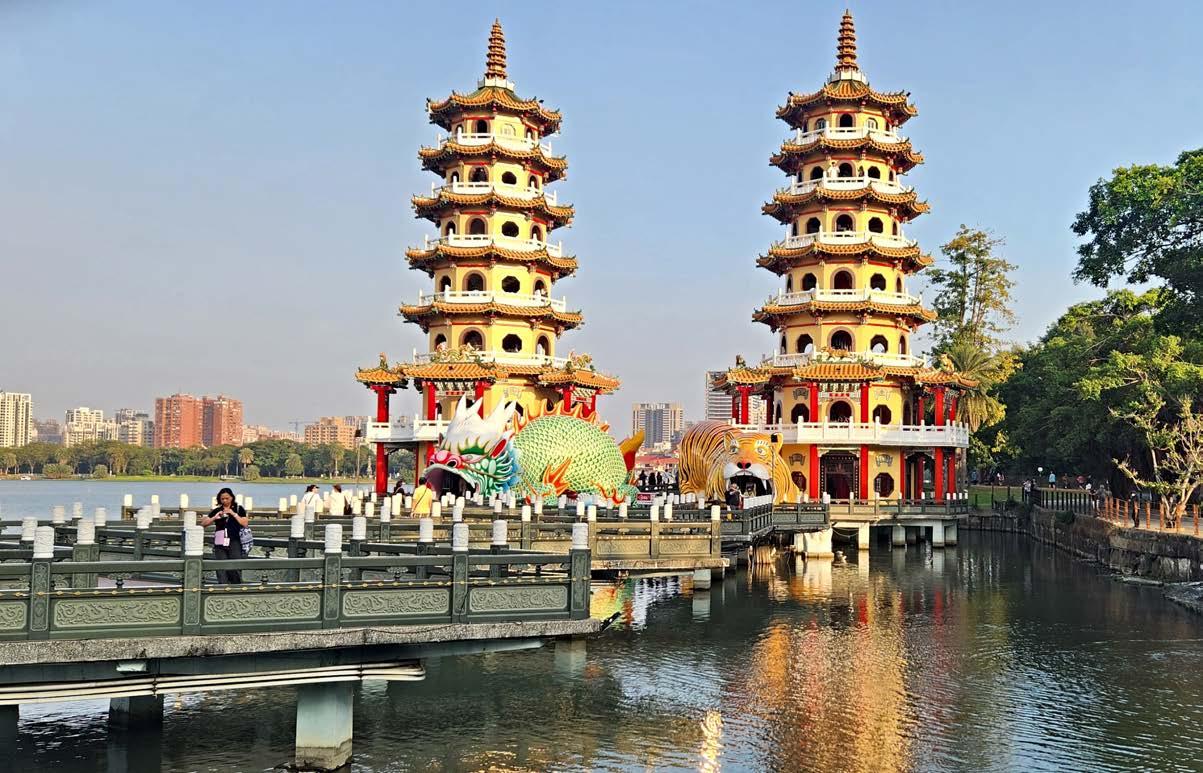
With a kaleidoscope of colours, modern art, traditional culture, sky high towers and hot pots, Taiwan has it all
AND PHOTOS BY DEBRA SMITH
Ever since my visit to mainland China I’ve wanted to follow the trail of almost 3,000 crates that were sent to Taiwan in 1949 during the civil war. They contained over 700,000 artifacts from the Forbidden City: imperial treasures of jade and porcelain, bronzes, calligraphy and paintings. In short, the best of the best. Although my focus was art, my tour of Taiwan opened my eyes to the island’s other spiritual, cultural and gastronomic treasures.

Once called Formosa (Beautiful Island), by 16th century Portuguese sailors, Taiwan has seen waves of colonizers, from Spain and the Dutch East India Company to China and Japan. Now officially known as the Republic of China, this proud democracy lies 600 kilometres south of Japan on the western shore of the Pacific, separated from mainland China by the Taiwan Strait. Native Taiwanese whose ancestors were born on the island before 1949, call themselves Sweet Potato People after the shape of the island, as well as their ability to flourish under tough conditions.
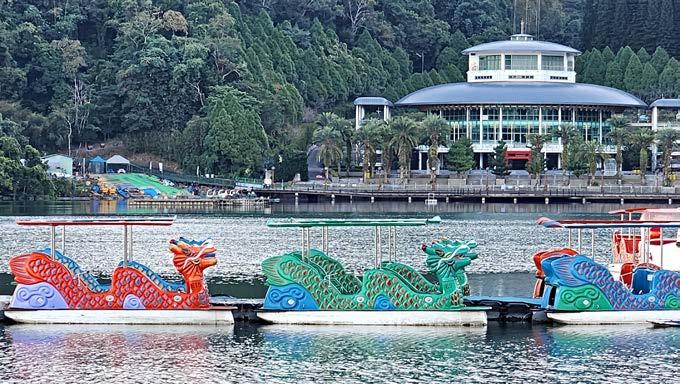
Sun Moon Lake is a sparkling alpine lake suspended in the Central Mountain Range. Dragon shaped paddleboats putter around its huge expanse while bicyclists and pedestrians roll and stroll along its 35 kilometre shoreline cycle track. We took to the sky for an aerial view, riding a glass-bottomed cable car on the Sun Moon Lake Ropeway. A one-way trip takes about ten minutes on colourful cars suspended like Christmas ornaments above the tropical forest. The panoramic views of the lake and surrounding mountains are stunning and at the top, the Formosan Aboriginal Culture Village combines an amusement park with traditional song and dance performances in a charming, typically Taiwanese mash-up of old and new.
I never imagined I would walk into a dragon’s mouth, but before leaving Kaohsiung we stopped by another famous landmark, Lotus Lake, to see the colourful seven story Dragon and Tiger pagodas, just two of over 33,000 temples and shrines in Taiwan. “Go in through the Dragon and out through the Tiger for good luck,” Andy advised us as we crossed the zig-zag bridge. “Entering a temple on the left brings power and leaving on the right gives protection from evil.” Four other beautiful pavilions are dotted around the lake that teems with turtles, leaping fish and lotus flowers.
About seven million people live in the country’s capital, Taipei. On a whirlwind tour around the city we watched the changing of the guards at the gleaming white National Chiang Kai-Shek Memorial Hall, rushed to the top of Taipei 101 in a high-speed elevator and stopped to slurp noodles where the locals do at Lin Dong Fang Beef Noodles, a low key Michelin star restaurant.
Taiwan is famous for its 53 Michelin starred restaurants and for the quality and quantity of food carts that roll out when the fairy lights come on at the city’s night markets. At Ningxia Night Market we watched as street vendors set up tiny
“Let’s go, go, go”, says Andy Chen, our enthusiastic local tour guide from One Dream Travel in Vancouver as we jump on Taiwan High Speed Rail’s 700T, a custom bullet train modeled on the Japanese Shinkansen. As the train silently ramps up to its 300 km/hr cruising speed, I relax in my comfortable seat and watch the cityscape give way to emerald fields of radishes, strawberries and, of course, sweet potatoes. The 161-kilometre journey from Taipei to Taichung flies by and soon we’re transferring to a van that takes us up a winding mountain road to Sun Moon Lake.
Early the next morning, it was “go-go-go” time as we headed for Kaohsiung and the Fo Guang Shan Monastery. Established in 1967 in the Humanist Buddhist tradition, the huge complex contains thousands of statues of Buddha. The most impressive by far is the 36-metre-tall copper statue that gazes serenely over a 100-hectare grand entrance lined with eight delicate pagodas. This section of the monastery opened in 2011 and features state of the art technology with information in both Chinese and English. Intricate sculptures in wood, ceramic and stone adorn the sacred spaces and visitors are warmly welcomed. In the modern entrance hall, the Hi Lai fine dining restaurant serves superb vegetarian meals, and museum quality souvenir shops line the hall.
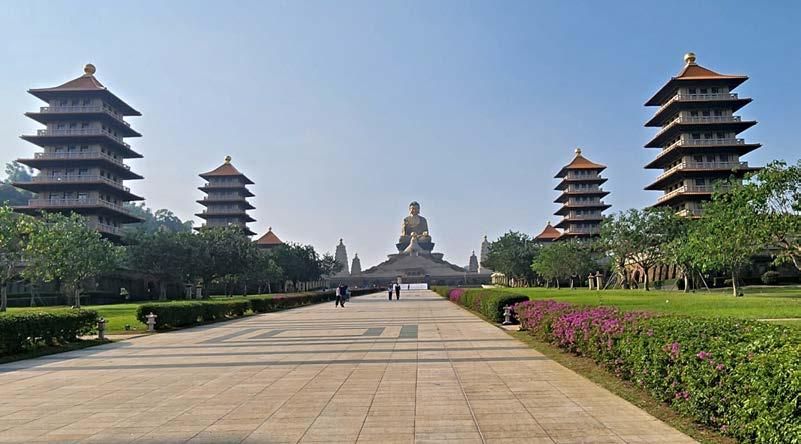
tables selling everything from oyster omelettes and taro balls to mango ice cream. And, yes, we did tour the National Palace Museum, and it was everything I’d hoped it would be.
Taiwan has so much to offer that I would recommend connecting with an Asia specialist like One Dream Travel for the best introduction to this captivating island—and then “go-go-go.”
Phuket had been on my bucket list for as long as I can remember. Unfortunately, we visited during rainy season so our original beachcombing intentions weren’t really fulfilled, but when the sun cooperated, we were able to grab a bit of time on the sand and see some fantastic sunsets at our resort. Phuket is a busy place, even during rainy season, which meant there was always something to see and do beyond the beach. A wander through Old Town was an immediate highlight with its rows of pastel shophouses, bustling coffee shops, restaurants and streets filled with history. It’s an area made for aimless exploring which is easily done on foot.
I loved the energy of Phuket but also enjoyed some of the quieter wellness moments during our visit as there are no shortage of spas and retreats to slow down the pace. While resort spas offer a more elevated and polished experience, I found it equally worthwhile to visit a reputable local spa. It’s a chance to experience authentic Thai massage or other local treatments, which provide a simple yet meaningful way to connect with traditional wellness practices.
A whirlwind visit to Thailand and Vietnam with a layover in Seoul left me with enough memories to fill a scrapbook and countless reasons to return to Asia
WORDS AND
As a fairly novice traveller through Asia, a 10 day trip stopping in three different countries was highly optimistic. I quickly realized just how much there was to take in. Every day felt like a new page in a growing scrapbook of highlights. From unfamiliar flavours and fastpaced streets to quiet, unexpected moments, the experience was both overwhelming and exhilarating in the best way. Here are some of my most notable experiences and some places not to miss if you are embarking on your own whirlwind visit to Asia.
BY TAMMY CECCO
Visiting the Phuket Elephant Sanctuary was one of the most special experiences of my time in Thailand. As the first ethical elephant sanctuary in Phuket, it offers a safe, respectful environment for retired working elephants to live out their days in peace. Set across 30 acres of lush tropical jungle bordering Khao Prae Teao National Park, the sanctuary felt a world away from the busier parts of the island. It was wonderful watching these incredible animals roam freely as they slowly rehabilitate into forest life after decades of hard work.
While planning the trip, one resort stood out for its focus on wellbeing and it more than lived up to expectations. Perched above the turquoise waters of the Andaman Sea, Amatara Welleisure Resort is a serene hillside escape designed for true seclusion and renewal. I chose a private pool villa with breathtaking ocean views and it was worth every bit of the upgrade. The plunge pool quickly became my favourite spot, perfect for quiet mornings with coffee and unhurried evenings under the stars.
The resort’s signature “welleisure” concept goes beyond traditional spa offerings. Thoughtfully curated wellness programs, nourishing cuisine and daily movement classes created a rhythm that was restorative but also indulgent. At the heart of it all is the spa, where treatments range from traditional Thai massages and herbal therapies to the immersive Thai Hammam. Paired with personalized consultations and holistic therapies, each experience is designed to restore balance in a way that feels intentional and deeply relaxing.
Being here was a quiet, powerful reminder of both the strength of elephants and their gentleness, and of the responsibility we have to protect them. The sanctuary staff were full of interesting information as they lead us through their daytime routine. Our full day tour included a delicious Thai buffet lunch and refreshments. If you want to give back and learn more about these majestic creatures, the sanctuary offers one day, three day and one week volunteer programs.
Phuketelephantsanctuary.org
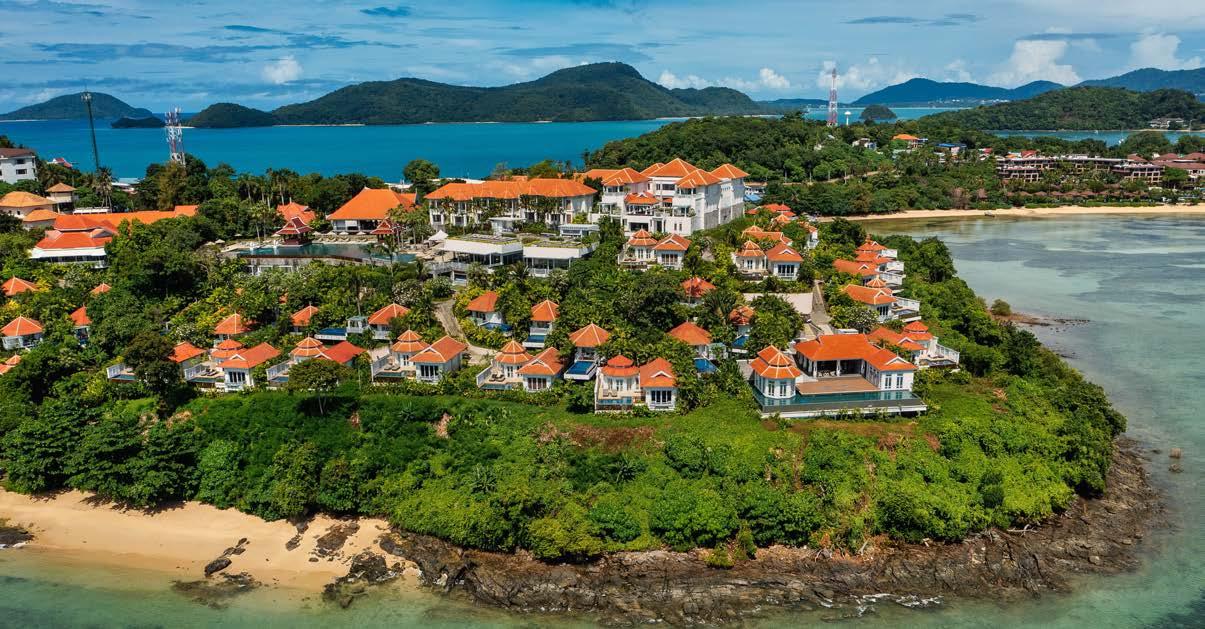
Beyond the spa, experiences like healthy cooking classes and Green Living workshops added another layer of inspiration. I found myself not just unwinding but reflecting on how to carry these practices into everyday life. It’s the kind of place that gently nudges you toward a more mindful, balanced lifestyle, providing the tools to make lasting changes.
The culinary experience at Amatara was equally memorable. Rooted in ancient traditions and inspired by Thai culture, each dish was nourishing and purposeful, encouraging a sense of connection and mindful living. Dining at Senses was a highlight of my stay where “healthy” never meant sacrificing flavour. The menu celebrates fresh, whole ingredients, from free-range proteins to cold-pressed oils, in dishes that are as vibrant and beautifully presented as they are satisfying. I left feeling a little more restored and would definitely recommend a stay of five to seven days to fully take advantage of what the resort has to offer. After I left I was genuinely inspired to bring a little of that wellbeing home with me. Amatara.com
Our brief visit to Vietnam focused on some of the north end of the country. I fell in love with the city of Hanoi with its layered history and unmistakable French influence. Surprisingly grand colonial facades and tree-lined boulevards sit alongside ancient temples and bustling streets. Hanoi’s Old Quarter is the city’s vibrant heart; a maze of narrow streets alive with scooters, bicycle vendors, colourful markets and centuries-old architecture. We found a peaceful contrast at nearby Hoan Kiem Lake where we people watched as we walked along the promenade with Ngoc Son Temple in the background. Lots of walking worked up an appetite and we dove into some local delicacies.
The street food scene in Hanoi is reason alone to visit. Tiny stools spill onto busy sidewalks, where generations of recipes come to life in dishes that are as authentic as they are unforgettable. Of course, I couldn’t resist a bowl of Phở on more than one occasion, with each one somehow better than the last. But my favourite bite on the go was the ever-reliable Bánh mì, a perfect fusion of French and Vietnamese influences with its crisp baguette packed with savoury meats, fresh herbs and tangy pickled vegetables. We also had to try one of the city’s most iconic treats—egg coffee. Frothy, sweet and unexpectedly addictive, egg coffee might just be my favourite surprise sip. Café Giảng, headquartered in Hanoi, is the birthplace of egg coffee It was invented in 1946 by Mr. Nguyen Van Giang, the father of the current owner. Clearly a social gathering place, you may need to wait for a table (but it’s worth it).
We also had to try one of the city’s most iconic treats—egg coffee.
For a change of pace from sampling street food, we decided to check out a more refined take on Vietnamese cuisine at MAMMOM. Here, the culinary experience is designed to feel like a journey across the country, with a menu that thoughtfully showcases signature dishes from north to south. With close to 100 offerings, the experience is both expansive and traditional, feeling like an elevated homecooked meal. The famous water puppetry of Vietnam’s Northern Delta is brought to life right here at the restaurant, thanks to its own built-in mini stage. So be sure to check performance times before you book a table for an added cultural highlight.
Mammomrestaurant.com
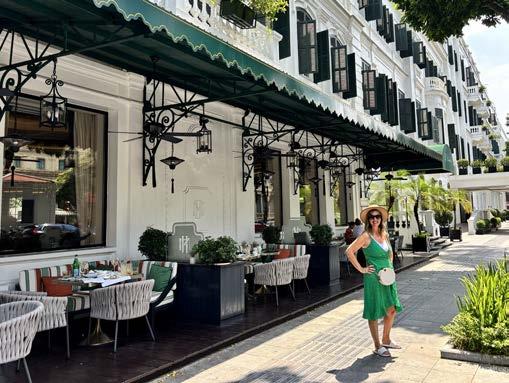

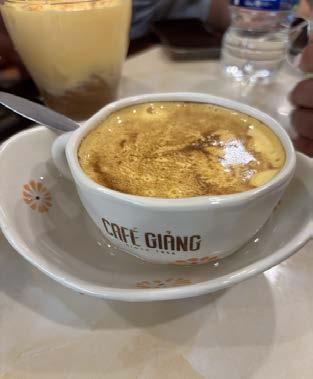
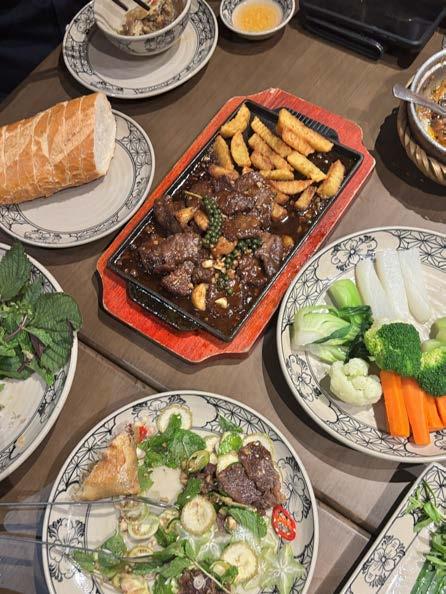
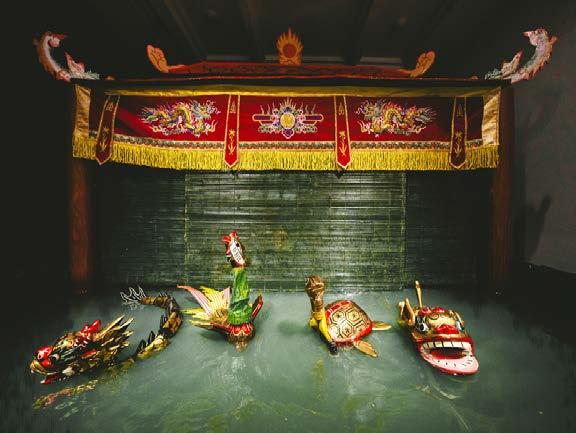
Never have I found a city hotel that felt more like an extension of the city itself. For me, the Sofitel Legend Metropole was a big part of why Hanoi made such an impression on me. As we sipped our gin and tonics at Le Club Bar overlooking the hotel’s lush garden courtyard, it felt as though we were part of living history. With its storied past dating back to 1901, the property has an old-world elegance evident in every detail, making it a place that feels deeply rooted in the city’s heritage.
This iconic luxury hotel offers 358 rooms and suites. You can opt to stay in the historic Heritage Wing with tasteful nods to a bygone era or opt for the more neo-classical décor of the new Opera Wing. I was fortunate to experience both as I stayed on my way into Vietnam and again when I was departing. Service and attention to detail were equally exceptional in both wings of the hotel
Dining at Sofitel Legend Metropole is as rich and varied as the hotel’s history, offering everything from refined French cuisine to fresh local flavours. Be sure to make time for Le Beaulieu, honoured with a place on the prestigious MICHELIN Selected List for 2024 and 2025. You will find contemporary French haute cuisine balancing innovation with classic technique, and highlighting seasonal ingredients with an unmistakable sense of elegance and restraint.
Sofitel-legend-metropole-hanoi.com
....I could easily imagine the grandeur of early 20th-century ocean travel
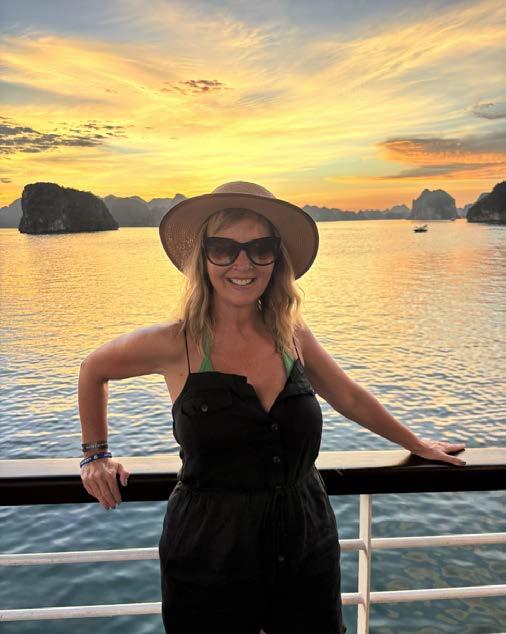
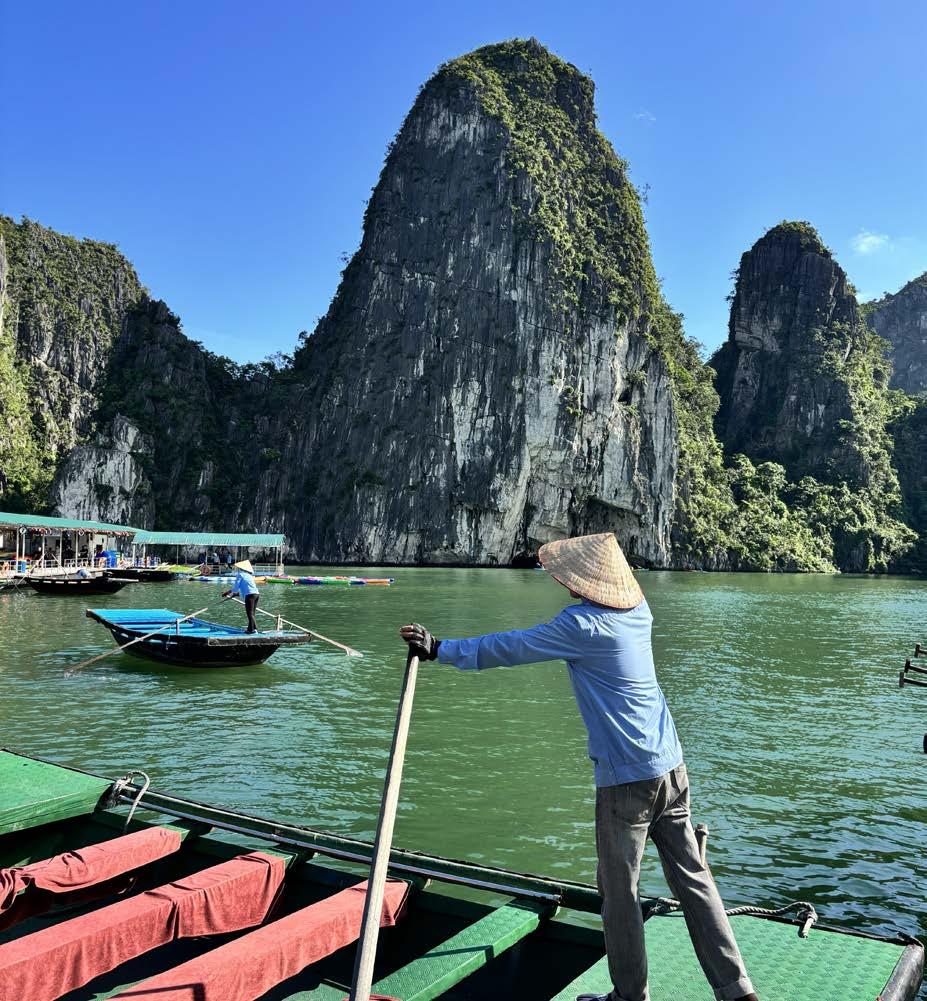
When in Northern Vietnam, a visit to Ha Long Bay is essential. Recognized as a UNESCO World Heritage Site, its limestone karsts rise sharply from emerald waters, creating a breathtaking landscape. I explored the bay on an overnight cruise with Ambassador Cruises, which was the perfect balance of light adventure and first-class hospitality. With just 45 spacious cabins, each with its own balcony and personal butler, the ship felt more like a floating heritage hotel than a cruise. I could easily imagine the grandeur of early 20th-century ocean travel.
Morning tai chi on deck offered a peaceful view of the bay before the crowds. The afternoon was spent kayaking through calm waters and climbing to the top of nearby Titov Island which was a great photo opportunity with amazing views of the bay below. A casual cooking class back onboard added a fun cultural touch, while happy hour in the piano bar set the tone for a Michelin-level dinner. The day closed with cocktails under the stars, a quiet moment to take in the bay’s serene beauty. The whole experience combined the surreal beauty of Ha Long Bay with the comfort and elegance of a truly memorable cruise. Ambassadorcruise.com

I have used ToursbyLocals on many trips throughout Europe. They have always been reliable, knowledgeable and most importantly, very flexible when creating itineraries. What I love the most is no matter where you are in the world, the guides offer the same high level of service and care. Curated to your preferences and interests, the tours are ideal when you don’t have a lot of time (like on a layover), when you really want to get a feel for a place like a local. I used them on my Seoul layover and it was a great choice.
Aside from having a wealth of cultural and historical knowledge, our guide, Kane, gave us a unique insight on our tour of the Korean Demilitarized Zone (DMZ), the heavily guarded border that has divided North and South Korea since the armistice of 1953. Facts are important but so is personal perspective which is what you get with ToursbyLocals. Toursbylocals.com