Understanding the Benefits of Managed IT Hardware Support
Managed IT hardware support is the involvement of outside professionals who monitor a company's IT hardware. It ensures that devices and systems are working and incorporate the latest features inside them. Hardware is at the center of all IT operations, from servers to workstations. Reliability in hardware directly affects the efficiency of business operations. This blog post takes a look at the key benefits of managed IT hardware support and zeroes in on exactly how it helps companies keep their operations up and running at all times while optimizing their performance.
Section 1: Cost Efficiency
Managed IT hardware support offers clear cost benefits in comparison to the ongoing cost of housing and training in-house IT staff. Managed services also support the monthly costs of a company and are very predictable, thus greatly enhancing companies' budgeting. Hence, it's hardly surprising that statistics and case studies alike generally find that managed services provide companies with an average IT cost saving of 25 percent.
Section 2: Proactive Maintenance and Upgrades
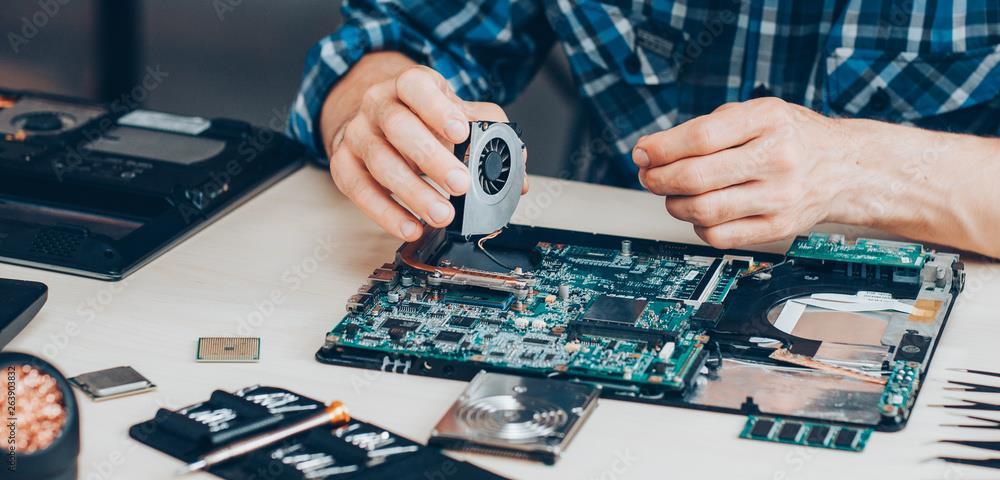
Managed IT services are good at proactive maintenance that ensures hardware is maintained, not just repaired when it fails. This includes regular updating and upgrading, which also undertakes the role of maintaining or making systems robust enough to effectively support business activities without any interruptions. Proactive strategies minimize downtime and extend hardware lifespan, which is crucial for maintaining productivity. Regular assessments and systematic upgrades of hardware assure compatibility with changing technology trends to maintain operational agility.
Section 3: Expertise and High Technology Access
One other benefit of Managed IT Hardware Support that is quite apparent is the availability to the user of high IT professional skills. Such specialists provide the knowledge and experience which will enable companies to take better care of complex IT environments. This translates into better IT hardware management for companies, at the time of the constant overhauls in training for their staff. Besides, leading technology providers all over the world are usually partners with managed IT services, and they work together; hence, having access to the latest solutions both in hardware and software. Such access permits businesses to take advantage of advanced technologies without having to invest capital that is otherwise needed for them to stay ahead in the competitive market. Good security is a very key consideration in IT hardware management, being that the occurrence of cyber risks is happening increasingly in our lives. This should involve regular
Section 4: Enhancing Security Measures
updating and patching of hardware vulnerabilities provided through managed IT services. Furthermore, they also help ensure that there is adherence to all related regulations, such as GDPR for European customers and HIPAA in healthcare, to safeguard sensitive information from exposure and avoid law troubles. These managed solutions are fine-tuned for the security needs of an individual business and add an elite level of expertise and attention to detail that can be hard to replicate with internal resources.
Section 5: Scalability and Flexibility
And the IT hardware support scales with the growth of your business. It allows adapting the IT resources to the real company needs but without a long waiting time or big capital investment. Just that kind of flexibility for constant change and development is one of the important factors in the quickly changing business environments today.
Conclusion
Benefits that will then be associated with managed IT hardware support include saving costs, having access to the provided services by experts, increasing security, and ensuring operational flexibility. The services will ensure that the business has strong, efficient, and safe operations of IT that can be easily aligned with the company's general strategies in business. As a result, it is advisable for companies who wish to enhance their IT support in DFW or elsewhere to consider how these managed services can be incorporated within their operation strategies to be more efficient and competitive.