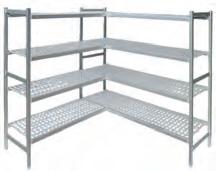
www.leoninox.com www.leoninox.com
www.compac.it
www.pucciplast.it
www.frigopo.it
www.sifim.it
www.mpsporcellane.com
www.fiorentinifirenze.it
www.pastacecchin.it
www.ilpanificiodicamillo.it









www.leoninox.com www.leoninox.com
www.compac.it
www.pucciplast.it
www.frigopo.it
www.sifim.it
www.mpsporcellane.com
www.fiorentinifirenze.it
www.pastacecchin.it
www.ilpanificiodicamillo.it
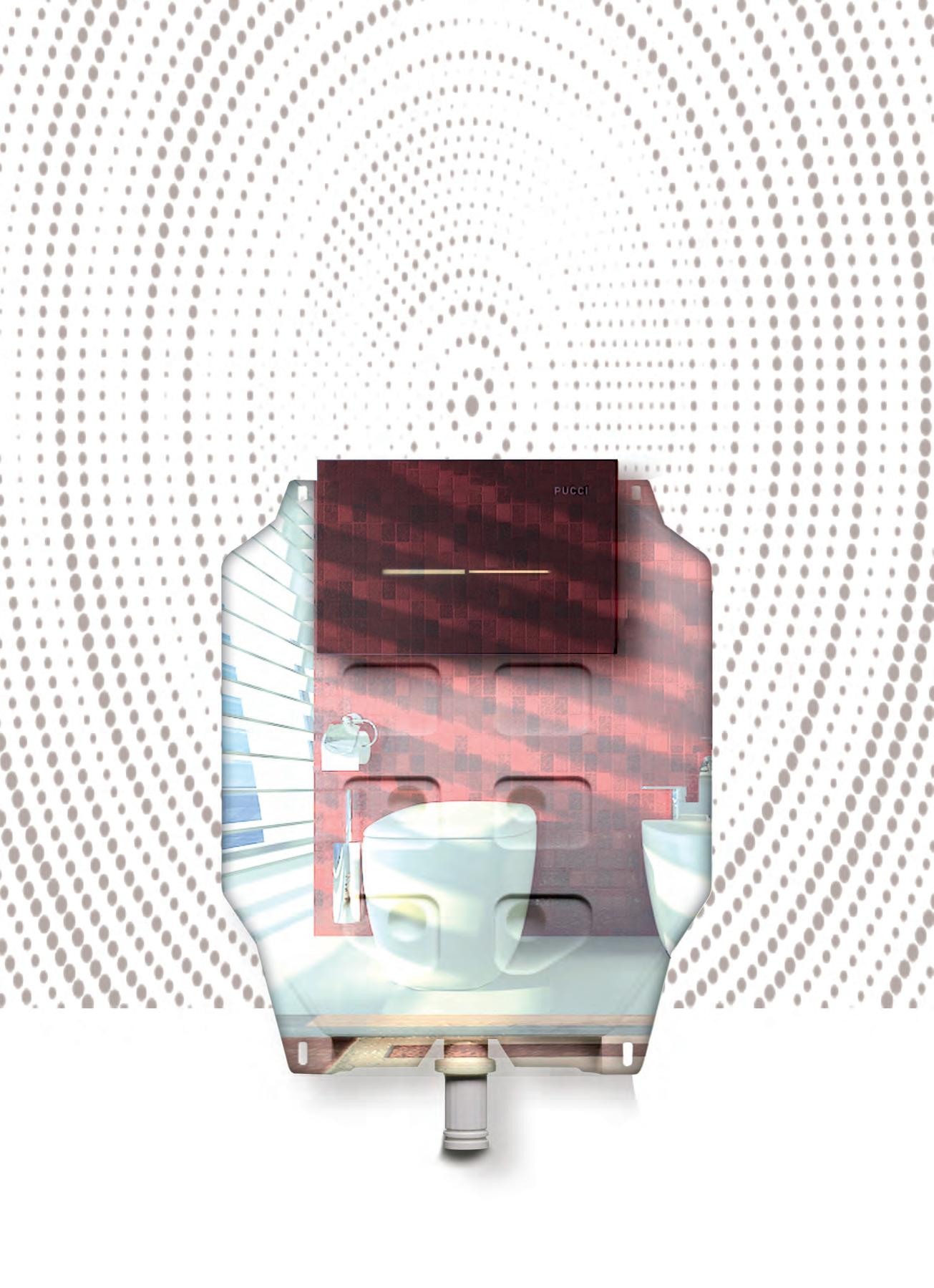
When designing a bathroom, each aspect has to be perfect, starting from the cistern. So, as a builder, i think Pucci. ”
I install a lot of Pucci systems - they’re good to work with and they never disappoint, even after the passage of time. ” ”
As architects, we concentrate on aesthetics and details: I can always find a perfect fit for the client’s profile in Pucci’s range of flush plates. ” ”

CYBER CAP CYBER PLUS
Richiedi
Request your customized machine

Sonia V. Maffizzoni Editorial Manager
Out-of-home consumption is changing shape. Less rigid, more fragmented: demand is shifting towards flexible formats that combine speed, quality and experience. At the same time, a clear trend is emerging, the end of standardized offerings.
Menus, concepts and service models are evolving to respond to a more aware and selective customer. Today, quality alone is not enough.
What matters is coherence. Guests want to understand what is behind a proposal, recognize its identity and perceive its authenticity.
This is pushing operators to rethink sourcing, menu design and internal organization.
The challenge is not to expand the offer, but to make it distinctive and sustainable over time. In an increasingly saturated market, identity is becoming the real competitive advantage.
editorial management and registered office: Via Cesare Cantù, 16 20831 SEREGNO (MB) - ITALY
Tel. +39 0362 244182 +39 0362 244186
web site: www.editricezeus.com
e-mail: redazione@editricezeus.com
portal: www.horeca-online.com
e-mail: marketing@itfoodonline.com
skypeTM: editricezeus
An outline of services and products for the horeca world and hospitality
Published: biannual magazine
Registration: Court of Monza no. 13 of 13.11.2018
Servizi e prodotti per il mondo horeca e ospitalità
Periodicità: semestrale
Autorizzazione del Tribunale di Monza, no.13 del 13.11.2018
and functionality for hospitality: Eurorama’s vision.
HORECA INTERNATIONAL is the international magazine for the hospitality industry year 9 - 2026
managing editor S.V. Maffizzoni redazione@editricezeus.com

by Davide Tonati
Manager at Eurorama
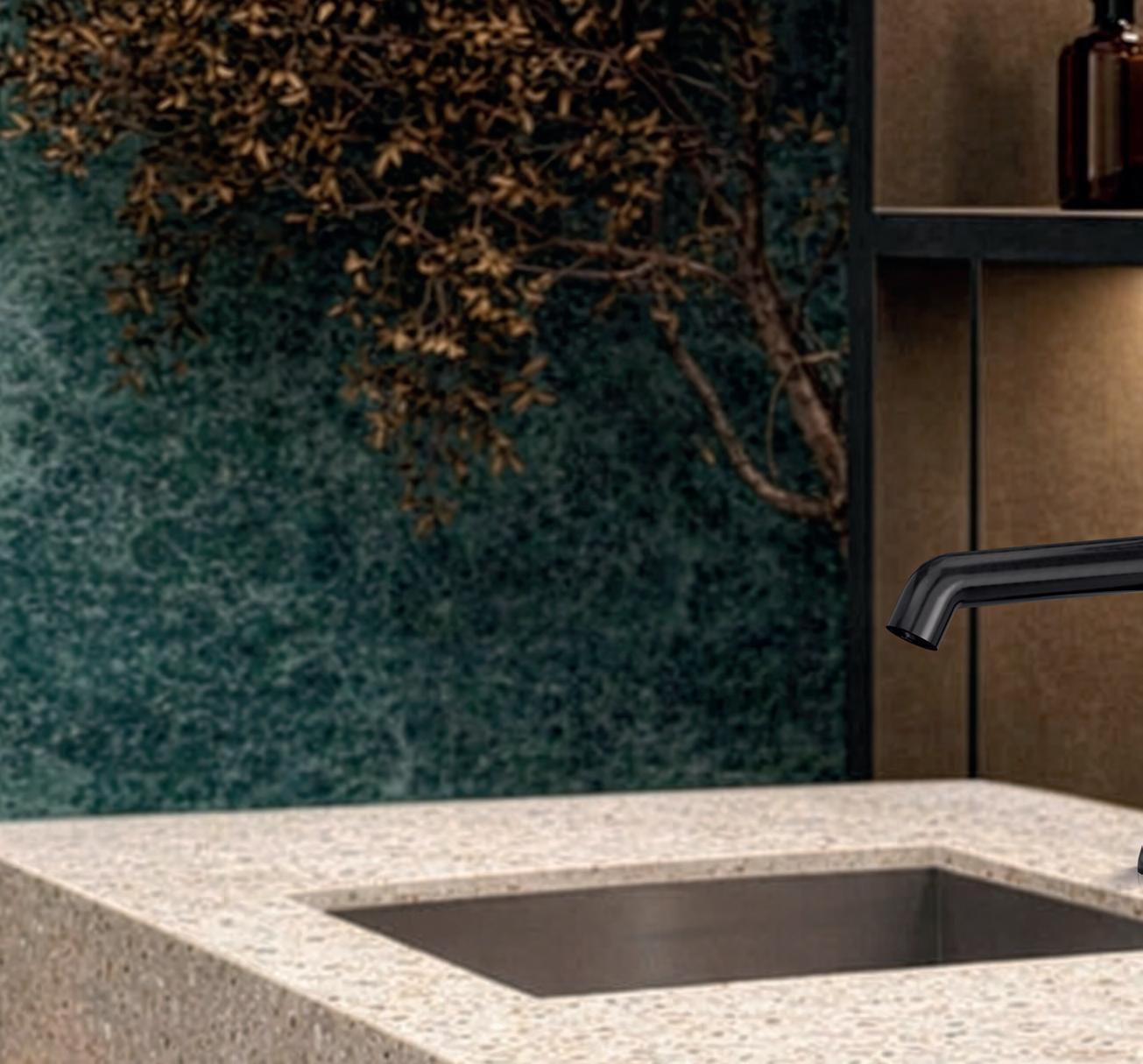
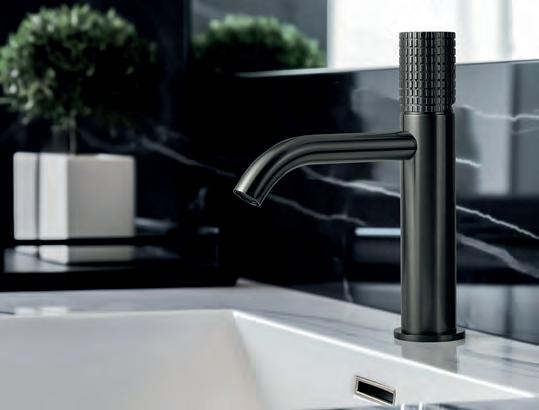
Since 1972 Eurorama has been developing taps and bathroom solutions that combine Italian design with advanced technology. In the Ho.Re.Ca sector the company positions itself as a reliable partner for hotels and resorts seeking durable, efficient and aesthetically refined products. Davide Tonati, Sales Manager, explains the company’s approach.
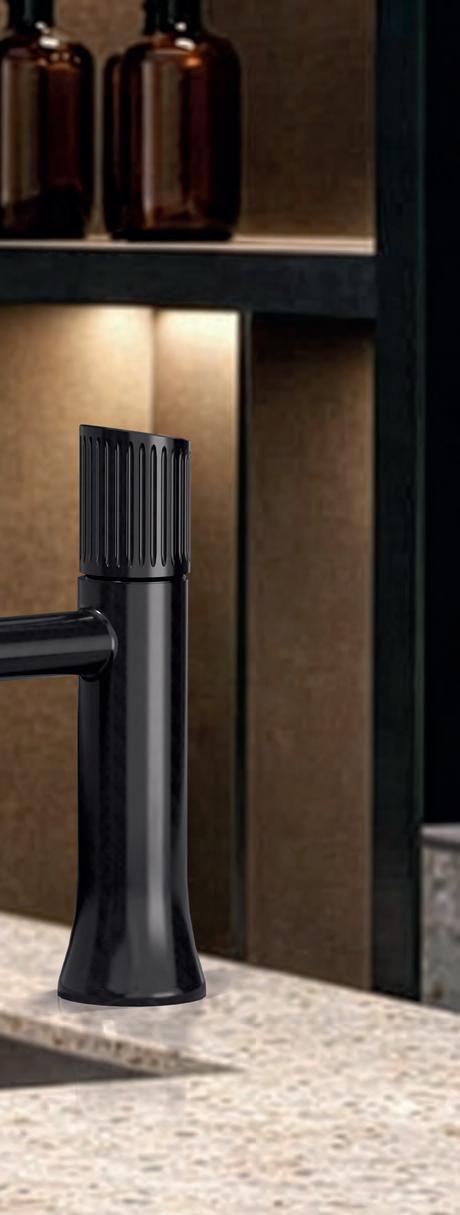
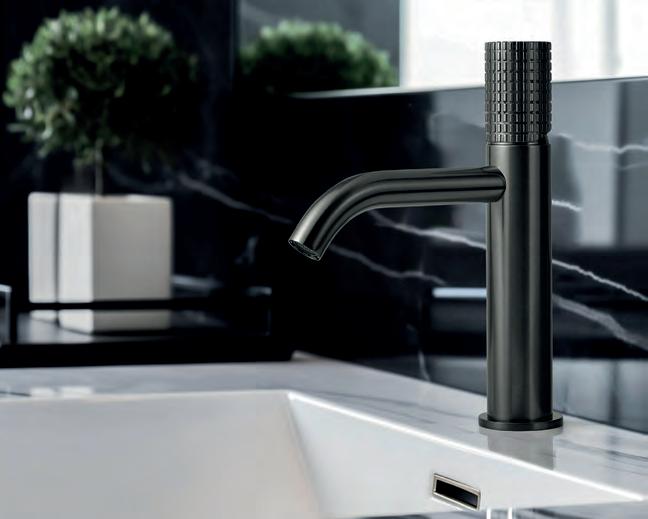
How would you describe Eurorama’s positioning in the Ho.Re.Ca sector?
Eurorama is an Italian manufacturer of high-quality taps and bathroom solutions.
In the hospitality sector we present ourselves as a partner for hotels and resorts looking for reliable, elegant products designed to perform over time.
Our solutions are conceived to enhance the guest experience while ensuring efficiency and long-term reliability, even in high-traffic environments.
What are the main trends in the hospitality market today?
Sustainability, customization and user experience are key drivers.
Hospitality operators increasingly look for solutions that reduce water consumption without compromising comfort.
At the same time architects and designers need versatile collections able to adapt to different design concepts.
Guests are also paying closer attention to aesthetics and to the perceived quality of the spaces they experience.
How does Eurorama respond to these needs?
We constantly invest in research and development to create products that combine innovation with timeless design.
Our water-saving systems and high-quality finishes ensure durability and consistent performance even in demanding hospitality environments.
In addition, we offer a wide range of styles that allow designers to create coherent and distinctive interior concepts.
What are your goals for the future?
Our goal is to strengthen our international presence and expand our portfolio of sustainable and customizable solutions for the hospitality sector.
We aim to contribute to spaces where design, comfort and functionality come
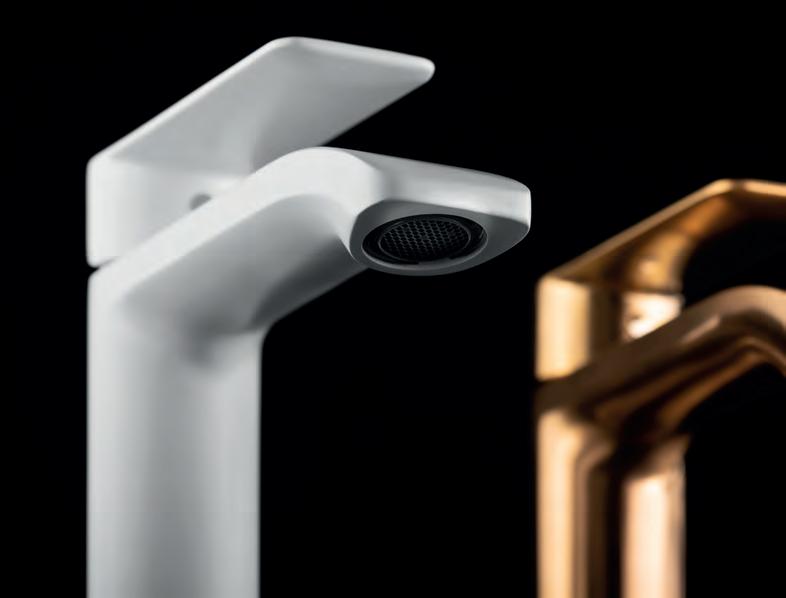
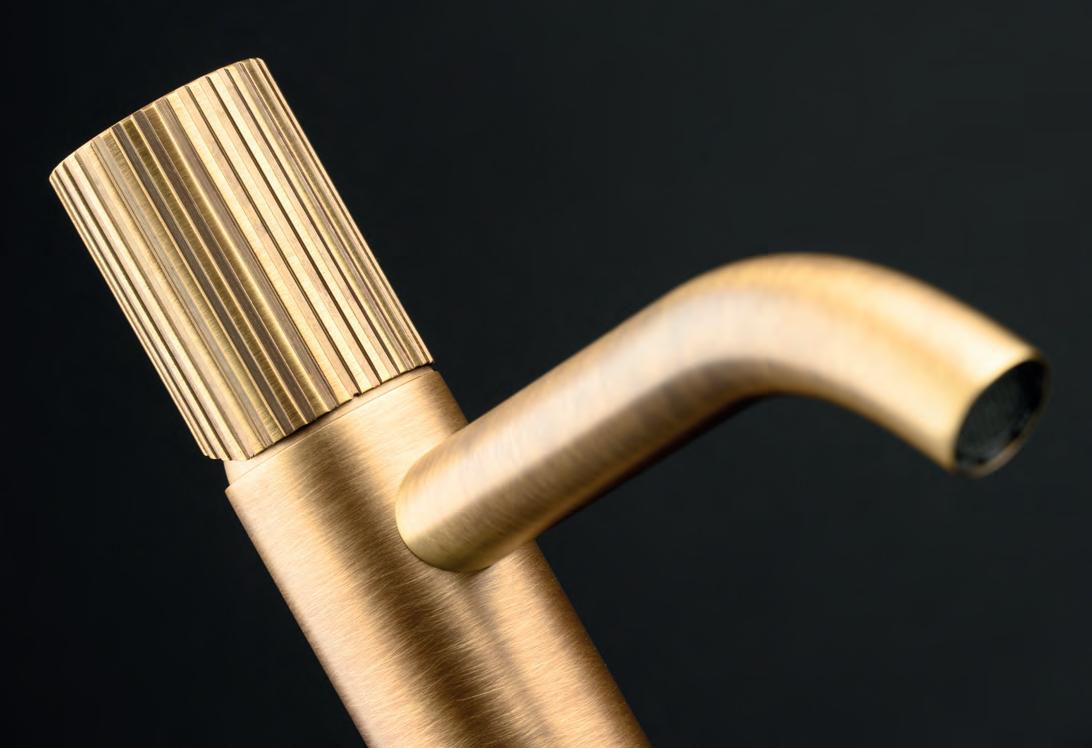
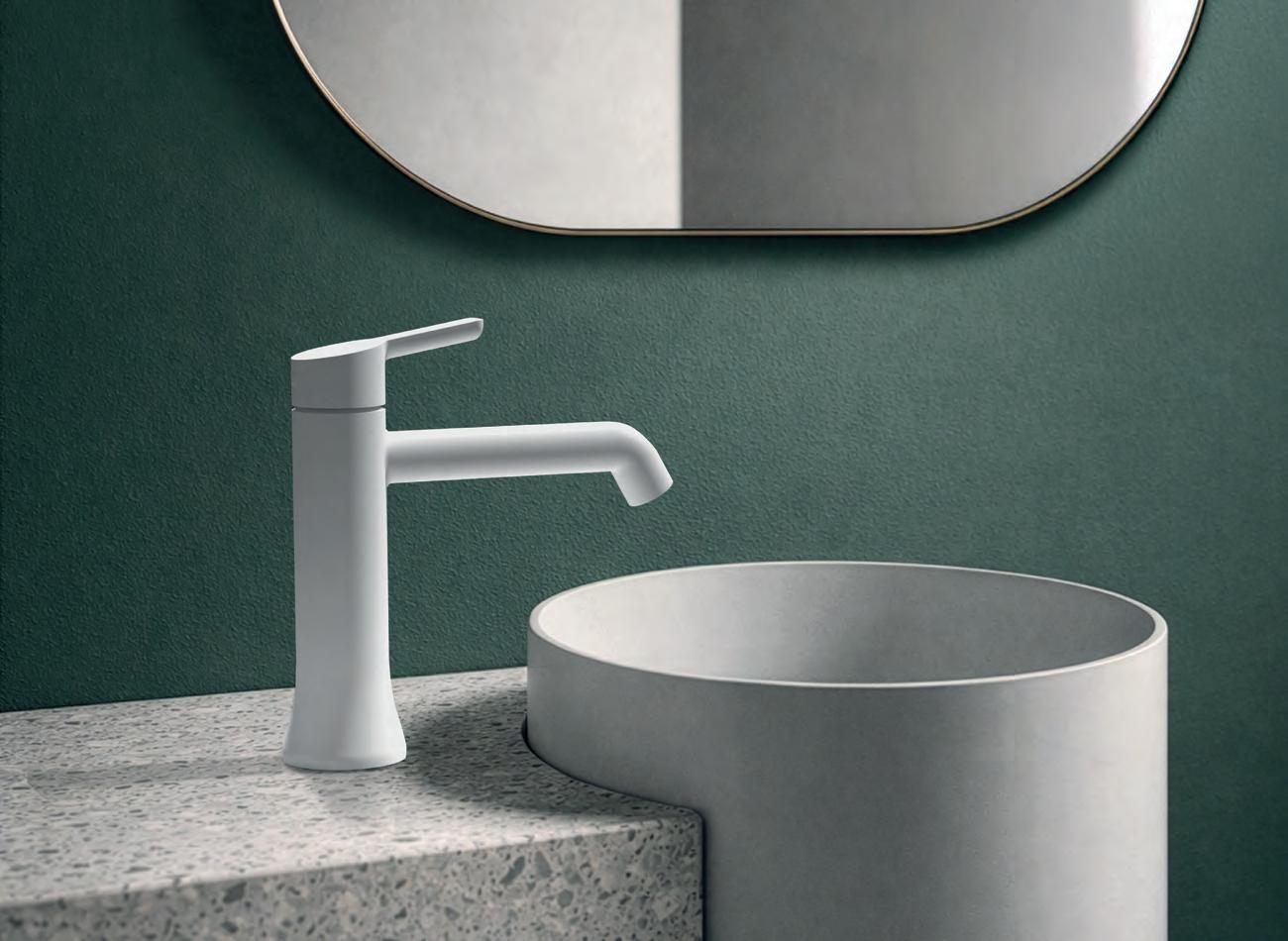
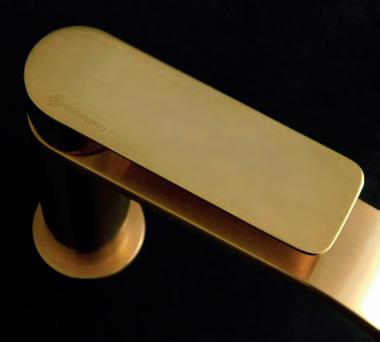
together to deliver a high-quality guest experience. As hospitality continues to evolve toward more sustainable and experience-driven environments, Eurorama focuses on combining design, technology and reliability to support hotels and resorts in creating spaces that are both functional and memorable for guests.
www.eurorama.it

Donatella Zaccaria is one of the most significant figures in Milan’s contemporary glass art scene. Trained at the Liceo Artistico and the Brera Academy of Fine Arts, she began her journey into the world of glass in 1979, fascinated by the expressive potential of this luminous and iridescent material. The intense colors, the play of light, and the transparency of glass captivated her immediately, prompting her to study ancient and modern glassmaking techniques in depth.
Influenced by the master Louis Comfort Tiffany, inventor of the eponymous copper leaf technique, and by great 20th-century artists such as Chagall, Matisse, Braque, and Léger — who masterfully fused painting and glas s— Donatella Zaccaria transforms her drawings into unique works of stained glass and mosaics. Her Milanese workshop is a place where tradition and innovation meet: she uses fine blown, opalescent, iridescent, and iridescent glass to create custom pieces.
The techniques employed are varied and refined. For stained glass windows, she employs the classic lead technique, the sophisticated Tiffany technique, kiln-fired grisaille painting, glass fusion, and glass collage. For mosaics, she employs the traditional Byzantine technique, working with enamels, gold and silver leaf, marble, stone, and alabaster. Her creations DESIGN

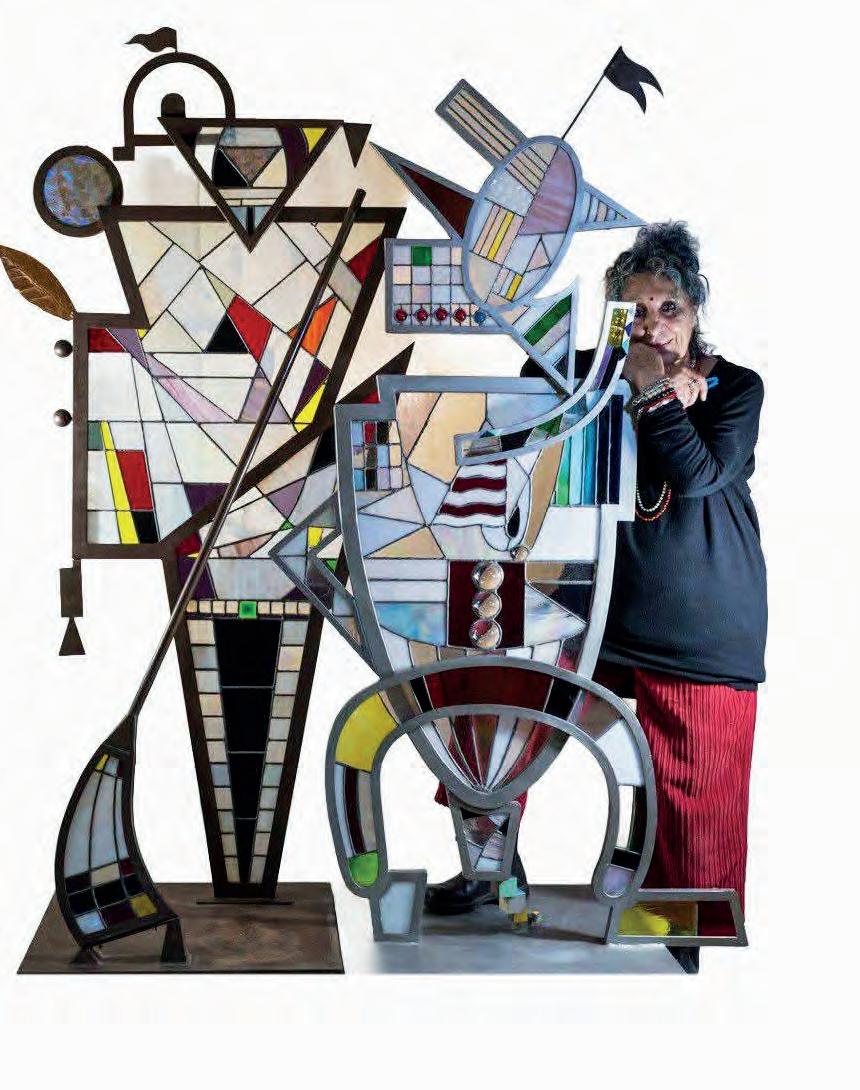
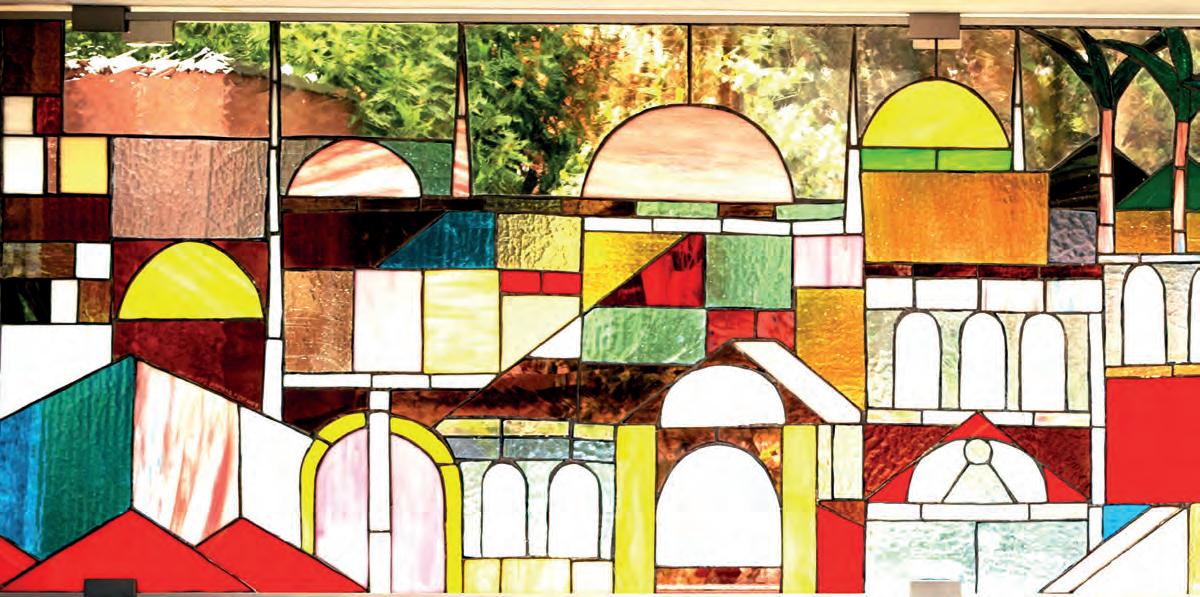
include sliding and hinged doors, windows, partition panels, suspended ceilings, domes, floors, wall coverings, fireplaces, furniture, mirrors, frames, lamps, and even jewelry.
In addition to designing and creating new works, Donatella is passionate about restoring historic and sacred stained glass windows, mosaics, and glass art objects, contributing to the preservation of Italy’s artistic heritage.
She has collaborated with leading architects and design studios such as Alessandro Mendini, Claudio Salocchi, Alessandro Menna, Arch. Salvati, and Studio M.O.R.S.A., creating works both in Italy and abroad.
Each of her works represents an excellent example of the fusion of art and high craftsmanship. These are not simple objects, but unique creations tailored to the client, where design, choice of materials, and attention to detail interact harmoniously with the architecture and surrounding environment. Light becomes the protagonist: it filters, breaks down, colors spaces, and transforms the ordinary into poetry.
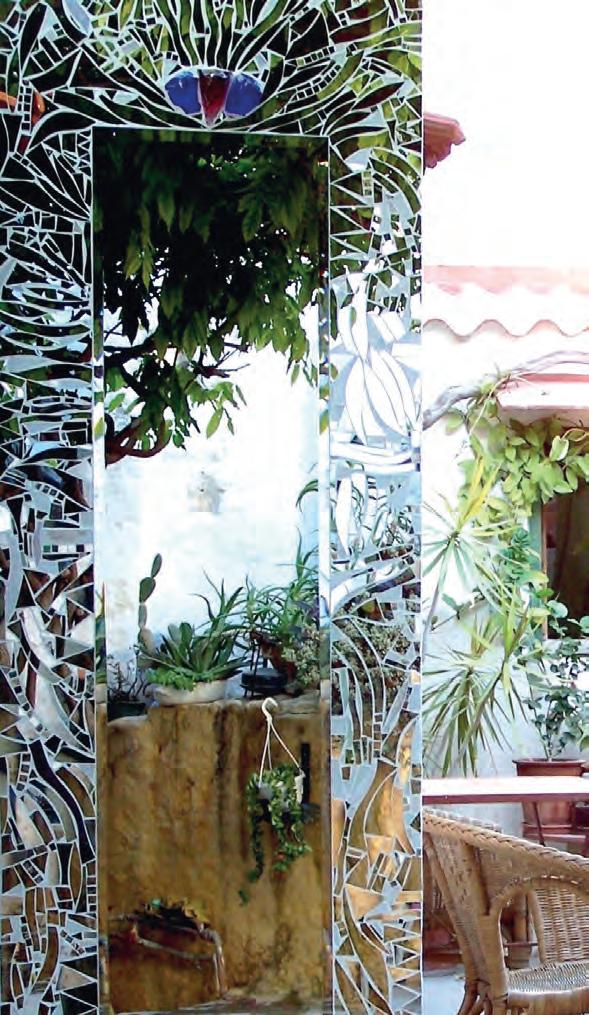
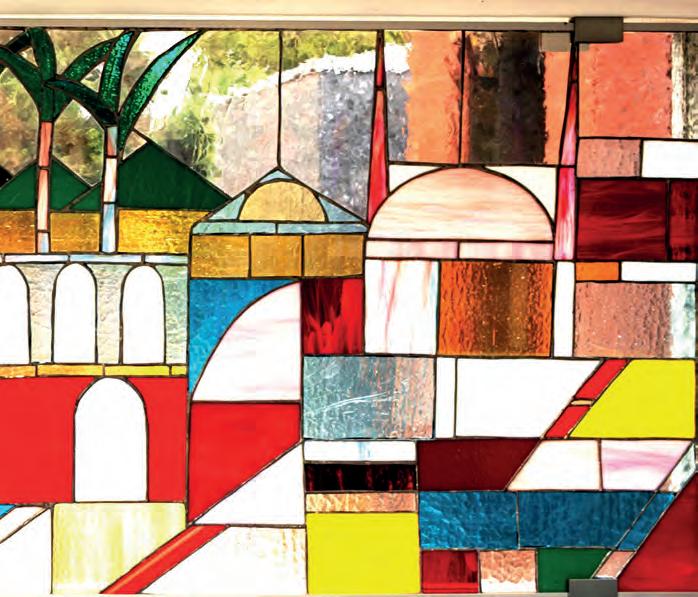
In parallel to her artistic practice, Donatella Zaccaria practices anthroposophical art therapy, using art as a tool for personal transformation, self-knowledge, and inner growth, demonstrating how glass can be not only an aesthetic vehicle but also a therapeutic and relational one.
Through her work, Donatella Zaccaria continues to keep alive the ancient Milanese and Italian tradition of artistic glass, innovating it with contemporary sensibility and a profound attention to light, color, and beauty. Her unique works tell a story of passion, mastery, and respect for a material as ancient as humanity itself.
www.donatellazaccaria.it
www.arteterapiadonatellazaccaria.it




by Franco Zavarise Owner of Zava
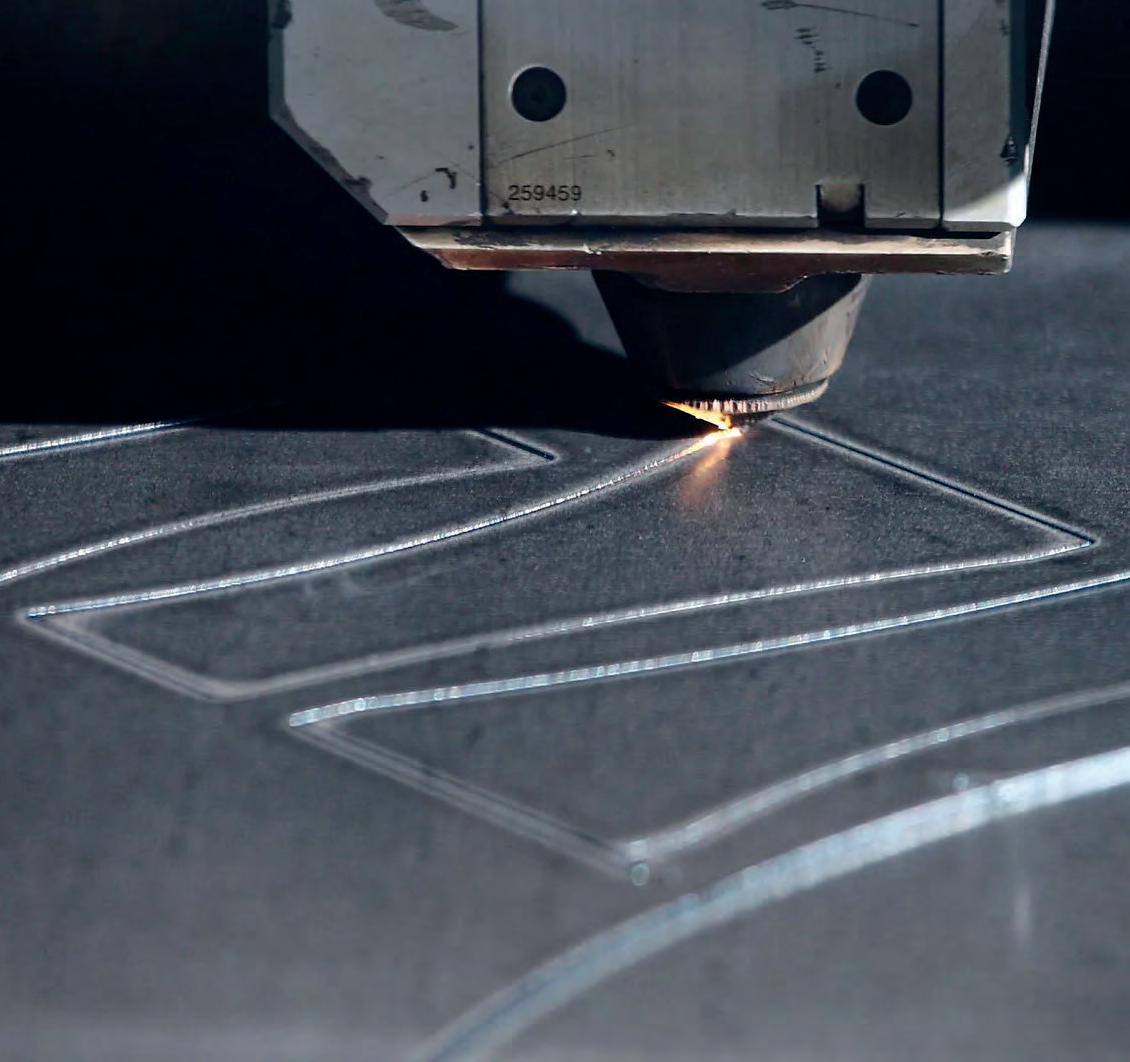

In the hospitality sector, lighting plays a key role in shaping atmosphere, enhancing spaces and defining the guest experience. ZAVA, Italian company specialised in decorative lighting, combines craftsmanship, design and production flexibility to support architects and operators. Franco Zavarise, Owner of the company, shares his perspective.
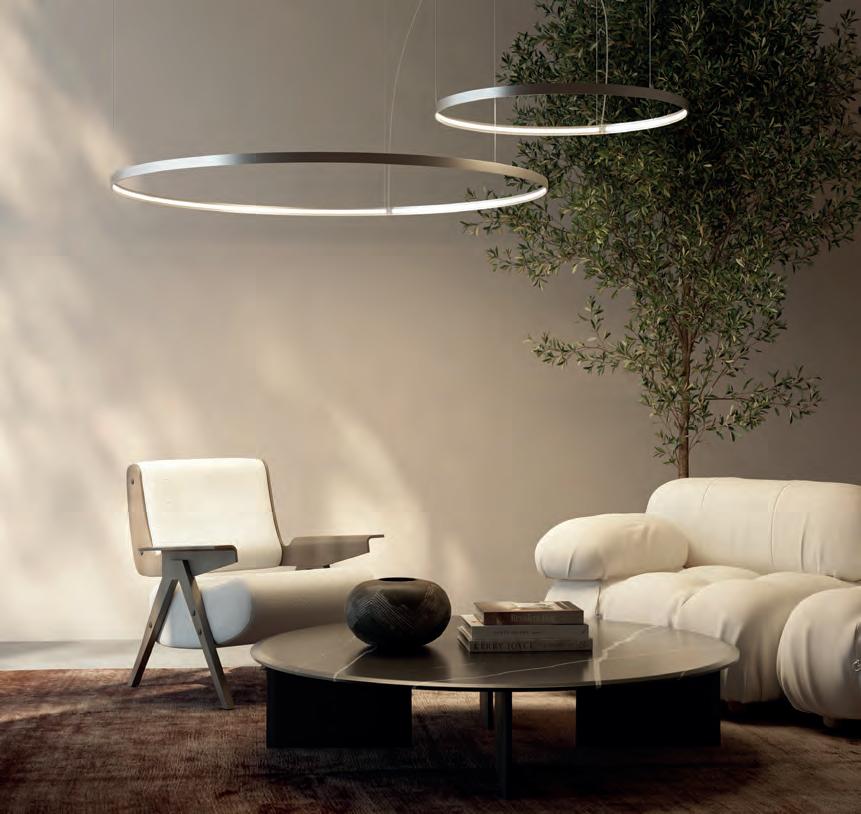
How would you describe ZAVA’s identity and positioning in the design lighting market?
We are a company with over 40 years of history, active in the lighting sector with a wide product portfolio covering different areas, from residential to more specific applications such
as hospitality. Our collections combine design, technology and high-quality manufacturing, entirely Made in Italy.
Today we operate internationally, with advanced production and strong know-how, while preserving artisanal care in every product.
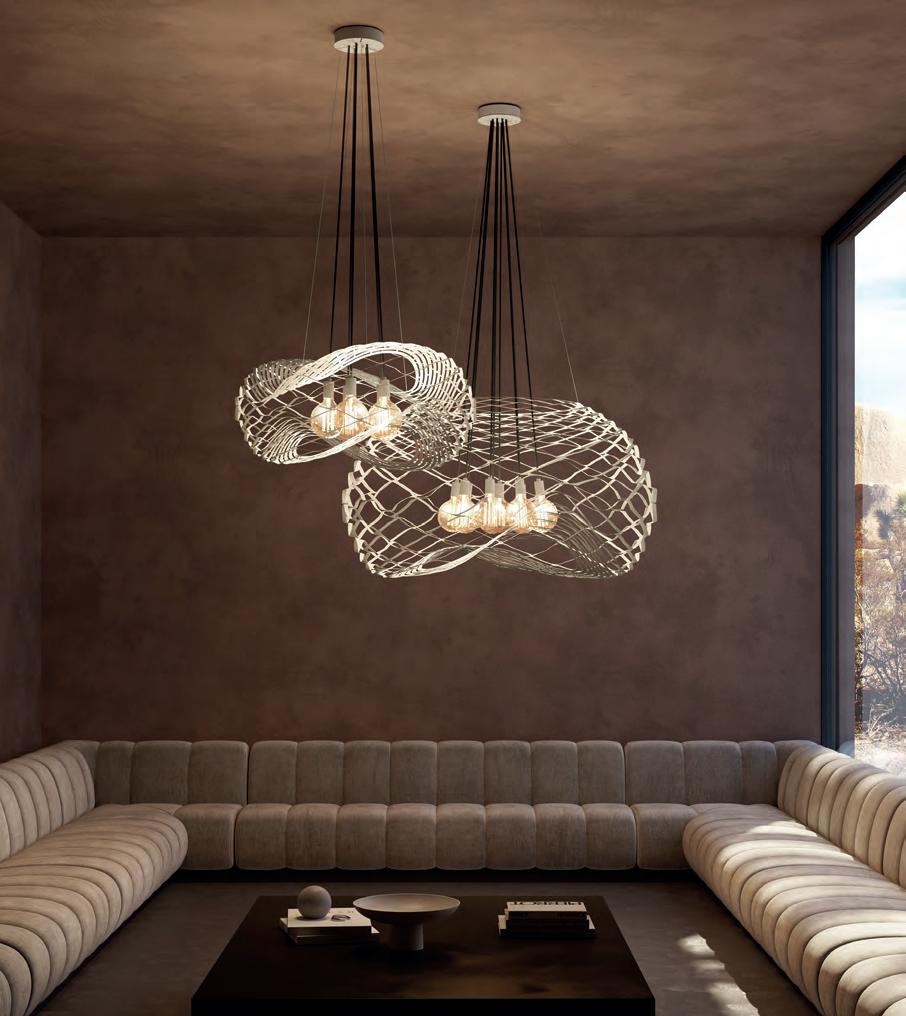
What are the main strengths that make ZAVA a reliable partner for hospitality projects?
At ZAVA, we focus on enhancing materials through design and technology, creating products that combine aesthetics and performance. Our strength lies in original design, craftsmanship and the ability to develop tailor-made solutions, supporting architects and designers in complex projects.
How do design, materials and production flexibility contribute to meeting the specific needs of hotels, restaurants and contract environments?
We believe that responding effectively to the needs of hotels, restaurants and contract environments relies on a strong synergy between design, functionality, material selection and the company’s ability to offer high levels of customization. We adapt dimensions, finishes and technical details to each project, ensuring coherence with the concept and respect of timelines.
What are the key trends you are observing in hospitality lighting, and how is ZAVA responding to them?
In the hospitality sector, lighting is increasingly oriented toward combining energy efficiency
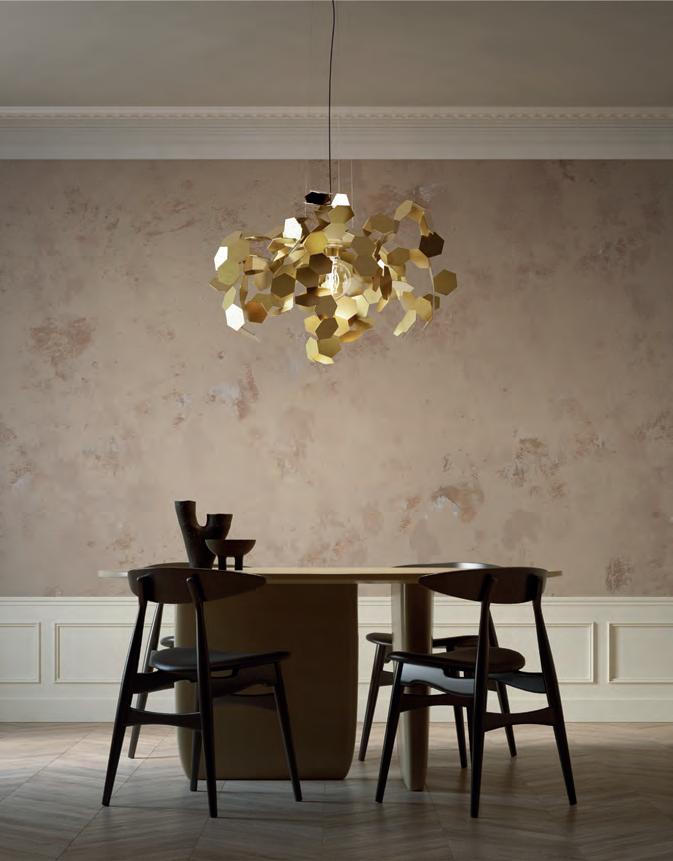
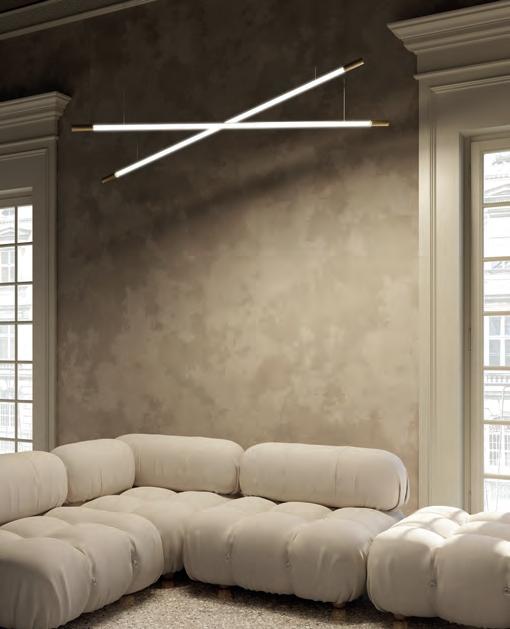
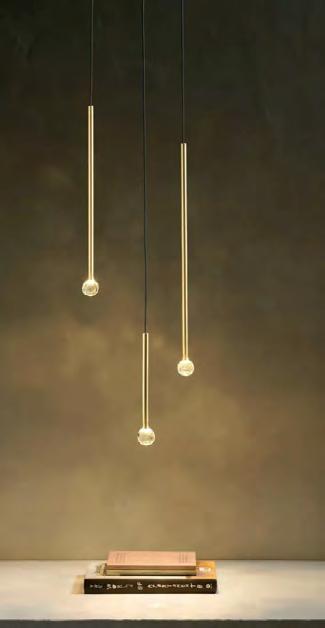

with aesthetic and functional choices. Today, new technologies, including AI, support energy optimisation and system control. At the same time, aesthetics remains central, with lighting expected to combine performance with a strong visual identity.
As hospitality spaces increasingly focus on identity and guest experience, lighting becomes a strategic element in defining atmosphere and value. Companies like ZAVA play a crucial role in supporting designers and operators with solutions that combine aesthetics, functionality and flexibility.
zavaluce.it


DURABILITY, WATERPROOFING AND SELF-HEALING FOR CONCRETE STRUCTURES
Penetron Italia Srl, exclusive distributor of the Penetron® System, has been operating since 2000 in the field of integral waterproofing of underground structures, promoting the “white tank” concept. This approach is based on a technical-systemic vision that integrates design, specialist support and full control of the construction process.
Concrete, a fundamental material for infrastructure, presents intrinsic critical issues related to porosity and cracking, which affect its actual durability. The gap between design service life and real performance leads to high maintenance costs and environmental impacts, making the LCA approach increasingly relevant. The goal is to enhance concrete performance through technologies capable of reducing permeability, limiting the ingress of aggressive agents and restoring microstructural continuity.
Penetron’s integral crystalline technology uses additives that react with moisture, cement hydration by-products and soluble elements, generating insoluble crystals (secondary C-S-H). These densify the matrix, seal pores and capillaries and promote progressive crack closure, even under cyclic stresses. Unlike natural autogenous healing, this process is engineered and reactivates in the presence of water.

soluble elements, generating insoluble crystals (secondary seal pores and capillaries and promote progressive crack closure, natural autogenous healing, this process is engineered and
Microscopic image of crystallization within a crack in concrete
The “white tank” makes concrete intrinsically waterproof
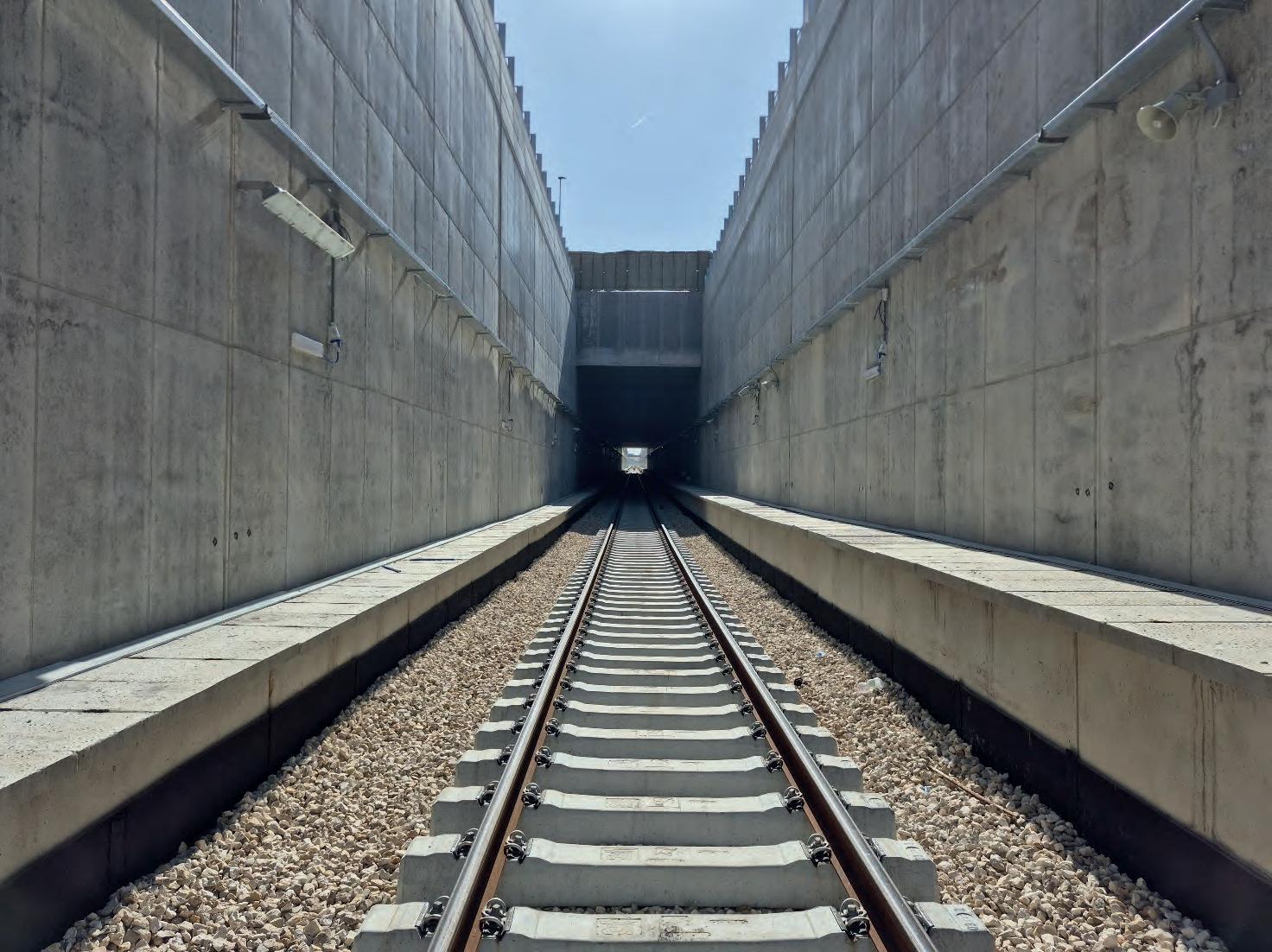
Artificial railway tunnel – Andria (BAT)
include continuous protection, compatibility with monolithic structures and improved crack management.
Applications range from tunnels and un agents.
Durability thus becomes an invisible infrastructure, essential to ensure safety, operational continuity and sustainability. Crystalline technology represents an evolution in concrete engineering: from a vulnerable material to a reactive, waterproof and self-healing system.
Penetron is also involved in the European ReSHEALience project (Horizon 2020), focused on developing ultra-durable con
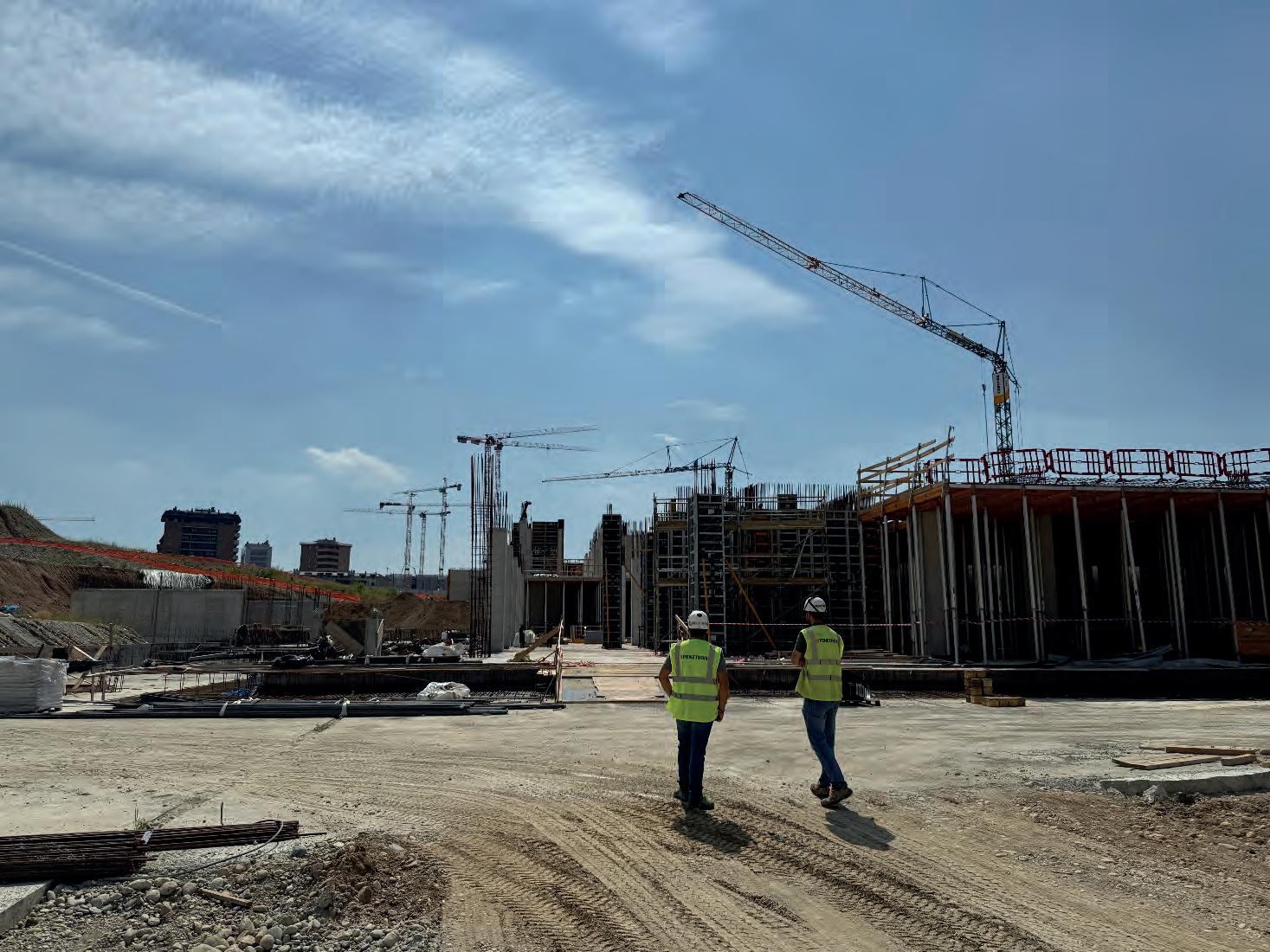
The Penetron System is not just an additive but an integrated system including design support, mix design control, on-site assistance and execution verification. It also includes a replacement and installation insurance policy, a distinctive feature in the sector.
The benefits are measurable: improved watertightness, durability, reinforcement protection, reduced construction time and maintenance costs,
as well as lower environmental impact. Durability thus becomes an invisible infrastructure, essential to ensure safety, operational continuity and sustainability. Crystalline technology represents an evolution in concrete engineering: from a vulnerable material to a reactive, waterproof and self-healing system.
The “solution” for underground and hydraulic structures … reliable and guaranteed !
DESIGN
- Dedicated mix design with PENETRON® ADMIX cryststalline additive.
- Study of the Structural Tank and definition of construction details.
ON-SITE TECHNICAL ASSISTANCE
- Training of workers.
- Supervision during the implementation phases.
WARRANTY
- Technical Control by a Certified Entity.
- Ten-year posthumous insurance covering replacement of the system.
Waterproof and reactive concrete over time, with “Self-Healing”



Raffaella Isidori is a senior multidisciplinary designer with over 35 years of international experience across branding, communication, print, and digital. She works at the intersection of strategy and execution, helping businesses make clearer decisions about what they offer, where they position themselves, and how they communicate.
In this conversation, she shares her perspective on how companies can stay relevant, remain consistent, and better align what they offer with how they are perceived.

Let’s start with some background. Can you tell us about yourself?
I define myself as a creative polymath, not as a brand gimmick but as a description of how I actually think and work, across the many layers of the design practice.
I like to work with companies that need to make the most of their resources, alongside CEOs and senior management, to bring clarity, define direction, and translate that into coherent brands, communication, and experiences.
In a saturated market, what makes a brand stay relevant?
Relevance is built over time. Not through single bursts of good communication, but through a clear, consistent direction across everything a business does and speaks. In my experience, when communication isn’t working, the problem is rarely the communication itself. It’s the missing strategy behind it.
The starting point is clarity. Decision makers need to know precisely what they offer, who they are talking to, what makes them different,
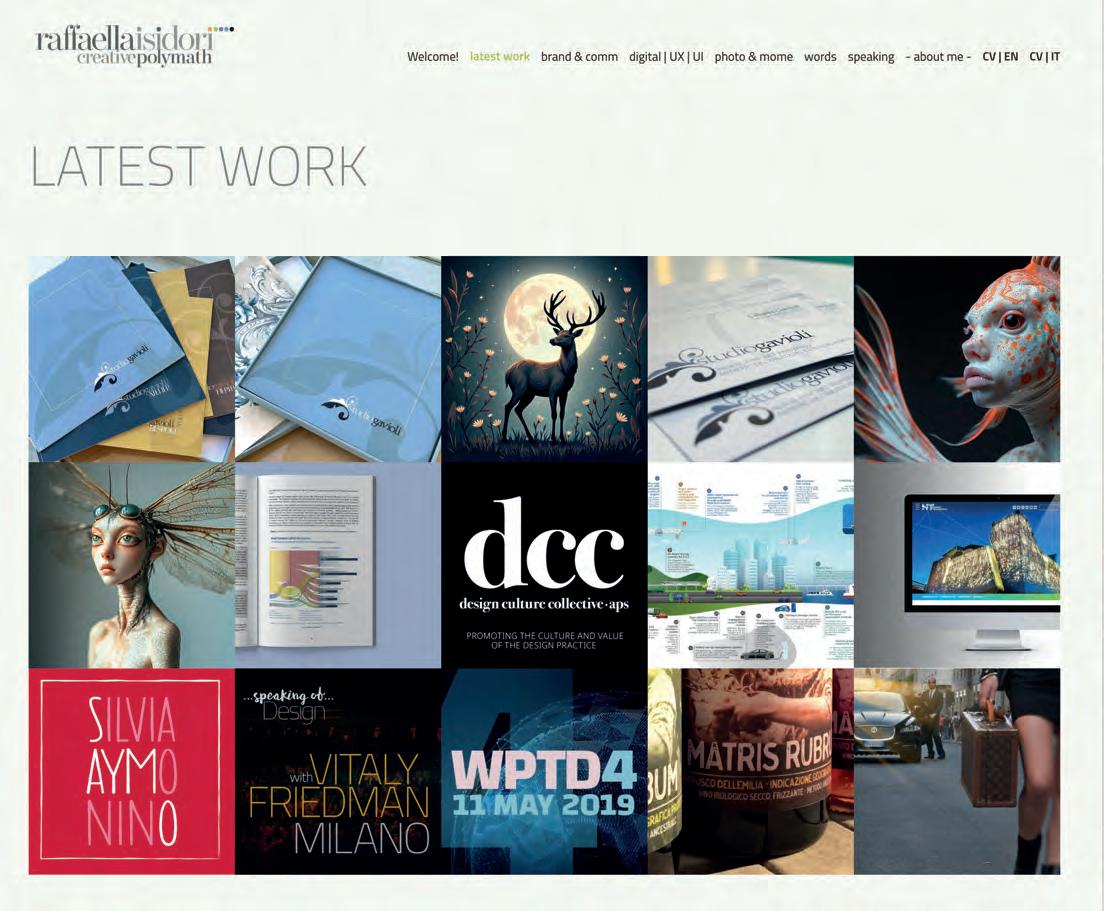
why a client should choose them over someone else, and what they can realistically sustain in terms of budget, time, and energy. These questions sound simple. They are not.
When these elements are aligned, even modest communication efforts become more effective. When they are not, the gap between value and perception is created, and no amount of content or design will fix it.
Because these questions can be harder than they look, I developed a practical toolkit, available in both English and Italian. It helps businesses step back, evaluate their positioning, make an honest assessment, and
find where the gaps are. It’s free at: toolkit. raffaellaisidori.com.
After more than 35 years of experience, what still surprises you?
What is still surprising, and sometimes frustrating, is how many strong businesses remain invisible. Not because they lack quality, but because of the distance between what they offer and how they are perceived. Most don’t think of communication as a strategic factor. So, they don’t invest in it, and the gap widens. This matters more now than it did twenty years ago: everyone is producing content, posting images, running social media. The noise is enormous, true quality remains rare.
advHORECA-01 - esecutivi copy.pdf 1 07/04/26 16:01
you,
The best place to start is my website, where readers can explore my work, evaluate my approach, and access the toolkit and other content, like my talks, for example. I’m also on LinkedIn and BlueSky, and always reachable at hello@raffaellaisidori.com.
Good work deserves to be seen and recognised. That requires clarity, consistency, and the right story, told well. Raffaella Isidori has spent her entire professional life helping businesses close the gap between what they offer and how they are perceived.
Her approach is not about aesthetics or trends. It is about asking the right questions before communicating anything at all and building the kind of coherence that makes a brand recognisable over time.
In
horeca design, what you don’t immediately see is often what shapes the experience the most. Beyond aesthetics, acoustics is emerging as a decisive factor, influencing comfort, perception and even consumption dynamics. An often overlooked element, now becoming central to the quality of contemporary hospitality.
by the editorial staff
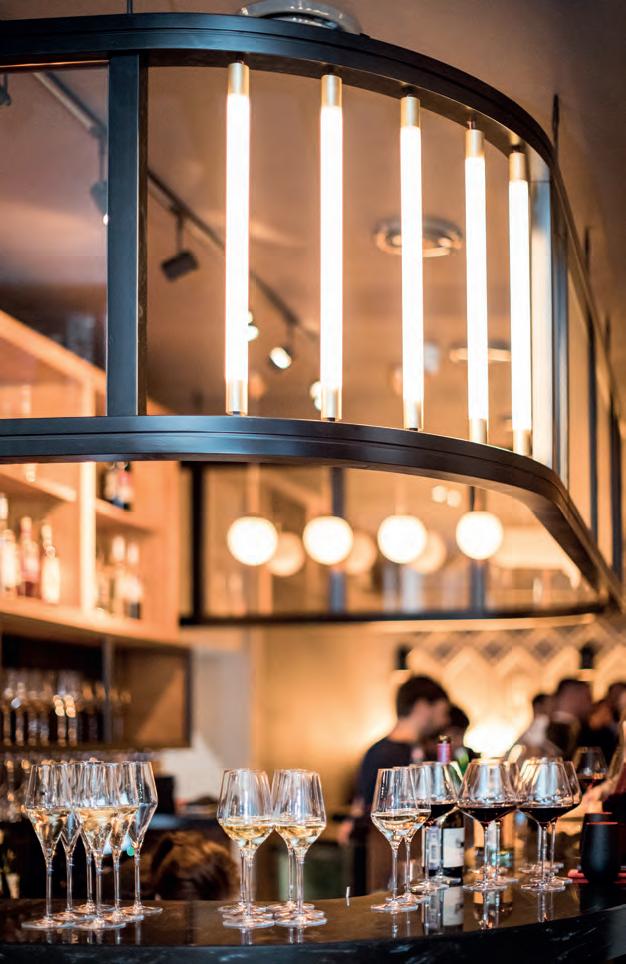
When designing a restaurant, a cocktail bar or a breakfast room, much is said about furniture, lighting, color palettes and eyecatching materials. Much less is said about sound. Yet an increasing share of perceived quality for both guests and staff depends on it: the comfort of the acoustic environment, the ability to converse without strain, the way a venue absorbs or amplifies the time spent inside. In other words, noise has become an economic and identity lever in Horeca, even if it is still largely underestimated.
For years, the equation was simple: a full venue meant a lively venue. Today that is no longer enough. An excessively noisy environment may feel energetic in the first few minutes, but in the long run it becomes tiring, shortens dwell time, alters the perception of service and penalizes conviviality.
he point is that acoustic discomfort is rarely described in technical terms. The guest does not say that the venue has the wrong reverberation time or overly reflective surfaces. More often, they will simply say that it felt uncomfortable, that conversation was difficult, that the experience was nice but exhausting. And it is precisely this imperfect translation that makes the problem so insidious.
Meanwhile, hospitality design has moved toward open spaces, high ceilings, hard materials, open kitchens and a strong aesthetic component. All of this is highly effective visually, much less so acoustically if not carefully planned. Glass, metals, bare tables, continuous flooring and poorly treated ceilings create photogenic environments, but often acoustically aggressive ones. The result is a contemporary paradox: venues that are beautiful to look at and difficult to inhabit.
The issue does not concern only the end customer. Staff also work worse in noisy environments. Misheard orders, cognitive fatigue, constantly strained voices and higher stress during peak times: acoustics directly affect operational accuracy. In a sector that struggles with turnover, the search for qualified staff and the need to make workloads more sustainable, acoustic comfort should fully enter the parameters of good design.
The theme is particularly interesting because it does not necessarily require spectacular investments.
In many cases, the leap in quality comes from more aware direction: correct table distribution, discreetly integrated sound-absorbing panels, curtains, textile surfaces, dividers, less invasive playlists, properly calibrated volumes and even smart management of machine stations in bars. Sound, in short, can be designed in the same way as light: not to impose itself, but to put the guest in the best possible conditions.
For hotels, the reasoning becomes even broader. The new idea of wellbeing is no longer limited to spas and
amenities, but includes rest, air quality, lighting and acoustics. This applies in guest rooms, but increasingly also in food consumption areas. A breakfast room or lounge bar that is well calibrated from a sound perspective can increase the feeling of care far more than many decorative elements. It is a less visible form of luxury, but a more memorable one.
In the near future, the smartest venues will not necessarily be the most scenic ones. They will be those capable of making people feel good without forcing them to notice why. In a season in which experience counts more than simple offer, acoustics cease to be a technical theme left to designers and become a strategic component of the Horeca product. Noise, when properly managed, cannot be seen. But it can be heard in the overall quality of the business.
There is also a subtle but crucial commercial side to the issue. When people struggle to talk to each other, they tend to consume more quickly and less comfortably. In some formats this may seem like an advantage, because it accelerates turnover. But for many mid to
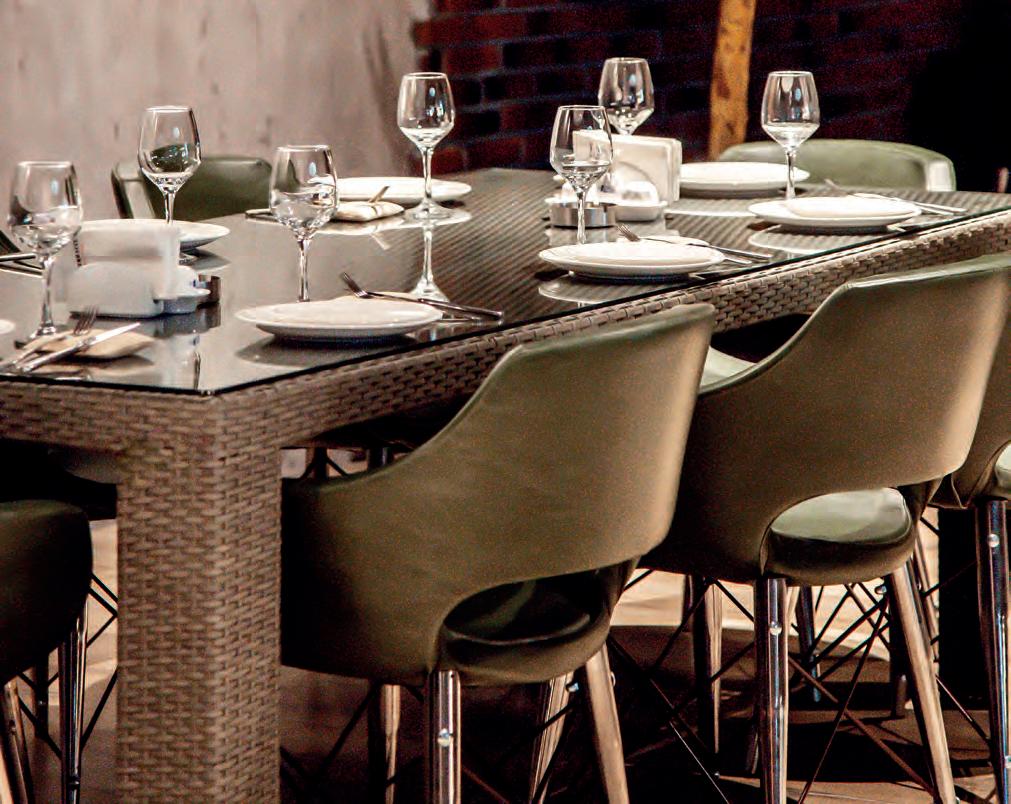
high-end venues, urban dining concepts and quality bar formats, reducing dwell time means compressing a potential part of the bill. A second bottle, a dessert, an after-dinner spirit or simply the desire to come back often depend on a general feeling of ease that also passes through acoustics.
The issue is also intertwined with the evolution of the contemporary customer. After years in which hospitality invested above all in digital visibility, attention is growing toward everything that does not appear immediately in a photograph but determines the real quality of the experience. Acoustic comfort belongs exactly to this category. It is a form of implicit luxury, not very social media friendly but highly memorable. It does not generate the wow effect of a scenic element, but it can affect loyalty far more deeply. New work and social habits are also changing the picture. More and more Horeca spaces host informal business meetings, micro meetings, moments of agile work, business breakfasts or aperitifs that require actual conversation. In these cases, acoustics are not a frame, but a condition of functionality. A venue where people can talk well automatically becomes more versatile and opens itself to consumption occasions that go beyond leisure alone.
This does not mean sterilizing environments or removing all energy. Every venue has its own character, and sound contributes to defining it. A cocktail bar may have a higher sound density than a breakfast room, and a contemporary pizzeria may allow itself a different vitality from a fine dining restaurant. The point is not absolute silence, but the quality of the sound threshold. There is a huge difference between a lively environment and a hostile one, between identity and confusion.
In the coming years, acoustics may become one of the new markers of professionalism even for independent Horeca. Just as people now speak competently about lighting, ergonomics or sustainable materials, tomorrow they may increasingly speak about soundscape. And that would be a positive evolution, because in a crowded market distinction depends less and less on what a venue declares and more and more on what the customer perceives without knowing how to name it.
Ultimately, acoustic comfort is a promise fulfilled in silence. It does not ask to be showcased, but it returns a clearer, more hospitable and more profitable experience. For this reason, it can become one of the least spectacular and most strategic themes of the next Horeca season.
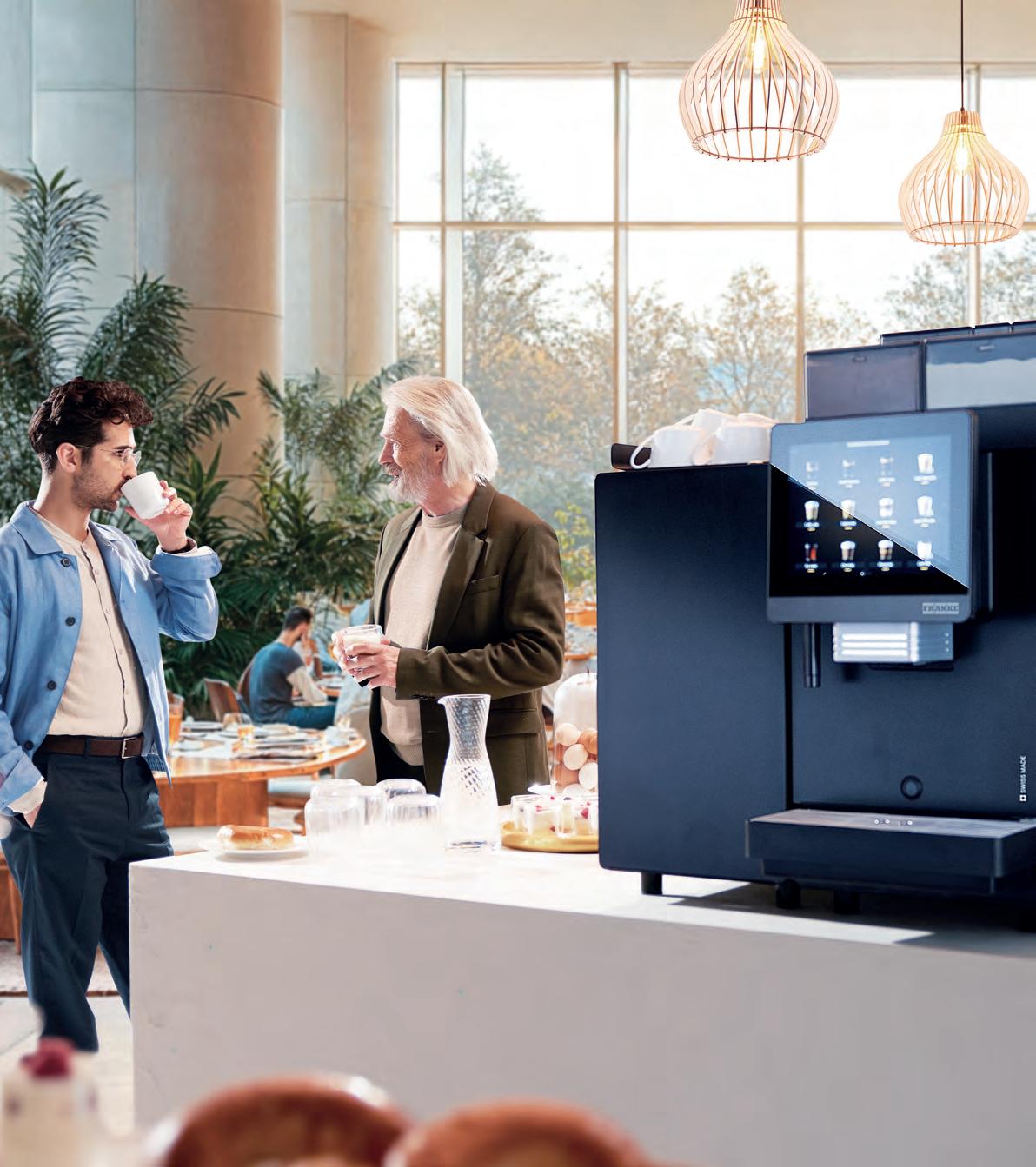
The New A Line
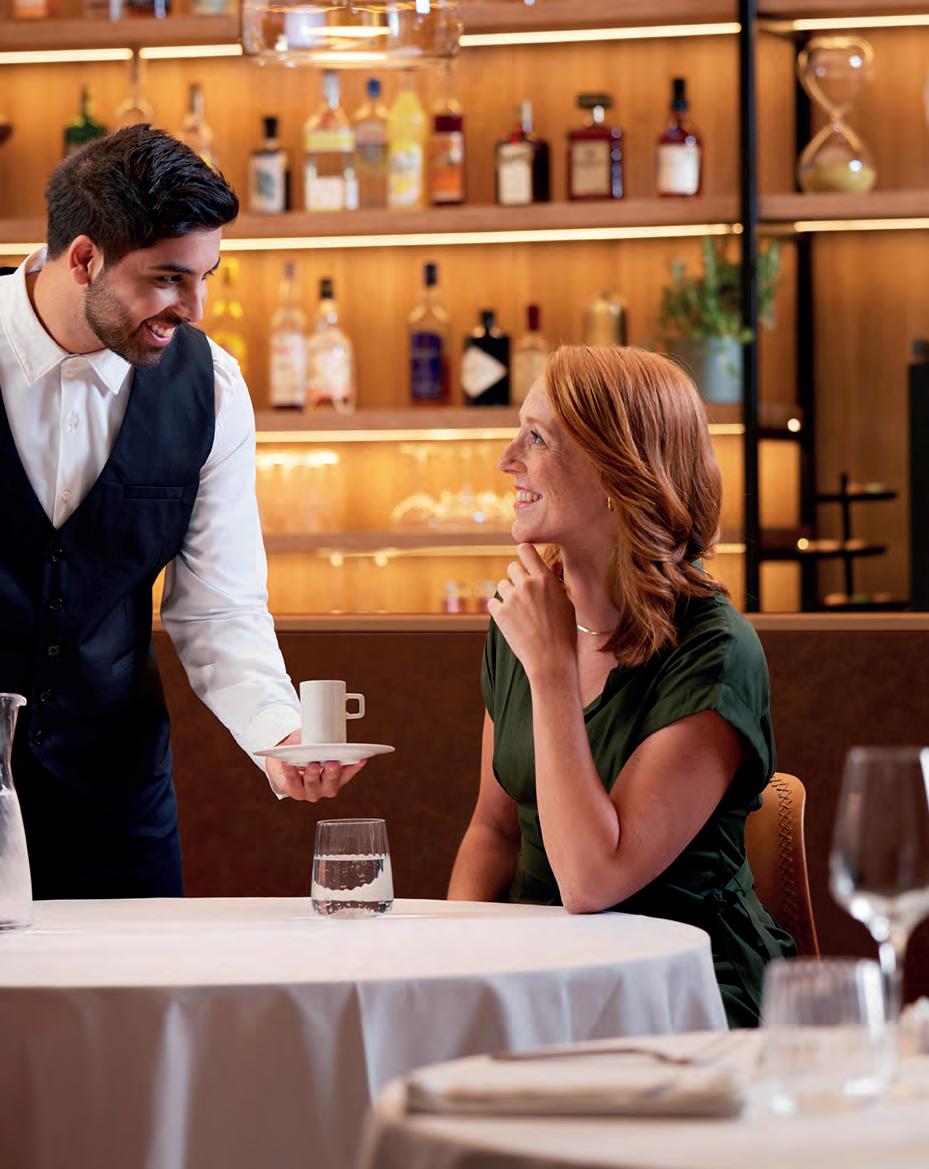
A quality coffee experience can make or break a hotel review. The New A Line lets guests choose exactly what they want - from bold espressos to creamy lattes with perfect foam - turning every order into a personalized moment worth remembering. It’s all about the moment

Coffee has become one of the most visible indicators of quality in hospitality. Guests encounter it several times during their stay — at breakfast, between meetings or in the lobby — and expectations increasingly reflect the standards set by specialty cafés. When quality varies between these moments, the inconsistency is quickly noticed and can undermine the overall guest experience.
For hotel operators, maintaining a consistently high coffee standard is not always simple. Staff turnover, varying skill levels and high-volume breakfast service often mean preparation differs between outlets and shifts. At the same time, international travellers expect a wider beverage menu, including specialty drinks and plant-based milk options.
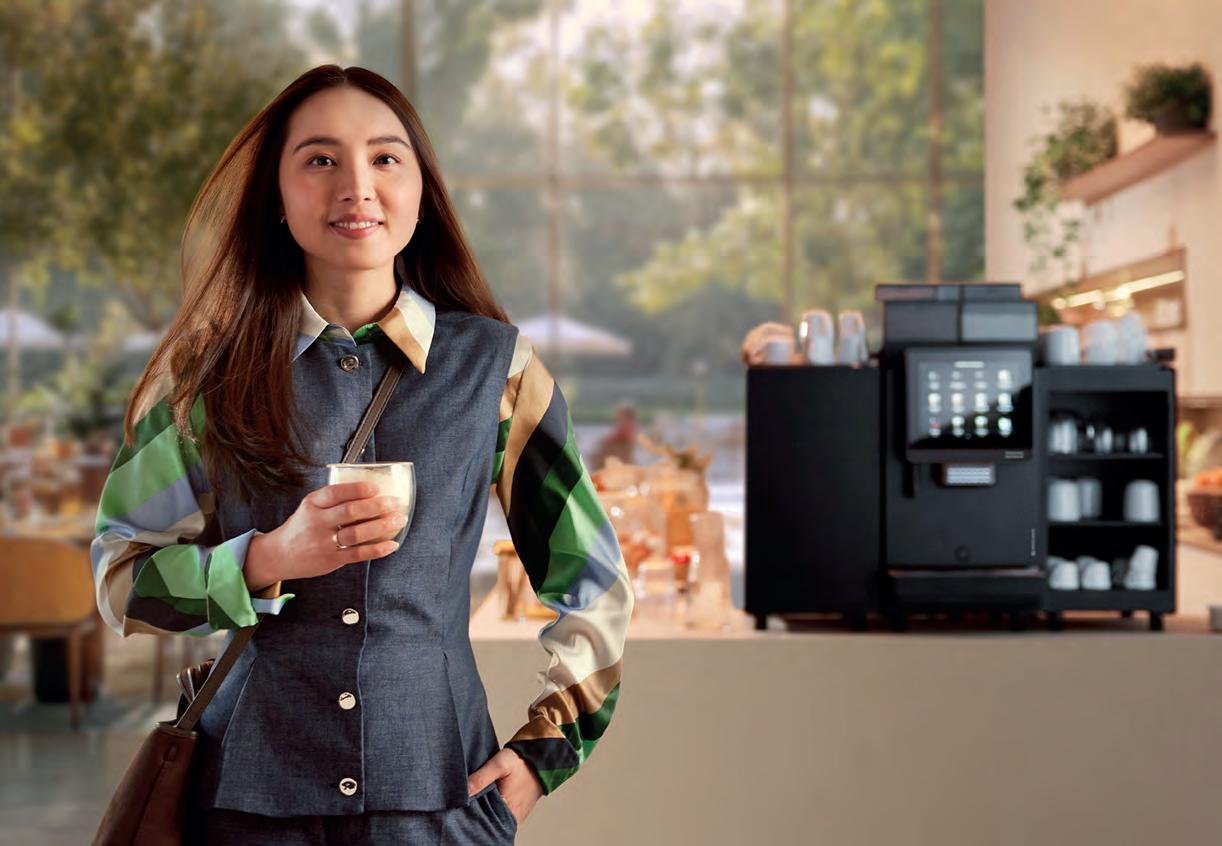
As a result, many hotels are rethinking how coffee is produced across the property. Rather than relying on individual barista skills, the focus is shifting towards systems that can protect flavour consistency automatically while delivering the reliability required in busy hospitality environments.
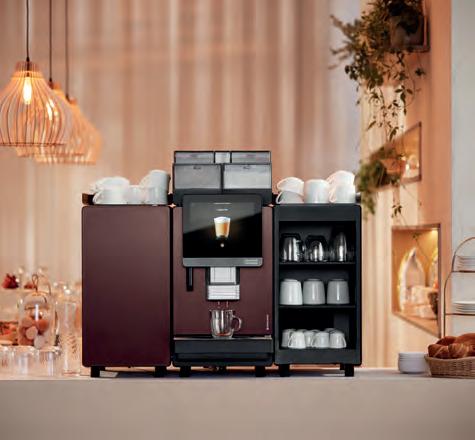
Franke Coffee Systems’ New A Line reflects this approach. Designed for both multi-outlet properties and boutique hotels, the platform combines intelligent extraction, advanced milk technology and precise temperature control to deliver repeatable in-cup results across different service environments.
Technologies such as iQFlow, which dynamically regulates extraction parameters, help maintain a stable flavour profile even during busy breakfast service. PrecisionTemp ensures optimal brewing temperature for both coffee and delicate teas.
To support hospitality teams, the system’s intuitive user interface — powered by FrankeOS — simplifies beverage selection, configuration and daily workflows for staff and guests. Meanwhile, New
FoamMaster and IndividualMilk enable a wide range of milk-based drinks, including dairy and plant-based options prepared safely through fully separated milk paths. For hotels, consistent coffee quality across breakfast areas, bars and meeting spaces strengthens the guest experience, supports positive reviews and reinforces a premium positioning.
For more information about Franke Coffee Systems and the New A Line, visit aline.franke.com
AGO table
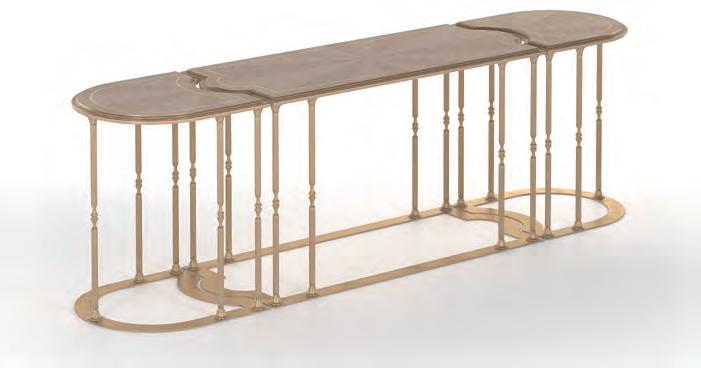
Tplements:both the console and low table versions (respectfully composed of two and three parts) lightly take their place in rooms thanks to the almost aerial base in metal supporting a thin top in frisé maple.
TIFDM 65 June 2020 vision,”says vital 2020, form by craftsmanship.
The new jumbo group collections pursue the group’s philosophy “our dream never stops,” a manifesto of values and intentions, under the sign of beauty
he stylistic research of Jumbo Group takes the form of a true philosophy, an expressive mood summed up in the slogan “Our Dream Never Stops.” With this ‘manifesto’ the group reiterates its values as an essential driver to cope with this unusual year of 2020, taking inspiration from Italian artistic heritage of all ages: the red thread is beauty, which “is in our past, present and future, as a primary ingredient of Jumbo Group’s vision,” says the art director Livio Ballabio. This vital energy generates new collections for 2020, which in the Jumbo Collection brand form a living room setting triggered precisely by the most refined heritage of craftsmanship.
he values of Made in Italy,shared design thinking and the ability to create timeless furnishing systems.These are just a few of the themes addressed by the various designers who work with Giorgetti.For 2020 the company continues the long-term relationships of this kind,such as the one with Colombo, while activating new ones,as in the case of
Setsu & Shinobu Ito.Carlo Colombo adds to the Ago collection with a table that can be defined as a true work of art,due to the attention to detail and extreme elegance. Looking at the legs,one understands the meaning of the name (needle,in Italian). The metal structure is enhanced by plating, with four solid pieces of Canaletto walnut. To create stability,each wooden part has a different and choose face tern slab.The the other in their of a after ter’s a cabinet woman net,faced of artfully true ted to to light shelves,finished upper while THERE CAN BE NO COLLABORATION BETWEEN A COMPANY AND A DESIGNER WITHOUT ELECTIVE AFFINITIES,ASINTHE CASEOFCARLOCOLOMBOANDSETSU &SHINOBUITO,WHOHAVEDESIGNED THEAGOTABLEANDTHEKIRICABINET FOR GIORGETTI
LUMIÈRE console
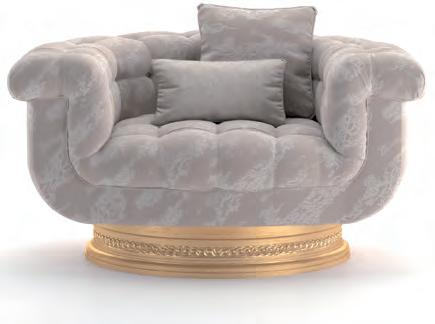
Elegance and comfort,refinement and materials:a perfect balance of sensory perceptions,seen in the new Tulipe armchair – enveloping,sculptural,with a carved base finished in gold leaf and ample capitonné padding – and in the Lumière com-
Elegance and comfort, refinement and materials: a perfect balance of sensory perceptions, seen in the new Tulipe armchair – enveloping, sculptural, with a carved base finished in gold leaf and ample capitonné padding – and in the Lumière complements: both the console and low table versions (respectfully composed of two and three parts) lightly take their place in rooms thanks to the almost aerial base in metal supporting a thin top in frisé maple.
www.jumbo.it
AGO table
plements:both versions and rooms metal JUMBO GROUP COLLECTIONS GROUP’S PHILOSOPHY “OUR NEVER STOPS,” AMANIFESTOOF VALUESANDINTENTIONS,UNDERTHE SIGNOFBEAUTY
www.jumbo.it
pexels.com
stylistic research of Jumbo Group the form of a true philosophy,an expressive mood summed slogan “Our Dream Never Stops.” ‘manifesto’the group reiterates an essential driver to cope with year of
LUMIÈRE console
LUMIÈRE console
ingredient of Jumbo Group’s vision,”says the art director Livio Ballabio.This vital
Elegance and comfort,refinement and materials:a perfect balance of sensory per-

SIAL Paris will return to Paris Nord Villepinte from 17 to 21 October 2026. The 2026 edition is set to be the most ambitious in the show’s history, surpassing an already record-breaking 2024 event and further cementing its status as the global leader of the food industry. A true global benchmark for food industry professionals, SIAL Paris once again positions itself as a powerful business accelerator, an unparalleled showcase for major innovations and a strategic observatory of the trends shaping the future of food worldwide.
With 85% of exhibition space already booked, up to 8,000 exhibitors expected, 295,000 professionals and more than 280,000 m² of exhibition space spanning 10 key sectors, SIAL Paris 2026 confirms not only its exceptional international reach, but also the renewed confidence and long-term commitment of companies across the entire food value chain.
PARIS from 17 to 21 October 2026
A strong commercial dynamic and a highly international show
Nine months ahead of opening, SIAL Paris 2026 is posting particularly strong commercial indicators. Already, more than 260,000 m² of exhibition space has been sold, representing an increase of +16% compared with the previous edition at the same stage. Several sectors are already close to capacity, including grocery products, fine food, meat, poultry, delicatessen, cereals, pulses, fruit and vegetables.
At the same time, other universes –such as multi-product grocery, sweet goods, frozen products and beverages –are showing strong recruitment momentum, contributing to a renewed and diversified offer. Italy, Spain, Türkiye, Greece and France currently form the Top 5 exhibiting countries, reflecting the strong mobilisation of major European exporting nations.
Innovation at the heart of strategy
In 2026, SIAL Paris is more determined than ever to place innovation at the core of its strategy. SIAL Innovation, which will celebrate its 30th anniversary, is reinventing itself with a new design and an enriched experience. It now fully integrates SIAL Taste, placing tasting at the heart of the innovation journey and offering visitors the opportunity to see, understand and experience the food of tomorrow.
More than 650 startups are expected at the show, including around 150 gathered within the SIAL Start-up area, highlighting emerging projects that are transforming the food industry. A dedicated Startup Pitch stage will give young companies increased visibility and direct access to investors, buyers and partners.
www.sialparis.com







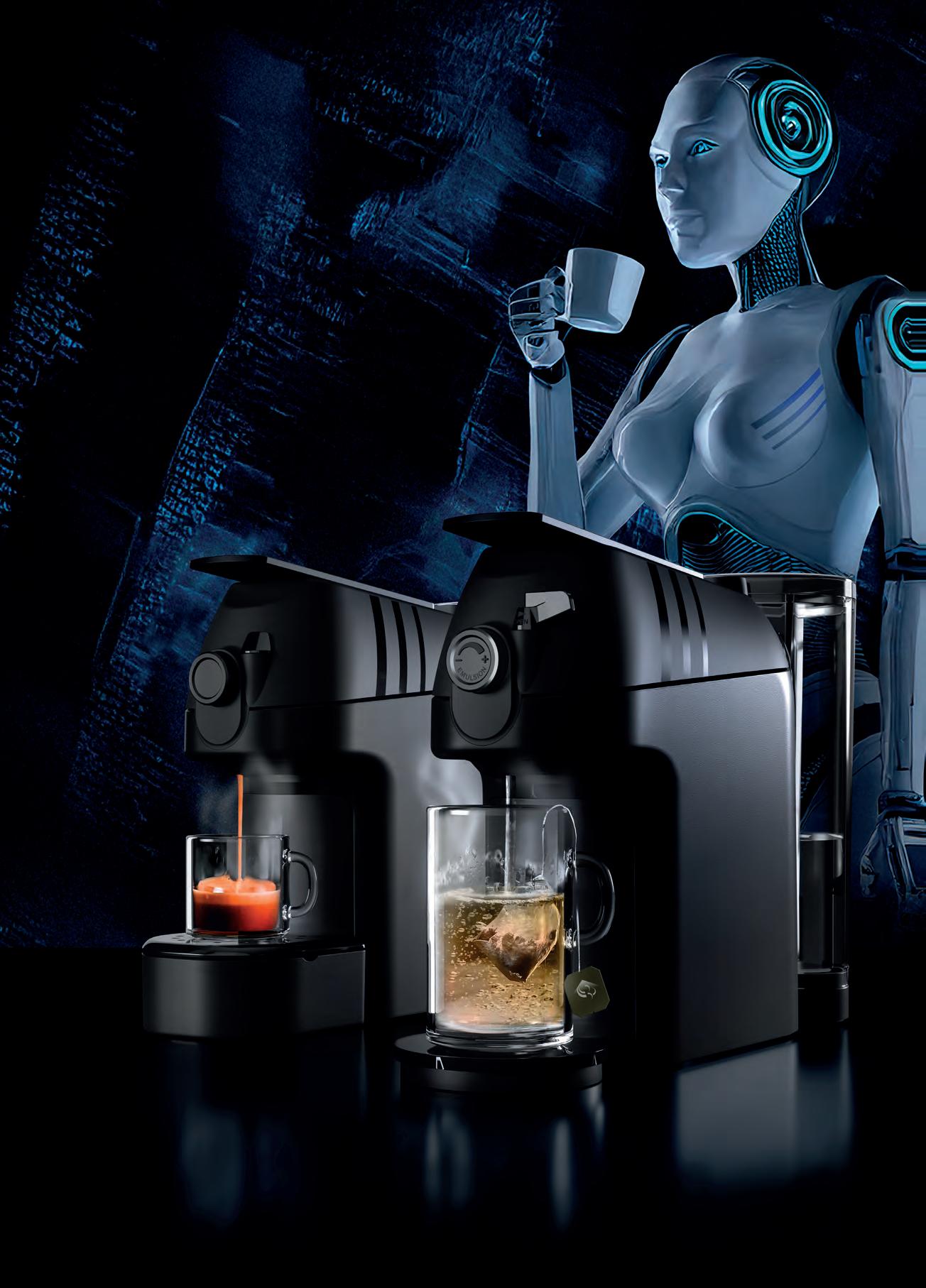
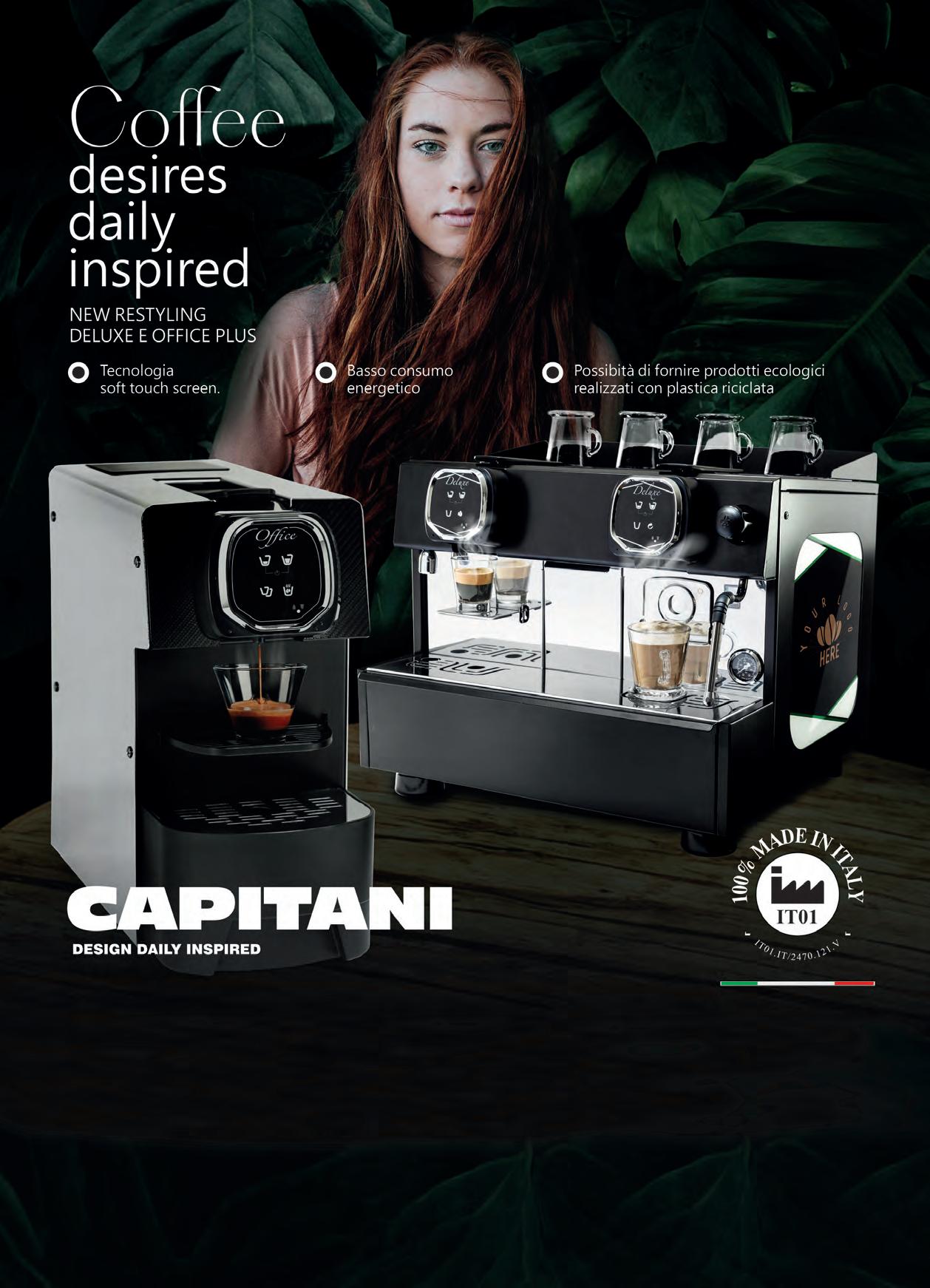
Capitani srl an Italian company that designs and manufactures coffee machines for capsules and pods for the OCS/HORECA sectors, 100% Made in Italy.
The Capitani Technical Department is available to serve its customers through consolidated know-how and a highly specialized staff. Capitani coffee machines are constantly subjected to testing and rigorous quality controls in accordance with the quality standards and the reference ISO regulations in order to comply with all current protocols.
Visit: www.capitani.it
the quality standards and the reference ISO regulations
In the Horeca sector, the cold chain is not just a technical necessity: it is an operational requirement. Refrigeration equipment — counters, cold rooms, prep tables, cabinets, blast chillers — must ensure consistent performance even in highstress environments, where frequent door openings and mechanical stress put every component to the test.
In this scenario, gaskets and spare parts play a critical role. Often invisible, they are essential for maintaining temperature parameters, preventing energy waste, reducing contamination risks, and preserving overall system efficiency. A worn gasket or a misaligned handle can cause performance drops, energy loss, or even compromise food safety.
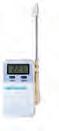
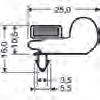
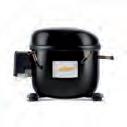
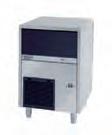

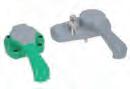
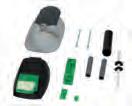
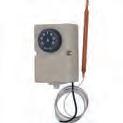
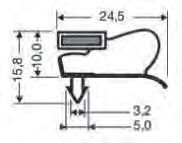
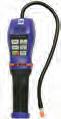
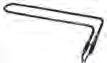
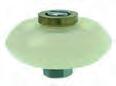
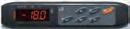

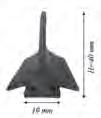
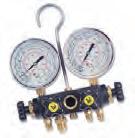

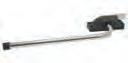
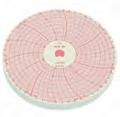
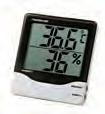


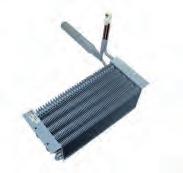




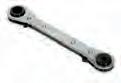
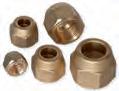
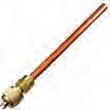
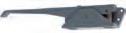
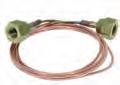
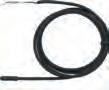


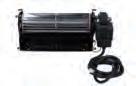

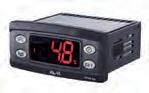
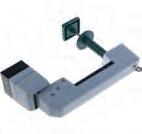
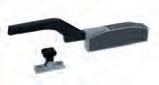

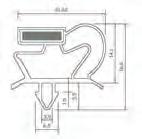
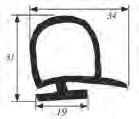



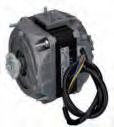
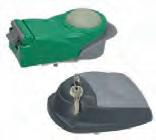
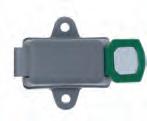
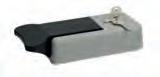
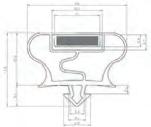
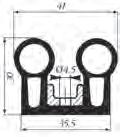

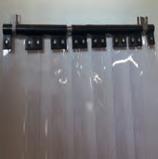
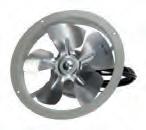
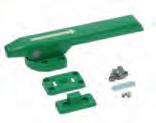
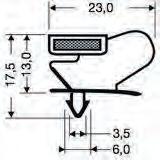
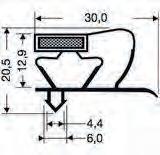
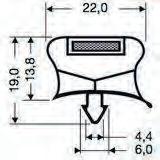
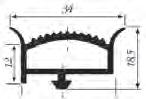
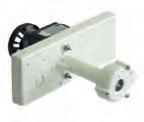
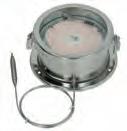

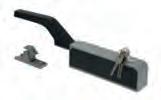
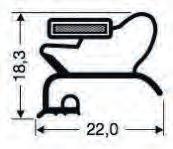
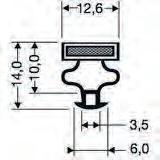
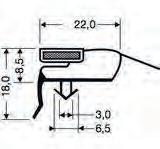
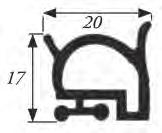
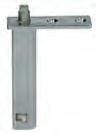
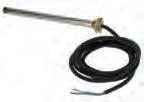
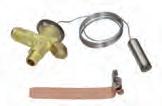
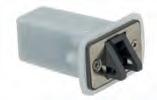
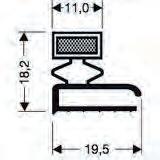
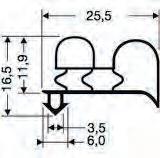
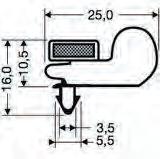
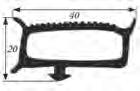
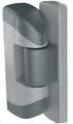
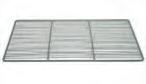

For over thirty years, Frigo Po — based in Luzzara, Northern Italy — has specialized in this field: supplying professional gaskets and components for commercial and industrial refrigeration. The company is structured to provide rapid, accurate, and customized solutions for installers, service technicians, and purchasing managers in the Horeca industry, offering technical support that goes far beyond simple distribution.
One of Frigo Po’s strengths lies in its ability to manufacture custom gaskets, even for non-standard or outdated equipment.
Thanks to in-house production, the company can profile, cut, and weld gaskets quickly using proprietary molds and certified materials. This allows clients to maintain and extend the life of their systems without resorting to full replacements or major overhauls.
At the same time, Frigo Po offers an extensive spare parts catalog: mechanical and electrical components such as hinges, handles, thermometers, sensors, lamps, compressors, fans, temperature recorders, data loggers, and even parts for ice makers. The product range is broad and continuously updated, with goods ready in stock and
express shipping — often within 24 hours of order confirmation.
Another key factor is Frigo Po’s consultative approach: customers receive direct, one-on-one support — even by phone — to identify the correct spare part, choose the compatible gasket profile, or explore technical alternatives. This is an important feature in an age where many suppliers rely exclusively on automated e-commerce systems with little human interaction. For Horeca operators — where refrigeration is a mission-critical asset and a frequent source of maintenance issues — having a specialized supplier like Frigo Po means operational continuity, better energy efficiency, and full compliance with hygiene regulations. These are key factors that increasingly impact competitiveness and business reliability.
In a market driven by efficiency, predictive maintenance and the immediate availability of spare parts are strategic advantages. And it is precisely in this technical and operational space that Frigo Po has built its solid reputation. A discreet yet essential partner in the daily operation of the cold chain.
frigopo.it

What it is
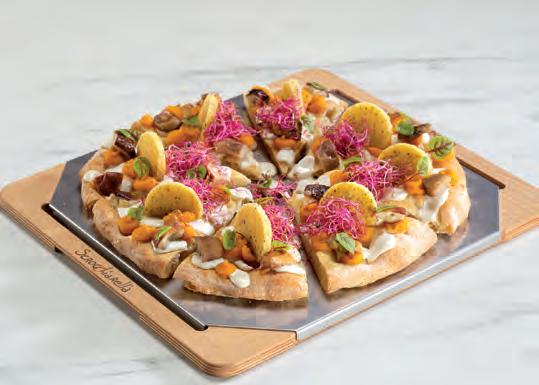
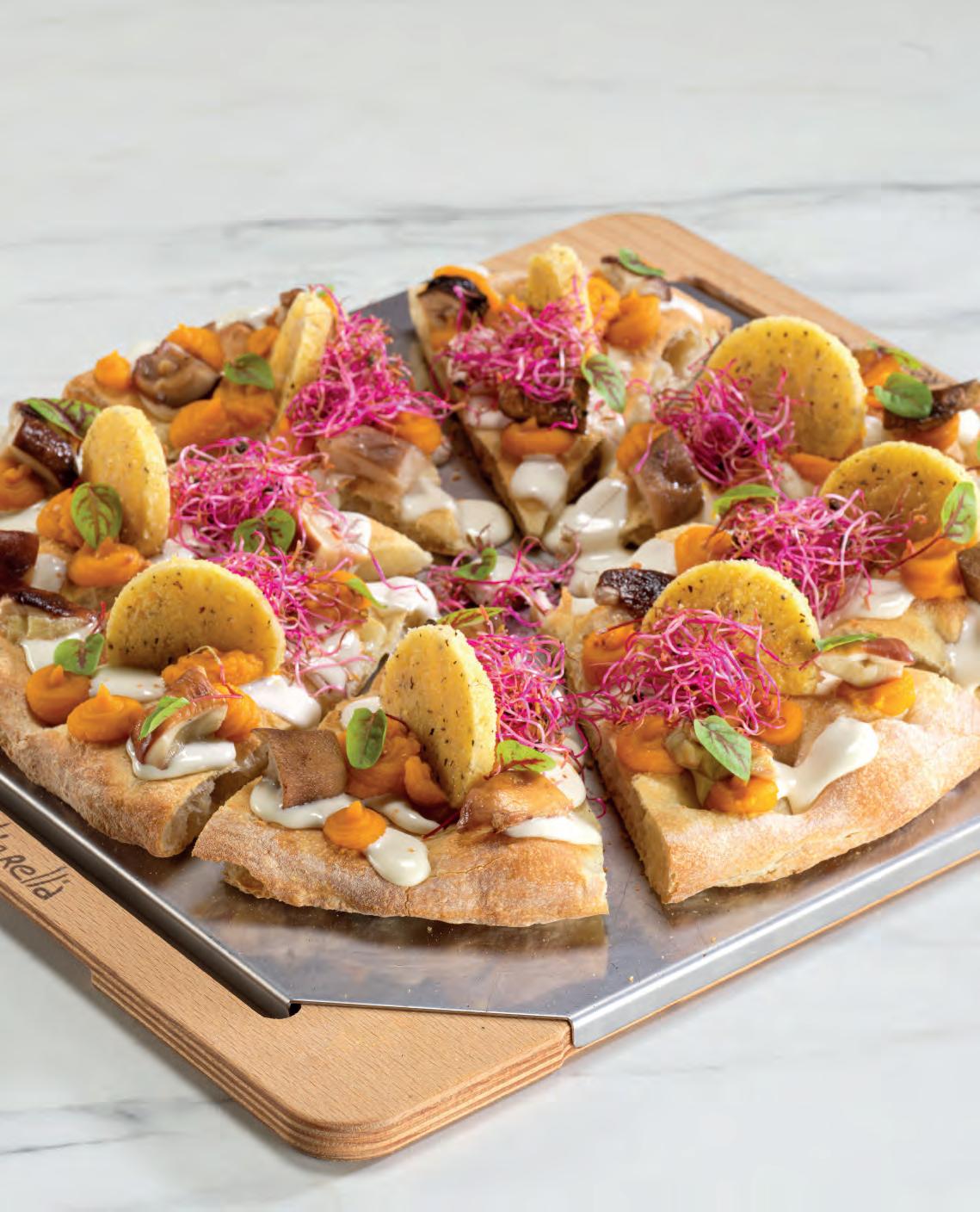
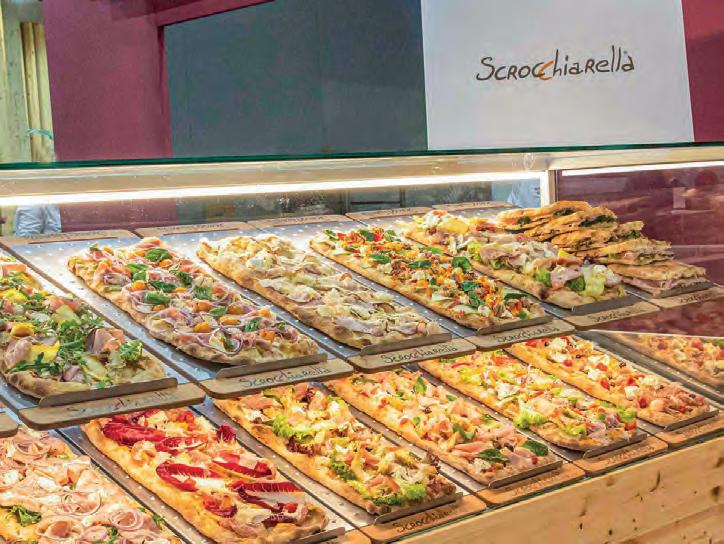
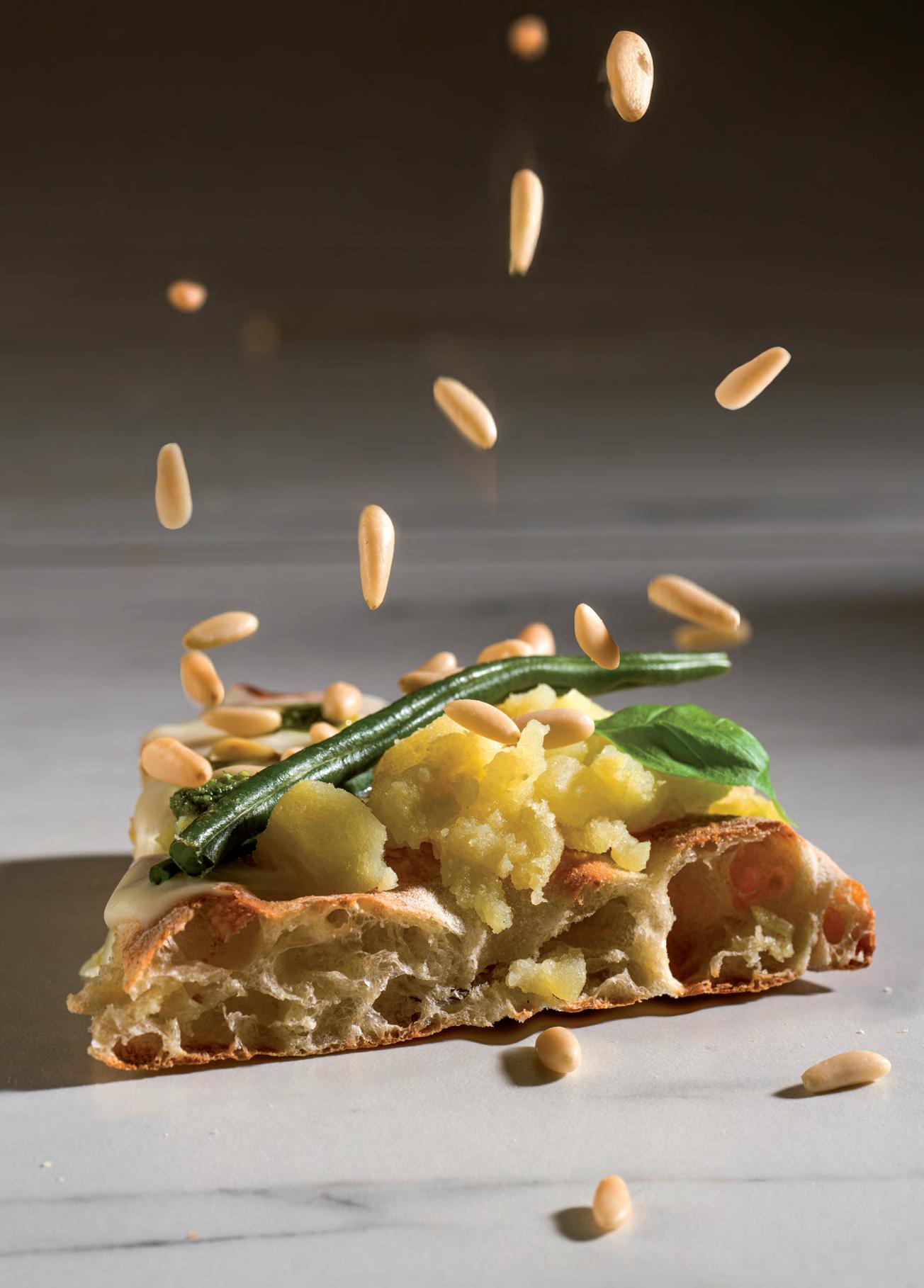
It’s a frozen base for pizza in pala, focaccia, and sandwiches, made with sourdough starter and selected flours. It follows long fermentation times and artisanal processes that ensure a light, highly digestible dough with non-stop crispiness.
Thanks to the natural sourdough starter, AB MAURI’s flagship ingredient, each Scrocchiarella® base releases its full flavor during baking and is lighter, crispier, and easier to digest when served.
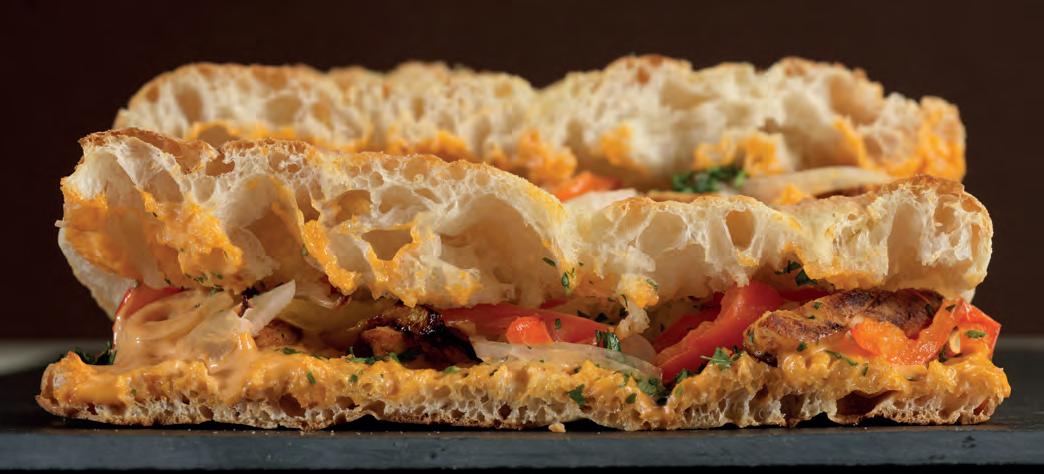
The range also includes a pre-sliced, pre-cooked Sandwich format, ideal for creating gourmet sandwiches and focaccia.
Why choose Scrocchiarella® for your venue?
1.It meets market trends
Scrocchiarella® is a next-generation product aligned with current consumer trends. Today’s customers appreciate sourdough-based products that are delicious and tasty and ideal for out-of-home dining.
2.Crispiness and lightness
Its crispiness stands out for its unique and distinctive crunch.
3.Made with sourdough starter
Thanks to the sourdough starter, its crispiness lasts over time and the dough remains light, making it perfect for those looking for a tasty yet highly digestible product.

4.Versatile and easy to use
Scrocchiarella® is a ready-to-use base that helps optimize preparation time and reduce waste.
5.Unmatched air structure
Its distinctive open crumb structure gives it an artisanal look and texture that sets it apart.
6.No specialized staff required It’s simple to prepare, so there’s no need for highly skilled personnel.
7.Always looks freshly baked
It maintains the appearance and quality of a product always as fresh as just baked.
8.A new experience every time
Every time is always the same quality with the excitement of a fresh, satisfying experience.
Success Stories
On AB MAURI’s YouTube channel, you can discover the most inspiring success stories from the Le Preferite format.
Every Scrocchiarella® showcooking event is also available online.
scrocchiarella.com
Flavors and Formats
Visit www.scrocchiarella.com to explore the full range of flavors and formats, choose the ideal base for every occasion, and find plenty of recipe inspiration.
You’ll find the video for each recipe on AB MAURI’s official YouTube channel, as well as on the Scrocchiarella_it Instagram page and the Scrocchiarella® LinkedIn page.

by Cristina
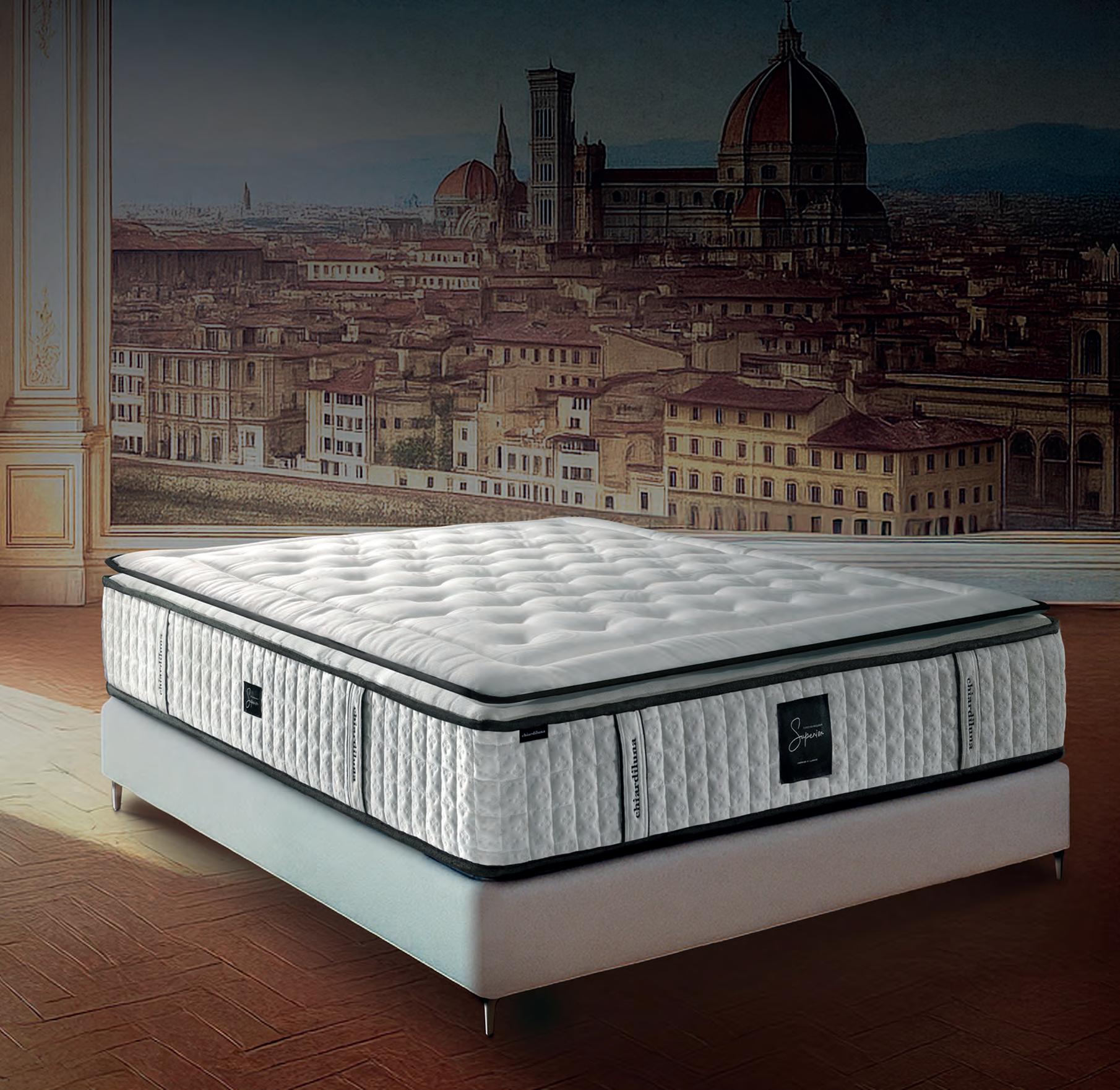
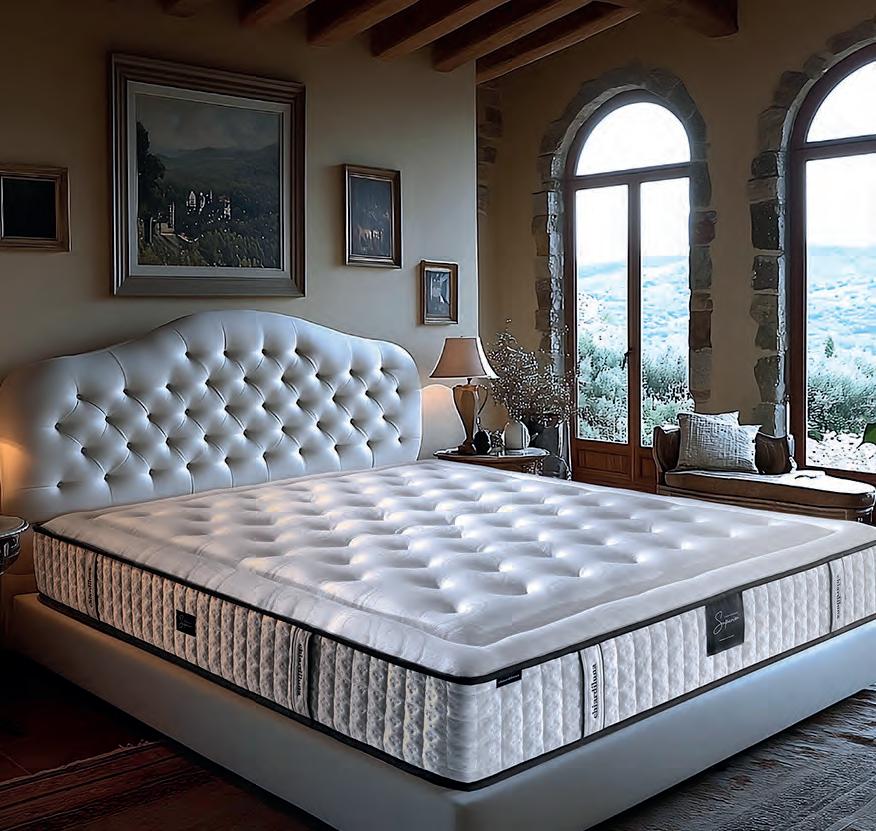
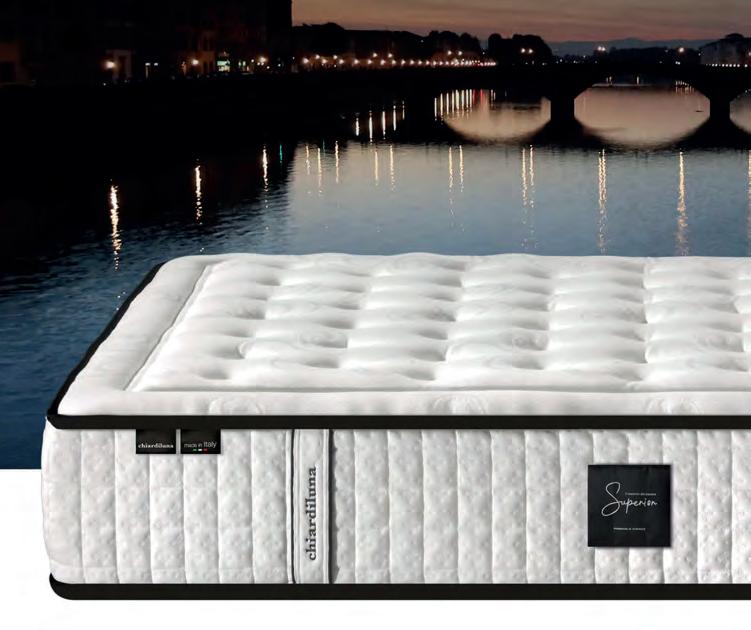
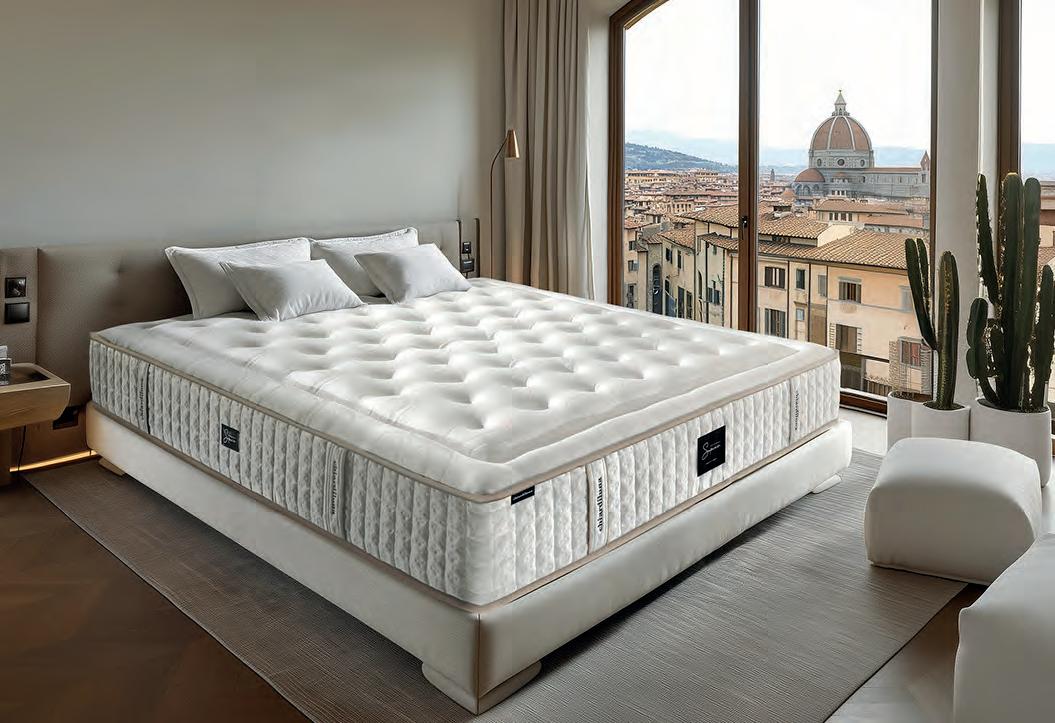
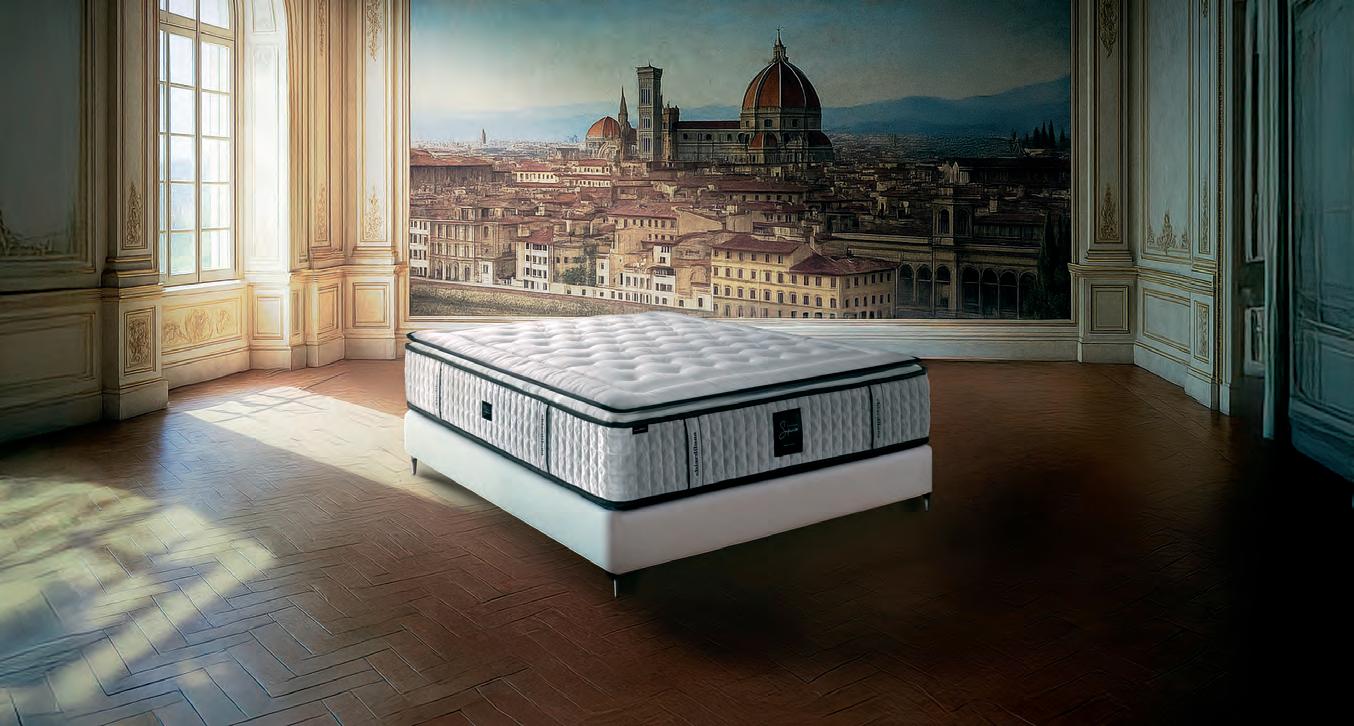
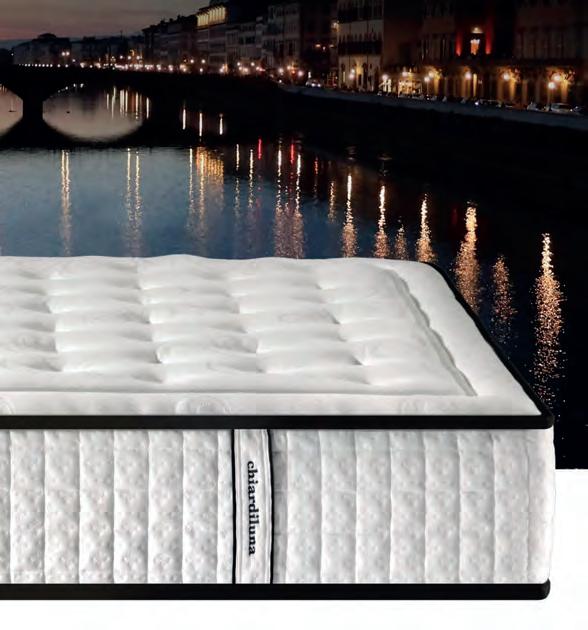
In today’s hospitality market, sleep quality has become a strategic factor in guest satisfaction and brand positioning. Chiardiluna, a Florentine company specialised in premium mattresses for hotels, combines artisanal tradition, innovation and sustainability to help hospitality operators turn rest comfort into a real differentiating asset. Cristina Bacci, CEO of Bacciflex Srl, shares her perspective.

Nowadays, quality sleep is a decisive factor in the overall guest experience.
How can investing in advanced bedding systems concretely strengthen a hotel’s positioning and guest loyalty?
Sleep quality is no longer a minor detail in hospitality, it has become a decisive factor in guest satisfaction and loyalty. A truly restorative night profoundly shapes the perception of an entire stay, leaving a lasting positive impression.
The bed is where a property’s attention to detail is felt most intensely: a welcoming mattress, ergonomic support, and premium materials turn rest into a genuine wellness experience. “Reviews are written upon waking”: guests who sleep well leave higher ratings, positive comments, and authentic word-of-mouth.
In an increasingly competitive market, combining comfort, hygiene, and durability isn’t just a quality choice, it’s a strategic investment in brand reputation.
How does Chiardiluna translate Florentine artisanal heritage into concrete performance benefits for hotels, while maintaining a strong Made in Italy positioning?
Chiardiluna translates Florentine artisanal tradition into mattresses combining ergonomics, hypoallergenic fillings, and high-performance foams, designed to withstand the intensive demands of the hospitality sector.
Made in Italy isn’t a label, it’s a daily commitment built on certified raw materials, a short supply chain, and direct oversight of the entire production process.
The ability to develop customised solutions, even for small batches, allows every hotel to express its own hospitality standard with precision.
Just in Time production ensures punctual deliveries, perfectly aligned with each property’s renovation cycles.
Sleep tourism is growing and guests are more demanding. How do customisation, sustainability and
consultancy services help hotels differentiate their offer and strengthen their market identity?
Personalisation, sustainability, and specialist consultancy are the pillars of quality hospitality. A topper can transform an ordinary bed into a tailored sleep experience; when comfort integrates with room design, a property’s care becomes immediately perceptible.
For Chiardiluna, sustainability translates into tangible choices: locally sourced raw materials and a photovoltaic system covering over half of the facility’s energy needs. Dedicated consultancy guides each hotel in selecting the ideal bedding system, so it becomes an authentic expression of its identity and the care reserved for its guests.
As sleep becomes a central element of the hospitality experience, investing in high-quality bedding systems is no longer optional but strategic.
Companies like Chiardiluna support hoteliers in transforming comfort into a tangible value, capable of strengthening positioning, enhancing guest satisfaction and building longterm loyalty.
Visit: www.chiardiluna-alberghi.com

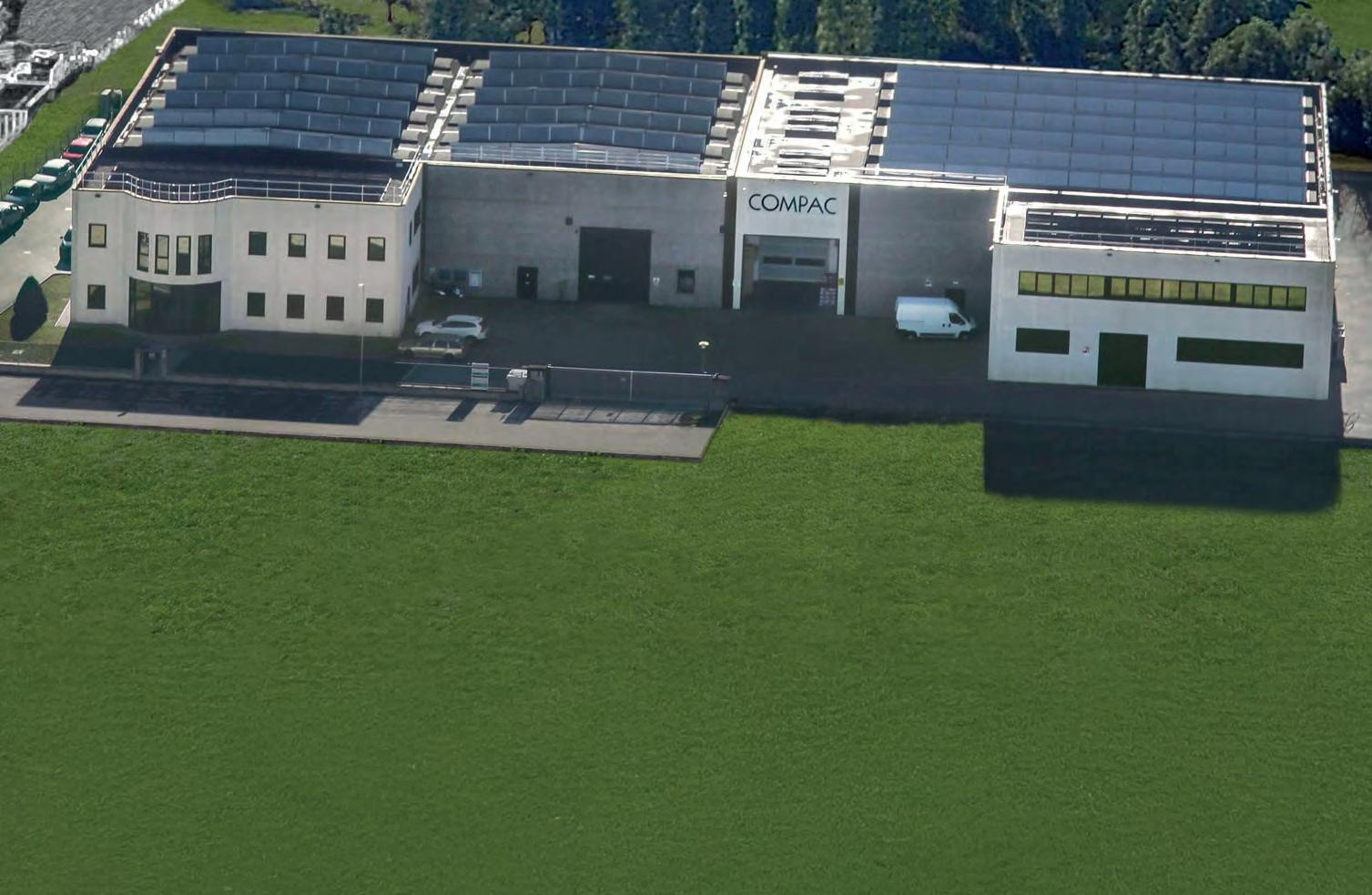
From over 30 years Compac designs and produces in Italy integrated Food Packaging Solutions.
Heat sealing Machines, Containers and Film Reels: three elements that together build a single system. An approach that arises from the experience in the Details and GDO fields, and today naturally results in the Ho.Re.Ca. world, where practicality and security coexist in each service.
The COMPAC HO.RE.CA. System is designed for those who work every day with ready-to-eat meals, flexible portions, and complete menus to prepare, store, and transport. From Gastronorm containers to Square Plates, each format is designed to enhance preparations and ensure maximum functionality. The cardboard containers are heat-sealable, suitable for microwave and traditional oven use, perfect for catering, canteens, delis, and pro -
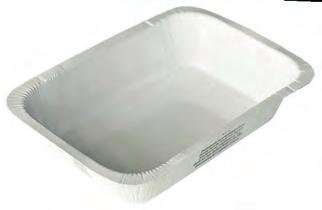

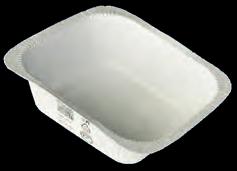



fessional kitchens. All materials are MOCA compliant, recyclable and/or compostable.
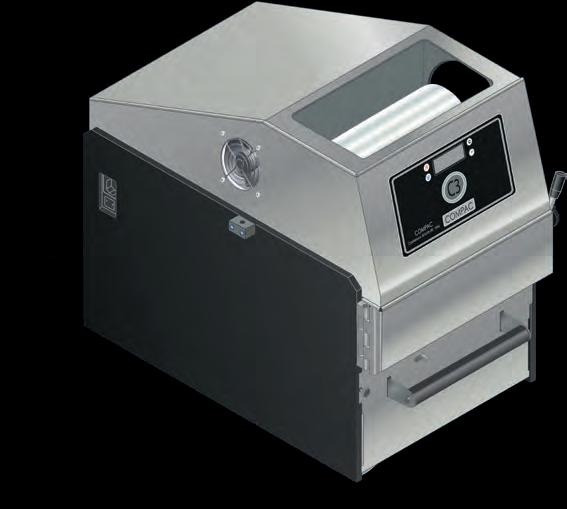
The COMPAC Heatsealing Machines represent the heart of the system: compact, robust and easy to use, with quick format change, they allow complete meals to be packaged hygienically in a few seconds, saving time. The answer for those seeking order, efficiency and impeccable presentation.
Today, alongside the classic formats, COMPAC introduces a new solution: the C3 Tri-Compartment System - an innovation that changes the way complete meals are packaged. One tray, three compartments, endless possibilities.
Designed to offer a complete meal in a single package, the Tri-Compartment tray allows you to separate courses with different consumption methods —hot, cold —

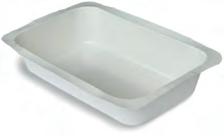
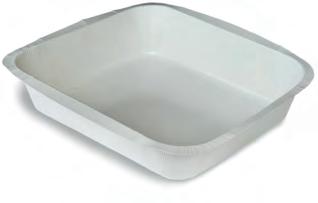



while maintaining the properties of each food unchanged. It is a novelty that combines aesthetics, practicality and sustainability: a further step forward in the COMPAC philosophy, where technology and design serve only one goal — to enhance every preparation, from the laboratory to the table.
www.compac.it
Anyone who works in a bakery, pizzeria, or pastry shop knows it well: the day never really ends. Early-morning shifts, deadlines to meet, demanding customers, and rising utility costs. It takes just one small setback, dough that doesn’t rise properly or an oven that fails to maintain temperature, to slow down production and waste time and resources.
For this reason, more and more professionals are looking for equipment that can simplify everyday tasks, streamline processes, ensure consistency, and reduce operating costs.
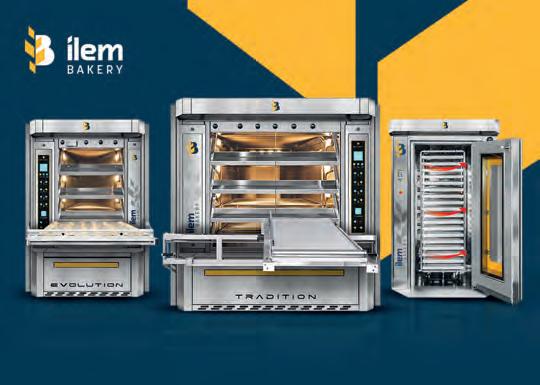
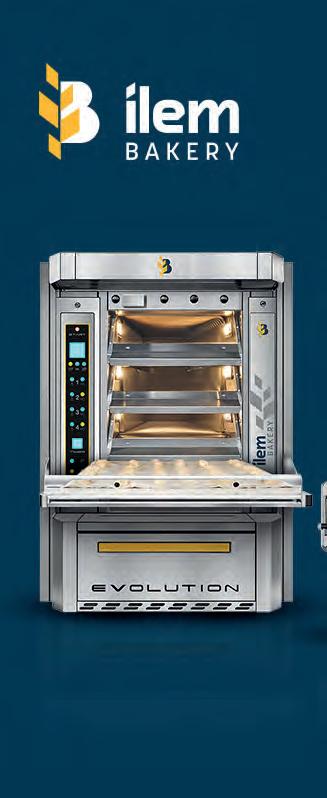
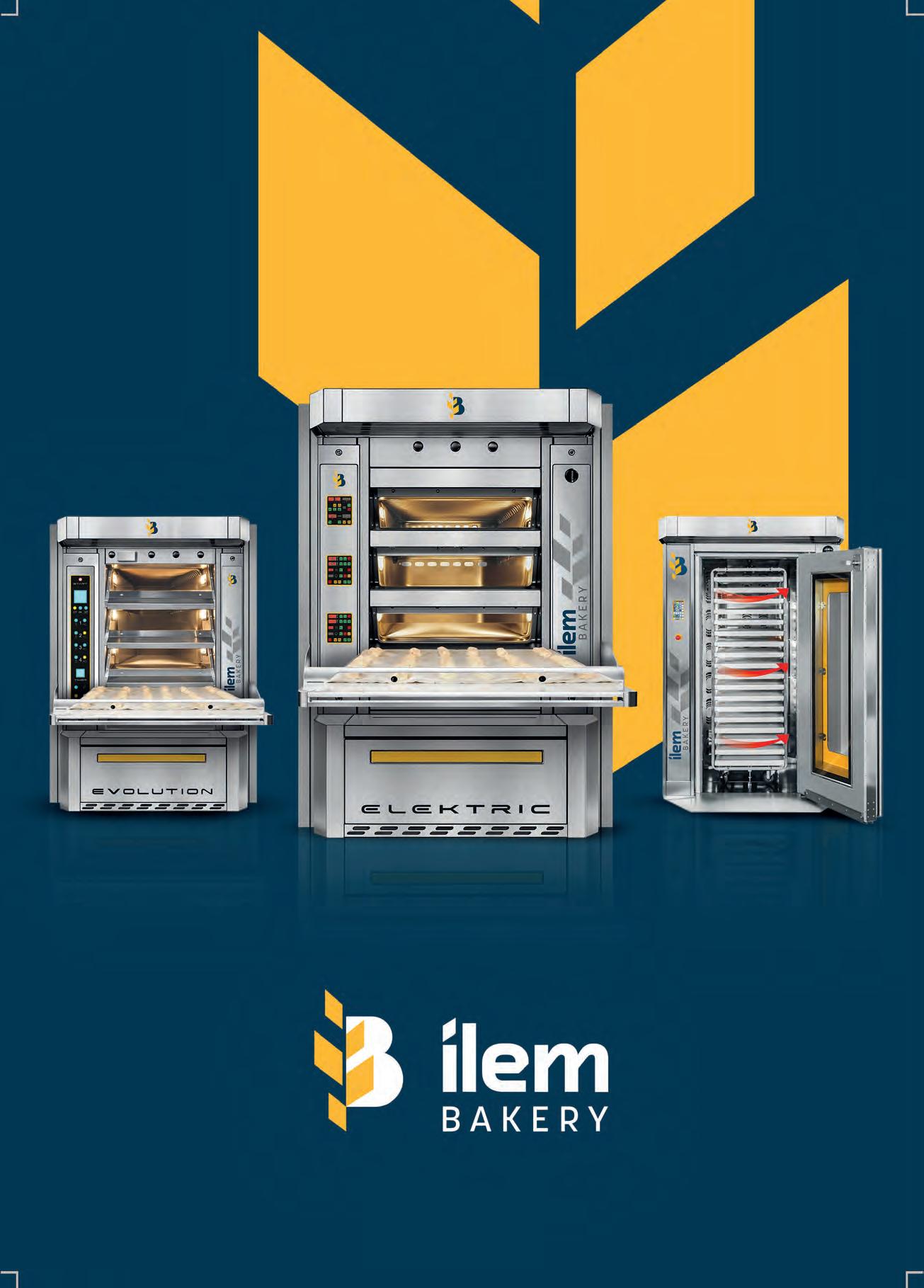
It is with this philosophy that Ilem Bakery, an Italian company founded in 1988, has become a reference point in the sector, offering professional ovens and equipment for bakeries, pizzerias, and pastry shops across Europe and beyond.
Ilem Bakery: a story of passion and growth
Founded in 1988 as Ilem Srl, the company has grown over time, becoming a benchmark manufacturer of baking surfaces for industrial ovens.
Today, under the Ilem Bakery brand, it presents itself as a complete partner for the HoReCa sector, with a product range that covers every workshop need and with a constant commitment to sustainability: eco-friendly materials, lower energy consumption, and reduced CO 2 emissions.
PASSION AND GROWTH equipment that can simplify everyday tasks
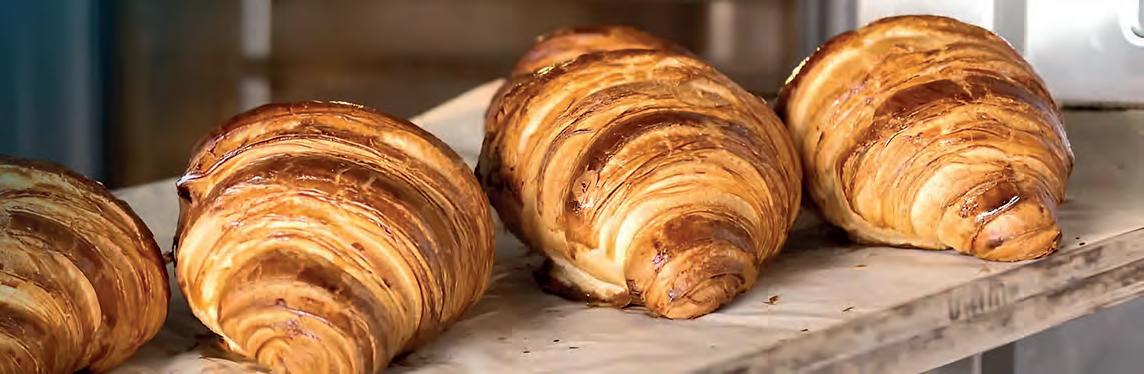
Professional ovens: the heart of every workshop
Whether producing bread, pizza, or pastries, the oven is the piece of equipment that most influences the quality of the final product. A professional oven must ensure:
• Fast heating: it must reach the desired temperature quickly, avoiding wasted time and unnecessary energy consumption.
• Precise control of temperature and humidity: it must allow accurate management of every baking phase.
• Uniform baking: it must guarantee consistent results even with multiple trays in the oven at the same time.
• Versatility: it must be equally effective for bread, pizza, and pastry production.
• Easy cleaning and mai ntenance: it must be designed to last over time and reduce machine downtime.
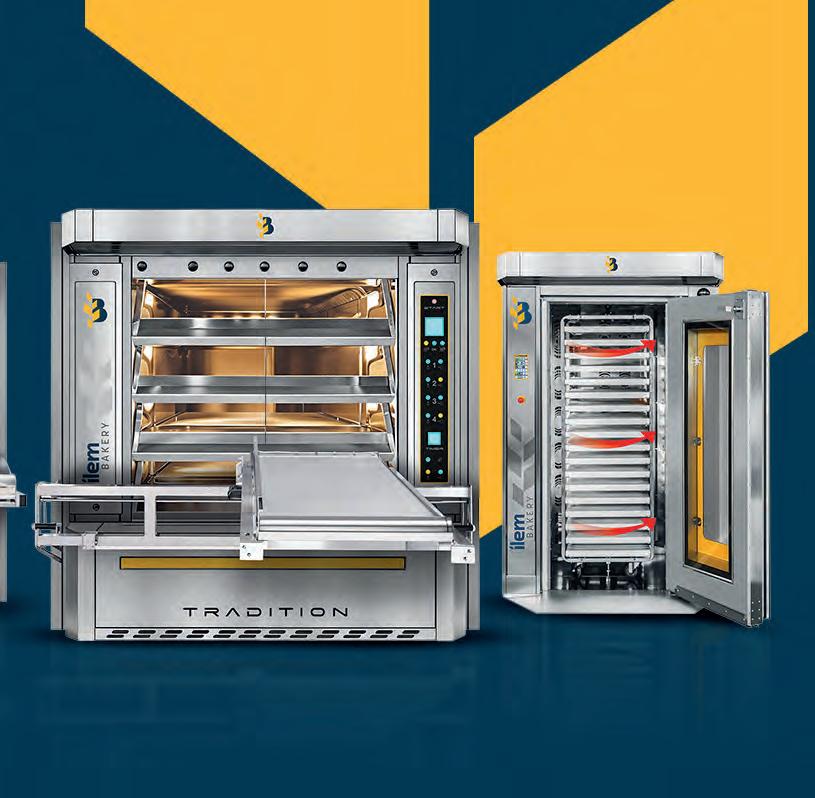
These are all characteristics of Ilem Bakery’s professional ovens, available in different models depending on specific needs:
• Electric ovens: practical, reliable, and energy-efficient.
• Rotor ovens: ideal for high-volume production, thanks to the rotating rack that ensures perfectly uniform baking.
• Modular ovens: flexible and customizable, perfect for expanding laboratories.
• Annular tube ovens: the traditional choice for breadmaking, ensuring homogeneous baking that enhances crust and crumb.
Other professional equipment that makes a difference
A good oven alone is not enough: to achieve
a high-quality final product, professional tools must be used in every step of production. For this reason, Ilem Bakery also offers:
• Robust and reliable mixers, capable of handling large quantities without overheating the dough and preserving its structure.
• Versatile and precise planetary mixers, ideal even for delicate preparations, from creams to airy doughs.
• Proofing chambers that ensure precise control of temperature and humidity, allowing dough development to be scheduled and preventing unexpected issues.
• Sheeters and laminators that speed up and simplify daily work, reducing time and minimizing errors.
• Accessories and bench equipment such as racks, trays, plates, and loading frames, designed to improve workflow organization and increase efficiency at every stage.
Every business has its own needs, and what works for one operation may not necessarily suit another. The needs of a bakery producing hundreds of kilos of bread a day will never be the same as those of a high-volume pizzeria or an artisanal pastry shop.
For this reason, Ilem Bakery doesn’t just supply machinery: it offers personalized consulting services. A team of experts supports professionals like you in choosing the most suitable solutions, also offering financing plans designed to facilitate investment. An approach that transforms a supplier into a true growth partner.
www.ilembakery.com
There are antitheses destined to coexist in parallel and contrasts that, on the other hand, meet and become a perfect synthesis. But for this to happen, a special magnetism is needed. And this is where MPS porcelain comes in: contrast is transformed into attraction, magnetic and natural.
Over 1,000 porcelain shapes, designed for professionals in the Ho.Re.Ca. sector, are brought to life in more than 30 lines that combine functionality -such as oven, microwave and dishwasher safety - with the beauty of an aesthetic that comes from a mixture of top-quality feldspar, quartz and kaolin from Limoges. A synthesis of industrial manufacturing and artisan sensibility, expressing a quality that strives for excellence.
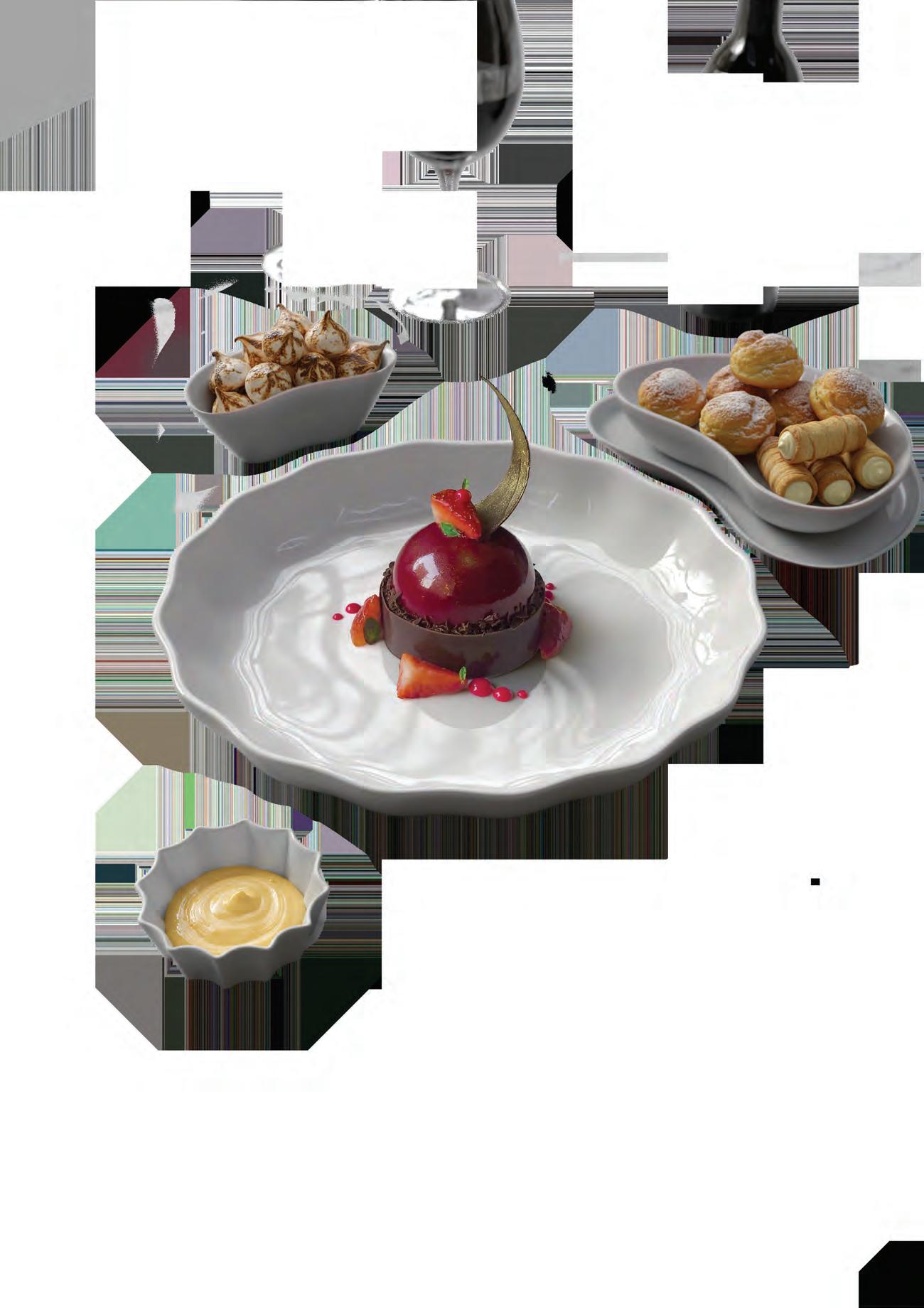
Opposites meet in a contemporary gourmet dessert, presented on an item from the Millenium line: pure classic romance that embraces the daring

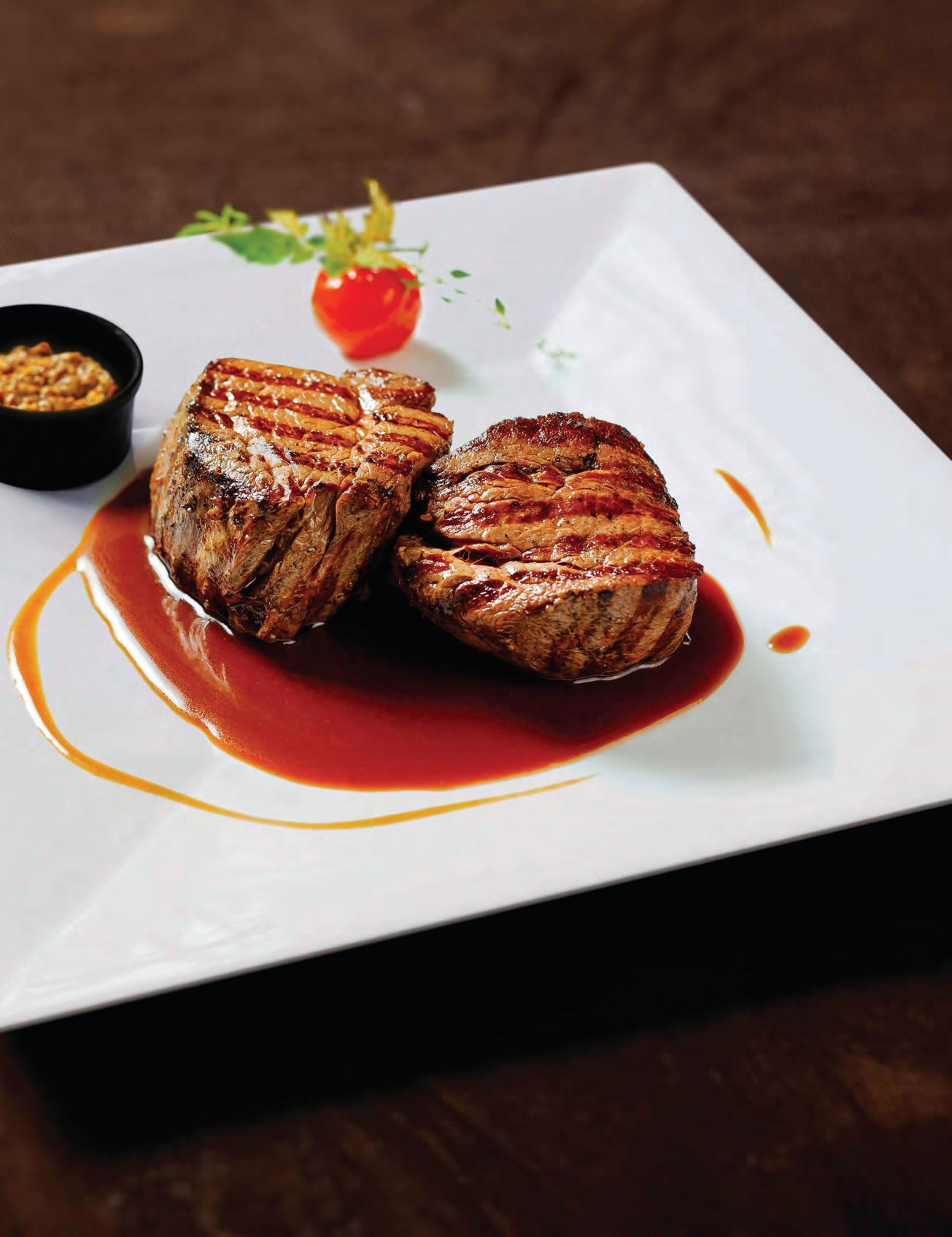
of experimentation, for an extraordinary balance.
Or in Handware’s essential representation of modern minimalism: bowls and plates that fit comfortably in one hand and can welcome traditional dishes in a new guise.
What if Stoneware, evoking nature in its most resistant form, embraced a refined and delicate velvety texture? Strength meets softness, solidity enhances lightness.
With Creative Flow, inspiration unleashes the chef’s artistic genius, in sculptural forms and bold aesthetic lines. Capable of making lasagna and roasts taste like home.
Finally, the story of opposites is fulfilled in black and white, which complement each other in classy pairings, like yin and yang, in the Buffet line, following endless combinations.
MPS porcelain tableware offers the opportunity to surprise when contrasts
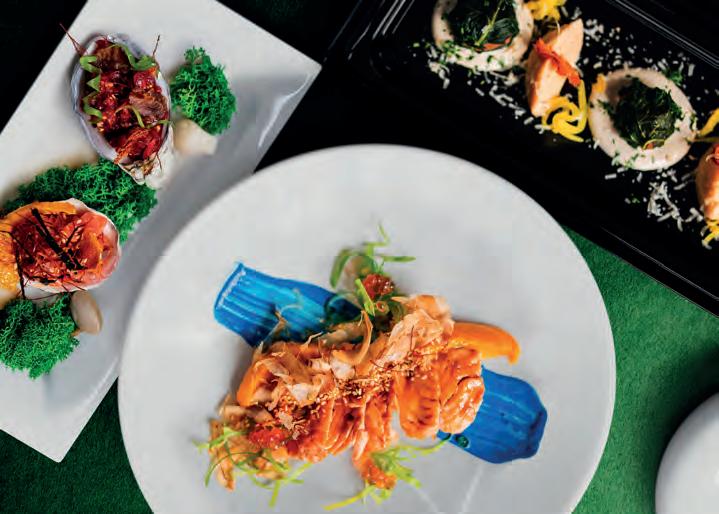
seem irreconcilable. It’s the answer for those in search of visual delicacy and resistance, creativity in the classicism of a material that continues to evolve.
Since 1987, MPS Porcelain has interpreted the most famous antitheses: class meets tenacity, grace meets practicality and contrasts simply become magnetic.
www.mpsporcellane.com
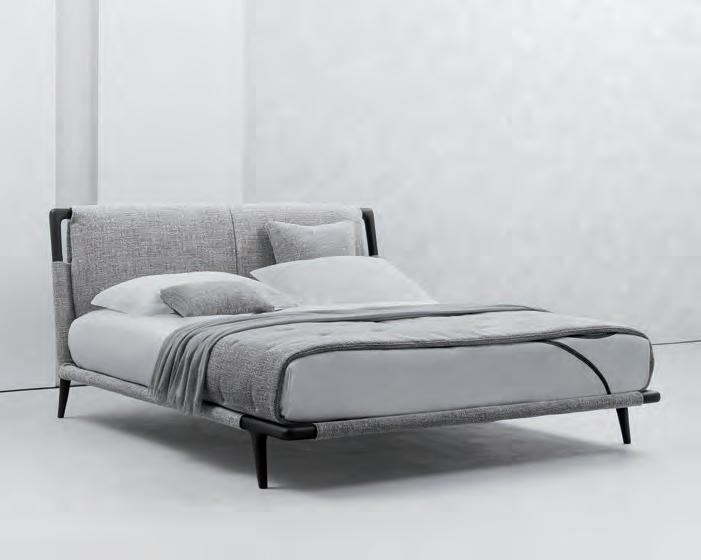
TFlou summons the force of nature to create new, unusual interior design proposals, in a harmonious connection of form and matter, movement and space
TCARATTERE kitchen
he collection of Flou is a tribute to nature. Values, sensa-tions, materials draw on this world. to then be interpreted in furnishings for the bedroom zone and the living area, ca-pable of transmitting the same harmony, authenticity and vital energy, enabling people to live totally in tune with the environment. This is the concept –
ture teaches” – behind the new products, starting with the Gaudí double bed by Matteo Nunziati. The warm material impact of solid wood seems to be shaped by the force of the wind:
he Juno bathroom has many advantages,but to list only the foremost,we could mention high aesthetic quality,effective modular design and special attention to detail,as in the J-shaped handle grip that becomes the stylistic feature of the whole collection,as a simple ergonomic solution.Thanks to a large assortment,it is possible to create your own bathroom décor,selected from lacquer finishes (glossy or matte) and patterns, available freedom system ing dishes,glasses cally face countertop
the sinuous forms of the structure emerge from the enveloping embrace of the textile covering, culminating in the soft padding of
ness set the tone of the project, together with re-fined attention to detail: from the visible stitching to the placement of the fabric that seems to simply be draped, but is actually the result of complex design de-velopment, from the shaping of the wood to the choice of finishes in coffee oak or black-stained oak.
FLOU DESIGN MATTER,MOVEMENTANDSPACE
to the pable authenticity people vironment.This up the doublebed material to

by Maurizio Bazzacco CEO&Founder
Brand di Bazzacco Srl
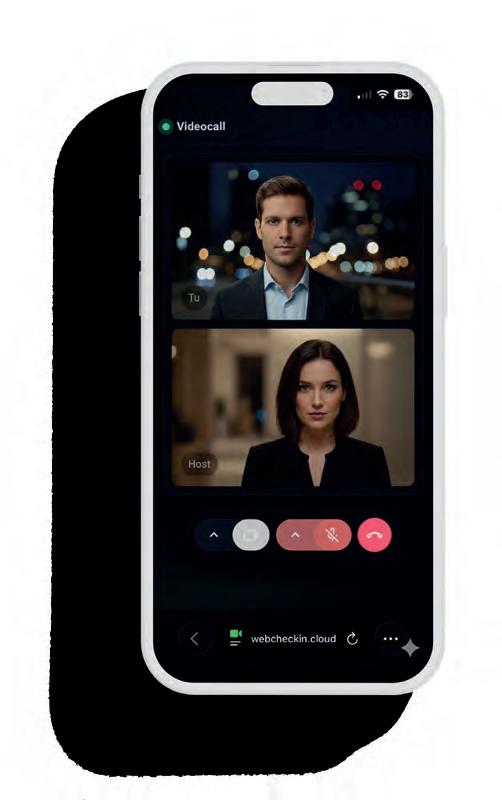
Digitalization is transforming how hospitality businesses manage guest arrivals. Face Check-in, a web app enabling De Visu identification via videocall in compliance with Art. 109 TULPS, allows guests to complete identification directly from their smartphone, even without a staffed reception. We spoke with CEO & Founder Maurizio Bazzacco about its impact on Ho.Re.Ca operations.
What need led to the development of Face Check-in, and which operational challenges does it solve for hospitality businesses?
Face Check-in was developed to allow hospitality businesses to comply with the legal requirement to identify guests without always having staff at the reception. It addresses challenges such as late arrivals, managing multiple properties, and reducing operational costs, simplifying the identity verification process without replacing the actual check-in procedures.
How does Face Check-in ensure de visu identification and compliance with Art. 109 TULPS while keeping the process simple for guests?
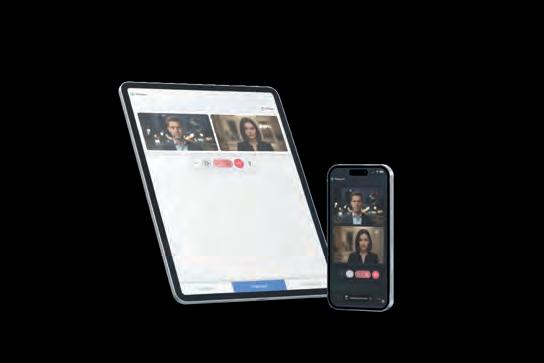
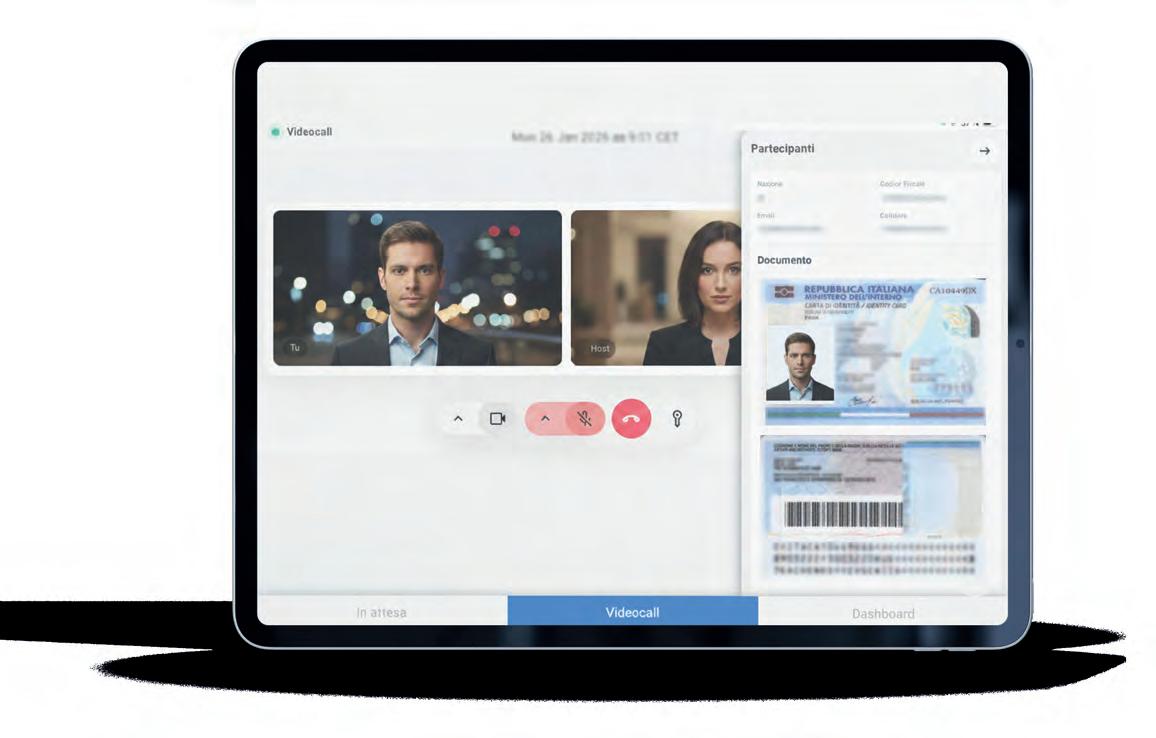
The system verifies the guest’s face through a video call: the guest shows their ID, and the operator confirms the match.
This ensures compliance with Art. 109 TULPS, providing the legally required visual identification with a simple, fast, and remote-friendly procedure.
REMOTE VISUAL VERIFICATION DIRECTLY VIA SMARTPHONE
The innovative mobile app revolutionizing hotel check-ins by enabling direct video calls, independent of external platforms.
KEY BENEFITS
Fast and modern check-in, reducing wait times.
Streamlined entry flow management.
Reduced staffing requirements during off-peak hours.
Operational even without on-site reception staff.
Concurrent management of multiple guests.
Proprietary solution, independent of external platforms.
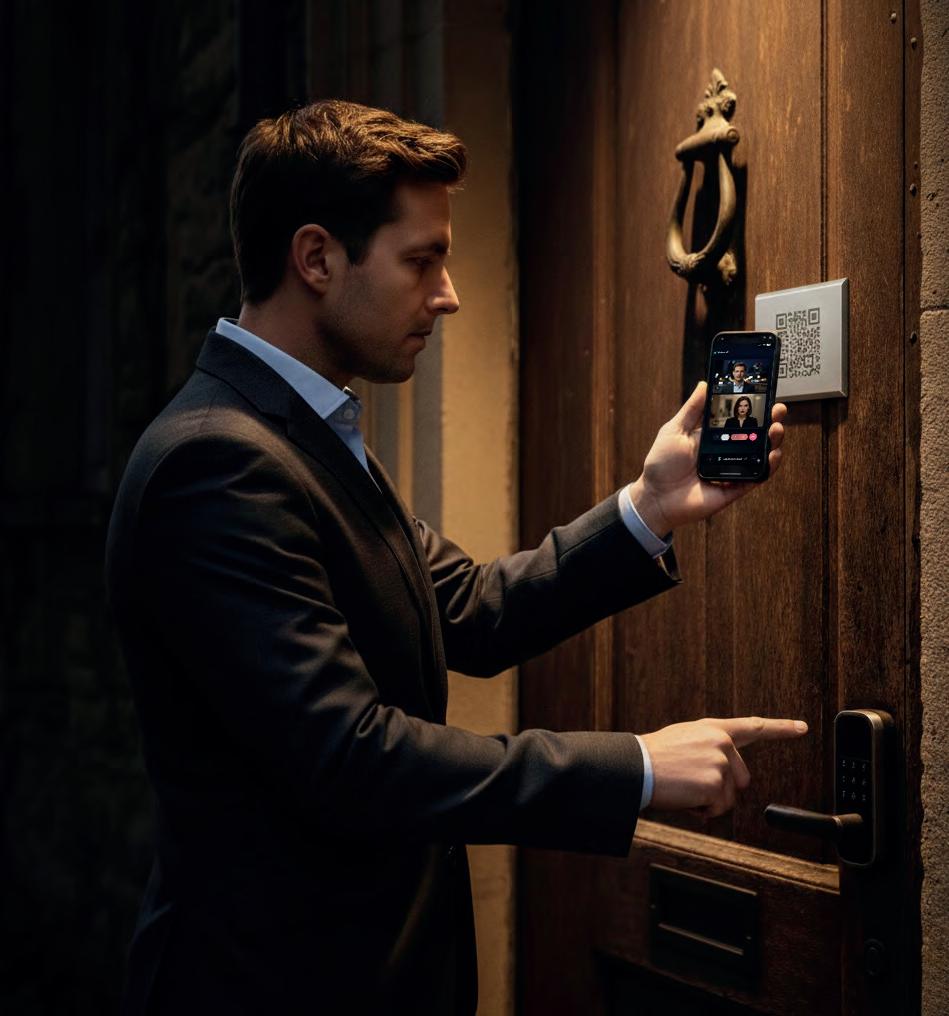
1.Guest arrival: scan the QR code to access the Face Check-In web app directly via smartphone browser.
2.Start video call: connect instantly with a facility operator.

3. Verification and check-in: he operator verifies all data and completes the checkin process.
4.Easy access: the guest receives their digital key.
5.Fast entry: the guest enters the facility without further delay.
Face Check-in allows check-in even without on-site reception staff. What impact can this have on the organization of hospitality businesses?
By allowing identification without on-site staff, Face Check-in increases flexibility, enables out-of-hours arrivals, and reduces reception workload. Staff can focus on guest services and assistance while identity verification is handled securely and digitally.
Looking ahead, how do you see the role of self check-in evolving in the hospitality industry?
Self check-in will continue to grow with digitalization, integrating with management systems, access control, and payment platforms. Solutions like Face Checkin will become standard for regulatory compliance without slowing the guest experience, while still allowing human support when needed.
As operational models in hospitality continue to evolve, solutions such as Face Check-in show how digital tools can support both efficiency and compliance. The ability to manage guest identification remotely, without compromising legal requirements or service quality, reflects a broader shift toward more flexible and technology-driven hospitality management.
www.bazzacco.eu




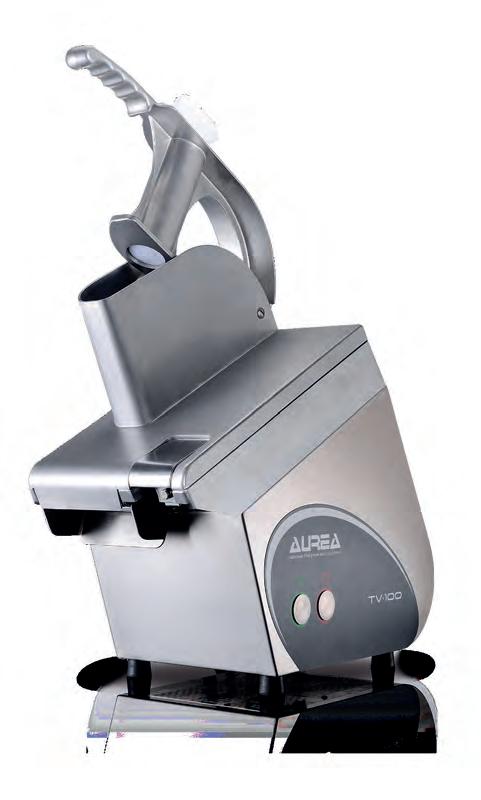
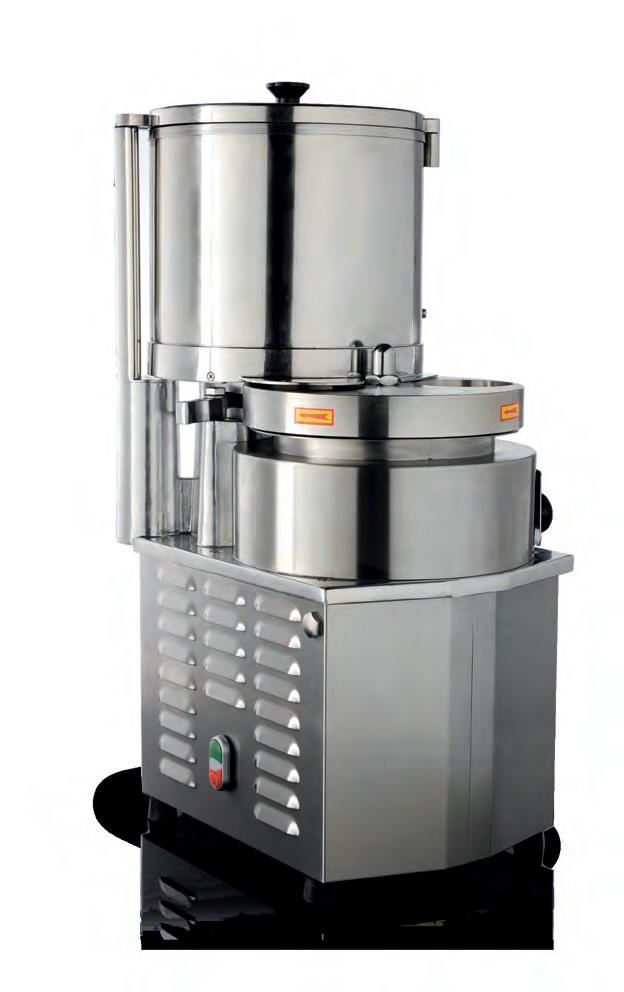
Quemme Food Service Equipment is a cutting-edge manufacturing company, born from the spin-off of an engineering firm located in the renowned “Packaging Valley.”
With over thirty years of experience, the company excels in the design, production, and marketing of dynamic preparation machines. Thanks to the involvement of successful Bolognese entrepreneurs in the Ho.Re.Ca sec-tor, Quemme has all the key elements to establish itself as a market leader.
The company offers products characterized by high reliability and advanced technological content, with the ambitious goal of becoming a leading manufacturer of dynamic preparation machinery and innovative solutions for the Ho.Re.Ca sector. These machines are intended for professional kit-chens in restaurants, canteens, hospitals, barracks, and other communities, as well as for labora-tories for food and bev-
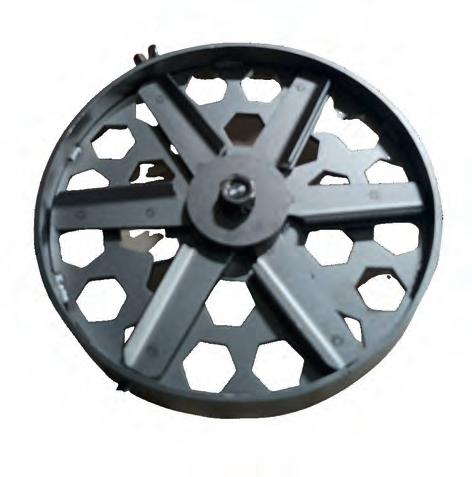
erage preparation and small agri-food industries.
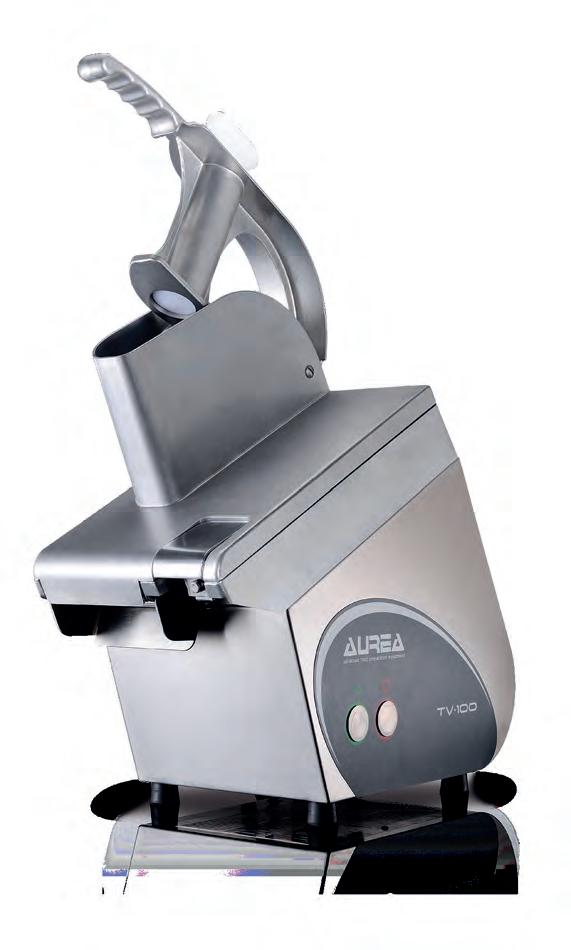
Aurea, a company part of the Ali Group and a renowned manufacturer of dynamic preparation equipment, has chosen Quemme Food Service Equipment as the exclusive distributor of its pro-ducts. This prestigious assignment has been entrusted to Quemme in recognition of its constant commitment to improving food processing through the use of quality, robust, and safe machinery.
We are extremely proud of this new collaboration and determined to pursue, with your essential support, all the objectives agreed upon between our two companies.
Quemme is also a founding member of AlaBlu Group, a network of leading Italian manufacturers in the kitchen equipment sector.
www.quemme-fse.com



MARKET
high reliability and advanced technological content

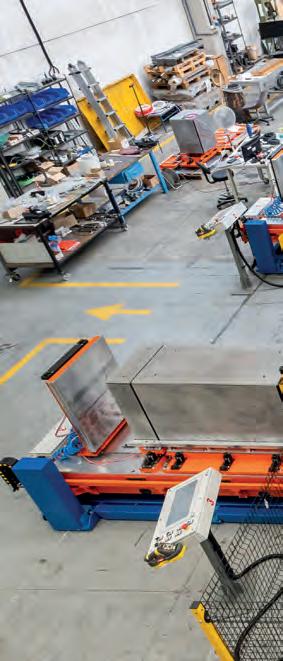
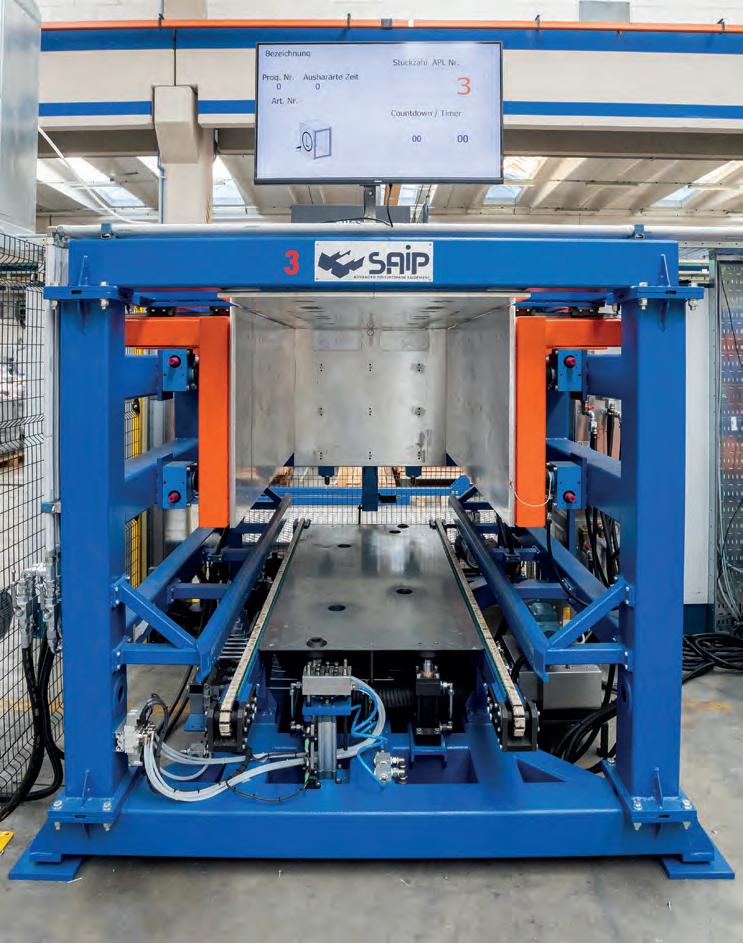
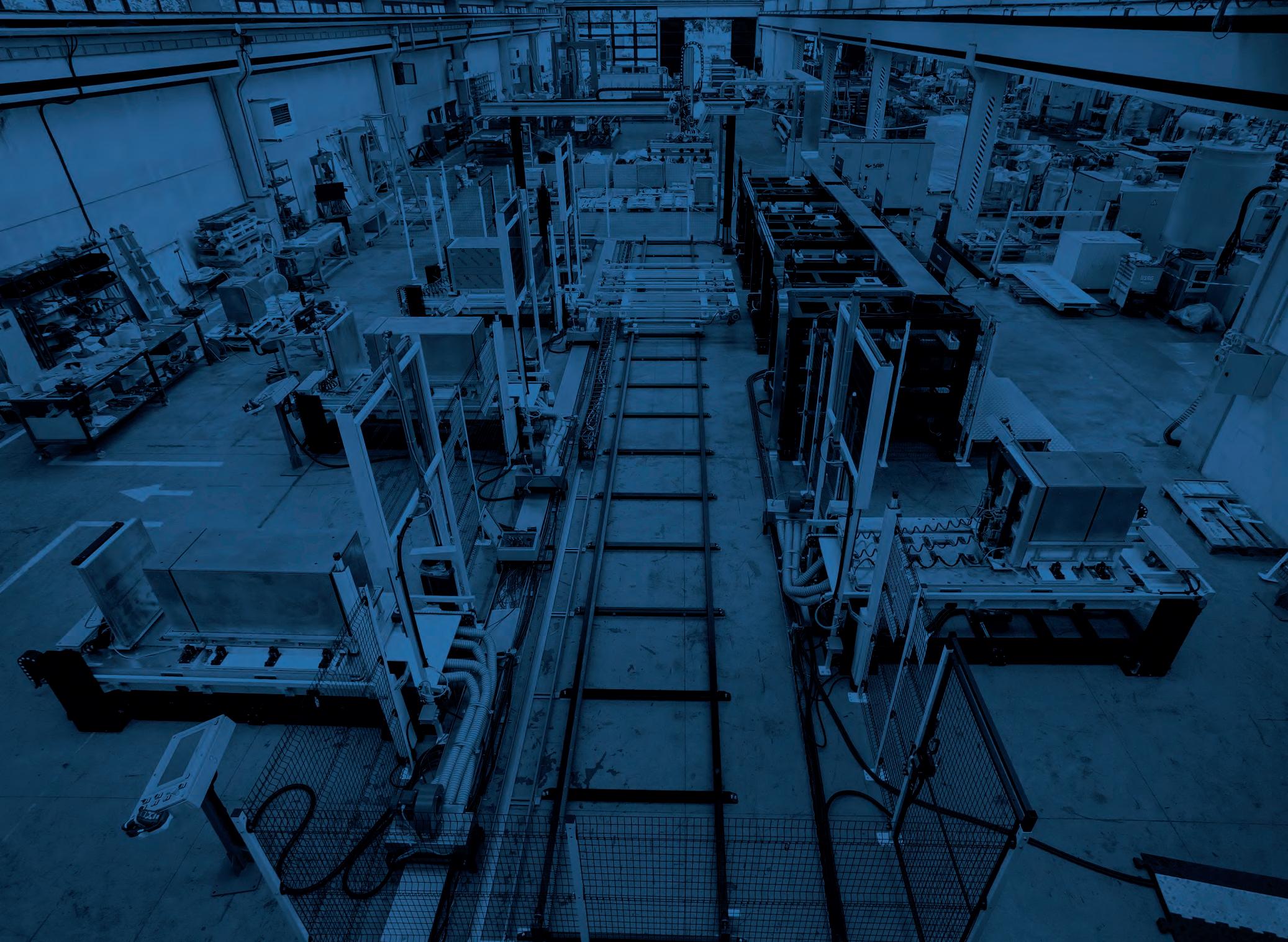
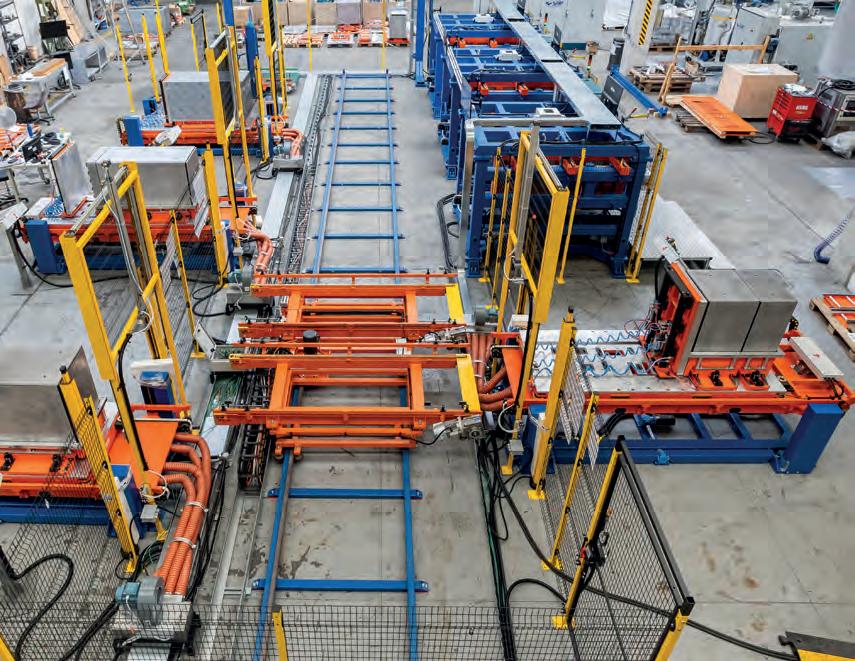
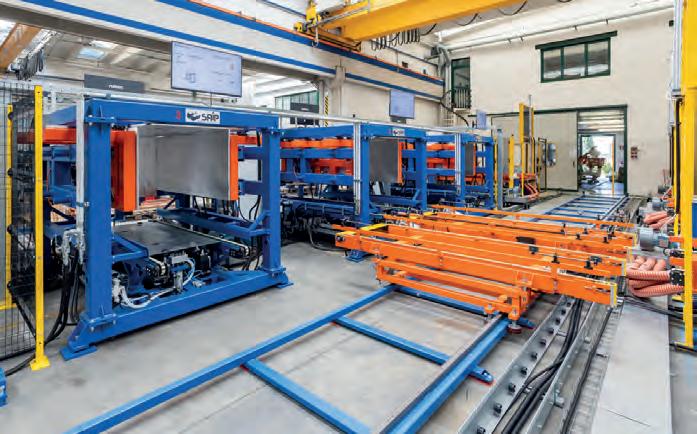
SAIP designs and manufactures turnkey systems, both automatic and semi-automatic, for commercial refrigeration, positioning itself as an international partner in the development of customized solutions. Its systems are engineered to ensure flexibility, speed and precision, optimizing production cycles even in highly variable environments.
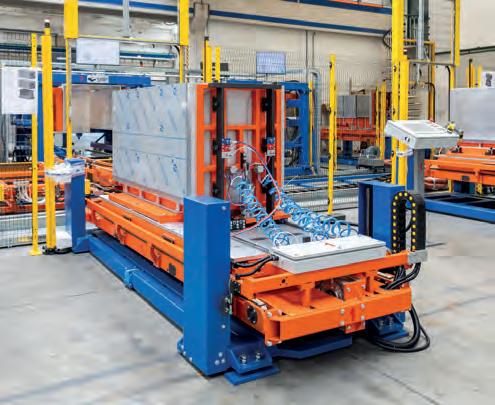
A key element is the design of foaming plugs, available in dedicated or modular versions, adaptable to different cabinet and door configurations. The systems include dosing machines compatible with various blowing agents, foaming
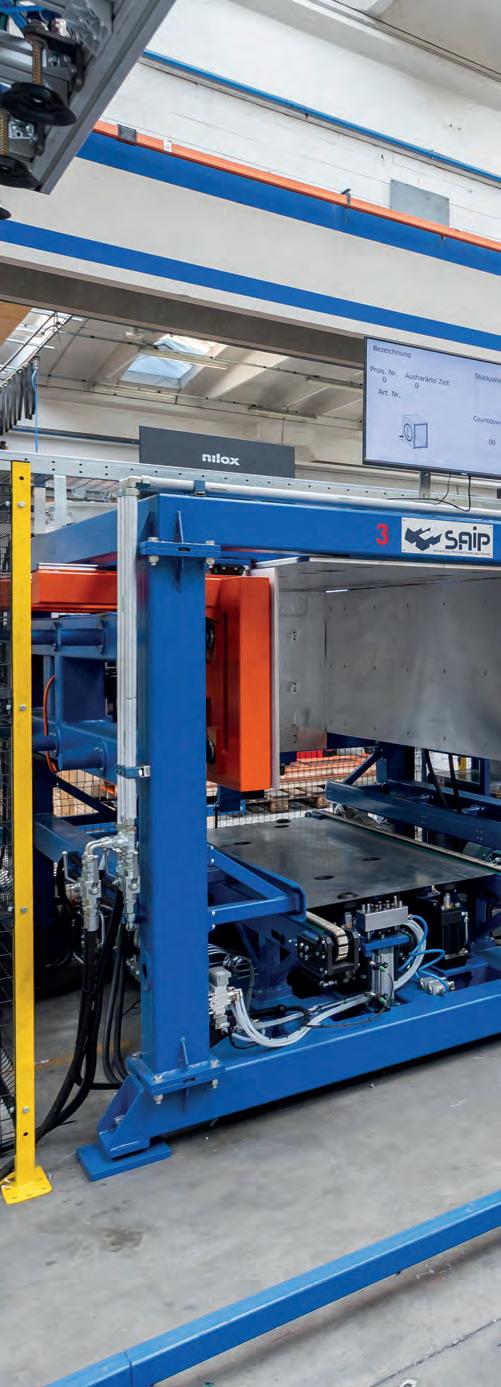
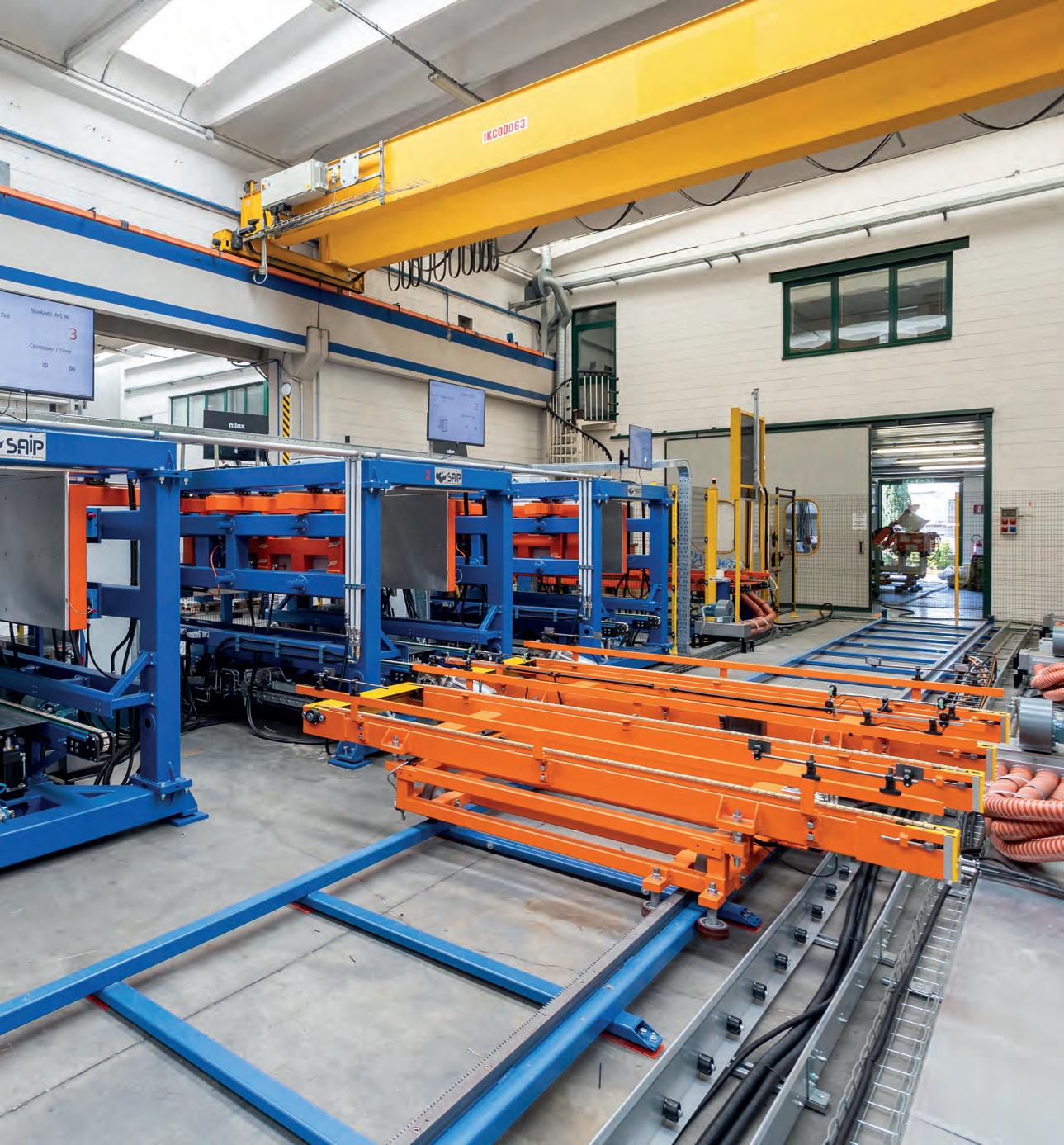
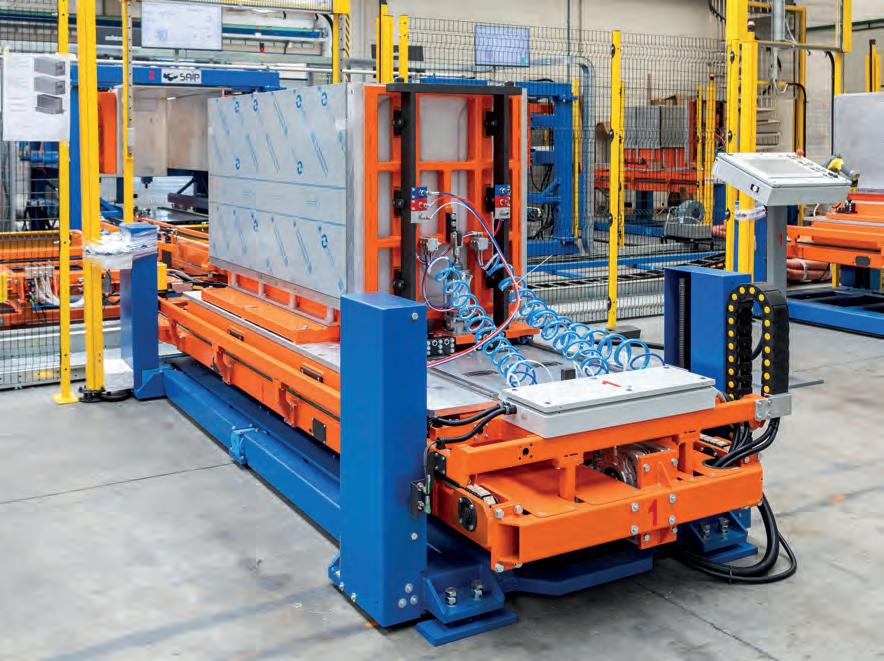
molds, and automated handling solutions, ensuring high productivity, reliability and continuous operation.
Within Pozzi Industries Group, the synergy between SAIP and Pozzi Arosio combines mechanical and chemical expertise, enabling a perfect balance between equipment and formulation and providing a strong competitive advantage.
SAIP also offers complete packages including plant supply, chemical formulation development and integrated technical support. This approach helps improve insulation performance, reduce product weight and optimize final characteristics, while meeting high quality and environmental standards.






by Giulia Caballini di Sassoferrato

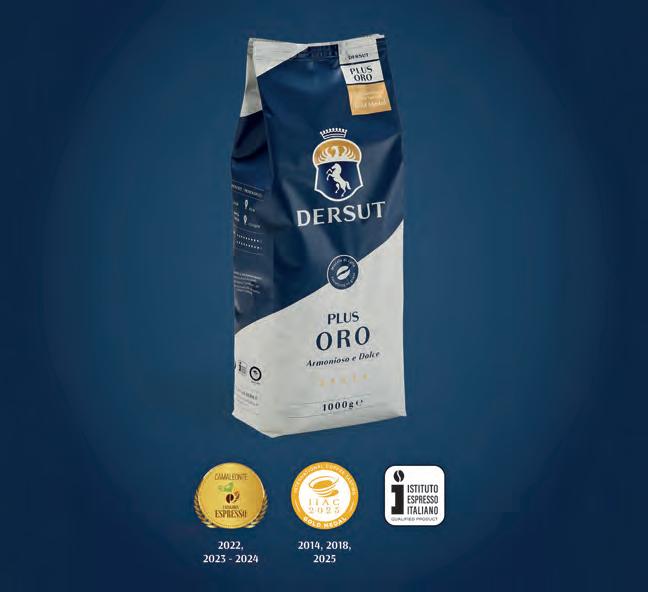
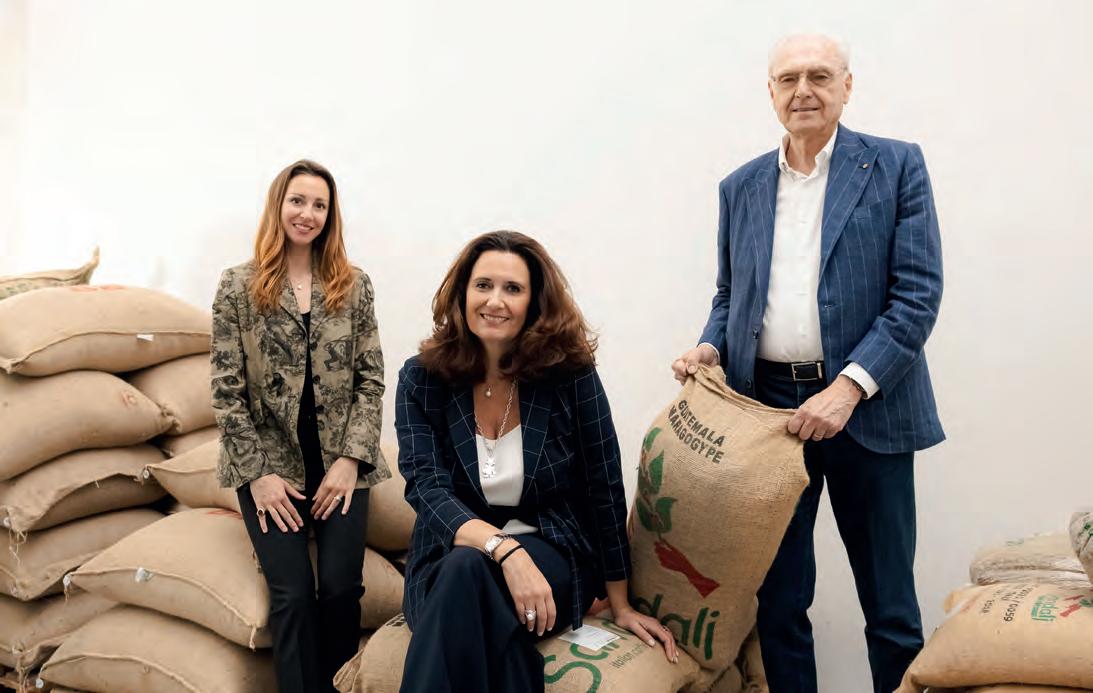
Dersut embodies a long-standing Italian roasting tradition combined with a contemporary vision of the market. Giulia Caballini di Sassoferrato, Marketing Manager, introduces the company and focuses on Plus Oro, the flagship blend that best represents the brand’s identity and premium positioning.

Dersut has built its reputation over decades of experience. What core values define the company today and how do they influence your positioning in both domestic and international markets?
Dersut’s identity is rooted in a strong combination of Italian roasting tradition, consistent quality and long-standing relationships with customers. These principles guide our daily work, from the careful selection of coffee origins to the control of processing stages and roasting techniques.
Over the years we have developed consolidated production know-how that blends artisanal expertise with advanced technologies. For horeca professionals this translates into reliability and consistency in the cup, two essential factors in high-volume environments.
At the same time, sustainability and responsibility are becoming increasingly central to our choices, both in sourcing and in the management of the supply chain. Thanks to this approach, Dersut positions itself as a partner capable of delivering an authentic Italian espresso experience while responding to the evolving expectations of international markets.
Plus Oro is your reference blend. What makes it distinctive in terms of origin selection, sensory profile and overall cup performance?
Plus Oro represents one of the most distinctive expressions of our sourcing and roasting expertise. The blend combines carefully selected Arabica with high-quality Robusta, creating a structure that balances aromatic complexity and body. In the cup it offers a harmonious profile, where sweetness, persistence and intensity come together with elegant aromatic notes and a dense, velvety crema. At the same time, Plus Oro has been designed with professional performance in mind: it ensures extraction consistency, ease of use and stable results even in high-turnover environments. This combination of sensory balance and technical reliability makes Plus Oro a blend that fully reflects the character of Italian espresso.
Which target audiences and channels does Plus Oro address, and how does it respond to evolving trends in horeca and retail?
Plus Oro primarily addresses traditional cafés, coffee bars, restaurants and hotels, while also finding space in quality-oriented retail channels. Today the
market is evolving quickly, with horeca operators looking for blends that combine recognisable flavour profiles with operational reliability. Plus Oro responds to this need by offering a balance between tradition and contemporary taste preferences, appealing both to loyal espresso drinkers and to new generations of consumers.
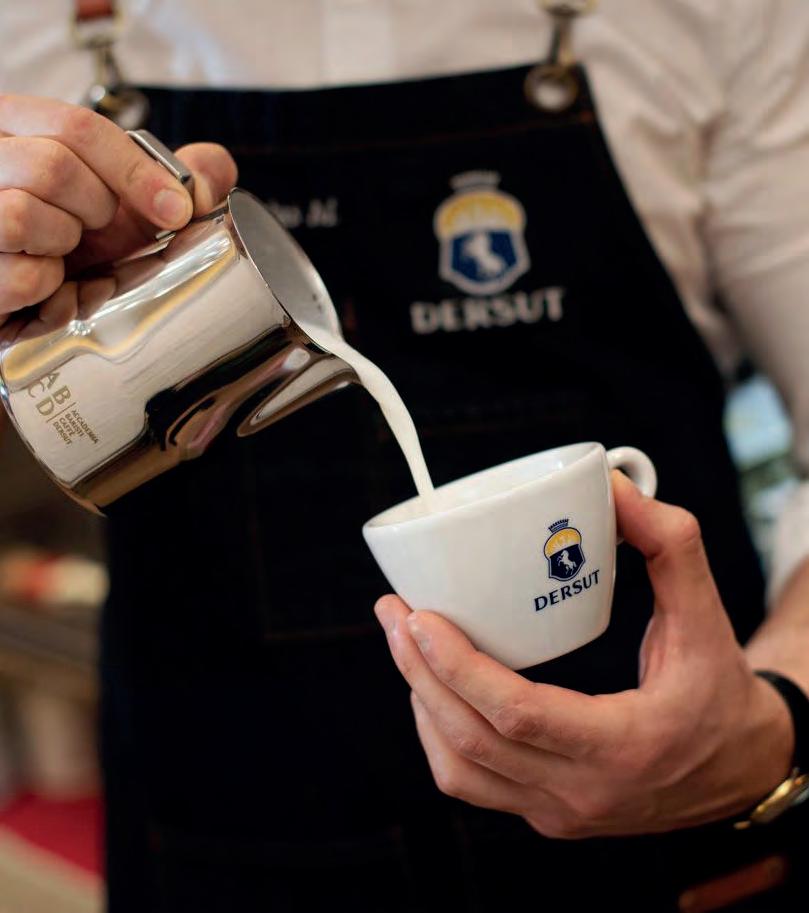
Another important aspect is versatility: the blend performs equally well in espresso extraction and in milk-based beverages, making it suitable for a wide range of menu applications. At the same
time, it supports operators who increasingly focus on brand identity and customer experience at the point of sale.
With Plus Oro, Dersut expresses the essence of its philosophy: respect for Italian coffee tradition, meticulous selection of raw materials and a clear focus on the practical needs of today’s horeca professionals, delivering a blend that combines sensory elegance with reliable performance in the cup.
www.dersut.it
The true taste of Italian coffee since 1947
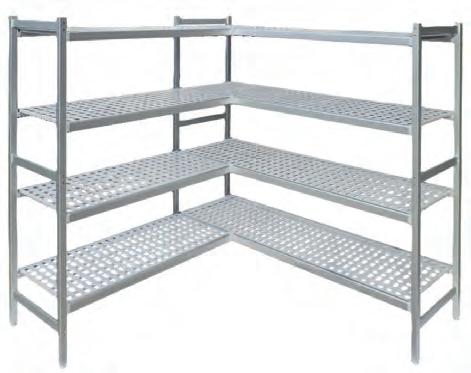
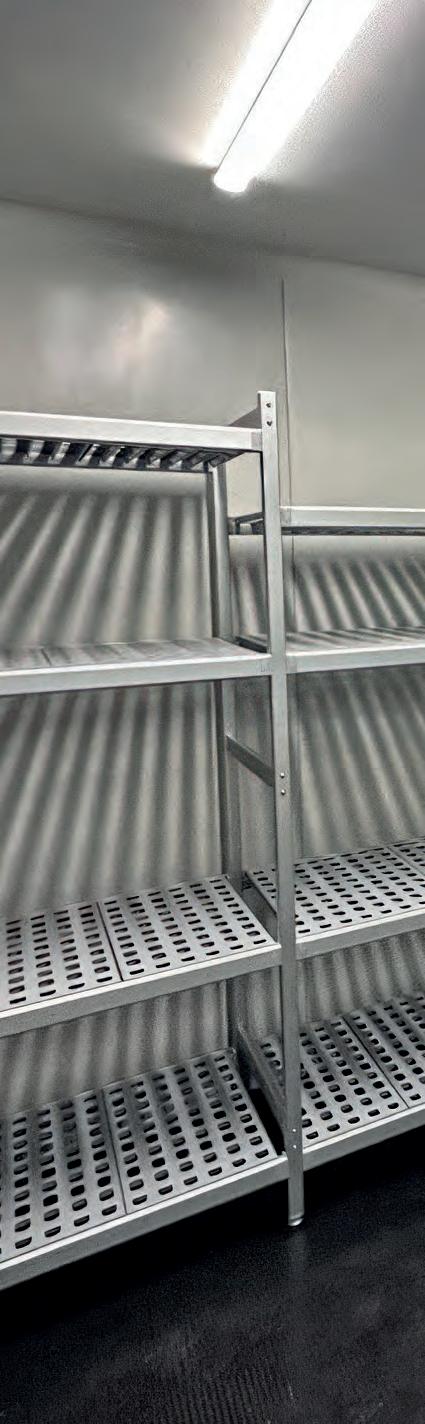
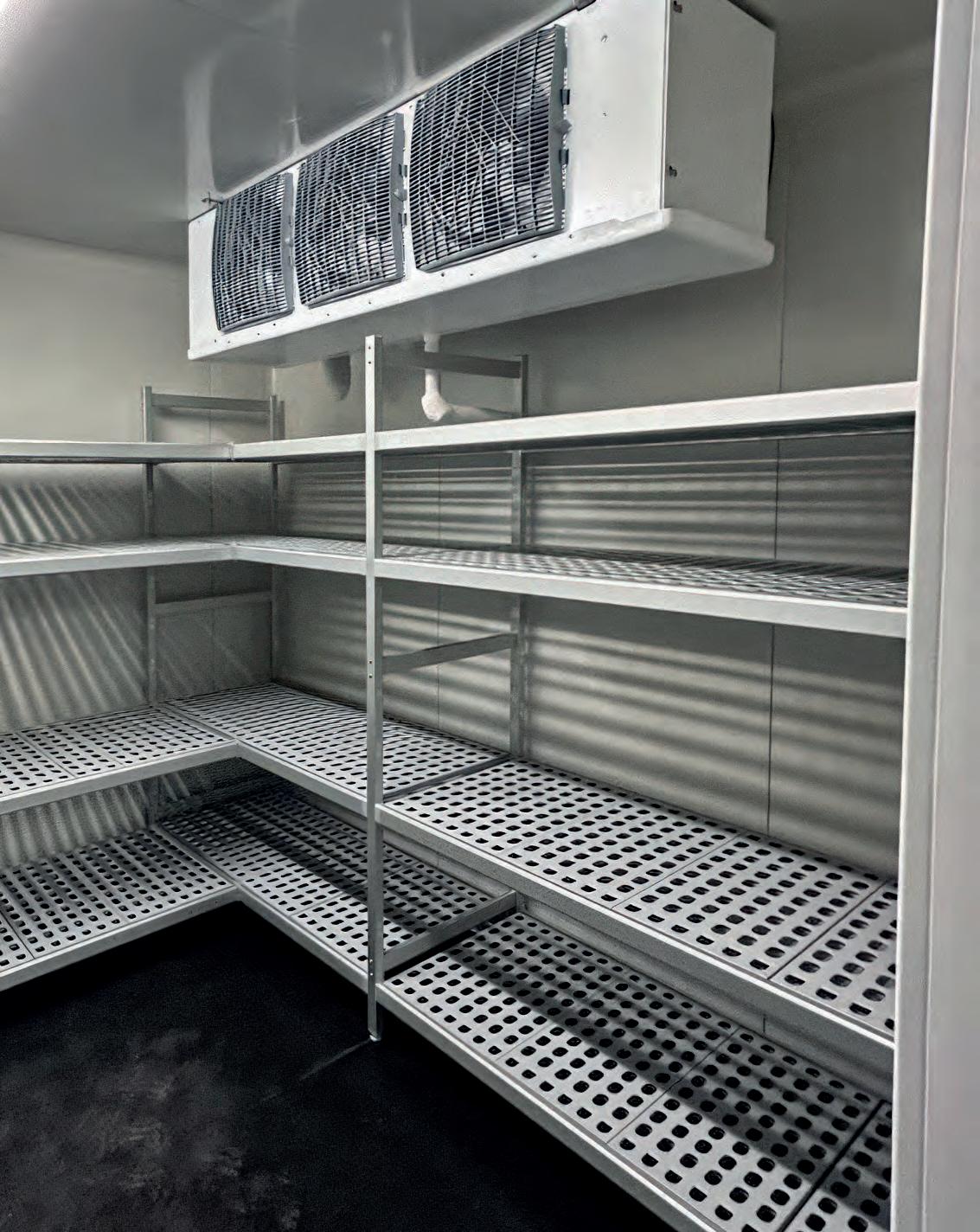
Walk into any cold room and one thing becomes immediately clear: the shelving system defines how well that space functions. It’s not just about finding somewhere to stack boxes. The shelving you choose affects daily hygiene routines, how efficiently your staff works, and whether your operation still runs smoothly five years from now. Professional operators know what to look for before they buy. Here’s what separates equipment that performs from equipment that disappoints.
Cleaning shouldn’t feel like a punishment
Think about how often your team cleans shelving. If the answer involves groans or shortcuts, you’ve identified a problem. The best systems feature removable tops that slide straight into a professional dishwasher. Smooth surfaces mean residues wash away instead of building up in corners your staff can’t reach. When cleaning becomes straightforward, people actually maintain proper standards instead of cutting corners under time pressure.
EQUIPMENT THAT PERFORMS when cleaning becomes straightforward
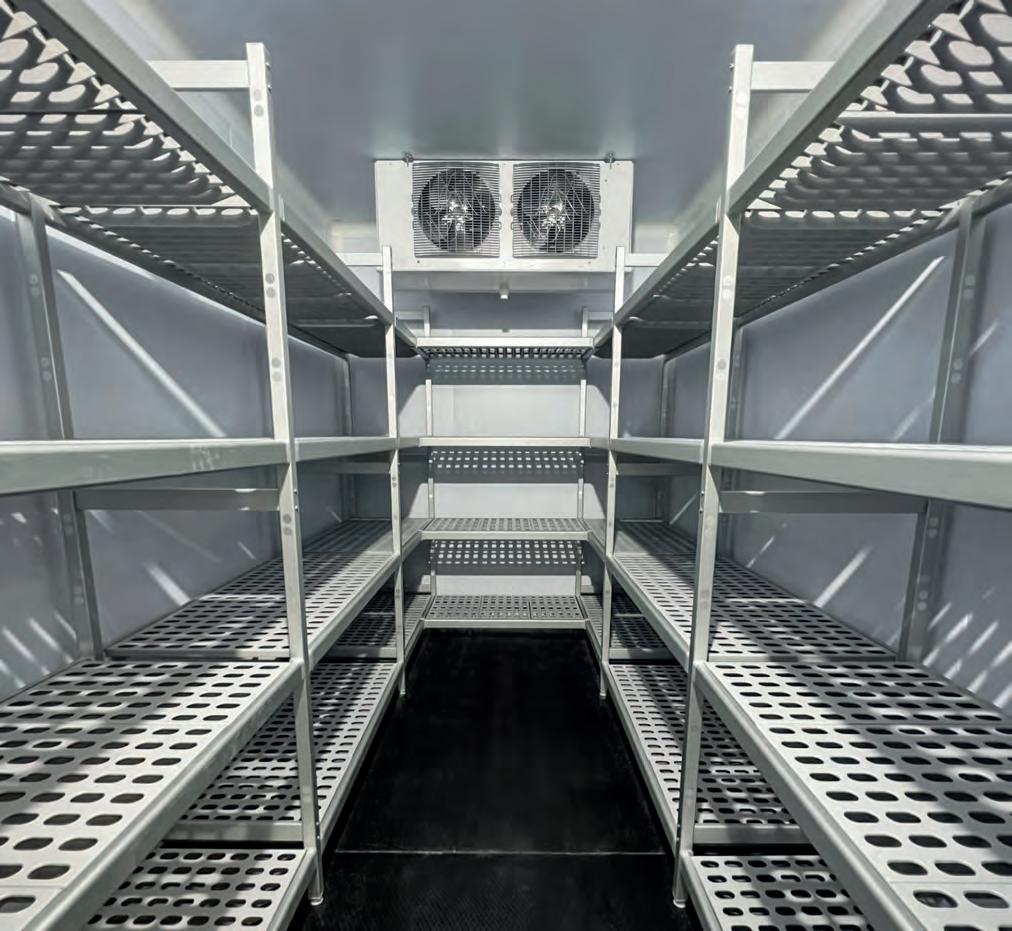
Design matters more than most people realize
Run your hand along the frame components—the uprights, traverses, and connectors. Notice any tight gaps, sharp internal corners, or small hollow sections?
Those spots become traps for moisture, food particles, and bacteria.
Quality shelving uses rounded profiles with generous radii. Everything stays cleanable with a simple wipe.
Complex shapes with hidden cavities create contamination risks that auditors notice and that condensation makes worse. In a cold environment, every crevice becomes a hygiene problem.
True modularity saves hours of frustration
Point to your bottom shelf and ask yourself: can I remove this without touching anything above it? Many systems lock all levels together, forcing you to dismantle half the unit just to deep-clean one section or adjust the layout. That approach kills productivity during busy periods when you can’t afford downtime. Independent shelf levels mean you clean, repair, or reconfigure exactly what you need without unnecessary work.
Materials face harsh conditions daily
Cold rooms test materials in ways that go beyond low temperature. Humidity fluctuates. Defrost cycles create temperature swings. Some operations introduce salt from brines or cured products. Standard steel with basic coatings corrodes within months under
these conditions. Look for treated materials—high grade stainless steel, properly treated aluminum, or engineered polymers—that resist both corrosion and oxidation. Surface treatments need to penetrate or bond permanently because any chip or scratch exposes the base metal to accelerated damage.
Ask yourself whether the shelving will still look professional and remain structurally sound three years from now.
Capacity should be practical, clearly defined, and matched to your shelf span and use—not pushed to look impressive.
Ask for a plain description of how figures are set (per shelf, evenly distributed load, span length, operating temperature) and ensure the lowest-rated component, such as cast-
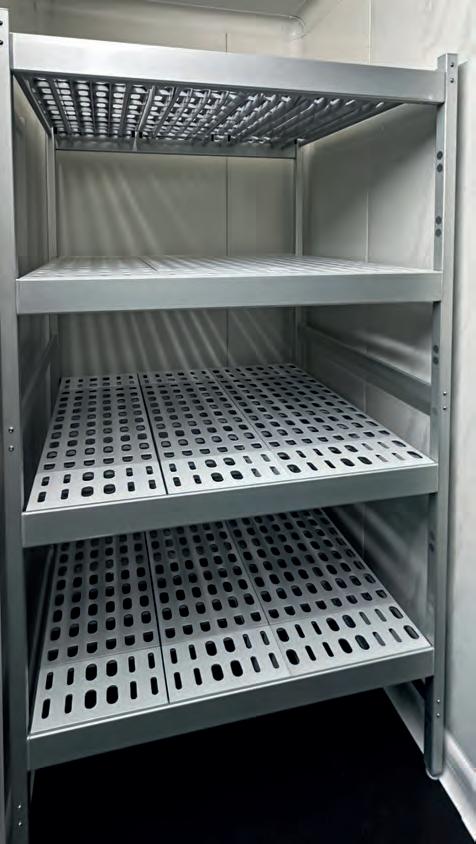
ers on mobile units, is included in the total. As a simple check, very long, unsupported spans with neat round-number ratings deserve a second look, and honest figures usually vary by length and configuration rather than staying identical across sizes.
Choose systems that let you specify capacity during design and include easy leveling and spacing adjustments, so performance matches reality day to day.
Reliability grows when your shelving comes from a recognized manufacturer with stable supply, documentation, and support throughout its working life.
Look for the maker’s name and model on the product itself, so the installation can be traced to specifications, hygiene approvals, and the exact spare parts you may need later.
Unbranded items make it difficult to link any quality claims or certificates to the actual unit, which complicates compliance and after-sales service.
Shelving that is easy to clean, resists corrosion, and stays stable delivers daily value through consistent hygiene, fewer disruptions, and predictable upkeep. When comparing options, consider the whole picture—cleaning time, reconfiguration effort, and expected service life—so the system you choose supports performance as well as price.
The difference between adequate and excellent cold-room shelving shows up in daily operations. Excellent systems protect your products, simplify maintenance routines, and support your team’s work every single day. When manufacturers build in quality, hygiene standards, and operational reliability from the beginning, your cold room becomes an asset that contributes to success instead of a space that constantly demands attention.
www.leoninox.com
Founded ten years ago, N-and is an innovationdriven company operating at the intersection of hardware, software and user experience design. With an international presence and a strong focus on embedded technologies, the company develops solutions that bring digital intelligence directly to machines.
N-and acts as a technology partner for both OEM manufacturers and operators in the vending and horeca industries. It supports machine builders in designing advanced interfaces, while helping operators enhance existing installations—addressing a key challenge: extending asset lifespan while improving the user experience.
A TECHNOLOGY PARTNER sustainability and efficiency
In today’s horeca environments, the quality of the experience is as important as the product itself. This is why N-and focuses on modern, intuitive interaction bringing innovation to the point of use in a seamless way.
Alongside OEM solutions, N-and develops compatible refurbishment kits designed to maximize existing investments.
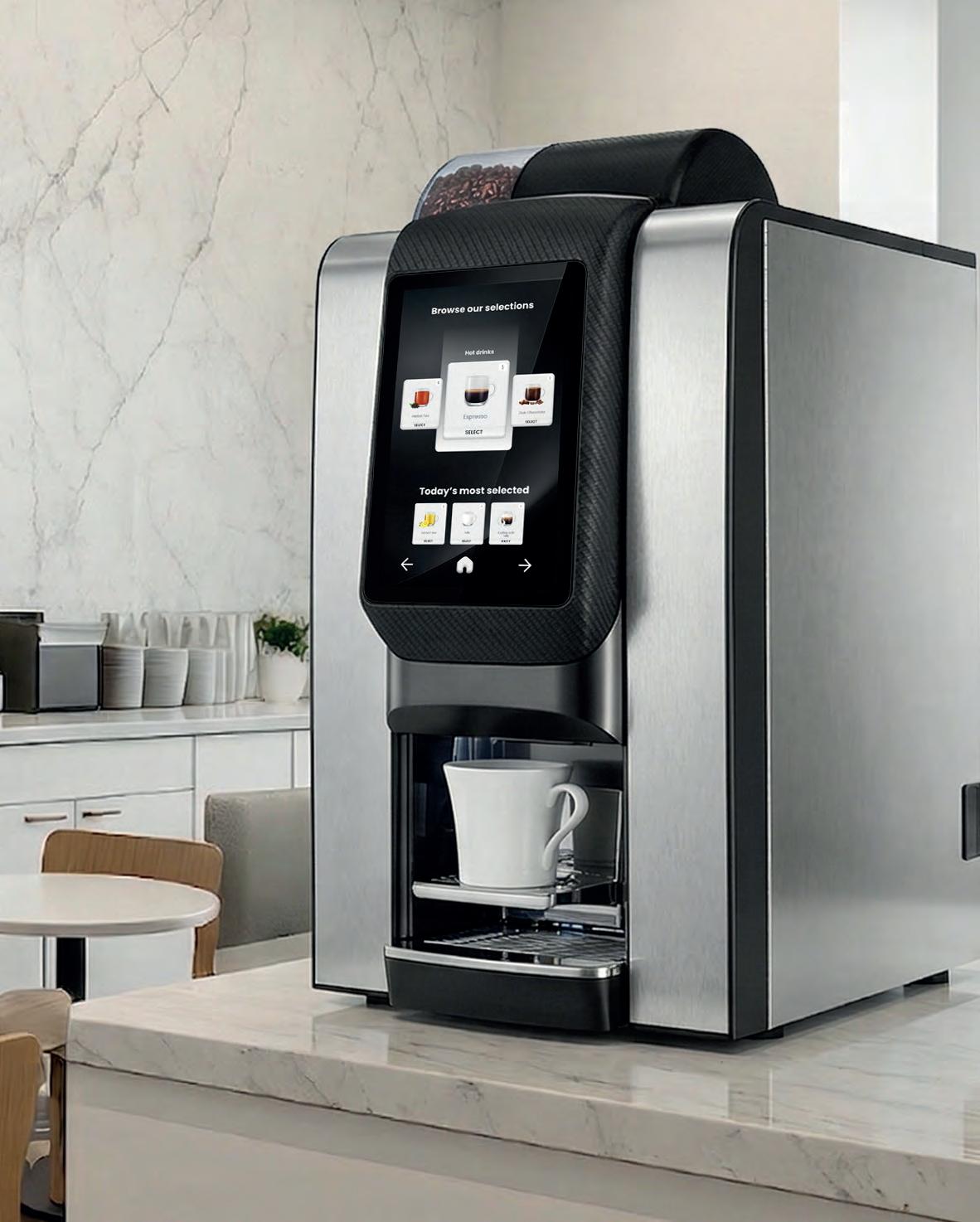
With a simple and cost effective upgrade, machines can be equipped with modern touch interfaces, improving usability while extending their lifecycle. Thanks to built in connectivity, these solutions also enable remote monitoring, diagnostics and updates, allowing more efficient machine management.
The latest addition is the Krea compatible refurbish kit, developed for one of the
most widely installed models in the horeca sector. It enables operators to upgrade existing machines with a modern touch interface, enhancing the user experience while preserving the original asset.
This approach combines sustainability and efficiency: reducing waste, optimizing resources and giving new value to installed machines without full replacement.
With its vision “Tomorrow, embedded.”, N-and integrates technology into everyday vending experiences, making them more intuitive, more contemporary and built to last.
Because the future lies not in what machines dispense, but in the value they build for people.
www.n-andgroup.com
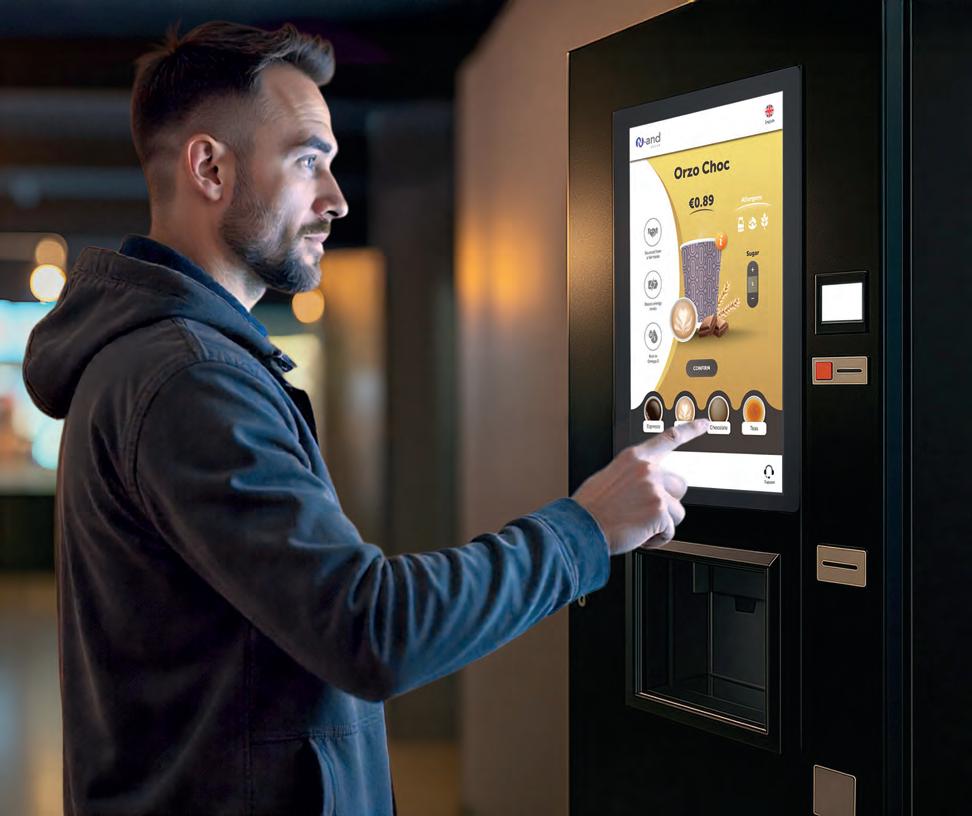
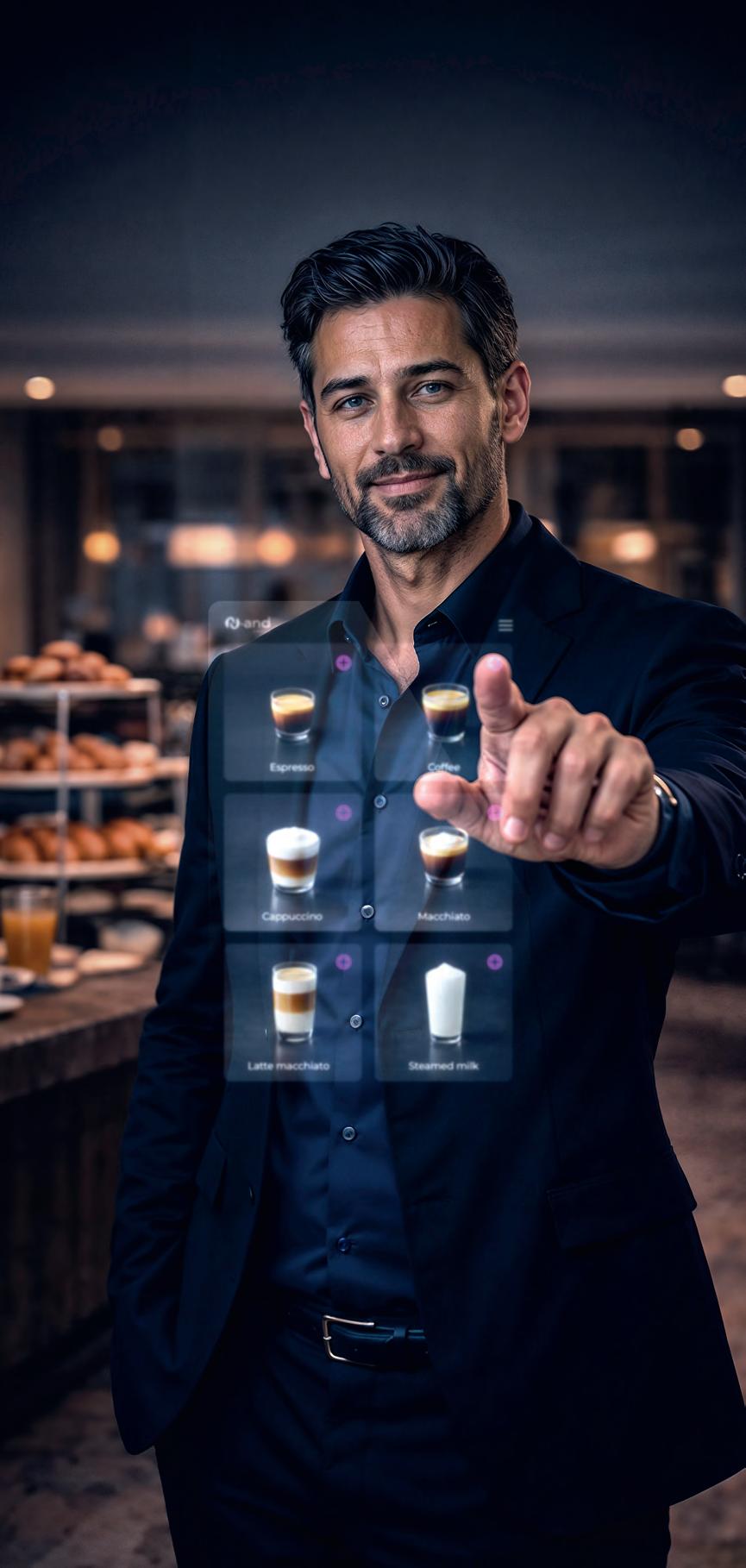
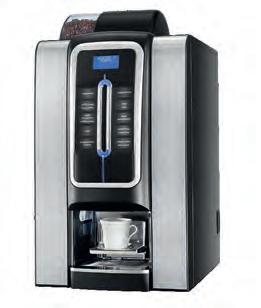
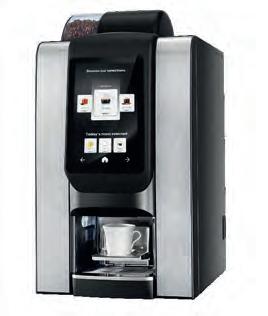
Choose sustainability. With a modest investment, N-and compatible refurbish kits extend the lifespan of your machines. Transform them into connected digital touchpoints to unlock a more engaging and intuitive user experience.


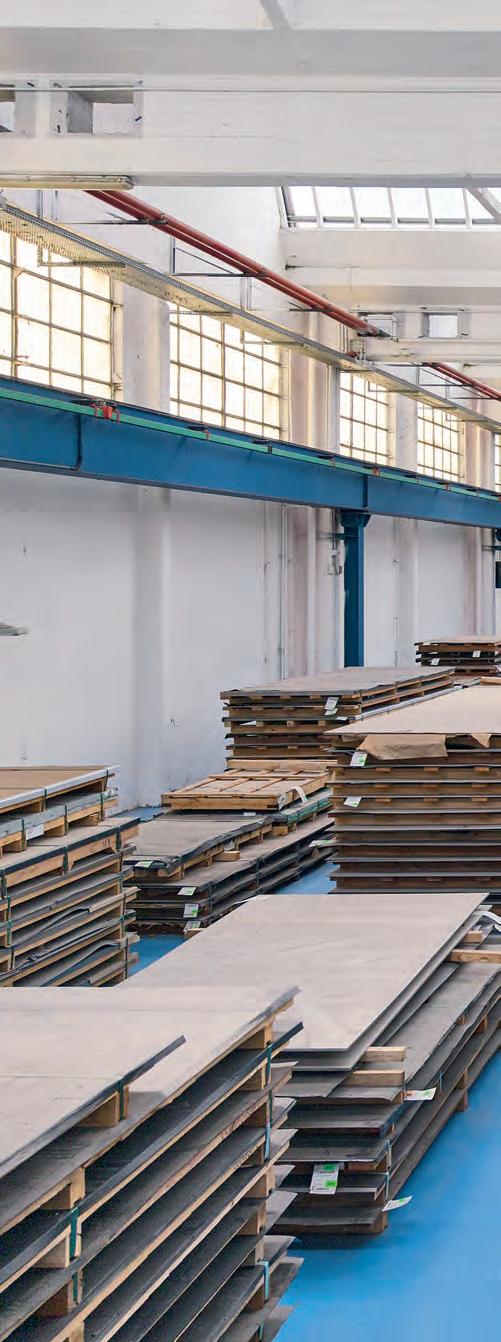
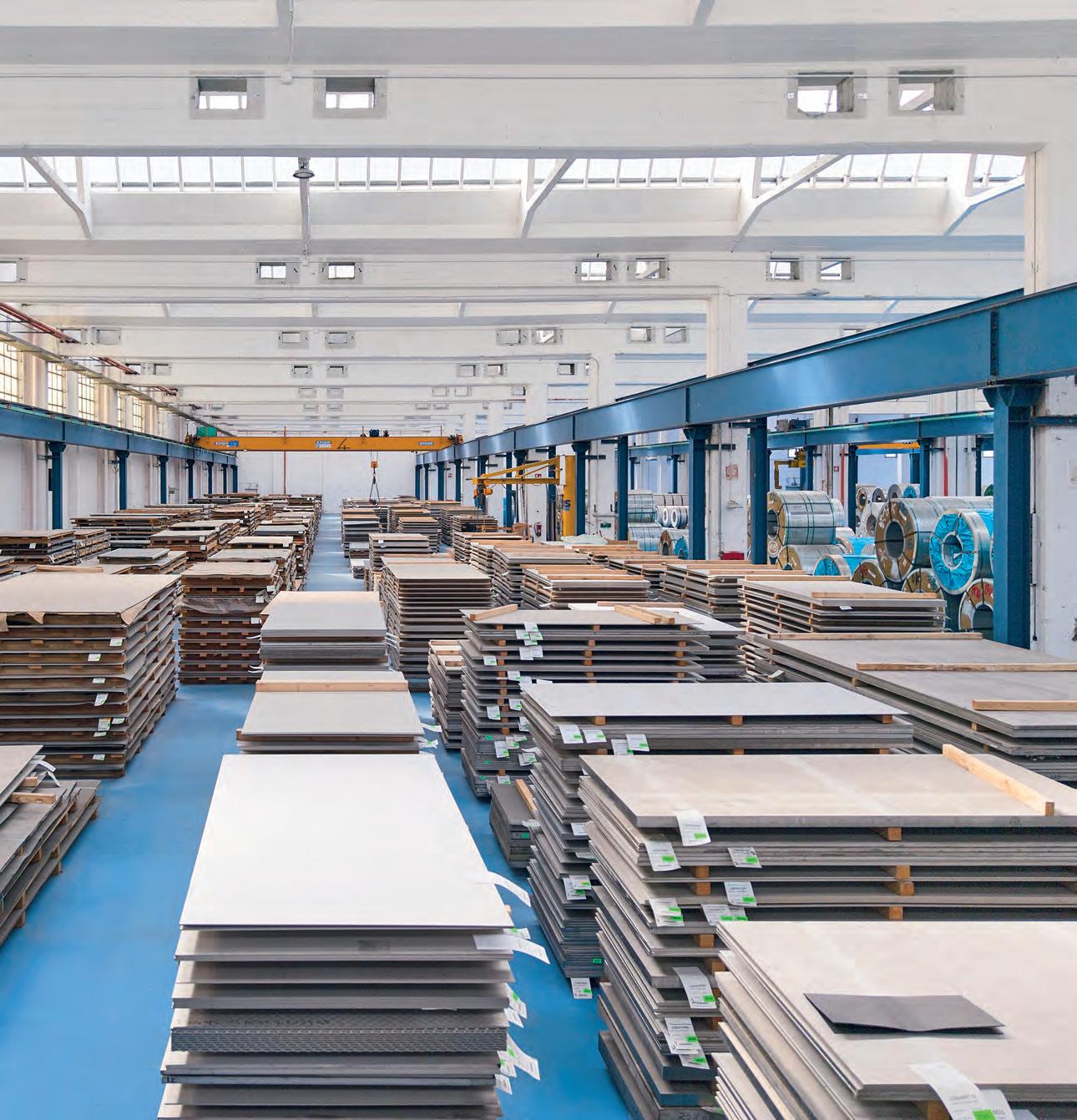
Nichelcrom Acciai Inox S.p.A. and NichelcromLAB represent an integrated system capable of offering complete and innovative solutions in the stainless steel sector. Nichelcrom stands out for its solid structure, with over 50,000 tonnes of material in stock across various grades, an advanced machinery fleet for tailor made processing, and an efficient logistics service supported by three company owned trucks, ensuring fast and reliable deliveries.
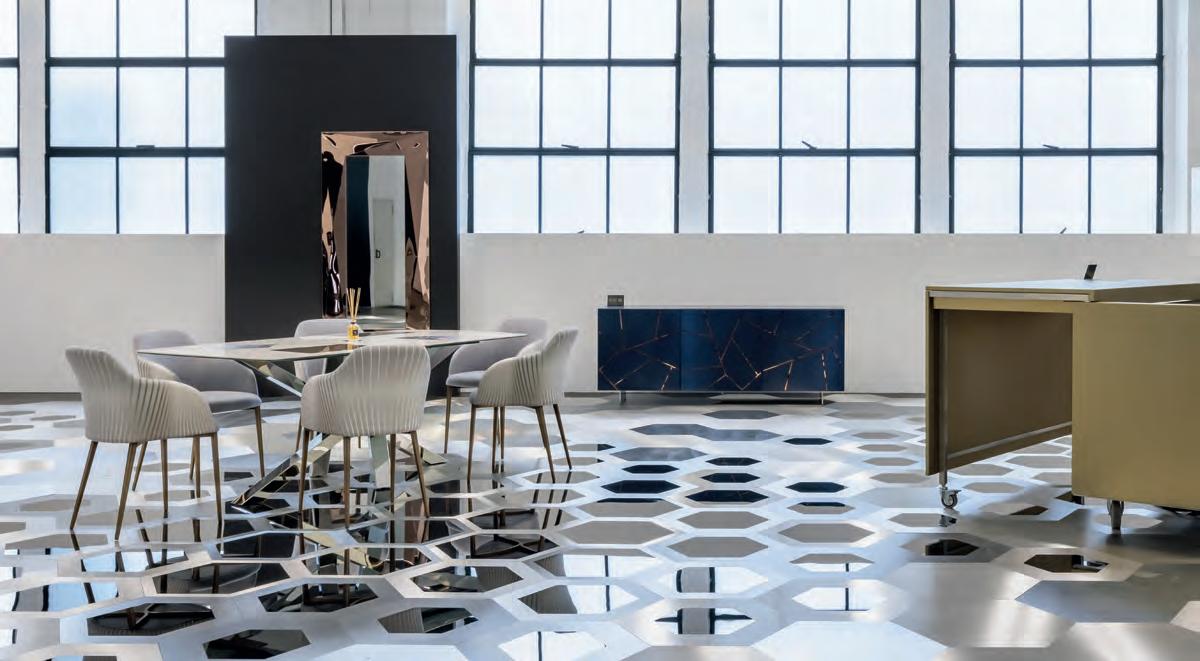
NichelcromLAB - Nichelcrom’s design division - completes the offering with advanced finishes and customization, providing coloured sheets and strips through PVD technology, premium finishes such as Supermirror, and custom processing services, including post treatment colouring. The integration of production capacity, material availability and aesthetic solutions enables the company to effectively meet the needs of the Ho.Re.Ca. sector, increasingly oriented towards quality, design and flexibility.
Nichelcrom Acciai Inox S.p.A. is a well established company in the processing and distribution of stainless steels, combining technical expertise, reliability and operational flexibility. One of its key strengths is the availability of over
complete and innovative solutions in the stainless steel sector
50,000 tonnes of material in stock, ensuring continuity of supply and quick response times, even for specific requests.The company operates with a modern machinery fleet, including cutting, slitting and brushing lines that guarantee precision and consistent quality, alongside technologies such as waterjet and plasma for tailor made processing. These capabilities address both technical and aesthetic requirements, with high standards of finishing and flatness.
The offer is further strengthened by an internal logistics system with three company owned trucks, ensuring fast and punctual deliveries while maintaining full control over distribution. The integration of material availability, production capacity and service makes Nichelcrom a single partner capable of managing the entire supply chain, up to the finished product.
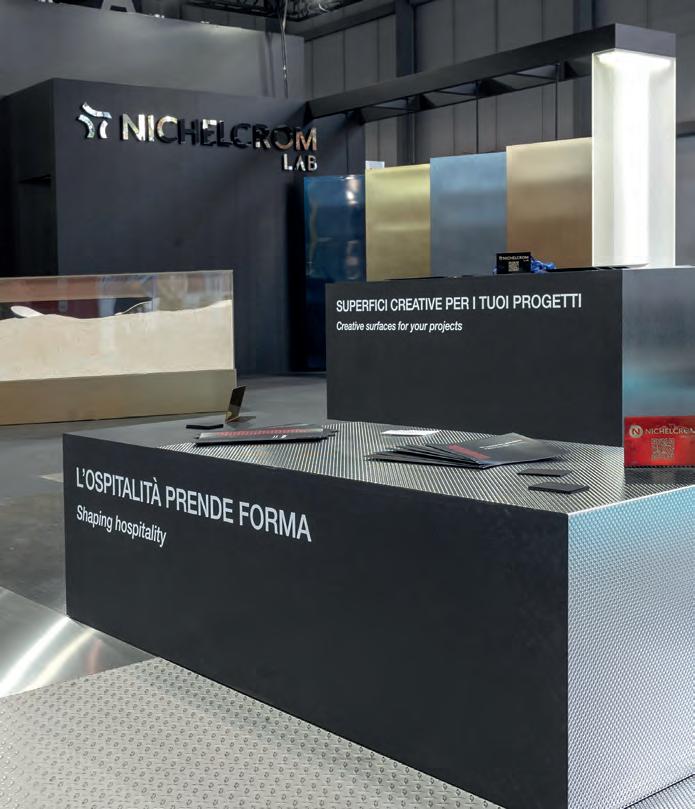
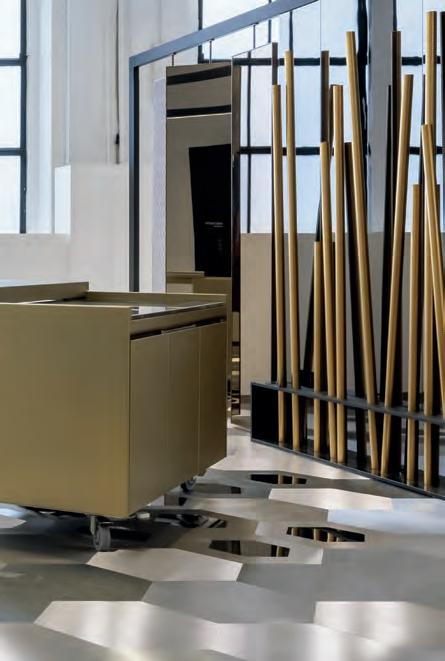
NichelcromLAB represents the natural extension of the company’s expertise into the field of finishes and customization. It acts as a partner for designers, architects and industries seeking distinctive and tailor made solutions, combining technical performance with aesthetics.
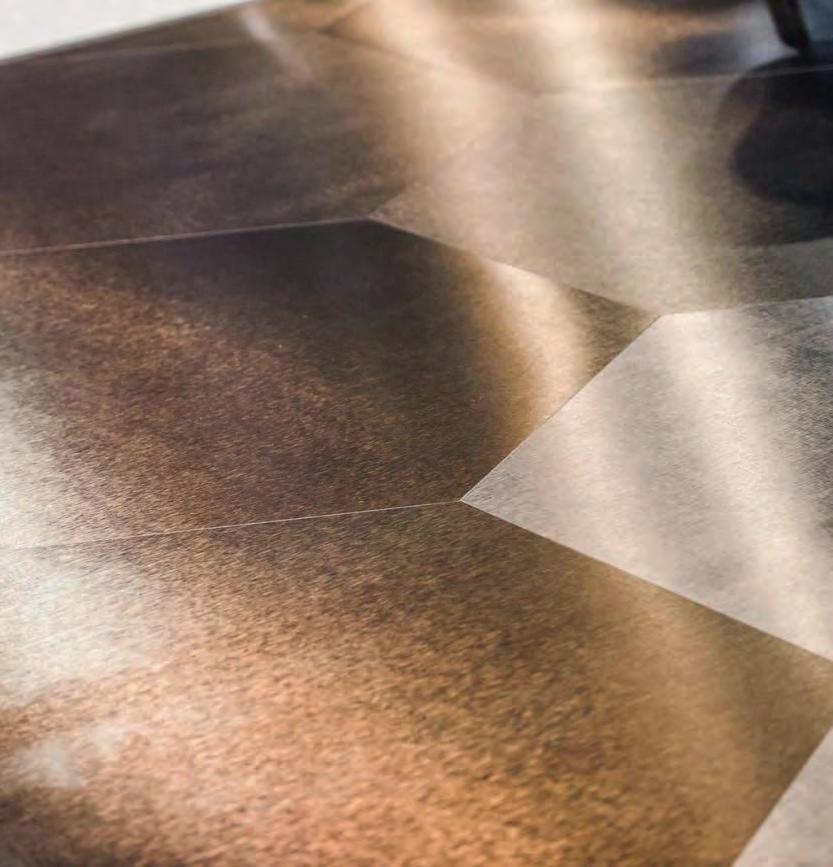
The offering includes coloured sheets and strips produced through PVD technology, ensuring resistance, colour uniformity and long term durability, as well as premium finishes such as Supermirror, known for their high reflectivity. Alongside material supply, NichelcromLAB supports customers with custom processing and project development services.
A distinctive feature is the post treatment colouring service, which allows intervention on already manufactured or installed components, expanding possibilities for customization and aesthetic upgrades.
Thanks to this integration of production, processing and finishing, Nichelcrom and NichelcromLAB provide the Ho.Re.Ca. sector with complete solutions that combine functionality, design and reliability.
www.nichelcrom.com


OVER 60 YEARS OF ANCIENT PRINCIPLES FOR MODERN SOLUTIONS
In hospitality furnishings, quality, functionality, and aesthetics are essential. Pollini Arredo Contract, a historic company in the sector, perfectly embodies the Vitruvian principle of Firmitas, Utilitas, Venustas —solidity, utility, and beauty — offering furnishing solutions that not only meet practical needs but also elevate the aesthetic and sensorial experience of guests.
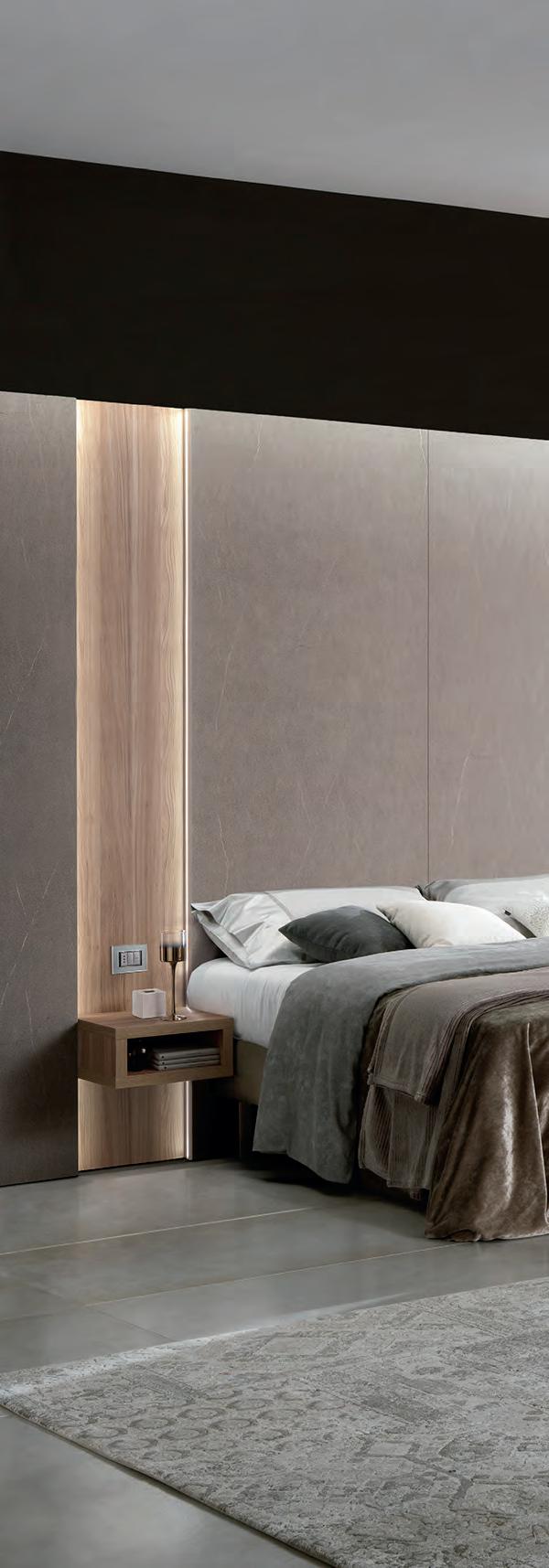
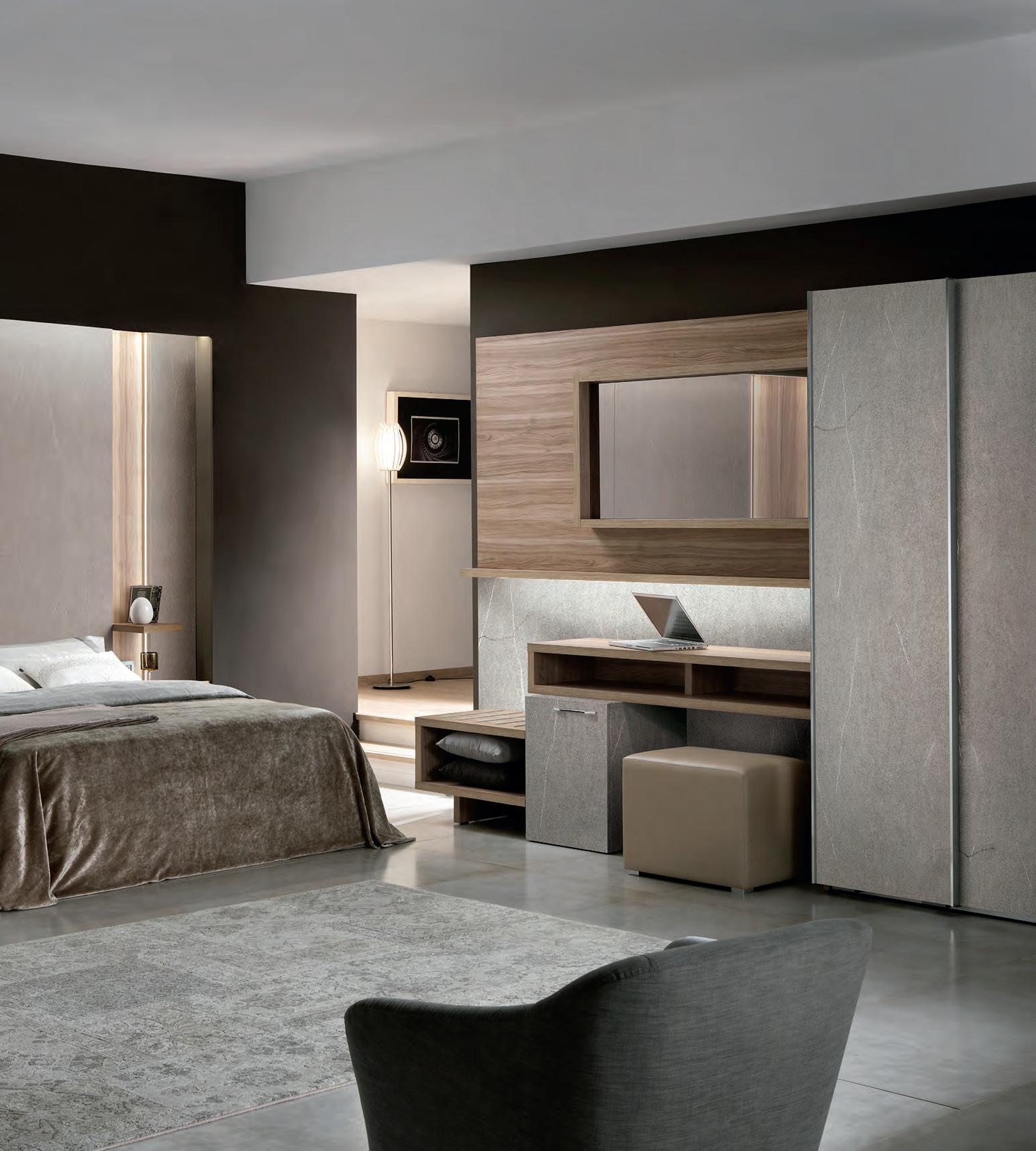
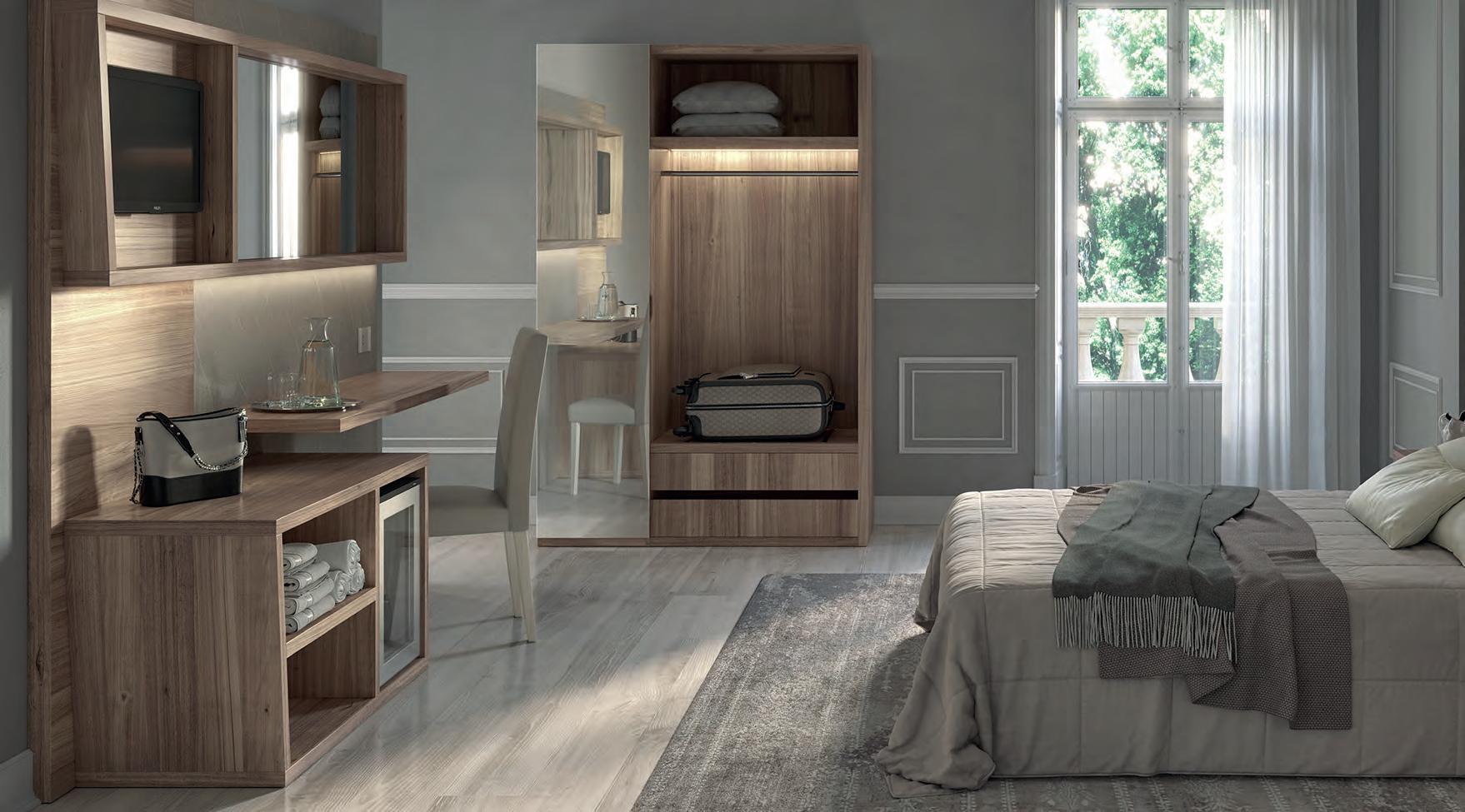
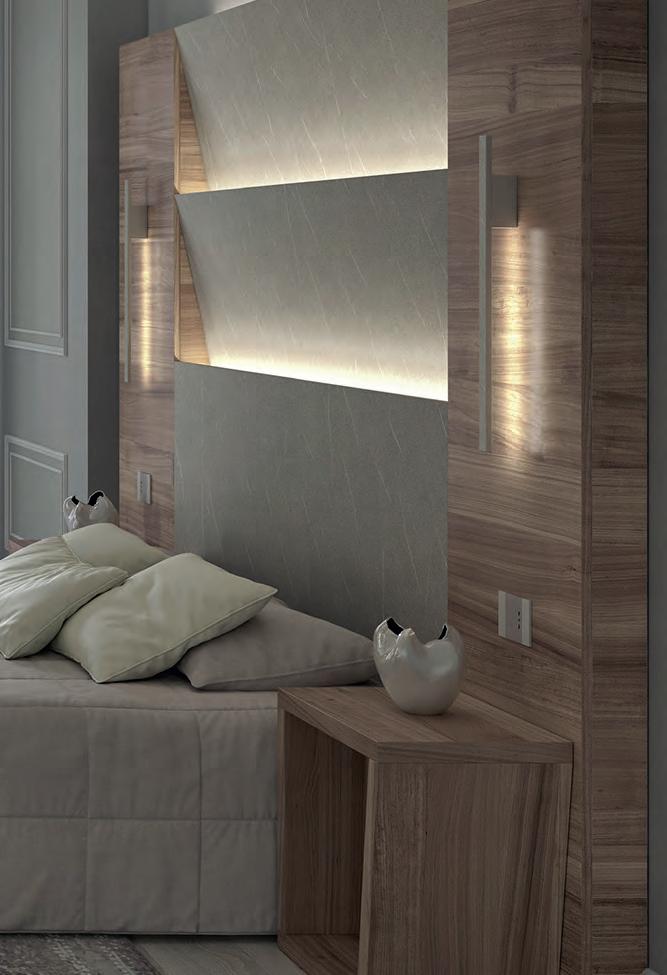
Firmitas: Solidity First. The focus on solidity is not limited to the materials, but also extends to assembly and construction techniques. Craftsmanship, combined with CNC machinery, ensures that each piece of furniture is sturdy and safe, helping to create a reliable and reassuring hospitality environment for guests.
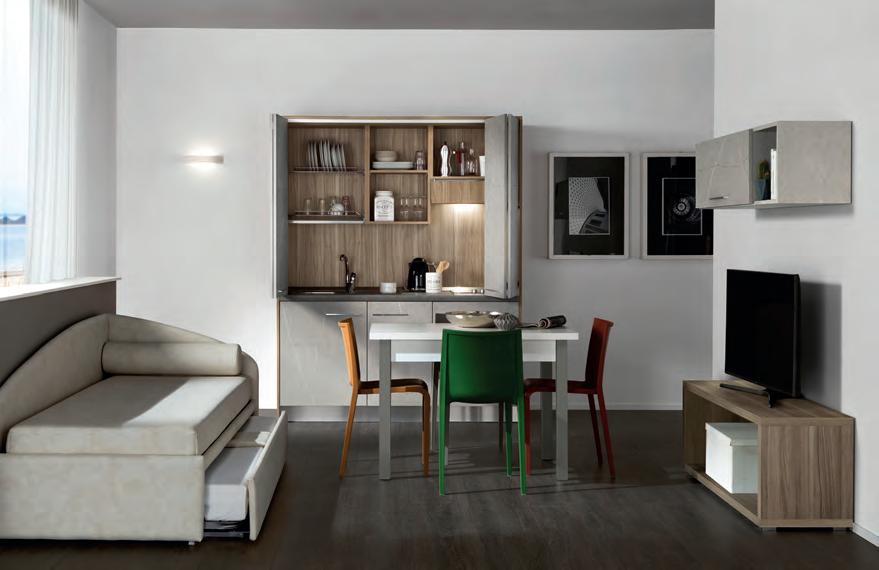
Utilitas: Functionality as a Travel Companion. From years of dialogue with hoteliers and hospitality workers, Pollini has developed solutions that

make furniture practical to manage and easy to maintain. This includes, in addition to the production of rooms and furnishings for common areas, an innovative foldaway kitchens, ideal for residences and student housing.
Venustas: Beauty that Captivates. Pollini Arredo Contract has successfully interpreted the concept of beauty through innovative and refined designs that blend tradition and modernity. Clean lines, meticulous details, and elegant finishes give each space a unique and unforgettable atmosphere.
Since 1960 Pollini Arredo Contract is a key partner for hospitality entrepreneurs looking to renovate or create new furnishings for their accommodations.
The solidity of the materials, the functionality of the designs, and the aesthetic beauty are the ingredients that make each project unique, ensuring not only maximum comfort but also the pleasure of staying in elegant spaces with meticulous attention to detail.
www.pollinimobili.it/en
Breakfast is returning to a central role in hospitality, evolving from a routine service into a strategic moment of identity, differentiation and value creation. As formats become more flexible and experience-driven, it is increasingly shaping both guest perception and business performance.
by the editorial staff
For years, breakfast was treated as a service item, almost a compulsory step between an overnight stay and check out. Today, however, it is moving back to the center of identity building in hospitality and in a significant part of contemporary foodservice. Not only because breakfast remains an immediate indicator of perceived quality, but because it has become a strategic field where margins, storytelling, wellbeing and differentiation intersect.
The shift starts from a simple fact: the first meal of the day no longer follows a fixed ritual. The boundaries between breakfast, brunch, snack and quick consumption
are becoming increasingly blurred. In business cities as well as leisure destinations, guests are looking for flexible formulas able to adapt to variable schedules, nutritional needs and less linear travel habits. For Horeca operators, this means rethinking breakfast not as a standardized buffet, but as a brand language.
Hotels that want to stand out are working on three levels. The first is clarity of offer. Less redundancy, more selection. There is no need to accumulate references if the proposal does not communicate a vision. Bread from a local bakery, regional jams, well designed juices, eggs prepared on demand, carefully arranged
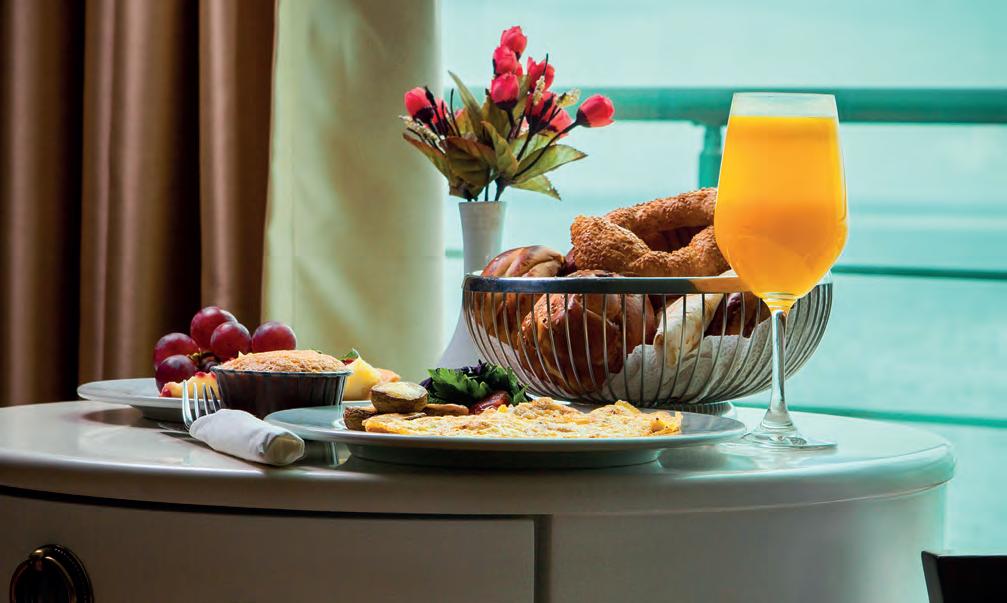
small portions and a coffee service consistent with the property’s positioning are worth more than a table overloaded with anonymous products. In other words, breakfast starts to work when it stops being generic.
The second level concerns service rhythm. With the increase of business guests, remote workers and travelers whose day is more fragmented, breakfast is moving beyond the classic seven-to-ten time slot. Grab-andgo corners, longer breakfast availability, small all day formulas and hybrid solutions aimed at both in-house guests and the outside public are multiplying. This is not only a matter of convenience. It is a way to increase monetization in a time band that has traditionally been underused and to turn hotel space into an urban touchpoint.
The third level is perhaps the most interesting: breakfast is becoming a device of perceived wellbeing. In tourism increasingly linked to rest and regeneration, light, silence, acoustic comfort and sleep quality are more and more often connected with the morning offering. Breakfast is no longer only about what is eaten, but about how the guest is accompanied into the day. Hence lighter but not punitive menus, attention to digestion, credible protein and plant based ingredients, fewer sugar excesses and a narrative less tied to abundance and closer to balance.
Design also plays a role. The traditional breakfast room, often anonymous and noisy, is giving way to more intimate, better lit and less congested solutions. Service can become modular: partly assisted, partly self service, partly freshly prepared. In this scenario even table setting changes function. The aim is no longer to impress through opulence, but to reassure through order, precision and recognizability.
For independent foodservice, the issue is no less relevant. Breakfast is becoming a competitive territory outside the hotel as well, especially in formats that combine bakery, specialty coffee, quick kitchen concepts and health oriented offers. The challenge, however, is not to chase brunch as a global trend. It is to build a morning proposal that makes sense in its own context, with a manageable supply chain, readable costs and an identity clear enough not to feel interchangeable.
Looking ahead, the real challenge will not be to offer more items, but to turn breakfast into an editorial brand experience.
A moment that tells how a property works, what relationship it has with the territory and what idea of comfort it wants to convey. At a time when hospitality is looking for new points of contact with the guest, breakfast can once again become a highly profitable
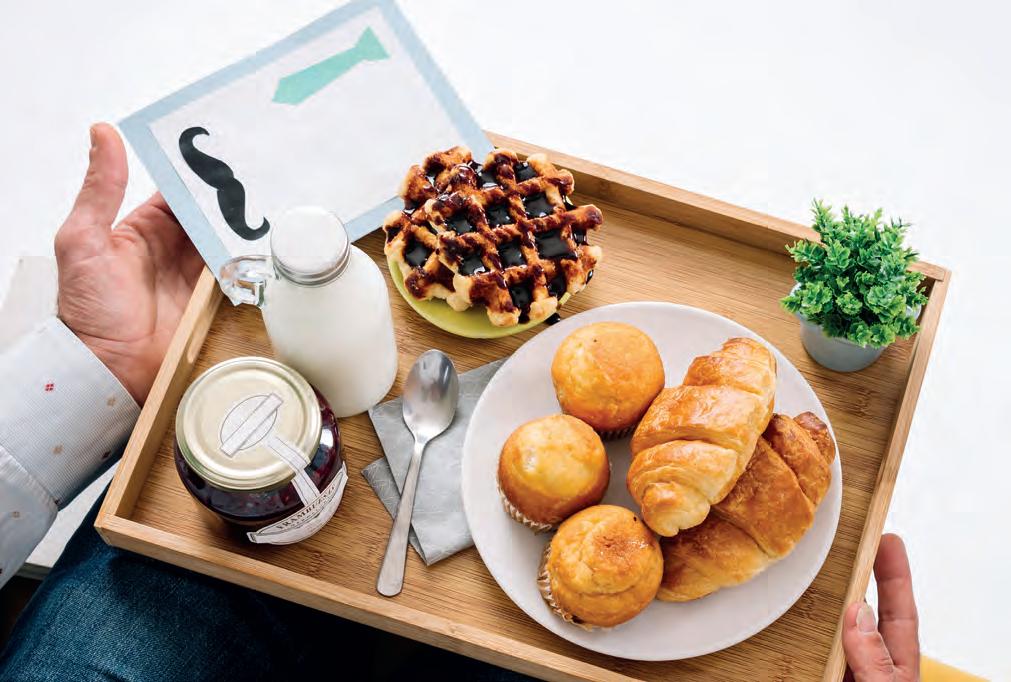
detail with strong symbolic value. And perhaps for this very reason, it deserves to leave the realm of routine operations and fully enter the project.
There is also a cost management issue that deserves to be read with fewer preconceptions. Breakfast is often perceived as an area of high dispersion, between waste, constant replenishment and forecasting difficulties. Yet a more selective and better designed offer can actually reduce waste and improve control.
Small productions regenerated with criteria, smarter portioning, menus adaptable to occupancy and seasonality, integration between in-house preparation and local suppliers: the breakfast of the future is not necessarily more expensive, it is more thought through. And when it is well thought through, it also becomes more sustainable from an industrial point of view.
This also opens up a question of food inclusivity. Requests linked to intolerances, plant based preferences, lactose reduction or sugar awareness can no longer be managed as marginal exceptions. But it also makes no sense to create punitive islands that feel secondary or sadly diet-oriented. The best hospitality will be the one
capable of integrating different options into a harmonious offer, avoiding the impression that some guests have access to the “real” breakfast while others only get a corrective version of it.
This is why breakfast is becoming central again in reputational evaluations. In a short stay, especially a business one, it may be one of the very few truly memorable touchpoints. If it works, it raises the overall memory of the property. If it disappoints, it drags down the perception of the entire stay. At a time of brief reviews, algorithmic recommendations and instant comparison between similar offers, this detail weighs more than it seems.
Breakfast, in short, is no longer an appendix. It is a narrative and commercial threshold, an area where food cost, positioning, experience and wellbeing converge. Those who continue to treat it as a mere standard risk losing one of the smartest opportunities to create value.
Those who know how to treat it as a small daily manifesto of their way of doing hospitality will instead have in their hands a discreet, replicable and surprisingly contemporary format.
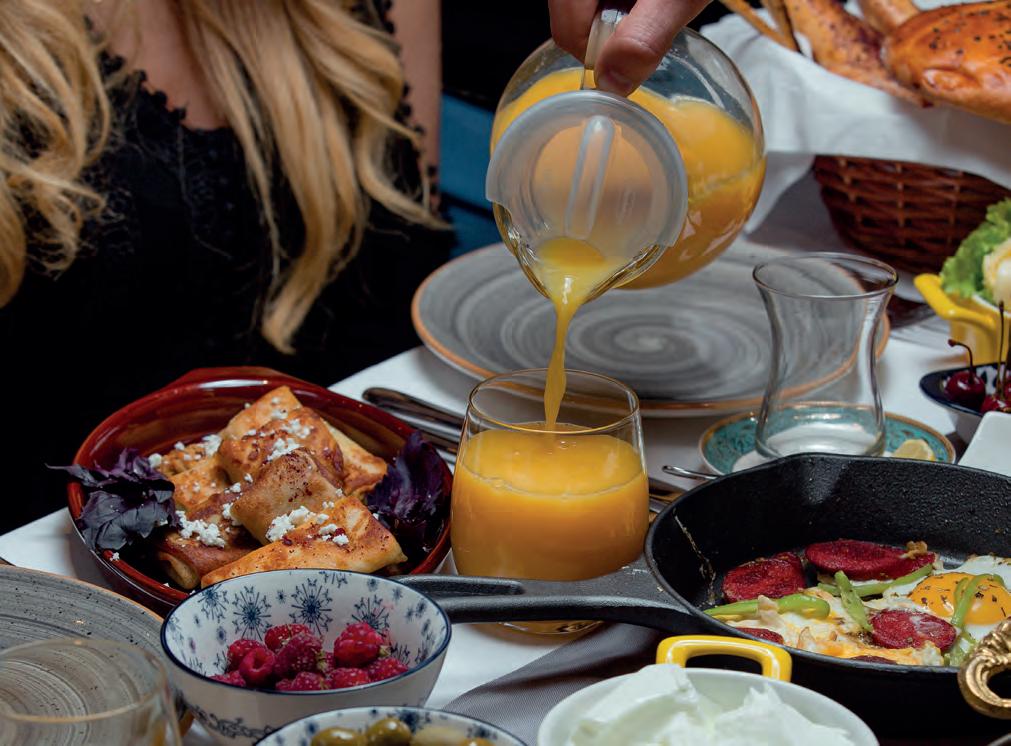

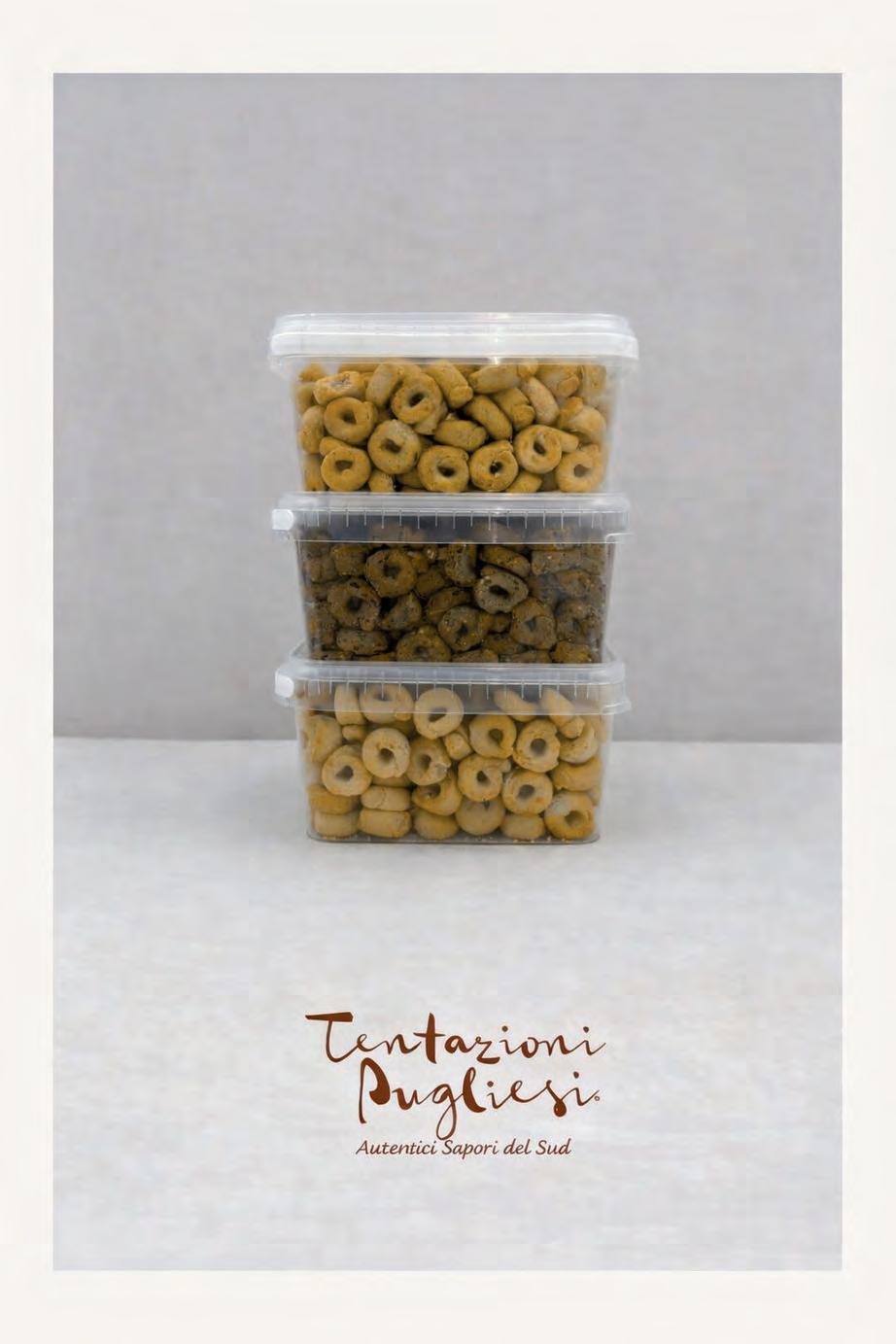
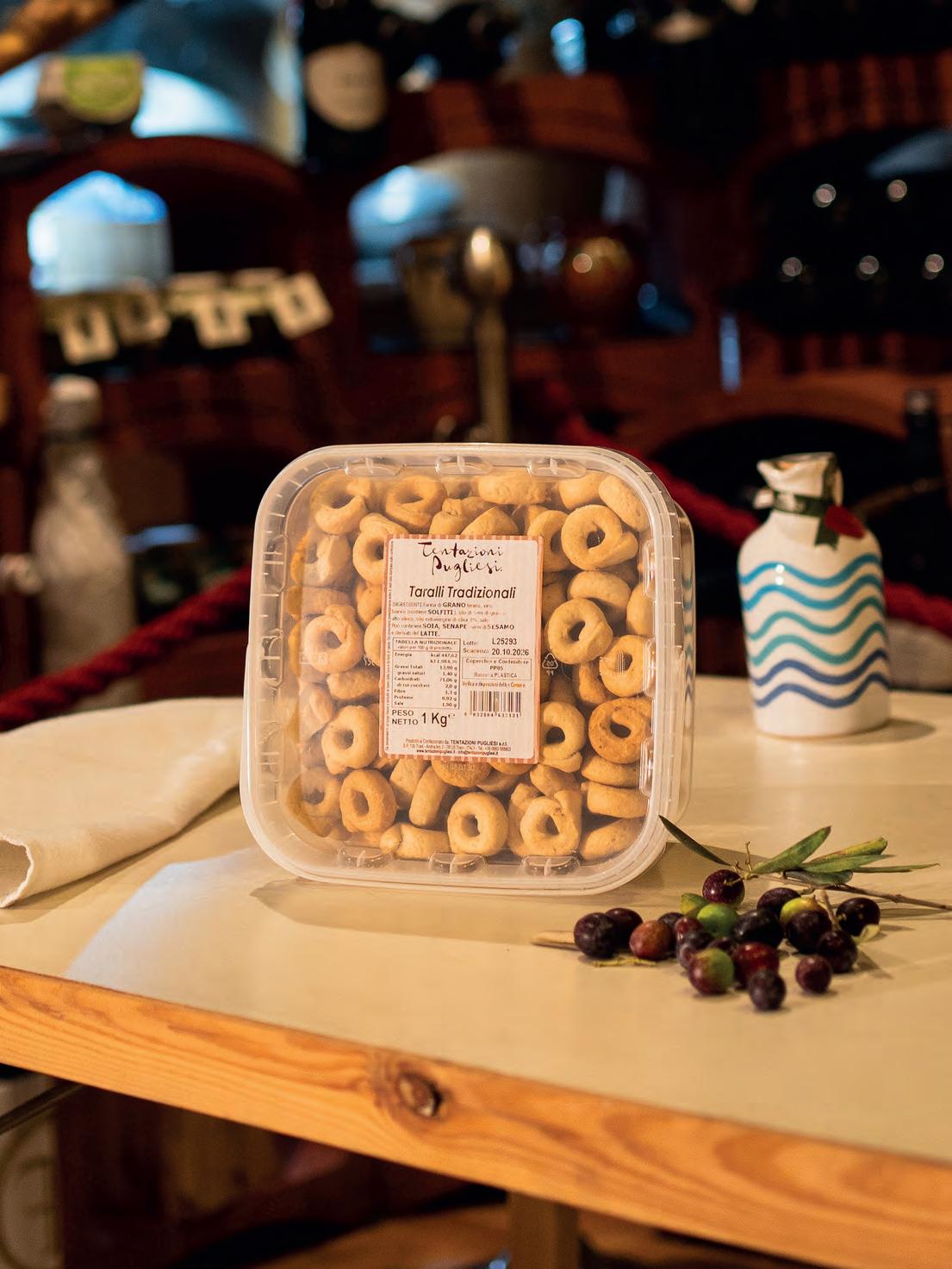
by Stefano Sopranzetti
& Marketing Manager at Sifim
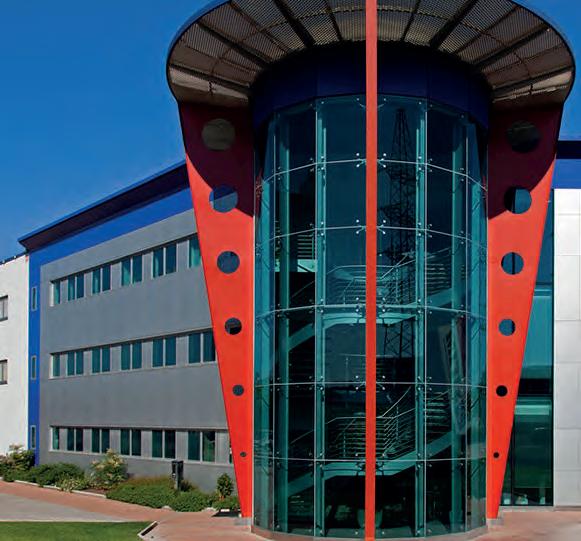

Over the past two decades, commercial kitchen hoods have significantly improved their filtration systems. Stefano Sopranzetti, Sales & Marketing Manager at Sifim, explains how the company contributes to this evolution through high performance filters designed to enhance safety, efficiency and air quality in professional kitchens.

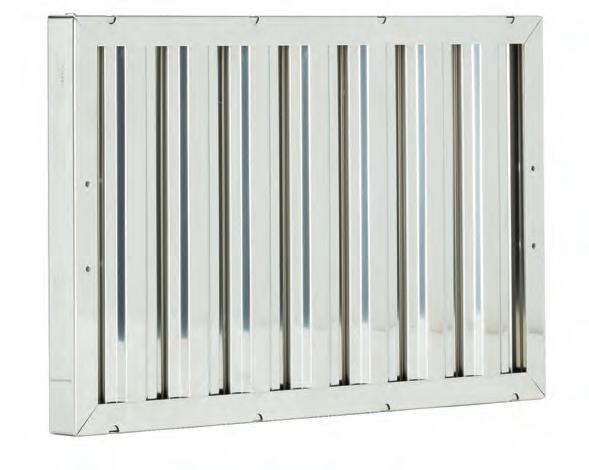
How have filtration systems evolved in recent years?
In the last twenty years, filters have moved from simple mesh solutions to labyrinth and combined systems with much higher performance.
At Sifim, we design filters by studying shapes, materials and compositions that are first tested in our laboratory.
Only after strict filtration and fire resistance tests are successfully passed are the products introduced to the market. This approach ensures consistent performance and reliability.
What distinguishes the Sifim product range?
Our range includes various types of labyrinth, combined and odour control filters.
We offer solutions starting from solid entry level performance up to next generation filters developed through intensive research, achieving higher efficiency without increasing pressure drop.
Combined filters, made of a labyrinth section and a mesh section, are often the preferred choice to ensure optimal performance. Higher efficiency also means greater environmental responsibility, as more grease is retained and odours are reduced, resulting in cleaner air being released into the environment.
How do certifications and maintenance impact safety?
All our filters are designed to maximise efficiency while limiting pressure loss.
Performance is tested according to VDI 2052, which measures aerosol separation efficiency. Labyrinth filters, and combined models where possible, are certified for fire safety in accordance with EN or UL standards. We believe it is essential to provide certified and tested products for kitchen safety. Proper positioning and maintenance are equally important, as incorrect use can increase noise levels and create fire risks.
What are the future directions for kitchen filtration?
The market is moving towards more efficient, sustainable and energy conscious solutions. Filters will remain central in grease retention and fire prevention. Our ongoing research focuses on improving performance, reducing odours and lowering noise to further enhance kitchen environments.
Filtration today is not just a technical component but a key factor in safety, compliance and environmental quality within professional kitchens.
Visit: www.sifim.it
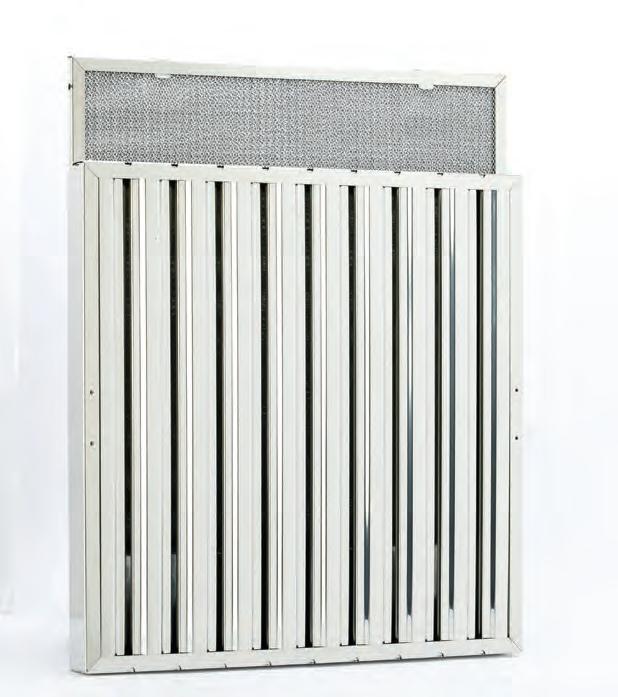
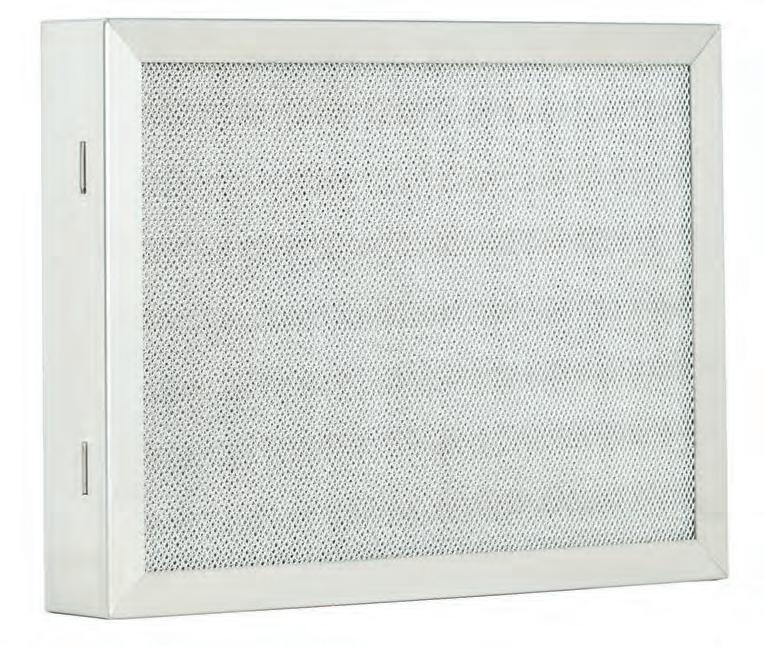
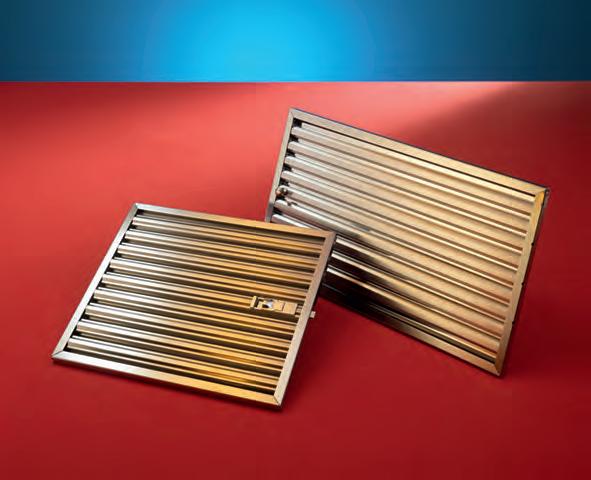
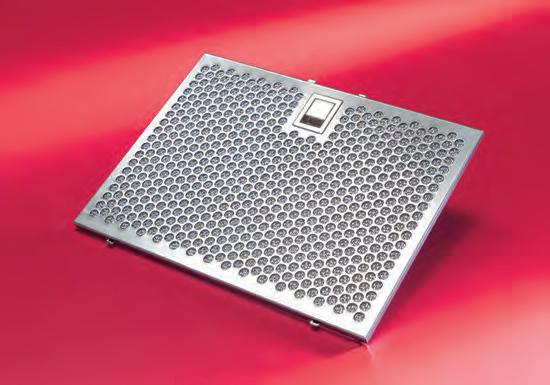
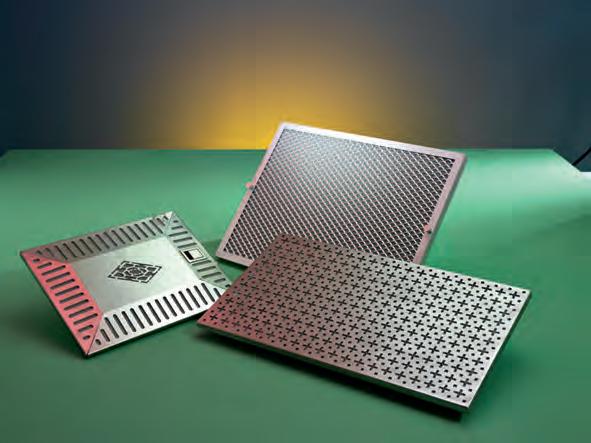
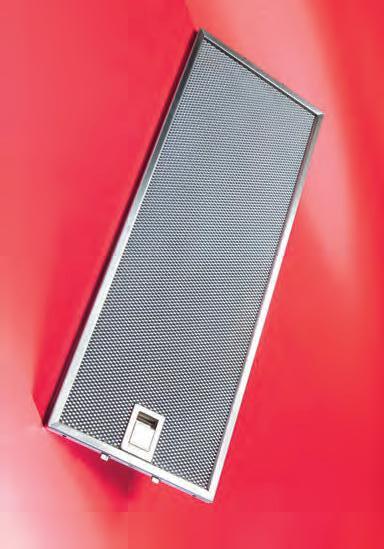
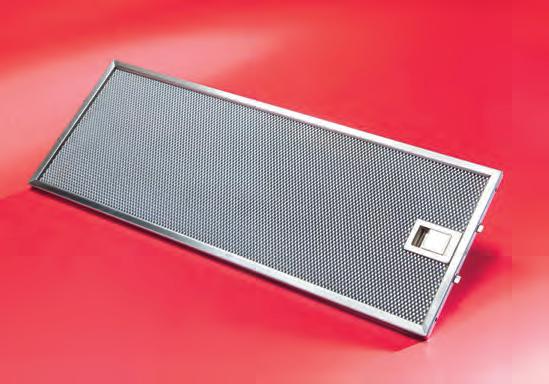
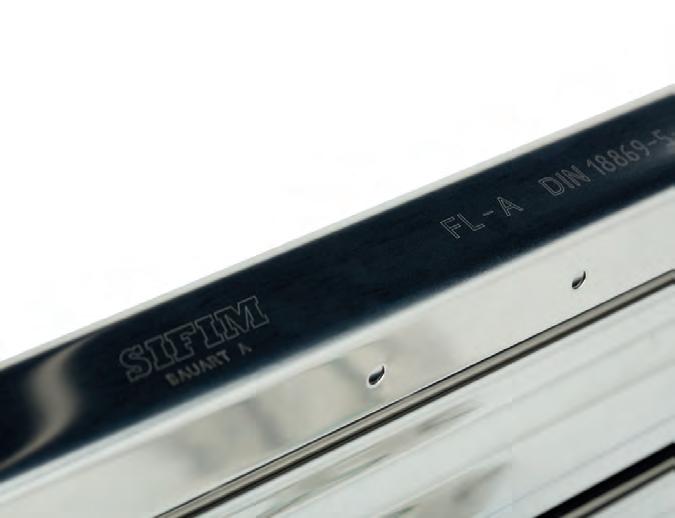

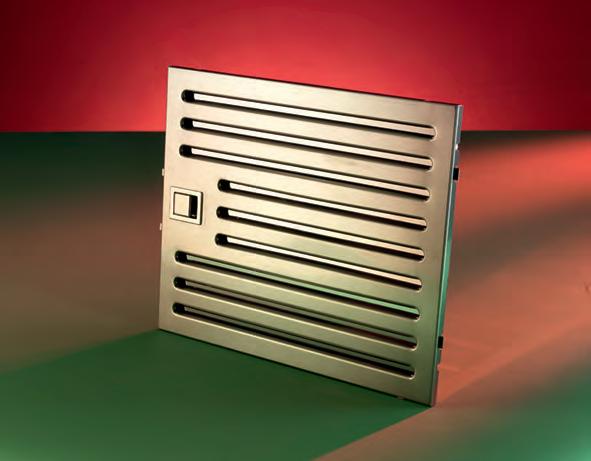
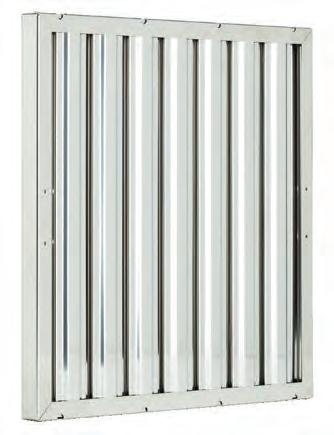
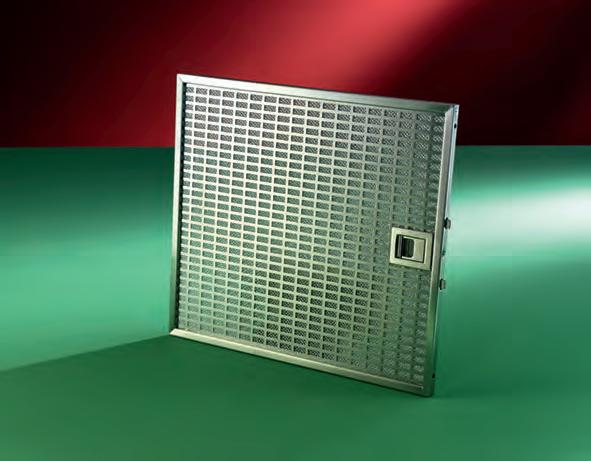
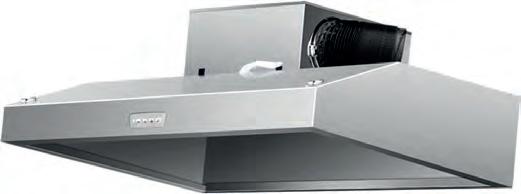
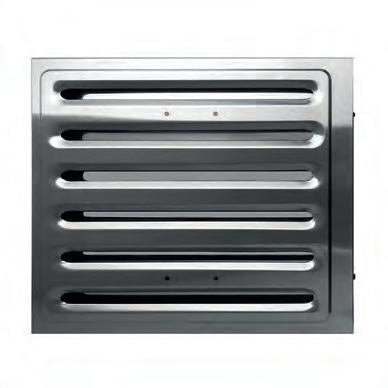


In the evolving landscape of professional refrigeration, 2026 marks a defining milestone for Ucinque (U5).
Labeled as the “Year of Sustainability,” this period signals the launch of a strategic Sustainability Reporting journey, guided by a clear principle: “High-performance, safe, and sustainable refrigeration”.
A Strategic Commitment to ESG U5 has fully integrated Environmental, Social, and Governance (ESG) factors into its corporate identity. By aligning with the UN 2030 Agenda, the company is transforming sustainability from a regulatory obligation into a core “strategic infrastructure”. Key goals in their three-year Action Plan include reducing greenhouse gas emissions, enhancing product durability, and fostering a transparent, circular supply chain. This approach ensures that customers benefit from long-lasting, repairable equipment that remains compliant with the strictest EU regulations.
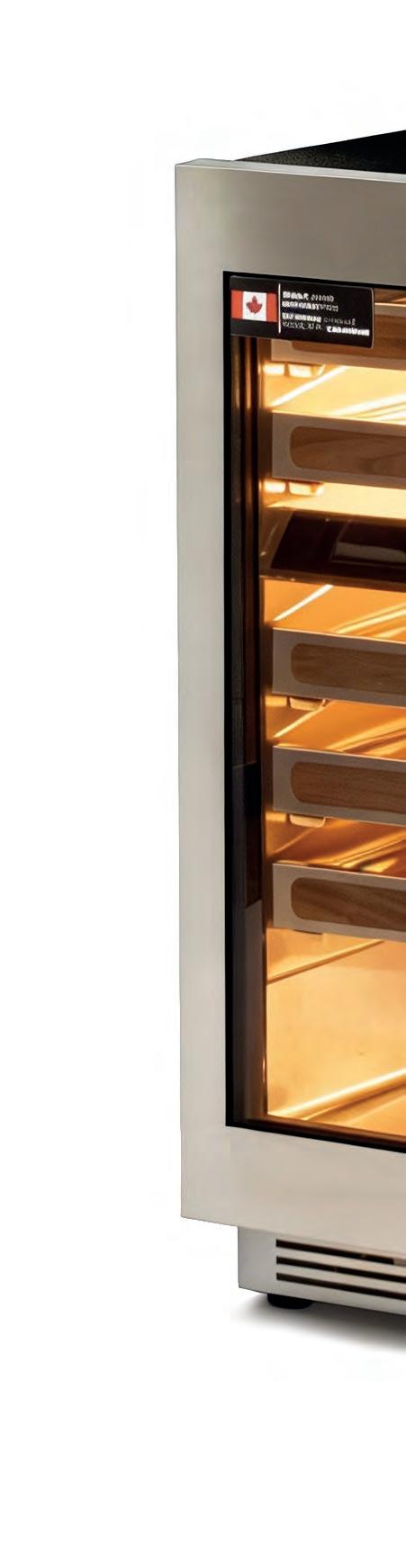
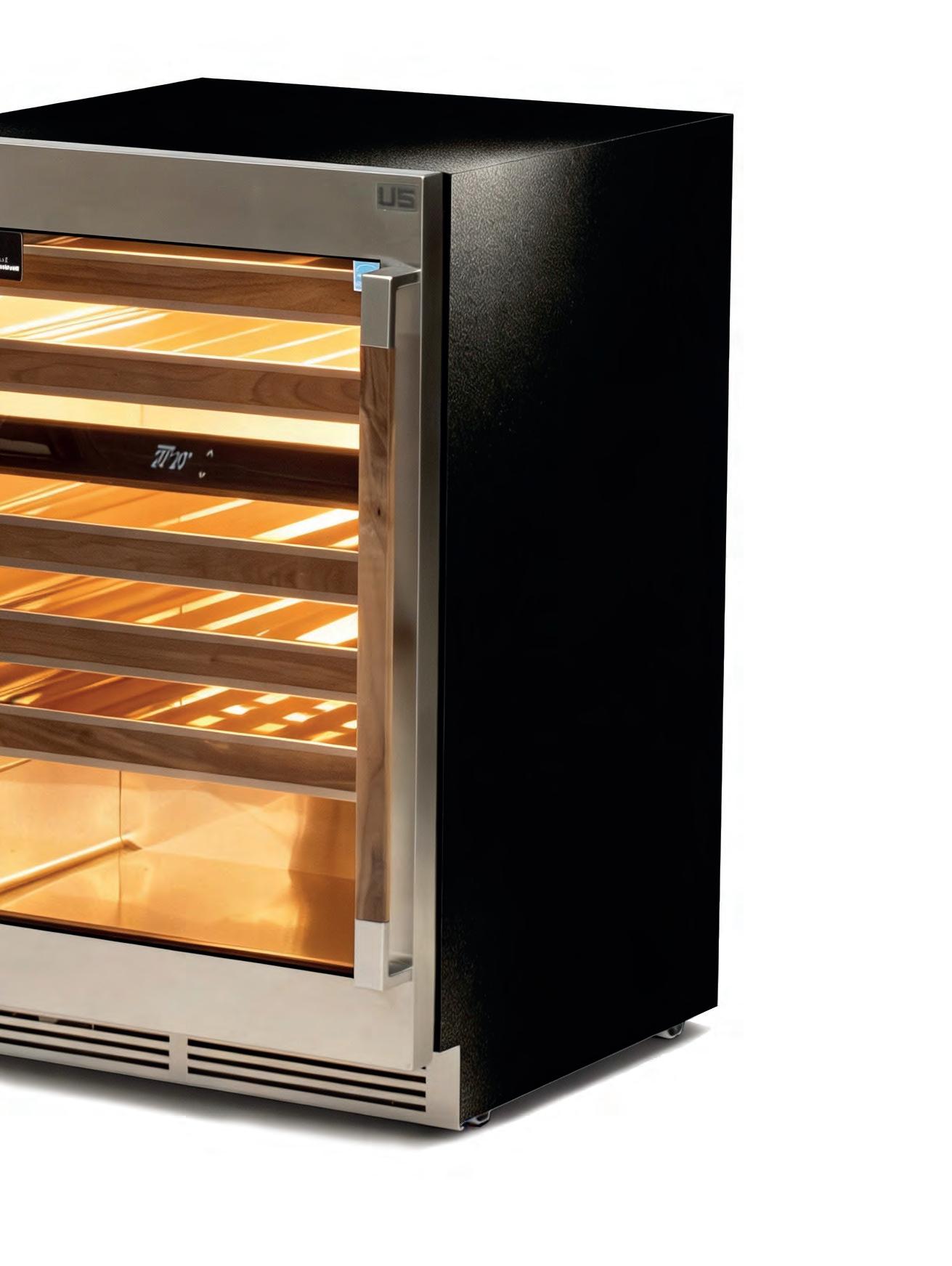
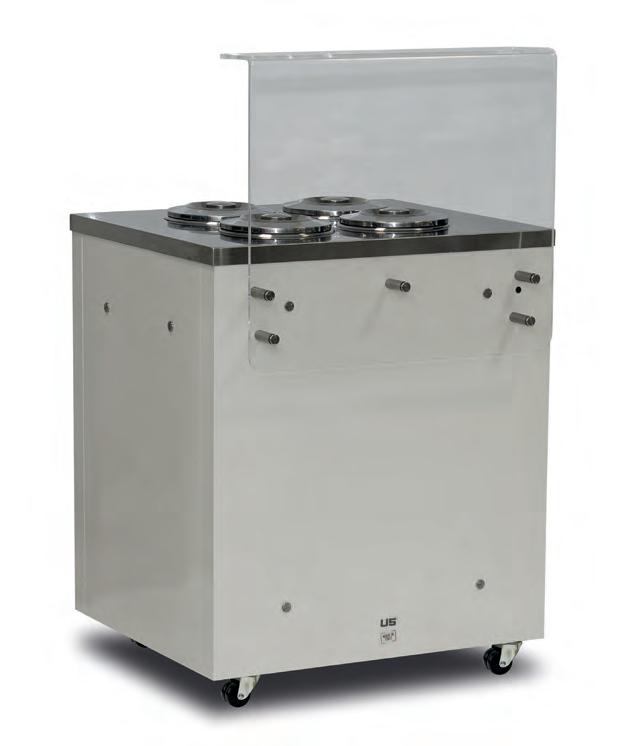
Beyond Products: Value-Added Services U5’s competitiveness is driven by a comprehensive suite of professional services designed to optimize performance and peace of mind:
• Energy Consulting: U5 analyses existing equipment fleets to propose high-energy-class solutions that significantly reduce CO2 emissions and operating costs.
• Custom Projects: Through its R&D team, U5 develops bespoke equipment tailored to specific aesthetic and technical briefs, turning unique brand ideas into reality.
• Digital Management: IoT technology enables “Digital Fleet Management.” Via a dedicated app, users can monitor the health of their fleet remotely, ensuring real-time cold chain alerts and predictive maintenance.
• Circular Economy Solutions: The Refurbishment & Sanification (R&S) service breathes new life into used units through professional cleaning, component restoration, and rebranding, effectively extending the product lifecycle.
• Operating Leasing: To facilitate technological upgrades, U5 offers flexible leasing plans, allowing businesses to access cutting-edge, efficient equipment with fixed periodic costs.
By combining Italian manufacturing excellence with a future-oriented service model, U5 continues to provide “Cold for you, Cool for the Planet”.
www.ucinque.it
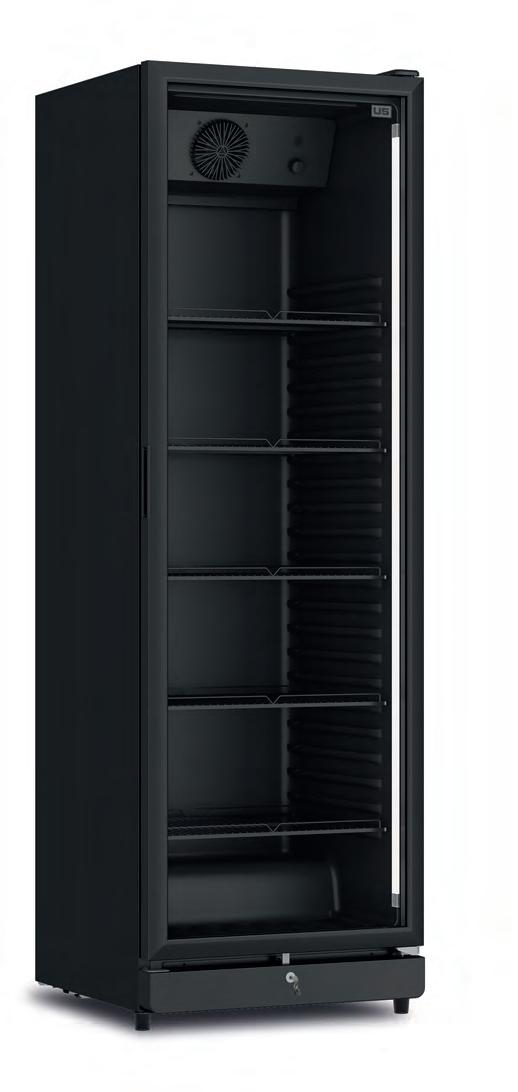
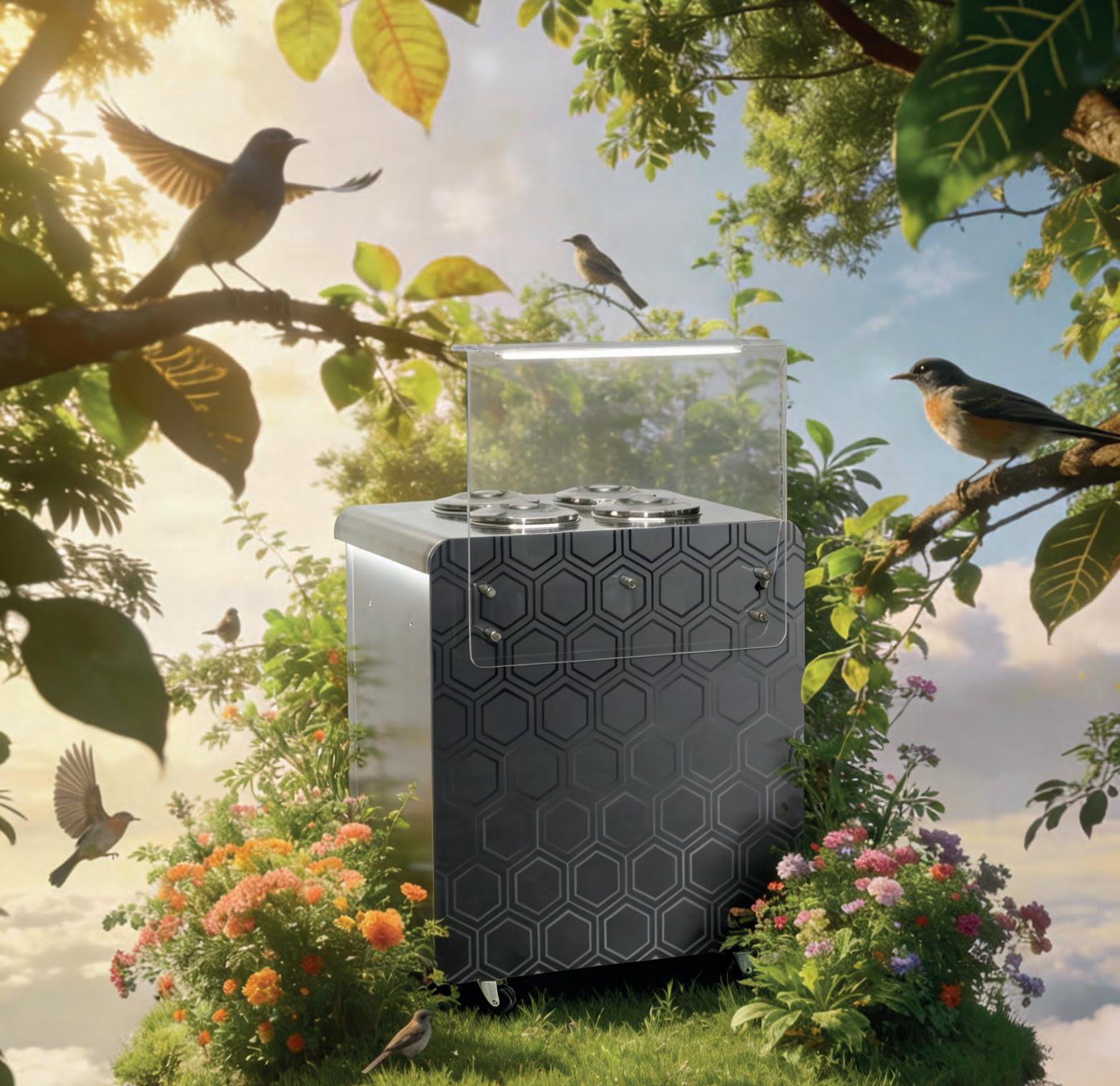

ITALIAN QUALITY CONQUERS THE SPANISH HORECA MARKET
Well Alimentare Italiana, a historic Italian company with over fifty years of experience in the creation of broths, culinary bases, seasonings, and aromatic systems for the foodservice and food industry sectors, has chosen to step onto the international stage by participating in the prestigious HIP – Hospitality Innovation Planet / Horeca Professional Expo in Madrid.
Founded on the values of tradition, quality, and innovation, Well brings the authentic spirit of Italian taste into the kitchen, prioritizing natural ingredients and sustainable production processes since the 1980s— long before organic became an established trend.
The trade fair, held from February 16 to 18 at the IFEMA exhibition center in Madrid, is one of the most important events for the HoReCa channel in Europe, attracting over 60,000 industry professionals
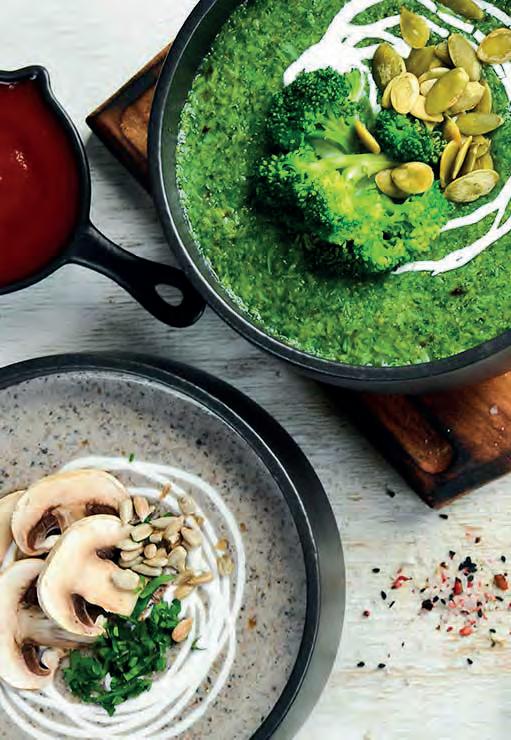
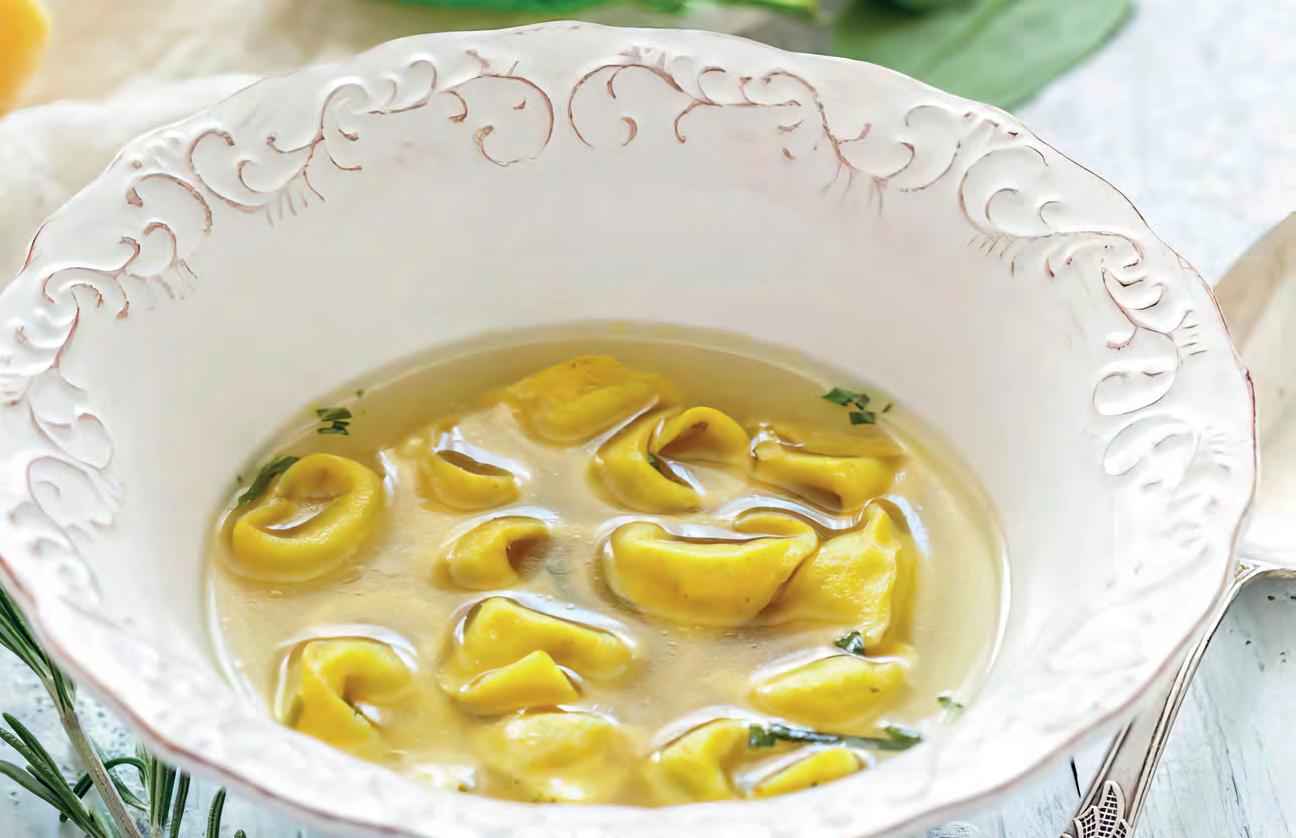
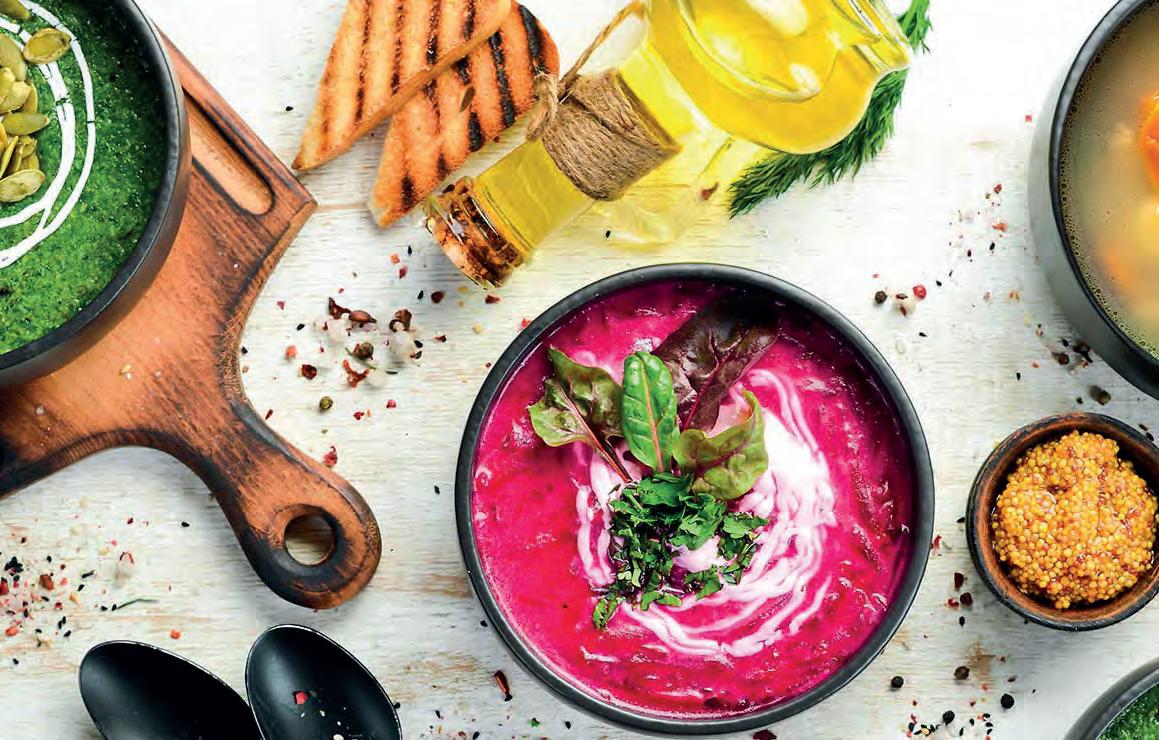
the authentic spirit of Italian taste into the kitchen,
and more than 1,000 exhibitors from around the world. HIP is not just a showcase of products and technologies for hotels, restaurants, and catering, but a crossroads of trends, innovation, and networking opportunities, where the latest solutions for digitalization, customer experience, foodservice, and sustainability are explored.
For Well Alimentare Italiana, participation in the fair represented a crucial testing ground for entering foreign markets, with a particular focus on Spain—a country known for its rich gastronomic landscape and highly dynamic HoReCa industry. The company’s stand attracted the attention of buyers, chefs, and industry operators thanks to its range of products such as 100% natural granular broths, culinary bases, and herb-based seasonings, designed to enhance the flavor of dishes without compromising on quality.
At a time when competition in international markets is increasingly fierce, Well’s strategy is built on a blend of Italian authenticity and product innovation. Taking part in an event like HIP means not only showcasing formats and flavors, but also building relationships, understanding the needs of international customers, and adapting the offering to local specificities.
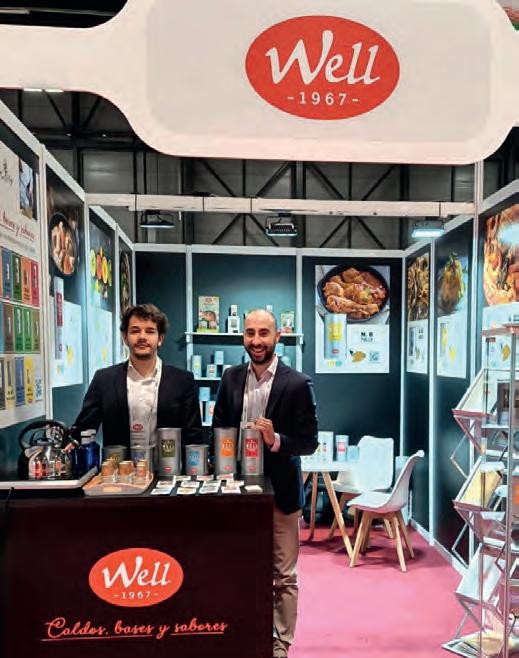
For a company like Well, this approach represents both a stimulating challenge and an opportunity for growth—exporting not only products, but also a production method and a philosophy of taste deeply rooted in Italian tradition, while looking to the future with ambition and determination.
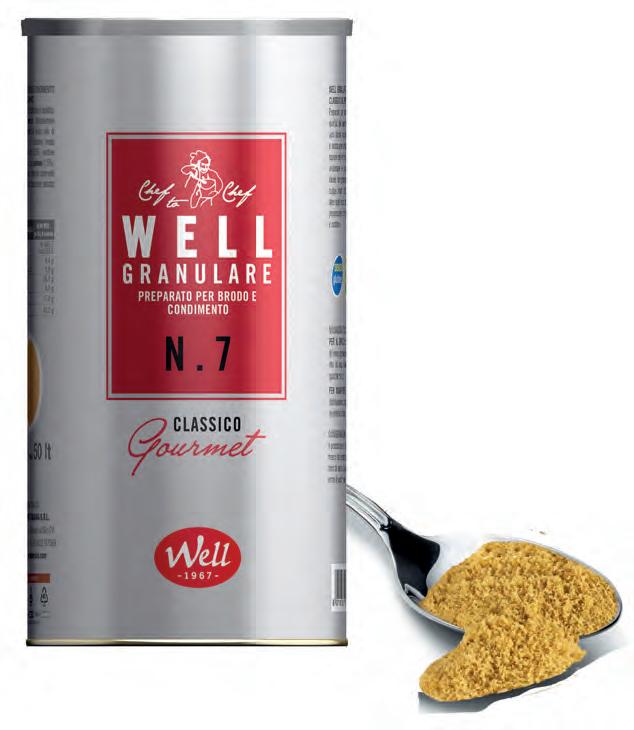
wellalimentare.it
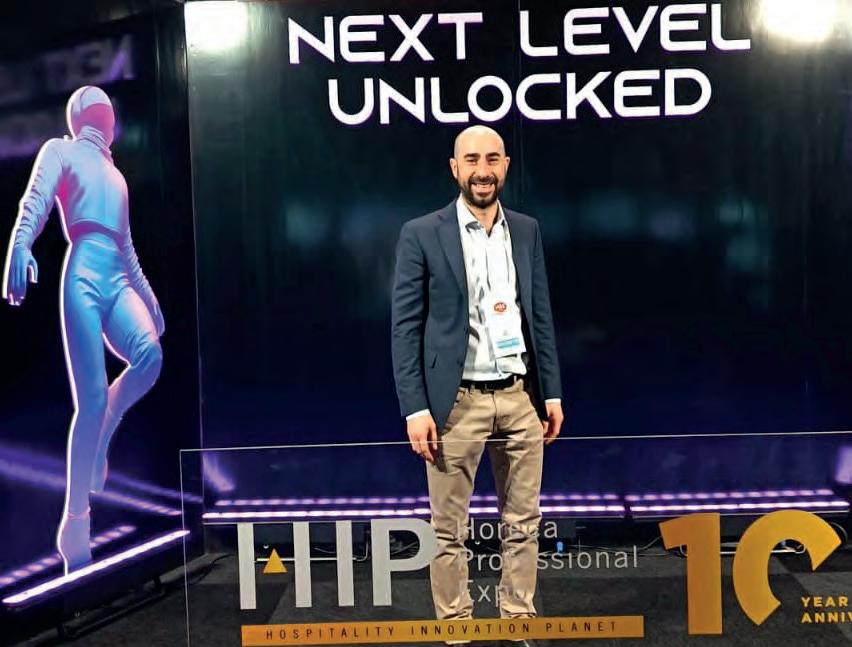

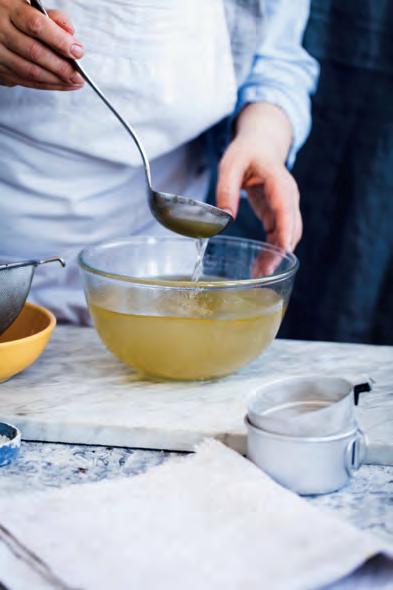
VEGETALE BIOLOGICO
VEGETALE

by
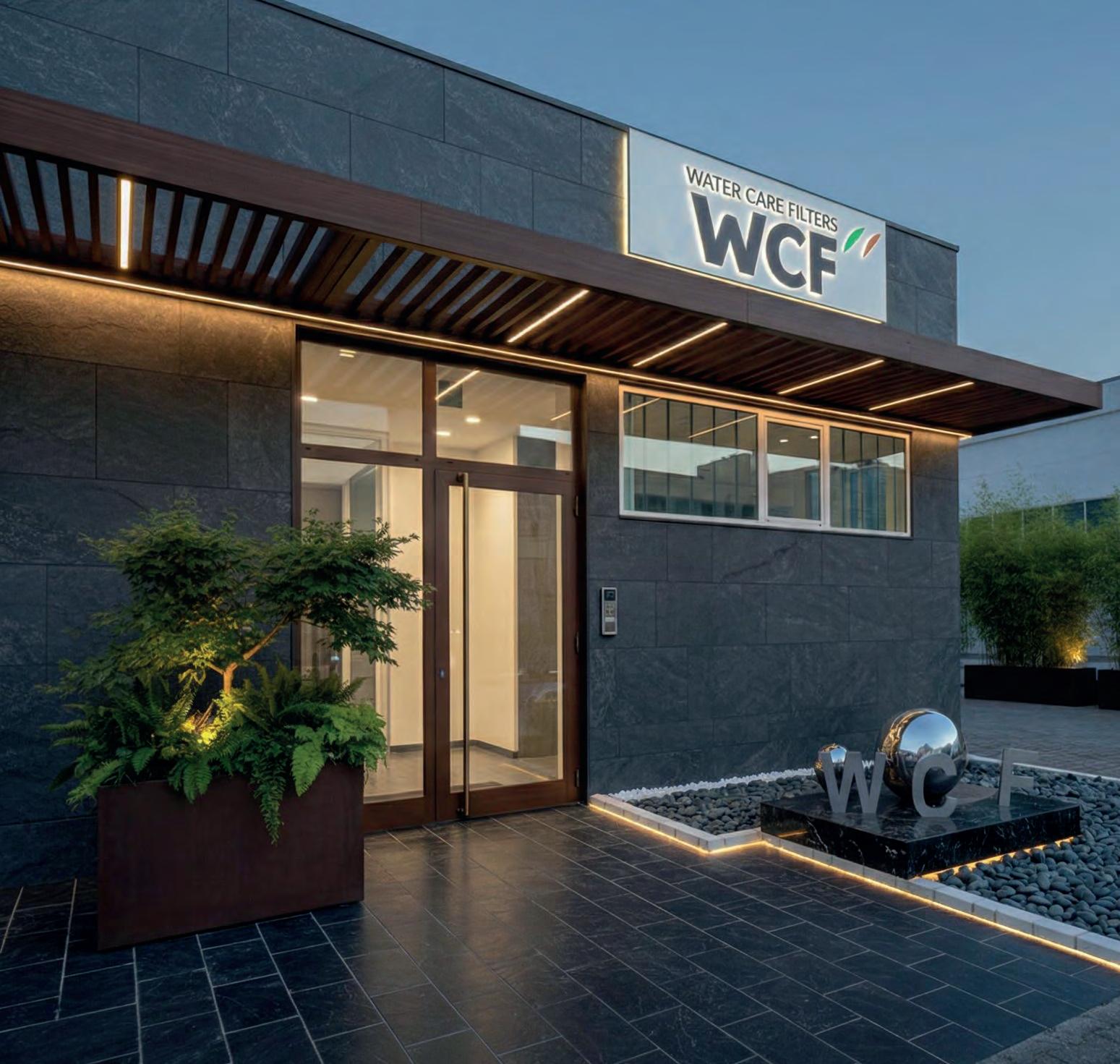
Founded in 2015, Water Care Filters is an Italian company specialized in water filtration systems. Thanks to fully integrated production, a technologically advanced machine park and in-house plastic molding capabilities, the company is strengthening its presence in the Ho.Re.Ca and Vending sectors with a newly developed range designed for out-of-home professionals.
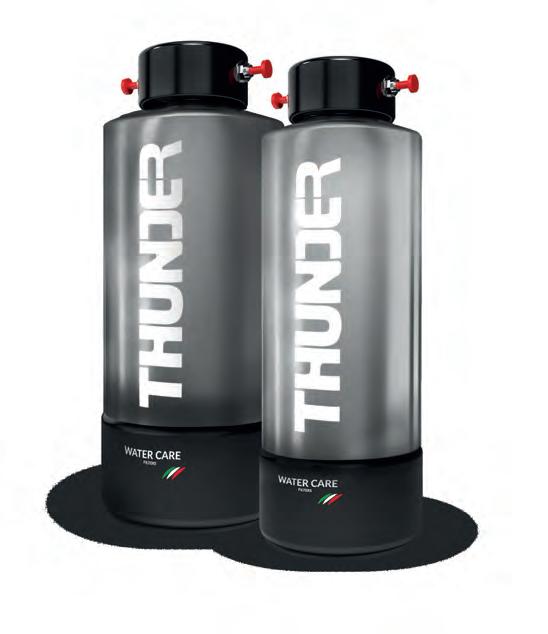
Let’s start from your growth: how has the company evolved in recent years?
A major step forward was the acquisition of a plastic molding company in Southern Italy. Today we oversee the entire production chain, from plastic granules to mold design and injection molding.
This vertical integration ensures full quality control, operational flexibility and the ability to respond quickly to specific customer requirements.
Particular attention is also given to the assembly phase: one of our production lines is entrusted to an all-female team whose precision and expertise contribute significantly to ensuring the high quality standards of our filters.
President Massaro, Water Care Filters has launched a new range for coffee applications. What is the objective?
The goal is to address the concrete challenges of Ho.Re.Ca and Vending operators: service continuity, consistent cup quality and machine protection. The development phase required dedicated expertise and a deep understanding of real operating conditions.
Entering the coffee sector required new competencies. How important was this step?
It was fundamental.
By involving professionals with long-standing industry experience, we developed a system capable of treating 100% of the water, eliminating bypass.
This means no mixing between treated and untreated water, resulting in stable taste performance, improved drinkability and better protection of equipment.
What differentiates you from other market players?
Our competitive edge lies in combining this technical solution with full production autonomy.
Controlling every stage of manufacturing allows us to guarantee reliability, customization and consistent performance over time.
How is the range structured?
For Ho.Re.Ca, we offer high-capacity filters with a mechanical lifespan of up to ten years, supported by a service model that includes collection, sanitization
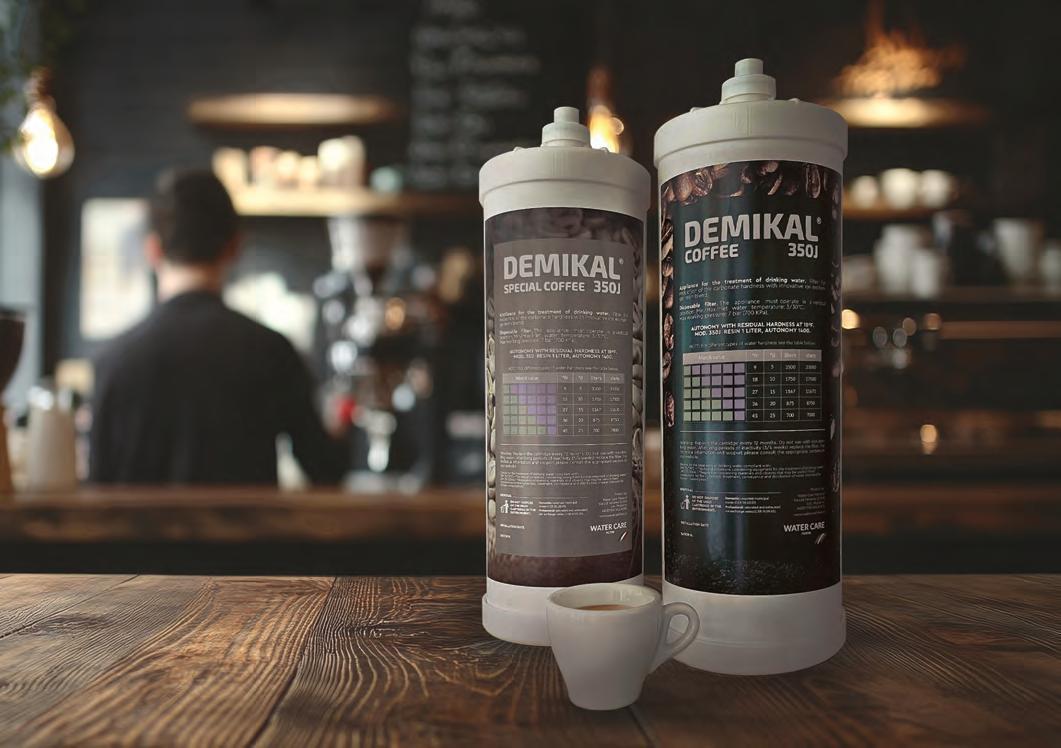
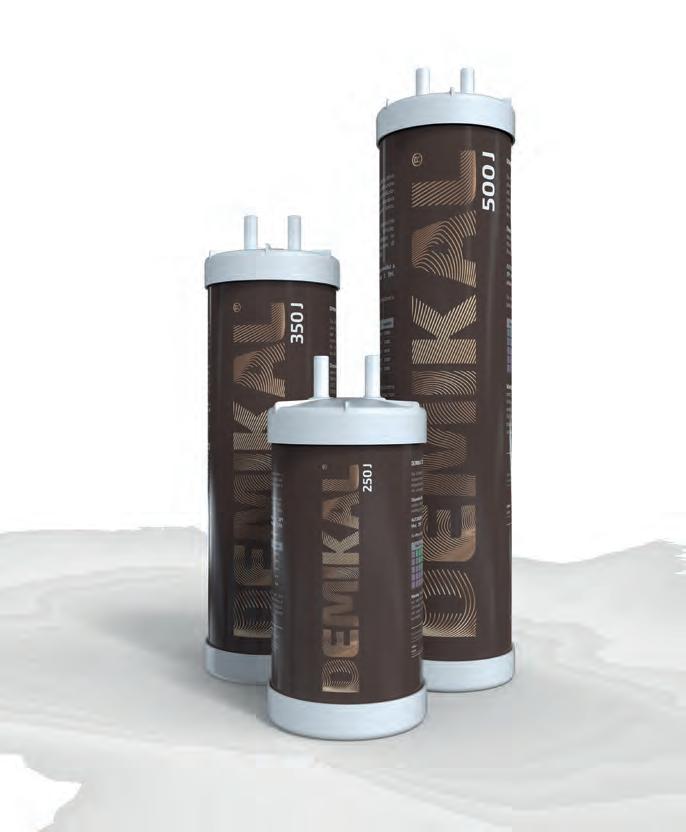
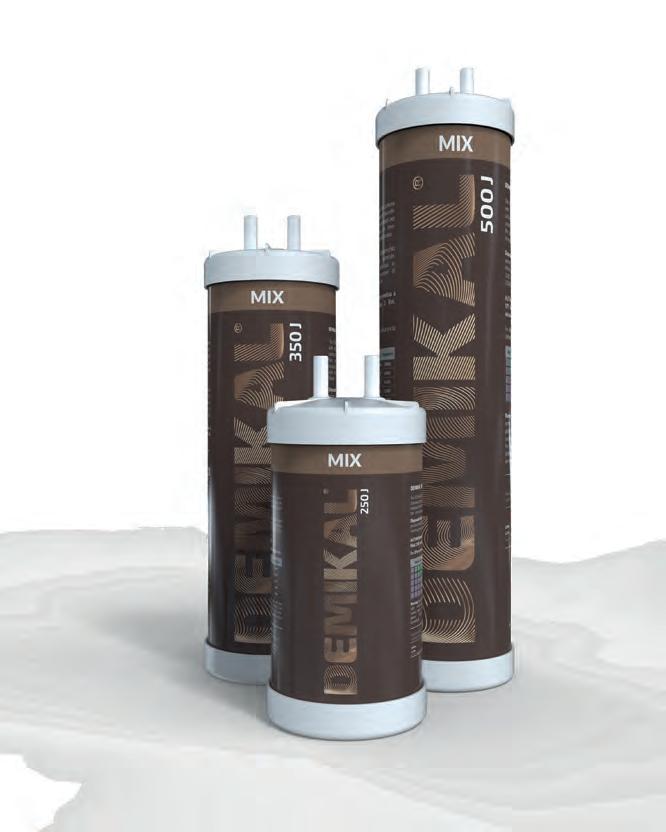
and resin regeneration. For Vending, we have developed cartridges designed for collection and regeneration, with life cycles of up to 36 months.
Sustainability plays a central role in your strategy. What is the most significant innovation?
We are establishing a dedicated center for the regeneration of exhausted resins.
This is a structural investment that reinforces our circular approach and significantly reduces environmental impact throughout the entire product life cycle.
By combining vertical integration, technical innovation and a tangible sustainability project, Water Care Filters positions itself as a reliable partner for Ho.Re.Ca and Vending operators seeking performance, consistency and long-term responsibility.
Visit:

by Raffaele Bassini CEO of Il panificio di Camillo
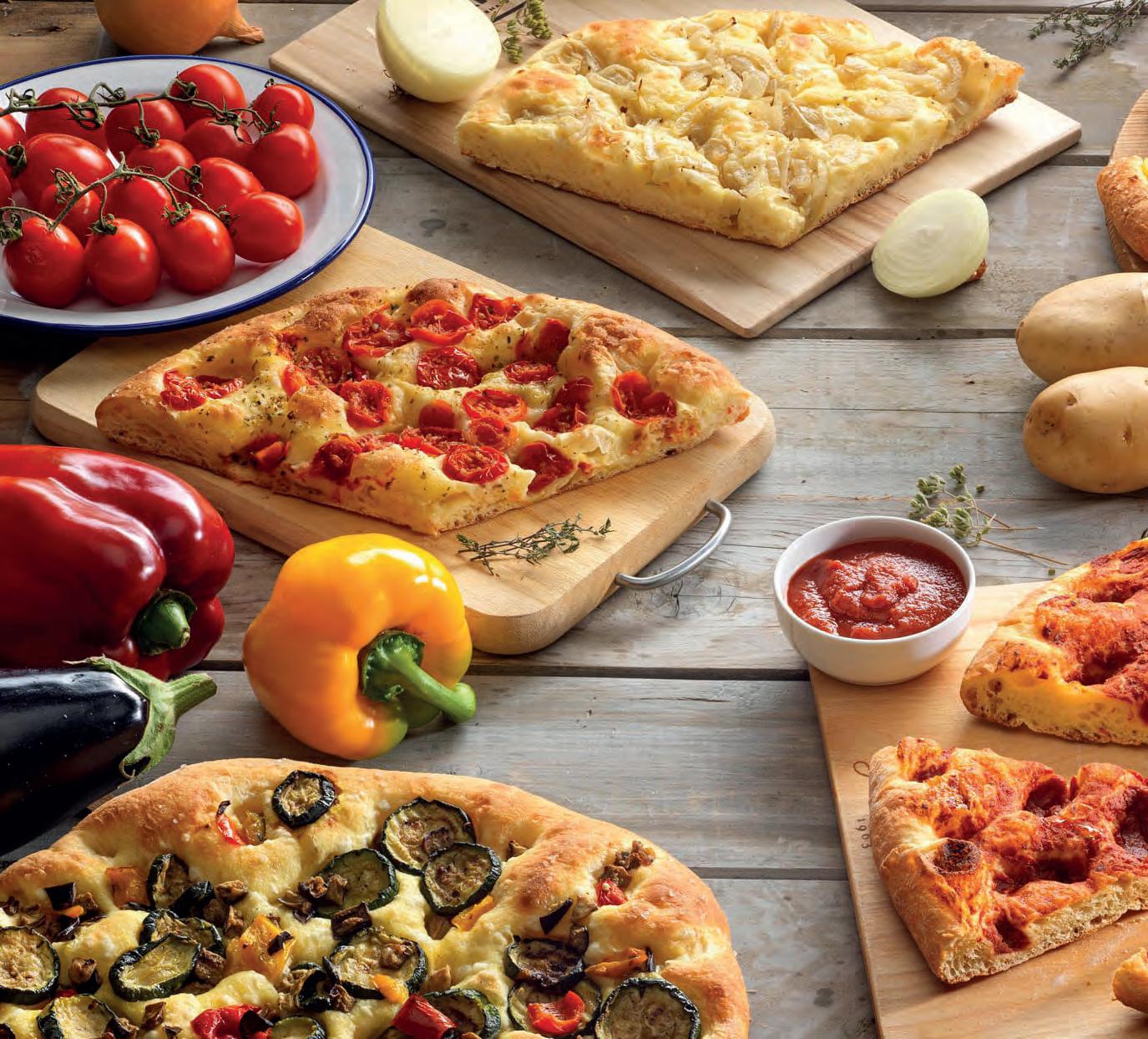
Awarded the Lorenzo Cagnoni Prize at SIGEP World, Il Panificio di Camillo stands out for a model that goes beyond artisanal excellence. With Pane Rustico Madre Tipo 1, the company combines sourdough tradition, local supply chains and scientific research, offering a contemporary vision of bread for horeca and retail.
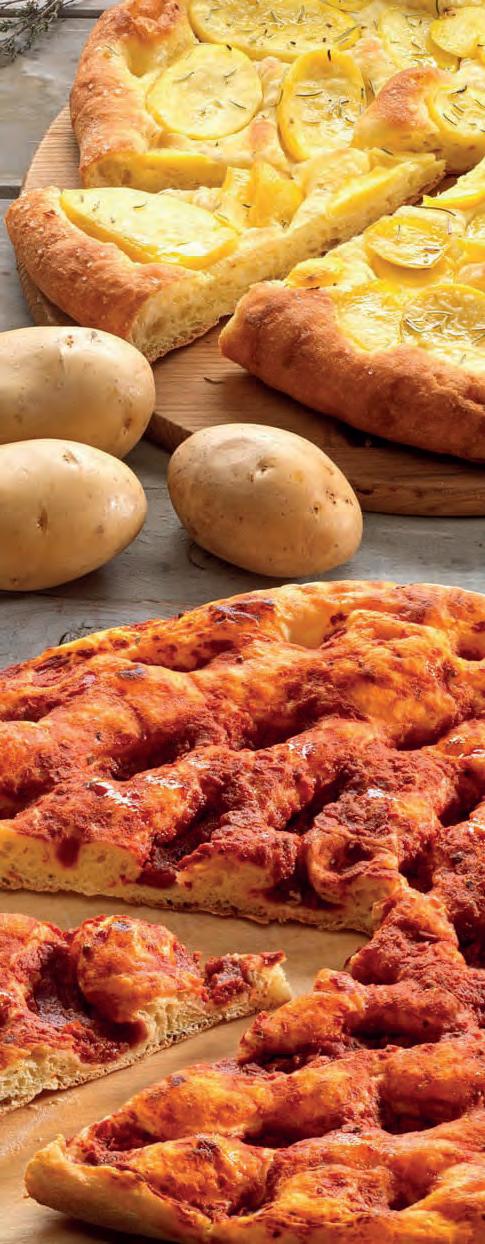
What does the Lorenzo Cagnoni Award represent for your company?
It is more than a formal recognition. For us, it validates a path built on concrete innovation, sustainability and strategic vision. The award confirms the solidity of our model and strengthens our positioning in Italy and abroad, while encouraging us to continue investing in research and quality.
What makes Pane Rustico Madre Tipo 1 truly distinctive? It transforms an everyday food into a cultural and scientific project. Made with 100 percent sourdough and long fermentation times, it enhances aroma, digestibility and shelf life. The Type 1 flour comes from locally grown
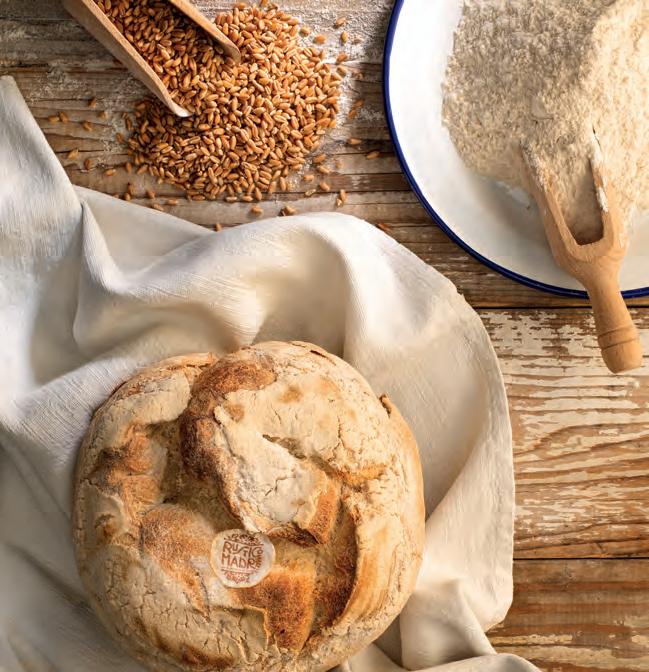
organic wheat within the Biosymbiotic District and is milled to preserve fibre and germ. The integration of artisanal expertise and scientific research defines its identity.
How does the local supply chain impact quality and your strategy in retail and foodservice?
The structured local chain guarantees traceability and certified agricultural coherence. Immediate freezing after baking preserves organoleptic and nutritional properties, allowing consistent distribution across Italy and Europe. In retail, trained promoters communicate the product’s value directly to consumers. In foodservice, specialised technicians support distributors and restaurateurs, focusing on differentiation and positioning.
How central is the idea of bread as a wellbeing food?
It is fundamental. We see bread as a functional food connected to balance and health. Upcoming clinical research will further validate the benefits of long fermentation. Through educational events and our sourdough-focused community, we promote a
conscious food culture where tradition and innovation meet daily wellbeing.
Visit: www.ilpanificiodicamillo.it
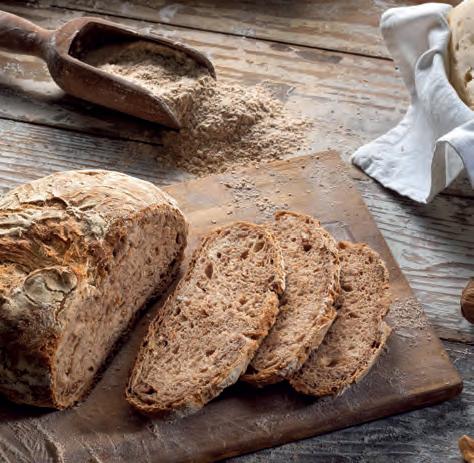
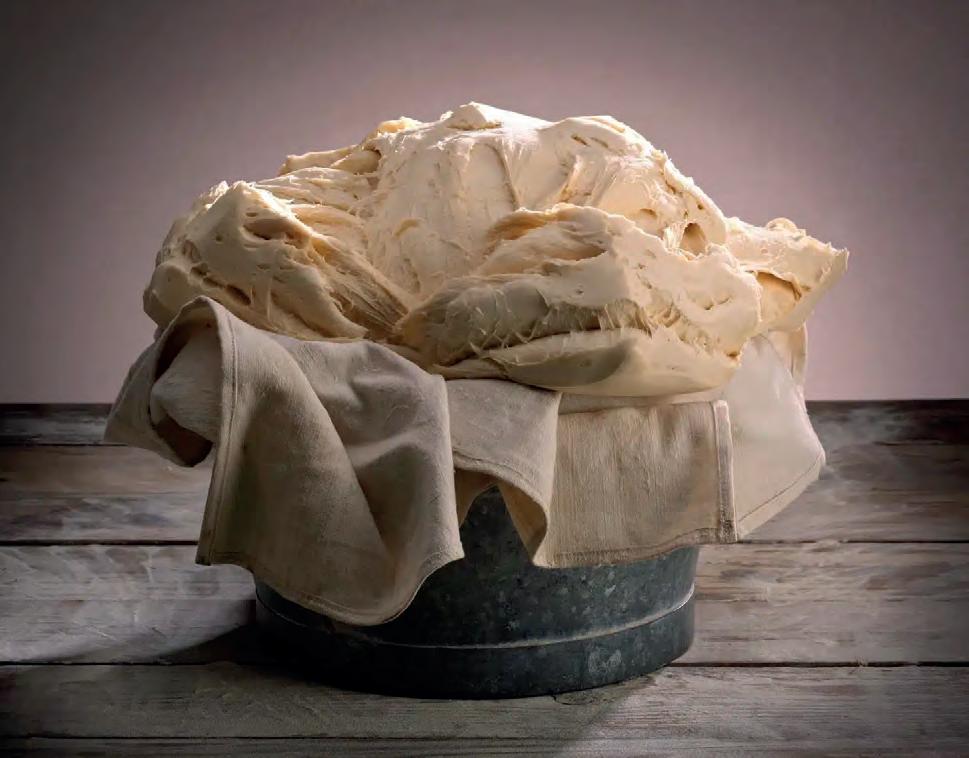
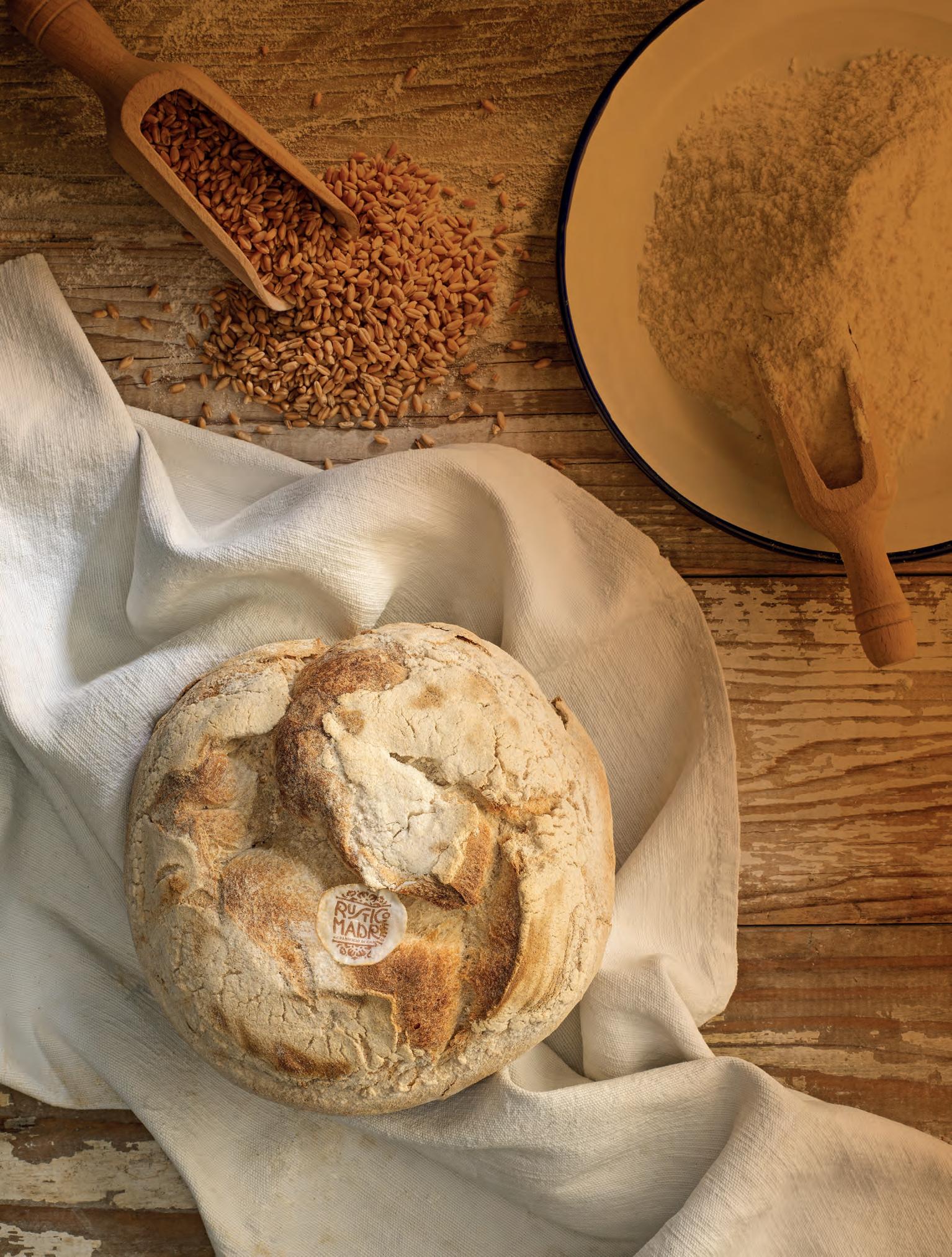
Perfetto per un cestino del pane gourmet, per le colazioni in hotel o per impreziosire ogni tipo di catering
• Lievitato solo con 100% pasta madre
• Prodotto con grano del Distretto Biosimbiotico della Romagna
• Con grano macinato a chicco intero che preserva il germe di grano
Il nostro stabilimento è certificato:






by Paolo Percassi
Commercial Director of Giganplast
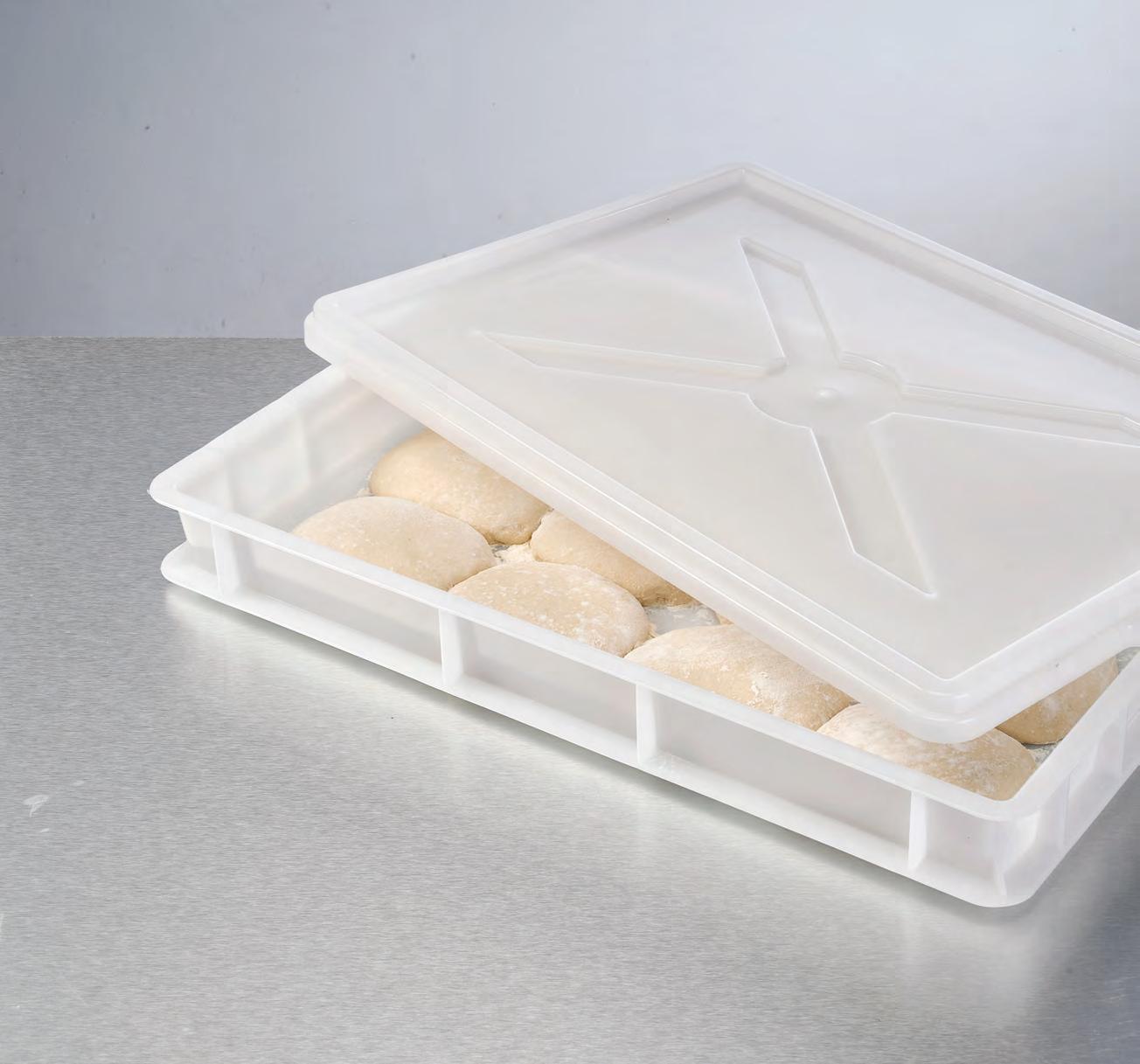
In a sector undergoing constant transformation, Giganplast stands out for its industrial strength, innovation capacity and customer focus. Paolo Percassi, Commercial Director, outlines the company’s growth path and future strategic priorities.

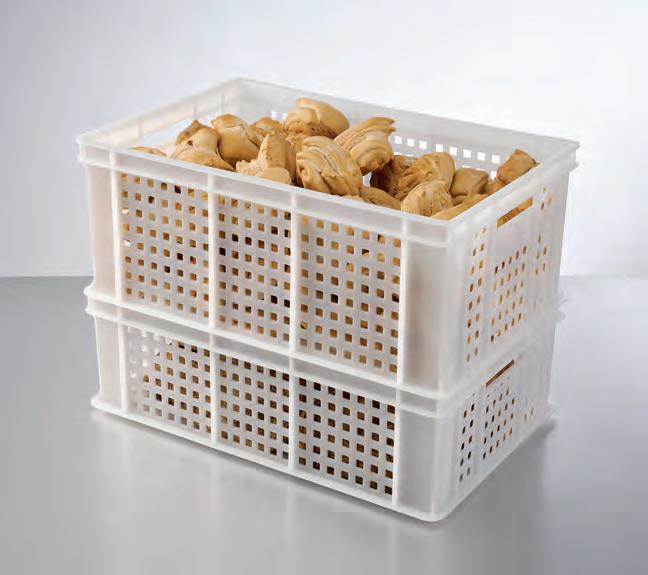
What have been the key milestones in your recent growth?
Over the past year, following the acquisition of Giganplast by Stefanplast, we launched a significant investment plan aimed at strengthening both our industrial and commercial structure.
We focused on technology, automation and process optimisation, improving efficiency and product quality.
The integration also generated new organisational and commercial synergies, allowing us to expand market opportunities and respond more effectively to customer needs.
What are your main strengths?
Reliability, flexibility and quality. Our structure enables us to respond quickly to market demands and to provide tailored solutions. Beyond the product itself, we offer expertise and consultancy support, guiding customers in selecting the most effective solution for their specific requirements.
How do you approach innovation?
For us, innovation means design responsibility. We continuously invest in new product development and in improving performance, rethinking materials and solutions to anticipate market needs. Innovating today means laying the foundations for tomorrow’s competitiveness.
What are your future strategic directions?
We will continue to focus on innovation, commercial strengthening and market expansion. Our objective is structured growth, consolidating partnerships while maintaining the industrial solidity that defines our identity.
Visit: www.giganplast.it
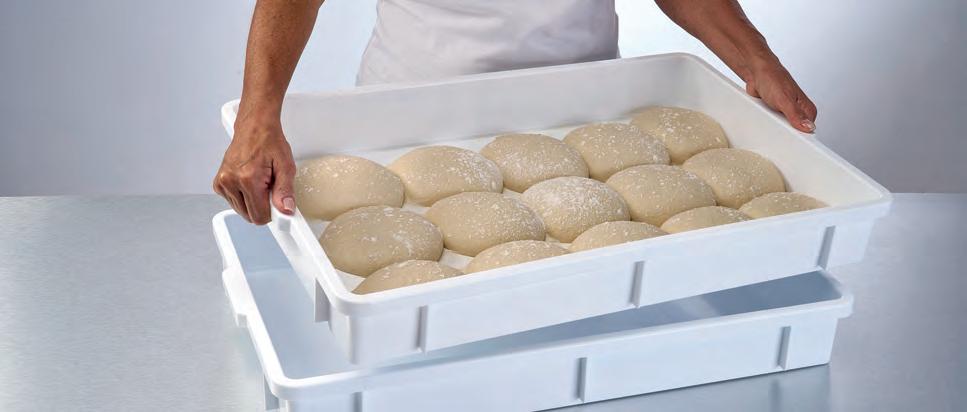
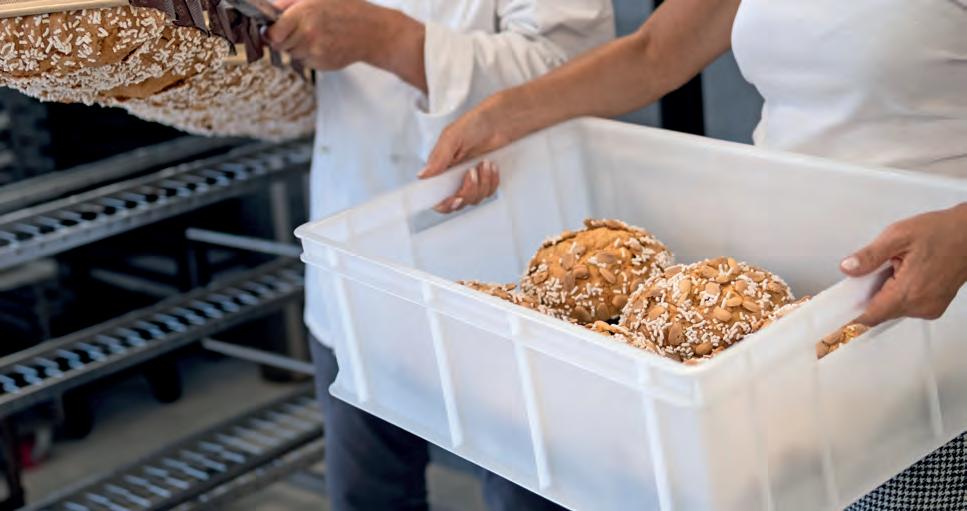
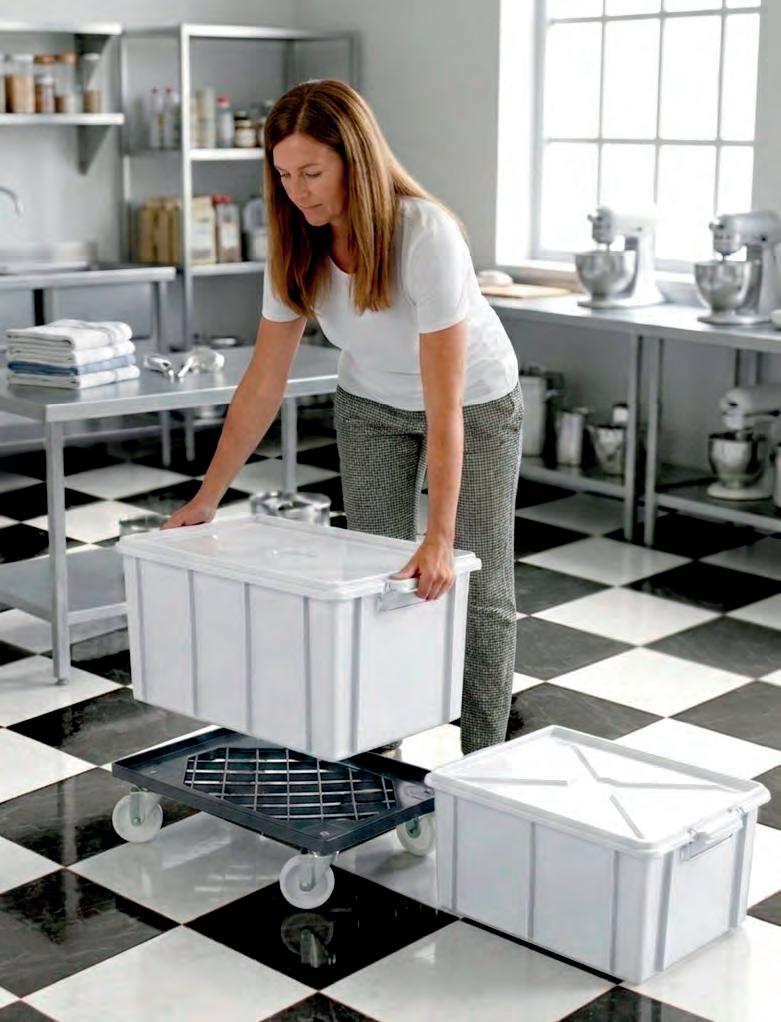
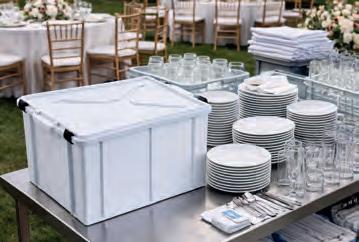
Pucci has been interpreting and anticipating market demands since 1948, transforming them into versatile, functional, and advanced solutions.
Pucci cisterns have accompanied the evolution of the modern bathroom thanks to continuous research and development, leading to the introduction of ever more innovative and functional technologies.
Each detail is designed to simplify installation and use of the cistern in any setting, simultaneously expanding the values of sustainability and accessibility that have always guided the company.
Our attention to the emerging requirements of users and installers has given rise to products that have constituted the milestones of the bathroom sector: Eco with dual flush for water savings; Sfioro with sensor technology; Matic for public spaces; Tronic with appbased programming.
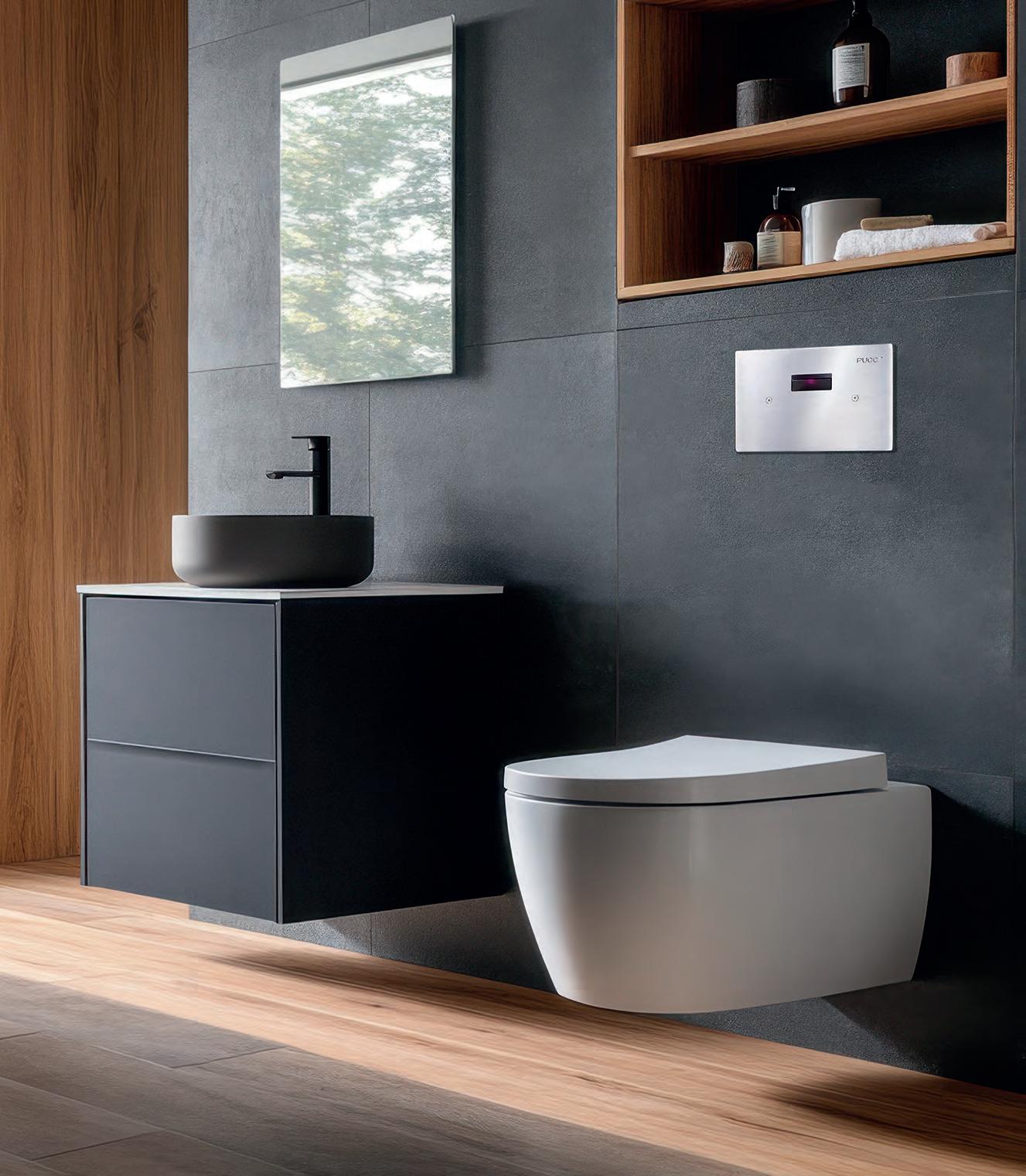
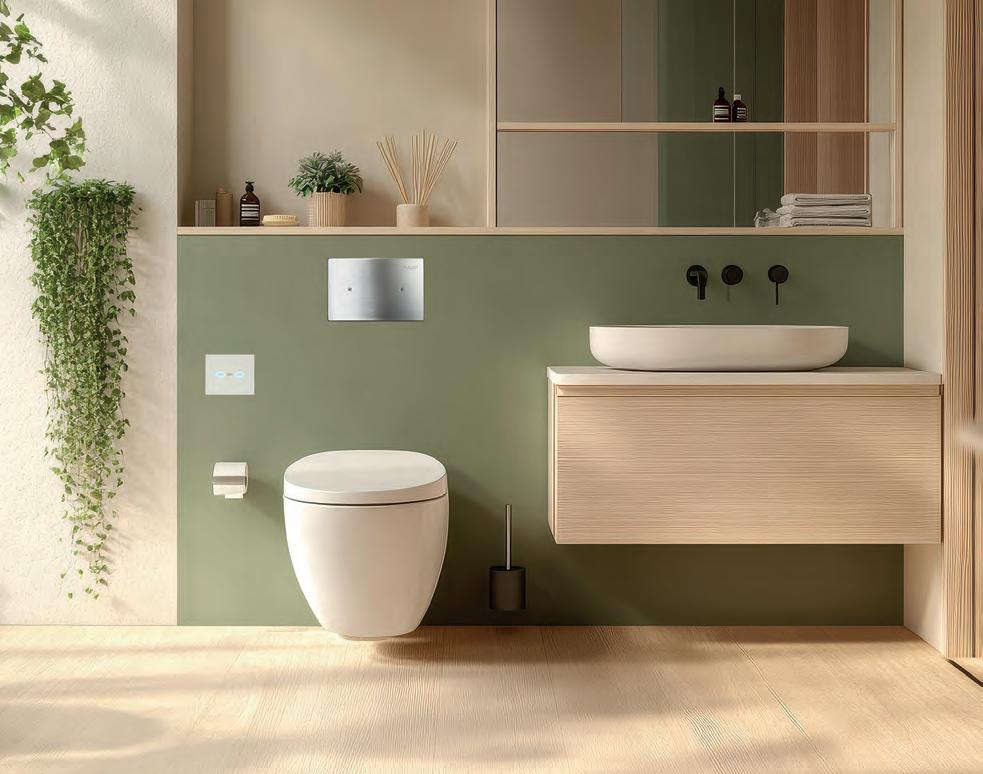
All models are available also in slimline versions with maximum flush capacity of just 6 litres, always maintaining the maximum functionality and perfect hygiene of the bathroom. Water saving has become today’s aware and ethical choice, shared by a growing number of people and in line with
the latest efficiency and sustainability regulations. Pucci cisterns are classic and innovative, confirming their nature as the perfect solution for the modern, responsible, and environmentally sensitive bathroom.
Visit: www.pucciplast.it
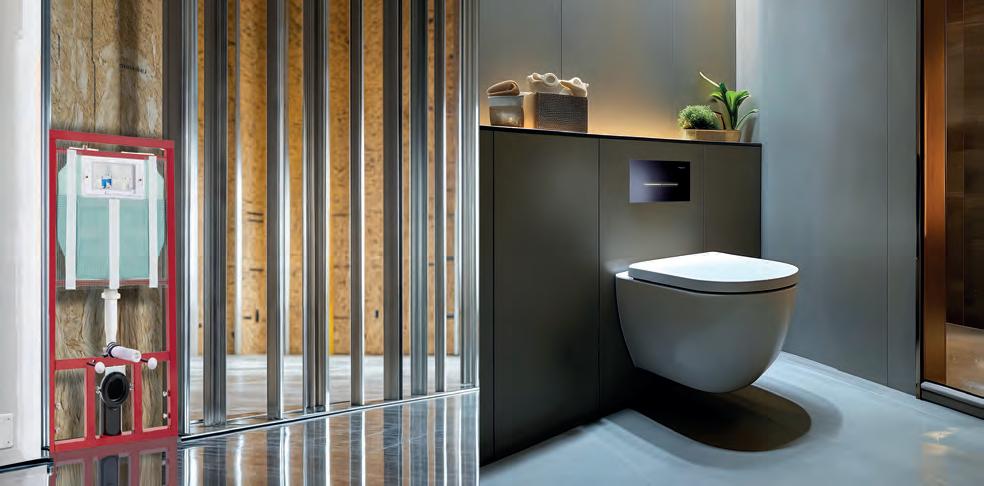
AB MAURI ITALY SPA
SOCIETÀ BENEFIT
44/47
Via Milano, 42 27045 Costeggio - PV
Italy
BAZZACCO SRL
62/64
Viale Europa, 53
35018 San Martino di Lupari - PD
Italy
CAPITANI SRL
3-38-39
Piazza IV Novembre, 1 22043 Solbiate con Cagno - CO
Italy
CHIARDILUNA
48/51
Via Fratelli Rosselli, 12 50013 Zona industriale di Capalle, Campi Bisenzio - FI
Italy
COMPAC SRL
I COV-52-53
Via Spallanzani 8/A
42024 Castelnovo Di Sotto - RE Italy
DERSUT CAFFÈ SPA
72/75
Via San Giuseppe, 46 31015 Conegliano - TV Italy
DONATELLA ZACCARIA
10/13
Via Belgirate, 15 20125 Milano - Italy
FIORENTINI FIRENZE SPA I COV
Località Belvedere 26/26A 53034 Colle di Val d’Elsa - SI
Italy
FRANKE KAFFEEMASCHINEN AG
29/32
Franke-Strasse 9
4663 Aarburg - Switzerland
FRIGO PO SRL
I COV-40/42
Via C. Mendes, 10 42045 Luzzara - RE
Italy
IL PANIFICIO DI CAMILLO SRL
I COV-112/115
Via Euclide 8/A 47121 Forlì - FC
Italy
ILEM BAKERY SRL
54/57
Viale del Lavoro, 30 37030 Colognola ai Colli - VR
Italy
LABORATORIO ALIMENTARE CECCHIN ANDREA E CARLO SRL I COV
Via Maglio, 23 35015 Galliera Veneta - PD Italy
LEON INOX
I COV-76/79 Arachthou 1, 18346 Moschato
Greece
MANIFATTURA
PORCELLANE SARONNO SRL
I COV-2-58/60
Via Varese 2/H
21047 Saronno - VA
Italy
N-AND GROUP LTD
80/83
Bristol and Bath Science ParkDirac Crescent, Emersons Green BS16 7FR Bristol
United Kingdom
NICHELCROM
ACCIAI INOX SPA
84/87
Via Trento 96-100
20099 Sesto San Giovanni - MI
Italy
PENETRON ITALIA SRL
18/21
Via Italia 2/B 10093 Collegno - TO Italy
PUCCIPLAST SPA
I COV-1-120/122
Strada Alessandria, 9 15044 Quargnento - AL
Italy
QUEMME FSE SRL 65/67
Via Monaldo Calari, 1 40069 Zola Predosa - BO
Italy
R.G.R. DI POLLINI
ROMANA & FIGLI SNC 88/91
Via Emilia, 3862 47020 Budrio di Longiano - FC
Italy
RUBINETTERIE
EURORAMA SPA
6/9
Zona Ind. Roccapietra Via Al Sesia, 4 13019 Varallo Sesia - VC
Italy
SAIP S.U.R.L.
68/71
Via Bressanella, 13 22044 Romanò di Inverigo - CO
Italy
SALONI INTERNAZIONALI FRANCESI SRL
34/37
Via Boccaccio, 14 20123 Milano
Italy
SIFIM SRL
I COV-96/99
Via Ignazio Silone, 3 60035 Jesi - AN
Italy
STEFANPLAST SPA 116/119
Via Piazza, 47 36020 Villaganzerla di Castegnero - VI
Italy
TENTAZIONI PUGLIESI SRL 95
SP Per Andria KM 2,00 76125 Trani - BT
Italy
THE SIGN 22/25
Via Quarto dei Mille, 25 21040 Gerenzano - VA
Italy
UCINQUE SRL 100/103
Via Casale, 17/A 15040 Occimiano - AL
Italy
WATER CARE FILTERS 108/111
Via Lidi Ferraresi, 22/A-B 44027 Loc. Migliarino - Fiscaglia - FE
Italy
WELL ALIMENTARE ITALIANA SRL 104/107
Vicolo Cristoforo Colombo, 43 31032 Casale Sul Sile - TV
Italy
ZAVA SRL 14/17
Via Padova, 48 31041 Cornuda - TV
Italy

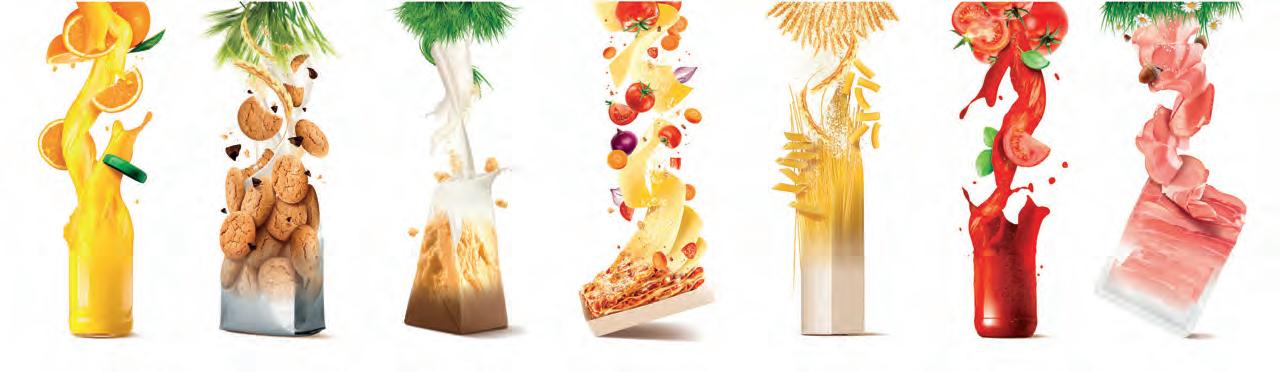
www.editricezeus.com
www.horeca-online.com