Machineries, plants and equipment for food and beverage industry year XIII - issue 2026
editorial production Sonia Bennati bennati@editricezeus.com
account dep. manager Elena Costanzo amministrazione@editricezeus.com
project and layout design ZEUS Agency grafica@editricezeus.com
creative dep. ZEUS Agency grafica@editricezeus.com
translations ZEUS Agency
in partnership with: Thai-Italian Chamber of Commerce info@thaitch.org
printing ZEUS Agency
In partnership with:
AUOTOMATION
D.C.M.: TECHNOLOGY, EXPERTISE AND PARTNERSHIP FOR INDUSTRIAL PACKAGING. PG. 72
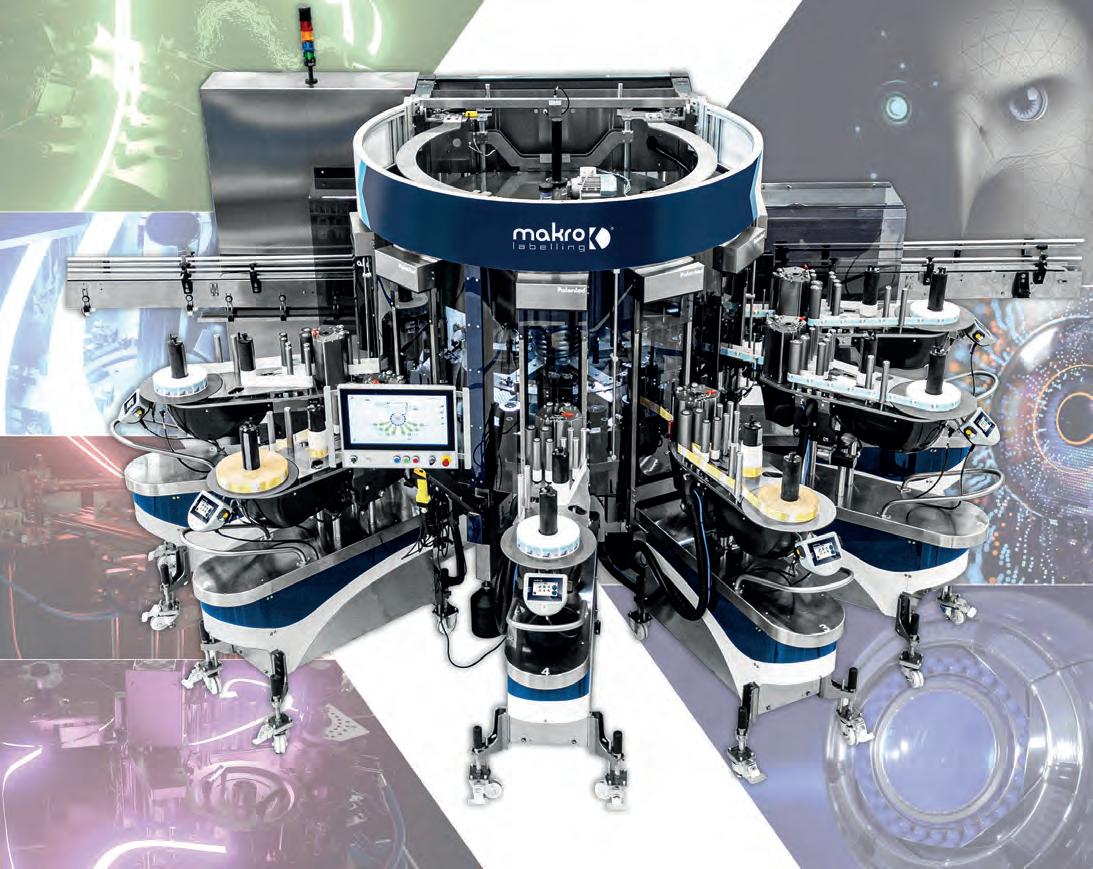
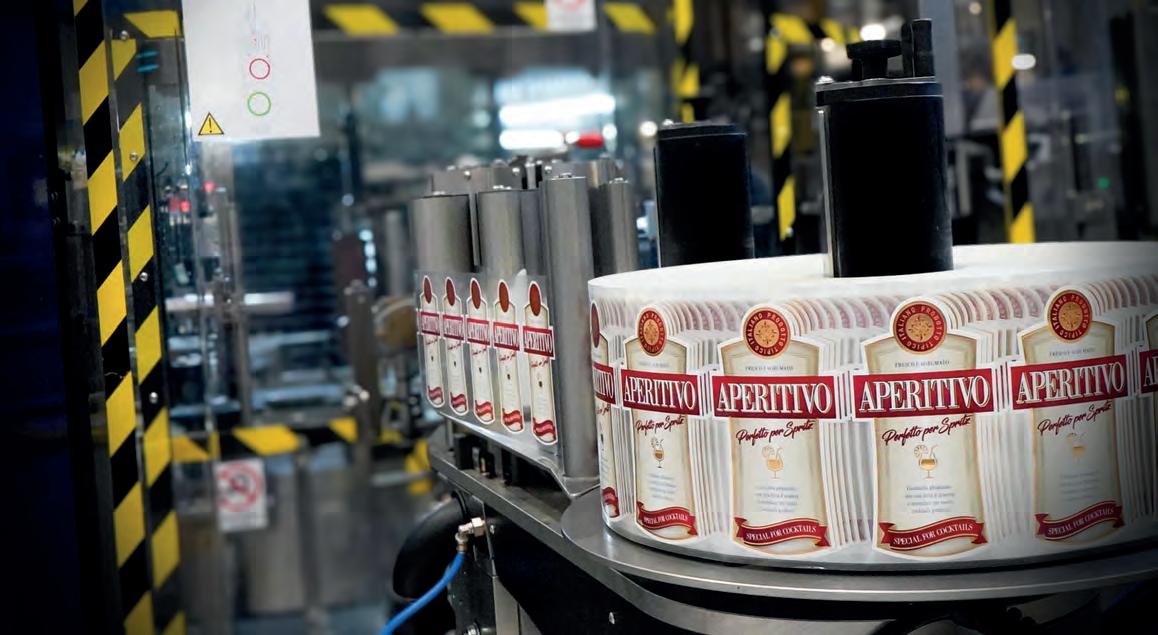
MAKRO LABELLING: Intelligent Choice
Beyond labelling: integrating vision systems, quality control and customer care into modern productione-commerce site
Modern manufacturers are facing increasingly complex challenges: higher quality expectations, greater packaging diversity, enhanced production flexibility and the need to maintain maximum operational efficiency. In this scenario, integrated technologies, process control and production reliability have become es-
sential elements for ensuring competitiveness and long-term performance. It is within this context that Makro Labelling has built its growth. Founded in 2009 on the experience of its founders, the company has established itself as an international partner for labelling solutions serving beverage producers worldwide.
Over the years, Makro has developed a strong industrial identity based on engineering excellence, technological innovation and a deep understanding of production dynamics.
A key element of this growth has been the company’s decision to develop all core technologies in-house. From mechanical design and electronics to software and vision systems, every solution is conceived to operate as part of a fully integrated ecosystem.
This approach provides greater process control, faster response to customer requirements and the flexibility needed to adapt to evolving market demands.
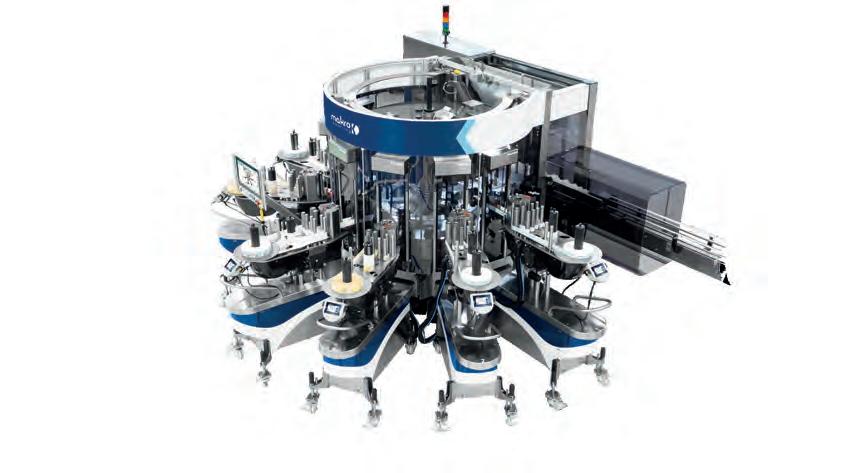
The MAK range is designed to cover production speeds from 1,500 up to 72,000 bottles per hour and includes Cold Glue, Self-Adhesive, Hot Melt and Roll Feed technologies.
This broad portfolio enables manufacturers to manage a wide variety of applications, packaging formats and production requirements while maintaining high levels of efficiency and reliability.
Today, however, productivity alone is no longer enough.
Manufacturers increasingly require systems capable of guaranteeing product quality, minimizing waste and providing continuous process monitoring.
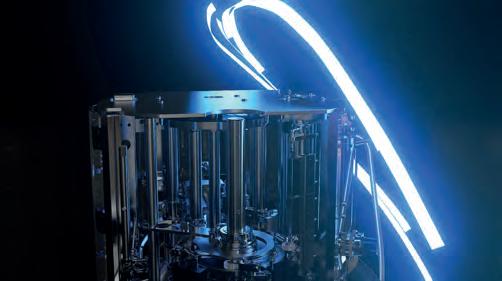
For this reason, vision systems have become an integral part of modern production lines and a strategic component of Makro’s technological offering.
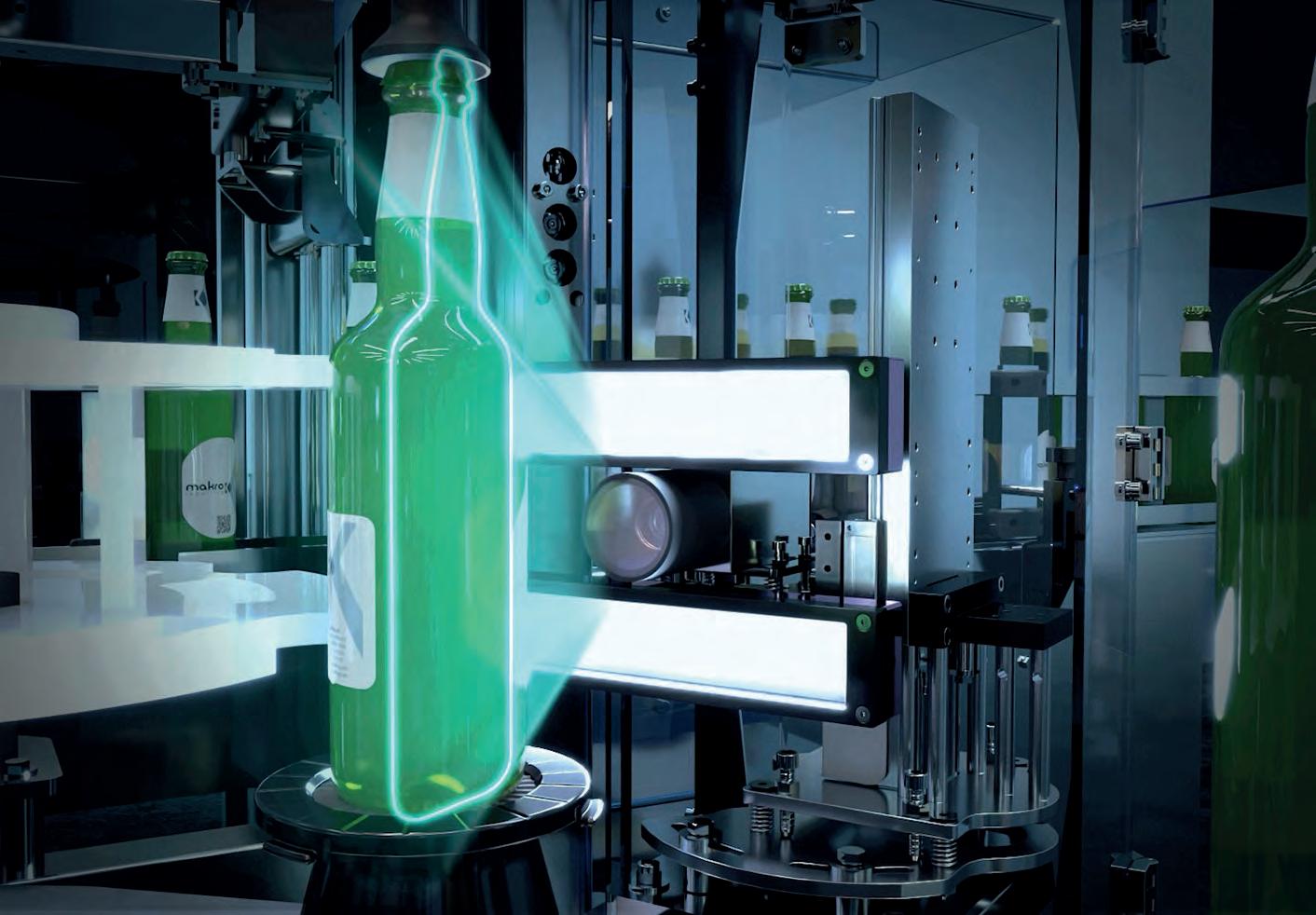
Within this framework, Makro has developed RAPTOR and ALICE, two proprietary vision systems designed to
enhance process control and product quality. RAPTOR manages product orientation, ensuring that each container reaches the labelling station in the correct position.
ALICE performs quality inspections throughout the production process, verifying critical parameters and helping prevent errors before products leave the line.
The latest evolution of this technology is Alice 360. Designed to maximize inspection performance while reducing machine complexity, the system can inspect the entire circumference of a container using a single camera.
This innovative approach reduces space requirements inside the machine carousel, simplifies integration and delivers a complete quality inspection process with greater efficiency.
The value of these technologies extends beyond inspection itself. By generating real-time information and
continuously monitoring production, vision systems contribute to improved line performance, reduced waste and greater consistency in final product quality. The result is a more controlled and efficient production environment capable of meeting increasingly demanding market expectations.
For Makro, technology is only part of the equation. Long-term performance also depends on the ability to support customers throughout the entire lifecycle of their equipment. This philosophy has led the company to develop a customer care model focused on responsiveness, flexibility and long-term partnership.
Makro provides both on-site and remote technical assistance, preventive maintenance programs, spare parts management and upgrade solutions
designed to keep equipment operating at peak performance. Rather than simply responding to issues, the objective is to help customers prevent downtime and maintain production continuity.
An international network of distributors and technical partners further strengthens this approach. Their local presence helps overcome geographical, linguistic and cultural barriers while ensuring faster intervention times and direct support within the customer’s market.
This structure is complemented by dedicated Service Account Managers, who act as a consistent point of contact throughout the entire lifecycle of the equipment, providing technical guidance, operational support and ongoing consultation.
As production environments continue to evolve, manufacturers increasingly seek partners capable of combining technology, expertise and service within a single vision.
Through integrated labelling solutions, advanced vision systems and a customer-focused approach, Makro continues to invest in innovation with a clear objective: transforming production efficiency, quality control and operational reliability into a tangible competitive advantage.
NEW EUROPEAN REGULATIONS ON SUGARY DRINKS: A STEP FORWARD IN THE FIGHT AGAINST OBESITY AND DIABETES
“
The European Union has recently introduced new regulations regarding the production and marketing of sugary drinks, an initiative that will come into effect next year.
These measures aim to reduce sugar consumption among the European population, directly addressing the rise of obesity and related diseases such as type 2 diabetes. Excessive sugar consumption is indeed one of the main risk factors for the development of chronic diseases, and the World Health Organization has repeatedly emphasized the need to limit the intake of simple sugars to less than 10% of total daily caloric intake. However, eating habits in many European countries show significantly higher consumption than
by Walter Konrad
this recommendation, especially among children and adolescents.
The new European directives foresee strategic interventions aimed at transforming the population’s eating habits. One key measure is the gradual reduction of sugar content in beverages.
Manufacturers will have to comply with new standards that impose a maximum limit of 5 grams of sugar per 100 milliliters by 2025. At the same time, the EU requires that drink labels be clear and transparent, indicating the sugar content per serving and the corresponding ca-
loric value, as well as including warnings about the health risks associated with excessive sugar consumption.
Another crucial point of the new regulations concerns the restrictions on advertising sugary drinks.
Severe limitations will be introduced, especially in television programs and online content aimed at children, to prevent young people from being influenced by promotional messages that encourage them to consume unhealthy products. Additionally, promotional incentives such as discounts and freebies that often attract consumers to these beverages will also be limited.
To encourage positive change, the EU has also planned tax incentives for companies that develop and market low-sugar or sugar-free drinks. This rewarding approach aims to foster innovation in the sector and promote healthier alternatives for consumers.
The reactions from the beverage industry to the new regulations have been mixed. Some companies, already engaged in sugar reduction programs, have welcomed the measures, seeing them as an opportunity to innovate and differentiate their products.
Others, however, have expressed concerns about the costs of compliance and the impact on sales.
A spokesperson for a major beverage company stated, “Reducing sugar content is a significant technical and economic challenge. However, we recognize the importance of contributing to public health and are working to develop solutions that meet the new requirements without compromising the taste of our products.”
Consumers’ opinions are also divided. Many support the new regulations, seeing them as a necessary step to improve public health.
However, some are skeptical about the effectiveness of the measures and fear that low-sugar alternatives may not be as palatable. “I’ve been drinking sugary drinks for years and can’t imagine a valid alternative,” commented a consumer interviewed in a Milan supermarket. “However, if these measures can help prevent diseases, I am willing to try them.”
The new European regulations on sugary drinks therefore represent an ambitious attempt to address one of the main public health challenges of our time.
Although there are obstacles to overcome and resistance to win, the goal of promoting healthier eating habits could bring significant benefits to the European population in the long term.
The European Union will continue to monitor the implementation of the regulations and evaluate further measures to ensure that the transition to reduced sugar consumption occurs effectively and sustainably.
Equipment for oenology
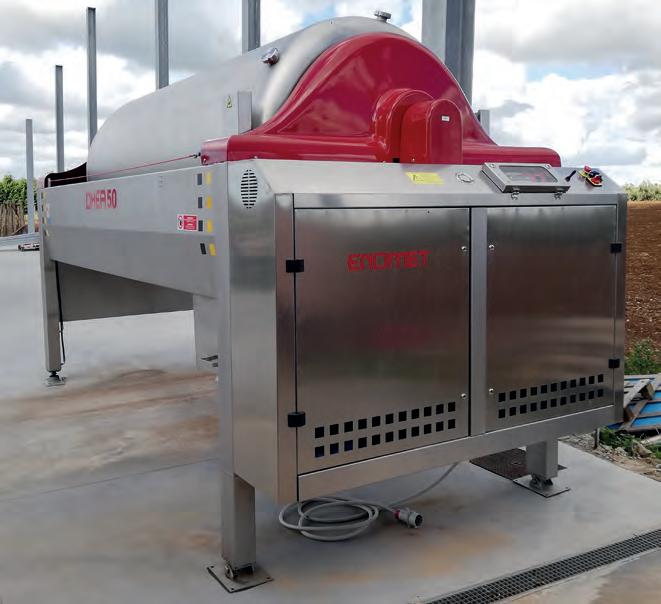
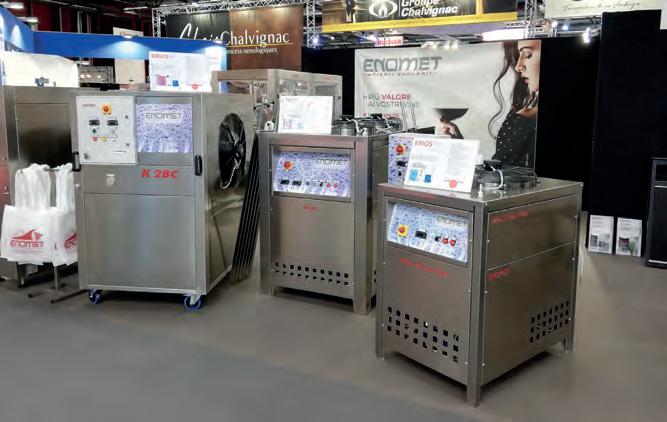
Enomet Impianti S.r.l. has been on the market since 1996 and mainly focuses on designing and manufacturing machinery for the wine sector. The company consists of a team of 15 people, including several qualified technicians. It operates both in Italy and abroad, developing complete winery projects and handling both the architectural and technological aspects. It offers innovative systems, supported by various patents and a staff with 40 years of industry experience.
In particular, the company’s activities center on research and development of new technologies, the design of machinery and processing lines, and the production and marketing of enological equipment such as:
- Destemmers-crushers and sorting lines
- Membrane presses
- Must clarification systems
- Rotary Vacuum Filters
- Diatomaceous Earth Filters
- Plate Filters
- Crossflow Filters
- Reverse Osmosis
- Tartaric stabilization systems
- Refrigeration units
- Heat exchangers
- Electrical panels for fermentation temperature control
- Refrigeration plates
- Systems for sparkling and semisparkling wine
- Beer systems
- Nitrogen generators and systems
- CO2 recovery systems
- Bottling lines of all types
- Pumps of various types
- Stainless steel tanks
- Concrete tanks
- Barriques, casks, and related accessories
- Stainless steel piping and fittings
All phases of Enomet’s activity, from design to production, are primarily managed by the company’s in-house technical department, which may consult with external qualified professionals if needed.
Even when external contractors are involved in installing the systems, Enomet’s technicians always oversee the work directly.
Enomet also provides both in-house and off-site technical support and can carry out maintenance and repairs— within Italy and abroad—even on machinery not manufactured by the company, subject to prior inspection.
www.enomet.it
Transform old machines into smart opportunities – only with BBM PACKAGING
Delivering refurbished machines, compatible spare parts, and expert technical services to optimize production worldwide
BBM Packaging is an independent Italian company, founded in 2005, that has spent more than 20 years turning used bottling and packaging machinery into reliable, high-performance solutions for producers worldwide.
Headquartered in Lenna, near Bergamo, the company works with the industry’s most prestigious brands, including SIDEL, KRONES, SMI, OCME, ACMI, GEA PROCOMAC, and ROBOPAC.
BBM Packaging is more than a supplier—it is a strategic partner. Its mission
is to deliver ready-to-run machines, compatible spare parts, and comprehensive technical services that maximize production efficiency, reduce downtime, and extend machine life.
Today, BBM operates with 67 employees across Lenna and San Pellegrino Terme facilities and maintains over 200 refurbished machines ready for sale. Its spare parts warehouse continues to expand to meet growing demand across sectors including water, milk, non-alcoholic beverages, wine, oil, and preserved foods.
BBM in numbers
• Year founded: 2005
• Employees: 67
• Locations: San Pellegrino Terme and Lenna (Bergamo, Italy)
• 2025 revenue: €28 million Available used machines: over 200 units
• Spare parts warehouse: currently expanding to meet the growing demand of major customers
• Main sectors served: water bottling, milk bottling, non-alcoholic beverages, wine, oil, and food preserves
1.Used bottling and packaging machines
At the core of BBM Packaging’s offer lies a deep and hands-on expertise in used bottling and packaging machines from the most respected international brands, including SIDEL, KRONES, GEA PROCOMAC, ROBOPAC, SMI, OCME and ACMI. These names represent the technological backbone of countless beverage plants worldwide, and at BBM they are treated not as generic assets, but as complex systems that require specific know-how, precision and experience.
Each machine handled by BBM follows a rigorous technical path. Blow molders, fillers, shrink wrappers, carton packers and complete lines are carefully inspected, overhauled and tested in operating conditions before delivery. Thanks to the Plug & Play approach, machines are supplied already powered on, verified and ready for immediate commissioning, dramatically reducing start-up times and eliminating the uncertainty often associated with used equipment.
BBM’s strengths include:
• Independence from machine manufacturers, refurbishing equipment from all brands.
• Rapid adaptation of machinery to new market requirements, such as recycled PET bottles.
• Excellent quality-to-price ratio combined with full technical support.
• Expertise in reverse engineering and turnkey solutions that maximize efficiency and sustainability.
• In-house management of all activities, from refurbishment to testing to spare parts supply.
Explore the full catalog:
2.Compatible Spare Parts: independence, quality, and continuity
BBM Packaging complements its machinery business with a comprehensive inventory of compatible spare
parts for all major brands. These mechanical, pneumatic, and electronic components are:
1. Tested and certified in BBM’s inhouse laboratory.
2. Selected to guarantee production continuity and long-term reliability.
3. Supported by tailored stock programs, fast delivery, and dedicated technical assistance.
This independent approach allows clients to maintain production without relying on brand-specific parts, reducing costs and ensuring operational efficiency.
3.Reverse engineering and technical services: extending machine life
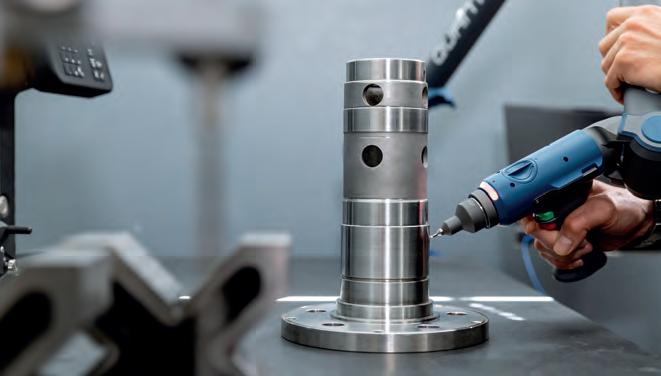
BBM Packaging offers advanced reverse engineering services to reproduce discontinued, damaged, or unavailable parts, even without original drawings. Using in-house metrology, 3D scanning, and CAD modeling, the company recreates components for blow molders, fillers, labelers, cappers, and end-of-line equipment.
Every project is fully compliant with intellectual property and food-contact regulations, ensuring precision, reliability, and fast turnaround.
1. Predictive and preventive maintenance on bottling and packaging plants.
2. Corrective interventions and line upgrades.
3. Dismantling, relocation, and commissioning of production lines.
Dismantling of KRONES bottling line in just one week
A clear example of BBM’s operational excellence is the lightning-fast dismantling of a KRONES bottling line for Acqua Smeraldina in Sardinia.
The project involved:
1. Inspection and planning: BBM technicians conducted a detailed site inspection, created a dismantling program, labeled each machine, photographed all elements, and prepared comprehensive packing lists.
2. Technical dismantling: The PET line, including a blow molder, air conveyors, filler, labeler, and SMI WP case packer, was dismantled by 6 BBM technicians and 3 customer operators in just one week, respecting all deadlines.
3. Logistics and transport: Machines were packed in dedicated crates, transported via specialized carriers for oversized loads, and continuously monitored to guarantee safety and integrity.
4. Sustainability: All waste was disposed of according to CER codes, fully compliant with environmental regulations.
This turnkey service allowed the client to safely relocate fully operational machinery, which BBM later refurbished and prepared for new use, turning de-
commissioned assets into sustainable, high-value equipment.
Through its three core business pillars— refurbished machinery, compatible spare parts, and reverse engineering & technical services—BBM Packaging transforms used equipment into a strategic advantage, enabling producers to
enhance performance, ensure continuity, and grow sustainably.
www.bbmpackaging.com
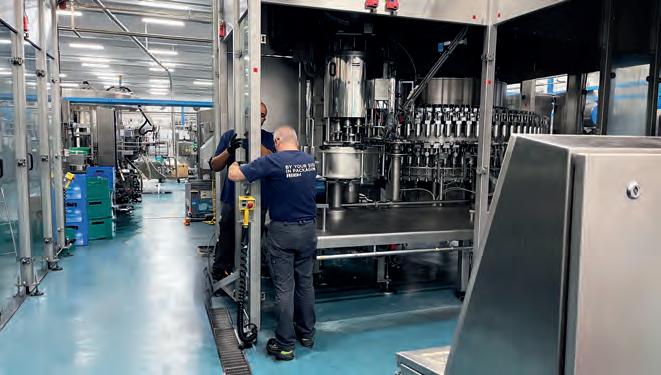
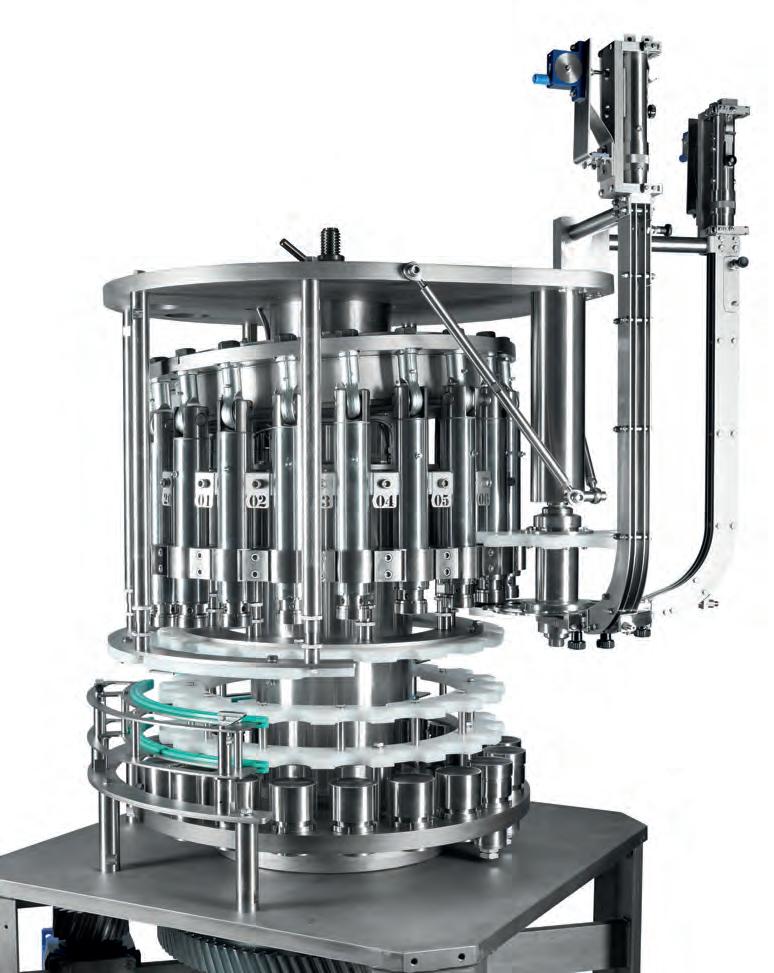
CROWN CAPPER for glass bottles
Features
- excluding the slewing rings which are protected by a special stainless steel casing, all the other parts are in stainless steel or plastic, making the machine suitable for external washing.
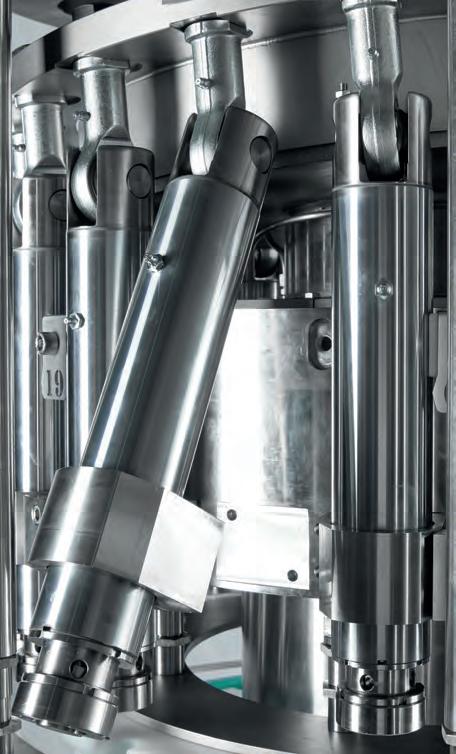
- the housings where the pistons slide are easily removable allowing quickly pistons disassembling for maintenance
- the movement of the capping pistons is obtained through a simple inclined disc without the use of cams and bearings
- the Pick & Place rotation is controlled by the piston body to have a perfect syncronization
- the machine can be supplied with double chutes to avoid production stoppages in case of jamming due to defective caps
- for ultra clean application is available a water lubrication version
- the crowner can be installed on a monobloc base with a filler or in a stand-alone version on its own base.
www.osts.it
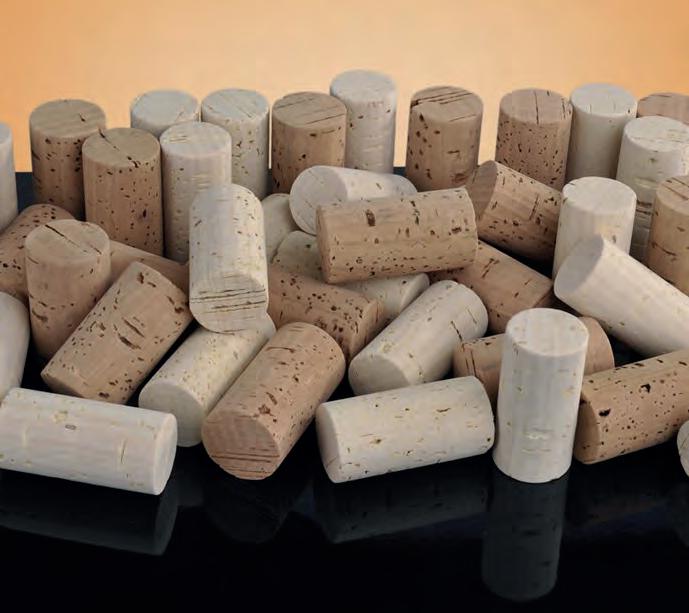
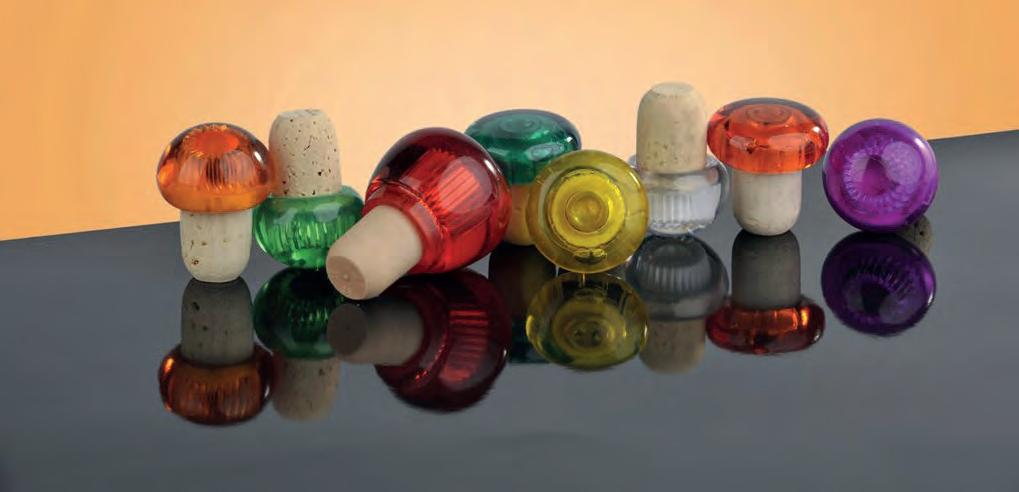
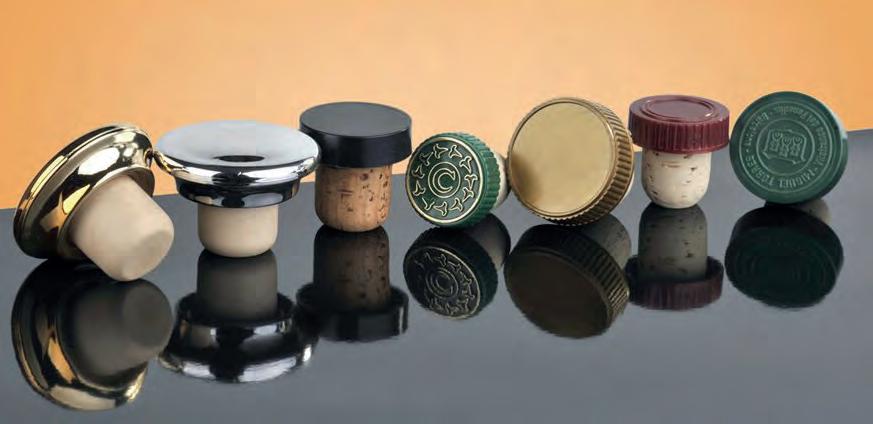
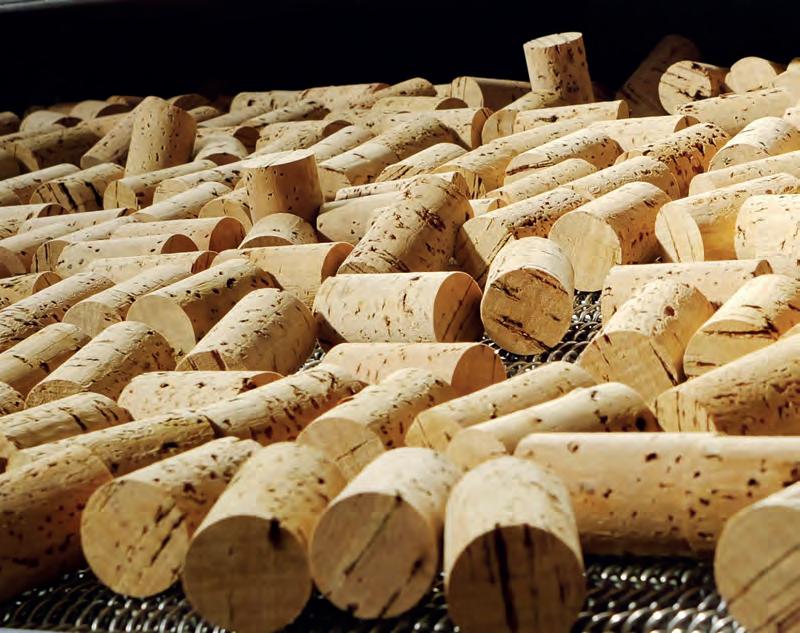
SUGHERIFICIO LTS: premium cork stoppers
From Franciacorta, not only exceptional wines and sparkling wines but also high-quality cork
stoppers
Founded in 1976 and strategically located at the foothills of Franciacorta, a prime winemaking region, Sugherificio LTS specializes in producing cork stoppers for both wine and sparkling wine. Under the leadership of Manlio Sordi, the company’s mission is to create highly reliable pro-
ducts, even in the lower-cost segments.
Constant oversight of all production stages, from raw material import to post-sales service, led LTS to become the only Italian company, alongside two famous multinational firms, to earn the European Cork
Commission’s quality certification in 2003. The company’s strength lies in its meticulous selection of raw material sourcing areas. Following sector studies, LTS chose Spain and Portugal for initial processing, while essential operations take place at its headquarters in Brandico, Brescia. In February 2017, Sugherificio LTS
earned the FSC® certification, “the mark of responsible forest management.”
Over the years, LTS has developed a precise processing system and stringent quality controls to minimize cork stopper issues. Ensuring the cork has undergone proper aging (at least 18 months for sap drying) is essential, following guidelines from C.E. Liège and the University of Piacenza’s Faculty of Enology, as well as the Tempio Pausania Cork Experimental Station.
Daily water changes during boiling remove most tannins, in collaboration with C.E. Liège-certified companies that adhere to similar processing criteria. Cork stoppers are divided into batches of 100,000 pieces, with organoleptic and sealant tests performed for each batch. After passing these tests, the batch undergoes sanitation washing, followed by analyses to control the release of oxidizing substances.
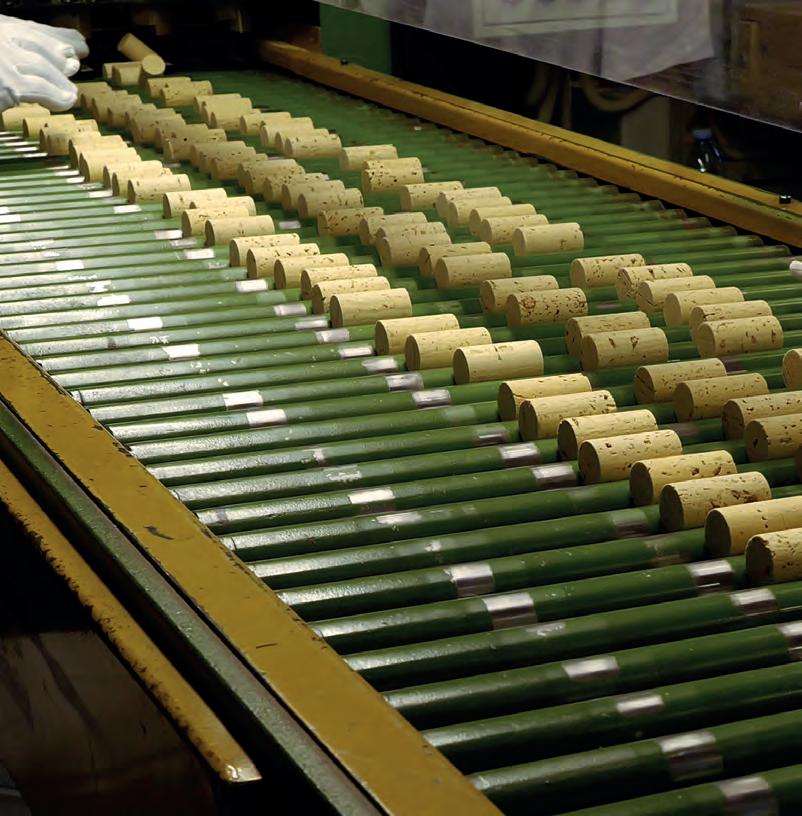
A computerized machine equipped with three cameras—two for the heads
and one for the side—then sorts the stoppers, with manual rechecks. Before personalized stamping, humidity levels are checked. Post-stamping, the stoppers are lubricated with food-grade silicone, and extraction force is tested.
This refined procedure has resulted in LTS achieving a cork taint rate of less than one per thousand. However, the company remains committed to ongoing research and development to make cork stoppers increasingly reliable.
www.sugherificio-lts.it
Crafting Success: How Microbrewery Design Can Drive Customer Traffic. BREWER WORLD.
By: Aakriti Rawat (Brewer World)
Designing a microbrewery plays a significant role in attracting customers and creating a memorable experience. A well-designed space not only enhances the overall customer experience but also communicates the brewery’s brand identity and values.
Thoughtful layout and flow can make it easy for customers to navigate the space, find their desired products, and engage with the brewing process. Comfortable seating areas, spacious taprooms, and well-designed tasting rooms can create a welcoming and enjoyable environment, encouraging customers to spend more time and return in the future.
In today’s digital age, the visual appeal of a brewery can greatly influence its online presence. Unique and Instagrammable design elements can attract social media attention and generate user-generated content. When customers share their experiences online, it can increase brand awareness and attract new customers.
Here are some ways in which the design of a microbrewery can help in getting more customers:
1. Layout and Flow: An efficient and well-thought-out layout is essential for a microbrewery. Consider the flow of customers from entrance to seating areas, bar, and brewing area. The layout
should be intuitive, allowing customers to easily navigate the space and providing clear sightlines to the brewing equipment. A logical and visually appealing flow will enhance the customer experience and make them feel more comfortable and engaged.
2. Ambiance and Atmosphere: The design elements of a microbrewery, such as lighting, colour scheme, furniture, and decor, contribute to the overall ambiance and atmosphere. The chosen style should align with the brewery’s brand identity and target customer base. Whether it’s a rustic and cosy atmosphere or a modern and sleek vibe, the ambiance should be inviting and comfortable, encour-
aging customers to stay longer and enjoy their time at the brewery.
3. Showcasing the Brewing Process: Microbreweries have the advantage of being able to showcase their brewing process to customers. Design the space in a way that allows customers to see the brewing equipment and process. Glass windows or open areas between the brewing area and seating/bar areas can create a sense of transparency and excitement. Seeing the brewing process firsthand enhances the customers’ connection with the beer, creating a more immersive experience.
4. Outdoor Space: If possible, incorporate outdoor seating areas or a beer garden into the design. Outdoor spaces provide an opportunity for customers to enjoy their beer in a different setting and can be particularly appealing during pleasant weather. Well-designed outdoor areas also act as an attractive feature that catches the attention of passersby, potentially drawing in more customers.
5. Social and Community Spaces: Consider designing areas within the microbrewery that encourage socialising and community engagement. This can include communal tables, cozy seating arrangements, or even hosting events like live music or trivia nights. Creating spaces that foster connections and interactions among customers helps build a loyal customer base and promotes a sense of belonging.
6. Branding and Signage: Use design elements to reinforce the brewery’s branding and create a memorable impression. From the logo on the entrance to signage throughout the space, make sure it reflects the brewery’s identity and stands out visually. Clear and attractive signage can also help guide customers and highlight different beer offerings, specials, or events.
7. Functionality and Safety: While aesthetics are important, ensure that the design also prioritises functionality and safety. Adequate space for brewing equipment, storage, and serving areas
is essential. Additionally, make sure the space complies with safety regulations and provides a comfortable environment for both customers and staff.
Remember, a well-designed microbrewery goes beyond just aesthetics—it creates an experience that customers enjoy and want to share with others. By considering the layout, ambiance, showcasing the brewing process, outdoor spaces, social areas, branding, and functionality, you can create a space that attracts more customers and keeps them coming back for more.
www.brewer-world.com
MUREDDU SUGHERI: leaders in “quality in use”
Since 1938, Mureddu Sug heri has been dedicated to the production of high-quality cork stoppers for fine wines.
Through constant technical and qual itative improvements and radical decisions, Mureddu Sugheri has be come recognized as a leader in the “quality in use” of cork products with in the wine industry. Their clientele includes major enolog ical groups, renowned agricultural companies, and prestigious wineries across Italy.
Utilizing the Vulcano steam-extraction technology, Mureddu Sugheri offers micro lines with exceptional organoleptic qualities. The exclusive and high-performance IGEA 2.0 individual treatment system for single-piece and sparkling wine corks ensures the first range guaranteed to be off-flavors free/zero deviations with new cell reordering. The highest quality is achieved with the CENTO product lines, which are validated and guaranteed to be TCA-free.
In Sardinia and the Iberian Peninsula, Mureddu Sugheri selects the finest cork forests. Using eco-sustainable techniques, they harvest cork bark, with the initial delicate processing stages carried out locally with care.
Once the cork planks arrive at the production facility in Nerviano (Milan), exclusive treatments and finishes are applied to the semi-finished product.
After passing 18 quality control tests, qualified technicians validate the cork stopper, deeming it ready for bottling and an extended life in the bottle.
Mureddu Sugheri collaborates with the Institute of Enology at the Catholic University of the Sacred Heart in Piacenza on research and development projects.
They are also partners in the Wine Management Lab project at SDA Bocconi School of Management, studying the national wine market and promoting synergies to support the growth of Italian wine globally. Additionally, they support the Plastic Free association (www.plasticfreeonlus.it ), working to rid Italy of thousands of tons of dispersed plastic in the environment.
www.mureddusugheri.com
Smart automation in champagne production.
PERRIER.
Temposonics® sensors used in PERRIER Bottling machines
Champagne, the famous sparkling wine from the Champagne region of the same name in France, stands for high quality and good taste. Since every single drop is precious and must not be wasted, champagne producers entrust the production and bottling processes to modern, reliable and highly automated machines. PERRIER Bottling Machines is one of the best-known machinery manufacturers among champagne producers. In this article, Stephane Chambon, Automation Manager at PERRIER, explains how Temposonics® position sensors optimize the control of bottling machines.
The history of PERRIER begins in 1962, when René Perrier developed his first rotary machine for a French beverage company. It was a mechan-
ical bottle turning machine that managed to turn the bottles upside down with the help of an exclusive handling system with mechanical grippers for gripping the bottles.
Although the machinery was conceived for the homogenization of lemonade, it was immediately evident that the exclusive mechanism could also be used in the production of champagne. Then, unexpectedly, the champagne sector became PERRIER’s main market.
Furthermore, PERRIER machines are used in almost all sectors of the bottling industry in France: it is almost impossible to imagine the beverage production market without them. This market dominance alone shows the range of possible uses of the PER-
RIER product portfolio. At PERRIER, contact and communication with customers is of particular importance. The systems are designed and built according to customer requirements. “We build custom machines for our customers, so each one is unique,” says Mr. Chambon. A monobloc system, for example, fills and corks bottles. “The our smallest machines are able to bottle from 6,000 to 8,000 bottles per hour. The bigger ones reach 25,000-30,000 bottles per hour. This is equivalent to around 500 bottles per minute. Everything always depends on what the customer wants.
Our machines are designed around this,” explains Mr. Chambon. Another special feature of monoblock systems is that they collect, filter and reuse the rinsing liquid.
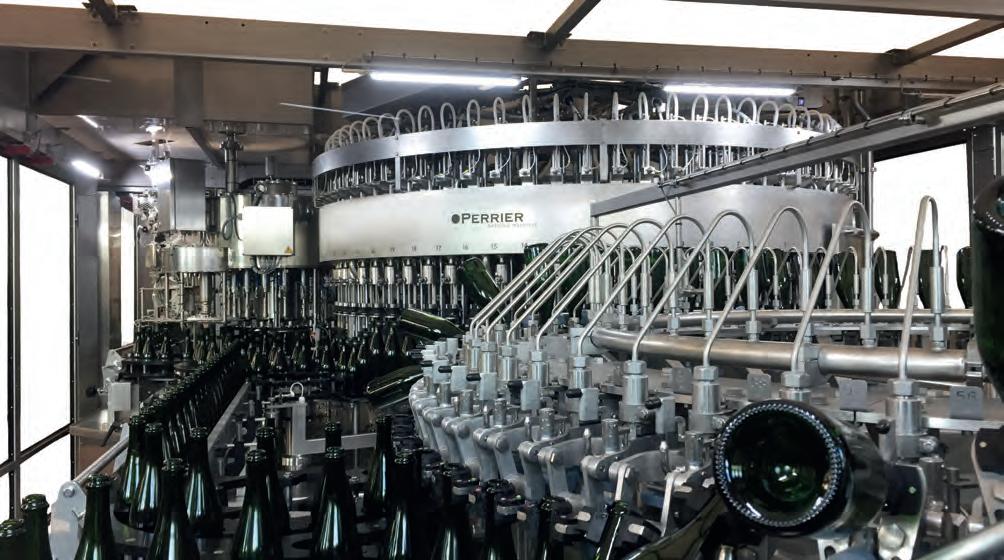
Fig. 1: A Monobloc system from PERRIER Bottling
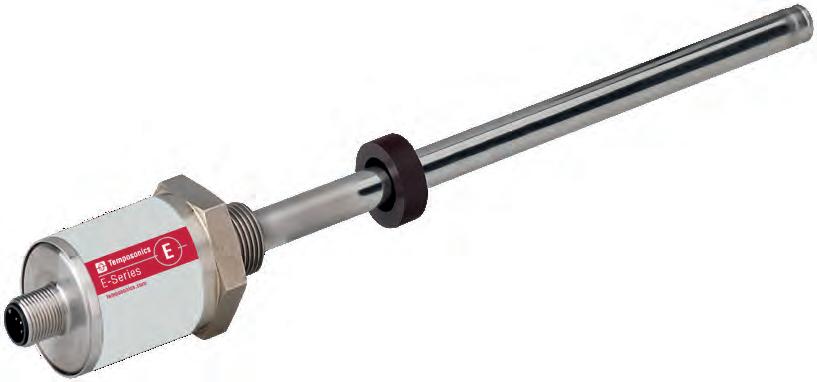
This specific monoblock system is designed to fill and cap up to 12,000 bottles and falls within the mediumsized PERRIER machinery segment. In this type of stain, a total of five Temposonics® E-series linear position sensors, model EH, with analog output, guarantee high precision workflows. Temposonics® absolute transducers are based on the manufacturer’s patented magnetorestrictive technology and measure locations reliably and without contact.
A non-contact measurement means no mechanical wear of the sensor. Compared to other technologies, Temposonics® sensors have a significantly longer life. “Initially, we installed potentiometers on our machines, however, due to mechanical wear, we had to replace them regularly. Since we started using Temposonics® sensors, we no longer have these prob-
lems”. The EH model of the E-series with stainless steel body is perfect for installation in cylinders, thanks to its rod shape. So, how do transducers ensure high-precision processes?
A sensor is located outside the system, where it measures the height of the bottle The information transmitted by the transducers offsets are used to position the filling and capping carousel fully automatically at the correct height. The monobloc system has two tanks. One of them contains the product and the other the rinsing liquid.
The sensors are installed in the tank inside a cylinder, so they do not come into contact with liquids. The exact level is determined with the help of a float equipped with a magnet. Since the contents of the tanks have different densities, it is necessary to choose the right float for each liquid.
Processing large numbers of bottles quickly exposes the sensors to enormous shock and vibration. “With 12,000 bottles filled and corked per hour, the carousels undergo great stress due to the rapid and abrupt movements” explains Mr. Chambon. Temposonics® position sensors are very durable, maintenance-free and work with extreme precision even in hostile environments, such as a fully loaded monobloc system. Installation is quick and easy. No further sensor calibration is required. “Since we have been using Temposonics® linear position sensors, our carousels adjust fully automatically and with great precision. Therefore, our machines have become more efficient, cost-effective if and sustainable. Not even a single drop of product is wasted anymore,” enthuses Mr. Chambon.
www.temposonics.com
Fig. 2: Sensore Temposonics® Serie EH
New Success for AKOMAG
In recent years there has been a strong growth in the market of gallon water bottles, both in Italy and worldwide.
Dispensers showed a positive trend, apart from the temporary setback caused by the Covid-19, mainly involving offices, factories, warehouses and various communities.
The success of gallon bottles, in particular those of reusable PET or PC bottles, obviously involves the need to guarantee the safety of water, and consequently the cleaning of containers and dispensers. Which must be accurately and periodically sanitized. The water used to fill the gallon bottles, which can be natural spring water or water from other sources, must comply with the quality parameters defined in
Community legislation on water intended for human consumption.
Used empty gallon bottles, if still intact, can be reused. But before being inserted in a new filling cycle, they must be inspected for integrity, absence of discoloration and possible odours.
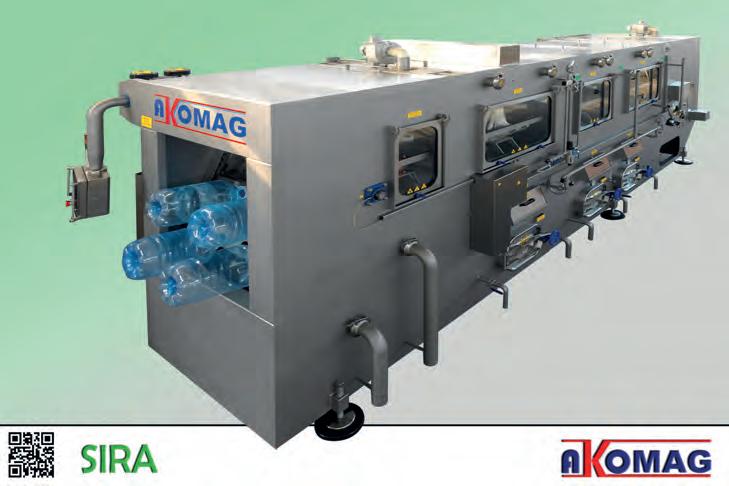
After that, they must be washed with water and specific detergents and rinsed thoroughly with special machines. Like those built by Akomag, for example, an Italian company specialized in the design and production of machines and plants for the bottling industry.
Washing,
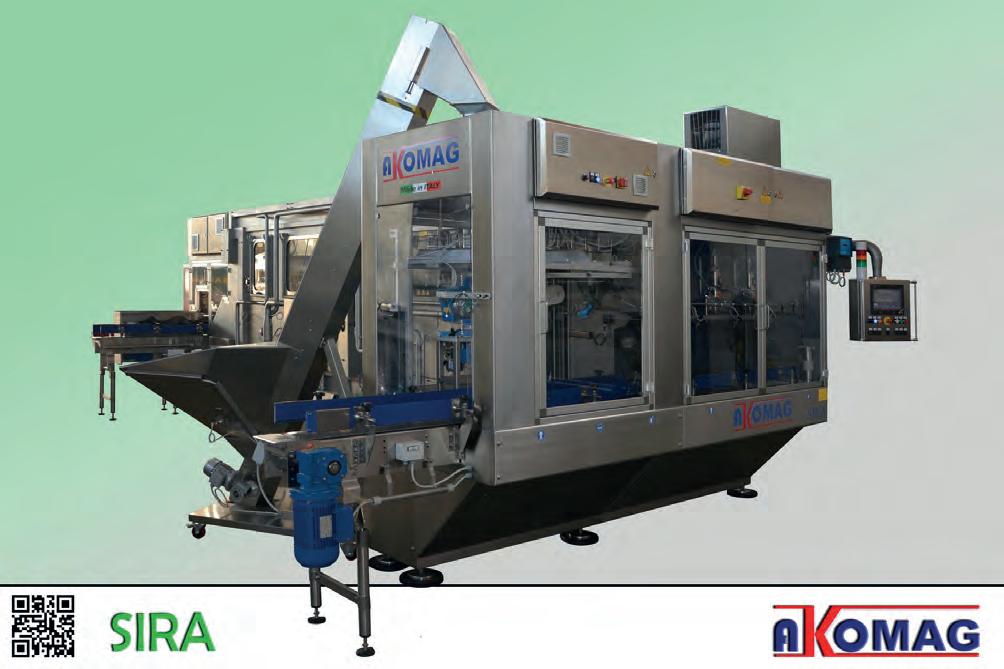
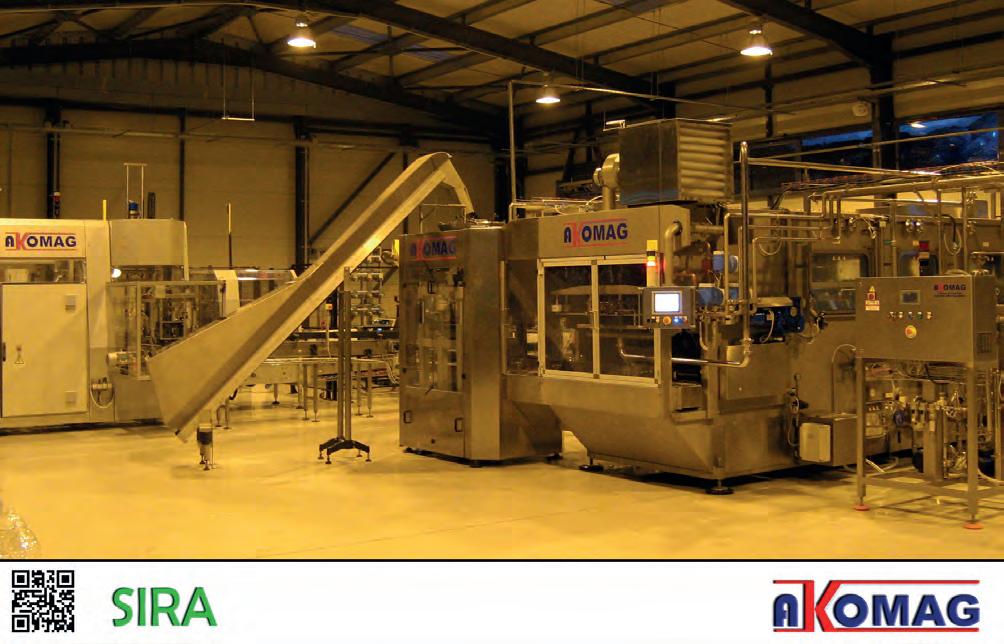
rinsing, filling, capping The Monobloc washer for gallon bottles Sira has been designed by Akomag for washing and sterilizing PET or PC gallon bottles or other bot-
tles of various sizes, to be filled with still water.
The washing cycle adapts to the various production needs of the end customer and is very effective.
For this machine Akomag has designed and produced a special spraying and brushing device for gallon bottles that ensures total cleanliness.
Through the use of special mobile nozzles furniture (penetrating and rotating), the machine washes the bottle internally at high pressure (5 bar).
While the outside is brushed by means of nylon brushes.
The machine can be quickly adapted to the different bottle formats by sim-
ply setting the type of container to be handled on the control keyboard.
The stainless steel control board installed next to the monobloc is easily accessible for the operator.
The panel is equipped with a touchscreen for the complete management of all line functions, and the display of operating parameters and alarms.
The Monobloc features an automatic de-capper in stainless steel: a pneumatic system grips the bottle neck while ejecting the cap. The system is safe, but it can be equipped with a system for the selection and ejection of gallon bottles that have not been properly de-capped.
The bottles are then filled by means of special inverter- controlled pumps.
A valve designed by Akomag guarantees a laminar flow and no contact between the valve and the bottle.
The filling is carried out by means of a special metering device that ensures extreme filling accuracy.
The capper consists of soundproof vibrating hopper, a descent channel, and a tear-off pick-up head. The closure of the bottle is guaranteed by an
inclined pressure belt characterized with adjustable pressure.
All adjustments are automatic and managed from the control panel
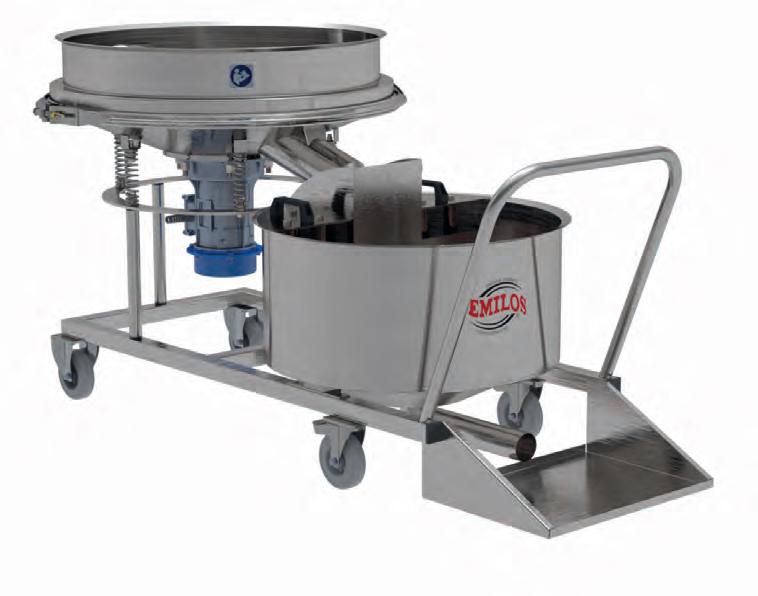
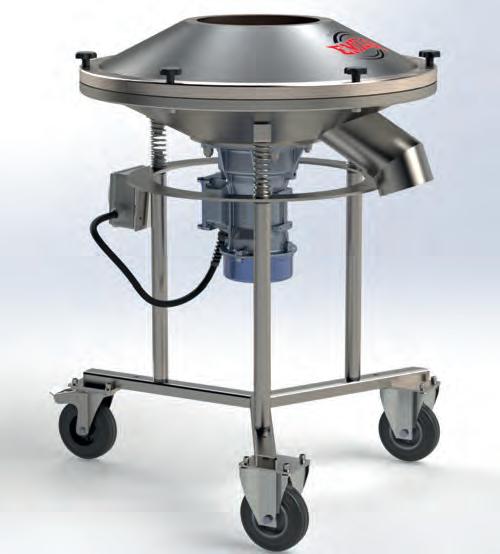
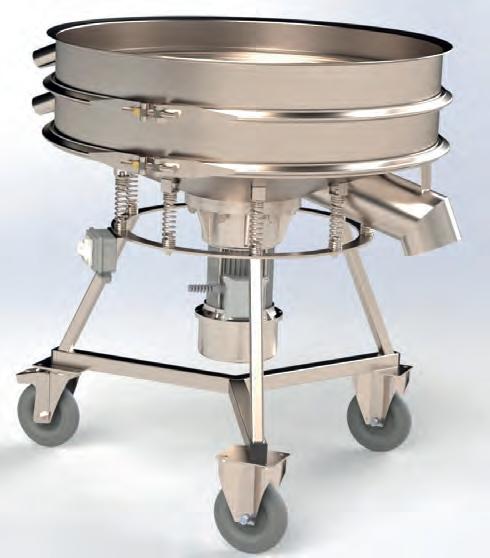
The heart of sieving is Italian: EMILOS, tailor-made solutions for the beverage industry
In the beverage industry, the quality of the final product also depends on processes that are often invisible but essential, such as sieving and material separation.
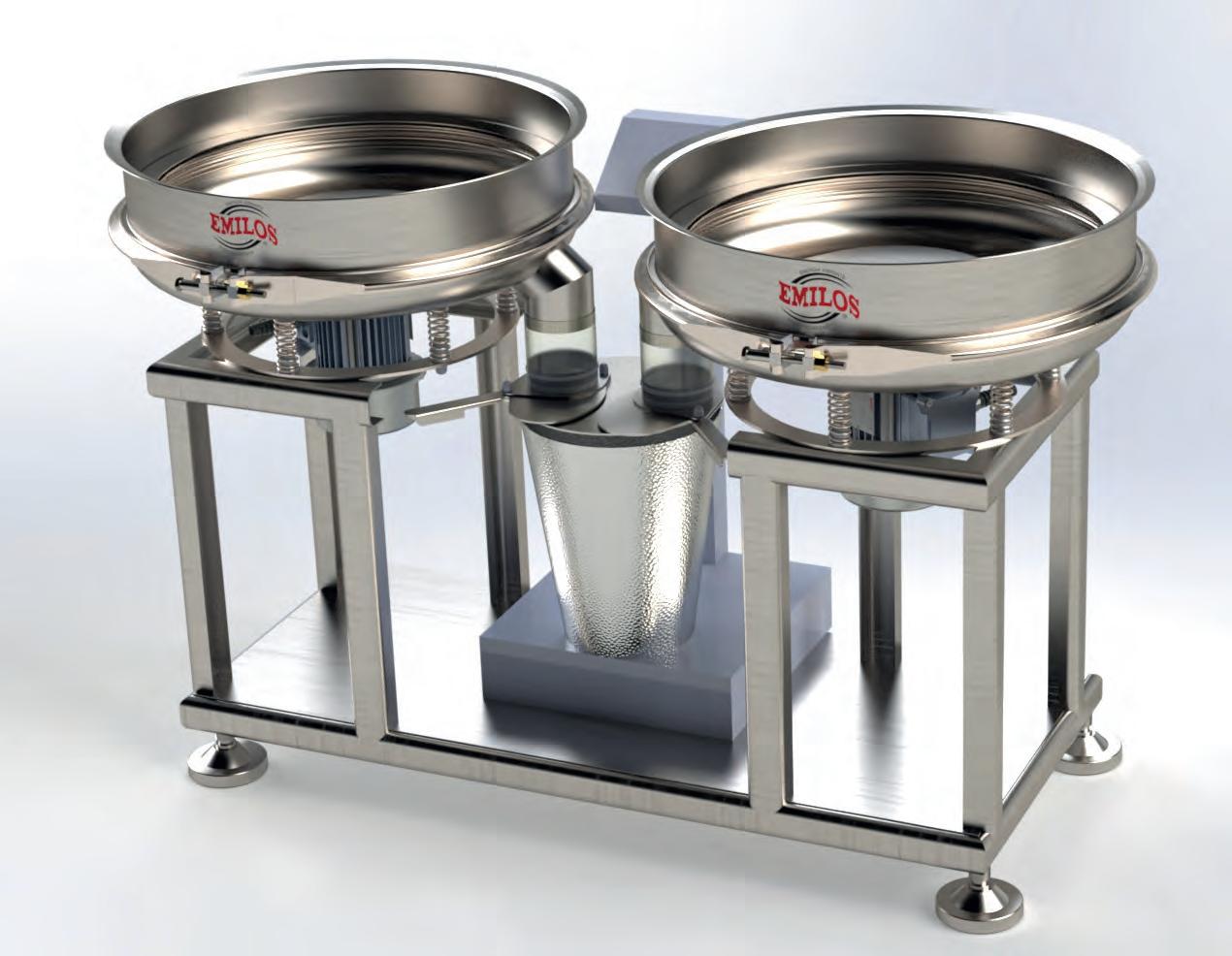
In this technical and highly demanding context, Emilos has stood out for over forty years as a specialized partner in the design and construction of fully customized vibrating screens.
Founded in the late 1970s, the company — headquartered in Cavriago, Italy — has successfully combined mechanical craftsmanship with an industrial vision, bringing the value of Italian manufacturing to the international market.
Emilos’ winning formula is based on three pillars: 100% in-house production, certified high-quality materials (only stainless steel), and a degree of customization tailored to every type of processing.
This approach makes it possible to handle even the most complex applications, thanks to machinery designed
to operate continuously, 24 hours a day, 365 days a year. High productivity, combined with precise material selection, results in a significant reduction of waste and a measurable improvement in operational efficiency.
Emilos screens are highly valued in the beverage sector for their reliability and are used at various stages of the
production process, from raw material selection to the filtration of liquids and powders, all the way to the recovery of by-products with a view to circular economy. Each machine is designed “ad personam,” shaped around the customer’s specific needs, thanks to direct and ongoing communication that allows rapid response to any challenge.
The company also offers free trials, proving not only the effectiveness of its technologies but also its commitment to building lasting trust and cooperation with every customer.
Complementing this is a highly responsive after-sales service, which includes fast delivery, timely technical support, and regular updates. This flexible operating model makes Emilos not just a technology supplier, but a true partner capable of supporting the customer’s long-term production evolution.
In the beverage segment, where process consistency and precision are crucial, relying on proven technologies is a strategic choice. Emilos vibrating screens meet these needs with
robust, high-performance solutions that integrate seamlessly into existing production lines. Their attention to detail and energy efficiency aligns perfectly with the growing market demands for sustainability and waste reduction.
Now more than ever, choosing Emilos means investing in a Made in Italy pro-
duct that blends experience, innovation, and a service designed around the real needs of the industry. A company that continues to evolve without ever losing sight of its original values: pragmatism, expertise, and passion for technology.
www.emilos.eu
Trade fairs, Consorzio Birra Italiana becomes new partner of SIMEI 2026
Simei accelerates its focus on beer and seals a new partnership with the Consorzio Birra Italiana – the Italian Beer Consortium, the leading national association for agricultural producers, malthouses and independent breweries, which will officially join the programme of the 31st edition of the event, scheduled from 17 to 20 November 2026 at Fiera Milano Rho.
Among the new features, the launch of the new Italian Beer Contest and an ex-
hibition showcase entirely dedicated to made-in-Italy hops that will boost the traditional product areas dedicated to wine, beer, oil and spirits of the Unione Italiana Vini’s biennial exhibition.
For the CEO of Unione Italiana Vini Servizi, Paolo Castelletti: “This new partnership consolidates the role of the event as an international reference point for technological innovation at the service of the beverage industry. SIMEI is an increasingly integrated space, attentive to sustainability and
market development, ready to respond to the growing need of companies to diversify their production offer.”
“SIMEI is the ideal showcase to highlight the incredible qualitative evolution that the Italian brewing sector is currently experiencing” said Teo Musso, president of the Italian Beer Consortium.
Today, the sector is increasingly looking toward quality, innovation and the promotion of local raw materials-a focus that deserves recognition and this fair provides the perfect technological assist to create new connections and give further momentum to growth.”
One of the events featuring at the fair is the new Italian Beer Contest, a contest open to all small independent breweries - under the scrutiny of a jury of experts in the sector, tasters and journalists led by the Union of Beer Tasters - which aims to promote production excellence and reward
the craftsmanship of Italian brewers and agricultural producers. With 19 awards to be won, the competition selects the best 100% Italian beer entries (top and bottom fermentation) made with a prevalence of Italian malt and hops, alongside the special F.I.L.O. (Italian Hops and Barley supply chain for the brewing sector) award.
The awards ceremony is due to take place in the afternoon of 18 November. Also scheduled for Wednesday is the conference on the cultivation of hops in Italy, where Professor Tommaso Ganino of the University of Parma will be leading a round table of experts in the field to analyse the state of the art in the sector, with a foray into the progress of the F.I.L.O. research project headed by the University of Udine and Sant’Anna of Pisa.
Organised by the Unione Italiana Vini, SIMEI is the biennial international exhibition dedicated to the best technology applied to machines for oenology and bottling. For over 60 years,
it has been the reference event for the entire supply chain, with innovative solutions and proposals throughout the production process. Alongside the debut of Bevertech, the new project dedicated to the world of Liquid Food & Beverage and the partnership with the Italian Beer Consortium, the 2026 edition will also enjoy the renewed collaboration with both the Oleoteca di Olio Officina (the observatory on the world of olive oils) led by Luigi Caricato for the oil sector, and Distillo, the fair dedicated to equipment for micro-distilleries that will celebrate its fourth edition at the fair.
The Innovation Challenge is also confirmed, the competition that honours the sector’s most significant technological innovations.
For information and details for participation in the contest: segreteria@consorziobirraitaliana.it
www.simei.it
Tropical Food Machinery Cutting-edge technology, research and professional ethics serving the clients’ needs
Tropical Food Machinery is an international company with two headquarters in Italy and Brazil, leading in the global field of fruit processing machinery.
Founded in the late 1970s by a pioneering Italian entrepreneur, the
company currently boasts an operating branch in the Brazilian state of Minas Gerais, two-fruit processing plants in the country’s north, as well as liaison offices in India, Costa Rica, and across the Asia-Pacific and West Africa regions.
Thanks to its decades-long knowhow, Tropical Food Machinery offers complete production plants for the industrial process of tropical, deciduous fruit or tomato, producing finished products like natural juices, concentrated juices, nectars, purée,
fruit in syrup, chopped tomato pulps, sauces, and jams.
Every production plant is designed and built in-house, the designs satisfy a wide range of multipurpose technological solutions, starting from very low-capacity systems such as mobile small-size plants up to large-scale plants.
The projects include the use of aseptic filling, a technology that guarantees a shelf-stable product at room temperature (without the need for a cold chain) and is confirmed as an economical and tested solution for several types
of products. These highly specialized systems enable the product processing cycle to be traced, guaranteeing compliance with the highest quality and safety parameters.
Tropical Food Machinery offers a range of complete aseptic filling units that vary depending on the customer’s marketing and logistics needs.
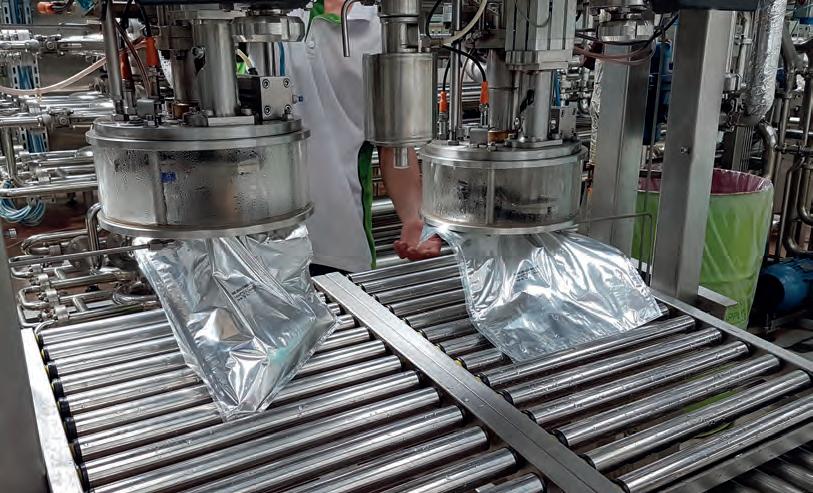
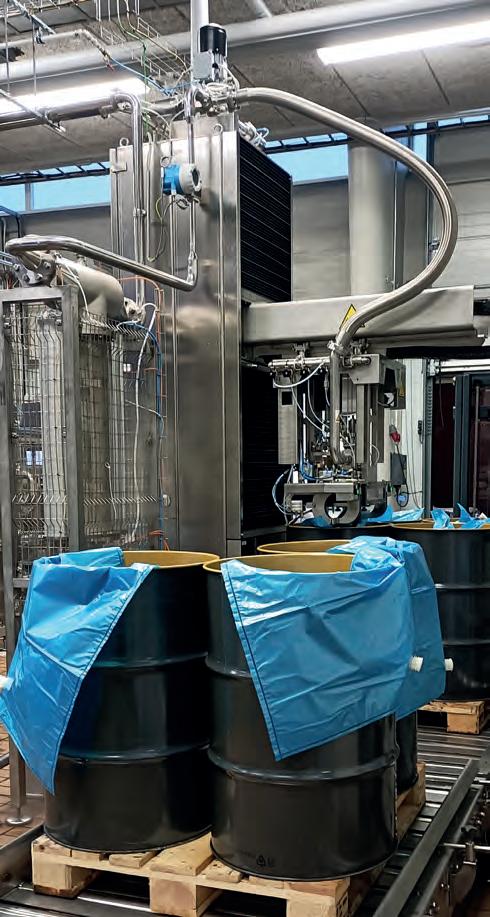
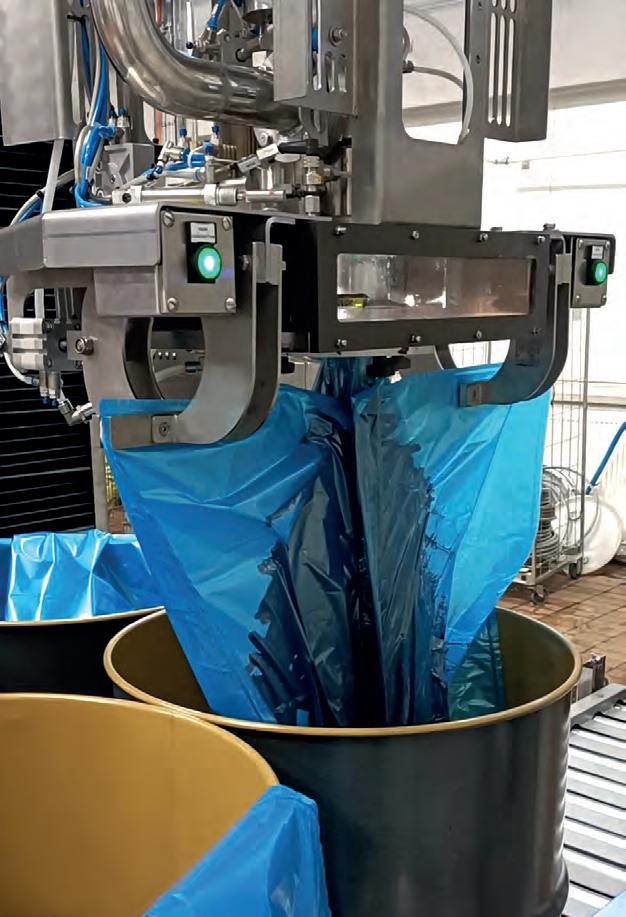
The Dione filling machine has been developed for filling bags with capacities ranging from 3 to 20L, making it ideal for small plants with limited production capacity seeking high-tech and qualitative processing. The other filling units support higher production capacities and are designed for filling drums with 220L bags up to bins with 1000L bags.
The Calipso aseptic filler is developed for filling drums for medium-large sized plants and can be supplied with a single or double filling head.
The Teti/2 double-head aseptic filler guarantees a filling capacity of up to 12,000 l/h and is ideal for the aseptic filling of concentrated juice, whole pulp, tomato puree in drums or curing bins ranging from 5 to 1,000L.
All Tropical Food Machinery filling machines are fully equipped with cutting-edge instruments for the automatic management of aseptic filling cycles and product quality control. www.tropicalfood.net
“
TRENDS IN THE EUROPEAN BEVERAGE MARKET: PET
OR GLASS?
“
The European beverage market is undergoing significant transformation, driven by increasing environmental awareness and new regulations.
by the editorial staff
Beverage manufacturers face a crucial dilemma: continue using PET or revert to glass? This decision is not just a matter of corporate preference but involves complex considerations related to the environment, economy, and consumer expectations.
In recent years, PET (polyethylene terephthalate) has been the dominant material for beverage packaging. Its characteristics of lightness, strength, and relatively low
cost make it a practical choice for many companies. Additionally, PET is easily recyclable, and recycling infrastructures are well developed in many parts of Europe. However, despite these advantages, the use of PET is increasingly criticized for the environmental impact associated with its production and waste management. Plastic remains a significant problem for marine and land pollution, and public perception is influencing corporate strategies.
In this context, glass is experiencing a resurgence. Historically used for beverage packaging, glass is perceived as a more sustainable choice. It is completely recyclable and can be reused multiple times without losing its properties. Moreover, the transparency and premium appearance of glass can enhance the product’s image in consumers’ eyes. However, glass also has its drawbacks: it is heavier and more fragile than PET, leading to higher transportation and handling costs. Additionally, the glass production process is highly energy-intensive.
Beverage manufacturers must therefore balance various factors. On the one hand, using glass can improve corporate image and meet the expectations of increasingly sustainability-conscious consumers. On the other hand, operational and logistical costs associated with glass could negatively impact profit margins. Some com-
panies are exploring hybrid solutions, such as using recycled PET or bioplastic, which can offer a compromise between sustainability and practicality.
Government policies play a crucial role in this transition. Many European countries are introducing stricter regulations to reduce the use of single-use plastics and promote recyclable materials. These regulations can incentivize companies to invest in more sustainable packaging solutions. However, the transition requires time and significant investments in infrastructure and innovation.
Finally, consumer behavior is a decisive factor. Consumption trends are changing, with a growing preference for eco-friendly products. Companies that can effectively communicate their commitment to sustainability can gain a competitive advantage. However, it is essential that these strategies are supported by concrete actions to avoid accusations of greenwashing.
In conclusion, the future of beverage packaging in Europe might see a mix of materials, with glass playing a more prominent role alongside innovative solutions in recycled plastic.
Companies will need to adapt quickly to these trends, balancing sustainability, costs, and consumer expectations to thrive in an ever-evolving market.
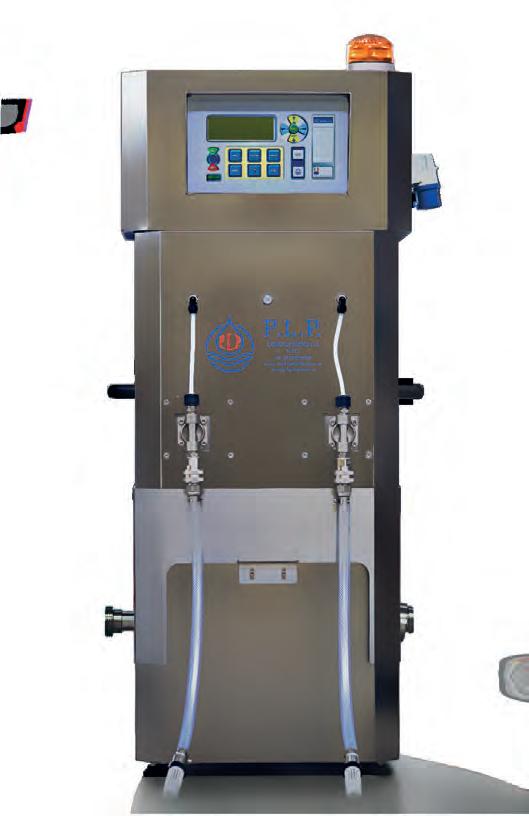
PLP SYSTEMS, offers complete and customized solutions for dosing, coating and weighing of powders and liquids
Our teamwork, the technical competence and flexibility of our engineers are the key to our success. We attach great importance to being open to new ideas and unique solutions, this being an integral part of our PLP culture, but also innovation, precision and reliability.
PLP SYSTEMS continues to establish itself as one of the world leaders in the dosing of liquid components and in the micro dosing of ingredients in powder or granules, presenting to the market the most advanced technologi cal solutions in the sector.
Both liquids and powders play a fun damental role in the creation of the final product and that is why the pro duction processes of dosing, mixing and coating must be managed in an accurate and precise manner.
These are some of our solu tions:
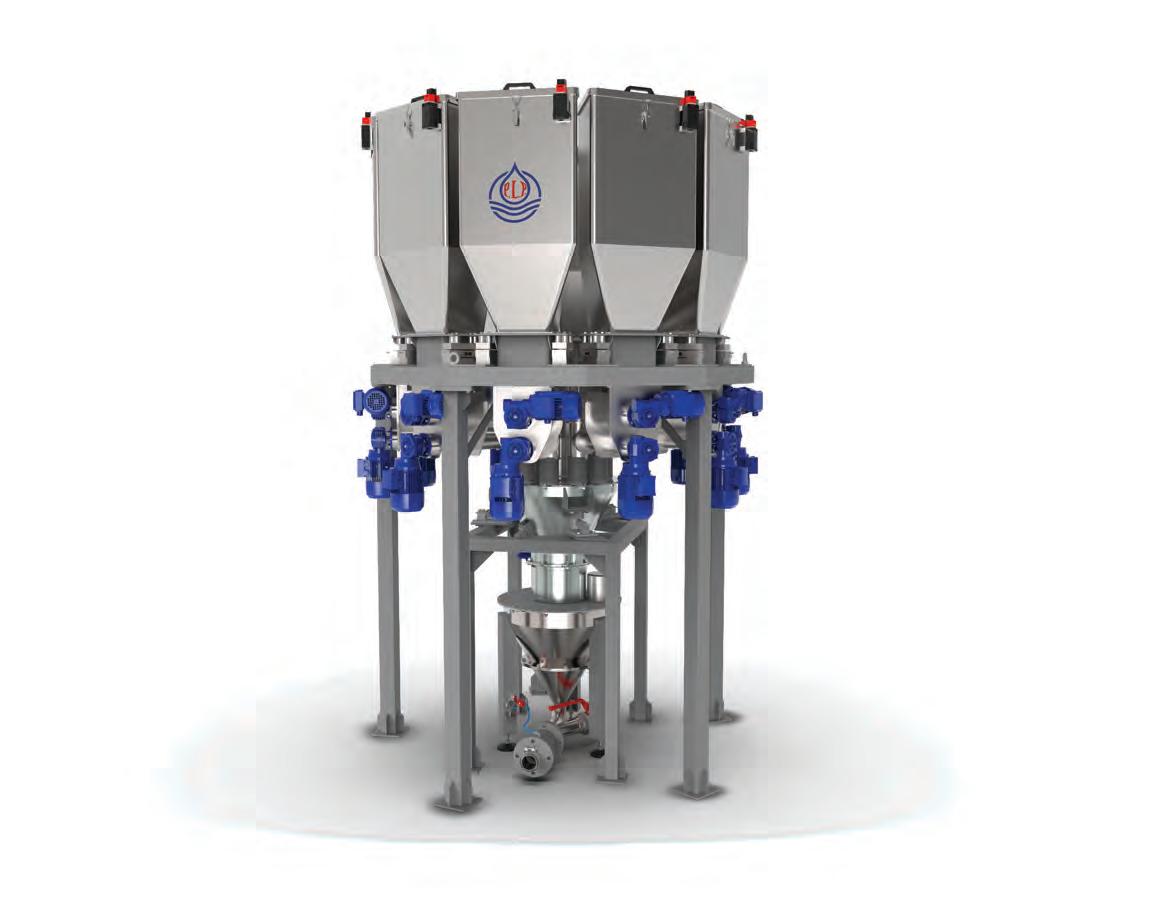
MDP, Micro Dosing for Powders (powder micro dosing) is a system used for the micro dosing of different types of powder ingredients. Size, capacity and logical function can be designed and adapted to meet customer needs.
The system is normally used as a batch dosing scale, dosing each powder individually into the weighing hopper. Other types of configurations are possible such as loss-in-weight dosing, continuous dosing and volumetric dosing.
The MDP has been designed with the aim of achieving a smooth manufacturing process and a simple maintenance system. A various range of products
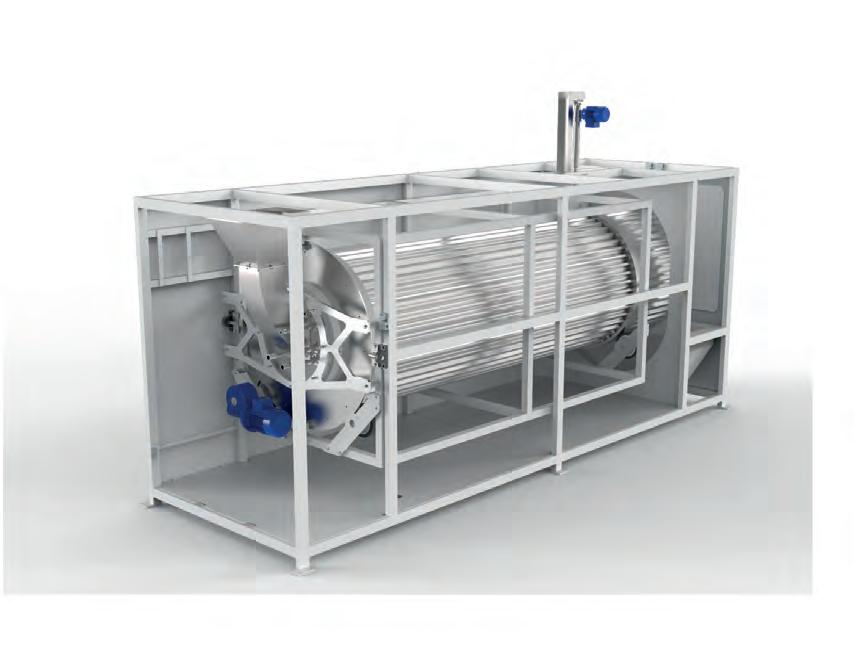
tives such as oil, dyes, chocolate, caramel, etc., and the addition of powder additives such as flavorings, spices, salt, dyes
The drum has a valve system located on the discharge, which allows small batch mixes of the product with longer retention times.
This guarantees excellent coverage over the entire surface, even with a high percentage of additives.
The system is designed according to the production capacity by completely dimensioning the drum.
For more information, please visit our website
Equipment and lines for the integrated processing of FRUIT and VEGETABLES
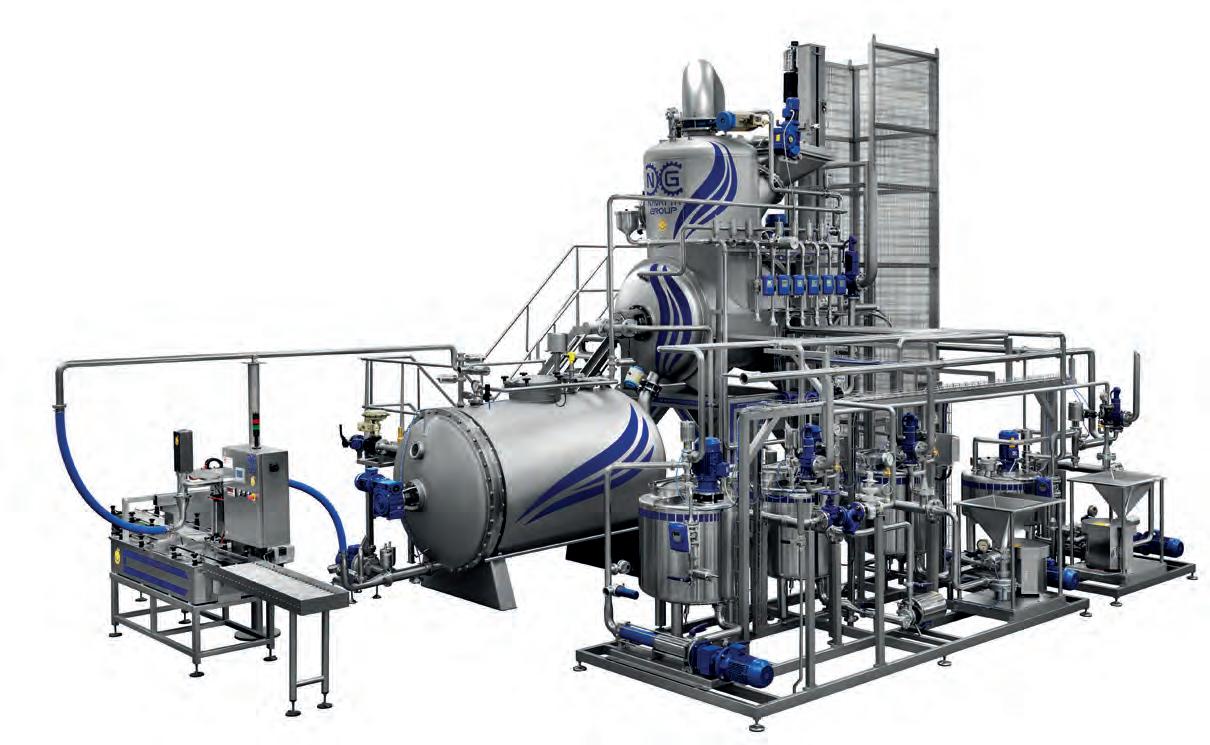
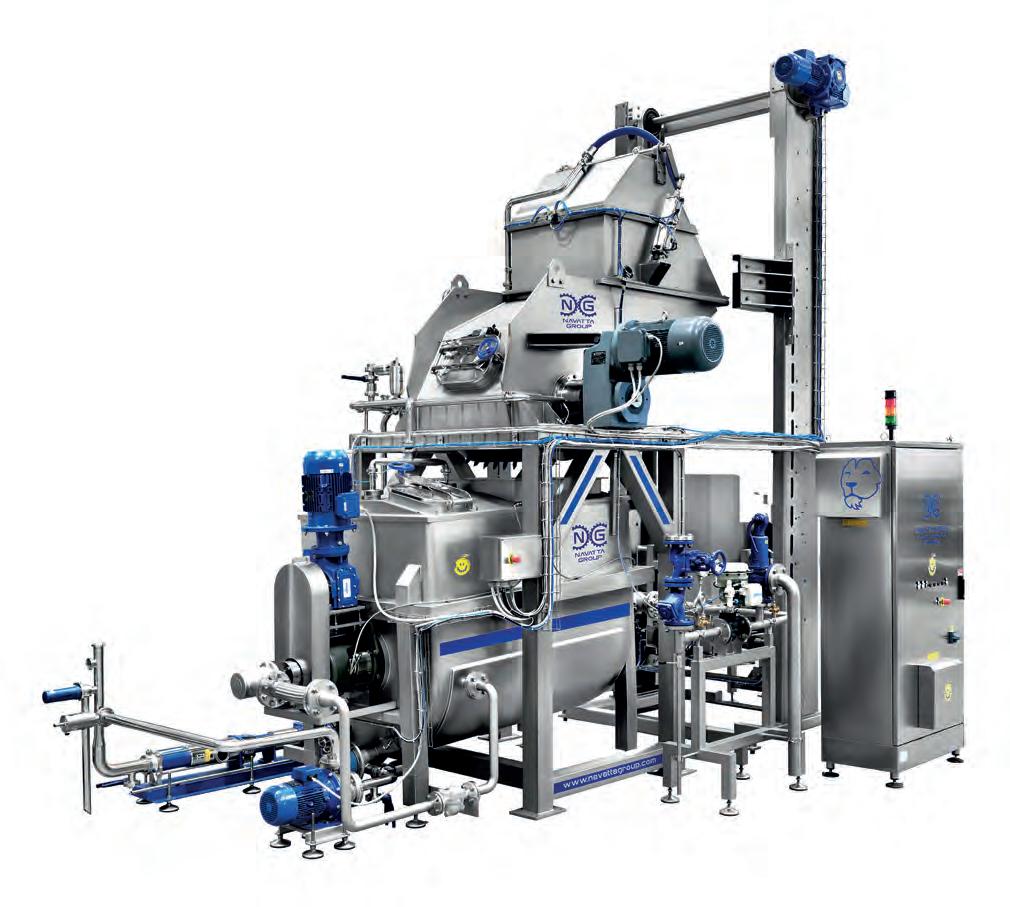
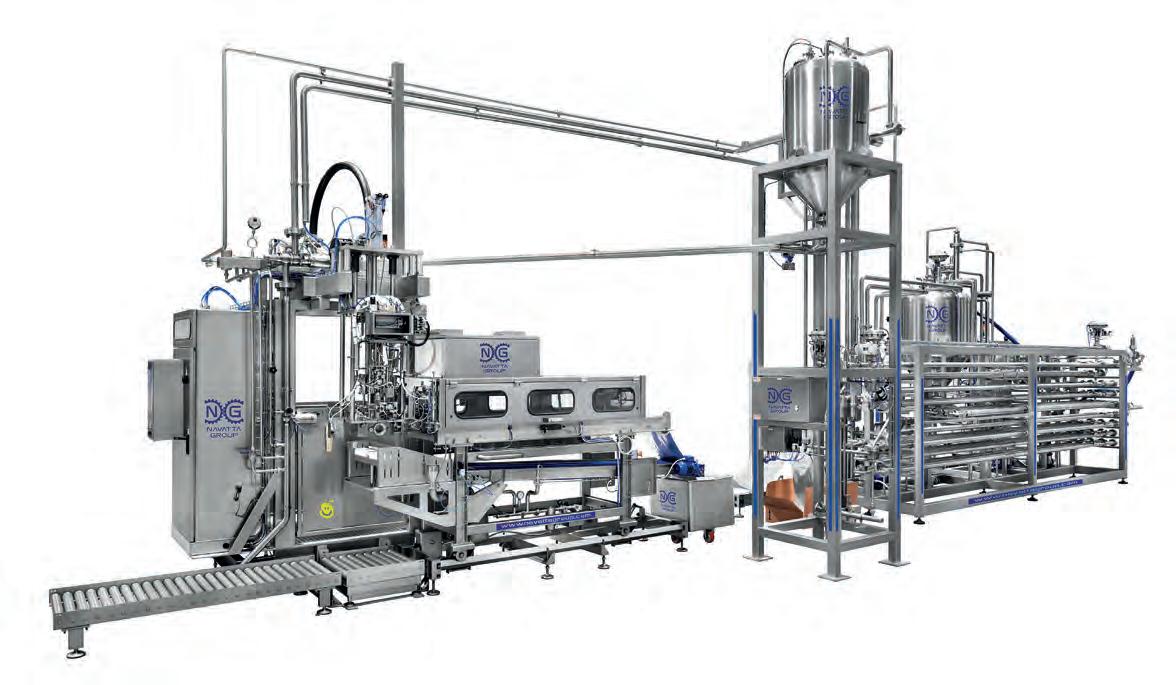
The company Navatta, founded by Mr. Giuseppe Navatta in 1983, produces and installs fruit and vegetable processing lines and boasts references across the globe.
NAVATTA, THE GLOBAL SUPPLIER OF INTEGRATED FRUIT & VEGETA-
BLES PROCESSING EQUIPMENT AND LINES, PROVIDING WELL PROVEN AND INNOVATIVE SOLUTIONS FOR A FULL RANGE OF PLANTS also thanks to the numerous companies’ acquisitions over the years, such as Dall’ Argine e Ghiretti in 2001, a 40–year-old company world famous for rotary can pas-
Line to produce thermostable jams for bakery products. Working capacity: up to 2.400 kg/h product ready for hot filling.
Linea per la produzione di marmellata termo-stabile per prodotti da forno. Potenzialità 2.400 kg/h di prodotto pronto per il riempimento a caldo.
teurizers and tomato pulping lines; Mova, in 2010, with extensive experience in bins handling, bins and drums emptying, palletizers and depalletizers, washing systems; Metro International, in 2012, leader in fruit and vegetables processing, boasting international patents for juice and puree extraction, concentration plants
Bag-in-drums 220 l frozen fruit pure processing line: emptying, heat treatment, aseptic filling 3 - 5 kg.
Linea di lavorazione di pura frutta surgelata in fusti da 220 l: svuotamento, trattamento termico, riempimento in asettico 3 - 5 kg.
and thermal treatment; Ghizzoni Ettore, in 2012, specialized in special batch plants for ketchup, sauces and jams.
MANUFACTURING RANGE
NAVATTA GROUP manufactures and commissions Processing Lines, Systems, Equipment for Fruit, Tomato, Vegetables for:
• peeled / diced / crushed tomatoes, tomato sauces and purees, tomato paste, all filled into any kind of package or in aseptic;
• diced, puree, juices (single strength or concentrated) from Mediterrane-
an / tropical fruit, all filled into any kind of package or in aseptic;
•Fruit crushing lines from IQF, frozen blocks and frozen drums
• High yield PATENTED fruit puree cold extraction, fruit purees / juices equalized in aseptic.
•Wide range of evaporators to produce tomato paste Mediterranean
Single head aseptic filler “Webzero” for web small bags 3-5-10-20 liters - automatic loading system - no operator needed – patented system. Semi-automatic filling of 220 bags in drum. Aseptic tank and sterilizer. riempitrice asettica a testa singola “Webzero” per riempimento di sacchi piccoli da 3-5-10-20 litri –sistema di caricamento automatico - nessun operatore necessario – sistema brevettato. Riempimento semiautomatico di sacchi in fusto da 220 l. Tank asettico e sterilizzatore.
• Formulated products productions (jam, ketchup, sauces, drinks) starting from components unloading to dosing, mixing, mechanical / thermal stabilizing, to filling into any kind of package or into aseptic;
•Processing pilot plants;
• Vegetable processing as receiving, rehydration, cooking, grilling
Navatta Group’s headquarter and the two production units are located in Pilastro di Langhirano, Parma, with a total production area of 10,000 square meters.
A new area of 10,000 square me-
ters has recently been purchased and is ready for the third processing unit to be built.
VISION: Passion is the factor that drives us to higher targets, in terms of
technology, products and services.
MISSION: To constantly increase Customers’ satisfaction and fidelity.
Visit: www.navattagroup.com
Navatta, the global supplier of integrated fruit&vegetables processing equipment and lines, providing well proven and innovative solutions for a full range of plants.
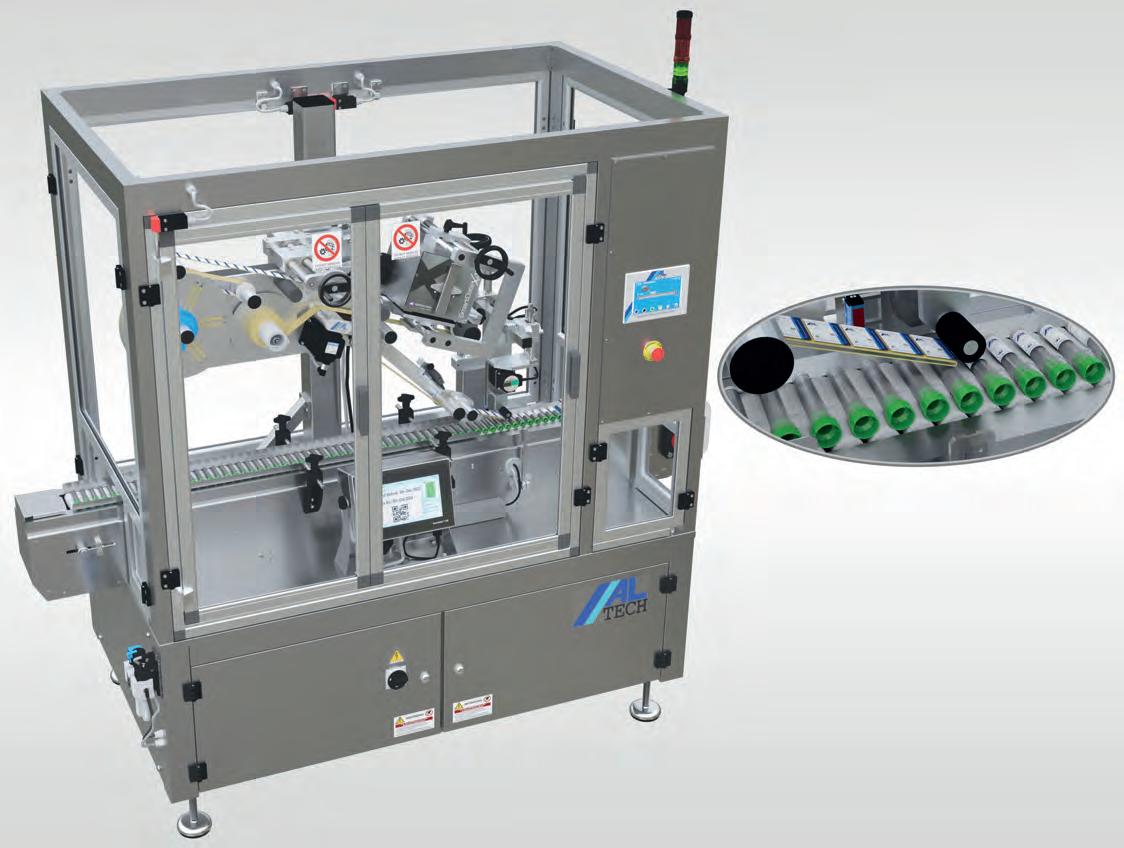
ALTECH presents the latest innovations in the labelling and identification sector
Altech, a leading company in the packaging sector, proudly presents its latest innovations and product news:
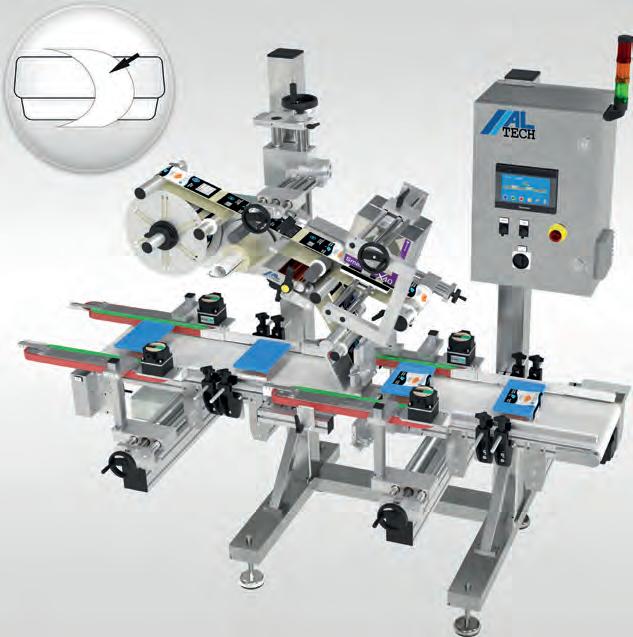
•An ALline E/C linear system for front-back labelling of flat and elliptical bottles.
The system on display will be equipped with a special feature
–an electronic system able to change between formats on the machine simply by bringing up the recipe on the display, relieving the operator of the need to make most mechanical regulations.
This new system is not, however, a spectacular idea developed only to amaze attendees, but is actually a device which can already be ordered from the range of available options for ALline labelling systems.
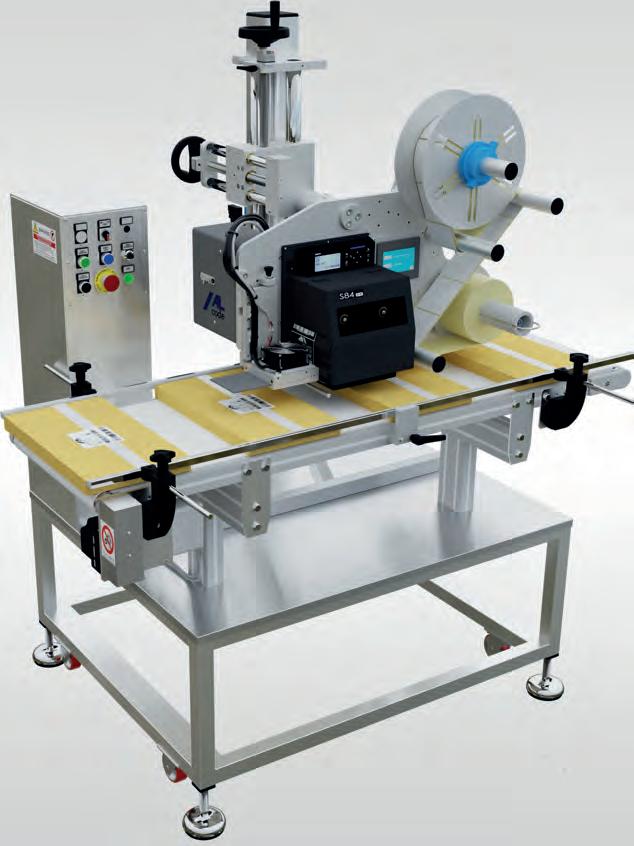
•A newly designed ALcode P system, able to print and apply labels to pallets at multiple positions and heights.
The system, which will be exhibited as a concept, is based on a programmable robot arm which offers exceptional flexibility, and can be easily reprogrammed to satisfy a multitude of pallet labelling requirements.
The ALTECH stand will also feature numerous other machines representative of ALTECH’s selection of labellers, from the range of labelling heads (recently overhauled, and also available in industry 4.0 version) and the ALcode print/apply series, through to a system for labelling food trays and a wraparound labelling system for vials and syringes.
All systems will be exhibited fully operational, as per ALTECH tradition
ERCOPAC: flexibility, innovation and sustainability in end-of-line automation
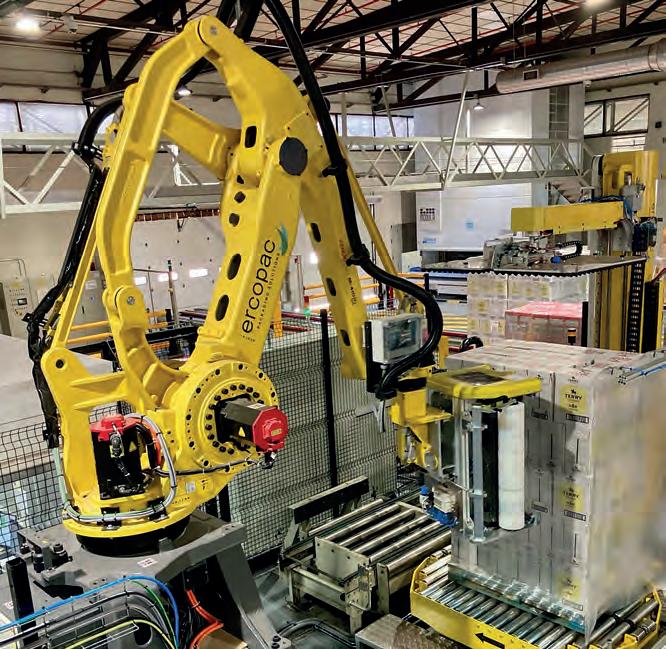
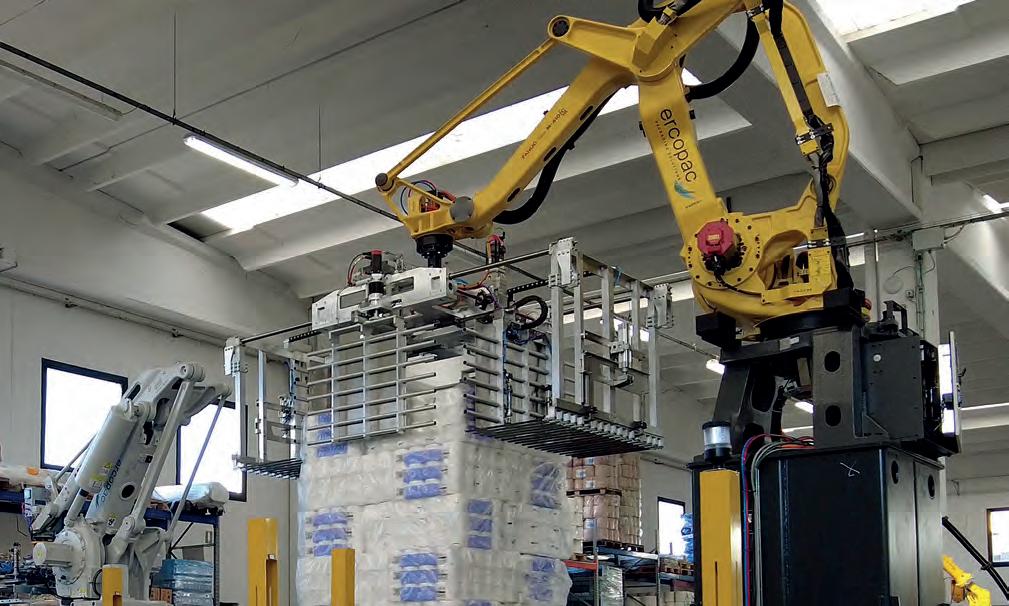
Ercopac, a company founded in 2022 in Scandiano (Reggio Emilia), operates in the automation and packaging industry and stands out for its flexibility, innovation, and sustainable approach. Despite economic and geopolitical challenges, the company has quickly established a solid market presence by focusing on robotic end-of-line and intralogistics solutions for the food, beverage, and tissue industries. Its product portfolio includes:
• Robotic palletizing systems
• Robotic and traditional stretch wrapping systems
• Robotic empty pallet handling and control systems
• Robotic labeling systems
• Robotic depalletizing systems
All solutions are designed and developed in-house, leveraging a unique
combination of hands-on experience built over the past twenty years and a young, highly skilled team. In addition to supplying machines, Ercopac offers a wide range of customized services, from routine maintenance to complete revamping. Since 2024, the company has been ISO 9001 and 14001 certified, a clear sign of its commitment to environmental responsibility and stakeholder satisfaction.
Innovation and new technologies
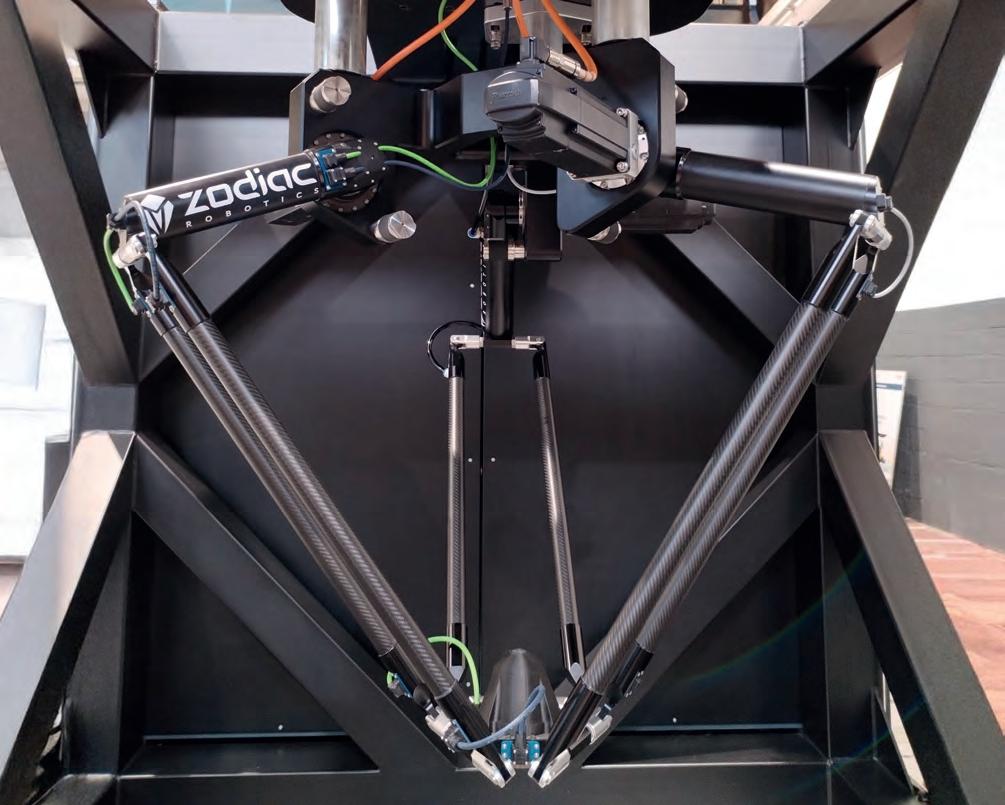
At IPACK-IMA, Ercopac will unveil major technological advancements, including the integration of delta robots into palletizing systems for managing loads of up to 50 kg, aimed at improving performance and efficiency. New patents will also be revealed, targeting pallet stability optimization and real-time monitoring, along with
developments in the company’s intralogistics portfolio.
International expansion
Ercopac is actively expanding into foreign markets, with partnerships and systems already installed in Europe, the Middle East, and the Americas, and plans underway for a new branch in South America. Strategic collaborations with local companies are key to ensuring top-quality service wherever customers operate.
Sustainability and digitalization
Sustainability and digital transformation are core pillars of Ercopac’s
growth strategy. The company has developed patented technologies for using recycled film and more efficient wrapping systems, achieving up to 30% material savings.
It is also exploring artificial intelligence to enhance its intralogistics solutions, with a vision to deliver groundbreaking AGV and LGV systems.
Driven by innovation, global vision, and a strong commitment to sustainability, Ercopac is emerging as a leading player in the automation and packaging landscape.
www.ercopac.com
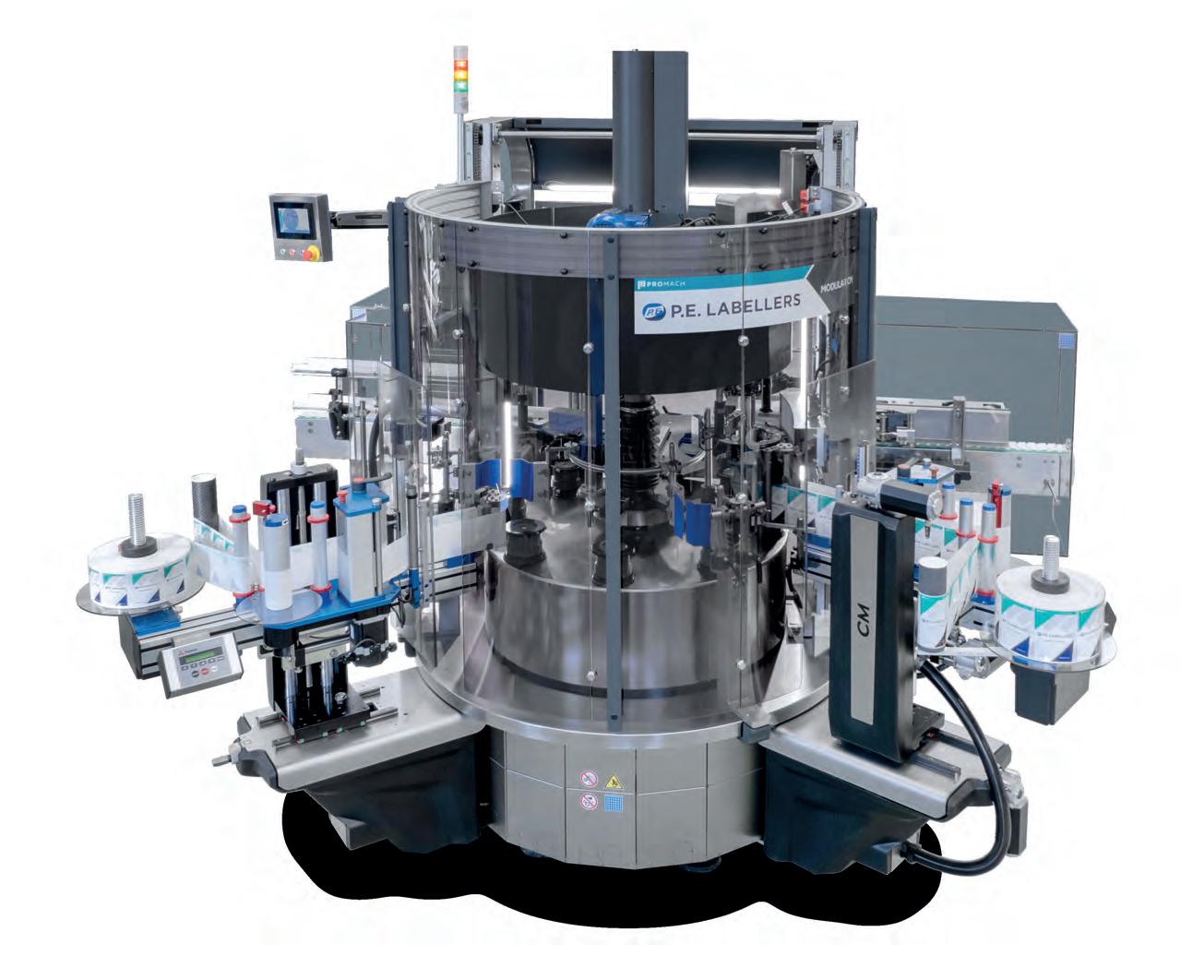
A star is born. Modular CM: the novelty by P.E. LABELLERS
It is the latest creation of P.E. launched on the market a few months ago
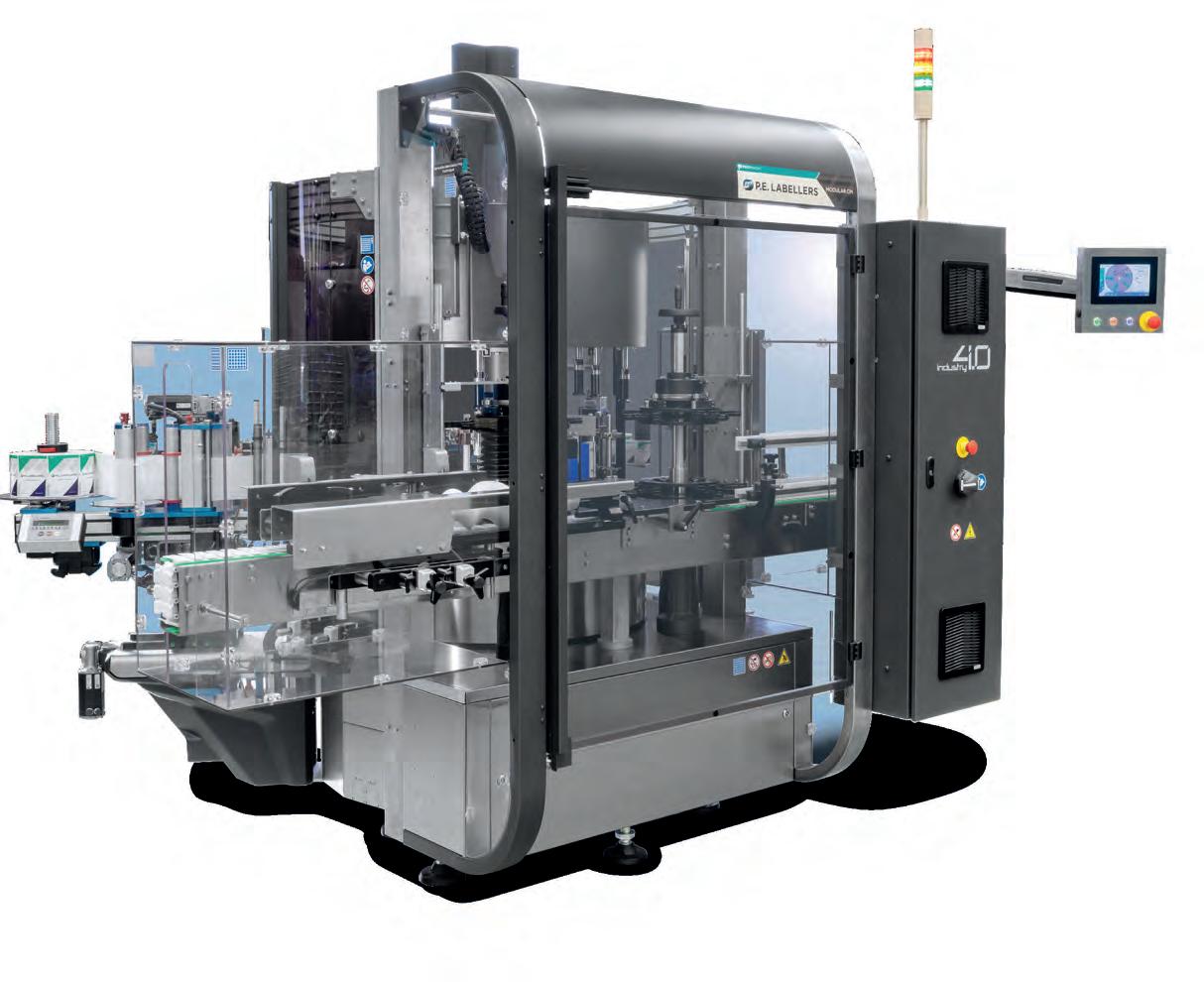
MODULAR CM is the new rotary labeling machine completely ergonomic and flexible, with its layout reconfigurable quicky and easily.
Modular CM is a compact and solid machine available in 4 sizes from small to medium, up to 6 labeling sta-
tions, perfect for glass and plastic bottles, cylindrical and shaped formats, and for partial labels – front / back, neck labels, plastic I/L/U shape tax stamps.
This solution has all the features to be loved by many sectors that need a small to medium-sized labeling machine, super flexible thanks its
complete modularity, with a layout that can be reconfigured easily and quickly.
This ergonomic labeling machine meets perfectly the needs of many sectors and satisfies the production needs of the Food&Dairy, Oil, Beer, Wine&Spirits, Beer industries.
It features labeling stations with pressure sensitive technology and cold glue, reciprocally interchangeable; they are replaceable in a few steps according to any production needs.
The Modular CM is a machine that provides the highest standards of safety for the operators: it has up/ down protections that, when raised, instantly stop the machine’s operation.
P.E. LABELLERS S.p.A.
Founded in 1974 in Mantua (Italy), P.E. Labellers is a global leader in the design and manufacture of entirely modular and ergonomic automatic labeling machines. The developed
solutions offer all available labeling possibilities, even reciprocally combined, through independent and interchangeable machines and stations.
The company’s lean production is inspired by the concept of total flexibility: with this Design Innovation approach, P.E. Labellers produces 450 machines each year, both rotary and linear, for the beverage, wine & spirits, food & dairy, but also personal & home care, pharma, chemical and pet food sectors.
Today, 10,000 P.E. machines are installed worldwide and widely managed remotely thanks to continuous support and maintenance services. P.E. Labellers features a global dimension: 8 production sites distributed amidst Italy, US, Brazil and 500 employees all over the world.
The company is part of the multinational group ProMach, a world leader in Packaging. www.pelabellers.com
Protecting your products SINCE 1991
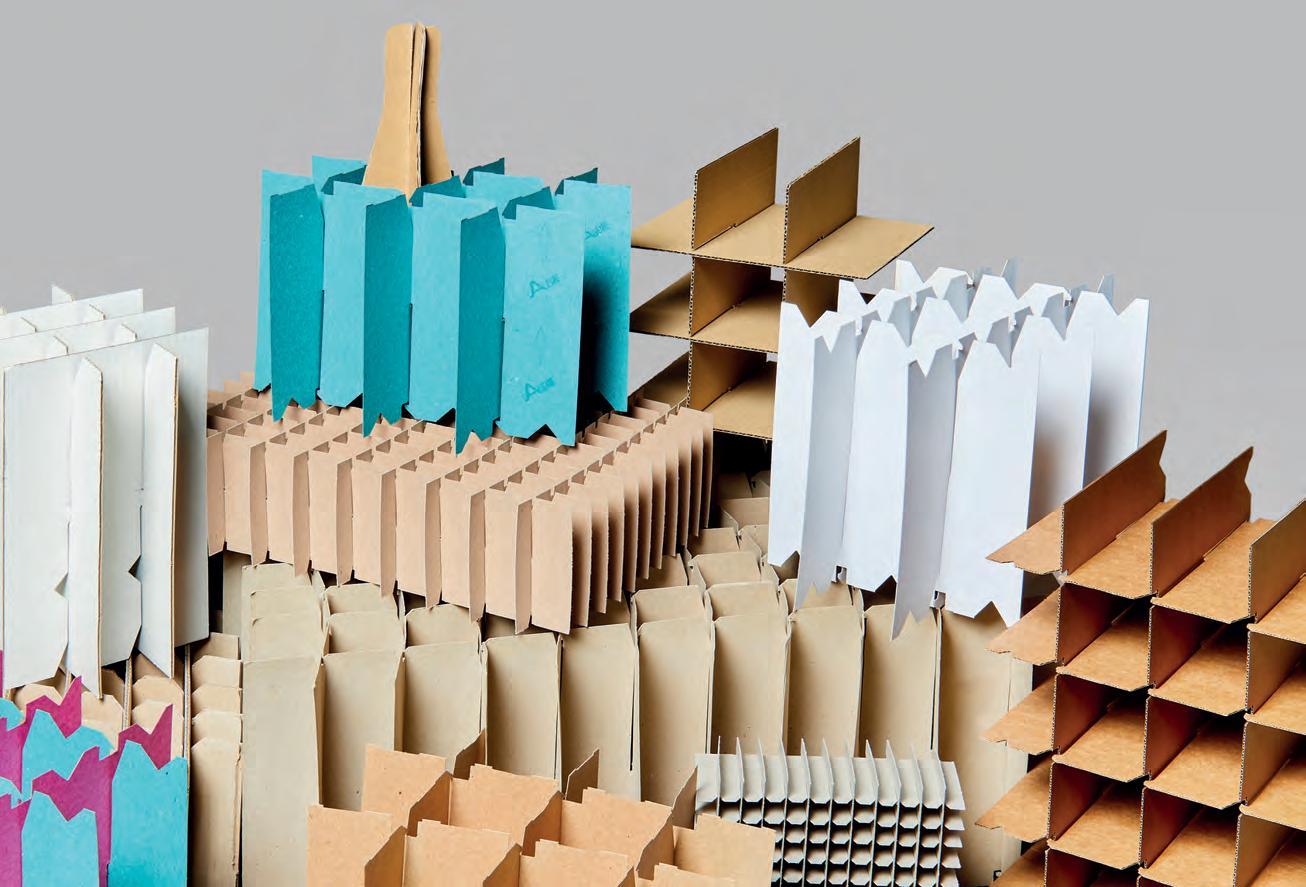
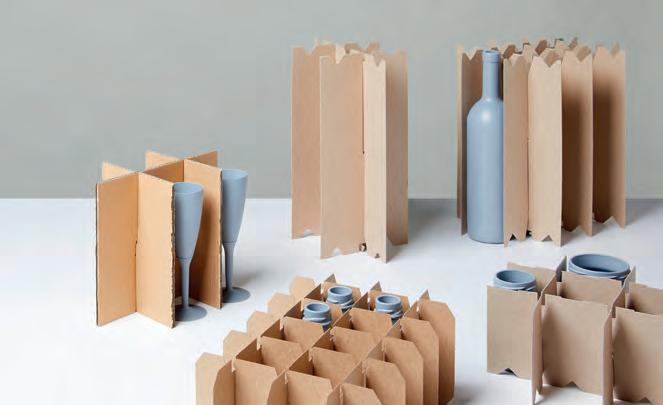
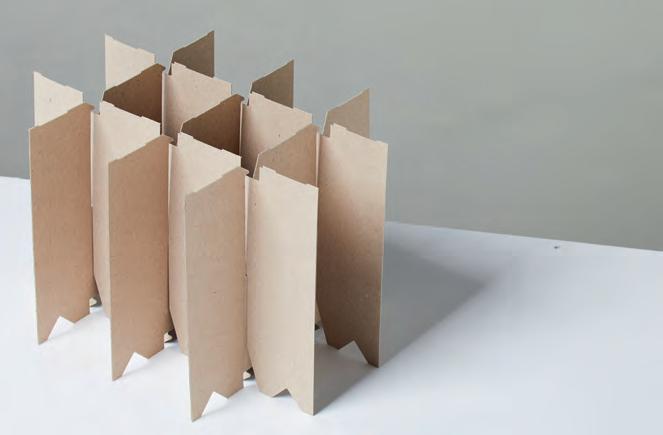
It was 1991 when Walter, Maria Grazia, and Davide started and shaped their project of manufacturing beehives and separators. Back then, the idea of offering the market that particular support for protecting products being shipped worldwide wasn’t very widespread, but it immediately received a positive response.
From that moment, the three pioneers made investments and innovations to
stay one step ahead, creating a wellorganized structure with technologies and machinery and ensuring quick and customized responses to their customers. Today, L’Alveare, considered a leading company in the production and delivery of tensioned and corrugated cardboard packaging products, relies on highly experienced collaborators, an always updated machine park, the ability to work with various sizes, and the availability of
its own means for direct deliveries. Sustainability, environmental attention, and organizational efficiency are at the core of the company’s philosophy, in addition to being the basis for the quality of the offering, with the awareness that dealing with fragility and responding to the need to “protect” means thinking thoroughly about preserving every creation of humankind.
The use of recycled and recyclable cardboard allows customers to reduce the carbon footprint of their products, supporting the image of a sustainable company, which is increasingly demanded by the market and consumers.
Solutions of every complexity and size are available for different categories of clients, including the Beverage Sector (separators and beehives for wine, spirits, beverages, and water bottles), Glassware Sector (for glass bottle and container manufacturers, up to a maximum size of 1250 mm), Mechanical and Mechatronics Sector, as well as the Pharmaceutical/ Cosmetic Sector
www.alveare.com
OPEM SPA: reveals the secret behind K-Cup® Success
The italian engineering powering the world’s best-selling capsule
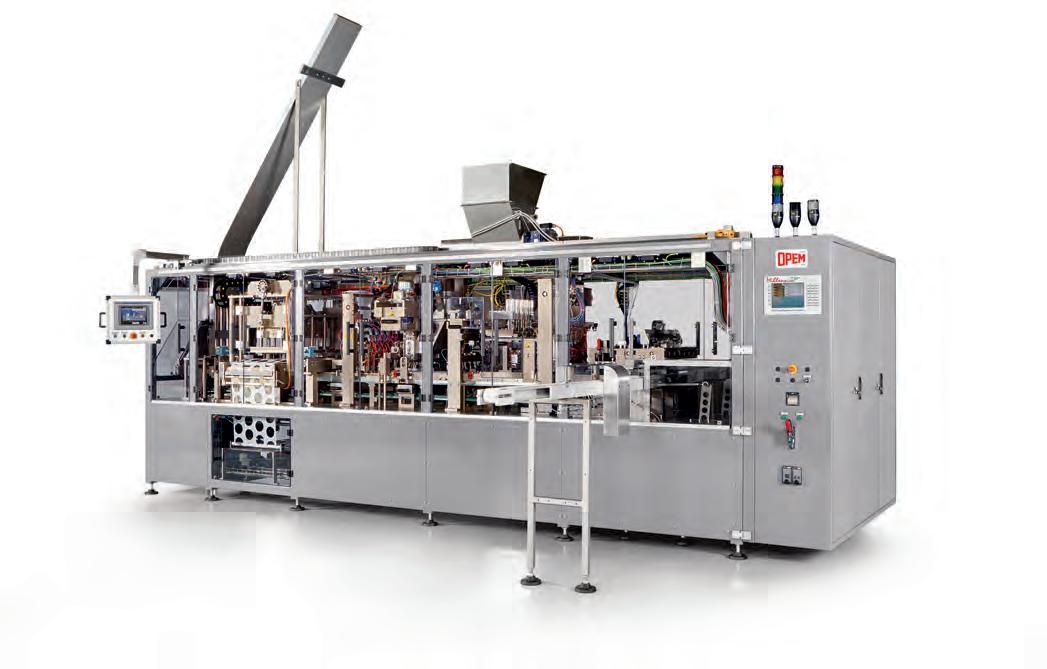
In the world of packaging excellence, there are milestones that define a “before” and an “after.” For decades, an industrial secret has linked the success of American coffee giants to the mechanical precision of Italy’s Food Valley. Today, OPEM S.p.A. reveals its role as the key technological partner in the development of production systems for the K-Cup® format, solving the engineering challenge that allowed for the birth of a cult product in the United States and beyond.
The Technical Challenge: The Internal Filter Paper
The global success of K-Cup® was not merely a matter of marketing, but of pure mechanical innovation. The heart
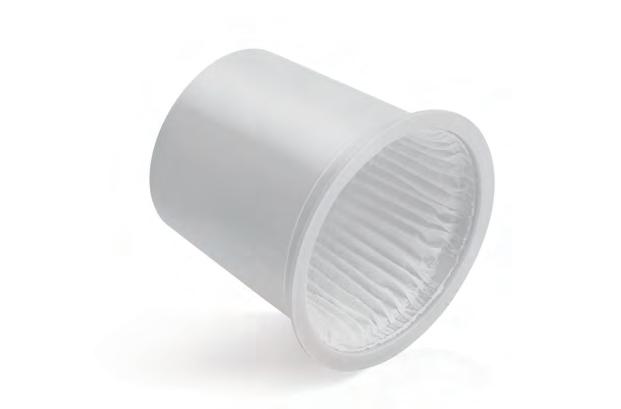
of the system lies in the ability to insert a paper filter (commonly known as a pleated cup) inside the rigid capsule perfectly, heat-sealing it completely with minimal to zero positioning tolerances at extremely high speeds.
OPEM internally developed and patented worldwide the technology for the insertion and heat-sealing of the filter cup. This cutting-edge solution
solved a critical problem: how to handle an element as light, fragile, and sensitive to temperature and humidity as a paper filter within a high-speed production process, ensuring that every single capsule offers a flawless coffee extraction. Without the near-micrometric precision of OPEM’s patented filter positioning, the K-Cup® as we know it today would not have been industrially viable.
A Journey That Began with Green Mountain Coffee Roasters
The history of this collaboration dates back to 2006, marking the beginning of the exponential growth of what was then Green Mountain Coffee Roasters. At that crucial moment, OPEM served as the engineering partner of excellence, guiding the company through its most radical industrial evolutions.
OPEM’s technological support remained a constant pillar as the American company scaled the market: first transforming into Keurig Green Mountain and later, in 2018, through the historic $18.7 billion merger with the Dr Pepper Snapple Group. This operation gave life to the global beverage giant Keurig Dr Pepper (KDP), uniting the world of coffee with iconic soft drinks.
Throughout these phases, the packaging technology designed in Parma remained the immovable production foundation: engineering capable of evolving to anticipate sustainability challenges, upon which the entire single-serve coffee category in North America was built.
Parma Engineering Conquering the Global Market
“We are proud to finally be able to share this milestone,” states OPEM management. “Being the preferred technological partner for companies that have scaled the market to become giants of Keurig Dr Pepper’s caliber demonstrates our ability to manage projects of monumental scale. Our patent for the filter cup insertion solved the technical complexity that allowed this format to become the industry standard.”
OPEM’s ability to design systems that guarantee production speed and exceptionally high quality consistency has enabled several of its client-partners to grow from local businesses to world leaders. Today, that exclusive experience, accumulated over years of development and refinement, is being made available to the global market.
Access to “High-Performance” Technology
With the conclusion of exclusivity agreements with KDRP, OPEM is opening its doors to manufacturers worldwide.
Companies looking to implement high-performance production systems can now directly access the original technology that validated the K-Cup® market.
OPEM systems, renowned for their precision and reliability, offer:
• The Patented Filtering System: The original filter cup management technology for perfect extraction.
• Unrivaled Speed: Production lines designed for massive industrial volumes.
• Certified Reliability: Systems tested for decades in the most demanding production environments in the world.
A New Chapter for Packaging
The revelation of this historic link to the development of the K-Cup® system is not just a celebration of the past, but a solid foundation for the present.
OPEM S.p.A. has already successfully integrated several sustainability principles into its processes, evolving its legendary filter insertion system to operate with the most advanced
eco-friendly and compostable materials
This technical capability allows the company to actively lead the challenges of the modern circular economy, offering concrete and tangible solutions today.
“Made in Parma” reaffirms itself not only as a synonym for food quality but as the nerve center of global mechanical innovation.
Manufacturers who choose OPEM are not just purchasing a machine; they are investing in a philosophy driven by avant-garde engineering, with the guarantee of a partner capable of mastering green technologies and proven to be a primary engine for market leaders of yesterday and tomorrow.
www.opem.it
CORNO PALLETS: innovation and sustainability
Founded in 1957 in Saluzzo, Corno Pallets has leveraged its extensive experience and continuous facility growth to provide high-quality, eco-friendly, and innovative products that meet the ever-evolving de-mands of the market.
WOODEN PALLETS: Strength and Reliability
Traditional wooden pallets are ideal for all handling and transportation operations due to their durability, flexibility, and longevity. Ensuring robust and resilient pallets starts with selecting high-quality wood. Corno Pallets carefully chooses raw materials, using only spruce and pine timber from sustainably man-aged forests and selected suppliers.
At the Saluzzo plant, over 5,000 wooden pallets are produced daily to facilitate the movement, storage, and transport of various Italian goods.
The company caters to a wide range of industries including food and beverage, automotive, chemical, mechanical, and pharmaceutical sectors.
To meet the high daily de-mand for treated pallets for export, Corno Pallets operates four kilns, enabling the production of HT-ISPM-15 pallets and dried pallets. Since 2005, Corno Pallets has been authorized by FITOK for the heat treatment of wooden packaging for global shipments.
Corno Pallets is among approximately 40 Italian companies certified to produce EPAL pallets, the leading system for circular pallet usage in logistics and transportation. A strict specification ensures EPAL pallets are of controlled quality and comply with the production processes codified by the Consortium.
PRESSPALL COMPRESSED WOOD PALLETS: a versatile solution
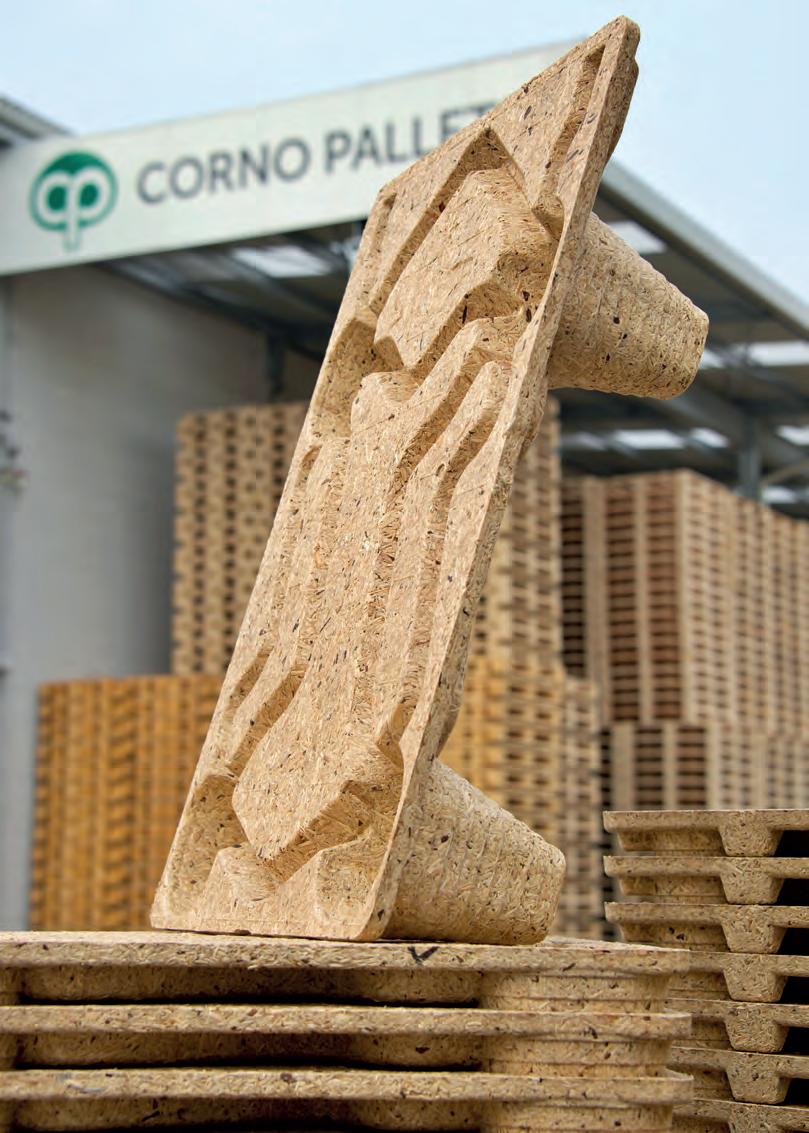
The first compressed wood pallet was created in 1971 in Siegertsbrunn (Munich), home to one of Eu-rope’s largest manufacturers of disposable compressed wood pallets. Over the years, two other major producers have joined, expanding product distribution across Europe.
In 1987, Corno Pallets imported the first stackable compressed wood pallets into Italy, initially distrib-uting them in central-northern Italy and later throughout the country via a well-established network of loyal distributors. Presspall, a flagship product, is be-
coming a key player in palletization due to three fun-damental characteristics: exportability, stackability, and a significantly reduced environmental impact.
Presspall: champion of ecology
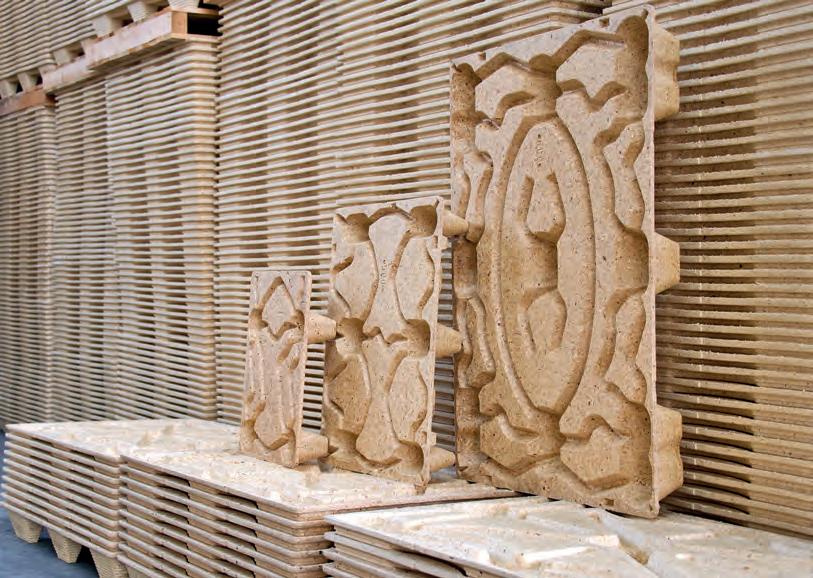
The compressed wood pallet is a significant ecological choice, primarily due to its composition. Made with 15% eco-friendly urea resin and 85% recycled wood chips, Presspall embodies the core principles of the green economy.
The wood used for Presspall largely comes from sawmills that recover
production waste or from the wood recycling chain.
Presspall also holds PEFC certification, assuring customers they are purchasing eco-friendly disposable pallets that contribute to forest conservation.
Presspall: preferred for exportability
The compressed wood pallet is the only one that does not require ISPM15 treatment for export.
Packag-ing entirely made from wood products using adhesives, heat, and pressure are exempt from export regula-tions.
The Presspall line, produced by highpressure molding of wood and natural resin, falls under the “processed wood pallet” category, thus exempt from any further anti-parasitic treatment per ISPM-15 re-gulations. This manufacturing process results in a lighter pallet with a moisture content of 3-5%, facilita-ting immediate and hassle-free exportation. Free export certificates can be downloaded from www.cornopallets.it
Presspall: promoting stackability
The compressed wood pallet was the first stackable type on the market, significantly saving space (up to 66% less than traditional pallets).
With Presspall, a truck that can hold approximately 750 traditional wooden euro pallets can carry over 2,000 compressed euro pallets, reducing transportation costs, empty loads, and CO2 emissions.
CORNO PALLETS’ OFFERING:
a comprehensive range of solutions
Completing the range of offerings, Corno Pallets provides various products to meet diverse customer packaging and handling needs.
Wooden Sideboards: Modular elements made of foldable boards that stack on the pallet to form a pallet box; available in standard formats with four hinges, they are extremely robust and can be exported worldwide.
Protection Boards: Typically used as lids for pallet protection and stacking. Customizable as framed boards or more complex fully enclosed boards.
Plastic Pallets: Available in hygienic/food-grade versions (washable, sterilizable, robust, ideal for internal use and automated warehouses) and disposable versions (made from recycled plastic, available in both stackable and traditional base slat versions).
Visit: www.cornopallets.it
A choice of sustainable packaging
GBBernucci is an historic company operating in the food packaging since 1946.
In accordance with the law and in compliance with quality requirements, GB Bernucci, with its business partners, provides a wide range of packaging solutions and is constantly dedicated to the research and development of innovative products made of ecofriendly materials that comply with its Mission: Food Safety, Respect for the Environment & Search for innovative packaging.
One of the most extraordinary products that GB Bernucci offers is Slimfresh: it is an innovative and environmentally friendly packaging solution, made of a laminated cardboard base with a food liner and coated with a top as a second invisible skin around the product. This coating offers the possibility of extending food shelf-life, ensuring freshness and time lasting.
Recycling and sustainability are the guidelines of this new eco-friendly packaging: with a simple gesture you can remove the paper from the film ensuring an efficient recycling. Slimfresh is indeed recyclable with paper.
The versatility of the product and its immediate display are the strengths of his new packaging.
In addition, thanks to a completely customizable paper based with four color printing, it offers a new advertising solution and it also gives the opportunity to pack irregular shapes for better merchandising.
Paperseal® is an innovative, ecofriendly and sustainable tray that offers brands and retailers the opportunity to replace Modified Atmosphere Packaging (MAP) plastic trays and Vacuum Skin Packaging (VSP) trays with a barrier-lined paperboard alternative.
Compared to traditional trays, this new packaging allows a plastic
reduction of about 90% as the thin inner layer can be easily removed and disposed separately, ensuring an efficient recycling.
The exclusive sealing process leads to a perfectly sealed surface. The hermetically-sealed tray ensures the product remains fresh, with up to 28 days of shelf life, depending on the application.
It is possible to customize the whole surface of the tray with an offset print up to 5 colors, both internally and externally, ensuring a 360°communication that perfectly meets the requirements of each customer.
Our innovative PaperSeal Slice® is recommended for sliced meats and cheeses requiring modified atmosphere. Constructed from a single piece of paperboard, the tray requires no folding or gluing and does not require an additional label.
We understand that the transition to fiber-based packaging is a priority
for many of our customers, and it’s clear that sustainable paperboard packaging solutions must meet the functionality and performance of existing tray designs.
PaperSeal® Cook is a brand new tray technology for oven and microwave-ready chilled and frozen
food applications. It has been created to match the functionality and performance of existing trays.
PaperSeal Shape® is a patented paperboard food tray designed for round, deep and multi-compartment applications, PaperSeal Shape® represents the latest step in the
company’s mission to improve access to high quality fiber-based alternatives to single-use plastic packaging. Upon request, all our paper solutions can be produced from renewable fiber sourced from sustainably managed forests.
www.gbbernucci.com
MONDIAL PACK: innovation and sustainability for industrial packaging
Packaging is a strategic sector for the industry, and Mondial Pack has been one of its main players for over 35 years.
Founded with the aim of offering high-quality services to small and medium-sized enterprises, the company has evolved over time, becoming a reference point for technological innovation and environmental sustainability.
Today, Mondial Pack is one of the few Italian companies capable of managing the entire internal production process, from design to turnkey delivery, ensuring a high level of quality and customization.
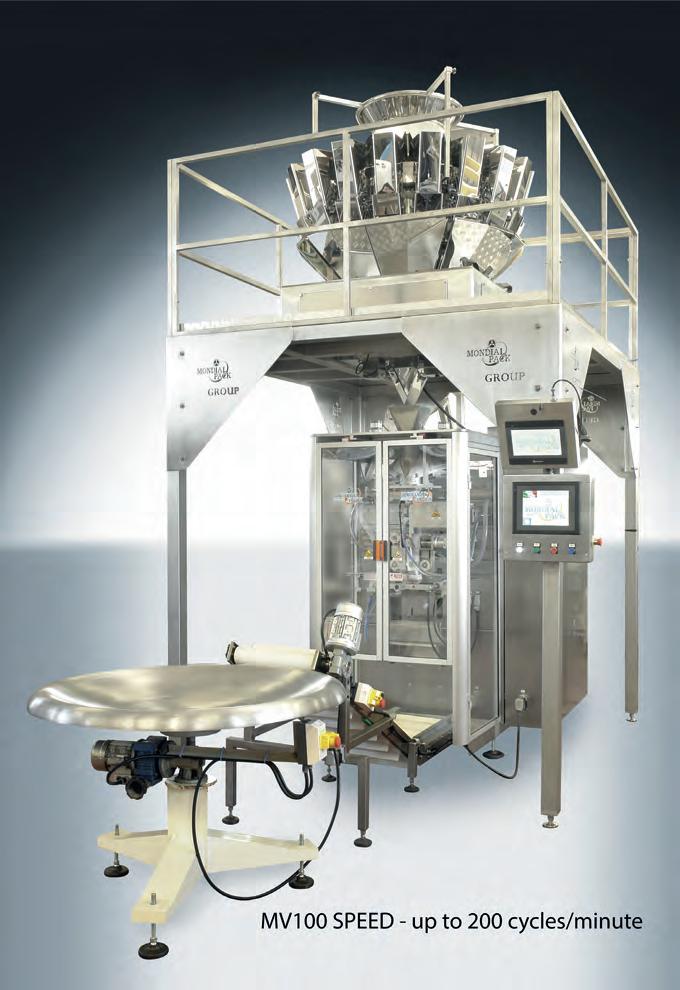
Thanks to its decades of experience, the company offers vertical packaging lines, flow-packs, thermo-sealers, and cartoners, capable of interfacing with any dosing and counting line, offering flexible and highly personalized services.
But what makes Mondial Pack a virtuous company is its attention to eco-sustainability.
Always committed to reducing the environmental impact of its activity, the company has taken a further step forward by using completely ecological and recyclable materials, such as polyethylene.
The result is a highly innovative and sustainable product line that meets the needs of customers and the challenges of the future.
Among the latest innovations presented by Mondial Pack at Inter -
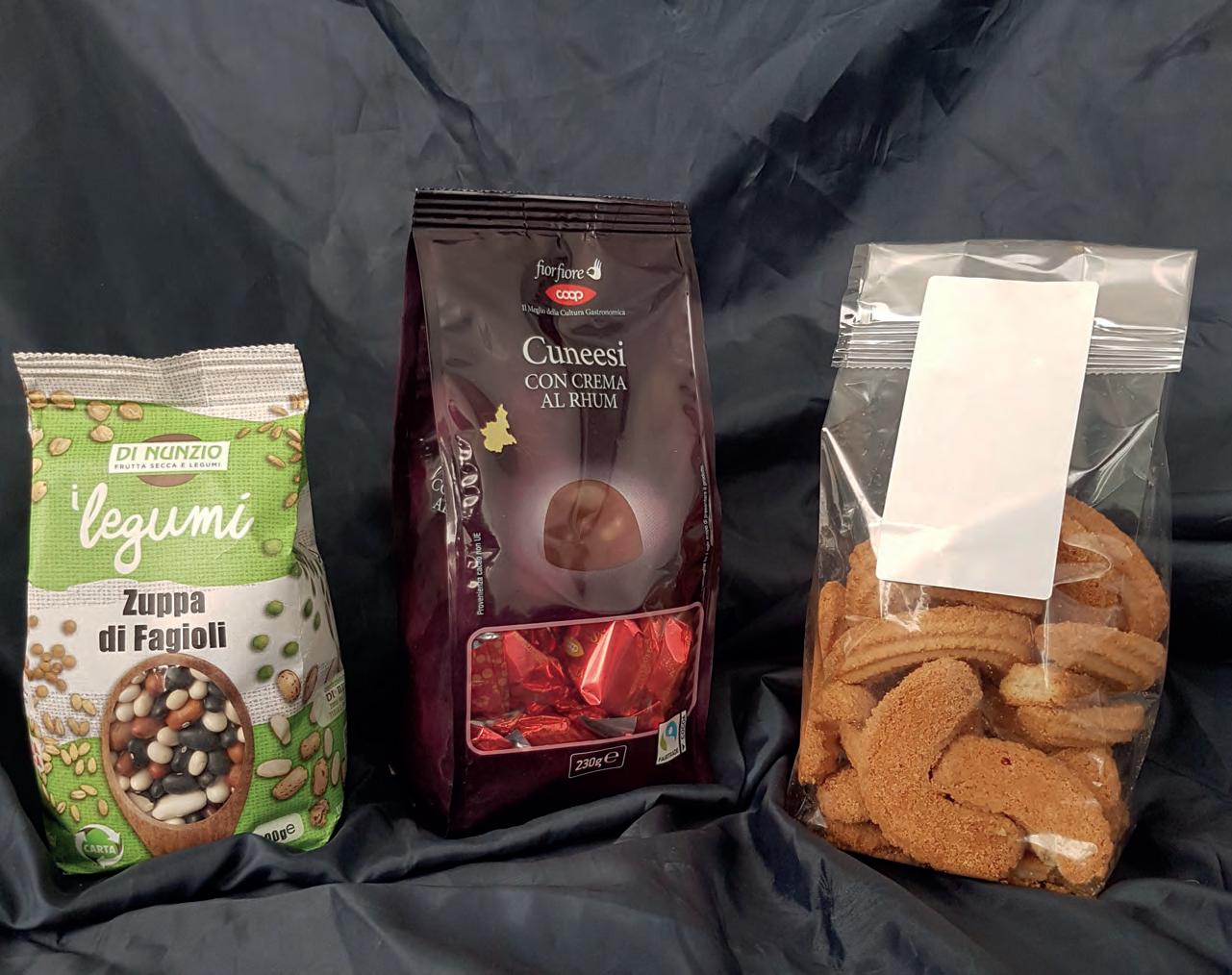
pack, there is a vertical line that packages entirely in paper and paper combined with polyethylene, recyclable as paper.
The final product is a bag with four welded edges, made entirely of recycled material and foldable to ensure a seal of guarantee.
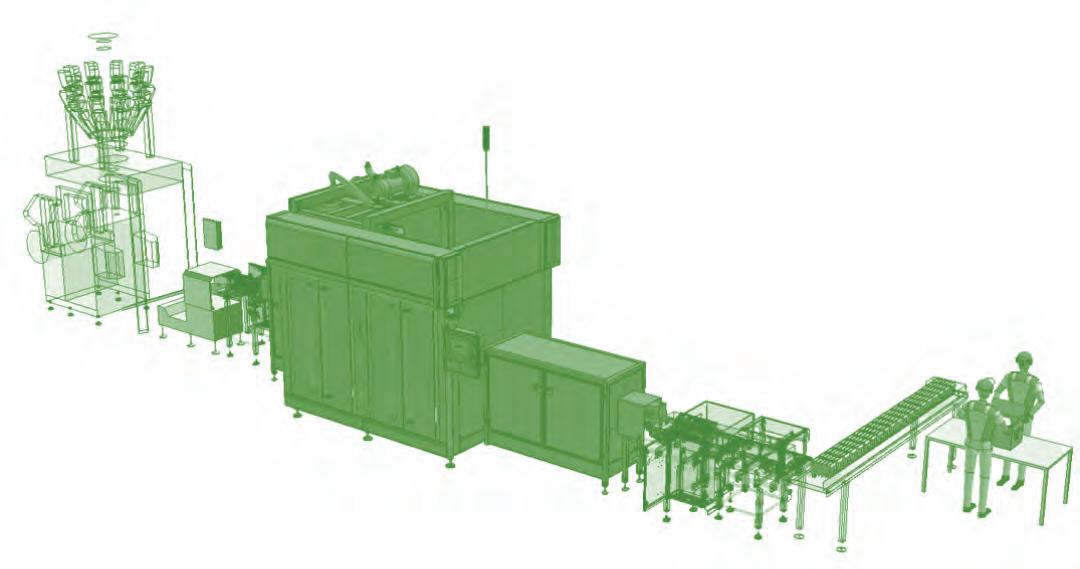
The packaging machine can be combined with an end-of-line composed of a robot for insertion into boxes, palletizer, and possible wrapper, all in a highly efficient
and completely ecological system. For Mondial Pack, innovation does not stop here.
Thanks to integration with Industry 4.0 and the use of innovative techniques, the company looks to the future with a dual objective: to protect the environment and serve the needs of small and medium-sized enterprises.
To guarantee a timely and professional service, Mondial Pack has assistance centers throughout Italy.
In summary, Mondial Pack represents excellence in the industrial packaging industry.
A cutting-edge company that combines technological innovation and environmental sustainability, placing the needs of companies and the territory at the center of its activities.
M-TAPE: rethinking multipacks for a sustainable future
For decades, the way we buy snacks has hardly changed.
A family pack of chips, biscuits for school lunches, or a bundle of popcorn bags has always looked the same: smaller packs wrapped together inside a bigger plastic bag. It was convenient, familiar, and easy to distribute-but also wasteful.
Today, the world is asking for something different. Consumers are more aware of the waste they create. Retailers are under pressure to cut emissions and reduce plastic. Governments are introducing stronger sustainability rules and targets. The traditional multipack, once seen as a practical solution, has now become a symbol of too much packaging.
This is exactly why M-TAPE was created.
From problem to innovation
The idea behind M-TAPE is simple yet powerful: if the bulky outer bag is unnecessary, why keep it?
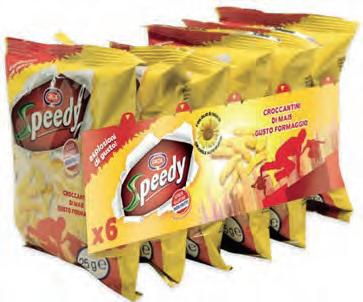
Instead of wrapping individual snack packs inside another plastic layer, M-TAPE holds them together using a thin but resistant adhesive strip. It may seem like a small change, but it creates a huge shift in impact. By removing the redundant packaging, the multipack instantly becomes lighter,
leaner, and more sustainable-while keeping the same convenience consumers rely on every day.
Why it matters to consumers
Today’s shoppers expect brands to offer more than taste. They look for products that reflect their values.
For families, M-TAPE means less plastic to throw away at home. For younger generations, it signals innovation and responsibility. For everyone, it delivers a pack that feels modern, transparent, and easy to use.
The tape also creates new opportunities for creativity and engagement.
Brands can print logos, promotions, QR codes, or sustainability messages directly on the tape-turning packaging into a communication tool that consumers notice.
Why retailers support it
For retailers, M-TAPE is more than an environmental gesture-it is a business advantage.
Taped multipacks take up less space in warehouses and on trucks, meaning better pallet efficiency, fewer shipments, and lower logistics costs.
On the shelf, the compact format allows more products to be displayed in the same area, improving ef-
ficiency and helping products sell faster. Just as importantly, the change is visible: shoppers can immediately see that less plastic has been used, strengthening trust and loyalty toward both retailers and brands.
The
environmental case
Every taped multipack helps reduce the footprint of the food industry. Cutting plastic by 65–86% compared to traditional multipacks is not just a technical improvement-it is a measurable and reportable benefit aligned with ESG- Italy commitments worldwide.
Less packaging also means less waste to manage, fewer trucks on the road, and lower CO2 emissions throughout the supply chain.
For producers and retailers, these results can be integrated directly into sustainability reports, supporting progress against increasingly strict targets.
A global opportunity
The appetite for change does not stop in Europe. Across the Gulf Coopera-
tion Council (GCC) countries—Saudi Arabia, the UAE, Kuwait, Qatar, Oman, and Bahrain-consumer habits are evolving rapidly. Young, urban populations are increasingly demanding products that combine convenience with responsibility, while governments are embedding sustainability goals into long-term strategies. With a snack market currently valued at $8.5 billion and projected to exceed $12 billion by 2030, the opportunity is clear: introduce a proven European innovation into one of the fastest-growing regions in the world.
Packaging that pays
M-TAPE is more than a new way to bundle snack packs. It is a response to consumer expectations, an operational tool for retailers, and a practical solution that helps companies advance sustainability goals—without compromising profitability.
At ESG-Italy, we believe M-TAPE represents the future of multipacks: packaging that shifts from being a cost and an environmental burden into a true strategic advantage.
Key benefits at a glance
• Up to 50% lower packaging cost
• Around 30% leaner logistics (space, pallets, transport efficiency)
• 65–86% plastic reduction vs traditional multipacks
• Lower CO2 impact across the supply chain
• Proven in Europe, with sales exceeding €50M
• GCC snack market growth: $8.5B → $12B+ by 2030.
www.esg-italy.com
KRONES wins AI Breakthrough Award in the MLOps category
The challenges associated with manufacturing PET containers are varied and complex. Process windows are short, and even the daily changes in ambient temperature and humidity in the production hall require regular manual adjustments to various process parameters to ensure the required level of container quality. Added to this are the steadily increasing production speeds, where even the slightest deviations from ideal conditions can have a major impact on the production result. Meanwhile, demands on personnel are also evolving: Today, one operator is responsible for multiple machines and systems –and has less time for visual quality checks and manual process control on the stretch blow molder.
With Contiloop AI, Krones has developed an intelligent process control system for the Contiform stretch blow molder. The combination of AI-based software and newly developed hardware makes it possible to detect even the slightest variations in material distribution in the production of PET containers and to automatically adjust key stretch-blow-molding parameters
in real time – and thus to ensure that bottle quality meets specifications. Since its market launch, Contiloop AI has not only convinced customers around the world, but also this year’s jury of the AI Breakthrough Award, consisting of recognised experts from the fields of business, marketing, sales, analysis and science. The Krones solution received the MLOps Innovation Award, which recognises the most innovative AI product in the field of machine learning operations.
Training and optimising Contiloop AI
As part of an automated test run, various process settings are carried out and the resulting measurement results are forwarded to the Krones IIoT platform. There, the data flows into the Krones AI pipeline, which is used to train the future control algorithm, the AI agent. Once the training is complete, this AI agent is transferred to the ma-
chine’s Contiloop AI and is then available for production operation. The system thus learns to be able to adjust the stretch blow-moulding process precisely to the perfect bottle quality even under the new conditions.
About the AI Breakthrough Awards
Over 3,200 nominations from more than 20 countries - this year’s AI Breakthrough Awards once again showed that artificial intelligence is becoming increasingly important in industry. This year, AI companies and products with artificial intelligence were again honoured in 18 different categories such as AI platforms, robotics, business intelligence or AI hardware. When evaluating the submitted innovations, the AI Breakthrough jury focuses on innovation, performance, usability, functionality, value and impact.
www.krones.com
Contiloop AI is used in the Contiform stretch blow-moulding machine.
THE WORLD OF PACKAGING BETWEEN ROBOTICS AND ARTIFICIAL INTELLIGENCE
“
The use of robotics and artificial intelligence in packaging is increasing, providing benefits in efficiency, quality,and sustainability. However, companies must consider costs and invest in training for effective use
The world of packaging is undergoing a rapid evolution thanks to the introduction of robotics and artificial intelligence. In recent years, advanced technologies have radically changed the way companies produce and package their products, offering advantages in terms of efficiency, precision, and sustainability.
One of the main benefits of using robots in packaging is the increase in speed and efficiency. Robots can work 24/7 without interruptions or slowdowns, improving productivity and reducing delivery times. Additionally, robots can be programmed to work precisely
by Our Editorial Team
and repetitively, reducing human errors and improving product quality.
Artificial intelligence is another technology that is revolutionizing the world of packaging. Thanks to AI, machines can continuously learn from their environment, improving their performance and adapting to new situations. For example, machines can use artificial vision algorithms to detect defects or anomalies in products, reducing the risk of errors and improving product quality.
Another advantage of using robotics and artificial intelligence in packaging is the reduction of waste and environmental impact.
Machines can work with greater precision and use only the amount of material necessary to package products, reducing waste and energy consumption. Additional-
ly, machines can be programmed to recycle or reuse packaging materials, reducing environmental impact.
However, the introduction of robotics and artificial intelligence in the world of packaging is not without challenges. For example, companies must invest in expensive technologies and train personnel to use them effectively. Additionally, machines can be subject to malfunctions or breakdowns, causing interruptions in production and additional costs for maintenance.
In conclusion, the world of packaging is becoming increasingly robotic and intelligent, offering numerous advantages for companies that decide to invest in these technologies. However, it is important to carefully evaluate the costs and benefits before making a decision and ensure that personnel are adequately trained to use the machines effectively.
Maximising operational excellence: The role of predictive and preventive maintenance in modern industry
Looking into how - with a tailored approach to maintenance, we can predict the lifetime of a system and know when preventive maintenance should happen.
By Roger Savo, Aftermarket Director, Europe at ELGi
In today’s fast-paced industrial environment where downtime equates to significant financial losses and operational inefficiencies, implementing predictive and preventive maintenance (PPM) has become not just an option, but a necessity for companies across all sectors. This integrated strategy not only enhances the reliability and performance of equipment, but also extends its operational life ensuring both efficiency and durability in industrial operations in a manner that underscores cost-effectiveness.
What is predictive maintenance and what are its key components?
Predictive maintenance is an advanced maintenance strategy that leverages data analytics, machine learning,
and sensor technologies to predict and prevent equipment failures before they occur. Unlike traditional maintenance approaches, such as reactive maintenance (fixing issues after they happen) or preventive maintenance (scheduled maintenance regardless of equipment condition), predictive maintenance focuses on data-driven insights to optimise maintenance schedules and maximise equipment uptime and reliability
Connected new technologies play a crucial role in driving the efficiency of predictive maintenance. By integrating sensors and networks with analytics and augmented intelligence tools, predictive maintenance systems can offer more accurate predictions and real-time insights.
Call-out box
ELGi’s Air~Alert is an IoT-based, smart 24/7 remote machine monitoring and alert system which can be implemented on new and existing installations. The service enables customers to act in time to avoid potential failures of compressors with 24/7 remote monitoring of a compressed air system. It does this by delivering trend graphs and information about operating parameters including discharge pressure, oil temperature, variable frequency drive (VFD) speed, total running hours, trips, and alerts on a live online interface accessible remotely from anywhere in the world. Air~Alert also functions as a predictive maintenance system notifying customers and ELGi Channel Partners about scheduled maintenance, fault occurrence, and predicts commonly occurring failures. Monthly summary reports on overall health and operating parameters include upcoming planned service requirements, as well as preventative maintenance based on system data.
Smart technology integrations allow for “always-on” agility, where unforeseen machinery conditions can be addressed promptly, thus mitigating potential damage and optimising decision-making processes. Connec-
tivity facilitates a comprehensive data exchange, enhancing the predictive analysis and enabling more informed, strategic decisions regarding asset maintenance.
Key components of Predictive and Preventative Maintenance (PPM) systems: Implementing preventive maintenance requires a strategic approach, underpinned by several key components:
• Advanced Sensor Technology: IoT sensors are crucial for real-time monitoring of equipment conditions, providing the data necessary for predictive analysis.
• Data Analytics and Artificial Intelligence (AI): The heart of PPM lies in data analytics and AI algorithms which process data collected by sensors to identify patterns, predict potential failures, and suggest preventive measures.
• Skilled Workforce: A workforce skilled in data analysis, machine learning, and the operation of sophisticated monitoring equipment is essential for interpreting data and implementing maintenance strategies effectively.
• Cultural Shift: Embracing PPM requires a cultural shift within the organisation, moving from a reactive to a proactive maintenance mindset. This shift involves training, change management, and ongoing support.
How Predictive Maintenance Operate:
The predictive maintenance process unfolds through several stages:
1. Data Collection: Continuous monitoring and data capture from machinery.
2. Data Analysis: Application of statistical techniques and machine learning to analyse the collected data.
3. Anomaly Detection: Identification of data patterns that deviate from the norm, indicating potential issues.
4. Prediction and DecisionMaking: Use of predictive algorithms to forecast failures and decide on maintenance actions.
5. Proactive Maintenance: Execution of maintenance tasks before failures occur, based on predictive insights.
Benefits of implementing PPM methodology:
The rationale for adopting the predictive and preventive maintenance methodology within business operations is underlined by its significant benefits for companies:
1. Downtime Minimisation:
Unplanned downtime is the bane of productivity. The adoption of predictive maintenance has been linked to a significant reduction in unplanned downtime, enhancing overall productivity. Connected technologies facilitate the predictive maintenance process, allowing for real-time insights and the efficient deployment of maintenance resources. According to Deloitte Analytics Institute Position Paper on Predictive Maintenance, this efficiency translates into a 20-50% reduction in maintenance planning time, a 10-20% increase in equipment uptime, and a 5-10% reduction in overall maintenance costs. Notably, implementations of predictive maintenance in sectors such as chemical manufacturing and transportation have led to significant decreases in down-
time and maintenance costs, with one large chemical manufacturer achieving an 80% reduction in unplanned downtime and savings of around $300,000 per asset.
2. Cost Reduction: PPM significantly lowers maintenance costs by identifying issues before they escalate into costly repairs or complete equipment replacements. By optimising maintenance schedules, companies can avoid unnecessary maintenance activities, saving on labour and parts. According to Advanced Technology Services (ATS), predictive maintenance yields cost savings between 8% to 12% over preventive maintenance and up to 40% over reactive maintenance. This insight underscores the financial benefits
of adopting predictive maintenance strategies over traditional maintenance approaches.
3. Extended Equipment Life: Regular and precise maintenance extends the operational lifespan of machinery. According to research by McKinsey, predictive maintenance can lead to a reduction in machine downtime by 30% to 50% and increase machine life by 20% to 40%. This demonstrates the significant impact that predictive maintenance strategies can have on extending the operational lifespan of machinery, enabling companies to defer capital expenditures on new equipment and optimise the return on investment for their existing assets.
4. Enhanced Safety and Compliance. Implementing PPM strategies can significantly enhance workplace safety and ensure compliance with safety regulations. By proactively identifying and addressing potential equipment failures before they occur, PPM minimises the risks of accidents, creating a safer environment for employees. This proactive approach not only protects the workforce but also helps companies adhere to stringent safety standards, thereby avoiding legal and financial penalties associated with non-compliance.
5. Operational Efficiency: With PPM, companies benefit from an overall increase in operational efficiency. If data is collected and analysed correctly and maintenance tasks are performed just in time, equipment wear and tear is reduced, improving the performance of equipment.
Conclusion
The implementation of predictive and preventive maintenance is not just a best practice, it’s a strategic imperative for companies aiming to thrive in the competitive and fast-evolving landscape of Industry 4.0. By adopting PPM, businesses can achieve not only significant cost savings and efficiency gains, but also enhance their operational resilience. In an era where downtime can be a critical setback and efficiency gains are continuously sought, PPM stands as a beacon of operational excellence, ensuring companies remain agile, proactive, and ahead of potential failures. www.elgi.com
The barcode turns 50 and doubles in power
Fifty years after its debut in an Ohio supermarket, the barcode that identifies retail products is evolving into a new two-dimensional format, offering consumers with more information and enhancing efficiency for retailers.
On June 26, 1974, a supermarket cashier in Troy, Ohio, made history by scanning a barcode on a ten-pack of Wrigley’s Juicy Fruit chewing gum with a Magellan Model A scanner. Developed by Spectra Physics, now part of the Italian multinational Datalogic, this was the world’s first fixed retail scanner.
The ability to automatically identify products at checkout marked the beginning of a new era, revolutionizing the retail industry with unprecedented speed and accuracy.
Fifty years later, this innovation remains indispensable.
As a pioneer in identification technologies, Datalogic has recognized
Magellan 9600i/9900i scanners speed up code reading, identify products, and reduce theft
the vast potential of barcode from the start. Building on its early success with scanners like the Magellan Model A, the company has become a leader in the retail automatic identification
market. Datalogic has consistently remained at the cutting-edge of technological advancements to better serve its customers.
Beginning with the development of the first 1D scan readers, the company later led the way in using imager technology in scanners, and has recently elevated performance by integrating the latest AI-based technologies.
A new information-rich twodimensional code
We are at a critical turning point as the retail industry gears up for the rollout of the GS1 Digital Link, a groundbreaking product identification code, which will gradually appear on all consumer product packaging by 2027, complementing the traditional linear barcode.
The GS1 Digital Link barcode is an upgraded version of the traditional barcode, embedding digital information accessible via a URL. This creates
a direct connection between a physical product and its associated digital content. The new GS1 standard QR code will enable consumers to instantly access up-to-date information about products they are considering purchasing by scanning the packaging.
This includes details of ingredient origins, allergens, usage (such as cooking tips and recipe suggestions), recycling or disposal guidelines, nutritional values, and much more. The code will also include detailed information about the specific package, such as the expiration date, production lot, or a unique serial number. This data can be integrated into retailers’ point-of- sale systems, improving security, streamlining procurement processes, and minimizing the risk of fraud.
Fabrizio Pareschi, Datalogic’s Global Account Manager, stated, “Consumers will be empowered to make more informed purchases by gaining insights into the environmental impact of the products they buy. They will have access to detailed information, such as the origin of a product and its ingredients, as well as guidance on how to recycle or reuse packaging. Retailers and supply chain companies can offer personalized content, promotions, or offers tailored to consumer preferences or location.
In addition, the new GS1 standard enhances traceability throughout the supply chain, aiding in the fight against counterfeiting and improving product recall management. It also optimizes inventory, warehouse management, and logistics processes by integrating with enterprise ERP and CRM systems. For these processes, Datalogic is the ideal technology partner, offering solutions for point-ofsale and data management through professional mobile computers like the new Memor 30/35. It is the perfect tool for tasks such as inventory management, price control, and stock re-
plenishment. All Datalogic retail products are already fully compatible with GS1 code management”.
The role of software, systems, and artificial intelligence
So, how is the retail industry gearing up for the introduction of these new two-dimensional codes? Michele Benedetti, Chief Technology Officer at Datalogic, explains: “Our goal is to ensure that reading these two codes on packages is seamless and rapid, maintaining the same level of reliability we currently have with linear barcodes. Our scanners and mobile devices can read both types of code simultaneously, with the same speed and accuracy. But the real game-changer will come from integrating smart systems and software to create innovative applications that improve the shopping experience, support sustainability, and give retailers a competitive edge. For example, our next-generation Magellan scanners are truly intelligent machines capable of processing not just product codes, but also images captured by in-store and point-of-sale cameras. This paves
the way for innovative applications, such as advanced anti-theft solutions, which will make retailers more efficient and ready to tackle the challenges of a rapidly evolving market.”
Here’s to the enduring legacy of the barcode and its successor, as they guide us into the next era of retail. Datalogic is poised to lead the charge.
Datalogic Group
Global leader in the automatic data capture and industrial automation markets since 1972, Datalogic empowers the efficiency and quality of processes in the Retail, Manufacturing, Transportation & Logistics and Healthcare industries.
Datalogic S.p.A. is listed in the STAR segment of the Italian Stock Exchange since 2001 as DAL.MI. Visit www. datalogic.com.
Datalogic and the Datalogic logo are registered trademarks of Datalogic S.p.A. in many countries, including the U.S.A. and the E.U. Other trademarks belong to their respective owners.
ANGELUS: can seaming equipment manufacturer
In the late 1800’s and early 1900’s, the invention of the double seam – a means of folding 5 layers of material in a way that interlocks a can end with a can body – transformed Food and Beverage packaging by eliminating the need for soldered seams to achieve a hermetic seal. By 1910, Henry L. Guenther had taken this advancement to the next level by designing and patenting the first machinery to create these double seams on cans. With that invention, the Angelus Sanitary Can Machine company was founded, with a vision of creating the finest machines of their kind, anywhere in the world.
Today, more than a century later, and with more than 16,000 seamers sold
in 132 countries across the globe, Henry’s vision has been realized, and the Angelus name is still recognized as the standard for excellence in seaming technology and equipment.
Joined with Pneumatic Scale Corporation in 2007, the combined company of Pneumatic Scale Angelus is a global leader in the design and manufacture of packaging machinery for liquid and dry filling, capping, can seaming, and labelling applications as well as state-of-the-art container handling solutions. The company is a division of BW Packaging under the Barry-Wehmiller umbrella of companies.
In recent years, the company has introduced the Angelus V-Series line, designed to meet the specific needs of
the Food and Beverage markets. The same technology used for high-speed seaming applications has also been scaled for the needs of the craft beverage space. Angelus has manufacturing facilities in Ohio in the United States, as well as its Parma, Italy location.
In nearly all markets Angelus serves, concerns for sustainability and increased, pandemic-driven demand for shelf-stable products created a surge in can demand and a subsequent shortage of them. Though pressures have eased somewhat, with can makers working aggressively to increase production, it will still take time for supply to catch up with demand.
In addition, the lightweighting of cans brings challenges to seaming
equipment, as lighter cans can often lead to an increased risk for can damage during production and even transportation. Seamer suppliers like Angelus are responding with innovations to seamer design and container handling.
For Pneumatic Scale Angelus, consistent communication with can makers helps drive not only future product design, but also current partnerships with customers to analyze produc-
tion and mitigate potential areas for damage, not only at the seamer, but also upstream and downstream from the seaming process. Angelus currently has patents pending for several new developments in seamer design and container handling that it believes will provide superior solutions for its customers, as well as a competitive advantage for the company.
When asked about the future of sea-
mers for Food and Non-Food cans, Thomas Thiel, Product Line Leader for Can Seaming replied, “Angelus continues serving the Food and Beverage markets with seamers specially designed to address their unique needs. We have a long history of innovation in seaming, and we are excited about our plans to continue that legacy well into the future.’’
www.psangelus.com
D.C.M.: technology, expertise and partnership for industrial packaging
For over fifty years, D.C.M. has been a reference point for the packaging and automation industry. Founded in 1974, the company built its reputation on the distribution of paper folding machines, but over time it has evolved into a complete technology partner for machine manufacturers and companies operating in the pharmaceutical, paper converting, food & beverage, cosmetics, and logistics sectors.
Today, D.C.M. goes beyond simply supplying machines: it provides expertise, application consulting, technical services, and support throughout the entire lifecycle of production systems. This partnership-oriented approach enables customers to tackle the challenges of productivity, flexibility, and sustainability that define modern packaging with greater confidence.
Autonox Robotics mechanics for packaging Robotics is now one of the key pillars of automation in packaging and endof-line operations.
In this field, D.C.M. offers in Italy the solutions of autonox Robotics, characterized by an innovative approach
based on controller independent robot mechanics.
The range includes Duopods, Delta robots from 3 to 5 axes, articulated robots from 3 to 6 axes, SCARA robots, and hygienic design versions, for a total of more than 350 available mechanical configurations. This modularity allows the creation of tailor-made solutions for applications in any industrial sector.
Thanks to controller independence, robots and production lines can share the same control platform without the need for dedicated interfaces. This approach offers several advantages, including the elimination of hardware duplication, greater freedom in controller selection, enhanced software integration, and full ownership of the solution.
At Interpack, it will also be possible to discover some of the latest innovations developed by autonox Robotics, presented as concrete examples of the potential of parallel kinematics.
Among these, the Delta RLL stands out, a kinematic design specifically developed for applications involving long tools. Its distinctive RLL design ensures extremely high rigidity against toolholder tilting, enabling the use of very
extended end effectors—such as multigripper systems—which generate significant tilting moments during motion. Another noteworthy innovation is the world’s largest Delta robot mechanics, featuring a working area of up to 2400 mm, designed to handle applications requiring large operating spaces and high payloads.
Alongside this solution, a new Delta robot concept for close-proximity configurations will also be showcased, developed to enable compact, high-density installations within production lines. These solutions represent a concrete example of the modular and highly flexible approach that defines autonox robotics: components designed to integrate seamlessly into machines and production lines, offering machine builders and system integrators maximum design freedom.
www.dcm-italia.it
21— 23 FEBRUARY 2027
RIMINI EXPO CENTRE, ITALY
ifm revolutionizes the food industry with SM Foodmag, new flow sensor with IO-Link SAPUTO
In the world of the food industry, product safety is of paramount importance. The challenge of keeping food safe and of high quality throughout the entire production and distribution process is complex but essential.
For over 50 years, ifm has been committed to providing integrated automation solutions for the food sector.
The company offers products and services aimed at ensuring transparent processes in food processing, packaging, and cold chain management, thus guaranteeing food safety “from field to table.” Specifically in this field, ifm can play a leading role because it has all the necessary automation and process digitaliza-
tion technologies to support safe production, and because its expertise is demonstrated by its membership in EHEDG (European Hygienic Engineering & Design Group)—a European consortium that includes food companies, equipment manufacturers, research institutes, and public health authorities.
Today, ifm expands its already extensive range for this sector with the
brand-new SM Foodmag, a magneto-inductive sensor that meets the highest standards of the food industry by bringing hygienic measurement of liquid food flows to a new level.
Equipped with IO-Link, the sensor requires no mechanical components in contact with the fluid and simplifies direct transmission of digital data, effectively eliminating the last blind spot in the production process and
thus providing complete transparency.
Highly functional (it is also available with a display and 360-degree status LEDs for precise and timely information), SM Foodmag by ifm detects in real time the presence of fluid, its flow rate, total volume, and direction.
It also transmits data regarding the liquid’s conductivity and temperature to the control system and IT level. As a result, it offers the advantage of “measuring what matters” with a single device, reducing the need for additional measurement points in the system.
Integrating SM Foodmag with existing systems is extremely straightforward. Its standard M12 connector, combined with a flexible choice of seals and process adapters, ensures a quick, hygienic, and errorfree connection to the infrastructure. The app-based menu structure and optional guided installation make
parameter setting an extremely intuitive task.
Rigorous testing ensures lasting quality
Through meticulous internal and external tests, SM Foodmag is guaranteed from the outset to withstand the extreme conditions typical of daily production in the food industry.
The thermal shock test evaluates the sensor’s accuracy under significant temperature changes, such as those occurring during pasteurization.
In this process, milk or highly acidic products are heated to temperatures between 72 °C and 95 °C and then rapidly cooled to ensure their preservation. Even after one thousand hours of continuous stress caused by sudden temperature changes from below zero to above zero, the measurements must remain within predefined accuracy limits.
To transfer fluids from tanks to subsequent processing phases, pumps
and valves are used. Pumps generate constant vibrations, while valves undergo rapid openings that cause pressure spikes.
The pressure spike test replicates these surges by intentionally applying pressures that exceed the nominal values indicated in the technical documentation.
After one million cycles, the Foodmag SM undergoes a strict seal test. Additionally, shocks and vibrations along the X, Y, and Z axes are intensely simulated over several days to ensure that external influences do not compromise the device’s performance.
In the condensation test, cold fluid flows through the piping system and the sensor in a warm environment. The Foodmag SM is exposed to high humidity and condensation for weeks and in various installation positions, confirming that moisture does not penetrate inside the device.
www.ifm.com/it
EXHIBITIONS 2026-2027
MARCA
15-16/01/2026
BOLOGNA
European trade fairs for the private label industry and the International supermarket label exhibition.
PROSWEETS
01-04/02/2026
COLOGNE
Trade fair on technologies for the confectionery and snack industry.
FRUIT LOGISTICA
04-06/02/2026
BERLIN
Trade fair on technologies for the fruit and vegetable industry.
BEER&FOOD ATTRACTION
15-17/02/2026
RIMINI
Trade fair for the beer, food & beverage world.
SANA FOOD
22-24/02/2026
BOLOGNA International exhibition of healthy eating out.
SLOW WINE FAIR
22-24/02/2026
BOLOGNA International fair dedicated to the good, clean, and fair wine.
MECSPE
04-06/03/2026
BOLOGNA International trade fair for the manufacturing industry.
PROWEIN
15-17/03/2026
DUSSELDORF
International trade fair for wine and spirits.
VINITALY
12-15/04/2026
VERONA International exhibition for wine and spirits.
MIDDLE EAST 2026/27
DJAZAGRO
12-15/04/2026
ALGIERS Fair of the agri-food sector.
IRAN FOOD+BEV TEC
18-21/05/2026
TEHRAN Fair on packaging technologies.
PROPAK ASIA
10-13/06/2026
BANGKOK Fair for packaging.
FOOD SYRIA
26-28/07/2026
SYRIA Fair for food&beverage.
SAUDI FOOD SHOW
27-29/09/2026
JEDDAH SAUDI ARABIA Food&beverage products trade fair.
SAUDIFOOD MANUFACTURING
27-29/09/2026
JEDDAH SAUDI ARABIA Fair for the packaging and food&beverage industries.
HOSPITALITY QATAR
12-14/10/2026
DOHA Fair on hospitality and HORECA.
GULFOOD MANUFACTURING
03-05/11/2026
DUBAI Fair for the packaging and food&bev.
GULFHOST
03-05/11/2026
DUBAI
Hospitality fair for the Middle East, Africa, and Asia.
OMAN AGROFOOD
1-3/12/2026
OMAN Fair of agriculture, food, fisheries and aquaculture.
FOOD AFRICA
7-10/12/2026
EGYPT Food&beverage products trade fair.
INTERPACK MEA
7-10/12/2026
EGYPT Fair for processing and packaging.
GULFOOD
15-19/03/2027
DUBAI Fair on hospitality and food products.
EXHIBITIONS 2026-2027
LATINPACK
14-16/04/2026
SANTIAGO, CHILE
International trade fair on packaging and packing technologies.
MACFRUT
21-23/04/2026
RIMINI
Fair for the fruit and vegetable industry.
INTERPACK
07-13/05/2026
DUSSELDORF
Fair on production lines, solutions, and materials for packaging.
TUTTOFOOD
11-14/05/2026
MILAN
B2B trade fair for the entire agri-food ecosystem.
SPS/IPC/DRIVES
ITALIA
26-28/05/2026
PARMA
Fair on automation, components, and software for the industry.
FISPAL
16-19/06/2026
SAO PAULO, BRAZIL
Fair on packaging technologies.
MCTER EXPO
07-08/10/2026
VERONA
Exhibition on energy efficiency and renewable sources.
POWTECH
29/09-01/10/2026
NUREMBERG
Trade fair on technology for powder product processing.
SIAL PARIS
17-21/10/2026
PARIS
Trade fair on food products.
SUDBACK
24-27/10/2026
STUTTGART
Trade fair for baking technologies.
LABOTEC
27-28/10/2026
PARMA
Trade fair on food industry technologies and laboratory analysis
CIBUS TEC
27-30/10/2026
PARMA
Fair on technology for the food and beverage industry.
BRAU BEVIALE
10-12/11/2026
NUREMBERG
Fair on technologies for beer and beverage production.
SIMEI
17-20/11/2026
MILAN International exhibition on enology and bottling.
ALL4PACK
23-26/11/2026
PARIS International exhibition for packaging.
FACHPACK
21-23/09/2027
NORIMBERGA
Packaging industry trade fair.
HOST
22-26/10/2027
MILAN Fair for the hospitality & Horeca sectors.
IBA
24-28/10/2027
DÜSSELDORF
Trade fair for the bakery.
IPACK-IMA
29/05 – 01/06/2028
MILANO
Trade fair for food and non-food processing and packaging technologies.
DRINKTEC
11-15/09/2028
MONACO
Trade fair for the beverage industry.
WE’VE TALKED ABOUT...
AKOMAG SRL 22-23
Frazione Diolo, 15/D 43019 Soragna - PR
Italy
ALTECH SRL 42-43
V.le A. De Gasperi, 70 20008 Bareggio - MI
Italy
BBM PACKAGING SRL 10/12
Via Pregalleno, 24 24016 San Pellegrino Terme BG - Italy
CORNO
PALLETS SRL 52-53
Via Revello, 38 12037 Saluzzo - CN
Italy
EMILOS SRL 24-25
Via della costituzione, 6 42025 Cavriago - RE
Italy
ENOMET IMPIANTI SRL 9
Via Guazzi, 26/A - Tavernelle 61036 Colli al Metauro - PU
Italy
ENOVITIS SIMEI 26/29
Via S. Vittore Al Teatro, 3 20123 Milano
Italy
ERCOPAC SRL 44-45
Via Pietro Nenni, 8 42019 Scandiano - RE
Italy
ESG SRL 58-59
Corso Genova, 28 27029 Vigevano - PV
Italy
GB BERNUCCI SRL 54-55
Via Canova, 19/A 20154 Milano
Italy
IFM ELECTRONIC SRL 74-75
Centro Direzionale Colleoni
Palazzo Andromed 2
Via Paracelso, 18 20864 Agrate Brianza - MB
Italy
ITALIAN EXHIBITION GROUP SPA - IEG 73
Via Emilia, 155 47921 Rimini
Italy
L’ALVEARE SRL 48-49
Via Vialetti 178/180 36029 Campolongo sul Brenta VI - Italy
MAKRO LABELLING SRL 2/5
Via S. Giovanna d’Arco, 9 46044 Goito - MN
Italy
MONDIAL PACK SRL
56-57
Via Mazzini, 38 21020 Ternate - VA Italy
MUREDDU SUGHERI 18-19
Via S. Maria, 7/9/11 20014 Nerviano - MI
Italy
NAVATTA GROUP FOOD PROCESSING SRL
37/40
Via Sandro Pertini, 7 43013 Pilastro di Langhirano PR - Italy
OPEM SPA 50-51
Via della Cooperazione, 2/A (Area Ind. Spip) 43122 Parma Italy
OSTS TECHNICAL SERVICE SRL 13
Via Lodovico Borsari, 7-9/A 43126 Parma - Italy
PE LABELLERS SPA 46-47
Via Industria, 56 46047 Porto Mantovano - MN Italy