

Welcome to your Summer Reading & Preparation Booklet.
Inside you’ll find a range of recommended books, articles, videos and activities to help you prepare for your chosen subjects before you start college.
Explore the resources that interest you, build your confidence and enjoy your summer - we’ll see you in September!

Discover how Chemistry explains the materials, reactions and processes that shape the world around us. The resources below provide a great introduction to the course and will help refresh your GCSE knowledge before you begin studying in September.
Explore the recommended resources below to familiarise yourself with key Chemistry concepts and begin building your confidence before starting the course.
• MaChemGuy YouTube Channel
Explore a range of videos covering key Chemistry topics and concepts.
https://www.youtube.com/@MaChemGuy/videos
• A Level Chemistry Transition Guide
Work through the transition activities and resources to prepare for your first year of study.
https://itchencollege-my.sharepoint.com/:w:/g/personal/dwhittingham_itchen_ ac_uk/ESJmP5IYEjdDghRNhWfQfwYB5ktG1-m4Onr212oZtcxRfg
Biology is the study of living organisms and the natural world. Throughout your course, you’ll develop your scientific knowledge through practical investigations, independent research and classroom learning.
To prepare for A Level Biology, explore the resources below to introduce yourself to some of the exciting topics you’ll study. Throughout the course, you’ll also be expected to complete at least five hours of independent study per subject each week, so developing good study habits over the summer will give you a great head start.
• A Level Biology Video Playlist
Explore a range of videos introducing key biological concepts and topics you’ll study during your course.
https://www.youtube.com/playlist?list=PLwL0Myd7Dk1F0iQPGrjehze3eDpco1eVz
• Crash Course Biology
Watch engaging videos that explain biological processes and help reinforce your understanding of the natural world.
https://thecrashcourse.com/topic/biology/
Physics helps us understand the fundamental principles that govern our universe, from the smallest particles to the largest galaxies. Throughout your course, you’ll develop your problem-solving skills while exploring the forces, energy and laws that shape the world around us.
Explore the resources below to begin developing your understanding of A Level Physics. These videos and websites will help refresh your existing scientific knowledge and introduce some of the concepts you’ll study during your first year.
• Introduction to A Level Physics
Watch this introductory video to gain an overview of the course and some of the topics you’ll explore.
https://www.youtube.com/watch?v=hYN_W8WfbGs
• A Level Physics Online (OCR A)
Explore revision resources and course content designed to support students studying OCR A Level Physics.
https://www.alevelphysicsonline.com/ocr-spec-a
Applied Science combines Biology, Chemistry and Physics with practical laboratory skills, helping you develop the scientific knowledge and techniques used across a range of industries and careers.
Explore the resources below to refresh your understanding of the three sciences and begin developing the knowledge and skills you'll build on throughout your course.
• Crash Course Biology
Explore engaging videos that explain key biological concepts and processes.
https://thecrashcourse.com/topic/biology/
• MaChemGuy YouTube Channel
Watch a range of videos covering fundamental Chemistry topics to strengthen your understanding before September.
https://www.youtube.com/@MaChemGuy/videos
• Introduction to A Level Physics
Gain an overview of key Physics concepts and prepare for the topics you'll study during your course.
https://www.youtube.com/watch?v=hYN_W8WfbGs


English Language explores how we communicate and how language shapes the world around us. Throughout the course, you’ll investigate topics such as child language development, World Englishes, gendered language, accents and dialects.
Explore the articles and talks below to discover how language influences society, identity and communication. These resources will introduce you to some of the key themes you’ll study throughout your course.
• Improving Early Child Development with Words Watch Dr Brenda Fitzgerald’s TEDxAtlanta talk exploring the importance of language in early childhood development.
• The Accentism Project
Discover how accents influence identity, perception and opportunity.
• The Coded Language That Holds Women Back at Work Explore how language can shape workplace culture and gender equality.
• Singlish Is A Language For Our Future, Lah! – Gwee Li Sui (TEDxSingapore)
Learn about World Englishes and how language evolves across different cultures and communities.
English Literature explores the power of storytelling through drama, poetry and prose. Throughout your course, you’ll study a range of literary texts while developing your analytical, critical and creative thinking skills.
Explore the articles, documentaries and performances below to introduce yourself to the three key areas of focus in English Literature: drama, poetry and prose.
• Tudor, English and Black – and Not a Slave in Sight
Explore this Guardian article examining representation and history in literature.
• 10 Greatest Poems Ever Written
Discover a selection of influential poems and the writers behind them.
• The Brontë Sisters Documentary
Learn more about the lives and literary works of one of Britain’s most celebrated writing families.
• Why Do We Read (and Write) Novels?
Explore this University of Cambridge resource examining the importance of literature and storytelling.
• The Glass Menagerie – Tennessee Williams
Watch a full performance of this classic play to experience dramatic storytelling in action.
English Language & Literature encourages you to explore the power of words, develop your analytical thinking and discover how language and literature shape the world around us. The resources below have been selected to introduce you to a range of themes and skills you’ll build on throughout your studies.
Explore the recommended articles and activities below to discover classic literature, dystopian fiction, creative writing and poetry. Reading widely and engaging with different styles of writing over the summer will help you feel confident and prepared for September.
• Classic Books Every Young Adult Should Read
Discover a collection of classic novels that have inspired generations of readers and writers.
• What Is Dystopian Fiction?
Explore one of literature’s most popular genres and discover some of its most influential texts.
• New Words in the English Language
Read about recent additions to the Oxford English Dictionary and see how language continues to evolve.
• 105 Creative Writing Exercises
Develop your creativity and practise your writing skills with a range of engaging activities.
• A Guide to Different Poetry Techniques
Explore key poetic devices and techniques that will help develop your understanding of poetry.
Mathematics is all about developing logical thinking, problem-solving skills and mathematical confidence. The resources below have been selected to help you refresh your GCSE knowledge and introduce you to some of the concepts you’ll explore throughout your course.
Explore the recommended transition resources, online courses and videos below to prepare for the move to A Level Mathematics. Working through these activities over the summer will help build your confidence before September.
• AMSP Transition to A Level Mathematics
Work through this transition course to strengthen your GCSE knowledge and prepare for the step up to A Level study.
https://amsp.org.uk/transition-to-a-level-mathematics-course-2024/
• AMSP Mathematics Resources
Explore additional transition activities and learning materials designed to support new A Level students.
https://amsp.org.uk/resource/8b9e06f6-e91d-4b0c-5f0b-08dabcb692fe/
• OpenLearn Mathematics Courses
Discover a range of free online courses covering mathematical concepts and problem-solving skills.
https://www.open.edu/openlearn/science-maths-technology/free-courses?filter=date/grid/all/all/all/all/all
• Physics.org – Mathematics News
Explore current developments and fascinating discoveries from the world of mathematics.
https://phys.org/science-news/mathematics/#google_vignette
• TED: Math Talks to Blow Your Mind
Watch inspiring talks that showcase how mathematics shapes our understanding of the world.
Statistics is the study of data, helping us identify patterns, solve problems and make informed decisions using evidence. Throughout the course, you’ll develop the mathematical and analytical skills needed to interpret and communicate data with confidence.
Explore the recommended resources below to develop your understanding of statistics and the role it plays in the world around us. These activities will help you prepare for the transition to A Level study.
• OpenLearn Mathematics & Statistics Courses
Explore a range of free online courses covering mathematical concepts and statistical thinking.
https://www.open.edu/openlearn/science-maths-technology/freecourses?filter=date/grid/all/all/all/all/all
• Physics.org – Mathematics News
Discover current developments and real-world applications of mathematics and statistics.
https://phys.org/science-news/mathematics/#google_vignette
• TED: Math Talks to Blow Your Mind
Watch inspiring talks that demonstrate how mathematics and statistics shape our understanding of the world.
https://www.ted.com/playlists/189/math_talks_to_blow_your_mind
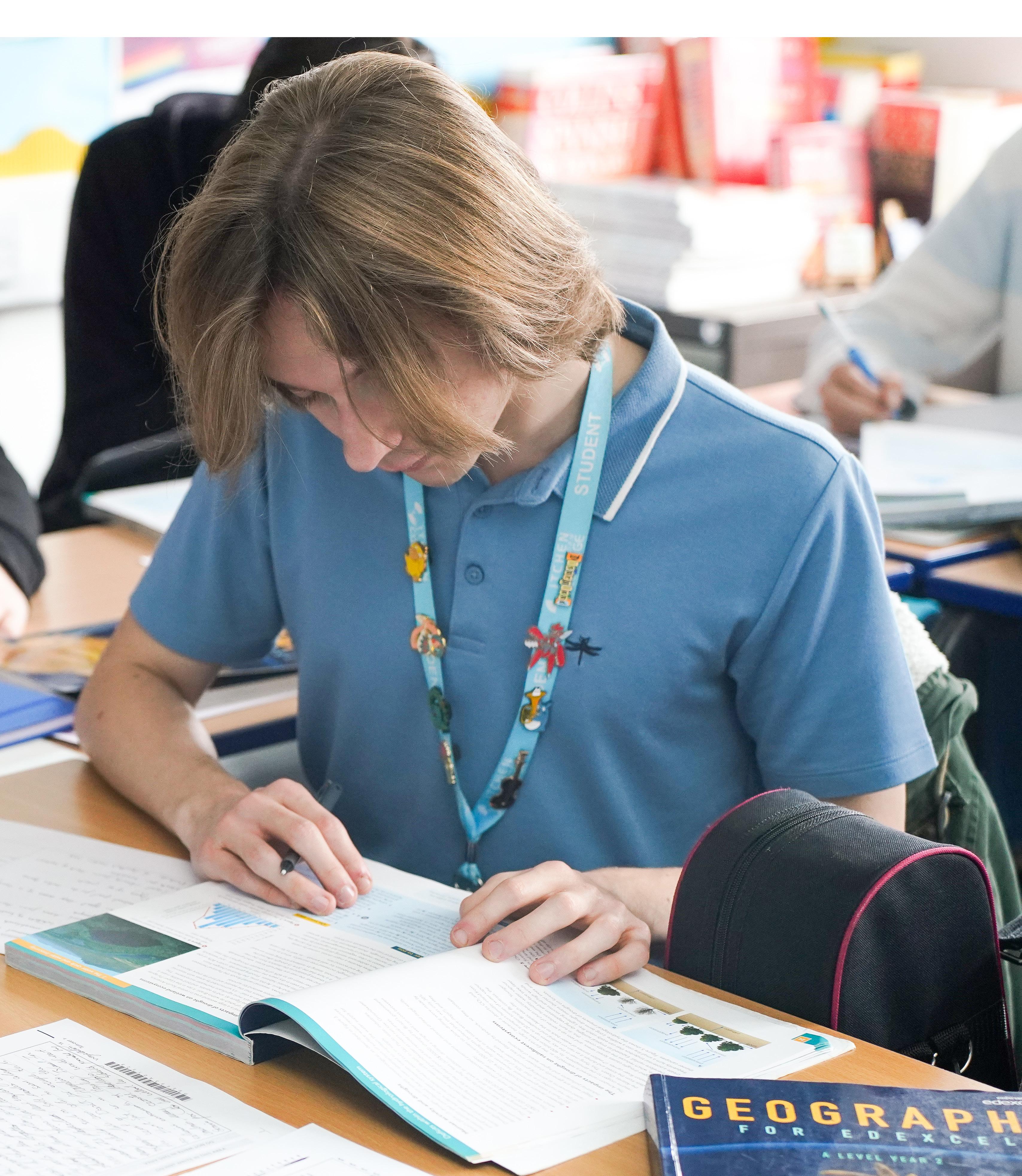
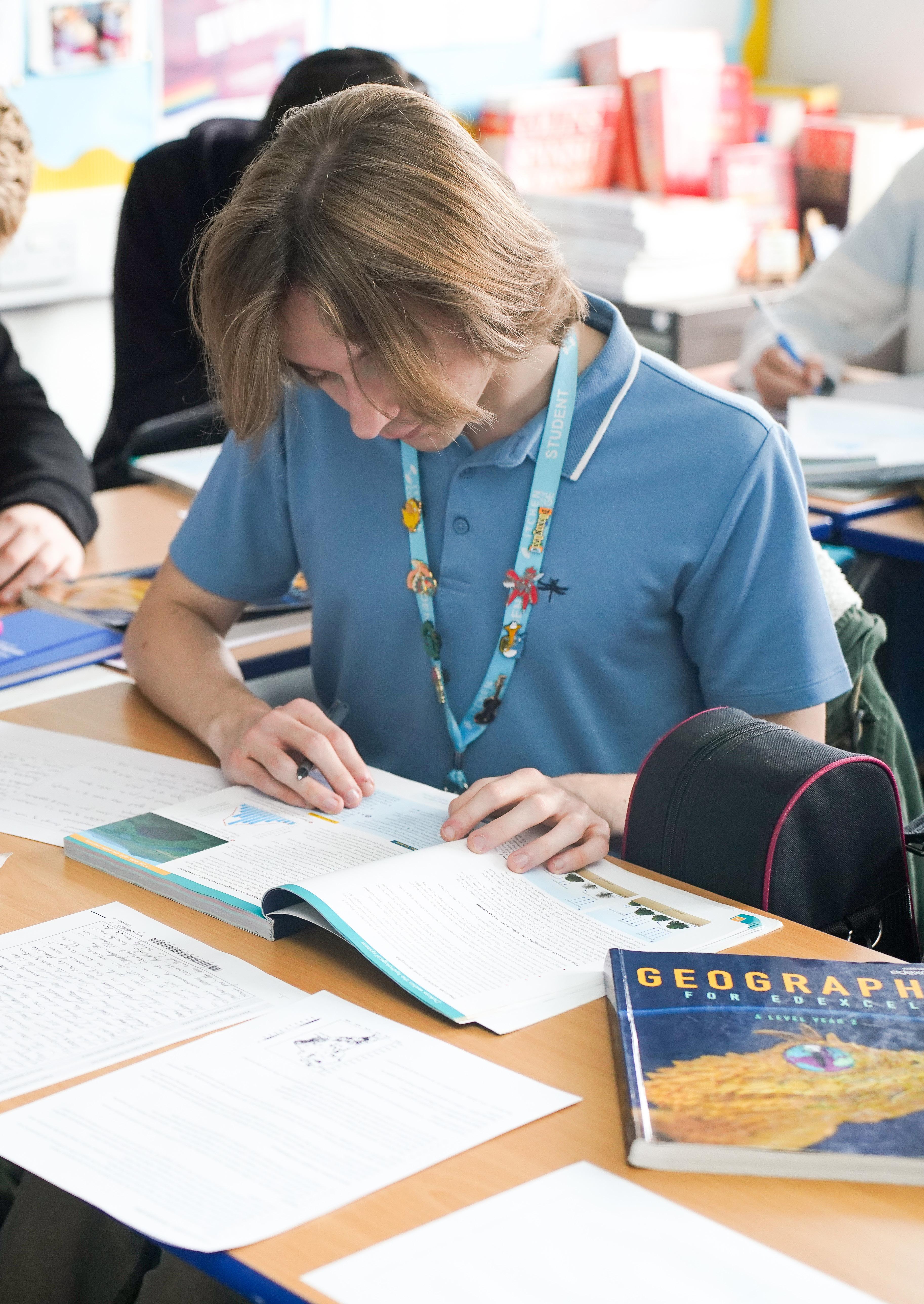
Geography explores the relationships between people, places and the environment, helping you understand the physical and human processes that shape our world. Throughout the course, you’ll investigate global issues, natural hazards and the changing landscapes that influence our everyday lives.
Explore the recommended resources below to introduce yourself to some of the key topics you’ll study throughout your course. You don’t need to complete everything— simply choose the resources that interest you most and begin building your geographical knowledge before September.
• Prisoners of Geography – Tim Marshall
Discover how geography has shaped global politics and international relationships through ten fascinating maps.
• The Power of Geography – Tim Marshall
Explore how geography continues to influence world events, economies and societies.
• The Future of Geography – Tim Marshall
Learn how geography is shaping the future through topics including space, technology and global development.
• When the Rivers Run Dry – Fred Pearce
Explore the global water crisis and the environmental challenges surrounding one of our most precious natural resources.
• Edexcel A Level Tectonic Processes and Hazards
If you didn’t study tectonics at GCSE, we recommend working through this revision resource before September to build a strong foundation for your course.
• Simon Reeve Documentaries
Watch Simon Reeve’s documentaries to gain an insight into many of the Physical and Human Geography topics you’ll study throughout the course.
https://www.bbc.co.uk/iplayer/group/p06rrnkm
Environmental Science explores the natural world and the environmental challenges facing our planet. Throughout the course, you’ll investigate topics such as climate change, biodiversity, ecosystems and sustainability, developing an understanding of how science can help protect our environment.
Explore the recommended resources below to keep up to date with current environmental issues and discover more about the topics you’ll study during your course. Engaging with these resources over the summer will help you prepare for September.
• The Guardian – Environment & Climate Crisis
Keep up to date with the latest environmental news, climate research and sustainability issues from around the world.
Environment | The Guardian
• BBC Sounds – Rare Earth
Listen to a range of podcasts exploring current environmental issues, scientific discoveries and sustainability topics.
https://www.bbc.co.uk/sounds/brand/m001vbt0?partner=uk.co.bbc&origin=sharemobile
• Planet Earth
Discover a variety of environments, ecosystems and the challenges they face through this award-winning documentary series.
https://www.bbc.co.uk/iplayer/episodes/b006mywy/planet-earth

History is about understanding the people, events and decisions that have shaped our world. Throughout the course, you’ll explore a range of historical periods while developing your skills in analysis, interpretation and critical thinking.
Explore the recommended resources below to introduce yourself to the key topics you’ll study during your course. You don’t need to read or watch everything—simply choose the resources that interest you most and begin building your historical knowledge before September.
Topics You’ll Study
• Exam Topics
Tudors Germany 1918–1945
• Coursework
American History (1860s–1960s)
Explore these websites to build your knowledge of the topics you’ll study.
• Spartacus Educational
https://spartacus-educational.com/
• Tudor Teacher
https://tudorteacher.wordpress.com/about/
• Mastering Modern World History
https://erenow.net/modern/mastering-modern-world-history/14.php
• Encyclopaedia Britannica – American Civil Rights Movement
https://www.britannica.com/event/American-civil-rights-movement
• Tudors
Wolf Hall – Hilary Mantel
The Six Wives of Henry VIII – Antonia Fraser
The Life of Elizabeth I – Alison Weir
A Column of Fire – Ken Follett
Tudor England – John Guy
• Germany
A History of Modern Germany – Dietrich Orlow
The Third Reich – Thomas Childers
Iron Kingdom – Christopher Clark
The House by the Lake – Thomas Harding
Winter of the World – Ken Follett
Alone in Berlin – Hans Fallada
• America
The Story of American Freedom – Eric Foner
A People's History of the United States – Howard Zinn
Narrative of the Life of Frederick Douglass
Access to History: Race Relations in the USA 1863–1980 – Vivienne Sanders
• Tudors
The David Starkey series (available on YouTube)
The Winter King documentary about Henry VII (available on YouTube)
• Germany
The World at War series, including episodes covering Germany (available on YouTube)
Hitler: The Rise of Evil (available on YouTube)
• America
The Eyes on the Prize documentary series (available on YouTube)
Ancient History explores the people, events and civilisations that shaped the ancient world. Throughout the course, you’ll study Ancient Greece and Ancient Rome, developing your understanding of key historical events, source material and the lasting impact of these remarkable societies.
Explore the recommended resources below to introduce yourself to the key topics you’ll study during your course. You don’t need to read or watch everything—simply choose the resources that interest you most and begin building your knowledge before September.
Topics You’ll Study
• Year 12
Ancient Greece
• Year 13
Ancient Rome
• Explore these resources to develop your understanding of Ancient Greece and the wider classical world.
Ancient History AS and A Level Resources
Encyclopaedia Britannica
Classical Greece – HISTORY
Greek Victory – The Sources (The Classics Podcast)
World History Encyclopedia
• Ancient Greece
OCR Ancient History Greece Textbook
The Spartans – Paul Cartledge
Athens and Sparta (Third Edition) – Anton Powell
Age of Conquests – Angelos Chaniotis
A War Like No Other – Victor Davis Hanson
Three Epic Battles That Saved Democracy – Stephen Kershaw
Persian Fire – Tom Holland (Christian's personal recommendation)
• Ancient Rome
Rubicon – Tom Holland (covers the fall of the Roman Republic)
Dynasty – Tom Holland
Pax – Tom Holland
Roman Republic – Enthralling History
Julius Caesar's Civil War – Julian Romane
The Second Triumvirate – Clifford Alexander
The Decline and Fall of the Roman Empire – Edward Gibbon
The Julio-Claudian Emperors – Thomas Wiedemann
• As part of your studies, you'll work with a range of primary historical sources. Before September, you may wish to become familiar with:
The Histories – Herodotus
History of the Peloponnesian War – Thucydides
A History of My Time – Xenophon
• Ancient Greece
Bettany Hughes' documentary on Sparta
300 (directed by Zack Snyder)
300: Rise of an Empire
These provide useful background context for your study of Ancient Greece. https://www.youtube.com/watch?v=z1PO5ckELyU&rco=1
• Ancient Rome
Julius Caesar: The Making of a Dictator (BBC iPlayer)
Politics is all around us, shaping the decisions that affect our everyday lives. Throughout the course, you'll explore political systems, current affairs and the key ideas that influence governments and societies in the UK and around the world.
Keeping up to date with current affairs is one of the best ways to prepare for A Level Politics. Explore the recommended resources below to develop your understanding of political events, debates and institutions before September.
• Podcasts & Radio
Keep up to date with political discussions and analysis by listening to:
BBC Sounds – Political Thinking with Nick Robinson
BBC Radio 4 – Today Programme
BBC Radio 4 – The Week at Westminster
• News & Current Affairs
Regularly follow trusted news sources to stay informed about political developments:
BBC News
The Guardian
BBC Newsnight
BBC Question Time
BBC The Context
You may also wish to explore:
The New Statesman
The New York Times
The Times
The Washington Post
• Useful Websites
Develop your understanding of elections, democracy, government and political analysis using the following resources:
Electoral Reform Society (ERS)
Encyclopaedia Britannica
Office for National Statistics (ONS)
tutor2u Politics
GOV.UK
Religious Studies encourages you to explore philosophical, ethical and religious ideas while developing your critical thinking and analytical skills. Throughout the course, you’ll consider a range of viewpoints and debates that have shaped beliefs, values and society.
Work through the transition pack below to help bridge the gap between GCSE and A Level Religious Studies. It includes a range of reading, videos and activities designed to introduce you to some of the key topics you’ll study throughout the course.
• A Level Religious Studies Transition Pack
Complete the reading, activities and video tasks included in the transition pack to develop your understanding of philosophical, ethical and religious concepts before September.
https://qualifications.pearson.com/content/dam/pdf/A%20Level/Religious%20 Studies/2016/teaching-and-learning-materials/gce-religious-studies-transitionpack.pdf


French is more than just learning a language—it’s about exploring the culture, history and everyday life of French-speaking countries. Throughout the course, you’ll develop your speaking, listening, reading and writing skills while building confidence in using French in a range of real-life contexts.
One of the best ways to prepare for A Level French is to immerse yourself in the language. Explore the recommended resources below by watching French television, reading books and newspapers, listening to music and radio, and practising your grammar.
• Television
Watch French television programmes on TV5Monde and explore the languagelearning resources available on the website.
TV5Monde
TV5Monde – Apprendre le Français
• Reading
Improve your reading skills by exploring French books and comics, including:
Astérix
Tintin
Le Petit Nicolas
Un sac de billes
Oscar et la Dame Rose
You can also access a wide range of free books through the French Institute Digital Library (Culturethèque).
• Newspapers
Reading French newspapers is a great way to build your vocabulary and stay up to date with current affairs.
Recommended publications include:
Le Figaro
20 Minutes
20 Minutes – Television
Radio
Listening to French radio is an excellent way to improve your listening skills and become familiar with spoken French.
Try listening to:
Radio France
Europe 1
Le Mouv’
Europe 2
• Music
Listening to French music is a fun and effective way to improve your listening and reading skills. Try artists such as:
Stromae
Soprano Black M Bigflo & Oli
You can also practise listening by following song lyrics using Lyricstraining.
• Grammar
Use Languages Online to revise French grammar, practise different tenses and complete interactive exercises before September.
Spanish is more than just learning a language—it's about exploring the culture, traditions and everyday life of Spanish-speaking countries. Throughout the course, you'll develop your speaking, listening, reading and writing skills while building confidence in communicating in Spanish.
The more Spanish you hear, read and use over the summer, the more confident you'll feel when you begin your course. Explore the recommended resources below to develop your vocabulary, listening skills and cultural knowledge before September.
• Listening
Discover new Spanish-speaking artists and improve your listening skills by exploring Spanish radio stations and music charts.
RTVE Radio 3
Cadena Digital Disco Music Radio
• Current Affairs
Keep up to date with Spanish news by exploring newspaper and television websites. Choose three stories that you find interesting, surprising or entertaining.
BBC Mundo 20 Minutos
• Research
Learn more about well-known Spanish celebrities and public figures who regularly appear in the Spanish media.
Recommended websites include:
ELLE España
Diez Minutos
• Vocabulary
Build your Spanish vocabulary by spending a little time each day using the recommended Quizlet resources.
AQA A Level Spanish Vocabulary
AQA A Level Spanish Verbs
AQA A Level Spanish Essay Terminology
• Music
Listening to Spanish music is a great way to improve your listening skills and pronunciation. Read the lyrics as you listen and sing along to your favourite songs. You can also use Lyricstraining to practise your listening skills.
Recommended artists include:
Rosalía
J Balvin
Kevin y Karla


Psychology explores why people think, feel and behave the way they do. Throughout the course, you'll investigate a range of psychological approaches and theories to better understand human behaviour and the factors that influence it.
Complete the activities below to introduce yourself to some of the key approaches you'll study during your first year. You don't need to complete every task, but exploring a range of topics will give you a great head start before September.
• Cognitive Psychology
Explore the role of false memories and how they have influenced eyewitness testimony and real legal cases. Watch the recommended TED Talk by Elizabeth Loftus, who you will study during your first term.
• Behaviourist Psychology
Observe the behaviour of a pet or an animal you know.
Think about:
Which behaviours have been learned? Could you use rewards to teach a new behaviour?
• Biological Psychology
Choose one of the following addictive behaviours and research the biological explanations behind it, including the role of dopamine.
Smoking
Online gaming
Solvent abuse
Plastic surgery (e.g. Dennis Avner)
Eating soap
Make notes on your research and bring them with you in September.
• Psychodynamic Psychology
Watch a film or television programme featuring three main characters.
Can you identify:
The Id – the impulsive, selfish character
The Ego – the balanced, rational character
The Superego – the moral compass
You could choose examples such as:
Harry Potter
Star Wars
Lilo & Stitch
The Dark Knight
The Lion King
The Avengers
• Positive Psychology
Spend 5–10 minutes each day taking a mindful walk.
Use all of your senses to notice what you can:
See Hear
Smell
Feel
Watch the recommended mindfulness video, then try repeating the activity over the course of a week. Reflect on whether it has any impact on your overall mood.
Sociology encourages you to question the world around you and explore how society influences our everyday lives. Throughout the course, you’ll investigate how people, communities and institutions shape the way we live, think and interact.
Complete the activities below to introduce yourself to some of the key sociological concepts you’ll study during your first year. They are designed to encourage you to observe the world around you and start thinking like a sociologist.
• The Sociological Imagination
The sociological imagination encourages us to step back from our everyday routines and see the world from a different perspective.
Watch the introductory video, then think about something you do every day (https://www.youtube.com/watch?v=8aD5XAS5VBc ). How might a sociologist view it differently?
Activity: Take a walk around your local area and observe the world around you. Consider topics such as:
Homelessness
Consumerism
Advertising
Inequality
Diversity
Multiculturalism
• Core Concepts
Begin exploring some of the key ideas that form the foundation of Sociology, including:
Culture
Socialisation
Norms
Values
These concepts will be introduced early in your course and provide the basis for many of the topics you’ll study.
https://revisesociology.com/2017/08/04/culture-socialisation-social-normsintroduction/
• Sociological Research
Discover how sociologists gather evidence by exploring Sudhir Venkatesh’s research, Gang Leader for a Day (https://www.youtube.com/watch?v=yRq1AhFAN-4). As you watch the video, consider:
How do sociologists collect evidence?
Do you think this was an effective research project? What are the strengths and limitations of this type of research?
• Why Study Sociology?
Take some time to reflect on what interests you about Sociology and how the subject could support your future education or career aspirations.
https://www.britsoc.co.uk/what-is-sociology/studying-sociology/
Economics explores how individuals, businesses and governments make decisions about resources, markets and the economy. Throughout the course, you'll investigate current economic issues and develop an understanding of how economic theory applies to the real world.
Keeping up to date with economic news is one of the best ways to prepare for A Level Economics. Explore the recommended resources below to develop your understanding of current economic events before you begin your course.
• BBC Business News – Economy
Stay informed by following the latest economic news, trends and developments from the UK and around the world.
https://www.bbc.co.uk/news/business/economy
• Freakonomics
Discover how economics can be applied to everyday life through this engaging collection of books, exploring the hidden side of decision-making and human behaviour.
https://freakonomics.com/books/
Business is all around us, from global organisations to local start-ups. Throughout the course, you’ll explore how businesses operate, make decisions and respond to opportunities and challenges in an ever-changing world.
Watch the recommended film below to gain an insight into entrepreneurship, leadership and business growth. As you watch, think about the decisions made by the business and how they contributed to its success.
• The Founder
Watch The Founder (currently available on Netflix), which tells the story of the origins and growth of McDonald’s. As you watch, consider the entrepreneurial decisions, leadership styles and business strategies that helped transform a small restaurant into one of the world’s most recognisable brands.
Vocational Business explores how organisations operate and the decisions they make in real-world situations. Throughout the course, you’ll investigate how businesses balance commercial success with their responsibilities to employees, customers and the wider community.
Watch the recommended film below and consider how business decisions can impact health and safety, ethical responsibility and organisational culture. Reflect on the role of business leaders and the consequences of the decisions they make.
• Deepwater Horizon
Watch Deepwater Horizon and make notes on the attitude of the business executives towards health and safety throughout the film. As you watch, consider how the decisions made by individuals and the organisation affected both employees and the wider business.

Film Studies explores how films tell stories through cinematography, editing, sound and performance. Throughout the course, you'll analyse a range of films while developing an understanding of film theory, history and visual storytelling.
Explore the recommended resources below to discover how films are created, analysed and interpreted. These resources will introduce you to some of the key concepts you'll study throughout the course.
• A Very Short History of Cinema
Explore the history of cinema and discover how filmmaking has evolved over time.
• Empire Online – Best Movies
Explore a selection of influential films and consider what makes them stand the test of time.
• What is Auteur Theory?
Learn about auteur theory and how directors develop their own distinctive filmmaking style.
• Cuts and Transitions
Discover how different editing techniques are used to shape a story and create meaning.
• The Art of the Opening Scene
Explore how filmmakers use opening scenes to establish characters, themes and atmosphere.
Media is all around us, influencing the way we communicate, tell stories and share ideas. Throughout the course, you’ll explore photography, film, design and digital media while developing your own creative and technical skills.
Spend some time looking at a range of media over the summer. Seek out interesting images, stories and perspectives, and think about how and why they have been created. Challenge yourself to create some media of your own as you explore the resources below.
• Photography Challenge
Watch the video below and use the techniques you learn to take 10 photographs. Experiment with composition, lighting and perspective as you begin developing your photography skills.
https://www.youtube.com/watch?v=8I5pV3iYLZo
• An Introduction to Media Meaning
Discover how media products communicate ideas and create meaning through visual and technical techniques.
https://www.youtube.com/watch?v=oZXqORn0z4E
• One Minute Shorts
Watch five one-minute short films and think about how filmmakers tell engaging stories in such a short amount of time.
https://www.youtube.com/watch?v=-FmR-BBmYfM
• Media Language
Learn how media products can be analysed by exploring different ways of reading and interpreting media language.
https://www.youtube.com/watch?v=Hrp2azKjGUI
Explore how artistic movements are shaped by the time and society in which they were created, and discover how German Expressionism continues to influence media and design today.
https://www.youtube.com/watch?v=ecuQdkBx1ic
Technology plays a vital role in almost every aspect of modern life. Throughout the course, you'll explore computer systems, hardware, software and the technologies that shape the digital world while developing practical computing skills.
Explore the recommended resources below to develop your understanding of computer hardware, the internet and the people behind some of today's most influential technologies. Completing these activities will give you a great introduction before you begin your course.
• TED Talk – Linus Torvalds: The Mind Behind Linux
Discover the story behind Linux and hear from one of the world's most influential software developers.
• Explaining PC Desktop Hardware
Learn about the key components inside a desktop computer and how they work together.
• How Does the Internet Work?
Explore how the internet connects people and devices across the world.
• Cisco – Computing Hardware Basics
Complete this interactive activity to develop your understanding of computer hardware and system components.
• Quizizz – PC Component Identification
Test your knowledge by identifying the different components found inside a computer.
Law affects almost every aspect of our daily lives, from protecting individual rights to maintaining order in society. Throughout the course, you’ll explore legal principles, the English legal system and how the law is applied in real-life situations.
Complete the transition activities and reading provided by the department to begin developing your understanding of the legal system before you start your course in September.
• A Level Law Transition Tasks
Work through the transition activities and recommended reading to introduce yourself to key legal concepts and prepare for your first year of study.
https://docs.google.com/document/d/1FNuMYZXYlhwcBo1ViwuVq04fSFbVyboGScm nHD92GJE/edit
Criminology explores crime, criminal behaviour and the criminal justice system. Throughout the course, you'll investigate why people commit crime, how society responds and the impact crime has on individuals and communities.
Complete the transition activities and reading provided by the department to introduce yourself to some of the key concepts you'll study throughout the course. Working through these tasks before September will help you prepare for your first year.
• Criminology Transition Tasks
Work through the transition activities and recommended reading to begin exploring crime, criminal behaviour and the criminal justice system before starting your course.
https://docs.google.com/document/d/1DbSdp86rW70S8e9uepFAG_0KjWe9KtEfplr9z 9RkH_I/edit#heading=h.g6nr81xnwjj7
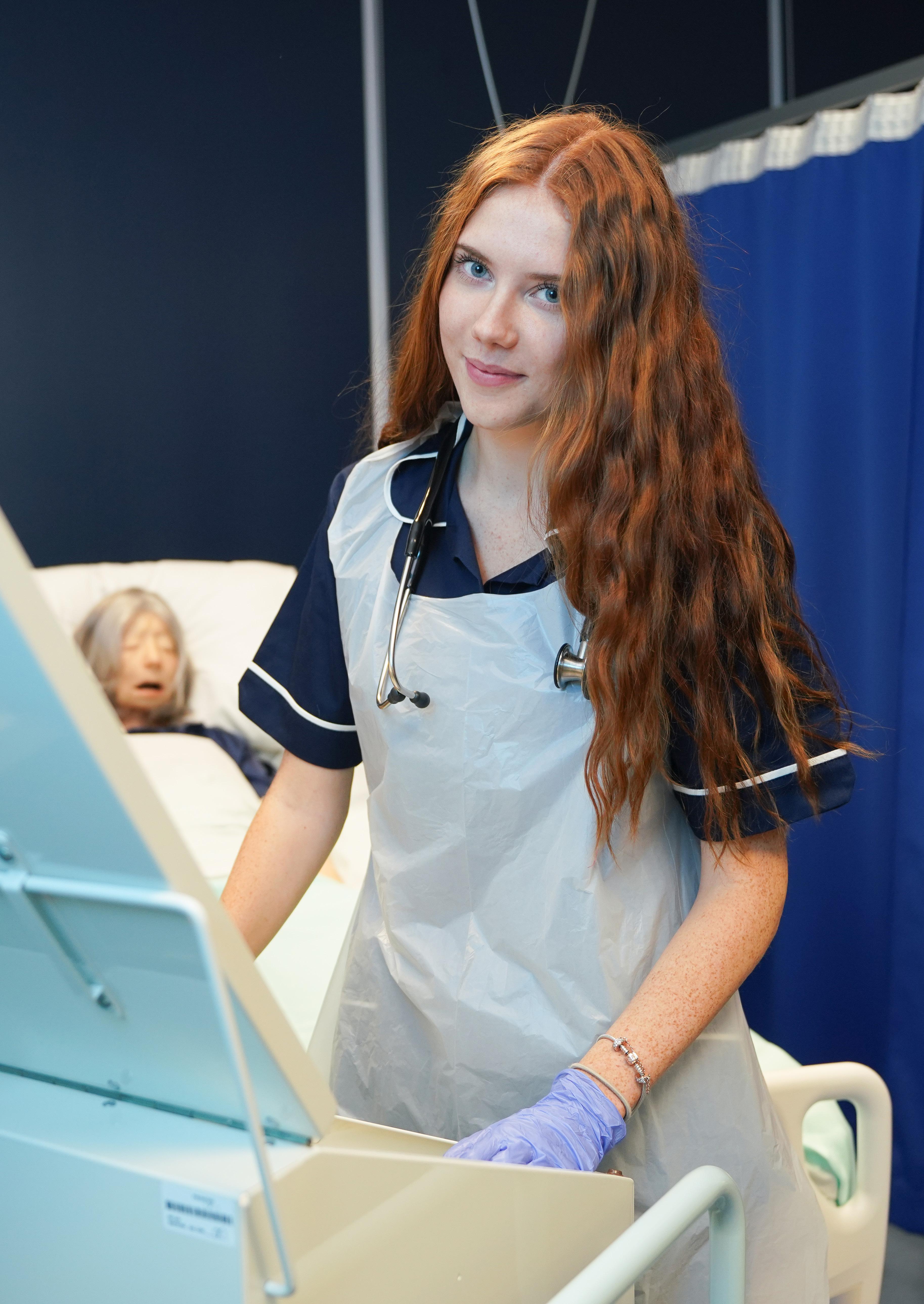
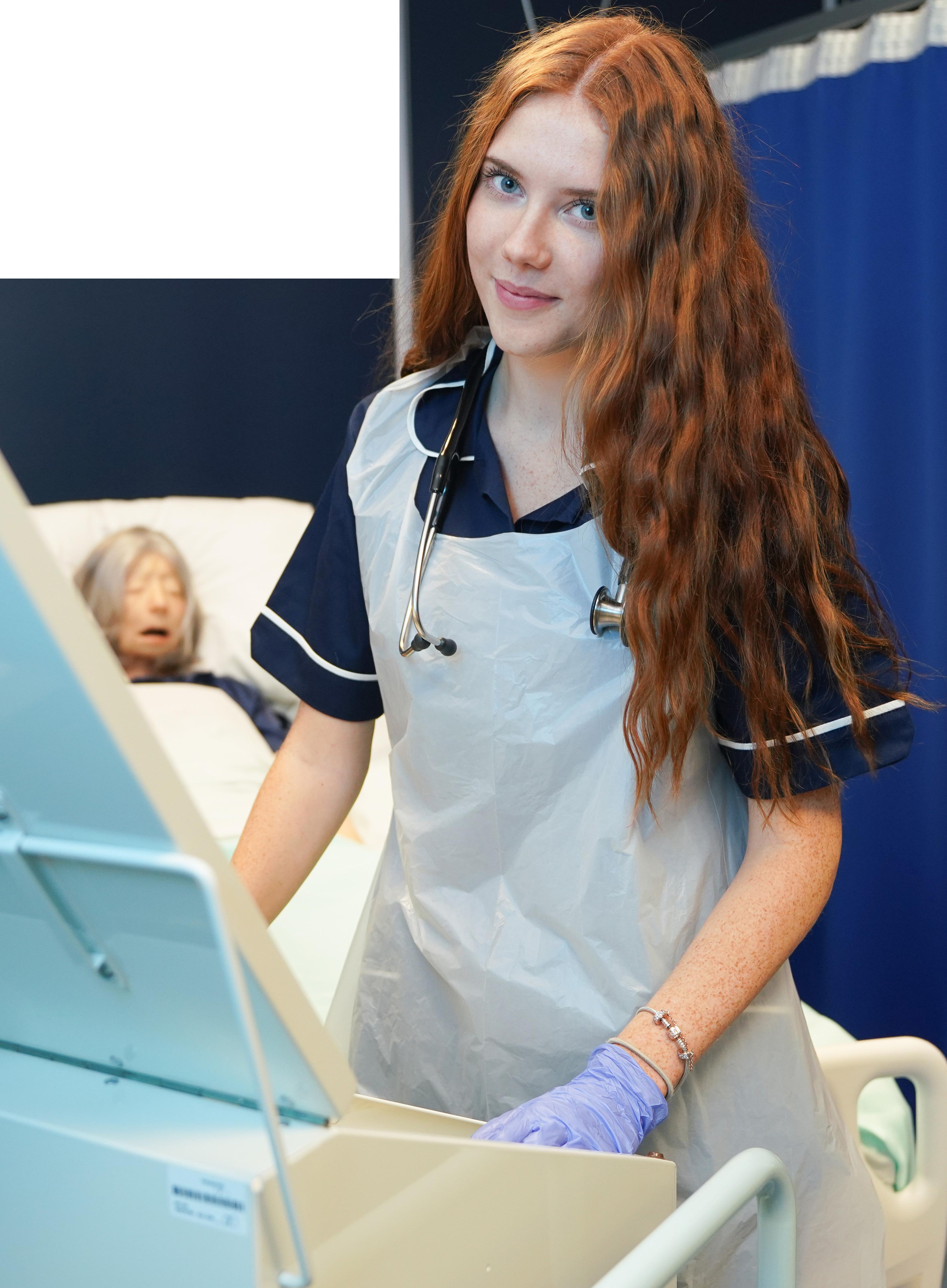
Health & Social Care is a rewarding and people-focused subject that explores how professionals support individuals to live healthy, independent and fulfilling lives. Throughout the course, you'll develop the knowledge, skills and values needed to understand health, care and wellbeing across a range of settings.
Explore the recommended activities below to introduce yourself to the health and social care sector. Completing these tasks will help you prepare for your course and begin developing the knowledge and understanding needed to become a successful health practitioner.
• What Makes a Great Health Practitioner?
Watch The Care Makers Song to learn about the NHS 6 Cs – Care, Compassion, Competence, Communication, Courage and Commitment. These values are fundamental to high-quality care and will be an important part of your studies.
• Healthcare in the NHS
Research how the NHS adapted during the Covid-19 pandemic. As you explore the recommended article, consider how healthcare changed and how services responded to the challenges they faced. You may also wish to explore the patient surveys covering:
Person-centred practice
Meeting patients' fundamental needs
Infection prevention and control
Staff and communication
Overall patient experience
• Careers in Health
Did you know there are more than 350 careers within the NHS?
Watch the Cradle to Grave video and explore the wide range of health professions available. Consider which roles interest you most and why.
• Health & Social Care Glossary
Before September, create your own glossary of the following key terms. Research each definition and, if you wish, include a simple illustration to help you remember each concept.
Holistic Approach
Multi-disciplinary Team
Risk Assessment
Risk Enablement
Safeguarding Advocate
Equality Discrimination Compassion
Early Years is a rewarding and creative subject that explores how children learn, grow and develop during the most important stages of their lives. Throughout the course, you'll discover how Early Years practitioners support children's learning through play, communication and positive relationships.
Explore the recommended activities below to gain an insight into the Early Years profession. Completing these tasks will help you prepare for your course and begin developing an understanding of child development, learning and care.
• A Day in the Life of an Early Years Practitioner
Watch the introductory video to discover what it's like to work as an Early Years practitioner. As you watch, think about the important role practitioners play in supporting children's learning and development during their first five years.
• The Importance of Play
Play is at the heart of early childhood development. Read Birth to Five Matters – Play to discover how play supports children's learning, curiosity and development, and why it is such an important part of Early Years education.
• Communication
Strong communication skills are essential when working with young children. Watch the recommended video to discover practical tips for communicating effectively and supporting children’s language development.
https://www.youtube.com/watch?v=w5zjhZRSKpg&authuser=0
• Nursery Rhymes & Singing
Singing is an important part of working in Early Years. Spend some time revisiting familiar nursery rhymes and songs, and think about how they help children develop language, memory and communication skills.
• Early Years Foundation Stage (EYFS)
The Early Years Foundation Stage (EYFS) is the statutory framework that underpins Early Years education in England. Watch the introductory video to gain an understanding of the EYFS and how it supports children's learning and development.

Music Performance & Production is a practical and creative course that will develop your skills as a performer, composer and music producer. Throughout the course, you’ll explore live performance, songwriting, music technology and studio production while building your confidence as a musician.
Explore the activities below to prepare for your first year of study. You don’t need to complete everything, but engaging with these tasks will help you develop your performance, composition and studio skills before September.
• Music Performance (Term 1 – Part 1)
One of the first questions you’ll explore on the course is: What makes an outstanding live performance?
Watch a live performance on YouTube that you enjoy and consider the following:
What repertoire is being performed? Are the songs original or covers? What genre are they?
Who are the band members and what role does each person play?
How do the performers engage with the audience?
How do the musicians interact with one another?
Can you identify any musical techniques such as chord sequences, instrument tones or guitar effects?
Are there any improvised sections? If so, how can you tell?
Finally, choose a song and learn one part, whether that’s rhythm guitar, drums, lead vocals or another instrument. Record your rehearsals on your phone so you can reflect on your progress.
• Composition (Term 1 – Part 2)
If you have access to a Mac, spend some time experimenting with GarageBand or Logic Pro using the tutorials below:
GarageBand Tutorial
Logic Pro Tutorial
If you don’t have access to these programmes, don’t worry—you’ll still explore music theory, song analysis and composition techniques during your course.
To get started, explore musical dynamics using the BBC Bitesize resource. Then choose a song you enjoy and write a short paragraph explaining how changes in dynamics help create emotion, atmosphere or impact.
Additional resource:
BBC Bitesize – Dynamics
• Studio Skills (Term 2)
During your first year you’ll develop your understanding of recording studios, microphones and recording techniques.
Explore the following Sound On Sound articles to learn more about:
Microphones and miking
Recording acoustic guitar
Drum kit miking
Recording vocals
As you work through the resources, create your own glossary of key music technology terms, including:
Dynamic Microphone
Sound Pressure Level (SPL)
Phantom Power
Continue adding new terms to your glossary as you discover them.
A Level Dance combines practical performance with the study of choreography and professional dance works. Throughout the course, you’ll develop your technical, performance and analytical skills while exploring a range of dance styles and influential choreographers.
Explore the recommended resources below to introduce yourself to some of the professional works you’ll study during the course. If possible, continue developing your practical skills by attending dance classes over the summer.
• Set Works
Watch the A Level set works by Christopher Bruce to begin developing your understanding of choreography, performance and dance appreciation.
Rooster – Christopher Bruce Ghost Dances – Christopher Bruce
• Musical Theatre & Jazz Dance
Watch a selection of classic American jazz musicals to explore different styles of dance and performance.
Recommended films include:
Singin’ in the Rain Chicago Sweet Charity West Side Story Cabaret
• Take Part
Continue developing your practical dance skills by attending summer dance classes where possible.
Recommended classes: The Point, Eastleigh https://www.thepointeastleigh.co.uk/classes/
Dance & Musical Theatre combines acting, singing and dance to bring stories to life on stage. Throughout the course, you'll develop your performance skills while exploring a range of musical theatre styles, productions and practitioners.
Immerse yourself in the world of musical theatre by watching a variety of productions over the summer. If possible, experience a live performance to gain inspiration and develop your understanding of professional theatre.
• Experience Live Theatre
The best way to prepare for this course is to watch live performances. Take advantage of the Mayflower Theatre's £10 student tickets and experience professional musical theatre productions. https://www.mayflower.org.uk/take-part/schools/higher-education/
• Recommended Musicals
Watch as many of the following productions as you can before September.
Hamilton Disney + Newsies Dinsey + Frozen: The Musical Disney + Matilda the Musical Amazon Prime Mean Girls the Musical Amazon Prime Singin’ in the Rain Apple TV
• Free Performances
The following productions are available to watch online: Six 9 to 5: The Musical
Drama & Theatre is all about bringing stories to life through performance, creativity and collaboration. Throughout the course, you'll explore a range of theatrical styles, practitioners and productions while developing your acting, performance and analytical skills.
One of the best ways to prepare for Drama & Theatre is to experience as much live and recorded theatre as possible. Explore the recommended resources below to develop your understanding of performance before September.
• Experience Live Theatre
Take advantage of the Mayflower Theatre's £10 student tickets to experience a range of professional productions and gain inspiration from live performance. https://www.mayflower.org.uk/take-part/schools/higher-education/
• National Theatre at Home
Watch professional theatre productions online through the National Theatre to experience different performance styles, staging and directing techniques.
https://www.nationaltheatre.org.uk/event/type/online/
• Explore Monologues
Browse a range of monologues to develop your acting skills and begin building a repertoire for auditions and performances during your course.
https://monologues.org.uk/
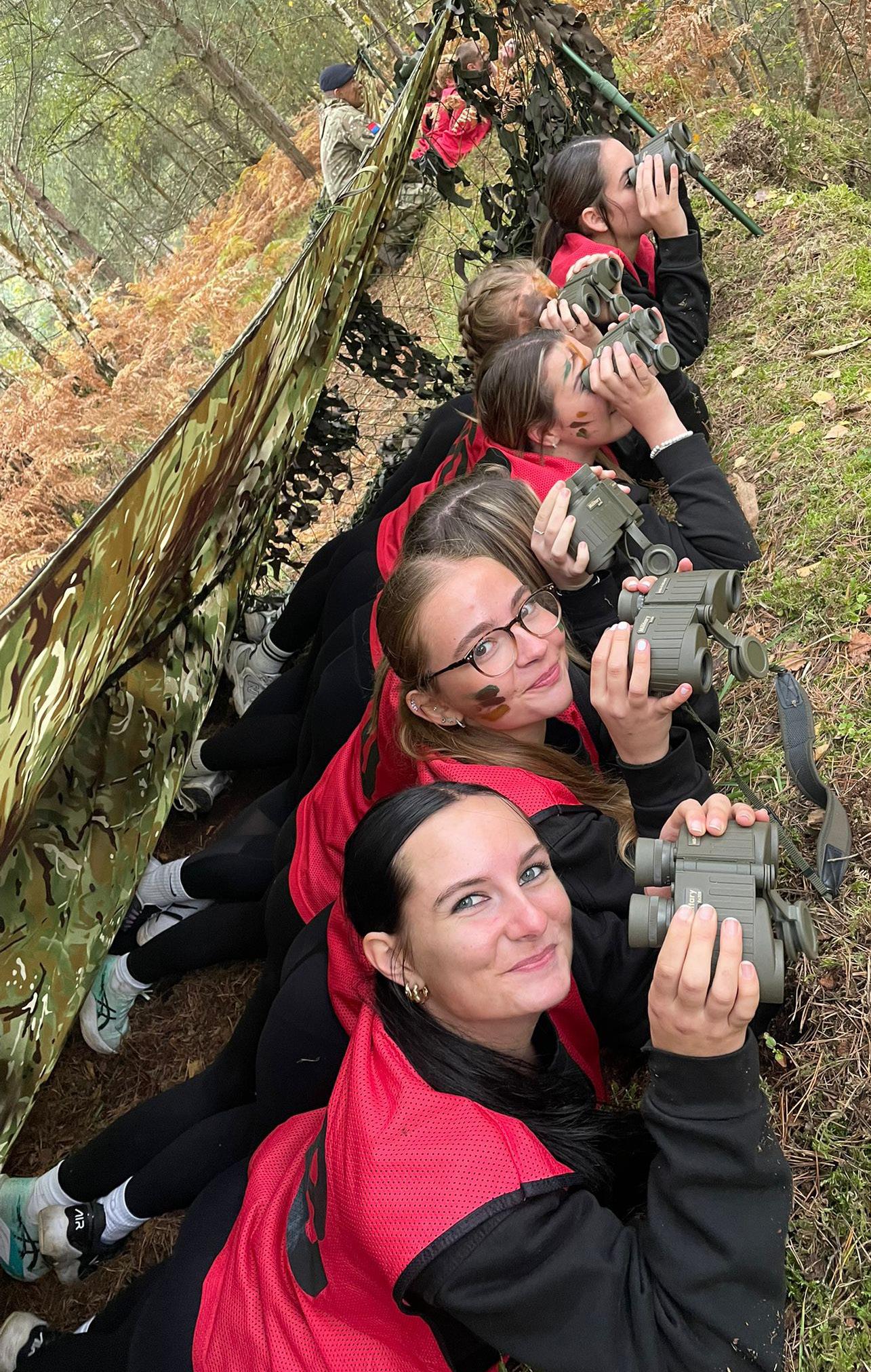
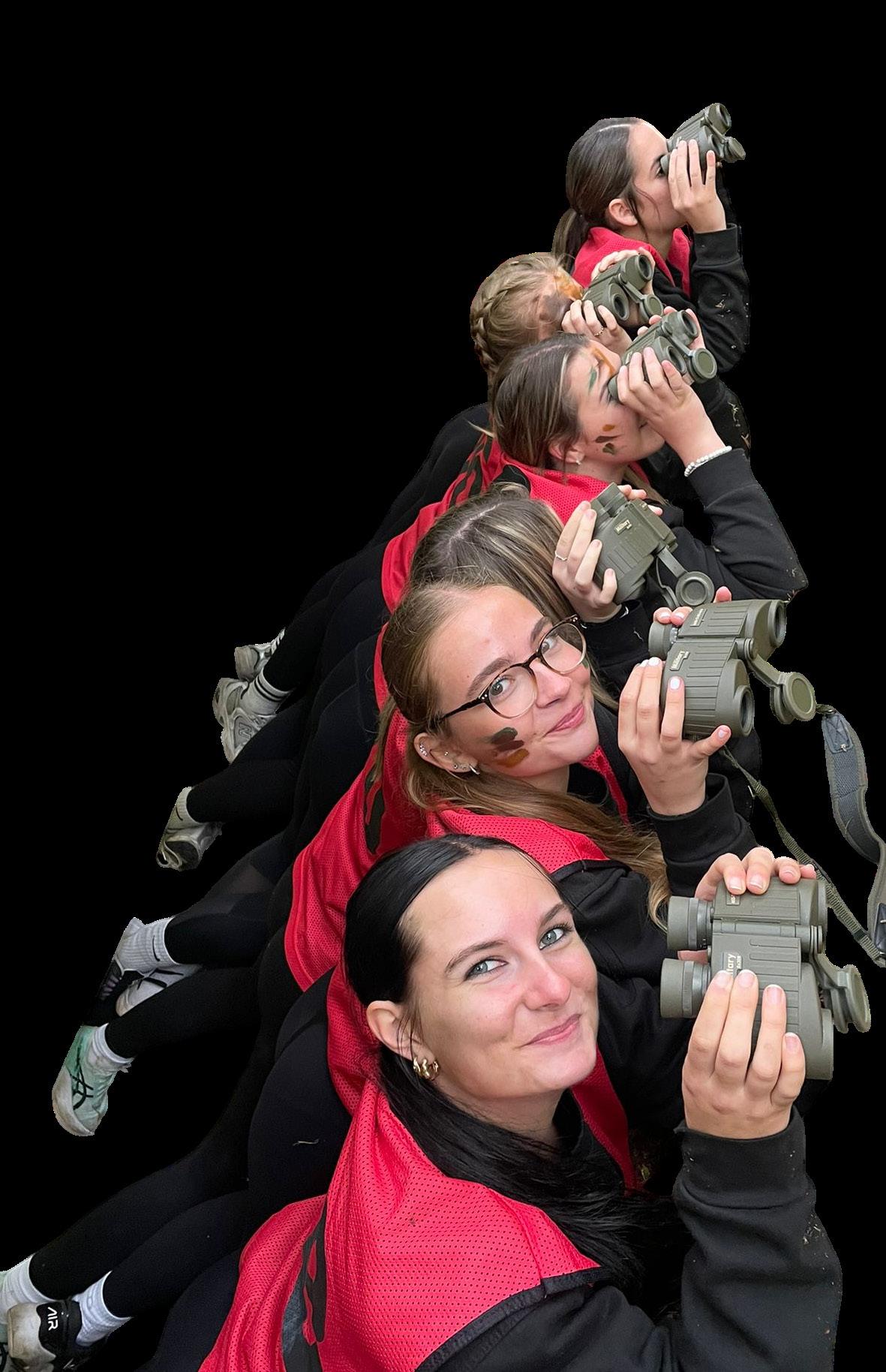
Uniformed Protective Services prepares you for careers in the Armed Forces, Emergency Services and the wider Protective Services. Throughout the course, you’ll develop your understanding of fitness, leadership, legislation and the skills required to work in a range of uniformed services.
Explore the recommended resources below to begin preparing for your course. Choose the activities that interest you most and develop your knowledge of fitness, careers and the legislation that underpins the Protective Services.
• Fitness Preparation
Preparing your fitness before September will help you get the most from the practical elements of the course. Choose the training plan that best matches your current fitness level:
Advanced – Royal Marines Training Plan
Intermediate – British Army Fitness Plan
Introductory – RAF Fit for Action Guide
• Careers in the Uniformed Services
Watch the recommended videos to gain an insight into careers within the Armed Forces and Protective Services. As you watch, consider the skills, qualities and values required for each role.
• Legislation & Research
Develop your understanding of the legislation, rules and regulations that support the work of the Uniformed Protective Services.
Explore topics including:
Police powers
Legislation
Rules and regulations
Government guidance
Choose the resources that interest you most and begin building your knowledge before September.

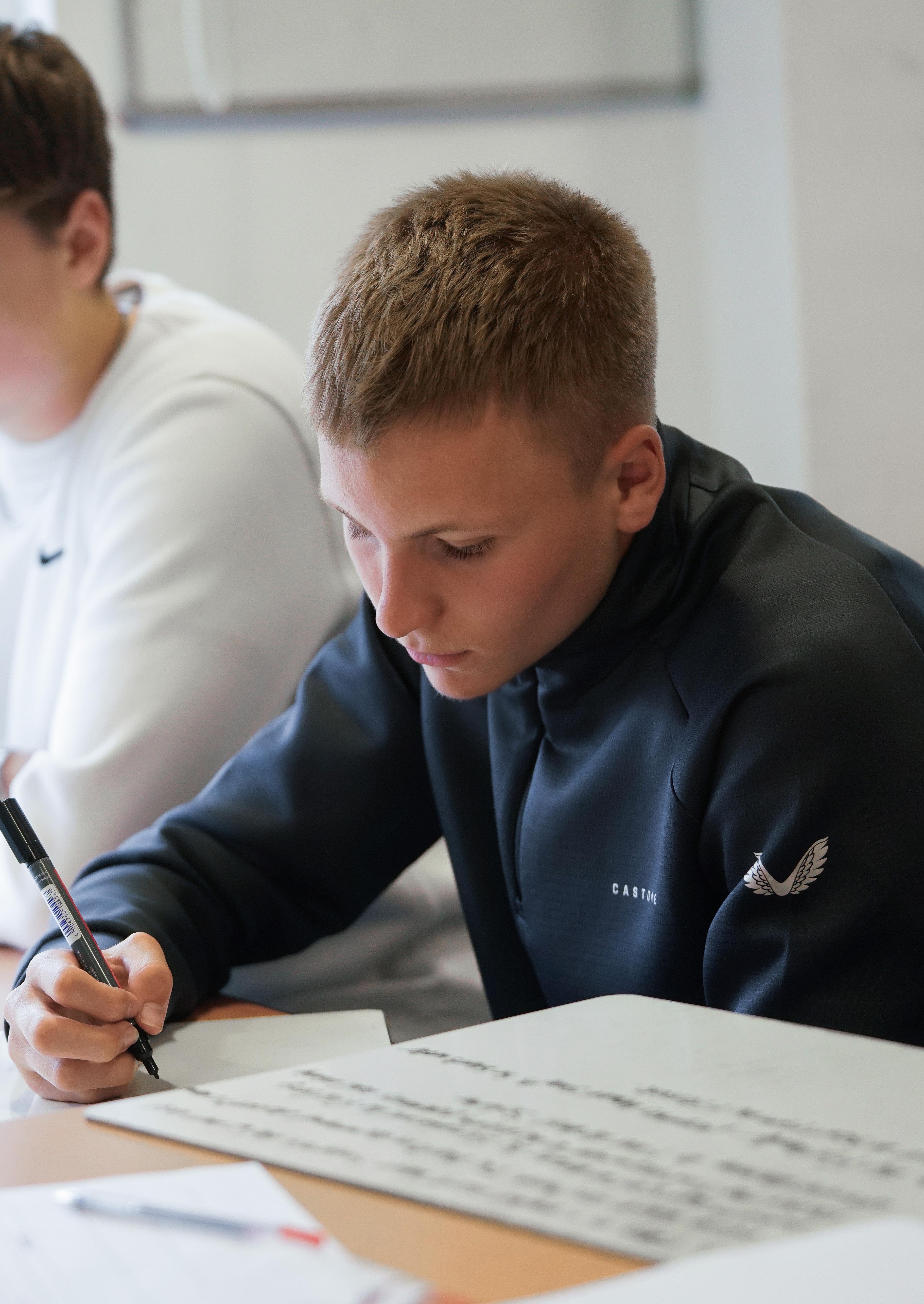
A Level Physical Education combines practical performance with the scientific, psychological and socio-cultural aspects of sport. Throughout the course, you'll develop your understanding of anatomy, physiology, skill acquisition and the factors that influence sporting performance.
Explore the recommended resources below to begin developing your knowledge of the topics you'll study during your first year. Completing these activities over the summer will help you prepare for both the theoretical and practical elements of the course.
• Anatomy & Physiology
Develop your understanding of the muscular system by completing the Quizlet Match and Test activities.
https://quizlet.com/gb/621145773/the-muscular-system-defs-and-locations-flashcards/?i=13m8cn&x=1jqt
• Skill Acquisition
Test your knowledge of the classification of skills by completing the recommended Quizlet activities.
https://quizlet.com/gb/525595464/classification-of-skills-flashcards/?i=13m8cn&x=1jqt
• Practical Performance
Your practical performance is worth 15% of your overall grade. Before September, check that your chosen sport is included on the OCR approved activities list.
https://www.ocr.org.uk/Images/234840-as-and-a-level-guide-to-non-examassessment.pdf
• Sport & Society
Watch as many major sporting events as you can over the summer, such as:
FIFA World Cup
Wimbledon
Commonwealth Games
Women's Cricket T20 World Cup
European Athletics Championships
As you watch, think about:
What are the benefits of hosting major sporting events? How do these events impact the host country?
• Technology in Sport
Watch David Epstein's TED Talk and consider how advances in technology have influenced sporting performance and contributed to athletes becoming faster, stronger and more successful.
https://www.ted.com/talks/david_epstein_are_athletes_really_getting_faster_ better_stronger?language=en
BTEC Sport combines practical performance with the knowledge and skills needed to understand the science behind sport and physical activity. Throughout the course, you’ll explore anatomy and physiology, fitness training, practical sport and the rules and regulations that govern sporting performance.
Explore the recommended resources below to introduce yourself to the units you’ll begin studying in September. Completing these activities will help you develop your understanding of the key topics covered during your first year.
• Anatomy & Physiology
Develop your understanding of the structure and function of the human body by exploring the interactive anatomy activities below.
https://www.anatomyarcade.com/games/WAB/WAB5/WAB5.html#google_ vignette
• Course Preparation
Work through the transition activities provided to introduce yourself to the units you’ll study, including anatomy and physiology, practical sport, rules and regulations, and fitness training.
https://docs.google.com/document/d/1fzysFAf5WfqN_ MuF8093XVzpnl5epYB2r6BcWGc6IvM/edit
• Interactive Learning Activities
Complete the interactive activities to reinforce your understanding of the topics and prepare for the start of your course.
https://www.canva.com/design/DAGIAa19A54/fGqgPJepkNyVJfuUSRx1Bg/edit?utm_ content=DAGIAa19A54&utm_campaign=designshare&utm_medium=link2&utm_ source=sharebutton


Travel & Tourism is one of the world's largest and most dynamic industries, connecting people, cultures and destinations across the globe. Throughout the course, you'll explore how tourism influences economies, communities and the environment, while examining the trends shaping the future of the industry.
Explore the recommended resources below to develop your understanding of the travel and tourism industry before you begin your course. These articles will introduce you to some of the key topics you'll study during your first year.
• Travel Trends for 2026
Discover the latest trends shaping the travel and tourism industry, from changing customer expectations to emerging destinations and sustainable travel.
• The Economic Impact of Tourism
Explore how tourism contributes to local, national and global economies, and why it is one of the world's most important industries.
• The History of Tourism
Learn how travel has evolved over time, from ancient civilisations to the modern tourism industry, and discover how it continues to shape societies around the world.
• Tourism in the UK
Read the latest VisitBritain/VisitEngland report to discover how tourism contributes to the UK economy and why it remains one of the country's most valuable industries.
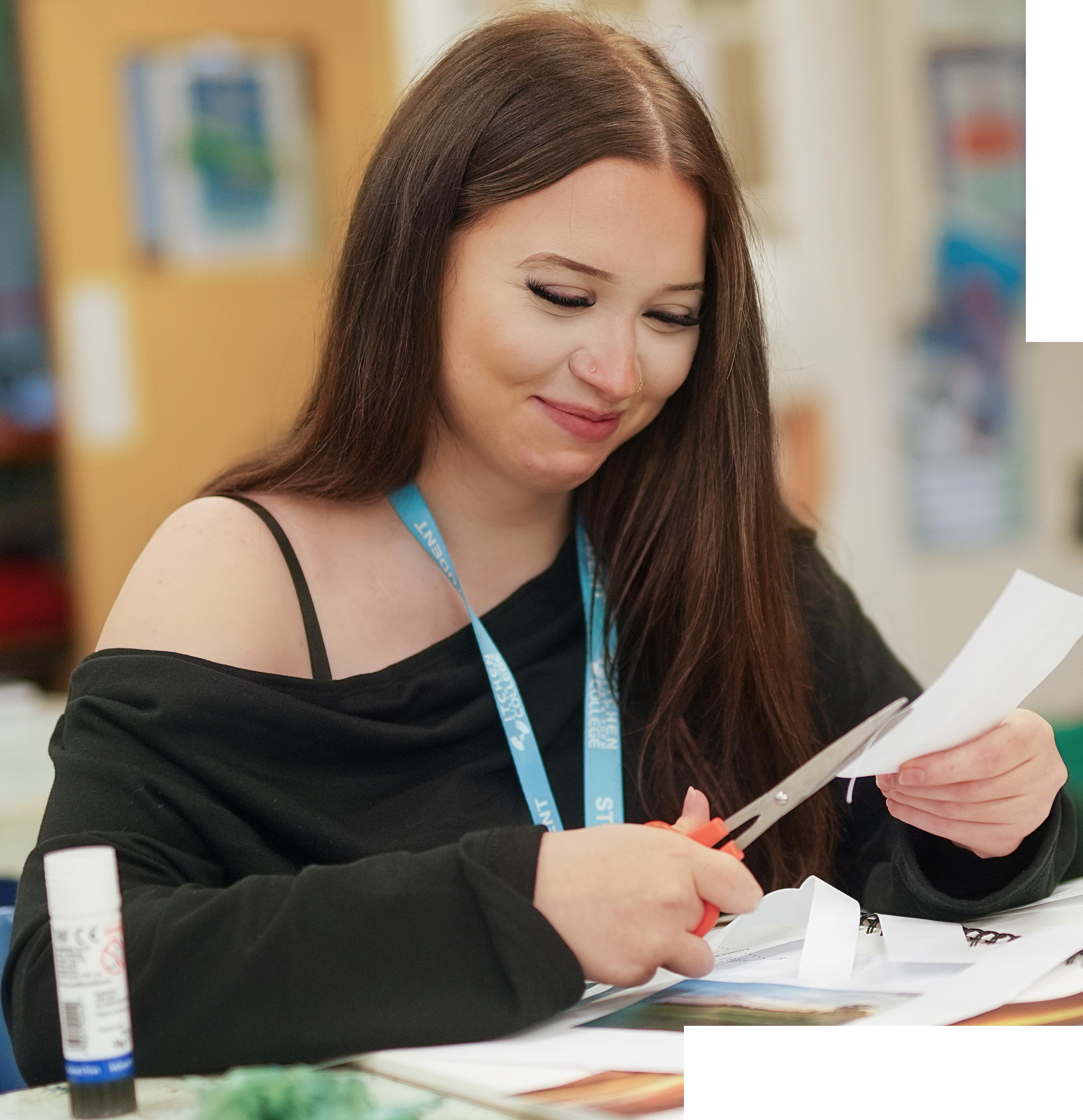
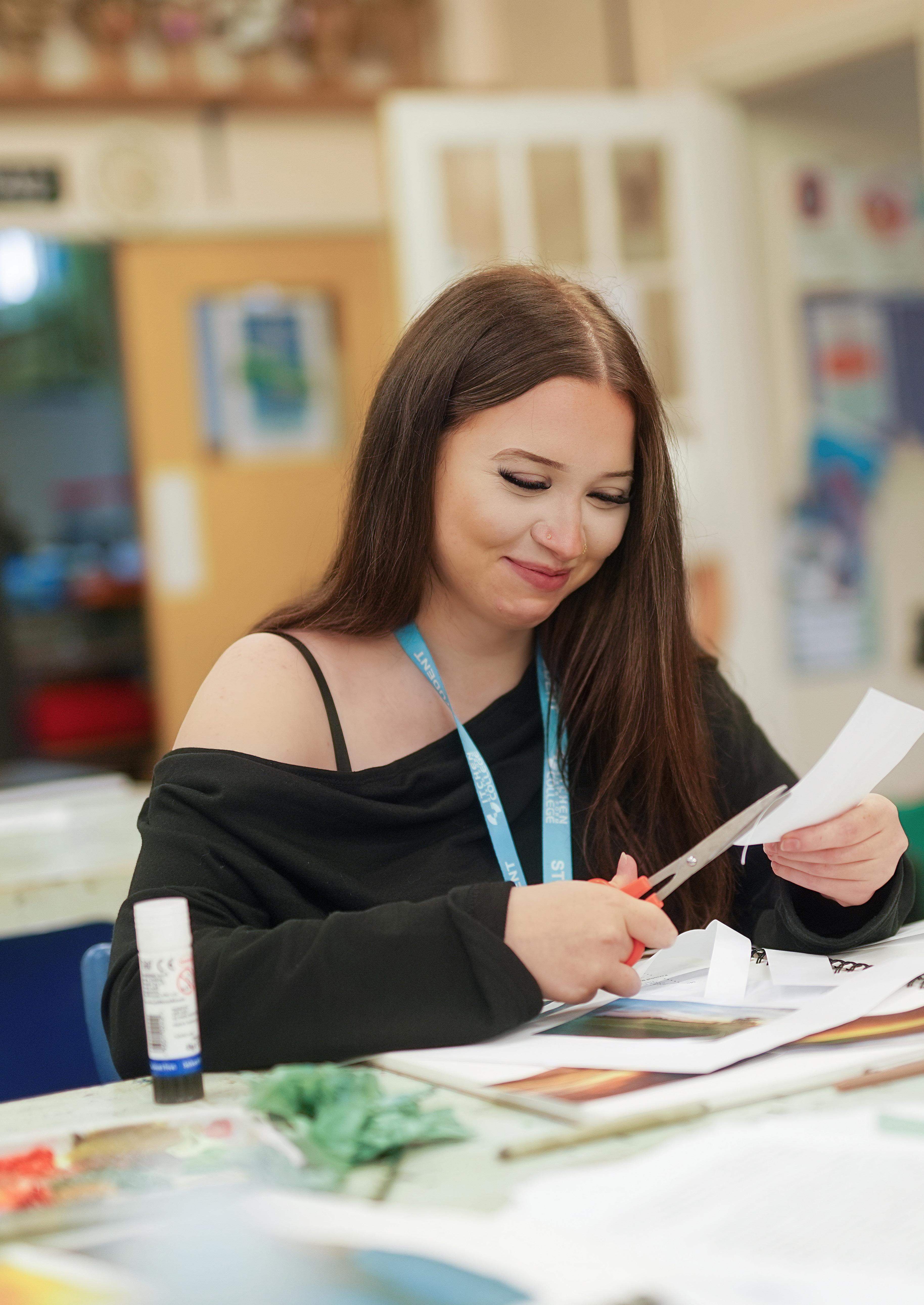
Graphic Design is all around us, shaping the way we communicate through branding, advertising, packaging and digital media. Throughout the course, you'll develop your creativity while exploring typography, layout, colour and visual communication.
Explore the recommended resources below to discover contemporary graphic design and gain inspiration from professional designers. As you browse, think about how designers use colour, typography, layout and imagery to communicate ideas effectively.
• Creative Bloq
Explore the latest graphic design trends, creative projects and industry insights from professional designers around the world.
https://www.creativebloq.com/
• Creative Review
Discover award-winning design, branding, advertising and visual communication projects that showcase contemporary creative practice.
https://www.creativereview.co.uk/
• The Design Museum
Explore exhibitions, collections and articles celebrating outstanding design across graphics, fashion, architecture and product design.
https://designmuseum.org/
Photography is a creative and expressive subject that encourages you to observe the world from new perspectives. Throughout the course, you'll develop your technical skills while exploring composition, visual storytelling and the work of contemporary photographers.
Use the summer to explore photography in a variety of ways. Visit galleries, discover the work of contemporary photographers and experiment with taking your own photographs. Stay curious and begin looking at the world through a photographer's eye.
• Visit a Gallery
Take inspiration from professional exhibitions by visiting a local gallery.
Recommended galleries include:
Southampton City Art Gallery
John Hansard Gallery
Aspex Portsmouth
• Contemporary Photography
Explore the work of contemporary photographers and discover different photographic styles, techniques and creative approaches.
Recommended websites:
Photoworks
Grain Photography Hub
Foam
Photo Monitor
Aperture
International Center of Photography (ICP)
• Composition & Visual Storytelling
Composition is just as important in film as it is in photography. Watch a selection of one-minute short films, including Chopsticks, Toast, Killing Time and Midnight Snack, and consider how framing, lighting and composition help tell a story.
https://www.youtube.com/results?search_query=1+minute+short+film
• Photography Challenge
Wherever you go this summer, take your camera or phone with you and photograph the world around you. Experiment with different viewpoints, lighting and compositions, and begin building a small collection of images that inspire you.
Fine Art encourages you to explore ideas, experiment with different materials and develop your own creative style. Throughout the course, you'll investigate the work of influential artists while building practical skills in drawing, painting and a range of artistic techniques.
Explore the recommended resources below to discover a variety of artists, galleries and exhibitions. Visiting galleries and developing your observational drawing skills over the summer will provide inspiration and help prepare you for your course.
• Explore Contemporary Art
Discover the work of influential 20th and 21st century artists by visiting leading galleries and exhibitions. Recommended galleries include:
Tate Modern Saatchi Gallery
Pallant House Gallery, Chichester (Under 18s go free)
Russell-Cotes Art Gallery & Museum
• Develop Your Drawing Skills
Consider purchasing one of Mark Bergin's drawing tutorial books to develop your observational drawing and practical techniques before September.
• Current Exhibition
If you're able to visit Pallant House Gallery, explore the current exhibition: The Shape of Things: Still Life in Britain
Use the exhibition to observe how artists use composition, colour and different media to communicate ideas.
• Sketchbook Challenge
As you visit galleries or explore artists online, keep a sketchbook of ideas, quick drawings, colour studies or notes about artwork that inspires you. This will help you begin developing your own creative interests before starting the course.
Art & Design encourages you to think creatively, experiment with ideas and develop your own artistic style. Throughout the course, you'll explore a range of artists, techniques and creative processes while building a portfolio of practical work.
Explore the recommended resources below to discover how artists communicate ideas through their work. Visiting galleries and engaging with different styles of art will help inspire your own creativity before you begin your course.
• Ways of Seeing – John Berger
Explore Ways of Seeing by John Berger, an influential introduction to how we interpret and understand works of art. It will encourage you to think critically about images, artists and visual culture.
• Visit a Gallery
Take inspiration from a range of artists by visiting one or more of the following galleries:
Southampton City Art Gallery (Free admission)
John Hansard Gallery, Southampton
Russell-Cotes Art Gallery & Museum
• Creative Challenge
As you visit galleries or explore artists' work, make notes or sketches of pieces that inspire you. Think about how artists use colour, materials, composition and technique to communicate ideas, and consider how these approaches could influence your own creative work.
Art & Design is all about developing your creativity, exploring new ideas and building confidence in a range of practical skills. Throughout the course, you'll experiment with different materials, techniques and creative processes while developing your own artistic style.
Explore the recommended resources below to introduce yourself to key artistic techniques and creative thinking. These activities will help you build your confidence and prepare for the practical work you'll complete during your course.
• BBC Bitesize – Drawing Skills
Develop your understanding of fundamental drawing techniques by working through the BBC Bitesize revision guide.
https://www.bbc.co.uk/bitesize/guides/zdrdmbk/revision/1
• BBC Bitesize – Art & Design Techniques
Explore a range of artistic techniques and creative processes to build your knowledge before September.
https://www.bbc.co.uk/bitesize/guides/znqtywx/revision/1
• Introduction to Art & Design
Watch the recommended introductory video to gain an insight into creative practice and begin developing your artistic skills.
https://www.youtube.com/watch?v=F7sqSfgrTsQ
• Visit a Gallery
Take inspiration from a range of artists by visiting Southampton City Art Gallery, where admission is free. As you explore the exhibitions, think about how artists use colour, composition, materials and techniques to communicate ideas.
023 8043 5636
E: info@itchen.ac.uk
W: itchen.ac.uk
Middle Road, Southampton
Hampshire SO19 7TB