2741 E Belt Line Rd, Suite 113 Carrollton, Texas 75006
Interested In Advertising? Contact quinn@sunislife.com
May 2026 | Volume 2 | Issue 5
Sun Is Life ISSN 2329-8545 (USPS 023-149) is published monthly by Glo Tanning Inc., 2741 E Belt Line Rd Apt 113, Carrollton, TX 75006. Periodicals postage is paid at Flint, MI and additional mailing offices. POSTMASTER: Send address changes to: Sun Is Life, 12335 N Rockwell Ave., Oklahoma City, OK 73142. To authors, photographers and people featured in this publication: All materials, articles, reports and photos published in this publication are the property of Sun Is Life Magazine and cannot be used without written permission. The opinions and conclusions recited herein are those of the respective authors and not of Sun Is Life Magazine. Sun Is Life Magazine is not responsible for returning unsolicited manuscripts, photos or other materials. Every effort will be made however, to return rejected manuscripts, etc., if they are accompanied by sufficient first-class postage, but the publisher will not be responsible for loss of any such material.
Here we are in May! Already past the halfway point of our prime season. Hard to believe, for sure! The early-season rush has settled into loyal clientele. This is the moment where the work you’ve put in since January starts to reveal its return. May is a checkpoint. A chance to look at what’s working, tighten what isn’t, and make sure the back half of the season finishes as strong as the front.
We’ve got a great issue for our readers this month. First, our Salon of Distinction. We highlight salons that represent the best of what indoor tanning can be — professionalism, consistency, customer care and doing things the right way. Each selection has those in common AND a commitment to factual industry information through Sun is Life certification. These salons remind us that excellence isn’t accidental; it’s built day by day, season after season.
Right alongside that, our Salon Pros tackle the do’s and don’ts of social media — a topic that grows more important every issue. From what to post, to what not to post, to how your online presence shapes customer perception, their insights offer practical guidance for owners and staff navigating today’s digital landscape.
Next, our Global Insights section takes a closer look at the rise of collariums overseas and the ripple effects they’re beginning to have here at home. As international markets experiment with hybrid UV and red‑light devices, it’s important for U.S. operators to understand what’s happening, why it’s happening, and how it may influence future regulations, customer expectations, and equipment trends. Staying informed keeps our industry ahead of the curve.
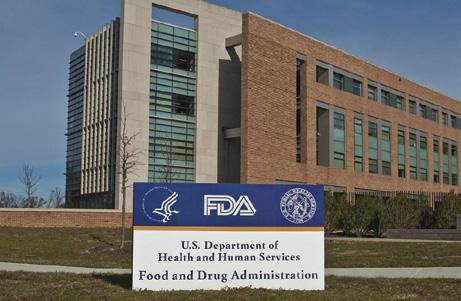
Finally, we bring you an important update from the FDA. Regulations shape how we operate, how we train, and how we communicate with our customers. Staying aligned with the latest federal guidance ensures we continue to present indoor tanning accurately, responsibly, and professionally. Our goal is to give you the facts — plainly, directly, and without the noise.
As we move through the second half of our season, remember that momentum is built, not given. Small improvements in training, customer service, and daily operations can turn a good month into a great one. And if your team hasn’t yet completed the Sun is Life Certification Course, now is the perfect time to get everyone aligned with factual, science-based information about indoor tanning and wellness. The online course is available 24/7 at sunislife.com, and it remains one of the most valuable investments you can make in your staff.
We’ve come a long way together, and we’re not done yet. May is a reminder that the season isn’t winding down — it’s shifting gears. And there’s still plenty of opportunity ahead.
Continued success to all,
Joe Schuster Editor-in-Chief
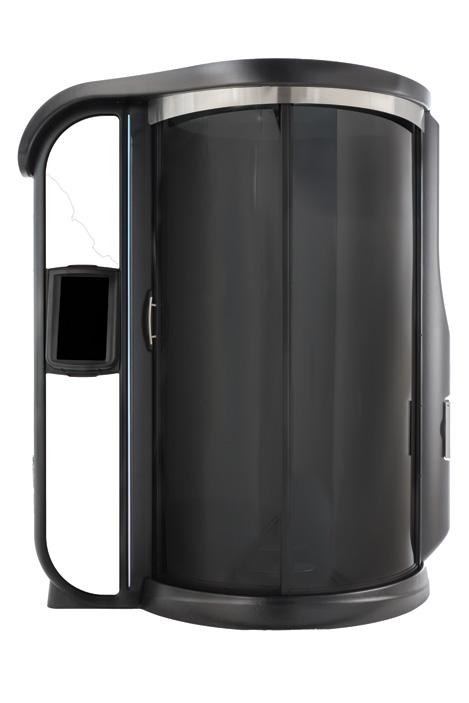
Customizable treatments for every body, every tone and every lifestyle
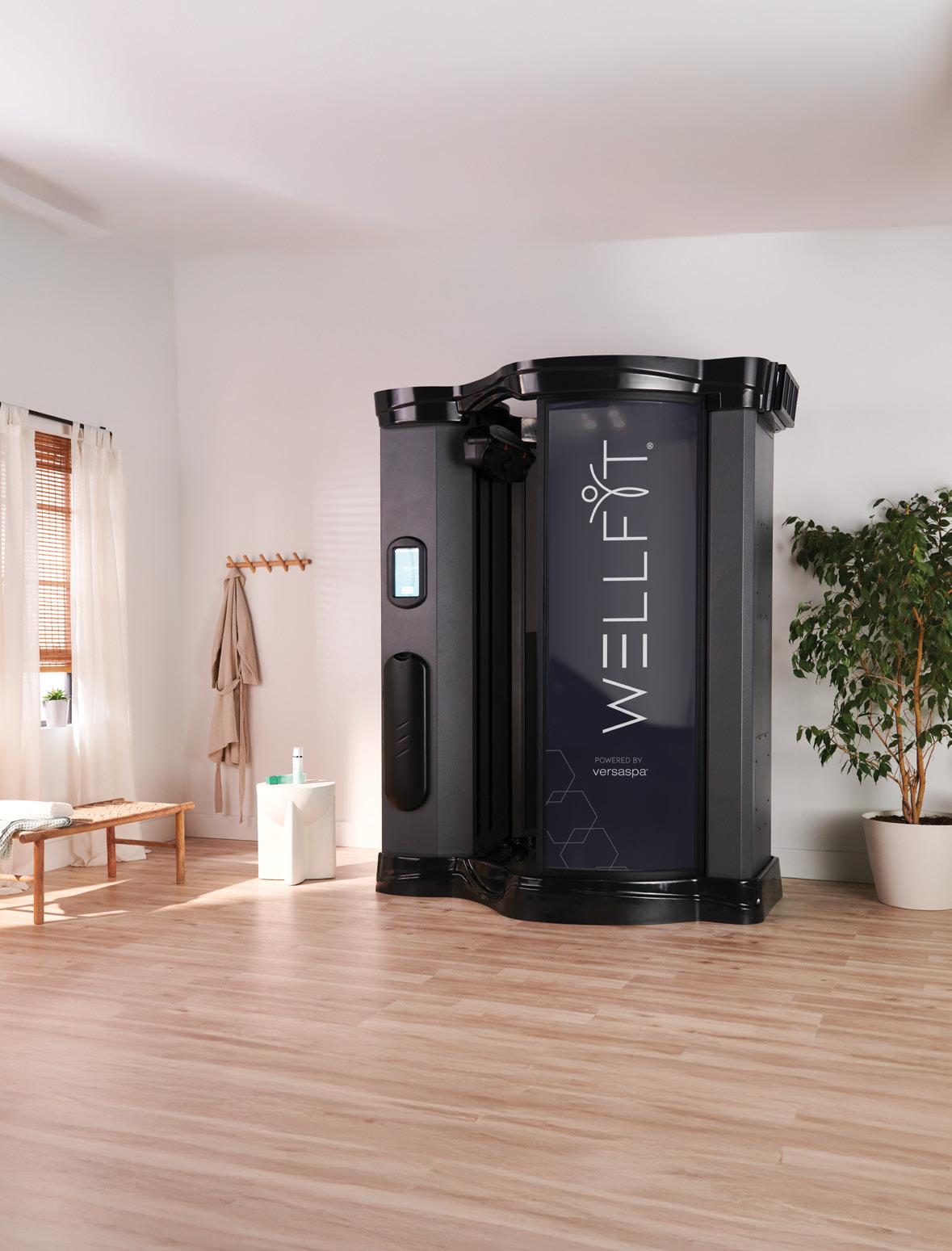
Smart technology guides clients through easy sessions
Automated mixing system helps to reduce waste and ensures consistent sprays
E ortless full-body application in minutes
Warm, comfortable experience
Automatic washdown cycle for easy maintenance
DEPARTMENT
Letter from the Editor
IN EVERY ISSUE
ABOUT THE COVER
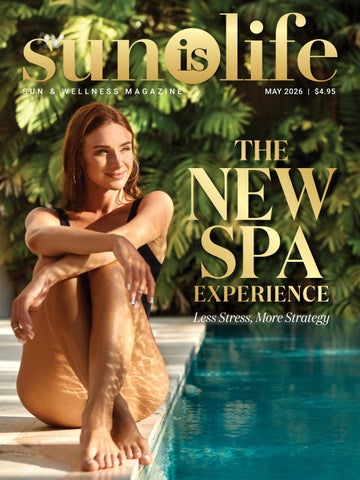
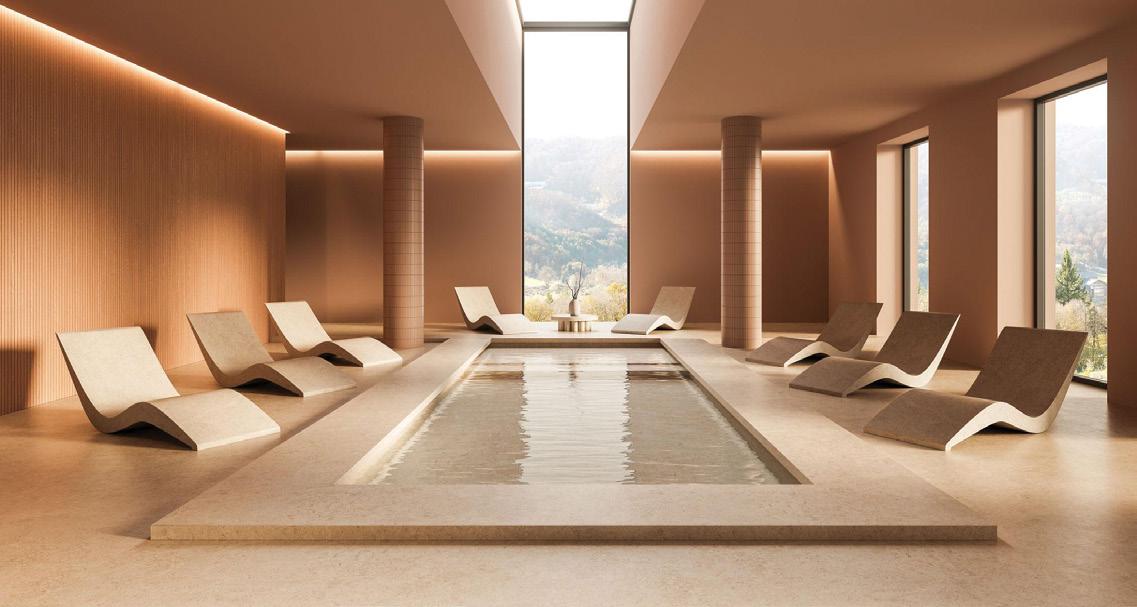
For the May issue of SUN IS LIFE, The New Spa Experience transforms leadership into a space of calm, clarity, and trust—where training replaces control, teams thrive with confidence, and leaders gain the freedom to focus on vision, growth, and meaningful, high-impact work.
The 30-Day Glow Plan
What Clients Should Be Doing in May (But Aren’t)
BY STAFF WRITER
May is when tanning salons shift into high gear. The phones are busy, the rooms are full, and clients are walking in with the same goal, to get tan as fast as possible. That urgency is understandable, but it is also where many clients go wrong. They are focused on speed, while salon owners should be focused on strategy.
The reality is that most clients are not failing because they are not trying. They are failing because no one has clearly shown them what an intelligent plan looks like. Instead of building color the right way, they overexpose, dry out their skin, and end up frustrated when their results stall or fade too quickly. In many cases, they blame the equipment, when the real problem is the lack of a structured approach.
That is why May is the perfect time for salon owners to step into the role of educator, not just session seller. A 30-day glow plan gives clients direction, improves their results, and positions your salon as the expert. It shifts the focus away from random tanning habits and toward a process that actually works.
The first part of that process is helping clients understand that building color is not the same thing
as burning for it. One of the biggest mistakes clients make in May is trying to rush their tan in the first few visits. They assume that more time means more color, when in reality it often leads to erythema, dehydration, and irritation. A proper tanning schedule should be based on skin type and exposure history, not impatience. Giving the skin appropriate time between sessions allows melanocytes to respond gradually and gives the body a chance to build color without being pushed past the point of benefit.
This is also where education around the so-called “base tan” becomes important. Clients often use that
phrase without really understanding what it means. A true base tan is not a free pass to overdo future exposure. It is simply the gradual development of melanin and adaptive skin response when exposure is introduced responsibly. When owners and staff explain this clearly, clients are more likely to trust the process instead of trying to force results in the first week.
Another area that often gets overlooked is skin preparation. Clients want better tanning results, but many are doing very little to actually prepare their skin to tan well. Hydration matters. Skin condition
matters. Product choice matters. Once clients begin exposing their skin to UV, especially multiple times over the course of May, they need to support that skin or the quality of their tan will suffer. Dry skin reflects UV, hydrated skin absorbs it. Dry skin is also more likely to peel, flake, and look uneven.
That is why professional tanning products are not just an upsell, they are part of the plan. Clients who use poor quality lotions, drugstore moisturizers, or products purchased online without any guidance are often working against themselves. Some of these products contain ingredients that are not appropriate for tanning equipment, and some can even create problems for acrylics and equipment maintenance. More importantly, they often fail to support the skin in the way a proper tanning product is designed to do. Helping clients understand that their lotion, hydration, and aftercare all affect their final result changes the conversation from price shopping to result-driven decision making.
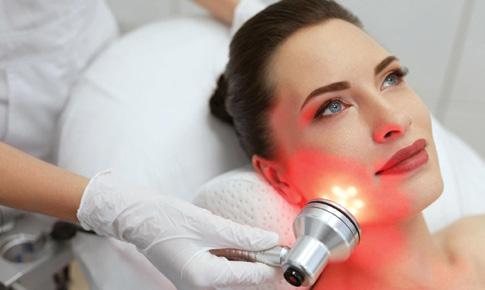
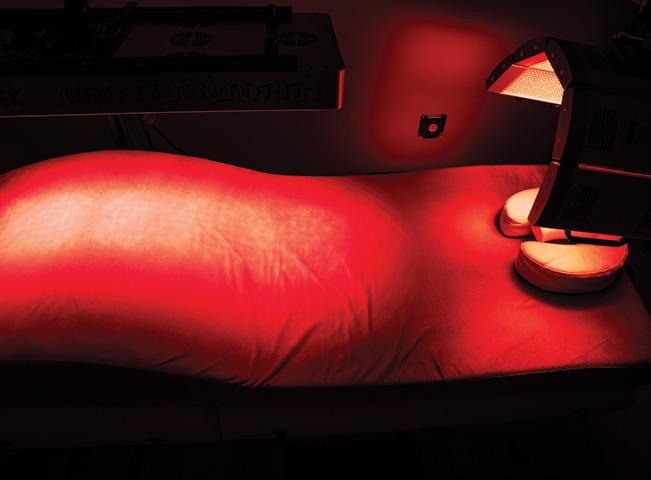
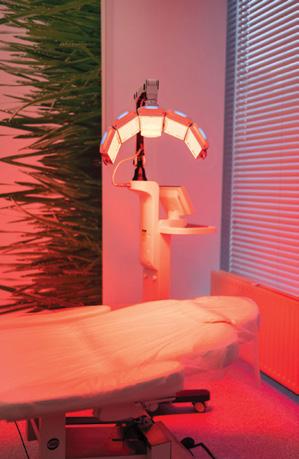
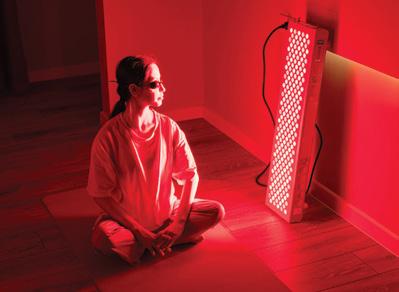
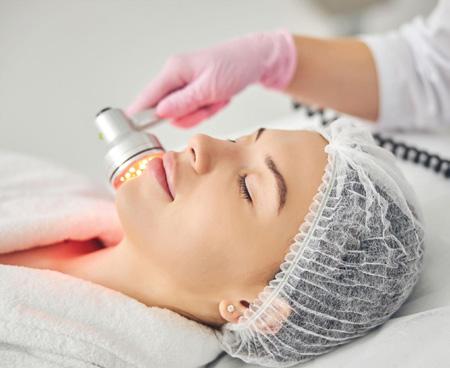
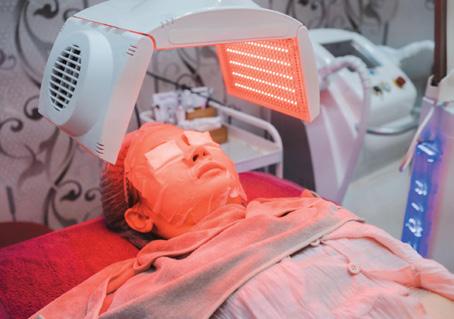
Red light therapy can also be a valuable tool in this 30-day strategy. While it is not a substitute for UV tanning, it can support the skin before, during, and after the tanning process. When used appropriately, red light therapy may help promote circulation, support skin health, and reduce some of the visible stress that can come with repeated exposure.
For clients who are trying to improve the look and feel of their skin while building color, integrating red light therapy into their routine can be a smart addition. It helps position your salon as more than a place to tan, it becomes a place that helps clients take better care of their skin overall.
As the month progresses, many clients make another common mistake. Once they start to see color, they assume they should increase frequency or jump to longer sessions. This is where the “more is better” mindset causes problems. More is not better, better is better. Once a client is developing color, the goal becomes deepening and maintaining it, not overwhelming the skin. Overuse often leads to setbacks, including irritation, dryness, dullness, and the dreaded burn-and-peel cycle that sends clients back to square one.
That cycle is one of the most frustrating things salon owners see every spring. A client overdoes it, their skin gets red, then it peels, and suddenly they have lost much of the color they thought they were building. Peeling is not progress. It is the body shedding damaged skin cells, along with the melanin stored in them. When clients understand this, they begin to see why controlled exposure is the smarter route. They also start to understand why a salon’s guidance matters more than simply getting access to a bed.
means spacing sessions appropriately, maintaining hydration, using quality products, and considering supportive services that help skin health and recovery. This is where salons can naturally incorporate other offerings, such as red light therapy, infrared, or wellness-based add-ons that complement the tanning experience and help clients maintain their glow in a healthier, more intentional way.
What makes this kind of 30-day plan so valuable is that it gives salon owners a way to lead instead of react. Rather than simply ringing people up and sending them into a room, you are helping them follow a process. You are asking the right
questions, setting expectations, and helping them avoid the habits that lead to poor results. That does not just improve the client experience, it improves retention, trust, and the overall professionalism of your business.
By the fourth week, the conversation should shift toward maintenance and longevity. Clients who have followed a more responsible plan should now have a nice foundation to work with. At this point, they do not need to keep pushing harder, they need to protect what they have built. That
In a month like May, anyone can be busy. The salons that stand out are the ones that do more than capitalize on the rush. They guide it. Clients do not just want color, they want confidence, better skin, and results that actually last. When you give them a plan instead of just a session, you position your salon as the expert, and that is what they will remember long after peak season ends.
Frank Ewing 7 Questions With
BY STAFF WRITER
WITH 22 YEARS IN THE TANNING INDUSTRY, and nearly 20 years in retail and management before that, Frank Ewing brings a seasoned, real-world perspective to salon ownership. He has navigated industry changes, shifting client demands, and the rise of wellness services, all while building a business rooted in strong customer relationships and smart membership strategies. From UV tanning and spray to red light therapy and spa services, Frank has embraced diversification in a way that keeps his salon growing and his clients engaged, which makes his insight especially worth hearing.
1
How did you get started in the industry, and what led you to add light therapy?
We got started back in 2004, 22 years ago! I had been in the retail/ photo industry for nearly 20 years at the time. I just got tired of being micromanaged and was looking for something new and exciting where I could be my own boss. I had tons of retail and management experience. I was already a member of a local tanning salon. We started researching tanning salon franchises and came close to buying into one. I was talking to the owner of the salon I was going to, and she asked us to partner with her. We declined but offered to buy the business. So, long story short, we did!
The tanning industry has changed a lot over the years. So much sunscare and misinformation is out there! We always make it a priority to educate our clients on proper exposure, intelligent moderation, etc. Over the past several years, we have, of course, been hearing about
wellness in tanning salons, and specifically Red Light Therapy. We tested it out by converting a bed to “Cosmetic Red Light Therapy” about 5 years ago. It took off!
2
What services do you currently offer, and how do they complement one another?
We currently offer 4 UV tanning levels, plus a UV leg tanner. We also offer our cosmetic Red Light Therapy and our Red Wave LED Red Light/Infrared bed (we added this almost a year ago). In addition, we have the FIR Fit Bodywrap. We have the VersaSpa PRO spray booth. We have many clients on memberships that go from room to room, utilizing different services. We are able to attract different clientele by offering a variety of services. We have clients who don’t want UV exposure and just use the spa services. Then we have clients who WANT IT ALL. By diversifying, we were able to really create a second income stream. Our customer base has definitely expanded.
3
You offer a free session for new clients, along with promotions such as 50% off a package or 50% off lotion. Have these promotions helped increase new client sales?
What percentage of new clients come in because of those offers?
The “FREE” session is a BOGO (Buy 1, get 1 FREE). We’ve done that for many years with our spray tans, and it just makes it so easy and a nobrainer to get the client to book the appointment on the phone. That’s what we want! So, we decided to just do the same thing for all of our services and expand it to 50% off when they buy a package, as opposed to just a session. It works well! Makes the sale on the phone super easy! We have a lot of local competition, and we don’t want clients calling around for the best deal. Once they call us, we seal the deal by offering such a great deal! When they come in, we get the majority onto a 5-month Rewards membership.
What is your best selling package or membership, and why does it perform so well with your clients?
Our best-selling membership is, by far, our 5-month Rewards Membership. We advertise it as 50% off. We make the price at least 50% off what our non membership prices are. I worked with John Farr (the Salon Doctor) last year, and we came up with a “hybrid membership.” Best thing I’ve ever done! A real game-changer for us!
4 5 6
Based on your research and experience, what is the most important concept salon owners should understand about light therapy?
Consistency sells it, not the first session. Red Light Therapy isn’t like tanning, where clients see color after one visit. It’s more like going to the gym for your skin and body. The magic shows up after multiple sessions over weeks. We make sure we educate our clients to understand this so they aren’t disappointed right off the bat or they have false expectations. We always try to sell memberships and not single sessions.
What stands out on your service menu or in your overall business model that sets you apart?
We really focus on our customer service. We treat our clients as people we care about. They aren’t
just a number. We call them by name and develop relationships with them. At the end of the day, if they aren’t happy, we don’t succeed.
7
For someone new to the salon industry, what is one piece of advice you would give them?
For someone new to the industry, I HIGHLY recommend they join a Facebook group for salon owners! There is a plethora of valuable information there! I’ve been doing this for 22 years, and I learn new things all the time. I wish it was available when I started.
As the industry’s top trusted name, we set the standard for innovation, safety, and customer satisfaction, backed by years of expertise and proven success.
Our advanced VersaSpa spray system delivers full-body skincare in minutes, leaving skin refreshed, radiant, & visibly improved.
“I’ve
completed 50+ sessions, it’s so easy to follow” – Tenley, Spa Owner
The Personal Journey That Reshaped My Business A RED LIGHT REVELATION
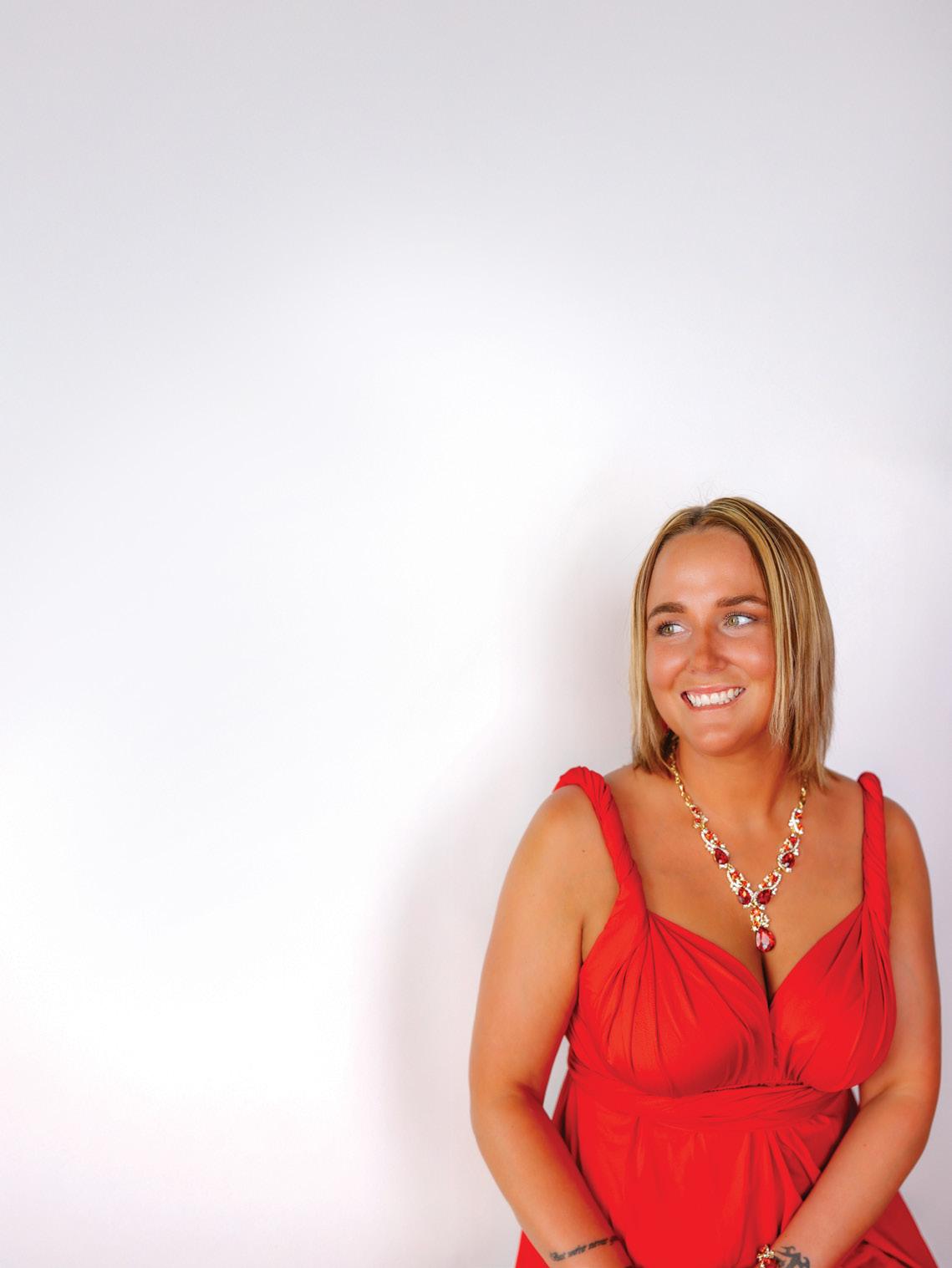
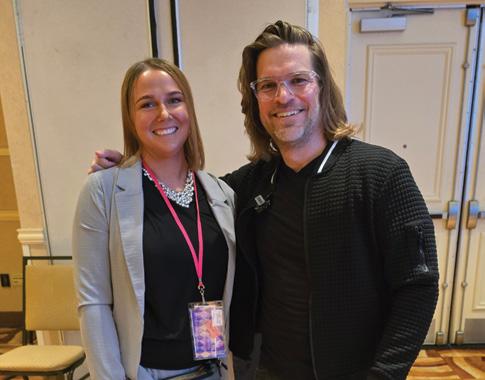
BY KRISTIN LEE SMITHERS, CLT
If anyone had predicted years ago that a traditional tanning salon would evolve into a full-blown wellness destination, the idea would have seemed far-fetched. The daily focus back then was on what the business did best—helping people feel good in their skin through tanning, spray tanning, building memberships, and creating a salon experience that felt fun, comfortable, and consistent. And at the time, it worked.
In 2019, ownership of the business began after years of managing the previous salon. The facility operated with 13 rooms and a very traditional setup: five 20‑minute beds, three 15 - minute beds, two 12- minute beds, one nine - minute stand - up, and a VersaSpa Pro. The yearly Per Client Average (PCA) hovered just under $100.
The introduction to red light therapy did not come from a conference, a sales rep, or a social media trend. It came from pain— and from the frustrating reality of how often people must fight their way through the medical system just to be taken seriously. Arthritis in the knee led to a familiar cycle many people know too well. Before insurance would authorize an MRI or consider surgery, physical
therapy was required, even though it was worsening the symptoms. It felt like jumping through hoops despite knowing something was wrong.
Ironically, that physical therapy is what changed everything. During treatment, a therapist used a red light therapy wand on the knee. The relief was quick, easy, and almost too good to be true, yet it became the one consistent source of comfort before surgery. It didn’t make the arthritis disappear, but it restored quality of life—reducing pain and inflammation, improving mobility, and offering hope that seeking something that actually helped wasn’t unreasonable.
That is where the deeper obsession began—driven by a Type A personality determined to understand everything: why light
therapy worked, what specific wavelengths did, and what the research actually supported. The goal became distinguishing between feel - good gadgets and legitimate therapeutic light. That same pattern is still seen today as people search for relief, desperate for options, and exhausted from being told to “just deal with it” while waiting for the next step in their care. Over time, the quest to learn more about light therapy evolved into integrating it into the business in a way that supported results, enhanced client experience, and aligned with long - term growth.
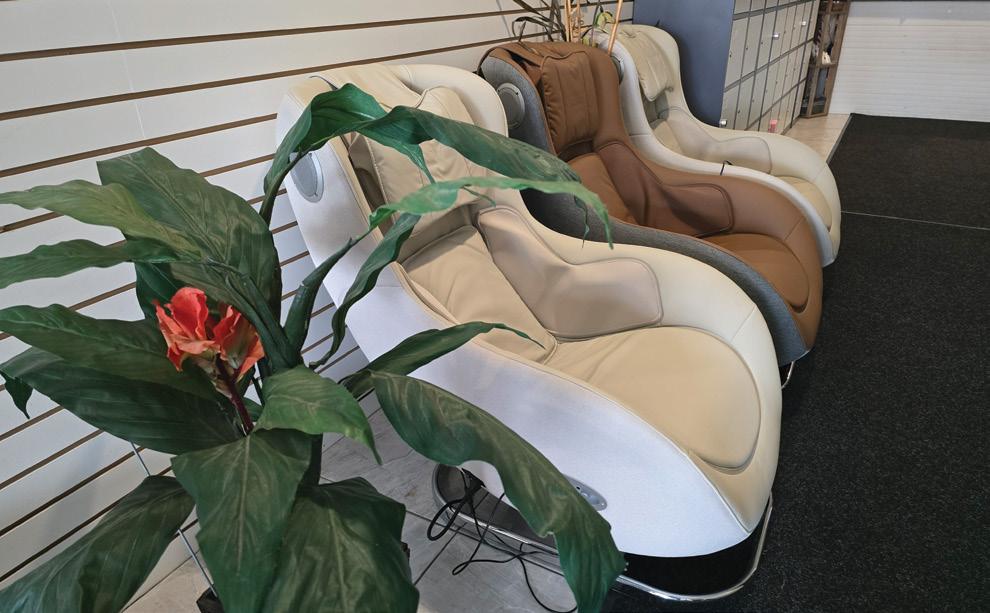
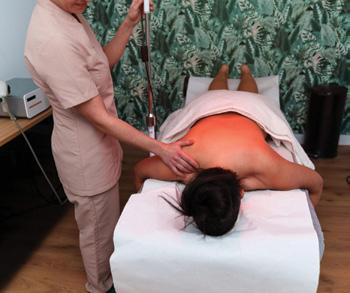
The first major wellness addition was the POLY red light system. It wasn’t simply placed in a room and left to function on its own. Instead, it was paired with a zero - gravity massage chair to create a space that felt like an exhale—something distinct from tanning, a place where clients could immediately feel their nervous system downshift. Initially offered as an add‑on for existing members, it later became part of premium packages due to immediate, enthusiastic feedback. Clients embraced it not just because it was “cool” or “new,” but because it became a sanctuary—a room people sought out when stressed, sore,
burned out, or simply in need of a moment to feel better.
From a business standpoint, it proved to be one of the smartest decisions made, contributing to roughly a 10 percent increase in overall revenue. While it made obvious sense for skincare, it also opened the door to something larger: a wellness identity. Once that door opened, expansion followed naturally. The service lineup grew to include an Alpha Fuzion wellness pod paired with a POLY, a RedWave wellness system from JK, a sauna, targeted light therapy panels, and more. What began as “a tanning salon with something extra” evolved
into a true balance between beauty services and wellness services— without sacrificing either.
A 1,000‑square‑foot expansion brought the facility to just under 4,000 square feet, now offering 18 rooms, nine of which are dedicated to spa - like services. Massage chairs in the lobby create a unique experience from the moment clients walk in. The upgraded VersaSpa Pro includes WellFit solutions as part of the spray tan experience and provides an option for non - tanners as well. Every addition has been rooted in intentional evolution: better outcomes, better experiences, and better education.
As the business grew, so did the model behind it. The driving philosophy has always been to make wellness accessible while still building something sustainable and profitable. Single sessions remain available for those who want to try something new or visit occasionally, but the true value lies in the membership structure. Memberships are priced around the cost of three or four sessions, allowing clients to feel an immediate win, while larger packages—such as 30 - day passes—are priced higher. This structure encourages consistency, supports better results, and creates predictable, profitable income in a way that relying solely on single sessions never could.
A pivotal realization emerged: offering light therapy and wellness technologies could easily be dismissed as a “tanning salon trying new things.” To avoid that
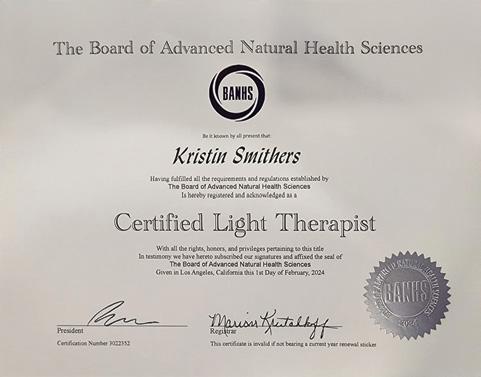
perception and to ensure clients felt informed, safe, and confident, earning Board Certified Light Therapist status became a turning point. It strengthened professional legitimacy, elevated educational conversations, and provided a structured foundation for recommendations. It also enhanced credibility within the broader community.
Today, several doctors, therapists, and chiropractors refer clients— and many visit themselves. Those referrals are built on trust. Providers recognize the professionalism, the avoidance of exaggerated claims, and the commitment to responsible education around light therapy, dosing, and safety. Watching the wellness side grow not because it is trendy, but because it genuinely helps people, has been one of the most validating aspects of this transition.
Not everyone has the time, financial flexibility, or life circumstances to visit a wellness facility as often as they might need. That reality led to expanding into consulting for physician - guided weight loss and peptides, in partnership with a doctor and a licensed pharmacy. It offers another safe, supervised option for people seeking to feel better without falling into the “internet quick fix” trap.
For those interested in learning about light therapy or following a similar path, a course is available at TheRedLightQueen.com. It is currently offered at no charge, though normally priced at $400. While not a certification program, it provides foundational knowledge to help people distinguish between marketing hype and true therapeutic application. For some, it becomes the first step toward becoming a Certified
SUCCESS
Light Therapist and eventually pursuing Board Certification. The site also includes information on incorporating peptides into a business model or beginning a personal wellness journey.
A recent comment suggested that tanning salons adding spa services are simply replacing the “failing side” of tanning. That has not been the experience here, nor is it the case for most salon owners
who expand thoughtfully and prioritize education. Current PCA sits at $565.92, up from $510.66 at this time last year. In 2023, it was $464.93; in 2021, $305.95; and in 2019—before expanding services— just under $100. The intentional growth has been both measurable and rewarding. These numbers illustrate the positive impact wellness integration can have. New UV equipment investments this year are expected to contribute as
well. Spa services now account for roughly 50 percent of revenue and equipment use, playing a major role in overall growth.
Wellness did not replace tanning—it expanded the reach. It brought in individuals who would have never visited a tanning salon and allowed the business to offer premium services that meet a wider range of needs. It also strengthened existing services. Becoming known as a place that helps people feel good— not just look good—transforms the entire customer base.
What began with a red light wand on an arthritic knee and a moment of undeniable relief grew into an educational journey, a business evolution, and ultimately a full wellness environment designed for people with stress, pain, and goals. Sharing this knowledge within the tanning salon community supports the collective goal of offering trusted expertise and meaningful experiences. In a world that is constantly moving, the mission remains to create a space that feels like relief, calm, hope, and progress. Wellness is not complicated. Sometimes, it simply starts with light.
The Confident Consultant: The Well-Rounded Expert
The salons benefit from having consultants maximize their education in wellness and results
BY EMILY CLEMENTS
Over the last decade, skincare, wellness, and recovery services have seamlessly integrated into the tanning industry, reshaping client expectations and redefining what it means to deliver value. The modern client is no longer just looking for results, they are seeking an experience. At the center of that experience is your consultant.
As a salon owner, not only do you want your consultants to be knowledgeable, but also intuitive, adaptable, and client-focused. They should understand that their role extends beyond transactions and into building trust, creating personalized journeys, and curating an environment where clients feel seen, understood, and cared for. As salons continue to evolve into spa-like environments, the person guiding the client experience becomes the most important touchpoint in delivering a seamless and elevated visit.
More Than Tanning: Expanding the Consultant Mindset
Today’s top-performing consultants recognize that tanning is just one piece of a broader wellness puzzle. Clients are increasingly interested in skincare, relaxation, recovery, and self-care rituals that support both physical appearance and mental
well-being, while also recognizing clients’ interests can increase to see better results with their tan. This shift requires consultants to move beyond memorized scripts and toward a more genuine understanding of services.
Training should emphasize crossfunctional knowledge, how tanning interacts with skincare, how hydration impacts results, and how additional services like red light therapy or wellness treatments complement a client’s result goals.
Get your staff started with a solid platform of knowledge by taking Sun is Life certification at www.sunislife.com
This expanded mindset also encourages consultants to think long term. Instead of focusing on a single visit, they begin to guide clients through a journey, one that evolves based on changing goals, seasons, and lifestyle needs. This perspective not only improves client satisfaction but also strengthens retention and loyalty.
Personalization as the Foundation
At the core of the new spa experience is personalization. Clients should expect more than a one size fits all recommendation. They should be receiving solutions that reflect their individual needs, preferences, and goals. You want your consultants to be skilled in how to ask thoughtful, openended questions: What are your goals? Does your skin have a more sensitive response? What kind of experience are you looking for today? As well as the follow-up effort: How are you feeling about your results so far? Is anything you still have questions about?
These kinds of questions are not only functional but signal care and attention. Training programs should focus on developing consultation skills that go beyond surface-level interactions. Try out role playing exercises and client scenario walkthroughs. Playing out a real client example helps them to comprehend training. Active listening techniques can help consultants tailor each experience. Personalization not only improves results, it builds loyalty.
Personalization also requires adaptability. A client’s needs may shift over time, and well-prepared consultants are ready to adjust recommendations accordingly. By tracking preferences, remembering past visits, and anticipating future needs, staff can create a sense of continuity that enhances the overall experience.
When a client feels that their experience has been designed specifically for them, they are far more likely to return, trust recommendations, and engage more deeply with the salon’s offerings. Personalization is not just a trend, it is the foundation of the modern spa model.
The Power of Service Bundling
Service bundling is one of the most effective ways to align with a spafocused, client-centric model. Rather than offering isolated services, your consultants should be presenting curated packages that enhance results and elevate the experience.
For example, pairing a client wanting to see an increase in tanning results with red light therapy services and hydration treatments creates a more comprehensive offering. This approach shifts the conversation from price to value. Instead of asking, “How much does this cost?” clients begin to ask, “What’s the best option for me?”
Training should empower consultants to confidently explain the “why” behind each bundle, how the services work together, what benefits they provide, and how they contribute to the client’s overall goals. When done effectively, bundling feels less like an upsell and more like expert guidance.
Creating a Client-Centered Environment
Consultant well-rounding is not only communicated through words, it is reinforced by the environment. The modern spa experience prioritizes
CERTIFICATION, TRAINING & PROFESSIONAL DEVELOPMENT
atmosphere, from lighting and scent to music and layout. Consultants play a key role in bridging the physical space with the emotional experience.
Training should encourage awareness of how your salon’s environment influences client psychology. A calm, welcoming tone, intentional pacing, and attention to detail all contribute to how a client perceives their visit.
Consultants who align themselves with the knowledge your salon manager has instilled in them know how to match their energy to the space, creating a seamless and immersive experience.
Building Confidence Through Training
Confidence is not something that simply appears, it is built through consistent, intentional training. The most successful salons invest in ongoing education that combines technical knowledge with interpersonal skill development.
Effective training programs should go beyond initial onboarding and evolve alongside the industry. As new services, technologies, and client expectations emerge, staff need continuous opportunities to learn and grow. This ensures that they remain informed, relevant, and capable of delivering high quality experiences.
Key components of strong training programs include continuous education on wellness trends and service offerings, ensuring that consultants can speak confidently
about the full range of options available. Equally important is coaching on communication, tone, body language, and engagement. Clients often respond as much to how something is said as to what is said. Staff who are trained to communicate clearly, calmly, and professionally are better equipped to build trust and rapport.
Feedback systems are another critical element. Constructive feedback allows team members to identify areas for improvement while reinforcing strengths. When training is ongoing and collaborative, it fosters a culture of growth and confidence.
The Future of the Consultant Role
As the salon industry continues to evolve toward a more spa-aligned model, the consultant’s role will only become more important. Clients are seeking guidance, not just services. They want expertise, personalization, and an experience that feels intentional from start to finish.
A well-rounded consultant is the bridge between services and experience, between products and results, and ultimately, between a one-time visit and long-term loyalty.
Looking ahead, the most successful salons will be those that prioritize the development of their teams. By investing in training that emphasizes personalization, service bundling, and a holistic understanding of wellness, salons can cultivate professionals who elevate every aspect of the client experience.
In this new era of the spa experience, confidence is not just a trait, it is a skill. And when team members are equipped with that skill, they do more than meet expectations, they redefine them.
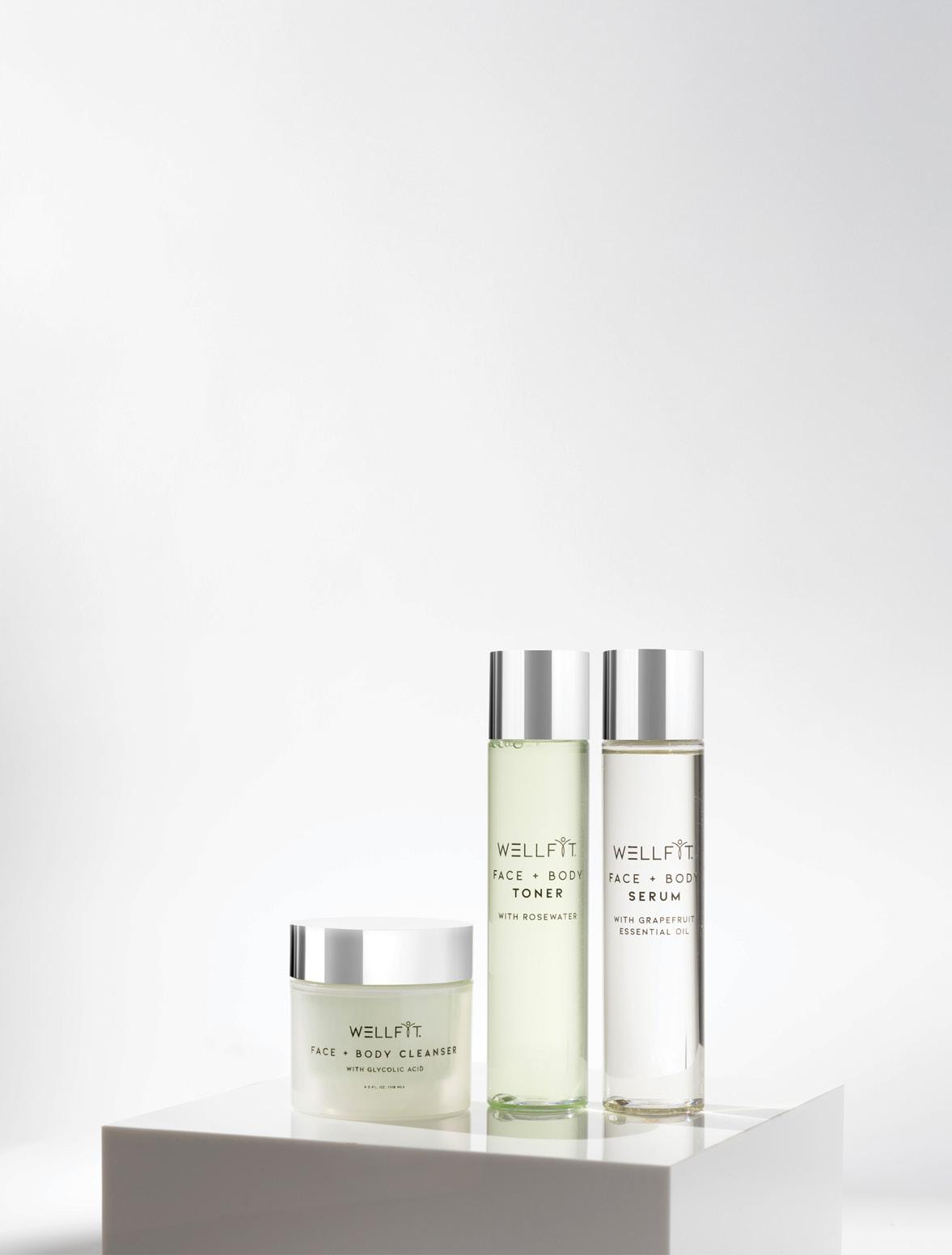
From the innovators behind the most trusted spray technology in the industry comes a new standard in whole-body skincare. A step-by-step skincare system designed to cleanse, tone, and hydrate skin supporting whole-body skin wellness in between WellFit sessions.
PARABEN FREE
GLOBAL INSIGHTS
Are hybrid sunbeds used to circumvent global tan bans?
BY JOE SCHUSTER
In the US, the Food and Drug Administration regulates the indoor tanning industry, specifically manufacturers, by 21CFR1040.20. States such as Ohio, North Carolina, South Carolina, Oregon and others also establish regulations that largely affect commercial tanning salons. European indoor tanning salons are also impacted by regulations and in many cases much stricter. In Europe, over 25 countries have implemented strict bans on tanning bed use for minors under 18 including France, Germany, Spain, Italy, Portugal, Belgium, Sweden, and the UK (England, Scotland, Wales, Northern Ireland). Globally, there are actually countries that have actually outlawed indoor tanning such as Brazil and Australia. Key European Tanning regulations include:
• Age Restrictions (<18): Over half of European nations have strict bans preventing those under 18 from using commercial tanning beds.
• UK Restrictions: England, Scotland, Wales, and Northern Ireland banned minors from using sunbeds in commercial venues.
• Specific Country Measures:
1. France and Germany have implemented bans on under18s and restrictions on advertising.
2. Italy prohibits minors and limits use for pregnant women or individuals who burn easily.
3. Poland has introduced an explicit total ban on advertising tanning services.
While no European country has implemented a total commercial ban on all tanning beds like Australia, the UK is actually in the process of reviewing a proposed ban according to The Sunbed Association. In Australia and New Zealand, experts and public-health voices have explicitly warned that rebranding sunbeds as “collariums” is being used to sidestep or soften bans/ restrictions on sunbeds, while still delivering UV exposure.collagen. Commercial tanning and beauty salons in Queensland, New South Wales and Victoria are allegedly marketing “collariums” that claim to provide a longer lasting tan and stimulate collagen production, among other purported benefits.
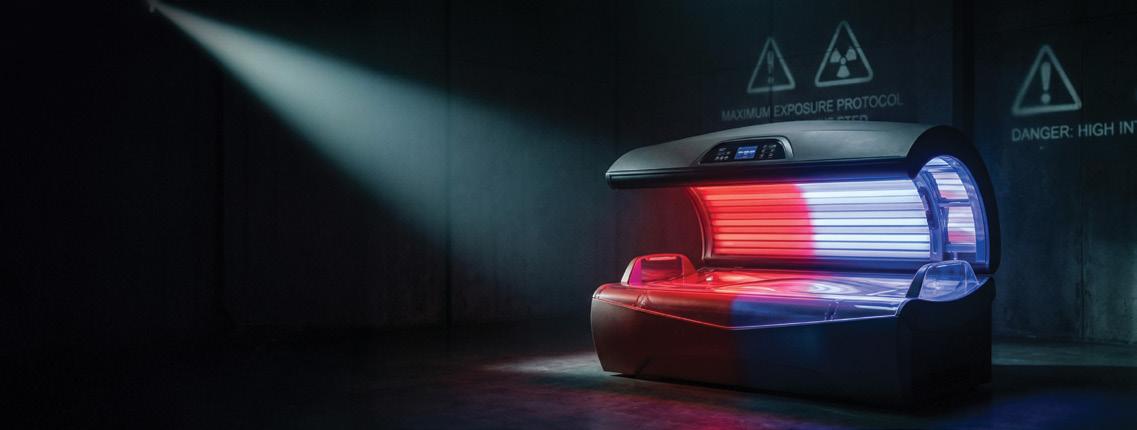
So, what is a “collarium”? A collarium sunbed emits both UV radiation and a mix of red light wavelengths. Like an old-school sunbed, some units allow for ten to 20 minute sessions to quickly develop a tan. However, it’s been alleged that collariums are being used to circumvent these strict requirements by falling into a gray area of safety classification. Some health experts feel that any device producing UV rays for cosmetic tanning is inherently unsafe, regardless of the marketing term used. Now, let’s visit the Australia ban. The prohibited range of UV spectrum is from 100 to 400 nanometers. Collariums may produce UV light in the prohibited range with the red light around 600700nm and not in the prohibited range. The use of red light in that range is legal but only if the lamps in the system are delivering 100% red light. If the lamps produce any prohibited ultraviolet radiation it could be viewed as a breach of the regulations if made available commercially. Of course, current US regulations allow for UV, Red Light and hybrids at indoor tanning commercial establishments that abide by state and federal regulations.
FDA Steps Back on Under-18 Tanning: What It Actually Means
BY STAFF WRITER
For years, the tanning industry has been bracing for a nationwide shift: a federal restriction limiting tanning bed use to individuals 18 and older. The conversation felt inevitable. Salon owners prepared, adjusted policies, and watched closely as the FDA explored reclassification that could enforce it.
Now, the FDA has stepped back.
At first glance, this sounds like a major change. In reality, it is not the sweeping reversal many assume.
What Actually Happened
The FDA chose not to move forward with a federal under 18 restriction on tanning devices. This does not mean minors are now freely allowed to tan everywhere. It simply means the federal government is not creating a universal rule.
Instead, regulation remains where it has largely always been, at the state level.
State Laws Still Control Everything
This is the part that matters most for salon owners.
Many states already have strict rules in place. Some require parental consent, others require a parent to be physically present, and several
states prohibit minors from tanning altogether.
Nothing about this FDA decision overrides those laws.
If you are operating under state regulations, and you are, your responsibilities have not changed.
Why the FDA Pulled Back
Federal rulemaking is complex. The FDA’s initial proposal required significant data, alignment, and enforcement considerations across all states. Stepping back does not mean the agency views tanning as risk-free for minors. It reflects the challenge of applying a one size fits all rule to an industry already regulated locally.
Responsibility Does Not Change
If anything, this moment reinforces something the best operators already understand: responsibility is not dictated by headlines.
Proper skin typing, controlled exposure schedules, protective eyewear, and client education remain the foundation of professional tanning services.
When minors are involved, that responsibility increases.
Parental consent should never be
treated as a checkbox. It should be a conversation. Expectations, risks, and proper usage all need to be clearly communicated.
A Messaging Mistake to Avoid
One of the biggest risks right now is how this is framed.
Saying “the FDA allows minors to tan” is inaccurate and invites unnecessary scrutiny. This is not a safety endorsement. It is a regulatory pause.
The focus should remain on what separates professional salons from everything else: structure, education, and compliance.
The Bottom Line
Nothing about this decision removes your responsibility as a salon owner.
Follow your local, state, and federal regulations.
Educate your clients. Enforce your protocols.
The businesses that succeed are not the ones reacting to headlines, they are the ones operating with consistency and professionalism regardless of them.
Stay informed, stay compliant, and continue to lead with responsible practices.
The Rise of 24/7 Tanning: What the Laws Actually Say
BY STAFF WRITER
Current Regulatory Landscape
When people think about tanning regulations, most immediately think about age restrictions or parental consent requirements. However, a less discussed regulatory issue is whether a trained operator must be present whenever tanning equipment is in use.
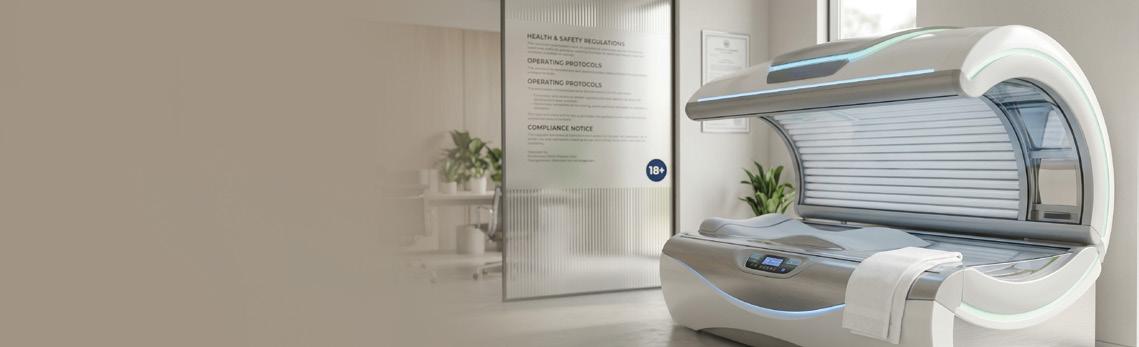
In some jurisdictions, laws specifically require an attendant or operator to be present whenever tanning devices are operating. These rules effectively prohibit unattended or 24/7 access where clients enter
a facility and operate tanning equipment without staff supervision.
In other areas, regulations focus primarily on age restrictions, warning signage, and equipment standards rather than continuous supervision. In those jurisdictions, unattended or keycard access facilities may legally operate depending on local rules.
Because regulations are frequently updated and vary widely between countries, provinces, states, and municipalities, the examples below should not be considered exhaustive. Salon owners should
always verify local regulations before implementing any unattended access model.
U.S. Jurisdictions Requiring Operator Presence
Several U.S. jurisdictions clearly require that a trained operator be present whenever tanning equipment is in use.
Pennsylvania
The Indoor Tanning Regulation Act requires that protective eyewear must be provided, and consumers may not use equipment without an operator present. Remote or keycard access tanning without staff supervision is not permitted. It also requires a trained employee to operate and be present whenever tanning devices are in use. Sun is Life certification is a great course to fulfill this requirement. Sign up at www. sunislife.com
Virginia
Virginia regulations state that a tanning facility must have an operator present during operating hours whenever equipment is being used. The operator must understand device operation, skin typing, and safety procedures and must assist customers as needed.
Massachusetts
Massachusetts regulations require a
trained operator to be present at the facility at all times during operating hours.
Indiana
Indiana administrative rules require at least one operator to be on the premises whenever a tanning facility is open.
Iowa
Iowa rules require a trained operator to be present when a tanning device is being used and available to assist the consumer if needed.
Ohio
Ohio tanning facility standards require a certified operator to be on duty to instruct and assist customers using sunlamp equipment.
Maine
Maine statutes require an operator to be present at the tanning facility during operating hours and able to assist customers with tanning devices.
Washington, D.C.
District regulations require tanning equipment to be operated only when a trained tanning operator is present.
Again, get certified operator training at www.sunislife.com
Washington State
Washington regulations require a tanning operator to be present whenever equipment is being operated and able to assist customers promptly.
New York City (local regulation)
The New York City Health Code requires an operator to be present whenever UV tanning equipment is available for use.
Jurisdictions Without Explicit Supervision Requirements
Most U.S. states do not explicitly prohibit unattended tanning access. Instead, regulations tend to focus on areas such as:
• Age restrictions
• Parental consent requirements
• Warning labels and signage
• Equipment registration and inspection
• Operator training standards
In states where the law does not clearly require an operator to be
present, some facilities have adopted membership-based or keycard access models that allow customers to tan outside staffed hours.
Because there is no single national database tracking unattended access laws, salon owners must carefully review state statutes and local health department regulations to determine what is permitted.
Canada and International Regulations
Outside the United States, tanning regulations are often stricter and more centralized.
Canada regulates tanning devices through federal radiation-emitting device laws as well as provincial legislation. Most provinces prohibit tanning bed use by minors, generally under age 18 or 19. Operator training, warning labels, and safety procedures are common requirements, although supervision expectations can vary between provinces and municipalities.
Europe has also adopted strict regulatory approaches in many countries. Several nations prohibit tanning bed use by minors and require licensing, safety standards, and clear warnings for consumers.
*read how “collariums” may be trying to circumvent bans in this issue’s Global Insights article.
Some countries have gone even further.
Australia and Brazil have implemented full bans on commercial tanning beds. In these countries, salons are not permitted to offer UV tanning services to the public.
These examples highlight how
dramatically regulatory philosophies can differ across the globe, ranging from supervised use to outright prohibition.
Weighing the Pros and Cons
Jurisdictions Requiring Operator Presence
PROS
Enhanced Safety And Oversight
A trained operator can assess skin type, monitor exposure, ensure eyewear use, and intervene if adverse reactions occur.
B etter C ompliance With Manufacturer Recommendations
Staff can enforce exposure limits, correct positioning, and ensure equipment is used properly.
Reduced L iability
Onsite supervision may decrease the likelihood of misuse or overexposure injuries.
CONS
Higher O perational C osts
Staffing a facility during all hours of operation increases labor expenses.
Small salons or rural locations may struggle to maintain trained operators during all hours.
Jurisdictions Allowing Unattended Access
PROS
Greater C onvenience
Clients can access facilities at any hour, which may appeal to busy schedules.
Lower Labor Costs
Facilities can operate without paying staff to be present at all times.
Operational Flexibility
Keycard or membership systems allow extended access beyond traditional business hours.
CONS
Increased Risk Of Misuse
Clients may overexpose themselves, fail to use protective eyewear, or operate equipment incorrectly.
Higher Liability Risk
Without supervision, salons may face increased legal exposure if a consumer is injured.
Less Education And Support
Clients may not receive guidance about skin sensitivity, exposure schedules, or safety practices.
Practical Considerations
Regardless of whether supervision is legally required, several best practices can help protect both businesses and clients.
Operator training remains important even in jurisdictions that do not mandate supervision. Educate your staff with Sun is Life certification and training at www.sunislife.com.
Trained staff can provide better guidance and ensure equipment is used correctly.
Clear policies regarding exposure limits, eyewear use, and skin typing help reduce liability and improve consumer safety.
Insurance providers may also consider supervision policies when evaluating risk.
To Staff or Not to Staff?
Indoor tanning regulations vary significantly across jurisdictions. Some areas require trained attendants to be present whenever tanning equipment is in operation, while others allow unattended facilities that rely on automated access systems.
Mandatory supervision prioritizes safety and compliance. Unattended models emphasize convenience and operational flexibility.
For salon owners, balancing safety, liability, customer experience, and operating costs is critical. Regardless of which model a jurisdiction allows, understanding and complying with federal, state and local regulations remain essential for responsible operation.
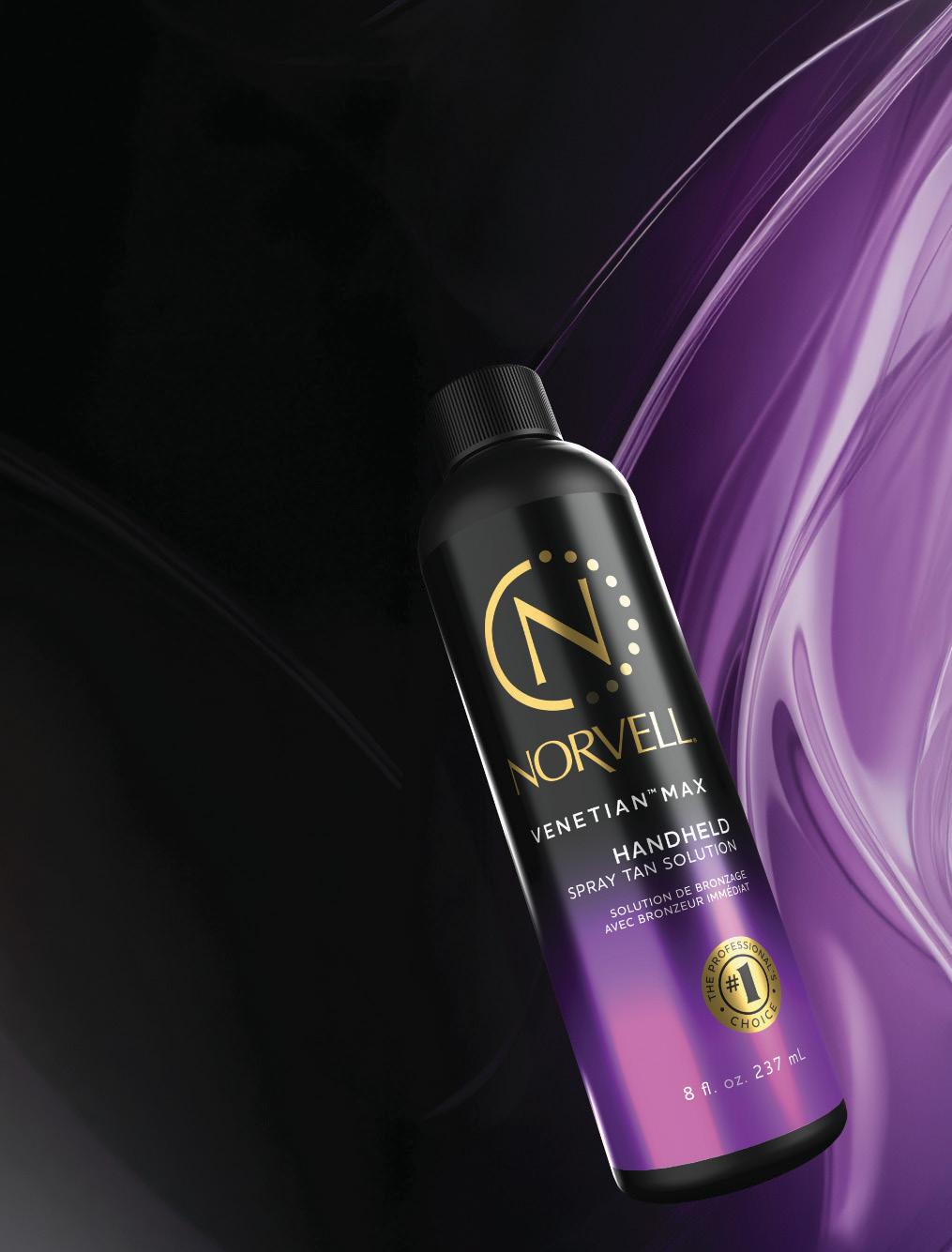
BECOME CERTIFIED WITH NORVELL UNIVERSITY
THE ORIGINAL & #1 PROFESSIONAL SPRAY TANNING CERTIFICATION PROGRAM
Partnering with norvell provides the bridge between self-taught skills & a certified professional spray tanning manufacturer curriculum.
YOUR PATH TO SUCCESS BEGINS HERE
Join our NU Educators for a full day of business building, technique honing and networking.
MAY 5/17/26: The Rose Hotel, Rosemont, IL JUNE 6/28/26: Embassy Suites by Hilton, Lake Buena Vista Resort, Orlando, FL JULY 7/23/26: Heartland Tanning, Lee’s Summit, MO SEPT 9/13/26: Tan International, Phoenix, AZ NOV 11/1/26: Four Seasons National Tanning Expo, Ameristar Casino Resort Spa, St. Charles, MO
WINE DOWN WEDN ESDAYS
JOIN US FOR WINE DOWN WEDNESDAY AS WE CHAT ABOUT ALL THINGS SPRAY TAN BUSINESS!
THE LAST WEDNESDAY OF EVERY MONTH, 7PM EST
WHAT’S ENOUGH? WHAT’S TOO MUCH?
BY STAFF WRITERS
The industry runs “wide open” on social media including Facebook, TicToc, Instagram, etc. We asked our Salon Pros to take a look at their Social Media with an introspective view at how much is enough, the content, who should supply it, and more. Read on!
Question 1: Frequency. How often and how much should you post? In what format? Facebook, Instagram, Reels, etc? Who should make the post? The owner, the mgr, the staff?
If you own a small business, you’ve probably asked yourself:
Am I posting enough? Am I posting too much? Why does everyone say “reels” matter? Who should even be running our social media? Social media doesn’t reward perfection. It rewards consistency and authenticity. Do stories, reels, and TikTok! People do not enjoy just reading a post, they want action, and that comes with short reels or videos. Platforms prioritize reels, and you reach a larger audience, as well as non-followers. If you only have time for one growth strategy — make it a short-form video. Who Should Be Posting? Owner, Manager, or Staff? This is where many businesses get it wrong. People connect to leadership energy. Especially in small towns and community-based businesses. The Owner builds trust. Managers provide stability and structure to your content calendar. Staff content builds culture.
Owners:
• Credibility increases
• Transparency increases
• Loyalty increases Managers:
• Operational updates
• Education
• Process demonstrations
• Consistency
The Staff postings:
• Should feel fun and relatable
• Should show workplace environment
• Builds team pride
• Humanizes your brand
Not just promotions.
If your page only says “Buy this” — people scroll.
If your page says “Here’s who we are” — people stay.
So, you don’t need to be perfect. You need to be present.
Trust builds revenue. In today’s business world, visibility is not optional — it’s leverage.
Shay Ellen
The Sun Shack
I believe consistency is far more important than volume. You don’t need to post constantly, but you do need to show up regularly. For my salons, I do 3-5 posts per week on Instagram and Facebook, 2-3 reels per week and daily stories (behind the scenes, client spotlights, flash promos and staff highlights). Reels are currently the most powerful tool for expanding your reach. They allow potential clients to see your space, your equipment, your cleanliness standards, and your team’s personality. When it comes to who should post, it’s important to keep a consistent brand voice. Ideally, the owner or marketing manager guides the overall strategy and approves the
SALON PROSE
final messaging, while team members contribute content, especially for stories and reels. Your salon’s social media is your digital storefront. It should showcase your brand, professionalism, positive energy, and expertise in tanning and wellness.
Kristy Mazieka Tan Oconee
Do you have a love / hate relationship with social media like I do? Do you wonder if you are “doing it right”? We all know that if done properly social media can be the least expensive way to bring clients in your door, educate them and keep current clients informed. BUT....it can also suck your time for no reward.
First...consistency is key! EVERY DAY! Facebook, Instagram and TikTok are the ones we use. We have a marketing team made up of 5 of the staff members who work in the salons too. We meet each week (via Google meet) and talk about what we are going to focus our posts on that week. If we have an event coming up, like National Spray tan day or Free Tan Weekend, we focus heavily on those, if we don’t have an event we pick a service like redlight, sun beds or spray tans to
focus on. Having a mix of Reels, tik tocs and educational posts helps to hit every type of client. Our staff is also required to do story posts, expecting 4-8 story posts per day. Consider your community. What are you known for? Do people know you are a family / locally owned? Focus on promoting your brand image.Being authentic is so important especially if you are in a small community, Use pics of your staff, not AI or random google pictures. Hashtags are also important, use relevant or trending, not just generic. Make sure you are entertaining and educating, don’t just post your specials everyday. Ambassador relationships can be very helpful as well, we have local country singers who posts and tags us every week. Look for clients who have a lot of followers and offer them some free services. There are scheduling apps, such as hootsuite and sprout where you can schedule your posts throughout all of your social media so you don’t forget to do it. Meta also helps you to see how you are doing, it is important to see what kind of posts are working and which ones don’t. Bottom Line, get your staff involved and have fun with it!
Nikki Capps Tantalizing Tans
those and post them on Saturdays or Sundays with a repost to TIK TOK. Google Business: We just re-post from Instagram Monday-Friday. Pinterest: Wednesdays. As far as the post, to stay compliant with Federal COPYRIGHT laws we pay for the WIX posts and the others are original from our phones. I don’t allow any “staff posts” to be posted until I approve. SIDE NOTE: I lost a Copyright lawsuit a few years back to the tune of $350K due to a former staff member posting photos we did not have the permission to post. I control it all in-house!
Michelle Walter Island Glow
Fortunately, we have a wonderful AI assistant built into our WIX website and it actually creates all content and knows when to post, how often and what keywords to put into each post. The format is: Instagram/Facebook MondayFriday (and it selects the best time of day to post), Emails: Tuesdays/ Thursday at 9a, Blog Post: Fridays at 9am. As far as reels, we create
As a Gen X salon owner, social media can feel intimidating and overwhelming. For over 20 years I relied on referrals and word of mouth to promote my business. So knowing what content, when and where, how often and what time of day to post can be a challenge at times. For me, hiring a person to run my social media was the best choice. She does a fantastic job and I focus on image and content. We feel that posting 20-25 times a week on all platforms is a good mix.
Andrea Pelascini Beach Bums
Question 2: Decorum and inappropriate posts. Everyone has the right to speak. But in any city or town (especially in a small town) word travels fast. Consider inappropriate language or inflammatory posts. Do you feel that your staff’s social media could affect your salon? Should your salon standards be reviewed during the hiring process?
I research potential hires on their social media pages. However, that’s about it. I do not follow my staff members or “friend” them on social media (in most cases). It helps with my personal sanity. As part of our policy, each employee is required to be a part of a private facebook group that we use for communication, required to interact with our business accounts and required to report any negative comments or posts regarding any of our team members or the salon. However, their personal lives are separate from their business lives. How they represent the company within our walls and in our parking lot, on or off the clock is what I am concerned about. If they post or say anything negative online about me,
my employees or the salon, that goes against our policy and can be terminated. That type of information has always been reported to me quickly and promptly but very, very rare.
Emily Sigmon, Owner, Carolina Tan & Wellness
Decorum on social media is very important for both owners and staff. Everyone has the right to their own voice, but in any community — especially a smaller one — what we post online can quickly reflect back
on our businesses. At our salons, we include a social media policy in our new-hire paperwork and review it during the hiring process so expectations are clear from the start. We emphasize that staff should never speak negatively about the salon, coworkers, or clients online, as it directly impacts our reputation and client trust. Professionalism doesn’t stop when a shift ends, and thoughtful social media use helps protect the positive culture we work hard to build.
Patty Warren Tantopia
As with most tanning salons, our team consists primarily of Millennials and Gen Z. They are well-versed in social media and quick to share information, opinions, and photos publicly. They’re also very comfortable on camera, creating videos and reels with ease. At the other end of the spectrum is me, a Baby Boomer. Their creativity far surpasses mine, and I encourage them to use it fully. Not only do their engaging posts build their personal following, but they also contribute to their commissions. They have a natural grasp of trends and styles, allowing them to connect with a demographic I aged out of long ago.
My strengths lie in operations, customer service, HR, and finance. I use this experience to guide their social media efforts in ways that align with our business goals. I’ve always empowered my team to treat the salon as their own and take responsibility for what they say and do. However, as business owners, we ultimately bear responsibility for our staff’s actions, so clear guidelines must be communicated during hiring and onboarding. Monitoring content and providing feedback is also an ongoing process. I hire based on personality, character, and aptitude. Skills related to systems, procedures, products, and services can be trained. For social media, I value creativity, energy, and individuality, but I don’t try to control their personal lives. That said, I remind them that controversial posts can negatively impact the business. In nearly 10 years of owning a tanning salon, I’ve only encountered one issue involving an inappropriate post. Overall, our manager excels at planning and scheduling content, while the team keeps our presence lively, engaging, and authentic.
Vic Perrin
Total Tan
SALON PROSE
One of the criteria for being selected for an interview at The Beach House is successfully passing our social media screening. We review applicants’ social platforms prior to extending an interview invitation.
We strongly believe that every team member represents our brand both inside and outside of the salon. If an individual’s values are not aligned with our mission, it is simply not the right fit.
Once hired, our social media expectations and guidelines are clearly outlined in our employee handbook.
While we recognize that we cannot control everything outside of the workplace, we do expect our team to maintain a level of professionalism that reflects positively on our brand.
We are incredibly fortunate to have a team that consistently represents themselves—and The Beach House—in a positive and professional manner, both in the salon and onlin
Lori VanDeWall The Beach House
Social Media plays a big part in what we do, how we sell, how we learn, how our customers learn and how we present information to them. We give every single employee access to our Facebook, TikTok and Instagram to be able to post what they want when they want to an extent. During the interview process we go over what’s appropriate and not appropriate. We train them on how to make canvas and we go over this in the handbook that they sign. I think if you trust your staff enough to work behind the counter and educate your customers then you should give them full access to post on social media. You’d be surprised at what great ideas they come up with!
Victoria Cordes Bear Naked Tanning
Why Multiple Low-Dose Red Light Sessions Are
Not Equivalent to One
Therapeutic Dose
BY KRISTIN LEE SMITHERS, CLT
As red light therapy becomes more widely adopted in salons, spas, wellness environments, and increasingly across social media platforms, claims comparing vastly different systems are becoming more common. One of the most misleading statements repeatedly circulating is that several sessions spaced out on a low-output device can achieve the same results as a single session on a higher-dose therapeutic system. This claim is not supported by science.
To understand why, it is important to clarify how red and near-infrared light therapy works at the cellular level and why dose plays such a critical role in outcomes.
Dosing in Red Light Therapy
The effectiveness of red light therapy is determined by the delivered dose, measured in joules per square centimeter (J/cm²). A joule is a unit of energy. In the context of light therapy, it represents how much
usable light energy actually reaches the tissue during a single session. This distinction is critical because session length alone does not indicate dose. Time tells us how long someone is exposed, not how much energy their cells absorb.
Most fluorescent red light beds commonly used in salon settings deliver approximately 5 to 10 joules per session. Over-the-counter masks and budget-friendly home devices may deliver 1 to 3 joules under ideal conditions. Output is limited by the technology itself, including lamp type, distance from the body, heat management, power supply, and system labeling. These systems have a fixed ceiling and cannot exceed their maximum dose, regardless of how often they are used.
Therapeutic red and near-infrared systems, typically found in medical offices, physical therapy clinics, and advanced wellness environments, often deliver 25 to 40 joules per
session. It is also worth noting that some facilities market devices that fall well below therapeutic ranges while still using clinical language. Regardless of setting, when output reaches a true therapeutic dose, the difference in biological effect is measurable and documented in peerreviewed literature, not theoretical or anecdotal.
What Photobiomodulation Means
Red light therapy operates under the scientific process known as photobiomodulation. Photobiomodulation refers to the interaction between specific wavelengths of light and living tissue that results in a measurable biological response. When red or near-infrared light reaches the cell, it is absorbed by chromophores, most notably within the mitochondria.
The mitochondria are responsible for cellular energy production.
When stimulated by adequate light energy, they increase production of adenosine triphosphate, or ATP, which fuels cellular repair, signaling, and function. This process also influences nitric oxide release, oxidative stress modulation, and gene expression related to tissue repair and inflammation control.
For photobiomodulation to occur at a meaningful level, the tissue must receive sufficient energy within a single exposure. Without adequate dose, the light may still be visible, warm, or relaxing, but the biological response remains limited.
Sessions Do Not Add Up
A core principle of photobiomodulation is that cells respond to the energy they receive during a single exposure. Once that exposure ends, the biological response process begins. The body does not store unused light energy for later use, nor does it combine exposures over time into a single cumulative therapeutic dose.
This means three sessions delivering 10 joules, even when spaced over several days, do not equal the biological impact of one session delivering 30 joules.
Photobiomodulation follows a dose-response curve, meaning the
biological effect changes depending on how much energy is delivered at once. Lower doses create a limited stimulus. Adequate doses cross a biological threshold that activates deeper cellular processes. Repeating underdosed sessions does not recreate that threshold, even when frequency is increased.
Realistic Support and Outcomes
Lower dose red light exposure is not ineffective. It simply serves a different purpose. At approximately 5 to 15 joules, effects are generally limited to surface-level outcomes. These often include improvements in skin appearance, mild circulation support, relaxation, and gentle stimulation of superficial tissues. These benefits are appropriate for cosmetic applications and light general wellness support when positioned accurately.
At doses closer to 30 joules or more, research demonstrates activation of deeper biological mechanisms. These include stimulation of the mitochondria, increased ATP production, and downstream signaling pathways involved in collagen synthesis, inflammation modulation, muscle recovery, and joint response. These responses require sufficient energy delivered within a single session. They are not triggered by frequency alone.
Accuracy and Industry Responsibility
There is nothing wrong with salon-based or online red light systems when their capabilities are represented accurately. Issues arise when limitations are reframed as equivalence. Clear distinctions protect clients, operators, and the long-term credibility of the industry.
Approximately 10 joules per session supports cosmetic and surface-level wellness goals. Approximately 30 joules per session supports responses associated with therapeutic outcomes.
These categories are not interchangeable, and session count over time does not override delivered dose. As red light therapy continues to expand across markets, the industry must prioritize education over exaggeration. Setting realistic expectations is not a limitation, it is a responsibility.
Photobiomodulation is a powerful tool when applied correctly. Dose and system capability play a central role in application, and multiple lowdose sessions cannot substitute for a single exposure that delivers the energy required to activate deeper biological mechanisms.
TANNING THE
SUPREME WAY
BY STAFF WRITER
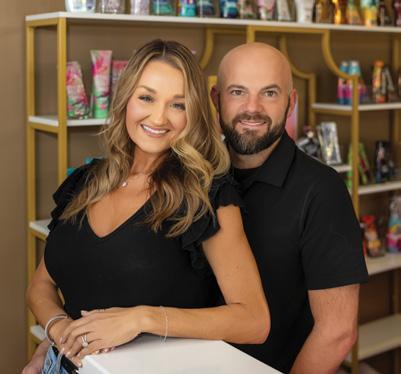
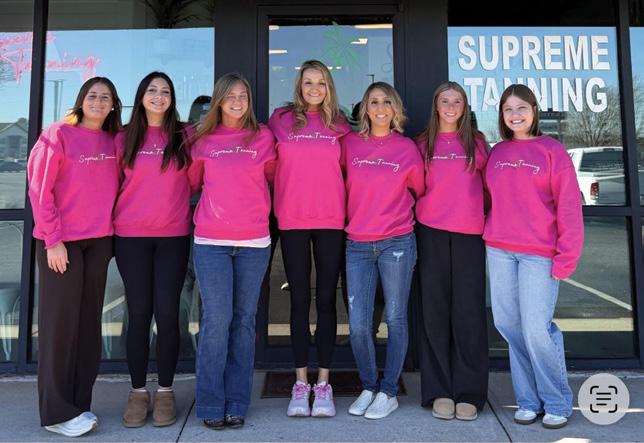
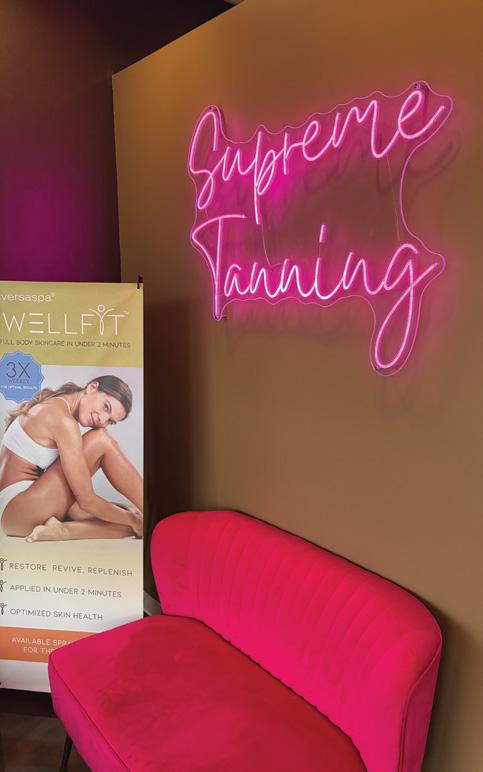
One of the additional benefits to taking and passing our Sun is Life certification is the opportunity to be considered as a “Salon of Distinction”. It’s a fantastic added incentive as you invest in your staff’s wellness education. Occasionally, the opportunity arises to actually visit the location of choice. Such was the case for this month’s interview with owner, Tiffany Frazier of Supreme Tanning in Covington, Ga. She holds our certification in high regards and recently had several of her staff take it. Read on to see what drives Tiffany.
Sun is Life: Tiffany, I’m really impressed with the design of this location! How did you get started in the business?
Tiffany: “Thanks. We get a lot of positive comments about our etched concrete floor. I began my journey in the tanning industry at just 15 years old, working as a sales consultant. What started as a job quickly grew into a passion. In 2006, I stepped into a management role and also began providing custom airbrush spray tanning services, further expanding my expertise in the
industry. Over the years, I continued working while attending college and starting my family. “
Sun is Life: You’re involved with 5 locations now. That’s quite a jump.
Tiffany: “In 2013, my husband Derek and I took a major step forward and purchased the salons. From that point on, we focused on modernizing the business, investing in upgraded
equipment, and enhancing the overall customer experience. Our growth continued steadily—we opened our third location in 2019, our fourth in 2023, and our fifth in 2024. Today, we are proud to employ a team of 27 dedicated individuals.”
Sun is Life: Being the owner of a small business can be tough at times. Like keeping you and your staff motivated. What’s your secret?
Tiffany: “My passion for the tanning industry has only deepened over time. I truly believe that having a healthy glow boosts confidence and helps people feel their best. One of the most rewarding parts of my role is educating both our employees and clients on proper tanning practices to ensure controlled, yet effective results. Sun is Life certification plays a huge role in providing that education and knowledge. I also take pride in offering custom airbrush spray tanning, allowing clients to achieve a personalized, natural looking tan. I still love being behind the counter, connecting with customers and creating a welcoming environment.”
Sun is Life: Having high quality equipment is really important. What does your mix consist of?
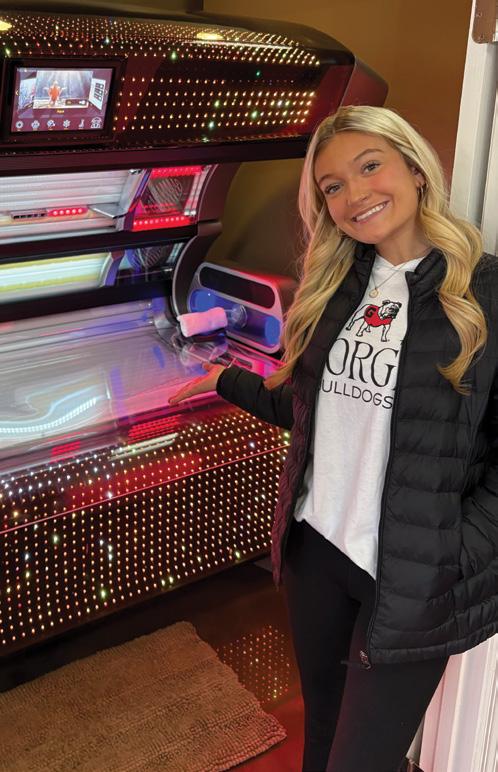
Tiffany: “Across our salons, we offer top of the line equipment, including 4 Versa Spa Pros, 43 UV beds (Ergoline & KBL), and 2 Smart Sun SST28 Red Light beds. We are incredibly proud of our team, who share the same commitment to excellence and customer care. I make it a priority to ensure every employee is thoroughly trained to provide the best possible experience.”
Sun is Life: Customer support is important. Who do you “lean on”?
Tiffany: “I have completed my Sun is Life certification through the Heartland Summit, further strengthening my knowledge and leadership in the industry. Shout out to Heartland’s Chanda Anderson that guides me through the tough times! Currently, my biggest focus is expanding into wellness services within our salons. I’ve been actively studying and preparing to train both our team and our clients so we can successfully introduce and promote this new addition
Tiffany, it looks like you have it going in the right direction. All the best to you and the continued growth of Supreme Tanning!
The FDA Withdraws the Proposed Ban on Minors
BY JOE SCHUSTER
When the FDA quietly withdrew its proposed rule in March that would have banned all minors from using indoor tanning equipment nationwide, some headlines framed it as a major victory for the industry. But there’s more to it. The withdrawal doesn’t loosen any existing regulations, and it doesn’t signal a shift in the FDA’s scientific stance. What it does is return the regulatory spotlight to the states—and that’s the real
job representing on federal, state and local levels.
No New Federal Restrictions—But No Relief Either
impact for our industry. The proposed rule, first introduced in 2015, would have created a uniform national standard: no one under 18 could use a tanning bed, and adults would have been required to sign a risk-acknowledgment form. By withdrawing the proposal, the FDA simply chose not to finalize it. Nothing changes operationally for salons. Kudos to American Suntanning Association’s Melinda Norton and Joe Levy have worked diligently behind the scenes to work on our industry’s behalf. They have done and continue to do a fantastic
The proposed rule, first introduced in 2015, would have created a uniform national standard: no one under 18 could use a tanning bed, and adults would have been required to sign a risk-acknowledgment form. By withdrawing the proposal, the FDA simply chose not to finalize it. Nothing changes operationally for salons. But the agency made one point unmistakably clear: its position on UV risk has not changed. Sunlamp products remain Class II medical devices with mandatory black‑box warnings stating they should not be used by minors. The withdrawal is procedural, not philosophical.
The Regulatory Battlefield Shifts Back to the States
Without a federal rule, the patchwork of state laws remains intact. 20 states and the District of Columbia have complete, no‑exceptions bans on commercial tanning for anyone under 18. There are some that allow with parental consent and some that have no restrictions at all.
The absence of a federal rule doesn’t protect the industry from future restrictions, but it does decentralize the fight. Dermatology and cancer-prevention groups responded as could be expected with immediate criticism, arguing that:
• UV radiation is a known carcinogen
• Warning labels are insufficient
• A federal ban would have provided consistent protection for minors
These groups are influential, well-funded, and media-savvy. Their next move will be to push for state-level ban using the FDA’s own language about UV risk to support their case. However, in the short term, this is a “win”. The industry avoids a costly federal mandate and maintains operational stability. The ASA will continue to fight against states that continue to push for a ban and also note that the FDA may revisit sunlamp regulations in the future. So, it’s not really a victory lap but as a window to strengthen professionalism and safety practices before the next regulatory wave arrives. That’s where Sun is Life certification and training steps in to fill that gap. The is no better, more cost effective certification platform for salon staff in the industry. Get your staff trained and increase professionalism at your salon today at www.sunislife.com and get up to 10 learners certified for as little as $9.90 each!
The New Spa Experience: Freeing Up Your Time as a Leader
BY DR JIM SCHLECKSER
Leading a team should not feel rushed, tense, or overwhelming. It should feel steady and focused, like walking into a beautifully designed spa where everything flows smoothly. In a spa, guests don’t see the stress behind the scenes. They experience calm, confidence, and care. The same should be true in leadership.
One of the most important responsibilities of any leader is to guide their team and ensure work is completed correctly and on time. But many leaders struggle with how much responsibility they should hand off to others. They worry that if they delegate too much, mistakes will happen. Deadlines might be missed. Standards might slip. Because of that fear, they either take on too many tasks for themselves or hover over their team’s work.
This constant hovering and micromanaging creates tension, especially for high performers. Team members feel watched instead of trusted. Leaders feel busy but not
productive. Instead of focusing on the bigger vision, they spend their days checking details. The environment becomes tight and stressful, which is the opposite of the calm, confident atmosphere we associate with a spa.
The true solution to this problem is not control, it is training. When a spa introduces a new service, the staff does not simply guess how
to perform it. They are trained carefully. The perfect experience is engineered from the greeting to the parting. They practice. They receive coaching. They learn exactly what excellence looks like. Over time, their confidence grows. And once they are confident, the spa manager does not need to stand beside them during every treatment. Trust replaces supervision.
Leadership works the same way. When you hesitate to delegate, it is often because you are unsure whether someone can perform the task well. But that hesitation usually points to a training gap, not talent. The more you invest in teaching, coaching, and preparing your team, the more comfortable you will feel stepping back. Training builds skill. Skill builds trust. Trust creates freedom.
And that freedom matters. Your time as a leader is valuable. It should be spent on high-impact work, such as thinking ahead, solving major challenges, developing new offerings, and creating growth opportunities. If you are constantly overseeing routine tasks, you are using your energy in ways that do not create the greatest value for your organization.
Consider the story of a business leader who ran a weekly operations meeting himself. The owner had done it for years and believed it was too important to hand it off. But he eventually decided to train the operations leader to take over. They walked through possible challenges, allowed time to observe, and, gradually, the operations leader
took over, with the owner offering feedback. Within a few weeks, the owner no longer needed to attend those meetings. Several hours were regained each month, and the owner invested that time in strategic opportunities that moved the company forward. That shift did not happen because the owner lowered his standards. It happened because of an increased investment in training.
Another leader once complained that his financial officer struggled
to close the books each month. As a result, the CEO found himself deeply involved in work that should not have required his time. But after examining the issue more closely, he discovered the real problem: the CEO had very specific expectations and had never clearly communicated them. The financial officer was capable, but she simply had not been properly shown the desired process. Once the CEO took responsibility for educating and aligning expectations, the burden lifted.
This is an important realization for any leader. If you find yourself stuck doing tasks you know you should delegate, the problem may not be your team’s ability. It may be your investment in their preparation.
The new spa experience in leadership is not about doing less work carelessly. It is about creating an environment of clarity, skill, and trust so that you can let go with confidence. When you train your people well, you replace tension with calm. You replace control with trust. You replace busyness with purpose. And in that calm, focused space, you finally gain the time and energy to lead at the highest level.
ARE YOU READY FOR THE
TANNING INDUSTRY’S
NEXT BIG THING?
Medical Grade Red Light Therapy Is Here.
Our Industry Is Shifting and Top Salons Are Leading the Way
Something fundamental is changing in the tanning industry, and the salons paying attention are already pulling ahead. Top-performing chains are no longer positioning themselves as Tanning only businesses, rather as “Wellness” businesses offering tanning; fundamentally reflecting a meaningful shift in brand positioning, demographic focus, and revenue optimization.
Driving this phenomenon is Red Light Therapy. Each month, more than 300,000 online searches create a burgeoning demand for this service. The question isn’t whether your customers and their friends, coworkers, and family, are looking for Red Light Therapy, the question is whether you can offer the most advanced ‘Medical Grade’ system on the market.
What the Industry Leaders Are Saying
Top brands such as Glo Sun Spa, California Sun, Sundays Sun Spa &
Wellness, Totally Tan & Spa, and many more have all added the new Spectrum 7 from EXCELL Red Light, to their new and existing salons. These industry leaders have one thing in common; they have all made Spectrum 7 the top-level red light device in their stores.
Todd Earnhart, Founder & CEO of Glo Sun Spa, has spent decades investing in various wellness systems: “Of all the red light therapy systems we have owned or tested over the years, the Spectrum 7 is far and away the winner in terms of overall efficacy, results, and most importantly customer satisfaction”.
Dean Albanese, owner of Exotic Tans in Warwick, Rhode Island, began with one Spectrum 7 system, found he needed a second, and today operates three systems which run almost nonstop. “I knew we would do well with red light but I never expected my customers would be so passionate about the results they get in as little as one treatment from my Spectrum 7. Perhaps the most exciting part for me is that the majority of my red light clients aren’t even tanners”.
Say Goodbye to Seasonality in Your Business
Gone are the days of navigating the peaks and valleys that have defined the tanning industry for decades. Red light therapy is a year-round wellness practice. Unlike tanners, your clients pursuing skin health, pain management, increased mobility, and overall wellness will use this service 12 months out of the year. This translates into consistent cashflow, higher profits, and a more valuable business.
Are You Ready For the Smartest Upgrade Your Business Can Make?
The EXCELL Spectrum 7 is the perfect complement to any indoor tanning business. Seven wavelengths, FDA registered, whole body wellness with the highest output of any Red Light Therapy device in production today. To date, over 90% of all EXCELL sales have been to existing clients re ordering for their other salons. Join this group of knowledgeable and successful salon owners and call EXCELL at 800 272 8267.
Did you ever notice certain salons that always seem full?
Their clients get excited about every promotion, show real loyalty to the brand, and even know the staff by name. It creates an atmosphere that feels just as rewarding for the clients as it does for the owners.
It’s easy to assume that the lowest prices are what drive that kind of loyalty, but that’s not really the case. Price only goes so far. If it were everything, higher-end salons wouldn’t have such strong followings.
So what actually makes the difference? It comes down to the experience, and more specifically…
The Results
No one is going to keep coming back to a salon that delivers a streaky tan. People want results that look good and last. They want tans that develop evenly, don’t splotch, don’t peel, don’t burn, and feel good on their skin. Beyond tanning, they want
The Psychology of the Experience: Why Clients Come Back
BY STAFF WRITER
treatments that visibly work, or at the very least, leave them feeling better than when they walked in.
When clients start hearing, “You’re glowing,” that’s when you’ve done your job. That’s what brings them back. If you’re not consistently delivering results, it may be time to invest in better equipment. This is the baseline expectation.
Cleanliness
This one should be obvious, but it still gets overlooked. A salon that isn’t clean is uncomfortable at best and a health risk at worst. If there are signs of dust, odors, spills, stains, or worse, mold, it needs to be addressed immediately with consistent deep cleaning.
Bathrooms matter just as much. They
should never resemble a gas station restroom. Clients notice these details, even if they don’t say anything. And once they notice, it affects how they feel about your entire business.
Staff Friendliness
Here’s something worth remembering. Many people are more disconnected than they appear. When they walk into your salon, they’re not just paying for a service. They’re looking for a positive interaction, a sense of being welcomed, and a moment of connection.
Friendly staff make a huge difference. Encourage your team to engage, especially during slower moments. When clients feel recognized and valued, they come back. Over time, that turns into a loyal community, not just a customer base.
Staff Education
Nothing drives clients away faster than a team that doesn’t know what they’re doing. Tanning and wellness come with questions, and clients expect clear, confident answers. If your staff cannot explain how to prep for a tan, how to maintain results, or how to use your services properly, it creates doubt. And doubt leads to lost trust. Invest in training.
Make sure your team understands the services inside and out, and can confidently guide clients through their experience.Get your entire staff (up to 10) trained today for as little as $9.90 per person with Sun is Life certification. Visit www.sunislife.com for more information.
Upscale Surroundings
The physical environment matters more than most people realize. We’ve all seen salons that feel outdated or poorly maintained, cracked tiles, peeling paint, cluttered spaces, or decor that feels out of place. It immediately lowers the perceived value of the experience.
Your space should feel clean, open, and modern. More than that, it should feel like a place people want to spend time in. When your salon
starts to resemble a spa or a retreat, it elevates everything. It stops being just a service and becomes an experience.
At the end of the day, your salon should feel like a small escape. When clients walk in, they should feel like they’re stepping into something better. That’s what creates a premium experience, and that’s what keeps people coming back.
When you combine strong results, a clean and welcoming environment, knowledgeable and friendly staff, and a space that feels elevated, you create something much bigger than a transaction. You create trust. And once you have that, loyalty follows naturally.
STEP 1: PREP SKIN FOR SPRAY TAN
Pre-Tan XLATAN pH Balance Spray primes & balances skin pH levels to accelerate tan development.
STEP 2: LIFT, HYDRATE AND LOCK-IN COLOR
NEW & Improved Formula! Post-Tan Hydrofirm
Setting Spray sets, seals and extends your spray tan with no color transfer while helping to firm, lift, and nourish skin for a radiant glow.
STEP 3: FINISH WITH LUXURIOUS DRYING POWDER
Post-Tan Tan-Lucent Drying Powder is the perfect way to end your spray tan session. Light-weight, fragrance-free, talc-free and translucent drying powder for a flawless finish. PROVEN TO EXTEND SPRAY TAN 3 DAYS
The New SPAWellness
Upgrade Your Memberships with with Anti-Aging Red-Light Wellness Transform Your Salon into a Modern SPAWellness Destination
By integrating red-light rejuvenation, hydration therapy, and immersive heat therapy as a combined wellness rituals, salons can elevate memberships, increase retention, and redefine what the modern spa experience truly means.
Anti-Aging 6 Wavelengths Rejuvenating Red Light
The New SPAWellness™ Experience with Red-Light Rejuvenation
Transform Your Salon into a Modern SPAWellness™ Destination
The salon industry is entering a powerful new phase — one driven by wellness, anti-aging, and results focused experiences. Today’s clients are no longer looking for a single service. They are investing in skin health, recovery, longevity, and treatments that help them look younger, feel better, and maintain long-term wellness.
This shift is creating a new opportunity for salon owners to evolve beyond traditional models and introduce services that deliver both visible results and lasting client loyalty.
At the center of this new spa experience is anti aging red light wellness.
The RedFuzion Red-Light POD represents the next generation of full-body rejuvenation technology. Designed with advanced red light and near infrared PBM technology, it supports skin revitalization, cellular renewal, and recovery in a powerful, results-driven environment. Combined with heat, oxygen enrichment, and multi sensory elements, each session becomes more than treatment — it becomes transformation.
Complementing red-light therapy is the Cocoon Aqua Pod, a signature hydration experience that surrounds the body in radiant infrared warmth and liquid vitamin infused steam. This immersive ritual promotes deep hydration, radiant skin, and total-body revitalization, making it a highly desirable upgrade within any membership program.
For clients seeking body transformation, pain relief, and recovery, the Cocoon Fitness Pod Deluxe delivers therapeutic infrared heat and full body wellness benefits in a deeply relaxing environment designed to support real, measurable results.
Today’s spa experience is no longer a single service — it is a curated wellness journey. Imagine a dedicated suite offering a triple deluxe experience: beginning with a 15-minute RedFuzion red-light session, followed by 30 minutes of infrared sauna pod relaxation, and finishing with a 20-minute hydration ritual infused with liquid vitamins. This layered approach enhances results while creating a memorable, shareable experience clients return for regularly.
These services can be elevated even further with Redfit room Infrared full body heat session and/or
massage therapy or sound bath meditation, transforming the space into a true SPAWellness retreat. Clients unwind together, enjoying chilled cucumber water, refreshing watermelon water, or energizing wheatgrass shots, creating a social, rejuvenating atmosphere that blends relaxation with connection.
By integrating red-light rejuvenation, hydration therapy, and immersive wellness rituals, salons can elevate memberships, increase retention, and redefine what the modern spa experience truly means. A RedFit Room transforms any space into a shared wellness escape — the perfect single-unit upgrade for group spa experiences, from pre wedding pampering to relaxing getaways with friends.
The future of tanning is wellness — and the future of wellness is now.
CALL TODAY!
Tired of
Managing Payroll, HR, and
Hiring
Alone?
How Smart Salon Owners Are Reclaiming Time (And Their Sanity)
Disconnected systems and poor support are out. Reliable tools and real help are in.
Running a salon should be about people, not paperwork
We hear this often from salon owners: “We were nervous to make a change because of how bad things had gone before.” Many had a provider that overpromised but underdelivered. When problems came up, there was no one to call, no follow-up, and no real help. Some even faced serious issues like taxes not being filed correctly.
We talk to salon owners every day who felt stuck, stressed, and unsure of what to do next. Many of them trusted a provider that promised to make things easier but ended up making things harder.
When problems came up—like payroll mistakes, system errors, or even missed tax filings—they had no one to call. The person who sold them the service stopped answering, and support was slow or unhelpful. These owners were left to fix big problems alone. Some waited on hold for hours or had to explain the same issue to different people. It was frustrating and unfair.
Here’s what we hear most:
Most salon systems are hard to use and don’t work well together. You waste time entering the same info again and again. Support is often missing. You need tools that are simple, connected, and backed by real people who are there when you need help.
“Our biggest frustration was the lack of customer service and follow-up. We experienced a wide variety of issues that even ranged to our taxes not being filed properly. The salesperson who previously sold the deal ended up being nowhere to be found.”
Glo Tanning CEO, Onyi Odunukwe
. Hiring and Onboarding Still Involves Binders and aperwork
1. Hiring and Onboarding Still Involves Binders and Paperwork
3 You’re Still the One Making Sure Everyone
Correctly
The Five Biggest Time-Wasters For Tanning Salon Owners (And What To Do About Them)
Hiring in salons happens a lot Whether it’s a busy season or omeone just left, you ’ re probably bringing in new people ften. If you ’ re still using paper packets, printing forms, and ollecting signatures in person, it can slow everything down Mistakes happen more often and managers spend extra ime doing tasks that could be easier
1. Hiring And Onboarding Still Involves Binders And Paperwork
Hiring in salons happens a lot Whether it’s a busy season or someone just left, you ’ re probably bringing in new people often If you ’ re still using paper packets, printing forms, and collecting signatures in person, it can slow everything down Mistakes happen more often and managers spend extra time doing tasks that could be easier.
Payroll can be stressful when you ’ re doing it all yourself. You may be checking timecards, making sure special rates are correct, or fixing problems before payday This can take hours each pay period and leaves room for mistakes
The Five Biggest Time-Wasters for Tanning Salon Owners (And What to Do About Them)
Hiring in salons is a regular occurrence. Whether it’s a busy season or someone just left, you’re probably bringing in new people on a somewhat regular basis.
Five Biggest Time-Wasters for Tanning Salon Owners (And What to Do About Them)
Payroll can be stressful when you ’ re doing it all yourself You may be checking timecards, making sure special rates are correct, or fixing problems before payday This can take hours each pay period and leaves room for mistakes.
That could mean retyping hours, double checking numbers, or fixing small mistakes that take too much time. When systems don’t share information, it slows everyone down.
est Practice: Many salons now use digital tools for hiring nd onboarding These tools let new hires apply online, fill ut forms, and complete tasks from their phones. This means everything is ready before their first day It saves me, lowers the chance of errors, and helps new team members feel ready to work right away.
Best Practice: Many salons now use digital tools for hiring and onboarding These tools let new hires apply online, fill out forms, and complete tasks from their phones This means everything is ready before their first day It saves time, lowers the chance of errors, and helps new team members feel ready to work right away.
4. You’re Fielding Every PTO Request And Shift Swap
Best Practice: Many salons switch to payroll systems that handle these tasks for them These systems can apply the right pay rates, catch errors, and handle taxes without extra work It gives you peace of mind and saves time
1 Hiring and Onboarding Still Involves Binders and Paperwork
1 Hiring and Onboarding Still Involves Binders and Paperwork
Best Practice :
Best Practice: Many salons switch to payroll systems that handle these tasks for them These systems can apply the right pay rates, catch errors, and handle taxes without extra work It gives you peace of mind and saves time
3 You’re Still the One Making Sure Everyone Gets Paid Correctly
3 You’re Still the One Making Sure Everyone Gets Paid Correctly
Hiring in salons happens a lot Whether it’s a busy season or someone just left, you ’ re probably bringing in new people often If you ’ re still using paper packets, printing forms, and collecting signatures in person, it can slow everything down Mistakes happen more often and managers spend extra time doing tasks that could be easier
Hiring in salons happens a lot Whether it’s a busy season or someone just left, you ’ re probably bringing in new people often If you ’ re still using paper packets, printing forms, and collecting signatures in person, it can slow everything down Mistakes happen more often and managers spend extra time doing tasks that could be easier
2 Your Systems Don’t Talk to Each Other
If you’re still using paper packets, printing forms, and collecting signatures in person, it can slow everything down. Mistakes happen more often and managers spend extra time doing tasks that could be easier.
Best Practice:
2 Your Systems Don’t Talk to Each Other
If your scheduling app, payroll provider, time clock, and point-of-sale system don’t connect, you might be doing the same work more than once That could mean retyping hours, checking numbers again, or fixing small mistakes that take too much time. When systems don’t share information, it slows everyone down
f your scheduling app, payroll provider, time clock, and oint-of-sale system don’t connect, you might be doing the ame work more than once. That could mean retyping ours, checking numbers again, or fixing small mistakes that ake too much time When systems don’t share information, t slows everyone down.
Best Practice: Many salons now use digital tools for hiring and onboarding These tools let new hires apply online, fill out forms, and complete tasks from their phones This means everything is ready before their first day It saves time, lowers the chance of errors, and helps new team members feel ready to work right away
3 You’re Still the One Making Sure Everyone Gets Paid Correctly
Using one connected system or linking your tools can make a big difference. When data flows between platforms, you don’t have to re-enter it. This saves time and makes sure pay, hours, and records are more accurate.
Best Practice: Many salons now use digital tools for hiring and onboarding These tools let new hires apply online, fill out forms, and complete tasks from their phones This means everything is ready before their first day It saves time, lowers the chance of errors, and helps new team members feel ready to work right away
Payroll can be stressful when you ’ re doing it all yourself You may be checking timecards, making sure special rates are correct, or fixing problems before payday This can take hours each pay period and leaves room for mistakes
Payroll can be stressful when you ’ re doing it all yourself You may be checking timecards, making sure special rates are correct, or fixing problems before payday This can take hours each pay period and leaves room for mistakes
1 Hiring and Onboarding Still Involves Binders and Paperwork
4. You’re Fielding Every PTO Request and Shift Swap.
4 You’re Fielding Every PTO Request and Shift Swap
Handling every time-off request and shift change by hand takes a lot of time It also slows down your day when you have to answer every question or update every schedule yourself
Payroll can be stressful when you ’ re doing it all yourself You may be checking timecards, making sure special rates are correct, or fixing problems before payday This can take hours each pay period and leaves room for mistakes
As a manager, you get it. It seems easy to be the one in charge of approving PTO at first glance. Handling every time off request and shift change by hand takes a lot of time. It also slows down your day when you have to answer every question or update every schedule yourself.
Handling every time-off request and shift change by hand takes a lot of time It also slows down your day when you have to answer every question or update every schedule yourself
Hiring in salons happens a lot Whether it’s a busy season or someone just left, you ’ re probably bringing in new people often If you ’ re still using paper packets, printing forms, and collecting signatures in person, it can slow everything down Mistakes happen more often and managers spend extra time doing tasks that could be easier
Best Practice: Many salons switch to payroll systems that handle these tasks for them These systems can apply the right pay rates, catch errors, and handle taxes without extra work. It gives you peace of mind and saves time.
Best Practice: Many salons switch to payroll systems that handle these tasks for them These systems can apply the right pay rates, catch errors, and handle taxes without extra work It gives you peace of mind and saves time
Best Practice:
4 You’re Fielding Every PTO Request and Shift Swap
4 You’re Fielding Every PTO Request and Shift Swap
Best Practice: Many salons switch to payroll systems that handle these tasks for them These systems can apply the right pay rates, catch errors, and handle taxes without extra work It gives you peace of mind and saves time
3. You’re Still The Only One Making Sure Everyone Gets Paid Correctly
Best Practice: Self-service tools let employees make requests and see their schedules from their phones. Managers still approve changes, but they don’t have to be involved in every small detail This gives staff more control while helping managers focus on bigger tasks
4 You’re Fielding Every PTO Request and Shift Swap
Best Practice: Self-service tools let employees make requests and see their schedules from their phones Managers still approve changes, but they don’t have to be involved in every small detail This gives staff more control while helping managers focus on bigger tasks.
Handling every time-off request and shift change by hand takes a lot of time It also slows down your day when you have to answer every question or update every schedule yourself
Best Practice: Many salons now use digital tools for hiring and onboarding These tools let new hires apply online, fill out forms, and complete tasks from their phones This means everything is ready before their first day It saves time, lowers the chance of errors, and helps new team members feel ready to work right away
Handling every time-off request and shift change by hand takes a lot of time It also slows down your day when you have to answer every question or update every schedule yourself
2 Your Systems Don’t Talk to Each Other
2 Your Systems Don’t Talk to Each Other
2 Your Systems Don’t Talk to Each Other
Best Practice: Using one connected system or linking your ools can make a big difference When data flows between latforms, you don’t have to re-enter it This saves time and makes sure pay, hours, and records are more accurate.
Best Practice: Using one connected system or linking your tools can make a big difference When data flows between platforms, you don’t have to re-enter it This saves time and makes sure pay, hours, and records are more accurate
Many salons now use digital tools for hiring and onboarding. These tools let new hires apply online, fill out forms, and complete tasks seamlessly from their phones. This means everything is ready before their first day. It saves time, lowers the chance of errors, and helps new team members feel ready to work right away.
If your scheduling app, payroll provider, time clock, and point-of-sale system don’t connect, you might be doing the same work more than once That could mean retyping hours, checking numbers again, or fixing small mistakes that take too much time When systems don’t share information, it slows everyone down
Payroll can be stressful when you’re doing it all yourself. You may be checking timecards, making sure special rates are correct, or fixing problems right before payday. This can take hours each pay period and leaves room for mistakes—or even major legal issues.
Self-service tools let employees make requests and see their schedules from their phones. Managers still approve changes, but they don’t have to be involved in every small detail. This gives staff more control while helping managers focus on bigger tasks.
Handling every time-off request and shift change by hand takes a lot of time It also slows down your day when you have to answer every question or update every schedule yourself
If your scheduling app, payroll provider, time clock, and point-of-sale system don’t connect, you might be doing the same work more than once That could mean retyping hours, checking numbers again, or fixing small mistakes that take too much time When systems don’t share information, it slows everyone down
Best Practice:
2. Your Systems Don’t Talk To Each Other
5 When Something Goes Wrong, Support is Nowhere to Be Found
Best Practice: Self-service tools let employees make requests and see their schedules from their phones Managers still approve changes, but they don’t have to be involved in every small detail This gives staff more control while helping managers focus on bigger tasks
Best Practice: Self-service tools let employees make requests and see their schedules from their phones Managers still approve changes, but they don’t have to be involved in every small detail This gives staff more control while helping managers focus on bigger tasks
5. When Something Goes Wrong, Support is Nowhere to Be Found
5. When Something Goes Wrong, Support Is Nowhere To Be Found
If your scheduling app, payroll provider, time clock, and point-of-sale system don’t connect, you might be doing the same work more than once That could mean retyping hours, checking numbers again, or fixing small mistakes that take too much time When systems don’t share information, it slows everyone down
Best Practice: Using one connected system or linking your tools can make a big difference When data flows between platforms, you don’t have to re-enter it This saves time and makes sure pay, hours, and records are more accurate
Best Practice: Using one connected system or linking your tools can make a big difference When data flows between platforms, you don’t have to re-enter it This saves time and makes sure pay, hours, and records are more accurate
If your scheduling app, payroll provider, time clock, and pointof-sale system don’t connect to each other, you’re probably doing the same work more than once.
Or call
Or call 800-863-8013 to talk to someone
Or call 800-863-8013
When a problem comes up, getting help should be easy But if you ’ re waiting on hold or explaining your issue to different people, it just adds more stress
Best Practice: Self-service tools let employees make requests and see their schedules from their phones Managers still approve changes, but they don’t have to be involved in every small detail This gives staff more control while helping managers focus on bigger tasks
When a problem comes up, getting help should be easy But if you ’ re waiting on hold or explaining your issue to different people, it just adds more stress.
5 When Something Goes Wrong, Support is Nowhere to Be Found
5 When Something Goes Wrong, Support is Nowhere to Be Found
Best Practice: Using one connected system or linking your tools can make a big difference When data flows between platforms, you don’t have to re-enter it This saves time and makes sure pay, hours, and records are more accurate
Most salons switch to payroll systems that handle these tasks for them. These systems can apply the right pay rates, catch errors, and handle taxes without extra work. It gives you peace of mind and saves time.
Best Practice: A dedicated support rep who knows your setup can fix issues faster You don’t have to repeat yourself, and problems get solved quickly so you can stay focused on your business.
5 When Something Goes Wrong, Support is Nowhere to Be Found
When a problem comes up, getting help should be easy. But if you’re waiting on hold or explaining your issue to different people, it just adds more stress.
When a problem comes up, getting help should be easy But if you ’ re waiting on hold or explaining your issue to different people, it just adds more stress
When a problem comes up, getting help should be easy But if you ’ re waiting on hold or explaining your issue to different people, it just adds more stress
When a problem comes up, getting help should be easy But if you ’ re waiting on hold or explaining your issue to different people, it just adds more stress
Best Practice:
Best Practice: A dedicated support rep who knows your setup can fix issues faster You don’t have to repeat yourself, and problems get solved quickly so you can stay focused on your business.
Best Practice: A dedicated support rep who knows your setup can fix issues faster You don’t have to repeat yourself, and problems get solved quickly so you can stay focused on your business
Best Practice: A dedicated support rep who knows your setup can fix issues faster You don’t have to repeat yourself, and problems get solved quickly so you can stay focused on your business
A dedicated support rep who knows your setup can fix issues faster. You don’t have to repeat yourself, and problems get solved quickly so you can stay focused on your business.
Best Practice: A dedicated support rep who knows your setup can fix issues faster You don’t have to repeat yourself, and problems get solved quickly so you can stay focused on your business
The Five Biggest Time-Wasters for Tanning Salon Owners (And What to Do About Them)
SUN & WELLNESS MAGAZINE
the experts
Joe Schuster
In addition to serving as our Editor in Chief, he’s also one of our contributing writers and serves as the Director and Instructor for our SUN IS LIFE certification and training.
Kristin Smithers
Kristin Smithers, the Red Light Queen™, is a Board Certified Light Therapist through the Board of Advanced Natural Health Sciences.
A lifetime SPIE member and WALT member, she’s been active in the tanning industry since 2016 and a salon owner since 2019, blending science with real-world results.
Quinn Cooper
Quinn Cooper has been a professional in the tanning industry for years, showing his passion for wellness at every turn. He is a proud Senior Account Executive of SUN IS LIFE as well as being a salon owner himself.
Emily Clements
Emily Clements has worked as a professional in the tanning industry for three years and is currently transitioning to the management side for franchise locations with Glo Tanning. Alongside management, Emily will receive a degree in May from the University of Mississippi in integrated marketing communications, minor in general business, and specialization in social media. Combining both passions for industry and writing, she is thrilled to bring her expertise into Sun is Life.
Aliesha Colvin
Executive Director of Sun is Life Magazine, Aliesha Colvin, has spent over a decade in the beauty world and the last three of those helping shape the tanning industry’s creative side. Outside of the office, she channels her energy into her photography business and her social media communities –where she platforms others loving the skin they’re in.
Dr Jim Schleckser
Jim Schleckser is the CEO of the Inc. CEO Project, helping leaders grow their companies. He specializes in the issues that fast-growth firms experience. He is also a member of the Forbes Coaches Council.
Indulge yourself in unparalleled comfort with our exclusive promotion on the Fujimi Luxury Massage Chairs! Introducing the EP9000MAX and EP7000S models, designed to bring the spa experience right to your home or business. Elevate your relaxation with advanced 3D massage technology, customizable settings, and heated therapy options for a truly transformative experience. Enjoy soothing massages with a sleek design, zero gravity recline, and a variety of invigorating programs to relieve tension and rejuvenate your body.
Don’t miss this opportunity, take advantage with the information provided below.
Sudoku Answers
Word Search Answers
Elevate Your Tanning Experience with Hybrid Light Technology
Discover the Power of the Cosmetta Hybrid Tanning Lamp Line
The indoor tanning industry continues to evolve as salon owners look for smarter ways to deliver better results, improve customer satisfaction, and maximize the performance of their equipment. Today’s clients expect more than just a traditional tanning session—they are increasingly drawn to experiences that combine cosmetic results with wellness-focused benefits. For salon operators, that means offering technologies that create visible results while delivering a comfortable, premium session clients want to repeat.
benefits of red light. This dual approach allows salons to offer clients a session that not only develops beautiful color but also supports overall skin appearance and health. The Cosmetta Hybrid Tanning Lamp Line was designed specifically to deliver this next-generation experience.
Cosmetta hybrid lamps combine carefully balanced UV output with integrated red light wavelengths, creating a unique tanning environment that enhances the overall session. The UV output
For more than 40 years, Ultraviolet Resources International has been a trusted partner to tanning professionals across the industry. As a leading distributor of premium tanning lamps, lotions, and accessories, the company has built its reputation on helping salon owners stay competitive with dependable products and knowledgeable support. By continually introducing new innovations to the market, Ultraviolet Resources helps salons evolve alongside the changing expectations of today’s tanning clients.
One of the most exciting innovations in modern tanning technology is hybrid light therapy—combining traditional UV tanning with the
delivers the bronzing performance clients expect, while the integrated red light adds a complementary cosmetic benefit, helping support the appearance of healthier, smoother, and more radiant-looking skin. The result is a session that feels modern, premium, and results-driven.
For salon owners, hybrid lamps represent an opportunity to elevate the perceived value of existing tanning equipment. By incorporating red light technology directly into the tanning session, salons can introduce members to a hybrid experience without the need for additional standalone equipment, enhancing their service offering while maximizing the equipment
they already have in place. The result is a more engaging experience for clients, encouraging repeat visits and strengthening long-term membership loyalty.
In addition to the enhanced client experience, the Cosmetta Hybrid Lamp Line is engineered for dependable salon performance. Designed with consistent output, reliable lamp life, and full FDA compliance to many OEM applications in mind, these lamps help maintain stable results across sessions while minimizing maintenance concerns for busy salons.
As the tanning industry continues to blend traditional tanning with wellness-inspired technologies, hybrid lighting solutions are becoming an important part of the next generation of salon services. By combining UV tanning with red light benefits in a single lamp system, salons can deliver an experience that feels both familiar and innovative.
With the Cosmetta Hybrid Tanning Lamp Line and the expertise of Ultraviolet Resources International behind it, salon owners can confidently bring hybrid tanning technology into their salons and give clients a reason to come back again and again.
Experience the next generation of tanning with Cosmetta Hybrid Lamps. Call or visit us online to learn more.
Light LED technology to deliver optimal, long lasting color with added skincare benefits. It’s a smarter approach to tanning designed for today’s clients who want more from every session.