TREN REPO 202


A TASTE OF WHAT’S AHEAD
In 2026, the way people think about food is getting a serious reality check. It’s pretty simple: people want real food that actually does something for them Whether that’s helping them feel energized, indulgent, comforted, or fueled, food has become a catalyst for curio and discovery It is no longer just about heritage and identity; it is no an avenue for personal expression, preventative care, and a dynam response to our daily needs.
Between new health habits and a craving for better ways to connec this year is all about being intentional and flexible to meet the needs the moment From the "fiber-everything" movement to the rise of bo free happy hours, this report explores the eight trends changing the people eat and connect.
To curate these insights, we harnessed the power of AI to synthesiz depth research reports, publications, and social media trends, pairin that data with our teams’ deep culinary and workplace expertise W are excited to share this distilled wisdom, which defines the most relevant and timely shifts in workplace food service for the year ahe
KEEP AN EYE OUT FOR THIS ICON IN OUR NEXT THINK AHEAD ISSUE! It signals connections between our 2026 Trends Report and our quarterly magazine.
THE FIBER FRONTIER
The Insight
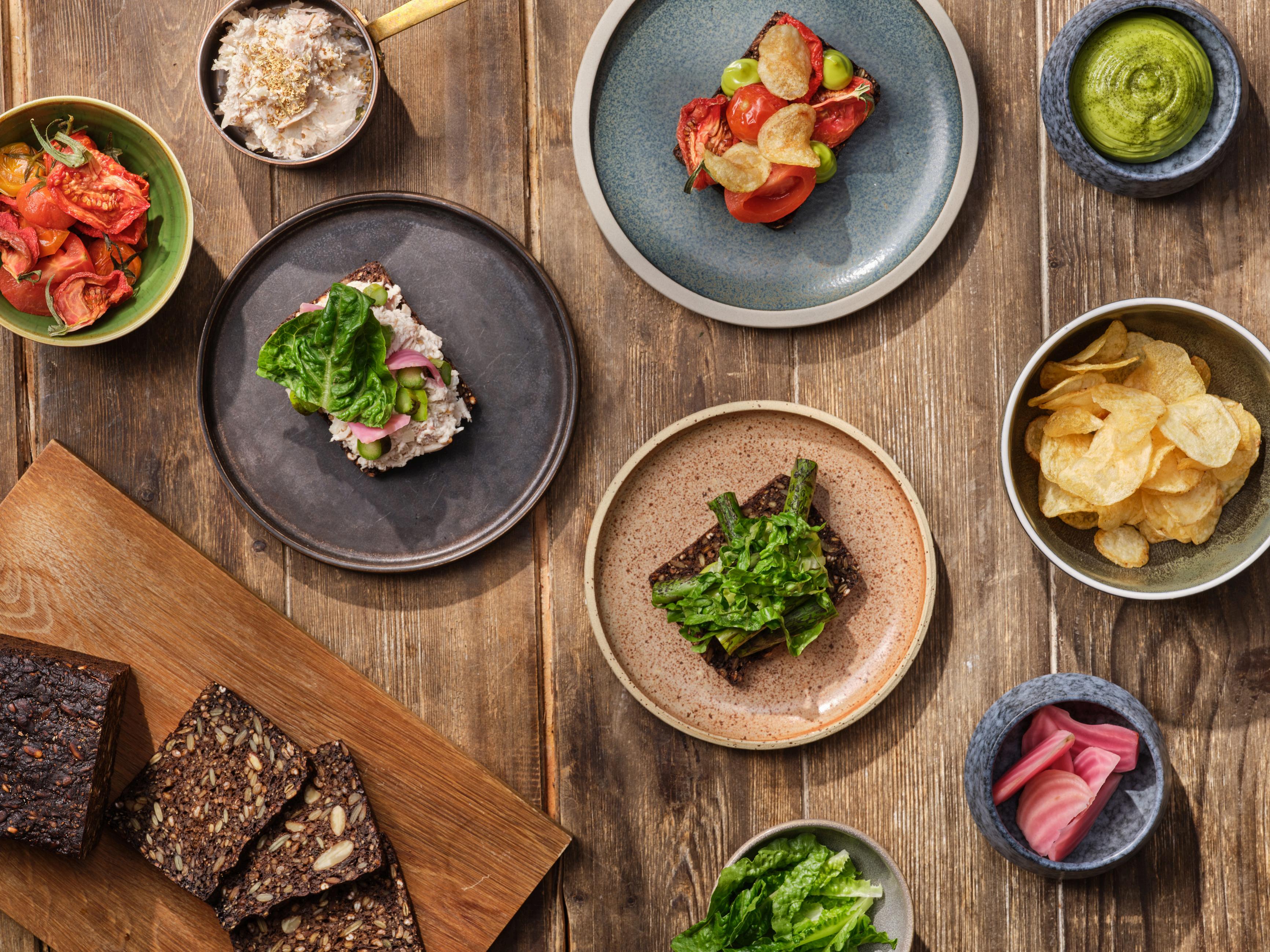
Fiber is gaining traction Driven by the GLP-1 weight-loss phenomenon and viral #fibermaxxing trend moment, gut health has moved to center stage Alongside the protein craze, the Fiber Frontier represents a powerhouse in powering up human health
The Shift Fiber is the ultimate multi-tasker. It provides natural satiety by slowing digestion and triggering fullness hormones. This trend treats fiber as a foundational tool for metabolic health, offering a natural alternative for those seeking satiety and critical support for those on GLP-1 medications, who must maximize every bite of their smaller meals.
The "So What": Strategic Menu Engineering
As portion sizes shrink, every bite must work twice as hard. Strategic menuing now means engineering smaller, nutrient-dense portions focused on protein and fiber. Whether offered as snackable formats or smaller plates, these fiber-dense options keep people fueled and focused. Consumers are becoming increasingly aware that fiber-rich meals prevent the classic post-lunch sugar crash and brain fog showing that in a GLP-1 world, success isn't just about what you eat, but how effectively that food performs.
22% of consumers noted high fiber content was one of their top three important factors when shopping for food up from 17% in 2021.1
KEEPING IT REAL
The
Insight
There is a growing exhaustion with food that feels overengineered After years of high-tech meat substitutes and long, complicated ingredient lists, the pendulum is swinging back toward the basics People are looking for a sense of transparency in what they eat, choosing ingredients that are grown and gathered rather than manufactured
The Shift
A "whole-food first" philosophy is becoming the new standard. This is reflected on modern menus in two meaningful ways:
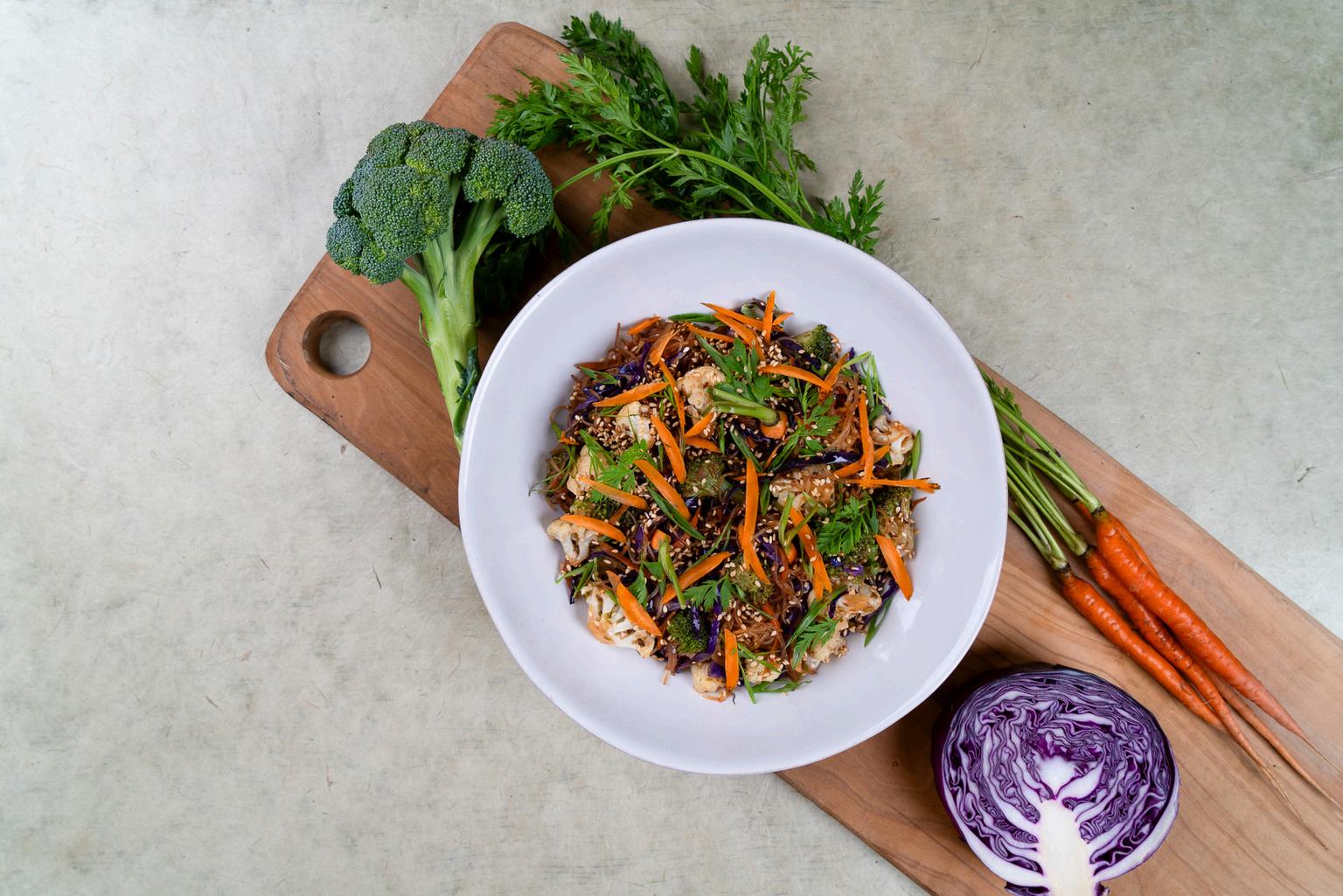
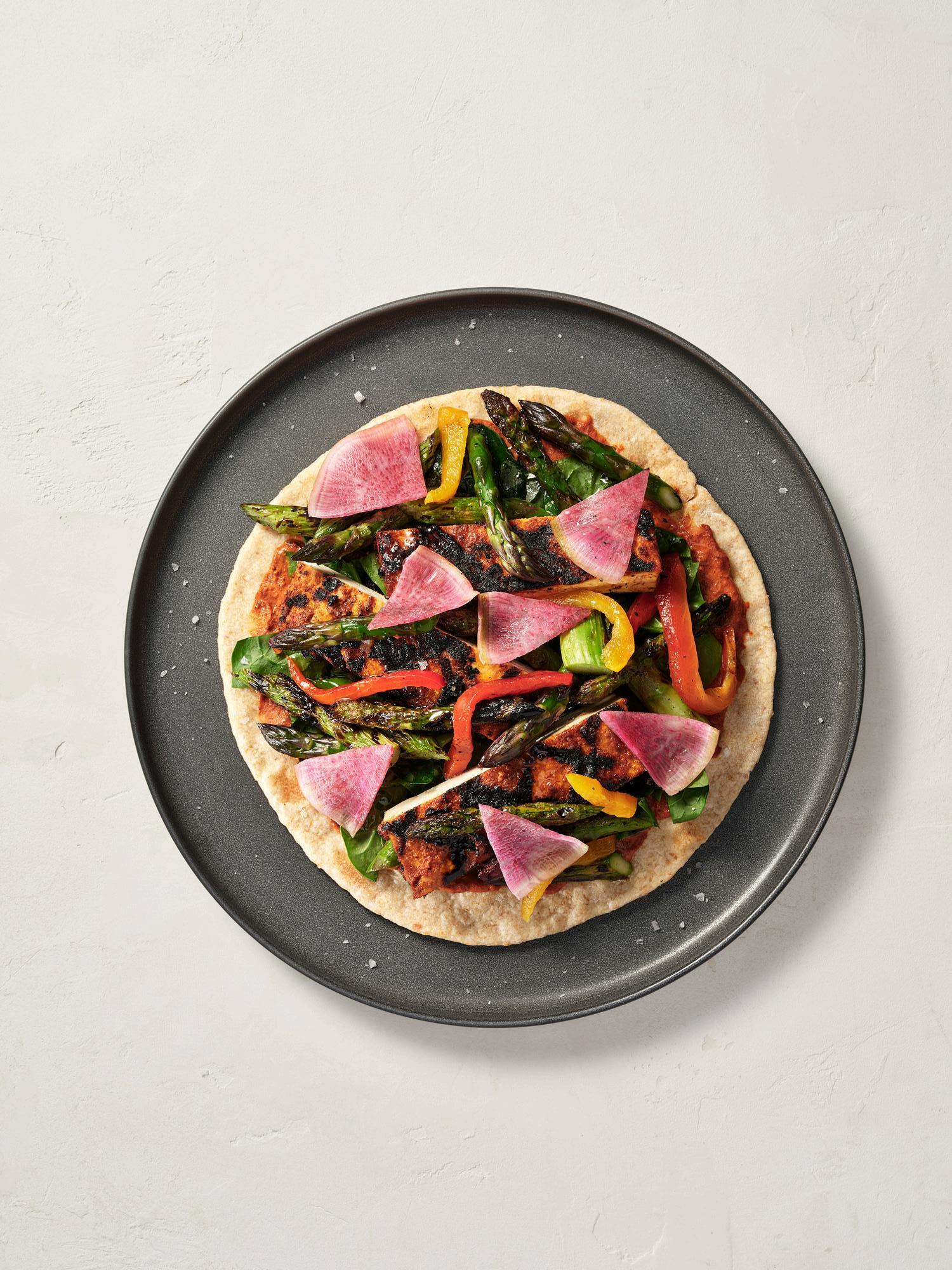
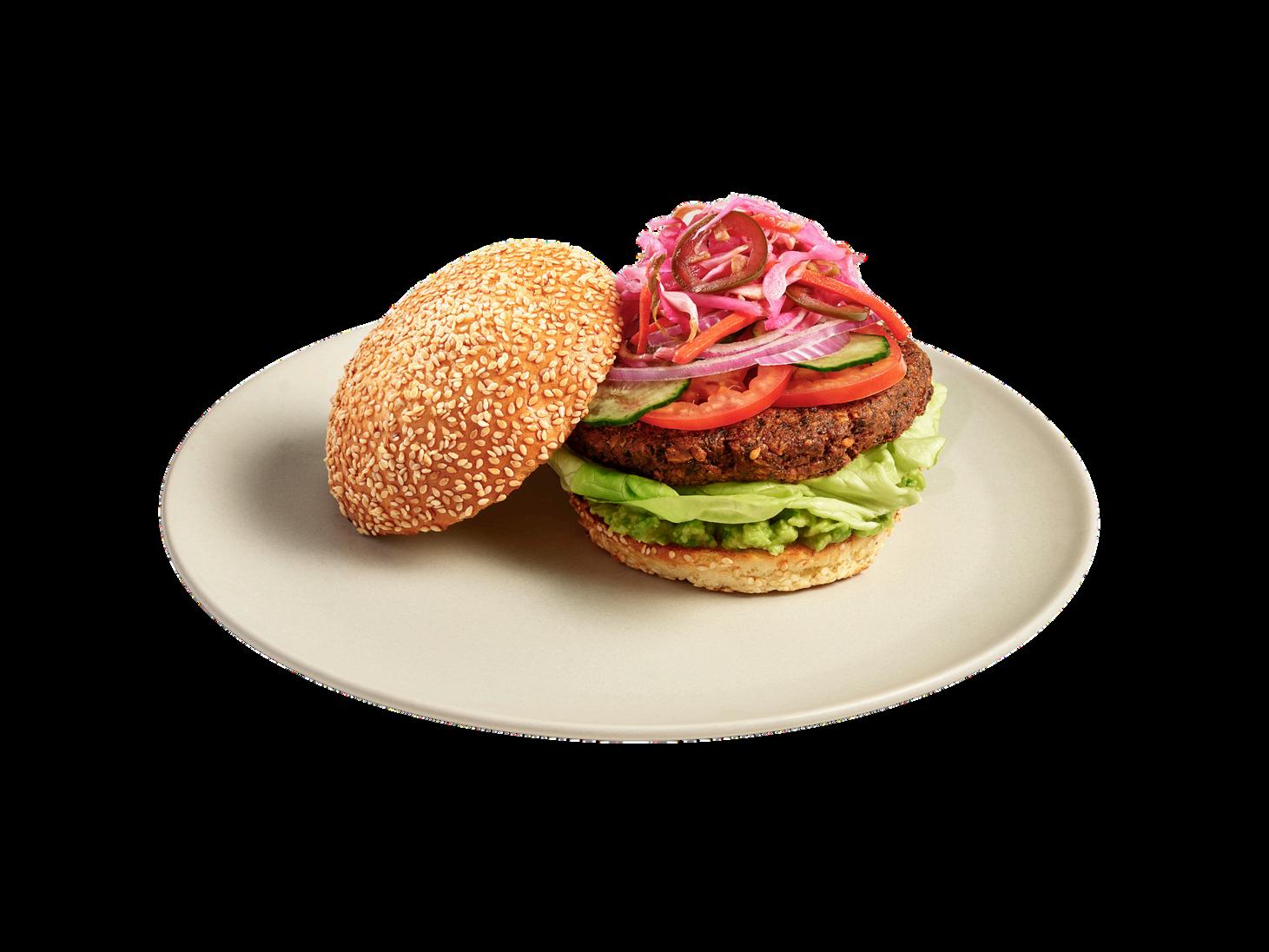
1.The Power of the Hybrid Classic favorites are being reimagined by blending high-quality proteins with nutrientrich plants like roasted mushrooms, hearty pulses, or root vegetables This isn't about "faking" a meal; it’s about making it lighter, more flavorful, and naturally nutrientdense
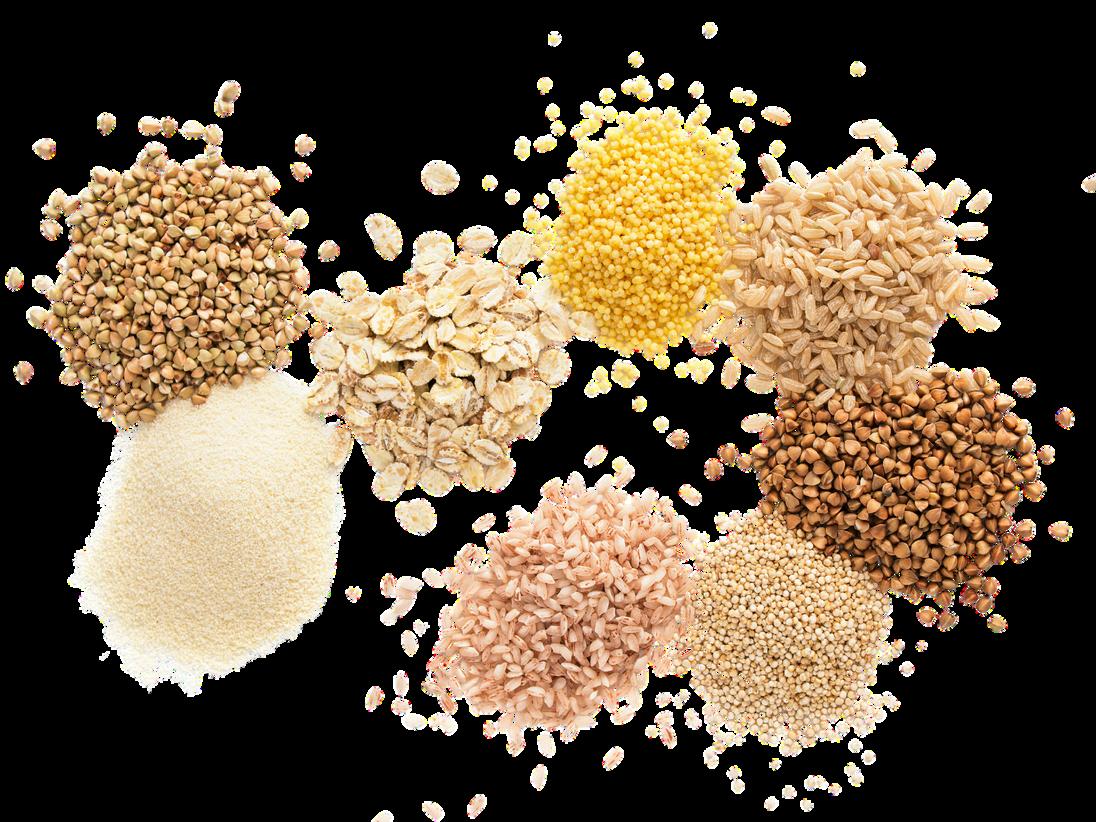
2.Rooted Vitality: There is a renewed interest in ancestral wisdom, utilizing heritage grains and wholefood concentrates to provide a natural punch of vitamins. Energy is sourced directly from the earth rather than through synthetic fortification.
The "So What": Honest Energy
The goal is to eliminate the forced choice between an accessible price and a meal that supports long-term wellbeing By prioritizing unprocessed, "real" ingredients, the industry can offer meals that are exactly what they claim to be It allows people to enjoy the foods they crave while maintaining a sense of transparency
Research found interest in "authenticity" is up 31% year-over-year in consumer conversations and 18% on menus. 2
THE INSTANT UPGRADE
The Insight
The "desk lunch" is being reinvented Employees no longer accept the trade-off between speed and substance; they want the speed of instant food with the integrity of a restaurant-tier meal.
The Shift
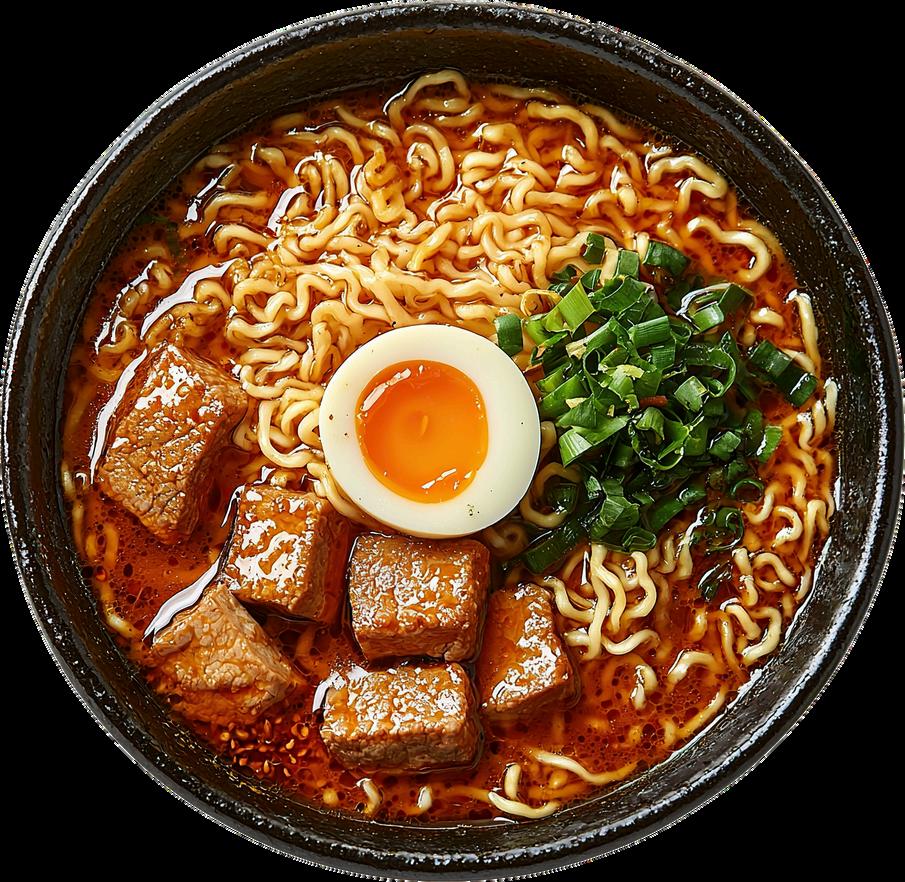
Convenience is now the leading driver for the workday lunch, growing 5 6% year over year Now that Return-toOffice mandates have redefined consistent in-office attendance, the operational goal has shifted toward providing high-impact amenities with reduced effort and cost This can be supported by consumer packaged good transparency: teams can easily source "clean-label," chefcrafted products — like bone-broth ramen or air-dried noodles — that offer the same culinary standards as a scratch kitchen but with minimal prep time 3
The "So What": Labor Optimization
Curating artisan convenience allows teams to maximize labor efficiency without sacrificing the user experience. By "outsourcing" complex prep to high-end suppliers, food service teams can focus on hospitality and curation, ensuring every eater experiences high culinary standards.
BEYOND
SWICY TO “SWAVORY”
The Insight
Flavor profiles are maturing from simple "sweet + spicy" (swicy) to the complex depth of "sweet + savory" (swavory)
The Shift
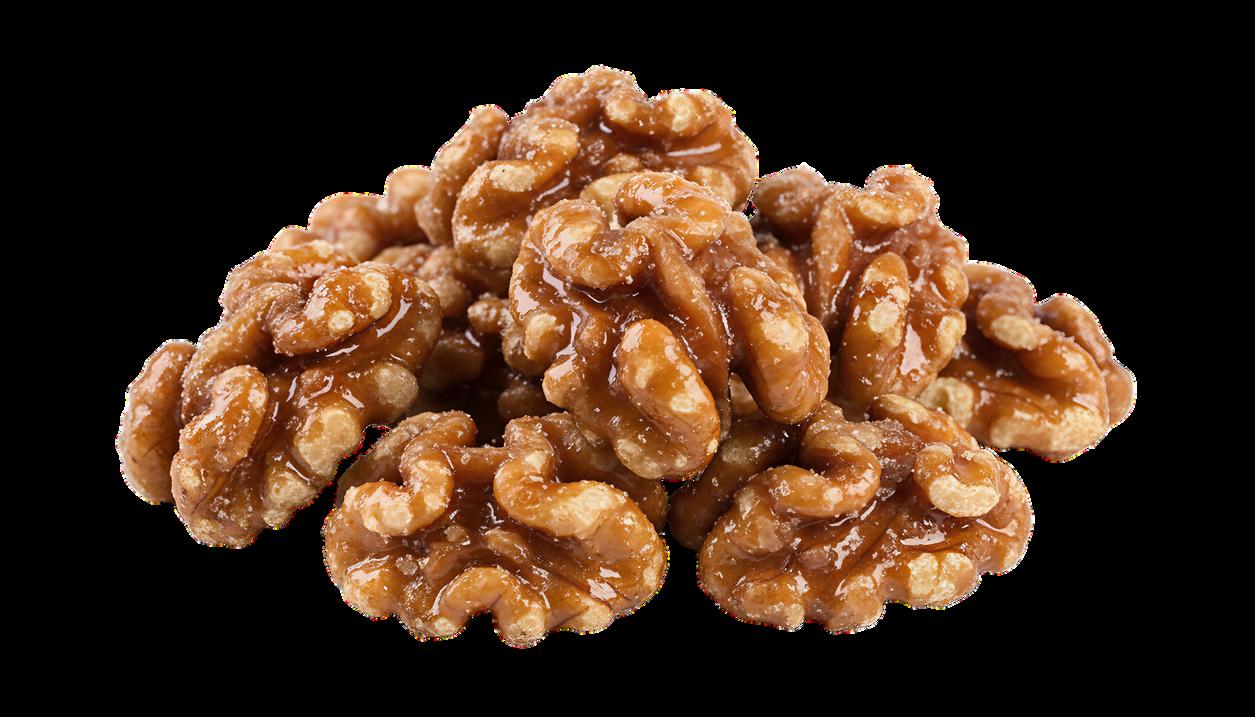
The table is getting an "umami-fication." This means integrating savory flavors like miso, tahini, black garlic, and soy sauce into traditional sweet formats. Think misomaple blondies, tahini-swirled dark chocolate, or soycaramel glazed nuts. These ingredients ground the sweetness, adding an earthy richness that makes a small portion feel incredibly indulgent
The “So What”: The "Dopamine Menu" Play
Complex flavor profiles (umami + sweet) trigger higher sensory satisfaction. This helps satisfy cravings more quickly, lowering stress levels and providing a steady "mood lift" that carries through the afternoon session without the typical sugar crash.

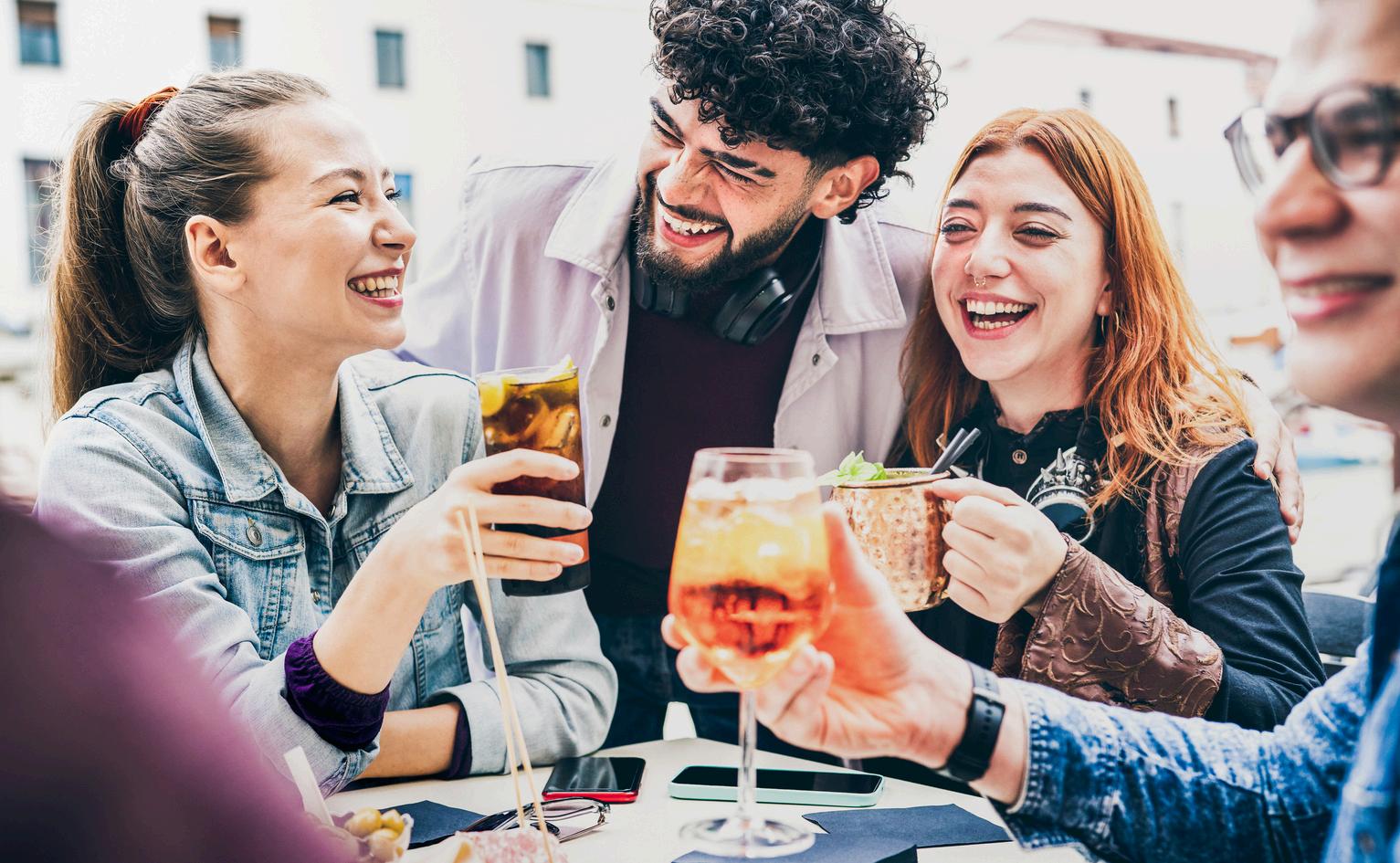
t has grown into Functional past simply "drinking less" to reducing alcohol consumption will year , the boozy happy hour is losing its crown as the default team-building activity. In its place are inclusive, high-energy social hours built around new, purposeful rituals: 4
1.Tea as the New Happy Hour: For many, especially Gen Z, the 5:00 PM slot is being reclaimed for high-end tea rituals. Matcha has instilled itself as a lifestyle staple with this generation, however, other teas are starting to emerge. For example, Hojicha, a toasted, earthy flavor that is naturally low in caffeine, making it the perfect late-afternoon "pick-me-up."
2 The "Little Treat" Culture: The "Dirty Soda" (soda spiked with cream and fruit) has become a midday staple It’s a permissible indulgence that provides a quick dopamine hit and a moment of playfulness during a busy day
3 Stress-Relief Spirits: Alcohol is being replaced by adaptogens like Ashwagandha and Lion’s Mane These ingredients don't just mimic a cocktail; they act as a "stressrelief ritual" to help the brain recover
The "So What": Inclusion & Performance
By diversifying the social hour, companies can create a culture where everyone feels welcome. Functional happy hours prioritize mental clarity and recovery over productivity-killing hangovers, ensuring employees leave the office feeling better than when they arrived.
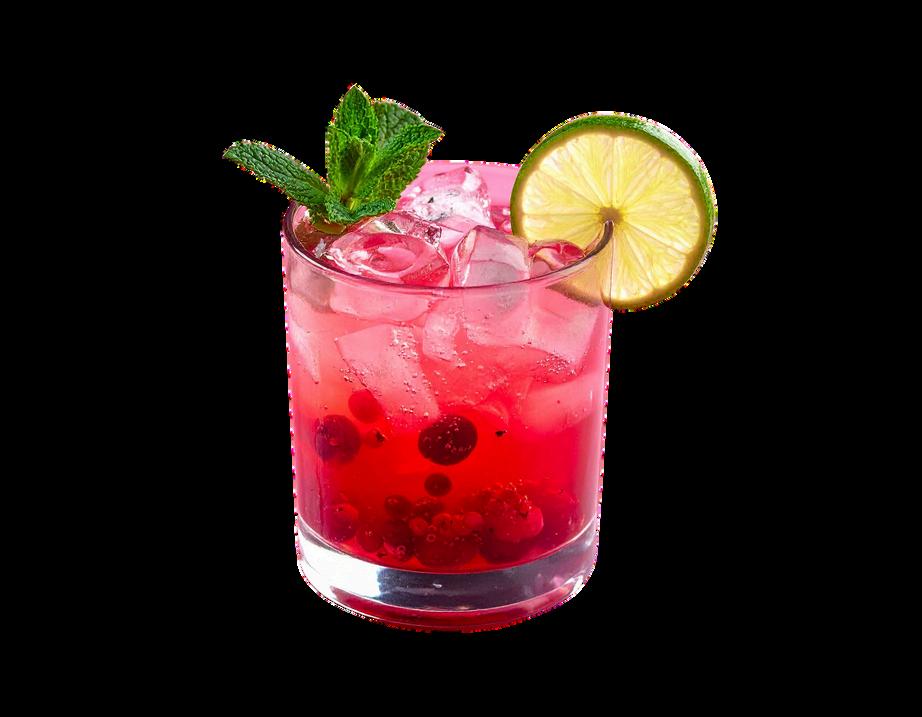
Today’s consumers are looking for mood-altering benefits, complex flavors, and functional ingredients that help them transition from work-mode to home-mode without the hangover.5
THE CABBAGE CRAZE THE REGIONAL ROUTE
The Insight
Everyone from Pinterest and Vogue have named cabbage as the “It” vegetable of the year It has emerged as an affordable, versatile, and nutrient-dense powerhouse that perfectly aligns with #fibermaxxing
The Shift
There is a major pivot away from expensive, fragile greens toward the "hardy" versatility of cabbage
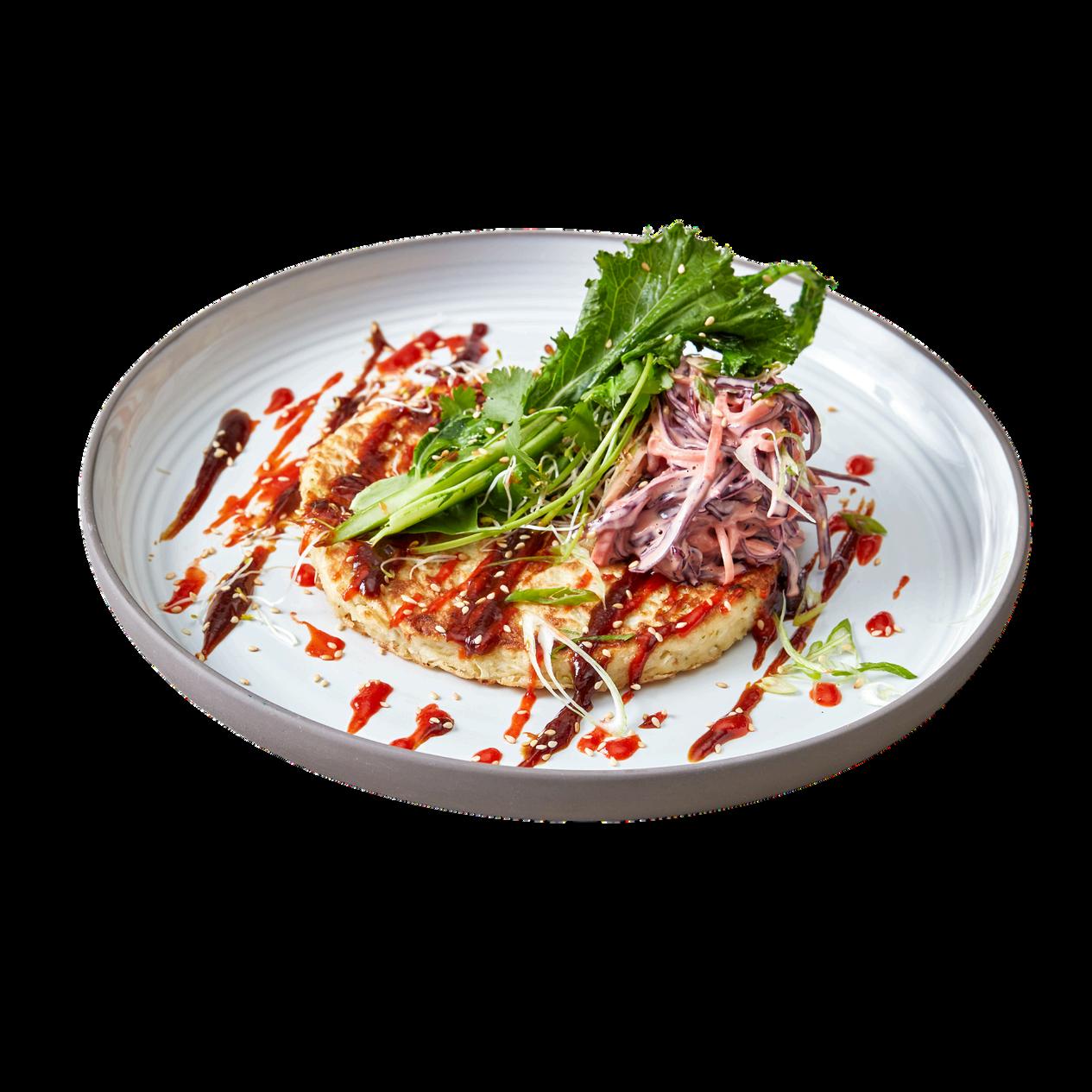
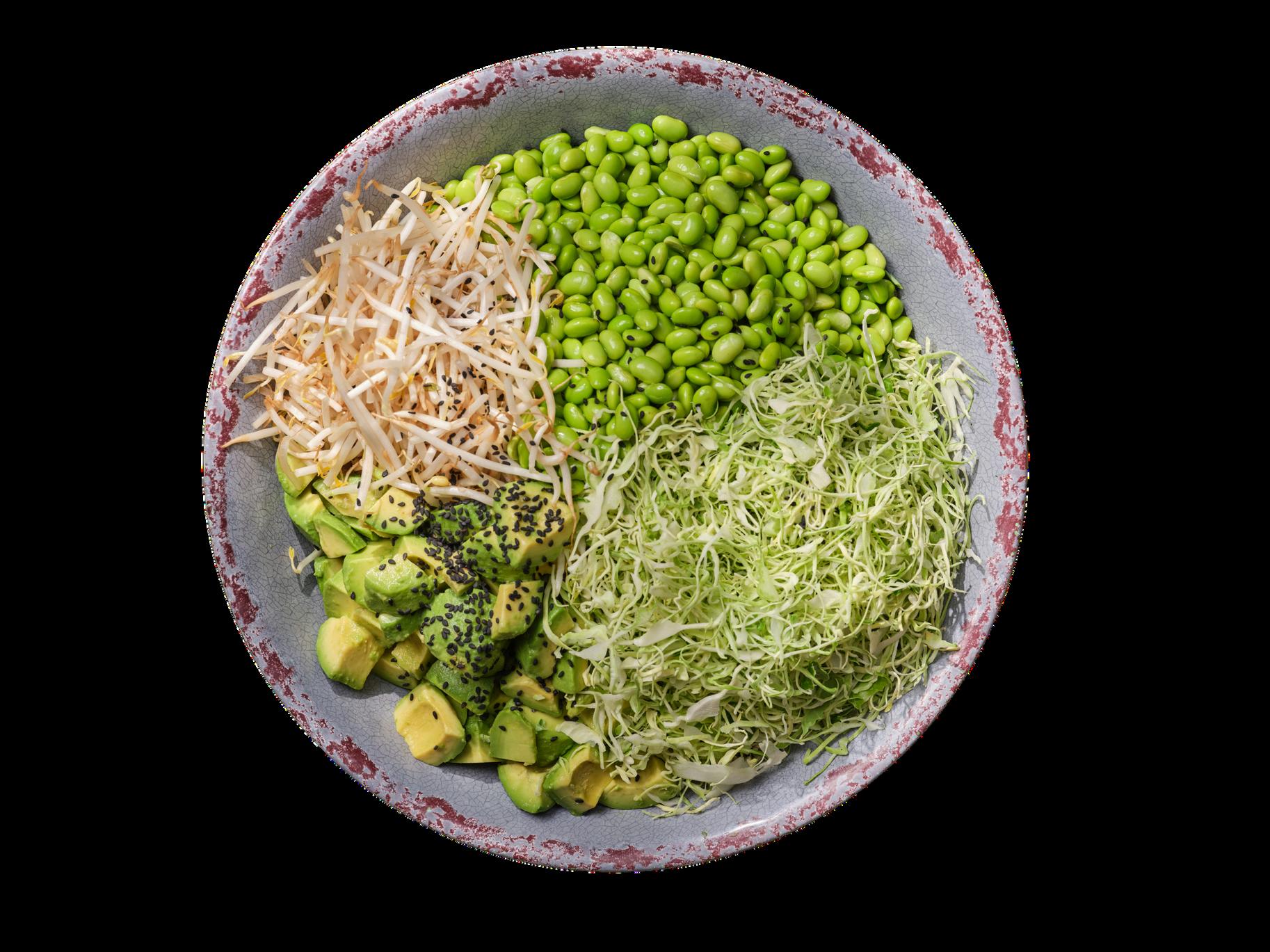
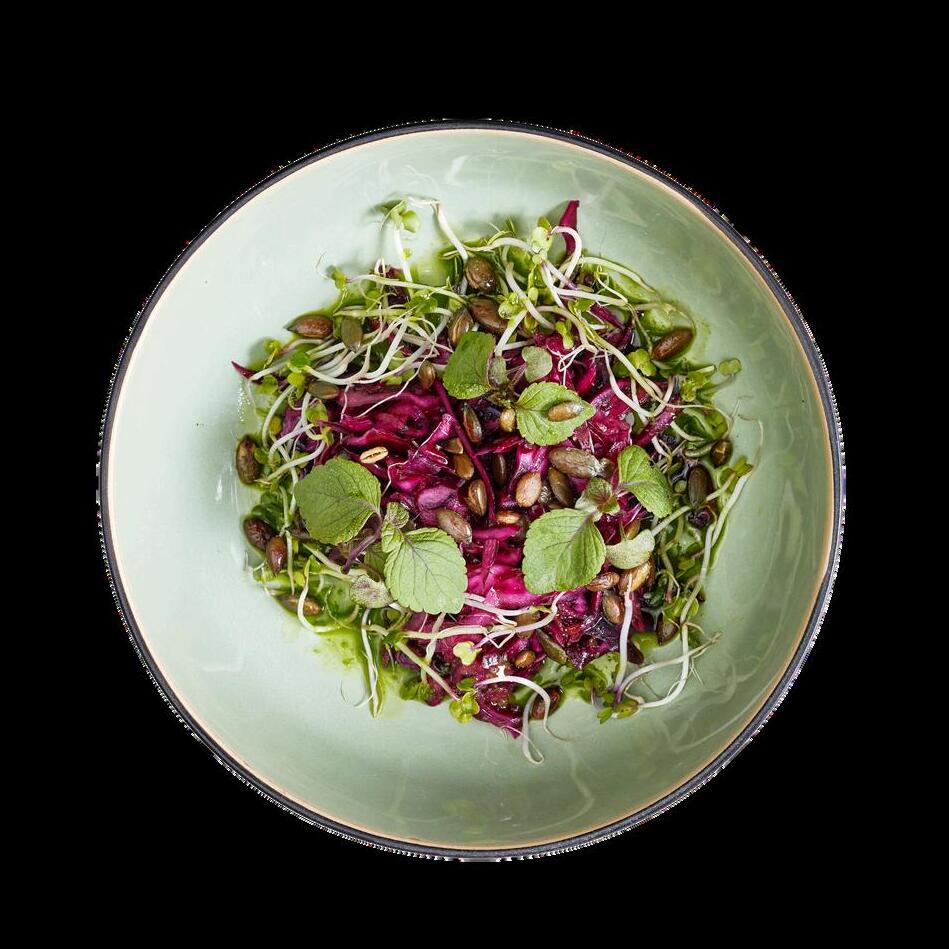
Whether it’s charred cabbage "steaks," fermented applications like Kimchi, or the spicy crunch of Malaysian Sambal cabbage, this vegetable is taking center stage Search queries for cabbage-based dishes have surged, with cabbage dumplings up 110%, and creators showing how this humble fridge-staple transforms into a restaurant level "main character." 6
The "So What": Ops Efficiency and Resilience
This vegetable steadfastly sustains its flavor and quality from farm to plate, a consistency that is rare for produce While it requires labor to prep, that investment pays off in culinary longevity and serves as the ideal canvas for the pickling and fermentation trends that define the 202 palate It’s the "It" vegetable because it’s a reliable anchor that feels both grounded and modern
The Insight
Generic cultural cuisine labels are obsolete 2026 is about specificity, and the elevation of specific regional cuisines
The Shift
From #traveltok to mukbangs, social media has opened a global "POV" window, inviting people to step into the kitchens, restaurants, and food stands of different regions through first-person storytelling This has sparked a curiosity for hyper-specific flavors — moving beyond generic cuisine labels; from 'African' to the fiery heat of Tunisian Harissa, the floral and French-influenced notes of Algerian cuisine, or the earthy, nutty crunch of Egyptian Dukkah.
The "So What": Discovery and Connection
By featuring micro-regional dishes, menus do more than offer variety; it creates a sense of belonging
UP, UP, UP
The Insight
Sustainability has moved "upstream " The focus has shifted beyond the kitchen to how a product is made prioritizing energy efficiency, water conservation, and natural resource recovery from the very start
The Shift
After setting an industry record with a 64% food waste reduction in 2024, Guckenheimer has cemented zerowaste habits into our daily DNA. We remain committed to maintaining these standards, and now, we’re looking Up, Up, Up:
1.Upstream: Partnering with brands to source products that reduce waste at the farm level before it ever reaches the prep table.
2.Upcycle: Transforming overlooked side-streams, like nutrient-rich whey or veggie trim, into hero ingredients.
3 Uplift: Investing in local farming communities to ensure our growth fuels regional economic resilience
The "So What": Strategic Resilience
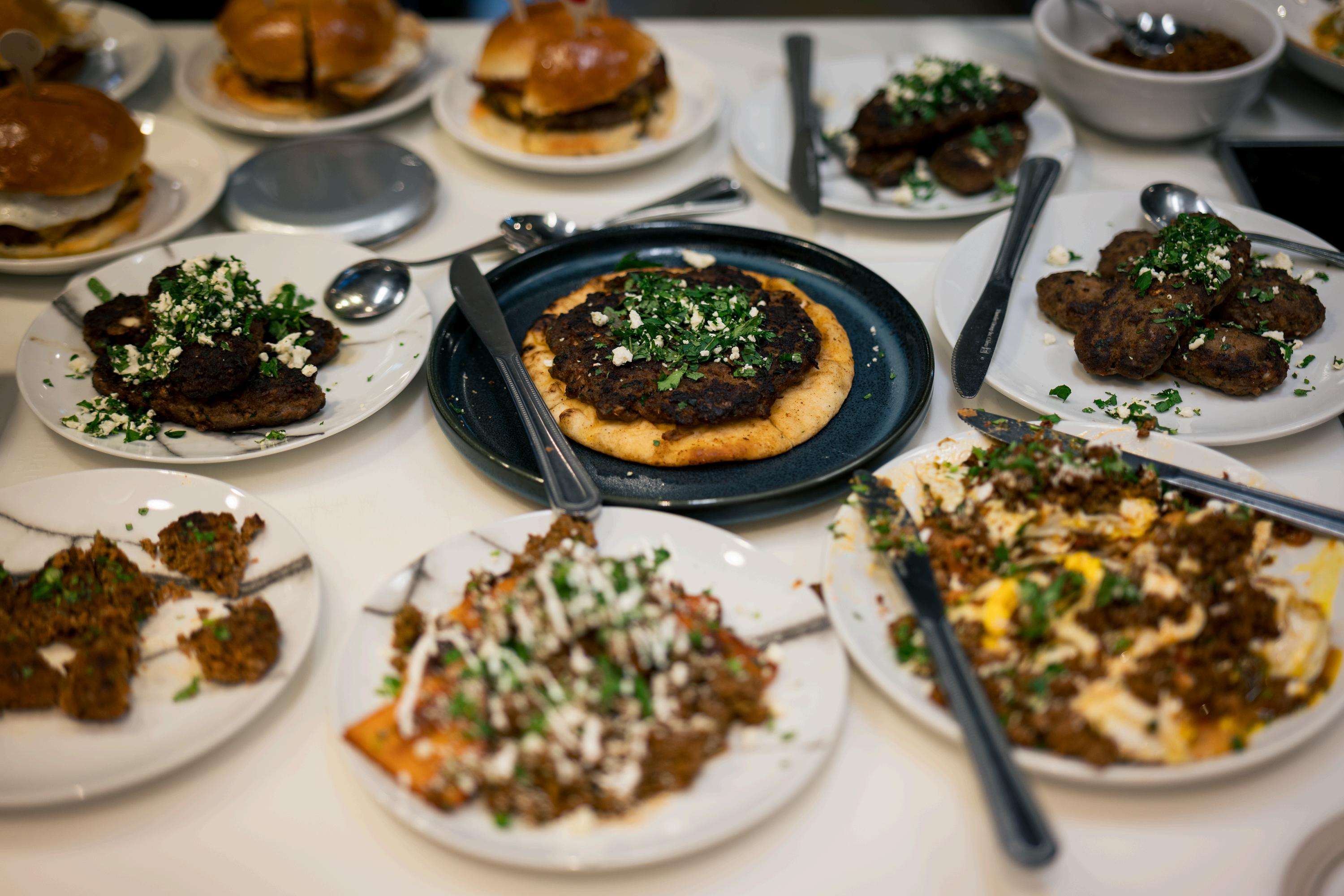
Sustainability is no longer a quiet background effort; it’s a visible, high-quality driver of the menu. We are continuing to move from being "resource-wise" to being "futureresilient." This is brought to life through a recent event with the Spare Food Co., where our culinarians gathered together in real life and online for a collaborative cooking class. Dubbed Spare Fest, they tested recipes and experimented with Spare Food's products, which are made through a blend of grass-fed beef and Certified Upcycled surplus vegetables.
Scenes from Spare Fest (pictured at right): Our culinarians teamed up with the founders of Spare Co to dive deep into the sustainability and hands-on culinary versatility of upcycled food
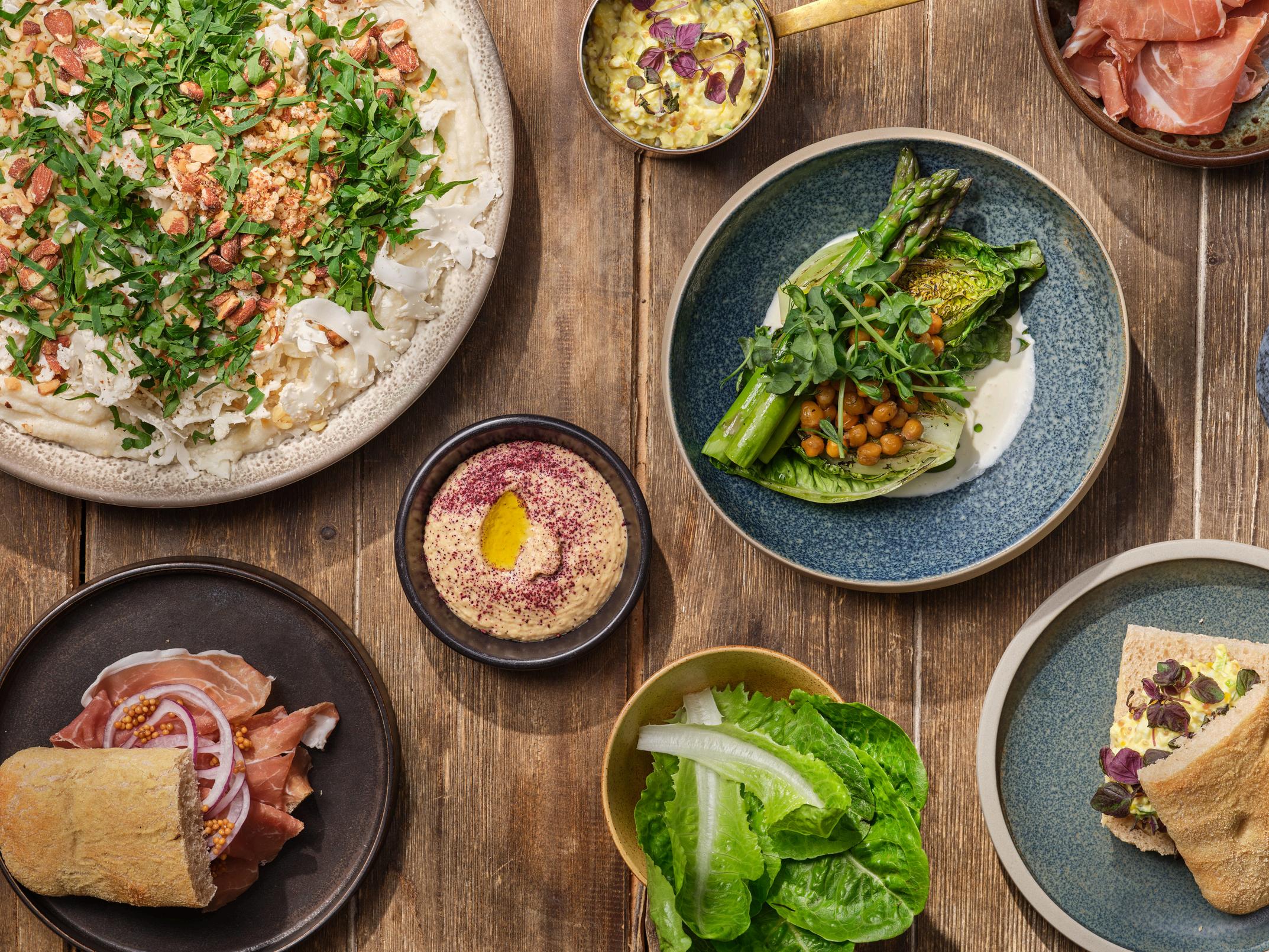
In 2026, people are no longer just eating — they are choosing with intent. They want real food that serves a purpose, fits their goals and lifestyle, and feels like a bit of "quiet luxury" on a busy day.
At Guckenheimer, we are flavor-obsessed, and this year, that obsession is fueled by a new level of extreme personalization. By staying focused on real food prepared by passionate Placemakers, a culture of connection and discovery takes root. The result is an experience where every bite supports the body, the mind, and the community.