&Teens

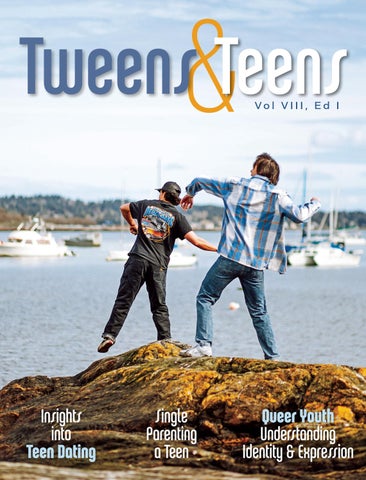
Queer Youth Understanding Identity & Expression Single Parenting a Teen
BURNABY ONLINE
SCHOOL



Ministry approved BC curriculum
Kindergarten to Grade 12 program
Contemporary Indigenous Studies 12 available for enrollment
Full time or part time available Grade 10 to 12
Adult learning options
Grade 8 to 12: over 50 course options
Innovative learning management system
Experienced online learning teachers
Opportunities for self-paced, flexible, convenient learning
Direct teacher support available
Develop communication and technical online skills registering full-time or for a single course
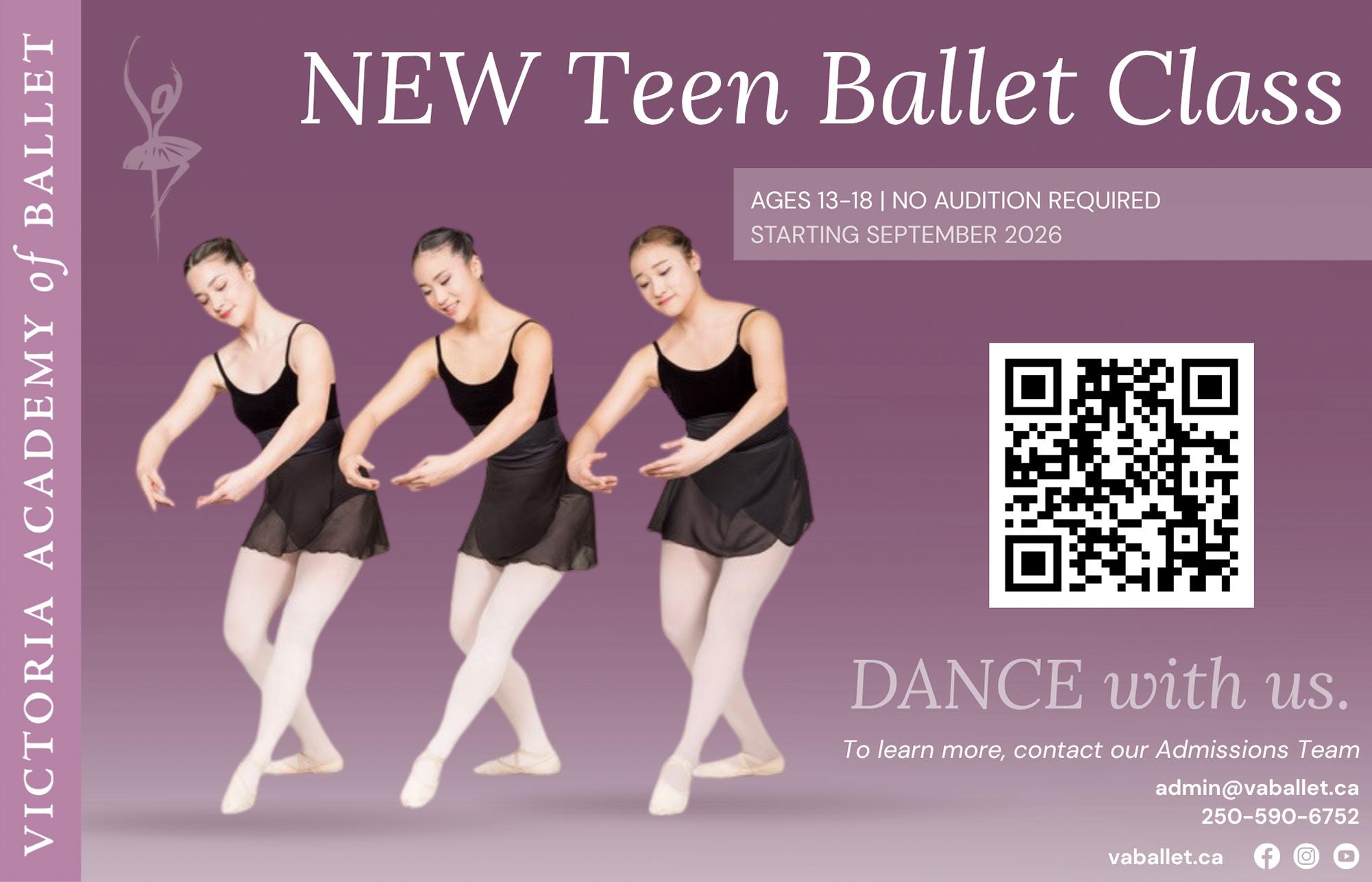
Movement, Confidence, Community
Discover the joy of dance in a welcoming, supportive environment designed specifically for teens.
Victoria Academy of Ballet’s brand-new Teen Ballet program invites students ages 13–18 to explore ballet through weekly classes focused on movement, musicality, creativity, confidence and technique. Whether students are stepping into a studio for the very first time or returning to dance after time away, this full-year program is designed to help teens feel comfortable, encouraged and inspired!
Classes are taught in a positive, low-pressure atmosphere where students can build strength, coordination, flexibility and artistry while developing a strong foundation in ballet. Teen Ballet is ideal for students looking to try something new, reconnect with movement or experience the benefits of dance in a supportive community setting.
No previous dance experience is required—just a willingness to learn and move!
Visit vaballet.ca or contact our admissions team at admin@vaballet.ca or 250-590-6762.


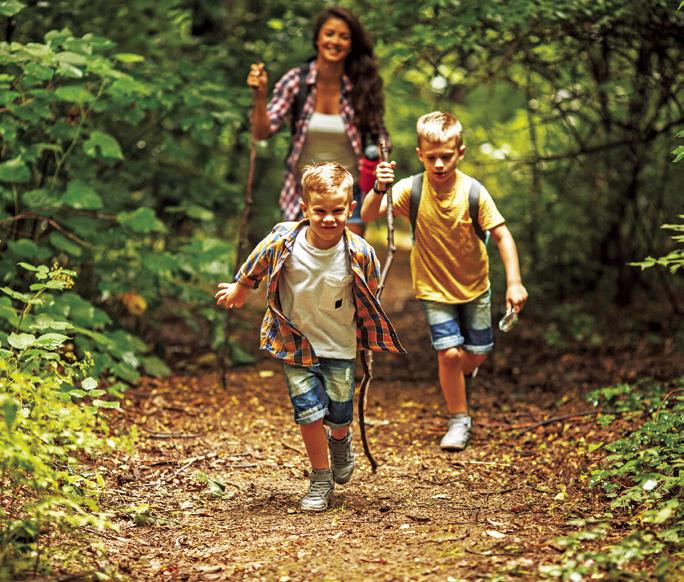
Single Parenting a Teen
Camp Counsellor
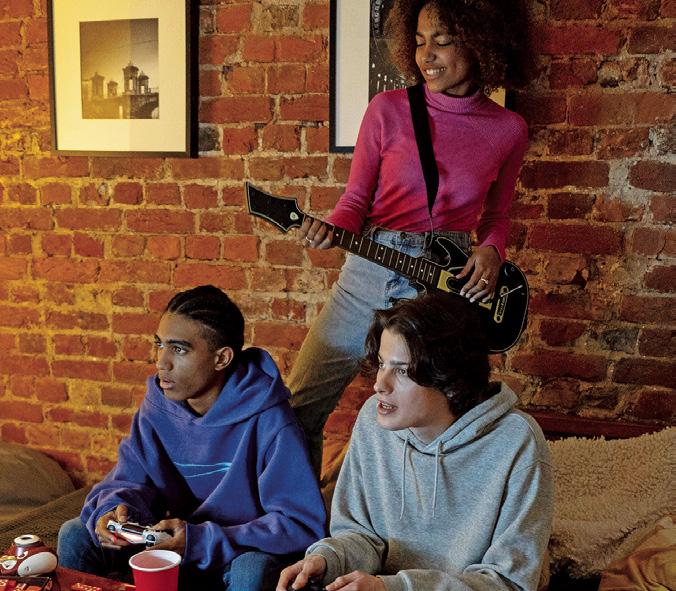




&Tweens Teens
Jim Schneider Publisher publisher@islandparent.ca
Stacie Gaetz Editor editor@islandparent.ca
Kristine Wickheim Account Manager kristine@islandparent.ca
Tweens & Teens, published by Island Parent Group, is a valuable resource for parents and caregivers navigating the preteen and teenage years. The magazine offers insightful articles on parenting challenges, mental health, education and social issues, providing expert advice and practical tips to support youth development. It fosters a positive, informed approach to guiding young people through this transformative phase, helping parents address the unique needs of tweens and teens.
Views expressed are not necessarily those of the publisher. No material herein may be reproduced without the permission of the publisher.
For distribution inquiries, please email publisher@islandparent.ca

Finding Balance in the Chaos
Welcome to the glorious, unpredictable chaos of the warmer months. For parents of tweens and teens, this season brings a unique shift in energy. The school routines have vanished, leaving behind wide-open days that hold both incredible potential and, let’s be honest, a little bit of parenting anxiety.
Our goal this season is simple: let’s help our kids step away from the glowing screens that dominate their school years and get them back outside. Remember the summers of our own youth? We want to recreate that magic for them. Encourage them to dust off their bikes or skateboards and ride through the neighbourhood with friends (no electric scooters allowed). Let them head to the beach to toss rocks into the ocean or lay out a blanket in the backyard just to stare at the stars on a crystal-clear night. These analog, unfiltered moments are where real childhood memories are anchored.
Of course, navigating these years isn’t just about outdoor play; it’s about supporting our kids through massive life shifts and personal discoveries. As they grow, their worlds expand in ways that require us to listen more deeply. Right now, our children are navigating the exhilarating, sometimes heavy pressures of modern romance and social circles. They are exploring and defining their own diverse identities, hoping we will meet them with unconditional love and open minds.
At the same time, we are watching them take their first major steps toward independence. For some families, that means celebrating milestones with birthday bashes that match their changing tastes. For older teens, it might be a summer of profound transition, whether they are preparing to step onto a post-secondary campus for the first time, earning their first real paycheque guiding younger kids at camp or discovering their purpose by volunteering and giving back to their communities.
Doing all this alone can feel overwhelming, and solo parents face a unique set of hurdles as they anchor their households through these fast-moving years. But no matter your family structure, this season is a collective reminder to breathe, adapt and connect.
Let this summer be a blend of growth and old-school freedom. Let’s give our tweens and teens the space to figure out who they are, while ensuring they still get plenty of dirt under their fingernails and starlight in their eyes.
Stacie Gaetz is the managing editor of Tweens & Teens and the proud mama of a delightful daughter and silly son who fill her days with love and chaos. She thoroughly enjoys supporting, connecting with and informing parents through interesting articles like this one. Reach her at editor@islandparent.ca.

Your Guide to Single Parenting a Teen
The teenage years can feel like an emotional rollercoaster—and parenting through them is no small feat. Now imagine doing it on your own. Whether you’re newly single or have been solo parenting for years, guiding a teenager through their formative years without a partner is one of the toughest and most important jobs you’ll ever do. The good news? You don’t have to do it all alone, and there are ways to make the journey smoother for both you and your teen.
Building Connection: Creating More Time with Your Teen
One of the biggest challenges single parents face is the limited time they have with their teens. Between shared custody schedules and your teen’s growing independence, it can sometimes feel like you’re competing with everything else in their life.
Here are a few ways to strengthen your connection without pushing too hard:

• Make your home a teen-friendly space. Create an inviting environment where your teen feels comfortable bringing their friends. Yes, it might mean a higher grocery bill and more noise, but the trade-off is worth it. Shared meals, casual hangouts and overheard conversations offer priceless glimpses into your teen’s world.
• Plan around their interests. Invite your teen to do things they already enjoy: a new movie, their favourite restaurant, a concert or even just an afternoon drive with their playlist. Keep the vibe casual and pressure-free.
• Include their friends. Invite their friends along on outings occasionally. It might feel chaotic, but it also gives you insight into their social world and shows that you respect their relationships.
• Know their circle. Make sure you have contact information for the parents of your teen’s close friends. Not only is this practical in case of emergencies, but it also helps create a wider safety net for your child.
Most importantly: don’t take it personally when your teen pulls away. That’s developmentally normal. Your job is to remain consistent, available and open—even when they test boundaries or seem distant.
Co-Parenting with Your Ex
Let’s face it: Communicating with your ex might feel like a tooth extraction. However, maintaining a respectful, cooperative relationship with your child’s other parent is one of the most powerful ways to support your teen.
Here’s why it matters:
• Consistency between homes creates stability. If you’re enforcing a no-
phone policy after 9 pm, but the other parent isn’t aware, your teen won’t take the rule seriously. When possible, align on basic expectations like curfews, screen time and homework routines.
• You’ll spot problems sooner. When one parent notices a shift in mood, behaviour or school performance, it’s crucial that the other is informed. Teen mental health concerns are easier to address when both parents are paying attention and communicating.
• A united front prevents being pitted against one another. A civil coparenting dynamic prevents the “but Dad said I could!” arguments and helps reinforce boundaries.
If you’re in a high-conflict or nocontact situation, consider using a parenting communication app to share information with less stress.
When You’re the Only Parent
If your teen’s other parent is absent, uninvolved or unsafe, you’re not just the “primary” parent—you’re the parent. That comes with added pressure, but also opportunities for deeper connection.
Tips for flying solo:
• Fill the gap intentionally. If you’re a mother raising a teenage son, or a father raising a daughter, seek out conversations that the missing parent might have had. Books, podcasts and articles can help guide these discussions. You might also enlist a trusted uncle, aunt, coach or family friend to talk with your teen about genderspecific topics they may not want to discuss with you.
• Connect them with mentors. Programs like Big Brothers and Big Sisters
can match your teen with a consistent adult role model. This is especially helpful if they need someone outside the home to talk to.
• Prioritize emotional regulation. Teens go through intense hormonal and neurological changes. Help them build emotional intelligence by modelling healthy coping skills, encouraging journalling and making space for feelings, without judgment.
• Don’t try to be everything. You don’t have to be both mom and dad, friend and disciplinarian. Focus on being the best you—a stable, loving, reliable presence. Support systems (relatives, neighbours, school counsellors, online communities) can help fill the gaps.
You’ve Got This
Parenting teens isn’t easy, especially alone, but remember, you’re not doing it wrong if it feels hard. You’re showing up. You’re trying. And your love and effort matter more than you think. Don’t be afraid to ask for help, take breaks when you need them and celebrate the small wins along the way.
You’re not just raising a teenager— you’re building a future adult. And you’re doing an amazing job!

Sarah Jones is a coach who helps parents get the results they want, guiding them towards personal growth and fulfillment. Her website contains free resources and a blog for parents. Check it out at indianaripley.com.
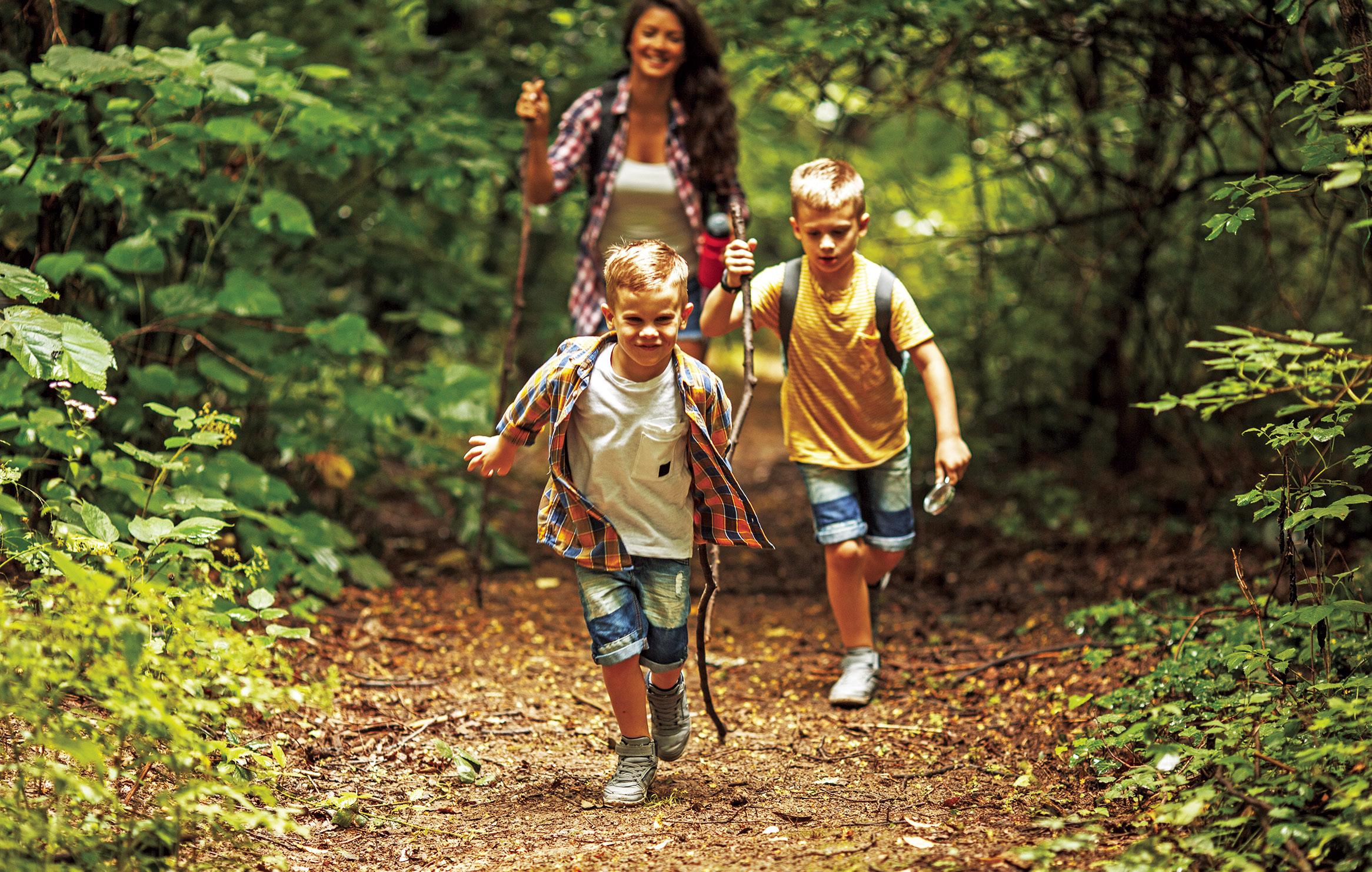
Camp Counsellor
The perfect summer job for your teen
Is your teen ready for a summer job but you would still like them to spend some time outdoors being active? Did they love summer camp as a child? Are they great with younger kids?
What better way to spend the summer than as a camp counsellor!
This will teach them responsibility, allow them to gain independence and give them the opportunity to earn their own money.
Here are eight reasons to encourage your teen to consider becoming a camp counsellor this season.
1. GETS THEM MOVING
What could be more active than chasing kids around a campsite all day? Your teen will be kept on their toes (literally) at camp with long days on their feet. Their duties might include managing hiking, swimming, sports and other activities with the kids.
There won’t be many moments to rest but that just means more fun!
2. GIVES THEM LIFE SKILLS
Training to become a camp counsellor can be quite extensive. Your teen might learn CPR, first aid, swim safety and other important skills. Once they are on the job, they will naturally learn things like time management, public speaking and leadership while in this role.
It will even get them back to the basics like making sure they wake up on time, making their bed, eating on a schedule, making their own food, keeping their living space clean and maybe even doing their own laundry.
3. HELPS THEM BUILD CONFIDENCE
Becoming a camp counsellor automatically puts your teen in the position of a leader. Knowing they oversee what the day looks like for children younger than they are gives your adolescent a sense of power and confidence that they may have never had before.
Teens tend to rise to the occasion when they are given the independence they so desperately crave. Then, before they know it, they have done things they never even thought they could, like helping two campers resolve a conflict.
4. ENSURES TIME AWAY FROM TECHNOLOGY
Does your teen need a “digital detox?” There is no better place to get away from the screens than a camp where phones are forbidden (or limited/scheduled).
The best part? It isn’t you nagging them to put down the tablet or turn off the videogames all day!
5. TEACHES THEM WHAT IT’S LIKE TO HAVE A JOB
Working as a counsellor at a camp looks great on a resume but it also teaches real-life employment skills that you don’t usually find on paper. Working with other counsellors, they will learn what it is like to deal with fellow employees with varying opinions and backgrounds.
They will have a supervisor who they will build a relationship with and will learn how to lead and manage a team (of rambunctious kiddos).
6. LETS THEM SHARE THEIR TALENTS AND SKILLS
What does your teen love? Are they an artist? A sports star? An animal lover? Being a camp counsellor allows them to share their interests, talents and passions with other kids. It gives them a chance to become a role model and may even reignite a passion they had when they were younger.
Nothing is more motivating than being seen as the expert at something. Teens often connect with younger kids in a way adults can’t, and this can help them open the door to new opportunities that the children at camp may not have experienced otherwise.
7. ALLOWS THEM TO MAKE MEMORIES
If you talk to an adult that went to camp as a kid, chances are they have at least a few memories that stand out to them from that time. Maybe they met their best friend at camp or that’s where they learned they had a knack for teaching, and it helped start them on their career path.
No doubt your child will come home with more than a few stories of the awesome things they experienced this summer.
8. GIVES THEM A NEW APPRECIATION FOR YOU
We don’t have to tell you that being responsible for people younger than you is hard work. Your teen will learn what it is like to teach, guide, care for and schedule children that depend on them. All the things you have been doing for them since they were born. Don’t be surprised if they come home to give you a great big hug and thank you for all you have done.
If you think your teen is ready to take the leap into the employment world this summer, becoming a camp counsellor may be the perfect fit for them. Learn more and check out some counsellor opportunities at bccamping.org
Stacie Gaetz is the managing editor of Tweens & Teens and the proud mama of a delightful daughter and silly son who fill her days with love and chaos. She thoroughly enjoys supporting, connecting with and informing parents through interesting articles like this one. Reach her at editor@islandparent.ca.

The New Teen Dating Landscape
When asked to write about teens and dating—something I haven’t personally experienced in over three decades (gulp!)—I turned to the real experts: a group of brilliant, insightful youth who volunteer as peer educators and action committee members at Saanich Peninsula Youth Health Clinic.
What followed was a vibrant, honest conversation about the realities of teen dating, relationships and “situationships” (yes, there’s a big difference), ghosting and how we as adults can best support them.
The first thing I learned: The term “dating” today is specific. It’s reserved for relationships that are exclusive, serious and publicly acknowledged (or “hard launched,” as they say), usually in the later high school years. Most youth, especially
in early or middle high school, are more likely in a situationship than a formal dating relationship.
What’s a situationship? According to the youth, it’s “where you’re more than friends, but not exclusive, with no labels or clear definitions.” It’s about fun and flirting—shortterm by design—and can happen online or in person. It may evolve into a relationship, but just as often, it fizzles out or ends abruptly, sometimes without one person even realizing it’s over. Yes, we’re talking about ghosting.
The youth were united in their frustration with ghosting. The lack of closure stings. As one put it, “How could anyone feel like it’s okay to just stop engaging with someone without any explanation?” This abrupt end, common in situationships, leaves youth hurt and confused, which is why

many of them turn to friends—and sometimes, adults—for help processing their feelings.
Many shared that problems in these connections almost always stem from a lack of communication. As one older youth noted, “Our generation has infinite ways to communicate, but we don’t.” This was a critical reminder: young people still need adult guidance to learn how to communicate—how to identify their feelings, say what they need to say and do so in a way that feels safe and manageable.
This is where our role as their adult champions comes in. We need to support our youth in building emotional vocabulary, sitting with discomfort, setting boundaries and having difficult conversations. Practicing and modelling these skills in our everyday lives—at dinner tables, on the way to la-

crosse practice or after tough days—can help youth develop the tools they need in their relationships.
Another recurring theme was pressure. Youth feel it from all directions. There’s family pressure to delay dating due to school, activities or perceived maturity. There’s societal and peer pressure to be in a relationship to feel seen or included. And then there’s relentless social media pressure—to not only be in a relationship but to broadcast it in an idealized way.
The group strongly agreed: youth need reminders that it’s okay to be single. One older teen shared that a healthy relationship should add value to your life—not drain it. It should bring joy, new experiences and support—not stress or confusion.
They also talked about another, more nuanced kind of pressure, assumptions around sexual and romantic orientation. When family or friends assume someone is straight or expect them to pair up romantically, it can cause anxiety, push youth to rush into relationships or lead them to mould themselves to fit a partner’s or a parent’s expectations— sometimes at the cost of their own identity.
We can support youth through this by being clear about our values and beliefs but leaving judgment at the door if theirs differ. Ask youth if they’re interested in relationships and who they may be attracted to rather than making assumptions. One group member summed it up best: “Adults need to remind youth that they need to care more about themselves than their partner does.”
So, what’s our takeaway as adult champions? Young people today are navigating a dating landscape that’s both more casual and more complex than we might remember. Relationships may not always come with clear labels or paths, but the feelings involved are still real, and sometimes raw. Our job isn’t to direct their experiences, but to walk alongside them—listening, guiding and modelling what it means to engage with care, respect and emotional honesty. If you listen closely enough, it’s likely that, like me, you have much to learn from these brilliant, young hearts!
Jennifer Gibson, MA, is also known as “The Sex Lady” to thousands of amazing youth and adults. She is passionate about making sexuality education as positive, fun and non-cringe-able as possible.

More Than Crisis Support
How VYES Helps Youth Thrive
Today’s teens are facing more pressure than many adults realize. Between anxiety, social media, school demands, financial uncertainty and questions about their future, many young people are carrying a heavy load.
“I think one of the biggest struggles parents may not realize is just how much pressure young people are carrying every day,” says Julie-Ann Hunter, Executive Director at Victoria Youth Empowerment Society (VYES). “Many teens are navigating anxiety, school, financial uncertainty, social media, concerns about the future and trying to figure out who they are, all at the same time.”
While some parents assume youth services are only for teens in crisis, VYES says the reality is very different. The organization supports youth aged 12 to 24 through a continuum of programs designed to provide everything from early intervention and prevention to crisis support.
“The typical teen we work with today is often experiencing anxiety, feeling disconnected or struggling with confidence and a sense of belonging,” VYES explains. Those challenges may appear as conflict at home, difficulties at school, withdrawal from friends or simply feeling stuck.
One area where VYES is seeing growing need is loneliness and social isolation. “We are seeing more youth struggling with anxiety, loneliness and a sense of belonging as they navigate the transition into adulthood.”
To help address this, VYES created its Youth Wellness Program, offering free recreation, workshops and opportunities for young people to connect with peers and trusted adults.
“Sometimes the most important thing we can do is create a space where youth can simply be teenagers, build confidence, make friends and know they are not alone.”
Connection, they say, is one of the strongest protective


factors for young people. “When youth feel accepted and understood, they are much more likely to ask for help before challenges become crises.”
That commitment to belonging extends throughout VYES programs, including support for LGBTQIA+ youth. The organization prioritizes affirming spaces such as its Queer Youth Connections group while ensuring all programs remain welcoming and inclusive.
For youth who walk through the doors for the first time, the experience is intentionally simple and supportive.
“They can expect to be met with compassion, respect and a simple question: ‘How can we help?’”
Perhaps most importantly, VYES wants families to know they don’t need to wait until things become overwhelming before reaching out.
“There can be a lot of shame attached to asking for support, as though needing help means something has gone wrong,” the VYES team says. “The reality is that raising teenagers has never been more complex, and every family deserves a community around them.”
When asked what they need most from their parents, many youth connected with VYES share a common sentiment: “I don't need you to have all the answers. I need to know you’re willing to listen.”
And for every young person who walks through their doors, VYES hopes they leave with the same understanding: they are not alone, and there is a community ready to walk alongside them.
Julie-Ann Hunter, RSW, MBA
THE WORLD IS A BETTER PLACE WITH YOU(TH) IN IT!
Growing up isn’t always easy.
Sometimes young people need a safe place to belong, a trusted adult to talk to or a little extra support navigating life’s challenges. Sometimes parents need that too.
Whether you're a young person looking for a place to belong or a parent wondering where to turn, VYES is here to walk alongside you.
At VYES, we support youth ages 12–24 and their families with free wellness programs, life skills, family support, outreach, a youth food pantry and safe drop-in spaces.
You don’t have to know exactly what you need. You just need a place to start.
Every young person deserves to know they belong.
VYES welcomes all members of our diverse youth community.

Tween & Teen Birthdays
Parties They’ll Actually Like (That Won’t Break the Bank!)
Remember when we were growing up and birthday parties were just balloons, hot dogs, cupcakes and maybe a game of “Pin the Tail on the Donkey?” A “super memorable” party was when pizza was ordered from the best place in town! But now you’ve got a tween or teen who rolls their eyes at all your suggestions for a birthday celebration.
The good news is that you can throw an awesome, age-appropriate birthday party without renting a limo or selling a kidney. With the right setup (and just a little bit of creative flair), even a party at home can be cool again.
Pick a Theme (and Keep It Chill)
Think “glow-up spa night,” “epic video game battle” or “DIY bubble tea + bracelet bar.” Nothing too cutesy, just a loose vibe that feels fun and not cringey.
Let Them Be the Party Planner
Give them a budget, some Pinterest inspiration and let them make the calls. The more ownership they have,
the more excited they’ll be and the less they’ll act like you’re ruining everything.
Help Them Make the Space Feel Like Theirs
You don’t need to redecorate your house, just tweak the atmosphere. String lights, photo backdrops or snacks in TikTok-worthy setups create an instant vibe that will make everyone want to take and post all the pics.
Need some specific ideas to make your home into a space people of all ages will love? We’ve got you:
• Have an Outdoor Movie Night — Projector, popcorn and blankets make an instant win.
• Put Out a Make-Your-Own Pizza and Sundae Bar — All you need is food and their creativity. This one is little effort for you (except cleaning up!).
• Epic Spa Night — Sheet masks, cucumber water, nail polish and a speaker = happy teens.
• Create a Backyard Glow Party — Glow sticks, neon lights, outdoor selfie
stations and maybe some fun outdoor games.
• Host a Murder Mystery or Escape Room Challenge — Buy a printable kit or DIY one.
• Creative Hangout Night (something for everyone!) — Paint tote bags, make bath bombs or try Polaroid journalling.
But what if your home is small, or your kids just don’t want to have their friends in their own space? Here are some great spots that don’t break the bank.
1. Swimming Pools
Most indoor pools have slides, wave pools and offer “party packages” that include swimming and a party room perhaps with some activities. If budget is a big factor, you don’t need to book the party room—just pay for the pool admissions then hand out post swimming cupcakes in a nearby park.
You’ll often find the same deals at ice skating rinks and bowling alleys around town.
2. Movie Nights
Cineplex or Landmark Cinemas offer group rates (or grab the discounted ticket packages from Costco), and you can do the same cupcake trick as above or hit a nearby bubble tea place after.
3. Art or Craft Studios
Dedicated art spaces like 4Cats Studio or even community centre nights are perfect for hands-on fun. Everyone goes home with a masterpiece—and maybe a new skill.
4. Board Game Cafés
Board Game Cafés, some pizza places around town and even some community centres offer evenings that combine food and games to make a fun, social party.
5. Head to a Park
Picnic at the top of PKOLS, Beacon Hill Park, Maffeo Sutton Park, Transfer Beach or one of the other amazing parks or waterfront locations around the
Island. Plan a fun teen-themed scavenger hunt or just set up some selfie stations.
Remember that birthday parties don’t have to be over-the-top to be memorable. Give your teens a little control, a space to be silly and maybe some pizza and it’ll be a huge hit. Whether you go full party-planner mode or wing it with a backyard glow stick dance party, the goal is simple—make them feel celebrated without totally losing your mind (or draining your bank account).
Erika Palmer is a writer living with her husband and son. She believes most problems can be solved with a good cup of tea and a huge piece of chocolate.

Transitioning from High School to Post-Secondary
A Parent’s Guide to Planning, Programs & Peace of Mind
The move from high school to post-secondary education can feel overwhelming—for students and parents. Some academic and logistical planning can go a long way to make the process smoother.
With over 30 years of teaching experience, most of it working with Grade 12 students, I’ve guided many families through these decisions. The earlier parents understand how the system works, the more confident and prepared their teens will feel.
Planning Starts Earlier Than You Think
Many parents are surprised to learn that post-secondary preparation often begins in Grade 10.
Most colleges and universities list specific Grade 12 courses as requirements or recommendations for admission. Those Grade 12 courses, in turn, usually require Grade 11
prerequisites, which are selected midway through the Grade 10 year. Early planning helps ensure your teen keeps the right doors open.
Why Grade 11 is a Smart Time to Explore Options
Grade 11 is an ideal year for your teen to begin visiting colleges and universities they are considering. At this stage, students typically experience less pressure than in Grade 12, when applications, deadlines and academic demands intensify.
Parents can support their teens by encouraging them to:
• Attend open houses and campus tours
• Confirm all mandatory graduation credits will be completed
• Carefully select their Grade 12 course schedule
A helpful insider tip: When a post-secondary program

says, “Calculus is recommended,” it often means required. A quick look at the program’s first-year course list usually confirms this.
Key Factors for Parents to Consider
Choosing the right post-secondary path is highly individual. Families may prioritize these factors differently, but all deserve thoughtful discussion.
• Program fit
• Length of the program (two to four years)
• How established the program is
• Program reputation and outcomes
• Availability of co-op or workplace experiences
• Flexibility to change programs or institutions if interests evolve
• Cost and financial planning
– Post-secondary costs vary depending on:
– Residence and meal plans
– Type of program
– Travel between home and school
– Eligibility for student loans, grants, scholarships, or bursaries

• Location and Lifestyle
– Commuting from home can reduce expenses but may limit involvement in campus life
– If staying on campus, your teen must consider if they can live with others in a double or multi-unit place or if they need a single (may not be available). This is especially true if the students are not in the same program. Some engineering programs have dedicated residences for just their students.
– Moving farther away requires budgeting for transportation such as bus or airfare
Understanding Grades Without the Stress
During Grade 12, families often worry about acceptance averages and cut-off marks. It’s important to keep perspective:
• Acceptance averages are just that—averages
• Stated cut-off grades are rarely absolute
• Students should focus on doing their best and applying to programs that genuinely interest them
• Excessive focus on specific grades can add unnecessary stress during an already demanding year.
Does Your Teen Feel at Home?
This may be the most important question of all. Does your teen:
• Prefer smaller classes and closer contact with instructors?
• Thrive in a quieter campus with green space?
• Or feel energized by the pace and opportunities of an urban environment?
Your teen’s comfort and sense of belonging can significantly impact their success. Visiting campuses together can help families make more informed—and confident— decisions.
A Final Word for Parents
This article provides a brief overview of the planning steps I use to support students and families as they prepare for post-secondary education. Every student’s journey is different, and thoughtful guidance can ease uncertainty during this major life transition.
Gordon Farlie is a retired educator who works as a math and science tutor. With humour and heart, he makes learning fun. A former gifted student and parent of a child with learning challenges, he understands diverse needs. Learn more at tutor-me.ca.

What Your Child Wants You to Know About Being 2SLGBTQIA+
Adolescents are not always known for being the most upfront with their feelings—especially with their parents!
For youth who are coming to understand their identities or who already identify as 2SLGBTQIA+, it can feel even more tricky to express themselves and their feelings. Kids may feel like they won’t be understood or could have fears around not being accepted by their parents.
I’ve been a mentor, organizer and advocate for queer youth for more than 15 years and was once a young queer person myself! I’ve spoken to countless young folks in groups and one-on-one who have one thing in common: they just want to feel understood and accepted. Here are four things that youth may want their parents to know about identifying as queer or questioning:
1. “I’m sharing my identity with you because I want you to accept me as I am.”
It’s a brave step for your child to talk to you about their identity or come out to you as queer. They are not doing this to cause conflict or make dynamics difficult, but to share an important part of themselves with you.
Listening to them and validating their experience will help your child to feel supported, seen and safe. Kids don’t need you to have all the answers right away. They just need to feel reassured that you love them unconditionally.
2. “Your words matter: respect the pronouns or name that I ask for.”
For youth who identify as trans or gender-diverse, using a different name or pronouns than you have been used to may be an important part of their journey. A critical way to make your child feel validated is to honour these choices and respect how they wish to be referred to.
Your child might need support with trying different pronouns, names or ways of expressing their gender. They

may be struggling with gender dysphoria or have questions about how to navigate their trans or gender-diverse identity. Making space for their feelings and seeking out specialized support are key ways to help them along this journey.
If you’re struggling with different pronouns or a new name, your feelings are valid—it can be a challenging shift for parents. If you make a mistake, correct yourself and move on. Your intention and respect will be what matters most to them.
Trans Care BC is a provincial health organization that connects trans and gender-diverse people, families and clinicians with gender-affirming support. Find a range of information, learn about how to support your child, and connect with local resources in your area.
3. “Be curious about me and educate yourself about the 2SLGBTQIA+ community. If you’re not sure, ask!”
You don’t have to fully understand what your child is sharing with you to be supportive. It’s okay to be unfamiliar with topics or terminology, and it’s normal to feel unsure about what you don’t know. Leading with love, acceptance and curiosity will go a long way in making your child feel seen and supported.

Don’t be afraid to ask questions from a non-judgmental place: What does this identity mean to them? What feels important about expressing themselves? How can you best support them?
Connecting with local and online resources can be a great way to learn how to show up for your child. It can also help both you and your child to feel less alone or overwhelmed.
Based in Vancouver, QMunity is a hub of support for 2SLGBTQIA+ folks and allies across BC. Online resources and in-person programs are available for both you and your child to find community and get connected with knowledge.
PFLAG is an organization that connects 2SLGBTQIA+ people and their families with a library of resources and real stories from parents. There are local chapters in Vancouver and Surrey where you can meet other parents, share stories and find other sources of support.
Another great resource is My Kid is Gay, an online hub for parents to help them understand their 2SLGBTQIA+ kids. This resource doesn’t shy away from tougher topics like navigating transphobic family members, feeling overwhelmed as a parent and understanding medical ways of transitioning.
4. “Let me be myself, even if that looks different to what you know.”
Perhaps most importantly, kids just want to be themselves. As parents, we get so caught up in worrying about the challenges our kids might face in the world. This might be new territory for you, or you might be struggling with how they will be accepted. It’s important for your child to feel like they can express themselves—don’t ask them to hide who they are or how they feel.
Your child coming to talk to you about their gender identity or sexuality is a sign of trust. It’s important to stay open, but it’s okay (and totally normal) to feel overwhelmed or unsure. Chances are your child may be feeling those ways too!
Patience, understanding and acceptance at every stage of the journey go a long way.
Allie McFarlane (she/her) is a passionate advocate for queer folks and vulnerable youth. She is a marketing manager who works with local nonprofit organizations to support the community. When she’s not writing blogs or making reels, you might find her hiking around Vancouver Island or volunteering at queer youth groups.

Portrait of a Youth Volunteer
Youth volunteer, Turquoise Chiang, is a powerhouse in our community and is hoping other youth follow in her helpful footsteps. We sat down for a Q&A with this inspirational adolescent.
Tell us about yourself
I really enjoy reading, some of my favourite authors are Donna Tartt, Mona Awad and J.D.Salinger. I love to paint and draw, as well as go on walks and hikes throughout the island.
How did you get started with volunteering? How old were you?
Because of the pandemic, I didn’t get involved with volunteering as early as I would have liked. Nonetheless, the first time I volunteered was when I was 14 years old. It was a super positive experience at Vic West Community Centre. They were holding a holiday event that I heard about through my school, so some friends and I decided to sign up. It was very relaxed; we set up decorations, played with little kids and handed out hot chocolate.
Do you volunteer with friends or family?
Yes! Throughout my life, my dad has always volunteered to coach both mine and my sister’s sports teams. When I was in Grade 10, I helped him as an assistant coach for Lansdowne Middle School’s girls’ volleyball team. It was really neat because I was able to help younger kids build foundational skills for the game as well as develop a strong sense of sportsmanship.
Where have you volunteered
I have volunteered at Capital City Comic Con, Vic West Community Centre and Lansdowne Middle School, as well as the City of Victoria Youth Council.
Do you have an awesome or unique experience while volunteering that you can share?
With The City of Victoria Youth Council, we fundraised for and participated in the Coldest Night of the Year walk, which is a winterrific family-friendly 2 or 5 km fundraising walk in support of local charities serving people experiencing hurt, hunger and homelessness. It was a wonderful experience, we listened to some excellent stories and speeches, warmed up with some upbeat music and went on a really beautiful walk throughout the city. It was impactful seeing how many people participated and came together for the more vulnerable members of our community.
What do you think is the best way to get other youth involved with volunteering?
I think more organizations need to cater to youth if that is the demographic they are hoping to attract. There are so many of my peers who simply do not know about all the volunteering opportunities out there. Promoting in meaningful ways as well as sincerely valuing our time goes a long way.

What do you like to see (training, leadership, management, etc) when you start volunteering at a new place?
When volunteering at a new place, it can feel daunting. It is really important for the people in management to be friendly and approachable. It is also critical to have regimented training and resources you can rely on to gain the knowledge and experience to be effective.
What is your favourite part about volunteering?
My favourite part of volunteering is all the amazing connections you form. I have met so many new people, made so many friends and been exposed to so many things I otherwise would not have been if it wasn’t for my volunteer work. That is one of the reasons I encourage everyone to get involved in volunteering, it opens up your whole world.
Is there anything else you would like to share about your experiences, or any further advice regarding volunteering?
I encourage anyone with the ability to volunteer to get involved, there are so many different opportunities that there really is something for everyone. Volunteering is extremely important for thriving communities and it is so rewarding!
Minds in Motion
How Vancouver Island Teens Are Driving Global Neuroscience Research
Whenparents consider high school science, they often anticipate standard textbook modules, structured lab assignments and predictable baking-soda reactions. On the shores of Mill Bay, however, secondary students are collaborating on peer-reviewed clinical research that actively impacts the global medical community. At Brentwood College School, a progressive, co-educational boarding school on Vancouver Island, the path to STEM excellence is defined by real-world application, modern facilities and an environment where ambition meets belonging.
Through the school’s unique Tripartite Program—which balances academics, athletics and arts equally—students do not have to choose between playing competitive sports and exploring advanced scientific fields. Instead, these worlds converge. A premier example is the student-led club B.R.A.I.N. (Brentwood Research, Action & Innovation in Neuroscience). Under the mentorship of dedicated science faculty and technical specialists, club members use the NeuroCatch Platform, an advanced, non-invasive EEG headset, to measure the brain’s electrical impulses. The team has conducted nearly 500 brain scans on more than 180 of their student-athlete peers to study the cognitive effects of sub-concussive head impacts in youth sports.
The collaborative, co-educational structure of the lab mirrors modern research institutions, providing a natural launchpad for young students to excel as technical leaders alongside their peers. Nana Lee (Hope ’26), a recent graduate and the B.R.A.I.N. Club Co-Captain, spent her final years at Brentwood managing the sophisticated scanning procedures and data inputs.
“I’m a really big STEM girl and I want to pursue a career in medicine,” says Nana Lee (Hope ’26). “This project gave me a hands-on chance to explore neuroscience directly in our campus labs, analyzing data alongside my peers and realizing what is possible before even entering a university lecture hall.”
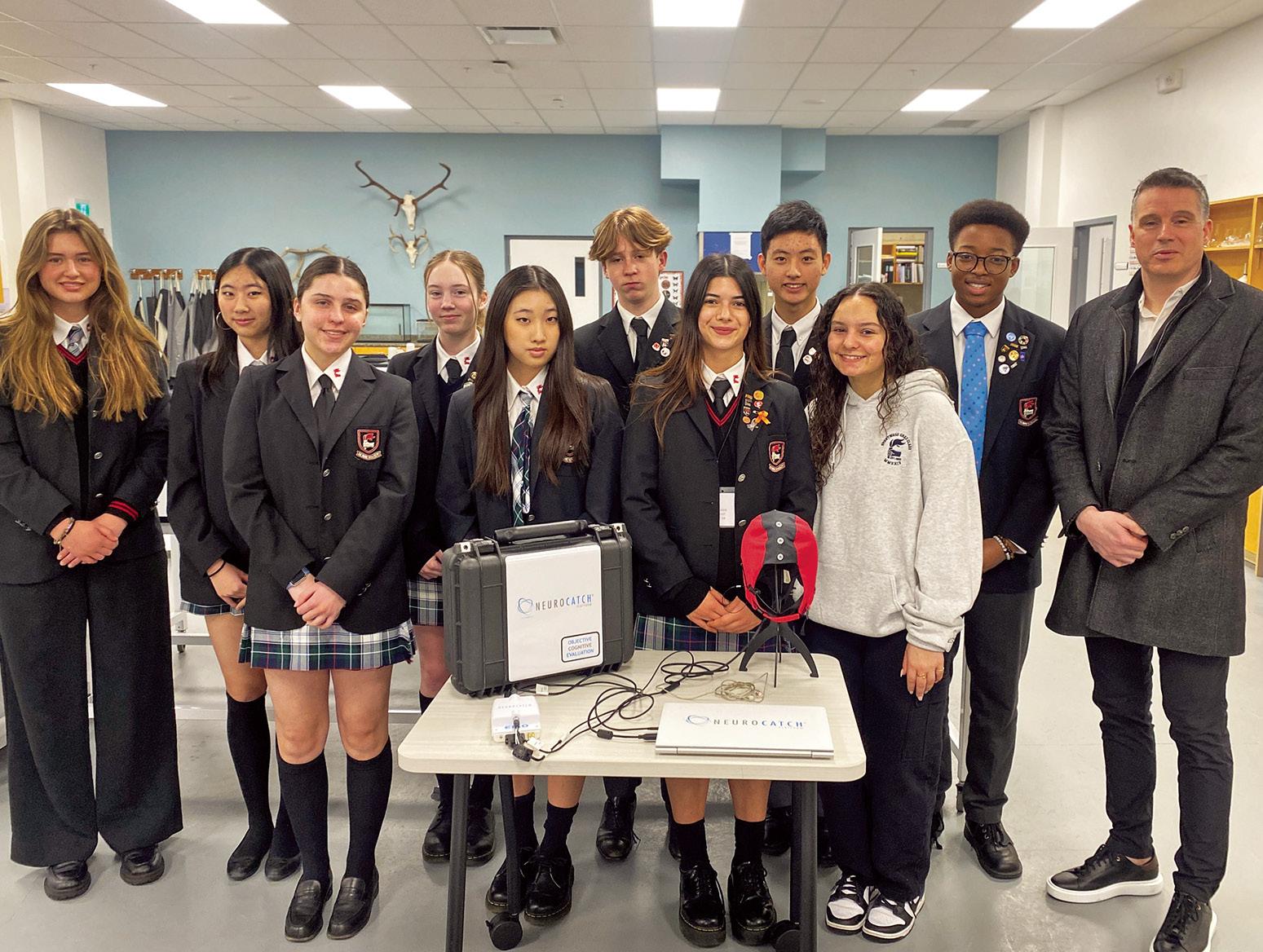
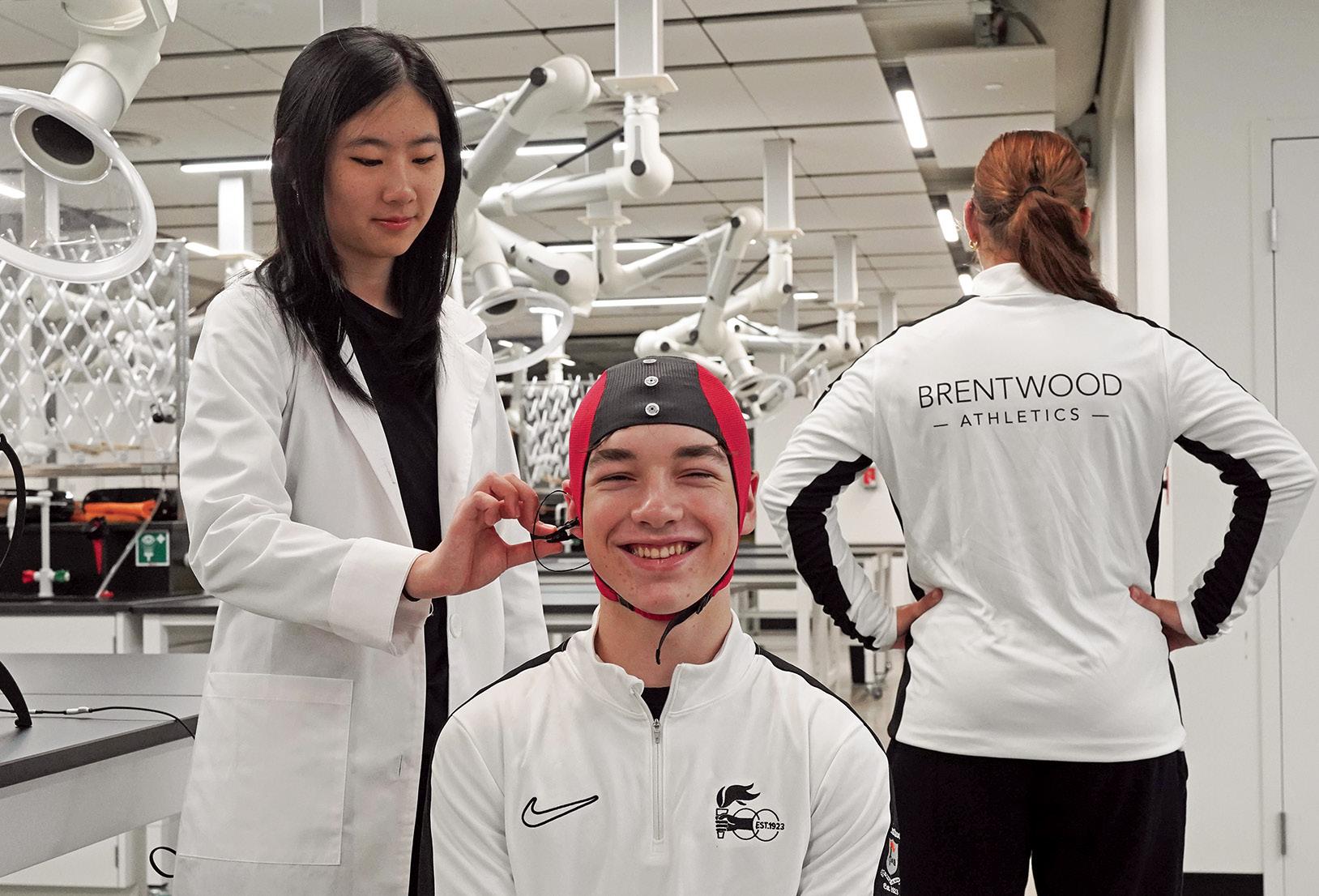
This hands-on exposure has served as a direct pipeline to world-class post-secondary institutions. This autumn, Nana Lee is moving across the Atlantic to attend University College London (UCL) to study neuroscience. In doing so, she follows in the exact footsteps of former B.R.A.I.N. team pioneer and published study co-author Derek Harrison (Rogers ’21), who also chose UCL to advance his research career. This continuity of elite academic placement highlights how Brentwood empowers young minds to envision themselves at the absolute forefront of global biomedical science.
The opportunities extend far beyond neuroscience. Inside the school’s state-of-the-art Centre for Innovation and Learning, students are coding software, mastering advanced mathematics and designing sustainable engineering models. Because Brentwood champions student choice, students are given real agency to shape their own academic journeys. Young scientists from 50+ countries around the world do not find a prescriptive track; instead, they enter an inclusive ecosystem that eliminates traditional barriers and treats their professional ambitions with immense warmth and high expectations.
For families on Vancouver Island and across Western Canada navigating the formative high school years, finding an environment that nurtures this level of independence and grit is transformative.
Brentwood operates on a rolling admissions basis, allowing prospective families to engage with the enrolment team throughout the year. For parents ready to give their children an extraordinary foundation in leadership, innovation and scientific discovery, the journey begins on the West Coast. Learn more about their admissions process at brentwood.ca.
Nana Lee (Hope ’26) adjusting the NeuroCatch EEG headset on a fellow student in the Centre for Innovation and Learning Science Superlab at Brentwood College School. Photo by Gabby Bashizi.
B.R.A.I.N. Club members (including Nana Lee—second from left) stand with NeuroCatch device and its inventor, Brentwood College School alum Dr. Ryan D’Arcy