Jul 9 –Aug 16
Jul 9 –Aug 16

parksvillebeachfest.ca








F e st i val S c h edu l e
Quality Foods Sand Sculpting Competition
Jul 9 − 12 (Thurs − Sun)
Gates Open to Public Jul 10 (Fri) 2 pm
Van-Roc Interiors Opening Weekend Concert featuring April Wine Jul 11 (Sat)
Canadian Tire Learn to Sculpt Like a Pro Jul 11 & 12 (Sat & Sun)
Canadian Tire Buskers Jul 13 − Aug 14
Quality Foods Sand Sculpting Exhibition
Jul 13 − Aug 16








Tim Hortons FREE Summer Concert Series
Jul 17, 18, 24, 25, 31, Aug 1, 14, 15 Beasts Beautiesand


Sand & Sounds Weekend hosted by Little Island Parties
Jul 25 & 26
Mid Island Co-op Beachfest ROCKS! Aug 7 − 9 (Fri − Sun)
Coastal Community Credit Union Sculpture Light Up! Aug 14 & 15 (Fri & Sat)
Quality Foods Festival of Lights Aug 15 (dusk)
Quality Foods Kids Sand Sculpting Competition Aug 16













In the quiet span between the school year’s end and the first autumn breeze, a shift occurs in the rhythm of Vancouver Island life.
The days stretch out, the Inner Harbour fills with music and parents everywhere find themselves at a crossroads. We are suddenly caught between the high-energy demands of summer adventures and a deep, instinctive need to slow down and nourish the pieces of our lives that get neglected in the winter rush.
True nourishment for a family is rarely about a single perfect meal or a flawless vacation. It is a three-fold practice of tending to the body, the mind and spirit.
To nourish the body, we often look to the land around us. On the island, that might mean “growing the rainbow” in a backyard garden or learning the patient, bubbling science of fermentation. It also means protecting our physical wellbeing—staying informed on concussion safety and finding savvy ways to keep the grocery budget in check so we can focus on the fun.
Nourishing the mind requires a different kind of labour. It’s
found in the courage to look at our families through a new lens, perhaps realizing that neurodiversity isn’t just a diagnosis for a child, but a beautiful, shared thread through generations. It’s found in giving children the tools to speak when words fail, using art to navigate anxiety or finding the right book to help them process “life’s left turns.” Sometimes, it’s even about examining the small things, like why we complain, to find a more positive path forward.
Finally, we must nourish the spirit. This is the hardest, most delicate work. It’s the “letting go” that happens at the camp gates and the profound, quiet strength required to navigate the reality of pregnancy loss. We find spirit in the simple breathtaking awe of a family bird-watching adventure or a road trip into the Rockies.
From the science of pickled vegetables to the fresh start of a healing heart, parenting is a journey of constant cultivation. When we take the time to feed our curiosity and our compassion, we don’t just survive the summer—we grow along with it.
– Stacie Gaetz
Things YOU NEED TO KNOW


Vancouver Island Regional Library Summer Programs offer free summer reading clubs for kids and teens, craft afternoons, teen hangouts and children’s activities from June to August at branches across Vancouver Island. virl.bc.ca

The Cowichan Valley Bluegrass Festival takes place June 19 to 21 at Laketown Ranch in Lake Cowichan. Families can enjoy live music, workshops, square dancing, food vendors, camping and jam sessions. cowichanbluegrass.com 1 2 4 3 5
The annual Gorge Canada Day Picnic takes place July 1 along the Gorge Waterway and features a family parade, kids’ activities, inflatable zones, canoe rides, food trucks, live entertainment and more. gorgecanadaday.ca

Sidney Days kicks off on June 30 in Sidney with live music, food trucks, community celebrations, and fireworks over the waterfront in the evening. The event leads into a full day of Canada Day festivities. sidney.ca

The Parksville Beach Festival takes place from mid-July to August and features incredible sand sculptures, kid’s events and family entertainment along the beach. parksvillebeachfest.ca

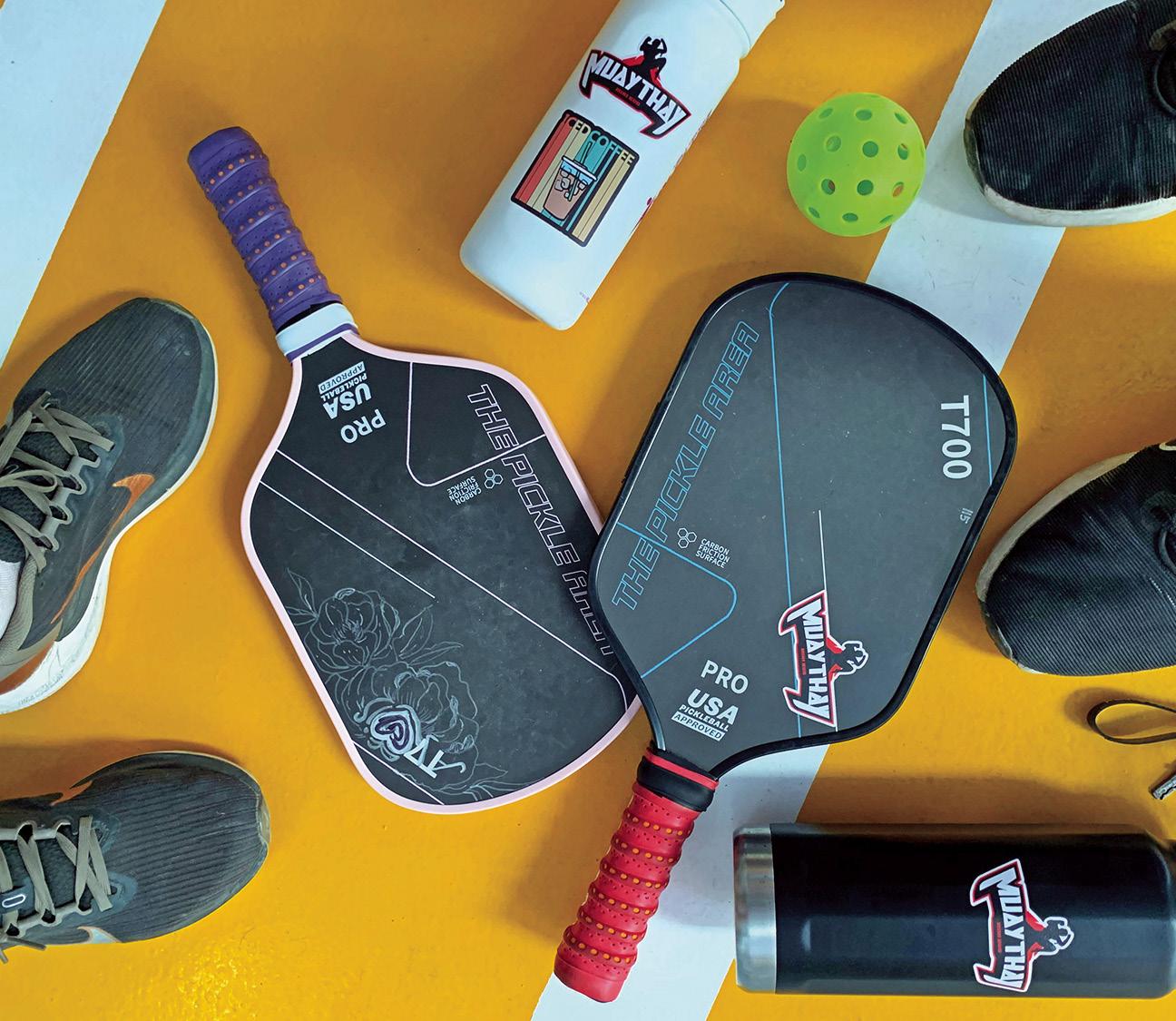
New pickleball courts have officially opened at Topaz Park, featuring 11 dedicated courts with lighting and seating. Players can book courts online or join drop-in sessions through the City of Victoria recreation website. victoria.ca/parks-recreation

The 2026 lineup highlights a diverse range of musical genres, including blues, bluegrass, folk, reggae, ska, hip hop, rap, pop and country rock. nanaimo.ca 6 7 8 9 10
1Up Victoria Single Parent Resource Centre provides support services for single-parent families through parenting programs, food support, youth programming and a variety of community events. singleparentvictoria.ca
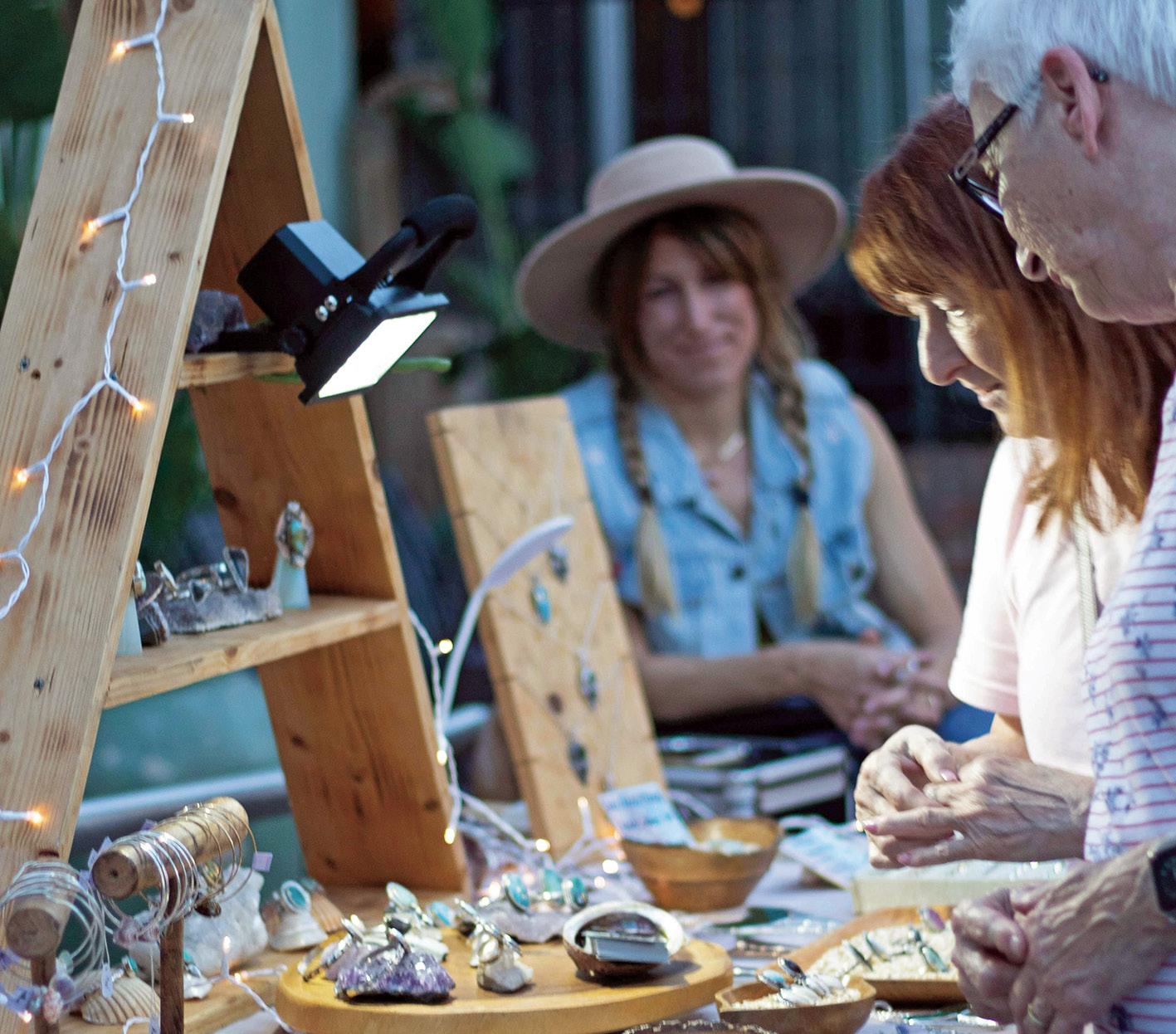
The Filberg Festival takes place July 31 to August 2 in Comox and features live music, artisan vendors, kids’ activities, food trucks and other events at Filberg Park. filbergfestival.com

Victoria Pride takes place throughout Greater Victoria in early July, with the parade and festival happening on July 12. The celebration includes community events and opportunities for local youth and families to connect. victoriapridesociety.org
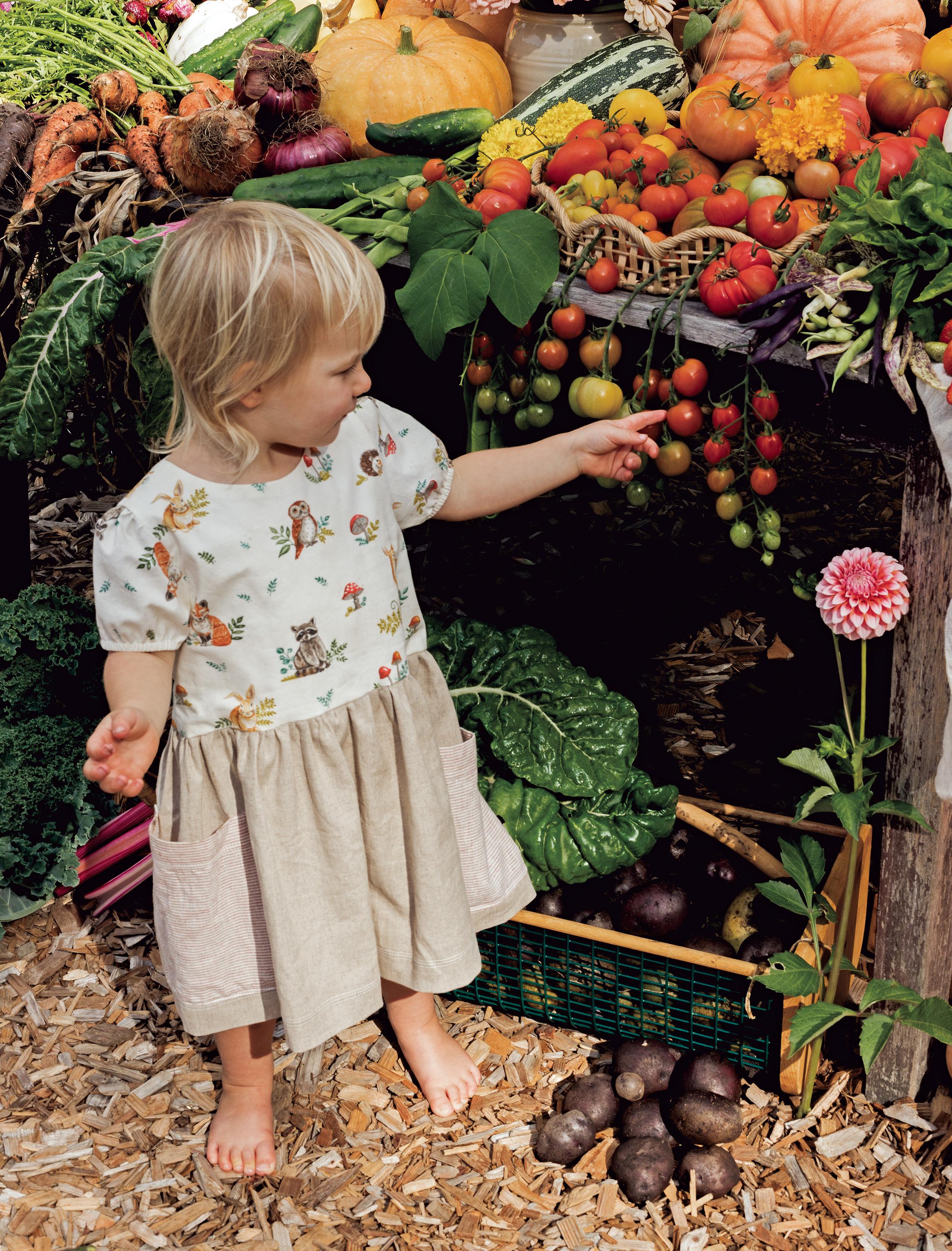
There’s something magical about watching a child pull a carrot from the soil for the very first time. Dirtcovered hands, excitement in their eyes and usually a loud “Look what I grew!” echoing through the garden.
This exact experience as a child led me back to the garden as a mother. Over the years, as I watched my own kids in the garden, when they helped grow food, they became far more curious about eating it too. My son is a great example as he has loved radishes ever since he tried one out of the garden at 10 months old. An odd thing for a child to enjoy but the experience of it made him curious. The garden becomes more
than a place to grow vegetables—it becomes a place to grow confidence, connection and healthier habits as a family.
One of my favourite ways to garden with children is by “growing the rainbow.” Filling your garden beds with colourful vegetables, fruits and herbs instantly makes gardening feel playful and exciting for little ones. Bright reds, deep purples, vibrant oranges and sunny yellows naturally pull children into the experience. And the best part? When they grow the rainbow, they usually want to eat the rainbow too.
For beginner gardeners, this is one of the easiest and most rewarding ways to start. You don’t need a massive backyard
or perfectly planned rows. A raised bed, a few containers or even a sunny corner of the yard can become a colourful little food oasis for your family.
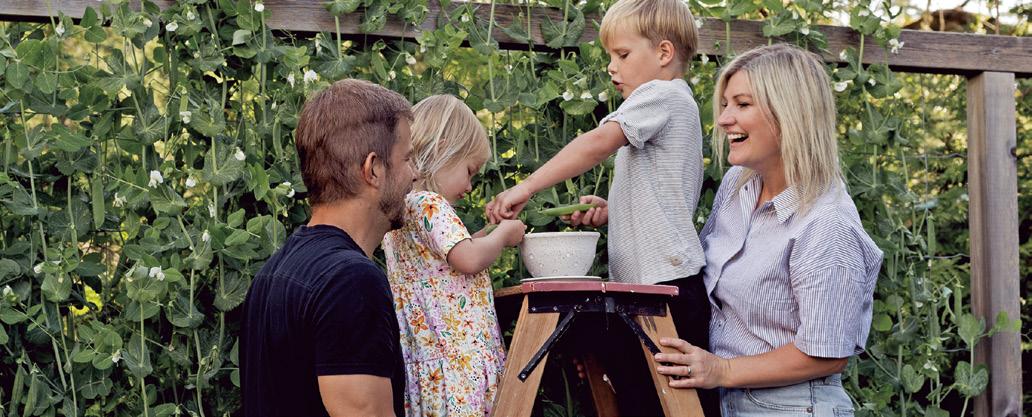
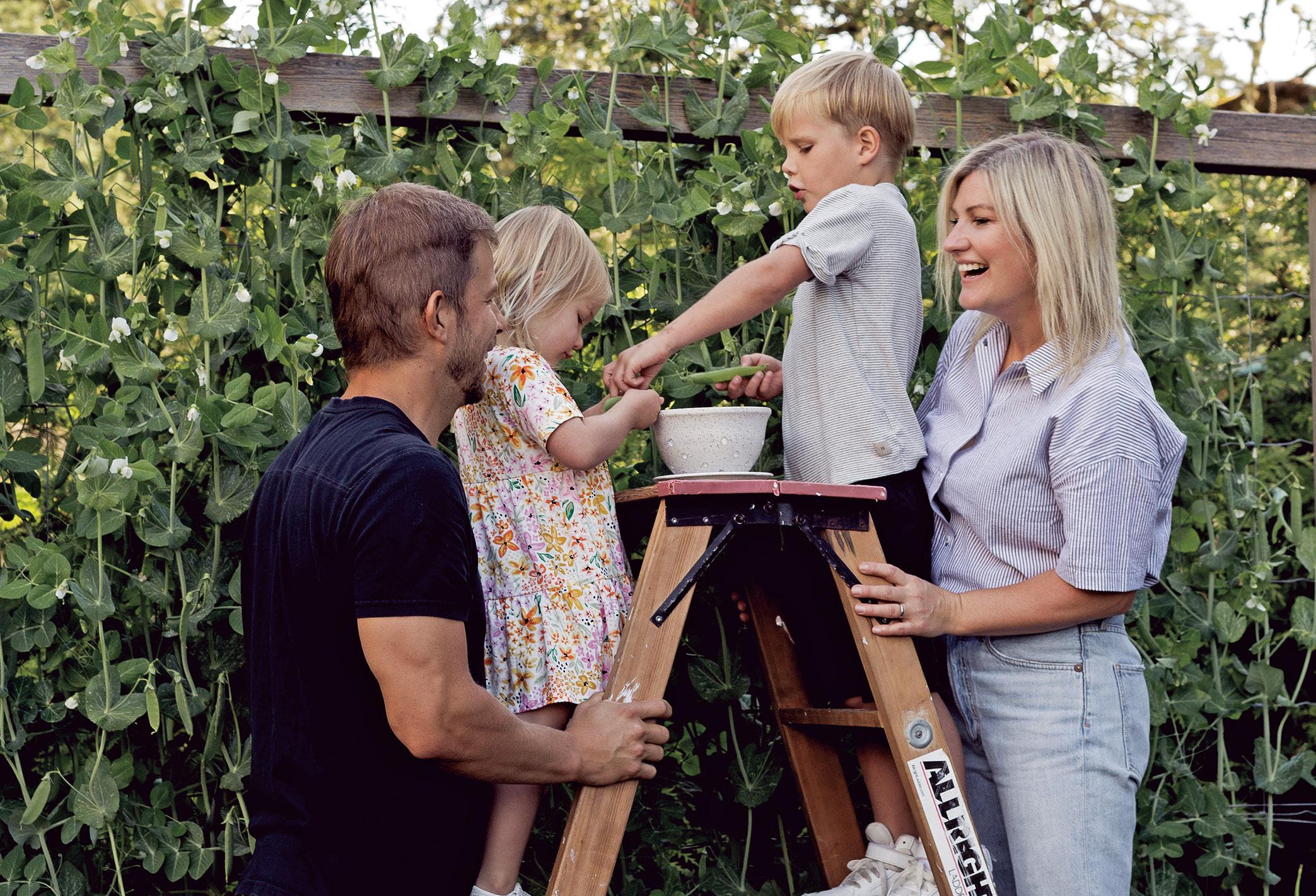
One of the easiest vegetables to grow with kids is peas. They sprout quickly, climb beautifully and little hands love picking them straight off the vine for snacking. There’s something so sweet about watching children eat peas directly from the garden. We have created a yearly tradition where we harvest peas together, shell and eat them as a family. Shelling peas are especially great for beginners because they are easy to grow and kids love opening them up to see the peas inside.
Beans are another fun crop that kids absolutely love and the perfect late spring or early summer crop. Dragon Tongue bush beans are always a favourite in my garden because they almost look painted. Their creamy yellow pods with purple streaks feel magical to children, and they’re easy to grow in raised beds or containers. Colourful pole beans can also turn a simple trellis into a living playhouse. Purple, yellow and green varieties add beautiful colour while teaching kids that vegetables don’t all look the same as they do at the grocery store.
Tomatoes are another must-grow for families, especially Sungold tomatoes. If I could recommend one plant for beginner gardeners with children, this would be it. Sungolds grow like little bursts of sunshine in the garden. Their bright orange colour, candy-like sweetness and endless harvest make them irresistible for kids. I’ve seen children who claim they “don’t like tomatoes” happily snack on Sungolds in our garden.
Carrots are pure magic underground and the fun part; you never know what you will pull up! Planting colourful carrot blends adds another layer of excitement because children never know what colour they’ll pull from the soil. Rainbow carrots are purple, yellow, white and orange, it makes harvesting feel like a treasure hunt. Plus, carrots are packed with nutrients!
And then there are the berries—perhaps the most exciting garden snack of all. Strawberries are wonderful for little gardeners because they are easy to grow and produce quickly.
Children love searching under leaves for hidden ripe berries like tiny treasures. Raspberries are another family favourite because they offer handfuls of sweet fruit for a long period of time.
What I love most about gardening with children is that the benefits reach far beyond nutrition. Gardening encourages kids to slow down, explore nature and connect with where their food comes from. It gets them outside, away from screens and involved in something meaningful. They learn patience while waiting for seeds to sprout, responsibility while watering plants and confidence when they harvest something they grew themselves.
For parents, the garden often becomes a place of calm too. A few quiet moments watering the garden after dinner or harvesting vegetables with your children can become some of the most grounding moments of the day. Gardening has a beautiful way of bringing families together while creating healthy habits naturally.
If you’re just starting out, keep it simple. Choose a few colourful crops your children are excited about and will want to eat. Focus on making the experience fun rather than perfect. Let them dig the holes, water the plants and pick the seed packets or veggie starters at the nursery. Don’t worry about straight rows or flawless gardens. Some of the best memories are made in the messy moments.
Growing the rainbow isn’t just about colourful vegetables—it’s about creating connection. Connection to nature, connection to our food and connection with one another. And somewhere between the peas climbing the trellis and the Sungold tomatoes disappearing straight off the vine, you may just discover that the garden grows something even more beautiful than food.
Tasha Medve is the founder of The Purposeful You, a sustainable home and garden lifestyle brand, and author of The Purposeful Gardener. She shares how to grow your own food, herbs, and flowers with her online community @thepurposefulyou and thepurposefulyou.com


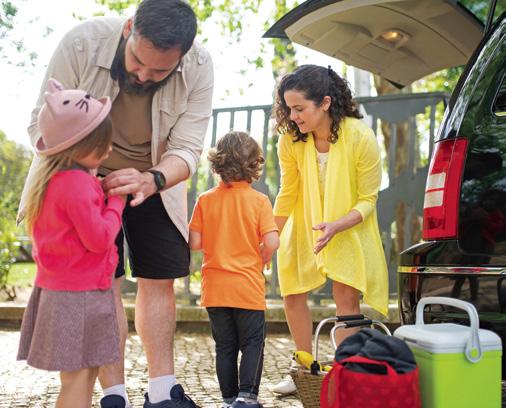
Summer is the perfect time for family road trips. The days are longer, the weather is warmer and there’s something exciting about loading up the car with snacks, swimsuits and a good playlist before heading off on an adventure. Whether it’s a day-long getaway or a longer vacation, road trips give families the chance to slow down, explore new places and make memories together along the way.
One of the best parts about living on Vancouver Island is that incredible family road trips are right outside your front door. Families can simply drive a few hours for an easy day trip or explore a little farther and turn it into a weekend adventure or longer summer vacation.
Victoria can feel like a true getaway. The Inner Harbour, Fisherman’s Wharf, Beacon Hill Park, waterfront restaurants and summer festivals create an especially fun and lively at -
mosphere during the warmer months. Families can spend the day exploring beaches, toy stores, bookstores and local markets before grabbing ice cream and walking downtown in the evening.
Check out WildPlay Element Parks, a popular chain of Canadian outdoor adventure parks featuring high-ropes obstacle courses, ziplines and gravity-based thrills nestled in natural forest settings in Maple Ridge, Nanaimo and Victoria.
Heading west to Tofino and/or Ucluelet is practically a Vancouver Island summer tradition. Many families stop at Cathedral Grove along the way to walk among towering oldgrowth trees before continuing to the coast for surfing lessons, beach bonfires, tide pooling and rainforest hikes.
The Cowichan Valley offers a slower-paced road trip filled with lakes, farm stands, bakeries and small-town charm. Families can swim at local beaches, stop for fresh fruit and ice cream or enjoy easy outdoor adventures together. Then take in the views at Malahat Skywalk.
Follow our socials and sign up for our e-newsletter for your chance to WIN a $1,000 VISA Gift Card for your summer road trip!
Powered by Pacific Toyota Dealers Contest June 16 through July 28

For wildlife lovers, Campbell River and the north island offers great fishing spots, waterfalls, hiking trails and rugged coastal scenery that feels far away from busy everyday life.
Taking the ferry to the mainland opens up even more exciting family road trip possibilities. Vancouver is always a favourite destination thanks to attractions like Stanley Park, Science World, playgrounds and incredible shopping. Consider a stop at Capilano Suspension Bridge Park. It offers a thrilling and scenic experience amidst the lush rain forest. Don’t miss a stop at beautiful Cultus Lake in Chilliwack.
Families looking for mountain scenery often head to Whistler along the stunning Sea-to-Sky Highway. Summer in Whistler means lakes, gondola rides, biking trails, festivals and beautiful hiking spots.
The sunny Okanagan Valley is another classic summer road trip destination thanks to its warm weather, beaches,
waterparks and fruit stands. It’s an easy place for families to relax while still having plenty to do.
One of the most popular family destinations is Great Wolf Lodge in Grand Mound, Washington. The massive indoor waterpark, themed hotel rooms, arcade games and kid-focused activities make it a dream getaway for many children. Visit the Hands On Children’s Museum in Olympia, Washington for more than 150 interactive indoor exhibits and a half-acre outdoor nature centre dedicated to experiential learning and play.
Many Vancouver Island families also combine that trip with time in Seattle, where kids can explore Pike Place Market, waterfront attractions, museums and the famous Space Needle.
Families wanting more outdoor adventure may also enjoy exploring Olympic National Park with its beaches, rainforests and mountain scenery.
When families have more time, a road trip through the Canadian Rockies creates unforgettable summer memories.
Banff and Jasper are packed with turquoise lakes, scenic drives, wildlife sightings and family-friendly hiking trails. Kids often love spotting elk, mountain goats and bears along the route.
Families can also stop in Drumheller to explore dinosaur museums and badlands landscapes, making the trip even more exciting for younger travellers.
For families who truly love road trips, summer can also be the perfect time to keep driving beyond Alberta and explore even more of Canada. Some families continue east into Saskatchewan and Manitoba for wide-open prairie scenery, while others plan longer adventures through Ontario and beyond.
Or head south to quirky but lovable Portland, Oregon to immerse yourself in a vibrant arts scene. And of course, just a bit further down the Pacific Coast Highway you’ll hit California where Disneyland and other attractions are a big hit with families.
No matter where your family heads this summer, the best road trips are rarely about perfect schedules or expensive plans. They’re about roadside snack stops, funny car games, discovering hidden places and spending quality time together while exploring somewhere new.
Erika Palmer is a writer living in Victoria with her husband and son. She believes most problems can be solved with a good cup of tea and a huge piece of chocolate.

Somewhere between spring break and the unusually warm days of May, I was reminded all at once to get on top of summer camps. The pressure parents feel to plan summer is undeniable and surprisingly overwhelming when you consider how many options there are, and how much time there is to fill.
How will I know they won’t be bored? How will we coordinate dropoffs and pickups? What are other families doing?
Not based on proximity. Not based on other parents’ suggestions about what their kids like. But based on our own perspective and how that has shifted over the years.
What matters most to me now is that my kids feel confident in their bodies and can follow their current passions. Of equal importance is that we’re not over-scheduling them, and that we’re leaving space for boredom and family flex time over the summer.
We’ve been burned in the past with our eldest, where we didn’t sign up until it was too late—just “winging it” definitely didn’t pan out. We’ve also signed up for random camps that weren’t of interest to him, simply because another parent had suggested them. That didn’t work well either.
I spent a lot of time procrastinating and second-guessing all the options out there, feeling the pressure to “get it right.” But eventually, I leaned in and made a decision that felt grounded and true to our family.
That shift felt more grounded and aligned for how I make decisions now—especially this year, with three kids at very different stages.
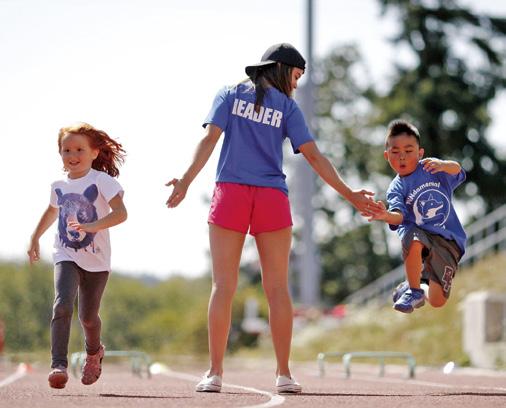
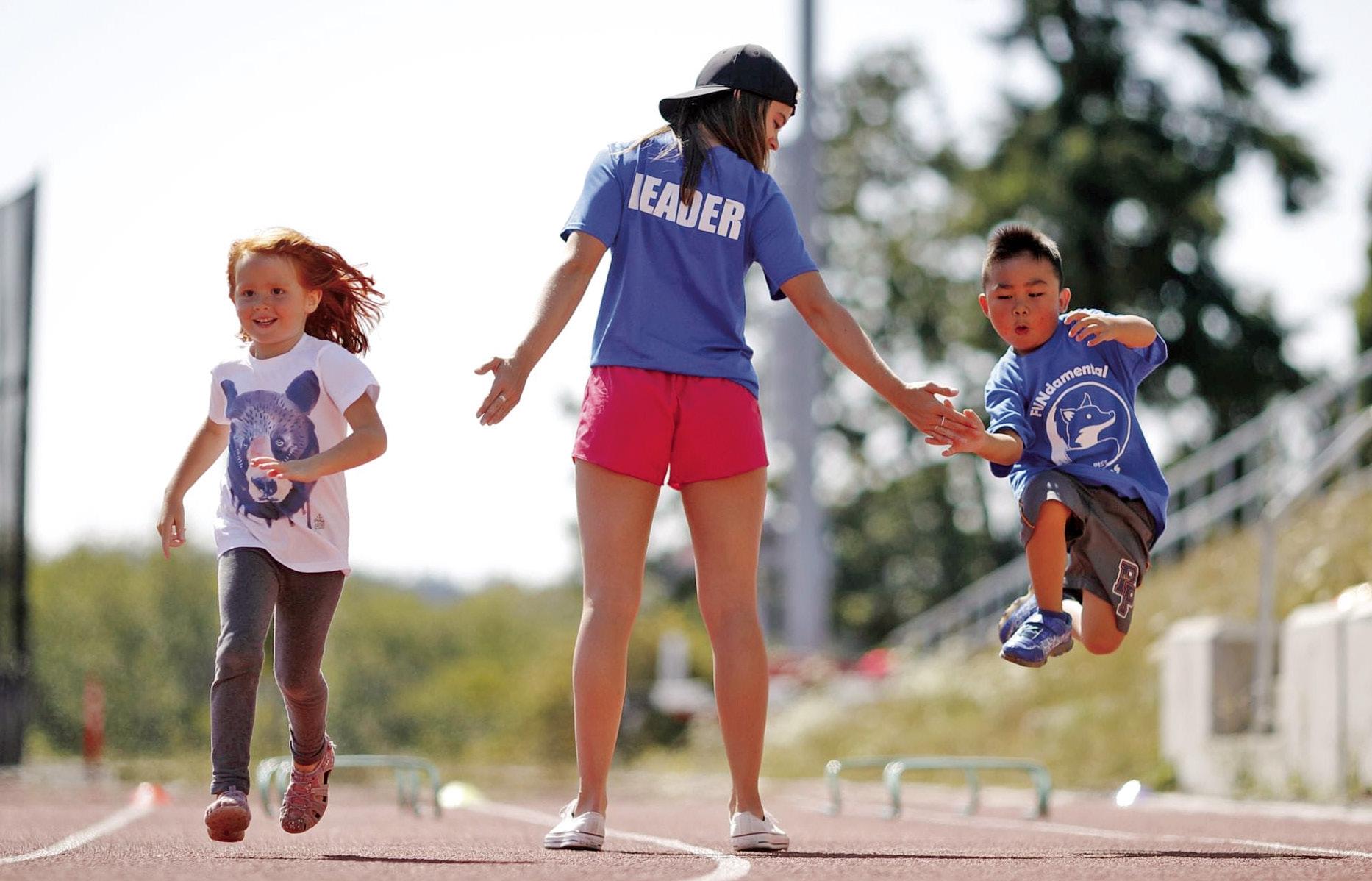
For my littles, twins who are turning six at the end of summer and still discovering their interests, I knew PISE Camosun camps would be a great fit. The leaders run full-day, indooroutdoor camps with low-pressure exposure to a wide variety of activities. From experience with my eldest, I know these camps
make movement a fun priority and although it’s a 15-minute drive from our house, it feels well worth it.
I love the idea of them experiencing a post-secondary environment, where a full-sized gym, training field and track become part of their playground. The camp feels safe and wellorganized, with strong communication and attention to detail. We’re really looking forward to seeing how the twins do—trying new activities, branching out and forming new friendships.
As for my eldest who just turned 10, he has a very specific passion this summer and that is hockey.
He plays with his regional team during the winter, and transitions straight into spring hockey with Brandon Wong development training. It felt like a natural way to build on something he already loves—focusing on skill development, confidence and showing up with intention in a sport that matters to him.
That foundation carries naturally into the summer months. After building confidence and refining his skills through spring training, he will head into Brandon Wong’s summer camp feeling more prepared, more capable and ready to keep growing.
At the same time, I’ve started to see the value in what happens off the ice. We’ve begun to look at strength and conditioning a little differently—not as something reserved for elite athletes, but as a foundational piece of long-term health.
My son has shown a natural interest in it. He’s even embraced full-hour yoga sessions recently, completely immersed in
the process. After one class, he said to me, “I feel like a different human,” and that moment stayed with me.
Programs like Empire Athletics complement sport-specific training by helping kids build strength, prevent injury and feel more confident in their bodies overall. While this type of training will be a bit of an experiment for us, I have a good feeling our son is ready for it. Based on their credibility across all ages, I have no doubt he’ll walk away feeling stronger, more capable and more resilient.
As parents, it’s easy to look at the summer calendar and feel overwhelmed—by the time to fill, the cost, the decision fatigue and the pressure to do the “right” thing.
Ultimately, I think most of us are just trying to do our best. Not to raise the “best” kids, but to raise capable, confident humans. Movement plays a powerful role in supporting both physical and mental health, and it’s okay if they try things and decide it’s not for them.
Maybe getting it “right” isn’t the goal after all. Maybe it’s simply giving our kids the space to grow into who they’re becoming and trusting that’s enough.
Natasha Mills is a twin mom of three living and raised in Victoria for over 30 years. She is a published author in the parenthood space and a full-time digital creator on social media. Find more of her content at @mommamillsblog.


For a long time, I didn’t understand the hype around summer camps.
Why anyone would voluntarily wake up two hours before their set alarm, drag themselves out of a warm bed and aggressively press buttons to secure a spot for swim camp, only to be met with the dreaded word “full,” is beyond me.
But my hesitation ran deeper than mere inconvenience.
As a Gen X latchkey kid, raised by Filipino immigrant parents, camps were never part of my childhood. Grandparents were our babysitters. Siblings and cousins were our social outlets. We even had daily chores and a solid chase from our school bullies to keep us physically active.
And that archaic mindset continued into my earlier parenting years. I saw camps as a pricey way to get kids off devices while giving parents a few sacred hours to themselves. I later realized there was so much more to it.
Like many caregivers, I found myself
trying to be everything for my family: the nurturer, activity coordinator, referee, advocate and problem solver. Without a plan in place, I even became my daughter’s homeschool teacher for several years.
There was no room to breathe.
My daughter is autistic, and like many neurodivergent children, she thrives on routine and predictability. Home has been her safe space as she worked on rebuilding her confidence and regaining the spark she lost from years of masking.
Eventually, I realized something important: my kids needed to see less of me and more of the world. And quite honestly, I needed that too. Caregiver burnout doesn’t always arrive with flashing warning lights. Sometimes it shows up quietly, doing everything yourself for too long.
Signing my kids up for camps was my first small step towards letting go. But it wasn’t quite that simple.
During the first summer camp we tried, I received multiple calls from staff most
days. It wasn’t behavioural or safety concerns as anticipated. More often, it was simply my daughter asking for access to me—her safe person.
There were times when she needed support navigating a confusing social interaction. Maybe she needed comfort after another child called her “weird.”
If I wasn’t scheduled in the studio, I worked out of my car next to her camp, with a cold coffee and laptop in hand, so I could step in when needed. I would become her human weighted blanket, providing the deep pressure hold she needs to regulate her nervous system back to calm.
Like many parents of neurodivergent children, I tirelessly advocated for her inclusion, often needing to choose battles worth fighting, but one experience changed it all for me: when I had to pull my five-year-old out of his camp against his will to rush and support my teen having a meltdown at her bike camp across the campus.

This would be that epic moment where the reactive (exhausted, defeated, overwhelmed) mama bear defends her neurodivergent cub.
Instead, we chose to walk away and never look back.
At home, she practiced biking at her own pace, free of pressure. That moment became valuable information. Camps weren’t the issue. It was about finding the right camp that would set her up for success and allow her to thrive.
Eventually, we found a camp designed for children with support needs. That’s when something beautiful happened.
For the first time, my daughter met girls in her age group whose unique, brilliant minds worked much like hers. She was surrounded by kind-hearted yet often misunderstood peers who shared similar experiences, understood her communication style, her pace and the need for a judgment-free, safe space.
One day, she came home glowing with excitement and said something I’ll never forget:
“Mommy, I met a new friend…and she’s just like me.”
In its simplicity, the sentiment was clear. After years of navigating spaces where she often felt excluded, my girl found her kindred spirit. Someone who has walked a similar path and was willing to hold her hand as they walked together.
It has been so beautiful to witness.
As for me, standing on the sidelines? While trusting the process of my kids finding their place in the world, I’ve learned a few things: The bravest parenting move isn’t pushing our kids to fit in everywhere; it’s helping them discover the spaces where they truly belong.
It’s in stepping back just enough to watch them become who they already are.
Deb Balino is a Victoria-based writer and mom of two navigating life in the sandwich generation. She’s the host of TELUS StoryHive podcast Sass & Small Talk, now in its second season, exploring the mental load of parenthood, sharing stories from the trenches of neurodivergent family life, advocacy and caregiving.




































































































































































































Let’s be honest: summer can feel long. Not long in the nostalgic, golden-hour way the Instagram posts look. Long in the way that means 11 weeks of unstructured days, kids bored by 9 am, and a complete dismantling of the routines holding your household together since September. As a Registered Clinical Counsellor and a mom of three schoolaged kids, I know this particular kind of tiredness, and I see it in the parents I work with every summer.
Think of this as your official break from self-improvement advice and instead here is your permission slip to just be where you are this summer. What follows isn’t about doing more. It’s about being supported.
Mental health isn’t just the absence of a diagnosable condition. For parents, it looks like being able to regulate your emotions when your child can’t regulate theirs. Having enough internal space to respond rather than react. Feeling, at least some of the time, like a person, not just a task master.
When parents are struggling, it may not look dramatic. It sounds like snapping at small things and then drowning in guilt. It feels like going through the motions and being physically present while mentally somewhere else. Summer amplifies all of this. The loss of routine, the relentlessness of togetherness and the pressure to make it magical all lands on your nervous system. And a chronically overwhelmed nervous system cannot do its most important job: being a calm, regulated presence for your children.
Parents (mothers especially) are remarkably good at overriding their own warning signals. We’ve been conditioned to read depletion as a character flaw rather than information. Here are some signals worth paying attention to this summer:
• You feel resentful of things that used to feel manageable
• You’re increasingly irritable, then flooded with guilt about it
• You feel lonely even surrounded by your family
• Joy feels effortful or flat
• You’re fantasizing about being anywhere alone
None of these make you a bad parent. They make you a human being who is running low.
The wellness industry would have you believe parental burnout is solved with a morning routine or a yoga class. These things aren’t bad, but they treat mental health as a solo project. What actually moves the needle, both in research and in my practice, is connection, co-regulation and permission.

Connection: We’re not meant to parent in isolation. Even one honest conversation a week where you say “this is hard” and are met with “me too” is genuinely meaningful for your mental health.
Co-regulation: Your nervous system settles in the presence of calm, safe people, just as your children do in yours. Who in your life makes you feel understood and unjudged? Spend time with them this summer.
Permission: Many parents are unconsciously waiting for someone to say it’s okay to rest, to ask for help, to not enjoy every moment. So here it is; it’s okay. You do not have to earn rest. You are allowed to have a hard summer even when your children are healthy and loved.
1. Name it to tame it. When you feel yourself escalating, try simply naming what’s happening internally: “I’m overwhelmed right now.” “I’m running on empty.” Research shows that labelling an emotional state activates the prefrontal cortex and reduces the intensity of the feeling. You don’t have to fix it. Just name it.
2. Take the five-minute exit. Telling your children “I need five minutes” and actually taking them (outside, in the bathroom, anywhere) is not abandonment. You are modelling self-awareness and emotional responsibility. This is also much better for everyone than losing your cool.
3. Lower the bar, out loud. When today is a survival day, say so to yourself and even to your kids. “Today is a slow day. We’re going to take it easy.” Children don’t need every day to

be an adventure. They need to know it’s safe to have a quiet, ordinary, unremarkable day. So do you.
There is a version of the conversation about parental mental health that treats it as something to take care of so you can be a better parent. And while that’s true, I’d like to offer something more radical: your mental health matters because you matter. You deserve to be well for your own sake.
This summer, I hope you find conversations, relationships and breaks from performing like you’re okay when you’re not. Where you can say “I’m finding this hard” and be met with real understanding. That kind of space shouldn’t be a rare luxury. For your mental health, it’s essential.
Darcy Harbour, MA, RCC is a a Registered Clinical Counsellor and the director of Harbour Family Counselling, a group practice in Victoria specializing in family, couples and individual counselling. Learn more at harbourfamilycounselling.ca











































Feeding a family is costly at the best of times and this was never more apparent than when I was laid off two years ago. It became clear that we had to make significant budget cuts. We started tracking what we spent on food in a month. As a family of five, with three teenagers, we were spending $3,000 a month on food. This included eating out, weekly food prep services and giving in to any snacks our kids wanted.
Now, we rarely eat out (not even fast food), we meal plan and prep all our own meals and we bake our own bread and snacks. Here are the services and strategies that helped us get down to $1,800 a month on groceries.
The Odd Bunch is a fruit and vegetable delivery service. They keep “imperfect” looking food out of the compost and help you save money on fruits and vegetables. For example, zucchinis that are too large or small to sell in the grocery store. We’ve been using Odd Bunch since the summer of 2025, and we’ve received everything from blackberries, oranges and apples to eggplant, onions, potatoes, garlic and squash. It’s a way to reverse meal plan by planning your meals or sides around your vegetables instead of meat. It’s $32 for a medium-sized box of mixed fruits and vegetables. It’s half the cost of what we would normally pay for these items at the grocery store.
The Flashfood app lists foods that cost less at your local grocery stores. Meat is frozen before it expires and fresh fruit is frozen. We once purchased two cups of frozen fruit for only $2! This service also reduces food waste and saves you money.
If you remove yourself from the shopping equation, you can avoid impulse spending or the temptation to purchase a few extra snacks. Some grocery stores offer a reduced price for a year of picking and delivering your groceries. If you are meal planning for the week and ensuring you check the details of your list, this service works well. However, the downside is if you enjoy shopping or think of more items you need as you are in the store, this option might not be for you.
When we want a treat, we consult the Too Good To Go App. For only $5, we have picked up some amazing baked goods boxes from Tim Hortons. We usually receive items that vary from doughnuts, cookies, bagels, muffins and croissants that would otherwise be thrown away. Royal Bay Bakery and 7-Eleven are also part of this app.
Buying locally and in season are two great money savers as well. This is where farmer’s markets are handy. We also enjoy purchasing vegetables from the local farm in our neighbourhood.
6. Eat less meat
Embrace meatless Mondays. Cook tofu, lentils or chickpeas instead. Add some umami flavourings to any dish with sauces. I have a friend who makes delicious creamy dips using Greek yogurt and fresh herbs. Another friend loves maple syrup with hot sauce and garlic.
7. Have a leftover night or two a week
A benefit of batch cooking or making a larger portion is having leftovers. Many leftovers freeze well. Chili tastes better the second day (after spices have had more time to steep). Our other favourites include shepherd’s pie and lasagna.
8. Trade meals with friends
It’s fun to exchange recipes and food with friends. I’m still enjoying my friend’s frozen Stollen French toast. Set up a meal trade night or a batch cooking evening where you exchange prepared meals that can be frozen.

Meal plan for the week
Have a family meeting and meal plan for the week. Eat favourites on repeat with taco Tuesday or soup Sunday. This is also a great time to assign your older children to cooking a meal one day per week. Commit to trying one new recipe each week or a new seasonal recipe to keep it interesting. If your children are too young to cook on their own, they can still help with preparations.
10. Soup for everyone
Soups are inexpensive to make and can be vegetarian. Find a soup your children will eat. We love potato, wonton, vegetable and butternut squash soup. Let them personalize it with their own ingredients such as hot sauce or green onions for those who like them, while others can leave that out.
Serena Beck loves to write poetry, instructions and magazine articles. She also enjoys paddle boarding on the ocean with her family.




There’s a moment many parents experience that feels strangely lonely. You can see your teenager is struggling. Maybe they’re anxious, irritable, staying in their room constantly, barely talking or suddenly falling apart over things that never used to bother them. Maybe school has become a battle. Maybe friendships are imploding. Maybe they just don’t seem happy anymore.
So eventually you bring up counselling. And the response comes fast.
“No.”
“I’m not going.”
“I don’t need therapy.”
For a lot of parents, that’s where the panic kicks in. Do you force it? Back off? Wait and hope things improve? Are you making too much of it? Not enough?
One thing that may help to know right away: Teenagers often resist counselling even when they probably need it. That part is pretty normal.
Teenagers are in an awkward in-between stage where they desperately want independence but often don’t yet have the tools to manage what they’re feeling. At the same time, they hate feeling analyzed. Or cornered. Or managed.
And despite how common counselling has become, many teens still quietly associate it with something being “wrong” with them. Some assume the counsellor will just side with their parents. Others imagine they’ll be forced to spill their deepest feelings to a stranger five minutes after walking into the office. Honestly, many adults would resist that too.
What parents sometimes misunderstand is that resistance does not mean counselling won’t help. It usually just means your teen is being ... a teenager. In fact, some of the teens who
seem the most opposed to counselling at the beginning, end up seeing the biggest benefits.
A lot comes down to the first connection. Parents are often surprised by how quickly a good counsellor can lower the temperature in the room. Not because they have magical words, but because experienced teen counsellors know not to push too hard too fast.
The first session often isn’t some dramatic emotional breakthrough. Sometimes it’s mostly casual conversation. Music. Sports. School. Gaming. Sleep habits. Stress. Whatever the teen is willing to give them.
Good counsellors understand that trust with teenagers is earned sideways. And teenagers are incredibly good at detecting adults who feel fake, overly clinical, preachy or rehearsed. But when they feel genuinely listened to, that changes things.
At Waypoint, parents will often tell us their teenager walked into the appointment angry or completely shut down, only to come out saying something like:
“She was actually okay.”
“It wasn’t as weird as I thought.”
“He didn’t lecture me.”
That may not sound huge, but for many families, that’s the beginning of movement.
One thing that matters more than parents realize is choosing the right counsellor. Not every counsellor naturally connects with teens, and that’s okay. Working with adolescents is its own skill set.
You’re looking for someone who understands resistance

without taking it personally. Someone who can sit with silence. Someone who doesn’t immediately rush to “fix” the teen.
Teens are navigating a strange mix of social pressure, academic stress, online life, isolation and constant comparison, connection matters more than ever. A strong relationship between counsellor and teen is often more important than the specific counselling approach being used.
Parents often ask us what they should say when their teen refuses to go.
Usually less is better.
Long emotional speeches rarely land the way parents hope they will. Most teens stop listening halfway through anyway. A calmer approach tends to work better. Something honest and direct:
“I can see things haven’t been easy lately, and I care too much not to try helping. We’re going to give this a shot.” Not angry. Not pleading. Just steady.
Some parents make a deal out of attending one or two sessions and reassessing afterward. Others add a small incentive afterward like a stop at a coffee shop, sushi or a trip to their favourite store. There’s no perfect script. The bigger thing is staying calm and consistent without turning it into a daily battle.
Many good parents quietly blame themselves when their teenager is struggling. But needing support does not mean you failed your child. Sometimes it means your child is growing up in a complicated world and could use another trusted adult in their corner for a while.
That’s all counselling often is at first.
Not “fixing” a teen. Not forcing them to open up. Just creating a space where they slowly stop feeling so alone inside their own head.
And sometimes that first small connection changes far more than anyone expected.
If your family is in the Greater Victoria area, Waypoint Counselling Network and the Waypoint Referral Centre regularly support teens and families navigating these exact situations. Resistance is common. The goal is never to push a teenager faster than they’re ready to go, but to help them feel safe enough to eventually take a step forward.
George Bielay is the Clinical Director of Waypoint Counselling Network and has been a clinical counsellor since 1991. George developed Waypoint Counselling Network with the goal of providing the public with professional and tailored support in being matched to the most appropriate counsellor based on their needs and experience. Learn more at waypointcounselling.ca


Looking for a free way to spend time with your family while appreciating nature?
In the birding capital of Canada, three remarkable migratory bird sanctuaries offer an easy, flexible route for families—
the oldest of its kind on Canada’s Pacific Coast. Spanning an impressive 1,841 hectares—from Portage Inlet to Ten Mile Point—it weaves through both urban and coastal landscapes.
Here, birds and people share space in

each with its own landscape, personality and birdlife. Together, they tell a bigger story about migration, habitat and why these places matter.
Canada’s oldest on the Pacific Coast
Established in 1923, this sanctuary is
a uniquely West Coast way. You might spot herons along the shoreline, seabirds riding harbour winds and waterfowl tucked into quieter inlets.
How to explore: Grab a bike map of the Capital Region and explore the area by bicycle or follow the eastern portion of the Galloping Goose Regional trail to explore on foot. Uplands Park/Cattle
Point offers incredible views of the ocean and birds, as well as access to Willows Beach, a popular family destination.
Try this: Let kids lead the way and choose your stopping points. Even a 15-minute pause can turn into a mini discovery session.
Migratory
A vital stopover on the Saanich Peninsula
Located near Sidney, this 143-hectare sanctuary is a crucial stopover for seabirds, shorebirds and waterfowl.
Depending on the season, families might see large flocks of ducks, geese or swans gliding across the water, and shorebirds feeding along the edges.
More than 40 species of marine birds are regularly seen here. Pacific Great Blue Herons, a BC listed Species at Risk, are frequently hanging around.
How to explore: The flat, waterfront paths make it easy for all ages, whether you’re walking with toddlers or just looking for a relaxed stroll. Resthaven Linear Park is an easy walk, and a great place to birdwatch.
Try this: Bring a simple checklist, with prompts such as “Can we find a bird swimming, flying and feeding?” It keeps kids engaged without needing expert knowledge.
Where ocean, lagoon and sand spit meet
In the City of Colwood, this 134-hectare sanctuary protects a dynamic mix of lagoon, shoreline and sand-spit habitats.
Here you’ll often find shorebirds along the tide line, herons and waterfowl in the lagoon and seabirds just offshore.
How to explore: Walk the Coburg Peninsula to view unique driftwood sculptures and spot herons and eagles. The lagoon is also a popular, calm spot for kayaking or paddling. There’s room to roam, explore and play—while still being surrounded by wildlife.
Try this: Turn observation into story-

telling: “Where do you think that bird is going next?” It sparks imagination along side learning.
These sanctuaries aren’t just beautiful places to visit; they’re essential links in a much larger migratory network. Birds travel thousands of kilometres each year, relying on safe, food-rich stopovers like these to rest and refuel.
Rocky Point Bird Observatory (RPBO) studies migrating birds across the region. The birds that depend on these sanctuaries are the same ones monitored through RPBO long-term banding and tracking programs. The health of these habitats directly shapes the data, insights and con servation work that follow.
You don’t need to do all three stops in one day. Pick one or stretch the adventure over a weekend.
• Share one pair of binoculars—it keeps kids taking turns and staying engaged
• Pack snacks and layers (coastal weather loves surprises)
• Focus on curiosity, not correctness
on
October 20 to 24, 2026
20 to 24, 2026
Participate in a unique professional development program at the Parliament Buildings in our provincial capital. Learn about parliamentary democracy and become champions of citizenship education. Return to your school with an enhanced understanding of British Columbia’s political system.

October 20 to 24, 2026
October 20 to 24, 2026
Participate in a unique professional development program at the Parliament Buildings in our provincial capital. Learn about parliamentary democracy and become champions of citizenship education. Return to your school with an enhanced understanding of British Columbia’s political system.
Deadline to Apply July 31, 2026
Participate in a unique professional development program at the Parliament Buildings in our provincial capital.
Meet with Presiding O cers, MLAs, senior public o cials and have a behind-the-scenes tour of your Parliament Buildings. Collaborate and share with your colleagues from across the province!
APPLY ONLINE:
Participate in a unique professional development program
Learn about parliamentary democracy and become champions of citizenship education. Return to your school with an enhanced understanding of British Columbia’s political system.
Meet with Presiding Officers, MLAs, senior public officials and have a behind-the-scenes tour of your Parliament Buildings. Collaborate and share with your colleagues from across the province!
Participate in a unique professional development program at the Parliament Buildings in our provincial capital. Learn about parliamentary democracy and become champions of citizenship education. Return to your school with an enhanced understanding of British Columbia’s political system.


www.leg.bc.ca
PEO@leg.bc.ca
Meet with Presiding O cers, MLAs, senior public o cials and have a behind-the-scenes tour of your Parliament Buildings. Collaborate and share with your colleagues from across the province!
Meet with Presiding O cers, MLAs, senior public o cials and have a behind-the-scenes tour of your Parliament Buildings. Collaborate and share with your colleagues from across the province!
We acknowledge and respect the Lekwungen-speaking peoples, known today as the Songhees and Esquimalt Nations, on whose traditional territories the Legislative Assembly stands.
Buildings. Collaborate and share with your colleagues from across the province!
www.leg.bc.ca
PEO@leg.bc.ca
www.leg.bc.ca
PEO@leg.bc.ca
www.leg.bc.ca PEO@leg.bc.ca
A bird-watching road trip isn’t about checking off a list—it’s about noticing. Slowing down. Asking questions. Letting kids discover that nature isn’t somewhere far away—it’s right here, moving, feeding and flying all around them.
And sometimes, all it takes is a short drive, a stretch of shoreline and the simple question: “What do you see?”
Rocky Point Bird Observatory is a charitable organization based on Vancouver Island, dedicated to bird research, conservation and education. Through monitoring, community programs and family-friendly events, RPBO helps people of all ages connect with and protect birds.

LegislativeAssemblyBC BCLegislature BCLegislature



Deadline to Apply July 31, 2026
Deadline to Apply July 31, 2026 APPLY ONLINE:
Deadline to Apply July 31, 2026

We acknowledge and respect the Lekwungen-speaking peoples, known today as the Songhees and Esquimalt Nations, on whose traditional territories the Legislative Assembly stands.
We acknowledge and respect the Lekwungen-speaking peoples, known today as the Songhees and Esquimalt Nations, on whose traditional territories the Legislative Assembly stands. LegislativeAssemblyBC BCLegislature BCLegislature
We acknowledge and respect the Lekwungen-speaking peoples, known today as the Songhees and Esquimalt Nations, on whose traditional territories the Legislative Assembly stands.
LegislativeAssemblyBC BCLegislature
“A hundred years from now it will not matter what my bank account was, the sort of house I lived in, or the kind of car I drove...but the world may be different because I was important in the life of a child.” – Forest E. Witcraft, teacher, scholar
LegislativeAssemblyBC BCLegislature BCLegislature
At Little Ears, Registered Audiologist Dr. MacAskill is the only Audiologist in Canada who is Board Certified in Pediatric Audiology. Little Ears provides care for Children (and adults) from 8 months onwards.
• Child centred hearing assessments
• Evidence‑based recommendations you can trust
• Clear, supportive communication for parents and educators
• Kid‑approved spaces and playful touches that make appointments feel easy
• Locally owned and operated
Whether you’re seeking answers, ongoing support, or a second opinion, Little Ears provides expert audiol ogy care that meets children where they are — with patience, empathy, and a smile.





Many of us have fond memories of summer: going to the beach with friends, playing in parks, riding around town, getting ice cream, and finding a quiet place to read. But summer can also come with a lot of changes. The weather might not cooperate for a picnic or beach day. Someone might get sick or injured. It isn’t always easy to adapt to swiftly changing plans. Hopefully, these books will help your children learn the skills they need to adapt to their situation and give voice to their struggles.
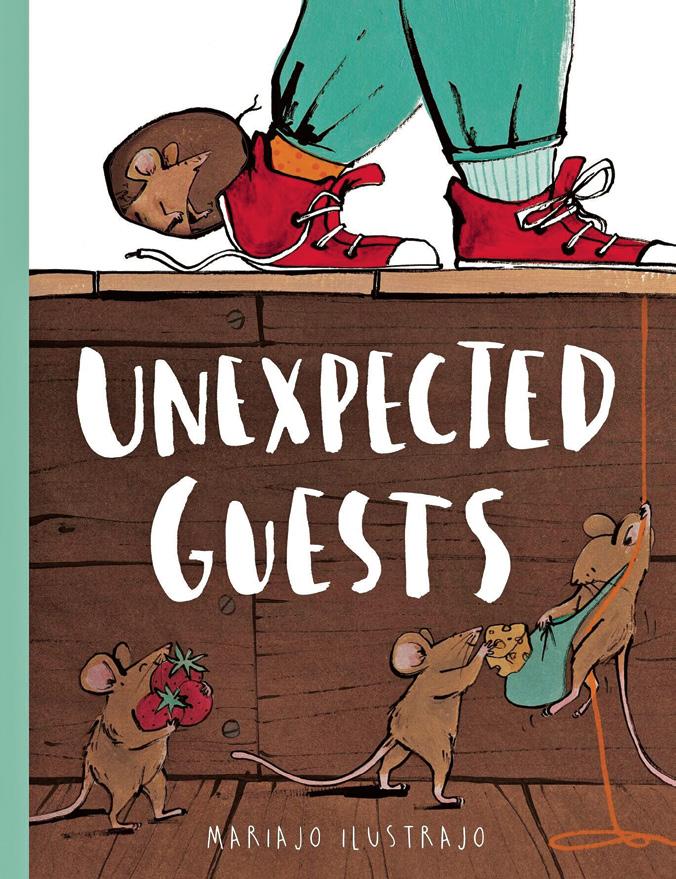
Written by Marijo Ilustrajo
Ages 4 to 7
If your children struggle with changes to their routine, they might enjoy this book about a mouse family that finds their home changing when a human family moves in. The adorably illustrated tale is a cute reminder that not all changes are bad, even if they seem terrifying at first. It also reminds us that we shouldn’t judge others based on their appearances and encourages us to find ways to live with people (or animals) who don’t look like us.

Written by Hannah Wilson and illustrated by Samara Hardy
Ages 5 to 8
When our kids are worried, it can be difficult for them to explain what’s wrong. This book is filled with scenarios that your child might encounter like being scared to sleep alone or sitting next to a stranger. After describing the situation, Wilson walks your child through a series of questions to help them identify exactly what bothers them and then encourages them to talk to you.
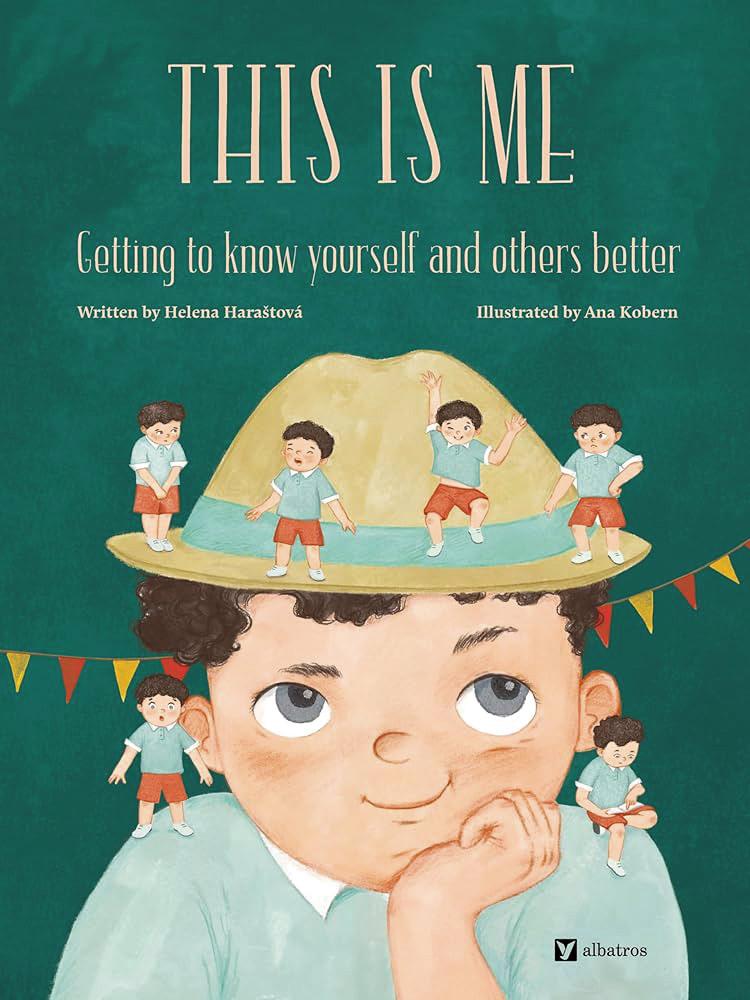
Written by Helena Haraštová and illustrated by Ana Kobern
Ages 6 to 9
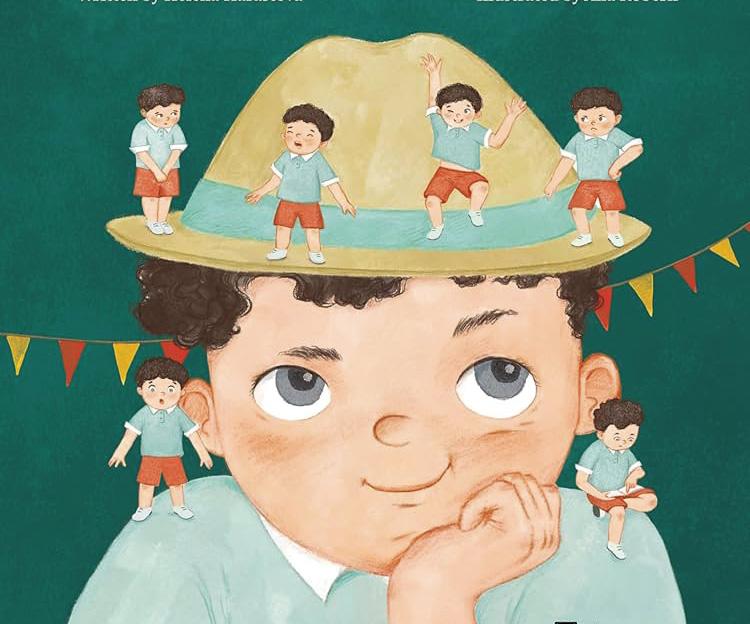
This book introduces children to a spectrum of different traits that many kids share like being shy or thoughtful, unruly or energetic, and argumentative or good at hard discussions. Haraštová then explains in an easy-to-grasp way what the difference is and why the same activity is sometimes labelled as talkative and at other times communicative.

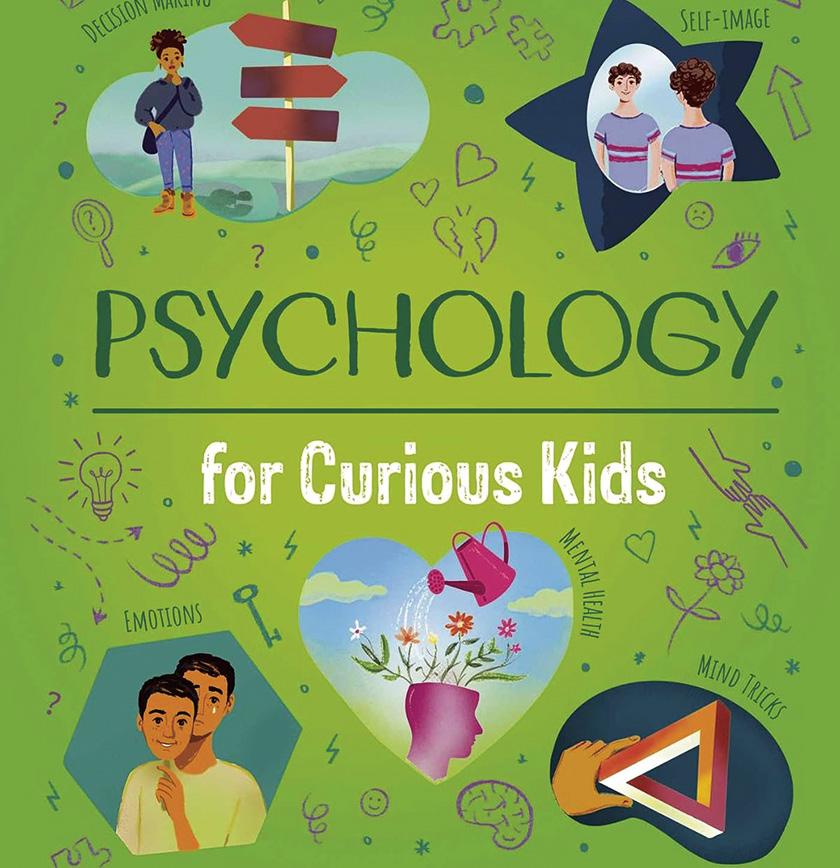
Written by Anna Claybourne and illustrated by Nik Neves
Ages 8 to 12
If your child is a bit older, they may enjoy this book that goes into the science behind why and how our brains work the way they do. It also explains how they change as we age, and how our minds can be influenced by those around us. Each page is filled with bright and engaging pictures to help keep your child’s interest.

Written by Moniza Hossain and illustrated by Mercè López
Ages 4 to 7
The main struggle of this book is that Ritu loves the sun, but her Nani always tells her to get out of it. While that might sound like a simple plot, this beautiful book is much deeper. It’s about self-acceptance (for both Rihu and Nani), the joy of intergenerational living and healing.


Fermentation is the ultimate form of slow cooking. In our high-speed culture, it’s hard to devote our energy and attention to something that can take days to complete. Yet fermented foods are popular for a variety of reasons.
• Great taste: Soy sauce, miso, vinegar and cheese are all fermented and packed with flavour. A forkful of fermented vegetables is a delicious addition to potatoes, salads, noodle bowls and more.
• Food preservation: Before there was refrigeration, fermenting was a way to preserve food. It’s still a low cost, energy-free way to preserve seasonal vegetables.
• Probiotics: Wanting to improve gut-health is the most popular reason for eating fermented foods. However, probiotic bacteria cover all surfaces of our body and support our health and wellness in many ways. For example, they help us digest food, protect our skin from the sun damage and support our immune system to fight off pathogens.
Vegetables are the easiest thing to ferment. They naturally have lactic bacteria on their skin, so all that you need to do to ferment vegetables is add a salt-water brine and leave them out on the counter!
You can ferment vegetables in any glass container, with a weight to keep them submerged below the brine (usually a smaller jar). However, there is always the risk of contamination from free-range molds and bacteria. If you are concerned about spoilage, use a fido-style jar or an airlock instead.
Sanitize before fermenting. I do this by pouring boiling water into my jars and over my tools and leaving them to soak for five minutes.
Vegetables like to ferment at about 18°C, so stick the jar somewhere cool and dark. A kitchen cupboard is fine. It’s also fine if your house is warmer than 18°C, just don’t store them near a heater.
Ferments usually bubble vigorously for the first four days, and the CO2 might cause them to bubble over, so leave two centimetres of headroom at the top of your jar and place the jar on a dish to catch any overflow.
Keep the jar covered (but not tightly unless you’re using a fido or airlock) to prevent bugs from getting in. A cloth or a loosely tightened lid both work. Just don’t use a tight lid or the buildup of CO2 could cause the jar to burst.
If you see mould growing on top of your jar or if the vegetables smell bad, then throw them away. Ferments should smell and taste good.
Fermented snacking vegetables are something I always have bubbling away in my kitchen. I love packing them into school lunches, and my kids love salty vegetables. (Warning: Fermented cauliflower is a bit stinky for school).
This is such an easy recipe that even young children should be able to do most of the steps themselves.
Ingredients:
Enough vegetables to fill one jar: carrots, beets, radishes, kohlrabi, green beans or sweet peas
1 cup of water, more as needed
1 Tbsp of pickling salt
1 clove of garlic (optional, for flavour)
Instructions:
Slice the vegetables into sticks and pack into a jar.
Sprinkle in the salt, then cover with the filtered water. Ferment for two to three days. The vegetables will have developed a nice flavour; however, they will still be crisp. Store in the refrigerator and enjoy.
The brine can be reused for up to three batches of vegetables. Once you’ve eaten the vegetables, pack more into the jar and let them sit out for 24 hours on the counter. They will ferment more quickly than the first time.
Emillie Parrish loves having adventures with her two busy children. You can find more of her recipes in her cookbook Fermenting Made Simple. fermentingforfoodies.com













My experience with my kids’ neurodiversity began when my daughter was under two. I was a young mom, with no vocabulary for neurodiversity and only a vague idea of what ADHD was. I was working hard on keeping the kids clean and fed, with little else on my mind. However, the neurodiversity cues kept hitting me over the head.
My young daughter was very vocal and would sing and talk to herself non-stop. She was always making music, either real or pretend. She was quite a ferocious tour de force when it came to will power.
My first cue about her sensitive nature came when she stopped singing. She changed from her normal buoyant self to gloomy, silent and would only hit my leg to communicate. I realized that what she ate was directly affecting how she acted. I decided to listen to this natural feedback, and we began our first restrictive diet. Being a family of two parents, two grandparents and two children, it was relatively easy to limit what she ate as a toddler. She began to sing again, and I trusted that small parenting triumph.
Once they began school, there were so many more cues. I started to have long parent-teacher meetings and was encouraged to take both my kids to doctors. At first, I thought by keeping my kids home, limiting their diets, raising them without screens and focusing on holistic healing modalities would be how we navigate what was becoming, for me, a neurodiversity obstacle course.
Looking back now, I could have been forearmed by a little basic genetic understanding. As I watched my kids navigate life, and as I surrounded myself with other families with neurodiverse kids, I began to learn that my whole family was neurodiverse. My mom, my siblings, my husband and his family. We had created two expressions of neurodiversity that were completely unique in their own experience, but they were a product of us. If I could have had each family member fill out a survey, I might have known a little more about what my children’s needs might look like before they came.
Recognizing the cues became a kind of Dr. Mom routine. I would analyze and then dissect each incident, each diagnosis and every report card. I started to feel hopeless. I felt like I had

let them down, not having them diagnosed fast enough, or not being wealthy enough to put them into the best remedial programs. I started to feel separated from them, as if raising them was too hard and I was not smart enough or patient enough or “enough” enough. I remember this as being a dark time for us all, as a family.
Taking advantage of some of the free community counselling helped us. I had a chance to speak to a kind therapist who worked with all kinds of children. He gave me some muchneeded encouragement. I took a pause on the self-judgement and did some reflection. We had come so far as a family. I was no longer able to shield them from all negative influences. How could I help them navigate the world, when the world was what seemed so overwhelming?
I remembered the basics. The food they consumed. The media content at home. The expectations of homework. The words we surrounded them with. Everything was important. I changed my attitude away from diagnoses and remediation to acceptance and curiosity. I asked my kids how the words on the page looked to them. I asked them what they heard when the




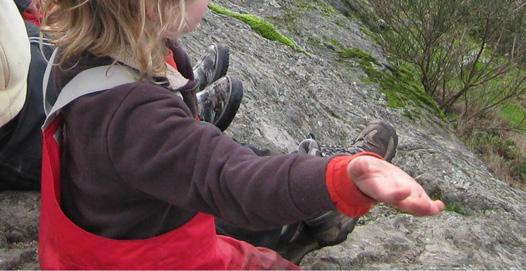







teacher spoke. I asked them if the tutoring was helping. I challenged the doctors’ assessments.
Looking for the cues myself, I could see that there were some responses that I could control. Downtime. Rest. Play. Joy. These were still in my control, and something I could easily and freely offer my kids. The world is overwhelming. There is no way around that. How we approach it can be uniquely tailored to each child. We focused on horses and skateboarding. I stopped reading the report cards. I had frank conversations with my kids’ principals. We responded to the cues.
Neurodiversity is exactly what it says. It is as diverse as the sky is wide. Finding your family’s way through can be a huge gift. Let love lead, and everyone can benefit.
Rachel Bevington is a member of the Lower Nicola band who lives and works on Salt Spring Island as a restoration biologist and mom. When not working or playing outside, she likes to be knitting and weaving in her studio in the forest.


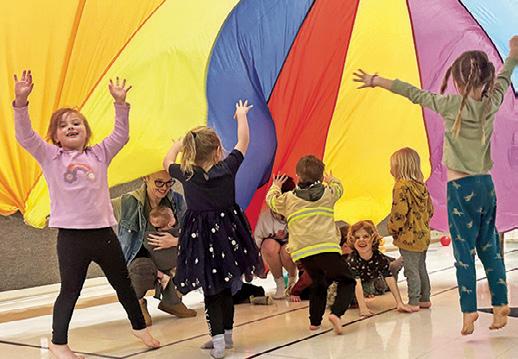
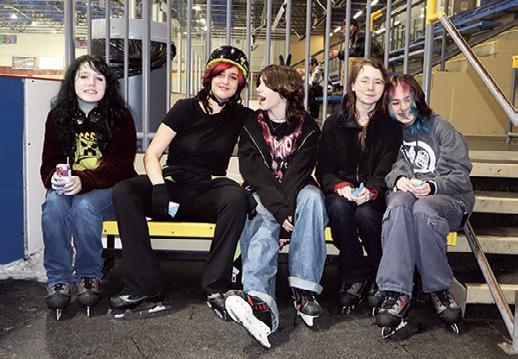
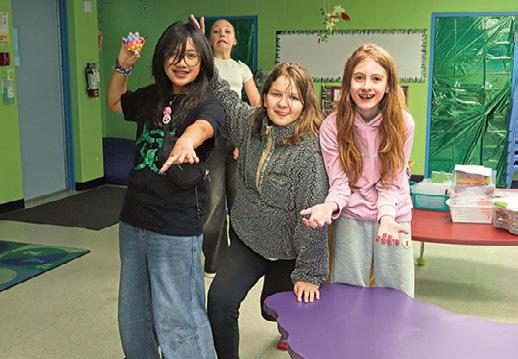


















Anxiety in children doesn’t always look like worry. A child who suddenly refuses to go to school. A stomachache that appears every morning. Tears that come without a clear reason.
For many parents, these moments can feel confusing, even overwhelming. Is it just a phase? Is something wrong? In many cases, these are not simply “behaviours,” but quiet signs of anxiety, feelings that children often don’t have the words to explain.
Unlike adults, children don’t always say, “I feel anxious.” Instead, their emotions show up in their bodies, their actions and their everyday routines. What they cannot express in words often stays inside them, quiet, heavy and unseen.
And this is where art can gently open a door, giving children a safe and natural way to express what they cannot say.
Childhood anxiety doesn’t always look the way we expect. It isn’t always loud or obvious. Sometimes, it shows up quietly, through physical discomfort, emotional reactions or changes in behaviour.
Anxiety in children can show up as stomachaches or headaches, especially before school or new situations. They might become clingier, avoid certain places or activities or have trouble sleeping. Some children may cry easily, while others may become unusually quiet or withdrawn.
It’s important to remember that these behaviours are not signs of defiance. Often, they are the child’s way of communicating something they don’t yet have the language to express.
Children don’t always have the words to describe what they feel. Their emotional world can be complex, yet their language is still developing. Because of this, feelings like anxiety, fear or overwhelm often remain unspoken.
Instead of talking about their emotions, children tend to express them through their bodies and behaviours. A child may become restless, withdrawn or easily upset, not because they want to, but because something inside feels too big to manage. At times, even when we gently ask, “What’s wrong?” They
may simply say, “I don’t know.” And that answer is often honest. It’s not that they don’t want to share, it’s that they truly don’t yet know how.
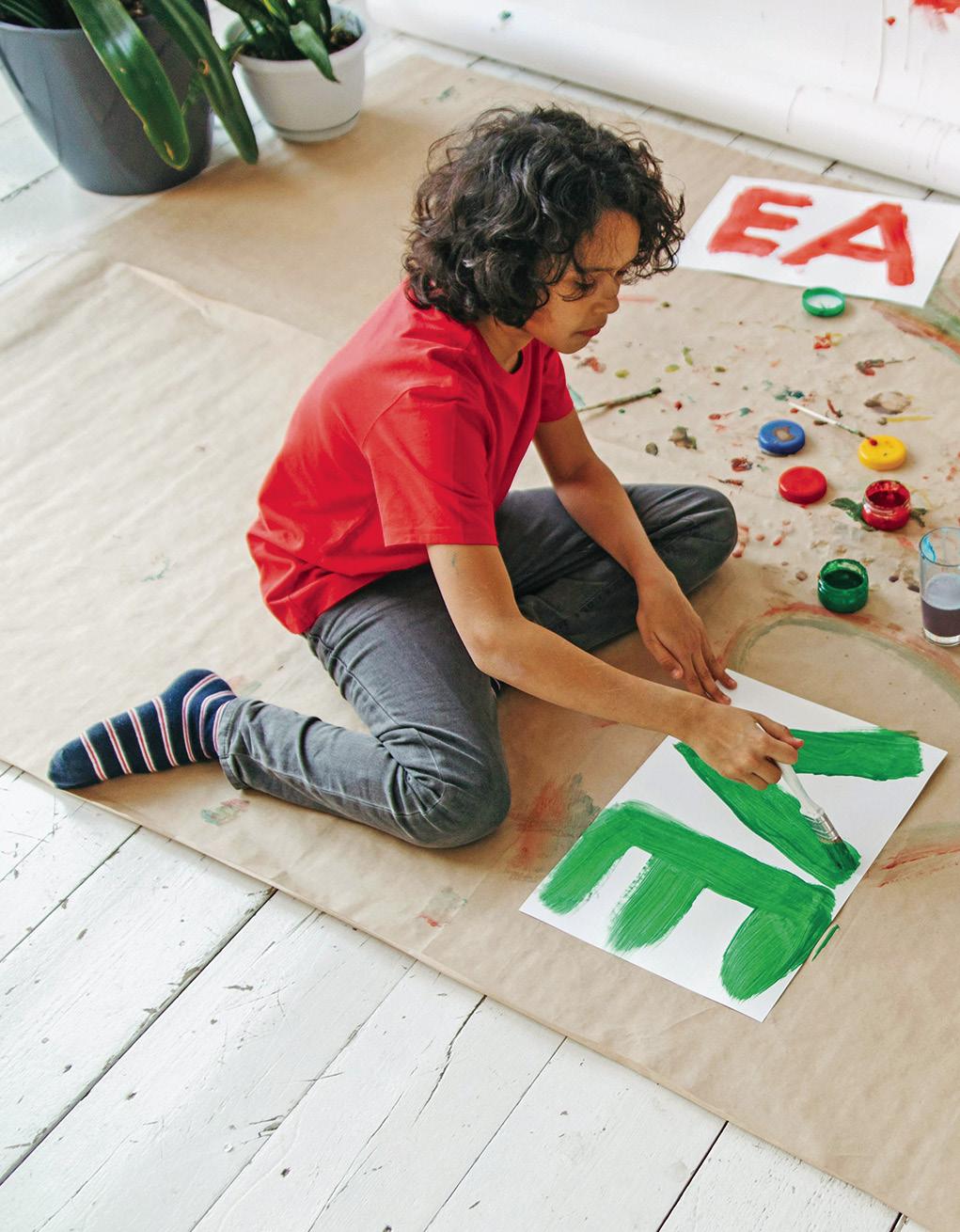
Children don’t always have the words, but they do have images, colours and creative ways to express what they feel inside. Sometimes, art becomes their language, their way of being seen and understood.
Art can offer children a gentle and safe space to express what they feel inside. It creates an environment where there is no pressure to explain, no right or wrong answers, just an opportunity to explore.
This space doesn’t have to be complicated. Even at home, simple moments of creativity can become meaningful opportunities for connection. Offering a child paper, markers or clay and allowing them to create freely can open a quiet door to their inner world.
Children often communicate through how they create. The colours they choose, the pressure of their lines and the movements of their hands can all reflect emotions that may be difficult to put into words.
The most important part is not the final drawing, but the process itself; the moment where children feel safe enough to express what’s inside.
Over time, these small creative moments can help children move from expressing their feelings to understanding and naming them.

Sometimes worries can stay in a child’s mind and feel overwhelming. This simple activity helps children gently “place” their worries somewhere safe.
You can create a simple “worry box” together using any box you have at home. Let your child decorate it in their own way using colours, stickers or drawings.
Then, invite your child to draw or write their worries on small pieces of paper and place them inside the box.
You might gently say: “Let’s put this worry in the box for now. We can come back to it later.”
Over time, this can help children feel that their worries don’t have to stay in their head all the time. You can also return to the box together later and gently talk about what feels easier or different.
In these small moments, children begin to feel seen, understood and less alone.
“Sometimes, putting a worry in a box can make it feel a little lighter to carry.”
Elham Khezri is an art therapist based in Victoria, working with children and families. She is passionate about helping children express their emotions through creativity and connection. She believes that even the simplest moments of art can open the deepest conversations.


In March of 2022, during spring break, and at a time when travel still carried a layer of uncertainty, my husband, our son and I set out on a road trip from Victoria to Toronto and back.
Like many family trips, it began with logistics: packing, planning, mapping out our route and booking hotels along the way. There was a rhythm to it: places to stop; nights already planned; a general direction guiding us forward.
Unexpectedly, what unfolded was something far richer than simply getting from one place to another. What we did not fully anticipate was how much the journey itself would strengthen our relationship as a family through shared hours, unexpected detours and moments of awe and wonder. As we travelled across provinces, something shifted in how we experienced it together.
The majestic Rocky Mountains rose around us as we moved through British Columbia and Alberta. The endless skies of Saskatchewan stretched in every direction, painted with soft sunrises and glowing sunsets. There is something about being in the presence of vast landscapes that resets something inside you. The noise of everyday life falls away. You breathe differently and slow down. They become shared experiences, moments we witnessed side by side, each of us taking them in a little differently, yet together.
One moment stayed with me. As we approached Lake Superior, I wondered aloud if the lake might be frozen. I knew how cold it could be in that part of the country. My husband was not quite sure. Our son laughed at the idea. To him, the lake was simply too big to freeze. Then, we saw it. It was frozen solid as far as the
eye could see. Along the shoreline, blocks of ice had formed, scattered like something sculpted by nature itself. The look on his face said everything, a mixture of surprise, disbelief and a quiet sense of discovery. It wasn’t just that the lake was frozen; it was the realization that something he thought was impossible had happened.
That moment when assumption meets reality is one of the most powerful learning experiences travel can offer our children. It teaches them to stay curious and keep an open mind. Moments like this stay with you, because you experienced them together.
There is a line I have carried with me for years from the film, Under the Tuscan Sun, which is usually attributed to Federico Fellini: “You have to live spherically in many directions. Never lose your
childish enthusiasm and things will come your way.”
Looking back, that is exactly what this journey felt like, an experience that unfolded in many directions through landscapes, conversations and shared moments that deepened our connection along the way. Living spherically sometimes means being willing to change course.
On our way back to Victoria, a detour brought us to Lake Louise. It was unplanned, spontaneous and entirely worth it. Light, fluffy snowflakes fell gently around us as we arrived. Families were out on the frozen lake, playing, laughing, building snowmen in the middle of something that, in another season, would be water. We had not planned to be there. We simply said yes to a different direction and that willingness to pivot, explore and follow curiosity rather than only the itinerary is one of the greatest gifts we can share as a family.
It shows our children that the unplanned moments are often the most memorable. In that moment, surrounded by snow and laughter, I was reminded of something we often forget: time in nature, shared with the people we love, has a profound impact on our well-being. When we travel like this, we are doing more than exploring new places; we are creating shared experiences, and in doing so, we create stories we talk about, laugh about and return to repeatedly.
Over time, they become part of who we are as a family, because we experienced them together in their simplest and most joyful form: getting outside, staying curious, saying yes to detours and growing through what we discover along the way.

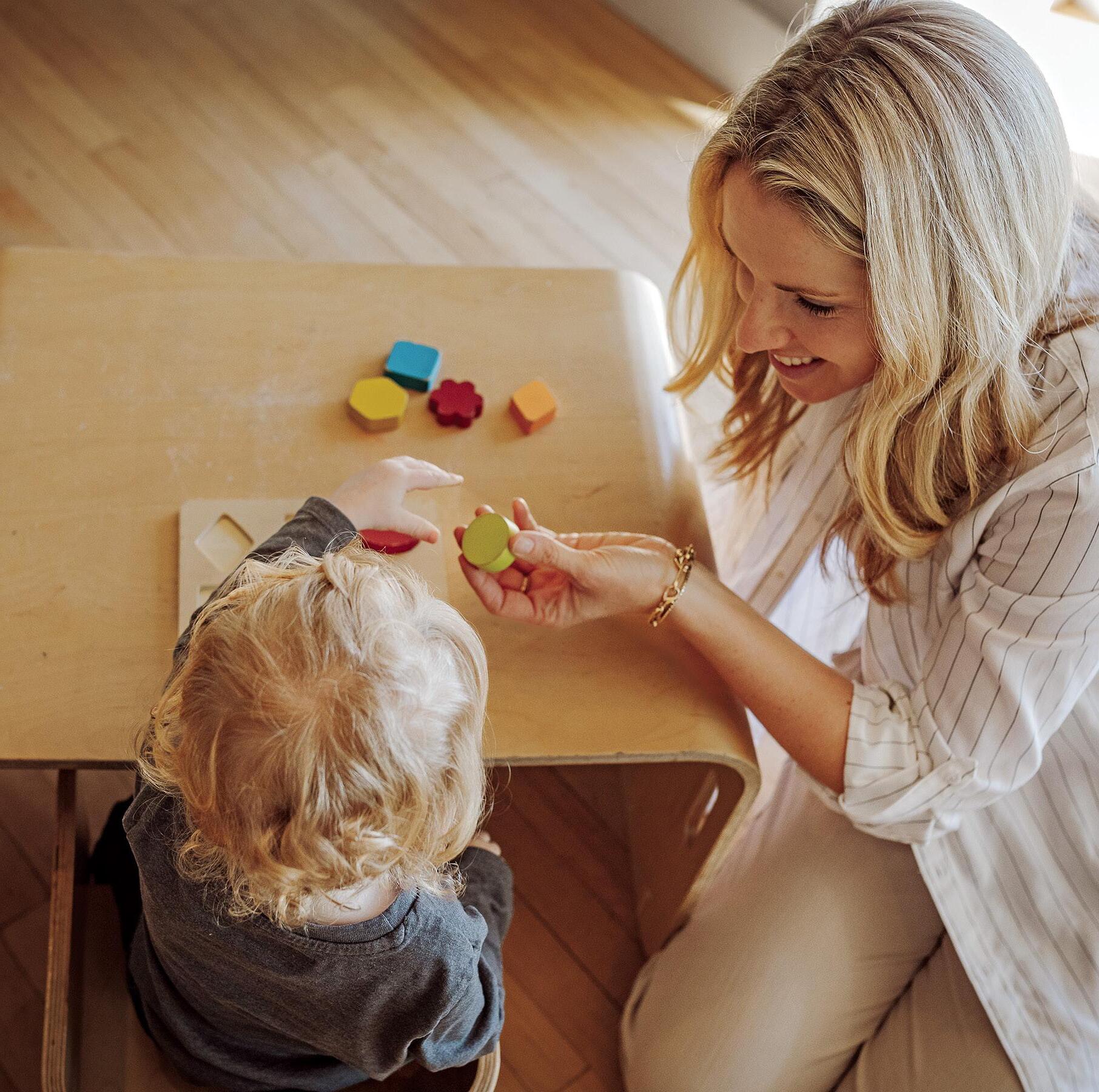
At The Yarrow Centre, children ages 3–5 build the skills they need for school, friendships, confidence, regulation and life.
A deep breath before trying again.
A problem solved with words.
A muddy walk outside.
A child learning to say, “I need help.”
A shared meal.
A new skill practiced through play.
The preschool years are a powerful window for growth. At The Yarrow Centre, children ages 3–5 are supported through a clinician-designed curriculum that weaves together play, communication, emotional regulation, interoception, sensory awareness, land-based learning and early academic foundations.
Because early learning should help children become not only ready for school, but ready for life.
The Yarrow Centre was founded by clinicians Sarah Stepaniuk and Shantelle Soto, who envisioned a place where children and families could access exceptional early learning, wellness, communication and support services all in one location.
Guarin is a Vancouver Island parent and joyful living and positive aging facilitator. Through reflective writing, coaching and well-being practices, she helps women navigate life changes with greater joy, purpose and clarity. Learn more at embracelifesjourney.thinkific.com

Now welcoming 3–5 year old registrations for September 2026
801 Vernon Avenue, Victoria yarrowcentre.com
The Yarrow Centre Rooted in resilience.

My 18-year-old son moved closer to his post-secondary school late last fall. The trades program started an hour earlier than high school did, and we lived 10 kilometres away. We agreed to a reasonably priced studio bachelor apartment four kilometres from his school. With his part-time job money, he had already bought his own car, and convincing him to bus or bike was futile.
Although I was chomping at the bit to be an empty-nester, I was also worried about my son’s health without me being around gently coaxing fruits and super greens on his plate; encouraging him to go to sleep at a reasonable hour; and to prioritize school before part-time work, the gym and social life. Always on the grind, my son had an official part-time job, and two side gigs. Not surprisingly, he was voted “Student Most Likely to be Rich” in his Grade 12 year.
But my worries about his nutrition were justified and I was wondering if I should step down from my handle on the TrophyMom88 podium. Within a month on his own, the energy drink consumption doubled; the containers monopolized his recycling bin. There were also packages of Oreo cookies on his desk. However, I knew he was adjusting to a major life event; He was living on his own for the first time, going to school fulltime and working part-time.
My once much-sought-after muffins had fallen out of favour. I was still giving him weekly rations of my healthy oatmeal, cranberry and dark chocolate chunk muffins, always made with unrefined sugar and egg whites, and at least 85 percent organic ingredients. The muffins I often had to hide to make them last the week when he lived at home. I found it sacrilegious when I saw mould growing on the muffins I had last insisted on giving to him to take to his place.

When he lived at home, we would work out together at the YMCA at least once or twice a week. Now that he lived across town, I was lucky if we worked out together twice a month, because he favoured gyms closer to his bachelor suite, which was logical, but I still missed my favourite gym bro.
At first, he was buying most of his own food, but a couple months after moving out, he asked if we could go shopping together. On the first mom-and-son grocery shopping outing, mindlessly, I took control of the cart as we shopped, and we both put the groceries in. A minor, yet promising choice was made during that shop when my son agreed to a flat of 12 Gatorade FIT electrolyte beverages that were on sale; a welcome change from energy drinks.
My son wanted to put regular ground beef in the cart to save me money, but I insisted on the choice of extra lean ground beef, as well as plain organic yogurt, maple syrup to sweeten it, free-range eggs and organic pasta. I explained that it was sometimes worth it to spend a little more for the value of good nutrition. Vegetables fell off the nutrition pillar altogether (because he did not want to bother preparing them), but he was still eating fruit, and gladly put containers of pre-cut melon and pineapple in his cart. He picked what kind of fruit, and I picked the battles. I said nothing about all the plastic. My son’s leaning pillar of nutrition was still under scaffolding.
On the third grocery shopping trip, my boy impressed me. He did not want any ground beef at all. Instead, he put lean
ground turkey in the shopping cart, automatically picked out the plain organic yogurt, free range eggs and fruit. He even readily agreed to the suggestion of whole organic dates as a sweet treat. This TrophyMom was not stepping down from the podium anytime soon! The next time we went to the gym together, he ate dates before hitting the weights, and he had switched up his caffeinated pre-work out for non-stim prework-out.
It took about four months for my son to resurrect his leaning pillar of nutrition. Be still my heart, once again, he is asking for my homemade muffins when he visits, usually before we hit the gym together. And the energy drinks have fallen out of favour.
As Dr. Allison Rees said in a parenting course I took more than 10 years ago, the very best we can expect from our kids after they finish high school and individuate, is for them to see us as consultants. So, naturally, I’m thinking of changing my handle from TrophyMom88 to MomMorphedConsultant.
Sarah-Jean Bradley is an educator at Oak Bay High School, with previous work in mental health and addictions. Her passions are healthy living (especially body building with her son) and her other joys include cooking, yoga, writing, summer camping, triathlons and her free-run Lionhead Angora bunnies.

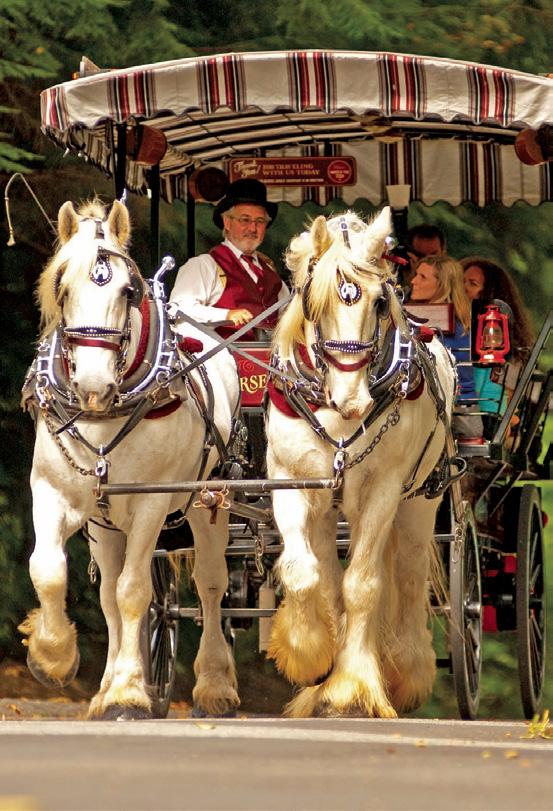
Entertaining and exploring with the family in an unfamiliar community is never easy. Whether your next family trip is to British Columbia, or you are exploring your own province, we have made it easy on you by putting together this collection of things to do!
There are activities and attractions for every kind of visitor. There are more than enough things to do with families on Vancouver Island or in the Lower Mainland to keep everyone engaged.
Come explore!
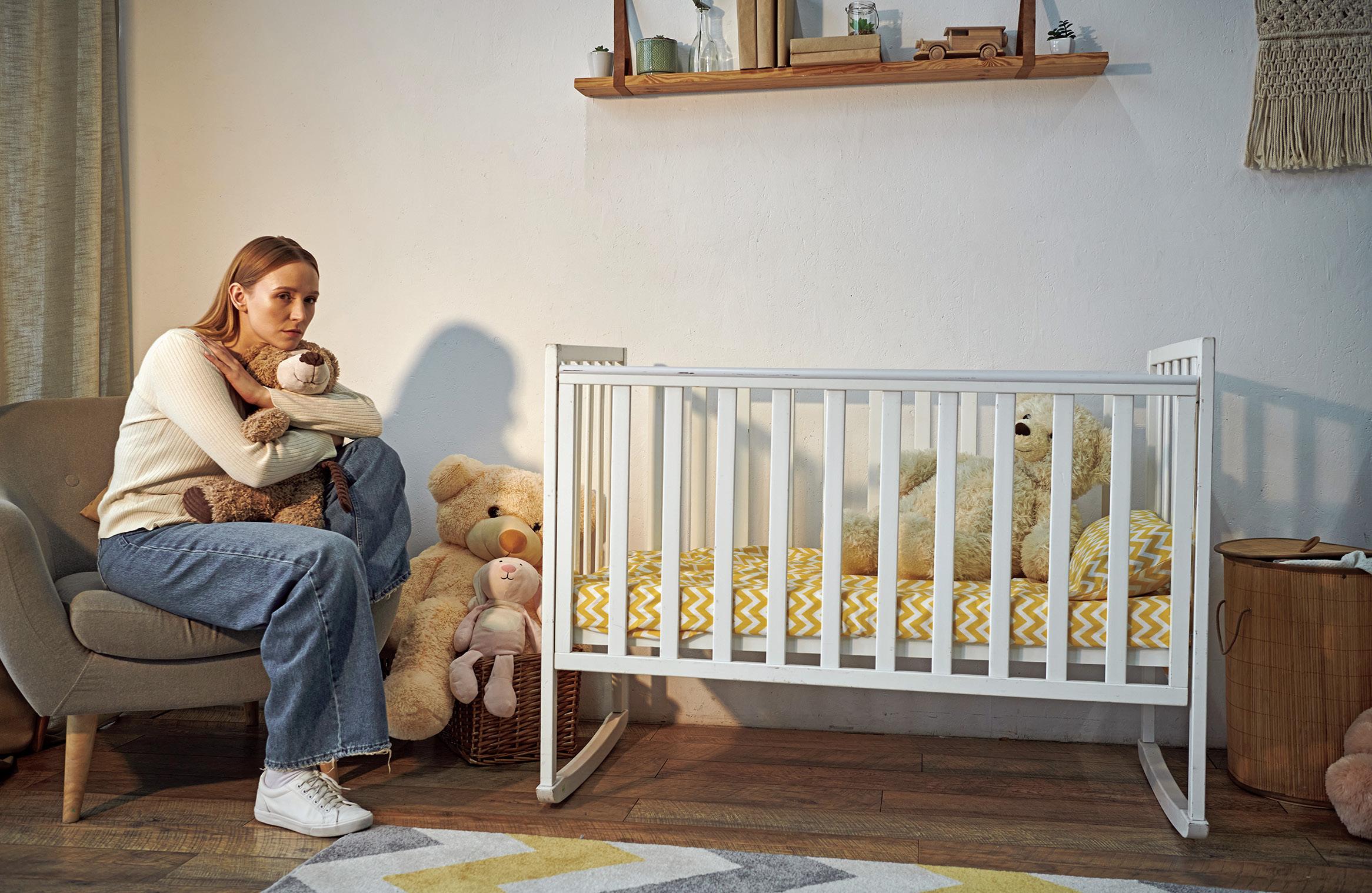
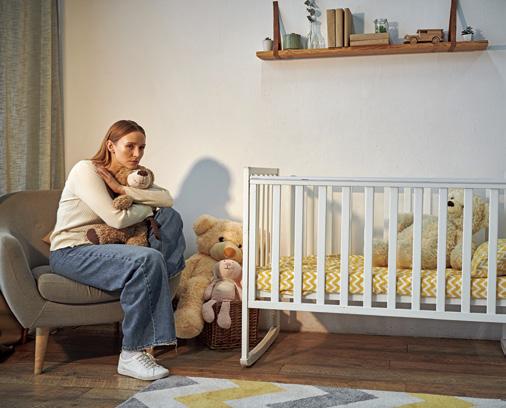
On a quiet street, between apple trees and grapevines, there is a room in a house for no one. Its walls have been carefully curated with animal prints, and a handmade, oceanthemed mobile hangs above the crib. A hand-me-down from your brother. Dust has settled into the grooves of the rocking chair in the corner by the window, and the closet hosts a row of tiny hangers, waiting to do their job. Every now and then, a whisper of wildfire smoke snakes its way through the room, urging us to flee from this place, even though the flames are many mountains away. But it doesn’t matter if we leave; the fire’s already burned down an entire life we were supposed to have.
For many mothers, there is a story that begins long before their child is born. As soon as that test confirms new life, mothers everywhere start planning. Co-sleep or bassinet? Gender neutrals or classics? Will a jogging stroller be best for walks with new mom-friends and coffee? Should we get a passport photo right away, and will the water wings fit in the suitcase? It’s only natural to wonder what comes next, right? It’s only natural to build a nursery.
But what if what comes next wasn’t part of the plan. No mother plans to lose the baby they wanted. That’s never part of the fantasy. In fact, the very thought of losing a baby can create so much fear and anxiety in a mother that they end up in my office trying desperately to get back to the dream.
Unfortunately, the jarring reality is that early pregnancy loss (up to 12 weeks’ gestation), second trimester loss (between 13 and 20 weeks) and stillbirth (after 20 weeks of gestation) can happen to any mother, and if it does, the loss itself is excruciating and impossible to make sense of. The search for answers is unsuccessful, the pursuit of meaning is futile and all the while a mother is grasping at unmade memories and the fairytale life she had planned. Because this is lost now, too. Like a cloth pulled out quickly from beneath a table of clutter. A kind of swift, dark magic. Or maybe it happens slowly, quietly, like the choking of a fire.
Pregnancy loss is a transformative experience. The loss itself is Earth-shattering, but the less-noticed loss happening in the background is the loss of the life a mother imagined: maternity leave, playdates, mommy-and-me classes, first words, first
steps, first day of school. The loss of what could have been, what should have been. What will never be.
Reconciling loss knows no timeline, and the loss can ripple through partners, siblings, family members, friends and sometimes, even the greater community. At times you may be angry. So very angry. There might be days, weeks or months where all you seem to do is cry. You may feel confused or become withdrawn. You may think you could have or should have done something different. You may feel hopeless. Helpless. All these feelings are a natural response to loss and part of your unique experience of grief.
My patients often ask me what they should do now; there is an urgency to do something to get relief from the pain. This, again, is a natural response to threat: we want to get as far away from discomfort as possible. My response to this question is, in its simplest form, “How do you want to cope?”
The doing is the coping. We acknowledge the pain, and then we cope. Some days this may not look like much, maybe you stay in bed all day. That’s okay. For our nervous system to return to some semblance of regulation, we need rest. Maybe other days you have the capacity for music, a walk with your dog or a yoga class. In time, perhaps your coping
toolkit evolves to include things like writing, cooking, hiking, painting, sex or whatever it is that helps you self-soothe in a safe way (if your coping choices are not safe, I encourage you to find professional support. No judgement, grief can hijack our sensibilities). Perhaps you create a ritual that keeps you connected to your baby, like a place in your home for pictures or keepsakes, somewhere you can visit with words or touch or simply pass by.
Healing and hurting can happen simultaneously, and what comes next is the slow work of living in your altered, singed landscape. And somewhere between the trees and the vines, you’ll rebuild from what’s still standing.
Dr. Fiona Patterson is a Registered Clinical Counsellor in Victoria specializing in pregnancy and infant loss, infertility, traumatic birth experiences and post-partum depression and anxiety. Her primary practice is in Victoria; but, she sees patients both in-person and virtually throughout Vancouver Island, the Lower Mainland and the Interior.




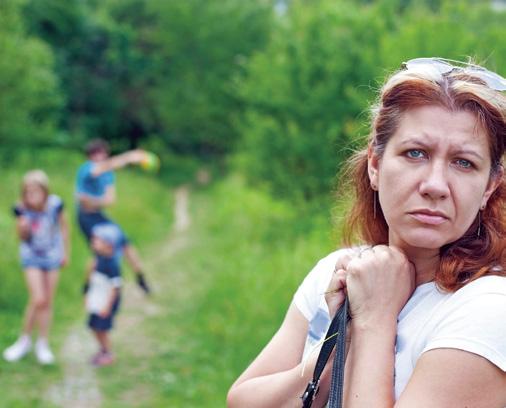
Whenever I catch up with a friend, it isn’t long before our conversation turns to complaints: “Isn’t summer camp registration a nightmare?” “Does your back hurt too?” “How are strawberries $8?” It’s cathartic to have an attentive ear and a friend who can commiserate through life’s challenges. We may be negative Nellies, but at least we’re negative Nellies together.
You wouldn’t know it by listening to us, but overall my friends and I have pretty awesome lives—we live in a beautiful city near lots of beaches, go paddleboarding regularly, are
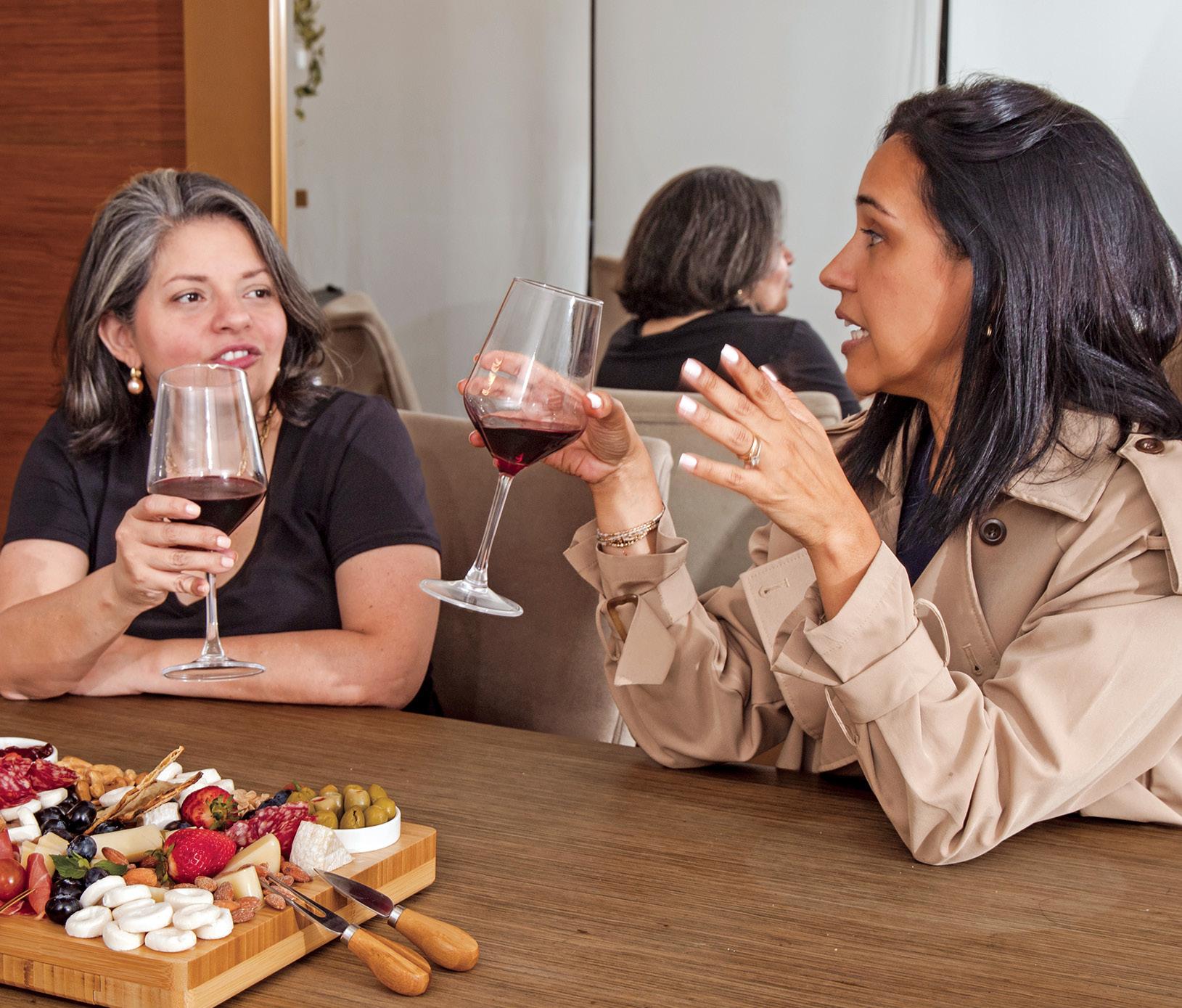
mostly in good health and have lots of friends and family. Yet the good stuff isn’t what I want to talk about when we catch up. Sharing a bottle of wine doesn’t usually result in, “Isn’t it amazing how much better the kids have gotten at soccer?” or “Man, my husband has cute dimples!” Or “Aren’t we lucky that we live within walking distance from school?” It ends with our worries: the restructuring at work, whether Clara is reading at grade level and how much longer Ashley will put up with her dysfunctional marriage.
These conversations have their place. They are necessary. And having someone to share your worries with makes a huge difference. As they say, “Shared joy is double joy, shared sorrow is half sorrow.” And yet, commiserating shouldn’t be the only way for friendships to flourish. I must admit it wouldn’t hurt to get some perspective once in a while. To see the glass as both half full and half empty.
Recently my 80-year-old mom had some health problems. In
her frustration she exclaimed, “I wish I was 60 again!” I was taken aback. Here I am complaining about how working out has gone from a nice-to-have to a must-do in my 40s, how I’ve been noticing the occasional grey hair, how I wish I had discovered retinol earlier. I was so demoralized last year when I had to have my first mammogram and gum graft. “Is this what life is like now?” It felt like between myself, my daughter’s multiple cavities and my mom’s health hiccups, life was non-stop appointments. When did living require this much maintenance? And yet, when I’m not recovering from a gum graft or missing a few workouts, I feel fine. And fine is a win. A big win. A lot of people would kill for fine.
As part of our bedtime routine, after brushing teeth and before reading a book, our family has started a gratitude practice. We call this “three good”—the idea being to recap the highlights of the day. In practice, great days often get 10 good items, and tough days might only get one.
“Thank you for a cozy home. Thank you for a beautiful world. Thank you for an amazing mama and an amazing dada and amazing teachers. Thank you for the blue sky. Thank you for friends we can walk to school with. Thank you for an amazing birthday party!”
We started doing our gratitude practice in part because our daughter was anxious at bedtime. All her worries would come crashing down as soon as we turned out the lights. We thought that focusing on positive things might help her relax. Sometimes that works and sometimes it doesn’t. But as much as it’s easy to frame everything as being “for the kids,” my husband and I also benefit from our family gratitude practice. It’s nice to be reminded of the good things in our lives and that even on days when you feel like throwing your computer screen out the window, there are many things to be thankful for. It’s helpful to think back throughout the day and “mine it” for the good parts. To realize there were so many gold flecks scattered throughout. And on days that are really rough, we can just say “thank you for our home.”
A good vent session has its place. There’s nothing worse than being gaslit by toxic positivity when you’re feeling down. Having friends who listen to you vent and who are there for you when times are tough is priceless. But as with everything, where there is bad there is also good. And when we take the time to look back at our days, at our lives, to really look for the good parts, there are usually quite a few to be found. And for that, I am thankful.
Julia Mais is a policy and communications professional in Victoria. She looks for beauty in the everyday through writing, photography and the outdoors. She lives in a messy, cheese-filled home with her husband and young child.


F inish high school or upgrade your marks Tuition-free for eligible students.
We o er High School Completion Courses to suit your lifestyle. Take them day or night.
Talk to one of our advisors. It’s never too late to graduate.
inish high school or upgrade your marks – Tuition-free for eligible students.
Improve your English language skills – Tuition-free for eligible students.
F inish high school or upgrade your marks – Tuition-free for eligible students.
We o er High School Completion Courses to suit your lifestyle. Take them day or night. Talk to one of our advisors. It’s never too late to graduate.
your marks – Tuition-free for eligible students. Courses to suit your lifestyle. Take them day or night. late to graduate.
Improve your reading, writing, speaking and listening skills, and meet new friends while taking Literacy Foundations Courses in English.
upgrade your marks – Tuition-free for eligible students. Courses to suit your lifestyle. Take them day or night. never too late to graduate.
We o er High School Completion Courses to suit your lifestyle. Take them day or night. Talk to one of our advisors. It’s never too late to graduate.
Improve your English language skills – Tuition-free for eligible students.
your marks – Tuition-free for eligible students. Courses to suit your lifestyle. Take them day or night. late to graduate.
Improve your English language skills – Tuition-free for eligible students.
language skills – Tuition-free for eligible students. and listening skills, and meet new friends while taking
LINC Classes focus on speaking, listening, reading, and writing English for day-to-day living, to help you integrate more easily into the community. Childminding is available.
your reading, writing, speaking and listening skills, and meet new friends while taking Literacy Foundations Courses in English.
language skills – Tuition-free for eligible students. speaking and listening skills, and meet new friends while taking English.
language skills – Tuition-free for eligible students. and listening skills, and meet new friends while taking
Improve your reading, writing, speaking and listening skills, and meet new friends while taking Literacy Foundations Courses in English.
Work toward new career opportunities
LINC Classes focus on speaking, listening, reading, and writing English for day-to-day living, to help you integrate more easily into the community. Childminding is available.
We have a variety of study options to suit your needs. Choose part-time or full-time, short term or long term, and daytime or evenings.
listening, reading, and writing English for day-to-day living, the community. Childminding is available.
LINC Classes focus on speaking, listening, reading, and writing English for day-to-day living, to help you integrate more easily into the community. Childminding is available.
Work toward new career opportunities
opportunities
listening, reading, and writing English for day-to-day living, into the community. Childminding is available. opportunities
Work toward new career opportunities
• Dental Receptionist
• Arborist ISA
have a variety of study options to suit your needs. Choose part-time or full-time, short term or long term, and daytime or evenings.
• Early Childhood Education
options to suit your needs. Choose part-time or full-time, daytime or evenings.
suit your needs. Choose part-time or full-time, evenings.
We have a variety of study options to suit your needs. Choose part-time or full-time, short term or long term, and daytime or evenings.
• Accounting & Payroll
• Education Assistant
Arborist ISA
Arborist ISA
listening, reading, and writing English for day-to-day living, the community. Childminding is available. opportunities suit your needs. Choose part-time or full-time, evenings.
Dental Receptionist
• Dental Receptionist
• Arborist ISA
• Landscape Horticulture Apprenticeship
• Arborist ISA
• Accounting & Payroll
• Accounting & Payroll
• Accounting & Payroll
• Accounting & Payroll
Landscape Horticulture
Early Childhood Education
• Early Childhood Education
Landscape Horticulture
Arborist ISA
• Start a Family Day Care
Apprenticeship
Education Assistant
Apprenticeship
• TESOL (ELL Instructor)
• Education Assistant
• Landscape Horticulture Apprenticeship
• Residential Landscape Technician
• Landscape Horticulture Apprenticeship
• Computer Courses: Excel, Word, Power Point, Keyboarding
• Accounting & Payroll
Residential Landscape
Start a Family Day Care
• Start a Family Day Care
Technician
Landscape Horticulture Apprenticeship
Residential Landscape Technician
• Floristry Design
TESOL (ELL Instructor)
• TESOL (ELL Instructor)
• Residential Landscape Technician
• Residential Landscape Technician
• Computer Courses: Excel, Word, Power Point, Keyboarding
• Pesticide Application
• Computer Courses: Excel, Word, Power Point, Keyboarding
• Computer Courses: Excel, Word, Power Point, Keyboarding
• Computer Courses: Excel, Word, Power Point, Keyboarding
• Virtual Presentation Skills
• Artificial Intelligence
• Virtual Presentation Skills
• Virtual Presentation Skills
• Virtual Presentation Skills
• Virtual Presentation Skills
• Computer Courses: Excel, Word, Power Point, Keyboarding
Pesticide Application
Residential Landscape Technician
• Tree Pruning
Floristry Design
• Building Service Worker
• Floristry Design
Pesticide Application
• Pesticide Application
• Pesticide Application
• Artificial Intelligence
• Artificial Intelligence
• Artificial Intelligence
• Artificial Intelligence
• Virtual Presentation Skills
• How to Create a Show from Scratch
Tree Pruning
Pruning
Building Service Worker
• Building Caretaker
• Building Service Worker
• Tree Pruning
• Tree Pruning
• Restoring Soil Health
• Artificial Intelligence
Building Caretaker
Restoring Soil Health
• Building Caretaker
Restoring Soil Health
Pesticide Application Pruning
• Restoring Soil Health
Hardscape Installation
Hardscape Installation
Restoring Soil Health
• Restoring Soil Health
• Hardscape Installation
• Hardscape Installation
• How to Create a Show from Scratch
• How to Create a Show from Scratch
• How to Create a Show from Scratch
• How to Create a Show from Scratch
• O ce Skills
• O ce Skills
• O ce Skills
• O ce Skills
• Sustainable Landscape Design
• Hardscape Installation
• How to Create a Show from Scratch
• O ce Skills
• Speaking E ectively
Sustainable Landscape Design
Sustainable Landscape Design
Hardscape Installation
• Sustainable Landscape Design
• Sustainable Landscape Design
Try something new
Try something new
Try something new
Sustainable Landscape Design
• Speaking E ectively
• Speaking E ectively
• Speaking E ectively
• O ce Skills
• Speaking E ectively
• Voice Over Acting
• Voice Over Acting
• Voice Over Acting
• Voice Over Acting
• Voice Over Acting
• Speaking E ectively
• Voice Over Acting
Interest Courses including: French, Spanish, Mandarin,
Soap Making & Self Care.
Choose from a long list of General Interest Courses including: French, Spanish, Mandarin, Japanese, Reiki, Photography, and Soap Making & Self Care.
General Interest Courses including: French, Spanish, Mandarin, and Soap Making & Self Care.
Choose from a long list of General Interest Courses including: French, Spanish, Mandarin, Japanese, Reiki, Photography, and Soap Making & Self Care.
Choose from a long list of General Interest Courses including: French, Spanish, Mandarin, Japanese, Reiki, Photography, and Soap Making & Self Care.
Interest Courses including: French, Spanish, Mandarin,
Soap Making & Self Care.
Explore your options.
Explore your options.