Guardians Sky of the
ISLAND TIME TOURS
THE RISE OF AGRITOURISM
VANCOUVER ISLAND'S CHEESEMAKING SCENE
BEST FARMERS' MARKETS
COWICHAN
VALLEY WINES

ISLAND TIME TOURS
THE RISE OF AGRITOURISM
VANCOUVER ISLAND'S CHEESEMAKING SCENE
BEST FARMERS' MARKETS
COWICHAN
VALLEY WINES
Publisher
Jim Schneider | jim@ifr-helijet.com
Editor
Stacie Gaetz | editor@islandparent.ca
Graphic Design
Shannon Swanson production@ipgenterprises.com
Account Executive
Kristine Wickheim | kristine@ifr-helijet.com
Distribution:
Distribution in all scheduled Helijet aircraft and passenger terminals, including Vancouver Harbour, Victoria, Nanaimo and YVR Airport. Also available at local hotels.
Published by:
Island Parent Magazine 518 Caselton Place Victoria BC V8Z 7Y5
Tel 250.388.6905 publisher@islandparent.ca
ISSN 1916-5080
In-Flight Review Summer 2026 Vol. 19 No. 2
In-Flight Review (IFR) is a quarterly magazine published by Island Parent Group Enterprises Ltd., for Helijet International Inc. All published material is the copyright of Island Parent Group.
No part of this publication, in whole or in part, may be reproduced without the written consent of the publisher. The written and photographic material published in In-Flight Review does not necessarily reflect the views of the air carrier or the publisher. Information and images produced in the magazine are believed to be accurate and truthful, but the publisher assumes no responsibility for errors. Advertising in In-Flight Review magazine does not indicate an endorsement by Helijet International Inc. or Island Parent Group Enterprises Ltd.
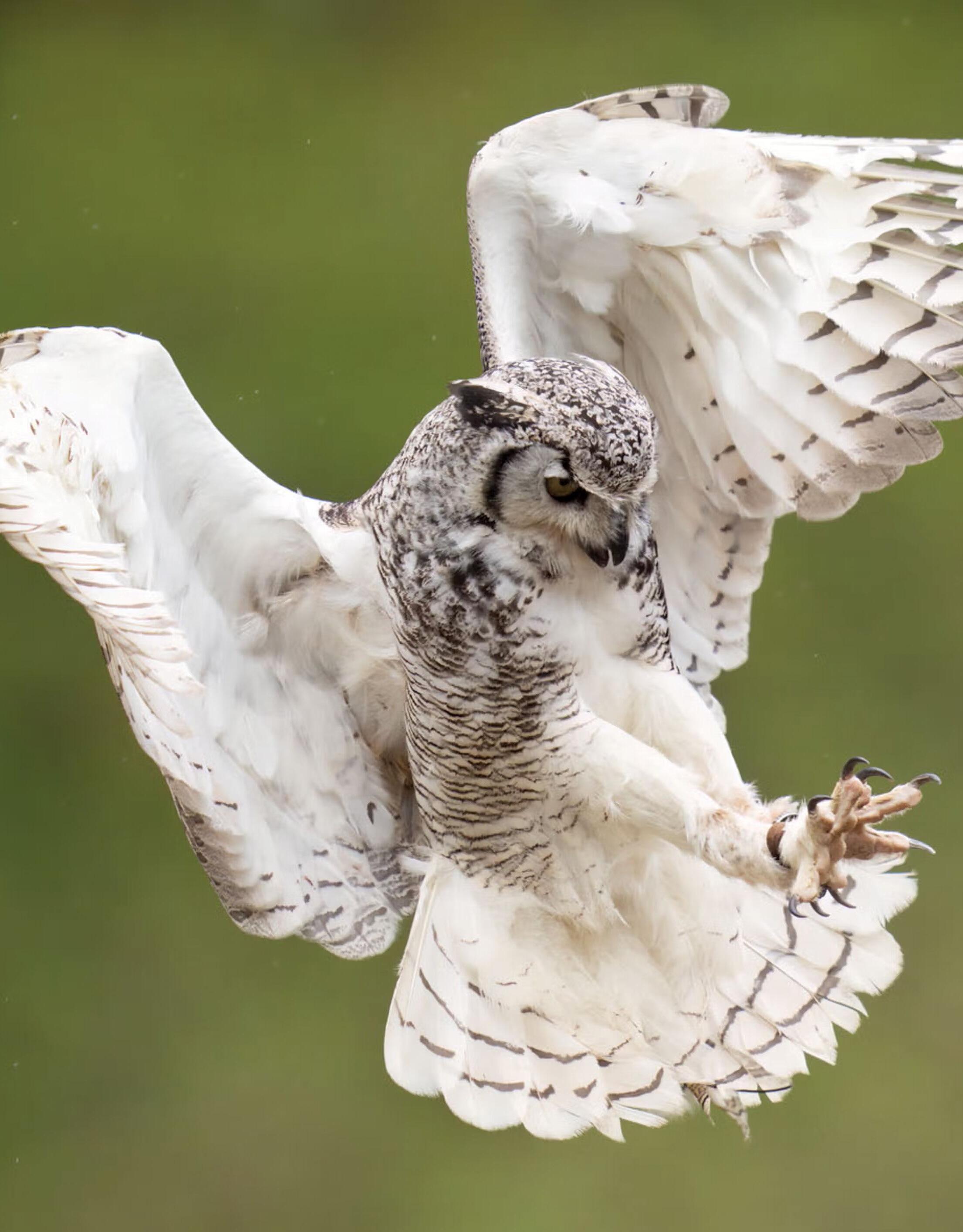
Cover photo courtesy of The Raptors




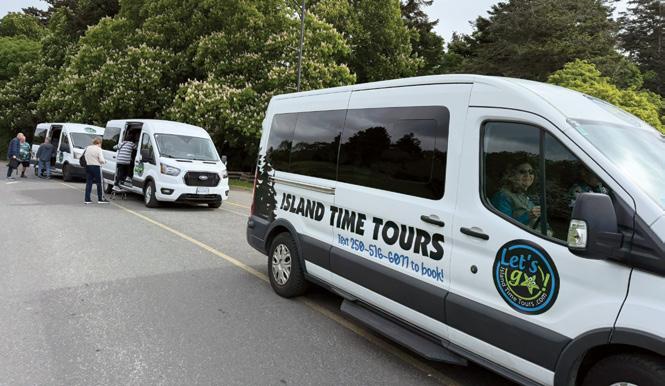
There is a distinct difference between merely seeing a destination and truly feeling like you belong there. For travellers touching down on Southern Vancouver Island, that difference comes down to three words: Island Time Tours.
Far removed from the world of massive, impersonal tour buses, this boutique operator has spent over two decades mastering the art of the intimate escape. Operating with custom itineraries and small-group dynamics of just 10 to 14 guests per vehicle, they offer a backstage pass to the region’s most iconic sights and hidden gems.
“Because we operate with smaller groups, we often have front-door access to places larger operators cannot reach, giving guests exclusive, up-close experiences,” says Colleen Barrow, owner and president of Island Time Tours Ltd.
“We treat every guest like family—each person is greeted by name (their name is the secret password to join the tour), ensuring a warm, personal experience from start to finish.”
In operation since 2005, the company offers custom tours and a range of scheduled departures including:
• Victoria City + The Butchart Gardens (ideal for travellers short on time): a compact city tour combined with a visit to Butchart Gardens—guests returned downtown (hotels) within about five hours.
• Cowichan Valley Wine & Cidery tour: a relaxed day visiting local producers in the Cowichan Valley.
“We happily sell out most days, so each year our little family grows a bit more,” adds Barrow.
“(We are) just big enough to keep us busy and just small enough to remember every guest’s name.”
We sat down with Barrow to get the inside track on what makes these intimate journeys the absolute best way to experience Vancouver Island.
What is the most common feedback you hear from someone who has taken your tours?
Most guests say the same delightful thing with a smile: our guides are simply wonderful—warm, personable, endlessly knowledgeable and patient. Visitors often tell us they wish they’d had more time in Victoria to explore everything we introduce them to—which, honestly, is the best compliment a guide can receive.
Which is you most popular tour and why?
Hands down the Victoria City tour combined with The Butchart Gardens. It’s easy to see why: The Butchart Garden is an almost-magical, iconic garden—a national treasure that sparks “wow” from visitors of every stripe. Victoria itself is the oldest city in Western Canada, with grand historic architecture, a beautiful seaside harbour and a compact, walkable layout.
“We happily sell out most days, so each year our little family grows a bit more,”
—Colleen Barrow, owner and president of Island Time Tours Ltd.
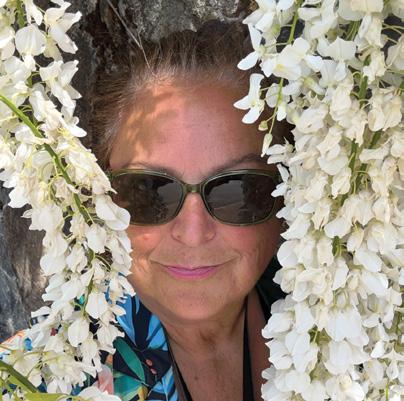
Guests love the mix of postcard-perfect scenery, rich history and the safety and charm of the streets. It’s the perfect shortday showcase of everything the island does best.
Beyond the headline destinations, what is one hidden, back-road spot or local encounter on your tours that consistently takes guests by surprise?
Our little surprise-maker is Beacon Hill Park. Guests expect a park—they leave enchanted: sweeping ocean vistas, unexpectedly grand settler-era history tucked into quiet corners, meandering seaside walks and floral displays that put on a show no matter the season. It’s the kind of place that turns a short stroll into a “how did I not know this?” moment.
How do you select the local winemakers, artisans, and farmers you partner with, and how do those relationships shape the atmosphere of the tour?
We pick partners the old fashioned way: by becoming friends first. If we click with a winemaker, artisan or farmer—if they’re warm, generous, and genuinely proud of their craft, we know they’ll treat our guests the same. Practical checks are simple: small-scale quality, clear local provenance, and a commitment to welcome visitors. Those friendships shape the tour’s atmosphere more than the sights do. Instead of transactional tastings or staged demos, guests get candid stories, behind-the-scenes access, relaxed conversations and unhurried hospitality. The result is memorable—beautiful places framed by unforgettable people.
What is the most memorable moment where a change in weather or an unexpected detour turned a tour into an unforgettable highlight?
One scorchingly hot day (over 40°C) sent us ditching the third wine stop for a local swimming hole; I even had my bathing suit, and a few doctors cheerfully sacrificed their dignity (and their shirts/pants) for the cool water. Another time a fallen tree blocked the road and the whole group turned into an impromptu crew and heaved it aside. Weather, detours and a willingness to dive in (literally or figuratively) are basically our secret sauce.
The phrase ‘Island Time’ usually implies slowing down and letting go of a rigid schedule. How do your guides successfully balance keeping a tour running smoothly while still allowing guests the freedom to truly unwind and linger in the moment? Think of us as professionally relaxed: our guides aim to keep the day flowing, but they’re happiest when a plan loosens up. Often, they get so caught up telling stories and pointing out hidden gems
they must remind themselves to pick up the pace and that’s fine, because we drive gently and let the group set the rhythm. Guests can hop off for a photo, linger over a view, or wander a bit; there’s no stern stopwatch. However, we know guests have things planned and we ensure they are back on time. The result is a smoothly run tour that still feels unhurried and wonderfully, unmistakably Island Time.
Does Island Time Tours operate around a specific motto, quote, or mission?
Our motto? Simply: “Let’s go.” Mission: Fill every day with at least one unforgettable moment.
Is there anything else you would like people to know?
One more thing: we’re growing. In 2027, Island Time Tours will introduce longer four- and five-day excursions around
Vancouver Island with new routes, deeper experiences and small-group rhythms that let you settle in. We’re kicking off the series with trips designed for solo women travellers, then expanding to other solo formats. We can’t wait to share more details as plans firm up.
Island Time Tours run nearly year round, with island adventures available from March through December. This fall, Barrow says they also plan to add a stand-alone city tour featuring stops for Canadian Eh snacks.
Learn more at islandtimetours.com .

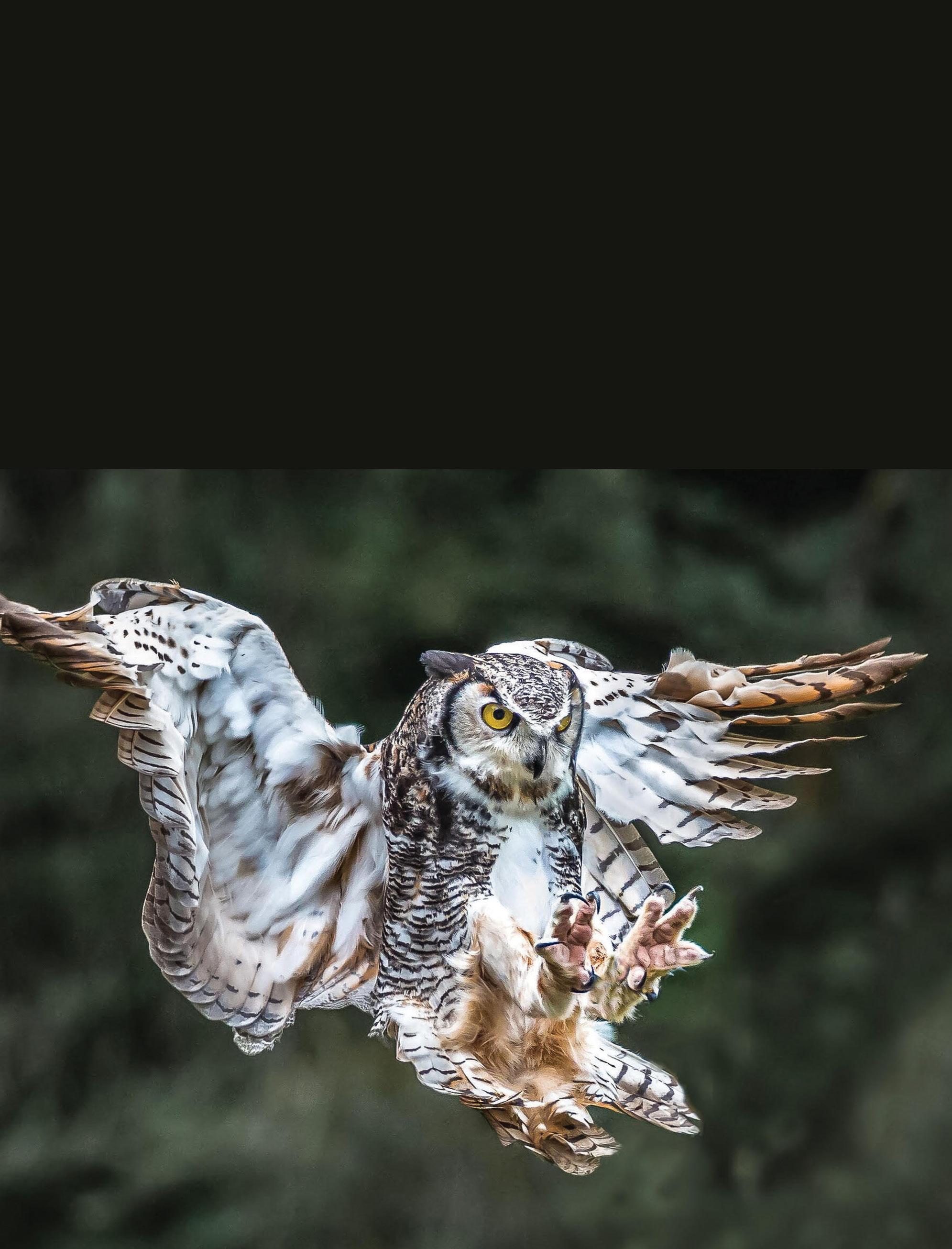
How a Local Wildlife Facility is Changing Our Relationship with Birds of Prey
STACIE GAETZ, IN-FLIGHT
For anyone flying into or out of Vancouver Island, looking down from the window of an aircraft reveals an idyllic landscape of dense forests, rugged coastlines, and pristine skies. It feels untouched, a sanctuary where nature rules. But just beneath the clouds, a quiet crisis is unfolding. Birds of prey— the silent predators of the sky that have captivated human imagination for millennia with their speed and precision— are facing unprecedented vulnerability. Globally, nearly 30 percent of raptors are now considered threatened, vulnerable, endangered, or critically endangered due to human influence.
Fortunately, on Vancouver Island, an organization is working to rewrite that narrative. Based in the Cowichan Valley, The Raptors is dedicated to bringing people closer to these magnificent birds. Through an innovative blend of public education, hands-on encounters, and vital wildlife management services, they are cultivating a new generation of environmental stewards. Whether you are a local resident who calls the island home or a tourist stepping off a flight to explore the Pacific Northwest, a visit to this sanctuary promises a transformative look at the apex predators of our skies.
“Here on the coastline, we are lucky to be surrounded by native raptors but how often do you see them up close?” asks Robyn Radcliffe, director of The Raptors.
“For locals, this is a great way to understand how you can help them, and for tourists, the culture we have here really reflects the West Coast. It is welcoming and we make sure you are having a good time because having fun and learning really makes the information that much more impactful.
“Birds are like charismatic megafauna and meeting them up close like this inspires people to want to protect the environment and make the world a better place for birds (and in kind, everyone else).”
The core goal of The Raptors is to educate, illuminate, and inspire a sense of
personal responsibility for the future of both birds of prey and the planet.
For visitors, this mission is brought to life through captivating daily flying demonstrations. Guests can stand just feet away as a stunning variety of spectacular species—including eagles, hawks, owls, and vultures—soar directly over their heads.
Expert educators guide the audience through each demonstration, teaching visitors about raptor species on the island and around the world, the critical roles they play within their ecosystems, the unique threats they face, and practical ways humans can help protect them.
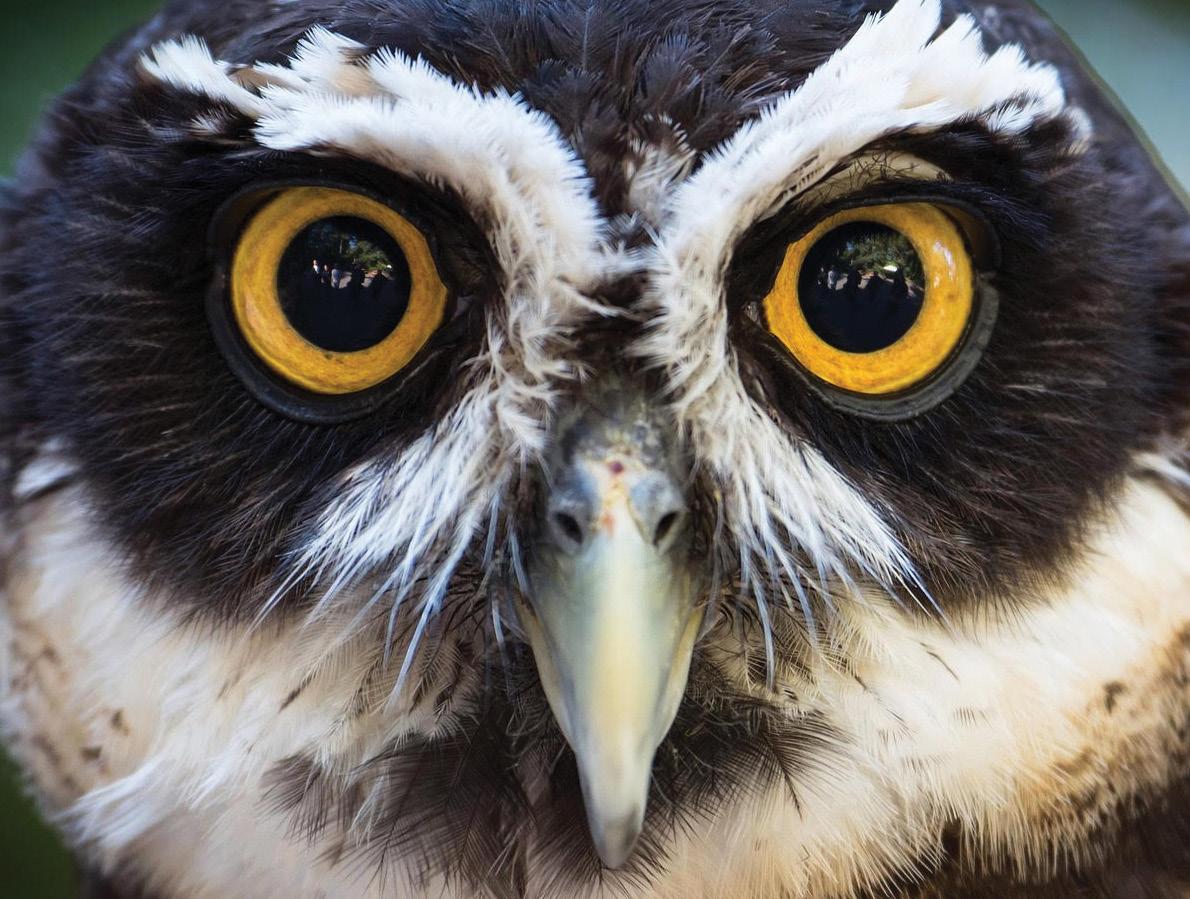
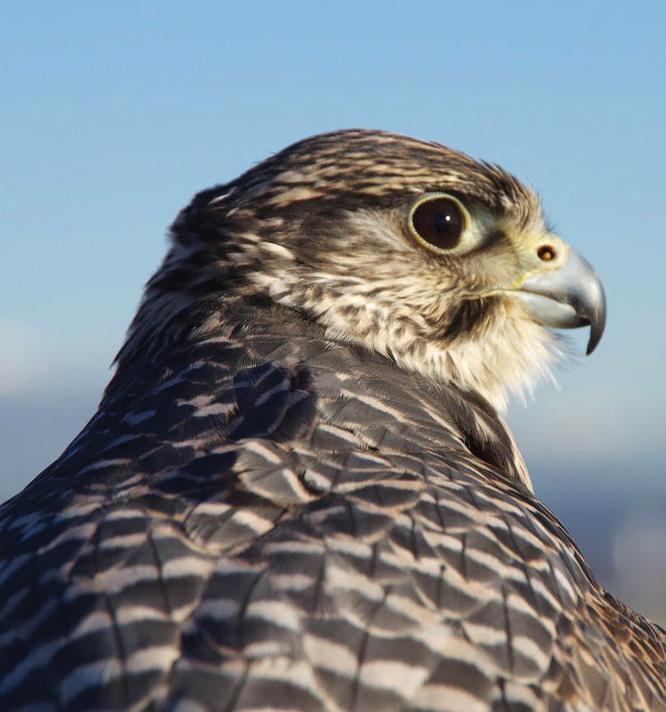
For those wanting an even more immersive connection, the organization offers interactive opportunities that transcend the typical boundaries of a wildlife sanctuary. Visitors can take a walk through the woods with a hawk,
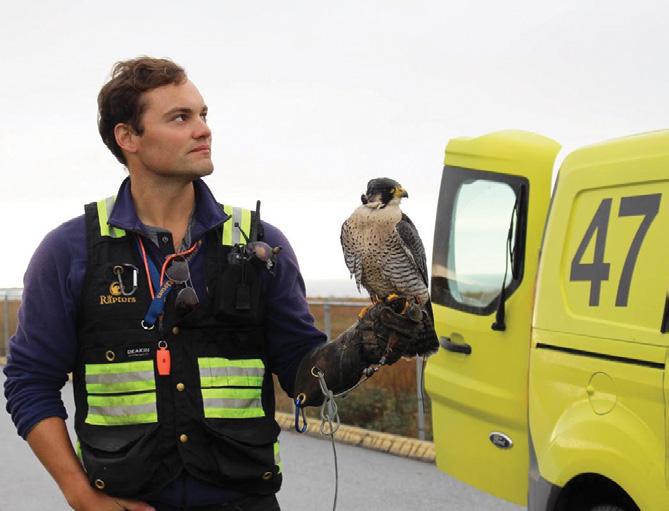
hold a magnificent falcon on their glove, or meet an owl face to beak.
“I still get excited when a bird lands on my arm after 21 years of doing this. Having a bird willingly choose to land on you is an amazing experience,” says Radcliffe.
These awe-inspiring, up-close experiences are designed to do more than just entertain; they help individuals form a deep, lasting respect for raptors and the environment they inhabit.
The commitment to education extends deeply into the community through programs like summer camps. These five-day, hands-on camps provide children with an engaging, memorable way to spend their summer.
The Raptors staff take their birds on the road. They provide demonstrations and
Problem species, such as gulls or starlings, quickly learn that the area is an active hunting ground for a predator.
information sessions in places like Vernon, Cranbrook, and the Lower Mainland.
The facility also hosts an intensive, week-long falconry course. This comprehensive program allows participants to dive deep into the history, husbandry, training, and biology of these birds, turning an appreciation for wildlife into a practical, lifelong skill.
While the visitor centre on Vancouver Island serves as a hub for public inspiration, the work of The Raptors extends far beyond its physical boundaries. One of their most critical—yet least visible— contributions to human and avian safety is their professional Airport Wildlife Management Program.
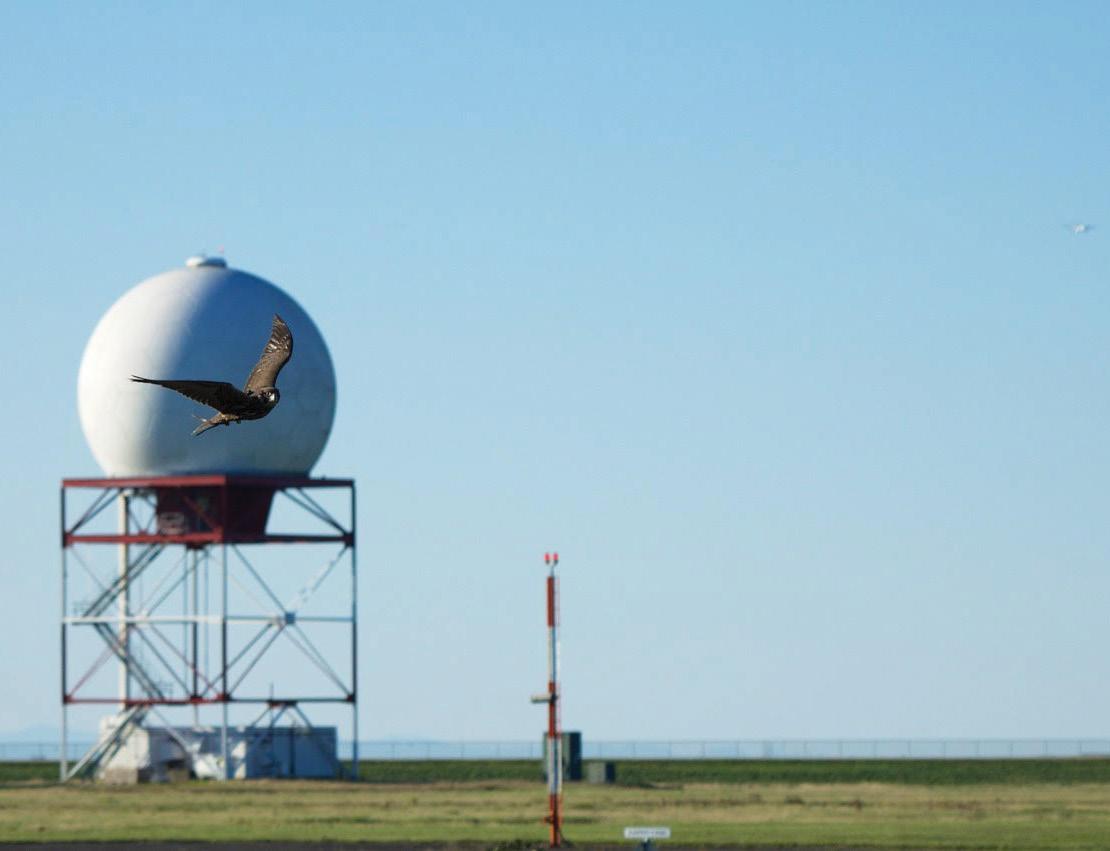
Large numbers of aircraft share the airspace with local and migratory birds, making bird strikes a significant safety risk for aircraft and passengers. This is where the specialized expertise of the organization comes into play. Since 2011, they have been providing safe, affordable, and highly effective airport wildlife management programs at both civil and military airports across Canada. Integrating applied falconry with conventional abatement techniques, they have safely conducted tens of thousands of falconrybased wildlife controls on airfields.
“It is long-term conditioning that makes the area less appealing to the birds,” says Radcliffe.
“It is a way to mitigate conflict with an environmentally friendly solution.”
The philosophy behind using falconry for airport safety relies on a natural predator-prey dynamic. When a trained falcon or hawk is flown over an airfield, it creates what biologists call a “landscape of fear.” Problem species, such as gulls or starlings, quickly learn that the area is an active hunting ground for a predator.
Target birds are safely and humanely encouraged to avoid the airfield altogether and seek out more natural feeding or roosting sites.
Alongside these active falconry programs, the professional team provides data-driven risk assessments to identify hazards, consults on wildlife management plans, and delivers mandatory personnel training compliant with Canadian Aviation Regulations.
The Raptors also includes a research wing that has multiple projects on the go at any given time. Researchers and students are currently delving into improving the quality of life of captive raptors, exploring the effectiveness of drones vs birds at wildlife sites, and tracking the migration and movement of turkey vultures.
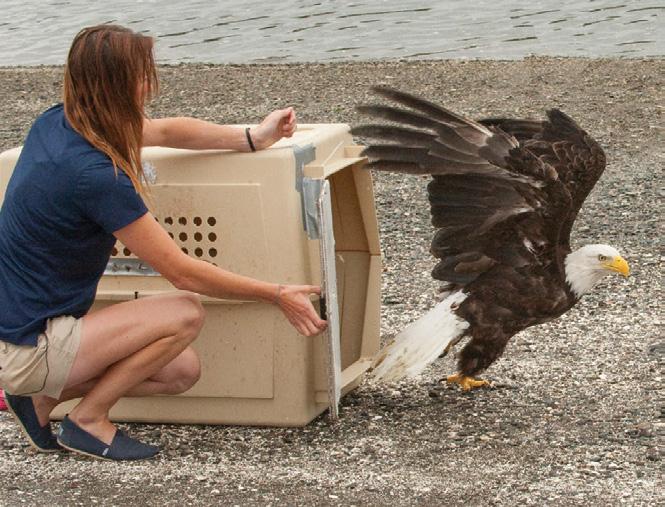
The organization also operates in close partnership with The Raptor Rescue Society, an affiliated non-profit. The society rescues, rehabilitates and releases between 150 and 200 birds a year.
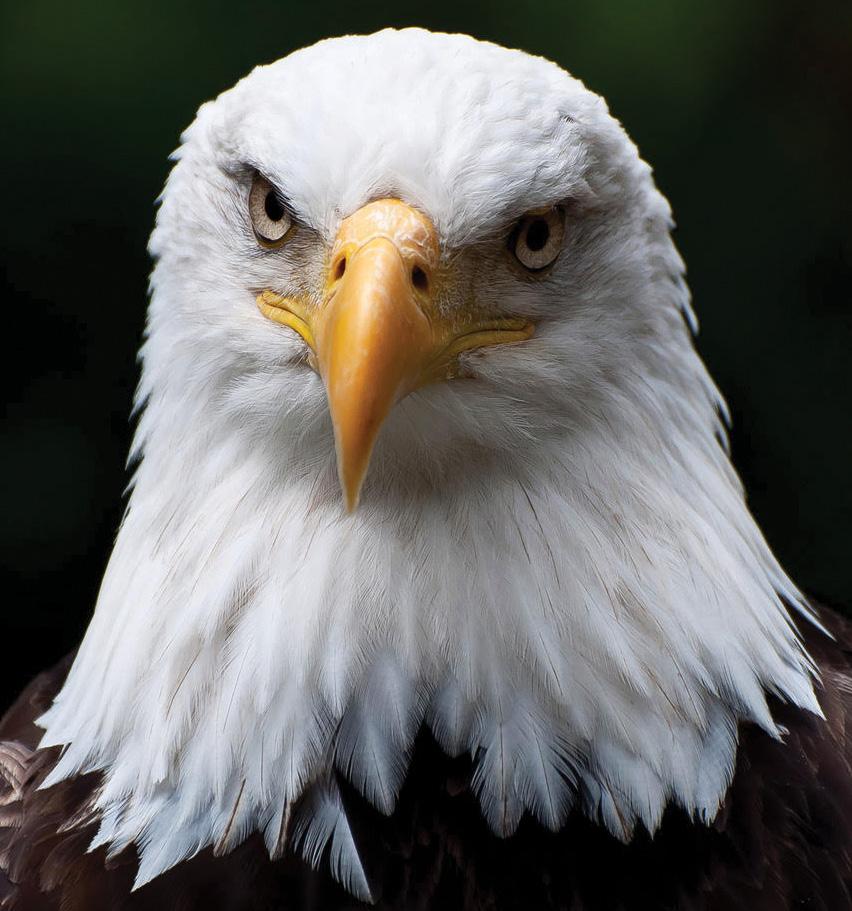
Whether marvelling at a bald eagle soaring over a runway to keep an airliner safe or watching a child hold a hawk for the very first time on a sunny afternoon, the impact of the organization is undeniable.
“The core message is that everybody can make a difference to take care of the environment,” says Radcliffe.
“The world has been very focused on humans and in order to survive the next millennia, we need to shift focus to how we can live collaboratively with nature.”
By bridging the gap between humans and predators, The Raptors is ensuring that the guardians of our skies will continue to fly free for generations to come.


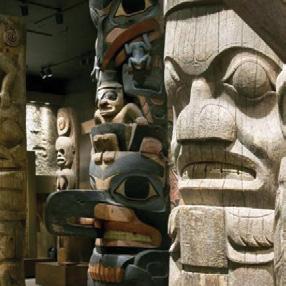
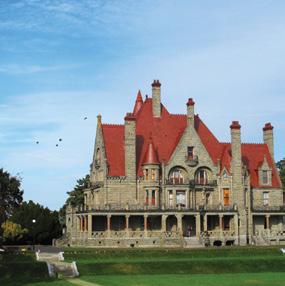
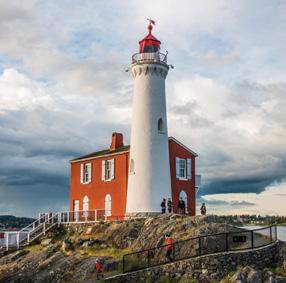
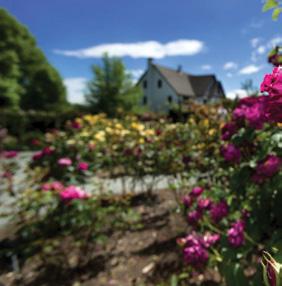
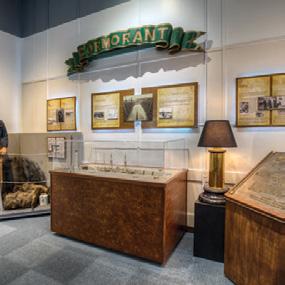
With an exciting history that dates back to as early as 1778, it is no surprise that Vancouver Island is full of historical experiences that can bring you right back to the days of yore. Whether you are a history buff or just interested in where today’s island culture came from, there is a museum, lighthouse, centre, heritage site or artwork that tells a story of the area’s past. From Indigenous heritage to industrial growth and colonial legacies, dedicated researchers, historians, and the people who work at the organizations to preserve our past, have laboured tirelessly to hold onto valuable relics and educate us about what our ancestors’ lives were like. If you are looking to get a glimpse into Vancouver Island’s intriguing and sorted past, check out these “must-see” locations.
The definitive collection of island history can be found at the Royal BC Museum in downtown Victoria. This is a must-see for an immersive experience of both Indigenous and European histories, from ancient times to the present. royalbcmuseum.bc.ca
You’ll see a glimpse of colonial wealth at Craigdarroch Castle located just outside downtown Victoria. Built by coal magnate Robert Dunsmuir, this Victorian-era mansion shows off the opulence of the island’s industrial barons. thecastle.ca
Explore the coastal artillery sites on Fort Rodd Hill, with bunkers and gun batteries that once protected Victoria’s harbour. On this site, you’ll also find the Fisgard Lighthouse that has been around since 1860 and still stands as an important part of Vancouver Island’s Maritime history. Enjoy recorded guided tours and activities of all kinds at this site located in Colwood, just outside of Victoria. parks.canada.ca
View Edwardian elegance with garden beauty at the Hatley Park National Historic Site in Colwood–just outside of Victoria. Tour the mansion that was once home to the Dunsmuir family and leave lots of time to stroll through its beautiful gardens. hatleypark.ca
CFB Esquimalt is the home of Canada’s Pacific Fleet. You’ll experience important naval history at the Esquimalt Naval and Military Museum. Explore Esquimalt’s long-standing naval tradition, with exhibits detailing its role from the 19th Century to today. navalandmilitarymuseum.org
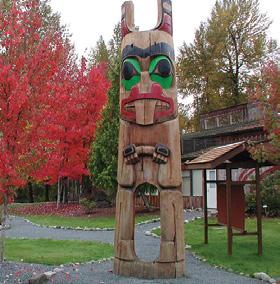
Located on the lands of the Cowichan Tribes, the Quw’utsun’ Cultural Centre is truly an immersive Indigenous experience. Learn about the traditions, art, and history of the Cowichan Tribes, the largest Indigenous group on Vancouver Island. Explore exhibits, enjoy a traditional salmon barbecue, and witness live performances of Cowichan songs and dances. cowichantribes.com
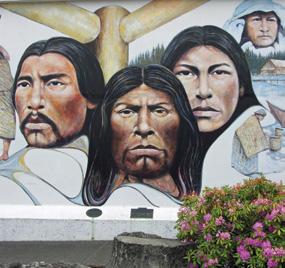
Chemainus is considered Canada’s Mural Capital! Take a self-guided walking tour of the murals, which depict the community's logging history, Indigenous culture, and life as an industrial town. There are over 60 art installations located all throughout Chemainus. muraltown.com
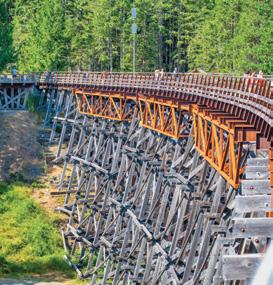
The Kinsol Trestle, located in the Cowichan Valley, is one of the largest wooden trestles in the world. Originally built for the railway in 1920, it’s now part of the Cowichan Valley Trail, offering stunning views and a glimpse into early 20th-Century engineering. cvrd.ca
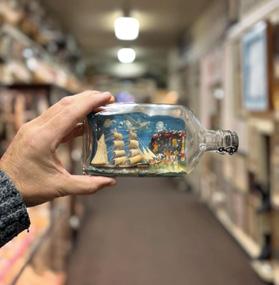
The Hand of Man Museum is a unique collection of natural and human history. Located in Maple Bay, just outside of Duncan, this museum was founded by artist and collector Jim Shockey. It’s a fascinating mix of artifacts, taxidermy, fossils, and cultural relics from around the world, offering an eclectic view of humanity’s connection to nature. Visitors can explore exhibits ranging from First Nations artifacts to fossils from prehistoric times, making it a popular stop for those interested in the intersection of natural and human history. handofmanmuseum.com
Coal mining and cultural history are some of the top exhibits at the Nanaimo Museum, located in Downtown Nanaimo. Learn about the town’s coal-mining past, local Indigenous culture, and the lives of
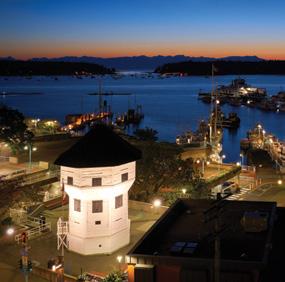
settlers who were an important part of Nanaimo’s development. You’ll also be able to see the Nanaimo Bastion, a fort of the fur trade and coal mining era that was built by the Hudson’s Bay Company in 1853. nanaimomuseum.ca
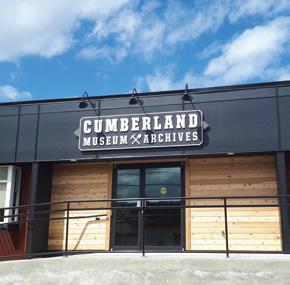
The Cumberland Museum is a showcase of coal mining heritage and labour history. This museum in Cumberland highlights the coal industry’s impact on the town and the early labour movements that emerged from the community. cumberlandmuseum.ca
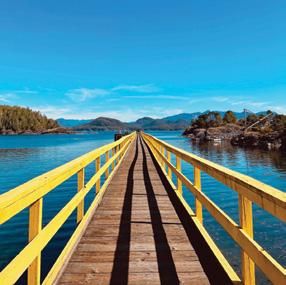
Located on Nootka Sound, Yuquot National Historic Site is considered the first contact site. Also known as Friendly Cove, this site marks where Captain James Cook first met the Nuu-chah-nulth people in 1778. pc.gc.ca
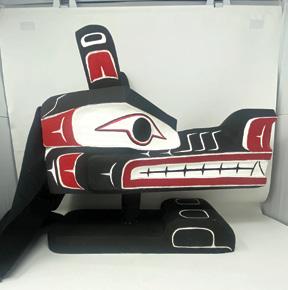
The U’mista Cultural Centre in Alert Bay is where you will find Potlatch regalia and cultural resilience. The centre showcases a collection of potlatch regalia that was confiscated during the colonial-era ban on potlatches, providing a powerful narrative of Indigenous resistance and cultural preservation umista.ca
Whether you are a history buff or just interested in where today’s island culture came from, there is a museum, lighthouse, centre, heritage site or artwork that tells a story of the area’s past.
TOURISM COWICHAN
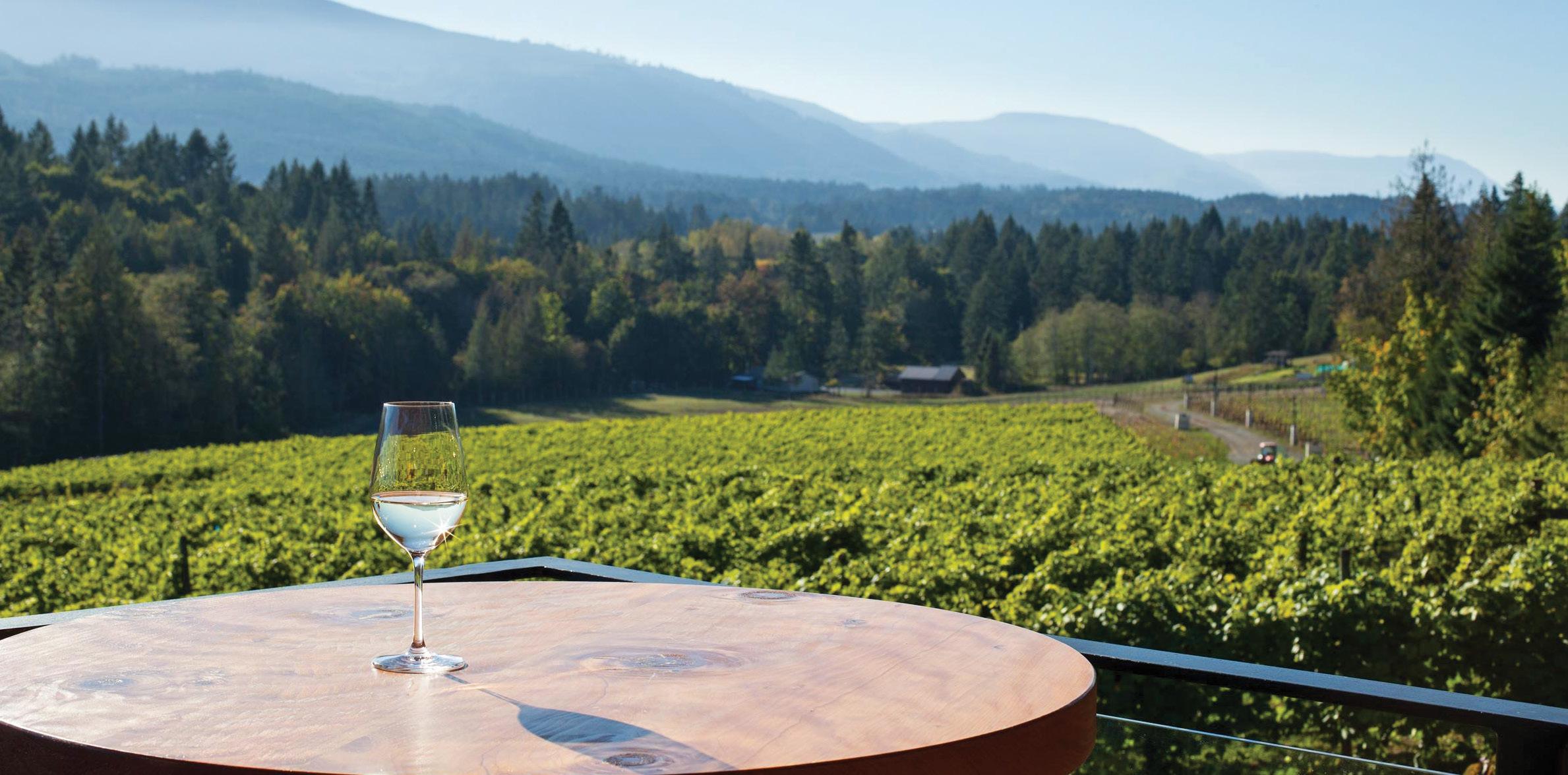
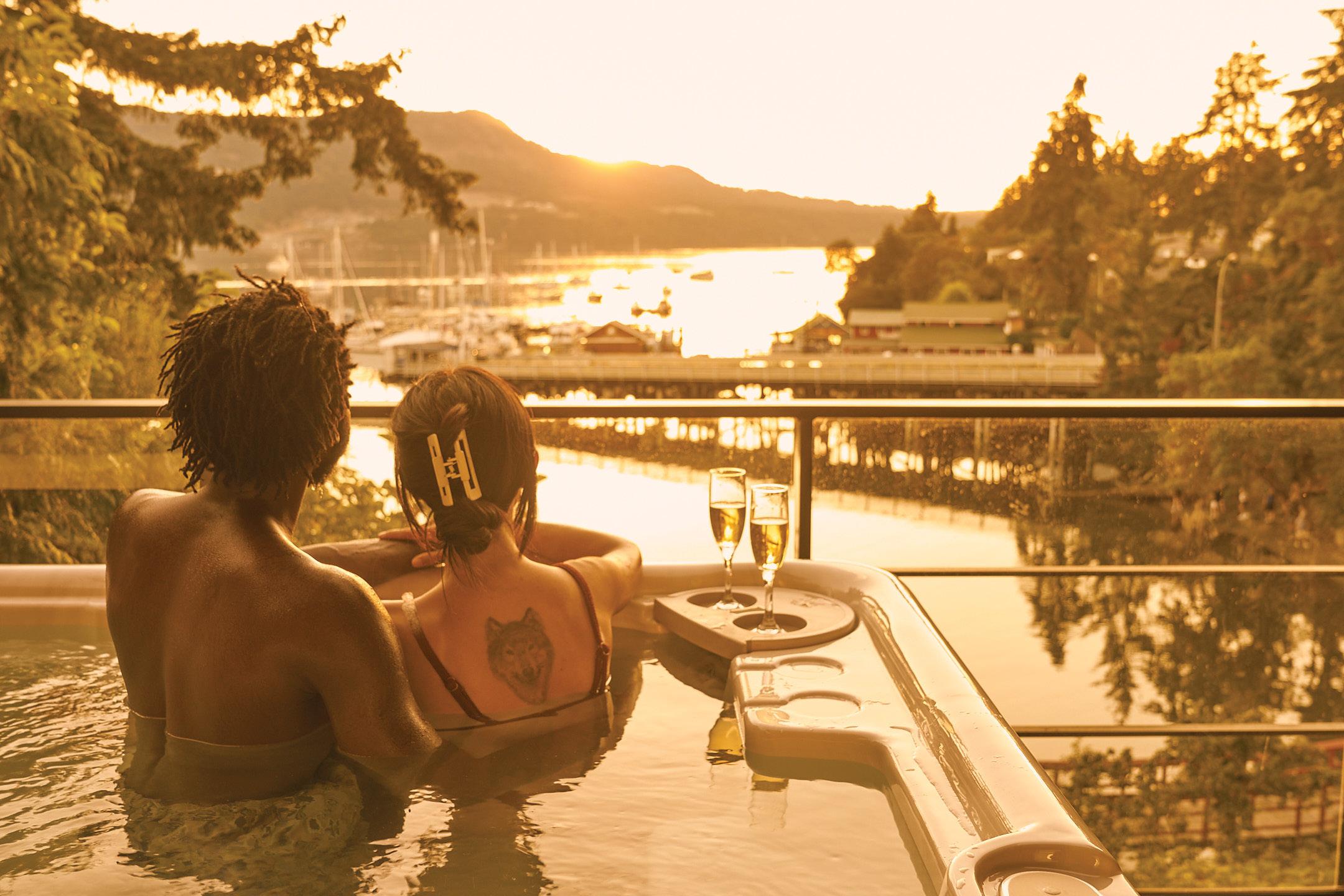
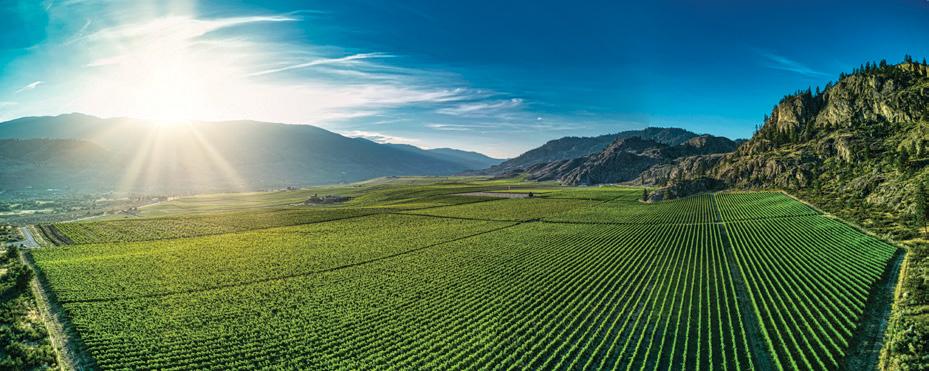
Located just outside the city of Victoria, the Cowichan Valley is flanked by verdant agricultural land on one side and wild coastline dotted with idyllic towns on the other. With terroir unique to this part of Vancouver Island, vintners here produce citrusy, floral whites and soft-structured red wines that reflect the rhythm of the seasons for many years.
If you are a wine-lover, Cowichan Valley boutique wineries are the perfect place to tour. Many are family-run and steeped in local charm with delicious delicacies that pair perfectly with each glass of quality vino.
Home to 13 wineries, the Cowichan Valley is Vancouver Island’s only official winemaking region. Many are surprised to learn Cowichan is one of the largest wine regions in BC. The time, energy, and love proprietors put into growing every grape is evident.
Winemaking in the region officially began in 1992 when the first commercial
winery opened in Duncan. Yet European homesteaders were growing grapes for private consumption as far back as the 1800s. A willingness to experiment in this new climate was evident in 1986 when an aptly titled “experimental vineyard” opened in Duncan on the lands now home to the Blue Grouse Estate Winery. Over 100 test vines of different grape varieties were grown there.
This experimentation and European influence can still be seen today in the varieties of wine produced—from Spanish tempranillo and French pinot gris to more
up-and-coming varieties like German bacchus and flavours that showcase other Cowichan produce, like lavender.
The Cowichan Valley’s unique microclimate makes it the warmest and driest region on Vancouver Island. Protected by surrounding mountains, the area is shielded from Pacific storms, resulting in mild winters, minimal frost, and an extended growing season. A distinctly Mediterranean climate, which is tempered by ocean breezes, keeps summer temperatures moderate and prevents extreme heat, creating ideal conditions for balanced, expressive wines.
The Cowichan Valley also features a diverse soil composition that contributes to the clean, elegant structure of its wines. Formed through ancient volcanic activity, shifting tectonic plates, and glacial movement, the soils are a complex mix of marine sediment, sandy loams, clay-rich pockets, and silty layers. This geological diversity allows for a wide range of grape varieties and expressions across the valley.
Sustainable production is central to the winemaking ethos in the Cowichan Valley. The area benefits from mild, maritimeinfluenced weather featuring warm summers and gentle winters, creating an ideal environment for cultivating diverse grape varieties.
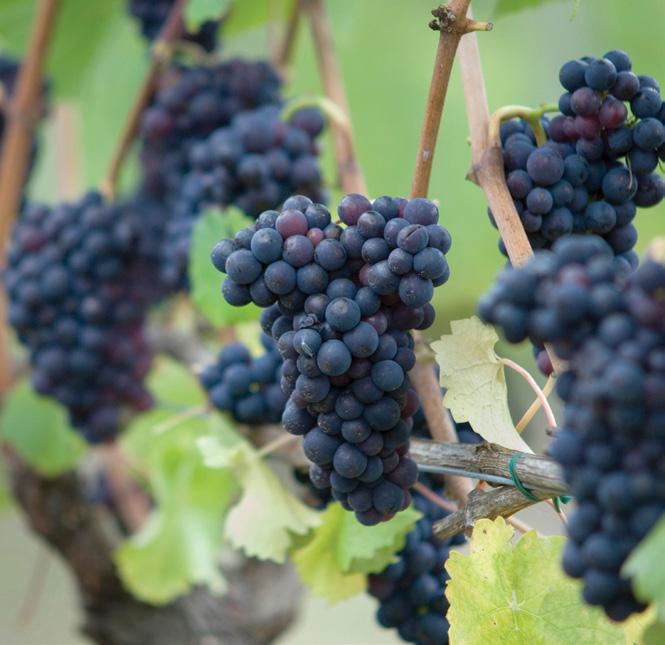
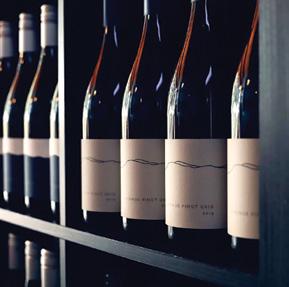
Cowichan Valley’s coastal climate is perfect for cool-climate grapes, resulting in fresh, expressive wines. You’ll find vibrant whites like pinot gris, chardonnay, ortega, and bacchus, along with pinot noir that shines with bright fruit and balanced acidity. Thanks to the region’s cooler temperatures and long sunlight hours, it’s also ideal for crisp sparkling wines and refreshing rosés—full of lively acidity and flavour.
Local varietals include:
• Ortega
• Bacchus
• Gewurztraminer
• Pinot gris
• MaréchalFoch
• Pinot noir
‟Cowichan Valley is Vancouver Island’s only official winemaking region”
Embark on an unforgettable journey through Cowichan Wine Country. Crafted in collaboration with the Cowichan Wineries Society and Tourism Cowichan, the Cowichan Wine Map invites you to discover award-winning vintages, picturesque vineyards and welcoming tasting rooms.
The proprietors are eager to share a deep appreciation for the beautiful surroundings that provide the area with so many ingredients over a crisp glass of Cowichan wine. Organic tending methods, natural wines, and vines that have been spray-free for over 60 years are just some practices dedicated to ensuring a flourishing natural environment for future generations.
• Alderlea Vinyards
• Averill Creek Vineyard
• Blue Grouse Estate Winery
• Cherry Point Estate Wines
• Cobble Hill Winery
• Divino Estate Winery
• Doel Estate Winery
• Emandare Vineyard
• Enrico Winery
• TellTale Winery
• Unsworth Vineyards
• Venturi-Schulze Vineyards
• Zanatta Winery
With files from winebc.com. Download the Cowichan Wine Map at tourismcowichan.com.
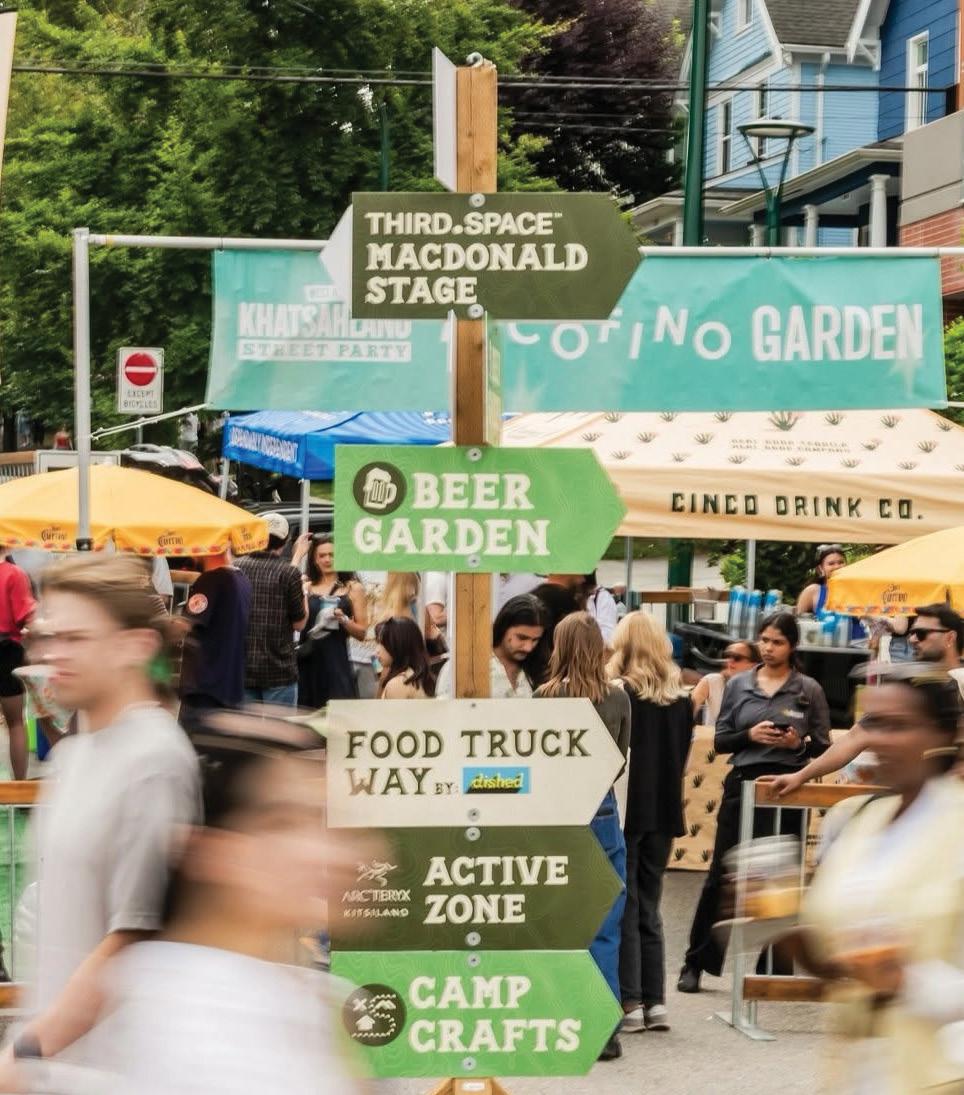
Khatsahlano Street Party
July 11
Canada’s largest free music festival transforms West Fourth Avenue in Vancouver into a celebration. khatsahlano.ca
Kinky Boots | July 7 to 12
Broadway in Victoria presents this hit musical celebrating acceptance, friendship, and fabulous footwear at the Royal Theatre in Victoria. rmts.bc.ca
Victoria Pride Parade & Festival | July 12
Celebrate diversity, inclusion, and community spirit at Victoria’s annual Pride celebration. victoriapridesociety.org
David Lee Roth, Live in Concert | July 13
Presented by MRG Live, the rock legend performs classic hits during a highly anticipated Vancouver concert. mrglive.com
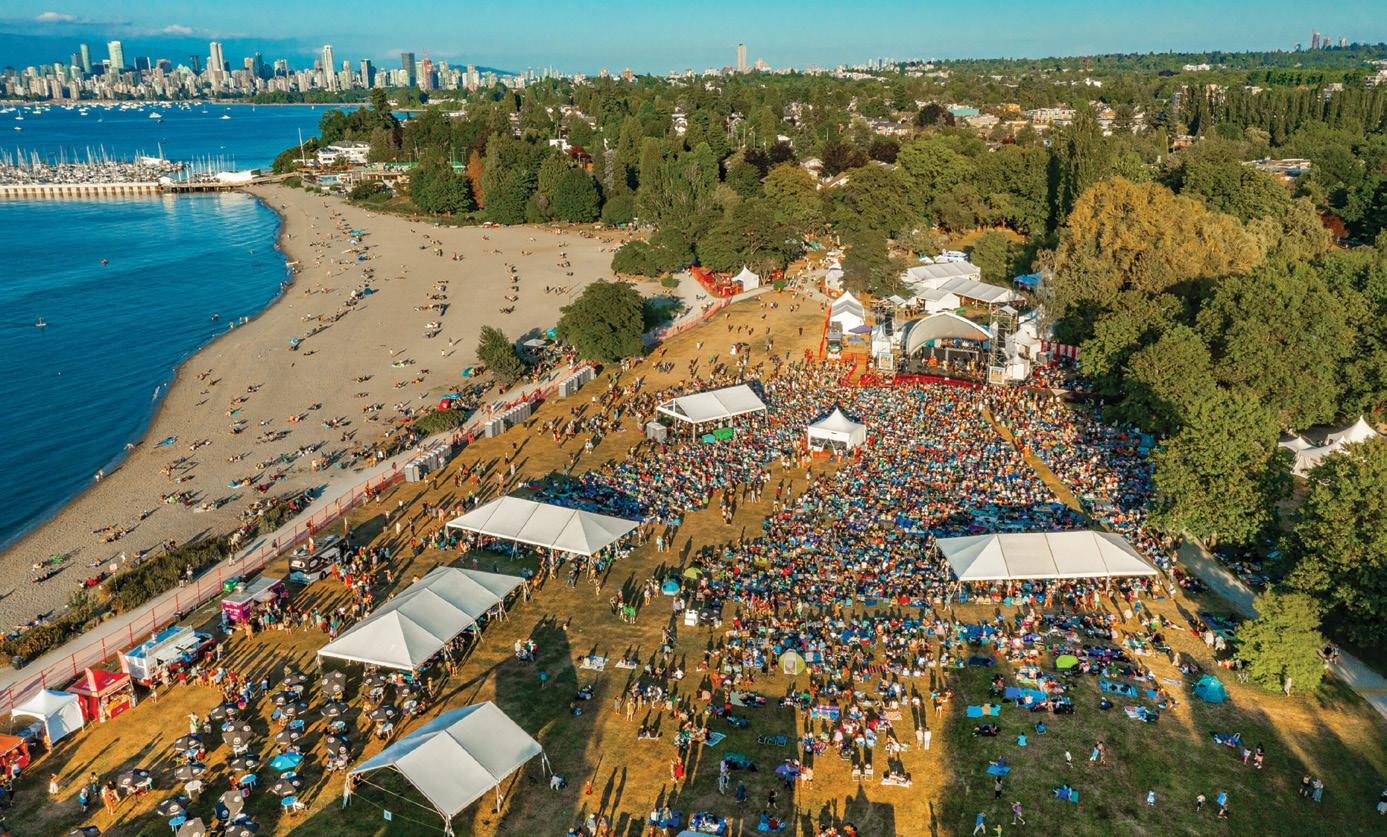
Vancouver Folk Music Festival | July 17 to 19
Three days of music, culture, food, and community by the Vancouver waterfront. thefestival.bc.ca
FIFA Fan Festival Vancouver
Until July 19
Daily match viewing, entertainment, activities, food, and celebrations at PNE Grounds. fifa.com
Loyal Nanaimo Bathtub Society – Bathtub Weekend
July 24 to 26
Nanaimo’s iconic summer festival features bathtub racing, parades, entertainment, vendors, and family activities. bathtubbing.com

BC Lions vs Toronto Argonauts | July 25
The Lions return to BC Place in Vancouver for can’t-miss CFL action against Toronto. bclions.com
Whitecaps FC vs Los Angeles FC | August 1 Majoy League Soccer action resumes with Vancouver hosting Los Angeles FC at BC Place. whitecapsfc.com
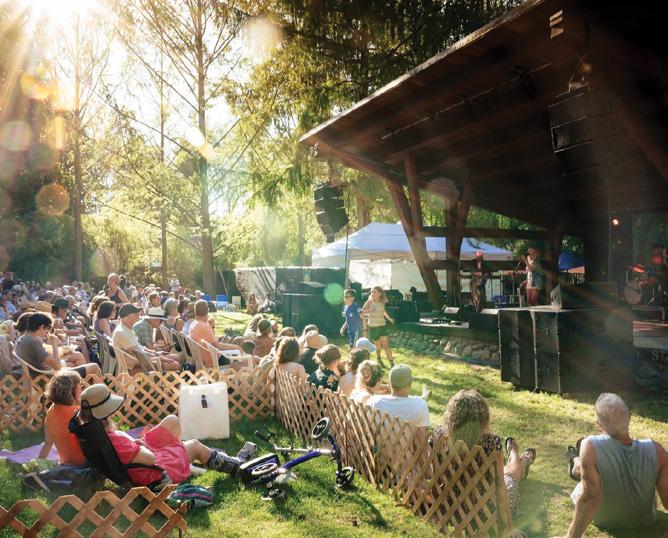
Filberg Festival
July 31 to August 2
Celebrate arts, crafts, music, and food in Comox’s beautiful Filberg Park. filbergfestival.com
Vancouver Pride Parade & Davie Village Pride Festival | August 2
One of Canada’s largest Pride celebrations featuring parades, performances, and festivities. vancouverpride.ca
Pleasant Day Festival
August 8
Community festival featuring music, local vendors, food, and family activities on Main Street in Vancouver. pleasantdayfest.com
The Play That Goes Wrong
Until August 16
The Arts Club Theatre Company presents a hilarious comedy packed with mishaps, mayhem, and nonstop laughs. artsclub.com
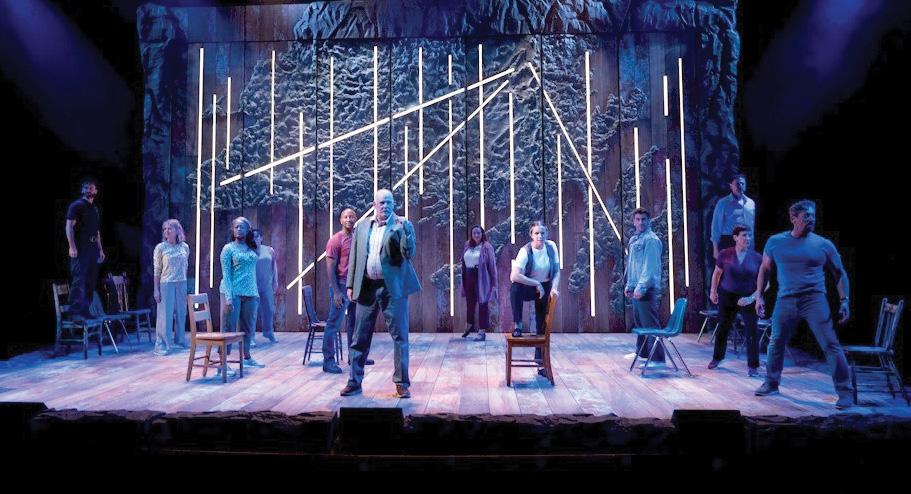
Come From Away | Until August 16
The Arts Club Theatre Company presents award-winning musical stories of kindness and community following 9/11. artsclub.com
Dirty Rotten Scoundrels
Until August 23
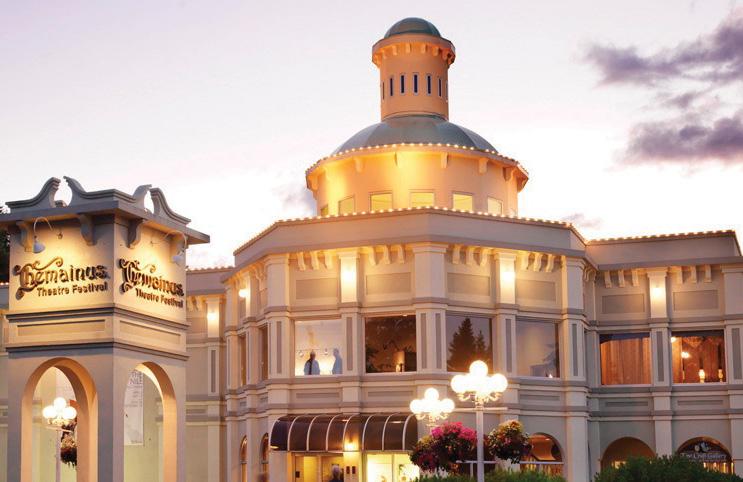
Classic comedy musical full of deception, romance, and unforgettable performances at the Chemainus Theatre. chemainustheatre.ca

Bard on the Beach | Until September
Enjoy Shakespeare and classic theatre productions at Vanier Park in Vancouver. bardonthebeach.org
Monty Python’s Spamalot
August 28 to 30
The outrageous Broadway musical comedy based on the cult classic film at Royal Theatre in Victoria. rmts.bc.ca

Lyle Lovett and his Small Large Band | September 15
Presented by MRG Live, this acclaimed singer-songwriter delivers a blend of country, jazz, and folk at Vogue Theatre in Vancouver. mrglive.com
Royal BC Museum: Ancient Egypt: Obsessed with Life Until January 5
Explore fascinating artifacts and ancient Egyptian culture through this immersive museum exhibition in Victoria. royalbcmuseum.bc.ca

Melanie C: The Melanie C Tour
September 18
Presented by MRG Live, the former Spice Girl performs solo hits and fan favourites at the Vogue Theatre in Vancouver. mrglive.com

JENN WINT, WINT COMMUNICATIONS
Live, in-person events are evolving, entering a more intentional era. From multi-day conferences to curated parties for targeted audiences, we are craving in-person connection in a way that feels different than before.
After years of defaulting to digital connection and then rushing to return to in-person, what brings us out of our home environments has changed. There’s now a clear and deliberate desire to come together with intention and for the right reasons.
Brands, corporate groups and communities are no longer hosting events simply to bring people into a room or tick a box for team building. They’re creating experiences with a purpose. In 2026, events are planned to build trust, deepen relationships, spark emotion, and leave attendees with a memorable experience.
present,” says Andrea Barr, certified executive coach, podcast host and creator of The Breakfast Club, an event series for working moms.
“With global uncertainty at an all-time high, there is one constant and certain need, and that is for human connection...”
“Digital overwhelm has permeated our professional and personal lives. As a result, in-person gatherings offer a necessary interruption, a permission structure, to be fully
“People are seeking a deeper level of collaboration, shared energy, and genuine emotional connection that the ‘mute’ button (or camera ‘off’) of a virtual call has stripped away.”
With AI content filling our feeds, gathering at in-person events is becoming one of the most powerful ways to cut through the noise. Whether it’s a corporate gala, client appreciation event, brand activation, product launch, leadership summit, concert, or curated consumer experience, people are craving moments that feel genuine and tailored to them. They want to engage with brands, businesses, and each other in ways that feel personal, thoughtful, and human.
This means more than putting out a cheese platter and choosing a generic playlist. There is intention behind every detail, from the guest list and venue to the flow of the event, entertainment, activities that cater to
different personality types and the feeling people are meant to leave with. Long before invitations go out, the most important considerations are the why and the purpose behind the event.
“The demand is no longer for just more events, but for ‘event intentionality.’ Any time spent away from work and personal commitments must be a high-value investment,” adds Barr.
“We’re seeing a clear mandate for events that promise a specific, tangible outcome and a genuine return on investment; not just of money, but of irreplaceable time. This rise in sophisticated, curated in-person experiences, from corporate and service providers to big brands, is a defining trend this year.”
That “why” matters. For corporate audiences, events are an opportunity to reinforce culture, deepen client relationships, celebrate milestones, and create alignment in a way virtual meetings simply can’t. For consumer-facing brands, live events offer a chance to build emotional connection, invite people into the brand story, and create moments that guests want to remember, talk about, and share. Understanding the attendee experience is now crucial in the event planning process.
“With global uncertainty at an all-time high, there is one constant and certain need, and that is for human connection, both professionally and socially,” says Rachel Quinn, founder of Quintessential Events.
“Event attendance rates this year are higher across the board, suggesting people are prioritizing these moments rather than treating them as optional. Over the past year, clients have shifted spending habits, and while many are being more mindful of spend and somewhat cautious on optics, most have shifted from multiple events and gatherings to more intentional, high-impact experiences.”
Today, the most successful events are not just wellorganized. They are meaningful, immersive, and designed with intention and audience consideration from the very beginning. Venues become environments designed to feel inclusive, comfortable and purposeful. While budgets vary, strategic design, thoughtful activities, and quality refreshments create the foundation for successful connections and the lasting impressions that hosts and attendees are looking to achieve.
“Ultimately, guests are far more likely to remember the people they met and the conversations they had than the décor itself,” adds Quinn.
“But when a space is thoughtfully designed, those connections don’t feel forced, they happen naturally and seamlessly.”
Screen time from working from home and social time spent online is at an all-time high leaving people with a need to connect in person. Live events and in-person experiences offer the opportunity to have spontaneous conversations, spark ideas and share moments of connection, all of which have a lasting impact on us both mentally and physically.
In a digital world where a hustle culture is the norm, people are opting into events and real-life experiences over living online.
STACIE GAETZ, IN-FLIGHT REVIEW
For the modern traveller, the definition of luxury has fundamentally shifted. It is no longer just about isolated high-end resorts; it is about seeking immersive, grounded, and authentic experiences that offer a meaningful narrative. This desire for real connection has fueled a magnificent macroeconomic trend across British Columbia: the steep rise of the agritourism sector.
These vibrant, working ecosystems offer a rare blend of premium artisanal products and profound, lifestyle-driven engagement for visitors of all generations.
A journey through the island’s agricultural heart reveals how local families are opening their gates, transforming traditional farming into unforgettable tourism experiences.
The journey begins in Black Creek, nestled quietly at the base of Mount Washington on the rural outskirts of
the beautiful Comox Valley. Here lies Coastal Black Estate Winery, an awardwinning estate fruit winery and cidery that stands as a model of exceptional agricultural diversification.
The true heartbeat of Coastal Black is its operational heritage: a single-family farm made up of four generations living and working together. Depending on when you wander through their pristine property, their collaborative efforts yield an incredible variety of premium goods, including fruit wine, cider, mead, fresh market fruit, candles, and honey.
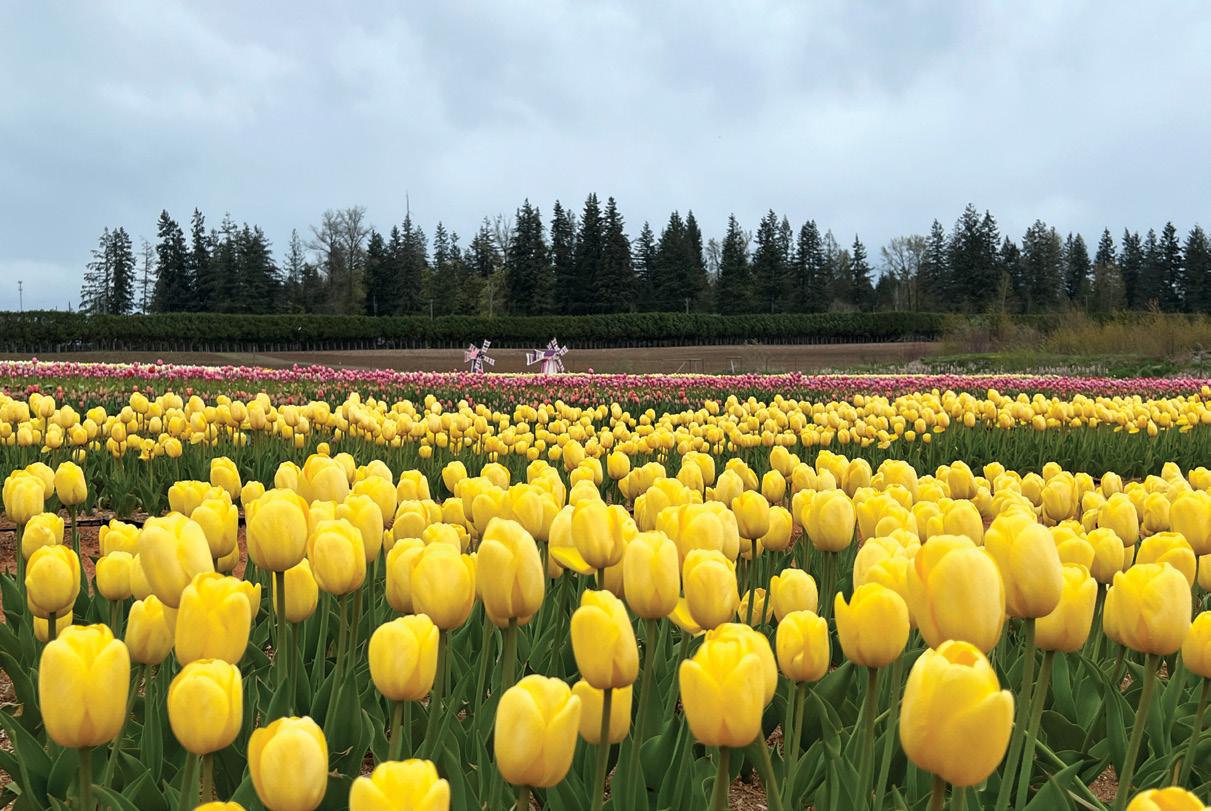
Coastal Black has mastered the art of creating seasonal tourist traditions. Visitors flock from all over the country in April and May to see the landscape blanketed in vibrant colours during their annual Tulip Fest. By autumn, the estate shifts its operations for October’s famous Pumpkin Fest, perfectly balancing farm logistics with nostalgic family celebration.
The farm is also the proud birthplace of Big D’s Bees Honey. This specialized branch produces a stunning lineup of
pure honey varieties, including Fireweed Honey, Wildflower Honey, Creamy Honey, Creamy Cinnamon Honey, Cocoa Honey, and seasonal delights like Pumpkin Spice. These artisanal honeys are distributed across major grocery chains throughout Vancouver Island, along with local health food stores and vibrant farmers markets.
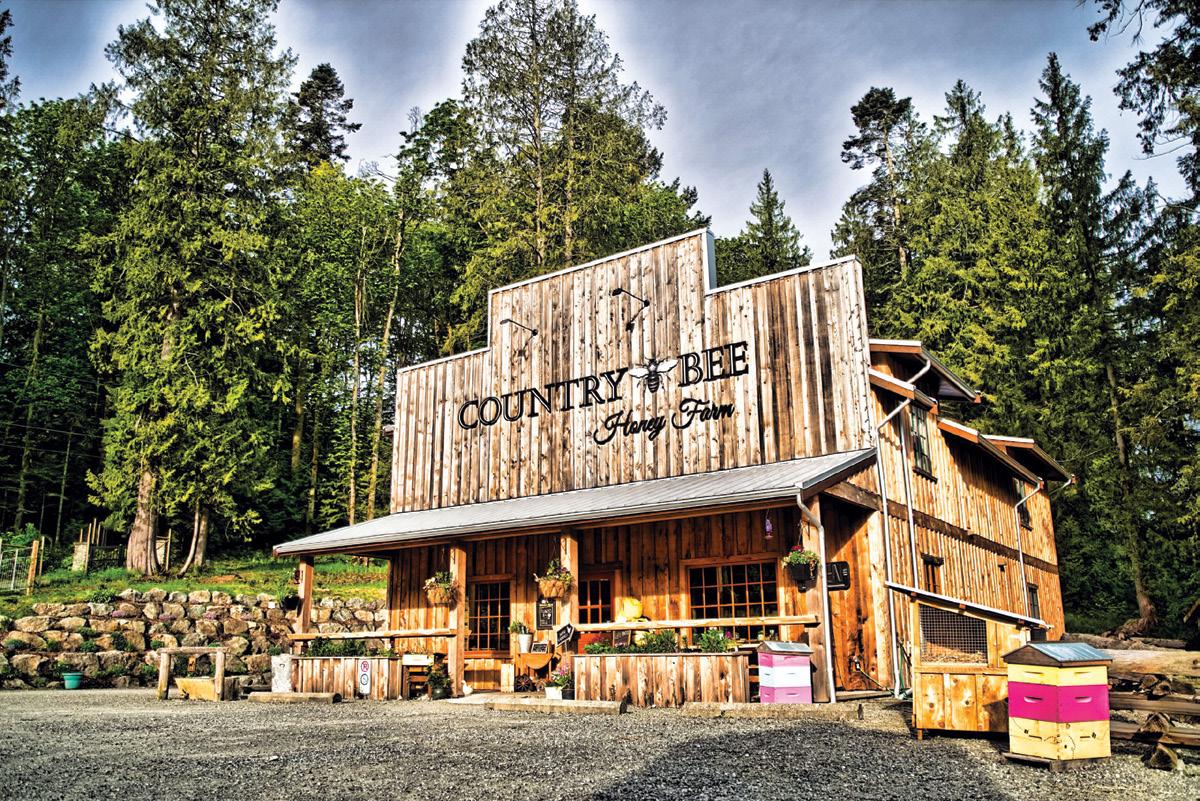
Further south, the narrative of the island’s agritourism rise flows onto the highly sought-after Saanich Peninsula. Here, Country Bee Honey Farm approaches the lifestyle experience through the lens of hyper-local terroir and interactive transparency. The team prides themselves on delivering amazing honey, delicious custom infusions, farmraised livestock, and unique gift ideas. Country Bee has pioneered an elegant way for travellers to taste their way around the Saanich Peninsula. Every jar of their premium honey is meticulously labelled with the street name where the
4
specific hives are located. Because the local micro-climatological foraging conditions vary from road to road, no extraction ever tastes the same.
Visitors are welcome to interact with the farm animals, enjoy a locally made treat from the on-site café at one of the peaceful outdoor picnic tables, or stand mesmerized in front of a live observation beehive to watch the bees creating honey right in front of them.
Entry to the lower farm area is run entirely by donation, making it an accessible outdoor family activity.
Closer to the provincial capital of Victoria, tucked away in the fertile Blenkinsop Valley, lies Galey Farms. This fourth-generation family farm blends large-scale sustainable agriculture with highly engaging public education.
Spanning across nutrient-rich soils, Galey Farms is a major regional supplier, meticulously growing dozens of varieties of fresh vegetables and juicy berries using eco-friendly compost and integrated pest management. However, their true impact on the lifestyle tourism scene comes from their ability to successfully connect people directly to their food.
Galey Farms invites travellers and locals to experience the joy of harvest first-hand through their nationally 3
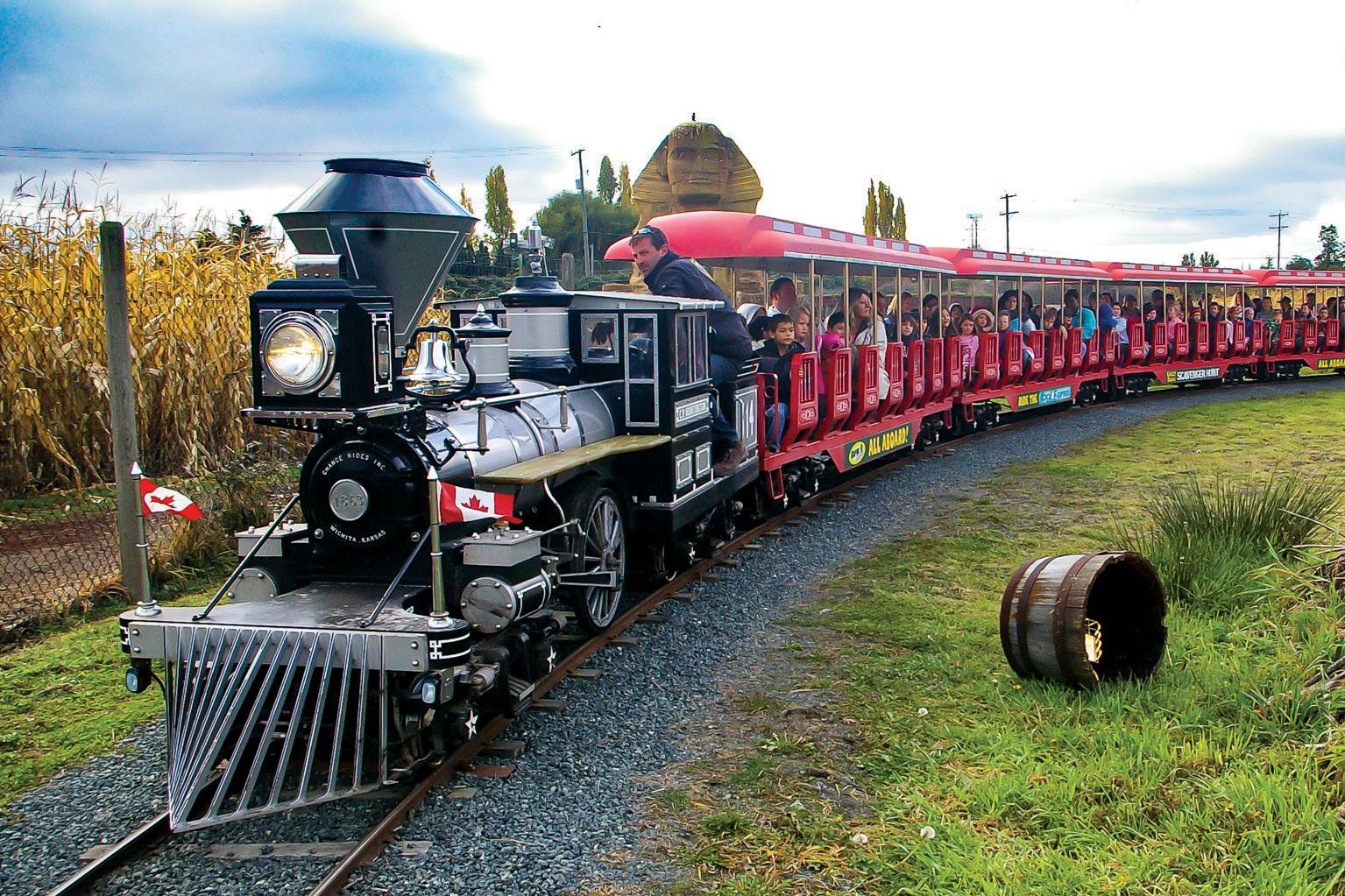
renowned, family-friendly attractions. Guests can board a scenic, scale-replica railway that winds over a mile through the working production fields and animated displays, or test their wits inside an intricate, six-acre corn maze. Their central Farm Market building serves as a bustling hub where visitors can enjoy field-fresh sweet corn cooked on-site, purchase vibrant decorative gourds, and take home seasonal strawberries picked that morning.
Beacon Hill Children’s Farm
At the final leg of the journey, the agricultural experience beautifully transitions right into the urban core at Beacon Hill Children’s Farm. Located within the spectacular boundaries of beautiful Beacon Hill Park in Victoria, this unique destination brings an authentic farm animal experience directly into the city.
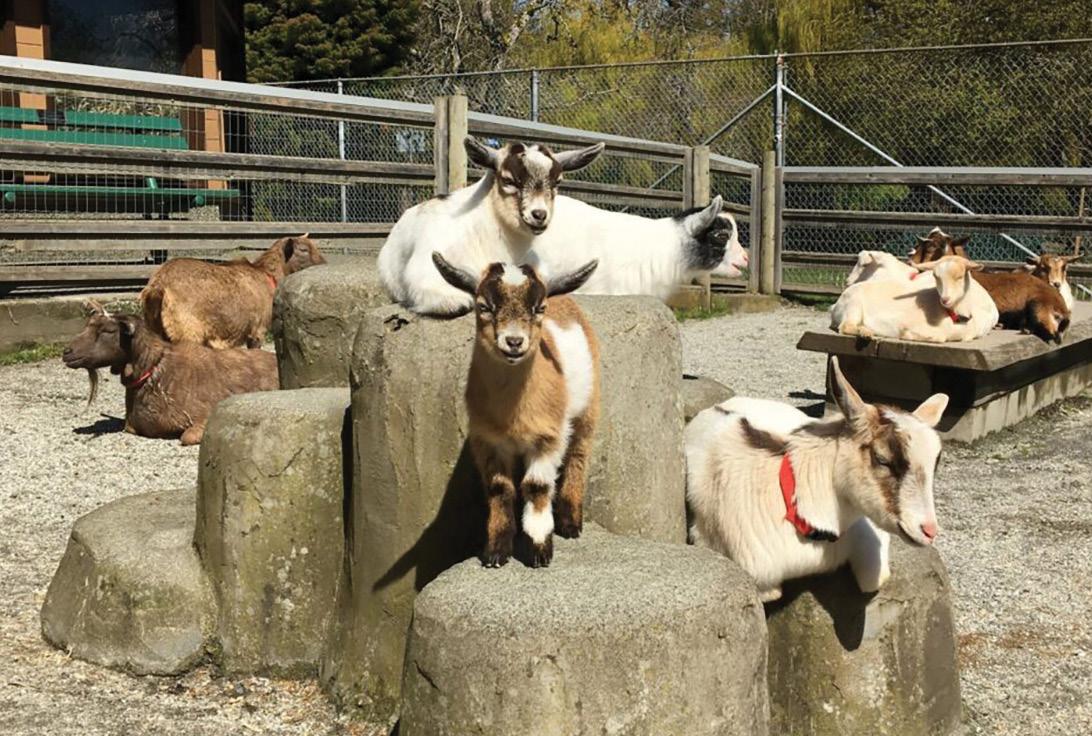
Operated since 1985 by the Koenders family in conjunction with the Beacon Hill Farm Society, this urban sanctuary takes immense pride in providing both an educational and economical form of entertainment for the whole family. It offers a safe, welcoming home to more than 100 farm animals. During its operating season, the farm becomes a busy, vibrant hub of community life. Its unique location and lifestyle focus attract an incredibly diverse mix of people—including
regular local visitors, tourists, families, summer camps, and travel groups.
A stroll through the farm lets guests visit and interact with a wonderful assortment of residents, including pigs, chickens, guinea pigs, birds, goats, donkeys, alpacas, and more. Adding to the natural allure of the experience, the area is also frequently visited by local West Coast wildlife. Visitors often catch glimpses of wild peacocks, majestic great blue herons, roaming birds of prey, squirrels, and raccoons moving through the park surroundings. It serves as the perfect city-side bookend to a comprehensive island agricultural tour.
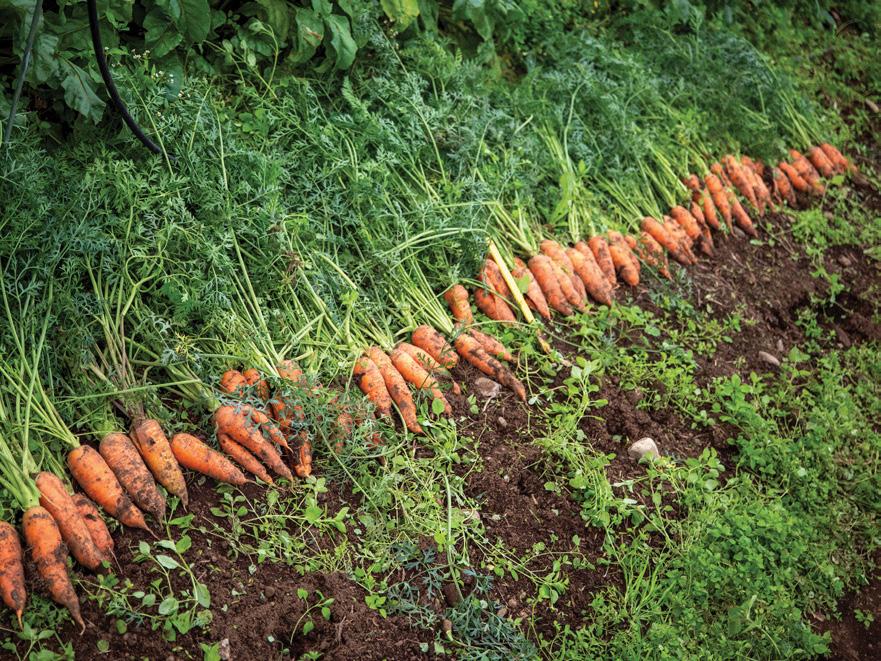
The remarkable rise of Vancouver Island’s agritourism lies in its power to replace the digital noise of modern life with something beautifully tangible, authentic, and enduring. For travellers exploring the Pacific Northwest, these distinct destinations offer far more than a casual afternoon itinerary. They provide a direct window into the beauty of sustainable enterprise, the passion of multi-generational dedication, and the exquisite, premium flavours born directly from British Columbia’s pristine coastal soils. Step past the standard tasting rooms and out into the open fields—the authentic spirit of the island is waiting to be discovered.

GRAHAM PLUMB, MOOLA FINANCIAL COACHES & ADVISORS
Wealth doesn’t happen overnight. Years of long days, difficult decisions, and calculated risks eventually turn into something meaningful—a profitable business, a comfortable home, a stable pension, growing investment accounts, and confidence that the future is looking bright.
Yet for many, there comes a point where the financial conversation changes. It’s no longer about how to earn more money. It’s about how to keep more of it.
Consider a Victoria couple with two children, ages 11 and 16. The husband owns a successful incorporated business and receives approximately $400,000 per year in dividends. His wife is a professional earning $150,000 annually from her employer.
Over the years, they’ve built an impressive financial foundation. Their home is worth approximately $1.6 million, with a remaining mortgage balance of $475,000. They have contributed consistently to their RRSPs and TFSAs, have nearly $90,000 saved for their children’s education, and have accumulated additional nonregistered investments.
For many Canadians, home equity is their largest asset. Ironically, it’s also one of the least productive.
In this example, our Victoria family has over $1 million of equity tied up in their home. That’s a tremendous asset, but unlike an investment account, that equity isn’t generating income or growth beyond the appreciation of the property itself.
This is where the Smith Manoeuvre enters the conversation.
“It’s no longer about how to earn more money. It’s about how to keep more of it.”
From the outside, they’re doing everything right. But like many higher-income families, they are paying substantial taxes every year and beginning to ask a different question: “Are there smarter ways to structure what we’ve already built?”
For families at this stage, two strategies are often worth exploring.
The strategy is built on a simple concept.
Mortgage interest on your personal residence is generally not tax deductible. However, interest on money borrowed for investment purposes may be deductible when structured correctly.
As the family makes their regular mortgage payments, a readvanceable mortgage allows them to access the equity they’ve created.
Rather than letting that equity sit idle, they can borrow against it and invest the funds into a diversified investment portfolio.
Imagine that over several years they gradually invest $250,000 using this approach.
If that portfolio earns an average long-term return of seven percent annually, it could potentially grow to more than $490,000 over 10 years. At the same time, the interest on the investment loan may create valuable tax deductions, particularly for a family already earning significant income.
The goal is to transform non-deductible debt into potentially deductible debt while building assets that may contribute to their long-term financial goals.
For families who already have strong cash flow and substantial home equity, this can be an effective way to make an existing asset work harder.
Successful business owners often encounter a challenge that salaried employees never face. What should they do with excess cash inside their corporation?
Many business owners accumulate retained earnings that aren’t needed for operations. Those funds often end up invested inside the company, which can certainly be appropriate. However, over time, investment income generated inside a corporation can create additional tax complexity and may affect access to certain small business tax advantages.
For some business owners, corporately owned permanent life insurance becomes part of the solution.
At first glance, life insurance may not seem like a tax-planning strategy. Most people think of it simply as protection for their family.
Permanent life insurance can do much more.
Let’s say our business owner consistently leaves surplus profits inside his corporation each year. Rather than directing all those dollars into traditional taxable investments, he allocates a portion toward a permanent life insurance policy owned by the corporation.
Over time, the policy’s cash value can grow on a taxadvantaged basis. More importantly, when the insured eventually passes away, the death benefit is generally paid tax-free to the corporation.
Depending on the structure, much of that benefit may then be distributed to beneficiaries through the corporation’s Capital Dividend Account, potentially creating a far more tax-efficient transfer of wealth than simply leaving investment assets behind.
The family in our example has already checked many of the traditional planning boxes. They have retirement savings, education savings, home equity, and a successful business. Strategies like the Smith Manoeuvre and corporately owned permanent life insurance won’t be appropriate for every family. Both require careful analysis, and both should be implemented only with advice from qualified tax, legal, and financial professionals.
However, they illustrate an important principle that many successful business owners eventually discover: Building wealth is important. Keeping more of it—and passing more of it on— is more important!
This article is intended for educational purposes only and should not be considered tax, legal, or investment advice. Individuals should consult qualified professionals before implementing any financial strategy.

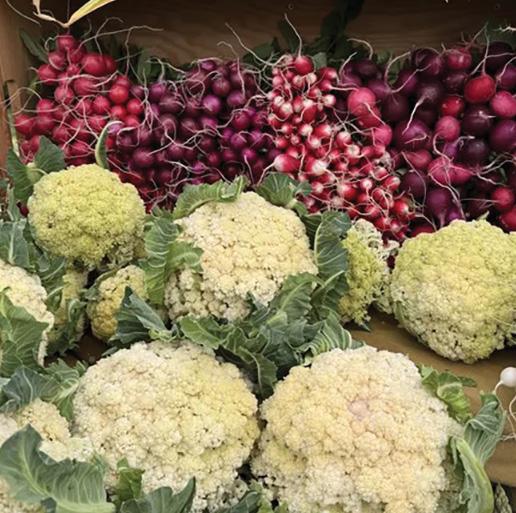
Nothing says summer in British Columbia quite like spending a morning or evening wandering through a farmers' market. From fresh berries and artisan breads to handcrafted goods and locally made treats, farmers' markets are one of the best ways to support local producers while enjoying the season’s bounty. Whether you’re exploring Vancouver Island, or Metro Vancouver, here are some of the best markets to visit this summer.
Moss Street Market
1330 Fairfield Road, Victoria victoriafarmersmarket.ca
One of Victoria’s most beloved markets, the Moss Street Market features more than 100 vendors offering local produce, baked goods, flowers, prepared foods, crafts, and live entertainment.
Gorge Farmers’ Market
Gorge Park, 1070 Tillicum Road, Victoria esquimaltmarket.com
This community-focused market offers fresh produce, local food vendors, artisan products, and a welcoming neighbourhood atmosphere.
Oaklands Sunset Market
2827 Belmont Avenue, Victoria sunsetmarket.org
A popular evening market featuring food trucks, local makers, fresh produce, live music, and family-friendly activities.
North Saanich Farm Market
10990 West Saanich Road, North Saanich northsaanichfarmmarket.ca
This small but charming farm market focuses on locally grown produce, baked goods, and products from Peninsula farmers.
From fresh berries and artisan breads to handcrafted goods and locally made treats, farmers’ markets are one of the best ways to support local producers while enjoying the season’s bounty.
Island Roots Farmers’ Market
Beban Park 2300 Bowen Road, Nanaimo islandrootsmarket.ca
Nanaimo’s only year-round farmers' market moves outdoors for the summer and showcases local growers, food producers, and artisans from across Vancouver Island.
Cedar Farmers’ Market
1984 Woobank Road, Cedar cedarfarmersmarket.org
Celebrating its 30th season, Cedar Farmers' Market is known for its strong agricultural focus, friendly atmosphere, and impressive variety of local vendors.
Trout Lake Farmers’ Market
Lakewood Drive and East 13th Avenue, Vancouver
eatlocal.org/markets/trout-lake
One of Vancouver’s largest and busiest farmers' markets, Trout Lake attracts dozens of farms, food producers, and food trucks every weekend.
Riley Park Farmers’ Market
50 East 30th Avenue at Ontario Street, Vancouver
eatlocal.org/markets/riley-park
Located beside Queen Elizabeth Park, Riley Park offers an excellent mix of fresh produce, artisan foods, and local makers.
Kitsilano Farmers’ Market
Larch Street and West 10th Avenue, Vancouver eatlocal.org/markets/kitsilano
A favourite West Side destination featuring more than 50 farms and producers each week.
Mount Pleasant Farmers’ Market
East 8th Avenue and Guelph Street, Vancouver eatlocal.org/markets/mount-pleasant
This vibrant neighbourhood market combines fresh food, prepared meals, local crafts, and community spirit.
Ladner Village Market
Delta Street and surrounding streets, Ladner ladnervillagemarket.com
Visitors can browse local produce, artisan foods, handcrafted goods, and unique products from hundreds of vendors.

Garry Point Park, 12011 7th Avenue, Richmond sfam.ca
Located in the historic fishing village of Steveston, this popular market combines local farms, artisan vendors, food producers, and live entertainment against a beautiful waterfront backdrop.
White Rock Farmers’ Market 15154 Russell Avenue, White Rock whiterockfarmersmarket.ca
The White Rock Farmers' Market features fresh produce, baked goods, prepared foods, flowers, and artisan products. Visitors often combine a market visit with a stroll along the famous White Rock Pier and promenade.
ERIKA PALMER, IN-FLIGHT REVIEW
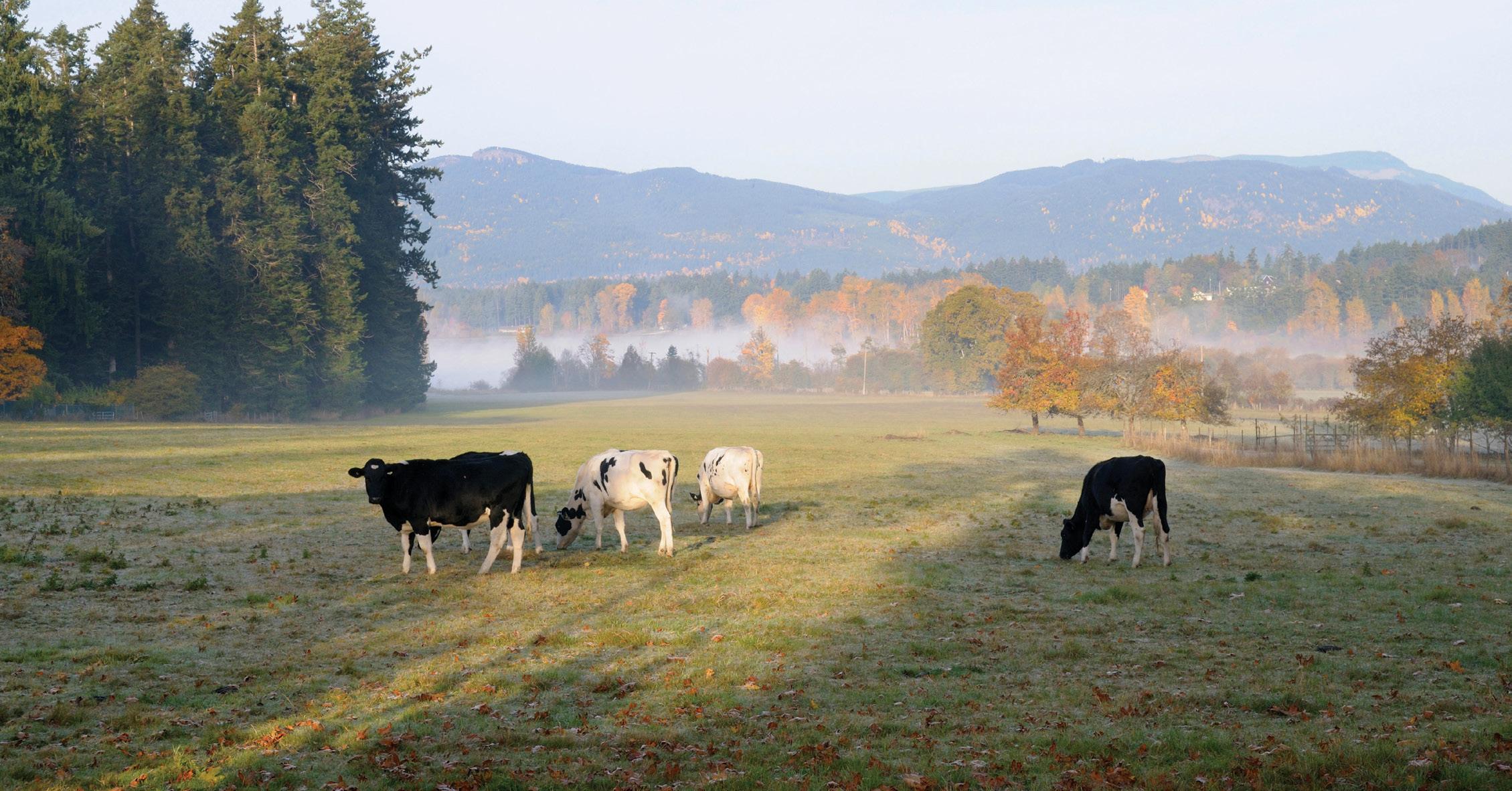
Cheesemaking on Vancouver Island is equal parts heritage, craft, and pure West Coast flavour. While cheese has been part of Canadian cuisine since roughly the 1600s, it didn’t make its way west until the 1800s, when early settlers brought dairy cows to the coast. Vancouver Island’s mild climate and lush green pastures soon proved perfect for dairy and for the art of turning milk into cheese.
In the early days, cheesemaking was a homegrown affair. Families made simple farmhouse cheeses in kitchens and barns, using whatever milk they had on hand. For a time, large-scale production shifted to the mainland, where transportation and refrigeration were easier to manage. But the island never lost its connection to small-batch dairy.
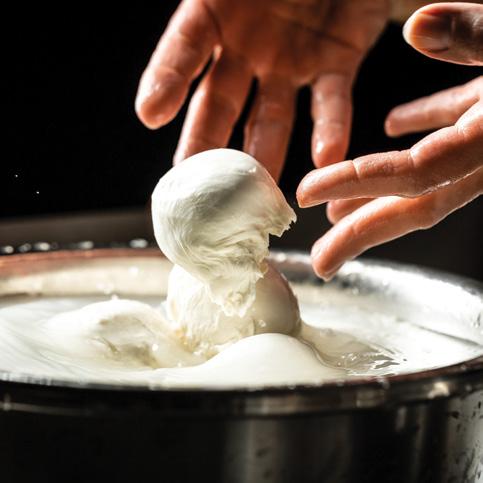
...the island never lost its connection to small-batch dairy.
Over the past few decades, a quiet revival has transformed that humble tradition into an artisan movement. Up and down Vancouver Island you’ll find a growing number of cheesemakers crafting everything from fresh chèvre and feta to aged alpine-style wheels.
So, what makes Vancouver Island cheese so special? It’s all about the terroir—the environment that gives milk (and therefore cheese) its unique taste. Plus, most island producers still use traditional methods, minimal processing, and sustainable practices that reflect the region’s values.
• Although cheddar and mozzarella are still leading the way when it comes to cheese purchases, Artisan varieties are now the fastest-growing cheese category in Canada.
• BC’s cheesemaking scene is small but mighty, home to a few dozen independent producers, many concentrated on Vancouver Island.
• Vancouver Island cheesemakers regularly take-home national awards, helping to put the island on the map for food tourism.
Natural Pastures Cheese Company | naturalpastures.com
A true pioneer in island cheesemaking, Natural Pastures creates everything from fresh bocconcini to rich, aged alpine cheeses. Their buffalo mozzarella has earned international recognition, and the Courtenay shop is a must-visit for food lovers.
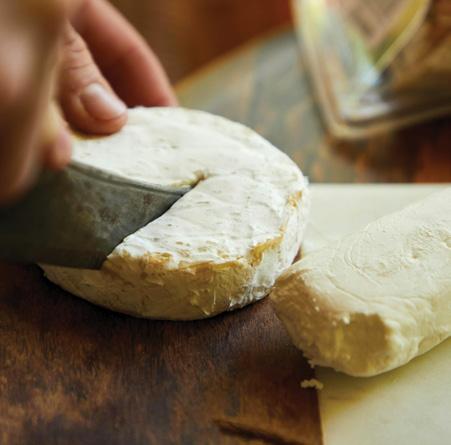
...what makes Vancouver Island cheese so special? It’s all about the terroir...
Little Qualicum Cheeseworks | cheeseworks.ca
This family-run farm and creamery in Parksville produces a wide range of cheeses—brie, blue, cheddar, feta, and more—using milk from their own herd. Visitors can take self-guided farm tours and watch cheesemaking in action before tasting the results.
BoMé Cheese | bomecheese.ca
BoMé Cheese is an artisan cheesemaker and café located in Coombs on Vancouver Island. They craft a wide variety of handmade cheeses including brie, blue-veined styles, alpine/herbal blends, washed-rind types, and more. Their cheeses are often infused with flavours like garlic-chives, herbs, or hemp seeds.
Salt Spring Island Cheese | saltspringcheese.com
Just a short ferry ride from Crofton or Victoria, this Salt Spring Island creamery is famous for its stunning goat cheeses adorned with edible flowers. It’s a beloved (and yummy) stop on any island cheese tour.
Feeling inspired to try your hand at cheesemaking? The island offers several hands-on specialty workshops and experiences for beginners at local recreation and community centres, or check out these cheese-making businesses:
Make Cheese with Paula | makecheesewithpaula.ca
Paula Maddison’s popular classes teach home cooks to make fresh cheeses like mozzarella, ricotta, and chèvre—no fancy equipment required. She offers workshops across the Gulf Islands and mid-island region, as well as on the mainland.
Victoria Cheese School | victoriacheeseschool.com
A hub for tastings, pairing classes, and cheese monger training, this Victoria school offers a delicious way to deepen your cheese knowledge from Camembert to cheddar.
So, whether you’re a serious turophile (that’s a cheese lover!) or just someone who can’t resist a gooey grilled cheese sandwich, Vancouver Island has you covered. The next time you spread a locally made creamy chèvre on a cracker or slice into a sharp, crumbly cheddar, remember that you’re tasting a bit of Vancouver Island’s rich, delicious history.


JUNE 9 to SEPTEMBER 19, 2026
Adapted by Bruce Horak with Rebecca Northan
Adapted by Stephen Drover
GOBLIN:OEDIPUS a Spontaneous Theatre creation
Adapted by Kate Besworth Season Sponsor
TICKETS FROM $30














Internationally award-winning jewellery designers and makers since 1972 950 Fort Street Victoria BC | 250-383-3414 | www.idar.com | @idarjewellers