





















Limited spaces still available for 2026-27.
Junior Kindergarten to Grade 5 | Oak Bay Campus
Grades 6 to 12 | Richmond Road Campus





































































































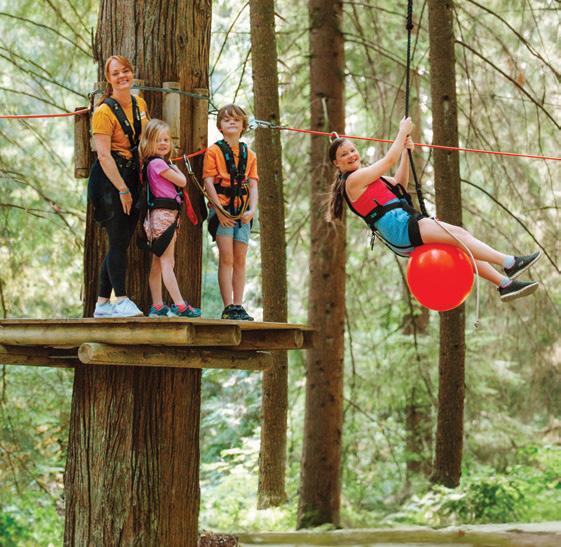


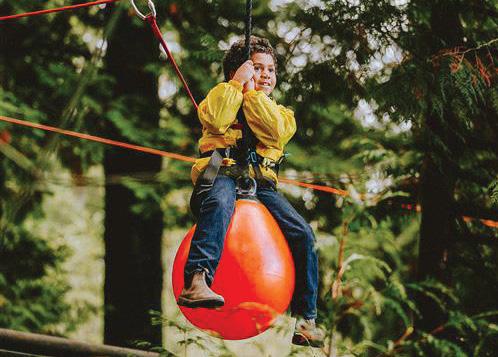





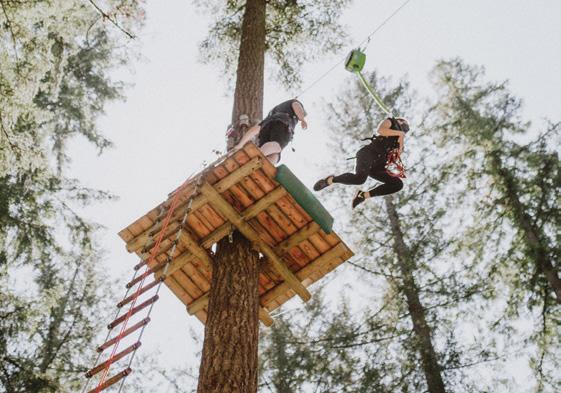




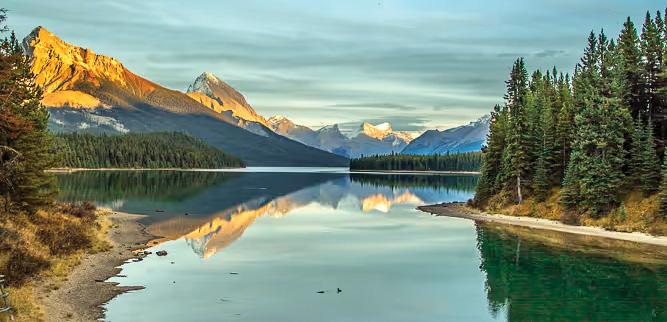


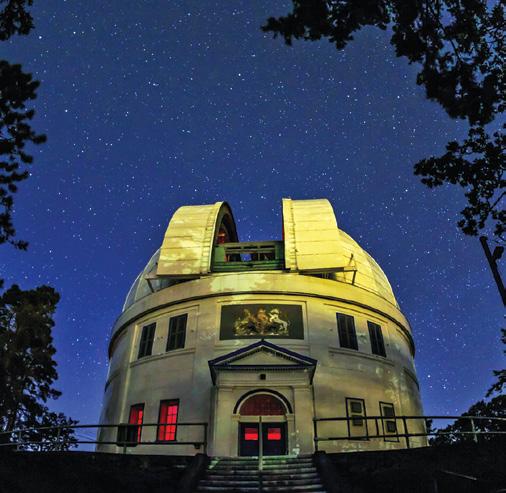



Summer on Vancouver Island is a natural time to celebrate the art of reinvention. For active adults, this isn’t about becoming someone else; it’s about coming back to “you”—dusting yourself off and reclaiming the essence of who you truly are. Joyful living begins with noticing what is already here. In moments of gratitude, wonder and awe, we easily rediscover the beauty woven into everyday life. Often, that beauty is found in connection and exploration. It might mean mapping out unforgettable island getaways to share with grandkids or immersing yourself in the region’s most anticipated summer events. For some, a sense of wonder comes from looking upward—perhaps tak-
ing this season to revisit a love of all things “space” at the Dominion Astrophysical Observatory or from diving into a new sport or hobby. Transformation can also be deeply personal and quiet. Your reinvention might start by picking up an inspiring photography book that prompts you to dust off your old camera. For others, a lifestyle shift includes exploring the wellness benefits of giving up alcohol or simply realizing the vital importance of movement.
Ultimately, reinvention can reshape our practical futures just as much as our daily habits. It could mean grabbing your star map and heading for the night sky in Indigenous British Columbia. Perhaps
it’s re-examining how we pass on our legacies; rather than waiting for a traditional inheritance through a will, more parents and grandparents are choosing to help loved ones sooner.
However it takes shape, summer offers the perfect canvas to design the next great chapter of life. There is no better time than right now to step boldly into the possibilities awaiting you and turn your personal aspirations into reality. Embrace this season of renewal whole-heartedly, knowing that your brightest, most fulfilling days are still yours to create.
Stacie Gaetz
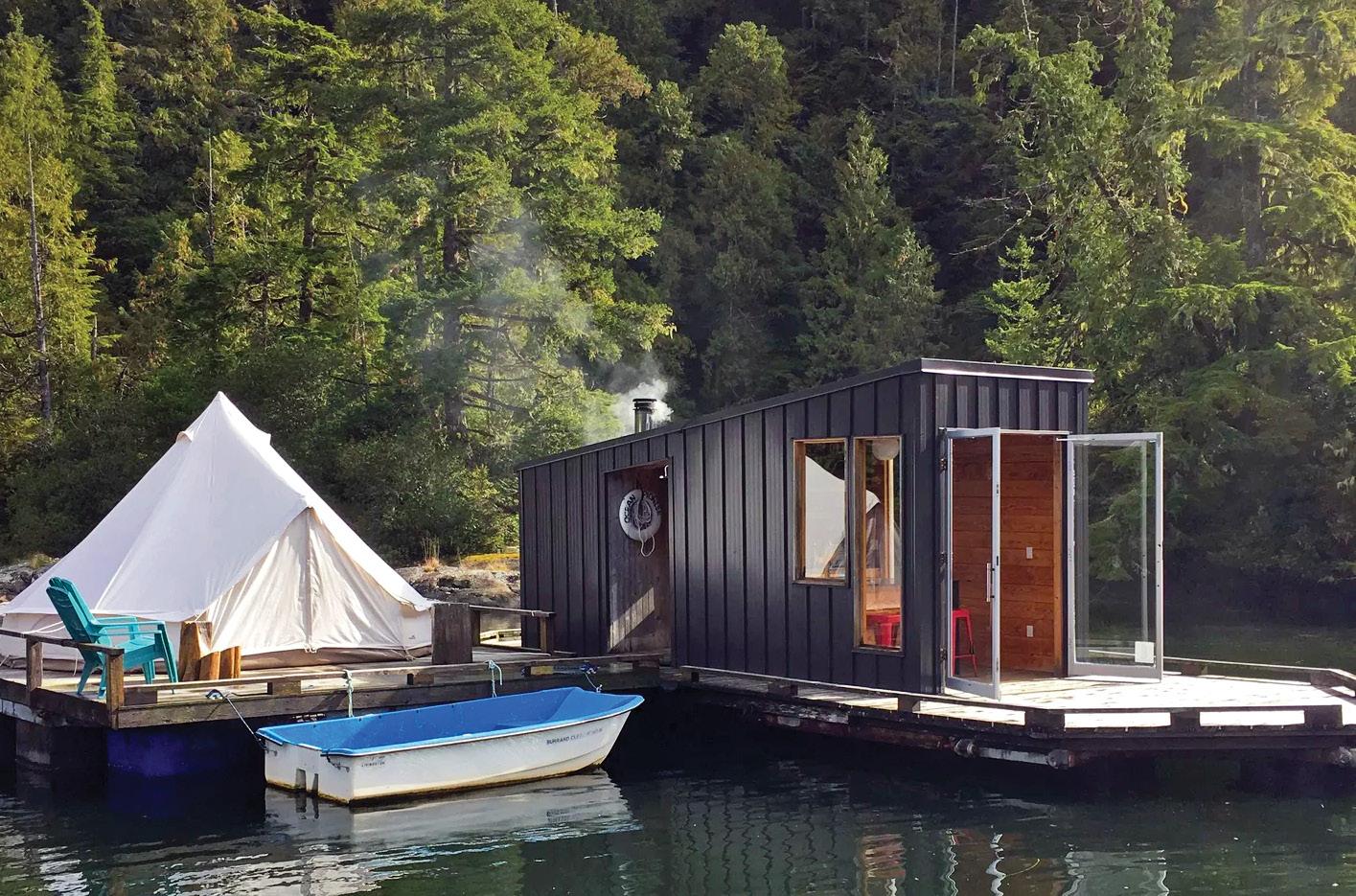
A short scenic boat trip and you are a world away from the tourist hustle and bustle of town. Bring your partner or besties and enjoy the private floating facility with a wood fired sauna, bathroom and kitchen. tofinoboating.ca

Vancouver-based fashion retailer Kit + Ace has recently opened a flagship location in downtown Victoria featuring comfortable, stylish clothing with easy-care fabrics for both women and men. You will find clothing suitable for work, play, days out running errands and nights on the town. kitandace.com
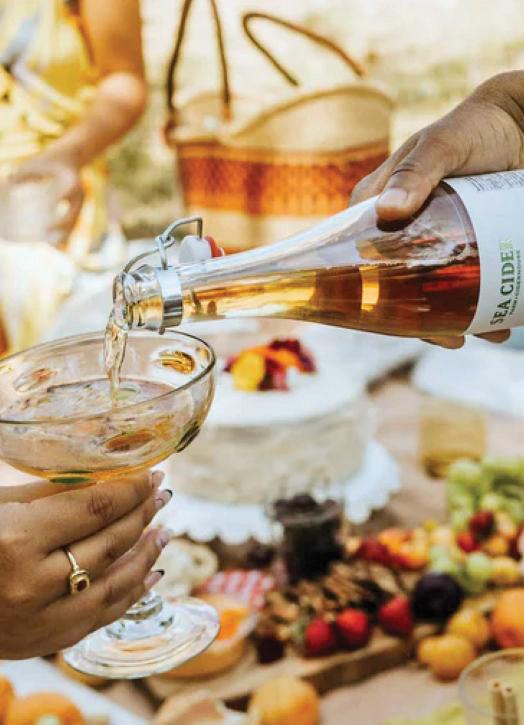
Sea Cider Farm is known for being one of the top agritourism attractions in Victoria, and famous for their traditionally fermented organic farm ciders. They also have a selection of delicious non-alcoholic sparkling drinks for those who want a special beverage without the buzz. seacider.ca
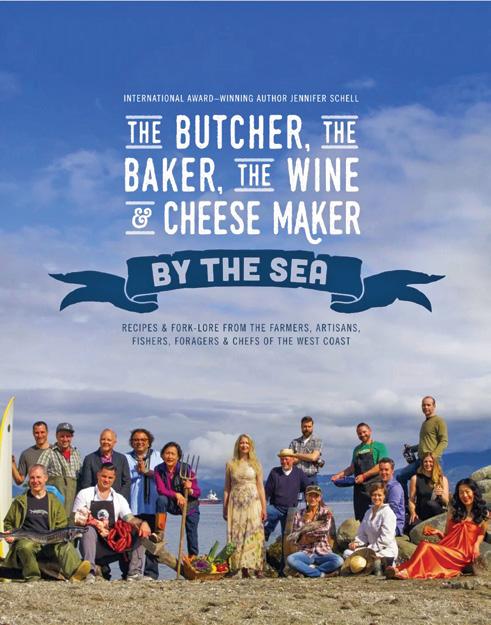
This beautifully written book by Jennifer Schell explores Vancouver Island and the West Coast’s local food scene through stories of farmers, artisans and makers. It is an eclectic mix of recipes, storytelling and inspiration for local day trips and food experiences. jenniferschell.com
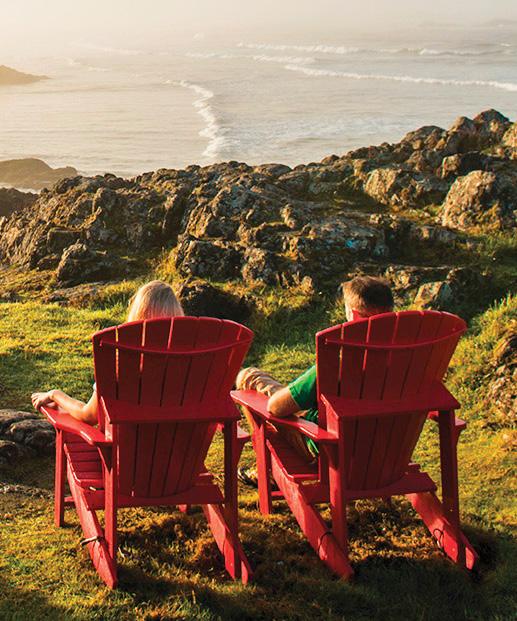
The Canada Strong Pass is valid until September 7 and offers Canadians free or reduced-price access to all Parks Canada national parks, historic sites, rail and national marine conservation areas. It’s a simple way to encourage Canadians to explore more of Canada. canada.ca

Nanaimo artist April Lacheur is known for her vibrant forest and coastal paintings inspired by West Coast nature and life on the island. She was recently featured as part of the art program connected to the new Cowichan District Hospital replacement project. aprillacheurart.com
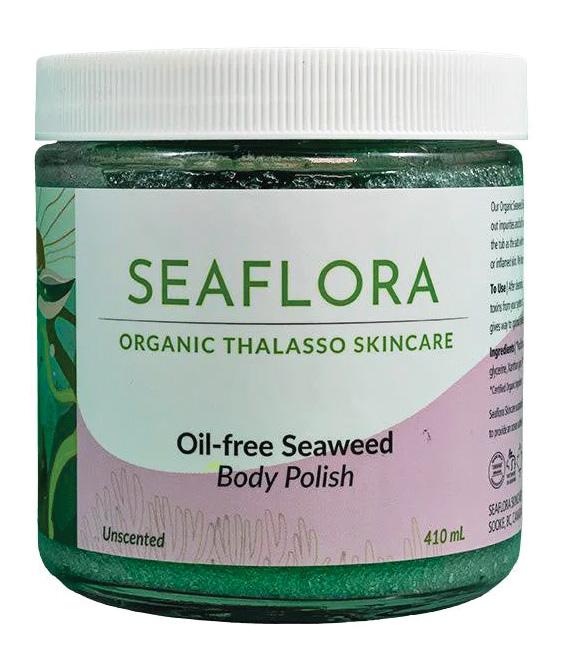
Based in Sooke, Seaflora handharvests wild seaweeds and marine ingredients to create premium, nutrient-dense skincare lines. Their products utilize the anti-aging and restorative properties of the cold Pacific waters, serving as a clean, luxurious alternative to massmarket European spa brands. seafloraskincare.com
Experience the raw beauty and emotional depth of Canada’s landscapes and wildlife without leaving the comfort of your home.
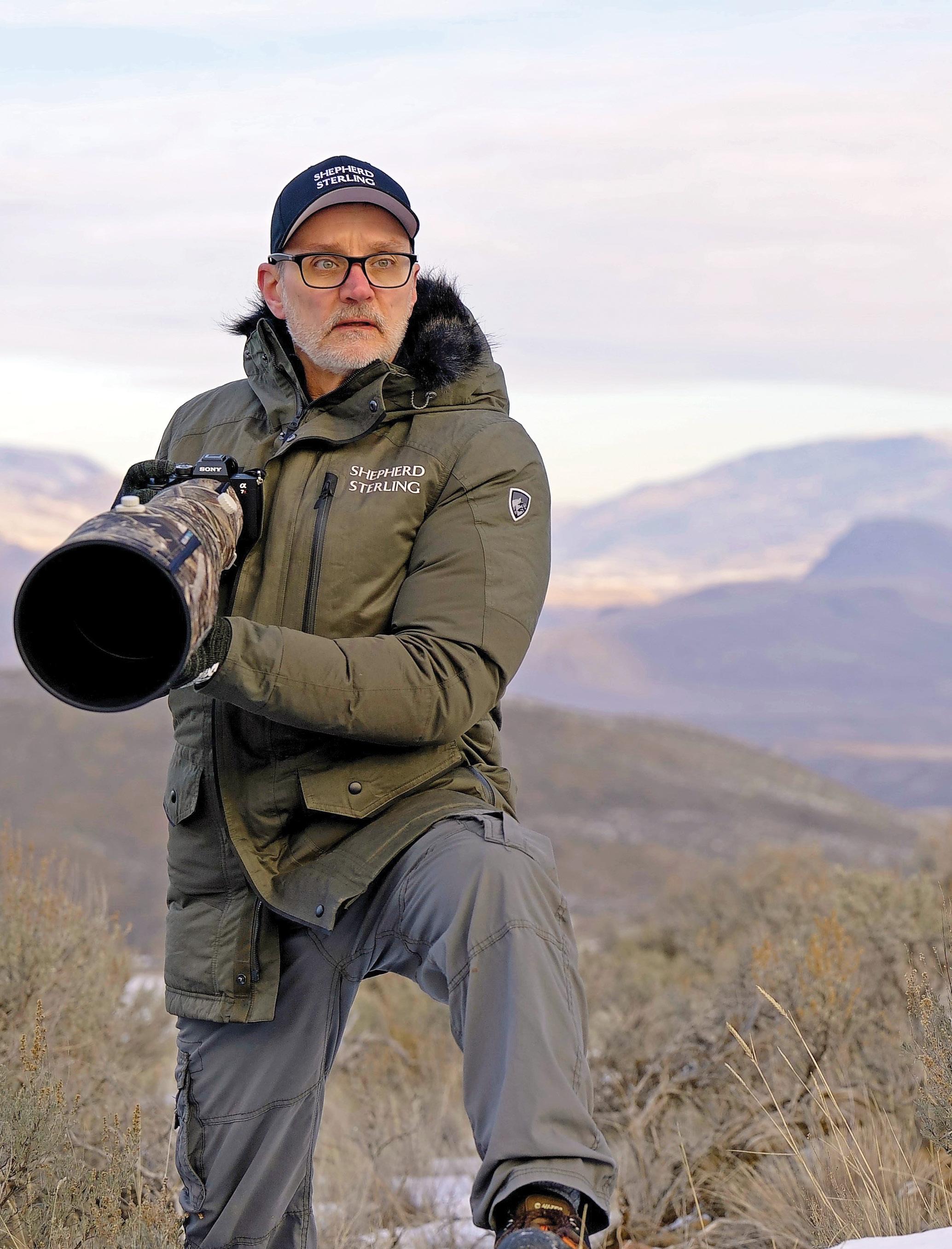
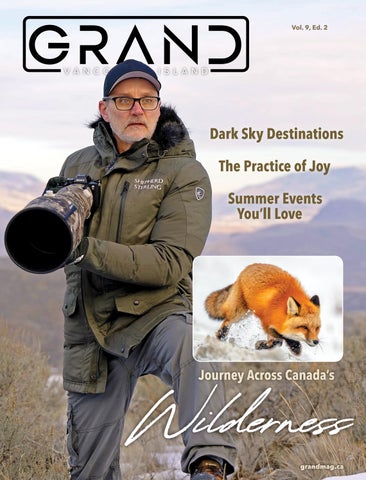
Vancouver photographer, cinematographer and director John Banovich recently unveiled his first book, Banovich. The publication is a 450page collection that serves as both a heartfelt tribute to the nation’s natural wonders and a profound testament to the resilience of the human spirit.
“This is not just a visual journey, it’s an emotional experience,” says Banovich.
“I hope readers will not only be inspired by the images but will feel the intensity of the moments and perhaps even be moved to embark on their own adventures.”
Featuring more than 300 vivid images and a dozen captivating stories, Banovich weaves an inspiring narrative of the photographer’s near-death experience, his setbacks, his seemingly insurmountable challenges and the remarkable victories that define his extraordinary journey.
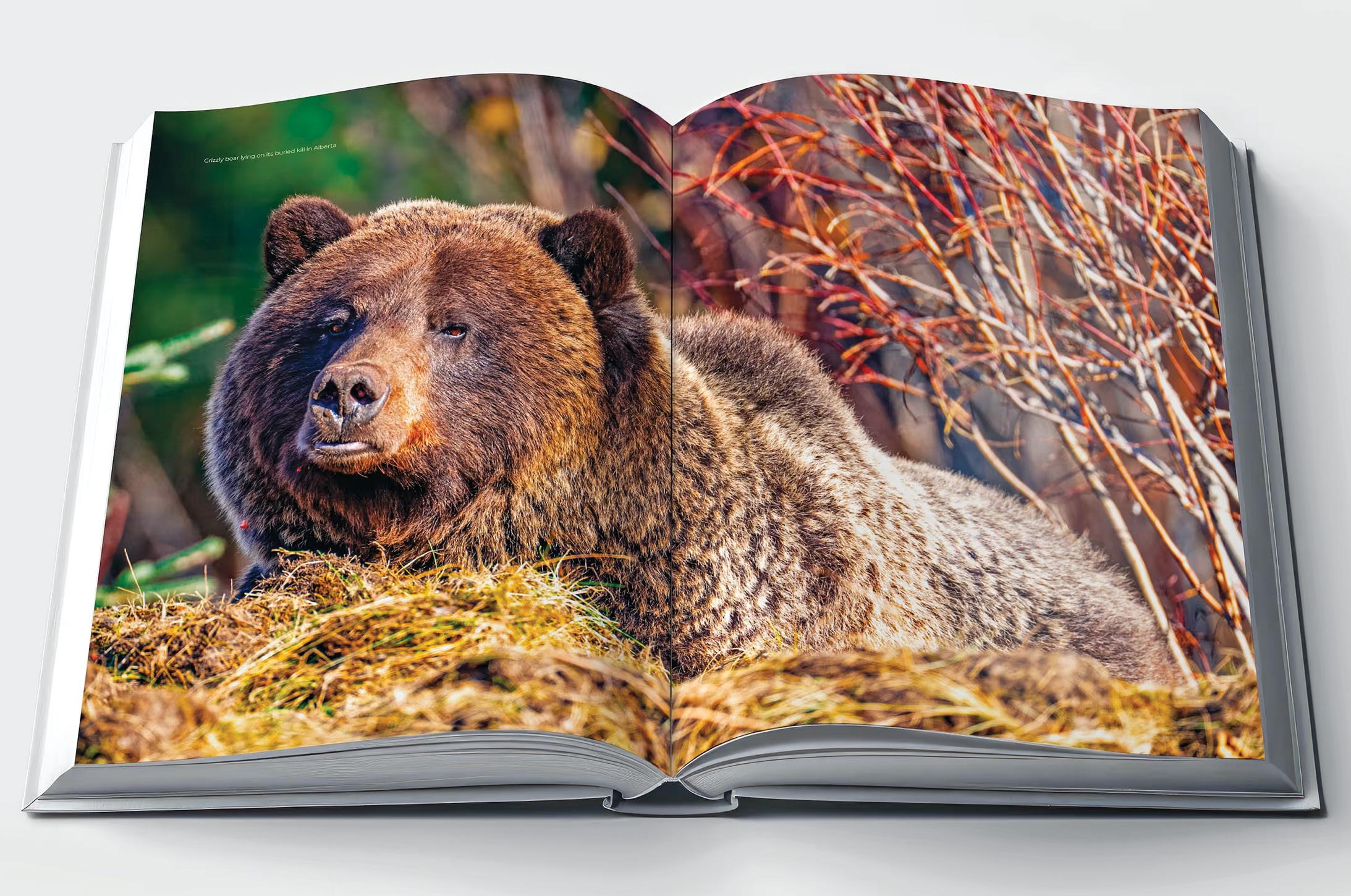

Growing up on farm in Cloverdale, Banovich had plenty of land to explore, which ignited his early interest in nature. As he entered adulthood, he expanded his adventures with road trips, camping, hiking and any other activity that involved being outdoors.
That journey was abruptly interrupted in 1997 when an impaired driver crossed the centerline and collided with him head-on at a combined speed of 230 km/h. He was revived enroute to Royal Columbian Hospital and spent several months there undergoing dozens of surgeries.
“Lying in a hospital bed in excruciating pain, I often escaped mentally into memories of the wilderness,” he says.
“As I learned to walk again and eventually left my wheelchair behind, I made a deliberate effort to return to my ‘happy place’—the outdoors. I still live with disabilities today, but I’ve never allowed them to impede my love for pursuing wildlife. Yes, it brings challenges, but the experience
of being in nature, and the pursuit of adventure, remains exhilarating.”
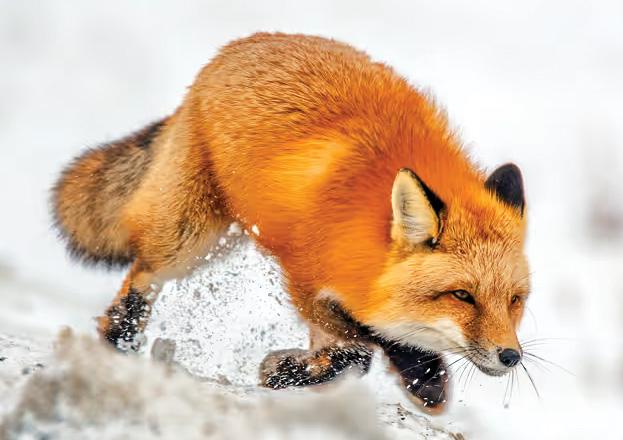
As a result of his tireless work in the great outdoors, Banovich has directed several award-winning feature films and documentaries, including a number of successful natural history pieces. He has 25 years of expertise in filming and photographing natural history and wildlife in every province and territory of Canada, often taking him into remote areas.
Additionally, he has received more than 680 awards for his photography. He has an enormous passion for encountering all that creation has to offer through its magnificence and beauty.
The making of Banovich is a story itself. Spanning 30 years, Banovich’s journey took him to every province and territory in Canada, in every season, photographing under extreme conditions—from -50°C in the tundra to dense rainforests and remote mountain ranges.
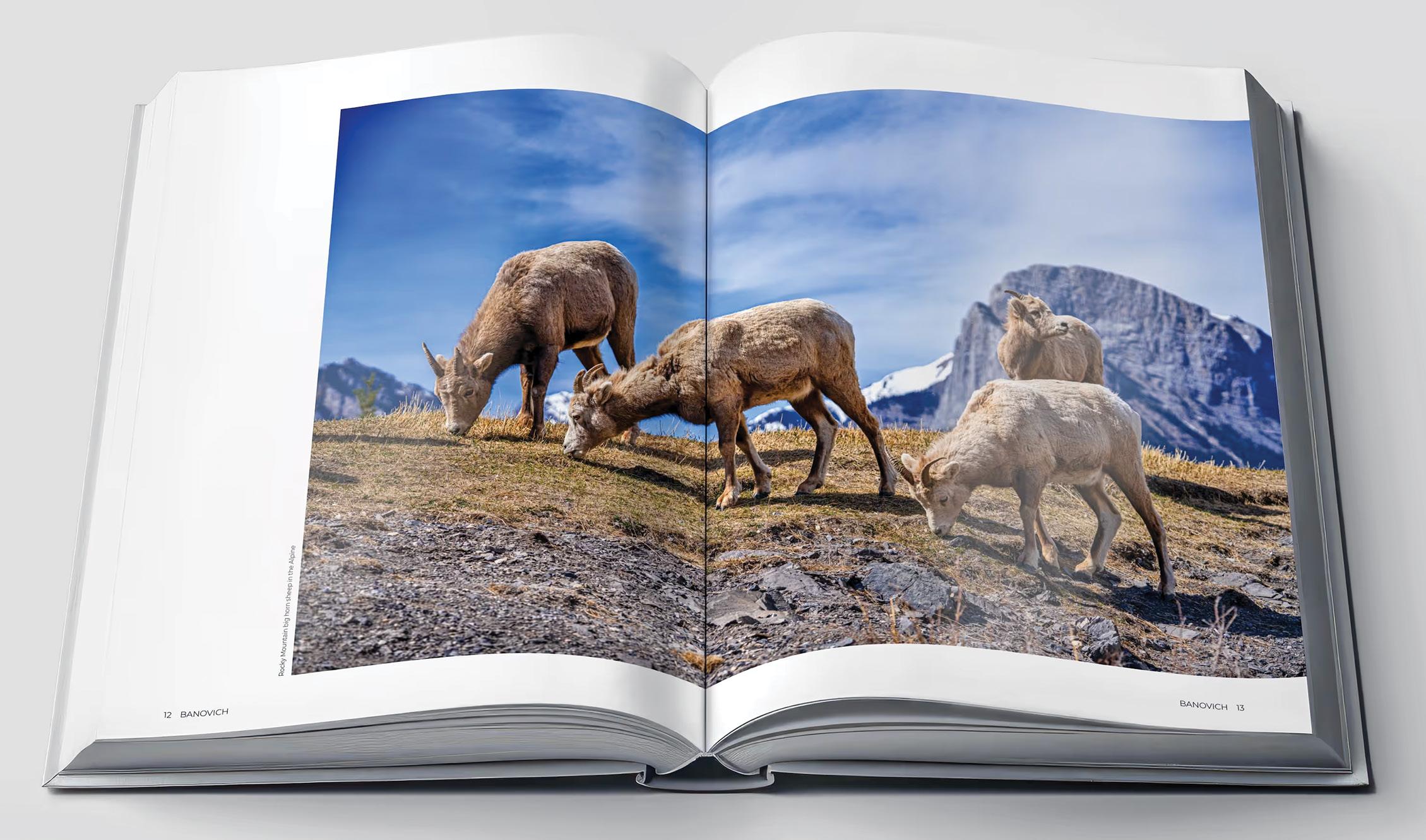
“This book required years of dedication, courage and creative resolve,” says Banovich.
“Every image tells a story, every moment represents life itself.”
Many of the stories are harrowing tales of the dangerous logistics sometimes required to “get the shot.”
“From intense bear charges to small aircraft being tossed around in rough weather, capturing many of these images requires courage, and sometimes a bit of stubbornness,” says Banovich.
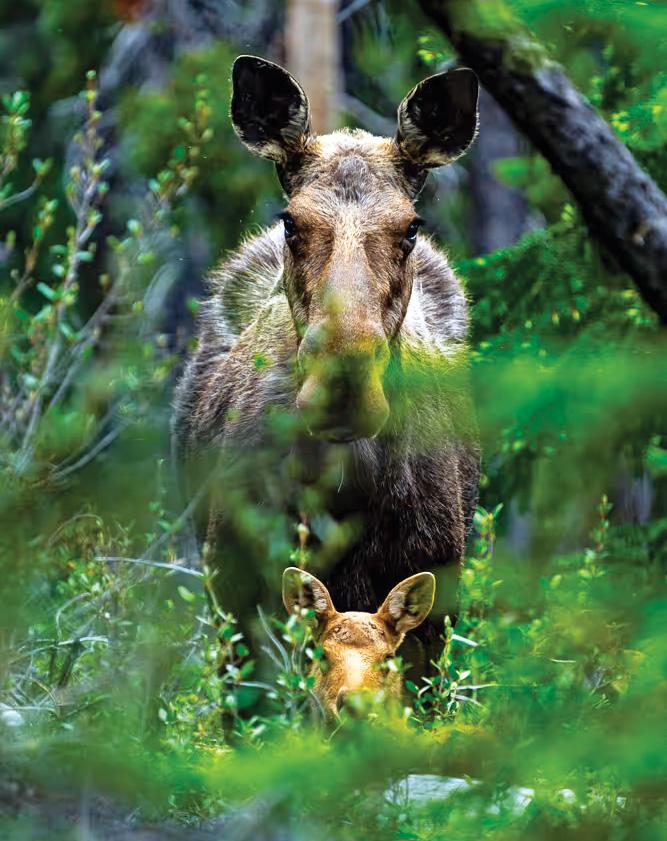
“There were times I drove into remote locations on old, abandoned logging roads, only to discover during a storm that the road had washed out behind me, leaving me stranded with no communication. I’ve photographed a massive polar bear boar asleep on the tundra, only to watch his eyes open as he woke. I’ve been chased up a tree by an angry moose cow because her curious calf wandered too close to me. And then there are the –55°C nights in the Yukon, Northwest Territories and Nunavut, trying not to get frostbite or be surrounded by a hungry wolf pack.”
Banovich is the first of a trilogy of 450-page wildlife coffee-table books. Unlike other nature-infused publications, this new book combines stunning photography with personal storytelling and psychological insights, offering readers a deeper connection to the stories behind the lens.
Banovich also shares his technical and creative methods, making the book a unique resource for both adventurers and photography enthusiasts.
“I still believe in traditional photography, focusing on the true art of image capture with minimal colour correction and no synthetic or AI-generated enhancements,” he says.
“The photographs are as true to reality as standing in that spot with me. My hope is not only to inspire readers to explore this incredible country, but to allow them to experience what I did in those exact moments. These are 350 very real, very tangible, trueto-life scenes shared in celebration of what Canada has to offer.”
Banovich invites readers to immerse themselves in Canada’s wilderness within the pages of his book and to get out and experience it firsthand.
“Our book offers a very simple approach—a pure love for the natural world, and the joy of sharing it with everyone,” he adds.
The publication also serves as a prelude to Banovich’s upcoming work, Gentle Beasts.
“Gentle Beasts is both the title of our next book in the trilogy, and a documentary series I’ve created from hundreds of hours of footage focused specifically on Canada’s bear species,” says Banovich.
“Our objective with Gentle Beasts is not only to celebrate these remarkable animals, but also to help inform and educate readers about the different types of bears and their behaviour. I believe more effort is needed to promote co-existence, and I’m hopeful this next book will offer a meaningful pathway toward that goal.”
Learn more and get your copy of Banovich at shepherdsterling.com/ banovich
is the managing editor of GRAND. She runs on exploring new and exciting places and getting to the heart of people’s stories. If you have a story she should know about, reach her at editor@islandparent.ca.



AUG 7 - 9
































A three-day celebration of your old time rock’n roll and classic rock favourites!
Three-day pass
Adul t $99
Yout h $59 (13-1 8 yrs )
One-day pass
Adul t $55
Yout h $35 (13-1 8 yrs )
Childre n Free (12 & under, must be accompanied by an adult)
Ticket prices include GST & booking fee


FRI, AUG 7
A Night of Bowie (David Bowie Tribute)
Sticky Fingers (Rolling Stones Tribute)
Zachary Stevenson’s Rock and Roll Call (50s & 60s)
SAT, AUG 8
Backbeat (60s Revue)
Dreams (Fleetwood Mac Tribute)
Good Times Roll (The Cars Tribute)
Arrival (ABBA Tribute)
Petty Fever (Tom Petty Tribute)
SUN, AUG 9
March Hare (Roy Orbison & Through The Decades)
Classic Ronstadt (Linda Ronstadt Tribute)
The Rod Show (Rod Stewart Tribute)
Odyssey (70s Rock Revue)










Since living on Vancouver Island, we’ve had the chance to explore some truly wonderful family-friendly places. One of the best things about island life is how many destinations naturally lend themselves to children, fresh air and slow family days out. From seaside strolls to sandy beaches and charming small towns, there is no shortage of places to make memories.
Yet whenever we travel, I often find myself thinking the same thing: “I wish the grandparents were here with us.”
For both me and my husband, grandparents were a much bigger part of everyday life growing up. They lived nearby, sometimes even under the same roof, helped out often and were simply part of the natural rhythm of regular family life. Living on the island has changed that for us, with loved ones further away and visits less frequent.
What we have gained, however, is a different kind of family time. When visits do happen, they are often longer and more meaningful. Instead of quick catchups, we enjoy full days together and the kind of quality time that allows everyone to truly connect.
That has also changed the way I think about family travel. So many of the places we now visit would be even better with grandparents. Extra hands, extra love and
the joy of watching three generations create memories together.
Based on our experiences so far, these are my top five Vancouver Island getaways I would most love to share with grandparents.
Sidney is one of the easiest and loveliest day trips from Victoria. With its peaceful waterfront, tidy streets and welcoming atmosphere, it offers a wonderful mix of activity and calm.
Enjoy a gentle seaside stroll, watch the boats come and go or visit Shaw Centre for the Salish Sea, where children love to interact with the marine life on display. If the kiddos are a bit older, you can settle in for a relaxed lunch, browse the excellent bookshops or wander through the boutiques together.
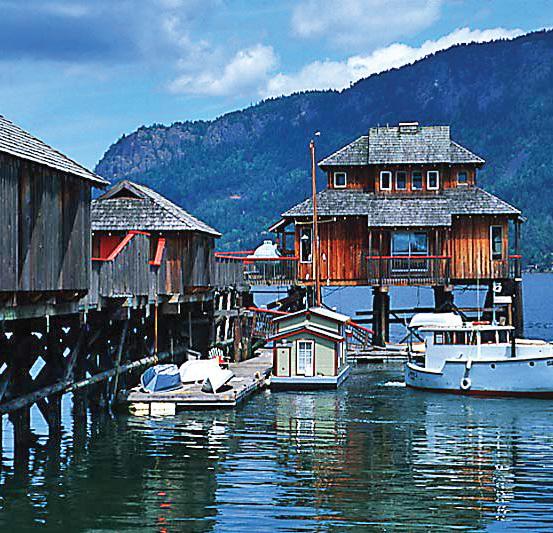
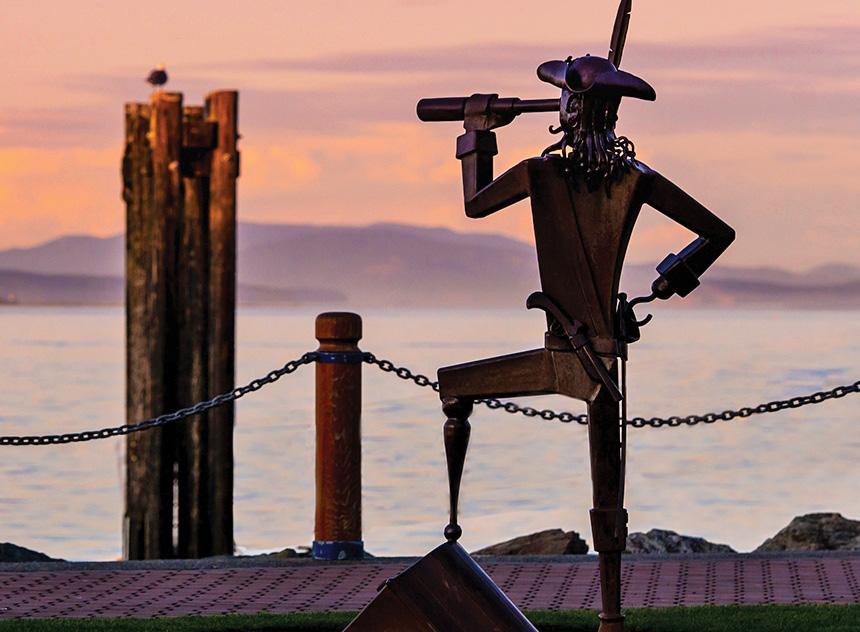
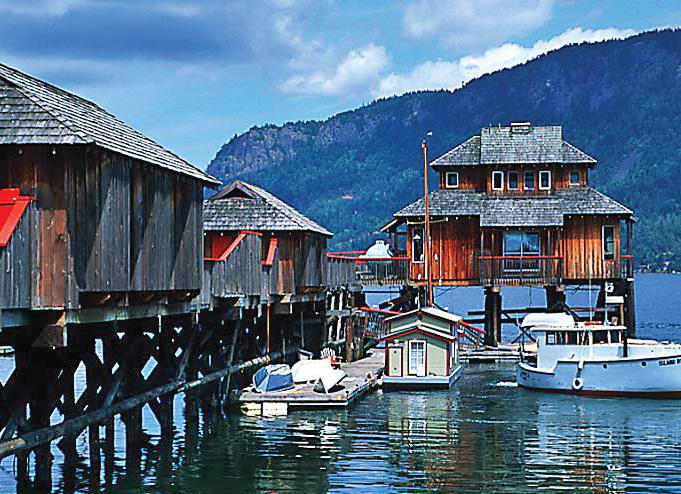
Cowichan Bay has a wonderfully relaxed atmosphere that encourages everyone to slow down. The waterfront setting, floating homes, cafés and independent shops make it feel quietly special.
Stroll along the marina, look out for seals, admire the boats and eat ice cream by the water. Enjoy a waterfront meal, browse

artisan shops or simply sit together with your favourite drinks and take in the view.
Ladysmith is full of charm and makes a perfect easy-going family outing. Its heritage high street is lovely to wander, with bakeries, cafés and a warm community feel. Spend time at Transfer Beach Park, with its playground, green space and waterfront views, then enjoy a sweet treat together in town. Sample local cuisine at one of the cozy pubs or lounges or enjoy a quiet drink while the children are happily occupied.
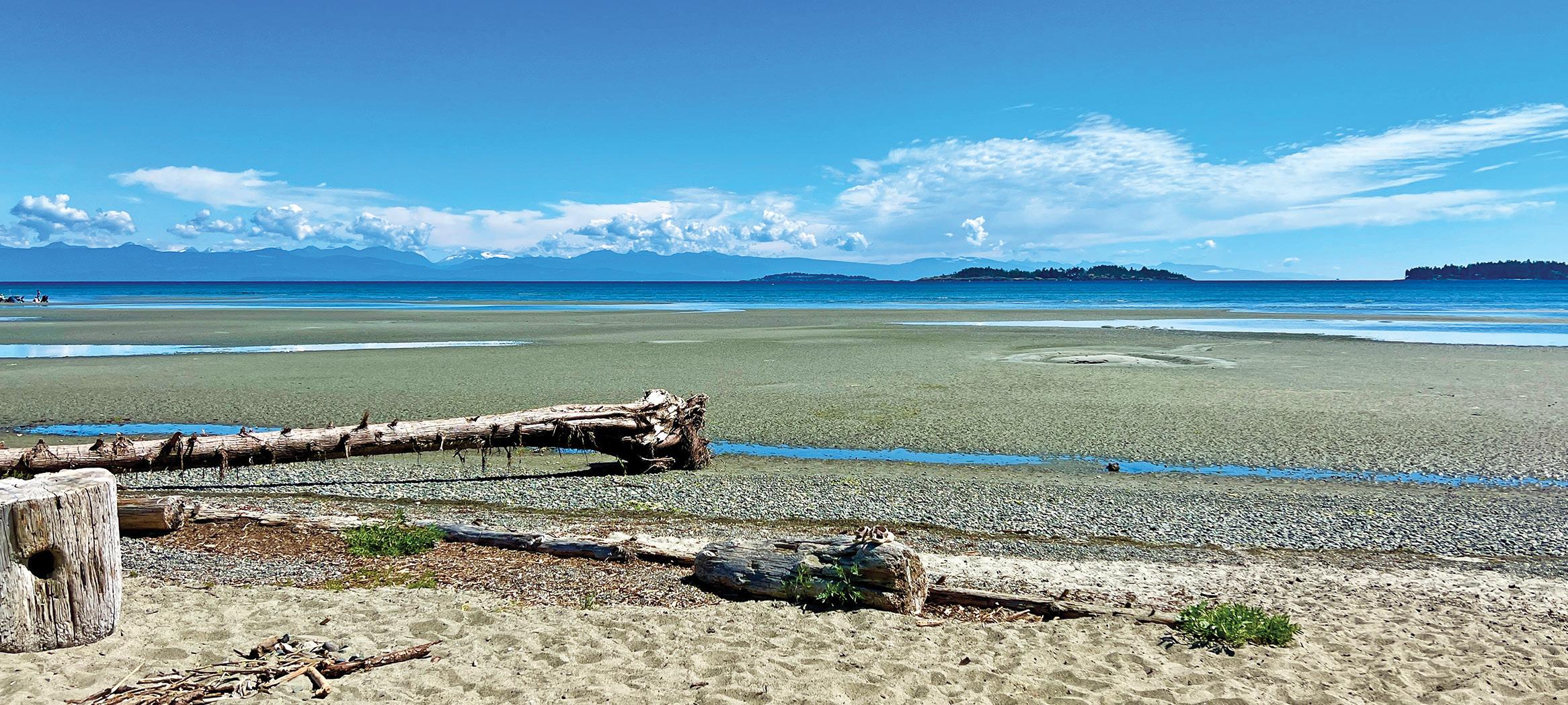
Parksville is ideal for multi-generational travel thanks to its expansive sandy beach, gentle pace and easy family-friendly layout. It is the sort of place where children can play for hours while adults truly unwind. Build sandcastles, paddle in the shallow water, collect shells or enjoy the large playground nearby. While grandma and
grandpa have the kids, mom and dad might want to slip away for a spa treatment, enjoy a peaceful pub lunch or take a quiet walk along the shoreline together.
Qualicum Beach is one of those timeless seaside towns that feels made for slower, more elegant family escapes. With beautiful scenery and a calm atmosphere, it suits every generation beautifully.
Visit the much-loved Little Qualicum Cheeseworks to see the animals and enjoy farm-fresh treats. Take a walk through Little Qualicum Falls Provincial Park or enjoy lunch in town.
What I love most about these places is the way they invite families to spend real time together. They are easy, welcoming destinations where nobody needs to rush, and everyone can find their own pace.
For those of us whose parents or grandparents live further away, these kinds of
getaways offer something especially valuable: the chance to reconnect properly. If you are lucky enough to live on the island with your grandchildren, take in a shared meal, a child’s laughter on the beach, a grandparent holding a small hand by the sea. These are the moments that stay with us.
Every time we visit somewhere lovely on Vancouver Island, I still think the same thing: “This would be even better with the grandparents here.”
is a mother, blog writer and host on Vancouver Island, passionate about connection, making memories and bringing family together. She enjoys welcoming people to her vacation home “Carriage on Constellation” in Langford, Westhills.
Summer and early fall are wonderful times to explore Vancouver Island and the Gulf Islands. From traditional country fairs and artisan festivals to folk music and harvest celebrations, these events offer a chance to enjoy local culture, live entertainment, gardening displays and scenic day trips. Many are easy to explore at a relaxed pace and are also perfect for bringing a group of friends or your grandchildren along for a memory-making outing.
Chemainus Bluegrass Festival (July 18)
This charming festival combines excellent bluegrass music with beautiful ocean views and small-town hospitality. Enjoy relaxed outdoor performances, artisan vendors and a leisurely stroll through Chemainus’ famous murals. cvcas.ca
Islands Folk Festival (July 24–26)
A longtime island favourite, this folk festival, held in Duncan, features live music, local artisans, food vendors and a welcoming community atmo-
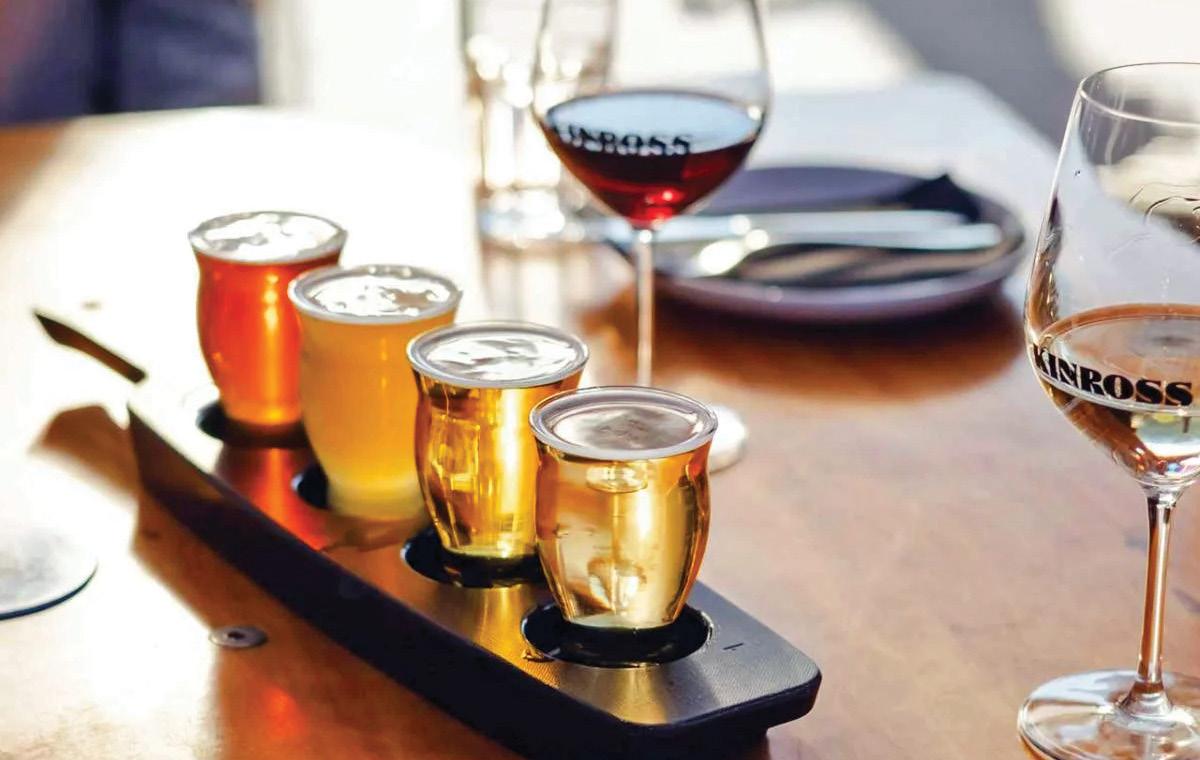
sphere. Daytime performances, shaded seating areas and a peaceful farm setting make this festival popular for all ages. islandsfolkfestival.ca
SunFest Country Music Festival (July 30 – Aug 2)
Country music fans will enjoy this lively summer event featuring major performers, food vendors and scenic lake surroundings. Daytime performances have an atmosphere that is more relaxed and comfortable, and evening performances come alive with high vibe energy. sunfestconcerts.com
Hornby Festival (July 30 – Aug 8)
This well-loved arts festival includes concerts, workshops, theatre and cultural events in one of BC’s most scenic island settings. Head to Hornby Island to enjoy pairing performances with ferry rides, café visits and relaxing beach walks. hornbyfest.com
Filberg Festival (July 31 – Aug 2)
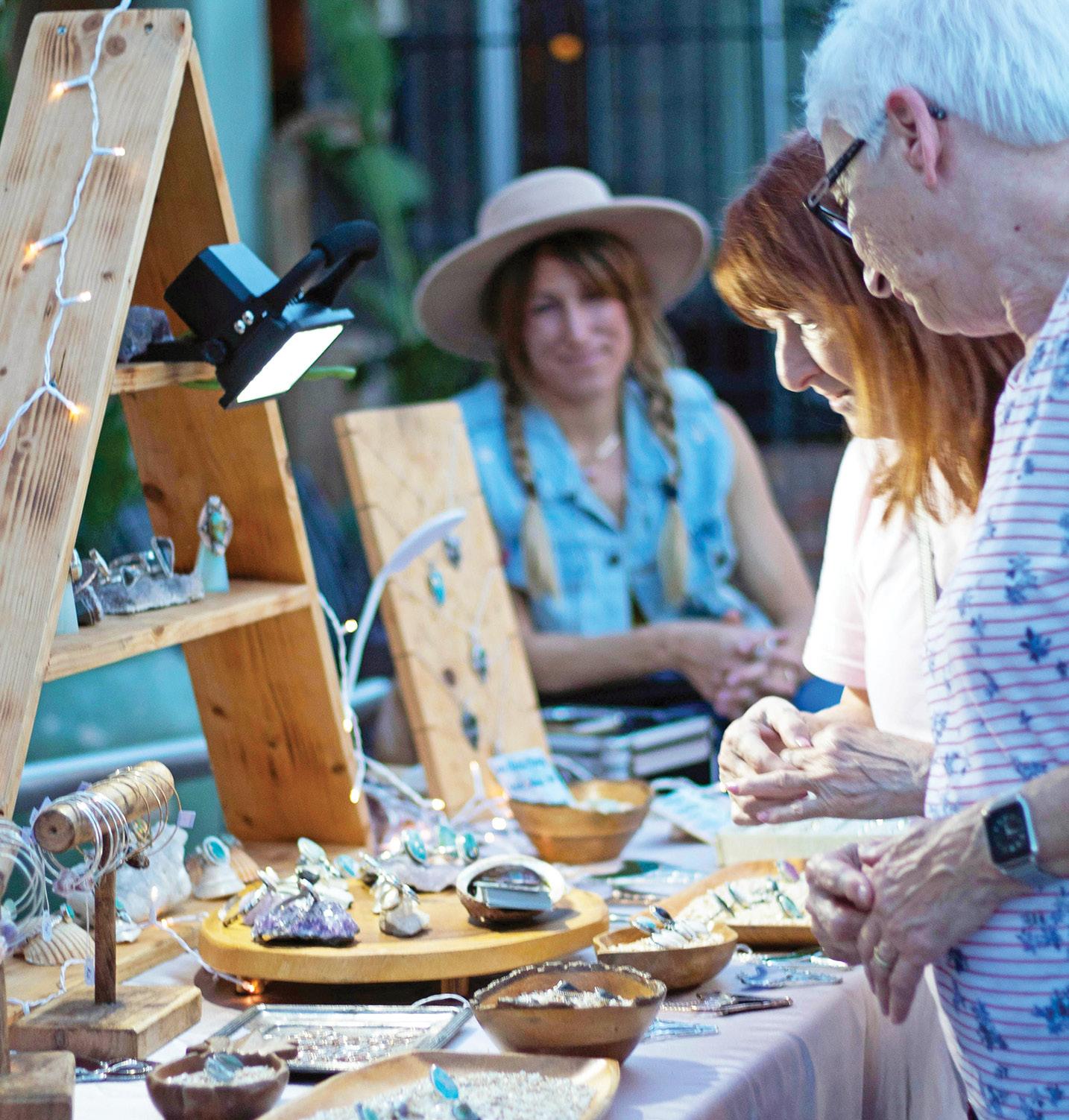
Set beside the ocean in beautiful gardens in Comox, the Filberg Festival is known for artisan booths, live music and excellent local food. Enjoy the relaxed pace, shaded seating areas and arts and crafts displays. filbergfestival.com
Coombs Bluegrass Festival (July 31 – Aug 2)
This relaxed music festival combines traditional bluegrass performances with artisan vendors and food trucks. Consider bringing lawn chairs to spend the afternoon relaxing and listening to music in the beautiful countryside setting. sites.google.com/site/coombsbluegrassfestival
Fibrations Festival (Aug 15–16)
Celebrating knitting, quilting, weaving and textile arts, this festival is ideal for anyone interested in crafting and handmade creations. Held in Victoria, the workshops, demonstrations and artisan markets make it both inspiring and social. kbnfibres.ca
Saanich Fair (Sept 5–7)
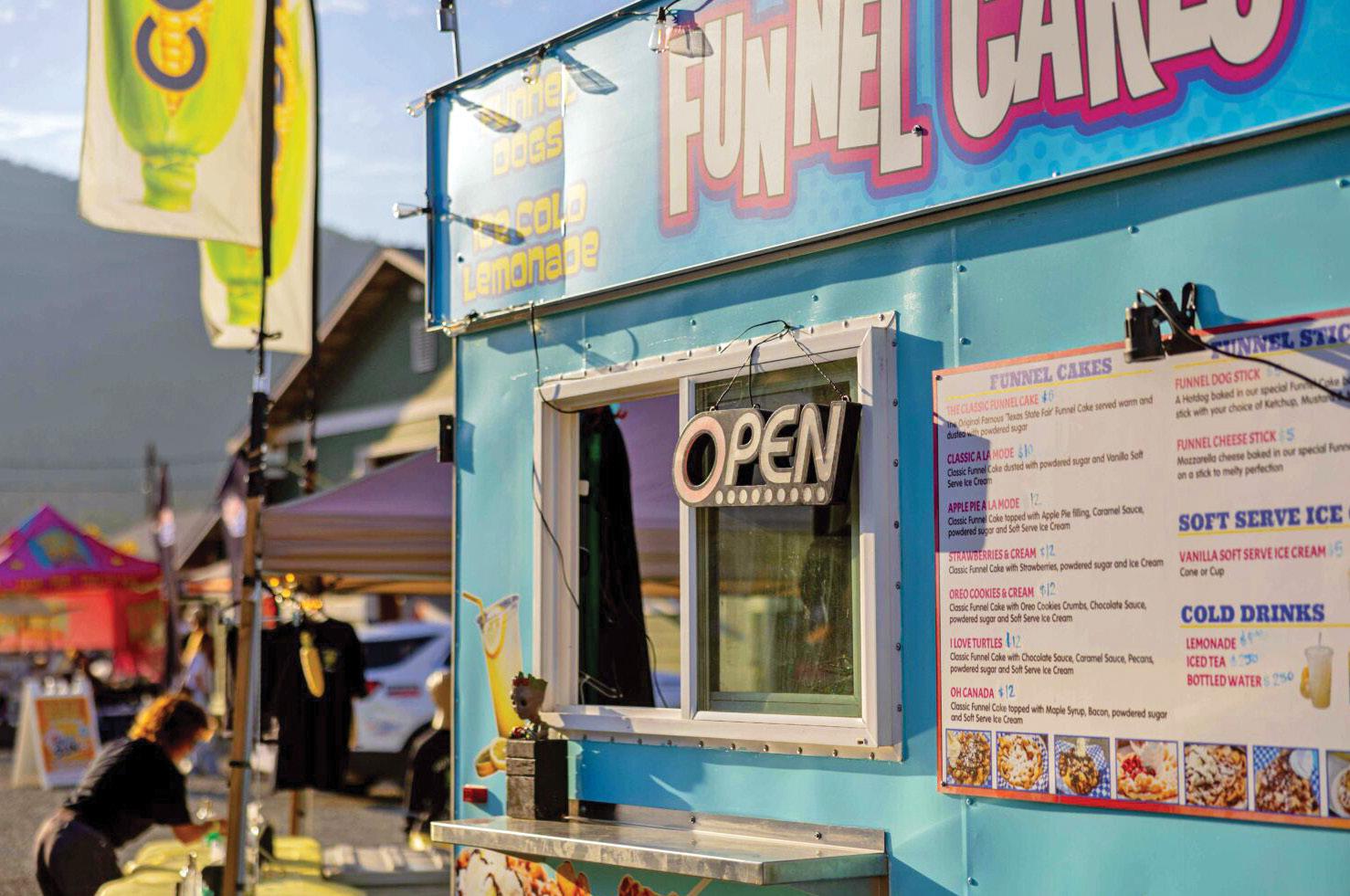
One of Vancouver Island’s best-known annual agricultural fairs, the Saanich Fair offers vivid flower displays, a huge variety of livestock exhibits, local produce, live music, exciting fair rides and classic fair food. Explore the inner buildings to see the nostalgic atmosphere and the exhibits showcasing baking, quilting, and crafts. saanichfair.ca
Salt Spring Fall Fair (Sept 12–13)
This beloved Gulf Islands fair celebrates local agriculture, handmade goods, preserves, flowers and music. It’s an especially scenic outing for those who want an easy getaway to explore
artisan markets and peaceful island settings. ssifi.org
Cowichan Exhibition (Sept 18–20)
The Cowichan Exhibition blends old-fashioned fair traditions with a strong sense of community. Take the time to browse through the produce competitions, livestock barns, flower displays, quilting exhibits, midway and enjoy familyfriendly live entertainment throughout the grounds. cowex.ca
Painter’s Palate Festival (Sept 18–20)
This waterfront festival combines art, food, wine, live music and artisan vendors in a beautiful coastal setting in Campbell River. Those who enjoy culinary events and local culture will find plenty to explore while taking in stunning ocean views. painterspalate.ca
Vancouver Island Exhibition (Sept 25–27)
The Vancouver Island Exhibition has been a beloved Island tradition in Nanaimo for genera-
tions. Agricultural exhibits, local entertainment, heritage displays, fun midway and artisan vendors create a classic country fair experience that appeals to all ages. viex.ca
These events are a wonderful reminder that some of the best summer experiences are also the simplest—listening to live music outdoors, browsing handmade crafts, sharing fair treats and enjoying the welcoming spirit of various Vancouver Island and Gulf Island communities. Whether you’re planning a quiet afternoon trip or a full weekend getaway, there’s no shortage of memorable fairs and festivals to explore this season.
is a writer living in Victoria with her husband and son. She believes most problems can be solved with a good cup of tea and a huge piece of chocolate.
Grab your star maps and head for the night sky in Indigenous British Columbia. Your wish to see the stars has been granted by Indigenous hosts in low-light and dark-sky destinations in BC.
Welcome to the edge of the world where your search for the distant light of human activity returns only a dark sky perforated by points of light. Stargaze from your oceanside tent or woolgather while you watch astral activity from a hot tub at a world-class resort on the west coast of Vancouver Island in Nuu-chah-nulth Lands.
There aren’t any more stars out here; you can just see them better.
Watch the night sky with your bare eye or stargaze with instruments. Darkness is the destination for witnessing astrological events, including planetary alignments, meteor showers, lunar eclipses and the super harvest moon.
Travel outside the city limits, head to higher ground to
get some clarity or lose your signal and go for total blackout. Dark sky tourism helps you to see by taking you to dark places.
Indigenous cultures in BC have deep relationships with the night sky. There are Tlingit stories about the aurora borealis, the 13 moons of the W̱SÁNEĆ guide community seasonal activities and the Gitksan origin story reflects celestial beings and their cultural significance. Indigenous astronomy and knowledge based on observations of the night sky shared over generations provide valuable information relevant to life on local lands.
Spend a light-free night in nature to decrease stress, improve sleep and increase sensitivity to sound, movement and low light. Get closer to the darkness and find your way
by moonlight and starlight glinting off oyster shells and white stones at these Vancouver Island locations.
Cheam Fishing Village and Campground is located on the banks of the Fraser River with access to spectacular salmon, trout and sturgeon fishing. The campground, an ancient fishing village on Cheam First Nation territory, Pilalt Tribal grounds, is where Stó:lō people have fished for over 10,000 years.
Owned and operated by Tla-o-qui-aht First Nation, Tsawaak RV Resort offers private access to Mackenzie Beach and popular hikes and attractions on Vancouver Island. The name Tsawaak is derived from His-shuk-nish-tsawaak, meaning “we are all one,” honouring a deep connection to nature and the land.
At the mouth of the Pachena River near Bamfield, Vancouver Island, the Huu-ay-aht First Nations Pachena Bay Campground offers a retreat for campers and RV enthusiasts. The spectacular campground is the gateway to the West Coast Trail, set amidst old-growth rainforest next to the Pacific Ocean.
Located on Cortes Island by the tranquil waters of Deso-
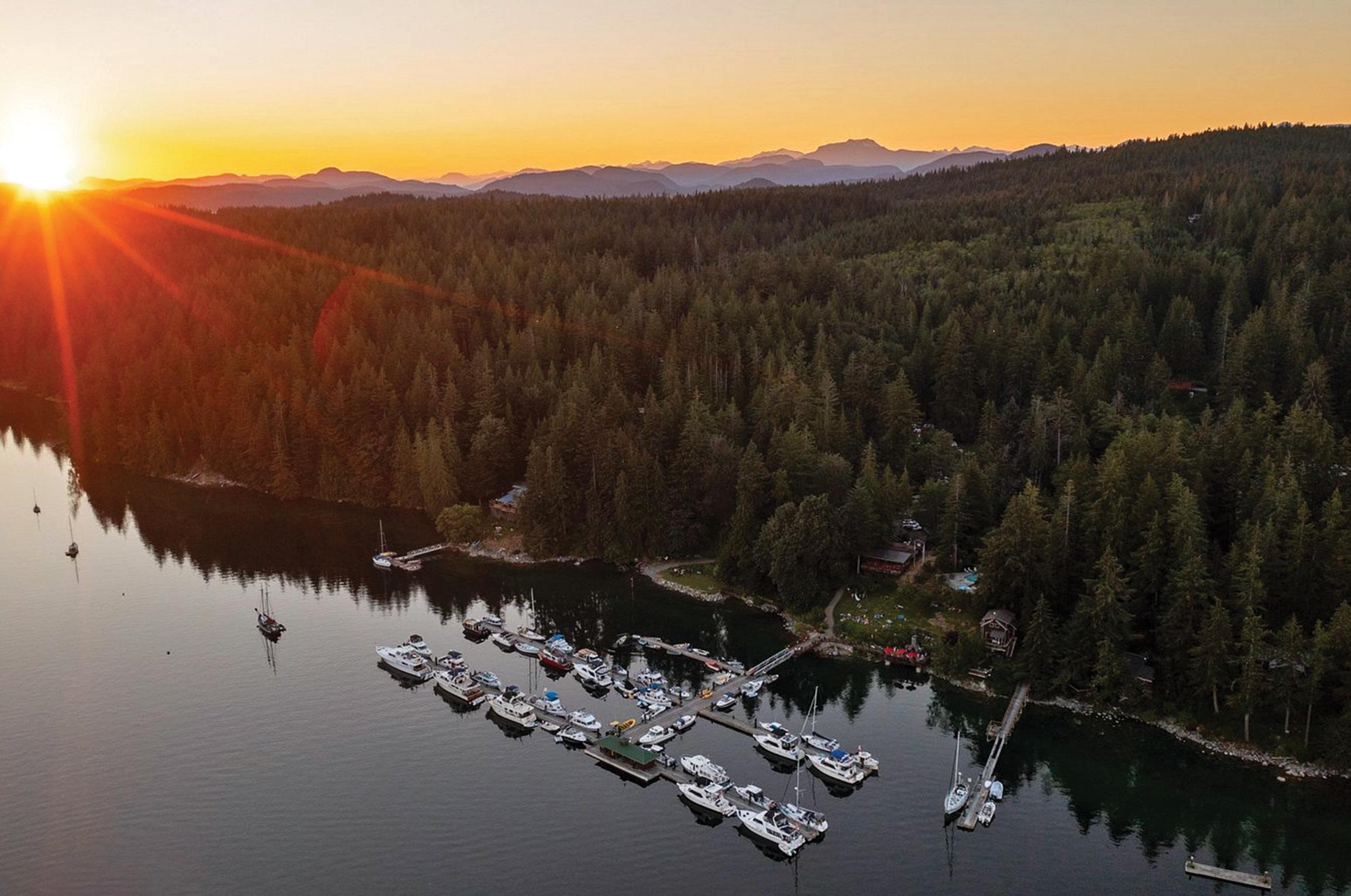
lation Sound, Gorge Harbour Marina Resort offers a blend of comfort and adventure on the traditional territories of the Klahoose, Homalco and Tla’amin First Nations.
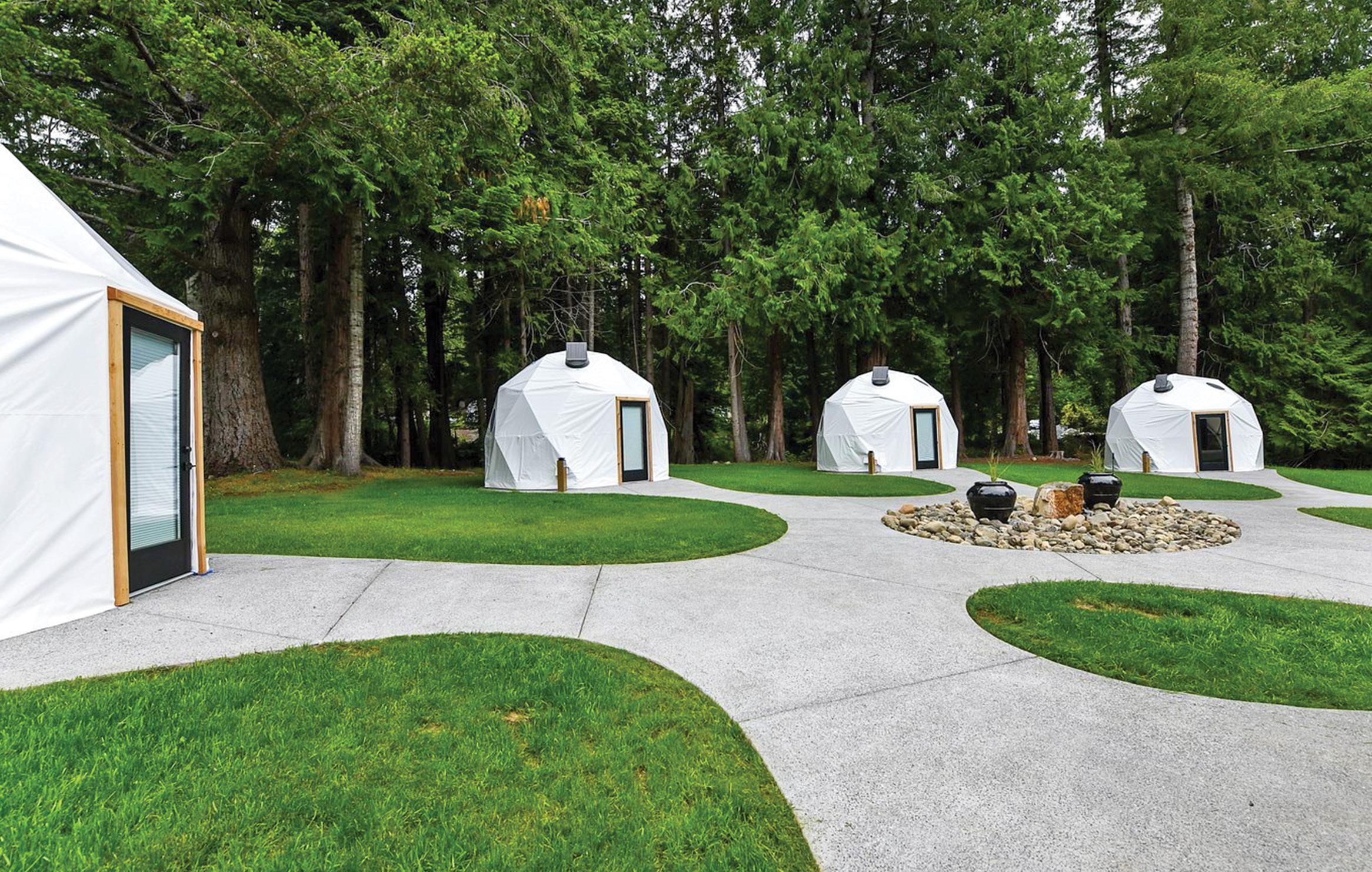
Fully owned by the Klahoose First Nation, the resort boasts 21 full-service RV sites, six tent sites and six brandnew glamping domes. For those seeking more private accommodations, four cozy rooms are available at the Lodge, along with the secluded Poolside Cottage.
Amenities include a barbecue, an outdoor pool, a hot tub and a marina with 1,800 feet of protected docks providing secure moorage for boats of all sizes.
Klahoose Wilderness Resort is a premier Indigenous cultural experience on the lands of the toq qaymıxw (Klahoose) People. The all-inclusive eco-resort in the coastal wilderness of Desolation Sound offers guests a woodfire sauna, campfire area, kayaks, paddle boards, rainforest hiking and walking trails, and reflects Klahoose traditional values. Indigenous-led three- and four-night wildlife tours of Toba Inlet include spring bear viewing, specialized photography tours and late summer/fall grizzly bear and salmon run tours.
Indigenous Tourism British Columbia (ITBC) is a non-profit, stakeholder-based organization committed to supporting, growing and promoting meaningful tourism experiences led by Indigenous Peoples in BC, sharing history, culture and lands on their terms, underscoring the importance of community, respect and mutual enrichment in all interactions.
Moving our bodies regularly supports the freedom to age with strength and confidence. Healthy movement is what allows us to keep doing the things we love, like biking, travelling, chasing grandkids, playing pickleball or simply moving through daily life with more ease.
As we age, staying connected to our bodies becomes even more important. Strength, mobility, bone health, joint support, muscle function and hydration all play a role in helping us maintain physical activity not just as a habit, but as a source of independence, joy and vitality. Movement is freedom. It’s the foundation that helps us continue pursuing our passions, improving in our hobbies and keeping up with the people we love.
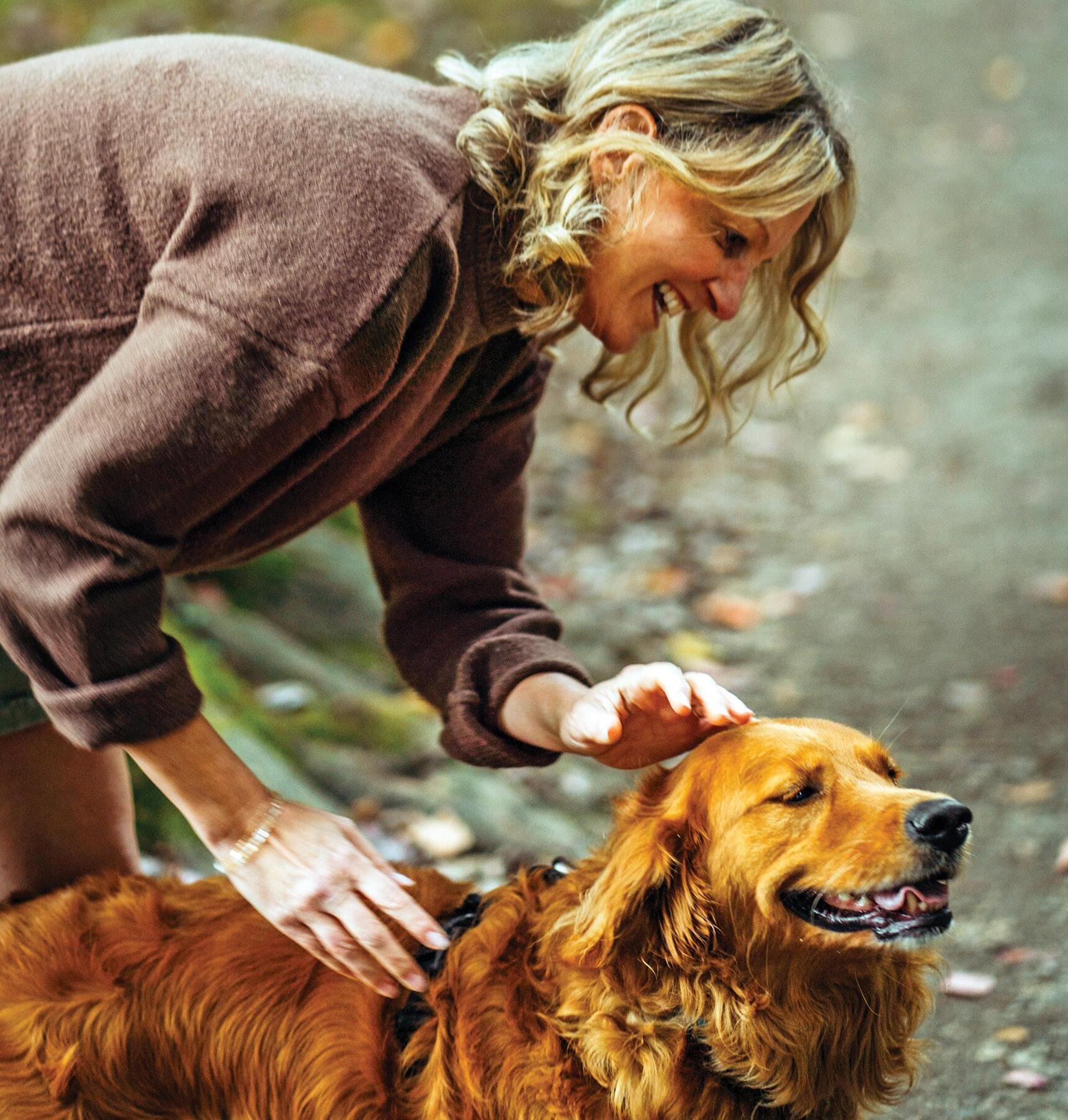
For Laura van der Veer, co-founder of LUVA and She Summits Forum, this longgame approach to wellness is both personal and purpose-driven. Through her work and her hobbies, van der Veer is helping women think differently about strength, aging and what it means to support their bodies for the years ahead.
We talked to her about the connections between movement, strength and freedom, and how women can better support their health as they age.
We’re hearing more about “active aging.” What do you think has shifted in how we understand movement?
Movement is no longer something we fit in when we have time. It plays a foundational role in how we age, not just how we look or perform today, but how we move, feel and live years from now. For a long time, the model was reactive. Something changed, and then we responded. That thinking is evolving as more women recognize that what we do in our 40s and 50s directly shapes our strength, mobility and independence in the decades ahead. Even deeper, women are no longer accepting a quieter, more limited version of aging. They want to stay active, capable and fully engaged in their lives. Movement sits right at the centre of that.
What inspired you to invest in your own health?
In my mid 40s, I got hit hard with perimenopause and brain fog. It was a version of me that just didn’t feel familiar. At the time, I was focused on getting through it and feeling like myself again. When things started to clear, something shifted. I stopped looking to fix myself and started wondering what I could do proactively to stay strong, clear, and capable long term. I began thinking about the version of me at 70, 80 and beyond. How she feels and moves. What she’s able to do. That future lens changed everything.
Why is movement no longer just about fitness, but about maintaining independence and choice later in life?
Movement is what allows you to keep doing the things you love. It’s what lets you travel, hike, carry your groceries with ease or get down on the floor and play with your grandkids. It’s not about performance, it’s about freedom. It becomes about protecting your ability to live your life on your terms.
What are the most important types of movement people should prioritize as they age and why?
Strength really matters. It supports your muscles, your bones and how stable you feel in your body day to day. Mobility is what keeps you moving well, maintaining your range of motion and reducing risk of injury so you can keep doing the things you love. Consistency matters far more than intensity.
What role does nutrition and supplementation play in healthy aging?
The body needs support to respond optimally to movement. You can be doing all the right things from a movement perspective, but without the right nutritional support, the body can only adapt so much. Protein matters. Micronutrients matter. Hydration matters. They each play a role in supporting muscle, bone and recovery. It doesn’t need to be complicated, but it does need to be consistent. That’s where supplementation can be helpful. That was part of the thinking behind LUVA. Creating something that supports multiple systems at once, in a way that feels easy to be consistent with, without adding more to your routine.
What does movement offer you personally?
I began ultra running at 50 and it surprised me. Not just physically, but in how it challenged my mindset. There’s something about being out there for that long,
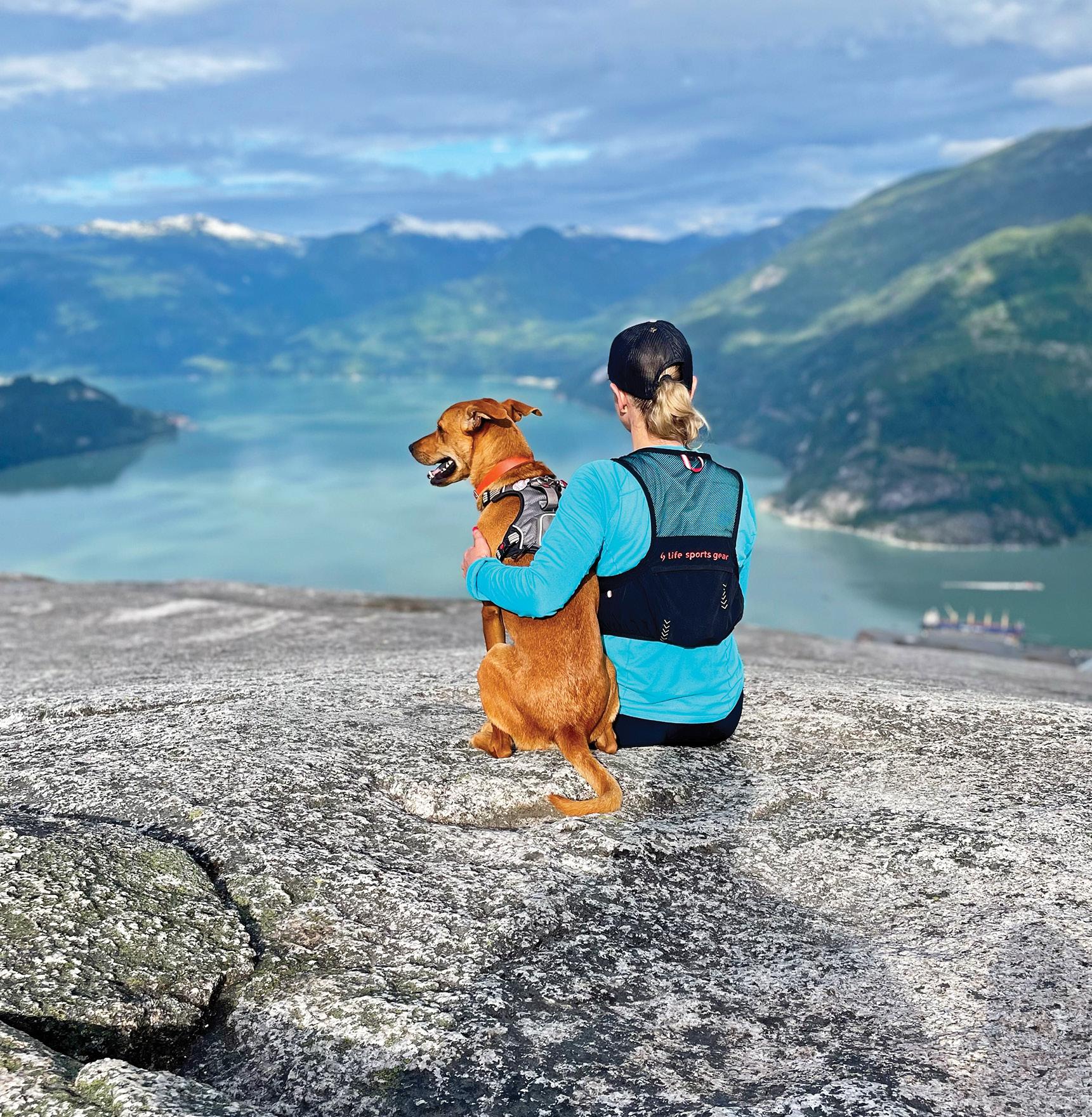
moving through discomfort, that strips everything back and reminds me what I’m capable of.
Movement gives me something I care deeply about protecting. My daughters live abroad, and that’s changed how I think about my health. I want to be able to get on a plane, train or automobile and travel wherever they are in the world and fully experience that time with them. The ability to keep moving, exploring, connecting and showing up for the people I love, wherever life takes them, is not something I take for granted. That, for me, is freedom.
is a writer and public relations specialist passionate about sharing stories that connect people, communities and local businesses. She lives in East Vancouver with her husband, son, daughter and two kitties. Follow her @jenn_wint

When I was younger, I often wondered how I could bottle up the joy I felt during the holiday season and carry it with me all year long. There was something about it that seemed to rejuvenate me from the inside out.
During my first year at the University of Toronto, I remember walking along the sidewalk near campus after finishing my shopping for the holiday season. Apparently, my joy was written all over my face:
A car slowed beside me, and the driver stopped long enough to ask, “What are you so happy about?” I laughed and said, “I just bought my last gift.” He smiled and told me he had to stop because he saw my smile a mile away.
I have never forgotten that moment because it revealed something I did not yet have words for: joy has a way of becoming visible through us. It radiates from the inside out, and when we are truly beaming with joy, others cannot help but notice.
In a University of Victoria Continuing Studies video on “Joy vs. Happiness,” instructor Dawn Schell describes happiness as a fleeting emotion, while joy is more lasting and essential to well-being. She describes joy as a skill set that we can develop and integrate into who we are.
This means joy is a practice we can learn, so it is available to all of us, even after the hardest seasons of our lives. This, also, reminds me of a line I first heard in the film
Under the Tuscan Sun, often attributed to Federico Fellini:
“You have to live spherically in many directions. Never lose your childish enthusiasm and things will come your way.”
Living on Vancouver Island has helped me to understand that quote in a very real way. Here, life invites you to explore in many directions at once: toward the ocean, the forest, the mountains, the lakes and the quiet conversations that happen along the way.
Living in many directions encourages us to follow curiosity, welcome the unexpected and move beyond what is familiar. At certain times of the year, Vancouver Island
allows you to ski in the morning and kayak, surf or walk the shoreline later that day.
You can stand beside the Pacific Ocean and feel your mind begin to relax as you watch the waves, or wake before sunrise in Port Hardy and watch fish jumping in the stillness from the dock. In San Josef Bay, you can follow a forest path and suddenly find yourself at a beach so beautiful it leaves you speechless.
Sometimes, it appears in the kindness of people here too: a hello on a trail, a stranger offering help or an unexpected invitation to step through a gate to see a view we never would have found on our own and linger in conversation with someone generous enough to share it.
This is part of the magic of Vancouver Island. It does not simply offer scenery. It gives us the opportunity to live with gratitude, curiosity, awe, wonder, movement, stillness and connection in many directions. Awe opens our minds, and wonder keeps our minds open. When we allow ourselves to live with that openness, even in small everyday moments, joy has more space to grow.
When we practice joy, we create the conditions in which it naturally arises. Perhaps living “in many directions” is not about doing more, but about experiencing more through presence, curiosity, gratitude and a willingness to remain open to life as it unfolds. Then, with a gratitude mindset, joy grows within us.
Joyful living begins with noticing what is already here. In moments of gratitude, wonder and awe, we rediscover the beauty woven into everyday life. Over time, this way of navigating life’s journey creates something deeply meaningful: a calmer, more connected life experienced in many directions.
is a Vancouver Island–based writer and joyful living and positive aging guide and facilitator. Through reflective writing, coaching and wellbeing practices, she explores how gratitude, joy, purpose and meaningful connection help us navigate life’s journey with greater vitality, presence and resilience. Learn more at embracelifesjourney.thinkific.com
F
or many Canadians, the idea of leaving a legacy is shifting from “someday” to “right now.” Rather than waiting for a traditional inheritance through a will, more parents and grandparents are choosing to help loved ones sooner.
The years when support matters most don’t always line up with the years when an estate is settled. Your adult children may be juggling mortgages, rent and childcare, while your grandchildren may face steep tuition and training costs. Coastal Community Credit Union’s Estate and Trust Specialist Lydia Moulder says she often sees families choose to give earlier so they can enjoy the best part: watching their generosity make a real difference. As a bonus, giving now can also simplify your estate later!
Seven smart steps before you gift:
1. Start with your “why”
Before you decide how much or what you want to give, get clear on your purpose. Are you hoping to help with a down payment, reduce future estate complexity, support a cause you care about or simply enjoy seeing your family thrive? A clear “why” will help shape your decisions.
2. Protect your own financial security first
Generosity should never put your independence at risk. Make sure your retirement income plan, healthcare needs and long-term

living costs are fully covered. Moulder’s advice is to gift from “surplus” assets rather than from the core funds you rely on for day-today retirement spending.
Unlike some countries, Canada does not have a “gift tax.” However, Moulder cautions that giving can still trigger capital gains if you give away appreciated assets. You may also face loss of income for assets you gift to others, and there may be potential impacts on government benefits for you or the recipient. Charitable giving comes with its own tax rules and credits, so it’s worth having an expert help you optimize how you give.

Different forms of giving have different consequences. Moulder recommends setting your end goal and then giving with that goal in mind. Cash is simple and flexible. A transfer of investments may offer tax advantages. Real estate or business interests can be meaningful but may require legal structuring. Sometimes “in-kind” support like paying tuition or medical bills is a good choice because it’s specific and simpler to transfer.
Thoughtful giving can help your loved ones move forward without undermining their independence or creating resentment. Moulder recommends discussing whether your gifts should be equal (the same dollar amount) or equitable (reflecting different needs and circumstances). If one child needs help today and another may need support later, having an open conversation can help avoid surprises.
Family gifts can be complicated, as emotions are often involved. Gifts are rarely “just financial.” Moulder suggests having a short, respectful conversation before a gift changes hands to prevent years of misunderstanding. Is the gift unconditional, or tied to a purpose (like education or housing)? Is it meant to replace part of a future inheritance? Do you expect updates, shared decision-making or no follow-up at all? Clarity now protects relationships later.
Even when a gift is straightforward, a little documentation goes a long way. Moulder recommends writing down your intent so the gift is understood the same way by everyone. Depending on the situation, that may also mean updating your will or reviewing the beneficiaries you’ve chosen for your registered plans and insurance. It’s usually a good idea to consult an estate-planning lawyer to ensure the paperwork matches your wishes.
“Giving while living” is about matching generosity to real life. With clear goals, good conversations and the right advice, you can provide support while keeping your own finances steady. The best part is you don’t have to imagine your legacy. You get to witness the difference it makes for the people you love or the causes close to your heart.
is a communications specialist with Coastal Community Credit Union. The financial services co-operative serves over 110,000 members and clients across Vancouver Island, the Gulf and Discovery islands and North Central BC. To learn more about “giving while living,” email lydia.moulder@cccu.ca.

By midlife and beyond, many people find themselves standing at a quiet crossroads. Their children are grown. Careers have shifted or ended. The pace of life has changed. In the stillness, a subtle tug begins to form, a whisper that says, “There’s still more for me.”
More in that you do not have to strive
or prove anything anymore. You can feel more alive and be truer to yourself. You can free the self that has waited patiently beneath decades of responsibilities. You’ve spent years wearing personas, the good wife, the responsible husband, the steady co-worker, the superwoman, the people pleaser, the gold-star chaser.

However, those roles were never meant to be your whole identity. They were chapters, not your title.
Reinvention is about coming back to “you.” It’s about dusting yourself off and reclaiming the essence of who you truly are.
And maybe you’ve heard yourself say…
• “I’ve had my day.”
• “I’m too old for that.”
• “I missed my chance.”
• “That’s just how things are at my age.”
• “You can’t teach an old dog new tricks.”
These aren’t truths. They’re shadow beliefs, inherited stories about what aging is supposed to mean.
But here’s the quiet miracle: You are not resisting change. You are resisting the outdated narratives that were handed to you.
Change doesn’t demand a dramatic overhaul. It doesn’t require burning
your life down or reinventing yourself overnight.
Reinvention often begins with a single brave step. A small acceptance of curiosity, desire, healing and the part of you that has been whispering for years that you are more.
Here’s what most people don’t realize: Reinvention is not a privilege of youth. It is an ability that resides in all of us, at any age.
If you are breathing, you are becoming. If you are longing, you are ready. If you are curious, you are capable.
If there is a whisper inside you saying, “There’s still more for me” that whisper is not random. It is not foolish. It is not too late.
It is the beginning of your next chapter. The one where you stop abandoning yourself. The one where you stop shrinking to fit old roles. The one where you finally choose the life that fits who you are now.
Because the truth is: You are not done. You are not behind. You are not past your prime. You are right on time for your own becoming.
For change to occur, start small. Give yourself permission to consider your own needs at least as much as everyone around you. Ask, “What is most essential and important to me?”
What is one small, doable action that can bring you back to who you truly are? This is the beginning of your reinvention. Take a gentle look at the pieces of your life: your health, your creativity, your relationships, your money, your sense of adventure, your spiritual life, your work or anything else that rises to the surface. Let each area speak to you. Ask yourself what wants to be integrated, strengthened or softened so you can move toward the life you’re longing for.
• What is supporting you in this season of your life?
• What is quietly sabotaging you?
• What is asking to be released?
• What is ready to be reclaimed?
This isn’t about judgment. It’s about awareness, the kind that brings you back into a relationship with yourself.
Allow yourself to daydream again, the way you once did before responsibility became your full-time identity. Let your imagination wander without censoring it. Maybe you want to write a book or a collection of poems. Maybe you feel called to volunteer for something that touches your heart. Maybe there’s a business idea that’s been tapping on your shoulder for years. Maybe you want to paint, travel, learn something new or simply create more space to breathe.
These longings aren’t random. They’re invitations. They’re breadcrumbs leading you back to yourself.
Reinvention doesn’t begin with a five-year plan or a dramatic life overhaul. It begins with curiosity and noticing what sparks your interest. It is giving yourself permission to want what you want by taking one small, honest step toward the life that feels like yours.
You don’t have to have it all figured out. You just have to be willing to listen to the quiet truth inside you. The one that’s been waiting for you to come home.
Reinvention is all about dusting yourself off and remembering the essence of you who truly are.
is a life coach in the Comox Valley. She specializes in helping individuals unlock their full potential and achieve their goals.
Perched in Victoria, sits a scientific and historical marvel that continues to capture the imagination of visitors of all ages. The Dominion Astrophysical Observatory is a designated National Historic Site and stands as a major landmark for space exploration. Right beside this historic institution is its premier public gateway: the Centre of the Universe astronomy attraction.
For families, space enthusiasts and eager minds, a journey to the Centre of the Universe provides an unforgettable look into the past, present and future of Canadian astronomy.
The story of the Dominion Astrophysical Observatory is woven directly into the fabric of global scientific history. When the observatory first opened its doors in June 1918, its primary instrument—the massive 1.8-metre Plaskett Telescope—held the distinction of being the largest operational telescope in the world.
It was right here that the Plaskett Telescope helped astronomers achieve the monumental feat of mapping the structure of our very own Milky Way Galaxy. Remarkably, this incredible piece of Canadian scientific history is not just a relic of the past; the telescope has been in continuous use since 1918 and still supports active astronomical research on clear nights.
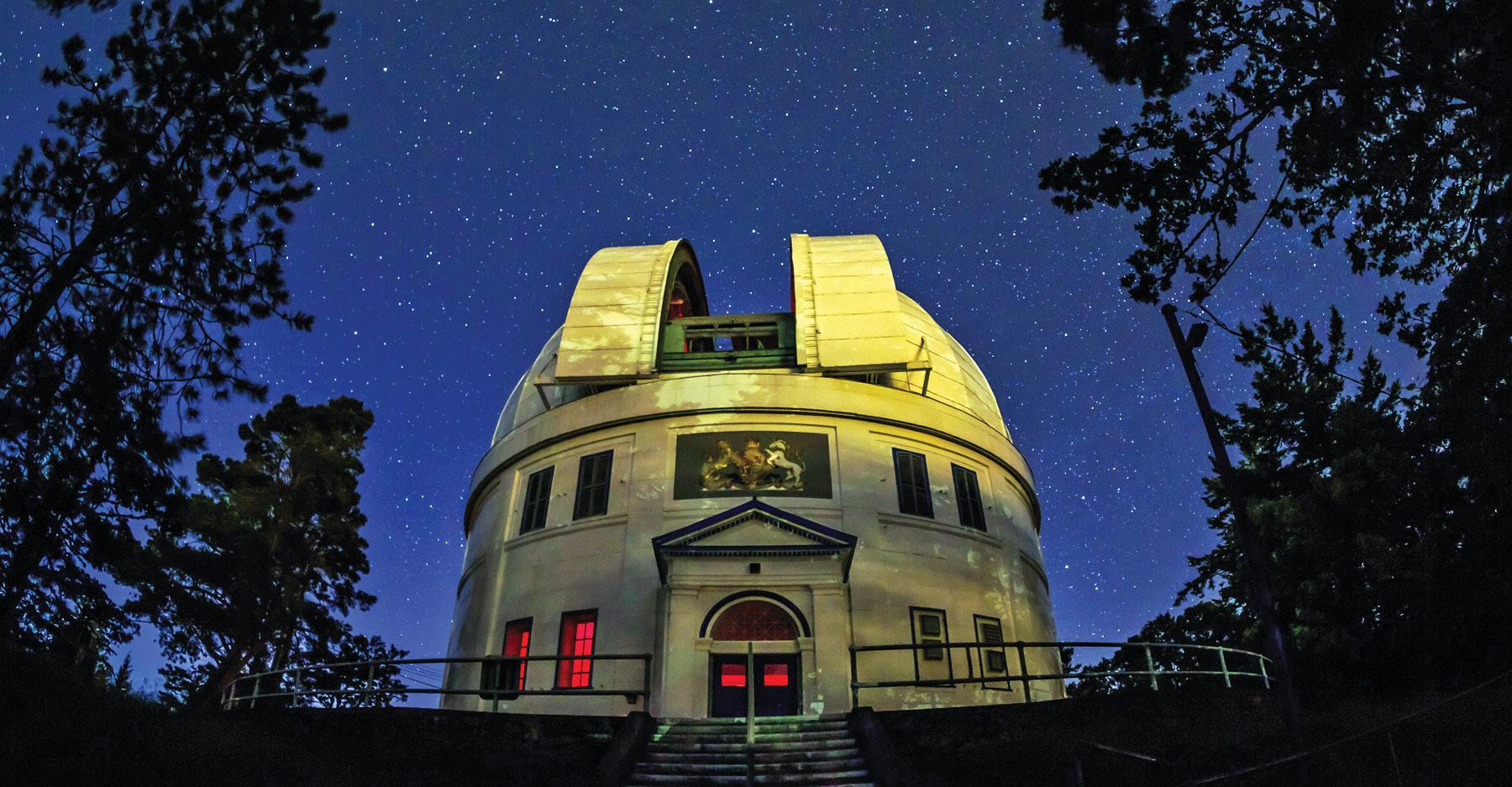
The Centre of the Universe serves as the active interpretive visitor centre for the observatory, dedicated to making the mysteries of space accessible to everyone. It stands as a mustvisit destination for anyone interested in stargazing, space and the rich history of Canadian astronomy.
Inside, the centre features an interactive exhibit gallery designed to engage visitors of all ages. Guests can explore hands-on displays, look back at the historical milestones of the site and discover how modern astrophysicists look at the stars.
One of the most exciting features of the centre is its planetarium. Offering an immersive learning environment,
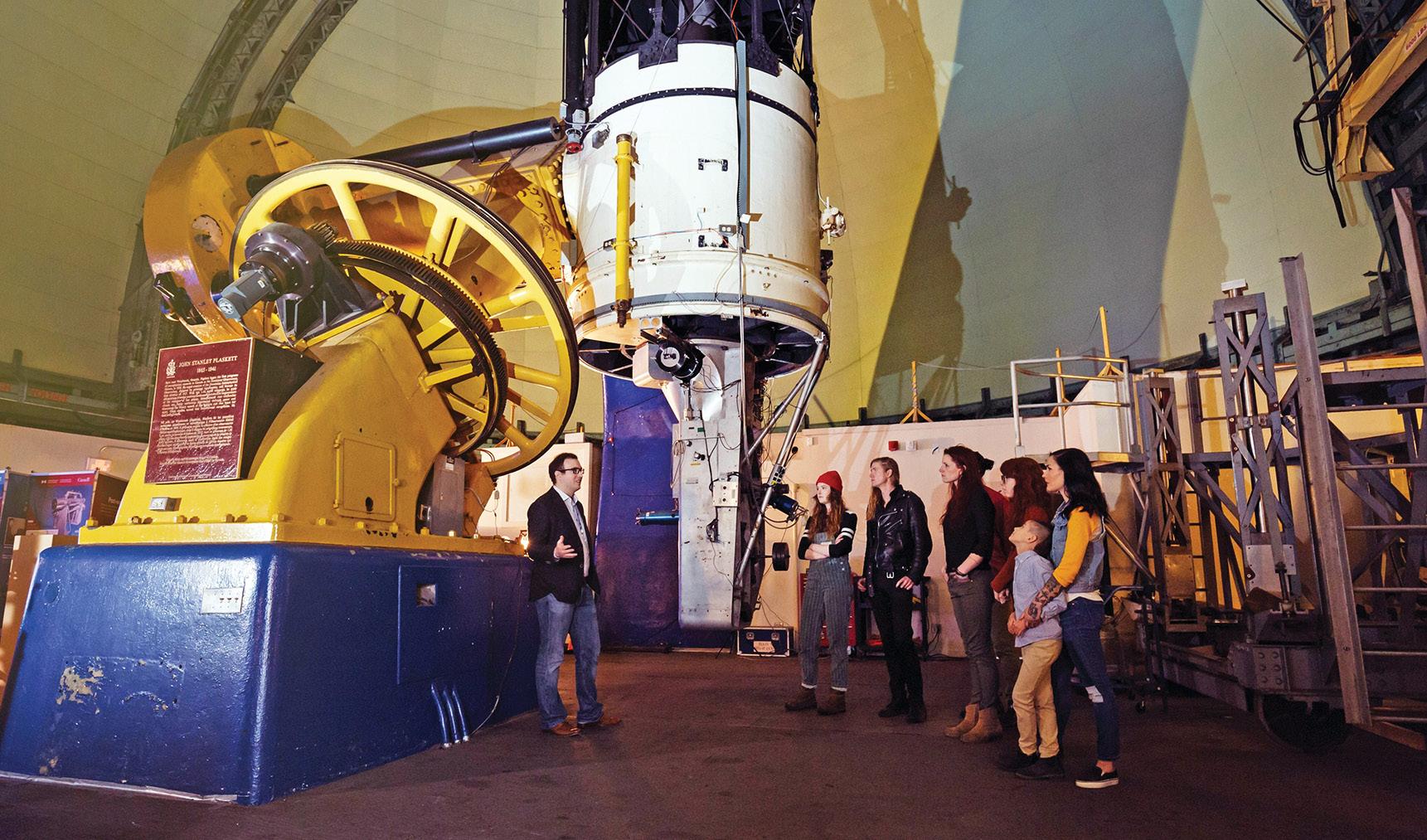
the planetarium features specialized astronomy programs, full-dome films and captivating presentations about the night sky. It allows audiences to travel virtually through the cosmos, creating an engaging experience that brings the beauty of the solar system down to Earth.
For those looking to experience the night sky firsthand, the Centre of the Universe expands its offerings beyond traditional daytime exhibits. The centre hosts virtual reality astronomy activities that allow visitors to experience space in entirely new ways, alongside dedicated stargazing experiences.
The centre invites the community to join them for their highly anticipated Star Party Saturdays. These events bring people together under the open sky to celebrate science, learn from educational programming and experience the thrill of looking out into the deep cosmos.
Whether you are seeking to spark a love of science in a young child, learn about Canada’s foundational role in astrophysics or view a worldrenowned telescope up close, the Centre of the Universe offers a grand connection to the world beyond our own. Learn more at centreoftheuniverse.org.
Summer is a season of abundance.
The roses are blooming, berries are ripening and gardens across Vancouver Island are buzzing with life. It’s easy to focus on what we’re harvesting this time of year. But summer also invites a deeper question:
What is our garden giving back?
Every flower, shrub, tree and patch of soil participates in a vast web of relationships. Native bees pollinate our fruit trees. Butterflies move pollen between wildflowers. Birds help keep pest populations in check and carry seeds from one corner of the landscape to another. Countless unseen insects recycle nutrients and feed the larger ecosystem we all depend on.
When we create habitat for these creatures, something remarkable happens. Our gardens become healthier, more resilient and more productive. We gain pollination, natural pest control and the simple, steady joy of watching life unfold around us.
In many ways, gardening is less about growing plants and more about becoming a good host.
One of the most rewarding ways to welcome life into your landscape is by planting species that evolved here. Native plants provide the food, shelter and habitat that local wildlife recognizes and depends upon. They are also remarkably well adapted to our climate, often asking less of us in return: less water, less fertilizer, less fussing.
Some of my favourite Vancouver Island natives are as beautiful as anything you’d find in a nursery catalogue, with the added gift of deep ecological value.
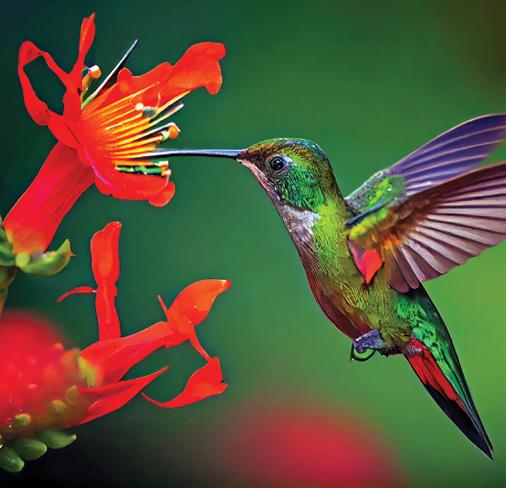
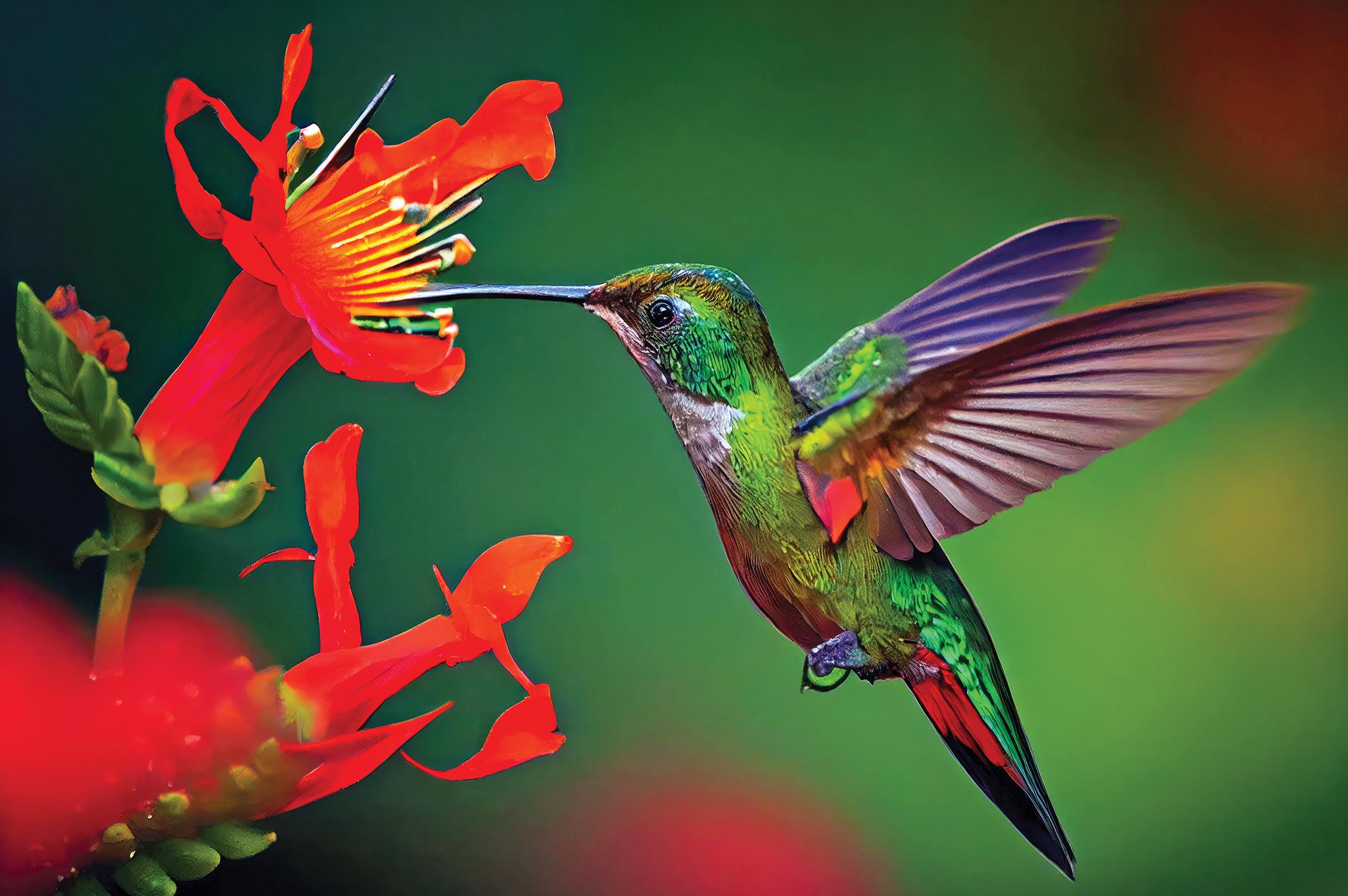
For hummingbirds, few plants rival red flowering currant (Ribes sanguineum), whose spectacular pink blooms arrive precisely when the birds return in spring, or orange honeysuckle (Lonicera ciliosa), a native vine that drapes itself over shrubs and fences and keeps the nectar flowing into summer. Red columbine (Aquilegia formosa) is another hummingbird favourite, with its nodding scarlet flowers and a grace that suits almost any garden corner.
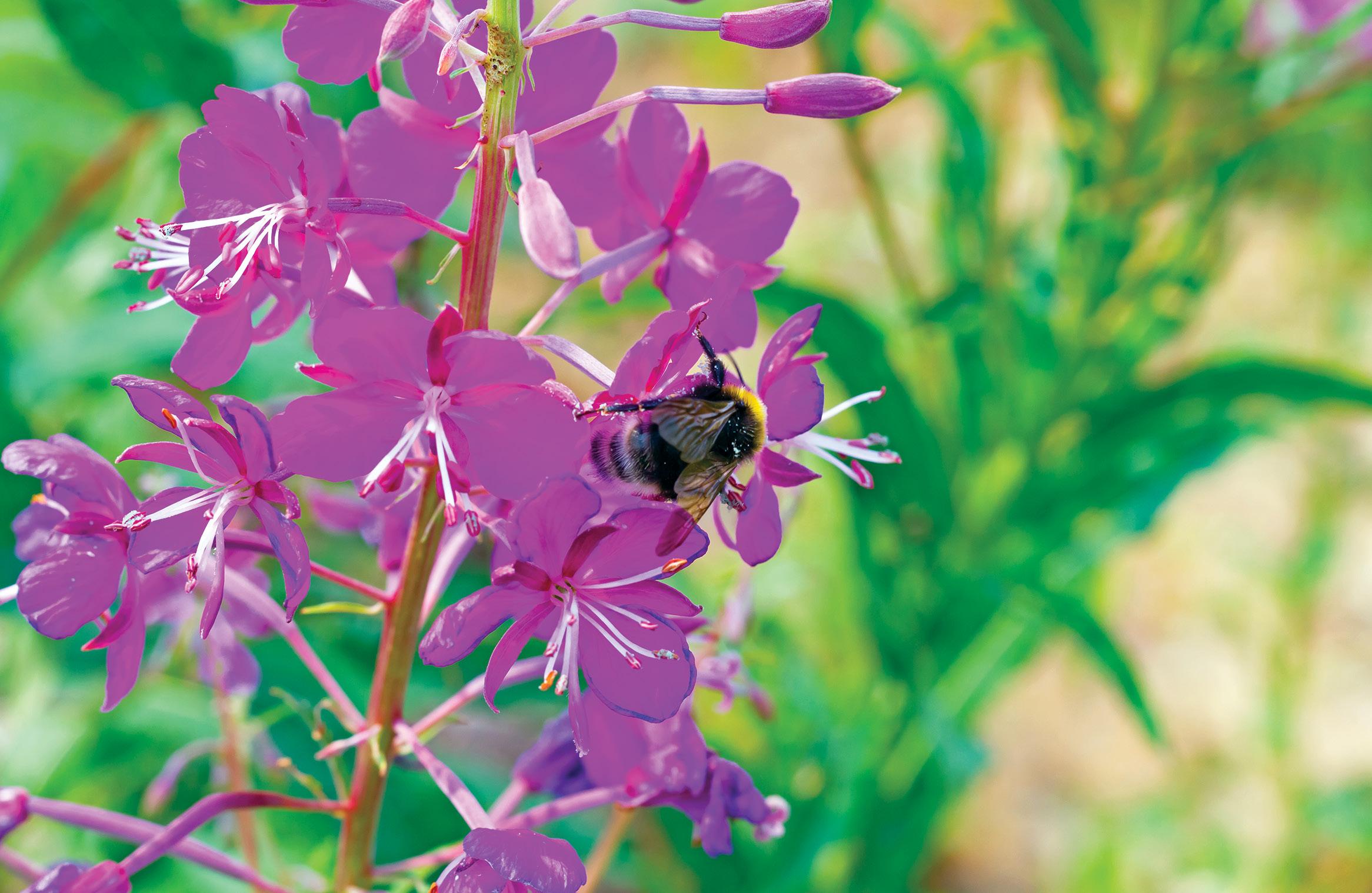
Bees find much to love here too. Yarrow (Achillea millefolium) draws in predatory wasps and native bees while also serving as a valuable medicinal herb. Fireweed (Chamerion angustifolium) lights up sunny spots in tall magenta spires and is one of the most important summer nectar sources on the Island. Nodding onion (Allium cernuum) is a quieter beauty, beloved by bumble bees and easy to tuck in among other perennials. Oceanspray (Holodiscus discolor) fills the air with creamy blossoms and supports an astonishing diversity of beneficial insects through midsummer. For butterflies, native willows and Garry oak support caterpillars of many species, but even a patch of camas (Camassia quamash) or pearly everlasting (Anaphalis margaritacea) can make a meaningful difference. Clarkia (Clarkia amoena) is a butterfly favourite that also self-seeds generously.
Nootka rose (Rosa nutkana) offers nectar through summer and hips through winter, salal (Gaultheria shallon) provides edible berries and year-round bird cover and Oregon grape (Berberis aquifolium) delivers some of the earliest pollen of the season.
Rather than confining these plants to a separate native corner, consider weaving them throughout your landscape alongside fruit
trees, berry bushes, vegetables and herbs. Let them form living borders, understory layers and pollinator corridors connecting different parts of your garden.
A few small additions can increase your impact further. Leave seed heads standing through fall and winter. Add a shallow birdbath. Install a bee block in a sunny spot. Reduce pesticide use wherever you can. And aim for plants that carry the bloom from early spring through late fall, so there is always something on offer.
For Islanders looking to go deeper, Satinflower Nurseries in Saanich and Metchosin is an exceptional resource, as is the NALT Native Plant Nursery near Nanaimo and Streamside Native Plants in Bowser for those further up island.
If you would like to read up on the subject, Saanich Ethnobotany: Culturally Important Plants of the WSÁNEĆ People by Nancy Turner and Richard Hebda is a remarkable guide to the relationships between people, plants and this particular place, shaped in
collaboration with WSÁNEĆ Elders whose knowledge runs far deeper than any garden book.
In a time when many ecosystems face real pressure, our gardens can become small acts of restoration. They can feed our families, support pollinators, shelter birds and reconnect us with the rhythms of the living world.
This is one of the greatest gifts a garden can offer: not just abundance for us, but abundance shared with the creatures who call this area home.
and Edible Landscapes Design are a team of passionate professionals serving homeowners, businesses, farms and DIYers to design, install and maintain landscapes that nourish, feed and regenerate. Learn more at ediblelandscapesdesign.com
Saanich resident Teri Kerr began her journey of self-reflection when one of her two sons shared pregnancy news. She asked herself, “Who do I want to be as a grandma?”—a question that set off a series of healthy habits she never imagined she would take up.
“I have a choice of how I want to be in my next phase in life,” says Kerr.
alcohol use—typically drinking more than recommended limits, but not enough to meet the criteria for alcohol-use disorder.
Kerr noted that the first few weeks of cutting back were difficult, but the rewards came quickly.
“I immediately started to sleep better and then noticed the inflammation in my joints going down,” she says.

“Alcohol has been a big part of my family and life. A glass of wine with dinner, drinking on Friday night, a glass of wine to relax. I come from a family in which grey-area drinking is the norm. I don’t want to be that anymore.”
Grey-area drinking is a relatively new term used to describe the middle ground of
“I learned that I was most likely to reach for a glass of wine when I’m bored. So, I chose to incorporate evening walks instead.”
“There are many benefits to cutting back on alcohol,” says Dr. Randal Mason, regional medical director, Addiction Medicine and Substance Use.
“Drinking less can improve your sleep, energy, mood, skin and sex drive.”
Alcohol is the most commonly used psychoactive substance in Canada.
“The good news is that even a small reduction in drinking can make a positive impact on short- and long-term health,” says Dr. Mason.
Alcohol is a carcinogen, and research now shows that no amount—whether beer, spirits or wine—is beneficial. It can cause more than 200 diseases, including seven types of cancer, heart disease, high blood pressure and liver disease. Alcohol use can also lead to injuries and violence.
For those who enjoy the taste of alcohol, there are a growing number of de-alcoholized beer, wine and spirit options. Kerr has found new favourites from Island-based producers—a win for both her health and for supporting local businesses.
After 104 days without alcohol, Kerr had a glass of wine on Valentine’s Day (2025).
“I instantly got a headache, noticed the inflammation again and took these symptoms as a sign that cutting back is the right path for me,” she says.
She also offers advice for others considering cutting back—try to look ahead.
“At first, I felt sad because I thought I couldn’t have fun; I was worried about losing the fun-me, that I would be boring,” she says.
“But I realized I can still have just as much fun—and I get to enjoy the next day as well. I get to choose new patterns that serve me as I grow older and help me become the grandma I want to be.”
To learn more about the benefits of cutting back on alcohol, visit islandhealth.ca/alcohol
This article was originally published in Island Health Magazine, Spring 2025 edition. Island Health delivers a broad range of health and care services, including primary health care, public health services, home and community care and acute care in hospitals, to more than 930,000 people on Vancouver Island and the surrounding area.
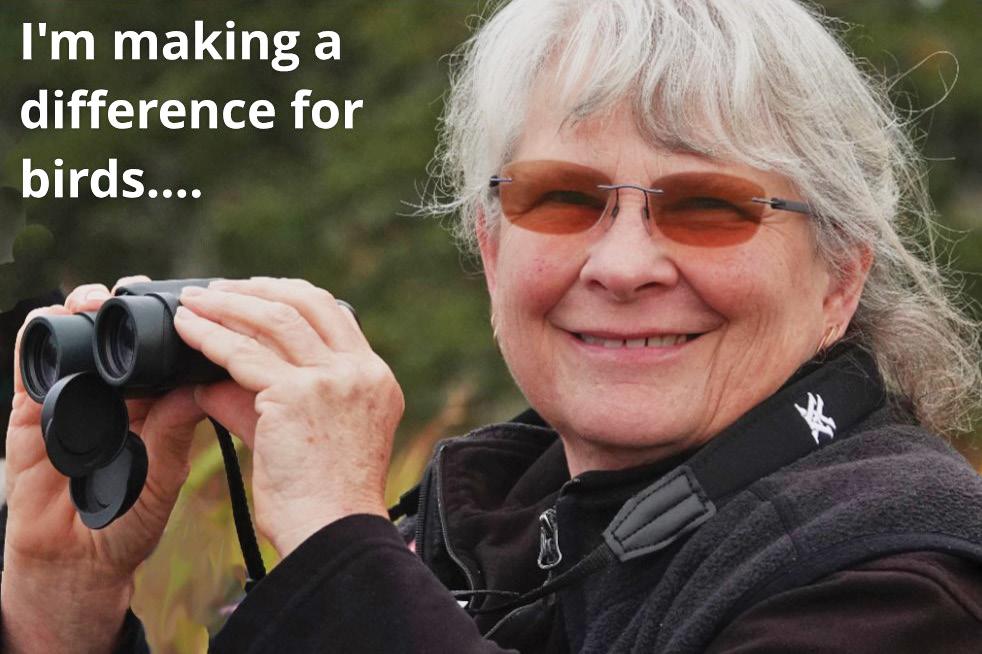
Join Rocky Point Bird Observatory to expand your bird knowledge and share your passion for them with a community of bird lovers.
A recent analysis has revealed that the Capital Region of British Columbia is the Birding Capital of Canada! We have confirmed an impressive total of 425 bird species, exceeding other renowned birding regions of Canada. Our region is also home to three historic Migratory Bird Sanctuaries and one of the best natural environments in urban Canada.
Join this vibrant community. Learn with RPBO, share your skills, and participate in various birding adventures with our members.
RPBO provides numerous opportunities for you, your family and friends to|get involved in birding. Visit our website for details on guided bird walks, or explore resources on a variety of topics, such as making your home and garden more bird-friendly. You can also join us for community events that are great for families, such as Victoria Bird Week in May and the Christmas Bird Count for Kids each December.
Looking for more ways to be a champion for birds? Share your energy and skills as a volunteer, or join a “Be a Better Birder” course to increase your birding skills. Your involvement can lead to meaningful change, fostering awareness and sustainability for years to come.
Be a part of RPBO and make a difference for birds!