ELEMENTARY SCHOOL ACADEMIC PROGRAM
Nurturing Learning | Pre-Kindergarten –
Grade 5 (Ages 3–10)
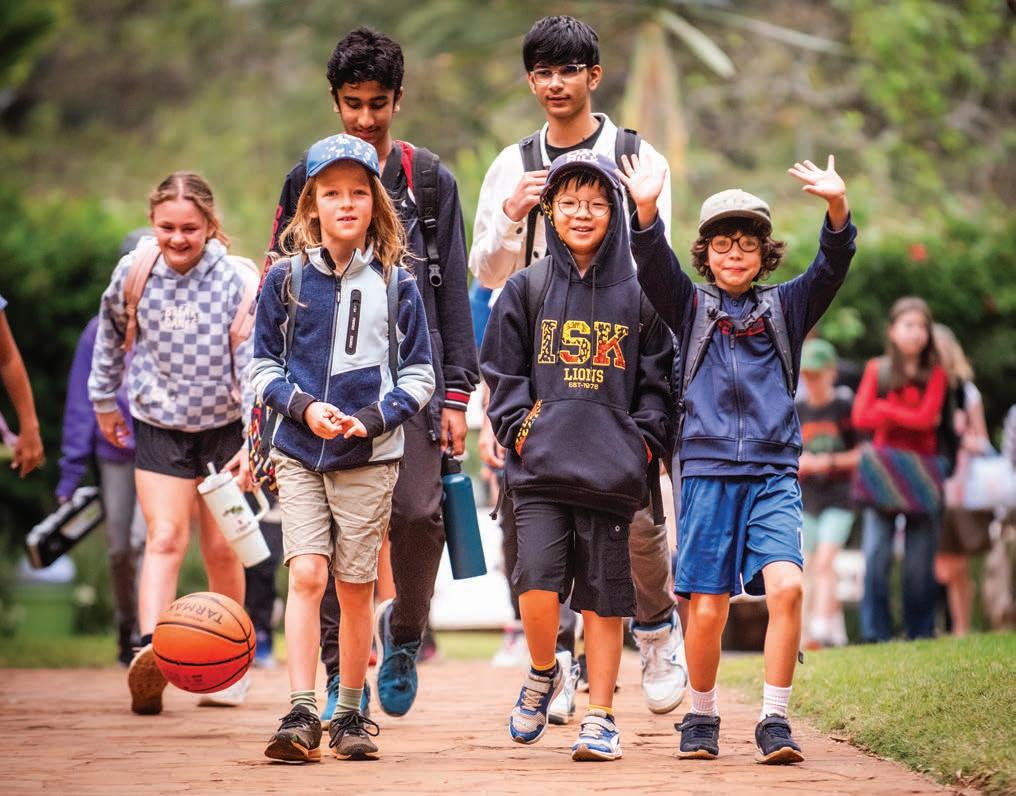
The Elementary School at the International School of Kenya (ISK) serves students from PreKindergarten through Grade 5, creating an inclusive and nurturing learning community for children ages three to ten. Our program is engaging, challenging, and learner-centered, supporting students as they grow into confident learners and globally minded citizens. Guided by ISK’s Educational Aims, students develop strong communication, creative thinking, collaboration, and problem-solving skills that prepare them to make a positive difference in their communities and the world.
Learning to Be
At ISK, the development of the whole child is central to the Elementary School experience. Learning supports students’ personal, emotional, and social growth alongside academic development. Children explore their interests, creativity, and ambitions while building confidence, resilience, and independence. By nurturing each learner’s unique strengths and curiosities, we help students develop a strong sense of identity and purpose.
Learning to Do
Students are encouraged to see themselves as active contributors to their communities. Through meaningful learning experiences, they develop responsibility, initiative, and empathy. By honoring student voice and encouraging collaboration, ISK inspires children to think critically, take action, and develop solutions that contribute to a better world.
Learning About
Children are naturally curious, and our teachers design personalized, experiential, and integrated learning experiences that foster inquiry and conceptual understanding. Students build strong foundations in literacy, mathematics, science, social studies, the arts, physical education, and languages through a responsive, learner-centered approach that helps them develop the skills needed for lifelong learning.
Learning Together
Learning at ISK is a collaborative journey shared by students, teachers, and families. Through communication and partnership, our community designs meaningful learning experiences, reflects on growth, and celebrates achievements. Students learn with and from one another, developing the collaboration and communication skills that prepare them for future learning and leadership.
ISK Subject Philosophies and Program Objectives
At the International School of Kenya (ISK), the Elementary School program is guided by a clear educational philosophy that places the child at the center of learning. We believe that children learn best in an environment that nurtures curiosity, creativity, and a strong sense of belonging. Our program is designed to support the intellectual, social, emotional, and physical development of every learner while fostering a lifelong love of learning.
Our approach to teaching and learning is grounded in inquiry, collaboration, and meaningful engagement with ideas. Through thoughtfully designed learning experiences across subject areas, students develop the skills, knowledge, and dispositions needed to think critically, communicate effectively, and work collaboratively with others.
The Elementary School curriculum provides a strong academic foundation while encouraging students to explore their interests and make connections between disciplines and the world around them. Guided by ISK’s Educational Aims, our program supports students in becoming confident learners, thoughtful problem-solvers, and responsible members of their communities.
The following sections outline ISK’s schoolwide subject philosophies and program objectives. These guide the learning in each subject area, highlighting how each program supports student growth, academic achievement, and preparation for continued success beyond high school.
Mathematics
Standards: Common Core State Standards in Mathematics
Philosophy
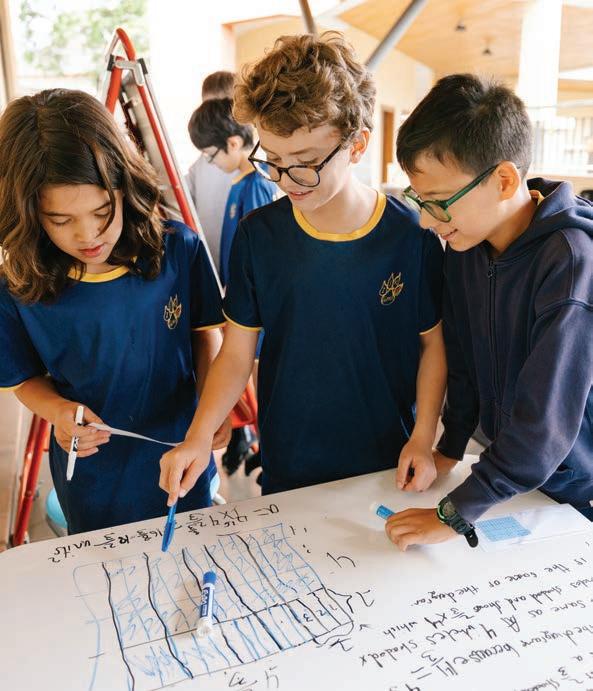
ISK inspires Math students to engage in authentic tasks where they collaborate and persevere to reason, make sense of, and apply mathematical concepts to meaningful contexts.
Beliefs
Math learning at ISK is embedded in ‘thinking classrooms’ in which students take the lead role in the thinking, questioning, and use of Mathematics.
Independent Math learners:
· Make sense of problems and persevere in solving them.
· Reason abstractly and quantitatively and appreciate the beauty of Mathematics.
Construct viable arguments and critique the reasoning of others.
· Model with mathematics.
Use appropriate tools strategically.
Attend to precision.
· Look for and make use of structure.
Look for and express regularity in repeated reasoning.
English Language Arts
Standards: Common Core State Standards in English Language Arts
Philosophy
At ISK, we believe effective communicators must actively engage in spoken and written language to develop as informed, critical, and creative thinkers. We value diverse perspectives and strive to amplify the voices of our community. We recognize language as a powerful tool for change
Beliefs
Independent learners in English Language Arts:
· Communicate effectively in both spoken and written language for varied tasks and purposes, with diverse audiences;
· Comprehend and evaluate increasingly complex texts;
· Critically assess and respond to different forms of media, recognizing different perspectives and biases;
· Engage in collaborative cross-cultural discussions, refining thinking and developing problemsolving strategies
· Develop inquiry-based research skills.
Social Studies
Standards: The College, Career, and Civic Life (C3) Framework for Social Studies State Standards
Philosophy
Social Studies at ISK empowers students to engage critically (and compassionately) with geographical, economic, social, political, and environmental issues, past and present. Our program looks to support the development of active and engaged students who strive toward a sustainable world.
Beliefs:
The ISK approach to social studies is designed so that all students develop the skills and dispositions of the ISK Active Learner Roles.
Independent learners in Social Studies/ Sciences :
· Are Collaborators who:
o Analyze problems by considering multiple perspectives and the work of others;
o Act on civic issues and evaluate options for action in collaboration with others;
· Are Communicators who:
o Critique conclusions and construct arguments;
o Foster civic engagement;
· Are Thinkers who:
o Develop questions;
o Apply disciplinary concepts and tools;
o Evaluate sources and use evidence;
· Are Change-makers who:
o Take informed action Are Self-managers who:
o Plan inquiries.
Science
Standards: Next Generation Science Standards
Philosophy
Science is the collaborative and multidisciplinary approach to solving problems and understanding the world around us. It is best taught through an appreciation of natural phenomena, cultivated through experiences rooted in curiosity and wonderment.
Beliefs
Independent learners in Science:
Carr y out investigations and generate questions based on observations
· Construct explanations using modeling and reasoned evidence
Analyze and interpret data, evaluate information, and communicate effectively
World Languages
Standards: ACTFL World-Readiness Standards for Learning Languages
Philosophy
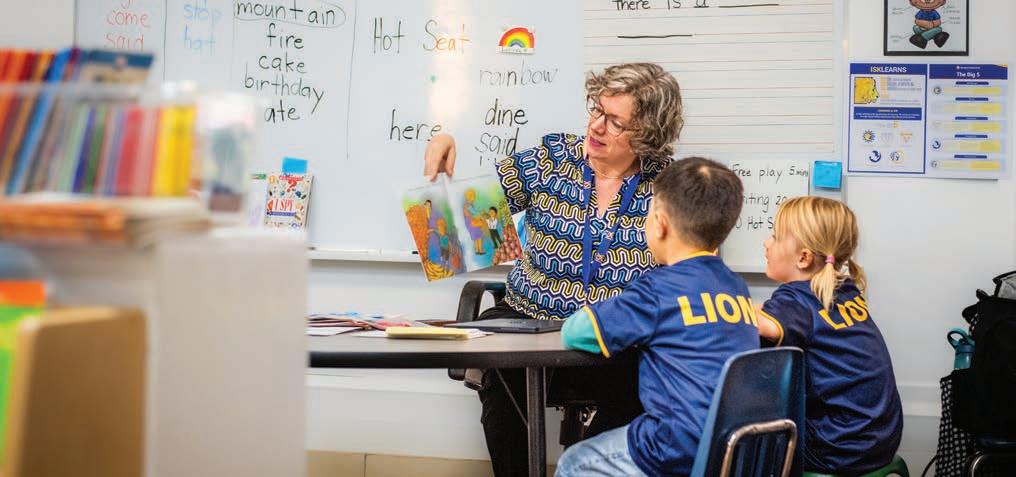
Acquiring a language provides valuable educational, socio-emotional, and cultural experiences for students at ISK. The World Languages Department provides a program where students develop their communicative competence and proficiency, multicultural awareness, and a lasting curiosity for language learning.
Beliefs
We believe students learn languages best when they are provided a safe environment where risk-taking is encouraged and valued to develop grit and perseverance while learning.
Independent learners of languages:
· Are agents of their learning; Use the target language in a variety of authentic situations;
· Think about and understand language concepts;
· Build cultural and social connections to the target language’s culture(s) and their own; Are engaged and motivated: Minds-on and hands-on.
Creative Arts
Standards: National Core Arts Standards (Creative Arts)
Philosophy
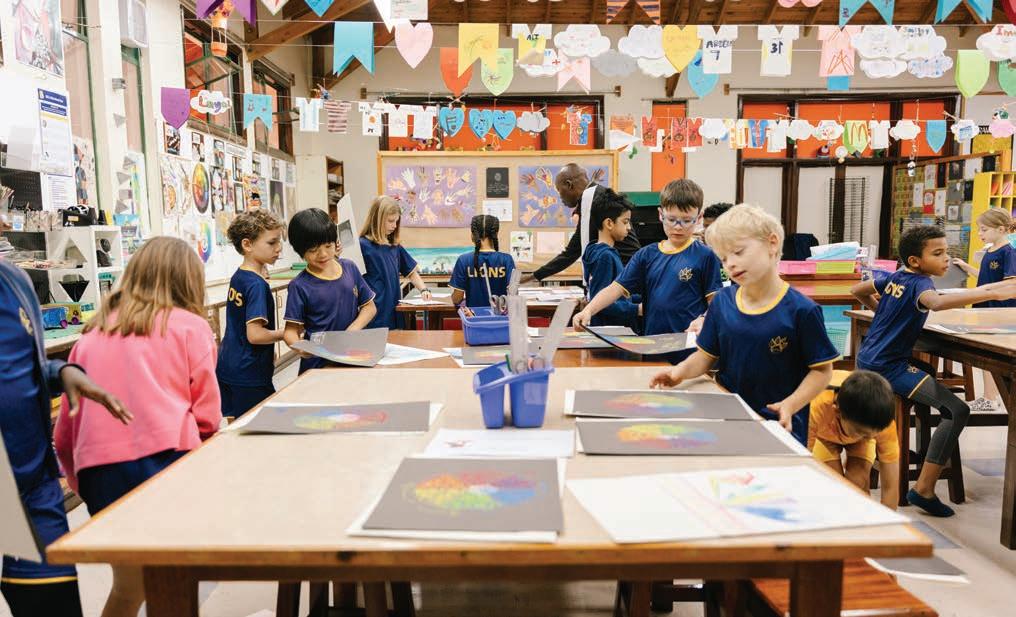
The Creative Arts Department at ISK cultivates a knowledge and understanding for the arts by nurturing creativity, fostering collaboration, encouraging self-expression, and promoting the belief that everyone has their own unique way of expressing themselves. Through exposure to diverse styles, artists, media, and techniques, the department empowers students to take ownership of their creative process and embrace their artistic agency.
ELEMENTARY SCHOOL ACADEMIC PROGRAM
Beliefs
Independent learners in the Creative Arts:
· Develop and foster their passions, abilities, and technical skills; Develop creative and social skills through individual and group activities;
· Learn with and from peers, teachers, and community members
· Critique and articulate artistic ideas; Explore the changing world and develop social awareness and global-mindedness;
· Demonstrate, perform, and exhibit their accomplishments through the arts.
Physical Education and Health (PHE)
Standards: SHAPE for Physical Education and Health
Philosophy
The ISK Physical and Health Education program empowers students to develop the knowledge, skills, confidence, and dispositions needed to live healthy, active, and fulfilling lives. Through a sequential K to 12 curriculum, students build physical and health literacy through meaningful movement, wellness, decision-making, and relationship-based learning. Students are supported to take responsibility for their choices, respect themselves and others, and engage in inclusive, relevant, and meaningful learning.
Physical and Health Education are integrated to help students understand the connection between movement, wellness, identity, relationships, decision-making, and community health.
Beliefs
Independent learners in Physical and Health Education:
Develop physical literacy through diverse, inclusive, and meaningful movement experiences.
· Understand movement as essential to lifelong health, well-being, enjoyment, confidence, and self-expression.
Grow when they set goals, reflect on progress, respond to feedback, and take ownership of their choices.
· Build personal responsibility, resilience, and respect for self and others. Develop communication, collaboration, empathy, leadership, and responsible social behavior through movement and health education.
Use health literacy to make informed decisions, access reliable information, advocate for wellbeing, and contribute positively to their communities.
Design
Philosophy
The ISK Design program offers opportunities for students to solve authentic problems using an iterative design process. Our philosophy is cultivating a culture of creativity, innovation, and self-expression, preparing students for future design challenges and opportunities.
Beliefs
We believe students learn best when:
· They are given authentic, meaningful tasks that have a tangible impact.
· They feel safe to take risks and explore new ideas.
They are encouraged to communicate their unique perspectives and ideas through their design work, empowering self-expression.
· They are exposed to relevant technologies, methodologies, and design thinking processes to inspire innovation.
SEL and Child Safety
Philosophy
Through SEL and safeguarding learning, students will develop a greater understanding of themselves, enhance their ability to care for and protect themselves by developing resiliency and making healthy choices, demonstrate empathy toward others, build healthy relationships, act with integrity, and advocate for their well-being and safety.
Beliefs
We believe that students learn SEL & Safeguarding best when:
· They feel safe and secure in their learning environment
· A culture of trust exists within the learning environment They understand the purpose and value of their learning
· Safe and trusted adults are known and available to students
· They feel heard and understood
Life-Centered Education
Philosophy
At ISK, we believe all students thrive when they feel safe, known, valued, and appropriately challenged. The Life Centered Education (LCE) advances ISK’s mission by providing individualized, purpose-driven learning grounded in each student’s IEP. These goals guide instruction, shape programming, and ensure students are consistently working toward meaningful growth across academic, social, and personal domains.
LCE is a shared responsibility. Students are supported in the least restrictive environment, with intentional access to mainstream classrooms, school activities, and community experiences. Classroom and subject teachers collaborate closely with the LCE team to implement strategies, adapt instruction, and monitor progress. Through this inclusive and coordinated approach, students build transferable skills, experience a strong sense of belonging, and are prepared for successful transitions beyond ISK.
Beliefs
· We believe our students can and want to learn to their highest individual potential;
We believe our students learn in different ways;
· We believe our students learn best when they are interested in and enjoy the learning experience;
We believe that embracing and supporting a diverse community of learners enriches the school community and positively impacts the future for all students;
We believe our community is stronger when siblings are together.
Learning in the Elementary School: Pre-K
Concepts: Identity, Community, Discovery, Self-Expression
ES Intentions: Be Kind - Be Inclusive - Be Open-Minded - Be Responsible
LANGUAGE AND LITERACY
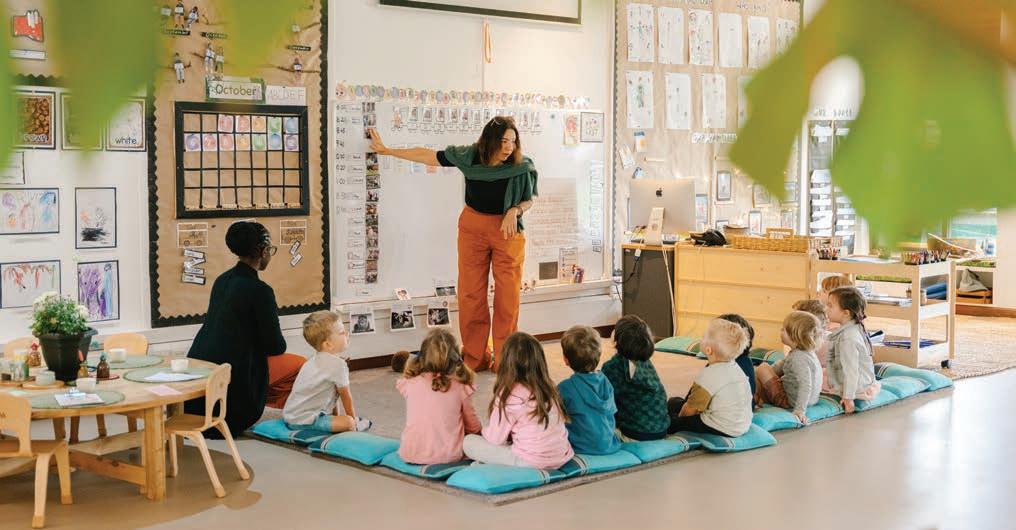
PK students read in many different ways. Reading entails listening to and talking about stories read aloud, engaging in group choral readings, studying pictures to make meaning, and beginning to notice and identify the features of print. Students will explore and play with sounds, rhymes, and letters as they establish a strong foundation for future reading. PK children begin to identify themselves as story makers. By noticing writing in their environment, they can create their own marks on paper, developing the idea that print holds meaning. Students write with pictures, letters, labels, invented spelling, and more conventional writing.
MATH
PK students spend their time understanding and making sense of mathematical concepts such as: numbers, patterns, and shapes. Through play and exploration, students make observations and comparisons with concrete objects. PK children learn to find math everywhere in their environment, and they use it to solve real world problems.
PHYSICAL
Children develop both gross and fine motor skills during their PK years. As they are allowed to explore and experiment with their bodies, taking risks and building confidence, children develop motor planning and manipulative skills, coordination, balance, and body, spatial, and directional awareness. Through play, children build cardiovascular endurance, muscular strength, muscular endurance and flexibility.
SOCIAL EMOTIONAL
PK children develop a deeper understanding of themselves as well as develop their social interaction skills with peers and adults. They learn strategies for problem solving, conflict resolution, and selfregulation. Challenges and mistakes are embraced as opportunities and motivation develop a positive growth in mindset, which includes resilience, confidence, and opportunities to develop new skills through effort.
Learning in the Elementary School: Kindergarten
Concepts: Identity, Community, Change, Expression
ES Intentions: Be Kind - Be Inclusive - Be Open-Minded - Be Responsible
READING
Kindergarten students read in many different ways. Reading entails listening to and talking about stories read aloud, engaging in group choral readings, studying pictures to make meaning, and beginning to notice and identify the features of print. Students will explore and play with sounds, rhymes, and letters as they establish a strong foundation for future reading. Kindergarteners build a love for books as a shared and joyful experience.
WRITING
Kindergarten writers begin to identify themselves as authors. By noticing the features of books in their classrooms, they can create their own stories and informational texts. Students write with pictures, letters, and labels, eventually building up to sentences. Invented and phonetic spelling is an essential step for children as they make a connection between letters and sounds.
MATH
Kindergarten mathematicians spend their time understanding the concept of numbers and shapes. Through play and exploration, students make observations and comparisons with sets of concrete objects. Kindergarteners use counting as a tool and practice representing written numerals. They are introduced to the concept of addition as putting objects together and adding to, and subtraction as taking apart and taking away.
SCIENCE
Kindergarten scientists learn to become aware of the world around them and begin to explore the Earth’s environments. They explore the characteristics of living things, the properties of objects and materials. Students develop the habits of scientists, such as asking questions, making observations, documenting through pictures and words, and engaging in investigations.
SOCIAL STUDIES
Throughout the year, kindergarten students inquire into what it means to take part in a community. By naming and noticing what makes them unique, they will recognize their part in a group of learners. Kindergarten students use their communication skills to get to know the members of their community and to share what they have learned about the different roles that make a community thrive.
Learning in the Elementary School: Grade 1
Concepts: Community, Investigation, Structure & Function, Symbols & Communication, Patterns & Observation
ES Intentions: Be Kind - Be Inclusive - Be Open-Minded - Be Responsible
READING
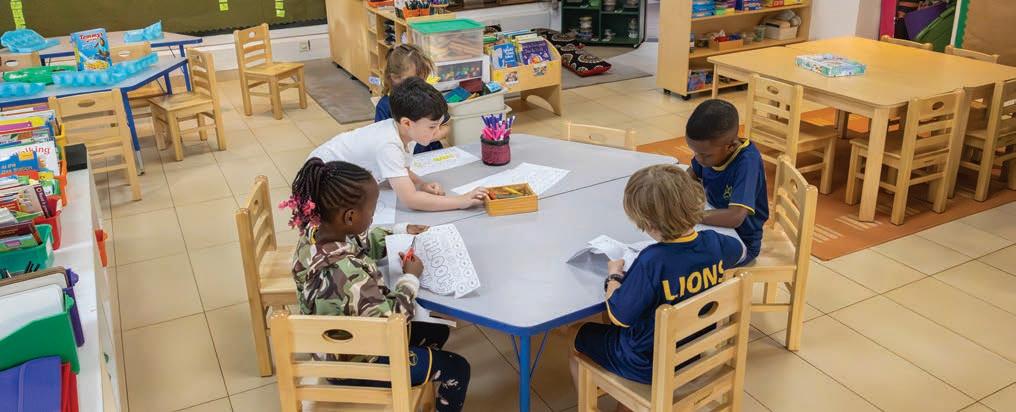
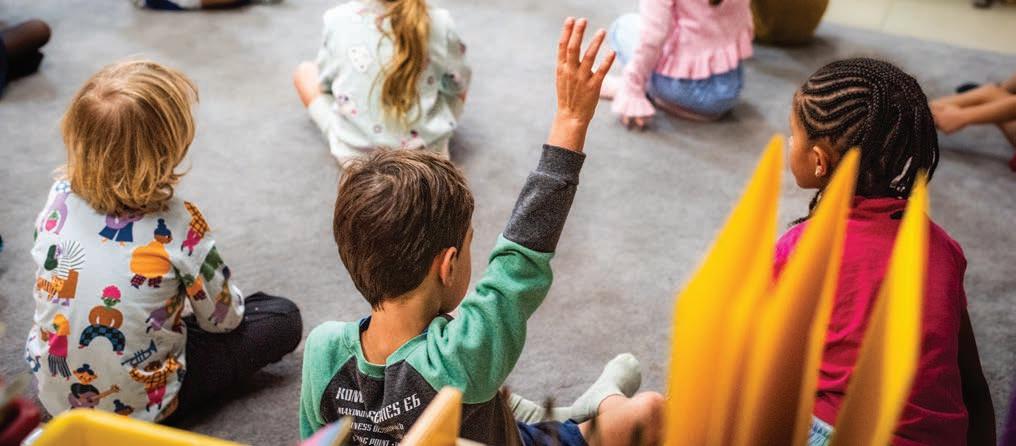
First grade readers engage in the skills of studying letters, sounds and words to help them engage in, enjoy, and understand books. Students begin to recognize and analyze patterns in print, while trying to make meaning of what they read. Readers will find joy and connection by reading and talking about texts in large groups, small groups and partnerships.
WRITING
Students consider their audience as they tell stories, craft texts with a beginning, a middle and an end. They elaborate through pictures, labels, and sentences, while applying grade level phonics patterns to their pieces. Writers apply invented, phonetic spelling while beginning to incorporate conventional spelling of a select list of frequently used English words. Capital letters, end punctuation and spacing are used with greater regularity.
MATH
First grade mathematicians develop their conceptual understanding of one and two digit numbers by representing numerical values with objects, pictures, and digits. Students explore place value and how digits in different places represent different values. This knowledge supports them in building up their fluency and flexibility of adding and subtracting numbers up to 20. Students also explore shape, telling time, graphing, and measurement.
SCIENCE
First grade scientists explore topics such as light, sound, celestial patterns, and animal survival. Students develop the habits of scientists, such as: asking questions, making observations, documenting through pictures and words, and engaging in investigations.
SOCIAL STUDIES
First graders will inquire into the way community members work together to solve problems. Learners will explore maps and consider the question, “How do maps tell a story?” Students will practice communication skills, such as asking questions and active listening.
Learning in the Elementary School: Grade 2
READING
Second grade readers use everything they know about phonics to engage in both nonfiction and fiction texts. Readers build their thinking about books through conversation, so students have daily opportunities to talk about books with a partner. At this age, students practice naming the main topic or idea from a text and providing supporting details. They begin to build their inferential thinking skills by making claims about a text and providing evidence from the text to support their thinking.
WRITING
Second grade writers are beginning to be able to write “long and strong” as their stamina starts to grow. Students consider their audience as they make choices about how to craft their writing appropriately. Second graders have the opportunity to write informational, narrative and opinion pieces as they apply grade level conventions to make their writing “readable” to others. This includes capital letters, end punctuation, and grade level spelling patterns, with an emphasis on vowel teams.
MATH
Second grade mathematicians spend the majority of the year building up their fluency and flexibility in adding and subtracting one, two, and three digit numbers. Students work to develop their conceptual understanding by using hands-on materials, drawing models, and expressing numerical relationships through written equations. Students engage in problem-solving using real-world contexts.
SCIENCE
Second grade scientists design and conduct investigations to determine, “how do I know something is true?” Students use their observation skills to detect change and identify cause and effect relationships. Investigations uncover deeper understanding about plants, pollinators, and states of matter.
SOCIAL STUDIES
Throughout the year, second graders will inquire into how members of our community interact with one another. Students will explore topics such as identity, fairness in relation to scarcity, and change over time, as they work to make claims and provide supporting evidence for their opinions.
ELEMENTARY
Learning in the Elementary School: Grade 3
Concepts: Identity, Values, Cause & Effect, Patterns, Change
ES Intentions: Be Kind, Be Open-Minded, Be Inclusive, Be Responsible Learning About: Learning To Do:
READING
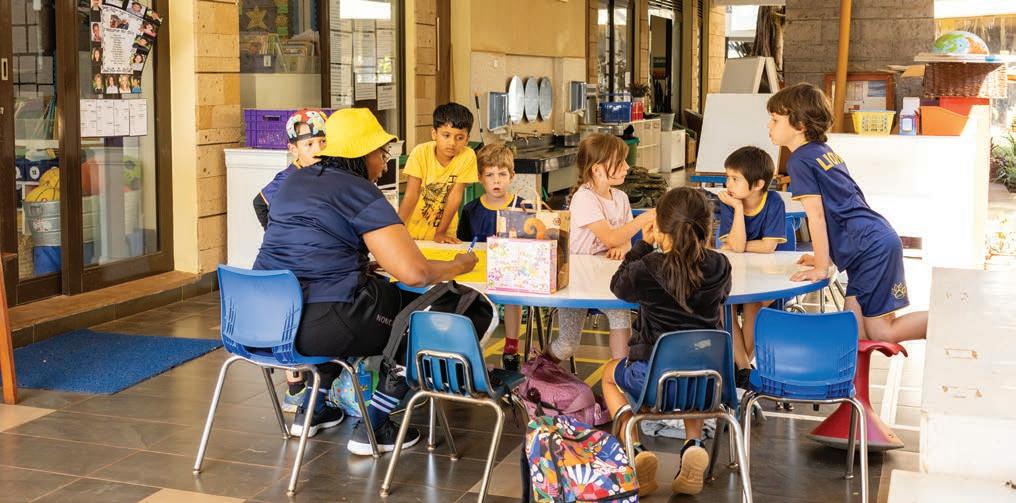
Third-grade readers transition from “learning to read” to “reading to learn.” Students work to grow ideas about books. This happens through conversations in reading partnerships and book clubs and written entries in readers’ notebooks. Third graders learn that they understand a text by summarizing what they’ve read and rereading when necessary. They make claims and support their claims with evidence from the text. Students continue to develop their reading identity as the range of what they are able to read broadens and becomes more complex.
WRITING
Third-grade writers work hard to engage their readers. They begin to elaborate and lengthen their writing by adding sensory details, dialogue, thoughts, and feelings to narrative pieces while including facts, diagrams, and observations in informational texts. Students study mentor authors to replicate writing “moves” in their writing. Third graders include quotation marks and end punctuation to make their writing more “readable” to others.
MATH
Third-grade mathematicians spend the majority of the year representing and solving problems related to multiplication and division. Students work to develop their conceptual understanding by using hands-on materials, drawing models, and expressing numerical relationships through written equations. Students engage in problem-solving using real-world contexts.
SCIENCE
Third-grade scientists design and conduct investigations to determine, “How can we track and monitor change?” Students use their observation skills to identify cause-and- effect relationships to explore a deeper understanding of forces and motion. Students analyze data to make predictions about the weather. Students research to discover survival patterns of living things and their roles in ecosystems.
SOCIAL STUDIES
Throughout the year, third graders will inquire into how they can be an agent for change. Grounding action in values, students will develop plans designed to improve their community. Recognizing the diversity and varying perspectives of others will be an integral component of working toward change.
Learning in the Elementary School: Grade 4
Concepts: Identity, Story, Change, Perspective, Systems, and Transfer
ES Intentions: Be Kind, Be Open-Minded, Be Inclusive, Be Responsible Learning About: Learning To Do:
READING
Fourth grade readers continue “reading to learn” by finding big ideas in nonfiction and fiction reading and supporting their claims with evidence. They start to interpret what they are reading and consider different perspectives through conversations in partnerships and book clubs. They are aware that an author’s perspective influences how they describe an event, person or idea and creates bias.
WRITING
Fourth grade writers engage their readers by being purposeful and aware of their audience. They elaborate their ideas by adding action, dialogue, thoughts and feeling in narrative pieces and poetry, and include facts, data and observations in informational and opinion text. They organize their writing so it follows a clear structure while using transition words to communicate ideas clearly. Fourth graders revise their writing and pay special attention to their use of commas to avoid run-on sentences.
MATH
Fourth grade mathematicians extend their conceptual understanding of place value through addition, subtraction multiplication, division by solving multi-digit multiplication problems and using models. They build their fluency of division by dividing multi-digit dividends by a single digit divisor. They represent and solve problems using fractions order, add and subtract fractions with like denominators and start to multiply fractions. They build their mathematical reasoning by analyzing and classifying geometric figures based on their properties.
SCIENCE
Fourth grade scientists design and conduct investigations to determine, “how does life adapt to earth’s processes?” Students research how energy is harnessed and transformed, and how people find solutions to energy problems. As scientists, fourth graders ask questions, observe carefully, and make claims supported with evidence.
SOCIAL STUDIES
Throughout the year fourth graders will inquire into how our culture and identity help us navigate the world. Students explore how maps can tell a story, and through the use of inferential thinking and work to interpret those stories. Through the lens of economics, students ask the question, “how can we be responsible consumers?”
ELEMENTARY
Learning in the Elementary School: Grade 5
Concepts: Change, Rights, Systems, Journeys, and Interactions.
ES Intentions: Be Kind, Be Open-Minded, Be Inclusive, Be Responsible Learning About: Learning To Do:
READING
Fifth grade readers use what they know about nonfiction and fiction reading to interpret a text and support their ideas with evidence. As fiction readers, they follow multiple characters and plotlines, and understand that sometimes there isn’t an obvious problem or solution. Through book clubs, they consider different perspectives to deepen their understanding. As nonfiction readers, they encounter multiple main ideas within a text and notice how the author’s perspective influences how an event, person, or idea is described. They hone research skills to learn more information about a topic.
WRITING
Fifth grade writers engage their readers by writing for their audience. As narrative writers, they use a blend of description, action, and dialogue to elaborate on their idea or theme and engage their readers. When writing informatively or giving opinions, they use a logical structure to communicate their thesis. As researchers, they identify reliable sources, summarise main ideas, and use quotes to support their reasons.
MATH
Fifth grade mathematicians deepen their understanding of the place value system by performing operations with multi-digit whole numbers and with decimals. Students develop their proficiency with addition and subtraction of fractions and begin to multiply and divide fractions. They extend their understanding of division into two-digit divisors and develop their conceptual understanding of volume.
SCIENCE
Fifth grade scientists conduct investigations into how states of matter interact with each other. They analyse how different components connect within an ecosystem to create balance. They also learn about puberty and the emotional and physical changes to the human body. As scientists, students gather and interpret data to form and support their conclusions.
SOCIAL STUDIES
Throughout the year, fifth graders will inquire into the relationship between human rights, power and responsibility. They will investigate the push and pull factors that cause individuals and groups to move. Through the gathering and evaluating of relevant sources students will gain an understanding of both local and global issues and be able to think in a logical and critical way.
The Elementary Library at ISK
PRE K
· To enjoy books, sit for a story, take our turn, raise our hand for questions or comments.
To self-select books for pleasure reading.
· About the contributors of books (authors, illustrators) and parts of a book (title, author, covers etc.)
To understand the difference between Fiction and Nonfiction.
· How to care responsibly for Library books and respect them as shared community resources.
KINDERGARTEN
· To self-select books for pleasure and interest reading
To understand the parts of a book
· To understand the difference between Fiction and Nonfiction books
· How to care responsibly for Library books and respect them as shared community resources
How the ES Library is organized and how to take books on and off the shelf
· How to check out Library books and use a shelf marker
GRADE 1
· To self-select books for pleasure and interest reading
· To know the parts of a book
To understand the difference between Fiction and Nonfiction books
· How to care responsibly for Library books and respect them as shared community resources
How the ES Library is organized and how to take books on and off the shelf
· How to check out Library books and use a shelf marker
· To self-select appropriate books for Grade 1 learners
GRADE 2
· How to use the Library catalog to search for books
How to access and search ISK subscription online databases and websites
· To give credit when using other’s work
How books are organized in the Library
· How to identify and use KEYWORDS for research
GRADE 3
· To use the Library catalog to search for books
· How to access and search ISK subscription online databases and websites
How to create simple citations
· Why it is important to give credit to other’s work
How fiction and Nonfiction books are organized
How to identify and use KEYWORDS for research
· How to access and use SORA E and Audio books
ELEMENTARY
GRADE 4
To use the Dewey Decimal system to find books in the Library
· How to use the Library catalog to search for books
How to access and search ISK subscription online databases and websites
· To create simple citations
· Why we need to credit sources and create citations
To understand and use terminology related to the Internet
· How to create citations and bibliographies in NoodleTools
· How to access and use SORA E and Audio books
GRADE 5
· How to determine information is credible and vetted
To use the Advanced search tool in the Library catalog
· About what Plagiarism is and the need to use credible sources
How to create citations and bibliographies in NoodleTools
· How to access and use SORA E and Audio books
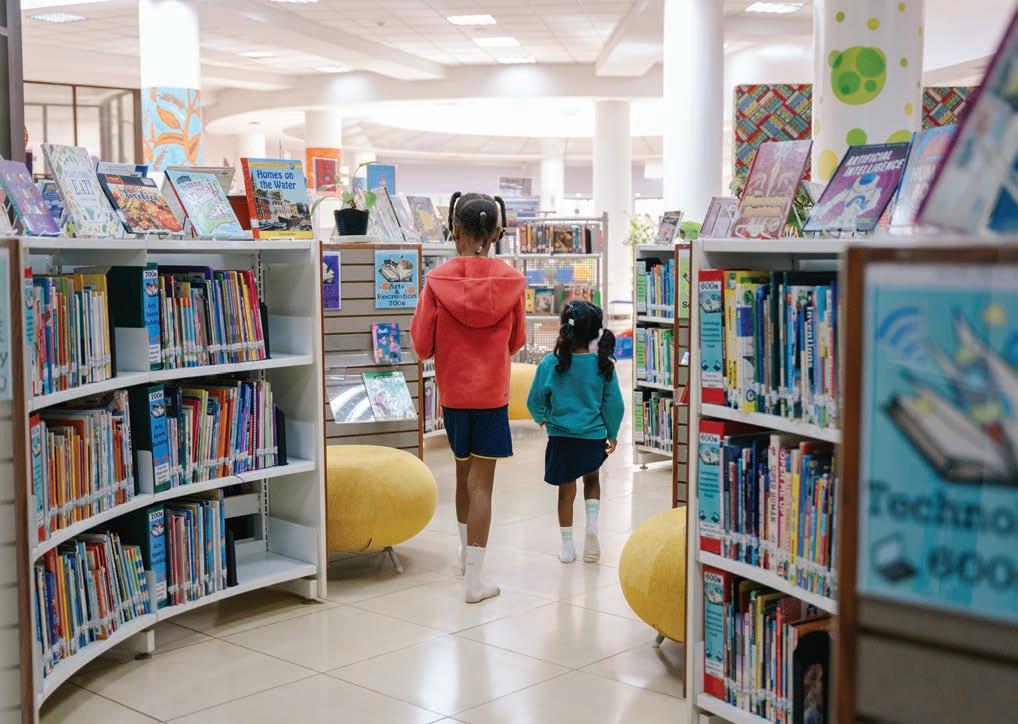
The Story of Modern Languages at ISK ES
KISWAHILI (Kindergarten, Grade 1, Grade 2, Grade 3)
Kiswahili students take a peek into the language by learning greetings and how to share basic information about themselves. Students learn vocabulary on topics such as numbers, colors and classroom objects. They also learn vocabulary related to family, their house, animals, food, vacation and travel in Kenya. They continue to develop their vocabulary and speaking skills by singing Kiswahili songs and participating in children’s singing games.
SPANISH AND FRENCH (Grade 1, Grade 2)
Our students explore the language with a focus on their interests. We try to instill a sense of wonder for other cultures and a passion for the ways in which languages open up doors into new worlds. Students tap into their own interests by delving into topics that are relevant to them such as their homes, animals, food, clothing, hobbies and travel. They develop their listening and comprehension skills through active storytelling, music, art and movement as they learn about the target language and culture.
SPANISH AND FRENCH (Grade 3, Grade 4, Grade 5)
Our students explore the language holistically by tapping into their own personal interests. They develop their comprehension skills through storytelling, music, art, and elements of popular culture. Our learners explore norms of communication and start to discover and use key grammatical rules such as gender and number agreement. They apply this knowledge as they begin to form sentences to describe themselves, their families, their homes, and other topics of interest to them.
ELEMENTARY
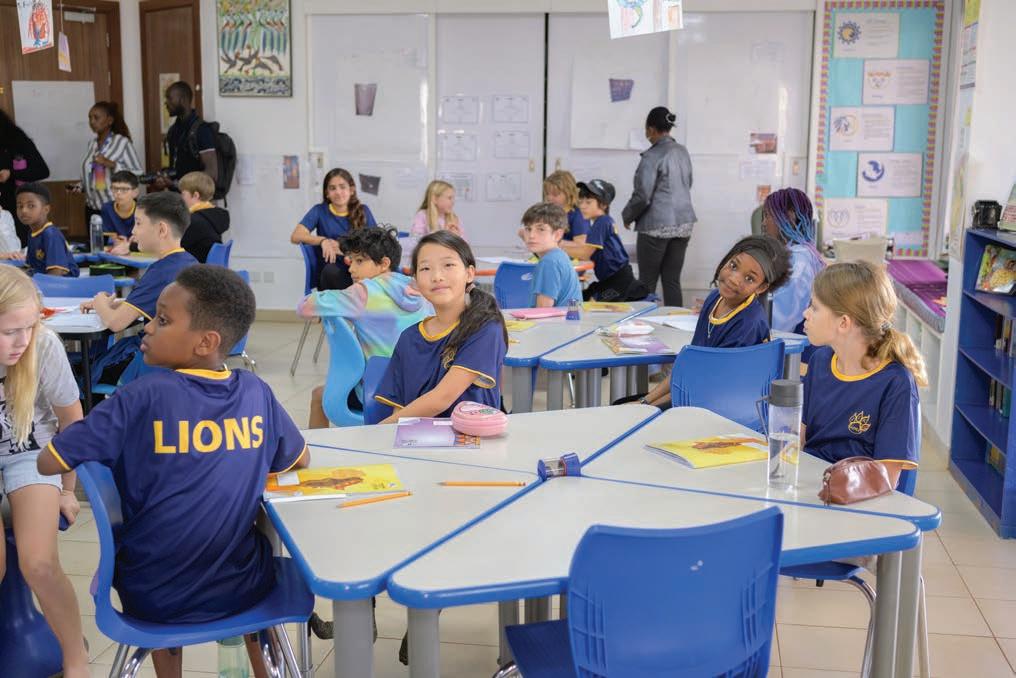
The Story of Music at ISK ES
PRE K
Pre-K musicians sing, dance, and perform a wide-ranging selection of music on various percussion instruments. They demonstrate how to use their voices in various ways such as speaking, singing, whispering and shouting. Pre-K students explore how to respond to music and express their thoughts and feelings through a variety of movements and body percussion expressions.
KINDERGARTEN
Kindergarten musicians learn about steady beat, expression, fast and slow, and the differences between loud and soft. Students play diatonic bells to explore melodic contour and continue the development of their musical ear. Students compose their own songs using the melodies from tunes they know and create new lyrics.
GRADE 1
First grade musicians learn about musical notation and rhythm patterns. They demonstrate this new learning through clapping, tapping and body percussion in response to notes and rhythm. Students explore the contouring of a melody while playing diatonic briefcase bells and xylophones. Grade one students begin to follow a conductor’s guidance while working together as a bell band.
GRADE 2
Second grade musicians learn about the instruments of the orchestra, studying each instrument and the four instrument families within. Students play rhythm and song accompaniments as a class while following a music score and a conductor’s directions as a chopping board drumming ensemble. Students express opinions on music from around the world. Second graders listen to and describe various elements of music compositions, compare movements, and respond to music.
GRADE 3
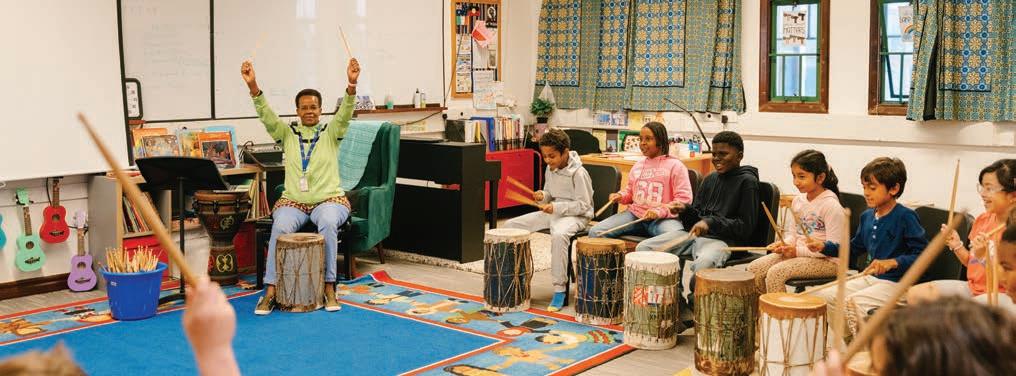
Third grade musicians learn to play the recorder. Students perform songs in front of their classmates as soloists and in small ensembles. Students study orchestral works as inspiration to compose their own music. Third graders explore African drum patterns and learn these patterns through rote. Students play songs in four and more parts using the tuned and untuned percussion instruments.
GRADE 4
Fourth grade musicians learn to play the ukulele. Using both ukuleles and the classroom percussion instruments, in collaborative groups, students perform for their peers. Fourth graders explore African drum patterns and learn these patterns through rote. Students learn to read basic drum notation and play as a bucket drumming ensemble.
GRADE 5
Fifth grade musicians study the history of music beginning in Africa with drum circles and rain dance, ending in the USA with Rap and Hip Hop music. They play complex drum rhythms in more than 5 parts and learn songs on the xylophones in 2 parts. Students sing songs from different genres and play as a class ensemble using the classroom percussion instruments. Fifth graders begin to play band instruments and after learning the initial five notes of a selected instrument, start to explore jazz music and improvisation.
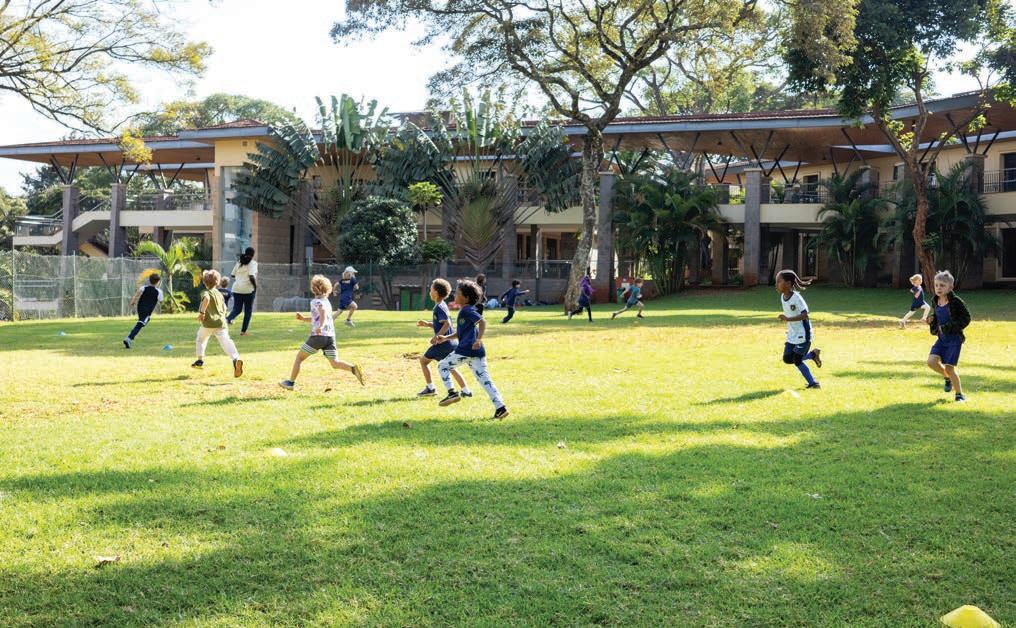
The Story of PE at ISK ES
PRE -K
Pre-K athletes work on hand-eye coordination and controlling arm movement in passing, throwing and catching. They work toward throwing balls with accuracy and catching a self-tossed ball. Students observe personal space, general space, direction, levels, and pathways in relation to objects and others. Pre-K students travel in small and big spaces safely, moving along different pathways through apparatuses. They practice balancing on small body parts and on the balance beam. Students develop different types of rolls. Pre-K children learn basic rope jumping skills and learn the correct way to kick a ball and run bases.
KINDERGARTEN
Kindergarten athletes practice catching different sizes of balls above the head, at chest or waist level, and below the waist, throwing at a stationary target, passing overarm and underarm with accuracy, and receiving while moving. Kindergarteners learn basic running skills, discus throwing and how to jump hurdles. As gymnasts, students practice balancing and developing different rolls. Students work on rope jumping skills and use their arms to turn a rope and legs to complete a jump over the rope. Students develop foot eye-coordination by learning the correct way to kick a ball using the proper footwork, running the bases and improving their hand eye-coordination while fielding a ball.
GRADE 1
First grade athletes practice catching a ball approaching at different angles, levels and speed, receiving a pass while moving, underarm and overarm, and throwing at a moving target while judging distance and accuracy. First graders practice throwing further, running faster, and jumping. Students learn how to take off from a trampoline and land safely. They balance on the floor and transfer the skill when using the balance beam. Students practice different types of rolls as a preparation for forward roll. They explore different ways of bouncing on a trampoline and landing on a mat, and use a bounce, jump, turn and land to make a simple sequence of movements. Students learn to use their arms and legs together to complete a jump over a rope. In baseball, students work on proper mechanics of batting off a tee, running the bases, throwing and catching and fielding.
GRADE 2
Second grade athletes work on underarm and overarm passing and throwing for accuracy, catching a ball approaching at different levels, angles and at different speeds. They practice passing a ball to a moving target, passing into space, defending a pass, evading, intercepting and teamwork. Students work on the concepts of throwing further, running faster, and jumping longer. Second graders learn how to take off from a trampoline, make different shapes with their body, and land safely to make a simple sequence of movements. They work on balancing on a balance beam and wobble board, and practice several rolls including forward roll. Students use their arms and legs together to complete a jump over the rope. In baseball, students work on proper mechanics of batting off a tee, running the bases, throwing and catching and fielding skills and developing the techniques necessary for effective team and individual play.
ELEMENTARY SCHOOL ACADEMIC PROGRAM
GRADE 3
Third grade athletes play team games in order to learn how to work together. They build on this by sharing ideas of how each game could be changed to make it more fun. Students develop gymnastics skills such as balances, jumps and using various pieces of equipment. Students set personal track and field goals for themselves and record progress. Third graders learn how to run with the ball, pass the ball, and tag an opponent. Students learn proper techniques for forehand and serving and play small pickleball matches with their peers. Competition and sportsmanship are important topics which are spoken about throughout the year.
GRADE 4
Fourth grade athletes share a variety of team games with their classmates. Students practice gymnastics skills including balances, jumps and using various pieces of equipment such as mini trampoline and balance beams. Students set personal track and field goals for themselves and record progress. Grade 4 students play football, where they practice skills and then implement them into small sided games. They work on their batting and fielding techniques and play T-Ball. Students learn proper techniques for forehand and serving and play small pickleball matches with their peers. Throughout the year a big emphasis is placed on working as a team and using their teams strategies in games.
GRADE 5
Fifth grade athletes are game creators. Students collaboratively generate ideas for games and prepare to share their game with their peers. They give and receive feedback and suggestions for each game. Students practice gymnastics skills including balances, jumps and using various pieces of equipment such as mini trampoline and balance beams. Students set personal track and field goals for themselves and record progress. Grade 5 students play both Rugby and Football, where they identify similarities and differences between the two games and then create and play their own invasion games. Students play T-Ball and work on their batting technique from the hitting tee and also from a ‘pitch’. Students learn proper techniques for forehand and serving and play small pickleball matches with their peers. Working as a team and positive feedback are big areas of focus in Grade Five.
The Story of Swimming at ISK ES
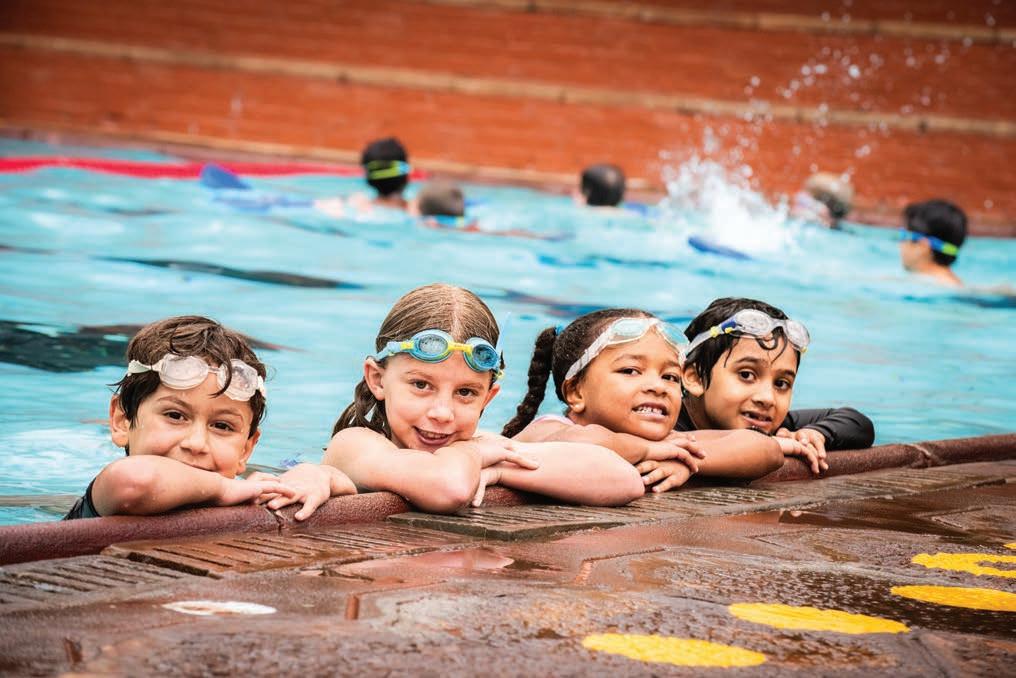
PRE-K
Pre-K swimmers learn basic pool safety rules to keep them safe in and around water. In the pool, students learn various skills based on their comfort levels - how to move around and change directions, how to put their faces in without inhaling water, how to blow bubbles and collect toys from the bottom. In PreK swimming, students become more comfortable in the water and continue to acquire new skills. Depending on their personal skill level, students work on completely submerging their heads underwater, floating on their backs and stomachs with or without a noodle, and kicking and stroking. Some students tackle their fear of deeper water by swimming in the deep for short distances independently, while others move from the small pool to the big pool. Pre-K swimmers learn through games, water play, introduction to new skills and practicing old ones.
KINDERGARTEN
Kindergarten swimmers learn basic safety rules in and around the pool. In skill level groups, swimmers work on submerging their whole bodies underwater, blowing bubbles consistently with their nose or mouth, and how to float on their backs and stomachs while kicking their feet and moving their arms. Students become more comfortable in the water, learn to take risks and continue to acquire new skills. Depending on their personal skill levels, students swim in shallow or deep water. They work hard to comfortably submerge their whole bodies underwater, float on their backs and stomachs with or without a noodle, and kick and stroke in freestyle and backstroke. Kindergarteners build confidence through games, water play, introduction to new skills and practicing old ones.
ELEMENTARY
GRADE 1
First grade swimmers students practice gliding, kicking and stroking movements in freestyle and backstroke. In addition to these strokes, they review and practice basic swimming skills like blowing bubbles consistently through the nose and mouth and floating on the back and stomach. They play lots of water games to build their confidence and learn more about basic water safety. Students explore different areas of the pool, including the deep and diving boards. Students work on how to surface dive to pick up toys, swim through tunnels on the bottom of the pool and the basic stroking and kicking movements in freestyle, backstroke and breaststroke.
GRADE 2
Second grade swimmers work on freestyle body position, kicking, arm stroke and breathing on the side. They continue to review basic swimming skills through games and pool toys like blowing bubbles consistently through the nose and mouth, diving for toys, floating on the back and stomach and how to enter and exit the pool safely. Students work towards swimming in the deep independently and safely. Depending on personal skill levels, students learn how to head-first dive or feet-first jump into the water from the side of the pool, and jump off of the diving boards, all while testing their swimming comfort levels in the deep part of the pool. Students practice their freestyle and backstroke skills and learn the breaststroke pull and kick.
GRADE 3
Third grade swimmers learn about water safety and survival, including entries, floats, swims. They also practice their freestyle skills; kicking, arm stroke, breathing, body position, through drills and learn how technique affects how easily and long they can swim. They also practice other basic swimming skills like treading, diving and blowing bubbles and explore all areas of the pool through risk-taking activities and games. Students learn to dive head-first from the side of the pool and the diving block. Depending on personal skill levels, some students tackle their fear of the deep by learning to jump and swim to the side independently. They review and practice freestyle, backstroke, diving, and water safety. Students begin to work on the breaststroke pull, breathe, kick, and glide rhythm. Students explore all areas of the pool and test their swimming stamina through obstacle courses, water current lessons and tag games.
GRADE 4
Fourth grade swimmers work on their swim technique and efficiency. They work on freestyle and backstroke skills; kicking, stroking, breathing, body position, to make their bodies more streamlined and smooth so they can swim longer with less effort. Students practice other basic swimming skills, like treading, diving and blowing bubbles and exploring all areas of the pool through risk-taking activities and games. Students practice diving from the diving blocks and boards while focusing on technique. Students begin working on the breaststroke pull, breathe, kick and glide rhythm and continue to review and practice freestyle and backstroke to make their strokes more efficient. Students explore all areas of the pool and test their swimming stamina through obstacle courses, risk-taking on the diving boards, water current lessons and tag games.
GRADE 5
Fifth grade swimmers focus on swim technique, fitness and endurance by working to fine-tune their freestyle skills; kicking, stroking, breathing, body position, to make their bodies more streamlined and smooth so they can swim longer with less effort. They review other swimming skills like treading, diving and blowing bubbles by exploring all areas of the pool through risk-taking activities and games. Students learn and practice shallow and deep dives from the diving blocks and boards. They work on the breaststroke - pull, breathe, kick and glide - rhythm. They continue to review and practice freestyle and backstroke to make their strokes and breathing more efficient. Students review water safety and explore all areas of the pool while testing their swimming stamina and endurance through obstacle courses, risk-taking on the diving boards, making water currents, treading challenges, and tag games.