




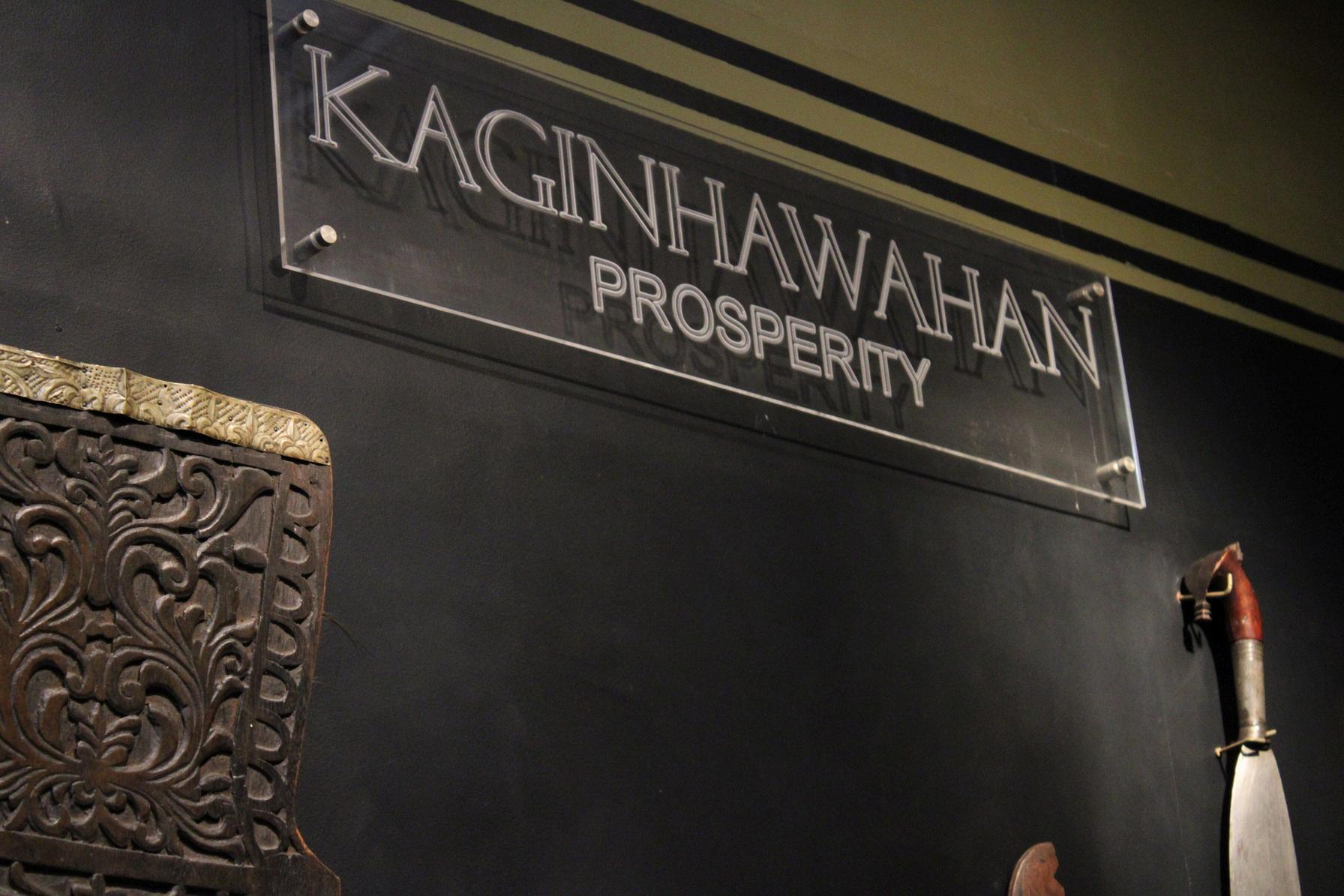
VISION: To preserve and keep alive the traditions and culture of Bulacan by honoring the Casa Real Shrine and the Kaginhawahan mural as enduring symbols of the province’s history, identity, and shared prosperity
MISSION: To retell the stories of the Casa Real Shrine and the Kaginhawahan mural, bringing their heritage and lessons into the present so that they may inspire pride, deepen understanding, and be passed on to future generations
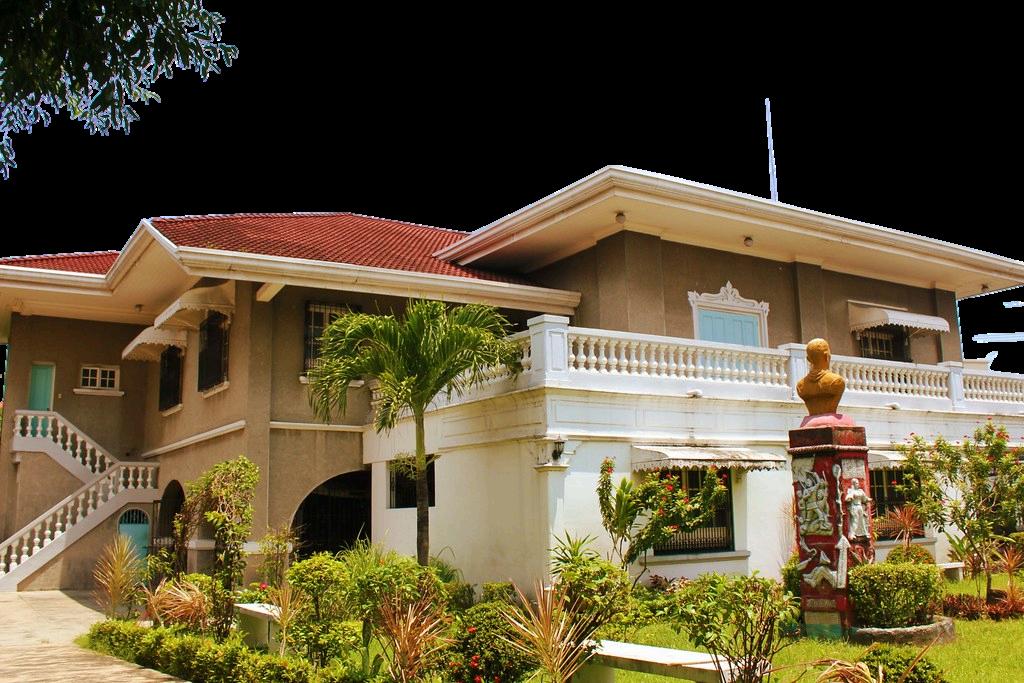
Located in the heart of Malolos, Bulacan, the Casa Real Shrine rises as a fourcenturies-old witness of the town’s long and storied past. Originally built around 1850, the building has been rebuilt and reshaped over the centuries, yet its Spanish-colonial character and vibe remains unmistakble
In 2018, the Casa Real was officially declared as National Shrine under Executive Order No 173 The building was recognized for its significance to Philippines history and as a landmark tied to the birth of the country’s self-governance
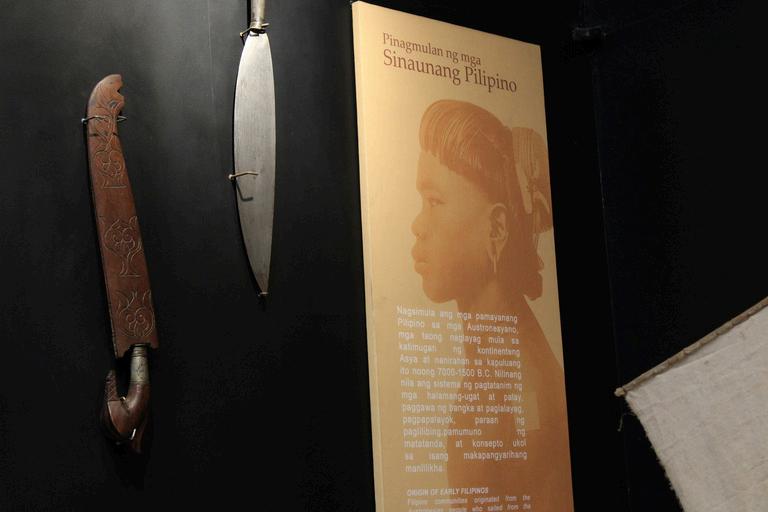
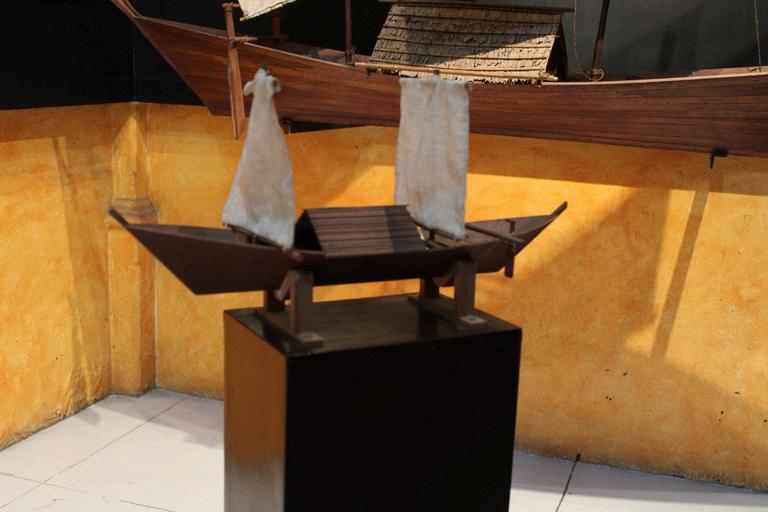
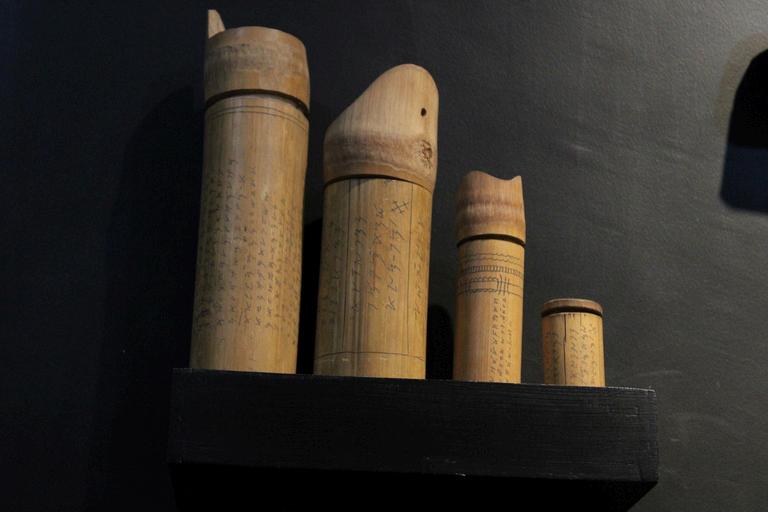
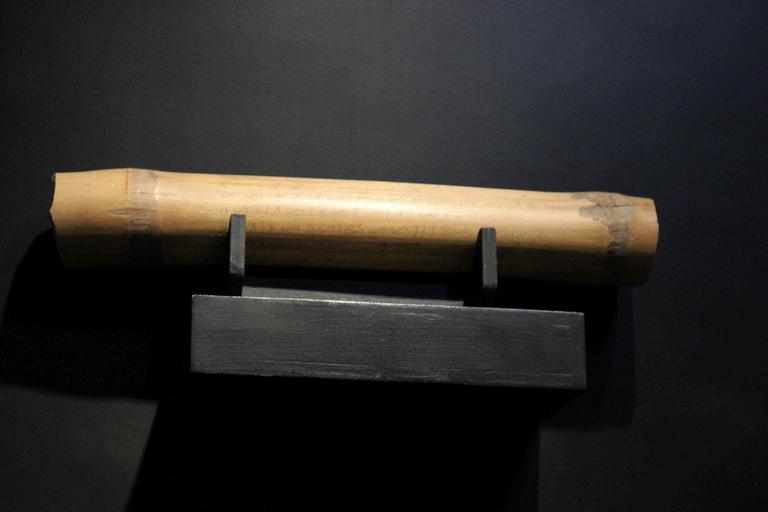
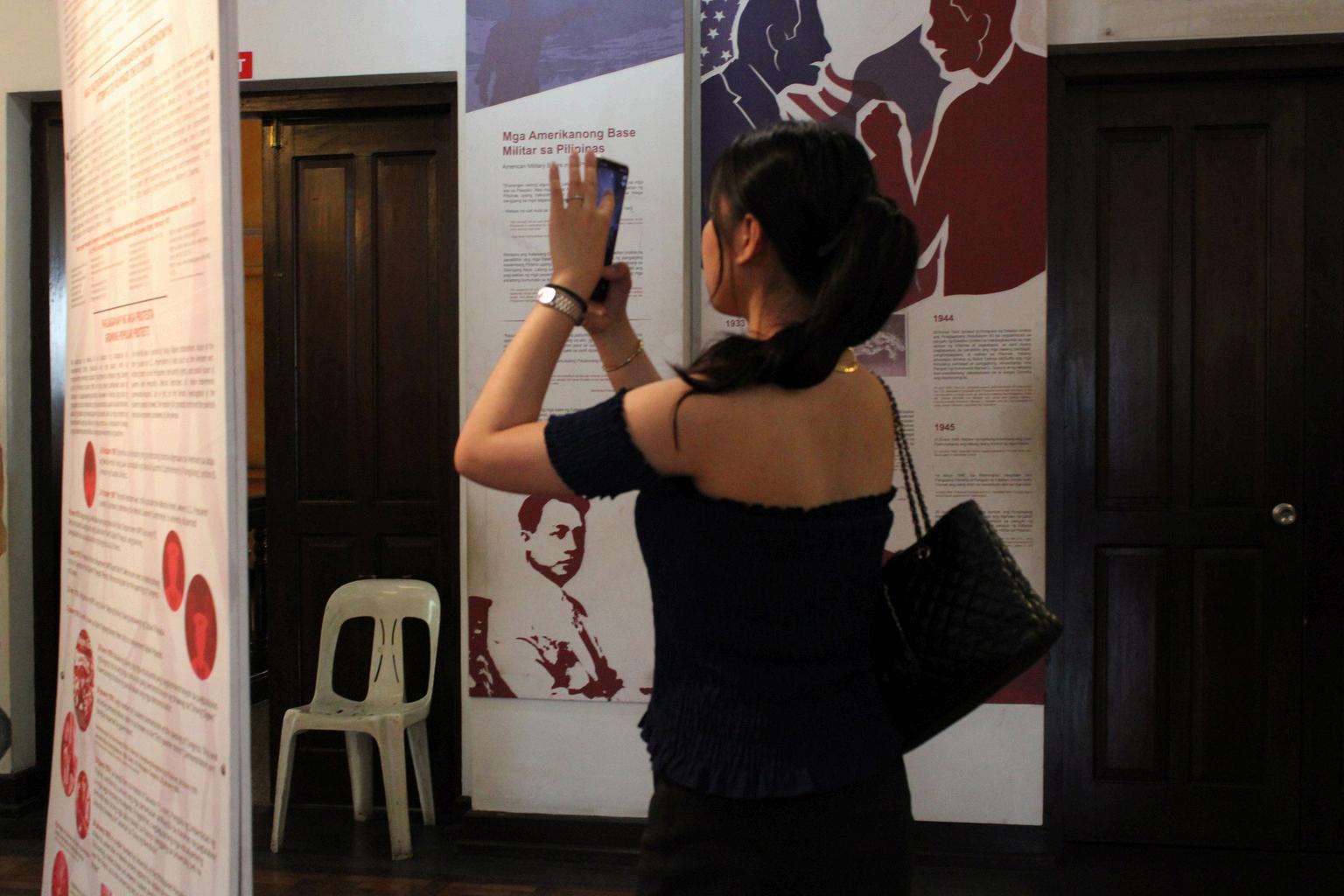
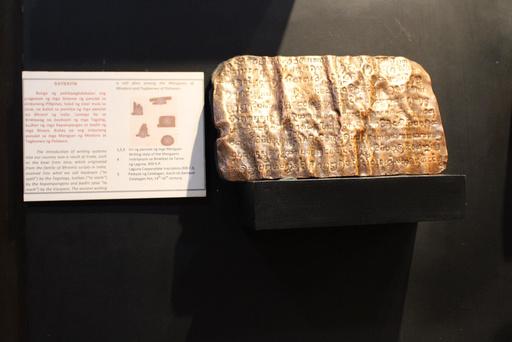
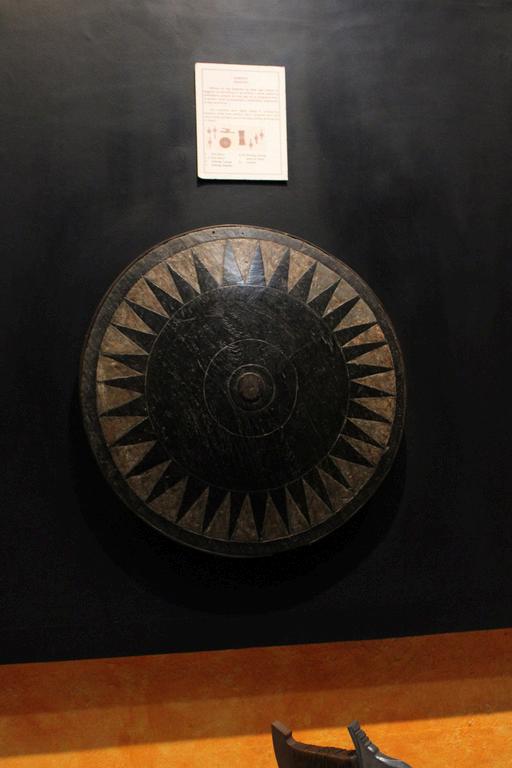
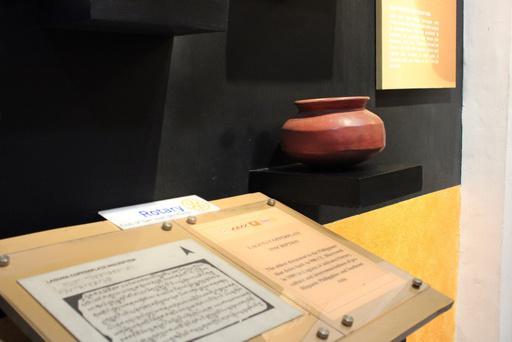
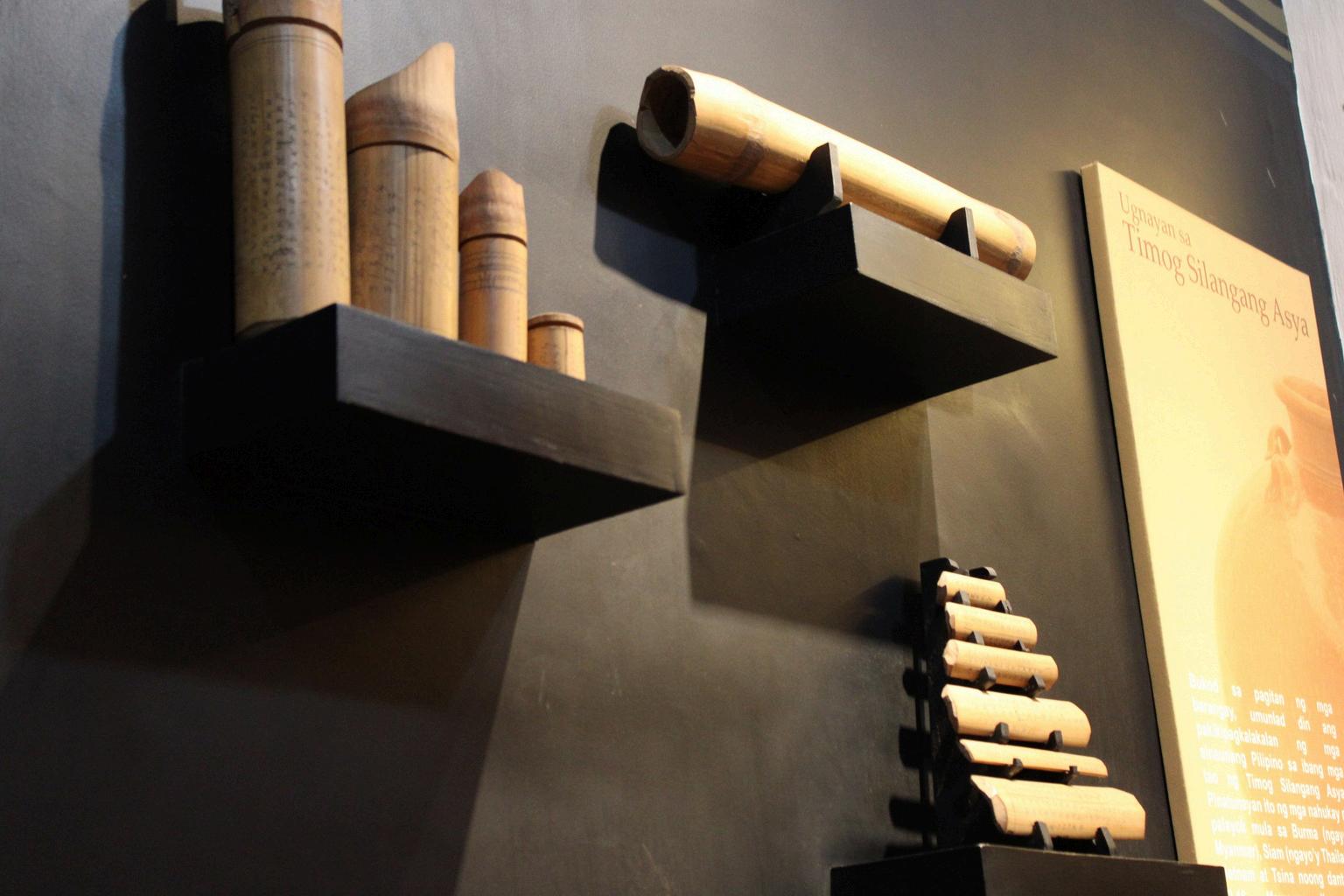
Inside, the Casa Real now serves as the Museo ng Kasaysayang Pampulitika ng Pilipinas, tracing the country’s evolving political identity from the Spanish era through the First Philippine Republic and beyond During the short life of the Republic, it hosted the Imprenta Nacional, the nation’s first official printing press, which produced revolutionary newspapers such as La Independencia and Kalayaan and helped spread the spirit of freedom
Truly, the Casa Real Shrine of Malolos, Bulacan plays an important role in preserving the stories of the past
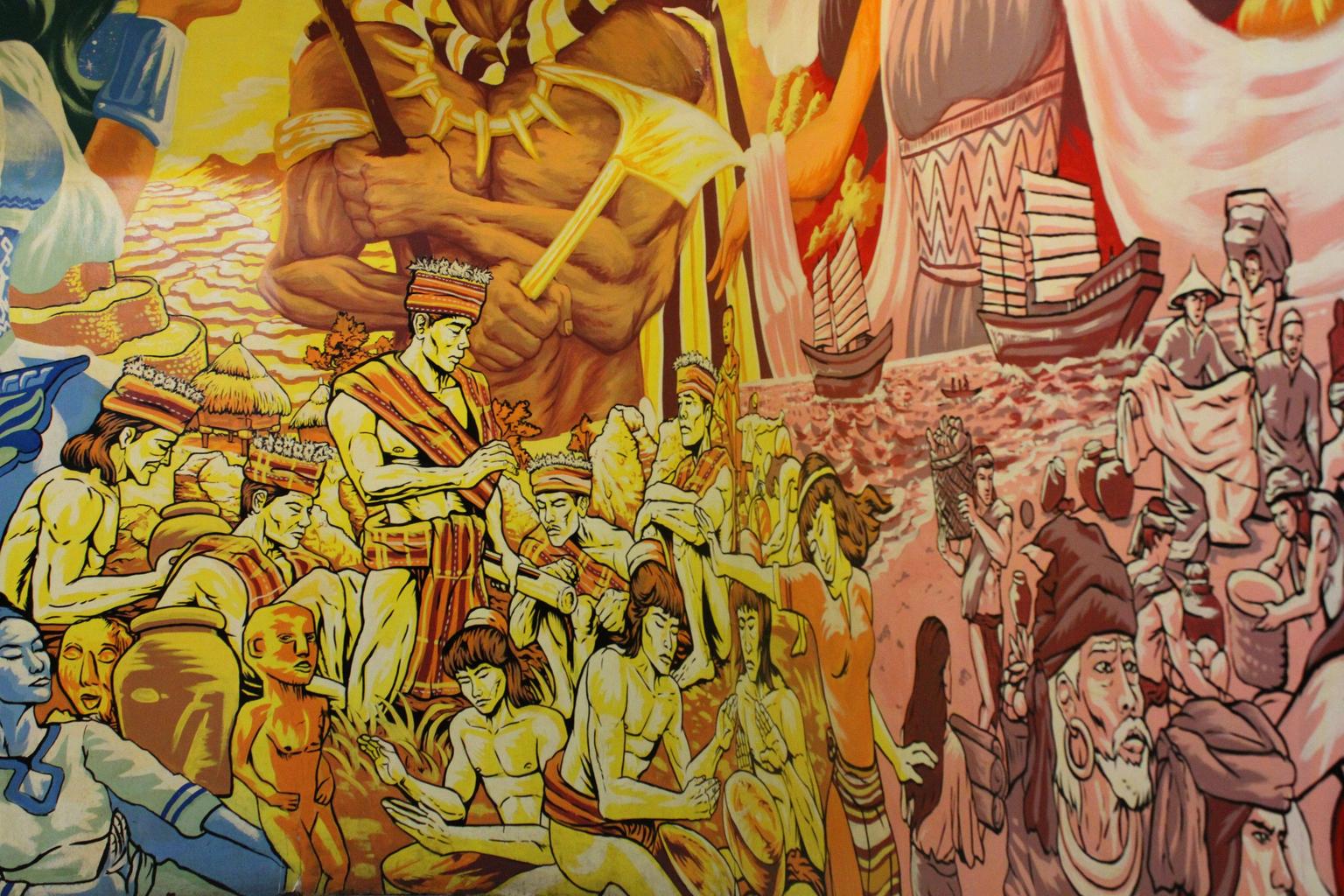
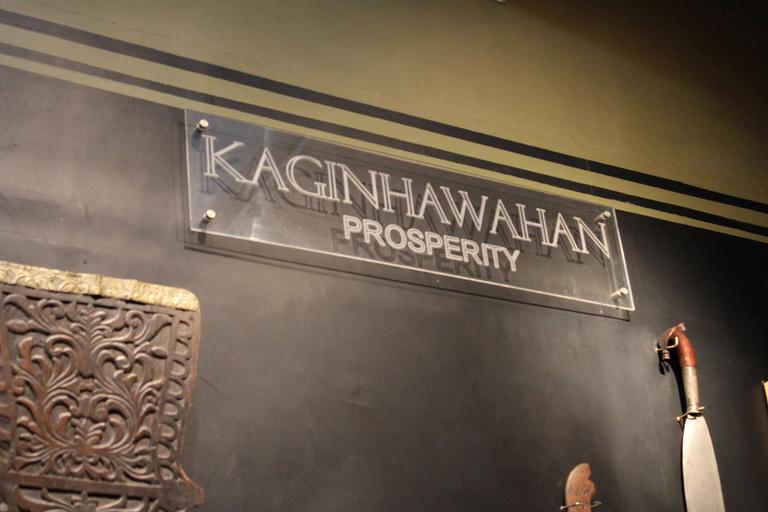
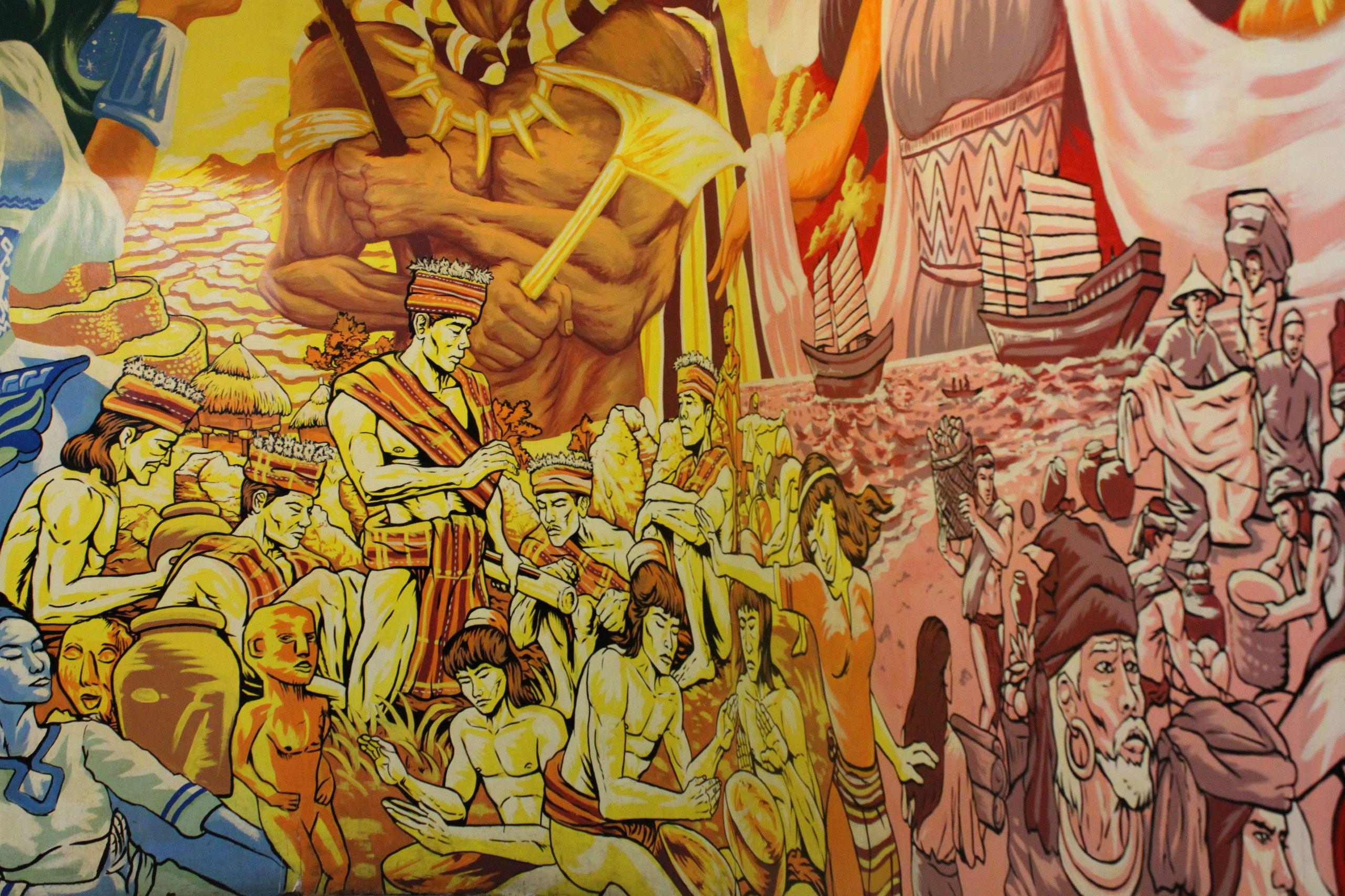
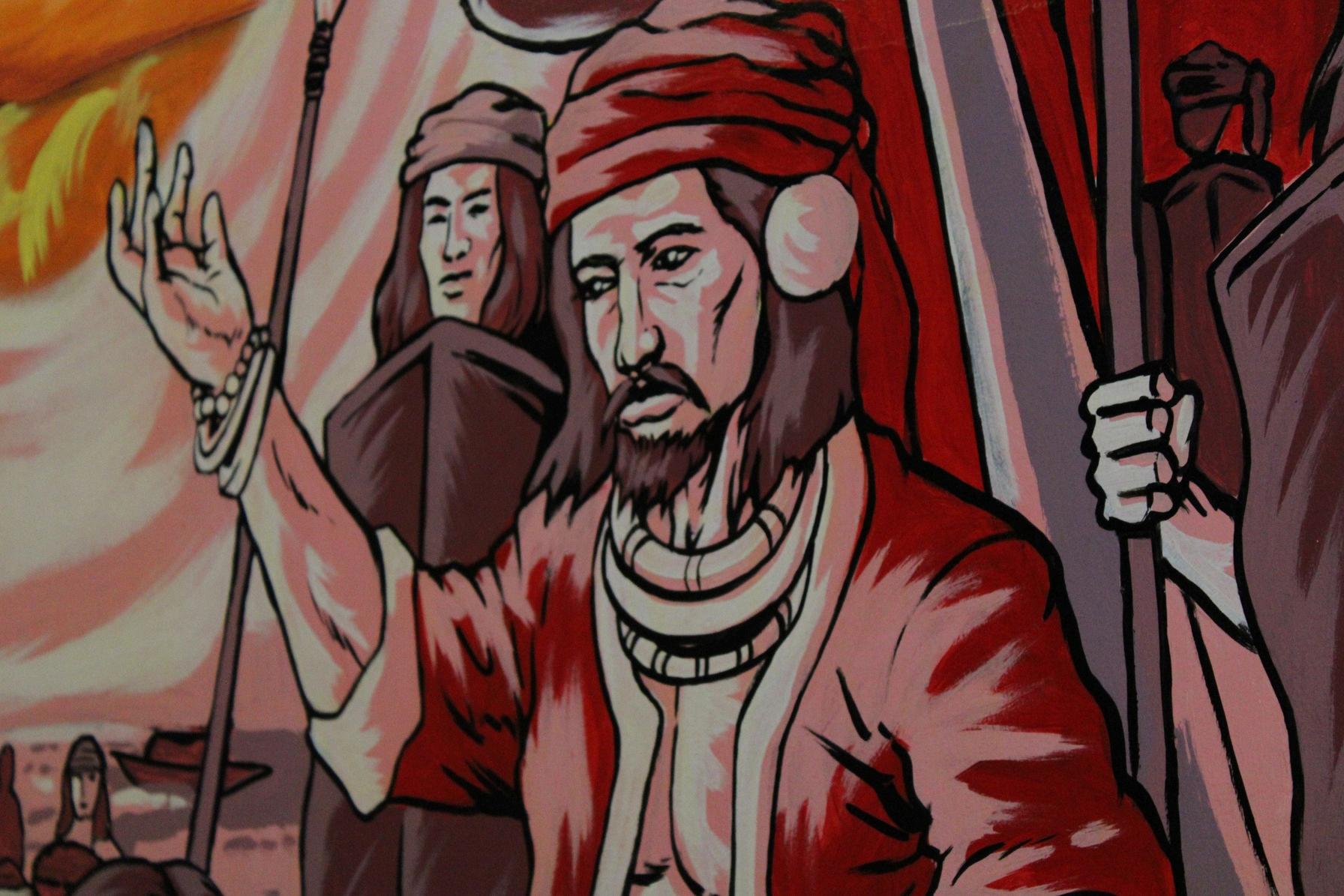
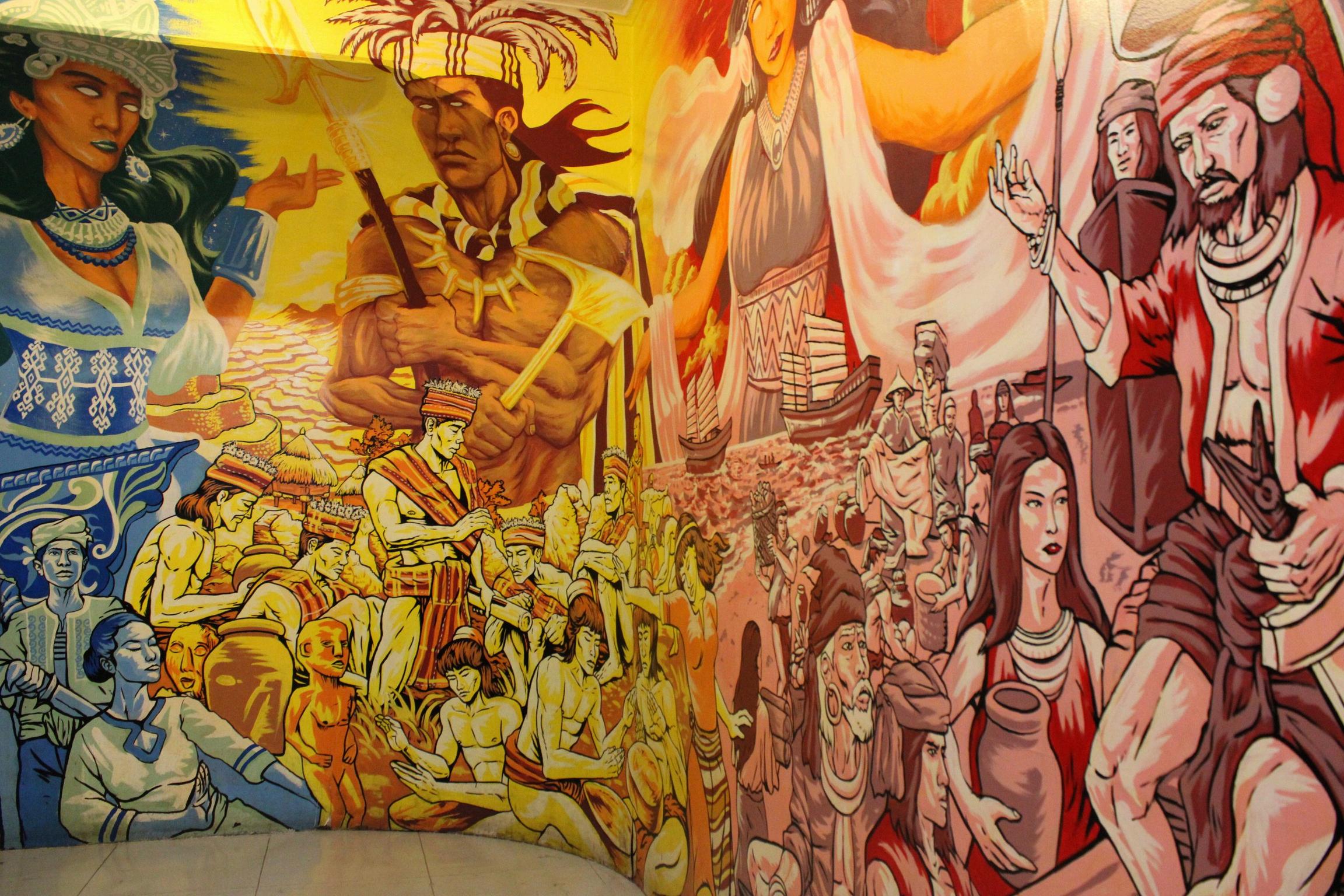
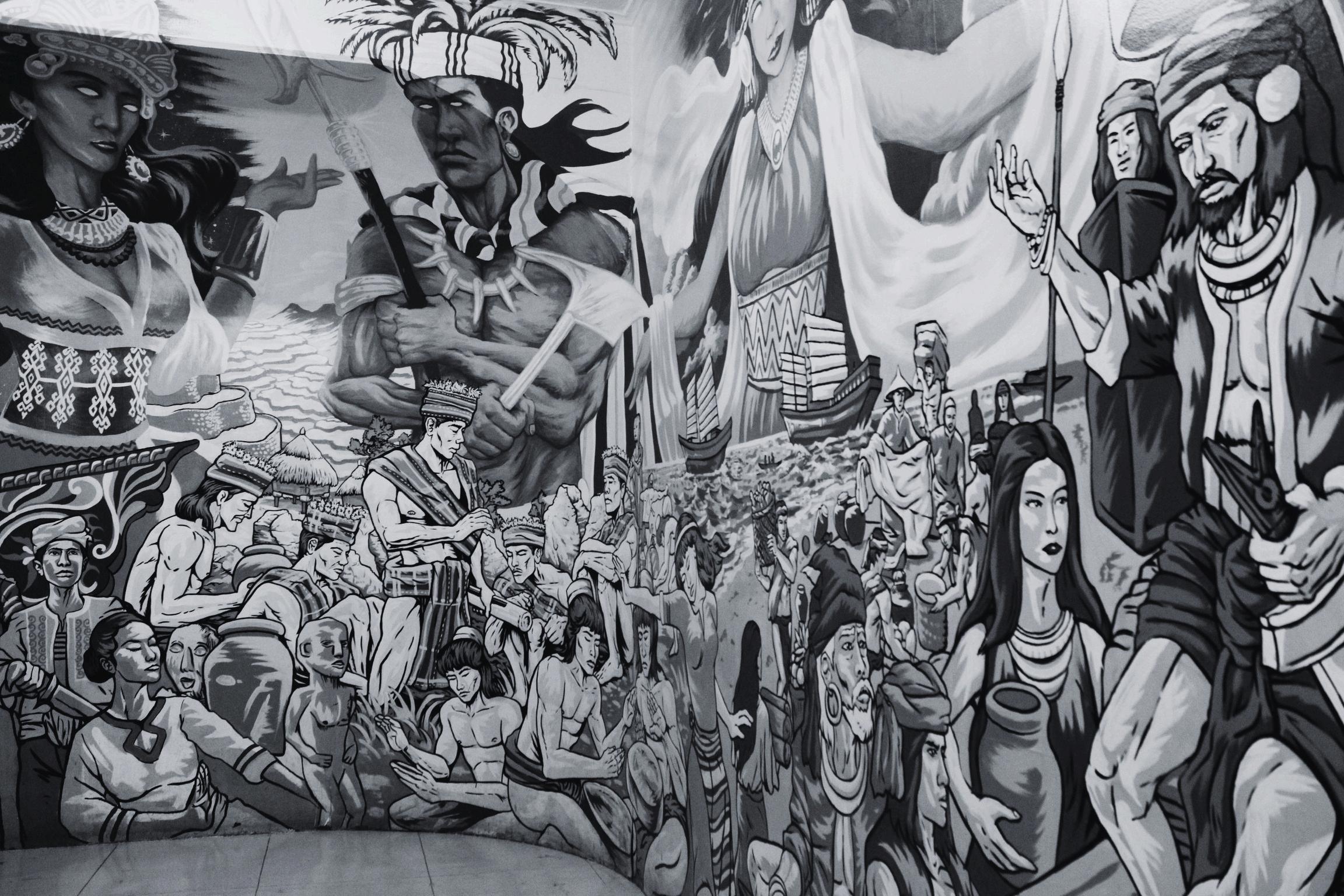
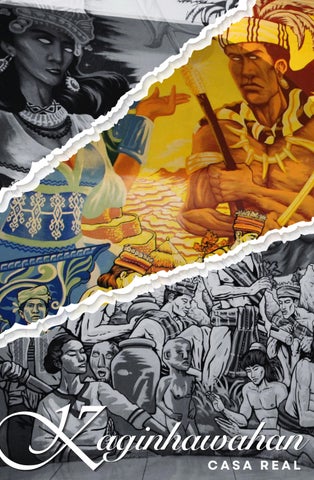
Inside the Casa Real Shrine in Malolos, one of the most appealing visual narratives that every tourist visits is the Kaginhawahan mural, it is often interpreted as a celebration of prosperity and national well-being
The mural depicts a flowing landscapes, the communities, and bountiful harvest Through its vibrant colors, the mural symbolizes the hopes of a republic, a community that works together Additionally, the figures in the mural farmers, families, and townfolk are portrayed not as distant symbols, but as relatable people whose dignity and resilience continue to echo in present day Malolos and the wider region
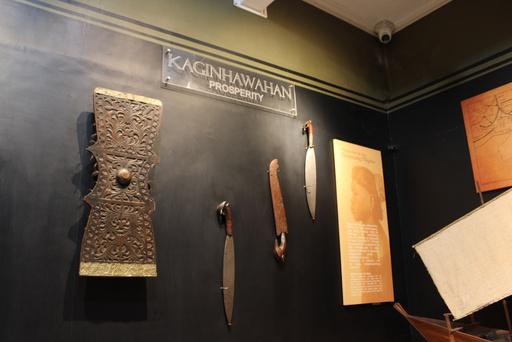
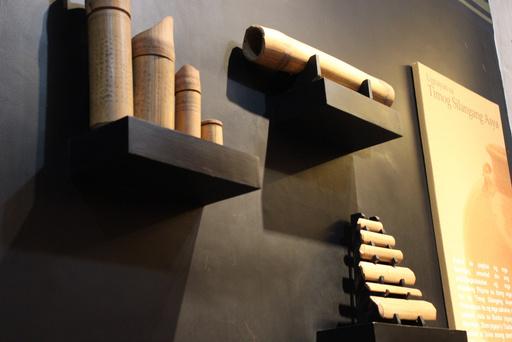
Placed within the historic walls of the Casa Real, the mural becomes more than just decoration; it becomes part of the shrine’s storytelling. Visitors walking through the halls encounter this image of prosperity between exhibits on the Imprenta Nacional, Aguinaldo’s presence in the town, and the debates around the Malolos Constitution, subtly reinforcing the idea that true independence is measured not only in sovereignty but in the everyday well‑being of the people In this way, Kaginhawahan ties the past’s aspirations to the present, inviting viewers to reflect on how far the nation has come and how much still lies ahead.