
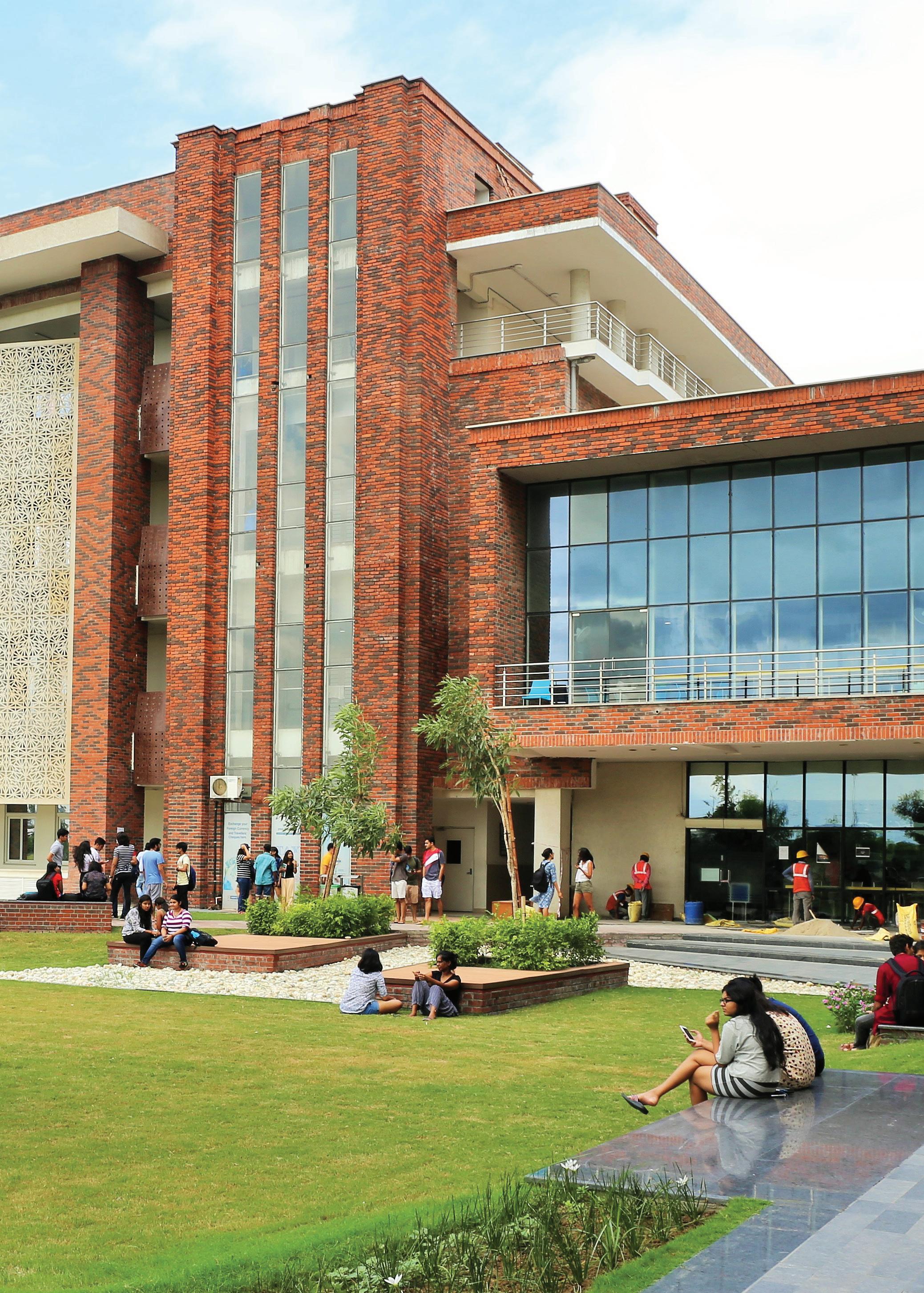
About Ashoka University
Ashoka University is a private, non-profit university, established under the Haryana Private Universities Act of 2006 and recognised by the University Grants Commission (UGC). An unprecedented example of collective public philanthropy in India, it is a pioneer in its focus on providing a liberal education at par with the best in the world.
We believe education must be a transformative experience, based on rigorous pedagogy and real-life challenges, with a strong emphasis on core foundational knowledge.
We aim to nurture individuals who will be innovative, insightful and principled leaders for tomorrow.
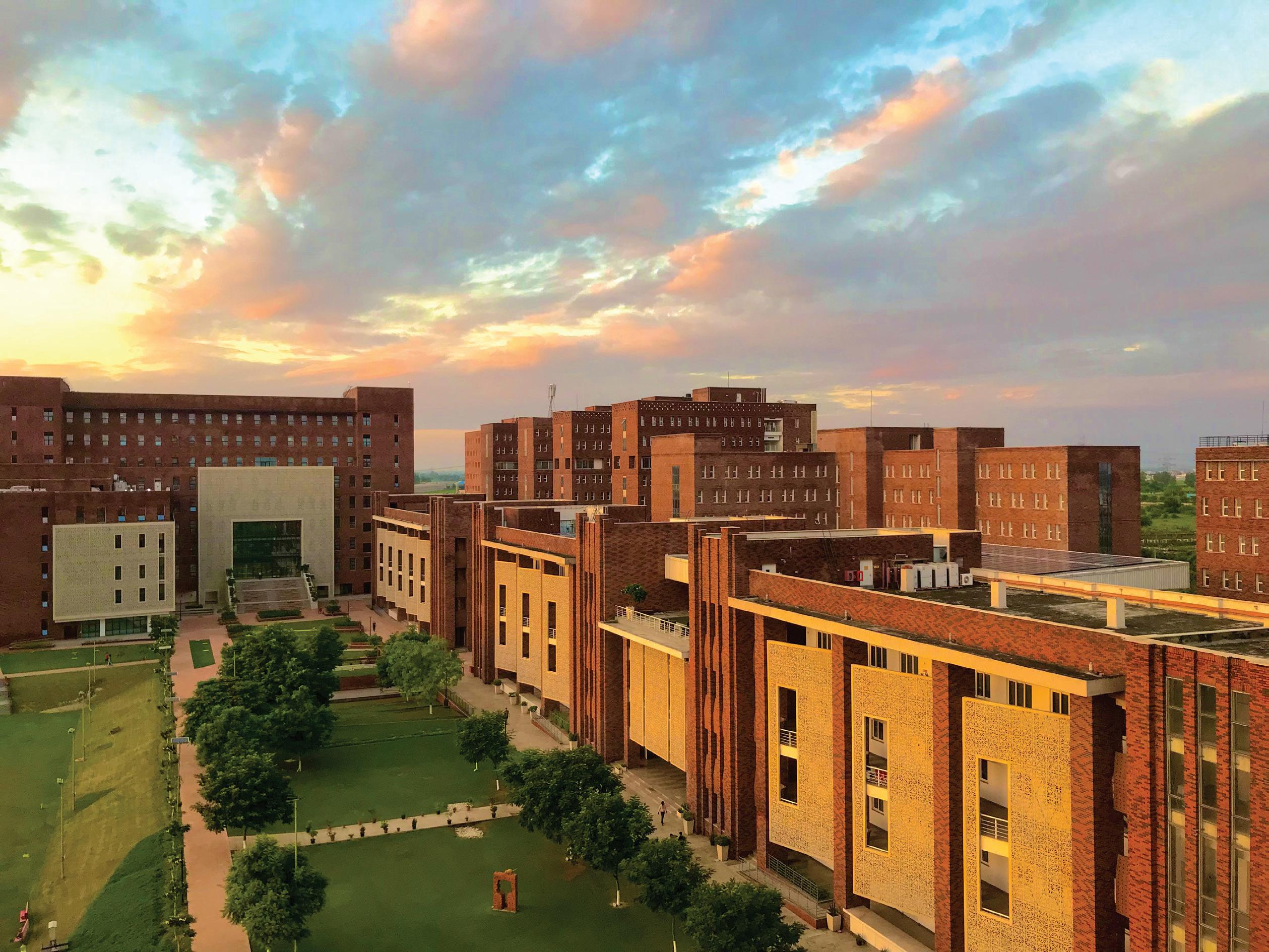
Message from the Head of the Department of Economics
The Department of Economics in Ashoka University is one of the leading economics departments in the country. The Master’s program of the department is a comprehensive program designed to teach students a variety of theoretical, applied and empirical fields in the discipline of economics. In terms of depth and rigor, our master’s program compares with the best such programs in India.
Admission to the program is highly selective. Therefore, our master’s program is able to select a group of highly intelligent, committed and enthusiastic students. During their two years of the MA program, they are able to acquire an extensive knowledge of economic theory and develop the necessary empirical and data analysis skills needed to apply their knowledge to analyze real world social and economic problems. Since faculty members of the department are extremely active in research, students also attain exposure to a wide array of courses and topics that are at the very frontier of the discipline. Students are also encouraged to research, write and present papers during their coursework and thereby develop their skills for original and critical thinking. In addition to developing their academic skills, the department and the University also take special care to prepare our students for a diverse range of careers.
Overall, therefore, I am confident that our students have been able to acquire the necessary intellectual and analytical skills to contribute positively to any organization or institute that they would join after completing their education. I would, therefore, like to invite all such organizations who are looking for bright young economists to participate in our placement process and look towards making our graduates a part of their organization. The following pages of this brochure will provide more details of our program and the department. I urge you to look through the brochure and visit our campus. I, my colleagues in the department and the placement team will do our best to make your visit a fruitful and enjoyable one. I look forward to hearing from you.
Professor Ratul Lahkar Head, Department of Economics Ashoka University
The Master’s Programme in Economics
The Master’s programme at Ashoka University has been designed to include topics in economics that are currently at the frontier of economic research, applications and teaching. The courses draw on the latest techniques and equip the students to apply them in real life contexts. Within a short period, the programme has attracted some of the finest scholars in the field to mentor our students.
Admission to the programme is selective: the 2020-22 batch consists of 22 students chosen from a pool of 450 applicants. The entrance exam tests applicants on their skills in Statistics, Mathematics and Logical Reasoning. The aim is to assess their ability to solve problems based on first principles, rather than memorizing definitions. This also ensures that lack of prior training in economics is not a hindrance in pursuing the Master’s degree.
While admissions are based solely on merit, financial aid is need-based. For the batch of 2020-2022, over 50% of students received financial aid with 7 students getting a 100% tuition waiver.
Aside from rigorous training in quantitative techniques combined with conceptual knowledge, the course has been structured to enhance peer learning and exchange of ideas. Student assessment includes regular assignments and presentations that facilitate critical thinking as well as hone skills in public speaking. Term papers are an integral part of most elective courses. This gives students hands-on experience in handling data, and in applying economic theories and empirical techniques to real world questions.
The department promotes research with vigour through a constant stream of seminars, workshops and conferences that keep students abreast of the latest developments in the field. In addition, the intellectually vibrant atmosphere at Ashoka constantly exposes students to ideas from disciplines as diverse as literature, political science, sociology, psychology, history, the natural sciences, mathematics, and computer science.
The enriching journey at Ashoka is bound to inspire students and shape them to face challenges of the real world with utmost competence and integrity.
Batch Profile: Undergraduate Education
Past Recruiters
Placements:
• American Express
• MXV Consulting
• Fractal Analytics
• EXL Analytics
• Good Business Labs
• Egon Zehnder
• Indus Insights
• NIIT
• RBL Bank
• Axis Bank
• RocSearch
Internships:
• ITC
• KPMG India
• JSW
• Anheuser-Busch InBev (AB-InBev)
• HSBC
• ICICI Foundation
• Good Business Labs
• Transport Corporation of India
• DMI Finance
• DSP Mutual Fund
• Nestle
Timeline
Year 1
Mandatory Courses
• Microeconomics 1
• Macroeconomics 1
• Statistics for Economics
• Quantitative Techniques
• Microeconomics 2
• Macroeconomics 2
• Econometrics 1
• Computer Programming & Applications
• Topics in Microeconomics Theory
Year 2
Elective Courses
• Asymmetric Information Models
• Industrial Organization
• Firm and Sectoral Dynamics
• Econometrics 2
• Experimental Economics
• Health Economics
• Time Series Econometrics
• Economics of Discrimination
• Advanced Macroeconomics
• Behavioural Economics
• Public Economics
• Machine Learning for Economics
Course Descriptions
Compulsory Courses
Math Camp
The incoming cohort is trained for two weeks in logic and discrete mathematics prior to the beginning of the first semester.
Quantitative Methods in Economics
This course develops the mathematical tools used in Microeconomics, Macroeconomics, and Econometrics. This includes real analysis, optimization, dynamic programming, and linear algebra.
Microeconomics 1 & 2
The first course focuses on Game Theory and its application to microeconomic issues like strategies used by market players. The second course deals with the determination of economic allocations, financial markets and asymmetric information in markets. Theories
of auctions, bargaining, money, banking, job search & matching are discussed.
Macroeconomics 1 & 2
The first course covers the role of human capital, physical capital, trade & technology in explaining economic growth and development in the long-run using dynamic analysis. In the second course, students use recursive methods from modern macroeconomics and learn dynamic programming to understand labour search models, complete and incomplete markets and asset pricing. Special emphasis is laid on numerical methods to design models using MATLAB programming.
Econometrics 1
This course is designed to equip students in fundamental statistical tools for analysing real life data, related to economics and social sciences in general. It imparts both
theoretical knowledge as well as know-how to implement theory through statistical software applications. The main thrust of the course is on econometric techniques used in crosssection and panel data analysis.
Statistics for Economics
The course covers probability, random variables and distribution functions, law of large numbers and central limit theorem, estimation methods, confidence intervals and hypothesis testing.
Elective Courses
Asymmetric Information Models
The course studies strategic behaviour in environments with asymmetric information. These tools are then applied to problems of moral hazard and adverse selection, microfinance, media bias, and advertising.
Industrial Organization
The course aims to develop and deepen the understanding of how the internal organization of a firm works. Students gain insight into the behaviour of several players in a unique economic setting. This helps prepare for a wide range of careers in which they will face the challenge of advising or managing firms.
Firm and Sectoral Dynamics
This course discusses growth in a disaggregated economy by looking at multisector growth models to understand how preferences, productivity differences and factor intensity differences contribute to structural change. Students are also taught how firms innovate and imitate in an economy.
Econometrics 2
What is causal inference and how do we make causal inferences about data in the real world? This course builds on Econometrics I to cover more statistical methods, such as experiments, matching techniques, instrumental variables, differences-in-differences, and regression discontinuity design, with the explicit aim of measuring causal relationships using realworld data in Stata.
Time Series Econometrics
The course emphasizes issues in time series analysis, financial econometrics and macro econometrics with its applications, such as vector autoregressions, test of the term structure of interest rates, and the nature of business cycles. Students gain experience in professional softwares such as RATS and Stata
Experimental Economics
This course focuses on the major areas that have been addressed by laboratory experiments: market equilibrium, individual decision-making, risk and uncertainty. Students learn z-Tree, a widely used software for developing and conducting experiments in economics.
Behavioural Economics
This course is a methodological intervention into economic reasoning and critically interrogates paradigm of rationality behaviour. It covers various topics that challenge the game-theoretic approach of understanding human behaviour and the concept of rationality.
Advanced Macroeconomics
The course builds upon modern monetary economics and focuses on the new Keynesian paradigm illuminating theoretical predictions, solution methods and extension to real-world macroeconomic policy questions.
Computer Programming and Applications
This hands-on course intends to equip students with the necessary computational knowledge & tools to apply grad-level economics & statistics to real world problems. While establishing solid foundations in computer programming, the course focuses on applications that inspire students to apply computational techniques.
Machine Learning for Economics
This course aims to give a thorough introduction to several machine learning (ML) techniques. The course covers supervised ML (i.e., regression and classification) techniques such as lasso, ridge regression, support vector machines, neural networks etc. and unsupervised ML techniques including clustering (K-nearest neighbours), Topic Modelling, and Word Embeddings.
Topics in Microeconomic Theory
The course deals with issues related to economic and Social Networks. The prerequisite for this course is a basic grasp of game theory. Some elementary graph-theoretic concepts are also used.
Health Economics
The purpose of the course is to provide a deeper examination of health capital, relationship between health and economic development, fertility and demographic change, health behaviour, market structure for health care and health insurance. It aims to equip students to examine policy debates in health economics and further the understanding of contemporary econometric techniques and research designs used in causal inference.
Political Economy
The agenda of the course is to discuss details of decision-making and consequences thereof in a society with established democratic principles. The primary concern of the course is with elections, its various institutional details and their implications on policy making with emphasis on issues of clientelism, dynastic politics, affirmative action, violence and politics.
Economics of Discrimination
This course focuses on theories and empirical tools to understand and measure economic discrimination based on social group identities, such as caste, race, gender, tribal status and ethnicity.
Master’s Dissertation
Students have the option of writing a Master’s dissertation on their area of interest under supervision of a faculty. The thesis spans two semesters and is equivalent to two elective courses.
The Economics Faculty
Professors
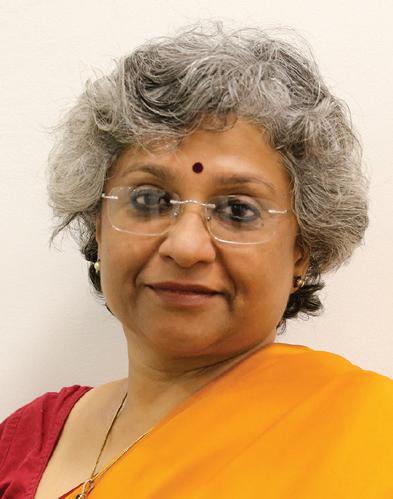
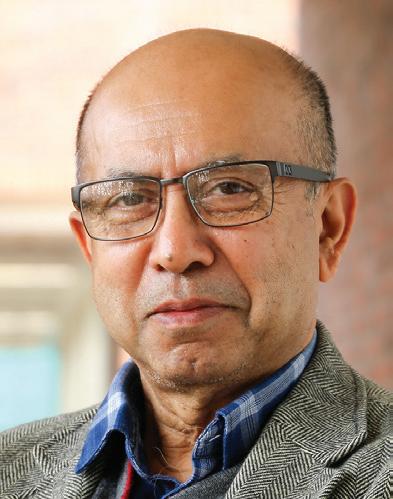
Ashwini Deshpande
PhD (Delhi School of Economics)
Economics of discrimination, affirmative action, caste; economics of gender, social mobility
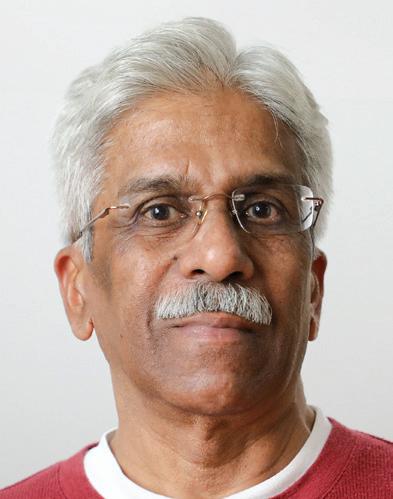
Pulapre
Balakrishnan
PhD (University of Cambridge) Macroeconomics, agricultural economics
Bharat Ramaswami
PhD (University of Minnesota) – Head of the Department Agricultural economics, development economics, econometrics
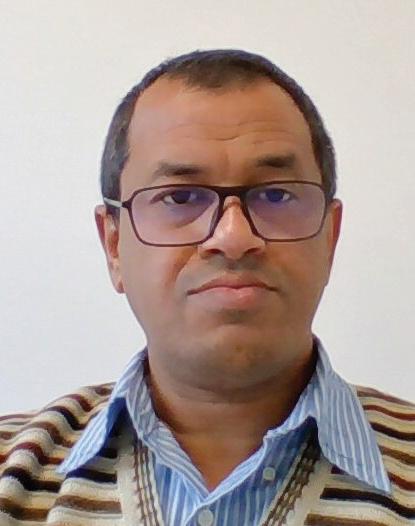
Bhaskar Dutta
PhD (University of Delhi) Cooperative game theory, mechanism design, social choice theory
Biswajit Banerjee
PhD (University of Oxford)
Empirical macroeconomics, international economics, industrial economics, monetary economics, demographic economics
Ratul Lahkar
PhD (University of Wisconsin-Madison)
Game theory, evolution and learning in games, microeconomic theory, mathematical economics
Assistant Professors
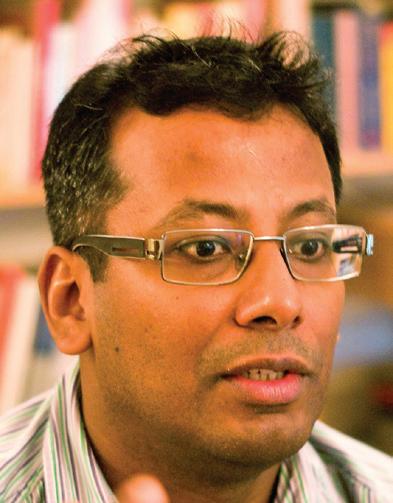
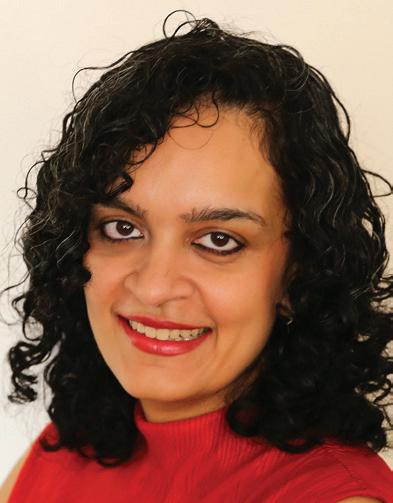
Abhinash Borah
PhD (University of Pennsylvania)
Decision theory, behavioural economics, public economics, welfare economics
Anisha Sharma
PhD (University of Oxford) Labour economics, public policy, development economics
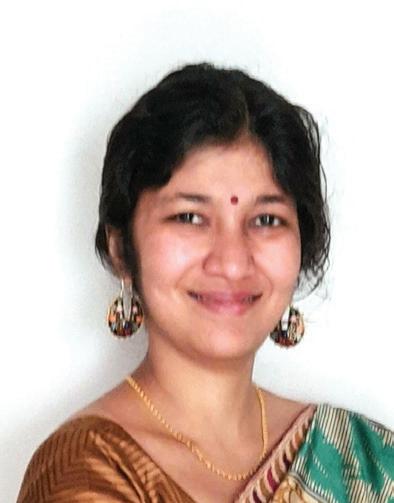

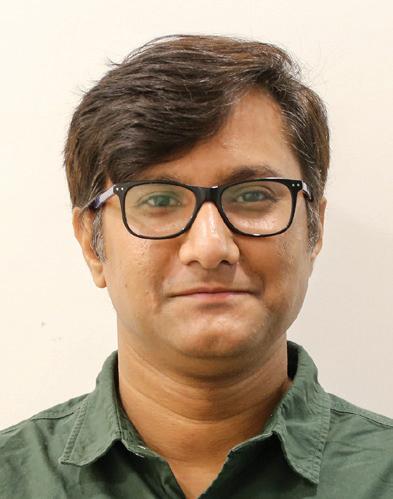
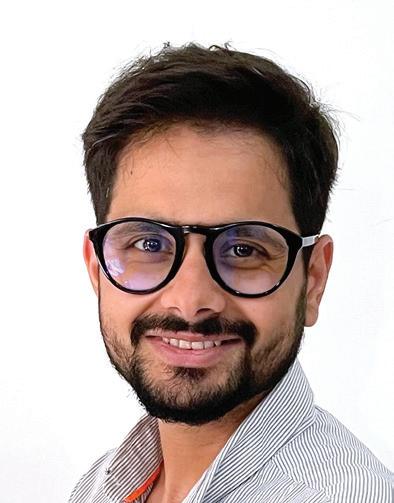
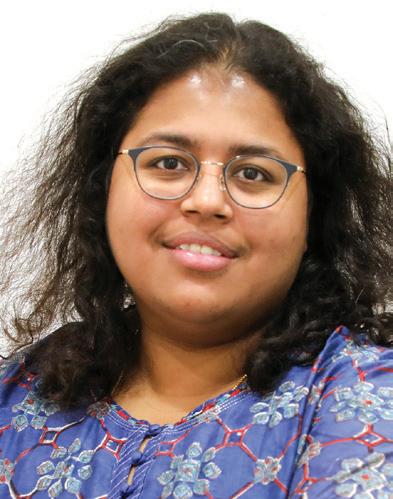
Anuradha Saha
PhD (Indian Statistical Institute, Delhi)
Macroeconomic theory, growth theory, development economics
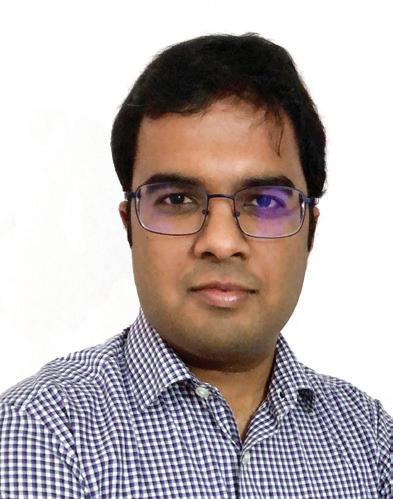
Aparajita Dasgupta
PhD (University of California, Riverside)
Health economics, public policy, development economics
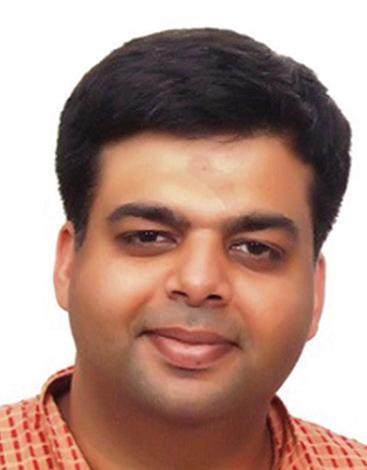
Arghya Bhattacharya
PhD (University of California, Irvine)
Monetary economics, macroeconomics (markets with frictions), international finance
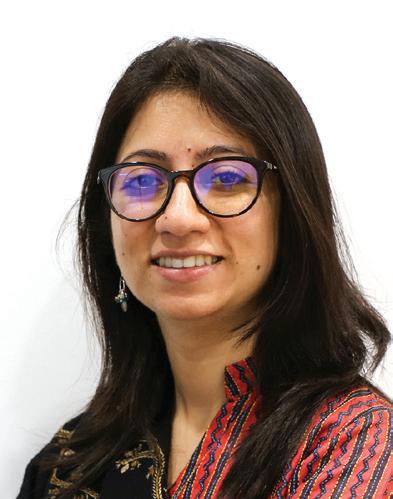
Ayush Pant
PhD (University of Warwick)
Applied economic theorist, organizational and political economics
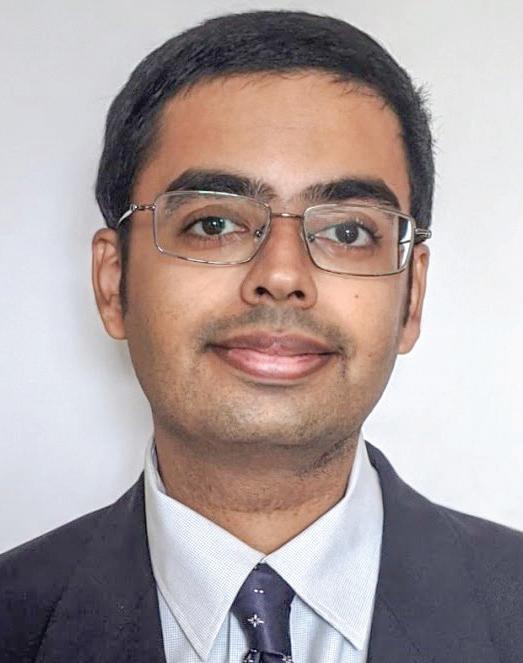
Bipasha Maity
PhD (University of British Columbia)
Economic history, development economics, economics of gender, labour economics
Bhanu Gupta
PhD (University of Michigan)
Public economics, development economics and education
Hemanshu Kumar
PhD (University of Delhi)
Development economics, public policy, economics of identity
Kanika Mahajan
PhD (Indian Statistical Institute, Delhi)
Labour economics, economics of gender, development economics
Lalit Contractor
PhD (John Hopkins University)
Macroeconomics, Financial Economics, Unemployment and Labor Economics
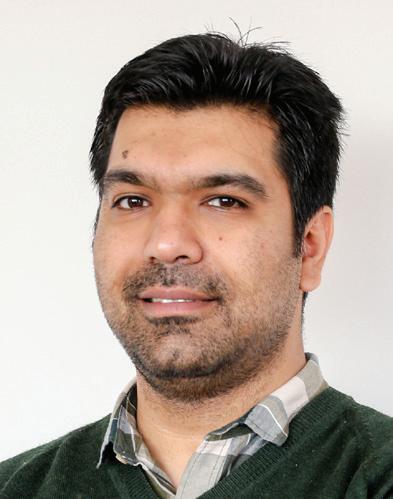
Mihir Bhattacharya
PhD (Indian Statistical Institute, Delhi)
Social choice theory, political economy
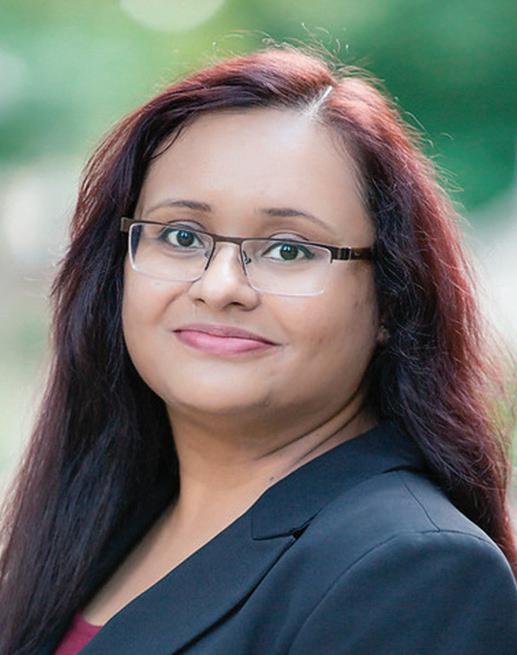
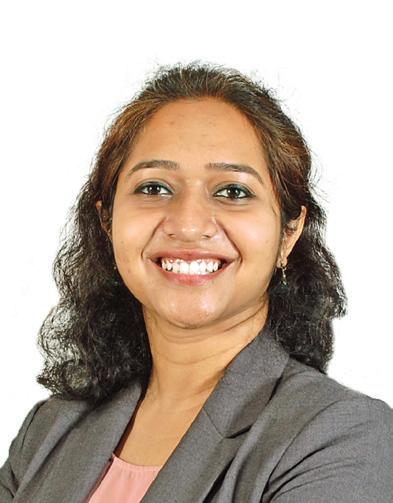
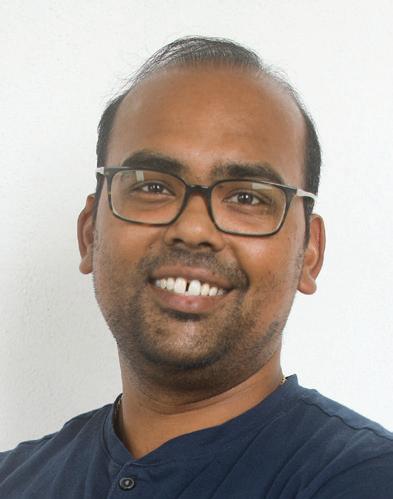
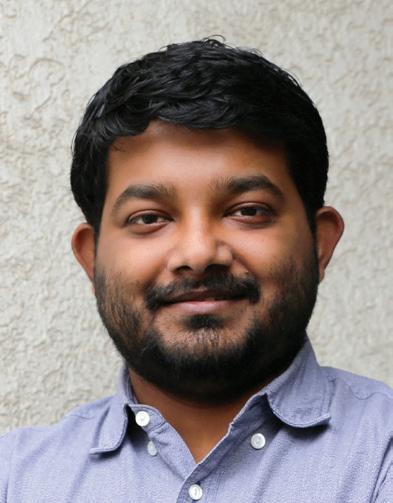
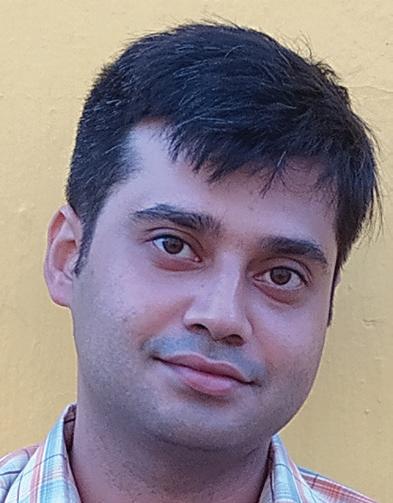
Piyali Banerjee
PhD (University of Alabama) Time-series econometrics, applied macroeconomics, monetary economics, financial economics, energy economics
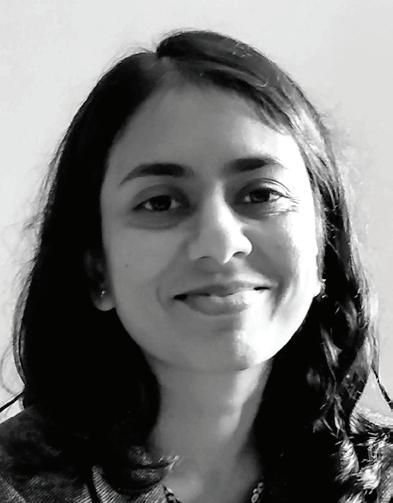
Pubali Chakraborty
PhD (Ohio State University)
Quantitative Macroeconomics, labour economics and inequality

Rahul Nath
PhD (University of Oxford)
Macroeconomics, monetary economics, macro-finance, finance, international economics, development economics
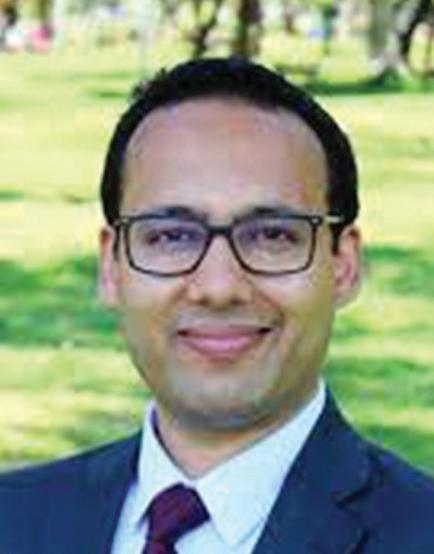
Sabyasachi Das
PhD (Yale University)
Political economy, public economics, applied microeconomics

SK Ritadhi
PhD (University of California – Berkeley)
Development economics, political economic and finance
Sneha Bakshi
PhD (University of Texas at Dallas)
Microeconomic Theory, Game Theory, Industrial Organization, Strategy and Pricing
Srijita Ghosh
PhD (New York University)
Microeconomics, development economics, behavioural economics
Suraj Shekhar
PhD (Pennsylvania State University)
Theoretical microeconomics –models of asymmetric information, spinoffs, the impact of regulatory changes on welfare
Swagata Bhattacharya
PhD (University of Texas at Austin)
Applied Microeconomic Theory, Experimental Economics
Visiting Faculty
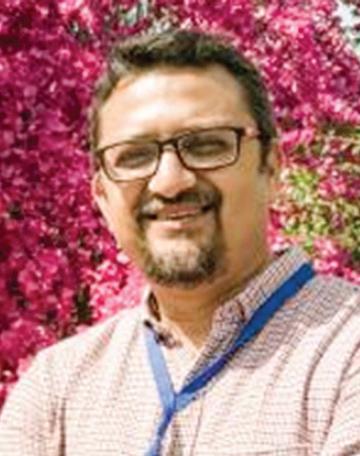
Abhiroop
Mukhapadhyay
PhD (Pennsylvania State University)
Indian Statistical Institute, Delhi
Economics of education, applied econometrics, development economics
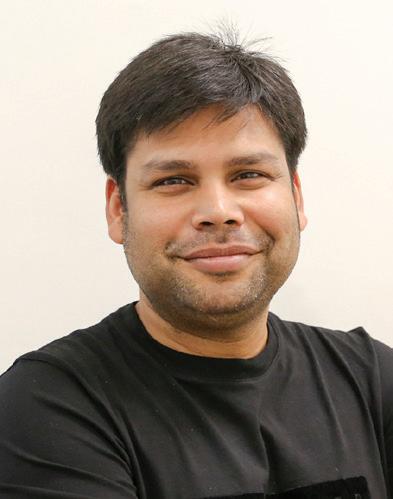
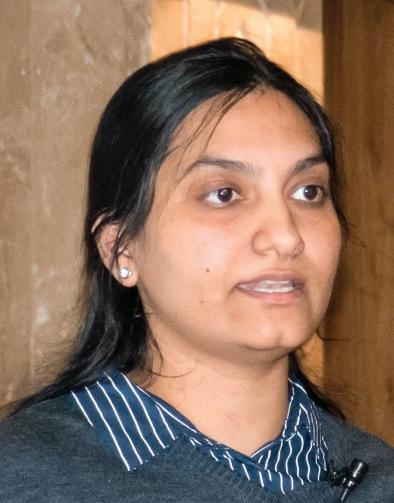
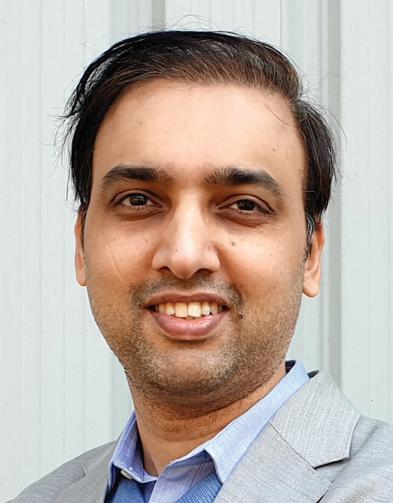
Amit Goyal
Graduate Program (Penn State University)
Delhi School of Economics
Economic Theory, Bounded Rationality and Industrial Organisation

Prachi Singh
PhD (Indian Statistical Institute, Delhi)
Delhi School of Economics
Environmental economics, health economics and applied microeconomics
Eshita Gupta
PhD (Indian Statistical Institute, Delhi)
Energy and environmental economics, development economics, and applied econometrics
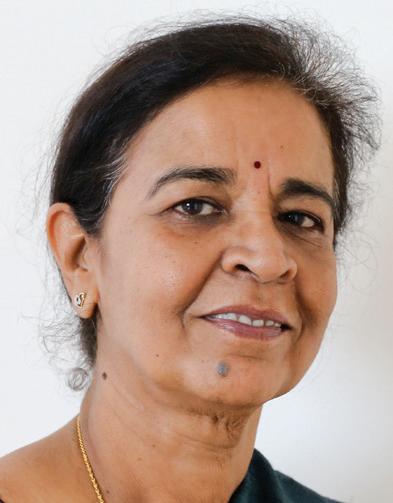
S.K. Shanthi
PhD (Institute for Financial Management and Research, Chennai)
University of Southern California
Macroeconomics and Public Policy
Kush Khurana
MS in Quant. Economics (Indian Statistical Institute, Delhi)
B.Tech. Engg. Physics, IIT Delhi. AI & Deep Learning, Machine Learning, Statistical & Time Series Modelling, Economics, Optimization & Game Theory, Building Scalable Systems
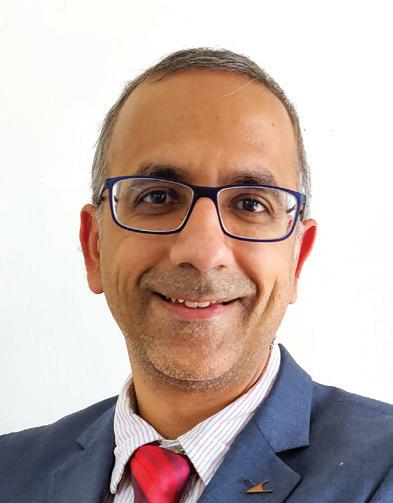
Nishant Chadha
PhD (University of British Columbia)
B.Tech., IIT Kanpur
Human capital acquisition, skilling and entrepreneurship, technology and economic growth relation and the impact of technology on the Indian labour market
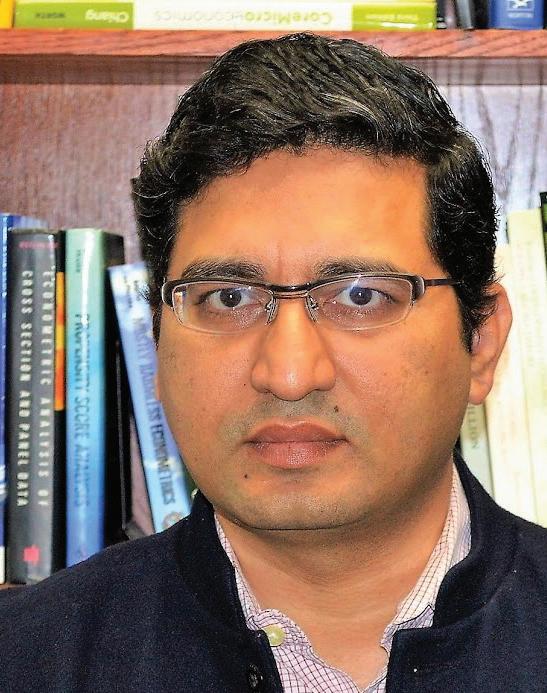
Santosh Kumar
PhD (University of Houston)
Sam Houston State University, Texas
Applied microeconomics, health economics, development economics
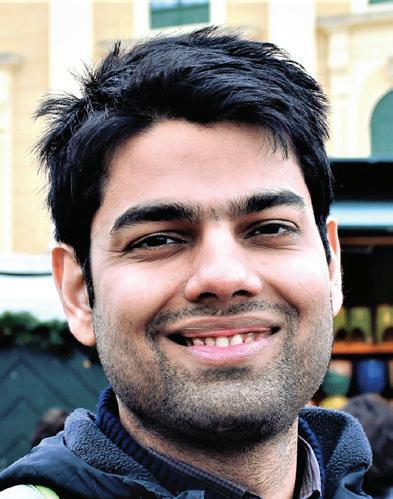
Sugat Chaturvedi
PhD (Indian Statistical Institute, Delhi)
Development Economics, Labor Economics, Political Economy, Machine Learning
Department of Economics Events
Second Annual Ashoka Economics Conference (December 14-16, 2018)
The department organises a three-day economics conference each year, with sessions covering areas such as public policy, political economy, macroeconomics, economic theory, and applied microeconomics. Professor Christopher Udry from Northwestern University and Professor Sanjeev Goyal from the University of Cambridge gave the keynote lectures at the conference, which saw wide participation by scholars from both India and abroad.
Third Annual Ashoka Economics Conference (December 14-16, 2019)
The economics conference of 2019 had five sessions along particular themes spread across three days. The thematic areas included Experimental Economics, Applied Microeconomics, Governance, Macroeconomics, and Economic Theory. Professor Sanjit Dhami from University of Leicester gave the keynote lectures at the conference on “Psychology and Social Motivation in Microfinance Contracts: Theory and Evidence” and “Behavioral Economics: (Re?) Thinking Pedagogy, Praxis and Policy Making”. The conference hosted an excellent line-up of outstanding speakers from across the world, including Prof. Aman Ullah from University of California, Riverside who presented his research titled “A Journey in Search of the Unknown “True” Model: Data–Based Nonparametric Econometrics and Empirical Economics” and Prof. Joyee Deb from Yale University who gave a lecture on “Gambling over Public Opinion”
Fourth Annual Ashoka Economics Conference (December 4-6, 2020)
The 2020 Ashoka Economics Conference had three sessions spread across three days with each session having an associated theme. The thematic areas included Applied Microeconomics, Macroeconomics and Economic Theory. The conference hosted an excellent line-up of speakers from prestigious institutions across the world including Princeton University, Columbia University, NYU, Northwestern University, University of Essex, LSE, University College London and IMF. Professor Prachi Mishra from the IMF opened the conference and delivered a lecture on “The Relationship Dilemma: Organizational Culture and The Adoption of Credit Scoring Technology in Indian Banking”. The conference saw 9 outstanding lectures being delivered including lectures by Professor Balazs Szentes on “Optimal Technology Design” and Professor Leonard Wantchekon on “Political Uncertainty, Market Structure and the Forms of State Capture” among many others.
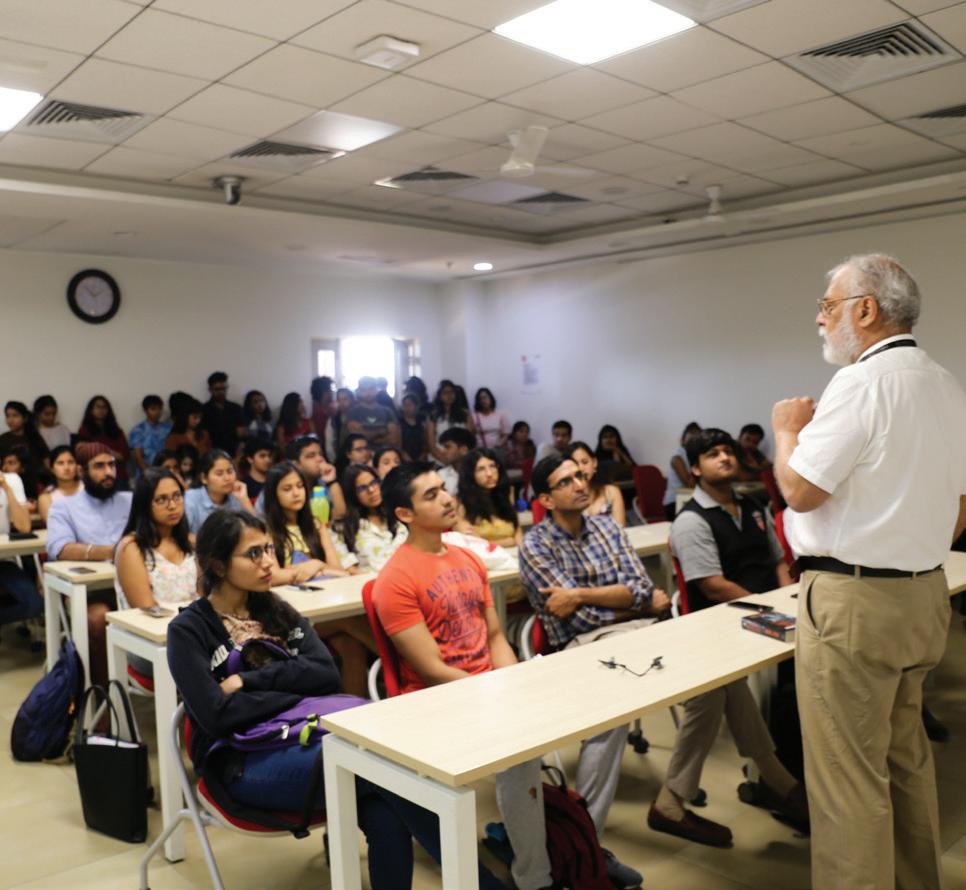
Distinguished Visitors
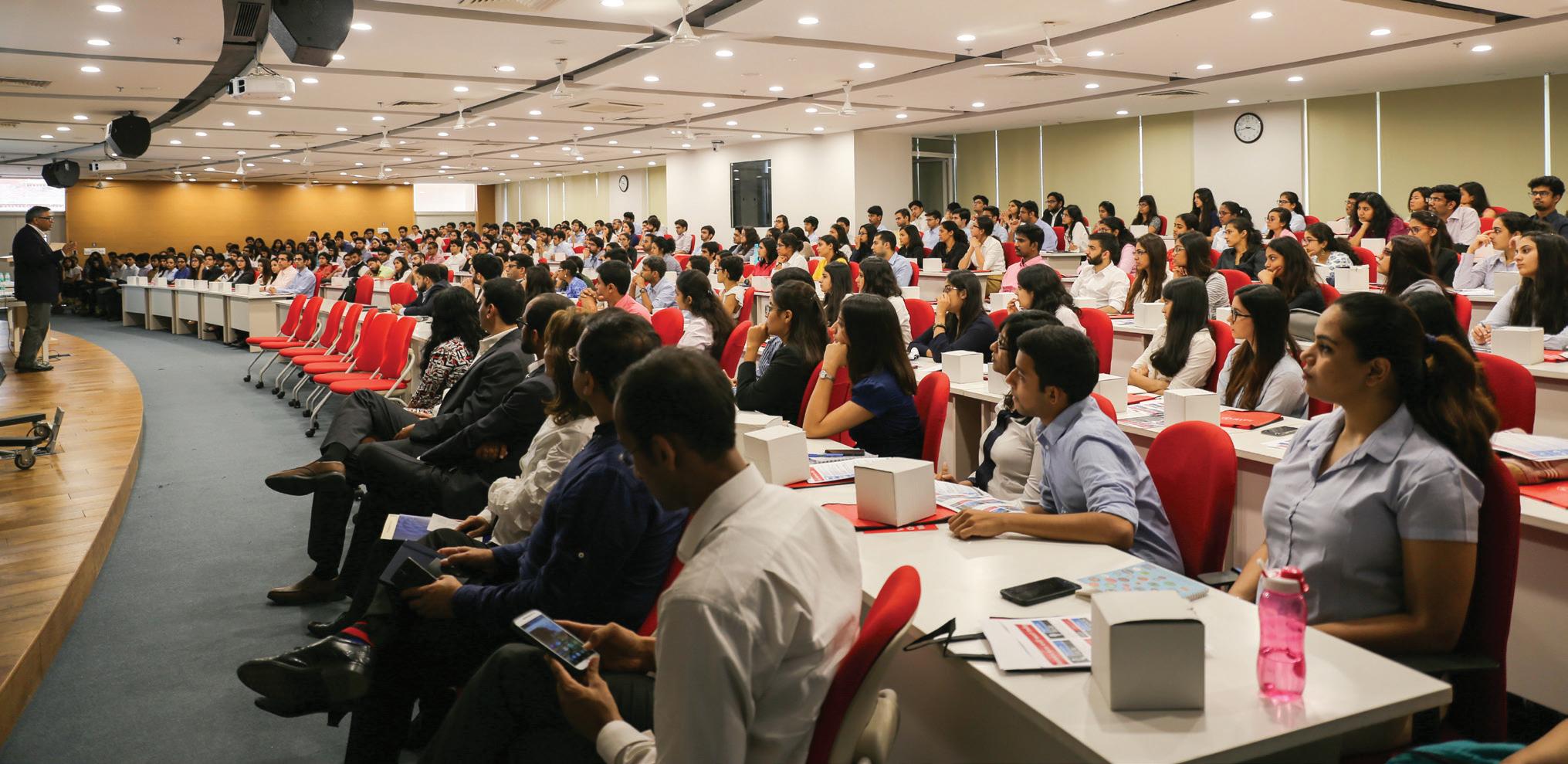
The department hosts a distinguished visitor each semester. The visitor spends a week on campus, giving a public lecture, participating in a workshop, and interacting one-on-one with both faculty and students. However, due to the COVID-19 induced pandemic, the following sessions by the distinguished visitors were held virtually.
Prof. Olivier Blanchard, Former Chief Economist at IMF, Robert M. Solow Professor of Economics emeritus at MIT
The Economics Department hosted a lecture by Prof. Olivier Blanchard on January 28, 2021. The lecture was on “The New Consensus on Fiscal Policy in Advanced Economies”. The lecture also saw Prof. Arvind Subramanian, Former Chief Economic Advisor to the GOI discuss the relevance of this ‘consensus’ for emerging market economies.
Prof. Raj Chetty, William A. Ackman Professor of Economics, Harvard University
Prof. Chetty delivered his Infosys Prize Lecture on “Improving Equality of
Opportunity: New Insights from Big Data” at a lecture organized by the Centre for Economic Data & Analysis on March 23, 2021. In this lecture, Prof. Chetty discussed how in America, children’s chances of earning more than their parents have fallen from 90% to 50%. He also discussed the recent work that he and his colleagues at Opportunity Insights have done to study the question and how similar work is being done in India.
Prof. Maitreesh Ghatak, Professor of Economics, London School of Economics and Director, Development Economics Programme, STICERD
The Economics Department hosted a lecture by Prof. Maitreesh Ghatak on March 26, 2021. The lecture was titled “Why Do People Stay Poor?”. Prof. Ghatak discussed two broad views due to which people stay poor: Fundamental Differences and Difference in Opportunities arising from Difference in Wealth. He also discussed how the empirical exercise of a randomized asset transfer on 6000 households over an 11 period supports the aforementioned theory.
Prof. Manmohan Aseri, Assistant Professor of Business Administration, University of Pittsburgh
The Centre for Economic Data & Analysis hosted a lecture by Prof. Manmohan Aseri on April 29, 2021. The lecture was on “Algorithmic Bias: Sources and Potential Solutions”. Prof. Aseri
discussed how the Machine Learning algorithms are trained on data generated by human decisions and how these algorithms inevitably learn and amplify the existing human bias in the data. He also discussed the sources of such bias and potential solutions.
Date
Wednesday, 2 September 2020
Wednesday, 9 September 2020
Wednesday, 16 September 2020
Wednesday, 23 September 2020
Wednesday, 30 September 2020
Wednesday, 7 October 2020
Wednesday, 21 October 2020
Wednesday, 28 October 2020
Wednesday, 4 November 2020
Wednesday, 11 November 2020
Wednesday, 18 November 2020
Wednesday, 25 November 2020
Wednesday, 2 December 2020
Wednesday, 20 January 2021
Wednesday, 27 January 2021
Wednesday, 10 February 2021
Wednesday, 17 February 2021
Wednesday, 24 February 2021
Wednesday, 3 March 2021
Wednesday, 17 March 2021
Wednesday, 24 March 2021
Wednesday, 31 March 2021
Wednesday, 14 April 2021
Discussion Paper Series
The discussion paper series is a platform for rapid dissemination of research by the economics faculty, prior to journal publication. The series was launched in 2018 and has published 65 papers so far.
Weekly Seminars
The department organizes a weekly seminar every Wednesday where researchers from diverse institutions present their current work. The seminars help keep students abreast of the latest developments in the field of economics.
Speaker Affiliation
Francisco Roldan
Sanjeev Goyal
IMF
Cambridge
Sargam Gupta IGIDR
Lata Gangadharan Monash University
Elliot Lipnowski Columbia university
Sonalde Desai Univesity of Maryland/NCAER
Jeanne Commault
Sciences Po
Rashmi Barua JNU
Viral Acharya
Kavita Sardana
Martin Rotemberg
NYU Stern
TERI
NYU
Eliana La Ferrera Bocconi University
Gabriele Gatton UNSW
Raghul S Venkatesh UMA, Spain
Rossella Calvi Rice University
Martin Ellison
Oxford
Jonna Olssen University of Edinburgh
Ruben Enikolopov
Guido Ascari
Daniel Quigley
Bruno Sultanam
Herve Moulin
Basil Williams
New Economics School, Barcelona GSE
Oxford
Oxford
Federal Reserve
University of Glasgow
NYU
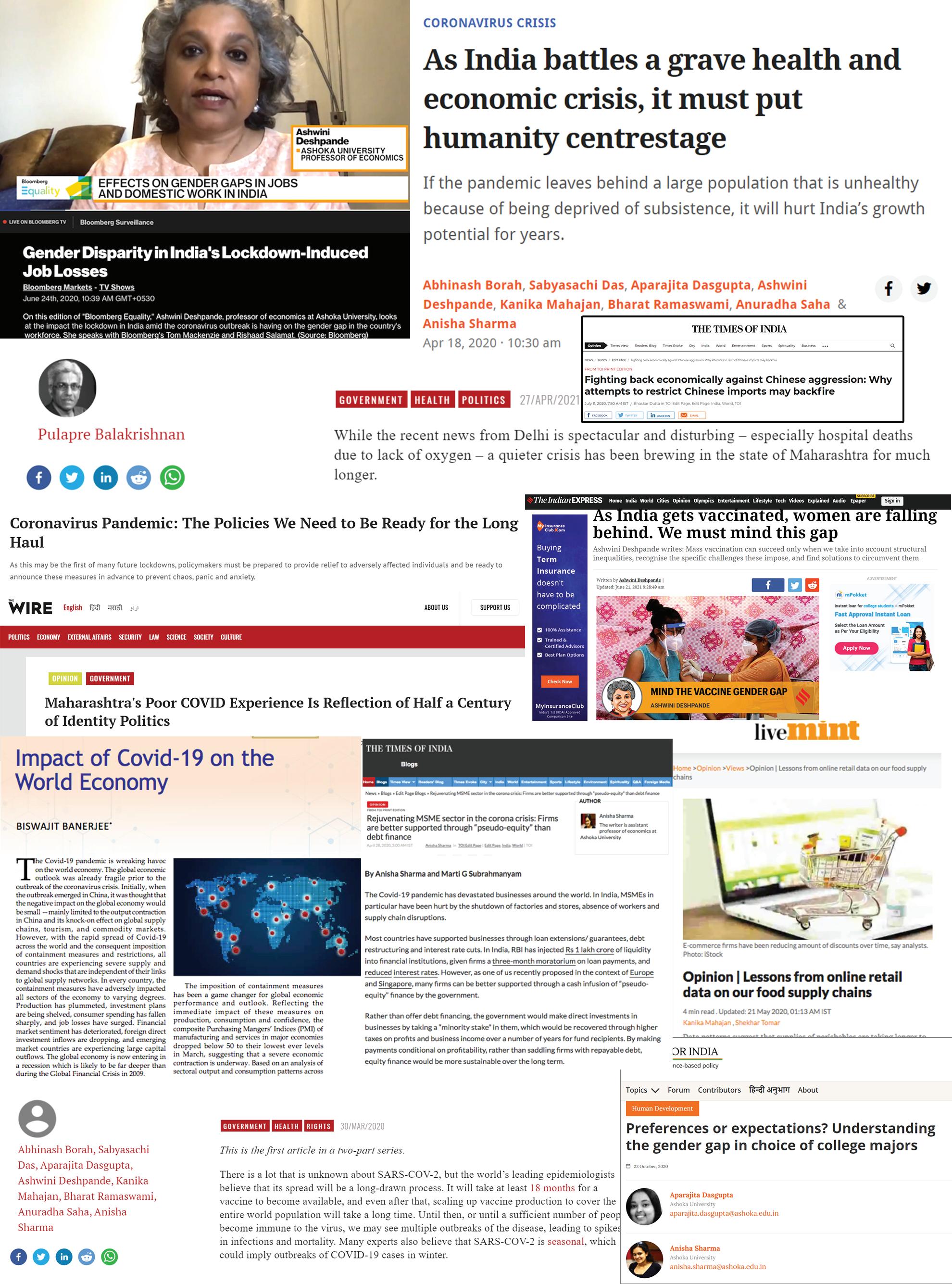
Economics Faculty in the News
Student Technical Skills
MA Economics 2020-22 Batch Profile
Aanchal
B.A. (Hons) Economics (2020)
St. Stephens College, University of Delhi
Internships and Projects:
• HSBC Summer Intern (Apr 21 - Jun 21)
Project Title: Process Streamline: Time to Market
Tracked the lending activity from the first touchpoint in sourcing to disbursement and identified the areas that can be streamlined in the process.
Reviewed and recommended technology support to cover process improvement.
Religious Segregation in India - ML/Python
Scraped, compiled, and analyzed the census 2011 related data aggregated at the town’s level to study religious segregation within districts in India.
Established a correlation between religious segregation and socioeconomic factors such as literacy rate, income, growth, etc.
Noise Cancellation Using Python - Mathematical Physics/ Python
Added noise signal to a sinusoidal signal, used Fourier transform to find the dominant frequencies.
Reconstructed the signal by using the dominant frequencies and neglecting the weaker frequencies.
Employee Attrition Prediction- Data Analytics and Visualization/ Python
Analyzed employee attrition problem for a company, using two sets of data: Existing employees and Employees who have left on attributes like salary, satisfaction level and work hours etc.
Predicted what employees are prone to leave next.
Aaradhya Gupta
B.A. (Hons) Economics (2019)
Hansraj College, University of Delhi
Internships and Projects:
• Ashoka University, Department of Economics
Research Assistant (May 2020 - Present)
Assisted Dr. Pubali Chakraborty (Ashoka University) by creating Time-Use profiles to understand gendered trends in Market and Non Work and Childcare. Created Age-Earning profiles using CPS-ASEC data to understand gender-wise trends in earnings from 1968 to 2014.
Assisted Dr. Pubali Chakraborty (Ashoka University) and Dr. Anand Chopra (IIT Kanpur) by performing comparative analysis between PSID and HFCS datasets to analyze crosscountry portfolio choices.
• NITI Aayog
Intern (May 2018 - July 2018)
Analyzed the telecommunication sector of India, including state of internet provision and associated policies with help of industry experts.
Performed and prepared report containing SWOT analysis on scope of internet through satellite in India
• RELX India
Intern (June 2017 - July 2017)
Analyzed Medical and Medical Education Sector of India, identified key areas for expansion. Comparative analysis on doctor and medical college distribution vis-a -vis company’s market share referred to Finance Department.
• Ashoka University
Computer Programming Project (Housing Preferences and Religion)
Analyzed how housing preferences are dependent on religion using DHS and India Census Data. Used ML techniques and xAI to find correlations and provide policy suggestions. Created a measure called ‘Tolerance’ referring to proportion of other religions in neighbourhood.

Abhinav Pandey
B.A. Programme (2018) MLNC, University of Delhi
Internships and Projects:
• ICICI Foundation
Project Intern
Worked on devising a value chain strategy for Kinnow products and mitigating market linkage challenges in Abohar, Punjab
• Ashoka University
Computer Programming Project
Trained a deep reinforcement learning agent to solve a game of snake. (Python, Tensorflow)
Abhishek Minhas
B.Sc. (Hons) Economics and Finance (2018) ISBF (Delhi), University of London
Internships and Projects:
• Ashoka University, Department of Economics
Research Assistant (May 2020 - Present)
Worked with the unit level CMIE unemployment
dataset to create a measure of unemployment from job postings data from an online portal. Also did a literature survey for the same.
• Ashoka University
Computer Programming Project
Trained a deep reinforcement learning agent to solve a game of snake using Python, Tensorflow
Aditya Gupta
B.A (Hons) Economics (2017) College of Vocational Studies, University of Delhi
Internships and Projects:
• Kalkine Solutions
Research Analyst (Feb 2019 - Nov 2019)
Prepared research reports and collected relevant data to conduct a qualitative analysis
• Visible Alpha Solutions
Research Associate (Dec 2017 - Feb 2019)
Understood brokers financial model and integrated it in proprietary model of the company
Ami Shah
B.Sc. (Hons) Economics, Specialization in Finance (2020)
SAMSOE, Narsee Monjee Institute of Management Studies
Internships and Projects:
• Busara Centre of Behavioural Economics
Project Intern (April 2021 - Aug 2021)
Designed and Developed solutions for various research and advisory projects across health, education, financial inclusion and mental health using behavioural science to increase/assess social impact.
Disseminated results, prepared project reports, and presented results to clients.
Created a user journey to increase physical activity/meditation and worked on finding behavioural levers at each stage.
• Impact Investor
Product Analyst Intern (June 2021 - Aug 2021)
Identified key parameters for investors as well as start-ups, worked on pricing strategies, and created value-additive categories.
Developed Funding Guide focused on impact start-ups.
• Narsee Monjee Institute of Management Studies
Project Title: Parameters affecting Profitability of Indian Insurance Companies
Identified and empirically investigated the factors that affect the profitability of life insurance companies in India using panel data
Empirical results shows that the variables Operating Ratio, Benefit Ratio, Investment Ratio, Commission Ratio are the most important determinants of the profitability of Indian insurance companies as measured by Return on Asset ratio and Return on Equity Ratio
• IIT Kharagpur
Research Intern (May 2018 - July 2018)
Did Cost-Benefit Analysis of various Skill Development Programs in India, identified various challenges in implementing them and found potential solutions.
Analyzed the trend of Rural-Urban Migration due to MGNREGA.
G R Santosh
B.A (Hons) Economics (2020)
Sri Venkateswara College, University of Delhi
Internships and Projects:
• Anheuser-Busch InBev
Data Science Intern (May 2021 - Jul 2021)
Worked under the e-Retail vertical, focusing on the D2C model within ABI.
Created a mix analysis algorithm using state of art AI/ML techniques to maximize the margin pool and ensure optimal profitability for ABI and the Retailer.
• NITI Aayog
Research Intern (Jun 2019 - Aug 2019)
Contributed and co-authored sections of ‘SDG Index & Dashboard, 2019’ which is the baseline document for tracking SDG progress for the entire country.
Contributed to the report ‘Localizing SDGs: Early Lessons from India’ which was presented at the UN HLPF, 2019.
• Consumers India
Research Team Lead (Oct 2018 - Dec 2018)
Led a research team of 6 members for a research project on “Obesity, Junk Food and School Children”.
Received an award for commendable performance as an intern from the President, Consumers India.
• Asmat India
Core Team Member (Feb 2018 - Jul 2019)
Led a team of 13 interns and oversaw all research and on-field activities at Ahmedpur Darewala, Sirsa, Haryana.
Gaurav Manchanda
B.A. (Hons) Economics (2015)
Satyawati College (Eve.), University of Delhi
Work Experience:
• Cognizant Technology Services
Junior Executive- Finance (Aug’18 – Jan’20)
Worked on mapping of invoices with remittances, keeping track & analysis of AR data; worked in Travel & Expense department and analysed TnE data to make projections for future costs.
Worked in Taxation department and validated Year End investment documents of associates and computed annual tax liabilities.
Internships and Projects:
• ITC India limited Kites Summer Internship (May’21 – Aug’21)
Project: Analysis of the impact of Covid 2nd wave on consumers purchase behavior
Analyzed the impact of Covid 2nd wave on various categories and sub-categories of FMCG at offline
grocery channels and various online platforms
Interviewed (Purple Audacity) various segments (homemakers, professionals etc.) of consumers to understand to understand the impact of covid 2nd wave in their life and hence their purchase behavior.
• Ashoka University
Computer Programming Project (Facts vs Opinion Statement Classifier)
Created the model using some specific libraries. Used articles data set from ‘Kaggle’ to train the model
Utility: Give any news article as in input it will give output as highlighting the fact and opinion part of the article.
Mayank Agarwal
B.A. (Hons) Economics (2018)
Fergusson College, Savitribai Phule Pune University
Projects:
• Ashoka University
Computer Programming Project (Intergenerational Social Mobility in the US)
The motivation for this project is drawn from a paper published in 2017 by Chetty, Grusky, Hell, Hendren, Manduca, Narang shows a fading American Dream, it shows the percentage of American children earning more than their parents is continuously declining.
Nancy Tulsyan
B.Sc (Hons) Mathematics (2019) Jesus and Mary College, University of Delhi
Internships and Projects:
• Indian Institute of Management, Banglore Research Assistant (June 21 – August 21)
Project Title: Analysis of spread of COVID in USA
Modeled the spread of COVID-19 across counties in the US using networks and estimated the parameters responsible for the spread across counties and within counties using econometrics tools and Python.
Helped in organizing the Business, Identity and Networks (BINS) Conference held on July 2931st.
• Ashoka University Research Assistant (May 21 – June 21) Worked under Dr. Pubali Chakraborty (Macroeconomics Professor)
Detailed literature review of macroeconomic papers related to portfolio choices and cyclicality of fertility.
Researched and reviewed about the child care sector in US.
• Ashoka University
Computer Programming Project (Predicting Ozone non-attainment zones in USA)
Focused on five kinds of algorithm: Random Forest, Gradient Boosting, Linear Regression, Light GBM and neural networks using EPA dataset of 1025 unique sites throughout the United States.
Input variables to predict Ozone were: Temperature, Latitude, Longitude, NO2 levels, VOC levels.
Parikshit Samant
B.A. Economics and Mathematics (2020) Ramnarain Ruia College, Mumbai University
Internships and Projects:
• ITC India Ltd.
Digital Marketing Intern (May 2021- Aug 2021)
Led an awareness campaign with 9 influencers across 7 cities on Instagram to promote and drive traffic to the ITC E-store.
Designed and implemented campaign strategies including concept ideas, construct and storyboards and vetted the scripts and videos Exceeded originally expected reach 2x with more than 3.5 Lakh video views and 5% engagement with 1500+ link clicks and a CPV of 0.39
• Decathlon
Marketing Intern (Jan 2017 – March 2017)
Organized creatives for Happy Streets Festival at Thane by setting up events and activities to promote sports equipment.
Coordinated with the Business Development team to come up with engagement strategies.
• Ashoka University
Computer Programming Project (Poker Simulator)
Simulated the game of multi-player Poker in python with a complete GUI created using Tkinter.
Calculated Pot Equity, Pot Odds, along with the winning probabilities to assist and provide insights to players.
Paroma Roy Chowdhury
B.A. (Hons) Economics (2020) Ashoka University
Internships and Projects:
• Indian Council for Research on International Economic Relations (ICRIER) Intern (July-August 2019)
Carried out an extensive literature review on the impacts of the insurance sector on economic growth
• Students Undergraduate Research Graduate Program (SURGE), IIT Kanpur
Worked under the mentorship of Dr. Praveen Kulshreshtha (May-July 2019)
Conducted literature review, modelled and presented a research poster on quality degradation in zero-rated programs focusing on implications for social welfare and network neutrality, the paper was subsequently accepted at Undergraduate Research Conference 2020, Jindal University as well as Iqtisadiyyat, Annual Economic Summit 2020, Shiv Nadar University (unfortunately both were cancelled due to Covid-19)
• Negative Health Externalities of Open Cast Coal Mining Research Assistant for Dr. Indrani Roy Chowdhury (JNU) and Dr. Tapaswini Nayak (May-July 2018)
Assisted in extensive field survey in villages adjoining open cast coal mines near Mahanadi Coal Limited mines in Angul-Talcher coal belt, Odisha and carried out the subsequent data entry from the survey as well as preliminary data cleaning
Ram Utkarsh Das
B.A. (Hons) Economics (2020) Maharaja Agrasen Institute of Management Studies, IP University
Internships and Projects:
• Consumers India Research Intern (9 June - 8 July 2018)
Prepared a group report on “SDG Goal for Improved Nutrition - How Far”. Served as a Group Leader for the project. Won the award for “Commendable Team Work”.
• United Nations Global Compact Network India Intern (24 June - 2 August 2019)
Participated in program activities, initiatives and persistently researched on Sustainable Development Goals in terms of project pilots,
case studies and other thematic issues. Gave a presentation on “SDG 8: Decent Work and Economic Growth”. Helped in organizing their annual flagship event, attended by over 450 professionals representing public and private sector, civil society, and UN organisations.
• Reserve Bank of India, Chandigarh Summer Trainee (20 May - 31 July 2021)
Prepared and presented a report on ‘Covid-19 Impact on Inflation Expectations in India’. Carried out data analysis on secondary data using statistical and econometric methods. Conducted literature review on relevant topics.
Ria Mongia
B.A. (Hons) Economics (2020)
Daulat Ram College, University of Delhi
Internships and Projects:
• Takshashila Institution
Research Assistant (May 2021 - August 2021)
As Research Assistant & Program Manager, I used to figure out relevant current topics for webinars, coordinating with faculties for workshop timings, Updating & creating Slides for policy School. Point of Contact between faculty & Students. Moderating Sessions, etc.
• Ashoka University
Computer Programming Project (Facts vs Opinion Statement Classifier)
Created a state-of-the-art text classifier to distinguish between facts and opinions using machine learning
Made using Pytorch and Fastai on Google Colab Achieved 99.85% accuracy on training model and 80% accuracy on testing dataset
Rishabh Jain
B.Com. (Hons) (2019)
Mukand Lal National College, Kurukshetra University
Internships and Projects:
• FINDEM
Data Research Intern (Jun 2021 - Aug 2021)
Contributed to the creation of a database of people across different job platforms like Linkedin for the designing the software worked with US employment data to analyze the preference of the employee and employer based on the education and skillset
• Enlightenment Chambers
Senior Member (Aug 2018 - Jul 2019)
Organized ‘IGNITE 2018’, a paid workshop with 350+ participants, and hosted Mr. Sandeep Wadhera as the motivational speaker
Conducted an Open Group Debate Event on the topic 2019: The Political Divide
Communicated with several firms about our vision and acquired sponsorships for our events
Ritinkar Dasbhaumik
B.Sc. (Research) Economics (2020)
Shiv Nadar University
Internships and Projects:
• CMCE IIT Jodhpur
Worked on descriptive problems in decision theory
• Ashoka University
Currently working on a Masters’ thesis in decision theory
Term paper in Public Economics on framing and carbon taxes
Shikhar Rana
B.Sc. (Hons) in Economics (2019)
Presidency University
Internships and Projects:
• Good Business Labs
Data Research Intern (July 2021 – Present)
Working on data cleaning, data handling and data analysis
Helping in creating data driven insights often using RCTs as to how improvement of workers’ welfare will help companies have higher productivity
• Youngistaan Foundation
Intern (June 2021 - July 2021)
Prepared report of the foundation’s work for the year 2020-21
Assisted in Gender Fellowship program
• Ashoka University
Computer Programming Project (Facts vs Opinion Statement Classifier)
Created a state-of-the-art text classifier to distinguish between facts and opinions using machine learning
Made using Pytorch and Fastai on Google Colab
Achieved 99.85% accuracy on training model and 80% accuracy on testing dataset
Suvidhi Goyal
B.A. (Honors) in Economics (2019)
Lakshmibai College, University of Delhi
Internships and Projects:
• KPMG India
Management Consulting Intern in Infrastructure, Government & Healthcare (May 2021 - July 2021)
Advocated strategies for company’s clients including Government on improving regulatory policies in India; Leather and Footwear industry on market expansion; and FDDI for expanding consulting and academic operations so as to meet their revenue increment target (laid out by Ministry of Commerce, GoI) -after undertaking extensive research at global level.
• Clean Energy Access Network Finance and Policy Research Intern (Aug 2019Nov 2019)
Worked towards meeting the CLEAN’s mandate of improving access to Decentralized Renewable Energy (DRE) pan-India - by assisting the DRE Entrepreneurs on Finance and Policy Fronts. Analyzed the available and potential sources of funding for the entrepreneurs, drafted policy brief on RBI’ priority sector lending; assisted in annual report presented to stakeholders; drafted proposal to Ministry of New and Renewable Energy to addressing sectoral issues.
• “The Long Run Impact of Unemployment & Money Supply Growth on Inflation in India”Working Paper (Aug 2018 - Oct 2018)
Conducted research to assess “The Long Run Impact of Unemployment and Money Supply Growth on Inflation in India” using 1990-2016 data.
Produced a report demonstrating that the two, taken together, do not significantly explain the variation in inflation rate in long run for India.
• Ashoka University
Computer Programming Project (Model for Mask Detection in Live Videos using Python)
Aimed at detecting faces with “no masks” and “improper masks” in live CCTV cameras.
Tushar Sanpal
B.A. (Hons) Economics (2019)
Satyawati College (Day), University of Delhi
Internships and Projects:
• Centre for Effective Governance of Indian States (CEGIS)
Summer Intern (May 2021 - Aug 2021)
Formulated a policy to improve phone number quality of beneficiaries in Telangana via a combination of IVRS calls and SMS - a key policy to reach out to relevant beneficiaries considering the COVID-19 pandemic
Devised certain documents of Data Management and Security, and conducted organization-wide training sessions for the same
Created a Survey CTO instrument for primary data collection from beneficiaries in Telangana to improve the quality of Nutrition, viz. bringing up children out from the different malnourished categories and prenatal and postnatal care of pregnant and lactating mothers
• Ashoka University
Computer Programming Project (Poker Simulator)
Analyzed the game of Poker using Python and created visuals of the game reflecting analysis parameters live - updating in real time after each round of the game
• Laugh Out Loud Ventures Pvt. Ltd.
Marketing & Sales Officer (Mar 2017 - Apr 2017)
Marketing and Outreach of online education products to 250+ potential clients
Appointed to head a team of 5 members
Ujjawal Bhaskar
B.A. (Hons) Economics (2018)
L.S. College (Babasaheb Bhimrao Ambedkar Bihar University)
Work Experience:
• BoxBoy
Business Development Associate (Oct 16 – July 18)
Led a team of 4 members focused on increasing sales, and registered a revenue of more than Rs. 300,000 for 3 consecutive months; Surveyed more than 500 potential customers in Patna and accordingly prepared sales strategy to drive fast growth
Analysed demand-supply gap based on price, delivery, and quality to prepare a sales pitch
for corporate clients; streamlined the expenses, inventory, and vendor management to smoothen the operation
• Evelyn Learning System Pvt Ltd Subject Matter Expert (Sep 18 - Feb 20)
Worked as a subject matter expert of Economics on Course Hero, an online learning platform; Prepared extensive solutions to the questions from business studies, economics, and statistics that helped more than 2000 students Created solution manuals of 2 Economics textbooks and collaborated with team members to solve complex problems
Internships and Projects:
• ICICI Foundation Project Intern
Authored a report on the status of farming in the region and framed 3 policies to lower the cost of production by 30%, increase the aggregate production value by 70%, and enhance supply chain management
Drafted a DPR of a processing plant in the block with an aim to increase the income of the farmers by 150%
• Ashoka University Computer Programming Project (Intergenerational Social Mobility in the US)
The motivation for this project is drawn from a paper published in 2017 by Chetty, Grusky, Hell, Hendren, Manduca, Narang shows a fading American Dream, it shows the percentage of American children earning more than their parents is continuously declining.
Vimal Kumar
B.A. (Hons) Economics (2019) Jamia Millia Islamia
Internships and Projects:
• Transport Corporation of India Assist and Associate with Managing Director (May 2021 - August 2021)
Worked on the report regarding 3rd corona wave and its economic impact
Worked on the recommendation report for UNFCCC COP 26
Vrinda Juneja
B.A. (Hons) Economics (2019)
Indraprastha College for Women, Delhi University
Internships and Projects:
• JSW
Summer Intern (June’21- Aug’21)
Three new products under the construction chemical category were to be launched in the cement business. Market Research was to be carried out to understand the market size, competition analysis and white spaces. Through a well-defined survey, approached close to 400 agencies in Karnataka for preliminary understanding of the market demand and the challenges faced. Also, recommended the go to market strategy for these products.
• Population Foundation of India Research Intern (June ‘18-July’18)
Prepared a report that analyzed the trends in the fertility rate from 1992-2016 using the data from the NFHS reports. The trends in the determinants such as child marriage, use of modern contraceptive, teenage pregnancy and abortion rate have been looked into, to see the magnitude of attribution of each to the fertility rate.
• Koan Advisory Research Intern (Aug’19-Sep’19)
Analysed international best practices and developed policy recommendations for Indian Tourism industry.
Tracked industry growth and spectrum regulation in Indian Telecom
Compiled, organized and explored data pertaining to electronics manufacturing standards in India.
Faculty Placement Coordinator
Prof. Arghya Bhattacharya
+91-9073687958| arghya.bhattacharya@ashoka.edu.in
Student Placement Coordinators
G R Santosh
+91-8586060973 | gr.santosh_ma22@ashoka.edu.in
Tushar Sanpal
+91-9711108634 | tushar.sanpal_ma22@ashoka.edu.in
Contact Details www.ashoka.edu.in