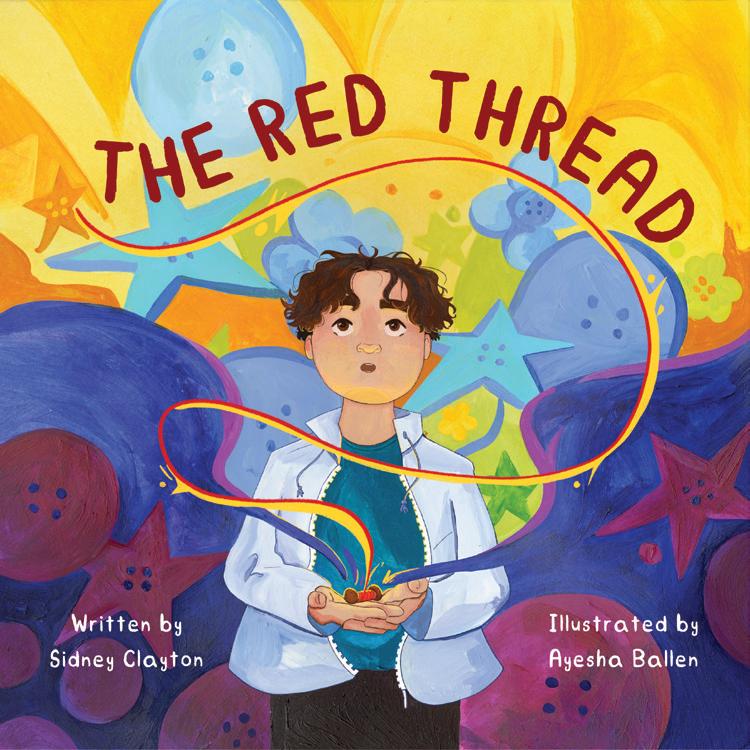
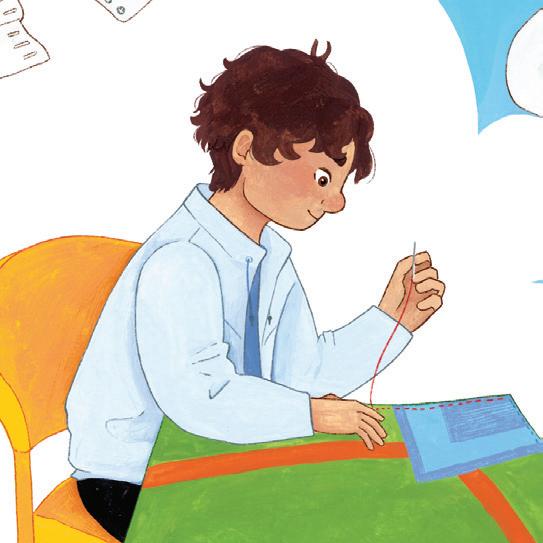
About The Red Thread
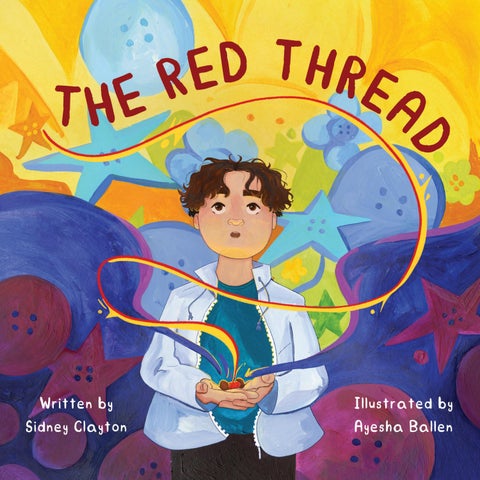
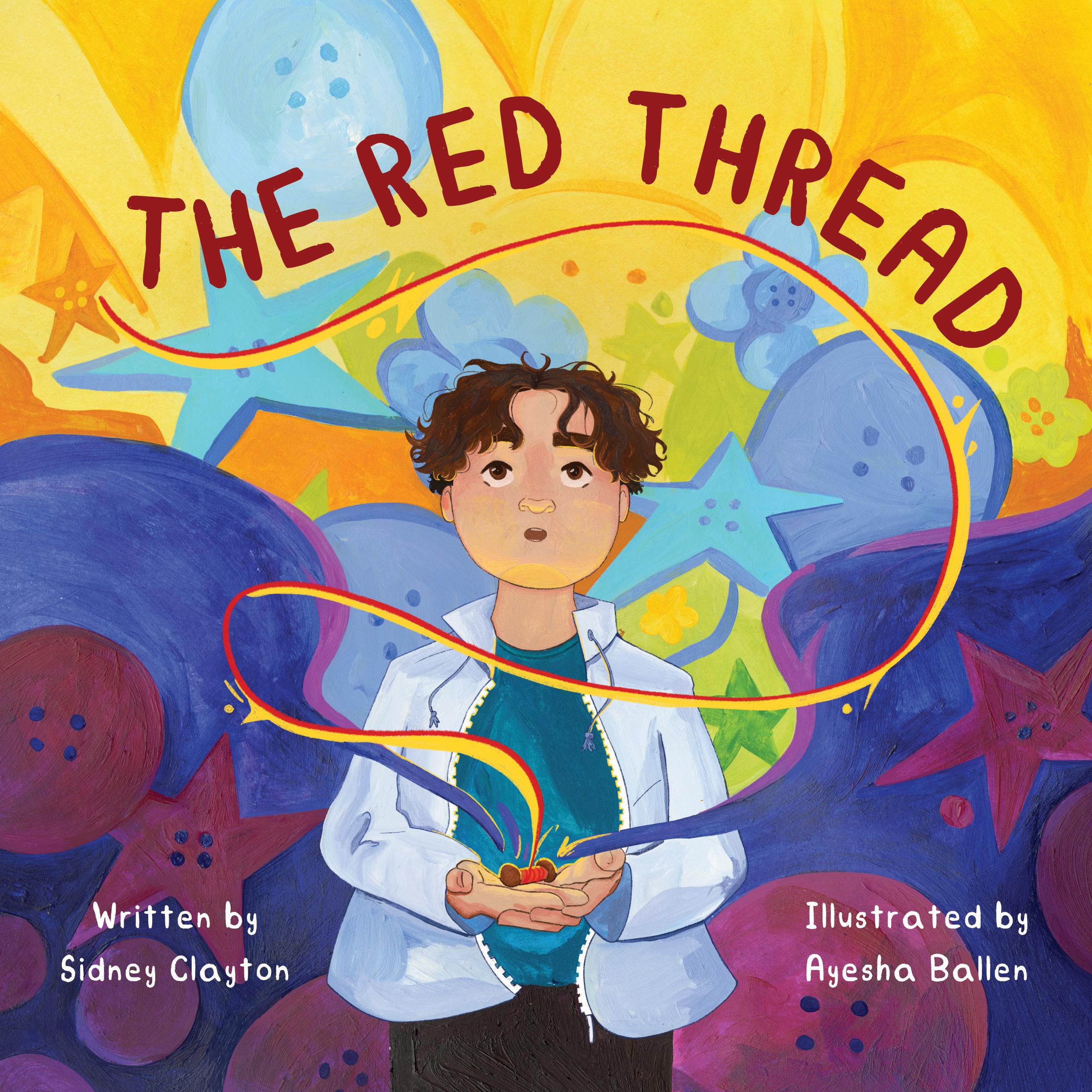
The winning story for writers in Years 7, 8 and 9 in the ISEB and IAPS 2026 Time to Write competition, The Red Thread, is an emotional story about a boy who discovers a special red thread at the bottom of his grandma’s sewing basket. After learning of the thread’s power to fix broken things, he decides to test it and learns that small things can be powerful enough to hold people together, even at the worst of times.
“An emotionally powerful interpretation of the theme, with an intriguing opening.” The Time to Write judging panel.
About the writer
Sidney Clayton is from the UK and was 12 years old at the time of writing The Red Thread. Reflecting on his story, he said, “I was inspired by the time I spent with my grandmother watching her make clothes. She made a red hat for me when I was little, which was particularly special. My favourite part of the story is the part where I realise I can use the thread to help lots of different people. I hope that people will take away from his story the message that what we learn from our grandparents is special and important and to be valued.”
About the illustrator
Ayesha Ballen is a UK-based children’s illustrator and muralist. She loves bright and vibrant colours and especially enjoys painting, be it for a book or on a wall.
The Red Thread
Written by Sidney Clayton
Illustrated by Ayesha Ballen
The thread was small and red and didn’t look important at all. It was wrapped around a cardboard spool and sat at the bottom of my grandma’s sewing basket, underneath the shiny silver scissors and the buttons shaped like flowers and stars. I found it on a rainy afternoon when I was bored and had already watched everything on TV twice. The rain tapped on the windows like it wanted to come inside, and the house smelled like old boots, dust, and the tea grandma always drank.
Grandma said the thread was special, but she always said things like that. She believed objects had memories, like they were tiny brains that remembered every touch and every moment. She talked to her plants too, which was a bit strange. Still, I liked listening to her voice because it made everything feel calmer. She told me the red thread had been used to fix things that mattered. Socks, coats, even a teddy bear once. She always said that it ‘held story’s’ which it did but they were very boring, and I didn’t really listen to them.
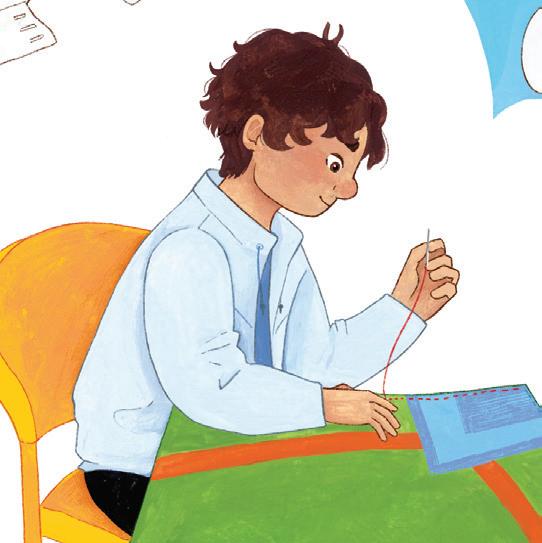
I decided to test it. I took an old backpack with a ripped strap and sat on the floor like Grandma did when she sewed. I threaded the needle the way she showed me, even though it took three tries and a lot of squinting. My hands were clumsy, and I poked my finger by accident. It hurt way more than I expected, and I had to suck on it for a second. A tiny dot of blood showed up, almost the same colour as the thread, which felt kind of weird.
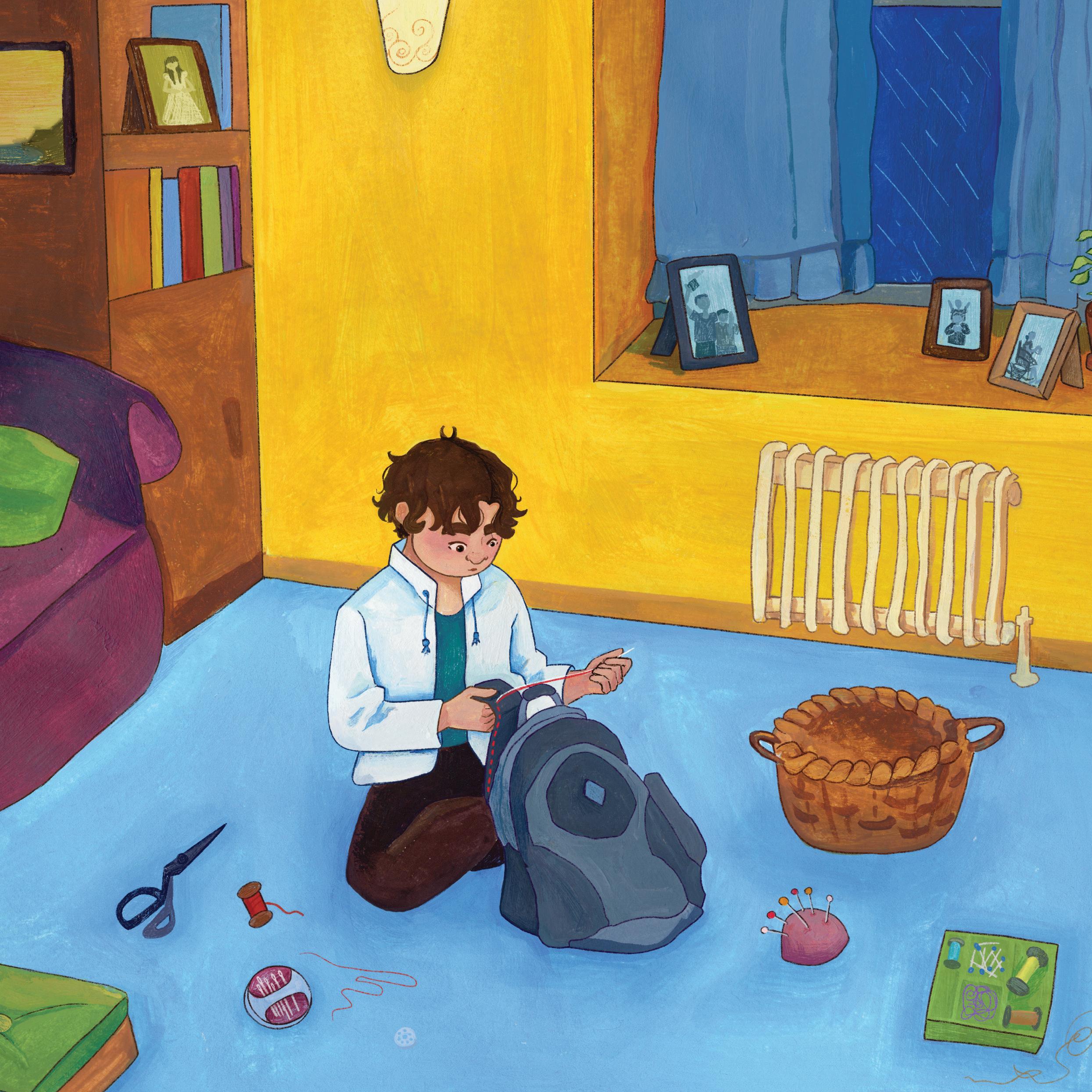
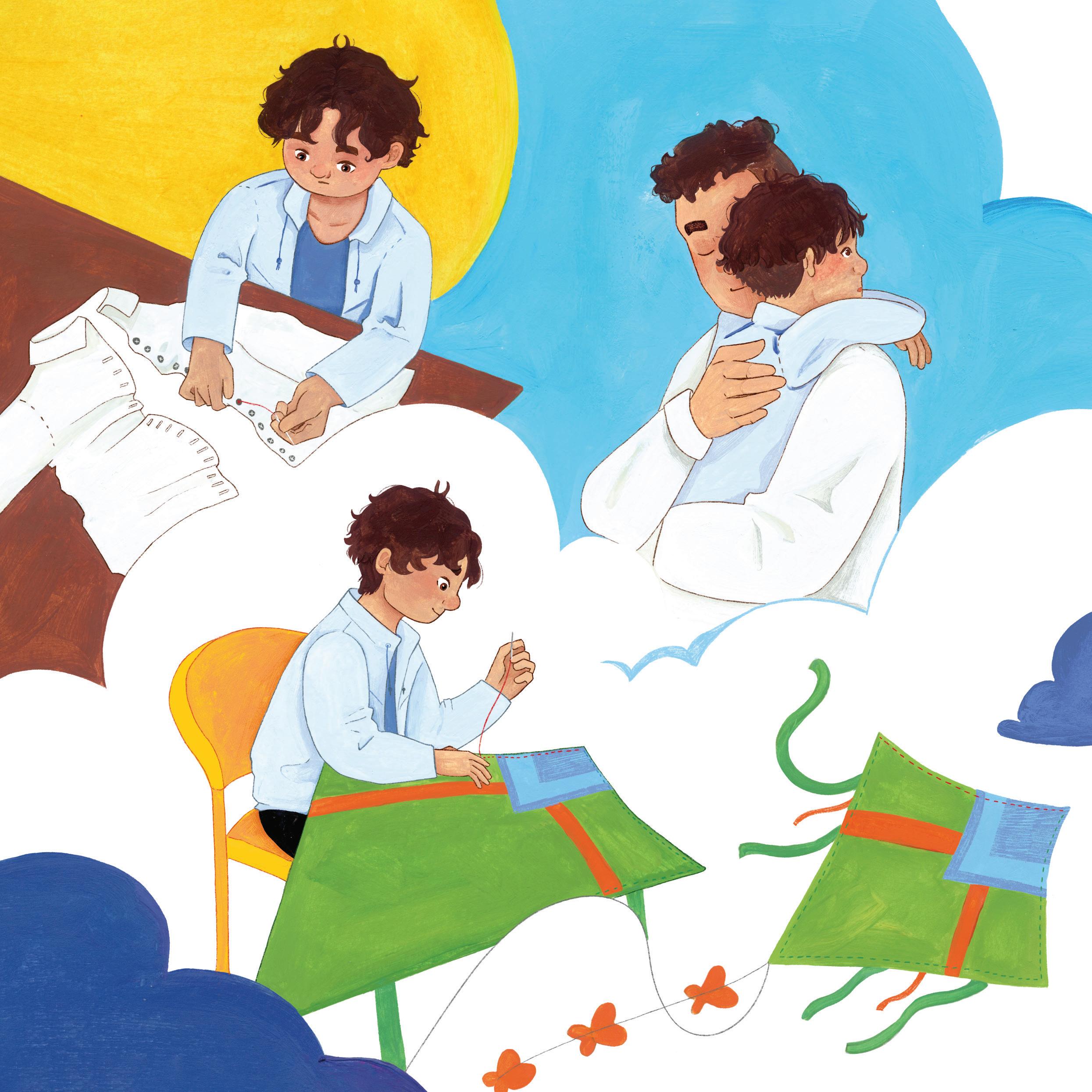
I stitched slowly, in and out, trying to make the strap strong again. My stitches were uneven and crooked, but when I pulled on the strap, it didn’t break. When I finished, it didn’t look perfect, but it held, and that felt good. The next day at school, the backpack didn’t rip. That might not sound amazing, but to me it felt like winning something. At lunch, my friend Max tripped and spilled his milk all over himself. Everyone laughed, and his face turned bright red. I didn’t know what to do, but I remembered the thread in my pocket. I don’t know why I brought it with me. I just did. I handed him a napkin and sat with him until the bell rang. He smiled at me like I’d done something huge, even though I barely said anything. After that, I started carrying the red thread everywhere. I used it to sew a button back onto my dad’s shirt before his job interview. He looked stressed that morning, pacing around the kitchen. When I fixed the button, he smiled and hugged me. I don’t usually hug my dad as he isn’t a very hugging person. I used it to fix my neighbours’ kite after it crashed into a tree. When it flew again, it looked like it was waving thank you in the sky.
Then one night, Grandma got sick. She stayed in bed, and her voice sounded tired. She looked smaller somehow, like she was fading into the blankets. Her sewing basket sat by the door, quiet and untouched. I picked up the sewing basket and decided that I would make something for her. I wasn’t sure what I would make her, but I wanted it to be good.
I had three days to make her something before she goes into the hospital. I sat there for a while thinking of what I was going to make her but just couldn’t think of what she needed. She always said that she was cold so I could make her something to do with the cold. I grabbed the wool and the thread and started making this scarf. I made the scarf a mix of colours; it was red and orange with a bit of yellow.
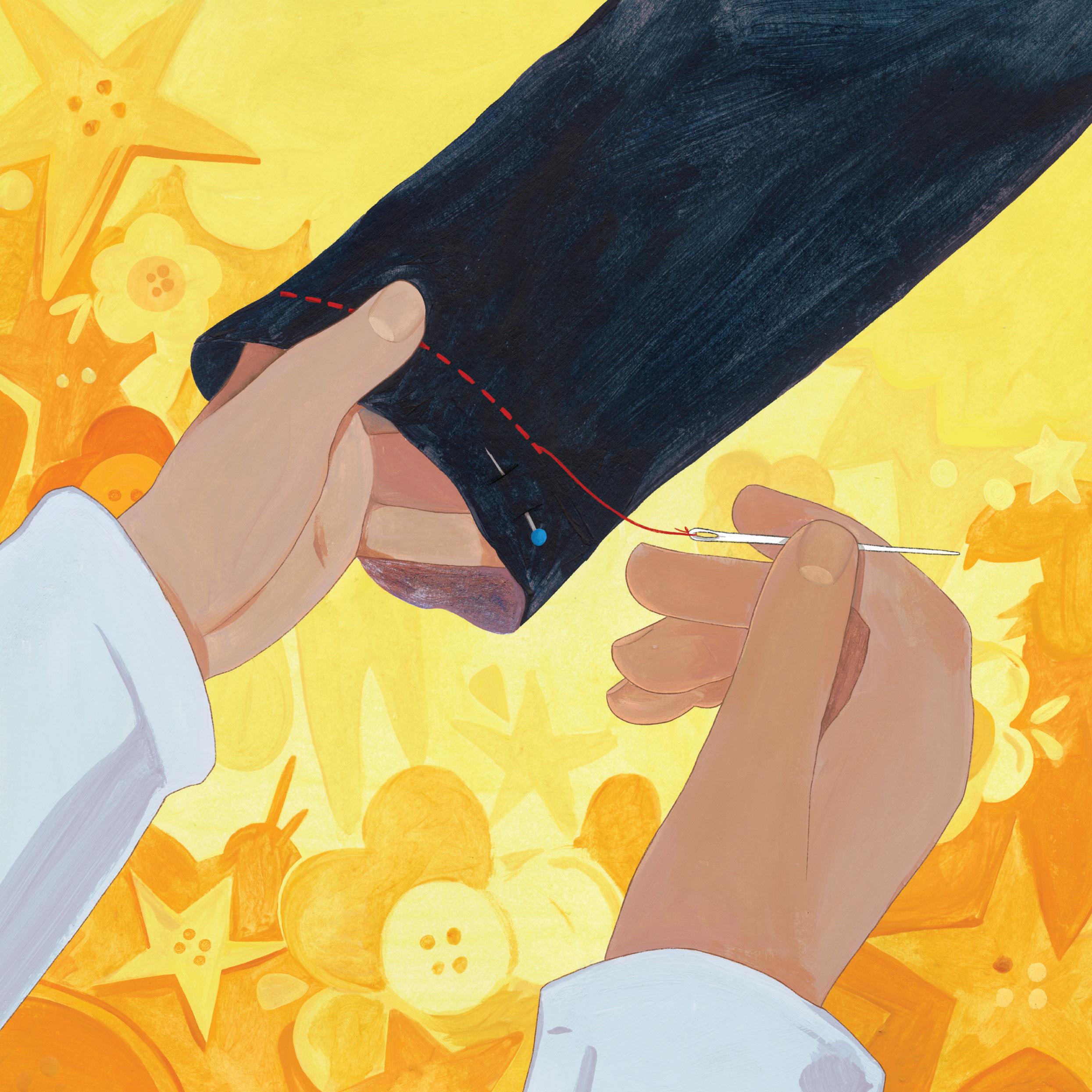
When the three days passed. I gave it to her just before she left and she started crying, she said that it was better than all the things she made in her life. I was happy that she said that. I was very competitive. I said my goodbye to her for the last time and then dad drove her to the hospital. After Grandma passed away, the house felt empty, like a shirt with a missing sleeve. I wanted to put the thread away forever because it hurt to look at it. But instead, I kept it with me. At the funeral, I stitched a loose hem on my black pants. My hands shook. But when I finished, I felt steadier, like I wasn’t completely falling apart...
THE
END
About Time to Write
Building on two successful years of Time to Write, ISEB partnered with IAPS to bring the international creative writing competition back for a third year in 2026. Time to Write was open to all schools everywhere, and asked young writers to submit short stories written in response to the theme ‘thread’.
Almost 3,000 pupils from schools all over the world entered the competition, with entries shortlisted collaboratively by a pool of judges using cutting-edge adaptive comparative judgement technology, in partnership with RM Compare. This resulted in a reliable, fair and accurate ranking of entries.
The top ten stories in each category were reviewed by a panel of judges, including a children’s book editor from Oxford University Press, a literary events interviewer, a senior lecturer from Arts University Bournemouth, and Heads of English from St Swithun’s School, Marlborough House Vinehall School, and York House School.
To find out more about the ISEB and IAPS Time to Write 2026 competition for schools, visit write.iseb.co.uk.
ISEB and IAPS would like to thank RM Compare; the judging panel Emma Drage, James Cole, Marc Knight, Naomi Anson, Rebecca Fletcher and Rebecca Henderson; the talented illustrators who helped bring each story to life; sponsors Arts University Bournemouth, Oxford University Press, Team Elite and Voxblock; everyone involved in the shortlisting process; and, most importantly, all the young writers who took part in the Time to Write 2026 competition.
The four winning stories of Time to Write 2026
A boy discovers a small red thread at the bottom of his grandma’s sewing basket one boring rainy afternoon. When he shows it to her, she tells him of its power to fix things that matter and he decides to test it to help those that are important to him. When tragedy strikes his family, he calls on the thread once more. Can the thread help him to find peace at even the darkest of times?
The winning story in the category for writers in Years 7, 8 and 9 in the 2026 ISEB and IAPS Time to Write international writing competition.
“Great descriptions and beautiful metaphors.”
The Time to Write judging panel.