Ref. Ares(2025)4668550 - 11/06/2025
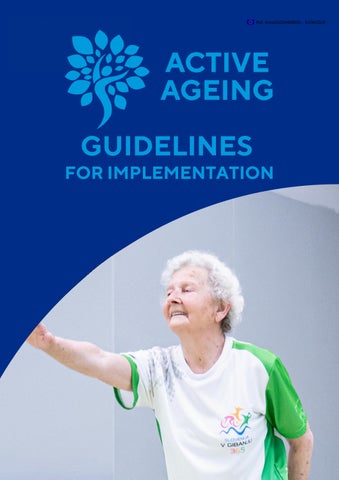
GUIDELINES
FOR IMPLEMENTATION
Funded by the European Union. Views and opinions expressed are however those of the author(s) only and do not necessarily reflect those of the European Union or the European Education and Culture Executive Agency (EACEA). Neither the European Union nor EACEA can be held responsible for them.
ABOUT THE PROJECT The Active Ageing for Falls Prevention project responds to one of the most pressing challenges of population ageing — the increasing prevalence of falls among older adults. Recognising that falls are the leading cause of injury, hospitalisation, disability, and loss of independence in people over 65, the project aims to offer a structured, sustainable, and accessible solution built on healthenhancing physical activity (HEPA). By focusing on evidence-based exercise programmes that directly target balance, muscle strength, flexibility, and coordination, the project contributes to healthier, more active ageing trajectories across Europe. The project is co-funded by the Erasmus+ Sport Programme of the European Union, reflecting its strong alignment with EU health and sport policy priorities. The partnership brings together expertise from sports organisations, health professionals, ageing researchers, municipalities, and community stakeholders. This cross-sectoral collaboration allows the project to address falls prevention from multiple perspectives — combining sport and health promotion, medical and rehabilitation expertise, and local community-based implementation. The transnational dimension ensures the approach is tested across diverse healthcare systems, social care models, and cultural contexts, improving scalability and transferability across Europe. A key pillar of the project is capacity building: equipping professionals working with older adults — including fitness instructors, physiotherapists, and community coaches — with the knowledge and tools needed to deliver effective falls prevention interventions. The core intervention is the ABC+ Movement Programme, a structured, 12-week exercise curriculum. The programme incorporates progressive balance, strength, flexibility, coordination, and cognitive-motor dual-task exercises. Sessions are designed to be safe, adaptable, and motivating for older adults across various functional levels, from active seniors to those experiencing early frailty. Each session follows a clear structure: Dynamic warm-up; Functional strength and balance training; Cool-down and relaxation. The programme includes six progressive levels of difficulty, allowing trainers to tailor the exercise intensity and complexity based on individual participant needs. Pilot testing of the programme is being conducted in real-world settings across Slovenia, Finland, France, and Italy. Partner organisations are recruiting older adults who are physically inactive or insufficiently active, with particular focus on reaching those at higher risk of falling. The pilots are delivered in community environments familiar to older adults — such as municipal sport facilities, rehabilitation centres, senior associations, and local social clubs — ensuring comfort, accessibility, and high levels of participation. Each country adapts the recruitment strategy based on its local context, leveraging healthcare providers, municipalities, senior organisations, and personal networks for outreach.
Background of the Project The demographic shift toward population ageing is one of the most profound public health challenges facing Europe today. As life expectancy increases, so does the prevalence of chronic conditions, multimorbidity, frailty, and functional decline. Among these, falls represent one of the leading causes of injury, loss of independence, long-term disability, and mortality in older adults. According to the World Health Organization (WHO), approximately one in three individuals over 65 years of age experiences a fall annually, and the risk increases sharply with advancing age. Beyond the direct physical consequences such as fractures and head injuries, falls often trigger a cascade of fear, reduced activity, social isolation, and accelerated decline in physical and cognitive functioning. The WHO, the European Union, and numerous national public health authorities have recognised that preventive physical activity interventions are one of the most effective strategies to address fall risk. Specifically, regular engagement in multicomponent exercise that targets balance, strength, flexibility, and functional mobility has been repeatedly shown to reduce fall incidence and improve quality of life among older adults. However, despite the robust evidence base, significant gaps remain in the widespread implementation and accessibility of evidence-based falls prevention programmes across Europe, particularly for inactive or underserved older populations. In response to these challenges, the Active Ageing for Falls Prevention project was conceived to build local capacity, create sustainable delivery models, and provide a practical, adaptable, and scalable framework for community-based falls prevention. The project’s design reflects the growing policy emphasis on integrating health-enhancing physical activity (HEPA) into broader healthy ageing and long-term care strategies, consistent with the WHO Decade of Healthy Ageing 2020–2030, the World Guidelines for Falls Prevention and Management (Montero Odasso et al., 2022), and EU health and sport policy frameworks. By bringing together sport organisations, public health bodies, ageing experts, and municipalities across several European countries, the project seeks not only to deliver direct preventive interventions for older adults, but also to build transnational knowledge exchange, professional capacity, and long-term sustainability. The project aims to demonstrate that targeted, communitylevel action — supported by evidence-based training protocols, professional development, and cross-sector collaboration — can meaningfully contribute to reducing fall-related injuries, promoting healthy ageing, and easing the burden on healthcare systems in ageing societies.
Project landing page: www.active-ageing.isca.org
INTRODUCTION The demographic shift towards ageing societies is one of the most profound and irreversible transitions currently affecting public health systems worldwide. Across Europe and globally, increasing longevity has led to an unprecedented rise in the proportion of older adults within the general population. While this represents a major achievement in terms of medical and societal progress, it also presents significant health, social, and economic challenges. Among these, falls are one of the most frequent and serious consequences of ageing, with far-reaching individual and societal impacts. As highlighted by the WHO, falls are the second leading cause of unintentional injury deaths globally and the primary cause of injury-related morbidity in adults over 65. The risk of falling increases with advancing age due to the accumulation of numerous physiological, medical, and functional impairments. Ageing is associated with progressive declines in muscle strength, joint flexibility, balance control, gait stability, cognitive function, and neuromuscular coordination. These impairments are often compounded by chronic diseases such as osteoarthritis, cardiovascular disease, osteoporosis, and diabetes, as well as by medication side effects (polypharmacy), visual disturbances, and sensory deficits. As the World Guidelines for Falls Prevention and Management (Montero Odasso et al., 2022) emphasize, falls result from the interaction of multiple intrinsic and extrinsic risk factors, requiring comprehensive and multicomponent prevention strategies. Evidence from decades of research clearly demonstrates that physical activity is the most effective and modifiable protective factor against falls. Meta-analyses consistently confirm that multicomponent exercise programmes — including balance, strength, flexibility, mobility, and functional task training — can reduce fall risk by 21% to 39%, depending on population characteristics and intervention fidelity. The World Health Organization, through its Step Safely guidelines and Decade of Healthy Ageing 2020–2030 framework, strongly advocates for the integration of physical activity-based falls prevention into all national healthy ageing policies and community health promotion systems. The role of structured exercise interventions is not only to prevent falls, but also to preserve functional capacity and independence, which are central goals of healthy ageing. According to WHO definitions, functional ability refers to having the capabilities that enable older people to be and do what they value. The deterioration of balance, strength, mobility, and confidence often precedes falls, leading to a selfperpetuating cycle of physical inactivity, further deconditioning, fear of falling, and social withdrawal. Early intervention through tailored physical activity programmes can reverse or mitigate these trajectories, contributing to better quality of life, delayed disability onset, and reduced care dependency.
In this context, the ABC+ Movement Programme was developed as an evidence-informed, scalable, and adaptable approach that integrates the key scientific principles from falls prevention literature and the WHO falls prevention framework. The programme builds on proven multicomponent exercise formats such as the Otago Exercise Programme, Tai Chi for balance, the LiFE programme (Lifestyle-integrated Functional Exercise), and cognitive-motor training approaches, while incorporating innovations in progression, functional mobility, and behavioural coaching. Its design directly responds to the recommendations of international expert consensus documents, including the recent World Guidelines for Falls Prevention and Management. The ABC+ model adopts a holistic perspective on fall risk reduction, combining physical capacity development with behavioural, psychological, and environmental components. Beyond physical conditioning, it addresses critical determinants such as fear of falling, low self-efficacy, and barriers to long-term physical activity adherence, which are often overlooked in conventional exercise prescriptions. The inclusion of cognitive-motor integration tasks reflects growing evidence linking cognitive decline to balance impairment and fall risk, particularly in dual-task situations frequently encountered in daily life. Importantly, the ABC+ Movement Programme is fully aligned with the EU Council Recommendation on Health-Enhancing Physical Activity (HEPA), which calls for integrated policies promoting physical activity across the lifespan, with specific attention to vulnerable populations such as older adults. The EU HEPA monitoring framework recognises falls prevention as a public health priority that requires multisectoral collaboration between healthcare, sport, social care, municipalities, and community organisations — precisely the sectors targeted by the ABC+ implementation model. Finally, the scientific foundation of ABC+ is rooted not only in controlled research trials but also in its real-world applicability, tested through multi-country pilot implementation. The programme design allows for flexible delivery across various settings (healthcare centres, sport clubs, community centres, municipalities), and its structure is adaptable to different levels of physical function, cultural contexts, and health systems. As such, ABC+ represents a highly transferable intervention model capable of contributing to national and regional falls prevention strategies throughout Europe and beyond, while directly supporting the WHO Decade of Healthy Ageing 2020–2030 goals of maintaining intrinsic capacity, promoting resilience, and extending healthy life expectancy.
TARGET STAKEHOLDERS The successful implementation, sustainability, and scaling of the ABC+ Movement Programme requires the active engagement of a broad and interconnected network of stakeholders operating at local, regional, and national levels. Each stakeholder group contributes unique expertise, infrastructure, and access to the target population of older adults. This multisectoral approach is fully consistent with WHO’s healthy ageing and falls prevention frameworks, which emphasize integrated system responses rather than isolated interventions. Healthcare Sector The healthcare system plays a central role in identifying, screening, referring, and medically supervising older adults who may benefit from participation in falls prevention exercise programmes. Key actors include: Primary Care Physicians (GPs and family doctors): responsible for routine health assessments, early detection of fall risk, and issuing medical clearances for exercise participation. Geriatricians: experts in managing complex multi-morbidity, frailty, and functional decline in older adults. Physiotherapists: critical for both individual assessments and delivery of adapted exercise interventions for those with higher levels of functional limitation. Nurses, nurse practitioners, and rehabilitation professionals: often provide direct fall risk education and can support programme referrals. Pharmacists: contribute by reviewing polypharmacy and medications known to increase fall risk. Public health professionals: responsible for population-wide falls surveillance, prevention planning, and policy development. Sports Sector and Fitness Industry The ABC+ Movement Programme builds on principles of Health-Enhancing Physical Activity (HEPA) and requires qualified personnel from the sport and fitness sectors to lead group exercise sessions, particularly in community and non-clinical settings: Sport Clubs and Associations: offer accessible facilities and experienced staff familiar with delivering structured exercise programmes. Certified Fitness Trainers and Kinesiologists: lead group exercise sessions, monitor participant safety, and adjust exercise progression according to individual needs. National Sport Federations: serve as strategic partners for broadening reach and professionalising trainer networks. Health & Wellness Facilities: such as community gyms and wellness centres where supervised exercise for seniors can be integrated into existing services.
Social Care and Community Services Community-based organisations are essential for participant recruitment, logistical organisation, and long-term social engagement, helping to ensure programme accessibility for socially isolated or vulnerable groups: Senior Citizens Clubs and Associations: natural hubs for older adults’ social activities, offering trust and familiarity. Daily Activity Centres for Older Adults: already organise a range of activities that can be expanded to include structured falls prevention programmes. Municipal Social Services: coordinate home care, mobility assistance, and social inclusion activities that complement physical activity interventions. Voluntary Organisations and NGOs: contribute to outreach, peer-support models, and community mobilisation, especially in rural or underserved areas. Municipal and Regional Authorities Local governments hold responsibility for health promotion and healthy ageing services at community level. Their roles include: Public Health Departments: lead local implementation of national health strategies, including falls prevention initiatives. Municipal Elderly Services: coordinate care services, activity programmes, and accessible facilities for older adults. Infrastructure and Urban Planning Departments: ensure age-friendly environments and barrier-free access to community spaces. Education and Sports Departments: oversee partnerships with local sport organisations and support trainer development. Educational and Academic Institutions Universities, research centres, and professional education providers are instrumental in ensuring programme quality, training delivery, and scientific evaluation: Faculties of Sports Science, Physiotherapy, Public Health, and Medicine: provide evidencebased training for future instructors and practitioners. Vocational Education Institutions: offer continuing education programmes for fitness and healthcare professionals. Research Institutions: contribute to scientific monitoring, evaluation, and publication of programme outcomes. Policy Makers and National Health Authorities At system level, national stakeholders are essential for policy integration, standardisation, and long-term programme sustainability: • Ministries of Health, Sport, Social Affairs, and Education • National Public Health Institutes • National Insurance Systems and Healthcare Payers
Other relevant stakeholders Effective outreach requires partnerships with both traditional and digital media outlets: Local Newspapers and Radio Stations: critical for promoting awareness campaigns targeting older adults and their families. Municipal Newsletters: disseminate information directly to target groups. Social Media Platforms: facilitate broader engagement, especially involving families, caregivers, and professional networks. Finally, older adults and their personal networks play an essential role as both programme beneficiaries and promoters. Family members and caregivers often serve as motivators, transportation facilitators, and informal supporters of adherence, while older adults engaged in the programme may become ambassadors for recruiting their peers.
TARGET POPULATION FOR ABC+ MOVEMENT PROGRAMME The ABC+ Movement Programme has been designed to respond to the diverse needs of older adults by addressing both primary and secondary prevention of falls and functional decline. Based on epidemiological evidence, functional assessments, and WHO recommendations, the target population includes several subgroups of older adults with varying levels of physical function, medical complexity, and fall risk. 1. Primary Target Group: Older Adults Aged 60+, Especially Those Insufficiently Active The programme primarily addresses community-dwelling older adults aged 60 years and above who are insufficiently physically active according to WHO Health-Enhancing Physical Activity (HEPA) guidelines. Many older adults reduce their physical activity levels with age due to fear of falling, chronic diseases, functional limitations, or lack of accessible opportunities. These individuals may still have the capacity for independent living but demonstrate reduced strength, balance, coordination, or endurance. The ABC+ programme offers an entry-level, supervised, and progressively adapted approach to help them safely regain physical function and prevent further decline. Regular participation in multicomponent physical activity is especially critical for this group, as physical inactivity is one of the leading modifiable risk factors for falls, sarcopenia, frailty, and chronic disease progression. Targeting insufficiently active older adults at this stage offers high potential for primary prevention before major functional losses or falls occur. 2. Secondary Target Group: Pre-Frail Older Adults and Those with Mild Cognitive Impairment The ABC+ programme also includes pre-frail older adults, who are at increased risk of transitioning to frailty and disability without timely intervention. Pre-frailty is characterised by early signs of functional reserve loss (e.g., slower walking speed, unintentional weight loss, exhaustion, or weakness) but may still be reversible. Exercise-based interventions are among the most effective evidence-based strategies for preventing or delaying frailty progression and maintaining functional independence. Additionally, the programme is designed to accommodate individuals with mild cognitive impairment (MCI). MCI is frequently associated with impaired executive function, attention deficits, and reduced dual-task abilities — all factors that contribute to higher fall risk. By incorporating cognitive-motor integration tasks, the ABC+ programme addresses the specific needs of individuals with early cognitive decline, promoting neuroplasticity, improving brain-body coordination, and reducing cognitive-related fall risk.
3. Special Subgroup: Individuals with Comorbidities (Under Medical Clearance) The ABC+ Movement Programme allows for participation of older adults with stable, wellmanaged chronic conditions, provided that appropriate medical screening and clearance are conducted. Common comorbidities in this group include: Osteoporosis and low bone mineral density: requiring safe, progressive strength and balance training to reduce fracture risk. Cardiovascular disease (hypertension, heart disease): requiring careful monitoring of exercise intensity, blood pressure, and exertion levels using validated tools such as the Borg RPE scale. Arthritis and musculoskeletal disorders: requiring modified joint-friendly exercise options that promote mobility, reduce stiffness, and maintain joint function. Type 2 diabetes: benefiting from regular physical activity to improve glycaemic control, reduce neuropathy risk, and support balance. Parkinson’s disease (early stages): where targeted balance, strength, and gait training may help reduce instability and freezing episodes. In these medically complex populations, programme delivery should involve collaboration with healthcare providers, physiotherapists, or rehabilitation professionals to ensure exercise safety, individual adaptations, and monitoring of clinical status throughout participation. 4. Inclusion of Individuals with Prior Fall History A significant proportion of programme participants may already have experienced one or more falls but remain physically and cognitively capable of engaging in structured activity. These individuals represent a high-priority subgroup for secondary prevention, as previous falls are among the strongest predictors of future falls. The ABC+ programme’s combination of balance, strength, and confidence-building interventions directly addresses the specific vulnerabilities of this group, helping to break the cycle of fear of falling and inactivity. 5. General Inclusion Criteria Participants suitable for the ABC+ Movement Programme typically meet the following general characteristics: Age 60+ Ambulatory (with or without assistive devices) Medically stable (chronic conditions controlled) Cognitively able to follow simple instructions Motivated to engage in structured group-based exercise Able to tolerate light-to-moderate physical exertion 6. Exclusion Criteria (requiring referral to clinical care) To ensure safety, the following exclusion criteria may apply: Unstable cardiovascular or respiratory conditions Uncontrolled hypertension Severe cognitive impairment (moderate-to-severe dementia) Acute musculoskeletal injuries Uncontrolled balance disorders (e.g., severe vestibular dysfunction) Severe frailty with dependence in basic daily activities (requiring tailored rehabilitation)
CORE PROGRAMME STRUCTURE The ABC+ Movement Programme is a comprehensive, evidence-based intervention designed to systematically reduce fall risk, improve functional capacity, and promote healthy ageing among older adults. Its multicomponent structure is fully aligned with the World Guidelines for Falls Prevention and Management (2022), WHO’s Decade of Healthy Ageing 2020–2030, and EU Health-Enhancing Physical Activity (HEPA) recommendations. The programme’s core structure reflects the scientific consensus that multicomponent interventions are superior to isolated training modalities in improving strength, balance, mobility, and confidence — all critical domains in falls prevention. Programme Duration and Timeline The ABC+ Movement Programme is delivered over a period of 12 consecutive weeks. This timeframe allows sufficient exposure to the exercise stimuli required to initiate neuromuscular adaptation, functional improvements, and behavioural change, while remaining feasible for participants and implementing organisations. The 12-week duration corresponds with intervention lengths commonly cited in scientific trials that demonstrate significant reductions in falls and improvements in physical function. In some contexts, the 12-week cycle may serve as an initial phase, which can be extended into ongoing maintenance programmes for sustained long-term benefit, following WHO and HEPA principles of lifelong physical activity participation. Frequency and Session Allocation Participants attend two supervised group sessions per week, resulting in 24 structured sessions across the full programme duration. These sessions ensure both consistency of training and sufficient volume to promote physiological adaptation. Additionally, participants are encouraged to complete one independent home-based exercise session per week, supported by instructors through regular contact and coaching. This blended model helps build participant confidence, autonomy, and habit formation while offering flexibility for those unable to attend every supervised session. The recommended frequency adheres to WHO and HEPA recommendations for older adults: a minimum of 150 minutes per week of moderate-intensity physical activity, with specific focus on balance, strength, and functional training at least 2–3 times weekly. Group Size and Supervision Each exercise group is limited to a maximum of 12–15 participants. Smaller group sizes enable instructors to: Provide close supervision. Monitor individual safety. Offer real-time adaptations to match functional levels. Correct improper technique and ensure adherence to safe movement patterns. Foster a supportive, socially engaging environment conducive to participation. This small-group approach reflects safety standards outlined in the WHO Step Safely guidelines and ensures programme accessibility for participants with varying functional abilities.
Session Structure and Components Each exercise session follows a standardised format composed of three main phases: a) Preparatory Part (Warm-up) Objective: Prepare musculoskeletal and cardiovascular systems, enhance joint lubrication, activate postural control mechanisms, and reduce injury risk. b) Main Part (Strength and Balance Training) Progression: Exercises are delivered in 6 difficulty levels, allowing tailored progression based on each participant's capacity, using the Borg Rating of Perceived Exertion (RPE scale 12–14) for selfregulation. c) Concluding Part (Cool-down and Stretching) Progression Model Participants start at levels appropriate to their current functional ability. Progression is based on: Mastery of current exercises. Instructor observation. Participant feedback using Borg RPE scale. Over the 12 weeks, exercises gradually increase in: Complexity (e.g., introducing unstable surfaces, dual-tasking). Intensity (e.g., increasing resistance or repetitions). Functional relevance (e.g., simulating real-life movement challenges). This progression model ensures both safety and effectiveness, allowing adaptation for a wide range of participants — from relatively fit older adults to those beginning from lower functional baselines. Autonomous Home-Based Sessions The inclusion of a weekly autonomous exercise session strengthens self-efficacy and supports long-term behavioural change. Participants are provided with: Simple, clearly explained home exercise routines. Visual aids or digital materials. Check-in opportunities with coaches to address difficulties. Encouragement to establish independent exercise habits post-programme. This component is critical for sustainability, as adherence to independent physical activity is essential for lasting fall prevention effects. Safety Protocols To minimise risk and ensure programme safety: All participants undergo pre-participation screening (e.g. PAR-Q, health history, physician clearance if indicated). Trainers are certified in ABC+ methodology and trained to adapt exercises. Sessions are conducted in age-friendly, accessible, and safe environments. Clear emergency protocols are in place for each training site. The safety framework reflects best practices from both WHO guidelines and the World Guidelines for Falls Prevention and Management.
KEY COMPONENTS OF ABC+ MOVEMENT PROGRAMME The ABC+ Movement Programme is built upon a holistic and comprehensive approach to falls prevention, addressing the wide range of factors that contribute to fall risk, loss of functional capacity, and decline in independence among older adults. The programme recognises that preventing falls requires more than improving just one area of physical functioning; it requires simultaneously strengthening several interconnected systems that support safe mobility, stability, and confidence in daily life. Therefore, the ABC+ Programme combines multiple carefully designed training elements into an integrated whole. At the heart of the programme is progressive strength training, which directly addresses one of the most fundamental contributors to falls: the loss of muscle mass and power associated with ageing (sarcopenia). Special focus is placed on strengthening the lower limbs, hips, core, and upper body, as these muscle groups are most critical for maintaining upright posture, preventing stumbles, standing up from seated positions, and recovering from slips or trips. Resistance is introduced gradually using body weight, elastic bands, light weights, and functional movement patterns that mimic everyday activities such as sitting-to-standing, stair climbing, and carrying objects. The exercise intensity is continuously adjusted using the Borg Rating of Perceived Exertion (RPE), ensuring that participants work at a safe, moderate intensity appropriate to their own capacity. Equally central to fall prevention is balance training, which develops the body's ability to maintain stability both while standing still and while moving. The ABC+ Programme incorporates both static balance exercises — such as single-leg stance and tandem standing — and dynamic balance activities, including weight shifting, stepping in different directions, and responding to external disturbances. As participants progress, more complex challenges are introduced, including balancing on unstable surfaces, performing dual-task movements, and adjusting posture in response to unexpected changes. These exercises directly train the body’s proprioceptive, vestibular, and neuromuscular systems, which collectively allow individuals to maintain control when navigating real-world environments. To support movement competence in everyday life, the programme includes functional mobility training, focusing on transitional movements that often pose challenges for older adults. Particular attention is given to practising sit-to-stand transitions, floor transfers (getting up from the ground safely), walking stability, and obstacle negotiation. These functional drills closely reflect real-life situations where falls are most likely to occur, preparing participants to manage a variety of daily movement demands with greater ease and confidence.
Alongside strength, balance, and mobility, flexibility and joint mobility exercises are included throughout both the warm-up and cool-down phases of each session. By improving the range of motion in the hips, shoulders, ankles, and spine, flexibility training supports smoother movement patterns, reduces joint stiffness, and promotes proper postural alignment. Stretching also serves as an important recovery component, allowing muscles to relax and preparing the body for subsequent activity. Recognising the growing evidence linking cognitive decline to increased fall risk, the ABC+ Programme integrates cognitive-motor dual-task training into its exercise sessions. These tasks challenge participants to engage their attention, memory, language, and problem-solving skills while simultaneously performing physical activities. For example, participants may count backwards while walking, recite word lists while balancing, or respond to verbal cues while navigating obstacles. By challenging the brain and body together, this integrated approach enhances both physical stability and cognitive flexibility — two areas known to be interdependent in preventing falls, especially in complex real-life environments. Beyond the physical and cognitive components, the programme incorporates behavioural coaching elements to support adherence and motivation. Instructors engage participants in discussions about goal setting, overcoming personal barriers, managing fear of falling, and building confidence in their own movement abilities. This supportive environment fosters not only physical improvement but also psychological resilience, which is critical for long-term engagement in physical activity. Central to the ABC+ approach is the use of a carefully structured progression model, which allows participants to begin at a level appropriate to their current capabilities and advance at a pace tailored to their individual improvements. The programme is organised into six distinct levels of difficulty, with exercises gradually becoming more complex, less stable, and more cognitively demanding as participants build strength, balance, and confidence. This progression ensures that both safety and challenge are maintained throughout the intervention, promoting continual improvement while respecting individual variability. Finally, all of these components are delivered within a highly supervised, safe, and supportive group setting, ensuring that each participant receives personal attention, corrective feedback, and appropriate adaptations as needed. The combination of physical, cognitive, and behavioural elements creates a rich and multidimensional experience, providing older adults with the tools not only to reduce their immediate fall risk but also to maintain long-term functional independence and quality of life.
CAPACITY BUILDING: TRAIN-THE-TRAINER MODEL The long-term success and sustainability of the ABC+ Movement Programme depend not only on the scientific soundness of the exercise methodology, but equally on the quality, competence, and confidence of the professionals who deliver it. For this reason, capacity building through a structured Train-the-Trainer model has been integrated as a core pillar of the programme’s implementation strategy. The model ensures that all instructors possess the specific skills required to safely and effectively deliver falls prevention interventions tailored to the needs of older adults. At its core, the Train-the-Trainer model recognises that teaching physical activity for falls prevention requires much more than general fitness knowledge. Older adults represent a highly diverse population with multiple comorbidities, functional limitations, and psychological concerns. Instructors must therefore understand not only exercise prescription but also the physiological processes of ageing, the multifactorial nature of falls, behavioural barriers to activity, and individual safety considerations. The ABC+ Train-the-Trainer programme systematically prepares instructors to address all of these dimensions in a comprehensive and evidence-based way. The training process begins by targeting a broad spectrum of professionals who are likely to work with older adults in various settings. This includes not only certified fitness trainers and kinesiologists, but also physiotherapists, rehabilitation specialists, healthcare professionals, sport club staff, social workers, and volunteers working in elderly care or community centres. By recruiting trainers from diverse professional backgrounds, the model encourages cross-sector collaboration between sport, health, and social care systems, in alignment with WHO and EU recommendations for integrated approaches to healthy ageing. The Train-the-Trainer workshops themselves are designed as interactive, practice-oriented learning experiences that blend theoretical knowledge with applied practical skills. The theoretical modules introduce instructors to the scientific rationale behind falls prevention, the ageing process, key fall risk factors, and the role of multicomponent exercise as documented in the World Guidelines for Falls Prevention and Management (2022) and WHO HEPA recommendations. Instructors are guided through the structure and progression logic of the ABC+ Movement Programme, learning how to tailor the programme to diverse participant needs. Equally important, the practical components of the training allow instructors to experience the full range of exercises first-hand, practice proper demonstration techniques, and learn how to safely supervise, monitor, and adapt exercises in response to participant abilities and limitations. Trainers gain experience delivering strength, balance, flexibility, mobility, and dual-task cognitive-motor exercises, including hands-on adjustments, safety supervision, and progression management. The workshops also cover how to handle typical challenges such as managing mixed-ability groups, addressing participants’ fears of falling, and promoting self-confidence.
A distinctive feature of the ABC+ training model is the strong emphasis on behavioural coaching techniques. Instructors learn how to foster a positive, supportive atmosphere that motivates older adults to remain active, overcome psychological barriers, and develop long-term physical activity habits. The trainers are taught how to facilitate group discussions on motivation, self-efficacy, and goal-setting, recognising that emotional support and social interaction are essential for sustaining engagement in older adult populations. To ensure consistency and maintain high standards, the ABC+ Train-the-Trainer model provides instructors with comprehensive training materials. These include a detailed trainer handbook, structured session plans, printed exercise cards, visual exercise demonstrations, and access to digital learning platforms with video tutorials. These resources support trainers in both initial delivery and long-term programme fidelity, ensuring that key principles of safety, progression, and participant-centred adaptation are always followed. Upon successful completion of the workshop, trainers are certified to deliver the ABC+ Movement Programme according to the established standards. As part of ongoing quality assurance, regular follow-up sessions, peer-to-peer learning opportunities, and continuous professional development activities are encouraged to keep instructors updated with the latest scientific developments in falls prevention, exercise science, and healthy ageing. By building a growing network of trained professionals, the Train-the-Trainer model creates the foundation for scaling the ABC+ Movement Programme nationally and internationally. This allows municipalities, healthcare providers, sport organisations, and community centres to implement the programme widely while ensuring that delivery remains both scientifically grounded and individually responsive to the needs of older adults.
ORGANISATIONAL PARTNERSHIPS The successful delivery, sustainability, and long-term expansion of the ABC+ Movement Programme rely on a strong foundation of organisational partnerships that bring together expertise, infrastructure, and resources from multiple sectors. Falls prevention is a complex, multifactorial public health challenge that cannot be adequately addressed by any single institution or profession. Therefore, the ABC+ model is intentionally designed to promote crosssector cooperation, community engagement, and policy integration at all levels of implementation. Cross-Sector Cooperation At the heart of the ABC+ implementation strategy lies the integration of key sectors that traditionally operate in parallel but share responsibility for the well-being of older adults: The health sector provides essential medical oversight, clinical expertise, and access to vulnerable populations. Healthcare providers—including general practitioners, geriatricians, physiotherapists, nurses, and public health specialists—are well positioned to screen for fall risk, refer appropriate patients, and ensure the safety of participants, particularly those with chronic medical conditions. The sports sector, including sport clubs, fitness centres, and professional sport organisations, offers highly trained instructors, established facilities, and experience in delivering structured physical activity programmes. Their role is critical in delivering the supervised exercise sessions that form the core of the ABC+ Movement Programme. The social care sector contributes through its established networks that provide support services for older adults. Community care organisations, home care providers, senior centres, and day activity programmes offer valuable outreach channels to recruit participants and address social determinants that affect programme adherence. Municipal authorities act as coordinators and enablers at the local level, responsible for developing age-friendly environments, funding public health initiatives, and ensuring that municipal services meet the needs of their older residents. Insurance providers may act as key financial stakeholders, recognising that investment in preventive physical activity programmes like ABC+ can reduce long-term healthcare costs associated with falls, hospitalisations, and long-term care dependency. This cross-sector collaboration aligns directly with WHO’s recommendations for integrated care models and is strongly supported by the EU Council Recommendations on Health-Enhancing Physical Activity (HEPA), which emphasise multisectoral cooperation for public health impact.
Community Engagement Beyond institutional partnerships, the ABC+ Movement Programme strongly emphasises the value of grassroots community engagement. Community-level actors have the greatest potential to reach older adults in familiar, trusted environments and to foster long-term participation: Senior associations and clubs serve as vital social networks where older adults gather for activities, education, and peer support. Their involvement is essential for recruiting participants, building trust, and fostering a sense of belonging among those who may initially feel hesitant to engage in structured exercise. Local community leaders, social coordinators, and cultural organisations play a valuable role in adapting programme delivery to reflect the unique cultural, social, and linguistic contexts of each community. Their involvement ensures that the programme remains accessible and culturally sensitive. Peer ambassadors—older adults who have successfully participated in the programme—can serve as role models, providing motivational support and encouraging others to join. Their personal testimonials help reduce fear, dispel misconceptions, and inspire confidence among prospective participants. Community engagement fosters not only programme participation but also social inclusion, helping to combat loneliness, isolation, and fear of falling — all of which are well-recognised risk factors for further decline in functional independence. Policy Integration The sustainability and long-term expansion of the ABC+ Movement Programme depend on its effective integration into national, regional, and local policy frameworks. Embedding falls prevention into existing health promotion and healthy ageing strategies ensures that the programme is not implemented as a one-time project but becomes part of routine public health practice: At the local policy level, municipalities can embed ABC+ into their public health agendas, agefriendly city initiatives, and municipal sports development plans. Integration at this level ensures ongoing funding, facilities access, and programme visibility. At the national policy level, the programme supports ministries of health, sport, and social affairs in fulfilling strategic commitments under the WHO Decade of Healthy Ageing 2020– 2030 and EU HEPA objectives. National policy integration can facilitate funding allocation, professional training accreditation, and standardisation of falls prevention programming across regions. At the European policy level, the ABC+ model contributes to shared EU health priorities by advancing HEPA promotion, falls prevention innovation, and sustainable healthcare cost reduction. Effective policy integration also provides opportunities to align ABC+ with broader healthy ageing initiatives such as chronic disease prevention, frailty prevention, dementia care, and social inclusion programmes, all of which intersect with fall risk reduction.
The Value of Partnership Synergy The ABC+ Movement Programme serves as a unifying platform that brings together diverse stakeholders, all working toward a common public health objective: helping older adults maintain their health, independence, and quality of life while reducing the personal, family, and societal impact of falls. This shared mission allows each sector to contribute its specific expertise and resources to create a coordinated, person-centred approach. Healthcare providers contribute clinical knowledge, risk assessments, and medical oversight, ensuring participants’ safety throughout the programme. The sports sector delivers structured exercise sessions, offering practical expertise in guiding physical activity that is both effective and appropriate for older adults. The social care sector plays a crucial role in outreach and support, helping to engage vulnerable or isolated individuals who may otherwise remain inactive. Municipalities serve as local coordinators, providing facilities, logistical support, and communitylevel leadership, while national and EU-level policymakers help align the programme with broader health strategies, ensuring its long-term integration and scalability across health and care systems. By fostering this cross-sector collaboration, the ABC+ Movement Programme reflects modern public health principles that emphasise integration, prevention, and lifelong support. It embodies the WHO and EU vision for healthy ageing and demonstrates how coordinated efforts across multiple sectors can produce sustainable, population-level health benefits.
RECRUITMENT AND PARTICIPANT ENGAGEMENT The success of the ABC+ Movement Programme depends not only on the quality of the exercise intervention itself but equally on its ability to reach, engage, and retain older adults who are most at risk of falling and functional decline. Effective recruitment and sustained engagement are essential to maximise the programme’s impact on both individual participants and public health outcomes. For this reason, recruitment and engagement are carefully designed as a multi-phase, person-centred process that reflects the diverse needs, capacities, and motivations of older adults. Older adults represent a highly heterogeneous population with a wide range of physical, cognitive, and psychological characteristics. Many individuals who would benefit most from falls prevention programmes may not actively seek out such services due to various barriers, including: Lack of awareness about the benefits of exercise for fall prevention. Fear of injury or falling during exercise. Misconceptions that they are "too old" or "too weak" to exercise. Concerns about safety, transportation, or accessibility. Social isolation or reduced confidence in joining group activities. To address these challenges, recruitment strategies must be proactive, personalised, and trustbased, reaching older adults through channels that they know and trust while providing reassurance about safety, accessibility, and individualisation of the programme. The ABC+ Movement Programme employs a multi-channel approach to ensure that information about the programme reaches as many eligible participants as possible, including those who may not be actively engaged with health or sports services: Healthcare providers (e.g., general practitioners, physiotherapists, nurses) serve as trusted sources who can directly identify at-risk individuals during routine medical visits and refer them to the programme. Municipal elderly services and social care providers often maintain contact with older adults through home care, day centres, and community outreach, making them ideal partners for identifying eligible participants. Senior associations and community clubs provide social networks where potential participants can hear about the programme from peers, staff, or volunteers in familiar and supportive environments. Local media outlets such as newspapers, radio stations, and municipal newsletters are effective tools for publicising the programme within the community. Printed materials (flyers, posters, brochures) placed in community centres, pharmacies, medical offices, and public buildings reach individuals during daily routines. Family members and caregivers can play a critical role by encouraging participation and offering support. Digital communication channels such as municipal websites and social media platforms may also reach a growing number of older adults, especially younger seniors who are digitally engaged.
In many cases, older adults may need additional information, reassurance, or personal interaction before feeling confident to register for a new programme. To meet this need, awareness-raising workshops and information sessions can be organised in collaboration with local partners. These sessions provide: Education about fall risks and the benefits of physical activity. Opportunities to meet instructors and ask questions. Demonstrations of sample exercises. Information on safety measures and programme structure. By creating a low-pressure, informative environment, these events help dispel myths, build trust, and foster early engagement before formal programme enrolment. To ensure equitable access, organisational partners work together to reduce or eliminate practical barriers that often prevent older adults from joining health promotion programmes. Key considerations include: Locating sessions in familiar, easily accessible venues (community centres, municipal sports halls, senior clubs). Scheduling sessions at convenient times to avoid conflicts with medical appointments or caregiving responsibilities. Assisting with transportation or parking arrangements where needed. Minimising or eliminating programme costs where possible to ensure affordability. Providing clear, easy-to-understand written materials in the local language. By addressing these logistical factors, recruitment efforts can extend participation opportunities to individuals who may otherwise remain excluded. Successful recruitment is only the first step. Sustained participation requires careful ongoing engagement that supports motivation, addresses challenges, and creates a strong sense of community. Key engagement strategies include: Regular instructor feedback and encouragement to acknowledge progress. Facilitating peer support and group cohesion, which enhance enjoyment and commitment. Flexible adaptations for participants experiencing temporary illness, injury, or fatigue. Regular communication with participants and, where appropriate, their families or caregivers. Offering opportunities for participants to share experiences and become ambassadors who encourage others to join. The programme structure is designed to create a welcoming environment where participants feel safe, respected, and motivated to maintain their involvement. Recruitment and engagement for the ABC+ Movement Programme require a deliberate, collaborative, and person-centred approach that combines medical referral pathways, community outreach, personalised messaging, and supportive coaching throughout the participant journey. When properly implemented, this strategy ensures that the programme reaches those who need it most and supports them to engage safely, confidently, and consistently in falls prevention activities.
RECRUITMENT OF TRAINERS The recruitment of trainers is one of the most crucial elements determining the quality, safety, and effectiveness of the ABC+ Movement Programme. Since the programme is designed for older adults, including individuals with multiple health conditions, cognitive challenges, and varying physical abilities, it requires trainers with specialised knowledge, skills, and sensitivities. The recruitment process is therefore not only about identifying fitness instructors but selecting professionals who can apply evidence-based exercise principles within a complex, real-world population that requires close supervision and highly individualised attention. The ideal profile of an ABC+ trainer includes both formal qualifications and practical experience. Potential trainers are typically drawn from fields such as physiotherapy, kinesiology, sports science, rehabilitation, public health, or nursing. However, academic background alone is not sufficient. Trainers must have previous experience or strong interest in working with older adults, understand age-related physiological changes, and be familiar with the health risks that contribute to falls. In addition, they must demonstrate excellent communication and interpersonal skills, as much of the programme’s success relies on creating a trusting, supportive group environment where participants feel safe and motivated to engage. To attract trainers who meet these criteria, recruitment efforts target several professional channels. These include universities and training institutions offering courses in relevant disciplines, professional associations for healthcare and fitness professionals, municipal services involved in elderly care, as well as existing sport clubs and fitness centres with staff experienced in senior fitness programmes. Healthcare providers and rehabilitation clinics also serve as important recruitment sources, offering physiotherapists and rehabilitation specialists who can expand their preventive care services by delivering the ABC+ Programme. Trainer selection is guided by clear eligibility criteria to ensure that each individual recruited into the ABC+ trainer network is prepared to handle the specific challenges of working with older adults at risk of falls. Beyond academic credentials, candidates must demonstrate a solid understanding of fall risk factors, chronic disease management, and behavioural aspects of exercise adherence. They are also required to complete the ABC+ Train-the-Trainer programme, which equips them with the theoretical foundation, practical skills, and safety protocols essential for delivering the intervention according to the programme’s evidence-based model.
In order to attract motivated candidates, the recruitment process also highlights the professional benefits of joining the ABC+ trainer network. Trainers gain access to specialised education in falls prevention, a field of growing importance within healthcare, rehabilitation, and sport science. Participation enhances professional development, expands career opportunities, and allows trainers to contribute to a meaningful public health mission—helping older adults maintain independence, reduce fall risk, and improve their quality of life. Trainers also benefit from participation in an active professional community with opportunities for peer learning, ongoing education, and collaboration across disciplines. Beyond the initial recruitment phase, the long-term success of the ABC+ Movement Programme depends on building a stable and sustainable trainer network. As the programme expands across regions and countries, this network ensures both geographical coverage and consistent programme delivery. Ongoing trainer support, shared professional standards, continuous education, and peer exchange will help maintain high programme quality and allow trainers to respond flexibly to evolving scientific evidence and local community needs. The recruitment of trainers is not merely a logistical task but a carefully designed strategic process. It ensures that the professionals responsible for delivering the ABC+ Movement Programme are fully prepared to meet the complex demands of falls prevention and healthy ageing interventions, thereby safeguarding participant safety, promoting effectiveness, and contributing to the longterm sustainability of the programme.
EVALUATION & MONITORING The ability to systematically evaluate and monitor the ABC+ Movement Programme is central to ensuring its safety, effectiveness, and long-term sustainability. As a public health intervention aimed at reducing fall risk and improving functional capacity among older adults, the programme must be grounded in continuous data collection and quality assurance, both at the individual participant level and across the entire delivery system. Evaluation and monitoring serve several equally important purposes: safeguarding participant safety, documenting outcomes, informing programme improvements, and providing evidence to policy makers, funders, and healthcare providers. Falls prevention interventions such as ABC+ address complex physiological, functional, cognitive, and behavioural processes. Therefore, a multidimensional evaluation framework is required to capture the full spectrum of programme outcomes. Evaluation goes beyond simply counting how many participants complete the programme. It seeks to measure: Changes in physical performance and functional capacity. Improvements in confidence, motivation, and perceived well-being. Adherence to and satisfaction with the programme. Safety and management of adverse events. The programme’s reach, inclusiveness, and implementation fidelity. Such comprehensive monitoring ensures that the programme remains both scientifically robust and practically relevant as it expands across different settings and populations. All participants undergo standardised baseline assessments before starting the programme. These assessments are designed to measure functional domains directly linked to fall risk, providing both a safety screen and a benchmark for later comparison. The same assessments are repeated at the end of the 12-week programme to evaluate individual progress and overall programme impact. Simple, validated tests are widely used in falls prevention research and clinical practice, allowing comparisons with international benchmarks and providing valuable data for both programme participants and researchers. While physical tests provide objective measures, equally important are subjective assessments of participants’ own experiences, perceptions, and self-reported outcomes. Participants complete surveys at baseline and follow-up that assess: Previous fall history. Confidence in balance and movement. Fear of falling (using validated tools such as the Falls Efficacy Scale). Overall health perception and quality of life. Motivation, enjoyment, and satisfaction with the programme. These self-reported measures capture important psychological and behavioural dimensions that influence both fall risk and long-term exercise adherence. In many cases, improvements in confidence, reduced fear of falling, and increased perceived well-being may occur even before large objective changes in physical function are detected — and are often equally meaningful for participants’ independence and quality of life.
Ongoing monitoring is conducted throughout the programme at every session to ensure safety, track progress, and support adherence. Instructors maintain records of: Participant attendance at each session. Modifications or adaptations applied to individual participants. Occurrence of any adverse events or near-falls. Participant-reported discomfort, pain, or health changes. This real-time session monitoring allows instructors to respond promptly to emerging issues, adapt exercises as needed, and provide personalised support to ensure participant safety and engagement. High levels of participant adherence and programme completion are critical for achieving meaningful health outcomes. Monitoring includes: Attendance rates: Percentage of sessions attended. Dropout rates: Identifying participants who discontinue and understanding reasons for withdrawal. Adherence to home-based sessions: Tracking engagement with recommended independent exercises. By analysing these patterns, programme managers can identify common barriers to participation, tailor motivational support, and continuously improve programme delivery to better meet the needs of the target population. To ensure that the ABC+ Movement Programme is delivered consistently and in accordance with its evidence-based methodology, trainer fidelity monitoring is incorporated into the evaluation system. This includes: Trainer self-assessments of adherence to session plans. Supervisor observation of randomly selected sessions. Ongoing peer-review meetings for instructors to share experiences and problem-solve. Participant feedback on trainer performance and satisfaction with instruction. Maintaining fidelity to the ABC+ methodology is essential to safeguard both the effectiveness and safety of the programme as it scales up across regions and settings. At the conclusion of each 12-week cycle, data from multiple sites are aggregated and analysed to produce programme-level evaluation reports. These reports allow project coordinators, policy makers, and funders to: Quantify overall programme reach and population coverage. Evaluate improvements in functional performance across cohorts. Monitor safety, retention, and satisfaction trends. Identify areas for ongoing quality improvement. Support long-term sustainability and policy integration through evidence of effectiveness. Such reporting provides essential accountability and transparency for both local stakeholders and national health promotion authorities.
SUSTAINABILITY Long-term sustainability of the ABC+ Movement Programme depends on ensuring that it remains both financially viable and accessible to those who need it most — particularly older adults who may face economic challenges. Multiple financing models can be combined to support ongoing delivery. Public health funding from national ministries of health and local municipalities can serve as a stable foundation, recognising that investing in falls prevention ultimately reduces healthcare costs and long-term care needs. Health insurance providers may also contribute, incorporating ABC+ participation into chronic disease management and preventive care packages. Social care budgets can support participation as a way to promote independence and delay institutionalisation. In some cases, partnerships with non-profit organisations, private sponsors, and charitable foundations may offer additional funding streams. Affordable participant fees, where appropriate, can further supplement resources while maintaining programme accessibility for lower-income groups. Diversifying these financial sources helps avoid dependency on limited or short-term project-based funding, creating a more stable platform for long-term delivery. Political support and policy-level endorsement are equally critical for sustainability. The ABC+ Movement Programme directly supports national and international public health priorities, making it highly relevant for policymakers. Its alignment with the WHO Decade of Healthy Ageing 2020–2030 highlights its role in promoting functional ability and preventing care dependency. At the same time, the programme reflects the World Guidelines for Falls Prevention and Management (2022), which prioritise multicomponent exercise as the gold standard intervention for fall prevention. In the European context, the programme contributes to the EU Council Recommendations on Health-Enhancing Physical Activity (HEPA), which promote cross-sector collaboration to increase physical activity levels in ageing populations. By demonstrating how ABC+ fulfils these policy goals, programme advocates can build a strong case for permanent policy inclusion, legislative backing, and recognition of falls prevention as a public health priority. Community ownership also plays a vital role in ensuring sustainability. When older adults, families, caregivers, and local leaders take active ownership of the programme, its long-term viability is significantly enhanced. Participants who complete the programme can serve as peer ambassadors, encouraging others to join and sharing their personal success stories. Involving caregivers and community leaders helps build a wider culture that values active ageing. Furthermore, volunteers and retired professionals can be trained to assist with programme delivery, expanding local capacity. As communities build success stories that highlight improved confidence, health, and independence among participants, the programme becomes deeply rooted in local culture, allowing it to thrive even after formal project cycles have ended.
Ongoing sustainability also depends on a strong commitment to continuous evaluation, monitoring, and research. Regular data collection demonstrates the programme’s long-term effectiveness in reducing falls, hospital admissions, and healthcare costs while improving functional independence. This evidence supports ongoing funding and policy support while informing continuous improvements in programme delivery. In addition, systematic data collection contributes to the growing international knowledge base on effective falls prevention, keeping the ABC+ model scientifically current and relevant. Finally, building national and international networks further strengthens the ABC+ Movement Programme’s sustainability. Networks that connect municipalities, regions, professional associations, universities, training bodies, and technical agencies across the EU and WHO platforms create rich opportunities for shared learning, innovation, and mutual support. These partnerships allow for benchmarking, capacity-building, and collaborative research, enabling the ABC+ Movement Programme to contribute to broader system-level improvements and policy innovation across Europe and beyond. Sustainability is not a single intervention but a carefully coordinated, multi-level strategy. Through stable funding, policy integration, community ownership, professional development, ongoing evaluation, and international cooperation, the ABC+ Movement Programme can deliver lasting public health benefits to older adults for years to come.
KEY SUCCESS FACTORS The ABC+ Movement Programme is designed not as a one-size-fits-all solution, but as a comprehensive, adaptable, and scientifically grounded model that can be successfully implemented across diverse communities, health systems, and cultural contexts. Its effectiveness, however, depends on the careful coordination of several key success factors that ensure both high-quality programme delivery and long-term sustainability. These factors reflect lessons from the scientific evidence base, pilot testing, and international best practices in falls prevention and healthy ageing. At the heart of the ABC+ Movement Programme lies its ability to bring together stakeholders from different sectors — health, sport, social care, municipalities, education, and policy. Falls prevention is a multifactorial issue that requires joint ownership and integrated solutions. Collaboration between healthcare providers (for clinical screening and referrals), sports organisations (for safe programme delivery), municipal services (for local coordination), and social care providers (for outreach and support) allows each sector to contribute its strengths, while creating a holistic and person-centred approach. This cross-sector cooperation reflects WHO’s vision of integrated care for older adults and increases both programme reach and quality. A critical success factor is the ABC+ Programme’s strict adherence to the latest scientific evidence on falls prevention and physical activity for older adults. The programme is fully aligned with international guidelines such as the World Guidelines for Falls Prevention and Management (2022), the WHO Step Safely recommendations, and HEPA principles. Its multicomponent structure — combining strength, balance, flexibility, mobility, and cognitive-motor training — reflects the strongest intervention model supported by clinical research. The use of a structured progression model ensures that participants can start at a safe level and gradually advance, while regular monitoring safeguards safety and personalisation. The ABC+ approach places strong emphasis on recruiting and retaining participants who are most at risk but often the least likely to enrol in structured physical activity programmes. Success requires trusted referral pathways, community engagement, and clear, reassuring communication that addresses common fears and misconceptions about exercising in later life. Engaging older adults in familiar community settings, offering small supportive group formats, and providing flexible adaptations for health conditions help create a welcoming and safe environment that encourages sustained participation. Recognising personal goals, building confidence, and supporting self-efficacy are essential elements for lasting engagement.
The delivery of a scientifically sound programme depends on the skills and knowledge of the professionals who guide participants through the intervention. The ABC+ Movement Programme’s Train-the-Trainer model ensures that instructors receive targeted training that goes far beyond general fitness instruction. Trainers are educated in the physiology of ageing, fall risk factors, medical adaptations, behavioural coaching, and safety protocols. The continuous expansion of a qualified instructor network, along with ongoing professional development, guarantees programme consistency, safety, and high-quality participant experience across different locations and countries. A core feature of the ABC+ Programme is its strong focus on participant safety and programme fidelity. Every participant undergoes pre-participation screening, and instructors are trained to closely monitor performance, adapt exercises, and respond to emerging health concerns. Continuous evaluation of functional improvements, adverse events, attendance, and participant satisfaction allows the programme to maintain its high safety standards while generating valuable data for ongoing improvement. This systematic monitoring is critical for building trust with healthcare providers, policymakers, and participants alike. The ABC+ model is intentionally designed to be flexible and scalable. It can be implemented in a wide range of settings — from municipal sports halls and community centres to healthcare facilities and senior activity centres — and easily adapted to suit local infrastructure, resource levels, and participant needs. Its modular structure allows for delivery in rural and urban areas alike, across different health systems, and in multiple cultural contexts, making it highly transferable at both national and international levels. One of the strongest drivers of long-term success is the alignment of the ABC+ Programme with national and European policy priorities. Its direct contributions to the WHO Decade of Healthy Ageing, the EU HEPA recommendations, and chronic disease prevention strategies create strong arguments for system-level integration. Embedding the programme into municipal health promotion plans, national public health frameworks, and long-term care policies ensures that falls prevention becomes a routine and permanent component of healthy ageing strategies. The sustainability of the programme depends on its ability to establish stable financing mechanisms that go beyond short-term project funding. Public health budgets, municipal contributions, health insurance partnerships, and national prevention funds can all play roles in ensuring the programme remains accessible to those who need it most. In parallel, investing in permanent trainer networks, evaluation systems, and institutional ownership strengthens the long-term viability of ABC+ at both community and system levels. Finally, one of the most powerful success factors is the creation of strong community ownership and peer support. When participants feel connected, empowered, and supported by both instructors and fellow participants, their likelihood of continuing with physical activity increases dramatically. Successful participants often become informal ambassadors, helping to encourage others to join, reduce fear, and spread awareness of the programme’s benefits across their communities.
STEP-BY-STEP IMPLEMENTATION GUIDELINES The ABC+ Movement Programme offers local sport clubs, community centres, health facilities, and municipal services a scientifically validated, structured way to help older adults prevent falls, maintain independence, and improve their quality of life through safe, multicomponent physical activity. These step-by-step guidelines are designed to help local organisations successfully implement the programme while ensuring safety, quality, and participant engagement. Step 1: Build Local Partnerships Before implementation, build a local support network to ensure broad engagement and sufficient resources. Contact local: Healthcare providers (GPs, physiotherapists, geriatricians). o Municipal elderly and health departments. Senior clubs, daily activity centres, and community associations. Insurance providers and social care services. Organise an initial coordination meeting with partners to: Present the ABC+ Movement Programme. Identify potential roles, resources, and referral pathways. Agree on target group, recruitment strategies, and delivery locations. Step 2: Secure Facilities and Equipment Choose appropriate venues that are: Easily accessible (no stairs, close parking, public transportation access). Familiar and comfortable for older adults (community centres, sport halls, municipal gyms, senior clubs). Equipped with chairs, mats, resistance bands, light weights, balance pads, cones, and other simple equipment; as well as First aid kit and emergency plan in place. Step 3: Recruit and Train Instructors Identify qualified professionals: Physiotherapists, kinesiologists, certified fitness instructors, sport coaches, healthcare staff with experience in older adults. Ensure that trainers complete the ABC+ Train-the-Trainer programme, covering: Falls prevention principles. Exercise delivery techniques for older adults. Safety protocols and medical adaptations. Behavioural coaching and motivation.
Step 4: Plan the Recruitment of Participants Define your target group: Older adults aged 60+, insufficiently active, with or without previous falls. Include individuals with stable chronic diseases (under medical clearance). Use multiple recruitment channels: GP and healthcare provider referrals. Municipal social services. Senior clubs and associations. Flyers, posters, local newspapers, municipal newsletters. Word-of-mouth and peer ambassadors. Organise information sessions to introduce the programme, answer questions, and address fears. Step 5: Conduct Pre-Participation Screening Perform basic pre-programme health screening: Use medical clearance forms or questionnaires. Assess functional ability (e.g., sit-to-stand, balance tests). Identify any necessary adaptations based on health conditions. Discuss individual expectations and goals with participants. Step 6: Schedule and Organise Sessions Structure: 12-week programme. 2 supervised group sessions per week (60–75 minutes each). 1 home-based exercise session per week (with coach guidance). Group size: Max 12–15 participants per group for safety and supervision. Schedule sessions at times convenient for older adults (mid-morning or early afternoon preferred). Use the ABC+ exercise structure: Warm-up. Strength, balance, mobility, cognitive-motor tasks. Cool-down and stretching. Step 7: Deliver the Sessions Follow the ABC+ session plan and progression model. Continuously monitor participant performance and safety: Adjust exercises based on ability and confidence. Observe balance, strength, and signs of fatigue. Maintain open communication and encouragement. Apply behavioural coaching: Motivate participants. Address fears and barriers. Foster group cohesion and social support.
Step 8: Monitor and Evaluate Progress Conduct simple assessments at the start and end of the programme. Self-reported confidence, fear of falling, and satisfaction surveys. Keep records of: Attendance. Progression levels. Participant feedback. Any safety incidents or adaptations. Step 9: Report and Share Results Summarise outcomes to share with: Municipal authorities. Health and social care partners. Local media or community newsletters. Use participant testimonials to encourage others to join future groups. Step 10: Plan for Continuation and Sustainability Discuss options for: Repeating the programme for new groups. Offering follow-up or maintenance groups for previous participants. Expanding the programme to additional locations. Training more local instructors. Work with municipal or regional authorities to secure stable funding. Integrate the programme into existing healthy ageing strategies at community level.
ABC+ Movement Programme: Local Implementation Checklist STEP 1: Local Partnership Building Contact local healthcare providers (GPs, physiotherapists, nurses) Involve municipal health, social care, and sport departments Engage senior associations, clubs, and community centres Establish a coordination meeting with local stakeholders Define roles, referral pathways, and target groups
▢ ▢ ▢ ▢ ▢
STEP 2: Facility Preparation Select accessible, age-friendly venues (community centre, sport hall, senior club) Ensure barrier-free access (ramps, elevators, toilets, parking) Prepare equipment
▢ ▢ ▢
STEP 3: Instructor Recruitment and Training Identify qualified trainers (physiotherapists, kinesiologists, fitness professionals) Verify professional experience with older adults Enrol instructors in ABC+ Train-the-Trainer workshop Maintain updated list of certified local ABC+ trainers
▢ ▢ ▢ ▢
STEP 4: Participant Recruitment Define primary target group (60+, insufficiently active) Use various recruitment channels: Organise information & awareness sessions
▢ ▢ ▢
STEP 5: Pre-Participation Screening Conduct health screening and medical clearance (if needed) Assess functional capacity (sit-to-stand, balance tests) Identify individual adaptations required Discuss goals and expectations
▢ ▢ ▢ ▢
STEP 6: Programme Scheduling Set 12-week programme schedule (2 supervised sessions per week) Plan 1 home-based session per week (guided by coach) Form groups of maximum 12–15 participants Select convenient times for sessions (e.g. mornings or early afternoons)
▢ ▢ ▢ ▢
STEP 7: Session Delivery Follow ABC+ standard session structure: Ensure close supervision & safety monitoring Apply behavioural coaching techniques Adapt exercises individually as needed
▢ ▢ ▢ ▢
ABC+ Movement Programme: Local Implementation Checklist STEP 8: Monitoring & Evaluation Track attendance and participation rates Conduct physical tests (pre/post): Sit-to-stand, TUG, balance tests Collect participant satisfaction surveys Record safety incidents or challenges
▢ ▢ ▢ ▢
STEP 9: Reporting Prepare summary reports for local partners & municipality Share outcomes with stakeholders and community Gather testimonials for future promotion
▢ ▢ ▢
STEP 10: Continuation & Sustainability Plan follow-up maintenance groups Expand to new groups and additional sites Train additional instructors Explore stable funding opportunities with local authorities Integrate ABC+ into local healthy ageing policies
▢ ▢ ▢ ▢ ▢