
International Research Journal of Engineering and Technology (IRJET) e-ISSN: 2395-0056
Volume: 13 Issue: 05 | May 2026 www.irjet.net p-ISSN: 23950072
International Research Journal of Engineering and Technology (IRJET) e-ISSN: 2395-0056
Volume: 13 Issue: 05 | May 2026 www.irjet.net p-ISSN: 23950072
Ar. G. Santhosh Kumar1, Ar. Z. Fathima Taskeen2, Ar. V. Vidya3
1Post Graduate Student, M. Arch - Construction project management student, Faculty of Architecture, Dr .M.G.R Educational and Research Institution, Chennai, India.
2Additional HOD, Faculty of Architecture, Dr .M.G.R Educational and Research Institution, Chennai, India.
3Associate Professor, Faculty of Architecture, Dr .M.G.R Educational and Research Institution, Chennai, India.
Abstract - Energy Positive Buildings (EPBs) represent an advanced approach to sustainable construction, where buildings generate more energy than they consume during their operational lifecycle. With the rapid growth of the building sector and increasing energy demand, especially in developing countries like India, the need for efficient and sustainable construction practices has become critical. This paperexaminestheroleofprojectmanagementinsuccessfully delivering Energy Positive Buildings within the constraints of cost,time,andqualityThestudyexploreshowmodernproject management tools such as Building Information Modelling (BIM), Integrated Project Delivery (IPD), and Lean Construction contribute to improved coordination, risk management,andresourceoptimization.Italsoidentifieskey challengessuchashighinitialcosts,lackoftechnicalexpertise, and stakeholder coordination issues. Through literature review and case study analysis, the paper highlights best practicesandproposesastructuredframeworkforintegrating sustainabilitygoals withproject management strategies. The findings indicate that effective project management is essential to balance sustainability objectives with project constraints, ensuring successful delivery of Energy Positive Buildings.
Key Words: Energy Positive Buildings (EPB), Project Management, BIM, Sustainability, Cost-Time-Quality, Lean Construction.
ThisTheglobal constructionindustryisoneofthelargest consumersofenergyandamajorcontributortogreenhouse gas emissions, making it a critical sector in addressing climatechangeandsustainabilitychallenges.Buildingsalone account for approximately 30–40% of total global energy consumption and a significant portion of carbon dioxide emissions.InrapidlydevelopingcountriessuchasIndia,the demandforenergyinthebuildingsectorisincreasingatan unprecedentedrateduetourbanization,populationgrowth, and infrastructure development. This growing demand placesimmensepressureonnaturalresourcesandenergy systems, highlighting the urgent need for innovative and sustainablebuildingsolutions.
In response to these challenges, the concept of Energy PositiveBuildings(EPBs)hasemergedasaprogressivestep beyondconventionalandnet-zeroenergybuildings.Unlike traditional buildings that rely entirely on external energy sources, and net-zero buildings that balance energy consumptionwithgeneration,EPBsaredesignedtogenerate more energy than they consume over their operational lifecycle.Thisisachievedthroughacombinationofpassive design strategies such as building orientation, insulation, natural ventilation, and day lighting and active systems including renewable energy technologies like solar photovoltaicpanelsandenergystoragesystems.
The adoption of EPBs represents a paradigm shift in the constructionindustry,movingfromenergyefficiencytoward energysurplusandsustainability.However,achievingthis levelofperformanceisnotsolelydependentondesignand technology. The successful delivery of EPBs requires effectiveprojectmanagementtoensurethatsustainability objectivesareintegratedwithtraditionalprojectconstraints, namely cost, time, and quality. Construction projects are inherently complex, involving multiple stakeholders, interdisciplinary coordination, and dynamic processes. Without proper management, even well-designed sustainable buildings may fail to achieve their intended performance.
Projectmanagementplaysapivotalroleinaligningdesign intent with execution by facilitating planning, scheduling, costcontrol,qualityassurance,andriskmanagement.The integration of modern tools such as Building Information Modelling(BIM),digitaltwins,andintegratedproject Delivery(IPD)hasfurtherenhancedthecapabilityofproject managers to handle complex sustainable projects. These toolsenablebettervisualization,coordination,andreal-time monitoring, thereby improving project efficiency and reducinguncertainties.
Despite the advantages, the implementation of Energy Positive Buildings faces several challenges, including high initial costs, lack of technical expertise, resistance to adoptingnewtechnologies,andinsufficientpolicysupport. Addressing these challenges requires a structured project management approach that incorporates sustainability at everystageoftheprojectlifecyclefromconceptualdesignto operationandmaintenance.
International Research Journal of Engineering and Technology (IRJET) e-ISSN: 2395-0056
Volume: 13 Issue: 05 | May 2026 www.irjet.net p-ISSN: 23950072
This study aims to critically analyze the role of project managementindeliveringEnergyPositiveBuildingswithin cost, time, and quality constraints. By examining existing literature, case studies, and practical approaches, the research seeks to identify key success factors, challenges, and best practices that can support the effective implementationofEPBs.Ultimately,thestudycontributesto thegrowingbodyofknowledgeonsustainableconstruction by emphasizing the importance of integrating project management principles with advanced energy-efficient buildingstrategies.
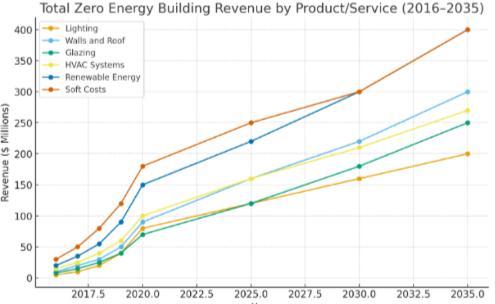
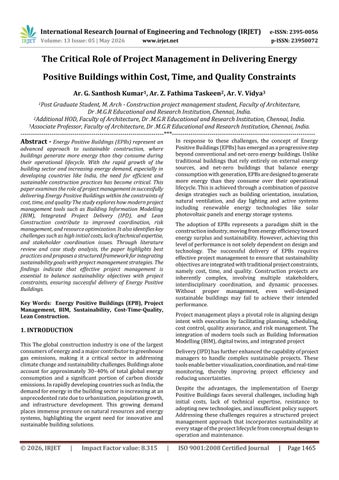
Theresearchmethodologyadoptedforthisstudyincludes:
1.DefinitionofStudyScope&BuildingModel Selectedastandardcommercialbuilding(1000m²)asthe basemodelanddefinedtwoscenarios:ConventionalBuilding and Energy Positive Building (EPB) for controlled comparison.
2. Establishment of Baseline Parameters (Conventional Case) Adopted Energy Use Intensity (EUI), cost data, and emission factors from standard building benchmarks to calculateannualenergyconsumption,operationalcost,and carbonemissions.
3. Development of EPB Performance Model Modified baselineusingpassivedesignimprovements(reducedEUI) and integration of solar PV systems to simulate energy generationandnetenergybalance.
4.QuantitativeEnergyPerformanceAnalysisCalculated totalenergydemand,renewablegeneration,andnetenergy surplususingstandardenergyequationstovalidateenergypositiveperformance.
5.EconomicEvaluation&CostModellingComparedinitial construction cost, operational cost, and annual savings to determinelifecyclebenefitsandpaybackperiod.
6.EnvironmentalImpactAssessmentEstimatedcarbon emissions for both models using emission factors (kg CO₂/kWh)andquantifiedreductionachievedbyEPB.
7.ProjectManagementImpactCorrelationAnalysedhow planning efficiency, cost control, and quality management
influence energy performance, cost savings, and project outcomes.
8.ComparativeResultValidationConsolidatedresultsinto performance indicators (energy savings %, cost savings, payback period, and emission reduction) to validate feasibilityofEPBoverconventionalbuildings.
Energy Positive Buildings (EPBs) are an advanced form of sustainablebuildingsthatgeneratemoreenergythanthey consumeduringtheiroperationallifecycle.Thesebuildings achieve energy surplus through a combination of passive design strategies and active renewable energy systems. Passivetechniquessuchasnaturalventilation,daylighting, insulation, and optimal building orientation help reduce energydemand,whileactivesystemslikesolarphotovoltaic panels and energy storage technologies increase energy generation. EPBs play a significant role in reducing dependenceonconventionalenergysourcesandminimizing carbonemissions.Theyareparticularlyimportantinrapidly developingcountrieslikeIndia,whereenergydemand iscontinuouslyrising.
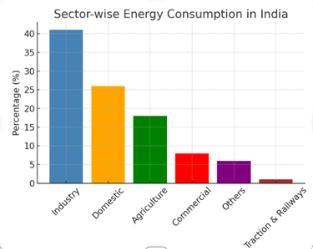
1.Generatesurplusenergybeyondconsumption
2.Combinepassiveandactivedesignstrategies
3.Reducecarbonfootprintandenergydemand
4.Supportsustainableurbandevelopment.
Project management plays a crucial role in the successful delivery of Energy Positive Buildings by ensuring that sustainabilitygoalsareachievedwithincost,time,andquality constraints. EPB projects involve complex coordination between multiple stakeholders, including architects, engineers, contractors, and sustainability consultants. Effective project management ensures proper planning, scheduling,costcontrol,andqualityassurance throughout the project lifecycle. It also helps in risk identification and mitigation,ensuringthatdelays,budgetoverruns,and Technical challenges are minimized. By integrating sustainability objectives into project workflows, project managementactsasabridgebetweeninnovativedesignand practicalexecution.
Research
Volume: 13 Issue: 05 | May 2026 www.irjet.net p-ISSN: 23950072
1.Ensuresbalancebetweencost,time,andquality
2.Coordinatesmultiplestakeholders
3.Supportsriskmanagementanddecision-making
4.Improvesprojectefficiencyanddelivery.
Theimplementationofmodernprojectmanagementtools has significantly enhanced the delivery of Energy Positive Buildings. Technologies such as Building Information Modelling(BIM)allowfor3Dvisualization,clashdetection, andimprovedcoordinationamongprojectteams.Integrated Project Delivery (IPD) promotes collaboration by aligning the interests of all stakeholders. Lean construction techniques help reduce waste and improve productivity. Additionally, advanced digital tools like IoT-based monitoringsystems,artificialintelligence,anddigitaltwins enable real-time performance tracking and optimization. Thesetoolscollectivelyimproveprojectplanning,execution, andmonitoring,ensuringbetteroutcomesinEPBprojects
1.BIMimprovesvisualizationandcoordination
2.IPDenhancescollaboration
3.Leanconstructionreduceswaste
4.Digitaltoolsenablereal-timemonitoring.
EnergyPositiveBuildings(EPBs)offersignificantadvantages in terms of environmental sustainability, economic efficiency,andoverallprojectperformance.Oneofthemost importantbenefitsistheirabilitytogeneratemoreenergy than they consume which reduces dependency on conventionalgrid-basedenergysystemsandcontributesto lowering greenhouse gas emissions. By integrating renewable energy technologies such as solar photovoltaic systems along with passive design strategies, EPBs drasticallyminimizeoperationalenergydemand.
From a project management perspective, EPBs encourage the adoption of integrated and advanced construction practices, leading to improved coordination among stakeholders.ToolssuchasBuildingInformationModelling (BIM) and digital monitoring systems enable better Visualization,planning,andexecutionofprojects.Thisresult in reduced construction errors, minimized rework, and improveddecision-making.
Another major advantage is long-term economic benefit. Although initial investment costs arerelatively high,EPBs providesubstantial savings inoperational costs over time through reduced energy consumption and maintenance requirements.Additionally,surplusenergygeneratedcan beexportedtothegrid,creatingpotentialfinancialreturns
EPBs also enhance occupant comfort and building performance.Featuressuchasimprovedindoorairquality, natural lighting, and thermal comfort contribute to better health and productivity of occupants. Furthermore, these
buildingssupportsustainableurbandevelopmentgoalsby reducing environmental impact and promoting energy efficiency.
Despitetheirbenefits,EnergyPositiveBuildingsfaceseveral challengesthathindertheirwidespreadadoption.Oneofthe majorissuesisthehighinitialinvestmentrequiredfor Advanced technologies and renewable energy systems. Thereisalsoalackofskilledprofessionalswhocanmanage such complex projects. Resistance to adopting new technologiesandinsufficientawarenessamongstakeholders furthercomplicateimplementation.Additionally,regulatory and policy gaps create obstacles in standardizing EPB practices. Effective project management is essential to overcomethesechallengesandensuresuccessful Projectdelivery.
1.Highinitialcost
2.Lackoftechnicalexpertise
3.Resistancetochange
4.Policyandregulatorybarriers.
Case studies play a crucial role in understanding the practical implementation of Energy Positive Buildings (EPBs) and the effectiveness of project management strategies. The following case studies analyze different projects to evaluate how sustainability goals are achieved whilemaintainingcost,time,andqualityconstraints.
1.BullittCenter-Seattle,USA,
2.IndiraParyavaranBhawan-NewDelhi,India, 3.OlympiaTechnologyPark-Chennai,India, 4.HumanscapesHabitat-Auroville,India, 5.BhawarResidence-Chennai,India.
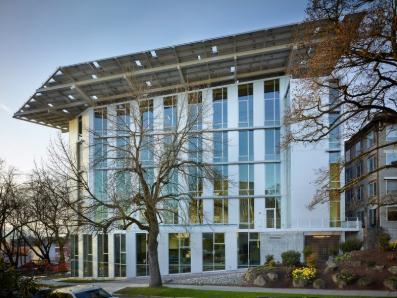
TheBullittCenteriswidelyrecognizedasoneofthegreenest commercial buildings in the world and serves as a benchmarkforEnergyPositiveBuildings.Theprojectwas designedwithastrongfocusonsustainability,incorporating advanced energy-efficient systems and renewable energy technologies.
International Research Journal of Engineering and Technology (IRJET) e-ISSN: 2395-0056
Volume: 13 Issue: 05 | May 2026 www.irjet.net p-ISSN: 23950072
The building utilizes a large rooftop solar photovoltaic system that generates more electricity than the building consumesannually.Passivedesignstrategiessuchasnatural ventilation, daylight optimization, and high-performance insulationsignificantlyreduceenergydemand.TheProject also incorporates rainwater harvesting and composting systems,enhancingoverallsustainability.
Fromaprojectmanagementperspective,thesuccessofthe Bullitt Center can be attributed to early-stage planning, integrated design approaches, and strong stakeholder collaboration.Advancedtoolsandsimulationmodelswere usedduringthedesignphasetopredictenergyperformance andoptimizebuildingsystems.
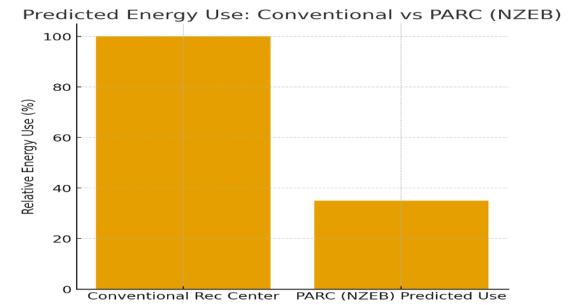
1. High initial investment but long-term energy savings
2. Strongintegrationofpassiveandactivesystems
3. Effectiveuseofsimulationtoolsduringdesign
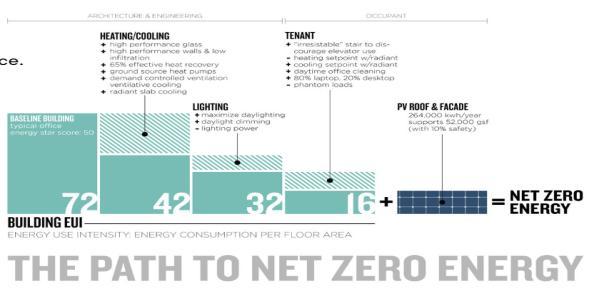
ThecasestudydemonstratesthatEnergyPositiveBuildings areachievablewhensustainabilitygoalsareintegratedinto the project management process from the early stages. Properplanningandstakeholdercollaborationareessential forsuccess.
IndiraParyavaranBhawanisagovernmentofficebuildingin Indiathatexemplifiessustainableconstructionandnet-zero energyperformance.Thebuildingincorporatesseveral Energy-efficienttechnologiesandrenewableenergysystems tominimizeenergyconsumption.
The project uses solar photovoltaic panels to generate energy and incorporates passive design features such as optimizedbuildingorientation,shadingdevices,andefficient insulation. Advanced HVAC systems and energy-efficient lighting further reduce energy demand. The building also integrateswaterconservationtechniquessuchasrainwater harvestingandwastewaterrecycling.
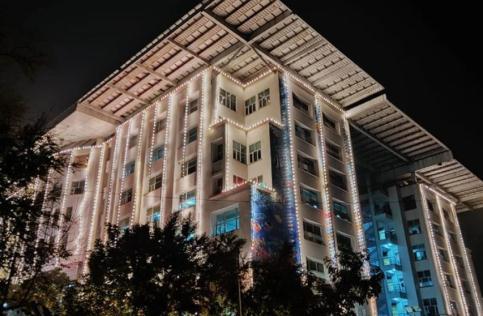
Project management played a key role in ensuring that sustainabilityobjectiveswereachieved withinbudgetandtimeconstraints.Theuseofcoordinated planningandefficientexecution strategies helped in overcoming technical and financial challenges.
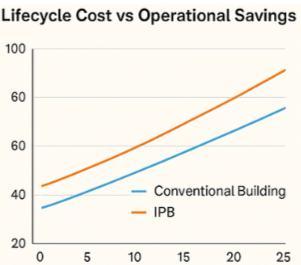
1. Successful implementation of renewable energy systems
2. Significantreductioninenergyconsumption
3. Effectivecoordinationbetweenstakeholders
Thiscasestudyhighlightsthosesustainablebuildingscanbe successfully implemented in India with proper project management practices. Government support and policy frameworksfurtherenhancefeasibility.
OlympiaTechnologyParkisacommercialdevelopmentin Chennaithatincorporatessustainabledesignprinciplesand energy-efficientsystems.Althoughnotfullyenergy-positive, theprojectdemonstratesthetransitiontowardssustainable commercialbuildingsinIndia.
International Research Journal of Engineering and Technology (IRJET) e-ISSN: 2395-0056
Volume: 13 Issue: 05 | May 2026 www.irjet.net p-ISSN: 23950072
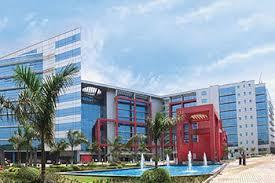
The building integrates energy-efficient lighting, HVAC systems,andoptimizedbuildingenvelopedesigntoreduce energy consumption. Renewable energy systems such as solar panels are also incorporated to supplement energy demand. The project focuses on improving indoor environmentalqualityandoccupantcomfort.
From a project management perspective, the project emphasizes efficient planning, resource management, and coordinationamongstakeholders.Theadoptionofmodern technologies and construction practices helped improve projectperformance.
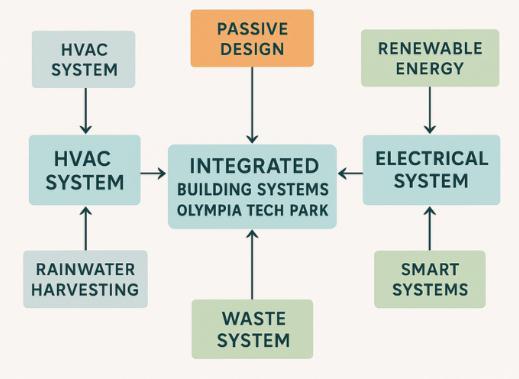
Chart - 5:PassiveDesignFlowchart
1. Partialintegrationofrenewableenergysystems
2. Improved energy efficiency through design optimization
3. Focusonoccupantcomfortandperformance
The case study shows that even partial adoption of sustainable practices can significantly improve building performance. It highlights the importance of gradual transitiontowardsEnergyPositiveBuildings.
Humanscapes Habitat in Auroville is a residential development that emphasizes sustainable living and environmentalharmony.Theprojectfocusesonlow-energy designstrategiesandtheuseofrenewableresources.
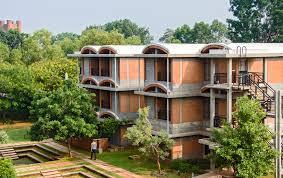
Thebuildingsaredesignedusingpassivecoolingtechniques, natural ventilation, and locally sourced materials to minimizeenvironmentalimpact.Solarenergysystemsare used to generate electricity, reducing dependency on conventionalenergysources.
Projectmanagementinthisprojectfocusedoncommunity participation, resource optimization, and sustainable construction practices. The integration of traditional knowledge withmodern technologiesplayeda keyrole in theproject’ssuccess.
1. Strongfocusonpassivedesignstrategies
2. Useoflocalmaterialsandsustainablepractices
3. Community-drivenprojectexecution
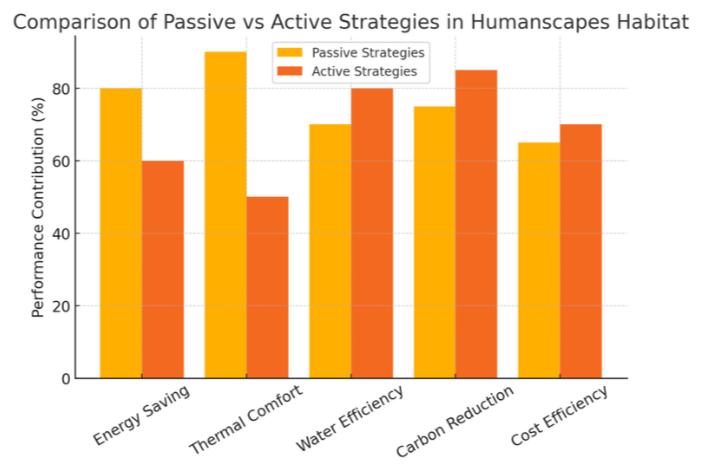
Chart - 6:PassivevsActiveStrategies
Thiscasestudyhighlightstheimportanceofintegratinglocal context and sustainable practices in achieving energyefficientbuildings.Projectmanagementplaysakeyrolein balancingtraditionalandmodernapproaches.
Bhawar Residence is a small-scale residential project that demonstrates the application of energy-efficient design strategies at the individual building level. The project incorporates passive design techniques and renewable energysystemstoreduceenergyconsumption.
International Research Journal of Engineering and Technology (IRJET) e-ISSN: 2395-0056
Volume: 13 Issue: 05 | May 2026 www.irjet.net p-ISSN: 23950072
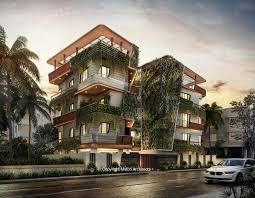
Solar panels are installed to generate electricity, and the buildingdesignmaximizesnaturallightingandventilation. Efficient material selection and construction techniques furtherenhancesustainability.
Project management in this case focused on cost control, efficient scheduling, and resource management to ensure that the project remained within budget while achieving sustainabilitygoals.
1. Cost-effective implementation of sustainable strategies
2. Effectiveuseofpassivedesigntechniques
3. Integrationofrenewableenergysystems
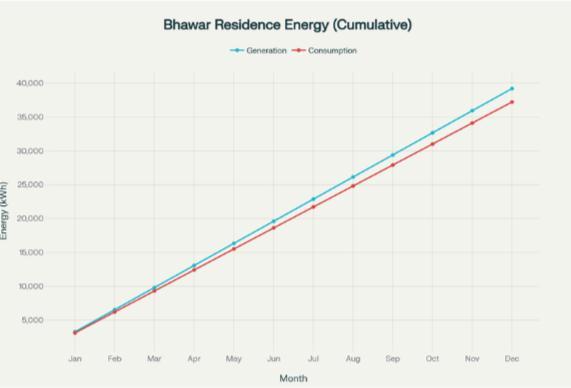
Chart - 7:BhawarResidenceEnergy(Cumulative)
The case study proves that Energy Positive Building concepts can be applied even in small-scale residential projectswithproperplanningandmanagement.
The analysis of various case studies indicates that the successful implementation of Energy Positive Buildings dependsonacombinationofdesigninnovationandeffective projectmanagement.Keyfactorsinfluencingsuccessinclude early-stageplanning,stakeholdercollaboration,integration of renewable energy systems, and the use of advanced technologies.
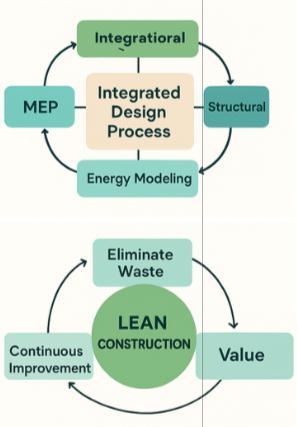
- 8:InferenceFlowChart
Itisevidentthatwhilelarge-scaleprojectsdemonstratefull energy-positive performance, smaller and developing projects show a gradual transition towards sustainability. Effective project management ensures that these projects aredeliveredwithincost,time,andqualityconstraintswhile achievingenvironmentalgoals.
10.1. ENERGY CONSUMPTION CALCULATION
Standard Energy Consumption:
- ConventionalBuilding=150kWh/m²/year - EPB(withpassivedesign)=90kWh/m²/year
Formula:
Total Energy Consumption = Area × Energy Use Intensity (EUI)
Calculation:
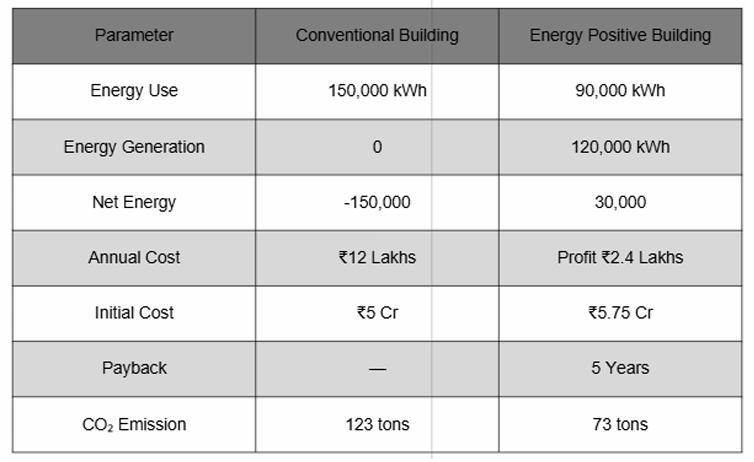
- Conventional=1000×150=150,000kWh/year
- EPB=1000×90=90,000kWh/year
Result: Energy demand reduced by 60,000 kWh/year (40% reduction)
10.2. ENERGY GENERATION (EPB ONLY)
Assume:
Solarsystemgenerates=120,000kWh/year
Formula: NetEnergy=EnergyGenerated−EnergyConsumed
Calculation:
NetEnergy=120,000–90,000 =+30,000kWh/year
Result:
EPBproducessurplusenergy(EnergyPositive)
International Research Journal of Engineering and Technology (IRJET) e-ISSN: 2395-0056
Volume: 13 Issue: 05 | May 2026 www.irjet.net p-ISSN: 23950072
10.3. ELECTRICITY COST CALCULATION
Assume:
Electricityrate=₹8perkWh
Conventional Building Cost: 150,000×8=₹12,00,000/year
EPB Cost:
- 90,000×8=₹7,20,000
- Generatedenergyvalue=120,000×8=₹9,60,000
Netbenefit=₹9,60,000–₹7,20,000=₹2,40,000profit
Result:
- Conventional→₹12Lakhsexpense
- EPB→₹2.4Lakhsprofit
10.4. INITIAL COST VS SAVINGS
Assume:
- Conventionalbuildingcost=₹5Crores
- EPBcost=₹5.75Crores(15%higher)
- Extrainvestment=₹75Lakhs
Annual Benefit:
Savings + profit = ₹12,00,000 + ₹2,40,000 = ₹14,40,000/year
10.5. PAYBACK PERIOD
Formula:
PaybackPeriod=ExtraInvestment/AnnualSavings
Calculation: Payback=75,00,000/14,40,000=~5.2years
Result:
Extracostrecoveredin~5years
10.6. CARBON EMISSION REDUCTION
Assume:
1kWh=0.82kgCO₂
Calculation:
- Conventional=150,000×0.82=123,000kgCO₂
- EPB=90,000×0.82=73,800kgCO₂
- Reduction=49,200kgCO₂/year
Result: ~40%emissionreduction.
10.7. COMPARISON TABLE
Thefindingsofthisstudyhighlightthecriticalroleofproject managementinensuringthesuccessfuldeliveryofEnergy Positive Buildings (EPBs) within cost, time, and quality constraints. Through the analysis of literature and case studies,itisevidentthatearly-stageplanningandintegrated designapproachessignificantlyinfluenceprojectoutcomes. Projectsthatincorporatedsustainabilityobjectivesduring the initial design phase demonstrated better cost control, reduceddelays,andimprovedoverallperformance.
The adoption of advanced technologies such as Building Information Modelling (BIM), digital twins, and IoT-based monitoring systems has proven to enhance coordination amongstakeholdersandreduceconstructionerrors.These toolsenablereal-timetrackingofprojectprogress,resource utilization, and energy performance, thereby improving decision-makingandminimizingrisks.
The study also reveals that passive design strategies, including natural ventilation, insulation, and daylight optimization, can reduce building energy demand by approximately 30–40%. When combined with renewable energysystemssuchassolarphotovoltaicpanels,buildings canachievenet-zeroorevenenergy-positiveperformance. However,achievingsuchoutcomesrequiresefficientproject management practices to ensure proper integration and execution.
Another key finding is the importance of stakeholder collaboration. Projects with strong coordination between architects, engineers, contractors, and project managers were more successful in meeting sustainability goals. Conversely,lackofcommunicationandcoordinationoften resultedindelays,costoverruns,andperformancegaps.
Furthermore, it was observed that while Energy Positive Buildingsofferlong-termbenefits,challengessuchashigh initial costs, lack of expertise, and regulatory barriers can hinder implementation. Effective project management strategies, including risk management, cost optimization, and resource planning, are essential to overcome these challengesandensureprojectsuccess.
International Research Journal of Engineering and Technology (IRJET) e-ISSN: 2395-0056
Volume: 13 Issue: 05 | May 2026 www.irjet.net p-ISSN: 23950072
Energy Positive Buildings represent a transformative approach in the construction industry, addressing the growing need for sustainable and energy-efficient infrastructure.Thisstudyconcludesthatwhiletechnological advancementsandinnovativedesignstrategiesareessential, the success of EPBs largely depends on effective project managementpractices.
Project management acts as a central framework that integrates sustainability goals with practical execution. It ensuresthatallprojectphases fromplanninganddesignto construction and operation are aligned with energy performance objectives while maintaining cost, time, and quality constraints. The use of modern tools such as BIM, Integrated Project Delivery (IPD), and lean construction techniqueshassignificantlyimprovedprojectefficiencyand collaboration.
ThefindingsalsoemphasizethatachievingEnergyPositive Buildings is not solely a technical challenge but also a managerial one.Propercoordinationamongstakeholders, early decision-making, and continuous monitoring are crucial for minimizing risks and ensuring successful outcomes.
Moreover,thestudyhighlightsthatalthoughEPBsrequire higherinitialinvestments,theyprovidelong-termeconomic andenvironmentalbenefits,makingthemaviablesolution for future sustainable development. With increasing awareness, technological advancements, and supportive policies, Energy Positive Buildings have the potential to becomeastandardpracticeintheconstructionindustry.
In conclusion, effective project management serves as the keyenablerinbridgingthegapbetweensustainabledesign concepts and real-world implementation, ensuring that EnergyPositiveBuildingsaredeliveredsuccessfullywithin definedconstraints.
Based on the findings of this study, several recommendationsare proposedto enhancethe successful implementation of Energy Positive Buildings. Firstly, it is essential to integrate sustainability objectives into the projectplanningphaseitself.Early-stagedecision-making allows for better optimization of design, cost, and energy performance.
Theadoptionofadvancedprojectmanagementtoolssuchas BIM,digitaltwins,andIoT-basedmonitoringsystemsshould be encouraged across all construction projects. These technologies improvecoordination,enhancevisualization, andenablereal-timeperformancetracking,leadingtobetter projectoutcomes.
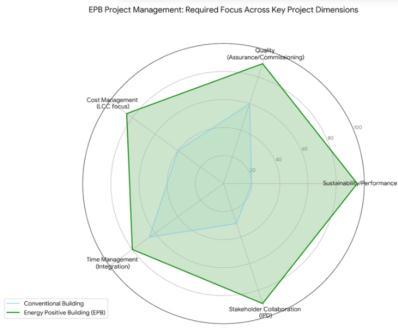
Anotherimportantrecommendationistheneedforcapacity buildingandskilldevelopment.Trainingprogramsshouldbe conductedforprojectmanagers,engineers,andconstruction Professionalstoequipthemwiththenecessaryknowledge andskillsrequiredforEPBprojects.Thiswillhelpaddress thecurrentgapintechnicalexpertise.
Governmentpoliciesandregulatoryframeworksalsoplaya crucialroleinpromotingsustainableconstruction.Providing financialincentives,subsidies,andstandardizedguidelines forEnergyPositiveBuildingscanencouragedevelopersand stakeholderstoadoptthesepractices.
Improving stakeholdercollaboration isequallyimportant. Establishing clear communication channels and adopting integrated project delivery methods can enhance coordinationandreduceconflictsamongprojectteams.
Finally,continuousmonitoringandperformanceevaluation should be implemented to ensure that buildings achieve their intended energy performance. Post-construction evaluationandfeedbackmechanismscanhelpidentifygaps andimprovefutureprojects.
[1] Jaysawal,R.K.(2022).EnergyPositiveBuildingGrowth andMarketTrends.
[2] 2. Ohene, E., Chan, A.P.C., Darko, A. (2022). Review of Net-ZeroEmissionsBuildings.
[3] 3.Wilberforce,T.,Olabi,A.G.,etal.(2023).ZeroEnergy Buildings:ProsandCons.
[4] 4.Ma,M.,Zhou,N.,Feng,W.,Yan,J.(2024).Challengesin Net-ZeroBuildings.
[5] 5.Parvin,K.,Hossain,M.J.,etal.(2025).BuildingEnergy TechnologiesReview.
[6] 6.Ibrahim,M.M.,López,M.J.S.,etal.(2025).NZEBDesign Strategies.
[7] 7. Yang, M.Q. (2025). Cost Management in Green Buildings.
[8] 8. Navarro Bringas, E., et al. (2024). Net-Zero Project ManagementChallenges.