
International Research Journal of Engineering and Technology (IRJET) e-ISSN: 2395-0056
Volume: 13 Issue: 01 | Jan 2026 www.irjet.net p-ISSN: 2395-0072

International Research Journal of Engineering and Technology (IRJET) e-ISSN: 2395-0056
Volume: 13 Issue: 01 | Jan 2026 www.irjet.net p-ISSN: 2395-0072
Sayan Munshi1 , Dr. Subhrajit Banerjee2 , Devesh Mani Tripathi3 , Dr. Indrani Chakraborty4
1B.Arch, M. Plan (URP), Assistant Professor, Amity School of Architecture and Planning, Kolkata, WB, IN
2B. Arch, M. Plan (MCP), PhD, Professor, Faculty of Architecture and planning (FOAP), Lucknow, UP, IN
3B.Arch, M. Arch (Landscape), M. Plan (URP), Principal Architect and Urban Planner, ICON Archtiects, Lucknow, UP, IN
4. Arch, M. Plan (MCP), PhD, Professor, Faculty of Architecture and planning (FOAP), Lucknow, UP, IN
Abstract - Overcenturies,humansettlementshaveevolved from largely self-sufficient systems to highly resourcedependent urbancenters reliant on extensive hinterlands for food, energy, and materials. Contemporary urbanization, particularly in coastal regions, has significantly intensified carbonemissionsduetopopulationconcentration,fossil-fuelbased energy consumption, infrastructure expansion, and land-use transformation. Coastal towns, however, possess uniqueecologicalassets suchasoceans,estuaries,wetlands, and phytoplankton-rich water bodies that function as natural carbon sinks and can play a decisive role in climate changemitigation.Thispaperexaminestheroleofoceansand phytoplankton in carbon sequestration and explores their potential integration into urban decarburization strategies. Using the coastal town of Digha, West Bengal, as a representative case, the study proposes a conceptual model approach that links coastal ecology, water bodies, phytoplanktondynamics,andurbanplanninginterventionsto reduce greenhouse gas (GHG) emissions. The research synthesizes climate science, urbanization trends, and ecological processes to demonstrate how coastal urban systems can transition from being net carbon emitters to carbon-mitigating landscapes. The study argues that integrating marine ecologicalprocesses into urbanplanning frameworks is essential for achieving long-term coastal sustainabilityand climate resilience.
Key Words: Coastal Decarbonisation; Phytoplankton; Carbon Sequestration; Coastal Urban Planning; Digha; Climate Change; Water Bodies
Climate change is a long-term shift in atmospheric conditionsoccurringworldwide.Forthousandsofyears,the Earth's climate has remained relatively stable. Temperatures,rainfall,thelengthoftheseasons,andother environmentalfactorshavesustainedhumans,animals,and plants. This stability has existed due to the greenhouse effect. Urban areas account for more than 70% of CO2 emissions from burning fossil fuels. Urban expansion in tropicsisresponsiblefor5%oftheannualemissionsfrom landusechange.Urbanresidentscurrentlycontrol~22(12–40)%ofthelandcarbonuptake(112PgC/yr)and~24(15–
39)% of the carbon emissions (117 PgC/year) from land globally.Urbanizationresultedinthecreationofnewcarbon poolsonlandsuchasbuildings(~6.7PgC)andlandfills(~30 PgC).
Since the Industrial Revolution from the mid-18th to the mid-19thcenturies,thegreenhouseeffecthasintensifiedas human activities have increased the amount of carbon dioxideintheatmosphereby30percent,nitrousoxideby15 percent,andmethaneby100percent.Theseincreaseshave had a direct impact on climate, and average global temperatureshaverisensignificantly.Infact,temperatures have increased by 0.74°C in the last 100 years, mostly because of the intensification of human activities like urbanization,combustionoffossilfuelsanduseofcars.
Withtherapiddevelopmentofeconomicglobalizationand foreign trade, remarkable achievements have been made. Urbanization is considered to be a process during which mostoftheworkingpopulationchangesfromfarmerstoa non-rural population, increasing the urban population. Urbanizationisbecomingthemostimportanthumansocial change globally, especially in developing countries. The technologicalexplosionthatwastheIndustrialRevolution ledtoamomentousincreaseintheprocessofurbanization. Larger populations in small areas meant that the new factoriescoulddrawonabigpoolofworkersandthatthe larger labor force could be ever more specialized. Manufacturing Production in India averaged 5.86 percent from 2006 until 2023, reachingan all-timehigh of 196.00 percentinAprilof2021andarecordlowof-66.60percent inAprilof2020.
Thegreenhouseeffectisanaturalprocessthatwarmsthe Earth’ssurfaceandmakeslifeonEarthpossible.Greenhouse gases are types of gases which change how much heat is absorbedbyEarth’satmosphere.Greenhousegasesinour atmosphereactliketheglassinagreenhouse,lettinglight throughbutstoppingheatfromescaping.Energyfromthe SunreachingEarth'satmospherepassesthroughtheairand cloudstothesurface,whereitisabsorbedandthenradiated
International Research Journal of Engineering and Technology (IRJET) e-ISSN: 2395-0056
Volume: 13 Issue: 01 | Jan 2026 www.irjet.net p-ISSN: 2395-0072
upwardintheformofinfraredheat.About90%ofthisheat isthenabsorbedbythegreenhousegasesandradiatedback toward the surface. This natural greenhouse effect means thatEarthhasanaveragetemperatureof15°C.Withoutit, Earth's average temperature would be about −18°C (well belowthefreezingpointofwater).
Human activity has rapidly increased the emission of greenhousegasestotheatmosphere.Sincethestartofthe IndustrialRevolution,inabout1750,humanactivitiessuch asburningfossilfuels,includingcoalandoil,haveincreased greenhouse gas concentrations in our atmosphere. This processiscalledthe'enhanced'greenhouseeffect’,anditis warming our planet. In fact, Earth’s average surface temperatureroseabout1.18°Cfromthelate1800sto2020. Thecurrentwarmingtrendisdifferentbecauseitisclearly the result of human activities since the mid-1800s, and is proceedingataratenotseenovermanyrecentmillennia.It is undeniable that human activities have produced the atmospheric gases that have trapped more of the Sun’s energyintheEarthsystem.Thisextraenergyhaswarmed theatmosphere,ocean,andland,andWide-spreadandrapid changes in the atmosphere, ocean, cryosphere, and biospherehaveoccurred.
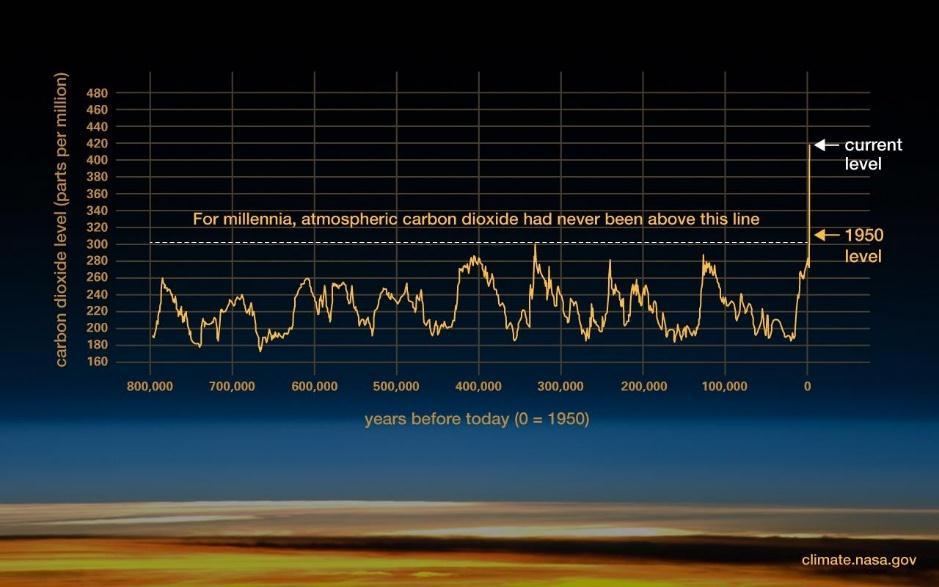
Sincethemiddleofthe20thcentury,annualemissionsfrom burning fossil fuels have increased every decade, from an averageof3billiontonsofcarbon(11billiontonsofcarbon dioxide)ayearinthe1960sto9.5billiontonsofcarbon(35 tons of carbon dioxide) per year in the 2010s As per the World Economic Forum, energy, transport and building infrastructuresaregraduallybecominggreener:Thereare moreelectricvehiclesoncitystreets,betterwatertreatment andrecyclingschemes,andmoresolarpanelsonrooftops aroundtheglobe.AccordingtoInternationalEnergyAgency estimates,renewableslikesolarandwindaresettobecome the largest source of electricity generation worldwide by 2025, supplying one-third of the world’s electricity and
endingcoal’sdecades-longdominanceoftheglobalpower mix.
But with climate change accelerating, we need more comprehensive decarburization actions on three fronts. First,weneedevenmoreenergytocomefromrenewable sources. Second, we need more cars, heating and other activitytobepoweredbycleanelectricity.Third,weneed everything from factories, to office buildings, homes, transport systems and consumer devices to become more energy-efficient. This third lever might not as headlinegrabbingastheriseofsolarpanelsorelectricvehicles.Butit is a big piece of the decarburization puzzle, with an even largerpotentialenabledbydigitaltechnologies.
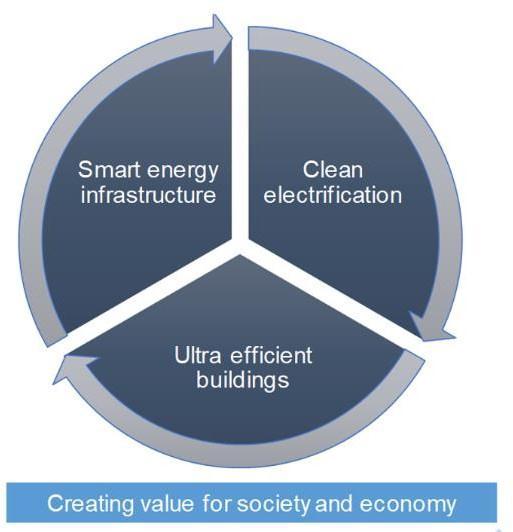
Integrationofenergy,buildingsandmobilityrequirescrosscuttingindustrycollaboration,rangingfromutilitiesandreal estate, to technologycompaniesand financial institutions. City-andstate-leveladministrationcanenableandfacilitate suchcollaborationthroughpublic-privatecooperation.The publicsectorcandriveongovernance,policyandlicensing, while the private sector provides agility, technology and resources.Thiscooperationcanshareandbalancerisksand liability between stakeholders for mutual gains and value creationforthebroadercommunity.
Theoceanactsasa“carbonsink”andabsorbsabout31%of theCO2emissionsreleasedintotheatmosphereaccordingto a study published by NOAA and international partners in Science.AsatmosphericCO2levelsincrease,sodotheCO2 levels in the ocean. When CO2 is absorbed by seawater, a seriesofchemicalreactionsoccurcausingtheseawaterto become more acidic. This phenomenon is commonly referredtoasoceanacidification.
Ocean acidification threatens the fundamental chemical balanceofoceanandcoastalwatersacrosstheglobe.Ocean
International Research Journal of Engineering and Technology (IRJET) e-ISSN: 2395-0056
Volume: 13 Issue: 01 | Jan 2026 www.irjet.net p-ISSN: 2395-0072
acidification can create conditions that eat away at the minerals used by oysters, clams, shrimp, coral reefs, and othermarinelifetobuildtheirshellsandskeletons.Human healthisalsoaconcern,aslabstudieshaveshownthatmany harmfulalgalspeciesproducemoretoxinsandbloomfaster inacidifiedwaters.
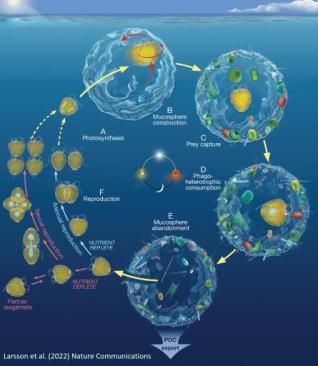
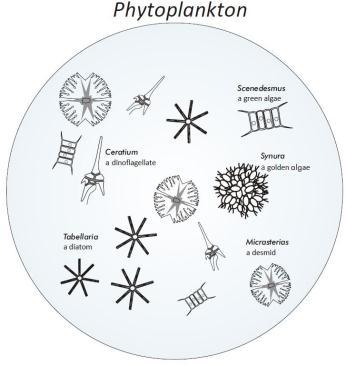
The ocean plays a critical role in carbon sequestration. Phytoplankton,whichliveonthewarm,light-filledsurface, suck carbon dioxide out of the atmosphere for food. They alsoneednutrientssuchasphosphorusandnitrogenfrom colder, heavier, saltier water that upwells into warmer layers.Whenphytoplanktondie,theysink,bringingsomeof the carbon and other nutrients they consumed with them back to the ocean depths. On the other hand, additional atmospheric input of inorganic nitrogen has increased significantly to a level where it is already higher than the naturalnitrogensupplyintheNorthAtlanticOceanbasin. Theeffectsofeutrophicationvaryfromincreasedgrowthof phytoplankton, benthos and fish to changed species composition at moderate eutrophication. At severe eutrophication, the effects vary from blooms of nuisancecausingortoxicalgaetomassgrowthofcertainspeciesand mortalityofothers,andultimatelytoanoxicconditionsand mass mortality (fishkills). An algal biomass related phenomenonsuchasoxygendepletionofthewatercolumn andconsequentmortalityofanimalscanbepreventedbya generalreductionofnutrientdischarges.
6. CASE OF
Digha is a rapidly urbanizing coastal town and a major tourist destination in West Bengal. The town has experienced increasing carbon emissions associated with tourism-driven infrastructure expansion, rising vehicular movement,higherenergydemand,andintensifiedsolidand liquid waste generation. Concurrently, Digha is endowed with significant coastal and marine ecological assets, including nearshore waters, estuarine systems, and productivemarineecosystems.
ThiscaseexaminesDigha’scoastalandmarineenvironment asanaturalcarbonsink,focusingontheinteractionbetween
urban development patterns, coastal water bodies, and marine ecological processes. Rather than framing an intervention, the study analyzes existing and potential ecologicalfunctionsthatinfluencecarbonregulationwithin thecoastalsystem.
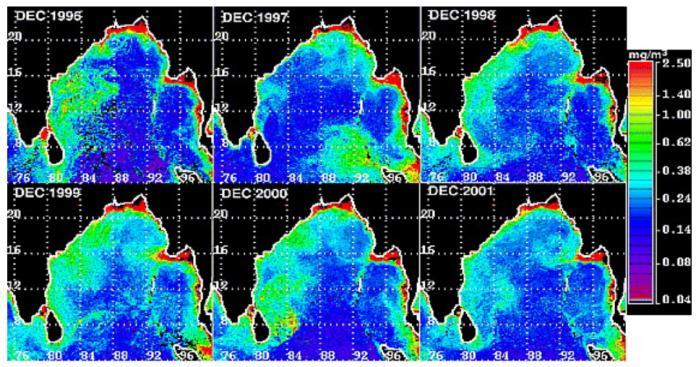
AsstatedbyVinayachandran,P.N.,andSimiMathe,Satellite derived chlorophyll a imageries shows presence of phytoplankton bloom in the Bay of Bengal during the northeast monsoon (November–February) and the mechanismsthatcanupwellnutrientstosustainthebloom areinvestigatedusingsealevelanomaliesandwinds.OCTS and SeaWiFS chlorophyll a images show that there is a phytoplankton bloom in the southwestern part of the bay duringNovember–January.Aconcentrationofthebloomcan beashighas2mgm−3comparedtonearzerovaluebefore the bloom. Through the above imagery, concentration of chlorophyllisfoundtobehighinthestudyregionofDigha.
The assessment of coastal carbon dynamics in Digha is structuredthroughanintegratedanalyticalframeworkthat examinescoastalecology,nutrientflows,urbansystems,and governance mechanisms influencing natural carbon sequestration. The framework relies exclusively on secondary data sources, including reports from the IntergovernmentalPanelonClimateChange(IPCC),National CentreforCoastalResearch(NCCR),India,CentralPollution ControlBoard(CPCB),WestBengalPollutionControlBoard (WBPCB),FoodandAgricultureOrganization(FAO),NASA MODIS satellite products, and peer-reviewed coastal and marinescienceliterature.
Digha’s coastal environment comprises nearshore marine waters of the Bay of Bengal, sandy intertidal beaches, seasonal wetlands, and estuarine influences linked to the Hooghly–Subarnarekhariversystem.Accordingtoshoreline change assessments conducted by the National Centre for Coastal Research (NCCR, Ministry of Earth Sciences, GovernmentofIndia),severalstretchesoftheWestBengal
International Research Journal of Engineering and Technology (IRJET) e-ISSN: 2395-0056
Volume: 13 Issue: 01 | Jan 2026 www.irjet.net p-ISSN: 2395-0072
coast exhibit erosion rates ranging from 0.3 to 1.2 m per year, driven by sea-level rise, altered sediment transport, andcoastalinfrastructuredevelopment.
The IPCC Sixth Assessment Report (AR6) and FAO blue carbonstudiesidentifycoastalandnearshoreecosystemsas highlyefficientnaturalcarbonsinks,withcarbonburialrates significantly exceeding those of terrestrial ecosystems. Coastal wetlands globally sequester approximately 2–4 tonnesofcarbonperhectareperyear,whileIndiancoastal wetlandsedimentsstorebetween150–400tonnesofcarbon perhectare(FAO,2018;IPCC,2022).AlthoughDighalacks extensivemangroveforestscomparabletotheSundarbans, its shallow continental shelf and nearshore sediments functionasimportantcarbonstoragezonesthroughorganic matterdeposition.ReportsbytheMinistryofEnvironment, ForestandClimateChange(MoEFCC)indicatethattourism infrastructure expansion, shoreline armoring, and beach modification have increased ecological stress on these systems, potentially reducing their long-term carbon sequestrationefficiency.
ii. Nutrient Dynamics and Phytoplankton Sensitivity
Phytoplanktonproductivityincoastalwatersisregulatedby nutrient availability, light penetration, and water temperature.SecondarywaterqualitydatafromtheCentral PollutionControlBoard(CPCB)andWestBengalPollution ControlBoard(WBPCB)indicatethatmunicipalwastewater dischargeandsurfacerunoffcontributesignificantnitrogen (N) and phosphorus (P) loads to coastal waters along the Dighacoastline.AccordingtotheIPCCAR6WorkingGroupI and FAO marine productivity assessments, coastal waters contribute nearly 20–30% of global marine primary productivity, despite covering only about 7% of ocean surface area, due to higher nutrient availability. Satellitederived chlorophyll-a data from NASA’s MODIS-Aqua mission show elevated chlorophyll concentrations in the northern Bay of Bengal, including the Digha coastal zone, particularly during post-monsoon and winter seasons. Typical chlorophyll-a values range between 1–10 mg/m³, comparedto<0.5mg/m³inoligotrophicopen-oceanregions. Peer-reviewedstudiespublishedinjournalssuchasNature Geoscience and Global Biogeochemical Cycles report that only10–15%ofphytoplankton-fixedcarbonisexportedto deeperwatersthroughtheBiologicalCarbonPump(BCP). Excessivenutrientloading,ashighlightedbyUNEPcoastal eutrophicationreports,canleadtohypoxiaandharmfulalgal blooms, thereby reducing net carbon sequestration efficiency.
Blue–green infrastructure (BGI) includes urban ponds, drainagechannels,wetlands,vegetatedbuffers,andcoastal waterbodiesthatregulatenutrientandcarbonflows.Urban waterstudiesbyNIUA(NationalInstituteofUrbanAffairs) and UN-Habitat highlight that traditional Indian coastal
townshistoricallyreliedoninterconnectedpondsandcanals tofiltersedimentsandnutrientsbeforedischargeintothe sea.SecondarydatafromFAOwetlandmanagementstudies and UNEP coastal ecosystem reports indicate that constructedwetlandsandvegetateddrainagesystems can reduce nutrient loads by 30–70%, while sequestering approximately 1–3 tonnes of carbon per hectare per year throughbiomassgrowthandsedimentaccumulation. InDigha,municipalreports(LUDCP)andregionalplanning documents indicate fragmented drainage systems with directdischargepointsintonearshorewaters.Theabsence of continuous inland–coastal blue–green linkages reduces nutrient buffering capacity, resulting in episodic nutrient surges into coastal waters, particularly during monsoon rainfallandpeaktouristseasons.
Tourism-driven urbanization strongly influences coastal carbon dynamics through indirect emission pathways. According to West Bengal Tourism Department statistics, Dighaexperiencesseasonalpopulationsurgesofthreetofive timesitsresidentpopulationduringpeaktourismperiods. Transport sector emissions primarily from private vehicles,buses,anddieselgenerators areidentifiedbythe IndiaGHGProgramandIPCCurbanemissionsassessments asdominantemissionsourcesincoastaltouristtowns. Studies by UN Tourism and IEA (International Energy Agency)suggestthattransportandaccommodationenergy useaccountfor60–70%oftotaltourism-relatedemissions in coastal destinations. Dispersed urban form and automobile-dependenttourisminfrastructureincreasepercapita emissions, indirectly increasing atmospheric CO₂ availableforair–seagasexchange.
While coastal waters canabsorba portionof atmospheric CO₂, the IPCC AR6 notes that oceanic carbon uptake efficiency is constrained by rising water temperatures, pollution,anddecliningecosystemhealth.
Monitoringofcoastalcarbon-relatedprocessesisprimarily supportedbyremotesensingandsecondaryobservational datasets. Satellite platforms such as NASA MODIS, ESA Sentinel-3, and USGS Landsat provide spatial data on chlorophyll-aconcentration,seasurfacetemperature(SST), turbidity, and shoreline change, widely used in Indian coastalstudies
Institutional governanceinvolvestheWestBengal Coastal Zone Management Authority (WBCZMA), MoEFCC, local municipalities, pollution control boards, and tourism authorities. Reviews by OECD coastal governance studies andUNEPintegratedcoastalmanagementreportsindicate that fragmented institutional responsibilities often limit coordinated monitoring of emissions, water quality, and marineecosystemproductivity.
International Research Journal of Engineering and Technology (IRJET) e-ISSN: 2395-0056
Volume: 13 Issue: 01 | Jan 2026 www.irjet.net p-ISSN: 2395-0072
The absence of an integrated coastal carbon accounting frameworkrestrictstheabilitytoquantitativelyassessthe roleofcoastalwatersasnaturalcarbonsinkswithinurban planningandclimateactionstrategies. BasedonsecondarydatafromIPCC,NCCR,CPCB,FAO,NASA, UNEP, and national planning agencies, Digha’s coastal system can be understood as a coupled urban–marine carbonsystem.Whilebiophysicalconditionssuchasshallow watersandhighnutrientavailabilityfavorphytoplanktondrivencarbonuptake,anthropogenicpressures,urbanform, and governance fragmentation significantly influence the effectivenessandstabilityofthisnaturalcarbonsink.
Acrosstheworld,coastalcitiesareincreasinglyintegrating marine and coastal ecosystems into their decarburization strategies,recognizingtheroleof“bluecarbon”systemsin climatemitigation.
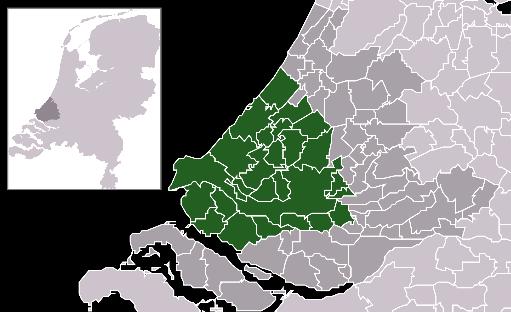
Rotterdam, Netherlands, represents a leading example where blue carbon integration is aligned with port-led decarburization. Through large-scale coastal wetland restorationandnutrient-controlledestuarinemanagement, the city has enhanced natural carbon sinks while simultaneously reducing industrial and shipping-related emissions. Importantly, Rotterdam has institutionalized carbon accounting for marine ecosystems, allowing blue carbon sequestration to be formally incorporated into its climate action plans and long-term sustainability frameworks.
A densely built port city (325.8 km²) that has invested heavilyinclimate-resilientinfrastructure:e.g.130,000 m²of green roofs are already installed, plus large storm water storage (e.g. a 10,000 m³ cistern). Its coastal land use includesrecentlycreatedwetlands:theRijnhavenareawill featurean18-hectaretidalpark(0.18 km²).TheNorthSea temperate waters have moderate phytoplankton uptake (~500 mg C/m²/day≈180 g/yr)duetocooler,nutrient-rich conditions.
InQingdao,China,coastaldecarburizationhasbeenpursued through marine ecological engineering, with a strong emphasisonoptimizingphytoplanktonproductivitywithout triggering ecological imbalance. By regulating nutrient inflows from coastal wastewater and carefully managing estuarine conditions, Qingdao has enhanced biological carbon uptake whileavoiding eutrophicationand harmful algalblooms.Thisapproach demonstrateshowcontrolled nutrient management can leverage phytoplankton as a carbon sink while maintaining marine ecosystem health, offeringatechnicallycalibratedmodelforrapidlyurbanizing coastalregions.
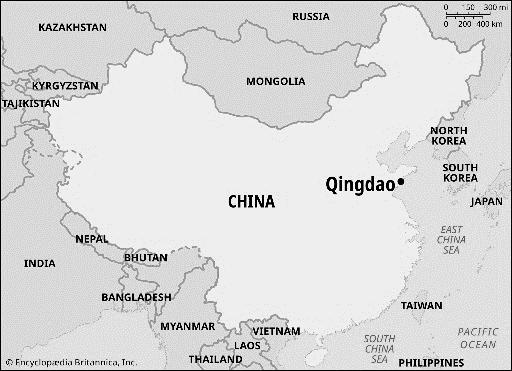
Amajorport‐industrialmetropoliswith~9.5 Mresidents.Its Yellow/East China Sea shelf waters are biologically productive(order~1 g C/m²/day).Urbanizationhassurged: impervious(built)areagrewby+140.6 km²(≈9%increase) from 1970–2020. Qingdao has introduced coastal restorationefforts(marineranching,aquacultureupgrades), butstillhasveryhighurbanland‐use(≈77%urbanized).No significantmangroveorseagrassreservesremainwithinthe city’sfootprint.
Sydney, Australia adopts a coastal ecosystem-based management approach that emphasizes synergistic interactionsbetweenseagrassmeadowsandphytoplankton systems.Byimplementingurbanrunofffiltrationmeasures prior to marine discharge, the city has reduced excess nutrient loading while supporting balanced primary productivity. These interventions have resulted in measurable gains in marine carbon sequestration, illustratinghowintegratedland–seaplanningandecological infrastructure can contribute effectively to coastal decarburization goals. Greater Sydney spans 12,368.7 km²(pop. 5.3 M). Its coastal Tasman Sea waters have average NPP on the order of 200–300 mg C/m²/day (~70–110 g/m²/yr), with the Australian EEZ mean of 606 mg/d (≈221 g/yr). Sydney has adopted strict storm water pollution targets (e.g. 45% nitrogen removal, 60%
International Research Journal of Engineering and Technology (IRJET) e-ISSN: 2395-0056
Volume: 13 Issue: 01 | Jan 2026 www.irjet.net p-ISSN: 2395-0072
phosphorus removal) via green infrastructure and runoff filtration. Nearly 12,369 km² of the region includes substantial protected coastal wetlands and waterways (seagrassbeds,mangroves,tidalmarshes).
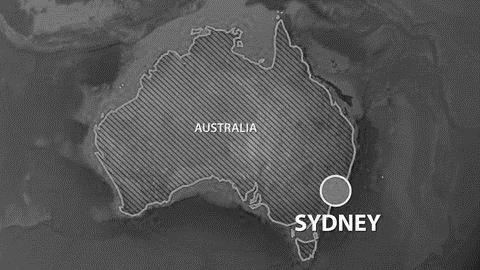
Fig -6:LocationmapofSydney,Australia
Table -1: Marine Carbon Sink & Phytoplankton Response
Marine Carbon Sink & Phytoplankton Response
Indicator Digha, India Rotterda m, NL Qingdao, China Sydney, Australia
Meancoastal NPP(mg C/m²/day)
Annual phytoplankton carbonfixation (gC/m²/yr)
CO₂equivalent sequestration (t CO₂/km²/yr)*
Riskof eutrophication /HAB
–2,400 (monsoon peak);~900 annual
Nutrient regulation(N, P) Minimal/ informal
*Converted using 1 g C ≈ 3.67 g CO₂
Table 1 indicates that Digha records the highest seasonal phytoplankton productivity among the four cases, largely drivenbymonsoonalnutrientenrichment.However,thelack ofnutrientregulationincreasestheriskofeutrophication, limitingtheproportionoffixedcarbonthatcontributesto
© 2026, IRJET | Impact Factor value: 8.315 |
long-term sequestration. Rotterdam and Sydney exhibit lowerphytoplanktonproductivity,yetachievemorestable carbonsinkperformanceduetocontrollednutrientinputs andbalancedprimaryproductivity.Qingdaodemonstrates an intermediate condition, where relatively high productivity is actively managed to enhance biological carbon uptake while avoiding ecological imbalance. The comparisonunderscoresthatregulatednutrientdynamics arecriticalforconvertingphytoplanktonproductivityinto effectivecarbonsequestration.
Table -2: Urban & Coastal Infrastructure Supporting Carbon Regulation
Port/industrial decarbonization linkage
Table2highlightsthedecisiveroleofurbaninfrastructurein mediating marine carbon processes. Digha’s limited wastewatertreatmentcoverageandnegligiblegreen–blue infrastructure result in uncontrolled nutrient discharge, undermining carbon sink stability. In contrast, Rotterdam andSydneyallocatesubstantialinvestmenttowardnaturebased and hybrid infrastructure, enabling effective storm waternutrientremovalandcontrolledland–seaexchanges. Qingdao relies on large-scale engineered wastewater and coastal management systems, achieving relatively high treatment efficiency despite rapid urban growth. The findingsindicatethatinfrastructure-drivennutrientcontrol isessentialforsustainingphytoplankton-basedcarbonsinks inurbancoastalenvironments.
International Research Journal of Engineering and Technology (IRJET) e-ISSN: 2395-0056
Volume: 13 Issue: 01 | Jan 2026 www.irjet.net p-ISSN: 2395-0072
wetlands) region)
Table -3: Land Use & Coastal Ecological Structure
coastalzone(%)
Mangrove/ saltmarsharea (km²)
Seagrass meadows(km²) Negligible
Netblue-carbon habitatchange (last20yrs)
Coastal
(restored tidal wetlands)
(metro region)
(regiona l)
Seagrass meadows(km²)
Netblue-carbon habitatchange (last20yrs)
Coastalland-use control
Neglig ible Minimal Minimal >1,800 (regional)
Negat ive
Theland-usecomparisoninTable3revealssharpcontrasts in blue-carbon capacity across the case studies. Digha’s highlyurbanizedcoastlineandnear-totallossofmangrove andwetlandsystemsseverelyconstrainlong-termcarbon storagepotential.Rotterdamcompensatesfordenseurban developmentthroughtargetedwetlandandtidalrestoration, creatinglocalizedbutfunctionallysignificantcarbonsinks. Sydney benefits from extensive seagrass meadows and coastal wetlands, which provide stable carbon burial and regulatephytoplanktondynamics.Qingdaoshowsmoderate ecological buffering, with controlled coastal development limitingfurtherhabitatloss.Thesepatternsdemonstratethe importanceofpreservingandrestoringcoastalecosystems tostabilizemarinecarbonsequestration.
Table -4: Governance, Accounting & Climate Integration
Governance, Accounting & Climate Integration
Positive Slight positive Positive
Weak Strong statutory zoning Strong but growthdriven Strong environm ental regulation
The governance comparison in Table 4 illustrates that institutionalframeworksstronglyinfluencetheeffectiveness of coastal carbon sinks. Rotterdam is the only case where marine carbon sequestration is formally integrated into climate action plans through accounting and monitoring mechanisms.SydneyandQingdaoshowpartialintegration, withenvironmentalperformancetargetssupportingcoastal decarburization but without comprehensive blue-carbon accounting.Dighalacksformalrecognitionofmarinecarbon processes within urban planning, resulting in fragmented and reactive management. The comparative analysis underscoresthatbiologicalproductivityaloneisinsufficient for effective coastal decarburization. Cities such as Rotterdam and Sydney demonstrate that governance, infrastructure, and land-use control are decisive in convertingmarineecologicalprocessesintodurableclimate benefits.FortownslikeDigha,thepriorityisnottoincrease phytoplankton productivity, but to stabilize and govern it throughwastewatercontrol,coastalhabitatrestoration,and institutionalcarbonaccounting.
This framing positions phytoplankton not merely as a natural phenomenon, but as an urban-regulated carbon infrastructure, capable of contributing meaningfully to coastalclimatemitigationwhenembeddedwithinintegrated land–seaplanningsystems.
Based on the analytical framework, international comparisons, and the specific ecological and urban conditions of Digha, the following recommendations are proposedtoenhancethetown’scapacitytotransitionfroma carbon-emittingcoastalsettlementtoaregulated,carbonmitigatingcoastalsystem.Theserecommendationsdonot advocate artificial enhancement of phytoplankton productivity, but rather emphasize governance, infrastructure, and spatial planning interventions that stabilizeandoptimizeexistingmarinecarbonsinkfunctions.
International Research Journal of Engineering and Technology (IRJET) e-ISSN: 2395-0056
Volume: 13 Issue: 01 | Jan 2026 www.irjet.net p-ISSN: 2395-0072
Digha’shighphytoplanktonproductivityisprimarilydriven bymonsoonalnutrientinflows,buttheabsenceofnutrient regulation increases the risk of eutrophication and limits long-term carbon sequestration efficiency. A priority recommendationisthesystematicregulationofnitrogenand phosphorusdischargesthrough:
Expansion of municipal wastewater treatment coverage to at least 80–90%, with tertiary nutrient removalstandardsalignedwithcoastalsensitivity.
Decentralized wastewater treatment systems (DEWATS)forhotels,resorts,andseasonaltourism clusters.
Regulation of storm water outfalls through sedimentationpondsandconstructedwetlandsto dampennutrientsurgesduringmonsoonandpeak touristseasons.
Suchmeasureswouldshiftnutrientdeliveryfromepisodic anduncontrolledloadingtomoderatedinflowsthatsupport stable phytoplankton productivity and improve the effectivenessofthebiologicalcarbonpump.
Digharequiresaspatialrestructuringofitsinland–coastal water system to function as a nutrient and carbon buffer. The integration of blue–green infrastructure should be institutionalizedthrough:
Restoration and interconnection of urban ponds, drainage channels, and seasonal wetlands to form continuousinland–coastalecologicalcorridors.
Mandatoryvegetatedbuffersalongdrainsandcanals dischargingintothesea.
Incorporationofconstructedwetlandswithintourism infrastructure zones as multifunctional landscape elements for wastewater polishing, carbon sequestration,andclimateadaptation.
Theseinterventionscanreducenutrientloadsby30–70% while simultaneously creating minor but cumulative terrestrialcarbonsinkswithintheurbanfabric.
Although Digha lacks extensive mangrove systems, its shallow nearshore sediments play a significant role in organic carbon burial. Planning controls should therefore prioritize:
Protection of intertidal zones and nearshore sediments from excessive shoreline armoring and beachmodification.
Pilotrestorationofsalt-tolerantmarshesanddune–wetland interfaces where geomorphologic ally feasible.
Restrictionoffurtherhardengineeringalongerosionpronestretches,favoringhybridnature-basedcoastal defenses.
Stabilizingthesesedimentaryenvironmentsenhanceslongtermcarbon storage while improving coastal resilience to sea-levelrise.
Given that tourism-related transport and accommodation account for a dominant share of emissions in Digha, decarburizationstrategiesmustcomplementmarinecarbon sinks by reducing upstream emissions. Key measures include:
Promotionoflow-emissionmobilityoptionssuchas electricshuttleservices,pedestrianizedbeachzones, andseasonaltrafficrestrictions.
Energy-efficiency standards and renewable energy integrationforhotelsandtourismfacilities.
Alignmentoftourismcarrying-capacityassessments withcoastalecologicalthresholds.
ReducingatmosphericCO₂concentrationslocallyimproves the net effectiveness of oceanic carbon uptake while addressingtherootsourcesofemissions.
ThemostcriticalrecommendationforDighaisinstitutional ratherthanecological.Marineandcoastalcarbonprocesses must be formally embedded within urban planning and climategovernancethrough:
Inclusionofcoastalandmarinecarbonsinkswithin municipalandstate-levelclimateactionplans.
Development of a basic monitoring, reporting, and verification(MRV)frameworkusingsatellite-derived chlorophyll-a, sea surface temperature, and water qualityindicators.
Strengthening coordination between WBCZMA, municipalauthorities,pollutioncontrol boards,and tourismagenciesunderanintegratedcoastalcarbon managementframework.
International Research Journal of Engineering and Technology (IRJET) e-ISSN: 2395-0056
Volume: 13 Issue: 01 | Jan 2026 www.irjet.net p-ISSN: 2395-0072
Coastal towns occupy a strategic position in the global responsetoclimatechange.Whileurbanizationintensifies emissions,marineecosystems particularlyphytoplanktonrich coastal waters offer powerful yet underutilized mechanisms for carbon sequestration. This study demonstratesthatintegratingmarineecologicalprocesses into urban planning frameworks can transform coastal settlements from carbon-intensive growth centers into climate-regulatingsystems.
The proposed model for Digha illustrates a replicable approachthatalignsurbandevelopmentwithmarinecarbon dynamicsthroughplanning,infrastructure,andgovernance interventions. Such integration is essential for achieving long-term sustainability, resilience, and decarburization acrossIndia’sextensiveandvulnerablecoastline.
[1] IPCC. Climate Change 2021: The Physical Science Basis. Cambridge University Press, Cambridge, 2021.
[2] IPCC. Climate Change 2022: Mitigation of Climate Change. Cambridge University Press, Cambridge, 2022.
[3] UnitedNations.WorldUrbanizationProspects.UN Department of Economic and Social Affairs, New York,2019.
[4] WorldBank.CitiesandClimateChange:AnUrgent Agenda.WorldBankPublications,WashingtonDC, 2010.
[5] NOAA. The Ocean Carbon Cycle. National Oceanic andAtmosphericAdministration,SilverSpring,MD, 2020.
[6] Falkowski, P.G., Barber, R.T., & Smetacek, V. “BiogeochemicalControlsandFeedbacksonOcean PrimaryProduction.”Science,281(5374),200–206, 1998.
[7] Field, C.B., Behrenfeld, M.J., Randerson, J.T., & Falkowski,P.“PrimaryProductionoftheBiosphere: Integrating Terrestrial and Oceanic Components.” Science,281(5374),237–240,1998.
[8] Ducklow, H.W., Steinberg, D.K., & Buesseler, K.O. “Upper Ocean Carbon Export and the Biological Pump.”Oceanography,14(4),50–58,2001.
[9] Sabine, C.L., et al. “The Oceanic Sink for AnthropogenicCO₂.”Science,305(5682),367–371, 2004.
[10] Canadell, J.G., et al. “Global Carbon and Other Biogeochemical Cycles and Feedbacks.” Earth SystemScienceData,13,2021.
[11] Smith,S.V.,etal.“CumulativeImpactsofHumanson Coastal Marine Ecosystems.” Science, 319(5865), 948–952,2008.
[12] Paerl,H.W.,&Otten,T.G.“HarmfulCyanobacterial Blooms: Causes, Consequences, and Controls.” MicrobialEcology,65,995–1010,2013.
[13] Nixon, S.W. “Eutrophication and the Macroscale.” Hydrobiologia,629,5–19,2009.
[14] Nellemann,C.,etal.BlueCarbon:ARapidResponse Assessment.UNEP,GRID-Arendal,2009.
[15] McLeod, E., et al. “A Blueprint for Blue Carbon.” Frontiers in Ecology and the Environment, 9(10), 552–560,2011.
[16] OECD. Green Growth in Cities. OECD Publishing, Paris,2013.
[17] EuropeanCommission.Nature-BasedSolutionsand Re-NaturingCities.Brussels,2021.
[18] Government of India. Coastal Regulation Zone Notification. Ministry of Environment, Forest and ClimateChange,NewDelhi,2019.
[19] Government of West Bengal. State Action Plan on Climate Change. Department of Environment, Kolkata,2018.
[20] World Economic Forum. Net-Zero Cities: An IntegratedApproach.Geneva,2022.
[21] Quartier, M., et al. “Integrating Blue-Green InfrastructureinCoastalCities.”SustainableCities andSociety,65,2021.
[22] AZoM. “Role of Phytoplankton in Carbon Sequestration.” https://www.azom.com/news.aspx?newsID=57662
[23] Quartz.“AlgaeMightBeaSecretWeapontoCombat Climate Change.” https://qz.com/1718988/algaemight-be-a-secret-weapon-to-combatting-climatechange
[24] Vinayachandran, P. N., & Mathew, S. (2003). Phytoplanktonbloominthe BayofBengal during the northeast monsoon and its intensification by cyclones. Geophysical Research Letters, 30(11), 1589.https://doi.org/10.1029/2002GL016717
International Research Journal of Engineering and Technology (IRJET) e-ISSN: 2395-0056
[25] Food and Agriculture Organization of the United Nations.(2018).Bluecarbonincoastalecosystems:
[26] Food and Agriculture Organization of the United Nations. (2020). Managing coastal eutrophication through nutrient control. FAO Fisheries and AquacultureTechnicalPaper.
[27] Intergovernmental Panel on Climate Change. (2022).Climatechange2022:Impacts,adaptation and vulnerability (Sixth Assessment Report, Working Group II). Cambridge University Press. https://doi.org/10.1017/9781009325844
[28] Intergovernmental Panel on Climate Change. (2023). Climate change 2023: Synthesis report. IPCC.https://www.ipcc.ch/report/ar6/syr/
[29] International Energy Agency. (2023). Net zero roadmap:Aglobalpathwaytokeepthe1.5°Cgoal inreach.IEA.
[30] National Centre for Coastal Research. (2021). ShorelinechangeassessmentalongtheIndiancoast. MinistryofEarthSciences,GovernmentofIndia.
[31] National Institute of Urban Affairs. (2020). Blue–green infrastructure for Indian cities. NIUA, MinistryofHousingandUrbanAffairs,Government ofIndia.
[32] NOAA National Centers for Environmental Information. (2022). Ocean carbon uptake and acidification. National Oceanic and Atmospheric Administration.
[33] Organisation for Economic Co-operation and Development. (2020). Integrating climate adaptation into coastal governance. OECD Publishing.https://doi.org/10.1787/adb5f01d-en
[34] United Nations Environment Programme. (2019). Integrated coastal zone management: A global review.UNEP.
[35] United Nations Environment Programme. (2021). Frompollutiontosolution:Aglobalassessmentof marinelitterandnutrientpollution.UNEP.
[36] UN-Habitat. (2020). Enhancing urban resilience throughblue–greeninfrastructure.UnitedNations HumanSettlementsProgramme.
[37] United Nations World Tourism Organization. (2022). Tourism and climate action. UNWTO. https://doi.org/10.18111/9789284422456
[38] WestBengalPollutionControlBoard.(2021).Status ofcoastalwaterqualityalongtheWestBengalcoast. WBPCB.
[39] World Bank. (2020). Nature-based solutions for climate resilience in coastal cities. World Bank Group.
Volume: 13 Issue: 01 | Jan 2026 www.irjet.net p-ISSN: 2395-0072 © 2026, IRJET | Impact Factor value: 8.315 | ISO 9001:2008 Certified Journal | Page255 Aglobalsynthesis.FAO.