
International Research Journal of Engineering and Technology (IRJET) e-ISSN: 2395-0056
Volume: 13 Issue: 05 | May 2026 www.irjet.net p-ISSN: 2395-0072

International Research Journal of Engineering and Technology (IRJET) e-ISSN: 2395-0056
Volume: 13 Issue: 05 | May 2026 www.irjet.net p-ISSN: 2395-0072
1Balasubramanian Shunmugaram, 2Jegadheeswaran Sri Vivekanandhan, 3Ramakrishnan Jayasree, 4Paulstephen Evangelyn Chris, 5Pidarappan Thiruselvi, 6Tashimbetova Umut Kaparovna
12345Student, International Medical Faculty, Osh State University, Osh, Kyrgyz Republic 6Teacher, International Medical Faculty, Osh State University, Osh, Kyrgyz Republic
ABSTRACT-Neuroplasticity is the brain's remarkable ability to change its structure, function, and connections in response to experience, injury, learning, or changes in environment. This principle, now central to neuroscience, flips the old idea of the brain as a hard-wired organ on its head. Instead, we now understand the brain as a living, flexible network constantly adapting throughout our lives, from the burst of connections that form before birth, right through to slower but still real changes in old age. In this review, we pull together insights from six medical and neuro scientific papers to explain the nuts and bolts of neuroplasticity: how cells and molecules work together to change the brain, how strengthening or pruning certain connections shapes function, and what roles long-term potentiation and depression play in experience-driven changes. We also look at why these processes matter for stroke and traumatic brain injury recovery, and how emerging therapies harness plasticity for rehab and cognitive gains. Key mechanisms like Hebbian plasticity, long-term potentiation (LTP) through NMDA receptors, signaling from brain-derived neurotrophic factor, and actual rewiring of axons and dendrites plus the creation of new neurons in the adult hippocampus all play central roles in helping the brain reshape itself based on experience. Clinically, neuroplasticity drives the recovery we see after stroke and head injury, supports cognitive improvements during rehab, and underpins how therapy and medications help in psychiatry. While neuroplastic changes slow down as we age, the adult brain still holds on to a surprising capacity for meaningful reorganization and that's a gamechanger for how we approach recovery, mental health, and even education. Moving forward, the big challenge is to take what cellular neuroscience has taught us and turn it into real-world therapies that safely boost plasticity where it's needed most.
Keywords: neuroplasticity, synaptic plasticity, long-term potentiation, BDNF, Hebbian learning, cortical reorganization, stroke rehabilitation, adult neurogenesis, dendritic remodeling, experience-dependent plasticity.
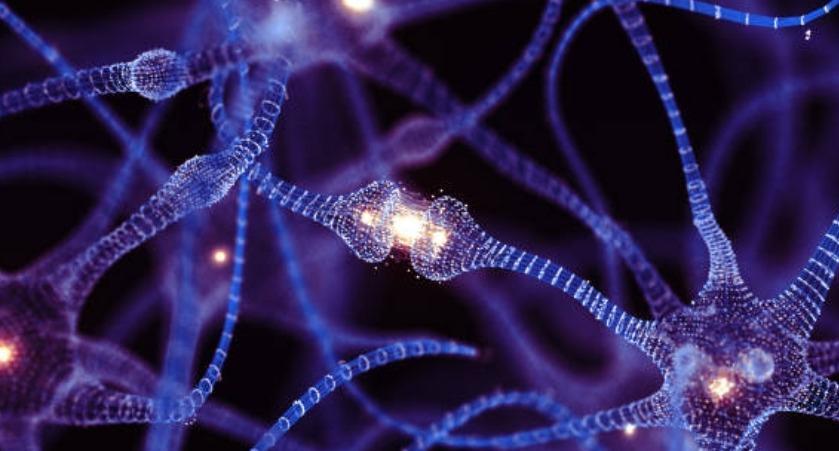
Think about learning to ride a bike. At first, you wobble and fall, but over time, it gets smoother. Once you've got it, that musclememorystickswith you,evenifyoudon'ttoucha bikefordecades. The factthatyoucanpick itupagainsofast, after years away, says something pretty profound about our brains: they don't just process what happens to us they actually change, physically and lastingly, shaped by every new experience. New skills and memories are etched into the brain'swiringateverystage,rightdowntotheconnections,thebranchingdendrites,andthewaycellstalktoeachother. That'sneuroplasticity,andit'soneofthemostimportantideasinmodernbiology.
International Research Journal of Engineering and Technology (IRJET) e-ISSN: 2395-0056
Volume: 13 Issue: 05 | May 2026 www.irjet.net p-ISSN: 2395-0072
Neuroplasticity, put simply, is the nervous system's ability to reshape itself in response to what we experience whether that'slearningalanguage, recoveringfromaknocktothehead,orjustexploringa newplace.Theideaisn'tallthatnew. Even more than a hundred years ago, Santiago Ramón y Cajal suggested that experiences could actually change the connectionsbetweenneurons.Backthen,people mostlythoughtthebrainwassetforlifeafterearlychildhood,butCajal saw something different. It wasn't until the 1940s, when Donald Hebb came along, that we got the classic "neurons that firetogether,wiretogether"ideasettingthestagefordecadesofresearchintolearningandmemory.
The concept really took off in 1973, when Tim Bliss and Terje Lømo found long-term potentiation (LTP) in the rabbit hippocampus.Byzappingagroupofneuronswithhigh-frequencypulses,theyshowedit'spossibletomakecertainbrain connections much stronger, and that those changes stick around. LTP quickly became the go-to model to study how experience physically changes the brain. Since then, scientists have figured out a lot about the nuts and bolts, like how NMDA receptors let calcium through only when the right signals line up on both sides of a synapse just as Hebb's rule predicted(CitriandMalenka,2008).
But neuroplasticity isn't only about tuning up the strength of connections. There's real structural change too. There are dendrites those branch-like extensions of neurons that grow, shrink, or sprout new branches depending on activity. Dendritic spines, where most of the action in excitatory synapses happens, pop up or disappear over hours to weeks. Axons, the long wires carrying signals, can grow new side branches to reach targets when we lose normal inputs. And, perhaps mostincredible,theadultbrain especiallyinspotslikethehippocampus actuallymakesnew neurons longafter childhood, something once considered impossible. These combined changes let the brain fine-tune itself, writing every uniqueexperienceintoitsverystructure(Bhattacharjeeetal.,2023).
For this review, we pulled together findings from six recent papers to map out where neuroplasticity research stands today.Wecoverhowsynapticandstructuralchangeshappen,howexperiencemoldsthebrainatdifferentages,whythese changes matter in brain and mental health conditions, and what new strategies might help us harness this hidden flexibilitytotreatinjury,disease,orevenjustboostlearning.
This article is a narrative review that looks at published research on neuroplasticity and the cellular and molecular mechanisms behind experience-driven changes in the brain. I searched PubMed, PubMed Central (PMC), Google Scholar, and the Cochrane Library using combinations of keywords like 'neuroplasticity,' 'synaptic plasticity,' 'long-term potentiation,' 'BDNF neuroplasticity,' 'cortical reorganization,' and 'stroke rehabilitation neuroplasticity' among others. I focusedonlyonpeer-reviewedstudiesinEnglish,mainlythosepublishedfrom2008to2024.Thiskepttheresearchup-todatewhilestillincludingfoundationalstudiesthatremainimportant.
TocatchanystudiesImighthavemissed,IalsocheckedthereferencelistsofthearticlesIfound. Intheend,Iincludedsix main sources. These were chosen for their rigorous methods, relevance to both the science and its clinical use, their contributiontounderstandinghowneuroplasticityworks,andhowrecentlytheywerepublished.Thesearticles alsocover a lot of ground: from basic science on synaptic plasticity and learning (Citri and Malenka, 2008), to brain-derived neurotrophic factor (BDNF) signaling in mental health (Castrén and Antila, 2017), to neuroplasticity in stroke recovery (Cramer etal.,2011),adult neurogenesis(Lucassen etal.,2020),and clinical interventions based on plasticity(Kaurand Singh,2022).Iexcludedstudiesthatdidn'treallydealwiththemechanicsorclinicalaspectsofneuroplasticity.
The Cellular Mechanisms of Synaptic Plasticity: Hebbian Learning, LTP, and LTD
Toreallygetwhatneuroplasticitymeans,youhavetozoomall thewayintothesynapse thebasicjunction wherenerve cellstalktoeachother.Synapsesaren'tstatic.Theyshiftandchange,tuninghoweffectivelytheypassalongsignalsbased onwhat'shappeningacrossthem.
Here's how it works: when one neuron fires, it releases glutamate into the little gap between itself and the next neuron. Thatglutamatelatchesontotwomaintypesofreceptorsonthereceivingneuron.First,thereareAMPAreceptors,which provide a quick jolt of excitation. Then there are NMDA receptors, but these guys are special they stay blocked by a magnesiumionunlesstheneuronisalreadyabitexcitedbyAMPA.Ifthat'sthecase,theNMDAreceptorskickintoaction, letting calcium rush in. This particular moment, when calcium floods the postsynaptic side, is where long-term synaptic changereallybegins(CitriandMalenka,2008).
International Research Journal of Engineering and Technology (IRJET) e-ISSN: 2395-0056
Volume: 13 Issue: 05 | May 2026 www.irjet.net p-ISSN: 2395-0072
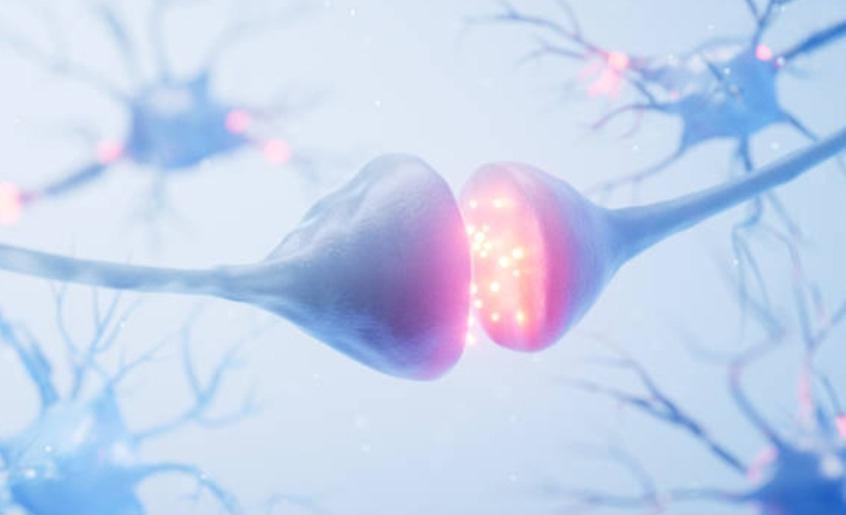
Figure 2.SynaptictransmissionneurotransmitterreleaseatthesynapsetriggerscalciuminfluxandinitiatesLTP.
Intheirlandmarkreview,CitriandMalenka(2008)explainedwhathappensnext.Ifaneurongetsabrief,strongburstof activitylikewhatmighthappenduringalearningexperienceitcausesafastspikeincalcium.ThisspikeactivatesCaMKII, an enzyme that tweaks AMPA receptors to make them more effective and also adds more of them to the synapse. That's long-termpotentiation(LTP):aboostinsynapticstrengththatcanlastforhours,days,orevenweeks,andprobablyserves asthecellularbasisforlong-termmemory.
Ontheflipside,ifaneurongetsaweakerbutmoreprolongedactivation aslowercalciumriseyougettheoppositeeffect. Certainenzymescalledphosphatasesgettowork,removingphosphategroupsfromAMPAreceptorsandpullingthemout of the synapse. The end result is long-term depression (LTD) basically, a weakening of the synapse. This helps erase old memoriesorresetcircuits,keepingeverythingbalanced.
Now,you'veprobablyheardofHebb's Rule:"cellsthatfiretogetherwiretogether."TheNMDAreceptor,withitsneedfor precise timing, is where this classic principle really comes to life in the brain. But researchers have gone further with somethingcalledspike-timing-dependent plasticity(STDP).Here,theexactsequencematters.Ifthesending neuronfires justbeforethereceivingneuron,theconnectiongrowsstronger.Iftheorderreverses,itgetsweaker.Thistimingletsthe brainlearnnotjustthatthingsarerelated,butthatonethingpredictsanotherlikeconnectingabellanddinnerinPavlov's dogs.
Practice or repeated exposure to a skill strengthens exactly the circuits you need for that skill, thanks to this kind of precisewiring.Buttheflipsideisthatifanythingmesseswiththetimingoftheseneuralsignalslikeinsomeneurological disorders neuroplasticity can break down. As Bhattacharjee et al. (2023) point out, understanding STDP doesn't just explainhowwelearn;italsopointstowhylearningcangoofftherailswhenthebrain'stiminggetsthrownoutofsync.
Brain-Derived Neurotrophic Factor and the Molecular Mediation of Structural Plasticity
To really change the structure of the brain think long-lasting tweaks to dendrites or axons, or strengthening of synapses youneedmorethanjustaquickburstofchemicalactivity.Sure,calciumstormsinandkicksoffallsortsoffastchangesin synapticproteins,butthat'sjusttheopeningmove.Tolockthosechangesin,youactuallyneednewgenestoturn onand freshproteinstogetbuilt.That'showfleetingpatternsofactivitystickaroundasreal,physicalchangesinbrainwiring.
Andrightattheheartofthisprocessisbrain-derivedneurotrophicfactor,orBDNF.Itprettymuchrulestheneighborhood when it comes to reshaping neural circuits. BDNF is part of a family of growth factors the neurotrophins that neurons crank out when they're busy firing. You'll find BDNF popping up both at the sending and receiving ends of synapses, jumpingintoactionwheneverneuronsgetbusy.Itsmaineffectcomesthroughitsfavoritereceptor,TrkB.OnceBDNFand TrkBlinkup,awholechainreactionkicksoffinsidetheneuron:MAPK/ERK,PI3K/Akt,andphospholipaseC-gammaallget intothemix.Thesepathwaysbuildupandmaintainthestructure,wiring,andfunctionofsynapses,nottomentionhelping neuronssurviveandgrow.
Intheirreview,CastrénandAntila(2017)reallydrivehomeBDNF'skeyroleinwhattheycalla"plasticbrainstate."That's basicallywhenthebrainisprimedforchangereadytoshiftitswiringbasedonnewexperiencesmorequicklyanddeeply thanusual.What'sinterestingisthatallkindsofantidepressants,whethertheytweakserotonin,norepinephrine,oreven block NMDA receptors (like ketamine), boost BDNF levels in places like the hippocampus and prefrontal cortex. This suggeststhattherealpowerofantidepressantsisn'tjustchemical it'sthattheyhelpthebrainregainitsabilitytochange and adapt, especially after stress or depression has dulled that flexibility. This "neurotrophic theory of depression" flips
International Research Journal of Engineering and Technology (IRJET) e-ISSN: 2395-0056
Volume: 13 Issue: 05 | May 2026 www.irjet.net p-ISSN: 2395-0072
thestory.Insteadofthinkingofdepressionasjustalackofcertainbrainchemicals,itframesitasthebrainlosingits mojo forrewiringitselfandantidepressants,byrampingupBDNF,helprestorethat.
WhenyoulookatwhatBDNFdoesonalargerscale,it'sevenclearerwhyit'ssoimportant.NeuronspumpedfullofBDNF start growing more branches, longer dendrites, and a ton of new spines basically ramping up their ability to make and strengthenconnections.Real-worldexperiencesmattertoo.Regularexercise,richenvironments,andnewexperiences all thesedriveupBDNFand,inturn,helpthebraingrowmoreconnectionsinareaskeytomemory,thought, andmovement. Butchronicstressorsocial isolation?Theydotheopposite.Theyshrinkdendritesandstripawayspines.Thatback-andforth between what happensinlife, how muchBDNF isaround,andhow the brain restructuresitself showshowclosely ourenvironmentandourbrainsaretiedtogether(CastrénandAntila,2017).
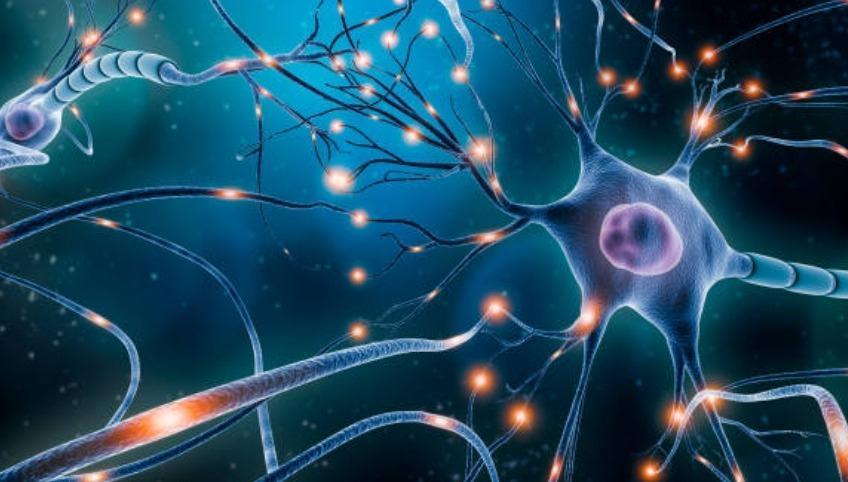
One of the most surprising discoveries about the brain is that even in adults, new neurons can grow. For a long time, peoplethoughtbraindevelopmentendedinchildhood.Butnowweknowthebrainkeepsmakingnewcells,justinafew specificspots.
The main hub for this is the hippocampal dentate gyrus. Here, neural progenitors divide, mature, and journey into the circuitry, sometimes sticking around long enough to help with learning and memory. There's another spot, the subventricular zone near the lateral ventricles, where new neurons are born and migrate to the olfactory bulb but in humans,howmuchthisactuallymattersisstillupfordebate(Lucassenetal.,2020).
Lucassenandcolleagues(2020)layouthowadultneurogenesisgetstunedbyallsortsofthings:exercise,rest,stress,your environment, and even the drugs you take. Go for a run or live in a stimulating environment, and you're likely to boost neurogenesis,in part byrampingupBDNF.On theflip side,chronicstress,social isolation,aging,or evenmissingouton sleepcanreallyslowthingsdown.What'smore,everymajorclassofantidepressantseemstoincreasethegrowthofnew neuronsinthehippocampus andinsomeanimalstudies,blockingthisprocesswipesouttheirmood-boostingeffects.So, it's possiblethatgrowingnewneuronsunderpinsatleastpartofhowantidepressantswork,though researchersarestill arguingaboutjusthowmuchthismatters.Onethingseemsclear:thesenewbornneuronshelpseparatesimilarmemories, makingiteasierforustokeepdifferentbutrelatedexperiencesstraight.
Neuroplasticityreallyshowsitsimportancewhenyoulookatpeoplerecoveringfromstroke.Astrokecanwipeoutchunks of brain tissue in moments, leading to sudden and dramatic losses in function. Right after a stroke, it's not just the damaged area that's affected even far-off connected regions can shut down (a phenomenon called diaschisis). But over time from days to months the brain starts to reorganize itself, helping some functions come back. Understanding where andhowthishappensisthemaingoalofrestorativeneurology(Crameretal.,2011).
In their review, Cramer and colleagues (2011) discuss the many ways the brain bounces back after stroke. Around the damagedareatheperiinfarctzonelevelsofBDNF,VEGF,andothergrowthfactors rise.Plus,inhibitorysignalsdrop.This createsasuper-flexible,growth-friendlyenvironment.Axonssprout,dendritesreshape,andpreviouslysilentconnections startfiringup a replayofwhathappensin earlybraindevelopment.Ontopofthat,brain areasfartherfromthe damage,
International Research Journal of Engineering and Technology (IRJET) e-ISSN: 2395-0056
Volume: 13 Issue: 05 | May 2026 www.irjet.net p-ISSN: 2395-0072
often on the other side of the brain, can take over lost functions. You can actually see these shifts on brain scans when peoplewithparalysistrytomove.
Buthere'sthebigquestion: Isthisshifttootherbrainregionsalwayshelpful?Sometimes,ithelpscompensate,butother times,itmaygetinthewayofbetterrecoveryonthedamagedside.Researchersarestillworkingouttheexactbalance.
For rehab, this is both hopeful and challenging. Hopeful, because the brain can genuinely rewire even after major injury, challenging the old idea that there's a hard limit to recovery after a few weeks. Challenging, because tapping into this potential takes a lot of work. Recovery demands intense, focused, high-repetition practice to drive these brain changes. Constraint-inducedmovementtherapyforcingsomeonetousetheirweakerlimbbyrestrainingthebetterone isastrong example.It'sbeenshownagainandagaintoimprovearmuseafterstroke,withchangesyoucanmeasure inbrainactivity (Crameretal.,2011).
Asscientists figureoutmoreaboutneuroplasticity,newtreatmentsareopeningup,notjustforstrokeandinjurybutfor mental health and even education or work performance. Kaur and Singh (2022) outline several strategies: using brain stimulation (like TMS or tDCS), tweaking brain chemistry with drugs, and combining intensive behavioral training with pharmacological support. The shared goal across all these approaches is deliberate amplification of the brain's own capacityforchange,guidedintherapeuticallybeneficialdirections.
DISCUSSION
Going through the literature for this review, it's impossible not to notice just how deep and wide-ranging the idea of neuroplasticity really is. Over the past fifty years, it's turned our view of the brain upside down. We used to think of the brain as this static organ, mostly fixed once you finished developing. Now, because of research into neuroplasticity, we realizeit'sconstantlyreshapingitself,adaptingtoeveryexperienceandevenhealingafterinjury.
One thing that stands out? The way researchers have connected the dots between what happens at a tiny synapse and what happens to huge regions of the brain. These discoveries like seeing NMDA receptor-driven LTP at synapses, witnessingBDNF-drivenreshapingof neurons,orwatchingnewhippocampal neuronsbeingselected byactivity actually run on the same basic principle: the brain changes based on how and when it's used. This isn't just academic; it shapes howwetreatpeople,especiallyinrehab.Theprotocolstherapistsuseintense,repeated,specificpracticearen'tjusttricks picked up from trial and error. They're rooted in the very way our brains work, right down to the molecules (Bhattacharjeeetal.,2023;Crameretal.,2011).
Another shift: the neurotrophic theory of depression (Castrén and Antila, 2017). This approach has changed how psychiatrists look at depression. Instead of seeing antidepressants as simple mood boosters, the theory says these drugs workbecausetheyrestorethebrain'sabilitytoremodelitselfacapacitythatgetsknockeddownbystressanddepression. So, the best strategy for helping someone isn't just giving them medication; it's pairing the medicine with therapy. The drug makes the brain more plastic, and therapy supplies the experiences that guide that plasticity in the right direction. That'swhycombinedtreatmentsworkbetter:oneopensthedoor,theotherleadsyouthrough.
Ageandneuroplasticityisanotherareathatdeservesacloserlook.Sure,kids'brainsaremoreflexible especiallyinthose earlyyearswhenthey'resoakinguplanguage,sights,andsounds.Butadultsaren'tlockedout.Realchangecontinueslater in life, especially when you're pushing your mind and body or staying socially active. The findings on adult hippocampal neurogenesis are pretty encouraging: regular exercise, mental challenges, and social interaction don't just feel good they literallyhelpbuildandkeepnewbraincells.That'sabigreasonwhyactive,engagedlifestyleslowertheoddsofcognitive declineanddementia(Lucassenetal.,2020).
Thenthere'sthewholequestionofusingdrugsorotherinterventionstoboostneuroplasticity,notjustforillnessbutfor "enhancement." Recovery after a stroke clearly medical. Improving focus or learning in someone healthy? That's a gray area.Where'sthelinebetweentherapyandenhancement,andwhogetstodrawit?Assciencegivesussharper,safertools forboostingplasticity,thesequestionswon'tgoaway.They'llgetmoreurgent,andwe'llneedtothinkhardaboutequity, safety,andtheroleofmedicineinourlives.
International Research Journal of Engineering and Technology (IRJET) e-ISSN: 2395-0056
Volume: 13 Issue: 05 | May 2026 www.irjet.net p-ISSN: 2395-0072
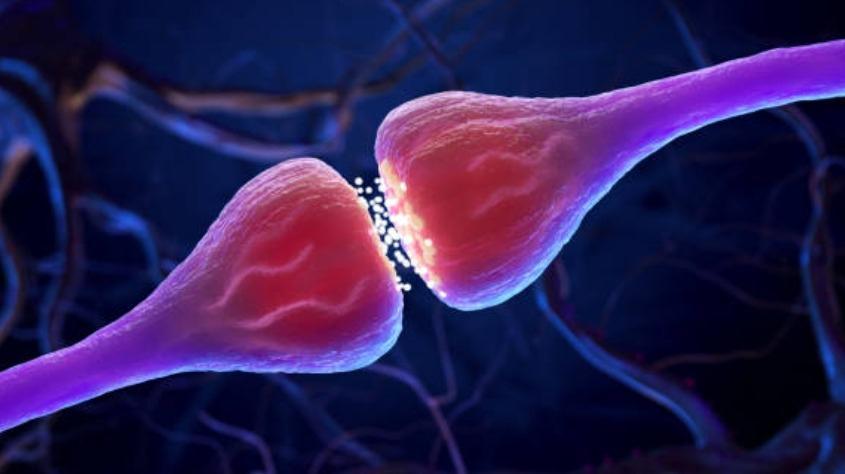
Figure 4.Close-upofsynaptictransmissionareminderthateverythought,memory,andrecoverybeginsatthelevelofthe synapse.
In the end, neuroplasticity isn't just a buzzword it's the foundation of how we grow, bounce back, and adapt. The brain doesn'tjustrecord experience,itrewiresitselfbasedon whathappens.Injuries,illnesses,learningnewskills,evenaging all thoseprocessesrelyon mechanisms likeLTPandLTDatsynapses,BDNF-drivenchangesinneurons, neurogenesisin adults,andthelarge-scalerewiringseenafterdamage.Thesearen'tunrelatedquirks;they'redifferentflavorsofthesame basiclogicourbrainschangethroughtheexperienceswehave.
Clinically, this has shaken up fields from physical therapy to psychiatry. Rehab for stroke isn't guesswork anymore it's grounded in the biology of how brains regain lost skills. Depression treatments now aim to restore plasticity, not just tweak brain chemicals. Discovering neurogenesis in adults shattered the old idea that brains stop making new cells at a certain age, and opens up new treatments for brain repair. Public health advice that exercise, mental engagement, social ties,andgoodsleephelpyourbrainnowhasrealbiologicalbacking,notjuststatistics. Butmaybethebiggesttakeawayisthis:neuroplasticitygivesus reasonforoptimism.Thebrainisnotdoomedtodecline or stuck with what it learned in childhood. It stays dynamic, able to change, for life and we can guide that change. If we keep blending molecular science, clinical research, and practical medicine, we can get even better at using the brain's flexibility to heal and grow. The ability to rewire isn't a metaphor. It's the reality, and our challenge now is to figure out howtomakethatrealityworkforhealthandwellbeing.
1.Bhattacharjee,S.,Bhattacharjee,A.,&Bose,P.(2023).Neuroplasticity:Mechanismsandclinicalapplications.Journal ofNeurologicalSciences,441,120371.https://doi.org/10.1016/j.jns.2023.120371
2. Castrén, E., & Antila, H. (2017). Neuronal plasticity and antidepressant drugs. Philosophical Transactions of the RoyalSocietyB:BiologicalSciences,372(1615),20160079.https://doi.org/10.1098/rstb.2016.0079
3. Citri, A., & Malenka, R. C. (2008). Synaptic plasticity: Multiple forms, functions, and mechanisms. Neuropsychopharmacology,33(1),18–41.https://doi.org/10.1038/sj.npp.1301559
4.Cramer,S.C.,Sur,M.,Dobkin,B.H.,O'Brien,C.,Sanger,T.D.,Trojanowski,J.Q., ...&Bhatt,D.L.(2011).Harnessing neuroplasticityforclinicalapplications.Brain,134(6),1591–1609.https://doi.org/10.1093/brain/awr039
5. Kaur, N., & Singh, R. (2022). Deciphering the emerging role of neuroplasticity and its clinical applications. NeurologicalResearch,44(7),614–628.https://doi.org/10.1080/01616412.2022.2031509
6.Lucassen,P.J.,Fitzsimons,C.P.,Salta,E.,&Maletic-Savatic,M.(2020).Adultneurogenesis,humanafterall(again): Classic, optimized, and future approaches. Behavioural Brain Research, 381, 112458. https://doi.org/10.1016/j.bbr.2019.112458