
International Research Journal of Engineering and Technology (IRJET) e-ISSN: 2395-0056
Volume: 13 Issue: 05 | May 2026 www.irjet.net p-ISSN: 2395-0072
MICROSTRUCTURAL AND MECHANICAL INSIGHTS OF CONCRETE INCORPORATING SHREDDED PLASTIC AND CRUMB RUBBER
Girish Kumar[1]; Dishmita Das[2]; Zaid Musarrat[3]; Priyanka Singh[4]
Department of Civil Engineering, Amity School of Engineering and Technology, Amity University Uttar Pradesh, Noida
ABSTRACT- The quick rise in plastic waste and old car tires has generated major environmental difficulties because they can't break down and are thrown away in the wrong way. This research investigates the microstructural and mechanical characteristics of concrete that integrates crumb rubber and shredded plastic as partial replacements for fine aggregates. We mixed M30-grade concrete with different amounts of replacements and tested them for both fresh and hardened quality. We used slump and compaction factor tests to see how easy it was to work with concrete, and we used rebound hammer and ultrasonic pulse velocity tests after 28 days of curing to see how strong it was when it was firm.
The tests indicated that moderate amounts of replacement made the workability better, but higher amounts of replacement made the compressive strength poorer because the cement matrix and waste elements didn't connect as well. Concrete with a low replacement rate, on the other hand, was robust enough for usage that didn't involve building. The study reveals that employing shredded plastic and crumb rubber can improve the environment, save natural resources, and support building approaches that are helpful for sustainable future. So, using trash to make concrete is a green way to build infrastructure that will last.
1 INTRODUCTION
Theconstruction industryis essential forsocio-economic development,providing infrastructuresuchas buildings,roads, and utilities. With rapid urbanization, the demand for construction materials especially concrete has increased significantly.Concrete,composedofcement,water,andaggregates,reliesheavilyonfineaggregateslikenatural sand,whichimprovestrengthandworkability.However,excessivesandextractionhascausedenvironmentalissuessuch asriverbankerosionandecologicalimbalance,creatinganeedforsustainablealternatives.
Atthesametime,non-biodegradablewasteslikeplasticandrubberareaccumulatingrapidly,posingseriousenvironmental and health risks due to improper disposal methods like burning and dumping. A sustainable solution is the use of these wastematerialsinconcrete.
Crumb rubber from waste tyres and shredded plastic from recycled waste can partially replace fine aggregates. Rubber improves flexibility and impact resistance, while plastic reduces densityandenhancesdurability.However,strength may decrease due to weak bonding. This study evaluates their effects on concrete properties, aiming to promote sustainable constructionandefficientwastemanagement.
1.1 Background and Environmental Concerns
Conventional concrete production is associated with several environmental and resource-related challenges affecting sustainability.Thecontinuoususeofnaturalresources,high energydemand,andwasteaccumulationrequireashiftfrom traditionalpractices.Themajorconcernsareasfollows: Natural Resource Depletion: Concrete requires large quantities of sand and gravel, extracted from rivers and quarries. Excessive mining disturbs ecosystems,lowersgroundwaterlevels,andcauseserosion,whilequarryingleadstodeforestationandlanddegradation.
Carbon Emissions:
CementproductionreleasessignificantCO₂duringclinkerformation,contributingtogreenhousegasemissionsandclimate change.
Energy Consumption:
Processeslikeextraction,crushing,transportation,andmixingconsumehighenergy,increasingthecarbonfootprint.
International Research Journal of Engineering and Technology (IRJET) e-ISSN: 2395-0056
Volume: 13 Issue: 05 | May 2026 www.irjet.net p-ISSN: 2395-0072
Plastic Waste Pollution:
Plasticwasteisnon-biodegradable,polluteslandandwater,harmswildlife,andformsmicroplasticsthataffecthealth.
Waste Tire Disposal:
Discardedtyresoccupylandfillspace,collectstagnantwater,andreleasetoxicgaseswhenburned.
Landfill Overload:
Accumulationofplasticandrubberwasteleadstooverburdenedlandfillsandlong-termpollution.
Environmental Pollution:
Constructionactivitiesandwastedisposalcauseair,water,andsoilpollution,affectingecosystemsandhumanhealth.
Sustainability Challenge:
These issues highlight the need for eco-friendly alternatives. Using crumb rubber and shredded plastic as partial replacementsforfineaggregatesreducesresourcedepletion,manageswaste,andsupportssustainableconstruction.
1.2 MATERIAL USED
Thebasiccomponentsutilizedinthisstudyare:
1. OrdinaryPortlandCement(OPC)ofgrade43
2. Fineaggregates(Sand)
3. Coarseaggregates
4. CrumbRubber
5. ShreddedPlastic
6. Water
a. Ordinary Portland Cement (OPC43)
OnekindofhydrauliccementthatisfrequentlyutilizedinthebuildingsectorisOrdinaryPortlandCement(OPC)43.After 28 days of curing, the cement's compressive strength is indicated by the "43" in its name. The minimum strength of Ordinary Portland Cement 43 is 43 MPa (megapascals), or around 6,200 psi (pounds per square inch).OPC 43 is but one variety of Portland cement that is offered;eachhasuniquequalitiesanduses.Abuilding project's needs should be taken intoaccountwhileselectingatypeofcement.Elementslikeasneededstrength,durability,settingtime,andcostshouldall betakenintoaccount.
Table 1:ChemicalcompositionofOrdinaryPortlandCement
International Research Journal of Engineering and Technology (IRJET) e-ISSN: 2395-0056
Volume: 13 Issue: 05 | May 2026 www.irjet.net p-ISSN: 2395-0072
Tests for Cement:
1) Fineness of Cement
The workability, strength development, and rate of hydration of concrete are all impacted by the fineness of the cement. Finercementoftenhasabetterinitialstrength,butitmightalsorequiremorewaterandbehardertoworkwith.
Cement is sieved through a series of sieves with varying mesh sizes to determine its fineness. Plotting a particle size distributioncurveinvolvesmeasuringtheamountofcementretainedoneachsieve.Theproportionofcementretainedon aspecificsievetypicallya90-micron(No.170)sieveisusedtoindicatethefinenessofthecement.
2) Initial and Final setting time of Cement
4.) Specific Gravity of Cement
The cement's initial and ultimate setting times are crucial measurements that show how long the cement paste can be workedonbeforeitbeginstosetandharden.
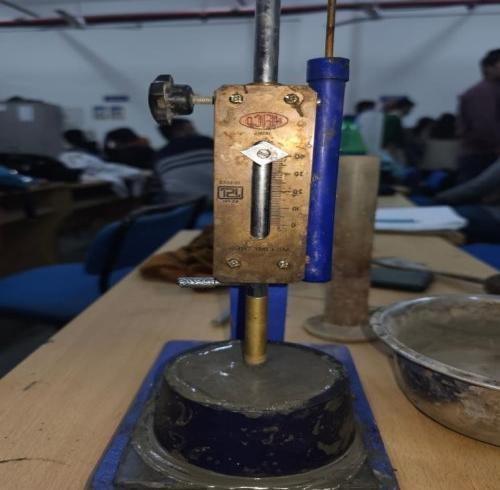
Standardized tests, such the Vicat apparatus method, are commonly used to assess these qualities. In this approach, a needleisinsertedintothecementpasteandallowedtotravelthroughituntilitreachescertainlocationsthatindicatethe initialandfinalsettingdurations.
Initial Setting Time: Thisistheamountoftimethathaspassedbetweenaddingwatertothecementandthepointatwhich thecementpastebecomeslessmalleableandbecomesdifficulttopiercewitharegularneedle.Thestandardneedleused in this test has a mass of 113.4 grams and a diameter of 1 mm. The window of time allotted for pouring and compacting concretebeforeitbeginstosetisindicatedbytheinitialsettingtime.
Final Setting Time: Thisistheamountoftimeneededforthecementpastetosolidifytothepointwhereastandardneedle cannolongerpierceit.Thepointatwhichconcretebecomesstiffandcannotbemoldedordisturbedwithoutweakeningitis indicatedbythefinalsettingtime.
3.) Consistency of Cement
The consistency of cement determines its flowability. It is important because it affects how workable and manageable cement paste, mortar, and concrete are. Cement consistency is determined by the Vicat consistency test, which usually makesuseoftheVicatequipment.
Thespecificgravityofcementisusedtoassessitsdensityrelativetothedensityofwater.Itindicateshowmuchheavieror lightercementiscomparedtoanequalvolumeofwater.Thespecificgravityofcementisclassicallyestablishedutilizingthe LeChatelierFlaskmethod.
Computation: Determinethecement'sspecificgravity(SG)byapplyingthefollowingformula: SG=��2(��3−��1)−(��4−��1)
W2istheweightofcementwhenitisnotwet.
W1representstheweightoftheflaskwhenitisempty.
W3isthesumoftheweightoftheflaskandtheliquid(kerosene/naphtha).
W4isequaltothecombinedweightoftheflaskandwater.
Outcomes:
Thedensityofcementrelativetowaterisdeterminedbycalculatingitsspecificgravity.
International Research Journal of Engineering and Technology (IRJET) e-ISSN: 2395-0056
Volume: 13 Issue: 05 | May 2026 www.irjet.net p-ISSN: 2395-0072
Table2:PropertiesofOrdinaryPortlandCement
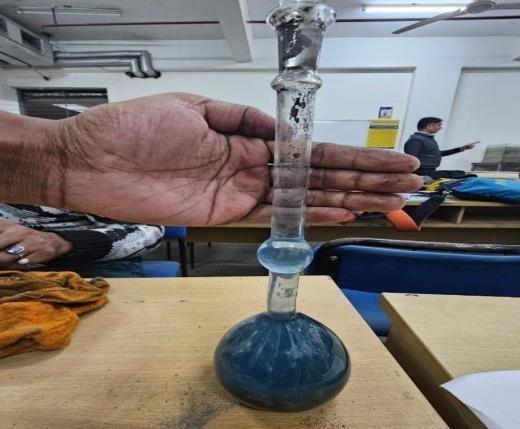
Sand is a multifunctional, highly usable material in construction and civil engineering. M-sand with specific gravity 2.67 wasused.ThesizeofFineAggregatewaslessthan4.75mm.Fig.7,BulkingofSandshowsthechangeinthevolumewith varyingpercentageofcrumbrubber. Sand is used in the various fields to produce concrete and mortar, improve drainage and create recreational grounds. Sustainable sourcing and responsible extraction practices are crucial to preserve natural resources and minimize the environmentalimpactassociatedwithsandasaconstructionmaterial.
International Research Journal of Engineering and Technology (IRJET) e-ISSN: 2395-0056
Volume: 13 Issue: 05 | May 2026 www.irjet.net p-ISSN: 2395-0072
Fine Aggregate Gradation Test
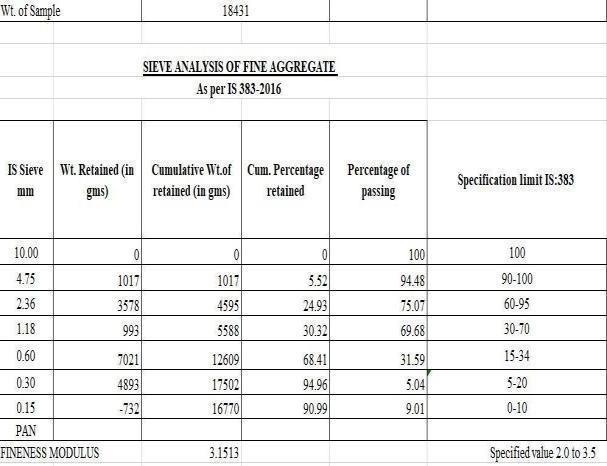
Thistestiswidelyappliedforthedeterminationoftheparticlesizedistributionofbothcoarseandfineaggregatesusingthe sieve analysis sketched in Table 3 below. To segregate the aggregate material per size,a sample is placed on a stack of nested sieves and rattled manually or mechanically. The grading of the material, commonly expressed as a percentage passingeachsieve,canthenbefoundusingtheresultingdata.Aggregategradingishighlycrucialduetoitseffectsonthe workability, strength, and durability of concrete and other materials in the construction field. An incorrectly graded aggregatemixmayleadtopoorworkability, poorerstrength,andhighersusceptibilitytocracking,whereasawell-graded mixwillproduceaproductthatismoredense,strong,anddurable.3.15obtainedasFinenessModulusvalueasperthetest resultwhichliesbetweenthestandardvalues2.0to3.5asshownintable3.
c.) Coarse Aggregates
Coarseaggregatesareafundamentalconstructionmaterialcommonlyusedinawiderangeofbuildingandinfrastructure projects. These aggregates play a crucial role in providing structural stability and durability to concrete and other constructionmaterials.10mmand20mm aggregatesareusedintheratioof4:6respectively.Thespecificgravityof10mm aggregatewas2.7whereasspecificgravityof20mmaggregatestoodat2.85.
Coarse aggregates are a vital construction material that contributes to the strength, durability, and stability of various construction materials, particularly concrete. Proper selection, gradation, and quality control of coarse aggregates are essentialtoensurethestructuralintegrityandperformanceofconstructionprojects.
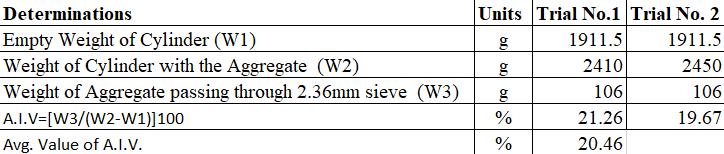
AGGREGATE IMPACT VALUE TEST
Aggregates deteriorate considerably with time. To carry loads from the pavement surface to the underlying layers and, eventually, the subgrade, aggregates must be robust and resilient enough to survive crushing, degradation, and disintegration. The strengthofaggregatesinconcretecannotbeaccurately measured solely by testing the strength of the source rock. As a result, a standardized sample of bulk aggregates is utilized to determine their strength. As a result, a varietyoftestsareconductedtoassessthequalityandstabilityofroadways.OnesuchtestistheAggregateImpactValue Test,whichisperformedusinganImpactTestingMachine,asillustratedinthefigure.Theimpacttestisatypeofhighway pavement quality control testthatdeterminesifaggregatesaresuitable for use in highwaypavements. Aggregatesmight breakintosmallerpiecesasaresultofimpactloadingfrommovingvehiclesontheroad.Asaresult,theaggregatesmustbe sufficientlyrobusttowithstandimpact-induceddisintegration.Theimpact value test is used to assess this aggregate property
Where,W1=EmptyWeightofCylinder W2=WeightofCylinderwiththeAggregate W3=WeightofAggregatepassingthrough2.36mmsieve
International Research Journal of Engineering and Technology (IRJET) e-ISSN: 2395-0056
Volume: 13 Issue: 05 | May 2026 www.irjet.net p-ISSN: 2395-0072
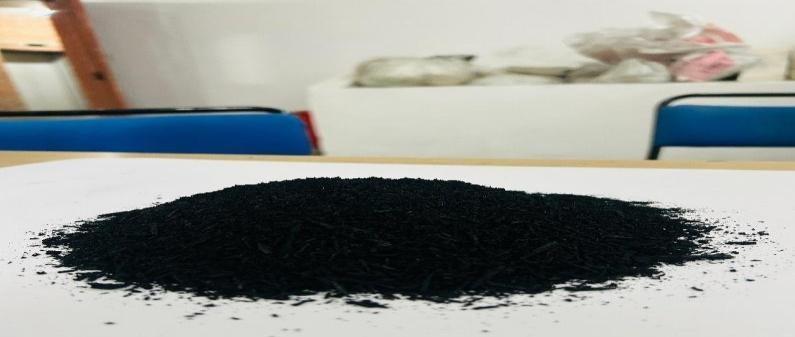
Crumb rubber used in construction is obtained from recycled tyres, helping reduce waste and promote sustainable disposal.Ittypicallyrangesinsizefrom0.0075 mmto4.75mm,withaunitweightofabout660kg/m³. Due to its high elasticity and flexibility, crumb rubber improves resistance to cracking and deformation. Its inclusion enhances impact resistance and durability, making it suitable for surfaces subjected to mechanical stress. It can be used to produce workable and lightweight concrete, which also shows good resistanceto freeze–thawcycles,acidattack,andchloridepenetration. Theaddition ofsilica fumefurther improves strengthanddurability.
Properties:
Elasticity and Flexibility:
Provideshighresilience,reducingcrackinganddeformation.
Impact Resistance: Enhancesdurabilityandperformanceundermechanicalstress.
Reduced Water Demand: Requireslesswaterforworkability,minimizingshrinkagecracksandimprovingdurability.
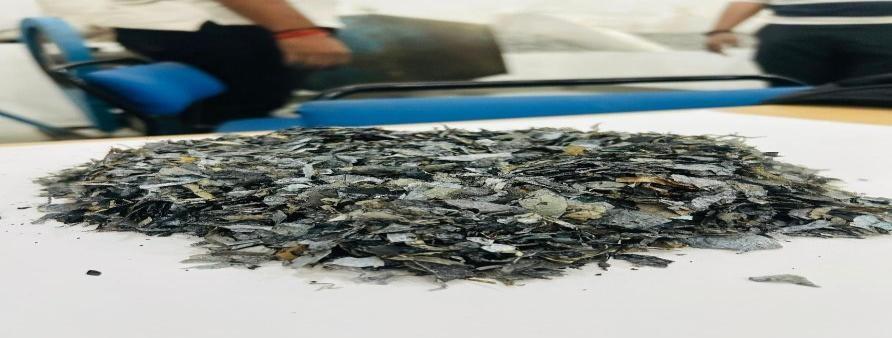
Shredded plastic used in construction is obtained from recycled waste such as bottles, packaging, and containers. It is processed into small particles and used as a partial replacement for fine aggregates, helping reduce environmental pollutionandpromotesustainableconstruction.
The particle size typically ranges from 0.075 mm to 4.75mm.Duetoitslowerdensity(about900–950kg/m³),shredded plastichelpsproducelightweightconcrete.Itisdurable, non-biodegradable, and resistant to moisture and chemical attack, which improves the durability and service life of construction materials when used in controlled proportions.
The use of shredded plastic also reduces dependence on natural aggregates and supports effective waste management throughrecycling.
Properties:
Lightweight Characteristic: Reducestheoverallweightofconcrete,suitableforlightweightapplications. Resistance to Moisture and Chemicals: Improvesdurabilitybyresistingwaterpenetrationandchemicaldamage.
Low Water Absorption: Doesnotabsorbwater,maintainingworkabilityandreducingmoisture-relatedissues.
Environmental Benefit: Promotesrecycling,reduceslandfillwaste,andsupportssustainableconstruction.
International Research Journal of Engineering and Technology (IRJET) e-ISSN: 2395-0056
Volume: 13 Issue: 05 | May 2026 www.irjet.net p-ISSN: 2395-0072
CHAPTER-2 LITERATUREREVIEW
.
1. Choietal.(2005)investigatedconcretecontainingrecycledplasticwaste.Thestudyreporteda reductionindensity and compressive strength with increased plastic content, whereas ductility and impact resistance improved. Microstructuralanalysishighlightedpoorbondingbetweenplasticparticlesandcementpaste,emphasizingtheneed forsurfacetreatmentandparticleoptimization.
2. Ganjian,KhoramiandMaghsoudi(2009)analyzed the mechanical behavior of rubberized concrete. Results showed thathigherrubbercontentleadstodecreasedcompressiveandtensilestrengthbutimproved toughness and energy absorption. Thereduction in strength was attributed to a weakinterfacial transition zone (ITZ) between rubber particlesandthecementmatrix.
3. Al-HadithiandHilal(2016)evaluatedtheeffectof shreddedplasticfibersonconcrete.Theirresearch demonstrated improved crack resistance and ductility due to the fiber-bridging mechanism across microcracks.However,aslight reductionincompressivestrengthwasobserved.
4. EldinandSenouci(1993)studiedtheperformanceofconcretecontainingtyrerubberparticles.Theresultsindicated reduced compressive strength with increasing rubber content due to weak bonding, but enhanced resistance to impactanddeformation.Microstructuralanalysisconfirmedthepresenceofvoidsaroundrubberparticles.
5. Ismail and Al-Hashmi (2008) investigated the replacement of natural sand with plastic waste. The study showed reduced density and increased ductility, but compressive strength decreased at higher replacement levels. Microstructural findings indicated void formation around plastic particles, limiting their effectiveness at higher proportions.
6. Khatib and Bayomy (1999) focused on the durability of rubberized concrete. Their findings revealed reduced compressive strength but significantly improved resistance to abrasion and impact. The study concluded that such concreteissuitableforapplicationsrequiringflexibilityratherthanhighstrength.
7. SharmaandBansal(2016)providedacomprehensivereviewofplasticwasteutilizationinconcrete.Theyreported that plastic aggregates decrease density and strength while enhancing thermal insulation and impact resistance. Weakbondingbetweenplasticandcementpastewasidentifiedastheprimarylimitation.
8. Li,Stubblefield,Garrick,and Pang(2004)examinedthe microstructural behaviorof rubberizedconcrete.Thestudy found that rubber particles improve toughness and crack resistance but reduce compressive strength due to microvoidsattheinterface.
9. Raghatate (2012) investigated concrete with plastic aggregates. The findings indicated reduced unit weight and improved chemical resistance; however, compressive strength declined at higher replacement levels due to the smoothsurfaceofplasticparticles,whichlimitsbonding.
10. Topçu and Bilir (2009) reported that rubberized concrete exhibits enhanced flexibility and impact resistance but reducedcompressive strength.Thepresenceof weak zones withinthecement matrixwasidentifiedastheprimary causeofstrengthreduction.
11. Batayneh, Marie, and Asi (2007) examined plastic waste as aggregate replacement. The results showed reduced densityandincreasedflexibility,butlowermechanicalstrengthduetopoorbondingbetweenplasticparticlesandthe cementmatrix.
12. Gesoğlu, Güneyisi, and Khoshnaw (2014) highlighted that crumb rubber enhances durability and crack resistance, particularly under cyclic loading. Microstructural observations indicated the formation of flexible zones within the concretematrix.
13. Kou, Lee, and Poon (2009) reported that plastic aggregates improve thermal insulation but reduce compressive strengthduetointerfacialgaps.Thestudyrecommendedsurfacemodificationtechniquestoimprovebonding.
International Research Journal of Engineering and Technology (IRJET) e-ISSN: 2395-0056
Volume: 13 Issue: 05 | May 2026 www.irjet.net p-ISSN: 2395-0072
14.SaikiaandDeBrito(2012)concludedthatrecycled plastic aggregates reduce density and are suitable for lightweight concrete applications. However, compressive strength decreases with increasing plastic content due to weak interfacial bonding.Overall, the literature consistently indicates that the incorporation of crumb rubber and plastic waste reduces compressive strength due to weak bonding and increased porosity. However, these materials enhance ductility, impact resistance,andenergyabsorptioncapacity.Microstructuralstudiesemphasizethesignificanceof theinterfacialtransition zone in determining concrete performance. Optimizing replacement levels and improvingbonding through surface treatments or supplementarymaterialscanenhancetheeffectivenessofthesesustainablealternatives.
CHAPTER-3 EXPERIMENTALWORK
3.1
DESIGN MIX
For M30 grade concrete, a design mix with a weight proportion of 1:1.83:3.01:0.5 (cement: fine aggregate: coarse aggregate:water)ispreparedinaccordancewithIndianStandardCode10262–2009.Gradedaggregatesareutilizedintwo fractionsas60%of20mmand40%of10mmofcoarseaggregateinthecompositionofconcretetoimproveworkability duringthemixingprocess.
3.2
CASTING OF SPECIMEN
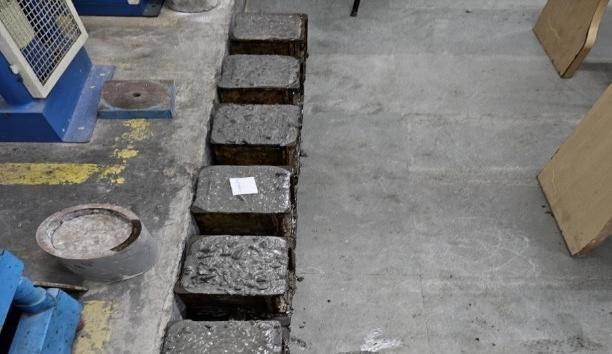
In accordance with the mixed design percentage of M30 grade concrete, weigh batching is used, three cube samples measuring150×150×150 mmarecast.The samples were evaluatedafter 28days ofcuring,inaccordance withIndian StandardCode456-2000.
3.3 TESTING PROCEDURE
3.3.1 SLUMPVALUE
The workability of concrete refers to ease of compacting, placing and transportation during construction. Several factors influencetheworkabilitysuchaswater-cementratio,cementitious materials,mix-proportion,consistency,transportation andplacementetc.
International Research Journal of Engineering and Technology (IRJET) e-ISSN: 2395-0056
Volume: 13 Issue: 05 | May 2026 www.irjet.net p-ISSN: 2395-0072
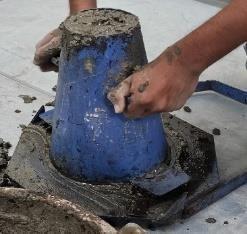
Inthistestingbottomdiameter,topdiameterandheightare200,100and300mmrespectivelywasusedasadimensionof slumpconeasseeninFig 6 In order to eliminate air spaces, new concrete was used in this test and layered three times withinaslumpcone.Eachlayerwasthencompressedbyatamping rod25times.Theconcretedropwascalculatedasthe heightdifferencebetweenthedisplacedconcreteandthecone'sinitialheightaftertheconewascarefullyraisedvertically
3.3.2
COMPACTION FACTOR TEST
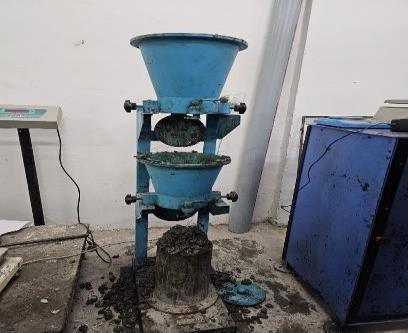
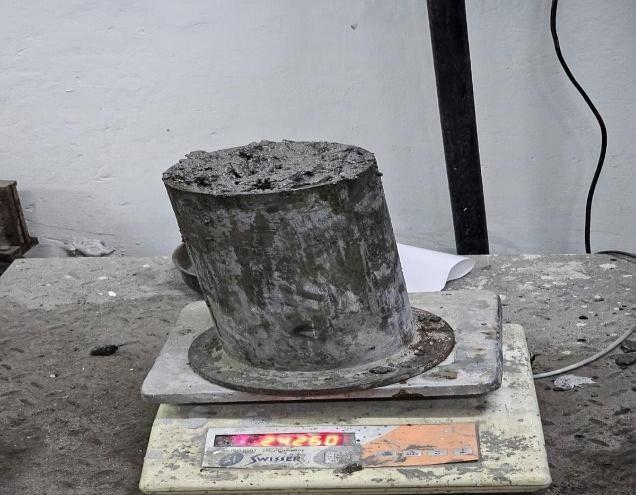
Thecompactionfactortestevaluatesthe workabilityoffreshconcretebyusingcompaction factorapparatus.Itmeasures how easily concrete can be compacted into a dense form, crucial for achieving desired strength anddurability. Thistest involvedplacingasampleoffreshlymixedconcreteintoastandardapparatusasshowninFig7.Thecompactionfactorwas determined bydividingthe weightof the partiallycompactedconcretebytheweightofthe fullycompacted concrete. The concretewascompactedbyperiodicallyraisinganddroppingthemouldfromapredeterminedheight.
3.3.3
International Research Journal of Engineering and Technology (IRJET) e-ISSN: 2395-0056
REBOUND NUMBER
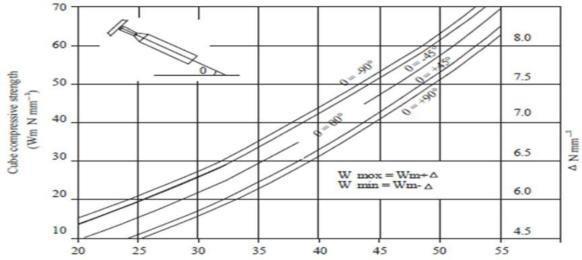
Rebound Hammer Test is a non-destructive test which is used to estimate the compressive strength of the existing structure on the field by using Rebound Hammer equipment as shown in figure 9. It’s a quick and convenient way to estimatequalityanduniformityofexistingconcretestructureasshownintable15.
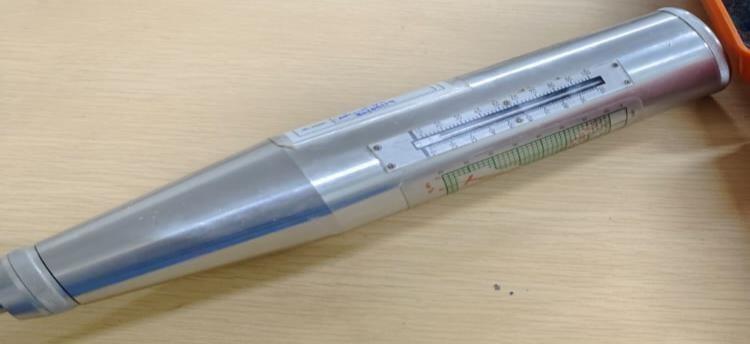
Inthistestingpreparedthesurface,calibratedthehammer,andselecttestlocations.Holdthehammerperpendiculartothe surface,strikeit,andrecordthereboundnumbers.Reboundhammerchartswereusedtocorrelatereboundnumberswith compressivestrength.
Table6.QualityofConcreteCorrespondingtodifferentReboundNumber
Average Rebound Number Qualityof Concrete

3.3.3
ULTRASONIC PULSE VELOCITY
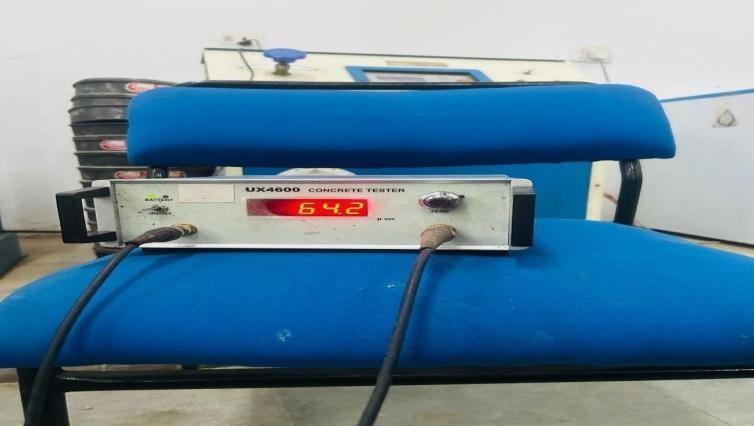
The ultrasonic pulse velocity test (Fig. 11) is one of the non-destructive tests (NDTs) that are performed on concrete specimens to determine the mechanical characteristics of the material without inflicting any damage. Any concrete specimenmaybeevaluatedusingthismethodtodetermineitsdensity,homogeneity,uniformity,andothercharacteristics. Theultrasonicpulsevelocitytestresultsdemonstratewhetherornottheconcretewasproperlycompactedduring casting.
Volume: 13 Issue: 05 | May 2026 www.irjet.net p-ISSN: 2395-0072 © 2026, IRJET | Impact Factor value: 8.315 | ISO 9001:2008 Certified Journal | Page289
International Research Journal of Engineering and Technology (IRJET) e-ISSN: 2395-0056
Volume: 13 Issue: 05 | May 2026 www.irjet.net p-ISSN: 2395-0072
Therangeofdatasupportingthequalityoftheconcretemaybeusedtoclassifyitasexcellent,good,medium,orunclearin accordancewithIndianStandardCode13311(Part1)1992.Table7presentsthefindings.
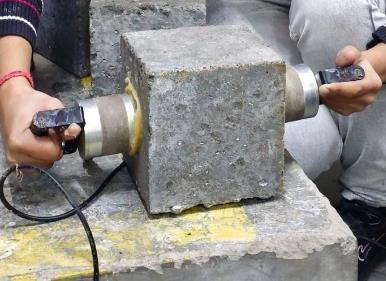
Table7.Concreteclassificationusingultrasonicpulsevelocitytesting.

In USPV testing transducers were greased and placed on a smooth concrete surface. Ultrasonic waves travel from transmittertoreceivertransducersthroughthespecimen.Timetakenforpropagationisrecordedbytheelectronictiming device,alongwithspecimenlength.Velocityofpropagatingwaveswerecalculatedusingequation-(2).

CHAPTER-4 RESULTANDDISCUSSION
4.1 SLUMP
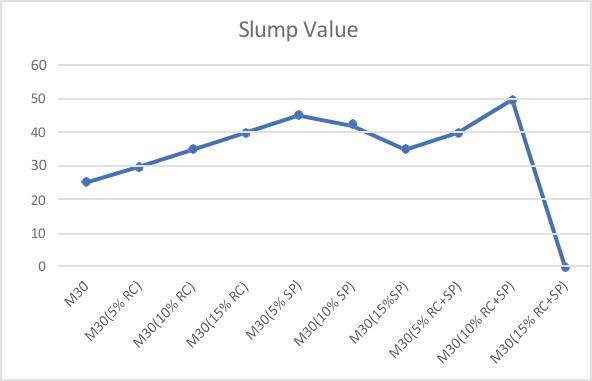
When crumb rubber and shredded plastic are used as partial replacements for fine aggregates in M30 concrete, the workability of the mix changes noticeably. At lower replacement levels (5% and 10%), the slump value increases,
International Research Journal of Engineering and Technology (IRJET) e-ISSN: 2395-0056
Volume: 13 Issue: 05 | May 2026 www.irjet.net p-ISSN: 2395-0072
indicatingimprovedworkability.However,beyondthisrange(15%),theslumpdecreases,makingtheconcretestifferand lessworkable.
This reduction at higher replacement levels is due to the properties of crumb rubber and shredded plastic, such as irregular particle shape, surface texture, and lower specific gravity compared to natural sand. The variation in slump valuesfor0%,5%,10%,and15%replacementsisshowninFigure13.
Table8.SlumpValuesatDifferentDesignMix
Design Mix
M30
M30(5% RC)
M30(10% RC) 0.94
M30(15% RC) 0.91
M30 5% SP 0.88
M30 10% SP 0.73
M30 15% SP 0.7
M30 5% RC+SP 0.78
M30 10% RC+SP 0.74
M30 15% RC+SP 0
4.2 COMPACTION FACTOR
OutlineofthistestispresentedinFigure14,whichshows the comparison of compaction factor values for 0%, 5%, 10%, 15%replacementoffineaggregatewithcrumbrubber andshredded plastic.Thecompactionfactortestisusedtoassess the workability of the concrete mix. A higher compaction factor value indicates improved workability and ease of compaction, whereas a lower value reflects a stiffer mix that may be more difficult to place and properly compact. The results help in understanding the effect of incorporating crumb rubber and shredded plastic on the workability characteristicsoftheconcrete.
Table9.CompactionFactoratDifferentDesignMix

International Research Journal of Engineering and Technology (IRJET) e-ISSN: 2395-0056
Volume: 13 Issue: 05 | May 2026 www.irjet.net p-ISSN: 2395-0072
M30(15%RC+SP)
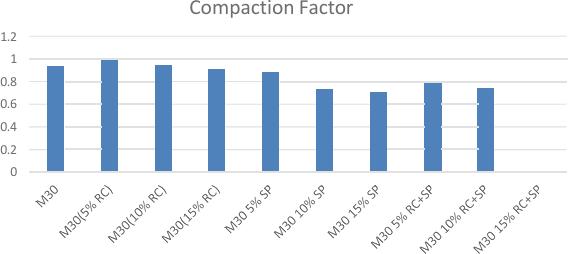
Fig14.CompactionfactorvaluesforconcretewithreplacementofRCandSP
4.3 REBOUND HAMMER
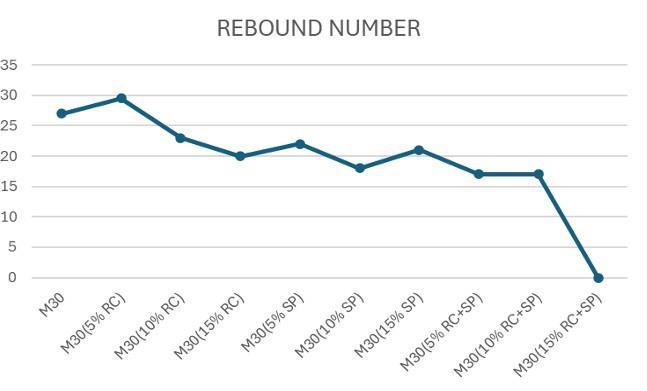
Thereboundhammertestisanimportantnon-destructivemethodusedtoestimatethecompressivestrengthofconcrete. This test is based on the principle of surface hardness, where the rebound of a spring-controlled hammer striking the concrete surface indicates the hardness of the concrete near the surface of the cube specimen. Figure 15 illustrates the variation in rebound number for 0%, 5%, 10%, 15% replacement of fine aggregate with crumb rubber and shredded plastic.Anincreaseinthereboundnumberisobservedat5%replacement,indicatinganimprovementinsurfacehardness atthislevel.However,asthepercentageofcrumbrubberandshreddedplasticincreasesfurther,anoticeabledeclineinthe reboundnumberisobserved,suggestingareductioninsurfacehardness.
Table10.ReboundNumberatDifferentDesignMix
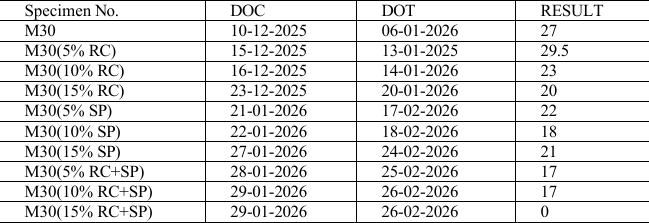
Fig15.ReboundNumbervaluesfordifferentRCandSPreplacement.
Table11.CompressivestrengthobtainedfromReboundNumber
International Research Journal of Engineering and Technology (IRJET) e-ISSN: 2395-0056
Volume: 13 Issue: 05 | May 2026 www.irjet.net p-ISSN: 2395-0072
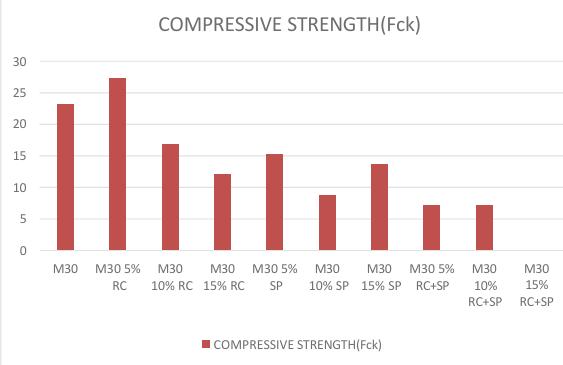
4.4 ULTRASONIC PULSE VELOCITY
Forconcretewith0%to15%replacementoffineaggregatebycrumbrubber andshreddedplastic,agradualdecreasein ultrasonic pulse velocity (UPV) is observed. This reduction is due to changes in the internal structure of the concrete, including weaker bonding in the C–S–H gel and the presence of rubber andplasticparticles.Thesematerialsmaycreate voidsordiscontinuitiesinthematrix,affectingthetransmissionofultrasonicwaves.TheUPVvaluesfor0%,5%,10%,and 15%replacementlevelsareshown inFigure17.
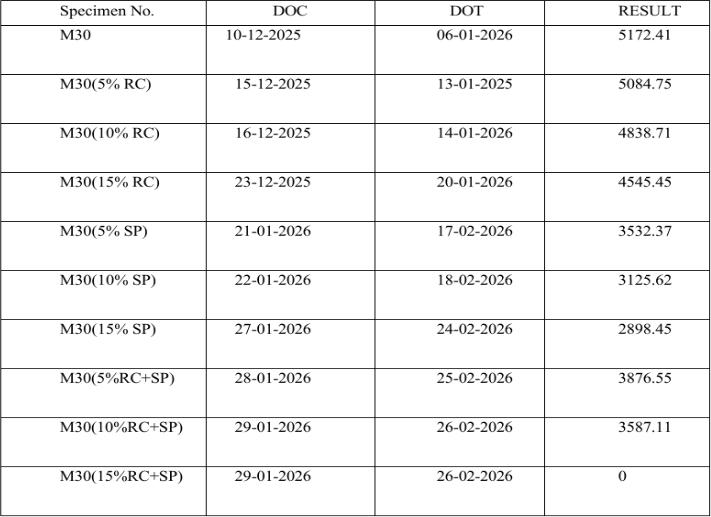
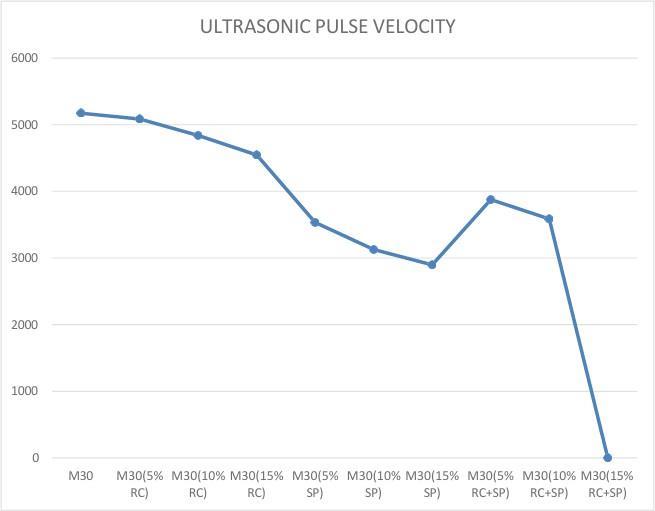
Fig17.USPVvaluesfordifferentdesignmix.
CHAPTER-5 GAPS IN THE LITERATURE AND POSSIBLE AREAS FOR FUTURE RESEARCH
Although significant research exists on waste materials in concrete, the combined use of crumb rubber and shredded plasticasfineaggregatereplacementstillneedsfurtherstudy.Keyresearchgapsinclude:
International Research Journal of Engineering and Technology (IRJET) e-ISSN: 2395-0056
Volume: 13 Issue: 05 | May 2026 www.irjet.net p-ISSN: 2395-0072
5.1 Optimization of Replacement Levels: Identifyoptimumproportionsthatmaintainstrengthwhileensuringefficiency forvariousapplications.
5.2 Long-Term Durability Performance: Assess behavior under conditions like chemical exposure, moisture, abrasion, andfreeze–thawcycles.
5.3 Mechanical and Structural Behavior: Evaluate effects on compressive, tensile, and flexural strength, and overall structuralperformance.
5.4 Microstructural and Bonding Characteristics: Study interaction and bonding between waste materials and cement matrix.
5.5 Environmental and Sustainability Assessment: Conduct life-cycle analysis to measure environmental benefits and impacts.
5.6 Workability and Mix Design Improvements: Developimprovedmixdesignsusingadmixturesormodifiedtechniques.
5.7 Economic Feasibility: Analyzecost-effectivenesscomparedtoconventionalconcrete.
5.8 Standardization and Guidelines: Establishproperstandardsandtestingmethodsforconsistentuse.
5.9 Potential Applications: Exploreusesinpavements,lightweightstructures,andimpact-resistantelements.
Addressing these gaps will support the development of sustainable and efficient concrete while promoting recycling of rubberandplasticwaste.
CHAPTER-6 RECOMMENDATIONSFORFUTURE RESEARCH
Somerecommendationsforfurtherinvestigationaresummarizedbelow:
1. Improve processing methods of crumb rubber and shredded plastic to modify properties like density, shape, texture,andhydrophobicbehavior,enhancingcompatibilitywiththecementmatrix.
2. Conductdetailedexperimentalandparametricstudiestodevelopreliablepredictionmodels,especiallyforair contentandworkability.
3. Perform long-term studies to evaluate durability and life-cycle performance under various environmentalconditions.
4. Investigate behavior under extreme conditions such as fire and blast loading to understand performance and failurecharacteristics.
5. Studythermalbehavior,includingvolumechangesatelevatedtemperatures(expansionorshrinkage).
6. Identify factors affecting durability properties like toughness, abrasion resistance, chloride penetration, acid andsulphateresistance,andcorrosion,asexistingresultsvary.
CHAPTER-7 CONCLUSION
Thestudyhighlightsthepotentialofusingcrumbrubberandshreddedplasticaspartialreplacementsforfineaggregatesin concrete to address environmental challenges. Rising demand for natural aggregates and increasing non- biodegradable wasterequiresustainableconstructionsolutions.
Resultsshowthatthesematerialsinfluence bothfreshandhardenedpropertiesofconcrete.Atlowerreplacementlevels, workabilityremainsacceptable,whilehigherlevelsreducestrengthduetoweakbondingwiththecementmatrix. Despite strength reduction, the concrete shows improved ductility, impact resistance, and energy absorption, making it suitablefornon-structuraluseslikepavementsandlightweightelements.
The use of waste materials reduces dependence on natural aggregates and helps manage plastic and rubber waste, minimizingpollutionandlandfillload.However,non-destructivetestsindicateincreasedvoidsandreduceduniformityat higherreplacements,affectingdurability.
In conclusion, crumb rubber and shredded plastic offer a sustainable alternative in concrete. Proper proportioning is essential,andfurtherresearchisneededtoimprovebonding,optimizemixdesign,andassesslong-termperformance.
REFERENCES
1. Ahmad, J., et al. (2022). Toward sustainable concrete: Substituting aggregates with plastic waste review with SEM insights.Crystals.
2. Al-Luhybi,A.S.,etal.(2021).Mechanicalpropertiesofconcretewithrecycledplasticwastes.CivilandEnvironmental Engineering.
3. Alqahtani, F. K., et al. (2022). Producingsustainable concrete with plastic waste: Areview.Environmental Challenges,9,100626.
4. AmericanConcreteInstitute(ACI).GuideforConcreteMaterialsandSustainability.
International Research Journal of Engineering and Technology (IRJET) e-ISSN: 2395-0056
Volume: 13 Issue: 05 | May 2026 www.irjet.net p-ISSN: 2395-0072
5. Babafemi, A. J., et al. (2018). Waste recycled plastic in concrete: Engineering and durability properties. MDPI SustainabilityJournal.
6. Babafemi,A.J.,Šavija,B.,Paul,S.C.,&Anggraini, V.(2018).Engineeringpropertiesofconcretewithwasterecycledplastic:Areview.Sustainability,10(11),3875.
7. Dai, P., et al. (2024). Effect of waste plastic fiberson printability and mechanicalpropertiesof3D-printedmortar. AdditiveManufacturingLetters.
8. Dhanalakshmi,K.,etal.(2025).Recyclede-wasteplasticascoarseaggregate:Strengthµstructure.International JournalofConcreteStructuresandMaterials.
9. Duraiswamy,S.,etal.(2024).Impactofplastic-fiberandrecycledaggregatesonstrengthandmicrostructure.Scientific Reports.
10.El-Aidy,K.E.,etal.(2024).Mechanicalandphysicalpropertiesofeco-friendlyrecycledplasticconcrete(RPC).Additive ManufacturingLetters.
2026, IRJET | Impact Factor value: 8.315 |