
International Research Journal of Engineering and Technology (IRJET) e-ISSN:2395-0056
Volume:13Issue:05|May2026 www.irjet.net p-ISSN:2395-0072

International Research Journal of Engineering and Technology (IRJET) e-ISSN:2395-0056
Volume:13Issue:05|May2026 www.irjet.net p-ISSN:2395-0072
Ar. U. Durga Devi1 , Ar. V. Vidya2, Ar. Z. Fathima Taskeen3
1M. Arch (Construction Project Management) student, 2Associate Professor, 3Additional HOD, Faculty of Architecture, Dr.M.G.R Educational and Research Institution, Maduravoyal, Chennai, India..
Abstract - Construction of metro rail projects have proven to be an essential element of sustainable urban transportation in cities that experience rapid growth. Nevertheless, the inclusion of sustainability into the construction process brings about a number of problems related to the balance of time and cost during the development of the metro rail system. This research focuses on the analysis of the complex relationships between the factors of time, cost, and sustainability in the process of metro rail construction. Based on the review of relevant literature and real-world practice, this research concludes that the introduction of sustainable approaches to construction, for instance, the usage of environmentally friendly materials and energy-efficient constructions as well as compliance with environmental laws, leads to higher costs and longer construction periods. On the other hand, sustainability yields considerable benefits in the form of lower running costs, greater efficiency, and minimal environmental footprint.
Key Words: Sustainable construction, metro rail projects, time-cost trade-off, infrastructure management,projectperformance,sustainability.
Due to rapid urbanization, there is an increased need for efficientandenvironmentally-friendlytransportsystemsin majorcities.Metrorailsystemsplayacrucialroleinsolving problems associated with urbanization due to their effectiveness in alleviating traffic jams, cutting down greenhouse gas emissions, and improving transport efficiency. With more organizations and governments adopting the principle of environmental sustainability, constructionprocessesininfrastructuredevelopmenthave beentransformedtoadoptsustainableprocesses. Sustainable construction refers to a process whereby an effortismadetominimizeenvironmentalimpactswhileat thesametimeremainingeconomicallyfeasibleandsocially responsible. Sustainability in the construction process in metro rail systems involves adopting environmentallyfriendly construction techniques, energy conservation, among other techniques. Nonetheless, achieving sustainabilityinmegaprojectssuchasthemetrorailsystem posesanumberofchallenges.
Traditionally,projectmanagementhasbeenguidedbythe time-cost trade-off paradigm, whereby the shortening of project times usually means the raising of costs, while conversely, lowering the costs results in the elongation of
project times. In the new scenario of sustainability, there comesinanothervariableinadditiontothetwothathave beenusedtraditionally.Thethreedimensionsoftime,cost, and sustainability make the project manager’s task very difficult. The purpose of this paper is to examine the interplay between time, cost, and sustainability in the contextofmetrorailconstructionprojects.
Within the context of this paper, the methodology used is thatofqualitativeandcomparativecasestudiesinorderto analyzetheimpactoftime,cost,andsustainabilityonmetro railconstructionprojects.Incontrastwithmerelytheoretical considerations, the current research uses real-world data and practices to provide useful conclusions on the issues raised.
The research process consists of three steps: First, the scientific literature review and industry reports are performedinordertoestablishtherelationshipbetweenthe considered parameters based on theoretical assumptions. Such an action allows us to set up the theoretical basis of knowledge regarding the factors which might affect our variables.Second,anumberofcaseswillbeanalyzedwithin the scope of multiple case studies. For this purpose, four important metro rail projects in India are selected: Delhi Metro,BengaluruMetro,NagpurMetro,andMumbaiMetro. Such a choice is made based on varying performance regarding project realization, costs, and sustainable construction.Thefollowingelementswillbeexamined:
[1] Differenceintheplannedandactualrealizationperiods ofprojects
[2] Differencesintermsofcostsandmanagement
[3] Useofsustainabilityinprojects
Thirdly,anapproachofcomparativeanalysiswillbeusedin ordertouseinformationobtainedfromthetwocases.This involves the identification of similarities and differences, especiallywithregardtotheperformanceofprojects.Based ontheresultsobtainedduringthisanalysisprocess,amodel that shows the relationship between time, cost, and sustainabilitywillbeproposed.Itisimportanttonotethat thisapproachismeanttodomorethanmakingjudgements about specific projects; rather, it should produce general conclusionsregardingmetroprojects.
International Research Journal of Engineering and Technology (IRJET) e-ISSN:2395-0056
Volume:13Issue:05|May2026 www.irjet.net p-ISSN:2395-0072
To begin with, a comprehensive literature review will be carriedoutinordertoestablishtheconnectionsbetweenthe conceptsoftime,cost,andsustainabilityintheconstruction processofmetrorailprojects.Sourcesofliteratureforthis purpose include academic journals and peer-reviewed articles about the management of time, cost, and sustainability in the development of metro rail infrastructures.Othersourcesofliteraturemaybeindustrybased literature, studies, reports, etc. by metro rail authoritiessuchasDelhiMetroRailCorporation,Bangalore Metro Rail Corporation Limited, MahaMetro, and Mumbai MetropolitanRegionDevelopmentAuthority,andothercase studiesofprojectsdevelopedformetrorailprojects.
Forinstance,theliteraturereviewwillincludeliteratureon thefollowingdimensions.Thefirstdimensionwillbethatof time.Inthisregard,literatureonprojectschedulingcauses of delays, such as land acquisition and regulation and performanceissueswithcontractorsamongothers,willbe includedinthispartofthereview.Besides,literatureonhow differenttechniquesofprojectmanagementimpactschedule compliancewillalsobeconsideredinthestudy.Thesecond dimension will entail literature on issues concerning cost. Forexample,literaturewillbeobtainedconcerningthecost estimatesofprojects,causesofcostoverruns,e.g.,delaysand inflation,andriskmanagementissues.
Not only does this literature review focus on the identification of the parameters in question but on the relationship among the three parameters in focus. Earlier studieshaverevealedthattimedelaysareoftenassociated withincreasedcost,whereassustainabilitymeasures,which will be included in a project, will raise its initial cost and prolongit becauseofadded compliance processes. On the otherhand,sustainablemeasureswillprovidebenefitsinthe longrun,botheconomicallyandenvironmentallyspeaking. In addition, industry publications are assessed for informationaboutproblemsandimplementationtechniques used in metro construction projects. Such aspects include stakeholder coordination, restrictions related to urban construction,riskmanagementmeasures,aswellasuseof digitaltechnologieslikeBuildingInformationModellingand projectmanagementsystems.
Ultimately,theresultobtainedthroughthisliteraturereview is a conceptual framework that identifies the factors affecting project performance and provides a theoretical backgroundforthestudy.
TheDelhiMetroRailProjectisconsideredamongthemost successful projects in the field of transportation infrastructure development in India. Launched under the auspicesofDelhiMetroRailCorporation(DMRC),theDelhi MetroRailProjectwasdistinguishedbysuchkeyfeaturesas timeliness of execution, efficiency of expenditures, and
sustainability of the project Regarding the timeliness of executionoftheproject,theDelhiMetroRailProjectcanbe described as a project completed in accordance with schedulethankstoproperplanning,contracting,anduseof project management techniques. The Delhi Metro Rail Projectsucceededtomeetallnecessarydeadlineswithout causinganyproblemsintermsoftimedelaysdespitethefact thattheprojectwascarriedoutinahighlycongestedcity.
As for cost management, the Delhi Metro Rail Project deservesspecialpraisesincepropercostmanagementwas ensured by the project. Though the use of sustainable technologiesinvolvedcertainadditional expenses,nocost overrunswerenoticedthroughouttheproject.
Sustainabilityformedpartoftheimportantcomponentsof the project rather than an additional one. Some of the componentsincludedsolarenergy,waterconservationand sustainable development assessment tools which were incorporatedintheconstructionprocesses.Asaresult,the DelhiMetrowasthefirstrailroadtransportprojecttoearn carboncreditsviatheCleanDevelopmentMechanism.
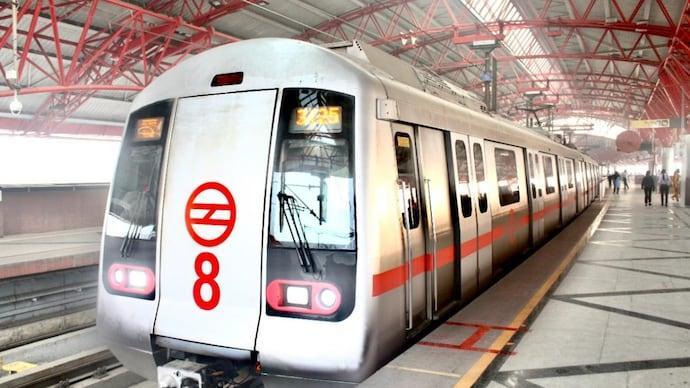
Fig-1:
The example of the Delhi Metro shows the importance of taking into account sustainability and management of the projectinordertofindequilibriumbetweentime,costand sustainability.
Table-1: OptimalBalanceforDelhiMetro
Parameter
Result
Time Reduced project delays using advancedconstructionmethods
Cost Controlled lifecycle cost through efficientplanning
Sustainability Improved environmental performance using green technologies
BengaluruMetroorNammaMetroisacomplexprojectthat was constructed under dynamic growth conditions of the city. There were several issues that arose during the construction process related to land acquisition, traffic
International Research Journal of Engineering and Technology (IRJET) e-ISSN:2395-0056
Volume:13Issue:05|May2026 www.irjet.net
control, and utility relocation that affected the project's efficiency.Regardingthetime,thereweremediumdelaysin allstagesoftheprojectimplementation.Theywerecaused by the bureaucracy, high urbanization, and coordination among the stakeholders. In contrast to the Delhi Metro project, where the implementation period was quick, BengaluruMetroexperiencedsomedifficultiesinadhering totheschedule.Thedelayhadanegativeeffectonthecost performancesincetheproject'slongimplementationperiod resulted in higher costs for labor, material, and administration. The cost overrun was insignificant but demonstrated the relationship between the project's time andcostperformance.
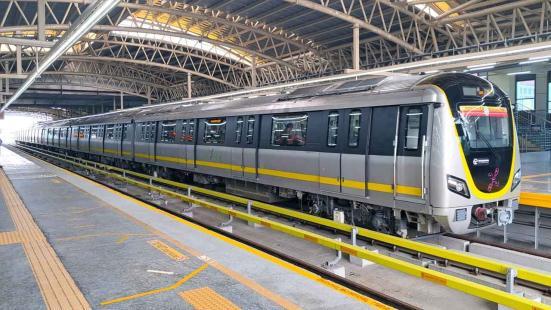
Sustainabilityinitiativeshavebeenincorporatedviaefficient energy use and improved integration of public transport. However,thelevelofincorporationoftheseinitiativesdoes not match that of other new metro systems such as the Nagpur Metro. Sustainability has been considered, but sustainability has not been the motivating factor for the project. This metro project is a perfect illustration of performanceeffectsresultingfromsustainableintegration withurbanchallenges.
Table-2: OptimalBalanceforBengaluruMetro
Parameter
Result
Time Projectdelaysobservedduetoland acquisitionissues,traffic managementchallenges,and coordinationcomplexitiesindense urbanareas
Cost Increasedprojectcostdueto extendedtimelines,escalationin materialprices,andadditional administrativeexpenses
Sustainability Moderateimplementationof sustainabilitypracticessuchas energy-efficientsystemsand improvedpublictransport integration
p-ISSN:2395-0072
Nagpur Metro Rail Project can be regarded as one of the most sustainable projects in India. The initiation of this project has been undertaken by Maharashtra Metro Rail Corporation Limited (MahaMetro). This project takes into account not only its effective realization but also sustainability and environment-friendly approaches. Consideringsustainabilityaspect,itmaybeemphasizedthat Nagpur Metro deserves to be mentioned since it makes extensive use of renewable energy sources such as solar energy generation. Certain stations in this project are recognized as green buildings, while other sustainable methods are used in the project Speaking about time performanceaspect,itshouldbepointedoutthatevenwith allsustainableapproachestakenintoaccount,itwasrealized quiteeffectively.Suchresultcouldbeachievedduetoproper planningofsustainabilityfromtheverybeginning.
Thecostperformanceshowsanincreasedamountofinitial investmentduetosustainabletechnologyused,butthiscan becompensatedbylowercostsforenergyandmaintenance during its operation. The case of Nagpur Metro makes it evident that incorporating sustainability into the project doesnotcauseanydelaysifitisimplementedattheearliest stageoftheprojectdevelopment.
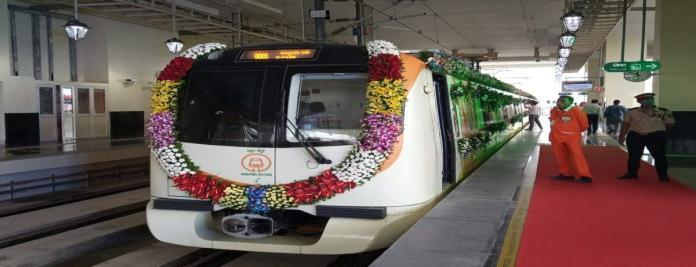
Table-3: OptimalBalanceforNagpurMetro
Parameter Result
Time Efficientprojectexecutionachieved throughearlyplanningandintegration ofsustainabilitymeasures,resultingin minimaldelays
Cost Higherinitialinvestmentdueto adoptionofsolarenergysystemsand greenbuildingtechnologies,offsetby long-termoperationalsavings
Sustainability Highsustainabilityperformancewith extensiveuseofrenewableenergy, greencertifications,and environmentallyfriendlydesign practices
International Research Journal of Engineering and Technology (IRJET)
Volume:13Issue:05|May2026 www.irjet.net p-ISSN:2395-0072
The Mumbai Metro Rail Project is an example of a complicated and difficult situation in the infrastructure industry that involves trade-offs among time, cost, and sustainability.
Inthiscase,therehavebeenseveralissuesthathaveledto thedelayandriseincostassociatedwiththeproject.There havebeendelaysinterms oftimeperformance,causedby difficulties related to land acquisition, environmental clearances, and opposition from the general public, especially concerning environmentally fragile sites like Aarey.Thecostoverrunshavebeenaresultofthedelaysin timeperformance.Theincreaseincostwasmainlybecause ofthehighercostsinvolvedinthedelayedprojects.
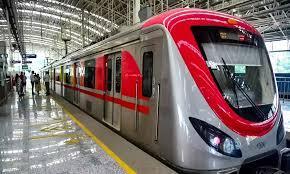
Fig-4: MumbaiMetro
Positiveandnegativeeffectsfromsustainabilityissueswere seen in this project. They showed the relevance of sustainabledevelopmentonthepositiveside.Buttheyalso resulted in conflicts, resulting in the postponement of the project implementation process. As such, sustainability issues can be considered as potential risks if not appropriately addressed concerning stakeholder management.InthisspecificexampleoftheMumbaiMetro, there is an application of the conflict model wherein sustainability was wrongly incorporated in stakeholder management.
Table-4: OptimalBalanceforMumbaiMetro
Parameter
Time Significantdelaysduetolandacquisition issues,environmentalclearances,and stakeholderconflicts
Cost Substantialcostoverrunscausedby prolongedprojectduration,legal challenges,anddesignmodifications
Sustainability Sustainabilityconsiderationspresentbut ledtoconflictsanddelaysdueto environmentalconcernsandpublic opposition
Theconclusionsofthestudyconductedindicatethattime, cost,andsustainabilityareinterrelated parameterswhich jointlyaffecttheperformanceofmetrorailprojects.Ithas been seen through the comparison of case studies undertakenthosechangesinanyoneparameteraffectthe othertwo,creatingtrade-offsintermsoftheirperformance withinthemetrorailproject.Fromtheperspectiveoftime vs.cost,itcanbeseenthatdelaysintheconstructionprocess tend to result in an increased cost of the total project. An increaseinthetimeperiodmeansanincreasedcostinterms oflaborcosts,escalationofmaterials,andoverheadcosts. Projects with a long delay period due to complex urban settingshaveseenhugecostoverruns.However,attemptsto reducethetimeperiodwillinvolveincreasingcostsdueto advancedmethodsandmoreresourcesbeingneededforthe job.Ithasbeenseenfromtheperspectiveofsustainability vs.costthatusingsustainablepracticesintheconstruction processtendstocreatehighcapitaloutlaysattheoutsetof theproject.Thisisbecauseofmeasureslikeuseofefficient energy, renewable energy, and environmentally friendly designs.However,thisresultsineconomicgainsinthelong term.
Sustainability-time relationship implies that due to the inclusionofenvironmentalcomplianceissues,permitsand design changes, projects can be prolonged. The earlier projectsincludesustainabilityissuesintheirearlyplanning stage,the easieritisforthemtohandletheabove effects; otherwise, projects that integrate sustainability in other stagesfacedelayandcoordinationproblems.
Asforthecomparativeassessmentofmetroprojects,itturns out that successful project results are achieved by integrating sustainability into the process at the project’s early stage, using proper management techniques and coordination.Thoseprojectsthatfacesomeexternalfactors, like land procurement or environmental problems, show greatdifficultiesinhandlingtime,cost,andsustainability.
In conclusion, the research indicates that time, cost, and sustainability in the context of metro rail construction projectscannotbeviewedasseparateanddistinctfactors. Instead,theyarerelatedvariablesthatshouldbeaddressed together.Thismeansthatanefforttooptimizeanyofthem could have negative implications on the other two parameters under consideration. The findings from the comparative case studies suggest that metro rail constructionprojectswithanoptimalperformanceinterms of these parameters are those that involve good planning, early incorporation of sustainability considerations, and efficient coordination of participants. In contrast, projects thataremissingthesecharacteristicsmayfailtomeettheir objectives and encounter problems related to delays, cost overruns,andimplementationdifficulties.
International Research Journal of Engineering and Technology (IRJET) e-ISSN:2395-0056
Volume:13Issue:05|May2026 www.irjet.net p-ISSN:2395-0072
Basedontheseconclusions,itmaybestatedthatsuccessful performance of a project depends on the balanced optimization of the three parameters – time, cost, and sustainability – depending on the characteristics of the particularproject.
From the results of this study, the following recommendations are presented regarding the ways in whichtime/costsustainabilitytrade-offscouldbeimproved duringthemanagementofthemetrorailproject.
[1] Firstly, the sustainability consideration should be considered right from the beginning of the project planninganddesigninordertopreventrisksassociated withtimedelaysandcostoverruns.
[2] Secondly, the technology should be employed in the course of project management to facilitate the risk assessmentforactivitieswithintheprojectmanagement process.
[3] Thirdly,coordinationoftherolesofallpartiesinvolved in the project should be ensured so that challenges affectingtheprojectdevelopmentcouldbeaddressed.
[4] Finally, the approach used in project management shouldbeflexibletoincorporateanynecessarychanges.
1) https://delhimetrorail.com/otherdocuments/Sustain ability-Report.pdf
2) https://www.indiatoday.in/environment/story/delh i-metro-group-clean-energy-renewables-cleanenergy-climate-change-global-warming-emissions2802228-2025-10-13
3) https://www.mercomindia.com/mumbai-metrorooftop-solar-projects
4) https://frontline.thehindu.com/socialissues/general-issues/article29766681.ece
5) https://indiainfrahub.com/news/nagpur-metrorail-phase-1-project-completed-to-be-inauguratedon-11-december/
6) https://metrorailnews.in/nagpur-metro-2/
7) https://x.com/updates_tn/status/16438098884250 99267
8) https://www.researchgate.net/publication/355017 526_Sustainable_Development_of_Urban_Metro_Syst em_Perspective_of_Coordination_between_Supply_a nd_Demand
9) https://www.researchgate.net/publication/349332 951_An_overview_of_recent_developments_in_China' s_metro_systems
10) https://www.researchgate.net/publication/392160 508_Time-Cost-Quality-Environmental_ImpactSocial_Impact_TradeOff_for_Infrastructure_Projects_A_Review
11) https://www.researchgate.net/publication/373643 439_An_Analysis_of_What%27s_Delaying_the_Metro _Rail_Projects_of_India
12) https://timesofindia.indiatimes.com/city/kanpur/s olar-plant-at-mSetro-depot-saved-2-crore-in-twoyears/articleshow/123476025.cms